AUTUMNWOOD CARE CENTER
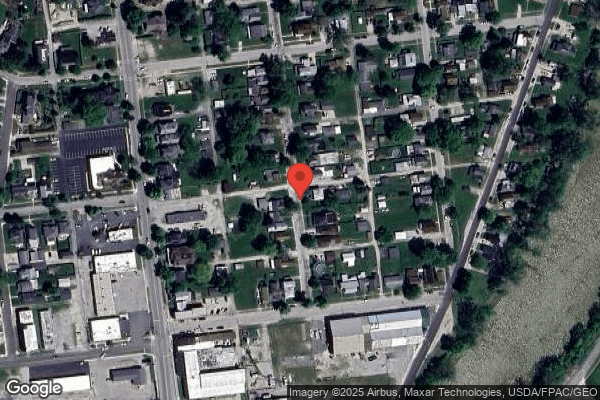
670 E SR 18, TIFFIN, OH 44883 (419) 447-7151
For profit - Corporation 83 Beds GARDEN SPRINGS HEALTHCARE Data: November 2025
Trust Grade
50/100
#407 of 913 in OH
Last Inspection: December 2024

Within standard 12-15 month inspection cycle. Federal law requires annual inspections.

Overview

Autumnwood Care Center has a Trust Grade of C, which means it falls in the average range, indicating it is neither great nor terrible. It ranks #407 out of 913 facilities in Ohio, placing it in the top half of the state, but is #4 out of 5 in Seneca County, suggesting there are only a couple of better local options. The facility is improving, with issues decreasing from 17 in 2024 to just 2 in 2025. Staffing is a concern, with a 2/5 star rating and a turnover rate of 42%, which is slightly better than the state average of 49%, but still indicates room for improvement. There have been serious incidents, including a medication error that led to a resident requiring hospitalization and a failure to identify a resident’s critical condition, which resulted in a delay in treatment. On a positive note, the facility has no fines on record, indicating better compliance, and maintains an average level of RN coverage, which is essential for catching potential issues.

Trust Score
C
50/100
In Ohio
#407/913
Top 44%
Safety Record
Moderate
Needs review
Inspections
Getting Better
17 → 2 violations
Staff Stability
○ Average
42% turnover. Near Ohio's 48% average. Typical for the industry.
Penalties
✓ Good
No fines on record. Clean compliance history, better than most Ohio facilities.
Skilled Nurses
○ Average
Each resident gets 34 minutes of Registered Nurse (RN) attention daily — about average for Ohio. RNs are the most trained staff who monitor for health changes.
Violations
⚠ Watch
48 deficiencies on record. Higher than average. Multiple issues found across inspections.
★★★☆☆
3.0
Overall Rating
★★☆☆☆
2.0
Staff Levels
★★★★★
5.0
Care Quality
★★☆☆☆
2.0
Inspection Score
Stable
2024: 17 issues
2025: 2 issues

The Good

  • 5-Star Quality Measures · Strong clinical quality outcomes
  • Full Sprinkler Coverage · Fire safety systems throughout facility
  • No fines on record
  • Staff turnover below average (42%)

    6 points below Ohio average of 48%

Facility shows strength in quality measures, fire safety.

The Bad

3-Star Overall Rating

Near Ohio average (3.2)

Meets federal standards, typical of most facilities

Staff Turnover: 42%

Near Ohio avg (46%)

Typical for the industry

Chain: GARDEN SPRINGS HEALTHCARE

Part of a multi-facility chain

Ask about local staffing decisions and management

The Ugly 48 deficiencies on record

2 actual harm
Jul 2025 1 deficiency
CONCERN (D) 📢 Someone Reported This

A family member, employee, or ombudsman was alarmed enough to file a formal complaint

Potential for Harm - no one hurt, but risky conditions existed

Deficiency F0628 (Tag F0628)

Could have caused harm · This affected 1 resident

**NOTE- TERMS IN BRACKETS HAVE BEEN EDITED TO PROTECT CONFIDENTIALITY** Based on medical record review, resident and staff interview, and policy review, the facility failed to provide bed hold notice ...

Read full inspector narrative →
**NOTE- TERMS IN BRACKETS HAVE BEEN EDITED TO PROTECT CONFIDENTIALITY** Based on medical record review, resident and staff interview, and policy review, the facility failed to provide bed hold notice to residents being sent to the hospital. This affected one (#6) of three residents reviewed for bed hold notices. The facility census was 80.Findings include:Review of medical record for Resident #6 revealed an admission date of 04/18/25. Diagnoses included chronic kidney disease stage III, low back pain, and malignant neoplasm of parotid gland. Review of the census line revealed Resident #6 was private pay.Review of the Minimum Data Set (MDS) assessment dated [DATE] revealed Resident #6 was cognitively intact.Review of the nursing note dated 07/03/25 at 3:01 P.M. revealed Resident #6 was found on the floor of her bathroom lying on her side in front of the toilet. The resident was screaming out in pain during the transfer. The Certified Nurse Practitioner (CNP) was notified and a new order received to send the resident to the emergency room (ER) for evaluation.The nursing note dated 07/04/25 at 1:40 A.M. revealed Resident #6 returned to the facility from the ER with no new orders. There was no documentation of Resident #6 receiving a bed hold notice when Resident #6 was sent to the ER on [DATE].Review of bed hold notice provided by the facility revealed Resident #6 went out to the hospital on [DATE] and noted the resident was private pay. The notice stated I am requesting to hold a bed starting 07/03/25 to 07/04/25 and acknowledge that I agree to pay the full private pay per diem rate of $325 for that bed. The bed hold notice was signed by Resident #6 on 07/07/25.Interview on 07/08/25 at 1:26 P.M. with Social Worker (SW) #523 revealed she did not get the bed hold agreement signed until 07/07/25 due to the fact that the resident went to the hospital while she was off work. SW #523 stated she just came back on 07/07/25 and followed up with Resident #6 regarding her transfer to the hospital.Interview on 07/08/25 at 2:48 P.M. with Resident #6 stated the facility did not tell her about her bed being held before she went to the hospital. Resident #6 stated she was shocked when they came in yesterday (07/07/25) and had her sign a paper and owed money. Resident #6 denied giving her verbal consent to hold her bed when she left for the hospital. Resident #6 stated that if she did, she did not know what it was.Review of the policy titled Bed-Holds and Returns revised May 2025 revealed prior to a transfer, information will be given to the residents and the resident representatives that explains the rights and limitations of the resident regarding bed-holds, the reserve bed payment policy as indicated by the state plan (Medicaid residents), and the facility per diem rate required to hold a bed (non-Medicaid residents), or to hold a bed beyond the state bed-hold period (Medicaid residents).This deficiency represents non-compliance investigated under Complaint Number OH00167190 (1388262).
Jan 2025 1 deficiency 1 Harm
SERIOUS (G) 📢 Someone Reported This

A family member, employee, or ombudsman was alarmed enough to file a formal complaint

Actual Harm - a resident was hurt due to facility failures

Deficiency F0760 (Tag F0760)

A resident was harmed · This affected 1 resident

**NOTE- TERMS IN BRACKETS HAVE BEEN EDITED TO PROTECT CONFIDENTIALITY** Based on medical record review, staff interview, and facility policy review, the facility failed to ensure a medication order wa...

Read full inspector narrative →
**NOTE- TERMS IN BRACKETS HAVE BEEN EDITED TO PROTECT CONFIDENTIALITY** Based on medical record review, staff interview, and facility policy review, the facility failed to ensure a medication order was complete and accurate and further failed to ensure the medication order was transcribed correctly to make certain Resident #10 was administered the correct medication. Actual Harm occurred when an incomplete verbal order for a critically low potassium level (2.7 milliequivalents per liter [mEq/L] with normal potassium blood serum measuring between 3.5 and 5.5 mEq/L) was transcribed and medication administered inaccurately, resulting in Resident #10 receiving a medication to remove potassium from the blood rather than a medication to replace potassium (low potassium could result in cardiac arrhythmia, numbness, tingling, muscle weakness, spasms, and or muscle damage). Resident #10 required hospital treatment, additional laboratory testing and the replacement of potassium with 40 milliequivalents (mEq) administered orally and 10 mEq intravenously. This affected one (#10) of three residents reviewed for medication errors. The facility census was 81. Findings include: Review of Resident #10's medical record revealed an admission date of 01/05/23. Diagnoses included Alzheimer's disease, congestive heart failure, and cardiomyopathy. Review of Resident #10's significant change Minimum Data Set (MDS) dated [DATE] revealed a low cognitive function. Resident #10 required a set up for eating. Review of Resident #10's most recent care plan revealed a cardiac diagnosis which required monitoring and medications for congestive heart failure and coronary artery disease. Review of Resident #10's medical record revealed Assistant Director of Nursing (ADON) #200 received a text message (verbal order) from Certified Nurse Practitioner (CNP) #500 on 12/26/24 at 1:16 P.M. stating Resident #10 had critical potassium results. The verbal order stated give 60 mEq now and 60 tomorrow morning and recheck potassium tomorrow a few hours after the morning medication. Review of the order placed by ADON #200 in the electronic medical record dated 12/26/24 at 3:11 P.M. revealed sodium polystyrene sulfonate suspension (Kayexalate) 15 grams per 60 milliliter (ml) was to be administered by mouth one time for hyperkalemia. Review of Resident #10's Medication Administration Record (MAR) dated 12/26/24 revealed Licensed Practical Nurse (LPN) #250 administered sodium polystyrene sulfonate suspension 60 ml by mouth at 4:31 P.M. Review of Resident #10's medical record dated 12/26/24 at 5:30 P.M. revealed CNP #500 was updated on a medication error and a new order was obtained to send Resident #10 to the emergency room for evaluation. Resident #10's family was updated on the transfer and Resident #10 was transported to the hospital by the facility van. Review of Resident #10's hospital record dated 12/26/24 revealed the resident was an [AGE] year-old female who presented to the emergency department at 5:51 P.M. for evaluation of possible hypokalemia due to nursing home staff reporting that resident's potassium was low (2.7 mEq/L at 12:43 P.M. per nursing home laboratory test results) and resident was given 60 grams Kayexalate by mistake. Resident #10's potassium level in the emergency department was 2.8 mEq/L, Resident #10 was ordered to receive 40 mEq of potassium orally and 10 mEq intravenously. Resident #10 was discharged and returned to the facility at 11:59 P.M. on 12/26/24 with orders for follow up blood testing to be completed on 12/27/24. Diagnoses included hypokalemia (low potassium) and accidental ingestion of a substance. Review of Resident #10's repeat blood work on 12/27/24 revealed a potassium level of 3.2 mEq/L. Interview with ADON #200 on 01/15/25 at 1:29 P.M. revealed she received a text order from CNP #500 which read critical potassium on Resident #10. Give her 60 mEq right now and 60 tomorrow morning and recheck potassium tomorrow a few hours after the morning medication. ADON #200 revealed she realized her error about an hour after placing the electronic order when she reviewed her text messages and noted the order was not clear. ADON #200 verified she placed an inaccurate order in the electronic medical record for Resident #10. ADON #200 stated when she discovered the error she tried to stop the floor nurse from administering the medication, but was too late, the Kayexalate had already been administered. Interview with the Administrator on 01/16/25 at 3:24 P.M. revealed Resident #10 had low potassium levels and on 12/26/24 CNP #500 had ordered additional potassium to increase the residents potassium level. The Administrator stated ADON #200 misread the incomplete order which was texted to her phone and placed an order for Kayexalate into Resident #10's electronic medical record and once the error was identified Resident #10 was taken to the emergency department for evaluation and was required to receive a potassium infusion. Telephone interview with LPN #250 on 01/21/25 at 1:40 P.M. revealed ADON #200 informed her verbally that Resident #10's potassium was high, and the level needed to be decreased, and an order for Kayexalate had been entered. LPN #250 verified she administered the medication and within a couple of minutes of administering the medication the ADON informed LPN #250 the order was an error. LPN #250 revealed knowledge of Resident #10's history of hypokalemia and verified the resident took a potassium supplement twice daily but had come to the conclusion that her potassium levels must have increased. LPN #250 stated she failed to check the laboratory results herself. Interview with the Administrator on 01/21/25 at 3:10 P.M. revealed the facility failed to have a policy regarding clarification of CNP and physician orders when incomplete. Review of the Medical Director Agreement, signed on 06/18/24 revealed adequate and appropriate services will be provided to residents. Review of the undated facility policy titled Electronic Signatures and Electronic Orders, revealed the facility permits the use of electronic orders in accordance with recognized standards and laws. Review of the facility policy titled Documentation of New or Changed Physician Prescribed Orders, revised 07/01/24 stated a medication order should include the medication name, strength, dosage, time or frequency and route of administration. This deficiency represents non-compliance investigated under Complaint Number OH00161202.
Dec 2024 13 deficiencies
CONCERN (D)

Potential for Harm - no one hurt, but risky conditions existed

Deficiency F0561 (Tag F0561)

Could have caused harm · This affected 1 resident

**NOTE- TERMS IN BRACKETS HAVE BEEN EDITED TO PROTECT CONFIDENTIALITY** Based on review of the medical record, staff interview, and policy review, the facility failed to ensure shower preferences were...

Read full inspector narrative →
**NOTE- TERMS IN BRACKETS HAVE BEEN EDITED TO PROTECT CONFIDENTIALITY** Based on review of the medical record, staff interview, and policy review, the facility failed to ensure shower preferences were honored. This affected one (#18) of one resident reviewed for showers. The facility census was 78. Findings include: Review of the medical record for Resident #18 revealed an admission date of 04/29/19. Diagnoses included bipolar disorder, type two diabetes mellitus, schizoaffective disorder, delusional disorder, and depressive disorder. Review of a significant change Minimum Data Set (MDS) assessment dated [DATE] revealed the resident had intact cognition. The resident was dependent on staff for showers and bathing. Review of the plan of care initiated 08/02/24 revealed the resident's personalized care preferences included a shower three times per week. The resident required physical assistance to total dependence for bathing and shower transfers with two staff with the mechanical lift. Review of the shower schedule revealed Resident #18 was scheduled for showers three times per week on Tuesdays, Thursdays, and Saturdays on first shift. Review of the task documentation from 10/12/24 through 12/11/24 for Resident #18 revealed the resident was dependent on staff for bathing/showering. Further review of the task documentation revealed no documentation whether the resident received a shower or a bed bath. Review of shower sheets dated 11/30/24, 12/01/24, 12/03/24, 12/05/24, 12/08/24, and 12/10/24 revealed the resident had received bed baths and no showers. Review of the nurse's progress notes dated 10/12/24 through 12/11/24 revealed no documentation the resident had refused showers. Interview on 12/09/24 at 9:14 A.M., Resident #18 revealed she preferred showers and was not receiving them. Resident #18 revealed the nursing assistants told her she was not stable enough to sit in a shower chair so she had to have bed baths. Interview on 12/11/24 at 8:35 A.M., Certified Nursing Assistant (CNA) #584 revealed the resident received bed baths and not showers. CNA #584 revealed there was only one shower bed which the resident required because she was a mechanical lift transfer and it was not usually available so the resident received a bed bath instead. Interview on 12/11/24 at 8:39 A.M., CNA #546 revealed Resident #18 received bed baths and not showers. Interview on 12/11/24 at 10:29 A.M., the Director of Nursing (DON) revealed the facility had recently started using shower sheets for the residents. The DON revealed there were no shower sheets for Resident #18 from 10/12/24 through 11/29/24. The DON stated the facility started using shower sheets to identify if the resident received a shower or bath. The DON revealed the nursing assistants should have been giving the resident a shower using the bariatric shower chair. The DON revealed the facility had two shower beds. The DON was unaware the nursing assistants had been giving the resident bed baths instead of showers. Review of the policy, Resident Rights, revised 12/2016, revealed residents had the right to participate in decision-making regarding care.
CONCERN (D)

Potential for Harm - no one hurt, but risky conditions existed

Deficiency F0568 (Tag F0568)

Could have caused harm · This affected 1 resident

**NOTE- TERMS IN BRACKETS HAVE BEEN EDITED TO PROTECT CONFIDENTIALITY** Based on review of the medical record, staff and resident interview, and policy review, the facility failed to ensure residents ...

Read full inspector narrative →
**NOTE- TERMS IN BRACKETS HAVE BEEN EDITED TO PROTECT CONFIDENTIALITY** Based on review of the medical record, staff and resident interview, and policy review, the facility failed to ensure residents were provided quarterly statements for their personal funds. This affected one (#20) of one resident reviewed for personal funds. The facility identified 54 residents with personal funds accounts. The facility census was 78. Findings include: Review of medical record for Resident #20 revealed an admission dated of 09/11/17. Diagnoses included type two diabetes mellitus, bipolar disorder, Parkinson's disease, and hypertension. Review of the quarterly Minimum Data Set (MDS) assessment dated [DATE] revealed the resident had intact cognition. Review of the personal fund authorization form dated 07/09/18 revealed the resident authorized the facility to manage her personal fund account. Further review of the medical record revealed no documentation the resident was provided with quarterly statements for personal funds. Interview on 12/09/24 at 9:34 A.M., Resident #20 revealed the facility would not let her see her personal funds statement. Further interview with Resident #20 revealed the facility had not provided her a copy of her quarterly statement in the past year. Interview on 12/11/24 at 3:51 P.M., Business Office Manager (BOM) #517 verified there was no documentation Resident #20 had received quarterly statements for personal funds account. Review of the policy, Accounting and Records of Resident Funds, revised 04/2017, revealed individual accounting records were made available to the resident through quarterly statements and upon request.
CONCERN (D)

Potential for Harm - no one hurt, but risky conditions existed

Notification of Changes (Tag F0580)

Could have caused harm · This affected 1 resident

**NOTE- TERMS IN BRACKETS HAVE BEEN EDITED TO PROTECT CONFIDENTIALITY** Based on review of the medical record, staff interview, and policy review, the facility failed to timely notify the physician an...

Read full inspector narrative →
**NOTE- TERMS IN BRACKETS HAVE BEEN EDITED TO PROTECT CONFIDENTIALITY** Based on review of the medical record, staff interview, and policy review, the facility failed to timely notify the physician and resident representative of a resident change in condition. This affected one (Resident #30) of two residents reviewed for change in condition. The facility census was 78. Findings include Review of the medical record for Resident #30 revealed an admission date of 08/05/24. Diagnoses included chronic obstructive pulmonary disease, heart failure, dementia, and anxiety. Review of the quarterly Minimum Data Set (MDS) assessment dated [DATE] revealed the resident had intact cognition. Review of a nurses note dated 11/17/24 at 1:54 P.M. revealed the resident stated this morning she had gotten up in the middle of the night and moved her right ankle wrong. The resident complained of pain to the right ankle and foot. No swelling or bruising noted. The resident had two elastic bandages wrapping the ankle and the nurse removed one and rewrapped one so it was not too tight. The nurse got a leg pedal for the resident's wheelchair to use for the foot. The nurse rechecked the foot this afternoon with no change noted. There was no documentation the physician or resident's representative were notified. Interview on 12/09/24 at 9:25 A.M., Resident #30 revealed she had pain in her right ankle and foot. Resident #30 revealed she had rolled her ankle a few weeks ago and had asked for an x-ray and had not received one. Resident #30 revealed she also recently hit the same foot on the bed. Resident #30 revealed she was wrapping her own foot with an elastic bandage. Review of a nurse's note dated 12/09/24 revealed the physician was notified the resident had right ankle pain with a small bruise, no swelling, and an elastic bandage. New orders were received for an x-ray of the right ankle. Review of the radiology report dated 12/09/24 at 9:24 P.M., revealed there was no evidence of fracture, dislocation, or acute disease of the right ankle. Interview on 12/11/24 at 9:52 A.M., the Director of Nursing (DON) verified there was no documentation the physician or resident representative were timely notified of the injury on 11/17/24. The DON verified an x-ray of the right ankle had not been completed until 12/09/24. Review of the policy, Change in a Resident's Condition or Status, revised 05/2017 revealed the facility would promptly notify the resident, the attending physician, and representative of changes in the resident's medical/mental condition and/or status.
CONCERN (D)

Potential for Harm - no one hurt, but risky conditions existed

Safe Environment (Tag F0584)

Could have caused harm · This affected 1 resident

**NOTE- TERMS IN BRACKETS HAVE BEEN EDITED TO PROTECT CONFIDENTIALITY** Based on observation, resident interview, and staff interview the facility failed to maintain comfortable sound levels in the di...

Read full inspector narrative →
**NOTE- TERMS IN BRACKETS HAVE BEEN EDITED TO PROTECT CONFIDENTIALITY** Based on observation, resident interview, and staff interview the facility failed to maintain comfortable sound levels in the dining room on the secured unit. This affected one resident (#59) and had the potential to affect the 12 residents who resided on the secured unit. The facility census was 78. Finding include: Review of the medical record for Resident #59 revealed an admission date of 10/06/23. Diagnoses included Alzheimer's disease, anxiety disorder, muscle weakness, and dementia. Review of Resident #59's Minimum Data Set (MDS) dated [DATE] revealed a Brief Interview for Mental Status (BIMS) score of nine indicating Resident #59 was moderately cognitively impaired. Resident #59 required maximal assistance with toilet use, dressing and personal hygiene. Resident #59 required moderate assistance with bathing and supervision with eating. Resident #59 displayed rejection of care behaviors one to three days during the review period and wandering behaviors four to six days during the review period. Observation on 12/09/24 at 9:18 A.M. of dining room on the secured unit found the floors appeared to be clean but were very sticky. The stickiness caused staff and residents shoes to make very loud squeaking noises as they walked across the floor. Resident's were observed leaving the dining room with staff after breakfast and the loud squeaking shoes made it difficult to hear and have conversations. Interview on 12/09/24 at 9:21 A.M. with Licensed Practical Nurse (LPN) #520 reported the loud sounds from shoes walking on the dining room floor was a regular occurrence and was disruptive and agitating to the residents at times. LPN #520 reported even after the floors were mopped they continued to be sticky creating loud sounds as they were walked across. Observation on 12/09/24 at 11:20 A.M. of the dining room on the secured unit found the floors continued to be sticky and created loud squeaking noises when walked across. As the more residents and staff entered the dining room the louder the squeaking sound became. Interview on 12/09/24 at 11:27 A.M. with Certified Nursing Assistant (CNA) #593 verified the loud sounds from their shoes sticking to the floor bothered staff and the residents. CNA #593 reported she even went outside in the rain hoping to help reduce the loud sounds from her shoes sticking to the floor but it had not worked. CNA #593 reported the residents on the secured unit were confused and some would get agitated by the loud squeaking when they were in the dining room. Interview on 12/09/24 at 11:37 A.M. with Resident #59 found her to be alert and aware. Resident #59 reported the squeaking shoes were very noisy and it was driving her crazy. Observation on 12/09/24 at 11:46 A.M. found Physical Therapy Assistant (PTA) #610 entered the dining room. Her shoes stuck to the floor making a loud squeaking sound. Resident #59 was observed looking at PTA #610 with squinted eyes and appeared bothered by the additional squeaking sounds.
CONCERN (D)

Potential for Harm - no one hurt, but risky conditions existed

Comprehensive Care Plan (Tag F0656)

Could have caused harm · This affected 1 resident

**NOTE- TERMS IN BRACKETS HAVE BEEN EDITED TO PROTECT CONFIDENTIALITY** Based on observation, medical record review, interviews, and review of facility policy, the facility failed to ensure the compre...

Read full inspector narrative →
**NOTE- TERMS IN BRACKETS HAVE BEEN EDITED TO PROTECT CONFIDENTIALITY** Based on observation, medical record review, interviews, and review of facility policy, the facility failed to ensure the comprehensive care plan was complete with current resident condition. This affected one (Resident #20) of two residents reviewed for comprehensive care planning. The census was 78. Findings include: Review of Resident #20's medical record revealed an admission date of 09/11/17. Diagnoses included bipolar disorder, chronic obstructive pulmonary disease, chronic respiratory failure, ataxia, Parkinson's, schizoaffective, and lymphedema. Review of Resident #20's quarterly Minimum Data Set, dated [DATE] revealed intact cognition. The resident required maximum assistance for lower body dressing and required oxygen therapy. Review of Resident #20's medical record revealed a physician's order for [NAME] hose (compression stockings) to be applied in the morning and removed at bedtime. Size regular medium. Review of Resident #20's care plan revealed no goals or interventions in place for the use of compression stockings. Observation on 12/09/24 at 10:10 A.M. revealed Resident #20 did not have the compression stockings applied. Interview with Resident #20 on 12/09/24 at 10:10 A.M. revealed the compression stocking in size medium were too tight and she refused to wear them. The resident stated she had informed several aides and nurses regarding this issue. Interview with the Director of Nursing (DON) on 12/11/24 at 11:23 A.M. revealed Resident #20's care plan failed to included compression stocking information. Review of the facility policy titled, Care Plans, Comprehensive Person Centered revised December 2016 revealed a comprehensive, person centered care plan that included measurable objection and time tables to meet the psychosocial and functional needs is implemented for each resident.
CONCERN (D)

Potential for Harm - no one hurt, but risky conditions existed

Quality of Care (Tag F0684)

Could have caused harm · This affected 1 resident

**NOTE- TERMS IN BRACKETS HAVE BEEN EDITED TO PROTECT CONFIDENTIALITY** Based on observation, record review, staff interview, and resident interview, the facility failed to ensure a resident (#20) was...

Read full inspector narrative →
**NOTE- TERMS IN BRACKETS HAVE BEEN EDITED TO PROTECT CONFIDENTIALITY** Based on observation, record review, staff interview, and resident interview, the facility failed to ensure a resident (#20) was provided compression stockings as physician ordered. This affected one (Resident #20) of one resident observed for compression stockings. The facility census was 78. Findings included: Review of Resident #20's medical record revealed an admission date of 09/11/17. Diagnoses included bipolar disorder, chronic obstructive pulmonary disease, chronic respiratory failure, ataxia, Parkinson's, schizoaffective, and lymphedema. Review of Resident #20's quarterly Minimum Data Set, dated [DATE] revealed intact cognition. The resident required maximum assistance for lower body dressing and required oxygen therapy. Review of Resident #20's care plan revealed the resident required diuretic therapy. Interventions included to watch for lower extremity swelling. Review of Resident #20's medical record revealed a physician's order for [NAME] hose (compression stockings) to be applied in the morning and removed at bedtime. Size regular. Observation on 12/09/24 at 10:10 A.M. revealed Resident #20 did not have the compression stockings applied. Interview with Resident #20 on 12/09/24 at 10:10 A.M. revealed the compression stocking in size medium were too tight and she refused to wear them. The resident stated she had informed several aides and nurses regarding this issue. Observation on 12/10/24 at 2:10 P.M. revealed Resident #20 did not have compression stockings applied. Interview on 12/10/24 at 2:12 P.M. with Licensed Practical Nurse (LPN) #578 verified Resident #20 had a physician's order for compression stockings but they were not applied. Observation on 12/10/24 at LPN #578 asked Certified Nursing Assistant (CNA) #607 to put on the hose and the CNA went in to do so and the resident refused saying they were too tight. Interview with the Director of Nursing (DON) on 12/11/24 at 11:23 A.M. revealed she was unaware that Resident #20 was unable to wear the physician ordered compression stockings. An email was received from the DON on 12/12/24 at 9:33 A.M. which revealed the physician had been notified regarding Resident #20's refusal to wear the compression stockings and she had been re-measured for a new pair.
CONCERN (D)

Potential for Harm - no one hurt, but risky conditions existed

Tube Feeding (Tag F0693)

Could have caused harm · This affected 1 resident

**NOTE- TERMS IN BRACKETS HAVE BEEN EDITED TO PROTECT CONFIDENTIALITY** Based on observation, medical record review, staff interview, and review of facility policy, the facility failed to ensure resid...

Read full inspector narrative →
**NOTE- TERMS IN BRACKETS HAVE BEEN EDITED TO PROTECT CONFIDENTIALITY** Based on observation, medical record review, staff interview, and review of facility policy, the facility failed to ensure residents had their tube feed running at the ordered rate. This affected one resident (#52) of one resident reviewed. The facility identified one resident who received nutrition via tube feeding in the facility. The facility census was 78. Findings include: Review of Resident #52's medical record revealed an admission date of 08/31/24. Diagnoses included Parkinson's Disease, dysphagia, moderate protein calorie malnutrition, anxiety disorder, bipolar disorder, seizures, and osteoporosis. Review of Resident #52's Minimum Data Set (MDS) dated [DATE] revealed a Brief Interview for Mental Status (BIMS) score of eight indicating Resident #52 was moderately cognitively impaired. Resident #52 required maximal assistance with toilet use, dressing, bathing, and mobility. Resident #52 had a feeding tube and received 51% or more of his total calories through the tube feeding. Resident #52 displayed no behaviors during the review period. Review of Resident #52's care plan revised 11/30/24 revealed supports and interventions for impaired nutrition related to no food by mouth (NPO) status with tube feeding for total nutrition. Review of Resident #52's physician orders revealed an order dated 11/25/24 and reordered 12/09/24 for Nepro Carb Steady oral liquid supplement. Give 55 milliliters (ml) via gastrostomy tube (g-tube) every shift for enteral feeding related to dysphagia. Water flush 240 ml every four hours. Review of Resident #52's progress notes and electronic Medication Administration Record (eMAR) found no justification for Resident #52's tube feeding rate to be adjusted from the rate ordered by the physician. Observation on 12/09/24 at 9:34 A.M. of Resident #52 found him sleeping in bed with his continuous tube feeding running at 59 ml per hour. Observation on 12/09/24 at 10:40 A.M. of Resident #52 found him sleeping in bed with his tube feed running at 59 ml per hour. Observation on 12/10/24 08:02 A.M. of Resident #52 found him sleeping in bed with his continuous tube feeding running at 50 ml. Observation on 12/10/24 at 2:31 P.M. of Resident #52 found him awake with his continuous tube feed running at 50 ml per hour. Interview on 12/10/24 at 2:35 P.M. with Registered Nurse #545 verified Resident #52's tube feeding was to be running at 55 ml per hour and it was set at 50 ml with no justification or change in the order. RN #545 reported Resident #52's tube feeding was connected on night shift and adjusted Resident #52's tube feeding rate to 55 ml per hour flow rate as was ordered. Review of the facility policy titled, Enteral Nutrition, revised November 2018 revealed adequate nutritional support through enteral nutrition was provided to residents as ordered.
CONCERN (D)

Potential for Harm - no one hurt, but risky conditions existed

Deficiency F0761 (Tag F0761)

Could have caused harm · This affected 1 resident

Deficiency Text Not Available

Read full inspector narrative →
Deficiency Text Not Available
CONCERN (D)

Potential for Harm - no one hurt, but risky conditions existed

Medical Records (Tag F0842)

Could have caused harm · This affected 1 resident

**NOTE- TERMS IN BRACKETS HAVE BEEN EDITED TO PROTECT CONFIDENTIALITY** Based on observation, medical record review, staff interview, resident interview, and policy review, revealed the facility faile...

Read full inspector narrative →
**NOTE- TERMS IN BRACKETS HAVE BEEN EDITED TO PROTECT CONFIDENTIALITY** Based on observation, medical record review, staff interview, resident interview, and policy review, revealed the facility failed to ensure medical staff completed accurate documentation regarding a resident's compression stocking application. This affected one (Resident #20) of one resident reviewed for documentation. The facility census was 78. Findings included: Review of Resident #20's medical record revealed an admission date of 09/11/17. Diagnoses included bipolar disorder, chronic obstructive pulmonary disease, chronic respiratory failure, ataxia, Parkinson's, schizoaffective, and lymphedema. Review of Resident #20's quarterly Minimum Data Set, dated [DATE] revealed an intact cognition. The resident required maximum assistance for lower body dressing. Review of Resident #20's care plan revealed the resident required diuretic therapy. Interventions included to watch for lower extremity swelling. Review of Resident #20's medical record revealed a physician's order for [NAME] hose (compression stockings) to be applied in the morning and removed at bedtime. Size regular medium. Observation on 12/09/24 at 10:10 A.M. revealed Resident #20 did not have the compression stockings applied. Interview with Resident #20 on 12/09/24 at 10:10 A.M. revealed the compression stocking in size medium were too tight and she refused to wear them. The resident revealed she had not worn the stockings in months. The resident stated she had informed several aides and nurses regarding this issue but new stockings were not received. Observation on 12/10/24 at 2:10 P.M. revealed Resident #20 continued to not have the compression stockings in place. Review of Resident #20's electronic Treatment Administration Record (TAR) dated 11/01/24 through 12/13/24 revealed nursing staff documented the resident's compression stockings had been placed on the resident daily and removed at bedtime. Interview on 12/10/24 at 2:12 P.M. with Licensed Practical Nurse (LPN) #578 verified Resident #20 had a physician's order for compression stockings but they were failed to be applied. LPN #578 verified nursing staff had documented the compression stockings were applied daily even though they were not truly placed on the resident. Observation on 12/10/24, LPN #578 asked Certified Nursing Assistant (CNA) #607 to put on the hose and CNA #607 went to do so and Resident #20 refused stating they were too tight. Interview with the Director of Nursing (DON) on 12/11/24 at 11:23 A.M. revealed she was unaware that Resident #20 was unable to wear the physician ordered compression stockings. She verified staff had falsely documented Resident #20's TAR. Review of the facility policy titled,Charting and Documentation undated, revealed documentation in the medical record will be objective (not opinionated or speculative), complete, and accurate.
CONCERN (D)

Potential for Harm - no one hurt, but risky conditions existed

Infection Control (Tag F0880)

Could have caused harm · This affected 1 resident

**NOTE- TERMS IN BRACKETS HAVE BEEN EDITED TO PROTECT CONFIDENTIALITY** Based on observation, medical record review, resident interview, staff interview, and review of facility policy, the facility fa...

Read full inspector narrative →
**NOTE- TERMS IN BRACKETS HAVE BEEN EDITED TO PROTECT CONFIDENTIALITY** Based on observation, medical record review, resident interview, staff interview, and review of facility policy, the facility failed to ensure resident's catheter collection bags were maintained off the floor and in a safe and sanitary manner. This affected two residents (#56 and #39) of two residents reviewed with indwelling catheters. In addition, the facility failed to ensure medications were administered in a safe and sanitary manner. This affected two residents (#56 and #69). The facility census was 78. Findings include: 1. Review of Resident #39's medical record revealed an admission date of 10/07/24. Diagnoses included urethral syndrome, urinary retention, chronic kidney disease, and breast and lung cancer. Review of Resident #39's Minimum Data Set (MDS) revealed she had intact cognitive function and required an indwelling Foley catheter. Review of Resident #39's most recent care plan revealed the resident required enhanced barrier precautions related to increased risk for multidrug-resistant organisms (MDRO) infections due to wound(s) and an indwelling catheter. Review of Resident #39's medical record revealed a physician's order dated 11/19/24 for a Foley catheter #14 French with continuous drainage. Observation on 12/11/24 at 11:04 A.M. revealed Certified Nurse Assistant (CNA) #590 was pushing Resident #39 in her wheelchair down the hallway to the dining room. Resident #39's Foley catheter bag was dragging on the tile floor all the way down the hall into the dining room. Interview with CNA #590 on 12/11/24 at 11:05 A.M. revealed the aide was unaware Resident #39's Foley catheter bag was dragging on the floor and she was aware it was an infection control issue. The CNA then positioned the bag to remove it from the dining room floor. 2. Review of Resident #56's medical record revealed an admission date of 06/17/24. Diagnoses included cerebrovascular disease, liver transplant status, type II diabetes, depression, diverticulitis, cerebral infarction, anxiety disorder, stroke, and gangrene. Review of Resident #56's MDS dated [DATE] revealed a Brief Interview for Mental Status (BIMS) score of 15 indicating Resident #56 was cognitively intact. Resident #56 had an indwelling catheter at the time of the review. Resident #56 required supervision or touching assistance with toilet use, and personal hygiene. Resident #56 required moderate assistance with bathing. Resident #56 displayed no behaviors at the time of the review. Review of Resident #56's care plan revised 10/11/24 revealed supports and interventions for self-care deficit, impaired nutrition, catheter, and pain. Review of Resident #56's physician orders revealed an order dated 11/04/24 for Foley catheter #16 French 5-10 cubic centimeter (cc) to continuous drainage every shift related to obstructive and reflux uropathy. An order dated 11/04/24 for catheter care every shift per policy and an order dated 11/04/24 for privacy bag every shift. Observation on 12/09/24 at 9:30 A.M. of Resident #56 found his catheter bag hanging on the side of Resident #56's trash can. The bottom of the bag was lying on the floor with no barrier between the floor and the catheter bag, and the wheel of Resident #56's bedside table was on top of Resident #56's catheter bag privacy cover. Coinciding interview with Resident #56 revealed the staff had placed the bag on the trash can and the wheel of his bedside table often rolled over the privacy bag cover when he moved the table around. Resident #56 reported he could get himself out of bed and could move his catheter bag but he just hooked it back on the trash can and tried to be careful when moving his bedside table so it was not sitting on the bag. Interview on 12/09/24 at 9:31 A.M. with CNA #521 verified Resident #56's catheter bag was hanging on the side of the trash can, was partially touching the floor, and the wheel of Resident #56's bedside table was on top of the privacy bag cover. CNA #56 removed the bedside table wheel from the catheter bag and showed the wheel had been on the privacy cover and not the catheter bag itself. CNA #521 did not remove the catheter bag from the trash can or off the floor. Observation on 12/10/24 at 8:01 A.M. of Resident #56 found him sleeping in bed. Resident #56's catheter bag continued to be hanging on the side of the trash can and partially touching the floor. The wheel of Resident #56's bedside table was observed on top of the bottom of Resident #56's catheter bag privacy cover. Observation on 12/10/24 at 2:36 P.M. of Resident #56 found him sleeping in bed. His catheter bag continued to be hanging on the side of the trash can and partially touching the floor. Interview on 12/10/24 at 2:38 P.M. with Registered Nurse (RN) #545 verified Resident #56's catheter bag was hanging on the side of his trash can and was partially touching the floor. RN #545 verified Resident #56's catheter bag was not supposed to be hanging on the trash can or touching the floor. RN #545 moved Resident #56's catheter bag from the trash can to the side of Resident #56's bed. The bag was observed to be repositioned below Resident #56's bladder and off the floor. Review of the facility policy titled, Urinary Catheter Care, revised September 2014 revealed the staff were to maintain clean techniques when handling or manipulating the catheter, tubing or drainage bag. The policy was silent to maintaining the catheter bag off the floor. 3. Review of the medical record for Resident #56 revealed an admission date of 07/31/24. Diagnoses included cerebrovascular disease, type two diabetes mellitus, depression, hypertension, and anxiety. Review of the quarterly MDS assessment dated [DATE] revealed the resident had intact cognition. Review of the physician orders dated 08/09/24 revealed the resident had orders for oxycodone five milligrams (mg) every 12 hours as needed for pain. Observation on 12/10/24 at 7:10 A.M. during medication administration for Resident #56 revealed Registered Nurse (RN) #545 removed one oxycodone tablet from the medication card and placed the tablet in her ungloved hand. 4. Review of the medical record for Resident #69 revealed an admission date of 09/03/24. Diagnoses included hypertension, atrial fibrillation, and convulsions. Review of the quarterly MDS dated [DATE] revealed the resident had intact cognition. Review of the physician orders dated 09/28/24 phenobarbital tablet 64.8 mg in the morning for cerebral infarction. Observation on 12/10/24 7:44 A.M. during medication administration for Resident #69 revealed RN #545 removed one phenobarbital tablet from the medication card and placed the medication in her ungloved hand. Interview on 12/10/24 at 7:56 A.M., RN #545 verified she directly touched the medications for Resident #56 and Resident #69 with an ungloved hand. Interview on 12/10/24 04:10 P.M., the Director of Nursing (DON) verified the nurse should not place medications in their bare hand. Review of the policy, Administering Medications, revised 04/2019, revealed staff followed established facility infection control procedures for the administration of medications.
CONCERN (F)

Potential for Harm - no one hurt, but risky conditions existed

Food Safety (Tag F0812)

Could have caused harm · This affected most or all residents

Based on observation, staff interview, and review of facility policy, the facility failed to maintain the kitchen in a safe and sanitary manner. This had the potential to affect 77 residents in the fa...

Read full inspector narrative →
Based on observation, staff interview, and review of facility policy, the facility failed to maintain the kitchen in a safe and sanitary manner. This had the potential to affect 77 residents in the facility, Resident #52 received no food by mouth and thus received no food from the kitchen. The facility census was 78. Findings include: Observation on 12/09/24 at 8:35 A.M. of the kitchen found Dietary Staff (DS) #534 was running dishes through the dishwasher. Coinciding interview with DS #534 revealed she was not aware if the dishwasher was a high temperature or chemical machine. Review of the dishwasher found it was labeled as a high temperature machine with the final rinse temperature should be 180 degrees Fahrenheit (F). Observation of the temperature gauge as DS #534 ran the dishwasher found it reached 164 degrees F for the wash and the gauge did not move off the 100 degree mark for the rinse. Observation and coinciding interview on 12/09/24 at 8:37 A.M. with Dietary Director (DD) #601 found when the dishwasher was run again the rinse gauge continued to read 100 degrees and did not move. The dishwasher was run a third time along with an internal temperature gauge puck and DD #601 verified the highest temperature the dishwasher reached was 154 degrees F. DD #601 reported he was unaware of how long the dishwasher was not reaching the 180 degrees F for the rinse cycle and directed the staff to use the three sink system for sanitation after the dishes were ran through the dishwasher. Review of Dishwasher Temperature Record for the month of December 2024 revealed the dishwasher wash and rinse temperatures were taken with every meal. Of the 24 rinse temperatures documented there were 20 times the dishwasher did not reach 180 degrees on the rinse cycle. Observation on 12/09/24 at 8:49 A.M. of the dry storage area found a one gallon bottle of soy sauce open and approximately 1/3 used on the dry storage shelf. The bottle was labeled refrigerate after opening. Interview on 12/09/24 at 8:50 A.M. with DM #601 verified the soy sauce was being stored on the dry storage shelf and it should have been in the refrigerator. DM #601 disposed of the soy sauce. Further review of the dry storage area on 12/09/24 at 8:50 A.M. found a scooped contained in the bulk rice puff cereal. Interview on 12/09/24 at 8:51 A.M. with DM #601 verified there was a scoop contained in the bulk rice cereal and the scoop should have been stored outside of the container and not left in the container. Observation on 12/09/24 at 8:56 A.M. of the reach in freezer found an open box containing an open clear plastic bag of cheddar cheese omelets. Approximately five omelets were observed in the open box. Coinciding interview with DM #601 verified the box of omelets were left open and were not currently being use. Review of the facility policy titled, Food Receiving and Storage, revised October 2017 revealed refrigerated food must be stored below 41 degrees unless otherwise specified by law. All foods stored in the refrigerator or freezer would be covered, labeled and dated. Review of the facility policy titled, Dishwasher Machine Use, revised March 2010 revealed the facility's dishwashing machine hot water sanitation rinse temperatures may not be more than 194 degree Fahrenheit (F) or less than 180 degrees F for all other machines. The operator will check temperatures using the machine gauge with each dishwashing machine cycle and would record the results in the facility approved log. Inadequate temperatures would be reported to the supervisor and corrected immediately.
CONCERN (F)

Potential for Harm - no one hurt, but risky conditions existed

Room Equipment (Tag F0908)

Could have caused harm · This affected most or all residents

Based on observation, staff interview, review of the manufactures instructions for the dishwasher, review of dishwasher temperature logs, and review of facility policy, the facility failed to ensure t...

Read full inspector narrative →
Based on observation, staff interview, review of the manufactures instructions for the dishwasher, review of dishwasher temperature logs, and review of facility policy, the facility failed to ensure the dishwashing machine was maintained in a safe operating condition. This had the potential to affect 77 residents in the facility, Resident #52 received no food by mouth and no food from the kitchen. The facility census was 78. Findings include: Observation on 12/09/24 at 8:35 A.M. of the kitchen found Dietary Staff (DS) #534 was running dishes through the dishwasher. Coinciding interview with DS #534 revealed she was not aware if the dishwasher was a high temperature or chemical machine. Review of the dishwasher found it was labeled as a high temperature machine with a final rinse temperature noted to be 180 degrees Fahrenheit (F). Observation of the temperature gauge as DS #534 ran the dishwasher found it reached 164 degrees F for the wash and the gauge did not move off the 100 degree mark for the rinse. Observation and coinciding interview on 12/09/24 at 8:37 A.M. with Dietary Director (DD) #601 found when the dishwasher was run again the rinse gauge continued to read 100 degrees and did not move. The dishwasher was run a third time along with an internal temperature gauge puck and DD #601 verified the highest temperature the dishwasher reached was 154 degrees F. DD #601 reported he was unaware of how long the dishwasher was not reaching the 180 degrees F for the rinse cycle and directed the staff to use the three sink system for sanitation after the dishes were ran through the dishwasher. Review of Dishwasher Temperature Record for the month of December 2024 revealed the dishwasher wash and rinse temperatures were taken with every meal. Of the 24 rinse temperatures documented there were 20 times the dishwasher did not reach 180 degrees on the rinse cycle. Interview on 12/10/24 at 9:44 A.M. with DM #601 revealed a couple months prior they had been having an issue with the temperature gauges on the dishwashing machine. They had been using the puck with every wash cycle to ensure the temperature of the water was reaching the required levels. If the dishwasher did not reach the proper levels the kitchen staff would put the dishes through the three sink system to ensure proper sanitation. DM #601 reported the gauges were repaired at the end of November and they stopped using the pucks. DM #601 reported he was not aware the dishwasher was still not working correctly until yesterday when the puck read 154 after the rinse cycle. DM #601 verified the three sink system was not utilized from 12/01/24 to 12/09/24. The temperature log was reviewed and DM #601 verified there were a number of times in December where the dishwasher did not reach proper temperatures for the rinse cycle. Interview on 12/10/24 at 10:28 A.M. with DM #601 revealed the dishwasher had been fixed by Regional Director of Maintenance #605. Coinciding observation found the dishwasher gauge read 164 degrees F for the wash cycle and 190 degrees F for the rinse cycle. Observation on 12/11/24 7:41 A.M. of the dishwasher for internal water temperatures using a thermometer puck with DM #601 found the rinse cycle read 186 degrees F on the gauge but 149 degrees F on the puck. DM #601 reported the dishwasher had not been in use yet this morning and typically took a couple times running to reach temperature. Additional temperatures were as follows: 12/11/24 at 7:42 AM the rinse gauge read 190 degrees F and the puck read 164 degrees F. 12/11/24 at 7:43 AM the rinse gauge read 190 degrees F and the puck read 166 degrees F. 12/11/24 at 7:45 AM the rinse gauge read 188 degrees F and the puck read 172 degrees F. Coinciding interview with DM #601 revealed they would be having a service professional come out again to fix the dishwasher. DM #601 verified the gauge was providing inaccurate readings of the dishwasher temperatures which indicated the dishwasher was reaching the appropriate rinse temperature of 180 degrees F or higher when in fact the actual internal water temperature was much lower. 12/11/24 at 7:47 A.M. the rinse gauge read 188 degrees F and the puck read 173 degrees F. 12/11/24 at 7:48 A.M. the rinse gauge read 198 degrees F and the puck read 176 degrees F. 12/11/24 at 7:50 A.M. the rinse gauge read 200 degrees F and the puck read 179.6 degrees F. 12/11/24 at 7:51 A.M. the rinse gauge read 200 degrees F and the puck read 179.6 degrees F. 12/11/24 at 7:52 A.M. the rinse gauge read 200 degrees F and the puck read 179.7 degrees F. On 12/11/24 at 7:53 A.M. a different thermometer puck was used to ensure the puck in use was accurate. The rinse gauge read 260 degrees F and the new puck read 172 degrees F. 12/11/24 at 7:54 A.M. the rinse gauge read 210 degrees F and the internal temperature on the puck read 176.9 degrees F. 12/11/24 at 7:56 A.M. the rinse gauge read 212 degrees F and the puck read 177.8 degrees F. 12/11/24 at 7:57 A.M. the rinse gauge read 210 degrees F and the puck read 179.9 degrees F. On 12/11/24 at 7:58 A.M. both pucks were ran through the dishwasher cycle along with two high temperature test strips which had indicators which turned black when an internal temperature of 180 degrees F was reached. The rinse gauge read 212 degree F, the two pucks read 179.9 degrees F and 177.2 degrees F, while the two test strip indicators remained white. Coinciding interview with DM #601 verified the dishwasher continued to not reach the proper temperatures and they would use the three sink system to ensure sanitation until the dishwasher was repaired. Interview on 12/12/24 at 1:22 P.M. with DM #601 revealed the dishwasher was still not getting up to temperature. DM #601 reported they had a service order in for the company to come out and repair it. The facility was waiting on the company to contact them back with a date of when they would be coming out to evaluate the machine and complete the repairs. In the mean time, DM #601 reported they would continue running the dishes through the dishwasher and then putting them through the three sink system. Review of the Manufactures Instructions for dishwasher utilized by the facility revealed the water temperature for the wash cycle was to be 160 degrees F and the rinse cycle was to be 180 degrees F. Review of the facility policy titled, Dishwasher Machine Use, revised March 2010 revealed the facility's dishwashing machine hot water sanitation rinse temperatures may not be more than 194 degree Fahrenheit (F) or less than 180 degrees F for all other machines. The operator will check temperatures using the machine gauge with each dishwashing machine cycle and would record the results in the facility approved log. Inadequate temperatures would be reported to the supervisor and corrected immediately.
CONCERN (F)

Potential for Harm - no one hurt, but risky conditions existed

Safe Environment (Tag F0921)

Could have caused harm · This affected most or all residents

Based on observation, resident interviews, staff interviews, and review of facility policy, the facility failed to ensure the dryers in the facility laundry room were cleaned appropriately. This had t...

Read full inspector narrative →
Based on observation, resident interviews, staff interviews, and review of facility policy, the facility failed to ensure the dryers in the facility laundry room were cleaned appropriately. This had the potential to affect all residents in the facility. Additionally, the facility failed to ensure a well-maintained environment. This affected two residents (Resident #24 and Resident #68) of two residents reviewed for environment. The facility census was 78. Findings include: 1. Observation on 12/10/24 at 12:02 P.M. revealed the walk-in vent area behind the facility's three industrial dryers were covered in lint. An interview on 12/10/24 at 12:02 P.M. with Laundry #502 verified these findings. An interview on 12/10/24 at 12:02 P.M. with Laundry #502 revealed Maintenance Supervisor #535 cleans the lint once per year. 2. Observation of Residents #24 and #68 room on 12/09/24 at 9:45 A.M. revealed above Resident #24's bed was a large brown stain on the ceiling. Interview with Residents #24 and #68 on 12/09/24 at 10:35 A.M. verified their ceiling had large brown stain. They stated the stain had been there for a long time. When asked if it bothered them they stated they looked at the spots and imagined the different shapes like clouds, but they wished the ceiling could be painted. Interview with Maintenance Supervisor #527 on 12/12/24 at 8:07 A.M. verified there was a large brown stain on the ceiling in Residents #24 and #68's room. He stated he planned to paint the ceiling. When asked if it was a leak he stated the stain was from a leak but it had been repaired sometime ago but was not able to remember the exact timeframe. Review of the facility policy titled, Maintenance Service, undated, revealed the maintenance department was responsible for providing routine scheduled maintenance service to all areas.
Sept 2024 1 deficiency
CONCERN (D) 📢 Someone Reported This

A family member, employee, or ombudsman was alarmed enough to file a formal complaint

Potential for Harm - no one hurt, but risky conditions existed

Quality of Care (Tag F0684)

Could have caused harm · This affected 1 resident

**NOTE- TERMS IN BRACKETS HAVE BEEN EDITED TO PROTECT CONFIDENTIALITY** THE FOLLOWING DEFICIENCY REPRESENTS AN INCIDENT OF PAST NON-COMPLIANCE THAT WAS SUBSEQUENTLY CORRECTED PRIOR TO THIS SURVEY. Bas...

Read full inspector narrative →
**NOTE- TERMS IN BRACKETS HAVE BEEN EDITED TO PROTECT CONFIDENTIALITY** THE FOLLOWING DEFICIENCY REPRESENTS AN INCIDENT OF PAST NON-COMPLIANCE THAT WAS SUBSEQUENTLY CORRECTED PRIOR TO THIS SURVEY. Based on medical record review, staff interview, cardiologist progress notes, policy review, and review of facility corrective action, the facility failed to adequately monitor the placement of a resident's cardiac defibrillator external heart monitor. This affected one (#57) of one resident reviewed for implanted defibrillators. The facility census was 79. Findings included: Review of Resident #57's medical record revealed an admission date of 12/02/22. Diagnoses included congestive heart failure, coronary artery disease, atrial fibrillation, and an implanted defibrillator. Review of Resident #57's quarterly Minimum Data Set assessment dated [DATE] revealed the resident had a moderately impaired cognitive level and required a maximum assist for transfers. Review of Resident #57's most recent care plan revealed he had a cardiac diagnosis which required monitoring, medications, and treatments. The resident had an implanted device, i.e. defibrillator (a small device that is surgically implanted in the chest to monitor and correct abnormal heart rhythms) related to atrial fibrillation. The resident was to remain free from signs and symptoms of pacemaker malfunction or failure through the review date and staff were to make sure the external heart monitor was plugged in. Review of Resident #57's census report revealed on 05/22/24 the resident moved to a different room and on 06/16/24 he chose to move back to his original room. Review of Resident #57's cardiologist physician's note dated 08/14/24 revealed on 07/14/24 the implanted cardioverter-defibrillator (ICD) interrogation showed ventricular tachycardia (VT, and abnormal heart rhythm) that fell into the ventricular fibrillation zone and the resident was successfully defibrillated with 30 jewels. The resident was not aware of the ICD shock. He was shocked by his device on 07/14/24 due to his heart rate being over 250 beats per minute. Staff were to continue to monitor Resident #57 via his ICD device. Review of Resident #57's progress note dated 07/29/24 revealed a call was placed to the cardiologist office regarding the need to order a new transmitter for the resident's defibrillator. Review of Resident #57's progress note dated 07/31/24 revealed the previously missing transmitter was located in the front of the building. A telephone call was placed to the cardiology office and a voicemail was left that the transmitter was found if and, if possible, to cancel the order for the new one. Review of Resident #57's progress notes dated 08/16/24 through 08/27/24 revealed the facility was unable to connect the transmitter device to the internet and an adaptor had to be ordered. Telephone interview with Cardiology Nurse #500 on 09/10/24 at 9:55 A.M. revealed after working with the facility for five weeks the defibrillator transmission was successful on 08/30/24. Interview with the Administrator on 09/10/24 at 1:52 P.M. revealed Resident #57's cardiac transmitter device was misplaced during one of the room moves and it was not discovered until the resident had a cardiology appointment on 08/14/24. The Administrator revealed the facility failed to realize the monitor was missing for at least four weeks. The Administrator stated the facility did not have a policy related to care of defibrillator monitors. Review of the facility policy titled, Care of a Resident With a Pacemaker, dated 12/201,5 revealed implanted pacemakers are not the same as implantable cardioverter defibrillators (ICDs). ICDs can deliver a defibrillating shock, where pacemakers cannot. As a result of the incident, the facility took the following actions to correct the deficient practice by 08/30/24: • On 07/29/24, the facility contacted Resident #57's cardiologist office to order a new defibrillator monitor and one was ordered. • On 07/31/24, Resident #57's original defibrillator monitor was located. • On 08/14/24, a physician order was implemented to ensure Resident #57's defibrillator monitor was plugged in with checks occurring three times daily. The checks continued three times daily with no concerns noted. • On 08/16/24, Resident #57's vital signs were obtained twice daily until 08/30/24 with no changes or concerns noted. • By 08/16/24, the facility completed an investigation and determined a root cause analysis to identify areas which contributed to the incident with Resident #57's defibrillator monitor. • On 08/16/24, the facility completed assessments of all residents in the facility to ensure resident's with medical devices had functioning devices and orders in place. • By 08/16/24, all facility staff were educated on moving resident rooms with medical devices. • On 08/28/24, the facility followed up with the Resident #57's cardiologist to ensure they received defibrillator monitoring readings. • On 08/30/24, Resident #57's defibrillator monitor was successfully transmitting signals. This deficiency represents non-compliance investigated under Master Complaint OH00157027.
Jun 2024 3 deficiencies
CONCERN (D) 📢 Someone Reported This

A family member, employee, or ombudsman was alarmed enough to file a formal complaint

Potential for Harm - no one hurt, but risky conditions existed

Transfer Requirements (Tag F0622)

Could have caused harm · This affected 1 resident

**NOTE- TERMS IN BRACKETS HAVE BEEN EDITED TO PROTECT CONFIDENTIALITY** Based on family and staff interview, interview with the Long Term Care Ombudsman, interview with hospital staff, record review, ...

Read full inspector narrative →
**NOTE- TERMS IN BRACKETS HAVE BEEN EDITED TO PROTECT CONFIDENTIALITY** Based on family and staff interview, interview with the Long Term Care Ombudsman, interview with hospital staff, record review, and policy review, the facility failed to provide the required documentation when a resident was initially transferred to the hospital for evaluation and treatment and the resident was later discharged from the facility. The facility also failed to ensure there was necessary reasons to transfer the resident to the hospital. This affected one (Resident #76) of three residents reviewed for discharges. The facility census was 75. Findings include: Review of Resident #76's closed medical record revealed an admission date of [DATE]. Medical diagnoses included Alzheimer's disease, spinal stenosis, congestive heart failure, and ischemic heart disease. Resident #76 was transferred to an acute, inpatient, geriatric psychiatric facility on [DATE] on a 72-hour involuntary hold placed by Certified Nurse Practitioner (CNP) #210. Resident #76 was previously hospitalized at the same facility from [DATE] to [DATE]. Review of Resident #76's Minimum Data Set (MDS) 3.0 discharge return anticipated assessment, dated [DATE], revealed the resident was identified with a memory problem and required modified independence with cognitive skills for daily decision making. Resident #76 was not noted to have any hallucinations, delusions, and was noted to have physical behavioral symptoms directed towards others on one to three days during the seven-day lookback period. Review of Resident #76's care plan, revised on [DATE], revealed the resident was at risk for complications and side effects from psychotropic drug use. The care plan identified this resident as being followed by a behavioral health team for behavior and medication management. Resident #76 was noted to take routine psychotropic medications and was at risk for continued mood fluctuations, physical decline, and falls. Resident #76 had a history of hitting his call light for no reason, verbally and sexually abusive comments directed towards staff, and at times was inappropriate towards other residents. Review of Resident #76's interdisciplinary progress notes revealed a note dated [DATE] at 2:48 P.M. which stated Resident #76 was noted in the dining room in his wheelchair with two other residents and a staff member. The resident was noted to be talking in a loud tone with his arms in the air. Resident #76 was removed from the area and questioned what the situation was and stated he was upset. Resident #76 stated he had been attempting to get past another resident who would not move out of his way, and he swatted at her. The resident stated it upset him that the other resident moved chairs in the dining room and that he did nothing wrong. A follow-up note dated [DATE] at 3:02 P.M. revealed the behavioral health provider was updated. A subsequent noted timed 5:25 P.M. revealed a new order had been received for Resident #76 to go to an acute, inpatient, geriatric psychiatric facility. The resident was informed of the transfer and was agreeable. The note indicated bed hold obtained but the resident stated he did not like the facility. Resident #76 was transported to the geriatric psychiatric facility by the facility. The facility attempted to phone the resident's emergency contact but there was no answer and a voicemail was left. Prior to [DATE], the resident's only recent aggression recorded in the progress notes included Resident #76 giving a mean look and throwing a newspaper at a staff member during an activity. A follow up note on [DATE] authored by Social Services Director #250 indicated she spoke with the resident regarding the conflict. No additional documentation of behaviors were recorded after the resident re-admitted to the facility on [DATE]. Review of an Application for Emergency admission (commonly known as a pink slip) form, dated [DATE] at 3:48 P.M. revealed Resident #76 was noted as a substantial risk of physical harm to others as manifested by evidence of recent homicidal or other violent behavior, evidence of recent threats that place another in reasonable fear of violent behavior and serious physical harm, or other evidence of present dangerousness and would benefit from treatment in a hospital for his mental illness and is in need of such treatment as manifested by evidence of behavior that creates a grave and imminent risk to substantial rights of others or himself. The statement of belief section at the bottom of the form stated Resident #76 demonstrated verbal and physical aggression towards staff and other residents at the facility at which he resides. The form was signed by CNP #210. Review of Resident #76's Behavioral Health Intake form for the acute, inpatient, geriatric psychiatric facility, dated [DATE], revealed the resident had verbally and physically assaulted a peer. The form indicated Resident #76 had been a direct admit to the facility, and his discharge plan included returning back to the facility if the patient declined voluntary admission. The form additionally noted Resident #76 had worsening aggression and had raised his voice at peers. Review of Resident #76's inpatient hospital progress notes revealed a note dated [DATE] at 2:53 P.M. authored by a hospital social worker stating a call was placed to the facility social worker to discuss the patient's hospital discharge and his pink slip expiring. Hospital social worker informed the facility social worker the resident would need to return prior to his pink slip expiring, and questioned if the facility would be able to pick the resident up the following day. The facility social worker stated the facility was trying to avoid allowing Resident #76 to re-admit. A subsequent note dated [DATE] at 8:58 A.M. revealed the hospital social worker attempted to discuss alternate placement options with Resident #76. The resident refused to consider alternate placement options and stated he wanted to remain in [NAME]. The hospital social worker shared with Resident #76 that he may not be able to return to the facility long term and stated she wanted to help him have an alternate place to live. The resident continued to refuse to consider alternate placement. A hospital note dated [DATE] at 1:05 P.M. authored by a hospital nurse revealed Resident #76 was concerned about his wheelchair at the facility and stated he did not want to go back to the facility. There was no other documentation stating the resident did not return back to the facility. On [DATE], the hospital requested a discharge notice but the facility refused to provide one. Review of Resident #76's medical record revealed no evidence of a 30-day or emergency discharge notice being completed and provided to Resident #76 and/or his representative. A telephone interview on [DATE] at 8:52 A.M. with the facility Ombudsman revealed she had been contacted by the staff at the hospital where Resident #76 was at and was informed the facility would not accept Resident #76 for readmission upon the conclusion of his acute, inpatient stay. The Ombudsman indicated she had emailed and spoken to the facility Administrator who believed the resident's treatment at the hospital was incomplete, and the facility had only received the referral one day prior to the Ombudsman reaching out to the facility. An interview on [DATE] at 9:25 A.M. with the Administrator revealed Resident #76 was transported to the acute, inpatient, geriatric psychiatric facility on [DATE] following an incident of verbal aggression directed at an unnamed resident. The Administrator stated a resident had accidentally stepped on his foot in the dining room and Resident #76 attempted to strike the other resident, but did not make physical contact. The Administrator stated there had been ongoing verbal aggression by Resident #76 towards staff members, and he had a behavioral health team overseeing his care while a resident of the facility. The Administrator indicated Resident #76's transfer to the hospital was initially intended to be short term, and intended for Resident #76 to return back to the facility once stabilized. The Administrator stated that himself and the Director of Nursing (DON) had drove Resident #76 to the hospital on [DATE], at which time Resident #76 verbally stated he wished to be a bed hold. A telephone interview on [DATE] at 11:28 A.M. with Hospital Worker #115 revealed she was familiar with Resident #76's care and stated it was a clear instance of patient dumping. Hospital Worker #115 stated they have no long term care unit, and no long term beds, and would never have accepted a patient there for long-term care if they had no place to return to. Hospital Worker #115 believed the facility staff exaggerated Resident #76's behaviors, stating it was a stretch to say Resident #76 was aggressive, rather the resident shares his opinions and makes statements of his observations. Hospital Worker #115 stated the resident had consistently voiced that he wished to return to the facility. Hospital Worker #115 stated around the time the resident's pink slip expired (on or around [DATE]), the resident received a call at the facility from an unknown person at the facility stating that if the resident's belongings were not removed from the building, the belongings would be removed from the room. A telephone interview on [DATE] at 12:32 P.M. with Hospital Worker #140 revealed Resident #76 was transported by the facility to the acute, inpatient hospital for a psychiatric stay. The facility had reported Resident #76 displayed sexually inappropriate behaviors. Before the hospital accepted the patient, since Resident #76 was listed as his own responsible party, the hospital verified the resident would be allowed to return after his pink slip expired, to which the facility Administrator had agreed. Hospital Worker #140 stated they do not require facilities to sign anything, rather it was a verbal agreement. The day before Resident #76 was to discharge back to the facility, the facility stated they would not accept Resident #76 back for re-admission. Hospital Worker #140 explained if Resident #76 did not voluntary sign in to continue care at the acute hospital at the conclusion of the pink slip expiring, the resident would have no where to go. Hospital Worker #140 stated Resident #76 did agree to sign in after discussion with a provider, but stated to hospital staff he had felt coerced, but agreed to stay. Hospital Worker #140 stated she had been told by the facility there was a formal discharge letter provided to Resident #76 which stated he could not return to the facility, but that later proved to be untrue. Hospital Worker #140 stated Resident #76 remained a patient at the hospital and wanted to return to the facility. An interview on [DATE] at 1:07 P.M. with Social Services Director (SSD) #210 revealed the resident made occasional comments in nature, primarily to staff members. SSD #210 stated the comments were not really overtly sexual, but were annoying and rude. SSD #210 went on to describe Resident #76 as not always inappropriate, and described him as being kind, nice and fun. An telephone interview on [DATE] at 1:28 P.M. with a family member of Resident #76 revealed the family member as angry, stating the resident's discharge situation was not handled correctly. The family member indicated Resident #76 had no where to go and was homeless as the facility refused to allow the resident to return to the facility. The family member stated that on the date of the transfer to the hospital, [DATE], an unnamed female resident had wheeled her wheelchair onto his foot in the dining room and sat there. This caused pain to Resident #76's foot, and the resident instinctively reached forward to wheel her off of his foot. Resident #76's family member stated that the facility stated the resident was trying to hit another resident. The family member stated they were not informed of a time frame or estimated length of stay for the hospitalization, but when told Resident #76 had been pink slipped, the family member believed it to be only for a few days,as it had been the time before in [DATE]. Resident #76's family member stated they were confused, as the hospital staff reported to the family they were unsure why Resident #76 had to remain hospitalized and could not return to his home at the facility. The family member stated Resident #76 never received a discharge notice from the facility, nor did Resident #76. An interview on [DATE] at 1:48 P.M. with the Director of Nursing (DON) revealed the resident never struck or assaulted another resident prior to his hospital transport. The DON stated she was unaware why the pink slip indicated Resident #76 assaulted someone and stated that did not happen, nor had the DON ever seen a copy of the pink slip or the hospital intake form. The DON verified the statement on the pink slip and hospital intake form was incorrect, and rather Resident #76 had potentially shown physically aggression by waving his arms around and attempting to strike other residents. An interview on [DATE] at 2:05 P.M. with the Administrator and DON additionally verified Resident #76 did not physically assault another resident and the pink slip form was incorrect. The DON indicated Resident #76's behaviors should be documented in the interdisciplinary progress notes in the electronic medical record, and verified there was not recent documentation, prior to the hospital transfer on [DATE], of Resident #76 exhibiting verbal, sexual, or physical behaviors, outside of the resident throwing a newspaper during an activity. The DON and Administrator reported Resident #76 as having frequent verbal behaviors, but those were reflected in Resident #76's medical record. The Administrator confirmed there had never been a discharge notice provided to the resident or their representative. The Administrator confirmed the facility initially had Resident #76 as a bed hold, but the Administrator decided not to hold the bed with no additional conversation with the resident or the resident's representative. A telephone interview on [DATE] at 2:31 P.M. with CNP #210 revealed she oversaw Resident #76's behavior and psychiatric care at the facility. CNP #210 stated she does a lot of education with the facility, and treatment approaches include non-pharmacological interventions prior to medication use. CNP #210 verified the lack of behaviors documented in Resident #76's medical record at the facility. CNP #210 stated she was initially contacted on the afternoon of [DATE] and told that Resident #76 had been physically and verbally abusive towards another resident, which was why she documented verbally and physically assaulted a resident on the pink slip. CNP #210 stated she found out later that Resident #76 never struck another resident. She stated the initial report of the resident striking another resident made a difference in how she documented and what she based her treatment decisions on. CNP #210 stated other care team members involved with Resident #76's care had encouraged the facility to properly provide Resident #76 with a discharge notice, but to her knowledge the resident or their representative had yet to receive one. CNP #210 stated Resident #76 had voiced his desire to return to the facility. An interview on [DATE] at 3:32 P.M. with Registered Nurse (RN) #225 revealed she was familiar with Resident #76 and described him as ornery and sometimes verbally inappropriate. RN #224 did not believe Resident #76 was or had ever been a risk to himself or others, and stated she did not believe he was dangerous to himself or others. Review of the policy titled Permitting Residents to Return to Facility after Hospitalization of Therapeutic Leave, dated [DATE], revealed not permitting residents to return following hospitalization or therapeutic leave constitutes a facility-initiated discharge and requires a facility to meet additional requirements. The policy stated a facility must not discharge a resident unless the discharge or transfer is necessary for the resident's welfare and the facility cannot meet the resident's needs; the resident's health has improved sufficiently so that the resident no longer needs the services of the facility; the resident's clinical or behavioral status endangers the health of the individuals in the facility; The resident has failed to pay for his stay at the facility; or the facility ceases to operate. This deficiency represents non-compliance investigated under Master Complaint Number OH00154903 and Complaint Number OH00154426.
CONCERN (D) 📢 Someone Reported This

A family member, employee, or ombudsman was alarmed enough to file a formal complaint

Potential for Harm - no one hurt, but risky conditions existed

Transfer Notice (Tag F0623)

Could have caused harm · This affected 1 resident

Based on family and staff interview, interview with hospital staff, record review, and policy review, the facility failed to provide the resident and the resident's representative of the appropriate w...

Read full inspector narrative →
Based on family and staff interview, interview with hospital staff, record review, and policy review, the facility failed to provide the resident and the resident's representative of the appropriate written notice upon discharge. This affected one (Resident #76) of three residents reviewed for discharges. The facility census was 75. Findings include: Review of Resident #76's closed medical record revealed an admission date of 01/22/22. Medical diagnoses included Alzheimer's disease, spinal stenosis, congestive heart failure, and ischemic heart disease. Resident #76 was transferred to an acute, inpatient, geriatric psychiatric facility on 05/24/24 on a 72-hour involuntary hold placed by Certified Nurse Practitioner (CNP) #210. Review of Resident #76's Minimum Data Set (MDS) 3.0 discharge return anticipated assessment, dated 05/24/24, revealed the resident was identified with a memory problem and required modified independence with cognitive skills for daily decision making. Review of Resident #76's interdisciplinary progress notes revealed a note dated 05/24/24 at 2:48 P.M. which stated Resident #76 was noted in the dining room in his wheelchair with two other residents and a staff member. The resident was noted to be talking in a loud tone with his arms in the air. Resident #76 stated he had been attempting to get past another resident who would not move out of his way, and he swatted at her. A follow-up note dated 05/24/24 at 3:02 P.M. revealed the behavioral health provider was updated. A subsequent noted timed 5:25 P.M. revealed a new order had been received for Resident #76 to go to an acute, inpatient, geriatric psychiatric facility. Resident #76 was transported to the geriatric psychiatric facility by the facility. Review of Resident #76's Behavioral Health Intake form for the acute, inpatient, geriatric psychiatric facility, dated 05/24/24, revealed the resident had verbally and physically assaulted a peer. The form indicated Resident #76 had been a direct admit to the facility, and his discharge plan included returning back to the facility if the patient declined voluntary admission. Review of Resident #76's inpatient hospital progress notes revealed a note dated 05/29/24 at 2:53 P.M. authored by a hospital social worker stating a call was placed to the facility social worker to discuss the patient's hospital discharge and his pink slip expiring. Hospital social worker informed the facility social worker the resident would need to return prior to his pink slip expiring, and questioned if the facility would be able to pick the resident up the following day. The facility social worker stated the facility was trying to avoid allowing Resident #76 to re-admit. On 06/14/24, the hospital requested a discharge notice but the facility refused to provide one. Review of Resident #76's medical record revealed no evidence of a 30-day or emergency discharge notice being completed and provided to Resident #76 and/or his representative. A telephone interview on 06/25/24 at 12:32 P.M. with Hospital Worker #140 revealed Resident #76 was transported by the facility to the acute, inpatient hospital for a psychiatric stay. The day before Resident #76 was to discharge back to the facility, the facility stated they would not accept Resident #76 back for re-admission. Hospital Worker #140 stated she had been told by the facility there was a formal discharge letter provided to Resident #76 which stated he could not return to the facility, but that later proved to be untrue. Hospital Worker #140 stated Resident #76 remained a patient at the hospital and wanted to return to the facility. An telephone interview on 05/24/24 at 1:28 P.M. with a family member of Resident #76 revealed the family member as angry, stating the resident's discharge situation was not handled correctly. The family member stated Resident #76 never received a discharge notice from the facility, nor did Resident #76. An interview on 06/25/24 at 2:05 P.M. with the Administrator and Director of Nursing (DON) confirmed there had never been a discharge notice provided to the resident or their representative. The Administrator confirmed the facility initially had Resident #76 as a bed hold, but the Administrator decided not to hold the bed with no additional conversation with the resident or the resident's representative. A telephone interview on 06/25/24 at 2:31 P.M. with CNP #210 revealed she oversaw Resident #76's behavior and psychiatric care at the facility. CNP #210 stated other care team members involved with Resident #76's care had encouraged the facility to properly provide Resident #76 with a discharge notice, but to her knowledge the resident or their representative had yet to receive one. Review of the policy titled Permitting Residents to Return to Facility after Hospitalization of Therapeutic Leave, dated 10/24/22, revealed not permitting residents to return following hospitalization or therapeutic leave constitutes a facility-initiated discharge and requires a facility to meet additional requirements. This deficiency represents non-compliance investigated under Master Complaint Number OH00154903 and Complaint Number OH00154426.
CONCERN (D) 📢 Someone Reported This

A family member, employee, or ombudsman was alarmed enough to file a formal complaint

Potential for Harm - no one hurt, but risky conditions existed

Safe Transfer (Tag F0626)

Could have caused harm · This affected 1 resident

**NOTE- TERMS IN BRACKETS HAVE BEEN EDITED TO PROTECT CONFIDENTIALITY** Based on family and staff interview, interview with the Long Term Care Ombudsman, interview with hospital staff, record review, ...

Read full inspector narrative →
**NOTE- TERMS IN BRACKETS HAVE BEEN EDITED TO PROTECT CONFIDENTIALITY** Based on family and staff interview, interview with the Long Term Care Ombudsman, interview with hospital staff, record review, and policy review, the facility failed to allow Resident #76 to return to the facility following a therapeutic leave to an acute, inpatient, geriatric psychiatric facility. This affected one (Resident #76) of three residents reviewed for discharges. The facility census was 75. Findings include: Review of Resident #76's closed medical record revealed an admission date of [DATE]. Medical diagnoses included Alzheimer's disease, spinal stenosis, congestive heart failure, and ischemic heart disease. Resident #76 was transferred to an acute, inpatient, geriatric psychiatric facility on [DATE] on a 72-hour involuntary hold placed by Certified Nurse Practitioner (CNP) #210. Resident #76 was previously hospitalized at the same facility from [DATE] to [DATE]. Review of Resident #76's Minimum Data Set (MDS) 3.0 discharge return anticipated assessment, dated [DATE], revealed the resident was identified with a memory problem and required modified independence with cognitive skills for daily decision making. Resident #76 was not noted to have any hallucinations, delusions, and was noted to have physical behavioral symptoms directed towards others on one to three days during the seven-day lookback period. Resident #76 was recorded to be independent with eating, and required partial moderate to substantial/maximum assistance with activities of daily living. The resident was occasionally incontinent of urine and was noted to require supervision with mobility tasks. Review of Resident #76's care plan, revised on [DATE], revealed the resident was at risk for complications and side effects from psychotropic drug use. The care plan identified this resident as being followed by a behavioral health team for behavior and medication management. Resident #76 was noted to take routine psychotropic medications and was at risk for continued mood fluctuations, physical decline, and falls. Resident #76 had a history of hitting his call light for no reason, verbally and sexually abusive comments directed towards staff, and at times was inappropriate towards other residents. Listed interventions included acknowledging the resident's feelings and make supportive statements, monitor and document target behaviors/symptoms, provide comfort and support, administer medications as ordered by the physician, and refer to and update the behavioral health team as needed. Review of Resident #76's interdisciplinary progress notes revealed a note dated [DATE] at 2:48 P.M. which stated Resident #76 was noted in the dining room in his wheelchair with two other residents and a staff member. The resident was noted to be talking in a loud tone with his arms in the air. Resident #76 was removed from the area and questioned what the situation was and stated he was upset. Resident #76 stated he had been attempting to get past another resident who would not move out of his way, and he swatted at her. The resident stated it upset him that the other resident moved chairs in the dining room and that he did nothing wrong. A follow-up note dated [DATE] at 3:02 P.M. revealed the behavioral health provider was updated. A subsequent noted timed 5:25 P.M. revealed a new order had been received for Resident #76 to go to an acute, inpatient, geriatric psychiatric facility. The resident was informed of the transfer and was agreeable. The note indicated bed hold obtained but the resident stated he did not like the facility. Resident #76 was transported to the geriatric psychiatric facility by the facility. The facility attempted to phone the resident's emergency contact but there was no answer and a voicemail was left. Prior to [DATE], the resident's only recent aggression recorded in the progress notes included Resident #76 giving a mean look and throwing a newspaper at a staff member during an activity. A follow up note on [DATE] authored by Social Services Director #250 indicated she spoke with the resident regarding the conflict. No additional documentation of behaviors were recorded after the resident re-admitted to the facility on [DATE]. Review of an Application for Emergency admission (commonly known as a pink slip) form, dated [DATE] at 3:48 P.M. revealed Resident #76 was noted as a substantial risk of physical harm to others as manifested by evidence of recent homicidal or other violent behavior, evidence of recent threats that place another in reasonable fear of violent behavior and serious physical harm, or other evidence of present dangerousness and would benefit from treatment in a hospital for his mental illness and is in need of such treatment as manifested by evidence of behavior that creates a grave and imminent risk to substantial rights of others or himself. The statement of belief section at the bottom of the form stated Resident #76 demonstrated verbal and physical aggression towards staff and other residents at the facility at which he resides. The form was signed by CNP #210. Review of Resident #76's Behavioral Health Intake form for the acute, inpatient, geriatric psychiatric facility, dated [DATE], revealed the resident had verbally and physically assaulted a peer. The form indicated Resident #76 had been a direct admit to the facility, and his discharge plan included returning back to the facility if the patient declined voluntary admission. The form additionally noted Resident #76 had worsening aggression and had raised his voice at peers. Review of Resident #76's inpatient hospital progress notes revealed a note dated [DATE] at 2:53 P.M. authored by a hospital social worker stating a call was placed to the facility social worker to discuss the patient's hospital discharge and his pink slip expiring. Hospital social worker informed the facility social worker the resident would need to return prior to his pink slip expiring, and questioned if the facility would be able to pick the resident up the following day. The facility social worker stated the facility was trying to avoid allowing Resident #76 to re-admit. A subsequent note dated [DATE] at 8:58 A.M. revealed the hospital social worker attempted to discuss alternate placement options with Resident #76. The resident refused to consider alternate placement options and stated he wanted to remain in [NAME]. The hospital social worker shared with Resident #76 that he may not be able to return to the facility long term and stated she wanted to help him have an alternate place to live. The resident continued to refuse to consider alternate placement. A hospital note dated [DATE] at 1:05 P.M. authored by a hospital nurse revealed Resident #76 was concerned about his wheelchair at the facility and stated he did not want to go back to the facility. Review of Resident #76's medical record revealed no evidence of a 30-day or emergency discharge notice being completed and provided to Resident #76 and/or his representative. A telephone interview on [DATE] at 8:52 A.M. with the facility Ombudsman revealed she had been contacted by the staff at the hospital where Resident #76 was at and was informed the facility would not accept Resident #76 for readmission upon the conclusion of his acute, inpatient stay. The Ombudsman indicated she had emailed and spoken to the facility Administrator who believed the resident's treatment at the hospital was incomplete, and the facility had only received the referral one day prior to the Ombudsman reaching out to the facility. An interview on [DATE] at 9:25 A.M. with the Administrator revealed Resident #76 was transported to the acute, inpatient, geriatric psychiatric facility on [DATE] following an incident of verbal aggression directed at an unnamed resident. The Administrator stated a resident had accidentally stepped on his foot in the dining room and Resident #76 attempted to strike the other resident, but did not make physical contact. The Administrator stated there had been ongoing verbal aggression by Resident #76 towards staff members, and he had a behavioral health team overseeing his care while a resident of the facility. The Administrator indicated Resident #76's transfer to the hospital was initially intended to be short term, and intended for Resident #76 to return back to the facility once stabilized. The Administrator stated that himself and the Director of Nursing (DON) had drove Resident #76 to the hospital on [DATE], at which time Resident #76 verbally stated he wished to be a bed hold. During the interview, the Administrator provided a copy of a progress note documented in Resident #76's hospital record on [DATE] at 5:30 P.M. reflecting the resident having ongoing inappropriate sexual behaviors. The note indicated the resident was yelling and cursing at staff, stating to get the [expletive] out of my room and yelling for cream for his groin. The Administrator was not able to provide any additional examples of ongoing sexual behaviors at the hospital. A telephone interview on [DATE] at 10:55 A.M. with Hospital Worker #100 revealed she was familiar with the circumstances surrounding Resident #76. The resident initially was pink slipped by a provider which also evaluated residents who were inpatient at the geriatric psychiatric hospital. Hospital Worker #100 revealed Resident #76's admission was supposed to be a short-term, temporary admission. After the resident arrived to the hospital, the facility began stating to the hospital that the resident was a threat to others and refused to entertain the idea of him re-admitting to the facility. Hospital Worker #100 stated the referral the facility initially sent reflected no real documentation of behaviors or reason for a pink slip or acute, inpatient treatment. Hospital Worker #100 never never heard Resident #76 state that he did not wish to return to the facility. A telephone interview on [DATE] at 11:28 A.M. with Hospital Worker #115 revealed she was familiar with Resident #76's care and stated it was a clear instance of patient dumping. Hospital Worker #115 stated they have no long term care unit, and no long term beds, and would never have accepted a patient there for long-term care if they had no place to return to. Hospital Worker #115 believed the facility staff exaggerated Resident #76's behaviors, stating it was a stretch to say Resident #76 was aggressive, rather the resident shares his opinions and makes statements of his observations. Hospital Worker #115 stated the resident had consistently voiced that he wished to return to the facility. Hospital Worker #115 stated around the time the resident's pink slip expired (on or around [DATE]), the resident received a call at the facility from an unknown person at the facility stating that if the resident's belongings were not removed from the building, the belongings would be removed from the room. Hospital Worker #115 then stated Resident #76 had phoned his son to retrieve his belongings at the facility. Hospital Worker #115 stated Resident #76 was previously alert and oriented, but over the last few days had been confused related to a recent infection. A telephone interview on [DATE] at 12:32 P.M. with Hospital Worker #140 revealed Resident #76 was transported by the facility to the acute, inpatient hospital for a psychiatric stay. The facility had reported Resident #76 displayed sexually inappropriate behaviors. Before the hospital accepted the patient, since Resident #76 was listed as his own responsible party, the hospital verified the resident would be allowed to return after his pink slip expired, to which the facility Administrator had agreed. Hospital Worker #140 stated they do not require facilities to sign anything, rather it was a verbal agreement. The day before Resident #76 was to discharge back to the facility, the facility stated they would not accept Resident #76 back for re-admission. Hospital Worker #140 explained if Resident #76 did not voluntary sign in to continue care at the acute hospital at the conclusion of the pink slip expiring, the resident would have no where to go. Hospital Worker #140 stated Resident #76 did agree to sign in after discussion with a provider, but stated to hospital staff he had felt coerced, but agreed to stay. Hospital Worker #140 stated she had been told by the facility there was a formal discharge letter provided to Resident #76 which stated he could not return to the facility, but that later proved to be untrue. Hospital Worker #140 stated Resident #76 remained a patient at the hospital and wanted to return to the facility. An interview on [DATE] at 1:07 P.M. with Social Services Director (SSD) #210 revealed the resident made occasional comments in nature, primarily to staff members. SSD #210 stated the comments were not really overtly sexual, but were annoying and rude. SSD #210 recalled receiving a call from the hospital discharge planner questioning if Resident #76 could return. SSD #210 stated she deferred that decision to the Administrator and does not recall the outcome of the conversation, but verified Resident #76 had not re-admitted to the facility. SSD #210 went on to describe Resident #76 as not always inappropriate, and described him as being kind, nice and fun. SSD #210 stated she had no knowledge of the resident's family member coming to the facility to clean out his belongings and did not believe anyone at the facility knew the family was going to remove Resident #76's belongings. SSD #210 stated she could not recall the source, but heard rumors that the resident did not wish to return to the facility. SSD #210 stated she never spoke with the resident herself after he transferred to the hospital on [DATE]. An telephone interview on [DATE] at 1:28 P.M. with a family member of Resident #76 revealed the family member as angry, stating the resident's discharge situation was not handled correctly. The family member indicated Resident #76 had no where to go and was homeless as the facility refused to allow the resident to return to the facility. The family member stated that on the date of the transfer to the hospital, [DATE], an unnamed female resident had wheeled her wheelchair onto his foot in the dining room and sat there. This caused pain to Resident #76's foot, and the resident instinctively reached forward to wheel her off of his foot. Resident #76's family member stated that the facility stated the resident was trying to hit another resident. The family member stated they were not informed of a time frame or estimated length of stay for the hospitalization, but when told Resident #76 had been pink slipped, the family member believed it to be only for a few days,as it had been the time before in [DATE]. The family member reported Resident #76 received a call from an unknown staff member of the facility stating if his room was not cleaned out, the staff would pack up his belongings and store them until further notice. Resident #76 phoned his family member, was upset, and requested the family member retrieve his belongings from the facility, as the resident was fearful his items would turn up missing. Resident #76's family member stated they were confused, as the hospital staff reported to the family they were unsure why Resident #76 had to remain hospitalized and could not return to his home at the facility. The family member stated Resident #76 never received a discharge notice from the facility, nor did Resident #76. An interview on [DATE] at 1:48 P.M. with the Director of Nursing (DON) revealed the resident never struck or assaulted another resident prior to his hospital transport. The DON stated she was unaware why the pink slip indicated Resident #76 assaulted someone and stated that did not happen, nor had the DON ever seen a copy of the pink slip or the hospital intake form. The DON verified the statement on the pink slip and hospital intake form was incorrect, and rather Resident #76 had potentially shown physically aggression by waving his arms around and attempting to strike other residents. An interview on [DATE] at 2:05 P.M. with the Administrator and DON additionally verified Resident #76 did not physically assault another resident and the pink slip form was incorrect. The DON indicated Resident #76's behaviors should be documented in the interdisciplinary progress notes in the electronic medical record, and there was not recent documentation, prior to the hospital transfer on [DATE], of Resident #76 exhibiting verbal, sexual, or physical behaviors, outside of the resident throwing a newspaper during an activity. The DON and Administrator reported Resident #76 as having frequent verbal behaviors, but those were reflected in Resident #76's medical record. The Administrator indicated the facility had intentions of initially taking the resident back, but Resident #76's son showed up randomly to retrieve all his belongings and stated the resident would not return to the facility. The Administrator confirmed there had never been a discharge notice provided to the resident or their representative. The Administrator confirmed the facility initially had Resident #76 as a bed hold, but the Administrator decided not to hold the bed with no additional conversation with the resident or the resident's representative. A telephone interview on [DATE] at 2:31 P.M. with CNP #210 revealed she oversaw Resident #76's behavior and psychiatric care at the facility. CNP #210 stated she does a lot of education with the facility, and treatment approaches include non-pharmacological interventions prior to medication use. CNP #210 verified the lack of behaviors documented in Resident #76's medical record at the facility. CNP #210 stated she was initially contacted on the afternoon of [DATE] and told that Resident #76 had been physically and verbally abusive towards another resident, which was why she documented verbally and physically assaulted a resident on the pink slip. CNP #210 stated she found out later that Resident #76 never struck another resident. She stated the initial report of the resident striking another resident made a difference in how she documented and what she based her treatment decisions on. CNP #210 stated other care team members involved with Resident #76's care had encouraged the facility to properly provide Resident #76 with a discharge notice, but to her knowledge the resident or their representative had yet to receive one. CNP #210 stated Resident #76 had voiced his desire to return to the facility. An interview on [DATE] at 3:32 P.M. with Registered Nurse (RN) #225 revealed she was familiar with Resident #76 and described him as ornery and sometimes verbally inappropriate. RN #224 did not believe Resident #76 was or had ever been a risk to himself or others, and stated she did not believe he was dangerous to himself or others. Review of the policy titled Permitting Residents to Return to Facility after Hospitalization of Therapeutic Leave, dated [DATE], revealed not permitting residents to return following hospitalization or therapeutic leave constitutes a facility-initiated discharge and requires a facility to meet additional requirements. The policy stated a facility must not discharge a resident unless the discharge or transfer is necessary for the resident's welfare and the facility cannot meet the resident's needs; the resident's health has improved sufficiently so that the resident no longer needs the services of the facility; the resident's clinical or behavioral status endangers the health of the individuals in the facility; The resident has failed to pay for his stay at the facility; or the facility ceases to operate. This deficiency represents non-compliance investigated under Master Complaint Number OH00154903 and Complaint Number OH00154426.
Dec 2023 1 deficiency
CONCERN (D) 📢 Someone Reported This

A family member, employee, or ombudsman was alarmed enough to file a formal complaint

Potential for Harm - no one hurt, but risky conditions existed

Accident Prevention (Tag F0689)

Could have caused harm · This affected 1 resident

**NOTE- TERMS IN BRACKETS HAVE BEEN EDITED TO PROTECT CONFIDENTIALITY** Based on observation, staff interview, record review, and review of the facility policy, the facility failed to ensure fall inte...

Read full inspector narrative →
**NOTE- TERMS IN BRACKETS HAVE BEEN EDITED TO PROTECT CONFIDENTIALITY** Based on observation, staff interview, record review, and review of the facility policy, the facility failed to ensure fall interventions were in place. This affected one (#11) of three residents reviewed for falls. The facility census was 68. Findings include: Review of the medical record for Resident #11 revealed an admission date of 10/12/23. Diagnoses included congestive heart failure (CHF), osteoarthritis, and muscle weakness. Review of the comprehensive Minimum Data Set (MDS) assessment dated [DATE] revealed Resident #11 had intact cognition and displayed no rejection of care. Review of the Morse Fall Scale (assessment tool that predicts the likelihood that a patient/resident will fall) dated 10/12/23 revealed Resident #11 was at high risk for falls. The Morse Fall Scale dated 10/15/23 revealed Resident #11 was at moderate risk for falls. Review of the care plan updated 11/24/23 revealed Resident #11 was at risk for falls. Interventions included a low bed with a floor mat. Review of a nurse's progress note dated 11/24/23 revealed Resident #11 was found on the floor after rolling out of bed. Review of the fall investigation completed after the fall on 11/24/23 revealed an intervention was implemented for Resident #11 to have the bed in the lowest position and a fall mat beside the bed. Observation of Resident #11 on 12/20/23 at 9:07 A.M. revealed the resident was lying in her bed. The bed was in a high position, with a perimeter mattress (a mattress with raised edges) and no fall mat was observed on the floor. Interview on 12/20/23 at 9:10 A.M. with State Tested Nurse Aide (STNA) #101 revealed Resident #11 recently fell out of a bed. STNA #101 confirmed Resident #11's bed was elevated and stated the bed did not need to be in a low position. STNA #101 also confirmed no fall mat was on the floor. A follow-up interview on 12/20/23 at 12:24 P.M. with STNA #101 revealed she could check the [NAME] (a quick-view section in the electronic medical record) to determine what fall interventions should be in place for Resident #11. STNA #101 stated she was unfamiliar with Resident #11's fall interventions and after checking the [NAME], STNA #101 verified Resident #11's bed should be in the low position and a fall mat should be in place. Review of the policy Fall Management, revised 10/24/22, revealed preventative measure shall be taken to decrease the number of falls and the facility would implement appropriate interventions/precautions. This deficiency represents non-compliance investigated under Complaint Number OH00149047.
Oct 2022 14 deficiencies 1 Harm
SERIOUS (G)

Actual Harm - a resident was hurt due to facility failures

Quality of Care (Tag F0684)

A resident was harmed · This affected 1 resident

**NOTE- TERMS IN BRACKETS HAVE BEEN EDITED TO PROTECT CONFIDENTIALITY** Based on medical record review, staff interview, physician interview, review of the hospital records, and policy review, the fac...

Read full inspector narrative →
**NOTE- TERMS IN BRACKETS HAVE BEEN EDITED TO PROTECT CONFIDENTIALITY** Based on medical record review, staff interview, physician interview, review of the hospital records, and policy review, the facility failed to ensure early identification of a change in the resident's condition. This resulted in Actual Harm when Resident #41, who was taking an anticoagulant medication, experienced a moderate amount of blood in the stool during a bowel movement. A thorough assessment and immediate notification to the physician was not completed. Subsequently, approximately 33 hours later the resident was hospitalized and received three units of packed red blood cells for a critical low hemoglobin level. This affected one (Resident #41) of one resident reviewed for anticoagulant therapy. The facility census was 73. Findings include: Review of the medical record revealed Resident #41 was admitted to the facility on [DATE]. Diagnoses included atrial fibrillation, chronic obstructive pulmonary disease, aortic aneurysm without rupture and most currently post hemorrhagic anemia, and gastrointestinal hemorrhage. Review of the quarterly minimum data set (MDS) dated [DATE] revealed Resident #41 was cognitively intact, required supervision for bed mobility, transfers, dressing, eating, toilet use, and personal hygiene. The resident received seven days of an anticoagulant medication during the review period. Review of the progress note dated 09/12/22 at 2:25 A.M. revealed the resident had a moderate amount of blood in the toilet with traces of blood in the stool. Resident #41 denied any abdominal pain. A stool sample was obtained if needed to send out to the laboratory. The writer documented they would pass on in report to notify the doctor in the morning. No other assessment of the resident was documented. Review of the progress note dated 09/13/22 at 1:18 A.M. revealed Resident #41 had emesis times one of clear liquid after taking a drink of water. The resident denied abdominal pain or further nausea. There was no other assessment of the resident documented. Review of the progress note dated 09/14/22 at 3:28 P.M. revealed a late entry note was written for 09/13/22 at 9:30 A.M. which stated the night shift reported during morning Resident #41 had more blood in the stool. When Resident #41 woke up in the morning the resident was jaundice, confused, hallucinating, and had complaints of abdominal pain. The writer of the note referenced the physician was faxed the day before on the resident condition. The physician stated the facility may send resident to the emergency room if the condition worsens. The resident was noted to be assessed by the facility nurse and the physician office was called and informed of the resident's condition. Review of the progress note dated 09/13/22 at 2:59 P.M. revealed Resident #41 was admitted to the hospital with a gastrointestinal bleed. Review of Resident #41's September 2022 medication administration record (MAR) revealed the resident had orders for Xarelto (a blood thinner) 15 milligram (mg) daily with the evening meal. The MAR revealed the resident received the Xarelto routinely including the dose on 09/12/22 after the resident had what was reported and documented as a moderate amount of blood in the stool. Review of the vital sign report revealed there was no documented blood pressure readings or pulses obtained after Resident #41 had reported blood with her bowel movement on 09/12/22. Review of the September 2022 treatment administration record (TAR) revealed the staff were monitoring the resident every shift for side effects of anticoagulant therapy including nausea, emesis, blood in the stool and were to document number of episodes a shift. All entries were coded as zero indicating no episodes of blood in stool, nausea, or emesis including entries on 09/12/22 and 09/13/22, when the nurse progress notes documented the resident had episodes of blood in the stool. Review of the fax communication between the facility and the physician on 09/12/22 at an undetermined time verified the physician was notified Resident #41 had an episode of moderate bleeding with a bowel movement and there was blood in the stool. The fax documentation had a reply from the physician questioning if the resident was on an anticoagulant, ordered a complete blood count (CBC), wanted to know the characteristics of the stool such as hard or if the resident had hemorrhoids. The fax documented to send the resident to the Emergency Department (ED) if the resident condition worsened or if there was worsening blood in the stool. There was no evidence in the medical record the facility completed the orders attached to the 09/12/22 faxed physician notification of completion of the laboratory test of a CBC, informing the physician if the resident had hard stools or hemorrhoids, and to verify if the resident was taking an anticoagulant. Review of the hospital gastroenterology consult note dated 09/16/22 revealed Resident #41 presented to the emergency department on 09/13/22 where she reported she had not felt well. Per reports Resident #41 had some black stool and a report of bright red blood earlier in the week. She was on Xarelto, and her last dose was reported as 09/13/22. No additional information could be obtained from her due to her mental status. She presented to the ED with a hemoglobin of 4.7 grams per deciliter (g/dL) and received three units of packed red blood cells. (A critical low hemoglobin level is a value of less than 5.0 g/dL which can lead to heart failure and death. A normal hemoglobin level is 11.9 g/dL to 15.11 g/dL.). Review of the resident discharge summary from the hospital dated 09/16/22 revealed Resident #41 had orders for a CBC and Basic Metabolic Panel (BMP) on 09/19/22. There was no evidence in the medical record these laboratory tests were performed. Interview with Licensed Practical Nurse (LPN) #501 on 09/28/22 at 7:55 A.M., verified if a resident was on an anticoagulant and the resident had signs of active bleeding, she would not give the medication and would call the physician, and inform them of her findings and follow any orders the physician would provide. Interview with LPN #413 on 09/29/22 at 8:35 P.M., verified the residents on anticoagulants are monitored for abnormal bleeding and bruising. The LPN stated if a resident on an anticoagulant had bleeding, she would contact the physician and report the condition of the resident and would get instructions from the physician regarding any immediate orders such as holding the anticoagulant medication and on-going monitoring. Interview with the Director of Nursing (DON) on 09/28/22 at 2:39 P.M. verified the facility documented on 09/12/22 at 2:25 A.M. Resident #41 had a moderate amount of blood in the toilet and blood visible in the resident stool and left the physician notification for the day shift staff to complete. The DON verified with a moderate amount of blood visible she would expect the physician notification to occur right away and not wait until the next shift. Interview with Physician #700 on 09/28/22 at 4:43 P.M., verified he would not necessarily expect to be notified of blood in a resident's stool if the amount was small and the resident was known to have hemorrhoids, which he was not made aware in this case. The physician assumed the facility staff probably took Resident 41's vital signs and the vital signs were stable, and they decided to notify me in the morning. The physician verified Resident #41's hemoglobin was low when she was in the ED, and she received blood products to raise her hemoglobin. A follow-up interview with the DON on 09/29/22 at 11:56 A.M., verified the physician ordered Resident #41 to have a CBC when he was notified of the blood in Resident #41's stool on 09/12/22 and it was not completed. The DON verified the documentation of the resident having blood in the stool had not included vital signs for the resident, and the medical record had no other documented vital signs/assessment when the resident had experienced blood in the stool. Interview with the Administrator and the DON on 09/29/22 at 10:09 A.M., verified the CBC and BMP ordered for Resident #41 on 09/19/22 was not completed as ordered. A follow-up interview on 09/29/22 at 1:28 P.M., with the Administrator verified there was no documentation in Resident#41's medical record indicating the physician was notified the resident was on a blood thinner when the fax notification related to blood with a bowel movement requested to know additional information. The Administrator verified the medical record had no documentation the 09/12/22 CBC laboratory test being completed as ordered by the physician. Review of the policy titled Notification of Change, dated 2006 last revised in 12/2016 revealed when there is a need to alter treatment significantly immediate notification of the resident will occur. There will also be consultation with the resident's physician and the resident's representative if consistent his/her authority. Definition: Need to alter treatment significantly includes the following: a need to change a current treatment, discontinuing a current treatment or commencing a new treatment. Procedure: Immediate notification of the resident; consult with the resident's physician; notification of the resident representative is to be done in the following situations: - A significant change in the resident's physical, mental or psychosocial status including a deterioration in the health, mental, cognition, medication change, or psychosocial status in either life-threatening conditions, or clinical complications. - A need to alter treatment/plan of care significantly (that is, a need to discontinue or change an existing form of treatment due to adverse consequences, or to commence a new form or treatment).
CONCERN (D)

Potential for Harm - no one hurt, but risky conditions existed

Notification of Changes (Tag F0580)

Could have caused harm · This affected 1 resident

**NOTE- TERMS IN BRACKETS HAVE BEEN EDITED TO PROTECT CONFIDENTIALITY** 2. Review of Resident #34's medical record revealed the resident was admitted to the facility on [DATE]. Diagnoses included Alzh...

Read full inspector narrative →
**NOTE- TERMS IN BRACKETS HAVE BEEN EDITED TO PROTECT CONFIDENTIALITY** 2. Review of Resident #34's medical record revealed the resident was admitted to the facility on [DATE]. Diagnoses included Alzheimer's disease, dementia, and anxiety. Review of Resident #34's annual MDS assessment dated [DATE] revealed the resident was cognitively intact and required the extensive assistance of one staff for a majority of the activities of daily living. Review of Resident #34's plan of care dated 08/12/22 revealed the resident was at nutritional risk due to diagnosis of dementia, variable intakes with occasional meal refusal, fluid retention, and diuretics. Interventions included observing changes in weight and notifying physician. Review of Resident #34's weight record revealed the following: a. The resident weighed 230.2 pounds on 03/24/22 and weighed 224.2 pounds on 03/29/22, which was a six pound loss. b. The resident weighed 224.2 pounds on 04/02/22 and weighed 212.4 pounds on 04/12/22, which was an 11.8 pound loss. c. The resident weighed 217 pounds on 05/17/22 and weighed 208.6 pounds on 05/31/22, which was an 8.4 pound loss. d. The resident weighed 206 pounds on 07/06/22 and weighed 200.3 pounds on 08/05/22, which was a 5.7 pound loss. Review of Resident #34's medical record revealed no documentation the physician or dietitian were notified of any of the aforementioned weight loss. Interviews with the Dietitian #505 and the Diet Technician #507 on 09/29/22 at 9:13 A.M. verified neither staff member were notified of the weight loss which should have been identified on 08/05/22, 05/31/22, 04/12/22, and 03/29/22. Staff also verified there was no evidence the physician was notified of the weight loss. Review of facility policy titled Weight Monitoring - Nursing Services, revised May 2019 revealed the dietitian and physician would be notified the same day, anytime a resident who weighed greater than 100 pounds had a weight fluctuation of five or more pounds. Based on medical record review, family and staff interview, and policy review, the facility failed to ensure notification was made to the physician, dietician, and the resident representative of a significant weight loss. This affected two residents (#04 and #34) out of two residents reviewed for notification of change in status. The facility census was 73. Findings include: 1. Review of the medical record revealed Resident #04 was admitted on [DATE]. Diagnoses included dementia, atherosclerotic heart disease, atrial fibrillation, hypertension, chronic diastolic (congestive) heart failure, chronic kidney disease, osteoarthritis, and other intervertebral disc degeneration. Review of the quarterly Minimum Data Set (MDS) assessment dated [DATE] revealed Resident #04 was severely cognitively impaired, required extensive assistance with personal hygiene, toilet use, and dressing, required supervision with eating and had weight loss of 5 percent (%) or more in the past month and was not on a prescribed weight loss regimen. Review of the plan of care focus area revised 09/08/22 revealed Resident #04 remained at risk for nutritional decline related to diagnoses of dementia, causing a decrease in appetite, intake and weight as disease process progressed. Additionally, Resident #04 continued to need supplements to maintain weight and had significant weight loss. Interventions included Ensure clear eight ounces two times daily, have foods available whenever the resident was hungry, monitor intake per facility policy, offer bedtime snacks, provide medications per orders, honor food preferences and observe changes in weight and notify the physician. Review of the current physician orders revealed Resident #04 was ordered Ensure Clear two times daily and was on a regular, thin liquid diet. Review of the weights dated from 04/02/22 through 09/01/22 revealed Resident #04 weighed 113.8 pounds on 04/02/22, 112.4 pounds on 05/02/22, 106.4 pounds on 06/01/22, 105.8 pounds on 07/01/22, 104 pounds on 08/04/22 and 101.4 pounds on 09/01/22. Further review of Resident #04's weights dated 05/02/22 and 06/01/22 revealed a weight loss of six pounds in one month, indicating a significant weight loss of 5.34%. Additional review of Resident #04's weights dated 04/02/22 and 09/01/22 revealed a weight loss of 12.4 pounds over six months, indicating a significant weight loss of 10.90%. Review of a Dietary/Nutrition Quarterly Data Collection assessment dated [DATE] documented Resident #04 had a significant weight loss of 5.3% over one month. Review of a Dietary/Nutrition Annual Data Collection assessment dated [DATE] documented Resident #04 had a significant weight loss over 10% over six months. Review of the progress notes dated from 06/01/22 through 09/27/22 revealed no documentation the physician, representative, or the dietitian were notified by the facility of Resident #04's significant weight loss in June 2022 or September 2022. Interview on 09/26/22 at 1:20 P.M., of Resident #04's representative revealed the representative was not notified of Resident #04 having any weight loss. The representative denied being made aware of any weight issues. Interview on 09/28/22 at 2:13 P.M., the Director of Nursing (DON) verified Resident #04's medical record had no documentation the physician, the representative, or the dietitian was notified of the resident's significant weight loss. The DON stated she believed the dietitian may have contacted the physician and the representative and possibly had additional records to confirm notifications had been made. Interview on 09/29/22 at 8:55 A.M., of Dietary Technician (DT) #505 and Registered Dietitian (RD) #507 revealed each were contract staff. DT #505 stated she was at the facility one time weekly, while RD #507 was at the facility one time monthly. DT #505 and RD #507 verified Resident #04 had a significant weight loss noted in June 2022 and again in September 2022. Both DT #505 and RD #507 verified it was the facility's nursing staff who were responsible for physician and representative notification of a significant weight loss and neither DT #505 or RD #507 had notified Resident #4's physician or representative of the significant weight loss. Follow-up interview on 09/29/22 at 12:08 P.M., of DT #505 and RD #507 verified the facility had not contacted either of them regarding Resident #04's significant weight loss in June 2022 or September 2022 and each had become aware of the Resident's weight loss when they reviewed the facility's weight exception reports. Review of facility policy titled Notification of Changes, revised December 2016, revealed immediate notification of the resident, consult with the resident's physician and notification of the resident representative was to be done when there was a significant change in resident's physical, mental, or psychosocial status and/or a need to alter treatment/plan of care significantly (that is, a need to discontinue or change an existing form of treatment due to adverse consequences or to commence a new form of treatment). Review of facility policy titled Weight Monitoring - Nursing Services, revised May 2019, revealed the licensed nurse would notify the physician and dietitian of variances the same day the weight was taken, and document the notification on the weight record, according to the following parameters: five pound fluctuation for residents weighing less than 100 pounds, single incident or cumulative over time; three pound fluctuation for residents weighting more than 100 pounds, single incident or cumulative over time; and report weight trend changes of a least 5% in one month, 7.5% in three months, and/or 10% in six months.
CONCERN (D)

Potential for Harm - no one hurt, but risky conditions existed

Deficiency F0583 (Tag F0583)

Could have caused harm · This affected 1 resident

**NOTE- TERMS IN BRACKETS HAVE BEEN EDITED TO PROTECT CONFIDENTIALITY** Based on medical record review, observation, staff interview, and policy review, the facility failed to provide privacy for one ...

Read full inspector narrative →
**NOTE- TERMS IN BRACKETS HAVE BEEN EDITED TO PROTECT CONFIDENTIALITY** Based on medical record review, observation, staff interview, and policy review, the facility failed to provide privacy for one resident (#40) out of three reviewed for pressure ulcer care. The facility census was 73. Findings Include: Review of Resident #40's medical record revealed the resident was admitted to the facility on [DATE]. Diagnoses included spastic hemiplegia, epilepsy, falls, and foot drop. Review of the 08/04/22 annual minimum data set (MDS) revealed Resident #40 was cognitively intact, had no behaviors or refusals of care, required extensive assist with bed mobility, toilet use, personal hygiene and was dependent for on staff for transfers. Resident #40 was coded as not having a pressure ulcer. Observation of incontinence care provided by State Tested Nursing Assistant (STNA) #502 and #503 on 09/28/22 at 10:02 A.M. revealed Resident #40's bed was against the wall and the resident's head of the bed was facing the outside wall where the room window was located. The staff laid the resident in the bed with the assistance of a mechanical lift. The resident's pants and incontinent brief were removed and the resident was uncovered from the waist down. The room window blinds were in the open position and cars were visible driving on the road in front of the facility at a distance of approximately 200 feet away. The incontinence care was provided and the resident was re-dressed. During an interview with STNA #502 on 09/28/22 at 10:13 A.M., verified Resident #40 was provided personal care with the window blinds opened and the resident was not provided privacy during incontinence care. Review of the policy titled Activities of Daily Living (ADL) (Daily Life Functions), dated 2006 and revised in 10/2021 revealed assist residents in achieving maximum functional ability with dignity and self-esteem, to provide assistance to residents as necessary, to supervise and assess resident function in order to plan care to maintain optimum ADL function as long as possible, and to teach resident use of assistive devices to maintain optimum ADL function as long as possible. Facility ensures a resident who is unable to carry out activities of daily living receives the necessary services to maintain good nutrition, grooming and personal and oral hygiene.
CONCERN (D)

Potential for Harm - no one hurt, but risky conditions existed

Comprehensive Care Plan (Tag F0656)

Could have caused harm · This affected 1 resident

**NOTE- TERMS IN BRACKETS HAVE BEEN EDITED TO PROTECT CONFIDENTIALITY** Based on medical record review, staff interview, and policy review, the facility failed to develop a comprehensive plan of care ...

Read full inspector narrative →
**NOTE- TERMS IN BRACKETS HAVE BEEN EDITED TO PROTECT CONFIDENTIALITY** Based on medical record review, staff interview, and policy review, the facility failed to develop a comprehensive plan of care to include a resident's pressure ulcer. This affected one resident (#64) out of 18 records reviewed for care plans. The facility census was 73. Findings include: Review of the medical record revealed Resident #64 was admitted on [DATE]. Diagnoses included major depressive disorder, anxiety disorder, Alzheimer's disease, vascular dementia, hypertension, interstitial pulmonary disease, Raynaud's syndrome, spinal stenosis, polyneuropathy, and osteoporosis. Review of the quarterly Minimum Data Set (MDS) assessment dated [DATE] revealed Resident #64 was severely cognitively impaired, required extensive assistance with Activities of Daily Living (ADLs), was a risk for pressure ulcers and had one stage II pressure ulcer. Review of a Braden scale for predicting pressure sore risk dated 08/19/22 revealed Resident #64 had a score of 20, indicating the Resident was at high risk for developing pressure ulcers. Review of the current physician orders revealed a treatment to the medial right foot: cleanse area with wound wash, pat dry with gauze, apply povidine to reddened area and allow to dry before application of socks and shoes. Review of a nurses weekly wound documentation dated 09/27/22 revealed Resident #64 had a stage II pressure ulcer on the top of her right foot. The pressure ulcer was first identified on 05/31/22 and on 09/27/22 the wound measured 0.3 centimeters (cm) by 0.2 cm by 0.1 cm with no drainage, no undermining, no tunneling and no signs of infection noted. Additionally, the physician was notified due to no change to the wound in two weeks. Review of the plan of care initiated 02/25/22 revealed no focus area or interventions related to Resident #64's stage II pressure ulcer or risk for pressure ulcers. Interview on 09/28/22 at 11:24 A.M., the MDS Coordinator (MDS) #483 verified Resident #64 had a stage II pressure ulcer on the top of her right foot that was first identified on 05/31/22. MDS #483 verified Resident #64's plan of care not updated for any focus areas or interventions related to pressure ulcers or risk for skin impairment. Review of the policy titled Comprehensive Care Plan, revised June 2020, revealed the care plan would describe services to attain or maintain the resident's highest practicable physical, mental, and psychosocial well-being. In addition, the comprehensive care plan would have problem/strength statements, measurable goal statements, treatments, preferences, and interventions. Review of the facility policy titled Policy and Procedure for the Prevention and Treatment of Skin Breakdown, revised July 2018, revealed if a resident was admitted with, or there was a new development of a pressure ulcer, update the resident's individualized care plan for skin integrity, including appropriate risk factors, turning intervals and interventions as appropriate.
CONCERN (D)

Potential for Harm - no one hurt, but risky conditions existed

Deficiency F0657 (Tag F0657)

Could have caused harm · This affected 1 resident

**NOTE- TERMS IN BRACKETS HAVE BEEN EDITED TO PROTECT CONFIDENTIALITY** Based on medical record review and staff interview, the facility failed ensure timely revision of the care plan. This affected o...

Read full inspector narrative →
**NOTE- TERMS IN BRACKETS HAVE BEEN EDITED TO PROTECT CONFIDENTIALITY** Based on medical record review and staff interview, the facility failed ensure timely revision of the care plan. This affected one resident (#40) out of one reviewed for position/mobility out of 18 care plans reviewed. The facility census was 73. Findings Include: Review of Resident #40's medical record revealed the resident was admitted to the facility on [DATE]. Diagnoses included spastic hemiplegia, epilepsy, falls, and foot drop. Review of the 08/04/22 annual minimum data set revealed Resident #40 was cognitively intact, had no behaviors or refusals of care, required extensive assistance with bed mobility, toilet use, personal hygiene and was dependent on staff for transfers. A splint device was coded as zero days. Review of the care plans revealed Resident #40 had a care plan for his activities of daily living which included an intervention of a splint for the left hand which the resident would refuse to wear. The resident care plan had no documentation for the use of an ankle foot orthosis (AFO) to his left foot. Resident #40's current physician orders revealed no orders for the left hand splint or for an AFO to the left foot. During an interview with Licensed Practical Nurse (LPN) #413 on 09/28/22 at 1:53 P.M., verified Resident #40 wears an AFO to his left leg daily and the medical record had no documentation of the use of the AFO in the care plan and the physician orders. The LPN #413 said the care plan documented the residents use of a splint to his left hand, however the nurse stated the resident does use the splint and he used to have orders for the splint but he refused to wear the splint. Interview with the Administrator on 09/29/22 at 1:30 P.M., verified the splint for Resident #40's left hand was discontinued due to non use on 02/11/22.
CONCERN (D)

Potential for Harm - no one hurt, but risky conditions existed

ADL Care (Tag F0677)

Could have caused harm · This affected 1 resident

**NOTE- TERMS IN BRACKETS HAVE BEEN EDITED TO PROTECT CONFIDENTIALITY** Based on medical record review, review of the State Tested Nurse Aide (STNA) shower documentation, staff interview, and policy r...

Read full inspector narrative →
**NOTE- TERMS IN BRACKETS HAVE BEEN EDITED TO PROTECT CONFIDENTIALITY** Based on medical record review, review of the State Tested Nurse Aide (STNA) shower documentation, staff interview, and policy review, the facility failed to ensure dependent residents received showers as scheduled. This affected two residents (#64 and #66) out of three residents reviewed for activities of daily living (ADLs). The facility census was 73. Findings include: 1. Review of the medical record revealed Resident #64 was admitted on [DATE]. Diagnoses included major depressive disorder, anxiety disorder, Alzheimer's disease, vascular dementia, hypertension, interstitial pulmonary disease, Raynaud's syndrome, spinal stenosis, polyneuropathy, and osteoporosis. Review of the quarterly Minimum Data Set (MDS) assessment dated [DATE] revealed Resident #64 was severely cognitively impaired and required extensive assistance with transfers, dressing, toilet use, personal hygiene, and physical help in bathing. Review of a plan of care focus area initiated 02/25/22 revealed Resident #64 was unable to carry out Activities of Daily Living (ADLs) care without assistance. Interventions included ADL care daily (required limited to extensive assistance with bed mobility, transfers, gait, toilet use, grooming and bathing assistance of one). Review of the State Tested Nurse Aide (STNA) shower documentation dated from 09/03/22 through 09/28/22 revealed not applicable was checked for Resident #64's showers on 09/10/22 and 09/24/22. Review of the shower schedules revealed Resident #64 was scheduled to receive showers on Wednesdays and Saturdays. Additional review verified the dates checked as not applicable on the STNA shower documentation 09/10/22 and 09/24/22 were Saturdays. Review of the nursing progress notes dated from 09/10/22 through 09/27/22 revealed no refusals of care. 2 Review of the medical record revealed Resident #66 was admitted on [DATE]. Diagnoses included Alzheimer's disease, type II diabetes, hypertension, major depressive disorder, anxiety disorder, and malignant neoplasm of large intestine. Review of the quarterly Minimum Data Set (MDS) assessment dated [DATE] revealed Resident #66 was severely cognitively impaired and required extensive assistance with personal hygiene. Review of the plan of care initiated 01/13/22 revealed Resident #66 required supervision and assistance with Activities of Daily Living (ADLS) and was at risk for decline as her disease progressed. Interventions included physical help from one staff with showers. Review of State Tested Nurse Aide (STNA) shower documentation dated from 08/31/22 through 09/28/22 revealed not applicable was checked for Resident #66's showers on 09/03/22, 09/10/22 and 09/24/22. Review of the shower schedules revealed Resident #66 was scheduled to receive showers on Wednesdays and Saturdays. Additional review verified the dates checked as not applicable on the STNA shower documentation, 09/03/22, 09/10/22 and 09/24/22, were Saturdays. Review of the nursing progress notes dated from 09/01/22 through 09/27/22 revealed no refusals of care. Interview on 09/26/22 at 9:44 A.M., the STNA #482 revealed typical staffing on the secured memory care unit included two STNAs and a nurse. STNA #482 stated there were times when she was the only STNA working on the unit and the nurse was split with another hall, essentially leaving one and a half staff instead of the typical three. STNA #482 stated this occurred more on the weekends than on weekdays. STNA #482 stated when she was the only STNA on the unit, she was not able to provide showers because there were insufficient staff to provide supervision to the other residents residing on the unit. STNA #482 stated showers were not provided to Residents #64 and #66 on 09/24/22 because she was the only STNA working on the secured memory care unit, the nurse was split with another hall, and she could not leave the residents unsupervised while she was providing showers. STNA #482 confirmed the scheduled shower days for Residents #64 and #66 were Wednesdays and Saturdays. STNA #482 verified Resident #64 had not received a shower on 09/10/22 and 09/24/22 and Resident #66 had not received a shower on 09/03/22, 09/10/22 and 09/24/22. Additionally, STNA #482 verified she worked 09/10/22 and 09/24/22 and was unable to provide showers due to insufficient staffing on the secured memory care unit. Review of the facility policy titled Activities of Daily Living (ADL) (Daily Life Functions), revised October 2021, revealed the facility ensured a resident who was unable to carry out activities of daily living received the necessary services to maintain good nutrition, grooming, and personal and oral hygiene.
CONCERN (D)

Potential for Harm - no one hurt, but risky conditions existed

Accident Prevention (Tag F0689)

Could have caused harm · This affected 1 resident

**NOTE- TERMS IN BRACKETS HAVE BEEN EDITED TO PROTECT CONFIDENTIALITY** Based on medical record review, observation, staff interview, and policy review, the facility failed to ensure planned fall inte...

Read full inspector narrative →
**NOTE- TERMS IN BRACKETS HAVE BEEN EDITED TO PROTECT CONFIDENTIALITY** Based on medical record review, observation, staff interview, and policy review, the facility failed to ensure planned fall interventions were implemented. This affected two residents (#04 and #37) out of four resident reviewed for falls. The facility census was 73. Findings include: 1. Review of Resident #37's medical record revealed the resident was admitted to the facility on [DATE]. Diagnoses included type II diabetes mellitus, hypertension, long-term use of insulin, obstructive sleep apnea, unspecified psychosis, bipolar disorder, anxiety, and depression. Review of Resident #37's quarterly Minimum Data Set (MDS) assessment dated [DATE] revealed the resident was severely cognitively impaired. The resident required extensive assistance of one staff for bed mobility, dressing, eating, toilet use, and personal hygiene. Review of Resident #37's fall risk assessments dated 03/22/20, 06/21/20, 09/05/20, 11/30/20, 02/27/21, 05/30/21, 08/29/21, 08/30/21, 11/29/21, 11/30/21, 02/26/22, 05/29/22, 07/16/22, 07/30/22, and 08/01/22, revealed the resident was at high risk for falls. Review of Resident #37's plan of care dated 08/12/22 revealed the resident was at risk for falls due to diagnoses of bipolar, diabetes, hypertension, other health issues, received psychotropic medication, fluctuating cognition, mood and behaviors, incontinence, and progressive visual deficit. Interventions included gripper socks on when in bed or up, keep the room well-lit and clutter free, monitoring while on the toilet, right sided grab bar, and a perimeter mattress with cut-outs to bed. Further review of Resident #37's plan of care revealed the perimeter mattress with cut-outs to bed was implemented on 10/18/19. Review of Resident #37's physician orders for September 2022, identified an order dated 12/01/14 for gripper socks at bedtime. Review of Resident #37's medical record revealed the resident fell from her bed on 11/25/19, 12/03/19, 01/08/21, and 03/09/22 and there was no positioning device in place at the time of each fall. Observations on 09/26/22 at approximately 10:00 A.M., on 09/27/22 at approximately 8:00 A.M., and on 09/27/22 at 12:28 P.M. revealed Resident #37 had a regular mattress and no perimeter mattress or perimeter mattress with cut-outs was in place. Interview on 09/27/22 at 12:32 P.M. with Licensed Practical Nurse (LPN) #454 verified Resident #37 had a regular mattress and should have had a perimeter mattress with cut-outs in place according to the plan of care. LPN #454 reported she did not recall the resident ever having a perimeter mattress in place and staff used a body pillow instead. Observation on 09/29/22 at 7:47 A.M. revealed Resident #37 was lying in bed with no gripper-socks on her feet. Interview on 09/29/22 with LPN #600 verified Resident #37 was supposed to have gripper-socks on when in bed and was not wearing any. Review of the facility policy titled Fall Risk Data Collection and Protocol not dated revealed preventative measures would be taken to decrease the number of falls whenever possible, and appropriate interventions/precautions would be implemented for residents at risk for falls. 2. Review of the medical record revealed Resident #04 was admitted on [DATE]. Diagnoses included dementia, atherosclerotic heart disease, atrial fibrillation, hypertension, chronic diastolic (congestive) heart failure, chronic kidney disease, osteoarthritis, and other intervertebral disc degeneration. Review of the quarterly Minimum Data Set (MDS) assessment dated [DATE] revealed Resident #04 was severely cognitively impaired, required extensive assistance with transfers, personal hygiene, toilet use, and dressing, and had one fall with no major injury. Review of the plan of care focus area revised 06/28/22 revealed Resident #04 was at risk for falls related to side effects of medication, unsteady gait, decreased balance and medical conditions. Interventions included electric bed in functional position, indicated by tape on the wall. Review of a fall investigation dated 06/01/22 revealed Resident #04 was found on the floor beside her bed, noting the resident was getting up to go to the bathroom. Review of an interdisciplinary team (IDT) note on the investigation dated 06/02/22 revealed interventions included reviewing the tape on the wall, add skid strips to the bathroom floor, therapy evaluation and therapy to review functional height of the resident's bed. Review of a Morse Fall Scale Data Collection assessment dated [DATE] revealed Resident #04 scored 51, indicating the resident was at high risk for falls. Observation on 09/28/22 at 3:25 P.M. of Resident #4's room revealed no tape was on the wall indicating the functional position of the resident's bed. Interview on 09/28/22 at 3:28 P.M., the State Tested Nurse Aide (STNA) #430 verified there was no tape placement on Resident #04's room wall to indicate the functional position of the resident's bed. STNA #430 stated she did not even know what that meant and had not previously heard of the intervention being included in Resident #04's care planned fall interventions. Interview on 09/28/22 at 3:32 P.M., the Minimum Data Set MDS Coordinator #483 verified Resident #04's plan of care included a fall intervention for the resident's bed to be aligned with tape placed on the wall as assessed by therapy as the functional position to reduce the fall risk for Resident #04. MDS #483 stated Resident #04 was in a review period and the plan of care would be updated if the intervention was no longer necessary. Interview on 09/29/22 at 8:30 A.M., the Occupational Therapist (OT) #600 revealed the facility contracted with her company for therapy services. The OT #600 stated her company began providing therapy services the end of June 2022. OT #600 stated Resident #04 had not been evaluated or treated by therapy since they took over and they had no previous records of therapy services and was unaware of any recommendation from the IDT for therapy to evaluate and review the functional height position of Resident #04's bed following a fall on 06/01/22. The OT #600 stated it was likely medical records had information on any previously provided therapy. Interview on 09/29/22 at 3:17 P.M., the Administrator revealed the facility had no evidence of the therapy evaluation or therapy review of the functional height of Resident #04's bed following her fall on 06/01/22, as recommended by the IDT on 06/02/22. The Administrator stated the facility had a new contracted therapy department as of the end of June 2022 and the previous therapy departments notes did not exist or the facility was unable to obtain the notes. Review of the facility policy titled Fall Risk Data Collection and Protocol, undated revealed preventative measures would be taken to decrease the number of falls whenever possible, and appropriate interventions/precautions would be implemented for residents at risk for falls.
CONCERN (D)

Potential for Harm - no one hurt, but risky conditions existed

Deficiency F0692 (Tag F0692)

Could have caused harm · This affected 1 resident

**NOTE- TERMS IN BRACKETS HAVE BEEN EDITED TO PROTECT CONFIDENTIALITY** 2. Review of Resident #34's medical record revealed the resident was admitted to the facility on [DATE]. Diagnoses included Alzh...

Read full inspector narrative →
**NOTE- TERMS IN BRACKETS HAVE BEEN EDITED TO PROTECT CONFIDENTIALITY** 2. Review of Resident #34's medical record revealed the resident was admitted to the facility on [DATE]. Diagnoses included Alzheimer's disease, dementia, and anxiety. Review of Resident #34's annual MDS assessment dated [DATE] revealed the resident was cognitively intact and required the extensive assistance of one staff for a majority of the activities of daily living. Review of the physician's order dated 05/03/22 revealed Resident #34 should be weighed weekly, every day shift, every Tuesday. Review of Resident #34's weight record revealed Resident #34 was not weighed per physician order on 05/03/22, 05/10/22, 05/24/22, 06/07/22, 06/14/22, 06/21/22, 06/28/22, 07/05/22, 07/12/22, 07/19/22, 07/26/22, 08/02/22, 08/09/22, and 09/06/22. Interviews with the RD #505 and the DT #507 on 09/29/22 at 9:13 A.M., verified Resident #34's weight was not obtained per physician order on 05/03/22, 05/10/22, 05/24/22, 06/07/22, 06/14/22, 06/21/22, 06/28/22, 07/05/22, 07/12/22, 07/19/22, 07/26/22, 08/02/22, 08/09/22, or 09/06/22. Review of facility policy titled Weight Monitoring - Nursing Services, revised May 2019 revealed the facility would monitor residents' weights from the time of admission. Based on medial record review, staff interview and review of facility policy, the facility failed to ensure weights were monitored per facility policy and failed to track meal intakes as care planned. This affected one (#4) of two residents reviewed for nutrition. In addition, the facility failed to ensure weights were obtained per physician order. This affected one (#34) of two residents reviewed for nutrition. The facility census was 73. Findings include: 1. Review of the medical record revealed Resident #04 was admitted on [DATE]. Diagnoses included dementia, atherosclerotic heart disease, atrial fibrillation, hypertension, chronic diastolic (congestive) heart failure, chronic kidney disease, osteoarthritis, and other intervertebral disc degeneration. Review of the quarterly Minimum Data Set (MDS) assessment dated [DATE] revealed Resident #04 was severely cognitively impaired, required extensive assistance with personal hygiene, toilet use, and dressing, required supervision with eating and had weight loss of 5 percent (%) or more in the past month and was not on a prescribed weight loss regimen. Review of the plan of care focus area revised 09/08/22 revealed Resident #04 remained at risk for nutritional decline related to diagnoses of dementia, causing a decrease in appetite, intake and weight as disease process progressed. Additionally, Resident #04 continued to need supplements to maintain weight and had significant weight loss. Interventions included Ensure clear eight ounces two times daily, have foods available whenever the resident was hungry, monitor intake per facility policy, offer bedtime snacks, provide medications per orders, honor food preferences and observe changes in weight and notify the physician. Review of the current physician orders revealed Resident #04 was ordered Ensure Clear two times daily and was on a regular, thin liquid diet. Review of the weights dated from 04/02/22 through 09/01/22 revealed Resident #04 weighed 113.8 pounds on 04/02/22, 112.4 pounds on 05/02/22, 106.4 pounds on 06/01/22, 105.8 pounds on 07/01/22, 104 pounds on 08/04/22 and 101.4 pounds on 09/01/22. Further review of Resident #04's weights dated 05/02/22 and 06/01/22 revealed a weight loss of six pounds in one month, indicating a significant weight loss of 5.34%. Additional review of Resident #04's weights dated 04/02/22 and 09/01/22 revealed a weight loss of 12.4 pounds over six months, indicating a significant weight loss of 10.90%. Review of a Dietary/Nutrition Quarterly Data Collection assessment dated [DATE] documented Resident #04 had a significant weight loss of 5.3% over one month. Review of a Dietary/Nutrition Annual Data Collection assessment dated [DATE] documented Resident #04 had a significant weight loss over 10% over six months. Observation on 09/29/22 at 8:24 A.M. of STNA #415 weighing Resident #04 revealed Resident #04's weight was 104.4 pounds. Interview on 09/28/22 at 2:13 P.M., the Director of Nursing (DON) verified Resident #04's medical record had no documentation for increased weight monitoring following a significant weight loss. Additionally, the DON said each meal intake should be documented in a resident's electronic medical record (EMR) and consistent meal tracking was not completed for Resident #04, as care planned. Interview on 09/29/22 at 8:55 A.M., the Dietary Technician (DT) #505 and the Registered Dietitian (RD) #507 revealed each were contract staff. The DT #505 stated she was at the facility one time weekly, while RD #507 was at the facility one time monthly. The DT #505 and the RD #507 verified Resident #04 had a significant weight loss noted in June 2022 and September 2022. The DT #505 stated in the past a weekly weight would have been implemented to more closely monitor residents who had weight loss but she was unsure if this was the current practice of the facility. The DT #505 stated she would anticipate Resident #04's weight loss due to age and natural disease progression. The RD #507 stated the monthly weight lists were reviewed for weight loss. If a significant weight loss was noted they would look at adding supplements and making any diet changes. For Resident #04, a supplement was added, and her diet liberalized to encourage meal consumption. In addition, RD #507 stated some weight fluctuations were expected due to Resident #04 being prescribed a diuretic. Both the DT #505 and the RD #507 verified they relied on accurate meal intakes being documented in the resident's EMR to assist with making accurate assessments and recommendations. The DT #505 and the RD #507 verified Resident #04's significant weight loss would be an adverse trend and increased monitoring of the resident's weight was not completed per facility policy. Review of facility policy titled Weight Monitoring - Nursing Services, revised May 2019 revealed the timing of weights included weekly for the first four weeks of admission and monthly thereafter unless an adverse trend was identified. Residents would be weighted weekly or more often based upon ongoing assessment of nutritional intake, fluid retention, and other medical factors.
CONCERN (D)

Potential for Harm - no one hurt, but risky conditions existed

Respiratory Care (Tag F0695)

Could have caused harm · This affected 1 resident

**NOTE- TERMS IN BRACKETS HAVE BEEN EDITED TO PROTECT CONFIDENTIALITY** Based on medical record review, observation, and staff interview, the facility failed to ensure oxygen was applied per physician...

Read full inspector narrative →
**NOTE- TERMS IN BRACKETS HAVE BEEN EDITED TO PROTECT CONFIDENTIALITY** Based on medical record review, observation, and staff interview, the facility failed to ensure oxygen was applied per physician order. This affected one resident (#33) of two residents reviewed for respiratory care. The facility census was 73. Findings include: Review of Resident #33's medical record revealed the resident was admitted to the facility on [DATE]. Diagnoses included displaced segmental fracture of shaft of humerus, chronic obstructive pulmonary disease (COPD), chronic respiratory failure, Parkinson's disease, depression, and muscle weakness. Review of Resident #33's quarterly Minimum Data Set (MDS) assessment dated [DATE] revealed the resident was cognitively impaired. The resident required extensive assistance of one staff for bed mobility, transfers, ambulation, dressing, toilet use, and personal hygiene. The resident used oxygen. Review of Resident #33's physician orders for September 2022 identified orders for oxygen at three liters per minute via nasal cannula, every shift, and oxygen at two liters per minute as needed per nasal cannula. Review of Resident #33's plan of care dated 08/19/22 revealed the resident had complications related to respiratory diagnoses, abnormal lung sounds, and shortness of breath related to COPD and respiratory failure, and was at risk for complications. Interventions included assisting resident with activities that cause shortness of breath, encouraging fluid intake, monitoring and observing for episodes of shortness of breath, and routine oxygen per order. Observation on 09/26/22 at 10:05 A.M. revealed Resident #33's oxygen concentrator was running at 2.5 liters per minute but Resident #33 was not wearing her nasal cannula. Observation on 09/27/22 at 7:55 A.M. revealed Resident #33 was in bed and was wearing her nasal cannula with oxygen running at 2.5 liters per minute. Observation on 09/27/22 at 12:45 P.M. revealed Resident #33 was sitting in a recliner, her oxygen concentrator was off and the nasal cannula and tubing was on the floor in her room. Observation on 09/27/22 at 1:11 P.M. revealed Resident #33 was not wearing her oxygen and the oxygen tubing/nasal cannula were on the floor. Interview on 09/27/22 at 1:20 P.M., with Agency Licensed Practical Nurse (LPN) #708 revealed the Agency LPN #708 was assigned to care for Resident #33 for the day shift on 09/27/22 and was unsure of whether Resident #33's oxygen was supposed to be continuous or as needed. Agency LPN #708 reported a physician's order would normally say continuous or as needed, but she was unsure since the order said every shift. Agency LPN #708 reported sometimes Resident #33 was wearing oxygen and sometimes she was not. Agency LPN #708 verified Resident #33's oxygen/nasal cannula should not have been on the floor and replaced the resident's tubing. Observation on 09/29/22 at 7:54 A.M. revealed Resident #33 was in bed, was not wearing her nasal cannula, and her oxygen concentrator was off. Interviews at the time of observation with State Tested Nurse Aide (STNA) #428 and STNA #800 verified Resident #33 was supposed to be wearing her oxygen at all times. Staff reported they were unsure of how long Resident #33's oxygen had been off. When prompted, STNA #428 checked Resident #33's oxygen level, which was at 96 percent on room air. Interview on 09/29/22 at 2:15 P.M. with the Assistant Director of Nursing (ADON) #469 verified Resident #33 was supposed to receive continuous oxygen via nasal cannula at three liters per minute.
CONCERN (D)

Potential for Harm - no one hurt, but risky conditions existed

Drug Regimen Review (Tag F0756)

Could have caused harm · This affected 1 resident

**NOTE- TERMS IN BRACKETS HAVE BEEN EDITED TO PROTECT CONFIDENTIALITY** Based on medical record review and staff interview, the facility failed to timely act on pharmacy recommendations. This affected...

Read full inspector narrative →
**NOTE- TERMS IN BRACKETS HAVE BEEN EDITED TO PROTECT CONFIDENTIALITY** Based on medical record review and staff interview, the facility failed to timely act on pharmacy recommendations. This affected two residents (#28 and #03) out of eight residents reviewed for unnecessary medications. The facility census was 73. Findings Include: Review of Resident #28's medical record revealed the resident was admitted to the facility on [DATE]. Diagnoses included bipolar disorder, schizoaffective disorder, chronic kidney disease, and diabetes mellitus type two. Review of the quarterly minimum data set (MDS) dated [DATE] revealed Resident #28 was cognitively intact, had behaviors directed toward others four to six days of the review period, required extensive assistance with dressing, limited assist with toilet use and bed mobility and supervision with transfers, eating, and personal hygiene. Resident #28 had seven days of injections: insulin, an antipsychotic, an antidepressant, an antianxiety, a diuretic and an opioid medication. The last gradual dose reduction was attempted on 12/28/21 and the physician documented a gradual dose reduction (GDR) was contraindicated for the resident. Review of the pharmacy recommendation for Resident #28 dated 11/22/21 revealed to consider discontinuing the use of Benadryl (antihistamine) and Zofran (antiemetic) due to the lack of use, stating the medications have not been used in the last 90 days. The recommendation was accepted and implemented on 01/11/22. Interview with the Director of Nursing (DON) on 09/28/22 at 4:26 P.M., verified the pharmacy recommendation was not acted on timely for the discontinuation of the Benadryl and Zofran used in the resident's care. 2. Review of Resident #03 medical record revealed the resident was admitted to the facility on [DATE]. Diagnoses included narcolepsy with cataplexy, diabetes type two, atrial fibrillation and hypertension. Review of the quarterly MDS dated [DATE] revealed Resident #03 was cognitively intact, had no behaviors, had narcolepsy with cataplexy coded as a current diagnosis. Review of Resident #03's pharmacy recommendation dated on 02/25/22 requested to reevaluate Sucralfate (an antacid medication) use as Sucralfate may reduce the effectiveness of other medications and require adjustments to the administration schedule. The recommendation was addressed on 04/06/22 when the medication was discontinued. Review of Resident #03's medication administration record revealed the Sucralfate was discontinued after the morning dose on 04/06/22. Interview on 09/28/22 at 4:25 P.M., with the DON verified the pharmacy recommendation was not acted on timely when the Resident's Sucralfate continued to be administered until 04/06/22 when it was recommended to discontinue the medication on 02/25/22.
CONCERN (D)

Potential for Harm - no one hurt, but risky conditions existed

Medical Records (Tag F0842)

Could have caused harm · This affected 1 resident

**NOTE- TERMS IN BRACKETS HAVE BEEN EDITED TO PROTECT CONFIDENTIALITY** Based on medical record review and staff interview, the facility failed to ensure access and availability of therapy records in ...

Read full inspector narrative →
**NOTE- TERMS IN BRACKETS HAVE BEEN EDITED TO PROTECT CONFIDENTIALITY** Based on medical record review and staff interview, the facility failed to ensure access and availability of therapy records in a resident's medical record. This affected one resident (#04) out of one resident reviewed for therapy services. The facility census was 73. Findings include: Review of the medical record revealed Resident #04 was admitted on [DATE]. Diagnoses included dementia, atherosclerotic heart disease, atrial fibrillation, hypertension, chronic diastolic (congestive) heart failure, chronic kidney disease, osteoarthritis, and other intervertebral disc degeneration. Review of the quarterly Minimum Data Set (MDS) assessment dated [DATE] revealed Resident #04 was severely cognitively impaired, required extensive assistance with transfers, personal hygiene, toilet use, and dressing, and had one fall with no major injury. Review of the plan of care focus area revised 06/28/22 revealed Resident #04 was at risk for falls related to side effects of medication, unsteady gait, decreased balance and medical conditions. Interventions included electric bed in functional position, indicated by tape on the wall. Review of a fall investigation dated 06/01/22 revealed Resident #04 was found on the floor beside her bed, noting the resident was getting up to go to the bathroom. Review of an interdisciplinary team (IDT) note on the investigation dated 06/02/22 revealed interventions included reviewing the tape on the wall, add skid strips to the bathroom floor, therapy evaluation and therapy to review functional height of the resident's bed. Review of a Morse Fall Scale Data Collection assessment dated [DATE] revealed Resident #04 scored 51, indicating the resident was at high risk for falls. Observation on 09/28/22 at 3:25 P.M. of Resident #4's room revealed no tape was on the wall indicating the functional position of the resident's bed. Interview on 09/28/22 at 3:28 P.M., the State Tested Nurse Aide (STNA) #430 verified there was no tape placement on Resident #04's room wall to indicate the functional position of the resident's bed. STNA #430 stated she did not even know what that meant and had not previously heard of the intervention being included in Resident #04's care planned fall interventions. Interview on 09/28/22 at 3:32 P.M., the Minimum Data Set MDS Coordinator #483 verified Resident #04's plan of care included a fall intervention for the resident's bed to be aligned with tape placed on the wall as assessed by therapy as the functional position to reduce the fall risk for Resident #04. MDS #483 stated Resident #04 was in a review period and the plan of care would be updated if the intervention was no longer necessary. Interview on 09/29/22 at 8:30 A.M., the Occupational Therapist (OT) #600 revealed the facility contracted with her company for therapy services. The OT #600 stated her company began providing therapy services the end of June 2022. OT #600 stated Resident #04 had not been evaluated or treated by therapy since they took over and they had no previous records of therapy services and was unaware of any recommendation from the IDT for therapy to evaluate and review the functional height position of Resident #04's bed following a fall on 06/01/22. The OT #600 stated it was likely medical records had information on any previously provided therapy. Interview on 09/29/22 at 3:17 P.M., the Administrator revealed the facility had no evidence of the therapy evaluation or therapy review of the functional height of Resident #04's bed following her fall on 06/01/22, as recommended by the IDT on 06/02/22. The Administrator stated the facility had a new contracted therapy department as of the end of June 2022 and the previous therapy departments notes did not exist or the facility was unable to obtain the notes.
CONCERN (E)

Potential for Harm - no one hurt, but risky conditions existed

Deficiency F0725 (Tag F0725)

Could have caused harm · This affected multiple residents

**NOTE- TERMS IN BRACKETS HAVE BEEN EDITED TO PROTECT CONFIDENTIALITY** Based on medical record review, staff interview, review of the staff schedules, and review of the facility unit staffing guideli...

Read full inspector narrative →
**NOTE- TERMS IN BRACKETS HAVE BEEN EDITED TO PROTECT CONFIDENTIALITY** Based on medical record review, staff interview, review of the staff schedules, and review of the facility unit staffing guidelines, the facility failed to ensure sufficient staff on the secured memory care unit to provide resident care. This directly affected two residents (#64 and #66) and had the potential to affect all 12 residents (#09, #12, #13, #19, #23, #54, #55, #59, #60, #63, #64 and #66) out of 12 residents residing on the secured memory care unit. The facility census was 73. Findings include: 1. Review of the medical record revealed Resident #64 was admitted on [DATE]. Diagnoses included major depressive disorder, anxiety disorder, Alzheimer's disease, vascular dementia, hypertension, interstitial pulmonary disease, Raynaud's syndrome, spinal stenosis, polyneuropathy, and osteoporosis. Review of the quarterly Minimum Data Set (MDS) assessment dated [DATE] revealed Resident #64 was severely cognitively impaired and required extensive assistance with transfers, dressing, toilet use, personal hygiene, and physical help in bathing. Review of a plan of care focus area initiated 02/25/22 revealed Resident #64 was unable to carry out Activities of Daily Living (ADLs) care without assistance. Interventions included ADL care daily (required limited to extensive assistance with bed mobility, transfers, gait, toilet use, grooming and bathing assistance of one). Review of the State Tested Nurse Aide (STNA) shower documentation from 09/03/22 through 09/28/22 revealed not applicable was checked for Resident #64's showers on 09/10/22 and 09/24/22. Review of the shower schedules revealed Resident #64 was scheduled to receive showers on Wednesdays and Saturdays. 2. Review of the medical record revealed Resident #66 was admitted on [DATE]. Diagnoses included Alzheimer's disease, type II diabetes, hypertension, major depressive disorder, anxiety disorder, and malignant neoplasm of large intestine. Review of the quarterly Minimum Data Set (MDS) assessment dated [DATE] revealed Resident #66 was severely cognitively impaired and required extensive assistance with personal hygiene. Review of the plan of care initiated 01/13/22 revealed Resident #66 required supervision and assistance with Activities of Daily Living (ADLS) and was at risk for decline as her disease progressed. Interventions included physical help from one staff with showers. Review of the State Tested Nurse Aide (STNA) shower documentation from 08/31/22 through 09/28/22 revealed not applicable was checked for Resident #66's showers on 09/03/22, 09/10/22 and 09/24/22. Interview on 09/26/22 at 9:44 A.M., the STNA #482 revealed the secured memory care unit typically had two STNAs and one nurse assigned to work the unit. However, there were times those staffing levels were not met and residents did not receive the care needed. STNA #482 stated on 09/24/22, she was the only STNA assigned to the unit and the nurse was split between the secured memory care unit and the 600 hall. STNA #482 stated she was unable to provide showers to Residents #64 and #66 because there was insufficient staff available to provide supervision to the other residents on the unit while she was providing resident care in the shower room. Interview on 09/28/22 at 3:38 P.M., the Administrator verified the facility was under the 2.50 hour direct care state licensure staffing requirement on 09/24/22, noting the facility was at 2.48 hours. The Administrator stated the facility had two agency staff call off that day. The Administrator confirmed the typical staffing for first shift on the secured memory care unit would have been two STNAs and one nurse. The Administrator verified on 09/24/22 there was only one STNA and a nurse split with the 600 hall. The Administrator confirmed the secured memory care unit was short staffed on 09/24/22. The Administrator was unaware resident care had not been provided and stated he would follow up to ensure residents received scheduled showers. Review of the staff schedule for 09/24/22 revealed there was one State Tested Nurse Aide (STNA) and a nurse, who was split with the 600 hall, assigned to the secured memory care unit on first shift on 09/24/22. Review of the staffing tool from 09/20/22 through 09/26/22 revealed the facility's daily direct care staffing on 09/24/22 was below the 2.50-hour requirement for state licensure. Review of the facility unit staffing guidelines revealed the secured memory care unit first shift staffing included two STNAs and one licensed nurse.
CONCERN (E)

Potential for Harm - no one hurt, but risky conditions existed

Food Safety (Tag F0812)

Could have caused harm · This affected multiple residents

Based on observations, staff interview, and policy review, the facility failed to ensure foods kept in the refrigerator and freezer on the memory care unit were properly stored, labeled, and dated. Th...

Read full inspector narrative →
Based on observations, staff interview, and policy review, the facility failed to ensure foods kept in the refrigerator and freezer on the memory care unit were properly stored, labeled, and dated. This had the potential to affect 12 residents (#09, #12, #13, #19, #23, #54, #55, #59, #60, #63, #64 and #66) out of 12 residents residing on the secured memory care unit. The facility census was 73. Findings include: Observation on 09/26/22 at 9:54 A.M. of the kitchen area on the memory care unit revealed a reach in refrigerator and freezer combination. The refrigerator compartment revealed a container of applesauce dated 08/30/22, an undated and unlabeled package of luncheon meat in a plastic bag, an undated and unlabeled half-full pitcher of juice, a red cup with a lid containing an unknown liquid, undated and unlabeled, and a loosely covered bowel of butter with toast crumbs noted on the butter, undated and unlabeled. Additional observations revealed the refrigerator grates had food particles and dirt build-up and a sticky substance was spilled on the inside of the refrigerator. Continued observations of the freezer revealed three slices of loosely covered pie, with the sides of each of the slices exposed, undated and unlabeled, and a plastic container with an opened bag of broccoli, carrots and cauliflower mix, undated. Additionally, there was dirt and food particle build-up on the shelves of the freezer door. Interview on 09/26/22 at 10:05 A.M., the State Tested Nurse Aide (STNA) #612 verified the refrigerator and the freezer in the kitchen of the memory care unit was used to store food for the residents residing on the unit. STNA #612 verified the above findings. STNA #612 stated she assumed it was the responsibility of the staff on the unit to clean the refrigerator but she was agency staff so she was not completely sure. Observation on 09/29/22 at 11:40 A.M. of the freezer in the kitchen on the secured memory care unit revealed two loosely wrapped, undated and unlabeled pieces of pie, with the sides of the slices of pie exposed. Additionally, the dirt and food particle build up remained in the refrigerator and the freezer. Interview on 09/29/22 at 11:40 A.M., the STNA #482 verified the above findings. STNA #482 stated she was unsure how long the pie had been in the freezer. STNA #482 stated the third shift staff were supposed to clean the refrigerator one time weekly. Review of the facility policy titled Food Storage, undated revealed all refrigerator and freezer units should be kept clean and in good working condition at all times, all foods should be covered, labeled, dated, and checked to assure that foods will be consumed by their safe use by dates or discarded. Additionally, leftover food should be stored in covered containers or wrapped carefully and securely and clearly labeled and dated. Leftover food must be used within seven days or discarded.
CONCERN (E)

Potential for Harm - no one hurt, but risky conditions existed

Safe Environment (Tag F0921)

Could have caused harm · This affected multiple residents

Based on observation and staff interview, the facility failed to ensure resident rooms and common areas were kept in good repair. This had the potential to affect all 73 residents of the facility. The...

Read full inspector narrative →
Based on observation and staff interview, the facility failed to ensure resident rooms and common areas were kept in good repair. This had the potential to affect all 73 residents of the facility. The facility census was 73. Findings include: 1. Observation on 09/26/22 at 9:41 A.M. of Resident #64's room revealed an area, approximately two inches in diameter, on the wall near the call light box of exposed, unpainted, drywall; two areas, one on each side of the window, approximately three inches long and a half inch wide of exposed, unpainted drywall; and a quarter size and two dime size areas of exposed, unpainted drywall on the wall near the thermostat. Interview on 09/26/22 at 9:44 A.M., the State Tested Nurse Aide (STNA) #482 verified the above findings. STNA #482 stated all staff were able to complete work orders for maintenance. STNA #482 was uncertain if a work order had been completed for the damage to Resident #64's room walls. 2 Observation on 09/29/22 at 8:36 A.M. of the sunroom, located on the 200 hall, revealed a ceiling crack, approximately 10 feet long, along with exposed and crumbling drywall running from the entrance of the sunroom to a vent located near the smoke detector; a ceiling crack, approximately six feet long, running from the entrance to the cold air return vent; and various other areas of cracked and peeling paint. Interview on 09/29/22 at 10:58 A.M., the Maintenance Director (MD) #419 revealed the facility utilized an electronic work order system and all staff were able to submit work orders when needed repairs were identified. MD #419 verified the condition of the sunroom ceiling, stating it was water damage caused by leaking pipes and the roof. The MD #419 stated he had been able to repair the water leaks but had not been able to repair the damage the water leaks caused. The MD #419 stated he had a maintenance assistant but he was primarily responsible for all the building repairs. The MD #419 verified all the facility residents were able to use the sunroom, if desired. Additionally, MD #419 verified the wall damage in Resident #64's room. The MD #419 stated he was unaware of the needed repairs and denied a work order had been submitted.
Sept 2019 14 deficiencies
CONCERN (D)

Potential for Harm - no one hurt, but risky conditions existed

Deficiency F0578 (Tag F0578)

Could have caused harm · This affected 1 resident

**NOTE- TERMS IN BRACKETS HAVE BEEN EDITED TO PROTECT CONFIDENTIALITY** Based on medical record review, staff interview, and facility policy, the facility failed to ensure a resident's full code statu...

Read full inspector narrative →
**NOTE- TERMS IN BRACKETS HAVE BEEN EDITED TO PROTECT CONFIDENTIALITY** Based on medical record review, staff interview, and facility policy, the facility failed to ensure a resident's full code status was addressed in the medical record. This affected one Resident (#183) of 26 residents with full code status. The facility census was 83. Findings include: Review of Resident #183's medical record revealed an admission date of [DATE]. Diagnoses included cellulitis, muscle weakness, acute kidney failure, respiratory failure, and cardiomegaly. Review of Resident #183's active physician orders dated [DATE] revealed no order for full code or Cardiopulmonary Resuscitation (CPR) status. Further review of the resident's medical record revealed the record and care plan to be silent for advanced directives. Interview on [DATE] at 11:16 A.M. with Licensed Practical Nurse (LPN) #101 verified Resident #183's code status was not listed in the physician orders, face sheet or the resident's care plan. Review of facility policy titled Determination of Code Status dated [DATE] revealed the resident/client/representative will be informed of the need to obtain a choice regarding CPR or DNR (Do Not Resuscitate) in the event of cardiac arrest. Obtain physician's order for resident's choice of CPR or DNR.
CONCERN (D)

Potential for Harm - no one hurt, but risky conditions existed

Abuse Prevention Policies (Tag F0607)

Could have caused harm · This affected 1 resident

**NOTE- TERMS IN BRACKETS HAVE BEEN EDITED TO PROTECT CONFIDENTIALITY** 2. Review of Resident #75's medical record revealed an admission date of 07/31/19. Diagnoses included Parkinson's disease, depre...

Read full inspector narrative →
**NOTE- TERMS IN BRACKETS HAVE BEEN EDITED TO PROTECT CONFIDENTIALITY** 2. Review of Resident #75's medical record revealed an admission date of 07/31/19. Diagnoses included Parkinson's disease, depressive disorder, altered mental status, and dementia with behavioral disturbance. Review of Resident #75' MDS dated [DATE] revealed the resident had severe cognitive impairment. Review of Resident #75's nurse's note dated 08/22/19 at 1:30 P.M. revealed the resident became agitated and threw a toy [NAME] at another resident's (#30) head. Review of Resident #75's post incident review dated 08/22/19 revealed the type of incident was an individual to individual altercation that occurred on 08/22/19 at 1:30 P.M. Physician and family were notified. The review listed the state agency was notified via the Internet. 3. Review of Resident #30's nurse's note dated 08/22/19 at 2:03 P.M. revealed another resident had thrown a toy [NAME] with a plastic bottom at the resident hitting him in the forehead. No redness or pain was noted at that time. Review of Resident #30's post incident review dated 08/22/19 revealed the type of incident was an individual to individual altercation that occurred on 08/22/19 at 1:00 P.M. Review of facility SRIs revealed the resident to resident altercation that occurred on 08/22/19 was not reported to the state agency. Interview on 09/10/19 at 1:56 P.M. with the DON verified a SRI was not completed for the resident to resident altercation that occurred between Resident #75 and Resident #30. Interview on 09/12/19 at 9:37 A.M. with LPN #181 stated Resident #75 threw a toy [NAME] at Resident #30 striking him in the head. LPN #181 stated she assessed Resident #30 for injuries and no injuries were noted. LPN #181 stated the toy [NAME] had a hard plastic part on the bottom. Review of facility policy titled Resident/Client/Participant Protection/Freedom From Abuse, Neglect and Misappropriation dated November 2016 revealed abuse must be reported immediately to the Supervisor. Statements made by the staff should be part of the investigation. Components of the protection program include screening, training, prevention, identification, investigation, protection, and reporting. Based on medical record review, interview, review of Self-Reported Incidents (SRIs) and review of facility policy the facility failed to implement their policy in regard to reporting and investigating thoroughly allegations of misappropriation and abuse. This affected three Residents (#15, #30 and #75) of three reviewed for abuse. Seven SRIs were reviewed from 04/07/19 to 09/12/19. The facility census was 83. Findings include: 1. Review of the medical record for Resident #15 revealed she was admitted to the facility on [DATE] with diagnoses of Alzheimer's dementia, depression, psychosis, peripheral vascular disease, hypertension, anxiety and chronic obstructive pulmonary disease. Review of the quarterly Minimum Data Set (MDS) dated [DATE] revealed she was severely cognitively impaired. Review of the nurse progress note dated 08/13/19 at 1:41 P.M. revealed Resident #15's sister called and complained regarding Resident #15 having items being thrown away by staff. The sister also indicated Resident #15 had all her bras taken. The nurse allowed the sister to vent and assured her that she would look into this matter and let the nurse manager know. The note was signed by Licensed Practical Nurse (LPN) #121. Further review of the progress notes including care conference notes from 08/13/19 to 09/10/19 revealed no other mention of the alleged misappropriation of Resident #15's items discarded by staff or of the missing bras. There was no investigation noted. There was no documentation of the facility staff looking for any missing items. Review of the facility SRIs from 08/13/19 to 09/10/19 revealed no SRI was submitted for the alleged misappropriation. Interview with LPN #121 on 09/10/19 at 10:56 A.M. verified she spoke with Resident #15's sister on 08/13/19. LPN #121 stated the sister alleged items had been thrown away by staff and that bras had been taken. LPN #121 verified she reported the concern to the Unit Manager, Registered Nurse (RN) #156 and Director of Social Services (DSS) #136. LPN #121 stated Resident #15's Power of Attorney (POA) had approved the discarding of socks with no match. Interview on 09/10/19 at 11:22 A.M. with DSS #136 verified she was aware Resident #15 had missing bras but denied knowledge of staff discarding any other items. DSS #136 stated the missing bras had been discussed during care conferences dated 03/27/19 and 06/19/19. DSS #121 reviewed the care conference notes and verified there was no documentation of the concern discussed during either meeting. DSS #136 verified Resident #15 had a POA. DSS #121 reviewed the progress notes and verified there was no documentation of the POA being made aware of the concern or of the POA giving approval to discard clothing. DSS #121 verified if notification was provided to the POA it should be charted. Interview with the Director of Nursing (DON) on 09/10/19 at 2:01 P.M. verified there was no SRI submitted in regard to the allegation of staff throwing away items or of bras being taken which belonged to Resident #15. The DON verified she was never made aware of the allegation of staff discarding resident property or of any missing bras on 08/13/19. Interview with RN #156 on 09/11/19 at 9:24 A.M. verified LPN #121 informed her of the concern that Resident #15 had no bras. RN #156 stated it was an ongoing concern and new bras had previously been purchased. RN #156 denied being informed of items being thrown away by staff as alleged on 08/13/19. RN #156 stated she was only aware of a sock being discarded due to it having a hole in it and no matching sock, the POA had approved of this. RN #156 verified there was no documentation of the conversation with the POA or of any investigation of the alleged misappropriation.
CONCERN (D)

Potential for Harm - no one hurt, but risky conditions existed

Report Alleged Abuse (Tag F0609)

Could have caused harm · This affected 1 resident

**NOTE- TERMS IN BRACKETS HAVE BEEN EDITED TO PROTECT CONFIDENTIALITY** 2. Review of Resident #75's medical record revealed an admission date of 07/31/19. Diagnoses included Parkinson's disease, depre...

Read full inspector narrative →
**NOTE- TERMS IN BRACKETS HAVE BEEN EDITED TO PROTECT CONFIDENTIALITY** 2. Review of Resident #75's medical record revealed an admission date of 07/31/19. Diagnoses included Parkinson's disease, depressive disorder, altered mental status, and dementia with behavioral disturbance. Review of Resident #75' MDS dated [DATE] revealed the resident had severe cognitive impairment. Review of Resident #75's nurse's note dated 08/22/19 at 1:30 P.M. revealed the resident became agitated and threw a toy [NAME] at another resident's (#30) head. Review of Resident #75's post incident review dated 08/22/19 revealed the type of incident was an individual to individual altercation that occurred on 08/22/19 at 1:30 P.M. Physician and family were notified. The review listed the state agency was notified via the Internet. 3. Review of Resident #30's nurse's note dated 08/22/19 at 2:03 P.M. revealed another resident had thrown a toy [NAME] with a plastic bottom at the resident hitting him in the forehead. No redness or pain was noted at that time. Review of Resident #30's post incident review dated 08/22/19 revealed the type of incident was an individual to individual altercation that occurred on 08/22/19 at 1:00 P.M. Review of facility SRIs revealed the resident to resident altercation that occurred on 08/22/19 was not reported to the state agency. Interview on 09/10/19 at 1:56 P.M. with the DON verified a SRI was not completed for the resident to resident altercation that occurred between Resident #75 and Resident #30. Interview on 09/12/19 at 9:37 A.M. with LPN #181 stated Resident #75 threw a toy [NAME] at Resident #30 striking him in the head. LPN #181 stated she assessed Resident #30 for injuries and no injuries were noted. LPN #181 stated the toy [NAME] had a hard plastic part on the bottom. Review of facility policy titled Resident/Client/Participant Protection/Freedom From Abuse, Neglect and Misappropriation dated November 2016 revealed abuse must be reported immediately to the Supervisor. Statements made by the staff should be part of the investigation. Components of the protection program include screening, training, prevention, identification, investigation, protection, and reporting. Based on medical record review, interview, review of Self-Reported Incidents (SRIs) and review of the facility policy the facility failed to report alleged misappropriation and abuse. This affected three residents (#15, #30 and #75) of three reviewed for abuse. Seven SRIs were reviewed from 04/07/19 to 09/12/19. The facility census was 83. Findings include: 1. Review of the medical record for Resident #15 revealed she was admitted to the facility on [DATE] with diagnoses of Alzheimer's dementia, depression, psychosis, peripheral vascular disease, hypertension, anxiety and chronic obstructive pulmonary disease. Review of the quarterly Minimum Data Set (MDS) dated [DATE] revealed she was severely cognitively impaired. Review of the nurse progress note dated 08/13/19 at 1:41 P.M. revealed Resident #15's sister called and complained regarding Resident #15 having items being thrown away by staff. The sister also indicated Resident #15 had all her bras taken. The nurse allowed the sister to vent and assured her that she would look into this matter and let the nurse manager know. The note was signed by Licensed Practical Nurse (LPN) #121. Further review of the progress notes including care conference notes from 08/13/19 to 09/10/19 revealed no other mention of the alleged misappropriation of Resident #15's items discarded by staff or of the missing bras. There was no investigation noted. There was no documentation of the facility staff looking for any missing items. Review of the facility SRIs from 08/13/19 to 09/10/19 revealed no SRI was submitted for the alleged misappropriation. Interview with LPN #121 on 09/10/19 at 10:56 A.M. verified she spoke with Resident #15's sister on 08/13/19. LPN #121 stated the sister alleged items had been thrown away by staff and that bras had been taken. LPN #121 verified she reported the concern to the Unit Manager, Registered Nurse (RN) #156 and Director of Social Services (DSS) #136. LPN #121 stated Resident #15's Power of Attorney (POA) had approved the discarding of socks with no match. Interview on 09/10/19 at 11:22 A.M. with DSS #136 verified she was aware Resident #15 had missing bras but denied knowledge of staff discarding any other items. DSS #136 stated the missing bras had been discussed during care conferences dated 03/27/19 and 06/19/19. DSS #121 reviewed the care conference notes and verified there was no documentation of the concern discussed during either meeting. DSS #136 verified Resident #15 had a POA. DSS #121 reviewed the progress notes and verified there was no documentation of the POA being made aware of the concern or of the POA giving approval to discard clothing. DSS #121 verified if notification was provided to the POA it should be charted. Interview with the Director of Nursing (DON) on 09/10/19 at 2:01 P.M. verified there was no SRI submitted in regard to the allegation of staff throwing away items or of bras being taken which belonged to Resident #15. The DON verified she was never made aware of the allegation of staff discarding resident property or of any missing bras on 08/13/19. Interview with RN #156 on 09/11/19 at 9:24 A.M. verified LPN #121 informed her of the concern that Resident #15 had no bras. RN #156 stated it was an ongoing concern and new bras had previously been purchased. RN #156 denied being informed of items being thrown away by staff as alleged on 08/13/19. RN #156 stated she was only aware of a sock being discarded due to it having a hole in it and no matching sock, the POA had approved of this. RN #156 verified there was no documentation of the conversation with the POA or of any investigation of the alleged misappropriation.
CONCERN (D)

Potential for Harm - no one hurt, but risky conditions existed

Investigate Abuse (Tag F0610)

Could have caused harm · This affected 1 resident

**NOTE- TERMS IN BRACKETS HAVE BEEN EDITED TO PROTECT CONFIDENTIALITY** 2. Review of Resident #75's medical record revealed an admission date of 07/31/19. Diagnoses included Parkinson's disease, depre...

Read full inspector narrative →
**NOTE- TERMS IN BRACKETS HAVE BEEN EDITED TO PROTECT CONFIDENTIALITY** 2. Review of Resident #75's medical record revealed an admission date of 07/31/19. Diagnoses included Parkinson's disease, depressive disorder, altered mental status, and dementia with behavioral disturbance. Review of Resident #75' MDS dated [DATE] revealed the resident had severe cognitive impairment. Review of Resident #75's nurse's note dated 08/22/19 at 1:30 P.M. revealed the resident became agitated and threw a toy [NAME] at another resident's (#30) head. Review of Resident #75's post incident review dated 08/22/19 revealed the type of incident was an individual to individual altercation that occurred on 08/22/19 at 1:30 P.M. Physician and family were notified. The review listed the state agency was notified via the Internet. 3. Review of Resident #30's nurse's note dated 08/22/19 at 2:03 P.M. revealed another resident had thrown a toy [NAME] with a plastic bottom at the resident hitting him in the forehead. No redness or pain was noted at that time. Review of Resident #30's post incident review dated 08/22/19 revealed the type of incident was an individual to individual altercation that occurred on 08/22/19 at 1:00 P.M. Review of facility SRIs revealed the resident to resident altercation that occurred on 08/22/19 was not reported to the state agency. Interview on 09/10/19 at 1:56 P.M. with the DON verified a SRI was not completed for the resident to resident altercation that occurred between Resident #75 and Resident #30. Interview on 09/12/19 at 9:37 A.M. with LPN #181 stated Resident #75 threw a toy [NAME] at Resident #30 striking him in the head. LPN #181 stated she assessed Resident #30 for injuries and no injuries were noted. LPN #181 stated the toy [NAME] had a hard plastic part on the bottom. Review of facility policy titled Resident/Client/Participant Protection/Freedom From Abuse, Neglect and Misappropriation dated November 2016 revealed abuse must be reported immediately to the Supervisor. Statements made by the staff should be part of the investigation. Components of the protection program include screening, training, prevention, identification, investigation, protection, and reporting. Based on medical record review, interview, review of Self-Reported Incidents (SRIs) and review of the facility policy the facility failed to thouroughly investigate allegations of misappropriation and abuse. This affected three Residents (#15 #30 and #75) of three reviewed for abuse. Seven SRIs were reviewed from 04/07/19 to 09/12/19. The facility census was 83. Findings include: 1. Review of the medical record for Resident #15 revealed she was admitted to the facility on [DATE] with diagnoses of Alzheimer's dementia, depression, psychosis, peripheral vascular disease, hypertension, anxiety and chronic obstructive pulmonary disease. Review of the quarterly Minimum Data Set (MDS) dated [DATE] revealed she was severely cognitively impaired. Review of the nurse progress note dated 08/13/19 at 1:41 P.M. revealed Resident #15's sister called and complained regarding Resident #15 having items being thrown away by staff. The sister also indicated Resident #15 had all her bras taken. The nurse allowed the sister to vent and assured her that she would look into this matter and let the nurse manager know. The note was signed by Licensed Practical Nurse (LPN) #121. Further review of the progress notes including care conference notes from 08/13/19 to 09/10/19 revealed no other mention of the alleged misappropriation of Resident #15's items discarded by staff or of the missing bras. There was no investigation noted. There was no documentation of the facility staff looking for any missing items. Review of the facility SRIs from 08/13/19 to 09/10/19 revealed no SRI was submitted for the alleged misappropriation. Interview with LPN #121 on 09/10/19 at 10:56 A.M. verified she spoke with Resident #15's sister on 08/13/19. LPN #121 stated the sister alleged items had been thrown away by staff and that bras had been taken. LPN #121 verified she reported the concern to the Unit Manager, Registered Nurse (RN) #156 and Director of Social Services (DSS) #136. LPN #121 stated Resident #15's Power of Attorney (POA) had approved the discarding of socks with no match. Interview on 09/10/19 at 11:22 A.M. with DSS #136 verified she was aware Resident #15 had missing bras but denied knowledge of staff discarding any other items. DSS #136 stated the missing bras had been discussed during care conferences dated 03/27/19 and 06/19/19. DSS #121 reviewed the care conference notes and verified there was no documentation of the concern discussed during either meeting. DSS #136 verified Resident #15 had a POA. DSS #121 reviewed the progress notes and verified there was no documentation of the POA being made aware of the concern or of the POA giving approval to discard clothing. DSS #121 verified if notification was provided to the POA it should be charted. Interview with the Director of Nursing (DON) on 09/10/19 at 2:01 P.M. verified there was no SRI submitted in regard to the allegation of staff throwing away items or of bras being taken which belonged to Resident #15. The DON verified she was never made aware of the allegation of staff discarding resident property or of any missing bras on 08/13/19. Interview with RN #156 on 09/11/19 at 9:24 A.M. verified LPN #121 informed her of the concern that Resident #15 had no bras. RN #156 stated it was an ongoing concern and new bras had previously been purchased. RN #156 denied being informed of items being thrown away by staff as alleged on 08/13/19. RN #156 stated she was only aware of a sock being discarded due to it having a hole in it and no matching sock, the POA had approved of this. RN #156 verified there was no documentation of the conversation with the POA or of any investigation of the alleged misappropriation.
CONCERN (D)

Potential for Harm - no one hurt, but risky conditions existed

Transfer Notice (Tag F0623)

Could have caused harm · This affected 1 resident

**NOTE- TERMS IN BRACKETS HAVE BEEN EDITED TO PROTECT CONFIDENTIALITY** Based on medical record review, interview and policy review the facility failed to provided notification of discharges to the re...

Read full inspector narrative →
**NOTE- TERMS IN BRACKETS HAVE BEEN EDITED TO PROTECT CONFIDENTIALITY** Based on medical record review, interview and policy review the facility failed to provided notification of discharges to the residents and residents' representative upon discharge to the hospital. This affected two Residents (#62 and #85) of two reviewed for discharge notice. The facility census was 83. Findings include: 1. Review of the medical record for Resident #62 revealed he was admitted to the facility on [DATE] with diagnoses of chronic obstructive pulmonary disease, hypertension, chronic kidney disease, osteoarthritis, dementia, anemia and left femur fracture. Review of the quarterly Minimum Data Set (MDS) dated [DATE] revealed Resident #62 was severely mentally impaired. Review of the nurse progress notes dated 08/29/19 revealed Resident #62 was discharged to the hospital for left hip pain. Tthere was no documentation in the medical record of Resident #62, or his representative being given notification of the discharge to the hospital. Review of the transfer/discharge information also revealed Resident #62 was discharged to the hospital for left hip pain on 08/29/19. There was no signature on the form indicating the information was given to Resident #62 or his representative upon discharge. Interview with Director of Social Services #136 on 09/12/19 at 8:57 A.M. verified Resident #62 was sent to the hospital on [DATE] for left hip pain. DSS #136 verified the written notification of discharge was never given to the Resident #62 or his representative. 2. Review of the medical record for Resident #85 revealed he was admitted to the facility on [DATE] with diagnoses of chronic obstructive pulmonary disease, hypertension, dementia, pneumonia, debility related to cardiorespiratory condition, anxiety and depression. Review of the nurse progress notes revealed Resident #85 was discharged to the hospital for psychiatric treatment on 08/07/19. There was no documentation in the medical record of Resident #85, or his representative being given notification of the discharge to the hospital. Review of the transfer/discharge information also revealed Resident #85 was discharged to the hospital for psychiatric treatment on 08/07/19. There was no signature on the form indicating the information was given to Resident #85 or his representative upon discharge. Interview with Director of Social Services #136 on 09/12/19 at 8:57 A.M. verified Resident #85 was sent to the hospital on [DATE] for psychiatric treatment. DSS #136 verified the written notification of discharge was never given to the Resident #85 or his representative. Review of the facility policy titled Explanation of Residents Transfer and Discharge Regulations dated November 2015 revealed the facility may give less than 30 days notice of transfer or discharge if an emergency arises in which the safety to individuals in the facility is endangered or when an emergency arises in which the resident's urgent medical needs necessitate a more immediate transfer or discharge. If it is necessary to pursue the 30-day notice, the notice will outline why it is being given. The policy did not include information regarding the requirement to immediately provide discharge notification to the resident and representative in writing, including where the resident was being discharged to and the reason for the discharge.
CONCERN (D)

Potential for Harm - no one hurt, but risky conditions existed

PASARR Coordination (Tag F0644)

Could have caused harm · This affected 1 resident

**NOTE- TERMS IN BRACKETS HAVE BEEN EDITED TO PROTECT CONFIDENTIALITY** Based on record review and staff interview, the facility failed to refer a resident who was newly diagnosed with mental illness ...

Read full inspector narrative →
**NOTE- TERMS IN BRACKETS HAVE BEEN EDITED TO PROTECT CONFIDENTIALITY** Based on record review and staff interview, the facility failed to refer a resident who was newly diagnosed with mental illness to the appropriate state-designated authority for a Level II Pre-admission Screening and Resident Review, (PASARR) evaluation. This affected one Resident (#80) of one reviewed for PASARR screening. The facility census was 83. Findings include: Review of the medical record for Resident #80 revealed she was admitted to the facility on [DATE] with diagnoses of degenerative disease of the nervous system, hypertension, anemia, anorexia, delusional disorder and unspecified psychosis dated 04/11/16. New diagnoses since admission included depression (02/20/19), Obsessive-Compulsive Disorder (OCD) (03/15/17) and history of mental and behavior disorders (08/22/19). Further review of the medical record revealed the Area Agency on Aging Review Results dated 04/08/16 revealed Resident #80 was reviewed for Pre-admission Screening (PAS) for a different facility. There was no PAS completed for Resident #80 by the current facility. The PAS determination was marked Not Applicable and was signed by a PAS reviewer. There was no PASRR completed for Resident #80. Review of the annual Minimum Data Set (MDS) dated [DATE] revealed Resident #80 was not currently considered by the state level II PASRR process to have serious mental illness and/or intellectual disability or a related condition. Review of the Counseling Source Contact Notes revealed Resident #80 was seen for individual therapy 09/06/19 and 09/09/19. Interview with the Director of Nursing (DON) on 09/11/19 at 12:57 P.M. stated there was no other PASRR documentation completed for Resident #80. Interview with Director of Social Services (DSS) #136 on 09/11/19 at 2:12 P.M. Resident #80 did not have a PASRR Level 2 evaluation completed as the PAS screening indicated it was not applicable. DSS #136 verified Resident #80 was admitted to the facility on [DATE] with diagnoses of delusional disorder and unspecified psychosis. DSS #136 stated she assumed the diagnoses had been included in the PAS assessment completed on 04/08/16 but she could not verify they were included. DSS #136 verified there was no PASRR completed for Resident #80. Additionally, DSS #136 verified there was no PASRR completed for Resident #80 when she had new diagnosis since admission including depression on 02/20/19, OCD on 03/15/17 or history of mental and behavior disorders on 08/22/19. DSS #136 verified the facility should submit another PASRR for the new diagnosis of mental illness.
CONCERN (D)

Potential for Harm - no one hurt, but risky conditions existed

Deficiency F0645 (Tag F0645)

Could have caused harm · This affected 1 resident

**NOTE- TERMS IN BRACKETS HAVE BEEN EDITED TO PROTECT CONFIDENTIALITY** Based on record review and staff interview, the facility failed to follow up on a Pre-admission Screening and Resident Review (P...

Read full inspector narrative →
**NOTE- TERMS IN BRACKETS HAVE BEEN EDITED TO PROTECT CONFIDENTIALITY** Based on record review and staff interview, the facility failed to follow up on a Pre-admission Screening and Resident Review (PASARR) determination. This affected one Resident (#80) of one reviewed for PASARR screening. The facility census was 83. Findings include: Review of the medical record for Resident #80 revealed she was admitted to the facility on [DATE] with diagnoses of degenerative disease of the nervous system, hypertension, anemia, anorexia, delusional disorder and unspecified psychosis dated 04/11/16. New diagnoses since admission included depression (02/20/19), Obsessive-Compulsive Disorder (OCD) (03/15/17) and history of mental and behavior disorders (08/22/19). Further review of the medical record revealed the Area Agency on Aging Review Results dated 04/08/16 revealed Resident #80 was reviewed for Pre-admission Screening (PAS) for a different facility. There was no PAS completed for Resident #80 by the current facility. The PAS determination was marked Not Applicable and was signed by a PAS reviewer. There was no PASRR completed for Resident #80. Review of the annual Minimum Data Set (MDS) dated [DATE] revealed Resident #80 was not currently considered by the state level II PASRR process to have serious mental illness and/or intellectual disability or a related condition. Review of the Counseling Source Contact Notes revealed Resident #80 was seen for individual therapy 09/06/19 and 09/09/19. Interview with the Director of Nursing (DON) on 09/11/19 at 12:57 P.M. stated there was no other PASRR documentation completed for Resident #80. Interview with Director of Social Services (DSS) #136 on 09/11/19 at 2:12 P.M. verified Resident #80 did not have a PASRR Level 2 evaluation completed as the PAS screening indicated it was not applicable. DSS #136 verified Resident #80 was admitted to the facility on [DATE] with diagnoses of delusional disorder and unspecified psychosis. DSS #136 stated she assumed the diagnoses had been included in the PAS assessment completed on 04/08/16 but she could not verify they were included. DSS #136 verified there was no PASRR completed for Resident #80. DSS #136 denied having a policy in regard to PASRR.
CONCERN (D)

Potential for Harm - no one hurt, but risky conditions existed

Deficiency F0679 (Tag F0679)

Could have caused harm · This affected 1 resident

**NOTE- TERMS IN BRACKETS HAVE BEEN EDITED TO PROTECT CONFIDENTIALITY** Based on medical record review, observation, interview, review of the locked unit Activities Calendar and review of the facility...

Read full inspector narrative →
**NOTE- TERMS IN BRACKETS HAVE BEEN EDITED TO PROTECT CONFIDENTIALITY** Based on medical record review, observation, interview, review of the locked unit Activities Calendar and review of the facility policy the facility failed to provide scheduled and structured activities. This directly affected one Resident (#80) of one reviewed for activities. This had the potential to affect 13 Residents (#15, #30, #33, #53 #62, #67, #68, #73, #75, #79, #80, #133 and #134) who resided on the locked dementia unit. The facility census was 83. Findings include: Review of the medical record for Resident #80 revealed she was admitted to the facility on [DATE] with diagnoses of degenerative disease of the nervous system, hypertension, anemia, anorexia, delusional disorder, unspecified psychosis, depression, Obsessive-Compulsive disorder (OCD) and history of mental and behavior disorders. Review of the annual Minimum Data Set (MDS) dated [DATE] revealed Resident #80 was cognitively intact. Review of the Plan of Care (POC) revealed Resident #80 had a focus for activities and therapeutic recreation. The goal was for Resident #80 to attend one or two activities a day. Interventions included she enjoyed being around animals such as cats. She enjoyed arranging her stuffed animals in her room. Resident #80 enjoyed being outdoors. Staff and volunteers will make sure she gets outside when it is nice. Music is an interest and she preferred 50's and 60's music. Resident #80 enjoyed social events. Staff will invite her to attend parties or social events. Religious services are an interest. Staff will invite Resident #80 to religious services. Staff will invite Resident #80 to BINGO and accompany her to community room and be sure she is with staff/volunteer before leaving her. Staff will invite Resident #80 to Bible study. Staff will provide one-on-one. Another focus revealed Resident #80 had some difficulty with communicated her needs. The goal was for staff to help Resident #80 with meeting social needs by talking with her. Intervention was to encourage socialization. Resident #80 was very verbal and enjoyed talking with others. Another focus was Obsessive-Compulsive Disorder with a goal for Resident #80 to regain a sense of control and pleasure in life. Interventions included one-on-one visits as needed. A focus for Resident #80 included behaviors related to dementia, depression, OCD, delusions and other medical problems. The goals included for Resident #80 to comply with care routine and remain free of injury. Interventions included to provide diversional activities for Resident #80. Observation on 09/09/19 from 9:30 A.M. to 11:45 P.M. and from 1:15 P.M. to 4:00 P.M. revealed no structured activities being provided on the locked dementia unit. Resident #80 was not seen participating in any activity. Resident #80 was seen sitting by the patio doors alone. There were several residents observed sitting, some of them sleeping in the TV room. No staff were present with the residents. Interview with Resident #80 on 09/09/19 at 2:04 P.M., she stated there was nothing to do. There were never any activities because the facility didn't have enough staff to do activities. Resident #80 stated they were supposed to have BINGO on Monday at 1:00 P.M., but they didn't have it today because they didn't have help. Resident #80 stated she would enjoy going outside but could not go outside because there was no staff to take her. Resident #80 was sitting alone by the patio doors. Interview with Licensed Practical Nurse (LPN) #101 on 09/09/19 at 1:41 P.M. verified BINGO had not been provided on the locked unit as scheduled at 1:30 P.M. Observation on 09/10/19 at 2:40 P.M. Resident #80 was outside in the courtyard with staff. She was not seen participating in any other activities and no structured or scheduled activities were observed being provided on the locked unit on 09/10/19. Observation on 09/11/19 at 10:37 A.M. revealed Resident #80 was observed one-on-one with staff for less than five minutes. At 1:21 P.M. Resident #80 was outside with two other residents. One resident's daughter was on the patio with the residents and having a snack with her mother. Resident #80 was seated alone and did not have any snack or anyone interacting with her. At 3:45 P.M. Resident #80 was again seen sitting alone in the lounge near the patio doors. There was no music on, or any other form of entertainment or distraction provided. No structured or scheduled activities were observed being provided on the locked unit on 09/11/19. Interview with State Tested Nurse Aid (STNA) #155 on 09/11/19 at 1:25 P.M. stated unit staff and activities staff both provide activities. STNA #155 verified there was no staff on the patio with the residents, only a daughter to one of the residents was outside with the residents. Interview with 09/11/19 at 3:36 P.M. with STNA #255 stated the STNAs are in charge of providing activities on the locked unit. STNA #255 reviewed the Activity Calendar and stated the identified 9:00 A.M. activity (Good news and weather) was to turn the news on the TV. STNA #255 stated she was not sure if the 9:00 A.M. activity had been provided. STNA #255 verified she did not follow the activity calendar and stated it was just a suggestion. STNA #255 stated she was usually busy with resident care and she did not usually do the activities. The activities she provided included talking with the residents during care. STNA #255 verified on 09/11/19 the 9:30 A.M. Fitness and Fun was not done, the 10:30 A.M. Memory Magic not done, the 1:00 P.M. Craft time was not done, the 2:00 P.M. Snack and chat activity was not done and the 3:00 P.M. Name That Tune was not done. STNA # 255 acknowledged cards games were scheduled at 4:00 P.M. STNA #255 observed that two residents with a visitor were currently in the dining room playing cards. STNA #255 verified the staff were not providing the activity and it involved the visitor and two residents the visitor was visiting STNA #255 verified she had not provided any activities for any of the residents throughout the day of 09/11/19. She stated she had been providing resident care and did not do any of the listed activities. STNA #255 stated there was only one other STNA working on the unit with her on 09/11/19 and she left the provision of activities to the other STNA. STNA #255 stated residents can participate in activities provided in the main area of the facility however that required someone to escort the resident to the activity off the unit. STNA #255 verified she did not escort any residents off the unit and someone else normally did that, such as activity staff or volunteers. Interview with Life Enrichment Assistant (LEA) #166 on 09/11/19 at 3:47 P.M. stated the STNAs provided the activities on the locked unit. Residents can also attend main facility activities but must be escorted to the activities. LEA #166 stated activities staff also provide activities but one of the activities staff had recently resigned. Interview with Activity Director (AD) #126 on 09/11/19 at 3:52 P.M. stated once a week in the evenings the activities staff provide activities on the locked unit. Activity staff provided movie and popcorn activity in the evening on 09/09/19. The STNAs on the unit provide all the other activities. Interview on 09/12/19 at 9:43 A.M. with STNA #155 verified only one resident went to an activity off the unit on 09/11/19. STNA #155 verified she had worked on the locked unit on 09/11/19 for only two hours from 12:00 P.M. to 2:00 P.M. She verified there was an activity calendar for the locked unit, but it was only used as a guide. The STNAs try to offer activities when they have time. STNA #155 verified she did not provide any activities for the residents while she was here on 09/11/19. Interview with LPN #181 on 09/12/19 at 9:49 A.M. verified the locked unit staff are expected to provide activities for the residents however there was normally only one STNA on the unit and they do not usually have a nurse assigned to the unit. The nurses from the 300 hall and 500 hall cover the nursing responsibilities on the locked unit as well as their unit assignments. LPN #181 verified she worked the locked unit on 09/11/19 but was gone with a resident for an appointment from 10:30 A.M. to 12:30 P.M. and she did not provide any activities. LPN #181 stated activities are hit and miss. LPN #181 stated the residents need more stimulation. Interview with AD #126 on 09/12/19 at 10:06 A.M. she verified Resident #80 did not attend activities off the unit on a daily basis. Interview with Registered Nurse (RN) #156 on 09/12/19 at 1:07 P.M. denied having documentation of activities provided on the locked unit, however stated staff track any distress observed during care on the 400 Distress Tracking Form. The documentation was related to an effort to decrease stress and behaviors and not actually intended to track activities, however, RN #156 stated the form did include interventions provided for Resident #80 related to observations of distress. RN #156 stated the 400 Distress Tracking Form was documentation of activities provided or Resident #80. RN #156 stated the frontline staff provide activities for the locked unit. RN #156 stated the Activities Calendar was just a suggestion and verified activities on the locked unit were not provided as scheduled on the calendar. There were no scheduled activities. RN #156 stated the residents have structured activities available off the unit. RN #156 stated staff on the locked unit provide activities when the majority of the residents are available and again stated there was no specific calendar because every day is different. RN #156 stated if we sing and dance in the hall way, that was an activity. When asked if she considered staff singing and dancing in the hall while providing care was an activity for the residents. RN #156 verified it was and stated yes, she wound consider that an activity. Review of Resident #80's All Activity Attendance record from 08/28/19 to 09/10/19 revealed she was not offered nor attended any main facility activities on seven of the 14 days. Resident #80 attended one main facility activity on two of 14 days. Three days indicated activities was offered and refused. Two days of 14 days Resident #80 attended main facility activities. Review of the 400 Distress Tracking Form from 09/03/19 to 09/12/19 revealed Resident #80 Activities Attended/Performed included Hospice, outside sitting, chat or chatting, TV, phone and friend visit. BINGO was the only scheduled, structured activity documented on 09/09/19. Per LPN #101 verification, BINGO was not provided on the locked unit on 09/09/19. Per the All Activity Attendance record, Resident #80 refused BINGO on 09/09/19. Review of the Activates Calendar for 09/09/19 revealed BINGO was scheduled at 1:30 P.M. Review of the Activates Calendar for 09/11/19 revealed: 9:00 A.M. Good News and Weather 9:30 A.M. Fitness and Fun 10:30 A.M. Memory Magic 1:00 P.M. Craft Time 2:00 P.M. Snack and Chat 3:00 P.M. Name That Tune 4:00 P.M. Care Games 7:30 P.M. Jeopardy Further review of the Activities Calendar for September 2019 revealed each day had similar activities listed. Other listed items included hobby talk, discuss and recall, News on TV, movie and popcorn, puzzles and matching, hangman word game and YouTube Videos. Review of the facility policy titled Introduction to Memory Support Activities dated January 2016 revealed the memory support program recognizes that all persons have physical, social, emotional, intellectual, occupational and spiritual needs. The facility memory support program will meet the needs of persons with dementia a safe nurturing environment. Memory support program engage residents in cognitive, physical and psychosocial activities. Memory support programs endorse therapeutic programming as a mode of treatment. Therapeutic programming, both groups and one-on-one, is scheduled on a daily basis.
CONCERN (D)

Potential for Harm - no one hurt, but risky conditions existed

Pressure Ulcer Prevention (Tag F0686)

Could have caused harm · This affected 1 resident

**NOTE- TERMS IN BRACKETS HAVE BEEN EDITED TO PROTECT CONFIDENTIALITY** Based on medical record review, interview and facility policy review, the facility failed to complete weekly assessments of pre...

Read full inspector narrative →
**NOTE- TERMS IN BRACKETS HAVE BEEN EDITED TO PROTECT CONFIDENTIALITY** Based on medical record review, interview and facility policy review, the facility failed to complete weekly assessments of pressure wounds. This affected one Resident (#15) of one reviewed for pressure wounds. The facility identified four residents in the facility with pressure wounds. The facility census was 83. Findings include: Review of the medical record for Resident #15 revealed she was admitted to the facility on [DATE] with diagnoses of Alzheimer's dementia, depression, psychosis, peripheral vascular disease, hypertension, anxiety and chronic obstructive pulmonary disease. Review of the quarterly Minimum Data Set (MDS) dated [DATE] revealed Resident #15 was severely cognitively impaired. Review of the nurse progress note dated 08/08/19 at 11:20 A.M. revealed Resident #15 had a new open area on her inner right buttock. The area measured 0.5 centimeters (cm) x 0.2 cm x 0.1 cm and a full assessment was completed. A note indicated will measure the area weekly. Review of the physician orders dated 08/08/19 revealed weekly wound documentation for the wound on the right buttock. Review of the Nurses Weekly Wound documentation dated 08/15/19 at 11:00 A.M. revealed the Stage 2 pressure wound was identified as #1. The wound was first noted on 08/08/19 on the right buttock. A complete assessment was included. There were no other assessments of the Stage 2 pressure wound #1 until the Nurses Weekly Wound Documentation dated 09/05/19 at 1:38 P.M. The assessment was that the Stage 2 pressure wound #1 on the right buttocks was healed. Further review revealed a second Stage 2 pressure wound was identified as #3, first noted on 08/08/19 on the right buttock but with no assessment completed until 08/22/19 at 11:57 A.M. The next assessment of wound #3 was dated 08/29/19. There was no further weekly wound assessments completed for Stage 2 pressure wound #3 from 08/29/19 to 09/10/19. Interview on 09/10/19 at 10:56 A.M. with Licensed Practical Nurse (LPN) #121 verified Resident #15 had an area on her buttock which appeared to be a scratch. LPN #121 verified there was still an order for a weekly wound assessment in the physician orders. The physician did not want any treatment, just verified off-loading was still being done. The only order in place from the physician was to off-load the buttock. LPN #121 verified assessments were completed weekly and the wound was last assessed on 09/05/19. Interview with Director of Nursing (DON) on 09/10/19 at 3:07 P.M. verified the wound documentation was indicative of two separate wounds identified as Wound #1 and Wound #3. The DON verified there was no weekly documentation for the two wounds as noted above. Interview with Registered Nurse (RN) #116 on 09/10/19 at 4:10 P.M. verified the facility identified two wounds and verified there was no documentation of assessments completed for Wound #1 on 08/22/19 or 08/29/19. RN #116 verified there was documentation of an assessment for Wound # 3 on 08/15/19 or after 08/29/19. Review of the facility policy titled Policy and Procedure for the Prevention and Treatment of Skin Breakdown dated 2018 revealed for a resident with pressure wounds, initiate Weekly Wound Documentation Progress Sheet which will include the type of wound, location, date, stage, length width ad depth and full assessment of the wound. The Weekly Wound Documentation Progress Sheet should only have one wound per form.
CONCERN (D)

Potential for Harm - no one hurt, but risky conditions existed

Dental Services (Tag F0791)

Could have caused harm · This affected 1 resident

**NOTE- TERMS IN BRACKETS HAVE BEEN EDITED TO PROTECT CONFIDENTIALITY** Based on medical record review, and staff and family interviews the facility failed to ensure resident's received dental service...

Read full inspector narrative →
**NOTE- TERMS IN BRACKETS HAVE BEEN EDITED TO PROTECT CONFIDENTIALITY** Based on medical record review, and staff and family interviews the facility failed to ensure resident's received dental services. This affected two Residents (#41 and #73) of three reviewed for dental services. The facility census was 83. Findings include: 1. Review of Resident #41's medical record revealed an admission date of 10/16/12. Diagnoses included legal blindness, anxiety disorder, and anemia. Review of Resident #41's Minimum Data Set (MDS) dated [DATE] revealed the resident had intact cognition. Review of Resident #41's ancillary services form revealed the resident's brother signed on 11/11/18 for the resident to receive dental services. Further review of Resident #41's medical record revealed no documentation of the resident being visited by a dentist. Interview on 09/09/19 at 2:34 P.M. with Resident #41 stated he wanted to be seen by the dentist and have his teeth cleaned. The resident stated he had not been seen by a dentist. Interview on 09/12/19 at 8:21 A.M. with Director of Social Services #136 stated she was unable to provide documentation that Resident #41 had been visited by a dentist. Telephone interview on 09/12/19 at 10:00 A.M. with Resident #41's sister in-law (emergency contact) stated she had signed a paper indicating they wanted the resident to have dental services. The resident's sister in-law stated she would never decline medical care for the resident. 2. Review of Resident #73's medical record revealed an admission date of 08/20/18. Diagnoses included anemia, hypertension, diabetes, dementia, hemiplegia, anxiety, and depression. Review of Resident #73's MDS dated [DATE] revealed the resident had intact cognition. Review of Resident #73's ancillary services form revealed the resident's Power of Attorney (POA) signed on 08/20/18 for the resident to receive dental services. Interview on 09/09/19 at 1:41 P.M. with Resident #73 revealed the resident had missing front teeth and had requested to see a dentist. Telephone interview on 09/11/19 at 5:20 P.M. with Resident #73's son and POA stated he had told the facility he wanted his mother seen by a dentist and believed he had signed a form for her to receive services. Interview on 09/12/19 at 10:32 A.M. with Director of Social Services #136 stated she was unable to provide documentation that Resident #73 had been visited by a dentist.
CONCERN (D)

Potential for Harm - no one hurt, but risky conditions existed

Menu Adequacy (Tag F0803)

Could have caused harm · This affected 1 resident

Based on observation, staff interview, review of pureed recipes and review of nutrition risk tracking the facility failed to ensure foods were prepared for maximum nutrition and at the appropriate con...

Read full inspector narrative →
Based on observation, staff interview, review of pureed recipes and review of nutrition risk tracking the facility failed to ensure foods were prepared for maximum nutrition and at the appropriate consistency for pureed diets. This had the potential to affect three Residents (#18, #29, #77) who the facility identified as receiving pureed diets. The facility census was 83. Findings include: Observation on 09/10/19 at 9:00 A.M. of [NAME] #310 pureeing turkey and broccoli revealed the following concerns. [NAME] #310 revealed there were only three Residents (#18, #29, #77) who received pureed diets; however, she prepared enough for four residents. [NAME] #310 revealed she prepared recipes #133 (Broccoli Pureed Thick) and #146 (Turkey Pot Roast Pureed Thick). [NAME] #310 revealed she prepared 24 ounce of meat and one whole bag of broccoli for the four servings. [NAME] #310 poured the turkey from a baking dish into the blender. [NAME] #310 added one scoop of thickener from a can and poured in an unmeasured amount of hot water from a coffee carafe. Cook #310 poured the turkey into a warming pan. The appearance of the turkey was very thin and watery. [NAME] #310 revealed she cleaned the blender and continued. Observation of [NAME] #310 pureeing the broccoli revealed she poured in the cooked broccoli and what looked like a butter sauce. [NAME] #310 put in one scoop of thickener from a can. [NAME] #310 poured the pureed broccoli into a warming pan. The appearance of the broccoli was very thin and watery. Interview on 09/10/19 at 9:10 A.M. with [NAME] #310 verified the turkey and the broccoli were thin and watery. [NAME] #310 revealed she believed it would be the correct consistency after sitting in the steaming table from 9:10 A.M. until lunch time. [NAME] #310 revealed recipes #133 and #146 she followed were for 25 servings. [NAME] #310 verified she was not following the recipe, she did not use broth as the recipe required, and she did not measure the water substituted for the broth. [NAME] #310 verified she believed a scoop was one tablespoon. [NAME] #310 verified she did not know what equivalence one scoop of thickener should be to make four servings with the bag of broccoli or the 24 ounces of meat. [NAME] #310 further verified she had always eyeballed the amounts and the consistency of the foods she pureed and she didn't follow the recipe. Review of Qualified Recipe #146 Turkey Pot Roast Pureed Thick revealed the recipe was for a minimum of 25 servings. For the correct consistency and nutrition the ingredients and measurements were as follows. The recipe #146 would need four pounds and 11 ounces of turkey, one and 1/4 quarts of hot water, one and 2/3 tablespoon of chicken base and 1/2 cup of food thickener, and two tablespoons of food thickener. The recipe #146 further revealed chicken base and water would make the broth. Review of Qualified Recipe #133 Broccoli Pureed Thick revealed the recipe was for a minimum of 25 servings. For the correct consistency and nutrition the recipe would consist of three quarts and 1/2 cup of broccoli. Additional ingredients were one and 1/4 teaspoon of food thickener, 1/2 cup of margarine, and two tablespoon of margarine. Review of the Nutrition Risk Tracking for Autumnwood Care Center 2019 revealed all three Residents (#18, #29, #77) on a pureed diet were being monitored for weight loss.
CONCERN (E)

Potential for Harm - no one hurt, but risky conditions existed

Safe Environment (Tag F0584)

Could have caused harm · This affected multiple residents

**NOTE- TERMS IN BRACKETS HAVE BEEN EDITED TO PROTECT CONFIDENTIALITY** 2. Observation on 09/09/19 at 9:00 A.M. of room [ROOM NUMBER] revealed the trash can in the bathroom was overflowing onto the fl...

Read full inspector narrative →
**NOTE- TERMS IN BRACKETS HAVE BEEN EDITED TO PROTECT CONFIDENTIALITY** 2. Observation on 09/09/19 at 9:00 A.M. of room [ROOM NUMBER] revealed the trash can in the bathroom was overflowing onto the floor with trash and incontinence briefs. Interview on 09/09/19 at 9:30 A.M. with Licensed Practical Nurse (#121) verified the trash can in room [ROOM NUMBER] was overflowing onto the floor. Observation and interview on 09/12/19 at 11:11 A.M. with ESD #146 verified rooms [ROOM NUMBERS] had broken and damaged floor tiles in the resident rooms. Review of facility policy titled Safe Physical Environment dated 11/28/16 revealed housekeeping and maintenance services will be completed to maintain a sanitary, orderly, and comfortable interior. Based on observation, interview and review of the facility policy the facility failed to complete routine maintenance and maintain resident rooms and common areas in good repair. This failed practice affected 19 resident rooms of 35 resident rooms on the 300, 400 and 500 halls and common areas observed for repair and maintenance. The facility census was 83. Findings include: 1. During a tour with Environmental Service Director (ESD) #146 the following concerns were observed. At the time of the observations, ESD #146 verified all the findings and indicated the facility had a plan for future remodeling. a. room [ROOM NUMBER] had drywall damage to the walls in the room. The bathroom had holes and damaged drywall by the mirror where it appeared there had been a soap dispenser. There was a new soap dispenser on the opposite side of the mirror. The toilet base was stained black. b. room [ROOM NUMBER] had loose and cracked flooring in the bathroom. c. room [ROOM NUMBER] had toilet base stained black and damaged dry wall. d. room [ROOM NUMBER] had damaged drywall in the resident room. In the bathroom the flooring by the cabinet was loose and pealing up two or three inches from the floor. The floor had cracks in it and there was duct tape across the threshold. The toilet base was dirty and stained with black matter. e. room [ROOM NUMBER] had damaged drywall in the room by the bed and in the bathroom behind the toilet. There was loose flooring in the bathroom by the cabinet. f. room [ROOM NUMBER] had cracked and damaged flooring in the bathroom. g. The flooring in every resident bathroom on the 400 hall locked unit had various degrees of cracking and/or peeling. Every resident room and bathroom on the 400 hall locked unit door jams were damaged with paint chipped off, especially on the lower area of the door jams. h. The dining room had damage to the drywall with a large gouge about 18 inches long along with other areas of damage. i. In the TV room there was extensive drywall damage to three of the walls behind the recliners with multiple gouges, scratches, nicks and indentations across the entire wall behind each recliner in various sizes up to three or four inches or more. j. The archway leading to the patio doors had large areas of damage to the drywall on the corners several inches around. There was damage to the drywall by the patio door. k. There was damage to the wallpaper and walls in the corridor on both sides and the entire length of the hall with scrapes, scratches, gouges and pealing wallpaper on the lower part of the wall. l. The drywall was damaged behind and around the room signs of room [ROOM NUMBER] and 409. The room number sign was attached to the wall over part of the damaged drywall. m. room [ROOM NUMBER] had drywall damage to the walls in the room. The bathroom had holes and damaged drywall by the mirror where it appeared there had been a soap dispenser. There was a new soap dispenser on the opposite side of the mirror. The toilet base was stained black n. room [ROOM NUMBER] had damaged drywall in the room and a stained, dirty toilet base. o. room [ROOM NUMBER] had duct tape across the bathroom threshold. The toilet base was dirty and stained with black matter. p. room [ROOM NUMBER] had several missing and broken floor tiles in the closet. The bathroom floor was cracked and in poor repair. The toilet base was dirty and stained with black matter. q. There was damage to the dry wall on 300 hall near the lounge.
CONCERN (F)

Potential for Harm - no one hurt, but risky conditions existed

Food Safety (Tag F0812)

Could have caused harm · This affected most or all residents

Based on observation, staff interview, and review of facility policy the facility failed to ensure food was dated appropriately. This had the potential to affect all 83 residents who received meals fr...

Read full inspector narrative →
Based on observation, staff interview, and review of facility policy the facility failed to ensure food was dated appropriately. This had the potential to affect all 83 residents who received meals from the facility kitchen. The facility census was 83. Findings include: Observation on 09/09/19 during the initial tour of the kitchen between 8:25 A.M. and 9:10 A.M. revealed the following concerns: Seven opened and undated items were observed in the dry kitchen storage. A 32 ounce bag of dry mashed potatoes was not dated and closed with a twisty tie. A 32 ounce bag of navy beans was not dated and closed with a twisty tie. A half empty 16 ounce bottle of Kitchen Bouquet browning sauce was not dated when opened. A one gallon bottle of Worcestershire that was two thirds full was not dated when opened and had an expiration date of 09/28/19 (the bottle of Worcestershire was not expired as of yet). A half empty one gallon bottle of white vinegar was not dated. A one gallon bottle of Karo syrup was not dated. A one gallon bottle of maple syrup was not dated. Interview on 09/09/19 at the time of the observation with the Dietary Manager (DM) #300 verified the above findings. DM #300 indicated the facility policy was to date the items as she gathered the items and revealed she would dispose of them promptly. Review of the facility policy and procedure titled Food Storage and dated 2019 revealed food should be dated and dried foods should be stored in plastic containers with tight lids.
CONCERN (F)

Potential for Harm - no one hurt, but risky conditions existed

Infection Control (Tag F0880)

Could have caused harm · This affected most or all residents

Based on observations, staff interviews and review of facility policy the facility failed to maintain appropriate infection control practices to prevent food borne illness when taking food temperature...

Read full inspector narrative →
Based on observations, staff interviews and review of facility policy the facility failed to maintain appropriate infection control practices to prevent food borne illness when taking food temperatures and preparing food. This directly affected Residents (#3, #67, #76, #79 and #80) who ordered a grilled cheese sandwich. This had the potential to affect all 83 residents. The census was 83. Findings include: 1. Observation on 09/10/19 at 10:50 A.M. of [NAME] #310 taking food temperatures revealed appropriate food temperatures of eight hot food items. However, [NAME] #310 was observed using only two probe wipes to sanitize in between the eight food items. [NAME] #310 used ungloved hands and reused each wipe four times. Each time [NAME] #310 reused a probe wipe she would lay the used probe wipe on the bare counter. Interview on 09/10/19 at 10:58 A.M. with [NAME] #310 verified she was using a contaminated probe wipe to disinfect the probe in between hot food items. [NAME] #310 further verified she always uses only two probe wipes to temp all the foods. Interview on 09/11/19 at 1:25 P.M. with Dietary Manager (DM) #310 verified all residents residing in the facility ate lunch on 09/10/19 unless they decided not to come down to eat. DM #310 further verified a new probe wipe was to be used each time a food temperature was measured. Review of the Policy and Procedure Manual titled Food Temperatures revealed the thermometer probe is to be cleaned and disinfected after each food measured. 2. Observation on 09/10/19 between 11:00 A.M. and 11:25 A.M. [NAME] #310 made five grilled cheese sandwiches. Each time [NAME] #310 would use the same spatula that had been laying on the bare counter to retrieve the grilled cheese sandwich out of the panini press and placed them on a plate. Interview on 09/10/19 at 11:25 A.M. with [NAME] #310 verified she had laid the spatula on a contaminated bare counter after each use of the spatula for the five grilled cheese sandwiches. After the [NAME] #310 verified the spatula was contaminated, she pulled out a new spatula and laid it on a clean plate. Interview on 09/11/19 at 1:30 P.M. with DM #300 verified the first five grilled cheese sandwiches that were served on 09/10/19 for lunch was for Residents (#3, #67, #76, #79, and #80).
Understanding Severity Codes (click to expand)
Life-Threatening (Immediate Jeopardy)
J - Isolated K - Pattern L - Widespread
Actual Harm
G - Isolated H - Pattern I - Widespread
Potential for Harm
D - Isolated E - Pattern F - Widespread
No Harm (Minor)
A - Isolated B - Pattern C - Widespread

Questions to Ask on Your Visit

  • "Can I speak with families of current residents?"
  • "What's your RN coverage like on weekends and overnight?"

Our Honest Assessment

Strengths
  • • No fines on record. Clean compliance history, better than most Ohio facilities.
  • • 42% turnover. Below Ohio's 48% average. Good staff retention means consistent care.
Concerns
  • • 48 deficiencies on record, including 2 serious (caused harm) violations. Ask about corrective actions taken.
  • • Grade C (50/100). Below average facility with significant concerns.
Bottom line: Mixed indicators with Trust Score of 50/100. Visit in person and ask pointed questions.

About This Facility

What is Autumnwood's CMS Rating?

CMS assigns AUTUMNWOOD CARE CENTER an overall rating of 3 out of 5 stars, which is considered average nationally. Within Ohio, this rating places the facility higher than 0% of the state's 100 nursing homes. This mid-range rating indicates the facility meets federal standards but may have areas for improvement.

How is Autumnwood Staffed?

CMS rates AUTUMNWOOD CARE CENTER's staffing level at 2 out of 5 stars, which is below average compared to other nursing homes. Staff turnover is 42%, compared to the Ohio average of 46%. This relatively stable workforce can support continuity of care.

What Have Inspectors Found at Autumnwood?

State health inspectors documented 48 deficiencies at AUTUMNWOOD CARE CENTER during 2019 to 2025. These included: 2 that caused actual resident harm and 46 with potential for harm. Deficiencies causing actual harm indicate documented cases where residents experienced negative health consequences.

Who Owns and Operates Autumnwood?

AUTUMNWOOD CARE CENTER is owned by a for-profit company. For-profit facilities operate as businesses with obligations to shareholders or private owners. The facility is operated by GARDEN SPRINGS HEALTHCARE, a chain that manages multiple nursing homes. With 83 certified beds and approximately 78 residents (about 94% occupancy), it is a smaller facility located in TIFFIN, Ohio.

How Does Autumnwood Compare to Other Ohio Nursing Homes?

Compared to the 100 nursing homes in Ohio, AUTUMNWOOD CARE CENTER's overall rating (3 stars) is below the state average of 3.2, staff turnover (42%) is near the state average of 46%, and health inspection rating (2 stars) is below the national benchmark.

What Should Families Ask When Visiting Autumnwood?

Based on this facility's data, families visiting should ask: "Can you walk me through typical staffing levels on day, evening, and night shifts?" "Can I visit during a mealtime to observe dining assistance and food quality?" "How do you handle medical emergencies, and what is your hospital transfer rate?" "Can I speak with family members of current residents about their experience?" These questions are particularly relevant given the below-average staffing rating.

Is Autumnwood Safe?

Based on CMS inspection data, AUTUMNWOOD CARE CENTER has a clean safety record: no substantiated abuse findings (meaning no confirmed cases of resident harm), no Immediate Jeopardy citations (the most serious violation level indicating risk of serious injury or death), and is not on the Special Focus Facility watch list (a federal program monitoring the lowest-performing 1% of nursing homes). The facility has a 3-star overall rating and ranks #100 of 100 nursing homes in Ohio. While no facility is perfect, families should still ask about staff-to-resident ratios and recent inspection results during their visit.

Do Nurses at Autumnwood Stick Around?

AUTUMNWOOD CARE CENTER has a staff turnover rate of 42%, which is about average for Ohio nursing homes (state average: 46%). Moderate turnover is common in nursing homes, but families should still ask about staff tenure and how the facility maintains care continuity when employees leave.

Was Autumnwood Ever Fined?

AUTUMNWOOD CARE CENTER has no federal fines on record. CMS issues fines when nursing homes fail to meet care standards or don't correct problems found during inspections. The absence of fines suggests the facility has either maintained compliance or corrected any issues before penalties were assessed. This is a positive indicator, though families should still review recent inspection reports for the full picture.

Is Autumnwood on Any Federal Watch List?

AUTUMNWOOD CARE CENTER is not on any federal watch list. The most significant is the Special Focus Facility (SFF) program, which identifies the bottom 1% of nursing homes nationally based on persistent, serious quality problems. Not being on this list means the facility has avoided the pattern of deficiencies that triggers enhanced federal oversight. This is a positive indicator, though families should still review the facility's inspection history directly.