ALTERCARE OF WADSWORTH
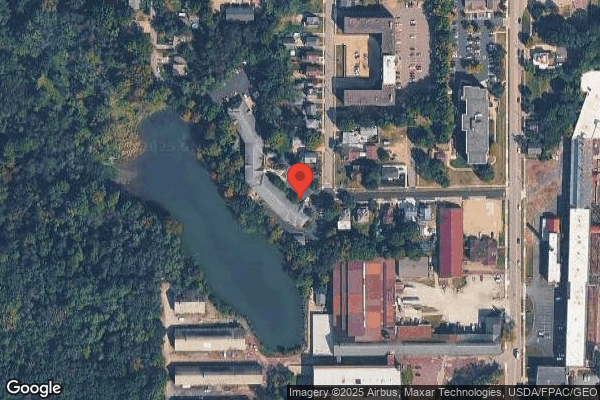
147 GARFIELD ST, WADSWORTH, OH 44281 (330) 335-2555
For profit - Individual 97 Beds ALTERCARE Data: November 2025
Trust Grade
55/100
#391 of 913 in OH
Last Inspection: April 2024

Within standard 12-15 month inspection cycle. Federal law requires annual inspections.

Overview

Altercare of Wadsworth has a Trust Grade of C, which means it is average and sits in the middle of the pack among nursing homes. It ranks #391 out of 913 facilities in Ohio, placing it in the top half, but it is #9 out of 12 in Medina County, indicating limited local options. The facility is improving, having reduced issues from 12 in 2024 to just 2 in 2025. Staffing is rated 2 out of 5 stars, with a turnover rate of 58%, which is around the state average, suggesting that while staff may not stay long, there is still a reasonable level of continuity. Notably, there have been no fines, which is a positive sign, and the facility offers more RN coverage than many others, ensuring that potential issues are more likely to be caught early. However, there have been concerning incidents, such as failures in infection control participation and maintaining kitchen cleanliness, which could potentially affect residents' health. Overall, while there are notable strengths, families should weigh these concerns carefully.

Trust Score
C
55/100
In Ohio
#391/913
Top 42%
Safety Record
Low Risk
No red flags
Inspections
Getting Better
12 → 2 violations
Staff Stability
⚠ Watch
58% turnover. Above average. Higher turnover means staff may not know residents' routines.
Penalties
✓ Good
No fines on record. Clean compliance history, better than most Ohio facilities.
Skilled Nurses
○ Average
Each resident gets 36 minutes of Registered Nurse (RN) attention daily — about average for Ohio. RNs are the most trained staff who monitor for health changes.
Violations
⚠ Watch
26 deficiencies on record. Higher than average. Multiple issues found across inspections.
★★★☆☆
3.0
Overall Rating
★★☆☆☆
2.0
Staff Levels
★★★★★
5.0
Care Quality
★★☆☆☆
2.0
Inspection Score
Stable
2024: 12 issues
2025: 2 issues

The Good

  • 5-Star Quality Measures · Strong clinical quality outcomes
  • Full Sprinkler Coverage · Fire safety systems throughout facility
  • No fines on record

Facility shows strength in quality measures, fire safety.

The Bad

3-Star Overall Rating

Near Ohio average (3.2)

Meets federal standards, typical of most facilities

Staff Turnover: 58%

12pts above Ohio avg (46%)

Frequent staff changes - ask about care continuity

Chain: ALTERCARE

Part of a multi-facility chain

Ask about local staffing decisions and management

Staff turnover is elevated (58%)

10 points above Ohio average of 48%

The Ugly 26 deficiencies on record

Mar 2025 2 deficiencies
CONCERN (D) 📢 Someone Reported This

A family member, employee, or ombudsman was alarmed enough to file a formal complaint

Potential for Harm - no one hurt, but risky conditions existed

Deficiency F0761 (Tag F0761)

Could have caused harm · This affected 1 resident

Based on observation, interview and review of facility policy, the facility failed to ensure insulin pens were dated and labeled after opening. This affected three residents (#9, #16, and #40) of four...

Read full inspector narrative →
Based on observation, interview and review of facility policy, the facility failed to ensure insulin pens were dated and labeled after opening. This affected three residents (#9, #16, and #40) of four residents observed for insulin pens during medication administration. The facility census was 66. Findings include: 1. Review of Resident #9's medical records revealed an admission date of 12/20/24 with diagnoses including but not limited to diabetes. Review of Resident #9's physician order for March 2025 revealed resident was ordered Glargine insulin (long-acting insulin) 25 units subcutaneous (SQ) twice a day (BID). Observation during medication administration on 03/13/25 at 8:22 A.M. of the insulin pens with Licensed Practical Nurse (LPN) 154 revealed multiple insulin pens were not dated when opened with expiration date. Resident #9's Glargine insulin pen had no date to indicate when it was opened. Interview on 03/13/25 at 9:03 A.M. with LPN #154 confirmed Resident #9's insulin pen was not dated when opened. LPN #154 reported the insulin pen should be dated when opened and stated she was unsure how long insulin pens were good for after opening. Interview on 03/13/25 at 9:10 A.M. with Director of Nursing (DON) confirmed insulin pens are to be dated when opened. DON confirmed there was no date on the Glargine insulin pen for Resident #9. 2. Review of the medical record for Resident #16 revealed an admission date of 02/26/25 with diagnoses including but not limited to diabetes. Review of Resident #16's physician order for March 2025 revealed an order for Basaglar Kwikpen (Glargine insulin, long-acting insulin) give 12 units SQ once a day (QD). Observation during medication administration on 03/13/25 at 8:22 A.M. of the insulin pens with LPN #154 revealed multiple insulin pens were not dated when opened with expiration date. Resident #16's Basaglar KwikPen, (Glargine insulin) had no date to indicate when it was opened. Interview on 03/13/25 at 9:03 A.M. with LPN #154 confirmed Resident #16's insulin pen was not dated when opened. LPN #154 reported the insulin pen should be dated when opened and stated she was unsure how long insulin pens were good for after opening. Interview on 03/13/25 at 9:10 A.M. with DON confirmed insulin pens are to be dated when opened. DON confirmed there was no date on the Glargine insulin pen for Resident #16. 3. Review of the medical record for Resident #40 revealed an admission date of 11/20/24 with diagnoses including but not limited to diabetes. Review of Resident #40's physician order for March 2025 revealed an order for Fiasp (aspart insulin), (rapid acting insulin) 100 unit/ml, give 6 units sq with meals. Observation during medication administration on 03/13/25 at 8:22 A.M. of the insulin pens with LPN #154 revealed multiple insulin pens were not dated when opened with expiration date. Resident #40's Fiasp (aspart insulin), (rapid acting insulin) 100 unit/ml, give 6 units sq with meals had no date to indicate when it was opened. Interview on 03/13/25 at 9:03 A.M. with LPN #154 confirmed Resident #40'S insulin pen was not dated when opened. LPN #154 reported the insulin pen should be dated when opened and stated she was unsure how long insulin pens were good for after opening. Interview on 03/13/25 at 9:10 A.M. with DON confirmed insulin pens are to be dated when opened. DON confirmed there was no date on the Fiasp insulin pen for Resident #40. Review of facility policy, Medication Storage in the Facility, dated May 2020, revealed mediations are stored safely, securely, and properly, following manufacturers' recommendations or those of the supplier. Furthermore, all medications dispensed by the pharmacy are stored in the container with the pharmacy label and blood sugar solutions once opened, require an expiration date shorter than the manufacturer's expiration date to ensure medication purity and potency.
CONCERN (D) 📢 Someone Reported This

A family member, employee, or ombudsman was alarmed enough to file a formal complaint

Potential for Harm - no one hurt, but risky conditions existed

Infection Control (Tag F0880)

Could have caused harm · This affected 1 resident

**NOTE- TERMS IN BRACKETS HAVE BEEN EDITED TO PROTECT CONFIDENTIALITY** Based on observation, interview and record review the facility failed to maintain infection control procedures while administeri...

Read full inspector narrative →
**NOTE- TERMS IN BRACKETS HAVE BEEN EDITED TO PROTECT CONFIDENTIALITY** Based on observation, interview and record review the facility failed to maintain infection control procedures while administering medications. This affected two residents (#46 and #49) of four residents observed for infection control during medication administration. The facility census was 66. Findings include: 1. Review of the medical record for Resident #49 revealed an admission date of 05/16/24 with diagnosis including but not limited to scoliosis, stage three chronic kidney disease, and hypertension. Review of Minimum Data Set (MDS) assessment dated [DATE] revealed Resident #49 had intact cognition. Review of physician orders for March 2025 revealed resident #49 was ordered, Gabapentin 100 milligram (MG) one capsule three times a day (TID) for pain, Metoprolol Succinate Extended Release (ER) 50 mg one tablet once a day (QD) for blood pressure, and Pantoprazole 40 mg one tablet qd for acid reflux. Observation of medication administration on 03/13/25 at 7:27 A.M. with Licensed Practical Nurse (LPN) #122 for Resident #49, revealed three medications to include Gabapentin 100 milligram mg one capsule, Metoprolol Succinate ER 50 mg one tablet, and Pantoprazole 40 mg one tablet were all placed in a medicine cup. LPN #122 handed the medicine cup to Resident #49 who took two of the pills but dropped one pill onto her comforter on her bed. LPN #122 was moving the comforter around to locate the pill and then told Resident #49 to take the pill. Resident #49 picked the pill up off her comforter and ingested it. Interview on 03/13/25 at 7:33 A.M. with LPN #122 confirmed she should have discarded the medication that fell on Resident #49's comforter. Interview on 03/13/25 at 9:10 A.M. with Director of Nursing (DON) confirmed when a medication is dropped on the Resident #49's comforter or bed should be discarded due to infection control concerns. 2. Review of the medical record for Resident #46 revealed an admission date of 05/28/19 with diagnosis including but not limited to type two diabetes mellitus (DM) with diabetic nephropathy, chronic kidney disease and with polyneuropathy, and stage three chronic kidney disease. Review of Minimum Data Set (MDS) assessment dated [DATE] revealed Resident #46 had intact cognition. Review of physician orders for March 2025 revealed resident #49 was ordered Lexapro 10 mg to give 15 mg qd. Observation on 03/13/25 at 8:22 A.M. during medication pass revealed LPN #154 take the medication package for Lexapro 10 mg and pop the one and a ½ pill from it. The whole pill of Lexapro fell onto the medication cart. LPN #154 picked up the pill with her bare hands and placed it in the medicine cup with all the other pills she had already placed in the medicine cup. LPN #154 proceeded to take the medicine cup into Resident #46's room. LPN #154 handed the medicine cup to Resident #46 who ingested the pills. During medication administration LPN #154 took the glucometer into Resident #46's room and placed it on the over the bed tray with no barrier or disinfecting first. Interview on 03/13/25 at 9:03 A.M. with LPN #154 confirmed she should have discarded the Lexapro medication that fell on the medication cart and not used her bare hands to pick it up and place in the medicine cup. LPN #154 confirmed she should have placed a barrier under the glucometer or disinfected the over the bed tray. Interview on 03/13/25 at 9:10 A.M. with DON confirmed when medication is dropped it is to be discarded, and glucometers required a barrier or disinfect the over the bed tray. Review of the facility policy, Fingerstick Glucose Level, revised 11/2019, revealed policy to obtain blood sample to determine resident's blood glucose level and to prepare a clean field on the bedside stand or overbed table. Review of facility policy, Injectable Medication Administration, revised January 2018, revealed administer medications via subcutaneous route in a safe, accurate and effective manner and use a barrier if supplies or medication will be set down in a resident's room.
Apr 2024 12 deficiencies
CONCERN (D)

Potential for Harm - no one hurt, but risky conditions existed

Deficiency F0553 (Tag F0553)

Could have caused harm · This affected 1 resident

**NOTE- TERMS IN BRACKETS HAVE BEEN EDITED TO PROTECT CONFIDENTIALITY** Based on record review and interview, the facility failed to invite one resident, Resident #60's, Power of Attorney (POA) to all...

Read full inspector narrative →
**NOTE- TERMS IN BRACKETS HAVE BEEN EDITED TO PROTECT CONFIDENTIALITY** Based on record review and interview, the facility failed to invite one resident, Resident #60's, Power of Attorney (POA) to all care plan meetings. This affected one resident (#60) of one resident reviewed for care plan meetings. The facility census was 77. Findings include: Record review for Resident #60 revealed an admission date of 05/04/23. Diagnoses included muscle weakness, lack of coordination, hemiplegia and hemiparesis following cerebral infarction. Review of the quarterly Minimum Data Set (MDS) assessment dated [DATE] revealed Resident #60 was severely cognitively impaired and dependent for activities of daily living. Interview on 04/23/24 at 9:39 A.M. with Resident #60's POA revealed she was only invited to two of Resident #60's care plan meetings. Resident #60's POA revealed she would prefer to attend all care conference meetings. Review of the Resident Care Conferences revealed Resident #60 was scheduled to have a quarterly care plan meeting on 05/05/24, 08/04/24, 12/06/24 and 03/10/24. Review of the quarterly Care Conference notes dated 12/06/24 and 03/10/24 revealed Resident #60's representatives were not present. Interview on 04/24/24 at 10:50 A.M. with Licensed Social Worker (LSW) #557 confirmed Resident #60 was scheduled to have a care plan meetings on 12/06/24 and 03/10/24. LSW #557 revealed notification of the scheduled care plan meetings to resident responsible parties were mailed out at the beginning of the previous month prior to when the care plan meeting was scheduled. LSW #557 revealed she made a list for the receptionist. The list consisted of each resident's name who was schedule to have a care plan meeting the following month. The invitation was then sent through the mail by the receptionist to each responsible party. There were no follow up calls made and no further notifications. Review on 04/24/24 at 11:00 A.M. with LSW #557 of the list provided to the receptionist dated as mailed 11/01/23 for the care plan meetings scheduled for the month of December revealed Resident #60's name was not on the list for the receptionist to mail the invitation to the care plan meeting for December 2023. LSW #557 revealed she was unsure what happened and confirmed Resident #60 was not on the list. Review of the list provided to the receptionist dated as mailed 01/19/23 for the care plan meetings scheduled for the month of March revealed Resident #60's name was the last name on the list.
CONCERN (D)

Potential for Harm - no one hurt, but risky conditions existed

Notification of Changes (Tag F0580)

Could have caused harm · This affected 1 resident

**NOTE- TERMS IN BRACKETS HAVE BEEN EDITED TO PROTECT CONFIDENTIALITY** 2. Review of the medical record for Resident #26 revealed an admission date of 12/01/18 with diagnoses including Alzheimer's dis...

Read full inspector narrative →
**NOTE- TERMS IN BRACKETS HAVE BEEN EDITED TO PROTECT CONFIDENTIALITY** 2. Review of the medical record for Resident #26 revealed an admission date of 12/01/18 with diagnoses including Alzheimer's disease, chronic kidney disease and diabetes mellitus. Review of the wound provider's progress note dated 03/21/24 revealed Nurse Practitioner #597 was there to re-evaluate Resident #26's wound healing process and the resident's condition to define the treatments that would help the wounds continue the healing process. Wound #1 was to his right buttock and was noted to be a healed stage three pressure ulcer that was closed and intact. Nurse Practitioner #597 ordered a preventative treatment with Medihoney (has antibacterial properties and hastens the healing of wounds through anti-inflammatory effects) to the wound bed and to continue the treatment for a preventative dressing. Review of the physician's orders revealed Resident #26 had an order dated 03/23/24 for treatment to his buttocks, cleanse with wound cleanser, pat dry, apply Medihoney, and cover with a dry dressing. He also had an order dated 03/23/24 for Medihoney treatment to buttocks dated 03/23/24. Review of Resident #26's nursing assessments revealed there were no nursing assessments dated for 03/21/24 through 03/23/24 that would have included an update to the resident or his responsible party. Review of the nursing progress notes for Resident #26 revealed no documentation that Resident #26 or his responsible party were notified of the new physician's orders for treatment to buttocks. Interview on 04/22/24 at 3:36 P.M. with Assistant Director of Nursing (ADON) #505 verified staff did not notify Resident #26 and his responsible party of the new physician's orders for treatment to his buttocks on 03/23/24. Interview on 04/23/24 at 3:37 P.M. with the Director of Nursing verified notifications on changes with residents should be made timely and should be made within the same shift. Review of the facility policy titled, Change in Resident's Conditions or Status, undated, revealed the nurse would immediately notify the resident and notify the resident's authorized representative when there was a new form of treatment. Based on record review, observation and interview, the facility failed to ensure the resident and/or responsible party was notified of changes in wound treatment and skin injury. This affected two (#26 and #60) of three residents reviewed for wounds. The facility census was 77. Findings include: 1. Record review for Resident #60 revealed an admission date of 05/04/23. Diagnoses included muscle weakness, lack of coordination, hemiplegia and hemiparesis following cerebral infarction. Review of Resident #60's face sheet revealed Resident #60 had a Power of Attorney (POA) for Health Care. Review of the quarterly Minimum Data Set (MDS) assessment dated [DATE] revealed Resident #60 was severely cognitively impaired, dependent for activities of daily living, and had no ulcers, wounds or skin problems. Review of the care plan for Resident #60 dated 05/04/23 revealed Resident #60 was incontinent of bowel and bladder and was at risk for skin breakdown. Interventions included to observe and report any noted redness, excoriation, or open areas with incontinence care. Observe protective pads, briefs for skin tolerance if used. Review of the physician order for Resident #60 dated 04/19/24 revealed to cleanse the right upper and anterior thigh with wound cleanser, pat dry, apply Xeroform (petroleum based gauze) and dry clean dressing, change every Tuesday, Thursday and Saturday. Review of the wound grid dated 04/16/24 completed by Assistant Director of Nursing (ADON)/Wound Care Nurse #505 revealed Resident #60 had an in-house wound observed 04/16/24 to the right upper lateral thigh. Further record review revealed the POA was not notified. Observation on 04/23/24 at 9:22 A.M. of wound care for Resident #60 completed by Wound Care Physician #599 and ADON/Wound Care Nurse #505 confirmed Resident #60 had wounds to the right thigh. Interview on 04/23/24 at 9:39 A.M. with Resident #60's POA revealed she was not made aware Resident #60 had any wounds. Interview and review of Resident #60's medical record including the wound grid (dated 04/16/24) on 04/23/24 at 2:25 P.M. with ADON/Wound Care Nurse #505 revealed the tape from Residents #60's incontinence brief was placed directly on Resident #60's skin and when removed caused abrasions. ADON/Wound Care Nurse #505 confirmed Resident #60's POA was not notified of the wounds to the right upper and anterior thigh. Per ADON/Wound Care Nurse #505 she had not had time to notify the POA yet. Interview on 04/23/24 at 03:36 P.M. with the Director of Nursing revealed residents' responsible parties should be notified of any changes in condition immediately if they were serious or within a shift if the change was not serious. Review of the facility's undated Change in Resident's Conditions or Status policy revealed the nurse was to immediately notify the resident, consult with the resident's attending physician or on-call physician, and notify the resident's Authorized Representative or an interested family member when there was an accident or incident involving the resident which resulted in injury and had the potential for requiring physician intervention.
CONCERN (D)

Potential for Harm - no one hurt, but risky conditions existed

Deficiency F0676 (Tag F0676)

Could have caused harm · This affected 1 resident

**NOTE- TERMS IN BRACKETS HAVE BEEN EDITED TO PROTECT CONFIDENTIALITY** Based on record review and interview, the facility failed to ensure residents were ambulated per physician order to maintain fun...

Read full inspector narrative →
**NOTE- TERMS IN BRACKETS HAVE BEEN EDITED TO PROTECT CONFIDENTIALITY** Based on record review and interview, the facility failed to ensure residents were ambulated per physician order to maintain function abilities. This affected one (Resident #65) of two residents reviewed for restorative programs. The facility census was 77. Findings include: Review of the medical record for Resident #65 revealed an admission date of 02/09/24 with diagnoses including Parkinsonism (having the same symptoms of Parkinson's Disease), muscle weakness and age-related physical debility. Review of the admission Minimum Data Set 3.0 assessment dated [DATE] for Resident #65 revealed he had intact cognition, had no behaviors or refusals of care and was able to understand staff and be understood. Review of the Restorative Program Initial Observation dated 03/25/24 authored by Assistant Director of Nursing (ADON) #505 revealed therapy had referred Resident #65 for a restorative ambulation program related to weakness. Review of the physician's order dated 03/25/24 revealed a restorative program, staff were to encourage and assist Resident #65 to ambulate up to 326 feet with his walker with one staff member for 15 minutes a day, four to seven days a week as tolerated. Review of the point of care history (documentation completed by the aides) for April 2024 revealed Resident #65 was not offered to ambulate or there was no documentation for 04/03/24, 04/09/24, 04/10/24, 04/12/24, 04/13/24, 04/14/24, 04/15/24, 04/16/24, 04/17/24, 04/19/24, 04/21/24, 04/22/24 and 04/23/24. He was assisted with his ambulation restorative program only three days the week of 04/07/24 and two days the week of 04/14/24. Interview on 04/22/24 at 10:29 A.M. with Resident #65 revealed he was no longer receiving skilled therapy services from the facility. He stated since then, staff would not assist him to ambulate with his walker. Resident #65 stated he wanted to maintain his walking ability as long as possible. Interview on 04/24/24 at 10:05 A.M. with ADON #505 revealed therapy made recommendations and a physician's order was obtained for the restorative programs. The programs were to assist in maintaining a resident's abilities such as range of motion and ambulation. She verified the staff were not following the physician's order for Resident #65 on the dates listed above. Review of the facility policy titled, Restorative Nursing Care, updated April 2024, revealed the restorative program was provided for each resident, as indicated, to maintain their highest level of physical functioning. The restorative nursing program would be performed four to seven days a week as tolerated for residents who required those services.
CONCERN (D)

Potential for Harm - no one hurt, but risky conditions existed

Quality of Care (Tag F0684)

Could have caused harm · This affected 1 resident

**NOTE- TERMS IN BRACKETS HAVE BEEN EDITED TO PROTECT CONFIDENTIALITY** Based on observation, interview, and record review, the facility failed to follow physician orders regarding application of Tubi...

Read full inspector narrative →
**NOTE- TERMS IN BRACKETS HAVE BEEN EDITED TO PROTECT CONFIDENTIALITY** Based on observation, interview, and record review, the facility failed to follow physician orders regarding application of Tubigrip (a tubular stocking that provides compression) and elevation of an extremity and failed to ensure incontinence briefs fit appropriately and did not cause skin injury. This affected one (#60) of three residents reviewed for activities of daily living and one of four residents (#60) reviewed for incontinence care. The facility census was 77. Findings include: 1. Record review for Resident #60 revealed an admission date of 05/04/23. Diagnoses included muscle weakness, lack of coordination, hemiplegia and hemiparesis following cerebral infarction affecting right dominant side, and aphasia. Review of the quarterly Minimum Data Set (MDS) assessment dated [DATE] revealed Resident #60 was severely cognitively impaired and dependent for activities of daily living. Review of the care plan dated 05/04/23 revealed Resident #60 had potential for fluid imbalance/complications related to edema. Interventions included to evaluate edema. Review of the physician orders for Resident #60 revealed orders dated 03/18/24 to elevate right arm and Tubigrip to right upper extremity, on in A.M. and off at hs (night) also dated 03/18/24. Observation on 04/23/24 at 9:22 A.M. of wound care for Resident #60 with Wound Care Physician #599 and Assistant Director of Nursing (ADON)/Wound Care Nurse #505 revealed Resident #60's right hand was swollen. Resident #60's right hand was not elevated and there was no Tubigrip on the right upper extremity. ADON/Wound Care Nurse #505 confirmed the arm was not elevated, it was swollen and there was no Tubigrip on. ADON/Wound Care Nurse #505 revealed Resident #60's arm was paralyzed and he was unable to apply the Tubigrip or elevate the arm himself. Observation and interview on 04/23/24 at 3:12 P.M. with State Tested Nursing Assistant (STNA) #513 confirmed Resident #60's right arm was not elevated and he did not have the Tubigrip on to the right upper extremity. Observation on 04/24/24 at 8:36 A.M. revealed Resident #60's right arm was not elevated and he did not have the Tubigrip on to the right upper extremity. Resident #60's right hand was very swollen. Observation and interview on 04/24/24 at 8:44 A.M. with Licensed Practical Nurse (LPN) #594 confirmed Resident #60's right arm was not elevated and he did not have the Tubigrip on to the right upper extremity. Resident #60's right hand was very swollen. LPN #594 revealed his hand was always like that, then left the room without attempting to elevate the arm or apply the Tubigrip. Interview at the nurses station with LPN #594 confirmed she did not attempt to elevate the arm or apply the Tubigrip. LPN #594 revealed Resident #60 did not like it. LPN #594 re-entered Resident #60's room and asked Resident #60 if she could elevate his arm. Resident #60 said, yes. LPN #594 elevated the right arm on a pillow and asked Resident #60 if he was comfortable. Resident #60 said, yes. LPN #594 then stated, Well I am just agency. LPN #594 did not offer or attempt to apply the Tubigrip. Observation and interview on 04/24/24 at 1:45 P.M. with State Tested Nursing Assistant (STNA) #524 revealed she did not know Resident #60 was supposed to wear a Tubigrip. STNA #524 confirmed she was Resident #60's caregiver and worked with him frequently. After applying the Tubigrip, STNA #524 confirmed Resident #60 did not refuse the Tubigrip. Interview on 04/25/24 at 7:36 A.M. with the Director of Nursing (DON) confirmed Resident #60 had physician orders to include elevating the right arm and Tubigrip to right upper extremity, on in A.M. and off at hs, both dated 03/18/24. The DON revealed the order to elevate the right arm only showed up in the aids profile for Resident #60 and confirmed it did not require them to sign it off. The DON revealed the Tubigrip order was on the treatment record and was signed off in the A.M. and hs by the nurses daily as completed. 2. Record review for Resident #60 revealed an admission date of 05/04/23. Diagnoses included muscle weakness, lack of coordination, hemiplegia and hemiparesis following cerebral infarction. Review of the quarterly Minimum Data Set (MDS) assessment dated [DATE] revealed Resident #60 was severely cognitively impaired, dependent for activities of daily living, had no ulcers, wounds or skin problems, and was always incontinent of bowel and bladder. Review of the care plan for Resident #60 dated 05/04/23 revealed Resident #60 was incontinent of bowel and bladder and was at risk for skin breakdown. Interventions included to observe and report any noted redness, excoriation, or open areas with incontinence care. Observe protective pads, briefs for skin tolerance if used. Review of the physician orders for Resident #60 dated 04/12/24 revealed cleanse right hip with wound cleanser, pat dry, apply chamosyn, clean dry dressing, do not tape to secure. Review of the physician order dated 04/18/24 revealed treatment to right upper and anterior thigh included cleanse with wound cleanser, pat dry, apply Xeroform (petroleum based gauze) clean dry dressing once a day on Tuesday, Thursday and Saturday and as needed. Observation on 04/23/24 at 9:22 A.M. of wound care for Resident #60 with Wound Care Physician #599 and Assistant Director of Nursing (ADON)/Wound Care Nurse #505 revealed three wounds to the right thigh. Observation revealed there were also eight healed scarred areas surrounding the three open areas. ADON/Wound Care Nurse #505 revealed the scarred areas and open areas were caused from the tape on Resident #60's incontinence briefs. Interview on 04/23/24 at 2:25 P.M. with ADON/Wound Care Nurse #505 revealed the wounds to Resident #60's thigh were caused by the tape on the briefs being placed directly on Resident #60's skin. When the tape was removed it caused abrasions to his skin. ADON/Wound Care Nurse #505 revealed nothing had been done to prevent further injury caused by the tape from the incontinence briefs and confirmed the briefs were not looked at for resizing and there was no education completed to staff regarding placing the tape on the brief, not the skin. Observation on 04/23/24 at 3:12 P.M. with State Tested Nursing Assistant (STNA) #513 revealed Resident #60 was wearing a medium incontinence brief and the brief on the right side was taped to Resident #60's skin right on top of a current red area. Interview on 04/23/24 at 3:36 P.M. with Director of Nursing (DON) confirmed there was no education provided to staff within the last four months or since Resident #60 had repeated abrasions related to the tape on the briefs applied to his skin. The DON revealed he would have expected staff to address the cause of the wounds to prevent continued injuries. The DON was unsure of the process for sizing briefs Observation, interview, and review of Resident #60's record on 04/23/24 at 4:03 P.M. with the DON revealed the packaging on the incontinence briefs (provided by the facility) had a height and weight chart on the back of the package. The DON confirmed Resident #60's briefs were provided by the facility and according to Resident #60's height and weight, Resident #60 should have been wearing a large brief.
CONCERN (D)

Potential for Harm - no one hurt, but risky conditions existed

Deficiency F0688 (Tag F0688)

Could have caused harm · This affected 1 resident

**NOTE- TERMS IN BRACKETS HAVE BEEN EDITED TO PROTECT CONFIDENTIALITY** Based on observation, interview and record review, the facility failed to follow orders and implement new orders for a resting h...

Read full inspector narrative →
**NOTE- TERMS IN BRACKETS HAVE BEEN EDITED TO PROTECT CONFIDENTIALITY** Based on observation, interview and record review, the facility failed to follow orders and implement new orders for a resting hand splint for one resident (#60) of one resident reviewed for splints. The facility census was 77. Findings include: Record review for Resident #60 revealed an admission date of 05/04/23. Diagnoses included muscle weakness, lack of coordination, hemiplegia and hemiparesis following cerebral infarction affecting right dominant side. Review of the quarterly Minimum Data Set (MDS) assessment dated [DATE] revealed Resident #60 was severely cognitively impaired and dependent for activities of daily living. Review of the care plan dated 05/04/23 revealed Resident #60 had potential for fluid imbalance/complications related to edema. Interventions included to evaluate edema. Review of the physician orders for Resident #60 revealed an order dated 05/23/23 for a resting hand splint to the right hand during hours of sleep four to six hours every shift. Observation on 04/23/24 at 9:22 A.M. of wound care for Resident #60 with Wound Care Physician #599 and Assistant Director of Nursing (ADON)/Wound Care Nurse #505 revealed Resident #60 did not have a resting hand splint on the right hand. ADON/Wound Care Nurse #505 confirmed Resident #60 was unable to move his right arm and was unable to apply the splint himself. Observation on 04/24/24 at 8:36 A.M. of Resident #60 revealed the resting hand splint to the right hand was not on. Interview on 04/24/24 at 9:09 A.M. with State Tested Nursing Assistant (STNA) #524 confirmed Resident #60 did not have a resting hand splint on the right hand. STNA #524 revealed the hand splint was to be applied at 12:00 P.M. and removed when she left her shift at 3:00 P.M. Observation and interview on 04/24/24 at 1:45 P.M. with STNA #524 confirmed Resident #60 did not have his right hand splint on. STNA #524 revealed she forgot to apply the hand splint. Interview on 04/24/24 at 1:47 P.M. with Licensed Practical Nurse (LPN) #594 confirmed Resident #60 did not have the right hand splint on and revealed she thought it was to be worn during the night shift only. LPN #594 verified the order was for every shift. Interview on 04/24/24 at 2:15 P.M. with LPN #594 revealed she again read the order for Resident #60 wrong for the right hand splint. LPN #594 revealed the order read while sleeping so she would have to wait until he was sleeping then she could put it on but if he woke up while she was putting it on, she would have to stop because she could not put it on because he was awake because the order read while sleeping. Interview on 04/24/24 at 2:30 P.M. with the Director of Nursing (DON) verified the order for Resident #60 for the right hand splint was written for every shift on 05/23/23. The DON revealed Resident #60 did not get out of bed and he slept on and off throughout the day taking frequent naps. The DON confirmed he was unable to find the original recommendation from therapy to confirm the splint should be on every shift. Interview and record review for Resident #60 on 04/24/24 at 2:30 P.M. with the DON and Occupational Therapy Assistant (COTA) #604 revealed per COTA #604 that the order for Resident #60's resting hand splint to the right hand written 05/23/23 was no longer in place. COTA #604 revealed that splint was discontinued on 04/10/24 and a new order was written for a different splint. COTA #604 presented a copy of the form titled Inservice/Meeting for Resident #60 dated 04/10/24 which revealed Resident #60 was to utilize right volar inflatable resting hand splint at night up to six hours. Perform passive range of motion to entire upper extremity prior to donning and at removal, skin check every two hours with wear. Place forearm on flat part of splint, wrap fingers around inflated portion of the splint. Strap over knuckles with slit allowing access to inflate valve. Wrap remaining two straps around the forearm. The form was signed on the 7:00 A.M. to the 3:00 P.M. shift by two unknown staff members. The DON confirmed they were nursing staff members. COTA #604 verified Occupational Therapist (OTR) #606 signed and verified the order to be implemented 04/10/24. COTA #604 revealed and the DON confirmed this was how the therapy orders were completed, the new order was written on the form, given to the nurse, the nurse put the new order in to the electronic medical system as the order to be followed. The DON confirmed the order was not completed by the nursing staff who signed the form which resulted in the order not being implemented as it should have been on 04/10/24.
CONCERN (D)

Potential for Harm - no one hurt, but risky conditions existed

Incontinence Care (Tag F0690)

Could have caused harm · This affected 1 resident

Based on observation, interview, record review, and review of the facility policy, the facility failed to ensure Resident #21's urinary catheter bag was placed below his bladder at all times. This aff...

Read full inspector narrative →
Based on observation, interview, record review, and review of the facility policy, the facility failed to ensure Resident #21's urinary catheter bag was placed below his bladder at all times. This affected one (#21) of four residents reviewed for bowel and bladder/incontinence care. The facility census was 77. Findings include: Review of the medical record for Resident #21 revealed an admission date of 12/27/23. Diagnosis included neuromuscular dysfunction of the bladder. Review of the physician order with a start dated on 03/30/24 revealed suprapubic catheter to straight drain for neuromuscular dysfunction of bladder. Review of the plan of care dated 01/09/24 revealed interventions included resident would not develop complications related to Foley (urinary) catheter such as urinary tract infection. Keep drainage bag below bladder and off of the floor. Observation of Resident #21 on 04/22/24 at 11:27 A.M. revealed his urinary catheter drainage bag was lying on the bed with clear yellow urine in the tubing and in the drainage bag. The urinary catheter drainage bag was not positioned below Resident #21's bladder. Observation of Resident #21 on 04/22/24 at 3:20 P.M. revealed Resident #21 resting in bed with eyes closed with the urinary catheter drainage bag lying on the bed above Resident #21's bladder. The catheter drainage bag was full of clear yellow urine. Interview on 04/23/24 at 11:11 A.M. with Licensed Practical Nurse (LPN) #538 revealed Resident #21 had a urinary catheter related to a neuromuscular neurogenic bladder. Resident #21 had a suprapubic catheter (a surgically created connection between the urinary bladder and the skin used to drain urine from the bladder) and his urinary drainage bag laid on his bed all the time. LPN #538 indicated the urinary drainage bag should be hanging below his bladder. LPN #538 stated if the catheter bag was not kept below the bladder the urine would back up in his bladder and could cause an infection. Interview on 04/23/24 at 2:07 P.M. with Resident #21 revealed he had a Foley catheter for 20 years and he knew the drainage bag should be below the bladder. Resident #21 stated the suprapubic catheter was created three weeks ago and since then the drainage bag had always been positioned on the bed and not below his bladder. Interview on 04/23/24 at 2:15 P.M. with Director of Nursing (DON) verified Resident #21's suprapubic catheter drainage bag was laying on Resident #21's bed, and above his bladder. The DON indicated urinary catheter drainage bags should be below the bladder, hanging off the side of the bed. Review of the facility's undated policy Catheter Care, Urinary, revealed the urinary drainage bag must be held or positioned lower than the bladder at all times to prevent the urine in the tubing and drainage bag from flowing back into the urinary bladder.
CONCERN (D)

Potential for Harm - no one hurt, but risky conditions existed

Tube Feeding (Tag F0693)

Could have caused harm · This affected 1 resident

**NOTE- TERMS IN BRACKETS HAVE BEEN EDITED TO PROTECT CONFIDENTIALITY** Based on observation, interview, record review, and policy review, the facility failed to provide enteral nutrition per physicia...

Read full inspector narrative →
**NOTE- TERMS IN BRACKETS HAVE BEEN EDITED TO PROTECT CONFIDENTIALITY** Based on observation, interview, record review, and policy review, the facility failed to provide enteral nutrition per physician's order. This affected one (#60) of one resident reviewed for enteral nutrition. The facility census was 77. Findings include: Record review for Resident #60 revealed an admission date of 05/04/23. Diagnoses included esophagitis, gastroparesis, and dysphagia, oropharyngeal phase, and hemiplegia and hemiparesis following cerebral infarction. Review of the quarterly Minimum Data Set (MDS) assessment dated [DATE] revealed Resident #60 was severely cognitively impaired, dependent for activities of daily living, and received tube feeding. Review of the care plan dated 05/05/23 for Resident #60 revealed Resident #60 was at risk for altered nutrition related to a diagnosis of recent stroke with percutaneous endoscopic gastrostomy (peg) tube placement (feeding tube). Resident #60 received nothing by mouth (NPO) and was dependent on tube feed for nutrition and hydration. Interventions included to provide diet per physician order, NPO, see tube feed and water flush orders. Review of the physician order dated 11/13/23 for Resident #60 revealed enteral feeding formula Peptamen 1.5 to run at 65 milliliters (ml) per hour (hr) to run for 18 hours, on at 6:00 A.M. until 12:00 A.M., off six hours 12:00 A.M. until 6:00 A.M. Observation on 04/25/24 at 7:30 A.M. revealed Resident #60 was lying in bed. Resident #60's tube feeding was not running. Interview on 04/25/24 at 7:31 A.M. with Licensed Practical Nurse (LPN) #515 verified she was Resident #60's nurse. LPN #515 confirmed Resident #60's tube feeding was not running. Observation on 04/25/24 at 9:11 A.M. revealed Resident #60 was lying in bed and his lips and mouth had a thick, dry, pasty film. Resident #60's tube feeding was not running. Interview with LPN #515 at the time of the observation revealed Resident #60's tube feeding was only to run from 12:00 A.M. to 6:00 A.M. LPN #515 confirmed Resident #60's lips and mouth had a thick, dry, pasty film. Upon review of Resident #60's physician orders with LPN #515, LPN #515 confirmed Resident #60's tube feeding was to run from 6:00 A.M. until 12:00 A.M., off six hours 12:00 A.M. until 6:00 A.M. Review of the facility's undated policy Enteral Nutrition revealed it was the facility policy to ensure adequate nutrition support through enteral feeding would be provided to residents unable to consume adequate nutritional intake by mouth. Enteral feeding orders would be written to consistent volume infusion.
CONCERN (D)

Potential for Harm - no one hurt, but risky conditions existed

Respiratory Care (Tag F0695)

Could have caused harm · This affected 1 resident

**NOTE- TERMS IN BRACKETS HAVE BEEN EDITED TO PROTECT CONFIDENTIALITY** 3. Review of the medical record for Resident #26 revealed an admission date of 12/01/18 with diagnoses including Alzheimer's dis...

Read full inspector narrative →
**NOTE- TERMS IN BRACKETS HAVE BEEN EDITED TO PROTECT CONFIDENTIALITY** 3. Review of the medical record for Resident #26 revealed an admission date of 12/01/18 with diagnoses including Alzheimer's disease, chronic kidney disease and diabetes mellitus. Review of the care plan for Resident #26 dated 12/21/18 revealed he was at risk for cardiovascular impairment due to diagnoses of hypertension and atrial fibrillation. Interventions included to administer oxygen as ordered. Review of the physician's orders revealed Resident #26 had an order dated 12/01/20 for oxygen one to four liters nasal cannula as needed if pulse oximeter was below 92 percent or shortness of breath. Review of the Medication Administration Record (MAR) and Treatment Administration Record (TAR) for April 2024 revealed nursing had not documented a pulse oximeter reading since 04/03/24. Review of the vitals record from 04/05/24 through 04/25/24 for Resident #26 revealed nursing staff had not assessed his oxygen saturation level since 04/05/24. Interview on 04/24/24 at 5:00 P.M. with the Director of Nursing (DON) verified Resident #26 had an order for oxygen one to four liters nasal cannula as needed if pulse oximeter was below 92 percent or shortness of breath. The DON stated oxygen saturation should be assessed every shift to monitor oxygen saturation levels for residents on oxygen as needed. Based on observation, interview and record review, the facility failed to monitor oxygen saturation levels for residents receiving continuous and as needed oxygen. This affected three residents, Residents #26, #31 and #60 of six residents reviewed for oxygen therapy. The facility census was 77. Findings include: 1. Record review for Resident #60 revealed an admission date of 05/04/23. Diagnoses included muscle weakness, esophagitis, lack of coordination, hemiplegia and hemiparesis following cerebral infarction, atherosclerotic heart disease and emphysema. Review of the quarterly Minimum Data Set (MDS) assessment dated [DATE] revealed Resident #60 was severely cognitively impaired, dependent for activities of daily living, and had medically complex conditions. Review of the care plan for Resident #60 dated 05/04/23 revealed Resident #60 had alteration in respiratory function related to emphysema and former smoker. Interventions included to administer oxygen as ordered. Review of the physician orders dated 03/25/24 for Resident #60 revealed an order for oxygen at two liters per nasal cannula as needed (PRN) to keep saturation of peripheral oxygen (SP02) greater than 92 percent. Review of Resident #60's medical records revealed two oxygen saturation levels were assessed for the month of April 2024, 04/16/24 and 04/11/24. Interview on 04/24/24 at 5:00 P.M. with the Director of Nursing (DON) verified Resident #60's order for oxygen at two liters per nasal cannula PRN to keep SP02 greater than 92 percent. The DON revealed oxygen saturation levels were to be assessed every shift for residents with an as needed order to keep the SP02 above the ordered given level. Observation on 04/24/24 at 5:07 P.M. revealed the DON obtained Resident #60's SPO2 level which was 90 percent on room air. Interview on 04/25/24 at 9:38 A.M. with Certified Nurse Practitioner (CNP) #595 revealed she only wrote as needed oxygen orders for residents to keep there oxygen saturation level above a specified level if the resident was having problems. CNP #595 confirmed saturation levels were to be checked every shift to assess and monitor the saturation level. 2. Review of the medical record for Resident #31 revealed Resident #31 had intact cognition. Diagnoses included chronic obstructive pulmonary disease with (acute) exacerbation, acute bronchitis, unspecified, and dependence on supplemental oxygen. Review of the physician orders from 04/01/24 through 04/25/24 revealed an order for continuous oxygen at two to four liters per nasal cannula, check placement, record oxygen saturation every shift. Review of the vital signs documentation from 04/01/24 through 04/25/24 revealed Resident #31's oxygen saturation was last documented on 04/05/24. Review of Treatment Administration Record (TAR) for April 2024 revealed continuous oxygen at two to four liters per nasal cannula, check placement, record oxygen saturation every shift. The TAR did not include a record of Resident #31's oxygen saturation every shift. Interview on 04/24/24 at 5:00 P.M. with the Director of Nursing (DON) verified Resident #31 physician order for oxygen continuous at two to four liters, per nasal cannula, check placement and record oxygen saturation every shift. The DON also verified Resident #31's oxygen saturation was not being checked and recorded in the medical record as ordered. The DON indicated oxygen saturation levels were to be assessed every shift to monitor oxygen saturation for residents with orders for continuous or as needed oxygen. Interview and observation on 04/25/24 at 10:15 A.M. with Resident #31 revealed the nurses did not check his oxygen saturation every shift, maybe once a day. Interview on 04/25/24 at 10:18 A.M. with Licensed Practical Nurse (LPN) #595 confirmed Resident #31 had an order for continuous oxygen and to check his oxygen saturation every shift; however it was not being done and there was no place to record the oxygen saturation levels.
CONCERN (D)

Potential for Harm - no one hurt, but risky conditions existed

Deficiency F0698 (Tag F0698)

Could have caused harm · This affected 1 resident

Based on record review and interview, the facility failed to ensure dialysis residents were monitored after dialysis treatments. The facility also failed to maintain communication with the dialysis ce...

Read full inspector narrative →
Based on record review and interview, the facility failed to ensure dialysis residents were monitored after dialysis treatments. The facility also failed to maintain communication with the dialysis center. This affected one ( #16) of one resident reviewed for dialysis. The facility census was 77. Findings include: Review of the medical record for Resident #16 revealed an admission date of 06/10/23 with diagnoses including end stage renal disease. Review of the physician's order dated 03/30/24 revealed Resident #16 received dialysis on Tuesdays, Thursdays and Saturdays. Review of Resident #16's dialysis assessments revealed he did not have post-dialysis assessments on 04/06/24, 04/09/24, 04/11/24, 04/18/24 and 04/20/24. Review of Resident #16's medical record revealed there was no documentation received from the dialysis center for Resident #16 from 03/30/24 through 04/22/24. Interview on 04/23/24 at 2:44 P.M. with Dialysis Nurse #598 revealed the facility did not send communication with Resident #16 at times and never required any information to be sent back to the facility from the dialysis center. Interview on 04/23/24 at 3:08 P.M. with the Director of Nursing (DON) verified the nursing staff were to perform dialysis assessments prior to the residents going to dialysis and after returning. The post-dialysis assessments were to include the residents return date and time to the facility, mental status, vitals signs, skin assessment, dialysis access site assessment, lung sounds, edema, if pain was present and if there were any new orders from the dialysis center. The DON verified the nursing staff had not performed assessments on the dates listed above and verified there was no documentation received from the dialysis center for Resident #16 since 03/30/24. Review of dialysis center documentation provided by Registered Nurse (RN) #596 on 04/23/24 at 3:44 P.M. for Resident #16 revealed the facility had received the documentation from the dialysis center via fax on 04/23/24 at 3:44 P.M. Review of the facility policy titled, Dialysis Care Planning Policy, undated, revealed the dialysis center would send reports from the resident's dialysis treatments to the facility after each visit. Upon return to the facility following dialysis, the nurse was to perform a complete body check and observe the dialysis site for any complications.
CONCERN (D)

Potential for Harm - no one hurt, but risky conditions existed

Medication Errors (Tag F0758)

Could have caused harm · This affected 1 resident

Based on record review, interview, and review of facility policy, the facility failed to ensure the physician's order for an as needed psychotropic medication had a time-frame for usage for Resident #...

Read full inspector narrative →
Based on record review, interview, and review of facility policy, the facility failed to ensure the physician's order for an as needed psychotropic medication had a time-frame for usage for Resident #13. This affected one resident (#13) of six residents reviewed for unnecessary medications. The facility census was 77. Findings include: Review of the medical record for Resident #13 revealed an admission date of 07/20/23 with diagnoses including schizoaffective disorder, dementia with anxiety, major depressive disorder, and psychotic disorder with delusions. Review of the Psychotropic Medication Regimen Evaluation, dated 03/04/24, revealed a gradual dose reduction (GDR) would be attempted for Ativan. Resident #13's new orders included Change routine Ativan to 0.5 milligrams (mg) twice daily (BID) and add Ativan 0.5 mg as needed (PRN) with no stop date to monitor PRN usage and GDR attempt. Review of the physician's orders for April 2024 identified orders for Ativan 0.5 mg as needed ordered on 03/04/24 with no end date. On 04/24/24 at 11:19 A.M., interview with Registered Nurse (RN) #545 verified Resident #13 had a PRN order for Ativan and stated she had never administered the PRN dose of Ativan for Resident #13. On 04/24/24 at 4:30 P.M., interview with the Director of Nursing (DON) verified Resident #13's PRN order for Ativan did not have an end date and stated the physician had discontinued the order on 04/24/24. Review of facility policy titled Behavior Management Policy, not dated, revealed PRN orders for psychotropic medications would be limited to 14 days unless the prescribing practitioner believed it was appropriate for the PRN order to be extended beyond 14 days. Their rationale would be documented in the medical record and the duration for the PRN order would be indicated.
CONCERN (D)

Potential for Harm - no one hurt, but risky conditions existed

Medical Records (Tag F0842)

Could have caused harm · This affected 1 resident

Based on record review and interview, the facility failed to ensure accurate documentation in the medical record for residents. This affected two ( #26 and #40) of 26 residents reviewed. The facility ...

Read full inspector narrative →
Based on record review and interview, the facility failed to ensure accurate documentation in the medical record for residents. This affected two ( #26 and #40) of 26 residents reviewed. The facility census was 77. Findings include: 1. Review of the medical record for Resident #26 revealed an admission date of 12/01/18 with diagnoses including Alzheimer's disease, chronic kidney disease and diabetes mellitus. Review of the physician's orders revealed Resident #26 had an order dated 11/09/23 for Medihoney to his left buttock, cleanse with wound cleanser, pat dry, apply Medihoney and cover with dry dressing twice a day. This order had a discontinue date of 01/16/24. Review of the wound provider's progress note dated 12/14/23 revealed Nurse Practitioner (NP) #597 had assessed Resident #26 for a left buttock abrasion. NP #597 documented the wound was intact and healed. NP #597 provided an order for staff to gently cleanse the wound, pat dry, apply Medihoney (treatment for the management of wounds and burns that help in the management of chronic and stalled wounds and to assist in debridement of necrotic tissue) to the wound bed and place a dry clean dressing twice daily and as needed for one week as a preventative. Review of the Medication Administration Record (MAR) and Treatment Administration Record (TAR) for Resident #26 revealed staff continued to perform treatments to the left buttock 12/21/23 until 01/16/24 when the order was discontinued. Review of the nursing progress notes for Resident #26 revealed no documentation as to why Resident #26's treatment to the left buttock with Medihoney continued when NP #597 had indicated the treatment should be discontinued one week after her assessment on 12/14/23. Review of the wound provider's progress notes dated 03/21/24 and 03/28/24 revealed NP #597 signed and reviewed the progress notes on 04/22/24 at 4:54 P.M. The provider's progress notes were provided on 04/23/24 at 8:49 A.M. by Registered Nurse (RN) #596. Review of the physician's orders from April 2024 revealed Resident #26 had an order dated 03/23/24 for treatment to his buttocks, cleanse with wound cleanser, pat dry, apply Medihoney, and cover with a dry dressing. He also had an order dated 03/23/24 for Medihoney treatment to buttocks dated 03/23/24. Review of Resident #26's nursing assessments (observations) revealed there were no nursing assessments dated for 03/21/24 through 04/22/24 to indicate why he had a physician's order for Medihoney to his buttocks. Review of Resident #26's nursing progress notes dated from 03/04/24 through 04/11/24 revealed no indication as to why he had an order dated 03/23/24 for Medihoney to his buttocks. There were no progress notes dated from 04/11/24 through 04/23/24 when the report was ran on 04/23/24 at 9:09 A.M. Interview on 04/23/24 at 1:30 P.M. with Assistant Director of Nursing (ADON) #505 verified NP #597's order had not been followed to discontinue the preventative treatment for Medihoney to Resident #26's left buttock wound one week after her assessment on 12/14/23. She was unsure why the order had continued until 01/16/24. Additional interview on 04/22/24 at 3:36 P.M. with ADON #505 verified Resident #26 had a stage two pressure ulcer that had been identified on 04/19/24. ADON #505 stated she had not placed any documentation into his medical record as she had not had time. Interview on 04/23/24 at 1:30 P.M. with RN #596 verified NP #597's wound progress notes were not in the electronic medical record for 03/21/24 and 03/28/24. 2. Review of the medical record for Resident #40 revealed an admission date of 03/21/24. Diagnosis included Alzheimer's disease and weakness. Review of the physician orders for April 2024 revealed cleanse left buttock with normal saline, pat dry, apply Medihoney, alginate silver, lightly fill wound bed with alginate silver and cover with dry dressing. Another order indicated cleanse sacrum with normal saline, pat dry, apply alginate lightly fill wound, do not pack and cover with dry dressing. Review of the April 2024 Treatment Administration Record (TAR) revealed both treatments were signed off as being completed. Observation on 04/23/24 at 10:34 A.M. of Resident #40's wound with Registered Nurse (RN) #505 and Wound Physician #599 revealed there was one pressure ulcer on the sacrum. There was not a pressure ulcer on the left buttock. Interview on 04/23/24 at 10:42 A.M. with RN #505 revealed the left buttock and sacrum were the same pressure ulcer; the left buttock ulcer was renamed a sacrum ulcer. RN #505 stated when the pressure ulcer got changed to sacrum the treatment order for the left buttock was not discontinued, so there were two different orders for the same area. RN #505 verified the current treatment orders were not correct because she forgot to discontinue the left buttock order and staff were marking both treatments as being completed. RN #505 verified Resident #40 medical record was not accurate.
CONCERN (F)

Potential for Harm - no one hurt, but risky conditions existed

Deficiency F0868 (Tag F0868)

Could have caused harm · This affected most or all residents

Based on record review and interview, the facility failed to have the designated infection control preventionist participate in the quality assurance committee and attend meetings as required. This ha...

Read full inspector narrative →
Based on record review and interview, the facility failed to have the designated infection control preventionist participate in the quality assurance committee and attend meetings as required. This had the potential to affect all residents. The facility census was 77. Findings include: Review of the certificate of completion of the infection preventionist training course revealed Registered Nurse (RN) #596 completed the course on 03/01/23. Review of the Quality Assurance Performance Improvement (QAPI) Committee members revealed RN #596 was not listed as a member. Review of the QAPI monthly committee meetings for 12/15/23, 01/11/24, 02/23/24 and 03/22/24, revealed RN #596 had not attended the meetings. Interview on 04/22/24 at 9:12 A.M. with RN #596 revealed she was the interim infection preventionist for the facility and had been in that role since December 2023. She stated the Director of Nursing was in the process of completing the infection preventionist training. Follow up interview on 04/24/24 at 10:23 A.M. with RN #596 verified she was not on the document provided by the facility listing the QAPI committee members. Review of the committee meeting sign-in sheets with RN #596 for the meetings held from December 2023 through March of 2024 verified she had not signed that she was present for those meetings. RN #596 stated she went to every meeting, even if she was late, so that she could present her infection control information, but she was unable to provide evidence of her attendance.
Jun 2023 10 deficiencies
CONCERN (D)

Potential for Harm - no one hurt, but risky conditions existed

Deficiency F0558 (Tag F0558)

Could have caused harm · This affected 1 resident

**NOTE- TERMS IN BRACKETS HAVE BEEN EDITED TO PROTECT CONFIDENTIALITY** Based on observation, interview and record review, the facility failed to provide/ensure, one resident, Resident #47, had his gl...

Read full inspector narrative →
**NOTE- TERMS IN BRACKETS HAVE BEEN EDITED TO PROTECT CONFIDENTIALITY** Based on observation, interview and record review, the facility failed to provide/ensure, one resident, Resident #47, had his glasses available and a recliner chair per the fall/risk for fall, plan of care and Resident #57's call light was in reach. This affected two residents, Resident #47 and #57, of three residents reviewed for fall risk prevention. The facility census was 73. Findings include: 1. Record review for Resident #47 revealed an admission date of 03/28/23. Diagnosis included need for assistants with personal care, difficulty in walking, muscle weakness, type two diabetes mellitus, and repeated falls. Record review of the admission Minimum Data Set (MDS) dated [DATE] revealed Resident #47 was cognitively intact. Resident #47 required extensive assistants of two for bed mobility, toileting, extensive assistants of one for transfers, and limited assistants of two for ambulation. Resident #47's vision was impaired. Record review of the care plan dated 04/06/23 included Resident #47 was at risk for falls/injury related to confusion, poor vision, and history of falls. Approaches included recliner in resident #47's room for comfort, and encourage Resident #47 to wear glasses. Observation on 06/25/23 at 12:36 P.M. with Resident #47 revealed he had a history of falls. Observation revealed Resident #47 was not wearing glasses and had no recliner on his side of his room. Observation on 06/27/23 at 2:30 P.M. revealed Resident #47 was not wearing his glasses and had no recliner chair for his use. Resident #47 revealed it was hard to see at night and hard to see distances. Resident #47 confirmed he has had falls in the past. Resident #47 revealed he was not sure where his glasses were but thought they were still at his home. Resident #47 confirmed he had no recliner chair, but would like to try one. Observation and interview 06/27/23 at 2:43 P.M. with Resident #47's charge nurse, Licensed Practical Nurse (LPN) #839 revealed Resident #47 had a history of falls in the past. LPN #839 revealed Resident #47 was able to ambulate and did not always call for assistance. Resident #47 was able to follow direction but was forgetful. LPN #839 revealed she was unaware Resident #47 was to wear glasses and verified he had no recliner. LPN #839 verified she worked with Resident #47 since his admission. Observation revealed LPN #839 searched Resident #47's room and could not find his glasses. Interview on 06/27/23 at 2:50 P.M. with State Tested Nurse Aides (STNA) #922 and #894 revealed they worked with Resident #47 many times in the past and were unaware Resident #47 was to wear his glasses. STNA #922 and #894 confirmed Resident #47 never had a recliner chair for his use. Interview on 06/27/23 at 2:57 P.M. with Licensed Social Worker (SW) #800 revealed Resident #47 never requested to see an eye doctor so she was unaware he was to wear glasses. Interview on 06/27/23 at 4:07 P.M. with MDS Nurse #827 revealed she completed Resident #47's care plan to include Resident #47 was at risk for falls. MDS Nurse #827 confirmed Resident #47 was at risk for falls and staff were to encourage Resident #47 to wear his glasses. MDS Nurse #827 confirmed Resident #47 had no recliner chair for his use on his side of the room. Interview on 06/27/23 at 4:20 P.M. with the Director of Nursing (DON) confirmed the nurses should have read the care plan for Resident #47 to know that Resident #47 wore glasses and that they were to encourage him to wear the glasses. They would also have known Resident #47 was to have a recliner chair for fall preventions. The DON confirmed Resident #47 had one fall while at the facility, on 06/23/23, and was at risk for falls. 2. Review of the medical record for Resident #57 revealed an admission date of 08/01/22 with diagnoses that included but not limited to cerebral infarction, dysphagia, depression, and acute kidney failure. Review of the most recent Minimum Data Set (MDS) 3.0 assessment dated [DATE] revealed Resident #57 was severely cognitively impaired and required extensive assistance of two staff for mobility and transfer. Review of the care plan dated 08/07/22 for Resident #57 revealed that Resident #57 was a risk for falls. Interventions included but not limited to call light within reach. Observation of Resident #57 on 06/25/23 at 2:55 P.M. revealed Resident #57 sitting in her wheelchair watching television with the call light was located on the chair that was behind the resident. STNA #823 verified the call light was out of reach at the time of observation.
CONCERN (D)

Potential for Harm - no one hurt, but risky conditions existed

Deficiency F0578 (Tag F0578)

Could have caused harm · This affected 1 resident

**NOTE- TERMS IN BRACKETS HAVE BEEN EDITED TO PROTECT CONFIDENTIALITY** 2. Review of the medical record revealed Resident #10 was admitted to the facility on [DATE]. The paper medical record identifie...

Read full inspector narrative →
**NOTE- TERMS IN BRACKETS HAVE BEEN EDITED TO PROTECT CONFIDENTIALITY** 2. Review of the medical record revealed Resident #10 was admitted to the facility on [DATE]. The paper medical record identified a code status of Do Not Resuscitate Comfort Care Arrest (DNRCCA) dated [DATE]. Review of the electronic medical record identified a code status of Full Code as of [DATE]. Interview on [DATE] at 5:15 P.M. with the Director of Nursing (DON) confirmed the advanced directive wishes of each resident should be in both medical records (paper and electronic), and match. The DON confirmed the advance directives did not match for Resident #10. Interview on [DATE] at 8:47 A.M. with Licensed Social Worker (LSW) #856 revealed Resident #10 had a care conference dated [DATE] and full code was elected. LSW #856 revealed Nurse Practitioner (NP) #926 was in the facility and updated Resident #10 code status and placed in the paper chart dated [DATE], the day before the care conference. LSW #856 revealed care conference members were responsible for ensuring the code status of each resident was reflected in the paper chart. LSW #856 confirmed the advance directives did not match as of [DATE]. Interview on [DATE] at 3:07 P.M. with Registered Nurse (RN) #815 revealed during an emergency, advance directives were located in the paper chart and that determined the next steps. Interview on [DATE] at 11:13 A.M. with NP #926 revealed she met with Resident #10 on [DATE] and at that time she elected for DNRCCA. NP #926 revealed she informed facility staff and placed the updated form in the paper chart. NP #926 revealed Resident #10 had the right to rescind her code status at any time and her paper chart would be updated. Review of the facility policy titled Advance Directives, dated [DATE] revealed upon each resident admission each resident would be provided written information to formulate their wishes regarding end of life care. The policy identified documentation must be recorded in the medical record of such directive and a copy of the directive must be included so that appropriate orders can be documented in the residents medical record and plan of care. Based on interview and record review the facility failed to ensure advance directives were updated per resident preference. This affected two of 26 residents reviewed for advance directives. the facility census was 73. Findings Include: 1. Review of the medical record for Resident #32 revealed an admission dated of [DATE]. Diagnosis Include delusional, altered mental status, suicidal ideations, and anxiety. Review of the hard chart for Resident #32 revealed no Do Not Resuscitate (DNA) paperwork in hard chart. Review of the initial Resident Care Conference dated [DATE], for Resident #32 revealed the resident wants to be a Do Not Resuscitate Comfort Care (DNRCC), per resident and family. Interview on [DATE] at 7:35 A.M. with Licensed Practical Nurse (LPN) #330 revealed if a resident codes the nurse would first look in the hard chart to see if there was a DNR paper, if there wasn't a DNR paper in the resident's hard chart then CPR would be started. Interview on [DATE] at 8:30 A.M. with Licensed Social Worker (LSW) #856 stated Resident #32 was to be a DNR and the family wanted to bring in the DNR paperwork but has not. The resident has been in the facility six weeks and still no DNR paperwork signed. LSW #856 verified the facility did not follow up with the residents family to bring in the signed DNR paperwork, so the resident has been a full code since admission. Review of the facility policy Advance Directives, dated 10/2016 revealed should the resident indicate that he or she has issued advance directives about his or her care and treatment, documentation must be recorded in the medical record of such directive and a copy of such directive must be included in the resident's medical record.
CONCERN (D)

Potential for Harm - no one hurt, but risky conditions existed

Free from Abuse/Neglect (Tag F0600)

Could have caused harm · This affected 1 resident

**NOTE- TERMS IN BRACKETS HAVE BEEN EDITED TO PROTECT CONFIDENTIALITY** Based on record review and interview the facility failed to ensure Residents #14 and #30 were free from verbal abuse including i...

Read full inspector narrative →
**NOTE- TERMS IN BRACKETS HAVE BEEN EDITED TO PROTECT CONFIDENTIALITY** Based on record review and interview the facility failed to ensure Residents #14 and #30 were free from verbal abuse including intimidation. This affected two residents (Residents # #14 and #30) of four residents (#14, #27, #30 and #61) reviewed for abuse, neglect, and misappropriation. The facility census was 73. Findings include: Review of the most recent Minimum Data Set (MDS) 3.0 assessment dated [DATE] revealed Resident #14 was cognitively intact and required extensive assistance of two staff for mobility and transfer. Further review of the MDS revealed no behaviors. Review of the most recent Minimum Data Set (MDS) 3.0 assessment dated [DATE] revealed Resident #30 was cognitively intact and required extensive assistance of two staff for mobility, supervision with one staff for transfer and extensive assistance with one staff for toileting and personal hygiene. Further review of the MDS revealed no behaviors. Interview on 06/25/23 at 3:14 P.M. with Resident #30 revealed that she was upset because of a State Tested Nurse Aide (STNA) #857 being mean to her and another resident (Resident #14) and felt that nothing was being done because STNA #857 continued to be mean. Resident #30 stated that a week ago STNA #857 called her and another resident (Resident #14) liars while they were smoking outside. Review of the statement from Hospitality Aide (HA) #886 dated 06/20/23 revealed HA #886 took Resident #14 and Resident #30 outside to smoke. HA #886 stated that STNA #857 came outside where residents #14 and #30 were smoking and asked Resident #30, Why are you telling people that I'm being too rough with you and I'm not. Resident #30 replied to STNA #857 that she was rough with her and arguing occurred between STNA #857 and Resident #30. STNA #857 then pointed her finger at Resident #14 and Resident #30, called the residents liars and told HA #886 not to believe the residents. Resident #14 stated that STNA #857 broke her glasses and STNA #857 responded that she didn't break Resident #14's glasses. STNA #857 kept arguing with Residents #14 and #30 until two nurses came outside and broke up the arguing with STNA #857 going back into the facility. Interview on 06/26/23 at 1:55 P.M. with the Administrator and Director of Nursing (DON) revealed that statements of the incident were in the DON's mailbox on 06/20/23 from HA #886, STNA # 857, and Licensed Practical Nurse (LPN) #813's statement taken from Resident #14 and Resident #30. The Administrator felt it wasn't abuse because interviews conducted with Residents #14 and #30 stated that they did not feel it was abuse. Review of the facility policy dated 2016 titled, Abuse, Mistreatment, Neglect, Misappropriation of Resident Property and Exploitation, revealed abuse is the willful infliction of injury, unreasonable confinement, intimidation, or punishment resulting in physical harm, pain, or mental anguish.
CONCERN (D)

Potential for Harm - no one hurt, but risky conditions existed

Deficiency F0604 (Tag F0604)

Could have caused harm · This affected 1 resident

**NOTE- TERMS IN BRACKETS HAVE BEEN EDITED TO PROTECT CONFIDENTIALITY** Based on observation, interview, and record review, the facility failed to reassess one resident, Resident #13 for restraint red...

Read full inspector narrative →
**NOTE- TERMS IN BRACKETS HAVE BEEN EDITED TO PROTECT CONFIDENTIALITY** Based on observation, interview, and record review, the facility failed to reassess one resident, Resident #13 for restraint reduction and failed to release restraints on Resident #13 every two hours and with meals while in use per the physician orders. This affected one resident, Resident #13 of two residents reviewed for restraints. The facility census was 73. Findings include: Record review for Resident #13 revealed an admission date of 04/03/19. Diagnosis included epilepsy not intractable, without status epilepticus, cognitive communication deficit, muscle weakness, lack of coordination, weakness, cerebral palsy, and abnormal posture. Record review of the quarterly Minimum Data Set (MDS) dated [DATE] revealed Resident #13 was severely cognitively impaired. Resident #13 required extensive assistants of two assists for bed mobility, dressing, total dependence of two for transfers, and extensive assist of one for eating. Resident #13 had no functional limitation in range of motion to bilateral upper extremities. Resident #13 had impairment on both sides to bilateral lower extremities. Resident #13 used a wheelchair for mobility and required extensive assistants of two for locomotion. Resident #13 did not use physical restraints. Record review of the Enabler/Resident Observation form dated 06/26/23 at 11:23 A.M. completed by Regional Clinical Coordinator Registered Nurse (RN) #925 revealed Resident #13 used a butterfly harness and seat belt to the custom wheelchair to assist with proper positioning. Foot box was also present. The identified reason for use was weakness and decreased safety awareness. (Resident #13) was unable to remove the device. The device was an enabler and restraint. Review of the care plan dated 05/15/23 revealed Resident #13 had impaired ability to perform or participate in daily activity of daily care. Approaches included Resident #13 used assistive devices for mobility, encourage/assist Resident #13 to wear butterfly harness and seat belt to tilt-n-space custom wheelchair to assist with proper positioning. Foot box present. Release every two hours and with meals. Review of the physician orders for June 2023 revealed orders to encourage/assist Resident #13 to wear butterfly harness and seat belt to tilt-n-space custom wheelchair to assist with proper positioning with elevating leg rest and foot box, release every two hours and with meals. There was no documentation in the record indicating attempts at a restraint reduction for Resident #13. Observation on 06/25/23 at 10:59 A.M. revealed Resident #13 was up in a tilt -n-space chair, tilted back, with a butterfly harness across her chest and a seat belt. Resident #13 confirmed she was unable to release the harness, seat belt or adjust the chair to a sitting position. Resident #13 confirmed and demonstrated she would be unable to reach her lower extremities if she had an itch. Interview on 06/27/23 at 2:25 P.M. with State Tested Nurse Aide (STNA) #894 confirmed Resident #13 was unable to remove her restraints, and revealed she had them due to a history of seizures. Interview on 06/27/23 at 2:39 P.M. with Licensed Practical Nurse (LPN) #839 confirmed Resident #13 was unable to release her restraints. LPN #13 revealed the restraints were used for positioning, due to her trying to lean forward in her chair and scoot. LPN #839 confirmed Resident #13 had a butterfly harness restraint, a seat belt and was tilted back in her chair. LPN #839 revealed Resident #13's last seizure was 02/24/23 and Resident #13 never had a fall. Interview on 06/27/23 at 3:23 P.M. with the Director of Nursing (DON) confirmed Resident #13 never had a fall in the more the four years she resided at the facility. Resident #13 was admitted to the facility with the butterfly harness and seat belt. The DON verified there were no attempts to reduce the restraint since being admitted . Interview on 06/27/23 at 3:26 P.M. with Therapy Director #927 revealed Resident #13 was admitted with a personalized chair, lap belt and harness. The personalized chair she had never tilted. At that time, Resident #13 was able to release the restraints. Therapy Director #927 revealed she was unsure when Resident #13 was no longer able to release the restraints and why no restraint reduction was attempted. Interview on 06/28/23 at 8:53 A.M. with Physical Therapist (PT) #928 revealed on 05/10/ 23 Resident #13 was provided a customized tilt and space chair due to leaning side to side and needing to elevate/support feet due to extensor tone (unable to bend knees). The new chair tilts back, the belt prevents Resident #13 from sliding forward, the butterfly positions from leaning to side, and also added a molded back support. The back support assist with breaking the tone and assisting with proper body alignment. PT #928 revealed Resident #13 was never assessed by therapy for her ability to release the restraints and was never evaluated for a restraint reduction. Resident #13 also had an abductor cushion between her legs. Interview on 06/28/23 at 9:18 A.M. with RN #860 revealed Resident #13 never had her restraints released while up in her chair. Resident #13 required the restraints to be on at all times while up in the chair. Review of the physician order with RN #860 confirmed Resident #13's orders included encourage/assist Resident #13 to wear butterfly harness and seat belt to tilt-n-space custom wheelchair to assist with proper positioning with elevating leg rest and foot box, release every two hours and with meals. RN #860 confirmed she signed the order off that the butterfly harness and seat belt was released every two hours and with meals. RN #860 revealed when she signed off the order, she never read the part to release the seat belt and harness. Interview on 06/28/23 at 9:27 A.M. with Resident #13's primary physician revealed he would expect Resident #13's restraints to be released every two hours while up in the chair. Observation on 06/28/23 at 11:40 A.M. of the lunch meal for Resident #13 revealed Resident #13 was in the dining room. STNA #930 was assisting Resident #13 with eating. The butterfly harness and seatbelt were both intact. Neither device was released during the meal. STNA #930 revealed she does not release Resident #13's restraints during the meal or at any time.
CONCERN (D)

Potential for Harm - no one hurt, but risky conditions existed

Abuse Prevention Policies (Tag F0607)

Could have caused harm · This affected 1 resident

Based on record review, review of facility's Self-Reported Incidents, review of facility policy and staff interview, the facility failed to implement its abuse policy regarding allegations of verbal a...

Read full inspector narrative →
Based on record review, review of facility's Self-Reported Incidents, review of facility policy and staff interview, the facility failed to implement its abuse policy regarding allegations of verbal abuse including intimidation. This affected two residents (Residents #14 and #30) of four residents (#14, #27, #39 and #61) reviewed for abuse, neglect, and misappropriation. The facility census was 73. Findings include: Interview on 06/25/23 at 3:14 P.M. with Resident #30 revealed that she was upset because of a State Tested Nurse (STNA) #857 being mean to her and another resident (Resident #14) and felt that nothing was being done because STNA #857 continued to be mean. Resident #30 stated that a week ago STNA #857 called her and another resident (Resident #14) liars while they were smoking outside. Review of the statement from Hospitality Aide (HA) #886 dated 06/20/23 revealed HA #886 took Resident #14 and Resident #30 outside to smoke. HA #886 stated that STNA #857 came outside where residents #14 and #30 were smoking and asked Resident #30, Why are you telling people that I'm being too rough with you and I'm not. Resident #30 replied to STNA #857 that she was rough with her and arguing occurred between STNA #857 and Resident #30. STNA #857 then pointed her finger at Resident #14 and Resident #30, called the residents liars and told HA #886 not to believe the residents. Resident #14 stated that STNA #857 broke her glasses and STNA #857 responded that she didn't break Resident #14's glasses. STNA #857 kept arguing with Residents #14 and #30 until two nurses came outside and broke up the arguing with STNA #857 going back into the facility. Review of the personnel file for STNA #857 revealed that a final warning was issued to STNA #857 on 06/26/23 for non-compliance related to arguing with two alert and oriented residents. The disciplinary action also stated that STNA #857 called residents a liar and this is unacceptable. Review of STNA's timecard from 06/19/23 through 06/26/23 revealed that STNA #857 worked third shift with no days off. Interview on 06/26/23 at 1:55 P.M. with the Administrator and Director of Nursing (DON) revealed that statements of the incident were in the DON's mailbox on 06/20/23 from HA #886, STNA # 857, and Licensed Practical Nurse (LPN) #813's statement taken from Resident #14 and Resident #30. The Administrator felt it wasn't abuse because interviews conducted with Residents #14 and #30 stated that they did not feel it was abuse. Administrator stated that STNA #857 was given a final warning for being unprofessional earlier today for the incident on 06/20/23. Review of the facility policy dated 2016 titled, Abuse, Mistreatment, Neglect, Misappropriation of Resident Property and Exploitation, subtitled response, revealed if a staff member is accused or suspected of Abuse, Neglect, Exploitation, Mistreatment or Misappropriation of resident property, Facility should immediately remove that staff member from the facility and the schedule pending the outcome of the investigation.
CONCERN (D)

Potential for Harm - no one hurt, but risky conditions existed

Report Alleged Abuse (Tag F0609)

Could have caused harm · This affected 1 resident

Based on record review, resident interviews and staff interview, the facility failed to ensure an allegation of verbal abuse including intimidation was reported to the state agency as required This af...

Read full inspector narrative →
Based on record review, resident interviews and staff interview, the facility failed to ensure an allegation of verbal abuse including intimidation was reported to the state agency as required This affected two residents (Residents #14 and #30) of four residents (#14, #27, #39 and #61) reviewed for abuse, neglect, and misappropriation. The facility census was 73. Findings include: Interview on 06/25/23 at 3:14 P.M. with Resident #30 revealed that she was upset because of a State Tested Nurse Aide (STNA) #857 being mean to her and another resident (Resident #14) and felt that nothing was being done because STNA #857 continued to be mean. Resident #30 stated that a week ago STNA #857 called her and another resident (Resident #14) liars while they were smoking outside. Review of the statement from Hospitality Aide (HA) #886 dated 06/20/23 revealed HA #886 took Resident #14 and Resident #30 outside to smoke. HA #886 stated that STNA #857 came outside where residents #14 and #30 were smoking and asked Resident #30, Why are you telling people that I'm being too rough with you and I'm not. Resident #30 replied to STNA #857 that she was rough with her and arguing occurred between STNA #857 and Resident #30. STNA #857 then pointed her finger at Resident #14 and Resident #30, called the residents liars and told HA #886 not to believe the residents. Resident #14 stated that STNA #857 broke her glasses and STNA #857 responded that she didn't break Resident #14's glasses. STNA #857 kept arguing with Residents #14 and #30 until two nurses came outside and broke up the arguing with STNA #857 going back into the facility. Review of the Ohio Department of Health's Gateway system revealed no self-reported incident related to the allegation of intimidation or verbal abuse by Resident #14 and Resident #30. Interview on 06/26/23 at 1:55 P.M. with the Administrator and Director of Nursing (DON) revealed that statements of the incident were in the DON's mailbox on 06/20/23 from HA #886, STNA # 857, and Licensed Practical Nurse (LPN) #813's statement taken from Resident #14 and Resident #30. The Administrator felt it wasn't abuse because interviews conducted with Residents #14 and #30 stated that they did not feel it was abuse. Administrator stated that STNA #857 was given a final warning for being unprofessional earlier today for the incident on 06/20/23. Review of the facility's policy dated 2016 titled, Abuse, Mistreatment, Neglect, Injuries of Unknown Source, and Misappropriation of Resident Property, subtitled Initial Report revealed the Administrator or his/her designee will notify the Ohio Department of Health (ODH) of all alleged violations involving mistreatment, neglect, abuse, exploitation, misappropriation of resident property and injuries of unknown source as soon as possible, but in no event later than 24 hours from the time the incident/allegation was made known to the staff member.
CONCERN (D)

Potential for Harm - no one hurt, but risky conditions existed

Investigate Abuse (Tag F0610)

Could have caused harm · This affected 1 resident

Based on resident interview, staff interview, review of the Self-Reported Incident (SRI), review of the facility investigation, and policy review the facility failed to complete a thorough investigati...

Read full inspector narrative →
Based on resident interview, staff interview, review of the Self-Reported Incident (SRI), review of the facility investigation, and policy review the facility failed to complete a thorough investigation of alleged verbal abuse. This affected two residents Resident (#14 and #30) of four reviewed for abuse. The facility census was 73. Findings include: Interview on 06/25/23 at 3:14 P.M. with Resident #30 revealed that she was upset because of a State Tested Nurse Aide (STNA) #857 being mean to her and another resident (Resident #14) and felt that nothing was being done because STNA #857 continued to be mean. Resident #30 stated that a week ago STNA #857 called her and another resident (Resident #14) liars while they were smoking outside. Review of the statement from Hospitality Aide (HA) #886 dated 06/20/23 revealed HA #886 took Resident #14 and Resident #30 outside to smoke. HA #886 stated that STNA #857 came outside where residents #14 and #30 were smoking and asked Resident #30, Why are you telling people that I'm being too rough with you and I'm not. Resident #30 replied to STNA #857 that she was rough with her and arguing occurred between STNA #857 and Resident #30. STNA #857 then pointed her finger at Resident #14 and Resident #30, called the residents liars and told HA #886 not to believe the residents. Resident #14 stated that STNA #857 broke her glasses and STNA #857 responded that she didn't break Resident #14's glasses. STNA #857 kept arguing with Residents #14 and #30 until two nurses came outside and broke up the arguing with STNA #857 going back into the facility. Interview on 06/26/23 at 1:55 P.M. with the Administrator and Director of Nursing (DON) revealed that statements of the incident were in the DON's mailbox on 06/20/23 from HA #886, STNA # 857, and Licensed Practical Nurse (LPN) #813's statement taken from Resident #14 and Resident #30. The Administrator felt it wasn't abuse because interviews conducted with Residents #14 and #30 stated that they did not feel it was abuse. Administrator and DON could not provide evidence that other residents were interviewed and non-interviewable residents were assessed regarding the allegation of abuse. Review of the facility's policy dated 2016 titled, Abuse, Mistreatment, Neglect, Injuries of Unknown Source, and Misappropriation of Resident Property, subtitled Investigate revealed once the Administrator and ODH are notified, an investigation of the allegation or suspicion will be conducted. The investigation must be completed within five (5) working days, unless there are special circumstances causing the investigation to continue beyond 5 working days. Interview the resident, the accused, and all witnesses. Witnesses generally include anyone who: witnessed or heard the incident; came in close contact with the resident the day of the incident (including other residents); and employees who worked closely with the accused employee and/or alleged victim the day of the incident and evidence of the investigation should be documented.
CONCERN (D)

Potential for Harm - no one hurt, but risky conditions existed

ADL Care (Tag F0677)

Could have caused harm · This affected 1 resident

**NOTE- TERMS IN BRACKETS HAVE BEEN EDITED TO PROTECT CONFIDENTIALITY** 2. Review of the medical record revealed Resident #10 was admitted to the facility on [DATE]. Diagnoses included periprosthetic ...

Read full inspector narrative →
**NOTE- TERMS IN BRACKETS HAVE BEEN EDITED TO PROTECT CONFIDENTIALITY** 2. Review of the medical record revealed Resident #10 was admitted to the facility on [DATE]. Diagnoses included periprosthetic fracture around internal prosthetic joint and fall. Review of the quarterly, Minimum Data Set (MDS) assessment, dated 06/06/23 revealed Resident #10 was alert and oriented and was an extensive assist to total dependence for activities of daily living (ADLs). Review of the physician orders dated 03/07/22 revealed Resident #10 required extensive assistance of one for bathing. Interview on 06/25/23 at 10:30 A.M. with Resident #10 revealed she had not had a shower in two weeks. Review of the shower sheets dated 06/04/23 to 06/13/23 and 06/15/23 to 06/25/23 no showers were provided for Resident #10. Interview on 06/26/23 at 3:07 P.M. with Registered Nurse (RN) #815 revealed Resident #10 showers were documented in the shower book and were accurate as of the date. 3. Record review for Resident #16 revealed an admission date of 04/29/13. Diagnosis included a history of cerebral vascular accident (CVA), lack of coordination, and muscle weakness. Record review of the care plan dated 06/16/23 revealed Resident #16 needed assistants from staff to meet activities of daily living (ADL) needs daily related to weakness, history of CVA, dementia and age related changes. Interventions included to provide assistants with all ADL care as needed/anticipate residents needs as able. Shower two times a week, partial bath in A.M./P.M., provide and set up water, washcloth, towel, and soap to enable resident to assist with or provide own care. Provide incontinent care as needed. Record review of the shower schedule revealed Resident #16 was scheduled to receive showers every Wednesday and Saturday. State Tested Nurse Aide (STNA) #894 verified Resident #16 was to receive showers every Wednesday and Saturday. Record review of the Point of Care shower history and the nursing assistant bathing and skin tool for April, May, and June 2023 revealed Resident #16 did not receive a shower as scheduled on 04/05/23, 04/12/23, 04/19/23, and 04/26/23, 05/03/23, 05/13/23, 05/27/23, 05/31/23, 06/07/23, 06/10/23, 06/14/23, and 06/21/23. Review of the progress notes reveled no documentation of Resident #16 refusing showers. Observation on 06/25/23 at 1:01 P.M. revealed Resident #16 sitting up in his bed. Resident #16 had a strong foul body odor, his hair was very oily, dishful and his beard was unkept. Resident #16's finger nails. all 10, were long, uneven, and fully impacted with a dark brown substance. Resident revealed he baths himself and staff did not assist him. Observation on 06/26/23 at 8:45 A.M. revealed Resident #16 was lying in bed. Resident #16 continued to have a strong body odor, his hair was very oily, disheveled and his beard was unkept. Resident #16's finger nails. all 10, were long, uneven, and fully impacted with a dark brown substance. Observation on 06/26/23 at 1:40 P.M. revealed Resident #16 was lying in bed. Resident #16 continued to have a strong body odor, his hair was very oily, disheveled and his beard was unkept. All of resident #16's finger nails were long, uneven, and fully impacted with a dark brown substance. Interview and observation on 06/26/23 at 1:44 P.M. with Licensed Practical Nurse (LPN) #839 verified Resident #16 had a strong body odor, his hair was very oily, disheveled and his beard was unkept. Resident #16's fingernails. were long, uneven, and fully impacted with a dark brown substance. LPN #839 stated the dark brown substance under Resident #16's fingernails was stool. LPN #839 revealed Resident #16 was incontinent of stool and required assistants with peri care after the incontinent episodes. LPN #839 revealed Resident #16 at times refused showers but would usually take them if offered a snack. LPN #839 verified she had been Resident #16's charge nurse for the shift, noted the body odor throughout the shift but did not look at his fingernails. Interview on 06/26/23 at 2:12 P.M. with STNA #883 verified she worked day shift on 06/25/23 and 06/26/23 during the entire shift with Resident #16. STNA #883 revealed she had no seance of smell and didn't notice the odor on Resident #16. STNA #883 revealed Resident #16 will usually shower with snack bribes but he was due on second shift so it would not have been her shower to do. STNA #883 confirmed she documented Resident #16 received a partial bed bath in the medical records. STNA #883 revealed incontinent care was considered a partial bath for each resident and she also cleaned his abdominal fold. STNA #883 revealed she did not notice Resident #16's fingernails and revealed Resident #16 dug in his stool sometimes after having a bowel movement. Interview on 06/26/23 at 2:26 P.M. with Director of Nursing (DON) revealed he would expect the staff to clean Resident #16 as needed. DON reviewed and verified showers for Resident #16 was not received on the scheduled days and there was no documentation of the showers being offered. Based on observation, interviews and record reviews the facility failed to ensure all residents received showers per the shower schedule. This affected three of four residents reviewed for showers (Resident #10, #16 and#19.) The facility census was 73. 1. Review of the medical record for Resident #19 revealed an admission date on 10/08/19. Diagnosis included anxiety, heart failure, depression and Excoriation Disorder (picking skin disorder). Review of annual Minimal Data Set (MDS) dated [DATE] revealed Resident #19 stated it is very important to choose between a tub bath, shower, bed bath, or sponge bath. Review of the shower schedule for the 300 unit revealed showers were to be given twice a week on Wednesday and Saturday for Resident #19. Review of the shower sheets revealed on 05/27/23, 06/07/23, 06/10/23, 06/17/23, 06/21/23 and 06/24/23, the showers were not given. Interview on 06/26/23 at 2:45 P.M. with Registered Nurse (RN) #855 verified on 05/24 through 05/31 Resident #19 did not receive a shower or complete bed bath. From 06/03/23 through 06/12/23 Resident #19 did not receive a shower for eight days. On 06/14/23 through 06/25/23 Resident #19 did not receive a showers. RN #855 verified Resident #19 did not receive shower twice a week per shower schedule.
CONCERN (D)

Potential for Harm - no one hurt, but risky conditions existed

Quality of Care (Tag F0684)

Could have caused harm · This affected 1 resident

**NOTE- TERMS IN BRACKETS HAVE BEEN EDITED TO PROTECT CONFIDENTIALITY** Based on observation, interview and record review, the facility failed to ensure the dressing to one resident, Resident #18's, d...

Read full inspector narrative →
**NOTE- TERMS IN BRACKETS HAVE BEEN EDITED TO PROTECT CONFIDENTIALITY** Based on observation, interview and record review, the facility failed to ensure the dressing to one resident, Resident #18's, dialysis port was secured to prevent exposure and potential infection to the insertion site. This affected one resident, Resident #18, of one resident reviewed for assessment and treatment of dialysis ports insertion sites. The facility census was 73. Findings include: Record review for Resident #18 revealed an admission date of 01/11/19. Diagnosis included chronic kidney disease, end stage renal disease, type two diabetes mellitus and weakness. Record review of the quarterly Minimum Data Set (MDS) dated [DATE] revealed Resident #18 was cognitively intact. Resident #18 required supervision with activities of daily living and used a wheelchair for mobility. Record review of the care plan dated 06/25/23 revealed Resident #18 will have no complications with access site and will receive renal dialysis without complications in coordination between dialysis center and facility. Interventions included treatment to access site as ordered - see physician order. Record review of the physician orders for Resident #18 revealed Resident #18 received dialysis every Monday, Wednesday, and Friday 7:00 A.M. to 11:00 A.M. Orders included dressing to dialysis port to be changed at the dialysis center. May reinforce if needed. Monitor dressing to the dialysis port every shift and report any abnormal findings to physician/dialysis center. Observation on 06/25/23 at 12:47 P.M. revealed Resident #18 had an Intravenous port in his right chest. Resident #18 was not wearing a shirt, the dressing to the port was loose on the entire bottom portion of the dressing. Resident #18 verified the port was used for his dialysis. Observation on 06/25/23 at 4:50 P.M. revealed Resident #18 was lying on his side. Resident #18 had no shirt on. The port insertion site to the right chest was totally exposed. The top portion of the dressing was intact and the bottom and sides of the dressing were lifted exposing the insertion site. Interview on 06/25/23 at 4:52 P.M. with Registered Nurse (RN) #836 confirmed the insertion site for Resident #18's dialysis port should be covered and secured. RN #836 revealed he would change the dressing but it was not his resident. Interview and observation on 06/25/23 at 4:55 P.M. with Licensed Practical Nurse (LPN) #813 confirmed the insertion site to Resident #18's dialysis port was exposed. LPN #813 confirmed she was Resident #18's charge nurse, Resident #18 had not worn a shirt all day, and she had worked with him several times throughout the day but did not notice. Interview on 06/27/23 at 11:26 A.M. with Certified Nurse Practitioner (CNP) #926 revealed she would expect if a dressing was not secure to the dialysis port insertion site, the staff would address the ares immediately and secure the dressing. CNP #926 revealed the risk of exposure to the insertion site would be infection. Review of the facility policy titled, Dressing change and care of central venous catheter undated included dressings are changed and site care given weekly or immediately if the integrity of the dressing is in any way compromised.
CONCERN (F)

Potential for Harm - no one hurt, but risky conditions existed

Food Safety (Tag F0812)

Could have caused harm · This affected most or all residents

Based on observations, interview and record review, the facility failed to ensure that the kitchen was clean and sanitary. This had the potential to affect 72 out of 73 residents in the facility. Resi...

Read full inspector narrative →
Based on observations, interview and record review, the facility failed to ensure that the kitchen was clean and sanitary. This had the potential to affect 72 out of 73 residents in the facility. Resident #69 was identified as being nothing by mouth (NPO). Findings include: A tour of the kitchen on 06/25/23 from 8:06 A.M. through 8:25 A.M. with Dietary Manager (DM) #833 revealed there was ice buildup in the walk-in freezer that had ice forming on the boxes of frozen supplements and a container of Canadian bacon. In the walk-in refrigerator there was cole slaw not labeled or dated. The ceiling was peeling in the dry storage room. In the kitchen area, there was paper, food residue, dishes, and a steam table lid was on the floor behind the cooking equipment, the dish dolly, where clean plate lids were stored, had dried food residue on it, and the microwave was dirty with food residue inside. Interview on 06/25/23 at 11:30 A.M. with Dietary Manager (DM) #833 revealed that dietary had been short staffed lately and there were no sanitation policies for the kitchen. DM #833 stated that there was one resident (#69) that was NPO. Review of the facility policy dated 01/2021 titled, Dietary Manager Responsibilities revealed that the facility must store, prepare distribute and serve food in accordance with professional standards for food safety. Review of the facility policy dated 08/12/20 titled, Dating Foods revealed that opened items and leftovers will be labeled and dated.
Apr 2023 1 deficiency
CONCERN (E) 📢 Someone Reported This

A family member, employee, or ombudsman was alarmed enough to file a formal complaint

Potential for Harm - no one hurt, but risky conditions existed

Deficiency F0760 (Tag F0760)

Could have caused harm · This affected multiple residents

Based on interview and record review the facility failed to prevent medication errors, which included the dispensing and administration of discontinued medications and the incorrect administration of ...

Read full inspector narrative →
Based on interview and record review the facility failed to prevent medication errors, which included the dispensing and administration of discontinued medications and the incorrect administration of an antibiotic. This affected three residents (Residents #218, #229, and #274) of five residents sampled for medication errors. The facility census was 74. 1. Review of the physician orders dated 08/17/21 for the Former Specified Resident (FSR) #274, revealed an order for Tramadol tablet, 50 mg (milligrams), four times a day. The physician order for Tramadol, a scheduled IV medication, was discontinued on 08/19/22. Review of the medication error report form dated 08/23/22 revealed the medication was administered in error to FSR #274 on 08/20/22, 08/21/22, and 08/22/22 by specified perpetrator (SP) #391. Review of progress notes for FSR #274 dated 08/24/23 at 8:30 A.M. revealed the family and physician were notified, head to toe assessment was completed, and no new orders were implemented. Review of the controlled narcotic record dated 08/13/22 to 08/22/22, for FSR #274, revealed no discrepancies related to the allegation. Review of the personnel file for Licensed Practical Nurse (LPN) #391 dated 08/31/22, revealed the LPN #391 received education and coaching on the five rights of medication administration. 2. Review of the physician orders dated 03/09/23 for Resident #229, revealed an order for Erythromycin 500 mg tablet, three times a day. Review of the medication error investigation dated 03/09/23 revealed the medication Erythromycin was not administered per the physician order and Azithromycin tablet, 500 mg, was administered once in error to Resident #229 on 03/09/23 LPN #391. Review of progress notes on 03/10/23 for Resident #229, revealed the family and physician were notified, head to toe assessment was completed, and no new orders were implemented. Review of the personnel file for LPN #391 dated 03/17/23, revealed LPN #391 received additional education and coaching on the five rights of medication administration. Interview on 04/17/23 at 10:42 A.M. with Resident #241, revealed no concerns related to medication administration. 3. Review of the physician orders dated 12/15/22 for Resident #218, revealed an order for Xanax, 0.5 mg, twice a day as needed for anxiety. The physician order for Xanax, a scheduled IV medication, was discontinued on 03/01/23. Review of the medication error investigation dated 03/29/23 revealed the medication was administered in error to Resident #218 on 08/20/22, 08/21/22, and 08/22/22 by LPN #391. Review of progress notes on 03/29/23 of the Resident #218, revealed the family and physician were notified, head to toe assessment was completed, and no new orders were implemented. Review of the controlled narcotic record dated 02/24/23 to 03/09/23, of Resident #218 revealed no discrepancies related to the allegation. Review of the personnel file for LPN #391 dated 03/20/23, revealed LPN #391 was disciplined for work absences. LPN #391 left the building and did not return to the facility. Interview on 04/17/23 at 2:55 P.M. of the Director of Nursing (DON), revealed she confirmed the medication administration errors. The DON further revealed on 03/20/23 after a disciplinary action, LPN #391 did not return to the facility. This deficiency represents non-compliance investigated under Complaint Number OH00139439.
Jan 2020 1 deficiency
CONCERN (F)

Potential for Harm - no one hurt, but risky conditions existed

Food Safety (Tag F0812)

Could have caused harm · This affected most or all residents

Based on observation, policy review and interview, the facility failed to ensure the kitchen was maintained in a clean and sanitary manner. This had the potential to affect 83 of 84 residents who rece...

Read full inspector narrative →
Based on observation, policy review and interview, the facility failed to ensure the kitchen was maintained in a clean and sanitary manner. This had the potential to affect 83 of 84 residents who received meals from the facility's kitchen. One resident (Residents #68) received enteral nutrition and did not receive meals from the kitchen. Findings include: Observations during the initial tour of the kitchen on 12/30/19 from 8:19 A.M. through 8:50 A.M. revealed the inside of the ice machine had black spots on the ice shoot. When wiped with a paper towel, the black residue was noted on the towel. The six-burner stove had grease and food build-up. The kitchen floor throughout the kitchen was dirty with greasy build-up around the edges, under the sink and under shelving. The shelf under the steam table was greasy and had crumbs on it. The sides of the steam oven, stove, fryer and coolers were dirty with dried on food. The floor in the dishwasher room had food spatters on the walls, and the floor under the dishwasher had thick grime build-up. The dishwasher doors had food build-up around the edges. The garbage can had dried food spatter on the lid and sides, with food spatter up on the side of the cooler. In the dry storage room, the floor had sugar packets and crumbs under the racking and food splatter on the walls. This was verified on 12/30/19 at 8:35 A.M. with Maintenance Manager #300. Interview with the Dietary Manager on 12/30/19 at 8:45 A.M. verified the above observations and stated the kitchen could be cleaner. Interview with the Administrator on 01/02/20 at 10:27 A.M. stated there was no documentation of when staff complete cleaning tasks in the kitchen. The Administrator stated weekly audits had been completed for the kitchen. Review of sanitation policy entitled Dry storage and supplies Policy revealed all non-perishable food shall be stored in a manner that optimizes food safety and quality. The storeroom shall be maintained free from dirt, dust, water, debris, pests or any potential source of contamination. The walls, ceiling and floor shall be maintained in good repair and regularly cleaned.
Understanding Severity Codes (click to expand)
Life-Threatening (Immediate Jeopardy)
J - Isolated K - Pattern L - Widespread
Actual Harm
G - Isolated H - Pattern I - Widespread
Potential for Harm
D - Isolated E - Pattern F - Widespread
No Harm (Minor)
A - Isolated B - Pattern C - Widespread

Questions to Ask on Your Visit

  • "Why is there high staff turnover? How do you retain staff?"
  • "Can I speak with families of current residents?"
  • "What's your RN coverage like on weekends and overnight?"

Our Honest Assessment

Strengths
  • • No major safety red flags. No abuse findings, life-threatening violations, or SFF status.
  • • No fines on record. Clean compliance history, better than most Ohio facilities.
Concerns
  • • 26 deficiencies on record. Higher than average. Multiple issues found across inspections.
  • • Grade C (55/100). Below average facility with significant concerns.
  • • 58% turnover. Above average. Higher turnover means staff may not know residents' routines.
Bottom line: Mixed indicators with Trust Score of 55/100. Visit in person and ask pointed questions.

About This Facility

What is Altercare Of Wadsworth's CMS Rating?

CMS assigns ALTERCARE OF WADSWORTH an overall rating of 3 out of 5 stars, which is considered average nationally. Within Ohio, this rating places the facility higher than 0% of the state's 100 nursing homes. This mid-range rating indicates the facility meets federal standards but may have areas for improvement.
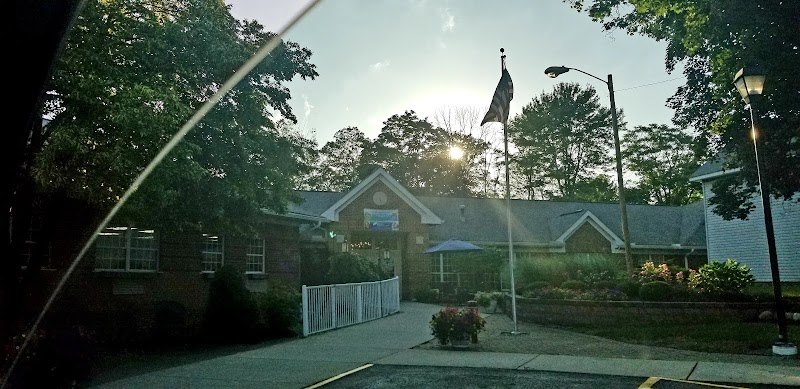
How is Altercare Of Wadsworth Staffed?

CMS rates ALTERCARE OF WADSWORTH's staffing level at 2 out of 5 stars, which is below average compared to other nursing homes. Staff turnover is 58%, which is 12 percentage points above the Ohio average of 46%. High turnover can affect care consistency as new staff learn residents' individual needs.

What Have Inspectors Found at Altercare Of Wadsworth?

State health inspectors documented 26 deficiencies at ALTERCARE OF WADSWORTH during 2020 to 2025. These included: 26 with potential for harm.
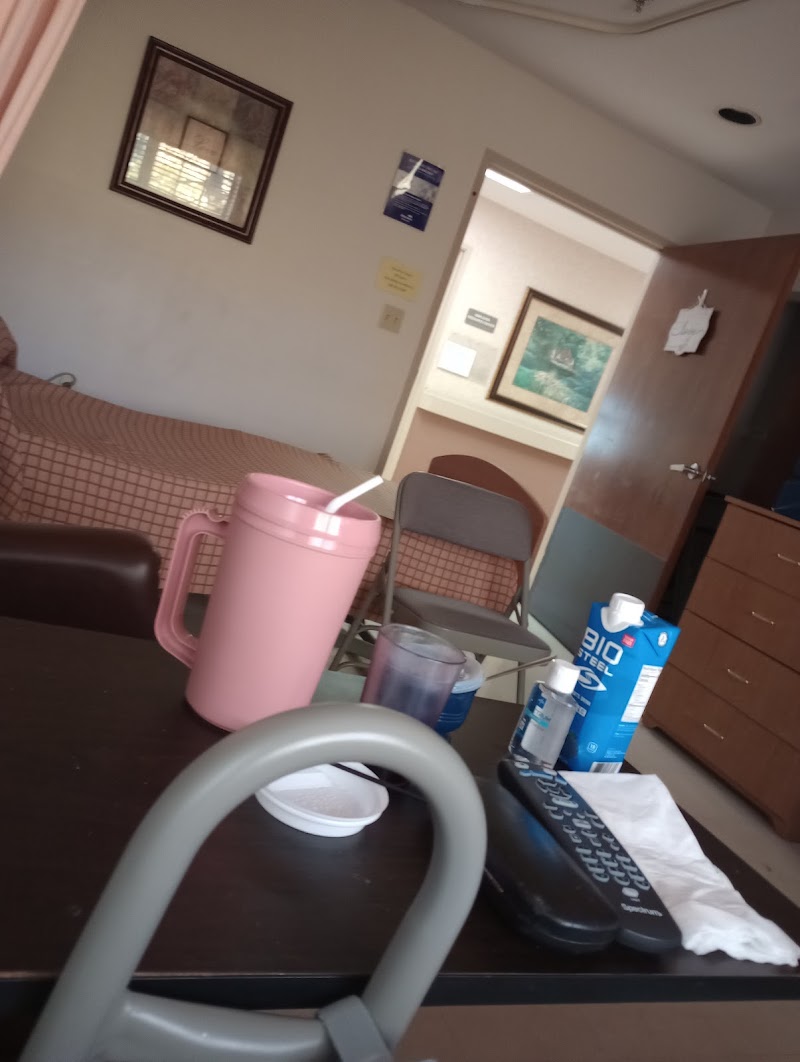
Who Owns and Operates Altercare Of Wadsworth?

ALTERCARE OF WADSWORTH is owned by a for-profit company. For-profit facilities operate as businesses with obligations to shareholders or private owners. The facility is operated by ALTERCARE, a chain that manages multiple nursing homes. With 97 certified beds and approximately 67 residents (about 69% occupancy), it is a smaller facility located in WADSWORTH, Ohio.
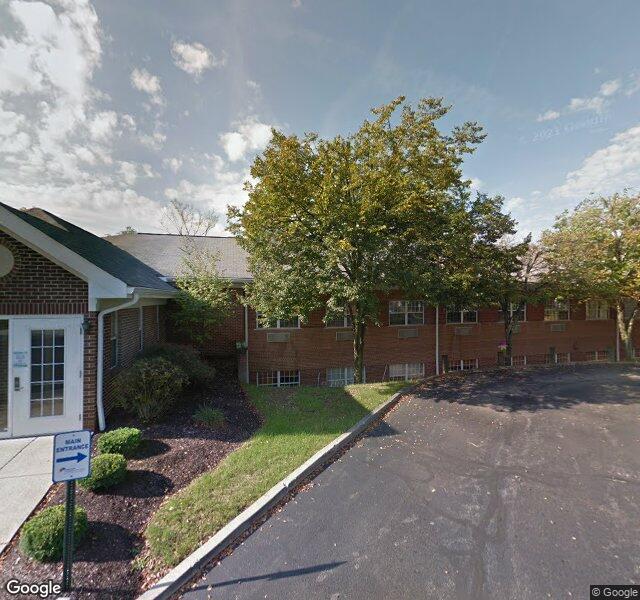
How Does Altercare Of Wadsworth Compare to Other Ohio Nursing Homes?

Compared to the 100 nursing homes in Ohio, ALTERCARE OF WADSWORTH's overall rating (3 stars) is below the state average of 3.2, staff turnover (58%) is significantly higher than the state average of 46%, and health inspection rating (2 stars) is below the national benchmark.

What Should Families Ask When Visiting Altercare Of Wadsworth?

Based on this facility's data, families visiting should ask: "How do you ensure continuity of care given staff turnover, and what is your staff retention strategy?" "Can you walk me through typical staffing levels on day, evening, and night shifts?" "Can I visit during a mealtime to observe dining assistance and food quality?" "How do you handle medical emergencies, and what is your hospital transfer rate?" These questions are particularly relevant given the facility's high staff turnover rate and the below-average staffing rating.

Is Altercare Of Wadsworth Safe?

Based on CMS inspection data, ALTERCARE OF WADSWORTH has a clean safety record: no substantiated abuse findings (meaning no confirmed cases of resident harm), no Immediate Jeopardy citations (the most serious violation level indicating risk of serious injury or death), and is not on the Special Focus Facility watch list (a federal program monitoring the lowest-performing 1% of nursing homes). The facility has a 3-star overall rating and ranks #100 of 100 nursing homes in Ohio. While no facility is perfect, families should still ask about staff-to-resident ratios and recent inspection results during their visit.

Do Nurses at Altercare Of Wadsworth Stick Around?

Staff turnover at ALTERCARE OF WADSWORTH is high. At 58%, the facility is 12 percentage points above the Ohio average of 46%. High turnover means new staff may not know residents' individual needs, medications, or preferences. It can also be disorienting for residents, especially those with dementia who rely on familiar faces. Families should ask: What is causing the turnover? What retention programs are in place? How do you ensure care continuity during staff transitions?

Was Altercare Of Wadsworth Ever Fined?

ALTERCARE OF WADSWORTH has no federal fines on record. CMS issues fines when nursing homes fail to meet care standards or don't correct problems found during inspections. The absence of fines suggests the facility has either maintained compliance or corrected any issues before penalties were assessed. This is a positive indicator, though families should still review recent inspection reports for the full picture.

Is Altercare Of Wadsworth on Any Federal Watch List?

ALTERCARE OF WADSWORTH is not on any federal watch list. The most significant is the Special Focus Facility (SFF) program, which identifies the bottom 1% of nursing homes nationally based on persistent, serious quality problems. Not being on this list means the facility has avoided the pattern of deficiencies that triggers enhanced federal oversight. This is a positive indicator, though families should still review the facility's inspection history directly.