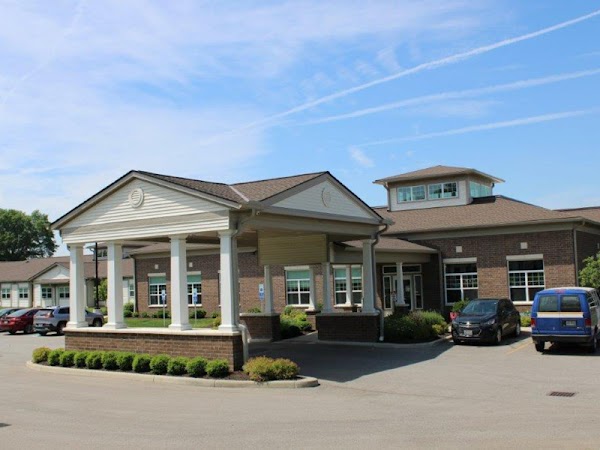
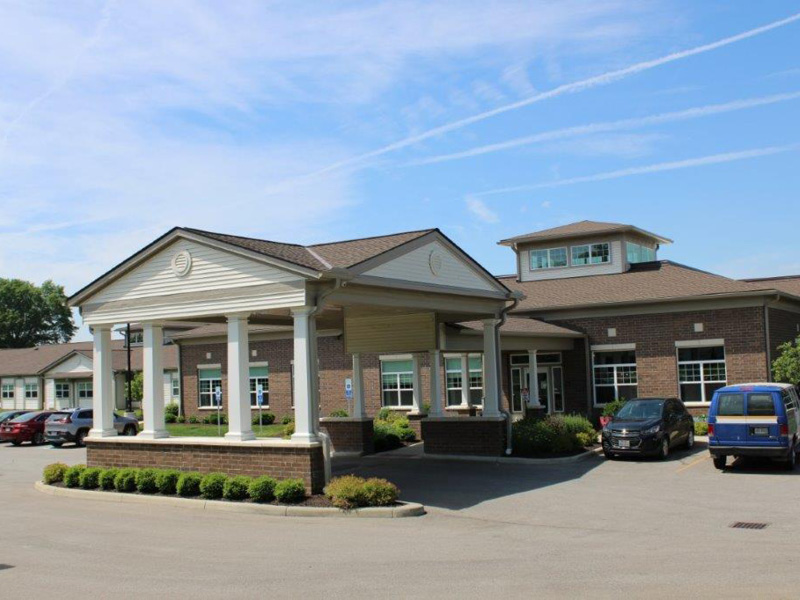


AVENUE AT WOOSTER

1700 EAST SMITHVILLE WESTERN ROAD, WOOSTER, OH 44691 (330) 601-1001
For profit - Corporation 82 Beds PROGRESSIVE QUALITY CARE Data: November 2025
Trust Grade
55/100
#409 of 913 in OH
Last Inspection: March 2025

Within standard 12-15 month inspection cycle. Federal law requires annual inspections.

Overview

Avenue at Wooster has a Trust Grade of C, which means it is average and sits in the middle of the pack among nursing homes. In Ohio, it ranks #409 out of 913 facilities, placing it in the top half, and #7 out of 14 in Wayne County, indicating only one local option is better. Unfortunately, the facility is worsening, as the number of issues reported has increased from 6 in 2024 to 10 in 2025. Staffing is a mixed bag; while the turnover rate is commendable at 33%, which is lower than the state average, the facility has less RN coverage than 93% of Ohio facilities, potentially impacting resident care. On a positive note, there have been no fines, which is a good sign, but there are concerning incidents such as a failure to adequately address a resident's pressure ulcer and lapses in kitchen cleanliness and food safety practices. Families should weigh these strengths and weaknesses carefully when considering this facility for their loved ones.

Trust Score
C
55/100
In Ohio
#409/913
Top 44%
Safety Record
Moderate
Needs review
Inspections
Getting Worse
6 → 10 violations
Staff Stability
○ Average
33% turnover. Near Ohio's 48% average. Typical for the industry.
Penalties
✓ Good
No fines on record. Clean compliance history, better than most Ohio facilities.
Skilled Nurses
⚠ Watch
Each resident gets only 20 minutes of Registered Nurse (RN) attention daily — below average for Ohio. Fewer RN minutes means fewer trained eyes watching for problems.
Violations
⚠ Watch
29 deficiencies on record. Higher than average. Multiple issues found across inspections.
★★★☆☆
3.0
Overall Rating
★★☆☆☆
2.0
Staff Levels
★★★★★
5.0
Care Quality
★★☆☆☆
2.0
Inspection Score
Stable
2024: 6 issues
2025: 10 issues

The Good

  • 5-Star Quality Measures · Strong clinical quality outcomes
  • Full Sprinkler Coverage · Fire safety systems throughout facility
  • No fines on record
  • Staff turnover below average (33%)

    15 points below Ohio average of 48%

Facility shows strength in quality measures, fire safety.

The Bad

3-Star Overall Rating

Near Ohio average (3.2)

Meets federal standards, typical of most facilities

Staff Turnover: 33%

13pts below Ohio avg (46%)

Typical for the industry

Chain: PROGRESSIVE QUALITY CARE

Part of a multi-facility chain

Ask about local staffing decisions and management

The Ugly 29 deficiencies on record

1 actual harm
Mar 2025 10 deficiencies
CONCERN (D) 📢 Someone Reported This

A family member, employee, or ombudsman was alarmed enough to file a formal complaint

Potential for Harm - no one hurt, but risky conditions existed

Report Alleged Abuse (Tag F0609)

Could have caused harm · This affected 1 resident

**NOTE- TERMS IN BRACKETS HAVE BEEN EDITED TO PROTECT CONFIDENTIALITY** Based of closed record review, policy review, review of the facility self-reported incidents, facility investigation review, and...

Read full inspector narrative →
**NOTE- TERMS IN BRACKETS HAVE BEEN EDITED TO PROTECT CONFIDENTIALITY** Based of closed record review, policy review, review of the facility self-reported incidents, facility investigation review, and interviews, the facility failed to report to the state survey agency an allegation of abuse by a staff member to Resident #72. This affected one (Resident #72) out of one residents reviewed for abuse. The facility census was 81. Findings include: Review of the closed medical record revealed Resident #72 was admitted on [DATE] and discharged [DATE] with diagnoses that included cerebral infarction, aphasia, convulsions, major depressive, anxiety, hemiplegia and hemiparesis. A nursing note dated 01/29/25 at 3:47 P.M. revealed the nurse practitioner was made aware Resident #72 had a fall and Resident #72 could be transferred to the hospital for evaluation. No further documentation of the fall was recorded in the medical record. Review of a written statement, dated 01/29/25 by Receptionist #501, revealed around 2:30 P.M. she witnessed Resident #72 starting to fall. Receptionist #501 went to get the Director of Nursing (DON)but the DON was already heading to Resident #72. The DON said you are done to Resident #72. Receptionist #501 wrote they believed the DON meant Resident #72 was done using the walker. Review of a typed statement, dated 01/29/25 by Human Resource #234, revealed Resident #72 was trying to walk without his walker. The DON asked Resident #72 where his walker was. Resident #72 pointed to it and the DON got the walker for Resident #72. The DON returned to his office. Resident #72 got up to walk and Resident #72 fell. The DON rushed out of his office and told Resident #72 we can't do this. Review of a typed statement, dated 01/29/25 by Receptionist #402, revealed while Resident #72 was waiting in the front lobby to go to an appointment, Resident #72 tried to stand up and fell to the side. The DON came out of his office and while going to Resident #72, the DON raised his voice and said you are done multiple times. Review of a written statement, dated 01/29/25 by Business Office Manager #214, revealed they did not witness the fall but were asked to assist with getting Resident #72 up (from the floor). Review of the facility self-reported incidents from 01/29/25 through 03/13/25 revealed the allegation was not reported to the state survey agency. Review of the admission Minimum Data Set (MDS) dated [DATE] revealed Resident #72 was cognitively intact. Resident #72 did have feelings of being down, depressed, hopeless, and feeling bad about self. Review of the plan of care dated 02/19/25 revealed Resident #72 was at risk for falls. Interventions included to assess footwear for proper fit and non-skid soles, encourage the use of call lights, and instruct on safety measures. Interview on 03/17/25 at 2:13 P.M. with a family member of Resident #72 revealed they heard an incident occurred when Resident #72 fell in the front area of the building. The family member stated they were not sure if the DON yelled at Resident #72 but something did not feel right about the situation. Interview on 03/19/25 at 9:36 A.M. a staff member that requested to be anonymous revealed Resident #72 was crying after the fall in the lobby and stated the DON was screaming at him and said Resident #72 could not use his walker anymore. Resident #72 stated he was scared of the DON. The staff member believed several staff had reported the incident to the Licensed Nursing Home Administrator (LNHA). Interview on 03/20/25 at 10:32 A.M. with the LNHA verified a nurse notified him that another staff member had reported concerns of how the DON had spoken to Resident #72. The LNHA stated he got statements from the three witnesses that observed the fall and the DON going to Resident #72. The LNHA stated he was unable to interview Resident #72 because the resident was transferred to the hospital. The LNHA verified he did not report the allegation of possible verbal or emotional abuse to the state agency because he did not think abuse had occurred and was not sure if it should be reported. The LNHA stated the DON had reported yelling out Resident #72's name as the DON was trying to help Resident #72. On 03/20/25 at 12:17 P.M. a staff member that requested to be anonymous stated the DON was stern and the tone of voice was concerning when he went to Resident #72 after the fall. The staff member stated they reported their concern about the tone of voice the DON had used towards Resident #72. On 03/20/25 at 3:48 P.M. the DON verified Resident #72 had several falls. The DON stated Resident #72 fell in the lobby and the DON talked to Resident #72 but did not recall anything concerning about the incident. The DON verified he did tell Resident #72 he could no longer use a walker. Review of the Abuse Prohibition policy revised October 2022 revealed abuse is defined as willful infliction of intimidation or punishment resulting in mental anguish. Types of abuse include mental/emotional abuse. Mental abuse may occur through verbal or nonverbal conduct which causes or has the potential to cause the resident to experience intimidation, fear, shame, humiliation, agitation, or degradation. Ensure that all alleged violations involving abuse or mistreatment are reported immediately, but later than two hours after the allegation is made to the administrator and to other officials (including the State Survey Agency) in accordance with state law through established procedures. This deficiency represents non-compliance investigated under Complaint Number OH00162049.
CONCERN (D) 📢 Someone Reported This

A family member, employee, or ombudsman was alarmed enough to file a formal complaint

Potential for Harm - no one hurt, but risky conditions existed

Investigate Abuse (Tag F0610)

Could have caused harm · This affected 1 resident

**NOTE- TERMS IN BRACKETS HAVE BEEN EDITED TO PROTECT CONFIDENTIALITY** Based of record review, Abuse Prohibition policy review, facility investigation, and interviews, the facility failed to thorough...

Read full inspector narrative →
**NOTE- TERMS IN BRACKETS HAVE BEEN EDITED TO PROTECT CONFIDENTIALITY** Based of record review, Abuse Prohibition policy review, facility investigation, and interviews, the facility failed to thoroughly investigate an allegation of possible abuse by a staff member to Resident #72. This affected one (Resident #72) out of one residents reviewed for abuse. Facility census was 81. Findings include: Review of the medical record revealed Resident #72 was admitted [DATE] and discharged [DATE] with diagnoses that included cerebral infarction, aphasia, convulsions, major depressive, anxiety, hemiplegia and hemiparesis. A nursing note dated 01/29/25 at 3:47 P.M. revealed the nurse practitioner was made aware Resident #72 had a fall and Resident #72 could be transferred to the hospital for evaluation. No further documentation of the fall was recorded in the medical record. Review of a written statement, dated 01/29/25 by Receptionist #501, revealed around 2:30 P.M. she witnessed Resident #72 starting to fall. Receptionist #501 went to get the Director of Nursing (DON)but the DON was already heading to Resident #72. The DON said you are done to Resident #72. Receptionist #501 wrote they believed the DON meant Resident #72 was done using the walker. Review of a typed statement, dated 01/29/25 by Human Resource #234, revealed Resident #72 was trying to walk without his walker. The DON asked Resident #72 where his walker was. Resident #72 pointed to it and the DON got the walker for Resident #72. The DON returned to his office. Resident #72 got up to walk and Resident #72 fell. The DON rushed out of his office and told Resident #72 we can't do this. Review of a typed statement, dated 01/29/25 by Receptionist #402, revealed while Resident #72 was waiting in the front lobby to go to an appointment, Resident #72 tried to stand up and fell to the side. The DON came out of his office and while going to Resident #72, the DON raised his voice and said you are done multiple times. Review of a written statement, dated 01/29/25 by Business Office Manager #214, revealed they did not witness the fall but were asked to assist with getting Resident #72 up (from the floor). Review of the admission Minimum Data Set (MDS) dated [DATE] revealed Resident #72 was cognitively intact. Resident #72 did have feelings of being down, depressed, hopeless, and feeling bad about self. Interview on 03/20/25 at 10:32 A.M. Licensed Nursing Home Administration (LNHA) verified a nurse notified him that another staff member had reported concerns of how the DON had spoken to Resident #72. The LNHA stated he got statements from the three witnesses that observed the fall and the DON going to Resident #72. The LNHA stated he was unable to interview Resident #72 because the resident was transferred to the hospital. The LNHA verified statements were not obtained from the nurse that reported the incident, staff that provided care to Resident #72 before being transferred to the hospital, or the DON. The LNHA stated he talked to the DON and the DON reported yelling out Resident #72's name as the DON was trying to help Resident #72. On 03/20/25 at 12:17 P.M. a staff member that requested to be anonymous stated the DON was stern and the tone of voice was concerning when he went to Resident #72 after the fall. The staff member stated they reported their concern about the tone of voice the DON had used towards Resident #72. On 03/20/25 at 3:48 P.M. the DON verified Resident #72 had several falls. The DON stated Resident #72 fell in the lobby and the DON talked to Resident #72 but did not recall anything concerning about the incident. The DON verified he did tell Resident #72 he could no longer use a walker and the DON verified he was not asked to write a statement about the incident. Review of the Abuse Prohibition policy revised October 2022 revealed abuse is defined as willful infliction of intimidation or punishment resulting in mental anguish. Types of abuse include mental/emotional abuse. Mental abuse may occur through verbal or nonverbal conduct which causes or has the potential to cause the resident to experience intimidation, fear, shame, humiliation, agitation, or degradation. Ensure that all alleged violations involving abuse or mistreatment are reported immediately, but later than two hours after the allegation is made to the administrator and to other officials (including the State Survey Agency) in accordance with state law through established procedures.
CONCERN (D)

Potential for Harm - no one hurt, but risky conditions existed

Deficiency F0676 (Tag F0676)

Could have caused harm · This affected 1 resident

**NOTE- TERMS IN BRACKETS HAVE BEEN EDITED TO PROTECT CONFIDENTIALITY** Based on observation, medical record review, interview and policy review the facility failed to ensure residents were provided t...

Read full inspector narrative →
**NOTE- TERMS IN BRACKETS HAVE BEEN EDITED TO PROTECT CONFIDENTIALITY** Based on observation, medical record review, interview and policy review the facility failed to ensure residents were provided their hearing aides/amplifiers to assist with their identified hearing loss. This affected one (Resident #16) three residents reviewed for activities of daily living. Findings Include: Review of Resident #6's medical record revealed the resident was admitted to the facility on [DATE]. Diagnoses included dementia with psychotic and mood disturbance, heart disease, anxiety and depression. Review of the Minimum Data Set (MDS) assessment dated [DATE] revealed Resident #16 had severe impaired cognition, and moderate hearing impairment. Review of the Care Plan dated 03/01/25 revealed the resident was at risk for communication related to a hearing deficit and dementia. Interventions included be conscious of position when in groups, allow adequate time to respond, and repeat if necessary. The plan did not include information on hearing devices. Observation on 03/18/25 at 8:00 A.M. revealed the resident was sitting in the dining room. Resident #16 was not observed to be wearing a hearing device. Interview on 03/18/25 at 8:41 A.M. with Resident #16's daughter stated staff were not putting on her hearing amplifiers. Interview with Licensed Practical Nurse (LPN) #335 on 03/19/25 at 2:50 P.M. revealed Resident #16 loses personal items often due to her cognition. The resident had a habit of wrapping her dentures and hearing aids/amplifiers in paper towels and putting them in the garbage. LPN #335 stated Resident #16 had hearing amplifiers, however she did not know where they were. Observation on 03/20/25 at 8:25 A.M. of Resident #16 revealed she was not observed wearing a hearing device. Interview on 03/20/25 at 8:30 A.M. with Certified Nursing Assistant (CNA) #247 revealed the resident wore hearing amplifiers but the hearing amplifiers had been missing for about a week. CNA #247 verified Resident #16 was not wearing her hearing amplifiers. Interview on 03/20/25 at 9:00 A.M. with LPN #254 stated she found the hearing amplifiers in Resident 16's room. Interview on 03/20/25 at 9:30 A.M. with the MDS Nurse #410 verified Resident #16 did not have the hearing amplifiers applied this week. MDS #410 stated she put in a new order to apply hearing amplifiers in the A.M. and remove in the P.M. and to keep them in the medication cart. MDS #410 stated she updated the care plan to reflect the new information. Review of the facility policy titled Activities of daily living, revealed the facility will ensure a resident is given the appropriate treatment and service to maintain or improve his or her ability to conduct the activities of daily living.
CONCERN (D)

Potential for Harm - no one hurt, but risky conditions existed

Pressure Ulcer Prevention (Tag F0686)

Could have caused harm · This affected 1 resident

**NOTE- TERMS IN BRACKETS HAVE BEEN EDITED TO PROTECT CONFIDENTIALITY** Based on medical record review, observations, and staff interviews the facility failed to ensure pressure reducing devices were ...

Read full inspector narrative →
**NOTE- TERMS IN BRACKETS HAVE BEEN EDITED TO PROTECT CONFIDENTIALITY** Based on medical record review, observations, and staff interviews the facility failed to ensure pressure reducing devices were in place for residents at risk for developing pressure injuries. This affected one resident (Resident #1) of two residents reviewed for pressure injuries. The facility census was 81. Findings include: Review of the medical record for Resident #1 revealed an admission date of 08/12/21 with diagnoses including but not limited to stroke with right side hemiplegia, type two diabetes, and vascular dementia. Review of the Annual Minimum Data Set (MDS) assessment dated [DATE] revealed Resident #1 had impaired cognition with a Brief Interview of Mental Status (BIMS) score of three out of 15 and required assistance from staff to complete bed mobility, transfers, and personal hygiene tasks. Further review revealed the resident was at risk for the development of pressure injuries with interventions in place including pressure reducing mattress, pressure reducing device in the wheelchair, and turning/repositioning program. Review of the physician orders revealed an order dated 08/21/21 to encourage the resident to float the bilateral heels on pillows while in bed every shift, an order dated 11/18/24 for treatment to bilateral heels apply skin prep and leave open to air every day shift every Monday, Wednesday, and Friday for skin care and prevention, an order dated 11/18/24 for treatment to bilateral lower extremities for pressure relieving boots while in bed every shift for skin care and prevention, and an order dated 12/17/24 for device use for bilateral heel lift suspension boots every shift every day for skin prevention. Review of Resident #1's Treatment Administration Record (TAR) dated 03/01/25 to 03/19/25 revealed the order dated 12/17/24 for device use of bilateral heel lift suspension boots every shift every day for skin prevention was marked as being completed for every shift. Review of Resident #1's care plan dated 04/10/23 revealed Resident #1 had the potential for impaired skin integrity and pressure injury development with interventions including the use of heel boots as tolerated. Review of Resident #1's progress notes dated 03/01/25 to 03/19/25 revealed no documentation revealing Resident #1 refused to wear the pressure reducing boots to the bilateral lower extremities. Observation on 03/17/25 at 11:30 A.M. revealed Resident #1 was resting in bed, watching television. There was a pair of pressure reducing green boots laying on the window seat in the room. Resident #1 did not have any pressure reducing devices on her bilateral lower extremities. Observation on 03/18/25 at 8:20 A.M. revealed Resident #1 was resting in bed eating the breakfast meal. The pressure reducing green boots were lying on the window seat in the same position as the day before. Observation on 03/18/25 at 2:40 P.M. revealed Resident #1 returned to her room with staff assisting in positioning Resident #1 in bed. The pressure reducing green boots continued be located on the window seat in the room. Observation on 03/19/25 at 7:10 A.M. revealed Resident #1 sleeping in bed with out any pressure reducing devices on the bilateral lower extremities. The pressure reducing green boots were lying on the seat of the high back chair located in her room. Interview on 03/18/25 at 2:42 P.M. with Certified Nursing Assistant (CNA) #375 revealed Resident #1 would refuse to wear the pressure reducing boots. The CNA's will report the refusal to the nurse who will document the refusal in the progress notes. Interview on 03/19/25 at 11:18 A.M. with Licensed Practical Nurse (LPN) #254 confirmed Resident #1 did not have the pressure reducing boots in place and the TAR dated 03/19/25 was marked as having the pressure reducing boots in place.
CONCERN (D) 📢 Someone Reported This

A family member, employee, or ombudsman was alarmed enough to file a formal complaint

Potential for Harm - no one hurt, but risky conditions existed

Accident Prevention (Tag F0689)

Could have caused harm · This affected 1 resident

**NOTE- TERMS IN BRACKETS HAVE BEEN EDITED TO PROTECT CONFIDENTIALITY** Based on closed record review, facility investigation review, and interview, the facility failed to implement appropriate fall p...

Read full inspector narrative →
**NOTE- TERMS IN BRACKETS HAVE BEEN EDITED TO PROTECT CONFIDENTIALITY** Based on closed record review, facility investigation review, and interview, the facility failed to implement appropriate fall prevention interventions for Resident #9 after a fall. This affected one (Resident #9) of four residents reviewed for accidents. The facility census was 81. Findings include: Review of the closed medical record revealed Resident #9 was admitted on [DATE] with diagnoses that included acute and chronic respiratory failure, peripheral vascular disease, chronic kidney disease, major depressive disorder, anxiety, osteophyte left hip, and osteoporosis. A nursing note dated 02/23/25 at 10:08 P.M. revealed the nurse was called to Resident #9's room. Resident #9 had fallen out of the (shower) chair while being transferred into the shower. Resident #9 stated the Certified Nursing Assistant (CNA) hit the lip going into the shower. Review of the significant change Minimum Data Set (MDS) dated [DATE] revealed Resident #9 was cognitively intact. Resident #9 required substantial to maximum assistance with bathing. Review of the plan of care dated 03/04/25 revealed Resident #9 was at risk for an actual fall with major injury. The only intervention in place was to send Resident #9 to the emergency department. Interview on 03/18/25 at 3:41 P.M. with CNA #383 revealed Resident #9 fell out of the shower chair. CNA #383 was attempting to pull the shower chair over the lip into the shower stall. Interview on 03/18/25 at 3:57 P.M. with the Director of Nursing (DON) revealed staff were educated on using the seatbelt when moving residents in a shower chair. The DON stated Resident #9 refused to use the seatbelt. The DON verified no other interventions were put in place. Interview on 03/19/25 at 4:12 P.M. with Resident #9 revealed she was afraid to have the seatbelt in place when being transferred because of the shower chair tipping and Resident #9 being strapped to the shower chair. Resident #9 stated she preferred a shower to a bed bath and she had not received a shower since she had returned to the facility. Resident #9 stated she would feel safe if there were two staff members present while the shower chair was being put into the shower. An additional interview on 03/19/25 at 5:14 P.M. the DON revealed Resident #9 had not wanted to get in the shower. The DON verified no training or education had been provided to staff about Resident #9's individualized safety measures for Resident #9's specific needs and abilities. The DON verified he was not aware Resident #9 would feel safer with two staff providing care. The DON stated he would educate the staff and update the care plan for two staff members to assist Resident #9 with showers. On 03/19/25 at 5:28 P.M. a new order was written for Resident #9 to have two staff assistance with all showers. A new intervention was added to Resident #9's plan of care on 03/19/25 for two staff to assist with all showers. Interview on 03/20/25 at 7:46 A.M. Resident #9's daughter revealed she had suggested that two staff members be present when putting Resident #9 in the shower. The daughter also stated the facility staff did not provide any information on how they would provide Resident #9 a shower and keep Resident #9 safe. This deficiency represents non-compliance investigated under Complaint Number OH00162049.
CONCERN (D)

Potential for Harm - no one hurt, but risky conditions existed

Deficiency F0698 (Tag F0698)

Could have caused harm · This affected 1 resident

**NOTE- TERMS IN BRACKETS HAVE BEEN EDITED TO PROTECT CONFIDENTIALITY** Based on record review, policy review, and interview, the facility failed to ensure there was consistent communication between t...

Read full inspector narrative →
**NOTE- TERMS IN BRACKETS HAVE BEEN EDITED TO PROTECT CONFIDENTIALITY** Based on record review, policy review, and interview, the facility failed to ensure there was consistent communication between the facility and the dialysis center regarding Resident #15's hemodialysis treatments. This affected one (Resident #15) of one residents reviewed for dialysis. The facility census was 81. Findings include: Review of the medical record revealed Resident #15 was admitted on [DATE] with diagnoses that included hemiplegia, aphasia, convulsions, and dependence on renal dialysis. Review of physician orders revealed Resident #15 received hemodialysis three times a week on Tuesday, Thursday, and Saturday. Review of Resident #15's medical record from 01/02/25 to 03/15/25 revealed there were missing dialysis visit notes for the last 30 dialysis treatments. Out of the 30 times Resident #15 was sent out of the facility for a dialysis treatment, 14 of those visits did not have a dialysis visit notes to indicate what Resident #15's pre-weight and dry weight (weight after dialysis) were, what the resident's vital signs were, what medications were administered, and how Resident #15 tolerated the dialysis treatment during each visit. Interview on 03/20/25 at 3:38 P.M. with Unit Manager (UM) #353 verified there were dialysis communication sheets missing and adequate communication was not occurring between the facility and Resident #15's dialysis center. UM #353 acknowledged the dialysis center was not sending a dialysis visit note for Resident #15 that let the facility nurse know what Resident #15's pre-weight and dry weight was when Resident #15 received hemodialysis. There was also no communication of any medications that may have been administered to Resident #15 or how Resident #15 tolerated the dialysis treatment. The Dialysis Monitoring policy revised 12/2022 revealed the facility will maintain ongoing communication and collaboration with the dialysis facility regarding dialysis care and services.
CONCERN (D)

Potential for Harm - no one hurt, but risky conditions existed

Deficiency F0810 (Tag F0810)

Could have caused harm · This affected 1 resident

**NOTE- TERMS IN BRACKETS HAVE BEEN EDITED TO PROTECT CONFIDENTIALITY** Based on medical record review, observations, staff interview, and facility policy review the facility failed to ensure dietary ...

Read full inspector narrative →
**NOTE- TERMS IN BRACKETS HAVE BEEN EDITED TO PROTECT CONFIDENTIALITY** Based on medical record review, observations, staff interview, and facility policy review the facility failed to ensure dietary dining equipment was made available for residents requiring adaptive dining equipment to maintain independence with eating. This deficient practice affected one Resident (Resident #14) out of one resident reviewed for use of dining adaptive equipment. The facility census was 81. Findings Include: Review of Resident #17's medical record revealed admission date 02/29/22 with diagnoses including but not limited to stroke with right side hemiplegia, squamous cell carcinoma of the scalp, and type two Diabetes. Resident #14 had moderate cognitive impairment with a Brief Interview of Mental Status (BIMS) score of nine out of a possible 15 dated 01/28/25. Resident #17 required assistance from staff to complete Activities of Daily Living (ADL) tasks and was independent with eating. Review of Resident #17's signed physician orders revealed an order dated 08/23/24 for no added salt, low concentrated sweets, regular texture with thin liquids diet and an order dated 12/13/24 for Device Use: Adaptive Dining Equipment: Plate guard at meals every shift. Review of Resident #17's Treatment Administration Record (TAR) dated 03/01/25 to 03/19/25 revealed the order for Device Use: Adaptive Dining Equipment: Plate guard at meals every shift was marked as being completed. Review of Resident #17's assessments revealed a Dietary assessment dated [DATE] with a plate guard marked as being used during meals. Review of Resident #17's Dietary care plan dated 01/30/25 revealed interventions included to provide adaptive equipment as ordered to improve self-feeding. Review of Resident #17's weight listing dated 10/01/24 to 03/05/25 revealed Resident #17's weights were stable with no weight loss noted. Observation on 03/17/25 at 10:37 A.M. revealed Resident #17 sitting at a table in the unit lounge finishing the breakfast meal, there was no plate guard attached to the plate or lying on the tray. Resident #17's dietary slip had adaptive equipment marked as a plate guard. Observation on 03/18/25 at 9:08 A.M. revealed Resident #17 sitting at a table in the unit lounge eating the breakfast meal, there was no plate guard attached to the plate or lying on the tray. Observation on 03/18/25 at 11:40 A.M. revealed Certified Nursing Assistant (CNA) #385 serving Resident #17's lunch tray in the unit lounge. There was no plate lying on the tray and CNA #385 did attach a plate guard to Resident #17's plate. Interview on 03/18/25 at 11:55 A.M. with CNA #385 confirmed Resident #17 did not have a plate guard available on the meal trays. CNA #385 stated the adaptive equipment used for eating and drinking is provided by the kitchen and comes on the meal trays for use by either the Resident or the staff. Interview on 03/18/25 at 1:41 P.M. with Dietary Supervisor #325 revealed therapy or nursing will give dietary a list of who needs adaptive equipment for dietary purposes and then we will put that on their ticket and then when the food is served the equipment will be placed on the tray. For a plate guard, it makes the lid stick up, so we place it on the tray and then the floor staff will attach it to the plate when they serve the food. Review of the facility's policy tilted, Assistive Devices Policy undated revealed, Assistive devices shall be provided to residents who need them for all meals to maintain or improve their ability to eat independently. Adaptive equipment is made available at mealtime by Dining Services.
CONCERN (D)

Potential for Harm - no one hurt, but risky conditions existed

Antibiotic Stewardship (Tag F0881)

Could have caused harm · This affected 1 resident

**NOTE- TERMS IN BRACKETS HAVE BEEN EDITED TO PROTECT CONFIDENTIALITY** Based on record review, Antibiotic Stewardship policy review, and interviews, the facility failed to ensure the appropriate anti...

Read full inspector narrative →
**NOTE- TERMS IN BRACKETS HAVE BEEN EDITED TO PROTECT CONFIDENTIALITY** Based on record review, Antibiotic Stewardship policy review, and interviews, the facility failed to ensure the appropriate antibiotics were administered for Resident #9 and #23. The facility also failed to ensure Resident #46 did not receive duplicate antibiotic therapy. This affected three (Resident #9, #23, and #46) out of five residents reviewed for unnecessary medications. Facility census was 81. Findings include: 1. Review of the medical record revealed Resident #9 was admitted on [DATE] with diagnoses that included acute and chronic respiratory failure, chronic kidney disease, and history of urinary tract infections. A nursing note dated 10/10/24 at 12:04 A.M. revealed Resident #9 was straight cathed to obtain a urine sample. A nursing note dated 10/10/24 at 6:34 P.M. revealed a new order was obtained for Resident #9 to start Macrobid (antibiotic) 100 milligram (mg) twice a day for urinary tract infection (UTI). A nursing note dated 10/11/24 at 3:18 A.M. revealed Resident #9 started Macrobid for possible UTI. A nursing note dated 10/13/24 at 2:08 A.M. revealed the on call provider was informed of Resident #9's allergies, current antibiotic order, and what antibiotic came back as susceptible. The on call provider asked for Resident #9's renal function. Resident #9 did not have any recent labs results in the chart. The on call provider stated it was not an emergency to change Resident #9's antibiotic and to call back in the morning. A nursing note dated 10/13/24 at 8:16 A.M. revealed the nurse practitioner reviewed the urine culture and discontinued the Macrobid and started Resident #9 on Levaquin (antibiotic) 250 mg daily for three days to culture and sensitivity results. A nursing note dated 12/02/24 at 9:49 P.M. revealed Resident #9 was straight cathed to obtain a urine sample. A nursing note dated 12/04/24 at 9:25 P.M. revealed Resident #9's urine sample leaked and a new sample was needed. Resident #9 could not be straight cathed at that time due to vaginal cream had already been inserted. A nursing note dated 12/06/24 at 5:25 P.M. revealed a new order was received to start Resident #9 on Keflex 500 mg twice a day for seven days while waiting for the urinalysis and culture and sensitivity results. A nursing note dated 12/08/24 at 3:22 P.M. revealed Resident #9 was positive for pseudomonia aeruginosa. The current antibiotic could be discontinued. A nursing note dated 12/09/24 at 2:17 P.M. revealed Resident #9 was ordered Cefdinir (antibiotic) 300 mg every 12 hours for 10 days due to elevated white blood count and to help manage UTI symptoms. The significant change Minimum Data Set (MDS) dated [DATE] revealed Resident #9 was cognitively intact. Interview on 03/19/25 at 9:46 A.M. Licensed Practical Nurse (LPN) #335 verified doctors start antibiotics before urine results come back if there was a positive urine dip. Interview on 03/19/25 at 2:59 P.M. Unit Manager (UM) #353 verified Resident #9 was ordered antibiotics for a possible UTI prior to the urinalysis or culture and sensitivity results being received. UM #353 verified Resident #9 was started on antibiotics on 10/10/24 and 12/06/24 that had to be changed after the culture and sensitivity results were received. Interview on 03/20/25 at 11:54 A.M. Certified Nurse Practitioner (CNP) #600 verified antibiotics were ordered sometimes without waiting for urinalysis or culture and sensitivity results. Review of the antibiotic stewardship policy revised 12/2016 revealed when a culture and sensitivity was ordered, lab results and the current clinical situation will be communicated to the prescriber as soon as available to determine if antibiotic therapy should be started, continued, modified or discontinued. 2. Review of the medical record revealed Resident #23 was admitted on [DATE] with diagnoses that included type 2 diabetes and chronic kidney disease. The quarterly MDS dated [DATE] revealed Resident #23 was cognitively intact. Review of nursing note dated 02/27/25 at 2:44 P.M. revealed a new order was received for a urinalysis with culture and sensitivity due to Resident #23 had complaints of lower right back pain. A nursing note dated 02/28/25 at 3:22 P.M. revealed a urine sample was collected. A nursing note dated 02/28/25 at 5:33 PM. revealed Resident #23 was started on Cefuroxime (antibiotic) 500 mg twice a day for 14 days. A nursing note dated 03/06/25 at 8:53 A.M. revealed the urinalysis results were reviewed and no new orders were received. On 03/07/25 at 11:16 A.M. Resident #23's urine results were reviewed and new orders were received to hold Cefuroxime and start Cefdinir (antibiotic) 300 mg twice a day for seven days. Interview on 03/19/25 at 9:46 A.M. LPN #335 verified doctors start antibiotics before urine results come back if there was a positive urine dip. Interview on 03/19/25 at 3:02 P.M. UM #353 verified Resident #23 was ordered antibiotics for a possible UTI prior to the urinalysis or culture and sensitivity results being received. UM #353 verified Resident #23 was started on antibiotics on 02/28/25 that had to be changed after the culture and sensitivity results were received. Interview on 03/20/25 at 11:54 A.M. Certified Nurse Practitioner (CNP) #600 verified antibiotics were ordered sometimes without waiting for urinalysis or culture and sensitivity results. Review of the antibiotic stewardship policy revised 12/2016 revealed when a culture and sensitivity was ordered, lab results and the current clinical situation will be communicated to the prescriber as soon as available to determine if antibiotic therapy should be started, continued, modified or discontinued. 3. Review of Residnet #46's medical record revealed admission date 05/09/24 with diagnoses including but not limited to systemic sclerosis, asthma, Chronic Obstructive Pulmonary Disease (COPD), kidney atrophy, and heart failure. Resident #46 had intact cognition with a Brief Interview of Mental Status (BIMS) score of 15 out of 15 dated 02/25/25. Resident #46 was frequently incontinent of urine and required moderate assistance from staff for toileting. Review of Resident #46's laboratory results dated [DATE] for Urinalysis Culture and Sensitivity (UACS) revealed abnormal results indicating a urinary tract infection (UTI) . Review of Resident #46's signed physician orders revealed an order dated 01/24/25 for antibiotic Macrobid oral capsule 50 milligram (MG) give 50 MG by mouth at bedtime (HS) for urinary tract infection (UTI) prevention and an order dated 02/27/25 for antibiotic Ciprofloxacin 500 MG to give 500 MG two times a day for five days for UTI. Review of Resident #46's Medication Administration Record (MAR) dated 02/27/25 to 03/04/25 revealed the order for antibiotic Macrobid 50 MG was marked has being administered every HS with no documentation of the antibiotic not being administered or held. Further review of Residnet #46's MAR dated 02/27/25 to 03/04/25 revealed the order for antibiotic Ciprofloxacin 500 MG was marked as being administered two times a day for five days. An interview on 03/20/25 at 11:40 A.M. with Certified Nurse Practitioner (CNP) #600 revealed when a resident is currently receiving an antibiotic for UTI and their laboratory results are received with indications of a UTI, another antibiotic will be ordered and the current antibiotic will be placed on hold for the duration of the new antibiotic therapy. Once the new antibiotic therapy has been completed, the exisisting antibiotic therapy will be reinstated. Review of the facility policy titled, Medication Management dated 08/14 revealed, The interdisciplinary team reviews the resident's medication regimen for efficancy and actual or potential medication - related problems. An interview on 03/20/25 at 11:57 A.M. with Licensed Practical Nurse (LPN) Unit Manager (UM) #353 confirmed Resident #46 had received both antibiotics Macrobid 50 MG daily and Ciprofloxacin 500mg twice daily for a total of five days between 02/27/25 to 03/04/25.
CONCERN (E)

Potential for Harm - no one hurt, but risky conditions existed

Medication Errors (Tag F0758)

Could have caused harm · This affected multiple residents

**NOTE- TERMS IN BRACKETS HAVE BEEN EDITED TO PROTECT CONFIDENTIALITY** Based on record review, Psychotropic Drug Use policy review, Medication Regimen review, and interview the facility failed to ens...

Read full inspector narrative →
**NOTE- TERMS IN BRACKETS HAVE BEEN EDITED TO PROTECT CONFIDENTIALITY** Based on record review, Psychotropic Drug Use policy review, Medication Regimen review, and interview the facility failed to ensure pharmacy recommendations were addressed appropriately by the physician for Resident #9, #16, and #41. The facility also failed to ensure an abnormal involuntary movement scale (AIMS) assessment was completed for Resident #70. This affected four (Resident #9, #16, #41, and #70) out of five residents reviewed for unnecessary medications. The facility census was 81. Findings include: 1. Review of the medical record revealed Resident #9 was admitted on [DATE] with diagnoses that included acute and chronic respiratory failure, major depressive disorder, and anxiety. Review of the pharmacy recommendation dated 02/07/25 revealed Resident #9 received Buspirone (anxiolytic) five milligram (mg) three times a day without a gradual dose reduction (GDR). The pharmacy recommended a reduction to five mg twice a day. If the physician did not agree documentation needed added to the medical record indicating why the GDR would be detrimental to Resident #9's mental or physical health. The recommendation was marked disagreed by Psychiatric Nurse Practitioner #201 on 02/19/25 with a rational of patient refused. The significant change Minimum Data Set (MDS) dated [DATE] revealed Resident #9 was cognitively intact. Resident #9 received antianxiety, antidepressant, and anticonvulsant medications. Interview on 03/20/25 at 3:26 P.M. Psychiatric Nurse Practitioner #605 verified the only reason documented for disagreeing with the GDR was Resident #9 refused. Psychiatric Nurse Practitioner #201 also verified there was no documentation of Resident #9 being educated about the benefits of a GDR or why Resident #9 refused to have Buspirone decreased. 2. Review of the medication record revealed Resident #41 was admitted on [DATE] with diagnoses that included respiratory failure, psychosis, mild cognitive impairment, major depressive disorder, anorexia, and obsessive compulsive disorder. The quarterly MDS dated [DATE] revealed Resident #41 had cognitive impairment. The MDS revealed Resident #41 received antianxiety and antidepressant medications. Review of the pharmacy recommendation dated 02/07/25 revealed Resident #41 received Fluvoxamine (antidepressant) 75 mg once a day without a GDR. The pharmacy recommended a reduction to 50 mg a day. If the physician did not agree documentation needed added to the medical record indicating why the GDR would be detrimental to Resident #41's mental or physical health. The recommendation was marked disagreed by Psychiatric Nurse Practitioner #201 on 02/19/25 with a rational of patient refused. Interview on 03/20/25 at 3:26 P.M. Psychiatric Nurse Practitioner #605 verified the only reason documented for disagreeing with the GDR was Resident #41refused. Psychiatric Nurse Practitioner #201 also verified there was no documentation of Resident #41 being educated about the benefits of a GDR or why Resident #41 refused to have Fluvoxamine decreased. 3. Review of Resident #16's medical record revealed the Resident was admitted to the facility on [DATE]. Diagnoses included dementia with psychotic and mood disturbance, heart disease, anxiety and depression. Minimum Data Set (MDS) assessment dated [DATE] revealed Resident #16 had severe impaired cognition and no behaviors. The assessment identified that the resident receives an antipsychotic, antianxiety, antidepressant, and anticonvulsant. Review of the Pharmacist Recommendation dated 01/12/25 revealed gradual dose reduction (GDR) for Depakote 125 milligram (mg). The practitioner marked disagree with the recommendation there was no reason noted. Recommendation dated 02/07/25 revealed gradual dose reduction (GDR) for Risperidone 0.5 mg. The practitioner marked disagree with the recommendation with a note that stated family refused. Review of the Nurse Practitioner (NP) #605 progress note dated 02/19/25 revealed a generic note stating the resident symptoms continue to be well managed with current medication. Modifying the medication has a potential risk for destalinization. The note was not specific to the medications recommended for a GDR. Interview on 03/20/25 at 3:21 P.M. with NP #605 stated she reviews medications for GDRs monthly and documents them in her progress notes. Interview on 03/20/25 at 3:45 P.M. with the Director of Nursing (DON) revealed he reviews GDR with practitioners monthly. The DON was unaware the practitioners were not documenting specific justifications and contraindications of GDRs. Review of the Medication Regimen Review policy dated 12/17 revealed recommendations are acted upon and documented by the facility staff and/or the prescriber. The prescriber accepts and acts upon recommendation or rejects and provides an explanation for disagreeing. Review of the Psychotropic Drug Use policy (no date) revealed an unnecessary drug is any medication that is used in excessive doses, for excessive duration. A GDR must be completed annually unless clinically contraindicated and adequate written justification is provided by the physician as to the reason that a reduction is not justified. 4. Review of Resident #70's medical record revealed initial admission date 09/27/24 and readmission date 01/03/25 with diagnoses including but not limited to right femur fracture, multiple sclerosis (MS), anxiety, depression, and psychosis. Resident #70 had moderately impaired cognition with a Brief Interview of Mental Status (BIMS) score of 12 out of a possible 15 dated 01/04/25. Review of Resident #70's signed physician orders revealed an order dated 01/03/25 for antipsychotic medication Seroquel oral tablet 50 milligrams (mg) give 50 mg by mouth three times a day for delirium and psychosis. The antipsychotic medication Seroquel had initially been implemented on 11/19/24. Review of Resident #70's admission Mimium Data Set (MDS) dated [DATE] revealed Section N - Medications was marked as Resident #70 receiving antipsychotic medication. Review of Resident #70's psychotropic medication use care plan dated 12/04/24 revealed Resident #70 received antipsychotic medication related to psychosis and delirium. There were no target behaviors for the use of antipsychotic medication use. Review of Resident #70's assessments revealed a completed Abnormal Involuntary Movement Scale (AIMS) dated 12/27/24 for the antipsychotic medication Seroquel. There was no completed AIMS assessment dated when the antipsychotic medication Seroquel was implemented on 11/19/24. An interview on 03/25/25 at 1:26 P.M. with MDS Licensed Practical Nurse (LPN) #410 confirmed Resident #70 did not have an AIMS assessment completed upon implementation of the antipsychotic medication Seroquel on 11/19/24. MDS LPN #410 stated there should have been an AIMS completed when the antipsychotic medication was initiated. Review of the facility policy titled, Psychotropic Drug Use undated revealed, Qualified staff will monitor the resident for potential undesirable adverse effects that are associated with the use of psychotropic drugs upon initiation of the psychotropic medication and at minimum every six months utilizing the Abnormal Involuntary Movement Scales as well as monitor for other adverse effects in accordance with CMS and State specific rules and regulations routinely.
CONCERN (F)

Potential for Harm - no one hurt, but risky conditions existed

Food Safety (Tag F0812)

Could have caused harm · This affected most or all residents

**NOTE- TERMS IN BRACKETS HAVE BEEN EDITED TO PROTECT CONFIDENTIALITY** Based on observation, interview, and review of the facility policy and procedures, the facility failed to ensure the kitchen was...

Read full inspector narrative →
**NOTE- TERMS IN BRACKETS HAVE BEEN EDITED TO PROTECT CONFIDENTIALITY** Based on observation, interview, and review of the facility policy and procedures, the facility failed to ensure the kitchen was maintained in a clean and sanitary manner and failed to ensure food was stored properly. This had the potential to affect all residents living at the facility. The facility census 81. Findings include: Observations on 03/17/25 from 8:25 A.M. to 8:35 A.M. during the tour of the kitchen with [NAME] #218 revealed the top of oven and steamer were covered with crumbs and debris. The grill had a missing panel that covered the front right side of the front grill. The panel was stored behind the grill. The [NAME] had large clumps of crumbs floating in the grease. The floor and lower back wall of the stove, oven, steamer and grill were covered with dirt, debris and grease. The freezer had two open bags of onion rings with no label or date. There was an opened brown bag with hashbrown with no label or date and an unopened bag of chicken tender and fish filets with label or date Interview on 03/17/25 between 8:25 A.M. and 8:40 A.M. with [NAME] #218 verified the identified findings and stated they will be taken care of right away. [NAME] #218 stated the staff from prior day did not clean and strain the [NAME]. Follow-up visit on 03/18/25 at 3:03 P.M. with Dietary Manager #325 Revealed the freezer had an open bag of waffles undated and an open bag of onion rings unlabeled and dated. There was a carton of ice cream with no open date. The refrigerator had an open container of humus with an open date of 02/27/25. Interview with the Dietary Manager #325 verified the findings and stated on 03/17/25 he noticed floor and the back wall of grill, steamer and oven were dirty and it was cleaned. Reviewed policy General sanitation of the kitchen, undated revealed food and nutrition services staff will maintain the sanitation of the kitchen. Leftovers are used within 7 days or discarded.
Oct 2024 2 deficiencies 1 Harm
SERIOUS (G) 📢 Someone Reported This

A family member, employee, or ombudsman was alarmed enough to file a formal complaint

Actual Harm - a resident was hurt due to facility failures

Pressure Ulcer Prevention (Tag F0686)

A resident was harmed · This affected 1 resident

**NOTE- TERMS IN BRACKETS HAVE BEEN EDITED TO PROTECT CONFIDENTIALITY** Based on observation, open and closed medical record review, resident, staff and Wound Care Certified Nurse Practitioner (WCCNP)...

Read full inspector narrative →
**NOTE- TERMS IN BRACKETS HAVE BEEN EDITED TO PROTECT CONFIDENTIALITY** Based on observation, open and closed medical record review, resident, staff and Wound Care Certified Nurse Practitioner (WCCNP) interviews and review of facility policies, the facility failed to develop and implement a comprehensive and individualized pressure ulcer prevention and treatment program to ensure residents' skin impairments were assessed, physician notification was made for treatment orders and treatment was initiated timely. Actual Harm occurred on 09/29/24 to Resident #54, who was at risk for developing pressure ulcers, when the facility identified the resident had impaired skin upon readmission from the hospital but failed to assess and describe the wound, failed to notify the physician for treatment orders and further failed to initiate any treatments until 10/11/24. Subsequently, on 10/14/24, the wound was described as a Stage III pressure ulcer (full-thickness loss of skin that extended to the subcutaneous tissue, but did not cross the fascia beneath it) on the sacral area and required excisional debridement. This affected three residents (#54, #82 and #71) of three residents reviewed for pressure ulcers. The facility census was 80. Findings include: 1. Record review for Resident #54 revealed an admission date of 09/20/24 and a readmission date of 09/29/24. Diagnoses included rhabdomyolysis (breakdown of muscle tissue that released damaging protein into the blood), morbid severe obesity, saddle embolus (blood clot) of pulmonary artery and muscle weakness. Review of the nursing progress note dated 09/29/24 at 12:31 P.M., completed by Licensed Practical Nurse (LPN) #249, revealed Resident #54 arrived at the facility via emergency medical technician (EMT). Resident #54 was alert and oriented to person, place and time. Documentation included Resident #54 had a small open area to the left buttock. Wound nurse was notified at the time of the admission. The progress note provided no measurements or further description of the open area to Resident #54's left buttock or evidence of physician notification for treatment orders. Review of the Nursing admission assessment dated [DATE] at 6:50 P.M., completed by LPN #249, revealed Resident #54 was admitted on [DATE] at 12:06 P.M. Resident #54 had an open area to the left buttocks. The document included no assessment of the wound, including measurements or further description of the wound, or physician notification for treatment orders. Review of the Braden Scale for Predicting Pressure Ulcers dated 09/30/24 at 1:19 A.M., completed by Registered Nurse (RN) #310, revealed Resident #54 was at mild risk for a pressure ulcer development. Review of the wound care note dated 09/30/24 at 7:45 A.M., completed by Wound Care Certified Nurse Practitioner (WCCNP) #320, revealed Resident #54 was seen for a right medial shin distal venous ulcer. Further review revealed no evidence the wound to Resident #54's left buttock was assessed or any treatments for the wound were ordered at this time. Additional review of Resident #54's medical record from 09/30/24 through 10/10/24 revealed no evidence the open area identified on 09/29/24 was further assessed or treatment initiated for the area. Review of the care plan, dated 10/03/24, revealed Resident #54 had potential for impaired skin integrity and pressure ulcer development related to morbid obesity and impaired mobility. Interventions included pressure redistribution mattress to the bed and refer to the facility wound nurse as needed. Review of the admission Minimum Data Set (MDS) assessment, dated 10/04/24, revealed Resident #54 was cognitively intact. Resident #54 had impairment to both sides of the lower extremities; used a wheelchair for mobility; was (staff) dependent for toileting, bed mobility and transfers; and required set up or clean up assistance with personal hygiene. Resident #54 was frequently incontinent of urine and always incontinent of bowel. The MDS indicated Resident #54 did not have a pressure ulcer, was at risk for pressure ulcers, and had one venous and arterial ulcer. Resident #54 had a pressure reducing device to the chair and bed. Review of the skin pressure ulcer wound note dated 10/11/24 at 3:00 A.M., completed by LPN #351, revealed Resident #54's gluteal cleft (the groove between the buttocks) was reddened and an order was added to apply cream every shift daily. Further review of the medical record revealed no evidence of further assessment of the area, including measurements and description, or physician notifications were made. Review of the Treatment Administration Record (TAR) for October 2024 revealed an order, with a start date of 10/12/24, was added for Triad Hydrophilic wound dress external paste, apply to left upper buttock topically every day shift. Review of the TAR confirmed the treatment was initiated 10/12/24. Review of the wound care note dated 10/14/24 at 9:16 A.M., completed by WCCNP #320, revealed nursing requested evaluation of a new, concerning area on the sacrum (the triangular bone at the base of the spine that connects the spine to the pelvis). The evaluation indicated Resident #54 had a full thickness Stage III pressure ulcer, measuring 1.1 centimeters (cm) in length by (x) 2.4 cm in width x 0.1 cm depth, and identified as a clustered wound. The wound bed was 70% granulation and 30 % slough. The evaluation further included the resident had the following contributing factors: resident was poorly compliant with offloading, incontinence and overall poor medical condition, making the presence of the wound unavoidable. Other factors contributing to the unavoidable wound included morbid obesity. As per the National Pressure Ulcer Advisory Panel (NPUAP) protocols, even though there is slough/eschar present, it does not obscure the extent of tissue loss. It is therefore acceptable to call this a stage III pressure wound with shallow granulation tissue with intervening slough. Excisional debridement was performed using a curette. The tissue debrided went down to subcutaneous tissue. Tissue removed included slough. Post debridement measurements were 1.1 cm. x 2.4 cm. x 0.2 cm. New orders were given to cleanse with normal saline (NS), apply silver alginate and bordered foam dressing every day and as needed. Interview on 10/15/24 at 3:10 P.M. with Resident #54 revealed she was aware of the wound on her sacral area. Resident #54 stated after her admission to the facility, she returned to the hospital due to a blood clot in her lungs. Resident #54 stated she had the wound when she returned from the hospital, but dressings/treatment just started this week. Resident #54 stated staff asked her if she was aware of the wound when they turned her and provided incontinence care, but nothing was done until recently. Resident #54 reached her hand back to the dressing on her buttock area and stated, It was the same wound the dressing is on now, it's the same one I came back from the hospital with, in the crack of my butt. Concurrent observation revealed Resident #54 did not have a low air loss (LAL) mattress on her bed. Interview on 10/15/24 at 3:42 P.M. with State Tested Nursing Assistant (STNA) #279 revealed she frequently worked with Resident #54 and confirmed the wound currently being treated on the resident's sacrum was the same area as the wound she readmitted to the facility with from the hospital. STNA #279 further stated the wound was not covered with a dressing until recently. Interview on 10/15/24 at 3:44 P.M. with STNA #265 revealed Resident #54 had the wound (pointing to the crease of the buttocks) since she readmitted from the hospital. STNA #265 stated, I saw it many times while providing care. Interviews on 10/16/24 between 11:20 A.M. and 1:58 P.M. with LPN #257 revealed he was the facility's wound care nurse. LPN #257 confirmed Resident #54 did not have a LAL mattress and further stated LAL mattresses were usually provided for residents if they had a Stage III pressure ulcer or multiple Stage II pressure ulcers. LPN #257 revealed he did not provide a LAL mattress unless the WCCNP ordered one, even though facility policy indicated one would be appropriate for Resident #54. LPN #257 revealed the expectation was for nursing to assess and measure an identified skin impairment and notify the physician and administration. LPN #257 denied he was made aware of the wound on Resident #54's buttocks until 10/14/24 (15 days after the initial identification). Observation on 10/16/24 at 11:20 A.M. of wound care for Resident #54, provided by LPN #257 and LPN/Unit Manager (UM) #324 revealed the open wound was located inside the crease, on the left side, of the buttocks (sacral) area. A telephone interview on 10/16/24 at 2:02 P.M. with WCCNP #320 confirmed he consulted with Resident #54 for wound care needs. WCCNP #320 confirmed he assessed Resident #54's wound to the right medial shin on 09/30/24 but was not told of any other wounds at that time. WCCNP #320 revealed the first time he was made aware of the wound on Resident #54's buttock/sacral area was on 10/14/24 (15 days after identification). WCCNP #320 then stated his documentation on 10/14/24 that the wound was unavoidable was incorrect. WCCNP #320 further stated he only documented unavoidable if the resident had a pressure ulcer that developed in house and Resident #54 readmitted with the wound. WCCNP #320 stated he would correct his documentation. WCCNP #320 confirmed the wound should have been treated at the time it was discovered on 09/29/24 to prevent the wound from worsening. A telephone interview on 10/16/24 at 4:14 P.M. with LPN #249 revealed, when asked if the current wound being treated on Resident #54's buttocks/sacral area was the same wound she identified upon readmission, LPN #249 quickly stated, Yes. I don't know. I don't remember. I don't think I am going to be able to remember, that was two weeks ago. I am not going to be able to remember. LPN #249 revealed she notified LPN #257 of Resident #54's wound on 09/29/24 at 6:58 P.M. via text message and LPN #257 replied Ok thank you. LPN #249 verified she did not notify the physician of the open wound because she notified LPN #257. A follow-up interview on 10/17/24 at 11:23 A.M. with LPN #249, per request of UM #258, revealed she now recalled the location of the wound on Resident #54's buttock upon readmission from the hospital. LPN #249 stated she and STNA #279 completed a skin check for Resident #54 and the wound currently being treated was under the area she identified upon readmission. LPN #249 stated the area she observed was at the top of her butt, not the same area. LPN #249 pointed to the top of the buttock area, near the left hip, and stated it was right here. LPN #249 confirmed she did not measure the wound, notify the physician or get an order for treatment. LPN #249 stated she notified the wound care nurse, LPN #257, per protocol. A follow-up interview on 10/17/24 at 11:28 A.M. with STNA #279, per request of UM #258, confirmed she assisted LPN #249 with Resident #54's skin check when she returned from the hospital. STNA #279 stated, It's the same. She had that wound when she came back from the hospital. I saw it when she came back from the hospital, it's the same wound. It just got bigger and worse. I am not changing my mind, it's the same. Interview on 10/17/24 at 1:43 P.M. with UM #258 revealed if a wound was found on a resident, the nurse should chart the appearance of the wound, obtain measurements, notify the physician, get an order for treatment and notify the Director of Nursing (DON) and wound care nurse. UM #258 verified none of those were done for Resident #54 on 09/29/24, except notification to the wound care nurse. 2. Review of the closed medical record for Resident #82 revealed an admission date of 09/24/23 and a discharge date of 02/26/24. Diagnoses included cerebral infarction, hemiplegia and hemiparesis. Review of the care plan dated 10/02/23 revealed Resident #82 had potential for impaired skin integrity and pressure ulcer development related to impaired mobility, bladder incontinence and colostomy status. Interventions included following the facility's policy and protocols for prevention and treatment of skin breakdown. Review of the progress note dated 12/05/23 at 4:48 P.M., completed by Registered Nurse (RN) #311, revealed the nurse was made aware the resident's heels were red and squishy. Skin prep was placed on bilateral heels and floated on a pillow. Also noted was an open area to the buttocks. This area was cleansed with NS and a patch was placed. Further review of Resident #82's medical record revealed no evidence of what type of patch was placed on the open wound on the resident's buttocks. Additionally, there was no evidence the wound was assessed, including measurements and description of the wound, and no physician notification was made of the wound for treatment orders. Review of a physician note dated 12/06/23 at 12:14 P.M., completed by Certified Nurse Practitioner (CNP) #322, revealed no identification or documentation of an open wound to Resident #82's buttocks or treatment ordered for the wound. Review of the nursing note dated 12/06/23 at 3:23 P.M., completed by LPN #238, revealed the nurse was informed the resident had a sore to the coccyx area by the STNA, after giving the resident a bed bath. The STNA stated it has a dressing on it but it's coming off. The nurse went to the room to assess the area and noted a partially covered area to the coccyx, with blood noted. The area was cleansed with NS and patted dry. The area measured approximately 10.0 cm x 12.5 cm. Skin prep applied. Review of a physician order, dated 12/06/23 at 3:27 P.M. and discontinued on 12/07/23, revealed to cleanse sacral wound with NS, pat dry, do not wipe, apply xeroform and CDD (clean dry dressing) two times a day (BID) and as needed (PRN). Review of the TAR revealed the treatment was not initiated. Review of a physician order, dated 12/07/23 at 9:37 A.M., revealed to cleanse sacral wound with NS, pat dry, apply medi-honey and foam dressing every day shift and as needed for wound care. Review of the TAR revealed the treatment was not initiated until 12/08/23. Review of the Pressure Ulcer Wound Record, dated 12/11/23, revealed Resident #82's wound was first observed on 12/06/23. The wound was an unstageable pressure area to the left buttocks, measuring 9.9 cm x 13.6 cm x undetermined depth. The note indicated debridement of the wound was done to reduce bacterial load and promote healing. Review of the significant change MDS dated [DATE] revealed Resident #82 was severely cognitively impaired; had impairment to one side of the upper and lower extremities; required substantial /maximum (staff) assistance with toileting and personal hygiene; partial/moderate (staff) assistance with bed mobility; and was dependent for transfers and wheelchair mobility. Resident #82 was at risk for pressure ulcers and had one unstageable pressure ulcer that was not present upon admission. Interview on 10/17/24 at 4:08 P.M. with LPN #257 verified Resident #82's wound was initially identified in the medical record on 12/05/23, but not assessed, an no notification was made to the physician for treatment orders. LPN #257 further confirmed a treatment order entered on 12/06/23 was not initiated and the treatment order entered on 12/07/23 was not initiated until 12/08/23 (three days after the initial identification of the wound). LPN #257 stated the initial assessment should have included measurements, a description of the wound appearance and any drainage. In addition to the physician, LPN #257 stated nursing was to inform him, as the wound care nurse, and the DON. LPN #257 stated, They don't always notify me either. I will hear on wound day, Mondays, about oh so and so has a wound. They don't always tell me. LPN #257 revealed on 01/01/24, he put out an in-service for nurses and stated, I put the in-service out because I was not getting notified, and neither was the doctor, of new wound issues so residents weren't getting treatments. LPN #257 revealed he did not recall why Resident #82's treatment order was not obtained or implemented timely. Interview 10/18/24 at 3:49 P.M. with UM #258 and LPN #312 confirmed the facility had no evidence Resident #82 received treatment for the wound identified on 12/05/23 until 12/08/23. Review of the nursing in-service, dated 01/01/24, revealed when the nurse is notified of a new wound on a resident and the wound care nurse is not available, the nurse must get an order for the treatment and do the treatment. Document where the wound is and notify the wound care nurse. Even on weekends, notify the wound care nurse of wounds and, if not sure, ask what treatment should be done. 3. Record review for Resident #71 revealed an admission date of 09/12/24. Diagnoses included Hodgkin lymphoma, severe protein calorie malnutrition, diabetes mellitus and anorexia. Resident #71 received Hospice services. Review of the admission Assessment, dated 09/12/24 at 6:42 P.M., completed by LPN #239, revealed Resident #71 had no wounds noted to the sacral/coccyx area. Review of the admission MDS, dated [DATE], revealed Resident #71 was cognitively intact, occasionally incontinent of urine and always continent of bowel. Resident #71 was at risk for pressure ulcers, had no unhealed pressure ulcers and a pressure reducing device was in the chair and bed. Review of the care plan, dated 09/20/24, revealed Resident #71 had potential for impaired skin integrity and pressure ulcer development relate to severe protein calorie malnutrition, underweight and decreased endurance and mobility. Interventions included follow facility policies/protocols for the prevention/treatment of skin breakdown and refer to the facility wound nurse as needed. Review of the nursing progress note dated 09/29/24 at 6:10 P.M., completed by LPN #256, revealed the nurse was alerted to the resident complaining of pain on the bottom. The note further stated an open area was observed on the resident's coccyx measuring 2.5 cm x 1 cm, without depth. The wound bed was pink and pain with palpation. The note stated the resident felt pain in his bottom during transportation to an appointment and he felt the pain got worse and worse with every bump. Review of Resident #71's physician orders revealed an order dated 09/30/24 to cleanse sacrum wound with NS, pat dry, apply medi-honey and calcium alginate then cover with border foam every day shift Monday, Wednesday and Friday for wound care. Review of the wound care note dated 09/30/24 at 7:00 A.M., completed by WCCNP #320, revealed Resident #71 had a full-thickness Stage III sacral wound that measured 1.7 cm x 0.7 cm x 0.1 cm. The wound base was 60% granulation, 20% slough and 20% adipose with scant serosanguinous exudate. Additionally, the note stated even though there is slough/eschar present, it does not obscure the extent of tissue loss. It is therefore acceptable to call this a stage III pressure wound. Sharp/excisional debridement was performed using a curette. Review of the wound care note dated 10/14/24 at 9:45 A.M., completed by WCCNP #320, revealed sharp/excisional debridement was performed using a curette to remove slough. Review of the Nutritional assessment dated [DATE], documented by Registered Dietitian (RD) #323, revealed Resident #71 was underweight. Resident #71's skin was documented as intact. There was no evidence Resident #71 had been reassessed by RD #323 following the identification of the pressure ulcer on 09/29/24. Observation on 10/16/24 at 10:45 A.M. of Resident #71's room revealed the resident did not have a LAL mattress on his bed. Interview on 10/16/24 at 11:20 A.M. with LPN #257 confirmed Resident #71 did not have a LAL mattress as an intervention to help aid the treatment and/or prevention of the resident's pressure ulcer, even though facility policy indicated one would be appropriate for the resident due to having a stage III pressure ulcer. Interview on 10/18/24 at 10:13 A.M. with RD #323 revealed she just copied and pasted information from Resident #71's previous nutritional assessment into the assessment dated [DATE]. RD #323 stated she was aware Resident #71 had a pressure ulcer, even though the assessment indicated the resident's skin was intact. RD #323 went on to state she had not locked the assessment yet; it was not completed, and she would not have done anything different to treat Resident #71's pressure ulcer. Interview on 10/18/24 at 11:13 A.M. with the Administrator revealed he would have expected the Dietitian to assess Resident #71 to determine if interventions were needed at the time the pressure ulcer was first identified. Review of the facility policy titled Skin Measurement and Assessment, revised August 2022, revealed upon admission or upon identification of a skin condition, the licensed nurse will document the area noted. If a resident develops or is admitted with a wound, an assessment is performed, and the wound is measured and assessed for the wound characteristics. During assessment of the wound, documentation will address the following: the type of wound, the stage of the wound, a description of the wound's characteristics, and a description of dressings and treatment. The physician, RD, Wound Consultant, and responsible party will be notified of the new skin development and an order for the treatment will be obtained. Dressing changes/treatment are performed by the licensed nurse as per the physician's order and documented on the TAR. Review of the facility policy titled, Pressure Ulcer Prevention and Intervention, revised January 2023, revealed to notify the physician and responsible party of any changes in skin condition. All the mattresses provided to each resident are pressure-redistributing. Additional pressure support may be implemented per resident assessment as needed. Stage three and four and unstageable pressure ulcers included evaluation for specialty mattress or bed, alternating air mattress, low air loss. Document all findings in the medical record. Review of the facility policy titled, Nutrition and Wound Management, revised May 2023, revealed residents with pressure wounds will be assessed for optimal nutrition intervention. Nursing notifies dietitian/designee as soon as a pressure wound of any stage is identified. Nutrition assessment to determine interventions included protein and calories consumed as necessary, usual fluid intake, calorie, protein and fluid needs, use of supplements, tolerance and acceptance, medication review, vitamin and mineral use and labs per orders. Recommendations are made to improve intake and promote healing. This deficiency represents noncompliance investigated under Complaint Numbers OH00158050 and OH00157487.
CONCERN (D) 📢 Someone Reported This

A family member, employee, or ombudsman was alarmed enough to file a formal complaint

Potential for Harm - no one hurt, but risky conditions existed

Quality of Care (Tag F0684)

Could have caused harm · This affected 1 resident

Based on medical record review, staff interview and review of facility policy, the facility failed to implement treatment for a venous wound timely. This affected one resident (#56) of three residents...

Read full inspector narrative →
Based on medical record review, staff interview and review of facility policy, the facility failed to implement treatment for a venous wound timely. This affected one resident (#56) of three residents reviewed for wounds. The facility census was 80. Findings include: Record review for Resident #56 revealed an admission date of 05/01/21. Diagnoses included intervertebral disc degeneration lumbarsacral and peripheral vascular disease (PVD). Review of the quarterly Minimum Data Set (MDS) assessment, dated 09/12/24, revealed Resident #56 was moderately cognitively impaired. Resident #56 had no impairment to the upper extremities and had impairment to both sides of the lower extremities. Resident #56 required substantial/maximum (staff) assistance for bed mobility, and partial/ moderate assistants for personal hygiene. Review of the skin/wound note dated 10/30/23 at 2:36 P.M., completed by Licensed Practical Nurse (LPN) #257 revealed Resident #56 was seen by wound care today. Resident #56 had a wound related to venous - chronic osteomyelitis (bone infection). right heel -planter surface. Further review revealed to apply adaptic, abdominal pad (ABD) and secure with kerlix daily and as needed (PRN). Review of the skin: non pressure ulcer area note dated 10/31/23 at 2:10 P.M., completed by LPN #257, revealed Resident #56 had a venous stasis ulcer to the right heel, first observed on 10/30/23. The area measured 3.1 centimeters (cm) by (x) 2.6 cm with undetermined depth. The wound bed was 60 % granulation and 40% scabbing The new treatment order included Adaptic/ABD/Kerlix every Monday, Wednesday and Friday. Review of a progress note dated 11/07/23 at 9:27 A.M., completed by Registered Nurse (RN) #311, revealed to cleanse Resident #56's right heel with normal saline (NS), pat dry, apply xeroform and wrap with kerlix on Monday, Wednesday, Friday and PRN. Review of the Treatment Administration Record (TAR) and Medication Administration Record (MAR) for October 2023 revealed there was no treatment documented to Resident #56's right heel on either record. Review of the TAR for November 2023 revealed an order with a start date of 11/07/24 to cleanse Resident #56's right heel with NS, pat dry, apply xeroform and wrap with kerlix on Monday, Wednesday, Friday and PRN every day shift for wound care. Further review revealed the treatment was not initiated until 11/08/23. Interview on 10/18/24 at 5:19 P.M. with LPN #257 confirmed Resident #56 was found to have a wound first observed on 10/30/24 to the right heel. LPN #257 confirmed he received orders on 10/30/23 for care and treatment of the wound but the order was not entered into the resident's electronic medical records until 11/06/23 for the nurses to see the order and administer the treatment. LPN #257 verified care for Resident #56's right heel wound was not initiated until 11/08/23 until 11/06/23. put into the electronic medical record (EMR) for the nurses to see the order and administer the treatment until 11/06/23 to start 11/07/23 then the wound care was not initiated until 11/08/23 (nine days after it was identified). LPN #257 revealed he forgot to put the order in the EMR. Review of the facility policy titled Skin Measurement and Assessment, revised August 2022, revealed upon admission or upon identification of a skin condition, the licensed nurse will document the area noted. The physician, Registered Dietitian, Wound Consultant, and responsible party will be notified of the new skin development and an order for the treatment will be obtained. Dressing changes/treatment are performed by the licensed nurse as per the physicians order and documented on the TAR. This deficiency represents noncompliance investigated under Complaint Number OH00157487.
May 2024 1 deficiency
CONCERN (D) 📢 Someone Reported This

A family member, employee, or ombudsman was alarmed enough to file a formal complaint

Potential for Harm - no one hurt, but risky conditions existed

Deficiency F0692 (Tag F0692)

Could have caused harm · This affected 1 resident

**NOTE- TERMS IN BRACKETS HAVE BEEN EDITED TO PROTECT CONFIDENTIALITY** Based on medical record review, staff interview and policy review, the facility failed to notify the physician or nurse practiti...

Read full inspector narrative →
**NOTE- TERMS IN BRACKETS HAVE BEEN EDITED TO PROTECT CONFIDENTIALITY** Based on medical record review, staff interview and policy review, the facility failed to notify the physician or nurse practitioner regarding significant weight loss and ensure the dietitian's recommendations for weight loss were addressed. This affected two (Residents #63 and #66) of three residents (#57, #63 and #66) who were identified as having an unplanned weight loss. The facility census was 79. Findings include: 1. Record review revealed Resident #63 was admitted on [DATE] with diagnoses that included but were not limited to displaced intertrochanteric fracture of left femur, anxiety disorder, and dementia. Review of the most recent Minimum Data Set (MDS) 3.0 assessment dated [DATE] revealed Resident #63 had moderately impaired cognition and was independent for eating. Review of Resident #63's recorded weights revealed the following: 05/09/24 - 96.0 pounds (lbs). which was a 9.09 percent (%) weight change in less than 30 days and 18.64 % change over 180 days. 04/03/24 - 105.6 lbs. 03/21/24 - 107 lbs. which was a 6.14 % weight change in less than 30 days. 03/12/24 - 114.5 lbs. 11/21/23 - 118.0 lbs. Review of the nutritional documentation dated 02/11/24 and 02/23/24 revealed Registered Dietitian (RD) #206 made recommendations for an appetite stimulant. Further review of the medical record and review of physician's progress notes revealed that Resident #63's significant weight loss was not evaluated or addressed by the physician or nurse practitioner and the appetite stimulant that Registered Dietitian #206 recommended was not addressed. Interview on 05/23/24 at 11:21 A.M. with Registered Dietitian (RD) #206 revealed she recommended an appetite stimulant on 02/11/24 and 02/23/24 for Resident #63 but nursing did not communicate her recommendations to the physician or nurse practitioner. RD #206 stated she thought nursing informed the physician or nurse practitioner about weight loss. Observation of the lunch meal service on 05/23/24 at 12:10 P.M. revealed Resident #63 was receiving cues to eat from staff. Interview on 05/23/24 at 12:44 P.M. with the Director of Nursing (DON) revealed that she spoke to Nurse Practitioner (NP) #209 and NP#209 stated she was not aware of any weight loss for Resident #63. The DON stated that she thought RD #206 notified the doctor and RD #206 thought nursing notified the doctor. Review of the facility policy with a revision date of 12/2022 revealed there should be a documented clinical basis for any conclusion that nutritional status or significant weight change were unlikely to stabilize or improve (e.g. Physician's documentation as to why the weight loss was medically avoidable). 2. Record review revealed Resident #66 was admitted on [DATE] with diagnoses that included but were not limited to morbid obesity, diabetes mellitus, and major depressive disorder. Review of the most recent Minimum Data Set (MDS) 3.0 assessment dated [DATE] revealed Resident #66 had moderately impaired cognition and was independent for eating. Review of Resident #66's recorded weights revealed the following. 05/09/24 - 293.0 pounds (lbs.) which was a 16.29 percent (%) weight change in less than 30 days. 04/03/24 - 331.3 lbs. Review of the nutritional documentation revealed Registered Dietitian (RD) #206 was aware of and monitoring Resident #66's weight loss. Further review of the medical record and review of physician's progress notes revealed that Resident #66's significant weight loss was not evaluated or addressed by the physician or nurse practitioner. Interview on 05/23/24 at 11:21 A.M. with Registered Dietitian (RD) #206 revealed Resident #66 had a significant weight loss and RD #206 had recommended that the former dietary manager update Resident #66's food preferences because Resident #66 ate a big breakfast and then picked the rest of the day. RD #206 stated that she thought nursing informed the physician or nurse practitioner about weight loss. Interview on 05/23/24 at 12:44 P.M. with Director of Nursing (DON) revealed that she spoke to Nurse Practitioner (NP) #209 and NP#209 stated that she was not aware of any weight loss for Resident #66. The DON stated that she thought RD #206 notified the doctor and RD #206 thought nursing notified the doctor. Review of the facility policy with a revision date of 12/2022 revealed that there should be a documented clinical basis for any conclusion that nutritional status or significant weight change were unlikely to stabilize or improve (e.g. Physician's documentation as to why the weight loss was medically avoidable. This deficiency represents non-compliance investigated under Complaint Number OH00153099.
Mar 2024 3 deficiencies
CONCERN (D) 📢 Someone Reported This

A family member, employee, or ombudsman was alarmed enough to file a formal complaint

Potential for Harm - no one hurt, but risky conditions existed

Deficiency F0773 (Tag F0773)

Could have caused harm · This affected 1 resident

**NOTE- TERMS IN BRACKETS HAVE BEEN EDITED TO PROTECT CONFIDENTIALITY** Based on record review and staff interviews, the facility did not ensure timely notification to the physician or nurse practitio...

Read full inspector narrative →
**NOTE- TERMS IN BRACKETS HAVE BEEN EDITED TO PROTECT CONFIDENTIALITY** Based on record review and staff interviews, the facility did not ensure timely notification to the physician or nurse practitioner (NP) of abnormal laboratory values for Resident #68. This affected one resident (Resident #68) of three reviewed for laboratory tests. The facility census was 77. Findings include: Review of the medical record revealed Resident #68 was admitted to the facility on [DATE] with diagnoses including anemia (a condition in which the blood does not have enough healthy red blood cells and hemoglobin) osteomyelitis to the right ankle and foot, thrombus (blood clot) and embolism (blockage caused by a blood clot) in the right lower extremity, crest syndrome (a type of collagen vascular disease), asthma, systemic sclerosis (chronic hardening and tightening of the skin and connective tissues), chronic obstructive pulmonary disease, amputation, Raynaud's syndrome (condition of decrease blood flow to the fingers), Buerger's disease (blood vessels swell which can prevent blood flow), atrial fibrillation, aortic aneurysm, hypertension, congestive heart failure, and cellulitis. Review of the Five-Day Medicare Minimum Data Set 3.0 assessment dated [DATE] revealed Resident #68 had intact cognition. Review of the physician order dated 10/09/23 revealed Resident #68 had an order for a complete blood count (a test measuring the concentration of hemoglobin, a protein contained in red blood cells that is responsible for carrying oxygen to the tissues) every Monday. On 10/31/23 the order was revised to repeat the complete blood count (CBC) in one month. Review of the laboratory tests for November 2023 revealed Resident #68's hemoglobin levels were between 7.6 to 7.9 (normal hemoglobin is between 12.0 to 16.0). Review of progress notes and physician notes for November 2023 revealed the hemoglobin levels were being reviewed by the physician or NP and no new orders were given. On 11/21/23 a physician progress note indicated Resident #68 was being seen for management of chronic conditions after a hospital stay in June 2023 for hip surgery complicated by anemia for which she had received blood transfusions. The plan was to monitor the anemia and related lab tests. Review of the laboratory test dated 12/05/23 revealed Resident #68's hemoglobin was 6.3 which was flagged on the test as being a critical lab. On 12/07/23 NP #201 hand wrote on the test to give two units of packed red blood cells. Review of the physician order dated 12/08/23 revealed Resident #68 had an order to type and crossmatch to be done today and then she was to be transfused on 12/09/23. On 03/12/24 at 2:20 P.M. an interview with Nurse Practitioner (NP) # 201 revealed there were some issues with the facility not notifying her promptly of laboratory results. NP #201 said the staff would place the laboratory results into a folder for her, she visited the facility three days a week, and would review and sign the laboratory results during visits. When asked why the 12/05/23 laboratory results for Resident #68 were not signed by her until 12/07/23, NP #201 indicated she would do some research and get back to the surveyor with an answer. On 03/12/24 at 2:30 P.M. an interview with Registered Nurse (RN) #104 revealed she placed laboratory results for Resident #68 in the folder for NP #201 but did not notify the NP immediately of the results. RN #104 said the physician or NP should have been notified immediately of the laboratory results for Resident #68. On 03/13/24 at 9:20 A.M. a follow-up interview with NP #201 revealed she remembered finding Resident #68's lab results from 12/05/23 in her folder when she showed up at the facility to do rounds on 12/07/23. NP #201 stated she had notified the DON they were in her folder but she should have been notified immediately considering those lab results were considered critical. NP #201 stated because Resident #68 was not showing any symptoms related to the low hemoglobin of 6.3, she would not have sent her out to the hospital so scheduling Resident #68 for an outpatient transfusion appointment on 12/09/23 was appropriate and treatment had not been delayed. NP #201 said she still should be notified immediately of any abnormal laboratory tests for any resident instead of the staff just putting the results in her folder for her next visit. This deficiency represents non-compliance investigated under Complaint Number OH000151433.
CONCERN (E) 📢 Someone Reported This

A family member, employee, or ombudsman was alarmed enough to file a formal complaint

Potential for Harm - no one hurt, but risky conditions existed

Menu Adequacy (Tag F0803)

Could have caused harm · This affected multiple residents

Based on observation, record review, interviews with staff and review of facility policy, the facility failed to ensure appropriate meal substitutions were given to residents ordered pureed and mechan...

Read full inspector narrative →
Based on observation, record review, interviews with staff and review of facility policy, the facility failed to ensure appropriate meal substitutions were given to residents ordered pureed and mechanical soft diets. This affected 11 residents (Resident #2, #5, #10, #13, #19, #23, #26, #43, #50, #54, #63) the facility identified as requiring a pureed or mechanical soft diet of 76 residents receiving meals from the kitchen. The facility identified Resident #37 as receiving nothing by mouth (NPO) The facility census was 77. Findings included: Observation of meal service on 03/12/24 from 10:40 A.M. to 12:10 P.M. revealed the meal prepared was cheese tortellini, Italian green beans, garlic bread and mandarin oranges. Dietary Manager (DM) #105 indicated they did not have mandarin oranges, so they were substituting with fruit cocktail and all mechanical soft and pureed diets were getting vanilla pudding. Review of the facility meal spreadsheet for 03/12/24 revealed mechanical soft and pureed diets were to get mandarin oranges (fruit cocktail) not vanilla pudding. On 03/12/24 at 12:16 P.M. an interview with DM #105 confirmed vanilla pudding was not an appropriate substitution for fruit for the residents who received pureed and mechanical soft diets. On 03/12/24 at 12:28 P.M. an interview with Corporate Dietitian #200 verified vanilla pudding was not an appropriate substitution for fruit with the residents who received pureed and mechanical soft diet unless it was a resident's preference. Review of the undated facility policy titled, Meal Substitutions, revealed menu substitutions would be made after discussion with the director of food and nutritional services whenever possible. Substitutions may need to be made for uncontrollable situations. Staff must choose any food on the Menu Substitution list within the same list to substitute for the unavailable item. Review of the Menu Substitution list revealed for canned fruit a suitable substitution would be fruit drink, fresh fruit, or dried fruit. Vanilla pudding was not on the list of items to be used for a substitution. This deficiency represents non-compliance investigated under Complaint Number OH00151601.
CONCERN (F) 📢 Someone Reported This

A family member, employee, or ombudsman was alarmed enough to file a formal complaint

Potential for Harm - no one hurt, but risky conditions existed

Food Safety (Tag F0812)

Could have caused harm · This affected most or all residents

Based on observation, interview with staff, and review of facility policy, the facility failed to ensure the kitchen staff wore beard nets and hair nets appropriately to prevent contamination of food....

Read full inspector narrative →
Based on observation, interview with staff, and review of facility policy, the facility failed to ensure the kitchen staff wore beard nets and hair nets appropriately to prevent contamination of food. This affected all 76 residents in the facility who ate meals from the kitchen except Resident #37 who the facility identified as receiving nothing by mouth (NPO). The facility census was 77. Findings included: Observation during meal preparation on 03/12/24 at 10:40 A.M. revealed [NAME] #400 and Dietary Aide (DA) #401 were not wearing a beard net on their beard while preparing food. Also, Dietary Aide #402 did not have her front bangs under her hair net while preparing drinks. On 03/12/24 at 11:00 A.M. an interview with Dietary Mangers # 105 confirmed [NAME] #400, DA #401 and DA #402 did not have on beard nets or have all hair appropriately covered while preparing food in the kitchen. Review of the undated facility policy titled, Employee Sanitation Practices, revealed all employees would wear hair restraints including hairnets, hat and/or beard covers to prevent hair from contacting exposed food. This deficiency represents non-compliance investigated under Complaint Number OH00151601.
Dec 2022 8 deficiencies
CONCERN (D) 📢 Someone Reported This

A family member, employee, or ombudsman was alarmed enough to file a formal complaint

Potential for Harm - no one hurt, but risky conditions existed

ADL Care (Tag F0677)

Could have caused harm · This affected 1 resident

**NOTE- TERMS IN BRACKETS HAVE BEEN EDITED TO PROTECT CONFIDENTIALITY** Based on observation, record review, and interview the facility failed to ensure residents were assisted with meals timely. This...

Read full inspector narrative →
**NOTE- TERMS IN BRACKETS HAVE BEEN EDITED TO PROTECT CONFIDENTIALITY** Based on observation, record review, and interview the facility failed to ensure residents were assisted with meals timely. This finding affected of one (Resident #185) of ten residents (Residents #13, #26, #31, #35, #57, #62, #73, #185, #227 and #277) who required direct assistance with meals. The facility census was 77 and all residents receive meals from the kitchen. Findings include: Review of Resident #185's medical records revealed an admission date of 11/29/22. Diagnosis included muscle weakness, stroke with left sided weakness, dysphagia, alerted mental status, and difficulty walking. Review of the care plan dated 12/04/22 revealed Resident #185 required assistance of one staff for eating. Resident #185 had a potential for weight loss related to diagnosis of a stroke. The resident was a total assist at meals (revised on 12/07/22). Review of the Minimum Data Set (MDS) 3.0 assessment dated [DATE] revealed Resident #185 had no recorded cognition score due to the resident was rarely understood. Resident #185 required extensive assistance with eating. Review of the progress note dated 12/09/22 revealed Resident #185 cannot feed herself at times and required extensive to total assist. Observation on 12/19/22 at 1:05 P.M. revealed the meal trays were delivered to the unit. Observation on 12/19/22 at 1:20 P.M. revealed Resident #185's husband had approached State Tested Nursing Assistant (STNA) #829 and was upset because the resident's food was cold and she had not been assisted with her meal. Interview with the resident's husband revealed on 12/16/22 he had asked an aide to heat up the residents dinner and the aide had told him I have 23 other trays to pass out and when I'm done I can feed her. Interview on 12/19/22 at 1:30 P.M. revealed STNA #829 was in Resident #57's room assisting the resident with her lunch. STNA #829 stated she had three to four residents who required feeding assistance. At the time of the interview STNA #855 had entered the room and asked STNA #829 if she needed assistance. STNA #829 asked STNA #855 to assist Resident #185 who was in the dining area with her lunch. This deficiency substantiates Master Complaint Number OH00132227 and Complaint Number OH00131921.
CONCERN (D)

Potential for Harm - no one hurt, but risky conditions existed

Deficiency F0809 (Tag F0809)

Could have caused harm · This affected 1 resident

**NOTE- TERMS IN BRACKETS HAVE BEEN EDITED TO PROTECT CONFIDENTIALITY** Based on observation, record review, interview, and facility policy review the facility failed to deliver meal trays in a timely...

Read full inspector narrative →
**NOTE- TERMS IN BRACKETS HAVE BEEN EDITED TO PROTECT CONFIDENTIALITY** Based on observation, record review, interview, and facility policy review the facility failed to deliver meal trays in a timely manner. This finding affected two Residents (#10 and #227) of 77 residents who receive meals from the kitchen. Findings include: 1. Review of Resident #227 revealed an admission date of 12/08/22 with diagnoses including falls and pelvic fracture. Review of the Minimum Data Set (MDS) 3.0 assessment dated [DATE] revealed Resident #227 had intact cognition. Review of the current physician orders for December 2022 revealed Resident #227 was ordered a no salt added mechanical soft diet. 2. Review of Resident #10's medical records revealed an admission date of 11/22/22 with diagnosis including respiratory failure. Review of the MDS 3.0 dated 11/18/22 revealed Resident #10 had intact cognition. Review of the current physician orders for December 2022 revealed Resident #10 was ordered a regular diet. Interview on 12/19/22 at 9:24 A.M. revealed Resident #227 had not received a breakfast tray. Interview at the time of the observation with State Tested Nursing Assistant (STNA) #829 stated she was not aware Resident #227 had not received a tray. Observation of the meal cart with STNA #829 revealed Resident #227's tray remained on the cart and had not been delivered. STNA #829 was unable to provide an explanation as to why the tray was not delivered and stated she would contact the kitchen and have a new tray delivered. Interview on 12/19/22 at 9:40 A.M. with Resident #10 revealed he had not received a breakfast tray. Resident #10 further stated he had informed the aide (unable to provide a name or time) and stated he still had not received a tray. At the time of the interview, STNA #844 entered the resident's room, and she denied being aware the resident had requested a tray or that he had not received one. STNA #844 stated she would contact the kitchen and have a tray delivered. Review of the undated facility policy titled Room Service revealed nursing staff to deliver trays to rooms.
CONCERN (E)

Potential for Harm - no one hurt, but risky conditions existed

Deficiency F0602 (Tag F0602)

Could have caused harm · This affected multiple residents

**NOTE- TERMS IN BRACKETS HAVE BEEN EDITED TO PROTECT CONFIDENTIALITY** Based on record review, self-reported incident review, facility investigation review, policy and procedure review, and interview...

Read full inspector narrative →
**NOTE- TERMS IN BRACKETS HAVE BEEN EDITED TO PROTECT CONFIDENTIALITY** Based on record review, self-reported incident review, facility investigation review, policy and procedure review, and interview the facility failed to ensure misappropriation of medications did not occur for Residents #17, #44, #188, and #190. This affected four (Residents #17, #44, #188, and #190) out of six residents reviewed for misappropriation. The facility census was 77. Findings include: Review of the employee file revealed Licensed Practical Nurse (LPN) #600 was hired on [DATE] for the 6:00 P.M. to 6:00 A.M. shift. LPN #600's nursing license was in good standing and was issued on [DATE] and expired [DATE]. Review of the medical record revealed Resident #17 was admitted on [DATE] with diagnoses including chronic pain, rotator cuff tear, hammer toes, and mononeuropathy of bilateral lower limbs. Resident #17 was ordered Percocet (opioid) 5-325 milligram (mg) by mouth every 24 hours as needed for pain. Review of the medical record revealed Resident #44 was admitted on [DATE] with diagnoses including acute and chronic respiratory failure with hypoxia, chronic pain syndrome, anxiety, and pain in right knee. Resident #44 was ordered Oxycodone (opioid) 10 mg by mouth every three hours as needed for pain. Review of the medical record revealed Resident #188 was admitted on [DATE] and discharged on [DATE] with diagnoses including Parkinson's disease, fracture of vertebra, and a Stage III (full-thickness loss of skin that extends to the subcutaneous tissue) pressure ulcer. Resident #188 was ordered Norco (opioid) 5-325 mg by mouth as needed every six hours. Review of the medical record revealed Resident #190 was admitted on [DATE] and discharged on [DATE] with diagnoses including metabolic encephalopathy, kidney failure, malignant neoplasm of colon, sciatica, and dementia. Resident #190 was ordered Ativan (antianxiety) 0.5 mg every four hours as needed for anxiety. Review of the timesheet revealed LPN #600 worked [DATE] from 6:00 P.M. to 6:00 A.M. LPN #600 also worked [DATE], [DATE], and [DATE] from 6:00 P.M. to 6:15 A.M. Review of the Controlled Substance Accountability Sheet dated [DATE] revealed LPN #600 had written one Oxycodone was transferred for Resident #44. Review of Controlled Substance Accountability Sheet dated [DATE] revealed LPN #600 had written six Ativan was transferred for Resident #190. Review of Controlled Substance Accountability Sheet dated [DATE] revealed LPN #600 had written two Norco were transferred for Resident #188. Review of the written witness statement dated [DATE] at 11:00 P.M. by LPN #602 revealed they were approached by another nurse (LPN #601) asking for assistance with obtaining a resident's as needed medication. The medication could not be dispensed due to the maximum doses had been dispensed in the last 24-hours. Review of the shift report revealed one nurse (LPN #600) had pulled all the allowed medication but none of the medication could be accounted for on the medication administration record (MAR) as being administered or in the narcotic count book as being pulled. New controlled substance accountability sheets had been made by the nurse that had dispensed the medication and the dispensed medication were not listed and the original controlled substance accountability sheets could not be located. Review of other resident's medications revealed the same concerns. Review of the written witness statement (no date) by LPN #601 revealed she attempted to pull Norco 5-325 for Resident #188. The medication was unable to be dispensed due to the maximum amount for the day had been dispensed. Pharmacy was called and told that the records revealed Resident #188 had only been dispensed three doses of Norco in the last 48 hours. Review of the narcotic book revealed a new controlled substance accountability sheet was started on [DATE] that showed LPN #600 had transferred three Norco. This nurse and another night shift nurse looked for the previous narcotic sheet. Dispense records revealed eight Norco tablets were pulled on [DATE] and [DATE] and only three were marked as administered. Resident #17 requested as needed Percocet. This medication also was not available to be dispensed due to LPN #600 had pulled the medication and Resident #17 was only allotted one Percocet 5-325 mg every 24 hours. The Percocet 5-325 mg was not signed off as administered or on the narcotic sign off sheet. The Director of Nursing (DON), Assistant Director of Nursing, and Corporate Nurse were notified. Review of the facility self-reported incident (SRI) tracking number 221707 dated [DATE] for misappropriation by facility staff affecting Residents #44, #188, and #190. The dispensed controlled medications were found without confirmation of administration of medication. A staff nurse notified administration when they discovered no available medication on a resident's prescription. An investigation was initiated, and the employee was suspended pending an investigation. Pharmacy was notified and dispense reports for the previous two weeks were pulled for the suspected nurse as well as other nurses for comparison. An employee was interviewed, a statement was taken, and a drug test was completed and was negative. The appropriate MARs and reports were reviewed. The Ohio Department of Health, police department, pharmacy, medical director, and Ohio Board of Nursing were notified. Review of the facility investigation dated [DATE] revealed night shift agency LPN #601 notified administration they were unable to pull narcotics for a resident due to all doses had already been dispensed. When the controlled substance accountability sheets were reviewed, it was discovered information had been transferred to a new sheets and LPN #600 had written transfer at the top of the sheets. The previous controlled substance accountability sheets were not located. Controlled dispenses for LPN #600 and all nurses were compared and it was determined LPN #600 dispensed a much higher amount. LPN #600's statement was taken, and LPN #600 stated she had shredded the original controlled substance accountability sheets for the medications and had left them in the drawer of the medication cart. The medications were unaccounted for, and LPN #600 failed to sign out the medications on the MAR. The diversion investigation revealed LPN #600 stated she forgot to sign the MAR for the as needed medications she had administered. LPN #600 also stated she pulled extra controlled as needed medications to be courteous for the following shift to administer if needed. LPN #600 stated she double locked the medications in the cart but did not complete a controlled substance accountability sheet. The total number of discrepancies identified was 95 with a discrepancy rate was 97.94%. LPN #600 denied taking the medications. No medication errors were identified, no negative findings involving residents, and all medications were to be credited per facility via pharmacy. On [DATE], LPN #600 was assigned to work 6:00 P.M. to 6:00 A.M. At approximately 11:00 P.M. on [DATE], LPN #601 attempted to dispense a controlled substance for a resident and noted no further dispenses were available as the number of pills on the prescription had been exhausted. LPN #601 checked with a coworker, notified pharmacy, management, and the doctor on-call that a resident's medication could not be dispensed. A new order was obtained so the resident could receive the requested medication. The nurses also noted the controlled substance accountability sheets had been transferred to a new sheet (page two) and page one was unavailable. The MAR for each of the residents had not been initialed to identify medication was administered. Further review of the facility investigation revealed, when questioned, LPN #600 denied diverting the medication for herself or anyone else. LPN #600 admitted she dispensed the medications, and she administered the medications but forgot to document in the MAR. In addition, LPN #600 stated the medications she did not administer were locked in the medication cart as a courtesy to the following shift in case they would need to administer as needed medication. LPN #600 admitted she did not print out the Controlled Substances Accountability Sheet for the medication she dispensed and place it in the cart for shift-to-shift count. The other staff nurses denied medications being left in the cart. LPN #600 verified she shredded page one of the Controlled Substances Accountability Sheets for several residents. A drug test was completed on [DATE] and the results were negative. A limited accountability audit was conducted which included all controlled as needed medications from the AlixaRX (on-site medication dispensing machine) dispensed by LPN #600. The pharmacy report identified 97 as needed controlled medications dispensed to LPN #600 with a total of two out of the 97 controlled medications initialed on MAR as administered. Results of the audit included but may not be limited to: a. controlled substances were dispensed without further documentation on the MAR to substantiate administration of the drug to the resident. b. Controlled Substances Accountability Sheets (page one) were disposed of and transferred to page two. c. Controlled substances were signed out without accountability for waste. d. Controlled Substances Accountability Sheets were rewritten as transferred and the original page one with signatures was unavailable. Review of the Control PRN (as needed) Dispenses by Shift from [DATE] to [DATE] revealed LPN #600 dispensed 79 Oxycodone 10 mg for Resident #44. One other nurse dispensed two Oxycodone on [DATE]. Review of the MAR revealed LPN #600 administered two of the 79 Oxycodone to Resident #44. Review of the Control PRN Dispenses by Shift from [DATE] to [DATE] revealed LPN #600 dispensed 24 Ativan 0.5 mg for Resident #190. No other nurses dispensed Ativan for Resident #190. Review of the MAR revealed no documentation LPN #600 administered any of the 24 Ativan to Resident #190. Review of the Control PRN Dispenses by Shift from [DATE] to [DATE] revealed LPN #600 dispensed eight Norco 5-325 mg for Resident #188. No other nurses dispensed Norco for Resident #188. Review of the MAR revealed LPN #600 administered one of the eight Norco to Resident #188. Review of the Control PRN Dispenses by shift from [DATE] to [DATE] revealed LPN #600 dispensed one Percocet 5-325 mg for Resident #17. No other nurses dispensed Percocet for Resident #17. Review of the MAR revealed no documentation LPN #600 administered the Percocet to Resident #17. A typed statement by LPN #600 dated [DATE] revealed she received a call from Corporate Registered Nurse (RN) #604 on [DATE] to come to the facility as soon as possible to discuss the narcotic count sheets. LPN #600 got someone to watch her child and went to the facility as quickly as possible. LPN #600 wrote she had never taken any medication from the facility. LPN #600 stated she was trained to pull as needed medications for her shift and the next shift. LPN #600 wrote she did not understand the severity of pulling these medications. A note handwritten at the bottom of the statement revealed the nurse was shaking, nervous, repeated questions, and seemed confused. Review of complaint form dated [DATE] revealed the Ohio Board of Nursing was notified of the allegation of misappropriation by LPN #600. Review of Employee Discipline Form dated [DATE] revealed LPN #600 had a serious/critical violation due to the facility's Controlled Substances and Controlled Substance Storage policy and procedure was not followed and the destruction of reconciliation sheets and improper storage of controlled substances. LPN #600 was terminated on [DATE]. On [DATE], the Ohio Board of Nursing subpoenaed a certified copy of the entire personnel file of LPN #600 as well as a certified copy of LPN #600 timesheets for May, a certified copy of any and all investigative records related to LPN #600. A certified copy of any and all drug screen records, including chain of custody paperwork, screen results, and any confirmation report or Medical Review Officer report. Interview on [DATE] at 11:35 A.M. Corporate RN #604 revealed an investigation was completed but the facility was unable to prove that LPN #600 took the missing medications. Corporate RN #604 verified medications were missing for Residents #17, #44, #188, and #190. Corporate RN #604 verified the facility had identified 95 controlled medications were missing but was unable to verify the exact amount due to LPN #600 shredded multiple Controlled Substance Accountability Sheets. The Abuse Prohibition policy (no date) revealed misappropriation of resident property meant the deliberate misplacement, exploitation, or wrongful, temporary, or permanent use of a resident's belongings without the residents consent. Review of Medication Administration-Preparation and General Guidelines Controlled Substances Policy and Procedure dated 12/17 revealed accurate accountability of the inventory of all controlled drugs is maintained at all times. When a controlled substance is administered, the licensed nurse administering the medication immediately enters the date and time of administration, amount administered, remaining quantity, and initials of the nurse administering the medication on the accountability record and MAR. Current controlled substance accountability records were kept in a designated book. Completed accountability records are submitted to the Director of Nursing and kept on file for five years at the facility.
CONCERN (E)

Potential for Harm - no one hurt, but risky conditions existed

Abuse Prevention Policies (Tag F0607)

Could have caused harm · This affected multiple residents

**NOTE- TERMS IN BRACKETS HAVE BEEN EDITED TO PROTECT CONFIDENTIALITY** Based on record review, self-reported incident review, facility investigation review, policy and procedure review, and interview...

Read full inspector narrative →
**NOTE- TERMS IN BRACKETS HAVE BEEN EDITED TO PROTECT CONFIDENTIALITY** Based on record review, self-reported incident review, facility investigation review, policy and procedure review, and interview the facility failed to follow their policy for the prevention of misappropriation of resident medication for Residents #17, #44, #188, and #190. This affected four (Residents #17, #44, #188, and #190) out of six residents reviewed for misappropriation. The facility census was 77. Findings include: Review of the employee file revealed Licensed Practical Nurse (LPN) #600 was hired on [DATE] for the 6:00 P.M. to 6:00 A.M. shift. LPN #600's nursing license was in good standing and was issued on [DATE] and expired [DATE]. Review of the medical record revealed Resident #17 was admitted on [DATE] with diagnoses including chronic pain, rotator cuff tear, hammer toes, and mononeuropathy of bilateral lower limbs. Resident #17 was ordered Percocet (opioid) 5-325 milligram (mg) by mouth every 24 hours as needed for pain. Review of the medical record revealed Resident #44 was admitted on [DATE] with diagnoses including acute and chronic respiratory failure with hypoxia, chronic pain syndrome, anxiety, and pain in right knee. Resident #44 was ordered Oxycodone (opioid) 10 mg by mouth every three hours as needed for pain. Review of the medical record revealed Resident #188 was admitted on [DATE] and discharged on [DATE] with diagnoses including Parkinson's disease, fracture of vertebra, and a Stage III (full-thickness loss of skin that extends to the subcutaneous tissue) pressure ulcer. Resident #188 was ordered Norco (opioid) 5-325 mg by mouth as needed every six hours. Review of the medical record revealed Resident #190 was admitted on [DATE] and discharged on [DATE] with diagnoses including metabolic encephalopathy, kidney failure, malignant neoplasm of colon, sciatica, and dementia. Resident #190 was ordered Ativan (antianxiety) 0.5 mg every four hours as needed for anxiety. Review of self-reported incident (SRI) tracking number 221707 dated [DATE] for misappropriation by facility staff affecting Residents #44, #188, and #190. The dispensed controlled medications were found without confirmation of administration of medication. A staff nurse notified administration when they discovered no available medication on a resident's prescription. An investigation was initiated, and the employee was suspended pending an investigation. Pharmacy was notified and dispense reports for the previous two weeks were pulled for the suspected nurse as well as other nurses for comparison. An employee was interviewed, a statement was taken, and a drug test was completed and was negative. The appropriate Medication Administration Records (MARs) and reports were reviewed. The Ohio Department of Health, police department, pharmacy, medical director, and Ohio Board of Nursing were notified. A limited accountability audit was conducted which included all controlled as needed medications from the AlixaRX (on-site medication dispensing machine) dispensed by LPN #600. The pharmacy report identified 97 as needed controlled medications dispensed to LPN #600 with a total of two out of the 97 controlled medications initialed on MARs as administered. Results of the audit included but may not be limited to: a. controlled substances were dispensed without further documentation on the MAR to substantiate administration of the drug to the resident. b. Controlled Substances Accountability Sheets (page one) were disposed of and transferred to page two. c. Controlled substances were signed out without accountability for waste. d. Controlled Substances Accountability Sheets were rewritten as transferred and the original page one with signatures was unavailable. Review of the Control PRN (as needed) Dispenses by Shift from [DATE] to [DATE] revealed LPN #600 dispensed 79 Oxycodone 10 mg for Resident #44. One other nurse dispensed two Oxycodone on [DATE]. Review of the MAR revealed LPN #600 administered two of the 79 Oxycodone to Resident #44. Review of the Control PRN Dispenses by Shift from [DATE] to [DATE] revealed LPN #600 dispensed 24 Ativan 0.5 mg for Resident #190. No other nurses dispensed Ativan for Resident #190. Review of the MAR revealed no documentation LPN #600 administered any of the 24 Ativan to Resident #190. Review of the Control PRN Dispenses by Shift from [DATE] to [DATE] revealed LPN #600 dispensed eight Norco 5-325 mg for Resident #188. No other nurses dispensed Norco for Resident #188. Review of the MAR revealed LPN #600 administered one of the eight Norco to Resident #188. Review of the Control PRN Dispenses by shift from [DATE] to [DATE] revealed LPN #600 dispensed one Percocet 5-325 mg for Resident #17. No other nurses dispensed Percocet for Resident #17. Review of the MAR revealed no documentation LPN #600 administered the Percocet to Resident #17. A typed statement by LPN #600 dated [DATE] revealed she received a call from Corporate Registered Nurse (RN) #604 on [DATE] to come to the facility as soon as possible to discuss the narcotic count sheets. LPN #600 got someone to watch her child and went to the facility as quickly as possible. LPN #600 wrote she had never taken any medication from the facility. LPN #600 stated she was trained to pull as needed medications for her shift and the next shift. LPN #600 wrote she did not understand the severity of pulling these medications. A note handwritten at the bottom of the statement revealed the nurse was shaking, nervous, repeated questions, and seemed confused. Review of Employee Discipline Form dated [DATE] revealed LPN #600 had a serious/critical violation due to the facility's Controlled Substances and Controlled Substance Storage policy and procedure was not followed and the destruction of reconciliation sheets and improper storage of controlled substances. LPN #600 was terminated on [DATE]. Interview on [DATE] at 11:35 A.M. Corporate RN #604 revealed an investigation was completed but the facility was unable to prove that LPN #600 took the missing medications. Corporate RN #604 verified medications were missing for Resident #17, #44, #188, and #190. Corporate RN #604 verified the facility had identified 95 controlled medications were missing but was unable to verify the exact amount due to LPN #600 shredded multiple Controlled Substance Accountability Sheets. The Abuse Prohibition policy (no date) revealed misappropriation of resident property meant the deliberate misplacement, exploitation, or wrongful, temporary, or permanent use of a resident's belongings without the residents consent. Review of Medication Administration-Preparation and General Guidelines Controlled Substances Policy and Procedure dated 12/17 revealed accurate accountability of the inventory of all controlled drugs is maintained at all times. When a controlled substance is administered, the licensed nurse administering the medication immediately enters the date and time of administration, amount administered, remaining quantity, and initials of the nurse administering the medication on the accountability record and MAR. Current controlled substance accountability records were kept in a designated book. Completed accountability records are submitted to the director of nursing and kept on file for five years at the facility.
CONCERN (E)

Potential for Harm - no one hurt, but risky conditions existed

Deficiency F0761 (Tag F0761)

Could have caused harm · This affected multiple residents

**NOTE- TERMS IN BRACKETS HAVE BEEN EDITED TO PROTECT CONFIDENTIALITY** 3. Review of Resident #24's medical records revealed an admission date of 02/09/22 with diagnosis that included diabetes. Review...

Read full inspector narrative →
**NOTE- TERMS IN BRACKETS HAVE BEEN EDITED TO PROTECT CONFIDENTIALITY** 3. Review of Resident #24's medical records revealed an admission date of 02/09/22 with diagnosis that included diabetes. Review of current physician orders for December 2022 revealed Resident #24 was ordered Lantus (long-acting insulin) 15 units in the morning for diabetes. 4. Review of Resident #182's medical records revealed an admission date of 12/06/22 with diagnosis including chronic kidney disease. Review of the current physician orders for December 2022 revealed Resident #182 was ordered Lispro (short-acting insulin) to be injected per sliding scale four times a day. Observation of medication cart on 12/19/22 at 8:50 A.M. with LPN #867 revealed a Lantus pen for Resident #24 that was opened and was undated. Further observation revealed a Lispro pen for Resident #182 that was open and undated. Interview with LPN #867 revealed insulin pens were to be dated after opening and were to be discarded 30 days after opening. Based on observation, record review, and interview the facility failed to ensure expired medications were discarded as appropriate. This finding affected four Residents (#20, #24, #36 and #182) during review of four medication administration carts. Findings include: 1. Review of Resident #36's medical record revealed she was admitted on [DATE] with diagnoses including age-related osteoporosis without a current pathological fracture and neuromuscular dysfunction of the bladder. Review of Resident #36's physician orders revealed an order dated 11/15/22 for calcium citrate give 600 mg (milligrams) by mouth one time a day for a supplement. Observation on 12/19/22 at 9:01 A.M. with Licensed Practical Nurse (LPN) #863 of Resident #36's medication administration revealed eighteen medications were administered including three calcium citrate 200 mg tablets. Interview on 12/19/22 at 9:07 A.M. with LPN #863 confirmed Resident #36's calcium citrate medication had expired on 10/22. 2. Review of Resident #20's medical record revealed she was admitted to the facility on [DATE] with diagnoses including dependence on renal dialysis, end stage renal disease, and type two diabetes mellitus. Review of Resident #20's physician orders revealed an order dated 12/16/21 to inject seven units of Novolog (Humalog insulin) subcutaneously with meals for diabetes mellitus. Observation on 12/19/22 at 9:10 A.M. of the C hall medication administration cart revealed Resident #20's fast acting Humalog Kwik pen (insulin injector) was dated 11/12/22 and expired 12/10/22. Interview on 12/19/22 at 9:11 A.M. with LPN #863 confirmed Resident #20's Humalog insulin Kwik pen was opened on 11/12/22 and expired on 12/10/22. She confirmed Resident #20 received her insulin prior to dialysis earlier in the day. Review of the undated Humalog Insulin Manufacturer's Directions form indicated Humalog Kwik pens expired 28 days after opening and do not refrigerate.
CONCERN (E)

Potential for Harm - no one hurt, but risky conditions existed

Deficiency F0800 (Tag F0800)

Could have caused harm · This affected multiple residents

Based on observation and interview, the facility failed to ensure residents who received pureed diets were served the correct portion sizes. This finding affected seven Residents (#6, #13, #22, #31, #...

Read full inspector narrative →
Based on observation and interview, the facility failed to ensure residents who received pureed diets were served the correct portion sizes. This finding affected seven Residents (#6, #13, #22, #31, #35, #57 and #73) of seven residents who required a pureed consistency diet. The facility census was 77. Findings include: Observation on 12/19/22 at 11:33 A.M. of [NAME] #885 with Kitchen Manager #883 during plating of the lunch meal revealed she placed four ounces of pureed chicken, four ounces of pureed green beans, and three ounces of pureed pasta onto each plate of those residents who were ordered pureed diets including Residents #6, #13, #22, #31, #35, #57 and #73. Interview on 12/19/22 at 11:50 A.M. with Kitchen Manager #883 revealed [NAME] #885 accidentally mixed up the scoops for the chicken and the pasta and the residents on a pureed diet did not receive the correct portion sizes during the lunch meal. She stated the #10 scoop was a three-ounce scoop and the #8 scoop was a four ounce scoop, and Residents #6, #13, #22, #31, #35, #57 and #73 received four ounces of chicken but only three ounces of pasta. She confirmed the menu required each resident to be served four ounces of pasta using a #8 scoop. Review of the Menu Extension form dated 12/19/22 confirmed pureed chicken paprika required a #10 scoop, pasta required a #8 scoop, and green beans required a #8 scoop. Review of the Portion Control Chart indicated a #8 scoop was four ounces and a #10 scoop was three ounces.
CONCERN (F)

Potential for Harm - no one hurt, but risky conditions existed

Deficiency F0804 (Tag F0804)

Could have caused harm · This affected most or all residents

2. Review of scheduled mealtimes revealed the B hall was to be served a 11:45 A.M. Observation on 12/19/22 at 1:10 P.M. revealed trays had arrived on the B Hall. Observation made during meal pass beg...

Read full inspector narrative →
2. Review of scheduled mealtimes revealed the B hall was to be served a 11:45 A.M. Observation on 12/19/22 at 1:10 P.M. revealed trays had arrived on the B Hall. Observation made during meal pass beginning at 1:10 P.M. and ending at 1:20 P.M. revealed Residents #10, #34, and #64 had approached STNA #829 and had complained their meals were cold and asked for them to be heated up. STNA #829 had stated that residents complained about cold food frequently and she had to heat up their meals. Observation on 12/19/22 at 1:20 P.M. revealed Resident #185's husband had approached STNA #829 and was upset that the resident's food was cold. Interview with the residents' husband at the time of the observation revealed on several occasions the resident's food was cold. Based on observation and interview, the facility failed to ensure meals were palatable and served at an appetizing temperature. This finding had the potential to affect 77 residents who received meals from the kitchen. The facility census was 77. Findings include: 1. Interviews on 12/19/22 at 9:19 A.M. with Resident #26; 12/19/22 at 9:35 A.M. with Resident #39; 12/19/22 at 9:47 A.M. with Resident #43; 12/19/22 at 10:12 A.M. with Resident #46; 12/19/22 at 10:25 A.M. with Resident #32; 12/19/22 at 11:35 A.M. with Resident #27; 12/19/22 at 2:16 P.M. with Resident #36; 12/20/22 at 8:58 A.M. with Resident #5; and on 12/20/22 at 9:15 A.M. with Resident #8 voiced concerns with cold food or the palpability of the meals. A test tray was conducted on 12/19/22 at 11:56 A.M. with Kitchen Manager #883 and Registered Dietitian (RD) #999 which consisted of baked paprika chicken, green beans, noodles with red sauce, banana pudding, bread and butter. The chicken's temperature was 126.2 degrees Fahrenheit, the green beans temperature was 113.6 degrees Fahrenheit, the noodles with red sauce's temperature was 108.9 degrees Fahrenheit. The chicken was slightly warm and not hot, the noodles and the green beans were cold. Interview on 12/19/22 at 11:58 A.M. with RD #99 confirmed the chicken was required to have a holding temperature of 135 degrees and the chicken did not meet the required temperature to prevent bacteria growth. She also confirmed the green beans and the noodles with red sauce were cold to the taste. Interview on 12/19/22 at 1:25 P.M. with Diet Tech #899 indicated she handled some of the food council meetings which had a lot of cold food complaints. She confirmed the food council met on a monthly basis. Interview on 12/20/22 at 8:57 A.M. with the Administrator indicated the plate warmer had been broken for approximately six months and needed repaired.
CONCERN (F)

Potential for Harm - no one hurt, but risky conditions existed

Infection Control (Tag F0880)

Could have caused harm · This affected most or all residents

**NOTE- TERMS IN BRACKETS HAVE BEEN EDITED TO PROTECT CONFIDENTIALITY** Based on observation, record review, interview, and facility policy review the facility failed to ensure staff donned the approp...

Read full inspector narrative →
**NOTE- TERMS IN BRACKETS HAVE BEEN EDITED TO PROTECT CONFIDENTIALITY** Based on observation, record review, interview, and facility policy review the facility failed to ensure staff donned the appropriate personal protective equipment (PPE) when testing residents and staff for COVID-19 and failed to ensure staff completed appropriate hand-hygiene when exiting resident rooms who were placed on contact isolation precautions. This finding affected Resident #66 and had the potential to affect all other residents and staff who entered the facility. The facility census was 77. Findings include: 1. Review of Resident #184's medical records revealed an admission date of 12/12/22. Diagnosis included clostridium difficile (c-diff) bacterial infection. Review of the care plan dated 12/12/22 revealed no care plan related to infection control. Review of the Minimum Data Set (MDS) 3.0 assessment dated [DATE] revealed an incomplete assessment. Review of current physician orders for December 2022 revealed Resident #184 was to be on contact precautions until 01/12/23. Observation on 12/19/22 at 8:23 A.M. revealed State Tested Nursing Assistant (STNA) #829 has exited Resident #184's room that was identified as being on isolation precautions and had used hand sanitizer upon exiting. She then walked down the hall to Resident #66's room and provided care to that resident. She used hand sanitizer when exiting Resident #66's room. Interview on 12/19/22 at 8:28 A.M. with STNA #829 revealed Resident #184 was on contact precautions for c-diff. STNA #829 stated she did not wash her hands prior to exiting the room because she forgot. Observation on 12/20/22 at 9:04 A.M. revealed STNA #835 exited Resident #184's room and had used hand sanitizer. Interview with STNA #835 revealed she had not washed her hands prior to exiting the resident's room and she was not aware if she was required to do so. Interview on 12/21/22 at 3:11 P.M. with Director of Nursing (DON) revealed staff were to wash their hands with soap and water prior to leaving a room with a c-diff infection. 2. Observation on 12/21/22 at 11:20 A.M. revealed Receptionist #816 exited the facility and approached a car outside of the facility. Receptionist #816 was observed to have collected a nasal swab from the vehicle and had re-entered the building Receptionist #816 was observed to have not been wearing any PPE at the time of the observation. Interview with Receptionist #816 after entering the building and walking behind the receptionist desk confirmed she had collected a COVID-19 test from an employee and she was not wearing PPE. Receptionist #816 stated she was aware she should have worn gloves during the collection of the nasal swab; however, she was not able to state if she was required to wear any additional PPE. Review of the facility policy titled Categories of Transmission-Based Precautions, dated 10/18, indicated staff and visitors will wear gloves when entering the room and the gloves would be removed and hand hygiene performed before leaving the room. The staff would wear a disposable gown upon entering the room and remove before leaving the room to avoid touching potentially contaminated surfaces with clothing after the gown is removed.
Feb 2020 5 deficiencies
CONCERN (D)

Potential for Harm - no one hurt, but risky conditions existed

Tube Feeding (Tag F0693)

Could have caused harm · This affected 1 resident

**NOTE- TERMS IN BRACKETS HAVE BEEN EDITED TO PROTECT CONFIDENTIALITY** Based on record review, interview and observation, the facility failed to ensure a resident with a percutaneous endoscopic gastr...

Read full inspector narrative →
**NOTE- TERMS IN BRACKETS HAVE BEEN EDITED TO PROTECT CONFIDENTIALITY** Based on record review, interview and observation, the facility failed to ensure a resident with a percutaneous endoscopic gastrostomy (PEG) tube had appropriate care and services provided during medication administration This affected one resident (Resident #21) out of five residents reviewed for unnecessary medications. Findings Included: Record review revealed Resident #21 was admitted to the facility with diagnoses including cerebral infarction, protein calorie malnutrition, flaccid hemiplegia, hypovolemic shock, and metabolic encephalopathy. According to this resident's Minimum Data Set assessment dated [DATE] this resident had severe cognitive impairment. Functionally he needed extensive assistance of two people for bed mobility and transfers. He was totally dependent on staff for eating, toileting and personal hygiene. On 02/19/20 at 11:00 A.M. observation revealed Licensed Practical Nurse (LPN) #605 preparing medications to give to Resident #21. Observation revealed this LPN put two Tylenol 500 milligrams and a verapamil tablet of 160 mg into a plastic envelope and crush them together. She then proceeded to place the crushed medications in a small medication cup and proceeded into the resident's room. In the resident's room, the resident was observed laying flat on his right side on his mattress on the floor. Per the LPN, the resident's care plan interventions included for his mattress on the floor for safety reasons. LPN #605 then proceeded to crawl on the mattress and talk to the resident. She informed the resident she had medication for him and she then proceeded to check placement of the PEG tube by auscultation and by tube residual. The nurse then informed the resident that he needed to roll onto the pillow because she was giving him some medication. She did assist the resident to try to reposition him onto the pillow. She then proceeded to administer 30 cc of water down the resident's PEG tube. The nurse then added about 15 cc's of water and mixed it in the medication. When it was completely mixed, she then administered the medication into the resident's PEG tube. She then added another 15 cc of water into the same cup and emptied it into the resident's PEG tube. She then flushed the PEG tube with another 30 cc of water. After the water was through infusing through the PEG tube, this LPN proceeded to administer to the resident his scheduled tube feeding of 237 cc's of Novasource Renal. She then flushed the peg with 30 cc of water. During the observation of the medication administration, LPN #605 continued to administer Resident #21's medication without his head being elevated 45 degrees per best practice guidelines and failed to keep his head elevated 45 degrees for 30 minutes after the administration of the medication. Interview with LPN #605 on 02/19/20 at 11:30 A.M. verified that she did administer the resident's medication together and not separately and admitted to administering the medication and the tube feed to the resident while he did not have his head or torso up 45 degrees. She also verified at this time that after administering these medications and the tube feeding, the resident proceeded to lay flat. This Director of Nursing (DON) on 02/19/20 at 3:30 P.M. verified the nurse failed to follow the facility policy on medication administration via peg tube and failed to follow best practice guidelines. Review of the facility policy titled Medication Administration Procedures, dated 07/19 revealed the resident's head should be elevated 30 to 45 degrees and left in that position at least 30 minutes after administration of medication.
CONCERN (D)

Potential for Harm - no one hurt, but risky conditions existed

Pharmacy Services (Tag F0755)

Could have caused harm · This affected 1 resident

Based on interview and record review the facility failed to ensure pharmacy services were provided to meet the needs of the residents. This affected one (Resident #41) of seven residents reviewed for ...

Read full inspector narrative →
Based on interview and record review the facility failed to ensure pharmacy services were provided to meet the needs of the residents. This affected one (Resident #41) of seven residents reviewed for medication availability. The census was 78. Findings Included: Review of the medical record for Resident #41 revealed admission date of 02/15/19. Diagnoses included cardiomegaly, atrial fibrillation, cardiomyopathy, cardiac pacemaker, aortocoronary bypass graft and heart failure. Review of the quarterly Minimum Data Set (MDS) assessment, dated 01/04/20, revealed the resident had intact cognition. Review of the physician orders for February 2020 revealed the resident had an order for diltiazem CD ER (heart medication) 120 milligram (mg) daily for cardiomegaly. Review of the Medication Administration Record (MAR) 02/2020 revealed diltiazem was not given on 2/15 and 2/16. Review of the progress notes dated 02/15/20 at 2:44 P.M. revealed a call was placed to the pharmacy in regards to Resident #41's Diltiazem 120 mg. There weren't any of the medication in the facility at this time. Interview on 02/18/20 at 11:44 A.M. with Resident #41 stated he went three days without his heart medication over the last weekend. Resident #41 stated he felt like his heart was going back into atrial fibrillation and it just wears him out and makes him cranky. Interview on 02/19/20 at 10:01 A.M. with Licensed Practical Nurse (LPN) #605 revealed Resident #41's diltiazem had run out and there was none in the starter kit. LPN #605 stated all resident medications should be reordered four to five days prior to medications running out. LPN #605 verified Resident #41 did not receive his diltiazem as ordered and was not available for over two days. Interview on 02/19/20 at 3:58 P.M. with the Director of Nursing (DON) verified the nurse should have called the pharmacy on the 02/15/20 to have Resident #41's diltiazem drop- shipped. Review of the facility policy Medication Ordering and Receiving From Pharmacy, dated 12/2017 revealed medications should be reordered five days in advance of need, to assure an adequate supply is on hand.
CONCERN (D)

Potential for Harm - no one hurt, but risky conditions existed

Deficiency F0805 (Tag F0805)

Could have caused harm · This affected 1 resident

Based on observation, interview, and record review, the facility failed to ensure pureed pulled pork was the proper texture. This had the potential to affect all seven (Resident #6, Resident #16, Resi...

Read full inspector narrative →
Based on observation, interview, and record review, the facility failed to ensure pureed pulled pork was the proper texture. This had the potential to affect all seven (Resident #6, Resident #16, Resident #19, Resident #59, Resident #79, Resident #80, and Resident #283) of seven residents on a pureed diet. Findings include: Review of the lunch menu on 02/18/20, revealed the main entree was barbeque pulled pork sandwiches. Review of the facility Diet Types report revealed Resident #6, Resident #16, Resident #19, Resident #59, Resident #79, Resident #80, and Resident #283 were ordered pureed texture diets. Observation on 02/18/20 at 10:42 A.M. revealed [NAME] #610 was preparing barbeque pulled pork. [NAME] #610 added broth to the pulled pork and after blending placed it in a pan to be used for service. The puree had visible strings of pulled pork. Upon taste testing the puree, both [NAME] #610 and Surveyor were chewing the pureed pulled pork. Interview with [NAME] #610 at this time revealed she thought the pureed pulled pork was proper texture, but after surveyor intervention, she continued to blend the pureed pork.
CONCERN (D)

Potential for Harm - no one hurt, but risky conditions existed

Safe Environment (Tag F0921)

Could have caused harm · This affected 1 resident

Based on observation, interview, and record review, the facility failed to ensure water temperatures were maintained within safe parameters. This affected three (Resident #31, Resident #44, and Reside...

Read full inspector narrative →
Based on observation, interview, and record review, the facility failed to ensure water temperatures were maintained within safe parameters. This affected three (Resident #31, Resident #44, and Resident #81) of eight residents whose bathroom water temperatures were tested. Findings include: 1. Observation on 02/20/20 at 3:05 P.M. of Resident #81's bathroom sink water temperature with Licensed Practical Nurse (LPN) #100 testing the temperature, revealed the water temperature was 130.6 degrees Fahrenheit (F). Interview with LPN #100 at this time confirmed the temperature. 2. Observation on 02/02/20 at 3:10 P.M. of Resident #31s bathroom sink water temperature, tested by LPN #100, revealed the temperature was 125.4 degrees F. Interview with LPN #100 at this time confirmed the temperature. 3. Observation on 02/20/20 at 3:14 P.M. of Resident #44's bathroom sink water temperature, tested by LPN #100, revealed the temperature was 128.7 degrees F. Interview with LPN #100 at this time confirmed the temperature. Review of the facility Water Temperature Checks since 12/02/19 through 02/18/20, revealed water temperatures are randomly tested on ce a week, and were within safe parameters. Interview on 02/20/20 at 4:01 P.M. with Maintenance Supervisor #101 revealed he tests water temperatures weekly in the morning and has the boiler on the water heater at 140 degrees F. Maintenance Supervisor #101 was unaware that the above water temperatures were high. Review of the water temperature guidance for electronic maintenance system (no date) revealed patient rooms were to have water temperatures between 105 degrees F and 115 degrees F or as specified by state requirements.
CONCERN (F)

Potential for Harm - no one hurt, but risky conditions existed

Food Safety (Tag F0812)

Could have caused harm · This affected most or all residents

Based on observation, interview and record review, the facility failed to ensure food was served in a sanitary manner. This had the potential to affect 77 of 78 residents receiving food from the kitch...

Read full inspector narrative →
Based on observation, interview and record review, the facility failed to ensure food was served in a sanitary manner. This had the potential to affect 77 of 78 residents receiving food from the kitchen (Resident #21 received nothing by mouth). The facility census was 78 residents. Findings include: Observation of the dinner meal on 02/18/20 starting at 4:22 P.M. revealed the steam table had green beans, lasagna and garlic bread as well as pureed versions of these items ready for service. Trayline started at 4:29 P.M. with [NAME] #601 doing most of the meal plating with [NAME] #602 assisting. At 4:38 P.M. [NAME] #602 was noted to place his hands in the red sanitation bucket and pull out a cloth, then use the cloth to wipe the rims of several plates that had food on them and were ready to be served. At 4:39 P.M., [NAME] #601 was observed placing his gloved hands into the red sanitation bucket, shake off his gloved hands and continue serving food. [NAME] #602 was observed using the sanitation cloth to wipe the rims of plates with food on them again at 4:41 P.M. [NAME] #601 was observed placing his gloved hands in the sanitation bucket and continuing to serve food at 4:43 P.M., 4:49 P.M. and 5:17 P.M. An interview was conducted on 02/18/20 at 5:21 P.M. with [NAME] #601. [NAME] #601 verified he placed his gloved hands into the sanitizer bucket as he did not want to get the plates dirty and stated he just needed to wipe them off, it was only [sanitizing] solution. An interview was conducted on 02/18/20 at 5:23 P.M. with [NAME] #602. [NAME] #602 verified he used the sanitation cloth to wipe the rims of plates that had food on them and were ready for service and stated the sanitizer was food safe. Interview on 02/18/20 at 5:25 P.M. with Corporate Registered Dietitian (CRD) #603 verified the above observations were not indicative of appropriate glove or sanitizing solution usage. CRD #603 confirmed the sanitizing solution was not food safe. Review of a policy on cleaning cloths (no date) revealed cleaning cloths were used with sanitizer and were not left in one's hand, in the bucket or on work surfaces. Review of material safety data sheet (MSDS) information for Oasis 146 Multi-Quat Liquid Sanitizer, issued 04/11/19 revealed for product at use dilution, wash hands thoroughly after handling.
Understanding Severity Codes (click to expand)
Life-Threatening (Immediate Jeopardy)
J - Isolated K - Pattern L - Widespread
Actual Harm
G - Isolated H - Pattern I - Widespread
Potential for Harm
D - Isolated E - Pattern F - Widespread
No Harm (Minor)
A - Isolated B - Pattern C - Widespread

Questions to Ask on Your Visit

  • "Can I speak with families of current residents?"
  • "What's your RN coverage like on weekends and overnight?"

Our Honest Assessment

Strengths
  • • No fines on record. Clean compliance history, better than most Ohio facilities.
  • • 33% turnover. Below Ohio's 48% average. Good staff retention means consistent care.
Concerns
  • • 29 deficiencies on record, including 1 serious (caused harm) violation. Ask about corrective actions taken.
  • • Grade C (55/100). Below average facility with significant concerns.
Bottom line: Mixed indicators with Trust Score of 55/100. Visit in person and ask pointed questions.

About This Facility

What is Avenue At Wooster's CMS Rating?

CMS assigns AVENUE AT WOOSTER an overall rating of 3 out of 5 stars, which is considered average nationally. Within Ohio, this rating places the facility higher than 0% of the state's 100 nursing homes. This mid-range rating indicates the facility meets federal standards but may have areas for improvement.

How is Avenue At Wooster Staffed?

CMS rates AVENUE AT WOOSTER's staffing level at 2 out of 5 stars, which is below average compared to other nursing homes. Staff turnover is 33%, compared to the Ohio average of 46%. This relatively stable workforce can support continuity of care. RN turnover specifically is 67%, which is notably high. RNs provide skilled clinical oversight, so turnover in this role can affect medical care quality.

What Have Inspectors Found at Avenue At Wooster?

State health inspectors documented 29 deficiencies at AVENUE AT WOOSTER during 2020 to 2025. These included: 1 that caused actual resident harm and 28 with potential for harm. Deficiencies causing actual harm indicate documented cases where residents experienced negative health consequences.

Who Owns and Operates Avenue At Wooster?

AVENUE AT WOOSTER is owned by a for-profit company. For-profit facilities operate as businesses with obligations to shareholders or private owners. The facility is operated by PROGRESSIVE QUALITY CARE, a chain that manages multiple nursing homes. With 82 certified beds and approximately 77 residents (about 94% occupancy), it is a smaller facility located in WOOSTER, Ohio.

How Does Avenue At Wooster Compare to Other Ohio Nursing Homes?

Compared to the 100 nursing homes in Ohio, AVENUE AT WOOSTER's overall rating (3 stars) is below the state average of 3.2, staff turnover (33%) is significantly lower than the state average of 46%, and health inspection rating (2 stars) is below the national benchmark.

What Should Families Ask When Visiting Avenue At Wooster?

Based on this facility's data, families visiting should ask: "Can you walk me through typical staffing levels on day, evening, and night shifts?" "Can I visit during a mealtime to observe dining assistance and food quality?" "How do you handle medical emergencies, and what is your hospital transfer rate?" "Can I speak with family members of current residents about their experience?" These questions are particularly relevant given the below-average staffing rating.

Is Avenue At Wooster Safe?

Based on CMS inspection data, AVENUE AT WOOSTER has a clean safety record: no substantiated abuse findings (meaning no confirmed cases of resident harm), no Immediate Jeopardy citations (the most serious violation level indicating risk of serious injury or death), and is not on the Special Focus Facility watch list (a federal program monitoring the lowest-performing 1% of nursing homes). The facility has a 3-star overall rating and ranks #100 of 100 nursing homes in Ohio. While no facility is perfect, families should still ask about staff-to-resident ratios and recent inspection results during their visit.

Do Nurses at Avenue At Wooster Stick Around?

AVENUE AT WOOSTER has a staff turnover rate of 33%, which is about average for Ohio nursing homes (state average: 46%). Moderate turnover is common in nursing homes, but families should still ask about staff tenure and how the facility maintains care continuity when employees leave.

Was Avenue At Wooster Ever Fined?

AVENUE AT WOOSTER has no federal fines on record. CMS issues fines when nursing homes fail to meet care standards or don't correct problems found during inspections. The absence of fines suggests the facility has either maintained compliance or corrected any issues before penalties were assessed. This is a positive indicator, though families should still review recent inspection reports for the full picture.

Is Avenue At Wooster on Any Federal Watch List?

AVENUE AT WOOSTER is not on any federal watch list. The most significant is the Special Focus Facility (SFF) program, which identifies the bottom 1% of nursing homes nationally based on persistent, serious quality problems. Not being on this list means the facility has avoided the pattern of deficiencies that triggers enhanced federal oversight. This is a positive indicator, though families should still review the facility's inspection history directly.