GLENDORA HEALTH CARE CENTER
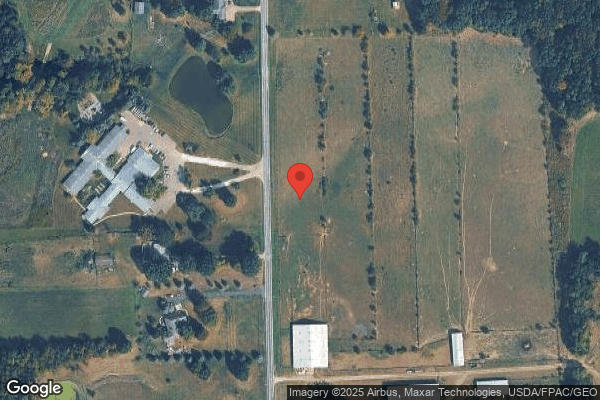

1552 NORTH HONEYTOWN ROAD, WOOSTER, OH 44691 (330) 264-0912
For profit - Corporation 49 Beds DIVINE HEALTHCARE MANAGEMENT Data: November 2025 1 Immediate Jeopardy citation
Trust Grade
31/100
#687 of 913 in OH
Last Inspection: September 2024

Within standard 12-15 month inspection cycle. Federal law requires annual inspections.

Overview

Glendora Health Care Center has received a Trust Grade of F, indicating significant concerns about the quality of care provided, placing them in the bottom tier of facilities. They rank #687 out of 913 in Ohio and #11 out of 14 in Wayne County, meaning they are among the least favorable options available locally. Although the facility is showing some improvement, with a reduction in issues from 17 in 2024 to just 2 in 2025, there are still serious concerns to consider. Staffing is below average, with a 63% turnover rate, and there are also significant fines totaling $20,571, which is higher than 82% of facilities in Ohio. Specific incidents include a critical failure to supervise a resident with dementia, resulting in a fall into a pond and subsequent hospitalization, and concerns about the improper storage and monitoring of medications and food, which could affect all residents. While they have excellent Quality Measures, the overall situation suggests families should carefully weigh both the strengths and weaknesses before making a decision.

Trust Score
F
31/100
In Ohio
#687/913
Bottom 25%
Safety Record
High Risk
Review needed
Inspections
Getting Better
17 → 2 violations
Staff Stability
⚠ Watch
63% turnover. Above average. Higher turnover means staff may not know residents' routines.
Penalties
○ Average
$20,571 in fines. Higher than 61% of Ohio facilities. Some compliance issues.
Skilled Nurses
○ Average
Each resident gets 36 minutes of Registered Nurse (RN) attention daily — about average for Ohio. RNs are the most trained staff who monitor for health changes.
Violations
⚠ Watch
40 deficiencies on record. Higher than average. Multiple issues found across inspections.
★★☆☆☆
2.0
Overall Rating
★★☆☆☆
2.0
Staff Levels
★★★★★
5.0
Care Quality
★☆☆☆☆
1.0
Inspection Score
Stable
2024: 17 issues
2025: 2 issues

The Good

  • 5-Star Quality Measures · Strong clinical quality outcomes
  • Full Sprinkler Coverage · Fire safety systems throughout facility
  • No fines on record

Facility shows strength in quality measures, fire safety.

The Bad

2-Star Overall Rating

Below Ohio average (3.2)

Below average - review inspection findings carefully

Staff Turnover: 63%

17pts above Ohio avg (46%)

Frequent staff changes - ask about care continuity

Federal Fines: $20,571

Below median ($33,413)

Minor penalties assessed

Chain: DIVINE HEALTHCARE MANAGEMENT

Part of a multi-facility chain

Ask about local staffing decisions and management

Staff turnover is elevated (63%)

15 points above Ohio average of 48%

The Ugly 40 deficiencies on record

1 life-threatening
Feb 2025 2 deficiencies
CONCERN (D) 📢 Someone Reported This

A family member, employee, or ombudsman was alarmed enough to file a formal complaint

Potential for Harm - no one hurt, but risky conditions existed

Respiratory Care (Tag F0695)

Could have caused harm · This affected 1 resident

Based on medical record review, observation, interview and facility policy review the facility failed to properly maintain breathing treatment (nebulizer) tubing and medication delivery device (mask) ...

Read full inspector narrative →
Based on medical record review, observation, interview and facility policy review the facility failed to properly maintain breathing treatment (nebulizer) tubing and medication delivery device (mask) by not changing, cleaning and securing in a bag prior to and following administration of medication. This deficient practice affected two residents (Residents #22 and #23) of two residents reviewed for respiratory care. The facility census was 36. Findings Include: 1. A review of Resident #22's medical record revealed the initial admission date of 07/24/24 and a re-admission date of 10/15/24 with diagnoses including but not limited to opioid abuse, acute respiratory infection, anxiety and shortness of breath. Resident #22 had impaired cognition with a Brief Interview of Mental Status (BIMS) score of 11 out of a possible 15 dated 12/18/24. Resident #22 required staff assistance with activities of daily living (ADL) tasks including medication administration. A review of Resident #22's at risk for respiratory status/difficulty breathing care plan dated 08/16/24 revealed an intervention for administering medications as ordered. A review of Resident #22's signed physician orders revealed an order dated 12/28/24 for breathing treatment medication DuoNeb solution 0.5 milligrams (MG) per 2.5 milliliters (ML) (Ipratropium-Albuterol) 1 vial inhale orally via nebulizer every 4 hours as needed for shortness of breath, and an order dated 01/30/25 to clean/disinfect nebulizer machine. Change tubing (initial and date) and replace bag (initial and date) every night shift every Sunday. A review of Resident #22's Medication Administration Record (MAR) dated 02/01/25 to 02/12/25 revealed Resident #22 received a breathing treatment of DuoNeb solution on 02/01/25, 02/02/25, 02/03/25, and 02/06/23 lasting 15 minutes each. Further review of Resident #22's Treatment Administration Record (TAR) dated 02/01/25 to 02/12/25 revealed nebulizer cleaning and changing of nebulizer tubing and mask were completed on 02/03/25 and 02/10/25. An observation on 02/12/25 at 9:15 A.M. revealed in Resident #22's room, a nebulizer laying in the high backed chair on top of several items of clothing and papers. The medication delivery device was dated 02/03/25 and both the medication delivery device and the nebulizer tubing were also laying on top of the clothing items and papers and were not secured in a bag. 2. A review of Resident #23's medical record revealed an admission dated of 06/24/22 with diagnoses including but not limited to congestive heart failure (CHF), high blood pressure (HTN), and shortness of breath. Resident #23 had impaired cognition with a BIMS score of 11 out of a possible 15 dated 12/31/24. Resident #23 required staff assistance with activities of daily living (ADL) tasks including medication administration and was receiving hospice services. A review of Resident #23's signed physician orders revealed an order dated 01/28/25 for breathing treatment medication DuoNeb Solution 0.5-2.5 MG/ML one vial inhale via nebulizer every four hours for shortness of breath, an order dated 01/22/25 to clean/disinfect nebulizer, change tubing (initial and date) and replace bag (initial and date) every night shift every three days and as needed, an order for Oxygen continuous at 2-5 liters (L) via nasal cannula (NC) to maintain oxygen saturation equal to or greater than 90% every shift and as needed, and an order dated 11/26/24 to change oxygen (02) tubing (initial and date), place a new bag (initial and date) every shift every Sunday. A review of Resident #23's MAR dated 02/01/25 to 02/12/25 revealed the breathing treatment DuoNeb Solution was administered daily every four hours, and 02 use was marked daily for every shift. Further review of Resident #23's TAR revealed nebulizer cleaning and tubing change was completed on 02/03/25 and 02/10/25 and 02 tubing change was completed on 02/03/25 and 02/20/25. An observation on 02/11/25 at 2:15 P.M. revealed Resident #23 receiving a breathing treatment via nebulizer and medication delivery device (mask). An observation on 02/12/25 at 7:15 A.M. revealed in Resident #23's room a nebulizer was sitting on top of the three drawer dresser beside Resident #23's bed with the tubing and medication delivery device laying on top of the of the dresser with a date of 02/10/25 but was not secured in a bag. An interview on 02/12/25 at 11:05 A.M. with Licensed Practical Nurse (LPN) #313 confirmed Resident #22's nebulizer, nebulizer tubing and medication delivery device was sitting in the high-backed chair not secured in a bag and was dated 02/03/25. LPN #313 also confirmed Resident #23's nebulizer, nebulizer tubing and medication delivery device was sitting on top of the three drawer dresser and the tubing was not secured in a bag. This deficiency represents non-compliance investigated under Master Complaint Number OH00162261.
CONCERN (E) 📢 Someone Reported This

A family member, employee, or ombudsman was alarmed enough to file a formal complaint

Potential for Harm - no one hurt, but risky conditions existed

Food Safety (Tag F0812)

Could have caused harm · This affected multiple residents

Based on observation, interview and facility policy review the facility failed to properly label and store frozen food items in the facility kitchen. This deficient practice had the potential of affec...

Read full inspector narrative →
Based on observation, interview and facility policy review the facility failed to properly label and store frozen food items in the facility kitchen. This deficient practice had the potential of affecting all residents residing in the facility. The facility census was 36. Findings Include: An observation during the initial kitchen tour on 02/10/25 from 12:40 P.M. to 12:55 P.M. revealed a plastic bag with 10 frozen pork fritters sitting on top of a cardboard box on the second shelf of the freezer. The plastic bag had no date when it had been opened and/or placed in the freezer. The bag was not sealed but loosely wrapped. An interview on 02/10/25 at 12:50 P.M. with [NAME] #218 confirmed the wrapped up open plastic bag with 10 frozen pork fritters was not dated when it had been opened and/or placed in the freezer. [NAME] #218 removed the opened bag of pork fritters and discarded them in the garbage pail. [NAME] #218 stated the bag should have been closed securely and a date should have been placed on the bag to reflect when the bag had been opened. A review of the facility's policy titled, Date Marking for Food Safety dated 02/11/25 revealed The individual opening or preparing a food shall be responsible for date marking the food at the time the food is opened or prepared. This deficiency represents non-compliance investigated under Master Complaint Number OH00162261.
Sept 2024 15 deficiencies
CONCERN (D)

Potential for Harm - no one hurt, but risky conditions existed

Deficiency F0578 (Tag F0578)

Could have caused harm · This affected 1 resident

**NOTE- TERMS IN BRACKETS HAVE BEEN EDITED TO PROTECT CONFIDENTIALITY** Based on medical record review and interview, the facility failed to ensure a resident's code status was consistent amongst docu...

Read full inspector narrative →
**NOTE- TERMS IN BRACKETS HAVE BEEN EDITED TO PROTECT CONFIDENTIALITY** Based on medical record review and interview, the facility failed to ensure a resident's code status was consistent amongst documents. This affected one (Resident #21) of 16 residents reviewed for advanced directives. Findings include: Review of Resident #21's medical record revealed diagnoses including vascular dementia, basal cell carcinoma of the skin, chronic kidney disease, hypertension, cerebrovascular disease and anxiety disorder. Review of a signed Do Not Resuscitate (DNR) form dated 10/06/23 revealed the option of Do Not Resuscitate Comfort Care (DNRCC) was chosen and was effective immediately. Review of Resident #21's electronic health record revealed a heading with a code status of Do Not Resuscitate Comfort Care Arrest (DNRCC-A) (allows for the use of life-saving measures before cardiac or respiratory arrest, but only comfort care after). Review of the facility's report sheet revealed code status was indicated on the report sheets. Resident #21's code status was listed as DNRCC-A. Review of Resident #21's physician orders revealed an order dated 01/18/24 for a DNRCC-A code status. A quarterly Minimum Data Set (MDS) assessment dated [DATE] indicated Resident #21 was sometimes able to make himself and was sometimes able to understand others. Resident #21 was assessed as moderately cognitively impaired. The MDS indicated Resident #21 was receiving hospice services. On 09/18/24 at 8:25 A.M., the Administrator verified there was a discrepancy between the order entered into the electronic health record and the actual DNR form. Review of a nursing note dated 09/18/24 at 8:54 A.M. revealed the code status of DNRCC was confirmed. Orders and the care plan were updated.
CONCERN (D)

Potential for Harm - no one hurt, but risky conditions existed

Deficiency F0655 (Tag F0655)

Could have caused harm · This affected 1 resident

Based on medical record review and interview, the facility failed to ensure residents and their representatives were provided a summary of the baseline care plan. This affected one (Resident #32) of f...

Read full inspector narrative →
Based on medical record review and interview, the facility failed to ensure residents and their representatives were provided a summary of the baseline care plan. This affected one (Resident #32) of four residents reviewed for baseline care plans. Findings include: Review of Resident #32's medical record revealed diagnoses including epilepsy, depression, delirium, dementia, and mood disorder. Resident #32 was admitted to the facility 05/10/24. No baseline care plan was located. On 09/18/24 at 11:48 A.M., the Administrator verified she was unable to find a baseline care plan or evidence a summary of a baseline care plan was provided to the resident/representative. The Administrator stated she would have the Director of Nursing search to determine if there was one located elsewhere. On 09/18/24 at 1:26 P.M., the Administrator provided Resident #32's baseline care plan but no evidence a summary was provided to Resident #32 and his representative.
CONCERN (D)

Potential for Harm - no one hurt, but risky conditions existed

Comprehensive Care Plan (Tag F0656)

Could have caused harm · This affected 1 resident

**NOTE- TERMS IN BRACKETS HAVE BEEN EDITED TO PROTECT CONFIDENTIALITY** 2. Review of the medical record for Resident #6 revealed an admission date of 11/11/22 with diagnoses including adjustment disor...

Read full inspector narrative →
**NOTE- TERMS IN BRACKETS HAVE BEEN EDITED TO PROTECT CONFIDENTIALITY** 2. Review of the medical record for Resident #6 revealed an admission date of 11/11/22 with diagnoses including adjustment disorder with depressed mood, dementia with anxiety, major depressive disorder, type two diabetes mellitus, and hypertension. Review of the diabetes care plan, last revised 11/16/22, revealed Resident #6 had diabetes mellitus and an intervention to stop smoking was initiated on 11/16/22. Review of the admission Minimum Data Set (MDS) Assessment, dated 11/18/22, indicated Resident #6 was not a tobacco user. Review of the annual MDS Assessment, dated 11/07/23, indicated Resident #6 was not a tobacco user. Resident #6's comprehensive care plan was reviewed on 12/01/22, 03/31/23, 06/09/23, 09/15/23, 01/31/24, 05/03/24, and 08/09/24 and the intervention to stop smoking remained on the care plan. On 09/15/24 at 4:55 P.M., an interview with the Administrator confirmed Resident #6's diabetes care plan included an intervention to stop smoking. The Administrator stated that to her knowledge, Resident #6 had never been a smoker. Based on observation, interview and record review, the facility failed to ensure individualized care plans were developed for two (Residents #1 and #6) of 14 residents reviewed for comprehensive care plans. The facility census was 36. Findings include: Record review for Resident #1 revealed an admission date of 06/24/22. Diagnosis included pneumonitis due to inhalation of food and vomit. Review of the quarterly Minimum Data Set (MDS) dated [DATE] revealed Resident #1 was moderately cognitively impaired. Resident #1 required set up or clean up assistants with meals. Review of the physician orders for Resident #1 revealed an order dated 05/21/24 for Heart Healthy diet, pureed texture, nectar consistency, Resident may request thin water 30 minutes after oral (PO) intake. No thin water with PO intake for aspiration precaution. Review of the care plan updated 04/09/24 revealed Resident #1 was at nutritional risk. Interventions included to provide the diet as ordered. The care plan did not include nectar thickened liquids or instruction about thin liquids. Review of the Nutritional Risk assessment dated [DATE] at 12:15 A.M. completed by Dietitian #164 revealed Resident #1 received a mechanically altered diet with thickened liquids related to difficulty swallowing, coughing with meals. Remains on Nectar-thick liquids. Interview on 09/17/24 at 11:00 A.M. with Regional Clinical Director #161 confirmed Resident #1's care plan did not include nectar thickened liquids with additional direction to include may request thin water 30 minutes after PO intake. No thin water with PO intake for aspiration precaution.
CONCERN (D)

Potential for Harm - no one hurt, but risky conditions existed

Deficiency F0657 (Tag F0657)

Could have caused harm · This affected 1 resident

**NOTE- TERMS IN BRACKETS HAVE BEEN EDITED TO PROTECT CONFIDENTIALITY** Based on record review and interview, the facility failed ensure care plan revision for one resident, Resident #34 to reflect cu...

Read full inspector narrative →
**NOTE- TERMS IN BRACKETS HAVE BEEN EDITED TO PROTECT CONFIDENTIALITY** Based on record review and interview, the facility failed ensure care plan revision for one resident, Resident #34 to reflect current functional abilities and weight bearing status. This affected one resident (Resident #34) of three residents reviewed for care plan revision. The facility census was 36. Findings include: Record review for Resident #34 revealed an admission date of 07/24/24. Diagnosis include fracture of the right femur, fracture of the shaft of the right tibia, fracture of shaft of right fibula, presence of right artificial wrist joint, displaced fracture of the shaft of first metacarpal bone, left hand. Review of the admission Minimum Data Set (MDS) dated [DATE] revealed Resident #34 was cognitively intact. Resident #34 had impairment on both sides, upper and lower extremities. The resident used a wheelchair for mobility, was dependent for all activities of daily living (ADL) including eating, toileting, upper and lower body dressing, personal hygiene, sit to lying, lying to sit, and showers. Sit to stand and transfer was not attempted due to Resident #34's medical condition. Review of the physician orders for Resident #34 dated 07/25/24 revealed an order for non-weight bearing to all extremities due to fractures. Review of the order dated 09/03/24 reveled non-weight bearing to right lower extremity, weight bearing as tolerated to right upper extremity and left upper extremity, and weight bearing as tolerated to the left lower extremity with knee immobilizer. Review of the order dated 09/10/24 revealed a hoyer lift with two assists (for transfers). Review of the care plan dated 08/16/24 for Resident #34 revealed a functional abilities impaired/self-care and mobility deficit. Interventions included non-weight bearing to all extremities as ordered due to fractures. Review of the care plan revealed no revisions to reflect Resident #34's weight bearing status or assistance needed with care. Observation on 09/17/24 at 2:34 P.M. revealed Resident #34 was sitting up in his wheelchair, Resident #34 was propelling himself in the chair, grooming himself with use of both upper extremities. Interview on 09/17/24 at 2:38 P.M. with State Tested Nursing Assistant (STNA) #107 revealed Resident #34 was able to feed himself with set up, washed his upper body independently and self-transferred at times even though he shouldn't. Interview on 09/17/24 at 3:40 P.M. with the Administrator confirmed Resident #34's care plan for functional abilities was not revised to reflect his current weight bearing and transfer status.
CONCERN (D) 📢 Someone Reported This

A family member, employee, or ombudsman was alarmed enough to file a formal complaint

Potential for Harm - no one hurt, but risky conditions existed

Accident Prevention (Tag F0689)

Could have caused harm · This affected 1 resident

**NOTE- TERMS IN BRACKETS HAVE BEEN EDITED TO PROTECT CONFIDENTIALITY** Based on observations, medical record review, and interview, the facility failed to implement fall interventions per resident ca...

Read full inspector narrative →
**NOTE- TERMS IN BRACKETS HAVE BEEN EDITED TO PROTECT CONFIDENTIALITY** Based on observations, medical record review, and interview, the facility failed to implement fall interventions per resident care plans for one (Resident #12) of three residents reviewed for accidents. The facility also failed to ensure one resident, Resident #1 received thickened liquids as ordered. This affected one resident, Resident #1, of three residents reviewed for nutrition. The facility census was 36. Findings include: 1. Review of Resident #12's medical record revealed diagnoses including atherosclerotic heart disease, hypertension, history of falling, depression, visual loss in both eyes, mild dementia, generalized muscle weakness and abnormalities of gait and mobility. Review of a care plan initiated 08/05/24 revealed Resident #12 was at risk for falls related to confusion and lack of awareness of safety needs. An intervention was initiated for a fall mat to the exit side of the bed and to verify placement. On 08/23/24 an order was written for a fall mat to the exit side of bed and to verify placement every shift. A fall risk assessment dated [DATE] revealed Resident #12 remained at risk for falls. Risk factors identified included a history of falls in the prior 90 days, behaviors, need for assistance with elimination, use of devices for ambulation, co-morbidities and medication use. Observations on 09/15/24 at 10:14 A.M. and 2:08 P.M. and on 09/16/24 at 11:22 A.M. revealed Resident #12 was lying in a low bed. No mat was observed on either side of the bed. On 09/16/24 at 12:27 P.M., Resident #12 was able to identify other fall interventions but stated he did not use mats on the floor. On 09/16/24 at 1:52 P.M., Resident #12 was lying in bed without fall mats in place. On 09/16/24 at 12:35 P.M., State Tested Nursing Assistant (STNA) #155 verified there was no fall mat in Resident #12's room. STNA #155 stated she was unaware there was an order for a fall mat. STNA #155 stated aides used report sheets to inform them of care and special instructions for residents' care. Review of the report sheet with STNA #155 revealed there was no instructions to use a fall mat for Resident #12. 2. Record review for Resident #1 revealed an admission date of 06/24/22. Diagnosis included pneumonitis due to inhalation of food and vomit. Review of the quarterly Minimum Data Set (MDS) dated [DATE] revealed Resident #1 was moderately cognitively impaired. Resident #1 required set up or clean up assistants with meals. Review of the care plan updated 04/09/24 revealed Resident #1 was at nutritional risk. Interventions included to provide the diet as ordered. Review of the physician orders for Resident #1 revealed an order dated 05/21/24 for Heart Healthy diet, pureed texture, nectar consistency, Resident may request thin water 30 minutes after PO intake. No thin water with PO intake for aspiration precaution. Review of the Nutritional Risk assessment dated [DATE] at 12:15 A.M. completed by Dietitian #164 revealed Resident #1 received a mechanically altered diet with thickened liquids related to difficulty swallowing, coughing with meals. Remains on Nectar-thick liquids. Observation on 09/18/24 at 11:49 A.M. revealed Resident #1 was in the dining room for the lunch meal. Observation revealed State Tested Nursing Assistant (STNA) #136 was passing the residents their drinks while in the dining room. STNA #136 asked Resident #1 what she would like to drink, juice or chocolate milk. Interview on 09/18/24 at 11:51 A.M. with STNA #136 revealed Resident #1 could have any fluids she wanted to drink; she was not on thickened liquids. Interview on 09/18/24 at 1:00 P.M. with Resident #1 revealed she use to get thickened liquids, but she didn't like it, she had not received thickened liquids for long time. Resident #1 had a glass of ice water next to her on her bedside table. Interview on 09/18/24 at 1:10 P.M. with STNA #144 confirmed she refilled Resident #1's ice water cup while Resident #1 was in the dining room. STNA #144 revealed Resident #1 did not receive thickened liquids. LPN #137, who was nearby and overheard the conversation, confirmed Resident #1 was to receive nectar thickened liquids. Interview on 09/18/24 at 2:00 P.M. with STNA #124 revealed she frequently cared for Resident #1 and Resident #1 received thin liquids including with her meals. STNA #124 revealed it was not in her task (electronic medical record for STNA's) that Resident #1 was to have any thickened liquids. Review of the task record confirmed Resident #1 did not have thickened liquids documented in the task record. Interview on 09/18/24 at 2:04 P.M. with STNA #136 revealed Resident #1 was on thickened liquids for one day only 06/25/24 through 06/26/24. STNA #136 revealed the order hasn't been changed so we give her regular liquids, she can have regular liquids, the diet card she gets with her meals hasn't been updated, it says nectar thick liquids, but she can have regular. Observation on 09/23/23 at 8:55 A.M. revealed Resident #1 was sitting up in bed eating her breakfast. Resident #1 had a partially filled glass of water on her breakfast tray. The water was not thickened. Interview on 09/23/24 at 8:56 A.M. with STNA #119 confirmed Resident #1's water was not thickened. This deficiency represents non-compliance investigated under Complaint Number OH00157039.
CONCERN (D)

Potential for Harm - no one hurt, but risky conditions existed

Drug Regimen Review (Tag F0756)

Could have caused harm · This affected 1 resident

Based on medical record review, review of pharmacy recommendations, policy review and interview, the facility failed to ensure all pharmacy recommendations were addressed by physicians. This affected ...

Read full inspector narrative →
Based on medical record review, review of pharmacy recommendations, policy review and interview, the facility failed to ensure all pharmacy recommendations were addressed by physicians. This affected one (Resident #27) of five residents reviewed for medication use. Findings include: Review of Resident #27's medical record revealed diagnoses including dementia with behavioral disturbance, hypertension, hyperlipidemia, heart disease, presence of coronary angioplasty implant and graft, anemia, anxiety disorder, restlessness and agitation. Review of a medication regimen review dated 09/22/23 revealed Resident #27 was receiving two antipsychotic medications, olanzapine and risperidone. The pharmacist asked for a diagnosis to support use. The pharmacist also indicated the medical record indicated the olanzapine and risperidone were used for psychosis and asked if the physician would consider discontinuing one of the medications to avoid duplicative therapy. The response dated 09/29/23 had a notation to change the diagnosis to dementia. The request regarding considering discontinuing one of the medications was not addressed. Although the response indicated the physician agreed, there was no order to discontinue either of the medications or why it would be contraindicated. Review of a medication regimen review dated 10/06/23 revealed Resident #27 had an order for olanzapine and risperidone to be administered on an as necessary basis. The pharmacist addressed Centers for Medicare and Medicaid regulations regarding use of antipsychotic medications being limited to 14 days. The pharmacist instructed, if continued treatment was needed, a prescriber must evaluate to determine if the continued use of the antipsychotic ordered on an as necessary basis was warranted. A new order could be issued after evaluation for a maximum of 14 days. The pharmacist also addressed, due to the use of antipsychotics olanzapine, risperidone and seroquel, Abnormal Involuntary Movements (AIMS) testing should be completed upon initiation of an antipsychotic medication and every six months thereafter. At the time of the review an AIMS test was not available in the electronic health record. The pharmacist suggested nursing complete an AIMS test at their earliest convenience. A response dated 10/29/24 simply indicated the physician agreed with the recommendation. During an interview on 09/18/24 at 9:35 A.M., the Director of Nursing (DON) verified the pharmacy reviews for September 2023 and October 2023 were not fully responded to. The DON stated once she received a physician response to the pharmacy recommendations she only looked at the response and did not review the recommendations to ensure they were being fully addressed. The DON stated she would research to determine if there were any further orders/documentation corresponding with the recommendations to reveal the recommendations were addressed. An additional interview on 09/18/24 at 10:00 A.M., with the DON verified she was unable to locate any additional information to indicate the pharmacy recommendations from September 2023 and October 2023 were addressed. Review of the facility's Medication Regimen Review policy (implementation date not documented) revealed facility staff were required to act upon all recommendations according to procedures for addressing medication regimen review irregularities.
CONCERN (D)

Potential for Harm - no one hurt, but risky conditions existed

Unnecessary Medications (Tag F0759)

Could have caused harm · This affected 1 resident

Based on observation, review of physician orders, policy review, and interview, the facility failed to ensure medications were administered in accordance with physician orders and policy. This affecte...

Read full inspector narrative →
Based on observation, review of physician orders, policy review, and interview, the facility failed to ensure medications were administered in accordance with physician orders and policy. This affected two (Residents #15 and #138) of seven residents observed receiving medication. Two errors of 30 opportunities for error were identified resulting in a medication error rate of 6.6%. Findings include: 1. On 09/15/24 at 9:00 A.M., Registered Nurse (RN) #109 was observed administering medication to Resident #15. Among medication administered was colace (stool softener) 100 milligrams (mg). Review of Resident #15's physician orders revealed no order for colace 100 mg. There was an order dated 10/04/23 for two sennosides-docusate sodium 8.6-50 mg to be administered every morning for constipation that was not observed to be administered. On 09/15/24 at 12:40 P.M., RN #109 verified she had administered colace instead of sennosides-docusate as ordered. Review of the facility's Medication Administration policy (implementation date not recorded) revealed instructions to ensure the right drug was administered. 2. On 09/15/24 at 11:22 A.M., Licensed Practical Nurse (LPN) #113 was observed administering medication to #138. An insulin lispro 100 units per milliliter pen was used while preparing the drug. The insulin pen was undated as to when it was opened. LPN #113 verified this and continued to prepare the insulin for administration. LPN #113 prepared to administer the insulin after a needle was applied to the pen and she dialed the pen to two units. The pen was not primed. LPN #113 was stopped and stated she believed the pen automatically primed itself without further action needed on her part. Review of the facility's Insulin Pen policy (implementation date not documented) revealed a new needle would be used for each injection. Insulin pens were to be primed prior to each use to avoid collection of air in the insulin reservoir. Insulin pens should be disposed of after 28 days or according to manufacturer's recommendation. Review of manufacturer information revealed insulin lispro kwik pens should be used within 28 days or discarded.
CONCERN (D)

Potential for Harm - no one hurt, but risky conditions existed

Antibiotic Stewardship (Tag F0881)

Could have caused harm · This affected 1 resident

**NOTE- TERMS IN BRACKETS HAVE BEEN EDITED TO PROTECT CONFIDENTIALITY** Based on medical record review, review of infection surveillance records, policy review and interview, the facility failed to ad...

Read full inspector narrative →
**NOTE- TERMS IN BRACKETS HAVE BEEN EDITED TO PROTECT CONFIDENTIALITY** Based on medical record review, review of infection surveillance records, policy review and interview, the facility failed to address use of a prophylactic antibiotic for a resident with recent use of multiple antibiotics. This affected one (Resident #27) of five residents revealed for medication use. Findings include: Review of Resident #27's medical record revealed diagnoses including dementia with behavioral disturbance, benign prostatic hypertrophy (BPH), neuromuscular dysfunction of the bladder and heart disease. Review of physician orders since admission on [DATE] revealed the following orders for antibiotics: 02/16/24: cipro 500 milligrams (mg) twice a day for ten days for a urinary tract infection (UTI) 04/07/24: bactrim DS 800-160 mg every 12 hours for benign prostatic hyperplasia (BPH) with lower urinary tract symptoms for seven days 04/10/24 nitrofurantoin 100 mg twice a day for seven days for infection in the urine 04/12/24 nitrofurantoin 100 mg twice a day for urinary tract infection for seven days 04/13/24: cipro 500 mg twice a day for 14 administrations for BPH with lower urinary tract symptoms 06/01/24 amoxicillin 875 mg twice daily for seven days for dental use 06/04/24: amoxicillin 875 mg twice a day for nine administrations for oral infection 06/12/24: amoxicillin-potassium clavulanate 875 875-125 mg twice a day for ten days for oral infection 06/15/24: macrobid 100 mg twice a day for seven days for cystitis 06/28/24: amoxicillin-potassium clavulanate 875-125 mg twice a day for ten days for dental/oral infection 07/29/24: cephalexin 500 mg twice for 14 administrations for UTI 09/13/24 cephalexin 500 mg three times a day for infection prevention until 09/28/24 09/15/24 cephalexin 500 mg three times a day for 13 days for infection prevention Review of infection surveillance records revealed a McGeer criteria for infection surveillance checklist dated 09/15/24 criteria was not met. On 09/18/24 at 12:15 P.M., the order for cephalexin for infection prevention for a laceration post fall, along with history of antibiotic use, and risk for multi-drug resistant organisms was discussed with the Director of Nursing (DON). The DON stated Resident #27 returned from the hospital with the order for the antibiotic to be given short term. The DON was asked about the facility's policy regarding use of prophylactic antibiotics for infection prevention and stated she would have to look for it. On 09/18/24 at 12:50 P.M. the DON provided a policy regarding Antibiotic Prescribing Practices (implementation date not listed) and stated it did not address the use of prophylactic antibiotics. The DON verified when she looked at McGeer Criteria for infection related to the cephalexin ordered prophylactically Resident #27 did not meet the criteria for infection. The DON indicated she had not addressed the use of the prophylactic antibiotic with the physician or nurse practitioner prior to the survey because it was ordered by a physician. Regardless of the risk for a multi-drug resistant organism, if a physician ordered the antibiotic she did not question its use. Review of the facility's Antibiotic Prescribing Practices policy (implementation date not recorded) indicated the decision to prescribe an antibiotic would be guided by medical knowledge, best practices and professional guidelines. Review of the Antibiotic Stewardship Program (implementation date not recorded) revealed the DON's role in antibiotic stewardship was to use their influence as nurse leaders to help ensure antibiotics were prescribed only when appropriate. Antibiotic orders obtained from consulting, specialty or emergency providers shall be reviewed for appropriateness.
CONCERN (E)

Potential for Harm - no one hurt, but risky conditions existed

Safe Environment (Tag F0584)

Could have caused harm · This affected multiple residents

Based on observation and interview, the facility failed to maintain comfortable temperatures on the [NAME] unit and South unit and failed to maintain resident equipment in good repair. This affected t...

Read full inspector narrative →
Based on observation and interview, the facility failed to maintain comfortable temperatures on the [NAME] unit and South unit and failed to maintain resident equipment in good repair. This affected three residents (#6, #22, and #24) of three reviewed for environment The facility census was 36. Findings include: 1.On 09/15/24 at 12:36 P.M., Residents #6, #22, and #24 were observed sitting in the common area by the [NAME] unit nurses station and they all stated it was freezing in the facility and they requested blankets. On 09/15/24 at 12:46 P.M., an interview with State Tested Nurse Aide (STNA) #125 confirmed it felt cold on the [NAME] unit and STNA #125 had to obtain blankets for Residents #6, #22, and #24. On 09/15/24 at 12:50 P.M., an observation of facility air temperatures with Housekeeping Supervisor #156 revealed the temperature of the [NAME] unit common area by the nurses station was 70 degrees Fahrenheit (F). Further observations of air temperatures throughout the facility revealed the hallway of the South unit was 69 degrees F and spot checks of resident rooms on the South unit revealed air temperatures of 69 degrees F to 70 degrees F. These temperatures were verified by Housekeeping Supervisor #156 at the time of observation. On 09/15/24 at 1:05 P.M., an interview with the Administrator stated the facility had adjusted the air conditioner to get ahead of the hot weather they were supposed to have that day. 2. An observation on 09/18/24 at 2:02 P.M. revealed Resident #24's bed in the lowest position located with the left side of the bed against the wall. The bed did not have a headboard attached to the bed frame and there were no bolts observed either in the bedframe or on the floor underneath the bed. The headboard for the bed was observed leaned against the wall between the bed and the wardrobe. An observation on 09/19/24 at 9:05 A.M. revealed Resident #24 was lying in bed watching television with the left side of the bed against the wall and the bed was in lowest position. The headboard for Resident #24's bed was still leaning against the wall between the bed and the wardrobe with the securing brackets lying on the floor beside the headboard. Further observation revealed the baseboard heating unit located along the bottom of the wall where the left side of the bed was against. The front covering of the baseboard heating unit had been broken off from the securing brackets to the baseboard heating unit which allowed for the heating element to be exposed to the privacy curtain and the bed sheets and blanket. The baseboard heating unit was not in use at the time of the observation. An interview on 09/19/24 at 9:05 A.M. with the Director of Maintenance (DOM) #116 confirmed Resident #24's bed did not have the headboard attached to the bedframe and the headboard was leaning against the wall between the bed and wardrobe. The DOM #116 also confirmed the front covering of the baseboard heating unit had been broken off the securing brackets exposing the heating element to the privacy curtain and the bed sheets and blanket. A review of the facility's policy titled, Safe and Homelike Environment dated 02/23 revealed, In accordance with residents' rights, the facility will provide a safe, clean, comfortable, and home like environment.
CONCERN (E)

Potential for Harm - no one hurt, but risky conditions existed

Deficiency F0679 (Tag F0679)

Could have caused harm · This affected multiple residents

**NOTE- TERMS IN BRACKETS HAVE BEEN EDITED TO PROTECT CONFIDENTIALITY** 5. Review of the medical record for Resident #22 revealed an admission date of 11/17/22 with diagnoses including traumatic brain...

Read full inspector narrative →
**NOTE- TERMS IN BRACKETS HAVE BEEN EDITED TO PROTECT CONFIDENTIALITY** 5. Review of the medical record for Resident #22 revealed an admission date of 11/17/22 with diagnoses including traumatic brain injury, age-related physical debility, intracranial injury with loss of consciousness, post traumatic stress disorder, depression, and anxiety. Review of the activities interest data collection tool, dated 01/19/24, revealed Resident #22 interests included rides, children/youth, baseball, basketball, football, entertainment, restaurants, library, crafts, poetry, listening to music, singing, garden club, television, movies, cooking/baking, word games, trivia, books, news, discussions, reminisce, exercise, humor, conversing, live music/entertainment, socials, holiday parties, worship services, animals/pets, and traveling. Review of the progress note, dated 08/29/24 at 2:32 P.M., revealed Resident #22 enjoyed both independent and group activities, including arts and crafts, cards, games, television, resident council, and special events. The note further indicated Resident #22 was dependent on staff for wheelchair mobility and activities staff would continue to encourage participation. Review of the activities care plan, revised 09/03/24, revealed Resident #22 was dependent on staff for meeting emotional, intellectual, physical, and social needs related to cognitive deficits and physical limitations. Interventions included encourage ongoing family involvement, invite resident to attend monthly resident council meetings, invite resident to scheduled activities, provided one-on-one bedside and in-room visits when unable to attend out of room activities, preference for rock and classical music radio stations, preference for animal planet and nickelodeon television viewing, provide with supplies for individual activity participation as needed, escort to activity functions, and preference for watching television and visiting with peers when not participating in an activity. Review of the activities calendar for August 2024 revealed there was no documentation of participation or refusals for arts and crafts, beauty shop, cards, coffee talk, current events/morning news, exercise/sports, games, gardening/outside/patio, independent phone/computer, movie, nail care, people watching, puzzles, word puzzles, radio, music listening, reading, relaxation, reminiscing, rolling/walking, sensory stimulation, resident council, social/party/special events, trivia, mail, music and memory program, outings, pet visits, and one-on-one visits. Resident #22 participated in family visits daily, participated in peer socialization for 20 out of 31 days, participated in television viewing for 24 out of 31 days, refused bingo four times and was sleeping at the time of bingo four additional times, and Resident #22 was sleeping for all three religious activities documented. Review of the activities calendar for September 2024 revealed there was no documentation of participation or refusals for arts and crafts, beauty shop, cards, coffee talk, current events/morning news, exercise/sports, gardening/outside/patio, independent phone/computer, movie, nail care, people watching, puzzles, word puzzles, radio, music listening, reading, relaxation, reminiscing, rolling/walking, sensory stimulation, resident council, social/party/special events, trivia, mail, music and memory program, outings, and one-on-one visits. Resident #22 participated in family visits daily, participated in peer socialization for 15 out of 17 documented days, participated in television viewing for 15 out of 17 documented days, participated in one pet visit, participated in one game, refused bingo one time and was sleeping at the time of bingo two additional times. On 09/15/24 and 09/16/24, random intermittent observations of Resident #22 revealed she was sitting in her wheelchair in the common area by the nurse's station with a tablet that was not turned on. Resident #22 was not observed participating in any scheduled activities. On 09/16/24 at 12:35 P.M., an interview with the Administrator confirmed the activities documented on the activities logs for Resident #22. The Administrator stated there were additional activities records that the Activities Director had completed prior to being on emergency medical leave in August 2024. On 09/16/24 at 1:57 P.M., an interview with the Administrator stated she was unable to locate any additional documentation of activities for August 2024 for Resident #22. Based on observation, interview, activity calendar review, activity director job description review and record review, the facility failed to provide individualized activities in accordance with assessments for five residents (#9, #12, #22, #27, and #32) of six residents reviewed for activities. The facility census was 36. Findings include: 1. Record review for Resident #9 revealed an admission date of 02/26/24. Diagnosis included hemiplegia and hemiparesis following cerebral infarction affecting right dominant side. Aphasia following cerebral infarction, cognitive communication deficit and need for assistants with personal care. Review of the quarterly Minimum Data Set (MDS) assessment dated [DATE] revealed Resident #9 was cognitively intact. The resident had impairment on both sides of the upper and lower extremities and required assistants for all activities of daily living (ADL). Review of the care plan dated 08/09/24 for Resident #9 included the resident had little or no group activity involvement related to cerebral vascular accident, cognitive communication deficit, and anxiety. Interventions included activities staff will orient and re-orient Resident #9 to facility's activity programming and encourage him to attend facility programming as well as self-directed activities. Offer Resident #9 one on one (1:1) visits as needed and when preferred such as sensory activities for end-of life care, music, massage, and spiritual. Provide Resident #9 with a monthly activity calendar in his room. Interview on 09/15/24 at 4:54 P.M. with Resident #9 revealed staff do not offer activities for him. Resident #9 confirmed he rarely left his room or got out of bed due to his stroke and revealed he would like to do some activities in his room. Observation and interview on 09/16/24 at 11:34 A.M. with Scheduler/Medical Records #122 revealed activities have been offsince the middle of August 2024. The Dietary Manager and the Maintenance man tried to help when they could. Observation with Scheduler/Medical Records #122 while in Resident #9's room revealed Resident #9 did not have an Activity calender posted in his room. Scheduler/Medical Records #122 looked throughout Resident #9's room with Resident #9's permission and found an activity Calender on a stand from July 2024, under some papers, across the room from where Resident #9 was lying in his bed. Scheduler/Medical Records #122 confirmed Resident #9 was unable to see or even reach the calender and verified the calendar was from July 2024. An interview with Resident #9, during the observation, confirmed he never received an updated activity calender. Interview on 09/16/24 at 11:41 A.M. with Dietary Manager #163 revealed she helped fill in while the Activity Director was out. Dietary Manager #163 revealed she tried to do both departments, but it was difficult. Sometimes in the morning while passing by residents rooms, she would try to poke her head in the door and say hi to residents. Interview on 09/16/24 at 11:54 A.M. with the Administrator confirmed the Activities Director had not been at the facility since 08/19/24. The Administrator confirmed Resident #9 rarely got out of bed or left his room. Review of the July 2024 Participation Record for Resident #9 revealed Resident #9 had daily, one on one visits, two to five times a week Monday through Friday. Review of the August and September 2024 Activity Participation Record with the Administrator for Resident #9 revealed no 1:1 visit were made with Resident #9. The Activity Participation Record indicated if the resident refused, document refusals on the other side. Administrator confirmed Resident #9 did not have any refusals of activities documented for August or September 2024. 2. During an interview on 09/15/24 at 10:36 A.M., Resident #12 stated he was unaware of any activities except bingo once. Resident #12 indicated he would be interested in attending activities if they offered activities he was interested in. Resident #12 stated he had heard there were activities held off the secure unit. Review of Resident #12's medical record revealed diagnoses including heart disease, history of mini stroke and stroke, hearing loss in bilateral ears, age-related physical debility, visual loss in both eyes, depression and cognitive communication deficit. An admission Minimum Data Set (MDS) assessment dated [DATE] revealed Resident #12 was able to make himself and was able to understand others. Resident #12 was assessed as cognitively intact. The MDS indicated it was very important to Resident #12 to listen to music he liked, to be around animals such as pets, to keep up with the news, do things with groups of people, do favorite activities, and go outside to get fresh air when weather was good. An activity interest data collection tool dated 08/09/24 indicated Resident #12 preferred to spend time with others. Resident #12 indicated preference for independent and group activities. Naps were part of Resident #12's daily activity routine. Interests included voting, fishing, hunting, baseball, basketball, football, restaurants, listening to music, garden club, television, movies, cooking/baking, board games, cards, bingo, word puzzles, books, magazines, walking, talking/conversing, phone use, live music/entertainment, holiday parties, Bible study, devotions, worship services, animals/pets, and clubs/organizations. Review of a care plan initiated 08/09/24 indicated Resident #12 was dependent on staff for meeting his emotional, intellectual, physical, and social needs due to cognitive deficits, immobility, and physical limitations. Interventions included ensuring the activities Resident #12 was attending were compatible with physical and mental capabilities, compatible with known interests and preferences, adapted as needed, compatible with individual needs and abilities and age appropriate. Interventions also included inviting and reminding Resident #12 to scheduled activities, providing Resident #12 with a monthly activity calendar in his room, and providing Resident #12 with supplies for individual activity participation as needed. Review of the August 2024 activity participation record revealed bingo was offered eight times and refused every time. Resident #12 participated in exercise activities five times with no refusals noted. Resident #12 was recorded as visiting with peers/socializing 21 days. Rolling/walking was recorded 27 days. One social/party/special event was offered/attended. Resident #12 refused four offers of trivia and watched television every day. Review of the September 2024 activity participation record revealed bingo was offered three times. Staff recorded Resident #12 was sleeping when arts and crafts were offered on 09/16/24. No exercise/sports were offered. going outside was offered once and refused. Peer visits/socializing was documented 11 days out of 15 days. Rolling/walking was recorded 13 of 15 days. Resident #12 watched television every day. Observations on 09/15/24 at 9:45 A.M. revealed Resident #12 was lying in bed with his eyes closed. The television was playing. At 10:14 A.M., Resident #12 was sitting on the side of the bed. Although the television was playing Resident #12 was not paying attention to it. At 10:52 A.M., Resident #12 ambulated to the room directly across from his and in less than ten seconds ambulated back to his room. At 2:08 P.M. Resident #12 was observed lying in bed with his eyes closed. At 2:55 P.M., Resident #12 again ambulated to the room across the hall but did not stay. Observations on 09/16/24 at 8:07 A.M. revealed Resident #12 was sitting in a stationary chair in his room feeding himself. Resident #12 was exhibiting no interest in the television which was playing. At 8:36 A.M., Resident #12 carried clothing to the doorway and placed them on the floor in the hall. Resident #12 looked toward the room across the hall where the resident was in bed. At 8:54 A.M., Resident #12 ambulated to the room across the hall where he spoke with a resident who was still in bed and conversed briefly before returning to his room. At 11:15 A.M., Resident #12 ambulated to the room across from his, sat on the resident's bed and asked if she needed anything. Resident #12 then stated he was going back to his room. At 11:22 A.M. Resident #12 was lying in his bed with his eyes closed. At 12:10 P.M., Resident #12 ambulated back to the room across the hall. At 12:12 P.M., Resident #12 ambulated back to his room. At 12:127 P.M., Resident #12 was sitting in his room alone eating. At 1:34 P.M., 11 residents were observed in the main activity area playing bingo. At 1:50 P.M., Resident #12 ambulated to the room across the hall and asked if the resident had a good nap. At 1:52 P.M. Resident #12 ambulated back to his room and laid in bed. During an interview on 09/16/24 at 1:37 P.M., State Tested Nursing Assistant (STNA) #155 stated she worked the secure unit three to four days a week. The Activity Director had been off work for about three weeks but was uncertain of her last day worked. STNA #155 stated other staff tried to pitch in and do activities. The Activity Director used to have some activities on the secure unit or would offer to take residents from the secure unit to activities off the unit. STNA #155 stated there was no separate activity calendar for residents on the secure dementia unit. STNA #155 reported she was uncertain if residents were being offered activities off the unit and indicated she had not seen staff offering to take residents to bingo which was occurring at the time but stated maybe she was off the unit when offered. (There was only one aide scheduled for the unit and one nurse who went between the secure unit and another hall.) Resident #12 would participate in porch time. The facility used to have church services on the secure unit but the services had not been offered for a while. STNA #155 stated there were coloring papers residents could do. STNA #155 stated Resident #12 had refused activity participation in the past. During an interview on 09/16/24 at 1:57 P.M., Licensed Practical Nurse (LPN) #151 stated she worked part time and worked various units. LPN #151 stated many of the residents on the secure unit had coloring supplies and some would do math worksheets. LPN #151 had not witnessed anybody offer to take residents to bingo that afternoon. During an interview on 09/16/24 at 3:26 P.M. the Administrator stated the Activity Director had been out on Family Medical Leave (FMLA) with her last day worked 08/19/24. It was anticipated the activity director would be off work for a full 12 weeks. The Administrator indicated Recreational Therapist #200 was helping to cover duties of the activity director remotely. Recreational Therapist #200 assisted with developing calendars and training staff. The Administrator stated there were no specific activities held on the secure unit such as lavender scents, calming music, and therapeutic stuffed animals. The DON indicated Resident #12 had resided on the non-secured unit but he was exit seeking. Observations were shared regarding lack of activities offered to residents on the secure unit. During an interview on 09/17/24 at 10:01 A.M., Recreational Therapist #200 stated she had been providing off-site assistance with the facility's activity program. Recreational Therapist #200 assisted in creating calendars, helped with care plans and monitor to ensure staff were keeping up with assessments and progress notes. Recreational Therapist #200 stated she would inform staff what needed done and then would review the information. A resident's had assessments to determine preferences when they were admitted . Recreational Therapist #200 stated she had spoken to the facility's Activity Director who was on leave to determine what kind of activities she had been offering and conversed with the Administrator for input on activities to place on the calendar. The activity calendars were discussed with two to three activities scheduled per day. Recreational Therapist #200 stated sometimes she leaves the listed activity vague and will schedule an activity of choice in which residents who show up determine what they would like to do or will schedule cards and the residents choose which game they want to play at the beginning of the activity. Recreational Therapist #200 stated two activities were scheduled most days because she was told residents liked one activity in the morning and one in the afternoon. Some days volunteers would provide additional activities. Recreational Therapist #200 verified there was only one activity calendar for the entire facility as residents did not necessarily need lower function activities for dementia residents. Staff just provide additional assistance. The observations on 09/15/24 and 09/16/24 on the secure unit were discussed. Recreational Therapist #200 stated because she was not on-site all she could do was review and help plan activities. Review of the activity director job description revealed the activity director was responsible for directing the development, implementation, supervision and ongoing evaluation of the activities program designed to meet the social, psychosocial and therapeutic needs of the resident. This included the completion and/or directing/delegating the completion of the activities component of the comprehensive assessment and contributing to and/or directing/delegating the contribution to the comprehensive care plan goals and approaches that were individualized to match the skills, abilities and interests/preferences of each resident in compliance with Federal and State regulations. 3. Review of Resident #27's medical record revealed diagnoses including dementia with behavioral disturbance, hypertension, heart disease, anxiety disorder, restlessness and agitation. An activities interest data collection tool dated 01/19/24 indicated Resident #27 preferred to spend his time alone. Activity participation preference was independent. Naps were part of the resident's daily activity routine. Interests included fishing, hunting, baseball, basketball, football, entertainment, listening to music, singing, television, movies, checkers, books, news, magazines, reminiscing, exercise, talking/conversing, live music/entertainment, socials, holiday parties, worship services, and animals/pets. A care plan initiated 06/14/24 indicated Resident #27 was dependent on staff for meeting emotional, intellectual, physical and social needs related to cognitive deficits. Interventions included ensuring the activities Resident #27 attended were compatible with physical and mental capabilities, compatible with known interests and preferences, adapted as needed, compatible with individual needs and abilities and age appropriate. Interventions also included establishing and recording Resident #27's prior level of activity involvement and interests by talking with residents, caregivers, and family on admission and as necessary, introducing Resident #27 to residents with similar backgrounds, interests and encouraging/facilitating interaction. The care plan instructed staff to invite, encourage and assist Resident #27 to group activities of potential interests. Supplies were to be provided for individual activity participation as needed. An annual MDS dated [DATE] indicated Resident #27 had moderate difficulty hearing, was usually able to make himself understood and was sometimes able to understand others. Cognitive skills were not assessed. The MDS indicated Resident #27 had delusions and had behavioral symptoms directed toward others one to three days. The MDS indicated it was somewhat important for Resident #27 to listen to music he liked, be around animals such as pets, keep up with the news, and go outside for fresh air. Observation on 09/15/24 at 9:44 A.M., 10:19 A.M., 11:29 A.M., 11:55 A.M., 2:06 P.M. and 2:58 P.M. revealed Resident #27 lying in bed with his eyes closed. Other than medication administration and meals, no interaction was observed. Observations on 09/16/24 at 8:07 A.M., 11:10 A.M., and 12:29 P.M. revealed Resident #27 was lying in bed with no evidence of activities being offered/provided. At 1:54 P.M., Resident #27 was semi-sitting on the side of the bed. No involvement or offering of activities was observed. Items available in the dining area of the secure unit were notebooks with coloring pages, puzzles, word searches, Bibles, a ball, a bowling set without a bowling ball, and a television. No residents were observed utilizing the items. An activity calendar posted outside the secured unit indicated bingo and popcorn was scheduled at 2:00 P.M. in the main activity room. Observations on 09/16/24 at 1:34 P.M. revealed bingo was already occurring. No residents from the secure unit were observed. During an interview on 09/16/24 at 1:37 P.M., State Tested Nursing Assistant (STNA) #155 indicated she had not personally observed staff offering to take residents from the secure unit to play bingo. During an interview on 09/16/24 at 1:57 P.M., Licensed Practical Nurse (LPN) #151 indicated she had not personally observed staff offering to take residents from the secure unit to play bingo. 4. During an interview on 08/16/24 at 10:00 A.M., Resident #32's representative stated the facility's activity director had broken her leg about a month before the survey and there had not been many activities since. Review of Resident #32's medical record revealed diagnoses including epilepsy, dysphagia, depression, delirium, dementia, and mood disorder. An activities interest data collection tool dated 05/14/24 indicated Resident #32 preferred to spend time alone. His activity participation preference was independent. Naps were part of Resident #32's daily activity routine. Community activities included baseball, basketball, and football. creative activities included crafts, listening to music, television, and movies. Educational /cognitive interests included checkers, news. mystery, and western books- needed large print. Social activities included talking/conversing, live music/entertainment, holiday parties, Bible study, and clergy visits. Resident #32 was also interested in animals/pets and traveling. An admission MDS dated [DATE] indicated Resident #32 was sometimes able to make himself understood and sometimes understood others. Resident #32 was assessed as severely cognitively impaired with delusions. Resident #32 had exhibited physical and verbal behavioral symptoms directed toward others 1-3 days and other behavioral symptoms not directed towards others 1-3 days. The behaviors significantly interfered with Resident #32's care and significantly disrupted care or living environment of others. The MDS indicated the behaviors did not interfere with participation in activities or social interactions. Resident #32 had inattention and disorganized thinking which fluctuated. Resident #32 provided information for the activity portion of the MDS and reported it was very important for him to have reading material, listen to music he liked, and be around animals such as pets. It was somewhat important to keep up with news, do things with groups of people, do favorite activities, go outside and get fresh air when weather was good, and participate in religious services or practices. Observations on 09/15/24 at 9:40 A.M. revealed Resident #32 was propelling himself in the wheelchair in the halls of the secure unit. Licensed Practical Nurse (LPN) #113 redirected Resident #32 back toward the middle of the hall. At 10:10 A.M., Resident #32 was sitting in a wheelchair by the nursing station. LPN #113 encouraged Resident #32 to stay near her. At 11:58 A.M., Resident #32 was sitting in the wheelchair by the nursing station to eat lunch. At 2:05 P.M., Resident #32 was sitting in the wheelchair by the nursing station. Resident #32 was alert but forgetful, unable to state staff names telling them he did not know them. At 3:00 P.M. Resident #32 was sitting in the wheelchair by the nursing station. Other than eating, the only activity Resident #32 was involved with during the observations was watching people pass and responding when spoken to. Observations on 09/16/24 at 11:12 A.M. revealed Resident #32 was lying in bed. Resident #32 appeared to be restless with his legs moving around. The television was playing. The left side of Resident #32's bed was placed against the wall. The door to the room (from the hall) was open blocking Resident #32 from seeing the television. At 11:45 A.M., Resident #32 was propelled from his room and placed by the nursing station. Fluids were provided. At 1:53 P.M., Resident #32 remained by the nursing station with his only activity being watching staff. On 09/16/24 at 1:37 P.M., STNA #155 verified when the door was open Resident #32 was unable to see the television while he lay in bed. Observations on 09/17/24 at 8:40 A.M., Resident #32 was observed sitting in the dining area of the secure unit. The television on. Resident #32 exhibited no interest in watching the program but was watching other residents in the dining room. At 11:28 A.M., Resident #32 was sitting in the wheelchair in the hall by the nursing station. As Resident #32 started to move his wheelchair, STNA #155 stated Resident #32 needed to stay by her and he could not follow another resident into her room. There were no signs of stimulation or activity provided. Resident #32 stayed in the hall. At 11:40 A.M., STNA #155 propelled Resident #32 into the dining area where the television was playing. Resident #32 exhibited no interest in the program but started focusing on the exit door pushing on the bar to exit. STNA #155 had walked up the hall and started delivering trays. When Resident #32 would start toward or push on the door STNA #155 would call Resident #32's name or state no and he would move away from the door. No activities were offered to distract the behavior. At 12:00 P.M., after Resident #32's tray was delivered he sat at the table and ate feeding himself. At 2:15 P.M., Resident #32 sat in the wheelchair by the nursing station. Resident #32 was alert with no signs of an activity being offered.
CONCERN (E)

Potential for Harm - no one hurt, but risky conditions existed

Medication Errors (Tag F0758)

Could have caused harm · This affected multiple residents

**NOTE- TERMS IN BRACKETS HAVE BEEN EDITED TO PROTECT CONFIDENTIALITY** 3. A review of the medical record for Resident #24 revealed admission date 08/01/23 with diagnoses including hemiplegia and hemi...

Read full inspector narrative →
**NOTE- TERMS IN BRACKETS HAVE BEEN EDITED TO PROTECT CONFIDENTIALITY** 3. A review of the medical record for Resident #24 revealed admission date 08/01/23 with diagnoses including hemiplegia and hemiparesis following cerebral infarction affecting the left side, high blood pressure, major depressive disorder, and history of falling. Resident #24 had impaired cognition with a Brief Interview of Mental Status (BIMS) score of 9 out of 15 indicating moderate cognitive impairment and is dependent on staff for assistance with transfers, bed mobility and activities of daily living (ADL) task completion. A review of the physician orders for Resident #24 revealed an order dated 04/30/24 for medication Depakote extended release (ER) oral tablet 250 milligrams (MG) give one tablet two times a day related to mood disorder due to known physiological condition, an order dated 08/14/23 for antianxiety medication Buspirone oral tablet 15 mg give one tablet by mouth two times a day for anxiety, an order dated 08/19/23 for antidepressant medication Zoloft oral tablet 100 mg give one tablet by mouth in the morning for depression, and an order dated 09/18/24 for antianxiety medication lorazepam 0.5 mg give one tablet by mouth every 12 hours as needed for anxiety for 14 days. A review of Resident #24's medication administration record (MAR) dated 09/01/24 to 09/19/24 revealed the medications Depakote, Buspirone, and Zoloft had been administered per orders. The medication lorazepam had not been administered as needed for anxiety. Further review revealed there was no documentation on Resident #24's behaviors marked or monitored and there was no documentation on any non-pharmacological interventions implemented for Resident #24 behaviors. A review of the care plan for Resident #24 revealed the anxiety disorder care plan dated 08/16/24 with interventions including to monitor for effectiveness, the depression disorder care plan dated 08/16/24 with interventions including to monitor for effectiveness. A review of Resident #24's Point of Care (POC) tasks section for dated 08/19/24 to 09/19/24 revealed there were no entries or documentation implemented for daily monitoring Resident #24's behaviors. An interview on 09/18/24 at 9:50 A.M. with State Tested Nursing Assistant (STNA) #119 revealed resident behaviors are sometimes documented in POC tasks, if the resident does not have a task for documenting behaviors, then the nurse is notified of any type of behavior which is documented in the progress notes by the nurse. An interview on 09/18/24 at 10:03 A.M. with the Director of Nursing (DON) confirmed the was no documentation of non-pharmacological interventions or any type of daily documentation of behaviors for Resident #24. 4. A review of the medical record for Resident #21 revealed admission date 01/18/24 with diagnoses including vascular dementia without behavioral disturbance, psychotic disturbance, mood disturbance, anxiety, chronic kidney disease, high blood pressure, restlessness, and agitation. Resident #21 had impaired cognition and required limited to moderate assistance from staff to complete Activities of Daily Living (ADL) tasks. Resident #21 was receiving hospice services for end stage chronic kidney disease. A review of the physician orders for Resident #21 revealed an order dated 07/17/24 for anti-anxiety medication Ativan 0.5 milligram oral tablet give one tablet by mouth every four hours as needed for anxiety or agitation for six months, an order dated 08/15/24 for anti-anxiety medication Ativan 0.5 mg oral tablet give one tablet by mouth in the morning for anxiety, agitation or restlessness and give one tablet by mouth in the evening for anxiety, and order dated 08/16/24 for antipsychotic medication Seroquel 25 mg oral tablet give 0.5 tablet (12.5 mg) by mouth in the afternoon related to vascular dementia with agitation, and an order dated 08/15/24 for antipsychotic medication Seroquel 25 mg oral tablet give 0.5 tablet (12.5 mg) by mouth two times a day related to vascular dementia with agitation. A review of Resident #21's Medication Administration Record (MAR) dated 08/01/24 to 08/31/24 revealed the medications Seroquel and Ativan had been administered per physician orders. The anti-anxiety medication Ativan had been given as needed on 08/09/24, 08/13/24, 08/14/24, 08/16/24, 08/19/24, 08/20/24, 08/22/24, 08/25/24, 08/26/24, 08/27/24, 08/28/24, 08/30/24, and 08/31/24 for anxiety and restlessness. Further review of Resident #21's MAR revealed there were no entries or documentation reflecting Resident #21's behaviors or non-pharmacological interventions attempted prior to the administration of the anti-anxiety medication Ativan as needed. A review of Resident #21's Treatment Administration Record (TAR) dated 08/01/24 to 08/31/24 revealed there were no entries or documentation reflecting Resident #21's behaviors or non-pharmacological interventions attempted by staff. A review of Resident #21's behavioral care plan dated 06/17/24 revealed Resident #21 will refuse to eat. Resident #21's psychotic medication care plan dated 07/30/24 revealed intervention including to monitor/record occurrence of the target behavior symptoms pacing, wandering, disrobing, inappropriate response to verbal communication, violence/aggression towards staff/others. Resident #21's anti-anxiety medication care plan dated 06/17/24 revealed intervention including to monitor/record occurrence of the target behavior symptoms pacing, wandering, disrobing, inappropriate response to verbal communication, violence/aggression towards staff/others. A review of Resident #21's Point of Care (POC) task documentation listing dated 09/19/24 revealed there were no tasks implemented for staff to document Resident #21's behaviors daily. An interview on 09/18/24 at 9:50 A.M. with State Tested Nursing Assistant (STNA) #119 revealed resident behaviors are sometimes documented in POC tasks, if the resident does not have a task for documenting behaviors, then the nurse is notified of any type of behavior which is documented in the progress notes by the nurse. An interview on 09/18/24 at 10:03 A.M. with the Director of Nursing (DON) confirmed the was no documentation of non-pharmacological interventions or any type of daily documentation of behaviors for Resident #21. A review of the facility's policy titled, Use of Psychotropic Medication dated 02/23 revealed, Residents are not given psychotropic drugs unless the medication is necessary to treat a specific condition, as diagnosed and documented in the clinical record, and the medication is beneficial to the resident, as demonstrated by monitoring and documentation of the resident's response to the medication. Based on medical record review, policy review, and interview, the facility failed to ensure psychotropic medications were only administered when needed, failed to ensure approval for gradual dose reductions were addressed in a timely manner, and failed to ensure monitoring of target symptoms were documented. This affected three (Residents #10, #21 and #27) of five residents whose records were reviewed for medication use. Findings include: 1. Review of Resident #10's medical record revealed diagnoses including schizoaffective disorder (bipolar type), affective mood disorder, mild cognitive impairment, anxiety disorder, dementia with mood disorder, and depression. A significant change Minimum Data Set (MDS) assessment dated [DATE] indicated Resident #10 was usually able to make herself understood and was usually able to understand others. The memory/cognitive skills were not assessed. The MDS indicated Resident #10 had exhibited behavioral symptoms not directed toward others one to three days. The behaviors pur Resident #10 at significant risk for physical illness or injury, significantly interfered with Resident #10's care, and put others at significant risk of injury. The MDS indicated this was a worsening of behaviors. The MDS indicated Resident #10 received antipsychotics on a routine basis only and had no gradual dose reductions (GDR) attempted. Resident #10 also received anti-anxiety medications. a. Review of physician orders revealed an order for trazodone 25 milligrams (mg) every night at bedtime. Review of a medication regimen review (MRR) dated 01/09/24 indicated Resident #10 had been receiving hypnotic therapy with trazodone 25 milligrams (mg) every night at bedtime for some time without a GDR. The pharmacist inquired if a reduction or discontinuation could be attempted. If no GDR was warranted, the pharmacist requested documentation be added to the medical record as to why a reduction might be detrimental to the resident's mental or physical health. A response by a certified nurse practitioner (CNP) dated 01/30/24 revealed it was okay for a GDR. However, there was no order on how to proceed with the gradual dose reduction No change in orders were found. Review of a MRR dated 04/08/24 revealed the pharmacist addressed the ongoing use of trazodone without a GDR. The pharmacist asked if an attempt could be made to reduce the trazodone to 25 mg every other night or if there could be a note made regarding why a reduction was contraindicated. On 04/16/24 the trazodone was increased to 50 mg every night at bedtime. Review of the response dated 04/27/24 revealed an order was given to discontinue the trazodone. On 09/23/24 at 11:15 A.M., the response from 01/30/24 as well as the lack of an order was addressed with the Administrator and Director of Nursing (DON). The Administrator and DON were informed no documentation was located indicating staff attempted to call the physician or CNP to clarify the response that a GDR was approved. On 09/23/24 at 11:37 A.M., the Administrator verified there was no evidence of a GDR of trazodone being attempted on 01/30/24 after the CNP review of the MRR conducted 01/09/24. The Administrator stated the CNP visited Resident #10 on 01/10/24 (prior to the response) and had made no changes to the trazodone dosage. The Administrator stated the DON indicated she was trying to get a clarification order for the approval for a GDR but verified there was documentation of any attempts to clarify the response. Between 11:37 A.M. and 5:30 P.M., the Administrator provided a psychiatry note dated 01/16/24 which indicated an evaluation of psychotropic medications with no GDR recommended. The Administrator verified this occurred before the 01/30/24 response to the MRR which indicated an agreement to a GDR of the trazodone. The Administrator then provided a psychiatry note dated 02/26/24 which indicated a reduction in the trazodone was contraindicated. The Administrator verified there had been a gap in the time the response for reduction was received on 01/30/24 and 02/26/24 in which Resident #10 continued to receive the trazodone. b. Review of physician orders revealed between 08/30/24 and 09/07/24, Resident #10 had an order for ativan (anti-anxiety) 1 mg every four hours as necessary. Between 09/07/24, Resident #10 had an order for ativan 1 mg every two hours as necessary. Review of the September 2024 Medication Administration Record (MAR) revealed the ativan ordered on an as necessary basis was administered 25 times. There was no evidence of non-pharmacological interventions being attempted prior to its administration 12 of the 25 times administered. On 09/30/24 at 10:45 A.M., the Administrator verified there was inconsistent documentation of non-pharmacological interventions being attempted prior to the use of the ativan ordered on an as necessary basis. 2. Review of Resident #27's medical record revealed diagnoses including dementia with behavioral disturbance, heart disease, anxiety disorder, restlessness and agitation. An annual MDS dated [DATE] indicated Resident #27 was usually able to make himself understood and was sometimes able to understand others. Cognitive skills were not assessed. The MDS indicated Resident #27 had delusions and had verbal behavioral symptoms directed toward others 1-3 days. A care plan initiated 09/25/23 indicated Resident #27 used psychotropic medications related to dementia with psychosis. Interventions included monitoring and recording the occurrence of target behavior symptoms such as pacing, wandering, disrobing, inappropriate response to verbal communication, violence/aggression toward staff/other etc and document per facility policy. A care plan initiated 08/01/24 indicated Resident #27 was receiving anti-anxiety medications related to anxiety disorder. Interventions included monitoring and recording the occurrence of target behavior symptoms such as pacing, wandering, disrobing, inappropriate response to verbal communication, violence/aggression toward staff/other etc and document per facility policy. Review of physician orders included: 08/15/24-08/27/24 seroquel (anti-psychotic) 25 mg twice a day 08/27/24 - increase seroquel to 50 mg twice a day 08/12/24 ativan 0.5 mg every six hours as necessary for restlessness, anxiety or agitation Review of the September 2024 MAR revealed 24 doses of the ativan ordered on an as necessary basis had been administered. Comparison of the September 2024 MAR and progress notes revealed ativan ordered on an as necessary basis was administered the following dates/times without documentation of non-pharmacological interventions being attempted prior to administration: 09/01/24 at 8:24 P.M., 09/02/24 at 7:37 P.M., 09/03/24 at 7:48 P.M., 09/07/24 at 9:00 P.M., 09/16/24 at 7:34 A.M., and 09/17/24 at 10:38 A.M. On 09/18/24 at 10:00 A.M., the Director of Nursing (DON) verified there was inconsistent documentation of non-pharmacological interventions being attempted prior to the use of the ativan ordered on an as necessary basis. The DON also verified there was no documentation regarding monitoring for the antipsychotic use in regard to target symptoms or how often they were identified unless they were in the progress notes. Review of the facility's Use of Psychotropic Medication policy (implementation date unknown) revealed the indications for use of any psychotropic drug would be documented in the medical record. Psychotropic medications shall be initiated only after medical, physical, functional, psychosocial and environmental causes had been identified and addressed. Non-pharmacological interventions that had been attempted and the target symptoms for monitoring shall be included in the documentation. Residents who used psychotropic drugs shall received gradual dose reductions unless clinically contraindicated, in an effort to discontinue the drugs. Residents who used psychotropic drugs shall also receive non-pharmacological interventions to facilitate reduction or discontinuation of the drugs.
CONCERN (E)

Potential for Harm - no one hurt, but risky conditions existed

Deficiency F0919 (Tag F0919)

Could have caused harm · This affected multiple residents

Based on observation, interview and review of the facility policy, the facility failed to ensure call lights were in place in three restrooms that were available for resident's use. This had the poten...

Read full inspector narrative →
Based on observation, interview and review of the facility policy, the facility failed to ensure call lights were in place in three restrooms that were available for resident's use. This had the potential to affect seven residents, Resident #2, #3, #6, #15, #19, #28, and #30 who were identified by the facility as independent with mobility and transfers. The facility census was 36. Findings include: Observation on 09/15/24 at 9:11 A.M. revealed two restrooms located near the middle of the extended hall open to residents with a vending machine for Resident use at the end of the hall. A third restroom was located on the [NAME] residential hall. All three restrooms were identified as male or female restrooms and was wheelchair accessible, no further information was posted on the doors. Multiple observations from 09/15/24 through 09/19/24 revealed all three restrooms were unlocked at all times except when in use and none had a call system in place. Observation and interview on 09/19/24 at 8:32 A.M. with Maintenance Director #116 verified all three restrooms were kept unlocked at all times except when in use. None of the three restrooms were identified by who could use them other than male/female and they were identified as wheelchair accessible. Maintenance Director #116 confirmed all three restrooms locked from the inside. Maintenance Director #116 confirmed there was no call system in place in any of the three restrooms and residents had easy access to enter and use the restrooms. Review of the facility policy titled, Call Lights: Accessibility and Timely Response undated, revealed the purpose of this policy is to assure the facility is adequately equipped with a call light at each residents' bedside, toilet, and bathing facility to allow residents to call for assistants. Call lights will directly relay to a staff member or centralized location to ensure appropriate response.
CONCERN (F)

Potential for Harm - no one hurt, but risky conditions existed

Deficiency F0761 (Tag F0761)

Could have caused harm · This affected most or all residents

**NOTE- TERMS IN BRACKETS HAVE BEEN EDITED TO PROTECT CONFIDENTIALITY** Based on observation, interview, and review of the facility policy, the facility failed to store and monitor medications in a sa...

Read full inspector narrative →
**NOTE- TERMS IN BRACKETS HAVE BEEN EDITED TO PROTECT CONFIDENTIALITY** Based on observation, interview, and review of the facility policy, the facility failed to store and monitor medications in a safe manner. This had the potential to affect all residents residing in the facility. The facility census was 36. Findings include: 1. Observation on [DATE] at 3:43 P.M. with the Director of Nursing (DON) of the west medication storage room revealed two boxes (100 per box) of bisacodyl (10 milligram) suppositories. Each partially used box had an expiration date of 06/2024. The DON confirmed the suppositories were a stock medication for residents as needed and they were expired. Observation of the refrigerator revealed multiple boxes of influenza vaccines (stock), six tuberculin vials (stock) 28 haldol injections vials and multiple resident insulin pens. 2. Record review of the refrigerator temperature log for [DATE] for the [NAME] medication room revealed the refrigerator temperature were not monitored for the A.M. or P.M. on [DATE] or [DATE]. The temperature was also not monitored for the P.M. on [DATE], the A.M. on [DATE], or the P.M. on [DATE]. The temperature log also revealed on [DATE] the refrigerator temperature was 48 degrees Fahrenheit. The temperature was signed by Licensed Practical Nurse (LPN) #137. The DON confirmed the temperature logs were not completed daily. The temperature logs were used to ensure the refrigerator temperature was held within the required safe temperature for medication storage. The DON confirmed she was not made aware when the refrigerator temperature was out of range on [DATE] at 48 degrees Fahrenheit. Interview on [DATE] at 8:34 A.M. with LPN #137 confirmed on [DATE] the refrigerator temperature in the [NAME] medication room was 48 degrees. LPN #137 revealed she did not report the temperature to the DON or Maintenance Personnel. 3. Observation on [DATE] at 4:00 P.M. with the DON of the medication storage refrigerator located in the Alixa medication storage room revealed the freezer (located in the upper portion inside the refrigerator) was greater than 50 % solid ice. The ice also built up four to six inches under the freezer base (located directly above residents stored medications). Inside the refrigerator was intravenous medications including vancomycin and ampicillin, 14 insulin pens, and three boxes of apisol injections (used for stock). Observation of the refrigerator temperature logs revealed the last log completed for the medication storage refrigerator was [DATE]. The log for [DATE] revealed nine days that had no temperature documented for either shift. The DON revealed if the refrigerator temperature were monitored, they would be documented on the refrigerator temperature log. The DON confirmed there was no documentation of the temperature being monitored for the Alixa medication storage refrigerator since [DATE]. Review of the facility policy titled, Medication Storage undated revealed it was the policy of the facility to ensure all medications housed on the premises will be stored in the pharmacy and or medication rooms according to the manufacturer's recommendations and sufficient ensure proper sanitation, temperature, light, ventilation, moisture control, segregation, and security. All drugs and biological's will be stored in locked compartments (i.e. , medication carts, cabinets, drawers, refrigerators, medication rooms) under proper temperature controls. Temperatures are maintained within 36 to 46 degrees F. Charts are kept on each refrigerator and temperature levels are recorded daily by the charge nurse or other designee. In the event that a refrigerator is malfunctioning, the person discovering the malfunction must promptly report such findings to maintenance department for emergency repair. 4. On [DATE] at 11:22 A.M., Licensed Practical Nurse (LPN) #113 was observed administering medication to Resident #138. An insulin lispro 100 units per milliliter pen was used while preparing the drug. The insulin pen was undated as to when it was opened. This was verified by LPN #113 at that time. Review of the facility's Insulin Pen policy (implementation date not documented) revealed insulin pens should be disposed of after 28 days or according to manufacturer's recommendation. Review of manufacturer information revealed insulin lispro kwik pens should be used within 28 days or discarded.
CONCERN (F)

Potential for Harm - no one hurt, but risky conditions existed

Food Safety (Tag F0812)

Could have caused harm · This affected most or all residents

Based on observation, interview, review of the temperature logs, and review of facility policy, the facility failed to ensure food items were stored and labeled appropriately, refrigerator temperature...

Read full inspector narrative →
Based on observation, interview, review of the temperature logs, and review of facility policy, the facility failed to ensure food items were stored and labeled appropriately, refrigerator temperatures were monitored and recorded, and spoiled foods were discarded appropriately. This had the potential to affect all 36 residents in the facility. Findings include: 1. On 09/15/24 at 9:41 A.M., during the initial tour of the kitchen, the following were observed in the dry storage room: one opened bag of raspberry gelatin mix with no label indicating the open date, one open bag of dry pasta unsealed and with no label indicating the open date, one open bag of dry pasta with a paperclip holding it closed and no label indicating the open date, two plastic storage containers labeled bread crumbs with no label indicating the open date, and one unopened bag of rolls on the bread rack with visible green mold. These observations were verified by [NAME] #127 at the time of observation. 2. On 09/16/24 at 10:40 A.M., an observation of the refrigerator in the nurse's station on the [NAME] unit revealed both staff and resident foods were stored in the refrigerator, there was significant ice crystalization in the freezer, and there was a brown substance spilled on the bottom of the freezer and in the freezer door. These observations were verified by Registered Nurse (RN) #109 at the time of observation. 3. On 09/16/24 at 10:56 A.M., an observation of the refrigerator in the servery on the South unit revealed both staff and resident foods were stored in the refrigerator, there was a plastic container of food with no label or date, there was an open popsicle covered in ice crystals in the freezer, and the temperature log on the freezer for September 2024 only had temperatures recorded for 09/15/24, there were no temperatures documented for 09/01/24 through 09/14/24. On 09/16/24 between 11:03 A.M. and 11:06 A.M., interviews with [NAME] #111, Licensed Practical Nurse (LPN) #151, and State Tested Nurse Aide (STNA) #155 verified the observations of the South unit refrigerator. [NAME] #111 stated he did not even know there was a refrigerator on that unit and he thought [NAME] #146 was responsible for monitoring and recording refrigerator temperatures. LPN #151 stated she thought it was the responsibility of nursing staff to record refrigerator temperatures. On 09/16/24 at 11:46 A.M., an interview with the Administrator stated staff food was supposed to be stored in the break room refrigerator and not in the refrigerators on the units. On 09/16/24 at 3:05 P.M., an interview with Registered Dietitian (RD) #162 said staff have specific refrigerators designated for storage of staff food and staff should not store food in the refrigerators on the units. RD #162 confirmed the policy on storage of foods brought in from the outside indicated that common use refrigerators on the units would have temperatures monitored and recorded by dietary staff daily, which RD #162 stated was inaccurate and further stated it was actually housekeeping staff's responsibility to monitor and record those temperatures. Review of the facility's policy titled Food Brought in from Outside the Community, not dated, indicated the facility would designate a single refrigerator for residents and families to use for storage of foods brought in from outside the facility. If a common use refrigerator is used, a thermometer will be placed inside the refrigerator and the temperature would be recorded daily by the dietary staff on a temperature log. In addition, dietary staff would check common use refrigerators weekly to wipe up any spills and discard any foods that were not dated or that were seven days old.
CONCERN (F)

Potential for Harm - no one hurt, but risky conditions existed

Infection Control (Tag F0880)

Could have caused harm · This affected most or all residents

**NOTE- TERMS IN BRACKETS HAVE BEEN EDITED TO PROTECT CONFIDENTIALITY** Based on observation, interview, record review, and review of the facility policy, the facility failed to maintain infection con...

Read full inspector narrative →
**NOTE- TERMS IN BRACKETS HAVE BEEN EDITED TO PROTECT CONFIDENTIALITY** Based on observation, interview, record review, and review of the facility policy, the facility failed to maintain infection control practices to include Enhanced Barrier Precautions (EBP) for six residents, Resident #5, #8, #9, #12, #27, and #187 of six residents reviewed for EBP and the facility failed to ensure infection control practices were maintained during laundry services which had the potential to affect all 36 residents residing at the facility and the facility failed to disinfect the glucometer used to assess Resident #138's blood sugar prior to and after use. This affected one resident, Resident #138 of one resident reviewed for blood sugar assessments. The facility census was 36. Findings include: 1. Record review for Resident #12 revealed an admission date of 08/04/24. Diagnosis included colostomy status, personal history of malignant neoplasm of large intestine, and need for assistants with personal care. Review of the admission Minimum Data Set (MDS) dated [DATE] revealed Resident #12 was cognitively intact. Resident had an ostomy, used a walker for mobility, required partial/moderate assistants for toileting, bathing and set up or clean up assistants for personal hygiene. Review of the care plan for Resident #12 dated 08/20/24 revealed the resident had an alteration in gastro-intestinal status related to presence of colostomy. Interventions included to change the colostomy bag/wafer as ordered and colostomy care as ordered. The care plan did not include an intervention for use of Personal Protective Equipment (PPE) related to stoma care. Review of the physician orders dated 08/07/24 to empty and clean colostomy bag every shift and as needed. Gentle cleanse stoma site with mild soap and water, pat dry. The physician orders revealed no orders for Enhanced Barrier Precautions (EBP) related to the stoma/care. Interview on 09/15/24 at 2:57 P.M. with the Director of Nursing (DON) revealed the facility had three residents on Enhanced Barrier Precautions (EBP), Resident #12, #27 and #187. The DON confirmed she was also the Infection Preventionist. Observation on 09/15/24 at 3:00 P.M. with the DON verified Resident #12 did not have an isolation bin or any PPE in his room or outside his entrance doorway. The DON verified there was no trash can in Resident #12's room for disposing of used PPE and there was no sign inside or outside identifying Resident #12 was on EBP. 2. Record review for Resident #27 revealed an admission date of 09/21/23. Diagnosis included benign prostate hyperplasia with lower urinary tract symptoms, neuromuscular dysfunction of the bladder and unspecified dementia, severe. Review of the Annual MDS dated [DATE] revealed Resident #27 had an indwelling catheter and was dependent for personal hygiene. Review of the care plan revealed Resident #27 had impaired immunity related to indwelling foley catheter and history of multi-drug resistant organisms (MRDO's). Interventions included to provide care separately from the roommate. Perform foley catheter care. The care plan did not include an intervention for use of PPE related to the indwelling catheter care. Review of the physician orders for Resident #27 revealed an order dated 08/19/24 EBP, staff to use appropriate PPE when assisting resident with high contact care activities such as dressing, hygiene, bathing/showering, transferring, linen changes, bowel/bladder care, device care/use or wound care every shift for history of methicillin resistant staphylococcus aureus (MRSA) in urine with indwelling foley catheter. Perform foley catheter care every shift dated 09/25/23 and monitor and record urine output every shift dated 02/27/24. Observation on 09/15/24 at 3:03 P.M. with the DON verified Resident #27 did not have a sign inside or outside identifying Resident #12 was on EBP. Observation on 09/16/24 at 6:30 A.M. of catheter care provided by STNA #157 for Resident #27 revealed STNA #157 did not donn any isolation gown prior to or during catheter care. STNA #157 provided catheter care without an isolation gown, picked up the soiled washcloths then left the room with the soiled gloves still on carrying the soiled washcloths. Interview on 09/16/24 at 6:43 A.M. with STNA #157 revealed she never had to gown while providing catheter care unless the resident had an infection and Resident #27 did not have an infection. STNA #157 confirmed she did not remove her gloves or wash her hands prior to leaving Resident #27's room after providing care. 3. Record review for Resident #187 revealed a readmission date of 08/16/24. Diagnosis included orthopedic aftercare following surgical amputation, acquired absence of other right toes, osteomyelitis right ankle and foot, peripheral vascular angioplasty status with implants and grafts, muscle weakness and need for assistants with personal care. Review of the Medicare five-day MDS dated [DATE] revealed Resident #187 was cognitively intact. Resident #187 had a surgical wound and an infection of the foot. Resident #187 received surgical wound care. Review of the care plan for Resident #187 revealed the resident has infection of the right lower extremity related to osteomyelitis. Interventions included to maintain universal precautions when providing resident care. Resident is at risk potential for skin impairment related to muscle weakness impaired mobility development history of toe amputation and osteomyelitis. Interventions included to administer treatments as ordered and monitor for effectiveness. Record review of the physician orders for Resident #187 revealed monitor peripherally inserted central catheter (PICC) line insertion site for signs and symptoms infection, bleeding and dislocation. Change needleless connector every night shift every seven days dated 08/16/24, Gently cleanse right foot wound with normal saline, pat dry, apply dakins soaked gauze, cover with four by four, secure with kerlix and apply post splint and secure with ACE wrap until healed every night shift dated 09/13/24. Additional orders included EBP staff to use appropriate PPE when assisting resident with high contact care activities such as dressing, hygiene, bathing/showering, transferring, linen changes, bowel/bladder care, device care/use or wound care every shift for increased risk of MDRO acquisition related to PICC line dated 08/19/24. Observation on 09/15/24 at 3:06 P.M. with the DON verified Resident #187 did not have an isolation bin or any PPE in his room or outside his entrance doorway. The DON verified there was no trash can in Resident #187's room for disposing of used PPE and there was no sign inside or outside identifying Resident #187 was on EBP. Interview on 09/15/24 at 3:10 P.M. with State Tested Nursing Assistant (STNA) #107 revealed Resident #187 did not require EBP during personal/incontinent care. Interview on 09/15/24 at 3:18 P.M. with Registered Nurse (RN) #109 confirmed she was Resident #187's charge nurse. Resident #187 had a surgical wound, osteomyliyis and gangrene and he had intravenous (IV) antibiotics. RN #109 revealed Resident #187 did not require isolation including EBP during wound care or IV administration. RN #109 revealed night shift usually provided the wound care for Resident #109. Interview on 09/16/24 at 5:56 A.M. with Licensed Practical Nurse (LPN) #159 (night shift nurse for Resident #187) revealed she had already completed the wound care for Resident #187 to his foot. LPN #159 revealed she provided wound care/dressing changes to Resident #187's foot on several nights that she worked and she never wore or was required (prior to 09/15/24) to wear an isolation gown during his wound care. 4. Record review for Resident #5 revealed an admission date of 02/28/23. Diagnosis included neuromuscular dysfunction of the bladder. Review of the quarterly MDS for Resident #5 dated 07/01/24 revealed Resident #5 was cognitively intact. Resident #5 had an indwelling catheter and was dependent with personal hygiene. Review of the care plan dated 04/16/23 for Resident #5 revealed the resident had a suprapubic catheter. Interventions included to change the urinary catheter drainage bag every week and as needed, gently cleanse around suprapubic catheter site with normal saline, apply drain sponge and secure with paper tape as ordered. The care plan did not include an intervention for use of PPE related to the catheter. Review of the physician orders dated 01/17/24 for Resident #5 revealed gently cleanse area around suprapubic catheter site with normal saline, pat dry, apply drain sponge and secure with paper tape every night shift for catheter care and as needed. Urinary output every shift. Review of the physician orders revealed no orders for enhanced barrier precautions. Interview on 09/15/24 at 306 P.M. with DON confirmed Resident #5 was not on EBP and had no PPE for staff use in or near her room. The DON confirmed there was also no trash container for soiled PPE in or near the residents rooms including their bathrooms. Observation on 09/15/24 at 3:53 P.M. revealed STNA #107 placed gloves on and emptied Resident #5' catheter drainage bag. STNA #107 did not donn an isolation gown prior to emptying the urine from the catheter bag and did not wash his hands after emptying the urine from the catheter bag. STNA #107 then assisted STNA #125 transfer Resident #5 to bed via a sit to stand mechanical lift. Neither STNA #107 nor #125 donned an isolation gown. STNA #107 put gloves on then provided catheter care, cleaning the insertion (suprapubic catheter site) for Resident #5 and provided peri care. Both STNA #107 and #125 then transferred Resident #5 back to her chair from the bed, (STNA #125 did not remove her gloves from peri/catheter care and neither STNA's washed their hands after providing personal care or prior to the transfer). STNA #125 collected the soiled linen, still wearing the same gloves and both STNA's exited the room without washing their hands. Interview on 09/15/24 between 4:16 P.M. and 4:18 P.M. with STNA #125 and #107 revealed staff were not required to wear PPE except for gloves during catheter care. STNA #125 and #107 revealed staff only wore PPE if a resident was on isolation and Resident #5 did not require isolation. STNA #125 confirmed she did not remove her gloves or wash her hands before leaving Resident #5's room. STNA #107 also confirmed he did not wash his hands prior to leaving the room. 5. Record review for Resident #9 revealed an admission date of 02/26/24. Diagnosis included neuromuscular dysfunction of the bladder dated 02/26/24. Review of the quarterly MDS dated [DATE] revealed Resident #9 was cognitively intact. Resident #9 had an indwelling catheter and was dependent for personal hygiene. Review of the care plan for Resident #9 dated 08/19/24 revealed Resident #9 had impaired immunity related to the suprapubic catheter. Interventions included provide care separately from my roommate. SP catheter care as ordered with gauze dressing and paper tape. The care plan did not include an intervention for use of PPE related to the indwelling catheter. Review of the physician orders for Resident #9 dated 07/16/24 cleanse s/p catheter site with normal saline, apply new gauze sponge and secure with paper tape as needed for drainage. May change catheter if dislodged, leaking or obstructed dated 02/26/24 and measure and record output every shift. The physician orders revealed no orders for Enhanced Barrier Precautions (EBP) related to the catheter. Interview on 09/15/24 at 306 P.M. with the DON confirmed Resident #9 was not on EBP and had no PPE for staff use in or near his room. Observation on 09/15/24 at 3:17 P.M. confirmed Resident #9 had a catheter. Interview on 09/15/24 at 3:19 P.M. with RN #109 confirmed she was Resident #9's charge nurse. Resident #9 had an indwelling catheter. RN #109 revealed Resident #9 did not require isolation including EBP during catheter care. 6. Record review for Resident #8 revealed an admission date of 04/12/24. Diagnosis included multiple sclerosis, neuromuscular dysfunction of the bladder and colostomy status. Review of the quarterly MDS dated [DATE] revealed Resident #8 was cognitively intact. Resident #8 had an indwelling catheter and an ostomy. Resident #8 was dependent for bathing and personal hygiene. Review of the care plan for Resident #8 dated 05/17/24 revealed Resident #8 had an indwelling catheter related to neurogenic bladder. Interventions included to monitor and document intake and output. The care plan did not include an intervention for use of PPE related to the indwelling catheter or ostomy. Review of the physician orders for Resident #8 revealed orders to gently cleanse stoma site with mild soap and water, pat dry, change ostomy bag and wafer every night shift every Sunday and as needed dated 08/07/24. Provide catheter care every shift and may irrigate foley catheter with 60 ml sterile water PRN for occlusion dated 04/15/24. Interview on 09/15/24 at 3:07 P.M. with the DON confirmed Resident #8 was not placed on EBP and had no PPE for staff use in or near his room. Observation on 09/15/24 at 3:18 P.M. confirmed Resident #8 had an indwelling catheter. Interview on 09/15/24 at 3:20 P.M. with RN #109 confirmed she was Resident #8's charge nurse. Resident #8 had an indwelling catheter and ostomy. RN #109 revealed Resident #8 did not require isolation including EBP during catheter/ostomy care. 7. Observation on 09/19/24 at 9:51 A.M. of the washing laundry area revealed in the small room was two washing machines. Laundry Aid #134 revealed the washing machine closest to the wall was not working. Both washing machines sat side by side. Next to the working washing machine (on the opposite side of the broken one) was a large overflowing container of soiled laundry. Approximately three feet out from the working washing machine (directly in front of the machine) was another large overflowing container of soiled laundry and a small container of soiled laundry. Behind the large container of soiled laundry (approximately two to three feet was a large trash can barrel partially filled with trash and no lid. In front of the broken washing machine was an additional large container of overflowing soiled laundry. Observation revealed Laundry Aid #134 brought an empty laundry cart in the room, rubbing the sides against the soiled laundry and the trash can as she was moving the cart to the washer door. Laundry Aid #134 then emptied the linens into the laundry cart from the washing machine. Laundry Aid #134 backed the cart up against soiled laundry cart, (soiled clothes touching clean linen) and the trash can. Laundry Aid #134 then pulled a soiled barrel of linen up to the washing machine door, took out each piece of linen and shook each piece of soiled linen out over the soiled linen barrel sitting directly up against the clean cart which had the linen just removed from the washer. Interview on 09/19/24 at 10:52 A.M. with Housekeeping Laundry Supervisor #156 revealed the biggest challenge in the laundry room was space. Housekeeping Laundry Supervisor #156 revealed clean and dirty laundry should never touch, the clean cart should have been removed before loading the next load in the washer. Housekeeping Laundry Supervisor #156 revealed the second washing machine in the room had been broken for the previous six to seven years which created a challenge to keep up with the soiled laundry. Review of the policy titled, Enhanced Barrier Precautions undated revealed an order for enhanced barrier precautions will be obtained for residents with any of the following: Wounds (e.g., chronic wounds such as pressure ulcers, diabetic ulcers, surgical wounds, and chronic venous stasis ulcers), and indwelling medical devices, (e.g., central lines, urinary catheters, feeding tubes, tracheostomies, PICC lines and midline catheters) even if the resident is not known to be infected or colonized with a MDRO. Make gowns and gloves available immediately near or outside of the residents room. Position a trash can inside the resident room and near the exit for discarding the PPE after removal. PPE for EBP is only necessary when performing high contact care activities (dressing, bathing, transferring, providing hygiene, changing linens, changing briefs or assisting with toileting, device care or use: central lines, urinary catheters, feeding tubes, PICC lines or midline catheters). EBP should be used for the duration of the affected residents stay in the facility or until resolution of the wound or discontinuation of the indwelling medical device that placed them at higher risk. Therapist should also gown and glove when working with residents on EBP. 8. On 09/08/24 at 11:16 A.M., Licensed Practical Nurse (LPN) #115 was observed monitoring the blood sugar of Resident #138. A glucometer was withdrawn from the top drawer of the medication cart with no indication it was used for a single resident. After Resident #138's blood glucose level was read the glucometer was placed back into the top medication cart drawer without cleaning/sanitizing it. The glucometer was removed from the drawer to check the results and placed on top of the medication cart. LPN #115 placed the glucometer back into the drawer at 11:25 A.M. On 09/15/24 at 11:25 A.M., LPN #115 verified the glucometer could potentially be used for another resident but stated only Resident #138 had routine blood glucose monitoring ordered. LPN #115 stated the glucometer was cleaned once a shift. LPN #115 then removed the glucometer from the drawer and wiped it with an alcohol pad. On 09/15/24 at 1:36 P.M., the Director of Nursing (DON) stated bleach wipes were supposed to be utilized in cleaning and disinfecting glucometers. Review of the facility's glucometer disinfection policy (implementation date not recorded) revealed blood glucometers would be cleaned and disinfected after each use and according to manufacturer's instructions for multi-resident use. If the manufacturers were unable to provide information specifying how the glucometer should be cleaned and disinfected then the meter would not be used for multiple residents. The glucometers would be disinfected with a wipe pre-saturated with an Environmental Protection Agency (EPA) registered healthcare disinfectant that was effective against HIV, Hepatitis C and Hepatitis B virus. Glucometers would be cleaned and disinfected after each use regardless of whether they were intended for single resident or multiple resident use. The procedure indicated two disinfectant wipes were to be utilized. The first wipe was to clean to remove heavy soil, blood and/or other contaminants left on the surface of the glucometer. After cleaning, the second wipe was to be used to disinfect the glucometer thoroughly. Although requested, no manufacturer guidelines were provided.
Jul 2024 2 deficiencies 1 IJ
CRITICAL (J) 📢 Someone Reported This

A family member, employee, or ombudsman was alarmed enough to file a formal complaint

Immediate Jeopardy (IJ) - the most serious Medicare violation

Accident Prevention (Tag F0689)

Someone could have died · This affected 1 resident

**NOTE- TERMS IN BRACKETS HAVE BEEN EDITED TO PROTECT CONFIDENTIALITY** Based on observation, medical record review, review of a facility investigation, facility fall policy review, facility assessmen...

Read full inspector narrative →
**NOTE- TERMS IN BRACKETS HAVE BEEN EDITED TO PROTECT CONFIDENTIALITY** Based on observation, medical record review, review of a facility investigation, facility fall policy review, facility assessment review and interviews, the facility failed to provide adequate supervision to Resident #1, who had a diagnosis of dementia with intermittent confusion and resided on the facility secured memory care unit on 06/08/24 to prevent a fall into a shallow pond outside the facility. This resulted in Immediate Jeopardy and actual harm on 06/08/24 when Resident #1 was unattended/unsupervised outside and fell into a pond. Upon assessment, the resident's hair and clothing were wet and she was observed to be coughing. The resident was subsequently transferred to the hospital for evaluation and treatment of aspiration (of pond water). Resident #1 returned from the hospital with an order for an antibiotic. Following the incident, Resident #1 also had emesis that looked like pond water per the nurse. The lack of supervision, at the time of the incident placed Resident #1 at risk for additional injury/death from possible drowning. In addition, a concern that did not rise to Immediate Jeopardy occurred when the facility failed to ensure comprehensive, accurate and individualized elopement assessments and care plans were in place for Resident #2, #3, #4, #5, and #7 to prevent actual and/or potential elopement. This affected six residents (#1, #2, #3, #4, #5 and #7) of six residents reviewed for accidents and/or elopement. The facility census was 33. On 07/01/24 at 4:25 P.M., the Licensed Nursing Home Administrator (LNHA) and Corporate Minimum Data Set (MDS) Nurse #151 were notified Immediate Jeopardy began on 06/08/24 at 5:25 P.M. when Resident #1 was left unattended outside the facility and fell into a pond located near the patio off the facility secured memory care unit. Following the incident, on 06/08/24 at 5:50 P.M. Resident #1 was transported to the hospital for evaluation and treatment of possible aspiration of pond water. Resident #1 returned from the hospital on [DATE] at 11:31 P.M. with a new order for an antibiotic treatment due to aspiration pneumonia. The Immediate Jeopardy was removed on 06/12/24 when the facility implemented the following corrective actions: • On 06/08/24 at 5:40 P.M. Licensed Practical Nurse (LPN) #101 completed an assessment on Resident #1. At 5:50 P.M. the resident was transported to the emergency room. • On 06/08/24 the Administrator/Director of Nursing (DON) provided 1:1 education to staff including Registered Nurse (RN) #103, LPN #102, and LPN #101 who were directly involved in the Resident #1's fall/incident. An emphasis was placed on ensuring residents were not left alone outside and had on proper footwear. • On 06/08/24 the DON and/or designee educated all staff (three RNs, nine LPNs, 14 State Tested Nursing Assistants) on facility Fall Prevention Program guidelines, following care plan/[NAME] interventions, as well as all facility fall related policies including proper footwear and not leaving residents unattended outside. All nursing staff were educated except one LPN, LPN #100 who was out on medical leave and would be educated prior to her return to work. • On 06/08/24 an audit revealed no other residents were at risk for being left alone outside as this and the root cause analysis determined that the fall would not have occurred had Resident #1 not been left alone outside. Immediate education provided to staff. • On 06/08/24 audits of risk management were conducted and would be reviewed by the LNHA twice weekly for four weeks to ensure no other incidents occur related to residents being left alone outside unattended twice weekly times four weeks. • On 06/10/24 Resident #1's care plan was reviewed and updated to reflect Resident #1 was not to wear flip flops while outside. • On 06/10/24 the LNHA conducted a formal and written Root Cause Analysis (RCA) with members of the AD HOC Quality Assurance and Performance Improvement (QAPI) that included the Medical Director, DON, Maintenance, LNHA and social service designee. • On 06/10/24 a QAPI Performance Improvement Plan (PIP) was initiated to report on the above monitoring and auditing procedures. All findings from the PIP would be presented at the monthly Quality Assessment and Assurance (QAA) meeting. Monitoring/auditing and reporting would continue for a minimum of three months • On 06/12/24 Maintenance Director #150 filled in the pond with dirt. • On 06/12/24 assessments were completed by LPN #102 and LPN #108 for all 30 facility residents to identify residents who are at risk for elopement. • On 07/01/24 Regional MDS Nurse #151 verified elopement assessments and care plans were completed to ensure accurate and consistent information and assessments. • On 07/01/24 Regional MDS Nurse #151 verified fall assessments and care plan audit for all 33 residents were completed to ensure accurate and consistent information. Although the Immediate Jeopardy was removed on 06/12/24, the deficiency remains at Severity Level 2 (potential for more than minimal harm that is not Immediate Jeopardy) as the facility was in the process of implementing and monitoring corrective actions and addressing inaccurate resident assessments and care plans related to safety/elopement risk. Findings include: 1. Review of Resident #1's medical record revealed the resident was admitted to the facility on [DATE] with diagnoses including idiopathic epilepsy, anxiety disorder, dementia, and bipolar disorder. Review of a plan of care dated 06/13/23 revealed Resident #1 required assistance with mobility related to weakness and impaired balance. Interventions included assistance as needed from staff, wheeled walker, and manual wheelchair for locomotion. An additional plan of care dated 06/23/23 revealed Resident #1 was at risk for falls related to muscle weakness with impaired mobility, decreased balance, and endurance. Interventions included staff to ensure Resident #1 was wearing appropriate footwear (correct client footwear i.e. non-skid socks/shoes) when ambulating or mobilizing in wheelchair, review information on past falls and attempt to determine cause of falls and educate resident/family/caregivers/ as to causes of falls. A physician order dated 07/05/23 revealed Resident #1 was to reside on the memory care unit due to diagnosis of dementia. The quarterly Minimum Data Set (MDS) dated [DATE] revealed Resident #1's Brief Interview Mental Status (BIMS) score was 15 which indicated Resident #1 was cognitively intact. The MDS also revealed Resident #1 used a walker. Once Resident #1 was standing, Resident #1 required partial/moderate assistance with walking 10 feet. Resident #1 required supervision or touching assistance to walk 50 feet and make two turns. An occupational therapy note dated 06/07/24 revealed Resident #1 had been going out with nursing staff outside to water plants. Resident #1 appeared to be in good spirits with gardening activity. Collaborated with staff to ensure carryover with new activity over the weekend. Review of the census on 06/08/24 revealed there were a total of 30 facility with 11 of the residents (including Resident #1) residing on the secure unit. On 06/08/24 four of the 11 residents required one person assistance, two residents were frequently incontinent, and one resident was identified to be at risk for elopement. A progress note dated 06/08/24 at 5:25 P.M. revealed Resident #1 was outside watering plants. Resident #1 went to retrieve water from pond. Resident #1 was wearing flip flops and slid into the pond. Resident #1 was removed from the water and assessed by Registered Nurse (RN) #103. Resident #1 was assisted in the shower to wash pond gunk off and to further assess skin. Audible crackles were heard in all of Resident #1's lung fields. A call was placed to the on-call provider and an order was received to transfer Resident #1 to the emergency department (ED) for evaluation of possible aspiration of pond water. A progress note dated 06/08/24 at 5:50 P.M. revealed Resident #1 was transported to the emergency department (ED). Review of hospital records dated 06/08/24 revealed Resident #1 was seen due to a fall with aspiration into respiratory tract. Resident #1 was ordered antibiotics (to treat the aspiration). A progress note dated 06/08/24 at 11:11 P.M. revealed a RN from the hospital called and reported Resident #1 had a chest x-ray that revealed minimal left lower lobe infiltrate. Resident #1 was started on an antibiotic at the hospital and was ordered the antibiotic, Amoxicillin to be continued at the facility. A progress note dated 06/08/24 at 11:31 P.M. revealed Resident #1 returned from ED with new orders for Amoxicillin. A written statement by RN #103 dated 06/08/24 revealed RN #103 was being oriented on the memory care unit by LPN #101. LPN #101 left the memory care unit to make a phone call. RN #103 was charting at the nurse's station. Resident #1 requested to water the vegetable plants in the courtyard that was directly to the left of the nurse's station. RN #103 entered a code to unlock the door and allowed Resident #1 to exit into the courtyard. LPN #101 had stated therapy wanted Resident #1 to water plants over the weekend as part of the therapy program. The statement revealed RN #103 had complete visualization of Resident #1 and refilled the kitchen sized water pitcher approximately three times. Resident #1 would come to the door each time the pitcher needed refilled, and RN #103 would put the code in and open the door. The statement indicated Resident #1 was alert and oriented to person, place, time, and situation. Resident #1 ambulated without any assistive devices and had a steady gait. While Resident #1 was watering plants, another resident (Resident #2), had been walking in the hallway past the nurse's station several times. Resident #2 walked down the hall towards the dining room and pushed open the exit door. RN #103's statement revealed she ran from the nurse's station to the alarming exit door and observed Resident #2 on the sidewalk rounding the corner towards the front of the facility. RN #103 used the walkie-talkie to call for assistance but did not hear a response from anyone. Resident #1 was back at the courtyard door holding up an empty water pitcher. RN #103 held up one finger and told Resident #1 to hang on for a minute. RN #103 ran to the door at the front of the unit to see if staff could be summoned to get Resident #2. When RN #103 opened the door from the memory care unit, LPN #102 was observed walking Resident #2 inside. Resident #2 was taken back onto the memory care unit. RN #103 immediately ran back to check on Resident #1. RN #103 opened the door to the courtyard but could not see Resident #1. Resident #1 called out, I'm over here. RN #103 thought Resident #1 had fallen into some weeds. RN #103 ran to Resident #1 and asked if she was okay and if Resident #1 had hit her head. Resident #1 was completely wet. Resident #1's hair was wet with muddy particles. RN #103 was unaware there was a pond in the courtyard area. The statement indicated Resident #1 stated she was okay and felt stupid and hoped no one was looking out the windows. Resident #1 denied hitting her head and denied any pain. Resident #1 stated she was bending over to fill the water pitcher and lost her balance and slipped. Resident #1 was wearing flip flop style sandals. RN #103 asked Resident #1 if she went all the way under the water. Resident #1 answered yes. Resident #1 was coughing and stated she felt she had swallowed some of the water. LPN #101 showed up in courtyard and assisted RN #103 with getting Resident #1 out of the pond. As RN #103 was assisting Resident #1 back to the building, Resident #1 slipped in the grass and fell to her knees. RN #103 told Resident #1 not to put shoes back on because they were wet and slippery. Resident #1 struggled to get from knees to standing with RN #103 assistance. Resident #1 had a small laceration to the right knee and stated her second toe hurt. Resident #1 requested a shower. Resident #1 had expiratory coarse crackles in posterior left base of lung and frequent loose sounding cough. LPN #101 made notification calls and Resident #1 was transferred to the ED for evaluation. A written statement by LPN #102 dated 06/08/24 revealed she was notified by RN #103 that Resident #2 was outside the facility. LPN #102 met RN #103 in the parking lot and assisted Resident #2 back into the facility. A facility investigation dated 06/08/24 revealed Resident #1 was heard yelling for help while RN #103 was assisting Resident #2. Resident #1 was found sitting in the fishpond in courtyard. Resident #1 stated she went over to the pond to rinse her hands and slipped and fell into the pond. Resident #1 was assisted out of the pond and no injuries were noted. Resident #1 denied any pain. Neurological checks were initiated. Auscultation of Resident #1's lungs revealed some crackles. Resident #1 was assisted into the shower and was resting in bed. The immediate intervention was to send Resident #1 to the ED for evaluation and treatment. The facility investigation noted Resident #1 was oriented to person, place, and situation. Predisposing physiological factors included impaired memory; and predisposing situation factors included Resident #1 was wearing improper footwear (flip flops). A progress note dated 06/09/24 at 12:52 A.M. revealed Resident #1 was sitting on the side of the bed and had a medium watery emesis that was tan/orange in color. A progress note dated 06/09/24 at 1:22 P.M. revealed Resident #1 continued an antibiotic for aspiration pneumonia. Some crackles were heard in Resident #1's lower lungs. A progress note dated 06/10/24 at 9:55 A.M. revealed an interdisciplinary team (IDT) meeting put a new intervention in place for Resident #1 to wear proper footwear while outside. A progress note dated 06/11/24 at 1:24 P.M. revealed IDT also implemented interventions to educate Resident #1 on safety awareness and for Resident #1 to have staff assistance while outside. A psychiatric note dated 06/12/24 revealed Resident #1 reported feeling bored and her mood was lousy. Resident #1 reported chronic depression and anxiety due to being in the facility. Resident #1 had ongoing confusion and agitation at times. Resident #1 was being treated for aspiration pneumonia. An occupational therapy note dated 06/12/24 revealed Resident #1 ambulated without a device in room with supervision. An occupational therapy note dated 06/25/24 revealed Resident #1 was encouraged to participate in activities to promote safety and independence. Resident #1 reported not being able to water the garden due to not being allowed outside. Interview on 07/01/24 at 8:41 A.M. with STNA #126 revealed there was usually only a nurse on the memory care unit. STNA #126 stated there were several residents on the memory care unit who were exit seeking. Interview on 07/01/24 at 8:50 A.M. with RN #103 revealed she had been orienting with LPN #101 on 06/08/24, the day Resident #1 fell in the pond. RN #103 stated LPN #101 had left the memory care unit and Resident #1 asked to water the plants in the courtyard. Staff had been told to let Resident #1 water the plants on the weekends. RN #103 stated she filled the water pitcher several times for Resident #1. Resident #2 had been stating he needed to leave. Resident #2 went to the exit door in the dining room and pushed the door until it alarmed, and the door unlocked. RN #103 ran to the exit door and saw Resident #2 was going around the building towards the front. RN #103 used the walkie-talkie to alert other staff that assistance was needed, and Resident #2 had exited the building. RN #103 stated she ran towards the other end of the hall where the door to the facility was located to see if she could get a staff member to help her. RN #103 stated as she ran past the nurse's station, she saw Resident #1 standing at the door where the courtyard was. RN #103 stated she held up her index finger and asked Resident #1 to give her a minute. When RN #103 opened the door from the memory care unit to the front hallway, she observed LPN #102 bringing Resident #2 back into the facility. After Resident #2 was back on the memory care unit, RN #103 ran to check on Resident #1. When RN #103 went out to the courtyard, she did not see Resident #1. Resident #1 then called out over here. RN #103 stated she was not aware there was a pond in the courtyard until she found Resident #1. RN #103 revealed she found the resident, her head was wet, and Resident #1 was still in the pond. Resident #1 stated she went to get water from the pond to fill up the pitcher and fell into the pond. Resident #1 was vomiting up muddy water and was sent to the hospital for evaluation. RN #103 stated LPN #101 arrived and assisted with getting Resident #1 out of the pond. RN #103 stated the pond had been filled with dirt after Resident #1 fell. Observation on 07/01/24 at 8:58 A.M. revealed bare dirt in the courtyard where the pond used to be. Observation of the memory care unit revealed the nurse's station and exit to the courtyard were approximately halfway down the hall from the entrance to the memory care unit. The exit door where Resident #2 exited was at the opposite end of the hall from the entrance to the memory care unit. Interview on 07/01/24 at 9:03 A.M. with Resident #1 revealed she was not allowed to go out to the courtyard now. Resident #1 stated (on 06/08/24) she fell into the pond headfirst. Resident #1 stated she was wearing flip flops and it was slimy around the pond, and she lost her balance and fell. Resident #1 stated she was very embarrassed that she fell. An Interview on 07/01/24 at 10:50 A.M. with the family of Resident #1 revealed therapy requested Resident #1 be permitted to water the plants in the courtyard. The family member stated they were told an alarm had sounded and was reset and Resident #1 fell in the pond. The family member stated they were not told Resident #1 had been left alone when the fall occurred. Interview on 07/01/24 at 12:16 P.M. with the LNHA revealed the pond Resident #1 fell into was about a foot deep. The LNHA then indicated the pond may have gotten deeper in some parts. The LNHA stated there was a net across the top of the pond and there were lilies growing through the netting. The LNHA revealed RN #103, who was working on the unit at the time of the incident was a new nurse and 06/08/24 was her third day of being oriented. The LNHA verified RN #103 was the only staff member on the memory care unit when Resident #1 was outside watering plants and Resident #2 exited to the outside of the facility. The LNHA verified Resident #1 was left unattended in the courtyard while RN #103 located Resident #2 and brought Resident #2 back to the memory care unit. The LNHA verified Resident #1 was not being supervised when Resident #1 fell into the pond. Interview on 07/01/24 at 12:26 P.M. Maintenance Director #150 revealed the pond was approximately six feet wide, 10 to 12 feet long and probably 12 to 18 inches deep. Maintenance Director #150 stated there was netting under the water in the pond and there were lilies and cattails growing in the pond. Maintenance Director #150 stated the pond had been there a long time. It looked like someone had dug a hole, lined it with rubber, filled it with water, and placed rocks around the sides of the pond. Maintenance Director #150 stated he drained the pond and rented a skid steer to fill the pond in after Resident #1's fall. Review of the Fall Prevention Program policy revised on 02/2023 revealed residents with low/moderate risk were encouraged to wear shoes or slippers with non-slip soles when ambulating. When a resident experienced a fall, the facility obtained witness statements in the case of injury and documented all assessments and actions. Review of the facility assessment revised on 05/21/24 revealed the facility was licensed for 49 beds with 16 beds being on the (secured) memory care unit. The facility assessment indicated assessments were completed on all residents and the care plan was personalized to help meet resident's preferences related to daily schedules, waking, bathing, activities, naps, food, and going to bed. 2. Review of the medical record revealed Resident #2 was admitted on [DATE] with diagnoses that included vascular dementia, chronic kidney disease, and anxiety. The quarterly MDS dated [DATE] revealed Resident #2 had a BIMS score of eight which indicated cognitive impairment. The MDS revealed Resident #2 had wandering behavior. The elopement risk assessment dated [DATE] revealed Resident #2 was up ad lib without assistive devices. Resident #2 had a history of elopement at home, leaving the facility without informing staff and wandered aimlessly. Resident #2 was at risk for elopement as evidenced by wandering and exit seeking. A progress note dated 06/08/24 at 5:53 P.M. revealed Resident #2 had agitation, was exit seeking, and packing belongings. At approximately 4:00 P.M. Resident #2 exited the emergency exit door in the dining room. Resident #2 was met in front of the facility by LPN #102 and brought back into the memory care unit. An elopement risk assessment dated [DATE] revealed Resident #2 was at risk for elopement and appropriate interventions had been reviewed. An elopement risk assessment dated [DATE] revealed Resident #2 was at risk for elopement and the appropriate interventions had been initiated and reviewed. A progress note dated 06/14/24 at 3:34 P.M. revealed Resident #2 was exit seeking and pushing on the doors. A care plan dated 06/14/24 revealed Resident #2 was at risk for elopement. Interventions included to distract resident from wandering, assess Resident #2 for proper footwear, and offer snacks and activities. A progress note dated 06/15/24 at 12:40 A.M. revealed Resident #2 was redirected back to his room multiple times. A progress note dated 06/22/24 at 8:00 P.M. revealed Resident #2 was found at the nurse's station and had called 911. A progress note dated 06/22/24 at 9:27 P.M. revealed Resident #2 had been exit seeking throughout the day. Resident #2 was redirected but continued to wander and look out exit doors. A behavior note dated 06/23/24 at 12:55 A.M. revealed the nurse was at the nurse's station and did not hear Resident #2 exit the entrance door to the unlocked part of the facility. Resident #2 was redirected back to the memory care unit. A progress note dated 06/24/24 at 12:29 A.M. revealed Resident #2 was pacing and exit seeking. Interview on 07/01/24 at 2:39 P.M. Regional MDS Nurse #151 verified Resident #2 was identified as an elopement risk and did not have an elopement care plan in place until 06/14/24. Regional MDS Nurse #151 verified the assessments and care plans were not accurate. Regional MDS Nurse #151 stated she was currently auditing assessments and care plans. 3. Review of the medical record revealed Resident #3 was admitted on [DATE] with diagnoses that included schizoaffective disorder, major depressive disorder, dementia, and anxiety disorder. An elopement risk assessment dated [DATE] revealed Resident #3 was not at risk for elopement. A care plan dated 09/06/23 revealed Resident #3 was an elopement risk with interventions to distract Resident #3 from wandering, provide structured activities, and identify a pattern of wandering. An elopement risk assessment dated [DATE] revealed Resident #3 was not at risk for elopement. An elopement risk assessment dated [DATE] revealed Resident #3 was not at risk for elopement. A progress note dated 03/06/24 at 8:13 A.M. revealed Resident #3 was pacing back-and-forth, going in and out of other resident's rooms. A progress note dated 03/20/24 at 4:12 A.M. revealed Resident #3 was pacing the unit. A progress note dated 04/13/24 at 5:53 P.M. revealed Resident #3 had been pacing most of the day. The quarterly MDS dated [DATE] revealed Resident #3 had a BIMS score of 7 which indicated cognitive impairment. The MDS revealed Resident #3 did not have wandering behavior. An elopement risk assessment dated [DATE] revealed Resident #3 was not at risk for elopement. An elopement risk assessment dated [DATE] revealed Resident #3 was not at risk for elopement. A progress note dated 06/22/24 at 9:25 P.M. revealed Resident #3 had been exit seeking in the morning. Interview on 07/01/24 at 2:39 P.M. Regional MDS Nurse #151 verified Resident #3 had a care plan in place for being at risk for elopement, had documentation of wandering and exit seeking, but was assessed as not being an elopement risk. Regional MDS Nurse #151 verified the assessments and care plans were not accurate. Regional MDS Nurse #151 stated she was currently auditing assessments and care plans. 4. Review of the medical record revealed Resident #4 was admitted on [DATE] with diagnoses that included dementia, schizophrenia, and developmental disorder. A care plan dated 12/04/23 revealed Resident #4 was at risk for elopement with exit seeking behaviors at times. Interventions included to distract Resident #4 from wandering, identify pattern of wandering, and provide structured activities. The quarterly MDS dated [DATE] revealed Resident #4 was cognitively intact and had no wandering behavior. An elopement risk assessment dated [DATE] revealed Resident #4 was at risk for elopement. An elopement risk assessment dated [DATE] revealed Resident #4 was not at risk for elopement. Interview on 07/01/24 at 2:39 P.M. Regional MDS Nurse #151 verified Resident #4 had a care plan in place for risk of elopement. Resident #4 had been identified as at risk for elopement on 05/22/24. On 06/12/24 Resident #4's elopement risk assessment revealed Resident #4 was not at risk for elopement. Regional MDS Nurse #151 verified the assessments and care plans were not accurate. Regional MDS Nurse #151 stated she was currently auditing assessments and care plans. 5. Review of the medical record revealed Resident #5 was admitted on [DATE] with diagnoses that included schizoaffective disorder, mood disorder, mild cognitive disorder, epilepsy, and dementia. A care plan dated 01/17/23 revealed Resident #5 was at risk for elopement. Interventions include to assess for fall risk. The quarterly MDS dated [DATE] revealed Resident #5 had a BIMS score of 3, which indicated severe cognitive impairment. Wandering behaviors was not completed on the MDS. An elopement risk assessment dated [DATE] revealed Resident #5 was at risk for elopement. An elopement risk assessment dated [DATE] revealed Resident #5 was not at risk for elopement. Interview on 07/01/24 at 2:39 P.M. Regional MDS Nurse #151 verified Resident #5 was identified as an elopement risk on 05/30/24 with an elopement risk care plan in place. On 06/12/24 Resident #5 was not identified as an elopement risk. Regional MDS Nurse #151 verified the assessments and care plans were not accurate. Regional MDS Nurse #151 stated she was currently auditing assessments and care plans. 6. Review of the medical record revealed Resident #7 was admitted on [DATE] with diagnoses that included dementia, history of traumatic brain injury, and anxiety disorder. An elopement risk assessment dated [DATE] revealed Resident #7 was at risk for elopement. A progress note dated 06/29/24 at 6:05 P.M. revealed Resident #7 was exit seeking several times and setting the alarms off. Resident #7 was redirected but continued to exit seek. Review of Resident #7's care plan revealed no care plan in place for elopement risk. Interview on 07/01/24 at 2:39 P.M. Regional MDS Nurse #151 verified Resident #7 was identified as an elopement risk and did not have an elopement care plan in place. Regional MDS Nurse #151 verified the assessments and care plans were not accurate. Regional MDS Nurse #151 stated she was currently auditing assessments and care plans. This deficiency represents non-compliance investigated under Complaint Number OH00155248.
CONCERN (E) 📢 Someone Reported This

A family member, employee, or ombudsman was alarmed enough to file a formal complaint

Potential for Harm - no one hurt, but risky conditions existed

Deficiency F0725 (Tag F0725)

Could have caused harm · This affected multiple residents

**NOTE- TERMS IN BRACKETS HAVE BEEN EDITED TO PROTECT CONFIDENTIALITY** Based on observation, record review and interview the facility failed to maintain sufficient levels of staff on the secured care...

Read full inspector narrative →
**NOTE- TERMS IN BRACKETS HAVE BEEN EDITED TO PROTECT CONFIDENTIALITY** Based on observation, record review and interview the facility failed to maintain sufficient levels of staff on the secured care unit to meet the supervisory and total care needs of all residents. This affected two residents (#1 and #2) and had the potential to affect the 11 residents residing on the facility secured memory care unit. Findings include: On 07/01/24 at 8:11 A.M. the surveyor entered the facility to conduct the complaint investigation. There were two licensed nurses and three State Tested Nursing Assistants (STNA) on duty to provide care for 33 residents currently residing in the facility. Eleven of the resident's resided on the memory care unit. Staffing on the memory care unit included one Registered Nurse (RN) and one STNA. Review of the facility staffing schedules and assignment sheets from May and June, through 06/27/24 revealed the facility only staffed one nurse on the secured memory care unit, with no other assigned/dedicated staff. Interview on 07/01/24 at 8:31 A.M. with STNA #120 revealed the facility had recently started staffing three STNA's so there was now an STNA scheduled to work on the memory care unit with the scheduled nurse for the unit. Interview on 07/01/24 at 8:41 A.M. with STNA #126 revealed the facility just started putting an STNA on the memory care unit. STNA #126 stated there was usually only one nurse working on the memory care unit. STNA #126 stated there were several residents on the memory care unit who were exit seeking. An interview during the onsite investigation with a staff member who requested to be anonymous revealed with only one staff member working on the memory care unit it was difficult to provide good care, pass breakfast and lunch trays, provide fluids, medications, incontinence care and showers. During the onsite investigation, a request was made to review the facility staffing policy. The facility did not provide a policy for staffing or policy related to staffing for the secured care unit. The LNHA verified the facility the facility did not have a policy for staffing and indicated staffing information was part of the facility assessment. However, the facility assessment did not address the memory care unit specifically. Review of the facility census on 06/08/24 revealed there were a total of 30 residents in the facility. Eleven of the residents resided on the secured memory care unit. On 06/08/24 four of 11 residents required one person assistance, two residents were frequently incontinent, and one resident was at risk for elopement. In addition, concerns for Resident #1 and Resident #2 were identified which correlated to a lack of staffing and resident supervision on 06/08/24: A progress note dated 06/08/24 at 5:25 P.M. revealed Resident #1 was outside watering plants. Resident #1 went to retrieve water from pond. Resident #1 was wearing flip flops and slid into the pond. Resident #1 was removed from the water and assessed by Registered Nurse (RN) #103. Resident #1 was assisted in the shower to wash pond gunk off and to further assess skin. Audible crackles were heard in all of Resident #1's lung fields. A call was placed to the on-call provider and an order was received to transfer Resident #1 to the emergency department (ED) for evaluation of possible aspiration of pond water. A progress note dated 06/08/24 at 5:50 P.M. revealed Resident #1 was transported to the emergency department. (ED). Review of hospital records dated 06/08/24 revealed Resident #1 was seen due to a fall with aspiration into respiratory tract. Resident #1 was ordered antibiotics. A written statement by RN #103 dated 06/08/24 revealed RN #103 was being oriented on the memory care unit by LPN #101. LPN #101 left the memory care unit to make a phone call. RN #103 was charting at the nurse's station. Resident #1 requested to water the vegetable plants in the courtyard that was directly to the left of the nurse's station. RN #103 entered a code to unlock the door and allowed Resident #1 to exit into the courtyard. LPN #101 had stated therapy wanted Resident #1 to water plants over the weekend as part of the therapy program. The statement revealed RN #103 had complete visualization of Resident #1 and refilled the kitchen sized water pitcher approximately three times. Resident #1 would come to the door each time the pitcher needed refilled, and RN #103 would put the code in and open the door. The statement indicated Resident #1 was alert and oriented to person, place, time, and situation. Resident #1 ambulated without any assistive devices and had a steady gait. While Resident #1 was watering plants, another resident (Resident #2), had been walking in the hallway past the nurse's station several times. Resident #2 walked down the hall towards the dining room and pushed open the exit door. RN #103's statement revealed she ran from the nurse's station to the alarming exit door and observed Resident #2 on the sidewalk rounding the corner towards the front of the facility. RN #103 used the walkie-talkie to call for assistance but did not hear a response from anyone. Resident #1 was back at the courtyard door holding up an empty water pitcher. RN #103 held up one finger and told Resident #1 to hang on for a minute. RN #103 ran to the door at the front of the unit to see if staff could be summoned to get Resident #2. When RN #103 opened the door from the memory care unit, LPN #102 was observed walking Resident #2 inside. Resident #2 was taken back onto the memory care unit. RN #103 immediately ran back to check on Resident #1. RN #103 opened the door to the courtyard but could not see Resident #1. Resident #1 called out, I'm over here. RN #103 thought Resident #1 had fallen into some weeds. RN #103 ran to Resident #1 and asked if she was okay and if Resident #1 had hit her head. Resident #1 was completely wet. Resident #1's hair was wet with muddy particles. RN #103 was unaware there was a pond in the courtyard area. The statement indicated Resident #1 stated she was okay and felt stupid and hoped no one was looking out the windows. Resident #1 denied hitting her head and denied any pain. Resident #1 stated she was bending over to fill the water pitcher and lost her balance and slipped. Resident #1 was wearing flip flop style sandals. RN #103 asked Resident #1 if she went all the way under the water. Resident #1 answered yes. Resident #1 was coughing and stated she felt she had swallowed some of the water. LPN #101 showed up in courtyard and assisted RN #103 with getting Resident #1 out of the pond. As RN #103 was assisting Resident #1 back to the building, Resident #1 slipped in the grass and fell to her knees. RN #103 told Resident #1 not to put shoes back on because they were wet and slippery. Resident #1 struggled to get from knees to standing with RN #103 assistance. Resident #1 had a small laceration to the right knee and stated her second toe hurt. Resident #1 requested a shower. Resident #1 had expiratory coarse crackles in posterior left base of lung and frequent loose sounding cough. LPN #101 made notification calls and Resident #1 was transferred to the ED for evaluation. A written statement by LPN #102 dated 06/08/24 revealed she was notified by RN #103 that Resident #2 was outside the facility. LPN #102 met RN #103 in the parking lot and assisted Resident #2 back into the facility. Interview on 07/01/24 at 8:50 A.M. RN #103 revealed she had been orienting with LPN #101 the day Resident #1 fell in the pond. RN #103 stated LPN #101 had left the memory care unit and Resident #1 asked to water the plants in the courtyard. Staff had been told to let Resident #1 water the plants on the weekends. RN #103 let Resident #1 go to the courtyard to water plants. RN #103 stated she was able to see Resident #1 and filled the water pitcher several times for Resident #1. Resident #2 had been stating he needed to leave and wandering up and down the hallway. Resident #2 went to the exit door in the dining room and pushed the door until it alarmed, and the door unlocked. RN #103 ran to the exit door and saw Resident #2 was going around the building towards the front. RN #103 used the walkie-talkie to alert other staff that assistance was needed, and Resident #2 had exited the building. RN #103 stated no one answered her call for help. RN #103 ran towards the other end of the hall where the door to the facility was located to see if she could get a staff member to help her. RN #103 stated as she ran past the nurse's station, she saw Resident #1 standing at the door where the courtyard was. RN #103 held up her index finger and asked Resident #1 to give her a minute. When RN #103 opened the door from the memory care unit to the front hallway, she observed LPN #102 bringing Resident #2 back into the facility. After Resident #2 was back on the memory care unit, RN #103 ran to check on Resident #1. When RN #103 went out to the courtyard, she did not see Resident #1. Resident #1 called out over here. RN #103 was not aware there was a pond in the courtyard until she found Resident #1. Resident #1's head was wet, and Resident #1 was still in the pond. Resident #1 stated she went to get water from the pond to fill up the pitcher and fell into the pond. Resident #1 was vomiting up muddy water and was sent to the hospital for evaluation. RN #103 stated LPN #101 arrived and assisted with getting Resident #1 out of the pond. Interview on 07/01/24 at 12:16 P.M. with the LNHA revealed the pond Resident #1 fell into was about a foot deep. The LNHA then indicated the pond may have gotten deeper in some parts. The LNHA stated there was a net across the top of the pond and there were lilies growing through the netting. The LNHA revealed RN #103, who was working on the unit at the time of the incident was a new nurse and 06/08/24 was her third day of being oriented. The LNHA verified RN #103 was the only staff member on the memory care unit when Resident #1 was outside watering plants and Resident #2 exited to the outside of the facility. The LNHA verified Resident #1 was left unattended in the courtyard while RN #103 located Resident #2 and brought Resident #2 back to the memory care unit. The LNHA verified Resident #1 was not being supervised when Resident #1 fell into the pond. At the time of the interview, the LNHA stated the facility had since increased in census so a nurse and STNA were now scheduled on the memory care unit. Interview on 07/01/24 at 3:36 P.M. LPN #102 revealed staff went outside and brought Resident #2 back into the facility on [DATE]. LPN #102 verified she was not aware where LPN #101 was when Resident #1 fell in the pond or when Resident #2 exited the building. LPN #102 revealed there was one STNA working on 06/08/24 and the STNA was not on memory care unit. Interview on 07/03/24 at 10:19 A.M. LNHA revealed staffing was based on census and what was going on with residents. The LNHA clarified an STNA had been scheduled to work the memory care unit with a nurse since 06/27/24 due to increase in census for the facility. The LNHA stated other nursing staff, dietary, and activities could assist on the memory care unit when needed. This deficiency represents non-compliance investigated under Complaint Number OH00155248.
Nov 2023 4 deficiencies
CONCERN (D) 📢 Someone Reported This

A family member, employee, or ombudsman was alarmed enough to file a formal complaint

Potential for Harm - no one hurt, but risky conditions existed

Free from Abuse/Neglect (Tag F0600)

Could have caused harm · This affected 1 resident

**NOTE- TERMS IN BRACKETS HAVE BEEN EDITED TO PROTECT CONFIDENTIALITY** Based on record review, interview and facility policy, the facility failed to ensure that Resident #33 was free from verbal abus...

Read full inspector narrative →
**NOTE- TERMS IN BRACKETS HAVE BEEN EDITED TO PROTECT CONFIDENTIALITY** Based on record review, interview and facility policy, the facility failed to ensure that Resident #33 was free from verbal abuse. This affected one resident (Resident #33) out of five residents reviewed for abuse. This had the potential to affect all 30 residents that resided in the facility. The facility census was 30. Findings include: Review of the medical record revealed Resident #33 was admitted to the facility on [DATE] and discharged on 11/02/23. Review of the admission Minimum Data Set (MDS) 3.0 assessment was not completed. Review of the admission assessment dated [DATE] revealed Resident #33 was oriented to person, place, time, and orientation. Review of the concern form dated 11/02/23 revealed family of Resident #33 alleged that on 11/01/23 State Tested Nursing Assistant (STNA) #108 was a kind of rough and rude. The investigation portion of concern on the form revealed Director of Nursing (DON) met with STNA #108 and discussed the incident. STNA #108 confirmed that she had a bad day, didn't perform her best and admitted to being rude to staff and residents. Review of personnel record for STNA #108 revealed a hire date of 04/06/23 with no documentation of that a background check was completed. This was verified by the DON on 11/06/23 at 4:13 P.M. Further review of the personnel record for STNA #108 revealed that she received a 90-day evaluation on 10/03/23 that stated in the area of attitude, attitude and language on the floor needs improvement and in the area of social skills, can be careless with language on the floor around residents. DON verified the evaluation on 11/06/23 at 4:13 P.M. Review of the separation letter dated 11/03/23 for STNA #108 revealed that STNA was terminated due to multiple call offs and repeated negative language and attitude resulting in other staff complaints, unprofessionalism, and substandard work performance. DON verified that she terminated STNA #108 on 11/06/23 at 4:13 P.M. Review of facility policy dated 2023 titled, Abuse, Neglect and Exploitation, residents have the right to be free from verbal, physical and sexual abuse. This deficiency represents non-compliance investigated under Complaint Number OH00147266.
CONCERN (D) 📢 Someone Reported This

A family member, employee, or ombudsman was alarmed enough to file a formal complaint

Potential for Harm - no one hurt, but risky conditions existed

Abuse Prevention Policies (Tag F0607)

Could have caused harm · This affected 1 resident

**NOTE- TERMS IN BRACKETS HAVE BEEN EDITED TO PROTECT CONFIDENTIALITY** Based on record review, staff interview and facility policy, the facility failed to implement its abuse policy to appropriately ...

Read full inspector narrative →
**NOTE- TERMS IN BRACKETS HAVE BEEN EDITED TO PROTECT CONFIDENTIALITY** Based on record review, staff interview and facility policy, the facility failed to implement its abuse policy to appropriately protect Resident #33 from verbal abuse. This affected one resident (Resident #33) out of five residents reviewed for abuse. The facility census was 30. Findings include: Review of the medical record revealed Resident #33 was admitted to the facility on [DATE] and discharged on 11/02/23. Review of the admission Minimum Data Set (MDS) 3.0 assessment was not completed. Review of the admission assessment dated [DATE] revealed Resident #33 was oriented to person, place, time, and orientation. Review of the concern form dated 11/02/23 revealed family of Resident #33 alleged that on 11/01/23 State Tested Nursing Assistant (STNA) #108 was a kind of rough and rude. The investigation portion of concern on the form revealed Director of Nursing (DON) met with STNA #108 and discussed the incident. STNA #108 confirmed that she had a bad day, didn't perform her best and admitted to being rude to staff and residents. Review of personnel record for STNA #108 revealed a hire date of 04/06/23 with no documentation of that a background check was completed. This was verified by the DON on 11/06/23 at 4:13 P.M. Review of the facility's undated policy entitled, Abuse, Neglect and Exploitation, revealed residents have the right to be free from abuse and that potential employees will be screened for a history of abuse by conducting background checks. This deficiency represents non-compliance investigated under Complaint Number OH00147266.
CONCERN (D) 📢 Someone Reported This

A family member, employee, or ombudsman was alarmed enough to file a formal complaint

Potential for Harm - no one hurt, but risky conditions existed

Investigate Abuse (Tag F0610)

Could have caused harm · This affected 1 resident

**NOTE- TERMS IN BRACKETS HAVE BEEN EDITED TO PROTECT CONFIDENTIALITY** Based on record review, interview and facility policy, the facility failed to complete an investigation of an allegation of verb...

Read full inspector narrative →
**NOTE- TERMS IN BRACKETS HAVE BEEN EDITED TO PROTECT CONFIDENTIALITY** Based on record review, interview and facility policy, the facility failed to complete an investigation of an allegation of verbal abuse. This affected one resident (Resident #33) out of five residents reviewed for abuse. The facility census was 30. Findings include: Review of the medical record revealed Resident #33 was admitted to the facility on [DATE] and discharged on 11/02/23. Review of the admission Minimum Data Set (MDS) 3.0 assessment was not completed. Review of the admission assessment dated [DATE] revealed Resident #33 was oriented to person, place, time, and orientation. Review of the concern form dated 11/02/23 revealed family of Resident #33 alleged that on 11/01/23 State Tested Nursing Assistant (STNA) #108 was kind of rough and rude. The investigation portion of concern on the form revealed Director of Nursing (DON) met with STNA #108 and discussed the incident. STNA #108 confirmed that she had a bad day, didn't perform her best and admitted to being rude to staff and residents. Further review of the personnel record for STNA #108 revealed that she received a 90-day evaluation on 10/03/23 that stated in the area of attitude, attitude and language on the floor needs improvement and in the area of social skills, can be careless with language on the floor around residents. DON verified the evaluation on 11/06/23 at 4:13 P.M. Interview on 11/06/23 at 11:00 A.M. with Resident #2 revealed that STNA #108 was rude to him and would come to his room to answer the call light and would turn it off without assisting him. Interview on 11/06/23 at 4:13 P.M. with DON revealed that she did not talk to any residents or staff after the concern was brought to her attention because she thought it was a customer service issue and not abuse. Review of facility policy dated 2023 titled, Abuse, Neglect and Exploitation, revealed when suspicion of abuse, neglect or exploitation occur, an investigation is immediately warranted. This deficiency represents non-compliance investigated under Complaint Number OH00147266.
CONCERN (F) 📢 Someone Reported This

A family member, employee, or ombudsman was alarmed enough to file a formal complaint

Potential for Harm - no one hurt, but risky conditions existed

Food Safety (Tag F0812)

Could have caused harm · This affected most or all residents

Based on observation, interview and policy review, the facility failed that kitchen staff wore hair restraints while serving food and in the kitchen. This had the potential to affect all 30 residents ...

Read full inspector narrative →
Based on observation, interview and policy review, the facility failed that kitchen staff wore hair restraints while serving food and in the kitchen. This had the potential to affect all 30 residents who received food from the facility. No residents were identified as receiving nothing by mouth (NPO). The facility census was 30. Findings include: Observation on 11/06/23 at 8:02 A.M. revealed that [NAME] #114 was serving food without a hair restraint or beard net on and Dietary Manager #112 was walking in front of the steamtable with her hair not in a hair restraint. DM #112 and [NAME] #114 stated that they should have been wearing hair nets. Interview on 11/07/23 at 8:17 A.M. with Dietary Manager revealed that staff forgets to wear hairnets because they have so much to do in the morning like roll silverware. Review of the undated facility policy titled, Maintaining a Sanitary Tray Line, revealed that staff should wear hair restraints.
Jul 2023 1 deficiency
CONCERN (E) 📢 Someone Reported This

A family member, employee, or ombudsman was alarmed enough to file a formal complaint

Potential for Harm - no one hurt, but risky conditions existed

Safe Environment (Tag F0584)

Could have caused harm · This affected multiple residents

**NOTE- TERMS IN BRACKETS HAVE BEEN EDITED TO PROTECT CONFIDENTIALITY** Based on observation, interview, record review and review of the facility policy, the facility failed to ensure the air conditio...

Read full inspector narrative →
**NOTE- TERMS IN BRACKETS HAVE BEEN EDITED TO PROTECT CONFIDENTIALITY** Based on observation, interview, record review and review of the facility policy, the facility failed to ensure the air conditioning units were working properly and temperatures were monitored to keep comfortable air temperatures for the residents. This affected four residents (Resident's #2, #11, #25, #31) who resided in the older section of the facility, ten residents (Resident's #6, #10, #13, #16, #19, #22, #24, #27, #29, #30) who resided in the secured memory nursing unit in the old area of the facility, and had the potential to affect ten residents (Resident's #1, #2, #5, #7, #9, #15, #17, #21, #23, #31) who ate in the dining area. The facility census was 33. Findings include: Review of the facility census revealed Resident #2, #11, #25, and #31 resided on the facility's older section of the facility. Resident #6, #10, #13, #16, #19, #22, #27, #29, and #30 resided on the secured memory care unit. Review of a list of residents that use the facility front dining room revealed Resident #1, #2, #5, #7, #9, #15, #17, #21, #23, #31 used the dining room. Review of Resident #2's medical record revealed an admission date of 11/06/21 and diagnoses included Huntington's Disease, major depressive disorder, and anxiety disorder. Review of Resident #2's Quarterly Minimum Data Set (MDS) 3.0 assessment dated [DATE] revealed Resident #2 had severe cognitive impairment. Review of Resident #25's medical record revealed an admission date of 05/09/23 and diagnoses included congestive heart failure, type two diabetes mellitus, and hypertensive heart disease with heart failure. Review of Resident #25's admission MDS 3.0 assessment dated [DATE] revealed Resident #25's Brief Interview for Mental Status was not assessed. Review of Resident #31's medical record revealed an admission date of 01/14/22 and diagnoses included fracture of left femur, anxiety disorder, and type two diabetes with diabetic polyneuropathy. Review of Resident #31's admission MDS 3.0 assessment dated [DATE] revealed Resident #31's Brief Interview for Mental Status was not assessed. Interview on 07/06/23 at 8:23 A.M. of State Tested Nursing Assistant (STNA) #231 revealed she was assisting residents in the dining area. STNA #231 stated there was no air conditioning in the facility. STNA #231 stated for the past month and probably longer the air conditioning in the facility did not work. Observation on 07/06/23 at 8:23 A.M. of the dining area revealed it felt very warm and humid while standing still. Interview on 07/06/23 at 8:24 A.M. of Resident #25 revealed he was sitting in his room in the nursing unit close to the dining area. Resident #5 stated this whole section of the facility was too hot, it is the old section of the facility and he was told the air conditioning was being worked on. Resident #25 stated it was terrible the last few days because it was so hot. Resident #25 stated he told Maintenance Director (MD) #204 the facility was too hot, and did not understand why he was not given a window air conditioning unit. Resident #25 indicated he felt sick from the heat, and laid down because he had no energy. Resident #25 stated he was not eating his normal portions of food due to the heat. Observation on 07/06/23 at 8:24 A.M. of Resident #25 revealed he had a fan turned on in his room. Resident #25 indicated he kept the door closed and the fan on to help with the heat. Interview on 07/06/23 at 8:26 A.M. of STNA #221 revealed it had been horribly hot on the old side of the building for a few days and we felt like we were going to pass out. STNA #221 stated the thermometer read 90 degrees Fahrenheit in the dining area one of the days. STNA #221 stated the air conditioning was totally out since 06/30/23. STNA #221 stated she passed extra water with ice to help keep the residents hydrated and cool. Interview on 07/06/23 at 8:27 A.M. of Resident #31 revealed she resided in the old part of the facility and was sitting in her room with a fan on. Resident #31 stated it was really hot in the facility the past few days, she could not sleep, she did not feel well, she felt like she had no energy and could not do anything because of it. Interview on 07/06/23 at 8:34 A.M. of MD #204 revealed the air conditioning was turned off this morning because the air conditioners were getting worked on. MD #204 stated the workers took the air conditioner apart and left to get a needed part. Interview on 07/06/23 at 9:20 A.M. of the Director of Nursing (DON) revealed the older side of the facility had a different air conditioning system than the newer side of the facility. The DON stated she noticed it was warm on the old side of the building, and stated I say that every day. The DON stated the old part of the facility always had a temperature difference from the new area. The DON indicated she was not aware the air conditioning was not working. Observation on 07/06/23 at 10:10 A.M. of the outside area of the facility revealed two air conditioning unit with rust on some of the panels and other panels laying on the ground in front of the air conditioner. Observation of the inside area of the air conditioners revealed the air conditioners were not working. Observation on 07/06/23 at 10:18 A.M. of Resident #2 revealed he was lying on his bed, and his room felt very warm and humid. Resident #2 confirmed it was hot in his room, and stated it is always hot. Interview on 07/06/23 at 10:51 A.M. of Registered Nurse (RN) #219 revealed she was assigned to the secured memory care nursing unit, which was located on the old side of the facility, and another nursing unit located on the old side of the facility. RN #219 stated it was very hot over the weekend, and she was dripping sweat she was so hot. RN #219 stated the air conditioner had not worked since 04/2023 and probably did not work before that. RN #219 stated Resident's #10, #11 and #31 absolutely complained about it being so hot. RN #219 stated the front room common area and dining area were very hot and had been for about a week. RN #219 stated she told someone about the heat in the facility but she could not remember who. Interview on 07/06/23 at 11:21 A.M. of Activities Director (AD) #228 revealed she conducted activities in the front room common area and the dining room, and both rooms were very warm. AD #228 stated she moved activities from the dining room to the front room because of the heat on 07/05/23 and today (07/06/23). AD #228 stated she did not notice what the temperature in the facility was, but it felt very warm. Interview on 07/06/23 at 11:27 A.M. of MD #204 revealed the air conditioning company conducted routine inspections of the heating and cooling systems of the facility twice a year. MD #204 stated during the spring inspection one of the air conditioners needed an igniter replaced. MD #204 indicated the humidity was really bad the past week and made it feel even warmer in the facility. MD #204 stated he did not monitor the temperature of the facility and document the temperatures on paper or in the electronic system. MD #204 stated he did not notice what the temperature on the thermometer was. MD #204 stated he monitored the temperature by walking around and feeling how warm it was, and staff made him aware of issues quickly. MD #204 stated on 07/03/23 he arrived at the facility and was told it was hot on the old side of the facility, he went to the old side, it felt warm and humid and he called the air conditioning company and set up service for 07/05/23 or 07/06/23. MD #204 stated residents told him it was hot and humid in the facility, but he did not remember which residents. MD #204 stated he installed a window air conditioning unit in Resident #11's room on 07/03/23 because her visitor said her room was really hot. MD #204 stated Resident #32 told him it was hot the same day he made the service call (07/03/23), but she already had a fan and did not install a window air conditioning unit. Interview on 07/06/23 at 12:29 P. M of RN #219 revealed she provided extra fluids, juice, popsicles, and frozen treats for the residents to help keep them hydrated and cool. Interview on 07/06/23 at 12:29 P.M. of Dietary Aide (DA) #230 revealed she was given permission to give the residents popsicles, ice cream, juice, ice to help keep them cool and hydrated. Observation on 07/06/23 at 12:35 P.M. of MD #204 revealed he checked the temperatures of the old side of the facility with a temperature device gun. MD #204 checked the temperature in the dining room and the exterior wall area was 83 degrees. Interview on 07/06/23 at 1:32 P.M. of Air Conditioning Rep (ACR) #246 revealed the air conditioning units were very old and had to be recharged because there was a micro leak in the system. ACR #246 stated when the air conditioners stopped blowing cold air they needed recharged. ACR #246 stated the air conditioning unit for the secured nursing unit needed replaced because it needed a part that was not manufactured anymore. ACR #246 stated the facility would need to use supplemental air like window air conditioning units in the secured memory care unit in the old area of the facility. Observation on 07/06/23 at 1:44 P.M. of MD #204 revealed he checked the temperature in the dining room with a temperature device gun and the temperature in the exterior wall area was 82. Interview on 07/06/23 at 2:56 P.M. with Air Conditioning Company Service Rep (ACCSR) #247 revealed MD #204 called on 07/05/23 to set up appointment to have the air conditioners checked in the old side of the facility. ACCSR #247 stated they were too busy on 07/05/23 to come to facility but arrived on 07/06/23. Interview on 07/06/23 at 3:27 P.M. of the DON and the Administrator revealed today was when the DON found out about the air conditioning not working. The DON stated yesterday MD #204 told her he called the air conditioning company to come to the facility to check the air conditioning units. The DON stated she received a text from STNA #221 on 07/01/23 about the old area of the facility being really hot. The DON stated she contacted MD #204 on 07/01/23 at 2:30 P.M. to look into the heat issue. The DON stated she did not work the weekend but worked on 07/01/23 and she did not feel the facility was excessively hot. The DON stated no one said anything to her about the old area of the facility being very hot. The DON stated she did not follow up with MD #204 about the reported heat level in the old area of the facility because she did not hear anything else from him and she did not think it was a problem. The DON stated if there was an issue MD #204 would bring it up in the morning meeting on 07/01/23, and he did not mention anything in the meeting about the heat level in the old area of the facility. The Administrator stated she had been helping another facility out and this was her first day in the facility this week. Interview on 07/06/23 at 3:42 P.M. of MD #204 revealed he got a text on Saturday 07/02/23 from the DON stating that it might be hot in the facility, and for him to check out the situation. MD #204 stated he installed a window air conditioning unit by the secured memory unit nursing station due to the heat level on the unit. MD #204 stated he reported that he installed window air conditioning units during the Monday (07/01/23) morning meeting, and he called the air conditioning company Monday morning and spoke with the service department to have someone come to facility to check out the air conditioning units. MD #204 stated this was done by phone call, he did not send any emails, and there was no documentation of the call. Review of the facility policy titled Safe and Homelike Environment undated included in accordance with residents' rights, the facility would provide a safe, clean, comfortable and homelike environment. The facility would maintain comfortable and safe temperature levels. The facility should strive to keep the temperature in common resident areas between 71 and 81 degrees Fahrenheit. This deficiency represents non-compliance investigated under Complaint Number OH00144257.
Jan 2023 3 deficiencies
CONCERN (E) 📢 Someone Reported This

A family member, employee, or ombudsman was alarmed enough to file a formal complaint

Potential for Harm - no one hurt, but risky conditions existed

Deficiency F0657 (Tag F0657)

Could have caused harm · This affected multiple residents

**NOTE- TERMS IN BRACKETS HAVE BEEN EDITED TO PROTECT CONFIDENTIALITY** Based on record review and interview, the facility failed to ensure care planning conferences were conducted at least quarterly....

Read full inspector narrative →
**NOTE- TERMS IN BRACKETS HAVE BEEN EDITED TO PROTECT CONFIDENTIALITY** Based on record review and interview, the facility failed to ensure care planning conferences were conducted at least quarterly. This finding affected five residents (Residents #2, #6, #15, #38 and #39) of ten residents reviewed for care planning. Findings include: 1. Review of Resident #2's medical record revealed he was admitted on [DATE] with a diagnoses of Huntington's disease. Review of Resident #2's MDS 3.0 assessment dated [DATE] revealed he exhibited moderate cognitive impairment and his sister-in-law was listed as the first emergency contact. Review of #2's medical record and progress notes from 01/01/22 to 01/30/23 did not reveal evidence care conferences were completed during this time frame. A returned telephone interview on 01/27/23 at 5:30 P.M. with Resident #2's sister-in-law revealed she had not received a care conference in a long while. Interview on 01/30/23 at 8:00 A.M. with the Director of Nursing (DON) confirmed Resident #2's quarterly care conferences were not conducted at least quarterly. 2. Review of Resident #6's medical record revealed he was initially admitted on [DATE] and readmitted on [DATE] with diagnoses including diabetes, depression and suicidal ideation. Review of Resident #6's MDS 3.0 assessment dated [DATE] revealed he exhibited intact cognition. Review of Resident #6's medical record and progress notes from 07/19/22 to 01/30/23 did not reveal evidence care conferences were completed during this time frame. Interview on 01/30/23 at 7:51 A.M. with Resident #6's wife indicated a care conference had not been completed yet. Interview on 01/30/23 at 8:00 A.M. with the Director of Nursing (DON) confirmed Resident #6's care conferences were not conducted at least quarterly. 3. Review of Resident #15's medical record revealed she was admitted on [DATE] with diagnoses including schizophrenia, acute respiratory failure with hypoxia and Alzheimer's disease. Review of Resident #15's MDS 3.0 assessment dated [DATE] revealed she exhibited a memory problem and her guardian was listed as the first emergency contact. Review of Resident #15's medical record and progress notes from 01/01/22 to 01/30/23 did not reveal evidence care conferences were completed during this time frame. Interview on 01/30/23 at 8:00 A.M. with the DON confirmed Resident #15's care conferences were not conducted at least quarterly. 4. Review of Resident #38's medical record revealed she was admitted on [DATE] with diagnoses including adult failure to thrive, dementia and Alzheimer's disease. Review of Resident #38's MDS 3.0 assessment dated [DATE] revealed she exhibited a memory problem and her son was listed as the emergency contact. Review of Resident #38's medical record from 01/01/22 to 01/30/23 did not reveal evidence care conferences were completed during this time frame. Interview on 01/30/23 at 8:00 A.M. with the DON confirmed Resident #38's care conferences were not conducted at least quarterly. 5. Review of Resident #39's medical record revealed she was admitted on [DATE] with diagnoses including unspecified dementia, anxiety and mood disturbance. Review of Resident #39's Minimum Data Set (MDS) 3.0 assessment dated [DATE] revealed she exhibited severe cognitive impairment and her daughter was listed as the emergency contact. Review of Resident #39's medical record and progress notes from 01/01/22 to 01/30/23 did not reveal evidence care conferences were completed during this time frame. Telephone interview on 01/26/23 at 1:10 P.M. with Resident #39's daughter indicated she kept requesting care conferences and one had not been conducted in awhile. Interview on 01/30/23 at 8:00 A.M. with the DON confirmed Resident #39's care conferences were not conducted at least quarterly. She indicated the previous administrator and Activity Director (AD) #888 conducted the care conferences. She stated the previous administrator no longer worked in the building and AD #888 was on family medical leave. The DON also confirmed the facility did not have a formal care conference policy for staff to review when conducting care conferences. This deficiency represents non-compliance investigated under Complaint Number OH00139380.
CONCERN (E) 📢 Someone Reported This

A family member, employee, or ombudsman was alarmed enough to file a formal complaint

Potential for Harm - no one hurt, but risky conditions existed

Infection Control (Tag F0880)

Could have caused harm · This affected multiple residents

**NOTE- TERMS IN BRACKETS HAVE BEEN EDITED TO PROTECT CONFIDENTIALITY** Based on observation, record review and interview, the facility failed to ensure the multi-use glucometer machine, used to obtai...

Read full inspector narrative →
**NOTE- TERMS IN BRACKETS HAVE BEEN EDITED TO PROTECT CONFIDENTIALITY** Based on observation, record review and interview, the facility failed to ensure the multi-use glucometer machine, used to obtain blood sugar levels, was sanitized and disinfected to prevent the potential for cross contamination of blood borne pathogens. This finding affected three residents (Residents #8, #22 and #27) out of three residents observed for blood sugar testing, with potential to affect two additional residents (Residents #14 and #20) residing on the [NAME] hall who required blood sugar testing using a multi-use glucometer machine. Findings include: Review of Resident #8's medical record revealed he was admitted to the facility on [DATE] with diagnoses including essential hypertension, diabetes and unsteadiness on his feet. Review of Resident #8's physician orders revealed an order dated 01/23/23 for accuchecks (blood sugars using a glucometer blood sugar machine) before meals and at bedtime for diabetes. Review of Resident #22's medical record revealed she was admitted to the facility on [DATE] with diagnoses including diabetes, essential hypertension and anxiety disorder. Review of Resident #22's physician orders revealed an order dated 01/19/23 for accuchecks twice daily for diabetic management. Review of Resident #27's medical record revealed he was readmitted to the facility on [DATE] with diagnoses including diabetes, hypertension and aphasia. Review of Resident #27's physician orders revealed an order dated 12/20/22 to inject Humalog fast acting sliding scale insulin (SSI) before meals. If the blood sugar was 151 to 200 then inject two units; 201 to 250 then inject four units; 251 to 300 then inject six units; 301 to 350 then inject eight units; 351 to 400 then inject 10 units and greater than 401 to 600 inject 12 units and notify the physician. The blood sugar testing and sliding scale insulin were scheduled for 08:00 A.M., 11:00 A.M. and 4:00 P.M. Observation on 01/26/23 at 7:30 A.M. revealed Registered Nurse (RN) #875 obtained Resident #22's blood sugar using a glucometer (machine to check blood sugars). He removed his gloves and placed them into the trash. He walked out of the room with the glucometer and laid the glucometer on the medication administration cart. He did not sanitize the glucometer to prevent the potential for cross-contamination of blood borne illness from one resident to another. Observation on 01/26/23 at 7:32 A.M. revealed RN #875 picked the glucometer up off the medication administration cart and walked down the hall carrying the blood glucometer and went into Resident #8's room to obtain his blood sugar. He donned gloves and obtained the blood sugar and then he walked out of the room and put the blood glucometer in his pocket. He then walked down the hall to the medication administration cart, removed his gloves and sanitized his hands. He did not sanitize the glucometer. Observation on 01/26/23 at 7:36 A.M. revealed RN #875 took the glucometer out of his pocket and laid the glucometer on the mediation administration cart. He then picked up the glucometer and put it back into his pocket and walked down the hall into Resident #27's room. He placed the glucometer on Resident #27's table which was connected to his wheelchair, donned gloves and obtained his blood sugar. He removed his gloves prior to leaving Resident #27's room and walked back down the hall and placed the glucometer on the medication administration cart. He did not sanitize the glucometer at any point. Observation on 01/26/23 at 7:38 A.M. revealed RN Infection Preventionist #806, who had joined the surveyor at the nursing desk, asked RN #875 to remove the glucometer from his pocket and disinfect the glucometer. Interview on 01/26/23 at 7:40 A.M. with RN Infection Preventionist #806 in attendance of RN #875 confirmed he did not sanitize the glucometer in between residents to prevent the potential for cross contamination of blood borne illness. When questioned, he stated he had been a nurse for 30 odd years and he was aware that he should sanitize his glucometer and he did not have time for that. Telephone interview on 01/30/23 at 2:46 P.M. with the Director of Nursing (DON) confirmed Residents #8, #14, #20, #22 and #27 reside on the [NAME] hall and require blood sugar checks using a multi-use glucometer blood sugar machine. Review of the Glucometer Disinfection policy dated 2022 indicated the glucometers would be cleaned and disinfected after each use and according to the manufacturer's instruction regardless of whether they were intended for single resident or multiple resident use. This deficiency represents non-compliance investigated under Complaint Number OH00139658.
CONCERN (F) 📢 Someone Reported This

A family member, employee, or ombudsman was alarmed enough to file a formal complaint

Potential for Harm - no one hurt, but risky conditions existed

Deficiency F0726 (Tag F0726)

Could have caused harm · This affected most or all residents

Based on record review and interview, the facility failed to ensure registered nurse coverage of at least eight hours per day. This finding had the potential to affect all 40 residents residing in the...

Read full inspector narrative →
Based on record review and interview, the facility failed to ensure registered nurse coverage of at least eight hours per day. This finding had the potential to affect all 40 residents residing in the facility. Findings include: Review of the Staffing Schedules from 01/01/23 to 01/30/23 with Scheduler #828 revealed the facility did not have registered nurse (RN) coverage for at least eight hours per day on 01/01/23 and 01/15/23. Interview on 01/30/23 at 9:00 A.M. with Scheduler #828 confirmed the facility did not have RN coverage for at least eight hours on 01/01/23 and 01/15/23. This deficiency represents non-compliance investigated under Complaint Number OH00139380.
Jan 2023 2 deficiencies
CONCERN (D) 📢 Someone Reported This

A family member, employee, or ombudsman was alarmed enough to file a formal complaint

Potential for Harm - no one hurt, but risky conditions existed

Assessment Accuracy (Tag F0641)

Could have caused harm · This affected 1 resident

**NOTE- TERMS IN BRACKETS HAVE BEEN EDITED TO PROTECT CONFIDENTIALITY** Based on record review and interview the facility failed to accurately complete and update Resident #1, Resident #10, and Reside...

Read full inspector narrative →
**NOTE- TERMS IN BRACKETS HAVE BEEN EDITED TO PROTECT CONFIDENTIALITY** Based on record review and interview the facility failed to accurately complete and update Resident #1, Resident #10, and Resident #11's elopement assessments and care plans. This affected three (Residents #1, #10, and #11) out of ten residents reviewed for elopement assessments and care plans. The facility census was 40. Findings include: 1. Review of the medical record revealed Resident #1 was admitted on [DATE]. Diagnoses included psychosis, muscle weakness, auditory hallucinations, visual hallucinations, dementia, major depressive disorder, anxiety disorder, and severe protein-calorie malnutrition. Review of the elopement risk assessment dated [DATE] revealed the assessment was partially completed but not marked if Resident #1 was at risk for elopement. The assessment revealed the resident had intermittent confusion, poor safety awareness, unspecified psychosis, auditory/visual hallucinations, major depressive disorder, anxiety, and dementia. Resident #1 was unsteady and had a weak gait but was able to ambulate short distances without assistive devices. The questions regarding hearing, vision, communication, history of elopement, leaving facility, or verbally expressing the desire to leave, wandering, medications that increase restlessness/agitation, and new behaviors were not answered. The form revealed the appropriate interventions (none listed) had been reviewed. Review of the comprehensive Minimum Data Set (MDS) 3.0 assessment, dated 11/14/22, revealed Resident #1 had intact cognition. The assessment revealed the resident had no behaviors of wandering, hallucinations, delusions, or behaviors directed towards others. The resident required limited assistance of one staff for bed mobility, transfers, and ambulating. Review of the plan of care dated 12/01/22 revealed Resident #1 was at risk for elopement/wandering behavior due to desire to return to community. The resident had requested a discharge date but had not made any attempt to leave the facility at this time. Interventions included to document attempts to leave facility unattended, encourage the resident to participate in scheduled activities, and provide one-on-one supervision as needed. Review of the elopement risk assessment dated [DATE] revealed Resident #1 had intermittent confusion, poor safety awareness, unspecified psychosis, auditory/visual hallucinations, major depressive disorder, anxiety, and dementia. Resident #1 was unsteady and had a weak gait but was able to ambulate short distances without assistive devices. The resident had a history of leaving the facility without need of supervision. The resident had verbally expressed the desire for his own apartment/different facility and time with friends and girlfriend. Resident #1 was at risk for elopement as evidenced by stating a desire to have his own apartment and calling a cab for transportation. Appropriate interventions have been initiated, reviewed, modified, new physician orders requested, and the plan of care was updated. Review of the care plan revealed no new interventions were implemented since 12/01/22. Interview on 01/06/23 at 4:35 P.M. Director of Nursing (DON) verified Resident #1's elopement assessment dated [DATE] was not completed to reveal if the resident was at risk for elopement. Resident #1's care plan was updated on 12/01/22 without a new elopement assessment being completed. The DON also verified a new elopement assessment was completed on 12/30/22 after Resident #1 left the facility without permission and no new interventions were added to the care plan. 2. Review of the medical record revealed Resident #10 was admitted on [DATE]. Diagnoses included major depressive disorder, cognitive communication deficit, dementia, and anxiety. Review of the plan of care dated 01/09/22 revealed Resident #10 had impaired cognitive function related to dementia/short term memory loss and required a secure unit for safety. Interventions include to assess the resident for risk of elopement no less than quarterly and as needed and discuss the need for the secured unit quarterly and as needed. Elopement Risk assessment dated [DATE] revealed Resident #10 was at risk for elopement due to cognitive deficits, memory impairment, poor decision making, and dementia. The resident wandered aimlessly and was at risk for elopement. The resident currently resided in the locked memory care unit Review of the census information revealed Resident #10 was moved off the secure unit on 10/13/22. Review of the Wandering Risk assessment dated [DATE] revealed Resident #10 had medical diagnoses of dementia/cognitive impairment and diagnosis impacting gait/mobility or strength. The resident had wandered in the past month. The assessment revealed Resident #10 was at high risk for wandering. Review of the quarterly MDS dated [DATE] revealed Resident #10 was cognitively intact and had no wandering during the assessment timeframe. Interview on 01/06/23 at 1:56 P.M., the DON verified Resident #10 had been moved off the secure unit possibly due to families wishes. The DON verified the care plan had not been updated, and the Wandering Risk Assessment revealed no interventions. 3. Review of the medical record revealed Resident #11 was admitted on [DATE] and readmitted on [DATE]. Diagnoses included encephalopathy, suicidal ideations, and depression. Review of the Wandering Risk assessment dated [DATE] revealed Resident #11 was ambulatory and had a history of dementia. Resident #11 scored a nine which indicated the resident was at risk to wander. Review of the quarterly MDS dated [DATE] revealed Resident #11 was cognitively intact. The resident required extensive assistance of one staff for bed mobility, extensive assistance of two staff for transfers, and walking did not occur. The admission elopement assessment dated [DATE] revealed Resident #11 was confused and had dementia. The resident did not ambulate independently. The assessment was not marked if Resident #11 was at risk for elopement or not. The assessment revealed the appropriate interventions were reviewed. No interventions were listed on the assessment or care plan. Interview on 01/06/23 at 1:56 P.M., the DON verified Resident #11's admission elopement assessment was not completed to reveal if the resident was at risk for elopement. The DON also verified there were no interventions listed and there was not an elopement/wandering care plan. This deficiency represents non-compliance investigated under Complaint Number OH00138933.
CONCERN (D) 📢 Someone Reported This

A family member, employee, or ombudsman was alarmed enough to file a formal complaint

Potential for Harm - no one hurt, but risky conditions existed

Accident Prevention (Tag F0689)

Could have caused harm · This affected 1 resident

**NOTE- TERMS IN BRACKETS HAVE BEEN EDITED TO PROTECT CONFIDENTIALITY** Based on record review, self-reported incident (SRI) review, facility investigation review, and interviews the facility failed t...

Read full inspector narrative →
**NOTE- TERMS IN BRACKETS HAVE BEEN EDITED TO PROTECT CONFIDENTIALITY** Based on record review, self-reported incident (SRI) review, facility investigation review, and interviews the facility failed to ensure Resident #1 did not leave the facility without supervision and permission from the guardian. This affected one (Resident #1) out of three reviewed for elopement. Facility census was 40. Findings include: Review of the medical record revealed Resident #1 was admitted on [DATE]. Diagnoses included psychosis, muscle weakness, auditory hallucinations, visual hallucinations, dementia, major depressive disorder, anxiety disorder, and severe protein-calorie malnutrition. Review of the elopement risk assessment dated [DATE] revealed the assessment was completed but not marked if Resident #1 was at risk for elopement. Review of the comprehensive Minimum Data Set (MDS) 3.0 assessment dated [DATE] revealed Resident #1 had intact cognition. The assessment revealed the resident had no behaviors of wandering, hallucinations, delusions, or behaviors directed towards others. The resident required limited assistance of one staff for bed mobility, transfers, and ambulating. Review of the plan of care dated 12/01/22 revealed Resident #1 was at risk for elopement/wandering behavior due to desire to return to community. The resident had requested a discharge date but had not made any attempt to leave the facility at this time. Interventions included to document attempts to leave the facility unattended, encourage the resident to participate in scheduled activities, and provide one-on-one supervision as needed. Review of the court documentation revealed a judgement entry was filed on 12/22/22. The entry revealed, After independent review of the matter and the findings and decision of the Magistrate, it is hereby ordered: the request by (Resident #1) to terminate the guardianship is dismissed at this time. A fax was sent to the doctor on 12/28/22 at 12:30 P.M. and marked as urgent with a reply needed due to Resident #1 had new court orders that guardianship was dismissed. An order was requested for Resident #1 to go on leave of absence (LOA) unassisted. A nurse note dated 12/28/22 at 12:35 P.M. revealed the nurse made copies of Resident #1's paperwork from the court stating guardianship had been dismissed. A nurse note dated 12/29/22 at 3:22 P.M. revealed a certified nurse practitioner signed the order for Resident #1 to go on short therapeutic LOA. A nurse's note on 12/29/22 at 7:06 P.M. revealed Resident #1 exited the building for a short LOA. The resident was informed he needed to return before midnight. Review of the sign out sheet revealed Resident #1 left the faciity on [DATE] at 7:05 P.M. A nurse's note dated 12/30/22 at 6:37 A.M. revealed Resident #1 had left the building last evening and had not returned. A nurse's note at 9:57 A.M. revealed the doctor was notified Resident #1 had not returned to the facility. A nurse's note at 10:16 A.M. revealed Resident #1's guardian was notified of the residents absence. The resident's guardian advised she would notify the local Sheriff's department. A nurse note dated 12/30/22 at 11:12 A.M. revealed Resident #1's guardian was notified the resident had been located and was returning to the facility. At 11:14 A.M. Resident #1 was notified he still had a guardian in place and the therapeutic LOA order had been discontinued. A nurse's note at 11:29 A.M. revealed Resident #1 arrived back to the facility. Review of the elopement risk assessment dated [DATE] revealed Resident #1 had intermittent confusion, poor safety awareness, unspecified psychosis, auditory/visual hallucinations, major depressive disorder, anxiety, and dementia. Resident #1 was unsteady and had a weak gait but was able to ambulate short distances without assistive devices. The resident had a history of leaving the facility without need of supervision. The resident had verbally expressed the desire for his own apartment/different facility and time with friends and girlfriend. Resident #1 was at risk for elopement as evidenced by stating a desire to have his own apartment and calling a cab for transportation. Review of the SRI #230645 dated 12/30/22 revealed Resident #1 felt he no longer had a guardian and could go on LOA. The resident called a cab, signed out, and left the facility to go see a friend. The resident stayed overnight and was back at the facility by 11:35 A.M. the next day. Review of the facility elopement investigation (no date) revealed a timeline of events: • 12/28/22 Resident #1 received documentation from the court and stating that he was finally successful in having his guardianship revoked. • 12/28/22 paperwork was faxed to the doctor to have a therapeutic LOA order. • 12/29/22 a LOA order received. • 12/29/22 Resident #1 signed out LOA at 7:05 P.M. • 12/30/22 nurse notified Director of Nursing (DON) at 2:50 A.M. Resident #1 had not returned from LOA. • 12/30/22 at 9:30 A.M. the Regional Nurse read progress notes and noted Resident #1 had not returned from LOA. The Regional nurse was concerned due the residents need for a wheelchair and the resident stated he was just going to the store. • 12/30/22 at 9:32 A.M. Corporate Operating Officer (COO) read guardianship paperwork that Resident #1 provided to the facility. COO discovered the guardianship had not been revoked. • 12/30/22 at 9:37 A.M. COO notified the Administrator that Resident #1 was on an unauthorized LOA and guardianship had not been revoked. • 12/30/22 at 9:50 A.M. Regional MDS nurse spoke with facility to determine if Resident #1 had money, how much, known places to go, and method of transportation. • 12/30/22 DON notified the doctor of unauthorized LOA and Resident #1 had not returned. • 12/30/22 at 10:00 A.M. DON was made aware of which cab company was called and where the resident requested to be dropped off. • 12/30/22 at 10:16 A.M. DON notified Resident #1's guardian of the resident leaving the facility and not returning. The guardian stated they would notify the Sheriff's office. • 12/30/22 at 10:20 A.M. Administrator was driving through downtown [NAME] looking for the resident. • 12/30/22 at 10:50 A.M. Regional MDS nurse, DON, and Sheriff checked the home of Resident #1's friend. • 12/30/22 at 11:00 A.M. MDS, DON, and Sheriff went to the Assisted Living (AL) facility where Resident #1 had previously lived. Resident #1 was not at the facility but was located at a house near the AL facility that the resident use to frequently go to. • 12/30/22 Guardian was notified Resident #1 had been located. • 12/30/22 at 11:35 A.M. Resident #1 arrived back to the facility unharmed. A complete head to toe assessment was completed. • 12/30/22 at 12:50 P.M. every 15-minute checks began after Resident #1 was showered, had assessments completed, and ate lunch. Door codes were changed throughout the building and LOA order was discontinued. • 12/30/22 at 12:50 P.M. a root cause analysis was completed with Quality Assurance and Performance Improvement (QAPI) committee and determined root cause was the failure to have anyone in authority read the legal documentation for accuracy. • 12/30/22 at 1:00 P.M. all departments were educated on the need to have any legal or official paperwork read by the Administrator and in her absence someone with greater authority. • 12/30/22 at 1:30 P.M. a review of all residents with legal guardianship and/or LOA orders were reviewed for accuracy and care planning. • 12/30/22 at 2:00 P.M. Final ad hoc QAPI completed with team Review of root cause analysis (no date) revealed Resident #1 left facility without guardian consent. It was believed the guardianship had been revoked. Resident #1 stated it was revoked and had papers from court. The papers from the court used word dismissed. The case to revoke guardianship was dismissed, and the guardianship was kept in place. No one in authority read the paperwork. The Administrator was not in the facility, and the facility proceeded as if guardship was revoked. If someone in authority had read the court paperwork would this of occurred? NO. was written at the bottom of the analysis form. Interview on 01/06/23 at 9:39 A.M. Resident #1 revealed the court had cleared him to leave the facility to go see his friends. Interviews on 01/06/23 at 10:16 A.M. Regional MDS Nurse #110 and DON verified an order was received for Resident #1 to have a LOA. Resident #1 called a cab, signed out, and left the facility. The staff and resident thought his guardianship had been revoked and the resident was able to leave the facility. Regional MDS Nurse #110 revealed she was reviewing Resident #1's chart due to the resident had not returned to the facility. The COO reviewed the resident's chart and realized Resident #1's guardianship had not been revoked. The facility immediately began to try to locate the resident. Interview on 01/06/23 at 11:14 A.M. Guardian of Resident #1 revealed it was unreasonable and unacceptable that the facility staff did not understand the court documents and let the resident leave the facility. The Guardian stated she was not notified about the resident leaving until 12/30/22 around 10:20 A.M. The Guardian stated she called the Sheriff's department and gave them a couple ideas where the resident could be. The resident was located on 12/30/22 between 11:30 A.M. and 12:00 P.M. The Guardian stated she had talked to the Administrator on 12/21/22 or 12/22/22 about Resident #1 wanting to call a cab and go on a LOA. The Guardian told the Administrator the resident could not leave without her consent. The Guardian stated she wanted to make sure the Administrator understood the guardianship was still in place and the resident could not go on LOA without her approval. Interview on 01/06/23 at 12:18 P.M. Licensed Practical Nurse (LPN) #101 verified she was the nurse that sent the request to the doctor for LOA. LPN #101 stated when the resident showed her the court papers, she thought it meant the guardianship had been dismissed. LPN #101 also stated when she was leaving for the day, she saw Resident #1 had left his wheelchair outside on the sidewalk. LPN #101 called into the facility to let them know Resident #1 did not take his wheelchair and it was sitting outside. This deficiency represents non-compliance investigated under Complaint Number OH00138933.
Nov 2022 10 deficiencies
CONCERN (D)

Potential for Harm - no one hurt, but risky conditions existed

Assessment Accuracy (Tag F0641)

Could have caused harm · This affected 1 resident

**NOTE- TERMS IN BRACKETS HAVE BEEN EDITED TO PROTECT CONFIDENTIALITY** Based on record review and interview the facility failed to ensure resident assessments were accurate. This affected one residen...

Read full inspector narrative →
**NOTE- TERMS IN BRACKETS HAVE BEEN EDITED TO PROTECT CONFIDENTIALITY** Based on record review and interview the facility failed to ensure resident assessments were accurate. This affected one resident (Resident #144) of 16 residents (Resident #1, Resident #4, Resident #6, Resident #11, Resident #12, Resident #16, Resident #19, Resident #29, Resident #32, Resident #33, Resident #34, Resident #38, Resident #39, Resident #40, Resident #96 and Resident #97) reviewed for accuracy of assessments. The facility census was 39. Findings include: Medical Record review for Resident #144 revealed an admission date of 10/26/22 with diagnoses including osteomyelitis of the left ankle and foot, Type II diabetes, depression, and chronic respiratory failure. The comprehensive Minimum Data Set (MDS) 3.0 assessment dated [DATE] revealed Resident #144 had impaired cognition and required extensive assistance for mobility and total assistance with transfers. Resident #144 had no falls in the past 90 days. Review of the nurses note dated 10/26/22 at 3:10 P.M. revealed Resident #144 was admitted to the facility from the hospital for a post-surgical left great toe amputation. The resident had an order for non-weight bearing status to the left foot. Review of the fall assessment tool dated 10/26/22 revealed there was no change in mobility. The assessment scored a three, indicating a low risk for falls. Review of the fall risk assessment dated [DATE] revealed Resident #144 ambulates with problems and with devices. The assessment scored 18 indicating a high risk for falls. Interview with the Director of Nursing (DON) on 11/17/21 at 2:30 P.M. stated she was not sure why the two assessments were different. The DON verified the fall assessment tool dated 10/26/22 was inaccurate. Resident #144 was admitted from the hospital for an amputation of left toe and was non weight bearing.
CONCERN (D)

Potential for Harm - no one hurt, but risky conditions existed

Comprehensive Care Plan (Tag F0656)

Could have caused harm · This affected 1 resident

**NOTE- TERMS IN BRACKETS HAVE BEEN EDITED TO PROTECT CONFIDENTIALITY** Based on record review and interview, the facility failed to ensure resident care plans were comprehensive. This affected two re...

Read full inspector narrative →
**NOTE- TERMS IN BRACKETS HAVE BEEN EDITED TO PROTECT CONFIDENTIALITY** Based on record review and interview, the facility failed to ensure resident care plans were comprehensive. This affected two residents (Resident #6, and Resident#11) of 16 residents (Resident #1, Resident #4, Resident #12, Resident #16, Resident #19, Resident #29, Resident #32, Resident #33, Resident #34, Resident #38, Resident #39, Resident #40, Resident #96, and Resident #97) whose care plans were reviewed. The facility census was 39. Findings Include: 1. Review of the medical record revealed Resident #6 had an admission date of 09/04/20 with diagnoses including schizophrenia, type II diabetes, heart failure, bipolar disorder, and metabolic encephalopathy. Review of the Minimum Data Set (MDS) 3.0 assessment dated [DATE] revealed Resident #6 had moderate cognitive impairment. Resident #6 required extensive assistance of two staff for most activities of daily living including, bed mobility, dressing, toilet use, and personal hygiene. Review of Resident #6's physician orders revealed on 10/27/22 the physician ordered for the staff to encourage the resident to wear a right arm splint up to eight hours a day. Review of the plan of care dated 01/21/22 revealed Resident #6 had an activities of daily living self-care performance deficit related to activity intolerance related to hemiplegia, limited mobility, limited range of motion, and a stroke. Interventions included: check nail length and trim and clean on bath day and as necessary; extensive assistance by staff with bathing/showering; extensive assistance of one to two staff for repositioning; allow the resident sufficient time for dressing and undressing; encourage the resident to fully participate if possible; praise all efforts of self-care and physical/occupational therapy as ordered by the physician. However, there was no intervention for the resident to wear the splint on her right arm. Further review of Resident #6's other care plans also did not include the use of the arm splint. Interview with the Director of Nursing on 11/17/22 at 12:30 P.M. verified the Resident #6's plan of care failed to include the residents right arm splint. 2. Review of the medical record revealed Resident #11 had an admission date of 09/04/20 with diagnoses including schizophrenia, type II diabetes, heart failure, enterocolitis due to clostridium difficile, bipolar disorder, fibromyalgia, anxiety disorder, metabolic encephalopathy, and history of urinary tract infections. Review of the MDS 3.0 assessment dated [DATE] revealed Resident #11 had moderate cognitive impairment. Functionally, Resident #11 required extensive assistance of two staff for bed mobility, transfers, dressing, toilet use, and personal hygiene. Review of the accident/incident report revealed Resident #11 had three falls in the past year, 04/03/22, 06/11/22 and 10/14/22. Further review of the fall investigations revealed all three falls occurred in the resident's room by her bed. Review of the fall plan of care dated 09/08/20 revealed Resident #11 had potential for falls related to impaired balance, muscle weakness, mental illness, and use of certain medications. Interventions included: educate the resident to ask for assistance; assist as needed; bed in lowest position; call light within reach; and Hoyer (mechanical) lift for all transfers. Further review of Resident #11's falls revealed the falls occurred in the resident's room. There were no personalized interventions in place regarding protection of the resident from the falls that occurred in the resident's room. Interview with the Director of Nursing on 11/17/22 at 12:30 P.M. verified the above findings.
CONCERN (D)

Potential for Harm - no one hurt, but risky conditions existed

Quality of Care (Tag F0684)

Could have caused harm · This affected 1 resident

**NOTE- TERMS IN BRACKETS HAVE BEEN EDITED TO PROTECT CONFIDENTIALITY** Based on interview and record review the facility failed to ensure antibiotic treatment was administered in a timely manner and ...

Read full inspector narrative →
**NOTE- TERMS IN BRACKETS HAVE BEEN EDITED TO PROTECT CONFIDENTIALITY** Based on interview and record review the facility failed to ensure antibiotic treatment was administered in a timely manner and failed to ensure a physician's order was updated and canceled timely when it no longer pertained to the resident. This affected one resident (Resident #40) of three reviewed for antibiotic treatment and one resident, (Resident #11) of 19 residents reviewed for accuracy of physician orders. The facility census was 39. Findings include: 1. Review of Resident #40's medical records revealed an admission date of 08/19/22 with diagnoses including dementia and schizophrenia. Review of laboratory results dated [DATE] revealed Resident #40 had a urine specimen collected on 09/25/22 and the results were reported on 09/28/22. Further review revealed the results were faxed to the physician on 09/30/22 at 2:29 P.M. Urine results were reported Resident #40 was positive for a Escherichia coli (E-coli) (bacterial infection). Review of the progress note dated 09/30/22 at 2:41 P.M. authored by Licensed Practical Nurse (LPN) #628 revealed the physician was notified of Resident #40's lab results. The progress note did not include any orders that were received. Review of the progress note dated 10/03/22 at 5:19 P.M. authored by LPN #649 revealed orders were received to administer Keflex (antibiotic) 500 milligrams (mg) twice a day for seven days. Review of the physician orders dated 10/03/22 revealed Resident #40 was ordered Keflex 500 mg twice a day. Review of Medication Administration Record (MAR) revealed Resident #40 received Keflex beginning on 10/04/22 and ending on 10/10/22. Interview on 11/16/22 at 1:39 P.M. with Registered Nurse (RN) #611 confirmed the residents lab results were reported on 09/28/22 and were not faxed over to the physician until 09/30/22. RN #611 was unable to provide an explanation of the timing between the results and physician notification. RN #611 was also unable to provide an explanation regarding the antibiotic first dose being administered on 10/04/22. RN #611 stated the results should have been reported on 09/28/22 and the antibiotics should have been given after the lab results were reported. 2. Review of the medical record revealed Resident #11 was admitted to the facility on [DATE] with diagnoses including cerebral infarction, type II diabetes, depression, hemiplegia, and dysphagia. Review of the Minimum Data Set (MDS) 3.0 assessment dated [DATE] revealed Resident #11 had severe cognitive impairment. Resident #11 was totally dependent on two staff for toileting and personal hygiene and required extensive assistance of two staff for bed mobility, dressing, and eating. Review of a physician order dated 03/22/22 revealed an order for an ankle foot orthosis (AFO) the right lower extremity for Resident #11. The order did not include when the AFO was to be applied and how long the splint was to be worn. Review of the Medication Administration Record (MAR) and the Treatment Administration Record (TAR) for the months of April, May, June, July, August, September, October, and November of 2022 revealed no order for an AFO to the right lower extremity. Initial interview with Therapy Director #656 on 11/15/22 at 12:35 P.M. revealed the AFO for Resident #11's right extremity was ordered before she became the therapy director. When asked about the resident not wearing the AFO, she stated she knew that it was ordered but she was not sure where the leg splint was. Further interview with Therapy Director #656 and the Director of Nursing (DON) on 11/17/22 at 1:30 P.M. revealed the order was still on the resident's order sheet. They both verified the original order from 03/22/22 was not clarified and or updated since 03/22/22. They both stated they would discontinue the order today.
CONCERN (D)

Potential for Harm - no one hurt, but risky conditions existed

Accident Prevention (Tag F0689)

Could have caused harm · This affected 1 resident

**NOTE- TERMS IN BRACKETS HAVE BEEN EDITED TO PROTECT CONFIDENTIALITY** 3. Review of Resident #19's medical records revealed an admission date of 10/25/29 with diagnoses including dementia, cognitive...

Read full inspector narrative →
**NOTE- TERMS IN BRACKETS HAVE BEEN EDITED TO PROTECT CONFIDENTIALITY** 3. Review of Resident #19's medical records revealed an admission date of 10/25/29 with diagnoses including dementia, cognitive deficits, and difficulty walking. Review of the care plan dated 07/18/22 revealed Resident #19 had a potential for falls related to dementia and poor safety awareness. Interventions included monitor out of bed activity. Review of the MDS 3.0 assessment dated [DATE] revealed Resident #19 had impaired cognition and required the use of a walker with ambulation. Resident #19 was unsteady. Review of the physician order dated 11/07/22 revealed Resident #19 was to have a fall mat to the exit side of bed. Review of the fall risk assessment dated [DATE] revealed Resident #19 had no falls within the last 90 days. Review of the fall risk assessment dated [DATE] revealed Resident #19 had one to two falls within the last 90 days. Review of the fall risk assessment dated [DATE] revealed Resident #19 had no falls within the last 90 days. Review of the fall risk assessment dated [DATE] revealed Resident #19 had no falls within the last 90 days. Review of the fall risk assessment dated [DATE] revealed Resident #19 had three or more falls within the last 90 days. Review of the progress note dated 08/20/22 revealed staff alerted the nurse Resident #19 had fallen out of bed and was observed on the floor on his right side. Resident #19 was unable to provide an explanation of the fall. Review of the progress note dated 09/09/22 revealed the nurse was notified Resident #19 rolled out of bed and was observed on the floor near his bedside. Review of the progress note dated 11/04/22 revealed Resident #19 was observed on the floor. Resident was assessed with no injuries noted, and the intervention was to place a fall mat beside the resident's bed. Observation on 11/14/22 at 12:07 P.M. with State Tested Nursing Assistant (STNA) #654 confirmed Resident #19 did not have a fall mat on the floor beside his bed. STNA #654 was unable to state if the resident was to have a fall mat in place. Resident #19 was not interviewable. Observation on 11/15/22 at 8:08 A.M. revealed Resident #19 did not have a fall mat in place. Interview with STNA #625 at time of observation confirmed there was no fall mat in place. Observation on 11/16/22 at 7:54 A.M. revealed Resident #19 did not have a fall mat in place. Interview with STNA #625 at time of observation confirmed there was no fall mat in place. Interview on 11/16/22 at 11:03 A.M. with the DON revealed she was not aware of the documentation indicating Resident #19 had no falls on some of his fall assessments (listed above). The DON further denied being aware the resident did not have a fall mat in place. Observation on 11/16/22 at 11:32 A.M. revealed Resident #19 had a fall mat to the floor. STNA #625 stated she was not aware who or when the mat had been placed in the room, due to it was not there on observation made at 7:54 A.M. Review of the progress note dated 11/15/22 at 2:24 A.M. with Registered Nurse (RN) #611 on 11/16/22 at 1:39 P.M. revealed Licensed Practical Nurse (LPN) #655 had documented the fall mat was not available. RN #611 stated she was unable to state why LPN #655 had written that statement and stated LPN #655 was unable to contacted due she worked for agency. Review of the Treatment Administration Record (TAR) with RN #611 further revealed LPN #655 had documented the residents fall mats not being available on 11/07/22, 11/08/22 and 11/09/22. 2. Medical Record review for Resident #144 revealed an admission date of 10/26/22 with diagnoses including osteomyelitis of the left ankle and foot, type II diabetes, depression, and chronic respiratory failure. Review of the comprehensive MDS 3.0 assessment dated [DATE] revealed Resident #144 had impaired cognition and required extensive assistance for mobility and total assistance with transfers. Resident #144 had no falls in the past 90 days. Review of the Baseline Care Plan dated 10/26/22 revealed Resident #144 had safety care related to falls and ambulation. Interventions included one staff to assist for transfers, staff to provide a wheelchair for mobility. The resident was non-weight bearing on the left foot. Review of the fall investigation dated 11/02/22 revealed the State Tested Nursing Assistant (STNA) alerted the nurse that Resident #144 had fallen and was yelling out. The resident was found face down on the floor next to the empty bed in her room. The investigation contained no witness statement from the STNA who found the resident on the floor or the nurse on duty. Pertinent information missing included the last time the resident was checked, if the resident was incontinent, if the call light was activated, and extent of the injury. There was no evidence of the hospital discharge summary stating services provided while in the emergency room. Interview on 11/17/22 at 2:30 P.M. verified there were no witness statements taken from staff. The DON stated Resident #144 was sent back to the facility with a basic head injury sheet. There was no information on services provided or tests taken while in the emergency room. The DON stated the emergency room was contacted several times, and the summary was never faxed to the facility. The DON stated the Corporate Regional Nurse called the emergency room and received a verbal that all tests were negative. However, there was no documented evidence of tests performed and/or their results or any new orders.Based on observation, interview, and record review the facility failed to ensure fall risk assessments were accurate, failed to ensure fall investigations were complete and thorough, and failed to ensure fall mats were in place. This affected three residents (Resident #6, Resident #19, and Resident #144) of four resident's reviewed for accidents. The facility census was 39. Findings include: 1. Review of the medical record revealed Resident #6 had an admission date of 09/04/20 with diagnoses including schizophrenia, type II diabetes, heart failure, bipolar disorder, and metabolic encephalopathy. Review of the Minimum Data Set (MDS) 3.0 assessment dated [DATE] revealed Resident #6 had moderate cognitive impairment. Resident #6 required extensive assistance of two staff for bed mobility, dressing, toilet use, and personal hygiene. Review of the fall risk scores dated 04/03/22 and 08/14/22 state Resident #6 had no falls; however, the resident had falls on 04/03/22 and 06/11/22. Review of Resident #6's fall investigation for the fall on 04/03/22 revealed the investigation failed to include information on what interventions were already in place at the time of the fall including if the call bell was within reach; if Resident #6 had on non-skid footwear; was the resident's bed in low position; was the bed was locked. The investigation also failed to state if first aide was provided. Review of Resident #6's fall investigation for the fall on 06/11/22 revealed the investigation failed to include information on what interventions were already in place at the time of the fall including if the call bell was within reach; if Resident #6 had on non-skid footwear; was the resident's bed in low position; was the bed was locked. The investigation also failed to state if first aide was provided. Review of Resident #6's third fall investigation for the fall on 10/14/22 revealed investigation failed to include information on what interventions were already in place at the time of the fall including if the call bell was within reach; if Resident #6 had on non-skid footwear; was the resident's bed in low position; was the bed was locked. The investigation also failed to state if first aide was provided. Interview with the Director of Nursing (DON) and the Administrator on 11/17/22 at 2:15 P.M. verified the above findings.
CONCERN (D)

Potential for Harm - no one hurt, but risky conditions existed

Deficiency F0726 (Tag F0726)

Could have caused harm · This affected 1 resident

**NOTE- TERMS IN BRACKETS HAVE BEEN EDITED TO PROTECT CONFIDENTIALITY** Based on observation, record review, and interview the facility failed to ensure State Tested Nursing Assistant (STNA) #657 was ...

Read full inspector narrative →
**NOTE- TERMS IN BRACKETS HAVE BEEN EDITED TO PROTECT CONFIDENTIALITY** Based on observation, record review, and interview the facility failed to ensure State Tested Nursing Assistant (STNA) #657 was adequately trained to apply a resident's splint. This affected one resident (Resident #11) of three residents who were ordered a splint. The facility census was 39. Findings include: Review of the medical record revealed Resident #11 was admitted to the facility on [DATE] with diagnoses including cerebral infarction, type II diabetes, depression, hemiplegia, and dysphagia. Review of the Minimum Data Set (MDS) 3.0 assessment dated [DATE] revealed Resident #11 had severe cognitive impairment. She was totally dependent on two staff members for toileting and personal hygiene. For bed mobility, dressing, and eating Resident #11 required extensive assistance of two staff. Observation on 11/15/22 at 7:30 A.M. revealed STNA #657 got Resident #11 changed and dressed for the day. When STNA #657 was asked about her arm splint, STNA #657 stated she did not know if Resident #11 wore an arm splint. This surveyor showed the STNA the arm splint on the resident's dresser. The STNA then stated she would put the arm splint on. She positioned the splint on the resident's lap and then elevated the resident's arm and placed the arm splint on the resident's arm and wrapped the bands around the middle arm and wrist to hold the splint in place. On the top of the splint were four circular bands which were for the resident to slide her fingers through. The STNA stopped repositioning the splint and looked at lists posted on the resident's closet door. She stated she didn't see the instructions on the door. She then went back to the resident and attempted to place the resident's index finger through the band. She stopped and stated she did not know how to apply the splint and was not sure if she applied it correctly. The STNA stated she needed someone to help her. Physical Therapy Director #656 came into the resident's room and instructed the STNA on how to apply the splint. Interview with Physical Therapy Director #656 on 11/16/22 at 9:10 A.M. revealed she did not know the aide was not instructed on how to apply the splint.
CONCERN (D)

Potential for Harm - no one hurt, but risky conditions existed

Drug Regimen Review (Tag F0756)

Could have caused harm · This affected 1 resident

**NOTE- TERMS IN BRACKETS HAVE BEEN EDITED TO PROTECT CONFIDENTIALITY** Based on record review and interview the facility failed to ensure the rationale for why a gradual dose reduction was not approv...

Read full inspector narrative →
**NOTE- TERMS IN BRACKETS HAVE BEEN EDITED TO PROTECT CONFIDENTIALITY** Based on record review and interview the facility failed to ensure the rationale for why a gradual dose reduction was not approved was documented in the physician's notes. This affected one resident (Resident #6) of five residents (Resident #1, Resident #34, Resident #40, and Resident #144) reviewed for unnecessary medications. The facility census was 39. Findings include: Review of the medical record revealed Resident #6 had an admission date of 09/04/20 with diagnoses including schizophrenia, type II diabetes, heart failure, bipolar disorder, and metabolic encephalopathy. Review of this resident's Minimum Data Set (MDS) 3.0 assessment dated [DATE] revealed Resident #6 had moderate cognitive impairment. She required extensive assistance of two staff for bed mobility, dressing, toilet use, and personal hygiene. Review of the physician orders revealed on 08/15/21 Resident #6 was ordered trazodone 50 milligrams (mg) (antidepressant and sedative) at bedtime for insomnia. This order was still in effect today. Review of the pharmacy recommendation dated 05/11/22 for Resident #6 revealed the pharmacy recommended a gradual dose reduction of trazodone. This gradual dose reduction letter further stated if not recommended, please be sure documentation as to the rationale of why a gradual dose reduction was not recommended is present in the resident's chart. Review of the nursing progress notes, physician orders, and physician notes revealed no documentation in Resident #6's record stating why the gradual dose reduction of trazadone was not recommended. Interview with the Director of Nursing (DON) and the Administrator on 11/17/22 at 2:15 P.M. verified there was no documentation in Resident #6's medical record stating the rationale to why a gradual dose reduction was not recommended.
CONCERN (D)

Potential for Harm - no one hurt, but risky conditions existed

Medication Errors (Tag F0758)

Could have caused harm · This affected 1 resident

**NOTE- TERMS IN BRACKETS HAVE BEEN EDITED TO PROTECT CONFIDENTIALITY** Based on record review and interview the facility failed to ensure psychotropic medications were only ordered with an appropriat...

Read full inspector narrative →
**NOTE- TERMS IN BRACKETS HAVE BEEN EDITED TO PROTECT CONFIDENTIALITY** Based on record review and interview the facility failed to ensure psychotropic medications were only ordered with an appropriate diagnosis. This effected one (Resident #144) of five residents reviewed for psychotropic medications. The facility census was 39. Finding include: Medical record review for Resident #144 revealed an admission date of 10/26/22 with diagnoses including osteomyelitis of the left ankle and foot, type II diabetes, depression, chronic respiratory failure, heart failure, and anemia. There was no diagnoses for anxiety or insomnia. The comprehensive Minimum Data Set (MDS) 3.0 assessment dated [DATE] revealed Resident #144 had intact cognition and behaviors. The resident rejected evaluations and had wandering behaviors that had gotten worse. Review of the physician orders for November 2022 revealed orders for scheduled lorazepam one milligram (mg) for anxiety at bedtime. Trazodone 100 mg was scheduled at bedtime for insomnia. Interview on 11/17/22 at 2:30 P.M. with the Director of Nursing (DON) verified there was no documented evidence the physician had diagnosed Resident #144 with anxiety or insomnia for the lorazepam and trazodone.
CONCERN (D)

Potential for Harm - no one hurt, but risky conditions existed

Infection Control (Tag F0880)

Could have caused harm · This affected 1 resident

**NOTE- TERMS IN BRACKETS HAVE BEEN EDITED TO PROTECT CONFIDENTIALITY** Based on observation, record review and interview the facility failed to ensure proper hand hygiene was maintained during a woun...

Read full inspector narrative →
**NOTE- TERMS IN BRACKETS HAVE BEEN EDITED TO PROTECT CONFIDENTIALITY** Based on observation, record review and interview the facility failed to ensure proper hand hygiene was maintained during a wound dressing change. This affected one resident (Resident #144) of two residents reviewed for wound care. The facility census was 39. Findings include: Review of the medical record revealed Resident #144 was admitted to the facility on [DATE] with diagnoses included osteomyelitis, type II diabetes, chronic respiratory failure, and atherosclerotic heart disease. Review of the Minimum Data Set (MDS) 3.0 assessment dated [DATE] revealed Resident #144 was cognitively intact. The resident rejected evaluations and had wandering behaviors that had gotten worse. Review of the plan of care dated 11/16/22 revealed Resident #144 had potential for skin impairment related to osteomyelitis, diabetes, and incontinence of bowel and bladder. Interventions included: educate the resident on causative factors and measures to promote and maintain skin integrity; observe the resident's skin and keep clean and dry; observe, ,document and report location, size and treatment of skin injury and report any changes; and obtain lab work as ordered by the physician. Review of Resident #144's physician orders revealed an order dated 11/09/22 to apply Betadine (antiseptic) to bilateral heels, allow to air dry, apply silver alginate to open areas only, apply thick pad and secure with Kerlix gauze until healed. The physician also ordered cleanse the left great toe surgical wound with normal saline, pat it dry, apply silver alginate, dry dressing, and secure with Kerlix gauze until healed. Observation of the dressing change on 11/17/22 at 7:15 A.M. with Wound Nurse #611 and State Tested Nursing Assistant (STNA) #652 revealed these dressings were changed according to the physician's order. During the dressing change it was observed that when the Wound Nurse #611 finished applying a clean dressing to the right heel ulcer she removed her gloves and then she put on clean pair of gloves and proceeded to remove the old dressing on the left foot and left heel. She again proceeded to remove her dirty gloves and put on clean gloves and proceeded to cleanse the wounds. After cleaning the wound, Wound Nurse #611 again removed her gloves and put on a clean pair of gloves and finished completing the dressing change. She did not wash her hands once during the changing of her gloves. Interview with Wound Nurse #611 on 11/17/22 at 8:00 A.M. verified she did not wash her hands in between changing her gloves.
CONCERN (E)

Potential for Harm - no one hurt, but risky conditions existed

Safe Environment (Tag F0584)

Could have caused harm · This affected multiple residents

Based on observation and interview the facility failed to properly maintain comfortable temperatures throughout the facility. This affected eleven residents (Residents #16, #19, #20, #23, #26, #31, #3...

Read full inspector narrative →
Based on observation and interview the facility failed to properly maintain comfortable temperatures throughout the facility. This affected eleven residents (Residents #16, #19, #20, #23, #26, #31, #34, #37, #40, #95 and #96) residing on the memory care as well as ten (Residents #2, #10, #18, #21, #32, #35, #38, #93 #94, and #193) outside of the memory care unit. The facility census was 39. Findings include: 1. Observation of the memory care unit on 11/14/22 beginning at 9:11 A.M. revealed Residents #16 and #19's room was cold. State Tested Nursing Assistant (STNA) #654 confirmed the room was cold and stated the unit had been cold for a few days when she was present. Observation of thermostat outside of the resident's room revealed a reading of 65 degrees Fahrenheit (F). Residents #16 and #19 were not interviewable. Further interview with STNA #654 revealed the shower room was also cold and she was running the hot water in an attempt to heat it up prior to giving Resident #96 a shower. Observation at time of interview revealed the shower room was cold and there was hot water running. Eleven Residents #16, #19, #20, #23, #26, #31, #34, #37, #40, #95 and #96 resided on the memory care unit. Interview on 11/14/22 at 10:04 A.M. with STNA #654 stated Maintenance Employee #620 came through with a temperature gun a little while ago and took a temperature reading in front of one of the heating units and it registered 70 degrees F. STNA #654 stated she asked him to go into Residents #16 and #19's room to obtain a temperature, and Maintenance Employee #620 stated, I will later; I'm busy right now. 2. Observation on 11/14/22 of temperature readings performed via a temperature gun with Maintenance #620 beginning at 12:07 P.M. revealed Residents #16 and #19's room was 66 degrees F, the shower room was 60 degrees F, Resident #40's room was 63 degrees F, Residents #37, and #31's room was 65 degrees F, Resident #34's room was 67 degrees F, Resident #26's room was 65 degrees F, Resident #23's room was 67 degrees F, Resident #95's room was 68 degrees F, Resident #96's room was 67 degrees F, Resident #39's room was 67 degrees F, and the hallway on the memory care unit was 67 degrees F. Interview on 11/14/22 at 1:03 P.M. with Administrator revealed they were aware of the facilities boiler system not functioning properly and stated they were working to have a temporary unit brought in until the repairs could be completed on the boiler system. 3. Observation on 11/15/22 at 1:56 P.M. revealed during a resident council meeting, Activities Director #642 brought Resident #193 into the common dining area, and the resident stated he was cold. Activities Director #642 then gave Resident #193 his jacket. During the resident council meeting numerous residents (Resident's #2, #10, #21, #32, #35, #38, #93 and #193) expressed to Activities Director #642 they were also cold. Observation of the thermostat in the dining area revealed a temperature reading of 62 degrees F which was verified with Activities Director #642. Interview on 11/15/22 at 3:18 P.M. with Maintenance #620 revealed the facilities boiler system had malfunctioned in May 2022. Maintenance #620 stated the facility had obtained an estimate to repair the unit on 06/03/22 and stated due to the equipment not being available until November 2022, the repairs were unable to be performed. 4. Observation on 11/14/22 at 11:43 A.M. of lunch revealed the dining room was chilly. There were three thermostats. There were two thermostats located next to the kitchen, one read 68-degrees F and the other read 70-degree F. There was another thermostat located on the opposite side of the room that read 62-degrees F. Resident #93 was wearing a short sleeve shirt with her arms crossed over her body. Interview on 11/14/22 at 11:40 A.M. with Dietary Aide #647 verified the room was cold. He stated the dining room was cold yesterday. Interview on 11/14/22 at 11:46 A.M. with Resident #2 revealed the room was cold and stated it was like this every year. Interview on 11/14/22 at 12:04 P.M. with Resident's #38 and #93 stated the dining room was cold; they stated they were not sure when it started to get cold. 5. Observation on 11/18/22 at 10:58 A.M. of the dining room revealed there was church services being held with Resident's #10, #18, #38 and #94. The thermostat on the far end of the dining room read 58-degrees F.
CONCERN (E)

Potential for Harm - no one hurt, but risky conditions existed

Medical Records (Tag F0842)

Could have caused harm · This affected multiple residents

**NOTE- TERMS IN BRACKETS HAVE BEEN EDITED TO PROTECT CONFIDENTIALITY** Based on observation, record review, and interview the facility failed to ensure resident records were accurate. This affected f...

Read full inspector narrative →
**NOTE- TERMS IN BRACKETS HAVE BEEN EDITED TO PROTECT CONFIDENTIALITY** Based on observation, record review, and interview the facility failed to ensure resident records were accurate. This affected four residents (Resident #6, Resident #11, Resident #39, and Resident #144) of 20 residents whose medical records were reviewed for accuracy. The facility census was 39. Findings include: 1. Review of the medical record revealed Resident #6 had an admission date of 09/04/20 with diagnoses including schizophrenia, type II diabetes, heart failure and metabolic encephalopathy. Review of the Minimum Data Set (MDS) 3.0 assessment dated [DATE] revealed the resident had moderate cognitive impairment. Functionally, she required extensive assistance of two staff for bed mobility, transfers, dressing, toilet use, and personal hygiene. Review of the fall risk assessment dated [DATE] stated Resident #6's last fall occurred on 04/03/33. This was inaccurate as the resident had a fall on 06/11/22. Interview with the Director of Nursing (DON) on 11/16/22 1:30 P.M. verified the above finding. 2. Review of the medical record revealed Resident #11 was admitted to the facility on [DATE] with diagnoses including cerebral infarction, type II diabetes, depression, hemiplegia, and dysphagia. Review of the MDS 3.0 assessment dated [DATE] revealed Resident #11 had severe cognitive impairment and was totally dependent on two staff for toileting and personal hygiene. Resident #11 required extensive assistance of two staff for bed mobility and dressing. Review of the physician order revealed an order dated 03/22/22 for an ankle foot orthosis (AFO) to right lower extremity. Review of the Medication Administration Record (MAR) and the Treatment Administration Record (TAR) for the months of April, May, June, July, August, September, October, and November of 2022 revealed no order for the AFO to the right lower extremity. Interview with Therapy Director #656 on 11/15/22 at 12:35 P.M. revealed the AFO for the resident's right extremity was ordered before she became the director. When asked about the resident not wearing the AFO, she stated she knew that it was ordered but was not sure where the AFO was. Further interview with the Therapy Director #656 and the DON on 11/17/22 at 1:30 P.M. revealed the order was still on the resident's order sheet. They both verified the original order from 03/22/22 was not clarified and/or updated since 03/22/22. They both stated they will discontinue the order today. 3. Review of the medical record for Resident #39 revealed an admission date of 07/19/22 with diagnoses including encephalopathy, supra ventricular tachycardia (SVT), type II diabetes, and major depressive disorder. Review of the MDS 3.0 assessment dated [DATE] revealed Resident #39 was cognitively intact. Functionally, Resident #39 required extensive assistance of two staff for transfers, dressing, toilet use, and personal hygiene. Resident #39 did not have any pressure ulcers or skin issues. Review of this resident's skin assessment dated [DATE] revealed the resident was at risk for the development for a pressure ulcer. Review of the skin observation dated 10/21/22 revealed Resident #39 had a pressure ulcer to the sacrum measuring 6.0 centimeters (cm) by 5.0 cm and was classified as a suspected deep tissue injury (a purple or maroon localized area of discolored intact skin or blood-filled blister due to damage of underlying soft tissue due to pressure and/or shear). Review of the skin observation dated 10/23/22 revealed Resident #39 now had a mild right lower back pink raised area measuring 10.0 cm by 7.5 cm and moisture associated skin dermatitis on the sacral area. Interview with Wound Nurse (WN) #611 on 11/16/22 at 12:10 P.M. revealed Resident #39 never had a pressure ulcer. She then looked at the skin observation tool from 10/21/22 and stated it was inaccurate. Observation of peri care on 11/16/22 at 12:40 P.M. with Licensed Practical Nurse (LPN) #657 revealed Resident #39 had no redness, tenderness, or breaks in the skin. 4. Medical Record review for Resident #144 revealed an admission date of 10/26/22 with diagnoses including osteomyelitis of the left ankle and foot, type II diabetes, depression, and chronic respiratory failure. Review of the MDS 3.0 assessment dated [DATE] revealed Resident #144 had impaired cognition and required extensive assistance for mobility and total dependence with transfers. Review of the physicians' orders for November 2022 revealed an order for Vancomycin (antibiotic) given intravenous (IV) with a start date of 11/01/22 for 11 days at bedtime. There was an order to change the IV tubing and the cap with each use for infection control. Review of the MAR for November 2022 revealed the IV vancomycin was signed off daily from 11/01/22 through 11/11/22. Review of the TAR for November 2022 revealed the daily changing of the IV tubing and cap was signed of from 11/01/22 through 11/15/22. There was no IV antibiotic administered from 11/12/22 through 11/15/22. Interview with the DON on 11/17/21 at 2:30 P.M. verified the findings and stated she did not know why the IV tubing and cap change were signed off when the Vancomycin was completed.
Oct 2019 1 deficiency
CONCERN (D)

Potential for Harm - no one hurt, but risky conditions existed

Safe Environment (Tag F0584)

Could have caused harm · This affected 1 resident

**NOTE- TERMS IN BRACKETS HAVE BEEN EDITED TO PROTECT CONFIDENTIALITY** Based on observation, record review and interview the facility failed to provide a clean, comfortable and homelike environment f...

Read full inspector narrative →
**NOTE- TERMS IN BRACKETS HAVE BEEN EDITED TO PROTECT CONFIDENTIALITY** Based on observation, record review and interview the facility failed to provide a clean, comfortable and homelike environment for all residents. This affected three residents (#12, #32 and #136) of 16 residents whose rooms were observed. The facility census was 35. Findings include: 1. Review of Resident #136's medical record revealed the resident was admitted to the facility on [DATE] with diagnoses of morbid obesity, high blood pressure, major depression and subdural hemorrhage. An admission assessment dated [DATE] revealed the resident was alert and oriented, and required two staff assistance for transfers and was continent of bowel and bladder. An interview and observation on 10/06/19 at 9:32 A.M. with Resident #136 and her family member revealed concerns that the bathroom was not clean and it did not feel homelike in their opinion. An observation with the family member revealed black particles floating in the commode water, a black caked substance inside the commode tank, yellow discolored floor/tiles, and broken tiles next to the commode and under the sink. The family member proceeded to flush the commode to which the black particles would move around and float in the water. He then removed the back of the commode tank which revealed a thick black film which he was able to wipe with a paper towel. An interview and observation on 10/09/19 at 12:45 P.M. with Maintenance Supervisor #146 confirmed the black particles in the commode (before and after flushing) and the dirty/cracked floors on the tiles next to the commode and under the sink. 2. On 10/06/19 at 9:26 A.M. observation of Resident #32's room revealed a large area on the ceiling with missing plaster approximate two inches by eight inches outside of the bathroom door with a crack going along the whole ceiling. In the bathroom there were two areas with cracked, missing plaster and loose drywall texture, one area approximately six inches by 12 inches and another area four inches by twelve inches. Interview on 10/08/19 at 11:39 A.M. with Maintenance Supervisor #146 revealed he had not had time to check all rooms to see if there were any repairs that needed to be addressed and indicated he did not have any type of records for when he checked resident rooms to see if there were any new concerns. Interview with Maintenance #300 revealed he had been aware of the crack in the ceiling in Resident #32's room for the last year and indicated it must have gotten worse. Maintenance Supervisor #146 verified the drywall texture was coming off the ceiling in Resident #32's and in the bathroom. 3. On 10/06/19 at 3:21 P.M. observation of Resident #12's room revealed the wall behind the resident's recliner had multiple gouges in the wall from the recliner, with missing paint. Interview on 10/08/19 at 11:39 A.M. with Maintenance Supervisor #146 revealed he had not had time to check all rooms to see if there were any repairs that needed to be addressed and indicated he did not have any type of records for when he checked resident rooms to see if there were any new concerns. Maintenance Supervisor #146 verified the wall behind Resident #12's recliner needed to be repaired and repainted.
Understanding Severity Codes (click to expand)
Life-Threatening (Immediate Jeopardy)
J - Isolated K - Pattern L - Widespread
Actual Harm
G - Isolated H - Pattern I - Widespread
Potential for Harm
D - Isolated E - Pattern F - Widespread
No Harm (Minor)
A - Isolated B - Pattern C - Widespread

Questions to Ask on Your Visit

  • "What changes have you made since the serious inspection findings?"
  • "Why is there high staff turnover? How do you retain staff?"
  • "Can I speak with families of current residents?"
  • "What's your RN coverage like on weekends and overnight?"

Our Honest Assessment

Strengths
  • • Licensed and certified facility. Meets minimum state requirements.
Concerns
  • • Multiple safety concerns identified: 1 life-threatening violation(s). Review inspection reports carefully.
  • • 40 deficiencies on record, including 1 critical (life-threatening) violation. These warrant careful review before choosing this facility.
  • • $20,571 in fines. Higher than 94% of Ohio facilities, suggesting repeated compliance issues.
  • • Grade F (31/100). Below average facility with significant concerns.
Bottom line: Trust Score of 31/100 indicates significant concerns. Thoroughly evaluate alternatives.

About This Facility

What is Glendora Health's CMS Rating?

CMS assigns GLENDORA HEALTH CARE CENTER an overall rating of 2 out of 5 stars, which is considered below average nationally. Within Ohio, this rating places the facility higher than 0% of the state's 100 nursing homes. A rating at this level reflects concerns identified through health inspections, staffing assessments, or quality measures that families should carefully consider.
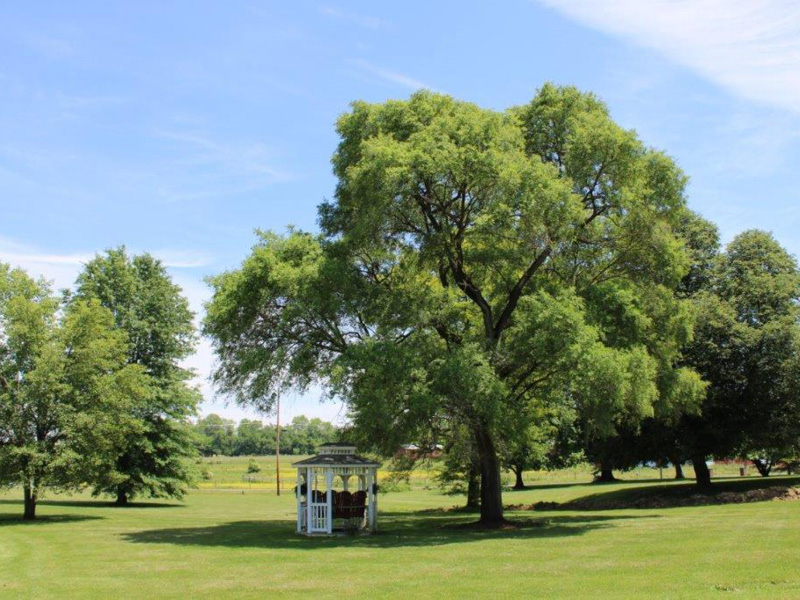
How is Glendora Health Staffed?

CMS rates GLENDORA HEALTH CARE CENTER's staffing level at 2 out of 5 stars, which is below average compared to other nursing homes. Staff turnover is 63%, which is 17 percentage points above the Ohio average of 46%. High turnover can affect care consistency as new staff learn residents' individual needs.

What Have Inspectors Found at Glendora Health?

State health inspectors documented 40 deficiencies at GLENDORA HEALTH CARE CENTER during 2019 to 2025. These included: 1 Immediate Jeopardy (the most serious level, indicating potential for serious harm or death) and 39 with potential for harm. Immediate Jeopardy findings are rare and represent the most serious regulatory concerns. They require immediate corrective action.
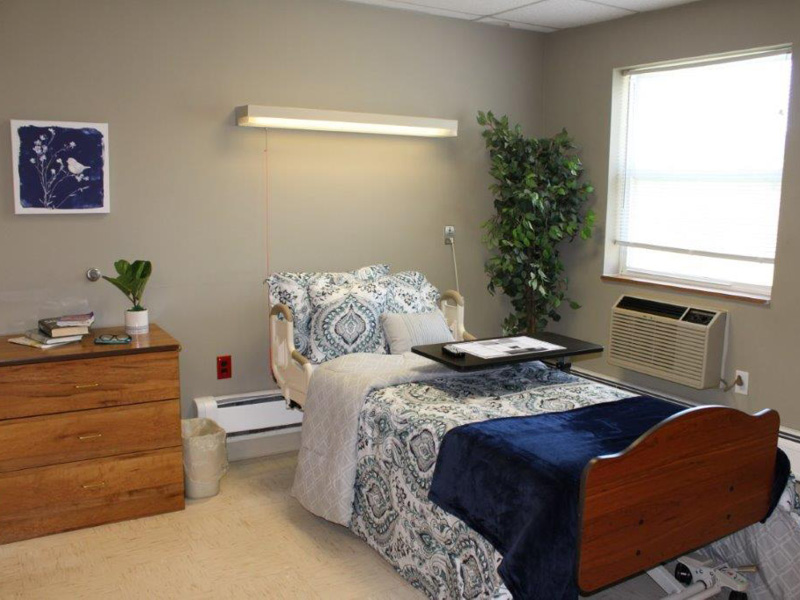
Who Owns and Operates Glendora Health?

GLENDORA HEALTH CARE CENTER is owned by a for-profit company. For-profit facilities operate as businesses with obligations to shareholders or private owners. The facility is operated by DIVINE HEALTHCARE MANAGEMENT, a chain that manages multiple nursing homes. With 49 certified beds and approximately 35 residents (about 71% occupancy), it is a smaller facility located in WOOSTER, Ohio.
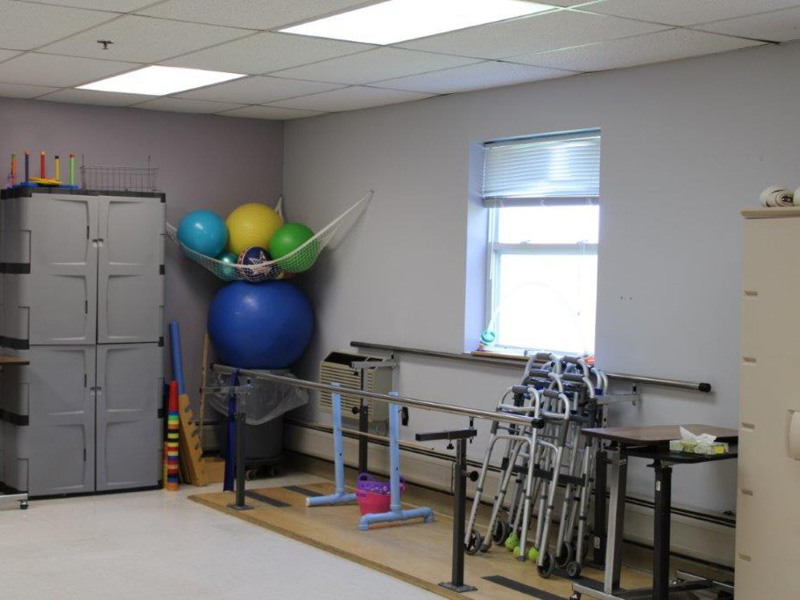
How Does Glendora Health Compare to Other Ohio Nursing Homes?

Compared to the 100 nursing homes in Ohio, GLENDORA HEALTH CARE CENTER's overall rating (2 stars) is below the state average of 3.2, staff turnover (63%) is significantly higher than the state average of 46%, and health inspection rating (1 stars) is much below the national benchmark.

What Should Families Ask When Visiting Glendora Health?

Based on this facility's data, families visiting should ask: "What changes have been made since the serious inspection findings, and how are you preventing similar issues?" "How do you ensure continuity of care given staff turnover, and what is your staff retention strategy?" "Can you walk me through typical staffing levels on day, evening, and night shifts?" "Can I visit during a mealtime to observe dining assistance and food quality?" These questions are particularly relevant given the facility's Immediate Jeopardy citations, the facility's high staff turnover rate, and the below-average staffing rating.

Is Glendora Health Safe?

Based on CMS inspection data, GLENDORA HEALTH CARE CENTER has documented safety concerns. Inspectors have issued 1 Immediate Jeopardy citation (the most serious violation level indicating risk of serious injury or death). The facility has a 2-star overall rating and ranks #100 of 100 nursing homes in Ohio. Families considering this facility should ask detailed questions about what corrective actions have been taken since these incidents.

Do Nurses at Glendora Health Stick Around?

Staff turnover at GLENDORA HEALTH CARE CENTER is high. At 63%, the facility is 17 percentage points above the Ohio average of 46%. High turnover means new staff may not know residents' individual needs, medications, or preferences. It can also be disorienting for residents, especially those with dementia who rely on familiar faces. Families should ask: What is causing the turnover? What retention programs are in place? How do you ensure care continuity during staff transitions?

Was Glendora Health Ever Fined?

GLENDORA HEALTH CARE CENTER has been fined $20,571 across 2 penalty actions. This is below the Ohio average of $33,285. While any fine indicates a compliance issue, fines under $50,000 are relatively common and typically reflect isolated problems that were subsequently corrected. Families should ask what specific issues led to these fines and confirm they've been resolved.

Is Glendora Health on Any Federal Watch List?

GLENDORA HEALTH CARE CENTER is not on any federal watch list. The most significant is the Special Focus Facility (SFF) program, which identifies the bottom 1% of nursing homes nationally based on persistent, serious quality problems. Not being on this list means the facility has avoided the pattern of deficiencies that triggers enhanced federal oversight. This is a positive indicator, though families should still review the facility's inspection history directly.