SMITHVILLE WESTERN CARE CENTER
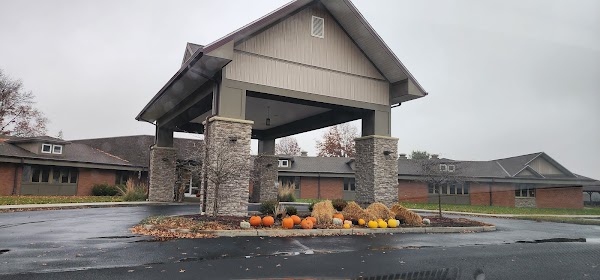
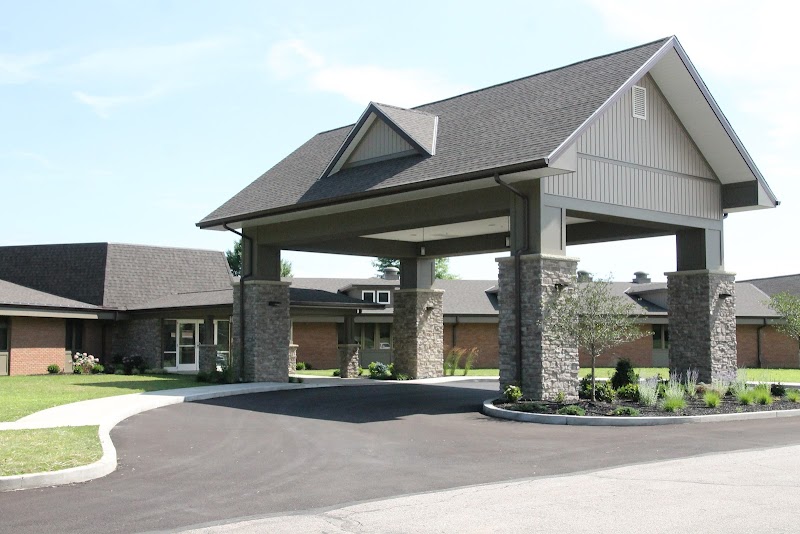
4110 EAST SMITHVILLE WESTERN ROAD, WOOSTER, OH 44691 (330) 345-9050
For profit - Corporation 127 Beds SPRENGER HEALTH CARE SYSTEMS Data: November 2025 1 Immediate Jeopardy citation
Trust Grade
33/100
#782 of 913 in OH
Last Inspection: July 2024

Within standard 12-15 month inspection cycle. Federal law requires annual inspections.

Overview

Smithville Western Care Center has received a Trust Grade of F, indicating significant concerns about the quality of care provided. Ranking #782 out of 913 facilities in Ohio places them in the bottom half, and they are last in their county at #14 of 14. Although the facility is showing improvement, with the number of reported issues decreasing from 16 in 2024 to 5 in 2025, there remain critical deficiencies, including a failure to ensure timely transportation for a resident's wound care appointment. Staffing is rated as average, with a turnover rate of 49%, which is consistent with the state average, and they have good RN coverage, exceeding 75% of facilities in Ohio. However, the facility has incurred $42,777 in fines, which is higher than 79% of Ohio facilities, indicating ongoing compliance issues.

Trust Score
F
33/100
In Ohio
#782/913
Bottom 15%
Safety Record
High Risk
Review needed
Inspections
Getting Better
16 → 5 violations
Staff Stability
⚠ Watch
49% turnover. Above average. Higher turnover means staff may not know residents' routines.
Penalties
✓ Good
$42,777 in fines. Lower than most Ohio facilities. Relatively clean record.
Skilled Nurses
○ Average
Each resident gets 40 minutes of Registered Nurse (RN) attention daily — about average for Ohio. RNs are the most trained staff who monitor for health changes.
Violations
⚠ Watch
39 deficiencies on record. Higher than average. Multiple issues found across inspections.
★★☆☆☆
2.0
Overall Rating
★★★☆☆
3.0
Staff Levels
★★★★★
5.0
Care Quality
★☆☆☆☆
1.0
Inspection Score
Stable
2024: 16 issues
2025: 5 issues

The Good

  • 5-Star Quality Measures · Strong clinical quality outcomes
  • Full Sprinkler Coverage · Fire safety systems throughout facility
  • No fines on record

Facility shows strength in quality measures, fire safety.

The Bad

2-Star Overall Rating

Below Ohio average (3.2)

Below average - review inspection findings carefully

Staff Turnover: 49%

Near Ohio avg (46%)

Higher turnover may affect care consistency

Federal Fines: $42,777

Above median ($33,413)

Moderate penalties - review what triggered them

Chain: SPRENGER HEALTH CARE SYSTEMS

Part of a multi-facility chain

Ask about local staffing decisions and management

The Ugly 39 deficiencies on record

1 life-threatening
Apr 2025 2 deficiencies
CONCERN (D) 📢 Someone Reported This

A family member, employee, or ombudsman was alarmed enough to file a formal complaint

Potential for Harm - no one hurt, but risky conditions existed

Safe Environment (Tag F0584)

Could have caused harm · This affected 1 resident

**NOTE- TERMS IN BRACKETS HAVE BEEN EDITED TO PROTECT CONFIDENTIALITY** Based on resident and staff interview, review of the Almanac Weather History, medical record review, and review of the facility ...

Read full inspector narrative →
**NOTE- TERMS IN BRACKETS HAVE BEEN EDITED TO PROTECT CONFIDENTIALITY** Based on resident and staff interview, review of the Almanac Weather History, medical record review, and review of the facility policy, the facility failed to ensure a resident's room maintained a comfortable temperature for Resident #97. This affected one (Resident #97) of three residents reviewed for safe environment. The facility census was 89. Findings include: Record review for Resident #97 revealed an admission date of 03/20/25 and a discharge date of 04/09/25. Diagnoses included diabetes mellitus, depression, and anxiety disorder. Review of the Medicare five-day Minimum Data Set (MDS) assessment dated [DATE] revealed Resident #97 was cognitively intact. Review of the census history revealed Resident #97 was admitted to [room [ROOM NUMBER]] on 03/20/25. On 03/24/25, Resident #97 was transferred to [room [ROOM NUMBER]]. Review of the Almanac Weather History for [NAME] Ohio revealed on 03/20/25, the outdoor temperature ranged from 35 to 71 degrees Fahrenheit (F); On 03/21/25, the temperature ranged from 28 to 63 degrees F; On 03/22/25, the temperature ranged from 28 to 51.1 degrees F; On 03/23/25, the temperature ranged from 21 to 46 degrees F; and on 03/24/25, the temperature ranged from 37 to 50 degrees F. Interview on 04/28/25 at 10:40 A.M. with Resident #97 revealed on 03/20/25, when he was admitted to room [ROOM NUMBER], it was cold, there was no heat in that room. Resident #97 told staff and they said they wrote something up, and they gave me a blanket. His wife and daughter had to wear a coat to visit him. Resident #97 said it really got colder at night. Resident #97 said the blanket the staff provided didn't really help because the whole room was so cold. Resident #97 stated maintenance came in, looked at the heater, and said he couldn't fix it. and had to get part so they moved me. Resident #97 stated he was so cold and miserable while in the room and he and did not understand why they did not do something about it right away. Resident #97 confirmed he was not offered a room change over the weekend. Interview on 04/28/25 between 9:27 A.M. and 11:00 A.M. with Registered Nurse (RN) #292 confirmed she worked on Saturday 03/22/25 and Sunday 03/23/25 with Resident #97. RN #292 revealed Resident #97 expressed concerns on those days about his room temperature and said his room was cold. RN #292 revealed she put a Maintenance ticket in and gave him an extra blanket. RN #292 revealed she did not recall how cold the room was. Interview on 04/28/25 at 10:01 A.M. with Maintenance Assistant #254 revealed each room had baseboard heating that was used during the winter months. Maintenance Assistant #254 revealed he was aware of the room temperature concern with Resident #97. When he returned to work Monday, 03/24/25, he was told about the concern and revealed the heater in the room went out and stated It was a little chill but he didn't know why Resident #97 stayed in room [ROOM NUMBER] during the weekend. Maintenance Assistant #254 confirmed the Maintenance department did not routinely work the weekends. Interview on 04/28/25 at 10:56 A.M. with RN Unit Manager #301 revealed he did not work the weekend of 03/22/25 or 03/23/25 but he did work 03/24/25 and assisted in moving Resident #97 to a different room. RN Unit Manager #301 stated the room he was in was cold, and he didn't know why Resident #97 was not moved to a different room when the room got cold. Nursing put it in a work order through the maintenance electronic messaging system); However, maintenance doesn't work over the weekend. RN Unit Manager #302 confirmed staff could have offered Resident #97 a room change over the weekend and didn't know why the didn't do this. Interview on 04/28/25 at 11:15 A.M. with the Administrator revealed if a resident room was cold and there was a problem with the heat, the staff can move the resident to a different room. Interview on 04/28/25 at 11:15 A.M. with Maintenance Director #255 revealed the facility had an HVAC system. When the temperature outside gets cold, the facility supplements the heat with baseboard heating. In [room [ROOM NUMBER]], the thermocouple went out, unsure when, so the baseboard heating was not working. Reviewed the work orders with Maintenance Director #255 revealed on Saturday, 03/22/25, Certified Nursing Assistant (CNA) #256 placed a maintenance ticket for [room [ROOM NUMBER]] with a summary Please turn on heat, resident says room is cold. On 03/24/25 at 5:32 A.M. CNA #259 placed a maintenance ticket for [room [ROOM NUMBER]] with a summary, Room too cold patient complaining. Review of the facility's undated policy titled Safe Environment revealed the resident has the right to a safe, clean, comfortable, and home-like environment, comfortable and safe temperature levels, must maintain a temperature of 71 to 81 degrees F. This deficiency represents non-compliance investigated under Complaint Number OH00165134.
CONCERN (E) 📢 Someone Reported This

A family member, employee, or ombudsman was alarmed enough to file a formal complaint

Potential for Harm - no one hurt, but risky conditions existed

Pharmacy Services (Tag F0755)

Could have caused harm · This affected multiple residents

**NOTE- TERMS IN BRACKETS HAVE BEEN EDITED TO PROTECT CONFIDENTIALITY** Based on record review, staff interview, and review of the facility policy, the facility failed to ensure and maintain accurate ...

Read full inspector narrative →
**NOTE- TERMS IN BRACKETS HAVE BEEN EDITED TO PROTECT CONFIDENTIALITY** Based on record review, staff interview, and review of the facility policy, the facility failed to ensure and maintain accurate and complete drug records for the residents. This affected four (Residents #38, #84, #95 and #99) of four residents reviewed for pharmacy services. The facility census was 89. Findings include: 1. Record review for Resident #38 revealed an admission date of 02/01/25. Diagnosis included Alzheimer's dementia, chronic pain syndrome, and anxiety. Review of the quarterly Minimum Data Set (MDS) assessment dated [DATE] revealed Resident #38 was rarely or never understood. Review of the physician orders for Resident #38 revealed an order for Ativan (a controlled medication) oral tablet 0.5 milligrams (mg) one tablet by mouth every eight hours as needed for anxiety/restlessness for 14 days. The order was initiated 01/10/25 to be discontinued after 01/23/24. Review of the Controlled Drug Record for Resident #38 revealed Ativan 0.5 mg dated 11/26/24 take one tablet by mouth every 12 hours as needed for 14 days. The Controlled Drug Record was initiated 11/27/24 signed by Licensed Practical Nurse (LPN) #251. The same controlled drug record continued through 03/26/25. Review of the Controlled Drug Record revealed on 01/25/25 at 8:22 P.M. Registered Nurse (RN) #306 signed the Controlled Drug Record for the removal of an Ativan 0.5 mg from Resident #38's controlled medications. Review of the medication administration record (MAR) for Resident #38 revealed for the order for the Ativan 0.5 mg, the box dated 01/25/25 (where the nurse initials she administered the medication to the resident) had an x in the box indicating the order was no longer active. The medical record for Resident #38 revealed no indication (or physician order) indicating Resident #38 had an order for or received the Ativan 0.5 mg on 01/25/25. Review of the physician orders for Resident #38 revealed an order for Norco (a controlled medication) oral tablet 5-325 mg give one tablet by mouth every eight hours as needed for pain initiated 01/22/25. Review of the Controlled Drug Record for Resident #38 revealed on 01/26/25 at 5:23 A.M., RN #306 dated and signed the Controlled Drug Record for the Norco oral tablet 5-325 mg. RN #306 then drew one line through the date, time and signature (indicating an error, the medication was not administered). Review of the MAR for Resident #38 for the order for the Norco oral tablet 5-325 mg revealed on 01/26/25 at 5:23 A.M., Resident #38 had a pain level of seven. RN #306 administered the Norco 5-325 mg and the medication was effective. Interview on 04/28/25 at 12:41 P.M. with Director of Nursing (DON) revealed the nurses sign the controlled drug record when they remove a resident's controlled medication. Each controlled medication is numbered with the amount delivered from the pharmacy and the amount remaining. The nurses (oncoming and off going) count each controlled drug together at the beginning and end of each shift to ensure the controlled medications are accurate. DON revealed the nurse would sign the controlled drug record when they removed a controlled drug from the secured storage area; once the medication was signed out as removed by the nurse, they would then sign the MAR indicating the medication was administered to the resident it was ordered for. DON confirmed Resident #38's Ativan removed from the secured drug box by RN #306 on 01/25/25 was not documented in Resident #38's medical record or MAR as administered to that resident. In addition, the Ativan was discontinued on 01/25/25 so there was no order to administer the drug. The controlled drug audit for the Norco tablet 5-325 mg was signed by RN #306 on 01/26/25 at 5:23 A.M. then errored off. The MAR was documented as the medication was given for pain and effective but it couldn't have been given because the count was accurate on the controlled drug record reflecting the medication was not given when both nurses counted at the end of the shift. 2. Record review for Resident #84 revealed an admission date of 08/24/24. Diagnoses included paraplegia, contracture of unspecified muscle, and low back pain. Review of the quarterly Minimum Data Set (MDS) assessment dated [DATE] revealed Resident #84 was cognitively intact and received scheduled pain medications. Review of the physician orders for Resident #84 dated 01/19/25 revealed an order for Oxycodone HCL (controlled medication) oral tablet five milligrams (mg) give one tablet by mouth every six hours as needed for pain score of seven to 10 for three days. Review of the Controlled Drug Record for Resident #84 revealed on 01/12/25, there was an order for Oxycodone HCL oral tablet five mg give one tablet by mouth every six hours as needed for pain score of seven to 10 (from pain level of zero no pain to 10 most severe pain) for three days. On 01/26/25 at (unreadable time), Registered Nurse (RN) #306 signed out Resident #84's Oxycodone from the secured medication storage. Review of the medication administration record (MAR) for Resident #84 revealed Oxycodone had a start date of 01/19/25 and an end date of 01/22/25 (four days). The box dated 01/25/25 (where the nurse initialed she administered the medication to the resident) had an x in the box indicating the order was no longer active. The medical record for Resident # 84 revealed no indication (or physician order) indicating Resident #84 had an order for or received the Oxycodone HCL five mg on 01/26/25. Interview on 04/28/25 at 12:41 P.M. with the Director of Nursing (DON) confirmed on 01/26/25 at (unreadable time), RN #306 signed out Resident #84's Oxycodone from the secured medication storage. DON confirmed there was no order to administer the medication and the medication was not documented in Resident 84's medical record as administered. 3. Record review for Resident #95 revealed an admission date of 09/10/24 and a discharge date of 01/28/25. Diagnoses included cerebral infarction and dysarthria following cerebral infarction. Review of the quarterly Minimum Data Set (MDS) assessment dated [DATE] revealed Resident #95 was cognitively intact and received scheduled pain medication. Review of the physician orders for Resident #95 revealed an order for an admission to hospice ordered 01/24/25. Additional orders dated 01/24/25 included morphine sulfate (controlled medication) oral solution 20 milligrams (mg) per milliliter (ml) give 0.5 ml by mouth every two hours as needed for pain/shortness of breath (SOB). Review of the Controlled Drug Record for Resident #95 with the Director of Nursing (DON) on 04/28/25 at 12:45 P.M. revealed the controlled drug record did not indicate the name of the controlled drug (morphine sulfate oral solution 20 mg per ml) with directions for use. DON confirmed this was the controlled drug record for Resident #95's morphine sulfate oral solution 20 mg per ml. The controlled drug record indicated the drug was initiated for Resident #95 on 01/25/25. The Controlled Drug Record revealed RN #306 documented morphine sulfate 0.5 ml was removed on 01/26/25 at 10:00 P.M., 01/27/25 at 12:30 A.M. and 4:00 A.M. Review of the MAR and medical record for Resident #95 with the DON confirmed no documentation Resident #95 received the morphine on 01/26/25 at 10:00 P.M. or 01/27/25 at 4:00 A.M.; The MAR indicated on 01/27/25 Resident #95 received morphine sulfate 0.5 ml at 1:00 A.M. administered by Registered Nurse (RN) #306. 4. Record review for Resident #99 revealed an admission date of 12/21/22. Diagnosis included toxic encephalopathy. Review of the physician orders for Resident #99 revealed an order for Hydrocodone -Acetaminophen oral tablet 5-325 milligrams (mg) give one tablet every six hours as needed for pain with a start date of 08/09/24. Review of the Controlled Drug Record for Resident #99 with the Director of Nursing (DON) on 04/28/25 at 12:47 P.M. revealed the Hydrocodone -Acetaminophen oral tablet 5-325 mg was signed on 02/03/25 by Registered Nurse (RN) #306 at 8:35 P.M.; RN #306 signed again on 02/03/25 (unreadable time) directly under the 8:35 P.M. that the medication was again removed; To the left of the documented dates and times was a hand written wasted dropped. DON confirmed there was no second nurse signature to verify the medication was wasted. DON revealed if a controlled medication was wasted, two nurses were required to waist the medication, and both nurses sign the controlled drug form verifying the medication was wasted. Review of the MAR revealed on 02/03/25 at 8:58 P.M., Resident #99 received one dose of Hydrocodone -Acetaminophen oral tablet 5-325. Review of the facility's undated policy titled Managing Controlled Substances revealed immediately after a dose of a controlled drug is administered, the licensed nurse administering the drug is to enter all of the following information on the proof-of-use record: a) Date and time of administering b) Dose administered c) Signature of the nurse administering the dose d) Remaining doses e) The controlled substance administration must also be recorded on the Medication Administration Record (MAR). If a dose is removed from the container for administration but refused by the patient or not given for any reason, it should not be put back into the container. Rather, it is to be destroyed in the presence of two (2) licensed nurses. The disposal must be documented on the proof-of-use record on the line presenting the dose. This deficiency represents non-compliance investigated under Control Number OH00164423.
Jan 2025 3 deficiencies
CONCERN (D) 📢 Someone Reported This

A family member, employee, or ombudsman was alarmed enough to file a formal complaint

Potential for Harm - no one hurt, but risky conditions existed

Deficiency F0552 (Tag F0552)

Could have caused harm · This affected 1 resident

**NOTE- TERMS IN BRACKETS HAVE BEEN EDITED TO PROTECT CONFIDENTIALITY** Based on interview, record review and review of the facility policy the facility failed to ensure Resident #86 directed his own ...

Read full inspector narrative →
**NOTE- TERMS IN BRACKETS HAVE BEEN EDITED TO PROTECT CONFIDENTIALITY** Based on interview, record review and review of the facility policy the facility failed to ensure Resident #86 directed his own medical care. This affected one resident (Resident #86) out of three residents reviewed for resident rights. The facility census was 85. Findings include: Review of Resident #86's medical record revealed an admission date of 11/27/24 and a discharge date of 12/15/24. Diagnoses included pneumonia, acute respiratory failure with hypoxia and hypercapnia, morbid obesity, bacteremia and type two diabetes mellitus with hyperglycemia. Review of Resident #86's care plan dated 12/01/24 included Resident #86 had the potential for altered respiratory status related to pneumonia, acute respiratory failure with hypoxia and hypercapnia history of PE (pulmonary embolus) and other diagnoses. Resident #86 would have breathing comfort with no dyspnea. Interventions included to assess respiratory status, assess breath sounds, position to facilitate breathing and comfort, suction as needed, administer oxygen as ordered; report difficulty breathing to charge nurse. Resident #86 had an infection related to sepsis and pneumonia. Resident #86 would be free of signs and symptoms of infection with no complications. Interventions included to report any abnormalities to the physician; administer medications as ordered, monitor for side effects and effectiveness, monitor for adverse reactions. Review of Resident #86's admission Minimum Data Set assessment dated [DATE] revealed Resident #86 was cognitively intact. Resident #86 was dependent for toileting, upper and lower body dressing, and the ability to bathe self was not attempted due to medical condition or safety concerns. Resident #86 received oxygen therapy and used a non-invasive mechanical ventilator. Review of Resident #86's History and Physical dated 12/06/24 and completed by Physician #202 included Resident #86 was admitted to the facility for acute, chronic hypoxic and hypercapnic respiratory failure, pneumonia and other diagnoses. Resident #86 had a cough, dyspnea (difficult or labored breathing) and was on oxygen therapy. Review of Resident #86's progress notes including physician notes dated 12/06/24 through 12/15/24 did not reveal evidence Resident #86 was examined and evaluated by Physician #202. Review of Resident #86's progress notes dated 12/11/24 at 9:07 P.M. included Resident #86 used six liters of oxygen per minute and his breath sounds were cta (clear throughout). Review of Resident #86's progress notes dated 12/12/24 at 10:40 A.M. included Resident #86 stated I feel like my pneumonia is back, I was running a fever off and on, pulse ox was 88 percent with my CPAP on. Lab results from today compared to previous results, and oxygen saturation was 92 to 93 percent on CPAP. Lung sounds clear with diminished bases. Temperature 99.1 degrees Fahrenheit. Physician #202 was notified of today's lab results and past CO2 and WBC results, lung sounds, oxygen saturation reading and Resident #86's complaints. Physician #202 was notified of Resident #86 requesting chest x-ray, but portable not able to be performed due to resident size. The physician replied no to hospital x-ray and to use CPAP during the day. Review of Resident #86's progress notes dated 12/12/24 at 6:29 P.M. included Resident #86's oxygen saturation was monitored throughout the day and readings were 90 to 93 percent with oxygen on at six liters via nasal cannula or 10 liters while on CPAP. Resident #86 continued to report his oxygen saturation was 88 to 90 percent. Resident #86's respirations were even and unlabored, with no respiratory distress noted. Resident #86's skin was pink, warm and dry. Review of Resident #86's progress notes dated 12/13/24 at 8:32 A.M. included assessment completed due to Resident #86 continued to state I know I have pneumonia. Resident #86's skin color was pink, warm and dry, respirations were even and unlabored. CPAP in place as ordered and oxygen saturations was 96 percent. Resident #86's physician was in the facility and updated on Resident #86's vital signs. Review of Resident #86's progress notes dated 12/13/24 at 3:13 P.M. included the nurse was called to Resident #86's room to evaluate and speak to him. Resident #86 inquired what could be done in the facility versus what was done in the hospital for treatment of pneumonia. Resident #86 was told the facility could administer all the same medications that were ordered as in the hospital setting if they were ordered by the physician. Resident #86 stated he got aerosols around the clock in the hospital. The nurse explained the facility could do the same if the aerosols were ordered. Resident #86 was not short of breath during the conversation, did not have to stop talking to breathe, nor was he sitting straight up at the time. Resident #86 was advised if he felt shortness of breath, the nurse could see what medications were available. The nurse also suggested Resident #86 sit upright and use proper body alignment. The nurse offered to get assistance to help Resident #86 properly align self. Resident #86 refused the medication check, but did raise the head of the bed and straighten self in alignment with the bed without assistance. Resident #86 was not using accessory muscles when breathing. Review of Resident #86's late entry progress note dated 12/15/24 at 9:06 A.M. revealed on 12/13/24 at 4:55 P.M. the DON had a discussion with Resident #86's primary care provider and it was okay to start an antibiotic (Levaquin) as a precaution to pneumonia. It was explained to Resident #86 that if he had pneumonia the antibiotic was the appropriate treatment. Resident #86 stated he lived three hours from the nearest hospital and he wanted the chest x-ray to make sure he was getting better, not that he felt like he had pneumonia currently. It was explained to Resident #86 that he would need to be sent through the ED and then admitted per the hospital protocol, and that a preventive x-ray was not really an emergency so would have to schedule transport via non emergency transportation. Resident #86 became angry and started swearing, and Resident #86 was given his space. Resident #86's wife called and stated the antibiotic was fine and Resident #86 was worried for when he returned home. Review of Resident #86's progress notes dated 12/15/24 at 2:13 A.M. included Resident #86 had a cough and wanted to go to the hospital for a chest x-ray (could not be done at the facility due to body habitus). Resident #86 was started on Levaquin and was unhappy about not being evaluated at the hospital. When his pin care was completed at 1:00 A.M. Resident #86 noted redness around the pins and wanted to go to the hospital right then. Review of Resident #86's progress notes dated 12/15/24 at 7:21 A.M. included around 1:00 A.M. Resident #86 verbalized dissatisfaction that he had not gone to the hospital for a chest x-ray. Resident #86 was reminded he was on Levaquin just in case and he took his first dose. Resident #86 had his mind set that he should have gone out for an x-ray and wanted the facility to call the physician and go to the hospital for an evaluation at this time. Resident #86 was sent to the ER per his request and his physician, wife and on-call nurse were notified. Interview on 01/09/25 at 11:09 A.M. of Resident #86 and Family Member (FM) #200 revealed Resident #86 developed a respiratory infection that started about a week after he was admitted to the facility. Resident #86 stated staff came in the room without face masks and had hoarse, deep coughs, and after that he developed a cough. FM #200 stated facility staff argued with her and said they could not do a portable chest x-ray at the facility because Resident #86 was too big, and they would not even try. FM #200 stated she did not know if an x-ray was ever ordered. Resident #86 and FM #200 stated Resident #86 definitely asked for a chest x-ray because he had a respiratory infection. Resident #86 stated he did not talk to and was not examined by a physician or nurse practitioner after he thought he had pneumonia was definitely upset about the situation. Interview on 01/13/25 at 3:44 P.M. of the Director of Nursing (DON) revealed Resident #86 was unable to have a portable chest x-ray at the facility due to body habitus, and was not sent to the hospital for a chest x-ray. The DON confirmed Physician #202 did not order a chest x-ray for Resident #86 and told the nurses not to send him to the hospital where he could have a chest x-ray. The DON indicated even if Resident #86 had a chest x-ray at the hospital and it showed he had pneumonia, the treatment with the antibiotic Levaquin would be the same as what he was already receiving at the facility. The DON confirmed Physician #202 did not examine Resident #86 or talk to him from 12/06/24 until he went to the hospital on [DATE] and stated she could not make Physician #202 see Resident #86. The DON indicated she had a discussion with Resident #86 and told him the hospital protocol was he could not have a chest x-ray if he went to the ER, and he would have to be admitted if a chest x-ray was ordered. Review of the Ohio Health Care Association policy titled Resident Rights and Facility Responsibilities included the facility shall inform the resident of the right to participate in his or her treatment and shall support the resident in this right. The resident had the right to and the facility must promote and facilitate resident self-determination through support of resident choice, including the resident had a right to choose activities, schedules, health care and providers of health care services consistent with his or her interests, assessments, plan of care and other applicable provisions of this part. This deficiency represents non-compliance investigated under Complaint Number OH00160965.
CONCERN (D) 📢 Someone Reported This

A family member, employee, or ombudsman was alarmed enough to file a formal complaint

Potential for Harm - no one hurt, but risky conditions existed

Deficiency F0583 (Tag F0583)

Could have caused harm · This affected 1 resident

**NOTE- TERMS IN BRACKETS HAVE BEEN EDITED TO PROTECT CONFIDENTIALITY** THE FOLLOWING DEFICIENCY REPRESENTS AN INCIDENT OF PAST NON-COMPLIANCE THAT WAS SUBSEQUENTLY CORRECTED PRIOR TO THIS SURVEY. Bas...

Read full inspector narrative →
**NOTE- TERMS IN BRACKETS HAVE BEEN EDITED TO PROTECT CONFIDENTIALITY** THE FOLLOWING DEFICIENCY REPRESENTS AN INCIDENT OF PAST NON-COMPLIANCE THAT WAS SUBSEQUENTLY CORRECTED PRIOR TO THIS SURVEY. Based on interview, record review, Self-Reported Incident (SRI) review, and review of facility policy the facility failed to ensure Resident #88's privacy was maintained. This affected one resident (Resident #88) out of three residents reviewed for privacy. The facility census was 88. Findings Include: Review of Resident #88's medical record revealed an admission date of 01/27/23, a re-entry date of 05/01/23 and a discharge date of 11/05/24. Diagnoses included paraplegia, type two diabetes mellitus with diabetic neuropathy, morbid obesity, bipolar disorder and anxiety disorder. Review of Resident #88's Quarterly Minimum Data Set assessment dated [DATE] revealed Resident #88 was cognitively intact. Resident #88 was dependent for toileting and personal hygiene, and upper and lower body dressing. Review of Resident #88's care plan dated 02/09/23 included Resident #88 had the potential for altered behavior patterns, disruptive interactions, disruptive verbally, resistive to care, violence, anger, agitation and, or anxiety. Resident #88 was verbally abusive to staff, cursed at staff, and was rude and demanding. Resident #88 made sexually inappropriate comments to staff at times, used inappropriate language including racial slurs. Resident #88 would be calm in a secure environment. Resident #88 would cope with routine, occurrences were minimized and Resident #88 would interact with staff and others appropriately. Interventions included to removed from public area when behavior was unacceptable, keep environment calm and relaxed, convey acceptance of resident during periods of inappropriate behavior and obtain help if resident became abusive or resistive; praise positive behavior, watch for signs of increasing anxiety and, or agitation, keep voice soft, establish routines and redirect as needed. Review of Resident #88's progress notes dated 10/05/24 through 10/08/24 did not reveal documentation regarding an incident on 10/07/24 involving Resident #88, Licensed Practical Nurse (LPN) #204 and other staff members. Review of a SRI Form tracking number 252783 dated 10/08/24 revealed on 10/08/24 Certified Nursing Assistant (CNA) #208 reported LPN #204 was allegedly arguing with Resident #88 and allegedly had her phone out and was possibly recording the conversation. LPN #204 was immediately removed from the schedule and suspended until the facility investigation was completed. CNA #208 stated she did not witness the allegations but heard it from CNA #205. CNA #205 allegedly witnessed LPN #204 and Resident #88 in a heated verbal exchange in Resident #88's room. CNA #205 alleged seeing LPN #204's cell phone on the treatment cart recording the altercation and witnessed CNA #209 with her phone out recording the altercation. CNA #209 was suspended pending the facility investigation outcome. Interview of staff revealed Resident #88 was yelling at LPN #204 and calling her racial names throughout the night. The interviews revealed LPN #204 voice recorded the conversation she had with Resident #88 with his permission. Review of the recording revealed no identifying information. The interviews revealed CNA #209 did not have her phone out in Resident #88's room and was not recording. Staff would be educated on cell phone use, abuse policy, and call light policy. LPN #204 would complete additional education for customer service. Resident #88 experienced no change in condition and remained at his baseline. Abuse was not suspected. Review of a witness statement dated 10/08/24 revealed after the altercation between Resident #88 and LPN #204, CNA #210 saw LPN #204 sitting at the nurses station playing a voice recording that she said she took in room [ROOM NUMBER] (Resident #88's room). CNA #210 stated she could hear the recording but could not tell what was being said. Review of a statement from CNA #205 to Director of Human Resources and Corporate Compliance (DHRCC) #211 dated 10/09/24 at 4:40 A.M. revealed on 10/07/24 at approximately 1:58 A.M. CNA #205 heard yelling and screaming from the hall Resident #88 resided on, and walked down the hall to see what the commotion was. CNA #205 stated she heard LPN #204 and Resident #88 having a heated verbal exchange, and observed LPN #204's cell phone on the treatment cart, and it was recording the altercation. CNA #205 also witnessed CNA #209 recording the altercation with her cell phone. CNA #205 stated it looked like abuse and intimidation of a resident and also a HIPPA violation. CNA #205 stated she reported the situation to Unit Manager (UM) #212. Review of a witness statement undated and written by UM #212 revealed CNA #205 reported chaos happening out into the 300 hall and she went to investigate the situation. UM #212 stated she heard Resident #88 yelling and asking staff for their names and license number and things like that, and was able to calm Resident #88 down. UM #212 stated she heard staff arguing with each other in the hall and at the nurses station. UM #212 stated she did not see or hear any form of abuse. Interview on 01/09/25 at 2:34 P.M. with CNA #205 revealed she made a formal complaint when she witnessed the incident between Resident #88 and LPN #204 and other staff members, and the incident happened on 10/07/24. CNA #205 stated she told the staff members involved in the incident that she was going to file a complaint and the staff members started screaming at her, things escalated and almost became physical. CNA #205 indicated she witnessed a verbal altercation between Resident #88 and LPN #204 and they were screaming at each other. CNA #205 stated it was so loud it could be heard all the way to the other side of the building. CNA #205 stated she saw LPN #204 and CNA #209 recording the heated verbal exchange with Resident #88. Interview on 01/09/25 at 3:58 P.M. with Resident #88 revealed he transferred to another facility because he had a lot of problems at the facility, most of the problems were with LPN #204, he told the Administrator but nothing went anywhere. Resident #88 stated he had many arguments with LPN #204, confirmed he had an argument with LPN #204 on 10/07/24, and said she recorded me and I did not say she could record me. Resident #88 indicated there were witnesses who saw LPN #204 recording him, and CNA #205 stuck up for me and they fired her. The DON told Resident #88 nothing was found to be true. Resident #88 stated this whole situation caused him to be very upset, overwhelmed, stressed and he could not sleep, and this was all because of the way he was treated and yelled at while he was at the facility, and he never had problems sleeping before. Interview on 01/13/25 at 10:32 A.M. with the Director of Nursing (DON) confirmed on 10/07/24 there was a situation between Resident #88 and LPN #204 was voice recording the altercation. The DON stated LPN #204 was reprimanded for recording Resident #88. The DON indicated it was not okay for staff to yell at residents and no staff were yelling at Resident #88, but Resident #88 was yelling at the staff. The DON stated CNA #205 heard Resident #88 yelling, and CNA #205 was not fired and chose to leave her position. The DON indicated CNA #205 did not observe or hear anything because she was standing at the top of the hall by the nurses station. The DON stated LPN #204 was suspended and staff were educated about cell phone use. Review of a witness statement dated 10/11/24 written by LPN #204 revealed LPN #204 entered Resident #88's room to provide a treatment and Resident #88 yelled for about ten minutes. When Resident #88 began yelling LPN #204 asked him if she could record him and he said I don't care. LPN #204 had a CNA in the room with her as a witness. Review of a witness statement undated written by CNA #209 revealed CNA #205 said she was going to file abuse claims on all of us. CNA #209's statement stated LPN #204 voice recorded all of this when Resident #88 started yelling at her. CNA #209 stated she never had her phone out recording. Review of LPN #204's Review Discussion Form created on 10/16/24 revealed the date of the conversation was 10/11/24. LPN #204 had her phone out in a resident room and call lights were on too long. LPN #204 would not have her phone out in any resident area at anytime. LPN #204 would ensure resident call lights were answered in a timely manner. Additional customer service education to be completed. LPN #204 responded that she took her phone out of her pocket to use as a flashlight to meet resident needs. LPN #204 stated sometimes she needed to pick something up for a resident and additional light was needed, and sometimes need a better look at a wound, and sometimes residents ask for phone number to a restaurant etcetera. Further violations of policy might lead to disciplinary action up to and including termination. Review of the facility policy titled Use of Cellular Phones, Cameras and Other Similar Devices undated included cellular telephones including smart phones such as iphones, blackberries etcetera, cameras, tablets, and similar devices such as audio or video recorders (Personal Handheld Device) may not be worn, carried or used during working time unless the device was used for the business purposes of the facility. You may not carry a Personal Handheld Device during working time unless you receive specific authorization from your facility administrator or corporate human resources. You must report to your supervisor any improper usage of a Personal Handheld Device in the workplace or on work time. Taking, viewing, showing, or otherwise distributing photographs, videos or other content of a lewd, indecent, or discriminatory nature during working time or on the facility property was strictly prohibited. All other company policies, including anti-harassment and violence in the workplace policies apply to use of Personal Handheld Devices on working time and on the facility premises. The deficient practice was corrected on 10/16/24 when the facility implemented the following corrective actions: • On 10/09/24 staff were educated that cell phone use while on company time was for emergency use only. The education was provided by the DON and signed by all staff members. • On 10/09/24 staff were educated that call lights were to be answered in a timely manner. The education was provided by the DON and signed by all staff members including nurses and aides. • On 10/16/24 staff were educated on the facility abuse policy, cell phone use policy and call light policy. The education was provided by the DON and signed by all staff members. • Interview on 01/13/25 at 10:32 A.M. of the DON revealed she did random audits on all three shifts and found no concerns related to cell phone use, abuse, or call lights being answered. This deficiency represents non-compliance investigated under Master Complaint Number OH00160965, Complaint Number OH00160980, and Complaint Number OH00160438.
CONCERN (D) 📢 Someone Reported This

A family member, employee, or ombudsman was alarmed enough to file a formal complaint

Potential for Harm - no one hurt, but risky conditions existed

Quality of Care (Tag F0684)

Could have caused harm · This affected 1 resident

**NOTE- TERMS IN BRACKETS HAVE BEEN EDITED TO PROTECT CONFIDENTIALITY** Based on observation, interview, record review, and review of the facility policy the facility failed to ensure Resident #81's p...

Read full inspector narrative →
**NOTE- TERMS IN BRACKETS HAVE BEEN EDITED TO PROTECT CONFIDENTIALITY** Based on observation, interview, record review, and review of the facility policy the facility failed to ensure Resident #81's physician's orders were followed to ensure proper diabetic insulin management, and failed to ensure Resident #86's open area to his abdominal fold was evaluated and treated. This affected two resident's (Resident #81 and Resident #86) out of three residents reviewed for quality of care. The facility census was 85. Findings include: 1. Review of Resident #81's medical record revealed an admission date of 05/13/24 and diagnoses included type one diabetes mellitus with hyperglycemia, type two diabetes mellitus with hypoglycemia without coma, unspecified dementia, unspecified severity without behavioral disturbance, psychotic disturbance, mood disturbance, and anxiety. Review of Resident #81's care plan dated 05/14/24 included Resident #81 had the potential for hyperglycemia and hypoglycemia related to type one diabetes mellitus. Resident #81's blood sugars would remain stable, skin would remain intact, and resident would be compliant with diet. Interventions included to check accu checks per D.O. (doctors orders) and as needed; administer insulin per order; observe for hypoglycemia, hyperglycemia including symptoms of thirst, urination, hunger, shaking, sweating, blurred vision; monitor food intake. Review of Resident #81's Quarterly Minimum Data Set assessment dated [DATE] revealed Resident #81 was cognitively intact. Resident #81 required set-up and clean-up assistance with eating. Resident #81 received insulin injections. Review of Resident #81's physician orders dated 09/27/24 revealed insulin aspart flexpen subcutaneous solution pen-injector 100 units per ml, inject 6 units subcutaneously with meals related to type one diabetes mellitus with hyperglycemia, hold for blood sugar less than 120. Review of Resident #81's physician orders dated 09/27/24 revealed insulin aspart flexpen subcutaneous solution pen-injector 100 units per ml, inject per sliding scale, subcutaneously after meals for hyperglycemia: if blood sugar 200 to 250 inject 2 units, if blood sugar 251 to 300 inject 4 units, if blood sugar 301 to 350 inject 6 units, it blood sugar 351 to 400 inject 8 units, if blood sugar 401 to 450 inject 10 units, if blood sugar is above 450 call the physician. Review of Resident #81's Medication Administration Audit Report dated 10/03/24 revealed insulin aspart flexpen subcutaneous solution pen-injector 100 units per ml, inject 6 units subcutaneously with meals, hold for blood sugar less than 120, scheduled to be administered at 8:00 A.M. with meals was administered at 7:24 A.M. Review of Resident #81's Medication Administration Record (MAR), progress notes, and blood sugars dated 10/03/24 did not reveal evidence a blood sugar was checked prior to the administration of insulin aspart 6 units at 7:24 A.M. The insulin was ordered to be held if Resident #81's blood sugar was less than 120. Review of Resident #81's blood sugars dated 10/03/24 revealed blood sugars were checked at 9:10 A.M., 11:18 A.M., 1:52 P.M., 4:02 P.M., and 7:42 P.M. Review of Resident #81's Medication Administration Audit Report dated 10/03/24 revealed insulin aspart flexpen subcutaneous solution pen-injector 100 units per ml, inject 6 units subcutaneously with meals, hold for blood sugar less than 120, scheduled to be administered at 12:00 P.M. with meals was administered at 11:19 A.M. and Resident #81's blood sugar was 359. Review of Resident #81's Medication Administration Audit Report dated 10/03/24 revealed insulin aspart flexpen subcutaneous solution pen-injector 100 units per ml, inject per sliding scale, subcutaneously after meals for hyperglycemia, was scheduled to be administered after meals, and 8 units was administered at 11:18 A.M. for a blood sugar of 359. Review of Resident #81's Medication Administration Audit Report dated 10/03/24 revealed Resident #81's insulin aspart was administered at 11:18 A.M., but the physician orders were for insulin aspart 6 units to be administered with meals, hold for blood sugar less than 120, and a sliding scale of insulin aspart was ordered to be given after meals. Review of Resident #81's Medication Administration Audit Report dated 10/03/24 revealed insulin aspart flexpen subcutaneous solution pen-injector 100 units per ml, inject 6 units subcutaneously with meals, hold for blood sugar less than 120, scheduled to be administered at 5:00 P.M. with meals was administered at 4:02 P.M. and Resident #81's blood sugar was 429. Review of Resident #81's Medication Administration Audit Report dated 10/03/24 revealed insulin aspart flexpen subcutaneous solution pen-injector 100 units per ml, inject per sliding scale, subcutaneously after meals for hyperglycemia, was scheduled to be administered after meals, and 10 units was administered at 4:02 P.M. for a blood sugar of 429. Review of Resident #81's Medication Administration Audit Report dated 10/03/24 revealed Resident #81's insulin aspart was administered at 4:02 P.M., but the physicians orders were for insulin aspart 6 units to be administered with meals, hold for blood sugar less than 120, and a sliding scale of insulin aspart was ordered to be given after meals. Interview on 01/14/25 at 1:19 P.M. of the Director of Nursing (DON) revealed blood sugars should be checked per physician order, and if a resident was exhibiting any signs and symptoms of high or low blood sugar a blood sugar check should be completed. The DON stated nursing judgement and critical thinking were important for the overall picture. The DON confirmed on 10/03/24 Resident #81 did not receive insulin per physician orders. Interview on 01/14/25 at 2:37 P.M. of Licensed Practical Nurse (LPN) #207 revealed on the nursing unit Resident #81 resided on the dinner meal was served at 5:00 P.M. or later. LPN #207 stated the nursing unit was the last nursing unit to be served at all the meals. LPN #207 stated Resident #81's blood sugars alternate between high and low a lot and she usually tried to check Resident #81's blood sugars before meals. LPN #207 indicated if Resident #81 did not eat her blood sugar dropped quickly. LPN #207 confirmed on 10/03/24 she checked Resident #81's blood sugar at 4:02 P.M. and gave her insulin pretty soon after that and confirmed she administered both insulin injections at the same time. Observation on 01/14/25 at 2:56 P.M. of Resident #81 revealed she was sitting in a wheelchair in her room watching television. Resident #81 was alert and answered questions pleasantly. Resident #81 remembered she was transported to the hospital Emergency Department on 10/03/24 but could not remember any details about what happened. Resident #81 stated her blood sugar goes up and down a lot. Interview on 01/15/24 at 11:41 A.M. of Physician #202 revealed Resident #81 was living at home, became hypoglycemic, fell and had a fracture of her arm. Physician #202 stated Resident #81 was taken to the hospital and after her hospital stay was admitted to the facility. Physician #202 indicated Resident #81 was a brittle diabetic, her blood sugars could be very low or very high, and she was always eating snacks and drinks. Physician #202 stated multiple variables could impact Resident #81's blood sugars including stress and diet. Physician #202 confirmed Resident #81's blood sugars should be checked with meals and held if less than 120 and after meals according to a sliding scale. Physician #202 stated it was important to stick to scheduled times for insulin administration and she worked with an endocrinologist to manage Resident #81's blood sugars. Review of an email sent on 01/15/25 at 1:00 P.M. from the DON confirmed on 10/03/24 Resident #81's two orders for insulin aspart were given at the same time for the lunch meal and the dinner meal and not as ordered which was to give 6 un insulin aspart with meals after checking a blood sugar to make sure Resident #81's blood sugar was not below 120 before administering. The second order was to administer insulin aspart per sliding scale after Resident #81's meal. The email also confirmed there was no blood sugar checked before 6 units insulin aspart was administered to Resident #81 for the breakfast meal. The email stated Resident #81 consumed 100 percent of her meals for breakfast, lunch, dinner. Review of the facility policy titled Blood Glucose Testing Protocol undated included it was the facility policy to ensure residents blood glucose levels were tested and recorded appropriately and accurately. Check physician's order for specific instructions. Record blood sugar in the resident's medical record. Review of the facility policy titled Medication Administration Policy undated included it was the policy to the facility to ensure medications were administered in a safe and sanitary manner. Licensed nurses would ensure the six medication rights were followed, the right resident, the right drug, the right dose, the right time, the right route and the right documentation. 2. Review of Resident #86's medical record revealed an admission date of 11/27/24 and a discharge date of 12/15/24. Diagnoses included pneumonia, acute respiratory failure with hypoxia and hypercapnia, morbid obesity, bacteremia and type two diabetes mellitus with hyperglycemia. Review of Resident #86's physician orders dated 11/27/24 revealed orders for miconazole external powder 2 percent (miconazole nitrate topical), apply to abdominal folds, armpits, groin topically every morning and at bedtime for fungal infection for 14 days. This order was discontinued on 12/11/24. Review of Resident #86's care plan did not reveal a care plan related to Resident #86's open area on his right lower abdomen. Review of Resident #86's admission Minimum Data Set assessment dated [DATE] revealed Resident #86 was cognitively intact. Resident #86 was dependent for toileting, upper and lower body dressing, and the ability to bathe self was not attempted due to medical condition or safety concerns. Review of Resident #86's Weekly Skin Check dated 12/11/24 included skin was not intact, skin area noted was chronic. Resident #86 had redness, mild, open, in right lower abdominal fold, and folds were treated with antifungal powder and none were red but this one spot. Review of Resident #86's progress notes dated 12/11/24 through 12/15/24 did not reveal evidence Resident #86's open, reddened area to the right lower abdominal fold was evaluated and treated. Review of Resident #86's physician orders dated 12/11/24 through 12/15/24 did not reveal treatment orders for Resident #86's open, reddened area to his right lower abdominal fold. Review of Resident #86's assessments from 12/11/24 through 12/15/24 did not reveal a Wound Track assessment. Interview on 01/09/25 at 11:09 A.M. with Resident #86 and Family Member (FM) #200 revealed he was discharged from the facility after he was transported to the Emergency Department and was at home now. Resident #86 stated one of the issues he had at the facility was that an unidentified aide roughed me up, but he did not know the name of the aide. Resident #86 stated the aide was rough with him and used tremendous force causing an open area on his abdomen. The open area was not charted or treated timely, and an unidentified aide put a sheet in the abdominal fold and left it for a couple days, took it out and placed another sheet in the fold. Resident #86 stated when the sheet was taken out it was covered with blood. Resident #86 revealed he told the unidentifed aide that the spot on his abdomen was sensitive to touch and was hurting and no one had looked at it or treated it, but no one came in to check the area or treat it. Resident #86 stated he told a nurse he had an area on his right lower abdomen that needed evaluated, and the nurse looked at it, but he could not remember what day this occurred. Resident #86 indicated care was sporadic and no one looked at his wounds every day. Interview on 01/13/25 at 10:49 A.M. of Registered Nurse (RN) #201 revealed Resident #86 was frequently yeasty and would not keep a pillow case in the folds. RN #201 indicated if a resident had heavy skin on skin she always put something in the area. RN #201 stated on 12/11/25 an area to Resident #86's right pannus opened up, it was not a huge open wound, and it freaked him out. RN #201 stated she cleaned the area with soap and water, patted it dry, put nystatin powder (treats fungus infections) on the area and placed an ABD (abdominal pad) in the fold where the open area was to get skin off skin to help avoid a yeast infection and skin friction. RN #201 stated she did not call the physician or obtain a treatment order because a treatment was already in place. RN #201 indicated she found the open area on Resident #86's abdomen during routine care. RN #201 stated Resident #86 complained and said someone washed him too hard causing the area to open up, but when she looked at the area it did not look like it was scrubbed raw, it just looked yeasty and yeast infections could cause the skin to be sensitive. Interview on 01/13/25 at 2:53 P.M. of the Director of Nursing (DON) revealed Resident #86 had a yeast infection and was ordered miconazole powder for treatment. The DON confirmed the miconazole powder was discontinued on 12/11/24, but stated the treatment would be the same for the open area on Resident #86's lower abdominal fold because it was yeast related. The DON did not provide evidence of additional orders, treatments or documentation of Resident #86's open area on his lower right abdominal fold. Review of the facility policy titled Wound Prevention and Management Policy revised 10/2022 included an appropriate treatment would be implemented for any existing skin breakdown. A Wound Track Assessment would be documented at the time of discovery of the skin breakdown and then weekly thereafter. A care plan would be initiated and updated as necessary until the area was resolved. Weekly skin checks would be performed by licensed nurses. CNA's would monitor resident's skin during care, for signs of breakdown and notify the charge nurse. This deficiency represents non-compliance investigated under Master Complaint Number OH00160965, Complaint Number OH00160980, and Complaint Number OH00160438.
Oct 2024 3 deficiencies 1 IJ
CRITICAL (J) 📢 Someone Reported This

A family member, employee, or ombudsman was alarmed enough to file a formal complaint

Immediate Jeopardy (IJ) - the most serious Medicare violation

Quality of Care (Tag F0684)

Someone could have died · This affected 1 resident

**NOTE- TERMS IN BRACKETS HAVE BEEN EDITED TO PROTECT CONFIDENTIALITY** 2. Review of the medical record for Resident #25 revealed an admission date of 06/23/22 with diagnoses including diabetes mellit...

Read full inspector narrative →
**NOTE- TERMS IN BRACKETS HAVE BEEN EDITED TO PROTECT CONFIDENTIALITY** 2. Review of the medical record for Resident #25 revealed an admission date of 06/23/22 with diagnoses including diabetes mellitus, pressure ulcer to the sacral region and hypertension. Review of the physician's orders revealed Resident #25 had an order dated 10/16/24 for an appointment at the wound center on 10/21/24 at 9:00 A.M. He was to go via his wheelchair by facility transportation. Interview and observation on 10/21/24 at 8:50 A.M. with Resident #25 revealed he was waiting for transportation to an appointment with the wound care center which had been rescheduled numerous times. He stated when he returned from the wound care center he would provide additional information. Interview on 10/21/24 at 10:04 A.M. with the Director of Nursing (DON) revealed Resident #25 was unable to go to his wound care center appointment on 10/21/24 due to a mix-up with their transportation. She stated the facility's back-up driver did not know Resident #25 had the appointment as their regular driver was off. Review of the nursing progress note dated 10/21/24 timed 10:17 A.M. for Resident #25 revealed he had missed his wound center appointment and would be seen by the in-house wound care nurse practitioner. Interview on 10/21/24 at 11:00 A.M. with Resident #25 revealed he had missed four wound care center appointments due to the facility not setting up transportation for him. He stated the facility knew about his appointments but never set-up the transportation correctly. Interview on 10/21/24 at 1:41 P.M. with Wound Clinic Manager #602 revealed Resident #25 had to be rescheduled due to the lack of transportation. Resident #25 missed appointments on 10/11/24, 10/16/24, 10/18/24 and 10/21/24. Resident #25 was seen on 09/25/24 and was to be seen in two weeks. Resident #25 should have been seen on 10/11/24 but the facility stated he could not make it due to not having transportation available. Wound Clinic Manager #602 rescheduled his appointment to 10/16/24 which Resident #25 called two hours after his appointment and stated the transportation never showed up to bring him to his appointment. Clinic Manager #602 then rescheduled him for 10/18/24 and he did not show up to this appointment. The facility called the clinic and stated their transportation was in Cleveland and could not make it back to bring Resident #25 to his appointment. Wound Clinic Manager #602 rescheduled his appointment to 10/21/24 and he did not show up due to transportation. This was the fourth time Wound Clinic Manger #602 had to reschedule his appointment due to the facility not appropriately setting up transportation. Interview on 10/21/24 at 3:41 P.M. with the Administrator and DON verified Resident #25's wound care appointments had to be rescheduled on the dates listed above due to transportation not being set-up. The DON stated there were times Resident #25 did not provide paperwork detailing his appointment related to his next scheduled appointment date. The DON verified the nursing staff had not followed up to get the documentation from the wound clinic and that was why there were no additional physician's orders or transportation scheduled. Interview on 10/23/24 at 9:04 A.M. with Receptionist #604 revealed she set-up transportation for the residents at the facility. She stated when a resident had an appointment the nursing staff would update her, or she would review the physician's orders to ensure transportation was set-up either with their own transportation person or an outside entity. She stated if she was not updated or the nursing staff did not place an order in the computer, she would not know the resident needed transportation. She stated Resident #25 had been scheduled with the facility's transportation service for his appointment on 10/21/24. However, he did not get to his appointment because the facility did not know their regular driver, Transportation #521, was off work that day thus causing him to miss his appointment. Review of the facility policy titled, Resident Transportation/Appointment Policy, dated October 2014, revealed the facility would set-up transportation if family was unavailable and if there were no restrictions, the facility would assist in setting up a local provider as needed. 3. Review of the medical record for Resident #71 revealed an admission date of 02/02/24 with diagnoses including diabetes mellitus and hypertension. Review of Resident #71's care plan dated 02/20/24 revealed he had the potential for hyperglycemia (high blood sugar). Interventions included checking the blood sugar per the physician's order and as needed and to observe for hypoglycemia (low blood sugar) and hyperglycemia. Review of the Medication Administration Record (MAR) for October 2024 for Resident #71 revealed his blood sugar on 10/03/24 at bedtime was 210 and upon rising on 10/04/24 was 400 (normal blood sugar is 74-106 fasting). Resident #71 did receive his diabetic medications as ordered. Review of the nursing progress note dated 10/04/25 at 7:14 A.M. for Resident #71 revealed at 2:40 A.M. he had activated his call light and notified the aide that he did not believe the nurse took his blood sugar and that he felt it was high. The nurse went to the resident and informed him that his blood sugar would be assessed at 5:00 A.M. Resident #71 then stated to the nurse that he had not received his scheduled diabetic medications causing an increase in his blood sugar. Licensed Practical Nurse (LPN) #539 then educated Resident #71 on the importance of monitoring his diet and following proper portion control. There was no documentation that LPN #539 took his blood sugar or assessed him when he voiced a concern that he felt his blood sugar was high. Interview on 10/22/24 at 1:03 P.M. with the Director of Nursing (DON) verified LPN #539 should have checked Resident #71's blood sugar and assessed him when he stated he felt his blood sugar was high. This deficiency represents non-compliance investigated under Complaint Number OH00158913, OH00158806, and OH00158619. Based on observation, open and closed medical record review, fax sheet review, policy review, and interview, the facility failed to ensure all residents received adequate, timely and necessary care and treatment. The facility failed to ensure Resident #78 received timely and adequate treatment and care and medical intervention to treat a change in condition. Resident #78 was admitted to the facility on [DATE] following a hospitalization for acute ischemia (reduced blood flow) of small intestine with perforation status post right hemicolectomy (removal of part of the large intestine), septic shock and gastroenteritis (inflammation of the lining of the stomach). Between 09/05/24 and 09/18/24 Resident #78 exhibited increased nausea/vomiting, diarrhea and abdominal pain. In addition, Resident #78 had orders for levothyroxine (used to treat thyroid disorders) with concerns the medication was not ordered/provided at an appropriate dose to meet the resident's needs. During this time, the facility failed to take appropriate action by updating the physician on a change of condition which included abnormal laboratory values and meal refusals for Resident #78. On 09/18/24, Resident #78's thyroid stimulating hormone (TSH) level was elevated at 44.9 (0.358 to 3.740 normal). Upon notification of the abnormal TSH level, the physician, who was unaware Resident #78 was already receiving levothyroxine, ordered levothyroxine at a lower dose. This resulted in Immediate Jeopardy and actual harm with the potential for serious impairment and/or death beginning on 09/24/24 when Resident #78's laboratory testing obtained on this date was abnormal with sodium of 127 (normal 136-145), potassium 3.3 (normal 3.5-5.1) and creatinine 2.09 (normal for woman 0.55 -1.02) without evidence the physician was notified. From 09/24/24 through 10/09/24, Resident #78 continued to have nausea, vomiting, diarrhea, abdominal pain, decreased appetite with refusal of meals and supplements, weight loss and weakness. On 10/09/24, Resident #78 presented with coffee ground emesis, exhibited (abdominal) pain rated a 10 out of 10 and low blood pressure (hypotension) and was transferred to the emergency room. Resident #78 was subsequently admitted to the hospital with severe dehydration, severe malnutrition and abnormal TSH which was noted to possibly be a contributing factor of the resident's gastrointestinal (GI) issues. The resident's sodium was noted to be abnormally low at 120, blood urea nitrogen (BUN) was abnormally high at 70 (normal 7-18) and her TSH level was abnormally high at 85.7 (normal 0.358 -3.740). The resident required intravenous fluids and intravenous levothyroxine. In addition, a concern that did not rise to Immediate Jeopardy occurred when the facility failed to ensure Resident #25 was transported to scheduled appointments to ensure continuity care and failed to assess Resident #71 timely related to an elevated blood sugar. This affected three residents (#78, #25 and #71) of 12 residents reviewed for change in condition and/or continuity of care/transportation. The facility census was 77. On 10/28/24 at 5:27 P.M., the Administrator, Director of Nursing (DON), Regional Clinical Registered Nurse (RCRN) #605, Regional Director of Operations (RDO) #606 and [NAME] President of Operations (VPO) #612 were notified Immediate Jeopardy began on 09/24/24 when the facility failed to identify a change in Resident #78's condition and provide physician notification of continued abnormal laboratory testing. Between 09/24/24 and 10/09/24 the facility failed to provide adequate medical/nursing intervention to ensure the resident received timely and necessary treatment. On 10/09/24, Resident #78 was admitted to the hospital intensive care unit (ICU) with severe dehydration, severe malnutrition and abnormal TSH level. The resident was hospitalized until 10/16/24 and did not return to the facility. Prior to the hospitalization, the resident exhibited increased nausea/vomiting, diarrhea, abdominal pain and weight loss without evidence of adequate intervention or communication to the physician for necessary and adequate treatment. The Immediate Jeopardy was removed on 10/29/24 when the facility implemented the following corrective actions. • On 10/09/24 Resident #78 was transferred to the emergency room and did not return to the facility. • On 10/28/24 by approximately 3:00 P.M., the DON conducted a whole house audit to ensure all resident labs in the last 30 days had documented evidence of physician notification. • On 10/28/24 by approximately 7:00 P.M., the DON conducted a whole house audit to ensure any resident who refused meals in the last 72 hours had physician and registered dietitian (RD) notification and documentation. • On 10/28/24 at approximately 8:00 P.M., the DON educated Registered Dietitian (RD) #613 on communicating meal refusals with the facility nursing management. • On 10/28/24 by approximately 7:30 P.M., Licensed Practical Nurse (LPN) #578/Unit Manager conducted a whole house audit for all resident's nursing progress notes from the previous 72 hours (since 10/26/24) to ensure any change in condition had proper notification and documentation. • On 10/28/24 by approximately 8:15 P.M., the DON educated all nurses on the proper process for reporting labs, observing new orders and ensuring appropriate documentation of all notifications and new orders. The education also included current medications related to lab values should be relayed to the physician at the time of notification. • On 10/28/23 by approximately 8:30 P.M., the DON completed verbal education to all facility physicians and nurse practitioners regarding verifying the current dose of any medication related to a lab value before changing the dose. • On 10/28/24 by approximately 8:30 P.M., the DON completed education for all nurses on notification of change in condition policy and recognizing signs and symptoms of a change in condition. • On 10/28/24 by approximately 8:30 P.M., Registered Nurse (RN) #583/Unit Manager conducted a whole house audit for all residents ordered levothyroxine to ensure labs within the last 30 days were managed appropriately. All orders were verified for accuracy. Any concerns were addressed and documented. • On 10/28/24 at approximately 8:30 P.M., Physician #600, who was the Medical Director, was notified of the concern related to Resident #78 and notified of the facility current corrective action plan. • On 10/28/24 at approximately 8:30 P.M., an ad hoc Quality Assurance Performance Improvement (QAPI) meeting was held with the Administrator, DON, RDO #606, VPO #612, RCRN #605, LPN #593/Minimum Data Set Nurse, RN #583/Unit Manager, LPN #578/Unit Manager, and with Physician #600 via telephone. Discussion included requirements of visits, labs, notifications, communication, current orders, and resident conditions. • Beginning on 10/29/24, the DON/designee would audit all labs for results, notifications and documentation every business day for four weeks then randomly thereafter for a total of two months. Quality Assurance (QA) would review the results of the audits weekly. • Beginning on 10/29/24, the DON/designee would audit all nurses' notes for a change in condition and proper notification and documentation each business day for four weeks, then randomly thereafter for a total of two months. QA would review the results of the audits weekly. • Beginning on 10/29/24, the DON/designee would audit meal intakes on five residents each business day for four weeks, then randomly thereafter for a total of two months. QA would review the results weekly. • Beginning on 10/29/24, the DON/designee would audit four residents on Levothyroxine each week to check for notification of physician as warranted, if new orders were reviewed and were appropriate, documentation of labs, new order notification to family, and if any needed follow up was completed immediately for four weeks, then randomly thereafter for a total of two months. QA would review the results weekly. Although the Immediate Jeopardy was removed on 10/29/24, the deficiency remained at Severity Level II (no actual harm with potential for more than minimal harm that is not Immediate Jeopardy) as the facility was in the process of implementing their corrective action and monitoring for effectiveness and on-going compliance. Findings include: 1. Review of the closed medical record for Resident #78 revealed the resident was admitted to the facility on [DATE] with diagnoses of acute ischemia of small intestine, status post right hemicolectomy, infectious gastroenteritis, acute respiratory failure with hypoxia, diastolic heart failure, hypothyroidism, and need for personal care. The resident was transferred/discharged to the hospital on [DATE] and did not return to the facility. Review of the physician/nurse practitioner progress note dated 08/29/24 authored by Nurse Practitioner (NP) #603 revealed Resident #78 was admitted to the facility on [DATE] from the hospital where she was treated for ischemic small bowel perforation, septic shock, acute kidney injury and acute hypoxemic respiratory failure. Resident #78 had gone to the emergency department on 08/20/24 complaining of severe abdominal pain and nausea and was found to have small bowel ischemia with perforation and was taken to the operating room for right hemicolectomy with re-anastomosis. On 08/21/24, Resident #78 experienced hypotensive shock requiring pressors (medication). There was concern for further bowel ischemia and Resident #78 was transferred to a larger hospital. Labs from 08/27/24 to 08/28/24 included sodium 131 (low), potassium 4.0 (normal), BUN 7 (normal) and creatinine 0.66 (normal). Review of symptoms revealed Resident #78 was eating well and anxious. A physical exam indicated Resident #78 was ambulatory with assist and walker since hospitalization and alert and oriented to person, place, time and situation. The assessment/plan indicated infectious gastroenteritis and colitis status post right hemicolectomy. Follow up with surgeon (Physician #608) on 09/06/24 as scheduled. Regarding hypothyroidism the note indicated to continue levothyroxine and monitor labs. Recheck basic metabolic panel (BMP) in one week. Review of the physician orders from August 2024 revealed Resident #78 was ordered potassium chloride extended-release oral tablet 20 milliequivalent (mEq) one tablet by mouth two times a day for hypokalemia, spironolactone (a diuretic) oral tablet 50 milligrams (mg) by mouth in the morning for hypertension, meclizine HCl oral tablet 25 mg give one tablet by mouth every six hours as needed for dizziness, levothyroxine sodium oral tablet 75 micrograms (mcg) give one tablet by mouth in the morning evening Monday, Tuesday, Wednesday and Thursday and levothyroxine sodium oral tablet 75 mcg give 1.5 tablets by mouth in the morning on Friday, Saturday and Sunday for hypothyroidism. Review of the Minimum Data Set (MDS) 3.0 admission assessment dated [DATE] revealed Resident #78 was cognitively intact, required setup or clean-up assistance with eating, needed partial/moderate assistance with toileting, and was always continent of bowel. Review of a fax sheet from the facility to Physician #600's office dated 09/04/24 authored by RN #581 revealed Resident #78 had complaints of nausea most of the day and had dry heaved off and on. The fax noted the resident was here (at the facility) after bowel surgery. Abdomen was soft, nondistended and not painful. Bowel sounds active throughout. She also had a soft/loose stool this evening. On 09/05/24, the resident refused all medications due to nausea. The NP wrote on the fax sheet dated 09/05/24 to complete a Kidney, Ureter and Bowel (KUB) x-ray. Review of the health status note dated 09/05/24 timed 6:54 A.M. revealed Resident #78 had complaints of nausea off and on all night. Staff documented the resident's abdomen was soft, not distended, and not painful. Bowel sounds were active throughout. Resident #78 also had a single loose stool. Labs were drawn. The note further indicated the nurse practitioner was aware and would assess that day. Review of the results of the BMP dated 09/05/24 revealed Resident #78's sodium was 129 (low), potassium 3.7 (normal), (BUN) was 5 (low) and creatinine was 0.79 (normal). Review of the nurse's note dated 09/05/24 revealed Resident #78 continued to complain of nausea. The nurse practitioner was in for a visit and gave order for Zofran (anti-nausea medication) and KUB x-ray. Review of the physician orders dated 09/05/24 revealed Resident #78 was ordered ondansetron (Zofran) oral tablet disintegrating four mg one table by mouth every six hours as needed for nausea and vomiting, Stat (immediate) KUB x-ray and BMP on 09/09/24. Review of the nutritional status care plan dated 09/05/24 revealed Resident #78 was at risk for decreased nutritional status and dehydration due to septic shock, required pressors, ischemic bowel status post right hemicolectomy, colitis, acute kidney injury, respiratory failure, morbid obesity. The care plan included nausea was currently affecting intakes and Resident #78 was at risk for malnutrition. Interventions included monitor for signs and symptoms of dehydration and monitor oral intakes. Review of the surgical physician, Physician #608's progress note dated 09/06/24 revealed Resident #78 had a laparotomy (an incision into the abdominal cavity performed to examine the abdominal organs and aid diagnosis of any problems) on 08/20/24. Resident #78 reported nausea and not tolerating much of a diet. She was having liquid stool. The progress note indicated Resident #78 could return in two weeks for a follow-up. Review of the fluid volume deficit care plan updated 09/10/24 revealed Resident #78 had potential for fluid volume deficit with an intervention to monitor labs as ordered. Review of the altered comfort level care plan updated 09/10/24 revealed Resident #78 had potential for altered comfort level related to gastrointestinal discomfort, hemicolectomy related to ischemic necrosis of small bowel and colitis with interventions to report abdominal pain, report episodes of diarrhea and vomiting and report complaints of nausea. Review of the BMP lab result dated 09/09/24 revealed Resident #78's sodium was 128 (low) and creatinine was 1.16 (high). Review of the physician order dated 09/10/24 revealed Resident #78 was ordered a 2000 milliliter (mL) fluid restriction, to encourage salt intake and BMP in one week. Review of the BMP lab dated 09/17/24 revealed Resident #78's sodium was 128 (low) and creatinine was 2.19 (high). Review of a fax sheet from the facility to Physician #608 dated 09/17/24 revealed Resident #78 continued to have frequent nausea and vomiting. Currently ordered Zofran as needed and effective short term. Recent KUB negative. Please advise. Physician #608's office responded with, Resident #78 to follow up next with Physician #608. If worsening symptoms, patient will need to go to the emergency room. Appointment on 09/23/24 at 3:00 P.M. Review of Resident #78's physician orders dated 09/17/24 revealed orders to discontinue fluid restriction and administer two liters of sodium chloride 0.9% at 75 mL/hour intravenously, recheck BMP in one week, and if resident's nausea and vomiting continue to worsen, may send to emergency department. Review of the TSH lab result dated 09/18/24 revealed Resident #78's TSH was 44.9 (high). Physician #600 wrote on the lab sheet, start Synthroid 50 micrograms (mcg) by mouth one a day in the morning by itself for one hour (no other food or pills). Review of Surgical Physician #608's progress notes dated 09/23/24 revealed Resident #78 was still complaining of nausea, vomiting and diarrhea. The assessment and plan indicated diarrhea. The note further indicated unsure as to the reason for the vomiting, but Resident #78 would require a CAT scan which the physician would rather have done at the emergency room if the resident was having acute vomiting. The resident's abdomen was not distended, and it was soft. The physician wanted to check/test the resident for Clostridium difficile (a bacterium that can cause diarrhea). Review of the nursing progress notes from 09/23/24 to 09/24/24 revealed there was no evidence of an order to obtain a Clostridium difficile culture for Resident #78 and no evidence the testing was completed. Review of the health status note dated 09/23/24 timed 10:00 P.M. revealed Resident #78 complained of ongoing nausea with emesis of bile and saliva. Ginger ale and as needed Zofran administered at 7:40 P.M., not effective. On call physician notified and order given for an additional dose of Zofran 4 mg. Resident aware of order and medication administered. Resident #78 refused part of bedtime medications due to nausea. The primary care physician (PCP) was notified of continued nausea and medication refusal. Resident #78 with no diarrhea noted this shift. Review of the fax sheet from the facility to Physician #600/NP dated 09/23/24 revealed Resident #78 with complaints of frequent nausea with emesis of bile and saliva. Resident #78 was medicated with Zofran 4 mg at 7:40 P.M. without relief. On call physician notified and additional order given for repeat administration of Zofran 4 mg. Continued to complain of nausea. Refused medications due to nausea. Resident #78 had been having more frequent bouts of nausea. The fax indicated Resident #78 had an order for Zofran 4 mg every six hours and asked if the physician/nurse practitioner would consider increasing dose or frequency or additional medication. NP #603 responded on 09/24/24 with direction to start omeprazole (reduces the amount of acid the stomach makes) 20 mg once a day at night. Review of the physician order dated 09/24/24 revealed Resident #78 was ordered omeprazole oral tablet delayed release 20 mg once a day at bedtime for indigestion and if nausea and vomiting worsened could send to emergency room for CAT scan. Review of BMP lab results dated 09/24/24 revealed Resident #78's sodium was 127 (low), potassium 3.3 (normal 3.5-5.2) and creatinine was 2.09 (high). Review of the nursing progress notes and assessments from 09/24/24 to 10/09/24 revealed there was no evidence Resident #78's physician (Physician #600) and/or NP (NP #603) were notified of Resident #78's 09/24/24 abnormal lab results. In addition, there was no evidence Resident #78's physician and/or NP was notified from 09/26/24 to 10/07/24 regarding Resident #78's ongoing nausea, vomiting, diarrhea, refusal of meals and abdominal pain. Review of the health status note dated 09/25/24 timed 11:57 A.M. revealed Resident #78 refused to go to the dining room during the shift and refused to eat meals. Review of the nutrition progress note dated 09/25/24 timed 1:01 P.M. revealed Resident #78 had refused 24 meals and nausea and vomiting was noted in Resident #78's chart. Review of the pharmacy review note dated 09/25/24 authored by Pharmacist #611 revealed Pharmacist #611 reviewed Resident #78's medication regimen and noted any irregularities and/or observations on a separate report to the DON and prescriber. Review of the Consultant Pharmacist's Medication Regimen Review sheet dated 09/30/24 revealed Resident #78 was reviewed during the consultant pharmacist's visit between 09/01/24 and 09/30/24 with no irregularities noted and no pharmacist recommendations. Review of the late-entry Medicare Skilled Assessment note dated 09/27/24 timed 9:48 P.M. revealed Resident #78 had abdominal cramping with nausea and stomach cramping. Review of the Medicare Skilled Assessment note dated 09/28/24 timed 10:08 P.M. revealed Resident #78 complained of abdominal pain, nausea and stomach cramping. Review of the health status note dated 09/29/24 timed 8:47 P.M. revealed the author discussed with Resident #78 the importance of eating foods with medications due to frequent complaints of nausea, that food intake could help neutralize acids, and taking multiple medications could increase the chance of nausea. Review of the Medication Administration Record (MAR) from September 2024 revealed Resident #78 received the as needed Zofran 4 mg on 09/05/24 at 8:10 P.M., 09/06/24 at 1:19 P.M. and 8:45 P.M., 09/07/24 at 8:38 A.M., 09/08/24 at 10:04 P.M., 09/09/24 at 10:33 P.M., 09/10/24 at 7:14 A.M. and 8:05 P.M., 09/11/24 at 7:49 A.M., 09/12/24 at 7:42 A.M. and 8:28 P.M., 09/13/24 at 7:52 A.M. and 3:35 P.M., 09/14/24 at 7:48 A.M. and 5:37 P.M., 09/15/24 at 12:14 A.M., 9:06 A.M. and 4:54 P.M., 09/16/24 at 8:00 A.M. and 4:17 P.M., 09/17/24 at 5:21 A.M. and 4:21 P.M., 09/18/24 at 1:19 A.M., 7:41 A.M. and 4:40 P.M., 09/19/24 at 9:12 A.M. and 8:26 P.M., 09/20/24 at 5:51 P.M. and 8:55 P.M., 09/21/24 at 5:32 P.M. and 8:46 P.M.,09/22/24 at 6:01 A.M. and 7:55 P.M., 09/23/24 at 5:44 A.M., 7:44 P.M. and 10:00 P.M., 09/24/24 at 4:22 A.M. at 4:43 P.M., 09/25/24 at 2:50 A.M., 09/26/24 at 1:47 A.M. and 3:25 P.M., 09/27/24 at 8:39 A.M. and 9:09 P.M., 09/28/24 at 7:16 A.M. and 5:23 P.M.,09/29/24 at 6:17 A.M. and 8:14 P.M., and 09/30/24 at 7:28 A.M. and 10:24 P.M. Review of the MAR from September 2024 revealed Resident #78 received the as needed meclizine 25 mg on 09/04/24 at 8:11 P.M., 09/11/24 at 7:49 A.M., 09/14/24 at 9:13 P.M., 09/15/24 at 10:58 P.M., 09/18/24 at 11:51 A.M. and 9:13 P.M., 09/20/24 at 3:34 P.M., 09/21/24 at 7:15 P.M., 09/23/24 at 1:30 P.M. and 8:37 P.M., 09/25/24 at 5:49 A.M. and 7:34 P.M., 09/26/24 at 6:09 A.M. and 7:17 P.M., 09/27/24 at 5:20 A.M. and 4:38 P.M.,09/28/24 at 2:48 A.M., 11:48 A.M. and 9:26 P.M., 09/29/24 at 5:28 P.M., and 09/30/24 at 3:53 A.M. Review of the September 2024 meal intake documentation in the tasks tab of the electronic medical record (EMR) revealed Resident #78 refused meals on 09/07/24 at breakfast, 09/08/24 at breakfast, 09/09/24 at lunch, 09/10/24 at breakfast, lunch and dinner, 09/11/24 at breakfast and dinner, 09/12/24 at breakfast and dinner, 09/13/24 at breakfast and dinner, 09/14/24 at breakfast and dinner, 09/15/24 at breakfast and lunch, 09/16/24 at breakfast and lunch, 09/18/24 at breakfast, 09/19/24 at breakfast and lunch, 09/20/24 at breakfast and lunch, 09/21/24 at breakfast, 09/22/24 at breakfast and lunch, 09/23/24 at lunch, 09/24/24 at breakfast, lunch and dinner, 09/25/24 at breakfast and lunch, 09/26/24 at breakfast, lunch and dinner, 09/27/24 at breakfast, lunch and dinner, 09/28/24 at breakfast, 09/29/24 at breakfast and lunch, and 09/30/24 at breakfast. Review of the September 2024 bowel continence documentation in the tasks tab of the EMR revealed Resident #78 had loose stools or diarrhea on 09/05/24, 09/07/24, 09/09/24, 09/10/24, 09/11/24, 09/12/24, 09/13/24, 09/14/23, 09/15/24, 09/16/24 (two episodes), 09/17/24 (three episodes), 09/19/24, 09/22/24 (two episodes), 09/23/24, 09/24/24, 09/26/24 (two episodes), 09/27/24 (two episodes), 09/28/24, and 09/29/24. Review of the Medicare Skilled Assessment note dated 10/01/24 timed 9:26 P.M. revealed Resident #78 had mild abdominal pain and complaints of nausea frequently. Review of the nutrition progress note dated 10/03/24 timed 9:54 A.M. revealed Resident #78 had refused 27 meals, and nausea and vomiting continued with treatments in place. Resident #78 was independent to set up assistance with some increased assistance from helper at times. Resident #78 was still at risk for malnutrition. The goal indicated meal intakes greater than or equal to 50% once nausea was resolved. Review of the health status note dated 10/08/24 timed 6:11 P.M. revealed Resident #78 had a small coffee ground emesis this evening. The physician notified. The note further indicated to see new orders. Review of the health status note dated 10/09/24 timed 7:11 A.M. revealed Resident #78 was noted to have additional coffee ground emesis and complained of intense left upper quadrant and left lower quadrant abdominal pain. Resident #78 stated, worse than before I had my surgery. The note indicated Resident #78 had a bowel obstruction when she was hospitalized prior to the nursing home admission. Physician #600 was notified. Review of the eINTERACT Transfer Form assessment dated [DATE] timed 7:14 A.M. revealed Resident #78 had an unplanned transfer to the hospital for abdominal pain with a blood pressure of 95/66 (hypotensive) and a pain level rated a 10 out of 10 (with 10 being the most severe pain). Resident #78 had complaints of achy pain, stated constant for the last hour and also had coffee ground emesis. Review of the MAR from October 2024 revealed Resident #78 received as needed Zofran 4 mg on 10/01/24 at 4:53 A.M. and 8:07 P.M., 10/02/24 at 5:43 A.M. and 7:55 P.M., 10/03/24 at 5:10 P.M.,10/04/24 at 10:12 A.M. and 8:01 P.M., 10/05/24 at 3:08 A.M.,10/06/24 at 12:10 P.M. and 6:10 P.M., 10/07/24 at 1:16 A.M., 12:49 P.M. and 11:25 P.M.,10/08/24 at 9:59 A.M. and 4:44 P.M., and 10/09/24 at 4:38 A.M. Review of the MAR from October 2024 revealed Resident #78 received as needed meclizine 25 mg on 10/02/24 at 12:02 P.M., 10/03/24 at 3:00 A.M. and 12:44 P.M.,1[TRUNCATED]
CONCERN (D) 📢 Someone Reported This

A family member, employee, or ombudsman was alarmed enough to file a formal complaint

Potential for Harm - no one hurt, but risky conditions existed

Notification of Changes (Tag F0580)

Could have caused harm · This affected 1 resident

**NOTE- TERMS IN BRACKETS HAVE BEEN EDITED TO PROTECT CONFIDENTIALITY** Based on closed medical record, interview, and policy review, the facility failed to notify the physician and/or nurse practitio...

Read full inspector narrative →
**NOTE- TERMS IN BRACKETS HAVE BEEN EDITED TO PROTECT CONFIDENTIALITY** Based on closed medical record, interview, and policy review, the facility failed to notify the physician and/or nurse practitioner of abnormal lab results for Resident #78. This affected one resident (#78) of 17 residents reviewed for abnormal lab results. The census was 77. Findings include: Review of the closed medical record for Resident #78 revealed an admission date of 08/28/24 with diagnoses of acute ischemia (reduced blood flow) of small intestine, status post right hemicolectomy (removal of part of the large intestine), infectious gastroenteritis (inflammation of the lining of the stomach), acute respiratory failure with hypoxia, diastolic heart failure, hypothyroidism, and need for personal care. Resident #78 was discharged to the hospital on [DATE]. Review of the Minimum Data Set (MDS) 3.0 admission assessment dated [DATE] revealed Resident #78 was cognitively intact, needed setup or clean-up assistance with eating, and needed partial/moderate assistance with toileting. Review of the physician/nurse practitioner progress note dated 08/29/24 authored by Nurse Practitioner (NP) #603 revealed Resident #78 was admitted to the facility on [DATE] from the hospital where she was treated for ischemic small bowel perforation, septic shock, acute kidney injury and acute hypoxemic respiratory failure. Resident #78 had gone to the emergency department on 08/20/24 complaining of severe abdominal pain and nausea and was found to have small bowel ischemia with perforation and was taken to the operating room for right hemicolectomy with re-anastomosis. On 08/21/24, Resident #78 experienced hypotensive shock requiring pressors (medication). There was concern for further bowel ischemia and Resident #78 was transferred to a larger hospital. Labs from 08/27/24 to 08/28/24 included sodium 131 (low), potassium 4.0 (normal), BUN 7 (normal) and creatinine 0.66 (normal). Review of symptoms revealed Resident #78 was eating well and anxious. A physical exam indicated Resident #78 was ambulatory with assist and walker since hospitalization and alert and oriented to person, place, time and situation. The assessment/plan indicated infectious gastroenteritis and colitis status post right hemicolectomy. Follow up with surgeon (Physician #608) on 09/06/24 as scheduled. Regarding hypothyroidism the note indicated to continue levothyroxine and monitor labs. Recheck basic metabolic panel (BMP) in one week. Review of the health status note dated 09/05/24 timed 6:54 A.M. revealed Resident #78 had complaints of nausea off and on all night. Abdomen was soft, not distended, and not painful. Bowel sounds were active throughout. Labs were drawn. Resident #78 also had a single loose stool. The note further indicated the nurse practitioner was aware and would assess that day. Review of the BMP lab result dated 09/05/24 revealed Resident #78's sodium was 129 (normal 136 to 145), potassium 3.7 (normal 3.5 to 5.1), blood urea nitrogen (BUN) was 5 (normal 7 to 18) and creatinine was 0.79 (normal 0.55 to 1.02). Review of the fluid volume deficit care plan updated 09/10/24 revealed Resident #78 had potential for fluid volume deficit with an intervention to monitor labs as ordered. Review of the BMP lab result dated 09/09/24 revealed Resident #78's sodium was 128 (low) and creatinine was 1.16 (high). Review of the physician order dated 09/10/24 revealed Resident #78 was ordered a 2000 milliliter (mL) fluid restriction, to encourage salt intake and BMP in one week. Review of the BMP lab result dated 09/17/24 revealed Resident #78's sodium was 128 (low) and creatinine was 2.19 (high). Review of the physician orders dated 09/17/24 revealed Resident #78's fluid restriction was discontinued, two liters of intravenous (IV) sodium chloride 0.9% at 75 mL/hour was ordered, a BMP was to be rechecked in one week, and if Resident #78's nausea and vomiting continued to worsen, could send to emergency department. Review of the health status note dated 09/23/24 timed 10:00 P.M. revealed Resident #78 complained of ongoing nausea with emesis of bile and saliva. Ginger ale and as needed Zofran (used to treat nausea and vomiting) was administered at 7:40 P.M. and was not effective. On call physician was notified and order given for an additional dose of Zofran 4 mg. Resident #78 was aware of order and medication administered. Resident #78 refused part of bedtime medications due to nausea. Primary care physician (PCP) notified of continued nausea and medication refusal. No diarrhea was noted that shift. Review of the physician order dated 09/24/24 revealed Resident #78 was ordered omeprazole oral tablet delayed release 20 mg once a day at bedtime for indigestion and if nausea and vomiting worsened could send to emergency room for CAT scan. Review of BMP lab results dated 09/24/24 revealed Resident #78's sodium was 127 (low), potassium 3.3 (low), and creatinine was 2.09 (high). Review of the nursing progress notes and assessments from 09/24/24 to 10/09/24 revealed there was no evidence Resident #78's physician (Physician #600) and/or NP (NP #603) was notified of Resident #78's 09/24/24 abnormal lab results. Interview on 10/21/24 at 2:40 P.M. with the Director of Nursing (DON) verified Resident #78's labs were abnormal on 09/24/24 and verified there was no evidence that Resident #78's physician and/or NP was notified of the resident's 09/24/24 abnormal labs. Interview on 10/22/24 at 9:45 A.M. with Physician #600 revealed Resident #78 was dehydrated on 09/17/24 resulting in the new order of the two liters of IV fluids being administered. Physician #600 verified he was not aware of Resident #78's abnormal labs on 09/24/24 and if he would have been notified of the abnormal potassium and sodium values, Physician #600 would have likely ordered oral potassium and another round of IV fluids to correct the sodium value. Interview on 10/22/24 at 3:15 P.M. with NP #603 for Physician #600 revealed she could not recall if she was notified of Resident #78's 09/24/24 abnormal labs. Normally when NP #603 received a lab, she reviewed the lab then wrote orders or consulted with Physician #600. Review of the facility's Notification of Change in Resident Condition policy updated January 2022 revealed the facility would ensure that the resident, physician, resident representative and/or the resident responsible party or family member (unless otherwise directed by resident, where the resident did not want family member informed) was notified when the following occurred, involving the resident: significant change in the resident's physical, mental or psychological status. This deficiency represents non-compliance investigated under Complaint Number OH00158806.
CONCERN (E) 📢 Someone Reported This

A family member, employee, or ombudsman was alarmed enough to file a formal complaint

Potential for Harm - no one hurt, but risky conditions existed

Deficiency F0712 (Tag F0712)

Could have caused harm · This affected multiple residents

**NOTE- TERMS IN BRACKETS HAVE BEEN EDITED TO PROTECT CONFIDENTIALITY** Based on record review and interview, the facility failed to ensure residents were seen by their physician once at least every 3...

Read full inspector narrative →
**NOTE- TERMS IN BRACKETS HAVE BEEN EDITED TO PROTECT CONFIDENTIALITY** Based on record review and interview, the facility failed to ensure residents were seen by their physician once at least every 30 days for the first 90 days after an admission. This affected four residents ( #9, #10, #78 and #84) of seven residents reviewed for physician visits. The facility census was 77. Findings include: 1. Review of the medical record for Resident #9 revealed an admission date of 08/24/24 with diagnoses including necrotizing fasciitis (a bacterial infection that results in the death of the body's soft tissue), sepsis, paraplegia and fracture of the left tibia. Review of the nursing progress notes (where the physician and nurse practitioner progress notes were also located) dated 08/24/24 through 10/29/24 revealed Resident #9 was not seen by his physician while at the facility. Resident #9 was seen by Nurse Practitioner (NP) #603 on 08/27/24, 09/19/24, 10/08/24 and 10/17/24. Interview on 10/29/24 at 1:55 P.M. with Resident #9 verified he had never seen Physician #600 while at the facility. He stated he had seen NP #603 and had also went out of the facility to see his surgeon and the wound clinic physician. Interview on 10/29/24 at 2:22 P.M. with Regional Clinical Registered Nurse (RCRN) #605 verified Resident #9 had not been seen by Physician #600 while at the facility. 2. Review of the medical record for Resident #10 revealed an admission date of 08/30/24 with diagnoses including aftercare following joint replacement surgery, diabetes mellitus and chronic kidney disease. Review of the nursing progress notes dated 08/30/24 through 10/29/24 revealed Resident #10 was not seen by her physician while at the facility. Resident #10 was seen by NP #603 on 09/05/24, 09/10/24 and 10/17/24. Interview on 10/29/24 at 2:22 P.M. with RCRN #605 verified Resident #10 had not been seen by Physician #600 while at the facility. 3. Review of the medical record for Resident #78 revealed an admission date of 08/28/24 with diagnoses including acute ischemia (decreased blood flow) of the small intestine, chronic obstructive pulmonary disease, acute respiratory failure, infectious gastroenteritis (inflammation of the stomach and intestines) and hypothyroidism (condition where the thyroid does not produce enough hormone). Resident #78 was discharged to the hospital on [DATE] for an emergent health condition. Review of the nursing progress notes dated 08/28/24 through 10/09/24 revealed Resident #78 was not seen by her physician while at the facility. She was seen by NP #603 on 08/29/24. Interview on 10/28/24 at 11:43 A.M. with RCRN #605 verified Resident #78 had not been seen by Physician #600 while at the facility. 4. Review of the medical record for Resident #84 revealed an admission date of 07/03/24 with diagnoses including chronic obstructive pulmonary disease, malignant neoplasm (cancer) of the lung and heart failure. Resident #84 was discharged to the hospital on [DATE]. Review of the nursing progress notes dated 07/03/24 through 08/26/24 revealed Resident #84 was seen by Physician #600 on 08/25/24. There was no other documentation that Resident #84 saw a physician at the facility prior to this date. Resident #84 was seen by NP #603 on 08/01/24 and 08/20/24. Interview on 10/29/24 at 10:40 A.M. with the Director of Nursing (DON) revealed Physician #600 had seen Resident #84 on 08/25/24. The DON provided a physician progress note for Resident #84 dated 08/25/24 that indicated late entry. However, the effective date indicated 08/25/24 and there were no other dates listed on the progress note. The DON verified Resident #84 had not been seen by a physician within 30 days of admission. The DON stated she had spoken to Physician #600 and he could not recall the date he had seen Resident #84 other than the indicated date on the progress note.
Jul 2024 11 deficiencies
CONCERN (D)

Potential for Harm - no one hurt, but risky conditions existed

Deficiency F0569 (Tag F0569)

Could have caused harm · This affected 1 resident

**NOTE- TERMS IN BRACKETS HAVE BEEN EDITED TO PROTECT CONFIDENTIALITY** Based on medical record review, review of resident fund records and staff interview, the facility failed to ensure resident fund...

Read full inspector narrative →
**NOTE- TERMS IN BRACKETS HAVE BEEN EDITED TO PROTECT CONFIDENTIALITY** Based on medical record review, review of resident fund records and staff interview, the facility failed to ensure resident funds were conveyed timely upon resident discharge from the facility. This affected one (#148) of one resident reviewed for funds conveyance. The facility census was 90. Findings include: Resident #148 was admitted to the facility on [DATE] with a readmission date of [DATE]. Resident #148 was discharged [DATE]. Review of a progress note dated [DATE] revealed Resident #148 was transferred to the hospital. Review of a progress note dated [DATE] revealed the hospital informed the facility that Resident #148 expired. Review of Resident #148's resident funds records revealed on [DATE], a check in the amount of $1193.46 was dispersed to the state and one for $527.18 was dispersed to the funeral home handling Resident #148's arrangements. Interview on [DATE] at 7:17 A.M. with Business Office Manager (BOM) #522 verified Resident #148's funds were not conveyed within the required timeframe of 30 days post discharge.
CONCERN (D)

Potential for Harm - no one hurt, but risky conditions existed

Transfer Notice (Tag F0623)

Could have caused harm · This affected 1 resident

**NOTE- TERMS IN BRACKETS HAVE BEEN EDITED TO PROTECT CONFIDENTIALITY** 2. Review of the medical record for Resident #51 revealed an admission date of 05/18/24 and discharge date of 06/10/24. Diagnose...

Read full inspector narrative →
**NOTE- TERMS IN BRACKETS HAVE BEEN EDITED TO PROTECT CONFIDENTIALITY** 2. Review of the medical record for Resident #51 revealed an admission date of 05/18/24 and discharge date of 06/10/24. Diagnoses included diabetes mellitus, end stage renal disease, atrial fibrillation, hypoxemia, metabolic encephalopathy, and lobar pneumonia. Review of Transfer Form dated 06/10/24 revealed Resident #51 was transferred to the hospital for shortness of breath and generalized discomfort. Review of the medical record revealed no evidence Resident #51 was given a written transfer notice upon transfer to the hospital on [DATE]. Interview on 06/27/24 at 11:13 A.M. with Administrator confirmed Resident #51 was not given a written transfer notice. The Administrator indicated transfer notices were reviewed over the phone and residents were not provided with a copy in writing. Based on medical record review and staff interview, the facility failed to ensure residents and/or resident representatives received written transfer notices when transferring to the hospital. This affected two residents (#11 and #51) of three residents reviewed for hospitalization. The facility census was 90. Findings include: 1. Review of the medical record for Resident #11 revealed an admission date of 07/22/23. Diagnoses included chronic obstructive pulmonary disease, chronic respiratory failure with hypoxia, chronic diastolic (congestive) heart failure and muscle weakness. Review of the quarterly Minimum Data Set (MDS) assessment dated [DATE] revealed Resident #11 had impaired cognition and required substantial/maximum assistance from staff for bed mobility and was dependent on staff for transfers. Review of the Skilled Nursing Facility (SNF)/Nursing Facility (NF) to Hospital Transfer Forms dated 03/27/24, 05/13/24, and 06/04/24 revealed Resident #11 was transferred to the hospital on those dates. Review of the Transfer/Discharge Notices dated 03/27/24, 05/13/24, and 06/04/24 revealed the notices were reviewed by phone with Resident #11's responsible party. Interview on 06/27/24 at 10:35 A.M. with the Administrator verified the transfer notices were reviewed with Resident #11's responsible party over the phone. The Administrator stated social services was responsible for the transfer and discharge notices and she was unsure if written notices were provided to the resident and/or the resident's responsible party. Telephone interview on 06/27/24 at 10:58 A.M. with Social Services Designee )SSD) #611 revealed she was responsible for providing transfer/discharge notices. SSD #611 verified she did not provide the transfer/discharge notice forms in writing to Resident #11 or the resident's responsible party.
CONCERN (D)

Potential for Harm - no one hurt, but risky conditions existed

ADL Care (Tag F0677)

Could have caused harm · This affected 1 resident

**NOTE- TERMS IN BRACKETS HAVE BEEN EDITED TO PROTECT CONFIDENTIALITY** Based on medical record review, observation and staff interview, the facility failed to ensure dependent residents received nail...

Read full inspector narrative →
**NOTE- TERMS IN BRACKETS HAVE BEEN EDITED TO PROTECT CONFIDENTIALITY** Based on medical record review, observation and staff interview, the facility failed to ensure dependent residents received nail care. This affected one resident (#89) of three residents reviewed for podiatry care. The facility census was 90. Findings include: Record review for Resident #89 revealed an admission date of 04/04/24. Diagnoses included unspecified dementia, muscle weakness and need for assistance with personal care. Review of the admission Medicare Five-Day Minimum Data Set (MDS) assessment dated [DATE] revealed Resident #89 was severely cognitively impaired. Resident #89 had impairment to one side of the upper extremity and required substantial maximum assistants with personal hygiene. Further review of Resident #89's medical record revealed no evidence of an identified need for toenail care or that the resident received toenail care. Observation on 06/24/24 at 9:49 A.M. revealed Resident #89 was lying in bed. Resident #89's feet were sticking out from under the blanket at the end of the bed. Further observation revealed Resident #89's toenails on both feet were very long, thick and curling under his toes. Interview on 06/27/24 at 1:01 P.M. with the Director of Nursing (DON) confirmed Resident #89's toenails were very long, thick and curling under his toes. The DON revealed Resident #89's toenails were too thick and long for staff to trim them. The DON confirmed there was no documentation in Resident #89's medical record pertaining to the resident's toenails or need for care. Additionally, the DON stated staff should notify Social Services if podiatry care was needed and they would arrange a podiatry visit. The DON verified there was no evidence Resident #89 had been assessed for toenail care or referred for podiatry services. Interview on 06/27/24 at 1:06 P.M. with Registered Nurse (RN) #562 confirmed podiatry was not notified until 06/26/24 of Resident #89's need for toenail care. RN #562 confirmed there were no previous podiatry visits scheduled for Resident #89.
CONCERN (D)

Potential for Harm - no one hurt, but risky conditions existed

Accident Prevention (Tag F0689)

Could have caused harm · This affected 1 resident

**NOTE- TERMS IN BRACKETS HAVE BEEN EDITED TO PROTECT CONFIDENTIALITY** Based on observation, medical record review, review of hospital records, staff interview and review of facility policy, the faci...

Read full inspector narrative →
**NOTE- TERMS IN BRACKETS HAVE BEEN EDITED TO PROTECT CONFIDENTIALITY** Based on observation, medical record review, review of hospital records, staff interview and review of facility policy, the facility failed to ensure all fall interventions were implemented. This affected two (#41 and #45) of three residents reviewed for falls. In addition, the facility failed to follow procedures following a fall to prevent further injury. This affected one (#41) of three residents reviewed for falls. The facility census was 90. Findings include: 1. Record review for Resident #41 revealed an admission date of 03/18/21. Diagnoses included hemiplegia and hemiparesis following nontraumatic intracerebral hemorrhage affecting right dominant side, subsequent encounter epilepsy, and epilepticus pseudobulbar affect vascular dementia. An additional diagnosis of displaced simple supracondylar fracture of right the humerus was added on 05/16/24. Review of the quarterly Minimum Data Set (MDS) assessment dated [DATE] revealed Resident #41 was severely cognitively impaired. Resident #41 had no impairment to the upper or lower extremities, required supervision or touch assistance with transfers and the resident was frequently incontinent of urine and always incontinent of bowels. Review of the Fall Risk Assessment, dated 05/04/24 at 6:17 P.M. and completed by Restorative Registered Nurse (RRN) #562, revealed Resident #41 was at risk for falls. Review of a Change in Function Assessment, dated 05/12/24 at 12:55 P.M. and completed by RRN #562, revealed Resident #41 was more unsteady when ambulating and had an increase in confusion. Review of an updated Fall Risk assessment dated [DATE] at 1:45 P.M. and completed by RRN #562 revealed Resident #41 was alert and oriented times two, was continent, had unsteady gait and transferred with no assistance. Resident #41 was identified as higher risk for falls and two assist/handheld for transfers was implemented. Review of a safety note, dated 05/15/24 at 9:25 P.M. and completed by RRN #562 revealed on 05/15/24 at 1:45 P.M., Resident #41 was in the dining room eating lunch and the activity aide was in the dining room with her. Resident #41 had a fall while in the dining room at 1:45 P.M. Resident #41 indicated she tripped over her wheelchair and stated her right shoulder hurt and she was lifted into the wheelchair. Resident #41 had pain in the right elbow with range of motion. Resident #41's physician was notified at 3:30 P.M. and it was recommended Resident #41 be sent to the emergency room (ER). A new fall intervention was implemented for two person assist/handheld and for Occupational Therapy (OT) to evaluate and treat. Review of hospital records, dated 05/16/24, revealed Resident #41 had x-rays completed to include the right forearm and right humerus. The x-ray results revealed Resident #41 had an acute fracture of the distal humerus, displacement of the fat pads of the elbow, indicating an elbow effusion (build up of fluid)/hemarthrosis (joint bleeding) and soft tissue swelling around the elbow. Resident #41 discharged back to the facility with an order for oxycodone five milligrams (mg) by mouth every six hours for 12 doses. Review of the care plan dated 06/11/24 for Resident #41 revealed Resident #41 had an activity of daily living self-care deficit. Interventions included a wheelchair for mobility and two person assist/handheld assist for transfers. During observation on 06/25/24 at 11:41 A.M. of medication administration with Registered Nurse (RN) #569, Resident #41 was observed to propel herself up the hallway in her wheelchair, towards her room (medication administration occurred directly across from the resident's room). Continued observation revealed Resident #41 entered her room, stood up from the wheelchair, independently ambulated into the bathroom and shut the bathroom door. Concurrent interview with RN #569 confirmed Resident #41 had a recent fall, resulting in an arm fracture. RN #569 verified the observation of Resident #41 ambulating independently into the bathroom and closing the door. As RN #569 watched Resident #41 ambulating independently, she stated She takes herself to the bathroom all the time. She's not supposed to, but she does it anyway. RN #569 did not intervene or ask any staff to assist Resident #41. RN #569 continued her task and did not monitor or address the safety of Resident #41. Interview on 06/26/24 at 3:38 P.M. with the Director of Nursing (DON) and RRN #562 confirmed Resident #41 had a fall with a fracture on 05/15/24 while in the dining room. The DON confirmed Resident #41 complained of pain to the right arm immediately following the fall and staff proceeded to pick Resident #41 up and transfer her to a wheelchair. The DON verified if a resident experienced a fall and had complaints of pain, the resident should not be moved, the physician should be notified immediately and the resident sent to the hospital to prevent further injury. Interview on 06/27/24 at 4:19 P.M. with Physical Therapist (PT) #926 confirmed Resident #41 continued to be unsteady and required two persons to assist with ambulation to prevent falls. 2. Review of the medical record for Resident #45 revealed an admission date of 01/09/21. Diagnoses included, but not limited to, epilepsy, anxiety disorder and muscle weakness. Review of the comprehensive MDS assessment dated [DATE] revealed Resident #45 had intact cognition and required maximal assistance with activities of daily living. (ADLs). No Falls were noted on the MDS. Review of the progress note dated 05/08/24 at 9:45 P.M. revealed the aide was assisting Resident #45 to bed when the resident requested another pillow and towel. The staff member reached for the pillow and towel and threw them on the bed, while still having a hand on the resident. Resident #45 lost his balance and started to fall. The staff member tried to break the fall and obtained scratched on her right arm. Resident #45 fell back on the bedside table and hit the trash can. Resident #45 did not hit his head but obtained two large abrasions on his back and a bruise to his right elbow. Review of the facility's fall investigation dated 05/08/24 revealed the current intervention of nonskid footwear was in place and the new immediate intervention for Resident #45 would be a two person assist with a front wheeled walker (FWW) for stand pivot transfer only. There was no statement from the aide on duty the night of the fall. Review of the statement dated 05/09/24 by RRN #562 revealed the fall investigation was completed this day and the Interdisciplinary Team (IDT) agreed to the intervention of two person assist with FWW for stand pivot transfer only. Review of the progress note dated 05/13/24 at 9:15 P.M. revealed the aide alerted the nurse that Resident #45 had fallen while she was transferring him into bed. Both the aide and the resident stated the resident did not hit his head. Resident #45 stated he had lost his balance. Resident #45 was assessed for range of motion at which time resident complained of left hip pain. The nurse obtained orders to have a portable x-ray of the resident's left hip. The DON and physician were notified. Review of the facility's fall investigation dated 05/13/24 revealed no notation of whether the fall intervention of two staff for transfers was in place. The new immediate intervention was for OT to evaluate Resident #45. There was no statement from the aide on duty the night of the fall. Review of the statement dated 05/14/24 by RRN #562 revealed the fall investigation was completed this day, and the Interdisciplinary Team (IDT) agreed to the intervention of OT to evaluate and treat. Interview on 06/25/24 at 4:53 P.M. with RRN #562 revealed she completed the fall investigations for Resident #45's falls on 05/08/24 and 05/13/24. RRN #562 stated that the new intervention that was put in place for 05/08/24 was transfers would be done with two staff with a FWW. The fall on 05/13/24 occurred while being transferred to bed and documentation was verified by RRN #562 that there was only reference to one aide being in the room during the transfer. RRN #562 could not state who the aide was on duty was. Further review of Resident #45's medical record revealed the x-ray came back negative for a hip fracture. Review of the facility policy titled, Fall Management and Incident Intervention Protocol, updated July 2022, revealed any new interventions would be communicated to the relevant nursing staff. In addition, movement of the resident from the original site and position of the fall should only take place after assessment finding reveal that it will not cause further injury to do so. The physician and family will be made aware of the incident as soon as possible.
CONCERN (D)

Potential for Harm - no one hurt, but risky conditions existed

Deficiency F0757 (Tag F0757)

Could have caused harm · This affected 1 resident

Based on medical record review, resident interview and staff interview, the facility failed to ensure residents were free of unnecessary medication increases. This affected one (#74) of six residents ...

Read full inspector narrative →
Based on medical record review, resident interview and staff interview, the facility failed to ensure residents were free of unnecessary medication increases. This affected one (#74) of six residents reviewed for unnecessary medications. The facility census was 90. Findings include: Review of the medical record for Resident #74 revealed an admission date of 12/02/23. Diagnoses included end stage renal disease, depression, insomnia and anxiety disorder. Further review of census information revealed Resident #74 was moved to a new room on 03/19/24. Review of the plan of care revised 01/04/24 revealed Resident #74 had altered sleep pattern and difficulty falling asleep. Interventions included identifying regular sleep schedule, give measures of comfort including turn out lights, provide quiet and darkness and turn off television, give hypnotics per orders, and report complaints of sleeplessness to the charge nurse. Review of a physician's order dated 03/18/24 revealed Resident #74 had an order for Trazodone (an anti-depressant medication that can be used off-label for patients with insomnia) 50 milligram (mg) by mouth at bedtime for sleep aid. Review of a Psychiatric Nurse Practitioner (PNP) note dated 05/14/24 revealed Resident #74 reported feeling frustrated at times. It was quoted Resident #74 reported I can not sleep due to my roommate making noise. Resident #74 reported a hard time sleeping on most nights. It was noted staff were aware of Resident #74's concerns. PNP gave a new order to increase Resident #74's Trazodone 75 milligrams by mouth at bedtime. Review of a nurses note dated 05/15/24 at 10:19 P.M. revealed staff were called to Resident #74's room. Resident #74 asked the staff to turn down his roommate's television. Resident #74's roommate indicated I don't care if you don't like it. Resident #74 was noted to kick over the wheelchair and dart out of bed. Staff attempted to de-escalate the situation and encouraged Resident #74's roommate to turn down the television. It was noted the problem would be addressed in the morning. Further review of Resident #74's medical record revealed no evidence of follow-up to the nursing note on 05/15/24. Review of a PNP note dated 06/03/24 revealed Resident #74 continued to report issues with sleep. Resident #74 reported having a hard time staying asleep. PNP gave an order to increase Resident #74's Trazodone to 100 milligrams by mouth at bedtime. Interview on 06/24/24 at 11:40 A.M. with Resident #74 revealed he was moved to his current room following a hospitalization. Resident #74 indicated his roommate kept the television on all night, was constantly making noises and moving the bed up and down, preventing him from sleeping. Resident #74 reported dissatisfaction with current roommate. Interview on 06/26/24 at 3:45 P.M. with Registered Nurse (RN) #564 revealed she was aware Resident #74 was not getting along with his roommate. RN #564 indicated there were open rooms and a room move could easily be made. RN #564 indicated she should notify the Unit Manager (UM) or Director of Nursing (DON) of the concern. Interview on 06/26/24 at 3:50 P.M. with the Administrator revealed she was unaware Resident #74 was not getting along with his roommate. Interview on 06/26/24 at 3:57 P.M. with the DON and RN #562 revealed RN #562 was the UM for Resident #74's hallway. RN #562 indicated she was aware of a situation of tension between Resident #74 and his roommate regarding television volume; however, she believed the situation to be resolved. Trazodone medication increases in Resident #74's medical record were reviewed with the DON and RN #562. The DON and RN #562 stated they were unaware of the reasoning for medication increases for Resident #74. While the DON stated she was aware the medication was increased, she had not read the PNP notes.
CONCERN (D)

Potential for Harm - no one hurt, but risky conditions existed

Medical Records (Tag F0842)

Could have caused harm · This affected 1 resident

**NOTE- TERMS IN BRACKETS HAVE BEEN EDITED TO PROTECT CONFIDENTIALITY** 3. Record review for Resident #41 revealed an admission date of 03/18/21. Diagnoses included hemiplegia and hemiparesis followin...

Read full inspector narrative →
**NOTE- TERMS IN BRACKETS HAVE BEEN EDITED TO PROTECT CONFIDENTIALITY** 3. Record review for Resident #41 revealed an admission date of 03/18/21. Diagnoses included hemiplegia and hemiparesis following nontraumatic intracerebral hemorrhage affecting right dominant side, subsequent encounter epilepsy and epilepticus pseudobulbar affect vascular dementia. Review of the quarterly MDS dated [DATE] revealed Resident #41 was severely cognitively impaired. Review of the Family Meeting/Plan of Care, dated 06/17/24 at 10:01 A.M. and completed by SSD #611, revealed the meeting was held on 06/17/2024 at 10:00 A.M. The documentation indicated Resident #41, Registered Nurse (RN) #587, SSD #611, and Resident #41's daughter/Representative/Power of Attorney (POA) all attended the care plan meeting and review of resident representative and advanced directives was completed with the POA. The summary indicated resident goals were reviewed and the care plan was signed by the resident/resident representative and a copy was given. Further reviewed revealed a family meeting summary, which stated the team met with the resident's daughter via phone for the care conference. The resident was invited, but refused to attend. The care plan was reviewed with the family and the plan was for the resident to remain in long term care. The SSD reviewed the advanced directives and ancillary services. The resident's family stated their satisfaction with care provided. SSD will continue to follow up with the resident and family as needed. Telephone interview on 06/26/24 at 5:43 P.M. with Resident #41's daughter (Representative/POA) revealed she requested a care plan meeting but the facility told her they would get back to her and never did. The resident's daughter denied being involved in a care conference on 06/17/24 or having any telephone conversation with anyone at the facility regarding the resident's care. Interview on 06/27/24 at 10:03 A.M. with RN #587 revealed he did not attended Resident #41's care plan meeting on 06/17/24. RN #587 reviewed the plan of care meeting documentation dated 06/17/24 at 10:01 A.M., located in the resident's electronical medical record (EMR), and stated he was not in attendance as indicated in the documentation. Telephone interview on 06/27/24 at 11:04 A.M. with SSD #611 revealed she documented who was in attendance for care plan meetings. Review of the care plan meeting documentation dated 06/17/24 at 10:01 A.M. with SSD #611 revealed she documented the meeting information while she was attemping to contact Resident #41's daughter on the phone. SSD #611 stated the resident's daughter did not answer the phone and she accidentally locked and saved the note and forgot to go back in to correct it. SSD #611 confirmed Resident #41's care plan meeting was not held on 06/17/24, as the medical record indicated. SSD #611 stated, at times, she wrote the meeting summary before the actual meeting. Interview on 06/27/24 at 11:14 A.M. with the Administrator revealed the care plan meeting documented for Resident #41 on 06/17/24 should not have been documented since it did not occur. The Administrator stated SSD #611 should have errored out the meeting immediately after accidently signing and saving it. Based on observation, medical record review, family interview and staff interview, the facility failed to ensure accurate documentation on the Treatment Administration Record (TAR). This affected one resident (#8). Additionally, the facility failed to ensure accurate care conference documentation for two residents (#41 and #79). This affected three residents (#8, #41, and #79) of three residents reviewed fo accuracy of medical records. The facility census was 90. Findings include: 1. Review of the medical record for Resident #8 revealed an admission date of 03/07/17. Diagnoses included quadriplegia, polyneuropathy and morbid (severe) obesity due to excess calories. Review of the quarterly Minimum Data Set assessment (MDS) dated [DATE] revealed Resident #8 had intact cognition and was dependent on staff for bed mobility and transfers. Review of the physician orders for June 2024 revealed orders for a low air loss (LAL) with perimeter overlay mattress and to check the function of the LAL every shift. Both orders had a start date of 06/04/24 and a discontinued date of 06/24/24. Review of the Treatment Administration Record (TAR) for June 2024 revealed the orders were signed off as completed on each day from 06/04/24 through 06/24/24. Further review of Resident #8's medical record revealed no evidence of when Resident #8 was switched from a LAL mattress to a bariatric mattress. Interview on 06/24/24 at 2:26 P.M. with Resident #8 revealed she had a history of bed sores but no current skin issues. Resident #8 stated she used to have a LAL mattress but it was switched to a bariatric mattress. Concurrent observation confirmed Resident #8 had a regular bariatric mattress. Follow-up interview on 06/25/24 at 4:13 P.M. with Resident #8 revealed the LAL mattress was switched out for a bariatric mattress earlier this year, but she could not recall exactly when. Interviews on 06/25/24 at 4:18 P.M. and 4:30 P.M. with Wound Nurse (WN) #587 revealed Resident #8 had no skin issues and currently had a pressure reducing bariatric mattress. WN #587 stated he was not sure when Resident #8's mattress was switched from a LAL mattress to a bariatric pressure reducing mattress but he had seen the resident had orders for a LAL mattress, which were discontinued on 06/24/24. WN #587 verified the orders had been signed off as completed from 06/04/24 through 06/24/24, but was not able to say when the LAL mattress was discontinued. Interview on 06/25/24 at 4:53 P.M. with State Tested Nurse Aide (STNA) #543 revealed he routinely cared for Resident #8. STNA #543 stated it had been at least a few months since Resident #8 had a LAL mattress. Interview on 06/25/24 at 4:54 P.M. with Licensed Practical Nurse (LPN) #603 revealed it had been at least a month since Resident #8 had a LAL mattress. Interview on 06/26/24 at approximately 4:45 P.M. with the Director of Nursing (DON) revealed she was unable to determine when the LAL mattress had been discontinued for Resident #8. The DON stated she had seen there were orders related to the LAL, which were revised on 06/04/24. The DON verified the LAL mattress orders had been inaccurately signed off as completed from 06/04/24 through 06/24/24. 2. Review of the medical record for Resident #79 revealed an admission date of 01/02/24. Diagnoses included, but not limited to, altered mental status, depression and anxiety disorder. Review of the comprehensive MDS assessment dated [DATE] revealed Resident #79 had severe impaired cognition and required moderate assistance with activities of daily living (ADLs). Review of the care plan meeting documentation, completed by Social Services Designee (SSD) #900 with an effective date of 01/29/24 at 4:19 P.M., revealed a care conference meeting was held on 01/29/24 at 12:00 A.M. and the resident and resident representative attended. Review of the care plan meeting documentation, completed by Social Services Designee (SSD) #611 with an effective date of 04/29/24 at 10:32 P.M., revealed a care conference meeting was held on 01/29/24 at 12:00 A.M. and the resident and resident representative attended. Interview on 06/27/24 at 11:02 A.M. with Director of Nursing (DON) verified the care conferences dated 01/29/24 and 04/29/24 were both documented as being completed on 01/29/24 at 12:00 A.M.
CONCERN (E)

Potential for Harm - no one hurt, but risky conditions existed

Deficiency F0761 (Tag F0761)

Could have caused harm · This affected multiple residents

**NOTE- TERMS IN BRACKETS HAVE BEEN EDITED TO PROTECT CONFIDENTIALITY** Based on observation, medical record review, staff interview and review of the facility policy, the facility failed to store med...

Read full inspector narrative →
**NOTE- TERMS IN BRACKETS HAVE BEEN EDITED TO PROTECT CONFIDENTIALITY** Based on observation, medical record review, staff interview and review of the facility policy, the facility failed to store medications in a safe manner. This affected one (#79) resident, with the potential to affect nine additional residents (#14, #28, #41, #52, #54, #62, #89, #197, and #198) who were identified by the facility as being independently mobile and cognitively impaired residing on the memory care unit. The facility census was 90. Findings include: Record review for Resident #79 revealed an admission date of 01/02/24. Diagnoses included metabolic encephalopathy, altered mental status, depression, alcohol dependence and anxiety disorder. Review of the quarterly Minimum Data Set (MDS) assessment dated [DATE] revealed Resident #79 was severely cognitively impaired. Resident #79 had no impairment to the upper or lower extremities. Resident#79 used a walker/wheelchair for mobility. Observation on 06/25/24 at 11:26 A.M. of medication administration on the secured memory care unit with Registered Nurse (RN) #569 revealed the nurse placed Resident #22's medications in a medication cup and sat the cup on the medication cart. The medications in the cup included aspirin 81 milligrams (mg), benztropine (used to treat involuntary movements) 0.5 mg, duloxetine (anti-depressant) 30 mg, and omeprazole 20 mg. Resident #79 was observed to be within a few feet of the medication cart, observing RN #569. RN #569 left the medications in the cup, unsupervised, on the medication cart and entered Resident #22's room. While RN #569 assessed Resident #22's blood sugar in the resident's room, the medication cart was out of RN #569's view and no other staff were present to monitor Resident #79, who was still standing next to the cart and observing the items on the cart. Interview on 06/25/24 at 11:31 A.M. with RN #569 verified she left the medication cup containing Resident #22's medications on top of the medication cart, unsupervised. RN #569 confirmed Resident #79 was standing near the cart when she left the medications. RN #569 stated, Oh yea, he could have taken them. I thought about taking them in, but I didn't. Review of the facility policy titled Medication Storage Policy, revised August 2021. revealed medication and other supplies are received by the facility and are either stored in a locked medication cart or in the locked overflow area until those items are ready for use.
CONCERN (E)

Potential for Harm - no one hurt, but risky conditions existed

Safe Environment (Tag F0921)

Could have caused harm · This affected multiple residents

Based on observation and staff interview, the facility failed to ensure residents rooms were maintained in a clean/sanitary manner and were in good repair. This affected 10 (#16, #17, #20, #21, #23, #...

Read full inspector narrative →
Based on observation and staff interview, the facility failed to ensure residents rooms were maintained in a clean/sanitary manner and were in good repair. This affected 10 (#16, #17, #20, #21, #23, #33, #36, #39, #66, and #85) of 10 residents reviewed for physical environment. The facility census was 90. Findings include: Observation on 06/24/24 at 11:24 A.M. of Residents #33 and #66's room revealed the closet doors were hanging at a slant and off the track. Observation on 06/24/24 at 11:40 A.M. of Residents #17 and #39's room revealed several black markings and gashes across wall between the two residents' beds. Further observation of Resident #39's bed remote revealed the wiring was exposed and the bottom drawer of the resident's nightstand was off the track. Observation on 06/24/24 at 12:15 P.M. of Resident #85's room revealed several gashes and black marking along the wall that extended to bed two, which was unoccupied. Observation on 06/24/24 at 2:13 P.M. of Residents #16 and #23's room revealed the cover of the heating unit was missing, exposing the heating element. Continued observation on 06/24/24 at 2:40 P.M. of Residents #17 and #39's room revealed the light fixture above each bed was covered with heavy dust with what appeared to be dead bugs inside the fixture. Additionally, the closet doors were off the track and the call light panels were not affixed to wall. Observation on 06/24/24 at 02:43 P.M. of Residents #20 and #36's room revealed a large gash in wall to the right side of Resident #36's bed. Continued observation revealed several black markings and gashes in wall between the residents' beds and Resident #20's bed remote had exposed wiring. Interview on 6/25/24 from 11:38 A.M. through 11:55 A.M. with Director of Maintenance (DOM) #538 verified the above identified finding. Concurrent observations with DOM #538 revealed the exposed wiring on Resident #39's bed remote had been covered with a material that was similar to black electrical tape. At the time of the observation, Resident #39 stated her roommate had fixed it. DOM #538 indicated the repair was okay. Further observation of Residents #16 and #23's room revealed the heating unit now had a cover. DOM #538 verified it had been off and he put a cover on the heating unit this morning. The cover had an unknown dried substance on it. DOM #538 verified the observation and stated it needed to be cleaned. During the observation of Resident #85's room with DOM #538, the resident's bathroom was observed to have an unknown dried substance on the floor and along the baseboard, two floor tiles were cracked and there was an odor of urine. DOM #538 verified the findings and stated the bathroom needed cleaned and he would get the floor tiles fixed. Additional observations with DOM #538 revealed in Resident #21's bathroom, the light over the sink was missing the light cover, the baseboard was coming off the wall behind the toilet, the wall behind toilet appeared stained, the floor and baseboard were dirty and the wall around the soap dispenser was dirty and needed painting. DOM #538 verified the findings.
CONCERN (F)

Potential for Harm - no one hurt, but risky conditions existed

Food Safety (Tag F0812)

Could have caused harm · This affected most or all residents

Based on observations, staff interview and review of facility policy, the facility failed to maintain a clean and sanitary kitchen area and ensure foods were properly stored. This had the potential to...

Read full inspector narrative →
Based on observations, staff interview and review of facility policy, the facility failed to maintain a clean and sanitary kitchen area and ensure foods were properly stored. This had the potential to affect all 90 residents who received meals from the kitchen. The facility census was 90. Findings include: Observation on 06/24/24 at 8:22 A.M. with Dining Services Director (DSD) #505 of the facility's kitchen revealed a plastic storage container with oats in the dry storage room. A scoop was resting on top of the oats inside the container. Continued observation of the walk-in refrigerator revealed a box of cucumbers, with two molded cucumbers touching non-molded cucumbers, a quarter-full pan of tomato soup covered with plastic wrap without label or date, a pitcher of red juice without label or date, a pitcher of grape juice dated 06/13/24 and a pitcher of sweet tea dated 06/13/24. Concurrent interview with DSD #505 indicated pitchers of juices should be kept for no more than seven days in the cooler (the pitchers of grape juice and sweet tea were on day 11). Further observation of the deep fryer revealed the oil was dark and had food debris floating in the oil. The floor around the deep fryer had significant oil build-up and food debris, including French fries. The front of the deep fryer had drips of oil build-up. There was a three-tiered cart next to the deep fryer that was coated in fryer oil and food debris. On the cart was a metal half pan with burned food debris, used tongs, and a used fryer scoop. Additional observations of the ovens revealed food build-up and crumbs on the front of each of the three double ovens and the flat top grill revealed dark grease build up on the grill top and surrounding guards. Observation of the dish machine area revealed food debris on the clean side of dish machine. The rubber mats and floors were greasy and slippery in the dish machine area. A fan, with a cart below the fan in the dish machine area, were covered in dust build-up. The three trash cans in the dish machine area had drips of an unidentified dried substance down sides and the lids had a layer of food build-up. Lastly, the ceilings in the kitchen area and dish machine area had dust build-up around lights and air vents. Interview on 06/24/24 at 9:12 A.M. with DSD #505 verified the above findings in kitchen areas. Observation on 06/25/24 at 2:58 P.M. of the kitchen revealed a hand sink next to the coffee machine with significant food debris in the sink. Concurrent interview with DSD #505 confirmed the finding. Review of the facility policy titled Sanitation and Food Handling Policy, dated January 2021, revealed sanitary conditions would be maintained in the storage, preparation, and distribution of food. The Dietary Manager was responsible for ensuring cleaning assignments were carried out. Review of the facility policy titled Food Stock Rotation Policy, dated January 2021, revealed any item in a pan or open item would be covered and dated with current date and use by date.
CONCERN (F)

Potential for Harm - no one hurt, but risky conditions existed

Garbage Disposal (Tag F0814)

Could have caused harm · This affected most or all residents

Based on observation, staff interview and review of facility policy, the facility failed to ensure garbage was properly disposed of. This had the potential to affect all 90 residents of the facility. ...

Read full inspector narrative →
Based on observation, staff interview and review of facility policy, the facility failed to ensure garbage was properly disposed of. This had the potential to affect all 90 residents of the facility. The facility census was 90. Findings include: Observation on 06/24/24 at 9:13 A.M. of the outside trash area, with Dining Services Director (DSD) #505, revealed two dumpsters. There were various plastic wrappers, gloves, plastic spoons and cigarette butts on the ground surrounding the dumpsters. Interview at the time of the observation with DSD #505 verified the findings. Review of the facility policy titled Dumpster/Trash Policy, dated January 2022, revealed the area around the dumpsters would be free from any debris and each employee was responsible for keeping the area clean and free of debris.
CONCERN (F)

Potential for Harm - no one hurt, but risky conditions existed

Deficiency F0925 (Tag F0925)

Could have caused harm · This affected most or all residents

Based on observation, staff interview, review of pest control reports and review of facility policy, the facility failed to maintain a kitchen area free of pests. This had the potential to affect all ...

Read full inspector narrative →
Based on observation, staff interview, review of pest control reports and review of facility policy, the facility failed to maintain a kitchen area free of pests. This had the potential to affect all 90 residents who received meals from the kitchen. The facility census was 90. Findings include: Observation on 06/24/24 at 8:22 A.M. of the kitchen, with Dining Services Director (DSD) #505, revealed large amounts of drain flies in the dish machine area. The drain flies were seen on the walls and equipment in the area and flying around the area. Interview on 06/24/24 at 9:12 A.M. with DSD #505 confirmed the findings of drain flies. DSD #505 indicated maintenance was aware of the drain flies and was supposed to have it treated. DSD #505 indicated it had been two weeks and nothing had been done yet. Interview on 06/27/24 at 11:07 A.M. with Maintenance Director (MD) #538 revealed he was unaware of the drain flies until 06/24/24, after the observation was made with DSD #505. Review of Pest Control Service Inspection Reports from 01/16/24, 02/09/24, 03/12/24, 04/08/24, 05/09/24, and 06/11/24 revealed the kitchen had not been treated for drain flies. Review of the facility policy titled Pest Control Policy, dated December 2024, revealed when an issue with pest control arises, the pest control company would be contacted and appropriate services would be provided.
Apr 2024 1 deficiency
CONCERN (D) 📢 Someone Reported This

A family member, employee, or ombudsman was alarmed enough to file a formal complaint

Potential for Harm - no one hurt, but risky conditions existed

Deficiency F0582 (Tag F0582)

Could have caused harm · This affected 1 resident

Based on record review, staff interview, review of the Centers for Medicare and Medicaid Services (CMS) guidelines, and review of the Notice of Medicare Non-Coverage (NOMNC), the facility failed to en...

Read full inspector narrative →
Based on record review, staff interview, review of the Centers for Medicare and Medicaid Services (CMS) guidelines, and review of the Notice of Medicare Non-Coverage (NOMNC), the facility failed to ensure proper liability notices were received timely. This affected one resident (#104) of three residents reviewed for liability notices. The facility census was 101. Findings Include: Review of the closed medical record for Resident #104 revealed an admission date of 01/04/24 with diagnoses including Alzheimer's disease, dementia, and COVID-19. Review of the medical record revealed Resident #104 was discharged on 02/23/24. Review of the NOMNC revealed Resident #104 received notification that his skilled services would end effective 02/19/24 with the option to appeal no later than noon of the day before the effective date. Review of the NOMNC revealed Resident #104 signed and dated the NOMNC on 02/19/24 and was not given proper notice in order to appeal, if so wished. Review of the Centers for Medicare and Medicaid Services (CMS) guidelines found at www.cms.gov revealed the NOMNC must be delivered at least two calendar days before Medicare covered services would end or the second to last day of service if care is being provided daily. Interview on 04/10/24 at 11:54 A.M. with Admissions Director (AD) #503 revealed residents receiving skilled services were to be given 48-hour notice if skilled services were due to end to ensure the option to appeal was available. AD #503 revealed Resident #104 was issued a late NOMNC and confirmed and verified the date and signature at the time of discovery. This deficiency represents non-compliance investigated under Complaint Number OH00152123.
Feb 2024 1 deficiency
CONCERN (D) 📢 Someone Reported This

A family member, employee, or ombudsman was alarmed enough to file a formal complaint

Potential for Harm - no one hurt, but risky conditions existed

Assessment Accuracy (Tag F0641)

Could have caused harm · This affected 1 resident

**NOTE- TERMS IN BRACKETS HAVE BEEN EDITED TO PROTECT CONFIDENTIALITY** Based on medical record review, interview, and facility policy review the facility failed to ensure Minimum Data Set (MDS) asses...

Read full inspector narrative →
**NOTE- TERMS IN BRACKETS HAVE BEEN EDITED TO PROTECT CONFIDENTIALITY** Based on medical record review, interview, and facility policy review the facility failed to ensure Minimum Data Set (MDS) assessments were accurate regarding resident vaccination status. This affected three residents (#28, #38, and #99) out of five residents reviewed for vaccinations. The facility census was 107. Findings Include: 1. Medical record review revealed Resident #28 was admitted to the facility on [DATE] with diagnoses including diabetes mellitus, encephalopathy, anxiety disorder, and hypertension. Review of the quarterly MDS assessment dated [DATE] revealed Resident #28 was not offered the influenza vaccine. Further review of Resident #28's medical record revealed that she was offered and received the influenza vaccine on 10/17/23. Interview on 02/08/24 at 2:42 P.M. with MDS Licensed Practical Nurse (LPN) #313 verified that Resident #28's quarterly MDS was coded incorrectly. MDS/LPN #313 modified the MDS to reflect that Resident #28 was given the influenza vaccine as requested on 10/16/23. 2. Medical record review revealed Resident #38 was admitted to the facility on [DATE] with diagnoses including Alzheimer's disease, diabetes mellitus, and hypokalemia. Review of the comprehensive MDS assessment dated [DATE] revealed Resident #38 was up to date on the influenza vaccine. The MDS was dated 10/11/22 as up to date on the influenza vaccine. Further review of Resident #28's medical record revealed that she was offered and received the influenza vaccine on 10/17/23. Interview on 02/08/24 at 2:42 P.M. with MDS/LPN #313 verified that Resident #38's comprehensive MDS was coded incorrectly. MDS/LPN #313 modified the MDS to reflect that Resident #28 was given the influenza vaccine as requested on 10/16/23. 3. Medical record review revealed Resident #99 was admitted to the facility on [DATE] with diagnoses including diabetes mellitus, major depressive disorder, dementia, and dysphagia. Review of the comprehensive MDS assessment dated [DATE] revealed Resident #99 was up to date on the influenza vaccine. The MDS was dated 10/11/22 as up to date on the influenza vaccine. Further review of Resident #99's medical record revealed that she was offered and received the influenza vaccine on 10/17/23. Interview on 02/08/24 at 2:42 P.M. with MDS/LPN #313 verified that Resident #99's comprehensive MDS was coded incorrectly. MDS/LPN #313 modified the MDS to reflect that Resident #99 was given the influenza vaccine as requested on 10/12/23. Review of the facility infection control policy dated 11/2005 with a revision date of 04/2022 revealed that the facility offers residents influenza vaccines and discuss the risks and benefits prior to administration, with either the resident, resident representative, or other responsible party and document accurately that resident received vaccination. This deficiency is an incidental finding discovered during the complaint investigation.
Mar 2022 9 deficiencies
CONCERN (D)

Potential for Harm - no one hurt, but risky conditions existed

Safe Environment (Tag F0584)

Could have caused harm · This affected 1 resident

**NOTE- TERMS IN BRACKETS HAVE BEEN EDITED TO PROTECT CONFIDENTIALITY** Based on observation, interviews, and record review the facility failed to maintain the air temperature above 71 degrees in Resi...

Read full inspector narrative →
**NOTE- TERMS IN BRACKETS HAVE BEEN EDITED TO PROTECT CONFIDENTIALITY** Based on observation, interviews, and record review the facility failed to maintain the air temperature above 71 degrees in Resident #49's room. This affected one (Resident #49) of 31 residents on the 500-hall. Facility census was 93. Findings include: Review of the medical record revealed Resident #49 was admitted on [DATE] with diagnoses including chronic kidney disease, atherosclerotic heart disease, chronic kidney disease, and severe protein-calorie malnutrition. Review of the quarterly Minimum Data Set (MDS) 3.0 assessment dated [DATE] revealed Resident #49 had mild cognitive impairment. Interview on 03/21/22 at 9:08 A.M. Resident #49 stated she was cold, and it was always cold in her room. The resident stated if the sun was shining and the blind to the window was raised, her room would warm up. Observation and interview on 03/22/22 at 2:21 P.M. revealed Resident #49 was sitting in a chair with long sleeves and a jacket on. Resident #49 stated she was cold. Interview on 03/22/22 at 3:43 P.M. with State Tested Nursing Assistant (STNA) #644 revealed Resident #49 stated she was always cold. Interview on 03/22/22 at 3:51 P.M. Licensed Practical Nurse (LPN) #645 revealed Resident #49 stated she was always cold. Interview on 03/23/22 at 8:37 A.M. Resident #49 was observed sitting in a chair and stated her room was cold. Interview on 03/23/22 at 3:56 P.M. with Maintenance Director #669 and observation of air temperature taken by Maintenance Director #669 revealed Resident #49's room temperature was 70.2 degrees Fahrenheit (F). Resident #49 stated she was cold and told Maintenance Director #669 to check the temperature near the window. The temperature was 65 degrees F. Maintenance Director #669 then checked the temperature of the air coming from the ceiling vent near the door to the hallway and the temperature was 65 degrees F. Maintenance Director #669 verified Resident #49's temperature was below the minimum temperature range of 71 degrees F, and he would adjust the temperature on the 500-hallway.
CONCERN (D)

Potential for Harm - no one hurt, but risky conditions existed

Comprehensive Care Plan (Tag F0656)

Could have caused harm · This affected 1 resident

**NOTE- TERMS IN BRACKETS HAVE BEEN EDITED TO PROTECT CONFIDENTIALITY** Based on record review and interview the facility failed to ensure Resident's #28 and #34 had a comprehensive care plan for smok...

Read full inspector narrative →
**NOTE- TERMS IN BRACKETS HAVE BEEN EDITED TO PROTECT CONFIDENTIALITY** Based on record review and interview the facility failed to ensure Resident's #28 and #34 had a comprehensive care plan for smoking. This affected two of 21 residents reviewed for care plans. The facility census was 93. Findings include: 1. Review of the medical record for Resident #28 revealed an admission date of 12/01/20. Diagnoses included anemia, hypokalemia, right eye blindness, unsteadiness on feet, need for assistance with personal care, history of falling, abnormalities of gait and mobility, muscle weakness, and nicotine dependence. The annual Minimum Data Set (MDS) 3.0 assessment dated [DATE] revealed Resident #28 had moderately impaired cognition and impaired vision. Review of Resident #28's current care plan revealed it was silent to smoking. Review of the smoking assessment dated [DATE] revealed Resident #28 was identified as a smoker and was assessed as not at risk for injury related to smoking. Resident #28 has no history of burns or smoking problems. Resident #28 was able to identify locations and policy for smoking. Resident #28 was able to follow appropriate smoking techniques. Resident #28 could appropriately hold cigarette and lighter, was able to knock off ashes, use ashtray, and extinguish appropriately. Review of updated care plan dated 03/23/22 revealed Resident #28 had potential for injury related to smoking. Interventions included assist to smoking area as needed and educate on smoking policy. The updated care plan lacked individualization for Resident #28. Interview on 03/23/22 at 9:42 A.M. with License Practical Nurse (LPN) #648 confirmed Resident #28 was a smoker, and Resident #28 is compliant with facility policy for smoking. Interview on 03/24/22 at 9:41 A.M. with LPN/Restorative Nurse #656 verified lack of individualized comprehensive care plan for Resident #28 regarding smoking. 2. Review of Resident #34's medical record revealed diagnoses including epilepsy, anxiety disorder, and history of cerebral infarction. A smoking assessment dated [DATE] indicated Resident #34 smoked. Resident #34 was oriented to person, place, and time, was able to hold cigarettes/lighter, knock off ashes, use an ashtray and extinguish the cigarettes. The smoking assessment indicated Resident #34 was not at risk related to smoking. The care plan was silent to smoking. On 03/23/22 at 9:50 A.M., the Director of Nursing (DON) was interviewed regarding the absence of a care plan addressing smoking. A care plan initiated 03/23/22 indicated Resident #34 had a potential for injury related to smoking. The goal indicated Resident #34 would safely smoke. Interventions included assisting Resident #34 to the smoking area as needed and to educate residents regarding the location of smoking areas and smoking policies. On 03/24/22 at 9:41 A.M., Licensed Practical Nurse (LPN) #656 verified the care plan regarding smoking was not individualized or comprehensive.
CONCERN (D)

Potential for Harm - no one hurt, but risky conditions existed

Deficiency F0804 (Tag F0804)

Could have caused harm · This affected 1 resident

Based on observation, taste test, and recipe review the facility failed to prepare pureed foods at a consistency appropriate for safe swallowing. This had the potential to affect eight residents (Resi...

Read full inspector narrative →
Based on observation, taste test, and recipe review the facility failed to prepare pureed foods at a consistency appropriate for safe swallowing. This had the potential to affect eight residents (Resident's #6, #12, #20, #31, #47, #72, #74 and #386) who were prescribed a pureed diet and consumed meals from the facility's kitchen. The facility census was 93. Findings include: Observation on 03/22/22 at 3:05 P.M. of the puree preparation revealed Dietary Services Director (DSD) #628 was preparing pureed corn chowder for the dinner meal. DSD #628 was noted preparing one half gallon of corn chowder with 35 packages (two per pack) crackers. He confirmed the recipe was cut in half from 25 servings to 12. The recipe called for one gallon and three cups with 75 two-per-pack crackers. Confirmed he was looking for mashed potato-like consistency. Taste test of finished product revealed final product was smooth, however extremely thick. Regional Dietary Services Director #681 confirmed the consistency of the corn chowder upon tasting as being extremely thick. Interview at the time of the observation with Regional Dining Services Director #681 revealed it seemed too many crackers were added to the base of the recipe. Review of resident diet list revealed eight residents (Resident's #6, #12, #20, #31, #47, #72, #74 and #386) were prescribed a pureed diet. Review of the undated Soup Corn Chowder Pureed Thick recipe revealed 25 servings should include 75 two per-pack crackers and processed until smooth. There was a note stating measurements may need to be adjusted to achieve desired consistency. Review of the undated pureed guidelines stated thickening agent was to be added as needed to achieve the desired consistency. Review of personnel file for DSD #628 revealed a hire date of 11/29/22. As part of employee orientation, he had received training on menus, diets, and guidelines.
CONCERN (D)

Potential for Harm - no one hurt, but risky conditions existed

Deficiency F0805 (Tag F0805)

Could have caused harm · This affected 1 resident

**NOTE- TERMS IN BRACKETS HAVE BEEN EDITED TO PROTECT CONFIDENTIALITY** Based on observation, interview, and record review the facility failed to ensure fortified soup was of honey thick consistency f...

Read full inspector narrative →
**NOTE- TERMS IN BRACKETS HAVE BEEN EDITED TO PROTECT CONFIDENTIALITY** Based on observation, interview, and record review the facility failed to ensure fortified soup was of honey thick consistency for Resident #6. This affected one (Resident #6) of two residents (Resident's #6 and #30) who received honey thick liquids and fortified foods. The facility census was 93. Findings include: Review of the medical record revealed Resident #6 was admitted on [DATE] with diagnoses including hemiplegia and hemiparesis, chronic obstructive pulmonary disease (COPD), and diabetes type II. Review of the physician's order dated 12/08/21 revealed Resident #6 received a pureed texture diet with honey consistency liquids. Review of the Minimum Data Set (MDS) 3.0 assessment dated [DATE] revealed Resident #6 had significant cognitive impairment, required supervision and set-up for eating. Review of the care plan dated 12/13/21 revealed Resident #6 received a pureed diet with honey thick liquids and fortified foods and a care area for eating/nutrition that included honey thickened liquids, no straws, and no water pitcher in room. Review of the Medical Nutrition Therapy assessment dated [DATE] revealed Resident #6 received a pureed diet with honey thick liquids and had coughed/choked with his meal on 12/08/21. Observation on 03/22/22 at 11:20 A.M. of lunch tray line revealed Resident #6's meal ticket specified honey thick liquids, fortified foods, and no soup. The resident's tray included a bowl of cream of celery soup with particles of what appeared to be celery leaves the was not thickened. Interview on 03/22/22 at 11:28 A.M. with Regional Dining Services Director (RDSD) #681 verified the soup was not honey consistency. Review of the meal ticket for Resident #6 revealed the resident was ordered honey thick fluids, half a cup fortified foods with a note: *** NO SOUPS***.
CONCERN (D)

Potential for Harm - no one hurt, but risky conditions existed

Deficiency F0810 (Tag F0810)

Could have caused harm · This affected 1 resident

**NOTE- TERMS IN BRACKETS HAVE BEEN EDITED TO PROTECT CONFIDENTIALITY** Based on observation, interview, and record review the facility failed to ensure Resident #40 received assistive devices for mea...

Read full inspector narrative →
**NOTE- TERMS IN BRACKETS HAVE BEEN EDITED TO PROTECT CONFIDENTIALITY** Based on observation, interview, and record review the facility failed to ensure Resident #40 received assistive devices for meals. This affected one of three residents (Residents #15, #40 and #72) reviewed for nutrition. The facility census was 93. Findings include: Review of the medical record revealed Resident #40 was admitted on [DATE] with diagnoses of chronic obstructive pulmonary disorder (COPD), adult failure to thrive, hypertension, dementia with unspecified psychosis, and high blood pressure. Review of the physician's orders revealed an order dated 04/28/21 for a sippy cup at all meals. Review of the quarterly Minimum Data Set (MDS) 3.0 assessment dated [DATE] revealed Resident #40 had severe cognitive impairment requiring supervision/assist of one staff for meals. Review of the care plan dated 01/12/19 revealed a care area for nutrition which included an intervention dated 07/08/21 for a sipper cup with meals. Review of the dietary progress note dated 03/09/22 written by Dietary Technician (DT) #690 revealed Resident #40 had a mechanical soft diet with pureed meats and fortified foods. Intakes were variable 25-100%. Resident #40 utilized a sippy cup during meals to promote maximum meals intake. Weights were as follows: 119.2 pounds (03/02/22), 120 pounds (02/01/22), 124.2 pounds (12/05/21), 132.8 pounds (09/14/21) for a 10.2%-significant weight loss in six months. Observations of Resident #40 on 03/21/22 at 8:35 A.M., 12:45 P.M. and on 03/22/22 at 8:30 A.M. revealed Resident #40 had a container of chocolate milk at each meal with which she struggled repeatedly to insert a straw. Staff were not observed providing any assistance during any of the observations. Resident #40 did not have a sippy cup. Interview on 03/22/22 at 8:48 A.M. with State Tested Nursing Assistant (STNA) #646 verified Resident #40 did not have a sippy cup and STNA #646 was aware of the order for a sippy cup. STNA #646 reported Resident #40 used to use one but had not used one recently. Interview on 03/23/22 at 11:14 A.M. revealed DT #690 was not aware Resident #40 was not using a sippy cup and confirmed the significant weight loss.
CONCERN (D)

Potential for Harm - no one hurt, but risky conditions existed

Infection Control (Tag F0880)

Could have caused harm · This affected 1 resident

**NOTE- TERMS IN BRACKETS HAVE BEEN EDITED TO PROTECT CONFIDENTIALITY** Based on observations, medical record review, policy review, and interview, the facility failed to ensure a resident exhibiting ...

Read full inspector narrative →
**NOTE- TERMS IN BRACKETS HAVE BEEN EDITED TO PROTECT CONFIDENTIALITY** Based on observations, medical record review, policy review, and interview, the facility failed to ensure a resident exhibiting symptoms of new onset shortness of breath, cough, and decreased oxygen saturation levels was tested to rule out COVID-19. This affected one (Resident #69) of 24 residents reviewed for infections. The facility census was 93. Findings include: Review of Resident #69's medical record revealed diagnoses including acute or chronic congestive heart failure (CHF), atrial fibrillation, and malignant neoplasm of the prostate, acute cholecystitis, chronic myeloproliferative disease, diverticulitis of intestine, acute respiratory failure with hypoxia, acute kidney failure, and obesity. Upon admission, an order was written for oxygen at two to five liters per minute via nasal cannula to maintain an oxygen saturation level above 92% if Resident #69 had shortness of breath as needed. A physician's progress note dated 02/11/22 indicated Resident #69 had new onset of atrial fibrillation. Breath sounds were diminished. Edema was noted to the extremities, but pedal pulses were palpable. A physician's progress note dated 02/18/22 indicated breath sounds were clear/diminished and respirations were non-labored. Resident #69 was assessed for shortness of breath with none noted. A physician's progress note dated 03/04/22 indicated assessment for shortness of breath was negative, but Resident #69 did have edema. Breath sounds were clear but diminished. Respirations were non-labored. Resident #69 had chest pain with orders to do an electrocardiogram (EKG) and troponin levels. An order was written for omeprazole (gastric acid secretion reducing agent) 20 milligrams every day. A physician's progress note dated 03/11/22 indicated Resident #69 had no chest pain or dyspnea. Breath sounds were clear but diminished. Respirations were non-labored. A COVID 19 respiratory screen dated 03/17/22 at 11:20 P.M. indicated Resident #69's temperature was 97.2, respirations were 18, and oxygen saturation was 96% on room air. Lung sounds were clear. There was no cough or fatigue, runny nose, sore throat, headache, or shortness of breath. A physician's progress note dated 03/18/22 indicated Resident #69 had no cough, no dyspnea or chest pain. Breath sounds were clear but diminished. Respirations were non-labored. The physician documented acute rhinitis and gave an order to start Claritin (allergy medication). A Medicare Skilled assessment dated [DATE] at 7:20 P.M. indicated Resident #69 was alert and oriented. His temperature was 97.8, pulse was 88, respiratory rate was 18, blood pressure was 108/72, and oxygen saturation was 95% on room air. Lungs were clear to auscultation. Review of oxygen saturation levels between 02/08/22 and 12:00 A.M. on 03/19/22 were documented at or above 90% on room air. A nursing note dated 03/19/22 at 9:11 A.M. indicated Resident #69 had an emesis and loose stool after medication administration. A Medicare Skilled assessment dated [DATE] at 10:10 P.M. indicated Resident #69's temperature was 97.3, pulse was 98, respiratory rate 20, blood pressure 122/70, and oxygen saturation was 83% on room air. Breath sounds were clear to auscultation but diminished at the bases. Resident #69 was started on Doxycycline (antibiotic) for possible lung infection and a chest x-ray was ordered. Resident #69 was experiencing shortness of breath when sitting at rest. A COVID-19 respiratory screen dated 03/19/22 at 10:10 P.M. indicated Resident #69 also had a moist/productive cough and shortness of breath. Oxygen was applied at three liters per nasal cannula. A medication administration record note dated 03/20/22 at 12:11 A.M. indicated oxygen saturation raised to 90% with oxygen at three liters per nasal cannula. A nursing note dated 03/20/22 at 1:43 A.M. indicated Resident #69 continued to exhibit some shortness of breath. An x-ray was to be done at 8:00 A.M. Respiratory rate was 20 and oxygen saturation was 93% on three liters per nasal cannula. Resident #69 denied the need to be transferred to the hospital for evaluation. A nursing note dated 03/20/22 at 3:02 P.M. indicated the physician was notified of STAT x-ray results and an order was placed for Lasix (diuretic) 20 milligrams every day. A Medicare Skilled assessment dated [DATE] at 8:00 P.M. indicated a temperature of 97.5, pulse of 62, respiratory rate of 16, blood pressure of 126/97, and oxygen saturation level of 91% with oxygen on. Lung sounds were diminished at the bases and rales (abnormal lung sounds) in the left lower lobe. Resident #69 had shortness of breath at rest, when lying flat, and with exertion. A nursing note dated 03/20/22 at 8:00 P.M. indicated Resident #69 continued to show use of accessory muscles and oxygen was increased to five liters per nasal cannula. Oxygen saturation levels ranged between 90-93%. The x-ray revealed mild congestive heart failure. The first dose of Lasix was administered. Resident #69 did not wish to be transferred to the hospital for evaluation. A COVID respiratory screen dated 03/20/22 at 8:00 P.M. indicated a temperature of 97.5, respiratory rate of 16, and oxygen saturation of 91% on oxygen. Lung sounds were diminished at the bases with rales auscultated in the left lower lobe. Resident #69 had a moist/productive cough and shortness of breath. Resident #69 reported a less productive cough of yellow sputum. A nursing note dated 03/21/22 at 12:05 P.M. indicated Resident #69 continued using axillary muscles. Respirations were labored and diminished at the bases. Oxygen saturation levels were 90-93% on oxygen at five liters. The physician was notified of lab results. On 03/21/22 at 2:48 P.M., Licensed Practical Nurse (LPN) #602 exited Resident #69's room and informed the surveyor Resident #69 was willing to see the surveyor. LPN #602 stated Resident #69 was short of breath and requested attempts at conversation be restricted to yes or no questions. Observations of Resident #69 revealed he was in bed with the head of the bed elevated and oxygen was running at four liters per minute. Resident #69 was short of breath and gulping for air before being able to speak. Resident #69 indicated the shortness of breath was of quick onset. On 03/21/22 at 3:10 P.M., LPN #602 indicated she had not worked over the weekend but nodded affirmatively when informed Resident #69 indicated the onset of his symptoms was new. LPN #602 was uncertain as to whether a COVID test had been completed to rule out COVID. A chest x-ray had indicated CHF and he was given Lasix. A Medicare Skilled assessment dated [DATE] at 4:00 P.M. indicated a temperature of 97.1, pulse of 94, respiratory rate of 18, blood pressure of 107/66, and oxygen saturation of 93% with oxygen on at five liters. Breath sounds were diminished at the bases, and Resident #69 had shortness of breath at rest and when lying flat. On 03/22/22 at 7:25 A.M., the Director of Nursing (DON) was interviewed regarding the facility's policies, CDC recommendations for symptomatic residents, observations made of Resident #69 and lack of COVID testing with symptoms that could be indicative of COVID 19. The DON stated she knew the physician was aware of Resident #69's symptoms and a chest x-ray had been done. The DON stated she wanted to investigate the matter. On 03/22/22 at 7:40 A.M., an unidentified staff member with full personal protective equipment entered Resident #69's room with COVID testing supplies. At 7:53 A.M., the DON reported the COVID 19 test was negative but Resident #69 agreed to go to the hospital for evaluation. Review of a COVID testing order indicated an order to test all residents and staff on an ongoing basis according to regulatory guidelines. A nursing note dated 03/22/22 at 8:31 A.M. indicated a temperature of 98.2, pulse of 109, respiratory rate of 34, blood pressure of 107/66, and oxygen saturation level of 98% on oxygen. The note indicated shortness of breath, labored or rapid breathing, inability to eat or sleep due to shortness of breath, cough, and abnormal lung sounds. The note indicated the physician had been trying to manage Resident #69 in house due to the resident not wanting to go to the emergency room. The prior evening Lasix was discontinued, and orders were received to get a urinalysis, culture and sensitivity and blood cultures, and to start fluids after a stat chest x-ray. Fluids were delayed by complications. It appeared to be renal failure complicated by CHF causing respiratory failure. Resident #69's continued decline was discussed with the physician and Resident #69 was willing to go to the hospital. An order was received to send Resident #69 to the emergency room for evaluation. A nursing note dated 03/22/22 at 9:10 A.M. indicated at the beginning of the nurse's shift, the day nurse was trying to contact the physician about lab results. New orders were received to discontinue Lasix and to get a urinalysis with culture and blood cultures and to start 0.9% normal saline at 70 milliliters per hour for 48 hours. Resident #69 was assessed, and his respiratory rate was 40 using accessory muscles to breathe. There were no audible lung sounds below the nipple line bilaterally. Stridor was noted on the left side. The physician was notified, and she ordered a stat chest x-ray before the initiation of fluids. The order was completed at 10:30 P.M. Results about an hour and a half later showed improvements. Resident #69 continued to be very short of breath. A COVID test was performed and was negative. Resident #69 was transported to the hospital at 8:00 A.M. A nursing note dated 03/22/22 at 2:50 P.M. indicated Resident #69 was admitted to the hospital with respiratory failure. Review of the facility's COVID-19 Employee, Resident, and Contracted Personnel Testing policy (revised March 2022) revealed the facility would test any residents who had signs or symptoms of COVID 19 no matter of their vaccination status. Review of facility handout sheets for symptoms of COVID 19 from the Centers for Disease Control (CDC), updated 02/22/21) indicated symptoms included cough, shortness of breath, nausea or vomiting and diarrhea. Older adults and people who had severe underlying medical conditions like heart or lung disease seemed to be at higher risk for developing more serious complications from COVID -19 illness. Emergency warning signs included trouble breathing. Review of CDC Interim Infection Prevention and Control Recommendations to Prevent SARS-CoV-2 Spread in Nursing Homes (updated 09/10/21) indicated anyone with even mild symptoms of COVID-19, regardless of vaccine status, should receive a viral test as soon as possible. Residents should be actively monitored for symptoms consistent with COVID 19 daily. Ideally, include an assessment of oxygen saturation via pulse oximetry. Older adults with SARS-CoV-2 infection may not show common symptoms such as fever or respiratory symptoms. Because some of the symptoms were similar, it might be difficult to tell the difference between influenza, COVID 19 and other acute respiratory infections, based on symptoms alone. Consider testing for pathogens other than CoV-2 and initiating appropriate infection prevention precautions for symptomatic older adults. On 03/24/22 at 12:10 P.M., Resident #69's attending physician was interviewed. The attending physician indicated Resident #69 had shortness of breath upon admission but had been weaned from oxygen after about one week. The physician indicated Resident #69 had developed symptoms of shortness of breath and cough which was consistent with congestive heart failure and his x-ray. She did not have a COVID test done because he was afebrile.
CONCERN (D)

Potential for Harm - no one hurt, but risky conditions existed

Safe Environment (Tag F0921)

Could have caused harm · This affected 1 resident

**NOTE- TERMS IN BRACKETS HAVE BEEN EDITED TO PROTECT CONFIDENTIALITY** Based on observation and interviews the facility failed to provide a safe and homelike environment. This affected three (Residen...

Read full inspector narrative →
**NOTE- TERMS IN BRACKETS HAVE BEEN EDITED TO PROTECT CONFIDENTIALITY** Based on observation and interviews the facility failed to provide a safe and homelike environment. This affected three (Resident's #35, #66, and #77) of 24 residents reviewed for environment. The facility census was 93. Findings include: Review of medical record revealed Resident #77 was admitted on [DATE] with diagnoses including syncope and collapse, encephalopathy, and dementia. Review of the quarterly Minimum Data Set (MDS) 3.0 assessment dated [DATE] revealed Resident #77 had mildly impaired cognition. The resident required extensive assistance of two staff for transfers and toileting. Review of medical record revealed Resident #66 was admitted [DATE] with diagnoses including end stage renal disease, respiratory failure, dependence on renal dialysis, and history of transient ischemic attack. Review of the quarterly MDS 3.0 assessment dated [DATE] revealed Resident #66 had mildly impaired cognition. The resident required limited assistance of one staff for transfers and toilet use. Review of medical record revealed Resident #35 was admitted on [DATE] with diagnoses including diabetes mellitus, osteoarthritis, and history of falls. Review of the admission MDS 3.0 assessment dated [DATE] revealed Resident #35 had mildly impaired cognition. The resident required supervision for transfers and toileting. Observation and interview with Resident #35 on 03/21/22 at 11:13 A.M. revealed a clear liquid on the left side of the toilet that was shared by Resident's #35, #66, and #77. Resident #35 stated the floor was wet around the toilet and would run into his room if a bath blanket was not put on the floor. Resident #35 stated the maintenance person only put silicone around the base of the toilet and did not change the wax ring when he was informed the toilet was leaking. Observation on 03/22/22 at 2:24 P.M. revealed the toilet for Resident's #35, #66, and #77 had a large bath blanket on the floor around the toilet. A clear liquid was noted to the left side of the toilet. Interview on 03/22/22 at 3:43 P.M. State Tested Nursing Assistant (STNA) #644 verified the toilet for Resident's #35, #66, and #77's toilet was leaking. Interview on 03/22/22 at 3:51 P.M. Resident #75 stated they were the spouse of Resident #77 and the toilet shared by Resident's #35, #66, and #77 had been leaking for two weeks. Interview on 03/22/22 at 4:00 P.M. with Maintenance Director #669 verified the floor and bath blanket was wet in the bathroom Resident's #35, #66, and #77 shared. Maintenance Director #669 stated he believed the wetness was from a resident urinating on the floor. Maintenance Director #669 stated he had replaced the wax ring to the toilet recently and had put silicone around the base of the toilet. Observation on 03/23/22 at 10:47 A.M. and 1:40 P.M. revealed a wet bath blanket around the toilet shared by Resident's #35, #66, and #77. Interview on 03/23/22 at 1:42 P.M. Head of Housekeeping #616 verified there had been liquid around the toilet Resident's #35, #66, and #77 used. Head of Housekeeping #616 stated a bath blanket was used because of the liquid on the floor. Head of Housekeeping #616 verified the liquid and a bath blanket were both a potential fall hazard. The housekeepers tried to mop the bathroom and changed the bath blanket several times during the day. Interview on 03/23/22 at 3:24 P.M. Maintenance Director #669 verified the wax ring had not been replaced on the toilet.
CONCERN (F)

Potential for Harm - no one hurt, but risky conditions existed

Menu Adequacy (Tag F0803)

Could have caused harm · This affected most or all residents

Based on observation, interview, and policy review the facility failed to ensure all food in each of the three-unit resident refrigerators was covered and dated. This had the potential to affect all r...

Read full inspector narrative →
Based on observation, interview, and policy review the facility failed to ensure all food in each of the three-unit resident refrigerators was covered and dated. This had the potential to affect all residents. The census was 93. Findings include: 1. Observation on 03/23/22 at 8:40 A.M. on the dementia unit revealed approximately two thirds of a an approximately 14-inch fresh fruit pizza, uncovered and unlabeled on the bottom shelf of the refrigerator. Interview on 03/25/22 at 08:45 A.M. with Registered Nurse (RN) #626 verified the fruit pizza should not be uncovered and undated in the refrigerator. Night shift was responsible for taking the refrigerator temperatures and checking the refrigerator. The RN removed the item and disposed of it. 2. Observation on 03/23/22 at 9:10 A.M. of the unit refrigerator for the residents of the 300 and 500 halls revealed a wrapped deli sandwich with a sell by date of 03/20/22 with no labeling indicating ownership and an unlabeled small round plastic food container with a thick off-white liquid. Interview on 03/23/22 at 9:20 A.M. with Licensed Practical Nurse (LPN) #656 verified the sandwich and round plastic container should not have been in the refrigerator unlabeled and had been removed. 3. Observation on 03/23/22 at 9:25 A.M. with LPN #602 of the unit refrigerator for the residents of the 100 and 200 halls revealed two undated plastic containers of food. One had the name of a resident no longer at the facility. Interview on 03/23/22 at 9:25 A.M. with LPN #602 verified the undated food should not have been in the refrigerator. The resident whose name was on the container was discharged on 03/19/22 Review of the undated Food Storage of Outside Food Brought into Facilities Policy revealed residents and families were given a food education sheet upon admission that addresses transport, storage, and reheating (if needed) of perishable food. all perishable food brought in from outside the facility and stored in the facility will be dated and labeled with the resident name.
CONCERN (F)

Potential for Harm - no one hurt, but risky conditions existed

Food Safety (Tag F0812)

Could have caused harm · This affected most or all residents

Based on observations, interviews, record review, and policy review the facility failed to ensure the dishwasher provided sufficient sanitizer, all food was labeled, dated, and stored properly and foo...

Read full inspector narrative →
Based on observations, interviews, record review, and policy review the facility failed to ensure the dishwasher provided sufficient sanitizer, all food was labeled, dated, and stored properly and food was prepared in a sanitary manner. This had the potential to affect all residents of the facility. The facility also failed to ensure all food in each of the three-unit resident refrigerators was covered and dated. This had the potential to affect all residents. The census was 93. Findings include: 1. Observation on 03/22/21 at 11:05 A.M. of the facility kitchen low-temperature dishwasher revealed the wash temperature of 120 Fahrenheit (F), rinse temperature of 130 F. The sanitizer revealed a level of 50 parts per million (ppm). Interview on 03/22/21 at 11:06 A.M. with Dietary Services Director (DSD) #628 verified the sanitizer was not at a sufficient level. He reported it had been low and a call was placed on 03/21/22 for service to adjust the level. Review of the dishwasher temperature logs from 01/01/22 to 03/22/22 revealed wash temperatures ranged from 125 F to 140 F. There were no rinse temperatures recorded from 01/01/22 to 02/28/22 with incomplete entries for 01/26/22, 01/28/22, 01/30/22, 02/23/22, 02/25/22, 02/26/22 and 02/27/22. The sanitizer level for 01/01/22 to 02/28/22 were marked with a checkmark with no indication of the actual level. The sanitizer was recorded from 03/01/22 to 03/22/22 at 50 ppm. Review of the sanitizer test strips used by the facility revealed the sanitizer should be at 65 to 75 ppm. 2. Observation on 03/21/22 at 7:15 A.M. of the kitchen revealed four opened undated bags of cereal, four opened undated bags of pasta, two open uncovered boxes of cream of wheat, and one plastic container of cereal labeled RB undated. The refrigerator contained one clear pitcher of brown liquid labeled Honey Chex dated use by 02/15/22, 20 cartons of milk with an expiration date of 03/16/22, one opened gallon of orange juice dated sell by 02/10/22, a large metal pan of 12-15 foil wrapped items undated, one container of an unidentifiable item dated 03/13/22 - 03/17/22, and one pan with lunchmeat opened and undated. The freezer contained two bags of opened undated chicken breasts. Interview on 03/21/22 at 7:53 A.M. with [NAME] #636 identified the clear pitcher of brown liquid labeled Honey Chex as chocolate milk, the large metal pan of 12-15 foil wrapped items as chicken sandwiches, and one container dated 03/13/22 - 03/17/22 as egg salad. [NAME] #636 confirmed these items as well as the cereal, pasta, cream of wheat, milk, orange juice, and chicken breasts should have been used or discarded. Review of the facility's policy for Food Storage dated October 2014 stated lunch meats should be discarded seven days after opening. Review of the facility's undated policy for Food Stock Rotation stated dairy items would be used by the expiration date or thrown out and opened items would be dated with the opening date and sealed airtight. Staff were expected to clean the refrigerator daily and discard expired food. 3. Observation on 03/22/22 at 10:40 A.M. revealed [NAME] #635 touching her ears, hair, and face, taking beverages from the cooler by the top of the cup and placing them on trays to be served to the residents. Observation on 03/22/22 at 11:00 A.M. revealed Dining Services Aide #631 placing a grey bin of individually wrapped rolls of cutlery on top of a stack of napkins. Interview with Regional Dining Services Director (RDSD) #681 at the time of the observations confirmed [NAME] #635 should have washed her hands prior to placing the drinks on the resident's trays, and the tray of cutlery should not have been placed on the napkins. Review of the facility's Sanitation and Food Handling policy, dated October 2014, stated all employees would wash their hands after touching their hair, nose, face, or other body parts. 4. Observation on 03/23/22 at 8:40 A.M. on the dementia unit revealed approximately two thirds of a an approximately 14-inch fresh fruit pizza, uncovered and unlabeled on the bottom shelf of the refrigerator. Interview on 03/25/22 at 08:45 A.M. with Registered Nurse (RN) #626 verified the fruit pizza should not be uncovered and undated in the refrigerator. Night shift was responsible for taking the refrigerator temperatures and checking the refrigerator. The RN removed the item and disposed of it. Observation on 03/23/22 at 9:10 A.M. of the unit refrigerator for the residents of the 300 and 500 halls revealed a wrapped deli sandwich with a sell by date of 03/20/22 with no labeling indicating ownership and an unlabeled small round plastic food container with a thick off-white liquid. Interview on 03/23/22 at 9:20 A.M. with Licensed Practical Nurse (LPN) #656 verified the sandwich and round plastic container should not have been in the refrigerator unlabeled and had been removed. Observation on 03/23/22 at 9:25 A.M. with LPN #602 of the unit refrigerator for the residents of the 100 and 200 halls revealed two undated plastic containers of food. One had the name of a resident no longer at the facility. Interview on 03/23/22 at 9:25 A.M. with LPN #602 verified the undated food should not have been in the refrigerator. The resident whose name was on the container was discharged on 03/19/22 Review of the undated Food Storage of Outside Food Brought into Facilities Policy revealed residents and families were given a food education sheet upon admission that addresses transport, storage, and reheating (if needed) of perishable food. all perishable food brought in from outside the facility and stored in the facility will be dated and labeled with the resident name.
Apr 2019 9 deficiencies
CONCERN (D)

Potential for Harm - no one hurt, but risky conditions existed

Deficiency F0578 (Tag F0578)

Could have caused harm · This affected 1 resident

**NOTE- TERMS IN BRACKETS HAVE BEEN EDITED TO PROTECT CONFIDENTIALITY** Based on observation, interview and record review the facility failed to ensure resident's code status were clearly and/or easil...

Read full inspector narrative →
**NOTE- TERMS IN BRACKETS HAVE BEEN EDITED TO PROTECT CONFIDENTIALITY** Based on observation, interview and record review the facility failed to ensure resident's code status were clearly and/or easily identified. This affected two of two residents reviewed for accuracy of code status (Residents #57 and #71). Findings include: 1. Record review revealed Resident #57 was admitted to the facility on [DATE] with diagnoses which included end stage renal disease required hemodialysis, atrial fibrillation and respiratory failure. On admission the resident had an order for a full code. The resident was admitted to the hospital 10/30/17 and Do Not Resuscitate Comfort Care Arrest (DNR CCA) paperwork was signed. When the resident returned to the facility on [DATE] an order for a full code was written. Review of the physician's order dated 10/29/18 revealed to change from full code to DNR CCA. Review of the occupational therapy evaluation dated 02/21/19 revealed the resident was a full code status. Review of the quarterly minimum data set (MDS) 3.0 dated 02/27/19 revealed the resident was cognitively intact. Review of the resident's current order, initiated 09/05/17, indicated the resident was to wear a yellow bracelet on his wrist at all times, monitor placement every shift. The yellow bracelet was an indication the resident was a full code. Review of the treatment administration record (TAR) for April, 2019 indicated daily the resident had the yellow bracelet on his wrist. Review of the hemodialysis center treatment sheet dated 04/17/19 revealed the resident was a full code. On 04/15/19 at 12:25 P.M. and 4:30 P.M., the resident was observed without a yellow bracelet on his wrist. On 04/15/19 at 4:31 P.M., interview with the resident revealed he did not have a yellow bracelet on his wrist and was not sure the meaning of it. On 04/16/19 at 11:52 A.M., 3:10 P.M. and 4:06 P.M., the resident was observed without a yellow bracelet on his wrist. On 04/17/19 at 11:20 A.M., interview with Corporate Administrator (CA) #107 verified the current order for the resident to wear a yellow bracelet on his wrist was indicative of the resident being a full code. CA #107 revealed all residents in the facility determined to be full code were to have a yellow bracelet on their wrist. On 04/17/19 at 12:25 P.M., the resident was observed without a yellow bracelet on his wrist. On 04/17/19 at 12:35 P.M., interview with Licensed Practical Nurse (LPN) #108 verified she had her aide go around and check all the residents this afternoon to ensure the yellow bracelets were on the wrists of all residents who were ordered them indicating they were a full code. LPN #108 verified the resident did not have on a yellow bracelet despite being signed off as in place on the TAR daily for April, 2019 as well as having an order for the yellow bracelet. On 04/17/19 at 2:40 P.M., the resident was observed without a yellow bracelet on his wrist. On 04/17/19 at 3:30 P.M., interview with Corporate Administrator (CA) #107 and the Director of Nursing (DON) verified the orders were contradicting because he had a current order for the yellow bracelet, which was checked off daily on the April 2019 TAR as in place by the nurses, and at the same time the resident had a DNR CCA order. The DON verified the resident did not have on a yellow bracelet as ordered. On 04/17/19 at 5:30 P.M., the resident was observed without a yellow bracelet on his wrist. 2. Record review revealed Resident #71 was admitted to the facility on [DATE] with diagnoses which included Huntington's disease. Review of the quarterly MDS 3.0 dated 03/03/19 revealed the resident was cognitively intact. Review of the order dated 11/21/18 revealed the resident had a full code status. Review of the order dated 11/21/18 revealed the resident was to wear the yellow bracelet to the left wrist at all times an monitor placement every shift. Further review of the TAR for 04/15/19, 04/16/19 and 04/17/19 indicated the yellow bracelet was in place every shift. On 04/15/19 at 12:30 P.M. and 5:30 P.M., the resident was observed without a yellow bracelet on either wrist. On 04/16/19 at 12:30 P.M. and 5:30 P.M., the resident was observed without a yellow bracelet on either wrist. On 04/17/19 at 12:30 P.M., the resident was observed with a yellow bracelet on his left wrist. On 04/17/19 at 12:35 P.M., interview with LPN #108 verified she had her aide go around and check all the residents this afternoon to ensure the yellow bracelet were on the wrists of all residents who were ordered them indicating they were a full code. LPN #108 verified the resident did not have on a yellow bracelet in place as ordered even though the resident was a full code. On 04/18/19 at 9:25 A.M., interview with the resident revealed the yellow bracelet was to be worn to save my life. He verified it had been off for about a week and it comes off at times while he is in therapy. The resident verified the yellow bracelet was replaced yesterday afternoon. Review of the advanced directives procedure, not dated, revealed to ensure the residents advanced directives were documented accurately in the medical record to allow for accurate verification at the time when the directive would be implemented. The code status would be reviewed at least quarterly and upon re-admission after a hospital stay.
CONCERN (D)

Potential for Harm - no one hurt, but risky conditions existed

Deficiency F0604 (Tag F0604)

Could have caused harm · This affected 1 resident

**NOTE- TERMS IN BRACKETS HAVE BEEN EDITED TO PROTECT CONFIDENTIALITY** Based on observation, interview and record review the facility failed to ensure a resident was comprehensively assessed, care pl...

Read full inspector narrative →
**NOTE- TERMS IN BRACKETS HAVE BEEN EDITED TO PROTECT CONFIDENTIALITY** Based on observation, interview and record review the facility failed to ensure a resident was comprehensively assessed, care planned and had a physicians order for the use of a seatbelt while in his electric wheelchair. This affected one of one residents reviewed for restraints (Resident #57). Findings include: Record review revealed Resident #57 was admitted to the facility on [DATE] with diagnoses which included end stage renal disease that required hemodialysis, atrial fibrillation and respiratory failure. The resident was morbidly obese and required the use of an electric wheelchair for mobility. Review of the occupational therapy evaluation dated 02/21/19 revealed the resident was referred to therapy to instruct the resident on the use of the new electric wheelchair. There was no mention of a seatbelt with the wheelchair. Further review of the therapy re-evaluation from 04/12/19 through 05/10/19 revealed the resident needed additional education on use of the electric wheelchair because he have having difficulty maneuvering through doorways and running into objects. There was no mention of the seatbelt for the wheelchair. Review of the quarterly minimum data set (MDS) 3.0 dated 02/27/19 revealed the resident was cognitively intact and did not have a trunk restraint and his wheelchair did not prevent him from rising. Further review of the care plan revealed there was no evidence the resident used a seatbelt in his electric wheelchair. Review of the current monthly physician orders for April, 2019 revealed there was no evidence the resident used the seatbelt while in his electric wheelchair. Further review revealed there were no assessments to determine if the seatbelt was a restraint and there were no care plans for instruction for use of the seatbelt. On 04/15/19 at 12:25 P.M. and 4:30 P.M., the resident was observed in his electric wheelchair with the custom seatbelt secured around his waist. On 04/15/19 at 4:31 P.M., interview with the resident revealed he had worn the seatbelt that came with the wheelchair since he got the electric wheelchair in February, 2019. On 04/16/19 at 11:52 A.M., 3:10 P.M. and 4:06 P.M., the resident was observed in his electric wheelchair with the seatbelt securely around his waist. On 04/17/19 at 11:20 A.M., interview with Corporate Administrator #107 verified there was no order, no assessment, no care plan and no documentation in the medical record related to the use of the seatbelt since the resident had the electric wheelchair in February, 2019. The seatbelt was custom with the wheelchair. On 04/17/19 at 12:25 P.M., 2:40 P.M. and 5:30 P.M., the resident was observed in his electric wheelchair with the seatbelt securely around his waist.
CONCERN (D)

Potential for Harm - no one hurt, but risky conditions existed

PASARR Coordination (Tag F0644)

Could have caused harm · This affected 1 resident

**NOTE- TERMS IN BRACKETS HAVE BEEN EDITED TO PROTECT CONFIDENTIALITY** Based on record review and interviews, the facility failed to re-evaluate a resident via a Pre-admission Screening and Resident ...

Read full inspector narrative →
**NOTE- TERMS IN BRACKETS HAVE BEEN EDITED TO PROTECT CONFIDENTIALITY** Based on record review and interviews, the facility failed to re-evaluate a resident via a Pre-admission Screening and Resident Review (PASARR) after being newly diagnosed with psychosis. This affected one (Resident #6) of one resident reviewed for PASARR assessments. Findings include: A record review of the medical record of Resident #6 revealed he was admitted on [DATE] with diagnoses of delusional disorders, hallucinations, bipolar disorder, psychosis and mild cognitive impairment. His diagnosis of bipolar disorder was entered on 12/29/16 and diagnosis of unspecified psychosis entered on 05/21/18. Record review of the PASARR assessment dated [DATE] revealed there were no indications of serious mental illness. There were no other PASARR assessments completed since 06/28/16. The care plan of Resident #6 dated 07/05/18 revealed this resident had psychotic symptoms and staff were to monitor his behaviors. He had the potential for altered behavior patterns, disruptive interactions, disruptive verbal behaviors, resistance to care, violence and anger, agitation, anxiety and hallucinations. A record review of behavior documentation for Resident #6 from 02/18/19 to 04/18/19 revealed he had experienced fixations in wanting cough syrup, hallucinations and delusions regarding mice, cats and other things in his room and bed. Behaviors were documented on 02/19/19, 02/21, 02/22, 02/28, 03/03, 03/04, 03/13, 03/14, 03/19, 03/23, 03/24, 03/28 and 04/11. An interview on 04/18/19 at 10:46 A.M. with the Administrator revealed they did not conduct another PASARR review since the onset of new mental health diagnoses for Resident #6 and they did not contact any appropriate mental health authority for such assessments. An interview on 04/18/19 at 1:12 P.M. with Licensed Practical Nurse (LPN) #106 revealed she had witnessed Resident #6 hallucinating and having delusions.
CONCERN (D)

Potential for Harm - no one hurt, but risky conditions existed

Deficiency F0657 (Tag F0657)

Could have caused harm · This affected 1 resident

**NOTE- TERMS IN BRACKETS HAVE BEEN EDITED TO PROTECT CONFIDENTIALITY** Based on observation, interview and record review the facility failed to ensure a comprehensive care conference for a resident t...

Read full inspector narrative →
**NOTE- TERMS IN BRACKETS HAVE BEEN EDITED TO PROTECT CONFIDENTIALITY** Based on observation, interview and record review the facility failed to ensure a comprehensive care conference for a resident to ensure all concerns were addressed. This affected one of one residents reviewed for care conferences (Resident #3). Findings include: Record review revealed Resident #3 was admitted to the facility on [DATE] with diagnoses which included Traumatic Brain Injury and Cerebral Vascular Accident with right sided hemiparesis. Review of the care conference meeting, dated 03/27/19, revealed Resident #3 and family had concerns with dietary and nursing that were not written out and were very vague. Review of the sign in sheet revealed there were only three staff involved in the meeting including Social Service Designee (SSD) #117, activities aid (AA) #122 and wound nurse, Licensed Practical Nurse, (LPN ) #123. Further review revealed there was no evidence of the facility addressing the concerns. Review of the communication from Social Service Designee (SSD) # 117 to Dietary Manager (DM) #118 and the Administrator, dated 04/04/19, revealed Resident #3 and his family expressed concerns of running out of dining supplies during meals including this weekend when plastic was utilized, chicken was served in a coffee cup not on a plate and the main course was served in a salad bowl. Review of further communication revealed there was no evidence the concern was investigated or anything was put into place to ensure this did not re-occur. On 04/15/19 at 12:45 P.M., interview with Resident #3's family revealed concerns with meals being delivered late. Breakfast was to be delivered at 8:00 A.M. but frequently he does not receive his breakfast until 9:00 A.M. and he has to sit in the dining room for over an hour waiting on the food. The frequently run out of plates, silverware, they forget to bring bread/rolls a lot when its on the menu and don't have all the alternative meal items available. She verified she brought up these concerns many times to different staff, including the last care conference 03/27/19, but nothing has been done to correct any of the concerns. On 04/15/19 at 5:14 P.M., the north dining room meal was observed being delivered to the dining room. At 5:35 P.M., the cook ran out of plates with two residents left to serve including Resident #3. After obtaining more plates from the kitchen Resident #3 received his meal at 5:41 P.M. On 04/18/19 at 12:00 P.M., interview with SSD #117 verified there was no evidence of addressing the concerns in the 04/04/19 communication with DM #118 and the Administrator. She verified the 03/27/19 care conference summary did not address the specific concerns the resident and family had just that they would be addressed. She verified there was no evidence of an interdisciplinary team to collaborate for the care conference and verified there was no dietary representation despite the family having ongoing concerns with dietary. On 04/18/19 at 12:15 P.M., interview with Corporate Administrator #107 verified the quality assurance staff had identified concerns with care conference meetings at the facility and were working on correctly the concerns. On 04/18/19 at 11:25 A.M., interview with SSD #117 revealed she was in charge of scheduling the care conferences which were held on Wednesdays and the staff that were available attended but she did not ensure a comprehensive interdisciplinary approach to the meetings. SSD #117 verified only three staff attended the 03/27/19 care conference for Resident #3 (AA #122, wound nurse, LPN #123, and herself). She verified there was no evidence any direct care staff or dietary staff were involved or had input related to the meeting. SSD #117 verified the summary was very vague and did not indicate specific concerns because she did not feel comfortable writing the specific information. She verified the family addressed multiple dietary concerns during the meeting but there was no evidence of specifics or evidence the concerns were addressed. SSD #117 verified LPN #123 handled the nursing concern and she did not recall what it entailed. On 04/18/19 at 1:45 P.M., interview with LPN #123 revealed the nursing concern related to the care conference 3/27/19 was related to the resident having a leg bag on without an order and the resident did not want the leg bag.
CONCERN (D)

Potential for Harm - no one hurt, but risky conditions existed

Incontinence Care (Tag F0690)

Could have caused harm · This affected 1 resident

**NOTE- TERMS IN BRACKETS HAVE BEEN EDITED TO PROTECT CONFIDENTIALITY** Based on observation, interview and record review the facility failed to ensure a resident had a comprehensive bladder program i...

Read full inspector narrative →
**NOTE- TERMS IN BRACKETS HAVE BEEN EDITED TO PROTECT CONFIDENTIALITY** Based on observation, interview and record review the facility failed to ensure a resident had a comprehensive bladder program in place when the resident needed assistance of staff for toileting to ensure the resident was able to maintain as much continence as possible. This affected one of one residents reviewed for bladder incontinence (Resident #12). Findings include: Record review revealed Resident #12 was admitted to the facility on [DATE] with diagnoses which included chronic obstructive pulmonary disease requiring continuous oxygen and respiratory failure with hypoxia. Review of the three day tracker revealed it was only completed one day on 07/06/18 which indicated the resident was continent of bladder. Further review revealed no comprehensive assessment or care plan were completed and implemented. Review of the admission minimum data set (MDS) 3.0 dated 07/11/18 revealed the resident was cognitively intact but needed extensive assistance of two staff for activities of daily living (ADL) including transferring and toileting. No toileting trial was initiated nor was the resident on a toileting program. The resident was occasionally incontinent of urine. Further review revealed there was no care plan related to the resident's urinary incontinence. Review of the quarterly MDS 3.0 dated 01/07/19 revealed the resident was cognitively intact but needed extensive assistance of one staff for transfers and toileting. The resident was not trialed on a toileting program nor was the resident currently on a toileting program. The resident was occasionally incontinent of urine. Further review revealed there was no care plan related to the resident's urinary incontinence. Review of the continence assessment dated [DATE] revealed the resident was occasionally incontinent of urine and needed staff assistance for toileting. The resident had confusion with long term memory loss. No trial of a toileting program was attempted. The plan was to reduce the number of incontinence episodes and scheduled voiding program. Further review revealed there was no three day tracker completed, no toileting program implemented and no care plan initiated. Review of the hospital records revealed the resident was admitted on [DATE] due to low oxygen levels, was diagnosed with aortic stenosis and returned to the facility on [DATE]. On 04/16/19 at 11:46 A.M., 3:06 P.M. and 4:06 P.M., the resident was observed in bed with oxygen in place via nasal cannula. The resident was not interviewable. On 04/17/19 at 10:01 A.M., the resident was observed in bed with oxygen in place via nasal cannula. The resident was not interviewable. On 04/18/19 at 9:20 A.M., the resident was observed in bed with oxygen in place via nasal cannula. The resident was not interviewable. On 04/18/19 at 10:00 A.M., interview with State Tested Nurse Aide (STNA) #109 revealed the resident's individual needs were listed on the [NAME] which she pulled out of her pocket. She verified there was no instructions what to do for this resident for toileting needs. She stated the resident had episodes of incontinence but had gotten worse a couple weeks prior to her going out to the hospital on [DATE]. She stated prior to the hospitalization two staff transferred her to the bedside commode whenever the resident requested, by activating her call light, but now she is just a check and change. She was not ever on any type of toileting program. STNA #109 verified the resident would come and go with the ability to be interviewable. On 04/18/19 at 12:20 P.M., interview with Corporate Administrator #107 verified the facility did not have a comprehensive plan for the resident, there were no three day trackers completed according to the protocol to complete a comprehensive assessment to better determine the residents toileting needs. There was no care plan for toileting and/or incontinence. The resident was never trialed on a toileting program and currently did not have any documentation of any plan. Review of the protocol related to assessment of bladder (incontinence), revised October 2014, revealed to identify individuals with reversible and irreversible causes of incontinence and to institute the appropriate interventions to meet the needs of the resident. A resident who is incontinent of bladder received appropriate treatment and services to restore as much normal bladder function as possible. 1. Complete a continence assessment within seven days of admission or readmission, then quarterly and whenever there is a change in continence status. 2. If the initial continence assessment identifies the resident as incontinent, a three day voiding pattern assessment would be initiated. 3. If continence assessment identifies the resident as incontinent the facility would initiate appropriate interventions to help maintain dryness. 4. Based on information contained in voiding pattern and in-depth assessments along with input from the resident, family and interdisciplinary team, a care plan would be developed and implemented to meet the needs of the resident. 5. The care plan would be reviewed quarterly and as needed. Changes would be made based on on-going assessments and changes in physical and/or cognitive status.
CONCERN (D)

Potential for Harm - no one hurt, but risky conditions existed

Deficiency F0697 (Tag F0697)

Could have caused harm · This affected 1 resident

Based on medical record review and staff interview, the facility failed to provide timely and effective pain management for Resident #60's continued pain following a fall. This affected one (Resident ...

Read full inspector narrative →
Based on medical record review and staff interview, the facility failed to provide timely and effective pain management for Resident #60's continued pain following a fall. This affected one (Resident #60) of three residents reviewed for falls. The facility census was 102 residents. Findings include: Review of Resident #60's medical record revealed an admission date of 03/30/18 with diagnoses that included dementia and unsteadiness on feet. An annual Minimum Data Set 3.0 (MDS) assessment revealed Resident #60 had severely impaired cognition and required extensive assist with transfers and ambulation. The resident had a physician's order dated 03/30/18 for acetaminophen 650 milligrams (mg) every four hours for pain as needed (PRN). Review of the medication administration record (MAR) since January, 2019 indicated Resident #60 used the PRN acetaminophen one time prior to 02/07/19. Review of the progress notes revealed on 02/07/19 at 8:00 A.M. Resident #60 was found on the floor next to her bed by staff members. The resident complained of pain to the shoulder at that time. The physician was notified of the fall with no new orders received. Further review of the medical record including the MAR revealed Resident #60 was administered PRN acetaminophen 650 milligrams (mg) 14 times following the fall on 02/07/19. On 02/13/19 at 8:00 P.M. the nurse practitioner was notified of continued pain concern to the left shoulder. At this time, the nurse practitioner ordered x-rays of the left shoulder. Review of the x-ray results revealed the x-ray was completed on 02/13/19 at 8:55 P.M. and results were reported at 9:22 P.M. on 02/13/19. The x-ray indicated a fracture to the left distal clavicle (collar bone). An additional progress note dated 02/14/19 at 7:58 A.M. indicated x-ray results were received at 12:00 A.M. and primary care physician was notified and no new orders were received. On 02/14/19 at 11:45 A.M. Resident #60 was evaluated by the nurse practitioner. Exam revealed the resident was status post fall on 02/07/19 and continued pain to the left shoulder clavicle area. Further exam revealed the resident had acetaminophen use with poor pain control. Bruising was noted to the left shoulder clavicle area. At this time the nurse practitioner ordered the use of hydrocodone/acetaminophen (narcotic analgesic medication) twice daily and every six hours as needed for pain. The nurse practitioner also ordered the use of a left arm sling and referred the resident to an orthopedist on 02/15/19. Interview with the Director of Nursing on 04/17/19 at 1:10 P.M. verified Resident #60 suffered a fall during a self-transfer on 02/07/19; the resident was administered PRN acetaminophen 14 times after the fall, indicating the resident's continued poor pain management, prior to the nurse practitioner being notified of continued pain concerns on 02/13/19. The DON verified it wasn't until this point that an x-ray was ordered, and a left clavicle fracture was found. The DON further verified staff members should have notified the physician or nurse practitioner of the resident's continued pain prior to 02/13/19.
CONCERN (D)

Potential for Harm - no one hurt, but risky conditions existed

Deficiency F0698 (Tag F0698)

Could have caused harm · This affected 1 resident

**NOTE- TERMS IN BRACKETS HAVE BEEN EDITED TO PROTECT CONFIDENTIALITY** Based on observation, interview and record review the facility failed to ensure coordination of care for a resident who received...

Read full inspector narrative →
**NOTE- TERMS IN BRACKETS HAVE BEEN EDITED TO PROTECT CONFIDENTIALITY** Based on observation, interview and record review the facility failed to ensure coordination of care for a resident who received hemodialysis from an outside facility. This affected one of one residents reviewed for dialysis (Resident #57) and affected four of four residents on fluid restrictions (Resident's #96, #2, #10 and #57) . Findings include: Record review revealed Resident #57 was admitted to the facility on [DATE] with diagnoses which included end stage renal disease requiring hemodialysis (HD). The resident had physician ordered medications to be given daily in the morning as well as a physician's order to monitor fluid intake. Review of the quarterly minimum data set (MDS) 3.0 dated 02/27/19 revealed the resident was cognitively intact. a) Review of the facility's Intake and Output Recoding Tool Guidelines, revised May 2014, revealed measurements of fluid would be initiated with a physicians order. Review of the physicians order dated 08/13/18 revealed the resident was to be on an 1800 cubic centimeter (cc) fluid restriction daily. Further review of the February, March and April, 2019 treatment administration record (TAR) revealed there was a daily check mark but no fluid amounts. Further review of the medical record revealed there was no evidence the facility was measuring the resident's fluid intakes. Review of the nutrition progress note dated 01/31/19 revealed the resident was on a fluid restriction and the resident had weight gains but there was no evidence of addressing the weight/fluid gains, ensuring the fluid restriction was being followed or communication with the renal registered dietitian (RD). The plan was to monitor with no change in care. Review of the quarterly minimum data set (MDS) 3.0 dated 02/27/19 revealed the resident was cognitively intact and received dialysis outside of the facility. Review of the nutrition progress note dated 02/27/19 revealed the resident continued with significant weight fluctuations due to fluid shifts with fluid restriction in place. The plan was to monitor with no change in care. Review of the nutrition progress note dated 03/22/19 revealed the resident was on a fluid restriction and the resident continued with significant weight gains due to fluid shifts. There was no follow up or communication with the renal registered dietitian (RD). The plan was to monitor with no change in care. Review of the daily treatment sheets for April, 2019, provided by the dialysis center, revealed the resident was having significant weight gains between treatments and at times the resident was not able to tolerate removing all the total fluid goal. The sheets included pre and post weights, fluid gains, dry weight goal, blood work completed and nursing assessments. On 04/15/19 at 12:25 P.M., the resident was observed eating and had two large thermos's (24 ounces each) of liquid, an eight ounce cup of water and a 12 ounce cup of coffee which he had drank out of each. On 04/17/19 at 12:25 P.M., the resident was observed eating and had two large thermos's (24 ounces each) of liquid, an eight ounce cup of water and a 12 ounce cup of coffee which he had drank out of each. On 04/17/19 at 12:26 P.M., interview with the resident revealed he was told to watch his fluid intake but was not sure how much fluid he was limited to nor how much fluid was currently on his lunch tray. b) Review of the current orders revealed the resident went to HD on Monday, Wednesdays and Fridays every week at 5:30 A.M. The resident was ordered the following medications daily after breakfast: Breo Ellipta Aerosol inhalation (a medication used to treat chronic obstructive pulmonary disease), Lexapro (an antidepressant), Reno Caps (water soluble vitamins for people on HD), Cholestyramine (a medication for high cholesterol) and Prostat (a high protein liquid supplement). The resident was ordered calcium acetate (a medication used to prevent high blood phosphate levels for people on HD) before breakfast. The resident was ordered Neurontin (a medication to help with pain from neuropathy) at 9:00 A.M. The resident had a physician's order dated 10/28/18 for Do Not Resuscitate Comfort Care Arrest (DNR CCA). Review of the treatment sheet dated 04/17/19 from HD revealed the resident was a Full Code. Review of the corresponding medication administration records (MAR) for February, March and April, 2019 revealed the resident did not receive the above ordered daily medications on HD days (three days a week). Further review revealed there was no evidence the physician was notified of the facility not following the physicians orders for the medications. On 04/17/19 at 12:26 P.M., interview with the resident revealed he did not get all his ordered medications on days he went to dialysis. c) Review of the medical record including electronic and hard chart revealed there was no evidence where the resident went for HD, there were no HD run sheets with weekly laboratory values, pre and post HD weights, recommendations, report cards or any evidence the facility was monitoring and coordinating the care with the HD center. On 04/17/19 at 11:20 A.M., interview with Corporate Administrator (CA) #107 and Director of Nursing (DON) verified the facility did not measure any residents fluid intakes when ordered a fluid restriction by the physician. The DON verified there were currently four residents (Resident's #96, #2, #10 and #57) with physician ordered fluid restrictions. The DON verified Resident #57's medications were not given three days a week (on HD days) despite being ordered daily because the resident was not at the facility at the time the medications were to be given. The DON verified there was no evidence the physician was notified of the orders not being followed nor did the facility address the concern nor assess the best times medications should be administered for best absorption for the resident on HD. The DON verified Resident #57's HD code status was not accurate with the current physicians order of DNR CCA. CA #107 verified there was no evidence the RD completed comprehensive assessments for Resident #57 including ensuring the fluid restriction was monitored, pre and post dialysis weights were monitored, weekly laboratory values were reviewed, medications were given as ordered and given at appropriate times for best absorption nor were adjustments made as needed to ensure the resident received the high protein supplement as ordered to sustain adequate visceral protein stores which are essential for residents on HD. The DON verified there was no evidence the facility had a plan in place to effectively coordinate the residents care with the HD center. Review of the dialysis policy, reviewed July 2013, revealed to ensure the resident receiving dialysis treatment receives safe and appropriate treatment related to dialysis care by: 1. developing a plan of care which addresses the following: alteration in fluid volume, potential for bleeding, monitoring of the access site, potential for infection, alteration in nutrition and alteration in skin integrity. 2. The facility dietitian is responsible to monitor the dietary needs of the resident and to maintain regular communication with the dialysis center's dietitian. 3. The licensed nursing stiff will notify the physician, family and dialysis center of any abnormal findings and document in the medical record these findings and notifications. 4. The nursing staff would ensure information sharing between the facility and dialysis center was maintained.
CONCERN (E)

Potential for Harm - no one hurt, but risky conditions existed

Resident Rights (Tag F0550)

Could have caused harm · This affected multiple residents

Based on observation, interview and record review the facility failed to ensure residents were afforded dignified dining experiences in the north dining room including receiving timely meals, adequate...

Read full inspector narrative →
Based on observation, interview and record review the facility failed to ensure residents were afforded dignified dining experiences in the north dining room including receiving timely meals, adequate supplies of service ware such as silverware, plates, cups, bowls, and ordered/requested food items. This had the potential to affect the 15 residents (Residents #40, #55, #94, #3, #104, #102, #15, #67, #71, #69, #97, #41, #75, #43 and #7) who received meals from the north dining room and one of one resident reviewed for food concerns (Resident #3). Findings include: Review of the meal service times for the north dining room revealed breakfast was to be served at 8:15 A.M. and dinner at 5:15 P.M. Review of the monthly food committee meetings dated 12/26/18, 01/23/19, 02/27/19 and 03/27/19 revealed various, vague concerns but there was no evidence of any resolution to any of the concerns. Review of the care conference meeting, dated 03/27/19, revealed Resident #3 and family had concerns that were not written out and were very vague. Further review revealed there was no evidence of the facility addressing the concerns. Review of the communication from Social Service Designee (SSD) # 117 to Dietary Manager (DM) #118 and the Administrator, dated 04/04/19, revealed Resident #3 and his family expressed concerns of running out of dinning supplies during meals including this weekend when plastic was utilized, chicken was served in a coffee cup not on a plate and the main course was served in a salad bowl. Review of further communication revealed there was no evidence the concern was investigated or anything was put into place to ensure this did not re-occur. Review of the policy regarding stocking north dining room levels revealed to keep six bowls and nine cups in the cabinets. No other service ware was listed. Further review of the, updated 04/17/19, stocking north dining room revealed 10 sets of silverware and 10 plates. On 04/15/19 at 12:45 P.M., interview with Resident #3's family revealed concerns with meals being delivered late. Breakfast was to be delivered at 8:00 A.M. but frequently he did not receive his breakfast until 9:00 A.M. and he had to sit in the dining room for over an hour waiting on the food. The frequently run out of plates, silverware and they forget to serve bread a lot when it's on the menu. She verified she brought up these concerns in the last care conference 03/27/19 but nothing has been done to correct any of the concerns. On 04/15/19 at 5:14 P.M., the north dining room meal was observed being delivered to the dining room. At 5:35 P.M., the cook ran out of plates with two residents left to serve including Resident #3. After obtaining more plates from the kitchen Resident #3 received his meal at 5:41 P.M. Residents #40, #55, #94, #3, #104, #102, #15, #67, #71, #69, #97, #41, #75, #43 and #7 received meals from the north dining room. On 04/15/19 at 6:15 P.M., interview with State Tested Nurse Aide (STNA) #119 revealed this happened frequently including meals late, running out of plates, bowls, cups and/or silverware. On 04/15/19 at 6:17 P.M., interview with Licensed Practical Nurse (LPN) # 120 verified the north dining room occasionally ran out of serving ware before all the residents were served their meals. On 04/15/19 at 6:25 P.M., interview with Registered Dietitian (RD) #121 verified he had been aware of the above concerns since November, 2018, an in-service had been completed for the dietary staff but the concerns were ongoing. He verified they ran out of plates during the dinner meal this evening. On 04/16/19 at 4:20 P.M., interview with Dietary Manager (DM) # 118 verified she was aware of the concerns residents had with running out of serving ware. DM #118 indicated she was aware of the concerns with meals being delivered late but indicated they left the kitchen on time and did not monitor meal delivered. DM #118 verified there were concerns identified on the above food committee meetings and verified there was no evidence of addressing the concerns. On 04/16/19 at 6:04 P.M., observation of the north dining room with Corporate Administrator (CA) #107 and DM #118 revealed there was only silverware stored in the cabinets no other type of service ware. On 04/16/19 at 6:05 P.M., interview with CA #107 and DM #118 verified the concerns of no plates or other service ware in the north dining room. DM #118 indicated there was a minimum amount of each service ware to remain in the dining room and verified it was not met.
CONCERN (F)

Potential for Harm - no one hurt, but risky conditions existed

Food Safety (Tag F0812)

Could have caused harm · This affected most or all residents

Based on observation, interview and record review the facility failed to ensure the operation of the kitchen was maintained in a sanitary manner related to the dish machine, cleaning of the thermomete...

Read full inspector narrative →
Based on observation, interview and record review the facility failed to ensure the operation of the kitchen was maintained in a sanitary manner related to the dish machine, cleaning of the thermometers and monitoring appropriate food temperatures prior to service in the north dining room. This had the potential to affect the 102 residents who received meals from the facility and the 15 residents (Residents #40, #55, #94, #3, #104, #102, #15, #67, #71, #69, #97, #41, #75, #43 and #7) who received meals from the north dining room. Findings included: 1. Review of the dish washer temperature/sanitation logs policy, not dated, revealed the logs would be maintained for wash/rinse temperatures daily. Test strips for chlorine would be used weekly for testing of the final rinse sanitation level for low temperature dish machines. The required chlorine levels were 50 parts per million (ppm). Review of the in-service dated 11/27/18 revealed the staff were educated on dish machine soap and reading the temperature (not the chemical levels). Further review of the sign in revealed dietary aids (DA) #110, #111 and #112 attended the in-service. On 04/15/19 during the initial tour at 9:40 A.M. revealed there were three DA's #110, #111 and #112 operating the dish machine. While the dish machine was in use three water temperature gauges were observed. Multiple racks were observed going through the dish machine. The wash gauge read 120 degrees and the rinse gauge varied between 130 and 135 degrees. On 04/15/19 at 9:45 A.M., interviews with DA #110, #111 and #112 revealed they did not know if the dish machine was a high or low temperature machine nor if the machine required chemicals for cleaning. Then DA #111 said there is a log where we put the water temperatures. Review of the April, 2019 dish machine log revealed temperatures recorded above 160 degrees for wash and above 180 degrees for rinse. Also hanging from the log was a baggy with chemical strips and written on the baggy was take internal temperature of the dish machine every Tuesday and record. On 04/15/19 at 9:40 A.M., interview with the dietary manager (DM) indicated the dish machine was a low temperature with chemicals for sanitation. The dietary manager stated the staff were educated in November, 2018 because it was a problem they were not monitoring the dish machine correctly. Review of the in-service revealed they were educated on recording temperatures, there was no mention of using the chemical test strips. The DM verified the April, 2019 dish machine temperature log was inaccurate and the water temperatures did not get that high. The DM verified the baggy said to take internal temperature of the dish machine every Tuesday and record and there was no evidence this was completed. The DM was questioned since the dish machine sanitized the dishes with chemicals why were the chemical levels not checked and the DM could not answer. The DM verified the facility had no documented instructions or visual instructions on how to use the chemical strips for testing the dish machine and there was no evidence the staff were trained on using the chemical strips for testing just on recording water temperature. On 04/16/19 at 5:53 P.M., DA #116 was observed operating the dish machine. Interview revealed she was to check the temperatures which should be between 120 and 140 degrees. She denied checking any chemical levels nor did she know she was supposed to check for chemical levels. Review of the dish machine log revealed it only had entries to check twice daily, not before each use and there was only the morning entry for 04/16/19. DA #116 verified she had not entered temperatures yet despite already washing dishes. On 04/16/19 at 5:56 P.M., interview with the DM and Corporate Administrator (CA) #107, with [NAME] #114 and RD #115 present, verified the dish machine had not been checked for chemical levels and verified the above concerns. On 04/17/19 at 5:05 P.M., interview with RD #115 and the Administrator verified the facility did not have any documentation on instructions for staff on how to test the dish machine for proper sanitation levels. 2. Review of the food temperatures on trayline guide, revised March 2013, revealed the temperatures of all cold and hot foods would be taken during preparation prior to serving to ensure safety of all food served. Taking temperatures: wipe the thermometer stem with alcohol wipes prior to and after taking the temperatures of each food. Record the temperatures in the temperature record log sheet. On 04/16/19 at 5:00 P.M., the surveyor entered the kitchen and observed a full pan of cheesy ham and potato casserole on top of the pans that were sunk in the well of the steam table. DA #13 was serving from this pan. At 5:05 P.M., DA #113 brought the half used pan to [NAME] #114 and set it on her cart to take to the north dining room (where the foods were served from a steam table). [NAME] #114 proceeded to remove other pans from the warmer and place on her cart. [NAME] #114 began taking the temperatures of the hot food items. She removed the thermometer from its sleeve and placed it in the beef barley soup without cleaning it with an alcohol wipe, she removed the thermometer, ripped open the top of the alcohol wipe packet, placed the stem (which only fit about half way in the packet), twirled it around and removed the stem, she then placed the thermometer stem in they cheesy ham and potato casserole after obtaining the temperature removed it, opened another packet containing an alcohol wipe, did not remove the wipe but placed half of the stem inside the packet. She verified this was how she always cleaned the thermometer stem between temperatures. She then placed the thermometer stem back into the beef barley soup (after re-heated), a white milky substance was observed in the soup and around the plastic covering the pan. She verified this and verified only about half of the stem entered the alcohol packet when cleaning because it was too long and verified there was still remnants from the cheesy ham and potato casserole on the stem to the top of the thermometer gauge. Yet she continued to clean the stem the same way after each food she obtained temperatures from. This was verified by the registered dietitian (RD) #115 who observed the above. [NAME] #114 did not record any of the food temperatures either during or after completing the temperatures. She verified she never recorded the temperatures and verified she did not retake the temperatures when the food was taken to the north dining room and placed in the steam table prior to service. Review of the directions for use of the individual packet of alcohol wipes revealed to remove the wipe from the packet before use. This was verified by RD #115 at the time of the finding. The hot food then left the kitchen and no cold food temperatures were taken. On 04/16/19 at 5:56 P.M., interview with the DM and CA #107 verified the above concerns. The DM revealed milk and juices were kept in the refrigerator in the north dining room and the dietary staff did not check the beverage temperatures prior to service because the nurse aids were responsible for passing the beverages. No one was assigned to check the cold beverage temperatures. The DM verified there were no records of documenting the north dining room food temperatures prior to service for any meal for either hot of cold foods.
Understanding Severity Codes (click to expand)
Life-Threatening (Immediate Jeopardy)
J - Isolated K - Pattern L - Widespread
Actual Harm
G - Isolated H - Pattern I - Widespread
Potential for Harm
D - Isolated E - Pattern F - Widespread
No Harm (Minor)
A - Isolated B - Pattern C - Widespread

Questions to Ask on Your Visit

  • "What changes have you made since the serious inspection findings?"
  • "Can I speak with families of current residents?"
  • "What's your RN coverage like on weekends and overnight?"

Our Honest Assessment

Strengths
  • • Licensed and certified facility. Meets minimum state requirements.
Concerns
  • • Multiple safety concerns identified: 1 life-threatening violation(s), $42,777 in fines. Review inspection reports carefully.
  • • 39 deficiencies on record, including 1 critical (life-threatening) violation. These warrant careful review before choosing this facility.
  • • $42,777 in fines. Higher than 94% of Ohio facilities, suggesting repeated compliance issues.
  • • Grade F (33/100). Below average facility with significant concerns.
Bottom line: Trust Score of 33/100 indicates significant concerns. Thoroughly evaluate alternatives.

About This Facility

What is Smithville Western's CMS Rating?

CMS assigns SMITHVILLE WESTERN CARE CENTER an overall rating of 2 out of 5 stars, which is considered below average nationally. Within Ohio, this rating places the facility higher than 0% of the state's 100 nursing homes. A rating at this level reflects concerns identified through health inspections, staffing assessments, or quality measures that families should carefully consider.
How is Smithville Western Staffed?

CMS rates SMITHVILLE WESTERN CARE CENTER's staffing level at 3 out of 5 stars, which is average compared to other nursing homes. Staff turnover is 49%, compared to the Ohio average of 46%. RN turnover specifically is 56%, which is notably high. RNs provide skilled clinical oversight, so turnover in this role can affect medical care quality.

What Have Inspectors Found at Smithville Western?

State health inspectors documented 39 deficiencies at SMITHVILLE WESTERN CARE CENTER during 2019 to 2025. These included: 1 Immediate Jeopardy (the most serious level, indicating potential for serious harm or death) and 38 with potential for harm. Immediate Jeopardy findings are rare and represent the most serious regulatory concerns. They require immediate corrective action.
Who Owns and Operates Smithville Western?

SMITHVILLE WESTERN CARE CENTER is owned by a for-profit company. For-profit facilities operate as businesses with obligations to shareholders or private owners. The facility is operated by SPRENGER HEALTH CARE SYSTEMS, a chain that manages multiple nursing homes. With 127 certified beds and approximately 91 residents (about 72% occupancy), it is a mid-sized facility located in WOOSTER, Ohio.
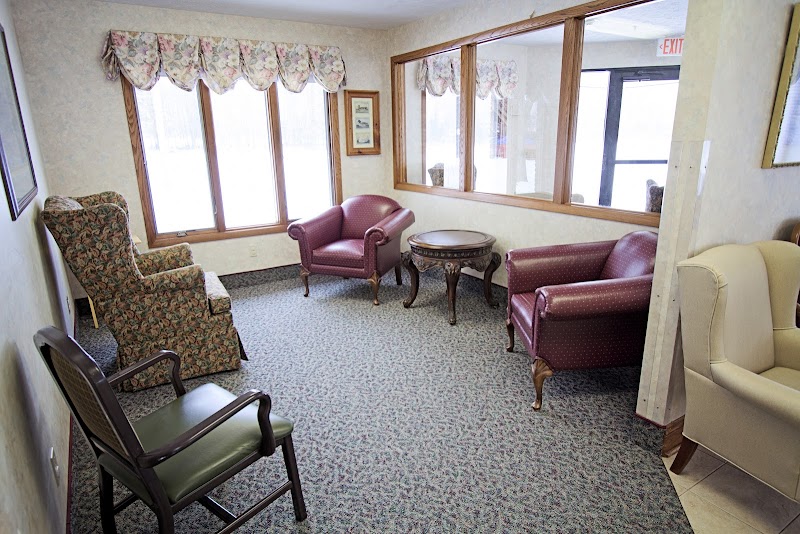
How Does Smithville Western Compare to Other Ohio Nursing Homes?

Compared to the 100 nursing homes in Ohio, SMITHVILLE WESTERN CARE CENTER's overall rating (2 stars) is below the state average of 3.2, staff turnover (49%) is near the state average of 46%, and health inspection rating (1 stars) is much below the national benchmark.

What Should Families Ask When Visiting Smithville Western?

Based on this facility's data, families visiting should ask: "What changes have been made since the serious inspection findings, and how are you preventing similar issues?" "Can I visit during a mealtime to observe dining assistance and food quality?" "How do you handle medical emergencies, and what is your hospital transfer rate?" "Can I speak with family members of current residents about their experience?" These questions are particularly relevant given the facility's Immediate Jeopardy citations.

Is Smithville Western Safe?

Based on CMS inspection data, SMITHVILLE WESTERN CARE CENTER has documented safety concerns. Inspectors have issued 1 Immediate Jeopardy citation (the most serious violation level indicating risk of serious injury or death). The facility has a 2-star overall rating and ranks #100 of 100 nursing homes in Ohio. Families considering this facility should ask detailed questions about what corrective actions have been taken since these incidents.

Do Nurses at Smithville Western Stick Around?

SMITHVILLE WESTERN CARE CENTER has a staff turnover rate of 49%, which is about average for Ohio nursing homes (state average: 46%). Moderate turnover is common in nursing homes, but families should still ask about staff tenure and how the facility maintains care continuity when employees leave.

Was Smithville Western Ever Fined?

SMITHVILLE WESTERN CARE CENTER has been fined $42,777 across 1 penalty action. The Ohio average is $33,507. While any fine indicates a compliance issue, fines under $50,000 are relatively common and typically reflect isolated problems that were subsequently corrected. Families should ask what specific issues led to these fines and confirm they've been resolved.

Is Smithville Western on Any Federal Watch List?

SMITHVILLE WESTERN CARE CENTER is not on any federal watch list. The most significant is the Special Focus Facility (SFF) program, which identifies the bottom 1% of nursing homes nationally based on persistent, serious quality problems. Not being on this list means the facility has avoided the pattern of deficiencies that triggers enhanced federal oversight. This is a positive indicator, though families should still review the facility's inspection history directly.