WEST VIEW HEALTHY LIVING
1715 MECHANICSBURG ROAD, WOOSTER, OH 44691 (330) 264-8640
Non profit - Other 93 Beds Independent Data: November 2025
Trust Grade
70/100
#374 of 913 in OH
Last Inspection: January 2025

Within standard 12-15 month inspection cycle. Federal law requires annual inspections.

Overview

West View Healthy Living has a Trust Grade of B, indicating it is a good choice among nursing homes, offering solid care. It ranks #374 out of 913 in Ohio, placing it in the top half of facilities statewide, and #6 out of 14 in Wayne County, suggesting limited competition for better options locally. However, the facility is trending downward, with the number of issues increasing from 1 in 2024 to 3 in 2025. Staffing is rated at 4 out of 5 stars, but the turnover rate of 54% is slightly above the state average. Although there have been no fines recorded, which is a positive indicator, there are concerning incidents, such as failing to properly monitor infection control measures for residents, which could potentially affect the health of all residents. Overall, while there are strengths in care quality and no fines, families should consider the recent increase in issues and the average staffing turnover rate.

Trust Score
B
70/100
In Ohio
#374/913
Top 40%
Safety Record
Low Risk
No red flags
Inspections
Getting Worse
1 → 3 violations
Staff Stability
⚠ Watch
54% turnover. Above average. Higher turnover means staff may not know residents' routines.
Penalties
✓ Good
No fines on record. Clean compliance history, better than most Ohio facilities.
Skilled Nurses
○ Average
Each resident gets 38 minutes of Registered Nurse (RN) attention daily — about average for Ohio. RNs are the most trained staff who monitor for health changes.
Violations
⚠ Watch
24 deficiencies on record. Higher than average. Multiple issues found across inspections.
★★★★☆
4.0
Overall Rating
★★★★☆
4.0
Staff Levels
★★★★☆
4.0
Care Quality
★★★★☆
4.0
Inspection Score
Stable
2024: 1 issues
2025: 3 issues

The Good

  • 4-Star Staffing Rating · Above-average nurse staffing levels
  • 4-Star Quality Measures · Strong clinical quality outcomes
  • Full Sprinkler Coverage · Fire safety systems throughout facility
  • No fines on record

Facility shows strength in staffing levels, quality measures, fire safety.

The Bad

Staff Turnover: 54%

Near Ohio avg (46%)

Higher turnover may affect care consistency

The Ugly 24 deficiencies on record

Jan 2025 3 deficiencies
CONCERN (D)

Potential for Harm - no one hurt, but risky conditions existed

Respiratory Care (Tag F0695)

Could have caused harm · This affected 1 resident

**NOTE- TERMS IN BRACKETS HAVE BEEN EDITED TO PROTECT CONFIDENTIALITY** Based on observation, interview, and record review the facility did not ensure oxygen tubing was dated and changed as required. ...

Read full inspector narrative →
**NOTE- TERMS IN BRACKETS HAVE BEEN EDITED TO PROTECT CONFIDENTIALITY** Based on observation, interview, and record review the facility did not ensure oxygen tubing was dated and changed as required. This affected three residents (Residents #38, #59, and #71) out of five residents on respiratory care. The facility census was 87. Findings include: 1. Resident #59 was admitted to the facility on [DATE] with diagnoses including but not limited to chronic respiratory failure with hypoxia, unspecified dementia with unspecified severity and with other behavioral disturbances and chronic obstructive pulmonary disease (COPD). Review of the most recent Minimum Data Set (MDS) 3.0 assessment dated [DATE] revealed Resident #59 was cognitively intact. She required substantial and partial assistance for all activities of daily living. Resident #59 had an order dated 11/13/24 and was open ended for oxygen at two liters per minute (lpm) via nasal cannula continuous at bedtime to maintain pulse oxygenation level of 90% or higher at bed time 6:00 P.M. through 11:00 P.M. Review of the care plan dated 11/20/24 revealed Resident #59 has the potential for shortness of breath (SOB), fluid retention, weight gain, stroke, dizziness/lightheadedness, facial flushing, headaches, pallor, wheezing, loss of appetite, pulmonary edema, arrhythmia's, sleep apnea and decreased kidney function related to chronic diastolic congestive heart failure (CHF), atrial fibrillation, hypertension, aortic stenosis, cardiac murmur, tachycardia, hyperlipidemia and peripheral vascular disease. Also, Resident #59 has a care plan for potential arrhythmia's, CHF, pneumonia (PNE), weight loss/malnutrition, decreased oxygen saturation of pulse (SP02), abnormal lung sounds, shortness of breath, anxiety, increased confusion, discoloration of skin/nail beds, elevated heart beat, increased and shallow respirations related to diagnosis of chronic hypoxic respiratory failure, COPD and wheezing. Her goal is to maintain a SPO2 at 90% or greater. Observed for signs of ineffective breathing pattern (dyspnea, tachypnea, cyanosis, use of accessory muscles, change in respiratory rate/pattern and tachycardia. Keep head of bed up as needed. administer oxygen (O2) as ordered. Observe for increased need for O2 and notify physician. Monitor vital signs including pulse oximetry per protocol and as needed (PRN) and report any abnormal findings to the physician. Observation on 01/27/25 at 10:15 A.M. revealed Resident #59's oxygen tubing was not dated. Interview with CNA #123 on 01/27/25 at 10:15 A.M. verified Resident #59's oxygen tubing was not dated. 2. Resident #71 was admitted to the facility on [DATE] with diagnoses including but not limited to chronic respiratory failure with hypoxia, mild persistent asthma and obstructive sleep apnea. Resident #71 had an order dated 06/04/24 for oxygen at two to five lpm via nasal cannula continuous to maintain pulse ox of 90% or higher. Special instructions was to add humidification to the oxygen every shift and PRN day and night. Review of the care plan dated 12/10/24 revealed Resident #71 has the potential for arrhythmia's, CHF, PNE, weight loss/malnutrition, decreased SPO2, abnormal lung sounds, shortness of breath, anxiety, increased confusion, discoloration of skin/nail beds, elevated heart beat, increased and shallow respiration related to diagnosis of chronic respiratory failure with hypoxia, idiopathic pulmonary, obstructive sleep apnea and mild persistent asthma. Her goal was to not have signs of new SOB at rest with SPO2 of less than 90%. One of her goals was to administer O2 as ordered, observe for increased need for O2 and notify physician. Observation on 01/27/25 at 1:22 P.M. revealed Resident #71's oxygen tubing was not dated. Interview with Speech Therapist #295 on 01/27/25 at 1:22 P.M. verified Resident #71's oxygen tubing was not dated. 3. Record review revealed Resident #38 was admitted to the facility on [DATE] with diagnoses including but not limited to diabetes mellitus, chronic chest pain, and shortness of breath. Review of the comprehensive Minimum Data Set (MDS) 3.0 assessment dated [DATE] revealed Resident #38 had intact cognition and required substantial assistance for activities of daily living. Review of the physician's orders for January 2025 revealed oxygen at two liters per minute via nasal cannula as needed to maintain pulse Ox 90 percent (%) or higher. Observation on 01/27/25 at 9:47 A.M. revealed that Resident #38's oxygen was not dated. Certified Nursing Assistant (CNA) #166 verified finding during observation.
CONCERN (E)

Potential for Harm - no one hurt, but risky conditions existed

Deficiency F0567 (Tag F0567)

Could have caused harm · This affected multiple residents

**NOTE- TERMS IN BRACKETS HAVE BEEN EDITED TO PROTECT CONFIDENTIALITY** Based on record review and staff interview the facility failed to ensure residents received interest on resident funds greater t...

Read full inspector narrative →
**NOTE- TERMS IN BRACKETS HAVE BEEN EDITED TO PROTECT CONFIDENTIALITY** Based on record review and staff interview the facility failed to ensure residents received interest on resident funds greater than 100 dollars. This affected seven (Residents #5, #13, #20, #26, #30, #38 and #187) of seven residents reviewed for personal funds with the potential to affect all 16 residents whose funds were managed by the facility. The facility census was 87. Findings include: 1. Review of the medical record for Resident #5 revealed an admit date [DATE] and a readmission date of 01/09/25. Review of the quarterly statement from 07/01/2 through 09/30/24 revealed a balance of $983.31. No interest was noted credited to Resident #5's account during these three months. Review of the quarterly statement from 10/01/24 through 12/31/24 revealed that Resident #5 was given interest. Interview on 01/27/25 at 5:00 P.M. with Assistant Business Office Manager (ABOM) #193 revealed interest is only given at the end of the year. ABOM #193 verified Resident #5 did not receive interest within the quarter from 07/01/2 through 09/30/24. 2. Review of the medical record for Resident #13 revealed an admit date [DATE] and a readmission date of 09/26/24. Review of the quarterly statement from 07/01/2 through 09/30/24 revealed a balance of $797.12. No interest was noted credited to Resident #13's account during these three months. Review of the quarterly statement from 10/01/24 through 12/31/24 revealed that Resident #13 was given interest. Interview on 01/27/25 at 5:00 P.M. with ABOM #193 revealed interest is only given at the end of the year. ABOM #193 verified Resident #13 did not receive interest within the quarter from 07/01/2 through 09/30/24. 3. Review of the medical record for Resident #20 revealed an admit date [DATE] and a readmission date of 01/06/25. Review of the quarterly statement from 07/01/2 through 09/30/24 revealed a balance of $2,078.30. No interest was noted credited to Resident #20's account during these three months. Review of the quarterly statement from 10/01/24 through 12/31/24 revealed that Resident #20 was given interest. Interview on 01/27/25 at 5:00 P.M. with ABOM #193 revealed interest is only given at the end of the year. ABOM #193 verified Resident #20 did not receive interest within the quarter from 07/01/2 through 09/30/24. 4. Review of the medical record for Resident #26 revealed an admit date [DATE] and a readmission date of 11/01/23. Review of the quarterly statement from 07/01/2 through 09/30/24 revealed a balance of $2,255.20. No interest was noted credited to Resident #26's account during these three months. Review of the quarterly statement from 10/01/24 through 12/31/24 revealed that Resident #26 was given interest. Interview on 01/27/25 at 5:00 P.M. with ABOM #193 revealed interest is only given at the end of the year. ABOM #193 verified Resident #26 did not receive interest within the quarter from 07/01/2 through 09/30/24. 5. Review of the medical record for Resident #30 revealed an admit date [DATE]. Review of the quarterly statement from 07/01/2 through 09/30/24 revealed a balance of $1,939.10. No interest was noted credited to Resident #30's account during these three months. Review of the quarterly statement from 10/01/24 through 12/31/24 revealed that Resident #30 was given interest. Interview on 01/27/25 at 5:00 P.M. with ABOM #193 revealed interest is only given at the end of the year. ABOM #193 verified Resident #30 did not receive interest within the quarter from 07/01/2 through 09/30/24. 6. Review of the medical record for Resident #38 revealed an admit date [DATE]. Review of the quarterly statement from 07/01/2 through 09/30/24 revealed a balance of $250.00. No interest was noted credited to Resident #38's account during these three months. Review of the quarterly statement from 10/01/24 through 12/31/24 revealed that Resident #30 was given interest. Interview on 01/27/25 at 5:00 P.M. with ABOM #193 revealed interest is only given at the end of the year. ABOM #193 verified Resident #38 did not receive interest within the quarter from 07/01/2 through 09/30/24. 7. Review of the medical record for Resident #187 revealed an admit date [DATE] and a discharged date of 10/18/24. Review of the quarterly statement from 07/01/2 through 09/30/24 revealed a balance of $571.00. No interest was noted credited to Resident #187's account during these three months. Review of the quarterly statement from 10/01/24 through 12/31/24 revealed that Resident #26 was given interest. Interview on 01/27/25 at 5:00 P.M. with ABOM #193 revealed Resident #187 did not receive any interest because she left the facility before the end of the year. ABOM #193 stated interest is only given at the end of the year. ABOM #193 verified Resident #187 did not receive interest within the quarter from 07/01/2 through 09/30/24. Review of the undated facility policy titled, Residents Personal Account Policy and Procedure, revealed that interest on the account is prorated among account holders based upon the amount that is being maintained at the end of each month.
CONCERN (F)

Potential for Harm - no one hurt, but risky conditions existed

Infection Control (Tag F0880)

Could have caused harm · This affected most or all residents

**NOTE- TERMS IN BRACKETS HAVE BEEN EDITED TO PROTECT CONFIDENTIALITY** Based on observation, interview, and record review, the facility failed to ensure isolation precautions were followed for Reside...

Read full inspector narrative →
**NOTE- TERMS IN BRACKETS HAVE BEEN EDITED TO PROTECT CONFIDENTIALITY** Based on observation, interview, and record review, the facility failed to ensure isolation precautions were followed for Resident #7 and #25, and failed to properly monitor Resident #74's stools to ensure proper precautions were in place for Clostridioides Difficile. This affected three residents (Resident #7, Resident #25, and Resident #74) and had the potential to affect all 87 residents residing in the facility. Findings include: 1. Record review revealed Resident #25 was admitted to the facility on [DATE] with diagnoses including but not limited to lung cancer, muscle wasting, and osteoarthritis. Review of the comprehensive Minimum Data Set (MDS) 3.0 assessment dated [DATE] revealed Resident #25 had moderately impaired cognition and required partial assistance for activities of daily living. Review of Resident #25's physician's orders for January 2025 revealed on 01/25/25 droplet precautions were ordered to be maintained while COVID positive. Observation on 01/27/24 at 9:28 A.M. revealed Resident #25 had personal protective equipment outside her door. There was no sign on the door to alert staff that Resident #25 was on isolation precautions. Interview at time of observation with Certified Nursing Assistant (CNA) #256 verified Resident #25 did not have a sign on the door about what precautions should be taken and stated Resident #25 just tested positive for COVID recently. 2. Record review revealed Resident #7 was admitted to the facility on [DATE] with diagnoses including but not limited to dementia, anxiety disorder, and osteoarthritis. Review of the comprehensive Minimum Data Set (MDS) 3.0 assessment dated [DATE] revealed Resident #7 had intact cognition and required substantial assistance for activities of daily living. Review of Resident #7's physician's orders for January 2025 revealed on 01/24/25 droplet precautions were ordered to be maintained while COVID positive. Observation on 01/27/24 at 12:20 P.M. revealed Certified Nursing Assistant (CNA) #256 delivered a lunch tray to Resident #7. CNA #256 donned (put on) a gown, N95 mask, and gloves, and went into the room without a face shield on. CNA #256 stated she has used a face shield going into Resident #7's room before. An interview on 01/29/25 at 9:57 A.M. with Infection Control Preventionist (ICP) #103 revealed she did not in-service staff on personal protective equipment (PPE) since the new cases of COVID in the facility occurred. ICP #103 revealed [NAME] someone had COVID and were on droplet isolation precautions a sign must be put in place on the door for residents with COVID. Review of the facility policy dated 09/23/20 with a revision date 01/03/24 titled, COVID-19 Testing, Isolation and Masking, revealed all necessary PPE will be required while giving care to a COVID positive resident. Review of the Centers for Disease Control and Prevention (CDC) guidelines dated 06/24/24 titled, Infection Control Guidance: SARS-COV-2, revealed that instruction should be provided before entering room and healthcare personnel who enter a room of a resident with SARS-CoV-2 infection should wear use a NIOSH approved particulate respirator with N95 filters or higher, gown, gloves, and eye protection (i.e., goggles or a face shield that covers the front and sides of the face).3. Review of the medical record for Resident #74 revealed an admission date of 07/22/24 with diagnoses including Alzheimer's disease, dementia and need for assistance with personal care. Review of the laboratory testing for Resident #74 revealed she was positive for Clostridioides Difficile (C. diff) on 07/26/24, 09/04/24 and 11/01/24. Review of Resident #74's physician's orders revealed she had Vancomycin (antibiotic) for C. diff ordered from 07/27/24 through 08/06/24; 09/06/24 through 10/18/24; and 11/02/24 through 02/07/25. Resident #74 had an order for contact precautions due to C. diff, discontinue if results were negative, dated 11/01/24 and discontinued on 11/12/24. Review of the quarterly 3.0 Minimum Data Set (MDS) assessment dated [DATE] revealed Resident #74 had impaired cognition, needed substantial-maximum assistance for toileting and was frequently incontinent of bowel. Review of the vitals report for Resident #74's bowel movements dated from 11/01/24 through 01/28/25 revealed the facility staff only documented the size of her bowel movements and not the consistency of bowel movements a total of 84 times. It was noted as optional for staff to document the consistency with every bowel movement. However, Resident #74 was noted to have loose stools on the following dates: -11/13/24, one loose stool -11/14/24, one loose stool -11/21/24, one loose stool -11/24/24, one loose stool -11/25/24, one loose stool -11/26/24, one loose stool -12/13/24, one loose stool -12/20/24, one loose stool -12/22/24, one loose stool -01/04/25, three loose stools -01/15/25, one loose stool -01/19/25, one loose stool Review of the care plan dated 11/03/24 for Resident #74 revealed she had diarrhea related to C. diff. Interventions included contact precautions per protocol. Review of the nursing progress notes revealed on 11/27/24 Resident #74 continued on Vancomycin due to reoccurring C. diff. Review of the physician progress note dated 01/07/25 for Resident #74 revealed she was being seen for her monthly visit. She was noted to be on Vancomycin for recurrent C. diff. There were no significant concern for diarrhea. Observations during the annual survey on 01/27/25 at 9:51 A.M., 01/27/25 at 10:00 A.M, 01/28/25 at 9:05 A.M. and 01/28/25 at 11:06 A.M. of Resident #74 revealed she was sitting by the nurse's station. Her room was across from the nurse's station and it was observed that she did not have personal protective equipment (PPE) outside or inside of the room nor was there a sign stating Resident #74 was on contact isolation. Interview on 01/27/25 at 3:38 P.M. with Registered Nurse (RN) #292 revealed she was an agency nurse and it was the first day she had worked at the facility. She stated she had not received in report Resident #74 was being treated with Vancomycin for C. diff. She stated she did not know if she was on isolation. She verified there was no signage or PPE present at Resident #74's room. Interview on 01/27/25 at 4:10 P.M. with the Director of Nursing (DON) verified Resident #74 had been positive for C. diff in November but had since been cleared. She stated she was not having symptoms since she was discontinued off of isolation on 11/12/24. She stated the physician had Resident #74 on a long-term taper of the antibiotic to ensure she did not get C. diff again. Reviewed the vital tracking of Resident #74's bowel movements and the DON verified it was optional for staff to mark the bowel consistency when charting on a resident's bowel movements. She stated staff should have reported to the nurse if Resident #74 had diarrhea. However, she verified there was the potential of staff not reporting to the nursing on duty and without complete documentation of symptoms, signs and symptoms of C. diff could have been missed. Interview on 01/28/25 at 12:53 P.M. with Licensed Practical Nurse (LPN) #103, who was also the infection preventionist, verified Resident #74 was being treated for C. diff. She stated Resident #74 had not been on contact isolation since 11/12/24. She stated she was unaware that Resident #74 had loose stools since November 2024, including three loose stools on 01/04/25. Interview on 01/28/25 at 1:43 P.M. with Nurse Practitioner (NP) #293 verified she was not updated on Resident #74 having three loose stools on 01/04/25. Review of the facility policy titled, Isolation, Categories of Transmission-Based Precautions, dated 04/01/20, revealed contact precautions would be implemented for residents known or suspected to be infected with microorganisms that could be transmitted by direct contact with the resident or indirect contact with environmental surfaces or resident-care items in the resident's environment. Review of the facility policy titled, Clostridioides Difficile, revised October 2024, revealed that C. diff was suspected in residents with acute, unexplained onset of diarrhea (three or more unformed stools within 24 hours). Residents with diarrhea and suspected with C. diff would be placed on contact precautions.
Mar 2024 1 deficiency
CONCERN (D) 📢 Someone Reported This

A family member, employee, or ombudsman was alarmed enough to file a formal complaint

Potential for Harm - no one hurt, but risky conditions existed

Infection Control (Tag F0880)

Could have caused harm · This affected 1 resident

Based on observation, interview, and review of facility policy, the facility failed to ensure staff implemented proper infection control practices related to hand hygiene. This affected two residents ...

Read full inspector narrative →
Based on observation, interview, and review of facility policy, the facility failed to ensure staff implemented proper infection control practices related to hand hygiene. This affected two residents (Resident #14 and Resident #28) who were reviewed for incontinence care. The facility census was 84. Findings include: 1. Review of the medical record for Resident #14 revealed an admission date of 07/08/21 with diagnoses including atherosclerotic heart disease, dementia, wheezing, benign prostatic hyperplasia with urinary tract symptoms, and contractures of bilateral hip, knees, and ankles. Review of the quarterly Minimum Data Set (MDS) assessment completed on 01/02/24 revealed Resident #14 had moderately impaired cognition. Further review revealed Resident #14 was always incontinent of bowel and bladder and was dependent on staff for toileting and bathing. Review of the current care plan revealed Resident #14 needed assistance with activities of daily living (ADLs). Interventions included assisting with ADLs as needed and reporting decline in ability to the physician and therapy department. Observation on 03/19/24 at 8:20 A.M. of Resident #14 revealed he was receiving personal care from State Tested Nurse Aide (STNA) #411. Further observation revealed STNA #411 was not wearing gloves while performing a bed bath and incontinence care. STNA #411 was observed removing an incontinence brief containing a small amount of smeared stool from under Resident #14 as she proceeded to wash his rectal area, then genitalia and groin area with ungloved hands. Continued observation revealed STNA #411 donned gloves and applied barrier cream without first performing hand hygiene. STNA #411 then removed her gloves and continued putting on a clean incontinence brief and dressing Resident #14's upper body with no hand hygiene after glove removal or before dressing the resident. Interview on 03/19/24 at 8:45 A.M. with STNA #411 confirmed she did not don gloves to provide the bed bath or incontinence care. Further interview confirmed STNA #411 did not perform hand hygiene before donning gloves prior to the application of barrier cream, dressing Resident #14, or between glove changes. Review of facility policy titled Perineal Care, dated 04/30/19, revealed gloves were to be worn when perineal care was performed. Gloves were to be removed after completing perineal care, and then staff were to perform hand hygiene prior to repositioning the resident and replacing the bed covers. Review of the policy titled Hand Washing/Hand Hygiene, dated 08/30/19, revealed hand hygiene was to be performed before moving from a contaminated area to a clean area during resident care, after potential contact with bodily fluids, and after removing gloves. 2. Review of the medical record for Resident #28 revealed an admission date of 03/04/22 with diagnoses including dementia, hypertension, dysphagia, overactive bladder, and functional urinary incontinence. Review of the annual Minimum Data Set (MDS) assessment completed on 03/06/24 revealed Resident #28 had severely impaired cognition. Further review of the annual MDS assessment revealed Resident #28 was always incontinent of bladder and bowel and was dependent on staff for all aspects of personal care. Review of the current care plan revealed Resident #28 had functional urinary incontinence related to dementia, communication deficits, and overactive bladder. Interventions included providing incontinence care as needed, application of moisture barrier to the skin, and reporting signs or symptoms of urinary tract infection or skin breakdown. Observation on 03/20/24 at 9:35 A.M. revealed Resident #28 received incontinence care from STNA #427. The observation revealed STNA #427 did not discard gloves or perform hand hygiene after cleansing loose stool from Resident #28's groin, perineal area, rectal area, buttocks, and coccyx area. Further observation revealed STNA #427 opening the drawer from Resident #28's bedside table, rummaging through the drawer to search for barrier cream and powder, then handling and applying the barrier cream to Resident #28's buttocks with the same soiled gloves used to provide the incontinence care. STNA #427 was observed removing the gloves prior to removing Resident #28's pants (per resident preference), repositioning Resident #28, and applying bed covers. No hand hygiene was performed after glove removal, prior to completing resident care. Interview on 03/20/24 at 9:45 A.M. with STNA #427 confirmed she did not remove her gloves or perform hand hygiene between cleaning Resident #28's bowel movement, obtaining items from her bedside dresser, applying barrier cream, and putting on a clean incontinence brief. Further interview confirmed no hand hygiene was performed after she removed the soiled gloves and proceeded with resident care. STNA #427 further revealed her typical process included wearing the same gloves throughout incontinence care, including applying ordered barrier creams after cleaning the resident's urine and/or stool. Review of facility policy titled Perineal Care, dated 04/30/19, revealed gloves were to be worn when perineal care was performed. Further review revealed gloves were to be removed after completing perineal care, and then staff were to perform hand hygiene prior to repositioning the resident and replacing the bed covers. Review of the policy titled Hand Washing/Hand Hygiene, dated 08/30/19, revealed hand hygiene was to be performed before moving from a contaminated area to a clean area during resident care, after potential contact with bodily fluids, and after removing gloves.
May 2023 3 deficiencies
CONCERN (D) 📢 Someone Reported This

A family member, employee, or ombudsman was alarmed enough to file a formal complaint

Potential for Harm - no one hurt, but risky conditions existed

Free from Abuse/Neglect (Tag F0600)

Could have caused harm · This affected 1 resident

Based on record review, self-reported incident (SRI) review, policy review and interview, the facility failed to ensure residents were free from verbal abuse. This affected two residents (#213 and #25...

Read full inspector narrative →
Based on record review, self-reported incident (SRI) review, policy review and interview, the facility failed to ensure residents were free from verbal abuse. This affected two residents (#213 and #259) of three residents reviewed for abuse. The facility census was 79. Findings included: 1. Review of the medical record review for Resident #259 revealed an admission date of 01/08/21. Diagnoses included but were not limited to Neurocognitive disorder with Lewy bodies, Parkinson's disease, dysphagia, and stage III chronic kidney disease. Review of 04/03/23 quarterly Minimum Data Set (MDS) 3.0 for Resident #259 revealed a Brief Interview of Mental Status (BIMS) score of 03 out of 15 which indicated severe cognitive impairment. Review of activities of daily living (ADLs) for Resident #259 revealed he required extensive assist of two staff for bed mobility, dressing, personal hygiene, total dependence of two staff for transfer, locomotion on and off the unit, toileting, total dependence of one staff for bathing and supervision for eating meals. Review of Resident #259's care plan revealed he needed assistance with ADL's. Interventions included transfer and toileting with a mechanical lift with blue sling with assistance of two staff. Review of Resident #259's nursing progress notes dated 05/06/23 revealed a staff member pulled the sling to the mechanical lift up while Resident #259 was in it and pinched his arm. Resident #259 was noted to have a 3.5 x 1 x <.1 cm reddened area on his right forearm with intact skin. Resident #259 stated a lady was rough with me in the mechanical lift, and I was yelling at her to stop. Interview on 05/18/23 at 9:11 A.M. with Resident #259 revealed he got his arm pinched during a transfer, he asked the aide to stop, but she did not and said to him; Are you bleeding, then cry about it. 2. Medical record review for Resident #213 revealed an admission date of 02/13/23. Diagnoses included but were not limited to hemiplegia and hemiparesis following cerebral infarction affecting left non-dominant side, vascular dementia, and abnormal posture. Resident code status is DNRCC. Review of 02/20/23 quarterly MDS 3.0 for Resident #213 revealed a BIMS score of 04 out of 15 which indicated severe cognitive impairment. Review of activities of daily living (ADLs) revealed resident requires extensive assist of two staff for bed mobility, toileting, transfer, walk in room, locomotion on/off unit, extensive assist of one for dressing, supervision for eating, and total dependence of one for bathing. Review of the nursing progress note dated 5/06/23 at 1:49 P.M. for Resident #213 revealed STNA #418 was rough and loud with Resident #213. Resident #213 did not recall the incident, felt safe at the facility, did not have any noted skin issues, and did not voice any other concerns. Review of the 05/06/23 facility self-reported incident report revealed State Tested Nurse Aide (STNA) #411 observed STNA #418 being rough and loud with Resident #213 and STNA #411 told STNA #418 not to be so rough with him. STNA #411 proceeded to assist STNA #418 with a mechanical lift transfer of Resident #259. During the transfer of Resident #259, his arm became pinched, and he requested STNA #418 to stop. STNA #418 told Resident #259, Are you bleeding, if not cry about it. Interview on 05/18/23 at 8:55 A.M. with STNA #411 revealed on 05/06/23 she heard Resident #213 yelling and went to his room. She stated STNA #418 was being loud and aggressive towards Resident #213. STNA #411 stated she told STNA #418 to be gentler. About five minutes later, STNA #411 was assisting STNA #418 with the mechanical lift for Resident #259 and he got pinched. Resident #259 asked STNA #418 to stop and STNA #418 did not listen. STNA #411 stated she told STNA #418 to stop. STNA #418 looked at Resident #259 and told him, Are you bleeding, then cry about it. STNA #411 confirmed she had not told the nurse about the incident with Resident #213 until after Resident #259 got injured. Interview on 05/18/23 at 12:54 P.M. with Licensed Practical Nurse (LPN) #420 revealed after being made aware of the incidents involving Resident #213 and Resident #259, she interviewed Resident #213 who stated he did not recall the incident and Resident #259 stated the aide was rough during his transfer while using the mechanical lift and his arm became pinched. Resident #259 stated he asked STNA #418 to stop but she did not until STNA #411 told her to stop. STNA #418 then told Resident #259, Are you bleeding, then cry about it. Interview on 05/18/23 at 1:36 P.M. with the Administrator revealed he was not at the facility when the incident involving Residents #213 and #259, was made aware of it, and advised the supervisor to initiate the abuse investigation. The Administrator stated the facility takes allegations of abuse very seriously to ensure safety. Review of the 09/01/19 revised facility policy called: Resident Rights revealed employees shall treat all residents with kindness, respect, and dignity. These rights include the resident's right to be treated with respect, kindness, and dignity and be free from abuse. Review of the 01/21/20 revised facility policy called: Abuse, Neglect, Exploitation, Mistreatment of a Resident and Misappropriation of Resident Property revealed the facility will not tolerate any type of abuse. This deficiency represents non-compliance investigated under Complaint Number OH00142712.
CONCERN (D) 📢 Someone Reported This

A family member, employee, or ombudsman was alarmed enough to file a formal complaint

Potential for Harm - no one hurt, but risky conditions existed

Report Alleged Abuse (Tag F0609)

Could have caused harm · This affected 1 resident

Based on record review, self-reported incident (SRI) review, policy review and interview, the facility failed to ensure a report of alleged abuse was reported timely. This affected two residents (#213...

Read full inspector narrative →
Based on record review, self-reported incident (SRI) review, policy review and interview, the facility failed to ensure a report of alleged abuse was reported timely. This affected two residents (#213 and #259) of three residents reviewed for abuse. The facility census was 79. Findings included: 1. Review of the medical record review for Resident #259 revealed an admission date of 01/08/21. Diagnoses included but were not limited to Neurocognitive disorder with Lewy bodies, Parkinson's disease, dysphagia, and stage III chronic kidney disease. Review of 04/03/23 quarterly Minimum Data Set (MDS) 3.0 for Resident #259 revealed a Brief Interview of Mental Status (BIMS) score of 03 out of 15 which indicated severe cognitive impairment. Review of activities of daily living (ADLs) for Resident #259 revealed he required extensive assist of two staff for bed mobility, dressing, personal hygiene, total dependence of two staff for transfer, locomotion on and off the unit, toileting, total dependence of one staff for bathing and supervision for eating meals. Review of Resident #259's care plan revealed he needed assistance with ADL's. Interventions included transfer and toileting with a mechanical lift with blue sling with assistance of two staff. Review of Resident #259's nursing progress notes dated 05/06/23 revealed a staff member pulled the sling to the mechanical lift up while Resident #259 was in it and pinched his arm. Resident #259 was noted to have a 3.5 x 1 x <.1 cm reddened area on his right forearm with intact skin. Resident #259 stated a lady was rough with me in the mechanical lift, and I was yelling at her to stop. Interview on 05/18/23 at 9:11 A.M. with Resident #259 revealed he got his arm pinched during a transfer, he asked the aide to stop, but she did not and said to him; Are you bleeding, then cry about it. 2. Medical record review for Resident #213 revealed an admission date of 02/13/23. Diagnoses included but were not limited to hemiplegia and hemiparesis following cerebral infarction affecting left non-dominant side, vascular dementia, and abnormal posture. Resident code status is DNRCC. Review of 02/20/23 quarterly MDS 3.0 for Resident #213 revealed a Brief Interview of Mental Status (BIMS) score of 04 out of 15 which indicated severe cognitive impairment. Review of activities of daily living (ADLs) revealed resident requires extensive assist of two staff for bed mobility, toileting, transfer, walk in room, locomotion on/off unit, extensive assist of one for dressing, supervision for eating, and total dependence of one for bathing. Review of the nursing progress note dated 5/06/23 at 1:49 P.M. for Resident #213 revealed STNA #418 was rough and loud with Resident #213. Resident #213 indicated he did not recall the incident, felt safe at the facility, did not have any noted skin issues, and did not voice any other concerns. Review of the 05/06/23 facility self-reported incident report revealed State Tested Nurse Aide (STNA) #411 observed STNA #418 being rough and loud with Resident #213 and STNA #411 told STNA #418 not to be so rough with him. STNA #411 proceeded to assist STNA #418 with a mechanical lift transfer of Resident #259. During the transfer of Resident #259, his arm became pinched, and he requested STNA #418 to stop. STNA #418 told Resident #259, Are you bleeding, if not cry about it. Interview on 05/18/23 at 8:55 A.M. with STNA #411 revealed on 05/06/23 she heard Resident #213 yelling and went to his room. She stated STNA #418 was being loud and aggressive towards Resident #213. STNA #411 stated she told STNA #418 to be gentler. About five minutes later, STNA #411 was assisting STNA #418 with the mechanical lift for Resident #259 and he got pinched. Resident #259 asked STNA #418 to stop and STNA #418 did not listen. STNA #411 stated she told STNA #418 to stop. STNA #418 looked at Resident #259 and told him, Are you bleeding, then cry about it. STNA #411 confirmed she had not told the nurse about the incident with Resident #213 until after Resident #259 got injured. Interview on 05/18/23 at 12:54 P.M. with Licensed Practical Nurse (LPN) #420 revealed after being made aware of the incidents involving Resident #213 and Resident #259, she interviewed Resident #213 and Resident #259 and conducted skin assessments on them both. LPN #420 stated she provided an in-service on abuse to both LPN #419 and STNA #411 related to the importance of timely reporting and proper procedures and indicated she did not provide abuse in-services to any additional staff following the incident. Interview on 05/18/23 at 1:15 P.M. with the Director of Nursing (DON) confirmed all incidents of alleged abuse are to be reported immediately. Interview on 05/18/23 at 1:36 P.M. with the Administrator confirmed any type of alleged abuse is to be reported immediately. Review of the 01/21/20 revised facility policy called: Abuse, Neglect, Exploitation, Mistreatment of a Resident and Misappropriation of Resident Property revealed the facility staff should immediately report all allegations of abuse to the Administrator and to the Ohio Department of Health in accordance with the procedures in this policy. This deficiency represents non-compliance investigated under Complaint Number OH00142712.
CONCERN (D) 📢 Someone Reported This

A family member, employee, or ombudsman was alarmed enough to file a formal complaint

Potential for Harm - no one hurt, but risky conditions existed

Investigate Abuse (Tag F0610)

Could have caused harm · This affected 1 resident

Based on record review, self-reported incident (SRI) review, policy review and interview, the facility failed to complete a thorough abuse investigation. This affected two residents (#213 and #259) of...

Read full inspector narrative →
Based on record review, self-reported incident (SRI) review, policy review and interview, the facility failed to complete a thorough abuse investigation. This affected two residents (#213 and #259) of three residents reviewed for abuse. The facility census was 79. Findings included: 1. Review of the medical record review for Resident #259 revealed an admission date of 01/08/21. Diagnoses included but were not limited to Neurocognitive disorder with Lewy bodies, Parkinson's disease, dysphagia, and stage III chronic kidney disease. Review of 04/03/23 quarterly Minimum Data Set (MDS) 3.0 for Resident #259 revealed a Brief Interview of Mental Status (BIMS) score of 03 out of 15 which indicated severe cognitive impairment. Review of activities of daily living (ADLs) for Resident #259 revealed he required extensive assist of two staff for bed mobility, dressing, personal hygiene, total dependence of two staff for transfer, locomotion on and off the unit, toileting, total dependence of one staff for bathing and supervision for eating meals. Review of Resident #259's care plan revealed he needed assistance with ADL's. Interventions included transfer and toileting with a mechanical lift with blue sling with assistance of two staff. Review of Resident #259's nursing progress notes dated 05/06/23 revealed a staff member pulled the sling to the mechanical lift up while Resident #259 was in it and pinched his arm. Resident #259 was noted to have a 3.5 x 1 x <.1 cm reddened area on his right forearm with intact skin. 2. Medical record review for Resident #213 revealed an admission date of 02/13/23. Diagnoses included but were not limited to hemiplegia and hemiparesis following cerebral infarction affecting left non-dominant side, vascular dementia, and abnormal posture. Resident code status is DNRCC. Review of 02/20/23 quarterly MDS 3.0 for Resident #213 revealed a Brief Interview of Mental Status (BIMS) score of 04 out of 15 which indicated severe cognitive impairment. Review of activities of daily living (ADLs) revealed resident requires extensive assist of two staff for bed mobility, toileting, transfer, walk in room, locomotion on/off unit, extensive assist of one for dressing, supervision for eating, and total dependence of one for bathing. A nursing progress note dated 5/06/23 at 1:49 P.M. for Resident #213 revealed State Tested Nurse Aide (STNA) #418 was reported being rough and loud with Resident #213. Resident #213 did not recall the incident, felt safe at the facility, did not have any noted skin issues, and did not voice any other concerns. Review of the facility incident investigation report revealed STNA #411 observed STNA #418 being rough and loud with Resident #213 and STNA #411 told STNA #418 not to be so rough with him. STNA #411 then assisted STNA #418 with a mechanical lift transfer of Resident #259 in which STNA #418 spoke loudly and rudely to Resident #259. STNA #411 reported the two incidents of verbal abuse involving STNA #418 with Resident #213 and Resident #259. The investigation report included witness statements from STNA #411, Licensed Practical Nurse (LPN #419), LPN #420 and resident interviews and skin assessments for Resident #213 and #259. No additional resident interviews or skin assessments were provided for review. STNA #418 was noted to have been removed from the facility, but a witness statement was not obtained. Review of the 05/06/23 facility self-reported incident report (SRI) reported to the state agency revealed State Tested Nurse Aide (STNA) #411 observed STNA #418 being rough and loud with Resident #213. STNA #411 proceeded to assist STNA #418 with a mechanical lift transfer of Resident #259. During the transfer of Resident #259, his arm became pinched, and he requested STNA #418 to stop. STNA #418 told Resident #259, Are you bleeding, if not cry about it. Interview on 05/18/23 at 8:55 A.M. with STNA #411 revealed on 05/06/23 she heard Resident #213 yelling and went to his room. STNA #411 stated STNA #418 was being loud and aggressive towards Resident #213. STNA #411 stated she told STNA #418 to be gentler. About five minutes later, STNA #411 assisted STNA #418 with the mechanical lift for Resident #259 and he got pinched. Resident #259 asked STNA #418 to stop and STNA #418 did not listen. STNA #411 stated she told STNA #418 to stop. STNA #418 looked at Resident #259 and told him, Are you bleeding, then cry about it. STNA #411 confirmed she had not told the nurse about the incident with Resident #213 until after Resident #259 got injured. Interview on 05/18/23 at 9:11 A.M. with Resident #259 revealed he got his arm pinched during a transfer, he asked the aide to stop, but she did not and said to him; Are you bleeding, then cry about it. Interview on 05/18/23 at 12:54 P.M. with Licensed Practical Nurse (LPN) #420 revealed after being made aware of the incidents involving Resident #213 and Resident #259, she interviewed Resident #213 and Resident #259 and conducted skin assessments on them both. LPN #420 indicated she did not do any interviews or skin assessments of other residents on the unit. LPN #420 stated she provided an in-service on abuse to both LPN #419 and STNA #411 related to the importance of timely reporting and proper procedures and indicated she did not provide abuse in-services to any additional staff following the incident. Interview on 05/18/23 at 12:45 P.M. with the Administrator confirmed following the incidents involving Resident #213 and #259, staff in-services were only provided to LPN #419 and STNA #411 and he did not have any additional information to provide for review regarding SRI # 234752. The Administrator also confirmed a thorough investigation would include ensuring safety of the resident, following up the investigation with statements from staff and residents and skin assessments of all potentially affected residents. Interview on 05/18/23 at 1:15 P.M. with the Director of Nursing (DON) confirmed the facility did not have additional interviews of skin assessments to provide related to the incident involving Resident #213 and #259. The DON revealed all incidences of potential alleged abuse are to be reported immediately and conduct interviews and skin assessments on all residents who were potentially involved in the incident. Review of the 01/21/20 revised facility policy called: Abuse, Neglect, Exploitation, Mistreatment of a Resident and Misappropriation of Resident Property revealed the facility will investigate all alleged violations of abuse. The facility will conduct a thorough, evidence-based investigation in which the investigator may interview the additional residents with information, conduct skin evaluations of those with cognitive impairment. The investigator will thoroughly collect evidence, observations, interviews, and record review and corroborate information about the incident. Staff training would be completed as determined by the results of the investigation. This deficiency represents non-compliance investigated under Complaint Number OH00142712.
May 2023 1 deficiency
CONCERN (D) 📢 Someone Reported This

A family member, employee, or ombudsman was alarmed enough to file a formal complaint

Potential for Harm - no one hurt, but risky conditions existed

Pharmacy Services (Tag F0755)

Could have caused harm · This affected 1 resident

**NOTE- TERMS IN BRACKETS HAVE BEEN EDITED TO PROTECT CONFIDENTIALITY** Based on record review, interview, and policy review, the facility failed to administer pain medication as scheduled to Resident...

Read full inspector narrative →
**NOTE- TERMS IN BRACKETS HAVE BEEN EDITED TO PROTECT CONFIDENTIALITY** Based on record review, interview, and policy review, the facility failed to administer pain medication as scheduled to Resident #5. This affected one resident (#5) out of three residents reviewed for pain medication administration. The facility census was 77. Findings include: Review of the medical record revealed Resident #5 was admitted on [DATE] with diagnoses including Alzheimer's disease, delusional disorder, anxiety disorder, insomnia, and chronic pain. Review of the comprehensive Minimum Data Set (MDS) assessment dated [DATE] revealed Resident #5 had moderately impaired cognition. Review of the quarterly pain assessment dated [DATE] revealed Resident #5 received scheduled pain medication. Resident #5 revealed they had frequent pain and rated the pain a four on a scale of zero to ten with ten as the worst pain imaginable. Review of the plan of care dated 04/15/23 revealed Resident #5 had complaints of pain. Interventions included to administer pain medication as ordered and notify physician of unrelieved pain. Review of physician orders for April and May 2023 included but not limited to tramadol (narcotic for moderate to severe pain) 50 milligram (mg) three times a day, acetaminophen (analgesic for minor aches and pains) 650 mg every six hours as needed, and pain management scale every shift. Review of the controlled drug receipt proof-of-use/disposition form revealed Resident #5 was administered the last tablet in the card of tramadol 50 mg on 04/20/23 at 9:30 P.M. Review of medication administration records (MAR) for April 2023 revealed Resident #5 did not receive tramadol 50 mg on 04/21/23 scheduled for 6:00 A.M. to 10:00 A.M. A reason for not administering the scheduled tramadol was listed as Not administered: Drug/item not available. Resident #5 did not receive tramadol 50 mg on 04/21/23 scheduled for 1:00 P.M. to 4:00 P.M. A reason for not administering the scheduled tramadol was listed as Not administered: Drug/item not available. Review of the MAR revealed Resident #5 was administered acetaminophen 650 mg on 04/21/23 at 4:46 P.M. for eight out of ten on the pain scale. An authorization to pull controlled substance from Omnicell (medication dispensing system) dated 04/21/23 at 8:20 P.M. revealed tramadol 50 mg was pulled for Resident #5. Review of the progress note dated 04/22/23 at 2:13 A.M. revealed tramadol 50 mg was pulled with authorization on 04/21/23 at 8:20 P.M. Review of the MAR revealed Resident #5 was administered tramadol 50 mg scheduled for 6:00 P.M. to 10:00 P.M. Interviews on 05/01/23 from 10:56 A.M. to 11:39 A.M. Licensed Practical Nurse (LPN) #100, LPN #101, and LPN #102 revealed if a controlled medication was needed, authorization could be obtained, and the medication could be pulled from the Omnicell. Interview on 05/01/23 at 4:40 P.M. Assistant Director of Nursing (ADON) verified Resident #5 did not receive scheduled tramadol twice on 04/21/23. Review of the facility policy titled Administering Medications, dated 06/01/19, revealed medications must be administered in accordance with the orders, including any required time frame. New personnel authorized to administer medications will not be permitted to prepare or administer medications until they have been oriented to the medication administration system used by the facility. This deficiency represents non-compliance investigated under Complaint Number OH00142004.
Sept 2022 8 deficiencies
CONCERN (D)

Potential for Harm - no one hurt, but risky conditions existed

Deficiency F0578 (Tag F0578)

Could have caused harm · This affected 1 resident

Based on record review and staff interview the facility failed to ensure advance directives matched in the electronic health record and paper medical record. This affected one resident (#65) of 18 res...

Read full inspector narrative →
Based on record review and staff interview the facility failed to ensure advance directives matched in the electronic health record and paper medical record. This affected one resident (#65) of 18 residents reviewed for advance directives. Findings include: Review of Resident #65's medical record revealed an admission date of 08/23/22 with diagnoses that included nontraumatic intracerebral hemorrhage in cerebellum, dysphagia and hypertension. Further review of the electronic health record (EHR) revealed physician's orders upon admission that Resident #65 had elected advance directives indicating she was a Do Not Resuscitate Comfort Care - Arrest (DNRCC-A). Review of the paper medical record found no evidence of any advance directives in place and a Full Code identification paper was in place under the Advance Directives section of the paper medical record. On 09/26/22 at 3:00 P.M. Licensed Practical Nurse (LPN) #543 verified Advance Directives for Resident #65 did not match in the EHR and paper medical record. LPN #543 indicated Resident #65 should have a DNRCC-A form signed by the physician and the resident in the paper medical record, which was not there.
CONCERN (D)

Potential for Harm - no one hurt, but risky conditions existed

Notification of Changes (Tag F0580)

Could have caused harm · This affected 1 resident

Based on record review, facility policy and procedure review and interview the facility failed to ensure Resident #177's physician and the dietitian were notified of significant weight changes. This a...

Read full inspector narrative →
Based on record review, facility policy and procedure review and interview the facility failed to ensure Resident #177's physician and the dietitian were notified of significant weight changes. This affected one resident (#177) of three residents reviewed for nutrition. Findings include: Review of Resident #177's medical record revealed an admission date of 09/12/22 with diagnoses including diabetes mellitus type two, chronic kidney disease, end stage renal disease and dependence on renal dialysis. Review of the admission Minimum Data Set (MDS) 3.0 assessment, dated 09/16/22 revealed the resident had intact cognition. Review of Resident #177's weighs revealed: On 09/14/22 weight of 169.7 pounds On 09/15/22 weight of 168.4 pounds On 09/17/22 weight of 172.8 pounds On 09/20/22 weight of 193.3 pounds On 09/22/22 weight of 174.1 pounds On 09/24/11 weight of 191.5 pounds On 09/27/22 weight of 192.0 pounds Review of Resident #177's nutrition note, dated 09/23/22 revealed no documentation related to the resident's recent weight fluctuations. Review of Resident #177's nursing notes revealed no evidence the physician or dietitian were notified or addressed the resident's weight fluctuations until 09/27/22. On 09/29/22 at 12:02 P.M. interview with the Director of Nursing confirmed there was no evidence the physician or dietitian were timely notified and addressed Resident #177's weight fluctuations until 09/27/22. Review of the facility policy titled Weight Assessment and Intervention, dated 05/15/19 revealed any weight change of five percent or more since the last weight assessment would be retaken the day for confirmation. If the weight was verified, nursing would immediately notify the dietitian in writing. Verbal notification must be confirmed in writing. A dietitian would respond within 24 hours of receipt of written notification. Review of the facility polity titled Nutrition (Impaired)/Unplanned Wight loss, dated 05/01/19 revealed the staff would report to the physician significant weight gains or losses or any abrupt or persistent change from baseline appetite or food intake.
CONCERN (D)

Potential for Harm - no one hurt, but risky conditions existed

PASARR Coordination (Tag F0644)

Could have caused harm · This affected 1 resident

Based on record review and staff interview the facility failed to ensure a Preadmission Screening and Review Review (PASARR) assessment was resubmitted for review after a new mental health diagnosis w...

Read full inspector narrative →
Based on record review and staff interview the facility failed to ensure a Preadmission Screening and Review Review (PASARR) assessment was resubmitted for review after a new mental health diagnosis was added for Resident #14. This affected one resident (#14) of one resident reviewed for PASARR assessments. Findings include: Review of Resident #14's medical record revealed an admission date of 03/30/20 with admission diagnoses that included Parkinson's disease, atrial fibrillation and chronic kidney disease. Further review of the medical record revealed on 03/30/20 and 04/24/20 a PASARR review was completed which indicated the resident had no serious mental illness. Review of Resident #14's diagnosis list revealed on 03/20/22 a new diagnosis of psychotic disorder with hallucinations was added. On 06/28/22 a new diagnosis of dementia with behaviors was added. Further review of the medical record found no evidence of a PASARR being submitted after the new serious mental health diagnoses, psychotic disorder with hallucinations and dementia with behaviors were added. Interview with Social Services Designee (SSD) #534 on 09/28/22 at 10:50 A.M. revealed a new PASARR should be completed after a new mental health diagnosis was added. An additional interview with SSD #534 on 09/28/22 at 11:55 A.M. verified there was no evidence of any new PASARR completed for Resident #14 after the new mental health diagnosis on 03/20/22 or 06/28/22.
CONCERN (D)

Potential for Harm - no one hurt, but risky conditions existed

Pressure Ulcer Prevention (Tag F0686)

Could have caused harm · This affected 1 resident

Based on observation, record review, facility policy and procedure review and interview the facility failed to ensure proper infection control practices were followed during Resident #53's dressing ch...

Read full inspector narrative →
Based on observation, record review, facility policy and procedure review and interview the facility failed to ensure proper infection control practices were followed during Resident #53's dressing change to prevent a wound infection. This affected one resident (#53) of four residents reviewed for pressure ulcers. Findings include: Review of Resident #53's medical record revealed an admission date of 12/06/21 with diagnoses including paroxysmal atrial fibrillation, muscle weakness (generalized), and a Stage III pressure ulcer to left buttocks. Review of Resident #53's September 2022 physician's orders revealed an order to cleanse the resident's left buttock open area with house cleanser, pat dry, apply a nickel thick amount of Santyl (medicated ointment) topically to the wound bed, cover with Mesalt (wound dressing), place four by four gauze over area and secure with medipore tape. The dressing was to be changed daily. On 09/27/22 at 2:12 P.M. Licensed Practical Nurse (LPN) #419 was observed to complete Resident #53's dressing/wound care. LPN #419 placed a barrier down on the resident's bedside table and placed supplies on the barrier, she then washed her hands and applied gloves. Using her gloved right hand, LPN #419 grabbed the resident's half full trash can and pulled it closer to the bed. LPN #419 then used her right hand to remove the resident's old dressing and removed the Mesalt from the wound. LPN #419 then obtained wound cleanser and sprayed the wound cleaner on the sponge and used the sponge to clean the wound. LPN #419 used a clean sponge to dry the wound and surrounding area, removed her gloves, and washed hands. She then obtained new gloves, placed a nickel size amount of Santyl on sterile Q-Tip and placed the ointment on the residents wound. She then cut a small square of Mesalt and placed it over wound, covered the area with four by four gauze and secured with tape. After tape was on resident, she used a marker to write the date, time and her initials on the tape. On 09/27/22 at 2:24 P.M. interview with LPN #419 confirmed the above observation and verified proper hand washing and infection control was not followed during Resident #53's dressing change when she used the same gloved hands to touch the trash can and then remove the resident's dressing and clean the area/wound. Review of the facility policy, Hand washing/ Hand Hygiene, dated 08/20/19 revealed the use of soap and water or alcohol-based hand rub should be used after after handling used dressings.
CONCERN (D)

Potential for Harm - no one hurt, but risky conditions existed

Tube Feeding (Tag F0693)

Could have caused harm · This affected 1 resident

Based on record review and staff interview the facility failed to ensure Resident #65, who had a gastrostomy tube with enteral feeding, was provided water flushes as ordered by the physician. This aff...

Read full inspector narrative →
Based on record review and staff interview the facility failed to ensure Resident #65, who had a gastrostomy tube with enteral feeding, was provided water flushes as ordered by the physician. This affected one resident (#65) of one resident reviewed for enteral feedings. Findings include: Review of Resident #65's medical record revealed an admission date of 08/23/22 with admission diagnoses that included nontraumatic intracerebral hemorrhage in the cerebellum, dysphagia and gastrostomy. Review of the admission orders for Resident #65 revealed physician's orders which indicated the resident was to receive no nutritional sources by mouth (NPO) and was to receive enteral feedings via gastrostomy tube (feeding tube through the abdominal wall into the stomach). Further review of the admission physician's orders revealed an order for the enteral feeding product, Jevity 1.5 (nutritional supplement) 237 milliliters (ml) four times daily (QID) with 100 ml water flushes before and after the Jevity 1.5 was administered. Further review of the medical record revealed on 08/26/22, the enteral feeding order was clarified. The enteral feeding remained the same of Jevity 1.5 237 ml QID, but the water flush was not re-ordered into the physician's orders. Review of the Medication Administration Record (MAR) and Treatment Administration Record (TAR) revealed no evidence of any water flushes being administered as ordered on admission after 08/26/22. Interview with Registered Licensed Dietician (RDLD) #556 on 09/27/22 at 3:15 P.M. verified Resident #65 had not received any water flushes by gastrostomy tube since 08/26/22 when the admission orders were clarified and the water flushes were not re-ordered into the physician's orders.
CONCERN (D)

Potential for Harm - no one hurt, but risky conditions existed

Deficiency F0698 (Tag F0698)

Could have caused harm · This affected 1 resident

Based on observation, record review, facility policy and procedure review and interview the facility failed to obtain physician's orders for hemodialysis treatments for Resident #177 and failed to ens...

Read full inspector narrative →
Based on observation, record review, facility policy and procedure review and interview the facility failed to obtain physician's orders for hemodialysis treatments for Resident #177 and failed to ensure the resident's hemodialysis access site was monitored/assessed for patency and/or complications. This affected one resident (#177) of one resident reviewed for hemodialysis. Findings include: Review of Resident #177's medical record revealed an admission date of 09/12/22 with diagnoses including diabetes mellitus type two, chronic kidney disease, end stage renal disease and dependence on renal (hemo)dialysis. Review of the admission Minimum Data Set (MDS) 3.0 assessment, dated 09/16/22 revealed the resident had intact cognition. Review of Resident #177's care plan, dated 09/23/22 revealed the resident was at risk for air embolism, hypotension, muscle cramps, nausea, vomiting, headache, chest pain, fever, chills, and itching related to dependence on hemodialysis. Interventions included observe the resident's graft or fistula site every shift for presence of thrill and bruit, signs and symptoms of infection, and bleeding/bruising, and report any abnormal findings to physician and dialysis center. Review of Resident #177's September 2022 physician's orders revealed the resident's did not have an order to go hemodialysis and did not have an order to assess or monitor his dialysis access site (fistula). Review of Resident #177's September 2022 nursing notes revealed no evidence the facility was assessing the resident's dialysis access site every shift as noted in the 09/23/22 care plan. Review of Resident #177's Hemodialysis Communication forms revealed the resident's dialysis access site was only assessed on 09/14/22, 09/15/22, 09/17/22, 9/20/22 and 09/27/22 prior to leaving for dialysis. On 09/26/22 at 11:45 A.M. Resident #177 was observed to have a fistula to his left arm with a dressing covering. Interview with the resident at the time of the observation revealed he goes to dialysis three times a week on Tuesday, Thursday, and Saturday. The resident denied facility staff assessing his fistula site but stated the staff at dialysis did assess it when he was there. On 09/28/22 at 11:52 A.M. interview with Licensed Practical Nurse (LPN) #537 confirmed Resident #177 did not have hemodialysis orders or orders to assess his dialysis access site. The LPN confirmed there was no evidence of the resident's fistula being assessed each shift as it was care planned to do. LPN #537 denied assessing the site during her shift. On 09/28/22 at 12:12 P.M. interview with the Director of Nursing confirmed the above findings and revealed she would reach out to the physician to obtain orders. Review of the facility policy Care of a Resident with End-Stage Renal Disease, dated 09/2010 revealed residents with end-stage renal disease would be cared for according to currently reconized standards of care including the care of grafts and fistulas.
CONCERN (F)

Potential for Harm - no one hurt, but risky conditions existed

Antibiotic Stewardship (Tag F0881)

Could have caused harm · This affected most or all residents

Based on review of the infection control tracking log and staff interview the facility failed to ensure monthly completion of the infection control tracking log. This had the potential to affect all 7...

Read full inspector narrative →
Based on review of the infection control tracking log and staff interview the facility failed to ensure monthly completion of the infection control tracking log. This had the potential to affect all 72 residents residing in the facility. Findings include: Review of the Antibiotic Stewardship program revealed the facility would complete monthly tracking of resident antibiotic use/infection. However, the monthly antibiotic use tracking log form did not contain any evidence of location/room/unit of resident, signs and symptoms, x-ray and/or culture and results, healthcare acquired or community acquired infection, if the infection met antibiotic treatment criteria, resident isolation status if required and resolution date. In addition, review of the facility infection control tracking log revealed the last month recorded/completed was January 2020. The facility failed to provide any additional evidence of infection control tracking. On 09/29/22 at 11:20 A.M. interview with the Director of Nursing verified the facility was not completing a monthly infection log/tracking form with the name of the resident, location of resident, signs and symptoms, type of infection, x-ray and/or culture and results, healthcare acquired or community acquired, if an antibiotic used met treatment criteria, resident isolation status if required and resolution date.
MINOR (C)

Minor Issue - procedural, no safety impact

Garbage Disposal (Tag F0814)

Minor procedural issue · This affected most or all residents

Based on observation, facility policy and procedure review and interview the facility failed to properly dispose of garbage and refuse in outside dumpsters. This had the potential to affect all 72 res...

Read full inspector narrative →
Based on observation, facility policy and procedure review and interview the facility failed to properly dispose of garbage and refuse in outside dumpsters. This had the potential to affect all 72 residents residing in the facility. Findings include: On 09/28/22 at 8:00 A.M. observation of the outside dumpsters revealed there was debris laying on the ground outside of the second dumpster and a garbage bag laying next to the third dumpster. On 09/28/22 at 8:03 A.M. interview with Maintenance #455 and Maintenance #548 confirmed the above findings. Review of the facility policy Food-related Garbage and Refuse Disposal,dated 06/30/19 revealed outside dumpsters would be kept free of surrounding litter.
Sept 2019 8 deficiencies
CONCERN (D)

Potential for Harm - no one hurt, but risky conditions existed

Resident Rights (Tag F0550)

Could have caused harm · This affected 1 resident

Based on observation, record review and interview the facility failed to provide a dignified dining experience for Resident #2, Resident #6 and Resident #49. This affected three residents (#2, #6 and ...

Read full inspector narrative →
Based on observation, record review and interview the facility failed to provide a dignified dining experience for Resident #2, Resident #6 and Resident #49. This affected three residents (#2, #6 and #49) of 11 residents who were identified to eat in the Tuscan dining room. Findings Include: An observation on 09/16/19 at 5:20 P.M. revealed State Tested Nursing Assistant (STNA) #758 was assisting Resident #2, Resident #6 and Resident #49 with the dinner meal. STNA #758 was standing at the table, walking around the table giving each resident a bite of food then moving on the next resident. STNA #758 never sat down to feed a specific resident. During an interview on 09/16/19 at 5:30 P.M. STNA #785 verified she had been standing while feeding Resident #2, Resident #6 and Resident #49. An interview on 09/16/19 at 5:40 P.M. with the [NAME] President of Clinical Operations revealed staff were expected to sit while they fed residents. Review of the facility policy titled Assistance with Meals, dated 07/2017 revealed the residents would receive assistance with meals in a manner that meets the individual needs of each resident. Residents who could not feed themselves would be fed with attention to safety, comfort and dignity for example: not standing over residents while assisting them to with meals, keeping interaction with other staff to a minimum while assisting residents with meals, avoiding the use of label when referring to residents; and and the use of bibs or clothing protectors instead of napkins, unless requested by the resident.
CONCERN (D)

Potential for Harm - no one hurt, but risky conditions existed

Deficiency F0604 (Tag F0604)

Could have caused harm · This affected 1 resident

**NOTE- TERMS IN BRACKETS HAVE BEEN EDITED TO PROTECT CONFIDENTIALITY** Based on observation, record review and interview the facility failed to ensure Resident #48 was comprehensively assessed for th...

Read full inspector narrative →
**NOTE- TERMS IN BRACKETS HAVE BEEN EDITED TO PROTECT CONFIDENTIALITY** Based on observation, record review and interview the facility failed to ensure Resident #48 was comprehensively assessed for the use of a seatbelt restraint in a motorized wheelchair. This affected one resident (#48) of one resident reviewed for restraints. Findings Include: Review of Resident #48's medical record revealed the resident was admitted to the facility on [DATE] with diagnoses of multiple sclerosis, paraplegia, diabetes, foot drop and depression. Review of the quarterly Minimum Data Set (MDS) 3.0 assessment dated [DATE] revealed Resident #48 had moderately impaired cognition, required staff extensive assistance with bed mobility and toilet use and required total assistance from staff for transfer. The assessment revealed the resident did not have a restraint. Observations on 09/17/19 at 9:15 A.M., 1:45 P.M., 4:20 P.M. and on 09/18/19 at 9:00 A.M. revealed Resident # 48 was in a motorized wheelchair with a seatbelt restraint fastened around his waist. An interview on 09/17/19 at 9:15 A.M. Resident #48 revealed he did not need the seat belt but it came with the wheelchair and if you did not fasten it then it would drag on the ground. He indicated no one had attempted to remove it from the wheelchair. An observation on 09/19/19 at 12:03 P.M. revealed State Tested Nursing Assistant (STNA) #661 asked Resident #48 to release his seatbelt and the resident stated he was not able to release it on his own. STNA # 661 verified Resident #48 was unable to release his seatbelt restraint at that time. An interview on 09/19/19 at 3:08 P.M. with Registered Nurse (RN) #639 revealed Resident #48 had waned the seatbelt fastened. However, she verified there was not a restraint assessment or a plan of care completed to indicate the resident preferred the seatbelt fastened.
CONCERN (D)

Potential for Harm - no one hurt, but risky conditions existed

Quality of Care (Tag F0684)

Could have caused harm · This affected 1 resident

**NOTE- TERMS IN BRACKETS HAVE BEEN EDITED TO PROTECT CONFIDENTIALITY** Based on record review and interview the facility failed to ensure adequate and ongoing monitoring and comprehensive assessments...

Read full inspector narrative →
**NOTE- TERMS IN BRACKETS HAVE BEEN EDITED TO PROTECT CONFIDENTIALITY** Based on record review and interview the facility failed to ensure adequate and ongoing monitoring and comprehensive assessments were completed of skin impairments identified by the facility to be non-pressure related for Resident #120. This affected one resident (#120) of two residents reviewed for non-pressure skin concerns. Findings Include: Review of Resident #120's medical record revealed the resident was admitted to the facility on [DATE] with diagnoses that included heart failure, chronic non-pressure ulcers to bilateral lower legs, and cellulitis of bilateral legs. Review of progress note dated 09/12/19 at 9:55 P.M. revealed Resident #120's dressings to bilateral lower legs were changed. A scant amount of serosanguineous (mixture of blood and serum) drainage was noted from the left leg. A progress note dated 09/17/19 revealed Resident #120's Lac-Hydrin cream (used to treat dry, scaly skin) was applied to the resident's bilateral legs and feet. The open wounds were avoided. A progress note dated 09/18/19 at 4:36 P.M. revealed dressings to Resident #120's left leg were changed. Interview on 09/18/19 at 10:53 A.M. with Wound Nurse #724 revealed skin concerns were only measured when they were a stageable ulcer. Interview on 09/18/19 at 4:24 P.M. Wound Nurse #724 revealed she only looked at skin concerns that were pressure, stasis, venous, or diabetic ulcers unless a floor nurse asked her to look at a wound. Wound Nurse #724 verified there was no documentation of Resident #120's wounds other than what was in the progress notes. Wound Nurse #724 could not verify the size or condition of the open areas or wounds to Resident #120's legs. A progress note dated 09/19/19 at 8:21 A.M. revealed Resident #120 was admitted on [DATE] with cellulitis of bilateral lower legs, and multiple skin issues. Interview on 09/19/19 at 2:40 P.M. Registered Nurse (RN) #706 verified non-pressure skin concerns were only documented in the progress notes. Non-pressure wounds were not measured or described unless the nurse documenting in the progress notes did so. RN #706 verified the wound nurse only looked at pressure ulcers and did not monitor non-pressure areas.
CONCERN (D)

Potential for Harm - no one hurt, but risky conditions existed

Pressure Ulcer Prevention (Tag F0686)

Could have caused harm · This affected 1 resident

**NOTE- TERMS IN BRACKETS HAVE BEEN EDITED TO PROTECT CONFIDENTIALITY** 3. Review of the medical record revealed Resident #22 was admitted to the facility on [DATE] with diagnoses of multiple sclerosi...

Read full inspector narrative →
**NOTE- TERMS IN BRACKETS HAVE BEEN EDITED TO PROTECT CONFIDENTIALITY** 3. Review of the medical record revealed Resident #22 was admitted to the facility on [DATE] with diagnoses of multiple sclerosis, chronic obstructive pulmonary disease, rhabdomyolysis, need for assistance with personal care, and non-pressure chronic ulcer of skin of other sites limited to breakdown of skin. Review of the quarterly Minimum Data Set (MDS) 3.0 assessment dated [DATE] revealed Resident #22 had moderately impaired cognition, required extensive assistance of two staff members for bed mobility and transfers and required total assistance of two staff members for toilet use and personal hygiene. The resident did not have any pressure ulcers. Review of the licensed Nurse Weekly Skin assessment dated [DATE] revealed three small open area to the resident's buttocks (two in left buttocks and one on the right buttock) and a reddened area that remained after 30 minutes. Review of the progress note dated 09/15/19 at 6:46 P.M. revealed the staff noted a fair amount of red drainage coming from open areas on the resident's gluteal cleft. The note indicated the wounds were pre-existing and being treated. Hospice was updated on status of wounds. The nurse would examine and re-evaluate tomorrow. The note indicated staff would continue to monitor. An interview on 09/17/19 at 2:00 P.M. with Licensed Practical Nurse (LPN) #622 revealed Resident #22 had an open area to his bottom. She indicated the resident's mother, hospice and the wound nurse had decided to place him on Diflucan, an antifungal cream and leave the area open to air with no briefs. An interview on 09/17/19 at 3:23 P.M. with LPN # 724 verified there was no documentation/skin grid/assessment for Resident #22 gluteal cleft because it was determined to be moisture associated dermatitis. She indicated only stageable wounds were assessed. Based on observation, record review and interview the facility failed to adequately assess and monitor pressure ulcers for Resident #27 #120 and #22. This affected three residents (#27, #120 and #22) of three residents reviewed for pressure ulcers. Findings Include: 1. Review of Resident #27's medical record revealed the resident was admitted to the facility on [DATE] with diagnoses that included displaced fracture of third cervical, venous insufficiency, and pressure ulcer of sacral region. A progress note dated 02/12/19 at 4:20 P.M. revealed Resident #27's bottom was reddened and had shearing. Resident #27 was admitted to the facility with a Mepilex (foam dressing) to the buttocks for protection. Further review of February 2019 progress notes revealed no mention of a wound or Resident #27 rejecting care. The quarterly Minimum Data Set (MDS) 3.0 assessment, dated 08/01/19 revealed Resident #27 was cognitively impaired. No rejection of care was identified during the assessment period. Resident #27 required extensive assistance from one staff for bed mobility and limited assistance from one staff for toilet use. The MDS also revealed the resident did not have any pressure ulcers. A progress note dated 03/01/19 at 8:00 A.M. revealed Resident #27 had multiple skin concerns. Resident #27 had moisture associated skin damage (MASD) to the coccyx. The area measured one centimeter (cm) long by 0.5 cm wide, and was less than 0.1 cm deep. The wound bed was red and no drainage was noted. Further review of March 2019 progress notes revealed no mention of the wound or rejection of care. Review of physician's orders revealed from 04/03/19 to 06/27/19 an order was in place to cleanse Resident #27's coccyx with house cleanser, pat the area dry, and apply a foam dressing to promote and maintain skin integrity. The dressing was to be changed every three days. Review of progress notes for April and May 2019 revealed no documentation of a wound to Resident #27's coccyx. There was no mention of Resident #27 refusing to be turned or repositioned. A physician order dated 06/27/19 revealed Resident #27's coccyx and an open area to the right buttock were to be cleansed with house cleanser, patted dry, a skin sealant applied to the peri wound, and covered with a exuderm (provides protection and moist environment to promote healing) dressing every three days and as needed. A physician order dated 07/10/19 revealed the resident's coccyx area and open area to right buttock were to be cleansed with house cleanser, patted dry, a skin sealant applied to the peri wounds, and covered with foam dressing daily and as needed. A progress note dated 07/30/19 at 10:43 A.M. revealed the wound nurse assessed Resident #27's MASD coccyx wound due to the area not responding to current treatment. A new order was put in place to discontinue the foam dressing and a Duoderm (to absorb excretions from a wound and protect the wound) dressing was to be changed every five days and as needed. A progress note dated 08/20/19 at 3:02 P.M. revealed the wound care physician visited Resident #27. A new order was written to cleanse open areas at sacrum/bilateral buttocks (MASD/excoriation) with soap and water, dry the area, apply Aquacel AG (a layer of ionic silver that gels with wound fluid to provide wound healing) to sacrum and barrier cream to bilateral buttocks. A foam dressing was to be applied to pad areas due to complaints of discomfort. The dressing was to be changed twice daily and as needed. Wound documentation dated 08/20/19 by wound doctor revealed Resident #27 had moisture associated dermatitis and a pressure ulcer to buttocks and sacrum. The wound was new and had continuous maceration due to moisture/incontinence associated dermatitis. The plan of care initiated on 09/04/19 revealed Resident #27 had a pressure ulcer to sacrum/bilateral buttocks. Interventions included to keep off affected area, low air loss mattress to the bed, monitor the pressure ulcer, and do the treatment as ordered. A wound note dated 09/04/19 at 12:13 P.M. by the facility wound nurse revealed Resident #27 had a 4.1 cm long, 3.9 cm wide, and 0.3 cm deep Stage III (involves full-thickness skin loss potentially extending into the subcutaneous tissue layer) pressure ulcer. The pressure ulcer had heavy seropurulent (mixture of serum and pus) exudate that was yellow/tan, cloudy, and thick. The wound had slough (necrotic tissue that slows wound healing) that covered 65 percent of the wound. The surrounding skin was dark purple/rusty colored. The wound had declined. The MASD was a Stage III with a heavy amount of dark brownish drainage. Wound documentation by the wound doctor dated 09/10/19 revealed Resident #27 had a deterioration to an unstageable pressure ulcer to sacral and MASD to buttocks. A wound note dated 09/10/19 at 2:36 P.M. by the facility wound nurse revealed Resident #27 had a 4.1 cm long, 3.6 cm wide, and 0.8 cm deep unstageable (full thickness tissue loss in which the base of the ulcer is covered by slough/and or eschar) pressure ulcer. The pressure ulcer had moderate purulent (opaque, milky, sometimes green) exudate. The wound had declined and 60 percent of the wound was covered with slough/eschar. Wound documentation by the wound doctor dated 09/17/19 revealed Resident #27 had dermatitis to the buttocks and an unstageable pressure ulcer to sacral. A wound note dated 09/17/19 at 2:02 P.M. by the facility wound nurse revealed Resident #27 had a 4 cm long, 2.4 cm wide, and 0.7 cm deep unstageable pressure ulcer. The pressure ulcer had moderate seropurulent (yellow/tan, cloudy and thick) exudate with a faint musty odor. The wound had 75 percent of the wound covered with slough/eschar. The wound had improved and had less slough/necrosis. The plan of care was revised on 09/18/19 at 9:10 A.M. and revealed Resident #27 was noncompliant with treatment and regimen of repositioning, turning, hygiene, diet/nutrition, and offloading. Interview on 09/18/19 at 10:53 A.M. with Wound Nurse #724 revealed skin concerns were only measured once they became a staged ulcer. Wound Nurse #724 stated Resident #27's Stage III pressure ulcer went form a minor skin concern to a full blown Stage III overnight. Wound Nurse #724 stated the wound must have healed sometime between March and July 2019. Observation on 09/18/19 at 11:02 A.M. of the dressing change to Resident #27's coccyx by Wound Nurse #724 revealed the resident had an unstageable pressure ulcer to the coccyx with slough to the wound bed. Interview on 09/18/19 at 4:24 P.M. with Wound Nurse #724 verified there were no measurements or evidence of monitoring the wound to Resident #27's coccyx and buttocks until September 2019. 2. Review of Resident #120's medical record revealed the resident was admitted to the facility on [DATE] with diagnoses that included heart failure, chronic non-pressure ulcers to bilateral lower legs, and cellulitis of bilateral legs. A progress note dated 09/15/19 at 1:30 P.M. revealed Resident #120 was non-compliant with turning and repositioning to stay off buttocks. Staff encouraged resident as much as possible due to wound. A progress note dated 09/15/19 at 11:00 P.M. revealed a dressing change to the left gluteal fold had redness with a scant amount of red drainage. A physician order dated 09/17/19 revealed moisture associated skin damage (MASD) to Resident #120's gluteal cleft was to be cleansed with house cleanser, patted dry, and foam dressing applied daily. An additional physician order dated 09/17/19 revealed the open area to Resident #120's left gluteal fold was to be cleansed with house cleanser, patted dry, a nickel size amount of Santyl (debridement ointment) was to be applied to the wound bed, the area covered with gauze, and secured with medipore tape. A progress note dated 09/17/19 at 11:45 P.M. revealed a dressing change to the left gluteal fold had redness with a small amount of red drainage. A progress note dated 09/18/19 at 4:36 P.M. revealed dressings to Resident #120's gluteal cleft and left leg/buttock were changed. Slough was removed from the gluteal cleft. The wound bed to the left leg/buttock was dark purple and no drainage was observed. The peri wound was intact and Santyl (debriding ointment) was applied. Interview on 09/18/19 at 10:53 A.M. with Wound Nurse #724 revealed skin concerns were only measured when they were a stageable ulcer. Interview on 09/18/19 at 4:24 P.M. Wound Nurse #724 revealed she only looked at skin concerns that were pressure, stasis, venous, or diabetic ulcers unless a floor nurse asked her to look at a wound. Wound Nurse #724 verified there was no documentation of Resident #120's wounds other than what was in the progress notes. Wound Nurse #724 could not verify the size or condition of the open areas or wounds to Resident #120's buttocks, gluteal fold, or gluteal cleft. Wound Nurse #724 verified Santyl was an ointment used to remove dead skin and tissue. A progress note dated 09/19/19 at 12:08 A.M. revealed a dressing change to the left gluteal fold had redness with a small amount of red drainage. A progress note dated 09/19/19 at 8:21 A.M. revealed Resident #120 was admitted on [DATE] with a non pressure ulcer of the left gluteal fold and multiple skin issues. The resident had a 6.3 centimeter (cm) long and 3.5 cm unstageable wound that was gray/black in color due to slough and necrosis to the gluteal fold. There was a moderate amount of seropurulent (mixture of serum and pus). Resident #120 also had MASD to gluteal cleft that was brown/ecchymotic in color. The area measured 3.4 cm long, 0.9 cm wide, and 0.1 cm deep with minimal serous drainage. Interview on 09/19/19 at 2:40 P.M. Registered Nurse (RN) #706 revealed non-pressure skin concerns were only documented in the progress notes. Non-pressure wounds were not measured or described unless the nurse documenting in the progress notes did so. RN #706 verified the wound nurse only looked at pressure ulcers and did not monitor non-pressure areas.
CONCERN (D)

Potential for Harm - no one hurt, but risky conditions existed

Deficiency F0692 (Tag F0692)

Could have caused harm · This affected 1 resident

**NOTE- TERMS IN BRACKETS HAVE BEEN EDITED TO PROTECT CONFIDENTIALITY** Based on observation, record review and interview the facility failed to ensure Resident #55 received nutritional supplements an...

Read full inspector narrative →
**NOTE- TERMS IN BRACKETS HAVE BEEN EDITED TO PROTECT CONFIDENTIALITY** Based on observation, record review and interview the facility failed to ensure Resident #55 received nutritional supplements and thickened liquids as ordered, the amount of supplement consumed was documented and re-weights were obtained to ensure the resident maintained adequate parameters of nutrition. This affected one resident (#55) of two residents reviewed for nutrition. Findings Include: Review of Resident #55's medical record revealed the resident was admitted to the facility on [DATE] with diagnoses of Alzheimer's disease, dementia, tremor, abdominal aortic aneurysm, and dysphagia. Review of the plan of care, dated 04/25/19 revealed Resident #55 was at risk for alteration in nutrition as evidenced by history of hypertension, coronary artery disease, dementia, anxiety, depression, diarrhea, hypotension, norovirus, gastric esophageal reflux disease and Alzheimer's disease that could potentially affect nutrition. Interventions included to give four ounces of magic cup (nutritional supplement) with lunch or four pounces of magic cup mixed with nectar thickened root beer (added 05/16/19), allow adequate time to finish meal, encourage fluids per preferences,120 milliliters of Ensure (chocolate) three times daily, honor food preferences, offer an alternate if the main meal served was not desired, monitor intakes at meals and bedtime snacks and record, provide diet as ordered, consult with the registered dietitian and licensed speech pathologist as needed, weighted silverware for all meals. Review of the quarterly Minimum Data Set (MDS) 3.0 assessment, dated 08/20/19 revealed Resident #55 had severely impaired cognition, required supervision from staff for eating, had no swallowing disorders, weighed 205 pounds with no weight loss and received a mechanically altered and therapeutic diet. Review of the September 2019 physician's orders revealed Resident #55 had an order dated 03/29/19 to receive nectar thick liquids, an order dated 05/16/19 for four ounces of magic cup (nutritional supplement) with lunch or four ounces of magic cup with four ounces of thickened root beer. Review of weights revealed on 08/12/19 Resident #55 weighed 205 pounds and on 09/11/19 weighed 186.8 pounds for an 8.88 percent weight loss in one month. The next weight documented, on 09/17/19 was 186.6 pounds There was no evidence the facility had done a reweight after the 09/11/19 significant weight loss per the facility policy. An observation on 09/16/19 at 12:30 P.M. revealed Resident #55 received two-eight ounce glasses of regular consistency (thin) chocolate milk. Review of the meal ticket dated 09/16/19 revealed Resident #55 was to receive nectar thick liquids and a magic cup for lunch or a magic cup mixed with nectar thick root beer. During an interview on 09/16/19 at 12:50 P.M. State Tested Nursing Assistant (STNA) #68 verified the chocolate milk for Resident #55 was not nectar thick. The resident consumed 220 ml of one 240 glass of chocolate milk and he had not received his magic cup. Observation on 09/17/19 at 8:33 A.M. revealed Resident #55 was in the dining. He had a bowl of oatmeal, scrambled eggs, a biscuit and an eight ounces glass of nectar thick liquids. At 8:40 A.M. the staff member took Resident #55 out of the dining room because he indicated he had to go to the restroom. Review of the meal ticket dated 09/17/19 revealed Resident #55 was to have a yogurt with breakfast. An interview on 09/17/19 at 8:43 A.M. with STNA #661 indicated the nursing assistants would pass out yogurt to the residents. She verified Resident #55 did not receive a yogurt with his meal. An interview on 09/18/19 at 3:22 P.M. Registered Dietitian #801 indicated she was in the facility 16-20 hours a week. She indicated they have a nutrition at risk meeting every Thursday at 1:30 P.M. and Resident #55 had been on the agenda for six months but since his last hospitalization he had taken a nose dive with his weight. She indicated if there was a significant weight loss from the previous weight the facility was to reweigh the resident and notify her and the physician within 24 hours. She indicated the nurse was to document the reweight in the computer because the facility did not want anyone else documenting due to the errors that could occur. She indicated the supplement consumption was to be documented on the Medication Administration Record and it was very important for the resident to receive his supplements as ordered and for the staff to document the amount of supplement consumed to determine his nutritional needs. She indicated the yogurt was a preference of his because he liked it, so if he does not eat his meal he would usually eat the yogurt but she said it was not a physician order. An interview on 09/19/19 at 10:36 A.M. with Licensed Speech Pathologist #800 indicated for a resident to be on thickened liquids the resident had to have an issue with aspiration. She indicated Resident #55 was already on thickened liquids prior to her starting employment in the facility in July 2019 of this year. She indicated Resident #55 would cough with thin liquids. She indicated chocolate milk was to be thickened also due to it was not a nectar thick consistency. Review of Speech Therapy notes dated 09/19/19 revealed the speech therapist educated the STNA staff regarding patients chocolate milk and its' need to be thickened. An interview on 09/19/19 at 3:40 P.M. with Registered Nurse #639 indicated the magic cup for Resident #55 was a general order and was documented with his meal intake and was not documented separate to indicated how much he had consumed each time. Review of the facility policy titled Weight Assessment and Interventions, dated 09/2008 revealed the multidisciplinary team would strive to prevent, monitor and intervene for undesirable weight loss for our residents. The weight assessment would include any weight change of five percent or more since the last weight assessment and would be verified. If the weight was verified, nursing would respond within 24 hours of receipt of written notification.
CONCERN (D)

Potential for Harm - no one hurt, but risky conditions existed

Drug Regimen Review (Tag F0756)

Could have caused harm · This affected 1 resident

**NOTE- TERMS IN BRACKETS HAVE BEEN EDITED TO PROTECT CONFIDENTIALITY** Based on record review and interview the facility failed to ensure the attending physician provided rationale for continued use ...

Read full inspector narrative →
**NOTE- TERMS IN BRACKETS HAVE BEEN EDITED TO PROTECT CONFIDENTIALITY** Based on record review and interview the facility failed to ensure the attending physician provided rationale for continued use of psychotropic medications for Resident #31 and failed to ensure the physician addressed a gradual dose reduction for Resident #46. This affected two residents (#31 and #46) of five residents reviewed for unnecessary medication use Findings Include: 1. Review of a consultation report, dated 09/12/18 revealed a pharmacist recommendation to the attending physician for Resident #31. The recommendation stated Resident #31 had been receiving Diazepam at 5 mg three times a day as needed for anxiety, agitation and restlessness. The order was written on 03/03/18. If the as needed (PRN) use was to continue, the physician must document indication, duration and rationale for an extended time frame. The recommendation reflected, the Center for Medicare and Medicaid Services required that PRN orders for non-antipsychotic psychotropic drugs be limited to fourteen days unless the prescriber documented the diagnosed specific condition being treated, the rationale for the extended time period and the duration for the PRN order. The physician response dated 09/27/18 revealed he had accepted the recommendation and noted to extend the Diazepam for thirty days more. There was no rationale given. Record review of the consultation summary report for 09/12/18 revealed the pharmacist recommendation for Resident #31 stated she received a PRN anxiolytic which exceeded the fourteen day limit. The response was to continue for thirty more days without rationale being provided. Record review of the physician progress notes from 09/01/18 through 09/30/18 revealed there was no documentation which provided rationale for continued use of Diazepam for Resident #31. Review of a note to the attending physician, dated 02/20/19 revealed Resident #31 received a PRN order for Diazepam for anxiety and restlessness. Sedative or hypnotic medications were limited to fourteen days. The attending physician may extend the order beyond the fourteen days if he or she felt it was appropriate. If the PRN use was extended the medical record must contain a documented rationale and determined duration. The attending physician response was to continue the medication for another sixty days. There was no rationale provided in his note dated 02/20/19 in response to the pharmacist. Review of the consultant pharmacist's medication regimen review between 02/01/19 and 02/26/19 revealed on 02/20/19, the pharmacist relayed to the physician Resident #31 had been receiving Diazepam at 5 mg three times a day for anxiety and restlessness. Regulations effective 11/2017 stated PRN orders for any anxiolytic, antidepressant, sedative or hypnotic medication was limited to fourteen days or could be extended beyond the fourteen days with documented physician rationale and determined duration. The physician response dated 02/28/19 was to extend the PRN Diazepam to sixty days without rationale noted. Review of the physician's notes from 02/01/19 through 02/28/19 revealed no rationale provided for continued use of Diazepam for Resident #31. An interview with the [NAME] President of Clinical Operations #723 on 09/17/19 at 5:12 P.M. revealed the attending physician for Resident #31 was aware of the regulations and he knew he could not continue to give Diazepam to this resident beyond 14 days without a rationale. She verified there was no record of any rationale given by the physician for continued use of Diazepam. 2. Review of Resident #46's medical record revealed the resident was admitted to the facility on [DATE] with diagnoses that included Alzheimer's disease, major depressive disorder, and anxiety. Review of the pharmacy recommendation dated 07/25/19 revealed a gradual dose reduction (GDR) may be appropriate. Resident #46 was currently receiving Buspar (antianxiety) 10 milligram (mg) twice a day and Cymbalta (antidepressant) 60 mg daily. If a GDR was not appropriate, the physician needed to document the rationale. The physician signed the pharmacy recommendation on 08/07/19 but did not indicate if he agreed or disagreed with the recommendation. The quarterly Minimum Data Set (MDS) 3.0 assessment, dated 08/23/19 revealed Resident #46 was cognitively intact and did not have any behaviors in the assessment period. Interview on 09/19/19 at 12:19 P.M. with [NAME] President of Operations #723 verified the physician did not address the pharmacy recommendation dated 07/25/19 for Resident #46.
CONCERN (D)

Potential for Harm - no one hurt, but risky conditions existed

Medication Errors (Tag F0758)

Could have caused harm · This affected 1 resident

Based on record review and interview the facility failed to ensure Resident #31 was prescribed an antipsychotic medication with a clinical indication for use. This affected one resident (#31) of five ...

Read full inspector narrative →
Based on record review and interview the facility failed to ensure Resident #31 was prescribed an antipsychotic medication with a clinical indication for use. This affected one resident (#31) of five residents reviewed for unnecessary medication use. Findings Include: Review of a note to the attending physician dated 03/06/19 and the consultant pharmacist's medication regimen review dated 03/06/19 revealed Resident #31 had been receiving Quetiapine (Seroquel) 50 milligrams (mg) twice a day since December 2018 for anxiety, agitation and restlessness. Record review revealed Resident #31 had an order dated 04/01/19 for Quetiapine (Seroquel) 50 milligrams (mg) twice a day for dementia with Lewy bodies. Review of the Medication Administration Record (MAR) from 04/01/19 through 09/17/19 revealed the Seroquel medication was administered to Resident #31 with target behaviors listed on the MAR as anxiety, agitation and restlessness. Review of a note to the attending physician dated 08/07/19 from the consultant pharmacist revealed Resident #31 had been receiving Quetiapine twice a day. Any antipsychotic medication should generally be used for long term care only for certain conditions and diagnoses. Please review and clarify the supportive diagnosis for this order. The physician agreed and revealed a diagnosis of mood disorder with psychotic features as of 08/07/19. Review of the physician and nurse practitioner progress notes from 04/01/19 through 09/17/19 indicated nothing in regard to any behaviors with psychotic features or any incidents of harm or attempted harm of patient to herself or others. Review of all behavior documentation revealed few noted behaviors related to depression, weeping, anxiety, agitation and restlessness. Documentation was only recorded for the months of April, May and June 2019. An interview with the [NAME] President of Clinical Operations #723 on 09/17/19 at 5:12 P.M. revealed the physician of Resident #31 knew about medication regulations and that you could not give Seroquel to a resident without an appropriate diagnosis. She verified and confirmed there was no documentation to support the initial order for Quetiapine regarding behaviors or diagnoses. There was no documentation regarding any psychotic features with this resident to warrant the continued use of the medication.
CONCERN (F)

Potential for Harm - no one hurt, but risky conditions existed

Abuse Prevention Policies (Tag F0607)

Could have caused harm · This affected most or all residents

Based on review of personnel files, review of the facility new hire list, review of the facility abuse policy, and staff interview, the facility failed to effectively implement their abuse policy and ...

Read full inspector narrative →
Based on review of personnel files, review of the facility new hire list, review of the facility abuse policy, and staff interview, the facility failed to effectively implement their abuse policy and procedure to ensure all potential staff hires were checked against the Nurse Aide Registry (NAR) prior to employment to ensure the employee did not have a finding entered into the State Nurse Aide Registry concerning abuse, neglect, exploitation, mistreatment of residents or misappropriation of property. This affected 15 dietary personnel, three Housekeeping personnel, one Maintenance personnel, one Life Enrichment Director, one Medical Records Coordinator and one Director of Dietary Services and had the potential to affect all 69 residents residing in the facility. Findings Include: Review of the new hire list dated 06/20/18 to 08/27/19 and review of employee personnel file revealed Dietary Personnel #620, #721, #647, #673, #757, #680, #630, #679, #746, #770, #670, #731, #729, #612 and #686, Housekeeping Personnel #738, #768 and #740, Maintenance Personnel #678, Life Enrichment Director #773, Medical Records Coordinator #636 and Director of Dietary Services #727 had not been checked against the Nurse Aide Registry prior to hire. An interview on 09/17/19 at 1:20 P.M. with Administrative Personnel #626 revealed the facility had found out they were supposed to be checking all new hires on the nurse aide registry last week on 09/11/19. She verified she did not have the physical evidence to show the Nurse Aide Registry had been checked for Dietary Personnel #620, #721, #647, #673, #757, #680, #630, #679, #746, #770, #670, #731, #729, #612 and #686, Housekeeping Personnel #738, #768 and #740, Maintenance Personnel #678, Life Enrichment Director #773, Medical Records Coordinator #636 or Director of Dietary Services #727. Review of the facility policy titled Abuse, Neglect, Exploitation & Misappropriation of Resident Property, dated 01/24/17 revealed the facility would not tolerate Abuse, Neglect, Exploitation of its residents or the Misappropriation of Resident Property. It was the facility policy to investigate all alleged violations involving Abuse, Neglect , Exploitation, Mistreatment of a resident, or Misappropriation of Resident Property, including Injuries of Unknown Source, in accordance with this policy. It was the policy of the facility to undertake background checks of all employees and to retain on file applicable records of current employees regarding such checks. The facility would do the following prior to hiring a new employee: a. Check with the Ohio Nurse Assistant Registry and any other nurse assistant registries that the facility had reason to believe contained information on an individual, prior to using the individual as a nurse assistant. b. Check with all applicable licensing and certification authorities to ensure employees held the requisite license and/or certification status to perform their job functions and did not have a disciplinary action in effect against his or her professional license by a State licensure agency as a result of a finding of abuse, neglect, exploitation or misappropriation of resident property; c. Conduct a criminal background check in accordance with Ohio law and the facility's policy. d. Verify the applicant was not excluded from any Federally-funded health care programs.
Understanding Severity Codes (click to expand)
Life-Threatening (Immediate Jeopardy)
J - Isolated K - Pattern L - Widespread
Actual Harm
G - Isolated H - Pattern I - Widespread
Potential for Harm
D - Isolated E - Pattern F - Widespread
No Harm (Minor)
A - Isolated B - Pattern C - Widespread

Questions to Ask on Your Visit

  • "Can I speak with families of current residents?"
  • "What's your RN coverage like on weekends and overnight?"

Our Honest Assessment

Strengths
  • • No major safety red flags. No abuse findings, life-threatening violations, or SFF status.
  • • No fines on record. Clean compliance history, better than most Ohio facilities.
Concerns
  • • 24 deficiencies on record. Higher than average. Multiple issues found across inspections.
Bottom line: Mixed indicators with Trust Score of 70/100. Visit in person and ask pointed questions.

About This Facility

What is West View Healthy Living's CMS Rating?

CMS assigns WEST VIEW HEALTHY LIVING an overall rating of 4 out of 5 stars, which is considered above average nationally. Within Ohio, this rating places the facility higher than 99% of the state's 100 nursing homes. This rating reflects solid performance across the metrics CMS uses to evaluate nursing home quality.

How is West View Healthy Living Staffed?

CMS rates WEST VIEW HEALTHY LIVING's staffing level at 4 out of 5 stars, which is above average compared to other nursing homes. Staff turnover is 54%, compared to the Ohio average of 46%. RN turnover specifically is 57%, which is notably high. RNs provide skilled clinical oversight, so turnover in this role can affect medical care quality.

What Have Inspectors Found at West View Healthy Living?

State health inspectors documented 24 deficiencies at WEST VIEW HEALTHY LIVING during 2019 to 2025. These included: 23 with potential for harm and 1 minor or isolated issues.
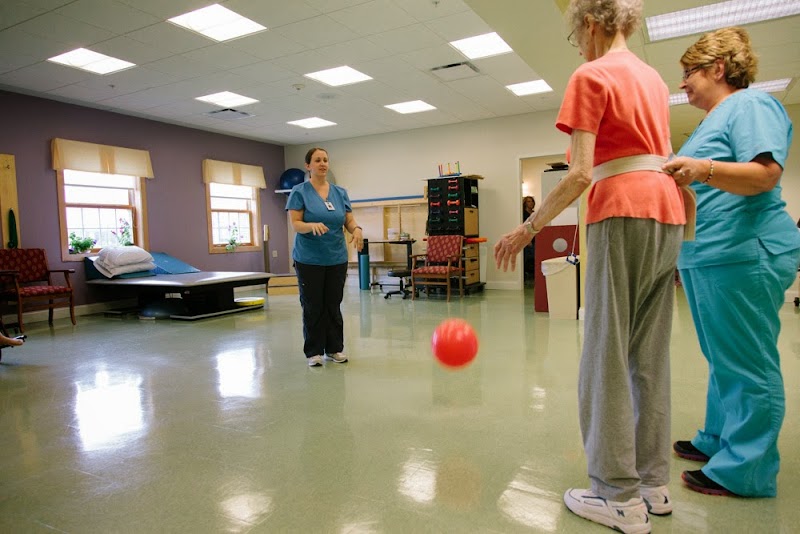
Who Owns and Operates West View Healthy Living?

WEST VIEW HEALTHY LIVING is owned by a non-profit organization. Non-profit facilities reinvest revenue into operations rather than distributing to shareholders. The facility operates independently rather than as part of a larger chain. With 93 certified beds and approximately 81 residents (about 87% occupancy), it is a smaller facility located in WOOSTER, Ohio.

How Does West View Healthy Living Compare to Other Ohio Nursing Homes?

Compared to the 100 nursing homes in Ohio, WEST VIEW HEALTHY LIVING's overall rating (4 stars) is above the state average of 3.2, staff turnover (54%) is near the state average of 46%, and health inspection rating (4 stars) is above the national benchmark.

What Should Families Ask When Visiting West View Healthy Living?

Based on this facility's data, families visiting should ask: "Can I visit during a mealtime to observe dining assistance and food quality?" "How do you handle medical emergencies, and what is your hospital transfer rate?" "Can I speak with family members of current residents about their experience?"

Is West View Healthy Living Safe?

Based on CMS inspection data, WEST VIEW HEALTHY LIVING has a clean safety record: no substantiated abuse findings (meaning no confirmed cases of resident harm), no Immediate Jeopardy citations (the most serious violation level indicating risk of serious injury or death), and is not on the Special Focus Facility watch list (a federal program monitoring the lowest-performing 1% of nursing homes). The facility has a 4-star overall rating and ranks #1 of 100 nursing homes in Ohio. While no facility is perfect, families should still ask about staff-to-resident ratios and recent inspection results during their visit.

Do Nurses at West View Healthy Living Stick Around?

WEST VIEW HEALTHY LIVING has a staff turnover rate of 54%, which is 7 percentage points above the Ohio average of 46%. Moderate turnover is common in nursing homes, but families should still ask about staff tenure and how the facility maintains care continuity when employees leave.

Was West View Healthy Living Ever Fined?

WEST VIEW HEALTHY LIVING has no federal fines on record. CMS issues fines when nursing homes fail to meet care standards or don't correct problems found during inspections. The absence of fines suggests the facility has either maintained compliance or corrected any issues before penalties were assessed. This is a positive indicator, though families should still review recent inspection reports for the full picture.

Is West View Healthy Living on Any Federal Watch List?

WEST VIEW HEALTHY LIVING is not on any federal watch list. The most significant is the Special Focus Facility (SFF) program, which identifies the bottom 1% of nursing homes nationally based on persistent, serious quality problems. Not being on this list means the facility has avoided the pattern of deficiencies that triggers enhanced federal oversight. This is a positive indicator, though families should still review the facility's inspection history directly.