RAINBOW HEALTH CARE COMMUNITY AND RAINBOW ASSISTED
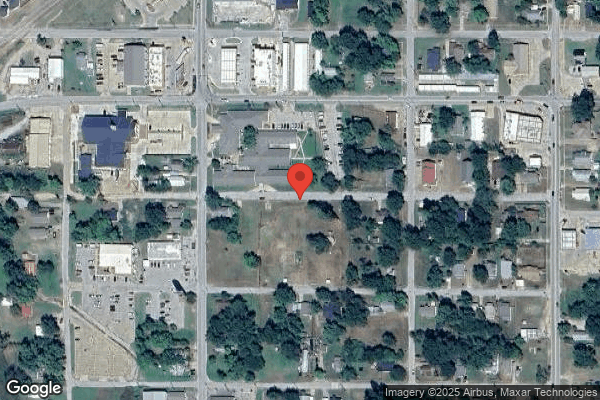
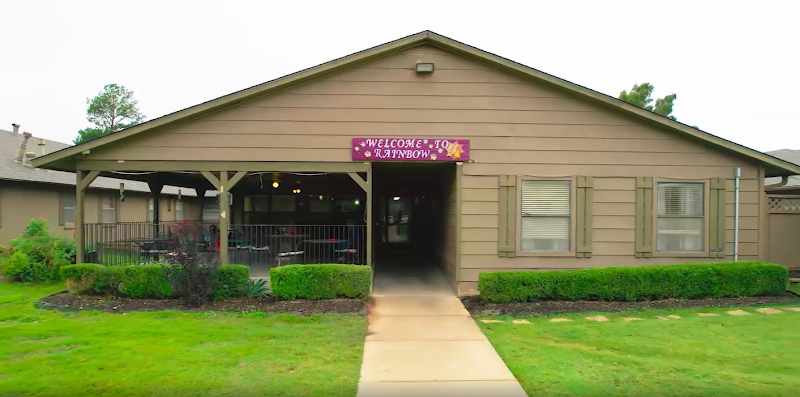
111 EAST WASHINGTON, BRISTOW, OK 74010 (918) 367-2246
For profit - Limited Liability company 106 Beds MGM HEALTHCARE Data: November 2025 1 Immediate Jeopardy citation
Trust Grade
33/100
#127 of 282 in OK
Last Inspection: July 2025

Inspected within the last 6 months. Data reflects current conditions.

Overview

Rainbow Health Care Community and Rainbow Assisted in Bristow, Oklahoma, has received a Trust Grade of F, indicating significant concerns about the quality of care provided. Ranking #127 out of 282 facilities in Oklahoma places them in the top half, while being #3 out of 7 in Creek County means only two local options are better. The facility is showing signs of improvement, reducing issues from 16 in 2024 to just 2 in 2025, which is encouraging. Staffing is average with a turnover rate of 49%, which is better than the state average of 55%. However, the facility has incurred $53,804 in fines, higher than 84% of facilities in the state, reflecting repeated compliance problems. There have been several concerning incidents, including a critical situation where a resident slid out of their wheelchair during transport and was left on the floor of the van for approximately 30 miles. Additionally, there was a serious issue involving a resident who developed sepsis due to inadequate monitoring of a surgical wound. Furthermore, the facility failed to ensure proper hand hygiene practices during care, which puts residents at risk for infection. While there are some strengths, such as the facility's ongoing improvement and average staffing levels, these serious deficiencies raise important questions about the care quality at this facility.

Trust Score
F
33/100
In Oklahoma
#127/282
Top 45%
Safety Record
High Risk
Review needed
Inspections
Getting Better
16 → 2 violations
Staff Stability
⚠ Watch
49% turnover. Above average. Higher turnover means staff may not know residents' routines.
Penalties
✓ Good
$53,804 in fines. Lower than most Oklahoma facilities. Relatively clean record.
Skilled Nurses
⚠ Watch
Each resident gets only 22 minutes of Registered Nurse (RN) attention daily — below average for Oklahoma. Fewer RN minutes means fewer trained eyes watching for problems.
Violations
⚠ Watch
25 deficiencies on record. Higher than average. Multiple issues found across inspections.
★★★☆☆
3.0
Overall Rating
★★★☆☆
3.0
Staff Levels
★★★★★
5.0
Care Quality
★★☆☆☆
2.0
Inspection Score
Stable
2024: 16 issues
2025: 2 issues

The Good

  • 5-Star Quality Measures · Strong clinical quality outcomes
  • Full Sprinkler Coverage · Fire safety systems throughout facility
  • No fines on record

Facility shows strength in quality measures, fire safety.

The Bad

3-Star Overall Rating

Near Oklahoma average (2.6)

Meets federal standards, typical of most facilities

Staff Turnover: 49%

Near Oklahoma avg (46%)

Higher turnover may affect care consistency

Federal Fines: $53,804

Above median ($33,413)

Moderate penalties - review what triggered them

Chain: MGM HEALTHCARE

Part of a multi-facility chain

Ask about local staffing decisions and management

The Ugly 25 deficiencies on record

1 life-threatening 1 actual harm
Jul 2025 2 deficiencies
CONCERN (D)

Potential for Harm - no one hurt, but risky conditions existed

Deficiency F0577 (Tag F0577)

Could have caused harm · This affected 1 resident

Based on observation and interview, the facility failed to ensure the most recent survey results of the facility were posted in a place readily accessible to residents, family members and legal repres...

Read full inspector narrative →
Based on observation and interview, the facility failed to ensure the most recent survey results of the facility were posted in a place readily accessible to residents, family members and legal representatives of residents.The DON reported 75 residents resided at the facility.Findings:On 07/23/25 at 10:52 a.m., the survey results binder was observed to be sitting on the ledge of a half wall between the receptionist's desk and the common room used for activities. A small end table, a soda machine, and a large circular dinner table were blocking access to the binder on one side, and the other side was only accessible from behind the receptionist's desk. On 07/23/25 at 10:46 a.m., all four residents that attended the resident council meeting stated they did not know anything about the survey results binder, nor did they know where to find it, but they would be interested in reading the results. On 07/23/25 at 10:54 a.m., the administrator stated someone had not moved the table back to its correct position after the residents completed their exercise activity at 10 a.m. The administrator stated most activities were done in that area and the large circular table would need to be moved against the wall to provide enough space. The administrator stated residents could go behind the receptionist's desk to gain access to the binder.
CONCERN (D)

Potential for Harm - no one hurt, but risky conditions existed

Deficiency F0761 (Tag F0761)

Could have caused harm · This affected 1 resident

Based on observation, record review, and interview, the facility failed to ensure a controlled medication was secured in a locked container that was permanently affixed to the building for 1 (#14) of ...

Read full inspector narrative →
Based on observation, record review, and interview, the facility failed to ensure a controlled medication was secured in a locked container that was permanently affixed to the building for 1 (#14) of 1 sampled resident reviewed for medication storage.The DON reported 75 residents at the facility were administered medications at the facility.Findings:On 07/23/25 at 1:00 p.m., CMA #3 was observed entering the facility medication storage room while the surveyor was conducting their inspection inside the room. CMA #3 was observed opening a refrigerator unit. A small black lock box approximately 7 inches square and 2 inches deep was observed inside the unit. The refrigerator door did not have a lock on it.On 07/24/25 at 12:00 p.m., CMA #1 was observed to enter the facility medication storage room, opened the refrigerator which contained the small black lockbox. The CMA was observed to be able to remove the lockbox from the refrigerator as the lockbox was not secured to the refrigerator by any means.A facility policy titled Medication Storage in the Facility, dated 2024, read in part, Medications and biologicals are stored safely, securely, and properly following manufacturer's recommendations or those of the supplier.A facility document titled Individual Patients Narcotic Record, showed Resident #14 had a supply of 10 Lorazepam concentrate 2mg per milliliter syringes available at the facility. The document also had the handwritten word, Fridge, located in the upper right corner of the document.On 07/24/25 at 12:30 p.m., LPN #1 was asked to open the small black lockbox stored in the refrigerator located in the facility medication storage room. LPN #1 obtained the lockbox and opened it. They stated the lockbox contained 10 prefilled Lorazepam (a benzodiazepine) syringes that belonged to Resident #14. LPN #1 was asked who had keys to the lockbox. They stated the charge nurse on duty had keys to the lockbox. They were asked who had access to the medication room and the contents of the refrigerator. LPN #1 stated the nurses and CMAs on duty had access to the medication room and the refrigerator.On 07/24/25 at 3:00 p.m., the DON was asked to explain the system in place to secure Resident #14's Lorazepam supply located in the medication room. They stated the medication room was locked and they believed either the refrigerator, or the small lockbox had a lock on them but were not sure which. The DON stated they were unaware of the necessity of container which held controlled medications needed to be permanently affixed. The DON stated they agreed the black lockbox that contained the Lorazepam was small and easy to conceal and carried away.
Nov 2024 2 deficiencies 1 IJ
CRITICAL (J) 📢 Someone Reported This

A family member, employee, or ombudsman was alarmed enough to file a formal complaint

Immediate Jeopardy (IJ) - the most serious Medicare violation

Accident Prevention (Tag F0689)

Someone could have died · This affected 1 resident

On 11/07/24, an IJ situation was determined to exist related to the facilities failure to ensure staff were aware of proper transportation after a resident slid out of a wheelchair during a transport....

Read full inspector narrative →
On 11/07/24, an IJ situation was determined to exist related to the facilities failure to ensure staff were aware of proper transportation after a resident slid out of a wheelchair during a transport. On 10/29/24, Resident #3 came out of their wheelchair during a transport from the hospital to the facility when the facility driver had to slam on the brakes. CNA #1 and transport driver #1 where unable to lift Resident #3 back into the wheelchair. This resulted in Resident #3 riding approximately 30 miles on the floor of the transport van. On 11/07/24 at 1:20 p.m., the Oklahoma State Department of Health was notified and verified the existence of the IJ situation. On 11/07/24 at 1:30 p.m., the administrator was notified of the IJ situation and the IJ template was provided. On 11/08/24 at 10:29 a.m., an acceptable plan of removal was provided. The plan of removal documented: There is the potential for serious harm, impairment, or death if the transportation vehicle is involved in an accident. Current driver training acknowledgment will be updated to include 'van will not operate unless resident is safely secured according to the proper van seatbelt instructions.' Current staff members assigned as van drivers and CNAs to accompany residents while being transported were educated on 11.7.24 by administration r/t actions to be taken in the event of a resident incident or van incident. In the event of a resident incident, get to a safe place and immediately call 911.Stay in place until 911 arrives. Do not operate the van until resident has been assessed by 911 with no injuries noted and can continue with transport after properly secured. If resident requires first aide, treat with supplies in first aide kit until 911 arrives. Ensure administrator is contacted or DON if admin not available. Also included in education if van breaks down, proceed to a safe place, ensure resident is safe and immediately reach out to facility administrator who will provide direction. DON was educated on 11.7.2024 by the Regional Director of Operations on the same as above. Any new employees hired for van driver or transport assist will be provided this education along with van competencies before first transport. Training will occur annually and as needed. All the education was completed yesterday by 5pm. Emps not in the building were called by admin and educated over the phone. [NAME] was educated by me yesterday around 4pm. We have a monthly checklist for our vans in TELS [communication system], we will be moving this to a weekly checklist. We also have a pre-trip checklist that is used prior to a transport taking place. On 11/08/24, interviews were conducted with multiple staff regarding education and in-service information pertaining to the immediate jeopardy plan of removal. The staff stated they had been in-serviced and were able to verbalize understanding of the information provided pertaining to the plan of removal. On 11/07/24 at 5:00 p.m the immediacy was lifted. The deficient practice remained at an isolated potential for harm. Based on observation, record review, and interview, the facility failed to ensure staff were aware of proper transportation after a resident slid out of a wheelchair during a transport for one (#3) of three sampled residents reviewed for accident hazards. The charge nurse identified 70 residents resided in the facility. Findings: A Safely Loading and Securing Wheelchairs in Shuttle Buses form, undated, read in part, Both a lap belt and shoulder strap are needed to secure the passenger in the vehicle. Resident #3 had diagnoses which included hemiplegia, hemiparesis, cerebral infarction, and cardiomyopathy. A progress note, dated 10/29/24 at 10:38 p.m., documented Resident #3 slid out of a wheelchair during a facility transport. It documented the resident sustained a 3.5 cm skin tear to their left elbow. On 11/06/24 at 12:29 p.m., the AD stated they could transport residents in the facility van if a CNA went with them. The AD stated they had to watch a video, take a quiz, and do a return demonstration with the maintenance supervisor. They stated they would load a resident in the van in their wheelchair, buckle them in with a lap belt, shoulder belt, and four straps to secure the wheelchair to the van. The AD was asked who transported Resident #3 from the hospital. They stated they and CNA #1 had. The AD stated CNA #1 had loaded the resident in the van, secured the wheelchair with four straps, and placed the lap belt on the resident. They stated the shoulder strap did not work. The AD stated when they were getting on the on ramp to the turnpike, a few vehicles in front of them hit their brakes and they had to do the same. The AD stated when they hit the brakes Resident #3 slid out of their wheelchair onto the van floor. They stated they drove to the service road and found a place to park. The AD stated Resident #3 sustained a skin tear to their left elbow. The AD stated they and CNA #1 were unable to get the resident off of the floor and back into the wheelchair. The AD stated they spoke to the DON on the phone and were instructed to make Resident #3 comfortable and to drive back to the facility as carefully as they could. The AD stated the ride was around 25 to 30 minutes on the turnpike. They stated they thought they should have called 911 to see if they could help get Resident #3 back in their wheelchair. The AD stated they thought the shoulder strap may have helped keep the resident in the wheelchair. On 11/06/24 at 12:40 p.m., an observation of the facility transport van was made with the AD. There was no shoulder strap located in the vehicle. The AD stated it was not there during the transport for Resident #3. On 11/06/24 at 1:17 p.m., CNA #1 stated they there was no shoulder strap in the facility transport van when Resident #3 had been transported. CNA #1 stated they had asked the DON if they should call 911 for help after Resident #1 slid out of their wheelchair. They stated the DON instructed them to make the resident as comfortable as possible, since they were not injured, and to bring the resident to the facility. On 11/06/24 at 1:36 p.m., the DON stated all staff who go on transports have had to watch a video, take a quiz, and do a return demonstration to ensure they know how to secure a resident sitting in a wheelchair in the transport vans. The DON was asked how they ensured safe transports. They stated with a lap belt and shoulder straps. The DON was asked how Resident #3 was kept safe during the transport when they rode approximately 30 miles on the van floor. The DON stated they instructed the staff to make Resident #3 as comfortable as possible and return to the facility.
CONCERN (E) 📢 Someone Reported This

A family member, employee, or ombudsman was alarmed enough to file a formal complaint

Potential for Harm - no one hurt, but risky conditions existed

Infection Control (Tag F0880)

Could have caused harm · This affected multiple residents

Based on observation, record review, and interview, the facility failed to ensure proper handwashing was conducted during incontinent care, between residents, and/or a roll gauze that was dropped on t...

Read full inspector narrative →
Based on observation, record review, and interview, the facility failed to ensure proper handwashing was conducted during incontinent care, between residents, and/or a roll gauze that was dropped on the floor was not used to perform a treatment for seven (#1, 2, 5, 6, 7, 8, and #9) of seven sampled residents observed for infection control. The charge nurse identified 70 residents resided in the facility. Findings: A Hand Hygiene policy, dated 04/28/22, documented hand hygiene should be performed before and after providing care, before and after applying and removing gloves, and after handling soiled linens. It documented staff could use alcohol based hand rub if their hands were not visibly soiled. An Incontinent Care policy, dated 07/21/22, read in part, Perform Hand Hygiene and Apply Gloves .Remove Soiled Brief .Cleanse Perineal Area .Remove Soiled Gloves, Perform Hand Hygiene & Apply Clean Gloves .Apply Clean Brief & Clothing .Discard Contaminated Items .Remove Gloves & Perform Hand Hygiene On 11/05/24 at 10:11 p.m., CNA #2 was observed touching Resident #5's incontinent brief with bare hands to determine if it was soiled. They did not wash their hands or use alcohol rub. On 11/05/24 at 10:15 p.m., CNA #2 was observed to apply gloves and provide incontinent care to Resident #6. They did not wash hands or use alcohol rub prior to or after providing incontinent care. They did not remove their soiled gloves prior to touching the bed control and repositioning the resident. On 11/05/24 at 10:24 p.m., CNA #2 was observed taking Resident #7's head phones to adjust the volume with soiled hands. On 11/05/24 at 10:30 p.m., CNA #2 was observed to touch Resident #9's incontinent brief with their bare hands to determine if it was soiled. They did not wash their hands or use alcohol rub. On 11/05/24 at 10:32 p.m., CNA #2 was observed to touch Resident #8's incontinent brief with their bare hands to determine if it was soiled. They did not wash their hands or use alcohol rub. On 11/05/24 at 10:33 p.m., Resident #2 asked CNA #2 for denture tablets. CNA #2 went to the supply room, picked up a packet of denture tablets, and then gave them to Resident #2. On 11/05/24 at 10:44 p.m., LPN #1 was observed providing wound care to Resident #1's right lower leg while CNA #2 held the leg up. LPN #1 was wrapping the leg with roll gauze, dropped it on the floor, CNA #2 picked the roll gauze up, handed it to the LPN, and LPN #2 continued wrapping the leg with the soiled roll gauze. On 11/06/24 at 8:50 p.m., CNA #2 was asked what the policy was for providing perineal care and handwashing. They stated to gather supplies, provide care, and remove gloves. CNA #2 stated they did not use alcohol rub because it made their hands too dry. They stated they wash their hands after removing gloves. CNA #2 stated they wash their hands when they get to work, before they leave work, prior to feeding a resident, after they used the restroom, and between residents. They stated they would wash their hands after picking up trash or soiled linens. CNA #2 was asked if they would perform handwashing when checking briefs. They stated they'd wash before and after, or use hand sanitizer. CNA #2 was asked if they would wash their hands prior to touching residents' personal items or bed controls after providing perineal care. They stated, Yes.
Mar 2024 13 deficiencies
CONCERN (D)

Potential for Harm - no one hurt, but risky conditions existed

Deficiency F0578 (Tag F0578)

Could have caused harm · This affected 1 resident

Based on record review and interview, the facility failed to ensure residents were offered the opportunity to formulate an advance directive for one (#31) of three sampled residents who were reviewed ...

Read full inspector narrative →
Based on record review and interview, the facility failed to ensure residents were offered the opportunity to formulate an advance directive for one (#31) of three sampled residents who were reviewed for advance directives. The DON identified 76 residents who resided in the facility. Findings: The Advanced Directives policy, dated 04/26/23, read in part, .Upon admission the Facility will provide Resident who is Medically Deemed Competent or Resident Representative, who does not have an existing Advance Directive, with written information and instructions regarding the Right to make Advance Directives prior to the initiation of Care or at any requested time . Resident #31 had diagnoses which included unspecified dementia. The face sheet for Resident #31 documented the resident was a full code. Review of the electronic clinical record did not reveal the resident had been offered the option to formulate an advance directive. On 02/27/24 at 3:10 p.m., the social services director stated they would review the clinical record for documentation related to the advance directive. On 02/27/24 at 3:51 p.m., the social services director stated they did not have information regarding formulating an advance directive for Resident #31.
CONCERN (D)

Potential for Harm - no one hurt, but risky conditions existed

Deficiency F0657 (Tag F0657)

Could have caused harm · This affected 1 resident

**NOTE- TERMS IN BRACKETS HAVE BEEN EDITED TO PROTECT CONFIDENTIALITY** 2. Res #16 had diagnoses that included abnormalities of gait and mobility, muscle wasting, lack of coordination, generalized wea...

Read full inspector narrative →
**NOTE- TERMS IN BRACKETS HAVE BEEN EDITED TO PROTECT CONFIDENTIALITY** 2. Res #16 had diagnoses that included abnormalities of gait and mobility, muscle wasting, lack of coordination, generalized weakness, HTN, seizures, and Parkinson's Disease. An ADL and mobility care plan, dated 03/05/23, included bed mobility that did not reflect the resident s use of their two quarter rails. A significant change assessment dated [DATE] documented that the resident's cognition was intact, they required extensive assistance with most ADLs, and they had no impairment to their extremities. A quarterly assessment, dated 12/27/23, documented that the resident's cognition was intact, required moderate assistance with most ADLs and had impairment to one side of their upper extremities. On 02/25/24 at 10:59 a.m., the resident was observed in their bed with two-quarter rails, one to each side of the top of their bed. Both quarter rails were pulled up. The resident was awake and alert in their room and watching television. The resident was asked what they used the bed rails for. They stated to pull myself up in bed. On 02/27/24 at 2:37 p.m., the ADON reviewed the resident's care plan and confirmed it needed to be updated to reflect the use of the quarter bedrails. They stated that the care plan should have been updated to reflect the current resident's status and needs. Based on observation, record review and interview, the facility failed to ensure care plans were reviewed and revised for two (#16 and #43) of nine residents who were reviewed for care plans. The DON identified 76 residents who reside at the facility. Findings: The Care Plan for Resident #43, initiated 11/03/23, documented a fall risk focus for mobility. The care plan documented the resident was a fall risk due to weakness affecting the left dominant side. Last revised 02/28/24. The care plan documented Resident #43 would not sustain serious injury through the review date, and to notify the physician of fall with recent medication changes. The care plan documented to ensure proper body alignment/position while in bed, ensure the call light was within reach and encourage use for assistance as needed. There was no mention of a fall mat placed next to the bed of Resident #43. 1. Resident #43 admitted with diagnoses which included hemiplegia, hemiparesis, and muscle weakness. The Care Plan for Resident #43, initiated 11/03/23, documented a fall risk focus for mobility. The care plan documented the resident was a fall risk due to weakness affecting the left dominant side. Last revised 02/28/24. The care plan documented Resident #43 would not sustain serious injury through the review date, and to notify the physician of fall with recent medication changes. The care plan documented to ensure proper body alignment/position while in bed, ensure the call light was within reach and encourage use for assistance as needed. There was no mention of a fall mat placed next to the bed of Resident #43. A Fall Incident report, dated 02/20/24, read in parts, Resident #43, .laying on floor parallel to bed on her back .rolled out of bed, change in condition compared to before hospitalization, bed in low position, fall mat in place . A Fall Incident report, dated 02/21/23, read in part, [Resident #43 was in the floor .I slid off the bed and hit my head and back .fall matt placed by bed . A fall risk evaluation completed 2/21/24 documented one to two falls in the last 3 months, with a fall risk score of 19. On 02/25/24 at 4:11 p.m., a fall mat was observed on the floor not next the bed, but in the middle of the room. An Incident Note, dated 02/25/24, read in part, .Resting quietly in bed w/ eyes closed .Cont [continue] on FFU [fall follow up] w/o [without] injury. Bed in lowest position w [with]fall mat in place. Call light and personal items in reach. Will cont to observe for changes. On 02/29/24 at 9:33 a.m., Resident #43 was observed in bed, with their bedside table over them. No fall mat was observed in the room. On 02/29/24 at 9:45 a.m., CNA #8 stated the interventions in place to prevent injury from fall were a lowered bed. They stated they were not aware of any other interventions. CNA #8 stated they were made aware of interventions through report from the nurse or shift report. On 02/29/24 at 10:43 am, LPN #6 stated the interventions in place to prevent injury from fall were proper body alignment while bed, call light in reach, prompt response to requests, education on safety reminders and what to do if a fall occurs. LPN #6 was asked if a fall mat was in place. LPN #6 went to speak with the MDS coordinator and stated they thought there was an intervention for a fall mat. On 02/29/24 at 10:49 a.m., LPN #6 returned, stated no fall intervention for a fall mat was included on the care plan. On 02/29/24 at 10:56 a.m., the DON stated there was a fall mat, but it was removed because the resident was able to push it away. They stated they were having someone put a beveled fall mat next to the bed right now, they then nodded to a staff in the office, who left the room. The DON was asked why the care plan was not updated. The MDS coordinator stated the care plan should have been updated.
CONCERN (D)

Potential for Harm - no one hurt, but risky conditions existed

Accident Prevention (Tag F0689)

Could have caused harm · This affected 1 resident

Based on observation, record review and interview, the facility failed to ensure fall mats were properly placed for two (#43 and #10) of two resident who were reviewed for accident hazards. The DON id...

Read full inspector narrative →
Based on observation, record review and interview, the facility failed to ensure fall mats were properly placed for two (#43 and #10) of two resident who were reviewed for accident hazards. The DON identified # residents who were at risk for falls. Findings: An Accident & Incident Documentation & Investigation policy, revised 04/26/23, read in parts, .The Licensed Nurse shall document the Incident and notify the supervisor and Director of Nursing for follow through as needed .The licensed Nurse may complete a Nurses' Note and update the Resident Care Plan as needed . 1. Resident #43 admitted with diagnoses which included hemiplegia, hemiparesis, and muscle weakness. A Fall Incident report, dated 02/20/24, read in parts, Resident #43, .laying on floor parallel to bed on her back .rolled out of bed, change in condition compared to before hospitalization, bed in low position, fall mat in place . A Fall Incident report, dated 02/21/23, read in parts, [Resident #43 was in the floor .I slid off the bed and hit my head and back .fall matt placed by bed . A fall risk evaluation completed 2/21/24 documented one to two falls in the last 3 months, with a fall risk score of 19. On 02/25/24 at 00:00 p.m., a fall mat was observed on the floor not next to the bed, but in the middle of the room. An Incident Note, dated 02/25/24, read in part, .Resting quietly in bed w/ eyes closed .Cont [continue] on FFU [fall follow up] w/o [without] injury. Bed in lowest position w [with]fall mat in place. Call light and personal items in reach. Will cont to observe for changes. On 02/29/24 at 9:33 a.m., Resident #43 was observed in bed, with their bedside table over them. No fall mat was observed in the room. On 02/29/24 at 9:45 a.m., CNA #8 stated the interventions in place to prevent injury from fall were a lowered bed. They stated they were not aware of any other interventions. CNA #8 stated they were made aware of interventions through report from the nurse or shift report. On 02/29/24 at 10:43 am, LPN #6 stated the interventions in place to prevent injury from fall were proper body alignment while bed, call light in reach, prompt response to requests, education on safety reminders and what to do if a fall occurs. LPN #6 was asked if a fall mat was in place. LPN #6 went to speak with the MDS coordinator and stated they thought there was an intervention for a fall mat. On 02/29/24 at 10:49 a.m., LPN #6 returned, stated no fall intervention for a fall mat was included on the care plan. On 02/29/24 at 10:56 a.m., the DON stated there was a fall mat, but it was removed because the resident was able to push it away. They stated they were having someone put a beveled fall mat next to the bed right now, they then nodded to a staff in the office, who left the room. The DON was asked why the care plan was not updated. The MDS coordinator stated the care plan should have been updated. 2. Resident #10 was admitted with diagnoses which included, hemiplegia, hemiparesis, history of falls, muscle wasting and atrophy. A review of falls revealed Resident #10 had fallen on the following dates 12/25/23, 12/23/23, 12/17/23, 10/20/23, 10/15/23, 10/11/23, 10/2/23, 9/16/23 x 3. A Care Plan, revised 08/09/20, documented a fall risk related to balance and a history of falls, with interventions which included staff to perform more frequent checks on Resident #10 in early morning hours, and remind Resident #10 to ask for assistance with transfers and to not lean forward in their wheelchair. The care plan documented a beveled fall mat was to be placed by the bed of Resident #10 to reduce risk of injury and to ensure the fall mat was at bedside while the resident was in bed. On 02/29/24 at 11:30 a.m., an observation of a blue unbeveled fall mat was underneath the bed of Resident #10. Resident #10 was observed to be in the bed with eyes closed. On 02/29/24 at 12:48 p.m., an observation of a fall mat was underneath the bed of Resident #10 and the resident was in bed with their eyes closed. On 02/29/24 at 1:00 p.m., CNA #9 stated a fall mat was one of the interventions in place to prevent injury due to falls. They stated the fall mat was to be place in front of the bed. They stated the fall mat was currently under the bed. CNA #9 reached under the bed and pulled a blue unbeveled fall mat out from under the bed. They stated Resident #10 gets up and down on their own and sometimes pushes the fall mat under the bed. They stated the hospice for Resident #10 brought the fall mat. CNA #8 stated the aides were responsible to ensure the fall mat was in place. On 02/29/24 at 12:52 p.m., LPN #6 stated the resident should have a beveled fall mat. LPN #6 observed the fall mat and stated the fall mat was not beveled. They stated nursing was responsible to ensure the proper mat was in place. On 02/29/24 at 2:30 p.m., the DON stated nursing was responsible to ensure the proper fall mat was used and appropriately placed. The DON stated they did not know why a beveled mat was not supplied by the hospice.
CONCERN (D)

Potential for Harm - no one hurt, but risky conditions existed

Deficiency F0692 (Tag F0692)

Could have caused harm · This affected 1 resident

Based on record review and interview the facility failed to ensure nutritional supplements were provided as ordered for one (#73) of seven residents who were reviewed for nutrition. The DON identified...

Read full inspector narrative →
Based on record review and interview the facility failed to ensure nutritional supplements were provided as ordered for one (#73) of seven residents who were reviewed for nutrition. The DON identified 19 residents who were ordered nutritional supplements. Findings: The Nutritional Supplements policy, dated 12/01/22, read in part, .The Facility will have a formulary of Nutritional Supplements to be utilized as interventions to help ensure nutritional needs are met. Supplements may be available through the Nutritional Services or Nursing Department . Resident #73 had diagnoses which included chronic obstructive pulmonary disease. An admission assessment, dated 01/05/24, documented the resident was cognitively intact for daily decision making. A physician order, dated 02/15/24, documented the resident was ordered a house shake twice daily for weight support. On 02/25/24 at 11:43 a.m., the resident stated they had not been receiving a nutritional supplement. The Care Plan, updated 02/27/24, documented the resident had weight loss related to diuretic use and had house shakes twice daily for nutritional/weight support. Review of the February 2024 MARs and TARs did not reveal documentation the resident was receiving the house shake twice daily. On 02/29/24 at 12:33 p.m., LPN #6 stated Resident #73 had an order for a house shake twice daily. They stated the nursing department had not been administering the nutritional supplement and the dietary department had not been made aware of the order. On 02/29/24 at 12:36 p.m., the ADON stated the resident had been ordered a nutritional supplement on 02/15/24 but it had not been put on the MAR or TAR but it was to be sent on the meal tray by the dietary department. On 02/29/24 at 12:49 p.m., the dietary manager stated they had not been sending the nutritional supplement on the meal tray for Resident #73.
CONCERN (D)

Potential for Harm - no one hurt, but risky conditions existed

Deficiency F0700 (Tag F0700)

Could have caused harm · This affected 1 resident

**NOTE- TERMS IN BRACKETS HAVE BEEN EDITED TO PROTECT CONFIDENTIALITY** Based on record review, observation, and interview, the facility failed to assess the resident for risk of entrapment from bed r...

Read full inspector narrative →
**NOTE- TERMS IN BRACKETS HAVE BEEN EDITED TO PROTECT CONFIDENTIALITY** Based on record review, observation, and interview, the facility failed to assess the resident for risk of entrapment from bed rails prior to installation, review the risks and benefits of bed rails with the resident or resident representative, and obtain an informed consent prior to installation for two (#11 and #16) of two sampled resident reviewed for side rails. The ADON identified four residents had grab bars/u-rails attached to their beds. Findings: 1. Res #11 had diagnoses which included diabetes, unsteadiness of feet, lack of coordination, anxiety, osteoporosis cerebral infarct, HTN, and CHF. A quarterly assessment, dated 01/17/24, documented the resident's cognition was intact, required substantial assistance with most ADLs, had impairment on one side of their upper and lower extremities, and was always incontinent of bowel and bladder. On 02/25/24 at 10:21 a.m., the resident was observed in their bed with one-quarter rail to the upper right side of the bed. The quarter rail was pulled up. The resident was awake and alert in their bed. The resident was asked what the bed rail was for. They stated they did not know. There was no evidence in EHR the resident had been assessed for risk of entrapment from bed rails prior to installation, review of the risks and benefits of bed rails with the resident or resident representative, and obtain an informed consent prior to installation. 2. Res #16 had diagnosis which included diabetes, COPD, abnormalities of gait and mobility, unsteadiness on feet, Parkinson's disease, anxiety, dementia, CHF, and insomnia. An ADL and mobility care plan, dated 03/05/23, included bed mobility that did not reflect the resident s use of their two quarter rails. A significant change assessment dated [DATE] documented that the resident's cognition was intact, they required extensive assistance with most ADLs, and they had no impairment to their extremities. A quarterly assessment, dated 12/27/23, documented that the resident ' s cognition was intact, required moderate assistance with most ADLs, and had impairment to one side of their upper extremities. There was no evidence in EHR the resident had been assessed for risk of entrapment from bed rails prior to installation, review of the risks and benefits of bed rails with the resident or resident representative, and obtain an informed consent prior to installation. On 02/25/24 at 10:59 a.m., the resident was observed in their bed with two-quarter rails, one to each side of the top of their bed. Both quarter rails were pulled up. The resident was awake and alert in their room and watching television. The resident was asked what they used the bed rails for. They stated to pull myself up in bed. On 02/27/24 at 2:37 p.m., the ADON reviewed the residents' EHRs and confirmed there was no assessment conducted or informed consent obtained prior to the bed rail installation for resident's #11 and #16.
CONCERN (D)

Potential for Harm - no one hurt, but risky conditions existed

Deficiency F0757 (Tag F0757)

Could have caused harm · This affected 1 resident

Based on record review and interview, the facility failed to ensure side effect monitoring was implemented for anticoagulant medications for two (#3 and #129) of six sampled residents whose medication...

Read full inspector narrative →
Based on record review and interview, the facility failed to ensure side effect monitoring was implemented for anticoagulant medications for two (#3 and #129) of six sampled residents whose medications were reviewed. The DON identified 12 residents who were ordered anticoagulant medications. Findings: 1. Resident #3 had diagnoses which included atrial fibrillation. The care plan, dated 10/10/23, documented the resident received Coumadin and had an increased risk of bleeding. The care plan documented to monitor for side effects. The MAR/TAR, dated December 2023, documented the resident received Coumadin (an anticoagulant/blood thinner) 2mg once daily. The MAR and TAR did not document side effect monitoring for the Coumadin. The MAR/TAR, dated January 2024, documented the resident received Coumadin 2mg once daily. The MAR and TAR did not document side effect monitoring for the Coumadin. The quarterly assessment, dated 01/17/24, documented the resident had received an anticoagulant medication during the look back period. The MAR/TAR, dated 02/01/24 through 02/27/24, documented the resident received Coumadin 2mg once daily from 02/01/24 through 02/25/24 and Coumadin 1.5mg once daily from 02/26/24 through 02/27/24. The MAR and TAR did not document side effect monitoring for the Coumadin from 02/01/24 through 02/27/24. On 02/28/24 at 2:02 p.m., LPN #6 stated side effect monitoring was documented on the TAR. They stated side effect monitoring for Resident #3 was not documented on the TAR. They reviewed the electronic health record for Resident #3 and stated the intervention to monitor for side effects related to anticoagulant use was missed upon readmission to the facility. On 02/29/24 at 11:53 a.m., the DON stated they did not have documentation side effects were monitored for Resident #3. On 02/29/24 at 12:45 p.m., the ADON stated charge nurses were to monitor for side effects of anticoagulant medications and document on the TAR. They stated the intervention to monitor for side effects of Coumadin for Resident #3 had not been put into the computer so it had not generated onto the TAR. 2. Resident #129 had diagnoses which included dependence on renal dialysis. The Order Summary Report, dated 02/26/24, documented an order for heparin (an anticoagulant/blood thinner) 5000units/ml inject one milliliter subcutaneously three times daily to start on 02/21/24. The MAR/TAR, dated 02/21/24 through 02/26/24, documented the resident received heparin 5000units/ml as ordered. The MAR and TAR did not document side effect monitoring for the heparin. On 02/29/24 at 12:47 p.m., the DON stated side effect monitoring had not been put into the electronic clinical record so it had not generated onto the TAR.
CONCERN (D)

Potential for Harm - no one hurt, but risky conditions existed

Unnecessary Medications (Tag F0759)

Could have caused harm · This affected 1 resident

Based on observation, record review, and interview, the facility failed to ensure the medication error rate was below five percent. A total of 28 opportunities were observed with two medication errors...

Read full inspector narrative →
Based on observation, record review, and interview, the facility failed to ensure the medication error rate was below five percent. A total of 28 opportunities were observed with two medication errors. Total medication error rate was 7.14%. The DON identified 76 residents resided in the facility. Findings: 1. Res #3 had diagnoses which included cellulitis, low protein, and low albumin levels. A physician order, dated 10/10/23, documented to administer Arginaid two times daily for wound support and low protein and albumin. On 02/26/24 at 7:32 a.m., CMA #2 was observed during medication pass and did not administer the Arginaid. The CMA was asked why they did not administer it. They stated because Res #3 always refuses it. They were asked if they offered the Arginaid to Res #3. They stated they did not and that the Arginaid needed to be discontinued from the MAR. The February 2024 MAR, documented the Res #3 had not taken the Arginaid 51 times for the month. 2. Res #40 had diagnoses which included constipation. A physician order, dated 03/13/23, documented to administer Miralax oral packet 17 GM in the morning and to mix with four to eight ounces of water/juice. On 02/26/23 at 7:45 a.m., CMA #2 was observed during medication pass and did not administer the Miralax. The CMA was asked why they did not administer it. They stated because Res #40 always refuses it. They were asked if they offered the Miralax to Res #40. They stated they did not and that the Miralax needed to be discontinued from the MAR. A medication administration record, dated February 2024, documented the resident had not taken the Miralax 26 times for the month. On 02/26/24 at 10:59 a.m., the cooperate nurse was made aware of the 7.14% med error rate. They asked what the errors were. They were informed the Arginaid was not offered to Res #3 and the Miralax was not offered to Res #40 and that both were marked as refused. They stated the CMA should have offered the medications to the residents.
CONCERN (D)

Potential for Harm - no one hurt, but risky conditions existed

Deficiency F0848 (Tag F0848)

Could have caused harm · This affected 1 resident

**NOTE- TERMS IN BRACKETS HAVE BEEN EDITED TO PROTECT CONFIDENTIALITY** Based on record review and interview, the facility failed to ensure arbitration agreements provided for the selection of a neutr...

Read full inspector narrative →
**NOTE- TERMS IN BRACKETS HAVE BEEN EDITED TO PROTECT CONFIDENTIALITY** Based on record review and interview, the facility failed to ensure arbitration agreements provided for the selection of a neutral arbitrator and a neutral venue agreed upon by both parties for one (#129) of two sampled residents who were reviewed for arbitration agreements. The administrator identified 76 residents who resided in the facility. Findings: A copy of the Agreement to Arbitration, provided by the administrator, read in part, .The Agreement .The parties choose to settle any future claims or controversies through binding arbitration administered by the American Health Lawyers Association (AHLA) .the arbitration will be at the Facility and conducted in accordance with the AHLA Rules . Resident #129 was admitted to the facility on [DATE]. Review of the clinical record revealed an Agreement to Arbitration, had been signed by the resident's representative on 02/22/24. The signature page of the agreement had been scanned into the electronic clinical record. On 02/27/24 at 11:27 a.m., the administrator was asked where in the arbitration agreement it was documented a neutral arbitrator agreed upon by both parties. The administrator reviewed the arbitration agreement and stated they did not find that verbiage in the document. The administrator was asked where in the arbitration agreement it was documented a convenient venue for both parties would be selected. The administrator stated they were not familiar with arbitration agreements.
CONCERN (E)

Potential for Harm - no one hurt, but risky conditions existed

Safe Environment (Tag F0584)

Could have caused harm · This affected multiple residents

Based on observation and interview, the facility failed to ensure a sanitary environment in the shower rooms. The DON identified 76 residents who reside at the facility. Findings: A Quality of Life-Ho...

Read full inspector narrative →
Based on observation and interview, the facility failed to ensure a sanitary environment in the shower rooms. The DON identified 76 residents who reside at the facility. Findings: A Quality of Life-Homelike Environment policy, dated 02/01/16, read in part, .2. The facility staff and management shall minimize, to the extent possible, the characteristics of the facility that reflect a personalized, homelike setting. These characteristics include .a. Cleanliness and order . A Resident Council Meeting form, dated 02/13/24 documented the residents stated that the shower rooms were not cleaned up after the previous shower. On 02/26/24 at 10:52 a.m., the shower room located on Park Place Hall was observed to have hard water/lime/calcium deposits on the faucet. There was also a thick black substance in the corners of the shower stall and between the floor tile grout lines. The silicone caulking was coming loose from the corners of the shower stall walls and between the floor tiles and had a thick black substance underneath it. On 02/27/24 at 8:16 a.m., the shower room located on Hummingbird Hall was observed to have hard water/lime/calcium deposits on the shower wall and the faucet of the shower stall. The floor tiles were missing, exposing concrete, and the other floor tiles had deep cracks and divots. On 02/27/24 at 8:34 a.m., the shower room located on Southwest Hall was observed to have hard water/lime/calcium deposits on the faucet. There was also a thick black substance in the corners of the shower stall and on the baseboards in the shower room. All three shower rooms had an abundance of dirt and debris in the floors and behind the toilets. On 02/27/2 at 9:05 a.m., the housekeeping supervisor was made aware of the above findings. They stated they had been unable to get the showers clean because there was no drain for the water to drain, resulting in the thick black substance building up in the shower rooms.
CONCERN (E)

Potential for Harm - no one hurt, but risky conditions existed

Deficiency F0698 (Tag F0698)

Could have caused harm · This affected multiple residents

2. Res #25 had diagnoses that included end-stage renal disease, dependence on renal dialysis, and hypertension. A physician order, dated 11/26/22, documented remove dressing to fistula to LUE six hour...

Read full inspector narrative →
2. Res #25 had diagnoses that included end-stage renal disease, dependence on renal dialysis, and hypertension. A physician order, dated 11/26/22, documented remove dressing to fistula to LUE six hours after the resident returns from dialysis daily every Monday, Wednesday, and Friday. A physician order, dated 10/05/23, documented dialysis every Monday, Wednesday, and Friday at 10:30 a.m. at the dialysis center. Dialysis communication forms, dated 01/03/24 through 02/23/24, a total of 20 opportunities failed to document the nurse's name, current treatment time, access site, access condition, time of last meal, medication given pre-dialysis in addition to obtaining a pre-dialysis weight. The document had spaces to record the bruit/thrill, status of access graft/catheter, and skin issues with the access site. The pre-dialysis part of the form the nurse was responsible for completing was blank except for the vital signs. A care plan revised 01/14/24, documented: Assess my dialysis port/shunt for signs and symptoms of bleeding every shift and when I return from dialysis. Ensure that the dressing is dry, intact, and free from signs and symptoms of infection. Assess my vital signs and investigate abnormal findings. Monitor me for signs and symptoms of complications. A quarterly assessment, dated 02/07/24, documented the resident's cognition is moderately impaired and received renal dialysis. On 02/26/24, at 8:28 a.m., Res #25 was asked if the nurses were assessing his dialysis port when they returned from dialysis. They stated they were not. On 02/27/23 at 11:22 a.m., LPN # 1 was asked what the process was for completing dialysis pre- and post-communication forms. They stated they had not been completing them. They were shown resident #25's dialysis communication forms. They were asked why the form was blank except for the pre-dialysis vital signs. They stated they were unaware they were required to complete the form other than the vitals. On 02/27/24 at 1:19 p.m., the DON was asked what the process was for completing the dialysis pre and post-communication form. The DON stated the form was to be completed on the resident's dialysis days prior to departing from the facility and upon return to the facility. Based on record review and interview, the facility failed to ensure ongoing assessment including pre/post assessments were completed for two (#129 and #25) of two residents who were reviewed for dialysis. The DON identified four residents who received dialysis services. Findings: The Dialysis Communication policy, dated 09/27/23, read in part, .The top section of the Dialysis Communication Transfer From is completed by the Nurse responsible for sending the resident to the Dialysis Unit/Facility .The bottom section of the form is completed by personnel responsible for the resident at the Dialysis Facility and returned to the nursing home with the Resident .Once the form is completed, the most recent form should be stored in the medical record . 1. Resident #129 had diagnoses which included dependence on renal dialysis. The Baseline Care Plan, dated 02/21/24, documented the resident required dialysis. The Long Term Care Evaluation, dated 02/21/24, documented the resident was scheduled for dialysis Monday, Wednesday, and Friday and the location of the dialysis access was the left forearm. The undated, top portion, of the, Dialysis Communication Form, read in parts, .To be completed by Licensed Nurse for dialysis resident prior to dialysis treatment . The bottom portion of the form, read in parts, .To be completed by Dialysis Center following dialysis treatment, and to accompany resident on return to center . The top portion of the form was blank for current treatment/time, date, access site, and access condition. The bottom portion had been filled out by the dialysis nurse. The Dialysis Communication Form, dated 02/26/24, did not document the access site, access condition, weight, medications administered before dialysis, or the assessment prior to dialysis. Those sections of the form were left blank. On 02/26/24 at 11:19 a.m., LPN #6 reviewed the electronic clinical record and stated Resident #129 did not have orders for dialysis or monitoring. LPN #6 stated they did not perform any assessments when residents returned from dialysis. On 02/27/24 at 11:19 a.m., the DON stated the charge nurses obtained vital signs or would check on residents when they returned from dialysis. They stated the charge nurses did not complete an assessment but they reviewed vital signs on the communication form and would observe any dressings. The DON stated they missed putting orders in for dialysis and monitoring upon admission for Resident #129. They stated there was no documentation of the facility monitoring Resident #129 after dialysis or any other documented information before dialysis.
CONCERN (E)

Potential for Harm - no one hurt, but risky conditions existed

Deficiency F0809 (Tag F0809)

Could have caused harm · This affected multiple residents

Based on observation, interview, and record review, the facility failed to offer the residents an HS snack and ensure snacks were served to the residents in accordance with the facility policy, for th...

Read full inspector narrative →
Based on observation, interview, and record review, the facility failed to offer the residents an HS snack and ensure snacks were served to the residents in accordance with the facility policy, for three (#11, 16, and #25) of three sampled residents reviewed for food and nutrition services. The DON identified 76 residents resided in the facility. Findings: A facility policy titled, Meals & Snacks, dated 11/27/23, documented, .3. An evening snack shall be provided by Nutritional Services and offered to the residents by Nursing . On 2/26/24 at 11:43 a.m., the dietary manager was asked about the resident snack schedule. They stated dietary prepares snacks for the residents at 10 a.m., 2 p.m., and a bedtime snack around 7 p.m. They stated the snacks are placed at the nurse station. 1. Res #11 had diagnoses which included diabetes, protein-calorie malnutrition, and muscle wasting. On 02/25/24 11:52 a.m., Res #11 was asked if they were being offered a snack at bedtime. They stated they have never been offered a snack at bedtime. On 02/27/24 10:36 a.m., Res #11 was asked if they were offered a snack at bedtime last night. They stated they were not. 2. Res # 16 had diagnoses which included diabetes, muscle wasting, and anemia. On 2/25/24 Res #16 was asked if they were being offered a snack at bedtime. They stated they were not being offered a snack at bedtime. They stated if they wanted a snack they had to transfer to their wheelchair and propel themselves up the hall to the nurse station. They stated the bananas are black and over ripe and that dietary never offers apples or oranges and that they wished they would. On 02/27/24 10:42 a.m., Res #16 was asked if they were offered a snack at bedtime last night. They stated they were not. 3. Res #25 had diagnoses which included end stage renal disease and hyperlipidemia. On 02/25/24 1:22 p.m., Res #11 was asked if they were being offered a snack at bedtime. They stated they were not. They stated they got hungry at bedtime and would like a snack. On 02/27/24 10:56 a.m., LPN #1 was asked if the 10 a.m. snacks were brought to the nurse station. They stated they were not. On 02/27/24 at 11:05 a.m. the dietary manager was asked if the 10 a.m. snacks were brought to the nurse station. They stated they forgot and the snacks were not brought to the nurse station. On 02/27/24 at 1:14 p.m. the DON was made aware of the above stated. They stated they were not aware snacks were not being offered to the residents.
CONCERN (E)

Potential for Harm - no one hurt, but risky conditions existed

Food Safety (Tag F0812)

Could have caused harm · This affected multiple residents

Based on observation, record review and interview, the facility failed to ensure the ice machine was clean. The DON identified # residents ate from the kitchen. Findings: A Nutritional Services Sanita...

Read full inspector narrative →
Based on observation, record review and interview, the facility failed to ensure the ice machine was clean. The DON identified # residents ate from the kitchen. Findings: A Nutritional Services Sanitation policy, reviewed 11/27/23, read in parts, .Nutritional Services shall ensure a clean and sanitary work environment; to promote to promote and protect food safety; and, to maintain compliance with Federal, State, and Local regulations governing food sanitation and safety .Cleaning of equipment .ice machines, etc shall be completed by the maintenance department .Equipment shall be cleaned, sanitized, delimed .in accordance with manufacturer recommendations . On 02/25/24 at 11:22 a.m., the ice machine was observed to have black and pink substances on the deflector plate in the bin of the ice machine. Ice was observed to be touching the deflector plate. On 02/25/24 at 11:23 a.m., [NAME] #1 stated they did not know what the substance was but it was disgusting. They stated it should not be served. On 02/25/24 at 1:30 p.m., the dietary supervisor stated the ice should not be used and the machine should be cleaned more frequently. The maintenance supervisor stated the ice machine was last cleaned on 02/20/24 when the filters were changed.
CONCERN (E)

Potential for Harm - no one hurt, but risky conditions existed

Infection Control (Tag F0880)

Could have caused harm · This affected multiple residents

Based on observation and interview, the facility failed to ensure staff followed infection control protocols while delivering meals to residents in the dining room. The administrator identified 76 res...

Read full inspector narrative →
Based on observation and interview, the facility failed to ensure staff followed infection control protocols while delivering meals to residents in the dining room. The administrator identified 76 residents who resided in the facility. Findings: On 02/25/24 at 12:41 p.m., the noon meal was observed in the dining room. DA #1 was observed to not sanitize their hands between plates. DA #1 was observed to touch their pants and facial hair net between delivering resident plates. DA #2 was observed to not sanitize their hands between resident plates while touching the rim of a cup of cobbler and touching their pants. On 02/25/24 at 12:49 p.m., DA #2 was observed to sanitize their hands, but continued to touch their pants. On 02/26/24 at 9:08 a.m., the Dietary Supervisor stated they expected staff to use hand sanitizer only if they cannot get to the sink and between plates.
Jan 2024 1 deficiency
CONCERN (E) 📢 Someone Reported This

A family member, employee, or ombudsman was alarmed enough to file a formal complaint

Potential for Harm - no one hurt, but risky conditions existed

Deficiency F0604 (Tag F0604)

Could have caused harm · This affected multiple residents

Based on observation, record review, and interview, the facility failed to ensure residents were free from physical restraints which were not required to treat the resident's medical symptoms for one ...

Read full inspector narrative →
Based on observation, record review, and interview, the facility failed to ensure residents were free from physical restraints which were not required to treat the resident's medical symptoms for one (#1) of two residents reviewed for restraints. The administrator identified 78 residents resided in the facility. Findings: A facility policy titled Physical Restraint , dated 07/26/23, read in part, .Policy: Physical Restraints are not to be used to limit Resident mobility for the convenience of staff .Procedure . Prior to using a Restraint, an evaluation of the Resident should be completed .A Physician's Order for a Restraint includes the type of least restrictive Restraint .The Restraint-Physical Restraint UDA and Restraint Consent UDA is completed prior to implementing a Restraint .The IDT Team evaluates continued need and use of the Restraint quarterly and as needed . Res #1 had diagnoses which included difficulty in walking, other abnormalities in gait and mobility, lack of coordination, mild intellectual disability, and arthropathy. An incident report, dated 03/03/23 at 3:24 a.m., documented Res #1 fell in the shower while undressing and sustained a five cm laceration to their left palm and thumb, and a abrasion to their left great toe. An annual assessment, dated 04/12/23, documented the resident's cognition was intact, had impaired speech, no presence of rejection of care was displayed, and required limited assistance with mobility and most ADLs. The assessment doumented balance and transition was not steady, only able to stabilize with staff assistance, and frequently incontinent of both bowel and bladder. A nursing note, dated 06/02/23 at 8:58 p.m., documented staff were called to the room by the roommate stating they saw Res #1 fall. Res#1 was observed in the floor on his buttocks and the resident's right arm was scraped required first aid. A quarterly assessment, dated 12/06/23, documented the resident's cognition was intact, had impaired speech, no presence of rejection of care was displayed, required supervision with toileting and most all ADLs, and was frequently incontinent of both bowel and bladder. On 01/16/24 at 10:45 a.m., observed Res #1 resting with eyes closed lying back in their recliner with a rollator walker seat underneath the recliner's leg rest. On 01/16/24 at 11:03 a.m., CNA #1 was asked how often the rollator walker seat was placed underneath the recliner's foot rest. They stated they were told to place the rollator walker there any time the resident was seated in their recliner. While the CNA was in the resident's room, the resident was asked to demonstrate lowering the leg rest of the recliner. Res #1 was unable to lower the recliner. CNA #1 was asked if they considered the recliner to restrict the resident's movement. They stated, Yes. CNA #1 stated the resident turns on their call light and to ask staff to lower the foot of the recliner for them. 01/16/24 at 11:32 a.m., CNA#2 was asked if the rollator walker was always kept at the end of the resident's recliner. They stated it was. They were asked if the resident was able to lower their recliner. CNA #2 stated No. They were asked if they considered the recliner to restrict the resident's movement. They stated they did. There was no documentation in the resident's clinical record of an evaluation for the restraint, physician order, or restraint consent form. 01/16/24 at 1:15 p.m., the DON stated they assessed Res #1 and the resident was able to lower the recliner part of the way down. They stated the resident told them they climb over the recliner arm rest to go to the restroom.
Jan 2023 4 deficiencies
CONCERN (D)

Potential for Harm - no one hurt, but risky conditions existed

Staffing Information (Tag F0732)

Could have caused harm · This affected 1 resident

Based on observation and interview, the facility failed to post nurse staffing information daily, which included all of the required components. The Resident Census and Conditions of Residents form do...

Read full inspector narrative →
Based on observation and interview, the facility failed to post nurse staffing information daily, which included all of the required components. The Resident Census and Conditions of Residents form documented 76 residents resided in the facility. Findings: On 01/23/23 at 12:30 p.m., an observation was made of the nurse staffing information posted by the nurse's station. It was dated 01/22/23, did not include the name of the facility, and had not been updated for 01/23/23. On 01/24/23 at 10:30 a.m., the nurse staffing posted was observed to be dated 01/22/23. On 01/25/23 at 11:15 a.m., the nurse staffing posted was observed to be dated 01/22/23. On 01/26/23 at 8:30 a.m., the nurse staffing posted was observed to be dated 01/22/23. On 01/26/23 at 9:30 a.m., the administrator reported, It should have been changed each day and I will add the required information that is missing.
CONCERN (D)

Potential for Harm - no one hurt, but risky conditions existed

Deficiency F0757 (Tag F0757)

Could have caused harm · This affected 1 resident

Based on record review and interview, it was determined the facility failed to ensure residents were free of duplicate medication dosage for one (#16) of five residents reviewed for unnecessary medica...

Read full inspector narrative →
Based on record review and interview, it was determined the facility failed to ensure residents were free of duplicate medication dosage for one (#16) of five residents reviewed for unnecessary medication. The Resident Census and Conditions of Residents, dated 01/23/23, documented 76 residents resided in the facility. Findings: The facility's Medication Administration policy, dated 2019, read in parts, .Medications are administered in accordance with written orders of the attending physician .All current medications and dosage schedules are listed on the resident's MAR . Resident #16 had diagnoses which included congestive heart failure and hypertension. The quarterly MDS Assessment, dated 10/19/22, documented the resident was cognitively intact. The resident's Drug Regimen Review, conducted by the consulting pharmacist on 10/30/22, read in parts, .08/27/22 Potassium 20 meq bid .10/29/22 Potassium 20 meq bid .Please review and advise if both orders are required . The resident's MAR, dated November 2022 and December 2022, read in parts, Potassium Chloride ER tablet extended release 20 meq give 1 tablet two times a day for supplement .Potassium tablet 20 meq by mouth two times a day for hypokalemia, hand written a duplicate order, no doses given . The resident's MAR, dated January 2023, read in parts, .Potassium Chloride ER tablet extended release 20 meq give 1 tablet by mouth two times a day for supplement, documented being given to the resident twice a day .Potassium tablet give 20 meq by mouth two times a day for hypokalemia, hand written duplicate order, documented the medication being given on 01/01/23 at 0800, 01/01/23 at 1700, and 01/02/23 at 0800. The resident's Care Plan, revised on 01/09/23, read in parts, I am on the diuretics .I will be free of any discomfort or adverse side effects of diuretic therapy .Administer medication as ordered . The resident's active Physician Orders, dated 01/24/23, documented, .Potassium Chloride extended release 20 meq give 1 tablet by mouth two times a day, start date 8/27/2022 .Potassium give 20 meq by mouth two times a day, start date 10/29/2022 . On 01/26/23 at 10:00 a.m., the ADON reviewed resident #16's record and reported the Potassium order written on 10/29/22 was a duplicate order and should have been removed from the physician orders. The ADON reported the duplicate order for Potassium continued to be on the resident's MAR each month because the order was not discontinued. The ADON reported the ADON or the DON would give the drug regimen reviews to the CMA with any changes that needed to be made to the MAR, after the changes are made the drug regimen review is taken back to the ADON or the DON to remove the order from the electronic medical record. The ADON did not know why the duplicate order was not removed from the electronic medical record, which resulted in the resident receiving three duplicate doses in January 2023.
CONCERN (E)

Potential for Harm - no one hurt, but risky conditions existed

Unnecessary Medications (Tag F0759)

Could have caused harm · This affected multiple residents

Based on record review, observation, and interview, the facility failed to ensure a medication administration error rate was less than five percent for two (#13 and #70) of five sampled residents obse...

Read full inspector narrative →
Based on record review, observation, and interview, the facility failed to ensure a medication administration error rate was less than five percent for two (#13 and #70) of five sampled residents observed during the medication pass. There were four medication errors out of 27 opportunities, which made the error percentage rate 14.81 percent. The Resident Census and Conditions of Residents form documented 76 residents resided in the facility. Findings: Review of the facility policy titled, Medication Administration and General Guidelines read in part .Medications are administered as prescribed, and in accordance with State Regulations using good nursing principles and practices and only by persons legally authorized to do so .Medications are administered within one hour of the scheduled time .Adheres to the 6 rights of Medication Administration .Right Time . 1. Resident #13 had diagnoses which included dependence on renal dialysis and chronic obstructive pulmonary disease. Review of Physician orders, dated active as of 01/24/23, documented atorvastatin calcium tab 10 Milligram (MG) give 1 tablet by mouth at bedtime, melatonin tablet 5 MG give 1 tablet by mouth at bedtime, and there was no order for arginaid powder (a supplement used for wound healing). Review of the MAR, dated January 2023, documented an order for atorvastatin calcium tablet 10 MG to be given at 8:00 p.m., melatonin tab 5 MG to be administered at 8:00 p.m., and there was no order for arginaid powder. On 01/24/23 at 4:40 p.m., CMA #1 was observed administering medications for resident #13. CMA #1 administered atorvastatin 10 MG by mouth, Melatonin 5 MG, and arginaid 4.5 grams 1 packet with 8 ounces of water. During medication reconciliation, the MAR dated January 2023, revealed atorvastatin 10 MG was to be administered at 8:00 p.m., Melatonin 5 MG was to be administered at 8:00 p.m., and there were no orders for arginaid. On 01/25/23 at 2:02 p.m., CMA #1 reported resident #13 was given arginaid because she just knew the resident took the medication. The CMA reviewed the MAR and physician orders for resident #13 and stated she did not see arginaid orders. The CMA further stated she gave the atorvastatin calcium tablet and the melatonin, which were ordered for 8:00 p.m., because that was what the resident had requested. CMA #1 stated, I go by what the resident wants. On 01/26/23 at 8:42 a.m., during an interview with resident #13, the resident stated he had not requested to receive his medications all at the same time and would not refuse to take a medication at 8:00 p.m. if that was the scheduled time. The resident reported he usually did not go to bed until 10:30 p.m. On 01/26/23 at 8:52 a.m., RN #1 reported there must be an order for arginaid before the medication could be administered. The RN reported the order was discontinued on 11/08/22. She further reported no one had reported to her that resident #13 wanted all of his medications changed to the same time. The RN reported residents could request their medications be changed to a different time. The RN stated the process to change medication times would be to call the physician and get an order for the medication time change. On 01/26/23 at 9:58 a.m., the pharmacist reported a physician order was required to administer arginaid powder. The pharmacist stated when staff are administering mediations, the physician orders should be followed. 2. Resident #70 was admitted with congestive heart failure and essential hypertension. Review of physician orders, dated 01/16/23, documented sacubitril-valsartan oral tablet 24-26 MG give one tablet by mouth two times a day for heart failure. Review of the MAR, dated January 2023, documented an order for sucubitril-valsartan oral tablet 24-26 MG give 1 tablet by mouth two times a day for heart failure at 8:00 a.m. and 5:00 p.m. On 01/24/23 at 4:20 p.m., CMA #1 was observed administering medications for resident #70. During medication reconciliation, an order for sacubitril-valsartan tab 24-26 milligram (MG), give one tab by mouth two times a day for heart failure at 5:00 p.m., was identifed and the MAR documented the medication was to be administered at 5:00 p.m. The medication was not administered during the medication observation. On 01/25/23 at 2:02 p.m., CMA #1 reported resident #70's sacubitril-valsartan was not administered during the medication pass observation because the medication was reordered by the nurse that morning and was waiting on arrival of the medication from the pharmacy. The CMA stated the medication was delivered between 7 and 8 o'clock and she administered the medication upon arrival. On 01/26/23 at 8:15 a.m., RN #1 reported, once the medication gets down to the last row, the medication reorder should be sent to the pharmacy. The RN reported when she went to give the 8:00 a.m. dose of medication, there was no medication on the cart. The RN reported she had reordered the medication. She further reported the medication should be on the cart and ready to administer at the ordered time. On 01/26/23 at 9:58 a.m., the pharmacist reported the medication should be available and ready for administration at the ordered time. On 01/26/23 at 10:20 a.m., the DON reported the staff should follow physician orders and use the punch-initial-give technique. The DON was made aware of the medications given without an order, as well as medications given outside of the required administration time frames. The DON stated she understood the medication error rate of 14.81 percent. On 01/26/23 at 10:29 a.m., the Administrator reported, I expect staff to follow physician orders and follow the orders as written. She stated she understood the medication error rate of 14.81 percent and would in-service staff on the errors.
CONCERN (E)

Potential for Harm - no one hurt, but risky conditions existed

Food Safety (Tag F0812)

Could have caused harm · This affected multiple residents

Based on observation and interview, the facility failed to ensure: a. the kitchen was maintained clean and in good repair, and; b. staff did not handle foods with their bare hands. The dietary manag...

Read full inspector narrative →
Based on observation and interview, the facility failed to ensure: a. the kitchen was maintained clean and in good repair, and; b. staff did not handle foods with their bare hands. The dietary manager identified 75 residents received services from the kitchen. One resident received nutrition and hydration solely through a feeding tube. Findings: On 01/23/23 at 10:45 a.m., an initial tour of the kitchen was conducted. The following observations were made: a. there was no hot water at the hand sink in the employee restroom. The water temperature was 52 degrees Fahrenheit, and; b. there was black residue on the deflector shield inside of the ice machine. On 01/24/23 at 11:03 a.m., a follow-up tour of the kitchen was conducted. The following observations were made: a. there was no hot water at the hand sink in the employee restroom. The water temperature was 52 degrees Fahrenheit, and; b. the dietary supervisor in training was standing at the stove preparing food for the lunch meal. They touched raw breaded shrimp in a white box with their left bare hand. They did not use a glove or any other barrier while handling the shrimp, c. there was a hole around the piping under the drain board on the clean side of the dish machine, d. there was an accumulation of black residue on the floor and the wall below the dish machine, e. there was an accumulation of white and brown residue on the dish machine and drain boards, f. there was lint and a sticky residue on the area behind the drink dispensers, g. there was an accumulation of brown residue on the wall below the three compartment sink, h. there was an accumulation of brown residue on the three compartment sink and plastic was peeling off of the side of the sink, i. there was an accumulation of dust on the oven hood, j. there was an accumulation of black residue and food on the floor along the baseboard in the walk-in cooler, and k. ceiling lights were burned out in the ice machine area. On 01/24/23 at 4:27 p.m., the dietary manager was asked how staff ensured the kitchen was kept clean and maintained in good repair. She reported they had a cleaning schedule and if something was dirty they cleaned it. She reported We have an electronic system where we log maintenance concerns or we would just tell them in person. They were asked what the policy was for bare hand contact with foods. They reported, Staff should not handle foods with their bare hands. The dietary manager was made aware of and/or shown the above observations.
Nov 2022 3 deficiencies 1 Harm
SERIOUS (G) 📢 Someone Reported This

A family member, employee, or ombudsman was alarmed enough to file a formal complaint

Actual Harm - a resident was hurt due to facility failures

Quality of Care (Tag F0684)

A resident was harmed · This affected 1 resident

**NOTE- TERMS IN BRACKETS HAVE BEEN EDITED TO PROTECT CONFIDENTIALITY** Based on record review and interview, the facility failed to assess and monitor a surgical site and failed to follow physician's...

Read full inspector narrative →
**NOTE- TERMS IN BRACKETS HAVE BEEN EDITED TO PROTECT CONFIDENTIALITY** Based on record review and interview, the facility failed to assess and monitor a surgical site and failed to follow physician's orders for surgical site treatments for one (#5) of three sampled resident who were reviewed for wounds. Resident #5 was admitted to the hospital for sepsis related to surgical site infection. The DON identified 11 residents who had wounds. Findings: Resident #5 had diagnoses which included peripheral vascular disease and diabetes. A quarterly MDS assessment, dated [DATE], documented Resident #5's cognition was intact, had no behaviors of rejection of care, required supervision with ADLs, had impairment of lower extremity on one side, and had no skin breakdown, open lesions, or surgical wounds. A Wound care plan, dated [DATE], documented Resident #5 had a post-surgical wound to the left groin. The care plan documented to administer treatments as ordered and monitor for effectiveness date initiated was [DATE]. Resident #5 did not have the left groin surgical incision wound on [DATE]. Resident #5 was admitted to the hospital on [DATE] for a left common femoral artery endarterectomy with retrograde and external iliac stents on the left side. (Removal of plaque build-up in the femoral artery with stent placement to increase blood flow.) Resident #5 was re-admitted to the facility's Park Place hall on [DATE] after the left common femoral artery endarterectomy procedure. The hospital discharge instructions, dated [DATE], read in parts, .Call provider for: redness, tenderness, or signs of infection (pain swelling, redness, odor or green/yellow discharge around incision site) .Prevena wound system to left groin should remain in place until batteries die which is usually around post op day 7 (05/24) and then can be removed and discarded. [Incision management system used to protect the incision from external contamination, holds incision edges together and delivers negative pressure at 125 mm hg for up to seven days.] Then shower daily and was [sic] incision with soap and water, pat surgical incisions dry . A nurse's progress note, dated [DATE] at 5:51 p.m., read in parts, .Res returned from .medical center .Call .provider if redness, tenderness, or s/s of infection occur .Wound care orders: Bed baths until wound vac removed, then can resume showers. Wash .groin daily w/soap and water then pat dry- Prevena wound vac system to remain in place until batteries die, usually post op day 7 (05/24) then discard. Then to shower daily and wash L groin incision w/soap and water, pat dry . A skin observation tool assessment, dated [DATE] documented to see wound care physician's notes for orders. The assessment was signed on [DATE]. Review of the TAR, dated [DATE] through [DATE], revealed there was no documentation the wound management system had been assessed or monitored. The TAR did not document when or if the initial wound vac management system had been removed on [DATE] and when or if the battery had died. A nurse's note, dated [DATE], read in parts, .wound vac intact and maintaining pressure . A social services note, dated [DATE], read in parts, .resident going back to old room [Southwest hall] .no concerns at this time . A skin observation assessment tool, dated [DATE], documented Resident #5's skin was warm, dry, and intact. The assessment did not document the left groin surgical site. A NP progress note, dated [DATE], revealed there was no assessment of the surgical site documented. A nurse's skin/wound note, dated [DATE], read in parts .Surgical wound to R groin, clean daily w/soap and water. OTA .res to shower daily . The nurse's note documented the right groin was the surgical site. The discharge hospital paper work documented the surgical site was on the left groin. A review of the TAR, dated [DATE] through [DATE] revealed there was no documentation the surgical site to the left groin had been washed with soap and water daily after the wound management system was supposed to be removed, or when the wound vac management system was removed. A nurse's infection note, dated [DATE] at 10:29 a.m., read in parts, .Surgical incision to left groin showing signs of infection with inflammation and scant amount of discharge, top of incision aprox 3 cm is dehiscing. Cleaned area with wound cleaner, applied 3 steri strips and placed gauze in the groin to absorb moisture. Notified [physician] received order for Keflex . A nurse's infection note, dated [DATE] at 1:44 p.m., documented the social worker called the vascular surgeon for an earlier appointment. The note documented the vascular surgeon's office advised the social worker to send Resident #5 to the Emergency Department for evaluation. A nurse's note, dated [DATE] at 2:35 p.m., documented Resident #5 was transferred to the hospital via ambulance. A hospital ED provider note, dated [DATE], read in parts, .ED Course and Impression .Clinical Impressions as of [DATE] .Surgical wound infection .There is a large left inguinal wound that appears poorly healing .Will treat with broad spectrum abx . The hospital progress note, dated [DATE], revealed a picture of the left groin. The picture revealed redness surrounding the wound, off white and blackened areas in the wound bed and three steri strips on the wound. A hospitalist progress note, dated [DATE], read in parts, .Sepsis .present on admission .Left groin .infection with foul-smelling drainage .Wound cultures [DATE] growing many bacteria .plan to take patient for washout . A hospital cardiovascular note, dated [DATE], read in parts, .Assessment/Plan .Left groin infection. Aerobic culture showed few staphylococcus coagulate negative and few streptococcus gamma hemolytic (bacteria) .On Zosyn and Vancomycin (antibiotics) . Hospital wound progress note, dated [DATE], read in parts, .Wound Bed Assessment .Eschar; Slough [dead tissue] .Surround Skin Assessment .Erythematous [abnormal redness of the skin due to inflammation] . On [DATE] at 10:47 a.m., a confidential employee interview was conducted. The employee stated Resident #5's orders were not put on the TAR when they came back from the hospital. When RN #1 discovered the wound it was in bad shape. On [DATE] at 2:11 p.m., LPN #2 was asked for documentation the wound vac management system was removed on [DATE]. They stated they would have to look on the TAR. LPN #2 was asked who the nurses were who were responsible for Resident #5's wound care in [DATE]. LPN #2 identified RN #1 and LPN #3. LPN #2 stated the left groin surgical site should have been assessed on every shift. LPN #2 was asked for the left groin surgical site assessments done on [DATE] through [DATE], and [DATE] through [DATE]. There was no documentation provided the surgical site had been assessed. On [DATE] at 10:45 a.m., the vascular surgeon's RN stated the vascular surgeon stated based on the appearance of the wound on [DATE] in the emergency room, it was apparent the nursing home had not been taking care of the surgical incision. The vascular surgeon's RN stated they had taken pictures of the surgical site on [DATE], and the left groin surgical site had slough, purulent drainage, eschar in the wound bed, and had redness around the site with dark purple areas and three steri strips had been placed on the wound by the nursing home staff and were in place in the pictures. The vascular surgeon's RN stated the surgical incision site should have been almost healed when the wound vac was removed. They stated the wound vac management system should have been removed on [DATE]. The vascular surgeon's RN was asked if they expected the surgical site to have complications due to Resident #5's comorbidities. They stated no, the vascular surgeon performed this procedure often. The vascular surgeon's RN stated if the nursing home would have followed the discharge orders the surgical site would not have looked like it had looked on admission to the ED on [DATE]. The vascular surgeon's RN stated they had not received any communication from the nursing home concerning Resident #5's surgical site until [DATE] when Resident #5 had been taken to the ED. On [DATE] at 11:11 a.m., CNA #1 stated they remembered Resident #5, but had never given Resident #5 a shower and did not remember seeing the wound vac dressing to the left groin surgical site. On [DATE] at 11:22 a.m., CNA #2 who had worked on the hall where Resident #5's room was located stated they did not remember the surgical site, or what wound care was being done in [DATE]. They stated they had given Resident #5 a shower a few times before the resident was put on hospice in [DATE]. On [DATE] at 11:47 a.m., LPN #1 stated they remembered Resident #5. LPN #1 stated they had been Resident #5's nurse when Resident #5 had been on Park Place after returning from the procedure on [DATE]. LPN #1 was asked if they had removed the wound vac management system on [DATE]. LPN #1 reviewed the TAR for [DATE], and stated they did not see the wound vac on the TAR. LPN #1 stated if they had removed the wound vac they would have initialed the TAR to indicate the wound vac had been removed. LPN #1 stated they had not removed the wound vac on [DATE], but had done Resident #5's wound care to the left knee on [DATE]. LPN #1 stated the day shift nurses were responsible for the wound care unless it was ordered more than one time a day. LPN #1 was asked if they had documented the assessment of the wound vac. LPN #1 stated skin assessments were usually done weekly. LPN #1 stated they did not remember the appearance of the surgical site, dressing, or wound vac drainage. LPN #1 reviewed Resident #5's surgical site discharge instructions. LPN #1 was asked who would be responsible for cleaning the surgical site with soap and water. They stated the nurses. On [DATE] at 12:18 p.m., CMA #1 stated they remembered Resident #5 had a wound on the left groin. They stated they did not recall giving Resident #5 a shower after Resident #5 had the procedure in [DATE]. On [DATE] at 3:24 p.m., RN #1 was asked if they had removed the wound vac management system when Resident #5 came back from the hospital in May. They stated yes. RN #1 was asked if they remembered when they removed it. They stated no, they thought it was when the battery died a day or two after Resident #5 came back from the hospital in May. RN #1 was asked what the left groin surgical site looked like when the wound vac management system was removed. RN #1 stated the site looked good was open and beefy red. RN #1 was asked if that was after Resident #5 had the procedure done on the left leg in May. They stated yes. RN #1 stated they documented the assessment on the TAR. RN #1 was asked if they had notified the physician of the left groin surgical site when the wound vac was removed. They stated they called one time when the wound was showing signs of infection. RN #1 stated they could not remember what wound care was being performed on the surgical site after the wound vac was removed. RN #1 stated it would have been documented on the TAR. There was no documentation RN #1 provided wound care to the left groin surgical site in [DATE]. On [DATE] at 6:22 p.m., LPN #3 stated they remembered Resident #5 but could not recall the wound care orders for Resident #5 in [DATE]. LPN #3 stated Resident #5 had a wound vac on for a short time. LPN #3 was asked if they had removed the wound vac. They stated no. LPN #3 was asked if they had showered Resident #5. They stated no, the CNAs performed the showers. LPN #3 was asked if they documented the wound care performed. They stated yes. There was no documentation LPN #3 provided wound care to the left groin surgical site in [DATE] . On [DATE] at 6:09 p.m., the DON was asked if they had found any documentation concerning the wound care treatments and surgical site assessments for Resident #5. They stated no, they would have to check with LPN #2. The DON was asked if any of the nurses had notified them they removed the initial wound vac system on or around [DATE]. They stated no. On [DATE] at 6:21 p.m., LPN #2 was asked if they had found documentation when or if the initial wound vac system was removed, surgical site assessments, or documentation the site was washed with soap and water daily per the hospital discharge instructions. They stated no. LPN #2 stated the left groin surgical incision had scabbing and red streaking when Resident #5 went to the hospital on [DATE].
CONCERN (D) 📢 Someone Reported This

A family member, employee, or ombudsman was alarmed enough to file a formal complaint

Potential for Harm - no one hurt, but risky conditions existed

Deficiency F0887 (Tag F0887)

Could have caused harm · This affected 1 resident

Based on record review and interview, the facility failed to ensure staff signed a consent indicating they had been educated on risks, benefits, and potential side effects of the COVID-19 vaccination ...

Read full inspector narrative →
Based on record review and interview, the facility failed to ensure staff signed a consent indicating they had been educated on risks, benefits, and potential side effects of the COVID-19 vaccination prior to being administered the vaccine for one of three sampled employees who were reviewed for COVID-19 vaccination. Findings: Three employee files were reviewed for COVID-19 vaccinations. CMA #2's vaccination card documented CMA #2 received two doses of the COVID-19 Pfizer vaccine on 01/24/22 and 02/07/22. There was no documentation CMA #2 received education of the risks, benefits, and potential side effects of the COVID-19 vaccination. On 11/06/22 at 10:50 a.m., CMA #2 stated they had not signed a consent for the vaccination. CMA #2 stated they had not been administered the vaccination and did not have a COVID-19 vaccination card. On 11/09/22 at 6:01 p.m.,the DON was asked if CMA #2 had been provided education on the risks, benefits, and potential side effects of the COVID-19 vaccination. They stated yes it was on the consent. The DON stated they were unable to find CMA #2's consent for the COVID-19 vaccination.
CONCERN (E) 📢 Someone Reported This

A family member, employee, or ombudsman was alarmed enough to file a formal complaint

Potential for Harm - no one hurt, but risky conditions existed

Medical Records (Tag F0842)

Could have caused harm · This affected multiple residents

**NOTE- TERMS IN BRACKETS HAVE BEEN EDITED TO PROTECT CONFIDENTIALITY** Based on record review and interview, the facility failed to ensure resident records were complete, accurate, and readily access...

Read full inspector narrative →
**NOTE- TERMS IN BRACKETS HAVE BEEN EDITED TO PROTECT CONFIDENTIALITY** Based on record review and interview, the facility failed to ensure resident records were complete, accurate, and readily accessible for four (#1, 4, 6, and #7) of seven sampled residents whose records were reviewed. The Resident Census and Conditions of Residents report, dated 11/04/22, documented 71 residents resided in the facility. Findings 1. Resident #1 was admitted to the hospital on [DATE], the ADL Flow sheet documented staff initials indicating Resident #1 was provided care on 11/05/22. Resident #1 had been in the hospital at that time. The DON was made aware of the documentation error. 2. Resident #4's ADL flow sheet documented Resident #4 was scheduled to have a bath weekly. There were no initials on the bathing task to indicate Resident #4 had received a bath or shower in November. There were no shower sheets to indicate the resident was given a shower/bath. The ADL task of bathing/showers was not accessible past 30 days in the computer charting system. On 11/06/22 at 10:04 a.m., LPN #4 stated the CNAs used to fill out bath sheets when they gave residents a shower/bath. LPN #4 stated they were not required to fill out the bath sheets because they documented the bath/shower in the computer. On 11/09/22 at 6:01 p.m., the DON stated Resident #4 had received a shower more than once a week and it was now fixed in the computer. The DON stated they had in-serviced the staff on filling out bath/shower sheets. 3. Resident #6 had diagnoses which included unspecified dementia, diabetes, essential hypertension, and anxiety. A MAR, dated 08/01/22 through 08/31/22, revealed on 08/28/22 the following medications had not been signed out as administered: Celexa, Claritin, melatonin, Miralax, Mobic, omeprazole, Florastor, lorazepam, Senna Plus, and Norco. A Behavior Monthly Flow Sheet, dated 08/2022, revealed behaviors of agitation, anxiety, and continuous crying on 08/22/22 through 08/26/22, and 08/29/22 through 08/31/22 were not initialed as monitored on the day shift. The flow sheet documented the behaviors had not been initialed as monitored on 08/29/22 through 08/31/22 on the night shift. A Side Effect Monthly Flow Sheet, dated 08/22/22, revealed side effects of lorazepam and Celexa had not been initialed as monitored on 08/22/22 through 08/26/22 on the day shift, and had not been initialed as monitored on 08/29/22 through 08/31/22 on the day and night shift. The MAR, dated 09/01/22 through 09/30/22, revealed on 09/24/22 the following medications had not been signed out as administered: melatonin, Florastor, Senna Plus, Norco, and Vistaril. The MAR revealed on 09/25/22 the following medications had not been signed out as administered: Celexa, Claritin, melatonin, Miralax, Mobic, omeprazole, Florastor, Senna Plus, Norco, and Vistaril. There was no documentation on the back of the MAR to indicate a reason the medications were not signed out as administered. There was not a progress note to indicate the reason the medications had not been signed out. 4. Resident #7 had diagnoses which included diverticulitis, essential hypertension, GERD, cerebral infarction. The MAR, dated 08/01/22 through 08/31/22 revealed on 09/25/22 the following medications had not been signed out as administered: amlodipine, aspirin, FerrousSul, multivitamin, Remeron, Senna Plus, Toprol XL, Zoloft, and probiotic capsule. On 11/07/22 at 1:23 p.m., CMA #1 stated they initialed the MAR when they administered a medication. CMA #1 stated if they did not administer a medication and they had already signed it out, they circled their initials and documented the reason on the back of the MAR. CMA #1 was asked if there was any reason they would not initial the MAR. They stated they could put a code on the MAR for the medication if it had not been signed out. CMA #1 stated the MAR should never be blank. On 11/07/22 at 3:27 p.m., the DON stated the staff should initial the MAR when they administered medications. The DON stated the medications had been administered but not initialed as administered. The DON stated when a medication was not administered the staff would either put in a code or circle their initials and document on the back of the MAR the reason the medication was not administered. On 11/07/22 at the time of the exit conference the staff in attendance were asked if they had any further documentation they wanted to submit. They stated no.
Understanding Severity Codes (click to expand)
Life-Threatening (Immediate Jeopardy)
J - Isolated K - Pattern L - Widespread
Actual Harm
G - Isolated H - Pattern I - Widespread
Potential for Harm
D - Isolated E - Pattern F - Widespread
No Harm (Minor)
A - Isolated B - Pattern C - Widespread

Questions to Ask on Your Visit

  • "What changes have you made since the serious inspection findings?"
  • "Can I speak with families of current residents?"
  • "What's your RN coverage like on weekends and overnight?"

Our Honest Assessment

Strengths
  • • Licensed and certified facility. Meets minimum state requirements.
Concerns
  • • Multiple safety concerns identified: 1 life-threatening violation(s), 1 harm violation(s), $53,804 in fines. Review inspection reports carefully.
  • • 25 deficiencies on record, including 1 critical (life-threatening) violation. These warrant careful review before choosing this facility.
  • • $53,804 in fines. Extremely high, among the most fined facilities in Oklahoma. Major compliance failures.
  • • Grade F (33/100). Below average facility with significant concerns.
Bottom line: Trust Score of 33/100 indicates significant concerns. Thoroughly evaluate alternatives.

About This Facility

What is Rainbow Health Care Community And Rainbow Assisted's CMS Rating?

CMS assigns RAINBOW HEALTH CARE COMMUNITY AND RAINBOW ASSISTED an overall rating of 3 out of 5 stars, which is considered average nationally. Within Oklahoma, this rating places the facility higher than 99% of the state's 100 nursing homes. This mid-range rating indicates the facility meets federal standards but may have areas for improvement.
How is Rainbow Health Care Community And Rainbow Assisted Staffed?

CMS rates RAINBOW HEALTH CARE COMMUNITY AND RAINBOW ASSISTED's staffing level at 3 out of 5 stars, which is average compared to other nursing homes. Staff turnover is 49%, compared to the Oklahoma average of 46%.

What Have Inspectors Found at Rainbow Health Care Community And Rainbow Assisted?

State health inspectors documented 25 deficiencies at RAINBOW HEALTH CARE COMMUNITY AND RAINBOW ASSISTED during 2022 to 2025. These included: 1 Immediate Jeopardy (the most serious level, indicating potential for serious harm or death), 1 that caused actual resident harm, and 23 with potential for harm. Immediate Jeopardy findings are rare and represent the most serious regulatory concerns. They require immediate corrective action.
Who Owns and Operates Rainbow Health Care Community And Rainbow Assisted?

RAINBOW HEALTH CARE COMMUNITY AND RAINBOW ASSISTED is owned by a for-profit company. For-profit facilities operate as businesses with obligations to shareholders or private owners. The facility is operated by MGM HEALTHCARE, a chain that manages multiple nursing homes. With 106 certified beds and approximately 75 residents (about 71% occupancy), it is a mid-sized facility located in BRISTOW, Oklahoma.
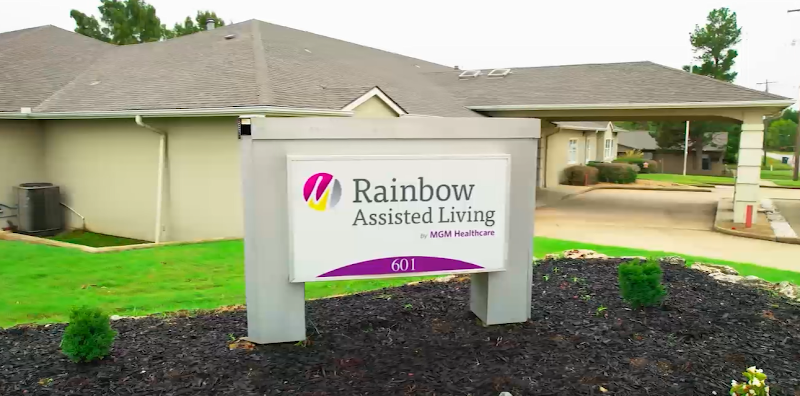
How Does Rainbow Health Care Community And Rainbow Assisted Compare to Other Oklahoma Nursing Homes?

Compared to the 100 nursing homes in Oklahoma, RAINBOW HEALTH CARE COMMUNITY AND RAINBOW ASSISTED's overall rating (3 stars) is above the state average of 2.6, staff turnover (49%) is near the state average of 46%, and health inspection rating (2 stars) is below the national benchmark.

What Should Families Ask When Visiting Rainbow Health Care Community And Rainbow Assisted?

Based on this facility's data, families visiting should ask: "What changes have been made since the serious inspection findings, and how are you preventing similar issues?" "Can I visit during a mealtime to observe dining assistance and food quality?" "How do you handle medical emergencies, and what is your hospital transfer rate?" "Can I speak with family members of current residents about their experience?" These questions are particularly relevant given the facility's Immediate Jeopardy citations.

Is Rainbow Health Care Community And Rainbow Assisted Safe?

Based on CMS inspection data, RAINBOW HEALTH CARE COMMUNITY AND RAINBOW ASSISTED has documented safety concerns. Inspectors have issued 1 Immediate Jeopardy citation (the most serious violation level indicating risk of serious injury or death). The facility has a 3-star overall rating and ranks #1 of 100 nursing homes in Oklahoma. Families considering this facility should ask detailed questions about what corrective actions have been taken since these incidents.

Do Nurses at Rainbow Health Care Community And Rainbow Assisted Stick Around?

RAINBOW HEALTH CARE COMMUNITY AND RAINBOW ASSISTED has a staff turnover rate of 49%, which is about average for Oklahoma nursing homes (state average: 46%). Moderate turnover is common in nursing homes, but families should still ask about staff tenure and how the facility maintains care continuity when employees leave.

Was Rainbow Health Care Community And Rainbow Assisted Ever Fined?

RAINBOW HEALTH CARE COMMUNITY AND RAINBOW ASSISTED has been fined $53,804 across 1 penalty action. This is above the Oklahoma average of $33,617. Fines in this range indicate compliance issues significant enough for CMS to impose meaningful financial consequences. Common causes include delayed correction of deficiencies, repeat violations, or care failures affecting resident safety. Families should ask facility leadership what changes have been made since these penalties.

Is Rainbow Health Care Community And Rainbow Assisted on Any Federal Watch List?

RAINBOW HEALTH CARE COMMUNITY AND RAINBOW ASSISTED is not on any federal watch list. The most significant is the Special Focus Facility (SFF) program, which identifies the bottom 1% of nursing homes nationally based on persistent, serious quality problems. Not being on this list means the facility has avoided the pattern of deficiencies that triggers enhanced federal oversight. This is a positive indicator, though families should still review the facility's inspection history directly.