CIMARRON POINTE CARE CENTER
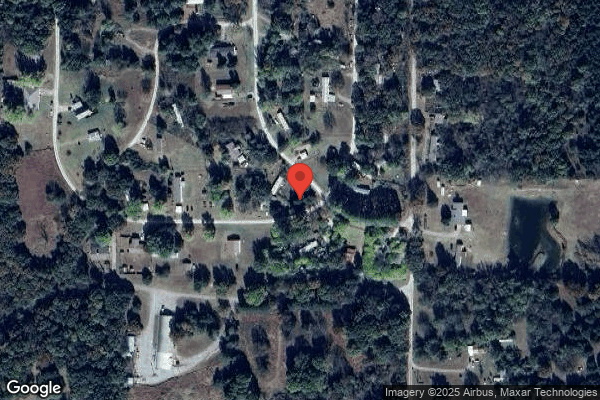

404 EAST CIMARRON, MANNFORD, OK 74044 (918) 865-7701
For profit - Corporation 108 Beds CONHOLD Data: November 2025
Trust Grade
50/100
#94 of 282 in OK
Last Inspection: June 2024

Within standard 12-15 month inspection cycle. Federal law requires annual inspections.

Overview

Cimarron Pointe Care Center has a Trust Grade of C, which means it is average, ranking in the middle of the pack compared to other facilities. It is positioned #94 out of 282 in Oklahoma, placing it in the top half, and #2 out of 7 in Creek County, indicating only one local option is better. The facility is improving, with a reduction in reported issues from 14 in 2023 to just 4 in 2024. However, staffing is a significant concern, rated at 1 out of 5 stars, with an alarming turnover rate of 82%, which is much higher than the state average of 55%. While there are no fines on record, which is a positive sign, some specific incidents were noted, such as a failure to administer medications as ordered for two residents and instances of food being served cold, which may affect resident satisfaction and care quality. Overall, while there are strengths in certain areas, families should be aware of staffing challenges and recent compliance issues.

Trust Score
C
50/100
In Oklahoma
#94/282
Top 33%
Safety Record
Low Risk
No red flags
Inspections
Getting Better
14 → 4 violations
Staff Stability
⚠ Watch
82% turnover. Very high, 34 points above average. Constant new faces learning your loved one's needs.
Penalties
✓ Good
No fines on record. Clean compliance history, better than most Oklahoma facilities.
Skilled Nurses
⚠ Watch
Each resident gets only 16 minutes of Registered Nurse (RN) attention daily — below average for Oklahoma. Fewer RN minutes means fewer trained eyes watching for problems.
Violations
⚠ Watch
24 deficiencies on record. Higher than average. Multiple issues found across inspections.
★★★☆☆
3.0
Overall Rating
★☆☆☆☆
1.0
Staff Levels
★★★★★
5.0
Care Quality
★★★☆☆
3.0
Inspection Score
Stable
2023: 14 issues
2024: 4 issues

The Good

  • 5-Star Quality Measures · Strong clinical quality outcomes
  • Full Sprinkler Coverage · Fire safety systems throughout facility
  • No fines on record

Facility shows strength in quality measures, fire safety.

The Bad

3-Star Overall Rating

Near Oklahoma average (2.6)

Meets federal standards, typical of most facilities

Staff Turnover: 82%

36pts above Oklahoma avg (46%)

Frequent staff changes - ask about care continuity

Chain: CONHOLD

Part of a multi-facility chain

Ask about local staffing decisions and management

Staff turnover is very high (82%)

34 points above Oklahoma average of 48%

The Ugly 24 deficiencies on record

Jun 2024 4 deficiencies
CONCERN (D)

Potential for Harm - no one hurt, but risky conditions existed

Deficiency F0657 (Tag F0657)

Could have caused harm · This affected 1 resident

Based on record review and interview, the facility failed to update the care plan related to significant weight loss for one (#9) of two sampled residents reviewed for nutrition. The DON identified 3...

Read full inspector narrative →
Based on record review and interview, the facility failed to update the care plan related to significant weight loss for one (#9) of two sampled residents reviewed for nutrition. The DON identified 34 residents who resided in the facility. Findings: Resident #9 had diagnoses which included type II diabetes mellitus and senile degeneration of brain. A physician order, dated 11/21/23, documented regular diet with mechanical soft texture. A physician order, dated 11/29/23, documented weekly weights times four weeks and then monthly. An admission assessment, dated 12/04/23, documented the resident was severely cognitively impaired, required setup assistance with eating, and had no weight loss or gain. A care plan, dated 12/05/23, documented the resident had a nutrition problem or potential problem related to diabetes with interventions to weigh per orders, monitor intake, and record every meal. A quarterly assessment, dated 05/03/24, documented the resident was severely cognitively impaired, required supervision with eating, and had weight loss of 5% or more in one month or 10% or more in the last six months and not on a prescribed weight-loss regimen. A Dietician's Recommendation, dated 05/22/24, documented significant weight loss of 10.2% in three months with a recommendation of weekly weights until recovery from weight loss, house supplement three times daily, and an appetite stimulant. A physician order, dated 05/22/24, documented to obtain weight weekly and house supplement with each meal. A physician order, dated 05/22/24, documented Mirtazapine 7.5 mg at bedtime for appetite stimulation. The care plan had not been updated to reflect Res #9's current weight loss and nutritional interventions. On 06/12/24 at 10:49 a.m., the DON stated the care plan should have been updated to reflect Res #9's weight loss and current nutritional interventions.
CONCERN (D) 📢 Someone Reported This

A family member, employee, or ombudsman was alarmed enough to file a formal complaint

Potential for Harm - no one hurt, but risky conditions existed

Deficiency F0692 (Tag F0692)

Could have caused harm · This affected 1 resident

Based on observation, record review, and interview, the facility failed to ensure meal consumption percentages and weights were documented on a resident who experienced significant weight loss for one...

Read full inspector narrative →
Based on observation, record review, and interview, the facility failed to ensure meal consumption percentages and weights were documented on a resident who experienced significant weight loss for one (#9) of two sampled residents reviewed for nutrition. The DON identified 34 residents who resided in the facility. Findings: Res #9 had diagnoses which included type II diabetes mellitus and senile degeneration of the brain. A physician order, dated 11/21/23, documented regular diet with mechanical soft texture. A physician order, dated 11/29/23, documented weekly weights times four weeks and then monthly. An admission assessment, dated 12/04/23, documented the resident was severely cognitively impaired, required setup assistance with eating, and had no weight loss or gain. A care plan, dated 12/05/23, documented the resident had a nutrition problem or potential problem related to diabetes with interventions to weigh per orders, monitor intake, and record every meal. A quarterly assessment, dated 05/03/24, documented the resident was severely cognitively impaired, required supervision with eating, and had weight loss of 5% or more in one month or 10% or more in the last six months and not on a prescribed weight-loss regimen. A Dietician's Recommendation, dated 05/22/24, documented significant weight loss of 10.2% in three months with a recommendation of weekly weights until recovery from weight loss. A physician order, dated 05/22/24, documented to obtain weight weekly. Resident #9's Weight Summary documented: a. 151.4 pounds on 11/27/23, b. 153.4 pounds on 12/27/23, c. 150.2 pounds on 01/04/24, d. 141.0 pounds on 04/02/24, e. 137.4 pounds on 05/02/24, and f. 137.0 pounds on 06/04/24. There were no weights documented from 01/04/24 until 04/02/24 and only one weight documented from 05/22/24 through 06/12/24. There was no documentation of Resident #9's meal consumption amount in May 2024 for: a. breakfast on the 23rd, 24th, 27th, 28th, or the 31st, b. lunch on the 15th, 22nd, 23rd, 24th, 27th, or the 31st, and c. dinner on the 16th, 18th, 19th, 22nd, or the 25th. There was no documentation of Resident #9's meal consumption amount in June 2024 for: a. breakfast on the 4th or the 5th, b. lunch on the 4th or the 5th, and c. dinner on the 6th or the 7th. On 06/10/24 at 10:30 a.m., CNA #1 stated Res #9 had been eating independently and consumed 75-100% of most meals. They stated Res #9 received double portions with all meals and supplements daily. On 06/12/24 at 10:24 a.m., the DON stated Res #9's weight and meal percentages had not been monitored and documented appropriately and there was no way to ensure proper nutrition had been maintained. They stated every meal should have had the percentage consumed documented.
CONCERN (D)

Potential for Harm - no one hurt, but risky conditions existed

Unnecessary Medications (Tag F0759)

Could have caused harm · This affected 1 resident

Based on observation, record review, and interview, the facility failed to ensure the medication error rate was less than 5%. A total of 25 opportunities were observed with two errors. The total medic...

Read full inspector narrative →
Based on observation, record review, and interview, the facility failed to ensure the medication error rate was less than 5%. A total of 25 opportunities were observed with two errors. The total medication error rate was 8%. The DON identified 34 residents who received medications in the facility. Findings: 1. Res #10 had diagnoses which included diverticulosis, osteoarthritis, and muscle weakness. A physician order, dated 02/19/24, documented buprenorphine sublingual tablet 8 mg - give one tablet sublingually (under the tongue) two times a day for chronic pain. On 06/12/24 at 8:00 a.m., CMA #1 was observed to administer buprenorphine 8 mg to Res #10. CMA #1 did not instruct the resident to place the tablet under their tongue for absorption. Res #10 was observed to swallow the tablet whole. 2. Res #32 had diagnoses which included dementia and hypertension. A physician order, dated 05/31/24, documented lisinopril 5 mg tablet - given one tablet by mouth for hypertension - hold if systolic blood pressure is less than 120 or the heart rate is less than 60. The nurse must be notified of held meds. On 06/12/24 at 8:10 a.m., CMA #1 was observed to obtain Res #32's blood pressure and heart rate. Res #32's heart rate was 58. CMA #1 then administered lisinopril 5 mg by mouth to Res #32. On 06/12/24 at 8:58 a.m., CMA #1 was asked if the buprenorphine was given sublingual to Res #10. CMA #1 stated the resident would have chewed the pill up anyway, so they just allowed them to swallow it. They stated not having been aware of the heart rate parameters on the lisinopril for Res #32. They stated the medication should have been held and the nurse notified. On 06/12/24 at 10:30 a.m., PN #1 stated CMA #1 should have given the pain medication the appropriate route and should have held the blood pressure medication according to the heart rate parameters. On 06/12/24 at 11:15 a.m., corporate nurse consultant #1 was made aware of the medication administration observations with CMA #1 and the medication error rate. They stated CMA #1 was new to administering medication and would use this as a learning experience.
CONCERN (D)

Potential for Harm - no one hurt, but risky conditions existed

Deficiency F0761 (Tag F0761)

Could have caused harm · This affected 1 resident

**NOTE- TERMS IN BRACKETS HAVE BEEN EDITED TO PROTECT CONFIDENTIALITY** Based on observation and interview, the facility failed to ensure expired supplies were removed from the medication/supply stora...

Read full inspector narrative →
**NOTE- TERMS IN BRACKETS HAVE BEEN EDITED TO PROTECT CONFIDENTIALITY** Based on observation and interview, the facility failed to ensure expired supplies were removed from the medication/supply storage room. The DON reported 34 residents resided in the facility. Findings: On [DATE] at 10:45 a.m., a tour of the medication/supply storage was conducted with corporate nurse #1. The following supplies were found to be expired: 4 NPWT Contour Med TR Kit with an expiration date of [DATE], 1 NPWT Contour Med TR Kit with an expiration date of [DATE], 1 Box of Covid-19 AG Cards with an expiration date of [DATE], 1 Box of Covid-19 AG Cards with an expiration date of [DATE], 6 Entraflo H2O 1000ml Feeding/H2O bag pump set with an expiration date of [DATE], 1 Entraflo H2O 1000ml Feeding/H2O bag pump set with an expiration date of [DATE], 6 Kangaroo Epump Set with flush bag with an expiration date of [DATE], 11 Kangaroo Epump Set with flush bag with an expiration date of [DATE], 5 V.A.C. Freedom 300ml canister with gel having an expiration date of [DATE], 1 V.A.C. Freedom 300ml canister with gel having an expiration date of [DATE], 1 box of lubricating jelly packets with an expiration date of [DATE]. On [DATE] at 11:00 a.m., Corporate nurse #1 stated the expired supplies should have been removed.
Dec 2023 1 deficiency
CONCERN (D) 📢 Someone Reported This

A family member, employee, or ombudsman was alarmed enough to file a formal complaint

Potential for Harm - no one hurt, but risky conditions existed

Deficiency F0557 (Tag F0557)

Could have caused harm · This affected 1 resident

**NOTE- TERMS IN BRACKETS HAVE BEEN EDITED TO PROTECT CONFIDENTIALITY** Based on record review and interview, the facility failed to ensure a resident's room and belonging were not searched without th...

Read full inspector narrative →
**NOTE- TERMS IN BRACKETS HAVE BEEN EDITED TO PROTECT CONFIDENTIALITY** Based on record review and interview, the facility failed to ensure a resident's room and belonging were not searched without their consent for one (#1) of three sampled residents reviewed for abuse. The administrator identified 37 residents resided in the facility. Findings: Res #1 had diagnoses which included adjustment disorder with depressed mood and insomnia. A facility Personal Property policy, read in part, .facility staff does not conduct searches of a resident or their personal belongings, unless the resident or representative agrees the search and understands the reason for the search . A quarterly MDS, dated [DATE], documented the resident was cognitively intact, had moderate depression, and had no behaviors. A behavior note, dated 08/21/23 at 8:33 a.m., documented the resident was out of the facility for an appointment and the nurse searched their room for medications and/or contraband. The note documented the DON was notified. There was no documentation the resident gave consent for the search of their belongings. On 12/28/23 at 10:19 a.m., the administrator stated they were not aware of a search of the resident's room on 08/21/23. They stated they had no documentation the resident had consented to the search. On 12/28/23 at 10:55 a.m., Res #1 stated they did not consent to a search of their room on 08/21/23.
Jul 2023 5 deficiencies
CONCERN (D) 📢 Someone Reported This

A family member, employee, or ombudsman was alarmed enough to file a formal complaint

Potential for Harm - no one hurt, but risky conditions existed

Report Alleged Abuse (Tag F0609)

Could have caused harm · This affected 1 resident

Based on record review and interview, the facility failed to ensure an allegation of neglect had been reported to OSDH for one (#12) of three sampled resident reviewed for abuse and neglect. The Resid...

Read full inspector narrative →
Based on record review and interview, the facility failed to ensure an allegation of neglect had been reported to OSDH for one (#12) of three sampled resident reviewed for abuse and neglect. The Resident Census and Conditions of Residents report, dated 07/12/23, documented 31 residents resided in the facility. Findings: An Abuse and Neglect policy, dated 10/05/22, read in parts, .It is the policy of this facility that the residents of this facility will be free of abuse .neglect .The facility will implement the following steps .Identify .The facility will teach the staff signs to identify abuse, to include .necessary care that is not rendered timely .Reporting .The facility will send a report to all reporting agencies as required by OSDH . Resident #12 had diagnoses which included sequelae of cerebral infarction, pacemaker, vascular dementia, and anemia. Resident #12's quarterly assessment, dated 04/07/23, documented the resident had moderate cognitive impairment, required extensive assistance of one staff member for transfers, utilized a wheelchair for ambulation, was dependent on one staff for toileting assistance, was incontinent of urine, and occasionally incontinent of bowel. A nurse's note, dated 05/02/23 at 3:55 p.m., read in part, .Resident was in the restroom unattended. residents [family member] stated that the aide put [them] in the restroom . A nurse's note, dated 05/03/23 at 9:58 p.m., read in part, .Residents [family member] was here tonight wanting to know what happened about [their] [loved one] being left in the restroom alone. Resident has a history of vasovagal effect. Residents [family member] was told that the resident was up walking to the bathroom alone and that's why no one was aware [they] was in the bathroom. Residents [family member] claims that is impossible and a downright lie [Family member] state that the resident is not strong enough to put [their] shoes on, walk to [their] walker, then to the bathroom and then pull [their] pants down to sit on the toilet. its physically impossible. Resident [family member] wants to watch the video of who was in the room. I advised [them] to call or come back in the morning. nurse doesn't have access. DON was notified, [physician] was notified . A grievance report, dated 05/03/23, documented Resident #12's family member reported they had been notified by Resident #12's roommate, CNA #5 left Resident #12 on the toilet unsupervised and Resident #12 had an Episode. The grievance report documented CNA #5 denied taking Resident #12 to the bathroom, and the family member did not believe CNA #5's statement. On 07/12/23 at 3:39 p.m., Resident #12's family member stated CNA #5 had taken Resident #12 to the restroom on 05/02/23 and then left the building for the day without notifying anyone. The family member stated they notified the former administrator and the SSD. On 07/14/23 at 10:53 a.m., the SSD stated Resident #12's daughter reported CNA #5 left Resident #12 on the toilet without supervision. The SSD stated they notified the former administrator. The SSD was asked if they had submitted the allegation of neglect to the OSDH. They stated, Not that I am aware of. On 07/14/23 at 12:07 p.m., the administrator was asked if the facility had reported an allegation of neglect to the OSDH involving Resident #12 and CNA #5 for the incident on 05/02/23. They stated they would look through the files and the computer. On 07/14/23 at 1:30 p.m., the administrator stated they could not find any paperwork the allegation was submitted to the OSDH.
CONCERN (D) 📢 Someone Reported This

A family member, employee, or ombudsman was alarmed enough to file a formal complaint

Potential for Harm - no one hurt, but risky conditions existed

Investigate Abuse (Tag F0610)

Could have caused harm · This affected 1 resident

**NOTE- TERMS IN BRACKETS HAVE BEEN EDITED TO PROTECT CONFIDENTIALITY** Based on record review and interview, the facility failed to ensure an allegation of neglect had been investigated for one (#12)...

Read full inspector narrative →
**NOTE- TERMS IN BRACKETS HAVE BEEN EDITED TO PROTECT CONFIDENTIALITY** Based on record review and interview, the facility failed to ensure an allegation of neglect had been investigated for one (#12) of three sampled resident reviewed for abuse and neglect. The Resident Census and Conditions of Residents report, dated 07/12/23, documented 31 residents resided in the facility. Findings: An Abuse and Neglect policy, dated 10/05/22, read in parts, .It is the policy of this facility that the residents of this facility will be free of abuse .neglect .The facility will implement the following steps .Identify .The facility will teach the staff signs to identify abuse, to include .necessary care that is not rendered timely . Resident #12 had diagnoses which included sequelae of cerebral infarction, pacemaker, vascular dementia, and anemia. Resident #12's quarterly assessment, dated 04/07/23, documented the resident had moderate cognitive impairment, required extensive assistance of one staff member for transfers, utilized a wheelchair for ambulation, was dependent on one staff for toileting assistance, was incontinent of urine, and occasionally incontinent of bowel. An undated written employee statement, read in parts, [CNA #5] was removed from care of two residents .because she would repeatedly leave a resident on the toilet and leave the room. Resident had a Vasovagal response and would pass out .the 2-10 [2:00 p.m.-10:00 p.m.]nurse and CNAs would come in where multiple residents who were not changed the urine on Residents beds have been there so long it had turned brown Brown ringed .[CNA #5] claimed she is [AGE] years old and the residents are too heavy . A nurse's note, dated 05/02/23 at 3:55 p.m., read in part, .Resident was in the restroom unattended. residents [family member] stated that the aide put [them] in the restroom . A grievance report, dated 05/03/23, documented Resident #12's family member reported they had been notified by Resident #12's roommate, CNA #5 left Resident #12 on the toilet unsupervised and Resident #12 had an Episode. The grievance report documented CNA #5 denied taking Resident #12 to the bathroom, and the family member did not believe CNA #5's statement. The grievance report documented the DON and the SSD watched Resident #12 take herself to the bathroom with the walker the next day on 05/04/23 and notified the family. The grievance report documented the family continued to believe CNA #5 left Resident #12 on the toilet unattended. An individual counseling record for CNA #5, dated 05/18/23, read in parts, .Refusing to provide resident care .fellow CNA requested [CNA #5]'s assistance to toilet a resident when [CNA #5] stated she was not and will not toilet that resident followed with just wait 5 minutes maybe [they'll] forget .formal write up . An individual counseling record for CNA #5, dated 05/19/23, read in parts, .Inadequate Resident Care Practices .Incontinent care not provided during scheduled shift as assigned .formal write up . An employee counseling form for CNA #5, dated 05/22/23, documented CNA #5 was being terminated for complaints of poor care on 05/18/23 and 05/19/23 and previous complaints of poor care. A typed statement from the former DON, dated 06/08/23, read in parts, .[CNA #5] was .written up several times for poor resident care and job performance. [They] frequently refused to provide care to difficult residents .Residents in [their] care were often found to be saturated in urine, literally from head to toe; requiring complete bed changes and showers. [They] also refused to do showers assigned to [them] and would document resident's refusal despite the resident's inability to refuse. [They] was very curt with some of the residents and had several of them request that [they] not be their care giver due to her attitude and bedside manner . On 07/12/23 at 3:39 p.m., Resident #12's family member stated CNA #5 had taken Resident #12 to the restroom on 05/02/23 and then left the building for the day without notifying anyone. They stated Resident #12's roommate yelled for help. Resident #12's family member stated they spoke to the administrator and the SSD about what had happened. On 07/13/23 at 3:24 p.m., LPN #1 was asked about the incident on 05/02/23. They stated CNA #5 assisted Resident #12 to the bathroom and left them in the bathroom and did not tell anybody. LPN #1 stated Resident #14 came down the hall telling the staff a resident had fallen in the bathroom. LPN #1 was asked if CNA #5 was questioned about leaving Resident #12 in the bathroom. They stated, Yes, LPN #1 reported CNA #5 stated, I am [AGE] years old and couldn't remember some things. LPN #1 stated at the time of the incident on 05/02/23, they did not feel Resident #12 was capable of ambulating to the bathroom on their own. LPN #1 stated the family did not believe the resident was capable of taking themselves to the bathroom. LPN #1 was asked if they considered what the family stated was an allegation of neglect. They stated, Yes. LPN #1 stated they notified the DON. LPN #1 was asked if they had given any written statements. They stated, No. On 07/14/23 at 10:53 a.m., the SSD stated Resident #12's roommate told Resident #12's family member, CNA #5 assisted Resident #12 to the bathroom and left the resident in the bathroom without notifying anybody the resident was on the toilet. The SSD stated they notified the former administrator and they filled out a grievance report. The SSD was asked if Resident #12's roommate was alert and oriented enough to know if CNA #5 took Resident #12 to the bathroom and left. They stated, Yes, for the most part she should. On 07/14/23 at 12:07 p.m., the administrator was asked for the documentation of the incident involving Resident #12 and CNA #5 on 05/02/23. They stated they would look through the files and the computer. On 07/14/23 at 1:14 p.m., Resident #14 was asked if they had remembered a time they had alerted the staff a resident was yelling for help. They stated they remembered Resident #12's roommate yelling for help. They stated they walked down to the nurse's station and told the nurse they thought a resident had fallen in the bathroom. Resident #14 was asked if they had seen Resident #12 walking in the room. They stated, No. On 07/14/23 at 1:22 p.m., Resident #11 (Resident #12's roommate) stated, I think I hollered for somebody to get her. Resident #11 identified CNA #5 as the staff member who assisted Resident #12 to the bathroom. Resident #11 stated they guessed it had been time for CNA #5 to get off work so they left. Resident #11 was asked if Resident #12 had attempted to take themselves to the bathroom. They stated, No. Resident #11 stated they did not believe CNA #5 worked at the facility anymore. On 07/14/23 at 1:30 p.m., the administrator stated they could not find the state reportable incident report for the allegation of neglect. There was no documentation provided the residents involved, staff or other residents had been interviewed about the incident or the care provided by CNA #5. There was no documentation the video footage requested by the family had been reviewed to reveal if a staff member had gone into the room to assist the resident.
CONCERN (D) 📢 Someone Reported This

A family member, employee, or ombudsman was alarmed enough to file a formal complaint

Potential for Harm - no one hurt, but risky conditions existed

Deficiency F0657 (Tag F0657)

Could have caused harm · This affected 1 resident

Based on record review and interview, the facility failed to ensure a care plan was revised for one (#12) of three sampled residents reviewed for care plans. The Residents Census and Condition of Resi...

Read full inspector narrative →
Based on record review and interview, the facility failed to ensure a care plan was revised for one (#12) of three sampled residents reviewed for care plans. The Residents Census and Condition of Residents report, dated 07/12/23, documented 31 residents resided in facility and 19 residents required toileting assistance. Findings: The Care Plans, Comprehensive Person-Centered policy, revised March 2022, read in part, .assessments of residents are ongoing and care plans are revised as information about the residents and the residents' conditions change . Resident #12's ADL care plan, revised on 03/27/23, documented the resident required one staff participation to use the toilet. Resident #12's Hematological care plan, dated 07/10/23, documented the resident was at risk for anemia related to possible gastrointestinal bleed. The interventions included to monitor, document and report to the physician any signs or symptoms of anemia which included weakness, syncope, pallor, and dizziness. The care plan did not document the resident had a history of having vasovagal response (A stimulation of the vagus nerve which causes symptoms such as lightheadedness, sweating, blurred vision and could result in syncope which is a brief episode of passing out.) while on the toilet and required supervision during toileting. On 07/12/23 at 3:39 p.m., Resident #12's family member stated Resident #12 could not be left alone on the toilet because they would faint. They stated Resident #12 had fainting episodes more than once and the staff knew not to leave the resident on the toilet without supervision. Resident #12's family member stated the resident had a fainting episode on the toilet on 05/02/23 when a staff member had left Resident #12 on the toilet without supervision and left the building. They stated the nurse assured them it would be reported and would not happen again. On 07/13/23 at 3:24 p.m., LPN #1 stated Resident #12 had a history of syncopal episodes while in the bathroom and required staff supervision while toileting. They were asked how they were made aware the resident required supervision. LPN #1 stated they were made aware verbally by the former DON. LPN #1 stated the care plan did not document a staff was required to remain with the resident while they were in the bathroom due to the syncopal episodes. On 07/13/23 at 4:05 p.m., CNA #3 stated they had worked at the facility for approximately three weeks. CNA #3 stated they had left Resident #12 on the toilet on 07/12/23, while they took Resident #11 to the dining room. They stated when they returned to the bathroom Resident #12 was reaching for their walker and started to pass out. They stated they were not aware Resident #12 was not supposed to be left alone in the bathroom. CNA #3 was asked if the care plan had documented the resident could not be left alone in the bathroom. They stated, No. On 07/13/23 at 4:25 p.m., the MDS coordinator was asked if the care plan should have been updated after the resident had a syncopal episode in the bathroom to include the need for supervision while in the bathroom. They stated that depended if the episodes had occurred more than one time. The MDS coordinator was asked if the care plan included the need for supervision while in the bathroom. They stated the care plan documented Resident #12 required toileting assistance of one staff member.
CONCERN (E) 📢 Someone Reported This

A family member, employee, or ombudsman was alarmed enough to file a formal complaint

Potential for Harm - no one hurt, but risky conditions existed

Pharmacy Services (Tag F0755)

Could have caused harm · This affected multiple residents

**NOTE- TERMS IN BRACKETS HAVE BEEN EDITED TO PROTECT CONFIDENTIALITY** Based on record review and interview, the facility failed to ensure medications were administered as ordered for two (#14 and #7...

Read full inspector narrative →
**NOTE- TERMS IN BRACKETS HAVE BEEN EDITED TO PROTECT CONFIDENTIALITY** Based on record review and interview, the facility failed to ensure medications were administered as ordered for two (#14 and #79) of three sampled residents reviewed for medication administration. The Resident Census and Conditions of Residents report, dated 07/12/23, documented 31 residents resided in the facility. Findings: The facility's Pharmacy Services policy, revised 04/2019, read in parts, .Pharmacy services are available to residents 24 hours a day, seven days a week .Residents .receive medications (routine, emergency or as needed) in a timely manner . The facility's Medication Orders policy, revised 11/2014, read in parts, .Orders must be written .When recording orders for medication, specify the type, route, dosage, frequency and strength of the medication ordered . 1. Resident #14 had diagnoses which included essential tremors and urinary tract infection. A physician's progress note, dated 06/28/23, read in parts, .Chief Complaint: Tremors .Acute UA obtained 06/26/23 .Positive Enterococcus Klebsiella. Patient does note some symptoms. Patient is open to antibiotic therapy Patient also notes increased tremors. Patient feels the propranolol is not helping .Plan: Macrobid 100 mg .twice daily x 7 days .DC propranolol .Start primidone 50 mg .twice daily for essential tremors . A MAR, dated 06/01/23 through 06/30/23, documented Resident #14 was administered the Propranolol three times a day on 06/28/23 through 06/30/23 after the physician had written an order for the medication to be discontinued; the Macrobid and the Primidone had not been administered on 06/28/23 through 06/30/23 as ordered. An electronic physician's order, dated 07/01/23, documented to administer Macrobid 100 mg twice a day for urinary tract infection for seven days, Primidone 50 mg by mouth twice a day for essential tremors, and discontinue Propranolol. The order was in the physician's progress notes on 06/28/23 and was transcribed and put in the computer system by the nurse on 07/01/23. A MAR, dated 07/01/23 through 07/14/23, documented the Propranolol was administered two times on 07/01/23; the Macrobid 100 mg had been administered twice on 07/02/23 through 07/08/23; the Primidone 50 mg was administered on 07/01/23. The Propranolol had been administered two times after the order was written to discontinue the medication on 06/28/23, the antibiotic was started five days after it had been ordered by the physician, and the Primidone was not administered until three days after it was ordered by the physician. On 07/13/23 at 1:45 p.m., the DON stated the physician's orders are synced to their computer system and they would put the orders in the electronic charting system and give a copy of the orders to the nurse. They stated they had been new to the facility on [DATE] when the physician made their visit. The DON stated the antibiotic should have been started within 24 hours, and the physician's orders were not followed for the Propranolol or the primidone. 2. Resident #79 had diagnoses which included diabetes and diabetic neuropathy. A physician's progress note, dated 06/28/23, read in parts, .Chief Complaint: Follow-up skilled visit, elevated blood sugars, wheezing .Acute problem addressed .Slightly elevated blood sugars, 200s .Patient does note some daytime somnolence .Plan: Increase Lantus to 35 units .twice daily .Decrease gabapentin to 300 mg .twice a daily. Reducing the midday dose should help with the daytime somnolence . Resident #79's TAR, dated 06/01/23 through 06/30/23, documented the resident was administered 32 units of Lantus two times a day on 06/28/23 through 06/30/23. The physician's order to increase the Lantus to 35 units had not been documented on the TAR. Resident #79's MAR, dated 06/01/23 through 06/30/23, documented the Gabapentin 300 mg was administered three times a day on 06/28/23 through 06/30/23. The physician's order to decrease the Gabapentin to two times a day had not been documented on the MAR. Resident #79's electronic physician order, 07/01/23, documented to administer 35 units of Lantus (long acting insulin) two times a day for diabetes and administer Gabapentin 300 mg two times a day for diabetic neuropathy. The order was in the physician's progress notes on 06/28/23 and was transcribed and put in the computer system by the nurse on 07/01/23. Resident #79's TAR, dated 07/01/23 through 07/14/23, documented Lantus 32 units was administered at 6:30 a.m. A nurse's progress note, dated 07/01/23, documented, Resident #79 reported to the nurse their dosage of Lantus had been increased. The note documented the new order was not updated in the computer. On 07/12/23 at 1:10 p.m., Resident #79 stated the physician had changed their insulin orders on 06/28/23 and by 07/01/23 the new orders had not been put in the computer. On 07/13/23 at 3:35 p.m., LPN #1 stated they had administered 35 units of Lantus and had signed the TAR as administered 32 units. They stated they knew the order had changed but were not allowed to put the order in the computer. They stated the DON was responsible for putting the orders in the computer. On 07/13/23 at 1:45 p.m., the DON stated the LPN who had worked the day shift on 06/28/23 through 06/30/23 had administered 35 units of Lantus but had signed out they administered 32 units of Lantus. The DON stated the orders for the medication changes had been ordered on 06/28/23 and were not put in the computer by the nurse on 07/01/23.
CONCERN (E) 📢 Someone Reported This

A family member, employee, or ombudsman was alarmed enough to file a formal complaint

Potential for Harm - no one hurt, but risky conditions existed

Deficiency F0804 (Tag F0804)

Could have caused harm · This affected multiple residents

Based on observation, record review and interview, the facility failed to ensure food was served at a palatable temperature for one (breakfast meal) of one meal observed for palatable temperature. Th...

Read full inspector narrative →
Based on observation, record review and interview, the facility failed to ensure food was served at a palatable temperature for one (breakfast meal) of one meal observed for palatable temperature. The Residents Census and Condition of Residents report, dated 07/12/23, documented 31 residents resided in facility. Findings: The facility's Food and Nutrition Services policy, revised 10/2017, read in parts, .Food and nutrition services staff will inspect food trays to ensure .the food appears palatable and attractive, and it is served at a safe and appetizing temperature . The following concerns related to cold food were identified during resident council meetings: Resident council meeting minutes, dated 02/07/23, documented the breakfast was served cold. Resident council meeting minutes, dated 05/04/23, documented they would like hot coffee and the breakfast was cold. On 07/12/23 at 1:10 p.m., Resident #79 stated the food was served cold. They stated the sausage, bacon, eggs, and coffee served at the breakfast meal were cold. On 07/12/23 at 2:02 p.m., CNA #2 was asked if the residents complained about the food. They stated, Yes. On 07/12/23 at 3:39 p.m., Resident #12's family stated their family member had stated in the past the food was awful and they had heard other residents say the food was terrible. On 07/13/23 at 8:06 a.m., a tray was requested from the kitchen. On 07/13/23 at 8:38 a.m., the hall trays were taken to the hall in a heated cart. On 07/13/23 at 8:45 a.m., Resident #14 was served their breakfast tray. Resident #14 placed their hand above their breakfast plate and stated it was barely warm. On 07/13/23 at 8:56 a.m., all the hall breakfast trays had been served to the residents and the last tray on the heated cart contained scrambled eggs with a temperature reading of 113.5 degrees Fahrenheit and was lukewarm to touch, the sausage was 102.0 degrees Fahrenheit and was cool to touch, the bacon was 92.0 degrees Fahrenheit and was cold to touch, the toast was cold, and the coffee was 101.4 degrees Fahrenheit and was lukewarm. On 07/13/23 at 9:02 a.m., the DON observed the food temperatures and the breakfast tray. They were asked if the breakfast had been served at a palatable temperature. They stated, No. The DON stated the food should be warmer. On 07/14/23 at 11:20 a.m., Resident #6 was asked about the food. They stated the facility had a resident council meeting that morning (07/14/23) and they reported the morning food was cold at times.
May 2023 8 deficiencies
CONCERN (D) 📢 Someone Reported This

A family member, employee, or ombudsman was alarmed enough to file a formal complaint

Potential for Harm - no one hurt, but risky conditions existed

Deficiency F0657 (Tag F0657)

Could have caused harm · This affected 1 resident

Based on record review and interview, the facility failed to revise the nutritional care plan for one (#13) of three sampled residents reviewed for nutrition. The Residents Census and Condition of Res...

Read full inspector narrative →
Based on record review and interview, the facility failed to revise the nutritional care plan for one (#13) of three sampled residents reviewed for nutrition. The Residents Census and Condition of Residents report, dated 05/03/23, documented 28 residents resided in facility. Findings: The Care Plans, Comprehensive Person-Centered policy, revised March 2012, read in part, .assessments of residents are ongoing and care plans are revised as information about the residents and the residents conditions change . A Physician Order, dated 10/07/22, documented the resident had a regular diet ordered. Resident #13's Care Plan, dated 12/28/22, read in parts, .Concern: Nutrition- I am on a Regular diet, Regular Texture, regular/Thin liquids. I require assist with tray set up . A Physician Order, dated 02/14/23, documented the resident had a mechanical soft diet ordered. Resident's #13's care plan was not revised/updated to reflect the diet change. A Physician Order, dated 04/19/23, documented the resident had a regular diet, pureed texture, with honey consistency liquids. It documented the resident was to receive a low cholesterol, low sodium and low fat diet for dysphasia. Resident's #13's care plan was not revised/updated to reflect the diet change. On 05/05/23 at 11:11 a.m., the DON was asked what the process was for updating care plans. They stated, I print off all the new and discontinued orders and cross match them to the care plan and make changes like that.
CONCERN (D) 📢 Someone Reported This

A family member, employee, or ombudsman was alarmed enough to file a formal complaint

Potential for Harm - no one hurt, but risky conditions existed

Accident Prevention (Tag F0689)

Could have caused harm · This affected 1 resident

Based on observation, record review, and interview, the facility failed to utilize a safe technique to transfer a resident to the bathroom for one (#2) of three sampled residents reviewed for accident...

Read full inspector narrative →
Based on observation, record review, and interview, the facility failed to utilize a safe technique to transfer a resident to the bathroom for one (#2) of three sampled residents reviewed for accident hazards. The Resident Census and Conditions of Residents report, dated 05/03/23, documented 15 residents required the assistance of one or two staff members for transfers and 13 residents required the assistance of one or two staff members for toilet use. Findings: A Safe Lifting and Movement of Residents policy, revised 07/17, read in parts, .In order to protect the safety and well-being of staff and residents, and to promote quality care, this facility uses appropriate techniques and devises to lift and move residents .Manual lifting of residents shall be eliminated when feasible .Staff responsible for direct resident care will be trained in the use of manual (gait/transfer belts, lateral boards) and mechanical lifting devices . Resident #2 had diagnoses which included anoxic brain damage and unspecified convulsions. An Annual Resident Assessment, dated 02/22/23, documented Resident #2 required extensive assistance of two plus persons physical assist for transfers and toilet use. A Care Plan, revised 04/03/23, documented staff may use a sit to stand lift for transfers as needed. On 05/02/23 at 11:06 a.m., LPN #1 was observed walking over to Resident #2 who was seated at the activity table in the main living area. LPN #1 stated the resident needed to go to the bathroom. On 05/02/23 at 11:10 a.m., CMA #1 and LPN#1 assisted the resident into the community bathroom located on Hall D. Both staff members donned gloves, LPN #1 removed the foot pedals from the resident's wheelchair and pulled the wheelchair towards the toilet located in the bathroom. LPN #1 placed Resident #2's feet flat on the floor. CMA #1 was observed grabbing Resident #2's gray pants, and used them to hoist the resident out of the wheelchair. Resident #2 held onto the grab bar next to the toilet while LPN #1 pulled down the resident's pants and brief. Resident #2 sat on the toilet with verbal command by staff. On 05/02/23 at 11:18 a.m., both LPN #1 and CMA #1 donned gloves. LPN #1 moved the wheelchair back close to the toilet. LPN #1 stood on the left side of the toilet between the resident and the wheelchair On 05/02/23 at 11:19 a.m., Resident #2 and LPN #1 grabbed some toilet paper, and CMA #1 grabbed some disposable wipes. On 05/02/23 at 11:20 a.m., Resident #2 reached for the grab bar on the left side of the toilet. LPN #1 was observed grabbing underneath the resident's left arm and CMA #1 was observed grabbing underneath the resident's right arm and hoisted the resident to a standing position next to the toilet. LPN #1 used disposable wipes to clean the resident. CMA #1 pulled up the resident's disposable brief and pants. Both LPN #1 and CMA #1 continued to hold underneath the resident's armpits to turn the resident in front of the wheelchair. LPN #1 held onto the back side of the residents gray pants and took steps toward the resident's wheelchair where the resident sat down. On 05/02/23 at 11:22 a.m., LPN #1 reached under the resident's right arm and CMA #1 reached underneath Resident #2's left arm, and hoisted the resident up in their wheelchair by their arms. On 05/02/23 at 11:24 a.m., LPN #1 and CMA #1 were asked what type of assistance Resident #2 required for transfers. LPN #1 stated the resident required two person assist or a sit to stand lift. LPN #1 stated the resident was reluctant to use a machine. On 05/02/23 at 11:26 a.m., LPN #1 and CMA #1 were asked what the policy was for assisting Resident #2 from a wheelchair to a standing position. CMA #1 stated staff were to make sure the wheelchair was locked, and start on the resident's strong side to their best ability. On 05/02/23 at 11:27 a.m., they were asked to explain the reason they grabbed the resident's gray pants and hoisted them to a standing position. LPN #1 stated a gait belt should have been used rather than the resident's pants. On 05/02/23 at 11:28 a.m., LPN #1 and CMA #1 were asked about putting their arms under the residents' arms to lift them. LPN #1 stated that was not the proper technique. On 05/04/23 at 1:14 p.m., the DON was asked the policy for transferring a resident who required one person physical assistance. They stated staff should be using gait belts. The DON was asked the policy for transferring a resident who required two person physical assistance. The DON stated if the resident was able to bear weight, staff should use gait belts. They stated if the resident was unable to bear weight, staff should not be trying to stand them up.
CONCERN (D)

Potential for Harm - no one hurt, but risky conditions existed

Room Equipment (Tag F0908)

Could have caused harm · This affected 1 resident

Based on observation and interview, the facility failed to ensure the steam table located in the kitchen was maintained in a safe operating condition. The Resident Census and Conditions of Residents ...

Read full inspector narrative →
Based on observation and interview, the facility failed to ensure the steam table located in the kitchen was maintained in a safe operating condition. The Resident Census and Conditions of Residents report, dated 05/03/23, documented 28 residents resided in the facility. LPN #1 identified one resident with orders for nothing by mouth. Findings: On 05/03/23 at 11:45 a.m., during the lunch meal service, the steam table was observed to have two temperature knobs missing. The DM was asked how they knew what temperature the steam table was set at if the knobs were missing. They stated they would check the food with a thermometer and adjust the temperature up or down as needed. On 05/03/23 at 11:47 a.m., the DM was asked if there was any way to know what temperature steam table compartments three and four were set on with the knobs missing. No response was given. The DM was asked how long the knobs had been missing. They stated they did not know.
CONCERN (E)

Potential for Harm - no one hurt, but risky conditions existed

Assessment Accuracy (Tag F0641)

Could have caused harm · This affected multiple residents

**NOTE- TERMS IN BRACKETS HAVE BEEN EDITED TO PROTECT CONFIDENTIALITY** Resident #13 had diagnoses which included depression, impulse disorder, and dysphagia. A Dietary Note dated, 02/16/23, documente...

Read full inspector narrative →
**NOTE- TERMS IN BRACKETS HAVE BEEN EDITED TO PROTECT CONFIDENTIALITY** Resident #13 had diagnoses which included depression, impulse disorder, and dysphagia. A Dietary Note dated, 02/16/23, documented a current weight of 216.8 pounds. It documented the resident had experienced a 9.3% weight loss in one month, 15.2% loss in three months and 18.4% loss in six months. It documented to notify the physician. It documented the resident had a recent diet order change to regular pureed diet with nectar thick liquids. An admission Resident Assessment, dated 05/03/23, documented Resident #13's weight was 218 pounds and the resident had not experienced a weight loss of 5% or more in the the last month or 10% or more in the last six months. On 05/05/23 11:11 a.m., the DON was asked, what was the process for ensuring the information that was put into a MDS was accurate. The DON stated, I print off all the new and discontinued orders and cross match them to the care plan and make changes like that. The DON reviewed Resident #13's MDS dated [DATE] and acknowledged the weight loss section was inaccurate. Based on record review and interview, the facility failed to ensure MDS Resident Assessments were accurate for two (#7 and #13) of 14 sampled residents reviewed for MDS resident assessments. The Resident Census and Conditions of Residents report, dated 05/03/23, documented 28 residents resided in the facility. Findings: 1. Resident #7 had diagnoses which included hypertension and hyperlipidemia. Resident #7's Weight Summary documented they weighed: a. 198.8 pounds on 11/03/22, b. 195.6 pounds on 01/17/23, c. 190 pounds on 03/01/23, and d. 177.8 pounds on 04/01/23. A Dietary Note, dated 04/07/23, documented Resident #7's April weight was 177.8 pounds and the resident had experienced a 6.4% weight loss in one month, a 9.1% weight loss in three months, and an 11.3% weight loss in six months. An admission Resident Assessment, dated 04/27/23, documented Resident #7's weight was 178 pounds and the resident had not experienced a weight loss of 5% or more in the the last month or 10% or more in the last six months. On 05/04/23 at 12:27 p.m., MDS Coordinator #1 was asked the policy for completing MDS Resident Assessments. They stated most of the information could be pulled from activities of daily living and nursing assessments, and the activities and social services department completed their parts. MDS Coordinator #1 stated MDS Resident Assessments were completed quarterly and annually. They were asked to Review Resident #7's Resident assessment dated [DATE] and were asked if it documented the resident had experienced weight loss. They stated, No. They were asked to review the resident's weight history and determine if the assessment was accurate. MDS Coordinator #1 reviewed the weights and stated they had made a mistake.
CONCERN (E) 📢 Someone Reported This

A family member, employee, or ombudsman was alarmed enough to file a formal complaint

Potential for Harm - no one hurt, but risky conditions existed

Deficiency F0692 (Tag F0692)

Could have caused harm · This affected multiple residents

2. Resident #13 had diagnoses which included depression, impulse disorder, and dysphagia. Resident #13's Weight Summary documented they weighed: a. 239 pounds on 01/17/23, b. 216 pounds on 02/22/23, ...

Read full inspector narrative →
2. Resident #13 had diagnoses which included depression, impulse disorder, and dysphagia. Resident #13's Weight Summary documented they weighed: a. 239 pounds on 01/17/23, b. 216 pounds on 02/22/23, c. 217 pounds on 03/19/23, d. 225 pounds on 04/01/23, and e. 217 pounds on 05/02/23. A Dietary Note dated, 02/16/23, documented a current weight of 216.8 pounds. It documented the resident had experienced a 9.3% weight loss in one month, 15.2% loss in three months and 18.4% loss in six months. It documented to notify the physician. It documented the resident had a recent diet order change to regular pureed diet with nectar thick liquids. It documented staff reported the resident's by mouth intake had decreased, and a recommendation of a house supplement three times a day was made. There was no documentation of Resident #13's meal consumption amount in March 2023 for: a. breakfast on the 28th b. lunch on the 15th, 20th, 28th, and c. dinner on the 2nd, 3rd, 8th, 9th, 10th, or 14th. The form documented staff were to offer a meal replacement if the resident consumed less than 50% of the meal. All of the above dates were blank on the meal replacement section for March 2023. There was no documentation of how much of the ordered house supplements three times a day the resident consumed. A Dietary progress note, dated 03/28/23 , read in parts, .March Diet Report: Resident comes down to the dining room for all meals. Resident is on regular/pureed diet, nectar thick liquids. Resident has a low cholesterol, low fat, low sodium order. Resident get a house supplement TID with meals. Resident eats 50%-75% of his meal . A Dietary Progress note, dated 04/07/2023, read in parts, .April wt- 225.4 [pounds]. 12.4% wt loss in 6 months. PCP aware. Wt gain noted [times] 2 months. Fair to good [by mouth] intake on regular pureed diet with [nectar thick liquids] and house supplement TID .Monitor and continue POC . A Physician Progress Note, dated 05/03/23, read in part, .Appetite is satisfactory. No significant weight change . On 05/05/23 at 11:51 a.m., Consultant #2 and the Administrator, stated Resident #13's supplements were documented at the time of each meal on the meal percentage paper form. They stated when staff went into the electronic record for the resident, they combined the meal and supplement total percentage. They were asked if they could provide documentation of how much of the supplement Resident #13 consumed. They stated, no because they had thrown them away. On 05/05/23 at 11:52 a.m., Consultant #2 and the Administrator were asked if a resident that experienced weight loss was ordered supplements three times day, how would staff determine supplements where an affective intervention for weight loss if there was no documentation of how much Resident #13 consumed. They both nodded and stated they would work on that. Based on record review and interview, the facility failed to ensure: a. meal consumption percentages were documented on a resident who experienced weight loss for two (#7 and #13) and b. ordered supplement consumption was documented on a resident who experienced weight loss for one (#13) of three sampled residents reviewed for nutrition. The Resident Census and Conditions of Residents report, dated 05/03/23, documented 28 residents resided in the facility. Findings: A Guidelines for Charting and Documentation policy, revised 04/12, read in parts, .General Rules for Charting and Documentation .Be concise, accurate, and complete .Nutritional Status .document the diet, appetite, food consumption . 1. Resident #7 had diagnoses which included hypertension and hyperlipidemia. Resident #7's Weight Summary documented they weighed: a. 198.8 pounds on 11/03/22, b. 195.6 pounds on 01/17/23, c. 190 pounds on 03/01/23, and d. 177.8 pounds on 04/01/23. There was no documentation of Resident #7's meal consumption amount in February 2023 for: a. breakfast on the 3rd, 9th, 10th, 14th, or 21st, b. lunch on the 3rd, 6th, 9th, 10th, 14th, 15th, 17th, 20th, 21st, 22nd, 23rd, 24th, 26th and 27th, and c. dinner on the 1st, 3rd, 6th, 7th, 9th, 11th, 15th, 17th, 18th, 20th, 24th, 26th, or the 28th. The form documented staff were to offer a meal replacement if the resident consumed less than 50% of the meal. All of the above dates were blank on the meal replacement section for February 2023. There was no documentation of Resident #7's meal consumption amount in March 2023 for: a. breakfast on the 16th, b. lunch on the 2nd, 7th, 16th or 17th, and c. dinner on the 2nd, 3rd, 6th, 9th, 10th, 13th, or 15th. The form documented staff were to offer a meal replacement if the resident consumed less than 50% of the meal. All of the above dates were blank on the meal replacement section for March 2023. A Dietary Note, dated 04/07/23, documented Resident #7's April weight was 177.8 pounds and the resident had experienced a 6.4% weight loss in one month, a 9.1% weight loss in three months, and an 11.3% weight loss in six months. A Physician Order, dated 04/07/23, documented the resident was to receive a regular diet, regular texture, regular thin consistency, no added salt with double protein. There was no documentation of Resident #7's meal consumption amount in April 2023 for: a. lunch on the 3rd and b. dinner on the 10th and 20th. On 05/04/23 at 1:35 p.m., CNA #1 and Consultant #1 were asked the policy for documenting meal percentages. CNA #1 stated staff wrote down meal percentages, supplements, and fluids after each meal on a paper form. CNA #1 stated they would document the totals for their shift in the computer. CNA #1 was asked to review Resident #7th meal consumption amounts for February, March and April 2023. They were asked if there was any way to know how much the resident had eaten or if they were offered a supplement when there was nothing documented for the above dates. CNA #1 stated staff had neglected their charting. CNA #1 stated it should have been documented on the form. They were asked if the paper documentation was still available for these dates. Consultant #1 stated they would try to locate the paper charting. On 05/04/23 at 2:25 p.m., LPN #1 was asked how staff monitored residents for weight loss. They stated residents were typically weighed monthly, however some residents did have orders for more frequent weights. LPN #1 was asked how staff knew how much food a resident had eaten at each meal. They stated there were forms the CNAs would document meal percentages on, and then they would put the information in the electronic health record. On 05/04/23 at 2:29 p.m., LPN #1 was asked if the meal percentage area was blank, how staff know how much the resident consumed. LPN #1 stated if the area was blank, there was no way of knowing how much the resident consumed, unless they were able to find the staff member who picked the tray up. On 05/04/23 at 2:31 p.m., LPN #1 was asked to review Resident #7's meal percentage forms for February, March, and April 2023 and determine how much the resident consumed and whether or not the resident was offered a meal replacement for the above dates where nothing was documented. They stated, back that far, there was no real way of figuring that out. On 05/04/23 at 2:32 p.m., LPN #1 was asked to review Resident #7's record and identify if the resident had experienced weight loss. LPN #1 stated they could say without looking at the record, the resident had experienced weight loss. On 05/04/23 at 3:04 p.m., the DON and Consultant #1 stated they were not able to locate any additional meal percentages for Resident #7.
CONCERN (E) 📢 Someone Reported This

A family member, employee, or ombudsman was alarmed enough to file a formal complaint

Potential for Harm - no one hurt, but risky conditions existed

Pharmacy Services (Tag F0755)

Could have caused harm · This affected multiple residents

Based on record review and interview, the facility failed to ensure medications were administered as ordered for two (#7 and #10) of six sampled residents reviewed for medications. The Resident Census...

Read full inspector narrative →
Based on record review and interview, the facility failed to ensure medications were administered as ordered for two (#7 and #10) of six sampled residents reviewed for medications. The Resident Census and Conditions of Residents report, dated 05/03/23, documented 28 residents resided in the facility. Consultant #3 identified 16 residents with blood pressure parameter orders. Findings: A Documentation of Medication Administration policy, revised 04/07, read in parts, .The facility shall maintain a medication administration record to document all medications administered .Administration of medication must be documented immediately after .it is given . 1. Resident #7 had diagnoses which included chronic obstructive pulmonary disease and chronic pain. Resident #7's Physician Orders, dated 04/07/22, documented voltaren gel one percent apply to left hip topically two times a day, and advair diskus 50MCG/dose one inhalation orally two times a day for shortness of breath. The February 2023 TAR documented blanks for Resident #7's advair and voltaren gel morning doses on the 2nd, 8th, 13th, 14th, 16th, 23rd, and 24th and the evening doses on the 28th. The March 2023 TAR documented blanks for Resident #7's advair and voltaren gel morning doses on the 3rd, 9th, 15th and 22nd and the evening doses on the 10th and 30th. On 05/04/233 at 2:34 p.m., LPN #1 was asked how staff documented a medication was administered. They stated staff documented a medication was administered in the electronic health record. On 05/04/23 at 2:36 p.m., LPN #1 and LPN #2 were asked what staff documented if a medication was refused. LPN #2 stated staff would document on the medication administration record and notify the nurse if a medication was refused. Both LPN #1 and #2 stated the physician would be notified if a medication was refused. On 05/04/23 at 2:37 p.m., LPN #1 and #2 were asked if there were blanks on the TAR next to the scheduled medication, what did that mean. LPN #1 stated, They did not receive it. On 05/04/23 at 2:41 p.m., the DON was asked the policy for documenting a medication was administered. They stated staff should pull out the medication, check the medication with the physician order to ensure they match, then punch the medication and give it to the resident. On 05/04/23 at 2:42 p.m., the DON was asked where the information would be documented. They stated on the MAR or TAR depending on the order. The DON was asked if a scheduled medication had blanks, what did that mean. The DON stated, It means that they didn't click it, and I can't prove that they gave it. On 05/04/23 at 2:44 p.m., the DON was asked to review Resident #7's February 2023 TAR and identify if the voltaren gel and advair were administered as ordered. The DON stated, Eight blanks in there on both of them is what I am seeing. On 05/04/23 at 2:45 p.m., the DON was asked to review Resident #7's March 2023 TAR and identify if the voltaren gel and advair were administered as ordered. The DON stated, Six blanks on both of them. 2. Resident #10 had diagnoses which included hypertension and pneumonia. A Physician Order, dated 5/18/21, documented symbicort aerosol 80-4.5 MCG/ACT inhale two puffs orally two times a day related to pneumonia to decrease shortness of breath. A Physician Order, dated 10/19/21, documented metoprolol tartrate 25mg give one tablet by mouth two times a day, hold if blood pressure below 120/70. A Physician Order, dated 01/27/23, documented mupirocin external ointment two percent apply to right nare topically two times a day for sore nare. The March 2023 TAR documented blanks for the morning dose of the mupirocin ointment and the simbicort on the 3rd and the 9th and the evening dose of the mupirocin on the 10th. The April 2023 TAR documented Resident #10's blood pressure was below the holding parameters for the morning dose of metoprolol on the 10th, 11th, 18th, and 26th. The medication was documented as given. On 05/05/23 at 8:36 a.m., the DON was asked the policy for administering blood pressure medications with holding parameters. They stated if the blood pressure was outside of the parameters, it was supposed to be held. The DON stated the medication aide was to notify the nurse and the nurse would double check the blood pressure. The DON stated if the blood pressure was still outside the parameters, the medication would be held and the physician would be notified. The DON was asked to review Resident #10's April 2023 TAR and determine if the morning dose of metoprolol had been administered on the 10th, 11th, 18th, and 26th. The DON stated, Yes. The DON was asked if staff had followed the physician's orders for medication administration. The DON stated, No. On 05/05/23 at 8:44 a.m., the DON reviewed Resident #10's March 2023 MAR/TAR for the mupirocin and symbicort and stated there shouldn't be blanks. On 05/05/23 at 8:45 a.m., the DON stated there was nothing documented on the 3rd, 9th, or 10th.
CONCERN (E) 📢 Someone Reported This

A family member, employee, or ombudsman was alarmed enough to file a formal complaint

Potential for Harm - no one hurt, but risky conditions existed

Food Safety (Tag F0812)

Could have caused harm · This affected multiple residents

Based on observation, record review, and interview, the facility failed to: a. prepare food in a manner to prevent cross contamination for one (the lunch meal service) of one meal service observed, an...

Read full inspector narrative →
Based on observation, record review, and interview, the facility failed to: a. prepare food in a manner to prevent cross contamination for one (the lunch meal service) of one meal service observed, and b. ensure food items in the refrigerator were dated, and covered. The Resident Census and Conditions of Residents report, dated 05/03/23, documented 28 residents resided in the facility. LPN #1 identified one resident with orders for nothing by mouth. Findings: A Preventing Foodborne Illness policy, dated 10/17, read in parts, .Employees must wash their hands .Before coming in contact with any food surfaces .During food preparation, as often as necessary to remove soil and contamination and to prevent cross contamination when changing tasks; and/or .After engaging in other activities that contaminate the hands . A Food Receiving and Storage policy, revised 10/17, read in parts, .Food shall be received and stored in a manner that complies with safe food handling practices .All foods stored in the refrigerator or freezer will be covered, labeled and dated (use by date.) . A Food Preparation and Service policy, revised 04/19, read in parts, .Food and nutrition services employees prepare and serve food in a manner that complies with safe food handling practices .Food preparation staff adhere to proper hygiene and sanitary practices to prevent the spread of food-born illness . Bare hand contact with food is prohibited. Gloves are worn when handling food directly and changed between tasks. Disposable gloves are single-use items and are discarded after each use . On 05/02/23 at 10:20 a.m., there were two bags of raw chicken observed in a clear container on the bottom shelf of the the first refrigerator located on the left side of the kitchen. There was no date observed on the bags other than from the manufacturer. The DM was asked when the chicken was placed in the refrigerator. They stated the chicken was frozen and placed into the refrigerator yesterday for thawing. On 05/02/23 at 10:23 a.m., there was an uncovered clear pitcher containing a white liquid observed on the shelf of the refrigerator on the right side of the kitchen next to the freezer. There was no label or date observed on the uncovered pitcher. The DM stated it was from breakfast. On 05/03/23 at 11:13 a.m., the DM was asked the policy for labeling/dating food items in the refrigerator. They stated staff placed a date on the items when they came in, when the items where opened, and when staff pulled frozen items out they would place a thawing date on them. The DM was asked about the uncovered, undated pitcher with white liquid in it. They stated they threw it out because they didn't know how long it had been sitting there because it wasn't dated. On 05/03/23 at 11:17 a.m., the DM was observed placing a large white piece of paper they identified as pan liner into the metal container located in the second compartment of the steam table. The DM was observed pushing the liner with their bare hands into the pan. The DM pushed the center of the liner into the pan and then ran their hands to the edges and up the sides to push the liner into the pan with their bare hands. On 05/03/23 at 11:19 a.m., the DM was observed picking up a flat metal serving spatula and began placing cooked hamburger patties onto the pan liner they had just placed with their bare hands in the metal container on the steam table. The DM then picked up a large metal lid and placed it halfway over the metal container of hamburger patties. On 05/03/23 at 11:21 a.m., the DM added additional patties to the hamburger tray using the same metal spatula. On 05/03/23 at 11:25 a.m., the DM was observed placing the plastic container onto the mixing machine with their bare hands. The DM was observed touching the inside of the plastic container as they pressed the container into place. The DM then picked up the blade with their bare hand and pushed it down inside the same mixing container. On 05/03/23 at 11:27 a.m., the DM picked up the metal spatula again with their bare hands and placed seven hamburger patties into the mixing container and added two ketchup packets, put the lid on and pulsed the machine until a mechanical soft texture was achieved. The DM then picked up two green handled scoops with their bare hands out of the drawer. On 05/03/23 at 11:24 a.m., the DM transferred the ground meat using the green handled scoop into a small metal container on the far right side of the steam table. On 05/03/23 at 11:38 a.m., the DM was asked the policy for touching food contact surfaces with bare hands. The DM stated, Have to wash hands afterwards and put gloves on. On 05/03/23 at 11:41 a.m., the DM used oven mitts to transfer a metal container of baked beans from the oven to the steam table. The DM then placed a metal lid on the container with their bare hands. On 05/03/23 at 12:08 p.m., the DM donned a pair of disposable gloves, grabbed a meal tray and placed a plate and meal card on it. The DM then used their gloved hands to reach into a bag and pull out a hamburger bun, opened it with gloved hands, placed it on the plate, put a hamburger patty on the bun, and closed the bun with their gloved hands. The DM opened the bean container with gloved hand, put a scoop of beans on the tray, opened the cabinet next to the tray line, pulled out a lid and placed it on the plate all with the same gloved hands. The DM then handed the tray out the window. On 05/03/23 at 12:10 p.m., the DM grabbed another tray, and placed a meal card and plate on the tray with the same gloved hands. The DM then reached into the bag of buns and obtained two buns with their gloved hands, opened them on the plate with the gloved hands, placed hamburger patties on the buns, then closed them with their gloved hands. The DM then placed beans on the plate using the scoop and a lid with the same gloved hands. On 05/03/23 at 12:11 p.m., the DM grabbed another tray, and placed a meal card and plate on the tray with the same gloved hands. The DM opened the bun with their gloved hands, placed a scoop of mechanically soft meat on the bun, then pressed down the meat with their gloved hand, and put the top of the bun on with the other gloved hand. The DM placed a scoop of beans and a lid on the plate with the same gloved hands. On 05/03/23 at 12:12 p.m., The DM grabbed another tray, placed a meal card and plate on the tray with the same gloved hands. The DM removed a bun from the bag with gloved hands, opened it, placed a scoop of mechanical meat on the bun and used a gloved hand to hold the side of the bun and keep the meat from falling off. The DM then placed the top of the bun on with their other gloved hand. The DM placed a scoop of beans and a lid on the plate and handed the tray out the window with the same gloved hands. On 05/03/23 at 12:20 p.m., the DM used the same gloved hands to get another tray, placed a meal card and plate on the tray, opened a new bag of buns and placed a bun on the plate with the gloved hands. The DM placed a scoop of mechanical meat on the bun, pressed the meat down with their gloved hand and placed the top of the bun on with the other gloved hand. The DM placed a scoop of beans and lid on the plate with the same gloved hands. On 05/03/23 at 1:05 p.m. the DM was asked the policy for touching food with bare hands. They stated staff were to wash hands before and afterwards. The DM was asked if staff could touch food with their bare hands. They stated, No. On 05/03/23 at 1:07 p.m., the DM was asked the purpose of using gloves during meal service. They stated gloves were used to keep germs from your body away from food items. On 05/03/23 at 1:08 p.m., the DM was asked if the gloved hands they used to pick up the meal trays, meal cards, plates, serving utensils they had previously touched with their bare hands, hamburger buns, lids, and mechanically soft meat were still considered clean. They sated, No. On 05/03/23 at 1:09 p.m., the DM was asked if gloves were still considered clean once they touched a surface. They stated, No, they are dirty.
CONCERN (E)

Potential for Harm - no one hurt, but risky conditions existed

Infection Control (Tag F0880)

Could have caused harm · This affected multiple residents

Based on record review and interview, the facility failed to implement and maintain an infection control tracking and trending program. The Resident Census and Conditions report, dated 05-03-23, docum...

Read full inspector narrative →
Based on record review and interview, the facility failed to implement and maintain an infection control tracking and trending program. The Resident Census and Conditions report, dated 05-03-23, documented 28 residents resided in facility. Findings: The Infection Control policy, revised October 2018, read in part, .Maintain records of incidents and corrective actions related to infections .shall establish, review, and revise infection control policies and practices, and help department heads and managers ensure that they are implemented and followed . On 05/03/23 at 8:05 a.m., the only tracking and trending provided to the survey team by the DON was a folder containing facility maps for February, March and April of 2023. Each map had a highlighted color grid for different types of infections. The maps did not document the name of the resident with an infection, the date the infection resolved, how the infection was treated, or any facility response to trends identified. On 05/04/23 at 7:13 a.m., the DON was asked how they tracked the infections within the facility. They stated they did not track it on a spread sheet. The DON stated they just used the map of the facility and marked it with different color markers for different types of infections. The DON was asked if there were any other types of forms to keep track of infections or the type of organism associated with infection. They stated, No.
Feb 2022 6 deficiencies
CONCERN (D)

Potential for Harm - no one hurt, but risky conditions existed

Deficiency F0655 (Tag F0655)

Could have caused harm · This affected 1 resident

**NOTE- TERMS IN BRACKETS HAVE BEEN EDITED TO PROTECT CONFIDENTIALITY** Based on observation, interview, and record review, the facility failed to formulate a 48 hours baseline care plan to address re...

Read full inspector narrative →
**NOTE- TERMS IN BRACKETS HAVE BEEN EDITED TO PROTECT CONFIDENTIALITY** Based on observation, interview, and record review, the facility failed to formulate a 48 hours baseline care plan to address resident needs for one (#87) of one resident sampled for participation in care planning. The Resident Census and Conditions of Residents report documented 37 residents resided in the facility. Findings: Resident (Res) #87 was admitted to the facility on [DATE] with diagnoses which included malignant melanoma, poliomyelitis, and need for assistance with personal care. On 02/01/22 at 3:07 p.m., Res #87 was observed during the provision of wound care. Res #87's clinical record was reviewed and did not document a baseline care plan. On 02/01/22 at 4:30 p.m., the DON reviewed Res #87's clinical record and stated a 48 hour baseline care plan had not been completed.
CONCERN (D)

Potential for Harm - no one hurt, but risky conditions existed

Deficiency F0661 (Tag F0661)

Could have caused harm · This affected 1 resident

**NOTE- TERMS IN BRACKETS HAVE BEEN EDITED TO PROTECT CONFIDENTIALITY** Based on interview and record review, the facility failed to complete a discharge summary for one (#37) of five residents review...

Read full inspector narrative →
**NOTE- TERMS IN BRACKETS HAVE BEEN EDITED TO PROTECT CONFIDENTIALITY** Based on interview and record review, the facility failed to complete a discharge summary for one (#37) of five residents reviewed for discharge. The administrator identified 37 residents resided in the facility. Findings: Resident (Res) #37 was admitted to the facility on [DATE] with diagnoses which included hypertension, hyperlipidemia, and end stage renal disease. An admission MDS assessment, dated 12/28/21, documented the resident was cognitively intact. The assessment documented an active discharge plan was in place for the resident to return to the community. A discharge MDS assessment, dated 01/07/22, documented the resident discharged to another nursing home. On 02/02/22 at 9:41 a.m., the DON reported discharge summaries were done on paper and scanned into the resident's electronic medical record. The DON reported a discharge summary had not been completed for Res #37. The DON reported the resident had discharged to another facility. She reported a discharge summary should have been completed.
CONCERN (E)

Potential for Harm - no one hurt, but risky conditions existed

Quality of Care (Tag F0684)

Could have caused harm · This affected multiple residents

**NOTE- TERMS IN BRACKETS HAVE BEEN EDITED TO PROTECT CONFIDENTIALITY** Based on observation, interview, and record review, the facility failed obtain orders for surgical wound care for one (#87) of f...

Read full inspector narrative →
**NOTE- TERMS IN BRACKETS HAVE BEEN EDITED TO PROTECT CONFIDENTIALITY** Based on observation, interview, and record review, the facility failed obtain orders for surgical wound care for one (#87) of four residents who were reviewed for non-pressure related skin conditions. The DON reported six residents residing in the facility had orders for wound care of any type. Findings: Resident (Res) #87 was admitted to the facility on [DATE] with diagnoses which included malignant melanoma, poliomyelitis, and need for assistance with personal care. Hospital discharge records, dated 01/26/22, documented Res #87 had surgical wounds from removal of cancerous lesions on her face and buttocks. An admission/readmission assessment, dated 01/26/22, documented Res #87 had Steri-strips in place on her forehead, and a bandage to her right buttock related to skin cancer removal. The assessment stated the nurse uncovered the bandage to observe the surgical wound on Res #87's buttock then recovered the wound. The clinical records did not document wound care orders at this that time. A physician order, dated 02/01/22, documented to cleanse area to right buttock with normal saline, pat dry, apply Medihoney, and cover with island dressing every Tuesday, Thursday, and Saturday. On 02/01/22 at 3:07 p.m., Res #87 was observed during the provision of wound care. On 02/01/22 at 4:30 p.m., the DON stated she had no knowledge of Res #87's wound until 01/31/22. The DON stated the admitting nurse made note of Res #87's surgical wound and should have obtained orders and passed the information on to the oncoming shifts.
CONCERN (E)

Potential for Harm - no one hurt, but risky conditions existed

Deficiency F0700 (Tag F0700)

Could have caused harm · This affected multiple residents

Based on observation, interview, and record review, the facility failed to ensure alternatives were attempted; residents were assessed for entrapment; a review of risks and benefits were conducted wit...

Read full inspector narrative →
Based on observation, interview, and record review, the facility failed to ensure alternatives were attempted; residents were assessed for entrapment; a review of risks and benefits were conducted with residents or representatives; and informed consent was obtained prior to installation of bed rails for two (#20 and #1) of two residents reviewed for accident hazards. The DON reported 11 residents utilized bed/side rails at the start of the survey on 01/31/22. Findings: 1. Resident (Res) #20 had diagnoses which included pressure ulcer of the sacral region, sequela of cerebral infarction, and hemiplegia and hemiparesis following cerebral infarction. A physician order, dated 07/31/19, documented the facility was to provide a low air loss mattress to alleviate pressure. A physician order, dated 02/24/20, documented Res #20's bed was to have quarter side rails bilaterally to aide and assist in turning and repositioning. An annual MDS assessment, dated 12/09/21, documented the resident was severely impaired in daily decision making and required total assistance with most ADLs. A care plan, last reviewed on 01/11/22, did not document a plan of care related to bed/side rails. On 02/01/22 at 4:03 p.m., Res #20 was observed during the provision of wound care. Res #20 was observed to lay on a draw sheet and incontinent pad which was placed directly on the low air loss mattress. The head of the bed was elevated as aspiration prevention. Half side rails were observed in the up position on both sides of Res #20's bed. The DON was interviewed at that time and stated Res #20 was unable to reposition herself. On 02/01/22 at 5:11 p.m., the DON stated an assessment for side rails should have been documented in the resident admission/readmission assessment. The DON reported she was unaware if the facility had bed/side rails consents or if a care plan had been formulated for use of bed rails. On 02/01/22 at 6:03 p.m., the administrator, MDS coordinator, DON, and Corporate Consultant reported they were unaware of the regulation/requirements for use of bed/side rails for residents. 2. Res #1 had diagnoses which included unsteadiness on feet, carpal tunnel syndrome, and muscle weakness. A reentry/admission assessment, dated 12/27/21, documented side rails were not indicated for Res #1. A physician order, dated 12/28/21, documented Res #1 was to have U bars attached to her bed to assist with turning and repositioning herself. A quarterly MDS assessment, dated 01/25/22, documented the resident was moderately impaired with cognition and was independent or required supervision for ADLs. A care plan for Res #1, last reviewed on 02/01/22, did not document a plan for the use of side/bed rails. On 01/31/22 at 10:04 a.m., Res #1 was observed lying in her bed. Half side rails were observed in the up position on both sides of her bed. Res #1 stated she wished the rails were smaller as they made it difficult for her to exit her bed. On 02/01/22 at 5:46 p.m., the DON and Corporate Consultant observed Res #1's bed. The DON stated Res #1 utilized the side rails for mobility. At that time Res #1 showed the DON, Corporate Consultant, and the surveyor how the side rails made it difficult for her to exit the bed. The Corporate Consultant stated the side rails should have been smaller.
CONCERN (E)

Potential for Harm - no one hurt, but risky conditions existed

Laboratory Services (Tag F0770)

Could have caused harm · This affected multiple residents

Based on observation, interview, and record review, the facility failed to ensure physician ordered lab services were obtained for one (#32) of five residents sampled for unnecessary medication review...

Read full inspector narrative →
Based on observation, interview, and record review, the facility failed to ensure physician ordered lab services were obtained for one (#32) of five residents sampled for unnecessary medication review. The Census and Conditions of Residents form documented 37 residents resided in the facility. Findings: Resident (Res) #32 had diagnoses which included type 2 diabetes mellitus, hyperlipidemia, and chronic kidney disease. A physician order, dated 06/21/21, documented the facility was to obtain a glycated hemoglobin, complete blood count, and a comprehensive metabolic panel every six months in June and December for Res #32. A quarterly MDS assessment, dated 1/15/22, documented the resident was moderately impaired with cognition and required extensive assistance with most ADLs. Res #32's clinical records did not document a glycated hemoglobin, complete blood count, and a comprehensive metabolic panel was obtained in December 2021. On 01/31/22 at 10:14 a.m., Res #32 was observed sitting in her room. On 02/01/22 at 4:00 p.m., the facility Corporate Consultant stated she had checked with the facility's lab service and the glycated hemoglobin, complete blood count, and comprehensive metabolic panel labs were not obtained in December 2021. The facility Corporate Consultant stated the labs would be drawn right away.
CONCERN (E)

Potential for Harm - no one hurt, but risky conditions existed

Deficiency F0909 (Tag F0909)

Could have caused harm · This affected multiple residents

Based on observation, interview, and record review, the facility failed to conduct regular inspection of resident beds, bed/side rails, and mattresses for two (#20 and #1) of two residents reviewed fo...

Read full inspector narrative →
Based on observation, interview, and record review, the facility failed to conduct regular inspection of resident beds, bed/side rails, and mattresses for two (#20 and #1) of two residents reviewed for accident hazards. The Census and Conditions of Residents form documented 37 residents resided in the facility. Findings: 1. Resident (Res) #20 had diagnoses which included pressure ulcer of the sacral region, sequela of cerebral infarction, and hemiplegia and hemiparesis following cerebral infarction. A physician order, dated 07/31/19, documented the facility was to provide a low air loss mattress to alleviate pressure. A physician order, dated 02/24/20, documented Res #20's bed was to have quarter side rails bilaterally to aide and assist in turning and repositioning. An annual MDS assessment, dated 12/09/21, documented the resident was severely impaired in daily decision making and required total assistance with most ADLs. On 02/01/22 at 4:03 p.m., Res #20 was observed during the provision of wound care. Res #20 was observed to lay on a draw sheet and incontinent pad which was placed directly on the low air loss mattress. The head of the bed was elevated as aspiration prevention. Half side rails were observed in the up position on both sides of Res #20's bed. The DON was interviewed at that time and stated Res #20 was unable to reposition herself. On 02/01/22 at 6:07 p.m., the maintenance man reported he did not routinely assess resident bed rails or beds. 2. Resident (Res) #1 had diagnoses which included unsteadiness on feet, carpal tunnel syndrome, and muscle weakness. A reentry/admission assessment, dated 12/27/21, documented side rails were not indicated for Res #1. A physician order, dated 12/28/21, documented Res #1 was to have U bars attached to her bed to assist with turning and repositioning herself. A quarterly MDS assessment, dated 01/25/22, documented the resident was moderately impaired with cognition and was independent or required supervision for ADLs. On 01/31/22 at 10:04 a.m., Res #1 was observed lying in her bed. Half side rails were observed in the up position on both sides of her bed. Res #1 stated she wished the rails were smaller as they made it difficult for her to exit her bed. On 02/01/22 at 5:46 p.m., the DON and Corporate Consultant observed Res #1's bed. The DON stated Res #1 utilized the side rails for mobility. Res #1 showed the DON, Corporate Consultant, and the surveyor how the side rails made it difficult to exit the bed. The Corporate Consultant stated the side rails should have been smaller. On 02/01/22 at 6:07 p.m., the maintenance man stated he had not been routinely assessing beds and side rails. He stated he would add it to the routine facility inspections.
Understanding Severity Codes (click to expand)
Life-Threatening (Immediate Jeopardy)
J - Isolated K - Pattern L - Widespread
Actual Harm
G - Isolated H - Pattern I - Widespread
Potential for Harm
D - Isolated E - Pattern F - Widespread
No Harm (Minor)
A - Isolated B - Pattern C - Widespread

Questions to Ask on Your Visit

  • "Why is there high staff turnover? How do you retain staff?"
  • "Can I speak with families of current residents?"
  • "What's your RN coverage like on weekends and overnight?"

Our Honest Assessment

Strengths
  • • No major safety red flags. No abuse findings, life-threatening violations, or SFF status.
  • • No fines on record. Clean compliance history, better than most Oklahoma facilities.
Concerns
  • • 24 deficiencies on record. Higher than average. Multiple issues found across inspections.
  • • Grade C (50/100). Below average facility with significant concerns.
  • • 82% turnover. Very high, 34 points above average. Constant new faces learning your loved one's needs.
Bottom line: Mixed indicators with Trust Score of 50/100. Visit in person and ask pointed questions.

About This Facility

What is Cimarron Pointe's CMS Rating?

CMS assigns CIMARRON POINTE CARE CENTER an overall rating of 3 out of 5 stars, which is considered average nationally. Within Oklahoma, this rating places the facility higher than 99% of the state's 100 nursing homes. This mid-range rating indicates the facility meets federal standards but may have areas for improvement.
How is Cimarron Pointe Staffed?

CMS rates CIMARRON POINTE CARE CENTER's staffing level at 1 out of 5 stars, which is much below average compared to other nursing homes. Staff turnover is 82%, which is 36 percentage points above the Oklahoma average of 46%. High turnover can affect care consistency as new staff learn residents' individual needs. RN turnover specifically is 80%, which is notably high. RNs provide skilled clinical oversight, so turnover in this role can affect medical care quality.

What Have Inspectors Found at Cimarron Pointe?

State health inspectors documented 24 deficiencies at CIMARRON POINTE CARE CENTER during 2022 to 2024. These included: 24 with potential for harm.

Who Owns and Operates Cimarron Pointe?

CIMARRON POINTE CARE CENTER is owned by a for-profit company. For-profit facilities operate as businesses with obligations to shareholders or private owners. The facility is operated by CONHOLD, a chain that manages multiple nursing homes. With 108 certified beds and approximately 42 residents (about 39% occupancy), it is a mid-sized facility located in MANNFORD, Oklahoma.
How Does Cimarron Pointe Compare to Other Oklahoma Nursing Homes?

Compared to the 100 nursing homes in Oklahoma, CIMARRON POINTE CARE CENTER's overall rating (3 stars) is above the state average of 2.6, staff turnover (82%) is significantly higher than the state average of 46%, and health inspection rating (3 stars) is at the national benchmark.

What Should Families Ask When Visiting Cimarron Pointe?

Based on this facility's data, families visiting should ask: "How do you ensure continuity of care given staff turnover, and what is your staff retention strategy?" "Can you walk me through typical staffing levels on day, evening, and night shifts?" "Can I visit during a mealtime to observe dining assistance and food quality?" "How do you handle medical emergencies, and what is your hospital transfer rate?" These questions are particularly relevant given the facility's high staff turnover rate and the below-average staffing rating.

Is Cimarron Pointe Safe?

Based on CMS inspection data, CIMARRON POINTE CARE CENTER has a clean safety record: no substantiated abuse findings (meaning no confirmed cases of resident harm), no Immediate Jeopardy citations (the most serious violation level indicating risk of serious injury or death), and is not on the Special Focus Facility watch list (a federal program monitoring the lowest-performing 1% of nursing homes). The facility has a 3-star overall rating and ranks #1 of 100 nursing homes in Oklahoma. While no facility is perfect, families should still ask about staff-to-resident ratios and recent inspection results during their visit.

Do Nurses at Cimarron Pointe Stick Around?

Staff turnover at CIMARRON POINTE CARE CENTER is high. At 82%, the facility is 36 percentage points above the Oklahoma average of 46%. Registered Nurse turnover is particularly concerning at 80%. RNs handle complex medical decisions and coordinate care — frequent RN changes can directly impact care quality. High turnover means new staff may not know residents' individual needs, medications, or preferences. It can also be disorienting for residents, especially those with dementia who rely on familiar faces. Families should ask: What is causing the turnover? What retention programs are in place? How do you ensure care continuity during staff transitions?

Was Cimarron Pointe Ever Fined?

CIMARRON POINTE CARE CENTER has no federal fines on record. CMS issues fines when nursing homes fail to meet care standards or don't correct problems found during inspections. The absence of fines suggests the facility has either maintained compliance or corrected any issues before penalties were assessed. This is a positive indicator, though families should still review recent inspection reports for the full picture.

Is Cimarron Pointe on Any Federal Watch List?

CIMARRON POINTE CARE CENTER is not on any federal watch list. The most significant is the Special Focus Facility (SFF) program, which identifies the bottom 1% of nursing homes nationally based on persistent, serious quality problems. Not being on this list means the facility has avoided the pattern of deficiencies that triggers enhanced federal oversight. This is a positive indicator, though families should still review the facility's inspection history directly.