THE GARDENS

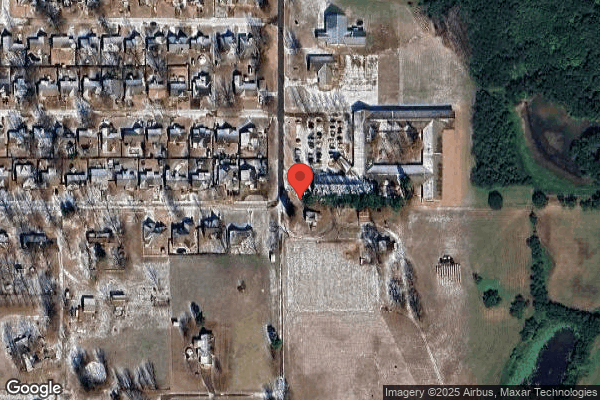
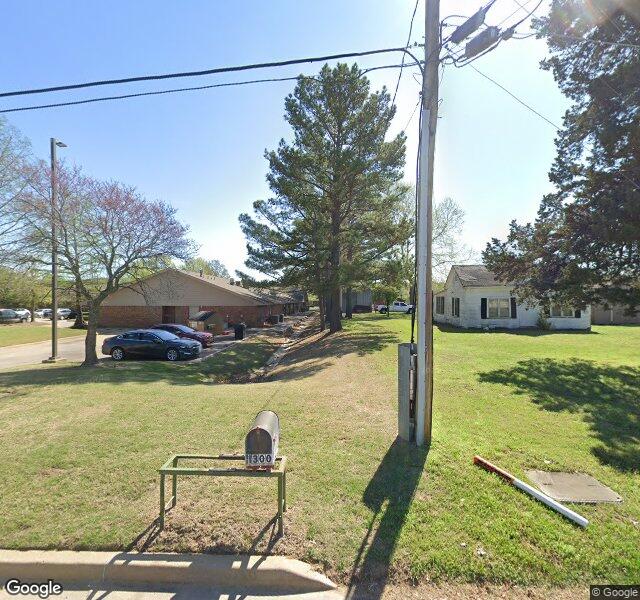
1165 SOUTH BRENNER ROAD, SAPULPA, OK 74066 (918) 224-0600
For profit - Limited Liability company 107 Beds PHOENIX HEALTHCARE Data: November 2025
Trust Grade
60/100
#134 of 282 in OK
Last Inspection: September 2024

Within standard 12-15 month inspection cycle. Federal law requires annual inspections.

Overview

The Gardens in Sapulpa, Oklahoma has a Trust Grade of C+, indicating it is slightly above average but not exceptional. It ranks #134 out of 282 facilities in Oklahoma, placing it in the top half, and #4 out of 7 in Creek County, meaning only three local options are better. Unfortunately, the facility is worsening, with issues increasing from 1 in 2023 to 8 in 2024. Staffing is below average with a 2/5 rating and a turnover rate of 62%, which is concerning but close to the state average. There have been no fines recorded, which is a positive aspect, yet the facility has less RN coverage than 85% of its peers, which could impact the quality of care. Specific incidents include residents being unable to access their trust account money on weekends, which could limit their ability to manage personal expenses. Additionally, the facility failed to notify residents when their trust fund balances were close to the Medicaid eligibility limit, which is an important oversight. Lastly, there were issues with not closing out trust accounts for discharged residents within 30 days, which may cause confusion and delays in accessing funds. Overall, while there are strengths like the absence of fines, the weaknesses in staffing and oversight raise valid concerns for families considering this home.

Trust Score
C+
60/100
In Oklahoma
#134/282
Top 47%
Safety Record
Low Risk
No red flags
Inspections
Getting Worse
1 → 8 violations
Staff Stability
⚠ Watch
62% turnover. Above average. Higher turnover means staff may not know residents' routines.
Penalties
✓ Good
No fines on record. Clean compliance history, better than most Oklahoma facilities.
Skilled Nurses
⚠ Watch
Each resident gets only 11 minutes of Registered Nurse (RN) attention daily — below average for Oklahoma. Fewer RN minutes means fewer trained eyes watching for problems.
Violations
⚠ Watch
19 deficiencies on record. Higher than average. Multiple issues found across inspections.
★★★☆☆
3.0
Overall Rating
★★☆☆☆
2.0
Staff Levels
★★☆☆☆
2.0
Care Quality
★★★☆☆
3.0
Inspection Score
Stable
2023: 1 issues
2024: 8 issues

The Good

  • Full Sprinkler Coverage · Fire safety systems throughout facility
  • No fines on record

Facility shows strength in fire safety.

The Bad

3-Star Overall Rating

Near Oklahoma average (2.6)

Meets federal standards, typical of most facilities

Staff Turnover: 62%

16pts above Oklahoma avg (46%)

Frequent staff changes - ask about care continuity

Chain: PHOENIX HEALTHCARE

Part of a multi-facility chain

Ask about local staffing decisions and management

Staff turnover is elevated (62%)

14 points above Oklahoma average of 48%

The Ugly 19 deficiencies on record

Sept 2024 8 deficiencies
CONCERN (D)

Potential for Harm - no one hurt, but risky conditions existed

Deficiency F0558 (Tag F0558)

Could have caused harm · This affected 1 resident

Based on observation, interview, and record review, the facility failed to ensure a U-bar was accommodated for residents needs for two (#158 and #164) of two sampled residents who wanted the rail for ...

Read full inspector narrative →
Based on observation, interview, and record review, the facility failed to ensure a U-bar was accommodated for residents needs for two (#158 and #164) of two sampled residents who wanted the rail for steadying and repositioning. The Administrator identified 61 residents resided in the facility. Findings: A policy, titled, bed safety, documented, .side rails may be used if assessment and consultation with the Attending Physician has determined that they are needed to help manage a medical symptom or condition, or to help the resident reposition or move in bed and transfer, and no other reasonable alternatives can be identified . A resident council form, dated 08/01/24, docmented, .issue presented .U-bars removed per state regulation .response .evaluation and consent . On 09/10/24 at 12:14 p.m., resident #164 stated they needed railings to turn while in bed. They also stated they were blind so the railings could assist with perception. On 09/11/24 at 8:54 a.m., resident #158's family stated they wanted them to have a u bar since they were unsteady and for repositioning since they had fallen at home. They stated there were told they couldn't. They stated they would get a doctor note, if needed. On 09/12/24 at 12:20 p.m., LPN #2 stated it was their understanding that they couldn't have them anymore because they were restraints. So they were removed. On 09/13/24 9:06 a.m., CMA #1 stated they were told they needed a doctor note to help stand or turn otherwise they were not allowed to have. On 09/13/24 at 10:01 a.m., the Administrator stated they don't use bedrails. They used positioning enablers. They stated a lot of buildings had been tagged for them. On 09/13/24 at 11:00 a.m., Resident #164 stated when she asked for a rail the staff stated they could not provide a rail because of the State. On 09/13/24 at 12:40 p.m., during exit, MDS coordinator #1 stated neither resident had been assessed for bed safety rails.
CONCERN (D) 📢 Someone Reported This

A family member, employee, or ombudsman was alarmed enough to file a formal complaint

Potential for Harm - no one hurt, but risky conditions existed

Transfer Notice (Tag F0623)

Could have caused harm · This affected 1 resident

Based on record review and interview, the facility failed to notify a resident's representative of an involuntary discharge for one (#55) of three sampled residents reviewed for closed records. The a...

Read full inspector narrative →
Based on record review and interview, the facility failed to notify a resident's representative of an involuntary discharge for one (#55) of three sampled residents reviewed for closed records. The administrator identified 61 residents resided in the facility. Findings: A facility Transfer or Discharge, Emergency policy documented in the event of an emergency transfer or discharge the representative or other family member should be notified. Res #55 had diagnoses which included Parkinsonism Res #55 was involuntarily discharged from the facility on 06/21/24. On 09/13/24 at 8:36 a.m., the social services director stated they had started Res #55's discharge because they had started to be aggressive with staff. They stated the administrator and DON had taken over the discharge because there were complications with the family. On 09/13/24 at 10:05 a.m., the administrator stated Res #55 was discharged because the facility could not meet their needs. They stated the resident had been approved at a facility that had required an evaluation to ensure the patient was medically stable for transfer due to the distance the resident would have to travel to get to the new facility. They stated they were unsure if the POA/representative had been notified in writing before the discharge happened. On 09/13/24 at 10:39 a.m., the administrator stated the facility did not provide written notice of discharge to Res #55's representative.
CONCERN (D)

Potential for Harm - no one hurt, but risky conditions existed

PASARR Coordination (Tag F0644)

Could have caused harm · This affected 1 resident

Based on observation, record review and interview, the facility failed to ensure a resident with a newly identified diagnosis of psychosis and hallucination after admission, submitted a PASRR with the...

Read full inspector narrative →
Based on observation, record review and interview, the facility failed to ensure a resident with a newly identified diagnosis of psychosis and hallucination after admission, submitted a PASRR with the new diagnosis for one (#34) of two sampled residents reviewed for pre-admission screening and resident review. MDS Coordinator #1 identified 35 residents who currently had a diagnosis of a serious mental health condition. Findings: Resident # 34 had a level one pre-admission screening and resident review (PASARR) completed on 07/22/22 with a primary diagnosis of neuropathy and a secondary of obesity. The level one did not indicate Resident #34 had a serious mental health diagnosis. A review of the care plan, and the current diagnosis list with onset dates, indicated the resident had new diagnosis of psychosis and hallucinations on 03/27/2024. A review of the clinical record contained no PASARR with the new serious mantel health diagnosis of hallucinations and psychosis. On 09/12/24 at 10:20 a.m. Minimum Data Set (MDS) Coordinator #1, stated they were responsible for completing pre-admission screening and resident review and they were to be completed within ten days of admission. The MDS coordinator stated Resident #34 had a new serious mental health diagnosis in March 2024 and the PASARR was not completed with the new diagnosis. They then stated, It was an oversight on my behalf.
CONCERN (D)

Potential for Harm - no one hurt, but risky conditions existed

Deficiency F0661 (Tag F0661)

Could have caused harm · This affected 1 resident

Based on record review and interview the facility failed to document a discharge summary for one (#55) of three sampled residents reviewed for closed records. The administrator identified 61 residents...

Read full inspector narrative →
Based on record review and interview the facility failed to document a discharge summary for one (#55) of three sampled residents reviewed for closed records. The administrator identified 61 residents resided in the facility. Findings: Res #55 was discharged from the facility on 06/21/24. A discharge summary was not documented in the EHR. On 09/13/24 at 12:11 p.m., the administrator stated there was no discharge summary for Res #55.
CONCERN (E)

Potential for Harm - no one hurt, but risky conditions existed

Deficiency F0567 (Tag F0567)

Could have caused harm · This affected multiple residents

Based on record review and interview, the facility failed to ensure residents had access to their trust account money on nights and weekends for three (#3, 17, and #34) of three residents reviewed for...

Read full inspector narrative →
Based on record review and interview, the facility failed to ensure residents had access to their trust account money on nights and weekends for three (#3, 17, and #34) of three residents reviewed for access to their trust account money. The business office manager identified seven current residents who had money in the trust account. Findings: The facility policy Trust Fund Petty Cash Imprest Fund. read in part, .cash is disbursed to Residents from the trust fund petty cash imprest fund Monday through Friday, 9:00 a.m. to 4:00 p.m. daily, excluding weekends and holidays . On 09/11/24 at 9:26 a.m., Resident #34 stated they could not get money on weekends or at night, and they had to ask in advance if they wanted money on the weekends. On 09/10/24 at 1:42 p.m., Resident #17 stated they could not get money on the weekends because no one was at the facility to provide the money. Resident #17 stated if they wanted money for the weekend they would need to get it on Friday. On 09/13/24 at 9:32 a.m., Resident #3 stated they could not get money during the night and on the weekends because the office was closed and no one had access to the money. On 09/13/24 at 10:11 a.m., the business office manager stated they and the administrator were the only ones that had access to resident petty cash funds and money was not available when they were not working or at the facility. On 09/13/24 at 10:55 a.m., the administrator confirmed they and the business office manager were the only one that had access to funds and they did not have anything in place for the night and weekends.
CONCERN (E)

Potential for Harm - no one hurt, but risky conditions existed

Deficiency F0568 (Tag F0568)

Could have caused harm · This affected multiple residents

Based on record review and interview the facility failed to provide notices to Medicaid recipients trust account holder when balances was within $200 of the resource limit for a medicaid recipient res...

Read full inspector narrative →
Based on record review and interview the facility failed to provide notices to Medicaid recipients trust account holder when balances was within $200 of the resource limit for a medicaid recipient resident for two (#1 and #17) of three sampled residents reviewed for active trust account balances. The Business office manger identified seven residents that have money in the trust account, were current residents and had Medicaid as their payer source. Findings: The facility policy Notification of Certain Balances read in part, .It is the policy of this facility to notify Residents or their legal representatives when their trust fund balances approach the limits of Medicaid eligibility .written notification of trust fund balance .will be mailed/delivered to Residents or their legal representative . 1. A review of Resident #17 current trust account ledger balance documented the resident had a balance of $2,229.24 as of 09/11/2024. A review of Resident #17 face sheet indicated they had a payor source of Medicaid. There was no documentation to indicate the facility provided Resident #17 with a notice their balance was within $200 of the medicaid resource limit. 2. A review of Resident #3 current trust account ledger balance documented the resident had a balance of $2,264.92 as of 09/11/2024. A review of Resident #3 face sheet indicated they had a payor source of Medicaid. There was no documentation to indicate the facility provided Resident #17 with a notice their balance was within $200 of the medicaid resource limit. On 09/13/24 at 10:11 a.m., the business office manager stated the resource limit for medicaid was $2,000. They stated it was important the resident did not go over that limit to ensure they were not taken off their medicaid. The business office manager then stated they would need to check and see about providing notices when they were within $200 of the limit and it had not been completed for Resident #17 and #3. On 09/13/24 at 10:55 a.m., the administrator confirmed the facility had not been providing notices to the residents when they were within $200 of the resource limit.
CONCERN (E)

Potential for Harm - no one hurt, but risky conditions existed

Deficiency F0569 (Tag F0569)

Could have caused harm · This affected multiple residents

**NOTE- TERMS IN BRACKETS HAVE BEEN EDITED TO PROTECT CONFIDENTIALITY** Based on record review and interview, the facility failed to close out trust accounts and convey funds within 30 days for three ...

Read full inspector narrative →
**NOTE- TERMS IN BRACKETS HAVE BEEN EDITED TO PROTECT CONFIDENTIALITY** Based on record review and interview, the facility failed to close out trust accounts and convey funds within 30 days for three (#108, 109, 110 and #11) of four residents reviewed for open trust accounts and had been discharged from the facility over 30 days. The Business Office Director identified eight residents who no longer resided in the facilty and trust accounts were not closed out within 30 days. Findings: The facility policy Conveyance of Funds Upon a Residents Death read in part, .It is the policy of this facility that upon death of a Resident with personal funds on deposit with the facility, the facility will promptly convey such funds, along with a final accounting of such funds .accounting will be made within thirty (30) days of the death . The facility policy Closing Resident Fund Accounts and Release of Funds read in part, .It is the policy of this facility to release to a resident or his/her representative the Residents trust funds upon discharge, transfer or resident request the facility will process refunds to discharged residents within thirty (30) days of the date of discharge . 1. Resident #108 Discharge summary, dated [DATE] indicated they passed away and the body was released to the funeral home on [DATE]. A review of the recipient trust account balance, dated 09/11/24, documented Resident #108 had a current balance of $6,890.62. Resident #108 trust account remained opened 647 days after their death. 2. Resident #109 progress's notes, dated 10/01/23, documented the resident was sent to the hospital unresponsive. A review of the recipient trust account balance, dated 09/11/24, indicated Resident #109 had a current balance of $8,859.20. Resident #109 trust account remained opened 346 days after their death. 3. Resident #110 Discharge summary, dated [DATE], documented they passed away and the body was released to the funeral home. A review of the recipient trust account balance, dated 09/11/24, indicated Resident #110 had a current balance of $6,455.87 Resident #110 trust account remained opened 122 days after their death. 4. Resident #111 face sheet documented they were discharged on 08/03/24. A review of the recipient trust account balance, dated 09/11/24, indicated Resident #111 had a current balance of $3,253.78 Resident #111 trust account remained opened 39 days after they were discharged from the facility. On 09/13/24 at 10:11 a.m., the Business Office Manager stated the facility had thirty days to close out accounts to make sure everyone had been paid. The Business Office Manager stated the requirement had not been met and there were currently eight accounts that were not closed out within 30 days. On 09/13/24 at 10:55 a.m., the administrator was made aware of the trust accounts not being closed out within 30 days. The administrator acknowledged and confirmed the accounts were still open over 30 days.
CONCERN (E)

Potential for Harm - no one hurt, but risky conditions existed

Infection Control (Tag F0880)

Could have caused harm · This affected multiple residents

Based on observation, record review, and interview, the facility failed to perform hand hygiene during wound care and follow enhanced barrier precautions during wound care for one (Res #36) of three s...

Read full inspector narrative →
Based on observation, record review, and interview, the facility failed to perform hand hygiene during wound care and follow enhanced barrier precautions during wound care for one (Res #36) of three sampled residents reviewed for wounds. The administrator identified 61 residents resided in the facility. Findings: A hand washing/hand hygiene policy documented staff should cleanse their hands before applying non-sterile gloves and after removing gloves Res #36 had diagnoses which included diabetes, hypertension, presence of ostomy, and neuropathic bladder. On 09/12/24 at 10:09 a.m., LPN #1 was observed performing wound care for Res #36. The LPN did not perform hand hygiene after removing soiled gloves and before donning new gloves. The LPN was not wearing a PPE gown. On 09/12/24 at 10:18 a.m., LPN #1 stated they should have cleaned their hands between clean and dirty gloves. On 09/13/24 at 8:44 a.m., LPN #1 stated Res #36 was on enhanced barrier precautions because they have a foley and ostomy. They stated they did not follow enhanced barrier precautions during wound care on 09/12/24.
Jul 2023 1 deficiency
CONCERN (D)

Potential for Harm - no one hurt, but risky conditions existed

Drug Regimen Review (Tag F0756)

Could have caused harm · This affected 1 resident

Based on record review and interview, the facility failed to ensure the physician received monthly drug regimen reviews, and acted upon recommendations by the pharmacist, for two (#2 and #34) of five ...

Read full inspector narrative →
Based on record review and interview, the facility failed to ensure the physician received monthly drug regimen reviews, and acted upon recommendations by the pharmacist, for two (#2 and #34) of five residents reviewed for unnecessary medications. The Resident Census and Condition of Residents form, dated 07/17/23, documented 48 residents resided in the facility. Findings: A facility policy, Medication Regimen Reviews, revised 2007, documented in part, .The primary purpose of this review is to help the facility maintain each resident's highest practicable level of functioning by helping them utilize medications appropriately .The Consultant Pharmacist will provide the Director of Nursing Services and Medical Director with a written, signed and dated copy of the report, listing the irregularities found and recommendations for their solutions .Copies of drug/medication regimen review reports, including physician responses, will be maintained as part of the permanent medical record . 1. Resident #2 had diagnoses which included chronic respiratory failure, chronic obstructive pulmonary disease, rheumatoid arthritis, type 2 diabetes mellitus, delusional disorders, depression, and anxiety. A monthly drug regimen review, dated 01/30/23, documented the pharmacist requested the physician to consider a reduction of risperidone 1 mg and alprazolam 1 mg. There was no indication the form had been provided to the physician, and the form documented no response or signature. A quarterly MDS assessment, dated 05/16/23, documented the resident was cognitively intact. The assessment documented the resident received antipsychotics, antianxiety medications, antidepressants, anticoagulants, diuretics, and opioids seven of seven days previous. A monthly drug regimen review, dated 05/30/23, documented a recommendation to reduce Amitriptyline 20 mg daily to 10 mg daily. There was no indication the form had been provided to the physician, and the form documented no response or signature. On 07/18/23 at 2:48 p.m., the Pharmacy Consultant was interviewed regarding monthly drug regimen reviews and was asked to review resident #2's medical record. The Pharmacy Consultant stated there was a request in January 2023 to evaluate a couple of the resident's medications. He checked the medical record and was unable to locate any documentation with a response from the physician. He stated he could put in another request since it was time for the resident's medications to be reviewed again. 2. Resident #34 was admitted with diagnoses which included chronic obstructive pulmonary disease, peripheral vascular disease, arterial embolism, type 2 diabetes mellitus, chronic pain, anxiety, and depression. A monthly drug regimen review, dated 01/30/23, documented in part, .please consider ordering and obtaining a yearly lipid panel if clinically indicated . There was no indication the form had been provided to the physician, and the form documented no response or signature. A quarterly MDS assessment, dated 04/26/23, documented resident #34 was cognitively intact. The assessment documented the resident received injections, antidepressants, and diuretics seven of seven days previous. On 07/19/23 at 11:20 a.m., the DON was interviewed regarding the process for ensuring monthly drug regimen reviews were reviewed by the physicians. The DON stated they had boxes near the nurse's station where the requests were placed to be reviewed by the physicians. The DON stated the physician should review, sign, and give new orders if indicated to the charge nurse or place in the DON's box. The DON stated she had not received any drug regimen review recommendations during the time she had worked at the facility, and stated she started in May of 2023. The DON reported she had just received a stack of drug regimen reviews for June 2023 and she would place these in the physician boxes. The DON stated she had recognized an issue with their current process and had been working on trying to improve the process to ensure drug regimen reviews were addressed in a timely manner.
Jan 2022 10 deficiencies
CONCERN (D)

Potential for Harm - no one hurt, but risky conditions existed

Deficiency F0761 (Tag F0761)

Could have caused harm · This affected 1 resident

Based on observation, record review, and interview, the facility failed to ensure medications were properly labeled on one (hall 400) of three medication carts observed for medication labeling. The ad...

Read full inspector narrative →
Based on observation, record review, and interview, the facility failed to ensure medications were properly labeled on one (hall 400) of three medication carts observed for medication labeling. The administrator identified 44 residents who received medications. Findings: On 01/06/22 at 4:06 p.m., the hall 400 medication cart was observed with CMA #3. A medication for resident #46 was labeled lorazepam 0.5 mg with the instruction to take two tablets po (by mouth). This instruction was hand written with a marker over the original label instructions. CMA #3 stated the resident took one tablet three times a day routinely. She stated there was a change of direction sticker on the label. A review of resident #46's monthly physician orders, dated January 2022, revealed the resident was to take lorazepam 0.5 mg three times daily routinely, start date 01/02/22. On 01/11/22 at 12:07 p.m., LPN #1 stated they were only supposed to place a change of direction sticker on the card not write on the medication card. LPN #1 was asked if resident #46 ever had a physician order to take two tablets of the medication lorazepam. The LPN stated resident #46 had a physician order for lorazepam 0.5 mg two tablets three times daily which had been changed to one tablet three times daily on 01/01/22.
CONCERN (D)

Potential for Harm - no one hurt, but risky conditions existed

Deficiency F0805 (Tag F0805)

Could have caused harm · This affected 1 resident

Based on observation and interview, the facility failed to ensure proper consistency of pureed diets for one (the noon meal) of one meal observed for puree preparation. The administrator identified s...

Read full inspector narrative →
Based on observation and interview, the facility failed to ensure proper consistency of pureed diets for one (the noon meal) of one meal observed for puree preparation. The administrator identified six residents who received a pureed diet. Findings: On 01/04/22 at 11:28 a.m., cook #1 was observed to puree the noon meal which included ham. At 11:56 a.m., cook #1 provided a sample of the pureed ham to the surveyor, stated the pureed ham was ready to be served, and placed it on the steam table. The pureed ham had a gritty consistency with lumps that required chewing. At 12:09 p.m., cook #1 prepared a resident's plate which contained a pureed meal and placed it in the window to be served. Dietary aide #1 retrieved the tray and began to deliver it. Dietary aide #1 was asked to return the tray to the kitchen. The dietary manager was made aware of the consistency of the pureed ham. At 12:10 p.m., the dietary manager tasted the pureed ham and stated it was not smooth and tasted grainy. The dietary manager stated she did not like it and substituted the ham with hamburger patties. At 12:15 p.m., the dietary manager was asked how she ensured the consistency of the pureed meals. The dietary manager stated she usually tasted the pureed food items but had not tasted them for this noon meal.
CONCERN (D)

Potential for Harm - no one hurt, but risky conditions existed

Deficiency F0809 (Tag F0809)

Could have caused harm · This affected 1 resident

Based on observation, record review, and interview, the facility failed to ensure bedtime snacks were offered to residents. The administrator identified 44 residents who received nutrition from the k...

Read full inspector narrative →
Based on observation, record review, and interview, the facility failed to ensure bedtime snacks were offered to residents. The administrator identified 44 residents who received nutrition from the kitchen. Findings: The Frequency of Meals policy, revised July 2017, read in part, .Evening snacks will be offered routinely to all residents. Timing of the snack will consider relevant factors (e.g., individuals with gastroesophageal reflux disease may be advised not to eat too close to bedtime) . The facility had identified evening snacks were available to residents after 7:30 p.m. On 01/06/22 at 1:30 p.m., during a resident council meeting six alert and oriented residents stated they were not routinely offered evening snacks, but a snack would be provided if requested. On 01/10/22 at 7:55 p.m., a snack cart was observed between halls 100 and 200. The cart contained a variety of snack items, a pitcher, a tray of cups, and seven plastic cups containing a smooth substance with a resident's name on each one. At 7:57 p.m., residents were asked if the snack cart had been brought down the hall this evening. They stated no. One resident stated they have not been doing that. Another resident stated they rarely came to the room offering snacks. During a tour of the facility, residents were not observed to be consuming any snack items and snack items noted on the snack cart were not observed in the resident rooms. At 8:25 p.m., the snack cart was again observed behind the nurse's station desk between halls 100 and 200. During a tour of the facility, several resident rooms were dark and doors were closed. On 01/10/22 at 9:10 p.m., LPN #3 stated the snack cart was prepared by dietary and delivered to the nurse's station at approximately 7:00 p.m. The LPN stated the CNAs knew which residents usually wanted snacks. LPN #3 stated dinner was usually served by 5:30 p.m. and snacks were usually offered between 8:00 and 9:00 p.m. LPN #3 stated the snack cups with names on them were for residents with altered diets. LPN #3 was asked if the diabetic residents had been offered an evening snack. He stated no, probably not yet. On 01/10/22 at 9:20 p.m., the administrator was asked what time evening snacks were offered. She stated between 7:30 and 8:00 p.m. The administrator stated the CNAs were responsible to ensure residents were offered evening snacks and the charge nurse was responsible to remind the CNAs to offer evening snacks to the residents.
CONCERN (D)

Potential for Harm - no one hurt, but risky conditions existed

Infection Control (Tag F0880)

Could have caused harm · This affected 1 resident

Based on observation, record review, and interview, the facility failed to ensure proper infection control practices were performed with inhalation nebulizer (breathing) treatments for one (#10) of on...

Read full inspector narrative →
Based on observation, record review, and interview, the facility failed to ensure proper infection control practices were performed with inhalation nebulizer (breathing) treatments for one (#10) of one sampled resident observed receiving inhalation nebulizer treatments. The administrator identified one resident who received inhalation nebulizer (breathing) treatments. Findings: The Administering Medications through a Small Volume (Handheld) Nebulizer policy, revised October 2010, read in parts, .Purpose .to safely and aseptically administer aerosolized particles of medication into the resident's airway .Steps in the Procedure .Rinse and disinfect the nebulizer equipment according to facility protocol, or; . a. Wash pieces with warm, soapy water; b. Rinse with hot water; c. Place all pieces in a bowl and and cover with isopropyl (rubbing) alcohol. Soak for five minutes; d. Rinse all pieces with sterile water (NOT tap, bottled, or distilled); and e. Allow to air dry on a paper towel . Resident (Res) #10 had diagnoses which included chronic obstructive pulmonary disease. A physician order dated, 12/29/21, documented the resident was to receive albuterol sulfate nebulization solution (2.5 mg/3ml) 0.083% one vial inhaled orally via nebulizer four times daily for shortness of breath related to chronic obstructive pulmonary disease. On 01/11/22 at 11:15 a.m., LPN #5 entered Res #10's room to initiate a nebulizer treatment. The mask was connected to the nebulizer reservoir and was laying on the resident's bed. The LPN picked it up and removed the lid to the reservoir and dumped a small amount of clear liquid into the bathroom sink and then prepared the nebulizer treatment. She then placed the mask on the resident covering the nose and mouth. At 11:28 a.m., upon completion of the nebulizer treatment the LPN placed the nebulizer mask on the bedside table. The LPN did not rinse the nebulizer reservoir. On 01/11/22 at 11:57 a.m., LPN #5 was asked what the procedure was when the resident completed the nebulizer treatment. The LPN stated she would hang the mask up on the nebulizer machine so it would not be laying around. On 01/11/22 at 12:31 p.m., LPN #1 stated following each breathing treatment the mask would be removed from tubing, with the pieces rinsed, and air dried.
CONCERN (E)

Potential for Harm - no one hurt, but risky conditions existed

ADL Care (Tag F0677)

Could have caused harm · This affected multiple residents

Based on record review and interview, the facility failed to ensure residents received their showers/baths as scheduled for three (#13, 32, and #34) of three sampled residents who were reviewed for sh...

Read full inspector narrative →
Based on record review and interview, the facility failed to ensure residents received their showers/baths as scheduled for three (#13, 32, and #34) of three sampled residents who were reviewed for showers/baths. The administrator identified 10 residents who were dependent on staff for bathing. Findings: 1. Resident (Res) #13 had diagnoses which included epilepsy, abnormalities of gait and mobility, weakness, lack of coordination, anxiety, depression, and type 2 diabetes mellitus. The care plan, dated 04/29/21, read in parts, .Focus .I require assistance with adls .Interventions .assist me with bathing as needed . The quarterly MDS assessment, dated 10/29/21, documented the resident was cognitively intact, utilized a wheelchair for mobility, and required physical help with part of bathing activity. On 01/10/22 at 11:28 a.m., Res #13 stated she had not received a shower since 12/24/21. A review of Res #13's electronic clinical record revealed documentation of one bath in the last 30 days. A review of the shower schedule provided by the facility revealed Res #13's showers/baths were scheduled Monday and Thursday on the 2:00 p.m. - 10:00 p.m. shift. A review of bath/shower sheets provided by the facility revealed Res #13 received a whirlpool bath on 01/10/22. 2. Resident (Res) #32 had diagnoses which included congestive heart failure, hypertension, chronic pain, chronic kidney disease, depression, and insomnia. The care plan, dated 09/02/21, read in parts, .Focus .I require assistance with adls .Interventions .assist me with bathing as needed . The quarterly MDS assessment, dated 12/01/21, documented the resident was cognitively intact, utilized a walker and wheelchair for mobility, and required one person physical help with transfers while bathing. On 01/10/22 at 11:38 a.m., Res #32 stated she had not received a shower in two weeks. Res #32 stated she needed her hair washed and could not keep herself clean with paper towels and soap in the sink. A review of Res #32's electronic clinical record revealed documentation of two baths in the last 30 days. A review of the shower schedule provided by the facility revealed Res #32's showers/baths were scheduled Tuesday and Friday on the 6:00 a.m. - 2:00 p.m. shift. A review of bath/shower sheets provided by the facility revealed Res #32 received a bath/shower on 01/10/22. 3. Resident (Res) #34 had diagnoses which included chronic pain, subsequent encounter for fracture of left humerus (upper arm) and internal prosthetic left hip joint. The care plan, dated 09/03/21, read in parts, .Focus .I require assistance with adls .Interventions .assist me with bathing as needed . The quarterly MDS assessment, dated 12/02/21, documented the resident was cognitively intact, utilized a walker and wheelchair for mobility, and required physical help with part of bathing activity. On 01/05/22 at 2:54 p.m., Res #34 stated she had not received a bath in a week. The resident stated they do not have enough staff to give baths. A review of Res #34's electronic clinical record revealed documentation of one bath in the last 30 days. A review of the shower schedule provided by the facility revealed Res #34's showers/baths were scheduled Tuesday and Friday on the 6:00 a.m. - 2:00 p.m. shift. On 01/06/22 at 1:30 p.m., during a resident council meeting six alert and oriented residents stated they had not received their baths/showers as scheduled. They stated they might receive a bath/shower once a week even though they were scheduled twice a week. During a confidential interview, a staff member stated there was not enough staff to give residents their scheduled baths. On 01/11/22 between 10:16 a.m. and 10:25 a.m. three staff members (CNA, CMA, and LPN) were asked if they were giving resident showers that day. They all stated no. The CNA and CMA both stated they had not been assigned showers. On 01/11/22 at 10:31 a.m., CMA #1 stated she had not given any showers yesterday (1/10/22) or today. CMA #1 was asked if residents had complained about not receiving their showers. She stated yes. On 01/12/22 at 2:25 p.m., LPN #1 stated every resident had a bath scheduled at least twice weekly. She stated they have had shower aides in the past but now CNAs were responsible for assisting residents with showers. LPN #1 was asked where showers were documented. The LPN stated the CNAs would complete a shower sheet for each resident and submit them to the DON. The LPN stated the CNA would document the shower in the electronic clinical record. LPN #1 stated the charge nurse was responsible to ensure residents received their scheduled showers. LPN#1 was asked why residents had not received their scheduled showers. She stated We are so understaffed. LPN #1 was asked if residents had complained about not receiving their scheduled showers. She stated yes. She stated when a resident complained about not receiving a shower she would ensure that resident received a shower that day.
CONCERN (E)

Potential for Harm - no one hurt, but risky conditions existed

Quality of Care (Tag F0684)

Could have caused harm · This affected multiple residents

Based on observation, record review, and interview, the facility failed to ensure the resident received treatment and services for three (#8, 14, and #32) of four sampled residents who were reviewed f...

Read full inspector narrative →
Based on observation, record review, and interview, the facility failed to ensure the resident received treatment and services for three (#8, 14, and #32) of four sampled residents who were reviewed for wound and skin care. The facility failed to: a. document the assessment of a wound for one (#8) of two sampled residents whose records were reviewed for wound assessments; b. ensure the physician's orders were implemented for one (#32) of one sampled resident whose records were reviewed for treatment of a skin condition; and c. complete wound treatments as the physician had ordered for one (#14) of two sampled residents whose records were reviewed for wound care. The administrator identified three residents who received wound care and six residents with skin conditions not identified as wounds. Findings: The Wound Care policy, revised October 2010, read in parts, .Purpose .to provide guidelines for the care of wounds to promote healing .Verify that there is a physician's order for this procedure .Mark tape with initials, time, and date and apply to dressing .The following information should be recorded in the resident's medical records .All assessment data (i.e., would bed, color, size, drainage, etc.) obtained when inspecting the wound . 1. Resident (Res) #8 had diagnoses which included personal history of traumatic brain injury and unspecified skin changes. The quarterly MDS assessment, dated 10/06/21, documented the resident was severely impaired in cognitive skills for daily decision making, dependent on staff for ADLs, and had one unstageable pressure ulcer. A weekly skin/wound note, dated 12/19/21, documented a wound on the left lateral (outer) malleolus (bony prominence on either side of the ankle) that measured 3 x 3 cm with open area 1.2 x 1.2 cm approximately in center, with circular wound red in color in contrast to adjacent tissue. The monthly physician orders, dated January 2022, read in part, .cleanse left outer malleolus with dermal wound cleanser pat dry apply petroleum gauze cut to fit wound bed as primary dressing and cover and secure with opti-foam dressing every other day and PRN soilage or dislodgement until resolved . A care plan, dated 01/11/22, read in parts, .Focus .I have pressure injury to my skin or potential for pressure injury .Administer treatments as my Dr. has ordered and monitor for effectiveness . A review of Res #8's clinical record did not reveal an assessment or description of the left lateral (outer) malleolus wound after 12/19/21. On 01/12/22 at 11:43 a.m., LPN #6 stated she performed wound care on Res #8. LPN #6 stated wound care instructions were documented on the TAR. Following completion of the wound care the TAR would be initialed and have a check mark to indicate wound care had been completed. LPN #6 was asked where the assessment and description of the wound was documented. The LPN stated she had not documented a description of the wound. LPN #6 was asked how nursing would know if the wound was getting better or worse without a description of the wound. She stated, I don't know. 2. Resident (Res) #14 had diagnoses which included chronic pain syndrome, dementia, and Alzheimer's disease. The significant change assessment, dated 11/02/21, documented the resident was severely impaired in cognition, and was dependent on staff for bed mobility, transfers, toileting, and personal hygiene. A physician order, dated 12/20/21 read in part, .Cleanse open areas to back, on pain pump, with wound cleanser, pat dry, cut medihoney to fit wound bed & cover with optifoam Q [every] day and PRN [as needed] soilage or dislodgement, one time a day . On 01/10/22 at 12:25 p.m., Res #14 was observed to have a dressing on her back. The dressing was dated 01/07/22 and was initialed by an LPN. CNA #1 verified the date on the dressing was 01/07/22 and the initials of the LPN. On 01/11/22 at 2:26 p.m., LPN #4 stated she performed Res #14's wound care on 01/10/22. She stated the dressing she removed on 01/10/22 was dated 01/07/22. LPN #4 stated the wound care was supposed to be done daily. The LPN stated the wound care had not been done since 01/07/22. 3. Resident (Res) #32 had diagnoses which included congestive heart failure, hypertension, chronic pain, chronic kidney disease, depression, and insomnia. The quarterly MDS assessment, dated 12/01/21, documented the resident was cognitively intact, and had no documented skin problems. On 01/05/22 at 10:22 a.m., Res #32 was noted to have red spots on her left cheek. A physician progress note, dated 12/15/21, documented the resident was to receive minocycline 100 mg by mouth daily for 14 days to see if it cleared up the rash on the left side of her face. A review of Res #32's clinical record did not reveal documentation to support the physician's order had been implemented. On 01/12/22 at 2:33 p.m., LPN #1 stated the charge nurse was responsible to ensure physician orders, documented on the physician progress notes, were implemented. LPN #1 was asked how physician progress notes were monitored to ensure physician orders were implemented. She stated she did not know. LPN #1 stated she did not know why the physician's order for Res #32's minocycline medication had not been implemented. On 01/12/22 at 2:56 p.m., the corporate clinical director stated the nurse in charge of the resident's care was responsible to ensure physician orders, documented on the physician progress notes, were implemented. The corporate clinical director was asked how physician progress notes were monitored to ensure physician orders were implemented. She stated a process was in place for electronic physician progress notes which this resident's physician utilized. The corporate clinical director stated staff should have been notified of this process.
CONCERN (E)

Potential for Harm - no one hurt, but risky conditions existed

Deficiency F0725 (Tag F0725)

Could have caused harm · This affected multiple residents

Based on record review and interview, the facility failed to provide sufficient staffing to ensure residents received their showers/baths as scheduled for three (#13, 32, and #34) of three sampled res...

Read full inspector narrative →
Based on record review and interview, the facility failed to provide sufficient staffing to ensure residents received their showers/baths as scheduled for three (#13, 32, and #34) of three sampled residents who were reviewed for showers/baths. The administrator identified 10 residents who were dependent on staff for bathing. Findings: 1. Resident (Res) #13 had diagnoses which included epilepsy, abnormalities of gait and mobility, weakness, lack of coordination, anxiety, depression, and type 2 diabetes mellitus. The care plan, dated 04/29/21, read in parts, .Focus .I require assistance with adls .Interventions .assist me with bathing as needed . The quarterly MDS assessment, dated 10/29/21, documented the resident was cognitively intact, utilized a wheelchair for mobility, and required physical help with part of bathing activity. On 01/10/22 at 11:28 a.m., Res #13 stated she had not received a shower since 12/24/21. A review of Res #13's electronic clinical record revealed documentation of one bath in the last 30 days. A review of the shower schedule provided by the facility revealed Res #13's showers/baths were scheduled Monday and Thursday on the 2:00 p.m. - 10:00 p.m. shift. A review of bath/shower sheets provided by the facility revealed Res #13 received a whirlpool bath on 01/10/22. 2. Resident (Res) #32 had diagnoses which included congestive heart failure, hypertension, chronic pain, chronic kidney disease, depression, and insomnia. The care plan, dated 09/02/21, read in parts, .Focus .I require assistance with adls .Interventions .assist me with bathing as needed . The quarterly MDS assessment, dated 12/01/21, documented the resident was cognitively intact, utilized a walker and wheelchair for mobility, and required one person physical help with transfers while bathing. On 01/10/22 at 11:38 a.m., Res #32 stated she had not received a shower in two weeks. Res #32 stated she needed her hair washed and could not keep herself clean with paper towels and soap in the sink. A review of Res #32's electronic clinical record revealed documentation of two baths in the last 30 days. A review of the shower schedule provided by the facility revealed Res #32's showers/baths were scheduled Tuesday and Friday on the 6:00 a.m. - 2:00 p.m. shift. A review of bath/shower sheets provided by the facility revealed Res #32 received a bath/shower on 01/10/22. 3. Resident (Res) #34 had diagnoses which included chronic pain, subsequent encounter for fracture of left humerus (upper arm) and internal prosthetic left hip joint. The care plan, dated 09/03/21, read in parts, .Focus .I require assistance with adls .Interventions .assist me with bathing as needed . The quarterly MDS assessment, dated 12/02/21, documented the resident was cognitively intact, utilized a walker and wheelchair for mobility, and required physical help with part of bathing activity. On 01/05/22 at 2:54 p.m., Res #34 stated she had not received a bath in a week. The resident stated they do not have enough staff to give baths. A review of Res #34's electronic clinical record revealed documentation of one bath in the last 30 days. A review of the shower schedule provided by the facility revealed Res #34's showers/baths were scheduled Tuesday and Friday on the 6:00 a.m. - 2:00 p.m. shift. On 01/06/22 at 1:30 p.m., during a resident council meeting six alert and oriented residents stated they had not received their baths/showers as scheduled. They stated they might receive a bath/shower once a week even though they were scheduled twice a week. The residents were asked if they thought there was enough staff to provide their baths/showers. They stated no. During a confidential interview, a staff member stated there was not enough staff to give residents their scheduled baths. On 01/11/22 between 10:16 a.m. and 10:25 a.m. three staff members (CNA, CMA, and LPN) were asked if they were giving resident showers that day. They all stated no. The CNA and CMA both stated they had not been assigned showers. On 01/11/22 at 10:31 a.m., CMA #1 stated she had not given any showers yesterday (1/10/22) or today. CMA #1 was asked if residents had complained about not receiving their showers. She stated yes. On 01/12/22 at 2:25 p.m., LPN #1 stated every resident had a bath scheduled at least twice weekly. She stated they have had shower aides in the past but now CNAs were responsible for assisting residents with showers. LPN #1 was asked where showers were documented. The LPN stated the CNAs would complete a shower sheet for each resident and submit them to the DON. The LPN stated the CNA would chart the shower in the electronic clinical record. LPN#1 stated the charge nurse was responsible to ensure residents received their scheduled showers. LPN#1 was asked why residents had not received their scheduled showers. She stated We are so understaffed. LPN #1 was asked if residents had complained about not receiving their scheduled showers. She stated yes. She stated when a resident complained about not receiving a shower she would ensure that resident received a shower that day.
CONCERN (E)

Potential for Harm - no one hurt, but risky conditions existed

Deficiency F0727 (Tag F0727)

Could have caused harm · This affected multiple residents

Based on record review and interview, the facility failed to ensure RN (registered nurse) coverage for eight consecutive hours for three of 14 days of staffing schedules reviewed. The administrator i...

Read full inspector narrative →
Based on record review and interview, the facility failed to ensure RN (registered nurse) coverage for eight consecutive hours for three of 14 days of staffing schedules reviewed. The administrator identified 48 residents who resided in the facility. Findings: Review of the facility staffing pattern for 12/16/21 through 12/29/21 revealed the following: 1. 12/19/21 the RN worked 0.50 hours on the first shift (6:00 a.m. - 2:00 p.m.) and 1.50 hours on the second shift (2:00 p.m. - 10:00 p.m.) for a total of two hours; 2. 12/25/21 there was no RN coverage; and 3. 12/26/21 there was no RN coverage. On 01/11/22 at 10:04 a.m., the administrator stated they did not have RN coverage in the building on the listed days but the DON/RN was on call. She stated they were actively recruiting nurses and have contacted agencies and sister facilities to obtain nursing coverage. On 01/12/22 at 10:43 a.m., the administrator stated they had no staffing or RN waivers.
CONCERN (E)

Potential for Harm - no one hurt, but risky conditions existed

Medication Errors (Tag F0758)

Could have caused harm · This affected multiple residents

Based on record review and interview, the facility failed to ensure psychoactive medications were gradually reduced and/or discontinued, unless it was clinically contraindicated, for one (#8) of five ...

Read full inspector narrative →
Based on record review and interview, the facility failed to ensure psychoactive medications were gradually reduced and/or discontinued, unless it was clinically contraindicated, for one (#8) of five sampled residents who were reviewed for unnecessary medications. Resident Census and Conditions Report identified 31 residents who received psychoactive medication. Findings: The Tapering Medications and Gradual Drug Dose Reduction policy, revised April 2007, read in parts, .Within the first year after a resident is admitted on an antipsychotic medication or after the resident has been started on an antipsychotic medication, the staff and practitioner shall attempt a GDR in two separate quarters (with at least one month between the attempts), unless clinically contraindicated. After the first year, the facility shall attempt a GDR at least annually, unless clinically contraindicated . During the first year in which a resident is admitted on a psychopharmacological medication (other than an antipsychotic or a sedative/hypnotic), or after the facility has initiated such medication, the facility will attempt to taper the medication during at least two separate quarters (with at least one month between the attempts), unless clinically contraindicated. After the first year, tapering will be attempted at least annually, unless clinically contraindicated . Resident (Res) #8 had diagnoses which included depression, insomnia, personal history of traumatic brain injury, epilepsy, unspecified psychosis not due to a substance or known physiological condition, and anxiety. A pharmacist's Note To Attending Prescriber, dated 09/30/20, read in part, .CMS guidelines recommend evaluation of new/recent admissions or readmissions who are receiving psychotropic medications. Please note this recent admission is receiving the following psychotropic medications: Seroquel [medication in the class of drugs called atypical antipsychotics used to treat mental health disorders] 25 mg per tube at bedtime . The physician documented the rationale for continued use of the medication. A review of the monthly pharmacy medication regimen reviews, located in Res #8's clinical record, dated 10/01/20 to 11/11/21, did not reveal a GDR recommendation for Seroquel 25 mg. During the survey, the pharmacist provided the surveyor a Note To Attending Physician/Prescriber, dated 08/27/21, which read in parts, .Facility records indicate the following psychotropic medication(s) has/have been ordered and in place routinely for greater than or approaching 6 months without a gradual dose reduction. Please consider, if appropriate, such a reduction of one of these agents: quetiapine (brand name Seroquel) 25mg nightly (psychosis) .Please consider reducing to 12.5mg nightly when current supply is exhausted .Physician/Prescriber Response [blank] . The Physician/Prescriber did not address the dose reduction request for quetiapine (brand name Seroquel). The quarterly MDS assessment, dated 10/06/21, documented the resident was severely impaired in cognitive skills for daily decision making, and had received an antipsychotic, antianxiety, and antidepressant medication seven days of the seven day look back period. A pharmacist's Note To Attending Prescriber, dated 11/11/21, read in parts, .Please review the following medications for a possible reduction, if appropriate: Paxil 30 mg daily - may we trial a reduction to 20 mg daily? Trazodone [medication used to treat depression] 150 mg daily .Agree, please reduce to .[blank] .Physician/Prescriber Response . The Physician/Prescriber signed and dated the document. The medication trazodone 150 mg daily was not addressed on the document. A review of the clinical record revealed the medication Paxil was reduced to 20 mg daily. Monthly physician's orders, dated January 2022, documented the resident was prescribed the following psychoactive medications: Seroquel tablet 25 mg one tablet via PEG-tube one time a day at 2100 (9:00 p.m.) for diagnosis of unspecified psychosis not due to a substance or known physiological condition, and trazodone tablet 150 mg one tablet via PEG-tube one time a day for diagnosis of depression order date 08/26/20. On 01/11/22 at 10:58 a.m., the pharmacist stated they followed the CMS guidance on GDRs and would also assess the resident for change or decline. He stated for residents on psychoactive medications, GDRs were completed twice a year, as applicable. The pharmacist was asked who was responsible for ensuring the physician received the GDR requests. He stated the facility would forward the GDR requests to the physician and the DON was responsible for facilitation of the GDR requests. The pharmacist was asked why Res #8 had not had a GDR request for Seroquel since 9/30/20. He stated they had requested a reduction in the dosage of Seroquel 08/27/21 but had no documented response to the request. The pharmacist stated they would follow-up on GDR requests during their monthly MRR/GDR reviews. The pharmacist stated they would repeat the GDR request if they had not received a response. The pharmacist stated the pharmacist and the facility were responsible for follow-up when there was no response to GDR requests for psychoactive medications. The pharmacist stated the follow-up on the GDR request for Seroquel, dated 08/27/21 had been missed. The pharmacist was asked why Res #8 had no GDR request for trazodone 150 mg which was documented as ordered August 2020. He stated a request was submitted for trazodone 150 mg 11/11/21 but it could have been worded better. The pharmacist was asked why a GDR had not been requested for trazodone prior to 11/11/21. He stated it had been missed. On 01/12/22 at 2:47 p.m., the corporate clinical director was asked what the procedure was when the facility received MRRs with recommendations or GDR requests from the pharmacist. She stated the DON would receive the medication reviews from the pharmacist, they would be forwarded to the physician, as indicated, physician orders would be placed in the clinical record and implemented, as indicated, then all would be scanned into the clinical record. The corporate clinical director stated the DON was responsible to ensure GDR requests were conducted for residents who received psychoactive medication.
CONCERN (E)

Potential for Harm - no one hurt, but risky conditions existed

Unnecessary Medications (Tag F0759)

Could have caused harm · This affected multiple residents

Based on observation, record review, and interview, the facility failed to have a medication error rate of less than 5% for three (#1, 10, and #151) of seven residents observed receiving medications. ...

Read full inspector narrative →
Based on observation, record review, and interview, the facility failed to have a medication error rate of less than 5% for three (#1, 10, and #151) of seven residents observed receiving medications. The facility had three errors out of 27 opportunities, resulting in an 11.11% medication error rate. The administrator identified 44 residents who received medications. Findings: The Administering Medications through a Small Volume (Handheld) Nebulizer policy, revised October 2010, read in parts, .Purpose .to safely and aseptically administer aerosolized particles of medication into the resident's airway .Steps in the Procedure .Remain with the resident for the treatment . 1. Resident (Res) #1 had diagnoses which included cachexia (weakness and wasting of the body due to severe chronic illness). The monthly physician orders, dated January 2022, documented the resident was to receive megestrol acetate suspension (appetite stimulant) 400 mg/10ml 10 ml by mouth twice daily for cachexia. On 01/10/22 at 8:31 p.m., LPN #4 was observed to document the megestrol medication as refused on the MAR prior to entering the resident's room to administer medications. LPN #4 did not offer the megestrol medication to the resident during the evening medication pass observation. On 01/11/22 at 2:14 p.m., LPN #4 was asked why the medication megestrol had been documented on the MAR as refused when the resident had not been offered the medication. She stated she had offered the medication to the resident a few times in the past and she had refused it. LPN #4 was asked if the physician had been notified of the resident's refusal to take the megestrol medication. She stated no. 2. Resident (Res) #10 had diagnoses which included chronic obstructive pulmonary disease. A physician order, dated 12/29/21 documented the resident was to receive albuterol sulfate nebulization solution (2.5 mg/3ml) 0.083% one vial inhaled orally via nebulizer four times daily for shortness of breath related to chronic obstructive pulmonary disease. On 01/11/22 at 11:15 a.m., LPN #5 entered Res #10's room to initiate a nebulizer treatment. The mask was connected to the nebulizer reservoir and was laying on the resident's bed. The LPN picked it up and removed the lid to the reservoir and dumped a small amount of clear liquid into the bathroom sink. At that time LPN #5 stated the resident must have shut it off. She then prepared the nebulizer treatment and placed the mask over the resident's nose and mouth. At 11:21 a.m., LPN #5 was observed to leave the room while the resident continued to receive his inhalation medication via the nebulizer. At 11:24 a.m., the resident was observed to remove the nebulizer mask from his face and place it on the chair. At 11:28 a.m., LPN #5 was observed to return to the resident's room, pick up the nebulizer mask which still had mist coming from it, and hand it back to the resident. LPN #5 then assisted the resident to complete his nebulizer treatment. LPN #5 then placed the nebulizer mask on the bedside table without rinsing or cleaning the nebulizer equipment. On 01/11/22 at 11:57 a.m., LPN #5 was asked how she ensured residents receiving inhalation nebulizer treatments received all of their medication. The LPN stated she would check on the resident while they received their treatment and would check the nebulizer reservoir to ensure all of the medication was used. LPN #5 was asked if the facility policy required her to remain with the resident during the treatment. She stated no, the policy did not require her to remain with the resident but she would remain with the resident during the treatment if the resident had a problem leaving the nebulizer mask in place. The LPN stated she checked on Res #10 frequently during his nebulizer treatment because he would remove the mask during treatment. LPN #5 was asked if resident #10 received all of his medication via the nebulizer treatment the morning of 01/11/22. The LPN stated no, the resident must have shut it off, it was laying on the bed and there was a tiny bit left. On 01/11/22 at 12:31 p.m., LPN #1 stated depending on the resident's cogntion, a nurse would remain with the resident during treatment. She also stated Res #10 required prompting during treatment therefore a nurse would need to remain with him during his nebulizer inhalation treatment. 3. Resident (Res) #151 had diagnoses which included atherosclerotic heart disease and hypertension. The monthly physician orders, dated January 2022, documented the resident was to receive carvedilol tablet 3.125 mg one tablet twice daily with meals for atherosclerotic heart disease and hypertension. On 01/10/22 at 8:43 p.m., Res #151 was lying in bed with the lights off when LPN #4 entered the room to administer her evening medications to include carvedilol 3.125 mg. The resident was not offered food with her carvedilol medication. On 01/11/22 at 2:14 p.m., LPN #4 stated Res #151 was not offered food with her carvedilol medication because she had eaten supper earlier in the evening.
Understanding Severity Codes (click to expand)
Life-Threatening (Immediate Jeopardy)
J - Isolated K - Pattern L - Widespread
Actual Harm
G - Isolated H - Pattern I - Widespread
Potential for Harm
D - Isolated E - Pattern F - Widespread
No Harm (Minor)
A - Isolated B - Pattern C - Widespread

Questions to Ask on Your Visit

  • "Why is there high staff turnover? How do you retain staff?"
  • "Can I speak with families of current residents?"
  • "What's your RN coverage like on weekends and overnight?"

Our Honest Assessment

Strengths
  • • No major safety red flags. No abuse findings, life-threatening violations, or SFF status.
  • • No fines on record. Clean compliance history, better than most Oklahoma facilities.
Concerns
  • • 19 deficiencies on record. Higher than average. Multiple issues found across inspections.
  • • 62% turnover. Above average. Higher turnover means staff may not know residents' routines.
Bottom line: Mixed indicators with Trust Score of 60/100. Visit in person and ask pointed questions.

About This Facility

What is The Gardens's CMS Rating?

CMS assigns THE GARDENS an overall rating of 3 out of 5 stars, which is considered average nationally. Within Oklahoma, this rating places the facility higher than 99% of the state's 100 nursing homes. This mid-range rating indicates the facility meets federal standards but may have areas for improvement.

How is The Gardens Staffed?

CMS rates THE GARDENS's staffing level at 2 out of 5 stars, which is below average compared to other nursing homes. Staff turnover is 62%, which is 16 percentage points above the Oklahoma average of 46%. High turnover can affect care consistency as new staff learn residents' individual needs.

What Have Inspectors Found at The Gardens?

State health inspectors documented 19 deficiencies at THE GARDENS during 2022 to 2024. These included: 19 with potential for harm.

Who Owns and Operates The Gardens?

THE GARDENS is owned by a for-profit company. For-profit facilities operate as businesses with obligations to shareholders or private owners. The facility is operated by PHOENIX HEALTHCARE, a chain that manages multiple nursing homes. With 107 certified beds and approximately 60 residents (about 56% occupancy), it is a mid-sized facility located in SAPULPA, Oklahoma.

How Does The Gardens Compare to Other Oklahoma Nursing Homes?

Compared to the 100 nursing homes in Oklahoma, THE GARDENS's overall rating (3 stars) is above the state average of 2.6, staff turnover (62%) is significantly higher than the state average of 46%, and health inspection rating (3 stars) is at the national benchmark.

What Should Families Ask When Visiting The Gardens?

Based on this facility's data, families visiting should ask: "How do you ensure continuity of care given staff turnover, and what is your staff retention strategy?" "Can you walk me through typical staffing levels on day, evening, and night shifts?" "Can I visit during a mealtime to observe dining assistance and food quality?" "How do you handle medical emergencies, and what is your hospital transfer rate?" These questions are particularly relevant given the facility's high staff turnover rate and the below-average staffing rating.

Is The Gardens Safe?

Based on CMS inspection data, THE GARDENS has a clean safety record: no substantiated abuse findings (meaning no confirmed cases of resident harm), no Immediate Jeopardy citations (the most serious violation level indicating risk of serious injury or death), and is not on the Special Focus Facility watch list (a federal program monitoring the lowest-performing 1% of nursing homes). The facility has a 3-star overall rating and ranks #1 of 100 nursing homes in Oklahoma. While no facility is perfect, families should still ask about staff-to-resident ratios and recent inspection results during their visit.

Do Nurses at The Gardens Stick Around?

Staff turnover at THE GARDENS is high. At 62%, the facility is 16 percentage points above the Oklahoma average of 46%. High turnover means new staff may not know residents' individual needs, medications, or preferences. It can also be disorienting for residents, especially those with dementia who rely on familiar faces. Families should ask: What is causing the turnover? What retention programs are in place? How do you ensure care continuity during staff transitions?

Was The Gardens Ever Fined?

THE GARDENS has no federal fines on record. CMS issues fines when nursing homes fail to meet care standards or don't correct problems found during inspections. The absence of fines suggests the facility has either maintained compliance or corrected any issues before penalties were assessed. This is a positive indicator, though families should still review recent inspection reports for the full picture.

Is The Gardens on Any Federal Watch List?

THE GARDENS is not on any federal watch list. The most significant is the Special Focus Facility (SFF) program, which identifies the bottom 1% of nursing homes nationally based on persistent, serious quality problems. Not being on this list means the facility has avoided the pattern of deficiencies that triggers enhanced federal oversight. This is a positive indicator, though families should still review the facility's inspection history directly.