COVENANT LIVING AT INVERNESS
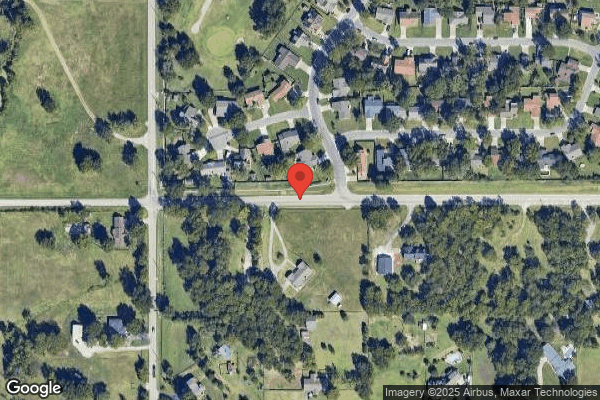

3800 WEST 71ST STREET SOUTH, TULSA, OK 74132 (918) 481-9988
Non profit - Corporation 44 Beds COVENANT LIVING Data: November 2025
Trust Grade
90/100
#7 of 282 in OK
Last Inspection: September 2024

Within standard 12-15 month inspection cycle. Federal law requires annual inspections.

Overview

Covenant Living at Inverness in Tulsa, Oklahoma, holds an impressive Trust Grade of A, indicating it is highly recommended and offers excellent care. It ranks #7 out of 282 facilities in the state and is the top choice among 7 facilities in Creek County, placing it well within the top tier for quality. The facility is showing an improving trend, having reduced its issues from 4 in 2021 to just 2 in 2024, which is a positive sign for prospective residents. While staffing received a 3 out of 5 rating, indicating average performance, the turnover rate of 44% is below the state average, suggesting that staff members are relatively stable and familiar with the residents. The facility has no fines on record, which is a good indication of compliance, and it offers more RN coverage than 82% of Oklahoma facilities, enhancing the quality of care. However, inspector findings revealed concerns such as failing to obtain informed consent for bed rails for two residents and not developing comprehensive care plans for medication management, highlighting areas that need attention despite the overall strengths of the facility.

Trust Score
A
90/100
In Oklahoma
#7/282
Top 2%
Safety Record
Low Risk
No red flags
Inspections
Getting Better
4 → 2 violations
Staff Stability
○ Average
44% turnover. Near Oklahoma's 48% average. Typical for the industry.
Penalties
✓ Good
No fines on record. Clean compliance history, better than most Oklahoma facilities.
Skilled Nurses
⚠ Watch
Each resident gets only 28 minutes of Registered Nurse (RN) attention daily — below average for Oklahoma. Fewer RN minutes means fewer trained eyes watching for problems.
Violations
○ Average
6 deficiencies on record. Average for a facility this size. Mostly minor or procedural issues.
★★★★★
5.0
Overall Rating
★★★☆☆
3.0
Staff Levels
★★★★★
5.0
Care Quality
★★★★★
5.0
Inspection Score
Stable
2021: 4 issues
2024: 2 issues

The Good

  • 5-Star Quality Measures · Strong clinical quality outcomes
  • Full Sprinkler Coverage · Fire safety systems throughout facility
  • No fines on record
  • Staff turnover below average (44%)

    4 points below Oklahoma average of 48%

Facility shows strength in quality measures, fire safety.

The Bad

Staff Turnover: 44%

Near Oklahoma avg (46%)

Typical for the industry

Chain: COVENANT LIVING

Part of a multi-facility chain

Ask about local staffing decisions and management

The Ugly 6 deficiencies on record

Sept 2024 1 deficiency
CONCERN (E)

Potential for Harm - no one hurt, but risky conditions existed

Deficiency F0700 (Tag F0700)

Could have caused harm · This affected multiple residents

Based on observation, record review, and interview, the facility failed to ensure informed consent was obtained prior to the utilization of bed rails for two (#13 and #25) of two sampled residents rev...

Read full inspector narrative →
Based on observation, record review, and interview, the facility failed to ensure informed consent was obtained prior to the utilization of bed rails for two (#13 and #25) of two sampled residents reviewed for bed rails. The administrator identified 40 residents whose beds were equipped with a bed rail of any type. Findings: 1. Res #13 had diagnoses which included dementia, abnormalities of gait and mobility, and muscle weakness. A physician order, dated 07/07/23, documented the resident could use assist handle to assist with turning or repositioning. An admission assessment, dated 07/13/23, documented the resident was severely impaired in cognition, required extensive assistance with bed mobility, and had one fall with injury. On 09/24/24 at 10:08 a.m., Res #13 was observed in their room with a family member present. Bilateral half bed rails were observed on the upper half of the bed in the up position. Res #13's family member stated the bed rails were used to aide in the turning and repositioning of Res #13. There was no documentation of informed consent for bed rails found in the medical record. There was no documentation of the utilization of bed rails found in the care plan. 2. Res #25 had diagnoses which included dementia, adult failure to thrive, and muscle weakness. A quarterly assessment, dated 07/04/23, documented the resident was moderately impaired in cognition, required extensive assistance with bed mobility, and had no falls. A physician order, dated 07/18/23, documented the resident could use assist handle to assist with bed mobility. On 09/24/24 at 10:00 a.m., Res #25 was observed lying in bed. Bilateral half bed rails were observed on the upper half of the bed in the up position. Res #25 stated the bed rails were used for turning from side to side in the bed. There was no documentation of informed consent for bed rails found in the medical record. There was no documentation of the utilization of bed rails found in the care plan. On 09/25/24 at 8:46 a.m., the DON stated informed consents had not been documented for Res #13 and Res #25 prior to the implementation of bed rails. They stated the utilization of bed rails as an assistive device had not been documented in the residents' care plan. The DON stated the facility did not have a policy specific to bed rails. On 09/25/24 at 9:39 a.m., the administrator stated informed consent had not been obtained prior to the implementation of bed rails. They stated the facility had no specific policy regarding bed rails at this time.
Jan 2024 1 deficiency
CONCERN (D) 📢 Someone Reported This

A family member, employee, or ombudsman was alarmed enough to file a formal complaint

Potential for Harm - no one hurt, but risky conditions existed

Deficiency F0583 (Tag F0583)

Could have caused harm · This affected 1 resident

Based on record review and interview, the facility failed to ensure a resident's right to privacy during care for one (#1) of three sampled residents reviewed for privacy. The administrator identifie...

Read full inspector narrative →
Based on record review and interview, the facility failed to ensure a resident's right to privacy during care for one (#1) of three sampled residents reviewed for privacy. The administrator identified 42 residents resided in the facility. Findings: An Abuse Prevention Program policy, revised 07/12/23, read in parts, .Unauthorized Photographs or Recording .taking recordings of a resident and/or his/her private space without a resident's, or designated representative's, written consent, is a violation of the resident's right to privacy and confidentiality . Res #1 had diagnoses which included hemiplegia, hemiparesis, vascular dementia, and anxiety. A quarterly resident assessment, dated 11/14/23, documented the resident's cognition was moderately impaired and they required substantial/maximal assistance with bed to chair transfers. A state incident report, dated 12/13/23, documented CNA #1 reported to the administrator they had seen an online video CNA #2 posted of Res #1. It was documented the video showed CNA #2 transferring Res #1 from their bed to their powered wheelchair with CNA #2 looking at the camera during the transfer. It was documented you could hear in the video Res #1 telling CNA #2 they did a good job and CNA #2 thanking the resident. It was documented CNA #2 was interviewed and admitted they recorded Res #1. It was documented CNA #2 was aware they violated the resident's privacy and they did not ask for permission. It was documented the allegation was substantiated and CNA #2 was terminated. On 01/08/24 at 11:19 a.m., CNA #1 was asked about the online video CNA #2 posted of Res #1. They stated the video was of CNA #2 transferring Res #1. They stated CNA #2 was trying to show off. They stated the resident was dressed and not exposed. They stated they had concerns Res #1's rights were violated. On 01/08/24 at 12:04 p.m., the administrator was asked about the online video CNA #2 posted of Res #1. They stated Res #1 was recorded being transferred from their bed to their electric wheelchair without consent. They stated CNA #2 was not malicious and the resident's rights were violated.
Dec 2021 4 deficiencies
CONCERN (E)

Potential for Harm - no one hurt, but risky conditions existed

Deficiency F0620 (Tag F0620)

Could have caused harm · This affected multiple residents

Based on record review and interview, the facility failed to ensure a claim for outpatient hospital services was submitted /paid as Medicare Part A, consolidated billing for one (#131) of one sampled ...

Read full inspector narrative →
Based on record review and interview, the facility failed to ensure a claim for outpatient hospital services was submitted /paid as Medicare Part A, consolidated billing for one (#131) of one sampled residents whose records were reviewed for Medicare Part A, consolidated billing. The administrator identified five residents who received Medicare Part A services. Findings: The Skilled Nursing Facility Agreement, dated December 2019, read in part, .Medicare/Medicare Supplemental Polices. If Facility is certified to provide services under the Medicare Act, it will accept Medicare payment as full payment for covered services . Record review revealed the resident was admitted to the facility in May 2020 for Medicare Part A services and received outpatient hospital services on 06/06/20 during her Medicare Part A stay at the facility. On 12/16/21 at 2:24 p.m., the business office specialist was asked what the payment procedure was when residents received outpatient hospital services. She stated the resident would be responsible for payment unless they were under a Medicare Part A stay. The business office specialist stated resident #131 was under a Medicare Part A stay and the invoice for hospital outpatient services, dated 06/06/20, should have been paid. At 4:10 p.m., the business office specialist informed the surveyors that she contacted the hospital and was informed resident #131's invoice for outpatient hospital services, dated 06/06/20, had not been paid and had been turned over to the collection department. On 12/16/21 at 4:47 p.m., the associate executive director stated based on the coding on the hospital outpatient claim form, the facility would be responsible for payment of the bill. The associate executive director stated he had checked their electronic system and the claim was not in their system for payment. At 5:15 p.m., the surveyors were provided with correspondence dated 05/20/21, 05/21/21, 06/03/21, and 06/10/21 supporting the resident's inquiry and potential Medicare Part A consolidated billing situation. No additional documentation or correspondence, dated between 06/10/21 and 12/16/21, was provided to support resolution/payment of the resident's claim for outpatient hospital services that occurred during a Medicare Part A stay at the facility.
CONCERN (E)

Potential for Harm - no one hurt, but risky conditions existed

Comprehensive Care Plan (Tag F0656)

Could have caused harm · This affected multiple residents

Based on record review and interview, the facility failed to develop a comprehensive person-centered care plan related to insulin and psychotropic medications for two (#18 and #79) of five sampled res...

Read full inspector narrative →
Based on record review and interview, the facility failed to develop a comprehensive person-centered care plan related to insulin and psychotropic medications for two (#18 and #79) of five sampled residents whose care plans were reviewed for medications. The Resident Census and Conditions Report identified 17 residents on psychotropic medications. The administrator identified two residents who received insulin. Findings: The undated Care Plans, Comprehensive Person-Centered policy, read in parts, .The comprehensive, person-centered care plan will describe the services that are to be furnished to attain or maintain the resident's highest practicable physical, mental, and psychosocial well-being .Care plan interventions are chosen only after careful data gathering .careful consideration of the relationship between the resident's problem areas and their causes, and relevant clinical decision making .The comprehensive, person-centered care plan is developed within seven (7) days of the completion of the required comprehensive assessment .The Interdisciplinary Team must review and update the care plan at least quarterly, in conjunction with the required quarterly MDS assessment . 1. Resident #18 had diagnoses which included dementia, insomnia, and cognitive communication deficit. The resident's admission MDS assessment (a resident assessment tool used to identify resident care needs), dated 08/03/21, documented the resident was severely impaired in cognition and received an anticoagulant medication six days of the seven day look back period. The resident's quarterly MDS assessment, dated 10/27/21, documented the resident was severely impaired in cognition, and received a hypnotic medication and opioid medication seven days of the seven day look back period. The resident's Care Plan, dated 12/01/21, read in parts, .Problems .Antianxiety: [name withheld] is receiving antianxiety drugs on a regular basis .Goals .Symptoms of anxiety will be controlled with minimal side effects over the next 90 days. Status: Active (Current) .Interventions .administer .as ordered .Monitor for side effects of medications . A review of resident #18's physician orders and medication administration records did not reveal an antianxiety medication had been ordered or administered. During the survey, the DON reported resident #18 had no physician order for an antianxiety medication and had not received an antianxiety medication. On 12/16/21 at 1:10 p.m., the MDS coordinator/nurse manager stated she was currently responsible for development and revision of resident care plans. The MDS coordinator/nurse manager was asked why the resident's care plan would include antianxiety medication when the resident had not been prescribed or administered antianxiety medications. She stated the MDS nurse must have entered it incorrectly. The MDS coordinator/nurse manager was asked if the care plan would be accurate for this resident. She stated no, it would not. On 12/16/21 at 3:00 p.m., the DON stated was asked if resident #18's care plan which included antianxiety medication was accurate. She stated No. 2. Resident #79 had diagnoses which included type two diabetes mellitus and insomnia. The resident's initial MDS assessment, dated 11/28/21, documented the resident was severely impaired in cognition, and received an insulin injection, antidepressant medication, and hypnotic medication seven days of the seven day look back period. The Physician Order sheet, dated December 2021, read in parts, .insulin aspart (U-100) 100 unit/ml (3ml) subcutaneous pen .sliding scale insulin .Order Date: 11/22/21 .Four Times Daily . Levimir Flexpen 100 unit/ml (3ml) solution subcutaneous insulin pen (10 units) .Order Date: 11/22/21 .Two Times Daily . ramelteon 8 mg tablet (1) tablet oral .Order Date .11/22/21 .Hour of Sleep . Trazodone 100 mg tablet (1) tablet oral .Order Date: 11/22/21 .Hour of Sleep . Resident #79's Care Plan, dated 11/23/21, and updated 11/29/21 and 12/2/21, did not address diabetes, insulin, or the use of the psychotropic medications ramelteon and Trazodone. On 12/16/21 at 1:10 p.m., the MDS coordinator/nurse manager stated she was currently responsible for development and revision of resident care plans. The MDS coordinator/nurse manager was asked why resident #79's care plan did not address diabetes, insulin, or the use of hypnotics/sedatives. She stated she was actively working on resident #79's care plan. The MDS coordinator/nurse manager stated resident #79's care plan should have included these identified areas. On 12/16/21 at 3:00 p.m., the DON stated resident #79's care plan should have included these identified areas. The DON was asked if resident #79's care plan would be a comprehensive care plan. She stated there were issues not addressed on the care plan. The DON was asked how staff would be aware of the resident's plan of care for insulin, diabetes, and psychotropic medications if they were not addressed on the care plan. She stated they would not be aware.
CONCERN (E)

Potential for Harm - no one hurt, but risky conditions existed

Deficiency F0657 (Tag F0657)

Could have caused harm · This affected multiple residents

Based on observation, record review, and interview, the facility failed to ensure the care plan was revised to include antibiotic therapy and contact isolation precautions for one (#19) of one sampled...

Read full inspector narrative →
Based on observation, record review, and interview, the facility failed to ensure the care plan was revised to include antibiotic therapy and contact isolation precautions for one (#19) of one sampled residents whose care plans were reviewed for antibiotic therapy and contact isolation precautions. The Resident Census and Conditions Report identified five residents on antibiotics. The DON identified two residents on contact isolation precautions. Findings: Resident #19 had diagnoses which included urinary tract infection. The resident's quarterly MDS assessment (a resident assessment tool used to identify resident care needs), dated 10/27/21, documented the resident was cognitively intact, required extensive assist with toileting, and was occasionally incontinent of urine. Record review revealed the resident had received laboratory services, dated 11/18/21, which included a urinalysis with culture and sensitivity. A notation on the laboratory results documented the resident was to receive an antibiotic and have contact isolation precautions. On 11/30/21, during an initial tour of the facility, signage was observed on resident #19's door indicating contact precautions. A PPE cart was observed in the hallway. The DON reported the resident was on contact isolation precautions due to multi-resistant organism in the urine. A review of the resident's care plan did not reveal the care plan had been revised to include the resident's urinary tract infection, antibiotic therapy, or contact isolation precautions. On 12/16/21 at 1:10 p.m., the MDS coordinator/nurse manager stated she was currently responsible for development and revision of resident care plans. She stated a resident's care plan would be revised following a significant change, completion of a quarterly assessment, and when new or revised physician orders indicated a revision. The MDS coordinator/nurse manager stated a copy of the physician orders would be provided to the MDS coordinator and based on clinical judgement, the DON and MDS coordinator/nurse manager would determine if the care plan needed to be revised. She stated some orders, such as psychotropic medication or antibiotic therapy would automatically indicate a care plan revision was needed. The MDS coordinator/nurse manager was asked why resident #19's care plan had not been revised to include the November 2021 diagnosis of UTI, initiation of antibiotic therapy, or contact isolation precautions. She stated maybe the revision had not been saved correctly in the electronic system. The MDS coordinator/nurse manager stated resident #19's care plan should have been revised to include UTI, antibiotic therapy, and contact isolation precautions. On 12/16/21 at 3:00 p.m., the DON stated resident #19's care plan should have been revised to include UTI, antibiotic therapy, and contact isolation precautions.
CONCERN (E)

Potential for Harm - no one hurt, but risky conditions existed

Infection Control (Tag F0880)

Could have caused harm · This affected multiple residents

Based on observation and interview, it was determined the facility failed to maintain an infection control program and implement measures to provide a safe environment to help prevent the development ...

Read full inspector narrative →
Based on observation and interview, it was determined the facility failed to maintain an infection control program and implement measures to provide a safe environment to help prevent the development and transmission of COVID-19 and/or other infections. The facility failed to ensure staff: ~ donned appropriate PPE before providing care to a resident on contact precautions; and ~ performed hand hygiene and/or washed hands when exiting a resident room who was on contact precautions. The Resident Census and Conditions Report identified 29 residents who resided in the facility. The DON identified three residents who were on contact precautions/quarantined due to being a new admission and not vaccinated for COVID-19. Findings: On 12/13/21 at 5:04 a.m., CNA #1 was observed to approach a resident room that had signage on the door indicating contact precautions and a PPE cart in the hallway. The CNA was observed to wear a mask. CNA #1 entered the room, donned gloves, retrieved the resident's urinal from the bedside table, entered bathroom, and then placed the empty urinal back on the bedside table. CNA #1 removed her gloves, and exited the room. CNA #1 was then observed to enter another resident room where she donned gloves, and performed incontinent care. CNA #1 was not observed to perform hand hygiene between resident rooms. At 6:50 a.m., CNA #1 stated she did not know how many residents were on contact precautions. She stated she had not noticed any, but usually there were signs on the door. CNA #1 was asked what the sign on the doors indicated. She stated What signs? CNA #1 stated the procedure for contact precautions was to wear gown and gloves, remove them when leaving the room, and wash hands. CNA #1 was asked why she did not wash hands or perform hand hygiene when exiting room with contact precautions earlier. She stated she usually washed her hands when she left the room. CNA #1 was asked how she ensured infection control. She stated she washed/sanitized hands. On 12/13/21 at 7:00 a.m., LPN #1 stated to ensure infection control staff were to follow the contact precautions signs posted and remove the biohazard boxes from the resident room after each shift. On 12/14/21 at 9:15 a.m., the DON was asked what PPE was to be utilized by staff entering a resident room on contact precautions. She stated staff were to wear gown, gloves, mask, wash/sanitize hands, remove all PPE and place in biohazard box in room.
Understanding Severity Codes (click to expand)
Life-Threatening (Immediate Jeopardy)
J - Isolated K - Pattern L - Widespread
Actual Harm
G - Isolated H - Pattern I - Widespread
Potential for Harm
D - Isolated E - Pattern F - Widespread
No Harm (Minor)
A - Isolated B - Pattern C - Widespread

Questions to Ask on Your Visit

  • "Can I speak with families of current residents?"
  • "What's your RN coverage like on weekends and overnight?"

Our Honest Assessment

Strengths
  • • Grade A (90/100). Above average facility, better than most options in Oklahoma.
  • • No major safety red flags. No abuse findings, life-threatening violations, or SFF status.
  • • No fines on record. Clean compliance history, better than most Oklahoma facilities.
  • • 44% turnover. Below Oklahoma's 48% average. Good staff retention means consistent care.
Concerns
  • • No significant concerns identified. This facility shows no red flags across CMS ratings, staff turnover, or federal penalties.
Bottom line: Generally positive indicators. Standard due diligence and a personal visit recommended.

About This Facility

What is Covenant Living At Inverness's CMS Rating?

CMS assigns COVENANT LIVING AT INVERNESS an overall rating of 5 out of 5 stars, which is considered much above average nationally. Within Oklahoma, this rating places the facility higher than 99% of the state's 100 nursing homes. This rating reflects solid performance across the metrics CMS uses to evaluate nursing home quality.
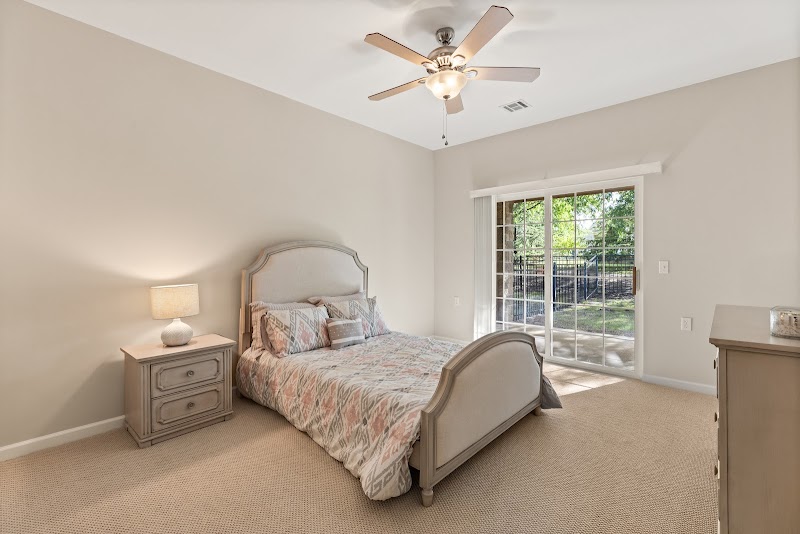
How is Covenant Living At Inverness Staffed?

CMS rates COVENANT LIVING AT INVERNESS's staffing level at 3 out of 5 stars, which is average compared to other nursing homes. Staff turnover is 44%, compared to the Oklahoma average of 46%. This relatively stable workforce can support continuity of care. RN turnover specifically is 60%, which is notably high. RNs provide skilled clinical oversight, so turnover in this role can affect medical care quality.

What Have Inspectors Found at Covenant Living At Inverness?

State health inspectors documented 6 deficiencies at COVENANT LIVING AT INVERNESS during 2021 to 2024. These included: 6 with potential for harm.
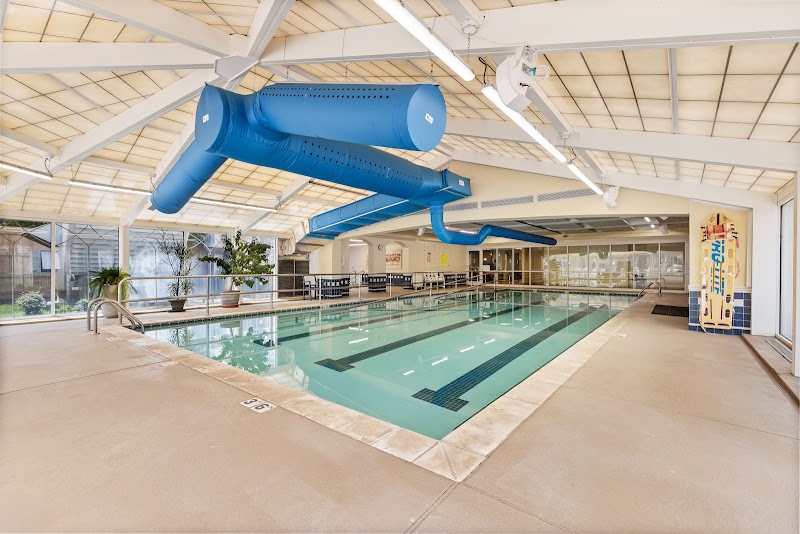
Who Owns and Operates Covenant Living At Inverness?

COVENANT LIVING AT INVERNESS is owned by a non-profit organization. Non-profit facilities reinvest revenue into operations rather than distributing to shareholders. The facility is operated by COVENANT LIVING, a chain that manages multiple nursing homes. With 44 certified beds and approximately 42 residents (about 95% occupancy), it is a smaller facility located in TULSA, Oklahoma.
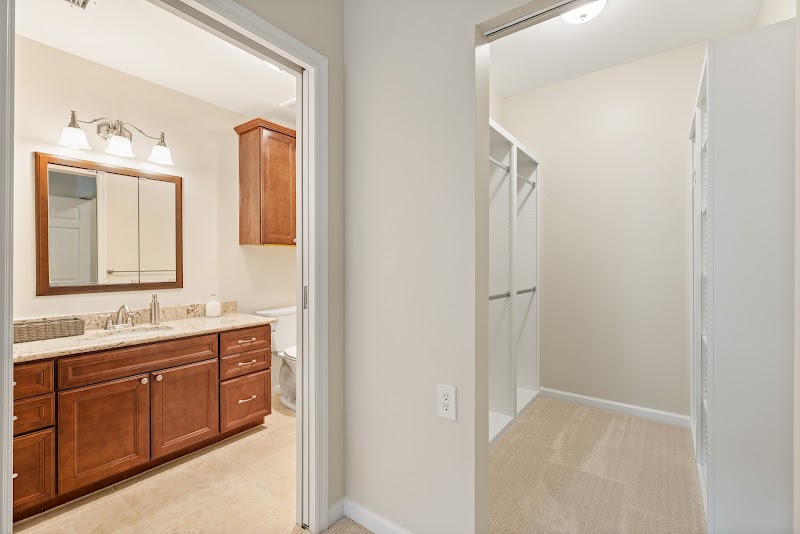
How Does Covenant Living At Inverness Compare to Other Oklahoma Nursing Homes?

Compared to the 100 nursing homes in Oklahoma, COVENANT LIVING AT INVERNESS's overall rating (5 stars) is above the state average of 2.7, staff turnover (44%) is near the state average of 46%, and health inspection rating (5 stars) is much above the national benchmark.

What Should Families Ask When Visiting Covenant Living At Inverness?

Based on this facility's data, families visiting should ask: "Can I visit during a mealtime to observe dining assistance and food quality?" "How do you handle medical emergencies, and what is your hospital transfer rate?" "Can I speak with family members of current residents about their experience?"

Is Covenant Living At Inverness Safe?

Based on CMS inspection data, COVENANT LIVING AT INVERNESS has a clean safety record: no substantiated abuse findings (meaning no confirmed cases of resident harm), no Immediate Jeopardy citations (the most serious violation level indicating risk of serious injury or death), and is not on the Special Focus Facility watch list (a federal program monitoring the lowest-performing 1% of nursing homes). The facility has a 5-star overall rating and ranks #1 of 100 nursing homes in Oklahoma. While no facility is perfect, families should still ask about staff-to-resident ratios and recent inspection results during their visit.

Do Nurses at Covenant Living At Inverness Stick Around?

COVENANT LIVING AT INVERNESS has a staff turnover rate of 44%, which is about average for Oklahoma nursing homes (state average: 46%). Moderate turnover is common in nursing homes, but families should still ask about staff tenure and how the facility maintains care continuity when employees leave.

Was Covenant Living At Inverness Ever Fined?

COVENANT LIVING AT INVERNESS has no federal fines on record. CMS issues fines when nursing homes fail to meet care standards or don't correct problems found during inspections. The absence of fines suggests the facility has either maintained compliance or corrected any issues before penalties were assessed. This is a positive indicator, though families should still review recent inspection reports for the full picture.

Is Covenant Living At Inverness on Any Federal Watch List?

COVENANT LIVING AT INVERNESS is not on any federal watch list. The most significant is the Special Focus Facility (SFF) program, which identifies the bottom 1% of nursing homes nationally based on persistent, serious quality problems. Not being on this list means the facility has avoided the pattern of deficiencies that triggers enhanced federal oversight. This is a positive indicator, though families should still review the facility's inspection history directly.