Drumright Nursing Home
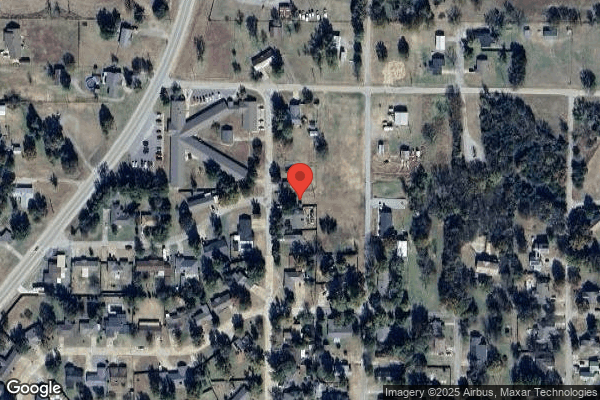
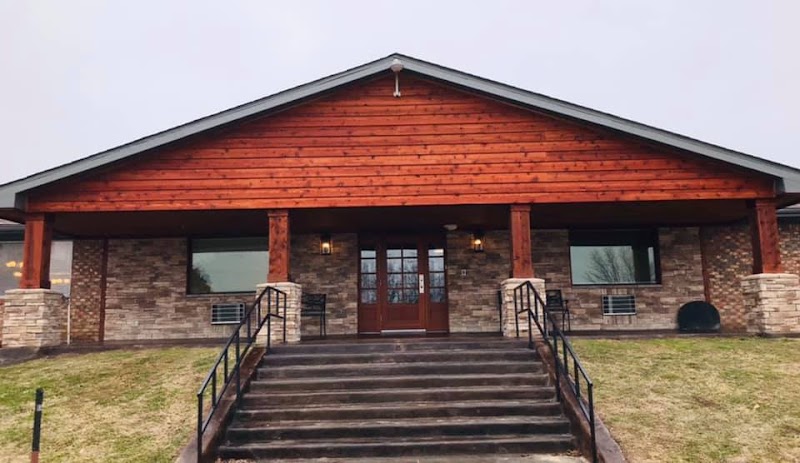
701 N Bristow Ave, Drumright, OK 74030 (918) 352-3249
For profit - Limited Liability company 133 Beds OKLAHOMA NURSING HOMES, LTD. Data: November 2025 2 Immediate Jeopardy citations
Trust Grade
0/100
#215 of 282 in OK
Last Inspection: May 2024

Within standard 12-15 month inspection cycle. Federal law requires annual inspections.

Overview

Drumright Nursing Home has received a Trust Grade of F, indicating poor performance with significant concerns about care quality. It ranks #215 out of 282 facilities in Oklahoma, placing it in the bottom half, and #7 out of 7 in Creek County, meaning there is no local competition that performs better. While the facility has made some improvements, reducing issues from 17 in 2024 to 4 in 2025, it still has a long way to go. Staffing is average with a 60% turnover rate, and it faces concerning fines of $98,112, higher than 90% of other Oklahoma facilities, suggesting ongoing compliance issues. Specific incidents include failures to protect residents from abuse and to provide adequate supervision for residents at risk of wandering, which raises serious safety concerns.
Trust Score
F
0/100
In Oklahoma
#215/282
Bottom 24%
Safety Record
High Risk
Review needed
Inspections
Getting Better
17 → 4 violations
Staff Stability
⚠ Watch
60% turnover. Above average. Higher turnover means staff may not know residents' routines.
Penalties
○ Average
$98,112 in fines. Higher than 66% of Oklahoma facilities. Some compliance issues.
Skilled Nurses
⚠ Watch
Each resident gets only 21 minutes of Registered Nurse (RN) attention daily — below average for Oklahoma. Fewer RN minutes means fewer trained eyes watching for problems.
Violations
⚠ Watch
33 deficiencies on record. Higher than average. Multiple issues found across inspections.
★☆☆☆☆
1.0
Overall Rating
★★★☆☆
3.0
Staff Levels
★☆☆☆☆
1.0
Care Quality
★☆☆☆☆
1.0
Inspection Score
Stable
2024: 17 issues
2025: 4 issues

The Good

  • Full Sprinkler Coverage · Fire safety systems throughout facility
  • No fines on record

Facility shows strength in fire safety.

The Bad

1-Star Overall Rating

Below Oklahoma average (2.6)

Significant quality concerns identified by CMS

Staff Turnover: 60%

14pts above Oklahoma avg (46%)

Frequent staff changes - ask about care continuity

Federal Fines: $98,112

Well above median ($33,413)

Moderate penalties - review what triggered them

Chain: OKLAHOMA NURSING HOMES, LTD.

Part of a multi-facility chain

Ask about local staffing decisions and management

Staff turnover is elevated (60%)

12 points above Oklahoma average of 48%

The Ugly 33 deficiencies on record

2 life-threatening 1 actual harm
Sept 2025 1 deficiency 1 IJ
CRITICAL (J) 📢 Someone Reported This

A family member, employee, or ombudsman was alarmed enough to file a formal complaint

Immediate Jeopardy (IJ) - the most serious Medicare violation

Free from Abuse/Neglect (Tag F0600)

Someone could have died · This affected 1 resident

On 09/18/25, an IJ situation was determined to exist related to the facility's failure to protect residents from physical abuse.On 09/18/25 at 2:59 p.m., the Oklahoma State Department of Health was no...

Read full inspector narrative →
On 09/18/25, an IJ situation was determined to exist related to the facility's failure to protect residents from physical abuse.On 09/18/25 at 2:59 p.m., the Oklahoma State Department of Health was notified and verified the existence of an IJ situation.On 09/18/25 at 3:06 p.m., the administrator was informed of the existence of an IJ for abuse and the IJ template was provided.On 09/19/25 at 10:39 a.m., an acceptable plan of removal was approved by the Oklahoma State Department of Health. The plan of removal, read in part, Plan of RemovalResident #28 has been referred for inpatient geri-psych services. Until such time that the resident departs the facility, the resident was immediately placed on one-on-one supervision.All staff will receive inservice training regarding abuse prevention including resident to resident abuse. Specifically, staff will receive training to intervene when resident to resident abuse occurs, report abuse immediately to the Administrator, to assess or evaluate the resident who sustained abuse for injury and document those findings in the resident record. An intervention(s) will be established for each episode of resident-to-resident abuse at the time of the occurrence, the intervention will be communicated to the staff and updated to the resident's care plan. An intervention communication form will be used to communicate to staff all new occurrences and interventions.All staff received inservice either in person or by phone call. For any staff member that could not receive inservice in person or by phone, they will be required to receive inservice before their next scheduled shift.Inservice education will be provided by the DON, RN [registered nurse], and Care Plan CoordinatorAll staff will receive inservice training by 11:59 pm on 9.18.2025All above components of the plan will be in place by 11:59 pm on 9.18.2025Resident #28 had no access to any other resident outside of the memory care unit. All residents on the memory care unit were safe from abuse immediately when one on one supervision was established for resident #28. Resident #28 was transferred via EMSA [Emergency Medical Services Authority] from the building for geri-psych services at approximately 7:00 pm on 9.18.2025By 12:00 pm on 9.19.2025 each resident on the memory care unit will receive a head to toe assessment for injury and will be asked about their safety.The Plan of Removal will be completed by 1:00 pm on 9.19.2025The IJ was lifted, effective 09/19/25 at 1:00 p.m., when all components of the plan of removal had been verified as completed. Documentation one on one supervision was provided for Resident #28, staff education regarding abuse and dementia, resident assessments for injury/head to toe assessments were reviewed. Interviews with staff were conducted to ensure education was provided regarding abuse, dementia, and the process for reporting abuse. The deficient practice remained at an isolated level with the potential for more than minimal harm.Based on record review and interview, the facility to ensure residents were protected from physical abuse for 3 residents (#33, 37, and #41) of 3 sampled residents reviewed for abuse.The DON identified 48 residents resided in the facility.Findings:A policy titled Policy and procedure regarding prohibition of resident abuse including corporal punishment, neglect and exploitation, revised 10/11/22, read in part, The facility will implement the seven key components for abuse prohibition which include Screen, Train, Prevent, Identify, Investigate, Protect and Report/Respond in an effort to prevent abuse, neglect and misappropriation from occurring, taking corrective action as needed and monitoring outcomes.Instances of abuse of all residents, irrespective of any mental or physical condition, cause physical harm, pain or mental anguish.Physical abuse which includes but is not limited to hitting, slapping, punching, biting and kicking.Prospective residents will be screened prior to placement to determine if the facility has the capability to provide the necessary care and services to the resident.The Administrator or designee may consult with law enforcement during the course if any investigation.The facility will identify, and interview all involved persons, including the alleged victim, alleged perpetrator, witnesses or anyone who may have knowledge of the allegation. The results of all investigations will be documented, including statements written for or by others and maintained in the administrative offices.Staff will increase supervision of the alleged victim and perpetrator and all other residents that may be impacted. If necessary, the alleged victim or perpetrator may be relocated to another room or part of the facility in an effort to protect the resident.All staff are required to report all allegations of abuse.to the Administrator, OSDH [Oklahoma State Department of Health] and local law enforcement.1. An undated order summary for Resident #28 showed diagnoses of dementia and Alzheimer's. An initial INCIDENT REPORT FORM, dated 07/04/25, showed Resident #28 slapped Resident #37 while trying to push them in their wheelchair. There was no education noted and law enforcement and the resident's family was not contacted. The investigation did not show safe surveys were conducted.A care plan for Resident #28, updated 07/04/25, showed to adjust the environment, determine situation, establish routine, refer to senior psych evaluation, and staff to learn the subtle changes. An admission MDS assessment, dated 07/07/25, showed Resident #28 had a BIMS of 9 indicating moderately impaired cognition, physical behaviors towards others, and verbal behaviors towards others. The assessment showed they were independent with mobility.An initial INCIDENT REPORT FORM, dated 07/12/25, showed Resident #28 started yelling at Resident #33 while they were walking down the hall. The form showed Resident #28 slapped Resident #33 to the floor causing them to hit their head making a knot form. There was no education noted and law enforcement was not contacted. The investigation did not show safe surveys were conducted.An initial INCIDENT REPORT FORM, dated 08/04/25, showed Resident #28 slapped Resident #37 in the face in the hallway. There was no education noted and law enforcement was not contacted. The investigation did not show safe surveys were conducted.A care plan for Resident #28, updated 08/22/25, showed to administer medication as ordered, assess and anticipate resident's needs, give as many choices as possible, when agitated intervene before agitation escalates, document observed behavior and attempt interventions, and physical and verbal cues to alleviate anxiety.An initial INCIDENT REPORT FORM, dated 09/06/25, showed Resident #28 slapped Resident #33 on the left cheek. The form showed redirection, one on one activity with staff, ABH gel, continue medication management, and monitor were the interventions. There was no education noted and law enforcement was not contacted. The investigation did not show safe surveys were conducted.An initial INCIDENT REPORT FORM, dated 09/09/25, showed Resident #28 entered Resident #41's room to attempt to take their walker. The form showed Resident #41 stated to let it go and Resident #28 picked up a shoe and hit Resident #41 in the face with it.The form showed PRN medication for agitation and anxiety was administered. The form showed 15 minute checks were initiated for Resident #28 and Resident #41 was monitored for safety by staff. There was no education noted and law enforcement was not contacted. The investigation did not show safe surveys were conducted.A care plan for Resident #28, updated 09/09/25, showed to apply ABH gel and to give medication. 2. An undated order summary for Resident #33 showed diagnoses of Alzheimer's and dementia.A quarterly MDS assessment, dated 06/15/25, showed Resident #33 had a BIMS of 00 which indicated severe cognitive impairment, no behaviors, and independent with mobility.An Incident Note, dated 07/12/25, showed a CNA alerted the nurse to report to the memory unit where Resident #33 was on the floor lying parallel to the bed in Resident #28's room. The nurse witnessed Resident #28 standing over Resident #33 while they laid on the floor.Resident #33's care plan was not updated to reflect the incident on 07/12/25. 3. An undated order summary for Resident #37 showed diagnosis of Alzheimer's disease.A quarterly MDS assessment, dated 05/28/25, showed Resident #37 had a BIMS of 00, indicating severe cognitive impairment, no behaviors, and independent with mobility.An Incident Note, dated 07/04/25, showed Resident #37 was smacked in the head above their ear by Resident #28.Resident #37's care plan was not updated to reflect the incident on 07/04/25.4. An undated order summary for Resident #41 showed diagnosis of vascular dementia.A quarterly MDS assessment, dated 07/02/25, showed Resident #41 had a BIMS of 9, indicating moderately impaired cognition, no behaviors, and independent with mobility.A care plan, initiated 09/09/25, showed Resident #41 had a physical altercation with Resident #28.A physician visit note, dated 09/10/25, showed Resident #41 was seen by the nurse practitioner and had soreness in their face when they were hit by another resident (Resident #28).On 09/17/25 at 4:20 p.m., CNA #1 stated Resident #28 had punched Resident #33 in the eye. They stated they did not receive any education following the incident. They stated Resident #41 had been smacked with a shoe by Resident #28. They stated they did not receive education following the incident. They were not aware of incidents with Resident #37.On 09/17/25 at 4:32 p.m., LPN #2 stated Resident #41 had been hit in the face with a shoe by Resident #28. They stated Resident #33 had two altercations with Resident #28 in the hallway on the way to the dining room. LPN #2 stated Resident # 28 attempted to kiss Resident #37 in the hallway and they slapped each other.On 09/17/25 at 5:03 p.m., the administrator stated they and the DON completed investigations. They stated the process for investigating resident to resident abuse was the staff always called the administrator and they sent in the state reportable to adult protective services. The administrator stated if there were any objective physical injuries like bleeding or a fracture, they would send out for medical evaluation. The administrator stated they would make sure the residents were separated and them conduct a 30 minute watch. The administrator stated they made sure the nurse called the doctor, family, Adult Protective Services, administration, and the DON. They stated in the memory care they just had slaps, but nothing serious.On 09/17/25 at 5:16 p.m., the administrator stated local law enforcement was notified if a resident to resident altercation resulted in a major injury, missing money, missing something of value, physical abuse, financial abuse, and sexual abuse. The administrator stated they were aware of the rules, and they were informed at a seminar conducted by the Centers or Medicare and Medicaid Service that they did not have to call the police every time as they would not do anything. The administrator stated they made a determination if the incident was significant enough for them to be notified.On 09/17/25 at 5:20 p.m., the administrator was asked where the documentation of local law enforcement being contacted for the resident to resident incident between Resident #28 and #37. They stated if it was a slap on the wrist then most likely not.On 09/17/25 at 5:30 p.m., the administrator stated Resident #41 was slapped on the head. They stated law enforcement was a waste of time and they did not do anything. They stated they did not call on this incident. They stated there were no safe surveys as there was nothing to follow up on as there were no injuries. They stated the safe surveys and education was a nursing thing that they were not sure of was done.On 09/17/25 at 5:46 p.m., the administrator asked LPN #2 if they had educated staff following the incident with Resident #28 and #37. LPN #2 stated they did not document anything and did not know to call law enforcement.On 09/17/25 at 5:52 p.m., the IP stated they did not have a QA for the incident with Resident #28 and #37.On 09/17/25 at 5:58 p.m., the administrator was asked if local law enforcement was contacted for the incident with Resident #28 and #33. They stated apparently not.On 09/17/25 at 6:13 p.m., the administrator stated they did not contact law enforcement. The administrator stated there were no safe surveys, no education, no QA, and no new interventions for the incident with Residents #28 and #37.On 09/17/25 at 6:15 p.m., the administrator stated they did not contact law enforcement. The administrator stated there were no safe surveys, no education, no QA, and no new interventions for the incident with Residents #28 and #33.On 09/17/25 at 6:16 p.m., the administrator stated they did not contact law enforcement. The administrator stated there were no safe surveys, no education, no QA, and no new interventions for the incident with Residents #28 and #41.On 09/17/25 at 6:38 p.m., the administrator stated Resident #28 had not been seen by counseling.
Jul 2025 2 deficiencies 1 IJ
CRITICAL (J) 📢 Someone Reported This

A family member, employee, or ombudsman was alarmed enough to file a formal complaint

Immediate Jeopardy (IJ) - the most serious Medicare violation

Accident Prevention (Tag F0689)

Someone could have died · This affected 1 resident

**NOTE- TERMS IN BRACKETS HAVE BEEN EDITED TO PROTECT CONFIDENTIALITY** On 06/25/25, an Immediate Jeopardy (IJ) situation was determined to exist related to the facility's failure to provide supervisi...

Read full inspector narrative →
**NOTE- TERMS IN BRACKETS HAVE BEEN EDITED TO PROTECT CONFIDENTIALITY** On 06/25/25, an Immediate Jeopardy (IJ) situation was determined to exist related to the facility's failure to provide supervision to prevent a resident with a cognitive deficit and a history of exit seeking behaviors from eloping from the facility. An order note, dated 03/08/25, showed Resident #1 tried to get out the front door. A quarterly resident assessment, dated 03/15/25, showed Resident #1's BIMS was 06 (severe cognitive impairment). A wander risk assessment, dated 04/12/25, showed Resident #1 was a high risk (score 15) for wandering. An incident note, dated 05/10/25 at 7:35 p.m., showed Resident #1 escaped the facility at approximately 7:00 p.m. Resident #1 made it one block down the road to Cimarron before worker realized they were gone. Staff assisted the resident into their car and drove the resident back to the facility. A care plan for the resident's elopement risk was not created until 05/12/25. A heath status note, dated 05/30/25, showed Resident #1 exhibited exit seeking behaviors. A combined initial and final facility reported incident, dated 06/01/25, showed Resident #1 escaped the building through the front door of the facility. Resident #1 was seen walking down the highway by the nursing home in the opposite direction. On 06/01/25 from 3:53 p.m. to 6:53 p.m., the outside temperature in [NAME] Oklahoma was 84 degrees Fahrenheit. Highway OK-33 is located in front of the facility, approximately 25 feet from the entrance door. The facility is surrounded by residential roads on the other three sides. A behavior note, dated 06/23/25 at 10:38 a.m., showed Resident #1 had attempted to exit the front door. An initial facility reported incident, dated 06/23/25, showed LPN #1 was called to the front door. The reported incident showed Resident #1 was walking across the facility lawn. The reported incident showed LPN #1 and two CNAs went to the resident and directed them back into the facility and into bed. On 06/23/25 from 9:53 a.m. to 12:53 p.m., the outside temperature in [NAME] Oklahoma ranged from 85 to 100 degrees Fahrenheit. The care plan was not updated after the resident's elopement on 06/01/25 and 06/23/25. On 06/25/25 at 4:21 p.m., the Oklahoma State Department of Health was notified and verified the existence of the IJ situation. On 06/25/25 at 4:50 p.m., the administrator and DON were notified of the IJ situation. On 06/27/25 at 10:53 a.m., an acceptable plan of removal was approved by the Oklahoma State Department of Health. The plan of removal, read in part, Effective immediately, one on one staff assignment has been made for Resident #1. Staff will remain within 10-15 feet of the resident at all times. Other interventions include prevent resident #1 from exiting the building and engage resident in a meaningful activity. Resident #1's care plan will be updated to reflect each episode of exiting the facility and will reflect the intervention described above. All other residents identified as exit seeking have had their care plan updated to reflect interventions when demonstrating exit seeking behaviors. All current staff on duty will receive inservice training that will include the intervention of one on one for resident #1, the identification of any other current resident who demonstrates exit seeking behavior, how to identify exit seeking behavior in any other current resident, to notify the nurse immediately when any resident demonstrates exit seeking behavior or elopes the facility. Staff were instructed to prevent each resident with exit seeking behavior from leaving the building and to attempt to engage the resident in a meaningful activity. All remaining staff will be inserviced either in person or by phone by 10 pm on 06.25.2025 on the above information. For those staff members inserviced by phone or otherwise unable to contact, those staff members will receive additional in person inservice at the start of their next shift. The IJ was lifted, effective 06/25/25 at 10:00 p.m., when all components of the plan of removal had been verified as completed. This was verified by observing the location of residents at risk for exit seeking behaviors, staff interviews, review of in-service information, and a review of resident records to ensure interventions were in place for residents who exhibited exit seeking behaviors. The deficient practice remained at an isolated level with the potential for more than minimal harm. Based on observation, record review, and interview, the facility failed to provide supervision to prevent a resident with a cognitive deficit and a history of exit seeking behaviors from eloping from the facility for 1 (#1) of 3 sampled residents reviewed for elopement. The infection control nurse identified six residents at risk for elopement resided in the facility. Findings: 1. On 06/25/25 at 9:03 a.m., as the surveyor was standing in the parking lot of the facility, they observed two semi trucks pass by on the highway that was located approximately 25 feet from the entrance of the facility. There were also a large set of stairs outside the facility entrance door that led to the parking lot. On 06/25/25 at 10:21 a.m., Resident #1 was observed lying in bed, then sat up independently on the side of their bed. Resident #1 started touching their blanket, giggled, then pointed to their gold colored blanket. The resident began to speak, but the words were nonsensical. On 06/25/25 at 10:25 a.m., Resident #1 moved their bedside table to the side and laid back down in their bed independently. There were no staff present in the resident's room. On 06/25/25 at 12:16 p.m., Resident #1 was observed standing in their room. CNA #2 brought the resident their meal tray and asked if the resident wanted to sit in their chair. Resident #1 walked over to the sink and obtained a napkin. On 06/25/25 at 12:17 p.m., CNA #2 opened the bathroom door and Resident #1 walked into the bathroom. CNA #2 opened the resident's meal tray and cut up the enchilada, opened the dessert, and opened the cups of liquids. On 06/25/25 at 12:19 p.m., Resident #1 exited the bathroom walked toward the surveyor and talked about their head. CNA #2 had to direct the resident on how to get soap on their hands and the resident rubbed their hands together and rinsed them in the sink. On 06/25/25 at 12:21 p.m., Resident #1 walked over to the recliner, sat down, and CNA #3 pulled the bedside table over, and put sour cream on the enchilada. The resident thanked CNA #3. CNA #3 cleaned up the resident's room, handed the resident a call light, and told the resident they would be out in the hallway if they needed anything. On 06/25/25 at 12:25 p.m., CNA #2 exited Resident #1's room. An undated procedure for locating and reporting missing residents, read in part, It shall be the plan of this facility to locate a missing client/resident as quickly as possible and return him/her to the facility to prevent an accident or any type of actual harm that might occur .Upon discovery that there is a missing client/resident, this facility will .Make a thorough search of the building for the missing client/resident and request any information from any of client/resident or visitor who may have observed any actions or have any comments concerning the missing client/resident .Make a thorough search of the grounds and land adjacent to the building .If not found, notify administrator if available. If Administrator cannot be located within 30 minutes then the next person in charge will be located and notified .Send one employee as a minimum to search the vicinity .If not found within two hours the police department is to be notified and supplied with the name and description of the client/resident along with the description of the clothing worn by the client/resident when last seen .The next of kin, responsible part, or individual who visits the client/resident shall be notify of the missing client/resident within two hours .When the client/resident is determined to be missing the Oklahoma State Department of Health will be notified by verbal or written report within 24 hours of the approximate time that the client/resident was discovered missing. An order note, dated 03/08/25, showed Resident #1 tried to get out the front door. A quarterly resident assessment, dated 03/15/25, showed Resident #1's BIMS was 06 (severe cognitive impairment). The assessment showed Resident #1 had diagnoses of Alzheimer's disease, non-Alzheimer's dementia, and psychotic disorder. A wander risk assessment, dated 04/12/25, showed Resident #1 was a high risk (score 15) for wandering. An incident note, dated 05/10/25 at 7:35 p.m., showed Resident #1 escaped the facility at approximately 7:00 p.m. The note showed the resident made it down to Cimarron one block down the road before a worker realized they were gone. The note showed CNA #3 brought the resident back in their car and took the resident back down to their room. The note showed no injuries were found. A care plan for the resident's elopement risk was not created until 05/12/25. Resident #1's care plan, dated 05/12/25, showed the resident had the potential for elopement/exit seeking wandering. The approaches showed staff were to complete the wander risk inventory on admission, quarterly, and as needed, and staff were to ensure exit doors were activated/alarmed. The care plan showed if wandering/exit seeking was observed, staff were to remain with Resident #1, engage them in a meaningful activity or redirect the resident. It showed staff would instruct family, visitors, and residents to not open the door for others without checking with nursing staff. The care plan did not document the actual elopement on 05/10/25. A heath status note, dated 05/30/25, showed Resident #1 exhibited exit seeking behaviors. A combined initial and final facility reported incident, dated 06/01/25, showed Resident #1 escaped the building through the front door of the facility. Resident #1 was seen walking down the highway by the nursing home in the opposite direction. The facility reported incident showed the resident was placed on 15 minute checks to ensure safety. On 06/01/25 from 3:53 p.m. to 6:53 p.m., the outside temperature in [NAME] Oklahoma was 84 degrees Fahrenheit. Highway OK-33 is located in front of the facility, approximately 25 feet from the entrance door. The facility is surrounded by residential roads on the other three sides. The care plan was not updated after the resident's elopement 06/01/25. The forms provided to the surveyor for the every 15 minute checks following the incident were: a. one completed status location form dated 06/02/25 from 6:45 a.m. through 11:45 a.m.; b. one completed status location form dated 06/03/25 from 12:00 a.m. to 8:15 a.m.; c. one unlabeled, undated form that started at 5:00 p.m. and went through 11:45 p.m. There were blanks for the 6:30 p.m. and 6:45 p.m. checks; and d. one unlabeled, undated form that started at 12:00 p.m. and went through 11:45 p.m. There were blanks from 3:30 p.m. through 6:45 p.m. for the every 15 minute checks. A behavior note, dated 06/23/25 at 10:38 a.m., showed Resident #1 had attempted to exit the front door. An initial facility reported incident, dated 06/23/25, showed LPN #1 was called to the front door. The facility reported incident showed Resident #1 was walking across the facility lawn. The facility reported incident showed LPN #1 and two CNAs went to the resident and directed them back into the facility and into bed. The form was completed by LPN #1. On 06/23/25 from 9:53 a.m. to 12:53 p.m., the outside temperature in [NAME] Oklahoma ranged from 85 to 100 degrees Fahrenheit. The care plan was not updated after the resident's elopement on 06/23/25. On 06/25/25 at 10:08 a.m., family member #1 stated there were confused residents in the facility who tried to enter their loved one's room. They stated when they visited the facility, residents were in their wheelchairs at the front door, but family member #1 had not experienced them trying to leave the facility when they entered or left the facility. On 06/25/25 at 10:17 a.m., LPN #1 stated Resident #1 was a high elopement risk. They stated the resident had dementia and an altered mental status. They stated Resident #1 walked independently. On 06/25/25 at 1:04 p.m., family member #2 stated Resident #1's mind was not 100 percent. They stated at times, Resident #1 did not know family member #2's name. On 06/25/25 at 1:08 p.m., family member #2 stated they had been called several times over the past month and a half by the facility regarding exit seeking behaviors. They stated on two occasions Resident #1 did get out of the facility. Family Member #2 stated on one occasion Resident #1 went toward the residential neighborhood and someone had brought them back in a car. They stated the other time Resident #1 went right out the front door towards the highway. On 06/25/25 at 1:11 p.m., family member #2 stated the facility told them they were watching for where Resident #1 was at in the building. They stated the facility was doing what they could to care for Resident #1. On 06/25/25 at 1:21 p.m., CNA #1 stated if a resident did go outside the building, they would do their best to try to get them back inside. They stated they would notify the DON and administrator depending on how far they got. On 06/25/25 at 1:26 p.m., CNA #1 stated the facility doors were locked and required a code to open. They stated if you pushed on the door too long, it would open after about 15 seconds. They stated that was probably how the residents were getting out. On 06/25/25 at 1:27 p.m., CNA #1 stated Resident #1's cognition was not the best. They stated the resident was not oriented to person, place or time. They stated the resident would often ask where they were and what was going on. On 06/25/25 at 1:28 p.m., CNA #1 stated they were not working at the time, but had heard Resident #1 had escaped the building a couple of times. They stated staff were to check on the resident every fifteen minutes and document what they were doing. On 06/25/25 at 1:32 p.m., CNA #1 stated Resident #1 walked independently. On 06/25/25 at 1:32 p.m., the administrator stated Resident #1 had severe dementia. They stated in the last month, the resident was smart enough to know if they pushed on the door 15 seconds it would open. The administrator stated they could not afford to have a guard standing at the gate 24 hours a day to guard the door. On 06/25/25 at 1:34 p.m., the administrator took the surveyor down a hall where no residents resided. There was a double door at the end of the hall the administrator explained this was going to be the memory unit at the facility. They stated Resident #1 would be the first resident when it opened and it would be a locked unit. On 06/25/25 at 1:36 p.m., the administrator stated once the facility got the memory unit opened in the next seven to 14 days, Resident #1 would not be able to get out anymore. They stated that was their plan of correction. On 06/25/25 at 1:39 p.m., the administrator stated they were proactively dealing with Resident #1. On 06/25/25 at 2:18 p.m., CNA #2 stated the past couple of times a resident had eloped the facility had completed every fifteen minute checks on Resident #1. They stated they were here when Resident #1 escaped on 06/23/25. CNA #2 stated staff went outside, redirected the resident, sat them outside, and brought them in through the door of the skilled unit. CNA #2 stated Resident #1 had been wandering all morning that day. They stated a coworker redirected the resident to the dining room. CNA #2 stated when they came back from the bathroom, kitchen staff alerted them Resident #1 was outside because they could see them through the windows in the dining room. CNA #2 stated that was when they went and got the resident from outside. On 06/25/25 at 2:22 p.m., CNA #2 stated they took Resident #1 to the bathroom, laid them down, and were completing every fifteen minute checks on the resident to prevent them from eloping again. CNA #2 stated the resident was pretty drained because it was pretty hot outside. CNA #2 stated the resident was near the [NAME] Nursing Home sign by the highway when they got them. On 06/25/25 at 2:25 p.m., CNA #2 stated they had not received training related to elopement. They stated the door was locked and a code was needed to open it. They stated if you held the door long enough, it would open. They stated they believed that was with every door. On 06/25/25 at 2:49 p.m. CNA #3 stated they did not know the policy for elopement. They stated they knew elopement was when a resident was exit seeking. They stated if a resident did exit the building, they would first assess the situation and make sure they were ok. They stated they would speak to them calmly and try to redirect them in the right direction. On 06/25/25 at 2:51 p.m., CNA #3 stated they had not received any training related to elopement. 06/25/25 at 2:52 p.m., CNA #3 stated the facility had doors that locked and required security codes to keep residents from exiting the building. They stated they believed the memory care unit that was opening would help. On 06/25/25 at 2:54 p.m., CNA #3 stated on 05/10/25, they saw Resident #1 walking down the road when they got off work. CNA #3 stated they brought the resident back to the facility in their car. On 06/25/25 at 2:58 p.m., CNA #3 took the surveyor outside and pointed to [NAME] the road directly behind the skilled unit. CNA #3 stated they believed Resident #1 was on Pine and thought Resident #1 got out through the skilled door but no one knew for sure. CNA #3 stated Resident #1 had been trying to go out the skilled door earlier on their shift and they had to redirect them that night before they left. CNA #3 stated Resident #1 made it another block and a half. They stated they picked Resident #1 up at Pine and Cimarron. CNA #3 stated they were doing 15 minute checks on the resident, but was not sure if they were still in place. They stated they were unsure if the resident had gotten out another time but, We all know [the resident] has attempted it. On 06/25/25 at 2:34 p.m., LPN #1 stated the policy for elopement was to get the resident safe and into the facility if possible, notify the physician, DON, administrator and family. They stated they had been completing 15 minute checks and were working on a policy for how long the facility was going to complete the 15 minute checks. They stated staff tried to keep as many eyes on the resident to keep them safe and prevent elopement if possible in the future. On 06/25/25 at 2:36 p.m., LPN #1 stated they did not think they had received specific training on elopement. They stated if a resident exhibited exit seeking behaviors they would try to redirect them with an activity, snack, or some alone time in their room. They stated they would also increase the amount of times they were checking on them. On 06/25/25 at 2:37 p.m., LPN #1 stated the facility had double doors with a lock system on them and staff were at the desk most of the time to keep an eye on the door. On 06/25/25 at 2:38 p.m., LPN #1 stated Resident #1 was only alert and oriented to self. They stated the resident often times looked for their family. They stated the resident was confused and needed help finding their room. They stated the resident walked on their own. On 06/25/25 at 2:39 p.m., LPN #1 stated they were only present for Resident #1's elopement on 06/23/25. They stated prior to the elopement, the resident was exhibiting exit seeking behaviors. LPN #1 stated staff took the resident to their room, changed their clothes, got them a drink in the dining room and took them to the television room. LPN #1 stated Resident #1 seemed comfortable in the dining room. LPN #1 stated they had to go complete blood sugars and heard a scream and observed Resident #1 walking on the lawn. They stated they along with two other staff members got the resident back inside through the side door. LPN #1 stated they believed Resident #1 pushed the door for the 15 seconds and it opened. On 06/25/25 at 2:41 p.m., LPN #1 stated they resident agreed to go to bed because they were tired and wanted to go home. They stated once the resident was able to see their personal belongings, they recognized their room. LPN #1 stated they obtained the resident's vital signs, looked the resident over, and placed the resident on 15 minute checks. On 06/25/25 at 2:45 p.m., LPN #1 stated they were aware of other elopements and believed Resident #1 had eloped two or three times in the past month or two. On 06/25/25 at 3:03 p.m., the infection control nurse stated RN #1 who completed the facility reported incident on 06/01/25 was the former DON. They stated RN #1 had not been at the facility since 06/15/25. On 06/25/25 at 3:06 p.m., the infection control nurse stated to their understanding, if a resident got out of the facility and did not leave the property, they completed an internal incident report and notified the administrator and DON. They stated if the resident left the property including getting to the highway, a State reportable incident should be completed and the administrator, DON, family, and physician should be notified. They stated staff would go and look for the resident, and once located and brought back, then everyone would be notified. On 06/25/25 at 3:08 p.m., the infection control nurse stated they had not received training related to elopement. They stated Resident #1 was always looking for their family member. They stated when Resident #1 left, they were trying to find their family member. On 06/25/25 at 3:09 p.m., the infection control nurse stated the facility had locked doors. They stated if the doors did not shut all the way, an alarm would sound so staff would know it was open. They stated the facility did have a couple exit seeking residents. On 06/25/25 at 3:10 p.m., the infection control nurse stated Resident #1 had full blown dementia and did not know they were in a nursing home. They stated the resident did know their name and knew who their family member was. They stated the resident walked on their own and went to the bathroom on their own. On 06/25.25 at 3:12 p.m., the infection control nurse stated the elopement they knew about for Resident #1 was on 05/10/25. They stated the only way they knew about the one on 06/23/25 was LPN #1 came in and said there was a commotion in the dining room. They stated another resident was hollering for staff because they were in the dining room and saw Resident #1 was outside. They stated Resident #1 was in the front lawn towards the highway. They stated they did not know about the one on the highway, but was told about it. On 06/25/25 at 3:16 p.m., the infection control nurse stated as of now the facility was going to continue the 15 minute checks on Resident #1 until the memory care unit was opened on 07/01/25. On 06/25/25 at 3:19 p.m., the DON stated they had just looked up the elopement policy. They stated staff were to look around the building grounds and if the resident was missing two hours, they were to notify the police. They stated staff were to notify the family immediately. They stated they were to give a description of the resident, complete a State reportable within 24 hours, and complete an incident report. On 06/25/25 at 3:20 p.m., the DON stated they had not received or provided any training related to elopement, but it was on the list. They stated when residents were exhibiting exit seeking behaviors, staff were to redirect or distract them by taking them to the television room, giving them an activity to do, or give them a snack. They stated staff were to be notified when residents exhibited exit seeking behaviors and the information was to be passed on in report. On 06/25/25 at 3:22 p.m., the DON stated the facility had coded doors and a different code to enter and exit the building. They stated they were break away doors and if you held them long enough they would open. The DON stated if a resident did elope, staff were to notify the DON and the administrator, complete a head to toe assessment to make sure there were no injuries, and complete frequent checks. They stated it was not in the policy, but they usually completed every 15 minute checks. On 06/25/25 at 3:23 p.m., the DON stated Resident #1 was very confused and oriented to self only. They stated the resident ambulated independently most of the time. On 06/25/25 at 3:25 p.m., the DON stated they were unable to find the every 15 minute checks for the 05/10/25 or the 06/01/25 elopement of Resident #1. They stated the every fifteen minute checks were to be documented on the status location forms. The DON stated the 06/01/25 facility reported incident did document Resident #1 was on every fifteen minute checks to ensure safety. The DON stated Resident #1 was on 15 minute checks now. On 06/25/25 at 3:28 p.m., the DON stated Resident #1 was on every 15 minute checks for 24 hours, then the facility was completing every 30 minute checks. The DON stated they spoke to the facility nursing specialist who instructed them to go ahead and keep the resident on 15 minute checks because they were such a high risk. On 06/25/25 at 3:30 p.m., the infection control nurse brought in the every 15 minute checks and every 30 minute checks for Resident #1 for the elopement on 05/10/25 and 06/01/25. There were forms dated 05/10/25 through 05/12/25 completed. For the 06/01/25 elopement, they provided two forms with no dates, one form dated 06/02/25 and one form dated 06/03/25. The infection control nurse stated there were no dates on the two pages and if it was not dated they did not know when it was done. The infection control nurse identified the blanks in documentation on one of the undated forms from 3:30 p.m. through 6:45 p.m. On 06/25/25 at 3:32 p.m., the infection control nurse identified the blanks in documentation for 6:30 p.m. and 6:45 p.m. on the other undated form. On 06/25/25 at 3:54 p.m., the DON stated Resident #1's most recent wander risk assessment was completed on 04/12/25 and showed the resident was a high risk to wander. On 06/25/25 at 4:16 p.m., the administrator stated the facility did not have a specific elopement policy. They stated they had a missing persons policy. They stated when staff realized a resident was missing, it was all hands on deck and everyone looked for them. They stated if they could not locate them, they would notify the police and fire department to complete an area search. They stated most of the time they would catch them on the property, bring them back inside and complete every 15-30 minute checks on them to watch them more closely. On 06/25/25 at 4:20 p.m., the administrator stated they completed orientation with new employees and they assumed elopement was discussed in the training procedure. They stated you did not need any formal training, it was common sense if someone was wandering staff needed to keep an eye on them. The administrator stated when Resident #1 first exited the building, the nurse was the former DON. The administrator stated they would think they would know to send something into the State. The administrator stated when they returned to the facility the following Monday after 05/10/25, they asked staff if they completed a report to the state and they said no. The administrator stated they instructed them to complete one. They stated they did not think RN #1 even put anything in the nurses' note. On 06/25/25 at 4:26 p.m., the administrator stated the nurses and aides were busy. They stated they could see Resident #1 one minute and three minutes later they were out the door. They stated they wished they could lock the door where they could not get out, but due to life safety, they could not. They stated they were shocked Resident #1 was cognitive enough to push on the door until it opened. The administrator stated they facility was keeping a close eye on the resident and documenting every 15 minute checks. They stated prior to 05/10/25 they had no problems, and all of a sudden Resident #1 escapes three times. The administrator stated the DON was new, but the infection control nurse would know what assessment they used to identify residents at risk for elopement. The administrator stated they were unable to remember if QAPI was involved in the elopements and to ask the infection control nurse to verify. On 06/25/25 at 4:36 p.m., the infection control nurse stated the facility completed a wandering risk under the assessment tool to determine a resident's elopement risk. They stated they were completed quarterly. On 06/25/25 at 4:38 p.m., the infection control nurse stated QAPI had not had any involvement with the elopements. 2. A quarterly resident assessment, dated 03/30/25, showed Resident #8's BIMS score was 15 (cognitively intact). On 06/25/25 at 10:34 a.m., Resident #8 stated the door to the facility was supposed to be locked. They stated a couple days ago, a resident got out. Resident #8 stated they did not know what the resident was doing playing on the highway. They stated there were two or three residents who liked to get out of the facility because their minds weren't right. Resident #8 stated they did not know the names of the residents. 3. An annual resident assessment, dated 05/29/25, showed Resident #9's BIMS score was 15 (cognitively intact). On 06/25/25 at 10:41 a.m., Resident #9 stated there were residents who wandered in the facility. They stated they had to keep their door to the bathroom locked so Resident #1 and Resident #2 would not wander into Resident #9's room.
CONCERN (D) 📢 Someone Reported This

A family member, employee, or ombudsman was alarmed enough to file a formal complaint

Potential for Harm - no one hurt, but risky conditions existed

Deficiency F0657 (Tag F0657)

Could have caused harm · This affected 1 resident

Based on record review and interview, the facility failed to ensure a resident's care plan was updated to reflect each time the resident eloped from the facility for 1 (#1) of 3 sampled residents revi...

Read full inspector narrative →
Based on record review and interview, the facility failed to ensure a resident's care plan was updated to reflect each time the resident eloped from the facility for 1 (#1) of 3 sampled residents reviewed for elopement. The infection control nurse identified six residents at risk for elopement resided in the facility. Findings: A resident care plan policy, revised 03/27/17, read in part, The comprehensive care plan will be reviewed and updated by the IDT [interdisciplinary team] after each quarterly and annual assessment thereafter. A quarterly resident assessment, dated 03/15/25, showed Resident #1's BIMS was 06 (severe cognitive impairment). The assessment showed Resident #1 had diagnoses of Alzheimer's disease, non-Alzheimer's dementia, and psychotic disorder. An incident note, dated 05/10/25 at 7:35 p.m., showed Resident #1 escaped the facility at approximately 7:00 p.m. The note showed the resident made it down to Cimarron one block down the road before a worker realized they were gone. The note showed CNA #3 brought the resident back in their car and took the resident back down to their room. The note showed no injuries were found. A care plan for the resident's elopement risk was not created until 05/12/25. Resident #1's care plan, dated 05/12/25, showed the resident had the potential for elopement/exit seeking wandering. The approaches showed staff were to complete the wander risk inventory on admission, quarterly and as needed and staff were to ensure exit doors are activated/alarmed. The care plan showed if wandering/exit seeking was observed, staff were to remain with Resident #1, engage them in a meaningful activity or redirect the resident. The care plan showed staff would instruct family, visitors, and residents to not open the door for others without checking with nursing staff. The care plan did not document the actual elopement on 05/10/25. A combined initial and final facility reported incident, dated 06/01/25, showed Resident #1 escaped the building through the front door of the facility. Resident #1 was seen walking down the highway by the nursing home in the opposite direction. The facility reported incident showed the resident was placed on 15 minute checks to ensure safety. The care plan was not updated after the resident's elopement on 06/01/25. An initial facility reported incident, dated 06/23/25, showed LPN #1 was called to the front door. The reported incident showed Resident #1 was walking across the facility lawn. The facility reported incident showed LPN #1 and two CNAs went to the resident and directed them back into the facility and into bed. The form was completed by LPN #1. The care plan was not updated after the resident's elopement on 06/23/25. On 06/25/25 at 1:08 p.m., family member #2 stated they had been called several times over the past month and a half by the facility regarding exit seeking behaviors. They stated on two occasions Resident #1 did get out of the facility. Family Member #2 stated on one occasion Resident #1 went toward the residential neighborhood and someone had brought them back in a car. They stated the other time Resident #1 went right out the front door towards the highway. The person responsible for updating care plans was unavailable for interview on 06/25/25 because they were in a training session. On 06/25/25 at 3:47 p.m., the DON reviewed Resident #1's care plan and stated they did not find any updates to the care plan after the resident eloped form the facility. On 06/25/25 at 4:26 p.m., the administrator stated the ADON was at the State completing classes and was responsible for care plans and assessments. They stated if a resident had a history of elopement, it needed to be care planned. They stated they were assuming Resident #1's elopements were care planned. On 07/02/25 at 1:27 p.m., the ADON stated they would update a resident's care plan when they were on an antibiotic, if they fell, and with any diagnoses, they would update the care plan. They stated the dashboard on the computer told them when a care plan needed to be completed and reviewed.
Mar 2025 1 deficiency
CONCERN (E) 📢 Someone Reported This

A family member, employee, or ombudsman was alarmed enough to file a formal complaint

Potential for Harm - no one hurt, but risky conditions existed

Investigate Abuse (Tag F0610)

Could have caused harm · This affected multiple residents

Based on record review and interview, the facility failed to conduct a thorough investigation after an allegation of abuse from staff for 2 (#1 and #2) of 3 sampled residents reviewed for abuse. The a...

Read full inspector narrative →
Based on record review and interview, the facility failed to conduct a thorough investigation after an allegation of abuse from staff for 2 (#1 and #2) of 3 sampled residents reviewed for abuse. The administrator identified 45 residents resided in the facility. Findings: A Policy and procedure regarding prohibition for resident abuse including corporal punishment, neglect and exploitation, revised 10/2022, read in part, Interviewing by standers, witnesses et. as soon as possible .Staff will increase supervision .and all other residents that may be impacted . All staff are required to report .OSDH, law enforcement and/or adult protective services. 1. Resident #1 had diagnoses which included major depressive disorder, schizoaffective, and paranoid disorder. Resident #1's quarterly resident assessment, dated 02/24/25, showed a BIMS score of 15, indicating the resident's cognition was intact. An OSDH initial incident report form, dated 03/09/25, did not show adult protective services was notified of the allegation. An attachment to the initial incident report, dated 03/09/25, and labeled Part B; OSDH, showed statements from staff of Resident #1 stating Resident #1 was scared to go to bed because CNA #1 was rough and rushed them. An attachment to the initial incident, dated 03/10/25, signed by the administrator, showed they were notified and had interviewed Resident #1 about the allegation against CNA #1. The attachment showed there was no evidence of any specific abuse towards the resident. There were no other resident interviews located for the incident dated 03/09/25. On 03/17/25 at 6:12 p.m., Resident #1 stated they were not fearful of anyone and had not experienced abuse. 2. Resident #2 had diagnoses which included major depressive disorder. Resident #2's quarterly resident assessment, dated 01/03/25, showed a BIMS score of 9, indicating the resident's cognition was moderately impaired. An OSDH initial incident report form, dated 02/11/25, Part B, showed, the morning of 02/12/25 during evening rounds the night before the CNA for that hall came into Resident #2's room and stated they needed to check them. The report showed the resident stated they did not want to be changed. The report showed the CNA informed them they wanted to check them and proceeded to check them. The report showed Resident #2 was upset and wanted to report that they did not want to be changed or checked and did not want the CNA working their hall any longer. The initial incident report sent to OSDH on 02/11/25 did not show APS or Nurse Aide Registry notification of the allegation. On 03/17/25 at 6:20 p.m., Resident #2 stated they were not fearful of anyone and had not experienced abuse. On 03/17/25 at 8:06 p.m., CNA #2 stated Resident #2 was very particular with their care. They stated they had a fall out the other day because they were rushing that morning and Resident # 2 did not like that. They stated they apologized to Resident #2 and they were all good now. On 03/18/25 at 10:27 a.m., CNA #2 stated they went to check Resident #2 on rounds. CNA #2 stated Resident #2 had stated they were not wet. CNA #2 stated they asked the Resident #2 again and they stated they were not wet. CNA #2 stated Resident #2 made a vulgar statement so they thought the resident was joking. CNA #2 stated they proceeded to check the resident's pad with their hand. CNA #2 stated the Resident #2 then hit their hand and said they were going to report them. CNA #2 stated they had to write a statement and were not to go into Resident #2's room anymore. On 03/18/25 at 12:01 p.m., the DON stated the process for reporting abuse was for staff to call them immediately. The DON stated the administrator was the abuse coordinator and they typically did the report to state. The DON stated they contact the family, send to state, interview other residents, and interview the staff. The DON stated they interviewed a little bit of everybody. The DON stated they do not contact anyone outside of the facility except the family. On 03/18/25 at 12: 03 p.m., the DON stated APS was not notified about the allegation involving Resident #1 on 03/09/25 or Resident #2 on 02/11/25. The DON stated there were no resident interviews for the allegation/incident on 03/09/25 and there was no notification to the nurse aide registry for the allegation/incident on 02/11/25. The DON stated the investigations on 02/11/25 and 03/09/25 were not thoroughly completed.
May 2024 17 deficiencies 1 Harm
SERIOUS (H)

Actual Harm - a resident was hurt due to facility failures

Pressure Ulcer Prevention (Tag F0686)

A resident was harmed · This affected multiple residents

**NOTE- TERMS IN BRACKETS HAVE BEEN EDITED TO PROTECT CONFIDENTIALITY** Based on observation, record review, and interview, the facility failed to ensure a resident received treatment and monitoring o...

Read full inspector narrative →
**NOTE- TERMS IN BRACKETS HAVE BEEN EDITED TO PROTECT CONFIDENTIALITY** Based on observation, record review, and interview, the facility failed to ensure a resident received treatment and monitoring of a newly developed pressure ulcer for one (#51), and provide treatment and services to prevent worsening of a pressure ulcer for one (#49) of three sampled residents reviewed for pressure ulcers. This resulted in worsening of both resident's pressure ulcers. The DON identified six residents with pressure ulcers. Findings: A facility POLICY AND PROCEDURE FOR THE PREVENTION AND TREATMENT OF PRESSURE ULCERS, revised 08/28/08, read in part, .Should a resident have an existing pressure ulcer or develop a pressure ulcer post admission, the facility will implement procedures to evaluate the ulcer regularly .The facility will evaluate the ulcer at least weekly, utilizing a flow sheet that notes the location of the ulcer, the stage, presence of eschar, size, color odor, drainage, tunneling/sinus tract/undermining if present .The facility will notify the physician upon the onset of the ulcer an obtain treatment orders .The facility will notify the physician if the ulcer appears to be deteriorating or if no improvement is noted in 2-4 weeks of the initial treatment orders . 1. Res #49 admitted to the facility on [DATE] with diagnoses which included peripheral vascular disease and amputation of right lower leg. A skin assessment, dated 03/13/24, documented a new stage II pressure ulcer measuring 1.0 cm x 1.0 cm x 0 cm to the left heel as facility acquired. A physician order, dated 03/14/24, documented to cleanse wound on left heel with normal saline, pat dry, apply Betadine, and leave open to air every day shift. A wound assessment, dated 03/20/24, documented the wound to the heel was a stage I pressure ulcer facility acquired measuring 0.5 cm x 0.5 cm x 0.1 cm. A wound assessment, dated 03/27/24, documented the wound to left heel was a stage I facility acquired measuring 0.5 cm x 0.4 cm x 0.1 cm. The resident was admitted to the hospital from [DATE] through 04/19/24. A wound assessment, dated 04/19/24, documented the resident readmitted with a SDTI to the left heel with 85% slough/necrosis tissue measuring 0.5 cm x 0.5 cm x 0 cm. A wound assessment, dated 04/26/24, documented the heel wound as an admitted SDTI with 40% slough/necrosis measuring 0.5 cm x 0.5 cm x 0 cm. A physician order, dated 04/26/24, documented to cleanse the wound to the heel with normal saline, pat dry, apply collagen silver and cover with bandage each day shift. The TAR and skilled nursing notes for April 2024 were reviewed. There was no documentation wound care was performed 04/26/24 through 04/28/24. A wound assessment, dated 05/01/24, documented an admission SDTI wound to the left heel with 75% slough/necrosis measuring 0.25 cm x 0.5 cm x 0 cm. The TAR and skilled nursing notes for May 2024 were reviewed. There was no documentation wound care was performed 05/01/24 through 05/06/24. A wound assessment, dated 05/06/24, documented an admission SDTI to the left heel with 75% necrosis measuring 0.5 cm x 0.5 cm x 0.25 cm. A nurse progress note, dated 5/6/2024 at 7:16 p.m., documented staff attempted to send the resident to the hospital for significant changes to the left heel wound. It was documented the resident declined transfer. On 05/07/24 at 9:30 a.m., LPN #3 was observed performing wound care to the resident's left heel. The wound was not covered with a dressing upon removal of the sock. The wound bed was pink with approximately 50% yellow slough covering. The wound was not measured, but was approximately the diameter of a dime with depth. On 05/07/24 at 11:26 a.m., LPN #3 stated wound care was documented on the TAR. On 05/07/24 at 11:32 a.m., the DON stated the wound care was not completed according to the documentation for 04/26/24 through 05/01/24. They stated based on the measurements of the wound it had worsened. On 05/07/24 at 11:39 a.m., the ADON stated the wound could not be a SDTI if it was open. 2. Res #51 had diagnoses which included type 2 diabetes mellitus, pain, pressure induced deep tissue damage of the right heel, and a stage I pressure ulcer of the right heel. An admit/readmit screener, dated 02/14/24, documented the resident had bruising to the right antecubital and right hand. It was documented the resident had an abrasion to the right elbow and redness to the chest and left and right iliac crest. It was documented the resident had a stage II pressure wound measuring 3 cm x 1.5 cm x 0.2 cm to the coccyx. A weekly wound observation tool, dated 02/18/24, documented the resident had a stage I pressure wound to the right heel. It was documented the wound measured 4.5 cm x 4 cm x 0 cm. It was documented the wound was acquired during the resident's stay at the facility. A five day admission assessment, dated 02/20/24, documented the resident was dependent for assistance to roll from their back and side to side. It was documented the resident was frequently incontinent of urine and was always incontinent of bowel. The assessment documented the resident had one stage I pressure ulcer and one stage II pressure ulcer that was present on admission. A weekly wound observation tool, dated 02/22/24, documented the resident had a stage II pressure wound to their coccyx measuring 1 cm x 1.5 cm x 0.1 cm. It was documented the resident's wound had worsened. A health status note, dated 03/08/24, documented treatment was to continue to the open coccyx wound measuring 2.0 cm x .5 cm x 0.1 cm. It was documented staff was to continue treatment for the abrasion to the left posterior knee 0.8 cm x 1.3 cm x 0.1 cm. and to the right heel with dark hard necrotic tissue measuring 4.5 cm x 4.0 cm x no depth. A weekly wound observation, dated 03/13/24, documented the resident had an in facility acquired pressure wound stage I measuring 4.5 cm x 4.0 cm x unknown. A physician order, dated 04/01/24, documented the resident was to use turn rails if able to assist with bed mobility and turning every two hours. A health status note, dated 04/07/24, documented a 0.5 cm x 0.5 cm round pressure wound was found below the existing coccyx wound. It was documented treatment was in place and every two hour repositioning. There was no treatment order or weekly wound assessment for the pressure wound found on 04/07/24 below the coccyx wound. A weekly wound assessment, dated 04/09/24, documented the stage II to the right heel had been resolved. A physician order, dated 04/24/24, documented Calmoseptine Externam Ointment 0.44 - 20.6% was to be applied to the buttocks topically every shift for preventative. A physician order, dated 04/25/24, documented staff were to cleanse the area to the coccyx with normal saline, apply collagen alginate to the wound bed, and cover with a dressing every day. It was documented staff were to remove the dressing and brief at bedtime to allow for airing out. On 05/06/24 at 10:55 a.m., the resident was observed lying in bed. They were moaning and stated their buttocks hurt. They rated their pain at a nine on a pain scale from zero to 10. Staff stated the resident had a wound on their buttock. On 05/07/24 at 9:20 a.m., LPN #2 performed wound care for the resident. They gathered their supplies to perform the treatment. They measured the coccyx wound. LPN #2 was asked about the wound to the buttock and the wound to the right heel observed. They did not respond to the question. There was no documentation regarding the coccyx treatment or the identified wound to the buttock and right heel. On 05/09/24 at 10:15 a.m., the ADON conducted a skin assessment for the resident. They stated the resident had two pressure ulcers. A stage II pressure ulcer to the buttocks and the right heel pressure ulcer had returned. The ADON stated no assessments or treatment orders had been documented or obtained. On 05/09/24 at 12:52 p.m., the ADON stated there was no documentation regarding repositioning the resident every two hours. The ADON stated they relied on staff to reposition the residents every two hours per physician orders.
CONCERN (D)

Potential for Harm - no one hurt, but risky conditions existed

Deficiency F0578 (Tag F0578)

Could have caused harm · This affected 1 resident

**NOTE- TERMS IN BRACKETS HAVE BEEN EDITED TO PROTECT CONFIDENTIALITY** Based on record review and interview, the facility failed to ensure a resident's code status was accurate for one (#7) of one sa...

Read full inspector narrative →
**NOTE- TERMS IN BRACKETS HAVE BEEN EDITED TO PROTECT CONFIDENTIALITY** Based on record review and interview, the facility failed to ensure a resident's code status was accurate for one (#7) of one sampled resident reviewed for advance directives. The administrator identified 54 residents resided in the facility. Findings: Res #7 was admitted to the facility on [DATE] with diagnoses which included heart disease, COPD, presence of a pace maker, chronic pain, and CKD, A DNR consent form, dated [DATE], documented the resident gave consent for DNR. A physician order, dated [DATE], documented CPR. On [DATE] at 10:02 a.m., the ADON and DON were asked to verify the resident's code status. On [DATE] at 11:05 a.m., the ADON stated the resident had a DNR on file and they were supposed to be a DNR.
CONCERN (D)

Potential for Harm - no one hurt, but risky conditions existed

Deficiency F0582 (Tag F0582)

Could have caused harm · This affected 1 resident

Based on record review and interview, the facility failed to ensure a resident discharged from Part A skilled services, with benefit days remaining, was issued a SNF ABN and/or NOMNC notice for one (#...

Read full inspector narrative →
Based on record review and interview, the facility failed to ensure a resident discharged from Part A skilled services, with benefit days remaining, was issued a SNF ABN and/or NOMNC notice for one (#53) of four sampled residents reviewed for beneficiary notices. The Beneficiary Notice worksheet identified eight residents were discharged from Part A skilled services with benefit days remaining in the past six months. Findings: Res #53 was admitted to the facilty for skilled services on 02/27/24 with diagnoses which included COPD, heart failure, CKD, type 2 diabetes mellitus, amputation of toes, and history of falling. An undated Benefit Eligibility Details report, documented as of 04/01/24 the resident had five days of skilled service remaining. Health status notes, dated 04/01/24, documented the resident's oxygen saturation dropped and the breathing treatment administered was ineffective. It was documented the nurse listened to the resident's lung sounds and wheezing was noted to the right lower lobe and the left lobe was diminished. It was documented the resident was sent out to the hospital and admitted . A social service note, dated 04/02/24, documented the resident's family member was contacted and advised the the resident was in the hospital past their discharge date from skilled nursing services. It was documented it would be up to the resident's family member and the hospital to arrange the resident's transportation home. There was no documentation a SNF ABN and/or NOMNC notice was provided to the resident and/or their legal representative. On 05/08/24 at 10:01 a.m., the ADON and DON were asked when was the resident's last day of skilled service and if beneficiary notice forms were provided to the resident and/or their legal reprentative. On 05/08/24 at 11:38 a.m., the ADON stated the resident had five days of skilled service left when they went to the hospital. They stated they did not know the reason the resident's family member was informed they had no skilled service days remaining. They stated once the resident returned to the facility they should have been provided beneficiary notice forms. They stated they were to give a two day notice.
CONCERN (D)

Potential for Harm - no one hurt, but risky conditions existed

Transfer Requirements (Tag F0622)

Could have caused harm · This affected 1 resident

Based on record review and interview, the facility failed to ensure a discharged resident's clinical record contained a discharge summary for one (#54) of one sampled resident reviewed for facility in...

Read full inspector narrative →
Based on record review and interview, the facility failed to ensure a discharged resident's clinical record contained a discharge summary for one (#54) of one sampled resident reviewed for facility initiated discharge. The administrator identified 54 residents resided in the facility. Findings: Res #54 had diagnoses which included COPD, heart failure, type 2 diabetes mellitus, panic disorder, and major depressive disorder. A physician order, dated 02/29/24, documented the resident was discharged home. There was no documentation a discharge summary was completed. On 05/07/24 at 11:07 a.m., the ADON was asked if a discharge summary had been completed for the resident. On 05/07/24 at 11:57 a.m., the ADON stated they had 30 days to complete a discharge summary and a discharge summary was not completed.
CONCERN (D)

Potential for Harm - no one hurt, but risky conditions existed

Transfer Notice (Tag F0623)

Could have caused harm · This affected 1 resident

**NOTE- TERMS IN BRACKETS HAVE BEEN EDITED TO PROTECT CONFIDENTIALITY** Based on record review and interview, the facility failed to notify a resident and/or their representative of the resident's dis...

Read full inspector narrative →
**NOTE- TERMS IN BRACKETS HAVE BEEN EDITED TO PROTECT CONFIDENTIALITY** Based on record review and interview, the facility failed to notify a resident and/or their representative of the resident's discharge in writing 30 days before the resident was discharged for one (#54) of one sampled resident reviewed for discharge. The administrator identified 54 residents resided in the facility. Findings: Res #54 was admitted to the facility on [DATE] with diagnoses which included COPD, heart failure, type 2 diabetes mellitus, panic disorder, and major depressive disorder. A social service note, dated 01/24/24, documented the resident had been denied nursing home Medicaid due to not sending in verification. It was documented the resident's family member was notified. A social service note, dated 02/22/24, documented the facility contacted DHS about the resident's long term care. It was documented the resident's case was still pending. A health status note, dated 02/29/24, documented the resident was discharged home. On 05/07/24 at 11:57 a.m., the ADON was asked the reason for the resident's discharge. They stated the resident did not have payer source. They were asked if a discharge notice was provided to the resident and/or their representative. On 05/07/24 at 12:08 p.m., the ADON stated there was no written notice provided. They stated the administrator gave a verbal 30 day notice.
CONCERN (D)

Potential for Harm - no one hurt, but risky conditions existed

Safe Transfer (Tag F0626)

Could have caused harm · This affected 1 resident

Based on record review and interview, the facility failed to ensure a resident was permitted to return to the facility after they were hospitalized for one (#53) of one sampled resident reviewed for h...

Read full inspector narrative →
Based on record review and interview, the facility failed to ensure a resident was permitted to return to the facility after they were hospitalized for one (#53) of one sampled resident reviewed for hospitalization. The administrator identified 54 residents resided in the facility. Findings: An undated Notice of Bed Hold policy, read in part, .It will be the facility's policy that any resident who is transferred to a hospital for a period of less than five days will have the right to return and expect the bed and room which he/she resided at the time of his/her transfer .If a resident who is transferred with an expectation of returning to the facility cannot return to the facility, the resident will be discharged according to policy . Res #53 was admitted to the facilty for skilled services on 02/27/24 with diagnoses which included COPD, heart failure, CKD, type 2 diabetes mellitus, amputation of toes, and history of falling. Health status notes, dated 04/01/24, documented the resident's oxygen saturation dropped and the breathing treatment administered was ineffective. It was documented the nurse listened to the resident's lung sounds and wheezing was noted to the right lower lobe and the left lobe was diminished. It was documented the resident was sent out to the hospital and admitted . A social service note, dated 04/02/24, documented the resident's family member was contacted and advised the the resident was in the hospital past their discharge date from skilled nursing services. It was documented it would be up to the resident's family member and the hospital to arrange the resident's transportation home. 05/08/24 at 11:38 a.m., the ADON was asked about the resident's discharge and their bed hold policy. They stated the resident had five days of skilled service left when they went to the hospital. They stated they did not know the reason the resident's family member was informed they had no skilled service days remaining. They stated their bed hold policy was five days. They stated the resident had no payer source after skilled days.
CONCERN (D)

Potential for Harm - no one hurt, but risky conditions existed

PASARR Coordination (Tag F0644)

Could have caused harm · This affected 1 resident

Based on record review and interview, the facility failed to refer a resident with a newly evident or possible serious mental illness to the OHCA for a level II PASRR evaluation for one (#28) of two s...

Read full inspector narrative →
Based on record review and interview, the facility failed to refer a resident with a newly evident or possible serious mental illness to the OHCA for a level II PASRR evaluation for one (#28) of two sampled residents reviewed for PASRR's. The administrator identified 54 residents resided in the facility. Findings: A level I PASRR, dated 06/27/23, documented Res #28 did not have evidence or diagnosis of a serious mental illness. On 07/28/23, the resident had a new diagnosis of bipolar type schizophrenia disorder. On 07/29/23, the resident had new diagnosis of borderline personality disorder and mood disorder due to known physiological condition with depressive features. There was no documentation the resident had been referred to the OHCA for a level II PASRR evaluation. On 05/08/24 at 10:04 a.m., the ADON and DON were made aware the resident had a negative level I pre-screen and was later identified with newly evident of possible serious mental illness. They were asked if the resident was referred to the OHCA for a level II PASRR evaluation. On 05/08/24 at 11:36 a.m., the ADON stated the resident was not referred to the OHCA for a level II PASRR evaluation.
CONCERN (D)

Potential for Harm - no one hurt, but risky conditions existed

Deficiency F0657 (Tag F0657)

Could have caused harm · This affected 1 resident

Based on record review and interview, the facility failed to include a care plan regarding dietary preferences for one (#28) of one sampled resident reviewed for care planning. The administrator iden...

Read full inspector narrative →
Based on record review and interview, the facility failed to include a care plan regarding dietary preferences for one (#28) of one sampled resident reviewed for care planning. The administrator identified 54 residents resided in the facility. Findings: Res #28 had diagnoses which included vitamin D deficiency and depression. A physician order, dated 04/01/24, documented the resident required a no added salt vegetarian diet. The order specified to make smoothies with super greens powder with meals as a supplement. On 05/07/24 at 9:24 a.m., the ADON stated the resident's food preferences should have been included in the care plan, but were not.
CONCERN (D)

Potential for Harm - no one hurt, but risky conditions existed

Deficiency F0729 (Tag F0729)

Could have caused harm · This affected 1 resident

**NOTE- TERMS IN BRACKETS HAVE BEEN EDITED TO PROTECT CONFIDENTIALITY** Based on record review and interview, the facility failed to ensure verification from the nurse aide registry before allowing a ...

Read full inspector narrative →
**NOTE- TERMS IN BRACKETS HAVE BEEN EDITED TO PROTECT CONFIDENTIALITY** Based on record review and interview, the facility failed to ensure verification from the nurse aide registry before allowing a CNA to work for two (CNA #4 and CNA #5) of 30 CNAs reviewed for certifications. The administrator identified 54 residents resided in the facility. Findings: 1. CNA #4's certification expired on [DATE]. A Time & Attendance - Employee Timecard documented CNA #4 worked on [DATE], [DATE], [DATE], and [DATE]. 2. CNA #5's certification expired on [DATE]. A Time & Attendance - Employee Timecard documented CNA #5 worked on [DATE], [DATE], and [DATE]. On [DATE] at 3:19 p.m., the ADON stated the IP nurse was responsible for ensuring the staff have current licenses and certifications. The IP was unavailable for interview.
CONCERN (D) 📢 Someone Reported This

A family member, employee, or ombudsman was alarmed enough to file a formal complaint

Potential for Harm - no one hurt, but risky conditions existed

Menu Adequacy (Tag F0803)

Could have caused harm · This affected 1 resident

Based on observation, record review, and interview, the facility failed to follow the menu approved by the facility's dietitian for one of one meal service observed. The DM identified 52 residents re...

Read full inspector narrative →
Based on observation, record review, and interview, the facility failed to follow the menu approved by the facility's dietitian for one of one meal service observed. The DM identified 52 residents received services from the kitchen. Two residents received nutrition and hydration solely through a feeding tube. Findings: The lunch menu for 05/07/24 documented residents were to have one pork chop, a half cup of broccoli rice casserole, six pieces of breaded squash, one dinner roll, chocolate cream desert, and a beverage of choice. The chocolate cream desert was marked out and devil cake was written in its place. On 05/07/24 at 11:00 a.m., a tour of the kitchen was conducted. Two pans of meatloaf were observed being removed from the oven. On 05/07/24 at 11:10 a.m., the DM stated they did not have enough pork chops for all of the residents. They stated the menu was changed to meatloaf. The DM stated the facility dietitian was not notified of the changes. The DM stated the administrator made changes as needed.
CONCERN (D)

Potential for Harm - no one hurt, but risky conditions existed

Deficiency F0868 (Tag F0868)

Could have caused harm · This affected 1 resident

Based on record review and interview, the facility failed to ensure the QAA committee met at least quarterly. The administrator identified 54 residents resided in the facility. Findings: There was no ...

Read full inspector narrative →
Based on record review and interview, the facility failed to ensure the QAA committee met at least quarterly. The administrator identified 54 residents resided in the facility. Findings: There was no documentation the QAA committee met October 2023 through December 2023. On 05/07/23 at 9:33 a.m., the DON was asked to provide documentation the QAA committee met October 2023 through December 2023. On 05/07/23 at 10:37 a.m., the DON stated there was no documentation the QAA committee met during the quarter of October 2023 through December 2023. They stated the QAA committee meets quarterly and they should have met that quarter.
CONCERN (D)

Potential for Harm - no one hurt, but risky conditions existed

Deficiency F0883 (Tag F0883)

Could have caused harm · This affected 1 resident

**NOTE- TERMS IN BRACKETS HAVE BEEN EDITED TO PROTECT CONFIDENTIALITY** Based on record review and interview, the facility failed to offer an influenza vaccine for one (#15) of five sampled residents ...

Read full inspector narrative →
**NOTE- TERMS IN BRACKETS HAVE BEEN EDITED TO PROTECT CONFIDENTIALITY** Based on record review and interview, the facility failed to offer an influenza vaccine for one (#15) of five sampled residents reviewed for vaccinations. The administrator identified 54 residents resided in the facility. Findings: Res #15 was admitted to the facility on [DATE]. A vaccination record review documented the resident had not received an influenza vaccine. On 05/09/24 at 12:16 p.m., the IP stated there was a vaccination clinic for the residents at the end of 2023. They stated they had not offered vaccinations to the residents who admitted after the clinic.
CONCERN (E)

Potential for Harm - no one hurt, but risky conditions existed

Medication Errors (Tag F0758)

Could have caused harm · This affected multiple residents

Based on record review and interview, the facility failed to ensure a PRN psychotropic medication was limited to 14 days for one (#3) of five sampled residents reviewed for unnecessary medications. T...

Read full inspector narrative →
Based on record review and interview, the facility failed to ensure a PRN psychotropic medication was limited to 14 days for one (#3) of five sampled residents reviewed for unnecessary medications. The DON identified five residents who had orders for PRN psychotropic medications. Findings: Res #3 had diagnoses which included anxiety and agitation. A physician order, dated 12/01/23, documented Ativan suspension (benzodiazepine medication) 1 mg/ml. Give 0.5 ml sublingually every fours hours as needed for 14 days. The February 2024 MAR document Ativan was administered on 02/26/24 and 02/28/24. The March 2024 MAR documented Ativan was administered on 03/03/24, 03/11/24, and 03/21/24. On 05/08/24 at 10:07 a.m., the ADON and DON were made aware of the resident's Ativan order. The ADON stated the order should have stopped and been reassessed. )
CONCERN (E) 📢 Someone Reported This

A family member, employee, or ombudsman was alarmed enough to file a formal complaint

Potential for Harm - no one hurt, but risky conditions existed

Deficiency F0804 (Tag F0804)

Could have caused harm · This affected multiple residents

1. A quarterly resident assessment, dated 02/20/24, documented Res #5's cognition was intact. On 05/06/24 at 7:45 a.m., the resident was asked how was the food. They stated some of the food was not g...

Read full inspector narrative →
1. A quarterly resident assessment, dated 02/20/24, documented Res #5's cognition was intact. On 05/06/24 at 7:45 a.m., the resident was asked how was the food. They stated some of the food was not good. They stated they ate in their room and sometimes the food was cold. 2. A quarterly resident assessment, dated 04/29/24, documented Res #7 was moderately impaired in cognition. On 05/06/24 at 9:27 a.m., the resident stated the food was not good. They stated the food was cold all the time and sometimes it was so salty it would cross your eyes. They stated the facility would provide a sandwich as an alternative. They stated the biscuit served for breakfast was so hard they could not eat it. 3. A quarterly resident assessment, dated 04/28/24, documented Res #14's cognition was intact. On 05/06/24 at 8:17 a.m., the resident was asked how was the food. They stated they ate in their room and the food was cold when they received it. 4. A quarterly resident assessment, dated 02/17/24, documented Res #22's cognition was intact. On 05/06/24 at 8:41 a.m., the resident was asked how was the food. They stated the food was always cold. 5. A quarterly resident assessment, dated 02/28/24, documented Res #30's cognition was intact. On 05/06/24 at 7:57 a.m., the resident was asked how was the food. They stated the food was always cold. 6. An admission assessment, dated 04/22/24, documented Res #40's cognition was intact. On 05/06/24 at 8:23 a.m., the resident was asked how was the food. They stated the food was not good. They stated they ate in their room and their food was cold by the time they got it. 7. An annual assessment, dated 04/27/24, documented Res #155's cognition was intact. On 05/06/24 at 9:33 a.m., the resident was asked how was the food. They stated the food was not good. On 05/07/24 at 1:01 p.m., a food test tray was received from the kitchen. The breaded squash served was luke warm and had no flavor. The temperature of the breaded squash was 108 degrees Fahrenheit with a hand held thermometer. Based on observation and interview, the facility failed to ensure food was served at an appetizing temperature and palatable. The DM identified 52 residents received services from the kitchen. Two residents received nutrition and hydration solely through a feeding tube. Findings:
CONCERN (E) 📢 Someone Reported This

A family member, employee, or ombudsman was alarmed enough to file a formal complaint

Potential for Harm - no one hurt, but risky conditions existed

Food Safety (Tag F0812)

Could have caused harm · This affected multiple residents

Based on observation, record review, and interview, the facility failed to prepare and serve food in a sanitary manner. The DM identified 52 residents received services from the kitchen. Two residents...

Read full inspector narrative →
Based on observation, record review, and interview, the facility failed to prepare and serve food in a sanitary manner. The DM identified 52 residents received services from the kitchen. Two residents received nutrition and hydration solely through a feeding tube. Findings: An undated Spectrum Advance Hand Sanitizer Gel safety data sheet, read in part, .Flammable liquid and vapor .Keep away from heat/sparks/open flames/hot surfaces .Keep product and empty container away from heat and sources of ignition .Do not eat, drink or smoke when using this product . On 05/07/24 at 11:45 a.m., dietary aide #1 was observed preparing drinks for the lunch meal in the dining room. They entered the kitchen for a container of coffee, then returned to the dining room to prepare drinks. They did not wash their hands when entering the kitchen. Dietary aide #1 was observed entering the kitchen and preparing the coffee maker to make more coffee. They exited the kitchen and continued to prepare drinks for the meal. They did not wash their hands when entering the kitchen. Dietary aide #1 was observed entering the kitchen for a third time and obtained a gallon of milk from the refrigerator. They exited the kitchen and continued preparing drinks. They did not wash their hands when entering to kitchen. On 05/07/24 at 11:55 a.m., dietary cook #2 was observed serving the lunch meal. They were working from a steam table and the oven was to their left with food items being heated on top of the stove. A dispenser of Spectrum Advance Sanitizer was hung on the wall between the oven and the steam table. Dietary cook #2 was observed wiping their nose and the sweat from their forehead, then used the hand sanitizer from the dispenser on the wall. They repeated this process two times, did not wash their hands, and continued to serve the meal. Dietary cook #1 stated the sanitizer was an alcohol based hand cleaner. On 05/07/24 at 12:04 p.m., the DM stated they did not know hand sanitizer could not be used in the kitchen. The DM stated everyone who entered the kitchen should wash their hands with soap and water.
CONCERN (E)

Potential for Harm - no one hurt, but risky conditions existed

Infection Control (Tag F0880)

Could have caused harm · This affected multiple residents

Based on observation, record review, and interview, the facility failed to maintain an infection control program to help prevent the transmission of infections for two (#2 and #51) of three sampled re...

Read full inspector narrative →
Based on observation, record review, and interview, the facility failed to maintain an infection control program to help prevent the transmission of infections for two (#2 and #51) of three sampled residents reviewed for pressure ulcers. The DON identified six residents with pressure ulcers. Findings: An undated facility WOUND DRESSINGS policy, read in part, .Gather supplies: 3 or more pairs of Gloves; Wax paper; .Anything brought into the room must be cleaned or discarded .Place wax paper on a clean, dry surface next to where you will be working. Set up supplies on waxed paper . 1. Res #2 had diagnoses which included severe sepsis, need for assistance with personal care, pain, and personal history of other diseases of the musculoskeletal system and connective tissue. A physician order, dated 04/01/24, documented cleanse the area to the inner left foot with Betadine and cover with a protective dressing daily. On 05/08/24 at 9:40 a.m., LPN #2 was observed performing wound care for the resident. They gathered their supplies, placed them in a metal pan, and entered the resident's room. They moved a box of markers off a stack of coloring pages and placed the metal pan on the coloring sheets sitting on the resident's bedside table. LPN #2 completed the wound care, gathered their supplies, and washed their hands. They placed the metal pan used in the resident's room on the treatment cart. They charted on the computer and placed the metal pan in the third drawer of the treatment cart with other supplies. LPN #2 did not clean the surface of the metal pan that touched the resident's personal belongings and bedside table. On 05/08/24 at 10:30 a.m., the DON stated LPN #2 should have cleaned the pan when leaving the resident's room and with contact with the resident's personal belongings. 2. Resident #51 had diagnoses which included type 2 diabetes mellitus, pain, pressure induced deep tissue damage of the right heel, and a stage I pressure ulcer of the right heel. On 05/07/24 at 9:20 a.m., LPN #1 was observed performing wound care for the resident. Near the resident's door there was a three drawer container that contained PPE supplies. A sign on the container documented enhanced barrier precautions. LPN #1 stated gloves, a gown, and a mask must be worn when wound care was performed for infection control. They gathered their supplies and placed them in a metal pan. They entered the resident's room and placed the metal pan on the resident's bedside table. They did not clean the bedside table or provide a clean barrier. LPN #1 completed the wound care and placed the metal pan on the resident's bed to gather the trash. They exited the room and placed the metal pan on the three drawer container, then on top of the treatment care, and then in the third drawer of the treatment cart with clean supplies. LPN #1 did not clean the surface of the metal pan that touched the resident's bedside table and bed before returning it the supply drawer. On 05/07/24 at 10:40 a.m., LPN #1 stated they should have cleaned the metal pan after touching the resident's personal belongings.
CONCERN (F)

Potential for Harm - no one hurt, but risky conditions existed

Social Worker (Tag F0850)

Could have caused harm · This affected most or all residents

Based on record review and interview, the facility failed to ensure the individual functioning as the social worker met the required qualifications for a facility with more than 120 beds. The adminis...

Read full inspector narrative →
Based on record review and interview, the facility failed to ensure the individual functioning as the social worker met the required qualifications for a facility with more than 120 beds. The administrator identified 54 resident resided in the facility. Findings: An Oklahoma State Department of Health Nursing Facility License, issued on 11/07/22, documented the facility was licensed for a maximum of 133 beds. On 05/08/24 at 10:00 a.m., the ADON and DON were asked if they had a qualified social worker on a full time basis. They stated they did have a full time social worker and they would check on their qualifications. On 05/08/24 at 12:06 a.m., the DON stated their social worker had an associate in arts and had six years of experience as a case manager at a prison. They stated they did not have a bachelors degree. They stated they were licensed for 133 beds, but they did not have that many beds.
Mar 2023 6 deficiencies
CONCERN (D)

Potential for Harm - no one hurt, but risky conditions existed

Comprehensive Care Plan (Tag F0656)

Could have caused harm · This affected 1 resident

Based on record review, observation, and interview, the facility failed to ensure a comprehensive care plan was developed for pressure ulcers and hospice services for one (#2) of one resident reviewed...

Read full inspector narrative →
Based on record review, observation, and interview, the facility failed to ensure a comprehensive care plan was developed for pressure ulcers and hospice services for one (#2) of one resident reviewed for pressure ulcers. The Resident Census and Conditions of Residents form, dated 03/27/23, documented 42 resident resided in the facility. Findings: Resident #2 had diagnoses which included major depressive disorder, cerebral infarction, coronary artery disease, and Schizophrenia. The resident's Care Plan, dated 12/22/22, documented no focus areas related to pressure ulcers or hospice services. An Annual MDS Assessment for resident #2, dated 12/23/22, documented the resident's cognition was severly impaired. Physician Orders for resident #2 read in parts, .Admit to Traditions Hospice effective 12/22/21 for coronary artery disease .12/15/22 float heels while in bed. every shift for Pressure relief .Traditions Hospice to evaluate for readmit to hospice services 1/24/23 01/30/23 Lantiseptic Skin Protectant External Ointment 50 % apply to bilateral buttocks topically every shift for improvement of skin integrity .02/08/23 apply skin prep to bilateral heels, ankles and other bony prominences on bilateral feet every shift for maintenance/improvement of skin integrity .03/15/23 Medihoney wound/burn dressing external gel apply to wound to right buttock topically every day shift every other day for wound healing cleanse wound with NS, pat dry, apply medihoney, cover with foam dressing every other day .Traditions Hospice to evaluate for readmit to hospice services 1/24/23 . On 03/27/23 at 12:59 p.m., the ADON reported resident #2 was being treated for a pressure ulcer and was receiving hospice services. On 03/28/23 at 9:54 a.m., observation of wound care for a pressure ulcer to resident #2's right buttock was performed by LPN #1. LPN #1 reported the resident was receiving hospice services and starting to decline in health. LPN #1 reported the resident was out of bed for meals, unable to reposition self, and repositioned every two hours from left hip to back due to a red area that had developed on the right hip. On 03/29/23 at 3:58 p.m., the ADON reported resident #2's care plan should have included focus areas for pressure ulcer and hospice services. The ADON reported the resident's care plan would be updated.
CONCERN (D)

Potential for Harm - no one hurt, but risky conditions existed

Quality of Care (Tag F0684)

Could have caused harm · This affected 1 resident

Based on record review, observation, and interview, the facility failed to assess and intervene in a timely manner, when a fall with injury was not reported immediately, for one (#1) of two residents ...

Read full inspector narrative →
Based on record review, observation, and interview, the facility failed to assess and intervene in a timely manner, when a fall with injury was not reported immediately, for one (#1) of two residents reviewed for falls with major injury. The facility reported two residents had experienced falls with major injury in the past 12 months. Findings: The DON reported there was no facility policy related to falls or reporting of falls and/or incidents. Resident #1 had diagnoses which included heart failure, intellectual disabilities, anxiety, and Cerebral Palsy. A Fall Risk Evaluation for resident #1, dated 11/15/22, documented the resident had experienced no falls in the past three months, was ambulatory, had normal gait/balance, and took 1 to 2 medications which might contribute to falls. The resident had a score of 10 or above which represented a high risk for falls. A Progress Note/Incident Note, dated 12/15/22 at 5:36 p.m., documented in parts, .Late entry .This nurse was not notified of fall until the next day, according to the CNA and ACMA who were on duty that evening .this resident was walking with walker down south hall, lost her balance and fell .Witnesses stated that resident was found on her left side, specifically her left hip and left arm. It was reported that resident's mental status was unchanged and resident reluctantly allowed CNA to help her to her feet/walker . A Progress Note, dated 12/15/22 at 5:45 p.m., documented resident #1 allowed staff to assist her only minimally with personal care and during that time, the nurse assessed as much skin as the resident would allow. The note documented a quarter size bruise was noted on the left hip, with skin intact, but the resident would not allow further assessment. A Progress Note, dated 12/16/22 at 5:15 a.m., documented in parts, .Resident has been resting in recliner all shift, refuses when staff attempts to elevate BLE .PRN Tylenol given for nonverbal appearance of mild pain, call light in reach . A Progress Note, dated 12/16/22 at 8:09 a.m., documented in parts, .Resident sitting in recliner in room coloring .this nurse and CNA approached resident .became upset with staff and attempted to shoo this nurse and CNA .resident did allow assessment .CNA assisted this nurse .latent bruising and edema was noted to the (L) upper thigh/hip area .resident shooed staff and shook head no when asked if in pain .Dr. [name deleted] notified of bruising and edema noted to (L) upper thigh near the hip .new order for mobile x-ray of (L) hip and a one time order for xanax prior to mobile x-ray . A Fall Risk Evaluation for resident #1, dated 12/16/22 at 2:43 p.m., documented the resident had experienced a fall. The evaluation documented the resident was ambulatory and required the use of an assistive device. The resident had a score of 10 or above which represented a high risk for falls. An OSDH Incident Report Form, dated 12/16/22, documented resident #1 had a fall on 12/14/22. The report documented the resident continued to ambulate and continued other ADLs as usual until 12/16/22. The report documented latent bruising and edema was noted to the left hip area and a decline in ADL function was noted on 12/16/22. The report documented the physician was notified and a mobile x-ray was obtained, which revealed lucencies in the left superior/inferior pubic ramus which might reflect acute fracture. The report documented the physician gave an order to monitor the resident and send to the emergency room if the resident declined, and to schedule an ortho consult on 12/19/22. The report included an investigation of the fall with interviews from two staff members who failed to report the resident's fall immediately to a charge nurse. A Progress Note, dated 12/16/22 at 3:57 p.m. documented in parts, .Radiology report recv'd at [1:44 p.m.] .reveals suspected fx of the pubic ramus and (L) femur prosthesis. Dr. [name deleted] notified at [1:59 p.m.] .instructed this nurse to monitor resident for sig change in condition, contact her for orders to send to ER; if no sig change in condition schedule ortho consult on 12/19 . Progress Notes, dated 12/19/22 at 10:11 a.m. and 12:35 p.m., documented an appointment was scheduled for resident #1 with the orthopedic surgeon for 12/29/22 at 9:00 a.m., then rescheduled for 12/22/22 at 9:00 a.m. The note documented the resident's family was notified. A Progress Note, dated 12/22/22 at 11:33 a.m., documented resident #1 went to see Dr. [name deleted], the orthopedic surgeon, that morning. The note documented the resident allowed them to do an x-ray only. A Progress Note, dated 12/22/22 at 2:06 p.m., documented resident #1 refused a physical therapy evaluation. A Progress Note, dated 01/06/23 at 12:56 p.m., documented in parts, .resident has been up and about via w/c today, propels self .resident has been toileting independently .supervision for safety at times .resident is without s/s pain or distress .bruising to (L) thigh cont to fade . A Care Plan, updated 02/06/23, documented in parts, .the resident had an actual fall with Lucencies noted in the left superior and left inferior pubic ramus per x-ray .related to poor balance, unsteady gait .monitor/document/report to MD for signs or symptoms of pain, change in mental status .Notify MD if ROM changes to affected limb .Ortho appt PRN with Dr [name deleted] . The care plan documented the resident was at risk for falls related to cerebral palsy. The care plan documented a fall risk assessment would be completed upon admission, quarterly, and after any falls sustained. Interventions for fall prevention included ensuring the resident wore proper footwear at all times, nonslip socks due to edema and when the resident refused to wear shoes, and to observe the resident's gait and balance while ambulating with the walker. An MDS Quarterly Assessment, dated 02/10/23, documented the resident was severely impaired with cognitive skills. The assessment documented the resident was independent with most activities of daily living and used a wheelchair for ambulation. The assessment documented the resident had experienced one fall with major injury since admission. On 03/28/23 at 1:25 p.m., resident #1 was observed propelling self per wheelchair to the main common area near the dining room. The resident was observed to prefer sitting alone, did not interact with other residents or most staff, and would only allow certain staff members to approach and speak to them. On 03/28/23 at 3:05 p.m., the ADON was interviewed regarding the resident's fall with major injury in December 2022. The ADON stated she remembered the resident fell and no one immediately reported it. She stated a day or two later the resident had pain, they got an x-ray, and made an ortho appointment for the resident. The ADON reported the resident was never hospitalized and did not have surgery, but did have consults with an orthopedic surgeon. The ADON stated the resident continued to walk and could still transfer self from the wheelchair but no longer used a walker. The ADON reported the resident would allow assistance at times from certain staff members but normally transferred self when toileting or from bed to wheelchair. The ADON confirmed the resident had refused physical therapy and would not allow an evaluation. On 03/28/23 at 3:56 p.m., the DON and ADON were interviewed regarding staff in-services. The DON and ADON reported they did not know if staff had been in-serviced regarding reporting falls after resident #1 experienced the fall with major injury in December 2022. On 03/28/23 at 4:00 p.m., the Administrator was asked if a staff in-service had been done related to reporting resident falls. The Administrator stated he wasn't sure but the previous DON would have taken care of that. On 03/29/23 at 1:48 p.m., LPN #1 was interviewed regarding the facility's process for reporting a fall or other incident. The LPN stated an aide or any staff member should report immediately to a nurse in order for the resident to be assessed as soon as possible. The LPN stated the nurse would assess the resident, call the physician, and initiate an incident report. The LPN reported she was not working when resident #1 fell but she was aware of the incident. She stated the aide who found resident #1 after the fall was an agency aide, worked at the facility occasionally, and had been educated on appropriate reporting. The LPN stated it was her understanding resident #1 would not stay still long enough for the aide to get a nurse but stated the aide still should have reported it. The LPN stated all staff were educated individually on reporting after the incident when resident #1 fell. The LPN reported they had not had an issue with reporting up until that point and had no issues since then. The LPN was asked if resident #1 had complained of pain after the fall. She stated the resident was having a little pain and was given Tylenol. The LPN reported the weather had changed at that same time and several of the residents were complaining of pain more than usual. On 03/29/23 at 1:57 p.m., LPN #2 was interviewed regarding the facility's process for reporting falls or other incidents. The LPN stated a fall should be reported to the charge nurse and they immediately assess the resident, make calls to the physician, receive orders as given, call the family, and start an incident report. The LPN stated she remembered all staff were in-serviced regarding reporting falls or other incidents after the incident with resident #1. On 03/29/23 at 2:03 p.m., ACMA #1 reported she was not working at the time resident #1 fell. She stated she came in early and remembered the night nurse had reported to her about the resident falling. The ACMA stated if she finds a resident who has fallen, she immediately reports to the charge nurse for the resident to be assessed. The ACMA stated resident #1 had always been very independent, is very picky about who can assist, and continues to prefer transferring without assistance. On 03/29/23 at 3:05 p.m., ACMA #2 stated anytime a resident falls or has an incident of any kind, she reports immediately to the charge nurse. The ACMA stated aides never start an incident report, but they are responsible to immediately get a nurse so the resident can be assessed as quickly as possible. The ACMA reported resident #1 previously walked with a walker but preferred to use a wheelchair now. The ACMA reported the resident continues to self-transfer, goes to the restroom independently, and is very particular about who is allowed to provide assistance.
CONCERN (D)

Potential for Harm - no one hurt, but risky conditions existed

Deficiency F0757 (Tag F0757)

Could have caused harm · This affected 1 resident

Based on record review and interview, the facility failed to ensure routine laboratory values (blood work) were obtained to adequately monitor medications for one (#5) of five residents reviewed for u...

Read full inspector narrative →
Based on record review and interview, the facility failed to ensure routine laboratory values (blood work) were obtained to adequately monitor medications for one (#5) of five residents reviewed for unnecessary medication. The Resident Census and Conditions of Residents form, dated 03/27/23, documented 42 residents resided in the facility. Findings: Resident #5 was admitted with diagnoses which included diabetes mellitus. A Quarterly MDS Assessment for resident #5, dated 01/02/23, documented the resident's cognition was intact. A Care Plan for resident #5, dated 01/11/23, read in parts, .At risk for hypo/hyperglycemia due to diabetes mellitus and takes insulin daily .Will continue to received Humalog/Trulicity injections as directed by the physician .Will have FSBS checked as directed by the physician and prn for any s/s of hypo/hyperglycemia . A Pharmacist's Consult to Physician for resident #5, dated 02/01/23, read in parts, .Please review the resident's labwork for the following meds to insure that the lab values are within the recommended values and that the labwork has been repeated at the recommended times .HGBA1C Labs were last completed on 06/1/2022. Physicians responded - will review, has been in the hospital see labwork there . Resident #5's Order Summary Report, dated 03/29/23, read in parts, .11/22/21 FSBS twice a day and as needed for diabetes mellitus, 12/03/20 Novolog flexpen solution pen-injector 100 units/ml inject 20 units subcutaneously before meals for diabetes mellitus .12/03/20 trulicity solution pen-injector 0.75 mg/0.5 ml inject 0.75 mg subcutaneously one time a day every Wednesday for diabetes mellitus . On 03/29/23 at 2:02 p.m., the ADON reported that resident #5 had no HGB A1c drawn since 06/17/22. The ADON reported the resident should have a HGB A1c level drawn every three months to monitor diabetes mellitus. The ADON reported the facility did not have standing orders for routine bloodwork and this resident had no routine bloodwork ordered. The ADON reported the resident had a new doctor, and the previous doctor reviewed the resident's record monthly and would order bloodwork at that time. The ADON reported the resident's physician orders should have included routine orders for bloodwork.
CONCERN (D)

Potential for Harm - no one hurt, but risky conditions existed

Deficiency F0805 (Tag F0805)

Could have caused harm · This affected 1 resident

**NOTE- TERMS IN BRACKETS HAVE BEEN EDITED TO PROTECT CONFIDENTIALITY** Based on record review, observation, and interview, the facility failed to ensure therapeutic diets were prepared for residents ...

Read full inspector narrative →
**NOTE- TERMS IN BRACKETS HAVE BEEN EDITED TO PROTECT CONFIDENTIALITY** Based on record review, observation, and interview, the facility failed to ensure therapeutic diets were prepared for residents per physician orders for one (#32) of three residents reviewed for food preparation. The Resident Census and Conditions of Residents form, dated 03/27/23, documented 12 residents received mechanically altered diets. Findings: Resident #32 was admitted to the facility on [DATE]. The resident's diagnoses included dysphagia. The facility's Food Preparation policy, not dated, read in parts, .Mechanical Food Preparation - Use a food processor to mechanically alter the food to the desired texture (ground or minced) .Pureed Food Preparation - Use a food processor to puree foods to maintain appropriate texture and nutritive value .Pureed foods should be prepared to the consistency and thickness of mashed potatoes rather than a gravy or watery texture . A diet order for resident #32, dated 01/04/22, documented the diet texture to be ground meat with gravy, puree other solids, and no bread for dysphagia. On 03/29/23 at 10:51 a.m., observation was made of pureed foods being prepared by dietary aide #1. The dietary aide reported resident #32 and two other residents received a pureed diet. On 03/29/23 at 11:30 a.m., the dietary manager reported resident #32 was on a pureed diet. On 03/29/23 at 12:28 p.m., resident #32 was observed in the dining room eating. The resident's food tray contained pureed food, and the resident's diet card documented texture to be pureed. The resident's diet card did not document meat texture to be ground meat with gravy. On 03/29/23 at 1:48 p.m., LPN #1 reported she would have to check the resident's order but she believed the resident should be on a pureed diet. On 03/29/23 at 2:09 p.m., the ADON reported the resident's diet order documented NAS (No Added Salt), ground meat with gravy, puree other solids. The ADON reported the resident's meat should not be pureed. The ADON reported the resident's dietary card would be corrected and dietary staff notified the resident's meat texture should be ground with gravy.
CONCERN (E)

Potential for Harm - no one hurt, but risky conditions existed

Deficiency F0868 (Tag F0868)

Could have caused harm · This affected multiple residents

Based on record review and interview, the facility's Quality Assurance and Process Improvement committee failed to meet at least quarterly to identify and address performance improvement issues. The ...

Read full inspector narrative →
Based on record review and interview, the facility's Quality Assurance and Process Improvement committee failed to meet at least quarterly to identify and address performance improvement issues. The Resident Census and Conditions of Residents form, dated 03/27/23, documented 42 residents resided in the facility. Findings: On 03/27/23 at 11:12 a.m., the Administrator reported the QA Committee had not been meeting since he became the facility Administrator in October of 2022. The Administrator reported he had a new DON and several other new staff members who had replaced previous department leaders. On 03/29/23 at 2:30 p.m., the facility QAPI policy and procedure was reviewed. Committee meeting notes documented the last QA/QAPI committee meeting had been on 09/29/22. On 03/29/23 at 3:10 p.m., the DON and ADON reported staff had stand-up meetings every morning to discuss falls and any other issues that might have occurred since the previous day. The DON and ADON reported the facility did a fall assessment after each fall but they had not been having any kind of interdisciplinary meetings or QAPI meetings recently to address falls and other issues. On 03/30/23 at 10:42 a.m., the Administrator reported the DON and ADON was enrolled in QAPI training and he planned to have the next QAPI meeting on 04/21/23. On 03/30/23 at 11:00 a.m., the ADON was interviewed regarding how the facility is addressing falls or other issues that might need to be addressed. The ADON reported the facility has a stand-up meeting every morning at 9:30 a.m. and someone from each department attends this meeting. The ADON stated they discuss any incidents or issues that need to be addressed, which would include falls, medication errors, pressure ulcers, infection control issues, or any other issues which might need to be addressed.
CONCERN (E)

Potential for Harm - no one hurt, but risky conditions existed

Deficiency F0887 (Tag F0887)

Could have caused harm · This affected multiple residents

**NOTE- TERMS IN BRACKETS HAVE BEEN EDITED TO PROTECT CONFIDENTIALITY** Based on record review and interview, the facility failed to ensure the COVID-19 vaccine was offered, education provided, and a ...

Read full inspector narrative →
**NOTE- TERMS IN BRACKETS HAVE BEEN EDITED TO PROTECT CONFIDENTIALITY** Based on record review and interview, the facility failed to ensure the COVID-19 vaccine was offered, education provided, and a COVID-19 vaccine consent/refusal was signed by the residents or resident representatives for two (#7 and #36) of five residents reviewed for compliance with COVID-19 vaccinations The Resident Census and Conditions of Residents, dated 03/27/23, documented 42 residents resided in the facility. Findings: The Policy Regarding Resident/Client COVID-19 Vaccinations, dated 11/29/21, read in parts, .It shall be the policy of the facility to offer each resident/client the opportunity to receive the COVID-19 vaccination .Each resident/client will have the right to accept or refuse the vaccination .Each individual or resident/client representative as authorized, will receive information regarding the COVID-19 vaccination .Administration as applicable, benefits and potential side effects of the vaccine, and a CDC Fact Sheet regarding signs and symptoms of COVID-19, ways to prevent the spread and ways to protect one's-self and given the opportunity to review the information .Each individual or resident/client representative will then be required to note on the designated consent sheet the he/she would like to receive or declines the vaccination . 1. Resident #7 was admitted to the facility on [DATE]. The facility's Immunization Report, dated 01/01/20 through 03/31/23, documented the resident refused the COVID-19 vaccine. The resident's medical record documented no signed COVID-19 vaccine consent that indicated the vaccine had been offered, education provided, and the vaccine was declined by the resident or resident's representative. On 03/29/23 at 10:30 a.m., the ADON reported no consent/refusal form for the COVID-19 vaccine had been signed for resident #7. 2. Resident #36 was admitted to the facility on [DATE]. The facility's Immunization Report, dated 01/01/20 through 03/31/23, documented the resident refused the COVID-19 vaccine. The resident's medical record documented no signed COVID-19 vaccine consent that indicated the vaccine had been offered, education provided, and the vaccine was declined by the resident or resident's representative. On 03/29/23 at 10:30 a.m., the ADON reported no consent/refusal form for the COVID-19 vaccine had been signed for resident #36.
Jul 2019 6 deficiencies
CONCERN (D)

Potential for Harm - no one hurt, but risky conditions existed

Respiratory Care (Tag F0695)

Could have caused harm · This affected 1 resident

Based on observation, interview, and record review, it was determined the facility failed to administer a nebulizer treatment per physician's order for one (#20) of one sampled residents observed duri...

Read full inspector narrative →
Based on observation, interview, and record review, it was determined the facility failed to administer a nebulizer treatment per physician's order for one (#20) of one sampled residents observed during a nebulizer treatment. The facility identified two residents who received nebulizer treatments. Findings: A undated facility policy titled, Policy and Procedure on intermittent positive pressure breathing, documented, .Take the resident's blood pressure before administering bronchodilator .Record treatment in clinical record; medication used, pressure of machine, secretions expectorated, response to treatment. Include pertinent observations . Resident #20 had diagnoses which included COPD (chronic obstructive pulmonary disease) and unspecified heart failure. Monthly physician orders, dated 07/08/19, documented the following: ~ Ipratropium-Albuterol solution 0.5-2.5 mg (milligram) / ml (milliliter) inhale orally every 6 hours for SOB (shortness of Breath); ~ Check 02(oxygen) sats (saturation) Post nebulizer treatment routine four times a day; and ~ Check 02 sats pre-treatment four times a day related to chronic obstructive pulmonary disease. On 07/08/19 at 11:10 a.m., the ADON (assistant director of nursing) was observed to administer an Ipratropium-Albuterol nebulizer treatment. She was not observed to assess the resident before or after the nebulizer treatment. At 11:29 a.m., the ADON was asked what the facility protocol was regarding assessments before and after nebulizer treatments. She stated at other facilities she checked the resident's pulse ox (oxygenation) but it was not a practice at this facility. On 07/08/19 at 2:16 p.m., the DON (director of nursing) was asked what the facility protocol was regarding resident assessment for a nebulizer treatment. She stated nurses were to obtain a pulse ox and auscultate lungs before and after the treatment. She stated physician orders included an assessment was to be performed before and after nebulizer treatments.
CONCERN (D)

Potential for Harm - no one hurt, but risky conditions existed

Medication Errors (Tag F0758)

Could have caused harm · This affected 1 resident

**NOTE- TERMS IN BRACKETS HAVE BEEN EDITED TO PROTECT CONFIDENTIALITY** Based on interview and record review, it was determined the facility failed to ensure residents were free from unnecessary psych...

Read full inspector narrative →
**NOTE- TERMS IN BRACKETS HAVE BEEN EDITED TO PROTECT CONFIDENTIALITY** Based on interview and record review, it was determined the facility failed to ensure residents were free from unnecessary psychotropic medications for three (#14, #17, and #33) of five sampled residents whose records were reviewed for psychotropic medications. The facility identified 25 residents who received psychotropic medications. Findings: 1. Resident #14 was admitted with diagnoses which included anxiety disorder and schizoaffective disorder. A review of the monthly pharmacy medication regimen reviews revealed the following: ~ On 07/17/18, the pharmacist recommended a GDR (gradual dose reduction) of the ordered Zyprexa 7.5 mg (milligram)/day; ~ On 10/03/18, the pharmacist recommended a GDR of the ordered Xanax 0.25 mg BID (twice a day); and ~ On 04/03/19, the pharmacist recommended a GDR of the ordered Xanax 0.25 mg BID. There was no documentation to indicate the physician had received or responded to the pharmacist's recommendations. 2. Resident #17 was admitted on [DATE] with diagnoses which included hemiplegia and hemiparesis, depression, insomnia, and anxiety disorder. A review of the monthly pharmacy medication regimen reviews revealed the following: ~ On 02/06/19, the pharmacist recommended a GDR of the ordered Restoril 30 mg every HS (hour of sleep) PRN (as needed) for sleep. The physician ordered to decrease the dosage to 15 mg at hs. The physician's order had not been dated. The nurse noted the order on 03/13/19. A review of the February and March 2019 MAR (medication administration record) revealed the resident had been administered nine doses of 30 mg Restoril, after 02/06/19. The order for a decrease in the medication had not been dated until 03/13/19. ~ On 02/06/19, the pharmacist recommended to discontinue Ativan PRN due to the PRN use of a psychotropic medication as being limited to 14 days. The order to discontinue the PRN Ativan on the pharmacy recommendation had not been noted until 03/13/19. A review of the February and March 2019 MAR revealed the resident had been administered two doses of PRN Ativan. 3. Resident #33 had diagnoses which included unspecified dementia without behavioral disturbances, depressive disorder, and anxiety disorder. admission orders, dated 05/23/19, documented psychotropic medications to be administered were as follows: ~Seroquel 100 mg twice per day; ~Zoloft 150 mg daily; and ~Lorazepam 0.5 mg three times per day as needed. A review of the clinical record revealed a baseline abnormal involuntary movement assessment had not been conducted on admission, and behavior/side effect monitoring had not been documented for the months of May and June 2019. A pharmacy recommendation, dated 06/05/19, documented a recommendation to discontinue the PRN (as needed) use of Lorazepam 0.5 mg due to the PRN use of a psychotropic medication as being limited to 14 days. The physician responded to discontinue Lorazepam 0.5 mg PRN. The physician had signed and dated the recommendation on 06/12/19. The order was noted on 07/03/19. A MAR (medication administration record), dated June 2019, documented the resident was administered Lorazepam 0.5 mg on 06/27/19 and 06/30/19. On 07/08/19 at 1:48 p.m., the DON (director of nursing) was asked what the procedure was for pharmacy recommendations. She stated the physician received the recommendations for review. She was asked how long it took for the facility to receive the signed recommendations back from the physicians. She stated within one week. She was asked what the procedure was when the pharmacy recommendations were returned from the physician. She stated she reviewed the recommendations and implemented them accordingly. She was asked why there were monthly pharmacy medication regimen reviews that were not reviewed or addressed by the physician for resident #14 and #17. She stated she did not know. She was asked if the facility had a procedure to ensure recommendations were sent to the physician, returned, and implemented timely. She stated no. On 07/08/19 at 2:11 p.m., the DON was asked if behavior monitoring had been conducted for resident #33. She stated it should have been documented. She was asked what the facility policy was regarding the duration for use of a PRN psychotropic medication. She stated it should be 14 days unless the physician documented the need to continue the PRN medication. She was asked if there was any documentation regarding the need to continue resident #33's PRN Lorazepam. She stated she would review the resident's clinical record. No further documentation had been provided by end of survey.
CONCERN (E)

Potential for Harm - no one hurt, but risky conditions existed

Deficiency F0692 (Tag F0692)

Could have caused harm · This affected multiple residents

Based on observation, interview, and record review, it was determined the facility failed to identify and prevent a significant weight loss for one (#39) of two sampled residents who were reviewed for...

Read full inspector narrative →
Based on observation, interview, and record review, it was determined the facility failed to identify and prevent a significant weight loss for one (#39) of two sampled residents who were reviewed for weight loss. The facility identified three residents with significant weight loss. Findings: An undated policy titled, Nutrition Policy, documented, .The resident will be assessed for weight gain or loss. Significant gain or loss will be reported to the resident's physician for possible diet adjustment. The percentage eaten of each meal will be recorded in the resident's record. if [sic] the resident eats 50% or less of two consecutive meals, a nutritional supplement will be provided . Resident #39 had diagnoses which included COPD (chronic obstructive pulmonary disease), anemia, and gastro-esophageal reflux disease with esophagitis. A monthly weight obtained on 05/06/19, documented 130.4 pounds. A dietary flow sheet, dated May 2019, documented the resident's intake was 0-50% for 29 meals. The flow sheet documented the resident was offered a supplement three times. A quarterly assessment, dated 06/16/19, documented the resident was moderately impaired in cognition for daily decision making. The resident's weight was documented to be 130 pounds with no identified weight loss. A dietary note, dated 06/19/19, documented, .quarterly assmt [assessment]: 84yof [year old female]. current wt. [weight] 130.4#. stable. current diet heart healthy. PO [by mouth] intake varies; some refusal of meals per notes. skin intact. continue to encourage healthy intake to meet daily needs. offer snacks/alternates as needed. monitor intake. will continue to monitor. available PRN [as needed] . A monthly weight, dated 06/24/19, documented 116.8 pounds. A follow up weight, dated 06/25/19, documented 113.4 pounds. The resident had lost 17 pounds in 50 days which was a loss of 13% body weight. A nutritional care plan, dated 06/27/19, documented, .a potential nutritional problem, wt loss, r/t [related to] decreased appetite/dentures .Goal .maintain a weight adequate for her age and height over the next 90 days .Approaches .Invite the resident to activities that promote additional intake .Provide and serve diet as ordered .Provide and serve supplements as ordered . A meal percentage sheet, dated June 2019, documented the resident's intake was 0-50% for 75 meals. The meal percentage sheet documented the resident was offered a supplement five times. On 07/01/19 at 3:54 p.m., the resident was asked if she had lost any weight. She stated her usual weight was 140 pounds, but recently she did not have an appetite. She was asked if the facility offered any supplements or additional foods. She stated she used to get a supplement but had not received one in awhile. On 07/02/19 at 8:49 a.m., the resident was observed with a meal tray at her bedside. The meal tray was observed to contain one egg, one piece of sausage, a bowl of hot cereal, and a partially eaten biscuit. A supplement was not observed on the tray. On 07/03/19 at 9:07 a.m., the resident was observed with a meal tray at her bedside. She was asked about her breakfast. She stated she was finished and had difficulty eating meat at times. The resident was observed to have consumed her eggs. One piece of sausage, one biscuit, and a bowl of hot cereal remained on the meal tray. A supplement was not observed on the tray. On 07/03/19 at 9:24 a.m., the restorative aide was asked who was responsible for obtaining resident weights. He stated he obtained weights once per month. He was asked what indicated a re-weight. He stated once he obtained weights and documented the results in the computer, he would inform the DON (director of nursing). He stated the DON would review the weights in the computer, compile a list, and ask him to obtain re-weights. At 9:30 a.m., CNA (certified nurse aide) #1 was asked who was responsible for documenting meal percentages. She stated dietary staff documented all meal intake. At 10:03 a.m., the dietary manager was asked where meal percentages were documented. She stated June 2019 to present were documented in the electronic medical record. Meal percentages prior to June 2019 were documented on paper and filed in the resident's chart. She was asked if resident #39 had a decrease in meal intake. She stated the resident had received routine supplements but hoarded them in her room. The dietary department stopped sending the supplements on the meal tray however a supplement was offered to the resident if she consumed less than 50% of her meal. Review of the clinical record did not reveal the dietician or physician had reviewed the resident for weight loss. On 07/08/19 at 2:22 p.m., the DON was asked who was responsible for monitoring resident weights. She stated the restorative aide obtained the weights by the fifth of the month and she reviewed them. She was asked what the facility protocol was when weight loss was identified. She stated the dietician and physician were notified for recommendations and orders. She was asked what interventions were implemented for resident #39's weight loss. She stated the resident received a supplement if she consumed less than 50% of her meal. She was asked if the physician was notified of the resident's weight loss. She stated the physician was aware of the weight loss but was unsure if it had been addressed.
CONCERN (E)

Potential for Harm - no one hurt, but risky conditions existed

Drug Regimen Review (Tag F0756)

Could have caused harm · This affected multiple residents

Based on interview and record review, it was determined the facility failed to ensure recommendations from the consultant pharmacist regarding psychotropic medications were addressed and implemented i...

Read full inspector narrative →
Based on interview and record review, it was determined the facility failed to ensure recommendations from the consultant pharmacist regarding psychotropic medications were addressed and implemented in a timely manner for two (#25 and #33) of five sampled residents whose records were reviewed for unnecessary medications. The facility identified 25 residents who received psychotropic medications. Findings: 1. Resident #25 had diagnoses which included major depressive disorder and hallucinations. An annual assessment, dated 05/22/19, documented the resident was cognitively intact for daily decision making. A consultant pharmacist recommendation, dated 04/03/19, documented, .Please review this Resident's regular medications and all PRN [as needed] ordered medications. Pharmacy review of Resident's medication orders indicate Resident currently has 25 medications ordered . The consultant pharmacist recommendation was not signed as being addressed by the physician. A consultant pharmacist recommendation, dated 06/05/19, documented, .consider a gradual dose reduction of Duloxetine 60MG [milligrams]/DAY .consider a gradual dose reduction of Clonazepam 0.5MG/HS [bedtime] . The consultant pharmacist report indicated the physician had not ordered changes to the residents' medications due to previous dosage reduction attempts. The pharmacist report was not signed and addressed by the physician until 07/03/19. This was 28 days after the recommendation had been requested. 2. Resident #33 had diagnoses which included unspecified dementia without behavioral disturbances, depressive disorder, and anxiety disorder. admission orders, dated 05/23/19, documented psychotropic medications to be administered were Seroquel 100 mg twice per day, Zoloft 150 mg daily, and Lorazepam 0.5 mg three times per day as needed. On 07/02/19 at 4:29 p.m., the DON (director of nursing) was asked to provide all pharmacist's reviews and recommendations for the resident since admission. She provided a copy of the pharmacist recommendation to the physician, dated 06/05/19, which documented a recommendation to discontinue the PRN use of Lorazepam. The physician had not responded or signed the recommendation. The DON was asked if the physician had reviewed the pharmacist recommendation. She stated she knew the physician had received the recommendation but it had not been returned to the facility. On 07/08/19 at 1:49 p.m., the DON was asked what the facility's procedure was for consultant pharmacist recommendations. She stated once the recommendations were provided to the facility they were sent to the physician for review. She was asked when the pharmacist recommendations had been sent to the physician. She stated they were sent with the monthly orders. She was asked how long it took to receive the signed recommendations back from the physician. She stated about a week. On 07/08/19 at 2:11 p.m., the DON provided a copy of the pharmacist recommendation, dated 06/05/19. The documentation revealed the physician had ordered the prn Lorazepam to be discontinued and dated the form 06/12/19. The DON noted the order on 07/03/19. She was asked why the recommendation had been noted 22 days after the physician ordered the prn Lorazepam order to be discontinued. She stated the physician signed the recommendation during a visit on 07/03/19 and she did not know why it was dated 06/12/19.
CONCERN (E)

Potential for Harm - no one hurt, but risky conditions existed

Deficiency F0839 (Tag F0839)

Could have caused harm · This affected multiple residents

**NOTE- TERMS IN BRACKETS HAVE BEEN EDITED TO PROTECT CONFIDENTIALITY** Based on interview and record review, it was determined the facility failed to ensure certifications were not expired for one (C...

Read full inspector narrative →
**NOTE- TERMS IN BRACKETS HAVE BEEN EDITED TO PROTECT CONFIDENTIALITY** Based on interview and record review, it was determined the facility failed to ensure certifications were not expired for one (CNA #1) of five employee files reviewed for current certifications/licenses. This had the potential to affect all 46 residents who resided in the facility. Findings: CNA [certified nurse aide] #1 was hired by the facility on [DATE] and was currently a full time employee. Review of the employee file for CNA #1 revealed her long term care aide certification had expired on [DATE]. On [DATE] at 10:30 a.m., the business office manager was asked if CNA #1 had a current nurse aide certification. She stated when she was hired it was active but it had since expired. She was asked who was responsible to ensure certifications/licenses were current and not expired. She stated she had never monitored the certifications/licenses. On [DATE] at 1:15 p.m., the administrator was asked who was responsible to ensure employees had current certifications/licenses. She stated, I am ultimately responsible. She was asked how she monitored to ensure employees certifications/licenses were not expired. She stated the ADON [assistant director of nursing] had a book of certifications/licenses but review of the status of the certifications/licenses had been overlooked. Review of CNA #1's punch detail revealed she had worked 32 eight hour shifts since her certification had expired on [DATE].
CONCERN (E)

Potential for Harm - no one hurt, but risky conditions existed

Deficiency F0925 (Tag F0925)

Could have caused harm · This affected multiple residents

Based on observation and interview, it was determined the facility failed to maintain an effective pest control program in one of one dry storage areas in the kitchen. The facility identified 45 resid...

Read full inspector narrative →
Based on observation and interview, it was determined the facility failed to maintain an effective pest control program in one of one dry storage areas in the kitchen. The facility identified 45 residents who received nutrition from the kitchen. Findings: On 07/01/19, during the initial tour of the kitchen, rodent feces was observed under shelving in the dry storage area. [NAME] #1 stated an exterminator serviced the facility every two weeks. The observation of rodent feces remained unchanged from 07/01/19 through 07/03/19. On 07/03/19 at 2:00 p.m., the dietary manager was shown the rodent feces in the dry storage area. She was asked what the cleaning process was for the dry storage area. She stated the area was to be swept and mopped every evening, tops of cans and buckets were to be cleaned weekly, and any spills were to be cleaned as needed. She stated cleaning was to include under shelving and moving containers to clean behind them. She was asked who was responsible to ensure the area was being cleaned. She stated she was responsible. On 07/03/19 at 2:45 p.m., the owner stated an exterminator would be out the next day and the dry storage area would be thoroughly cleaned.
Understanding Severity Codes (click to expand)
Life-Threatening (Immediate Jeopardy)
J - Isolated K - Pattern L - Widespread
Actual Harm
G - Isolated H - Pattern I - Widespread
Potential for Harm
D - Isolated E - Pattern F - Widespread
No Harm (Minor)
A - Isolated B - Pattern C - Widespread

Questions to Ask on Your Visit

  • "What changes have you made since the serious inspection findings?"
  • "What safeguards are in place to prevent abuse and neglect?"
  • "Why is there high staff turnover? How do you retain staff?"
  • "Can I speak with families of current residents?"
  • "What's your RN coverage like on weekends and overnight?"

Our Honest Assessment

Strengths
  • • Licensed and certified facility. Meets minimum state requirements.
Concerns
  • • Multiple safety concerns identified: Federal abuse finding, 2 life-threatening violation(s), 1 harm violation(s), $98,112 in fines. Review inspection reports carefully.
  • • 33 deficiencies on record, including 2 critical (life-threatening) violations. These warrant careful review before choosing this facility.
  • • $98,112 in fines. Extremely high, among the most fined facilities in Oklahoma. Major compliance failures.
  • • Grade F (0/100). Below average facility with significant concerns.
Bottom line: This facility has a substantiated abuse finding. Extreme caution advised. Explore alternatives.

About This Facility

What is Drumright Nursing Home's CMS Rating?

CMS assigns Drumright Nursing Home an overall rating of 1 out of 5 stars, which is considered much below average nationally. Within Oklahoma, this rating places the facility higher than 0% of the state's 100 nursing homes. A rating at this level reflects concerns identified through health inspections, staffing assessments, or quality measures that families should carefully consider.
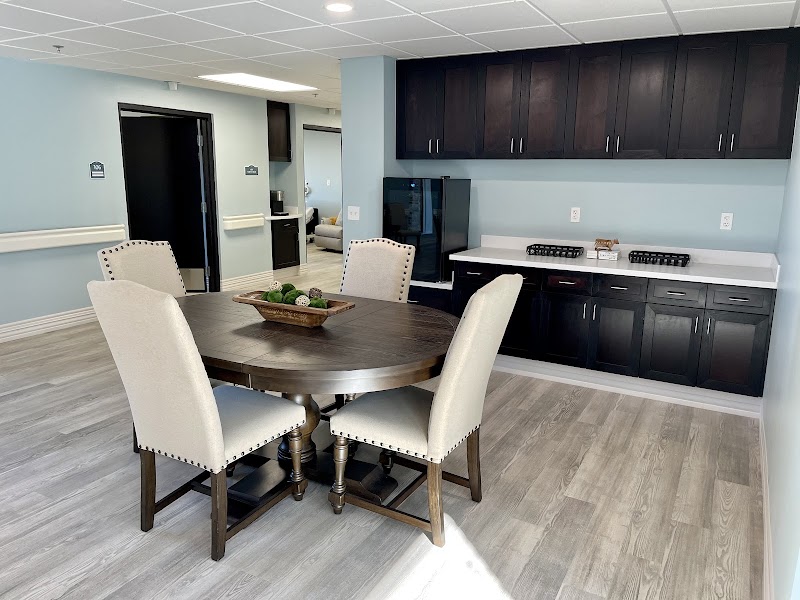
How is Drumright Nursing Home Staffed?
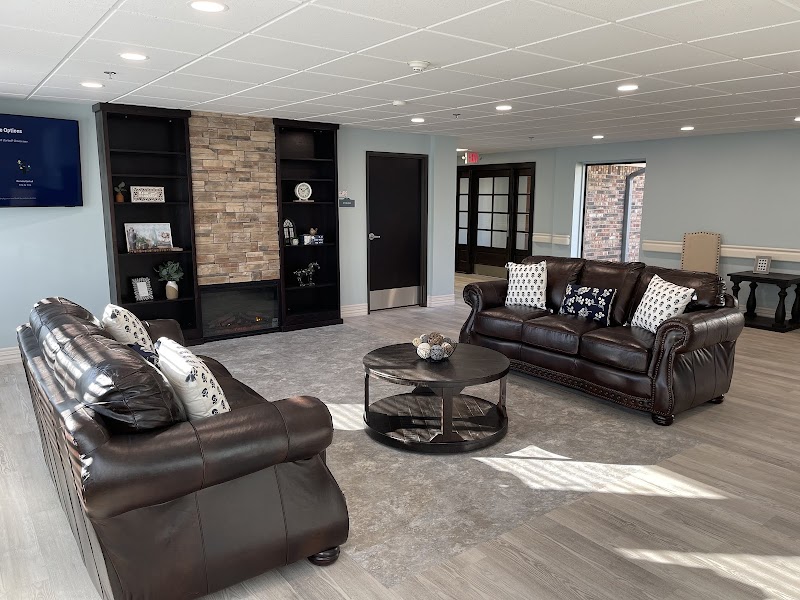
CMS rates Drumright Nursing Home's staffing level at 3 out of 5 stars, which is average compared to other nursing homes. Staff turnover is 60%, which is 14 percentage points above the Oklahoma average of 46%. High turnover can affect care consistency as new staff learn residents' individual needs. RN turnover specifically is 83%, which is notably high. RNs provide skilled clinical oversight, so turnover in this role can affect medical care quality.

What Have Inspectors Found at Drumright Nursing Home?

State health inspectors documented 33 deficiencies at Drumright Nursing Home during 2019 to 2025. These included: 2 Immediate Jeopardy (the most serious level, indicating potential for serious harm or death), 1 that caused actual resident harm, and 30 with potential for harm. Immediate Jeopardy findings are rare and represent the most serious regulatory concerns. They require immediate corrective action.

Who Owns and Operates Drumright Nursing Home?

Drumright Nursing Home is owned by a for-profit company. For-profit facilities operate as businesses with obligations to shareholders or private owners. The facility is operated by OKLAHOMA NURSING HOMES, LTD., a chain that manages multiple nursing homes. With 133 certified beds and approximately 43 residents (about 32% occupancy), it is a mid-sized facility located in Drumright, Oklahoma.

How Does Drumright Nursing Home Compare to Other Oklahoma Nursing Homes?

Compared to the 100 nursing homes in Oklahoma, Drumright Nursing Home's overall rating (1 stars) is below the state average of 2.6, staff turnover (60%) is significantly higher than the state average of 46%, and health inspection rating (1 stars) is much below the national benchmark.

What Should Families Ask When Visiting Drumright Nursing Home?

Based on this facility's data, families visiting should ask: "What changes have been made since the serious inspection findings, and how are you preventing similar issues?" "What safeguards and monitoring systems are in place to protect residents from abuse or neglect?" "How do you ensure continuity of care given staff turnover, and what is your staff retention strategy?" "Can I visit during a mealtime to observe dining assistance and food quality?" These questions are particularly relevant given the facility's Immediate Jeopardy citations, the substantiated abuse finding on record, and the facility's high staff turnover rate.

Is Drumright Nursing Home Safe?

Based on CMS inspection data, Drumright Nursing Home has documented safety concerns. The facility has 1 substantiated abuse finding (meaning confirmed case of resident harm by staff or other residents). Inspectors have issued 2 Immediate Jeopardy citations (the most serious violation level indicating risk of serious injury or death). The facility has a 1-star overall rating and ranks #100 of 100 nursing homes in Oklahoma. Families considering this facility should ask detailed questions about what corrective actions have been taken since these incidents.

Do Nurses at Drumright Nursing Home Stick Around?

Staff turnover at Drumright Nursing Home is high. At 60%, the facility is 14 percentage points above the Oklahoma average of 46%. Registered Nurse turnover is particularly concerning at 83%. RNs handle complex medical decisions and coordinate care — frequent RN changes can directly impact care quality. High turnover means new staff may not know residents' individual needs, medications, or preferences. It can also be disorienting for residents, especially those with dementia who rely on familiar faces. Families should ask: What is causing the turnover? What retention programs are in place? How do you ensure care continuity during staff transitions?

Was Drumright Nursing Home Ever Fined?

Drumright Nursing Home has been fined $98,112 across 4 penalty actions. This is above the Oklahoma average of $34,060. Fines in this range indicate compliance issues significant enough for CMS to impose meaningful financial consequences. Common causes include delayed correction of deficiencies, repeat violations, or care failures affecting resident safety. Families should ask facility leadership what changes have been made since these penalties.

Is Drumright Nursing Home on Any Federal Watch List?

Drumright Nursing Home is not on any federal watch list. The most significant is the Special Focus Facility (SFF) program, which identifies the bottom 1% of nursing homes nationally based on persistent, serious quality problems. Not being on this list means the facility has avoided the pattern of deficiencies that triggers enhanced federal oversight. This is a positive indicator, though families should still review the facility's inspection history directly.