Arbor Village

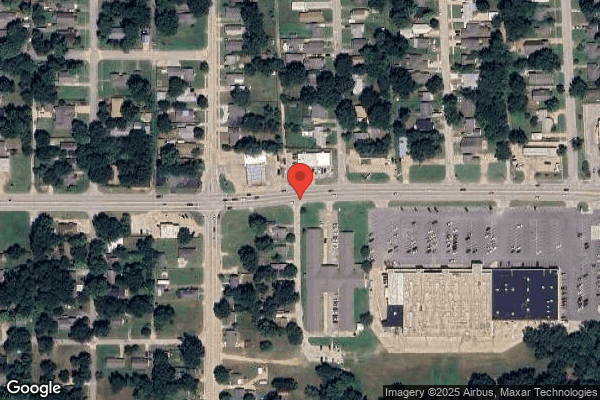
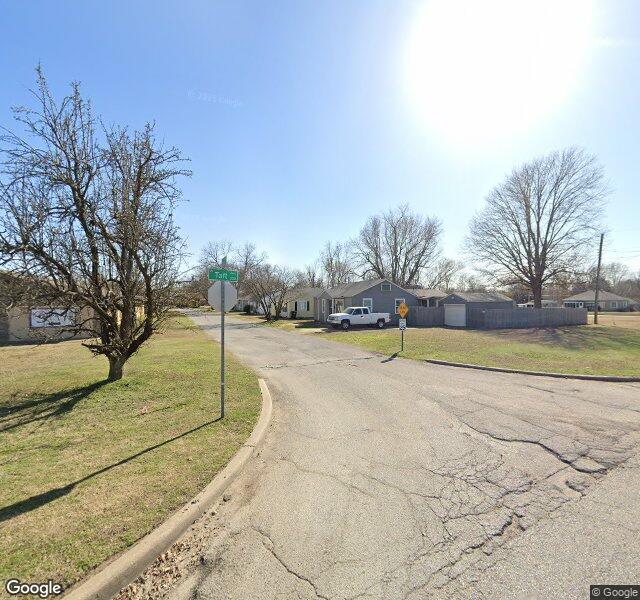
310 W Taft Ave, Sapulpa, OK 74066 (918) 224-6012
For profit - Corporation 142 Beds RIVERS EDGE OPERATIONS Data: November 2025
Trust Grade
55/100
#146 of 282 in OK
Last Inspection: March 2024

Within standard 12-15 month inspection cycle. Federal law requires annual inspections.

Overview

Arbor Village in Sapulpa, Oklahoma has a Trust Grade of C, which means it is average and falls in the middle of the pack for nursing homes. It ranks #146 out of 282 facilities in Oklahoma, placing it in the bottom half, and #5 out of 7 in Creek County, indicating only two local options are better. The facility is currently improving, with reported issues decreasing from 5 in 2024 to just 2 in 2025. Staffing is a notable weakness, receiving a 1 out of 5 stars, and while the turnover rate of 46% is below the state average, it still suggests challenges in retaining staff. There have been no fines reported, which is a positive sign, but specific incidents of concern include a serious failure to provide a safe environment for a resident with cognitive impairments, as well as issues related to infection control and food sanitation practices that could potentially harm residents. Overall, while there are some strengths, families should weigh these concerns carefully when considering Arbor Village.

Trust Score
C
55/100
In Oklahoma
#146/282
Bottom 49%
Safety Record
Moderate
Needs review
Inspections
Getting Better
5 → 2 violations
Staff Stability
⚠ Watch
46% turnover. Above average. Higher turnover means staff may not know residents' routines.
Penalties
✓ Good
No fines on record. Clean compliance history, better than most Oklahoma facilities.
Skilled Nurses
○ Average
RN staffing data not reported for this facility.
Violations
⚠ Watch
12 deficiencies on record. Higher than average. Multiple issues found across inspections.
★★☆☆☆
2.0
Overall Rating
★☆☆☆☆
1.0
Staff Levels
★★☆☆☆
2.0
Care Quality
★★★☆☆
3.0
Inspection Score
Stable
2024: 5 issues
2025: 2 issues

The Good

  • Full Sprinkler Coverage · Fire safety systems throughout facility
  • No fines on record

Facility shows strength in fire safety.

The Bad

2-Star Overall Rating

Below Oklahoma average (2.6)

Below average - review inspection findings carefully

Staff Turnover: 46%

Near Oklahoma avg (46%)

Higher turnover may affect care consistency

Chain: RIVERS EDGE OPERATIONS

Part of a multi-facility chain

Ask about local staffing decisions and management

The Ugly 12 deficiencies on record

1 actual harm
Aug 2025 2 deficiencies 1 Harm
SERIOUS (G) 📢 Someone Reported This

A family member, employee, or ombudsman was alarmed enough to file a formal complaint

Actual Harm - a resident was hurt due to facility failures

Accident Prevention (Tag F0689)

A resident was harmed · This affected 1 resident

Based on record review and interview, the facility failed to provide an environment free of accident hazards for 1 (# 69) of 20 sampled residents reviewed for accident hazards. The administrator ident...

Read full inspector narrative →
Based on record review and interview, the facility failed to provide an environment free of accident hazards for 1 (# 69) of 20 sampled residents reviewed for accident hazards. The administrator identified 84 residents resided in the facility. Findings:A quarterly assessment, dated 02/24/25 ,showed Resident #69 had diagnoses which included anxiety and vascular dementia, and a BIMs score of 5 which indicated the resident was severely cognitively impaired for daily decision making. An elopement evaluation, dated, 03/04/25, showed a score of 9 which put Resident #2 at risk for elopement. The evaluation showed Resident #2 had a history of walking around the facility but did not exhibit exit seeking behaviors. A progress note, dated 04/24/25 at 7:00 p.m., showed dietary staff notified nursing staff Resident #2 had fallen outdoors. The progress note showed Resident #2 was transported to a hospital for evaluation. A facility incident report to the Oklahoma Stated Department of Health, dated 04/24/25, showed Resident #2 exited the facility through a propped open door and fell on the uneven ground. The report showed the resident was assessed and treated for injuries at a local hospital.On 08/07/25 at 2:20 p.m., the administrator in training #1 reported the investigation was completed by the previous administrator. They stated the investigation showed a kitchen staff member propped a side door open to take out the trash. Resident #2 walked out the propped open door, stumbled and fell resulting in cuts and abrasions. The administrator in training #1 stated the kitchen staff who propped open the door was educated on resident safety, facility policies and protocols, and allowed to return to work. On 08/07/25 at 2:20 p.m., the admissions coordinator reported the staff member should not have left the door propped open. They stated there was a reason the door was locked in the first place. They (cook #1) broke facility protocols for protecting the safety of the resident. On 08/10/25 at 1:37 p.m., [NAME] #1 stated they propped open the door to take the trash out of the kitchen, and Resident #69 walked out of the open door and fell on the ground. [NAME] #1 stated it was the first time they had propped open the door to take out the trash. They stated the door was propped open for less than a minute. [NAME] #1 stated they regretted propping open the door and would not do it again.
CONCERN (F) 📢 Someone Reported This

A family member, employee, or ombudsman was alarmed enough to file a formal complaint

Potential for Harm - no one hurt, but risky conditions existed

Infection Control (Tag F0880)

Could have caused harm · This affected most or all residents

Based on record review and interview, the facility failed to:a. review infection prevention control policies and procedures at least annually,b. assess locations Legionella and other opportunistic wat...

Read full inspector narrative →
Based on record review and interview, the facility failed to:a. review infection prevention control policies and procedures at least annually,b. assess locations Legionella and other opportunistic waterborne pathogens can grow and spread,c. implement measures to prevent the growth of waterborne pathogens, andd. have monitoring in place to evaluate effectiveness of water pathogen program.The administrator reported 64 residents resided in the facility. FindingsA facility policy titled Legionella Surveillance, implemented on 08/22/22, did not include a plan for assessing, evaluating and monitoring the measures to prevent the growth of waterborne pathogens.On 08/07/25 at 2:20 p.m., the infection prevention coordinator was asked about annual review of policies. They stated they were not current and had not been reviewed in a few years.On 08/10/25 at 10:05 a.m., the administrator was asked about the annual review of infection control policies. They stated they could not find any documentation of any reviews.On 08/07/25 at 2:20 p.m., the infection prevention coordinator was asked about the facility assessment and evaluation for Legionella or waterborne pathogens. They stated there was not a facility assessment or evaluation in place.On 08/10/25 at 10:05 a.m., the administrator was asked if there was any documentation a facility assessment or evaluation related to Legionella or waterborne pathogens had been completed. They stated there was not any documentation they were aware of showing this had been done.
Mar 2024 4 deficiencies
CONCERN (D)

Potential for Harm - no one hurt, but risky conditions existed

Deficiency F0645 (Tag F0645)

Could have caused harm · This affected 1 resident

**NOTE- TERMS IN BRACKETS HAVE BEEN EDITED TO PROTECT CONFIDENTIALITY** Based on record review and interview, the facility failed to ensure the PASRR for a resident with a serious mental health diagno...

Read full inspector narrative →
**NOTE- TERMS IN BRACKETS HAVE BEEN EDITED TO PROTECT CONFIDENTIALITY** Based on record review and interview, the facility failed to ensure the PASRR for a resident with a serious mental health diagnosis was filled out correctly and referred to the OHCA for two (#14 and #25) of three sampled residents reviewed for PASRR evaluations. The Administrator identified 77 residents resided in the facility. Findings: 1. Res #14 admitted to the facility with diagnoses of PTSD, COPD, A-Fib, Depression, and alcohol abuse. A PASRR Level I, dated 06/13/23, documented the resident did not have a mental health diagnosis. A quarterly assessment dated , 01/09/24, documented the resident had a mental health diagnosis. 2. Res #25 was admitted to the facility on [DATE] with diagnoses of PTSD, heart failure, HTN, dementia, obstructive sleep apnea, DM, and GERD. A PASRR level I, dated 10/12/23, documented the resident did not have a mental health diagnosis. A quarterly assessment, dated 1/11/24, documented the resident had a mental health diagnosis. On 03/14/24 at 11:20 a.m., the Administrator and ADON reported that OHCA should have been notified of the mental health diagnosis of PTSD.
CONCERN (D)

Potential for Harm - no one hurt, but risky conditions existed

Drug Regimen Review (Tag F0756)

Could have caused harm · This affected 1 resident

**NOTE- TERMS IN BRACKETS HAVE BEEN EDITED TO PROTECT CONFIDENTIALITY** Based on record review and interview the facility failed to ensure the physician responded to the pharmacist medication reviews ...

Read full inspector narrative →
**NOTE- TERMS IN BRACKETS HAVE BEEN EDITED TO PROTECT CONFIDENTIALITY** Based on record review and interview the facility failed to ensure the physician responded to the pharmacist medication reviews related to the GDR request with a clinical rational for three (#1, 25, and #34) of five sampled residents reviewed for unnecessary medications. The Administrator reported 77 residents resided in the facility. Findings: 1. Res #1 admitted to the facility with diagnoses of Hypertension, Dementia, and depression. A pharmacy recommendation, dated 06/24/23, documented to evaluate the use of Glimeperide 4mg QD. The physician marked- report reviewed- no changes, no rational was documented by the physician. A pharmacy recommendation, dated 10/21/23, documented to evaluate the use of an opioid with a Gabapentinoid, Morphine ER, Norco, and Gabapentin. The physician did not document a rational. 2. Res #25 admitted to the facility with diagnoses of heart failure, DM, HTN, dementia, PTSD, and obstructive sleep apnea. A pharmacy recommendation, dated 10/21/23, documented: Please evaluate the routine use of an Opioid with a Gabapentoid, Tylenol with Codeine and Gabapentin. This combination has been deemed by CMS as an inappropriate due to potential adverse drug reaction. The physician did not document a rational. 3. Res #34 admitted to the facility on [DATE] with diagnoses of depression, COPD, DM, Parkinson's, anxiety, and HTN. A pharmacy request, dated 10/21/23, to evaluate the routine use of an Opioid with a Gabapentinoid, Tramadol and Gabapentin. The physician did not document a rational. On 03/14/24 at 11:14 a.m., the DON reported the GDRs should have had a rational from the physician.
CONCERN (E)

Potential for Harm - no one hurt, but risky conditions existed

Infection Control (Tag F0880)

Could have caused harm · This affected multiple residents

Based on observation, record review, and interview the facility failed to maintain an infection prevention and control program for one (#10) of one resident reviewed for pressure ulcers. The director ...

Read full inspector narrative →
Based on observation, record review, and interview the facility failed to maintain an infection prevention and control program for one (#10) of one resident reviewed for pressure ulcers. The director of nursing identified 12 residents who received wound care. Findings: A policy titled Hand Hygiene documented .All staff will perform proper had hygiene procedures to prevent the spread of infection to other personnel, residents, and visitors .Hand hygiene is indicated and will be performed under conditions listed in, but not limited to, the attached hand hygiene table .After handling contaminated objects .Before applying and after removing personal protective equipment (PPE), including gloves .When, during resident care, moving from a contaminated body site to a clean body site . Resident #10 had diagnoses which included hemiplegia and hemiparesis, type 2 diabetes mellitus, and pain. The care plan, dated 01/18/24, documented the resident had actual impairment to skin integrity of the right ankle on the lateral side. A discharge return anticipated assessment, dated 02/04/24, documented the resident was modified independent with daily decision making. The assessment documented the resident had a stage 2 pressure ulcer. On 03/13/24 at 8:00 a.m., a wound care observation was conducted. LPN #1 gathered supplies, entered the resident's room, placed the supplies on the bedside table, and washed their hands. The LPN did not clean the bedside table before placing their supplies. The LPN donned a pair of gloves, removed the bedding from the resident's lower extremities, removed the resident's heel protectors, and repositioned the resident. The LPN placed the Triamcinolone Acetonide External Lotion 0.025 % (Triamcinolone Acetonide (Topical) to the left top of the foot. The LPN did not change their gloves or wash their hands. The LPN continued the treatment with the same gloved hands opening and obtained a new skin prep pad for both heels, the right ankle, and upper left side of foot without changing their gloves or washing their hands between areas or opening new packages. The LPN removed their gloves, exited the room, and used the alcohol hand gel dispenser in the hall by the medication cart. On 03/13/24 at 8:24 a.m., LPN #1 stated they did not change their gloves or wash their hands between tasks or from clean to dirty areas and should have. On 03/13/24 at 9:37 a.m., the DON stated the LPN should have provided a clean surface for placing supplies and changed their gloves and washed their hands between tasks.
CONCERN (F)

Potential for Harm - no one hurt, but risky conditions existed

Food Safety (Tag F0812)

Could have caused harm · This affected most or all residents

Based on observation, record review, and interview the facility failed to store, prepare, and serve food under sanitary conditions for 77 residents who ate meals prepared by the kitchen. The administr...

Read full inspector narrative →
Based on observation, record review, and interview the facility failed to store, prepare, and serve food under sanitary conditions for 77 residents who ate meals prepared by the kitchen. The administrator identified 77 residents who resided in the facility and ate meals prepared by the kitchen. Findings: A policy titled Food Service/Distribution documented .Dietary staff shall wear hair restraints (hair net, hat, beard restraint, etc.) so that hair does not contact food . A policy titled Sanitization documented .All utensils, counters, shelves and equipment shall be kept clean, maintained in good repair and shall be free from breaks,corrosions, open seams, cracks and chipped areas that may affect their use or proper cleaning . On 03/11/24 at 10:12 a.m., a scoop was observed in the sugar bin. On 03/11/24 at 10:13 a.m., the dietary cook #1 stated the scoop should not be left in the sugar bin. On 03/11/24 at 10:15 a.m., a staff member entered the kitchen and identified their job title as a host for the residents. The staff had a beard and was not wearing a beard guard. On 03/11/24 at 10:16 a.m., the host stated they should have been wearing a beard guard. On 03/11/24 at 10:30 a.m., the dish machine had dust and dirt debre on top of the machine. On 03/11/24 at 10:31 a.m., the dish washing staff stated the dish machine had not been cleaned since they had been hired two months. On 03/11/24 at 10:32 a.m., a can of soda was observed in the freezer that had frozen and had burst open. The stove had a black substance layer on the bottom and the door had a large amount of brown substance on the inside. On 03/11/24 at 10:36 a.m., cook #1 stated they did not know the can of soda was in the freezer and shouldn't have been there. The cook stated there was no current cleaning schedule. The cook provided the last documented cleaning schedule dated for November. The cook stated that was most likely the last time the oven was cleaned. On 03/13/24 at 11:56 a.m., during a meal service observation it was noted there were two cases of unpasteurized eggs, but no pasteurized eggs available. The dietary supervisor stated the facility does offer eggs prepared over easy. On 03/13/24 at 12:46 p.m., the dietary supervisor stated per review of the food delivery receipt for this week only unpasteurized eggs had been received. The dietary supervisor stated they were unsure when the last time pasteurized eggs had been received.
Feb 2024 1 deficiency
CONCERN (D) 📢 Someone Reported This

A family member, employee, or ombudsman was alarmed enough to file a formal complaint

Potential for Harm - no one hurt, but risky conditions existed

Deficiency F0655 (Tag F0655)

Could have caused harm · This affected 1 resident

**NOTE- TERMS IN BRACKETS HAVE BEEN EDITED TO PROTECT CONFIDENTIALITY** Based on record review and interview, the facility failed to ensure a baseline care plan included fall risk and interventions fo...

Read full inspector narrative →
**NOTE- TERMS IN BRACKETS HAVE BEEN EDITED TO PROTECT CONFIDENTIALITY** Based on record review and interview, the facility failed to ensure a baseline care plan included fall risk and interventions for one (#1) of three sampled residents reviewed for falls. The DON identified 70 residents resided in the facility. Findings: A facility Fall Risk Assessment/Falls policy, dated 01/08/21, read in part, .Each resident's plan will include interventions, including adequate supervision, consistent with a resident's needs, goals, and current standards of practice in order to reduce the risk of an accident .Monitor the effectiveness of the care plan interventions, and modify the interventions as necessary, in accordance with current standards of practice . Res #1 admitted to the facility on [DATE] with diagnoses which included Alzheimer's disease, syncope and collapse, COPD, and COVID-19. A fall risk assessment, dated 01/19/24, documented the resident was high risk for falls. A baseline care plan, initiated 01/19/24, did not document the resident was at risk for falls or include fall interventions. A progress note, dated 01/20/24 at 9:39 p.m., documented a nurse entered Res #1's room to check on them and noted the resident was on their back in the floor. The note documented there were no injuries. The resident stated they were unsure how the fall occurred. The nurse documented it appeared the resident had rolled from their bed onto the floor. The note documented a concave mattress was applied to the bed as a fall intervention. A facility incident report, dated 01/20/24, documented Res #1 had a fall without injury and an intervention to place a concave mattress. A fall care plan, initiated 01/24/24, included the following interventions: - Anticipate and meet needs - Assist with transfers - Be sure call light is within reach and encourage to use it for assistance as needed. Provide prompt response to all requests for assistance. - Check on resident frequently - Offer activities that promote exercise, physical activity for strengthening and improved mobility, - Physical therapy to evaluate and treat as needed An admission MDS, dated [DATE], documented Res #1 was cognitively intact, utilized a walker, required partial assistance with transfer from sitting to standing, and required partial assistance with walking 10 feet. On 02/13/24 at 7:52 a.m., the MDS coordinator stated the fall risk and interventions were not included in the resident's baseline care plan. They stated fall risk and precautions should have been included in the baseline care plan.
Jan 2023 3 deficiencies
CONCERN (D)

Potential for Harm - no one hurt, but risky conditions existed

Deficiency F0657 (Tag F0657)

Could have caused harm · This affected 1 resident

Based on record review, observation, and interview, the facility failed to develop a comprehensive person-centered care plan for one (#42) of six residents reviewed for care plans. The Resident Census...

Read full inspector narrative →
Based on record review, observation, and interview, the facility failed to develop a comprehensive person-centered care plan for one (#42) of six residents reviewed for care plans. The Resident Census and Conditions of Residents, dated 01/23/23, documented a census of 78. Findings: A policy titled Comprehensive Care Plans, dated 08/01/21, read in parts, It is the policy of this facility to develop and implement a comprehensive person-centered care plan for each resident .to meet the resident's medical, nursing . needs that are identified in the resident's comprehensive assessment . Res #42 was admitted with diagnoses which included encounter for cystostomy, kidney failure, Parkinson's disease, and neuromuscular dysfunction of bladder. An admission assessment, dated 10/26/22, documented Res #42 was cognitively intact, required minimum assistance with activities of daily living, and had a suprapubic urinary catheter (a drainage tube from the abdominal wall to the bladder). A care plan, dated 01/11/23, read in part, Neuromuscular dysfunction of bladder .document and notify physician of s/sx of UTI . A Plan of Care Note, dated 01/23/23, read in part, .has a suprapubic cath .prefers to do her care herself . On 01/24/23 at 1:00 p.m., Res #42 was observed in their room with urinary catheter bag draining yellow urine. Res #42 reported they cared for their own urinary catheter. On 01/24/23 at 1:23 p.m., the MDS coordinator reported the urinary catheter self-care was not included in the care plan and should have been. On 01/24/23 at 1:30 p.m., the administrator reported the care plan should have been revised to include the self-care of the urinary catheter.
CONCERN (D)

Potential for Harm - no one hurt, but risky conditions existed

Deficiency F0661 (Tag F0661)

Could have caused harm · This affected 1 resident

**NOTE- TERMS IN BRACKETS HAVE BEEN EDITED TO PROTECT CONFIDENTIALITY** Based on record review and interview, the facility failed to develop a discharge summary for one (#77) of one resident reviewed ...

Read full inspector narrative →
**NOTE- TERMS IN BRACKETS HAVE BEEN EDITED TO PROTECT CONFIDENTIALITY** Based on record review and interview, the facility failed to develop a discharge summary for one (#77) of one resident reviewed for discharge summary. The Entrance Conference Worksheet, completed on 01/23/23, documented 10 residents had been discharged in the last six months. Findings: A Discharge Summary and Plan of Care policy, dated 10/01/19, read in part, .a discharge summary will be provided . Res #77 was admitted with diagnoses which included acute cholecystitis, diabetes mellitus, and congestive heart failure. A review of the record for Res #77 failed to show a discharge summary. An admission assessment, dated 01/08/23, documented Res #77 was cognitively intact and required minimum assistance with activities of daily living. A physician's order, dated 01/12/23, read in parts, Discharge to home on [DATE] with .home health . On 01/25/23 at 10:26 a.m., the MDS coordinator reported a discharge summary for Res #77 was not completed. On 01/25/23 at 10:28 a.m., the administrator reported a discharge summary should have been completed.
CONCERN (D)

Potential for Harm - no one hurt, but risky conditions existed

Food Safety (Tag F0812)

Could have caused harm · This affected 1 resident

Based on observation and interview, the facility failed to ensure pureed meals were prepared in a sanitary manner. The administrator reported two residents received pureed meals from the kitchen. Fin...

Read full inspector narrative →
Based on observation and interview, the facility failed to ensure pureed meals were prepared in a sanitary manner. The administrator reported two residents received pureed meals from the kitchen. Findings: The Dietary Employee Personal Hygiene policy, dated 09/19, read in parts, Employees should never use bare hand contact with foods .Gloves are to be worn and changed appropriately to reduce the spread of infection. On 01/25/23 at 3:23 p.m., dietary aide #1 was observed to place the puree canister in the dish washer. On 01/25/23 at 3:27 p.m., dietary aide #1 was observed stacking dishes into a tray and touching the counter. On 01/25/23 at 3:32 p.m., dietary aide #1 was observed opening the dishwasher with bare hands, obtained the puree canister and blade from the dishwasher. Dietary aide #1 placed the blade into the canister with bare hands without performing hand hygiene. On 01/25/23 at 03:42 p.m., dietary aide #1 reported they should have performed hand hygiene prior to placing the blade into the puree canister. On 01/25/23 at 4:10 p.m., the administrator reported dietary aide #1 should have performed hand hygiene prior to placing the blade into the puree canister.
May 2019 2 deficiencies
CONCERN (E)

Potential for Harm - no one hurt, but risky conditions existed

Medication Errors (Tag F0758)

Could have caused harm · This affected multiple residents

Based on interview and record review, it was determined the facility failed to ensure an antidepressant was discontinued as recommended by a GDR (Gradual Dose Reduction) recommendation and physician a...

Read full inspector narrative →
Based on interview and record review, it was determined the facility failed to ensure an antidepressant was discontinued as recommended by a GDR (Gradual Dose Reduction) recommendation and physician approval for one (#78) of five sampled residents whose records were reviewed for unnecessary medications. The facility identified 40 residents who received antidepressants. Findings: A policy titled, Tapering Medications and Gradual Dose Reduction, dated April 2007, documented, .The practitioner will approve or disapprove appropriate tapering of medications, as indicated, thus creating a written order which will then be entered by staff . Resident #78 had diagnoses which included recurrent depressive disorder. Review of the March 2019 MAR (Medication Administration Record), revealed the resident continued to receive Zoloft 12.5mg (milligram) for the entire month. A pharmaceutical consultant report, dated 03/12/19, documented the resident was prescribed Zoloft 12.5 mg daily. The physician responded by discontinuing the Zoloft. The pharmaceutical consultant report was signed and dated by the physician on 03/15/19. Review of the April 2019 MAR revealed the resident received Zoloft 12.5mg daily for the entire month. The quarterly assessment, dated 04/22/19, documented the resident received an antidepressant medication for seven days during the seven day look back period. Review of the May 2019 MAR documented the resident had received Zoloft 12.5mg daily the first two days of the month. On 05/02/19 at 4:26 p.m., the ADON (Assistant Director of Nursing) was asked what the facility protocol was for GDRs. She stated GDRs were sent to the physician and she implemented any orders the physician wrote. She was asked why the physician order to discontinue resident #78's Zoloft on the GDR dated 03/12/19 had not been implemented. She stated she missed the order. She was asked who was responsible to monitor to ensure physician orders, including those written on the GDRs, were implemented. She stated she and the DON (Director of Nursing) were responsible. On 05/06/19 at 10:28 a.m., the DON was asked what the facility protocol was for GDRs. He stated he and the ADON reviewed them and they sent them to the physician. He was asked why the physician order to discontinue the Zoloft on the 03/12/19 GDR had not been implemented. He stated it was missed. He was asked who was responsible to monitor to ensure physician orders, including those written on the GDRs, were implemented. He stated he or the ADON were responsible.
CONCERN (E)

Potential for Harm - no one hurt, but risky conditions existed

Food Safety (Tag F0812)

Could have caused harm · This affected multiple residents

Based on observation, interview, and record review, it was determined the facility failed to ensure the stove vent hood was free from debris, hairnets were worn while in the kitchen and during meal se...

Read full inspector narrative →
Based on observation, interview, and record review, it was determined the facility failed to ensure the stove vent hood was free from debris, hairnets were worn while in the kitchen and during meal service, and hands were sanitized in order to prevent cross contamination for two of two meal services observed. The facility identified 82 residents who received nourishment from the kitchen. Findings: A policy titled, Preventing Foodborne Illness - Employee Hygiene and Sanitary Practices, dated December 2008, documented, .Employees must wash their hands .whenever entering or re-entering the kitchen .before coming in contact with any food surfaces .after handling raw meat, poultry or fish and when switching between working with raw food and working with ready to eat food .after handling soiled equipment or utensils, during food preparation, as often as necessary to remove soil and contamination and to prevent cross contamination when changing tasks .Gloves are considered single use items and must be discarded after completing the task for which they are used .Hair nets or caps and/or beard restraints must be worn to keep hair from contacting exposed food, clean equipment, utensils and linens . On 04/30/19 at 9:11 a.m., the stove vent hood in the kitchen was observed with a layer of grease and gray debris. At 11:33 a.m., CNA (certified nurse aide) #1 and #2 were observed in the kitchen with their hair not fully contained in a hairnet. At 11:40 a.m., CNA #1 was asked what was required prior to entering the kitchen. She stated staff had to wear a hairnet and sanitize their hands before entering. On 05/02/19 at 08:51 a.m., CNA #1 was observed with a hairnet over the top portion of her hair and the lower portion of her hair exposed. She was observed to enter the kitchen without sanitizing her hands, obtain a plate of food from the cook, and return to the dining room. On 05/02/19 at 11:15 a.m., CNA #2 was observed in the kitchen with approximately two inches of hair exposed at her ears and the nape of her neck. At 11:20 a.m., [NAME] #1 was observed to wash her hands and don gloves. At the steam table she was observed to prepare food for service with use of tongs and utilized her thumb to stabilize a food item in a scoop utensil. With use of the same gloves she touched the food item on the plate and continued the same routine on every plate that was served to the residents. She was not observed to change her gloves throughout the process. She replaced the tongs into the containers with food items. Throughout the meal service she continued to chop and prepare other food items and move from one area to another in the kitchen without changing her gloves. At 11:40 a.m., the stove vent hood were observed to have a layer of grease and gray debris. On 05/02/19 at 2:49 p.m., [NAME] #2 was asked how often the stove vent hood were cleaned. She stated, Actually they are coming Friday to clean. She was asked how often it was cleaned. She stated she thought it was cleaned once every six months. On 05/02/19 at 3:31 p.m. the dietary manager was asked how often the vent hood was cleaned. She stated the facility had an agreement with an outside source that cleaned the vent hood twice a year. She was asked if dietary staff cleaned the vent hood. She stated it was on the monthly cleaning list and was last cleaned on April 8th. She was asked what the facility protocol was for CNAs entering the kitchen. She stated they have been instructed to wear hairnets and wash their hands before entering. She stated it was posted on the door. She was asked how staff was instructed on the proper use of hairnets. She stated the hair should be completely contained within the hairnets. The dietary manager was informed of the cook donning gloves, going to different area in the kitchen and touching items, then with the same gloves touching food that was served to residents. She stated the cooks hands would not be clean.
Understanding Severity Codes (click to expand)
Life-Threatening (Immediate Jeopardy)
J - Isolated K - Pattern L - Widespread
Actual Harm
G - Isolated H - Pattern I - Widespread
Potential for Harm
D - Isolated E - Pattern F - Widespread
No Harm (Minor)
A - Isolated B - Pattern C - Widespread

Questions to Ask on Your Visit

  • "Can I speak with families of current residents?"
  • "What's your RN coverage like on weekends and overnight?"

Our Honest Assessment

Strengths
  • • No fines on record. Clean compliance history, better than most Oklahoma facilities.
Concerns
  • • 12 deficiencies on record, including 1 serious (caused harm) violation. Ask about corrective actions taken.
  • • Grade C (55/100). Below average facility with significant concerns.
Bottom line: Mixed indicators with Trust Score of 55/100. Visit in person and ask pointed questions.

About This Facility

What is Arbor Village's CMS Rating?

CMS assigns Arbor Village an overall rating of 2 out of 5 stars, which is considered below average nationally. Within Oklahoma, this rating places the facility higher than 0% of the state's 100 nursing homes. A rating at this level reflects concerns identified through health inspections, staffing assessments, or quality measures that families should carefully consider.

How is Arbor Village Staffed?

CMS rates Arbor Village's staffing level at 1 out of 5 stars, which is much below average compared to other nursing homes. Staff turnover is 46%, compared to the Oklahoma average of 46%. This relatively stable workforce can support continuity of care.

What Have Inspectors Found at Arbor Village?

State health inspectors documented 12 deficiencies at Arbor Village during 2019 to 2025. These included: 1 that caused actual resident harm and 11 with potential for harm. Deficiencies causing actual harm indicate documented cases where residents experienced negative health consequences.

Who Owns and Operates Arbor Village?

Arbor Village is owned by a for-profit company. For-profit facilities operate as businesses with obligations to shareholders or private owners. The facility is operated by RIVERS EDGE OPERATIONS, a chain that manages multiple nursing homes. With 142 certified beds and approximately 62 residents (about 44% occupancy), it is a mid-sized facility located in Sapulpa, Oklahoma.

How Does Arbor Village Compare to Other Oklahoma Nursing Homes?

Compared to the 100 nursing homes in Oklahoma, Arbor Village's overall rating (2 stars) is below the state average of 2.6, staff turnover (46%) is near the state average of 46%, and health inspection rating (3 stars) is at the national benchmark.

What Should Families Ask When Visiting Arbor Village?

Based on this facility's data, families visiting should ask: "Can you walk me through typical staffing levels on day, evening, and night shifts?" "Can I visit during a mealtime to observe dining assistance and food quality?" "How do you handle medical emergencies, and what is your hospital transfer rate?" "Can I speak with family members of current residents about their experience?" These questions are particularly relevant given the below-average staffing rating.

Is Arbor Village Safe?

Based on CMS inspection data, Arbor Village has a clean safety record: no substantiated abuse findings (meaning no confirmed cases of resident harm), no Immediate Jeopardy citations (the most serious violation level indicating risk of serious injury or death), and is not on the Special Focus Facility watch list (a federal program monitoring the lowest-performing 1% of nursing homes). The facility has a 2-star overall rating and ranks #100 of 100 nursing homes in Oklahoma. While no facility is perfect, families should still ask about staff-to-resident ratios and recent inspection results during their visit.

Do Nurses at Arbor Village Stick Around?

Arbor Village has a staff turnover rate of 46%, which is about average for Oklahoma nursing homes (state average: 46%). Moderate turnover is common in nursing homes, but families should still ask about staff tenure and how the facility maintains care continuity when employees leave.

Was Arbor Village Ever Fined?

Arbor Village has no federal fines on record. CMS issues fines when nursing homes fail to meet care standards or don't correct problems found during inspections. The absence of fines suggests the facility has either maintained compliance or corrected any issues before penalties were assessed. This is a positive indicator, though families should still review recent inspection reports for the full picture.

Is Arbor Village on Any Federal Watch List?

Arbor Village is not on any federal watch list. The most significant is the Special Focus Facility (SFF) program, which identifies the bottom 1% of nursing homes nationally based on persistent, serious quality problems. Not being on this list means the facility has avoided the pattern of deficiencies that triggers enhanced federal oversight. This is a positive indicator, though families should still review the facility's inspection history directly.