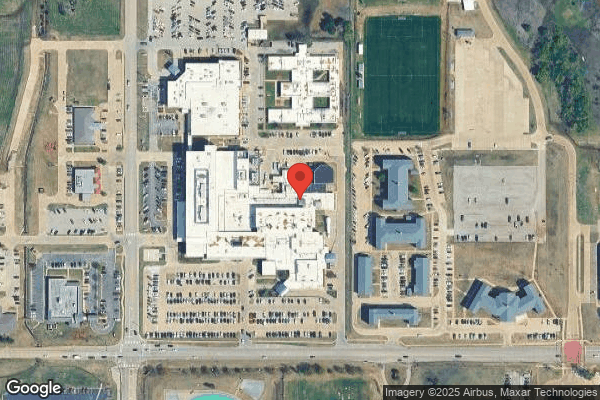

Shawnee Care Center

1202 West Gilmore, Shawnee, OK 74804 (405) 273-8043
For profit - Limited Liability company 114 Beds BGM ESTATE Data: November 2025
Trust Grade
20/100
#268 of 282 in OK
Last Inspection: July 2024

Within standard 12-15 month inspection cycle. Federal law requires annual inspections.

Overview

Shawnee Care Center has received a Trust Grade of F, indicating significant concerns about the facility's operations and care quality. It ranks #268 out of 282 nursing homes in Oklahoma, placing it in the bottom half of all facilities in the state, and #5 out of 6 in Pottawatomie County, meaning there is only one local option rated higher. While the facility's issues have improved recently, dropping from 22 to 5 reported problems, it still faced serious deficiencies, including failing to refill a resident's pain medication, causing them to go six days without necessary pain relief, and lacking a supervising physician for multiple residents. Staffing is average with a 62% turnover rate, and while the fines of $34,450 are concerning, they are lower than many facilities in the state. Additionally, the center has average RN coverage, which is critical for monitoring residents’ health, but it is important to note the absence of a registered nurse as the director of nursing, which raises further red flags.

Trust Score
F
20/100
In Oklahoma
#268/282
Bottom 5%
Safety Record
Moderate
Needs review
Inspections
Getting Better
22 → 5 violations
Staff Stability
⚠ Watch
62% turnover. Above average. Higher turnover means staff may not know residents' routines.
Penalties
✓ Good
$34,450 in fines. Lower than most Oklahoma facilities. Relatively clean record.
Skilled Nurses
⚠ Watch
Each resident gets only 19 minutes of Registered Nurse (RN) attention daily — below average for Oklahoma. Fewer RN minutes means fewer trained eyes watching for problems.
Violations
⚠ Watch
73 deficiencies on record. Higher than average. Multiple issues found across inspections.
★☆☆☆☆
1.0
Overall Rating
★★★☆☆
3.0
Staff Levels
★★★☆☆
3.0
Care Quality
★☆☆☆☆
1.0
Inspection Score
Stable
2024: 22 issues
2025: 5 issues

The Good

  • Full Sprinkler Coverage · Fire safety systems throughout facility
  • No fines on record

Facility shows strength in fire safety.

The Bad

1-Star Overall Rating

Below Oklahoma average (2.6)

Significant quality concerns identified by CMS

Staff Turnover: 62%

16pts above Oklahoma avg (46%)

Frequent staff changes - ask about care continuity

Federal Fines: $34,450

Above median ($33,413)

Moderate penalties - review what triggered them

Chain: BGM ESTATE

Part of a multi-facility chain

Ask about local staffing decisions and management

Staff turnover is elevated (62%)

14 points above Oklahoma average of 48%

The Ugly 73 deficiencies on record

2 actual harm
Aug 2025 1 deficiency
CONCERN (E) 📢 Someone Reported This

A family member, employee, or ombudsman was alarmed enough to file a formal complaint

Potential for Harm - no one hurt, but risky conditions existed

Deficiency F0757 (Tag F0757)

Could have caused harm · This affected multiple residents

Based on observation, record review, and interview, the facility failed to ensure a gradual dose reduction for a psychotropic medication was initiated when ordered by the physician for 1 (#1) of 3 sam...

Read full inspector narrative →
Based on observation, record review, and interview, the facility failed to ensure a gradual dose reduction for a psychotropic medication was initiated when ordered by the physician for 1 (#1) of 3 sampled residents whose medications were reviewed.The MDS coordinator identified 39 residents who received psychotropic medications.Findings:On 08/11/25 at 4:20 p.m., Res #1's medications were reviewed with CMA #1. A pill medication blister card, dated 07/07/25, showed a 30-day supply of olanzapine 15 mg tablets. The card showed the first dose of olanzapine 15 mg (an antipsychotic medication) had been popped on 07/19/25 and six tablets currently remined in the blister card.An undated face sheet showed Res #1 had diagnoses which included bipolar disorder and recurrent depressive disorders.A physician order, dated 12/16/24, showed to administer olanzapine 20 mg daily.A pharmacist monthly medication review, dated 07/01/25, showed a request for a gradual dose reduction of olanzapine 20 mg daily. The review showed the physician had agreed to decrease the dosage to 15 mg daily.A quarterly assessment, dated 07/07/25, showed Res #1 had a BIMS score of 11 and was moderately cognitively impaired. The assessment showed Res #1 had no symptoms of depression, no behaviors, and had received antipsychotic and antidepressant medication.A physician order, dated 07/07/25, showed to discontinue olanzapine 20 mg daily.A physician order, dated 07/07/25, showed to administer olanzapine 15 mg daily.A medication error report, dated 07/19/25, showed the dosage of olanzapine was changed from 20 mg daily to 15 mg daily on 07/07/25. The report showed CMA #1 was unaware the dosage had changed and continued to administer 20 mg daily until the error was noticed on 07/19/25. The report showed no apparent effects as an outcome for Res #1.On 08/11/25 at 4:20 p.m., CMA #1 stated the first dose of olanzapine 15 mg had been administered out of the pill medication blister card on 07/19/25. On 08/11/25 at 4:23 p.m., CMA #1 was asked what dosage of olanzapine Res #1 had received from 07/08/25 through 07/18/25. CMA #1 stated they had not realized the physician order had changed from 20 mg daily to 15 mg daily on 07/07/25 and continued to give the 20 mg pill until the error was noticed on 07/19/25. CMA #1 stated they should have verified the dosage shown on the physician order in the medical record with the dosage on the pill card prior to administration. On 08/12/25 at 12:15 p.m., the DON stated they completed an investigation after they were informed of a possible medication error for Res #1 on 07/19/25. They stated the physician order for olanzapine had changed from 20 mg to 15 mg daily on 07/07/25. The DON stated Res #1 continued to receive olanzapine 20 mg daily until the medication error was verified on 07/19/25. They stated CMA #1 should have verified the correct dosage on the pill card with the physician order prior to administration. The DON stated Res #1 received the wrong dosage of olanzapine for 11 days.
May 2025 4 deficiencies 2 Harm
SERIOUS (G) 📢 Someone Reported This

A family member, employee, or ombudsman was alarmed enough to file a formal complaint

Actual Harm - a resident was hurt due to facility failures

Deficiency F0697 (Tag F0697)

A resident was harmed · This affected 1 resident

**NOTE- TERMS IN BRACKETS HAVE BEEN EDITED TO PROTECT CONFIDENTIALITY** Based on observation, record review, and interview, the facility failed to ensure residents narcotic pain medications were able ...

Read full inspector narrative →
**NOTE- TERMS IN BRACKETS HAVE BEEN EDITED TO PROTECT CONFIDENTIALITY** Based on observation, record review, and interview, the facility failed to ensure residents narcotic pain medications were able to be refilled and arrange for a pain specialist for 1 (#1) of 3 sampled residents reviewed for pain management. Resident #1 ran out of morphine and went six days without the medication which caused increased pain levels. Findings: On 05/14/25 at 10:00 a.m., Resident #1's bubble pack of morphine tablets were observed with CMA #1. The fill date on the morphine showed it was filled on 05/09/25. Resident #1's admission orders, dated 04/28/25, showed they had the following orders: Schedule II morphine extended release; 30 milligrams, one tablet by mouth twice a day for chronic pain. Schedule two oxycodone 10 milligrams one tablet by mouth every four hours as needed for chronic pain. Resident #1 admission morphine count sheet, dated 04/28/25, showed they were admitted with eleven tablets. Resident #1's base line care plan, dated 04/30/25, showed Resident #1 received opioid's of morphine and oxycodone for chronic pain. The medication administration record, dated 04/28/25 through 05/13/25, showed Resident #1 received 11 doses of morphine after admission with the last dose being received on 05/04/25 at 10:14 a.m. The medication administration record also showed the resident did not receive the next 12 doses of morphine from 05/04/25 until 05/10/25 during the 4:00 p.m. to 8:00 p.m. medication pass. Resident #1 went without 12 doses (six days) of their routine morphine. Resident #1's nurses progress note, dated 05/05/25 at 9:20 a.m., showed they went to the emergency room due to being out of morphine and the script was pending. Resident #1's nurses progress note, dated 05/06/25 at 6:00 p.m., read in part, Call from [Name deleted doctor] r/t [Resident #1] coming to ER for Rx. He advised that he had discussed with [Resident #1] his need to come to the ER. He advised [Resident #1] he would not prescribe PRN meds in ER. There was no documentation Resident #1 pain level was assessed prior to going to the emergency room. Resident #1 nurses progress note, dated 05/07/25 at 6:07 a.m., read in part, At 0210, 0422, and 0630, [2:10 a.m., 4:22 a.m., and 6:30 a.m.] the charge nurse and CNA entered room together to inform resident that it was time to turn and reposition d/t skin breakdown. Each time the resident very politely told staff that he will not turn until he gets his demands. Staff asked what he was referring to and he stated #1 I want a bariatric bed and #2 I want to see the pain doctor. The note was entered by RN #1. Resident #1's face sheet, dated 05/13/25, showed they were admitted to the facility on [DATE] and had diagnoses of anxiety, depression, paraplegia, and chronic pain. The face sheet showed Physician #1 was the attending physician for the resident. On 05/13/25 at 11:55 a.m., Resident #1 stated they had been at the facility three weeks and did not have a doctor. Resident #1 stated they ran out of their morphine and could not get it refilled and they went six days without their pain medication. Resident #1 stated they could live with a pain level of five ,but their pain went up to a seven without their morphine twice a day. Resident #1 stated they took other pain medication but it was not as effective without the morphine and the highest the pain got was a seven out of ten. On 05/14/25 at 10:17 a.m., CMA #1 stated the MDS coordinator was responsible for ordering all narcotic medications when it was needed. CMA #1 stated Resident #1 usually complained of pain in the neck and shoulder. CMA #1 stated Resident #1 came with some morphine and it ran out. CMA #1 stated there was a discrepancy on who Resident #1 physician was, and who was filling the morphine when it ran out. CMA #1 stated Resident #1 went to the emergency room to get the morphine, but they would not fill the script. CMA #1 stated they were not aware of Resident #1 being referred to a pain specialist and they went six days without the morphine. CMA #1 stated Resident #1 would complain of pain at a level of seven without the morphine. CMA #1 stated they did not document the level of pain, just where the pain was located when they provided as needed medication and/or routine pain medication. On 05/14/25 at 10:39 a.m., the corporate nurse consultant stated the facility had not been monitoring pain levels properly because it was not added to the medication administration record. The corporate nurse consultant stated the messages on the medication administration record were when medications were not provided as ordered. They reviewed the medication administration record and stated Resident #1 did not have morphine to take for six days. On 05/14/25 at 10:57 a.m., LPN #1 stated Resident #1 did not have a physician after April 30th and went to the emergency room to try and get their morphine. LPN #1 stated they thought there would be a new physician by now, but there continued to be no physician for Resident #1. LPN #1 stated physician #1 was contacted by the hospital emergency room and agreed to fill the morphine at the request of the emergency room. LPN #1 stated physician #1 worked at the hospital. On 05/14/25 at 11:36 a.m., the social service director stated they were responsible for making arrangements for outside services like pain management specialist. The social service director stated they were not aware of Resident #1's request for a pain management specialist. On 05/14/25 at 12:00 p.m., RN #1 stated they worked nights from 11:00 p.m. through 7:00 a.m. RN #1 stated Resident #1 had requested to see a pain specialist and they talked to RN #2 about it, but nothing more was done. RN #1 stated Resident #1 stated they were in more pain without the morphine and rated the pain between seven and eight. RN #1 stated Resident #1 went without their morphine for more then two days. RN #1 stated they could not get a prescription for the medication because the facility was transitioning to a new physician. RN #1 stated physician #1's last day was in April and the facility was attempting to get a new physician. RN #1 stated Resident #1 went to the emergency room to get their morphine two or three times. RN #1 stated Resident #1's normal pain level was a five and it was consistently at a seven to eight without the pain medication. On 05/14/25 at 12:33 p.m., RN #2 stated Resident #1 wanted to see a pain management doctor and spoke with the former administrator about it and no referrals were made. RN #2 stated they went to the administrator because the facility had no director of nursing and the resident did not have an attending physician. RN #2 stated Resident #1 went to the emergency room to attempt to get the morphine because there was no doctor to sign the script. RN #2 stated the emergency room would not write a script for Resident #1. RN #2 stated the hold up with getting the morphine prescription was Resident #1 did not have an attending physician. RN #2 stated they did not tell the social service director about the need for a pain specialist. RN #2 stated Resident #1's pain was back down with the morphine back in stock. On 05/14/25 at 2:13 p.m., the corporate nurse consultant, stated physician #1 was to fill prescriptions until a new physician was found. The corporate nurse consultant stated Resident #1 was without the pain medications for six days. The corporate nurse consultant stated there was no physician after 04/30/25, and that delayed the morphine prescription being written and filled. On 05/14/25, at 3:22 p.m., Physician #1 stated they sent an email in February to provide plenty of notice for a replacement for a medical director and physician for the residents. They stated it was very clear April 30th was going to be the last day. Physician #1 stated they were no longer filling prescriptions or providing care to residents after April 30th. Physician #1 stated the emergency room contacted them because they worked at the hospital and as a courtesy signed a prescription for morphine to be filled. Physician #1 stated Resident #1 came to the emergency room because the facility did not have a physician to fill the prescription.
SERIOUS (G) 📢 Someone Reported This

A family member, employee, or ombudsman was alarmed enough to file a formal complaint

Actual Harm - a resident was hurt due to facility failures

Deficiency F0710 (Tag F0710)

A resident was harmed · This affected 1 resident

Based on record review and interview, the facilty failed to have a supervising physician for 6 (#1, 2, 4, 5, 6, and #7) of 6 sampled residents reviewed for physician services. Physician #1 no longer p...

Read full inspector narrative →
Based on record review and interview, the facilty failed to have a supervising physician for 6 (#1, 2, 4, 5, 6, and #7) of 6 sampled residents reviewed for physician services. Physician #1 no longer provided services to the residents after 04/30/25. The corporate nurse consultant identifed 39 residents who resided in the facility and had physician services from physician #1 and was without the supervision of a physician. Findings: The facility policy, Physician Services, last revised February 2021, read in part, The medical care of each resident is supervised by a licensed physician.Supervising the medical care of residents includes (but is not limited to) prescribing medications and therapy. An email, dated 02/26/25, read in part, Please accept this as my letter of resignation as the medical director of Shawnee Care Center. I will provide services through April 30, 2025. If you choose to replace me prior to that date, I would understand. The email was sent from physician #1. On 05/13/25 at 10:34 a.m., Resident #2's family stated Physician #1 was no longer the physician and they did not know who replaced them. On 05/13/25 at 10:55 a.m. Resident #5 stated they did not have a physician after Physician #1 left. On 05/13/25 at 11:08 a.m., Resident #7 stated Physician #1 use to come see them and they did not know who was going to come now. On 05/13/25 at 11:25 a.m., Resident #4 stated Physician #1 was their doctor and they had to get a new one. Resident #4 stated they did not know who the new doctor was going to be. On 05/13/25 at 11:50 a.m., Resident #6 stated Physician #1 came monthly but quit the end of April. On 05/13/25 at 11:55 a.m., Resident #1 stated they had been at the facility three weeks and did not have a doctor. Resident #1 stated they ran out of their morphine and could not get it filled and they went six days without their pain medication. Resident #1 stated they can live with a pain a level of five but their pain went up to seven without their morphine twice a day. Resident #1 stated they took other pain medication but it was not as effective without the morphine and the highest the pain got was seven out of ten. On 05/14/25 at 2:13 p.m., the corporate nurse consultant, stated there was no physician, after 04/30/25, for 39 residents, and they did not know why it took so long for a replacement. The corporate nurse consultant stated on 05/01/25 there was no physician for Resident #1 and that delayed the morphine prescription from being written and filled. On 05/14/25 at 3:22 p.m., Physician #1 stated they sent an email in February to provide plenty of notice for a replacement for a medical director and physician for the residents. They stated it was very clear April 30th was going to be the last day. Physician #1 stated they were no longer filling prescriptions or providing care to residents after April 30, 2025.
CONCERN (F) 📢 Someone Reported This

A family member, employee, or ombudsman was alarmed enough to file a formal complaint

Potential for Harm - no one hurt, but risky conditions existed

Deficiency F0725 (Tag F0725)

Could have caused harm · This affected most or all residents

Based on observation, record review, and interview, the facilty failed to have a registered nurse as the director of nursing. The corporate nurse consultant identified 49 residents who resided in the...

Read full inspector narrative →
Based on observation, record review, and interview, the facilty failed to have a registered nurse as the director of nursing. The corporate nurse consultant identified 49 residents who resided in the facility. Findings: On 05/12/25 at 1:48 p.m., the posted nurse staffing was observed without a name listed as the director of nursing. The undated facility employee list did not have a name of a registered nurse listed as the director of nursing. The undated list of facility key staff, provided by the corporate nurse consultant, did not contain a name listed as the director of nursing. A review of time cards for RN #3, the former director of nursing showed the last day of employment was April 1, 2025. On 05/13/25 at 2:34 p.m., the corporate nurse consultant stated the requirements were for the facility to have a full time registered nurse as the director of nursing. The corporate nurse consultant stated they did not have anyone designated as the director of nursing since the last one quit. The corporate nurse consultant stated they would need to look at the time cards to see when the last day RN #3 worked. They left and returned and stated April 1, 2025 was the last day of employment for RN #3.
CONCERN (F) 📢 Someone Reported This

A family member, employee, or ombudsman was alarmed enough to file a formal complaint

Potential for Harm - no one hurt, but risky conditions existed

Deficiency F0841 (Tag F0841)

Could have caused harm · This affected most or all residents

Based on record review, and interview, the facility failed to have a medical director after 04/30/25. The corporate nurse consultant identifed 49 residents who resided in the facility. Findings: Th...

Read full inspector narrative →
Based on record review, and interview, the facility failed to have a medical director after 04/30/25. The corporate nurse consultant identifed 49 residents who resided in the facility. Findings: The facility policy Medical Director, last revised July 2016, read in part, Physician services shall be under the supervision of the medical director.Medical director functions also include, but are not limited to helping assure that the residents receive adequate services appropriate to meet their needs. An email, dated 02/26/25, read in part, Please accept this as my letter of resignation as the medical director of Shawnee Care Center. I will provide services through April 30, 2025. If you choose to replace me prior to that date, I would understand. The email was sent from physician #1, who was also the medical director. A review of the facilty medical directors contracts showed the only contract for services was with physician #1. No new contracts were located that showed a new physician replaced physician #1. On 05/14/25 at 2:13 p.m., the corporate nurse consultant, stated there was no medical director after 04/30/25, and they did not know why it took so long for a replacement. The corporate nurse consultant stated on 05/01/25, there was no active medical director or signed contract for an active medical director. On 05/14/25 at 3:22 p.m., physician #1, the former medical director, stated they were the medical director until April 30th. Physician #1 stated they sent an email in February to provide plenty of notice for a replacement. They stated it was very clear April 30, 2025 was going to be the last day.
Jul 2024 18 deficiencies
CONCERN (D)

Potential for Harm - no one hurt, but risky conditions existed

Deficiency F0558 (Tag F0558)

Could have caused harm · This affected 1 resident

Based on observation, record review, and interview, the facility failed to ensure call devices were within reach for one (#34) of one sampled resident reviewed for call lights. The corporate nurse rep...

Read full inspector narrative →
Based on observation, record review, and interview, the facility failed to ensure call devices were within reach for one (#34) of one sampled resident reviewed for call lights. The corporate nurse reported 49 residents resided in the facility. Findings: Res #34 admitted to the facility with diagnoses of heart failure and need for assistance with personal care. On 07/09/24 at 10:05 a.m., Res #34 was observed resting in bed with eyes closed. The call light was observed out of reach and placed inside the top drawer of the bedside dresser. On 07/09/24 at 10:49 a.m., Res #34 was observed resting in bed with eyes closed. The call light was observed out of reach and placed inside the top drawer of the bedside dresser On 07/09/24 at 2:34 p.m., Res #34 was observed resting in bed with eyes closed. The call light was observed out of reach and placed inside the top drawer of the bedside dresser. On 07/09/24 at 2:48 p.m., Res #34 was observed resting in bed with eyes closed. The call light was obsrved out of reach and placed inside the top drawer of the bedside dresser. On 07/09/24 at 2:52 p.m. the DON was walking down the hall and was asked her to observe resident's call light. The DON reported the call light should always be in the resident's reach.
CONCERN (D)

Potential for Harm - no one hurt, but risky conditions existed

PASARR Coordination (Tag F0644)

Could have caused harm · This affected 1 resident

Based on record review and interview, the facility failed to refer a resident with a new mental health diagnosis to OHCA for a PASRR level II evaluation for one (#34) of one sampled residents reviewed...

Read full inspector narrative →
Based on record review and interview, the facility failed to refer a resident with a new mental health diagnosis to OHCA for a PASRR level II evaluation for one (#34) of one sampled residents reviewed for PASRR. The corporate nurse reported 49 residents resided in the facility. Findings: Res #34 admitted to the facility with diagnoses of heart failure, chronic pain, other recurrent depressive disorders, and anxiety. A review of the Resident #34's record documented a PASSR level I was completed on 2/17/22. On 02/21/22, the resident received a new diagnosis of delusions. The resident's record contained no documentation that OHCA was notified of the new mental health diagnosis no documentation of On 07/10/24 at 9:22 a.m., the corporate nurse reported that OHCA was not notified of the new mental health diagnosis.
CONCERN (E)

Potential for Harm - no one hurt, but risky conditions existed

Resident Rights (Tag F0550)

Could have caused harm · This affected multiple residents

Based on observation, record review, and interview, the facility failed to provide meals in the assisted dining room in a dignified manner for two (#28 and #47 ) of three sampled residents reviewed fo...

Read full inspector narrative →
Based on observation, record review, and interview, the facility failed to provide meals in the assisted dining room in a dignified manner for two (#28 and #47 ) of three sampled residents reviewed for assisted dining. The Administrator identified ten residents who required asssistance with their meals and had their meals in the assisted dining room. Findings: 1. Resident #28 had diagnosis to include dementia, schizoaffective disorder, depression, and cerebral infarction. A care plan, last updated 05/31/2024, documented Resident #28 required one person extensive assistance with eating. An annual assessment dated /31/2024, documented Resident #28 cognition was severely impaired and required moderate assistance with eating. 2. Resident # 47 had diagnosis to include Malignant neoplasm of prostate, Shortness of breath, erythema conditions, Xerosis cutis, primary thrombocytopenia, Need for assistance with personal care, Cognitive communication deficit, and contracture of knee. A significant change assessment, dated 06/21/2024, documented Resident #47 cognition was severely impaired, and required substantial assistance with eating. On 07/07/24 at 8:25 a.m., Resident #28 and #47 were observed in the assisted dining area waiting for their morning meal. Resident #28 was yelling he needed help and was cold. Resident #28 said he wanted a jacket. Three additional residents were heard complaining about it being cold in the assisted dining room. No staff were present in the assisted dining room to assist the resident and addresses the complaints of being cold. On 07/07/24 from 8:25 a.m., through 8:43 a.m., Resident #28 and three additional three additional residents continued complaining it was cold and no staff was present in the room to assist the residents. On 07/07/24 at 8:43 a.m. a certified nurse aide was observed brining a Resident to the dining room, Resident #28 and three additional residents continued to say it was cold. Resident #28 continued to ask for a jacket, and the aide left the dining room without assisting the residents who were complaining it was cold in the dining room. On 07/07/24 from 8:43 a.m., through 8:48 a.m., Resident #28 and three additional residents continued to complain it was cold in the room with Resident #28 asking for a jacket. On 07/07/24 at 8:48 a.m., the infection preventionist was observed coming into the assisted dining room with drinks and lutenists. The infection preventionist places a plate guard in front of Resident #28 who continued to yell for help they were cold and wanted a jacket, and three additional residents also continued to complain it was cold in the assisted dining room. The infection preventionist continued passing drinks and placing utensils in front of the residents without assessing any of the residents who were complaining it was cold. On 07/07/24 at 8:51 a.m., the infection preventionist acknowledged the complaints from Resident #28 and stated they would go and see if they could get something for them. The infection preventionist then continued to pass drinks and utensils to the residents in the assisted dining room. On 07/07/24 from 8:51 a.m. through 9:00 a.m. Resident #28 and three additional residents continued complaining it was cold and no asssistance was provided to address the concerns. On 07/07/24 at 9:00 a.m., the infection preventionist went to get an aide and requested blankets be brought into the residents that were complaining about being cold and adjusted the temperature in the assisted dining room. Resident #28 and three additional residents were observed from 8:25 a.m. until 9:00 a.m., (35 minutes) complaining of being cold without anyone assisting them. On 07/07/24 at 9:05 a.m., the infection preventionist was observed providing the first meal tray to Resident #28 and at 9:15 a.m., to Resident #47. The meal was served over one and half hours past the scheduled meal service time in the assisted dining room. On 07/09/24 at 9:30 a.m., the infection preventionist stated they started with drinks and silverware first, and then assisted the residents who were cold. When asked why they did not assist residents who were cold sooner, the infection preventionist stated they were waiting for more staff to come into the room and assist with the meal. They then stated it was not right for residents to wait that long and be cold and it was a dignity issue. On 07/09/24 at 9:59 a.m., the administrator and Corporate Nurse Consultant #1 were made aware of the issues with meal service and residents being cold in the assisted dining room. Both the administrator and Corporate Nurse Consultant #1 stated that was a dignity issue with residents waiting that long and being cold.
CONCERN (E)

Potential for Harm - no one hurt, but risky conditions existed

Deficiency F0567 (Tag F0567)

Could have caused harm · This affected multiple residents

Based on observation, record review, and interview, the facility failed to ensure residents had access to their trust account money on nights and weekends for three (#1, #12 and #50 ) of three residen...

Read full inspector narrative →
Based on observation, record review, and interview, the facility failed to ensure residents had access to their trust account money on nights and weekends for three (#1, #12 and #50 ) of three residents reviewed for access to their trust account money. The Business office manger identified 24 residents that have money in the trust account and were current residents. Findings: A review of the Resdient trust policy did not address residents access to their funds from their trust account. On 07/07/24 during the initial tour of the facility and sign was observed posted on the business office indicating banking hours for obtaining money from the trust account was Monday through Friday 1:00 p.m. through 3:00 p.m. There were no documented times funds were available at any times in the evening or on the weekends. On 07/07/24 at 9:25 a.m. Resident #50 stated the business office manager was here Monday through Friday from 8:00 a.m. through 5:00 p.m., and that was when they could get their money. Resident #50 then stated they had no way of getting money on the weekends. On 07/08/24 at 1:30 p.m., Resident #12 stated they can only get money when the business office manager was working. They stated they could not get any money on the weekends or in the evenings. On 07/09/24 at 10:48 a.m., the business office manager was asked about residents access to their funds. The business office manager stated the residents could get their money Monday through Friday between 1:00 p.m. through 3:00 p.m. The business office manager than stated they were the only one to access the funds for the residents and they only worked Monday through Friday.
CONCERN (E)

Potential for Harm - no one hurt, but risky conditions existed

Deficiency F0568 (Tag F0568)

Could have caused harm · This affected multiple residents

Based on record review and interview the facility failed to provide notices to Medicaid recipients trust account holder when balances was within $200 of the resource limit for a medicaid recipient res...

Read full inspector narrative →
Based on record review and interview the facility failed to provide notices to Medicaid recipients trust account holder when balances was within $200 of the resource limit for a medicaid recipient resident for one (#1) of three sampled residents reviewed for active trust account balances. The Business office manger identified 24 residents that have money in the trust account, were current residents and had Medicaid as their payer source. Findings: A review of the current trust account ledger dated 07/08/24, documented Resident # 1 had a current balance in their trust account of $2,874.59. Resident #1 face sheet documented they were a Medicaid recipient. There was no documentation to indicate the facility had notified the resident when they were within $200 of the $2,000 resource limit. On 07/09/24 at 10:48 a.m., the business office manager stated the resource limit for medicaid recipient residents was $2,000. They were asked to provide the notification provided to Resident #1 when they were within the $200 of the resource limit. They stated they had not provided and had no documentation a notice was provided.
CONCERN (E)

Potential for Harm - no one hurt, but risky conditions existed

Deficiency F0569 (Tag F0569)

Could have caused harm · This affected multiple residents

**NOTE- TERMS IN BRACKETS HAVE BEEN EDITED TO PROTECT CONFIDENTIALITY** Based on record review and interview the facility failed to ensure resident trust accounts were closed out with funds conveyed w...

Read full inspector narrative →
**NOTE- TERMS IN BRACKETS HAVE BEEN EDITED TO PROTECT CONFIDENTIALITY** Based on record review and interview the facility failed to ensure resident trust accounts were closed out with funds conveyed within 30 days for three (#106. #107 and #108 ) of three residents who expired and were no longer in the facility over 30 days. The business office manager identified five residents who have been gone from the facility over 30 days and had open trust accounts. Findings: An undated Nursing Home Resident Trust Fund policy, read in part, If the resident leaves the home for any reason or passes away, funds must be returned to the resident or the resident's estate within 30 days . discharged residents with accounts still open: 1. A review of Resident #106 face sheet documented they expired on [DATE]. A review of the recipient trust account balance, dated [DATE], indicated Resident #106 had a current balance of $6,890.62. Resident #106 trust account remained open 131 days after they had expired. 2. A review of Resident #107 face sheet documented they were discharged from the facility on [DATE]. A review of the recipient trust account balance, dated [DATE], indicated Resident #107 had a current balance of $682.44. Resident #107 trust account remained open 228 days after they had expired. 3. A review of Resident #108 face sheet documented they were discharged from the facility on [DATE]. A review of the recipient trust account balance, dated [DATE], indicated Resident #108 had a current balance of of $205.15. Resident #108 trust account remained open 243 days after they had expired. On [DATE] at 10:48 a.m., the business office manager stated cooperate trained them to wait 90 days to close out trust account and then convey the funds to the family.
CONCERN (E)

Potential for Harm - no one hurt, but risky conditions existed

Deficiency F0570 (Tag F0570)

Could have caused harm · This affected multiple residents

Based on record review and interview the facility failed to secure a surety bond with sufficient coverage for the account balance. The Business office manger identified 24 residents that have money i...

Read full inspector narrative →
Based on record review and interview the facility failed to secure a surety bond with sufficient coverage for the account balance. The Business office manger identified 24 residents that have money in the trust account and were current residents. Findings: A review of the current surety bond for the resident trust account documented the surety bond had coverage of $20,000 The resident trust account monthly bank statement, 04/30/24, documented the account balance was $26,681.86. The resident trust account monthly bank statement, dated 05/31/24, documented the account balance was $32, 329.75. On 07/09/24 at 10:48 a.m., the business office manager confirmed the surety bond was only for $20,000. They then stated they had noticed the account balance had gone up and there was no system in place to ensure the surety bond was sufficient for the account balance.
CONCERN (E)

Potential for Harm - no one hurt, but risky conditions existed

Deficiency F0578 (Tag F0578)

Could have caused harm · This affected multiple residents

Based on record review and interview the facility failed to ensure residents: a. were offered the choice to formulate an advanced directive for one (#21) of two sampled resident for advanced directive...

Read full inspector narrative →
Based on record review and interview the facility failed to ensure residents: a. were offered the choice to formulate an advanced directive for one (#21) of two sampled resident for advanced directives, b. DNR (Do Not Resuscitate) forms were filled out correctly. The corporate nurse reported 49 residents resided in the facility. Findings: 1. Res #21 admitted to the facility with diagnoses of vascular dementia, and malignant neoplasm of uterine adnexa. A review of the resident's record did not contain an advance directive acknowledgement. On 07/09/24 at 9:00 a.m., the administrator was asked to provide the resident's advanced directive acknowledgment. On 07/09/24 at 9:32 a.m., the Administrator reported the resident does not have an advanced directive acknowledgment. 2. Res #33 admitted to the facility with diagnoses of dementia, hypertension, and anemia. On 07/07/24 at 2:04 p.m., a DNR was located in the resident's chart. The form does not have a resident name on it. On 07/08/24 10:35 AM DNR is not located in the resident's paper chart 07/08/24 at 10:41 a.m., the corporate nurse was asked to look at the resident's DNR and asked if it was valid, she reported it is not valid without the resident's name. The corporate nurse reported the form was not filled out correctly.
CONCERN (E) 📢 Someone Reported This

A family member, employee, or ombudsman was alarmed enough to file a formal complaint

Potential for Harm - no one hurt, but risky conditions existed

Notification of Changes (Tag F0580)

Could have caused harm · This affected multiple residents

**NOTE- TERMS IN BRACKETS HAVE BEEN EDITED TO PROTECT CONFIDENTIALITY** Based on record review and interview it was determined the facility failed to notify a family of falls for one (#29) of three sa...

Read full inspector narrative →
**NOTE- TERMS IN BRACKETS HAVE BEEN EDITED TO PROTECT CONFIDENTIALITY** Based on record review and interview it was determined the facility failed to notify a family of falls for one (#29) of three sampled residents reviewed for notification of a change in condition. The corporate nurse reported 49 residents resided in the facility. Findings: An undated policy, Change in a Resident's Condition or Status, read in part, .in addition to notifying the resident and/or their representative .of a change . Resident #29 had diagnosis to include abnormalities of gait, history of falling, and cognitive communication deficit. An incident report dated 05/17/24 documented the resident had a fall while in the shower. A nursing progress note, dated 05/17/24 at 2:25 p.m., read in part, .While getting a shower this morning, upon standing to transfer to shower chair . There was no documentation on the incident report or in the clinical record the family had been notified of the fall. An incident report dated 05/27/24 documented the resident had a fall while in the shower. A nursing progress note, dated 05/28/24 at 12:14 p.m., read in part, .On 5/27, while in the shower and being transferred to shower chair, [NAME] stated I'm going down, my foot turned! CNA eased him to the floor .Family has been notified of event . There was no documentation on the incident report or in the clinical record the family had been notified of the fall until 24 hours after the fall had occurred. On 07/10/24 at 11:19 a.m., the corporate nurse consultant #1 stated families should be notified right away after a fall once the resident was stabilized. The corporate nurse consultant #1, then stated the notification of a fall should be documented in the progress notes and occur the same day as the fall. They then stated the family did not get notified of the fall in the shower on 05/17/24 and was not notified timely when they fell on [DATE].
CONCERN (E)

Potential for Harm - no one hurt, but risky conditions existed

Comprehensive Care Plan (Tag F0656)

Could have caused harm · This affected multiple residents

Based on observation, record review, and interview, the facility failed to ensure comprehensive care plans were developed and/or implemented to address the residents' needs related to a urinary cathet...

Read full inspector narrative →
Based on observation, record review, and interview, the facility failed to ensure comprehensive care plans were developed and/or implemented to address the residents' needs related to a urinary catheter for one (#32) and activities of daily living, and anticoagluant therapy for one (#35) of residents whose care plans were reviewed. The corporate RN identified 49 residents who resided in the facility. The corporate RN identified five residents with a urinary catheter. Findings: A Comprehensive Person-Centered Care Plan policy, revised December 2016, read in part, .The comprehensive, person-centered care plan will describe the services that are to be furnished to attain or maintain the resident's highest practicable physical, mental, and psychosocial well-being . 1. Res #32 had diagnoses which included stage III sacral pressure ulcer, dementia, and fracture of right femur. A care plan, revised 05/07/24, documented the resident was occasionally incontinent of bladder due to inability to move fast. The care plan documented the resident wore adult undergarments while out of bed for dignity. A quarterly assessment, dated 05/21/24, documented the resident was cognitively intact, required partial to moderate assistance with toileting, was frequently incontinent of bladder, and did not have an indwelling catheter. A nurse note, dated 06/04/24, documented Res #32 had an indwelling urinary catheter placed. A 5-day assessment, dated 06/05/24, documented the resident was cognitively intact, dependent with toileting, and had an indwelling catheter. There was no documentation related to an indwelling urinary catheter, catheter maintenance, or infection prevention interventions documented on the care plan. On 07/07/24 at 9:02 a.m., Res #32 was observed sitting in a wheelchair. An indwelling catheter was observed attached to the bottom of the wheelchair. Res #32 stated they had the catheter for a while but did not know why it was placed. On 07/08/24 at 1:22 p.m., the corporate RN stated the catheter was placed due to wounds on Res #32's coccyx. They stated a comprehensive care plan should have been developed to reflect the catheter, catheter maintenance, and infection prevention interventions. 2. Res #35 dmitted to the faciit with diagnoses of metabolic encephalopathy, acute kidney failure, unspecified, morbid (severe) obesity due to excess calories, and generalized anxiety disorder. A physican order, dated 08/11/23, documented Eliquis 5mg every 12 hours. A physician's order, dated 01/02/24, documented Toresemide 20mg once a day. A Point of Care ADL category report, dated July 2024, documented the resident requires limited assist of 1 with showers/baths. A care plan, dated 05/31/24, was reviewed and contained no documentation for activies of daily living, diuretic therapy or anticoagulant therapy. On 07/10/24 at 9:05 a.m., the corporate nurse wasasked to review the care plan for ADL's, diuretic therapy and anticoagulant therapy. They reported neither was care planned and should have been.
CONCERN (E)

Potential for Harm - no one hurt, but risky conditions existed

Deficiency F0657 (Tag F0657)

Could have caused harm · This affected multiple residents

Based on observation, record review, and interview the facility failed to update the care plan related to pressure ulcers for one (#32) of one resident reviewed for pressure ulcers. The infection prev...

Read full inspector narrative →
Based on observation, record review, and interview the facility failed to update the care plan related to pressure ulcers for one (#32) of one resident reviewed for pressure ulcers. The infection preventionist identified two residents with pressure ulcers. Findings: Res #32 had diagnoses which included stage III sacral pressure ulcer, dementia, and fracture of right femur. A quarterly assessment, dated 02/21/24, documented the resident was cognitively intact, required partial to moderate assistance with mobility, and did not have a pressure ulcer. A care plan, revised 05/07/24, documented the resident was at risk for pressure ulcers due to the inability to walk far, malnutrition, and a bony appearance. The care plan documented a goal of intact skin without evidence of redness, irritation, maceration, or open areas. A quarterly assessment, dated 05/21/24, documented the resident was cognitively intact, required partial to moderated assistance with mobility, and had one stage II pressure ulcer not present upon admission. There was no documentation related to the presence of a pressure ulcer or treatment documented on the care plan. On 07/07/24 at 9:01 a.m., Res #32 was observed sitting in a wheelchair. Res #32 stated they had wounds on their tailbone that developed while in the facility. Res #32 stated they received wound care from the staff. On 07/08/24 at 11:25 a.m., LPN #1 was observed performing wound care on Res #32. LPN #1 stated the resident received wound care every other day of the week per physician orders. LPN #1 stated the wound care and interventions should be documented on the care plan. On 07/08/24 at 1:37 p.m., the corporate RN stated the care plan should have been updated to reflect the pressure ulcer and treatment.
CONCERN (E) 📢 Someone Reported This

A family member, employee, or ombudsman was alarmed enough to file a formal complaint

Potential for Harm - no one hurt, but risky conditions existed

ADL Care (Tag F0677)

Could have caused harm · This affected multiple residents

Based on record review and interview, the facility failed to ensure residents were bathed according to standards of care for two (#31 and #35) of three sampled residents reviewed for bathing. The corp...

Read full inspector narrative →
Based on record review and interview, the facility failed to ensure residents were bathed according to standards of care for two (#31 and #35) of three sampled residents reviewed for bathing. The corporate nurse reported 49 residents resided in the facility. Findings: 1. Res #31 admitted to the faiclity with diagnoses of cerebral infarction, unspecified, hemiplegia and hemiparesis following cerebral infarction affecting left non-dominant side, and muscle wasting and atrophy. On 07/07/24 at 9:25 a.m., the resident reported there isn't enough CNAs on her showers nights so she is going to take them during the day. A care plan last revised on 05/09/24 documented the resident requires extensive assist of 1 person with bathing. A Point of Care ADL category report documented the resident had a partial bath on 06/09/24, the report contained no other documentation of bathing from 06/09/24 to 07/08/24. On 07/10/24 at 9:02 a.m., the corporate nurse reported the residenrt did not received showers according to standards of care. 2. Res #35 dmitted with metabolic encephalopathy, acute kidney failure, unspecified, morbid (severe) obesity due to excess calories, and generalized anxiety disorder. A care plan, revised on 05/31/24, contained no documentaion of activities of daily living. On 07/08/24 at 9:01 a.m., resident #35 was observed sitting in her wheelchair in her room. The resident reported she did not get showers as scheduled. On 07/09/24 at 11:09 a.m., the resident's ADL documentation reviewed including shower/bath logs. The log documented the resident received a partial bath on 06/09/24 and no other showers were documented until 07/01/24. Point of Care ADL category report documented the resident requires limited assist of 1 with showers/bath. On 07/10/24 at 9:05 a.m., the corporate nurse reported the resident did not receive showers per standards of care nad the resident's activities of daily living was not care planned.
CONCERN (E)

Potential for Harm - no one hurt, but risky conditions existed

Quality of Care (Tag F0684)

Could have caused harm · This affected multiple residents

Based on observation, record review, and interview, the facility failed to perform weekly skin assessments and wound care per physician order for one (#32) of one resident reviewed for pressure ulcers...

Read full inspector narrative →
Based on observation, record review, and interview, the facility failed to perform weekly skin assessments and wound care per physician order for one (#32) of one resident reviewed for pressure ulcers and failed to obtain weekly weights for one (#35) of one sampled residents. The corporate RN identified 49 residents who resided in the facility. The infection preventionist identified two residents with pressure ulcers. Findings: 1. Res #32 had diagnoses which included stage III sacral pressure ulcer, dementia, and fracture of right femur. A physician order, dated 12/28/23, documented weekly skin assessment to be completed every Friday. A care plan, revised 05/07/24, documented the resident was at risk for pressure ulcers due to the inability to walk far, malnutrition, and a bony appearance. The care plan documented a goal of intact skin without evidence of redness, irritation, maceration, or open areas. A nurse note, dated 05/08/24, documented a stage II pressure wound was discovered during assessment. The note documented treatment of the wound was initiated. A quarterly assessment, dated 05/21/24, documented the resident was cognitively intact, required partial to moderated assistance with mobility, and had one stage II pressure ulcer not present upon admission. A physician order, dated 06/19/24, documented hydrocolloid dressing to the coccyx every other day of the week. On 07/07/24 at 9:01 a.m., Res #32 was observed sitting in a wheelchair. Res #32 stated they had wounds on their tailbone that developed while in the facility. Res #32 stated they did not receive wound care consistently. On 07/08/24 at 11:25 a.m., LPN #1 was observed performing wound care on Res #32. LPN #1 stated the resident received wound care every other day of the week per physician orders. LPN #1 was observed applying santyl ointment to the wound prior to placing the hydrocolloid dressing. On 07/08/24 at 1:00 p.m., the medical record was reviewed. The medical record documented a skin assessment was completed on 06/01/24 and 06/21/24. There were no additional weekly skin assessments documented for the months of June 2024 or July 2024. There was no physician order for santyl ointment found in the medical record. On 07/08/24 at 1:30 p.m., the corporate RN stated the weekly skin assessments had not been completed routinely. They stated Res #32's wound care treatment had not been completed according to physician orders. 2. Res #35 admitted to the facility with diagnoses of morbid obesity and hypertensive heart disease with heart failure. A physician's order, dated 02/14/24, documented weekly weight once a day on Thursday. A review of the resident's record documented weights on the following dates: 02/22/24, 03/13/24, 04/08/24, 05/10/24, 05/14/24, 05/21/24 and 06/06/24. On 07/10/24 at 10:24 a.m., the corporate nurse reported the weekly weights were not being completed
CONCERN (E)

Potential for Harm - no one hurt, but risky conditions existed

Incontinence Care (Tag F0690)

Could have caused harm · This affected multiple residents

Based on observation, record review, and interview, the facility failed to ensure a physician order for an indwelling urinary catheter and failed to ensure a resident with an indwelling urinary cathet...

Read full inspector narrative →
Based on observation, record review, and interview, the facility failed to ensure a physician order for an indwelling urinary catheter and failed to ensure a resident with an indwelling urinary catheter received services to help prevent urinary tract infections for one (#32) of three residents reviewed for catheters. The corporate RN identified five residents with a urinary catheter. Findings: Res #32 had diagnoses which included stage III sacral pressure ulcer, dementia, and fracture of right femur. A care plan, revised 05/07/24, documented the resident was occasionally incontinent of bladder due to inability to move fast. The care plan documented the resident wore adult undergarments while out of bed for dignity. A quarterly assessment, dated 05/21/24, documented the resident was cognitively intact, required partial to moderate assistance with toileting, was frequently incontinent of bladder, and did not have an indwelling catheter. A nurse note, dated 06/04/24, documented Res #32 had an indwelling urinary catheter placed. A 5-day assessment, dated 06/05/24, documented the resident was cognitively intact, dependent with toileting, and had an indwelling catheter. There was no physician order for an indwelling urinary catheter found in the medical record. There was no documentation related to urinary catheter maintenance or infection prevention interventions documented in the medical record or the care plan. On 07/07/24 at 9:02 a.m., Res #32 was observed sitting in a wheelchair. An indwelling catheter was observed attached to the bottom of the wheelchair. Res #32 stated they had the catheter for a while but did not know why it was placed. On 07/08/24 at 1:22 p.m., the corporate RN stated a physician order should have been documented prior to the placement of the catheter. The corporate RN stated interventions for catheter maintenance and infection prevention should have been documented in Res #32's medical record. They stated there was no way to know if regular maintenance and monitoring of the catheter had been completed due to a lack of documentation.
CONCERN (E)

Potential for Harm - no one hurt, but risky conditions existed

Deficiency F0692 (Tag F0692)

Could have caused harm · This affected multiple residents

Based on observation, record review, and interview, the facility failed to ensure snacks were offered between meals and at bedtime as ordered and weights were documented weekly on a resident who exper...

Read full inspector narrative →
Based on observation, record review, and interview, the facility failed to ensure snacks were offered between meals and at bedtime as ordered and weights were documented weekly on a resident who experienced a significant weight loss for one (#21) of two sampled residents reviewed for nutrition. The corporate nurse reported 49 residents resided in the facility. Findings: Res #21 admitted to the facility with diagnoses of abnormal weight loss and muscle waisting and atrophy. A physician's order, dated 12/16/24, documented Regular diet Regular Texture, Thin liquids. House supplement with meals. A physician's order, dated 01/05/24, documented to offer snacks between meals and HS, Special Instructions: between meals and HS After Meals 10:00, 14:00, 20:00 A physician's order, dated 02/20/24, documented Weekly Weights on Thursdays Once A Day on Thu 07:00 - 15:00. On 07/07/24 at 9:00 a.m., Res #21 was observed sitting in the assisted dining room. The resident was observed to have liquids, including a healthshake but does not have meal yet. Resident's weights were reviewed, on 01/05/2024, the resident weighed 124 lbs. on 06/13/2024, the resident weighed 104 pounds, which is a -16.13 % weight loss. The resident's record did not contain any documentation of her snacks between meals and at bedtime. On 07/10/24 at 9:19 a.m., the corporate nurse was asked to review the resident's documentatin for snacks and weights. reported she could not say the resident for sure is receiving her snacks On 07/10/24 10:24 a.m., the corporate nurse reported she could not say for sure the resident received snacks and they reported the weekly weights were not being completed as ordered.
CONCERN (E)

Potential for Harm - no one hurt, but risky conditions existed

Respiratory Care (Tag F0695)

Could have caused harm · This affected multiple residents

Based on observation, record review, and interview, the facility failed to change oxygen tubing per physician order and best standard practice for one (#10) of one resident reviewed for oxygen therapy...

Read full inspector narrative →
Based on observation, record review, and interview, the facility failed to change oxygen tubing per physician order and best standard practice for one (#10) of one resident reviewed for oxygen therapy. The corporate RN identified four residents who received oxygen therapy. Findings: A Respiratory Therapy - Prevention of Infection policy, revised November 2011, read in part, .Change the oxygen cannulae and tubing every seven days, or as needed . Res #10 had diagnoses which included acute respiratory disease, asthma, and nasal congestion. A physician order, dated 06/26/23, documented to change and date oxygen tubing weekly on Tuesdays. A quarterly assessment, dated 03/18/24, documented the resident was cognitively intact, short of breath with exertion, and received oxygen therapy. A care plan, reviewed 04/16/24, documented the resident had episodes of shortness of breath and was at risk of respiratory distress/failure. The care plan documented to change oxygen tubing per the orders and date and time when changing. On 07/07/24 at 10:39 a.m., Res #10 was observed wearing oxygen per nasal cannula. The oxygen tubing was dated 06/10/24. Res #10 stated the staff changed the oxygen tubing but wasn't sure how often. On 07/08/24 at 8:13 a.m., Res #10 was observed wearing oxygen per nasal cannula. The oxygen tubing was dated 06/10/24. On 07/08/24 at 1:40 p.m., the corporate RN was made aware of the observations. The corporate RN stated the oxygen tubing should have been changed weekly per physician order.
CONCERN (E) 📢 Someone Reported This

A family member, employee, or ombudsman was alarmed enough to file a formal complaint

Potential for Harm - no one hurt, but risky conditions existed

Deficiency F0809 (Tag F0809)

Could have caused harm · This affected multiple residents

Based on observation, record review, and interview, the facility failed to ensure meals were served as scheduled for three (#28, #47 and #40) of three sampled residents reviewed for meal service in th...

Read full inspector narrative →
Based on observation, record review, and interview, the facility failed to ensure meals were served as scheduled for three (#28, #47 and #40) of three sampled residents reviewed for meal service in the assisted dining room. The Administrator identified 49 residents received services from the kitchen and ten required asssistance with their meals. Findings: An undated schedule of meal times, documented breakfast was to be served at 7:30 a.m. and lunch at 12:30 p.m. On 07/07/24 at 8:05 a.m., eleven residents were observed in the main dining room waiting for there morning meal. During the initial tour of the kitchen on 07/07/24 at 8:07 a.m., the steam table was observed with the food ready to be served. The dietary manager was asked when meal service was and they stated 7:30 a.m They the morning meal was ready to be served they were waiting on nursing to be able to serve the meal. On 07/07/24 at 8:20 a.m. the dietary staff was observed serving the first meal tray to the main dining room. The main dining room was served 50 minutes past the scheduled time. On 07/07/24 at 8:25 a.m., Resident #28 and #47 were observed in the assisted dining area waiting for their morning meal. On 07/07/24 at 9:05 a.m., the infection preventionist was observed providing the first meal tray to Resident #28 and at 9:15 a.m., to Resident #47. The meal was served over one and half hours past the scheduled meal service time in the assisted dining room. On 07/07/24 at 9:53 a.m., Resident #40's family member stated the residents often have to wait long periods of time before being served their meals in the assisted dining area. They stated some of the residents get anxious from waiting so long to be served. On 07/07/24 at 12:00 P.M., Resident #40 was observed being placed, while in a geri-chair, at the dining table in the assisted dining area by staff. On 07/07/24 at 1:00 p.m., Resident #40 was observed sitting at the dining table. The resident's lunch meal had not been served. On 07/07/24 at 1:39 p.m., staff were observed serving Resident #40 their lunch meal. The meal was served one hour and nine minutes passed the scheduled time. On 07/08/24 at 11:22 a.m., in an confidential family interview, the family stated meals were always late and never served at scheduled times. On 07/08/24 at 1:03 p.m., Resident #29 stated their meals were never on time and they had to wait 30 minutes to an hour to get their food. During a resident council meeting interview, on 07/08/24 at 1:58 p.m., twelve out of twelve residents stated meals were to be served at 7:30 a.m., 12:30 p.m., and 5:30 p.m. All twelve agreed that meals were served late every meal by 30 minutes to an hour. All residents in attendance indicated they received their meals in the main dining room. On 07/09/24 at 8:04 a.m., the dietary manager stated meals were always ready to be served at the posted times but were always late due to nursing staffing. They stated there are not enough staff to be in the dining room for service and have care provided at the same time. They stated all meals are served late including the assisted dining room. The dietary manager then stated that once the morning meal is late it causes the noon meal to be late also. On 07/09/24 at 8:25 a.m., CNA #1 stated meals were to be served at 7:30, 12:30 and 5:30. The CNA then stated meals are late because they were get everyone to the dining room and the nurses were helping on the floor. CNA #1 stated residents were taken into the assisted dining room and they have to wait over an hour for their meal which is too long. On 07/09/24 at 8:29 a.m., CNA #2 stated meals were scheduled at 7:30; 12:30 and 5:30 for dinner. CNA #2 stated meals were late because staff were trying to get residents to the dining room and the nurses were helping. CNA #2 stated they felt bad for residents in the assisted dining room waiting over an hour because they would not want to wait that long. On 07/09/24 at 9:30 a.m., the infection preventionist stated during the week meals are not served as late as on the weekends. The infection preventionist then stated the nursing staff was holding up the meal service because they had to get everyone up before the meal can be served.
CONCERN (E)

Potential for Harm - no one hurt, but risky conditions existed

Infection Control (Tag F0880)

Could have caused harm · This affected multiple residents

**NOTE- TERMS IN BRACKETS HAVE BEEN EDITED TO PROTECT CONFIDENTIALITY** Based on observation, record review, and interview, the facility failed to maintain an infection control program for enhanced ba...

Read full inspector narrative →
**NOTE- TERMS IN BRACKETS HAVE BEEN EDITED TO PROTECT CONFIDENTIALITY** Based on observation, record review, and interview, the facility failed to maintain an infection control program for enhanced barrier precautions for three (#5, 32, and #43) of three residents reviewed for infection control. The corporate RN identified two residents with pressure ulcers and five residents with urinary catheters. Findings: An Enhanced Barrier Precautions policy, dated 05/10/24, read in parts, .Enhanced Barrier Precautions involve gown and glove use during high-contact resident care activities for residents known to be colonized or infected with a MDRO as well as those at increased risk of MDRO acquisition (e.g., residents with wounds or indwelling medical devices) .High-contact resident activities include: dressing, bathing, providing hygiene, changing linens, changing briefs, assisting with toileting, device care or use: urinary catheter, and wound care: any skin opening requiring a dressing .Gowns and gloves will be available immediately near or outside of the resident's room .Enhanced barrier precautions should be used for the duration of the resident's stay in the facility or until resolution of the wound or discontinuation of the indwelling medical device that placed them at higher risk . 1. Res #32 had diagnoses which included stage III sacral pressure ulcer, dementia, and fracture of right femur. A nurse note, dated 05/08/24, documented a stage II pressure wound was discovered during assessment. The note documented treatment of the wound was initiated. A physician order, dated 05/14/24, documented to clean the wound with wound cleanser, pat dry, apply a small amount of ointment, and cover with dressing daily until necrotic tissue is gone. A quarterly assessment, dated 05/21/24, documented the resident was cognitively intact, required partial to moderated assistance with mobility, and had one stage II pressure ulcer not present upon admission. A physician order, dated 06/19/24, documented hydrocolloid dressing to the coccyx every other day of the week. On 07/07/24 at 9:01 a.m., Res #32 was observed sitting in a wheelchair. Res #32 stated they had wounds on their tailbone that developed while in the facility. Res #32 stated the staff provided wound care. On 07/08/24 at 11:25 a.m., LPN #1 was observed performing wound care on Res #32. LPN #1 was observed to have worn gloves during the treatment. LPN #1 was not observed to have worn a personal protective gown during the wound care treatment. No personal protective equipment was observed outside or near Res #32's room. On 07/08/24 at 11:40 a.m., LPN #1 was asked if enhanced barrier precautions including the use of a personal protective gown was utilized in the facility for wound care and the care of indwelling devices such as catheters. LPN #1 stated they always wore gloves for these procedures but did not usually wear a gown. They stated having been unfamiliar with enhanced barrier precautions and stated they didn't think the precautions had been implemented in the facility. On 07/08/24 at 12:00 p.m., the infection preventionist was asked if enhanced barrier precautions were utilized in the facility. The infection preventionist stated they had not implemented enhanced barrier precautions yet in the facility. They stated the precautions would be utilized going forward for wound care and indwelling devices such as catheters. 2. Res #5 admitted to the facility with diagnoses of urine retention. A physician order, dated 04/26/24, documented a foley catheter in place for urinary retention. On 07/07/24 at 11:42 a.m., an obsevation of the resident's door and room contained no indication or PPE for enhanced barrier precautions. On 07/10/24 at 9:03 a.m., the corporate nurse was asked if the facility had enhanced barrier precautions in place. They reported they do not. 3. Resident # 43 was admitted to the facility on [DATE] with diagnosis to include Benign prostatic hyperplasia without lower urinary tract symptoms. An admission assessment dated [DATE], documented Resident #43 cognition was intact and they had a urinary catheter. Resident #43 care plan dated 04/04/23, documented they had an indwelling catheter. On 07/07/24 at 10:38 a.m., Resident #43 was observed in his room. The resident was observed with a catheter bag hanging from their wheelchair. There were no signs or any indications staff was to provide care utilizing enhanced barrier precautions. The resident stated staff changed the catheter bag monthly and provided care daily. Resident #43 indicated staff wore gloves only while providing the care to the catheter. On 07/09/24 at 8:25 a.m., CNA #1 stated Resident #43 as provided catheter care every shift and they only wore gloves. They were asked if they had received any training regarding enhanced barrier precautions. CNA #1 stated, Is that something new. On 07/09/24 at 8:29 a.m., CNA #2 stated Resident #43 had a catheter and was provided catheter care every time care was being provided to the resident. CNA #2 stated they only wore gloves while providing catheter care unless they had any infections which would require gowns, masks and a face shield. CNA #2 stated they had not had any training on enhanced barrier precautions and was not sure what that meant. On 07/09/24 at 9:00 a.m., corporate nurse #1 stated the facility was not currently doing enhanced barrier precautions.
Jun 2024 1 deficiency
CONCERN (E) 📢 Someone Reported This

A family member, employee, or ombudsman was alarmed enough to file a formal complaint

Potential for Harm - no one hurt, but risky conditions existed

Investigate Abuse (Tag F0610)

Could have caused harm · This affected multiple residents

Based on record review and interview, the facility failed to ensure allegations of abuse were thoroughly investigated for three (#1, #2, and #3) of three residents reviewed for abuse investigations. ...

Read full inspector narrative →
Based on record review and interview, the facility failed to ensure allegations of abuse were thoroughly investigated for three (#1, #2, and #3) of three residents reviewed for abuse investigations. The Administrator identified 52 residents who currently resided in the facility. Findings: The facility policy, Abuse Prevention Program dated 10/12/20, read in part, .The development of investigative protocols governing resident abuse .Timely and thorough investigations of all reports and allegations of abuse . 1. A Report to the Oklahoma State Department of health, dated 05/14/24, documented an allegation of abuse from Resident #1 who alleged Certified Medication Aide #1 told them everyone was special at the facility and Resident #1 was not the only at the facility. A review of the investigation of the allegation contained no documented statements from other employees regarding the allegation of abuse. On 06/26/2024 at 12:54 p.m., the social service director was asked about the investigation of the alleged abuse and if they had completed a through investigation. The social service director stated they would look and see if there were any employee interviews about the allegation. No additional investigation documentation was provided by the social service director. 2. A Report to the Oklahoma State Department of health, dated 06/20/24, documented an allegation of abuse from Resident #2 who alleged Certified Nurse Aide #1 was rough with them and slammed them into the bed, breaking the bed frame. A review of the investigation of the allegation contained no documented interviews with additional residents regarding the allegation of abuse other than the roommate of Resident #1. There was no documentation of the alleged perpetrator statement. On 06/26/24 at 10:05 a.m., the Corporate Nurse Consultant was asked about resident and staff interviews for the allegation made from Resident #2. They stated the social service director and director of nursing were told to interview residents and staff statements and interviews. On 06/26/24 at 10:13 a.m., the Social Service Director stated he took a statement from Resident #2 that Certified Nurse Aide #1 was rough with them and slammed them in bed so hard the bed broke. The Social Service Director stated he got the roommates statement and provided it to the director of nursing and they did not take any statements from any other residents or staff. They then stated the director of nursing was to complete the statements and interviews. On 06/26/24 at 11:20 a.m., the director of nursing stated they only spoke with Resident #2 and no other residents. The director of nursing then stated everything was provided to the corporate nurse consultant and the surveyor. 06/26/24 at 11:27 a.m., Certified nurse aide #1 stated they had been suspended due to an allegation of abuse from Resident #2. The certified nurse aide stated she was only told over the phone they were suspended and no statement was every taken in regards to the allegation. 3. A Report to the Oklahoma State Department of health, dated 05/17/24, documented an allegation of abuse from Resident #32 who alleged Certified Nurse Aide #5 was rough with them when assisting them to bed A review of the investigation of the allegation contained no documented interviews with staff including the alleged perpetrator. On 06/26/24 at 12:54 p.m., the social service director stated they did interviews for the investigation and all information was provided to the corporate nurse. They stated this was the first investigation and their were no attempts to interview the alleged perpetrator or other staff because Certified Nurse Aide #5 quite. On 06/26/24 at 2:10 p.m. the Corporate Nurse Consultant was asked if the facility had thoroughly investigated the allegations abuse from Resident #1, Resident #2 and Resident #3. They stated based on what the facility had completed they were not thoroughly investigated. 06/26/24 at 2:20 p.m. the administrator and director of nursing were made aware of the concerns with the investigations. The director of nursing stated they did not know investigations included resident interviews. The administrator acknowledged that the investigations were not through.
Mar 2024 3 deficiencies
CONCERN (D) 📢 Someone Reported This

A family member, employee, or ombudsman was alarmed enough to file a formal complaint

Potential for Harm - no one hurt, but risky conditions existed

Staffing Information (Tag F0732)

Could have caused harm · This affected 1 resident

Based on observation and interview, the facility failed to post nurse staffing information, which included all the required components, in an area where it could be reviewed by all the residents and v...

Read full inspector narrative →
Based on observation and interview, the facility failed to post nurse staffing information, which included all the required components, in an area where it could be reviewed by all the residents and visitors. The ADON reported 55 residents resided in the facility. Findings: On 03/04/24 at 12:05 p.m., no nurse staffing information was posted. On 03/05/24 at 9:08 a.m., no nurse staffing information was posted. On 03/06/24 at 10:00 a.m., no nurse staffing information was posted. On 03/07/24 at 10:30 a.m., the corporate nurse consultant reported the staffing information should have been posted daily.
CONCERN (E) 📢 Someone Reported This

A family member, employee, or ombudsman was alarmed enough to file a formal complaint

Potential for Harm - no one hurt, but risky conditions existed

Accident Prevention (Tag F0689)

Could have caused harm · This affected multiple residents

Based on observation, record review, and interview, the facility failed to ensure a resident centered fall prevention plan was completed for one (#3) of three sampled residents reviewed for falls. Th...

Read full inspector narrative →
Based on observation, record review, and interview, the facility failed to ensure a resident centered fall prevention plan was completed for one (#3) of three sampled residents reviewed for falls. The ADON reported 55 residents resided in the facility. Findings: A facility Fall Protocol Policy documented: the staff, with the input of the attending physician, will implement a resident-centered fall prevention plan to reduce the specific risk factor(s) of falls for each resident at risk or with a history of falls. Res #3 admitted to the facility with diagnoses of vascular disturbance with psychotic disturbance, anxiety, and altered mental status. A fall report, dated 11/25/23, documented the resident had a fall. The care plan was not reviewed or revised. A fall report, dated 12/07/23, documented the resident had a fall. The care plan was not reviewed or revised. A fall report, dated 01/10/24, documented he resident had a fall. The care plan was not reviewed or revised. A fall report, dated 02/09/24, documented the resident had a fall. The care plan was not reviewed or revised. A fall report, dated 02/16/24, documented the resident had a fall. The care plan was not reviewed or revised. On 03/06/24 the corporate nurse consultant reported the resident did not have a fall prevention plan.
CONCERN (E) 📢 Someone Reported This

A family member, employee, or ombudsman was alarmed enough to file a formal complaint

Potential for Harm - no one hurt, but risky conditions existed

Deficiency F0761 (Tag F0761)

Could have caused harm · This affected multiple residents

Based on observation, record review, and interview, the facility failed to ensure medication was no set up and left sitting on top of the medication cart. The ADON reported 55 residents resided in the...

Read full inspector narrative →
Based on observation, record review, and interview, the facility failed to ensure medication was no set up and left sitting on top of the medication cart. The ADON reported 55 residents resided in the facility. Findings: On 03/06/24 at 5:16 a.m., the medication cart for the south hall was observed to have four medication cups containing one pill each and one cup containing unknown amount of crushed medication sitting on top of the cart. The medication cups were not labeled or dated. There was no staff observed near or around the cart. On 03/06/24 at 5:20 a.m., LPN #1 was asked how she knew whose medications were in the cups. LPN #1 stated I have them memorized. On 03/06/24 at 5:36 a.m., LPN #1 was asked if medications are supposed to be set up before time to administer. LPN #1 reported no they are not. LPN #1 was asked if medications are supposed to be left unattended on top of carts. LPN #1 reported no they are not.
Nov 2023 4 deficiencies
CONCERN (D) 📢 Someone Reported This

A family member, employee, or ombudsman was alarmed enough to file a formal complaint

Potential for Harm - no one hurt, but risky conditions existed

Deficiency F0604 (Tag F0604)

Could have caused harm · This affected 1 resident

Based on observation, record review, and interview, the facility failed to ensure residents were free from physical restraints which were not required to treat the resident's medical symptoms for one ...

Read full inspector narrative →
Based on observation, record review, and interview, the facility failed to ensure residents were free from physical restraints which were not required to treat the resident's medical symptoms for one (#1) of three residents reviewed for restraints. The ADON identified 54 residents resided in the facility. Findings: A Use of Restraints policy, undated, documented the facility recognizes and upholds the resident's right to be free from any physical restraint used for the purpose of discipline or convenience and are not required to treat the resident's medical symptom. The policy documented the resident must be allowed to attain or maintain his/her practical level of functioning and all restraints must have a physician order and an order for evaluation by designee for the least restrictive device that is appropriate for the resident. Res #1 had diagnoses which included dementia, cognitive communication deficit, and history of falls. An annual assessment, dated 03/22/23, documented the resident was severely cognitively impaired in daily decision making and required limited assistance with mobility and most ADLs. An OSDH initial incident report form, dated 07/13/23, documented Res #1 was observed in the dining room with a loose sheet tied around their waist in a wheelchair. The report documented the sheet was removed immediately and Res #1 was examined with no injuries observed. The report documented the DON and ADON were notified of the incident and LPN #1 was questioned. The report documented LPN #1 stated they had tied the sheet around Res #1 for safety due to their unsteady gait and history of falls. On 11/06/23 at 10:00 a.m., Res #1 was observed ambulating independently with a rolling walker in the dining room. Res #1 was observed as alert but confused to place and time. Res #1 stated no staff had been mean or hurtful towards them in the past. On 11/06/23 at 11:18 a.m., the DON was interviewed regarding the incident report. The DON stated LPN #1 was concerned Res #1 would fall if they tried to stand on their own. They stated LPN #1 had loosely tied a sheet around Res #1's waist for safety. The DON stated the sheet would have been considered a physical restraint per facility policy and should not have been used. On 11/06/23 at 3:05 p.m., LPN #1 stated they had tied a sheet loosely around Res #1's waist on 07/13/23 to prevent them from trying to get up out of the wheelchair on their own and possibly falling. LPN #1 stated they should not have restrained the resident in this way but felt stressed due to having been short staffed in the facility that day.
CONCERN (E) 📢 Someone Reported This

A family member, employee, or ombudsman was alarmed enough to file a formal complaint

Potential for Harm - no one hurt, but risky conditions existed

Investigate Abuse (Tag F0610)

Could have caused harm · This affected multiple residents

Based on observation, record review, and interview, the facility failed to conduct a thorough investigation into allegations of abuse for Res #2 and take corrective action following an investigation o...

Read full inspector narrative →
Based on observation, record review, and interview, the facility failed to conduct a thorough investigation into allegations of abuse for Res #2 and take corrective action following an investigation of a verified allegation for Res #5 of two sampled residents reviewed for abuse allegations. The ADON identified 54 residents resided in the facility. Findings: An Abuse - Reportable Events policy, dated 01/2020, read in part, .It is the responsibility of all facility staff to prohibit resident abuse or neglect in any form, and to report in accordance with the law any incident/event in which there is cause to believe a resident's physical or mental health or welfare has been or may be adversely affected by abuse or neglect caused by another person .When an employee becomes aware of an allegation or suspicion of abuse the employee should immediately report the allegation or suspicion to the charge nurse on the unit .The charge nurse will begin taking written statements from the person reporting the allegation or suspicion and any witnesses including staff, family, and/or residents .Assess all residents who may have been affected by the allegation or suspicion of abuse .After investigation, administration will analyze the occurrence to determine what changes, if any, are needed to the policies and procedures to prevent further occurrences . 1. Res #2 had diagnoses which included dementia, cognitive communication deficit, and anxiety. An admission assessment, dated 08/13/23, documented the resident was moderately cognitively impaired and required extensive assistance with bathing. An OSDH initial incident report form for Res #2, dated 08/14/23, read in part, .Staff member gave the resident a shower today. Res stated I was given a shower over the weekend. They undressed me soaped body and shampoo head. Then they took pictures of me. The person they described does not even work here . An OSDH final incident report form, dated 08/18/23, read in part, .Social services staff member went down and interviewed resident on both north and south wings and spoke with residents who get showers during the 7-3 and 3-11 shift. They all denied any problems with being uncomfortable during the shower time. No abuse allegations were found . A review of the investigation for the incident that occurred on 08/14/23, contained documentation that the facility interviewed seven residents regarding ever having been photographed or made to feel unsafe while in the shower. No residents stated these situations had occurred. There was no documentation of witness and/or staff interviews related to the incident. On 11/06/23 at 11:33 a.m., Res #2 was observed seated in a wheelchair in their room. Res #2 stated satisfaction with care by the staff and denied having ever been photographed while in the shower. On 11/07/23 at 3:18 p.m., LPN #2 was interviewed regarding the allegation by Res #2. LPN #2 stated they had completed the incident report and investigation after the allegation was reported to them. LPN #2 was asked if Res #2 had received a shower on the alleged dates. LPN #2 stated Res #2 had received a shower on Saturday (08/12/23) and then reported the allegation during their shower on Monday (08/14/23). LPN #2 was asked if staff interviews were conducted as part of the investigation. LPN #2 stated they had not conducted interviews with the staff who had assisted with Res #2's shower on Saturday but should have per policy. 2. Res #5 had diagnoses which included schizophrenia, chronic pain, and anxiety. An admission assessment, dated 08/24/23, documented the resident was severely cognitively impaired and independent with mobility and all ADLs. An OSDH initial incident report for Res #5, dated 09/18/23, read in part, .On 09/18/23, Administrator was notified Resident A was refusing to go to the doctors appointment and Director of Nursing and Social Services Director grabbed the residents arms and shoulders. DON and Social Services Director suspended pending investigation. Resident assessed for injury. No injury noted at this time . A Disciplinary Form, dated 09/19/23, read in part, .On 09/18/23 a report of abuse was alleged to administrator. Investigation was conducted. It was concluded and the results of the findings were substantiated. Director of nursing did not intervene during the situation .Director of nursing's lack of supervision, intervention, and corrective action will be disciplined by the following: Performance improvement plan DON will be reassigned to Nurse Consultant; All duties assigned will be monitored. Patient interaction is not allowed . The form had been signed by the administrator and the DON on 09/22/23. A OSDH final incident report, dated 09/25/23, read in part, .Social services director terminated. Residents have voiced no injury or complaint of injury of any kind. Staff educated. Investigation completed. Allegation substantiated. Termination of employment. In-servicing/reeducation completed . A review of the investigation for the incident that occurred on 09/18/23, contained documentation that the facility completed safety surveys with 15 residents and notified the proper agencies per the facility abuse policy. The investigation documented interviews with the two alleged staff members and with one staff member who witnessed the event. There was no documentation related to the DON's performance improvement plan since the allegation of abuse was substantiated. On 11/13/23 at 9:32 a.m., the DON was interviewed related to the allegation of abuse on 09/18/23. They stated after the incident on 09/18/23, the administrator at the time told them they would no longer be considered the DON. The administrator told them they would be considered a nurse consultant in charge of marketing and another staff member would now be the DON. The DON stated they stayed in their office and refrained from resident care for a couple of weeks but was never given the opportunity to perform marketing duties. The DON stated the administrator resigned during this time period and corporate management allowed them to return to the DON position and responsibilities. On 11/13/23 at 10:00 a.m., Corporate Nurse #1 stated the prior administrator should have documented the DON's performance improvement plan and monitoring of assigned duties, but no documentation could be located. They stated corporate management had re-instated the DON to their full responsibilities. Corporate nurse #1 stated corporate management felt the DON had not committed abuse on Res #5 and was fully capable of providing safe resident care. They stated the facility's abuse policy was not documented as thoroughly as is should have been in this situation.
CONCERN (F) 📢 Someone Reported This

A family member, employee, or ombudsman was alarmed enough to file a formal complaint

Potential for Harm - no one hurt, but risky conditions existed

Deficiency F0802 (Tag F0802)

Could have caused harm · This affected most or all residents

Based on observation, record review, and interview, the facility failed to ensure sufficient dietary staff were on duty to meet the residents' needs. The ADON identified 54 residents resided in the fa...

Read full inspector narrative →
Based on observation, record review, and interview, the facility failed to ensure sufficient dietary staff were on duty to meet the residents' needs. The ADON identified 54 residents resided in the facility. Findings: The September 2023 dietary schedule documented two dietary staff for the morning shift and two for the evening shift most days on Monday through Friday and two dietary staff total for the morning and evening shift on Saturday and Sunday. The schedule documented one dietary staff member present on 09/30/23. The October 2023 dietary schedule documented two dietary staff for the morning shift and two for the evening shift most days on Monday through Friday and two dietary staff total for the morning and evening shift on Saturday and Sunday. The schedule documented one dietary staff member present on 10/07/23, 10/08/23, 10/15/23, 10/21/23 and 10/22/23. On 11/05/23 at 12:00 p.m., residents were observed seated in the dining room. No lunch meal was observed being prepared or served. No staff were observed in the kitchen. At 12:05 p.m., the ADON stated all the dietary staff had called in sick and there was no staff available to prepare meals in the kitchen. They stated the charge nurse had left to buy pizza for all the residents for lunch. At 12:15 p.m., Res #3 was observed seated in the front lobby. Res #3 stated all of the residents were awaiting lunch because there was no dietary staff present to prepare lunch. Res #3 stated the charge nurse had left the facility to buy pizza for all the residents. They stated the residents were served fast food sausage biscuits for breakfast and were supposed to have fast food hamburgers for dinner. Res #3 stated the lack of dietary staff on the weekend had been a problem for a long while. At 12:35 p.m., RN #1 stated they had just returned from purchasing pizza for all the residents. They stated two dietary staff were scheduled to work, but one of the staff had not shown up and the other had left after two hours due to illness. They stated they had purchased fast food sausage biscuits for breakfast and had already placed an order for fast food hamburgers to be served for dinner. RN #1 stated the lack of dietary staff on the weekend was a frustrating normal occurrence. At 1:15 p.m., the residents in the dining room were observed being served one piece of pizza, one scoop of salad, one cookie, one glass of tea, and one glass of water each for lunch. Hall trays were observed being delivered to residents' rooms by staff. At 2:39 p.m., Corporate Nurse #1 stated they had just arrived at the facility and had not been made aware of the lack of dietary staff until they arrived. They stated the lack of staff was unacceptable and changes would be made immediately.
CONCERN (F) 📢 Someone Reported This

A family member, employee, or ombudsman was alarmed enough to file a formal complaint

Potential for Harm - no one hurt, but risky conditions existed

Staffing Data (Tag F0851)

Could have caused harm · This affected most or all residents

Based on record review and interview, the facility failed to submit PBJ data to CMS for the third quarter of the fiscal year for 2023. The ADON identified 54 residents resided in the facility. Finding...

Read full inspector narrative →
Based on record review and interview, the facility failed to submit PBJ data to CMS for the third quarter of the fiscal year for 2023. The ADON identified 54 residents resided in the facility. Findings The PBJ Staffing Data Report documented the facility failed to submit data for the third quarter of 2023 (April 1 - June 30). On 11/13/23 at 10:30 a.m., Corporate Nurse #1 stated the prior administrator was responsible for completion of the third quarter PBJ staffing report. They stated the prior administrator must not have completed the report.
Jun 2023 18 deficiencies
CONCERN (D)

Potential for Harm - no one hurt, but risky conditions existed

Safe Environment (Tag F0584)

Could have caused harm · This affected 1 resident

Based on observation and interview, the facility failed to ensure a sanitary environment in the laundry room. The Resident Census and Conditions of Residents form, dated 06/25/23, documented 54 resid...

Read full inspector narrative →
Based on observation and interview, the facility failed to ensure a sanitary environment in the laundry room. The Resident Census and Conditions of Residents form, dated 06/25/23, documented 54 residents resided in the facility. Findings: On 06/28/23 at 4:01 p.m., the following observations of the laundry room was made: a. missing and soiled ceiling tiles above the dryers; b. lint buildup on ceiling tiles, on top of dryers, and on top of washers; c. dirt, lint, and debris behind the washers; d. black and brown slimy build up in drainage trough behind washers; e. leaking water spout behind washers; and f. hard water/lime/calcium deposits on washer door window. On 06/28/23 at 4:35 p.m. the administrator was made aware of above findings. They stated the findings could be fixed tomorrow.
CONCERN (D)

Potential for Harm - no one hurt, but risky conditions existed

Deficiency F0637 (Tag F0637)

Could have caused harm · This affected 1 resident

**NOTE- TERMS IN BRACKETS HAVE BEEN EDITED TO PROTECT CONFIDENTIALITY** Based on record review and interview, the facility failed to conduct a significant change assessment after a resident elected ho...

Read full inspector narrative →
**NOTE- TERMS IN BRACKETS HAVE BEEN EDITED TO PROTECT CONFIDENTIALITY** Based on record review and interview, the facility failed to conduct a significant change assessment after a resident elected hospice services for one (#16) of one residents sampled for hospice services. The Resident Census and Conditions of Residents form, dated 06/25/23, documented 54 residents resided in the facility. Findings: Res #16 had diagnoses which included diabetes, HTN, and chronic pain. A quarterly MDS, dated [DATE], documented Res #16 did not have a terminal prognosis. A physician order, dated 06/13/23, documented Res #16 had elected hospice services. Record review did not document a significant change assessment after 06/13/23. On 06/28/23 at 1:50 p.m., the ADON/MDS coordinator stated significant change assessments should be conducted after a resident goes on or off of hospice. The ADON/MDS coordinator reviewed Res #16's records and stated the significant change was not conducted but should have been.
CONCERN (D)

Potential for Harm - no one hurt, but risky conditions existed

Comprehensive Care Plan (Tag F0656)

Could have caused harm · This affected 1 resident

**NOTE- TERMS IN BRACKETS HAVE BEEN EDITED TO PROTECT CONFIDENTIALITY** Based on record review and interview, the facility failed to ensure a comprehensive care plan was developed for one (#49) of 18 ...

Read full inspector narrative →
**NOTE- TERMS IN BRACKETS HAVE BEEN EDITED TO PROTECT CONFIDENTIALITY** Based on record review and interview, the facility failed to ensure a comprehensive care plan was developed for one (#49) of 18 sampled residents whose care plans were reviewed. The Resident Census and Conditions of Residents form documented 54 residents resided in the facility. Findings: Res #49 was admitted on [DATE] with diagnoses which included chronic kidney disease, chronic atrial fibrillation, and generalized edema. On 05/10/23, an admission assessment was completed. The clinical record contained no comprehensive care plan. On 06/28/23 at 10:55 a.m., the ADON stated a comprehensive care plan was not completed before the resident discharged on 06/07/23.
CONCERN (D)

Potential for Harm - no one hurt, but risky conditions existed

Deficiency F0661 (Tag F0661)

Could have caused harm · This affected 1 resident

**NOTE- TERMS IN BRACKETS HAVE BEEN EDITED TO PROTECT CONFIDENTIALITY** Based on record review and interview, the facility failed to ensure a discharge summary was completed for one (#50) of three sam...

Read full inspector narrative →
**NOTE- TERMS IN BRACKETS HAVE BEEN EDITED TO PROTECT CONFIDENTIALITY** Based on record review and interview, the facility failed to ensure a discharge summary was completed for one (#50) of three sampled residents reviewed for discharge summaries. The Resident Census and Conditions of Residents form documented 54 residents resided in the facility. Findings: Res #50 was admitted [DATE] with diagnoses which included acute promyelocytic leukemia, chronic pulmonary embolism, and hypertension. A progress note, dated 04/24/23 at 12:45 p.m., documented a family member of the resident picked them up and transported them home. There was no documentation a discharge summary had been completed. On 06/28/23 at 11:45 a.m., the ADON stated the resident had left the facility for a brief stay at home but later decided not to return to the facility. They stated they were not sure if a discharge summary was completed. On 06/28/23 at 1:30 p.m., LPN #1 stated they had not completed the discharge summary for the resident.
CONCERN (D)

Potential for Harm - no one hurt, but risky conditions existed

Medication Errors (Tag F0758)

Could have caused harm · This affected 1 resident

Based on record review and interview, the facility failed to ensure monitoring of Depakote for one (#45) of five sampled residents reviewed for unnecessary medications. The Resident Census and Conditi...

Read full inspector narrative →
Based on record review and interview, the facility failed to ensure monitoring of Depakote for one (#45) of five sampled residents reviewed for unnecessary medications. The Resident Census and Conditions of Residents form, dated 06/25/23, documented 39 residents received psychotropic medications. Findings: Res #45 had diagnoses which included vascular dementia, depression, and generalized anxiety disorder. A physician order, dated 04/25/23, documented to administer Depakote 250 mg three times a day as a mood stabilizer. A MRR, dated 05/02/23, documented a new order for Depakote. The review documented a request for side effect monitoring and yearly Depakote level. A record review did not document side effect monitoring for Depakote or physician order for yearly Depakote level. On 06/28/23 at 1:12 p.m., the DON stated they had discovered in April that the facility was not getting physician responses. They stated there was no process to ensure the DON report portion of the MRR was responded to.
CONCERN (D)

Potential for Harm - no one hurt, but risky conditions existed

Deficiency F0761 (Tag F0761)

Could have caused harm · This affected 1 resident

Based on observation and interview, the facility failed to ensure medication rooms were locked and secured. The Resident Census and Conditions of Residents form, dated 06/25/23, documented 54 resident...

Read full inspector narrative →
Based on observation and interview, the facility failed to ensure medication rooms were locked and secured. The Resident Census and Conditions of Residents form, dated 06/25/23, documented 54 residents resided in the facility. Findings: On 06/28/23, at 4:15 p.m., the medication room door on north hall was observed unlocked and open. The door remained open, unlocked, and unsupervised for 15 minutes as staff walked the halls without securing medication room. On 06/28/23 at 4:30 p.m., the ADON entered the hall and noted the door was unlocked, open, and unsupervised. They stated the door should remain locked at all times.
CONCERN (D)

Potential for Harm - no one hurt, but risky conditions existed

Laboratory Services (Tag F0770)

Could have caused harm · This affected 1 resident

Based on record review and interview, the facility failed to ensure labs were collected as ordered by the physician for one (#42) of five sampled residents reviewed for labs. The Resident Census and ...

Read full inspector narrative →
Based on record review and interview, the facility failed to ensure labs were collected as ordered by the physician for one (#42) of five sampled residents reviewed for labs. The Resident Census and Conditions of Residents report, dated 06/25/23, documented 54 residents resided in the facility. Findings: Res #42 had diagnoses of deficiency of vitamins and HTN. A physician order, dated 11/09/21, documented to obtain vitamin D level on the fourth Thursday of November. A physician order, dated 11/23/21, documented to obtain CBC and CMP on fourth Thursday of May and November. A nurse note, dated 05/11/23, documented the lab tech was here from the hospital and was not able to get the resident's lab today. It was documented they would try again next week. On 06/28/23 at 9:59 a.m., LPN #1 was asked to locate a vitamin D lab for November 2022, and a CMP and CBC for May 2023 On 06/28/23 at 10:40 a.m., LPN #1 stated there was no CBC or CMP collected in May. They stated the re-draw was not done. On 06/28/23 at 12:14 p.m., LPN #1 stated the vitamin D lab test was not collected for November.
CONCERN (E)

Potential for Harm - no one hurt, but risky conditions existed

Assessment Accuracy (Tag F0641)

Could have caused harm · This affected multiple residents

Based on record review and interview, the facility failed to ensure accurate coding of MDS assessments: a. for anticoagulant use for three (#28, 31, and #35) of 18 sampled residents and b. for antips...

Read full inspector narrative →
Based on record review and interview, the facility failed to ensure accurate coding of MDS assessments: a. for anticoagulant use for three (#28, 31, and #35) of 18 sampled residents and b. for antipsychotic use for one (#38) of 18 sampled residents whose MDS assessments were reviewed. The Resident Census and Conditions of Residents form documented 54 residents resided in the facility. Findings: 1. Res #28 had diagnoses which included chronic obstructive pulmonary disease, cardiomyopathy, atherosclerotic heart disease, and hypertension. An admission MDS assessment, dated 05/28/23, documented Res #28 received an anticoagulant seven out of seven days during the review period. Res #28's records were reviewed and did not document an order for an anticoagulant during the review period. 2. Res #31 had diagnoses which included cerebral infarction, chronic atrial fibrillation, hypertension, and atherosclerotic heart disease. An admission MDS assessment, dated 05/09/23, documented Res #31 received an anticoagulant seven out of seven days during the review period. Res #31's records were reviewed and did not document an order for an anticoagulant during the review period. 3. Res #35 had diagnoses which included unspecified dementia, cerebral infarction, and schizoaffective disorder. An annual MDS assessment, dated 06/01/23, documented Res #35 received an anticoagulant seven out of seven days during the review period. Res #35's records were reviewed and did not document an order for an anticoagulant during the review period. On 06/28/23 at 3:06 p.m., the MDS coordinator #1 stated the MDS was coded incorrectly. They stated residents #28, 31, and #35 were ordered clopidogrel and they thought this medication was classified as an anticoagulant instead of an antiplatelet medication. 4. Res #38 had diagnoses which included vascular dementia, hypothyroidism, iron deficiency anemia, and generalized anxiety disorder. A quarterly MDS assessment, dated 05/16/23, documented Res #38 received an antipsychotic seven out of seven days during the review period. Res #38's records were reviewed and did not document an order for an antipsychotic during the review period. On 06/28/23 at 3:26 p.m., the MDS coordinator #1 stated they were not aware the resident had been coded as having received an antipsychotic on the MDS assessment. They stated the MDS was coded incorrectly.
CONCERN (E)

Potential for Harm - no one hurt, but risky conditions existed

Deficiency F0657 (Tag F0657)

Could have caused harm · This affected multiple residents

Based on observation, record review, and interview, the facility failed to revise the care plan with fall interventions for one (#38) of four residents sampled for falls. The Resident Census and Condi...

Read full inspector narrative →
Based on observation, record review, and interview, the facility failed to revise the care plan with fall interventions for one (#38) of four residents sampled for falls. The Resident Census and Conditions of Residents form, dated 06/25/23, documented 54 residents resided in the facility. Findings: 1. Res #38 had diagnoses which included vascular dementia, muscle weakness, and chronic pain. A fall report, dated 03/02/23, documented the resident had an unwitnessed fall without injury. The report documented the resident had a fall mat at bedside. A care plan, revised 04/30/23, did not document a fall mat at bedside. On 06/25/23 at 4:37 p.m., Res #38's room was observed. The resident had a fall mat at bedside. On 06/28/23, at 9:01 a.m., the ADON/MDS coordinator was asked about Res #38's fall interventions. She stated the interventions were in the progress notes after a fall occurs. The ADON/MDS coordinator was asked to review the resident's care plan for these interventions. She stated the care plan was not updated but should have been.
CONCERN (E) 📢 Someone Reported This

A family member, employee, or ombudsman was alarmed enough to file a formal complaint

Potential for Harm - no one hurt, but risky conditions existed

Accident Prevention (Tag F0689)

Could have caused harm · This affected multiple residents

**NOTE- TERMS IN BRACKETS HAVE BEEN EDITED TO PROTECT CONFIDENTIALITY** Based on observation, record review, and interview, the facility failed to develop interventions for preventions of falls for th...

Read full inspector narrative →
**NOTE- TERMS IN BRACKETS HAVE BEEN EDITED TO PROTECT CONFIDENTIALITY** Based on observation, record review, and interview, the facility failed to develop interventions for preventions of falls for three (#16, 45, and #101) of four residents sampled for falls. The Resident Census and Conditions of Residents form, dated 06/25/23, documented 54 residents resided in the facility. Findings: 1. Res #16 had diagnoses which included HTN, reduced mobility, atrial fibrillation, and diabetes. A care plan, revised 04/28/23, documented Res #16 was at risk for falls due to unsteadiness while walking, muscle weakness, and previously injured hip. The care plan documented all interventions as initiated 12/27/22. A facility incident report, dated 05/12/23, documented Res #16 had a non-injury fall in their bathroom. The incident report documented None of above for immediate measures taken. The incident report documented No Interventions Used for outcome of interventions. A facility incident report, dated 05/15/23, documented Res #16 had a non-injury fall in their bedroom. The incident report documented None of above for immediate measures taken. The incident report documented advisement to ask for help but d/t her dementia she can't remember for outcome of interventions. A facility incident report, dated 05/16/23, documented Res #16 had a non-injury fall in their bedroom. The incident report documented None of above for immediate measures taken. The incident report documented No Interventions Used for outcome of interventions. A quarterly MDS, dated [DATE], documented Res #16 was severely cognitively impaired, required extensive assistance of one staff with transfers, required limited assistance of one staff with bed mobility, and had two or more falls without injury since last assessment. A facility incident report, dated 06/07/23, documented Res #16 had a non-injury fall in an unoccupied resident room. The incident report documented None of above for immediate measures taken. The incident report documented No Interventions Used for outcome of interventions. A facility incident report, dated 06/21/23, documented Res #16 had a fall with minor injury in the hallway. The incident report documented immediate measures taken as pressure applied to area during initial assessment. VS/Neuro checks initiated, sent to ER for head injury protocol. The incident report documented interventions effective for outcome of interventions. On 06/28/23 at 3:00 p.m., Res #16 was observed in bed in their room. The bed was observed at wheelchair height, there was not a fall mat, bolsters, or other interventions noted. On 06/28/23 at 3:30 p.m., the ADON/MDS coordinator stated there should have been an intervention developed and implemented after the falls to prevent recurrence. 2. Res #45 had diagnoses which included vascular dementia, unsteadiness on feet, muscle weakness, and history of falls. An annual MDS, dated [DATE], documented Res #45 was severely cognitively impaired, required limited assistance of one staff for ADLs, and had no falls since last assessment. A care plan, revised 04/28/23, documented Res #45 was at risk for falls due to unsteady gait and balance. The care plan documented all interventions initiated on 04/08/22. An incident report, dated 06/25/23 (see below for date clarification), documented Res #45 had an unwitnessed fall with minor injury in their room. The incident report documented immediate action taken as sent to ER. The incident report documented No Interventions Used for outcome of interventions. An incident report, dated 06/25/23, documented Res #45 had a witnessed fall with minor injury in the hallway. The incident report documented immediate action taken as sent to ER. The incident report documented No Interventions Used for outcome of interventions. On 06/26/23 at 12:48 p.m., Res #45 was observed during lunch. The resident was observed standing out of wheelchair and attempting to ambulate without assistance. Nearby staff redirected resident to sit in wheelchair. On 06/28/23 at 2:11 p.m., the DON stated the post fall protocol included vital signs, a head to toe assessment, notification of physician, family, hospice if applicable, and ER if injured. The DON stated they would go back and document any interventions on the incident report. The DON was shown the incident reports for Res #45 and stated the first report dated 06/25/23 was dated incorrectly and related to a fall on 06/23/23. She was asked if interventions were documented for the falls on 06/23/23 and/or 06/25/23. They stated they were not but should have been. 3. Res #101 had diagnoses which included vascular dementia, CHF, HTN, and CKD. A significant change MDS, dated [DATE], documented Res #101 was severely cognitively impaired, required total assistance of two staff for ADLs, had one fall without injury since last assessment. A care plan, revised 04/30/23, documented Res #101 was at risk for falls due to unsteady balance with standing and transfers and required assistance with transfers. The care plan documented three intervention initiated on 03/02/19, one intervention initiated on 07/25/20, and two interventions initiated on 10/12/20. One of the two interventions initiated on 10/12/20 was a fall mat at bedside. A facility incident report, dated 06/01/23, documented Res #101 had an unwitnessed fall with minor injury in their room. The incident report documented None of above for immediate measures taken. The incident report documented No Interventions Used for outcome of interventions. On 06/26/23 at 1:40 p.m., Res #101 was observed during lunch meal with family. The resident was observed in a Broda chair with bruising to left side of the face from the temple to the jaw. On 06/27/23 at 4:12 p.m., the ADON/MDS coordinator stated there should have been an intervention documented on the incident report, but it was not. They stated a fall mat was placed on the floor. She stated the care plan was not checked prior to initiating the intervention.
CONCERN (E)

Potential for Harm - no one hurt, but risky conditions existed

Respiratory Care (Tag F0695)

Could have caused harm · This affected multiple residents

Based on observation, record review, and interview, the facility failed to ensure: a. O2 tubing was labeled for two (#12 and #31, and b. a resident's O2 concentrator was set according to the physician...

Read full inspector narrative →
Based on observation, record review, and interview, the facility failed to ensure: a. O2 tubing was labeled for two (#12 and #31, and b. a resident's O2 concentrator was set according to the physician's order for one (#27) of three sample residents reviewed respiratory. The Resident Census and Conditions of Residents report, dated 06/25/23, documented 54 residents resided in the facility. Findings: 1. Res #12 had diagnoses which included acute respiratory disease and severe morbid obesity. A physician order, dated 03/21/23, documented O2 via nasal cannula at 2 to 4 liters to keep O2 above 90 percent. A quarterly assessment, dated 05/16/23, documented the resident's cognition was intact and they had received O2 therapy in the last 14 days. A physician order, dated 06/26/23, documented to change and date O2 tubing weekly on Tuesdays on the 11:00 - 7:00 a.m. shift. On 06/26/23 at 8:18 a.m., Res #12 was observed with an O2 concentrator in their room with no O2 in place. They stated they used O2 as needed. The O2 tubing was not labeled. On 06/26/23 at 9:22 a.m., LPN #2 was asked how often the resident's O2 tubing was supposed to be changed. They stated every other Sunday. They were asked to verify the date on the resident's O2 tubing. They stated they did not see where it was labeled. At that time, Res #12 stated staff had not changed their tubing. 2. Res #27 had diagnoses which included acute respiratory disease and COPD. A physician order, dated 01/20/18, documented O2 at 2 to 3 lpm to keep O2 saturation above 90 percent. A quarterly assessment, dated 04/05/23, documented the resident's cognition was intact and they received O2 therapy in the last 14 days. On 06/26/23 at 8:16 a.m., Res #27 was observed with their O2 set at 3.5 lpm. They stated their O2 should be 2.5 lpm. On 06/26/23 at 9:20 a.m., LPN #2 was asked what was the liter flow of O2 the resident was supposed to receive. They stated 2 to 3 lpm. They were asked to verify the flow of O2 the resident was receiving. They stated the O2 concentrator was set at 3.5 lpm and should not have been. 3. Res #31 had diagnoses which included COPD. An admission assessment, dated 05/09/23, documented the resident's cognition was intact and they received O2 therapy in the last 14 days. A physician order, dated 05/18/23, documented may use supplemental O2 at 1 to 4 liters via nasal cannula to keep O2 saturation above 88 percent. On 06/25/23 at 7:28 p.m., Res #31 was observed with O2 in place. Their O2 tubing was not labeled. The resident was asked if they knew when their O2 tubing was last changed. They stated they did not. On 06/25/23 at 8:01 p.m., the ADON was asked what was the protocol for changing O2 tubing. They stated the tubing should be labeled with the date and staff initials. They stated the tubing should be changed once a month. They were asked to verify when the resident's tubing was changed. They observed the resident's O2 tubing and stated they could not verify when it was changed due to not being labeled.
CONCERN (E)

Potential for Harm - no one hurt, but risky conditions existed

Deficiency F0730 (Tag F0730)

Could have caused harm · This affected multiple residents

Based on record review and interview, the facility failed to perform annual nurse aide performance reviews. The Resident Census and Conditions of Residents form, dated 06/25/23, documented 54 resident...

Read full inspector narrative →
Based on record review and interview, the facility failed to perform annual nurse aide performance reviews. The Resident Census and Conditions of Residents form, dated 06/25/23, documented 54 residents resided in the facility. Findings: On 06/25/23 at 9:01 a.m., the facility provided in-service records. The records did not include an annual nurse aid performance review. On 06/27/23 at 2:48 p.m., the annual nurse aid performance reviews were requested. On 06/28/23 at 10:19 a.m., the DON stated annual nurse aid performance reviews were not completed.
CONCERN (E) 📢 Someone Reported This

A family member, employee, or ombudsman was alarmed enough to file a formal complaint

Potential for Harm - no one hurt, but risky conditions existed

Pharmacy Services (Tag F0755)

Could have caused harm · This affected multiple residents

Based on record review and interview, the facility failed to ensure medications were administered as ordered for two (#16 and #18) of six sampled residents reviewed for medications. The Resident Cens...

Read full inspector narrative →
Based on record review and interview, the facility failed to ensure medications were administered as ordered for two (#16 and #18) of six sampled residents reviewed for medications. The Resident Census and Conditions of Residents report, dated 06/25/23, documented 54 residents resided in the facility. Findings: 1. Res #16 had diagnoses which included diabetes mellitus. A physician order, dated 12/13/22, documented Novolog (insulin) Flexpen U-100 before meals at 6:30 a.m., 11:30 a.m., and 4:30 p.m. It documented 100 units/3 ml, amount 0 - 12 units. It documented if BS 0-150 give 0 units, if BS 151-200 give 2 units, if BS 201-250 give 4 units, if 251-300 give 6 units, if 301-350 give 8 units, if over 350 give 10 units and notify PCP. The May 2023 MAR was reviewed and the following was documented: a. on 05/07/23 at 4:30 p.m. the resident's BS was 374 and 10 units of Novolog was administered, and b. on 05/13/23 at 4:30 p.m., the resident's BS was 371 and 10 units of Novolog was administered. There was no documentation the PCP was notified. The June 2023 MAR was reviewed and the following was documented: a. on 06/13/23 at 11:30 a.m., the resident's BS was 368 and 8 units instead of 10 of Novolog was administered. At 4:30 p.m., the resident's BS was 363 and 8 units instead of 10 of Novolog was administered. There was no documentation the PCP was notified, b. on 06/15/23 at 4:30 p.m. the resident's BS was 340 and 6 units instead of 8 of Novolog was administered, c. on 06/16/23 at 11:30 a.m. the resident's BS was 387 and 10 units of Novolog was administered. At 4:30 p.m., the resident's BS was 406 and 10 units of Novolog was administered. There as no documentation the PCP was notified. On 06/28/23 at 2:11 p.m., the ADON was asked to review physician orders and MARs for the resident's Novolog for the above dates and times. They were asked if there was documentation the PCP was notified and if the appropriate units of insulin were administered. They stated they did not see where the PCP had been notified and the units of insulin as ordered by the physician were not administered. 2. Res #18 had diagnoses of chronic pain. A physician order, dated 04/09/23, documented Oxycontin (pain medication) 40 mg twice a day at 6:00 a.m. and 4:00 p.m. A quarterly resident assessment, dated 04/27/23, documented the resident's cognition was intact. A physician order, dated 05/11/23, documented Percocet (pain medication) 5-325 mg give three tabs TID at 12:00 a.m., 8:00 a.m., and 12:00 p.m. The June 2023 controlled substance report and MAR were reviewed and documented the following: a. Oxycontin was not administered three out of 53 opportunities within the one hour before or after the administration time, b. Percocet was not administered twenty-two out of 79 opportunities within one hour before or after the administration time, c. on 06/10/23 Percocet was not administered two out of three opportunities. The comment section documented not in facility. On 06/26/23 at 9:43 a.m., Res #18 was asked if their medications were administered as ordered. They stated staff were waiting until the last minute of the hour to give them their medications. On 06/27/23 at 12:23 p.m., the DON was asked about Res #18's concerns with their medications. They stated a couple of weeks ago the resident's Percocet did not come in. They stated there had been an issue with the pharmacy. They stated the resident missed two doses. They were asked what was the protocol for administering medications. They stated staff had an hour before or after the administration time to administered the medication. They were made aware the controlled substance report for the resident's Percocet and Oxycontin documented the resident received medications out of the administration window.
CONCERN (E)

Potential for Harm - no one hurt, but risky conditions existed

Drug Regimen Review (Tag F0756)

Could have caused harm · This affected multiple residents

2. Res #45 had diagnoses which included vascular dementia, HTN, allergies, depression, and generalized anxiety disorder. A physician order, dated 03/30/22, documented to administer duloxetine 20 mg i...

Read full inspector narrative →
2. Res #45 had diagnoses which included vascular dementia, HTN, allergies, depression, and generalized anxiety disorder. A physician order, dated 03/30/22, documented to administer duloxetine 20 mg in the morning. A physician order, dated 03/30/22, documented to administer metoprolol 25 mg twice per day. A physician order, dated 09/16/22, documented to administer buspirone 5 mg at bedtime. A physician order, dated 01/18/23, documented to administer Benadryl 25 mg as needed. A MRR, dated 02/07/23, documented a request to clarify dosing frequency of as needed Benadryl order and consider changing to a less sedating antihistamine like loratadine. A physician order, dated 03/07/23, documented to administer melatonin 10 mg at bedtime for fatigue. A physician order, dated 03/09/23, documented to administer hydroxyzine 25 mg three times per day as needed. A MRR, dated 03/17/23, documented to clarify dosing frequency of Benadryl and a recommendation to consider replacing with a less sedating antihistamine. The MRR documented a GDR request for for buspirone. The MRR documented a request to change melatonin diagnosis from fatigue to supplement. A MRR, dated 04/03/23, documented a request to add blood pressure hold parameters to the metoprolol order. A physician order, dated 04/25/23, documented to administer Depakote 250 mg three times a day. A MRR, dated 05/02/23, documented a new order for Depakote. The review documented a request for side effect monitoring and yearly Depakote level. The MRR documented a GDR request for duloxetine and hydroxyzine. A record review did not document side effect monitoring for Depakote or physician order for yearly Depakote level. On 06/28/23 at 1:12 p.m., the DON stated they had discovered in April that the facility was not getting physician responses. They stated there was no process to ensure the DON report portion of the MRR was responded to. 3. Res #47 had diagnoses which included generalized anxiety disorder, benign prostatic hyperplasia, and diabetes mellitus. A physician order, dated 07/20/22, documented to administer insulin aspart sliding scale three times per day before meals. The order defined the sliding scale as follows: a. 71-140 give 0 units, b. 141-180 give 2 units, c. 181-220 give 4 units, d. 221-260 give 6 units, e. 261-300 give 8 units, f. 301-350 give 10 units, g. If greater than 350, give 12 units and notify physician. A MRR, dated 02/03/23, documented a recommendation to discontinue insulin aspart sliding scale or change the scale to start at 250-300 with three units. A MRR, dated 04/04/23, documented a recommendation to add valproic acid and PSA annual labs. A physician order, dated 04/26/23, documented to administer valproic acid solution 250 mg/5 ml twice daily. A record review did not document an order for annual labs for valproic acid or PSA. On 06/28/23 at 1:17 p.m., the DON stated there were no physician responses for February, March, or April 2023. They stated the requests prior to May had not been reviewed or re-sent to the physician for response. Based on record review and interview, the facility failed to ensure the pharmacist MRRs were reviewed by the physician and acted upon for three (#42, 45, and #47) of five sampled residents reviewed for unnecessary medications. The Resident Census and Conditions of Residents report, dated 06/25/23, documented 54 residents resided in the facility. 1. Resident #42 had diagnoses which included schizoaffective disorder and anxiety. A MRR, dated 01/04/23, documented the pharmacist made a recommendation to reduce olazaopine (antipsychotic medication) 2.5 mg HS for schizoaffective disorder. There was no documentation the physician responded to the recommendation. A MRR, dated 03/06/23, documented the pharmacist made a recommendation to reduce lorazepam (benzodiazepine medication) 0.5 mg TID. There was no documentation the physician responded to the recommendation. On 06/28/23 at 9:49 p.m., the ADON was asked to provide documentation the physician had responded to the MRR's for 01/04/23 and 03/06/23. On 06/28/23 at 10:40 a.m., LPN #1 stated they could not locate documentation where the physician responded to the MRRs. They were asked what the protocol was when the pharmacist made a recommendation. They stated when a recommendation was made they took the forms to the physician and picked the forms back up in three to four days.
CONCERN (E) 📢 Someone Reported This

A family member, employee, or ombudsman was alarmed enough to file a formal complaint

Potential for Harm - no one hurt, but risky conditions existed

Menu Adequacy (Tag F0803)

Could have caused harm · This affected multiple residents

Based on observation, record review, and interview, the facility failed to ensure diet orders were followed for one (#5) of three sampled residents reviewed for diet orders and food alternatives. The...

Read full inspector narrative →
Based on observation, record review, and interview, the facility failed to ensure diet orders were followed for one (#5) of three sampled residents reviewed for diet orders and food alternatives. The Resident Census and Conditions of Residents report, dated 06/25/23, documented 54 residents resided in the facility. Findings: Res #5 had diagnoses which included pressure ulcers, and muscle wasting and atrophy. A physician order, dated 12/29/22, documented regular diet with double protein with all meals. A quarterly resident assessment, dated 03/21/23, documented the resident's cognition was intact. It documented they required supervision with eating and they had no weight loss. On 06/25/23 at 8:07 p.m., Res #5 was asked about the food. The stated they did not always get double protein when they received their meals. On 06/26/23 at 8:11 a.m., CNA #2 was observed delivering Res #5's breakfast tray. The resident's diet card documented the resident was to have received two pieces of bacon. There was one piece of bacon observed on the resident's breakfast tray. CNA #2 was shown the resident's diet card and where they did not receive two pieces of bacon. On 06/26/23 at 12:12 p.m., ACMA #2 was observed delivering Res #5's lunch tray. The resident received one piece of ham, mashed potatoes, carrots, dinner roll, milk, cake, cranberry juice and tea. ACMA #2 was shown the resident's diet card where it was documented they were to receive a regular diet with double protein. They were asked if the resident received double protein. They stated the resident did not receive two pieces of ham. On 06/26/23 at 12:50 p.m., the assistant DM was asked how dietary staff ensured diet cards and diet orders were followed. They stated there were two checks. They stated the dietary cook was supposed to look at the diet card to ensure it was followed then the aide delivering the tray was supposed to check before delivery. They were made aware of the above observations.
CONCERN (E) 📢 Someone Reported This

A family member, employee, or ombudsman was alarmed enough to file a formal complaint

Potential for Harm - no one hurt, but risky conditions existed

Deficiency F0809 (Tag F0809)

Could have caused harm · This affected multiple residents

**NOTE- TERMS IN BRACKETS HAVE BEEN EDITED TO PROTECT CONFIDENTIALITY** Based on observation and interview, the facility failed to offer bedtime snacks to all residents. The Resident Census and Condit...

Read full inspector narrative →
**NOTE- TERMS IN BRACKETS HAVE BEEN EDITED TO PROTECT CONFIDENTIALITY** Based on observation and interview, the facility failed to offer bedtime snacks to all residents. The Resident Census and Conditions of Residents form, dated 06/25/23, documented 54 residents resided in the facility. Findings: On 06/25/23 at 6:58 p.m., the snack cart was observed delivered to north hall. On 06/25/23 at 7:07 p.m., CNA #3 began the snack pass. On 06/25/23 at 7:10 p.m., CNA #3 did not approach room [ROOM NUMBER] to offer a snack. On 06/25/23 at 7:11 p.m., a resident was observed in room [ROOM NUMBER] laying in bed looking at a tablet. On 06/25/23 at 7:16 p.m., CNA #3 offered resident in room [ROOM NUMBER] B bed a snack, but did not offer a snack to resident resting in the A bed. The resident observed in the A bed with eyes open. On 06/25/23 at 7:17 p.m., CNA #3 skipped room [ROOM NUMBER]. Resident was observed in their recliner in their room with eyes open. On 06/25/23 at 7:17 p.m., CNA #3 offered a snack to resident in B bed in room [ROOM NUMBER]. Resident in A bed observed laying in bed with eyes open. CNA #3 did not offer snack to resident in A bed. On 06/25/23 at 7:29 p.m., CNA #3 was asked if she offered a snack to the resident in A bed of room [ROOM NUMBER]. They stated, No.'' They stated the resident was in bed. CNA #3 was asked if they checked to see if the resident was awake. They stated they did not. On 06/25/23 at 7:30 p.m., CNA #3 was asked if she offered a snack to the resident in room [ROOM NUMBER]. They stated they did not because the resident was sleeping. The CNA was asked if she checked to see if the resident was awake. They stated they did not. On 06/25/23 at 7:30 p.m., CNA #3 was asked if resident in A bed of room [ROOM NUMBER] was offered a snack. They stated the resident required assistance with snacks so they would have to wait until later. On 06/25/23 at 7:31 p.m., CNA #3 was asked if the resident in room [ROOM NUMBER] was offered a snack. The CNA stated the resident refused. The CNA was asked if she asked the resident if she wanted a snack. The CNA stated they did not offer the snack because the resident usually refused. On 06/25/23 at 8:12 p.m., the ADON stated snacks were to be passed between 7:30 and 8:00 p.m. They stated the staff are supposed to go up and down the hall and ask all residents if they would like a snack. They stated it was ok to let a resident sleep if they are asleep during snack pass. They stated if they were awake the resident should be offered a snack. They stated if a resident required assistance with eating the staff were to assist with eating immediately after snack pass and not wait until later in the shift. They stated the staff should not assume the resident did not want a snack and should offer every time.
CONCERN (E) 📢 Someone Reported This

A family member, employee, or ombudsman was alarmed enough to file a formal complaint

Potential for Harm - no one hurt, but risky conditions existed

Food Safety (Tag F0812)

Could have caused harm · This affected multiple residents

Based on observation and interview, the facility failed to ensure the kitchen was kept clean, maintained in good repair and in use cleaning cloths were properly stored. The Resident Census and Conditi...

Read full inspector narrative →
Based on observation and interview, the facility failed to ensure the kitchen was kept clean, maintained in good repair and in use cleaning cloths were properly stored. The Resident Census and Conditions of Residents report, dated 06/25/23, documented 54 residents resided in the facility. Findings: On 06/25/23 at 4:07 p.m., a tour of the kitchen was conducted. The following observations were made: a. there was an accumulation of black residue on the floor and the walls in the dish wash area, b. a base board was missing from the wall in the dish wash area, c. there was an accumulation of brown and black residue on the dish machine and tables in the dish wash area, d. there was paint/material peeling off of the ceiling in the dish was area, e. water was leaking from the cold and hot water knobs on the spray nozzle sink in the dish wash area, f. light shields were cracked and/or lights not secure to the ceiling, g. there was an accumulation of brown residue on the ceiling and light shield in the cook area, h. there was an accumulation of lint on the floor fan near the hand wash sink, i. there were multiple damp/soiled cleaning cloths laying on the food preparation table in the cook area and on the three compartment sink drain board, j. there was food and ice buildup on the floor casing of the Grista two door reach-in freezer and there was an accumulation of dirt in the compressor area. The bottom cover was off on the unit, and k. there was an accumulation of black and brown residue on the floor and the walls in the cook area, serving area, and three compartment sink area. On 06/27/23 at 3:32 p.m., the CDM was asked how staff ensured the kitchen was kept clean and maintained in good repair. They stated they cleaned daily and reported maintenance concerns to the maintenance department. They were asked how staff should store in use cleaning cloths. They stated cleaning cloths were a one time use and should be taken to the bin after use. They were made aware of the above findings.
CONCERN (E)

Potential for Harm - no one hurt, but risky conditions existed

Antibiotic Stewardship (Tag F0881)

Could have caused harm · This affected multiple residents

Based on record review and interview, the facility failed to implement an antibiotic stewardship program. The Resident Census and Conditions of Residents form, dated 06/25/23, documented 54 residents...

Read full inspector narrative →
Based on record review and interview, the facility failed to implement an antibiotic stewardship program. The Resident Census and Conditions of Residents form, dated 06/25/23, documented 54 residents resided in the facility. Findings: An undated facility policy, titled Facility Antimicrobial Stewardship Mission and Commitment Statements, documented in parts .The members of the Antimicrobial Stewardship Program Committee will develop, endorse, or adopt established guidelines for use by facility staff for appropriate identification and assessment of infections and treatment guidelines .The members of the Antimicrobial Stewardship Program Committee will meet at least quarterly to review collected data and facility trends, analyze performance, and develop action plans to improve antimicrobial use. Essential data to review includes: a. Antimicrobial orders b. Clinical documentation c. Supplemental information from .Infection surveillance logs .Microbiology testing .Other tests used to confirm infection such as imaging .Trends in infections .Trends by prescriber . On 06/26/23 at 2:16 p.m., the infection preventionist was asked for documentation of antibiotic stewardship. They stated they would have to check their records to see what they had. On 06/26/23 at 2:20 p.m., the infection preventionist stated they had not been monitoring antibiotic use.
Mar 2023 2 deficiencies
CONCERN (D) 📢 Someone Reported This

A family member, employee, or ombudsman was alarmed enough to file a formal complaint

Potential for Harm - no one hurt, but risky conditions existed

Notification of Changes (Tag F0580)

Could have caused harm · This affected 1 resident

Based on record review and interview, the facility failed to ensure a resident's legal representative was notified of a significant weight loss for one (#1) of three sampled residents reviewed for not...

Read full inspector narrative →
Based on record review and interview, the facility failed to ensure a resident's legal representative was notified of a significant weight loss for one (#1) of three sampled residents reviewed for notification. The Resident Census and Conditions of Residents report, dated 03/29/23, documented 53 residents. Findings: Resident #1 had diagnoses which included heart failure, vascular dementia, anxiety, chronic kidney disease, abdominal hernia, iron deficiency anemia, and hypothyroidism. The January 2023 vitals report documented, on 01/13/23, the resident weighed 131 pounds. The Feburary 2023 vitals report documented, on 02/07/23, the resident weighed 116.6 pounds. A dietary note, dated 02/25/23, documented the resident's February 2023 weight was 116.6 pounds. It documented the resident had a significant weight loss of 14.4 pounds (-10.99%) in one month. There was no documentation the resident's legal representative was notified of their significant weight loss. On 03/29/23 at 3:35 p.m., the administrator was asked to provide documentation the resident's legal representative was notified of their significant weight loss between January and February 2023. On 03/29/23 at 3:50 p.m., the assistant director of nursing stated they had no documentation the resident's legal representative had been notified of their weight loss. They stated notification should have been made.
CONCERN (D) 📢 Someone Reported This

A family member, employee, or ombudsman was alarmed enough to file a formal complaint

Potential for Harm - no one hurt, but risky conditions existed

Deficiency F0692 (Tag F0692)

Could have caused harm · This affected 1 resident

Based on record review and interview, the facility failed to ensure dietitian recommendations for a significant weight change were accepted or declined by a resident's primary care provider for one (#...

Read full inspector narrative →
Based on record review and interview, the facility failed to ensure dietitian recommendations for a significant weight change were accepted or declined by a resident's primary care provider for one (#1) of three sampled resident's reviewed for weight loss. The Resident Census and Conditions of Residents report, dated 03/29/23, documented nine residents with unplanned significant weight loss/gain. Findings: Resident #1 had diagnoses which included heart failure, vascular dementia, anxiety, chronic kidney disease, abdominal hernia, iron deficiency anemia, and hypothyroidism. A Dietitian's Recommendations for Primary Care Provider report, dated 02/25/23, documented the resident had a significant weight change. It documented the resident's Feburary 2023 weight was 116.6 pounds. It documented the resident's weight decreased 14.4 pounds (-10.99%) in one month. The dietitian recommended to increase the resident's Med Pass to three times a day, re-weigh the resident, and to consider a prescription for appetite. There was no documentation the primary care provider accepted or declined the recommendations. On 03/29/23 at 3:02 p.m., the administrator and corporate administrator were asked to provide documentation the dietitian's recommendations had been accepted or declined by the primary care provider. On 03/29/23 at 3:18 p.m., the corporate administrator stated the resident's primary care provider was on vacation when the recommendation report was sent. She stated they would call to see if the recommendation had been signed. She was asked what was the protocol for when a residents primary care provider was not available to review dietitian recommendations. She stated the facility should have contacted the medical director. On 03/29/23 at 4:37 p.m., the corporate administrator stated the resident's primary care provider had not looked over the recommendation report yet.
Aug 2022 22 deficiencies
CONCERN (D)

Potential for Harm - no one hurt, but risky conditions existed

Notification of Changes (Tag F0580)

Could have caused harm · This affected 1 resident

**NOTE- TERMS IN BRACKETS HAVE BEEN EDITED TO PROTECT CONFIDENTIALITY** Based on record review, observation, and interview, the facility failed to notify the physician of a resident refusing skin trea...

Read full inspector narrative →
**NOTE- TERMS IN BRACKETS HAVE BEEN EDITED TO PROTECT CONFIDENTIALITY** Based on record review, observation, and interview, the facility failed to notify the physician of a resident refusing skin treatments for one (#8) of one sampled resident reviewed for skin conditions. The Resident Census and Conditions of Residents report, dated 08/15/22, documented 59 residents resided in the facility. Findings: Res #8 had diagnoses which included other skin conditions, local infections of the skin and subcutaneous tissue, seborrheic dermatitis, and Alzheimer's disease. A physician's order, dated 08/04/21, documented to apply Mupirocin Ointment 2 % topical to open areas twice a day for seborrheic dermatitis. A physician's order, dated 08/04/21, documented [NAME] Original (camphor-menthol) lotion 0.5-0.5 %, topical. Apply a thin layer to itchy or irritated skin three times a day for other skin changes. The July 2022 MAR's were reviewed. Mupirocin had one treatment not documented and 20 out of 62 treatments were documented as refused. [NAME] Original lotion had eight treatments not documented and 36 out of 93 treatments were documented as refused. There was no documentation the physician was notified of the resident refusing treatments. The August 2022 MAR's were reviewed. Mupirocin had one treatment not documented and 14 out of 35 treatments were documented as refused. [NAME] Original lotion had four treatments not documented and 24 out of 52 treatments were documented as refused. There was no documentation the physician was notified of the resident refusing treatments. On 08/15/22 at 9:45 a.m., Res #8 was observed to have multiple open wounds to left arm. On 08/18/22 at 11:08 a.m., LPN #1 stated when a resident refused a treatment they would try three times before documenting refused. They stated they would get someone the resident was familiar with and see if they could get the resident to get the treatment. LPN #1 stated if the resident still refused they would call the doctor, the resident's family and make a progress note. On 08/18/22 at 11:11 a.m., ADON stated the staff should ask at least three times before documenting refused. They stated the physician probably was not notified because they refuse so often. The ADON stated they did not see any documentation of reporting refusals to the physician. They stated the physician should have been notified. On 08/18/22 at 12:45 p.m., the DON stated the treatments for Res #8 were being performed by the evening nurse. The DON stated if a resident refused the nurse should at least report to the physician after three refusals.
CONCERN (D)

Potential for Harm - no one hurt, but risky conditions existed

PASARR Coordination (Tag F0644)

Could have caused harm · This affected 1 resident

**NOTE- TERMS IN BRACKETS HAVE BEEN EDITED TO PROTECT CONFIDENTIALITY** Based on record review and interview, the facility failed to notify the OHCA of a resident with a new serious mental illness for...

Read full inspector narrative →
**NOTE- TERMS IN BRACKETS HAVE BEEN EDITED TO PROTECT CONFIDENTIALITY** Based on record review and interview, the facility failed to notify the OHCA of a resident with a new serious mental illness for one (#38) of one sampled resident reviewed for PASRR evaluations. The Resident Census and Conditions of Residents report, dated 08/15/22, documented 59 residents resided in the facility. Findings: Res #38 was admitted on [DATE] with diagnoses which included dementia without behavioral disturbances and depressive disorder. The PASRR I screening tool, dated 06/08/21, documented the resident did not have a serious mental illness. On 07/23/21 it was documented Res #38 received and new diagnosis of major depressive disorder, recurrent, severe with psychotic symptoms. There was no documentation the OHCA had been notified of the new diagnosis. On 11/09/21 it was documented Res #38 received a new diagnosis of schizoaffective disorder. There was no documentation the OHCA had been notified of the new diagnosis. On 08/16/22 at 4:23 p.m., the ADON stated a new PASRR I should have been completed for the new psychiatric diagnoses.
CONCERN (D)

Potential for Harm - no one hurt, but risky conditions existed

Comprehensive Care Plan (Tag F0656)

Could have caused harm · This affected 1 resident

Based on record review, observation, and interview, the facility failed to ensure a comprehensive care plan was developed related to dialysis for one (#160) of one sampled resident reviewed for dialys...

Read full inspector narrative →
Based on record review, observation, and interview, the facility failed to ensure a comprehensive care plan was developed related to dialysis for one (#160) of one sampled resident reviewed for dialysis. The ''Resident Census and Conditions of Residents'' report, dated 08/15/22, documented two residents who received dialysis. Findings: Res #160 had diagnoses which included end stage renal disease. An admission assessment, dated 08/02/22, documented the resident's cognition was intact and they required extensive assistance with ADL's. It was documented the resident received dialysis. A care plan, dated 08/02/22, did not document a plan of care related to dialysis. On 08/18/22 at 11:02 a.m., Res #160 was observed being assisted by staff to leave the building for their dialysis treatment. LPN #1 had a folder and a bag of snacks they were sending with the resident. On 08/18/22 at 01:31 p.m., the ADON stated Res #160's dialysis should be care planned.
CONCERN (D)

Potential for Harm - no one hurt, but risky conditions existed

Deficiency F0661 (Tag F0661)

Could have caused harm · This affected 1 resident

Based on record review and interview, the facility failed to provide complete discharge instructions for one (#60) of two sampled residents reviewed for discharge. The Resident Census and Conditions o...

Read full inspector narrative →
Based on record review and interview, the facility failed to provide complete discharge instructions for one (#60) of two sampled residents reviewed for discharge. The Resident Census and Conditions of Residents report, dated 08/15/22, documented 59 residents resided in the facility. Findings: Resident #60 had diagnoses which included diabetes, depression, hypothyroidism, and hypertension. A nurse's note, dated 06/15/22 at 12:39 p.m., read in part, .I spoke with [Doctor] r/t discharge home. He was unaware that her daughters plan was to take her home permanently. Order received to discharge Against Medical Advice . A nurse's note, dated 06/15/22 at 6:12 p.m., read in part, .[Resident's family member], here to pick [Resident] up and take her home. They both agreed [Resident] was leaving AMA and signed the paperwork. [Name deleted] asked for a medication list and this nurse explained the DON stated they will have to get her medication list from her doctor . An AMA form, dated 06/15/22, read in part, I, [Resident], am choosing to leave the facility of Shawnee Care Center against medical advice, in accordance with [Doctor]. [Doctor] notified of decision. I agree to leave with no medications and am aware it is my responsibility to order new prescriptions for my medications after I leave the facility. On 08/22/22 at 9:49 a.m., the ADON was asked if the resident was discharged with their medications and a medication list. They stated, No, because I was told if they discharged AMA that they was not to be given their medications. On 08/22/22 at 10:06 a.m., the DON was asked when a resident discharged were they supposed to be given their medications and medication list. They stated if the resident was skilled the medications were not sent home with them, but otherwise they would be sent home with them. The DON was asked if a medication list should have been sent home with Resident #60. They stated, Yes. On 08/22/22 at 10:32 a.m., the BOM was asked the reason Resident #60 was discharged home without their medications. They stated, The DON told them since the resident is leaving AMA then her meds are not to be sent home with her. On 08/22/22 at 12:09 p.m., the ADON was asked if Resident #60 was sent home with discharge instructions, a discharge summary or a medication list. They stated, No, I just sent the AMA form and the bill for resident's stay.
CONCERN (D)

Potential for Harm - no one hurt, but risky conditions existed

Incontinence Care (Tag F0690)

Could have caused harm · This affected 1 resident

Based on record review, observation and interview, the facility failed to provide catheter care according to standards of practice for one (#41) of one sampled resident reviewed for indwelling urinary...

Read full inspector narrative →
Based on record review, observation and interview, the facility failed to provide catheter care according to standards of practice for one (#41) of one sampled resident reviewed for indwelling urinary catheters. The Resident Census and Conditions of Residents report, dated 08/15/22, documented three residents with indwelling urinary catheters. Findings: Resident #41 had diagnoses which included neurogenic bladder, atrial fibrillation, anxiety, and personal history of urinary tract infections. A care plan, dated 08/07/22, documented the resident was to receive catheter care every shift and as needed. The August 2022 TAR documented, Catheter Care q shift- Every Shift. On 08/18/22 at 11:35 a.m., LPN #1 was asked who was responsible for catheter care. They stated the charge nurses were responsible for catheter care. They stated it was documented on the TAR's. On 08/18/22 at 11:45 a.m., NA #1 and CNA #4 were observed in Resident #41's room. NA #1 was observed washing and drying their hands, and threw their paper towels away. They reached down with their left hand and picked up the trash can. NA #1 donned gloves and began to perform catheter care. NA #1 picked up a clean washcloth and wiped the resident's vaginal area then folded the washcloth over to clean the area again. NA #1 reached in the bag of clean washcloths and picked up another cloth and continued with care. NA #1 was not observed changing gloves. NA #1 was asked if they should have changed their during the process. They stated, Yes. On 08/18/22 at 12:18 p.m., LPN #3 was asked who was responsible for performing catheter care. They stated, Well, the CNA's usually do it because the LPN's are so busy. On 08/18/22 at 12:32 p.m., the DON was asked what staff were responsible for performing catheter care. They stated, The LPN's are because it's on their treatment sheets.
CONCERN (D)

Potential for Harm - no one hurt, but risky conditions existed

Medication Errors (Tag F0758)

Could have caused harm · This affected 1 resident

Based on record review and interview, the facility failed to have a clinical indication for the use of an antipsychotic medication for one (#23) of five sampled residents reviewed for unnecessary medi...

Read full inspector narrative →
Based on record review and interview, the facility failed to have a clinical indication for the use of an antipsychotic medication for one (#23) of five sampled residents reviewed for unnecessary medications. The Resident Census and Conditions of Residents report, dated 08/15/22, documented eight residents received antipsychotic medications. Findings: Resident #23 had diagnoses which included Alzheimer's, depression, and anxiety. A physician's order, dated 05/02/22, documented for the resident to receive Olanzapine (antipsychotic medication) 10 mg at bedtime for generalized anxiety disorder. A monthly behavior monitoring flowsheet, dated July 2022, documented the resident was to be monitored for yelling, hitting, spitting, cursing, false accusations, and reject care. There were no documented behaviors. On 08/18/22 at 1:47 p.m., the DON was asked if the resident had any behaviors. They stated, No. The DON was asked about the resident being on Olanzapine for anxiety. They stated that was not a proper diagnosis for the medication.
CONCERN (E)

Potential for Harm - no one hurt, but risky conditions existed

Deficiency F0558 (Tag F0558)

Could have caused harm · This affected multiple residents

Based on record review, observation, and interview, the facility failed to ensure a resident's call light was within reach for one (#56) of one sampled resident observed for call lights. The Resident...

Read full inspector narrative →
Based on record review, observation, and interview, the facility failed to ensure a resident's call light was within reach for one (#56) of one sampled resident observed for call lights. The Resident Census and Conditions of Residents report, dated 08/15/22, documented 59 residents resided in the facility. Findings: Resident #56 had diagnoses which included generalized anxiety disorder, chronic pain, diabetes mellitus, hypertension, dysphagia, atrial fibrillation, and GERD without esophagitis. An admission assessment, dated 06/24/22, documented the resident's cognition was severely impaired. It was documented they usually made themselves understood and were usually able to understand others. It was documented they required extensive assistance with bed mobility, dressing, and personal hygiene. It was documented they were totally dependent on staff for transfers and locomotion on the unit, and were always incontinent of bowel and bladder. It was documented the resident had no impairment with range of motion. On 08/15/22 at 12:05 p.m., Resident #56 was observed in their bed. Their call light was observed on the fall mat located on the floor next to their bed. The resident was asked if they were able to reach their call light. They stated they were not. On 08/15/22 at 1:54 p.m., Resident #56 was observed in their bed and they were yelling out for help. Their call light was observed on the fall mat located on the floor next to their bed. On 08/15/22 at 2:53 p.m., Resident #56 was observed in their bed. They were yelling out for the nurse and banging on items in their room. Their call light was observed on the fall mat located on the floor next to their bed. On 08/15/22 at 2:54 p.m., CNA #1 was observed responding to and assisting Resident #56. When the CNA exited the resident's room their call light was observed on the fall mat located on the floor next to their bed. On 08/15/22 at 2:59 p.m., CNA #1 was asked if Resident #56 was able to use their call light. They stated they were and would sometimes use it. On 08/16/22 at 8:36 a.m., Resident #56 could be heard calling out for the nurse from the hallway. Their call light was not activated. The resident was observed in their bed. Their call light was observed wrapped around the bed spring below the mattress on their right side. The resident was asked if they could reach their call light. The resident was observed reaching for their call light and was not able reach it. On 08/16/22 at 2:45 p.m., the regional manager was asked where residents' call lights were to be located when they were in their rooms. They stated call lights should be within reach of the resident. They were made aware of the above observations.
CONCERN (E)

Potential for Harm - no one hurt, but risky conditions existed

Deficiency F0582 (Tag F0582)

Could have caused harm · This affected multiple residents

Based on record review and interview, the facility failed to provide letters of NOMNC to two (#44 and #111) of three sampled residents reviewed for beneficiary notices. The entrance conference worksh...

Read full inspector narrative →
Based on record review and interview, the facility failed to provide letters of NOMNC to two (#44 and #111) of three sampled residents reviewed for beneficiary notices. The entrance conference worksheet documented five residents were discharged from Medicare Part A skilled services with benefit days remaining in the last six months. Findings: 1. Resident #44 was admitted to Medicare Part A skilled service on 06/08/22. Their last covered day of Part A service was 07/22/22. There was no documentation the facility provided a NOMNC to the resident. There was no signature on the NOMNC form. 2. Resident #111 was admitted to Medicare Part A skilled service on 07/05/22. Their last covered day of Part A service was 07/22/22. There was no documentation the facility provided a NOMNC to the resident. There was no signature on the NOMNC form. On 08/17/22 at 8:33 a.m., the ADON was asked what indicated NOMNC's were provided to Resident #44 and Resident #111. They stated a signature on the form. They were shown where the NOMNC's provided by the facility had no signatures. They stated they had not been signed.
CONCERN (E)

Potential for Harm - no one hurt, but risky conditions existed

Free from Abuse/Neglect (Tag F0600)

Could have caused harm · This affected multiple residents

Based on record review, observation, and interview, the facility failed to ensure residents were free from abuse for one (#1) of one sampled resident reviewed for abuse. The ''Resident Census and Cond...

Read full inspector narrative →
Based on record review, observation, and interview, the facility failed to ensure residents were free from abuse for one (#1) of one sampled resident reviewed for abuse. The ''Resident Census and Conditions of Residents'' report, dated 08/15/22, documented 59 residents resided in the facility. Findings: An Abuse- Reportable Events policy and procedure, dated 01/2020, read in parts, .If the events that cause the reasonable suspicion result in serious bodily injury to a resident, the nursing facility shall report the suspicion immediately .This is defined as an injury involving extreme physical pain, involving substantial risk of death; involving protracted loss or impairment .or requiring medical intervention such as surgery, hospitalization, or physical rehabilitation .Incident/Accident Reports will be reviewed by the Administrator and Director of Nurses or designee to identify possible incidents of abuse All incident/accidents of unknown origin will be investigated . Res #1 had diagnoses which included vascular dementia, muscle weakness, reduced mobility, and Alzheimer's disease. An admission assessment, dated 08/02/22, documented the resident's cognition was severely impaired and they required extensive assistance with most ADL's. It was documented the resident had no falls and had fracture repair. A progress note, dated 07/25/22 at 6:19 a.m., documented at 5:20 a.m. Res #1's roommate was yelling out due to Res #1 had walked across the room and sat on their legs. It was documented a CNA assisted Res #1 back to bed and they walked back across the room again and sat on the roommates legs. It was documented a CNA again assisted Res #1 back to bed. It was documented at At 6:15 a.m. staff assisted Res #1 to get dressed and they were crying out and rubbing their left hip. It was documented the nurse assessed the area and did not see any redness or brushing. It was documented the nurse notified the day nurse and CMA of Res #1's condition. It was documented they reported Res #1 rubbed their hips at times, as if they were hurting. A progress note, dated 07/25/22 at 8:11 a.m., documented the night nurse reported Res #1 had complained of their left leg hurting. It was documented the CNA attempted to sit the resident up on the side of the bed to eat breakfast and they started to scream rubbing their left leg and hip. It was documented the CMA gave the resident two Tylenol. A progress note, dated 07/25/22 at 9:00 a.m., documented the physician was notified of Resident #1's left hip and thigh pain and they were awaiting reply. A progress note, dated 07/25/22 at 1:00 p.m., documented they received an order from the physician to x-ray Resident #1's left hip. A progress noted, dated 07/25/2022 at 2:30 p.m., documented the x-ray report indicated a left hip fracture. It was documented a call was made to the physician and there was new order to send Resident #1 to the ER for a hip fracture. On 08/15/22 at 4:53 p.m., the DON stated Resident #1 did not have a fall. They stated the resident walked over and sat on their roommates bed. They stated there was not an incident report completed for the fracture. On 08/16/22 at 2:43 p.m., the regional manager stated the fracture should have been reported to the state. They stated anytime there was anything more than first aide, it should be reported. They stated there was no incident report or state reportable completed.
CONCERN (E)

Potential for Harm - no one hurt, but risky conditions existed

MDS Data Transmission (Tag F0640)

Could have caused harm · This affected multiple residents

**NOTE- TERMS IN BRACKETS HAVE BEEN EDITED TO PROTECT CONFIDENTIALITY** Based on record review and interview, the facility failed to transmit resident assessments to CMS within 14 days of completion f...

Read full inspector narrative →
**NOTE- TERMS IN BRACKETS HAVE BEEN EDITED TO PROTECT CONFIDENTIALITY** Based on record review and interview, the facility failed to transmit resident assessments to CMS within 14 days of completion for six (#1, 2, 3, 4, 5, and #7) of six sampled residents reviewed for resident assessments. The Resident Census and Conditions of Residents report, dated 08/15/22, documented 59 residents resided in the facility. Findings: 1. Resident #1 had a quarterly assessment dated [DATE], an entry assessment dated [DATE], and an admission assessment dated [DATE]. 2. Resident #2 had a quarterly assessment dated [DATE]. 3. Resident #3 had a quarterly assessment dated [DATE]. 4. Resident #4 had a quarterly assessment dated [DATE]. 5. Resident #5 had quarterly assessment dated [DATE]. 6. Resident #7 had a quarterly assessment dated [DATE]. A final validation report, dated 08/15/22, documented the assessments were processed. It was documented the submission dates were more than 14 days after the assessments. On 08/22/22 at 1:02 p.m., the ADON was asked about the transmittal process for resident assessments. They stated they completed them in the EHR. They were asked what was the time frame for transmitting assessments. They stated they did not know there was a time frame for transmitting assessments.
CONCERN (E)

Potential for Harm - no one hurt, but risky conditions existed

ADL Care (Tag F0677)

Could have caused harm · This affected multiple residents

Based on record review, observation, and interview, the facility failed to provide nail care to dependent residents for one (#56) of one sampled resident reviewed for ADL assistance. The Resident Cen...

Read full inspector narrative →
Based on record review, observation, and interview, the facility failed to provide nail care to dependent residents for one (#56) of one sampled resident reviewed for ADL assistance. The Resident Census and Conditions of Residents report, dated 08/15/22, documented 59 residents resided in the facility. It was documented 29 residents were dependent on staff for bathing. Findings: Resident #56 had diagnoses which included generalized anxiety disorder, chronic pain, diabetes mellitus, hypertension, dysphagia, atrial fibrillation, and GERD without esophagitis. A physician's order, dated 06/16/22, documented nail care every week on Sundays and as needed. An admission assessment, dated 06/24/22, documented the resident's cognition was severely impaired. It was documented they usually made themselves understood and were usually able to understand others. It was documented they required extensive assistance with personal hygiene and bathing did not occur. The July 2022 MAR documented nail care was not conducted four out of five opportunities. The August 2022 MAR documented nail care was not conducted one out of two opportunities. On 08/15/22 at 2:56 p.m., Resident #56's hands were observed. Their fingernails were long, jagged, and uneven in length. There was brown residue under their fingernails and around their cuticles. The resident was asked about their nails and if staffed provided nail care. They stated they were diabetic and they were not bathed often. On 08/15/22 at 2:59 p.m., CNA #1 was asked how often Resident #56 was bathed. They stated twice a week. They stated the resident received a bed bath this morning due to being incontinent. CNA #1 was asked to observed the resident's fingernails. They stated there was dirt, feces, and the resident's fingernails were long. They stated they did not know if the nurse was aware the resident's fingernails were long. On 08/16/22 at 8:36 a.m., Resident #56's hands were observed. Their fingernails were long, jagged, and uneven in length. There was brown residue under their fingernails and around their cuticles. On 08/16/22 at 2:45 p.m., the regional manager was made aware of the above observations.
CONCERN (E)

Potential for Harm - no one hurt, but risky conditions existed

Deficiency F0688 (Tag F0688)

Could have caused harm · This affected multiple residents

Based on record review, observation, and interview, the facility failed to ensure a resident with limited ROM received services to increase, maintain, or prevent further decline in ROM for one (#38) o...

Read full inspector narrative →
Based on record review, observation, and interview, the facility failed to ensure a resident with limited ROM received services to increase, maintain, or prevent further decline in ROM for one (#38) of two sampled residents reviewed for limited ROM. The Resident Census and Conditions of Residents report, dated 08/15/22, documented 11 residents who had contractures. Findings: Res #38 had diagnoses which included cerebral infarction. A physician order, dated 02/16/22, documented restorative nursing program was to perform active range of motion upper and lower extremities for 15 minutes a day five days a week. Special instructions: Exercises performed by the resident, with cueing, supervision, or physical assist by staff. A physician order, dated 02/16/22, documented restorative nursing program to assist resident with sit to stand using hallway rails for 15 minuets five days a week. Special Instructions: Activities provided to improve or maintain the resident's self-performance in moving to and from a lying position, turning side to side and positioning himself or herself in bed. An annual assessment, dated 05/31/22, documented the residents cognition was severely impaired and they required extensive assistance with most ADL's. It was documented the resident had impairment of the upper and lower extremities on one side. A care plan, revised 06/01/22, documented the resident had a contraction to their left hand related to CVA. There was no plan of care for restorative services. The July 2022 restorative charting in point of care documented the resident received active ROM 11 out of 20 days. The August 2022 restorative charting in point of care documented the resident received active ROM three out of 13 days. On 08/15/22 at 11:57 a.m., Res #38 was observed to have a left hand contracture. Res #38 stated they could not open their hand all the way because they had a stroke. They were observed being able to move their arm, but was not able to lay their left hand completely flat. On 08/17/22 at 3:57 p.m., Res #38 stated they were not getting help from staff moving their left arm or leg. On 08/17/22 at 4:21 p.m., RA #1 stated she normally worked with Res #38 three times a week. She said she worked with him today, but had not charted yet. On 08/17/22 at 4:35 p.m., ADON stated according to the documentation Res #38 had not received restorative care as ordered.
CONCERN (E)

Potential for Harm - no one hurt, but risky conditions existed

Deficiency F0692 (Tag F0692)

Could have caused harm · This affected multiple residents

Based on observation, record review, and interview, the facility failed to provide supplements and/or double portions as ordered for two (#4 and #17) of three sampled residents reviewed for nutrition....

Read full inspector narrative →
Based on observation, record review, and interview, the facility failed to provide supplements and/or double portions as ordered for two (#4 and #17) of three sampled residents reviewed for nutrition. The Resident Census and Conditions of Residents report, dated 08/15/22, documented 59 residents resided in the facility. It documented 21 residents who had mechanically altered diets including pureed and all chopped food. It documented five residents who had unplanned weight loss/gain. Findings: 1. Res #4 had diagnoses which included abnormal weight loss. A physician order, dated 11/26/18, documented a regular mechanical soft diet with ground meats and house supplement with meals. On 02/08/2022 the resident weighed 105.2 pounds. A quarterly assessment, dated 07/06/22, documented the resident's cognition was moderately impaired and they required limited assistance with most ADL's. It documented the resident received a mechanically altered diet and weighed 102 pounds with no weight loss. A dietary note, dated 07/21/22, documented the July weight was pending. It documented the resident received a regular mechanical soft with ground meat diet. It documented house supplement with meals and current meal percent was 1 to 25 percent. A care plan, last reviewed 08/07/22, documented Res #4 was at risk for altered nutrition due to receiving mechanically altered diet. It documented a regular mechanical soft diet with ground meats and a house supplement due to difficulty chewing. On 08/08/22 the resident weighed 93.2 pounds which was a -11.41 % weight loss in six months. On 08/15/22 at 12:34 p.m., Res #4 received their meal. There was not a house supplement offered with the meal. On 08/16/22 at 12:43 p.m., NA #1 stated they did not see the Res #4 eat a bite of food at lunch. They asked LPN #2 if the resident had a shake today. LPN #2 stated not that they knew of. On 08/17/22 at 7:54 a.m., Res #4 was observed eating in the dining room. A house supplement was not observed with the resident's meal. On 08/17/22 at 9:39 a.m., Res #4's dietary card from the kitchen was observed. A house supplement was not on the card. The CDM stated Res #4 did not get house supplements with their meals. On 08/17/22 at 9:42 a.m., DA #2 stated Res #4 had been receiving house supplements and now they were not. DA #2 stated at one time it was on their card. The CDM stated the resident had been eating less and they were looking at changing to more finger foods. On 08/17/22 at 9:44 a.m., The CDM stated there was a communication form which documented finger foods, but house supplements were not on the form. On 08/17/22 at 9:48 a.m., ADON stated Res #4 should be getting house supplements with their meals and they were under the impression they were being provided. The ADON looked at the resident's orders and stated Res #4 does have an order for house supplements. The ADON stated they are not documenting Res #4 was getting supplements. 2. Resident #17 had diagnoses which included vascular dementia without behavioral disturbance, dysphagia, and anorexia. A physician's order, dated 10/06/21, documented puree double portions with nectar thick liquids. On 08/17/22 at 12:14 p.m., Resident #17 was observed with their lunch meal. They were observed with regular portions of puree green beans and goulash with gravy. The resident's diet card documented puree nectar thick. On 08/17/22 at 12:19 p.m., LPN #1 was assisting Resident #17 with their meal and asked to verify if the resident received regular or double portions of puree foods. They stated they received regular portions. On 08/17/22 at 12:54 p.m., the CDM was asked how nursing communicated diet orders to dietary. They stated they received a communication order from nursing and wrote out a diet card for the resident. The CDM was asked what type of diet Resident #17 was to have received. They stated a puree diet. The CDM was shown the diet card were it was documented the resident was to have received a puree diet with nectar thick liquids. They were shown the physician's order where the resident was to have received a puree diet with double portions. The CDM was informed the resident did not receive double portions at lunch.
CONCERN (E)

Potential for Harm - no one hurt, but risky conditions existed

Respiratory Care (Tag F0695)

Could have caused harm · This affected multiple residents

Based on record review, observation, and interview, the facility failed to ensure: a. O2 was administered per physician's orders, and b. O2 tubing and O2/HHN bags were changed as ordered for one (#28)...

Read full inspector narrative →
Based on record review, observation, and interview, the facility failed to ensure: a. O2 was administered per physician's orders, and b. O2 tubing and O2/HHN bags were changed as ordered for one (#28) of one sampled resident reviewed for respiratory services. The Resident Census and Conditions of Residents report, dated 08/15/22, documented three residents received respiratory treatments. Findings: Resident #28 had diagnoses which included COPD. Physician's orders, dated 01/18/18, documented to change and date O2 tubing weekly on Tuesday 11:00 p.m. to 7:00 a.m. shift, and change anti-microbial O2/HHN bag once a month 11:00 p.m. to 7:00 a.m. shift. A physician's order, dated 01/20/18, documented O2 at 2-3 LPM per NC to keep saturation above 90%. A quarterly resident assessment, dated 05/17/22, documented the resident's cognition was intact. It was documented they received O2 therapy in the last 14 days. On 08/15/22 at 2:13 p.m., Resident #28 was observed with their O2 in place. The O2 level on the concentrator was observed running at 3 1/2 LPM and the O2 tubing was dated 06/08/22. The O2/HHN bag located on top of the concentrator was dated 06/08/22. There was no date observed on the O2 tubing attached to the portable O2 tank. The resident stated their O2 level was supposed to be around 2 1/2 LPM. They stated they had turned their O2 level up due to congestion. They stated staff were aware. The resident was asked how often their O2 tubing and O2 bag were being changed. They stated they thought once a month. On 08/16/22 at 8:47 a.m., Resident #28 was observed with their O2 in place. The O2 level on the concentrator was observed running at 3 1/2 LPM and the O2 tubing was dated 06/08/22. The O2/HHN bag located on top of the concentrator was dated 06/08/22. There was no date observed on the O2 tubing attached to the portable O2 tank. On 08/17/22 at 9:59 a.m., Resident #28 was observed with their O2 in place. The O2 level on the concentrator was observed running at 3 1/2 LPM and the O2 tubing was dated 06/08/22. The O2/HHN bag located on top of the concentrator was dated 06/08/22. There was no date observed on the O2 tubing attached to the portable O2 tank. The resident was asked if their O2 tubing had been changed on the 11:00 p.m. to 7:00 a.m. shift. They stated, No. On 08/17/22 at 10:11 a.m., LPN #1 was asked how many liters of O2 Resident #28 was to receive. They stated they were always around 2 1/2 LPM. They stated the order was for 2 to 3 liters. They were asked how often the resident's O2 tubing was to be changed. They stated the order indicated weekly on Tuesday. LPN #1 was asked how often the O2/HHN bag was to be changed. They stated the order indicated the bag was to be changed once a month. LPN #1 was asked to verify the dates on the resident's O2 tubing, O2/HHN bag, and how many liters of O2 the resident was receiving. They stated the resident was receiving 3 to 3 1/2 LPM. They stated there was no date on the O2 tubing on the resident's portable O2 tank. They stated the O2 tubing on the concentrator and O2/HHN bag were dated 06/08/22.
CONCERN (E)

Potential for Harm - no one hurt, but risky conditions existed

Pharmacy Services (Tag F0755)

Could have caused harm · This affected multiple residents

Based on record review, observation, and interview, the facility failed to administer medications as ordered by the physician for one (#37) of five sampled residents reviewed for medications. The Res...

Read full inspector narrative →
Based on record review, observation, and interview, the facility failed to administer medications as ordered by the physician for one (#37) of five sampled residents reviewed for medications. The Resident Census and Conditions of Residents report, dated 08/15/22, documented 59 residents resided in the facility. Findings: Resident #37 had diagnoses which included drug induced subacute dyskinesia and anemia. A physician's order, dated 12/01/17, documented Thera-M Plus (multivitamin) 9 mg-400 mcg tablet once in the morning. A physician's order, dated 10/09/21, documented Ingrezza (vesicular monoamine transporter 2 inhibitor) 40 mg capsule once in the morning. The August 2022 MAR's documented on 08/02/22, 08/06/22, 08/07/22, 08/13/22, and 08/14/22 Ingrezza was not administered due to the drug/item unavailable. It was documented on 08/13/22 Thera-M Plus was not administered due to the drug/item unavailable. On 08/18/22 at 11:13 a.m., CMA #1 was asked what staff were instructed to do when they administered a medication. They stated they documented the medication was given in the EHR. They were asked what staff were instructed to do if a medication was not administered. They stated there were selections staff could select for the reason the medication was not given. CMA #1 was asked what were the fill dates on Resident #37's medications. They opened the medication cart and the fill date for the resident's Ingrezza was was observed to be 07/15/22 and 07/25/22 for the Thera-M Plus. CMA #1 was asked what it meant if a medication was not administered due to the drug/item being unavailable. They stated it meant the medication was ordered, but not in the building. They were shown Resident #37's MAR's where the medications were documented as drug/item unavailable. They stated agency staff did not look for the medication. On 08/18/22 at 12:15 p.m., LPN #1 was asked what was the protocol for administering medications. They stated if a medication was administered it would be documented as given in the EHR. They stated if the medication was not given staff were to document the reason the medication was not administered. They were asked what it meant if a medication was not administered due to drug/item unavailable. They stated it meant the facility had not received the medication from the pharmacy. LPN #1 was shown Resident #37's MAR's where it was documented the resident's medications were not administered due to drug/item unavailable. They stated the medication should have been on the cart. They stated it's possible staff could have documented it incorrect.
CONCERN (E)

Potential for Harm - no one hurt, but risky conditions existed

Drug Regimen Review (Tag F0756)

Could have caused harm · This affected multiple residents

Based on record review and interview, the facility failed to ensure pharmacy recommendations were responded to in a timely manner for five ( #12, 41, 23, 37, and #28) of five sampled residents reviewe...

Read full inspector narrative →
Based on record review and interview, the facility failed to ensure pharmacy recommendations were responded to in a timely manner for five ( #12, 41, 23, 37, and #28) of five sampled residents reviewed for unnecessary medications. The Resident Census and Conditions of Residents report, dated 08/15/22, documented 59 residents resided at the facility. Findings: 1. Resident #23 had diagnoses which included Alzheimer's, depression, and generalized anxiety. A MRR, dated 07/01/22, documented the pharmacist requested a reduction for Mirtazapine (antidepressant medication). The review was not signed by the physician. 2. Resident #12 had diagnoses which included depression, hypertension, and diabetes. A MRR, dated 07/01/22, documented the pharmacist requested a reduction for Trazodone and Venlafaxine (antidepressant medications). The review was signed by the physician on 08/18/22. 3. Resident #41 had diagnoses which included anxiety, dementia without behavioral disturbance, and diabetes. A MRR, dated 03/03/22, documented the pharmacist requested a reduction of Buspirone and Ativan (antianxiety medications). The review was signed by the physician on 08/18/22. On 08/18/22 at 12:32 p.m., the regional manager was asked what was the time frame for getting the recommendations back from physician. They stated at least in the same month. On 08/18/22 at 1:51 p.m., the DON was asked if the MRR's should have been addressed before today. The DON stated, Yes. 4. Resident #28 had diagnoses which included depression. A physician's order, dated 07/30/19, documented Zoloft (antidepressant medication) 25 mg at bedtime. A MRR, dated 08/19/21, documented the pharmacist made a recommendation to attempt to reduce Resident #28's Zoloft from 25 mg daily to 12.5 mg daily. A MRR, dated 10/06/21, documented the Zoloft GDR request from 08/2021 was still pending. A MRR, dated 11/01/21, documented the pharmacist made a recommendation for a trial DC of Resident #28's Zoloft 25 mg daily. The physician responded to the recommendation on 11/09/21. On 08/17/22 at 4:07 p.m., the IP was asked what was the protocol when the pharmacist made a recommendation to reduce a medication. They stated they took the MRR's over to the physician the next day. They stated they normally received a response within three to four days. They stated if they had not received a response from the physician they would follow up with them. The IP was shown the MRR's from 08/19/21, 10/06/21, and 11/01/21. They stated the MRR was not within the timeframe. 5. Resident #37 had diagnoses which included mood disorder. A physician's order, dated 04/02/20, documented Depakote (anticonvulsant medication) delayed release 250 mg twice a day. A physician's order, dated 03/19/21, documented Zyprexa (antipsychotic medication) 7.5 mg at bedtime. A MRR, dated 03/03/22, documented the pharmacist made a recommendation to attempt to reduce Resident #37's Zyprexa 7.5 mg at bedtime. There was no documentation the physician had responded to the recommendation. A MRR, dated 05/04/22, documented the pharmacist made a recommendation to attempt to reduce Resident #37's Divalproex delayed release 250 mg twice a day. There was no documentation the physician had responded to the recommendation. A MRR, dated 06/07/22, documented the pharmacist made a recommendation to attempt to reduce Resident #37's Zyprexa 7.5 mg at bedtime. There was no documentation the physician had responded to the recommendation. A MRR, dated 08/01/22, documented the pharmacist made a recommendation to attempt to reduce Resident #37's Zyprexa 7.5 mg at bedtime and Divalproex delayed release 250 mg twice a day. There was no documentation the physician had responded to the recommendation. On 08/18/22 at 2:15 p.m., the regional manager was asked to locate documentation the physician had responded to the 03/03/22, 05/04/22, 06/07/22, and 08/01/22 MRR's. On 08/18/22 at 2:56 p.m., the DON stated they took the MRR's to the physician's office. She stated the physician remembered signing the MRR's, but would only date them for today. They provided the MRR's for 03/03/22, 05/04/22, 06/07/22, and 08/01/22 with the physician's signature dated 08/18/22. The DON was asked if the MRR's should have been responded to before today. They stated, Yes. They stated they should have been signed within a week.
CONCERN (E)

Potential for Harm - no one hurt, but risky conditions existed

Deficiency F0761 (Tag F0761)

Could have caused harm · This affected multiple residents

**NOTE- TERMS IN BRACKETS HAVE BEEN EDITED TO PROTECT CONFIDENTIALITY** Based on observation and interview, the facility failed to ensure: a. the removal of expired medications and/or supplies, and b...

Read full inspector narrative →
**NOTE- TERMS IN BRACKETS HAVE BEEN EDITED TO PROTECT CONFIDENTIALITY** Based on observation and interview, the facility failed to ensure: a. the removal of expired medications and/or supplies, and b. accurate medication labeling for two of two medication storage rooms observed. The Resident Census and Conditions of Residents report, dated 08/15/22, documented 59 residents resided in the facility. Findings: On 08/17/22 at 10:00 a.m., tours of the medication rooms were conducted. The following medications and supplies were observed to be expired and/or not dated when opened: a. one opened vial of Tubersol with no open date, b. two packages of catheter plugs with drainage tube covers expired 11/2006, c. one 22g x 1 inch Magellan safety needle expired 04/2014, d. eight 22g x 1 1/2 inch [NAME] safety needles expired 11/2015, e. one 22g x 1 1/2 inch [NAME] safety needle expired 04/2016, f. one suction tubing expired 05/2016, g. two packages of Povidone-Iodine antiseptic swabs expired 03/2017, h. one [NAME] syringe tuberculin with 27g x 1/2 inch needle expired 05/2017, i. one opened box of [NAME] Telfa non-adherent pads use by date 06/2017, j. one SQ dose kit expired 05/2018, k. two non-conductive connecting tubing expired 05/09/18, l. one 4x4 collagen dressing expired 10/2018, m. one opened box of E-Z Lubricating Jelly expired 02/2019, n. one package of Povidone-Iodine swabs expired 04/2019, o. one opened package of Medihoney dressing expired 05/2019, p. one box of Skincote protective dressing applicators expired 08/2019, q. one Bard 14F clean-cath catheters use by date 09/2019, r. one 4x4 Cutimed Sorbion Sachet border expired 10/2019, x. one package of collagen pellets expired 10/2019, t. one box of Skincote protective dressing applicators expired 11/2019, u. one opened box of Covidien Telfa non-adherent dressing use by date 02/2020, v. one open package of Triple Helix Collagen powder expired 03/23/20, w. three packages of collagen pellets expired 04/05/20, x. one DermaGinate/Ag dressing expired 06/12/20, y. one package Xeroform occlusive gauze patch expired 08/2020, z. two packages of Lemon-Glycerine Swabsticks expired 02/2021, aa. one Bard 14F clean-cath catheter use by date 07/31/21, bb. one urine leg bag expired 08/10/21, cc. two bottles of Lactulose solution 10 gm / 15 expired 09/21/21, dd. two Puracol Plus AG+ dressings expired 10/2021, ee. one unopened bottle of hydrogen peroxide expired 01/2022, ff. one Bisacodyl suppository use by date 01/25/22, gg. one 20g x 1 inch [NAME] safety needle expired 02/28/22, hh. one unopened package of Triple Helix Collagen powder expired 03/2022, ii. two 21g x 1 inch Magellan safety needles expired 03/31/22, jj. one vial of Tubersol (facility use) opened 04/26/22, kk. 10 packs of 5 count Triple Helix Collagen powder expired 05/2022, ll. one opened package of Triple Helix Collagen powder expired 05/2022, mm. one opened DermaCol sheet expired 05/16/22, nn. 10 unopened packages of DermaCol dressings expired 05/16/22, and oo. one resident flu vaccine expired 06/30/22. On 08/17/22 at 10:00 a.m., the DON stated the expired medications and supplies should have already been removed from the medication storage room.
CONCERN (E)

Potential for Harm - no one hurt, but risky conditions existed

Menu Adequacy (Tag F0803)

Could have caused harm · This affected multiple residents

Based on record review, observation, and interview, the facility failed to ensure menus were followed for 58 of 58 residents who received their meals from the kitchen. The Resident Census and Conditio...

Read full inspector narrative →
Based on record review, observation, and interview, the facility failed to ensure menus were followed for 58 of 58 residents who received their meals from the kitchen. The Resident Census and Conditions of Residents report, dated 08/15/22, documented 59 residents resided in the facility and one resident received tube feeding. Findings: On 08/15/22 at 9:18 a.m., the CDM was asked to provide the menus. They stated they tried to get as close to serving what was on the menu as they could. They stated they had to substitute meals. The CDM stated they made the menu they were using currently, and are not the menus that had the diets and serving sizes on them. On 08/15/22 at 9:20 a.m., cook #1 stated they were having stew, rice, cornbread, and cake for lunch. The spring/summer 2022 menu provided documented the residents were to have received chicken enchiladas, refried beans, tossed salad with dressing, chips and salsa, and blonde brownies at lunch on 08/15/22. The spring/summer 2022 menu provided documented the residents were to have received breaded pork chops, black eyed peas, cornbread, and carrot cake at lunch on 08/16/22. On 08/16/22 at 12:42 p.m., a beef Mexican dish, salad, and a dessert was observed at the lunch meal. The spring/summer 2022 menu provided documented the residents were to have received lasagna, tossed salad with dressing, garlic bread, and cheesecake with topping for lunch on 08/17/22. On 08/17/22 at 10:28 a.m., kitchen staff were observed preparing goulash, green beans, rolls, and cheesecake for the lunch service. 08/17/22 at 11:30 a.m., cook #1 was observed pureeing the lunch meal. [NAME] #1 did not puree the roll or any other bread for the residents who had a puree diet. On 08/17/22 at 2:38 p.m., the CDM stated they did not have the pork chops so they used beef tips for the stew on Monday, moved the enchiladas to Tuesday and used beef. The CDM stated they did not have lasagna on Wednesday because the noodles had expired so they substituted with goulash. They stated the RD had approved the menu they were using. The CDM stated the kitchen was on schedule for the the rest of the week to serve what was on the menu. The CDM stated the company where they order their food were out of stock on a lot of items. The CDM stated they tried to get as close as they could to what was on the menu. On 08/17/22 at 2:46 p.m., the CDM stated the puree meals should get every thing the other residents received for their meal. They stated the puree received a meat, a vegetable and a starch. The CDM was asked if the roll was served with the puree meals today. They stated the puree received mashed potatoes for their starch. The CDM was asked if they received mashed potatoes today. The CDM stated they did not get potatoes today, but they had pasta in the goulash.
CONCERN (E)

Potential for Harm - no one hurt, but risky conditions existed

Food Safety (Tag F0812)

Could have caused harm · This affected multiple residents

Based on record review, observation, and interview, the facility failed to ensure food was prepared, stored, and distributed in a sanitary manner. The Resident Census and Conditions of Residents repor...

Read full inspector narrative →
Based on record review, observation, and interview, the facility failed to ensure food was prepared, stored, and distributed in a sanitary manner. The Resident Census and Conditions of Residents report, dated 08/15/22, documented 59 residents resided in the facility and one resident received tube feeding. Findings: 1. On 08/17/22 at 12:10 p.m., CNA #3 was observed moving the food cart to hall 300 and delivered a meal to a resident. They moved the cart to another resident's room and delivered a meal. CNA #3 was observed touching the overbed table, the bed remote, and placed the overbed table where the resident was able to reach their meal. CNA #3 opened the resident's silverware, touched their mask on their face, went to the cart to get sweetener for the tea, put the sweetners in the tea, and stirred the tea with a knife. CNA #3 went out into the hall and got a towel and placed it over the resident's chest. CNA #3 gave the resident a fork and told them what was on their plate. CNA #3 did not perform hand hygiene. On 08/17/22 at 12:17 p.m., CNA #3 moved the food cart to another resident's room and delivered their meal. They were observed touching their scrub top, moving to the lobby and delivered a meal to another resident. CNA #3 was observed washing their hands and then picked up a resident's boiled eggs with their bare hands and cut out the yokes for the resident. CNA #3 wiped their hand on their scrub pant leg. CNA #3 went and heated the eggs for the resident in the microwave and touched the microwave, their mask, and returned the eggs to the resident. CNA #3 pushed the cart to another resident's room and took the meal to the resident. CNA #3 did not perform hand hygiene. CNA #3 touched their mask again and closed the resident's door. CNA #3 took cart to another resident's room and delivered their meal. CNA #3 did not perform hand hygiene. On 08/15/22 at 12:40 p.m., CNA #2 was observed with their hands in the pockets of their scrub top. They were then observed passing a meal to a resident. CNA #2 was observed placing a used condiment paper in their scrub pocket and delivered another tray to a resident's room. They set up the meal for the resident. CNA #2 did not perform hand hygiene. On 08/15/22 at 12:46 p.m., CNA #2 stated they should have performed hand hygiene when they touched something dirty and between residents. 2. On 08/15/22 at 9:23 a.m., the shelving under the food preparation tables in the kitchen were observed to have grime and debris under the mesh on the shelving. Containers of open noodles, gravy mix, taco seasoning were observed under the table not sealed or labeled. On 08/15/22 at 9:24 a.m., cook #1 stated the bucket with the items in it should not be under the food preparation table. They stated they should be kept in the storage room and should not be left open to air. They stated they should be in sealed bags and labeled when opened. They stated the kitchen did not have a cleaning schedule. On 08/17/22 at 10:33 a.m., DA #2 was observed scratching their head and and going to the store room. They returned with packets of salad dressing. There was no hand washing observed. On 08/17/22 at 10:35 a.m., cook #1 was preparing salads. They were observed getting plates from the stack of clean plates and return to preparation table. The plates were wet. On 08/17/22 at 10:45 a.m., cook #1 was observed taking the temperature of noodles. They ran the probe of the thermometer under running water. They did not use an alcohol pad to sanitize the thermometer. On 08/17/22 at 10:49 a.m., cook #1 was observed using hand sanitizer in the kitchen while preparing food. They did not wash their hands with soap and water. On 08/17/22 at 10:59 a.m., the temperature of the green beans was performed. [NAME] #1 ran the probe of the thermometer under running water. They did not use an alcohol pad to sanitize the thermometer. On 08/17/22 at 11:22 am., DA #1 went into the dining room. They did not wash their hands when they returned to the kitchen. On 08/17/22 at 11:27 a.m., DA #1 was observed touching the rims of the drinking glasses with their hands as they placed them on the cart. On 08/17/22 at 11:29 a.m., cook #1 was observed to use a pen and check off the alternate items being prepared for lunch. They used hand sanitizer in the kitchen instead of washing their hands. On 08/17/22 at 11:46 a.m., DA #1 was observed placing gloves on their hands without washing their hands. DA #1 went to the freezer to get a package of hot dogs with their gloved hand and placed a hot dog on a plate. They put the package of hot dogs back in the freezer and placed the plate with the hot dog in the microwave. DA #1 was observed touching their mask and retrieved other food items from the refrigerator with the same gloves. DA#1 removed one glove and went to get a large cup from someone in the dining room. Hand hygiene was not performed. On 08/17/22 at 11:55 a.m., cook #1 was observed taking a temperature of a hot dog and placing it back in microwave. They were observed running the probe of the thermometer under water then took a temperature of chicken strips. They did not use an alcohol pad to sanitize the thermometer. On 08/17/22 at 11:59 a.m., the plate the cook #1 placed the hot dog bun on was observed to be wet. The temperature of the hot dog was performed again and the thermometer was wiped with a paper towel. On 08/17/22 at 12:04 p.m., cook #1 was observed touching their mask to move it up above their nose and started meal service without washing their hands. [NAME] #1 was observed touching the plate surfaces with their thumb. On 08/17/22 at 12:10 p.m., cook #1 stated they did not use alcohol pads because they did not have any. They stated they just wiped the thermometer with a paper towel. On 08/17/22 at 2:52 p.m., the CDM stated they had been doing most of the cleaning because of staff quitting. They stated every time staff come in the kitchen they should wash their hands. The CDM stated only as a second option to hand washing is hand sanitizer was to be used in the kitchen. They stated gloves do not take the place of hand washing. The CDM stated they were supposed to let the dishes air dry before stacking them. The CDM stated the thermometer should be cleaned with an alcohol pad after each use. The CDM stated the dishes should not be touched on the eating or drinking surfaces. The CDM stated after a food had been touched, gloves should be replaced and food should never be touched by bear hands. The CDM stated staff were supposed to sanitize before every tray was passed. On 08/17/22 at 3:54 p.m., the regional manager stated staff passing meals on the halls should perform hand hygiene before and after every meal passed. They stated they should never touch food with their bare hands.
CONCERN (E)

Potential for Harm - no one hurt, but risky conditions existed

Infection Control (Tag F0880)

Could have caused harm · This affected multiple residents

2. Resident #41 had diagnoses which included neurogenic bladder, atrial fibrillation, anxiety, and personal history of urinary tract infections. A care plan, dated 08/07/22, documented the resident wa...

Read full inspector narrative →
2. Resident #41 had diagnoses which included neurogenic bladder, atrial fibrillation, anxiety, and personal history of urinary tract infections. A care plan, dated 08/07/22, documented the resident was to receive catheter care every shift and as needed. On 08/18/22 at 11:45 a.m., NA #1 and CNA #4 were observed in Resident #41's room. NA #1 was observed washing and drying their hands, and threw their paper towels away. They reached down with their left hand and picked up the trash can. NA #1 donned gloves and began to perform catheter care. NA #1 picked up a clean washcloth and wiped the resident's vaginal area then folded the washcloth over to clean the area again. NA #1 reached in the bag of clean washcloths and picked up another cloth and continued with care. NA #1 was not observed changing gloves. NA #1 was asked if they should have changed their during the process. They stated, Yes. Based on record review, observation, and interview, the facility failed to maintain an infection prevention and control program to help prevent the development and transmission of communicable diseases and infections. The facility failed to: a. conduct tracking and trending of all infections for two of two months reviewed, and b. maintain infection control standards for indwelling urinary catheters for one (#41) of one sampled resident reviewed for infection control related to urinary catheters. The Resident Census and Conditions of Residents report, dated 08/15/22, documented 59 residents resided in the facility. Findings: 1. There was no documentation tracking and trending of infections had been conducted for July and August 2022. On 08/22/22 12:43 p.m., the IP stated they were working on the infection tracking and trending reports for July and August. They stated the logs were not in the book.
CONCERN (E)

Potential for Harm - no one hurt, but risky conditions existed

Deficiency F0888 (Tag F0888)

Could have caused harm · This affected multiple residents

Based on record review, observation, and interview, the facility failed to ensure staff who were not fully vaccinated against COVID-19 due to a religious and /or medical exemption followed the policy ...

Read full inspector narrative →
Based on record review, observation, and interview, the facility failed to ensure staff who were not fully vaccinated against COVID-19 due to a religious and /or medical exemption followed the policy and wore an upgraded mask while at work for one of two staff with exemptions. The Resident Census and Conditions of Residents report, dated 08/15/22, documented 59 residents resided in the facility. Findings: A COVID-19 Vaccine Policy last updated 04/20/22, read in parts, .Additional Precautions and Contingency Plans for Unvaccinated Staff .Staff who received an exemption to the COVID-19 vaccine and staff who are not fully vaccinated will wear a KN95 face covering while at work regardless of assigned work area . 08/17/22 at 4:21 p.m. RA #1 was observed working on hall 200 assisting residents with care. They were not observed wearing a KN95 mask. On 08/22/22 at 12:00 p.m., the ADON stated they were not aware of anything different the unvaccinated staff should be doing when at work. On 08/22/22 at 1:01 p.m., the IP stated the unvaccinated staff did not have to do anything different when taking care of the residents. On 08/22/22 at 1:21 p.m., RA #1 was observed not wearing a KN95 mask. They stated they were not aware they had to wear a KN95 mask at work.
CONCERN (F)

Potential for Harm - no one hurt, but risky conditions existed

Deficiency F0868 (Tag F0868)

Could have caused harm · This affected most or all residents

Based on record review and interview, the facility failed to ensure the QAA committee met at least quarterly and the meetings consisted at a minimum of the required committee members. The Resident Ce...

Read full inspector narrative →
Based on record review and interview, the facility failed to ensure the QAA committee met at least quarterly and the meetings consisted at a minimum of the required committee members. The Resident Census and Conditions of Residents report, dated 08/15/22, documented 59 residents resided in the facility. Findings: The 2022 QAA committee meetings were reviewed. On 08/11/22 the QAA committee agenda documented the regional manager, maintenance supervisor, and administrator were the committee members present during the meeting. There was no documentation the DON or medical director were present. There was no documentation the QAA committee met January through July 2022. On 08/16/22 at 1:06 p.m., the regional manager was about the QAA committee meetings for 2022. They stated the only meeting they had in 2022 was on 08/11/22. They stated they knew QAA would be a problem. On 08/16/22 at 1:42 p.m., the administrator was asked about the QAA committee meeting on 08/11/22. They were asked to verify what committee members were present. They stated they were present, the regional manager, and maintenance supervisor. They stated that was all they had.
Understanding Severity Codes (click to expand)
Life-Threatening (Immediate Jeopardy)
J - Isolated K - Pattern L - Widespread
Actual Harm
G - Isolated H - Pattern I - Widespread
Potential for Harm
D - Isolated E - Pattern F - Widespread
No Harm (Minor)
A - Isolated B - Pattern C - Widespread

Questions to Ask on Your Visit

  • "Why is there high staff turnover? How do you retain staff?"
  • "Can I speak with families of current residents?"
  • "What's your RN coverage like on weekends and overnight?"

Our Honest Assessment

Strengths
  • • Licensed and certified facility. Meets minimum state requirements.
Concerns
  • • Multiple safety concerns identified: 2 harm violation(s), $34,450 in fines, Payment denial on record. Review inspection reports carefully.
  • • 73 deficiencies on record, including 2 serious (caused harm) violations. Ask about corrective actions taken.
  • • $34,450 in fines. Higher than 94% of Oklahoma facilities, suggesting repeated compliance issues.
  • • Grade F (20/100). Below average facility with significant concerns.
Bottom line: Trust Score of 20/100 indicates significant concerns. Thoroughly evaluate alternatives.

About This Facility

What is Shawnee Care Center's CMS Rating?

CMS assigns Shawnee Care Center an overall rating of 1 out of 5 stars, which is considered much below average nationally. Within Oklahoma, this rating places the facility higher than 0% of the state's 100 nursing homes. A rating at this level reflects concerns identified through health inspections, staffing assessments, or quality measures that families should carefully consider.

How is Shawnee Care Center Staffed?

CMS rates Shawnee Care Center's staffing level at 3 out of 5 stars, which is average compared to other nursing homes. Staff turnover is 62%, which is 16 percentage points above the Oklahoma average of 46%. High turnover can affect care consistency as new staff learn residents' individual needs.

What Have Inspectors Found at Shawnee Care Center?

State health inspectors documented 73 deficiencies at Shawnee Care Center during 2022 to 2025. These included: 2 that caused actual resident harm and 71 with potential for harm. Deficiencies causing actual harm indicate documented cases where residents experienced negative health consequences.

Who Owns and Operates Shawnee Care Center?

Shawnee Care Center is owned by a for-profit company. For-profit facilities operate as businesses with obligations to shareholders or private owners. The facility is operated by BGM ESTATE, a chain that manages multiple nursing homes. With 114 certified beds and approximately 48 residents (about 42% occupancy), it is a mid-sized facility located in Shawnee, Oklahoma.

How Does Shawnee Care Center Compare to Other Oklahoma Nursing Homes?

Compared to the 100 nursing homes in Oklahoma, Shawnee Care Center's overall rating (1 stars) is below the state average of 2.6, staff turnover (62%) is significantly higher than the state average of 46%, and health inspection rating (1 stars) is much below the national benchmark.

What Should Families Ask When Visiting Shawnee Care Center?

Based on this facility's data, families visiting should ask: "How do you ensure continuity of care given staff turnover, and what is your staff retention strategy?" "Can I visit during a mealtime to observe dining assistance and food quality?" "How do you handle medical emergencies, and what is your hospital transfer rate?" "Can I speak with family members of current residents about their experience?" These questions are particularly relevant given the facility's high staff turnover rate.

Is Shawnee Care Center Safe?

Based on CMS inspection data, Shawnee Care Center has a clean safety record: no substantiated abuse findings (meaning no confirmed cases of resident harm), no Immediate Jeopardy citations (the most serious violation level indicating risk of serious injury or death), and is not on the Special Focus Facility watch list (a federal program monitoring the lowest-performing 1% of nursing homes). The facility has a 1-star overall rating and ranks #100 of 100 nursing homes in Oklahoma. While no facility is perfect, families should still ask about staff-to-resident ratios and recent inspection results during their visit.

Do Nurses at Shawnee Care Center Stick Around?

Staff turnover at Shawnee Care Center is high. At 62%, the facility is 16 percentage points above the Oklahoma average of 46%. High turnover means new staff may not know residents' individual needs, medications, or preferences. It can also be disorienting for residents, especially those with dementia who rely on familiar faces. Families should ask: What is causing the turnover? What retention programs are in place? How do you ensure care continuity during staff transitions?

Was Shawnee Care Center Ever Fined?

Shawnee Care Center has been fined $34,450 across 1 penalty action. The Oklahoma average is $33,423. While any fine indicates a compliance issue, fines under $50,000 are relatively common and typically reflect isolated problems that were subsequently corrected. Families should ask what specific issues led to these fines and confirm they've been resolved.

Is Shawnee Care Center on Any Federal Watch List?

Shawnee Care Center is not on any federal watch list. The most significant is the Special Focus Facility (SFF) program, which identifies the bottom 1% of nursing homes nationally based on persistent, serious quality problems. Not being on this list means the facility has avoided the pattern of deficiencies that triggers enhanced federal oversight. This is a positive indicator, though families should still review the facility's inspection history directly.