SHAWNEE COLONIAL ESTATES NURSING HOME
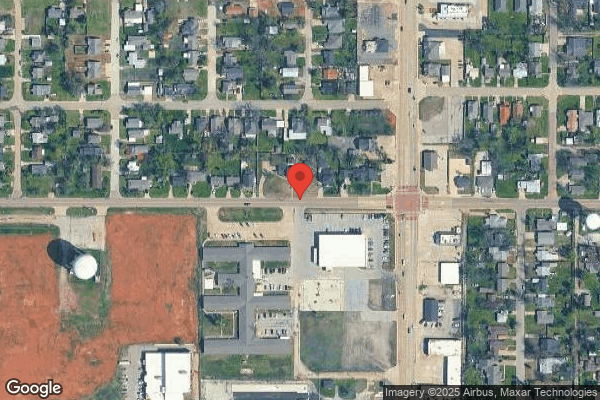
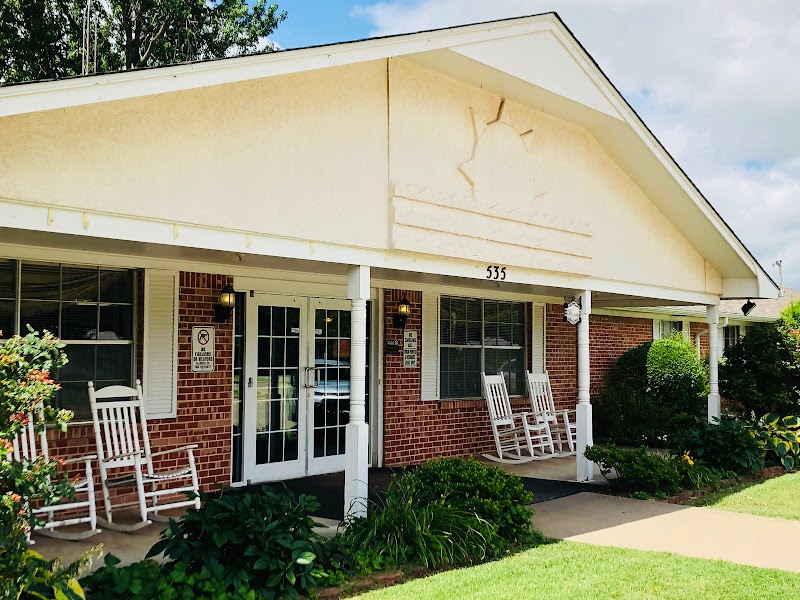
535 WEST FEDERAL STREET, SHAWNEE, OK 74801 (405) 273-7661
For profit - Corporation 161 Beds Independent Data: November 2025 1 Immediate Jeopardy citation
Trust Grade
23/100
#263 of 282 in OK
Last Inspection: April 2025

Within standard 12-15 month inspection cycle. Federal law requires annual inspections.

Overview

Shawnee Colonial Estates Nursing Home has received a Trust Grade of F, indicating significant concerns and a poor overall reputation. It ranks #263 out of 282 facilities in Oklahoma, placing it in the bottom half of all nursing homes in the state, and #4 out of 6 in Pottawatomie County, meaning only two local options are worse. While the facility's trend is improving, with a decrease in issues from 10 in 2021 to 8 in 2025, there are still serious weaknesses to consider. Staffing is below average with a rating of 2 out of 5 stars, but the turnover rate is impressively low at 0%, suggesting staff stability. However, the facility has incurred $67,134 in fines, which is higher than 82% of Oklahoma facilities, raising concerns about compliance issues. Specific incidents include a critical failure to supervise a resident at risk for elopement, who was found outside unattended, and delays in implementing a care plan for a resident who had multiple falls without proper preventative measures in place. Overall, while there are some strengths, particularly in staff retention, the significant fines and serious safety violations are alarming and warrant careful consideration from families.

Trust Score
F
23/100
In Oklahoma
#263/282
Bottom 7%
Safety Record
High Risk
Review needed
Inspections
Getting Better
10 → 8 violations
Staff Stability
○ Average
Turnover data not reported for this facility.
Penalties
○ Average
$67,134 in fines. Higher than 58% of Oklahoma facilities. Some compliance issues.
Skilled Nurses
⚠ Watch
Each resident gets only 26 minutes of Registered Nurse (RN) attention daily — below average for Oklahoma. Fewer RN minutes means fewer trained eyes watching for problems.
Violations
⚠ Watch
19 deficiencies on record. Higher than average. Multiple issues found across inspections.
★☆☆☆☆
1.0
Overall Rating
★★☆☆☆
2.0
Staff Levels
★★★☆☆
3.0
Care Quality
★☆☆☆☆
1.0
Inspection Score
Stable
2021: 10 issues
2025: 8 issues

The Good

  • Full Sprinkler Coverage · Fire safety systems throughout facility
  • No fines on record

Facility shows strength in fire safety.

The Bad

1-Star Overall Rating

Below Oklahoma average (2.6)

Significant quality concerns identified by CMS

Federal Fines: $67,134

Well above median ($33,413)

Moderate penalties - review what triggered them

The Ugly 19 deficiencies on record

1 life-threatening
Apr 2025 8 deficiencies 1 IJ (1 affecting multiple)
CRITICAL (K) 📢 Someone Reported This

A family member, employee, or ombudsman was alarmed enough to file a formal complaint

Immediate Jeopardy (IJ) - the most serious Medicare violation

Accident Prevention (Tag F0689)

Someone could have died · This affected multiple residents

**NOTE- TERMS IN BRACKETS HAVE BEEN EDITED TO PROTECT CONFIDENTIALITY** On 04/08/25 at 3:50 p.m., the Oklahoma State Department of Health was notified and verified the existence of an Immediate Jeopar...

Read full inspector narrative →
**NOTE- TERMS IN BRACKETS HAVE BEEN EDITED TO PROTECT CONFIDENTIALITY** On 04/08/25 at 3:50 p.m., the Oklahoma State Department of Health was notified and verified the existence of an Immediate Jeopardy situation related to the facility's failure to provide supervision to prevent elopement from the facility. Resident #22 was identified as being at risk for elopement. Resident #22 made it out to the parking lot through the front door within sight of the nurse's station unattended. A visitor notified staff Resident #22 was in the parking lot. On 04/08/25 at 3:55 p.m., the administrator, director of nursing, assistant director of nursing, business office manager, and corporate nurse were notified of the immediate jeopardy and provided the immediate jeopardy template. On 04/09/25 at 11:54 a.m., an amended plan of removal was approved by the Oklahoma State Department of Health. The plan of removal, read in part, A) Immediate interventions initiated for Resident #22 following elopement on 02/03/25: *15 minute checks *Physician notification with medication changes *Pain evaluation *Alternative placement referral. *Interventions successful. Resident #22 has not had further attempts to elope from facility and did not require alternative placement. Once resident #22 was determined to be at risk, [they] was placed on the facility Code White program. Exit seeking behaviors were monitored every shift and continue. Signage placed on facility doors to instruct family members to call for assistance instead of pulling the doors open and to ensure facility residents are not following them outside when they leave. Facility staff received re-education on 11/13/24, 02/01/25, 02/06/25 and a Code [NAME] Drill was performed on 02/10/25. Immediate interventions for Resident #95 on 02/17/25. *1:1 until discharge to memory care facility. B) All facility residents who are at risk for elopement will be considered at risk for this alleged deficient practice. C) A Code [NAME] Drill was held on 04/08/25 with facility staff at 1815. Steps of the mock elopement drill completed per facility protocol and response time was immediate with the resident being found within 3 minutes. Re-education with all staff was provided to include definitions and identifying exit seeking behaviors. CNAs interviewed were well versed with the facility Code [NAME] Program. Door alarms are working properly. D) Residents considered at risk for elopement were reviewed on 04/08/25 with interdisciplinary team to ensure interventions in place continue to be successful. E) Plan of Correction completed on 04/08/25 at 1830. Additional questions from surveyors: 1. What do staff do when visitors are pulling on the door to enter/exit? The door alarm sounding is the initial safety measure. Staff then reset the code and educate visitors to use code provided and to ensure residents do not follow them outside when leaving. A call multiplier was sent to all family contacts. Signage was updated with a Stop sign with instructions on how to enter/exit without pulling on door. This information will be added to the admission packet and orientation packet to ensure continual compliance. 2. With other residents at risk for elopement, what do employees do with exit seeking behaviors and how do staff know what interventions to use and effectiveness. Non-pharmacological resident specific interventions have been identified for both residents and can be found on the TARs, MARs and in POC. Outcome of non pharmacological interventions are documented in the nurses notes. Resident #1 non-pharmacological interventions for target behavior (exit seeking) include 1. Talk about president [name withheld] 2. Offer cup of coffee and active listening 3. Offer favorite snack i.e [that is] oatmeal cream pie 4. Deep breaths 5. Call [family]. Resident #2 non-pharmacological interventions for target behavior (exit seeking) include: 1. Offer favorite snack (any type of cookie) 2. Talk about painting fences 3. Call [family] 4. Coffee time 3. How do employees know what interventions are used and if effective? Target behaviors and Non-pharmacological interventions are monitored every shift. Once a target behavior is identified, non-pharmacological resident specific interventions are available for each resident on the TAR, MAR and in POC. The outcome of utilizing non-pharmacological interventions can be found in the nurses notes and will be reviewed at resident care plan meetings and/or quality assurance meetings to determine if additional plans of action need to be implemented. On 04/09/25 after interviews with facility staff, review of resident elopement wander risk assessments, and in-services, the immediacy was lifted, effective 04/09/25 at 11:00 a.m. The deficient practice remained at a pattern level with potential for more than minimal harm. Based on observation, record review and interview, the facility failed to: a. provide supervision and interventions to prevent elopement for 2 (#22 and #95) of 3 sampled residents reviewed for elopement; b. provide supervision for a resident who wandered and was at risk for elopement for 1 (#20) of 3 sampled residents reviewed for elopement; and c. utilize a mechanical lift as ordered for transfers which resulted in a fall for 1 (#21) of 4 sampled residents reviewed for accident hazards. LPN #1 identified 40 residents resided in the faciilty. The administrator identified two residents at risk for elopement resided in the facility. Findings: On 04/08/25 at 10:27 a.m., the chain link fenced in area on the North side of the building was observed to have the handle closed but without a locking device in place. The gate could be opened. Four of the exit doors had red writing on them that provided instructions to hold the door for 15 seconds to get it to open. A policy titled Emergency Procedure- Missing Resident, revised August 2018, read in part, Residents at risk for wandering and/or elopement will be monitored, and staff will take necessary precautions to ensure their safety. 1. Resident #22 was admitted to the facility on [DATE] with diagnosis which included dementia. A Nurse Note, dated 01/09/25, showed Resident #22 pulled the fire alarm and stated, the alarm said pull, so I pulled it. The note showed Resident #22 also stated the door sign indicates if you hold it down for 15 seconds it will open. The note showed the physician and family were notified of the incident with family stating Resident #22 had never tried to exit seek before. On 01/10/25, the care plan was updated to include wandering and elopement with interventions of Resident #22 to be added to the elopement list for staff to be more aware of their exit seeking, distracting resident, and providing structured activities. A Nurse Note, dated 02/03/25, showed Resident #22 exited North hall entrance, a family member alerted the ADON and they responded immediately by assisting resident back into the facility without further incident. The note showed Resident #22 was noted to be in the parking lot, alarm to North doors noted to be sounding. The note showed Resident #22 was alert to self and noted to have increased confusion of time and place. The note showed Resident #22 stated they were going to other place, but unable to verbalize what place, the resident was assisted back to their room, and attempted to reorient without success. The note showed family called and discussed concerns with exit seeking and elopement, and alternative placement options. The note showed the resident was currently on code white list with 15 minute checks initiated. An incident report form, dated 02/03/25, showed Resident #22 was noted to exit North hall entrance. The report showed family members alerted the ADON and DON, they responded immediately assisting the resident back into the facility without further incident. The report showed Resident #22 was noted to be in the parking lot, alarm to North doors noted to be sounding. The report showed Resident #22 was alert to self and had increased confusion of time and place. The report showed Resident #22 stated they were going to other place, but was unable to verbalize what place, the resident was assisted back to their room and attempted to reorient without success. The report showed the DON had visited with family members regarding this behavior, physician had ordered new medications and Resident #22 was to see a counselor. The report showed the DON talked with Resident #22 about any pain they may have been experiencing and Resident #22 denied pain. The report showed Resident #22 remained on 15 minute checks and the DON spoke with the family regarding the interventions the facility had implemented and they let them know if they did not work, Resident #22 might need to find a different placement. The care plan did not have any additional interventions listed after the 01/09/25 incident. On 04/08/25 at 10:19 a.m., the DON stated, We put a stop sign on the door that said please call this number for assistance. staff knows that [Resident #22] is code white, we make a mental note that [Resident #22] is close to the door. Family member of another resident had the alarms going off and when the resident got out they notified staff who was able to easily redirect them back into the building. The alternative placement did not work out due to financial concerns. 2. Resident #95 was admitted to the facility on [DATE] with diagnoses that included general anxiety disorder. An admission Minimum Data Set assessment, with an assessment reference date of 01/24/25, showed Resident #95 had a brief interview for mental status score of 13 indicating Resident #95 was cognitively intact. The assessment showed no wandering behavior and required moderate assistance with walking. Resident #95's Wandering Risk Review, dated 02/01/25, showed they were newly at risk for elopement. An incident report form, dated 02/17/25, showed the ADON heard the center [NAME] door alarm and went to check and saw Resident #95 walking on the sidewalk outside. The report showed Resident #95 left their wheelchair at the door and pressed the bar on the door for 15 seconds and the door opened, and they walked outside. The report showed Resident #95 was looking for their family member. The report showed one on one was implemented immediately, and family stated they thought the code on the door would keep Resident #95 inside. The note showed family advised they wanted the facility to send the medical records to the memory care unit in Shawnee. A Nurse Note, dated 02/17/25, showed the ADON heard the door alarming and upon approach saw Resident #95's wheelchair in front of the door. The note showed Resident #95 was noted to be looking over the fence asking where their house was. The note showed they were easily redirected back inside the building and placed on one on one and the physician and family were notified of the incident. There was no documented care plan regarding elopement. On 04/08/25 at 10:14 a.m., MDS coordinator #1 stated they should have put elopement in the care plan for Resident #95 once it was identified on the elopement risk assessment, but they did not. On 04/08/25 at 10:27 a.m., the DON stated Resident #95 was ambulatory at that time and walked to the middle doorway and pushed the door open and the ADON responded immediately. On 04/08/25 at 1:14 p.m., CNA #3 was able to verbalize their responsibility, if they were to see a resident trying to get out the door, would be to try to stop them, try to redirect them, let them know where they are, keep eyes on them, and tell the nurse about the behavior. CNA #3 stated they were told that when they first started on 03/26/25. CNA #3 stated they have not seen anyone try to get out. On 04/08/25 at 1:19 p.m., CMA #1 stated the last training concerning code white was about a month ago. CMA #1 stated they had mock drills. CMA #3 identified exit seeking behaviors as hanging out by the doors or things they talked about. CMA #3 stated the one they watch the most was Resident #22 because they are always looking for their truck. CMA #1 stated their responsibility was to alert the nurse and try to stop the residents by convincing them to come back in. 3. On 04/07/25 at 10:12 a.m., Resident #20 was observed standing up independently from a recliner in the front living room, used a standard walker, and walked over to the front exit door of the facility. The resident looked out the glass door, but did not touch the door. Resident #20 then turned to the side with their walker. On 04/07/25 at 10:13 a.m., Resident #20 began ambulating away from the front door and towards the hall that ran alongside the dining room. The resident continued down the hall towards the administrator's office. RN #1 stopped the resident and asked them to walk with them towards the nurse's station. The resident followed RN #1. On 04/07/25 at 10:17 a.m., Resident #20 walked towards the front living room again. On 04/07/25 at 10:19 a.m., Resident #20 walked a little closer to the front door, turned around, and began walking towards RN #1. The resident stood next to RN #1. On 04/07/25 at 10:21 a.m, RN #1 and Resident #20 walked down the hall until they arrived at the resident's room. RN #1 explained to Resident #20 they had arrived to their room. CNA #6 entered the room and asked the resident to go to the bathroom. Resident #20 was heard to be saying get out of here to the CNA. CNA #6 opened the door, called for help and two staff members entered the room. The surveyor did not enter the room as Resident #20 was verbally upset. On 04/07/25 at 10:49 a.m., Resident #20 was observed walking with their walker to the common area and ambulated with another resident to the front exit door. Resident #20 did not touch the door. The two residents continued to stand by the door while the other resident remarked about how windy it was outside. On 04/07/25 at 10:54 a.m., both residents remained standing by the front exit door. RN #2 approached Resident #20 and asked if they could shave the resident. RN #2 placed their hand on Resident #20's back and pointed them in the direction of their room. RN #1 stated to Resident #20 lets go down to your room and get you shaved. RN #1 joined RN #2 in Resident #20's room to shave them. Resident #20 had diagnosis which included cognitive communication deficit. A behavior note, dated 01/07/25, showed Resident #20 had been actively exit seeking for the last 1.5 hours walking nonstop from one end of the North hall to the other. The note showed the resident had been able to set the alarm off on the northwest door twice by pressing it repeatedly. The note showed staff was able to get Resident #20 before the door opened. The note showed the facility notified family and a family member was going to come sit with the resident. An admission elopement/wandering risk assessment, dated 01/07/25, showed Resident #20 was at risk for elopement/wandering as evidenced by exit seeking trying to go to work while approaching exit doors. The assessment showed interventions which included distract resident from wandering by offering pleasant diversions, structured activities, food, conversation, television, book, the personalization of room with familiar objects and photographs and provide structured activities: toileting, walking inside and outside, and reorientation strategies including signs, pictures and memory boxes. A nurse's note, dated 01/09/25, showed Resident #20 was noted to aimlessly wander throughout the facility. The note showed the resident's family was at their side and voiced concerns about the resident's constant pacing and wandering throughout the facility. An admission resident assessment, dated 01/12/25, showed Resident #20 had severe cognitive impairment (BIMS 00) and did not exhibit wandering behaviors. An alert note, dated 01/20/25, showed Resident #20 was pacing and refused their morning medication. The note showed once the resident's family member arrived, the resident took their medications and the pacing stopped. A nurse's note, dated 01/30/25, showed Resident #20 had increased behaviors when their family member left that afternoon. The note showed the resident was walking towards exit asking to go check on them. The note showed the resident was noted to calm down after staff provided one on one care. A behavior note, dated 02/06/25, showed Resident #20 was combative while staff were attempting to change them. It showed the resident came out of their room, went up and down the hallways, and stated [they] were walking to that door. The note showed the resident walked to the end door, stood there with staff and then turned around and headed back to their room. A behavior note, dated 03/29/25, showed Resident #20 had been anxiously wandering the facility that morning. It showed the resident was down the northeast hall and a CMA tried to give the resident medications which they refused. The note showed Resident #20 pushed the door at the end of the hall open and started to go out. It showed the CMA yelled for help and a CNA went to help. The note showed they got the resident turned around and back up the hallway. The note showed the facility called family to come be with the resident. An alert note, dated 04/09/25 at 7:11 p.m., showed the facility called Resident #20's family and notified them the resident was at the front door when a delivery person pushed the code and came in the door. The note showed Resident #20 tried to get out the front door. The note showed the resident did not get out the door as staff was present at the front door and walked the resident back to the nurses' desk. The note showed staff offered the resident a cookie. The note showed staff were concerned for Resident #20's safety and believed the resident was capable of getting out of the door. An alert note, dated 04/09/25 at 7:40 p.m., showed Resident #20 would be one on one while at the facility. On 04/03/25 at 10:37 a.m., family member #1 stated Resident #20 experienced sad and aggressive behaviors at times. They stated the resident was able to get up on their own using their walker. They stated Resident #20 had tried to exit the facility before and wanted to get out. Family Member #1 stated the resident still wanted to work and [NAME]. They stated Resident #20 had been known to push on the door, and staff would come to distract the resident to help them forget why they were trying to get out. Family Member #1 stated Resident #20 had stepped out of the building but not very far off the property. They stated the streets were very busy around the property. On 04/07/25 at 10:43 a.m., CNA #6 stated every one to two hours staff would check on Resident #20. They stated the resident required redirection due to confusion. They stated staff helped the resident shower. They stated the resident had family who came to the facility often. They stated the resident required cueing at times. CNA #6 stated the resident was normally sweet, loving, and laid back. They stated sometimes the resident would get a little upset. They stated the resident did exhibit wandering behaviors and staff would redirect the resident with the television, a snack, or an activity. On 04/07/25 at 10:45 a.m., CNA #6 stated they had not noticed Resident #20 exhibiting exit seeking behaviors. They stated they were not aware of the resident ever eloping from the facility. On 04/08/25 at 12:13 p.m., CNA #2 stated Resident #20 was combative at times and they would get another staff member to assist the resident when this occurred. They stated the resident was able to ambulate independently with their walker. On 04/08/25 at 12:15 p.m., CNA #2 stated there was a time Resident #20 walked out the door at the end of the hall. They stated a CMA saw it occur and ran to catch the resident. CNA #2 stated they did not know if the door was locked or not, but they ran to help as well. They stated the resident was wanting to hit them as they helped them back inside. They stated CNA #1 also helped them get the resident inside. CNA #2 stated Resident #20 wandered the building everyday up and down the hall. They stated they tried to keep the middle doors shut so the resident wouldn't go down there. They stated the doors had a code and would alarm if they were touched/pushed. CNA #2 stated after pushing for 15 seconds, the door would unlock. On 04/08/25 at 12:19 p.m., CNA #2 stated staff would try to entertain Resident #20 with food and the television when they exhibited these behaviors. They stated staff kept an eye on the resident. On 04/08/25 at 12:21 p.m., CNA #2 stated elopement was exiting the building or getting away. On 04/08/25 at 12:22 p.m., CNA #2 stated they did not know if Resident #20 had ever left the facility without staff witnessing. They stated when residents were at risk for elopement staff would keep an eye on them and maybe do every 15 minute checks. On 04/08/25 at 12:46 p.m., CNA #1 stated Resident #20 was able to ambulate with a walker and was very confused. They stated staff checked on the resident every two hours for toileting needs. On 04/08/25 at 12:47 p.m., CNA #1 stated no (opposite sex) could go and assist Resident #20 or they would get mad. They stated the resident could get verbally aggressive at times. On 04/08/25 at 12:48 p.m., CNA #1 stated when behaviors were experienced, staff would try to calm the resident down and sit the resident in the recliner. On 04/08/25 at 12:49 p.m., CNA #1 stated they did not have any idea what the word elopement meant. They stated Resident #20 was walking out the door on the northeast hall. They stated the resident was wandering with their walker, threw the walker, and tried to walk out the door. They stated staff observed this happen. On 04/08/25 at 12:51 p.m., CNA #1 stated they would go next to them, try to calm them down, and take them back to their room. They stated Resident #20 was trying to get home because it was the day their family member was sick and they wanted to go home to see them. On 04/08/25 at 12:52 p.m., CNA #1 stated stated has not received any training for behaviors or residents trying to leave the building without staff present. On 04/08/25 at 12:53 p.m., LPN #1 stated Resident #20 could ambulate with their walker independently. On 04/08/25 at 12:54 p.m., LPN #1 stated Resident #20 exhibited behaviors which included exit seeking, yelling, and hitting. They stated staff tried to talk to the resident, would step back and let them cool off, and if that did not work, they would call family to come sit with the resident. On 04/08/25 at 12:55 p.m., LPN #1 stated elopement was when a resident got out the door and left the building. They stated even if they just got out the door, it was elopement. On 04/08/25 at 12:56 p.m., LPN #1 stated Resident #20 had tried to elope. They stated the resident opened the door and staff was present. They stated they did not know what the facility was doing to prevent it from happening again. On 04/08/25 at 12:57 p.m., LPN #1 stated staff just tried to keep a better eye on residents at risk for elopement. They stated if they were close to the door, LPN #1 would hand out at the nurse's station as they charted to keep an eye on them. On 04/08/25 at 12:58 p.m., LPN #1 stated they placed residents who tried to elope on every 15 minute checks until they had not tried to elope for so many days. LPN #1 stated every 15 minute checks were discontinued on Resident #20 on 02/04/25 and they were not sure when the order was written. The order LPN #1 described related to every 15 minute checks was not observed in Resident #20's clinical record and was not reflected on the resident's January or February 2025 MAR/TAR. On 04/08/25 at 1:17 p.m., the DON stated Resident #20 was pretty independent with occasional incontinent episodes. They stated sometimes the resident forgot to use their walker. They stated the resident had good days and bad days. On 04/08/25 at 1:19 p.m., the DON stated just the other day, Resident #20 was more confused but most of the time they were easily redirected. They stated they recently discovered the resident preferred female caregivers. They stated staff were educated on using redirection and utilizing non pharmacological interventions for residents with poor recall this morning. On 04/08/25 at 1:20 p.m., the DON stated Resident #20 wandered, but it was not goal driven because the resident did not voice the desire to leave. On 04/08/25 at 1:21 p.m., the ADON stated sometimes Resident #20 would say they were going to work or wanted their family member. The ADON and DON were read the behavior notes dated 01/07/25, 02/06/25, and 03/29/25 and were asked if the notes documented exit seeking behaviors. The DON stated they were not saying the resident was not exit seeking, they were saying can the resident put those two together. The DON stated Resident #20 was on the facility code white and did wander. On 04/08/25 at 1:25 p.m., the DON stated staff would redirect the resident when they exhibited these behaviors by offering coffee. The DON stated the resident's family was heavily involved. On 04/08/25 at 1:26 p.m., the DON stated the interventions should be in the nurses' notes. The ADON stated documentation was also in documentation system the CNAs used and on the TAR. They were asked if it documented what staff did in response to the behavior on the TAR. The ADON stated if there were any behaviors observed, staff would chart in a nurses' note. On 04/08/25 at 1:26 p.m., the DON stated elopement was when residents were exit seeking and got out of the building. They stated residents with elopement risk had the potential to get out of the building. On 04/08/25 at 1:27 p.m., the DON stated Resident #20 had the potential to elope which was the reason they were on the code white. The DON stated when residents were at risk for elopement, staff would try to involve them in activities, offer coffee, and offer snacks. They stated they would be updating interventions staff can do so they can document it. 4. On 04/08/25 from 9:22 a.m. through 9:33 a.m., CNA #2 and CNA #4 were observed transferring Resident #21 from their wheelchair to the bedside commode, then from the bedside commode to the resident's bed utilizing a mechanical lift. On 04/08/25 from 9:53 a.m. through 10:10 a.m., Resident #21 was observed receiving turning assistance in bed, perineal care, and transfer assistance from the bed to the shower chair with a mechanical lift with the assistance of CNA #2, CNA #4, and CNA #5. Resident #21 had diagnoses which included coagulation defect and chronic kidney disease stage 5. A quarterly resident assessment, dated 02/13/25, showed Resident #21's cognition was intact (BIMS 15) and they were dependent on staff for the task of toileting hygiene, lower body dressing, putting on/taking off footwear, roll left and right, sit to lying, lying to sitting on the side of the bed, chair/bed-to-chair transfer, toilet transfer, and tub/shower transfer. A physician order, dated 02/13/25, read in part NWB RLE (utilize Hoyer [mechanical] lift for transfers). A physician order, dated 02/14/25, read in part, use Hoyer [mechanical] lift for all transfers every shift for NWB status to RLE. An incident report, dated 03/27/25, showed a CNA had summoned the nurse to Resident #21's room. The report showed the resident had to be lowered to the floor while dressing the resident after a shower. The report showed upon entering the room, the resident was noted to be sitting on the floor in front of the shower chair. The report showed CNA staff reported they were standing Resident #21 up to dress them and the resident's legs buckled, causing them to lower the resident to the floor. The report showed no injury was noted and the intervention was to dress the resident in bed rather than standing the resident from a chair to dress. On 04/03/25 at 11:12 a.m., Resident #21 stated they fell last week when transferring to the shower chair. They stated they did not have skid socks on and slide to the ground. They stated two staff were with them when they fell. Resident #21 stated they were supposed to use a full body lift, but the lift was either occupied or the battery was dead. They stated staff were transferring them from the shower chair to the wheelchair when the resident slid. Resident #21 stated two staff members physically lifted them with their arms. They stated the staff members were new. Resident #21 stated when they first started sliding, they instructed staff to let them down easy. They stated they were non weight bearing due to a wound on their right foot. They stated they had to have bone in their heel removed. On 04/08/25 at 10:14 a.m., CNA #2 stated Resident #21 required a mechanical lift for transfers. On 04/08/25 at 10:17 a.m., CNA #2 stated staff had transferred the resident before without a lift. CNA #2 stated the resident had a wound on their right foot and was non weight bearing. They stated the DON, ADON, or therapy determined when a lift was needed for transfers. On 04/08/25 at 10:18 a.m., CNA #2 stated Resident #21 had experienced a fall not very long ago. They stated it was in the resident's room and a CNA and an agency CNA assisted the resident to the floor. CNA #2 stated they did not know the details of the fall. On 04/08/25 at 10:20 a.m., CNA #2 stated if a lift was not available, they would speak to the DON, ADON, and therapy to see what they needed to do if the resident was wanting to get up. They stated if the lift was not charged, they would wait for it to be charged. They stated the facility did not have a system in place to charge the batteries and it had been a problem before. On 04/08/25 at 10:25 a.m., CNA #4 stated Resident #21 was a maximum assistance by two staff members right now. They stated the resident had a wound on their heel and was non weight bearing. They stated a mechanical lift had to be used for all transfers. On 04/08/25 at 10:27 a.m., CNA #4 stated to their knowledge staff were not transferring Resident #21 without using the lift. They sated if staff transferred the resident without a lift, they would be putting weight on that heel. On 04/08/25 at 10:27 a.m., CNA #4 stated the DON, ADON, and therapy usually would look at a resident to determine when a lift was needed for transfers. On 04/08/25 at 10:28 a.m., CNA #4 stated Resident #21 had experienced a fall not long ago. They stated staff were transferring the resident from the shower chair to the bed using a gait belt. They stated it was an assisted fall, the resident's feet gave out, and staff lowered them to the floor. They stated staff were inserviced that they had to use what was in their plan of care. They stated Resident #21 did not have any injuries from the fall. They stated staff would charge the lift batteries after every two to three transfers. On 04/08/25 at 10:32 a.m., CNA #4 stated if the lift was unavailable or not functioning properly, they would let the resident know it would be a few minutes and they would be back as soon as possible. They stated the facility had two lifts. On 04/10/25 at 10:07 a.m., LPN #2 stated Resident #21 was 100 percent reliant on staff for transfers. They stated the resident required a mechanical lift because they were non weight bearing on their right leg. They stated there was a wound to their right heel. On 04/10/25 at 10:09 a.m., LPN #2 stated Resident #21 sometimes thinks they can do more than they can. They stated the resident was at risk for falls because their leg would buckle and they didn't have enough strength. They stated the resident was especially a fall risk now because they were not non weight bearing to the right leg. On 04/10/25 at 10:11 a.m., LPN #2 stated Resident #21 had an order to continue non weight bearing to right foot that was dated 03/06/25. They stated there was
CONCERN (D) 📢 Someone Reported This

A family member, employee, or ombudsman was alarmed enough to file a formal complaint

Potential for Harm - no one hurt, but risky conditions existed

Deficiency F0582 (Tag F0582)

Could have caused harm · This affected 1 resident

**NOTE- TERMS IN BRACKETS HAVE BEEN EDITED TO PROTECT CONFIDENTIALITY** Based on record review and interview, the facility failed to ensure a NOMNC was provided to a resident discharging from skilled ...

Read full inspector narrative →
**NOTE- TERMS IN BRACKETS HAVE BEEN EDITED TO PROTECT CONFIDENTIALITY** Based on record review and interview, the facility failed to ensure a NOMNC was provided to a resident discharging from skilled services for 1 (#94) of 3 sampled residents reviewed for beneficiary notification. MDS Coordinator #1 identified 15 residents who were discharged from a Medicare covered Part A stay with benefit days remaining in the past six months (11/18/24 through 04/03/25). Findings: Resident #94 admitted to the facility on [DATE]. A nurse's note, dated 02/25/25, showed Resident #94 discharged home with home health. The SNF beneficiary notification review showed Resident #94's Medicare Part A skilled services episode start date was 12/07/24 and their last covered day of Part A service was 02/24/25. The notification showed the Medicare Part A service termination/discharge was determined voluntarily and the facility/provider initiated the discharge from Medicare Part A services when when benefit days were not exhausted. The notification showed the resident did not receive a NOMNC because Resident #94 did not stay in the facility. On 04/04/25 at 12:58 p.m., MDS coordinator #1 stated they started speaking about discharge with residents, and if they agreed on a discharge date , the MDS coordinator would fill out the NOMNC form and have the resident sign the form. They stated if the resident was unable to sign the form, they would have the family sign. They stated the form was supposed to be provided 48 hours before discharge from skilled services. On 04/04/25 at 1:01 p.m., MDS coordinator #1 stated both the facility and the resident initiated the discharge. They stated the resident wanted to go home. They stated Resident #94 did have benefit days remaining. They stated they got confused on which form they needed to sign and had them sign the SNFmadvance beneficiary notice of non-coverage instead.
CONCERN (D)

Potential for Harm - no one hurt, but risky conditions existed

Deficiency F0637 (Tag F0637)

Could have caused harm · This affected 1 resident

Based on record review and interview, the facility failed to ensure a significant change resident assessment was completed for 1 (#21) of 16 sampled residents reviewed for resident assessments. LPN #1...

Read full inspector narrative →
Based on record review and interview, the facility failed to ensure a significant change resident assessment was completed for 1 (#21) of 16 sampled residents reviewed for resident assessments. LPN #1 identified 40 residents resided in the facility. Findings: Resident #21 had diagnoses which included coagulation defect and chronic kidney disease stage 5. An admission resident assessment, dated 11/06/24, showed Resident #21's mood score was 09 (mild depression), and the resident required set-up or clean up assistance for the task of toilet hygiene, lower body dressing, and putting on/taking off footwear. The assessment showed the resident was independent for the task of roll left and right, sit to lying, and lying to sitting on the side of the bed. A quarterly resident assessment, dated 02/13/25, showed Resident #21's mood score was 00 (no depression), and the resident was dependent on staff for the task of toileting hygiene, lower body dressing, putting on/taking off footwear, roll left and right, sit to lying, and lying to sitting on the side of the bed. There was no significant change resident assessment completed for the change in Resident #21's mood, toileting hygiene, lower body dressing, putting on/taking off footwear, roll left and right, sit to lying, and lying to sitting on the side of the bed. On 04/09/25 at 10:53 a.m., MDS coordinator #1 stated they would complete a significant change resident assessment if there was two or more things that had declined or improved or if a resident was going on/coming off hospice or changing hospice providers. On 04/09/25 at 10:54 a.m., MDS coordinator #1 stated Resident #21 was skilled and they completed a quarterly and 5-day assessment on 02/13/25. They stated when the resident came off of skilled, was when they would evaluate whether the resident had met the significant change criteria. They stated there was a chance the resident could rehabilitate out of the change while in therapy.
CONCERN (D)

Potential for Harm - no one hurt, but risky conditions existed

Assessment Accuracy (Tag F0641)

Could have caused harm · This affected 1 resident

**NOTE- TERMS IN BRACKETS HAVE BEEN EDITED TO PROTECT CONFIDENTIALITY** Based on record review and interview, the facility failed to ensure resident assessments were accurately coded for 1 (#20) of 16...

Read full inspector narrative →
**NOTE- TERMS IN BRACKETS HAVE BEEN EDITED TO PROTECT CONFIDENTIALITY** Based on record review and interview, the facility failed to ensure resident assessments were accurately coded for 1 (#20) of 16 sampled residents reviewed for resident assessments. LPN #1 identified 40 residents resided in the faciilty. Findings: Resident #20 had diagnosis which included cognitive communication deficit. A behavior note, dated 01/07/25, showed Resident #20 had been actively exit-seeking for the last 1.5 hours walking nonstop from one end of the North hall to the other. The note showed the resident had been able to set the alarm off on the Northwest door twice by pressing it repeatedly. The note showed staff was able to get Resident #20 before the door opened. A nurse's note, dated 01/09/25, showed Resident #20 was noted to aimlessly wander throughout the facility. The note showed the resident's family was at their side and voiced concerns about the resident's constant pacing and wandering throughout the facility. An admission resident assessment, dated 01/12/25, showed Resident #20 had severe cognitive impairment (BIMS 00) and did not exhibit wandering behaviors. On 04/08/25 at 2:12 p.m., MDS coordinator #1 stated they used the whole chart and the RAI manual to complete resident assessments. They stated to ensure accuracy, they would go through the chart and complete an actual assessment of the resident. They stated the person who completed Resident #20's assessment was no longer working at the facility. On 04/08/25 at 2:13 p.m., MDS coordinator #1 stated they would go through nurses' notes and the resident's chart to determine if a resident had exhibited wandering behaviors during the look back period. On 04/08/25 at 2:14 p.m., MDS coordinator #1 reviewed Resident #20's admission assessment dated [DATE] and stated there was nothing coded for wandering. They stated the assessment reference date was 01/12/25 so they would look back seven days from that date. On 04/08/25 at 2:15 p.m., MDS coordinator #1 reviewed the resident's record and stated the resident had exhibited wandering during this time and it should have been coded.
CONCERN (D) 📢 Someone Reported This

A family member, employee, or ombudsman was alarmed enough to file a formal complaint

Potential for Harm - no one hurt, but risky conditions existed

Deficiency F0655 (Tag F0655)

Could have caused harm · This affected 1 resident

**NOTE- TERMS IN BRACKETS HAVE BEEN EDITED TO PROTECT CONFIDENTIALITY** Based on record review and interview, the facility failed to ensure a baseline care plan was completed within 48 hours of admiss...

Read full inspector narrative →
**NOTE- TERMS IN BRACKETS HAVE BEEN EDITED TO PROTECT CONFIDENTIALITY** Based on record review and interview, the facility failed to ensure a baseline care plan was completed within 48 hours of admission for 1 (#19) of 17 sampled residents reviewed for completion of baseline care plans. LPN #1 identified 40 residents resided in the facility. Findings: Resident #19 was admitted on [DATE] with diagnoses which included severe protein-calorie malnutrition, repeated falls, and depression. There was no documentation a baseline care plan was completed within 48 hours of admission. On 04/08/25 at 2:17 p.m., the administrator stated they follow the RAI manual regarding care plans. On 04/09/25 at 10:45 a.m., MDS coordinator #1 stated Resident #19 did not have a 48 hour baseline care plan because they were behind on them.
CONCERN (D)

Potential for Harm - no one hurt, but risky conditions existed

Deficiency F0657 (Tag F0657)

Could have caused harm · This affected 1 resident

**NOTE- TERMS IN BRACKETS HAVE BEEN EDITED TO PROTECT CONFIDENTIALITY** Based on observation, record review and interview, the facility failed to ensure resident care plans were accurate and updated f...

Read full inspector narrative →
**NOTE- TERMS IN BRACKETS HAVE BEEN EDITED TO PROTECT CONFIDENTIALITY** Based on observation, record review and interview, the facility failed to ensure resident care plans were accurate and updated for 2 (#21 and #95) of 16 sampled residents reviewed for resident assessments. LPN #1 identified 40 residents resided in the facility. Findings: 1. On 04/08/25 from 9:22 a.m. through 9:33 a.m., CNA #2 and CNA #4 were observed transferring Resident #21 from their wheelchair to the bedside commode, then from the bedside commode to the resident's bed utilizing a mechanical lift. On 04/08/25 from 9:53 a.m. through 10:10 a.m., Resident #21 was observed receiving turning assistance in bed, perineal care, and transfer assistance from the bed to the shower chair with a mechanical lift with the assistance of CNA #2, CNA #4, and CNA #5. Resident #21 had diagnoses which included coagulation defect and chronic kidney disease stage 5. Resident #21's care plan, date initiated 11/01/24, read in part, ADL [activities of daily living] self-care needs Date Initiated: 11/01/2024 .DRESSING: The resident requires extensive assistance by (2) staff to dress. Date Initiated: 11/01/2024 .PERSONAL HYGIENE/ORAL CARE: The resident requires extensive assistance by (1) staff with personal hygiene and oral care. Date Initiated: 11/01/2024. An admission resident assessment, dated 11/06/24, showed Resident #21 required set-up or clean up assistance for the task of personal hygiene, oral hygiene, toilet hygiene, and lower body dressing. The care plan did not reflect Resident #21's admission resident assessment data. A physician order, dated 02/13/25, read in part NWB RLE (utilize Hoyer [mechanical] lift for transfers). A physician order, dated 02/14/25, read in part, use hoyer [mechanical] lift for all transfers every shift for NWB status to RLE. Resident #21's care plan was not updated to reflect the use of a mechanical lift for transfers. On 04/09/25 at 12:53 p.m., MDS coordinator #1 stated Resident #21's care plan showed the resident required extensive assistance with one person for oral hygiene/personal hygiene which was dated 11/01/24. They stated the care plan showed the resident required extensive assistance times two for dressing which was dated 11/01/24. MDS Coordinator #1 stated they did not complete the resident's care plan. MDS Coordinator #1 reviewed Resident #21's admission assessment and stated it showed they required set-up or clean up assistance for oral hygiene, dressing, and personal hygiene. On 04/09/25 at 12:56 p.m., MDS coordinator #1 stated, They don't match the care plan. They reviewed the resident's order dated 02/13/25 which showed NWB RLE utilize mechanical lift for transfers, and the order dated 02/14/25 which showed use Hoyer (mechanical) lift for all transfers every shift for NWB status to RLE. They stated yes, they saw both orders. On 04/09/25 at 12:58 p.m., MDS coordinator #1 stated the use of the mechanical lift for transfers was not in Resident #21's care plan. 2. Resident #95 was admitted on [DATE] with diagnoses that included anxiety disorder and cognitive communication deficit. A progress note, dated 01/24/25, showed the social worker had spoken to Resident #95 because they wanted help to get out and go home. A progress note, dated 02/17/25, showed Resident #95 made it outside the building and was looking over the fence for their home. The note showed they were in a fenced in area with the closest exit gate approximately 150 away. A progress note, dated 02/17/25, showed Resident #95 was discharged with a family member with a plan for memory care on that same day. An elopement risk assessment, dated 02/25/25, showed Resident #95 was added to the code white list (a document that notifies the staff who is an elopement risk) due to packing a bag and stating they were going home. The care plan did not show elopement precautions. On 04/08/25 at 10:14 a.m., MDS coordinator #1 stated they should have added elopement risk to the care plan once it was identified Resident #95 was exit seeking. On 04/08/25 at 2:17 p.m., the administrator stated the care plan should be updated immediately for elopement risks.
CONCERN (D)

Potential for Harm - no one hurt, but risky conditions existed

Staffing Information (Tag F0732)

Could have caused harm · This affected 1 resident

Based on observation and interview, the facility failed to post nurse staffing in a prominent place accessible to residents and visitors for one of one staffing boards observed. LPN #1 identified 40 r...

Read full inspector narrative →
Based on observation and interview, the facility failed to post nurse staffing in a prominent place accessible to residents and visitors for one of one staffing boards observed. LPN #1 identified 40 residents resided in the facility. Findings: On 04/09/25 at 3:13 p.m., a large white board located behind the nurse's station showed one RN, one LPN, and three CNAs were working. The board did not show what shift or how many hours. The date written on the board was 04/06/25. There was no census. On 04/10/25 at 10:18 a.m., the large white board showed RN (name withheld). There was no date, no other staff listed, and no census. On 04/10/25 at 10:40 a.m., LPN #2 stated the white board did not include all the relevant information. They stated the information was down the hall across from the offices. On 04/10/25 at 10:41 a.m., the administrator identified two sheets of paper that contained most of the required information. Neither of the two papers showed the number of hours each staff member was working. The sheets were located on a cork board on a hall that only contained offices. On 04/10/25 at 10:42 a.m., the administrator stated visitors would have to come down that hall to see the posted information. They stated visitors come down there all the time to talk to the administration staff.
CONCERN (D)

Potential for Harm - no one hurt, but risky conditions existed

Deficiency F0761 (Tag F0761)

Could have caused harm · This affected 1 resident

Based on observation, record review and interview, the facility failed to ensure the temperature log was maintained for the medication refrigerator in the medication room. LPN #1 identified 40 residen...

Read full inspector narrative →
Based on observation, record review and interview, the facility failed to ensure the temperature log was maintained for the medication refrigerator in the medication room. LPN #1 identified 40 residents resided in the facility. Findings: On 04/03/25 at 11:16 a.m., a tour of the medication room was conducted with CMA #1. CMA #1 was unable to locate a temperature log. The refrigerator was found to be 42 degrees Fahrenheit. A Medication Storage in the Facility policy, dated 2021, read in part, Medications requiring refrigeration or temperatures between 36 degrees F and 46 degrees F are kept on a refrigerator with a thermometer to allow daily temperature monitoring. Medications requiring storage in a cool place are refrigerated unless otherwise directed on the label. On 04/08/25 at 2:19 p.m., the administrator stated, We are supposed to keep a temperature log on the refrigerator in the med [medication] room. It is the responsibility of the day shift CMA to monitor the temperature daily. The administrator stated CMA #1 has worked there long enough to know about the temperature log.
Nov 2021 10 deficiencies
CONCERN (D)

Potential for Harm - no one hurt, but risky conditions existed

Deficiency F0578 (Tag F0578)

Could have caused harm · This affected 1 resident

Based on record review and interview, it was determined the facility failed to have the signed ''Oklahoma Do-Not-Resuscitate (DNR) Consent Form'' in the electronic health record for one (#11) of 24 sa...

Read full inspector narrative →
Based on record review and interview, it was determined the facility failed to have the signed ''Oklahoma Do-Not-Resuscitate (DNR) Consent Form'' in the electronic health record for one (#11) of 24 sampled residents whose records were reviewed. The Resident Census and Conditions of Residents identified 77 residents who resided in the facility. Findings: The electronic clinical health record for Res #11 documented the resident had a DNR order. The DNR consent form was not found in the record. The DNR form was not found in the DNR notebook kept at the nurses' station. On 11/17/21 at 10:05 a.m., the DON was asked to provide the DNR consent form. At 11:22 a.m., LPN #1 was asked about the resident's DNR status. She stated the computer listed him as a DNR, however, there was no form scanned in the computer. After looking in the DNR book, she stated there was no copy of his DNR form in the book, either. At 12:05 p.m., the DON provided a copy of the DNR form and stated they had finally located it. She acknowledged the consent form was not in the clinical record or DNR book where it should have been and not readily accessible to staff should it be needed.
CONCERN (D)

Potential for Harm - no one hurt, but risky conditions existed

Safe Environment (Tag F0584)

Could have caused harm · This affected 1 resident

Based on observation and interview the facility failed to provide window screens for resident windows and/or keep the screens in good repair. The Resident Census and Conditions of Residents identifie...

Read full inspector narrative →
Based on observation and interview the facility failed to provide window screens for resident windows and/or keep the screens in good repair. The Resident Census and Conditions of Residents identified 77 residents who resided in the facility. Findings: On 11/21/21 at 12:05 p.m., a tour of the outside of the building was conducted. Several screens were observed off the windows of the facility, two known resident rooms were without screens. Several other resident screens were in poor condition with broken screen frames and/or holes in the window screens. On 11/21/21 at 1:07 p.m., the administrator stated the maintenance supervisor was not in the facility today but he had kits and was working on making new screens for the facility windows. She stated all the resident rooms should have screens on the windows and be in good repair.
CONCERN (D)

Potential for Harm - no one hurt, but risky conditions existed

Respiratory Care (Tag F0695)

Could have caused harm · This affected 1 resident

Based on observation, interview, and record review, the facility failed to provide oxygen therapy as ordered by the physician for one (#58) of two sampled residents reviewed for respiratory care. The...

Read full inspector narrative →
Based on observation, interview, and record review, the facility failed to provide oxygen therapy as ordered by the physician for one (#58) of two sampled residents reviewed for respiratory care. The DON identified 25 residents who received oxygen therapy. Findings: Resident #58 was admitted to the facility and had diagnoses which included COPD. A physician order, dated 10/11/21, documented oxygen at 2L per NC. The care plan, dated 10/01/21, documented to set the oxygen setting per the physicians orders. On 11/16/21 at 6:15 a.m., the resident was observed in his bed with oxygen in use per NC at 2.5L On 11/17/21 at 8:41 a.m., the resident was observed with oxygen in use per NC at 3L. On 11/19/21 at 11:10 a.m., the resident was observed in bed with oxygen in use per NC at 3L. On 11/19/21 at 12:03 p.m., LPN #2 stated the oxygen setting was showing 3L for the resident. The LPN looked at the resident's physician order and stated the resident should be on 2L not 3L. She stated no one should be changing the setting of oxygen unless the order changed.
CONCERN (D)

Potential for Harm - no one hurt, but risky conditions existed

Deficiency F0772 (Tag F0772)

Could have caused harm · This affected 1 resident

Based on record review and staff interview, the facility failed to obtain lab tests as ordered for one (#10) of five sampled residents reviewed for labs. The Resident Census and Conditions of Resident...

Read full inspector narrative →
Based on record review and staff interview, the facility failed to obtain lab tests as ordered for one (#10) of five sampled residents reviewed for labs. The Resident Census and Conditions of Residents documented there were 77 residents who resided in the facility. Findings: Resident #10 had diagnoses that included chronic kidney disease, cerebral infarction, and hypothyroidism. A physician order, dated 01/28/19, documented to draw CBC, CMP, TSH, Free T4, and FLP every January. A review of the resident's medical record showed there were no lab results for January 2021. On 11/18/21 at 1:17 p.m., the DON stated January labs were missed.
CONCERN (E)

Potential for Harm - no one hurt, but risky conditions existed

Accident Prevention (Tag F0689)

Could have caused harm · This affected multiple residents

**NOTE- TERMS IN BRACKETS HAVE BEEN EDITED TO PROTECT CONFIDENTIALITY** 2. Res #58 had diagnoses that included COPD and heart failure. An admission assessment, dated 10/14/21, documented the resident ...

Read full inspector narrative →
**NOTE- TERMS IN BRACKETS HAVE BEEN EDITED TO PROTECT CONFIDENTIALITY** 2. Res #58 had diagnoses that included COPD and heart failure. An admission assessment, dated 10/14/21, documented the resident was severely impaired with cognition and required limited assistance with activities of daily living. The assessment documented the resident had one fall without injury and one fall with an injury. Review of the resident record revealed the resident had fallen on 10/06/21, 10/14/21, 11/07/21, and 11/08/21. The resident did not have a care plan for falls until 11/17/21. On 11/17/21 at 8:50 a.m., the resident stated he had fallen in the facility and showed the surveyor a scab he had on the left posterior side of his head. He stated he lost his balance and fell. On 11/19/21 at 12:42 p.m., the MDS/care plan coordinator stated the resident's care plan for falls was completed on 11/17/21. She stated interventions for his falls were dated 11/17/21. She looked at 10/06/21 incident report for an intervention for the resident and stated she did not see an intervention on the report. She stated there should have been a root cause analysis done and an intervention with each fall. On 11/19/21 at 12:49 p.m., the DON stated the resident told the facility on admission he was a fall risk and he was moved to a room with a padded floor. She stated the resident should have had a fall care plan on admit. Based on observation, record review, and interview, the facility failed to: a. firmly attach toilet seat risers to the toilet seats for four (#12, 34, 45, and #49) of seven sampled residents reviewed for accident hazards. b. thoroughly investigate the root cause of falls and implement interventions to prevent further falls for one (#58) of three sampled residents reviewed for falls. The Resident Census and Conditions of Residents identified 77 residents who resided in the facility. Findings: 1. During the resident (Res) council meeting, on 11/18/21 at 9:22 a.m. with ten cognitively intact residents the following statements were made related to toilet seat risers: a. Res #34 stated the handles on her commode was not sturdy. She stated she had requested a new one but had not received one, and b. Res #12 stated room [ROOM NUMBER] had a toilet seat riser which was not sturdy. On 11/18/21 at 10:11 a.m., the bathroom between rooms one and two was observed. The toilet had both a toilet seat riser and handles attached to the toilet. The handles were observed to be very wobbly and the seat riser was not locked into place. The seat riser was not steady and swiveled from side to side. At 10:21 a.m., the bathroom between rooms three and four was observed. The toilet seat riser was not locked into position and it was not steady and swiveled from side to side. At 10:24 a.m., Res #45 was asked if he had any problems with the bathroom. He stated the first or second time he used the bathroom after moving into that room he went to sit down took hold of the handle and had to sit in the floor. His clinical record documented he had a fall in the bathroom on 10/18/21 without injury. Res #12, 34, 45, and #49 were observed ambulating independently with or without assistive devices during the survey. On 11/21/21 at 1:36 p.m., the administrator and DON were asked if they were aware of any toilet risers being loose. They stated they were not. They were shown the bathrooms between rooms one and two and between rooms three and four.
CONCERN (E)

Potential for Harm - no one hurt, but risky conditions existed

Pharmacy Services (Tag F0755)

Could have caused harm · This affected multiple residents

**NOTE- TERMS IN BRACKETS HAVE BEEN EDITED TO PROTECT CONFIDENTIALITY** Based on interview and record review, the facility failed to provide pharmaceutical services for one (#128) of six sampled resid...

Read full inspector narrative →
**NOTE- TERMS IN BRACKETS HAVE BEEN EDITED TO PROTECT CONFIDENTIALITY** Based on interview and record review, the facility failed to provide pharmaceutical services for one (#128) of six sampled residents whose medications were reviewed. The Resident Census and Conditions of Residents report documented 77 residents resided in the facility. Findings: Resident (Res) #128 was admitted to the facility on [DATE] and had diagnoses which included COPD, HTN, UTI, anxiety, and hallucinations. A nurse note, dated 01/15/20 at 12:01 a.m., documented the resident had been up numerous times throughout the night, with and without clothes, asking for money, relatives, and shopping lists, etc. A late entry nurse note, dated 01/17/20, from the former ADON, documented, on 01/15/20 at 4:45 p.m., the resident's family member was upset her mother had been at the facility for almost 24 hours and no medications had been administered. The note documented the nurse reviewed the resident's record and found that was accurate. The note documented the nurse would review the medications the resident had brought in with her and verify with hospice and the physician to see which medications the resident was to resume. The note documented around 9:00 p.m., the nurse was waiting on a fax from hospice regarding the resident's medications. The note documented the family member requested the facility start the medications the following morning since it was late. The note documented the medications were reconciled with the hospice nurse on 01/16/20. The January 2020 MAR documented 19 medications were first administered on 11/16/21. On 11/21/21 at 1:50 p.m., the administrator stated the resident was on hospice and came from home. She stated the facility had communicated to the hospice company several times about needing the physician orders. She stated it took a couple of days to get the orders. She stated the facility usually received the orders before or at the time of admit. On 11/21/21 at 2:27 p.m., the DON stated the facility should have called the medical director or the physician on-call to get orders for the resident's medications.
CONCERN (E)

Potential for Harm - no one hurt, but risky conditions existed

Drug Regimen Review (Tag F0756)

Could have caused harm · This affected multiple residents

3. Res #10 had diagnoses that included cerebral infarction, major depressive disorder, and vascular dementia with behavioral disturbances. A physician order, dated 02/22/20, documented Lamictal (an a...

Read full inspector narrative →
3. Res #10 had diagnoses that included cerebral infarction, major depressive disorder, and vascular dementia with behavioral disturbances. A physician order, dated 02/22/20, documented Lamictal (an anticonvulsant medication) 25 mg two tablets BID. A physician order, dated 06/19/20, documented duloxetine (Cymbalta, an antidepressant medication) 30 mg daily. An Expanded DRR Report for 11/16/20 documented the pharmacist asked for a reduction in duloxetine 30 mg qd or Lamictal 50 mg BID. A physician response was not provided by the facility for this request. A ''Medication Regimen Review dated 03/15/21, documented the pharmacist asked for a reduction in either N-acetlylsteine 600 mg BID or buspirone 5 mg BID. On 05/27/21, (over 10 weeks later) the physician responded to reduce N-acetlysteine to 600 mg daily. A Director of Nursing Report, dated 05/24/21, documented the pharmacist asked for a reduction of duloxetine 30 mg daily or Lamictal 25 mg two tabs BID. A handwritten note on the report, which was not dated, documented to reduce Cymbalta to 20 mg daily. The report was not signed or dated by the physician. An order for the reduction was documented 94 days later on 08/26/21. A physician order, dated 08/26/21, documented to administer Cymbalta 20 mg one time a day. On 11/18/21 at 11:42 a.m., the DON stated she was responsible for the MRRs. She stated she started in the DON position in February of 2021. She stated she did not know when or if the physician received the consults within a month. She stated the Cymbalta for the resident was reduced in August 2021. She stated according to the facility policy the MRR should return to facility from the physician within a month. Based on interview and record review, the physician failed to respond to pharmacist MRRs timely and according to the facility's policy for three (#10, 62, and #77) of five sampled residents whose medications were reviewed. The Resident Census and Conditions of Residents report documented 77 residents resided in the facility. Findings: The facility's undated Drug Regimen Review'' policy read in parts, .The report is provided by the Consultant Pharmacist or facility to the Primary Physician and the Director of Nursing within seven working days of review, or according to facility policy. The physician provides a written response of the report to the facility within one month after the report is sent . 1. Resident (Res) #62 had diagnoses which included schizoaffective disorder, anxiety, depressive disorder, and bipolar disorder. A physician order, dated 12/13/19, documented Depakote (an anti-seizure medication) 250 mg four times a day for anxiety disorder. A physician order, dated 08/04/20, documented duloxetine (an antidepressant medication) 60 mg two times a day for depression. A pharmacist ''Medication Regimen Review, dated 05/25/21, documented a consideration for a GDR for duloxetine and Depakote. A physician response to the MRR was not documented. A pharmacist ''Medication Regimen Review, dated 08/18/21, documented a consideration for a GDR for duloxetine and Depakote. A physician response to the MRR was not documented. On 11/18/21 at 4:51 p.m., the DON stated she could not locate a physician response for the MRRs. 2. Res #77 had diagnoses which included schizoaffective disorder, anxiety, depressive disorder, and bipolar disorder. A physician order, dated 12/15/18, documented to administer Trintellix (an antidepressant medication) 5 mg in the evening for bipolar disorder. A physician order, dated 12/15/18, documented to administer escitalopram (Lexapro, an antidepressant medication) 20 mg one time a day related to major depressive disorder. Pharmacist MARs dated 11/16/20 and 08/18/21, documented a consideration for a GDR for Trintellix and Lexapro. A physician response to the MRRs was not documented. On 11/18/21 at 4:50 p.m., the DON stated she could not locate the physician response for the MRRs.
CONCERN (E)

Potential for Harm - no one hurt, but risky conditions existed

Medication Errors (Tag F0758)

Could have caused harm · This affected multiple residents

Based on record review and interview, the facility failed to follow a physician's order to reduce a psychotropic medication for one (#39) of five sampled residents reviewed for unnecessary medications...

Read full inspector narrative →
Based on record review and interview, the facility failed to follow a physician's order to reduce a psychotropic medication for one (#39) of five sampled residents reviewed for unnecessary medications. The DON identified 37 residents who received antidepressant medications. Findings: Resident (Res) #39's diagnoses included major depressive disorder. A physician order, dated 05/21/21, documented the resident was to have received Cymbalta (an antidepressant medication) 30 mg q day. A pharmacist MRR, dated 09/16/21, documented the pharmacist made a recommendation to the physician to attempt to reduce the dosage of the resident's Cymbalta from 30 mg to 20 mg q day. The pharmacist MRR, dated 09/16/21, documented the physician agreed to the reduction on 11/15/21. The MRR documented the order was noted by the DON. There was no documentation the order had been changed in the last six days. On 11/21/21 at 11:29 a.m., the DON was shown the MRR. She stated the date the MRR was noted, the order should have been changed. At 11:49 a.m., the DON stated she started the process for changing the order on 11/15/21, but did not finish it.
CONCERN (E)

Potential for Harm - no one hurt, but risky conditions existed

Food Safety (Tag F0812)

Could have caused harm · This affected multiple residents

Based on observation, record review, and interview, the facility failed to serve pasteurized eggs and use gloves appropriately. The DON identified 76 residents who received services from the kitchen. ...

Read full inspector narrative →
Based on observation, record review, and interview, the facility failed to serve pasteurized eggs and use gloves appropriately. The DON identified 76 residents who received services from the kitchen. Findings: On 11/16/21 at 5:45 a.m., a tour of the kitchen was conducted. There were two (15 dozen) boxes and two flats of unpasteurized eggs on the counter and/or in the reach in cooler #3. A food tally record, undated, documented nine over easy eggs were to be served to the residents at breakfast. Breakfast menus, undated, documented Resident (Res) #57 and Res #77 were to each have received two, over easy fried eggs. At 7:06 a.m., the breakfast meal service was observed. The following observations were made: a. Unpasteurized over easy eggs were plated to be served to the residents, and b. Dietary cook #1 was handling paper menus with her gloved hands and picking up biscuits, toast, bacon, and sausage with the same pair of gloves on. At 7:46 a.m., Res #57 and Res #77 were observed with fried eggs with runny yolks on their breakfast plates. At 7:50 a.m., the DM was asked if the raw shell eggs used for over easy fried eggs were pasteurized. She stated she thought they were. She was asked if the boxes of eggs or the raw shell eggs indicated they were pasteurized. She looked at the boxes and eggs and stated she didn't see anything. She was made aware the unpasteurized eggs were served over easy to the residents. The DM was asked to verify the menu selection process for the residents. She stated the aides took the menus to the residents for their selections. She was asked if staff were to use gloved hands to handle foods in which they handled paper menus. She stated they should have used tongs.
MINOR (B)

Minor Issue - procedural, no safety impact

Deficiency F0576 (Tag F0576)

Minor procedural issue · This affected multiple residents

Based on interviews, the facility failed to provide mail delivery to residents on Saturday. The Resident Census and Conditions of Residents identified 77 residents who resided in the facility. Findin...

Read full inspector narrative →
Based on interviews, the facility failed to provide mail delivery to residents on Saturday. The Resident Census and Conditions of Residents identified 77 residents who resided in the facility. Findings: On 11/18/21 at 9:22 a.m., a group meeting was held with ten alert and oriented residents. They all stated the mail came to the facility but did not get distributed every day and especially not on Saturdays. They stated the mail is distributed by social services or the nurses. One resident stated they had not received mail in three weeks and received 19 pieces of mail yesterday. On 11/18/21 at 10:03 a.m., the social services director stated the mail usually came to the facility around 4:00 p.m. to 4:30 p.m. She stated the business office manager will get the facilities mail and then someone will let her know the mail had arrived or they will put it in her mail slot. She stated she then will separate the mail by resident and deliver the mail to the residents. She stated she would stay late if she had to. She stated Saturday mail should be delivered by the North Hall nurse. She stated she could not say if the mail was delivered on Saturdays. On 11/18/21 at 10:08 a.m., the administrator stated the mail was delivered by social services during the week and no one was consistent with Saturday mail. She stated the mail did not come until late in the afternoon and the weekend nurse may already have gone home before the mail arrived at the facility.
Sept 2019 1 deficiency
CONCERN (E)

Potential for Harm - no one hurt, but risky conditions existed

Deficiency F0698 (Tag F0698)

Could have caused harm · This affected multiple residents

**NOTE- TERMS IN BRACKETS HAVE BEEN EDITED TO PROTECT CONFIDENTIALITY** Based on observation, interview, and record review, it was determined the facility failed to provide care and services related t...

Read full inspector narrative →
**NOTE- TERMS IN BRACKETS HAVE BEEN EDITED TO PROTECT CONFIDENTIALITY** Based on observation, interview, and record review, it was determined the facility failed to provide care and services related to dialysis for one (#66) of one resident reviewed for dialysis. The facility failed to assess and monitor the resident after he returned from dialysis. The facility failed to provide a renal diet as ordered by the physician. The facility reported three residents required dialysis services. Findings: Resident #66 was admitted on [DATE] with diagnoses including chronic kidney disease, anemia in chronic kidney disease, and diabetes mellitus. A physician's order, dated 04/13/19, documented the resident was to receive dialysis three times a week on Tuesday, Thursday, and Saturday. The order documented for the resident to have a 1200 ml fluid restriction and daily weights. The physician orders documented the resident was to receive a consistent carb (CC), diabetic diet, regular texture, thin/regular consistency. An in service documentation, dated 05/02/19, documented instructions for nurses regarding dialysis residents. A care plan, dated 06/11/19, documented the resident had hemodialysis three times a week. The care plan interventions documented the resident had a 1200 milliliter (ml) fluid restriction, the access site monitored for signs and symptoms of infection every shift and as needed for redness, heat, and or drainage. The care plan documented the resident was to have daily weights and monitor intake and output every shift. The care plan documented the resident had chronic kidney disease. The care plan documented the resident was to receive a diabetic diet. A quarterly assessment, dated 07/09/19, documented the resident was moderately impaired with cognition. The assessment documented the resident was totally dependent of two staff for activities of daily living. The assessment documented the resident required dialysis services. The clinical record documented the resident received 17 dialysis treatments in August and September 2019. The clinical record documented six incomplete dialysis communication records. The resident's diet card documented he was to receive a regular diet, no added salt, and no fried food. On 09/09/19 at 4:17 PM, the resident reported the staff did not assess him before or after dialysis. On 09/10/19 at 5:15 PM, cook #1 reported residents who were to receive a renal diet were served a regular diet. On 09/10/19 at 5:40 PM, the licensed practical nurse (LPN#1), reviewed the resident's clinical record and stated communication with the dialysis facility had not been completed, and she had not assessed the resident that day after he returned from dialysis. On 09/10/19 at 5:45 PM, the resident was observed sitting at the dining room table. The resident reported he had not refused his meals and ate what the facility provided. The resident reported he had not received a renal diet. At 5:55 PM he was served fried fish, hush puppies, and macaroni and cheese. He told the dietary staff he could not have the macaroni and cheese and was served pinto beans. On 09/11/19 at 10:51 AM, the dietary manager reviewed the resident's diet card and physician order. The dietary manage reported the resident had not received the diet as ordered. On 09/12/19 at 9:00 AM, the assistant director of nurses (ADON), reported assessments had not been completed for the resident after returning from dialysis.
Understanding Severity Codes (click to expand)
Life-Threatening (Immediate Jeopardy)
J - Isolated K - Pattern L - Widespread
Actual Harm
G - Isolated H - Pattern I - Widespread
Potential for Harm
D - Isolated E - Pattern F - Widespread
No Harm (Minor)
A - Isolated B - Pattern C - Widespread

Questions to Ask on Your Visit

  • "What changes have you made since the serious inspection findings?"
  • "Can I speak with families of current residents?"
  • "What's your RN coverage like on weekends and overnight?"

Our Honest Assessment

Strengths
  • • Licensed and certified facility. Meets minimum state requirements.
Concerns
  • • Multiple safety concerns identified: 1 life-threatening violation(s), $67,134 in fines. Review inspection reports carefully.
  • • 19 deficiencies on record, including 1 critical (life-threatening) violation. These warrant careful review before choosing this facility.
  • • $67,134 in fines. Extremely high, among the most fined facilities in Oklahoma. Major compliance failures.
  • • Grade F (23/100). Below average facility with significant concerns.
Bottom line: Trust Score of 23/100 indicates significant concerns. Thoroughly evaluate alternatives.

About This Facility

What is Shawnee Colonial Estates's CMS Rating?

CMS assigns SHAWNEE COLONIAL ESTATES NURSING HOME an overall rating of 1 out of 5 stars, which is considered much below average nationally. Within Oklahoma, this rating places the facility higher than 0% of the state's 100 nursing homes. A rating at this level reflects concerns identified through health inspections, staffing assessments, or quality measures that families should carefully consider.
How is Shawnee Colonial Estates Staffed?

CMS rates SHAWNEE COLONIAL ESTATES NURSING HOME's staffing level at 2 out of 5 stars, which is below average compared to other nursing homes.

What Have Inspectors Found at Shawnee Colonial Estates?

State health inspectors documented 19 deficiencies at SHAWNEE COLONIAL ESTATES NURSING HOME during 2019 to 2025. These included: 1 Immediate Jeopardy (the most serious level, indicating potential for serious harm or death), 17 with potential for harm, and 1 minor or isolated issues. Immediate Jeopardy findings are rare and represent the most serious regulatory concerns. They require immediate corrective action.
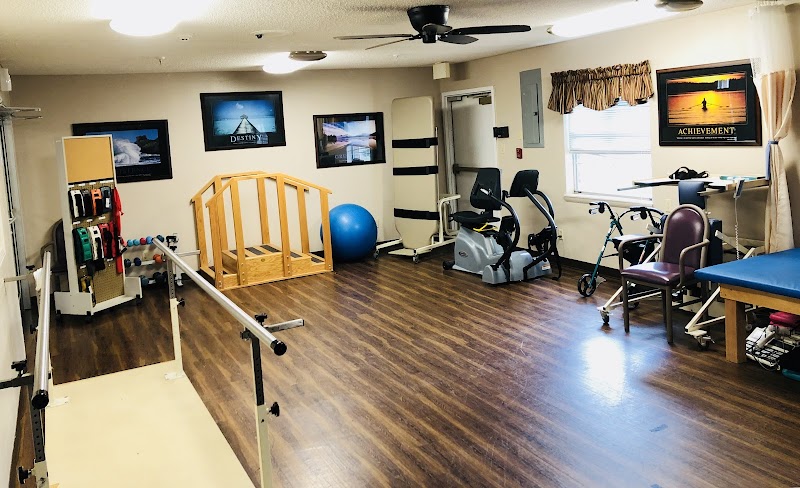
Who Owns and Operates Shawnee Colonial Estates?

SHAWNEE COLONIAL ESTATES NURSING HOME is owned by a for-profit company. For-profit facilities operate as businesses with obligations to shareholders or private owners. The facility operates independently rather than as part of a larger chain. With 161 certified beds and approximately 41 residents (about 25% occupancy), it is a mid-sized facility located in SHAWNEE, Oklahoma.
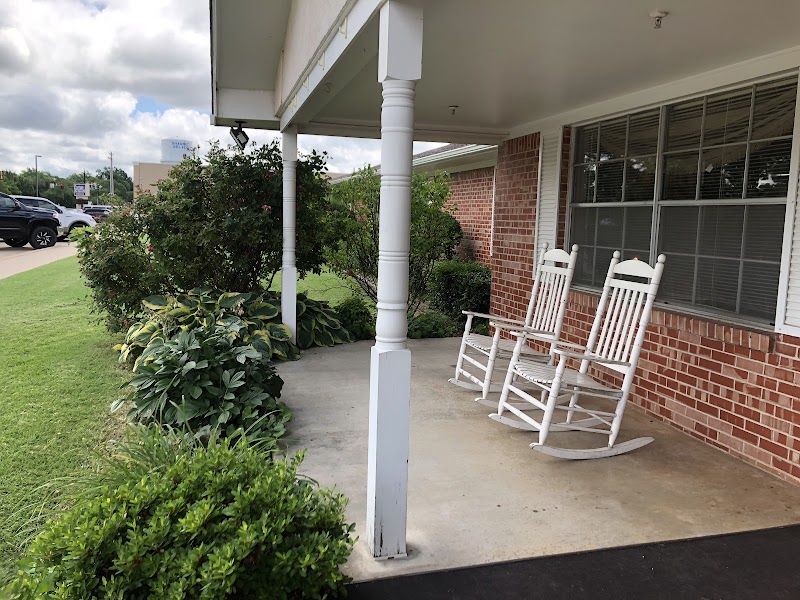
How Does Shawnee Colonial Estates Compare to Other Oklahoma Nursing Homes?

Compared to the 100 nursing homes in Oklahoma, SHAWNEE COLONIAL ESTATES NURSING HOME's overall rating (1 stars) is below the state average of 2.6 and health inspection rating (1 stars) is much below the national benchmark.

What Should Families Ask When Visiting Shawnee Colonial Estates?

Based on this facility's data, families visiting should ask: "What changes have been made since the serious inspection findings, and how are you preventing similar issues?" "Can you walk me through typical staffing levels on day, evening, and night shifts?" "Can I visit during a mealtime to observe dining assistance and food quality?" "How do you handle medical emergencies, and what is your hospital transfer rate?" These questions are particularly relevant given the facility's Immediate Jeopardy citations and the below-average staffing rating.

Is Shawnee Colonial Estates Safe?

Based on CMS inspection data, SHAWNEE COLONIAL ESTATES NURSING HOME has documented safety concerns. Inspectors have issued 1 Immediate Jeopardy citation (the most serious violation level indicating risk of serious injury or death). The facility has a 1-star overall rating and ranks #100 of 100 nursing homes in Oklahoma. Families considering this facility should ask detailed questions about what corrective actions have been taken since these incidents.

Do Nurses at Shawnee Colonial Estates Stick Around?

SHAWNEE COLONIAL ESTATES NURSING HOME has not reported staff turnover data to CMS. Staff turnover matters because consistent caregivers learn residents' individual needs, medications, and preferences. When staff frequently change, this institutional knowledge is lost. Families should ask the facility directly about their staff retention rates and average employee tenure.

Was Shawnee Colonial Estates Ever Fined?

SHAWNEE COLONIAL ESTATES NURSING HOME has been fined $67,134 across 1 penalty action. This is above the Oklahoma average of $33,750. Fines in this range indicate compliance issues significant enough for CMS to impose meaningful financial consequences. Common causes include delayed correction of deficiencies, repeat violations, or care failures affecting resident safety. Families should ask facility leadership what changes have been made since these penalties.

Is Shawnee Colonial Estates on Any Federal Watch List?

SHAWNEE COLONIAL ESTATES NURSING HOME is not on any federal watch list. The most significant is the Special Focus Facility (SFF) program, which identifies the bottom 1% of nursing homes nationally based on persistent, serious quality problems. Not being on this list means the facility has avoided the pattern of deficiencies that triggers enhanced federal oversight. This is a positive indicator, though families should still review the facility's inspection history directly.