AVAMERE AT THREE FOUNTAINS
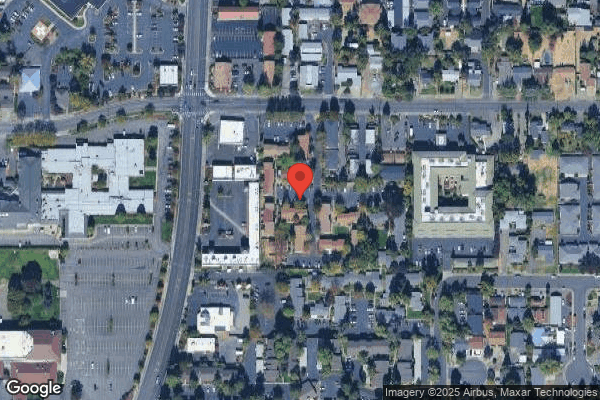
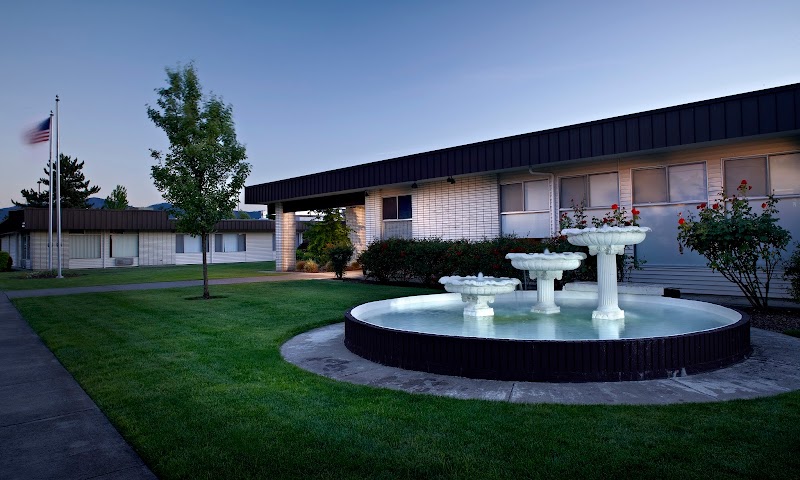
835 CRATER LAKE AVENUE, MEDFORD, OR 97504 (541) 773-7717
For profit - Limited Liability company 117 Beds AVAMERE Data: November 2025
Trust Grade
75/100
#3 of 127 in OR
Last Inspection: January 2025

Within standard 12-15 month inspection cycle. Federal law requires annual inspections.

Overview

Avamere at Three Fountains has a Trust Grade of B, indicating it is a solid choice for families looking for care, but it is not without its issues. The facility ranks #3 out of 127 nursing homes in Oregon, placing it in the top half of the state, and #1 out of 4 in Jackson County, suggesting it is the best local option available. However, the trend is worsening, with the number of reported issues increasing from 3 in 2024 to 5 in 2025. Staffing is a strength, with a rating of 4 out of 5 stars and a turnover rate of 41%, which is better than the Oregon average of 49%. On the downside, there were serious incidents, including a resident's hospitalization due to a medication overdose linked to staff errors in administering medications, and concerns about infection control practices that could risk cross-contamination among residents.

Trust Score
B
75/100
In Oregon
#3/127
Top 2%
Safety Record
Moderate
Needs review
Inspections
Getting Worse
3 → 5 violations
Staff Stability
○ Average
41% turnover. Near Oregon's 48% average. Typical for the industry.
Penalties
✓ Good
No fines on record. Clean compliance history, better than most Oregon facilities.
Skilled Nurses
○ Average
Each resident gets 30 minutes of Registered Nurse (RN) attention daily — about average for Oregon. RNs are the most trained staff who monitor for health changes.
Violations
⚠ Watch
20 deficiencies on record. Higher than average. Multiple issues found across inspections.
★★★★★
5.0
Overall Rating
★★★★☆
4.0
Staff Levels
★★★★★
5.0
Care Quality
★★★★☆
4.0
Inspection Score
Stable
2024: 3 issues
2025: 5 issues

The Good

  • 4-Star Staffing Rating · Above-average nurse staffing levels
  • 5-Star Quality Measures · Strong clinical quality outcomes
  • Full Sprinkler Coverage · Fire safety systems throughout facility
  • No fines on record
  • Staff turnover below average (41%)

    7 points below Oregon average of 48%

Facility shows strength in staffing levels, quality measures, fire safety.

The Bad

Staff Turnover: 41%

Near Oregon avg (46%)

Typical for the industry

Chain: AVAMERE

Part of a multi-facility chain

Ask about local staffing decisions and management

The Ugly 20 deficiencies on record

2 actual harm
Jan 2025 5 deficiencies
CONCERN (D)

Potential for Harm - no one hurt, but risky conditions existed

Deficiency F0554 (Tag F0554)

Could have caused harm · This affected 1 resident

Based on observation, interview, and record review it was determined the facility failed to ensure a resident was assessed for self-administration of medications and physician orders were in place for...

Read full inspector narrative →
Based on observation, interview, and record review it was determined the facility failed to ensure a resident was assessed for self-administration of medications and physician orders were in place for 1 of 5 sampled residents (#13) reviewed for medications. This placed residents at risk for adverse medication-related consequences. Findings include: The 2001 Self-Administration of Medications facility policy indicated, as part of the comprehensive assessment, the interdisciplinary team was to assess each resident's cognitive and physical abilities to determine whether self-administration was safe and appropriate. Resident 13 was admitted to the facility in 9/2024 with diagnoses including cellulitis (bacterial infection) of right lower limb and peripheral vascular disease (reduced circulation of blood in veins). The 12/11/24 Quarterly MDS indicated Resident 13 was cognitively intact, had chronic pain and her/his pain occasionally interfered with her/his sleep and daily activity. The 12/11/24 Vitals and Pain Only Evaluation indicated Resident 13 received PRN pain medications and the resident did not feel her/his pain was an issue. The 1/2025 MAR and TAR revealed no orders for Biofreeze (topical pain relief) or Icy Hot (topical pain relief to treat minor muscle and joint pain). Review of Resident 13's clinical record revealed no assessment for the self-administration of medications. On 1/13/25 at 1:07 PM Staff 32 (CNA) stated Resident 13 had pain in her/his right knee and was observed by Staff 32 to self-administer topical pain medication which was provided by the resident's family. Staff 32 was aware orders for the topical pain medication should be in place and nurses informed. On 1/13/25 at 1:18 PM Resident 13 stated she/he had no unmanaged pain except in her/his knees which she/he addressed with the self-administration of topical pain creams. Resident 13 revealed tubes of Biofreeze and Icy Hot in her/his cabinet drawer at her/his bedside. On 1/14/25 at 12:33 PM Staff 16 (CMA) confirmed Resident 13's pain was addressed with PRN pain medications in addition to the Biofreeze the resident utilized for knee pain. Staff 16 indicated staff were aware Resident 13 self-administered her/his topical pain medication. On 1/14/25 at 2:27 PM Staff 10 (LPN) stated she was not aware any nurse was informed Resident 13 self-administered any topical pain medications and orders for the medications were not in place. On 1/15/25 at 2:52 PM Staff 1 (Administrator) and Staff 2 (DNS) acknowledged Resident 13 was not assessed to self-administer her/his topical pain medication and orders for the medication were needed.
CONCERN (D)

Potential for Harm - no one hurt, but risky conditions existed

Deficiency F0688 (Tag F0688)

Could have caused harm · This affected 1 resident

Based on observation, interview, and record review it was determined the facility failed to ensure a resident was provided restorative services for 2 of 2 sampled residents (#s 13 and 30) reviewed mob...

Read full inspector narrative →
Based on observation, interview, and record review it was determined the facility failed to ensure a resident was provided restorative services for 2 of 2 sampled residents (#s 13 and 30) reviewed mobility. This placed residents at risk for decrease in range of motion. Findings include: A 7/2017 Restorative Nursing Services facility policy Interpretation and Implementation indicated restorative goals and objectives were to be individualized and outlined in the resident's plan of care to maintain dignity and self-esteem. 1. Resident 13 was admitted to the facility in 9/2024 with diagnoses including cellulitis (bacterial infection) of right lower limb and peripheral vascular disease (reduced circulation of blood in veins). The 12/11/24 Quarterly MDS indicated Resident 13 was cognitively intact, had chronic pain, weakness, deconditioning and was at risk for related declines. A 12/6/24 Restorative Program Referral indicated Resident 13 was to maintain her/his current level of functioning with the use of exercise bands as tolerated, stand tolerances in parallel bars and assistance to her/his wheelchair three to five days each week. The 1/7/24 revised care plan indicated Resident 13 was at risk for decreased mobility and was on a maintenance RA program. A 30 day look back of the Nursing Rehabilitation task indicated on 12/20/24 and 1/3/25 services were received by Resident 13 and on 12/27/24 the resident refused services. No additional RA hours were documented. The 12/28/24 and 1/11/25 Weekly Progress Notes by Staff 33 (RA) indicated Resident 13 did not received RA therapy. On 1/12/25 at 9:22 AM Resident 13 stated RA was available to assist with exercise bands for a period of time and then services stopped. Resident 13 indicated Staff 9 (LPN-Resident Care Manager) was notified of the concern. On 1/13/25 at 2:53 PM Staff 39 (PT Assistant) stated therapy would submit RA referrals to Staff 9 to implement. Staff 39 indicated there were times when Resident 13 refused RA services and refusals should be documented. On 1/13/25 at 3:19 PM Staff 9 acknowledged Resident 13 received limited RA services during the last 30 days. On 1/14/25 at 12:06 PM Staff 33 stated she was unable to provide RA services for residents from 12/23/24 through 12/28/24 and during the last seven days because she was scheduled to work as a CNA. On 1/15/25 at 2:52 PM Staff 1 (Administrator), Staff 2 (DNS), and Staff 3 (Assistant DNS) stated the facility attempted to schedule RA staff daily but acknowledged, since 12/2024, RA services had not occurred as expected due to lack of available CNAs. 2. Resident 30 was admitted to the facility in 10/2024 with diagnoses including diabetes and cellulitis (bacterial infection) of right lower limb. The 11/3/24 admission MDS indicated Resident 30 was cognitively intact, was at risk for falls, required one staff to assist with mobility using her/his front wheel walker and received no RA services. A 11/23/24 Restorative Program Referral indicated Resident 30 was to maintain her/his current level of function with assisted use of her/his front wheel walker or exercise equipment as tolerated utilizing seated exercises, knee marches, ball squeezes and light hip exercise two to three times each week. The 12/7/24 revised care plan indicated Resident 30 had a RA program related to her/his risk for decreased mobility. A 30 day look back of the Nursing Rehabilitation task indicated on 12/17/24 and 12/25/24 RA services were received by Resident 30. No additional RA hours were documented. The 12/7/24 Weekly Progress Notes by Staff 33 (RA) indicated Resident 30 received one day of RA therapy. The 1/11/25 Weekly Progress Notes by Staff 33 (RA) indicated Resident 30 received no RA services during the week. On 1/14/25 at 12:06 PM Staff 33 stated Resident 30 asked her when RA would begin again and acknowledged the resident received limited RA services. On 1/14/25 at 3:10 PM Resident 30 stated she/he did not receive RA services for three weeks and they were to occur three times weekly. Resident 30 stated she/he voiced her/his concerns to Staff 9 (LPN-Resident Care Manager) who coordinated RA services but RA services were not provided. Resident 30 believed her/his legs were more stiff and painful due to the lack of RA services. On 1/15/25 at 9:13 AM Staff 17 (CNA) stated Resident 30 requested RA services for her/his leg pain and because only RA staff were permitted to provide RA services, he was only able to assist Resident 30 with walking while in her/his room. On 1/15/25 at 1:16 PM Staff 9 confirmed Resident 30 complained about the lack of RA services and acknowledged Resident 30 was a prime candidate for RA services because of her/his high level of function which was important to maintain. Staff 9 stated the facility should have daily RA services available in order to meet the RA schedule of Resident 30. On 1/15/25 at 2:52 PM Staff 1 (Administrator), Staff 2 (DNS), and Staff 3 (Assistant DNS) stated the facility attempted to schedule RA staff daily but acknowledged, since 12/2024, RA services had not occurred as expected due to the lack of available CNAs.
CONCERN (D)

Potential for Harm - no one hurt, but risky conditions existed

Antibiotic Stewardship (Tag F0881)

Could have caused harm · This affected 1 resident

Based on interview and record review it was determined the facility failed to ensure an antibiotic was indicated for use for 1 of 5 sampled residents (#24) reviewed for unnecessary medications. This p...

Read full inspector narrative →
Based on interview and record review it was determined the facility failed to ensure an antibiotic was indicated for use for 1 of 5 sampled residents (#24) reviewed for unnecessary medications. This placed residents at risk for developing drug resident organisms. Findings include: Resident 24 was admitted to the facility in 2018 with a diagnosis of anxiety. Progress Notes revealed the following: -12/31/24 Resident 24 reported painful urination and Staff 6 (NP) was notified. Staff 6 provided orders for nursing staff to obtain a urine sample and a culture and sensitivity from Resident 24. -1/1/25 nursing staff obtained Resident 24's urine sample, sent it to the lab, and the results were pending. Resident 24's UA resulted on 1/2/25 and was reviewed by Staff 6 on 1/3/25. A hand written note on the lab form indicated Cipro (antibiotic) was ordered. A 1/3/25 Order Details revealed Staff 6 ordered Ciprofloxacin (generic name for Cipro) two times a day for six days. A 1/6/25 Antibiotic Time Out form revealed Resident 24 was administered Ciprofloxacin for a UTI for initial symptoms of burning with urination. After the start of antibiotics Resident 24 did not have a fever, signs of a UTI, a change in activity, or a change in appetite. The form indicated Staff 6 was notified of Resident 24's status and antibiotics were to be continued. On 1/14/25 at 10:01 AM Staff 4 (IP LPN) stated at times, depending on a resident's medical history and UTI symptoms, antibiotics were started before a urine culture was finalized. Staff were to obtain the culture results and communicate with the resident's medical provider if the course of treatment needed to the changed. Staff 4 stated Resident 24 was started on an antibiotic before the urine culture was completed. After Resident 24's urine culture was received staff reached out to Staff 6 because the lab indicated the sample was incorrectly obtained. Staff 6 was not available and did not see the results of the labs. Staff 4 stated she communicated with Staff 9 (LPN Resident Care Manager) to let her know Staff 6 was not available. Staff 4 stated she reached out out to Staff 5 (Resident 24's Physician) and Staff 5 instructed staff to continue the antibiotic because Staff 6 initiated the treatment. Staff 4 stated she did not document the conversation with Staff 5. On 1/14/25 10:37 AM Staff 5 stated she was not notified of Resident 24's urine test results and the lab's inability to run a urine culture. After review of Resident 24's urine results, Staff 5 stated nursing staff did not properly obtain a urine sample and a culture was not performed. If the UA and associated labs were provided to Staff 5 she would have stopped the antibiotics. Staff 5 also stated if Resident 24's only symptom was burning with urination she likely would not have started Resident 24 on antibiotics in the first place. On 1/14/25 at 11:39 AM Staff 9 stated she was aware nursing staff obtained a urine sample for Resident 24. Staff 9 stated she was notified of the lack of urine culture on day six of the prescribed antibiotic therapy. Staff 9 stated Resident 24's only symptom prior to starting the antibiotic was burning with urination. On 1/14/25 at 2:22 PM Staff 6 stated Resident 24 had a UTI in 12/2024 and was prescribed an antibiotic based on the urine culture. At the end of 12/2024 when nursing staff reported Resident 24 had symptoms of a UTI she had staff obtain an UA and she started an antibiotic which would be susceptible to the organisms which were identified in Resident 24's previous urine culture. Staff 6 stated if she would have seen the results of the 1/3/2025 UA she would have stopped the antibiotics. On 1/14/25 at 2:56 PM, with Staff 2 and Staff 1, Staff 2 stated the facility follows IP protocols and staff were to reach out to the resident's medical provider within 72 hours after an antibiotic was initiated and a specimen culture resulted. Staff 2 stated there was a communication breakdown between Staff 6 and the nursing staff. Staff 2 stated if staff were not able to contact Staff 6 they should have communicated with Staff 5. Staff 2 stated Resident 24's antibiotic should have been stopped but was not.
CONCERN (D)

Potential for Harm - no one hurt, but risky conditions existed

Deficiency F0947 (Tag F0947)

Could have caused harm · This affected 1 resident

Based on interview and record review it was determined the facility failed to ensure CNA staff had 12 hours of annual in-service training for 2 of 5 sampled CNAs (#s 17 and 18) reviewed for staffing. ...

Read full inspector narrative →
Based on interview and record review it was determined the facility failed to ensure CNA staff had 12 hours of annual in-service training for 2 of 5 sampled CNAs (#s 17 and 18) reviewed for staffing. This placed residents at risk for a lack of quality care. Findings include: 1. Staff 17's (CNA) training and in-service logs revealed he received 6.75 of 12 required training hours. The 6.75 hours did not include dementia training. On 1/15/25 at 10:48 AM staff 17 acknowledged he did not get the 12 hours of training completed, including dementia training. On 1/15/25 at 10:45 AM and 11:04 AM Staff 2 (DNS) verified Staff 17 worked more than one year in the facility and Staff 3 (Assistant DNS) acknowledged Staff 17 did not have his 12 hours of training in the last one year. Staff 3 sated she and the resident care managers were to monitor the in-service training hours. 2. Staff 18's (CNA) training and in-service logs revealed she received 10.25 of 12 training hours in the last one year. On 1/15/25 at 10:45 AM and 11:04 AM Staff 2 (DNS) verified Staff 18 worked more than one year in the facility and Staff 3 (Assistant DNS) acknowledged Staff 18 did not complete her 12 hours of training in the last one year. Staff 3 sated she and the resident care managers were to monitor the in-service training hours. On 1/15/25 at 10:59 AM a call was placed to Staff 18. A return call was not received.
CONCERN (F)

Potential for Harm - no one hurt, but risky conditions existed

Infection Control (Tag F0880)

Could have caused harm · This affected most or all residents

**NOTE- TERMS IN BRACKETS HAVE BEEN EDITED TO PROTECT CONFIDENTIALITY** Based on observation, interview, and record review it was determined the facility failed to ensure transmission-based precaution...

Read full inspector narrative →
**NOTE- TERMS IN BRACKETS HAVE BEEN EDITED TO PROTECT CONFIDENTIALITY** Based on observation, interview, and record review it was determined the facility failed to ensure transmission-based precautions were followed, surfaces were sanitized and linen was properly transported for 3 of 5 halls reviewed for infection control precautions. This placed residents and staff at risk for cross-contamination. Findings include: The 12/29/21 facility Categories of Transmission-Based Precautions instructed staff: -to wear an isolation gown that was securely tied around the staff's neck and back when entering a COVID-19 positive room on special droplet precautions. -to use dedicated, non-critical resident equipment (stethoscopes) when possible to prevent cross-contamination. The 1/2025 Resident Line Listing Report, COVID-19 indicated 19 residents tested positive during the month including 9 residents who tested positive on 1/13/25. The 1/9/25 Attention Staff: PPE (Personal Protective Equipment) Donning and Doffing Education and Reminders instructed staff to remove their N-95 (droplet protection mask) and eye protection after exiting a COVID-19 positive resident room and replace with a new N-95 mask and eye protection after hand hygiene was performed. 1. On 1/14/25 at 9:21 AM room [ROOM NUMBER] was observed to require special droplet precautions. Staff 34 (LPN) exited room [ROOM NUMBER], wore a N-95 mask and face shield out of room [ROOM NUMBER] and hung a contaminated stethoscope on the room door handle towards the hall. Staff 34 did not change her N-95 mask or face shield and removed the stethoscope from the door handle to sanitize the stethoscope without sanitizing the door handle. On 1/14/25 at 9:33 AM room [ROOM NUMBER] was observed to require special droplet precautions. Staff 35 (RN) entered the room and wore a face shield and N-95 mask. On 1/14/25 at approximately 9:38 AM Staff 35 exited room [ROOM NUMBER] and did not change her N-95 mask or face shield. Staff 35 stated she worked in the facility three days and was instructed to wear a N-95 mask and face shield at all times while in the facility with no further instructions. A surveyor directed Staff 35 to read the PPE instructions on the outside of room [ROOM NUMBER]. Staff 35 read the instructions and left to obtain clarification from Staff 34 without changing her N-95 mask or face shield. On 1/14/25 at 9:39 AM Staff 38 (CMA) was observed to exit room [ROOM NUMBER], performed hand hygiene and touched the contaminated door knob. Staff 38 stated he was unaware the door knob was contaminated. On 1/14/25 at 9:50 AM Staff 34 acknowledged she did not change her N-95 mask or face shield as expected and droplet precaution rooms needed a clean area outside the rooms to sanitize equipment and prevent cross-contamination. On 1/14/25 at 10:05 AM Staff 37 (Housekeeping Director) stated housekeeping staff were not instructed to removed their N-95 masks or face shield when they exited rooms on droplet precautions. On 1/14/25 at 11:00 AM Staff 4 stated she was made aware of the breach in infection control standards when staff exited rooms on droplet precautions and the lack of clean surfaces to ensure proper sanitation of equipment. Staff 4 acknowledged an immediate in-service for staff related to infection control expectations was necessary. 2. The 1/2014 Departmental (Environment Services)-Laundry and Linen facility procedure instructed staff to ensure hygienically clean linen by covering clean linen carts. On 1/15/25 at 12:26 PM Staff 36 (Laundry) was observed to deliver personal laundry on a cart near Rooms 59 to 60 without a cover. Staff 36 stated I always deliver this way with no cover. Staff 36 indicated residents' personal laundry did not need a cover and she left residents' personal laundry uncovered and hanging outside rooms on droplet precautions. On 1/15/25 at approximately 1:00 PM Staff 37 (Housekeeping Director) acknowledged linen was to remain covered when in the hall. On 1/16/25 at 8:34 AM Staff 2 (DNS) confirmed the expectation was for all linen carts to be covered when in the hall whether clean linen was general or personal. 3. On 1/12/25 at 8:28 AM Staff 27 (CNA) was observed exiting a room on COVID 19 precautions. Staff 27 removed a surgical mask which covered an N-95 mask, Staff 27 did not remove the N-95 mask. Staff 27 stated she was trained to cover the N-95 with a surgical mask when entering a COVID 19 precaution room and then remove the surgical mask upon exit. She was not trained to remove the N-95 mask and replace it with a new N-95 mask. On 1/15/25 at 11:35 AM Staff 4 (LPN Infection Preventionist) stated when staff exit a room on COVID 19 precautions, they are expected to remove all PPE, including the N-95 mask, and replace it with a new N-95 mask. 4. On 1/13/25 at 9:04 AM Staff 31 (CNA) was observed sitting on a bed in a room on Enhanced Barrier Precautions (EBP) without wearing a gown. Staff 31 stated the resident was on EBP and she should have put on a gown before sitting on the resident's bed. On 1/15/25 at 11:35 AM Staff 4 (LPN Infection Preventionist) stated when staff are caring for a resident on EBP or touching the resident's bed, they are expected to wear a gown and gloves. 5. On 1/14/25 at 3:16 PM Staff 28 (CMA) was observed changing her N-95 mask after exiting a room on COVID 19 precautions. Staff 28 was observed removing her dirty N-95 mask and without completing hand hygiene, putting on a clean N-95 mask. Staff 28 stated she should have used sanitizer after she removed the dirty N-95 mask. On 1/15/25 at 11:35 AM Staff 4 (LPN Infection Preventionist) stated staff are expected to sanitize their hands as soon as the N-95 mask comes off their face.
Apr 2024 3 deficiencies 2 Harm
SERIOUS (G) 📢 Someone Reported This

A family member, employee, or ombudsman was alarmed enough to file a formal complaint

Actual Harm - a resident was hurt due to facility failures

Deficiency F0658 (Tag F0658)

A resident was harmed · This affected 1 resident

Based on interview and record review it was determined the facility failed to ensure Staff 6 (LPN) adhered to professional standards for 1 of 7 sampled residents (#101) reviewed for significant medica...

Read full inspector narrative →
Based on interview and record review it was determined the facility failed to ensure Staff 6 (LPN) adhered to professional standards for 1 of 7 sampled residents (#101) reviewed for significant medication error. As a result, Resident 101 experienced a decline in condition and required hospitalization for a drug overdose. Findings include: On 8/30/23 the Past Noncompliance was corrected when the facility completed a root cause analysis of the incident and determined Staff 6 failed to adhere to professional standards of practice for medication administration. An interview on 3/28/24, with Staff 1 (Administrator) and Staff 2 (DNS) revealed the facility's plan of correction included the following: -Staff education completed for all CMAs and LPNs on: Administering Medications Policy, 7 Rights of Medication Administration, 5 Ways to Identify Residents and medication pass audit. -DNS completed education with the responsible nurse. -DNS or designee will conduct random audits of CMAs or LNs weekly for completing the seven rights of medication administration and how to identify residents for four weeks, then at least monthly for three months. OAR 8510450050 Scope of Practice Standards for Licensed Practical Nurses indicated the following: (A) Implementing treatments and therapy, appropriate to the context of care, including, but not limited to, medication administration, nursing activities, nursing, medical and interdisciplinary orders; health teaching and health counseling. (c) Be knowledgeable of the professional nursing practice standards applicable to LPN practice and adhere to those standards. OAR 8510450070 Conduct Derogatory to the Standards of Nursing (4)Conduct related to communication: (a)Failure to accurately document nursing interventions and nursing practice implementation. (b)Failure to document nursing interventions and nursing practice implementation in a timely, accurate, thorough, and clear manner. This includes failing to document a late entry within a reasonable time period. (c)Entering inaccurate, incomplete, falsified, or altered documentation into a health record or agency records. This includes but is not limited to: Failing to communicate information regarding the client's status to other individuals who are authorized to receive information and have a need to know. (8)Conduct related to other federal or state statute or rule violations: (q) Failing to dispense or administer medications in a manner consistent with state and federal law. Resident 101 was re-admitted to the facility in 8/2023 with diagnoses including recent placement of a cardiac pacemaker (implanted medical device that generates electrical pulses to chambers of the heart), respiratory failure and end stage kidney disease with dialysis (clinical purification of blood). A Facility Reported Incident indicated on the evening of 8/16/23, Resident 101 received ten medications prescribed for Resident 106. Resident 101 was administered the following medications: -Advair (a steroid medication), -Clozaril (an antipsychotic medication), -Olanzapine (an antipsychotic medication), -Metformin (an anti-diabetic medication), -D-Mannose (a UTI prevention medication), -Flomax (an alpha blocker medication), -Combivent (a beta 2-adrenergic agonist medication), -Tylenol (an analgesic), -Vitamin C and, -Systane eyedrops. The report indicated the medications was given by Staff 6 (LPN) just after 7:00 PM. The report indicated Staff 6 realized he had administered the wrong medications to Resident 101 and the resident had a decrease in her/his level of consciousness. The physician was notified and the resident was sent out to the hospital on 8/17/24 at 1:09 AM. A Hospital History and Physical dated 8/17/23, indicated on arrival the resident had an altered mental status related to an unintentional drug overdose. The plan was to address the acute encephalopathy (alteration of mental status due to systemic factors) due to the drug overdose. While at the nursing facility the resident was administered the following medications: metformin 2,000 mgs (an antidiabetic medication), clozapine 175 mgs (an antipsychotic medication), Olanzapine 5 mgs (an antipsychotic medication) and seven other medications prescribed to another resident. The clinical impression included metformin and an antipsychotic overdose. On 3/29/24 at 8:15 AM, Staff 6 stated he gave Resident 101 ten medications prescribed for Resident 106. Staff 6 stated while giving Resident 101 the medications, she/he stated this was a lot of medications. Staff 6 stated he did not follow up on Resident 101's statement. Staff 6 stated it was a lapse in his practice for not verifying the correct resident before administering the medications. Staff 6 stated he realized later he had made the mistake. Staff 6 stated he also went back and gave Resident 101 her/his prescribed medications after being aware of his initial medication error. The resident received mirtazapine (an antidepressant medication), Eliquis (a blood thinner medication), vitamin D and artificial tears eye drops. Medication documentation indicated the resident received those medications at 8:30 PM which was after the 7:00 PM medication error and she/he was also administered nitroglycerin (heart medication) at 10:39 PM. Staff 6 stated, I should have checked with someone before giving her/him additional medications on top of the incorrect medications. I just used my nursing judgement. On 4/1/24 at 1:40 PM, Staff 1 (Administrator) and Staff 2 (DNS) confirmed Staff 6 made a significant medication error, which resulted in Resident 101 being hospitalized . Staff 1 acknowledged Staff 6 did not follow protocol for the safe administration of medications and failed to contact the physician prior to administering additional medications to Resident 101. Staff 1 also confirmed Staff 6 failed to provide appropriate documentation in the medical record for the other resident who's medications were administered to Resident 101. Refer to F760
SERIOUS (G) 📢 Someone Reported This

A family member, employee, or ombudsman was alarmed enough to file a formal complaint

Actual Harm - a resident was hurt due to facility failures

Deficiency F0760 (Tag F0760)

A resident was harmed · This affected 1 resident

**NOTE- TERMS IN BRACKETS HAVE BEEN EDITED TO PROTECT CONFIDENTIALITY** Based on interview and record review it was determined the facility failed to ensure the resident was free from a significant me...

Read full inspector narrative →
**NOTE- TERMS IN BRACKETS HAVE BEEN EDITED TO PROTECT CONFIDENTIALITY** Based on interview and record review it was determined the facility failed to ensure the resident was free from a significant medication error for 1 of 3 sampled residents (#101) reviewed for medications. As a result, Resident 101 was hospitalized for a drug overdose. Findings include: On 8/30/23 the Past Noncompliance was corrected when the facility completed a root cause analysis of the incident and determined significant medication errors were found. An interview on 3/28/24, with Staff 1 (Administrator) and Staff 2 (DNS) revealed the facility's plan of correction included the following: -Staff education completed for all CMAs and LPNs on Administering Medications Policy, 7 Rights of Medication Administration, 5 Ways to Identify Residents and medication pass audit. -DNS completed Education with the responsible nurse. -DNS or designee will conduct random audits of CMAs or LNs weekly for completing seven rights of medication administration and how to identify residents for four weeks, then at least monthly for three months. Resident 101 was re-admitted to the facility in 8/2023, with diagnoses including recent placement of a cardiac pacemaker (implanted medical device that generates electrical pulses to chambers of the heart), respiratory failure, and end stage kidney disease with dialysis (clinical purification of blood). A Facility Reported Incident indicated on the evening of 8/16/23, Resident 101 received ten medications prescribed for Resident 106. Resident 101 was administered the following medications: -Advair (a steroid medication), -Clozaril (an antipsychotic medication), -Olanzapine (an antipsychotic medication), -Metformin (an anti-diabetic medication), -D-Mannose (a UTI prevention medication), -Flomax (an alpha blocker medication), -Combivent (a beta 2-adrenergic agonist medication), -Tylenol (an analgesic medication), -Vitamin C and Systane eyedrops. The report indicated the medications were given by Staff 6 (LPN) just after 7:00 PM. The report indicated Staff 6 realized he had administered the wrong medications to Resident 101 and the resident had a decrease in her/his level of consciousness. The physician was notified and the resident was sent out to the hospital on 8/17/24 at 1:09 AM. A Facility Discharge summary dated [DATE], indicated the resident was transferred to the hospital after she/he was given medications belonging to another resident at the bedtime medication pass on 8/16/24. The diagnosis was accidental overdose. The resident's condition on discharge was noted as poor. A Hospital Emergency Department Triage Note dated 8/17/23 at 1:18 AM, indicated Resident 101 received her/his own prescribed medications as well as ten medications from another resident at the facility. The facility monitored and became concerned when the resident became A&O x 0 (alert and oriented times zero or the lowest level of consciousness) when she/he was normally A&O x 4 (alert and oriented to person, place, time, and event). A Hospital History and Physical dated 8/17/23, indicated on arrival the resident had an altered mental status related to an unintentional drug overdose. The plan was to address the acute encephalopathy (alteration of mental status due to systemic factors) due to the drug overdose. While at the nursing facility the resident was administered the following medications: metformin 2,000 mgs (an antidiabetic medication), clozapine 175 mgs (an antipsychotic medication), Olanzapine 5 mgs (an antipsychotic medication) and seven other medications prescribed to another resident. The clinical impression included metformin and an antipsychotic overdose. On 8/17/23 the resident also became severely hypotensive (low blood pressure), lost consciousness and became unresponsive. On 8/18/23 the resident had severe hypotension (shock), hypokalemia (low potassium critical for proper functioning of cells, particularly heart muscle cells), and lethargy. The resident was transferred to the ICU (Intensive Care Unit). On 3/28/24, Staff 1 (Administrator) provided the facility's Accident Incident Manual - Medication Error Check List which indicated Staff 6 failed to: -Ask the resident to state their name. -Use the picture identifier, the name plate on the resident's door or any other acceptable identifier prior to administering the medications to Resident 101. On 3/29/24 at 8:15 AM, Staff 6 (LPN) stated he gave Resident 101 ten medications prescribed for Resident 106 shortly after 7:00 PM. Staff 6 stated while giving Resident 101 she/he stated this was a lot of medications. Staff 6 stated he did not follow up on the remark. Staff 6 stated it was a lapse in his practice for not verifying the correct resident before administering the medications. Staff 6 stated he also went back and gave Resident 101 her/his prescribed medications after being aware of his initial medication error. The resident received mirtazapine (an antidepressant medication), Eliquis (a blood thinner medication), vitamin D and artificial tears eye drops. Medication documentation indicated the resident received those medications at 8:30 PM which was after the 7:00 PM medication error and she/he was also administered nitroglycerin (heart medication) at 10:39 PM. Staff 6 stated, I should have checked with someone before giving her/him additional medications on top of the incorrect medications. I just used my nursing judgement. On 4/1/24 at 1:40 PM, Staff 1 (Administrator) and Staff 2 (DNS) confirmed Staff 6 made a significant medication error which resulted in Resident 101 being hospitalized . Staff 1 acknowledged Staff 6 did not follow protocol for the safe administration of medications and failed to contact the physician prior to administering additional medications to Resident 101. Staff 1 also confirmed Staff 6 failed to provide appropriate documentation in the medical record for the other resident whose medications were administered to Resident 101.
CONCERN (D) 📢 Someone Reported This

A family member, employee, or ombudsman was alarmed enough to file a formal complaint

Potential for Harm - no one hurt, but risky conditions existed

Deficiency F0602 (Tag F0602)

Could have caused harm · This affected 1 resident

**NOTE- TERMS IN BRACKETS HAVE BEEN EDITED TO PROTECT CONFIDENTIALITY** Based on interview and record review it was determined the facility failed to ensure residents were free from misappropriation o...

Read full inspector narrative →
**NOTE- TERMS IN BRACKETS HAVE BEEN EDITED TO PROTECT CONFIDENTIALITY** Based on interview and record review it was determined the facility failed to ensure residents were free from misappropriation of their narcotic medications for 3 of 3 sampled residents (#s 103, 104 and 105) reviewed for drug diversion. This placed residents at risk for unmet medication care needs. Findings include: On [DATE], the Past Noncompliance was corrected when the facility completed a root cause analysis of the incident and determined three incidents of misappropriation of resident's narcotic medication were found. An interview on [DATE], with Staff 1 (Administrator) and Staff 2 (DNS) revealed the facility's plan of correction included the following: -Staff 7 (RCM/LPN) began Investigation immediately upon being informed of the missing medications and Staff 8 was put on administrative leave. -All staff with access to medication carts were drug screened. -All discarded medications were destroyed. -Access to medication carts was minimized during the investigation. -All narcotic books (ledgers) were audited. -No residents were negatively impacted by the missing medications. -Missing medications were reported to physician, State Agency, and Law Enforcement Agency on [DATE] and [DATE]. -Staff 8 (LPN) was suspended pending the investigation and later terminated. -Staff education completed for all CMAs and LPNs on fully completing each section of the narcotic books and on the narcotic destruction process. Training included: Narcotic Books and Page Transfer In-service, Controlled Substance Log Book, Shift Audit Record, Example Documentation, Pharmacy: Pulling Controlled Medications from the Cubex Machine. -Any narcotic discrepancies are to be reported immediately to nurse management. -Carts checked at least weekly for discontinued narcotics. -DNS or designee to audit all med carts weekly for narcotic destruction needs. -DNS or designee will audit up to three narcotic books weekly for accuracy for four weeks, then monthly for three months, until substantial compliance was met. On [DATE] at 3:42 PM Staff 1 and Staff 2 were notified of past non-compliance. 1. Resident 103 was admitted to the facility in 7/2021, with diagnoses including palliative care (end of life) and chronic pain. An Incident Report dated [DATE] indicated Staff 3 (CMA) reported to Staff 4 (RCM/LPN) her concern of missing narcotics during her narcotics count. Staff 4 reviewed the medication destruction logs and found the missing medication card of oxycodone (a narcotic pain medication) had been signed to another page in the facility's Narcotic Book with a different medication and resident name on the card. A search was conducted but staff were unable to find the missing medication card. A review of the facility's Narcotic Log Book indicated a page was initiated on [DATE] for Resident 103's narcotic pain medication (oxycodone). Resident 103 received her/his medication twice on [DATE] and once on [DATE]. The bottom of the page indicated the balance of the medications were transferred to Unit I, Book 80, page 125, with a balance of 27 tablets. The new page was backed dated [DATE]. The balance transfer date on the page was prior to the dates any medication was administered. The signature on the page was identified by the facility as a forgery. A facility investigation document dated [DATE] by Staff 2 (DNS), indicated the day shift CMA remembered counting a page (in the narcotic book) for a recently deceased resident but the corresponding card of narcotics was not in the medication cart. The card was unable to be located by staff. The destruction logs were checked by the RCM and she found the page of oxycodone had been signed as if transferred to another page in the narcotic book but that page had a different medication and resident's name on it. On [DATE], two additional cards of oxycodone were identified to be missing from another cart. An investigation for narcotic diversion was started. Law enforcement and the state agency were notified. On [DATE] at 2:15 PM, Staff 1 (Administrator) acknowledged the misappropriation of medications had occurred. 2. Resident 104 was admitted to the facility in 9/2023, with diagnoses including fractured leg and chronic pain. An Incident Report dated [DATE], indicated Staff 5 (CMA) notified a RCM she felt there were missing narcotics from her medication cart. Staff 5 went page by page through the narcotic book and identified missing medication. One missing card of oxycodone was found previously for another resident and two missing cards of oxycodone were found to be missing for Resident 104. A review of the facility's Narcotic Log Book indicated pages were initiated on [DATE] and [DATE] for Resident 104's PRN narcotic pain medication (oxycodone). Resident 104 received her/his last medication from the [DATE] card on [DATE] and from the [DATE] card on [DATE]. The bottom of the page indicated the balance of the medications were transferred to other books and pages which were found to already have entries for other residents. The balance transfer dates on the pages were illegible. The signature on the page was identified by the facility as a forgery. The facility investigation dated [DATE], indicated the resident received her/his last dose of the medication on [DATE] when she/he had out patient surgery. The RCM found two pages of the narcotic book had been signed as if the medications were transferred to another page but those pages had different medications and residents on them. The two cards in question were not accounted for anywhere in the books or in the facility. The missing medications identified were noted to be discontinued medications. An audit of the narcotic books in use showed no further concerns. Law enforcement and the state agency were notified. On [DATE] at 2:15 PM, Staff 1 (Administrator) confirmed the misappropriation of medications had occurred. 3. Resident 105 was admitted to the facility in 5/2019 with diagnoses including traumatic brain injury and neuralgia (shock-like pain that follows the path of a nerve). A Facility reported incident dated [DATE], indicated a CMA reported a narcotic was signed out of the narcotic book after a medication count was completed and after the keys were handed off. The signature in the book appeared to be forged. No adverse effects were noted as a result of the potential misappropriation. The facility determined a dose of Resident 105's oxycodone was signed out of the narcotic book at 6:20 PM on [DATE] and was not documented on the eMAR, and the resident did not receive the dose of the medication at 6:20 PM. Staff were unable to find the missing dose of medication and misappropriation of property was not ruled out. Facility staff noted the medication was similar, and the signature on the narcotic book page resembled the signatures identified in their previous drug diversion investigation opened on [DATE]. On [DATE] at 2:15 PM, Staff 1 (Administrator) acknowledged the misappropriation of medication had occurred. Staff 1 also stated Staff 8 was the only one with keys to the cart during the timeframe the narcotic went missing.
Aug 2023 11 deficiencies
CONCERN (D)

Potential for Harm - no one hurt, but risky conditions existed

Deficiency F0554 (Tag F0554)

Could have caused harm · This affected 1 resident

Based on observation, interview and record review it was determined the facility failed to ensure residents were assessed to self-administer medications for 1 of 2 sampled residents (#54) reviewed for...

Read full inspector narrative →
Based on observation, interview and record review it was determined the facility failed to ensure residents were assessed to self-administer medications for 1 of 2 sampled residents (#54) reviewed for nutrition. This placed residents at risk for unsafe medication administration. Findings include: Resident 54 was admitted to the facility in 2023 with diagnoses including seizures. An 8/11/23 admission MDS and associated CAAs revealed Resident 54 was cognitively impaired and required assistance of one staff to eat meals. On 8/22/23 at 2:05 PM Resident 54 was observed in bed with her/his eyes open. A clear plastic medicine cup containing a pink, large flat tablet was observed on the bedside table and was within reach of the resident. On 8/22/23 at 2:09 PM the surveyor showed Staff 3 (LPN Resident Care Manager) the tablet on Resident 54's bedside table and Staff 3 stated the resident was not assessed to self-administer medications and medications were not to be left at the bedside.
CONCERN (D)

Potential for Harm - no one hurt, but risky conditions existed

Deficiency F0657 (Tag F0657)

Could have caused harm · This affected 1 resident

Based on interview and record review it was determined the facility failed to ensure care plans were revised for 1 of 2 sampled residents (#54) reviewed for nutrition. This placed residents at risk fo...

Read full inspector narrative →
Based on interview and record review it was determined the facility failed to ensure care plans were revised for 1 of 2 sampled residents (#54) reviewed for nutrition. This placed residents at risk for unmet needs. Findings include: Resident 54 was admitted to the facility in 2023 with diagnoses including seizures. An 8/11/23 admission MDS and associated CAAs revealed Resident 54 was cognitively impaired and required assistance of one staff to eat meals and had difficulty swallowing. A Care Plan initiated 8/8/23 revealed the resident had impaired swallowing with risk for aspiration (food or fluid enters the airway during swallowing) and required one to one supervision with meals. On 8/22/23 at 2:05 PM Resident 54 was observed in bed with her/his eyes open, a water pitcher was on the bed-side table and the pitcher was within reach of the resident. Staff was not in the room with the resident. A sign was observed above the resident's bed titled Aspiration Precautions. The amount of supervision with meals was marked 1:1 supervision. On 8/22/23 at 2:09 PM Staff 3 (LPN Resident Care Manager) stated the resident was no longer at risk for aspiration and the one to one supervision was due to her/his inability to physically feed her/himself and the care plan was not up-to-date. On 8/22/23 at 2:33 PM Staff 15 (Therapy Directory) stated speech therapy worked with Resident 54 and Staff 15 verified there were no current aspiration concerns, but the resident required one to one supervision to ensure she/he was able to bring food to her/his mouth.
CONCERN (D)

Potential for Harm - no one hurt, but risky conditions existed

Deficiency F0679 (Tag F0679)

Could have caused harm · This affected 1 resident

3. Resident 48 was admitted to the facility in 2021 with diagnoses including dementia and lung cancer. A 9/7/22 revised care plan indicated to invite Resident 48 to activities of interest, and she/he ...

Read full inspector narrative →
3. Resident 48 was admitted to the facility in 2021 with diagnoses including dementia and lung cancer. A 9/7/22 revised care plan indicated to invite Resident 48 to activities of interest, and she/he liked the outdoors and to watch news and western shows. The 5/30/23 Annual MDS indicated Resident 48's cognition was moderately impaired, she/he had no physical limitations to her/his lower extremities and was not transferred out of her/his bed during the review period. The 7/22/23 through 8/21/23 Task Activity: One on One indicated on 7/31/23 Resident 48 received passive interaction. No additional activities were documented during the period. On 8/21/23 at 5:10 PM Resident 48 was observed in bed and stated she/he knew it took effort to get her/him out of bed but wanted support to get up depending on the activity. On 8/22/23 at 11:39 AM Staff 12 (CNA) stated Staff 10 (Activity Assistant) at times went into Resident 48's room and did not stay long. On 8/23/23 at 10:43 AM Staff 10 stated she relied on CNA staff to motivate Resident 48 to get out of bed and the resident often refused or slept. Staff 10 stated she visited Resident 48 monthly when she dropped off the monthly activity calendar and acknowledged more frequent interactions with Resident 48 would be beneficial. On 8/23/23 at 11:14 AM Staff 14 (Activity Director) stated residents with dementia needed daily interaction and acknowledged once a month activity for Resident 48 and was not sufficient. Based on observation, interview and record review it was determined the facility failed to provide a meaningful activity program for 3 of 4 sampled residents (#s 40, 48 and 54) reviewed for activities. This place residents at risk for lack of social interaction and isolation. Findings include: 1. Resident 40 was admitted to the facility in 2020 with diagnoses including dementia. A 7/15/23 Annual Preference for Routine and Activities form revealed Resident 40 was able to answer the questions. The resident indicated it was very important to her/him to do her/his favorite activities which included listening to music. The resident indicated it was somewhat important to be around pets and groups of people. A 7/17/23 Annual MDS and associated CAAs indicated the resident had impaired cognition, was able to make her/his needs known and required time to respond. A Care Plan revised on 7/25/23 revealed the resident liked to watch the Lone Ranger, listen to country and soft music and liked some sensory activities (blocks). Staff were to invite the resident to activities of interest, provide a calendar and in-room materials as indicated (the type of materials was not specified). A 7/26/23 through 8/23/23 Self Directed Activity log, included listening to music and being around pets. There were no activities documented in the log. A 7/26/23 through 8/23/23 Group Activity log revealed the resident was not offered to attend any activities. A 7/26/23 through 8/23/23 One to One Activity log revealed the resident had two interactions. On 8/23/23 At 3:07 PM Staff 16 (CNA) stated Resident 40 did not participate in activities. The resident did not like the sensory blocks and did not like to be with others. On 8/23/23 at 3:24 PM Staff 14 (Activity Director) stated a calendar was provided to all residents and they checked with residents to see if they wanted to attend activities. CNA staff were also to check with residents see if they wanted to attend an activity. The activity staff tried to provide one to one activities for residents with dementia. Staff 14 stated they had pet visits at least five days a week. Staff 14 acknowledged there were not very many documented activities provided as offered for Resident 40. On 8/24/23 at 9:23 AM Staff 18 (CNA) stated Resident 40 usually just slept in her/his room. At times staff offered to take the resident to activities and/or provided the resident a magazine to look at. The resident usually watched television. 2. Resident 54 readmitted to the facility in 8/2023 with diagnoses including seizures. A Care Plan initiated 6/2023 revealed the resident liked to watch game shows, play bingo, be outside, and spend time with family and pets. Staff were to invite the resident to activities of the resident's preference. An 8/6/23 Preferences for Routine and Activities form revealed the resident was able to answer the questions and it was very important for the resident to listen to music, be around pets, go outside, participate in religious activities and do her/his favorite activities. An 8/11/23 admission MDS and CAAs revealed the resident had a cognitive decline, was alert, able to make needs known, and direct her/his care. The resident was dependent on staff for transfers out of bed. Activity documentation from 8/2/23 through 8/23/23 revealed the resident had three one to one visits and was offered to attend one group activity. There was no indication the resident was offered pet therapy. Observations revealed on 8/21/23 at 1:05 PM Resident 54 was in bed with her/his eyes shut. The television was off and there was no music playing in the background. On 8/21/23 at 2:45 PM Resident 54 stated she/he liked to play board games. On 8/23/23 at 3:34 PM Staff 14 (Activity Director) stated a calendar was provided to all residents and they checked with residents to see if they wanted to attend activities. CNA staff were also to check with residents see if they wanted to attend an activity. The activity staff tried to provide one to one activities for residents with dementia. Staff 14 stated they had pet visits at least five days a week. Staff 14 stated Resident 54 was provided in-room bingo and should have a bingo card on a clipboard in her/his room. The facility just had a pet visit and the resident should have been visited. Staff 14 acknowledged there were not many documented activities provided as offered for Resident 54. On 8/23/23 at 4:13 PM with Staff 16 (CNA), a BINGO form on a clip board was not observed in Resident 54's room.
CONCERN (D)

Potential for Harm - no one hurt, but risky conditions existed

Pressure Ulcer Prevention (Tag F0686)

Could have caused harm · This affected 1 resident

Based on observation, interview and record review it was determined the facility failed to accurately assess pressure ulcers for 1 of 3 sampled residents (#10) reviewed for pressure ulcers. This place...

Read full inspector narrative →
Based on observation, interview and record review it was determined the facility failed to accurately assess pressure ulcers for 1 of 3 sampled residents (#10) reviewed for pressure ulcers. This placed residents at risk for inaccurate treatment. Findings include: Resident 10 was admitted to the facility in 2023 with diagnoses including malnutrition. A 1/12/23 care plan indicated Resident 10 had potential/actual impairment to skin integrity. On 6/22/23 the care plan indicated Resident 10 had new MASD (moisture associated skin damage) to her/his coccyx (tail bone) and sacrum (near the lower back and spine). The 7/24/23 through 8/22/23 Skin and Wound Evaluation Reports, including photos, indicated Resident 10 had MASD and IAD (incontinence associated dermatitis) on her/his sacrum with 80 percent slough (yellow/white material in the wound bed). Based on reviewed photos, the assessments inaccurately described the wounds. On 8/24/23 at 9:59 AM Staff 13 (LPN) was observed to perform a dressing change. The coccyx/sacral area had three open areas with slough in all three. The wounds were observed to be unstageable pressure ulcers (full thickness skin loss in which the base of the ulcer is obscured by slough). On 8/24/23 at 10:41 AM Staff 3 (LPN Resident Care Manager) acknowledged the wounds should have been assessed as unstageable pressure ulcers and the assessments were not accurate.
CONCERN (D)

Potential for Harm - no one hurt, but risky conditions existed

Deficiency F0744 (Tag F0744)

Could have caused harm · This affected 1 resident

**NOTE- TERMS IN BRACKETS HAVE BEEN EDITED TO PROTECT CONFIDENTIALITY** Based on interview and record review it was determined the facility failed to provide adequate dementia behavior identification ...

Read full inspector narrative →
**NOTE- TERMS IN BRACKETS HAVE BEEN EDITED TO PROTECT CONFIDENTIALITY** Based on interview and record review it was determined the facility failed to provide adequate dementia behavior identification and monitoring for 2 of 3 sampled residents (#s 2 and 31) reviewed for dementia care. Findings include: 1. Resident 2 was admitted to the facility in 2020 with diagnoses including dementia with agitation and anxiety disorder. A 12/13/22 Significant Change MDS and Behavioral Symptoms CAA revealed Resident 2 had behaviors of rejecting care from staff, behaviors appeared to be related to confusion and disorientation and staff were to approach the resident in a calm quiet manner. Staff were to reapproach if care by was refused. The 5/1/23 through 8/22/23 TARs revealed no behaviors for Resident 2 were observed. A 6/5/23 revised care plan indicated Resident 2 received anti-psychotic medication related to her/his dementia, staff were to report side effects of medications to nursing including depression, refusal to eat, social isolation, difficulty swallowing, muscle cramps, fatigue and behaviors not usual to Resident 2. No specific behaviors related to Resident 2 were identified. A 6/13/23 BIMS Evaluation indicated Resident 2 was severely cognitively impaired. The 6/14/23 Psychotropic Medication Review revealed Resident 2 yelled out and raised her/his voice to other residents, had verbal outbursts, cursed loudly and was socially inappropriate during the last month. No combative behaviors were identified. On 8/23/23 at 12:03 PM Staff 6 (RA) stated on 8/23/23 Resident 2 grabbed Staff 6's shirt while she provided care to her/him and did not let go. Staff 6 stated she reported the incident to Staff 24 (LPN). Staff 6 stated Resident 2 was frustrated because of her/his newer inability to verbally communicate and her/his normal behavior included combativeness with staff. On 8/23/23 at 3:10 PM and 8/24/23 at 12:21 PM Staff 17 (LPN) stated CNAs were to chart Resident 2's behaviors if they were encountered, not all CNAs knew how to chart in the system and Staff 17 would only chart behaviors for Resident 2 if they were new. On 8/23/23 at 3:25 PM Staff 24 stated she was not aware of any incident when Resident 2 grabbed Staff 6's shirt. Staff 24 stated Resident 2's behaviors were consistent so none were documented and Resident 2's listed behaviors did not include refusal of care which was her/his most consistent behavior. On 8/25/23 at 10:02 AM Staff 11 (CNA) stated Resident 2's combativeness with staff fluctuated from day to day and recently Staff 11 called a nurse to assist when Resident 2 grabbed Staff 11's hair and did not let go. Staff 11 stated she was not aware of what behaviors for Resident 2 were to be monitored and it would be helpful to have that information on Resident 2's care plan. On 8/25/23 at 10:51 AM Staff 3 (LPN-Resident Care Manager) stated she was unable to provide any documented behaviors for Resident 2 during the previous quarter prior to her/his 6/14/23 Psychotropic Medication Review. Staff 3 stated she witnessed Resident 2's behaviors which included refusal of medications when she/he grabbed a nurse's arm and was aware in-person education for charting behaviors by nursing staff was lacking. Staff 3 acknowledged Resident 2's combative behavior on 8/23/23 should have been documented, Resident 2's behavior monitor and care plan for dementia needed to be updated and nursing did not monitor Resident 2's behaviors as needed. 2. Resident 31 was admitted to the facility in 2021 with diagnoses including dementia and anxiety. The 12/30/22 Annual MDS and related CAAs indicated Resident 31 had memory deficits related to dementia. The resident showed signs and symptoms of cognitive impairment, staff were to anticipate the resident's needs, explain care before providing it, and offer reality orientation as needed. The Psychotropic Drug Use CAA indicated the resident was at risk for side effects, sedation, dry mouth, constipation and agitation. Care plan interventions and behavior tracking were in place. The revised care plan dated 6/5/23 indicated: problematic way the resident may attention seek: -Throwing bed control at staff -Throwing TV remote at staff -Attempts at physical abuse towards staff -Verbal abuse towards staff -Witnessed controlled into seated position on the floor, then lays down and says she/he fell. Interventions included: -Behavior monitoring -Reinforce positive statements -Speak in a clear direct manner -Resident 31 was prescribed Seroquel (antipsychotic) related to dementia with behaviors. The 12/22/21 [NAME] (a care plan utilized by CNA staff) Behavior/Mood indicated staff were to explain why care is needed prior to beginning cares, give positive attention and if the resident resists ADLs or care, leave the resident safe and return a few minutes later. The 8/2023 Behavior Monitoring record indicated behaviors were: -Physical aggression towards staff -Verbal aggression towards staff. Interventions for the behaviors included: -Assess for pain, -Redirect -Return to room -Leave safe in room and return -One on One -Offer toileting -Offer snack/coffee -PRN medications The [NAME] did not reveal the behaviors or interventions which were on the care plan and behavior monitoring. The 8/1/23 through 8/24/23 Tasks did not include documentation of the resident's behaviors or interventions. On 8/25/23 at 9:43 AM Staff 26 (CMA) stated the [NAME] did not address Resident 31's behaviors. Staff 26 stated she saw the resident yell, tried to hit other residents with her/his fists. Staff 26 stated the specific behaviors and interventions should be on the [NAME]. Staff 26 also verified there was no documentation for behaviors in the task section for the CNAs. On 8/25/23 at 10:52 AM Staff 11 (CNA) stated she witnessed the resident's behaviors of yelling and balling up her/his fist. Staff 11 stated the [NAME] mentioned only a few interventions which were not helpful. Staff 11 stated she was not aware of triggers or more behaviors besides yelling and balling up fists. On 8/25/23 at 10:48 AM Staff 3 (LPN Resident Care Manager) stated Resident 31's care plan had generic interventions for behaviors. Staff 3 acknowledged behavior monitoring was not accurate or consistent and interventions to mitigate dementia related behaviors were not implemented.
CONCERN (D)

Potential for Harm - no one hurt, but risky conditions existed

Medication Errors (Tag F0758)

Could have caused harm · This affected 1 resident

Based on observation, interview and record review it was determined the facility failed to ensure a GDR (Gradual Dose Reduction) was completed for 1 of 5 sampled residents (#40) reviewed for medicatio...

Read full inspector narrative →
Based on observation, interview and record review it was determined the facility failed to ensure a GDR (Gradual Dose Reduction) was completed for 1 of 5 sampled residents (#40) reviewed for medications. This placed residents at risk for adverse medication reactions. Findings include: Resident 40 was admitted to the facility in 2020 with diagnoses including dementia. A Care Plan initiated 8/6/20 revealed Resident 40 was administered Seroquel (antipsychotic medication) for dementia with behaviors. If frustrated, staff were to provide the resident with breaks, paraphrase, make eye contact and monitor the resident's body language. Behavior logs for 2022 revealed the following: -1/2022 no behaviors -2/2022 five days of behaviors (combative, agitated or refused care) -3/2022 one day with behaviors (agitated/combative) -4/2022 two days with behaviors (refused care, agitated or aggressive) -5/2022 no behaviors -6/2022 one day with behaviors (agitation, refused care and verbal aggression) -7/2022 one day with behaviors (refusal of care and agitation) -8/2022 eight days with behaviors (agitation, refusal of care, verbal aggression and combative) -9/2022 13 days with behaviors (combative) -10/2022, 11/2022 & 12/2022 no behaviors A total of 31 days with behaviors in one year. Progress Notes from 2/1/23 through 8/23/23 revealed no behaviors. A 1/20/23 Note To Attending Physician/Physician revealed the pharmacist recommended a GDR for Resident 40's Seroquel unless clinically contraindicated. The form included a note from the pharmacist which included the resident showed signs of agitation and struck a CNA within the last six months. The form did not specify the number of times the resident was agitated. The physician did not approve the GDR and the rationale was not indicated due to continued behaviors. Documentation Survey Reports (CNA documentation) from 1/2023 through 8/24/23 revealed -one day with behaviors in 2/2023. -two days with behaviors in 5/2023. A 7/27/23 Annual MDS and CAAs revealed Resident 40 had dementia with severe agitation. The resident became angry with staff and refused care. At times the resident was able to be redirected. The resident was on an antipsychotic medication due to behaviors. On 8/23/23 at 3:07 PM Staff 16 (CNA) stated she worked with Resident 40 for approximated two years and the resident used to be very aggressive but was now much better. If staff approached the resident in a slow calm manner the resident was easy to work with and was cooperative. If the resident started to resist care, staff were to pause and wait for the resident to be calm. On 8/23/23 at 3:16 PM Staff 17 (LPN) stated she worked with Resident 40 for approximately two years and the resident did not exhibit her/his behaviors as often as she/he used to. The resident's behavior was usually refusal of cares. On 8/24/23 at 9:23 AM Staff 18 (CNA) stated she worked with Resident 40 for approximately one year. The resident had behaviors about 30 percent of the time. The behavior was resisting care. Occasionally the resident hit staff but if staff slowly approached the resident and explained care prior to providing care, the resident was cooperative. Staff 18 stated the resident slept a lot. Observations on 8/23/23 revealed Resident 40 in bed attempting to eat, and alert and engaged when spoken to. On 8/24/23 at 10:00 AM Staff 3 (LPN Resident Care Manager) stated Resident 40 was administered the same dose of Seroquel since 7/2021 and there was no GDR. The resident's antidepressant was stopped in 7/2022. Staff 3 acknowledged the documentation in the last year did not demonstrate a significant number of behaviors. The CNAs were to document in the ADL record and nurses were to document in the Progress Notes. Staff 3 acknowledged the resident's record did not demonstrate a number of behaviors to justify no GDR attempt. Staff 3 indicated she could not be sure if the actual number of behaviors was captured in documentation.
CONCERN (D)

Potential for Harm - no one hurt, but risky conditions existed

Dental Services (Tag F0791)

Could have caused harm · This affected 1 resident

2. Resident 48 was admitted to the facility in 2021 with diagnoses including dementia and lung cancer. The 5/30/23 Annual MDS indicated Resident 48's cognition was moderately impaired, she/he had her...

Read full inspector narrative →
2. Resident 48 was admitted to the facility in 2021 with diagnoses including dementia and lung cancer. The 5/30/23 Annual MDS indicated Resident 48's cognition was moderately impaired, she/he had her/his own natural teeth with no issues, staff was able to conduct a mouth exam and she/he required one person to assist with personal hygiene. On 8/21/23 5:22 PM Resident 48 stated she/he received no offer to see a dental hygienist for two years and wanted to see one. On 8/23/23 at 10:34 AM Staff 12 (CNA) stated Resident 48 complained of discomfort when her/his teeth were brushed and she reported the concern to nursing. On 8/23/23 at 4:14 PM and 8/24/23 at 11:15 AM Staff 7 (Social Services Director) stated she was not aware Resident 48 had issues with her/his teeth, available dental services for residents on Medicaid were limited to emergency care, and she acknowledged no routine dental services were offered or provided for Resident 48. On 8/24/23 at 10:26 AM Staff 13 (LPN) stated she examined Resident 48's teeth on 8/24/23 and the resident needed her/his teeth cleaned. Based on interview and record review it was determined the facility failed to ensure residents were provided routine dental care for 2 of 3 sampled residents (#s 44 and 48) reviewed for dental needs. This placed residents at risk for dental pain. Findings include: 1. Resident 44 was admitted to the facility in 2021 with diagnoses including a neurological disorder. An 8/7/23 Quarterly MDS revealed the resident did not have dental pain and was able to make needs known. On 8/21/23 at 4:26 PM Resident 44 stated she/he did not have a recent dental appointment. On 8/24/23 at 11:15 AM Staff 7 (Social Service Director) stated it was very difficult to get Medicaid residents in for routine dental care and dental hygiene appointments. The current wait time was approximately one year. Staff 7 stated Resident 44 did not have a routine dental appointment in the last year.
CONCERN (D)

Potential for Harm - no one hurt, but risky conditions existed

Deficiency F0919 (Tag F0919)

Could have caused harm · This affected 1 resident

Based on observation, interview and record review it was determined the facility failed to ensure an available call system activation device in a resident bathroom for 1 of 1 sampled resident (#57) re...

Read full inspector narrative →
Based on observation, interview and record review it was determined the facility failed to ensure an available call system activation device in a resident bathroom for 1 of 1 sampled resident (#57) reviewed for call lights. This placed residents at risk for the inability to call for assistance. Findings include: Resident 57 was admitted to the facility in 2021 with diagnoses including a neurological disorder. A 11/20/22 Annual MDS and associated CAAs revealed the resident was forgetful at times, required assistance with transfers and was incontinent of urine. On 8/21/23 at 4:36 PM the resident's bathroom was observed to not have a call light cord. On 8/23/23 at 8:59 AM Staff 3 (LPN Resident Care Manager) stated Resident 57 was to be assisted to the bathroom and was not to be left in the bathroom alone. Staff 3 also stated, at times, the resident self-transferred to the bathroom without calling staff for assistance and in the past fell in the bathroom. The resident was able to call out for help. On 8/23/23 at 9:52 AM Staff 4 (Maintenance Assistant) stated if the nursing staff identified a concern related to a resident's room, a work order request was to be placed in the work order log book. Staff 4 stated the nursing staff did not fill out a work order to let maintenance know the call light cord was missing in Resident 57's bathroom.
CONCERN (E)

Potential for Harm - no one hurt, but risky conditions existed

Infection Control (Tag F0880)

Could have caused harm · This affected multiple residents

**NOTE- TERMS IN BRACKETS HAVE BEEN EDITED TO PROTECT CONFIDENTIALITY** Based on observation, interview and record review it was determined the facility failed to follow infection control standards fo...

Read full inspector narrative →
**NOTE- TERMS IN BRACKETS HAVE BEEN EDITED TO PROTECT CONFIDENTIALITY** Based on observation, interview and record review it was determined the facility failed to follow infection control standards for COVID-19 testing for 1 of 3 treatment carts, vital sign equipment sanitation for 1 of 4 halls (40's Hall), wound care for 1 of 2 sampled residents (#32) reviewed for pressure ulcers and catheter care for 1 of 1 sampled resident (#40) reviewed for catheters. This placed residents at risk for infections. Findings include: 1. On 8/23/23 at 2:38 PM Staff 12 (CNA) was observed to check vital signs in room [ROOM NUMBER], then walk across the hall to room [ROOM NUMBER] to check vital signs. Staff 12 was asked what she used to sanitize the equipment for room [ROOM NUMBER] and 66. She stated she used alcohol wipe prep pads. On 8/23/23 at 2:45 PM Staff 25 (MDS Coordinator) acknowledged staff should always use an EPA (Environmental Protective Agency) approved sanitizer for sanitizing all equipment. Alcohol wipe prep pads are not an approved sanitizer for this purpose. 2. On 8/24/23 at 3:34 PM a random observation of a treatment cart in the 40's hallway revealed a used COVID-19 test on top of the treatment cart not covered. The COVID-19 test was positive. Staff 17 (LPN) acknowledged used COVID-19 tests should be covered and not left on top of a cart with multiple residents and staff in the area. 3. Resident 32 was admitted to the facility in 2022 with diagnoses including pain. On 8/24/23 at 9:25 AM Staff 13 (LPN) was observed to perform a dressing change on Resident 32. Resident 32 had two Stage 2 pressure wounds to her/his hip. Staff 13 donned clean gloves, removed the dirty dressing from the wound, did not change her gloves, cleaned the wound and prepared to apply Santyl (ointment to remove dead tissue from pressure ulcers) and calcium alginate (dressing used for wound repair) to the wound with dirty gloves. Staff 13 was stopped before she applied ointment and dressing. On 8/24/23 at 9:25 AM Staff 13 (LPN) acknowledged she did not change her dirty gloves before the wound was cleansed in preparation for the ointment and dressing. 4. Resident 40 was admitted to the facility with diagnoses including bladder obstruction. On 8/21/23 at 4:44 PM Resident 40's catheter drainage bag was observed on the floor. Staff 21 (LPN) stated the catheter drainage bag should not be on the floor and should be elevated or placed on a barrier. On 8/22/23 at 1:53 PM Resident 40's catheter drainage bag was observed on the floor. On 8/22/23 at 2:01 PM Staff 22 (CNA) stated the catheter drainage bag should not be on the floor. On 8/24/23 at 9:28 AM Staff 25 (MDS Coordinator) acknowledged the resident's catheter drainage bag should not be on the floor.
CONCERN (E) 📢 Someone Reported This

A family member, employee, or ombudsman was alarmed enough to file a formal complaint

Potential for Harm - no one hurt, but risky conditions existed

Safe Environment (Tag F0921)

Could have caused harm · This affected multiple residents

Based on observation, interview and record review it was determined the facility failed to ensure automatic doors were functional for 1 of 1 non-smoking courtyard. This placed residents at risk for ex...

Read full inspector narrative →
Based on observation, interview and record review it was determined the facility failed to ensure automatic doors were functional for 1 of 1 non-smoking courtyard. This placed residents at risk for exposure to weather related elements and inability to re-enter the facility. Findings include: An estimate of repairs prepared on 4/21/23 revealed there were four operators (automatic door openers) recommended to be replaced associated with the doors to the non-smoking courtyard. On 8/22/23 at 6:08 PM Resident 125 stated the doors in the non-smoking courtyard did not work. It was the only area residents could go out and enjoy the fresh air. The other courtyard was where residents smoked. Resident 125 stated on two occasions she/he was assisted out to the non-smoking courtyard, but staff did not return to help her/him return into the facility. Resident 125 stated she/he fortunately had a cell phone to call the front desk for assistance. On 8/22/23 at 2:40 PM a tour of the non-smoking courtyard was conducted with Staff 1 (Administrator). The doors were not able to be opened with the automatic door opener and were heavy to pull. A sign was observed on the inside-facing surface of the non-smoking courtyard door indicating the courtyard was temporarily shut down for repair due to broken doors. A bolt was observed at the top of the door to prevent the door from manually being opened. On 8/22/23 at 9:27 AM Staff 5 (Maintenance Director) stated the facility called many companies to evaluate the courtyard door operators and the companies were not able to repair the brand of doors the facility had. The courtyard doors were broken for about three months. On 8/24/23 at 1:56 PM Staff 23 (Former CNA) stated she worked at the facility for approximately six years and the non-smoking courtyard doors were broken on and off during that period of time. The doors broke, were repaired, then broke again. The doors were really heavy and they were hard to open. One day she was at work and the front desk staff called and stated Resident 125 was outside in the non-smoking courtyard and was not able to open the doors. Resident 125 had a cell phone, called the facility's front desk staff, and Staff 23 opened the doors for the resident.
CONCERN (F)

Potential for Harm - no one hurt, but risky conditions existed

Food Safety (Tag F0812)

Could have caused harm · This affected most or all residents

Based on interview and record review it was determined the facility failed to ensure sanitation protocols were followed for 1 of 1 facility kitchen. This placed residents at risk for food-borne illnes...

Read full inspector narrative →
Based on interview and record review it was determined the facility failed to ensure sanitation protocols were followed for 1 of 1 facility kitchen. This placed residents at risk for food-borne illnesses. Findings include: The 8/2023 High Temperature Dish Machine Log revealed from 8/4/23 through 8/21/23 during breakfast all final rinse water temperatures were below 180 degrees. The lunch period dish machine temperatures revealed only on 8/10/23, 8/16/23 and 8/21/23 were the required 180 degree final rinse water temperature for sanitation achieved. No corrective action notes were found for any dish machine temperatures that were out of range. On 8/21/23 at 12:26 PM Staff 9 (Dietary Aide) stated he believed any dish machine final rinse temperature above 175 degrees was acceptable and thought management monitored the High Temperature Dish Machine Log for out of range dish machine temperatures. On 8/21/23 at 12:56 PM Staff 8 (Dietary Manager) stated she regularly walked through the kitchen to ensure the dish machine was working, had knowledge staff recorded the dish machine temperatures without correct verification, acknowledged she did not address the out of range dish machine temperatures for the dish washer properly, and could not confirm the final rinse temperatures for the dish machine were consistently met. There were no resident food-related illnesses during this time frame.
Jul 2022 1 deficiency
CONCERN (F)

Potential for Harm - no one hurt, but risky conditions existed

Deficiency F0838 (Tag F0838)

Could have caused harm · This affected most or all residents

Based on interview and record review it was determined the facility failed to develop a comprehensive facility wide assessment for 1 of 1 facility. This placed residents at risk for unmet needs. Findi...

Read full inspector narrative →
Based on interview and record review it was determined the facility failed to develop a comprehensive facility wide assessment for 1 of 1 facility. This placed residents at risk for unmet needs. Findings include: On 7/12/22 at 8:15 AM Staff 1 (Administrator) provided a copy of the facility assessment for review but stated the facility assessment was completed on 7/11/22 in the evening. The facility assessment was dated 7/11/22. On 7/15/22 at 1:50 PM Staff 1 stated he believed the last facility assessment completed was in 2020 but he was unable to locate the document. Staff 1 stated he completed a new facility assessment on 7/11/22.
Understanding Severity Codes (click to expand)
Life-Threatening (Immediate Jeopardy)
J - Isolated K - Pattern L - Widespread
Actual Harm
G - Isolated H - Pattern I - Widespread
Potential for Harm
D - Isolated E - Pattern F - Widespread
No Harm (Minor)
A - Isolated B - Pattern C - Widespread

Questions to Ask on Your Visit

  • "Can I speak with families of current residents?"
  • "What's your RN coverage like on weekends and overnight?"

Our Honest Assessment

Strengths
  • • No fines on record. Clean compliance history, better than most Oregon facilities.
  • • 41% turnover. Below Oregon's 48% average. Good staff retention means consistent care.
Concerns
  • • 20 deficiencies on record, including 2 serious (caused harm) violations. Ask about corrective actions taken.
Bottom line: Generally positive indicators. Standard due diligence and a personal visit recommended.

About This Facility

What is Avamere At Three Fountains's CMS Rating?

CMS assigns AVAMERE AT THREE FOUNTAINS an overall rating of 5 out of 5 stars, which is considered much above average nationally. Within Oregon, this rating places the facility higher than 99% of the state's 100 nursing homes. This rating reflects solid performance across the metrics CMS uses to evaluate nursing home quality.
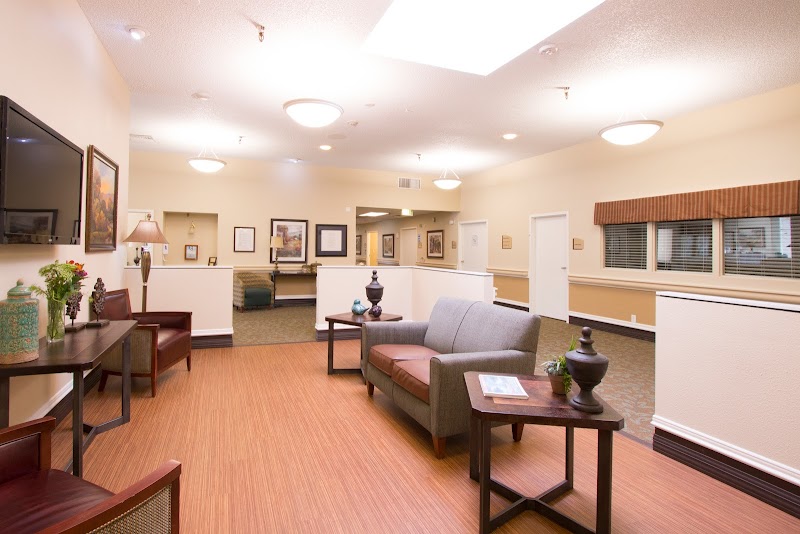
How is Avamere At Three Fountains Staffed?

CMS rates AVAMERE AT THREE FOUNTAINS's staffing level at 4 out of 5 stars, which is above average compared to other nursing homes. Staff turnover is 41%, compared to the Oregon average of 46%. This relatively stable workforce can support continuity of care.

What Have Inspectors Found at Avamere At Three Fountains?

State health inspectors documented 20 deficiencies at AVAMERE AT THREE FOUNTAINS during 2022 to 2025. These included: 2 that caused actual resident harm and 18 with potential for harm. Deficiencies causing actual harm indicate documented cases where residents experienced negative health consequences.
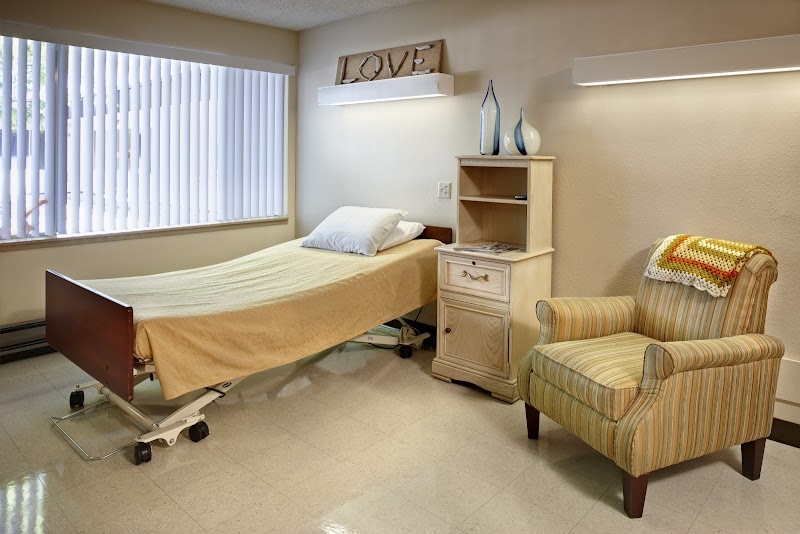
Who Owns and Operates Avamere At Three Fountains?

AVAMERE AT THREE FOUNTAINS is owned by a for-profit company. For-profit facilities operate as businesses with obligations to shareholders or private owners. The facility is operated by AVAMERE, a chain that manages multiple nursing homes. With 117 certified beds and approximately 75 residents (about 64% occupancy), it is a mid-sized facility located in MEDFORD, Oregon.
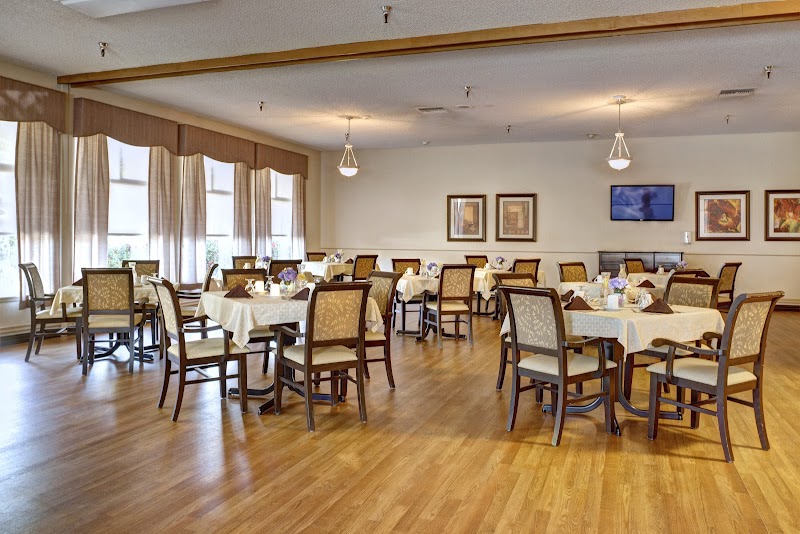
How Does Avamere At Three Fountains Compare to Other Oregon Nursing Homes?

Compared to the 100 nursing homes in Oregon, AVAMERE AT THREE FOUNTAINS's overall rating (5 stars) is above the state average of 3.0, staff turnover (41%) is near the state average of 46%, and health inspection rating (4 stars) is above the national benchmark.

What Should Families Ask When Visiting Avamere At Three Fountains?

Based on this facility's data, families visiting should ask: "Can I visit during a mealtime to observe dining assistance and food quality?" "How do you handle medical emergencies, and what is your hospital transfer rate?" "Can I speak with family members of current residents about their experience?"

Is Avamere At Three Fountains Safe?

Based on CMS inspection data, AVAMERE AT THREE FOUNTAINS has a clean safety record: no substantiated abuse findings (meaning no confirmed cases of resident harm), no Immediate Jeopardy citations (the most serious violation level indicating risk of serious injury or death), and is not on the Special Focus Facility watch list (a federal program monitoring the lowest-performing 1% of nursing homes). The facility has a 5-star overall rating and ranks #1 of 100 nursing homes in Oregon. While no facility is perfect, families should still ask about staff-to-resident ratios and recent inspection results during their visit.

Do Nurses at Avamere At Three Fountains Stick Around?

AVAMERE AT THREE FOUNTAINS has a staff turnover rate of 41%, which is about average for Oregon nursing homes (state average: 46%). Moderate turnover is common in nursing homes, but families should still ask about staff tenure and how the facility maintains care continuity when employees leave.

Was Avamere At Three Fountains Ever Fined?

AVAMERE AT THREE FOUNTAINS has no federal fines on record. CMS issues fines when nursing homes fail to meet care standards or don't correct problems found during inspections. The absence of fines suggests the facility has either maintained compliance or corrected any issues before penalties were assessed. This is a positive indicator, though families should still review recent inspection reports for the full picture.

Is Avamere At Three Fountains on Any Federal Watch List?

AVAMERE AT THREE FOUNTAINS is not on any federal watch list. The most significant is the Special Focus Facility (SFF) program, which identifies the bottom 1% of nursing homes nationally based on persistent, serious quality problems. Not being on this list means the facility has avoided the pattern of deficiencies that triggers enhanced federal oversight. This is a positive indicator, though families should still review the facility's inspection history directly.