BRIGHTON REHABILITATION AND WELLNESS CENTER
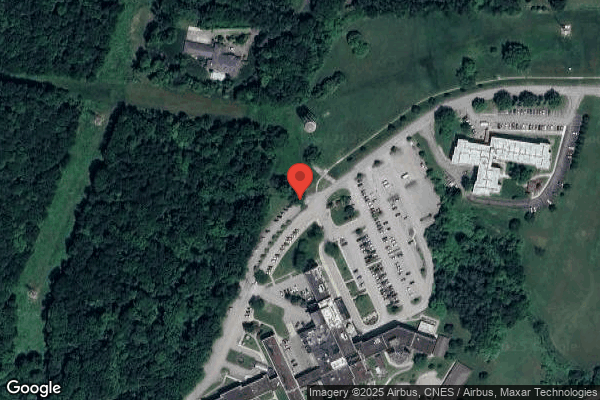
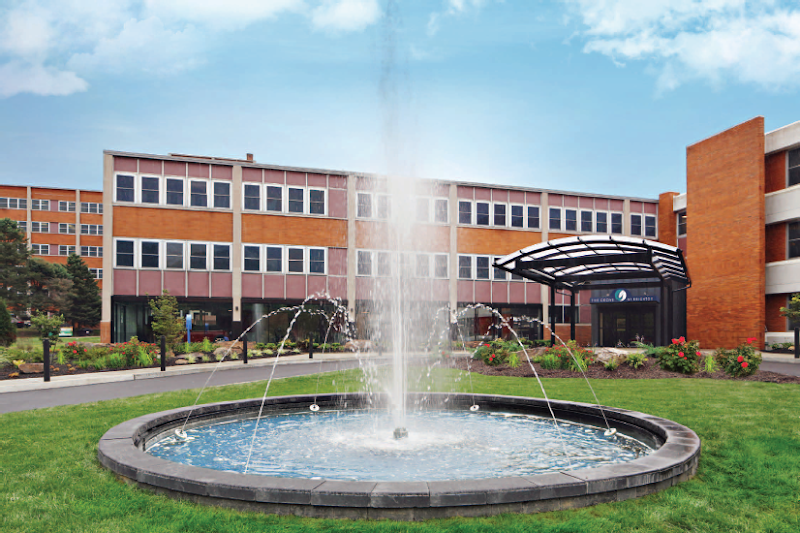
246 FRIENDSHIP CIRCLE, BEAVER, PA 15009 (724) 775-7100
For profit - Corporation 589 Beds EPHRAM LAHASKY Data: November 2025 8 Immediate Jeopardy citations
Trust Grade
0/100
#536 of 653 in PA
Last Inspection: February 2025

Within standard 12-15 month inspection cycle. Federal law requires annual inspections.

Overview

Brighton Rehabilitation and Wellness Center in Beaver, Pennsylvania has a Trust Grade of F, indicating significant concerns about the facility's quality and care. Ranking #536 out of 653 in Pennsylvania places it in the bottom half of nursing homes in the state, and #4 out of 5 in Beaver County means there is only one local option that is better. The facility is showing an improving trend, as the number of issues decreased from 60 in 2024 to 56 in 2025, but it still has a concerning staffing turnover rate of 59%, which is higher than the state average of 46%. They have faced fines totaling $241,088, indicating a serious compliance issue. While the RN coverage is average, there have been critical incidents, such as failing to maintain a sanitary environment for food preparation, which jeopardized all 452 residents, and not ensuring timely payment of bills, which interrupted essential services. Families should weigh these significant weaknesses against the facility's average staffing and slight trend improvement when considering care options.

Trust Score
F
0/100
In Pennsylvania
#536/653
Bottom 18%
Safety Record
High Risk
Review needed
Inspections
Getting Better
60 → 56 violations
Staff Stability
⚠ Watch
59% turnover. Above average. Higher turnover means staff may not know residents' routines.
Penalties
✓ Good
$241,088 in fines. Lower than most Pennsylvania facilities. Relatively clean record.
Skilled Nurses
○ Average
Each resident gets 39 minutes of Registered Nurse (RN) attention daily — about average for Pennsylvania. RNs are the most trained staff who monitor for health changes.
Violations
⚠ Watch
139 deficiencies on record. Higher than average. Multiple issues found across inspections.
★☆☆☆☆
1.0
Overall Rating
★★★☆☆
3.0
Staff Levels
★☆☆☆☆
1.0
Care Quality
★☆☆☆☆
1.0
Inspection Score
Stable
2024: 60 issues
2025: 56 issues

The Good

  • Full Sprinkler Coverage · Fire safety systems throughout facility
  • No fines on record

Facility shows strength in fire safety.

The Bad

1-Star Overall Rating

Below Pennsylvania average (3.0)

Significant quality concerns identified by CMS

Staff Turnover: 59%

13pts above Pennsylvania avg (46%)

Frequent staff changes - ask about care continuity

Federal Fines: $241,088

Well above median ($33,413)

Significant penalties indicating serious issues

Chain: EPHRAM LAHASKY

Part of a multi-facility chain

Ask about local staffing decisions and management

Staff turnover is elevated (59%)

11 points above Pennsylvania average of 48%

The Ugly 139 deficiencies on record

8 life-threatening
Aug 2025 2 deficiencies
CONCERN (D) 📢 Someone Reported This

A family member, employee, or ombudsman was alarmed enough to file a formal complaint

Potential for Harm - no one hurt, but risky conditions existed

Free from Abuse/Neglect (Tag F0600)

Could have caused harm · This affected 1 resident

**NOTE- TERMS IN BRACKETS HAVE BEEN EDITED TO PROTECT CONFIDENTIALITY** Based on review of facility policy, clinical record review, facility documents, and staff interviews, it was determined that the...

Read full inspector narrative →
**NOTE- TERMS IN BRACKETS HAVE BEEN EDITED TO PROTECT CONFIDENTIALITY** Based on review of facility policy, clinical record review, facility documents, and staff interviews, it was determined that the facility failed to ensure that residents were free from abuse for one of four residents reviewed (Resident R1). This was identified for past non-compliance for Resident R1.Finding include: Review of facility policy Abuse: Protection From Abuse dated 10/1/24, indicated the resident has the right to be free from verbal, sexual, physical, and mental abuse, corporal punishment, involuntary seclusion, neglect, and misappropriation of property. Involuntary seclusion/restraint is defined as separation of a resident from other residents or from his/her room or confinement to his/her room (with or without roommates) against the resident's will, or the will of the resident's legal representative. The facility is a restraint free facility. The facility is committed to protecting our residents from abuse by anyone including, but not necessarily limited to: facility staff, other residents, consultants, volunteers, staff members from other agencies providing services to our residents, family members, legal guardians, surrogates, sponsors, friends, visitors, or any other individual. Review of the Resident Assessment Instrument 3.0 User's Manual, effective October 2024, indicated that a Brief Interview for Mental Status ( BIMS) is a screening test that aides in detecting cognitive impairment. The BIMS total score suggests the following distributions: 13-15: cognitively intact8-12: moderately impaired0-7: severe impairment Review of the clinical record indicated Resident R1 was admitted to the facility on [DATE]. Review of Resident R1's Minimum Data Set (MDS - a periodic assessment of care needs) dated 8/19/25, indicated diagnoses of high blood pressure, anoxic brain damage (occurs when the brain is deprived of oxygen, leading to damage or deal of brain cells), and repeated falls. Question C0500 BIMS Summary Score indicated the resident scored a 6, severe impairment. Review of facility submitted documentation dated 8/19/25, indicated the following: Resident R1 was sitting in her cardiac chair (a specialized medical device that offers multiple positioning options) at the nurses station. Therapy assistant and CNA (Certified Nurse Aide) were attempting to reposition resident in her chair, but were having difficulty moving her. CNA looking to see why she couldn't move and noted a sheet wrapped around her abdominal area and tied behind the chair. Sheet was immediately untied and removed completely. Investigation initiated immediately. Resident was assessed and did not show any signs of pain or discomfort. Head to toe assessment negative for redness, bruising, or injury. Physician, family, and police department notified. ADON (Assistant Director of Nursing) assessed other residents on the unit and no other concerns noted. Abuse prohibition education initiated, all staff are educated on abuse and neglect upon hire and yearly thereafter. Facility is conducting interviews to identify an AP (alleged perpetrator). Review of facility documentation witness statements indicated the following: Physical Therapist (PT) Employee E1 stated, Walking on to floor patient [Resident R1] was sliding down cardiac chair. I grabbed Nurse Aide (NA) Employee E2 to help me reposition. Multiple attempts patient was not moving, NA Employee E2 looked under chair, patient was tied down by bed sheet, knotted under chair. Myself and NA Employee E2 untied and repositioned patient while our therapy secretary (Therapy Assistant Employee E3) braced the wheelchair for us. Therapy Assistant Employee E3 stated, Walking floor for therapy appointments and stopped to help PT Employee E1 and NA Employee E2 by bracing back of cardiac chair belonging to Resident R1. After multiple unsuccessful attempts at repositioning, NA Employee E2 looked under chair to find patient tied down by bed sheet - knotted tightly under chair. Resident R1 was tied around her midsection (over ribcage) and was immobile. NA Employee E2 untied knot and NA Employee E2 and PT Employee E1 were able to reposition Resident R1. Resident R1 seemed unaware of her predicament but nonetheless was checked for further physical/emotional harm. NA Employee E2 stated, We went to go move Resident R1 up in the chair and it seemed as if she was stuck, so we checked around the chair. we ended up finding out that the flat sheet was tied around her belly and under the chair in a knot. During an interview on 8/27/25, at 11:05 a.m. the Director of Nursing (DON) confirmed that the facility failed to ensure Resident R1 was free from abuse. This was identified for past non-compliance for Resident R1. During this interview, the DON confirmed the facility was able to identify an AP and the employee had been terminated from the facility. The facility implemented a plan of correction that included the following:Resident R1 was assessed and no injury was identified, no signs or symptoms of pain or discomfort.Walking rounds were completed on all units 8/19/25, no additional restraints in use.Facility abuse policy was reviewed with no revisions made.DON implemented re-education in all departments on abuse prevention policy; staff to be educated prior to next shift.On 8/20/25 the MDS Coordinator reviewed all active care plans to ensure use of restraints was not care planned for any residents. No issues were identified.As of 8/21/24, facility was >90% with regard to abuse education.Beginning on 8/21/25, DON or designee will begin auditing cognitively impaired residents on 5 units daily for 1 week, then 3 units daily for 1 week, then 2 units daily for 2 weeks to ensure cognitively impaired residents are free from physical restraints. Review of facility documentation included the followingEducation for all employees on abuse prevention policy, including under no circumstances are residents to be restrained in a way that prevents them from moving independently.8/19/25, walking rounds completed on all units to ensure no residents had any type of restraints in use. No restraints present.8/20/25, all active care plans reviewed. Confirmed there are no interventions encouraging the use of restraints.Ad-hoc meeting of QAPI (Quality Assurance and Performance Improvement) completed 8/19/25.Ongoing audits for restraint use completed 8/21/25, 8/22/25, 8/23/25,8/24/25, 8/25/25, and 8/26/25. During interviews on 8/27/25, fifteen staff to include nurses, nurse aides, and therapy staff verified they were trained on the facility abuse prevention policy and restraints. The facility has demonstrated compliance with the above since 8/22/25. Information was reviewed via Plan of Correction documentation. During an interview on 8/27/25, at 2:56 p.m. with the DON and review of facility's immediate actions, education, and review of the QAPI monitoring process, it was verified that the facility had implemented a plan of correction and achieved compliance ensuring residents are free from abuse. 28 Pa. Code: 201.14(a) Responsibility of licensee28 Pa. Code: 201.18(b)(1) Management.28 Pa. Code: 211.10(d) Resident care policies.28 Pa. Code: 211.12(d)(1)(5) Nursing services.
CONCERN (D) 📢 Someone Reported This

A family member, employee, or ombudsman was alarmed enough to file a formal complaint

Potential for Harm - no one hurt, but risky conditions existed

Deficiency F0604 (Tag F0604)

Could have caused harm · This affected 1 resident

**NOTE- TERMS IN BRACKETS HAVE BEEN EDITED TO PROTECT CONFIDENTIALITY** Based on review of facility policy, clinical record review, and staff interviews, it was determined that the facility failed to ...

Read full inspector narrative →
**NOTE- TERMS IN BRACKETS HAVE BEEN EDITED TO PROTECT CONFIDENTIALITY** Based on review of facility policy, clinical record review, and staff interviews, it was determined that the facility failed to ensure that residents were free from physical restraints for one of four residents reviewed (Resident R1). This was identified for past non-compliance for Resident R1.Finding include: Review of facility policy Abuse: Protection From Abuse dated 10/1/24, indicated the resident has the right to be free from verbal, sexual, physical, and mental abuse, corporal punishment, involuntary seclusion, neglect, and misappropriation of property. Involuntary seclusion/restraint is defined as separation of a resident from other residents or from his/her room or confinement to his/her room (with or without roommates) against the resident's will, or the will of the resident's legal representative. The facility is a restraint free facility. The facility is committed to protecting our residents from abuse by anyone including, but not necessarily limited to: facility staff, other residents, consultants, volunteers, staff members from other agencies providing services to our residents, family members, legal guardians, surrogates, sponsors, friends, visitors, or any other individual. Review of the Resident Assessment Instrument 3.0 User's Manual, effective October 2024, indicated that a Brief Interview for Mental Status ( BIMS) is a screening test that aides in detecting cognitive impairment. The BIMS total score suggests the following distributions: 13-15: cognitively intact8-12: moderately impaired0-7: severe impairment Review of the clinical record indicated Resident R1 was admitted to the facility on [DATE]. Review of Resident R1's Minimum Data Set (MDS - a periodic assessment of care needs) dated 8/19/25, indicated diagnoses of high blood pressure, anoxic brain damage (occurs when the brain is deprived of oxygen, leading to damage or deal of brain cells), and repeated falls. Question C0500 BIMS Summary Score indicated the resident scored a 6, severe impairment.Review of facility submitted documentation dated 8/19/25, indicated the following: Resident R1 was sitting in her cardiac chair (a specialized medical device that offers multiple positioning options) at the nurses station. Therapy assistant and CNA (Certified Nurse Aide) were attempting to reposition resident in her chair, but were having difficulty moving her. CNA looking to see why she couldn't move and noted a sheet wrapped around her abdominal area and tied behind the chair. Sheet was immediately untied and removed completely. Investigation initiated immediately. Resident was assessed and did not show any signs of pain or discomfort. Head to toe assessment negative for redness, bruising, or injury. Physician, family, and police department notified. ADON (Assistant Director of Nursing) assessed other residents on the unit and no other concerns noted. Abuse prohibition education initiated, all staff are educated on abuse and neglect upon hire and yearly thereafter. Facility is conducting interviews to identify an AP (alleged perpetrator). Review of facility documentation witness statements indicated the following: Physical Therapist (PT) Employee E1 stated, Walking on to floor patient [Resident R1] was sliding down cardiac chair. I grabbed Nurse Aide (NA) Employee E2 to help me reposition. Multiple attempts patient was not moving, NA Employee E2 looked under chair, patient was tied down by bed sheet, knotted under chair. Myself and NA Employee E2 untied and repositioned patient while our therapy secretary (Therapy Assistant Employee E3) braced the wheelchair for us. Therapy Assistant Employee E3 stated, Walking floor for therapy appointments and stopped to help PT Employee E1 and NA Employee E2 by bracing back of cardiac chair belonging to Resident R1. After multiple unsuccessful attempts at repositioning, NA Employee E2 looked under chair to find patient tied down by bed sheet - knotted tightly under chair. Resident R1 was tied around her midsection (over ribcage) and was immobile. NA Employee E2 untied knot and NA Employee E2 and PT Employee E1 were able to reposition Resident R1. Resident R1 seemed unaware of her predicament but nonetheless was checked for further physical/emotional harm. NA Employee E2 stated, We went to go move Resident R1 up in the chair and it seemed as if she was stuck, so we checked around the chair. we ended up finding out that the flat sheet was tied around her belly and under the chair in a knot. During an interview on 8/27/25, at 11:05 a.m. the Director of Nursing (DON) confirmed that the facility failed to ensure Resident R1 was free from physical restraints. This was identified for past non-compliance for Resident R1. During this interview, the DON confirmed the facility was able to identify an AP and the employee had been terminated from the facility. The facility implemented a plan of correction that included the following: Resident R1 was assessed and no injury was identified, no signs or symptoms of pain or discomfort.Walking rounds were completed on all units 8/19/25, no additional restraints in use.Facility abuse policy was reviewed with no revisions made.DON implemented re-education in all departments on abuse prevention policy; staff to be educated prior to next shift.On 8/20/25 the MDS Coordinator reviewed all active care plans to ensure use of restraints was not care planned for any residents. No issues were identified.As of 8/21/24, facility was >90% with regard to abuse education.Beginning on 8/21/25, DON or designee will begin auditing cognitively impaired residents on 5 units daily for 1 week, then 3 units daily for 1 week, then 2 units daily for 2 weeks to ensure cognitively impaired residents are free from physical restraints. Review of facility documentation included the following: Education for all employees on abuse prevention policy, including under no circumstances are residents to be restrained in a way that prevents them from moving independently.8/19/25, walking rounds completed on all units to ensure no residents had any type of restraints in use. No restraints present.8/20/25, all active care plans reviewed. Confirmed there are no interventions encouraging the use of restraints.Ad-hoc meeting of QAPI (Quality Assurance and Performance Improvement) completed 8/19/25.Ongoing audits for restraint use completed 8/21/25, 8/22/25, 8/23/25,8/24/25, 8/25/25, and 8/26/25. During interviews on 8/27/25, fifteen staff to include nurses, nurse aides, and therapy staff were trained on the facility abuse prevention policy and restraints. The facility has demonstrated compliance with the above since 8/22/25. Information was reviewed via Plan of Correction documentation. During an interview on 8/27/25, at 2:56 p.m. with the DON and review of facility's immediate actions, education, and review of the QAPI monitoring process, it was verified that the facility had implemented a plan of correction and achieved compliance ensuring residents are free from abuse. 28 Pa. Code: 201.14(a) Responsibility of licensee28 Pa. Code: 201.18(b)(1) Management.28 Pa. Code: 211.10(d) Resident care policies.28 Pa. Code: 211.12(d)(1)(5) Nursing services.
Aug 2025 11 deficiencies 1 IJ
CRITICAL (J) 📢 Someone Reported This

A family member, employee, or ombudsman was alarmed enough to file a formal complaint

Immediate Jeopardy (IJ) - the most serious Medicare violation

Accident Prevention (Tag F0689)

Someone could have died · This affected 1 resident

**NOTE- TERMS IN BRACKETS HAVE BEEN EDITED TO PROTECT CONFIDENTIALITY** Based on facility policy review, clinical and facility record review, facility provided documents, and staff interviews, it was ...

Read full inspector narrative →
**NOTE- TERMS IN BRACKETS HAVE BEEN EDITED TO PROTECT CONFIDENTIALITY** Based on facility policy review, clinical and facility record review, facility provided documents, and staff interviews, it was determined that the facility failed to provide adequate supervision for one resident resulting in elopement (resident exits to an unsupervised and unauthorized location without staff's knowledge). This failure created an immediate jeopardy situation for one of 78 residents (Resident R2) identified as having a high risk for wandering. This failure was determined to be past non-compliance.Findings include: Review of the facility policy Resident Elopement dated 10/1/24, indicated cognitively impaired residents at risk for elopement will be appropriately monitored to reduce the potential for injury. Upon admission, residents will be assessed for elopement risk.1. Cognitively impaired residents with the physical ability to leave the facility without assistance, and who have demonstrated or vocalized a desire to leave the facility will be placed on a unit with an electronic monitoring system or similarly secured unit. In the event that a facility does not have an operational electronic monitoring system, the resident will be evaluated for transfer to a more appropriate facility that offers electronic monitoring. The resident and legally responsible person shall be notified of the facility recommendation. Interim safety monitoring measures shall be implemented pending transfer. 2. Elopement risk will be care planned with individualized approaches to reduce the potential for elopement and/or to redirect the resident in the event that an elopement attempt is made.3. Residents at risk for elopements shall have their pictures maintained for identification purposes.4. Facility staff shall conduct a physical count of residents at least once every 24 hours.5. Electronic monitoring devices should be checked for function at least once every 24 hours. In the event of an electronic monitoring system failure, alternate security measures will be implemented to include temporary use of manual door alarms, visual monitoring of exit doors, increased staffing levels, and/or increased observation of at-risk residents.6. Residents shall be reassessed at least quarterly related to elopement risk.7. Residents at high risk for elopement shall not be admitted to the facility unless appropriate interventions are identified prior to admission and the facility has the ability to appropriate supervise and monitor the resident.8. In the event that a resident is identified as missing, the following steps shall be taken: The charge nurse will initiate a search on the unit to determine if the resident is in another location. The charge nurse will notify the Nursing Supervisor or designee that they have been unable to locate a resident during a routine check. The Nursing Supervisor shall notify the other units. Each unit shall conduct a search for the resident. The Nursing Supervisor shall assign staff members to search non-resident areas and the facility perimeter. If the resident is not located within ten (10) minutes, the Director of Nursing and Administrator will be notified of a possible elopement. The Director of Nursing or Administrator will assign staff members to conduct a search of the surrounding community to include a four-block radius of the facility based on the resident's physical ability. The resident's responsible party and physician will be notified of the potential elopement. This contact will also be utilized to assure that the resident is not with a family member and to obtain potential areas for an expanded search. The local Police Department will be notified of the elopement upon completion of facility search. Timeframe for notification may be altered based on weather conditions. Local hospitals will be notified of the elopement. Additional resources will be utilized as needed until such time as the resident is located. The Pennsylvania Department of Health Field Office will be notified of the elopement.9. Any resident with a successful elopement will be reassessed and additional interventions will be identified and included with the Plan of Care. In the event that a facility does not operate a secured unit, transfer to an alternate facility may be necessary. Review of the admission Record indicated Resident R2 was admitted to the facility on [DATE]. Review of R2's Minimum Data Set (MDS - a periodic assessment of care needs) dated 6/3/25, indicated the diagnoses of stroke (damage to the brain from an interruption of blood supply), seizure disorder (a person experiences abnormal behaviors, symptoms and sensations, sometimes including loss of consciousness), anxiety (intense, excessive, and persistent worry and fear about everyday situations), meningitis (inflammation of brain and spinal cord membranes, typically caused by an infection), alcoholism in remission, cocaine use in remission, altered mental status, and encephalitis (inflammation of the brain). Section C - Brief Interview for Mental Status (BIMS -is a screening test that aids in detecting cognitive impairment) indicated a score of eleven - moderately impaired. Section GG - walks 50 feet with two turns with staff supervision or touching assistance. Review of R2's Elopement Risk assessment dated [DATE], indicated the following:1. Is the resident cognitively impaired? Yes.2. Is the resident independently mobile (ambulatory or wheelchair)? Yes.3. Does the resident have poor decision-making skills? Yes.4. Has the resident demonstrated exit seeking behavior? No.5. Does the resident wander oblivious to safety needs? No.6. Does the resident have a history of elopement? No.Determination:1. Resident is determined at risk for elopement. Yes.2. Plan has been implemented to ensure resident safety. Yes. Review of R2's progress note dated 6/3/25, at 12:17 p.m. indicated staff noted resident on service elevator at 11:45 a.m. and was met by writer on the main floor with no injury noted. Resident stated that he was lost. Placed call to Assistant Director of Nursing (ADON) to inform. Call to supervisor on East unit (secure memory care unit) needing a room change for resident's safety. Placed call to Resident R2's sister notifying of the floor change and was given room number along with floor phone number. Resident R2 was moved from 5 Main (regular entry unit) to 2 East unit. All personal belongings, along with medication and chart. Review of R2's physician order dated 6/4/25, indicated check wander guard (a bracelet that alerts staff by an alarm if they go beyond a specified area) for placement every shift. Check that irritation has not developed from wander guard placement. Notify nurse if not place. Check for the function of wander guard every night shift. Review of Resident R2's care plan dated 6/4/25, indicated resident exhibits wandering or exit seeking behavior and requires placement on secure unit with wander guard at risk for elopement due to cognitively impaired, independently mobile, poor decision-making skills, and demonstrating exit seeking behavior. Goal - resident will remain safely within the facility. Interventions included: Assess skin daily for irritation related to wander guard. Check wander guard function every day. Review of Resident R2's progress notes indicated the following:-6/11/25, at 5:00 p.m. indicated resident noted to have increased behaviors at this time. Noted to try to throw feces on Nursing assistant (NA). Also had picked up nursing station computer and tried to throw it at NA. Redirected by this nurse at this time, will continue to monitor.-6/14/25 3:05 p.m. indicated resident noted to throw stool on NA. Continues getting stool out of brief and trying to throw stool at staff. Resident noted to pull the fire alarm at this time.-6/22/25, at 4:57 p.m. indicated resident pulled fire alarm this shift. Stated the psychiatrist told him to do so. Fire Department arrived; Township Police arrived to assess the situation and spoke with resident. Police requested resident to be seen by psych as soon as possible since resident has been known to pull the fire alarm. Supervisor aware and currently on unit.-6/25/25, at 8:04 p.m. psychiatric evaluation indicated the patient states feeling Not good and Mood is not good. Resident reports ongoing signs and symptoms of depression and anxiety related to feeling lonely. Resident reports worsening auditory (hearing) and visual (sight) hallucinations (a perception of having seen, heard, touched, tasted, or smelled something that wasn't actually there). Resident reports worsening paranoia (unjustified suspicion or mistrust) and irritability (a state of being easily annoyed, frustrated, or impatient).-7/22/25 7:49 p.m. indicated Nurse called down to office at 6:55 p.m. and informed Supervisor that staff were unable to locate Resident R2 on unit. At that time search began for resident inside building and perimeter. Resident unable to be located. Director of nursing (DON) notified of elopement. Camera checked and resident seen exiting rear auditorium exit at 4:37 p.m. Police Department contacted at 7:28 p.m. to report resident elopement, last time seen, and description given. Attempted to call the family at 7:30 p.m. but there was no answer. Message left requesting call back. The call was received at 7:40 p.m. stating police had located the resident and was returning resident to the facility. Resident returned with no signs of distress, no injury noted. Returned to unit without issue. Vital signs obtained and within normal limits. Skin check unremarkable. Fluids encouraged. Resident placed on every 15-minute checks (on the secure unit). Wander guard in place and working appropriately. Review of facility provided documentation dated 7/22/25, at 6:25 p.m. indicated Resident R2 was noted to be missing from the unit. Investigation started immediately. Resident R2 was last seen shortly after 4:40 p.m. on the unit during a fire alarm. When meal trays arrived on the unit at approximately 6:25 p.m. Resident R2 was noted to be absent from the unit. A search of the building and the immediate grounds was done and resident was not located. Local police were notified and located resident approximately a half of a mile from the facility. Upon return resident was assessed for injury (none noted) and offered fluids. The resident was dressed in pants, a t-shirt, sneakers, and was carrying a jacket. Outside, the environment was 82 degrees and dry. The provider and family were called. Review of NA Employee E11's signed statement dated 7/22/25, indicated about 4:30 p.m. the fire alarm went off. They went to take another resident into their room and then watch the door on the East Hall. They saw Resident R2 at that time standing in the [NAME] Hall past the nursing station. Meal trays came out at 6:25 p.m. Staff started passing trays and an unidentified NA said where is Resident R2? They checked the assigned room and Resident R2 wasn't there. They checked both hallways and Resident R2 wasn't there. The house supervisor was called and made aware. Review of NA Employee E12's signed statement dated 7/23/25, indicated on 7/22/25, they saw Resident R2 around 4:30 p.m. when fire alarm went off. The resident was in the hallway by the nurses' station inside the double doors. Then staff member went to the dining room to see what residents were in there and watched the door to steps. Staff passed trays and then noticed Resident R2 was not on the floor. Staff searched all the rooms and bathrooms. Resident R2 was behaving normally all day. Review of NA Employee E13's signed statement dated 7/22/25, indicated Resident R2 was last seen before the fire alarm went off around 4:10 p.m. in front of the doubled doors in solarium. Review of NA Employee E14's signed statement dated 7/22/25, indicated they were alerted to Resident R2 being missing when we were passing meal trays for supper. On the lead up to that, the last time they remember seeing resident was about five o'clock when they asked the resident to move so they could use the chair he was sitting in. Review of Licensed Practical Nurse (LPN) Employee E15's signed statement dated 7/22/25, indicated Resident R2 was last seen around 4:00 p.m. Unidentified NA realized resident was missing after fire alarms went off. Review of LPN Manager Employee E16's signed statement dated 7/23/25, indicated when resident was not located in the immediate area, units were called to conduct head counts. All the other residents were accounted for. Police were called to inform of the missing resident, Resident R2. Interview on 8/5/25, at 9:35 a.m. LPN Employee E17 indicated a code is needed to get on the elevator. If a wander guard is near, it beeps and won't leave the floor. The stairwells are alarmed with a keycode. If the fire alarm goes off the stairwell doors automatically unlock for safety escape down the stairs. There are double doors after the keypad door which would be opened during a fire drill as well. During a fire alarm we watch each door to make sure nobody can get out. Observation on 8/5/25, at 9:45 a.m. Resident R2 was lying in bed, fully dressed with a wander guard bracelet on the right wrist. Interview on 8/5/25, at 9:45 a.m. Resident R2 indicated The ambulance brought me here. I wasn't taking my medications, so I thought I'd better get in the ambulance. When asked if resident recalled going for a walk outside recently, the resident indicated Oh, I don't remember too much about that. I have succumbed to talking with my family, my next of kin. My house was bankrupt, and I learned I lost my house. Resident could not expound any further on the subject. Interview on 8/5/25, at 10:00 a.m. LPN Manager Employee 16 indicated Resident R2 went out the unit exit doors to another set of stairwell doors into the auditorium on the first floor and that's where resident got out of the facility during a fire alarm that disengages the doors to each doorway. Interview on 8/6/25, at 11:00 a.m. the Nursing Home Administrator and the Director of Nursing confirmed the facility failed to provide adequate supervision for one resident resulting in elopement and the failure created an immediate jeopardy situation for one of 78 residents (Resident R2) identified as high risk for wandering. On 8/6/25, at 11:00 a.m. the Nursing Home Administrator and the Director of Nursing were provided the Immediate Jeopardy (IJ) template and an immediate corrective action plan was requested. Review of the facility's immediate action plan on 8/6/25, at 11:00 a.m. indicated the following:-On 7/22/2025, facility implemented an immediate corrective action plan following the elopement of R2 on 7/22/2025.- A root cause analysis of incident determined that the verbiage in the existing elopement policy did not specifically state that a head count should be done following any fire alarm, including drills or non-emergent alarms. This verbiage was clarified in the policy. Staff in all departments were educated on the facility elopement policy and ensuring residents are accounted for following a fire drill.-On 7/23/2025, the Maintenance Director reviewed the door alarms/locks and fire alarm on East Wing, and they were functioning appropriately. -On 7/24/2025, 379 of 379 residents were confirmed by the Director of Nursing to have been reassessed for elopement risk. All residents who were identified as being at risk for elopement were confirmed to have appropriate interventions in place in the plan of care to minimize risk of successful elopement. -On 7/24/2025, revised policy and details of root cause analysis were presented to QAPI (Quality Assurance and Performance Improvement) Committee.-As of 7/26/2025, greater than 90 percent of staff had received education on elopement and monitoring the doors during and after fire drills.-The Director of nursing will continue to audit new admissions for 30 days to ensure all residents are assessed for elopement risk on admission and have a care plan initiated for elopement risk if appropriate.-As of 7/26/2025, immediate action plan was complete and moving to auditing phase. On 8/6/25, at 1:32 p.m. the following items have successfully been verified as met per the immediate action plan:- It was verified that the root cause analysis of the elopement was determined to be that the existing elopement policy did not specifically state that a head count should be done following any fire alarm, including drills or non-emergent alarms.-It was verified that the verbiage of the policy was updated to include the above.-It was verified that all facility staff education was initiated immediately by the ADON on 7/22/25, at 7:45 p.m. regarding the facility elopement policy and ensuring residents are accounted for following a fire drill. Review of education signatures indicated 366 of 366 total staff received education.-It was verified the Maintenance Director's evaluation of the door alarms/locks and fire alarm on East Wing were functioning appropriately.-It was verified that 379 of 379 residents were reassessed for elopement risk.-it was verified that 78 residents were identified as being at risk for elopement and 78 have appropriate interventions in place in the plan of care to minimize risk of successful elopement.-It was verified that on 7/24/25, the revised policy and details of root cause analysis were presented to QAPI Committee.-It was verified via 40 in person interviews that education was provided and understood regarding elopement and accounting for residents after a fire drill.-It was verified via eleven telephonic interviews that education was provided and understood regarding elopement and accounting for residents after a fire drill.-It was verified that ongoing audits for new admissions for 30 days to ensure all residents are assessed for elopement risk on admission and have a care plan initiated for elopement risk if appropriate. Twenty-four new admissions with six identified at risk for elopement. Review of immediate action plan was verified on 8/6/25, at 1:32 p.m. that the past non-compliance Immediate Jeopardy situation was in effect until 7/26/25, when the facility completed their plan as stated. Exit interview on 8/7/25, at 3:30 p.m. information was provided to the Nursing Home Administrator and the Director of Nursing that the facility failed to make certain each resident received adequate supervision that resulted in an elopement. This failure created an immediate jeopardy situation for one of 78 residents (Resident R2) identified as high risk for wandering and that the Immediate Jeopardy situation has successfully met the task of Past Non-compliance effective on 7/26/25, when the action plan was achieved by the facility. 28 Pa. Code 201.14 Responsibility of Licensee.28 Pa. Code 201.18(b)(1)(3) Management.28 Pa. Code 201.29 Responsibility of Licensee.28 Pa. Code 211.12(d)(1)(3)(5) Nursing services.28 Pa. Code 211.10(d) Resident care policies.
CONCERN (D) 📢 Someone Reported This

A family member, employee, or ombudsman was alarmed enough to file a formal complaint

Potential for Harm - no one hurt, but risky conditions existed

Resident Rights (Tag F0550)

Could have caused harm · This affected 1 resident

Based on facility policy, observation and staff interview, it was determined that the facility failed to provide the right for privacy and dignity for two of five floors (Second and Fifth Main Floor)....

Read full inspector narrative →
Based on facility policy, observation and staff interview, it was determined that the facility failed to provide the right for privacy and dignity for two of five floors (Second and Fifth Main Floor). Findings include: Review of facility policy Resident Rights dated 10/1/24, indicated the resident has a right to a dignified existence, self-determination, and communication with and access to persons and services inside and outside the facility. During a tour of the Second Floor on 8/7/25, at 11:05 a.m. revealed the following: - Second main south men's restroom failed to have a curtain for one of two-bathroom stalls to maintain the resident's privacy. During an interview on 8/7/25, at 11:10 a.m. Registered Nurse (RN) Employee E8 stated, It should have one, and confirmed the above findings. During a tour of the Fifth Floor on 8/7/25, at 11:20 a.m. revealed the following: - Fifth main south patient's restroom failed to have an appropriate size curtain to maintain residents' privacy for the first bathroom stall.- Fifth main south patient's restroom failed to have a curtain on the fourth bathroom stall to maintain the resident's privacy. During an interview on 8/7/25, at 11:17 a.m. Licensed Practical Nurse (LPN) Employee E10 confirmed the above findings. During an interview on 8/7/25, at 1:21 p.m. Director of Nursing confirmed the facility failed to provide the right for privacy and dignity for two of five floors (Second and Fifth Main Floor). 28 Pa. Code: 201.29(a) Resident rights.
CONCERN (D) 📢 Someone Reported This

A family member, employee, or ombudsman was alarmed enough to file a formal complaint

Potential for Harm - no one hurt, but risky conditions existed

Deficiency F0692 (Tag F0692)

Could have caused harm · This affected 1 resident

**NOTE- TERMS IN BRACKETS HAVE BEEN EDITED TO PROTECT CONFIDENTIALITY** Based on review of facility policy, clinical record review, and staff interviews, it was determined that the facility failed to ...

Read full inspector narrative →
**NOTE- TERMS IN BRACKETS HAVE BEEN EDITED TO PROTECT CONFIDENTIALITY** Based on review of facility policy, clinical record review, and staff interviews, it was determined that the facility failed to properly monitor weight and nutrition status by failing to obtain weights or act upon weight changes for two of five residents (Residents R13, and R14).Finding include:Review of the facility policy, Resident Weights last reviewed 10/1/24, indicated monthly weights will be obtained weekly times four weeks following admission/readmission and monthly thereafter. All weights will be transcribed in the resident's electronic record.Review of Resident R13's admission record indicated admission to the facility on 9/13/24.Review of Resident R13's Minimum Data Set (MDS-periodic assessment of care needs) assessment dated [DATE], included diagnoses of hypertension (high blood pressure), hyperlipidemia (high fat in the blood) and diabetes (high sugar in the blood) Review of Resident R13's current care plan dated 9/16/24, indicated Resident R13 is a nutrition risk monitor weight.Review of Resident R13's clinical record failed to have weights for February 2025, and March 2025.Review of Resident R 14's clinical record indicated admission to the facility on [DATE].Review of Resident R14's MDS dated [DATE], indicated diagnosis of anemia (low iron in the blood), hypertension (high blood pressure) and depressionReview of Resident R14's current care plan dated 9/16/24, indicated Resident R13 is a nutrition risk monitor weight.Review of Resident R14's clinical record indicated that on a weight was obtained on 10/19/24, and again on 6/30/25. No other weights were obtained during that time. During an interview completed on 8/7/25, at 2:00 p.m. the Director of Nursing confirmed that the facility failed to properly monitor weight and nutrition status by failing to obtain weights or act upon weight changes for two of five residents (Residents R13, and R14).28 Pa. Code: 201.18(b)(1)(e)(1) Management.28 Pa. Code: 211.12(d)(5) Nursing services.
CONCERN (D) 📢 Someone Reported This

A family member, employee, or ombudsman was alarmed enough to file a formal complaint

Potential for Harm - no one hurt, but risky conditions existed

Deficiency F0801 (Tag F0801)

Could have caused harm · This affected 1 resident

Based on staff interviews it was determined that the facility failed to employ a qualified Registered Dietitian (RD) for two of twelve months (June 2025, and July 2025) as required. Findings include: ...

Read full inspector narrative →
Based on staff interviews it was determined that the facility failed to employ a qualified Registered Dietitian (RD) for two of twelve months (June 2025, and July 2025) as required. Findings include: Review of the facility policy Registered Dietician last reviewed 10/1/24, indicated the dining service department is under the guidance of a qualified dietician. The dietician is responsible for, but not limited to:. Assessing the nutritional needs of resident population Developing therapeutic diets Making diet recommendations consistent with meeting the nutritional needs of the resident population. Review of the Registered Dietician Job description indicated the primary purpose of the job position is to implement, coordinate and evaluate the medical nutrition therapy for the residents, provide resident and family education, provide nutritional assessment and consultation to assist in planning, organizing and directing the food and nutritional services of the facility During an interview completed on 8/5/25, at 12:00 p.m. upon asking Dietary Manager Employee E6 concerning the RD replied, we currently don't have one, you will have to ask Nursing Home Administrator about that. Interview with Nursing Home Administrator on 8/5/25, at 12:20 p.m. indicated the RD resigned and the facility does not currently have a RD. During an interview on 8/5/25, at 2:10 p.m. the Nursing Home Administrator confirmed that the facility did not employ a qualified RD for two of twelve months (June 2025, and July of 2025) as required. 28 Pa. Code 201. 18(e)(1)(6) Management.28 Pa. Code 211. 6(c) Dietary service.
CONCERN (D) 📢 Someone Reported This

A family member, employee, or ombudsman was alarmed enough to file a formal complaint

Potential for Harm - no one hurt, but risky conditions existed

Menu Adequacy (Tag F0803)

Could have caused harm · This affected 1 resident

Based on a review of facility policies, documents, observations and staff interviews it was determined that the facility failed to properly approve the current menu cycle with the registered dietician...

Read full inspector narrative →
Based on a review of facility policies, documents, observations and staff interviews it was determined that the facility failed to properly approve the current menu cycle with the registered dietician (7/14/25, thru 8/10/25) as required which created the potential for conflicting guidance which may result in residents being provide inappropriate and inaccurate portion sizes and food product consistency for their prescribed therapeutic diet.Findings include: Review of the facility policy Registered Dietician last reviewed 10/1/24, indicated the dining service department is under the guidance of a qualified dietician. The dietician is responsible for, but not limited to:. Assessing the nutritional needs of resident population Developing therapeutic diets Making diet recommendations consistent with meeting the nutritional needs of the resident population. Review of the Registered Dietician Job description indicated the primary purpose of the job position is to implement, coordinate and evaluate the medical nutrition therapy for the residents, provide resident and family education, provide nutritional assessment and consultation to assist in planning, organizing and directing the food and nutritional services of the facility. During an interview completed on 8/5/25, at 12:00 p.m. upon asking Dietary Manager Employee E6 concerning the facilities menu's and having the RD review and approve replied, we currently don't have one, you will have to ask Nursing Home Administrator about that. Interview with Nursing Home Administrator on 8/5/25, at 12:20 p.m. indicated the RD resigned and the facility does not currently have a RD. During an interview on 8/5/25, at 2:10 p.m. the Nursing Home Administrator confirmed that the facility failed to properly design, review and approve the facility's menu 7/14/25, thru 8/10/25, as required which created the potential for conflicting guidance which may result in residents being provide inappropriate and inaccurate portion sizes and food product consistency for their prescribed therapeutic diet. Pa Code: 211.6(a)(b) Dietary services.
CONCERN (D) 📢 Someone Reported This

A family member, employee, or ombudsman was alarmed enough to file a formal complaint

Potential for Harm - no one hurt, but risky conditions existed

Administration (Tag F0835)

Could have caused harm · This affected 1 resident

Based on a review of job descriptions, facility and clinical records, and staff interviews, it was determined that the Nursing Home Administrator (NHA) and the Director of Nursing (DON) did not effect...

Read full inspector narrative →
Based on a review of job descriptions, facility and clinical records, and staff interviews, it was determined that the Nursing Home Administrator (NHA) and the Director of Nursing (DON) did not effectively manage the facility to make certain that proper supervision was provided for residents at high risk for elopement as required, resulting in a resident elopement creating an immediate jeopardy situation.Findings include:Review of the policy Administrator dated 10/1/24, indicated the facility shall operate under the direction of a nursing home administrator (NHA) licensed by the Pennsylvania Board of Examiners for nursing home administrators. The licensed nursing home administrator will operate the facility consistent with laws, regulations, and standards of practice recognized in the field of health care administration.The job description for the NHA specified the primary purpose of the job position is to manage the Facility in accordance with current applicable federal, state, and local standards, guidelines, and regulations that govern long-term care facilities. To follow all facility policies and apply them uniformly to all employees. To ensure the highest degree of quality care is provided to our residents at all times.The job description for the Director of Nursing specified the primary purpose of the job position was to plan, organize, develop, and direct the overall operation of the nursing service department in accordance with current federal, state and local standards, guidelines and regulations that govern the facility to ensure that the highest degree of quality of care is maintained at all times. Based on the findings in this report that identified that the facility failed to effectively manage the facility to make certain that proper supervision was provided for residents at high risk for elopement as required, resulting in a resident elopement creating an immediate jeopardy situation. The facility failed to provide fundamental principal that apply to treatment and care provided to facility residents. The facility failed to ensure that residents receive treatment and care in accordance with professional standards of practice, and facility policies. 28 Pa Code 201.14(a) Responsibility of licensee.28 Pa Code 201.18(b)(1)(e)(1) Management.
CONCERN (E) 📢 Someone Reported This

A family member, employee, or ombudsman was alarmed enough to file a formal complaint

Potential for Harm - no one hurt, but risky conditions existed

Deficiency F0558 (Tag F0558)

Could have caused harm · This affected multiple residents

**NOTE- TERMS IN BRACKETS HAVE BEEN EDITED TO PROTECT CONFIDENTIALITY** Based on review of facility policy, observations, and staff interview, it was determined that the facility failed to accommodate...

Read full inspector narrative →
**NOTE- TERMS IN BRACKETS HAVE BEEN EDITED TO PROTECT CONFIDENTIALITY** Based on review of facility policy, observations, and staff interview, it was determined that the facility failed to accommodate the body soap needs for four of five residents (Residents R3, R4, R5, and R6).Findings include:Review of the facility policy Quality of Care: Attain and Maintain dated 10/1/24, indicated each resident must receive, and the facility will provide the necessary care and services to attain or maintain the highest practicable physical, mental, and psychosocial well-being.Review of the facility provided Safety Data Sheet (SDS - a standardized document that provides comprehensive information about the hazards of a chemical or hazardous substance and how to safely handle, store, and dispose of it) for Gentle Foam Soap dated 11/4/19, indicated recommended use as hand cleanser.Review of the clinical record indicated Resident R3 was admitted to the facility on [DATE].Review of Resident R3's Minimum Data Set (MDS - a periodic assessment of care needs) dated 5/3/25, indicated diagnoses of high blood pressure, hemiparesis (muscle weakness or partial paralysis on one side of the body that can affect the arms, legs, and facial muscles), and schizophrenia(characterized by thoughts or experiences that seem out of touch with reality, disorganized speech or behaviors, and decreased participation in activities of daily living). Review of the clinical record indicated Resident R4 admitted to the facility on [DATE], with the diagnoses of high blood pressure, stroke (damage to the brain from an interruption of blood supply), and hemiplegia (paralysis of one side of the body).Review of the clinical record indicated Resident R5 admitted to the facility on [DATE]. Review of Resident R5's MDS dated [DATE], indicated the diagnoses of high blood pressure, stroke, and chronic obstructive pulmonary disease (COPD- a group of diseases that block airflow and make it hard to breathe).Review of the clinical record indicated Resident R6 admitted to the facility on [DATE], with the diagnoses of COPD, chest pain, and urinary tract infection.During an interview on 8/5/25, at 10:29 a.m. Nurse Aide (NA) Employee E25 indicated the facility said they are not buying soap for resident care anymore. They want us to use the hand soap at the sinks. We're bringing it in from home, the residents' skin is already dry, we can't use hand soap on them.During an interview on 8/5/25, at 10:37 a.m. NA Employee E26 indicated staff are bringing in their own soap for resident care.During an interview on 8/6/25, at 10:30 a.m. NA Employee E27 indicated they stopped buying soap. Some of us are bringing it in from home.During an interview on 8/6/25, at 10:34 a.m. NA Employee E28 indicated we have to use the hand soap out of the sink. They stopped buying body soap.During an interview on 8/6/25, at 10:37 a.m. Housekeeping Employee E29 indicated the housekeeping staff replaces the soap in the dispensers at the residents' sinks.During an observation and interview on 8/6/25, at 10:40 a.m. Housekeeping Employee E29 revealed a clear hand soap in the housekeeping closet. It was labeled Gentle Foam Soap. Housekeeping Employee E29, confirmed this is the soap used in the residents' sink soap dispensers.Interview on 8/6/25, 2:40 p.m. Central Supply Employee E30 indicated the facility stopped purchasing body soap in individual bottles two or three months ago. Continued to indicate that housekeeping now orders the soap used at the residents' sinks. Clear is for hand washing and blue is for body wash.Interview on 8/6/25, at 2:43 p.m. Housekeeping Employee E31 indicated using the clear soap that says Gentle Foam for the residents' sink soap dispensers.Tour and interview on 8/6/25, at 3:15 p.m. Dietary/Facility Manager E6 confirmed that the sink dispensers in Residents R3, R4, R5, and R6's rooms was clear and was hand soap, not body soap.Interview on 8/7/25, at 3:30 p.m. the Nursing Home Administrator was informed the facility failed to accommodate the body soap needs for four of five residents (Residents R3, R4, R5, and R6).28 Pa. Code: 201.14(a) Responsibility of licensee.28 Pa. Code: 211.10(d) Resident care policies.28 Pa. Code: 211.12(d)(1)(5) Nursing services.
CONCERN (E) 📢 Someone Reported This

A family member, employee, or ombudsman was alarmed enough to file a formal complaint

Potential for Harm - no one hurt, but risky conditions existed

Safe Environment (Tag F0584)

Could have caused harm · This affected multiple residents

**NOTE- TERMS IN BRACKETS HAVE BEEN EDITED TO PROTECT CONFIDENTIALITY** Based on review of facility policy, observations and staff interviews it was determined that the facility failed to provide a cl...

Read full inspector narrative →
**NOTE- TERMS IN BRACKETS HAVE BEEN EDITED TO PROTECT CONFIDENTIALITY** Based on review of facility policy, observations and staff interviews it was determined that the facility failed to provide a clean, safe, comfortable, and homelike environment for ten of ten resident areas (One East, Two East, Three East, Grove One, Grove Three, Ramp to 2 West, Second Main, Third Main, Fourth Main, Fifth Main Floors and Two West). Findings include: Review of the facility policy Resident Environment dated 10/1/24, indicated the facility will provide an environment that is safe, clean, comfortable, and homelike, allowing the resident to use his or her personal belongings to the extent possible. Review of Title 42 Code of Federal Regulations §483.10(i) Safe Environment. The resident has a right to a safe, clean, comfortable, and homelike environment, including but not limited to receiving treatment and supports for daily living safely. §483.10(i)(2) Housekeeping and maintenance services necessary to maintain a sanitary, orderly, and comfortable interior. Observation completed on 8/6/25, at 11:25 a.m. a table and a chair were placed in front of the exit door on the One East hallway. During an interview completed on 8/6/25, at 1:18 p.m. the Nursing Home Administrator confirmed the table and chair were placed in front of the exit door one the One East hallway. Observation completed on 8/7/25, at 12:30 p.m. the Three North shower room floor had black marks on the floor. During an interview completed on 8/7/25, at 12:42 p.m. Nurse Aid Employee E19 confirmed the black marks on the shower room floor and stated “housekeeping hasn’t been in here yet” Observation completed on 8/7/25, at 12:50 p.m. of the Two [NAME] Unit revealed: - The flooring outside of room [ROOM NUMBER] lifting. - Two holes in the resident lounge floor near television. - The doors to unit were dented and scratched with peeling paint. During an interview completed on 8/7/25, at 12:55 p.m. Licensed Practical Nurse (LPN) Employee E18 confirmed the above findings. During observations with Dietary/Facility Manager Employee E6 on the Grove 1 unit on 8/6/25, at 3:05 p.m. Resident R3's room revealed an air conditioner unit that had a cord too short to reach any outlet in the room. The bathroom had a commode attached to the wall with two blue brick tiles pushed out of the wall, and towels on the floor on both sides of the commode. Interview with Resident R3 on 8/6/25, at 3:05 p.m. indicated the air or heat doesn't work because there is no plug within reach of the unit and indicated that when the toilet is flushed water squirts out the pipe behind the broken blue tiles. During observation and interview with Dietary/Facility Manager Employee E6 on the Ramp to 2 [NAME] unit on 8/6/25, at 3:10 p.m. revealed approximately 2.5 x 3-inch rip in the linoleum at the top of the ramp, the metal gate mount is displaced at the base and not functional. The transition strip at the top of the ramp had black tape over the metal. The gate has a sign that indicated no wheelchairs past this gate. The gate was open during all three days of the survey. The bottom of the ramp had a rip in the linoleum. Along the right side of the ramp the air/heating vent was badly dented at the top of the ramp and had a piece of metal bent out at the fifth junction down the ramp. Dietary Manager Employee E6 confirmed the observations on 8/6/25, at 3:11 p.m. During observation and interview on 8/7/25, at 10:15 a.m. of Grove 3, Licensed Practical Nurse (LPN) Employee E20 confirmed the wallpaper and trim to the doorway of the resident spa was torn and peeling. During facility observations with Assistant Director of Nursing (ADON) Employee E4 on 8/7/25, at 10:51 a.m. the following was observed: -East side, elevator six's outside wall at the bottom was damaged with missing face. -3 East's solarium had an air condition unit with the cover removed from the front exposing the inside. -3 East's Exit door in solarium had peeling wallpaper. -2 East's solarium had blinds tied up in knots. -2 East's solarium with resident bathroom had a sign broken do not use. -2 East solarium, the right side after entry, middle wall with a table and chair was corroded with food debris and dried liquids under the table area. -Elevator five, both plastic/metal door frame holders broken off with metal sticking out of the tops. On 8/7/25, at 10:55 a.m. observation of second main floor included: - - Men’s bathroom on north unit revealed peeling ceiling plaster above the toilets - - North hallway by men’s restroom had blue masking tape on seam of wallpaper - - North hallway between rooms [ROOM NUMBERS] had blue masking tape on seam of wallpaper During an interview on 8/7/25, at 11:05 a.m. Licensed Practical Nurse (LPN) Employee E8 confirmed the above findings. On 8/7/25, at 12:01 p.m. observation of fourth main floor included: - -room [ROOM NUMBER] revealed peeling ceiling plaster by the window - - room [ROOM NUMBER] revealed peeling wall plaster by the window During an interview on 8/7/25, at 12:14 p.m. LPN Employee E9 confirmed the above findings. On 8/7/25, at 12:15 p.m. observation of fifth main floor included: - -South patient bathroom revealed first stall with dirty privacy curtain - -South patient bathroom revealed second and third stall with brown substance on privacy curtain in multiple areas - - Unpainted plaster on hallways throughout unit On 8/7/25, at 12:30 p.m. LPN Employee E10 confirmed the above findings. During an interview on 8/7/25, at 1:21p.m. Director of Nursing confirmed that the facility failed to provide a clean, safe, comfortable, and homelike environment for ten of ten resident areas (One East, Two East, Three East, Grove One, Grove Three, Ramp to 2 West, Second Main, Third Main, Fourth Main, Fifth Main Floors and Two West). 28 Pa. Code 201.18(b)(3)(e)(2) Management. 28 Pa code 211.12(d)(1) Nursing services.
CONCERN (E) 📢 Someone Reported This

A family member, employee, or ombudsman was alarmed enough to file a formal complaint

Potential for Harm - no one hurt, but risky conditions existed

Deficiency F0944 (Tag F0944)

Could have caused harm · This affected multiple residents

**NOTE- TERMS IN BRACKETS HAVE BEEN EDITED TO PROTECT CONFIDENTIALITY** Based on review of the facility assessment, employee education documents, and staff interview, it was determined that the facili...

Read full inspector narrative →
**NOTE- TERMS IN BRACKETS HAVE BEEN EDITED TO PROTECT CONFIDENTIALITY** Based on review of the facility assessment, employee education documents, and staff interview, it was determined that the facility failed to provide training on Quality Assurance and Performance Improvement (QAPI) for five of five staff members (NA Employee E11, LPN Employee E18, NA Employee E21, NA Employee E22, and RN Employee E23).Findings include: Review of the facility assessment last reviewed July 2025, indicated:-[NAME] Rehabilitation and Wellness Center will maintain and adequately trained and competent staff. Mandatory education for [NAME] employees is provided in 3 ways. Mandatory education is delivered and tracked by the Director of education to ensure compliance with state and federal regulations.-Self-Directed Coursework - Employees will be given materials to review and will be required to complete a test. Topics covered in self-directed coursework include Compliance and Ethics, Quality Assurance and Performance Improvement (QAPI) process, Effective Communication, Dementia overview, ADL book (nursing only), HIPPA, Abuse/Neglect Policy, Resident Rights and Facility Responsibility, Medication Proficiency (nurses only), Nutrition, MSDS/Lockout Tagout, Body Mechanics, Fire Safety, Order Transcription (Licensed Nurses only).During review of employee education files on 8/6/25, at 1:00 p.m. the following concerns were revealed: Review of Nurse Aide (NA) Employee E11's facility provided education file did not include training on QAPI. Review of Licensed Practical Nurse (LPN) Employee E18's facility provided education file did not include training on QAPI. Review of NA Employee E21's facility provided education file did not include training on QAPI. Review of NA Employee E22's facility provided education file did not include training on QAPI. Review of Registered Nurse (RN) Employee E23's facility provided education file did not include training on QAPI. During an interview on 8/6/25, at 2:00 p.m. Human Resource Director Employee E24 confirmed that the facility failed to provide QAPI training to five of five facility staff reviewed (NA Employee E11, LPN Employee E18, NA Employee E21, NA Employee E22, and RN Employee E23). 28 Pa Code: 201.14 (a) Responsibility of licensee.28 Pa Code: 201.18 (b)(1) Management.28 Pa Code: 201.20 (a) Staff development.
CONCERN (F) 📢 Someone Reported This

A family member, employee, or ombudsman was alarmed enough to file a formal complaint

Potential for Harm - no one hurt, but risky conditions existed

Food Safety (Tag F0812)

Could have caused harm · This affected most or all residents

Based on a review of facility policy, observation and staff interview, it was determined that the facility failed to properly maintain cleanliness and sanitation of the main kitchen and basement stora...

Read full inspector narrative →
Based on a review of facility policy, observation and staff interview, it was determined that the facility failed to properly maintain cleanliness and sanitation of the main kitchen and basement storage areas and failed to properly date and store food products in a manner to prevent foodborne illness in the main kitchen and basement storage areas. Based on a review of facility policy, observation and staff interview, it was determined that the facility failed to properly maintain cleanliness and sanitation of the main kitchen, basement storage areas, and failed to properly date and store food products in a manner to prevent foodborne illness.Review of the facility policy Sanitation last reviewed 10/1/24, indicated the food service area shall be maintained in a clean and sanitary manner. Review of the facility policy Food Storage last reviewed 10/1/24, indicated food storage area shall be maintained in a clean, safe, and sanitary manner. Food area shall be clean at all times. Un-served leftovers shall be labeled, dated and stored for a period not to exceed seven days. All food or food items not requiring refrigeration shall not be subject to sewage or wastewater, backflow or contamination by condensation and leaking.During an observation of the main designated kitchen on 8/5/25, at 9:30 a.m. the following was observed: Mixing bowls and warming pans on carts not inverted. Area behind hand washing station in main kitchen with brown staining and standing water, the area under contained a trash can with paper debris behind it and discarded gloves on the floor.The Walk in cooler number one/milk cooler (main kitchen) contained the following: Barbeque sauce opened and failed to be labeled with a date. A clear plastic bag containing cooked bacon failed to be labeled with date. A block of yellow cheese with plastic wrap that failed to be labeled with a date. A plastic container containing barbeque sauce with the date of 11/17/24. A case of sour cream packets with the expiration date of 8/3/25.The Spice storage room (main kitchen) with caulking peeling and hanging off the ceiling area.The dry storage room (main kitchen) contained: [NAME] streaking down the left wall behind a pipe. Two tubs containing small styrofoam bowls with lids containing rice crispy cereal that failed to be labeled with a date. Packaging tape and plastic lids discarded on the floor.Walk in kitchen cooler number four/produce cooler (main kitchen) contained the following: Four plastic containers with cheese sandwiches that failed to be labeled with a date. A bin that had visible water lying on the bottom also containing a bag of onions. A box of lettuce with the expiration date of 8/3/25.During an observation 8/5/25, at 10:20 a.m. the basement kitchen storage areas contained: The ceiling leading into the back storage room was dripping water and was puddled underneath, water was also in the hallway along the bottom base of walls leading to the back area of the storage room. Water puddles on the floor under a sprinkler head. A large puddle of water was pooled near a workspace desk. Pieces of white substances and rust-like substances on floor below a pipe, the ceiling above the pipe was visibly crumbing. The basement freezer contained: Paper debris and frozen fruit juice cups on the floor. A box containing an opened bag of French toast that failed to be labeled with a date.During an interview completed on 8/5/25, at 10:50 a.m. the Dietary/Facility Manager Employee E6 and the Nursing Home Administrator confirmed that the facility failed to properly maintain cleanliness and sanitation of the main kitchen and basement storage areas and failed to properly date and store food products in a manner to prevent foodborne illness.28 Pa. Code: 201.14(a) Responsibility of licensee.28 Pa. Code: 201.18(b)(1) Management.
CONCERN (F) 📢 Someone Reported This

A family member, employee, or ombudsman was alarmed enough to file a formal complaint

Potential for Harm - no one hurt, but risky conditions existed

Deficiency F0836 (Tag F0836)

Could have caused harm · This affected most or all residents

Based on review of facility financial documents, interviews with vendor and staff, it was determined that the facility failed to pay bills in a timely manner.Findings include: 28 PA Code Commonwealth ...

Read full inspector narrative →
Based on review of facility financial documents, interviews with vendor and staff, it was determined that the facility failed to pay bills in a timely manner.Findings include: 28 PA Code Commonwealth of Pennsylvania Long Term Care Licensure Regulations, subsection 201.14(g), dated 1/13/25, indicated that a facility owner shall pay in a timely manner bills incurred in the operation of a facility that are not in dispute and that are for services without which the residents' health and safety are jeopardized. Review of the Nursing Home Administrator's job description indicated the primary purpose of the nursing home administrator is to manage the facility in accordance with current applicable federal, state, and local standards, guidelines, and regulations that govern long-term care facilities. To ensure the highest degree of quality care is provided to residents at all times. Be responsible for all financial transactions. During a review of Vendor 1's representative provided documentation on 8/5/25, at 8:45 a.m. revealed that there is an outstanding bill of approximately over $200,000 that has not been paid by facility and the authority is considering its options as far as shutting down the water to that facility. During a review of Vendor 1 and 2's representative provided documentation on 8/5/25, at 9:00 a.m. revealed the facility is having financial issues of not paying their water/sewer bill, which has accumulated to about half a million dollars. Review of facility provided Accounts Payable Ledger on 8/5/25, at 11:42 a.m. indicated Vendor 1 with an outstanding balance of $46,478.66 for services as of 7/16/25. During an interview on 8/5/25, at 11:04 a.m. Vendor 1's employee confirmed the facilities outstanding balance was $244,110.12, and the facility and Vendor 1 did not have a payment plan in place. Review of facility provided Accounts Payable Ledger on 8//5/25, at 12:01 p.m. indicated Vendor 2 with an outstanding balance of $185,182.11 for services as of 7/31/25. During an interview on 8/5/25, at 2:43 p.m. Vendor 2's employee confirmed the facilities outstanding balance was $297,470.77, and the facility and Vendor 2 did not have a payment plan in place. During an interview on 8/6/25, at 11:58 a.m. the Nursing Home Administrator (NHA) confirmed the above AP ledger statements and stated, Our AP (Accounts Payable) office takes care of the bills. I don't have anything in on it. During an interview on 8/7/25, at 1:24 p.m. NHA stated, I will reach out to AP about the invoices and confirmed the facility failed to pay Vendor 1 and Vendor 2's bills in a timely manner. 28 Pa Code: 201.14 (a) (c) Responsibility of management 28 Pa Code: 201.18 (b)(1) (e)(1) Management.
Jun 2025 1 deficiency
CONCERN (D) 📢 Someone Reported This

A family member, employee, or ombudsman was alarmed enough to file a formal complaint

Potential for Harm - no one hurt, but risky conditions existed

Deficiency F0602 (Tag F0602)

Could have caused harm · This affected 1 resident

**NOTE- TERMS IN BRACKETS HAVE BEEN EDITED TO PROTECT CONFIDENTIALITY** Based on review of facility documentation, resident and staff interview it was determined that the facility failed to protect re...

Read full inspector narrative →
**NOTE- TERMS IN BRACKETS HAVE BEEN EDITED TO PROTECT CONFIDENTIALITY** Based on review of facility documentation, resident and staff interview it was determined that the facility failed to protect resident property with the theft and loss of two residents personal items ( Resident R1 and Resident R2) and failed to replace Resident R1 and R2 property. Findings include: Review of facility policy Resident Personal Belongings/Inventory, Storage and Retrieval - upon DC or change in location notification dated 10/1/24, indicated: The resident has the right to be free from abuse, neglect, misappropriation of resident property, and exploitation as defined in this subpart. This includes but is not limited to freedom from corporal punishment, involuntary seclusion and any physical or chemical restraint not required to treat the resident ' s medical symptoms. Residents' property includes all residents' possessions, regardless of their apparent value to others since they may hold intrinsic value to the resident. Residents are permitted to keep personal clothing and possessions for their use while in the facility, as long as it does not infringe upon the rights of other residents (See F557). Examples of resident property include jewelry, clothing, furniture, money, and electronic devices, the resident's personal information such as name and identifying information, credit cards, bank accounts, driver's licenses, and social security cards. Any personal clothing or possessions retained by the facility for the residents during his/her stay is defined and inventoried upon admission and a copy of the inventory provided to the resident.7. The facility shall make reasonable efforts to safeguard personal property and promptly investigate complaints of such loss.'' Resident R1 was admitted to the facility on [DATE]. Resident R1 MDS (minimum data set - a periodic assessment of resident's needs) dated 5/7/25, indicated diagnosis of bipolar disorder ( causes extreme mood swings), DMII (high levels of sugar in the blood), and muscle weakness ( when your muscles can't work with the expected amount of force). Resident R2 was admitted to the facility on [DATE]. Resident R2 MDS dated [DATE], indicated diagnosis of idiopathic progressive neuropathy ( illness where sensory and motor nerves of the peripheral nervous system are affected), Polyosteoarthritis (having arthritis that affects five or more joints), and anemia( not having enough healthy red blood cells or hemoglobin to carry oxygen to the body's issues). Review of the Resident Assessment Instrument 3.0 User's Manual effective October 2023, indicated that a Brief Interview for Mental Status (BIMS) is a screening test that aides in detecting cognitive impairment. The BIMS total score suggests the following distributions: 13-15: cognitively intact 8-12: moderately impaired 0-7: severe impairment Review of Resident R1 BIMS score = 15. Review of Resident R2 BIMS score = 15. During a review of facility documentation submitted to the state survey agency on 5/14/25, indicated On 5/14/25, at approximately 11 am Resident R1 reported to the Director of Nursing that her belongings and those of her roommate (Resident R2) were discarded without their permission. During an interview on 6/10/25, at 2:45 p.m. Resident R1 and Resident R2 indicated the following: Residents R1 and R2 were told that they had to move to another room (all residents form this unit were moved to other units in the facility). Resident R1 and R2 items were packed and labeled with their names on bins and bags. Employee E1 Unit Manager LPN informed residents they could leave their additional items in their former room due to new room being smaller. Resident R1 and R2 were not asked to make an inventory sheet or provided an inventory sheet during the move from their old room to their new room. Resident R2 was in room and Employee E2 came to room and asked Resident R2 if they still wanted an item ( per residents the item was in a box prior and had not been opened or put together). Resident R2 asked Employee E2 where they got the item from and Employee E2 stated by the docks there were empty bins with their names on them. Resident R1 And R2 went to dock area where they discovered that their bins were empty - and later discovered that their old room where they left their items was emptied. Resident R1 and R2 were asked if an inventory list was provided to them for the move - to itemize their personal belongings and both Resident R1 and R2 indicated that they did not receive an inventory list for the move nor were instructed to do so. During review of facility documentation investigation the following witness statements indicated: Employee E2: I noticed a box on the loading dock with a wagon to be put together. So I assembled this wagon and took it to room [ROOM NUMBER] On nursing unit when I entered the room I asked Resident R2 why they got rid of their stuff because there were four empty blue totes with their names on it, on the loading dock, they said what? We Did Not Get Rid Of Our Stuff. By the time I made it back to the loading dock. Both Residents were out by the docks and other employees noticed their items inside the trash compactors. Employee E3: On 5/13/25, I got a text from Employee E8 Supervisor, saying to throw away some items. I got it around 12:27 p.m. Throw away to dumpster per NHA. I went down after my lunch break which was around 1 p.m. Employee E4, was already in the process of gathering up the items to take to the dumpster. We had a brief conversation about what we thought was garbage. Employee E4: I was told by supervisor that NHA said to clean out the nursing unit (west), supervisor had asked me to do it because they didn't feel comfortable doing it. Supervisor also said that NHA said if there was anything we wanted we could take it if we wanted to. So I took a blue speaker and a mini camera, I never would have taken the if I didn't have permission. Employee E5: Around 2:00 p.m. on 5/13/25, I saw Employee E4, on the dock throwing things in the dumpster. Employee E4 said that everything in Resident Room on 1 west needed thrown away and we could take what we wanted. I went to 1 west and took a dresser, it was empty. I know what Residents it belonged to but Employee E4 said NHA said we could take it. Employee E6: I was performing mid-day rounds with NHA. NHA on west 1, we visited room [ROOM NUMBER] where as we observed a room with belongings stored, NHA indicated to me to clear out room and place contents in the facility dumpster. I inquired if all parties were notified and directed by NHA to dump it all. I then texted Employee E2 indicating per NHA please dumpster all these contents. Around 12:30 p.m. During an interview on 6/11/25, at 10:12 a.m, Employee E7 Director of Social Service indicated: that they became aware of the missing items and assisted Resident R1 and R2 with the grievance forms. Employee E7 was instructed to get a list of items that Resident R1 and R2 were stolen/missing. Employee E7 also indicated that they were told to find links to items and they sent those links to employees above them. Employee E7 did/does not have the ability to purchase any items for Resident R1 and R2. Employee E7 did send a list of 30 items for Resident R1 but to the best of their knowledge they have not been purchased. Employee E7 was asked if there was any process that takes place when units are temporarily shut down/residents are moved, per Employee E7 was not aware of a process where inventory is completed of items, all departments are notified of resident transfers, if any items were left in room, etc. During an interview on 6/11/25, at 11:04 a.m, Director of maintenance/laundry/housekeeping and interim dietary Employee E8 indicated the following: Employee E8 was doing rounds throughout the facility when he was texted by the NHA, saying that they wanted to do rounds with Employee E8. NHA and Employee E8 were on rounds on nursing unit 1 west when they came to room [ROOM NUMBER]. Employee E8 indicated NHA directed him to have room [ROOM NUMBER] cleared out , Employee E8 asked if all parties were notified (nursing, residents, etc.) and was told they were and to clear the room out take items to dumpster. Employee E8 was asked if there was any process that takes place when units are temporarily shut down/residents are moved, per Employee E8 was not aware of a process where inventory is completed of items, all departments are notified of resident transfers, if any items were left in room, etc. During an interview on 6/11/25, at 11:58 a.m., LPN Unit Manager Employee E1 indicated the following: Employee E1 stated that she told Resident R1 and R2 that the unit was being shut down and residents would have to relocate to different units. Per Employee E1 they informed Resident R1 and R2 that they could store their items in their old room, the items were labeled with their names and either bagged or in blue storage containers. Employee E1 was asked if there was any process that takes place when units are temporarily shut down/residents are moved, per Employee E1 was not aware of a process where inventory is completed of items, all departments are notified of resident transfers, if any items were left in room, etc. The following items were submitted to the facility from Resident R1 and R2 on their grievance forms: Resident R1 : 2 large suitcases on wheels, at least 10/15 hoodies, 2 [NAME] brand 1 tan/1 purple (size 2x), 3 black hoodies Adidas/Reebok/champion (size 2x), 1 vs pink hoodie black (2x), 1 black hoodie (with hustle on front) (2x), 2 hoodies 1 pink 1 black (2x), 1 [NAME] (2x), 1 dark blue Adidas track suit, 1 pink champion sweat suit (2x), 1 white/black [NAME] Gucci track suit, 4 pair [NAME] vagara capri (2x), several t-shirt Gucci, [NAME], Burberry, vs pink, Adidas, etc., several pairs of leggings, 3 pairs of stretch jeans (2x), 1 pink sweat suit, several night shirts, several sports bra, 2 [NAME] secrets shine bras, 30 pairs of underwear, 40 pairs of socks assorted colors, 1 pink Adidas track suit with black stripes, 2 cameras (for video surveillance), 1 pair of tan Ugg boots, 2 pairs of slippers [NAME] and [NAME], 1 Snuggie blue with stars, 1 heated vest, 1 snow suit, 1 framed [NAME] picture, 2 blue tooth speakers, 2 babydolls (new), 1 jewelry box, and 1 pair of diamond earrings. Resident R2: several sweaters (pink 4x), 2 pairs of stretch jeans, 5 to 7 leggings various colors, 1 pink winter puff jacket fur around hood (4x), 1 pink hoodie Nike (man's 4x), 1 grey and black hoodie Adidas hoodie (men's 4x), 1 pair of black uggs boots outdoor boots, 1 pair of pink furry boots with ties 10 1/2, 1 [NAME] secrets throw blanket, white queens size dark pink plush blanket, box assorted makeup (mac, Revlon, elf), Adidas hoodie grey with black Adidas on the front (men's 5x), assorted stuffed animals [NAME] build a bear, etc., large 3 wick candle pink with crystal holder bath and body works, [NAME] collector's edition(Christmas 1975), glass tray for perfumes, set of electric candles grey 5 sizes with remote, [NAME] coffee mug, 1 pink [NAME] cup tall ex large size, Yellowstone mug, 7 drawer black dresser, large black and white frame [NAME] picture framed. As of 6/11/25, no items had been replaced for Resident R1 and Resident R2. During an interview on 6/11/25, at 2:48 p.m. Nursing Home Administrator confirmed that the facility has not replaced Resident R1 and R2 items. During an interview on 6/11/25, at 2:48 p.m. Nursing Home Administrator was informed that the facility failed to protect resident property with the theft and loss of two residents personal items (Resident R1 and Resident R2) and failed to replace Resident R1 and R2 property. 28 Pa. Code 201.18 (b)(2) Management 28 Pa. Code 201.29 (c ) Resident rights
Apr 2025 2 deficiencies
CONCERN (E) 📢 Someone Reported This

A family member, employee, or ombudsman was alarmed enough to file a formal complaint

Potential for Harm - no one hurt, but risky conditions existed

Deficiency F0558 (Tag F0558)

Could have caused harm · This affected multiple residents

Based on review of facility policy, observations, and resident and staff interviews, it was determined that the facility failed to have an ample linen supply at the staff 's immediate disposal on four...

Read full inspector narrative →
Based on review of facility policy, observations, and resident and staff interviews, it was determined that the facility failed to have an ample linen supply at the staff 's immediate disposal on four of ten units (2West, 3Main, 4Main, and 5Main). Findings include: Review of the facility policy Resident Rights dated 10/1/24, indicated all residents in the facility have rights guaranteed to them under Federal and State law, and by the facility's personnel. Review of the facility policy Flow of Care dated 10/1/24, indicated care will be provided to residents, as needed 24-hours a day to attain and maintain the highest level of functioning. Observation of the 2West linen cart on 4/18/25, at 9:26 a.m. indicated a small number of sheets and towels, and ten washcloths. The census on the unit was 49. Interview on 4/18/25, at 9:30 a.m. Nurse Aide (NA) Employee E1 confirmed the linen supplies were minimal and the staff run out frequently of wash cloths especially. We cut towels in half to wash faces. Interview on 4/18/25, at 9:35 a.m. NA Employee E2 indicated I had to go down to get linen for morning care. I won't have much available for evening shift. Interview on 4/18/25, at 9:48 a.m. NA Employee E3 indicated There are not enough wash cloths. We rip up towels or bath blankets to make them. Interview on 4/18/25, at 9:50 a.m. Laundry Employee E4 indicated We don't have enough linens. I don't know why or exactly how much we have down there as far as deliveries each month. We're trying the best we can. Interview on 4/18/25, at 10:26 a.m. the Nursing Home Administrator indicated The Purchaser bought washcloths from Amazon that are all different colors. Interview on 4/18/25, at 11:07 a.m. NA Employee E5 indicated they cut bath blankets up for rags. Observation of the 5Main linen cart on 4/18/25, at 11:10 a.m. indicated ten bath blankets, eight sheets, seven towels and minimal pillowcases. No washcloths were observed on cart. Census on the unit was 54. Observation and interview on 4Main on 4/18/25, at 11:25 a.m. NA Employee E6 indicated there's not enough linens. This is what we have until tomorrow. Linen cart had six towels, five bath blankets, seven flat sheets, a few pillowcases and two wash cloths. We cut bath blankets because they're the softest; but I've cut towels or sheets when I had to. Interview on 4/18/25, at 11:30 a.m. Resident R1 indicated they had to change my bed on evenings and had to use a flat sheet, not a fitted sheet, on the mattress because there weren't any left. Observation on 4/18/25, at 11:35 a.m. of the 3Main linen cart indicated a barren supply of linens and no washcloths. Census on the unit was 51. Interview on 4/18/25, at 11:37 a.m. Resident R2 indicated During the night, they wipe us with pillowcases and sometimes sheets. Interview on 4/18/25, at 11:40 a.m. Resident R3 indicated There's not enough wash cloths. They use a towel sometimes and other times they just change the brief without wiping me. Interview on 4/18/25, at 11:55 a.m. NA Employee E7 We cut towels every morning. They got wash cloths like you clean your house with microfiber ones for dusting. I'm not using that on a residents skin. Interview on 4/18/24, at 12:45 p.m. the Nursing Home Administrator confirmed the facility failed to have an ample linen supply at the staff 's immediate disposal on four of ten units (2West, 3Main, 4Main, and 5Main). 28 Pa. Code: 201.14(a) Responsibility of licensee 28 Pa. Code 201.18(b)(1)(e)(2.1) Management
CONCERN (E) 📢 Someone Reported This

A family member, employee, or ombudsman was alarmed enough to file a formal complaint

Potential for Harm - no one hurt, but risky conditions existed

Deficiency F0725 (Tag F0725)

Could have caused harm · This affected multiple residents

Based on review of facility policy, resident and staff interviews, and observations of facility, it was determined that the facility failed to have sufficient nursing staff to provide nursing and rela...

Read full inspector narrative →
Based on review of facility policy, resident and staff interviews, and observations of facility, it was determined that the facility failed to have sufficient nursing staff to provide nursing and related services to attain or maintain the highest practicable physical, mental, and psychosocial well-being for nine of ten units (2East, 3East, 2West, 2Grove, 3 Grove, 5Main, 4Main, 3Main and 2Main). Findings include: During an observation on 4/18/25, at 9:06 a.m. Unit Manager (UM) Employee E8 was interacting with an unidentified resident on 2East unit (secure dementia care unit). During an interview on 4/18/25, at 9:07 a.m. UM Employee E8 confirmed that the census on 2East nursing unit was 49 and there were two aides on the floor Nurse Aide (NA) Employee E9 and NA Employee E10 and that staffing has not been great. During an observation on 4/18/25, at 9:10 a.m. Licensed Practical Nurse (LPN) Employee E11 was passing medications on the 3East nursing unit. During an interview on 4/18/25, at 9:11 a.m., LPN Employee E11 confirmed the census on the floor was 46 and that staffing has been rough, with administrative staff trying to help the floor staff. During an interview on 4/18/25, at 9:14 a.m. Nurse Aide (NA) Employee E12 indicated We have two aides for these residents today after 11:00 a.m., our third NA Employee E13 is getting pulled to 2East. We're short as usual and we don't have any staff. The facility has problems with paying its bills, too. During an interview on 4/18/25, at 9:20 a.m. Unit Manager (UM) Employee E14 indicated Sometimes supervisors cover multiple units on nights covering up to six units and the NA's watch the floors. During an observation on 4/18/25, at 9:26 a.m. Licensed Practical Nurse (LPN) Employee E15 indicated she was an agency nurse and that the 2West unit's census was 49 and they only started with one and a half aides, the second aide only arrived an hour ago. During an interview on 4/18/25, at 9:30 a.m. Resident R4 indicated I'm waiting for my medications. During an interview on 2West on 4/18/25, at 9:40 a.m. NA Employee E2 was asked if she ever worked a unit that did not have a nurse, and she indicated It's happened on days and evenings. They have someone from another floor pass the medications or the office nurses have to come out. Plenty of times on the floor without nurses and the supervisor has to come do the medications. It's crazy, just two of us today. During an observation on 4/18/25, at 9:48 a.m. Registered Nurse (RN) Employee E16 was behind the desk on the 2Grove unit. During an interview on 4/18/25, at 9:49 a.m. RN Employee E16 indicated she was an Agency Vendor1 nurse that signed up for her shifts months at a time but is no longer allowed to sign up with that agency. Confirmed the census was 24 and there were two NA's on the floor. During an interview on 4/18/25, at 9:40 a.m. NA Employee E3 indicated the unit had two aides until 11:00 a.m. then she was by herself. During an observation of 3Grove unit on 4/18/25, at 9:48 a.m. Assistant Director of Nursing (ADON) Employee E17 was behind the nurse station. During an interview on 4/18/25, at 9:49 a.m. ADON Employee E17 indicated she was just helping out the unit and confirmed the census was 22 and that the night shift aide stayed over through breakfast and left. Another NA would be coming in at 11:00 a.m. NA Employee E18 was the only NA at the time. During an observation of 5Main unit on 4/18/25, at 11:07 a.m. UM Employee E19 was behind the nurse station desk. During an interview on 4/18/25, at 11:08 a.m. UM Employee E19 indicated she was just covering the unit at the time and confirmed there were three NA's and census was 54. During an interview on 4/18/25, at 11:09 a.m. NA Employee E5 indicated she and the other NA Employee E20 started at one end of the hall and worked their way all the way down to the other and had just sat down for the first time all day. She indicated the other aide scheduled for the floor was not on the floor as she had a Zoom meeting that she believed was a court hearing or something. During an interview on 4/18/25, at 11:10 a.m. NA Employee E20 was behind the nurse desk, eating chips and indicated the two of them did rounds, the third NA came in late and was currently not on the floor, had a Zoom meeting. During an interview on 4Main unit on 4/18/25, at 11:30 a.m. LPN Employee E21 indicated I'm agency, we can't use Agency Vendor 1 anymore, so I picked up with Agency Vendor 2, and confirmed census was 53 with three aides on the floor. During an observation of 3Main unit on 4/18/25, at 11:35 a.m. LPN Employee E22 was at the medication cart. During an interview on 3Main on 4/18/25, at 11:38 a.m. LPN Employee E22 indicated the census was 51 and the unit had three aides. During an interview on 2Main on 4/18/25, at 11:51 a.m. RN Employee E23 indicated the census was 44 and the unit had two aides. During an interview on 4/18/25, at 12:45 p.m. the Director of Nursing and Nursing Home Administrator confirmed staffing was a challenge and the facility failed to have sufficient nursing staff to provide nursing and related services to attain or maintain the highest practicable physical, mental, and psychosocial well-being for nine of ten units (2East, 3East, 2West, 2Grove, 3 Grove, 5Main, 4Main, 3Main and 2Main). 28 Pa. Code: 201.14(a) Responsibility of licensee 28 Pa. Code 201.18(b)(1)(e)(2.1) Management
Apr 2025 4 deficiencies
CONCERN (D) 📢 Someone Reported This

A family member, employee, or ombudsman was alarmed enough to file a formal complaint

Potential for Harm - no one hurt, but risky conditions existed

Deficiency F0778 (Tag F0778)

Could have caused harm · This affected 1 resident

**NOTE- TERMS IN BRACKETS HAVE BEEN EDITED TO PROTECT CONFIDENTIALITY** Based on review of facility policy, clinical record review, and staff interview, it was determined that the facility failed to o...

Read full inspector narrative →
**NOTE- TERMS IN BRACKETS HAVE BEEN EDITED TO PROTECT CONFIDENTIALITY** Based on review of facility policy, clinical record review, and staff interview, it was determined that the facility failed to obtain transportation to a radiology appointment for one of four residents (Resident R1). Findings include: Review of facility policy Special Needs dated 10/1/24, indicated for services not covered, a facility is required to assist the resident in securing any available resources to obtain the needed services. The facility shall assist the resident if necessary in arranging transportation to and from external service sites. Review of facility policy Resident Rights dated 10/1/24, indicated the resident has a right to a dignified existence, self-determination, and communication with and access to persons and services inside and outside of the facility. Review of the clinical record indicated Resident R1 was admitted to the facility on [DATE]. Review of Resident R1's Minimum Data Set (MDS - a periodic assessment of care needs) dated 1/30/25, indicated diagnoses of high blood pressure, dementia (a group of symptoms that affects memory, thinking and interferes with daily life), and age-related physical debility. Review of a Travel/Appointment progress note dated 3/25/25, completed by Transportation Scheduler Employee E2 stated, Transportation has not had access to transportation service since early February this year, and still has not had access by the time of res ' appointments. CT (Computed Tomography scan, a procedure to obtain detailed imaging of the body guided biopsy (examination of tissue removed to determine presence, cause, or extent of a disease) on 3-19-25 was missed due to no access to bariatric stretcher, and CT on 3-21-25 was missed as well for the same reason. Representative from physician's office contacted me to reschedule both on Thursday 3-20-25. I informed the representative from the physician's office that we do not have access to a bariatric stretcher for patient, and that I am not sure when we will have access. The physician's office representative asked to speak to my supervisor, so I handed the call over to my supervisor. The physician's office representative explained that with no access to a bari (bariatric) stretcher and having to reschedule Resident R1 multiple times, that the facility is exhibiting delay of his care and treatment, as the biopsy is to determine residents cancer diagnosis. The physician's office representative stated she would call us back with new dates for the CT and biopsy. She did call me with dates on Friday 3-21-25, with the CT being scheduled on 3-28-25 and the biopsy being scheduled on 4-11-25. Email with new dates and information on office being unhappy with reschedules sent to Unit Director, DON/ADON (Director of Nursing/Assistant Director of Nursing), my supervisor, and administrator. As of today 3-25-25, still no access to bariatric stretcher for upcoming CT and biopsy. CT scheduled for this Friday 3-28-25. During an interview on 4/2/25, at 1:33 p.m. Director of Transportation stated, We sent Resident R1 for the CT on 3/5/25, but they were unable to get him on the table because we sent him in a wheelchair and not on a bariatric stretcher. We were not aware that he needed to be on a bariatric stretcher. It was rescheduled but we weren't able to send him to the CT scan on 3/19/25 because we did not have the funds to pay our transport company that has a bariatric stretcher. We didn't send him to the rescheduled CT scan on 3/19/25 because we did not have a way to transport him to the appointment. During an interview on 4/2/25, at 2:44 p.m. Transportation Scheduler Employee E2 stated, Resident R1 missed his CT guided biopsy scheduled for 3/19/25 because we could not get a bariatric stretcher for transportation and he missed a CT on 3/21/25 because we could not get a bariatric stretcher for transportation. We were unable to secure transportation because our company hadn't been paid and would not accept transportation requests. During an interview on 4/22/25, at 2:50 p.m. Transportation Scheduler Employee E2 stated, We were unable to use our transportation company from I think February 9th or 10th to March 28th, that was the first day we were able to secure transportation through that company. There was a second company we had used before, however they also were not accepting transportation requests due to a bill that has not been paid since August 2023. During an interview on 4/2/25, at 2:45 p.m. Transportation Scheduler Employee E2 confirmed that Resident R1 missed radiology appointments due to the facility being unable to secure transportation due to nonpayment to the transportation company. During an interview on 4/2/25, at 4:05 p.m. the DON confirmed that the facility failed to obtain transportation to a radiology appointment for Resident R1 as required. 28 Pa. Code: 201.14(a) Responsibility of licensee. 28 Pa. Code: 201.18 (b)(1)(3)(e)(1)(2) Management. 28 Pa. Code: 211.10 (c)(d) Resident Care policies. 28 Pa. Code: 211.12(d)(3)(5) Nursing services.
CONCERN (E) 📢 Someone Reported This

A family member, employee, or ombudsman was alarmed enough to file a formal complaint

Potential for Harm - no one hurt, but risky conditions existed

Deficiency F0679 (Tag F0679)

Could have caused harm · This affected multiple residents

Based on a review of facility policy, facility documents, medical record reviews, resident interviews, vendor interviews, and staff interviews, it was determined that the facility failed to provide an...

Read full inspector narrative →
Based on a review of facility policy, facility documents, medical record reviews, resident interviews, vendor interviews, and staff interviews, it was determined that the facility failed to provide an ongoing program of activities to meet the interests of and support the physical, mental, and psychosocial well-being of each resident for four and a half days (3/22/25, 3/23/25, 3/24/25, 3/25/25, and 3/26/25) out of 31 days in March 2025. Findings include: Review of facility policy Activity Recreation Programs dated 10/1/24, indicated the facility recreation programs are designed to meet the individual needs of each resident. Programming reflects the schedules, choices and right of residents within the facility. Review of a Resident Representative concern dated 3/25/25, stated They didn't pay the cable, so we don't have TV. Review of a Resident Representative concern dated 3/26/25, stated Residents now do not have TV. They've been told that it's not a necessity, but then what is a necessity? During an interview on 4/2/25, at 9:56 a.m. the Director of Nursing (DON) confirmed that the facility had no cable for about five days due to non-payment of the cable bill. Some staff brought in Smart TVs that had the ability to watch some programming through different applications. These were placed in some of the common areas, but not all units had this implemented. The DON confirmed that individuals who preferred to stay in their rooms, did not have this as an option. Review of Resident R5's care plan dated 12/10/24, indicated that Resident R5 is at risk for decreased socialization due to little to no interesting participating with Activities, and that watching TV is one of his interventions. During an interview on 4/2/25, at 11:38 a.m. R5 stated that the TV was out for five days. Resident R5 stated that he does watch TV on a daily basis, and that it was boring when the cable was out. Review of Resident R6's care plan dated 11/7/24, indicated that Resident R6 is at risk for decreased socialization due to physical limitations, and that watching TV is one of his interventions. During an interview on 4/2/25, at 11:41 a.m. Resident R6 stated that he watches TV every day, stating That's what I like to do, and confirmed that the cable was out for five days, adding It was out in the whole building. When Resident R6 was asked what he did for entertainment during the time the cable was out he stated, I just moped. Review of Resident R7's care plan dated 12/6/24, indicated that Resident R7 is at risk for decreased socialization due to physical limitations, and impaired mobility, and that watching TV is one of his interventions. During an interview on 4/2/25, at 11:43 a.m. Resident R7 confirmed that the facility was without cable for several days, however he has the ability to watch programs and movies on his phone. Resident R7 stated that Not everyone can do that. I was lucky. Resident R7 added that he is glad that the cable is back on as he does enjoy watching programs on a larger screen. During an interview on 4/2/25, at 11:50 a.m. Resident R8 also confirmed that he was not able to watch TV, and that when he asked the Nursing Home Administrator (NHA) about it he was told that TV isn't a necessity. Resident R8 stated that he was aware that it was due to a payment issue, and he had followed up with the NHA about the issue and was told I've been pinching pennies all day by the NHA. Resident R8 added Don't mess with my TV. Review of Resident R9's care plan dated 3/10/25, indicated that Resident R9 is at risk for decreased socialization due to physical limitations, and impaired mobility, and that watching TV is one of her interventions. During an interview on 4/2/25, at 12:06 p.m. Resident R9 confirmed that she does enjoy watching TV, and that she was unable to do so when the cable was out. When Resident R9 was asked what she did for entertainment during this time frame, she replied I slept because I was bored. Review of Resident R10's care plan dated 1/29/25, indicated that Resident R10 is at risk for decreased socialization due to physical limitations, and impaired mobility, and that watching TV is one of his interventions. During an interview on 4/2/25, at 12:17 p.m. Resident R10 stated that the cable went out on Saturday night (3/22/25). and came back on Wednesday (3/26/25). When Resident R10 was asked what he did during that time frame for entertainment, he replied by whistling and twiddling his thumbs. Note that phone calls made to the Cable Vendor on 4/2/25, and 4/3/25, where unable to produce a timeframe for when cable was terminated at the facility as the appropriate personnel was off duty. During an interview on 4/2/25, at 2:47 p.m. the DON confirmed that the facility failed to provide an ongoing program of activities to meet residents' interests without the ability for some residents to watch television programs. During an interview on 4/4/25, at 11:45 am with Cable Vendor, it was confirmed that cable services were suspended at the facility due to nonpayment on 3/22/25, and restored on 3/26/25, when a past due payment of $3,142.10 was made. 28 Pa. Code: 201.14(a) Responsibility of licensee. 28 Pa. Code: 201. 18(b)(3) Management.
CONCERN (E) 📢 Someone Reported This

A family member, employee, or ombudsman was alarmed enough to file a formal complaint

Potential for Harm - no one hurt, but risky conditions existed

Quality of Care (Tag F0684)

Could have caused harm · This affected multiple residents

**NOTE- TERMS IN BRACKETS HAVE BEEN EDITED TO PROTECT CONFIDENTIALITY** Based on review of facility policy, clinical record review, and staff interviews, it was determined that the facility failed to ...

Read full inspector narrative →
**NOTE- TERMS IN BRACKETS HAVE BEEN EDITED TO PROTECT CONFIDENTIALITY** Based on review of facility policy, clinical record review, and staff interviews, it was determined that the facility failed to make certain that residents were provided appropriate treatment and care by failing to obtain transportation to appointments for four of four residents (Residents R1, R2, R3, and R4). Findings include: Review of facility policy Special Needs dated 10/1/24, indicated for services not covered, a facility is required to assist the resident in securing any available resources to obtain the needed services. The facility shall assist the resident if necessary in arranging transportation to and from external service sites. Review of facility policy Resident Rights dated 10/1/24, indicated the resident has a right to a dignified existence, self-determination, and communication with and access to persons and services inside and outside of the facility. Review of the clinical record indicated Resident R1 was admitted to the facility on [DATE]. Review of Resident R1's Minimum Data Set (MDS - a periodic assessment of care needs) dated 1/30/25, indicated diagnoses of high blood pressure, dementia (a group of symptoms that affects memory, thinking and interferes with daily life), and age-related physical debility. Review of a Travel/Appointment progress note dated 3/25/25, completed by Transportation Scheduler Employee E2 stated, Transportation has not had access to transportation service since early February this year, and still has not had access by the time of res ' appointments. CT (Computed Tomography scan, a procedure to obtain detailed imaging of the body guided biopsy (examination of tissue removed to determine presence, cause, or extent of a disease) on 3-19-25 was missed due to no access to bariatric stretcher, and CT on 3-21-25 was missed as well for the same reason. Representative from physician's office contacted me to reschedule both on Thursday 3-20-25. I informed the representative from the physician's office that we do not have access to a bariatric stretcher for patient, and that I am not sure when we will have access. The physician's office representative asked to speak to my supervisor, so I handed the call over to my supervisor. The physician's office representative explained that with no access to a bari (bariatric) stretcher and having to reschedule Resident R1 multiple times, that the facility is exhibiting delay of his care and treatment, as the biopsy is to determine res ' cancer diagnosis. The physician's office representative stated she would call us back with new dates for the CT and biopsy. She did call me with dates on Friday 3-21-25, with the CT being scheduled on 3-28-25 and the biopsy being scheduled on 4-11-25. Email with new dates and information on office being unhappy with reschedules sent to Unit Director, DON/ADON (Director of Nursing/Assistant Director of Nursing), my supervisor, and administrator. As of today 3-25-25, still no access to bariatric stretcher for upcoming CT and biopsy. CT scheduled for this Friday 3-28-25. During an interview on 4/2/25, at 1:33 p.m. Director of Transportation stated, We sent Resident R1 for the CT on 3/5/25, but they were unable to get him on the table because we sent him in a wheelchair and not on a bariatric stretcher. We were not aware that he needed to be on a bariatric stretcher. It was rescheduled but we weren't able to send him to the CT scan on 3/19/25 because we did not have the funds to pay our transport company that has a bariatric stretcher. We didn't send him to the rescheduled CT scan on 3/19/25 because we did not have a way to transport him to the appointment. During an interview on 4/2/25, at 2:44 p.m. Transportation Scheduler Employee E2 stated, Resident R1 missed his CT guided biopsy scheduled for 3/19/25 because we could not get a bariatric stretcher for transportation and he missed a CT on 3/21/25 because we could not get a bariatric stretcher for transportation. We were unable to secure transportation because our company hadn't been paid and would not accept transportation requests. There were three other residents who also missed appointments because we could not get transportation for them due to the transportation company not being paid. Those were my most important appointments, they needed to go. During an interview on 4/22/25, at 2:50 p.m. Transportation Scheduler Employee E2 stated, We were unable to use our transportation company from I think February 9th or 10th to March 28th, that was the first day we were able to secure transportation through that company. There was a second company we had used before, however they also were not accepting transportation requests due to a bill that has not been paid since August 2023. Review of the clinical record indicated Resident R2 was admitted to the facility on [DATE]. Review of Resident R2's MDS dated [DATE], indicated diagnoses of dementia, dysphagia (difficulty swallowing), and Gastroesophageal Reflux Disease (GERD - when stomach acid frequently flows back into the esophagus). Review of a Travel/Appointment progress note dated 2/11/25, completed by Transportation Scheduler Employee E2 stated, This writer called gastroenterologist's (medical professional who specializes in diseases of the digestive system) office to confirm EGD (Esophagogastroduodenoscopy - a procedure used to visualize the esophagus, stomach, and first part of the small intestine) appointment for tomorrow 2/12/25. Spoke with procedure scheduler, EGD is still on for tomorrow at 9:00 a.m. Transportation was confirmed for patient, however, unsure if trip is still viable due to billing issues with transportation company. During an interview on 4/2/25, at 2:45 p.m. Transportation Scheduler Employee E2 stated, Resident R2 missed her EGD on 2/20/25 because we could not get transportation due to nonpayment for services. I have reached out to the office to reschedule the appointment, however I am still waiting to hear back from them. As of right now, she has not had the EGD performed. Review of the clinical record indicated Resident R3 was admitted to the facility on [DATE]. Review of Resident R3's MDS dated [DATE], indicated diagnoses of high blood pressure, retention of urine, and osteomyelitis (an infection in a bone). Review of a Certified Registered Nurse Practitioner (CRNP) progress note dated 2/28/25, stated, Closely followed after readmission with weekly labs for close monitoring of osteomyelitis. Labs with worsening leukocytosis (increased white cell count, often indicating an infection) and left shift with rising CRP (a blood test marker for inflammation in the body). ID (Infectious Disease) follow up scheduled for 2/19 needed rescheduled due to transport complication. Review of a CRNP progress note dated 3/13/25, stated, Patient was due to see infectious disease 2/19 related to worsening leukocytosis and close monitoring of osteomyelitis but had to be rescheduled multiple times due to transportation issues; awaiting new appointment. Review of a CRNP progress note dated 3/17/25, stated, Requested follow up ID appointment via telehealth (remote healthcare services through electronic communication) due to inability to obtain stretcher transport at this time. During an interview on 4/2/25, at 2:45 p.m. Transportation Scheduler Employee E2 stated, Resident R3 missed an Infectious Disease consultation appointment on 3/12/25 because we were unable to secure transportation due to nonpayment. It has been rescheduled for 4/21/25. He also missed a wound care specialist appointment on 2/24/25, 3/3/25, and 3/10/25, due to not being able to secure transportation. That hasn't been rescheduled due to him being followed by our in-house wound group. Review of the clinical record indicated Resident R4 was admitted to the facility on [DATE]. Review of Resident R4's MDS dated [DATE], indicated diagnoses of high blood pressure, depression, and pain in left knee. Review of a nursing progress note dated 3/26/25, stated, Resident was to go for colonoscopy (a procedure that checks the large intestine and rectum for changes) tomorrow morning, leaving at 6 a.m., however appointment will need to be rescheduled due to transportation. During an interview on 4/2/25, at 2:45 p.m. Transportation Scheduler Employee E2 stated, Resident R4 missed his colonoscopy scheduled on 3/28/25 because we were unable to secure transportation due to nonpayment. It has been rescheduled for 5/16/25. During an interview on 4/2/25, at 2:45 p.m. Transportation Scheduler Employee E2 confirmed that Resident R1, R2, R3, and R4 missed appointments due to the facility being unable to secure transportation due to nonpayment to the transportation company. During an interview on 4/2/25, at 4:05 p.m. the DON confirmed that the facility failed to make certain that residents were provided appropriate treatment and care by failing to obtain transportation to appointments for Residents R1, R2, R3, and R4 as required. 28 Pa. Code: 201.14(a) Responsibility of licensee. 28 Pa. Code: 201.18 (b)(1)(3)(e)(1)(2) Management. 28 Pa. Code: 211.10 (c)(d) Resident Care policies. 28 Pa. Code: 211.12 (d)(1)(2)(3)(5) Nursing services.
CONCERN (F) 📢 Someone Reported This

A family member, employee, or ombudsman was alarmed enough to file a formal complaint

Potential for Harm - no one hurt, but risky conditions existed

Deficiency F0836 (Tag F0836)

Could have caused harm · This affected most or all residents

Based on interview with vendors and staff, it was determined that the facility failed to pay bills in a timely manner for services without which the residents' health, psychosocial well-being, and saf...

Read full inspector narrative →
Based on interview with vendors and staff, it was determined that the facility failed to pay bills in a timely manner for services without which the residents' health, psychosocial well-being, and safety are impacted. Findings include: 28 PA Code Commonwealth of Pennsylvania Long Term Care Licensure Regulations subsection 201.14(g), dated July 24, 1999, revealed that a facility owner shall pay in a timely manner bills incurred in the operation of a facility that are not in dispute and that are for services without which the residents' health and safety are impacted. Review of Nursing Home Administrator (NHA) Job Description, signed 10/10/23, indicated that the NHA is responsible for all financial transactions. Review of a Resident Representative concern dated 3/25/25, stated They didn't pay the cable, so we don't have TV. Review of a Resident Representative concern dated 3/26/25, stated Residents now do not have TV. They've been told that it's not a necessity, but then what is a necessity? Review of Resident Representative concern dated 4/1/25, stated that Residents don't have access to cable or milk due to vendors not being paid. During an interview on 4/2/25, at 9:56 a.m. the Director of Nursing (DON) confirmed that the facility had no cable for about five days due to nonpayment of the cable bill. Some staff brought in Smart TVs that had the ability to watch some programming through different applications. These were placed in some of the common areas, but not all units had this implemented. The DON confirmed that individuals who preferred to stay in their rooms, did not have this as an option. During an interview on 4/2/25, at 10:32 a.m. Food Service Director (FSD) Employee E3 stated that the facility did run out of milk About two weeks ago. No milk in house at all. FSD Employee E3 added that he had to call a different vendor that day to receive an emergency delivery of milk. FSD Employee E3 was unable to clarify if lack of milk delivery was due to the vendor not receiving payment. During an interview on 4/3/25, at 10:19 a.m. Garbage Collection Vendor (GCV) stated that the facility has had problems paying their bills in a timely manner, and that the GCV now requires that the facility pay $4,000 up front to avoid providing services without receiving payment. I don't have a choice. I have had to terminate their services multiple times for not paying. GCV also stated that when the $4,000 balance has been utilized, and they have not received a new payment of $4.000, he calls the facility, and when they don ' t answer I shut them off. GCV added that the last time he terminated services was three to four weeks ago, and services were suspended for approximately two weeks until they received payment. GCV stated that the facility is currently receiving services and payments are up to date. During an interview on 4/3/25, at 10:29 a.m. Medical Transport Vendor (MTV) stated that they provide transportation to medical appointments and procedures for the facility's residents. MTV stated that services were suspended to the facility on 2/10/25, through 3/27/25, due to non-payment for services rendered in December 2024, and January 2025. Services were restored on 3/28/25 after MTV received past due payment of $18,014.95. MTV added that services have been terminated multiple times in the past due to nonpayment. During an interview on 4/2/25 at 2:45 p.m. Transportation Scheduler Employee E2 confirmed that four residents (Resident R1, R2, R3, and R4) missed appointments due to the facility being unable to secure transportation due to nonpayment to the MTV. During an interview on 4/3/25, at 11:27 a.m. Dairy Product Vendor (DPV) stated I've worked here 17 years, and this account has been a problem since I started. I only get a payment if I shut them off or threaten legal. DPV stated that services were suspended in March 2025 due to nonpayment, and restored on 3/12/25, after being suspended for one to two weeks. DPV stated that services are currently being provided, but that the facility still owes $10,007.29. Note that phone calls made to the Cable Vendor on 4/2/25, and 4/3/25, where unable to produce a timeframe for when cable was terminated at the facility as the appropriate personnel was off duty. During an interview on 4/3/25, at 2:47 p.m. the NHA confirmed that the facility failed to pay bills in a timely manner for services without which the residents' health, psychosocial well-being, and safety are impacted. During an interview on 4/4/25, at 11:45 am with Cable Vendor, it was confirmed that cable services were suspended at the facility due to nonpayment on 3/22/25, and restored on 3/26/25, when a past due payment of $3,142.10 was made. 28 Pa. Code 201.14 (g) Responsibility of licensee. 28 Pa. Code 201.18 (e)(1) Management.
Feb 2025 35 deficiencies 2 IJ
CRITICAL (J) 📢 Someone Reported This

A family member, employee, or ombudsman was alarmed enough to file a formal complaint

Immediate Jeopardy (IJ) - the most serious Medicare violation

Accident Prevention (Tag F0689)

Someone could have died · This affected 1 resident

**NOTE- TERMS IN BRACKETS HAVE BEEN EDITED TO PROTECT CONFIDENTIALITY** Based on review of facility policy and documents, clinical records, and staff interviews, it was determined that the facility fa...

Read full inspector narrative →
**NOTE- TERMS IN BRACKETS HAVE BEEN EDITED TO PROTECT CONFIDENTIALITY** Based on review of facility policy and documents, clinical records, and staff interviews, it was determined that the facility failed to make certain each resident received adequate supervision which resulted in an elopement (resident exits to an unsupervised or unauthorized area without the facility's knowledge) for one of two residents (Resident R456). This failure created an immediate jeopardy situation for one of two residents (Resident R456). Findings include: Review of the facility Resident Elopement policy last reviewed 10/1/24, indicated cognitively impaired residents at risk for elopement will be appropriately monitored to reduce the potential for injury. Elopement is defined as a resident leaving the physical structure of the facility without the knowledge of facility staff. Upon admission, residents will be assessed for elopement risk. Cognitively impaired residents with the physical ability to leave the facility without assistance, and who have demonstrated or vocalized a desire to leave the facility will be placed on a unit with an electronic monitoring system or similarly secured unit. In the event that a facility does not have an operational electronic monitoring system, the resident will be evaluated for transfer to a more appropriate facility that offers electronic monitoring. The resident and legally responsible person shall be notified of the facility recommendation. Interim safety monitoring measures shall be implemented pending transfer. Elopement risk will be care planned with individualized approaches to reduce the potential for elopement and/or to redirect the resident in the event that an elopement attempt is made. Review of the Resident Assessment Instrument 3.0 User's Manual effective October 2024, indicated that a Brief Interview for Mental Status (BIMS), is a screening test that aides in detecting cognitive impairment. The BIMS total score suggests the following distributions: 13-15: cognitively intact 8-12: moderately impaired 0-7: severe impairment Review of Resident R456's admission record indicated he was admitted on [DATE]. It was indicated the resident was admitted to the locked unit. Review of Resident R456's Minimum Data Set assessment (MDS -a periodic assessment of resident care needs) dated 2/1/25, included diagnoses of malignant neoplasm of brain (growth of cancerous cells in the brain), metabolic encephalopathy (change in how your brain works due to an underlying condition), and mood disorder due to physiological condition. Review of Section C0500-BIMS screening indicated a score of 10, which indicated Resident R456 was moderately impaired. Review of Resident R456's admission Elopement Risk assessment dated [DATE], revealed the assessment was left blank and not completed, however it indicated the resident was not at risk for elopement. The facility failed to complete and accurately identify Resident R456 as an elopement risk. Review of a progress note dated 1/27/25, at 10:25 a.m. stated the resident was irate, requested to be discharged and refused to sign the admission packet. The facility failed to complete an elopement risk assessment for Resident R456. Review of a progress note dated 1/27/25, at 11:58 a.m. entered by Social Worker, Employee E23 indicated the resident was in jail when he had a change in condition which led to hospitalization. It was indicated he was in jail for drug related charges. The resident had brain surgery. It was indicated the resident's discharge plan was to a facility that specialized in cognitive therapy. Review of a progress note dated 1/27/25, at 10:56 p.m. indicated Resident R456 stated it's wrong what you all are doing to me, I should be home. Resident began to ask when he was going to be discharged . The facility failed to complete an elopement risk assessment for Resident R456 after he displayed exit seeking behaviors. Review of Resident R456's psychiatric evaluation dated 1/28/25, indicated the resident was memory impaired and had difficulty with short term recall. His insight, judgement, and impulse control was poor. The resident was displaying severe agitation placing him at risk for harming himself and others. It was stated patients with brain injuries are periodically unable to restrain impulses that result in verbal or physical aggression. Review of Resident R456's smoking assessment dated [DATE], indicated the resident does not have cognitive loss. The facility failed to accurately assess Resident R456 for safe smoking. It was indicated the resident was safe to smoke with direct supervision. Review of Resident R456's physician order dated 2/2/25, indicated the resident may go on a leave of absence with a responsible party or escort. Review of information submitted to the Department of Health on 2/3/25, indicated Resident R456 was unable to be located. A search of the facility was conducted and police were notified. During an interview with his roommate it was indicated Resident R456 was talking about leaving to get his check. The facility was notified Resident R456 was back in Pittsburgh at a friend's house. Resident R456 returned to the facility on 2/4/25, and discharged against medical advice. Review of a progress note dated 2/3/25, at 8:35 p.m. entered by the Director of Nursing (DON) indicated the police were on site, a preliminary search of immediate area was done, and the resident was not located. Review of progress note dated 2/3/25, entered by Unit Manager, Licensed Practical Nurse, Employee E13 indicated a nurse notified her at 7:30 p.m. that Resident R456 was not able to be located. It was indicated the DON and police were notified. The facility contacted the resident's family member around 9:00 p.m. and the resident's family member informed staff Resident R456 was seen in Pittsburgh. During an interview on 2/10/25, at 9:52 a.m. Unit Manager LPN, Employee E27 stated elopement risk assessments are completed upon admission, and residents are reassessed if the resident displays exit seeking behaviors. It was indicated typically wander guards are applied, and if the resident refuses, then the doctor is notified, and it is documented in the clinical record. Staff are to monitor the resident. During an interview on 2/10/25, at 11:04 a.m. LPN Employee E26 stated Resident R456 was pretty defiant, difficult to redirect, anxious and wanted to leave. It was indicated Resident R456 had an order for a leave of absence to go smoke. LPN, Employee E26 stated someone was always with him when he left the unit, or he could go to the outdoor pavilion located on 2 West. Review of the facility's investigation for Resident R456's elopement on 2/10/25, at 12:30 p.m., revealed Resident R456 signed himself out on 2/3/25, sometime between 1:41 p.m. and 1:47 p.m. The section for who the resident was escorted by was left blank. No witness statements were obtained. During an interview on 2/10/25, at 12:54 p.m., the DON indicated video surveillance revealed Resident R456 getting on a bus at 2:08 p.m. on 2/3/25. It was indicated the resident's roommate said Resident R456 stated he was going to smoke after lunch, and he never returned. The DON confirmed Resident R456 was not escorted to supervised smoking on 2/3/25. The DON stated he was allowed off the unit. The DON confirmed the facility failed to complete an elopement assessment upon admission and failed to reassess Resident R456 when he displayed exit-seeking behaviors. The DON confirmed the facility failed to accurately complete Resident R456's smoking assessment. During an interview on 2/10/25, at 1:50 p.m. Nurse Aide, Employee E30 stated on 2/3/25, she worked 7 a.m. until 11 p.m. It was indicated when Resident R456 was admitted he was very confused, very agitated, and aggressive. His whole demeanor was not wanting to be here. NA, Employee E30 stated the unit Resident R456 was on, is a completely locked down unit. NA, Employee E30 stated she has been working on that unit for five years and just in her opinion she doesn't think residents should be allowed off the unit unattended to smoke. It was indicated Resident R456's family member was the first to take him off the unit to smoke and NA, Employee E30 stated staff on the unit are not responsible to take residents to smoke. NA, Employee E30 stated it was questioned what staff should do when the resident's brother isn't available to take the resident to smoke. It was indicated he was let off the unit by the supervisor and he returned to the unit the first time, however the second time he did not. During an interview on 2/10/25, at 2:02 p.m. LPN, Employee E26 stated she worked 7 a.m. until 3 p.m. on 2/3/25. It was indicated the last time she seen Resident R456 was on 2/3/25, sometime after lunch and he wanted a cigarette. LPN, Employee E26 stated she did not see him get on the elevator and didn't know he left. It was indicated Resident R456 recently received an order for an LOA (leave of absence) and he signed a smoking contract with RN, Employee E27. During an interview on 2/10/25, at 2:22 p.m. Unit Manager, LPN Employee E13 indicated she worked 3 p.m. until 11 p.m. on 2/3/25. It was indicated she only became familiar with Resident R456 after he eloped. She indicated his short-term memory was not so good and it was her understanding staff were letting him off the unit to smoke. Unit Manager, LPN E13 stated she never seen Resident R456 on 2/3/25, and was notified by staff around 7 p.m. that he was not on the unit and missing. It was indicated dinner was served around 5 p.m. and staff failed to realize Resident R456 was missing then. Unit Manager, LPN, Employee E13 stated Resident R456 was not identified as an elopement risk, so no interventions were in place. During an interview on 2/10/25, at 2:32 PM, NA Employee E33 stated she worked 7 a.m. until 7 p.m. on 2/3/25, and was not assigned Resident R456. It was indicated the few interactions she had with Resident R456, he was aggressive and combative. It was indicated he verbally expressed that he did not want to be at the facility. She indicated she heard him talking about smoking, but she did not know residents on the locked unit had privileges to go smoke. It was indicated the last time she seen him was after lunch and he was getting irate about wanting to smoke a cigarette. NA, Employee E33 stated I would never let a resident off the locked unit unattended, first of all it's a locked down unit, I don't know much about him, but he's on the locked unit for a reason. On 2/11/25, at 10:13 a.m. the NHA and DON were notified that Immediate Jeopardy was called due to the elopement of Resident R456 on 2/3/25, and facility staff were provided an Immediate Jeopardy template, and a corrective action plan was requested. On 2/11/25, at 3:07 p.m. an immediate action plan was received and accepted which included the following interventions: 1. The facility made contact with R456 and family who returned to the facility and signed out of the facility Against Medical Advice. Facility will reassess all residents for elopement risk by 2/11/25. Assessments will be confirmed completed on 2/11/25. 2. All residents assessed to be at risk of elopement will have care plan and interventions implemented to reduce the risk of successful elopement by 2/11/25. Residents being housed on east side locked units who are not identified as needing a locked unit will have a physician order permitting them to leave unit unsupervised. 3. Administrator and Director of Nursing will review facility elopement policy and revise as necessary by 2/11/25. 4. All facility staff will be re-in serviced on elopement policy and identifying exit seeking behaviors upon arrival for next scheduled shift. Any staff not scheduled to work prior to 2/12/25, will be contacted by telephone by 2/12/25, to receive education. 5. Director of nursing will audit all new admissions for 30 days to ensure elopement risk assessment is complete and newly admitted residents who are at risk for elopement have care plan interventions in place to reduce the risk of successful elopement. 6. Policy revision, staff education and ongoing audits will be shared QAPI committee. Elopement policy was reviewed and revised on 2/11/25. During a phone interview on 2/12/25, at 9:54 a.m. RN, Employee E32 stated she was assigned Resident R456 on 2/3/35. It was indicated she was told the Unit Manager allowed Resident R456 to go off the unit to smoke, and was unsure when he left that day. She indicated she was unsure what interventions were in place for him and that he's new so it depended on whatever the Unit Manager allowed. During in-person interviews completed from 2/12/25, at 12:20 p.m. until 2/12/25, at 2:16 p.m. 58/58 staff confirmed they were educated. Staff were educated on how and when to complete an elopement assessment, and what to do for residents that are displaying exit seeking behaviors. Staff were educated on the updated elopement policy. During phone interviews completed on 2/13/25, at 10:19 a.m. 9 of 9 staff members confirmed they were educated on elopement risks. All staff must confirm they were educated prior to the start of their next shift and sign the education sheet in-person. 430 of 430 staff were educated. On 2/13/25 at 10:17 a.m., all residents' assessments for elopement risk were reviewed and found to be completed, and care plans were reviewed and updated if needed for 461 of 461 residents. Review of 8/130 Residents who resided on the locked unit had a physician order permitting them to leave the unit unsupervised. Staff education was verified with dated sign-in sheets and review of all current staff and agency staff utilized in the facility having signed and/or educated over the phone as indicated. On 2/13/25, the facility completed an audit of residents who were newly admitted as of 2/11/25. Daily audits will be completed by DON or designee for next 30 days to ensure an elopement risk assessment was completed. The facility's next QAPI meeting is scheduled for 2/27/25. Verification of the facility's Corrective Action Plan revealed all elements of plan were met. The Immediate Jeopardy was lifted on 2/13/25, at 11:13 a.m. During an interview on 2/14/25, at 2:45 p.m., the Nursing Home Administrator and Director of Nursing confirmed that the facility failed to provide adequate supervision resulting in Resident R456's elopement. This failure created an immediate jeopardy situation for Resident R456 and potentially put him at risk of harm or injury. 28 Pa. Code 201.14(a) Responsibility of Licensee. 28 Pa. Code 201.18 (e)(1)(3) Management. 28 Pa. Code 211.10(c)(d) Resident care policies. 28 Pa. Code 211.12 (c)(d)(3)(5) Nursing services.
CRITICAL (J)

Immediate Jeopardy (IJ) - the most serious Medicare violation

Deficiency F0726 (Tag F0726)

Someone could have died · This affected 1 resident

**NOTE- TERMS IN BRACKETS HAVE BEEN EDITED TO PROTECT CONFIDENTIALITY** Based on manufacturer's guidelines, facility policy, clinical record review, and staff interview it was determined that the faci...

Read full inspector narrative →
**NOTE- TERMS IN BRACKETS HAVE BEEN EDITED TO PROTECT CONFIDENTIALITY** Based on manufacturer's guidelines, facility policy, clinical record review, and staff interview it was determined that the facility failed to ensure that nursing staff have the specific competencies and skill sets necessary to provide care for a resident with a Life Vest (a wearable defibrillator designed to protect residents from sudden cardiac death), and placed one resident (Resident R811) in immediate jeopardy in which health and safety were impacted. Findings include: Review of the manufacturer's guidelines Life Vest Pocket Card indicated the following: -The Life Vest is a wearable cardiac defibrillator (a device that applies an electric charge to the heart to restore a normal heart beat). -The Respond message means: before delivering a treatment shock, Life Vest test to see if a patient is conscious (aware of their environment) by providing the patient an opportunity to press the response button to prevent a treatment shock. It is important that only the patient press the response button. -Life Vest therapy pads release a blue gel prior to a treatment shock to both improve shock conduction (the process by which heat or electricity is directly transmitted through a substance) and mitigate burning. The gel should remain on the patient as long as the patient is wearing the Life Vest in case additional treatment shocks are required. -Life Vest treats a ventricular (ventricles - the two lower chambers of the heart) arrhythmia (improper beating of the heart, irregular, too fast, or too slow). The time to treatment will be between 25 and 60 seconds depending on the type and rate of the arrhythmia and whether the patient presses the response buttons. -Nobody should touch the patient while a treatment shock is delivered. The device will warn bystanders with both a siren alert and a voice command stating Bystanders, do not interfere. before a shock is delivered. -Vibrations, along with the siren alerts and voice prompts are part of the device's consciousness test, which requires the patient to press the response button to avoid a shock. It is important that only the patient press the response button. -When possible the patient should bring the Life Vest charger, hotspot and extra battery to the hospital which allows the patient to download any stored data from the monitor and change the battery as required. Review of the facility policy Life Vest dated 10/1/24, indicated the facility is to establish procedures for the safe use of wearable defibrillators. The residents' wearable defibrillator will be in accordance with physician orders, and the medical record will include the following: -Name and contact information of the manufacturer. -Name and contact information of the ordering cardiologist or specialist. -Product pamphlet or web address to access product pamphlet for operating instructions and/or trouble shooting information. Staff responsible for the care of the resident with orders for a wearable defibrillator shall receive education on the use of the device, which is includes but is not limited to: -Purpose of the device and how it works. -Application and care of the garment. -Application of and operating instructions of the monitor. -How to respond to alarms. -When to notify attending or ordering physician. -When to notify manufacturer for replacement. Review of the clinical record revealed that Resident R811 was admitted to the facility on [DATE]. Review of Resident R811's MDS (Minimum Data Set, periodic assessment of resident care needs) dated 2/5/25, indicated diagnoses of alcoholic cardiomyopathy (the heart is unable to pump blood efficiently, leading to heart failure from prolonged alcohol consumption), sarcoidosis of lung (autoimmune disease where the immune system starts attacking the body, forming small inflammatory lumps called granulomas), and depression. Review of Resident R811's Nursing admission evaluation dated 1/29/25, indicated Section H Cardiac/circulation - irregular rate. Section L Skin indicated chest - Life Vest. Review of Resident R811's physician order dated 1/30/25, indicated check Life Vest placement and battery daily. Change Battery daily for Life Vest one time a day. Review of Resident R811's care plan on 2/10/25, failed to include a problem, goal, or interventions for care and management of Life Vest. Observation of Resident R811 on 2/10/25, at 9:29 a.m. in bed under blanket with a device stored inside a black bag attached to his person on top of the blanket. Interview with Resident R811 on 2/10/25, at 9:30 a.m. indicated Yes, I have a Life Vest, and no, the staff don't know how to use it. I change my own battery every night around 10:00 p.m. The hospital only sent me with one garment. Interview on 2/11/25, at 9:01 a.m. Nurse Aide (NA) Employee E1 indicated I don't know what a Life Vest is. I've never been trained at this facility. Interview on 2/11/25, at 9:08 a.m. NA Employee E2 indicated A Life Vest is something they get at the hospital, it monitors their heart. I've never been trained by this facility, but we have a resident with Life Vest in room [ROOM NUMBER]-1 Resident R811. Survey Agency (SA) asked Is he allowed to take that off for showers? NA Employee E2 indicated I don't think so, because I don't think he's allowed to ever take it off. Interview on 2/11/25, at 9:20 a.m. Registered Nurse (RN) Wound Care Employee E3 indicated I've never had Life Vest training at this facility. Interview on 2/11/25, at 9:25 a.m. RN Employee E4 indicated A Life Vest is like a defibrillator, you can take off in the shower, I'm not sure for how long. I have not been trained at this facility on Life Vest. Interview on 2/11/25, at 9:30 a.m. Unit Director RN Employee E5 indicated she was in training and that they had Resident 811 with a Life Vest at the current time. I have not received training at this facility on Life Vest. Interview on 2/11/25, at 9:31 a.m. Unit Director RN Employee E6 indicated I've never been trained on Life Vest at this facility. On 2/11/25, at 10:35 a.m., the Nursing Home Administrator (NHA) and Director of Nursing (DON) were made aware that Immediate Jeopardy (IJ) existed, NHA was provided the IJ Template, that placed one resident (Resident R811) in immediate jeopardy in which health and safety were impacted, and a corrective action plan was requested. On 2/11/25, at 3:07 p.m., an acceptable Corrective Action Plan was received which included the following interventions: Immediate Action: -Facility will implement immediate education for nursing staff for care and operation of the Life Vest, on 2/11/25, to include what alerts mean, first responder instructions, emergency patient management, showering and laundering of vest. All additional staff will be in-serviced on care and operation of the Life Vest prior to the next shift worked. Any staff not scheduled prior to 2/12/25 will be contacted via telephone and educated prior to the next scheduled shift. Residents: -Resident R811's care plan will be revised to include use of the Life Vest on 2/11/25. Physician orders for R811 will be reviewed to ensure orders for care and operation of the Life Vest are present and being followed on 2/11/25. System Correction: -The NHA and DON will review the policy and procedure for use of the Life Vest to be revised as necessary on 2/11/25. Policy for ensuring equipment needs on new admissions will be reviewed and revised to include communication of equipment needs by admissions staff to nursing staff prior to admission. Admissions director will be re-inserviced on communicating equipment needs to nursing department. Education needs regarding use of equipment will be assessed and provided prior to use. Monitoring: -The NHA will audit all new admissions for 30 days to ensure all equipment needs for new admissions are being met and staff are educated on equipment prior to use. Education, policy revision, and ongoing audits will be shared with Quality Assurance and Performance Improvement (QAPI) committee. During an interview on 2/12/25, at 11:00 a.m. NA Employee E2 indicated, Yes, I was trained on the Life Vest. They said he could take a shower, and I went in with him when he removed the vest. I'm glad I know now. During an interview on 2/12/25, at 11:05 a.m. NA Employee E1 indicated I was trained on the Life Vest. It's pretty amazing what that thing can do. I feel better about it now. During an interview on 2/12/25, at 11:15 a.m. RN Employee E4 indicated I was trained on the Life Vest. Now I know how long it can be off for. During interviews on 2/12/25 - 2/13/25, a total of 64 in person interviews of clinical staff was conducted and verified Life Vest training had occurred, and they had understanding of the education. -Verified the DON trained 91.1% of nursing staff. -Verified Resident R811's care plan was revised to include use of the Life Vest. Physician orders were reviewed and include the operation of the Life Vest on 2/12/25, at 9:10 a.m. -Verified the NHA and DON reviewed and revised the policy for Life Vest and policy for ensuring equipment needs by admissions staff to nursing staff prior to admission. admission Director was re-educated on 2/12/25. -Verified the NHA will audit all new admissions for 30 days to ensure all equipment needs for new admissions are being met and staff are educated on equipment prior to use. Education, policy revision, and ongoing audits will be shared with Quality Assurance and Performance Improvement (QAPI) committee. -Verified the DON completed an audit on 2/12/25, at 11:08 am of all new admissions as of 2/11/25. Next meeting is 2/27/25. The Immediate Jeopardy was lifted on 2/13/25, at 11:51 a.m. when the action plan was verified. During an interview on 2/11/25, at 10:35 a.m. the NHA and DON confirmed that the facility failed to ensure that nursing staff have the specific competencies, and skill sets necessary to provide care for a resident with a Life Vest which created a situation that placed one resident (Resident R811) in immediate jeopardy in which health and safety were impacted. 28 Pa Code 201.14(a) Responsibility of licensee. 28 Pa Code 201.18(a)(b)(1)(e)(1) Management. 28 Pa Code 201.29(a)Resident rights. 28 Pa Code 211.5(f) Clinical records 28 Pa. Code: 211.10 (c)(d) Resident care policies 28 Pa Code 211.12(c)(d)(1)(2)(5) Nursing services
CONCERN (D)

Potential for Harm - no one hurt, but risky conditions existed

Deficiency F0554 (Tag F0554)

Could have caused harm · This affected 1 resident

**NOTE- TERMS IN BRACKETS HAVE BEEN EDITED TO PROTECT CONFIDENTIALITY** Based on review of facility policy, observations and staff interview, it was determined that that the facility failed to determi...

Read full inspector narrative →
**NOTE- TERMS IN BRACKETS HAVE BEEN EDITED TO PROTECT CONFIDENTIALITY** Based on review of facility policy, observations and staff interview, it was determined that that the facility failed to determine it was safe to self-administer medications for two of six residents (Resident R811 and R812). Findings include: Review of the facility policy Self-Administration of Medications dated 10/1/24, indicated residents have the right to self-administer medications if ordered by the physician, and the resident is competent to safely self-administer the medications as determined by the interdisciplinary team. Review of the clinical record revealed that Resident R811 was admitted to the facility on [DATE]. Review of Resident 811's MDS (Minimum Data Set, periodic assessment of resident care needs) dated 2/5/25, indicated diagnoses of alcoholic cardiomyopathy (the heart is unable to pump blood efficiently, leading to heart failure from prolonged alcohol consumption), sarcoidosis of lung (autoimmune disease where the immune system starts attacking the body, forming small inflammatory lumps called granulomas), and depression. Review of Resident R811's physician orders dated 1/29/25, indicated to administer Breo Ellipta (medication used to long term to prevent and control wheezing) one puff inhaled daily for chronic obstructive pulmonary disease (COPD- a group of diseases that block airflow and make it hard to breathe). Observation on 2/10/25, at 9:24 a.m. a Breo Ellipta inhaler was noted to be on the overbed table of Resident R811. Review of Resident R811's clinical record on 2/10/25, at 9:30 a.m., failed to include a care plan, order for self-administration of medications, or an interdisciplinary assessment. During an interview on 2/10/25, at 9:45 a.m. Unit Director Registered Nurse (RN) Employee E6 confirmed Resident R811 did not have a current order, care plan to self-administer medications, or an interdisciplinary assessment. Review of the admission record indicated Resident R812 was re-admitted to the facility on [DATE], with diagnosis that included angina pectoris (chests pain caused by reduced blood flow to the heart), cardiomyopathy (disease of the heart that makes it hard for the heart to deliver blood to the body), intracardiac thrombosis (blood clot in the heart's chambers). Observation on 2/10/25, at 9:30 a.m. Resident R812 was sitting on bed, Desenex powder (treats fungal infections), and triamcinolone cream (a steroid cream to treat inflammatory conditions) were on the bedside table, along with two bottles of betadine on the windowsill. Review of Resident R812's clinical record on 2/10/25, at 9:35 a.m., failed to include a care plan, order for self-administration of medications, or an interdisciplinary assessment. During an interview on 2/10/25, at 9:45 a.m. Unit Director RN Employee E6 confirmed Resident R812 did not have a current order, care plan to self-administer medications, or an interdisciplinary assessment. During an interview on 2/14/25, at 12:30 p.m. the Director of Nursing confirmed the facility failed to determine it was safe to self-administer medications for two of six residents (Resident R811 and R812). 28 Pa. Code 201. 18(b)(1) Management 28 Pa Code:201.29(a)(d) Resident rights 28 Pa code:211.10(c)(d) Resident care policies 28 Pa Code:211.12(a)(c)(d)(1)(2)(5) Nursing services
CONCERN (D)

Potential for Harm - no one hurt, but risky conditions existed

Deficiency F0583 (Tag F0583)

Could have caused harm · This affected 1 resident

Based on review of facility policy, observation, and staff interview it was determined that the facility failed to maintain the confidentiality of residents' medical information on one of 12 medicatio...

Read full inspector narrative →
Based on review of facility policy, observation, and staff interview it was determined that the facility failed to maintain the confidentiality of residents' medical information on one of 12 medication carts (Grove One- Back Medication Cart). Findings include: Review of facility policy Health Insurance Portability and Accounting Act (HIPAA) of 1996 dated 10/1/24, indicated the facility will keep information regarding a resident's health private and confidential. Do not allow any papers, documents, or any other format with resident information unattended. During an observation on 2/12/25, at 9:17 a.m. the Grove One Back Medication Cart at the nurses station was left unattended with the computer screen open with identifiable information any passerby could see resident personal and confidential information. During an interview on 2/12/25, at 9:20 a.m. Registered Nurse Employee E10 confirmed the above observation. During an interview on 2/12/25, at 11:56 a.m. the Director of Nursing confirmed that the facility failed to maintain the confidentiality of residents' medical information as required. 28 Pa. code: 211.5(b) Clinical records. 28 Pa. Code: 201.29(i) Resident Rights. 28 Pa. Code: 211.12(d)(3) Nursing Services.
CONCERN (D)

Potential for Harm - no one hurt, but risky conditions existed

Grievances (Tag F0585)

Could have caused harm · This affected 1 resident

Based on review of facility policy, resident interview, observations of resident areas and nursing units, and staff interviews it was determined that the facility failed to make certain anonymous grie...

Read full inspector narrative →
Based on review of facility policy, resident interview, observations of resident areas and nursing units, and staff interviews it was determined that the facility failed to make certain anonymous grievance forms are readily accessible for resident use and the facility failed to post the grievance procedure in prominent areas for two of 12 nursing units (Two East nursing unit and Three East nursing unit). Findings include: The facility Grievances/Concerns policy dated 10/1/24, indicated that the grievance/Complaint form will be submitted to the Grievance Official, who is responsible for overseeing the grievance process, receiving and tracking grievances through to their conclusion, leading any necessary investigations by the facility, maintaining confidentiality of all information associated with the grievance, issuing written grievance decisions to the resident, and coordinating with state and federal agencies as necessary. A copy of the grievance/complaint procedure is posted in prominent locations throughout the facility. During an interview on 2/11/25, at 9:46 a.m. Resident R7 stated the following: I've been here two and a half years. There are no grievance forms. The employees that do dirt and know we cannot complaint, they know they will not get reported. During a tour on 2/11/25, at 12:02 p.m. the Two East nursing unit and resident solarium/common area was observed without grievance forms for resident use and without a grievance policy posted. During a tour on 2/12/25, at 9:34 a.m. the Two East nursing unit and resident solarium/common area was observed without grievance forms for resident use and without a grievance policy posted. During an interview on 2/12/25, at 9:37 a.m. interview with Licensed Practical Nurse (LPN) Supervisor Employee E7 confirmed that the facility failed to make certain anonymous grievance forms are readily accessible for resident use as required. During a tour on 2/12/25, 12:26 p.m. Three East nursing unit and resident solarium/common area was observed Three East found the grievance procedure posted in the hallway without a name of compliance officer and without a mailing address. During an interview on 2/12/25, at 12:28 p.m. Registered Nurse (RN) Supervisor Employee E8 confirmed that the facility failed to make certain anonymous grievance forms are readily accessible for resident use and the facility failed to post the grievance procedure in prominent areas as required. 28 Pa Code: 201.29(l) Resident rights 28 Pa Code: 201.18 (e)(4) Management
CONCERN (D) 📢 Someone Reported This

A family member, employee, or ombudsman was alarmed enough to file a formal complaint

Potential for Harm - no one hurt, but risky conditions existed

Investigate Abuse (Tag F0610)

Could have caused harm · This affected 1 resident

**NOTE- TERMS IN BRACKETS HAVE BEEN EDITED TO PROTECT CONFIDENTIALITY** Based on review of facility policy, clinical record review and staff interview, it was determined that the facility failed to fu...

Read full inspector narrative →
**NOTE- TERMS IN BRACKETS HAVE BEEN EDITED TO PROTECT CONFIDENTIALITY** Based on review of facility policy, clinical record review and staff interview, it was determined that the facility failed to fully investigate an incident to eliminate possible abuse or neglect for one of three residents (Resident R456). Findings include: Review of the facility policy Incident and Accident Reports reviewed 10/1/24, indicated the facility will document all unusual occurrences and events. It was indicated an elopement requires an incident report to be completed. Review of the facility Abuse: Protection From Abuse reviewed 10/1/24, indicated an Accident or Incident Report Form must be completed for all reported accidents or incidents. An employee witnessing an accident or incident involving a resident, employee must report such occurrence to his or her immediate supervisor, as soon as practical. An investigation is implemented and witness statements are obtained. Review of Resident R456's admission record indicated he was admitted on [DATE]. It was indicated the resident was admitted to the locked unit. Review of Resident R456's Minimum Data Set assessment (MDS -a periodic assessment of resident care needs) dated 2/1/25, included diagnoses of malignant neoplasm of brain (growth of cancerous cells in the brain), metabolic encephalopathy (change in how your brain works due to an underlying condition), and mood disorder due to physiological condition. Review of Section C0500-BIMS screening indicated a score of 10, which indicated Resident R456 was moderately impaired. Review of a progress note dated 2/3/25, at 8:35 p.m. entered by the Director of Nursing (DON) indicated the police were on site, a preliminary search of immediate area was done, and the resident was not located. Review of the facility's investigation for Resident R456's elopement on 2/10/25, at 12:30 p.m., failed to include any witness statements. During an interview on 2/10/25, at 12:54 p.m., the DON confirmed the facility failed fully investigate Resident R456's elopement to rule out neglect. The DON confirmed the facility failed to obtain witness statements. 28 Pa. Code: 201.149(a) Responsibility of licensee. 28 Pa. Code: 201.18(e)(1) Management.
CONCERN (D) 📢 Someone Reported This

A family member, employee, or ombudsman was alarmed enough to file a formal complaint

Potential for Harm - no one hurt, but risky conditions existed

Deficiency F0620 (Tag F0620)

Could have caused harm · This affected 1 resident

**NOTE- TERMS IN BRACKETS HAVE BEEN EDITED TO PROTECT CONFIDENTIALITY** Based on review of facility policy, resident records, admissions documentation and staff interview it was determined that the fa...

Read full inspector narrative →
**NOTE- TERMS IN BRACKETS HAVE BEEN EDITED TO PROTECT CONFIDENTIALITY** Based on review of facility policy, resident records, admissions documentation and staff interview it was determined that the facility failed to provide a comprehensive review of resident admission rights and maintain admission documentation for one out of out three sampled records (Resident R247). Findings include: The facility Resident rights policy dated last reviewed 10/1/24, indicated the facility will protect and promote the rights of each resident, and informing the resident about what rights and responsibilities he or she has. Review of Resident R247's admission record indicated she was admitted on [DATE]. Review of Resident R247's diagnoses that included dementia (a condition characterized by memory loss and progressive or persistent loss of intellectual functioning), anxiety disorder (a medical condition creating a sense of acute fear, restlessness, and worry), and hypertension (a condition impacting blood circulation through the heart related to poor pressure). Review of Resident R247's transfer and discharge notice dated 8/20/24, indicated that Resident R247 was being discharged due to non-payment. Review of Resident R247's clinical records, social service notes, and communications with family did not include an admissions packet or discussion upon admission that included patient portion liability, the daily rate cost structure, resident rights, representative/resident appeal rights, potential obligations to pay from resident resources, Medicare process, Medicaid process, and the consequences for failure to pay. During an interview on 2/11/25, at 11:40 a.m. Director of social services Employee E9 stated: there is no official POA (Power of Attorney) documents for Resident R247. During an interview on 2/12/25, at 10:05 a.m. Business Office manager Employee E31 stated the following: Resident R247 does not have an admission record. During an interview on 2/12/25, at 10:19 a.m. the admission Director Employee E21 confirmed that the facility failed to provide a comprehensive review of resident admission rights and maintain admission documentation for Resident R247 as required. 28 Pa Code: 201.18 (b)(2) Management. 28 Pa Code: 201.24 (a) admission policy. 28 Pa Code: 201.19 (i) Resident rights.
CONCERN (D)

Potential for Harm - no one hurt, but risky conditions existed

Assessment Accuracy (Tag F0641)

Could have caused harm · This affected 1 resident

**NOTE- TERMS IN BRACKETS HAVE BEEN EDITED TO PROTECT CONFIDENTIALITY** Based on a review of facility policy and the RAI (Resident Assessment Instrument), clinical records, and staff interviews it was...

Read full inspector narrative →
**NOTE- TERMS IN BRACKETS HAVE BEEN EDITED TO PROTECT CONFIDENTIALITY** Based on a review of facility policy and the RAI (Resident Assessment Instrument), clinical records, and staff interviews it was determined that the facility failed to make certain that resident assessments were accurate for six of 28 residents (Residents R296, R352, R381, R413, R458, and Closed Resident Record CR611). Findings include: Review of the facility policy Resident Assessment/Minimum Data Set dated 10/1/24, indicated the facility will conduct initially and periodically a comprehensive, accurate, and standardized reproducible assessment of each resident's functional capacity under the direction of a designated registered nurse. The Resident Assessment Instrument (RAI) User's Manual, which gives instructions for completing Minimum Data Set (MDS) assessments (periodic assessments of resident care needs), dated October 2024, indicated the following: - Section A2105: Discharge Status: This item documents the location to which the resident is being discharged at the time of discharge. Select the two-digit code that corresponds to the resident's discharge status. Code 01, Home/Community: if the resident was discharged to a private home, apartment, board and care, assisted living facility, group home, transitional living, or adult foster care. A community residential setting is defined as any house, condominium, or apartment in the community, whether owned by the resident or another person. - Section H0100 Appliances check all that apply in the past seven days A. Indwelling catheter. - Section J1300 Current Tobacco Use: code 1, yes if the resident or any other source indicates that the resident used tobacco in some form during the look-back period. - Section K0300 Weight Loss: code 2, yes if the resident has experienced a weight loss of 5% or more in the past 30 days or 10% or more in the last 180 days, and the weight loss was not planned and prescribed by a physician. Review of the clinical record indicated Resident R296 was admitted to the facility on [DATE]. Review of Resident R296's clinical record revealed diagnoses of high blood pressure, malnutrition (lack of sufficient nutrients in the body), and Post Traumatic Stress Disorder (PTSD - a disorder in which a person has difficulty recovering after experiencing or witnessing a terrifying event and may have triggers that can bring back memories of trauma accompanied by intense emotional and physical reactions). Review of a physician order dated 10/14/24, indicated Resident R296 was OK for supervised smoking - does not need smoking apron. Review of Resident R296's care plan dated 2/29/24, indicated the resident does not need smoking apron when smoking and the resident will smoke in designated are with staff supervision. Review of Resident R296's annual MDS dated [DATE], Section J - Health Conditions, Question J1300 indicated the resident was coded 0 No for Current Tobacco Use. During an interview on 2/14/25, at 11:49 a.m. Licensed Practical Nurse Assessment Coordinator (LPNAC) Employee E12 stated, Residents will have a smoking order and we check the order and the care plan. It should be checked yes on the MDS if they are a current smoker. During an interview on 2/14/25, at 11:49 a.m. LPNAC Employee E12 confirmed that the facility failed to make certain that resident assessments were accurate for Resident R296. Review of Resident R352's admission record indicated he was originally admitted on [DATE]. Review of Resident R352's MDS assessment dated [DATE], indicated he had diagnoses that included bipolar disorder (a disorder associated with episodes of mood swings ranging from depressive lows to manic highs), dementia (a condition characterized by memory loss and progressive or persistent loss of intellectual functioning), history of alcohol abuse and anxiety disorder (a medical condition creating a sense of acute fear, restlessness, and worry). Review of Resident R352's MDS assessment dated [DATE], Section I6000-Active diagnoses/psychiatric disorders indicated an x next to Schizophrenia. Review of Resident R352's Certified Registered Nurse Practitioner (CRNP) note dated 5/14/24, did not include a diagnosis of schizophrenia on the evaluation. Review of Resident R352's Certified Registered Nurse Practitioner (CRNP) note dated 9/30/24, did not include a diagnosis of schizophrenia on the evaluation. Review of Resident R352's care plans dated 1/10/25, did not include a diagnosis of schizophrenia. During an interview on 2/12/25, at 10:39 a.m. LPNAC Employee E12 confirmed that the facility failed to make certain that Resident R352 MDS assessment and diagnoses were accurate as required. Review of the clinical record indicated Resident R381 was admitted to the facility on [DATE]. Review of Resident R381's MDS dated [DATE], indicated diagnoses of high blood pressure, anxiety (a feeling of worry, nervousness, or unease), and overactive bladder. Review of a physician order dated 2/28/24, indicated Resident R381 was OK for supervised smoking - must wear apron when smoking. Review of Resident R381's care plan dated 2/27/24, indicated resident will smoke in designated are under staff supervision and resident will use smoking apron when actively smoking. Review of Resident R381's annual MDS dated [DATE], Section J - Health Conditions, Question J1300 indicated the resident was coded 0 No for Current Tobacco Use. During an interview on 2/14/25, at 11:49 a.m. LPNAC Employee E12 stated, Residents will have a smoking order and we check the order and the care plan. It should be checked yes on the MDS if they are a current smoker. During an interview on 2/14/25, at 11:49 a.m. LPNAC Employee E12 confirmed that the facility failed to make certain that resident assessments were accurate for Resident R381. Review of the admission record indicated Resident R413 admitted to the facility on [DATE]. Review of Resident R413's MDS dated [DATE], indicated the diagnoses of schizophrenia (a disorder that affects a person's ability to think, feel, and behave clearly), hypotension (low blood pressure), and septicemia (a life-threatening condition where bacteria enter the bloodstream and spread throughout the body). Section H indicated yes to indwelling catheter. Review of Resident R413's current physician orders failed to include an order for indwelling catheter. Review of Resident R413's care plan dated 1/23/25, failed to include indwelling catheter or management of. Observation on 2/14/25, at 10:00 a.m. Resident R413 was in bed and an indwelling catheter was not observed. Interview on 2/14/25, at 10:00 a.m. Resident R413 indicated I've never had an indwelling catheter for my urine, it was collecting fluid from stomach, so I didn't vomit. Interview on 2/14/25, at 2:30 p.m. LPNAC Employee E12 confirmed the indwelling catheter was coded incorrectly and that Resident R413 did not have an indwelling catheter. Review of the admission record indicated Resident R458 was admitted to the facility on [DATE]. Review of Resident R458's MDS dated [DATE], indicated the diagnoses of multiple sclerosis (a disease that affects central nervous system), repeated falls, and nicotine dependence. Section A2105 was entered as 04, which indicated that resident R91 was discharged to a Short-Term General Hospital. Review of a physician's order dated 11/15/24, indicated that Resident R458 was to be discharged to home on [DATE]. During an interview on 2/13/25, at 12:42 p.m. RNAC Employee E28 confirmed the facility failed to make certain that resident assessments were accurate for Resident R458. Review of Closed Resident Record CR611's clinical record indicated the resident was admitted to the facility on [DATE]. Review of Closed Resident Record CR611's MDS dated [DATE], indicated diagnoses of high blood pressure, dementia (a group of symptoms that affects memory, thinking and interferes with daily life), and dysphagia (difficulty swallowing). Section K - Swallowing/Nutritional Status, Question K0300: Weight Loss was coded 0 no or unknown for a loss of 5% or more in the last month or a loss of 10% or more in the last 6 months. Review of Closed Resident Record CR611's Weights and Vitals Summary revealed the following documented weights: - 11/4/24: 137.2 pounds, a loss of 5.95% in one month and a loss of 21.13% in six months - 10/1/24: 146.1 pounds - 9/4/24: 151.7 pounds - 8/1/24: 157.4 pounds - 7/2/24: 166.1 pounds - 6/2/24: 172.5 pounds - 5/1/24: 174.2 pounds During an interview on 2/14/25, at 10:54 a.m. Registered Dietitian Employee E11 stated that Closed Resident Record CR611's MDS should have been coded as yes for weight loss, stating, It was probably a typo. During this interview, Registered Dietitian Employee E11 confirmed that the facility failed to make certain that resident assessments were accurate for Closed Resident Record CR611. Interview with the Director of Nursing on 2/14/25, at 3:00 p.m. confirmed the facility failed to make certain that resident assessments were accurate for six of 28 residents (Residents R296, R352, R381, R413, R458, and Closed Resident Record CR611). 28 Pa. Code 201.14(a) Responsibility of licensee 28 Pa. Code 211.5(f) Clinical Records 28 Pa. Code: 211.12(d)(1)(2)(3)(5) Nursing services.
CONCERN (D)

Potential for Harm - no one hurt, but risky conditions existed

Quality of Care (Tag F0684)

Could have caused harm · This affected 1 resident

**NOTE- TERMS IN BRACKETS HAVE BEEN EDITED TO PROTECT CONFIDENTIALITY** Based on review of facility policy, clinical records, resident and staff interview it was determined that the facility failed to...

Read full inspector narrative →
**NOTE- TERMS IN BRACKETS HAVE BEEN EDITED TO PROTECT CONFIDENTIALITY** Based on review of facility policy, clinical records, resident and staff interview it was determined that the facility failed to follow physician orders for wound care for two of four residents (Resident R436, and R812), failed to monitor a CGM (continuous glucose monitoring device), obtain physician orders for continuous monitoring of results, and failed to have a care plan for care and management of the device for one of three residents with special devices (Resident R213). Findings include: Review of the facility policy Wound Care dated 10/1/24, indicated the facility follows physician's orders to maintain the highest level of comfort and promote healing of wounds. Interview with the Director of Nursing on 2/13/25, at 2:00 p.m. indicated the facility did not have a policy for CGM. Review of the admission record indicated Resident R436 was admitted on [DATE]. Review of Resident R436's Minimum Data Set (MDS - a periodic assessment of care needs) dated 2/2/25, indicated the diagnoses of cellulitis (a bacterial infection of the skin and underlying tissues), anxiety (intense, excessive, and persistent worry and fear about everyday situations), and paranoid personality disorder (PPD - a mental health condition characterized by a long-term pattern of extreme distrust and suspicion of others). Review of Resident R436's physician order dated 1/29/25, indicated wound care to bilateral (both sides) lower extremities, cleanse with soap and water, apply triple antibiotic ointment wrap in gauze and secure with tape. Review of Resident R436's care plan dated 1/23/25, failed to include a plan for management and care of cellulitis. Observation on 2/10/25, at 10:00 a.m. Resident R436 was sitting on the side of the bed with feet dangling. The dressings on the left leg indicated 2/8/25, and the right leg dressing had no date. Interview on 2/10/25, at 10:00 a.m. Resident R436 indicated My legs are sore and draining. I changed my right leg myself this morning because it was so wet. They changed the other leg the other day. Nobody did my legs yesterday. Review of Resident R436's Treatment Administration Record (TAR) indicated the treatments were administered on 2/9/25. Review of Resident R436's Nurse Practitioner note dated 2/10/25, indicated bilateral lower extremity stasis color changes equal in appearance, with dry cracked skin to the right lower extremity, with increased erythema (redness) and seeping yellow/green drainage, warm to touch. Interview on 2/10/25, at 10:05 a.m. Unit Director Registered Nurse (RN) Employee E6 confirmed the dressing on the left leg was dated 2/8/25, and should have been changed on 2/9/25, and the TAR indicated it was completed when it was not. Review of the admission record indicated Resident R812 was re-admitted to the facility on [DATE], with diagnosis that included angina pectoris (chests pain caused by reduced blood flow to the heart), cardiomyopathy (disease of the heart that makes it hard for the heart to deliver blood to the body), intracardiac thrombosis (blood clot in the heart's chambers). Observation on 2/10/25, at 9:30 a.m. Resident R812 was sitting on bed, with dressing to right foot dated 2/8/25, and dressing to right arm dated 2/8/25. Review of Resident R812's physician order dated 2/8/25, indicated right wrist, cleanse with normal saline, apply betadine (antiseptic) soaked gauze & cover with dry dressing one time a day for wound care. Right toes, cleanse with normal saline, apply betadine-soaked gauze & cover with dry dressing one time a day for wound care. Review of Resident R812's care plan dated 2/9/25, indicated to administer treatments as ordered. Interview with resident R812 on 2/10/25, at 9:30 a.m. indicated nobody changed his dressings yesterday, 2/9/25. Interview on 2/10/25, at 10:05 a.m. Unit Director RN Employee E6 confirmed the dressing on the right leg and right arm were dated 2/8/25, and should have been changed on 2/9/25. Review of the admission record indicated Resident R 213 admitted to the facility on [DATE]. Review of the Resident R213's MDS dated [DATE], indicated the diagnoses of anemia (the blood doesn't have enough healthy red blood cells), heart failure (heart doesn't pump blood as well as it should), and diabetes (a long-term condition in which the body has trouble controlling blood sugar and using it for energy). Review of Resident R213's physician order dated 11/14/24, indicated change Dexcom device (CGM) every 15 days, family provides supplies for monitoring. Review of Resident R213's care plan failed to include a plan of care for the Dexcom monitoring and management. Observation of Resident R213 on 2/10/15, at 12:40 p.m. indicated resident in her wheelchair with her cell phone on the overbed table. Interview with Resident R213 on 2/10/25, at 12:40 p.m. indicated I have a Dexcom in my left arm. It monitors my glucose and goes straight to my cell phone. When asked how the nurses would know if her phone alarmed high or low readings, she indicated the nurses wouldn't know because it rings on my phone. Some of the nurses know I have it and will ask to see my phone. Other nurses don't know I have it and they poke my finger for my sugar. Interview on 2/10/25, at 12:45 p.m. Unit Director RN Employee E19 verified the nurses don't monitor the Dexcom. It goes to Resident R213's phone, and if the device alarmed nursing staff would not be aware unless they were near resident's personal cell phone at the time of alarm. Interview on 2/14/25, at 3:00 p.m. the Director of Nursing confirmed the facility failed to follow physician orders for wound care for two of four residents (Resident R436, and R812), failed to monitor a CGM, obtain physician orders for continuous monitoring of results, and failed to have a care plan for care and management of the device for one of three residents with special devices (Resident R213). 28 Pa. Code: 201.14(a) Responsibility of licensee. 28 Pa. Code 201.18(b)(1) Management 28 Pa. Code: 201.29(a)(d) Resident rights 28 Pa. Code: 211.10(c)(d) Resident care policies 28 Pa. Code 211.12(d)(1)(2)(3)(5) Nursing services
CONCERN (D)

Potential for Harm - no one hurt, but risky conditions existed

Deficiency F0688 (Tag F0688)

Could have caused harm · This affected 1 resident

**NOTE- TERMS IN BRACKETS HAVE BEEN EDITED TO PROTECT CONFIDENTIALITY** Based on facility policy, observation, clinical record review, and staff interview, it was determined that the facility failed t...

Read full inspector narrative →
**NOTE- TERMS IN BRACKETS HAVE BEEN EDITED TO PROTECT CONFIDENTIALITY** Based on facility policy, observation, clinical record review, and staff interview, it was determined that the facility failed to provide treatment and services to prevent further decrease in range of motion for one of three residents (Resident R113). Findings include: Review of the facility policy Assistive Devices and Equipment dated 10/1/24, indicated the facility maintains and supervises the use of assistive devices and equipment for residents. Staff are trained and demonstrate competency on the use of devices and equipment prior to assisting or supervising residents. Review of the facility policy Pressure Ulcer Prevention dated 10/1/24, indicated residents will receive skin care, repositioning and nutritional support to assist in preventing the development of avoidable pressure ulcers. Pressure can come from shearing, friction, splints, casts, bandages, and wrinkles in the bed linen. Review of the admission record indicated R113 was admitted to the facility on [DATE]. Review of Resident R113's Minimum Data Set (MDS - a periodic assessment of care needs) dated 1/22/25, indicated the diagnoses of stroke (damage to the brain from an interruption of blood supply), anemia (the blood doesn't have enough healthy red blood cells), End Stage Renal Disease (ESRD - kidneys cease to function on a permanent basis leading to the need for a regular course of long-term dialysis or a kidney transplant to maintain life), and hip fracture (broken bone in hip). Review of Resident R113's physician order dated 1/27/25, indicated weight bearing as tolerated to left lower extremity, non-weight bearing to left upper extremity. Continue left arm sling when not exercising. Review of Resident R113's care plan dated 1/17/25, failed to include a plan for the sling, removal of, and/or skin assessments relating to the sling's use. Observation on 2/10/25, at 12:45 p.m. Resident R113 was observed in the dining room with a sling on the left arm. Interview on 2/10/25, at 12:50 p.m. Unit Director RN Employee E19 confirmed the orders did not define the removal of the sling, and/or skin assessments relating to the sling's use. Interview on 2/13/25, at 1:43 p.m. Assistant Director of Nursing (ADON) Employee E20 confirmed the facility the facility failed to provide treatment and services to prevent further decrease in range of motion for one of three residents (Resident R113). 28 Pa. Code: 201.29(j) Resident rights. 28 Pa. Code: 211.10(c)(d) Resident care policies. 28 Pa. Code: 211.12(d)(1)(2)(3)(5) Nursing services.
CONCERN (D)

Potential for Harm - no one hurt, but risky conditions existed

Incontinence Care (Tag F0690)

Could have caused harm · This affected 1 resident

**NOTE- TERMS IN BRACKETS HAVE BEEN EDITED TO PROTECT CONFIDENTIALITY** Based on facility policy, clinical record review, and interview, the facility failed to ensure that appropriate physician orders...

Read full inspector narrative →
**NOTE- TERMS IN BRACKETS HAVE BEEN EDITED TO PROTECT CONFIDENTIALITY** Based on facility policy, clinical record review, and interview, the facility failed to ensure that appropriate physician orders were obtained for residents with a supra-pubic catheter (a medical device that drains urine from the bladder directly through the abdominal wall), and failed to maintain catheter irrigation equipment for one of three residents (Resident R367). Findings include: Review of the facility policy Catheter Irrigation (flushing of the catheter and bladder with a sterile solution) dated 10/1/24, indicated the purpose is to cleanse and maintain a patent (open) catheter. Irrigate according to physician's order. Review of the clinical record indicated Resident R367 was admitted to the facility on [DATE]. Review of Resident R367's Minimum Data Set (MDS - a periodic assessment of care needs) dated 2/2/25, indicated diagnoses of neurogenic bladder (lack of bladder control due to a brain, spinal cord or nerve problem), paraplegia (paralysis of legs and lower body), and depression. Review of Resident R367's current physician orders failed to include orders for care and management of the suprapubic catheter and irrigation of. Review of Resident R367's current care plan indicated resident has suprapubic catheter related to neurogenic bladder. Monitor and report to physician signs and symptoms of infection, and to change the catheter as needed for blockage. Observation on 2/10/25, at 1:30 p.m. Resident R367 was positioned in bed with supra-pubic catheter and drainage bag on bed frame. The urine was thick with sediment (a solid material) visualized in tubing. The bedside table had an irrigation syringe kit labeled catheter which was dated 2/8/25. Interview and tour on 2/10/25, at 1:35 p.m. with Unit Manager Registered Nurse (RN) Employee E6 confirmed Resident R367 was positioned in bed with supra-pubic catheter and drainage bag on bed frame. The urine was thick with sediment (a solid material) visualized in tubing. The bedside table had an irrigation syringe kit labeled catheter which was dated 2/8/25. Also indicated the physician orders must have fallen off, when he was out to the hospital and he currently did not have any orders relating to the supra-pubic catheter and irrigation of. Interview on 2/14/25, at 3:00 p.m. the Director of Nursing confirmed the facility failed to ensure that appropriate physician orders were obtained for residents with a supra-pubic catheter, and failed to maintain catheter irrigation equipment for one of three residents (Resident R367). 28 Pa. Code 201. 18(b)(1) Management. 28 Pa code:211.10(c)(d) Resident care policies. 28 Pa Code:211.12(a)(c)(d)(1)(2)(5) Nursing services.
CONCERN (D)

Potential for Harm - no one hurt, but risky conditions existed

Deficiency F0691 (Tag F0691)

Could have caused harm · This affected 1 resident

**NOTE- TERMS IN BRACKETS HAVE BEEN EDITED TO PROTECT CONFIDENTIALITY** Based on facility policy review, clinical record review, resident, and staff interviews, it was determined that the facility fai...

Read full inspector narrative →
**NOTE- TERMS IN BRACKETS HAVE BEEN EDITED TO PROTECT CONFIDENTIALITY** Based on facility policy review, clinical record review, resident, and staff interviews, it was determined that the facility failed to obtain colostomy (a surgical operation in which a piece of the colon is diverted to an artificial opening in the abdominal wall so as to bypass a damaged part of the colon) care and management physician orders consistent with professional standards of practice for one of five residents reviewed (Resident R367). Findings include: Review of the Code of Federal Regulations (CFR) §483.25(f) Colostomy, urostomy, or ileostomy care. The facility must ensure that residents who require colostomy, urostomy, or ileostomy services, receive such care consistent with professional standards of practice, the comprehensive person-centered care plan, and the resident's goals and preferences. Review of the facility policy Colostomy Care dated 10/1/24, indicated the purpose is to provide guidelines that will aid in preventing exposure of the resident's skin to fecal matter (stool). Review of the clinical record indicated Resident R367 was admitted to the facility on [DATE]. Review of Resident R367's Minimum Data Set (MDS - a periodic assessment of care needs) dated 2/2/25, indicated diagnoses of neurogenic bladder (lack of bladder control due to a brain, spinal cord or nerve problem), paraplegia (paralysis of legs and lower body), and depression. Review of Resident R367's current physician orders failed to include orders for care and management of the colostomy. Review of Resident R367's current care plan indicated resident has a colostomy for bowel diversion. Resident will have functioning colostomy and maintain skin integrity through next review date. Observation on 2/10/25, at 1:30 p.m. Resident R367 was positioned in bed covered in a blanket. Interview on 2/10/25, at 1:30 p.m. Resident 367 indicated he has a colostomy on his abdomen. Interview and tour on 2/10/25, at 1:35 p.m. with Unit Manager Registered Nurse (RN) Employee E6 confirmed Resident R367 has a colostomy and that the physician orders failed to include care and management of it. Interview on 2/14/25, at 10:39 a.m. the Director of Nursing confirmed the facility failed to obtain colostomy care and management physician orders consistent with professional standards of practice for one of five residents reviewed (Resident R367). 28 Pa. Code: 201.18 (b) (1) (e) (1) Management. 28 Pa. Code: 211.10(c)(d) Resident care policies. 28 Pa. Code: 211.12(d)(1)(5) Nursing services.
CONCERN (D)

Potential for Harm - no one hurt, but risky conditions existed

Tube Feeding (Tag F0693)

Could have caused harm · This affected 1 resident

**NOTE- TERMS IN BRACKETS HAVE BEEN EDITED TO PROTECT CONFIDENTIALITY** Based on review of facility policy, clinical record review, observation, and staff interview, it was determined that the facilit...

Read full inspector narrative →
**NOTE- TERMS IN BRACKETS HAVE BEEN EDITED TO PROTECT CONFIDENTIALITY** Based on review of facility policy, clinical record review, observation, and staff interview, it was determined that the facility failed to ensure that residents with an enteral feeding tube (a tube inserted in the stomach through the abdomen) received appropriate treatment and services to prevent potential complications for one of three residents (Residents R379). Findings include: Review of Resident R379's clinical record indicated the resident was admitted to the facility on [DATE]. Review of Resident R379's Minimum Data Set (MDS - a periodic assessment of care needs) dated 11/4/24, indicated diagnoses of high blood pressure, cerebral infarction (necrotic tissue in the brain resulting loss of blood and oxygen to the brain), and dysphagia (difficult swallowing). MDS section K-Swallowing/Nutritional Status K0520 indicated a feeding tube. Review of current physician order indicated Osmolite 1.2 (a type of feeding that will supply a person with nutrients and minerals) to be administered continual over 24 hours. Flush tube with 30 ml of warm water every hour. During a tour of unit on 2/10/25, at 12:00 p.m. Resident R379's enteral feeding and water flush bag was observed hanging at bedside and failed to have a date written on the enteral feeding bottle or the water flush bag. During an interview on 2/10/25, at 12:37 p.m. Licensed Practical Nurse (LPN) Employee E13 confirmed she did not see a date on the enteral feeding bottle and the water flush bag. During an interview on 2/10/25, at 3:00 p.m. the Director of Nursing confirmed that the facility failed to ensure that residents with an enteral feeding tube received appropriate treatment and services to prevent potential complications for one of three residents (Residents R379). 28 Pa. Code: 201.18(b)(1) Management. 28 Pa. Code: 211.10(c) Resident care policies. 28 Pa. Code: 211.12(d)(1) Nursing services.
CONCERN (D)

Potential for Harm - no one hurt, but risky conditions existed

Deficiency F0694 (Tag F0694)

Could have caused harm · This affected 1 resident

**NOTE- TERMS IN BRACKETS HAVE BEEN EDITED TO PROTECT CONFIDENTIALITY** Based on review of policy and clinical records, staff and resident interview, it was determined that the facility failed to ensu...

Read full inspector narrative →
**NOTE- TERMS IN BRACKETS HAVE BEEN EDITED TO PROTECT CONFIDENTIALITY** Based on review of policy and clinical records, staff and resident interview, it was determined that the facility failed to ensure that physician's orders were followed for the care of an IV Midline Catheter (a type of long-term intravenous catheter) for one of three residents reviewed (Resident R229 ). Findings include: Review of facility policy Intravenous access: Dressing Change dated 10/1/24, indicated the purpose is to prevent complications associated with intravenous therapy, including catheter-related infections associated with contaminated, loosened or soiled catheter site dressings. Perform site care and dressing change at established intervals or immediately if the integrity of the dressing is compromised (e.g., damp, loosened or visibly soiled). Review of the admission record indicated Resident R229 was admitted to the facility on [DATE]. Review of Resident R229's Minimum Data Set (MDS - a periodic assessment of care needs) dated 2/5/25, indicated the diagnoses of seizure disorder (a person experiences abnormal behaviors, symptoms and sensations, sometimes including loss of consciousness), osteomyelitis (inflammation of bone caused by infection) right ankle and foot, and spina bifida (a birth defect where the spinal cord fails to develop or close properly while in the womb). Review of Resident R229's physician order dated 1/31/25, indicated IV Midline - monitor site every shift for signs and symptoms of infection. Transparent dressing changes on admission, weekly, and as needed thereafter. Review of the Resident R229's current care plan failed to include a plan for care and management of the IV midline catheter. Review of Resident R229's Medication Administration Record, and Treatment Administration Record failed to include the physician order for transparent dressing changes. Observation on 2/10/25, at 12:15 p.m. Resident R229 was in the dining room working a puzzle. The left arm IV catheter site appeared soiled with dried blood underneath the dressing. The dressing failed to include a date it was last changed. Interview on 2/10/25, at 12:20 p.m. Unit Director RN Employee E19 confirmed the dressing appeared soiled with dried blood underneath, and that the dressing failed to include a date it was last changed, and a care plan was not present. Interview with the Director of Nursing on 2/14/25, at 12:30 p.m. confirmed that the facility failed to ensure that physician's orders were followed for the care of an IV Midline Catheter (a type of long-term intravenous catheter) for one of three residents reviewed (Resident R229 ). 28 Pa. Code 211.11(a) Resident care plan. 28 Pa. Code 211.12(d)(1)(5) Nursing Services.
CONCERN (D)

Potential for Harm - no one hurt, but risky conditions existed

Deficiency F0698 (Tag F0698)

Could have caused harm · This affected 1 resident

**NOTE- TERMS IN BRACKETS HAVE BEEN EDITED TO PROTECT CONFIDENTIALITY** Based on review of facility policy and clinical record and staff interview it was determined that the facility failed to make ce...

Read full inspector narrative →
**NOTE- TERMS IN BRACKETS HAVE BEEN EDITED TO PROTECT CONFIDENTIALITY** Based on review of facility policy and clinical record and staff interview it was determined that the facility failed to make certain consistent dialysis communication was maintained for two of five dialysis residents (Residents R113, and R213). Findings include: Review of the facility policy Dialysis Care dated 10/1/24, indicated all residents receiving dialysis (a treatment for advanced kidney failure that filters wastes, salts, and fluid from your blood) therapy will be monitored and documentation will be maintained in the medical record. They will be assessed before and after dialysis treatment for compliance with their individualized plan of care. Review of the admission record indicated R113 was admitted to the facility on [DATE]. Review of Resident R113's Minimum Data Set (MDS - a periodic assessment of care needs) dated 1/22/25, indicated the diagnoses of stroke (damage to the brain from an interruption of blood supply), anemia (the blood doesn't have enough healthy red blood cells), End Stage Renal Disease (ESRD - kidneys cease to function on a permanent basis leading to the need for a regular course of long-term dialysis or a kidney transplant to maintain life), and hip fracture (broken bone in hip). Review of Resident R113's physician order dated 1/17/25, indicated leave for dialysis at 8:00 a.m. every Tuesday, Thursday, and Saturday. Review of Resident R113's care plan dated 1/17/25, indicated to monitor dialysis catheter for bleeding. If bleeding apply direct pressure, notify physician for further orders. Review of Resident R113's dialysis communication sheets dated 1/18/25, through 2/8/25, indicated failure to complete the communication forms upon return to facility following dialysis on ten occasions (2/8/25, 2/6/25, 2/4/25, 2/1/25, 1/30/25, 1/28/25, 1/25/25, 1/23/25, 1/21/25, and 1/18/25). Interview on 2/10/25, at 12:50 p.m. Unit Director RN Employee E19 confirmed Resident R113's dialysis communication forms were not completed upon return to facility following dialysis on ten occasions (2/8/25, 2/6/25, 2/4/25, 2/1/25, 1/30/25, 1/28/25, 1/25/25, 1/23/25, 1/21/25, and 1/18/25). Review of the admission record indicated Resident R 213 admitted to the facility on [DATE]. Review of the Resident R213's MDS dated [DATE], indicated the diagnoses of anemia, heart failure (heart doesn't pump blood as well as it should), and diabetes (a long-term condition in which the body has trouble controlling blood sugar and using it for energy). Review of Resident R213's physician order dated 1/23/25, indicated leave for dialysis at 5:30 a.m. every Monday, Wednesday, and Friday. Review of Resident R213's care plan dated 12/30/24, indicated to monitor dialysis catheter for bleeding. If bleeding apply direct pressure, notify physician for further orders. Review of Resident R213's dialysis communication sheets dated 1/3/25, through 2/10/25, indicated failure to complete the communication forms upon return to facility following dialysis on 17 occasions (2/10/25, 2/7/25, 2/5/25, 2/3/25, 1/31/25, 1/29/25, 1/27/25, 1/24/25, 1/22/25, 1/20/25, 1/17/25, 1/15/25, 1/13/25, 1/10/25, 1/8/25, 1/6/25, and 1/3/25). Interview on 2/10/25, at 12:50 p.m. Unit Director RN Employee E19 confirmed Resident R213's dialysis communication forms were not completed upon return to facility following dialysis on 17 occasions (2/10/25, 2/7/25, 2/5/25, 2/3/25, 1/31/25, 1/29/25, 1/27/25, 1/24/25, 1/22/25, 1/20/25, 1/17/25, 1/15/25, 1/13/25, 1/10/25, 1/8/25, 1/6/25, and 1/3/25). Interview on 2/13/25, at 2:00 p.m. the Director of Nursing confirmed the facility failed to make certain consistent dialysis communication was maintained for two of five dialysis residents (Residents R113, and R213). 28 Pa. Code: 201.14(a) Responsibility of licensee. 28 Pa. Code: 211.10(d) Resident care policies. 28 Pa. Code: 201.18 (b) (1) (e) (1) Management. 28 Pa. Code: 211.12 (d) (1) (2) (5) Nursing services.
CONCERN (D)

Potential for Harm - no one hurt, but risky conditions existed

Deficiency F0761 (Tag F0761)

Could have caused harm · This affected 1 resident

**NOTE- TERMS IN BRACKETS HAVE BEEN EDITED TO PROTECT CONFIDENTIALITY** Based on review of facility policy, observations and staff interview it was determined that the facility failed to store medica...

Read full inspector narrative →
**NOTE- TERMS IN BRACKETS HAVE BEEN EDITED TO PROTECT CONFIDENTIALITY** Based on review of facility policy, observations and staff interview it was determined that the facility failed to store medications and biologicals as required for two of 12 medication carts (1 Grove Back Medication Cart and 3 Main Medication Cart) and three of six medication rooms (2 Grove Medication Room, 2 Main Medication Room, and 5 Main Medication Room). Findings include: Review of facility policy Storage of Medications dated [DATE], indicated drug containers having soiled, illegible, worn, makeshift, incomplete, damaged, or missing labels are relabeled before storing. Compartments containing medications are locked when not in use. Trays or carts used to transport such items are not left unattended. During an observation on [DATE], at 12:40 p.m. of the Third Main North Medication cart, three treatments were observed inside the medication cart that included: - One tube of Bengay (cream used for pain) - Tender Calm skin protectant (skin cream) - Zinc Oxide Ointment (used to protect skin) During an interview on [DATE], at 12:45 p.m. Licensed Practical Nurse (LPN) Employee E16 confirmed that treatments were in the medication cart and should be kept in the treatment cart. During an observation on [DATE], at 9:11 a.m. of the 1 Grove Back Medication Cart a medication cup with one white pill was observed sitting on top of the medication cart and left unattended. During an interview on [DATE], at 9:20 a.m. Registered Nurse (RN) Employee E10 confirmed that the medication was left unattended on top of the 1 Grove Back Medication Cart and that the facility failed to store medications and biologicals as required. During an observation on [DATE], 10:50 a.m. of Fifth Main Medication Room revealed expired supplies included: - one nasogastric feeding tube (tube inserted through your nose to your stomach) dated [DATE]. - one foley catheter (tube that drains urine from your bladder) dated [DATE]. During an observation on [DATE], at 11:00 a.m. of Fifth Main Medication Room revealed items being stored underneath the sink that included: - filled sharps (needles, glass) container -bleach wipes -drug buster (used to dispose medication) -gallon of bleach -gallon of vinegar During an interview on [DATE], at 11:06 a.m. LPN Employee confirmed the above findings in Fifth Main Medication Room being stored underneath the sink. During an observation on [DATE], at 1:00 p.m. of Second Main Medication Room refrigerator revealed an outdated vial of Tuberculin (TB-a medication used to test for respiratory disease), dated [DATE]. During an interview on [DATE], at 1:07 p.m. RN Employee E17 confirmed the outdated vial of TB stored in the refrigerator. Observation on [DATE], at 9:22 a.m. of 2 Grove's medication room refrigerator indicated an insulin glargine pen (prefilled pen to inject long-acting insulin under the skin), that failed to have a label with resident's name and was not contained in a bag. Interview on [DATE], at 9:24 a.m. Unit Director RN Employee E6 confirmed the insulin glargine pen failed to have a label with resident's name and was not contained in a bag as required. Interview on [DATE], at 3:00 p.m. the Director of Nursing confirmed that the facility failed to store medications and biologicals as required for two of 12 medication carts (1 Grove Back Medication Cart and 3 Main Medication Cart) and three of six medication rooms (2 Grove Medication Room, 2 Main Medication Room, and 5 Main Medication Room). 28 Pa. Code: 211.12(d)(1)(2)(3)(5) Nursing services.
CONCERN (D)

Potential for Harm - no one hurt, but risky conditions existed

Dental Services (Tag F0791)

Could have caused harm · This affected 1 resident

**NOTE- TERMS IN BRACKETS HAVE BEEN EDITED TO PROTECT CONFIDENTIALITY** Based on clinical record review, facility documents and staff interviews, it was determined that the facility failed to provide ...

Read full inspector narrative →
**NOTE- TERMS IN BRACKETS HAVE BEEN EDITED TO PROTECT CONFIDENTIALITY** Based on clinical record review, facility documents and staff interviews, it was determined that the facility failed to provide dental services to meet the needs of residents for one of three residents reviewed (Residents R250). Findings include: Review of the facility Dental Services policy dated 10/1/24, indicated the facility will assist residents in obtaining routine dental care. This requirement makes the facility directly responsible for the dental care needs of the residents. Review of the clinical record revealed that Resident R250 was admitted to the facility on [DATE], and readmitted [DATE]. Review of Resident R250's care plan dated 4/11/24, indicated the resident is at risk for altered dentition and/or mucus membrane related to obvious or likely cavity or broken natural teeth. It was indicated to obtain a dental consult as necessary. Review of Resident R250's physician order dated 10/7/24, indicated to consult the dentist for routine evaluation. Review of Resident R250's MDS (Minimum Data Set, periodic assessment of resident care needs) dated 1/31/25, indicated diagnoses of high blood pressure, depression, and dementia (loss of cognitive functioning, thinking, remembering, and reasoning to such an extent that it interferes with a person's daily life and activities). During an interview on 2/12/25, at 11:36 a.m. Transportation Aide, Employee E34 confirmed Resident R250 was not seen by the dentist as ordered. During an interview on 2/12/25, at 11:51 a.m. the Director of Nursing confirmed the facility failed to provide dental services to meet the needs of residents for one of three residents (Residents R250). 28 Pa. Code 211.12(d)(1)(3)(5) Nursing services 28 Pa. Code 211.15. Dental services
CONCERN (D)

Potential for Harm - no one hurt, but risky conditions existed

Deficiency F0838 (Tag F0838)

Could have caused harm · This affected 1 resident

**NOTE- TERMS IN BRACKETS HAVE BEEN EDITED TO PROTECT CONFIDENTIALITY** Based on clinical record review, staff interviews and review of the facility's assessment it was determined that the facility fa...

Read full inspector narrative →
**NOTE- TERMS IN BRACKETS HAVE BEEN EDITED TO PROTECT CONFIDENTIALITY** Based on clinical record review, staff interviews and review of the facility's assessment it was determined that the facility failed to implement and document a complete facility wide assessment, which identified the specific resources necessary to care for its specific resident population. Findings include: Review of the clinical record revealed that Resident R811 was admitted to the facility on [DATE]. Review of Resident 811's MDS (Minimum Data Set, periodic assessment of resident care needs) dated 2/5/25, indicated diagnoses of alcoholic cardiomyopathy (the heart is unable to pump blood efficiently, leading to heart failure from prolonged alcohol consumption), sarcoidosis of lung (autoimmune disease where the immune system starts attacking the body, forming small inflammatory lumps called granulomas), and depression. Review of Resident R811's Nursing admission evaluation dated 1/29/25, indicated Section H Cardiac/circulation - irregular rate. Section L Skin indicated chest - Life Vest. Review of Resident R811's physician order dated 1/30/25, indicated check Life Vest placement and battery daily. Change battery daily for Life Vest one time a day. Review of the Facility assessment dated [DATE], failed to include the use of a Life Vest as a condition that requires complex medical care and management routinely cared for in the facility. Interview on 2/13/25, at 2:43 p.m. the Nursing Home Administrator confirmed the facility failed to implement and document a complete facility wide assessment, which identified the specific resources necessary to care for its specific resident population. 28 Pa. Code: 207.2(a) Administrator's responsibility.
CONCERN (D)

Potential for Harm - no one hurt, but risky conditions existed

Deficiency F0847 (Tag F0847)

Could have caused harm · This affected 1 resident

**NOTE- TERMS IN BRACKETS HAVE BEEN EDITED TO PROTECT CONFIDENTIALITY** Based on review of facility documents, resident clinical records and staff interviews it was determined that the facility failed...

Read full inspector narrative →
**NOTE- TERMS IN BRACKETS HAVE BEEN EDITED TO PROTECT CONFIDENTIALITY** Based on review of facility documents, resident clinical records and staff interviews it was determined that the facility failed to ensure residents had the capacity to understand the terms of a binding arbitration agreement (A binding agreement by the parties to submit to arbitration all or certain disputes which have arisen or may arise between them in respect of a defined legal relationship, whether contractual or not.) for two of five residents (Residents R300, and R428). Findings include: Review of the admission record indicated Resident R300 was admitted to the facility on [DATE]. Review of Resident R300's Binding Arbitration Agreement indicated that the resident signed the document on 6/28/24. Review of Resident R300's Minimum Data Set (MDS - a periodic assessment of care needs) dated 7/4/24, indicated the diagnoses of Non-Alzheimer ' s Dementia (dementia caused by other diseases with symptoms forgetfulness, limited social skills, and impaired thinking abilities that interfere with daily functioning), weight loss, and depression. Section C0500 BIMS (Brief Interview for Mental Status - a screening test that aides in detecting cognitive impairment) indicated a score of 3 (score of 0 -7 indicates severe cognitive impairment. Review of the admission record indicated Resident R428 was admitted to the facility on [DATE]. Review of Resident R428's Binding Arbitration Agreement indicated that the resident signed the document on 11/6/24. Review of Resident R428's MDS dated [DATE], indicated the diagnoses of Non-Alzheimer ' s Dementia, diabetes (a long-term condition in which the body has trouble controlling blood sugar and using it for energy), and high blood pressure. Section C0500 BIMS (Brief Interview for Mental Status - a screening test that aides in detecting cognitive impairment) indicated a score of 0 (score of 0 -7 indicates severe cognitive impairment. Interview on 2/14/25, at 10:17 a.m. admission Director, Employee E21 confirmed the facility failed to ensure a resident had the capacity to understand the terms of a binding arbitration agreement for two of five residents (Residents R300, and R428). 28 Pa. Code: 201.14(a)(c)(d)(e) Responsibility of licensee. 28 Pa. Code: 201.18(e)(1) Management
CONCERN (D)

Potential for Harm - no one hurt, but risky conditions existed

Deficiency F0868 (Tag F0868)

Could have caused harm · This affected 1 resident

Based on review of facility policy, Quality Assurance attendance records, and staff interview, it was determined that the facility failed to conduct Quality Assessment and Assurance (QAA) meetings at ...

Read full inspector narrative →
Based on review of facility policy, Quality Assurance attendance records, and staff interview, it was determined that the facility failed to conduct Quality Assessment and Assurance (QAA) meetings at least quarterly with all of the required committee members for two of four quarters (January 2024 through March 2024, and July 2024 through September 2024). Findings include: Review of facility policy Quality Assurance Performance Improvement (QAPI) dated 10/1/24, indicated that the facility will conduct quality assurance/improvement and assessment committee meeting at least quarterly to identify areas of service that are non-compliant, or with potential for improvement. Members include Administrator, Director Nursing, Physician, Pharmacy Consultant, three additional members that may include Nutrition. Environmental Services, Social Services, Activities, medical Records, Plant Operations, Human Resources, Rehabilitation. A review of the QAPI Committee meeting sign-in sheets from the period of January 2024 through March 2024, did not reveal that the Medical Director was in attendance. A review of the QAPI Committee meeting sign-in sheets from the period of July 2024 through September 2024, did not reveal that the Infection Preventionist was in attendance. During an interview on 2/14/25, at 10:44 a.m. the Director of Nursing confirmed that the facility failed to conduct QAA meetings at least quarterly with all of the required committee members as required. 28 Pa Code: 201.18(e )(1)(2)(3)(4) Management.
CONCERN (D)

Potential for Harm - no one hurt, but risky conditions existed

Infection Control (Tag F0880)

Could have caused harm · This affected 1 resident

**NOTE- TERMS IN BRACKETS HAVE BEEN EDITED TO PROTECT CONFIDENTIALITY** Based on facility policy, clinical record review, observation, and staff interview, it was determined that the facility failed t...

Read full inspector narrative →
**NOTE- TERMS IN BRACKETS HAVE BEEN EDITED TO PROTECT CONFIDENTIALITY** Based on facility policy, clinical record review, observation, and staff interview, it was determined that the facility failed to follow enhanced barrier precautions for one of five residents (Residents R367). Findings include: Review of the facility policy Enhanced Barrier Precautions dated 10/1/24, indicated enhanced barrier precautions (EBP) are in place for residents with an infection or colonization of a multi-drug-resistant organism (MDRO), wounds and/or indwelling medical devices. Gowns and gloves are to be on and used when providing high contact care with a resident who is in EBP. Review of the clinical record indicated Resident R367 was admitted to the facility on [DATE]. Review of Resident R367's Minimum Data Set (MDS - a periodic assessment of care needs) dated 2/2/25, indicated diagnoses of neurogenic bladder (lack of bladder control due to a brain, spinal cord or nerve problem), paraplegia (paralysis of legs and lower body), and depression. Review of Resident R367's physician order dated 1/29/25, indicated EBP. Resident with presence of suprapubic catheter, colostomy, and wound. Staff to wear gloves and gown for high contact resident care: dressing, bathing, transferring, changing linen, toileting/hygiene care device/line care, and wound care. Review of Resident R367's care plan dated 1/3/25, indicated resident with presence of colostomy, suprapubic catheter, and wound requiring EBP. Observation on 2/10/25, at 1:29 p.m. Resident R367's door was adorned with EBP signage. Observation on 2/10/25, at 1:30 p.m. Resident R367 was receiving direct personal hygiene care from Nurse Aide (NA) Employee E25. NA Employee E25 failed to have a gown on as required for EBP. Interview on 2/10/25, at 1:30 p.m. NA Employee E25, confirmed she did not have a gown on as required for EBP. Observation on 2/11/25, at 9:09 a.m. Wound Care Registered Nurse (RN) Employee E3 was observed providing direct wound care with another staff member. Neither staff member had a gown on as required for EBP. Interview on 2/11/25, at 9:10 a.m. Wound Care RN Employee E3 confirmed that neither staff had a gown on as required for EBP. Interview on 2/14/25, at 3:00 p.m. the Director of Nursing confirmed the facility failed to follow enhanced barrier precautions as required for one of five residents (Residents R367). 28 Pa. Code 201. 18(b)(1) Management. 28 Pa code:211.10(c)(d) Resident care policies. 28 Pa. Code: 211.12(c)(d)(1)(3)(5) Nursing services
CONCERN (D)

Potential for Harm - no one hurt, but risky conditions existed

Deficiency F0883 (Tag F0883)

Could have caused harm · This affected 1 resident

**NOTE- TERMS IN BRACKETS HAVE BEEN EDITED TO PROTECT CONFIDENTIALITY** Based on facility policy, clinical record review and staff interview, it was determined that the facility failed to provide accu...

Read full inspector narrative →
**NOTE- TERMS IN BRACKETS HAVE BEEN EDITED TO PROTECT CONFIDENTIALITY** Based on facility policy, clinical record review and staff interview, it was determined that the facility failed to provide accurate and timely documentation related to the Influenza and Pneumonia vaccine for two of six residents (Resident R101, and R133). Findings include: Review of facility policy Resident Immunizations dated 10/1/24, indicated that Pneumovax and influenza immunizations will be offered to residents. Purpose is to prevent transmission of pneumococcal pneumonia, influenza, and other agents as indicated. Pneumovax should be offered to all residents who have never received the vaccine, who have unknown status of vaccine, and those over age [AGE]. Influenza vaccine is offered September through April of each year. Review of the clinical record indicated Resident R101 was admitted to the facility on [DATE]. Review of Resident R101's Minimum Data Set (MDS - a periodic assessment of care needs) dated 12/9/24, indicated diagnoses of high blood pressure, anemia (too little iron in the body causing fatigue), and arthritis. MDS Section O0250 Influenza marked 4 - offered but declined. MDS Section O0300 Pneumococcal Vaccine marked 2 - offered but declined. During a review of Resident R101's clinical record on 2/13/25, at 1:00 p.m. indicated that the Pneumonia and Influenza vaccination was refused. During a review of Resident R101's clinical record on 2/13/25, at 1:05 p.m. failed to include documentation of Pneumonia and Influenza vaccination refusal consent form, and that education was provided to Resident R101. Review of the clinical record indicated that Resident R133 was admitted to the facility on [DATE]. Review of Resident R133's MDS dated [DATE], included diagnoses of high blood pressure, chronic pain, and visual loss. MDS Section O0250 Influenza marked 4 - offered but declined. MDS Section O0300 Pneumococcal Vaccine marked 3 - not offered. During a review of Resident R133's clinical record on 2/13/25, at 1:10 p.m. indicated that the Influenza vaccination was refused, and the pneumonia vaccination was blank. During a review of Resident R133's clinical record on 2/13/25, at 1:12 p.m. failed to include documentation of pneumonia vaccination consent form, influenza declined consent form, and that education was provided to Resident R133. During an interview on 2/13/25, at 1:15 p.m. Infection Preventionist Employee E15 confirmed that the facility failed to provide accurate and timely documentation related to the Influenza and Pneumonia vaccine for two of six residents (Resident R101, and R133). 28 Pa. Code 211.5(f) Clinical records
CONCERN (D)

Potential for Harm - no one hurt, but risky conditions existed

Deficiency F0887 (Tag F0887)

Could have caused harm · This affected 1 resident

**NOTE- TERMS IN BRACKETS HAVE BEEN EDITED TO PROTECT CONFIDENTIALITY** Based on facility policy, clinical record review and staff interview, it was determined that the facility failed to provide accu...

Read full inspector narrative →
**NOTE- TERMS IN BRACKETS HAVE BEEN EDITED TO PROTECT CONFIDENTIALITY** Based on facility policy, clinical record review and staff interview, it was determined that the facility failed to provide accurate and timely documentation related to the COVID-19 (a respiratory infection) vaccine for two of six residents (Resident R101, and R133). Findings include: Review of facility policy Covid Management Plan dated 10/1/24, indicated that residents and staff members will be offered the vaccine unless the immunization is medically contraindicated, or the resident or staff member has already been immunized. The resident or resident representative may refuse the vaccine, and may change their decision. Review of the clinical record indicated Resident R101 was admitted to the facility on [DATE]. Review of Resident R101's Minimum Data Set (MDS - a periodic assessment of care needs) dated 12/9/24, indicated diagnoses of high blood pressure, anemia (too little iron in the body causing fatigue), and arthritis. MDS section O0350-Covid 19 vaccination, is up to date was marked 0 indicating - no, resident is not up to date. During a review of Resident R101's clinical record on 2/13/25, at 1:00 p.m. indicated that the Covid-19 vaccination was refused. During a review of Resident R101's clinical record on 2/13/25, at 1:05 p.m. failed to include documentation of Covid-19 vaccination refusal consent form, and that education was provided to Resident R101. Review of the clinical record indicated that Resident R133 was admitted to the facility on [DATE]. Review of Resident R133's MDS dated [DATE], included diagnoses of high blood pressure, chronic pain, and visual loss. MDS section O0350-Covid 19 vaccination, is up to date was marked 0 indicating - no, resident is not up to date. During a review of Resident R133's clinical record on 2/13/25, at 1:10 p.m. indicated that the Covid-19 vaccination was refused. During a review of Resident R133's clinical record on 2/13/25, at 1:12 p.m. failed to include documentation of Covid-19 vaccination refusal consent form, and that education was provided to Resident R133. During an interview on 2/13/25, at 2:15 p.m. Infection Preventionist Employee E15 confirmed that the facility failed to provide accurate and timely documentation related to the COVID-19 vaccine for two of six residents (Resident R101, and R133). 28 Pa. Code 211.5(f) Clinical records
CONCERN (D)

Potential for Harm - no one hurt, but risky conditions existed

Room Equipment (Tag F0908)

Could have caused harm · This affected 1 resident

**NOTE- TERMS IN BRACKETS HAVE BEEN EDITED TO PROTECT CONFIDENTIALITY** Based on observations and staff interviews it was determined that the facility failed to make certain that equipment was in safe...

Read full inspector narrative →
**NOTE- TERMS IN BRACKETS HAVE BEEN EDITED TO PROTECT CONFIDENTIALITY** Based on observations and staff interviews it was determined that the facility failed to make certain that equipment was in safe operating condition for one of six residents (Resident R761). Findings include: Review of facility Resident Right policy dated 10/1/24, indicated that the facility will promote the exercise of rights for each resident. The nursing home shall establish and implement written policies and procedures setting forth the right of residents for the protection and preservation of dignity, individuality and, to the extent medically feasible, independence. Review of the clinical record indicated Resident R761 was admitted to the facility on [DATE]. Review of Resident R761's Minimum Data Set (MDS - a periodic assessment of care needs) dated 2/6/25, indicated diagnoses of high blood pressure, absence of right and left lower legs, diabetes (a metabolic disorder in which the body has high sugar levels for prolonged periods of time). MDS Section GG Functional Abilities admission RR1: Type of wheelchair used was marked 1, indicating a manual wheelchair. During a review of current physician orders on 2/10/25, at 12:05 p.m. indicated resident to be out of bed to manual wheelchair with pressure reduction cushion, bilateral leg rests and anti-rollback safety device in place to reduce fall risk. During Resident R761 interview on 2/10/25, at 1:40 p.m. resident stated, Look at this wheelchair, the brakes don't even work. I'm afraid if I transfer out of the wheelchair, it will move, and I will fall. During an observation on 2/10/25, at 1:55 p.m. bilateral braking mechanisms were loose, had yellow tape around the handles, and was not in working order. Resident R761 was able to wheel his wheelchair forward while the brakes were engaged. During an interview on 2/10/25, at 2:00 p.m. the Licensed Practical Nurse Employee E13 stated I thought they fixed the brakes. I will call our therapy department to come and see him. During an interview on 2/10/25, at 2:15 the LPN Employee E13 confirmed that the facility failed to make certain that equipment was in safe operating condition for one of six residents (Resident R761). 28 Pa Code: 201.14(a) Responsibility of licensee.
CONCERN (D)

Potential for Harm - no one hurt, but risky conditions existed

Deficiency F0919 (Tag F0919)

Could have caused harm · This affected 1 resident

Based on review of facility policy, observations and staff interview, it was determined that the facility failed to maintain an effective call system for one out of three resident restrooms in the Eas...

Read full inspector narrative →
Based on review of facility policy, observations and staff interview, it was determined that the facility failed to maintain an effective call system for one out of three resident restrooms in the East building (Two East Solarium/ common area restroom). Findings include: The facility Call lights policy dated 10/1/24, indicated that a call light system is used by this facility to respond to the resident's requests and needs. Be sure that the call light is plugged in at all times. During an observation on 2/10/25, at 9:38 a.m. of the Two East Solarium/ common area restroom door was observed open with no emergency call light or call cord attached for emergency use. During an observation on 2/12/25, at 9:33 a.m. of the Two East Solarium/ common area restroom door was observed open with no emergency call light or call cord attached for emergency use. During an interview on 2/12/25, at 9:35 a.m. the Licensed Practical Nurse (LPN) Supervisor Employee E7 indicated that failed to maintain an effective call system for one out of three resident restrooms in the East building as required. 28 Pa. Code 201.14 (a) Responsibility of licensee 28 Pa. Code 201.18 (b) (1) Management
CONCERN (E) 📢 Someone Reported This

A family member, employee, or ombudsman was alarmed enough to file a formal complaint

Potential for Harm - no one hurt, but risky conditions existed

Resident Rights (Tag F0550)

Could have caused harm · This affected multiple residents

**NOTE- TERMS IN BRACKETS HAVE BEEN EDITED TO PROTECT CONFIDENTIALITY** Based on review of facility policy, observations, and staff interviews, it was determined that the facility failed to ensure tha...

Read full inspector narrative →
**NOTE- TERMS IN BRACKETS HAVE BEEN EDITED TO PROTECT CONFIDENTIALITY** Based on review of facility policy, observations, and staff interviews, it was determined that the facility failed to ensure that care was provided in a manner which maintained resident dignity for two of six residents (Residents R149 and R169) and the facility failed to provide the right to a dignified dining experience for two of two lunches observed. Findings include: Review of facility policy Resident Rights dated 10/1/24, indicated the resident has a right to a dignified existence, self-determination, and communication with and access to persons and services inside and outside the facility. Review of the clinical record indicated Resident R149 was admitted to the facility on [DATE]. Review of Resident R149's Minimum Data Set (MDS - a periodic assessment of care needs) dated 1/2/25, indicated diagnoses of high blood pressure, heart failure (a progressive heart disease that affects pumping action of the heart muscles), and dementia (a group of symptoms that affects memory, thinking and interferes with daily life). During an observation on 2/11/25, at 10:45 a.m. Resident R149 was sitting in his wheelchair, self-propelling in the hallway with other residents wearing a sweatshirt, socks, and a brief (adult protective underwear). Resident R149 failed to have clothing on to cover up his lower body. During an interview on 2/11/25, at 10:49 a.m. Licensed Practical Nurse (LPN) Employee E18 stated, He does this all the time, I'll try to cover him up. During an interview on 2/11/25, at 10:51 a.m. LPN Employee E18 confirmed that Resident R149 should have been dressed appropriately and failed to maintain Resident R149's dignity by allowing him to self- propel around nursing unit in his brief. Review of the clinical record indicated Resident R169 was admitted to the facility on [DATE]. Review of Resident R169's MDS dated [DATE], indicated diagnoses of high blood pressure, anemia (too little iron in the blood), and hip fracture. Review of the facility provided pressure ulcer list indicated Resident R169 developed a pressure ulcer (injury to skin and underlying tissue resulting from prolonged pressure on the skin) to her right buttock on 1/9/25. During an observation of wound care on 2/13/25, from 11:04 a.m. through 11:42 a.m. Wound Care Registered Nurse Employee E3 wrote on the dressing after it was placed on Resident R169's right buttock. During an interview on 2/13/25, at 11:44 a.m. Wound Care Registered Nurse Employee E3 confirmed the facility failed to maintain Resident R169's dignity when writing on the dressings after placement on the resident. During a lunch time observation on 2 Main Dining Room on 2/10/25 all residents were observed with plastic utensils. 3 Main Dining Room on 2/10/25 all residents were observed to have plastic utensils. During a lunch time observation on 2 Main Dining Room on 2/11/25 all residents were observed with plastic utensils. 3 Main Dining Room on 2/11/25 all residents were observed to have plastic utensils. During the tray line observation on 2/12/25 at 11:30 a.m. all resident trays were observed with plastic utensils. During an interview on 2/12/25, at 11:45 a.m. Dietary Manager Employee E23 confirmed the facility failed to provide metal silverware to residents, therefore failing to provide a dignified dining experience. 28 Pa. Code: 201.29(j) Resident rights.
CONCERN (E)

Potential for Harm - no one hurt, but risky conditions existed

Safe Environment (Tag F0584)

Could have caused harm · This affected multiple residents

**NOTE- TERMS IN BRACKETS HAVE BEEN EDITED TO PROTECT CONFIDENTIALITY** Based on review of facility policy, resident council group interview, observations and staff interviews it was determined that t...

Read full inspector narrative →
**NOTE- TERMS IN BRACKETS HAVE BEEN EDITED TO PROTECT CONFIDENTIALITY** Based on review of facility policy, resident council group interview, observations and staff interviews it was determined that the facility failed to provide a clean, safe, comfortable, and homelike environment for two of 12 nursing units (Four and Five Main Nursing Units.) Findings include: Review of the facility policy Resident Environment dated 10/1/24, indicated the facility will provide an environment that is safe, clean, comfortable, and homelike, allowing the resident to use his or her personal belongings to the extent possible. Review of Title 42 Code of Federal Regulations §483.10(i) Safe Environment. The resident has a right to a safe, clean, comfortable, and homelike environment, including but not limited to receiving treatment and supports for daily living safely. §483.10(i)(2) Housekeeping and maintenance services necessary to maintain a sanitary, orderly, and comfortable interior. During a resident council group interview on 2/12/25, at 11:01 a.m. two out of 11 residents voiced concerns with facility cleanliness. On 2/12/25, at 1:00 p.m. observation of four main nursing unit included: - room [ROOM NUMBER] floor was dirty with garbage laying all over the floor. - room [ROOM NUMBER] floor was brown, sticky and black marks noted. - room [ROOM NUMBER] bedside commode was used and not clean. - room [ROOM NUMBER] overbed table observed with dirt and stains on the frame During an interview on 2/12/15, at 1:05 Licensed Practical Nurse (LPN) Employee E14 confirmed the above findings. On 2/13/25, at 1:15 p.m. observation of five main nursing unit included: - Multiple brown stained ceiling tile throughout the five main nursing unit - Dust noted around ceiling vents - Residents' common bathroom privacy curtains were dirty and stained - room [ROOM NUMBER]-2 window curtain stained - room [ROOM NUMBER]-3 window curtain stained - Common room ceiling fan dusty and dust on ceiling tiles - room [ROOM NUMBER]-2 privacy curtain stained - Patches on the walls in the hallway throughout the unit not painted. During an interview on 2/13/25, at 1:45 LPN Employee E13 confirmed the above findings. On 2/13/25, at 2:00 p.m. observation of four main nursing unit included: - Multiple brown stained ceiling tile throughout the four main nursing unit - Resident common bathroom was missing a piece of metal from a vent - room [ROOM NUMBER]-1 privacy curtain was marked with a brown stain - room [ROOM NUMBER] ceiling in multiple areas had visible splatter marks - room [ROOM NUMBER]-2 privacy curtain was marked with brown stains On 2/13/25, at 2:05 p.m. LPN Employee E14 confirmed the above findings. During an interview on 2/13/25, at 3:00 p.m. Director of Nursing confirmed that the facility failed to provide a clean, safe, comfortable, and homelike environment for two of 12 nursing units (Four and Five Main Nursing Units). 28 Pa. Code 201.18(b)(3)(e)(2) Management. 28 Pa code 211.12(d)(1) Nursing services.
CONCERN (E)

Potential for Harm - no one hurt, but risky conditions existed

Transfer Requirements (Tag F0622)

Could have caused harm · This affected multiple residents

**NOTE- TERMS IN BRACKETS HAVE BEEN EDITED TO PROTECT CONFIDENTIALITY** Based on review of facility policy, clinical record review, and staff interview, it was determined that the facility failed to m...

Read full inspector narrative →
**NOTE- TERMS IN BRACKETS HAVE BEEN EDITED TO PROTECT CONFIDENTIALITY** Based on review of facility policy, clinical record review, and staff interview, it was determined that the facility failed to make certain that the necessary resident information was communicated to the receiving health care provider for six of six residents sampled with facility-initiated transfers (Residents R39, R49, R73, R169, R460, and Closed Resident Record CR611). Findings include: Review of the clinical record indicated Resident R39 was admitted to the facility on [DATE]. Review of Resident R39's Minimum Data Set (MDS - a periodic assessment of care needs) dated 1/30/25, indicated diagnoses of high blood pressure, diabetes (a metabolic disorder in which the body has high sugar levels for prolonged periods of time), and heart failure (a progressive heart disease that affects pumping action of the heart muscles). Review of Resident R39's clinical record revealed that the resident was transferred to the hospital on [DATE]. Review of Resident R39's clinical record revealed no documented evidence that the facility had communicated specific information to the receiving health care provider for the residents transferred and expected to return, which included the resident's care plan goals, advanced directive information, specific instructions for ongoing care, resident representative information, and all information necessary to meet the resident's specific needs at the receiving facility. Review of the clinical record indicated Resident R49 was admitted to the facility on [DATE]. Review of Resident R49's MDS dated [DATE], indicated diagnoses of high blood pressure, heart failure, and acquired absence of left leg below knee. Review of Resident R49's clinical record revealed that the resident was transferred to the hospital on [DATE]. Review of Resident R49's clinical record revealed no documented evidence that the facility had communicated specific information to the receiving health care provider for the residents transferred and expected to return, which included the resident's care plan goals, advanced directive information, specific instructions for ongoing care, resident representative information, and all information necessary to meet the resident's specific needs at the receiving facility. Review of the clinical record indicated Resident R73 was admitted to the facility on [DATE]. Review of Resident R73's MDS dated [DATE], indicated diagnoses of high blood pressure, diabetes, and depression. Review of Resident R73's clinical record revealed that the resident was transferred to the hospital on 7/7/24. Review of Resident R73's clinical record revealed no documented evidence that the facility had communicated specific information to the receiving health care provider for the residents transferred and expected to return, which included the resident's care plan goals, advanced directive information, specific instructions for ongoing care, resident representative information, and all information necessary to meet the resident's specific needs at the receiving facility. Review of the clinical record indicated Resident R169 was admitted to the facility on [DATE]. Review of Resident R169's MDS dated [DATE], indicated diagnoses of high blood pressure, anemia (too little iron in the blood), and hip fracture. Review of Resident R169's clinical record revealed that the resident was transferred to the hospital on [DATE]. Review of Resident R169's clinical record revealed no documented evidence that the facility had communicated specific information to the receiving health care provider for the residents transferred and expected to return, which included the resident's care plan goals, advanced directive information, specific instructions for ongoing care, resident representative information, and all information necessary to meet the resident's specific needs at the receiving facility. Review of the clinical record indicated Resident R460 was admitted to the facility on [DATE]. Review of Resident R460's MDS dated [DATE], indicated diagnoses of peripheral vascular disease (PVD, circulatory condition in which narrowed blood vessels reduce blood flow to the limbs), paranoid schizophrenia (a mental disorder characterized by delusions of persecution, grandiosity, or jealousy and by hallucinations, disorganized speech and behavior), and open wound on left foot. Review of Resident R460's clinical record revealed that the resident was transferred to another long-term care facility on 2/15/24. Review of Resident R460's clinical record revealed no documented evidence that the facility had communicated specific information to the receiving health care provider for the residents transferred and expected to return, which included the resident's care plan goals, advanced directive information, specific instructions for ongoing care, resident representative information, and all information necessary to meet the resident's specific needs at the receiving facility Review of Closed Resident Record CR611's clinical record indicated the resident was admitted to the facility on [DATE]. Review of Closed Resident Record CR611's MDS dated [DATE], indicated diagnoses of high blood pressure, dementia (group of symptoms that affects memory, thinking and interferes with daily life), and dysphagia (difficulty swallowing). Review of Closed Resident Record CR611s clinical record revealed that the resident was transferred to the hospital on [DATE]. Review of Closed Resident Record CR611's clinical record revealed no documented evidence that the facility had communicated specific information to the receiving health care provider for the residents transferred and expected to return, which included the resident's care plan goals, advanced directive information, specific instructions for ongoing care, resident representative information, and all information necessary to meet the resident's specific needs at the receiving facility. During an interview on 2/13/25, at 12:15 p.m. the Director of Nursing confirmed that the facility failed to make certain that the necessary resident information was communicated to the receiving health care provider for six of six residents as required. 28 Pa. Code 201.29 (a) (c.3) (2) Resident rights.
CONCERN (E)

Potential for Harm - no one hurt, but risky conditions existed

Respiratory Care (Tag F0695)

Could have caused harm · This affected multiple residents

**NOTE- TERMS IN BRACKETS HAVE BEEN EDITED TO PROTECT CONFIDENTIALITY** Based on observation, clinical record review and interview, the facility failed to provide specialized care needs for the provis...

Read full inspector narrative →
**NOTE- TERMS IN BRACKETS HAVE BEEN EDITED TO PROTECT CONFIDENTIALITY** Based on observation, clinical record review and interview, the facility failed to provide specialized care needs for the provision of respiratory care in accordance with professional standards of practice for three of six residents (Residents R42, R235 and R811). Findings include: Review of facility policy Oxygen Administration dated 10/1/24, indicated to change pre-filled humidification systems and tubing at least weekly. Review of the admission record indicated Resident R42 was admitted to the facility on [DATE]. Review of Resident R42's Minimum Data Set (MDS - a periodic review of care needs) dated 11/16/24, indicated the diagnoses of high blood pressure, chronic obstructive pulmonary disease (COPD- a group of diseases that block airflow and make it hard to breathe), and diabetes (a long-term condition in which the body has trouble controlling blood sugar and using it for energy). Review of Resident R42's physician orders dated 11/11/24, indicated change oxygen tubing, humidification bottle, and cleanse oxygen filter (replace if soiled or missing) weekly. Review of Resident R42's care plan dated 12/5/24, indicated provide oxygen therapy. Observation on 2/12/25, at 10:45 a.m. Resident R42 was in the dining room connected to an oxygen concentrator (medical device that provides 95 percent pure oxygen) running at 3 lpm (liters per minute). The tubing or humidifier contained a date last changed. The filter sponge on the back of the concentrator was missing and there was visible thick fuzz like gray debris in the filter's chamber dividers. Interview and tour on 2/12/25, at 10:45 a.m. with Unit Manager Registered Nurse (RN) Employee E6 confirmed Resident R42's tubing or humidifier contained a date last changed. The filter sponge on the back of the concentrator was missing and there was visible thick fuzz like gray debris in the filter's chamber dividers. Review of the admission record indicated Resident R235 was admitted to the facility on [DATE]. Review of Resident R235's MDS dated [DATE], indicated the diagnoses of chronic obstructive pulmonary disease (COPD- a group of diseases that block airflow and make it hard to breathe), diabetes (a long-term condition in which the body has trouble controlling blood sugar and using it for energy) and toxic liver disease. Review of Resident R235's physician orders dated 3/5/24, indicated change oxygen tubing, humidification bottle, and cleanse oxygen filter (replace if soiled or missing) every Tuesday. Interview and tour on 2/10/25, at 10:45 a.m. with Unit Manager Registered Nurse (RN) Employee E29 confirmed Resident R235's humidification bottle was empty. Review of the clinical record revealed that Resident R811 was admitted to the facility on [DATE]. Review of Resident 811's MDS dated [DATE], indicated diagnoses of alcoholic cardiomyopathy (the heart is unable to pump blood efficiently, leading to heart failure from prolonged alcohol consumption), sarcoidosis of lung (autoimmune disease where the immune system starts attacking the body, forming small inflammatory lumps called granulomas), and depression. Review of Resident R811's physician orders failed to include oxygen administration or maintenance of equipment. Review of Resident R811's baseline care plan dated 1/30/25, indicated oxygen as ordered. Observation on 2/10/25, at 9:24 a.m. Resident R811 was in bed with a nasal cannula (thin tubes that deliver oxygen through the nostrils) in his nose. Tubing was not dated. The tubing was connected to an empty humidification bottle, that was not dated on the wall. Interview and tour on 2/10/25, at 9:30 a.m. with Unit Manager Registered Nurse (RN) Employee E6 confirmed Resident R811's oxygen equipment was not dated, and the humidification bottle was empty. Interview on 2/14/25, at 3:00 p.m. the Director of Nursing confirmed the facility failed to provide specialized care needs for the provision of respiratory care in accordance with professional standards of practice for three of six residents (Residents R42, R235, and R811). 28 Pa. Code: 201.29(j) Resident rights. 28 Pa. Code 211.5(f) Clinical Records 28 Pa. Code: 211.10(c)(d) Resident care policies. 28 Pa. Code: 211.12(d)(1)(2)(3)(5) Nursing services.
CONCERN (E)

Potential for Harm - no one hurt, but risky conditions existed

Deficiency F0699 (Tag F0699)

Could have caused harm · This affected multiple residents

**NOTE- TERMS IN BRACKETS HAVE BEEN EDITED TO PROTECT CONFIDENTIALITY** Based on review of facility policy, resident record review, and staff interviews, it was determined that the facility failed to ...

Read full inspector narrative →
**NOTE- TERMS IN BRACKETS HAVE BEEN EDITED TO PROTECT CONFIDENTIALITY** Based on review of facility policy, resident record review, and staff interviews, it was determined that the facility failed to provide a trauma survivor with trauma informed care to eliminate or mitigate triggers that may cause re-traumatization of the resident for five of six residents (Residents R33, R51, R141, R168, and R296). Findings include: Review of facility policy Trauma Informed Care dated 10/1/24, indicated the facility will develop individualized care plans that address past trauma in collaboration with the resident and family, as appropriate and identify and decrease exposure to triggers that may re-traumatize the resident. Review of Resident R33's record indicated the resident was admitted on [DATE]. Diagnoses included major depressive disorder, opioid dependance and Post Traumatic Stress Disorder (PTSD - a disorder in which a person has difficulty recovering after experiencing or witnessing a terrifying event and may have triggers that can bring back memories of trauma accompanied by intense emotional and physical reactions). Review of Resident R33's assessments did not include a Trauma Informed Care Evaluation (a data collection tool that gathers information on traumatic events and aids in identifying and addressing the resident's needs). Review of Resident R33's care plan initiated 8/14/24, did not include a plan of care developed with goals or interventions for post-traumatic stress disorder. Review of Resident R51's record indicated the resident was admitted on [DATE]. Diagnoses included congestive heart failure, chronic kidney disease and post-traumatic stress disorder. Review of Resident R51's assessments did not include a Trauma Informed Care Evaluation. Review of Resident R51's care plan initiated 9/5/23, did not include a plan of care developed with goals or interventions for post-traumatic stress disorder. Review of Resident R141's admission record indicated he was admitted [DATE]. Review of Resident R141's MDS assessment (MDS: Minimum Data Set assessment-a periodic assessment of resident care needs) dated 11/18/24, indicated he had diagnoses that include Bipolar disorder (a disorder associated with episodes of mood swings ranging from depressive lows to manic highs), PTSD, diabetes (metabolic disorder impacting organ function related to glucose levels in the human body) and dementia (a condition characterized by memory loss and progressive or persistent loss of intellectual functioning). Review of Resident R141's Certified Registered Nurse Practitioner note dated 12/23/24, indicated that he PTSD and dementia since admission. Review of Resident R141's care plans dated 12/3/24, did not include PTSD psychological triggers for trauma informed care. Review of Resident R168's admission record indicated he was originally admitted on [DATE]. Review of Resident R168's MDS assessment dated [DATE], indicated he had diagnoses that included paraplegia (a form of paralysis impacting the lower extremities of the body)., chronic pain disorder, and PTSD. Review of Resident R168's psychiatric evaluation note dated 1/21/25, indicated he experienced no PTSD symptoms as per staff. Review of Resident R168's care plans dated 11/8/24, did not include PTSD psychological triggers for trauma informed care. During an interview on 2/12/25, at 12:35 p.m. Registered Nurse (RN) Supervisor Employee E8 confirmed that the facility failed to develop and implement individualized person-centered plans to render trauma informed care to residents with a diagnosis of PTSD for Residents R141 and R168 as required. Review of the clinical record indicated Resident R296 was admitted to the facility on [DATE]. Review of Resident R296's clinical record revealed diagnoses of high blood pressure, malnutrition (lack of sufficient nutrients in the body), and PTSD. Review of Resident R296's care plan on 2/10/25, did not include a plan of care developed with goals and interventions related to post-traumatic stress disorder. During an interview on 2/13/25, at 1:13 p.m. Director of Social Services Employee E9 confirmed that the facility failed to assess Residents R33 and R51, failed to develop a care plan related to post-traumatic stress disorder for Resident R33, R51 and R296. and failed to provide a trauma survivor with trauma informed care to eliminate or mitigate triggers that may cause re-traumatization of the resident for five of six residents as required. 28 Pa. Code: 201.14(a) Responsibility of licensee. 28 Pa. Code: 201.18(b)(1) Management.
CONCERN (E)

Potential for Harm - no one hurt, but risky conditions existed

Deficiency F0712 (Tag F0712)

Could have caused harm · This affected multiple residents

**NOTE- TERMS IN BRACKETS HAVE BEEN EDITED TO PROTECT CONFIDENTIALITY** Based on review of clinical records, as well as staff interviews, it was determined that the facility failed to ensure a physici...

Read full inspector narrative →
**NOTE- TERMS IN BRACKETS HAVE BEEN EDITED TO PROTECT CONFIDENTIALITY** Based on review of clinical records, as well as staff interviews, it was determined that the facility failed to ensure a physician completed the initial visit for three of three residents (Resident R116, R229, and R422). Findings include: Review of Resident R116's clinical record indicated admission to the facility on 6/6/24. Review of Resident R116's Minimum Data Set (MDS - a periodic assessment of care needs) dated 6/13/24, indicated diagnoses of dementia (occurs when the supply of blood to the brain is reduced or blocked completely, which prevents brain tissue from getting oxygen and nutrients.) hypertension (high blood pressure) and depression. Review of Resident R116's clinical record revealed a new patient visit was completed by Certified Registered Nurse Practitioner, Employee E35 on 6/7/24. The facility failed to ensure the resident's initial visit was conducted by a physician. Review of Resident R229's clinical record indicated admission to the facility on [DATE]. Review of Resident R229's MDS dated [DATE], indicated diagnoses of osteomyelitis (infection in the bone caused by bacteria or fungi), spina bifida occulta (a condition where a gap forms between the small bones (vertebrae) of your backbone (spine), and lymphedema (a chronic condition characterized by abnormal and persistent swelling). Review of Resident R229's clinical record revealed a new patient visit was completed by Certified Registered Nurse Practitioner, Employee E36 on 12/6/24. The facility failed to ensure the resident's initial visit was conducted by a physician. Review of Resident R422's clinical record indicated admission to the facility on [DATE]. Review of Resident R422's MDS dated [DATE], indicated diagnoses of traumatic brain injury, anxiety, and hypertension. Review of Resident R422's clinical record revealed a new patient visit was completed by Certified Registered Nurse Practitioner, Employee E37 on 12/11/24. The facility failed to ensure the resident's initial visit was conducted by a physician. During an interview on 2/14/25, at 10:16 a.m. the Director of Nursing confirmed the facility failed to ensure a physician completed the initial visit for three of three residents (Resident R116, R229, and R422). 28 Pa. Code 211.2(a) Physician Services.
CONCERN (E)

Potential for Harm - no one hurt, but risky conditions existed

Deficiency F0917 (Tag F0917)

Could have caused harm · This affected multiple residents

**NOTE- TERMS IN BRACKETS HAVE BEEN EDITED TO PROTECT CONFIDENTIALITY** Based on observation and staff interview, it was determined the facility failed to provide a bed, a mattress and functional furn...

Read full inspector narrative →
**NOTE- TERMS IN BRACKETS HAVE BEEN EDITED TO PROTECT CONFIDENTIALITY** Based on observation and staff interview, it was determined the facility failed to provide a bed, a mattress and functional furniture in resident rooms on the [NAME] Wing for 17 out of 17 rooms (Third Floor). Findings include: Review of the facility policy Resident Environment dated 10/1/24, indicated the facility will provide an environment that is safe, clean, comfortable, and homelike, allowing the resident to use his or her personal belongings to the extent possible. §483.90(e)(2) -The facility must provide each resident with-- (i) A separate bed of proper size and height for the safety and convenience of the resident; (ii) A clean, comfortable mattress; (iii) Bedding, appropriate to the weather and climate; and (iv) Functional furniture appropriate to the resident's needs, and individual closet space in the resident's bedroom with clothes racks and shelves accessible to the resident. During an observation on 4/10/25, at 1:00 p.m., of the [NAME] Wing 3rd floor revealed: - room [ROOM NUMBER] (dual occupancy room) was missing one bed frame, 2 mattresses, and furniture. - room [ROOM NUMBER] (quad occupancy room) was missing mattresses, and furniture. - room [ROOM NUMBER] (quad occupancy room) was missing mattresses, and furniture. - room [ROOM NUMBER] (quad occupancy room) was missing 1 bed frame, mattresses, and furniture. - room [ROOM NUMBER] (quad occupancy room) was missing bed frames, mattresses, and furniture. - room [ROOM NUMBER] (quad occupancy room) was missing bed frames, mattresses, and furniture. - room [ROOM NUMBER] (quad occupancy room) was missing bed frames, mattresses, and furniture. - room [ROOM NUMBER] (single occupancy room) was missing bed frame, mattress, and furniture. - room [ROOM NUMBER] (single occupancy room) was missing bed frame, mattress, and furniture. - room [ROOM NUMBER] (dual occupancy room) was missing one bed frame, mattresses, and furniture. - room [ROOM NUMBER] (quad occupancy room) was missing 2 bed frames and mattresses. - room [ROOM NUMBER] (quad occupancy room) was missing 2 operational bed frames, mattresses, and furniture. - room [ROOM NUMBER] (quad occupancy room) was missing 1 operational bed frame, mattresses, and furniture. - room [ROOM NUMBER] (quad occupancy room) was missing 3 bed frames, mattresses, and furniture. - room [ROOM NUMBER] (quad occupancy room) was missing 1 operational bed frame, mattresses, and furniture. - room [ROOM NUMBER] (quad occupancy room) was missing 2 bed frames, mattresses, and furniture. - room [ROOM NUMBER] (single occupancy room) was missing mattress and furniture. During an interview conducted on 4/10/25, at 12:45 p.m., Nursing Home Administrator (NHA) stated that [NAME] Wing 3rd floor could be ready for resident occupancy at a moment's notice; would only require area to be cleaned and put beds and furniture into rooms. During an interview on 4/10/25, at 3:00 p.m., Maintenance Director (MD) Employee E2 stated that [NAME] Wing 3rd floor has been used for backup of beds and other items, and that about 20 bed frames are usable at this time. MD Employee E2 stated that equipment to furnish [NAME] Wing 3rd floor has been ordered, and first order was received today, however at this time, only about three quarters of this unit could be brought to regulation and resident ready within 24 hours. MD Employee E2 confirmed that the facility failed to provide a bed, a mattress and functional furniture in resident rooms on the [NAME] Wing for 17 out of 17 rooms (Third Floor). 8 Pa. Code 201.18 (e) (2.1) Management
CONCERN (F)

Potential for Harm - no one hurt, but risky conditions existed

Food Safety (Tag F0812)

Could have caused harm · This affected most or all residents

Based on observations and staff interview, it was determined that the facility failed to properly maintain sanitary conditions in the main kitchen which created the potential for cross contamination. ...

Read full inspector narrative →
Based on observations and staff interview, it was determined that the facility failed to properly maintain sanitary conditions in the main kitchen which created the potential for cross contamination. Findings include: During an observation of the main designated kitchen on 2/10/25, at 9:05 a.m. the following was observed: -brown debris in ice machine (two) -brown, fuzzy debris on wall fans (three) During an interview on 2/10/25, at 9:30 a.m. Dietary Manager Employee E24 confirmed the debris in ice machines. Employee E24 could not confirm the last time they were cleaned. During an interview on 2/10/25, at 9:45 a.m., Dietary Manager Employee E24 confirmed that the facility failed to maintain sanitary conditions in the main kitchen which created the potential for food borne illness. 28 Pa. Code: 201.18(b)(1) Management. 28 Pa. Code: 211.6(c) Dietary services. 28 Pa. Code: 201.14(a) Responsibility of licensee.
CONCERN (F)

Potential for Harm - no one hurt, but risky conditions existed

Administration (Tag F0835)

Could have caused harm · This affected most or all residents

Based on review of job descriptions, clinical records and staff interviews, it was determined that the Nursing Home Administrator (NHA) and the Director of Nursing (DON) failed to effectively manage t...

Read full inspector narrative →
Based on review of job descriptions, clinical records and staff interviews, it was determined that the Nursing Home Administrator (NHA) and the Director of Nursing (DON) failed to effectively manage the facility to prevent the elopement of a resident (Resident R456), which created an immediate jeopardy situation for all 461 of 461 residents. Findings include: The job description for the Nursing Home Administrator dated 10/10/23, specified the primary purpose of the job is to manage the facility in accordance with current applicable, federal, state, and local standards, guidelines, and regulations the govern long-term care facilities. It is the NHA job to follow all facility policies and to ensure the highest degree of quality care is provided to the residents at all times. The job description for the Director of Nursing dated 3/22/21, specified it is the responsibility of the DON to organize, develop, and direct the overall operations of the Nursing Service Department in accordance with current federal, state and local standards, guidelines and regulations that govern the facility. Based on findings identified in this report, the facility failed to prevent the elopement of a resident who resided on a locked unit (Resident 456), which placed the residents in Immediate Jeopardy. The NHA and the DON failed to fulfill their essential job duties to ensure the federal and state guidelines and regulations were followed. During an interview on 2/11/25, at 10:13 a.m. the NHA and DON were notified that they failed to effectively manage the facility to prevent the elopement of a resident, which created an immediate jeopardy situation for all residents. 28 Pa. Code 201.14(a) Responsibility of licensee. 28 Pa. Code 201.18(b)(1)(3)(e)(1) Management. 28 Pa. Code 207.2 (a) Administrator's responsibility. 28 Pa. Code 211.12(d)(1)(2)(3)(5) Nursing services.
CONCERN (F)

Potential for Harm - no one hurt, but risky conditions existed

Deficiency F0841 (Tag F0841)

Could have caused harm · This affected most or all residents

Based on review of facility documents, and staff interviews it was determined the facility failed to designate a physician to serve as medical director. Findings Include: Review of the facility's me...

Read full inspector narrative →
Based on review of facility documents, and staff interviews it was determined the facility failed to designate a physician to serve as medical director. Findings Include: Review of the facility's medical director contract dated 1/1/21, indicated Doctor of Osteopathic Medicine (DO), Employee E40 is the President and CEO of a group that is responsible for medical directorship services of the facility. Review of information submitted to the Department of Health, on 2/13/25, at 1:30 p.m. revealed Medical Director, Employee E38 was the designated Medical Director of the facility since 9/1/16. Review of the facility's emergency preparedness plan on 2/13/25, at 1:32 p.m. revealed DO, Employee E40 was the Medical Director. During an interview on 2/13/25, at 1:41 p.m. the Nursing Home Administrator (NHA) indicated Medical Director, Employee E38 has not been the Medical Director since he's been here. It was indicated Medical Director, Employee E38 was the medical director before 2023, and Medical Director, Employee E39 took over the beginning of 2024. NHA stated when Medicare/Medicaid recertifications were submitted, Medical Director, Employee E39 was listed. During an interview on 2/13/25, at 1:47 p.m. the NHA stated multiple people are the Medical Director and the facility uses a group. The NHA confirmed the facility failed to designate a physician to serve as medical director. During an interview on 2/13/25, at 2:09 p.m. the Director of Nursing stated DO, Employee E40 is not in the building much, and he delegated the Medical Director role to Medical Director, Employee E39. The DON indicated Medical Director, Employee E39 is the acting Medical Director, and he is the one who attends Quality Assurance and Performance Improvement (QAPI) meetings. During an interview on 2/14/25, at 9:55 am. Medical Director, Employee E39 stated he works for a medical group under DO, Employee E40 and functions as the facility's medical director. It was indicated he started coming to the facility in October 2023. 28 Pa. Code 211.2.(d) Medical director.
Jan 2025 1 deficiency
CONCERN (D) 📢 Someone Reported This

A family member, employee, or ombudsman was alarmed enough to file a formal complaint

Potential for Harm - no one hurt, but risky conditions existed

Deficiency F0809 (Tag F0809)

Could have caused harm · This affected 1 resident

**NOTE- TERMS IN BRACKETS HAVE BEEN EDITED TO PROTECT CONFIDENTIALITY** Based on facility policy review, medical record review, resident interview, and staff interviews it was determined that the faci...

Read full inspector narrative →
**NOTE- TERMS IN BRACKETS HAVE BEEN EDITED TO PROTECT CONFIDENTIALITY** Based on facility policy review, medical record review, resident interview, and staff interviews it was determined that the facility failed to ensure that meals were served at regularly scheduled times for one of five residents (Resident R1). Findings include: Review of facility policy Meal Service dated 10/1/24, indicated that meals are provided for resident to meet nutritional requirements and enhance the pleasure of eating. Record meal intake per facility policy. Review of the clinical record revealed that Resident R1 was admitted to the facility on [DATE]. Review of Resident R1's MDS (Minimum Data Set, periodic assessment of resident care needs) dated 12/31/24, indicated diagnoses of diabetes (a metabolic disorder in which the body has high sugar levels for prolonged periods of time), open foot wound, and malnutrition (lack of proper nutrition). Review of Resident R1's medical record revealed a physician's order dated 12/24/24, to provide a Consistent Carb (a steady amount of carbohydrates) diet. Review of Resident R1's medical record revealed a nursing progress note dated 12/24/24, at 12:24 p.m. that stated that Resident arrived via stretcher with two attendants. Review of Resident R1's medical record failed to include documentation that he received lunch or supper on 12/24/24. Review of Resident R1's medical record revealed a nursing progress note dated 12/26/24, that stated the following: Resident stated that he has not been receiving food trays but everyone else in room has. and, I called down to dietary and they stated that they had him marked down on another unit and will correct it. During an interview on 1/9/25, at 10:22 a.m. Resident R1 confirmed that he had not received meals when he was first admitted , and some nurse aides would be nice enough to find food for him to eat. During an interview on 1/9/25, at 1:25 p.m. Diet Clerk Employee E1 stated that they had Resident R1's trays being sent to another unit until 12/26/24. During an interview on 1/9/25, at 2:17 p.m. Nurse Aide (NA) Employee E2 was asked by State Agency how she would address a resident not receiving a meal tray. NA Employee E2 stated If a resident doesn't have a tray, you check the other cart and if their tray isn't on either cart, you call the kitchen. During an interview on 1/9/25, at 2:39 p.m. Director of Nursing confirmed that the facility failed to provide meals and regularly scheduled times for Resident R1. 28 Pa. Code: 211.6 (c) Dietary services.
Dec 2024 5 deficiencies
CONCERN (D) 📢 Someone Reported This

A family member, employee, or ombudsman was alarmed enough to file a formal complaint

Potential for Harm - no one hurt, but risky conditions existed

Deficiency F0660 (Tag F0660)

Could have caused harm · This affected 1 resident

Based on review of facility policy, clinical record review and staff interview it was determined that the facility failed to provide individualized discharge planning for one of three residents review...

Read full inspector narrative →
Based on review of facility policy, clinical record review and staff interview it was determined that the facility failed to provide individualized discharge planning for one of three residents reviewed (Resident R1). Findings include: Review of facility policy Transfer and Discharge dated 10/1/24, indicated There shall be a centralized coordinated discharge plan to ensure that the resident has a program of needed continuing care after discharge form the facility. Review of Resident R1 clinical record indicated resident was admitted in 5/15/24. Review of Resident R1 clinical record MDS (minimum data set - a periodic assessment of resident needs) dated 8/28/24, indicated diagnosis of anxiety disorder ( repeated episodes of sudden feelings of intense anxiety and fear or terror) , depression ( common and serious medical illness that negatively affects how you feel, the way you think and act), and on the admission sheet a diagnosis of other psychoactive substance abuse (uncontrolled use of a substance despite harmful consequences). Review of Resident R1 clinical record care plans indicated the following: Focus: Resident expects to discharge back to the community after completion of care plan - with intervention/task of SS to continue to assist as necessary. Review of Resident R1 clinical records failed to show any documentation of referrals/communication with other agencies for housing after discharge. Review of Resident R1 clinical record failed to include documentation of interviews with resident regarding discharge planning. During an interview on 12/12/24, at 9:35 a.m. Nursing Home Administrator confirmed that the facility failed to provide individualized discharge planning for Resident R1. 28 Pa. Code 211.11(d)e Resident care plan. 28 Pa. Code 211.16(a)(b) Social services.
CONCERN (D) 📢 Someone Reported This

A family member, employee, or ombudsman was alarmed enough to file a formal complaint

Potential for Harm - no one hurt, but risky conditions existed

Quality of Care (Tag F0684)

Could have caused harm · This affected 1 resident

**NOTE- TERMS IN BRACKETS HAVE BEEN EDITED TO PROTECT CONFIDENTIALITY** Based on review of facility policy, clinical record review, and staff interviews, it was determined that the facility failed to ...

Read full inspector narrative →
**NOTE- TERMS IN BRACKETS HAVE BEEN EDITED TO PROTECT CONFIDENTIALITY** Based on review of facility policy, clinical record review, and staff interviews, it was determined that the facility failed to make certain that residents were provided appropriate treatment and care by failing to ensure a resident received iron transfusions as ordered for one of six residents reviewed (Resident R1). Findings include: Review of facility policy Consultant Service Requirements dated 10/1/24, indicated the facility uses outside resources to furnish specific services provided by the facility. Review of facility policy Special Needs dated 10/1/24, indicated the facility will ensure that residents receive proper treatment and care. It was indicated for services not covered, a facility is required to assist the resident in securing any available resources [NAME] obtain the needed services. The facility has satisfactory arrangements to assist residents in obtaining emergency and routine care not offered at the facility on a regularly scheduled basis. The facility shall assist the resident if necessary in arranging transportation to and from external service sites. Review of the clinical record indicated Resident R1 was admitted to the facility on [DATE], with diagnoses of heredity hemorrhagic telangiectasia (a genetic disorder that leads to abnormal blood vessel formation, which causes nose bleeding, shortness of breath and fatigue) and anemia a problem of not having enough healthy red blood cells or hemoglobin to carry oxygen to the body's tissues.) Review of Resident R1's care plan dated 5/30/24, indicated the resident was at risk for iron deficiency, hemorrhagic epistaxis (nose bleeds), and blood transfusions related to heredity hemorrhagic telangiectasia diagnosis. Review of Resident R1's physician order dated 10/15/24, indicated the resident was to have iron infusions on the following dates. -10/18/24, at 11:30 a.m. -10/25/24, at 11:30 a.m. -11/2/24, at 11:30 a.m. -11/8/24, at 11:30 a.m. -11/15/24, at 11:30 a.m. Review of Resident R1's Minimum Data Set (MDS - a periodic assessment of care needs) dated 11/28/24, indicated diagnoses were current. Review of Resident R1's clinical record on 12/11/24, at 10:43 a.m. failed to indicate the resident attended the appointments for the iron infusions as ordered. During an interview on 12/11/24, at 12:34 p.m. Director of Transportation stated when the nursing staff enter orders for appointments, Director of Transportation Assistant, Employee E3 schedules it. It was indicated the physician order should indicate the appointment time and date. Review of documents provided by the facility on 12/11/24, at 12:36 p.m. revealed there was communication via email dated 10/15/24, regarding Resident R1's iron infusion appointments. It was stated by Unit Manager, Registered Nurse, Employee E3 that Resident R1 just seems to take everything into her own hands around these parts. Director of Transportation, Employee E1 called the infusion center to see if Resident R1's appointments can be moved to a closer location. It was indicated the infusion center will call the facility back to change the location. On 10/28/24, Unit Manager, Registered Nurse, Employee E3 asked if there were any updates regarding when Resident R1's iron appointments will be. No further communication was made until 11/4/24, at 2:42 p.m. when Unit Manager, Registered Nurse, Employee E3 asked again if there were any updates on the iron infusion appointments. It was indicated the resident was getting aggressive with her and staff in regards to her missed appointments. It was indicated she needed an update on this as soon as possible. On 11/5/24, at 7:31 a.m. it was indicated the facility will call this morning and find out. On 11/12/24, at 12:10 p.m. Unit Manager, Registered Nurse, Employee E3 stated Resident R1 was still questioning when the iron infusion appointments were going to be set up. She was supposed to start these 4 weeks ago now. During an interview on 12/11/24, at 12:38 p.m. the Director of Transportation, Employee E1 confirmed Resident R1 did not make it to any of the scheduled iron infusions as ordered on the following dates -10/18/24, at 11:30 a.m. -10/25/24, at 11:30 a.m. -11/2/24, at 11:30 a.m. -11/8/24, at 11:30 a.m. -11/15/24, at 11:30 a.m. During an interview on 12/11/24, at 1:20 p.m. the Director of Nursing confirmed that the facility failed to make certain that residents were provided appropriate treatment and care by failing to ensure a resident received iron transfusions as ordered for one of six residents reviewed (Resident R1). 28 Pa. Code 201.18 (b)(1) Management. 28 Pa. Code 201.29(d) Resident Rights. 28 Pa. Code 211.10 (c)(d) Resident Care policies. 28 Pa. Code 211.12 (d)(1)(2)(3)(5) Nursing services.
CONCERN (D) 📢 Someone Reported This

A family member, employee, or ombudsman was alarmed enough to file a formal complaint

Potential for Harm - no one hurt, but risky conditions existed

Deficiency F0740 (Tag F0740)

Could have caused harm · This affected 1 resident

Based on review of facility documents, clinical record review and staff interview it was determined that he facility failed to assist and identify and meet residents highest practicable needs for one ...

Read full inspector narrative →
Based on review of facility documents, clinical record review and staff interview it was determined that he facility failed to assist and identify and meet residents highest practicable needs for one of three residents (Resident R1). Findings include: Review of facility job description social worker indicated Purpose of your job position - to ensure that the medically related emotional and social needs of residents are met/maintained on an individual basis. Review of Resident R1 clinical record indicated resident was admitted in 5/15/24. Review of Resident R1 clinical record MDS (minimum data set - a periodic assessment of resident needs) dated 8/28/24, indicated diagnosis of anxiety disorder ( repeated episodes of sudden feelings of intense anxiety and fear or terror) , depression ( common and serious medical illness that negatively affects how you feel, the way you think and act), and on the admission sheet a diagnosis of other psychoactive substance abuse (uncontrolled use of a substance despite harmful consequences). During an interview on 12/11/24, at 12:40 p.m. Director of Transportation Employee E1 indicated that Resident R1 has behaviors of picking at his/her self until making self-bleed. Facility has provided Resident R1 with a basin during transport due to frequency of blood loss. Director of nursing confirmed this behavior, thought behavior was psyche-somatic, vs a physical/medical issue. During an interview on 12/11/24, at 11:15 p.m. Social Service Employee E7, indicated the following: Resident R1 - attends an outside clinic for drug and alcohol, has a history of drug and alcohol abuse, was previously living in a homeless shelter, and has a history of being the victim of abuse (physical). During the above interview SS Employee E7 indicated that Resident R1 does not see psych services for counseling, and the facility has no dialogue with the drug and alcohol treatment facility. The facility has allowed Resident R1 out on LOA's but has not communicated with the drug and alcohol treatment facility about the LOA's, failed to get contact information for the LOA, and were unaware if the LOA was someone that Resident R1 has past history of drug and alcohol abuse with. Review of the clinical record failed to show referrals to psychiatric services for behaviors of making self-bleed, history of abuse and care for psychiatric concerns. Review of care plans failed to show care plans for behaviors of making self-bleed and history of abuse, or communication with the drug and alcohol clinic, or specific goals and objectives for behaviors and abuse . During an interview on 12/12/24, at 9:40 a.m. Nursing Home Administrator confirmed that the facility failed to communicate with Resident R1 drug and alcohol facility, failed to document and offer Resident R1 psychiatric services for abuse and mental health concerns, and failed to care plan for specific behaviors and that the facility failed to assist Resident R1 to meet their highest practicable social needs. 28 Pa. Code 201.14(a)Responsibility of licensee.
CONCERN (E) 📢 Someone Reported This

A family member, employee, or ombudsman was alarmed enough to file a formal complaint

Potential for Harm - no one hurt, but risky conditions existed

Resident Rights (Tag F0550)

Could have caused harm · This affected multiple residents

Based on review of facility policy, clinical record review and staff interview, the facility failed to offer and assist residents the opportunity to vote for one of five residents (Resident R1). Findi...

Read full inspector narrative →
Based on review of facility policy, clinical record review and staff interview, the facility failed to offer and assist residents the opportunity to vote for one of five residents (Resident R1). Findings include: Review of facility policy Resident Rights dated, 10/1/24, indicated All residents in this facility have rights guaranteed to them under Federal and State law, and by this facility' personnel. This facility will protect and promote the rights of each resident, including each of the following rights: Exercise his or her rights as a city (voting). Review of Resident R1 clinical record indicated resident was admitted in 5/15/24. Resident R1 clinical record progress notes dated 11/4/24, indicated Resident R1 expressed that she wanted to vote, Resident R1 asked about voting on 11/1/24. Resident R1 clinical record progress note dated 11/4/24, indicated, PT going around on unit telling other PT that you cannot vote, its not going to count. Your vote is not going to count. Your gonna take that lying down . See how there people contour and twist , they took my good given right to vote. Nurse stated to Resident R1 that we do not handle anything with voting. During an interview on 12/11/24, at 1:35 p.m. Activity Director Employee E2 confirmed that Resident R1 had difficulty with voting, and the facility did not assist with determine why there was a problem with Resident R1 voting. Activity Director Employee E2 stated that they did not ask all residents if they wanted to vote and could provide no documentation for the past election in November that all residents in the facility were asked if they wanted to vote. During an interview on 12/12/24, at 9:35 a.m. Nursing Home Administrator confirmed that the facility failed to offer and assist residents with voting. 28 Pa. Code201.1(i)Resident rights.
CONCERN (F) 📢 Someone Reported This

A family member, employee, or ombudsman was alarmed enough to file a formal complaint

Potential for Harm - no one hurt, but risky conditions existed

Safe Environment (Tag F0584)

Could have caused harm · This affected most or all residents

Based on observation, review of facility documents, and staff interview, it was determined that the facility failed to maintain a homelike environment for twelve of twelve units observed. (East Wing S...

Read full inspector narrative →
Based on observation, review of facility documents, and staff interview, it was determined that the facility failed to maintain a homelike environment for twelve of twelve units observed. (East Wing Second Floor, East Wing Third Floor, East Wing Fourth Floor, Grove First Floor, Grove Second Floor, Grove Third Floor, [NAME] Wing First Floor, [NAME] Wing Second Floor, Main Second Floor, Main Third Floor, Main Fourth Floor, and Main Fifth Floor). Findings Include: Review of the facility policy Resident Environment last reviewed 10/1/24, indicates the facility will provide an environment that is safe, clean, comfortable, and homelike. Review of the facility document Water Temperature Checks dated 12/10/24, indicated that water temperatures throughout the building were 94.3 - 98 degrees. During an interview on 12/11/24, at 11:02 a.m. Resident R2 stated that there is no hot water for showering. During an interview on 12/11/24, at 11:06 a.m. Resident R3 stated The water used to be hot, but it isn't hot anymore. During an interview on 12/11/24, at 11:14 a.m. Resident R 4 stated I haven't had hot water here in four months. During an interview on 12/11/24, at 11:28 a.m. Nurse Aide (NA) Employee E5 stated The water has never been hot. During an interview on 12/11/24, at 11:55 a.m. on Second Floor of the Main Unit Common Area, Resident R5 stated that he is washed in cold water. During an interview on 12/11/24, at 11:55 a.m. Resident R6, R7, R8, and R9 all agreed with Resident R5 that the water in the shower is cold. During an interview on 12/11/24, at 1:47 p.m. Resident R10 stated that she is bathed with cold water. During an interview on 12/11/4, at 1:48 p.m. when Resident R11 was asked about the water she replied It's always cold. They washed my hair first, and my body will adjust to it. During an interview on 12/11/24, at 2:02 p.m. NA Employee E4 stated It's hit or miss if the water is hot. During an interview on 12/12/24, at 9:58 a.m. Maintenance Director (MD) Employee E6 stated that he started working at the facility in June 2024 and the building has had a multitude of issues with the boilers since that time. MD Employee E6 continued to say that the boilers are now fixed, however they then had issues with the water softeners. MD Employee E6 explained that the facility has hard water (when water has a large amount of minerals, mainly calcium and magnesium). He continued by stating that they have two hot water tanks that both hold 1400 gallons of water. Each of these tanks have rods inside of them that send water into the tank and pump steam from the boilers. Water circulates around them, and the water becomes heated. When the water softener broke, this caused a buildup of crust on the rods, and this is why there is difficulty maintaining hot water temperatures throughout the day. The facility had contracted an outside vendor to help address the issue on 12/9/24. The facility was able to provide an invoice for this service. MD Employee E6 stated that the Vendor had emptied the hot water tanks and chipped away four two- gallon buckets of crust from the rods, as the crust has been impeding the rods' ability to perform effectively. However, during this process it was discovered that the rods are now compromised and need to be replaced. The facility is waiting for these rods to come in so the repairs can be completed. In addition to this issue MD Employee E6 added that since the weather has become colder, the issue has been further compromised as the boilers are also utilized to heat the building and when they have to work harder to heat the building this provides a decrease in the ability to also heat the water. There are total of 20 steam traps that help to heat the water and they have replaced six of them to help with efficiency of the water heating process. Another aspect of preserving hot water is ensuring that the facility is not leaving the Crossovers open. The Crossovers are adapters on the utility sinks that allow a hose to be attached. These are used by Housekeeping Staff to fill up of their cleaning buckets with hot water. When they shut the water off, the water is shut off at the hose, but the hot water is not actually turned off and remains stagnant. As the hot water is not circulating, it becomes colder. The facility is in the process of installing Check Valves on the Crossovers to prevent this problem from occurring. Of the 26 Housekeeping Closets in the building 14 have had the Check Valves installed. MD Employee E6 stated that the building is very large, and the issue has been difficult to resolve as the blueprints for the building have not been updated to include any renovations that may have been completed after its original construction. Observations of the following temperatures completed on 12/12/24, by Maintenance Director Employee E6 as follows: 10:39 a.m. Main Fifth Floor Bathroom = 76.4 degrees 10:42 a.m. Main Forth Floor Bathroom = 76.2 degrees 10:44 a.m. Main Third Floor Bathroom = 76.4 degrees. During an interview on 12/12/24, at 10:44 a.m. MD Employee E6 stated that the temperatures would not improve if you let the water run longer to become hot, as the longer it runs, the more the hot water will become depleted, and the temperatures will become colder as the day progresses. MD Employee E6 informed that when he monitors the water temperatures in the morning the temperatures are much warmer as indicated on his water temperature logs. MD Employee E6 stated that he had just checked the water temperature on the hot water tank prior to touring with State Agency and the temperature was 87.6 degrees. MD Employee E6 explained that the water would be colder than that at all faucets all over the building which would affect all 12 Nursing Floors. MD Employee E6 confirmed that the facility failed to maintain comfortable water temperatures for 12 of 12 Nursing Units During an interview on 12/12/24, at 12:53 p.m. Water Heater Vendor confirmed that the required parts to repair the water tanks have been ordered and that this should fix the issue with the water temperatures. Meanwhile, he stated that he will be coming in on 12/14/24, to make some adjustments so that the uptake of the hot water will last longer throughout the day. 28 Pa. code: 201.14 (a) Responsibility of licensee. 28 Pa Code: 201.18 (e)(1)(2) Management. 28 Pa Code: 201.29 (a)(c)(d) Resident Rights
Nov 2024 3 deficiencies
CONCERN (E) 📢 Someone Reported This

A family member, employee, or ombudsman was alarmed enough to file a formal complaint

Potential for Harm - no one hurt, but risky conditions existed

Transfer Requirements (Tag F0622)

Could have caused harm · This affected multiple residents

**NOTE- TERMS IN BRACKETS HAVE BEEN EDITED TO PROTECT CONFIDENTIALITY** Based on review of resident clinical records, financial statements, resident and staff interview, it was determined that the fac...

Read full inspector narrative →
**NOTE- TERMS IN BRACKETS HAVE BEEN EDITED TO PROTECT CONFIDENTIALITY** Based on review of resident clinical records, financial statements, resident and staff interview, it was determined that the facility failed to provide discharge notices that included evidence of reasonable and appropriate efforts to obtain payment for three out of 12 sample residents (Residents R7, R8, and Resident R11) Findings include: Review of Resident R7's clinical record indicates an admission date of 11/9/23. Review of Resident R7's MDS assessment (MDS-Minimum Data Set assessment: periodic assessment of resident care needs) dated 8/2/24, indicated diagnosis of anemia (low iron in the blood), heart failure (the heart doesn't pump the way it should) and hypertension (high blood pressure). Review of Resident R7's financial statements dated 10/1/24, indicated a balance of $8,319.00. Review of Resident R7's records indicated a transfer/discharge notice dated 10/9/24 signed by the Nursing Home Administrator (NHA) due to non-payment. Review of Resident R7's business office notations indicated last correspondence was on 4/9/24, with a family representative no further efforts to make payment arrangements with Resident R7 were discovered prior to issuing discharge notice. Review of Resident R8's admission record indicated she was originally admitted on [DATE]. Review of Resident R8's MDS assessment dated [DATE], indicated she had diagnoses that included diabetes (metabolic disorder impacting organ function related to glucose levels in the human body), hyperlipidemia (elevated lipid levels within the blood), and chronic obstructive pulmonary disease (COPD: a disease characterized by persistent respiratory symptoms involving breathlessness, coughing, and obstructed airflow to the lungs). The diagnoses were current upon review. Review of Resident R8's financial statements indicated she owed $5624.00 in the beginning of September 2024. Resident R8 submitted payment of $100 to the facility for the bill. Review of Resident R8's records indicated a transfer/discharge notice dated 10/9/24 signed by the Nursing Home Administrator (NHA) due to non-payment. Review of Resident R8's business office notations dated 5/15/24, 6/12/24, 8/13/24, and 9/3/24 did not include efforts to make payment arrangements with Resident R8 prior to issuing her discharge notice. Review of Resident R11's admission record indicated she was originally admitted on [DATE]. Review of Resident R11's MDS assessment dated [DATE], indicated she had diagnoses that included Multiple sclerosis (MS: disruption in the central nervous system causing inflammation and impacting communication with the nervous system), repeated falls, depressive disorder (a state of consistent sadness and loss of interest interfering in daily life activities)., and hyperlipidemia. Review of Resident R11's social service progress notes dated 7/31/24, indicated that Social services emailed the Inter-disciplinary team that she was working with Resident R11 regarding getting her home modifications and in order to return home safely. Review of Resident R11's social service progress notes 10/7/24, indicated that Social Services made aware that Resident R11's furnace needs replaced. There is a crack in it and it is leaking carbon monoxide. Currently it is not safe to return. Review of Resident R11's financial statements indicated she owed $7693 in the beginning of October 2024. Review of Resident R11's indicated a transfer/discharge notice dated 10/9/24 signed by the Nursing Home Administrator (NHA) due to non-payment. Review of Resident R11's business office notations dated 2/19/24, 4/9/24, and 6/5/24 did not include efforts to make payment arrangements with Resident R8 prior to issuing her discharge notice. Review of Resident R11's clinical nurse notes, social services notes and business office notes did not include evidence that the notice was provided to Resident R11. During an interview on 11/6/24, at 11:05 a.m. Business office manager Employee E2 stated: We provide them with a 30-day notice letter. Director of Social Services Employee E4 has been doing that. She goes over the non-payment, either they are refusing to pay or they are not paying their portion. If they have a Power of Attorney (POA), she speaks to them. They provide a copy to Guardian or POA. She speaks to them explaining why they are getting a 30-day notice. We will find a discharge place for them to go to. They get a bill each month. They know what their payments are. If there is no representative payee, I will speak to them. I discuss options like automatic withdrawal, writing a check, accepting a credit card. And then the resident makes the decision. Documention is in the administrative part of the electronic record. Yes, payment plans are created for the residents. Typically that is what we try to do. A handful try to work something out. During an interview on 11/6/24, at 11:23 a.m. Director of Social Services Employee E4 stated: I get the bills from business office and its kinda a stack. It lets me know who is behind on payment. I will print form. I have the doctor and the NHA sign. The resident does not sign. I give notice to them and I mail out the paperwork to the family as well. I just issue the notice. There is no documentation for the letter. During an interview on 11/7/24, at 9:40 a.m. Resident R8 stated: I did get a discharge notice. They did not help me to setup a payment plan. During an interview on 11/7/24, at 9:53 a.m. Resident R11 stated: I've been trying to get out of here. I did not get a 30-day discharge notice. Medicaid covers my stay. During an interview on 11/7/24, at 1:06 p.m. information was disseminated to the Nursing Home Administrator (NHA) that the facility failed to provide discharge notices that included evidence of reasonable and appropriate efforts to obtain payment for Residents R7, R8, and Resident R11. 28 PA Code 201.29(f)(g) Resident Rights 28 PA Code 211.5(f) Clinical records 28 PA Code 211.5(g)(h) Clinical records 28 PA Code 201.18(e)(1) Management
CONCERN (E) 📢 Someone Reported This

A family member, employee, or ombudsman was alarmed enough to file a formal complaint

Potential for Harm - no one hurt, but risky conditions existed

Infection Control (Tag F0880)

Could have caused harm · This affected multiple residents

**NOTE- TERMS IN BRACKETS HAVE BEEN EDITED TO PROTECT CONFIDENTIALITY** Based on facility policy, clinical record review, observation, and staff interview, it was determined that the facility failed t...

Read full inspector narrative →
**NOTE- TERMS IN BRACKETS HAVE BEEN EDITED TO PROTECT CONFIDENTIALITY** Based on facility policy, clinical record review, observation, and staff interview, it was determined that the facility failed to have appropriate isolation signage posted for five of nine residents (Resident R1, R2, R3, R4, and R5). Review of the facility policy Infection Prevention and Control Program dated 10/1/24, indicated to maintain a consistent, comprehensive approach to the prevention and management of infections. The facility is committed to preventing adverse outcomes such as health care associated infections and their related events. Implementation of control measures and precautions basics such as cleaning and hand hygiene as well as standard and transmission-based precautions. The goals of the program are to: 1. Provide a safe and sanitary environment. 2. Decrease the risk of infection to residents and staff. 3. Monitor for occurrence of infection and implement appropriate control measures. 4. Identify and correct problems relating to infection control practices. 5. Facilitate compliance with state and federal regulations relating to infection control. Review of the admission record indicated Resident R1 was admitted to the facility on [DATE]. Review of Resident R1's Minimum Data Set (MDS - a periodic assessment of care needs) dated 3/20/24, indicated the diagnoses of hypertension (high blood pressure), diabetes (high sugar in the blood) and anxiety. Review of Resident R1's physician order dated 10/31/24, indicated contact precautions for isolation for rash. Observation completed on 11/6/24, at 1:30 p.m. room [ROOM NUMBER], Residents R1's room had a sign on the door that indicated enhanced precautions. Review of the admission record indicated Resident R2 was admitted to the facility on [DATE]. Review of Resident R2's MDS dated [DATE], indicated the diagnoses of seizure disorder, schizophrenia (disorganized thinking and behaviors), and dementia (loss of intellectual functioning). Review of Resident R2's physician orders dated 10/31/24, indicated contact precautions for isolation for rash. Observation completed on 11/6/24, at 1:35 p.m. of room [ROOM NUMBER], Residents R2's room did not have any sign or indicators alerting staff or visitors of the need for contact precautions. Review of the admission record indicated Resident R3 was admitted to the facility on [DATE]. Review of Resident R3's MDS dated [DATE], indicated the diagnoses of cancer, multiple sclerosis (MS- affects the central nervous system) and anxiety. Review of Resident R3's physician orders dated 10/31/24, indicated contact precautions for isolation for rash. Observation completed on 11/6/24, at 1:40 p.m. of room [ROOM NUMBER], Residents R3's room had a sign on the door that indicated enhanced precautions. Review of the admission record indicated Resident R4 was admitted to the facility on [DATE]. Review of Resident R4's MDS dated [DATE], indicates the diagnosis of coronary artery disease (CAD- narrowing or blockage of the coronary arteries), and diabetes (high sugar in the blood). Review of Resident R4's physician orders dated 11/11/24, indicated contact precautions for isolation for rash. Observation completed on 11/6/24, at 1:40 p.m. of room [ROOM NUMBER], Resident R4's room did not have any sign or indicators alerting staff or visitors of the need for contact precautions. Review of the admission record indicated Resident R5 was admitted to the facility on [DATE]. Review of Resident R5's MDS dated [DATE], indicates the diagnosis of hypertension (high blood pressure), schizophrenia (disorganized thinking and behaviors) and hypothyroidism (affects metabolism). Review of Resident R5's physician orders dated 11/11/24, indicated contact precautions for isolation for rash. Observation completed on 11/6/24, at 1:45 p.m. of room [ROOM NUMBER], Residents R5's room did not have any sign or indicators alerting staff or visitors of the need for contact precautions. During an interview and observation completed on 11/6/24, at 2:00 p.m. Licensed Practical Employee (LPN) Employee E3 confirmed the above observations and that the facility failed to have appropriate isolation signage posted for five of nine residents (Resident R1, R2, R3, R4, and R5). 28 Pa. code: 201.14 (a) Responsibility of licensee. 28 Pa. Code: 201.18 (b) (1) (e) (1) Management. 28 Pa. Code: 211.10 (d) Resident care policies. 28 Pa. Code: 211.12 (d) (1) (2) (5) Nursing services
CONCERN (F) 📢 Someone Reported This

A family member, employee, or ombudsman was alarmed enough to file a formal complaint

Potential for Harm - no one hurt, but risky conditions existed

Food Safety (Tag F0812)

Could have caused harm · This affected most or all residents

Based on review of facility policies, observations, and staff interviews, it was determined that the facility failed to maintain a sanitary environment for food preparation, and transport which create...

Read full inspector narrative →
Based on review of facility policies, observations, and staff interviews, it was determined that the facility failed to maintain a sanitary environment for food preparation, and transport which created the potential for cross-contamination and food borne illness. Findings include: Review of the facility policy Sanitation last reviewed 10/1/24, indicated the food service area shall be maintained in a clean and sanitary manner . All utensils, counters, shelves and equipment shall be kept clean maintained in good repair be free from breaks, corrosions, open seams, cracks and chipped areas. Carts may be used to transport food to dining areas and soiled dishes back to the dining service department provided the compartment is sanitized between the transportation of soiled dishes and food. During an observation on 11/6/24, at 9:22 a.m. of the main kitchen dishwashing area the following was observed: · A cart containing nine clean coffee carafes with spilled coffee noted to surface of cart. · The coffee carafes noted to have dark brown/black staining noted to the insides. · A blackish film noted to the lid insert area. · The coffee carafes were coved in a whitish film. · One coffee carafe was pulling apart at the base revealing a brownish/tan cork area. During an interview completed on 11/6/24, at 9:25 a.m. Dietary Aid Employee E9 confirmed the above observations. During an observation completed on 11/6/24, at 9:30 a.m. the following was observed: A kitchen employee returning visibly just scrubbed carts (six) to the cart hold area revealed: · Cart one had visible crumbs noted to the top surface as well as a tannish colored film along the inside edges. · Cart two had coffee stains on the doors, upon opening a styrofoam cup was noted inside. The cooking area floor behind the deep fryer had numerous pieces of cut potatoes on the floor. During an interview completed on 11/6/24, at 9:32 a.m. Kitchen Director Employee E1 confirmed the above observations and stated the deep fryer is chained to the wall it is hard to move to clean, those look like last night's french fries returned the two carts back to scrubbing area and stated the staff spills the coffee down the front of the carts when pouring upon asking about the coffee carafes Kitchen Director Employee E1 also confirmed the cart had coffee spilled to the top of cart where the clean coffee carafes were placed as well as the staining noted to the inside of carafes and black film to the lid insert area, pulled the carafe that was pulling apart saying do you know how expensive these are?. Upon asking if he would drink coffee out of the coffee carafe Kitchen Director Employee E1 stated I would not drink out of that and confirmed that the facility failed to maintain a sanitary environment for food preparation, and transport which created the potential for cross-contamination and food borne illness. 28 Pa. Code: 201.18(b)(1) Management. 28 Pa. Code: 211.6(c) Dietary services. 28 Pa. Code: 201.14(a) Responsibility of licensee.
Oct 2024 1 deficiency
CONCERN (F) 📢 Someone Reported This

A family member, employee, or ombudsman was alarmed enough to file a formal complaint

Potential for Harm - no one hurt, but risky conditions existed

Safe Environment (Tag F0584)

Could have caused harm · This affected most or all residents

**NOTE- TERMS IN BRACKETS HAVE BEEN EDITED TO PROTECT CONFIDENTIALITY** Based on review of facility policy, observations and staff interviews it was determined that the facility failed to provide a cl...

Read full inspector narrative →
**NOTE- TERMS IN BRACKETS HAVE BEEN EDITED TO PROTECT CONFIDENTIALITY** Based on review of facility policy, observations and staff interviews it was determined that the facility failed to provide a clean, safe, comfortable, and homelike environment by maintaining an acceptable temperature range throughout resident areas for five of seven units on the same boiler line (Units 5 Main, 4 Main, 4 East, 3 East, and 2 East). Findings Include: Review of the facility policy Resident Environment last reviewed 10/1/24, indicates the facility will provide an environment that is safe, clean, comfortable, and homelike. Review of the facility policy Responding to Dangerous Temperature Levels dated 10/1/24, indicated heating, ventilation and air conditioning systems should be capable of maintaining an acceptable temperature range throughout resident areas. Review of Title 42 Code of Federal Regulations §483.10(i)(6) Comfortable and safe temperature levels. Facilities initially certified after October 1, 1990, must maintain a temperature range of 71 to 81°F (Fahrenheit). Interview on 10/17/24, at 8:05 a.m. Maintenance Director Employee E1 indicated the facility had an Annual Boiler Inspection on 10/10/24, and there were several things that needed repaired prior to turning the heat on. There are two overflow tanks on the 7th floor, they needed pop off valves. The repairs were installed on 10/16/24, and the system was filled with water and brought online. The heat was turned on at that time and the process of gradually bringing up the temperature was initiated. The temperature in the rooms is ranging from 68 - 72 degrees right now. The units on Main (5, 4, and 3) and the East (4, 3, and 2) run on the same boiler line. Facility tour on 10/17/24, with Maintenance Director Employee E1 indicated the following: -5 Main Unit at 8:15 a.m. the elevator carriage was cold at 69 degrees. Resident R1's room temperature was low at 69 degrees. Resident R2's room temperature at the doorway was 69 - 70 degrees. Public resident bathroom's temperature was 68 degrees. Resident hallway outside the med room area was 68 degrees. Resident hallway outside room [ROOM NUMBER] was 69 degrees. Resident R3's room temperature was 67 degrees. Resident R4's room temperature was 68 degrees. The solarium had two residents in it. One was wearing a winter coat. The temperature in the solarium was 66 degrees. Interview with unidentified female Nurse Aide (NA) Employee indicated it was freezing in here yesterday. It still feels cold today. -4 Main Unit at 8:25 a.m. the elevator carriage was cold. Public resident bathroom's temperature was 70 degrees. The solarium had three residents in it with sweaters on. The temperature in the solarium was 67 degrees. Interview with NA Employee E2 indicated they had to pass out blankets to the residents to keep them warm enough. -4 East Unit at 9:19 a.m. (secured memory care unit) the elevator carriage was cold; the temperature was 68 degrees. Resident hallway by room [ROOM NUMBER], the temperature was 68 degrees. Resident R4's room temperature was 68 degrees. Resident R5's room temperature was 67 degrees. Public resident bathroom's temperature was 66 degrees. Resident R6's room temperature was 63 degrees. The solarium had 25 or more residents in it. The temperature was 70 degrees. -3 East Unit at 9:23 a.m. (secured memory care unit) the elevator carriage was cold; the temperature was 69 degrees. Resident R7's room temperature was 69 degrees. Resident hallway by room [ROOM NUMBER] was 69 degrees. Resident R8's room temperature was 68 degrees. The solarium had 20 or more residents in it. The temperature bounced between 70 and 71 degrees. Interview with NA Employee E3 indicated the staff didn't have enough blankets. -2 East Unit at 9:27 a.m. (secured memory care unit) the elevator carriage was cold; the temperature was 69 degrees. An unidentified male dietary worker was noted in the elevator to be wearing a beanie cap on his head. Public resident bathroom's temperature was 68 degrees. Resident R9's room temperature was 69 degrees. Interview on 10/17/24, at 3:45 p.m. the Nursing Home Administrator confirmed the facility failed to provide a clean, safe, comfortable, and homelike environment by maintaining an acceptable temperature range throughout resident areas for five of seven units on the same boiler line (Units 5 Main, 4 Main, 4 East, 3 East, and 2 East). 28 Pa. code: 201.14 (a) Responsibility of licensee. 28 Pa Code: 201.18 (e)(1)(2) Management. 28 Pa Code: 201.29 (a)(c)(d) Resident Rights
Oct 2024 3 deficiencies
CONCERN (D) 📢 Someone Reported This

A family member, employee, or ombudsman was alarmed enough to file a formal complaint

Potential for Harm - no one hurt, but risky conditions existed

Abuse Prevention Policies (Tag F0607)

Could have caused harm · This affected 1 resident

**NOTE- TERMS IN BRACKETS HAVE BEEN EDITED TO PROTECT CONFIDENTIALITY** Based on review of facility policy, clinical record review, and staff interviews, it was determined that the facility failed to ...

Read full inspector narrative →
**NOTE- TERMS IN BRACKETS HAVE BEEN EDITED TO PROTECT CONFIDENTIALITY** Based on review of facility policy, clinical record review, and staff interviews, it was determined that the facility failed to implement the written policies and procedures to ensure a complete and thorough investigation and timely reporting was completed for one of three residents (Residents R3). Findings include: Review of facility policy Abuse: Protection from Abuse last reviewed 10/1/24, indicated the resident has the right to be free from verbal, sexual, physical, and mental abuse, corporal punishment, involuntary seclusion, neglect, and misappropriation of property. The Facility shall have processes in place to include screening, training, prevention, identification, protection, investigation, reporting and response to allegations of potential or actual abuse and neglect. The facility has a no tolerance stance on any staff taking or using photographs or recordings in any manner that would demean or humiliate a resident. -Training-Mandated staff training/orientation programs that include such topics as abuse prevention, identification and reporting of abuse, stress management, dealing with violent behavior or catastrophic reactions, etc.; training is provided at time of hire, annually and as needed. -Prevention- Provide staff, residents, and family members how to and whom to report concerns, incidents, and grievances without fear of retribution and provide Review of Title 42 Code of Federal Regulations (CFR) §483.12(c) states in response to allegations of abuse, neglect, exploitation, or mistreatment, the facility must ensure that all alleged violations involving abuse, neglect, exploitation or mistreatment, including injuries of unknown source and misappropriation of resident property, are reported immediately, but not later than 2 hours after the allegation is made, if the events that cause the allegation involve abuse or result in serious bodily injury, or not later than 24 hours if the events that cause the allegation do not involve abuse and do not result in serious bodily injury, to the administrator of the facility and to other officials (including to the State Survey Agency and adult protective services where state law provides for jurisdiction in long-term care facilities) in accordance with State law through established procedures. Review of Resident R3's MDS dated [DATE], indicated reentry to facility on 7/30/2024, with diagnoses of hypertension (high blood pressure), diabetes (too much sugar in the blood), and hyperlipidemia (high fats in the blood). Review of Resident R3 ' s clinical record indicated a room change on 8/16/24. During an interview completed on 10/9/24, at 2:34 p.m. Registered Nurse RN (E4) stated There have been bariatric mattress where when a resident is hoyer lifted (mechanical equipment to move people who cannot move on their own), out of the bed the urine is so saturated inside of the mattress, I haven't had any further incidents, it happened only one time and I tossed that mattress. The resident was moved to 4 main and identified as R3, I have never had that happen before or since then. The resident was a large bariatric resident, and she was terrified to use the hoyer lift so when we moved her to the new unit, upon folding the mattress to removing it from the room is when it was discovered that the urine soaked down into the mattress, so it was almost rung out like a sponge. It was an isolated event. During an interview on 10/09/24, at 2:56 p.m. Nurse Aid (NA) Employee E12 stated we had a lady that we took to another unit, when the mattress was taken off the bed and leaned up against the wall in the hallway that ' s when urine ran out of it. The room had a urine smell to it. During an interview completed on 10/9/24, at 2:45 p.m. NA Employee E11 stated never have I had a mattress soaked with urine. During an interview on 10/9/24, at 2:41 p.m. RN Employee E1) stated No other mattress was ever found to be soaked full of urine. It was just that one time. Review of Resident R3's clinical record indicates Brief Interview for Mental Status (BIMS) score of 15. During an interview completed on 10/10/24, at 10:08 a.m. Resident R3 stated when I came up here, I got a new blow-up mattress, I cannot recall the old one, I have no skin problems, well my heel, they answer call lights quickly. During an interview on 10/10/24, at 11:20 a.m. the Director of Nursing (DON) stated no one ever told me and confirmed that the facility failed to implement the written policies and procedures to ensure a complete and thorough investigation and timely reporting was completed for one of three residents (Residents R3). 28 Pa. Code 201.14(a) Responsibility of licensee. 28 Pa. Code 201.18(e)(1) Management.
CONCERN (E) 📢 Someone Reported This

A family member, employee, or ombudsman was alarmed enough to file a formal complaint

Potential for Harm - no one hurt, but risky conditions existed

Safe Environment (Tag F0584)

Could have caused harm · This affected multiple residents

**NOTE- TERMS IN BRACKETS HAVE BEEN EDITED TO PROTECT CONFIDENTIALITY** Based on observation, and staff interview, it was determined that the facility failed to maintain a clean homelike environment f...

Read full inspector narrative →
**NOTE- TERMS IN BRACKETS HAVE BEEN EDITED TO PROTECT CONFIDENTIALITY** Based on observation, and staff interview, it was determined that the facility failed to maintain a clean homelike environment for nine of twelve units observed. (second floor main unit, third floor main unit, fourth floor main unit, fifth floor main unit, first floor west unit, second floor west unit, grove unit one, grove unit two and grove unit three). Findings Include: Review of the facility policy Resident Environment last reviewed 10/1/24, indicates the facility will provide an environment that is safe, clean, comfortable, and homelike. During an interview on 10/9/24, at 9:40 a.m. Maintenance Director Employee E6 stated we have gotten an automatic valve for the overflow boiler tank, I have also purchased steam traps, we have to shut the hot water off, we were waiting for a motor should be here next week, we want to do it all at once, hopefully next week, while its shut down the baffle's to the hot water will also be cleaned. We are fixing all these things hoping it would fix the issue. There is hot water, what's happening is as the morning goes on and it is used it is not replenished as fast as using it. It trickles down as the day goes on with all the use in the facility. Its heating just not able to keep up. During an interview on 10/9/24, at 10: 48 a.m. Registered Nurse (RN) Employee E35 stated that the residents have been complaining of the water being too cold to shower. During an interview on 10/9/24, at 11:26 a.m. Resident R14 stated the water is cold. During an interview on 10/9/24, at 11:28 a.m. Resident R13 stated so far so good I use the shower in my room the water is warm. During an interview on 10/9/24, at 11:52 a.m. Resident R12 stated water is cold for my showers so I let it run until it gets warm not as hot as I would like Observations of the following temperatures completed by Maintenance Director Employee E6 as follows: 10/9/24, at 10:15 a.m. the Main fifth-floor main shower room [ROOM NUMBER].4 degrees. 10/9/24, at 10:17 a.m. the Main fifth-floor resident restroom sink 91.3 degrees. 10/9/24, at 10:50 a.m. Main room [ROOM NUMBER] sink temperature 92.1 degrees. 10/9/24, at 10:58 a.m. Main fourth floor shower room [ROOM NUMBER].4 degrees. 10/9/24, at 11:03 a.m. Main fourth floor rooms 415-430 resident restroom sink 93.0 degrees. 10/9/24, at 11:06 a.m. Main third floor north side shower room [ROOM NUMBER].6 degrees. 10/9/24, at 11:08 a.m. Main third floor north restroom sink 91.6 degrees. 10/9/24, at 11:10 a.m. Main third floor south shower room [ROOM NUMBER].3 degrees 10/9/24, at 11:13 a.m. Main third floor south resident restroom sink 91.2 degrees. 10/9/24, at 11:15 a.m. Main third floor resident room [ROOM NUMBER] sink 91.6 degrees. 10/9/24, at 11:18 a.m. Main two women ' s restroom sink 91.6 degrees. 10/9/24, at 11:21 a.m. Main two shower room [ROOM NUMBER].6 degrees, 10/9/24, at 11:24 a.m. [NAME] two room [ROOM NUMBER] sink 93.7 degrees. 10/9/24, at 11:31 a.m. [NAME] two shower room [ROOM NUMBER].3 degrees. 10/9/24, at 11:35 a.m. [NAME] one shower room [ROOM NUMBER].8 degrees. 10/9/24, at 11:37 a.m. [NAME] one resident restroom sink 94.1 degrees. 10/9/24, at 11:40 a.m. Grove two spa sink 96.2 degrees. 10/9/24, at 11:42 a.m. Grove two spa room shower 96.4 degrees. 10/9/24, at 11:46 a.m. Grove three resident spa sink 97.0 degrees. 10/9/24, at 11:56 a.m. Grove one spa sink 97.3 degrees. 10/9/24, at 11:58 a.m. Grove one spa room shower 96.9 degrees. During an interview on 10/9/24, at 12:00 p.m. Maintenance Director Employee E6 stated temperatures are not consistent throughout the building and the facility failed to maintain a clean homelike environment for nine of twelve units observed. (second floor main unit, third floor main unit, fourth floor main unit, fifth floor main unit, first floor west unit, second floor west unit, grove unit one, grove unit two and grove unit three). 28 Pa. code: 201.14 (a) Responsibility of licensee. 28 Pa Code: 201.18 (e)(1)(2) Management. 28 Pa Code: 201.29 (a)(c)(d) Resident Rights
CONCERN (E) 📢 Someone Reported This

A family member, employee, or ombudsman was alarmed enough to file a formal complaint

Potential for Harm - no one hurt, but risky conditions existed

Infection Control (Tag F0880)

Could have caused harm · This affected multiple residents

**NOTE- TERMS IN BRACKETS HAVE BEEN EDITED TO PROTECT CONFIDENTIALITY** Based on facility policy, clinical record review, observation, and staff interview, it was determined that the facility failed t...

Read full inspector narrative →
**NOTE- TERMS IN BRACKETS HAVE BEEN EDITED TO PROTECT CONFIDENTIALITY** Based on facility policy, clinical record review, observation, and staff interview, it was determined that the facility failed to follow enhanced barrier precautions for six of twelve units (second floor main unit, third floor main unit, fourth floor main unit, fifth floor main unit, second floor west unit, and unit four east,) failed to provide a safe and sanitary environment to help prevent the potential for cross contamination in one of nine showers rooms (Main five shower room) and failed to properly maintain ice makers in a sanitary condition creating the potential for cross contamination in eight of twelve units. (second floor main unit, third floor main unit, fifth floor main unit, second floor west unit, unit four east, and unit grove one, unit grove two, and unit grove three). Findings include: Review of the facility policy Enhanced Barrier Precautions(EBP) last reviewed 10/1/24, indicated it is the policy of this facility to implement enhanced barrier precautions (EBP) for the prevention of transmission of multi-drug-resistant organisms (MDRO's ). Enhanced barrier precaution involves glove and gown use during high contact care activities for residents known to be colonized or infected with multi-drug resistant organisms (MDRO ' s) as well as those a increased risk (e.g. residents with wounds or indwelling medical devices). Review of the facility policy Resident Environment last reviewed 10/1/24, indicates the facility will provide an environment that is safe clean, comfortable, and homelike. Review of the facility Infection Control Plan last reviewed 10/1/24, indicated the facility will maintain a structured Infection Control Program focused on prevention and management of infections. The Infection Control Plan encompasses both employee health and resident care practices. The goals of the program are to: 1. Provide a safe and sanitary environment. 2. Decrease the risk of infection to residents and staff. 3. Monitor for occurrence of infection and implement appropriate control measures. 4. Identify and correct problems relating to infection control practices. 5. Facilitate compliance with state and federal regulations relating to infection control. During an interview and observation on 10/10/24, at 1:05 p.m. the unit main four Registered Nurse (RN) Employee E24 Stated if they have enhanced precautions, you should glove and gown a sign is placed on the door and a personal protective equipment (PPE) bin is and confirmed no EBP were not being used on the unit. During an interview and observation on 10/10/24, at 1:08 p.m. the unit main four Licensed Practical Nurse (LPN) Employee E25 stated we don't post everybody should be using contact precautions we should always use standard precautions and confirmed EBP were not being used on the unit, During an interview and observation on 10/10/24, at 1:25 p.m. the unit three main LPN Employee E16 confirmed that no EBP were posted on the unit and stated we have wounds, tube feedings and foleys on the floor. During an interview and observation on 10/10/24, at 1:22 p.m. the unit five main LPN Employee E16 stated we don't normally put precautions signs on doors for tube feedings or wounds only if they have been swabbed and are positive for something then contact isolation, no precautions for foley catheters and confirmed only one resident had a sign on door and PPE bin on the floor. During an interview and observation on 10/10/24, at 2:30 pm on the west north unit LPN Employee E32 stated we have a resident on this unit, he should have a sign, I think he has that has both a wound and foley and confirmed that no EBP were being used on the unit. During an interview and observation on 10/11/24, at 8:11 a.m. the two main north unit RN Employee E15 stated from what I understand anyone that has a foley, G-tubes, trach, wounds, should have the bins set up and staff should be wearing PPE when doing care and confirmed no EBP were being used on the unit. During an interview and observation on 10/11/24, at 8:48 a.m. the unit east four RN Employee E9 confirmed that EPB had not been implemented on the floor. During an interview on 10/11/24, at 11:15 am Infection Preventionist LPN Employee E3 stated any one with a chronic wound, drainage that cannot be contained, tessios, central lines, g-tubes any medical devices. There is an order and care plan, some had it some did not. During an interview on 10/11/24, at 11:21 am the Director of nursing confirmed that staff are not utilizing enhanced precautions consistently throughout the house, and that the facility failed to follow enhanced barrier precautions for six of twelve units (second floor main unit, third floor main unit, fourth floor main unit, fifth floor main unit, second floor west unit, and unit four east,) Observation of the main five-unit shower room on 10/9/24, at 10:40 a.m. indicated the following: -numerous dirty and wet towels and washcloths on the floor. -A wheelchairs that had two packages of briefs and pullups on the seat. -A wheelchair with a red rubber piece red stretchable material -A shelf that had [NAME] spring soap, hairbrush, and hair net. -A plastic bag on the floor. Interview and tour on 10/9/24, at 9:40 a.m. RN Employee E35 confirmed the above observations of the shower room and indicated it was not maintained as required to prevent cross contamination. Observation and interview on 10/10/24, at 11:04 a.m. of the ice machine on the Main 5-unit the lid was not on the machine to cover the ice, Licensed Practical Nurse (LPN) Employee E16 stated the lid keeps coming off the machine and confirmed the lid was not attached to the ice machine, they have looked at it a million times to try and fix it. Observation and interview on 10/10/24, at 11:10 a.m. of the ice machine on the Main 3-unit, LPN Employee E16 confirmed black substance noted to top of right filter and ice maker where ice drops out and stated maintenance is responsible for the cleaning, I clean my own floor, the nurses have to put in a work order for maintenance to clean it, they do not have a schedule, I will come down and clean it. Observation and interview on 10/10/24, at 11:17 a.m. of the ice machine on the Main 2-unit, Registered Nurse (RN) Employee E13 confirmed a black substance on top of the filter and to the back of the ice machine on top of the dispenser and stated, It's all over the place I have no idea who is responsible for cleaning the ice machines, I'm agency nurse. Observation and interview on 10/10/24, at 11:23 a.m. of the ice machine on the [NAME] 2-unit RN Employee E15 confirmed a black substance noted in back of machine ice maker bar and also on top of filter and stated, I think it is maintenance that cleans the machines, I don ' t know if they have a schedule I can find out. Observation and interview on 10/10/24, at 11:51 a.m. of the ice machine on the Grove 3-unit Nurse Aid (NA) Employee E17 confirmed a black substance inside of filter where the water sits as well as the top of the filter and the pipe going out of filter, the ice scoop hook, and the top of ice maker. And stated, I want to say maintenance is responsible for the cleaning, not sure how often. Supplies are in the building just not on the floor. Observation and interview on 10/10/24, at 11:58 a.m. of the ice machine on the Grove 1-unit Nurse Aid (NA) Employee E17 confirmed a black substance on scoop hook, on top of PCV (white) pipe in unit and on top of filter and bottom ledge of maker. Interview on 10/10/24, at 12:10 p.m. of the ice machine on the East 2-unit LPN Employee E20 stated the ice machine is down and not working maintenance cleans them supposed to be once a month I think not sure on that. Observation and interview on 10/10/24, at 12:19 p.m. of the ice machine on the East 4-unit NA Employee E22 confirmed a brownish substance on water dispenser. During an interview on 10/10/24 at 12:38 p.m. the Maintenance Director Employee E6 confirmed that cleaning of the ice machines is completed by the maintenance department monthly and stated, they are cleaned monthly, and logs are kept, if the doors are open, it will grow mildew pretty quickly and confirmed the facility failed to properly maintain ice makers in a sanitary condition. 28 Pa. Code 201.14(a) Responsibility of licensee. 28 Pa. Code 201.18(b)(1)(3)(d)(e)(1) Management. 28 Pa. Code 211.10(d) Resident care policies. 28 Pa. Code 211.12(d)(1)(5) Nursing services.
Sept 2024 1 deficiency
CONCERN (D) 📢 Someone Reported This

A family member, employee, or ombudsman was alarmed enough to file a formal complaint

Potential for Harm - no one hurt, but risky conditions existed

ADL Care (Tag F0677)

Could have caused harm · This affected 1 resident

Based on review of clinical records and observations, as well as staff and resident interviews, it was determined that the facility failed to provide Activity of Daily Living (ADL) assistance for one ...

Read full inspector narrative →
Based on review of clinical records and observations, as well as staff and resident interviews, it was determined that the facility failed to provide Activity of Daily Living (ADL) assistance for one of three residents reviewed (Resident R5). Findings Include: Review of the facility's Flow of Care dated 10/1/23, indicated care will be provided to residents, as needed 24-hour a day to attain and maintain the highest level of functioning. Residents are to have baths/showers according to their care plan/schedule. Review of Resident R5's clinical record indicates admission to the facility on 5/13/24, with the diagnosis of pressure ulcer of right heel, diabetes (high sugar in the blood), and dependence on renal dialysis (treatment for people whose kidneys are failing). Review of Resident R5's bathing task weekly shower day indicate that resident is a weekly shower, further review revealed that from 9/1/24, thru 9/24/24, Resident R5 received one shower on 9/24/24. During an interview on 9/25/24, at 12:00 p.m. the Director of Nursing (DON) confirmed Resident R5's shower day is Sunday and did not receive weekly showers as scheduled and that the facility failed to provide Activity of Daily Living (ADL) assistance for one of three residents reviewed (Resident R5). 28 Pa. Code: 201.14(a) Responsibility of licensee. 28 Pa. Code: 201.18(e)(6) Management. 28 Pa. Code: 211.12(a)(c)(d)(1)(2)(3)(4) Nursing services. 28 Pa. Code: 201.20 Staff development.
Sept 2024 4 deficiencies
CONCERN (D) 📢 Someone Reported This

A family member, employee, or ombudsman was alarmed enough to file a formal complaint

Potential for Harm - no one hurt, but risky conditions existed

Deficiency F0554 (Tag F0554)

Could have caused harm · This affected 1 resident

**NOTE- TERMS IN BRACKETS HAVE BEEN EDITED TO PROTECT CONFIDENTIALITY** Based on review of oberservations and staff interview, it was determined that that the facility failed to determine it was safe ...

Read full inspector narrative →
**NOTE- TERMS IN BRACKETS HAVE BEEN EDITED TO PROTECT CONFIDENTIALITY** Based on review of oberservations and staff interview, it was determined that that the facility failed to determine it was safe to self-administer medications for one of three residents (Resident R1). Findings include: Review of Resident R1's admission record indicated that she was admitted on [DATE], with diagosis that included cellulitis (bacterial infection that affects the deep layers of the skin and underlying tissue), anxiety disorder and major depressive disorder. Review of Resident R1's MDS assessment (MDS-Minimum Data Set assessment, periodic assessment of resident care needs) dated 8/9/24, indicated that the diagnoses remain current upon review. Review of Resident R1's physician orders dated 6/5/24, indicate wound dressing to right lower ankle. Nurses progress notes dated 6/15/24, 6/16/24, 6/28/24, 7/4/24, 7/10/24, 7/14/24, 7/22/23, 7/23/24, 7/28/24, 8/2/24, 8/16/24, 8/24/24, 8/26/24, 8/29/24 indicated R1 was performing her own dressing change and treatment supplies were kept in room. Review of Resident R1's plan of care updated , failed to include a care plan for self-administration of treatment. During an interview on 9/4/24, at 11:30 a.m. Director of Nursing confirmed Resident R1 she does not have a current order to self administer wound treatment. 28v Pa. Code 211.12 (d)(1)(2)(3) Nursing Services.
CONCERN (D) 📢 Someone Reported This

A family member, employee, or ombudsman was alarmed enough to file a formal complaint

Potential for Harm - no one hurt, but risky conditions existed

Deficiency F0657 (Tag F0657)

Could have caused harm · This affected 1 resident

**NOTE- TERMS IN BRACKETS HAVE BEEN EDITED TO PROTECT CONFIDENTIALITY** Based on review of clinical records and staff interview, it was determined that that the facility failed to revise care plans fo...

Read full inspector narrative →
**NOTE- TERMS IN BRACKETS HAVE BEEN EDITED TO PROTECT CONFIDENTIALITY** Based on review of clinical records and staff interview, it was determined that that the facility failed to revise care plans for two of three residents (Resident R1 & R2). Findings include: Review of Resident R1's admission record indicated that she was admitted on [DATE], with diagosis that included cellulitis (bacterial infection that affects the deep layers of the skin and underlying tissue), anxiety disorder and major depressive disorder. Review of Resident R1's MDS assessment (MDS-Minimum Data Set assessment, periodic assessment of resident care needs) dated 8/9/24, indicated that the diagnoses remain current upon review. Review of Resident R1's physician orders dated 6/5/24, indicate wound dressing to right lower ankle. Nurses progress notes dated 7/4/24, 7/10/24, 7/14/24, 7/22/23, 7/23/24, 8/2/24, 8/16/24, 8/24/24, 8/26/24, 8/29/24 indicated R1 was performing her own dressing change. Review of Resident R1's care plan failed to include interventions for self treatment of wounds. Review of Resident R2's admission record indicated that he was admitted on [DATE], with diagosis that included adjustment disorder with depressed mood and GERD (Gastroesophageal reflux disease) chronic condition that occurs when stomach contents flow back into the esophagus. Review of Resident R2's MDS assessment (MDS-Minimum Data Set assessment, periodic assessment of resident care needs) dated 8/8/24, indicated that the diagnoses remain current upon review. Review of Resident R2's physician orders dated 7/1/24, indicate wanderguard was discontinued. Review of Resident R2's care plan failed to have wanderguard discontinued. During an interview on 9/4/24, at 10:10 a.m. the Director of Nursing confirmed the facility failed to revise/update Resident R1 & R2's care plan to include interventions for treatment and Residents R2's discontinued wanderguard. 28 Pa. Code 211.12(d)(1)(3)(5) Nursing services
CONCERN (D) 📢 Someone Reported This

A family member, employee, or ombudsman was alarmed enough to file a formal complaint

Potential for Harm - no one hurt, but risky conditions existed

Accident Prevention (Tag F0689)

Could have caused harm · This affected 1 resident

**NOTE- TERMS IN BRACKETS HAVE BEEN EDITED TO PROTECT CONFIDENTIALITY** Based on clinical and facility record review, facility provided documents and staff interviews, it was determined that the facil...

Read full inspector narrative →
**NOTE- TERMS IN BRACKETS HAVE BEEN EDITED TO PROTECT CONFIDENTIALITY** Based on clinical and facility record review, facility provided documents and staff interviews, it was determined that the facility failed to provide adequate supervision for two of three residents resulting in potential for resident accidents (Resident R1 & R2). Findings include: Review of Resident R1's admission record indicated that she was admitted on [DATE], with diagosis that included cellulitis (bacterial infection that affects the deep layers of the skin and underlying tissue), anxiety disorder and major depressive disorder. Review of Resident R1's MDS assessment (MDS-Minimum Data Set assessment, periodic assessment of resident care needs) dated 8/9/24, indicated that the diagnoses remain current upon review. Review of Resident R1's nurses progress notes dated 6/1/24, Resident R1 had a independent LOA yesterday (6/2/24). Reports bottle of benadryl ,Advil, weed gummies, 5 vape pens and bag of tobacco to roll with her roller, also, Resident R1 was visibly intoxicated. NA informed the nurse that resident told him she had been drinking a lot and she brought some alcohol back with her. Review of Resident R2's admission record indicated that he was admitted on [DATE], with diagosis that included adjustment disorder with depressed mood and GERD (Gastroesophageal reflux disease) chronic condition that occurs when stomach contents flow back into the esophagus. Review of Resident R2's MDS assessment (MDS-Minimum Data Set assessment, periodic assessment of resident care needs) dated 8/8/24, indicated that the diagnoses remain current upon review. Review of Resident R2's physician orders dated 7/1/24, indicate wanderguard was discontinued. Review of Resident R2's nurses progress notes failed to note why wanderguard discontinued, resident R2's elopement assessment was not updated to reflect lowered risk. Per assessment summary, R2's last and only assessment was on admission on [DATE]. During an interview on 9/4/24, at 10:00 a.m. the Director of Nursing confirmed the facility failed to assess Resident R1 & R2's for the potential for accidents. 28 Pa. Code 211.12(d)(1)(3)(5) Nursing services 28 Pa. Code 211.10(d) Resident care policies. 28 Pa. Code: 201.29(a)(b)(c)(I)(n) Resident rights. 28 Pa. Code 201.18(b)(1) Management.
CONCERN (E) 📢 Someone Reported This

A family member, employee, or ombudsman was alarmed enough to file a formal complaint

Potential for Harm - no one hurt, but risky conditions existed

Deficiency F0573 (Tag F0573)

Could have caused harm · This affected multiple residents

Based on review of facility documents and staff interview, it was determined that the facility failed to provide access to medical records to a resident or representative within a 24 hour period and/o...

Read full inspector narrative →
Based on review of facility documents and staff interview, it was determined that the facility failed to provide access to medical records to a resident or representative within a 24 hour period and/or to provide copies of medical records to the resident or representative within 48 hours for four of fourteen residents (Resident CR (Closed Record)2, Resident CR3, Resident CR4, and Resident R5). Findings include: Review of facility documents indicated that a request for a copy of medical records by a representative of Resident CR2 was received on 8/7/24, and was never sent. Review of facility documents indicated that a request for a copy of medical records by a representative of Resident CR3 was received on 8/7/24, and was never sent. Review of facility documents indicated that a request for a copy of medical records by a representative of Resident CR4 was received on 8/20/24, and was never sent. Review of facility documents indicated that a request for a copy of medical records by a representative of Resident R5 was received on 8/23/24, and was never sent. During an interview on 9/4/24, at 11:40 a.m., Medical Records Director Employee E1 confirmed that above requests for copies were received as dated, have not been sent as of today, and acknowledged that each request was greater than 48 hours from date received. During an interview on 9/4/24, at 2:30 p.m., Nursing Home Administrator (NHA) confirmed that the facility failed to provide copies of medical records to the resident or representative within 48 hours for four of fourteen residents (Resident CR2, Resident CR3, Resident CR4, and Resident R5). 28 Pa. Code 201.29(a) Resident rights.
Jul 2024 5 deficiencies
CONCERN (D) 📢 Someone Reported This

A family member, employee, or ombudsman was alarmed enough to file a formal complaint

Potential for Harm - no one hurt, but risky conditions existed

Deficiency F0552 (Tag F0552)

Could have caused harm · This affected 1 resident

**NOTE- TERMS IN BRACKETS HAVE BEEN EDITED TO PROTECT CONFIDENTIALITY** Based on review of facility policy, clinical records, and staff interview, it was determined that the facility failed to inform ...

Read full inspector narrative →
**NOTE- TERMS IN BRACKETS HAVE BEEN EDITED TO PROTECT CONFIDENTIALITY** Based on review of facility policy, clinical records, and staff interview, it was determined that the facility failed to inform a resident's representative in advance of the proposed care, including the risk and benefits of the prescribed psychotropic medication for one out of seven sampled residents (Resident R1). Findings include: The Resident rights policy last reviewed 10/1/23, indicated that the nursing home shall establish and implement written policies and procedures setting forth the right of residents for the protection and preservation of dignity, individuality and, to the extent medically feasible, independence. Residents and their families or other representatives shall be fully informed and documentation shall be maintained in the resident's file to fully inform by a physician of his/her health and medical condition, and the facility shall give the resident and family the opportunity to participate in planning the resident's care and medical treatment. Review of Resident R1's admission record indicated he was admitted on [DATE]. Review of Resident R1's MDS assessment (MDS-Minimum Data Set assessment: periodic assessment of resident care needs) dated 6/29/24, indicated that he had diagnoses included intracranial injury, history of falls, seizure disorder, anxiety disorder (a medical condition creating a sense of acute fear, restlessness, and worry), cognitive impairment (a condition impacting decision making and memory), and personal history of brain trauma. Review of Resident R1's care plans dated 6/24/24, indicated to keep the family informed. Review of Resident R1's base line care plan dated 6/26/24, indicated that the resident was being provided the following psychotropic medications: Lorazepam, Lurasidone, Olanzapine, and Trazadone. Review of Resident R1's clinical progress notes dated 7/1/24, indicated Resident R1 was experiencing increased agitation and behaviors towards nurse and nurse aides. Review of Resident R1's clinical progress notes dated 7/9/24, indicated Resident R1 was swinging at another resident that was walking past in hallway with a closed fist. Staff moved other residents for safety. Resident R1 then began swinging at staff with closed fist and could not successfully be redirected. Social Services Employee E1 spoke to resident's family representative. Social Worker Employee E1 updated him on current progress with therapy and condition. Resident R1 was still having behaviors of aggression towards staff, non-compliant with safety measures and climbing out of broda chair, unsteady and extreme fall risk when attempting to ambulate independently. Family \representative requesting call from Physician Assistant to discuss current medications. Social Worker Employee E1 put Resident R1 on Physician Assistant board. Review of Resident R1's physician orders dated 7/9/24 indicated to administer the following: Haldol 5mg inject intramuscular for agitation for one day. Review of Resident R1's physician orders dated 7/10/24 indicated to administer the following: Haldol 5mg inject intramuscular for agitation as needed for 14 days. Review of Resident R1's physician orders dated 7/12/24 indicated to administer the following: Lamictal 25mg tablet give in the morning by mouth for agitation. Review of Resident R1's CRNP/Physician Assistant progress notes dated 7/9/24 and 7/22/24 did not include evidence of a consent or verbal agreement with Resident R1's representative prior to the proposed use of psychotropic medications, and a discussion of the risk and benefits of the medications. Review of Resident R1's clinical progress notes did not include evidence of a consent or verbal agreement with Resident R1's representative with proposed prior to the use of psychotropic medications and the risk and benefits of the medications. Review of Resident R1's admissions records did not include evidence of a consent or verbal agreement with Resident R1's representative with proposed use of psychotropic medications. During an interview on 7/23/24, at 11:57 a.m. Social Worker Employee E1 stated the following: I am his social worker. He has court appointed guardians. Both of his brothers. Nursing does the consent forms for use of psychotropic medications. During an interview on 7/23/24, at 12:50 p.m. the Director of Nursing (DON) confirmed that the facility failed to inform a resident's representative in advance of the proposed care, including the risk and benefits of the prescribed psychotropic medication for Resident R1. 28 Pa. Code 201.29(j) Resident rights. 28 Pa. Code 211.12(d)(1) Nursing services.
CONCERN (D) 📢 Someone Reported This

A family member, employee, or ombudsman was alarmed enough to file a formal complaint

Potential for Harm - no one hurt, but risky conditions existed

Comprehensive Care Plan (Tag F0656)

Could have caused harm · This affected 1 resident

**NOTE- TERMS IN BRACKETS HAVE BEEN EDITED TO PROTECT CONFIDENTIALITY** Based on review of facility documentation, interview with staff, it was determined that the facility failed to develop a compreh...

Read full inspector narrative →
**NOTE- TERMS IN BRACKETS HAVE BEEN EDITED TO PROTECT CONFIDENTIALITY** Based on review of facility documentation, interview with staff, it was determined that the facility failed to develop a comprehensive care plan to meet residents needs for one of four residents reviewed (Resident R3). Findings include: Review of Resident Assessment Instrument 3.0 User Manual effective October 2023, indicated that a Brief Interview Mental Status (BIMS) is a screening test that aides in detecting cognitive impairment. The BIMS total score suggests the following distributions: 13-15 cognitively intact 8-12 moderately impairment 0-7 severe impairment Review of Resident R2 Minimum Data Set (MDS-periodic assessment of a resident's abilities and care needs) dated 5/2/24, included diagnosis of dementia (impairment of brain function). Review of Section C. Cognitive Patterns, Questions C0500BIMS Summary Score revealed Resident R2 score to be 3. Review of Resident R3 admission record indicated he was admitted to the facility on [DATE]. Review of Resident R3 MDS dated [DATE], included diagnosis of Traumatic Brain Injury (acquired brain injury). Review of Section C. Cognitive Patterns, Questions C0500 BIMS Summary Score revealed Resident 3 score to be a 12. Review of facility documentation submitted on 7/12/24, indicated the following: Resident R2 had her breast fondled by Resident R3: On 07/12/24, while Employee E was rounding Resident R2 was found laying in Resident R3's bed topless as Resident R3 was fondling her breasts. At time of incident neither resident was noted not to be in any emotional distress. Residents immediately separated and Resident R2 was removed from Resident R3 room. Resident R3 believed that Resident R2 was his ex-wife. During interviews on 7/23/24, between 11:50 am. And 12:10 pm Facility staff indicated that Resident R3 had behaviors and believed that Resident R3, was his ex - wife. He would address Resident R2 as his ex-wife by ex-wife's name, they would sit together and staff would have to re-direct Resident R3 that this was not his ex-wife. Staff also stated the Resident R2 Follows staff and residents around unit. Review of Resident R3 clinical record care plans failed to include a care plan for Resident R3 behavior of thinking Resident R2 was his ex-wife, calling Resident R2 his ex-wife's name or any monitoring to ensure that the behaviors did not escalate. During an interview on 7/23/24, at 4:30 p.m. Director of Nursing confirmed that the facility failed to develop a comprehensive care plan to meet Resident R3 behavior of thinking Resident R2 was his ex-wife and failed to provide monitoring to ensure behaviors did not escalate. 28 Pa. Code211.11(d)Resident care plan.
CONCERN (D) 📢 Someone Reported This

A family member, employee, or ombudsman was alarmed enough to file a formal complaint

Potential for Harm - no one hurt, but risky conditions existed

Deficiency F0740 (Tag F0740)

Could have caused harm · This affected 1 resident

**NOTE- TERMS IN BRACKETS HAVE BEEN EDITED TO PROTECT CONFIDENTIALITY** Based on review of clinical record, staff interviews it was determined that the facility failed to provide behavioral services f...

Read full inspector narrative →
**NOTE- TERMS IN BRACKETS HAVE BEEN EDITED TO PROTECT CONFIDENTIALITY** Based on review of clinical record, staff interviews it was determined that the facility failed to provide behavioral services for a behavioral need for one of four residents reviewed (Resident R3). Findings include: Review of Resident Assessment Instrument 3.0 User Manual effective October 2023, indicated that a Brief Interview Mental Status (BIMS) is a screening test that aides in detecting cognitive impairment. The BIMS total score suggests the following distributions: 13-15 cognitively intact 8-12 moderately impairment 0-7 severe impairment Review of Resident R3 admission record indicated he was admitted to the facility on [DATE]. Review of Resident R3 MDS dated [DATE], included diagnosis of Traumatic Brain Injury (acquired brain injury). Review of Section C. Cognitive Patterns, Questions C0500 BIMS Summary Score revealed Resident 3 score to be a 12. Review of facility documentation submitted on 7/12/24, indicated the following: Resident R2 had her breast fondled by Resident R3: On 07/12/2024 while Employee E6 was rounding Resident R2 was found laying in Resident R3's bed topless as Resident R3 was fondling her breasts. At time of incident neither resident was noted not to be in any emotional distress. Residents immediately separated and Resident R2 was removed from Resident R3 room. Resident R3 believed that Resident R2 was his ex-wife. During interviews on 7/23/24, between 11:50 am. And 12:10 pm Facility staff indicated that Resident R3 had behaviors and believed that Resident R3, was his ex - wife. He would address Resident R2 as his ex-wife by ex-wife's name, they would sit together and staff would have to re-direct Resident R3 that this was not his ex-wife. Staff also stated the Resident R2 Follows staff and residents around unit. During an interview on 7/23/24, at 4:10 p.m. Resident R3 did indicated he did not understand why he had to change floors for being with his ex-wife. During an interview on 7/23/24, at 4:30 p.m. Director of Nursing confirmed that the facility staff were aware of Resident R3's behavior and did not implement services to meet his needs and failed to provide behavioral services for Resident R3. 28 Pa. Code 201.14(a)Responsibility of licensee.
CONCERN (D) 📢 Someone Reported This

A family member, employee, or ombudsman was alarmed enough to file a formal complaint

Potential for Harm - no one hurt, but risky conditions existed

Deficiency F0744 (Tag F0744)

Could have caused harm · This affected 1 resident

**NOTE- TERMS IN BRACKETS HAVE BEEN EDITED TO PROTECT CONFIDENTIALITY** Based on facility documents, clinical record review, and staff interview, it was determined that the facility failed to provide ...

Read full inspector narrative →
**NOTE- TERMS IN BRACKETS HAVE BEEN EDITED TO PROTECT CONFIDENTIALITY** Based on facility documents, clinical record review, and staff interview, it was determined that the facility failed to provide necessary services and failed to make certain appropriate treatment and services for dementia were provided to one of four residents (Resident R2). Findings include: Review of facility policy Guidelines for Caregiver Interaction with Dementia dated 10/1/23, indicated: Guideline Statement: To ensure that Caregivers understand how to interact with residents living with Dementia and/or Cognitive Deficits. Staff will interact with residents in a manner that supports dignity and enhances residents abilities to successfully participate in life. Review of Resident Assessment Instrument 3.0 User Manual effective October 2023, indicated that a Brief Interview Mental Status (BIMS) is a screening test that aides in detecting cognitive impairment. The BIMS total score suggests the following distributions: 13-15 cognitively intact 8-12 moderately impairment 0-7 severe impairment Review of Resident R2 admission record indicated she was admitted to the facility on [DATE]. Review of Resident R2 Minimum Data Set (MDS-periodic assessment of a resident's abilities and care needs) dated 5/2/24, included diagnosis of dementia (impairment of brain function). Review of Section C. Cognitive Patterns, Questions C0500BIMS Summary Score revealed Resident R2 score to be 3. Review of Resident R3 admission record indicated he was admitted to the facility on [DATE]. Review of Resident R3 MDS dated [DATE], included diagnosis of Traumatic Brain Injury (acquired brain injury). Review of Section C. Cognitive Patterns, Questions C0500 BIMS Summary Score revealed Resident 3 score to be a 12. Review of facility documentation submitted ON 7/12/24, indicated the following: Resident R2 had her breast fondled by Resident R3: On 7/12/24 while Employee E6 was rounding Resident R2 was found laying in Resident R3's bed topless as Resident R3 was fondling her breasts. At time of incident neither resident was noted not to be in any emotional distress. Residents immediately separated and Resident R2 was removed from Resident R3 room. Resident R3 believed that Resident R2 was his ex-wife. During interviews on 7/23/24, between 11:50 am. and 12:10 pm Facility staff indicated that Resident R3 had behaviors and believed that Resident R3, was his ex - wife. He would address Resident R2 as his ex-wife by ex-wife's name, they would sit together and staff would have to re-direct Resident R3 that this was not his ex-wife. Staff also stated the Resident R2 Follows staff and residents around unit. Review of Resident R3 clinical record failed to include documentation of Resident R3 behaviors towards Resident R2. During an interview on 7/23/24, at 4:30 p.m. Director of Nursing confirmed that the facility failed to identify behaviors and failed to protect Resident R2 from Resident R3 behavior, and failed to make certain appropriate treatment and services for dementia were provided to one of four residents (Resident R2). 28 Pa. Code 211.12 (d)(1)(3)(5) Nursing services 28 Pa. Code 201.29 (a)(b)(c)(i)(n) Resident rights
CONCERN (D) 📢 Someone Reported This

A family member, employee, or ombudsman was alarmed enough to file a formal complaint

Potential for Harm - no one hurt, but risky conditions existed

Deficiency F0925 (Tag F0925)

Could have caused harm · This affected 1 resident

Based on review of facility policy, pest control service invoices, pest sighting logs, observations, and staff interviews it was determined that the facility failed to maintain an effective pest contr...

Read full inspector narrative →
Based on review of facility policy, pest control service invoices, pest sighting logs, observations, and staff interviews it was determined that the facility failed to maintain an effective pest control program for one out of five observed resident kitchenettes (2-East kitchenette). Findings include: The facility Pest control program policy dated 10/1/23, indicated that the resident has the right to a clean and homelike environment. The facility shall have processes in place to include a pest control program as identified by a contracted vended service. The facility will maintain an effective pest control program. Review of records of invoices from pest service provider dated July 2024, indicated that mouse traps were laid out; however, the record did not include evidence of efforts to eradicate mice on the 2-East nursing unit in July 2024. Review of Pest sighting log for May 2024, June 2024 and July 2024, indicated that rats and mice were observed in the nursing home on 5/21/24, 5/28/24, 6/10/24, 6/17/24, 6/24/24, and 7/4/24. During observations on 7/23/24, the 2-East Resident Kitchenette was observed with the following: At 10:14 a.m. observations with Licensed Practical Nurse (LPN) Supervisor Employee E2 of the lower cabinet under the sink found a box with peanut butter cup snacks for residents. Observations of three peanut butter cups ripped open. The large brown box was observed surrounded by small mice droppings. During an interview on 7/23/24, at 10:15 a.m. Licensed Practical Nurse (LPN) Supervisor Employee E2 stated: I did not know that was there. This needs cleaned up. During an interview on 7/23/24, at 10:27 a.m. 2-East resident kitchenette observed with Maintenance Supervisor Employee E3. Maintenance Supervisor Employee E3 stated the following: The Housekeeping supervisor keeps logs and calls pests control. There are no work orders for rodents for this floor. I do see mice droppings. All the food will have to be thrown away. During an interview on 7/23/24, at 10:29 a.m. Maintenance Supervisor Employee E3 confirmed that the facility failed to maintain an effective pest control program for the resident 2-East Kitchenette as required. 28 Pa. Code 201.18(e)(2) Management 28 Pa Code 207.20 (a) Administrator's responsibility
Jul 2024 7 deficiencies 2 IJ (2 facility-wide)
CRITICAL (L) 📢 Someone Reported This

A family member, employee, or ombudsman was alarmed enough to file a formal complaint

Immediate Jeopardy (IJ) - the most serious Medicare violation

Food Safety (Tag F0812)

Someone could have died · This affected most or all residents

⚠️ Facility-wide issue

Based on review of facility policies, observations, and staff interviews, it was determined that the facility failed to maintain a sanitary environment for food preparation, storage and transport, whi...

Read full inspector narrative →
Based on review of facility policies, observations, and staff interviews, it was determined that the facility failed to maintain a sanitary environment for food preparation, storage and transport, which created the potential for cross-contamination and food borne illness and placed 452 of 452 residents in Immediate Jeopardy. Finding include: Review of facility policy Sanitation dated 10/1/23, indicated the food service area shall be maintained in a clean and sanitary manner. All kitchens, kitchen areas, and dining areas shall be kept clean, free from litter and rubbish, and protected from rodents, roaches, flies, and other insects. Kitchen waste that are not disposed of by mechanical means shall be kept in clean, leak-proof, nonabsorbent, tightly closed containers and shall be disposed of daily. During an observation of the Main Kitchen with Dietary Manager Employee E9 on 6/25/24, at 11:30 a.m. the following was observed: - Numerous (greater than 50) bags of kitchen refuse stored in the dish room area. - The loading dock area directly off the kitchen (where food items and kitchen supplies are delivered), was piled with an uncountable number of garbage bags. Trash was lined up on the dock, and the dumpster was overflowing. The dock was being used for storage of refuse as the dumpster was full. - The kitchen entry way had notable odor; numerous piles of empty boxes were stacked up. Interview at this time with Dietary Manager E9 confirmed boxes were on the way to dumpsters, but there wasn't room on the loading dock to put the boxes as the dumpster was full, and that the dumpsters were full as the trash company did not come to pick up the waste. - Elevator extremely dirty and with a foul odor. During an interview on 6/25/24, at 11:45 a.m., Dietary Employee E26 stated, Trash is piling up inside the kitchen, dumpster was delivered this am. During an observation of the Main Kitchen on 6/25/24, at 12:15 p.m. the following was observed: - The floor with significant amounts of trash, spilled food, cartons of milk, and other refuse on it. - Food prep tables had trash and food items underneath them. - The shelving on prep tables was soiled with both food residue and trash. - A box of potatoes was on the floor, and next to it was a dead frog. - Mixing bowls were stored not inverted on a broken shelf, with one end of the shelf resting on the ground. - Other dishes and food preparation items were stored not inverted allowing dust and debris to collect in them. - Flatware was stored in dish racks with bins placed on top of them, coming into contact with the flatware. - A large hole in the wall of the storeroom. - Kitchen walls were unclean with dust and grease adhered to them. During an interview on 6/25/24, at 10:00 p.m. Dietary Cleaner E18 stated that he worked as the cook tonight, which has had to do frequently due to low dietary staffing. During an observation of the Main Kitchen on 6/26/24, at 9:30 a.m. the following was observed: - The floor had dirty with debris and liquids. [NAME] and white substances on floor. - Dirty washcloths placed on kitchen machines. - Cooler #89 leaking a brown liquid. When opened the door was opened there was bad odor. - The area under handwashing sink had numerous garbage items, fruit flies, and open drink cans. - Floor behind tray holder had trash and dead insects on it. - The areas under steam tables contained trash items including used gloves, crumbs, trash, and other debris, same as the previous evening. - The floor under cooking areas were covered with debris, same as were present the previous evening. On 6/26/24, at 12:18 p.m. the Nursing Home Administrator was made aware that an Immediate Jeopardy situation existed, and the Immediate Jeopardy template was provided to facility administration. On 6/26/24, at 7:35 p.m. an acceptable Corrective Action Plan was received which included the following interventions: - On 6/25/24, all refuse bags and boxes not specifically in a refuse receptacle or in proper use in a refuse receptacle were properly disposed of from the kitchen area and outdoor loading dock. - The refuse vendor hauled refuse away on 6/25/24. - The area where refuse is disposed of, and service elevator were sanitized on 6/25/24. - The kitchen main floor will be swept and mopped and sanitized on 6/26/24. - Prep tables and shelving will be sanitized and refuse removed 6/26/24. - Mixing bowls and other dishes and food prep items will be cleaned and will be stored inverted on 6/26/24. - Kitchen walls will be cleaned 6/26/24. - Bins will be removed from on top of stored flatware and properly stored on 6/26/24. - Holes in the wall of the storeroom will be repaired 6/26/24. - Broken shelf will be repaired 6/26/24. - Cooler #89 odor and leak are due to being off and not in use as of 6/26/24, in order to be properly defrosted, and will be deodorized prior to being put back into use. - Cooking stations, steam table areas and behind tray holders will be cleared of debris on 6/26/24. - The employer is advertising on multiple community platforms and continues to work with the union to recruit and fill currently open positions. - The Director of food services and Administrator will audit the kitchen daily for cleanliness for a period of four weeks. - Food service staff who are scheduled on the shifts will be responsible for cleaning their work area. - All food service staff including the Director of Food Services will be re-in serviced by the Administrator and Educator the on the regulation for kitchen sanitation and the procedure for ensuring a clean workspace, in the kitchen, including proper disposal location of refuse to the dumpster/compactor as well as the procedure for identifying and communicating broken items that require repair. -The refuse vendor is scheduled to pick up bi-weekly Audit findings will be shared with QAPI committee at least quarterly. Inservice focus to include: - Thorough cleaning and sanitization practices, areas requiring cleaning, proper chemicals and best use. - Employee responsibility regarding sanitization of work area assignment - Employee hygiene, best practices when in the kitchen and handling food - Preventative measures for cross contamination - Hand washing and glove expectations - Proper storage of dishware, cleaning items and cleaning products - Proper reporting of items requiring repair During an observation of the Main Kitchen on 6/27/24, at 9:51 a.m. - Floors have been swept, most debris have been removed - Shelf fixed, and mixing bowls stored appropriately. - Area behind sink cleaned - The hole in the storage room wall was repaired. During an interview on 6/27/24, at 9:53 a.m. Dietary Employee E14 confirmed she received education on washing hands, sanitization, keeping the floors clean and work area clean. During an interview on 6/27/24, at 9:57 a.m. Dietary Employee E22 confirmed she received education this morning concerning cleaning, hair nets, and maintaining a clean workstation. During an interview on 6/27/24, at 9:58 a.m. Dietary Employee E23 confirmed she received education this morning concerning cleanliness and hand washing. During an interview on 6/27/24, at 10:00 a.m. Dietary Employee E24 confirmed she received education on hair nets, basically everything, glove around foods. cleaning outside of oven. During an interview on 6/27/24, at 10:02 a.m. the Dietary Manager Employee E9 confirmed that the wall in the storeroom was repaired, that he received education and that education was provided to all staff last night staff and this morning. During an interview on 6/27/24, at 10:06 a.m. Dietary Employee E25 confirmed she received education on cleaning, trays, and safety. During an interview on 6/27/24, at 10:08 a.m. Dietary Employee E26 confirmed she received education on cleaning and sanitization. During an interview on 6/27/24, at 10:10 a.m. Dietary Employee E26 received education and signed a paper making sure we clean and sanitize. During a review on 6/27/24, at 3:14 p.m. of the Dietary staff education sign-in sheets revealed 23 of 32 staff members received education related to the Immediate Jeopardy situation. Of the remaining nine staff members, six had not been scheduled during the time of the Immediate Jeopardy, and the Dietary Manager Employee E9 confirmed that they will receive education prior to commencing their work duties when they report later on 6/27/24, or 6/28/24, depending on their schedule. The two staff members on vacation will receive education when they return to work in the next week. One staff member was on medical leave, with an unknown return date and will be education if/or when returns to work. The Immediate Jeopardy was lifted on 6/27/24, at 3:20 p.m. when the action plan implementation was verified. During an interview on 7/2/24, at 3:20 p.m. the Nursing Home Administrator confirmed the facility failed to maintain a sanitary environment for food preparation, storage and transport, which created the potential for cross-contamination and food borne illness and placed 452 of 452 residents in Immediate Jeopardy. 28 Pa. Code: 201.14(a) Responsibility of licensee. 28 Pa. Code 201.18(b)(1)(3) Management. 28 Pa. Code: 207.2 (a) Administrator's Responsibility. 28 Pa. Code 207.4 Ice containers and storage. 28 Pa. Code 211.6(c)(d)(f) Dietary services.
CRITICAL (L) 📢 Someone Reported This

A family member, employee, or ombudsman was alarmed enough to file a formal complaint

Immediate Jeopardy (IJ) - the most serious Medicare violation

Deficiency F0836 (Tag F0836)

Someone could have died · This affected most or all residents

⚠️ Facility-wide issue

Based on a review of vendor invoices, facility financial documents, as well as interviews with vendors and staff, it was determined that facility failed to pay bills in a timely manner which caused in...

Read full inspector narrative →
Based on a review of vendor invoices, facility financial documents, as well as interviews with vendors and staff, it was determined that facility failed to pay bills in a timely manner which caused interruption of services, and created an immediate jeopardy situation for 452 of 452 residents. Findings include: 28 PA Code Commonwealth of Pennsylvania Long Term Care Licensure Regulations, subsection 201.14(g), dated 7/1/23, indicated that a facility owner shall pay in a timely manner bills incurred in the operation of a facility that are not in dispute and that are for services without which the residents' health and safety are jeopardized. Review of a facility provided accounts payable ledger for Waste Disposal Vendor V1 revealed payments made on 3/6/24, with no further payments received until partial payments on 6/17/24. During an observation on 6/25/24, at approximately 9:15 a.m. refuse bags were observed on the loading dock, extending to the ceiling of the loading dock, and within the Main Kitchen, refuse bags with kitchen waste were observed stored in the dishwashing area. During an interview on 6/25/24, at 12:23 p.m. Waste Disposal Vendor V1 stated that waste pick-up was not provided to the facility due to non-payment of previous invoices. Vendor V1 stated that payment was required, with an additional retainer amount paid to restart waste disposal services to the facility. Review of an electronic communication dated 6/25/24, at 5:35 p.m. revealed, [Facility] has a tendency to get behind on their bills, and we have tried to work with them. Unfortunately, we are concerned about their viability. During a follow-up interview on 6/26/24, at 3:58 p.m. Waste Disposal Vendor V1 stated that the account was past-due on the pick-up date of 6/13/24. Vendor V1 state he provided a grace pick-up on that date, but did not provide waste removal service on 6/20/24, due to not receiving payment, Until I had the money, I didn't want to pick up. Review of a facility provided accounts payable aging schedule on 6/25/24, revealed Sewer Services Vendor V2 had a past due balance of $83,279.87. No payments were documented from 1/1/24, through 6/25/24. During an interview on 6/26/24, at 12:32 p.m. Sewer Services Vendor V2 confirmed the lack of payments received and stated that the Sewer Services solicitor has begun to take legal steps to stop sewer services to the facility. During an interview on 6/27/24, at 3:38 p.m., Sewer Services Vendor V2 stated new charges have been issues as of 6/26/24 ($35,487.59), bringing the total balance to $209, 867.96, $174,380.37 of which was past due. Review of a facility provided confirmation on 6/27/24, revealed a payment of $83,279.95, bring the total balance (including late fees) to $126,588.01, $91,100.42 of which was past due. During a confidential interview on 6/25/24, a staff member stated that facility ran out of oxygen for the residents. Review of a facility provided accounts payable ledger for Oxygen Vendor V3 revealed payments made on 4/5/24, with no further payments received until payments on 6/5/24. During an interview on 6/26/24, at 11:50 a.m. Oxygen Vendor V3 confirmed that they provide bulk (large oxygen holding tank outside of the facility that provides in-wall oxygen access to the residents in their rooms) and single cylinder oxygen. Oxygen Vendor V3 stated, I have to track them down to get payment. Oxygen Vendor V3 stated that they had been told that a check had been sent, so services were continued, but the check had not been received, so they did not provide refilling service to the bulk oxygen container. Services were continued when the account was made current, and a retainer was provided to Oxygen Vendor V3 against future charges. During a confidential interview on 6/26/24, a staff member stated that the biohazard area in the basement full of biohazard materials they are trying to get it out of here before you find it. During an interview and observation with Registered Nurse (RN) Employee E29 on 6/26/24, at 2:14 p.m. 21 large red containers of biohazardous waste and numerous sharps disposal containers laying on top of red biohazardous bags were observed in the basement storage area. During an interview on 6/26/24, at 2:33 p.m. Environmental Services (EVS) Employee E28 stated that it has been about two months since biohazardous waste was picked up, and that the regular schedule had been every two weeks. Review of a facility provided accounts payable ledger for Biohazardous Waste Vendor V4 revealed payments made on 3/31/24, with no further payments received until payments on 6/5/24. During an interview on 6/26/24, at 2:50 p.m. Biohazardous Waste Vendor V4 confirmed the last pick-up was on 5/14/24. Per Biohazardous Waste Vendor V4, the facility was placed on credit hold for non-payment effective 5/17/24. Facility made payments from 6/5/24, through 6/20/24, totaling $3915.85, and are due to have pick up on 6/27/24. Review of a facility provided accounts payable aging schedule on 6/25/24, revealed charges for Dialysis Vendor V5 for services in April 2024 and May 2024, totaling $23,880.00. Review of a facility provided accounts payable ledger for Dialysis Vendor V5 revealed payments made on 6/5/24 (totaling $24,340.00), for services received for February 2024 and March 2024. with no further payments documented. Review of an electronic communication dated 6/27/24, at 1:31 p.m. Dialysis Vendor V5 agreed to billing on a Net 60 (customers pay invoices within 60 calendar days from the invoice date), with the understanding that future invoices would be paid timely. Review of a facility provided accounts payable ledger for Ambulance Vendor V6 revealed the most recent payment made on 6/3/24. During an interview on 6/27/24, at 10:58 a.m. Ambulance Vendor V6 confirmed that their invoices are to be paid on a Net 30 (customers pay invoices within 30 calendar days from the invoice date) basis. Ambulance Vendor V6 stated she has to keep them on a short leash regarding payments. She stated that she provides a one-week warning, to remind the facility to pay the bill. Ambulance Vendor V6 confirmed that they have had to cease providing non-emergency transportation in the past, due to non-payment. During a review of a vendor provided electronic communication dated 6/27/24, at 12:11 p.m. revealed confirmation of a previous interruption of non-emergency service on 2/8/24, due to non-payment. Review of a facility provided accounts payable ledger on 7/3/24, revealed charges for Staffing Vendor V7 totaling $371,466.14. The last payment documented on the ledger was posted 4/30/24. During an interview on 6/26/24, at 12:04 p.m. Staffing Vendor V7 confirmed that last payment was made in April 2024, and stated, We have been promised payment will be issued in the next couple weeks. On 6/26/24, at 4:49 p.m. the Nursing Home Administrator was made aware that an Immediate Jeopardy situation existed, and the Immediate Jeopardy template was provided to facility administration. On 6/26/24, at 7:35 p.m. an acceptable Corrective Action Plan was received which included the following interventions: - The refuse vendor was paid to terms, including a retainer as of 6/17/24. -The oxygen vendor was paid to terms per terms including a retainer as of 6/18/24. -The ambulance service is paid to terms as of 6/5/24. - The biohazard vendor was paid to terms 6/21/24 and a scheduled pick up of medical waste had been confirmed on 6/25/24 for 6/27/24. The staffing agency has agreed on 6/26/24 to continue services with a payment plan in place. - The dialysis center has agreed on 6/26/24 to continue services with a payment plan in place. - The facility will make an $80,000 payment to water management as of 6/27/24 and a second payment at the end of July 2024. - The Administrator will re in-service the accounts payable representative on the regulation to pay in a timely manner bills incurred in the operation of a facility that are not in dispute and that are for services without which the residents' health and safety are jeopardized. - The Administrator and Accounts Payroll processor will audit outstanding invoices for payment weekly for 4 weeks. - Audit findings will be shared with QAPI committee at least quarterly. During further review and follow-up interviews, the following information was provided: Waste Disposal Vendor V1: During an interview on 6/27/24, at 3:58 p.m. Waste Disposal Vendor V1 stated they will continue to provide service, on the condition the retainer is renewed if funds are used. Sewer Services Vendor V2: Review of an electronic communication dated 6/28/24, at 1:40 p.m. revealed Sewer Services Vendor V2 agreed to maintain services to the facility if a payment of $94,932.91 is made by 7/25/24 to the vendor. Oxygen Vendor V3: During an interview on 6/26/24, at 11:50 a.m. Oxygen Vendor V3 confirmed services were continued when the account was made current via a wired payment, and a retainer was provided to Oxygen Vendor V3 against future charges. Observation on the nursing units throughout the survey revealed wall-oxygen in use. Biohazardous Waste Vendor V4: Observation on 6/28/24, at 9:30 a.m. confirmed the packaged biohazardous waste was picked up by the vendor. Dialysis Vendor V5: Review of an electronic communication dated 6/29/24, at 11:14 p.m. revealed Dialysis Vendor V5 confirmed that there will not be a service interruption. Ambulance Vendor V6: During an interview on 6/27/24, at 10:58 a.m. Ambulance Vendor V6 confirmed that the bill is current, with the next bill not being due until 7/8/24. Staffing Vendor V7: Review of an electronic communication dated 6/27/24, at 2:53 p.m. revealed Staffing Vendor V7 confirmed that they are working on a payment plan with accounts payable to catch up on past due invoices, and confirmed they will continue to provide services. During the course of the survey, the following additional concerns with vendor payments were noted: Municipal Water Vendor V8: Review of a facility provided accounts payable aging schedule on 6/25/24, revealed charges for Municipal Water Vendor V8 for services in April 2024 and May 2024, totaling $73,897.13. During an interview on 7/2/24, at 9:55 a.m. Municipal Water Vendor V8 confirmed that the facility is past due on two months of water service ($67,571.60), and has one current month due ($37,102.18), totaling: $104,673.78. Municipal Water Vendor V8 confirmed that for the safety and well-being of the residents, services would not be terminated. Fire Alarm Vendor V9: During observations on multiple days of the survey, the emergency exit doors on the Three East and Four East unit stairwells had staff seated in front of them. Interviews with the staff confirmed that the door alarms were not operable. Review of a facility provided accounts payable ledger for Fire Alarm Vendor V9 revealed an invoice for services for May 2024. During an interview on 6/27/24, at approximately 12:00 p.m. Fire Alarm Vendor confirmed that the facility had been placed on a credit hold due to non-payment, and they were not providing services. When the doors broke (Three East and Four East) payment was made. Fire Alarm Vendor confirmed that they were scheduled to repair the doors next week. Electronic Medical Record Vendor V10: Review of a facility provided accounts payable ledger for Electronic Medical Record (EMR) Vendor V10 revealed a balance of $96,810.68. The most recent payment documented on the ledger was posted 9/20/23. During an electronic communication on 6/30/24, information on a point of contact with EMR Vendor V10 and/or confirmation that services will not be interrupted was requested. The facility was unable to provide this information as of the survey exit on 7/2/24. Electricity Vendor V11: Review of a facility provided accounts payable ledger for Electricity Vendor V11 revealed a balance of $119,409.30. No payments were posted from 1/1/24, though 7/2/24. During an interview on 6/27/24, at approximately 10:00 a.m. information on a point of contact with Electricity Vendor V11 was requested. The facility was unable to provide this information as of the survey exit on 7/2/24. Natural Gas Vendor V12: Review of a facility provided accounts payable ledger for Electricity Vendor V11 revealed a balance of $72,930.08. During an interview on 6/27/24, at approximately 10:00 a.m. information on a point of contact with Natural Gas Vendor V12 was requested. The facility was unable to provide this information as of the survey exit on 7/2/24. During an interview on 7/2/24, at 3:20 p.m. the Nursing Home Administrator confirmed the facility failed to pay bills in a timely manner which interruption of and services, and created an immediate jeopardy situation for 452 of 452 residents. 28 Pa. Code 201.14(g) Responsibility of licensee. 28 Pa. Code 201.18(e)(1)(2) Management.
CONCERN (D) 📢 Someone Reported This

A family member, employee, or ombudsman was alarmed enough to file a formal complaint

Potential for Harm - no one hurt, but risky conditions existed

Free from Abuse/Neglect (Tag F0600)

Could have caused harm · This affected 1 resident

Based on review of facility policy and documents, clinical records, and staff interviews, it was determined that the facility failed to implement adequate safeguards to protect cognitively impaired re...

Read full inspector narrative →
Based on review of facility policy and documents, clinical records, and staff interviews, it was determined that the facility failed to implement adequate safeguards to protect cognitively impaired residents in a secured memory unit from physical abuse for one of five residents (Resident R4). Findings include: Review of facility policy, Abuse: Protection From Abuse dated 10/1/23, indicated the resident has the right to be free from physical abuse and further defined physical abuse as including hitting, slapping, pinching, and kicking. Review of the Resident Assessment Instrument 3.0 User's Manual effective October 2023, indicated that a Brief Interview for Mental Status (BIMS) is a screening test that aides in detecting cognitive impairment). The BIMS total score suggests the following distributions: 13-15: cognitively intact 8-12: moderately impaired 0-7: severe impairment Review of the clinical record indicated Resident R4 was admitted to the facility initially on 12/4/23. Review of the Minimum Data Set (MDS, periodic assessment of resident care needs) dated 5/15/24, included diagnoses of bipolar disorder (mental illness that causes unusual shifts in a person's mood, energy, activity levels, and concentration) and dementia (a group of symptoms that affects memory, thinking and interferes with daily life). Review of Section C: Cognitive Patterns, Questions C0500 BIMS Summary Score revealed Resident R1's score to be unable to be assessed due to severity of cognitive impairment. Review of the clinical record indicated Resident R2 was admitted to the facility initially on 6/22/24. Review of the facility diagnosis list included history of traumatic brain injury, restlessness and agitation, and a seizure disorder. Review of the hospital referral for Resident R2 sent to the facility on 6/19/24, included the following information: -Elopement attempts -Escalating verbal and physical outbursts -Use of physical restraints -Use of five psychoactive medications Review of a progress note dated 6/25/24, at 1:14 p.m. indicated, Heard another resident yelling for help. Went to see what was going on and [Resident R2] had the other resident pinned up against the wall. Gave resident PRN Zyprexa (antipsychotic medication). Review of a progress note dated 6/25/24, at 5:10 p.m. indicated, Resident threw his tablet at CNA (nurse aide) when CNA tried to redirect him. Review of a progress note dated 6/25/24, at 5:39 p.m. indicated, Resident punched this nurse in arm when this nurse was helping resident get in wheelchair. Review of a progress note dated 6/25/24, at 6:24 p.m. indicated, Called to unit related to resident shoving another resident against wall and punching him in the back. Per staff and [Resident R4], resident told [Resident R2] that the wheelchair that he was touching was not his. [Resident R4] then got up from his rollator and [Resident R2] shoved him against the wall and punched him in the back twice. Staff intervened and separated residents. Placed on q 15 min (every 15 minute) checks. Attempted to talk to [Resident R2], resident did not speak and walked past writer. Review of a progress note for Resident R4 dated 6/25/24, at 6:17 p.m. indicated, Around 4:42pm- resident was sitting in hallway. He noticed resident [Resident R2] touching another residents wheel chair. [Resident R4] told resident [Resident R2] to stop because it was not his wheelchair. [Resident R4] then got up from his rollator and [Resident R2] shoved him against wall and punched him twice in the back. Staff intervened and separated residents. This writer was on unit directly after event. Assessment of [Resident R4] done. No apparent injuries. Resident declining discomfort to site. He was angry event happened. Offered emotional support. Resident requesting to speak with police. Review of a progress note dated 6/25/24, at 7:58 p.m. indicated, Resident is continuing to be aggressive with staff. Staff tried to redirect resident with TV snacks and/or drinks. During care resident attempted to punch, kick and bite staff. Review of a progress note dated 6/25/24, at 9:30 p.m. indicated, Resident was wrapped up in curtain in bedroom and was attempting to get into bed with another resident in room. Staff educated resident that he could not do that, and staff assisted resident back into his bed. At this time resident again attempted to punch and kick staff. This nurse educated resident that this behavior is unacceptable. Review of an employee statement dated 6/25/24, indicated I didn ' t witness the incident. I just hard [Resident R4] yelling for help. We look down the hall [Resident R2] had [Resident R4] pin to the door. Review of an employee statement dated 6/25/24, indicated Heard [Resident R4] screaming for help. Ran to see what was needed and witnessed [Resident R2] pinning [Resident R4] against door. [Resident R2] redirected away from [Resident R4] by this nurse. Review of an employee statement dated 6/25/24, indicated Heard [Resident R4] screaming for help. Ran to see what was needed and witnessed [Resident R2] pinning [Resident R4] against door. [Resident R2] redirected away from [Resident R4] by this nurse. Review of an employee statement dated 6/25/24, indicated Heard [Resident R4] yelling for help. Ran down the hall and [Resident R2] had [Resident R4] pinned against the wall.Separated the residents. During an interview on 6/28/24, at 11:30 a.m. Licensed Practical Nurse Employee E20 stated that Resident R2 is can be very violent, and that they do not feel he is appropriate for the unit. During an interview on 6/28/24, at 11:40 a.m. Registered Nurse Employee E21 stated that Resident R2 that they do not feel he is appropriate for the unit, or the facility. During an interview on 7/2/24, at 11:25 a.m. when asked who screened Resident R2 clinically for admission, admission Director Employee E2 was unable to provide the member of the nursing staff or medical staff who clincially screened this admission. During an interview on 7/2/24, at approximately 3:20 p.m. Nursing Home Administrator and the Director of Nursing confirmed the facility failed to implement adequate safeguards to protect cognitively impaired residents in a secured memory unit from physical abuse for one of five residents. 28 Pa. Code 201.14: (a) Responsibility of licensee. 28 Pa. Code 201.18: (b)(1) (e)(1) Management. 28 Pa. Code: 201.18: (d)(1)(3) Nursing services.
CONCERN (D) 📢 Someone Reported This

A family member, employee, or ombudsman was alarmed enough to file a formal complaint

Potential for Harm - no one hurt, but risky conditions existed

Deficiency F0760 (Tag F0760)

Could have caused harm · This affected 1 resident

**NOTE- TERMS IN BRACKETS HAVE BEEN EDITED TO PROTECT CONFIDENTIALITY** Based on a review of facility documents, clinical record review, and staff interview, it was determined that the facility failed...

Read full inspector narrative →
**NOTE- TERMS IN BRACKETS HAVE BEEN EDITED TO PROTECT CONFIDENTIALITY** Based on a review of facility documents, clinical record review, and staff interview, it was determined that the facility failed to make certain that residents are free of significant medication errors for two of three residents (Resident R2). Findings include: Review of the facility Medication Frequencies document, dated 8/2015, indicated that medications that are ordered at specific times must be given within one hour of the ordered time. During an interview on 7/2/24, at approximately 11:30 a.m., the Director of Nursing (DON) confirmed that the Medication Frequencies documents is still active. Review of the clinical record indicated Resident R2 was admitted to the facility on [DATE]. Review of the facility diagnosis list included history of traumatic brain injury, restlessness and agitation, and a seizure disorder. Review of a physician's order dated 6/23/24, indicated Resident R2 was to receive olanzapine (Zyprexa, an anti-psychotic medication) 2.5 mg (milligrams) Give 1 tablet by mouth every day and evening shift for TBI Give one tablet before breakfast and one tablet before lunch. Review of the scheduling details for this order indicated it is ordered Every day and evening shift with a time span of 7:00 a.m. to 3:00 p.m. for the first dose, and 3:00 p.m. to 11:00 p.m. for the second dose. Review of a physician ' s order dated 6/23/24, indicated Resident R2 was to receive olanzapine 5 mg Give 1 tablet by mouth in the evening for agitation. Review of the scheduling details for this order indicated it is ordered In the evening with a time span of 6:00 p.m. to 9:00 p.m. for the dose. Review of the Medication Administration Record and the Medication Audit Report for June 2024 indicated Resident R2 was documented to have received his ordered olanzapine at the following times: -6/23/24: Received 7:00 a.m. dose at 8:43 a.m. Received 3:00 p.m. dose at 7:58 p.m. Received 6:00 p.m. dose at 7:58 p.m. -6/24/24: Received 7:00 a.m. dose at 9:27 a.m. Received 3:00 p.m. dose at 4:01 p.m. Received 6:00 p.m. dose at 5:03 p.m. -6/25/24: Received 7:00 a.m. dose at 7:35 a.m. Received 3:00 p.m. dose at 4:06 p.m. Received 6:00 p.m. dose at 6:52 p.m. -6/26/24: Received 7:00 a.m. dose at 7:24 a.m. Received 3:00 p.m. dose at 9:27 p.m. Received 6:00 p.m. dose at 9:27 p.m. -6/27/24: Received 7:00 a.m. dose at 8:28 a.m. Received 3:00 p.m. dose at 5:13 p.m. Received 6:00 p.m. dose at 5:13 p.m. During an interview on 6/28/24, at approximately 11:45 a.m. Licensed Practical Nurse Employee E20 confirmed that Resident R2's 2.5 mg olanzapine order was scheduled beginning at 3:00 p.m., not before lunch. During an interview on 7/2/24, at approximately 11:30 a.m. Psychiatric Certified Registered Nurse Practitioner (CRNP) Employee E30 confirmed that the second dose should have been given prior to lunch, and should not have been given in conjunction with the evening dose. Review of the clinical record indicated Resident R2 was admitted to the facility on [DATE]. Review of the Minimum Data Set (MDS, periodic assessment of resident care needs) dated 5/2/24, included diagnoses of dementia (group of symptoms that affects memory, thinking and interferes with daily life) and history of a stroke. Review of a physician's order dated 2/14/24, indicated Resident R7 was to receive olanzapine 5 mg Give 5 mg by mouth two times a day. Review of the scheduling details for this order indicated it is ordered specifically for 9:00 a.m. and 6:00 p.m. Review of a physician's order dated 2/14/24, indicated Resident R7 was to receive olanzapine 2.5 mg Give 2.5 mg by mouth in the afternoon. Review of the scheduling details for this order indicated it is ordered In the afternoon with a time span of 3:00 p.m. to 6:00 p.m. for the dose. -6/23/24: Received 9:00 a.m. dose at 8:36 a.m. Received 3:00 p.m. dose at 3:32 p.m. Received 6:00 p.m. dose at 8:04 p.m. -6/24/24: Received 9:00 a.m. dose at 9:17 a.m. Received 3:00 p.m. dose at 5:45 p.m. Received 6:00 p.m. dose at 5:46 p.m. -6/25/24: Received 9:00 a.m. dose at 8:40 a.m. Received 3:00 p.m. dose at 4:35 p.m. Received 6:00 p.m. dose at 6:22 p.m. -6/26/24: Received 9:00 a.m. dose at 8:17 a.m. Received 3:00 p.m. dose at 5:45 p.m. Received 6:00 p.m. dose at 5:46 p.m. -6/27/24: Received 9:00 a.m. dose at 8:56 a.m. Received 3:00 p.m. dose at 6:23 p.m. Received 6:00 p.m. dose at 6:23 p.m. During an interview on 7/2/24, at approximately 11:30 a.m. Psychiatric CRNP Employee E30 confirmed that the timing of the second and third dose should not overlap and be given either so close together or in conjunction with each other. During an interview on 7/2/24, at approximately 11:35 a.m. the Director of Nursing confirmed that Resident R2 and Resident R7's orders do no comply with the facility designated medication times. During an interview on 7/2/24, at 3:20 p.m. the Nursing Home Administrator and the Director of Nursing confirmed that the facility failed to make certain that residents are free of significant medication errors for two of three residents. 28 Pa. Code 207.2(a) Administrator's responsibility. 28 Pa. Code: 211.10(c)(d) Resident care policies. 28 Pa. Code: 211.12(d)(1)(5) Nursing services.
CONCERN (E) 📢 Someone Reported This

A family member, employee, or ombudsman was alarmed enough to file a formal complaint

Potential for Harm - no one hurt, but risky conditions existed

Deficiency F0809 (Tag F0809)

Could have caused harm · This affected multiple residents

Based on review of facility policy, facility observations, and resident and staff interviews, it was determined the facility failed to routinely offer evening snacks for insulin dependent residents on...

Read full inspector narrative →
Based on review of facility policy, facility observations, and resident and staff interviews, it was determined the facility failed to routinely offer evening snacks for insulin dependent residents on five of five nursing units (Two West, Three West, Grove One, Grove Two, and Grove Three nursing units). Findings include: Review of facility policy Nursing Care of the Diabetic Resident dated 10/1/23, indicated the facility will Offer snacks at bedtime for insulin dependent diabetics. Review of facility policy Sanitation dated 10/1/23, indicated the food service area shall be maintained in a clean and sanitary manner. All kitchens, kitchen areas, and dining areas shall be kept clean, free from litter and rubbish, and protected from rodents, roaches, flies, and other insects. Kitchen waste that are not disposed of by mechanical means shall be kept in clean, leak-proof, nonabsorbent, tightly closed containers and shall be disposed of daily. Review of facility policy Nursing Care of the Diabetic Resident dated 10/1/23, indicated the facility will Offer snacks at bedtime for insulin dependent diabetics. During observations on the Two West, Three West, Grove One, Grove Two, and Grove Three units on 6/25/24, between 9:00 p.m. and 10:00 p.m., it was confirmed with staff on each of the units that no diabetic snacks were delivered to the units. During an interview on 6/25/24, at 9:22 p.m. Resident R5 confirmed that he receives insulin, and when asked if he received his evening snack tonight stated, I don't get snacks. During an interview on 6/25/24, at 9:25 p.m. Resident R6 confirmed that he receives insulin, and when asked if he received his evening snack tonight stated, I didn't get a snack. Review of facility provided documentation on 7/2/24, at 10:30 a.m. revealed 18 of 81 total residents who are scheduled to receive evening snacks from the Dietary Department reside on the Two West, Three West, Grove One, Grove Two, and Grove Three nursing units. During an interview on 6/25/24, at 10:00 p.m. Dietary Cleaner E18 stated that he worked as the cook tonight, which has had to do frequently due to low dietary staffing. Dietary Cleaner E18 confirmed that no diabetic snacks were made due to not having enough time to do so. During an interview on 7/2/24, at 3:20 p.m. the Nursing Home Administrator confirmed the facility failed to routinely offer evening snacks for insulin-dependent residents on five of five nursing units. 28 Pa. Code: 211.6(b)(c) Dietary services.
CONCERN (E) 📢 Someone Reported This

A family member, employee, or ombudsman was alarmed enough to file a formal complaint

Potential for Harm - no one hurt, but risky conditions existed

Deficiency F0848 (Tag F0848)

Could have caused harm · This affected multiple residents

Based on review of the facility's admission agreement and staff interviews, it was determined that the facility failed to ensure a neutral and fair arbitration process by ensuring both the resident or...

Read full inspector narrative →
Based on review of the facility's admission agreement and staff interviews, it was determined that the facility failed to ensure a neutral and fair arbitration process by ensuring both the resident or his or her representative, and the facility agree on the selection of a neutral arbitrator. Findings include: Review of facility's admission Agreement packet, which contained the document Voluntary Arbitration Agreement indicated that Accordingly, any dispute arising out of relating to the provision of services by the Facility to the Resident, Resident's admission to the Facility, Resident's contracts with the Facility or the subject matter thereof, any breach of contract, including any dispute regarding the execution, validity or scope of this Arbitration Agreement or any of its clauses, will be resolved through arbitration administered by [name of arbitrator services company which the facility utilizes] and conducted pursuant to the [arbitrator] Rules of Procedure for Arbitration. The facility's arbitration agreement failed to provide for the selection of a neutral arbitrator agreed upon by both parties as one is designated in the facility arbitration agreement, in accordance with §483.70(n)(2)(iii). (Regulatory guidance defined a neutral Arbitrator as an impartial, or unbiased third-party decision maker, contracted with, and agreed to by both parties to resolve their dispute. To ensure a neutral arbitrator is selected, the facility should avoid even the appearance of bias, partiality, or a conflict of interest, and should promptly disclose to the resident or his or her representative the extent of any relationship which exists with an arbitrator or arbitration services company, including how often the facility has contracted with the arbitrator or arbitration service, and when the arbitrator or arbitration service has ruled for or against the facility). During an interview on 7/2/24, at 3:20 p.m. the Nursing Home Administrator confirmed the language of the arbitration agreement may appear not to afford the selection of a neutral arbitrator as it indicated that all arbitrations are administered by the facility's contracted arbitration service. 28 Pa. Code 201.14(a) Responsibility of Licensee. 28 Pa. Code 201.18(b)(2) Management. 28 Pa. Code 201.29(a)(j) Resident Rights.
CONCERN (F) 📢 Someone Reported This

A family member, employee, or ombudsman was alarmed enough to file a formal complaint

Potential for Harm - no one hurt, but risky conditions existed

Deficiency F0802 (Tag F0802)

Could have caused harm · This affected most or all residents

Based on a review of facility policy, observations, and staff interviews it was determined that the facility failed to have sufficient dietary staff to perform essential kitchen duties in the Main Kit...

Read full inspector narrative →
Based on a review of facility policy, observations, and staff interviews it was determined that the facility failed to have sufficient dietary staff to perform essential kitchen duties in the Main Kitchen. Findings include: Review of facility policy Sanitation dated 10/1/23, indicated the food service area shall be maintained in a clean and sanitary manner. All kitchens, kitchen areas, and dining areas shall be kept clean, free from litter and rubbish, and protected from rodents, roaches, flies, and other insects. Kitchen waste that are not disposed of by mechanical means shall be kept in clean, leak-proof, nonabsorbent, tightly closed containers and shall be disposed of daily. Review of facility policy Nursing Care of the Diabetic Resident dated 10/1/23, indicated the facility will Offer snacks at bedtime for insulin dependent diabetics. During an observation of the Main Kitchen on 6/25/24, at 11:45 a.m. it was noted to be extremely dirty. During observations on the Two West, Three West, Grove One, Grove Two, and Grove Three units on 6/25/24, between 9:00 p.m. and 10:00 p.m., it was confirmed with staff on each of the units that no diabetic snacks were delivered to the units. During an interview on 6/25/24, at 9:55 p.m. Dietary Aide Employee E19 stated that she had to deliver all 24 dining carts to the units by herself, due to low staffing, and further confirmed that the carts were not delivered on time due to this. During an interview on 6/25/24, at 10:00 p.m. Dietary Cleaner E18 stated that he worked as the cook tonight, which has had to do frequently due to low dietary staffing. Dietary Cleaner E18 confirmed that no diabetic snacks were made due to not having enough time to do so, due to low dietary staffing. During an observation of the Dietary Department Schedule posted in the Main Kitchen, six positions were noted to be vacant. During an interview on 6/26/24, at 11:00 a.m. with Dietary Manager Employee E9 confirmed the six unfilled positions, two additional staff on vacation during this week, and one additional staff member on a leave of absence, with an unknown return date. Dietary Manager Employee E9 confirmed that due to low staffing, the kitchen cleaning duties have not been completed to a sufficient level. During an interview on 7/2/24, at 3:20 p.m. the Nursing Home Administrator and the Director of Nursing confirmed the facility failed to have sufficient dietary staff to perform essential kitchen duties in the Main Kitchen. 28 Pa. Code: 211.6(c) Dietary services.
Jun 2024 1 deficiency
CONCERN (D) 📢 Someone Reported This

A family member, employee, or ombudsman was alarmed enough to file a formal complaint

Potential for Harm - no one hurt, but risky conditions existed

Safe Environment (Tag F0584)

Could have caused harm · This affected 1 resident

**NOTE- TERMS IN BRACKETS HAVE BEEN EDITED TO PROTECT CONFIDENTIALITY** Based on observation, and staff interview, it was determined that the facility failed to maintain a clean homelike environment i...

Read full inspector narrative →
**NOTE- TERMS IN BRACKETS HAVE BEEN EDITED TO PROTECT CONFIDENTIALITY** Based on observation, and staff interview, it was determined that the facility failed to maintain a clean homelike environment in one of three resident rooms observed (Resident R1) and failed to maintain a safe, comfortable, home-like environment for six of twelve units (second floor main unit, third floor main unit, fourth floor main unit, fifth floor main unit, east unit third floor and east unit fourth floor. Findings Include: Review of the facility policy Resident Environment dated 10/1/23, indicated the facility will provide an environment that is safe, clean, comfortable, and homelike. Observation 6/12/24, at 1:41 p.m. Resident R1 rooms baseboards appeared with grayish-brown streaks, scuff marks, the tile under sink was very worn and faded. The TV stand belonging to roommate was visible soiled with coffee ground like substance. During an interview 6/12/24, at 1:50 p.m. Licensed Practical Nurse (LPN) Employee E3 confirmed the baseboards appeared to have grayish brown like streaks and scuff marks, the tile under the sink was faded and worn and the roommate ' s television stand was visibly soiled with coffee ground like substance. During an interview 6/12/24, at 11:20 a.m. Nurse Aid (NA) Employee E9 stated the water is hot in the morning and gets colder throughout the day, we try to give our showers early in the morning. During an interview 6/12/24, at 11:35 a.m. NA Employee E7 stated it is like this every day, the other floors get cold as well, even the water in the rooms is cold. During an interview 6/12/24, at 11:10 Resident R7 stated I would like to get my shower now, however the water was to cold, Resident R7 was taken to the 5th floor to receive her shower. During an interview 6/12/24, at 11:15 Resident R6 stated the water is sometimes not as warm as I would like so I take a fast shower. During an interview 6/12/24, at 11:17 a.m. Resident R8 stated sometimes the water is too cold. During an interview 6/12/24, at 11:27 a.m. Resident R5 stated I got my shower this morning it started out nice and warm but got colder as I continued, it usually is cold. Interview 6/12/24, at 11:38 a.m. Maintenance Employee E8 stated if the water is cold on this floor, it will be cold on the other floors as well. Interview 6/12/24, at 11:43 the Director of Nursing stated, I was unaware of a water temperature issue. Interview 6/12/24, at 12:00 p.m. NA Employee E10 stated it gets cooler throughout the day. Observations of the following temperatures completed by Employee E8 as follows: 6/12/24, 11:40 a.m. second floor main room [ROOM NUMBER] north hall sink 90 degrees. 6/12/24, 11:44 a.m. second floor main shower room north hall 82 degrees. 6/12/24, 11:50 a.m. third floor main north hall room [ROOM NUMBER] sink 90 degrees. 6/12/24, 11:56 a.m. third floor main north shower room [ROOM NUMBER] degrees. 6/12/24, 11:59 a.m. third floor main south room [ROOM NUMBER] north hall sink 96 degrees. 6/12/24, 12:05 a.m. third floor main south hall shower room [ROOM NUMBER] degrees. 6/12/24, 12:16 p.m. fourth floor south resident bathroom [ROOM NUMBER] degrees. 6/12/24, 12:20 p.m. fourth floor main north room [ROOM NUMBER] sink temperature 89 degrees. 6/12/24, 12:26 p.m. fourth floor main north shower room [ROOM NUMBER] degrees. 6/12/24, 12:36 p.m. fifth floor main south bathroom sink 100 degrees. 6/12/24, 12:42 p.m. fifth floor main south shower room [ROOM NUMBER] degrees. 6/12/24, 12:50 p.m. fifth floor north hall room [ROOM NUMBER] sink temperature 90 degrees 6/12/24, 12:56 p.m. fifth floor north hall shower room [ROOM NUMBER] degrees. 6/12/22, 1:14 p.m. east unit fourth floor men's shower room [ROOM NUMBER] degrees. 6/12/24, 1:16 p.m. east unit fourth floor women's shower room [ROOM NUMBER] degrees. 6/12/24, 1:20 p.m. east unit fourth floor room [ROOM NUMBER] sink temperature 97 degrees. 6/12/24, 1:18 p.m. third floor east hall men's bathroom sink temperature 97 degrees. 6/12/24, 1:20 p.m. third floor east hall shower room [ROOM NUMBER] degrees. 6/12/24, 1:22 p.m. third floor women's hall room [ROOM NUMBER] sink temperature 98 degrees. 6/12/24, 1:24 p.m. third floor women's shower room temperature 96 degrees. During an interview 6/12/24, at 1:31 p.m. Maintenance Employee E8 confirmed the water temperatures were not in range and cold, then stated I'm going to check the main tank, you should have enough hot water for the shower. During an interview 6/12/24, at 1:41 p.m. the Director of Nursing confirmed the facility failed to create a safe, comfortable, homelike environment for six of twelve nursing units. .28 Pa. Code 207.2(a) Administrator's responsibility. 28 Pa. Code 201.18(b)(1) Management.
Apr 2024 1 deficiency
CONCERN (D) 📢 Someone Reported This

A family member, employee, or ombudsman was alarmed enough to file a formal complaint

Potential for Harm - no one hurt, but risky conditions existed

Deficiency F0583 (Tag F0583)

Could have caused harm · This affected 1 resident

Based on review of facility policy, observation, and staff interview it was determined that the facility failed to maintain the confidentiality of a resident's medical information on one of three nurs...

Read full inspector narrative →
Based on review of facility policy, observation, and staff interview it was determined that the facility failed to maintain the confidentiality of a resident's medical information on one of three nursing units (Third Floor Main). Findings include: Review of the facility policy HIPAA- Health Insurance Portability and Accounting Act) last reviewed on 10/1/23, indicated that the facility will keep information regarding a resident's health private and confidential. This includes information on paper, faxed, on computer and spoken aloud. During an observation on 4/10/24, at 11:01 a.m. the Medication Cart on the Third Floor Main hallway floor was left unattended with the computer screen open with identifiable information, so that any passerby could see resident personal and confidential information. During an interview on 4/10/24, at 11:01 a.m. Infection Control Director Employee E3 confirmed that the facility failed to maintain resident identifiable personal and medical information in a confidential manner. 28 Pa. code: 211.5(b) Clinical records. 28 Pa. Code: 201.29(i) Resident Rights 28 Pa. Code: 211.12(d)(3) Nursing Services
Mar 2024 29 deficiencies 3 IJ (1 facility-wide)
CRITICAL (J)

Immediate Jeopardy (IJ) - the most serious Medicare violation

Quality of Care (Tag F0684)

Someone could have died · This affected 1 resident

**NOTE- TERMS IN BRACKETS HAVE BEEN EDITED TO PROTECT CONFIDENTIALITY** Based on review of facility policy, clinical records, and staff interviews it was determined that the facility failed to follow ...

Read full inspector narrative →
**NOTE- TERMS IN BRACKETS HAVE BEEN EDITED TO PROTECT CONFIDENTIALITY** Based on review of facility policy, clinical records, and staff interviews it was determined that the facility failed to follow physician orders for two of two residents who were at risk for aspiration (Resident R318 and Resident R406). The facility failed to assess, monitor, and follow physician orders as required after a resident fell, resulting in death for one of five residents (Resident R468). This failure resulted in death and placed two of five residents at risk for injury and death if they had a fall and required post fall monitoring, which resulted in an Immediate Jeopardy situation. Findings include: The Pennsylvania Code Title 49. Professional and Vocational Standards through the Department of State indicates under the Responsibilities of the Registered Nurse 21.11 General functions (a) The registered nurse assesses human responses and plans, implements, and evaluates nursing care for individuals or families for whom the nurse is responsible. In carrying out this responsibility, the nurse performs all of the following functions: (4) Carries out nursing care actions which promote, maintain and restore the well-being of individuals. The facility's Fall Protocols policy dated 9/2014, last reviewed 10/1/23, indicated after a resident has a fall an immediate assessment will be conducted my nursing, and medical attention will be obtained as needed. It was indicated post fall monitoring shall be documented in the medical record. The resident's cognitive status (confused, lethargic, disoriented, aggressive, combative, acute change in status) will be monitored for any change in condition related to a possible or confirmed head injury. Review of the facility Nursing Department Staff policy last reviewed 10/1/23, indicated the nurse supervisor or charge nurse must record in the resident's medical record information relative to changes in the resident's medical or mental condition or status. to ensure the safety and well-being of residents, a resident check will be made at least every two hours throughout each 24-hour shift by nursing service personnel. Changes in the resident's condition and medical needs that cannot be performed by the person conducting the routine check must be reported to the nurse supervisor or charge nurse at once. The nurse supervisor or charge nurse must maintain documentation supporting the time, identity of person making the check, and outcome of each check. Review of the facility's Supervision of Resident Nutrition policy dated 10/1/23, indicated each resident shall receive proper nutrition in accordance with the resident's assessment, care plan, and physician orders. It was indicated residents needing assistance in eating must be promptly assisted upon being served. Review of the facility policy Flow of Care dated 10/1/23, stated care will be provided to residents, as needed 24-hours a day to attain and maintain the highest level of functioning. It was indicated staff must be aware of special precautions, such as aspiration precautions (a condition in which foods, stomach contents, or fluids are breathed into the lungs through the wind pipe.) Staff must follow the dining instructions on the tray card and care plan. Review of Resident R318's clinical record revealed an admission date of 3/14/23, with diagnoses that included dementia (A group of symptoms that affects memory, thinking and interferes with daily life), high blood pressure, and Gastroesophageal Reflux Disease (GERD-a common condition in which the stomach contents move up into the esophagus.) Review of Resident R318's Minimum Data Set (MDS - a periodic assessment of care needs) dated 2/8/24, indicated the diagnoses were current. Review of Resident R318's care plan dated 3/14/23, indicated the resident had GERD and to maintain aspiration precautions. Review of Resident R318's physician order dated 11/3/23, indicated for the resident to be upright 90 degrees for meals for safety. During an observation on 2/27/24, at 1:26 p.m. Resident R318 was observed being fed by NA, Employee E20. The resident was not positioned at 90 degrees. Review of Resident R406's clinical record indicated an admission date of 4/13/23, with diagnoses that included Alzheimer's Disease (a type of brain disorder that causes problems with memory, thinking and behavior) high blood pressure, and Gastroesophageal Reflux Disease (GERD-a common condition in which the stomach contents move up into the esophagus.) Review of Resident R406's MDS, dated [DATE], indicated the diagnoses were current. Review of Resident R406's care plan dated 3/14/23, indicated the resident had GERD and to maintain aspiration precautions. Review of Resident R406's physician order dated 1/26/24, indicated the resident was a one-to-one feed with strict aspiration precautions. It was indicated the resident must be in an upright 90 degrees or head of bed elevated to 90 degrees for all meals and for more than 30 minutes after. During an observation on 2/27/24, at 1:42 p.m. Resident R406 was observed being fed by NA, Employee E20 and was not in an upright 90-degree position. The resident started coughing after being fed. Review of Resident R406 progress note dated 2/27/24, entered by Unit Manager, RN, Employee E18 stated it was reported that resident coughed during lunch feeding, educated CNA to raise HOB to 90 degrees during feedings. It was indicated the resident was assessed and no adverse outcomes occurred. During an interview on 2/27/24, at 1:48 p.m. Unit Manager, RN, Employee E18 confirmed the facility failed to follow physician orders for two of two residents who were at risk for aspiration (Resident R318 and Resident R406). Resident R468's clinical record revealed an admission date of 12/1/23, with diagnoses that included heart failure (progressive heart disease that affects pumping action of the heart muscles), high blood pressure, and bipolar disorder (mental illness characterized by extreme mood swing). Review of Resident R468's Minimum Data Set (MDS - a periodic assessment of care needs) dated 12/7/23, indicated the diagnoses were current. Review of Resident R468's fall assessment titled NSG-MORSE FALL SCALE (PCC) dated 12/2/23, indicated the resident was a moderate risk for falling. Review of Resident R468's care plan initiated 12/4/23, and revised 12/21/23, indicated the resident had a potential for falls related to anxiety, depression, incontinence, medications, muscle weakness, and pain. It was indicated the resident had a fall on 12/10/23, and 12/20/23. Interventions included: complete fall risk assessment per facility protocol, ensure resident is not leaning forward while sitting in wheelchair, and monitor toilet needs. Review of Resident R468's progress note dated 12/10/23, indicated the resident had a fall and hit her head. The resident's right eye was bruised. Neurological checks (exam consists of a physical examination to identify signs of disorders affecting your brain, spinal cord and nerves) were intiated. Family and physician were notified. Review of Resident R468's progress note dated 12/20/23, indciated the resident was leaning forward in her wheelchair and fell. Resident hit her head, neurological checks were initiated. Family and physician were notified. Review of Resident R468's clinical record failed to include a fall assessment that was completed as per the facility's policy after the resident fell on [DATE] and 12/20/23. Review of Resident progress note dated 12/25/23, at 1:38 p.m., Licensed Practical Nurse (LPN) Employee E14 stated patient was seen throwing herself on the floor in front of the nurse's station and twice down the hallway. The resident leans herself forward and dives down to the floor. No injures noted with each event. They were approximately 5 minutes apart from each other. It was indicated the physician and family were notified. Review of Resident R468's physician order dated 12/25/23, indicated, starting at 3:00 p.m. to monitor the resident for nine shifts post fall for a decreased in activities of daily living, change in vitals, pain, range of motion decrease, lethargy, decrease in appetite, any new ecchymosis (bruising) or swelling, and neuro checks if resident sustained a head injury. The order was discontinued on 12/25/23, at 10:38 p.m., the resident ceased to breathe at 9:50 p.m. Review of Resident R468's December 2023 Treatment Administration Record (TAR), failed to include documentation of the resident's vital signs that were ordered on 12/25/23, at 3:00 p.m. It was left blank, and not signed off for completion. Review of Resident R468's clinical record and closed record failed to include documentation of the resident's post fall monitoring and vital signs on 12/25/23. Review of Resident R468's progress note dated 12/25/23, at 9:50 p.m. entered by LPN Employee E2 indicated she and RN Supervisor Employee E3 were called to the unit due to the resident's absent vital signs. It was indicated the resident ceased to breathe at that time. During an interview on 2/29/24, at 10:03 a.m. the Director of Nursing (DON) confirmed the facility failed to assess, monitor, and follow physician orders after a resident fell, resulting in death, for one of five residents (Resident R468). This failure placed residents at a high risk for injury and death if they had a fall and required post fall monitoring, which resulted in an Immediate Jeopardy situation. During an interview on 3/12/24, at 11:42 a.m., LPN Employee E53 stated she worked 7:00 a.m. to 11:00 p.m. on 12/25/24, and Resident R468 was a handful, she kept throwing herself on the ground. It was indicated it was witnessed three times. She notified the physician of the behaviors and ordered a one-time dose of Risperdal. She indicated she then called downstairs and told the scheduler she wanted moved. I was done with the unit, I was the only nurse up there, It was not a good time. LPN, Employee E53 stated. It was indicated she went somewhere else at 3:00 p.m. and does not recall who she gave report to. LPN, Employee E53 stated since the three falls were within five minutes, she completed one lump assessment. LPN, Employee E53 stated it should all be in the computer. During an interview on 3/12/24, at 12:01 p.m. LPN, Employee E2 indicated I do remember someone said she fell, they were supposed to do the risk assessment. She stated she entered the order for fall monitoring every shift of the next nine shifts. It was expected at 3:00 p.m. the nurse completed an assessment and documented vital signs in the clinical record. It was indicated after a resident falls, the nurse needs to complete a head-to-toe assessment, then once safe obtain vitals and call and update the supervisors. LPN, Employee E2 stated RN, Employee E50 was expected to obtain vitals for Resident R468 on 12/25/23, at 3:00 p.m. and monitoring for the next nine shifts is required each shift if a resident falls regardless of a head injury. During an interview on 3/12/24, at 12:11 p.m. Nurse Aide, Employee E52 stated she doesn't recall Resident R468 having a fall on 12/25/23, but she had a history of placing herself on the ground. She indicated the last time seen Resident R468 on 12/25/23, was around 2:00 p.m. or 2:30 p.m. and she cleaned her up and put oxygen on her. During an interview on 3/12/24, at 1:19 p.m. Employee E51, confirmed RN, Employee E50 worked from 3:00 p.m. to 7:00 p.m. on 12/25/23, on the unit Resident R468 resided. During a phone interview on 3/13/24, at 10:56 a.m. RN, Employee E50 stated if a resident falls, an assessment, and their vital signs are documented in the resident's clinical record. RN, Employee E49 stated if a resident had a witnessed fall, an order is entered to complete an assessment and vital signs every shift for the next three days. RN, Employee E49 stated she works agency, and confirmed she worked Christmas. She indicated she does not remember Resident R468, and when she works at the facility she is often moved to another floor after four hours. On 2/29/24, at 2:19 p.m. the Director of Nursing was notified that an immediate jeopardy was identified and was provided the IJ template, and a written IJ removal plan was requested at 2:20 p.m. On 2/29/24, at 6:23 p.m. an Immediate Action Plan was accepted with the following actions: Immediate Action: -All residents will have a fall assessment completed by 3/1/24. -An audit will be conducted of all physician orders to ensure accuracy and implementation will be done by 3/1/24. -Fall policy will be reviewed and revised by 3/1/24. -Fall care plans for all residents will be reviewed and revised as appropriate by 3/1/24. -All nursing staff will be educated to ensure all residents are assessed for fall risks upon admission, readmission, quarterly, and with a significant change in medical condition. In the event of an actual fall, an attempt will be made to eliminate casual factors and prevent further falls. A fall risk assessment must be completed post fall if the resident was not previously identified as a high risk for falls. Once a resident falls, they are considered a high risk for falls. Staff will be educated to ensure the resident's plan of care is individualized and developed based on the fall assessment and cause of previous falls. The education is to be completed by the Director of Nursing or Designee prior to the nursing staff's next scheduled shift. -The Director of Nursing or Designee will conduct audits of residents falls to ensure accuracy and repot findings to Quality Assurance and Performance Improvement (QAPI) meetings. The facility's Fall Protocols policy was revised and reviewed on 2/29/24, to ensure all residents are assessed for fall risk upon admission, readmission, quarterly, and with a significant change in medical condition. In the event of an actual fall, an attempt will be made to eliminate casual factors and prevent further falls. It was indicated a fall risk assessment is completed post fall only if the resident was not previously identified as a high risk for falls. Once a resident has had a fall, they are considered a high risk for falls. It was indicated the resident's plan of care will be individualized and developed based on fall assessment and root cause analysis of any subsequent falls. A post fall investigation will be completed in the next clinical meeting following each fall to determine root cause and appropriate intervention. Following a fall, nursing will complete a head to toe assessment for injury, including vital signs. Neurological checks will be initiated if the resident struck their head or if the fall was unwitnessed. All assessment data will be documented in the medical record. The medical provider and responsible party will be notified of the fall and notifications documented in the medical record. 467 of 467 residents fall assessments were completed as of 3/1/24. An audit of 467 resident's physician orders were reviewed. It was indicted nine of nine residents had a fall, and required neurological assessments and vital signs post fall. It was confirmed nine of nine residents who had physician orders for post fall monitoring were being followed as ordered. 467 of 467 residents care plans were reviewed and revised on 3/2/24, to include the resident's fall risk and interventions. On 3/1/24, at 1:18 p.m. it was verified 113 of 115 nursing staff confirmed they were educated prior to start of their shift and was verified via signature sheet. All nursing staff were educated to conduct a fall assessment upon admission, quarterly, and with a significant change in the resident's status. Residents who were not previously identified as a high fall risk prior to fall must have a fall risk assessment completed. The care plans must be individualized and developed based on fall assessment and root cause analysis of any subsequent falls. An investigation must be conducted following a fall. Following a fall, nursing will complete a head to toe assessments, including vital signs. Neurological checks will be initiated if the resident struck their head or if the fall was unwitnessed. All assessment data will be documented in clinical record and medical provider and responsible party will be notified of fall and documented in medic al record. Director of Nursing and designee will conduct audits to ensure policy is being followed and findings will be reported to QAPI. On 3/2/24, at 12:37 p.m., the Immediate Jeopardy was lifted after ensuring the Immediate Plan of Correction had been implemented. 28 Pa. Code: 211.10(c)(d) Resident care policies. 28 Pa. Code: 211.12(d)(1)(2)(3)(5) Nursing services.
CRITICAL (K)

Immediate Jeopardy (IJ) - the most serious Medicare violation

Accident Prevention (Tag F0689)

Someone could have died · This affected multiple residents

**NOTE- TERMS IN BRACKETS HAVE BEEN EDITED TO PROTECT CONFIDENTIALITY** Based on review of facility policy, observations, clinical records, and staff interviews it was determined that the facility fai...

Read full inspector narrative →
**NOTE- TERMS IN BRACKETS HAVE BEEN EDITED TO PROTECT CONFIDENTIALITY** Based on review of facility policy, observations, clinical records, and staff interviews it was determined that the facility failed to make certain residents received adequate supervision to smoke safely for five of six residents observed (Residents R21, R116, R425, R448, and R464), failed to complete safe smoking assessments, to obtain physician orders for smoking, to have/implement care plans reflective of residents' smoking needs, and to have adaptive equipment needs for smoking safely. This created an Immediate Jeopardy situation for 74 of 74 residents that smoked. The facility failed to make certain residents were free from accidents and hazards related to smoking resulting in actual harm of a burn for one of six residents (Resident R384). Findings include: Review of the facility policy Smoking Policy, dated 10/1/23, indicated the facility is a smoke free facility. Designated smoking areas have been established outside the building for those residents, staff or visitors who choose to smoke. -Upon admission, residents who smoke will be reviewed for safety with independence in smoking. -Licensed staff will be responsible for completion of the resident smoking review upon admission. -Residents who are assessed to be unsafe to smoke independently will be supervised. -Residents who require supervision will be reviewed by the interdisciplinary team to determine appropriate interventions to allow them to smoke in the safest manner possible. -Interventions will be individualized based on the needs of the resident. -These interventions will include but not be limited to wearing a smoking apron (prevent burns in clothing and keep hot ashes from burning the skin), smoking only when supervised by staff or a responsible party, etc. -Smokers will be assessed for safety on admission, quarterly, and as needed based on individual circumstances and changes in the resident's condition. -To ensure the safety of all residents, smoking supplies for residents who require supervised smoking will be kept locked in the smoking cart and provided to the resident upon request. Review of the facility policy, Incident and Accident Reports dated 10/1/23, indicated the facility will document all unusual occurrences and events, including injuries of unknown origin. The following occurrences warrant an incident report: Changes in skin integrity, including burns. Resident R21 was admitted to the facility on [DATE]. The Minimum Data Set (MDS- a periodic assessment of care needs) dated 2/25/24, indicated the diagnoses of diabetes (a long-term condition in which the body has trouble controlling blood sugar), seizures (sudden uncontrolled movements), and bilateral amputations (surgical removal of a limb) above the knee. Resident R21's Nursing Smoking Safety Screening V1 dated 7/7/23, revealed the following: -Resident smokes 5-10 cigarettes a day. -Likes to smoke in the morning, afternoon, evenings, and nights. -Resident needs adaptive equipment of a smoking apron and supervision. -Resident is aware that the facility needs to store lighter and cigarettes - Yes. -Plan of care is used to assure resident is safe while smoking - Yes. Review Resident R21's care plan dated 1/2/24, indicated at risk for smoking related injury related to: -History of smoking incidents - smoking in non-designated areas. -Does not follow facility smoking policy. -Assist to and from Designated Smoking area -Observe patient for unsafe smoking behaviors or attempts to obtain smoking material from outside sources, and immediately inform facility management. -Patient not to have cigarettes or smoking material on person. -Review smoking policy with patient. -Storage of smoking materials per facility policy. Review of Resident R21's physician orders as of 2/26/24, at 11:00 a.m. failed to include orders for smoking, and adaptive equipment needed for smoking safely. During an observation on 2/27/24, at 9:54 a.m., Resident R21 was observed in a wheelchair, lighting a cigarette, and stated, This is all we have here. Resident R21 failed to have a smoking apron on and had cigarettes and a lighter in his hand. No staff were present. Resident R116 was admitted to the facility on [DATE]. The MDS dated [DATE], indicated the diagnoses of diabetes, high blood pressure, and stroke. Resident R116's Nursing Smoking Safety Screening V1 dated 4/11/22 (22 months prior), at 2:26 p.m. and revealed the following: -Resident smokes 2-5 cigarettes a day. -Likes to smoke in the morning, afternoon, evenings, and nights. -Resident needs adaptive equipment of a smoking apron. -Resident is aware that the facility needs to store lighter and cigarettes - Yes. -Plan of care is used to assure resident is safe while smoking - Yes. Review Resident R116's care plan dated 5/15/23, indicated potential for safety hazard, injury related to smoking: -History of smoking incidents - in Café Mocha by computer and in room. -Resident will exhibit safe smoking habits and follow facility safe smoking practices set up by staff. -Activities to keep all smoking materials in cart per policy. -Provide a copy of facility smoking policy. -Smoking allowed only in designated area. -Smoking apron to be worn at all times while smoking. -While smoking, will have direct supervision by staff or family member. Review of Resident R116's physician orders as of 2/27/24, at 11:05 a.m. failed to include orders for smoking need, and adaptive equipment needed for smoking safely. During an observation on 2/27/24, at 9:45 a.m., Resident R116 was observed in a wheelchair, with a lit cigarette in his hand. His hand was resting on the oversized crouch area of his pants. Resident R116 failed to have a smoking apron and had a cigarette and lighter on his person. No staff were present. Resident R425 was admitted to the facility on [DATE]. The MDS dated [DATE], indicated the diagnoses of diabetes, high blood pressure, anemia (the blood doesn't have enough healthy red blood cells), and hepatitis (inflammation of the liver). Resident R425's Nursing Smoking Safety Screening V1 dated, 9/5/23 (16 months prior) revealed the following: -Resident smokes 2-5 cigarettes a day. -Likes to smoke in the morning, and afternoon. -Resident needs adaptive equipment of a smoking apron. -Resident is aware that the facility needs to store lighter and cigarettes - Yes. -Plan of care is used to assure resident is safe while smoking - Yes. -Safe to smoke with direct supervision. Review Resident R425's care plan dated 9/25/23, indicated: -risk for side effects/injury from smoking extremity range of motion limitations. -Resident will exhibit safe smoking habits and follow facility safe smoking practices set up by staff. -Complete safe smoking assessment per facility policy. -Resident's cigarettes and lighter will be provided by staff at appropriate times. -Resident will smoke in designated area. Review of Resident R425's physician orders as of 2/27/24, at 11:07 a.m. failed to include orders for smoking, and adaptive equipment needed for smoking safely. During an observation on 2/27/24, at 9:45 a.m., Resident R425 was observed standing in the far corner of the area with a lit cigarette in his hand. No staff were present. Resident R448 was admitted to the facility on [DATE]. The MDS dated [DATE], indicated the diagnoses of high blood pressure, seizures, and ulcerative colitis (chronic inflammatory bowel disease of the digestive tract). Review of Resident 448's clinical record on 2/27/24, failed to include a Nursing Smoking Safety Screening V1. Review Resident R448's care plan dated 1/4/23, failed to include a care plan that reflected the resident's smoking needs, and adaptive equipment needs for smoking safely. Review of Resident R448's physician orders as of 2/27/24, at 11:38 a.m. failed to include orders for smoking. During an observation on 2/27/24, at 9:45 a.m., Resident R448 was observed standing in the area and lit a cigarette with a lighter from his pocket and indicated This place is run like a prison. No staff were present. Resident R464 was admitted to the facility on [DATE]. The MDS dated [DATE], indicated the diagnoses of stroke, hemiparesis (weakness/paralysis on one side of the body), and high blood pressure. Review of Resident R464's Nursing Smoking Safety Screening V1 dated 2/5/24, revealed the following: -Does the resident have cognitive loss? - Yes -Does the resident have visual deficit? - Yes -Resident smokes 1-2 cigarettes a day. -Likes to smoke in the evenings. -Resident needs adaptive equipment of supervision. -Resident is aware that the facility needs to store lighter and cigarettes - Yes. -Plan of care is used to assure resident is safe while smoking - Yes. -Supervised smoking per policy. Review Resident R464's care plan dated 2/5/24, indicated: -resident has a history of smoking. -Resident is at risk for side effects/injury from smoking. -Resident will not smoke while utilizing nicotine patch. -Resident will exhibit safe smoking habits and follow safe smoking practices set up by staff. -Do smoking assessment if resident requests to smoke for safety of smoking. -Encourage resident not to smoke related to recent stroke and health reasons. -Resident's cigarettes and lighter will be provided by staff at appropriate times. -Resident will smoke in designated area. During an observation on 2/27/24, at 9:45 a.m., Resident R464 was observed in a wheelchair with a lit cigarette in his hand. Resident had cigarettes on his lap. No staff were present. During an observation of the lobby to the outside pavilion area (designated smoking area) on 2/26/24, at 8:45 a.m., revealed a sign that stated Smoking Times: 9:15 a.m., 11:30 a.m., 1:30 p.m., 3:45 p.m., and 7:45 p.m. During an observation on 2/26/24, at 10:00 a.m., revealed residents freely coming in and out of the door to the smoking area from the unlocked door outside of Unit 2 West. During an observation on 2/26/24, at 12:00 p.m., revealed residents freely coming in and out of the door to the smoking area from the unlocked door outside of Unit 2 West. During an observation on 2/26/24, at 2:10 p.m., revealed residents freely coming in and out of the door to the smoking area from the unlocked door outside of Unit 2 West. During an interview on 2/26/24, at 2:10 p.m. Nurse Aide (NA) Employee 43, indicated residents are in and out all-day smoking in between the scheduled smoking times that are supervised with the Activities Department. During an interview on 2/26/24, at 2:30 p.m., Resident R205 indicated Oh, they just let us go. We're out here all day with or without the staff. During an interview on 3/12/24, at 10:36 a.m., Unit Manager RN Employee E11 indicated we have no smokers currently. When asked how residents were able to be outside unsupervised and smoke, she indicated the alert and oriented smokers would come at the tail end and then just stay out there after the supervised session was over. During an interview on 3/12/24, at 10:46 a.m., LPN Employee E16 indicated the door to the smoking area has been unlocked for a while now so the residents can go in and out as they wish. During an interview on 3/12/24, at 11:45 a.m., NA Employee E20 indicated she's worked there since January 2024, and they go out on their own to smoke and others just go out for fresh air and to be outside. When asked where the residents got the cigarettes and lighters, she indicated they have them on them all the time. During an interview on 3/12/24, at 11:49 a.m., LPN Employee E8 indicated I've been here ten years, originally there was a smoking room inside just for the smokers. It was all cement blocks. When Covid-19 first hit, they moved it outside to the 2-West pavilion area. Later, the Covid-19 got so bad, nobody smoked at all. They made the original cement smoking room into a recreation room for the residents. It was always scheduled times and Activities Staff would take them out. At one point, the pavilion was unlocked because of all the alert and oriented residents that smoked out there all day by themselves. During an interview on 3/12/24, at 1:52 p.m., Activity Assistant Employee E46 indicated the residents who smoke have gone back and forth from supervised to unsupervised over the years. There was a cement block room inside at one time. Covid-19 hit, and nobody smoked. They opened 2-West pavilion area, it was locked, supervised times, smoking aprons, and the medication cart to hold the cigarettes. During an interview on 3/12/24, at 1:53 p.m., Activity Assistant Employee E47 indicated supervised smoking all stopped because the facility had too many alert and oriented smokers and it got out of control. There were only a few smokers who were compliant. During an interview with the Director of Nursing (DON) on 2/26/24, at 3:00 p.m., indicated the process for smoking is supervised by the Activity's Department at the scheduled times of 9:15 a.m., 11:30 a.m., 1:30 p.m., 3:45 p.m., and 7:45 p.m. They have an old medication cart that has all the smokers' cigarettes and lighters inside it, and they distribute them to each individual during the supervised times. During an observation on 2/27/24, at 9:54 a.m., the smoking area outside of the Unit 2-West, five residents (Residents R21, R116, R425, R448 and R464) were outside smoking without staff presence and supervision. The observations and resident interviews revealed that the residents were outside smoking for 23 minutes without staff supervision. Resident R384 was admitted to the facility on [DATE]. The MDS dated [DATE], indicated the diagnoses of high blood pressure, diabetes, and peripheral vascular disease (a condition in which narrowed blood vessels reduce blood flow to the limbs). Review of Resident R384's Nursing- Smoking Safety Screening revealed it was last completed on 11/23/22 (16 months prior), at 3:27 p.m. revealed the following: -Resident smokes 5-10 cigarettes a day. -Likes to smoke in the morning, afternoon, and evenings. -Resident needs adaptive equipment of a smoking apron and supervision. -Due to elopement (resident exits to an unsupervised or unauthorized area without the facility's knowledge) risk, Resident R384 is to have a staff member from the unit to accompany at all breaks. -Resident is aware that the facility needs to store lighter and cigarettes - Yes. -Plan of care is used to assure resident is safe while smoking - Yes. Review Resident R384's care plan dated 10/12/23, indicated resident is at risk for side effects/injury from smoking. -Injury on 10/12/23. Resident educated to not sit so close to other residents at smoke times. -Resident will exhibit safe smoking habits and follow safe smoking practices set up by staff. -Complete safe smoking assessment per facility policy. -Resident's cigarettes and lighter will be provided by staff at appropriate times. -Observe resident for unsafe smoking behaviors. Report to supervisor if noted. -Report any injuries to staff. -Resident's cigarettes and lighter will be provided by staff at appropriate times. -Resident deemed unsafe with standard supervised smoke break. For safety will be supervised at all times by unit staff, to during, and from smoke break, dated 11/23/22. Review of Resident R384's physician orders dated 5/3/23, indicated ok to smoke at designated smoking times. Must wear appropriate footwear. Review of incident and accident logs indicated on 10/11/23, at 7:54 a.m., Resident R384 was out smoking on last smoke break and another resident flicked the ashes of their cigarette, and an ember hit his ankle and burned him. Review of Resident R384's incident report smoking injury dated 10/12/23, indicated that resident has a blister to left inner ankle with measurements of 3.5 centimeters (cm) x 4 cm. Resident R384 indicated he was out smoking at last smoke break on 10/11/23, and another resident flicked the ashes of their cigarette and an ember hit his ankle and burned him. Review of Resident R384's progress note dated 10/12/23, at 8:11 a.m. indicated the resident has a blister to left inner ankle. Resident R384 stated he was out smoking on last smoke break on 10/11/23, and another resident flicked the ashes of their cigarette and an ember hit his ankle and burned him. During an interview on 3/12/24, at 12:10 p.m., NA Employee E49 indicated she was caring for Resident R384 on 10/11/23, when the burn occurred; however, the resident never mentioned he was burned. We all take turns to escort residents who require it to smoking and have to stay with them at all times. NA Employee E49 did recall Resident R384 requiring a dressing from the nurses on that leg. Review of the Nurse Practitioner Employee E10's wound note dated 10/12/23, at 8:47 a.m., indicated, Resident R384 was seen for a left ankle blister/burn for ongoing treatment and recommendations, and evaluation. Resident stated he was sharing a cigarette with another resident outside when a hot ash dropped on his ankle causing a burn/blister. The resident indicated he's not aware it's there until he looks at it. Integumentary (hair/skin/nails): left ankle burn. Fluid filled blister with brownish discoloration. During an interview with the DON on 2/27/24, at 12:00 p.m., confirmed Resident R384 acquired a blister/burn while out smoking and the facility failed to keep residents free from accidents and hazards related to smoking resulting in actual harm of a burn for one of six residents (Resident R384). During an interview on 2/27/24, at 1:00 p.m., the DON indicated the facility failed to make certain residents received adequate supervision, for five of six residents observed smoking (Residents R21, R116, R425, R448, and R464), and failed to complete safe smoking assessments, obtain physician orders for smoking, have/implement care plans reflective of residents' smoking needs, and adaptive equipment needs for smoking safely. This created an Immediate Jeopardy situation for 74 of 74 residents that smoke. On 2/27/24, at 4:12 p.m., the Nursing Home Administrator (NHA) was made aware that Immediate Jeopardy (IJ) existed and was provided the IJ Template at that time and a corrective action plan was requested. During an interview on 2/27/24, at 5:54 p.m. the NHA stated he was implementing education for his Corrective Action Plan with the department heads. Survey Agency (SA) informed the NHA the Corrective Action Plan had to be approved prior to implementation. He verbalized understanding. On 2/27/24, at 6:16 p.m. the facility handed in a Corrective Action Plan. On 2/27/24, at 6:20 p.m. the NHA was informed that the Corrective Action Plan handed in was not accepted. On 2/27/24, at 7:53 p.m. an acceptable Corrective Action Plan was received which included the following interventions: Upon identification from the survey team 2/27/24, at 4:12PM the following items shall be implemented. 1. All other resident smokers will be assessed for injuries related to smoking 2/28/24. 2. The smoking policy will be reviewed immediately and updated as of 2/27/24. 3. All resident smokers will have updated smoking assessments as of 2/28/24. 4. All resident smokers will have obtained orders for supervised smoking as of 2/28/24. 5. All resident smokers will have care plan reviewed and updated as of 2/28/24. 6. All resident smokers will be educated on the changes to the smoking policy as of 2/28/24. 7. All employees working in the building at the time of issuance will be re in serviced by director of nurses or designee on the changes to the smoking policy as of 2/27/24. a. All remaining employees will be educated on the changes to the smoking policy prior to the start of their next scheduled shift. b. Policy addition - resident smoking area will be closed and alarmed during none smoking times. c. Policy addition - Added Residents will not have the code? d. Policy addition - If residents are observed using the code maintenance will be informed to change the code immediately upon identification? 8. Resident smokers will be allowed to smoke in the designated smoking areas at designated smoking times, under supervision, with flame retardant equipment. a. Residents will be offered smoking cessation materials in the interim. b. Activities staff will be re in-serviced on ensuring resident smokers are wearing appropriate flame-retardant equipment prior to being permitted to smoke within the smoking area as of 2/28/24. 9. The smoking area shall be audited for supervision daily. 10. Resident outdoor smoking area was locked and alarmed as of 2/27/24, and code for door was changed to ensure residents do not have access to the designated smoking area unsupervised. a. Activities staff will be re-inserviced by the Nursing Home Administrator (NHA) on not providing the code to residents as of 2/28/24. 11. The Director of Nursing (DON) and NHA/designee shall monitor the progress of this corrective action. This corrective action shall be reviewed at QA (Quality Assurance) to monitor compliance. During an observation on 2/28/24, at 11:32 a.m,. the supervised smoking was observed. Activities staff were present with medication cart containing cigarettes, lighters, and smoking aprons. During an interview on 2/28/24, at 11:34 a.m., Activity Director Employee E36 indicated all residents were to wear protective aprons per the education they received. During an observation on 2/28/24, at 11:35 a.m., 14 residents observed outside smoking with three activities staff members. Adaptive equipment of 18 aprons and six fire retardant blankets were being utilized. A review of the facility's Corrective Action Plan audit on 2/28/24, indicated that all residents who smoke were listed as unsafe and made to wear aprons regardless of if they required one for safety. The review indicated that seven of the 73 smokers did not have a new Smoking Assessment completed as indicated in the plan, and that the assessments and care plans initiated were not resident specific or individualized. All education, assessments, care plans, and physician orders would have to be re-conducted. Review of facility's immediate action plan was verified and completed on 2/29/24, at 5:44 p.m. as follows: 1. All other resident smokers will be assessed for injuries related to smoking 2/28/24. Verified 73 of 73 smokers were reassessed 2/29/24. 2. The smoking policy will be reviewed immediately and updated as of 2/27/24. Completed 2/28/24. 3. All resident smokers will have updated smoking assessments as of 2/28/24. Verified 73 of 73 smoking assessments completed as of 2/29/24. 4. All resident smokers will have obtained orders for supervised smoking as of 2/28/24. Verified 73 of 73 smokers have physician orders for smoking as of 2/29/24. 5. All resident smokers will have care plan reviewed and updated as of 2/28/24. Verified 73 of 73 resident smoking care plans were updated as of 2/29/24. 6. All resident smokers will be educated on the changes to the smoking policy as of 2/28/24. Verified 73 of 73 smokers were educated. 7. All employees working in the building at the time of issuance will be re in-serviced by director of nurses or designee on the changes to the smoking policy as of 2/27/24. a. All remaining employees will be educated on the changes to the smoking policy prior to the start of their next scheduled shift. b. Policy addition - resident smoking area will be closed and alarmed during non-smoking times. Observation on 2/28/24, at 9:00 a.m. revealed a secure keypad on the entrance to the smoking area that was locked and alarmed with a secured keypad. c. Policy addition - Added Residents will not have the code for the secured keypad smoking entrance. d. Policy addition - If residents are observed using the code maintenance will be informed to change the code immediately upon identification? All staff education verified via signature sheets 207 of 207, and all nursing staff in facility on 2/29/24, were interviewed 113 of 113, and confirmed training and understanding. 8. Resident smokers will be allowed to smoke in the designated smoking areas at designated smoking times, under supervision, with flame retardant equipment. Verified via observations of supervised smoking times on three of four occasions without issues. a. Residents will be offered smoking cessation materials in the interim. Verified this was completed 2/29/24. b. Activities staff will be re in-serviced on ensuring resident smokers are wearing appropriate flame-retardant equipment prior to being permitted to smoke within the smoking area as of 2/28/24. Verified 2/29/24. 9. The smoking area shall be audited for supervision daily. Verified as complete 2/29/24. 10. Resident outdoor smoking area was locked and alarmed as of 2/27/24, and code for door was changed to ensure residents do not have access to the designated smoking area unsupervised. Observed and confirmed 2/29/24. a. Activities staff will be re-inserviced by NHA on not providing the code to residents as of 2/28/24. Verified education and interviewed activities staff. Observed interactions during smoking sessions twice on 2/29/24. 11. The DON and NHA/designee shall monitor the progress of this corrective action. This corrective action shall be reviewed at QA to monitor compliance. The IJ was lifted on 2/29/24, at 5:44 p.m. 28 Pa Code 211.5(f) Clinical records 28 Pa Code 211.12(c)(d)(1)(2)(5) Nursing services 28 Pa. Code: 211.10 (c)(d) Resident care policies 28 Pa Code 201.14(a) Responsibility of licensee. 28 Pa Code 201.18(a)(b)(1)(e)(1) Management. 28 Pa Code 201.29(a)(j) Resident rights.
CRITICAL (L)

Immediate Jeopardy (IJ) - the most serious Medicare violation

Deficiency F0678 (Tag F0678)

Someone could have died · This affected most or all residents

⚠️ Facility-wide issue

**NOTE- TERMS IN BRACKETS HAVE BEEN EDITED TO PROTECT CONFIDENTIALITY** Based on a review of the Amercian Heart Association (AHA) Guidelines, clinical records, facility policies, and staff interviews ...

Read full inspector narrative →
**NOTE- TERMS IN BRACKETS HAVE BEEN EDITED TO PROTECT CONFIDENTIALITY** Based on a review of the Amercian Heart Association (AHA) Guidelines, clinical records, facility policies, and staff interviews it was determined that the facility failed to ensure consistent care by ensuring resident desire for CPR was consistent, clear and able to easily be determined by staff for one of three Residents (Resident R468), which placed 467 of 467 residents, in immediate jeopardy to their health and safety with the potential for death because of a similar occurrence. Findings include: The Pennsylvania Code Title 49. Professional and Vocational Standards through the Department of State indicates under the Responsibilities of the Registered Nurse 21.11 General functions (a) The registered nurse assesses human responses and plans, implements, and evaluates nursing care for individuals or families for whom the nurse is responsible. In carrying out this responsibility, the nurse performs all the following functions: (4) Carries out nursing care actions which promote, maintain, and restore the well-being of individuals. Review of the AHA Guidelines dated 2020, indicated if a person is not breathing and has no pulse for more than 10 seconds, start CPR. The facility's CPR policy titled Emergency Response Guideline reviewed [DATE], indicated the following guidelines are available and are to be utilized in the event of a resident emergency. First, determine resident's unresponsiveness, then notify or leave another staff member and immediately notify a licensed nurse. It was indicated to active emergency in house emergency communication system, verify the resident's code status, call 911, and if necessary, initiate cardiopulmonary resuscitation (CPR). It was indicated to chart completely all events leading up to the situation, what transpired during the situation, and the events that followed. All information along with the date, time, and the nurse's signature should be documented in the nurse's notes. Resident R468's clinical record revealed an admission date of [DATE], with diagnoses that included heart failure (progressive heart disease that affects pumping action of the heart muscles), high blood pressure, and bipolar disorder (mental illness characterized by extreme mood swings.) Review of Resident R468's Minimum Data Set (MDS- a periodic assessment of care needs) dated [DATE], indicated the diagnoses were current. Review of Resident R468's physician order dated [DATE], through [DATE], indicated Resident R468 was a full code (allows for all interventions needed to restore breathing or heart functioning). The order was discontinued on [DATE], and in the notes section it was indicated the resident ceased to breathe on [DATE], at 9:50 p.m. Review of Resident R468's physician order dated [DATE], through [DATE], (after the resident ' s death) entered by Registered Nurse (RN), Employee E11 indicated do not resuscitate. Review of Resident R468's closed record revealed a POLST form dated [DATE], indicated if the resident has no pulse and is not breathing, do not attempt resuscitation (DNR). The form was signed by Nurse Practitioner, Employee E12 and it was indicated a verbal consent was provided from Resident R468's brother who was listed as an emergency contact. Review of Resident R468's care plan dated [DATE], indicated the resident was a full code. Interventions indicated CPR will be performed as ordered. Review of Resident R468's progress note dated [DATE], at 9:50 p.m. entered by Licensed Practical Nurse (LPN) Employee E2, indicated she and RN Supervisor Employee E3, were called to the unit due to the residents absent vital signs. It was indicated the resident ceased to breathe at that time. The resident's emergency contact and provider were notified. There was no documentation that CPR was administered as ordered. During an interview on [DATE], at 10:12 a.m. the Director of Nursing (DON) and Unit Manager RN, Employee E11 confirmed CPR was not initiated for Resident R468 on [DATE], because the facility staff referred to her POLST and it indicated to DNR. The DON stated she contacted the nurse practitioner who completed the POLST on [DATE], and confirmed the order to Do-Not-Resuscitate was not entered in Resident R468's electronic clinical record. The DON stated the nurse practitioner's notes are supposed to transfer to point click care, and it does not always do that. The DON confirmed the resident's DNR order on her POLST should have been reflective in her electronic record. Unit Manager RN Employee E11 stated when she came back to work the following day, she reviewed Resident R468's death, and discovered the order to not resuscitate wasn't transcribed and she entered an order to Do-Not-Resuscitate on [DATE], after the resident was dead. The resident's POLST form did not align with the code status on electronic record, placing all residents at risk if they became unresponsive and pulseless, which resulted in an Immediate Jeopardy situation. On [DATE], at 2:19 p.m. the Director of Nursing was notified that an immediate jeopardy was identified and was provided a copy of the completed IJ template, and a written IJ removal plan was requested at 2:20 p.m. On [DATE], at 6:23 p.m. an Immediate Action Plan was accepted with the following actions: Immediate Action: -All residents were reviewed for code status, including orders, POLST, and care plan are accurate by [DATE], by the Director of Nursing or Designee. -All nursing staff must be educated on ensuring code status is implemented as ordered by Director of Nursing or Designee prior to the next scheduled shift. -CPR policy will be reviewed and revised by [DATE]. -The Director of Nursing or Designee will conduct audits of residents code status to ensure accuracy and repot findings to Quality Assurance and Performance Improvement (QAPI) meetings. The facility's CPR policy titled Emergency Response Guideline was revised and reviewed on [DATE], and indicated to first determine unresponsiveness, notify, or have another staff member immediately notify a licensed nurse, then verify the resident's code status, activate in-house emergency communication system if required, call 911, and initiate CPR if necessary. 467 of 467 residents code status, including orders, POLST and care plan were reviewed and accurate as of [DATE]. On [DATE], at 10:20 a.m. 207 of 207 nursing staff verified they were educated prior to start of their shift via signature sheet. All nursing staff in facility on [DATE], were interviewed and confirmed training and understanding. All nursing staff were educated on what to do in an event of an emergency. Staff must determine unresponsiveness, notify a license nurse immediately, verify resident's code status. If an emergency response required, activate in-house emergency communication system, and call 911. If necessary, initiate cardiopulmonary resuscitation (CPR) and chart completely all events up to situation, what transpired during situation, and the events that followed. The physician and responsible must be notified. The facility will continue to educate all nursing staff prior to the start of the shift. The Director of Nursing or designee will conduct audits to ensure policy is being followed and findings will be reported in upcoming QAPI meetings. On [DATE], the Immediate Jeopardy was lifted at 1:34 p.m. after ensuring the Immediate Plan of Correction had been implemented. During an interview on [DATE], at 10:46 a.m. LPN, Employee E16 stated if a resident is not breathing, she would check the resident's POLST. LPN, Employee E16 stated the order on the POLST form must be carried over to the resident's clinical record immediately. It was indicated staff can check a resident's code status on the electronic record or their paper chart depending on their preference. During an interview on [DATE], at 10:40 a.m. LPN, Employee E18 stated if a resident ceases to breathe, the resident's code status is checked in the resident's paper chart, It was indicated the orders must be updated in the resident's electronic chart. During an interview on [DATE], at 10:49 a.m. LPN, Employee E8 stated if she needs to check a resident's code status, she always uses the electronic record and looks at the physician order. LPN, Employee E8 stated it is quicker to check a resident's code status in the electronic record. Us floor nurses would look in the electronic record rather than the paper chart. During an interview on [DATE], at 12:01 p.m. LPN, Employee E2 indicated to check a resident's code status, staff can look at computer or paper chart. It was stated if a POLST was completed or updated, it must instantly be changed in the electronic record. During an interview on [DATE], at 12:45 p.m. Registered Nurse Supervisor, Employee E44 stated staff can find a resident's code status either in the computer or in their paper chart. RN, Supervisor stated, I am going to go with the one that is currently up to date and It definitely creates a delay trying to find which one is more up to date, time is of the essence. It was indicated on [DATE], RN Supervisor Employee E44 was called to Resident 468's room and stated her medical chart was in the room and her POLST indicated she was a DNR. It was indicated the resident was warm to touch, her time of death was confirmed by him and LPN, Employee E2. The resident did not have a blood pressure or apical pulse (a pulse point on your chest at the bottom tip of your heart). RN, Supervisor, Employee E44 stated LPN, Employee E2 documented everything regarding Resident R468. During an interview on [DATE], at 1:13 p.m. LPN, Employee E2 stated when she was called to Resident R468's room, the first question she asked was, what was her code status, and stated LPN, Employee E48 had her paper chart pulled. It was verified she was a DNR by her POLST, and CPR was not adminstered. 28 Pa. Code 201.14(a) Responsibility of licensee. 28 Pa. Code 201.18(b)(1)(e)(1) Management. 28 Pa. Code: 201.29(d)(j) Resident rights. 28 Pa. Code 211.10(c) Resident care policies.
CONCERN (D)

Potential for Harm - no one hurt, but risky conditions existed

Deficiency F0552 (Tag F0552)

Could have caused harm · This affected 1 resident

**NOTE- TERMS IN BRACKETS HAVE BEEN EDITED TO PROTECT CONFIDENTIALITY** Based on facility policies, clinical record review and staff interviews, it was determined that the facility failed to ensure a ...

Read full inspector narrative →
**NOTE- TERMS IN BRACKETS HAVE BEEN EDITED TO PROTECT CONFIDENTIALITY** Based on facility policies, clinical record review and staff interviews, it was determined that the facility failed to ensure a resident's right to be informed of their total health status and participate in treatment decisions for one out of three sampled (Resident R468). Findings include: Review of the facility admission and Referral Process policy last reviewed 10/1/23, indicated the admission Department is responsible for coordinating all information and referral requests. The admission date and time will be arranged and the Responsible Party/ Resident will complete all required documentation. Review of the facility Resident Rights policy last reviewed 10/1/23, indicated all residents have the right to a dignified existence, self-determination, and communication with and access to persons and services inside and outside the facility. The facility will promote the exercise of rights for each resident, including any who face barriers (such as communication problems, hearing problems and cognition limits) in the assert these rights based on his or her degree of capability. Clinical record review revealed that Resident R468 was admitted to the facility on [DATE], with diagnoses that included heart failure (progressive heart disease that affects pumping action of the heart muscles), high blood pressure, and bipolar disorder (mental illness characterized by extreme mood swings.) Review of Resident R468's MDS dated [DATE], indicated the diagnoses were current. Section C: Cognitive Patterns indicated that the resident was severely cognitively impaired with a Brief Interview for Mental Status (BIMS) score of 3. Review of the resident's admission record indicated Resident R468 was responsible for her own decision making. Review of Resident R468's clinical record from 12/1/23, through 12/25/23, failed to include documented evidence that the facility fully informed Resident R468 of the treatment decisions proposed of their total health status and participation in treatment decisions. The resident failed to have a signed admission agreement. During an interview on 2/29/24, at 11:32 a.m., the admission Clerk, Employee E54 confirmed the facility was unable to locate a signed admission agreement that was completed for Resident R468. During an interview on 3/5/24, at 9:54 a.m., the Director of Nursing confirmed the facility failed to provide evidence that Resident 468 was afforded the right to fully participate in treatment, including making healthcare decisions. 28 Pa. Code 201.29 (a)(b) Resident rights. 28 Pa. Code 211.12 (d)(3)(5) Nursing services
CONCERN (D)

Potential for Harm - no one hurt, but risky conditions existed

Deficiency F0558 (Tag F0558)

Could have caused harm · This affected 1 resident

**NOTE- TERMS IN BRACKETS HAVE BEEN EDITED TO PROTECT CONFIDENTIALITY** Based on facility policy, clinical record review, observation, resident, and staff interview, it was determined that the facilit...

Read full inspector narrative →
**NOTE- TERMS IN BRACKETS HAVE BEEN EDITED TO PROTECT CONFIDENTIALITY** Based on facility policy, clinical record review, observation, resident, and staff interview, it was determined that the facility failed to accommodate appropriate adaptive equipment to attain and maintain the highest level of functioning for hygiene needs of one of five residents interviewed (Resident R415). Findings include: Review of facility policy Flow of Care dated 10/1/23, indicated care will be provided to residents, as needed 24-hours a day to attain and maintain the highest level of functioning. Any concerns are to be addressed by the charge nurse responsible for that resident. Review of the admission record indicated Resident R415 admitted to the facility on [DATE]. Review of Resident R415's Minimum Data Set (MDS - a periodic assessment of care needs) dated 2/20/24, indicated the diagnoses seizure disorder (a person experiences abnormal behavior, symptoms, and sensations, sometimes including loss of consciousness), traumatic brain injury (TBI- brain dysfunction caused by an outside force, usually a violent blow to the head), and anxiety. Section C - Brief Interview for Mental Status (BIMS - a screening test that aides in detecting cognitive impairment) indicated a score of 14 - cognitively intact. Interview with Resident R415 on 2/26/24, at 11:10 a.m. indicated he requested a shower chair for the shower in his resident bathroom and hasn't received it. Indicated he fell in the shower a handful of times because his balance is bad when he tries to wash his feet due to dizziness related to his TBI. He indicated he banged his head, and his hip was sore. Now, he has to wear a helmet in his shower because they haven't gotten him a shower chair for his room. Review of Resident R415's physician order dated 7/5/23, indicated helmet at all times when out of bed. Review of Resident R415's care plan dated 7/20/23, indicated at risk for falls. Fall in shower room on 7/20/24. To wear helmet when out of bed. Review of Resident R415's incident report dated 7/20/23, at 11:30 a.m. indicated resident reported to staff that he fell in the shower room. Resident educated not to remove shower shoes. Observation on 2/26/24, at 11:10 a.m. of Resident R415's shower in his resident bathroom failed to have a shower chair present. A shower chair was not present in the resident room either. A helmet was observed on top of his closet area. Interview with Rehab Director Employee E15 on 3/1/24, at 11:14 a.m. indicated the requisition was placed on 2/6/24, through central supply. Review of facility email document dated 2/6/24, at 8:38 a.m. indicated an inquiry to central supply Shower chair - do we have any in house?. Review of Resident R415's progress notes dated 2/26/24, at 3:24 p.m. Rehab Director Employee E15 indicated per resident request, order placed this date for standard shower chair. To be provided on delivery. Interview 2/26/24, at 11:00 a.m. Licensed Practical Nurse (LPN) Employee E16 confirmed that the facility failed to accommodate appropriate adaptive equipment to attain and maintain the highest level of functioning for hygiene needs of one of five residents interviewed (Resident R415). 28 Pa Code 201.29(a)(j) Resident rights. 28 Pa Code 211.12(c)(d)(1)(2)(5) Nursing services 28 Pa Code 211.5(f) Clinical records
CONCERN (D)

Potential for Harm - no one hurt, but risky conditions existed

Notification of Changes (Tag F0580)

Could have caused harm · This affected 1 resident

**NOTE- TERMS IN BRACKETS HAVE BEEN EDITED TO PROTECT CONFIDENTIALITY** Based on facility policy and clinical record review and staff interview, it was determined the facility failed to notify the phy...

Read full inspector narrative →
**NOTE- TERMS IN BRACKETS HAVE BEEN EDITED TO PROTECT CONFIDENTIALITY** Based on facility policy and clinical record review and staff interview, it was determined the facility failed to notify the physician of a change in condition for two of four residents (Resident R21 and R101). Findings include: Review of the facility policy Notification of Condition Change: Physician dated 10/1/23, indicated a change in a resident's condition will be reported to the physician in a timely manner. Licensed professional nurses are responsible to provide timely and complete communication to physician when there is a change in resident's condition. Review of the facility policy Nursing Care of the Diabetic Resident dated 10/1/23, indicated obtain physician orders finger stick blood sugar testing including parameters for intervention. Document notification to physician of unstable and/or significant variances from baseline. Review of the facility policy Hypoglycemia Protocol dated 10/1/23, indicated low blood glucose less than 70 or physician ordered low parameter. -Hold all diabetic medications. -Administer rapidly absorbed simple carbohydrate such as juice, regular soda pop, or tube of glucose gel. -Recheck blood glucose in 10 -15 minutes. -If below 70, repeat juice and blood glucose measurement times one. If no improvement, notify physician. Review of admission record indicated Resident R21 was admitted to the facility on [DATE]. Review of Resident R21's Minimum Data Set (MDS- a period assessment of care needs) dated 2/25/24, indicated the diagnoses of diabetes (a long-term condition in which the body has trouble controlling blood sugar and using it for energy), seizures (sudden uncontrolled movements), and bilateral amputations (surgical removal of a limb) above the knee. Review of Resident R21's physician order dated 8/1/23, indicated accucheck (finger stick to check glucose) two times a day. Review of Resident R21's care plan dated 1/2/24, indicated to monitor for signs and symptoms of hypo/hyperglycemia (low/high blood sugar). Review of Resident R21's glucose log indicated the following abnormal glucose results: 2/12/24, at 4:53 p.m. glucose high at 464. 2/20/24, at 5:34 p.m. glucose high at 445. 2/21/24, at 5:57 a.m. glucose high at 473. 2/21/24, at 5:26 p.m. glucose high at 508. Review of Resident R21's progress notes failed to include documentation of physician notification for each of the abnormally high glucose levels and failed to include recheck glucose testing being performed. Interview on 3/5/24, at 9:11 a.m. the Director of Nursing confirmed that the physician was not notified of abnormal glucose levels. Review of admission record indicated Resident R101 was admitted to the facility on [DATE]. Review of Resident R101's MDS dated [DATE], indicated the diagnoses of diabetes, renal failure (kidney failure), legally blind, and osteomyelitis of left heel (infection of bone). Review of Resident R101's physician order dated 1/24/24, indicated Lispro (a short acting, manmade version of human insulin), Inject as per sliding scale: if 151 - 200 = 1 unit; 201 - 250 = 2 units; 251 - 300 = 3 units; 301 - 350 = 4 units; 351 - 400 = 5 units; 401+ = 10 units give 10 units and call physician, subcutaneously (fatty tissue just beneath the skin) before meals. Review of Resident R101's care plan dated 2/5/24, indicated patient's blood glucose will be well-managed with current regimen. Ensure patient has a treatment plan prescribed by provider if hypo/hyperglycemia occurs. Review of Resident R101's glucose log indicated the following abnormal results: 12/29/23, at 1:44 p.m. glucose low at 66. 1/3/24, at 6:43 p.m. glucose low at 52. 2/3/24, at 5:54 a.m. glucose high at 460. 2/14/24, at 12:08 p.m. glucose low at 61. 2/23/24, at 6:18 a.m. glucose high at 450. Review of Resident R101's progress notes failed to include documentation of physician notification for each of the abnormally high/low glucose levels and failed to include recheck glucose testing being performed. Interview on 3/4/24, at 11:28 a.m. Assistant Director of Nursing (ADON) Employee E17 confirmed Resident R101's progress notes failed to include documentation of physician notification for each of the abnormally high/low glucose levels and failed to include recheck glucose testing being performed. Interview on 3/5/24, at 3:00 p.m. The Director of Nursing confirmed the facility failed to notify the physician of a change in condition for two of four residents (Resident R21 and R101). 28 Pa Code 211.12(c)(d)(1)(2)(5) Nursing services 28 Pa. Code: 211.10 (c)(d) Resident Care Policies 28 Pa Code 201.29(a)(j) Resident rights.
CONCERN (D)

Potential for Harm - no one hurt, but risky conditions existed

Free from Abuse/Neglect (Tag F0600)

Could have caused harm · This affected 1 resident

**NOTE- TERMS IN BRACKETS HAVE BEEN EDITED TO PROTECT CONFIDENTIALITY** Based on review of facility policies, facility documents, clinical records, and resident and staff interviews, it was determined...

Read full inspector narrative →
**NOTE- TERMS IN BRACKETS HAVE BEEN EDITED TO PROTECT CONFIDENTIALITY** Based on review of facility policies, facility documents, clinical records, and resident and staff interviews, it was determined that the facility failed to make certain residents were free from abuse and neglect for two of eight residents (Resident R284 and R403). Findings include: Review of facility policy Abuse: Protection from Abuse dated 10/1/23, indicated the resident has a right to be free from verbal, sexual, physical, and mental abuse, corporal punishment, involuntary seclusion, neglect, and misappropriation of property. Residents must not be subjected to abuse by anyone, including, but not limited to, facility staff, other residents, consultants or volunteers, staff of other agencies serving the resident, family members or legal guardians, friends, or other individuals. Abuse includes the deprivation by an individual, including a caretaker, of goods or services that are necessary to attain or maintain physical, mental, and psychosocial wellbeing. Review of the facility policy Flow of Care dated 10/1/23, stated care will be provided to residents, as needed 24-hours a day to attain and maintain the highest level of functioning. Review of facility policy Nursing Department Staff dated 10/1/23, indicated to ensure the safety and well-being of residents, a resident check will be made at least every two hours through each 24-hour shift by nursing service personnel. Routine checks involve entering resident's rooms to determine if the resident needs are being met, if there has been a change in the resident's condition, and if the residents needs toileting assistance. It was indicated documentation must be maintained supporting the tome, identity of person making check, and outcome of check. Review of admission record indicated Resident R284 was admitted to the facility on [DATE]. Review of Resident R284's Minimum Data Set (MDS- periodic assessment of care needs), dated 10/10/23, indicated the diagnoses of dementia (a group of symptoms that affects memory, thinking and interferes with daily life), high blood pressure, and malnutrition (condition that results from lack of sufficient nutrients in the body.) Section GG (Functional Abilities and Goals) indicated the resident required substantial and maximal assistance with toileting hygiene. Section H (Bowel and Bladder) indicated the resident is frequently incontinent (loss of bladder control.) Resident R284's care plan initiated 11/11/22, indicated the resident is at risk for urinary incontinence and needs assistance for toileting. Interventions indicated to assist the resident to toilet as needed. Review of Nurse Aide (NA), Employee E57's Agency Orientation Checklist dated 10/16/23, indicated Na, Employee E57 was educated on abuse and neglect. Review of Resident R284's progress note dated 10/20/23, at 9:15 p.m. entered by LPN, Employee E56 indicated she was down the hall passing medications when she head Nurse Aide (NA), Employee E57 yell down and stated Resident R284 was on the floor. Upon entering the room, the resident was on his buttocks with his bilateral hands on the floor pressing himself. The resident stated I fell out of bed. On assessment the resident's bed was fully soaked of urine and his brief was falling apart. After changing his bed, resident was placed back into bed and washed up. No injuries noted on assessment. Resident stated that he did not hit his head. Review of Resident R284's Documentation Survey Report-v2 Oct-23 failed to reveal documentation of toilet use on the day and evening shift on 10/20/23. It was left blank and not completed. Review of LPN, Employee E56's witness statement dated 10/20/23, indicated NA, Employee E57 was caught sleeping in the front nurse's station. It stated she was informed of her assignment change. Resident R284 was found on the floor with his brief was falling apart and full of a bowel movement. It was indicated NA, Employee E57 left the unit for two hours and did not finish her evening care for her assignment. Review of NA, Employee E26's witness statement dated 10/20/23, indicated NA, Employee E57 continually disappeared throughout the shift, and kept falling asleep. All of the residents was full beds so the nurse changed the beds and her residents. Left the floor after 9 p.m. and never came back. Review of NA, Employee E58's Witness Statement dated 10/20/23, indicated NA, Employee E57 was missing almost the whole shift. It was indicated NA, Employee E57 left the floor and never came back. Review of NA, Employee E57's witness statement dated 10/20/23, indicated she went on break at 9:45 p.m. and when she came back she was told her residents were never changed. NA, Employee E57 confirmed Resident R284 was a part of her assignment. NA, Employee E57 stated Resident R284 fell and was wet, and she just changed him at 8:15 p.m. It was indicated the Resident R284 was the only resident she received assistance with due to him falling, and she was going to do his room next but the nurse already changed him. During an interview on 3/5/24 9:54 a.m. the Director of Nursing confirmed the facility failed to protect Resident R284 from neglect. During an interview on 3/12/23, at 10:29 a.m. NA, Employee E59 stated she check and changes the residents she is responsible for three times a shift, if you see it sagging, and as needed. It was indicated every time a resident is changed, it is documented in the electronic record. During an interview on 3/12/23, at 10:38 a.m. NA, Employee E60 stated it is expected to check and change residents every two hours and it's documented in the electronic clinical record. During an interview on 3/12/23, at 10:40 a.m. LPN, Employee E18 indicated it is expected nurse aides check and change residents a minimum of every two hours and document in the electronic record. During a phone interview on 3/12/24, at 11:56 a.m. LPN, Employee E56 indicated she was unsure who was assigned Resident 284 on 10/20/23, however when she found him dirty and his brief was saturated. She indicated she remembers trying to figure out who his aide was, and she did make the comment that she needs to start doing her rounds. It was indicated she started checking other residents and told her all the people that were wet. LPN, Employee E56 stated I don't think she was doing rounds. It was indicated Resident R284 sheets were soaked with urine. LPN, Employee E56 stated it's expected to check on a residents a minimum of two hours, and if they are a heavy wetter, at least hourly. During a phone interview on 3/12/23, at 12:52 p.m. NA, Employee E57 stated on 10/20/23, she checked everybody at 3:00 p.m., and Resident R284 used the bathroom a lot. She indicated she changed him in bed and repositioned him and he was dry. She indicated on her 2nd round the nurse said he was on the floor and he was really wet. She stated she was assisting someone else at the time. NA, Employee E57 stated she thinks it's retaliation because she was left on the floor cause a resident fell and if she'd been on the hall she wouldn't have fallen. She indicated her and two other staff members disappeared for like an hour. She indicated she did her care and did not leave anybody wet. Review of admission record indicated Resident R403 was admitted to the facility on [DATE]. Review of Resident R403's MDS, dated [DATE], indicated the diagnoses of seizure disorder (a person experiences abnormal behavior, symptoms, and sensations, sometimes including loss of consciousness), traumatic brain injury (TBI- brain dysfunction caused by an outside force, usually a violent blow to the head), and high blood pressure. Section G Functional Status indicated bed mobility -how resident moves to and from lying position, turns side to side, and positions body while in bed required total dependence (full staff performance) of two person physical assist. Review of care plan dated 6/8/23, indicated that Resident R403 had an activity of daily living self-care deficit related to TBI, and required total dependence on staff for bathing, bed mobility, and repositioning/turning in bed, and dressing. Review of Resident R403's [NAME] (summary of care needs) indicated two staff at all times for care and bed mobility. Review of facility document event details dated 9/9/23, at 10:09 a.m. the nursing supervisor was notified that Resident R403 had rolled out of bed onto the floor. Resident was transferred to the emergency room for evaluation related to anticoagulant (blood thinner) use and possible head injury. Nurse Aide (NA) Employee E22 caring for the resident reported that she was changing the resident. While rolling resident he began to slide from the bed. NA Employee E22 left the room to get help. Resident was on the floor when staff returned to the room. Review of PB-22 Report Form for Investigation of Alleged Abuse, Neglect, Misappropriation of Property document dated 9/12/23, at 10:00 a.m. indicated the findings of the facility investigation indicated NA Employee E22 stated that she was changing the resident in bed, and he started to slide out of bed, so she left the room to get help. She indicated this occurred when the resident was facing away from her. Review of Resident R403's care plan indicated he is to be assist of two for mobility. NA Employee E22 indicated she did not have a second person assisting her with resident's care. Further review of the PB-22 indicated on 9/11/24, the Director of Nursing (DON) called NA Employee E22 to review her statement. NA Employee E22 indicated on the phone that she was aware that she should have had another person in the room to provide care and was unable to give an answer to why she did not seek assistance from another staff member. DON asked why she did not call out or use the call light to ring for help and she replied she didn't think anyone would hear her. DON asked if she was aware to never roll a fully dependent resident away from her during care, she stated she was aware. Conclusion - facility investigation concludes that neglect is substantiated. Review of NA Employee E22's Witness Statement dated 9/9/23, indicated I was changing and bathing the resident and he began to roll out of the bed while he was turned away from me. I ran out to get help and he was on the floor when I got back to him. Review of Licensed Practical Nurse (LPN) Employee E5's witness statement dated 9/9/23, indicated she was the nursing station when NA Employee E22 came to the desk stating that he fell out of bed and she ran down the south hall. Upon entering room [ROOM NUMBER] I observed the feeding pump laying overtop of the bed with no one in it. On the other side of the bed by the window/wall, Resident R403 was lying in a supine (lying on the back) position with nothing on and the feeding tube wrapped behind him. The bed was in a high position since care was being done prior to the incident. Interview on 3/12/24, at 8:47 a.m. Unit Manager Registered Nurse (RN) Employee E13 indicated That's my unit, and it was my weekend to work. It was a little after 10:00 a.m. and Unit Director, LPN Employee E45 and I got a call that Resident R403 was on the floor. He was on the floor between the bed and the window with a brief on, that was opened, we assessed him, and he was at baseline. We asked NA Employee E22 to tell us exactly what happened, and she indicated she rolled the resident away from her, she was giving care by herself, and she physically left the resident's bedside to get help instead of using call bell and staying with the resident. Interview on 3/12/24, at 10:12 a.m. NA Employee E25 indicated I remember the fall, because he doesn't move anything but his head and a hand now and then and he's never fallen. I wanted to beat her up, I was crying I was so upset, I told her more than once. I gave report for her section when you do him, please come get me. NA Employee E22 came out as normally as we're talking and said Resident R403 is on the floor. Interviews with facility staff - asked how do you know or where do you look for how much assistance a resident requires? How do you roll a resident in bed towards you or away from you? -3/5/24, at 8:42 a.m. NA Employee E25 indicated it's in Point of Care (POC electronic health record) and we also have resident sheets with all the residents on the floor. Roll towards me. -3/5/24, at 8:48 a.m. NA Employee E26 indicated either in the charts or ask therapy when they are new. We have papers that we use, how often are they updated daily. Call the nurse if no aid available towards me. -3/5/24, at 8:58 a.m. NA Employee E27 indicated it's under the POC and also on paper with assignments. -3/5/24, at 9:05 a.m. NA Employee E28 indicated it's on the NA sheet and computer, get someone to help. Roll towards me. -3/5/24, at 9:25 a.m. NA Employee E29 indicated it's in POC tasks. I would get help. Roll towards you always. -3/5/24, at 9:30 a.m. NA Employee E30 indicated on chart in POC assignment sheets, frequently, find help towards me. Telephonic interview on 3/12/24, at 10:51 a.m. NA Employee E22 indicated I don't remember his name, he was young in his late 20's. I was giving him a bed bath and changing his sheets. He fell out of bed when I turned him on his side. I was doing him myself as I have in the past. I called for help and let them know what was going on. I did take responsibility for the situation because I should have had a helper with me. Interview on 3/4/24, at 11:00 a.m. the Director of Nursing confirmed that the facility failed to make certain residents were free from abuse and neglect for two of eight residents (Resident R284 and R403). 28 Pa Code 211.12(c)(d)(1)(2)(5) Nursing services 28 Pa. Code: 211.10 (c)(d) Resident Care Policies 28 Pa Code 201.14(a) Responsibility of licensee. 28 Pa Code 201.18(a)(b)(1)(e)(1) Management. 28 Pa Code 201.29(a)(j) Resident rights.
CONCERN (D)

Potential for Harm - no one hurt, but risky conditions existed

Abuse Prevention Policies (Tag F0607)

Could have caused harm · This affected 1 resident

**NOTE- TERMS IN BRACKETS HAVE BEEN EDITED TO PROTECT CONFIDENTIALITY** Based on review of facility policy and clinical records and staff interview, it was determined that the facility failed to imple...

Read full inspector narrative →
**NOTE- TERMS IN BRACKETS HAVE BEEN EDITED TO PROTECT CONFIDENTIALITY** Based on review of facility policy and clinical records and staff interview, it was determined that the facility failed to implement written policies and procedures to prohibit and prevent abuse, neglect, and exploitation of residents for one of eight incidents reviewed (Resident R384). Findings include: Review of facility policy Abuse: Protection from Abuse dated 10/1/23, indicated the Facility shall have processes in place to include screening, training, prevention, identification, protection, investigation, reporting and response to allegations of potential or actual abuse and neglect. Review of the admission record indicated Resident R384 was admitted to the facility on [DATE]. Review of Resident R384's MDS dated [DATE], indicated the diagnoses of high blood pressure, diabetes (a long-term condition in which the body has trouble controlling blood sugar and using it for energy), and peripheral vascular disease (a condition in which narrowed blood vessels reduce blood flow to the limbs). Review of Resident R384's Nursing-Smoking Safety Screening revealed it was last completed on 11/23/22, at 3:27 p.m. Revealed the following: -Resident smokes 5-10 cigarettes a day. -Likes to smoke in the morning, afternoon, and evenings. -Resident needs adaptive equipment of a smoking apron and supervision. -Due to elopement (wander to an unsafe area unsupervised) risk Resident R384 is to have a staff member from the unit to accompany o all breaks. -Resident is aware that the facility needs to store lighter and cigarettes - Yes. -Plan of care is used to assure resident is safe while smoking - Yes. Review Resident R384's care plan dated 10/12/23, indicated resident is at risk for side effects/injury from smoking. -Injury on 10/12/23. Resident educated to not sit so close to other residents at smoke times. -Resident will exhibit safe smoking habits and follow safe smoking practices set up by staff. -Complete safe smoking assessment per facility policy. -Resident's cigarettes and lighter will be provided by staff at appropriate times. -Observe resident for unsafe smoking behaviors. Report to supervisor if noted. -Report any injuries to staff. -Resident's cigarettes and lighter will be provided by staff at appropriate times. -Resident deemed unsafe with standard supervised smoke break. For safety will be supervised at all times by unit staff, to during, and from smoke break, dated 11/23/22. Review of Resident R384's incident report smoking injury dated 10/12/23, indicated that resident has a blister to left inner ankle with measurements of 3.5 cm (centimeters) x 4cm. Resident R384 indicated he was out smoking at last smoke break on 10/11/23, and another resident flicked the ashes of their cigarette and an ember hit his ankle and burned him. Interview with the Director of Nursing on 2/27/24, at 5:12 p.m. indicated the resident burn was not thought of as a potential neglect situation. Interview on 2/27/24, at 5:12 p.m. the Director of Nursing confirmed that the facility failed to implement written policies and procedures to prohibit and prevent abuse, neglect, and exploitation of residents for one of eight incidents reviewed (Resident R384). 28 Pa Code 211.12(c)(d)(1)(2)(5) Nursing services 28 Pa. Code: 211.10 (c)(d) Resident Care Policies 28 Pa Code 201.14(a) Responsibility of licensee. 28 Pa Code 201.18(a)(b)(1)(e)(1) Management. 28 Pa Code 201.29(a)(j) Resident rights.
CONCERN (D)

Potential for Harm - no one hurt, but risky conditions existed

Report Alleged Abuse (Tag F0609)

Could have caused harm · This affected 1 resident

**NOTE- TERMS IN BRACKETS HAVE BEEN EDITED TO PROTECT CONFIDENTIALITY** Based on review of facility policy, clinical record review, and staff interview, it was determined that the facility failed to m...

Read full inspector narrative →
**NOTE- TERMS IN BRACKETS HAVE BEEN EDITED TO PROTECT CONFIDENTIALITY** Based on review of facility policy, clinical record review, and staff interview, it was determined that the facility failed to make certain that all alleged violations involving abuse, neglect, exploitation, or mistreatment, including injuries of unknown source and misappropriation of resident property are reported to the administrator of the facility and to other officials for one of eight residents. (Resident R384). Findings include: Review of the facility policy Abuse Reporting and Investigation dated 10/1/23, indicated all reports of alleged or suspected abuse must be reported to the Administrator immediately. -The Department of Health will be notified of the alleged event by the Administrator or designee via the Electronic Event Reporting System per regulation. Additional notification to the Area Agency on Aging (Protective Services) and local authorities will be completed as appropriate based on the allegation. Review of the admission record indicated Resident R384 was admitted to the facility on [DATE]. Review of Resident R384's MDS dated [DATE], indicated the diagnoses of high blood pressure, diabetes (a long-term condition in which the body has trouble controlling blood sugar and using it for energy), and peripheral vascular disease (a condition in which narrowed blood vessels reduce blood flow to the limbs). Review Resident R384's care plan dated 10/12/23, indicated resident is at risk for side effects/injury from smoking. -Injury on 10/12/23. Resident educated to not sit so close to other residents at smoke times. -Resident will exhibit safe smoking habits and follow safe smoking practices set up by staff. -Complete safe smoking assessment per facility policy. -Resident's cigarettes and lighter will be provided by staff at appropriate times. -Observe resident for unsafe smoking behaviors. Report to supervisor if noted. -Report any injuries to staff. -Resident's cigarettes and lighter will be provided by staff at appropriate times. -Resident deemed unsafe with standard supervised smoke break. For safety will be supervised at all times by unit staff, to during, and from smoke break, dated 11/23/22. Review of Resident R384's incident report smoking injury dated 10/12/23, indicated that resident has a blister to left inner ankle with measurements of 3.5 cm (centimeters) x 4cm. Resident R384 indicated he was out smoking at last smoke break on 10/11/23, and another resident flicked the ashes of their cigarette and an ember hit his ankle and burned him. Review of the facility's reportable events as of 2/27/24, at 5:12 p.m. did not include the above incident. Interview on 2/27/24, at 5:15 p.m., the Director of Nursing confirmed the facility failed to make certain that all alleged violations involving abuse, neglect, exploitation, or mistreatment, including injuries of unknown source, and misappropriation of resident property, are investigated, and reported to the administrator of the facility and to other officials for one of eight residents. (Resident R384). 28 Pa Code 211.12(c)(d)(1)(2)(5) Nursing services 28 Pa. Code: 211.10 (c)(d) Resident Care Policies 28 Pa Code 201.14(a) Responsibility of licensee. 28 Pa Code 201.18(a)(b)(1)(e)(1) Management. 28 Pa Code 201.29(a)(j) Resident rights.
CONCERN (D)

Potential for Harm - no one hurt, but risky conditions existed

Investigate Abuse (Tag F0610)

Could have caused harm · This affected 1 resident

**NOTE- TERMS IN BRACKETS HAVE BEEN EDITED TO PROTECT CONFIDENTIALITY** Based on review of facility policy, clinical records, facility documents, and staff interview, it was determined that the facili...

Read full inspector narrative →
**NOTE- TERMS IN BRACKETS HAVE BEEN EDITED TO PROTECT CONFIDENTIALITY** Based on review of facility policy, clinical records, facility documents, and staff interview, it was determined that the facility failed to fully investigate a potential allegation of abuse/neglect for a resident burn for one of eight residents (Resident R384). Findings include: Review of the facility policy Abuse Reporting and Investigation dated 10/1/23, indicated all reports of alleged or suspected abuse must be reported to the Administrator immediately. Identification of occurrences and patterns of potential mistreatment/abuse. Investigation - timely and thorough investigations of all reports and allegations of abuse. Review of the admission record indicated Resident R384 was admitted to the facility on [DATE]. Review of Resident R384's MDS dated [DATE], indicated the diagnoses of high blood pressure, diabetes (a long-term condition in which the body has trouble controlling blood sugar and using it for energy), and peripheral vascular disease (a condition in which narrowed blood vessels reduce blood flow to the limbs). Review of Resident R384's incident report smoking injury dated 10/12/23, indicated that resident has a blister to left inner ankle with measurements of 3.5 cm (centimeters) x 4cm. Resident R384 indicated he was out smoking at last smoke break on 10/11/23, and another resident flicked the ashes of their cigarette and an ember hit his ankle and burned him. Interview on 2/27/24, at 5:15 p.m., the Director of Nursing indicated she did not have an investigation into the resident burn. Interview on 2/27/24, at 5:16 p.m., the Director of Nursing confirmed the facility failed to fully investigate a potential allegation of abuse/neglect for a resident burn for one of eight residents (Resident R384). 28 Pa Code 211.12(c)(d)(1)(2)(5) Nursing services 28 Pa. Code: 211.10 (c)(d) Resident Care Policies 28 Pa Code 201.14(a) Responsibility of licensee. 28 Pa Code 201.18(a)(b)(1)(e)(1) Management. 28 Pa Code 201.29(a)(j) Resident rights.
CONCERN (D)

Potential for Harm - no one hurt, but risky conditions existed

Deficiency F0625 (Tag F0625)

Could have caused harm · This affected 1 resident

**NOTE- TERMS IN BRACKETS HAVE BEEN EDITED TO PROTECT CONFIDENTIALITY** Based on review of facility policy, clinical records, and staff interviews it was determined that the facility failed to provide...

Read full inspector narrative →
**NOTE- TERMS IN BRACKETS HAVE BEEN EDITED TO PROTECT CONFIDENTIALITY** Based on review of facility policy, clinical records, and staff interviews it was determined that the facility failed to provide the resident and/or resident representative with a written notice of the facility bed-hold policy (explanation of how long a bed can be held during a leave of absence and the cost per day) upon or within twenty-four hours of transfer for two of 56 residents (Residents R124 and R383). Findings include: A facility policy entitled, Bed Hold Policy and Procedure dated 10/01/23, stated: that upon discharge from the facility and admission to a hospital, the Social Services department or designee will contact, by telephone and in writing, the resident/agent to inform them that the resident was discharged to the hospital and of the 15-day bed hold, and that a call will inform the family to expect the bed hold letter within the next few days, and that the bed hold letter and bed hold reservation will be mailed on the date of discharge to the hospital for all residents, regardless of payor source. Resident R124's clinical record revealed an admission date of 9/16/23, with diagnoses including irregular heartbeat, blood clots, high blood pressure, renal failure, and Type 2 Diabetes (affects how the body uses glucose (sugar)), panic disorder, rectal bleed, and anemia. Departmental progress notes revealed that Resident R124 was discharged to the hospital on [DATE] (direct admission from dialysis), 12/06/23 (wound infection), and 1/19/24 (leaking nephrostomy tube- small tube that helps drain urine from your kidney) and lacked evidence that a written notification of the facility bed hold policy was provided to the resident/agent upon transfer. Resident R383's clinical record revealed an admission date of 11/17/22, with diagnoses including schizoaffective disorder (mental health disorder that is marked by a combination of schizophrenia symptoms, such as hallucinations or delusions, and mood disorder symptoms, such as depression or mania), Type 2 Diabetes, panic disorder, rectal bleed, and anemia. A departmental progress note dated 10/03/23, reveled that Resident R383 was discharged to the hospital for treatment of critical lab values, and lacked evidence that a written notification of the facility bed hold policy was provided to the resident/agent upon transfer. Interview on 2/28/24, at 3:04 p.m. the Director of Nursing confirmed that there was no evidence that a written notification of the facility bed hold policy was provided to the resident/agent upon discharge. 28 Pa. Code 201.18(e)(1) Management 28 Pa. Code 201.29(f) Resident rights
CONCERN (D)

Potential for Harm - no one hurt, but risky conditions existed

Assessment Accuracy (Tag F0641)

Could have caused harm · This affected 1 resident

**NOTE- TERMS IN BRACKETS HAVE BEEN EDITED TO PROTECT CONFIDENTIALITY** Based on review of The Centers for Medicare & Medicaid Services' Long-Term Care Facility Resident Assessment Instrument (RAI) Us...

Read full inspector narrative →
**NOTE- TERMS IN BRACKETS HAVE BEEN EDITED TO PROTECT CONFIDENTIALITY** Based on review of The Centers for Medicare & Medicaid Services' Long-Term Care Facility Resident Assessment Instrument (RAI) User's Manual Effective October 1, 2023, clinical records, and staff interviews, it was determined that the facility failed to accurately code the Minimum Data Set (MDS-periodic assessment of resident care needs) for two of 56 residents reviewed (Resident R280 and R383). Findings include: RAI coding instructions for Section P0100 (Restraints) indicated: identify all physical restraints that were used at any time (day or night) during the 7-day lookback period and to code 1 (used less than daily) if the item met the definition and was used less than daily during the observation period. RAI coding instructions for Section N0450 (Antipsychotic Medication Review) indicated: Did the resident receive antipsychotic medications since admission/entry or reentry or the prior assessment, whichever is more recent? Review of Resident 280's clinical record indicated the resident was admitted to the facility on [DATE], with diagnoses that included psychotic disorder (severe mental health disorders that cause abnormal thinking and perceptions), anxiety, and non-Alzheimer's dementia (loss of memory and other intellectual functions). Review of Resident R280's physician orders dated 12/15/23, indicated the resident was taking Seroquel (antipsychotic medication used to treat certain mental and mood disorders) 250 milligram (mg) by mouth in the evening related to psychosis (a collection of symptoms, including delusions, and hallucinations). Review of Resident R280's physician order dated 12/15/23, indicated to administer 2mg of 2mg/ml Haldol (antipsychotic medication that decreased excitement in the brain, used to treat psychotic disorders) by mouth every four hours as needed (PRN) for agitation related to dementia. Review of Resident R280's December Medication Administration Record (MAR), indicated the resident received both a PRN and routine antipsychotic on 12/25/23. Review of Resident R280's Quarterly MDS (MDS - a periodic assessment of care needs) with the ARD (assessment reference date) of 12/27/23, Section N0450 (Antipsychotic Medication Review) was coded as the resident received antipsychotics on a PRN (as needed) basis only. Resident R383's clinical record revealed an admission date of 11/17/22, with diagnoses including schizoaffective disorder (mental health disorder that is marked by a combination of schizophrenia symptoms, such as hallucinations or delusions, and mood disorder symptoms, such as depression or mania), Type 2 Diabetes, panic disorder, rectal bleed, and anemia. During an interview on 3/4/24, at 12:25 p.m. Registered Nurse Assessment Coordinator, Employee E7 confirmed Resident R280's MDS dated [DATE], was coded inaccurately for antipsychotic medication review. Resident R383's physician's orders lacked evidence that a restraint was ordered, and a Quarterly MDS with the ARD of 2/06/25, Section P0100H (other restraint) was coded as being used less than daily. Interview on 2/29/24, 2:00 p.m. Registered Nurse (RN) Employee E7 confirmed that Resident R383's Quarterly MDS dated [DATE], was incorrectly coded for the use of other restraints used less than daily. 28 Pa. Code 201.14(a) Responsibility of licensee 28 Pa. Code 211.5(f) Clinical Records
CONCERN (D)

Potential for Harm - no one hurt, but risky conditions existed

Deficiency F0657 (Tag F0657)

Could have caused harm · This affected 1 resident

**NOTE- TERMS IN BRACKETS HAVE BEEN EDITED TO PROTECT CONFIDENTIALITY** Based on a review of facility policy, resident clinical record review, and staff interview, it was determined the facility faile...

Read full inspector narrative →
**NOTE- TERMS IN BRACKETS HAVE BEEN EDITED TO PROTECT CONFIDENTIALITY** Based on a review of facility policy, resident clinical record review, and staff interview, it was determined the facility failed to ensure that a resident's care plan was updated and revised to reflect the resident's specific care needs for two of 28 residents (Resident R227, and R384). Findings include: Review of the facility policy MDS/RAI/Care Planning last reviewed 10/1/23, indicate to develop a written plan of care individualized for each resident, which identifies through an assessment process his/her strength, problems and needs. Review of the facility policy Side Rails Proper Use last reviewed 10/1/23, indicate the use of quarter or half-side rails, as an assistive device will be addressed in the resident care plan. Review of Resident R227's clinical record indicates an admission date of 3/7/23, with diagnosis of hypertension (high blood pressure), cerebrovascular accident (loss of blood flow to the brain), hemiplegia (one sided weakness or paralysis). Review of Resident R227's physician orders 1/19/24, indicate bilateral bed enablers to increase independence with bed positioning with dx of hemiplegia affecting R dominant side. Observation 2/29/24, 10:30 a.m. Resident R227's bed with bilateral enabler bars. Review of Resident R227's care plan did not indicate bilateral enabler bars. Interview 2/29/24, 10:58 a.m. RN Employee E6 confirmed the facility failed to initiate care plans for Resident R227's bilateral enabler bars. Review of the admission record indicated Resident R384 was admitted to the facility on [DATE]. Review of Resident R384's MDS dated [DATE], indicated the diagnoses of high blood pressure, diabetes, and peripheral vascular disease (a condition in which narrowed blood vessels reduce blood flow to the limbs). Section N indicated anticoagulant use (blood thinner). Review of Resident 384's physician order dated 11/22/22, indicated Apixaban (blood thinner) 5mg (milligrams) every day and evening. Review of Resident 384's Medication Administration Record dated February 2024, indicated he received the Apixaban twice daily as ordered. Review of Resident R384's care plan on 2/28/24, at 2:00 p.m. failed to include a plan of care for the Apixaban and risks associated with anticoagulant use. Interview on 3/5/24, at 3:00 p.m. the Director of Nursing confirmed the facility failed to ensure that a resident's care plan was updated and revised to reflect the resident's specific care needs for two of 28 residents (Resident R227, and R384). 28 Pa. Code 211.11(a) Resident care plan. 28 Pa. Code 211.12(d)(1)(3)(5) Nursing services
CONCERN (D)

Potential for Harm - no one hurt, but risky conditions existed

Incontinence Care (Tag F0690)

Could have caused harm · This affected 1 resident

Based on review of resident clinical records and staff interviews it was determined that the facility failed to make certain that appropriate treatment and services were ordered and/or provided for on...

Read full inspector narrative →
Based on review of resident clinical records and staff interviews it was determined that the facility failed to make certain that appropriate treatment and services were ordered and/or provided for one of five residents with a urinary catheter (Resident R431). Findings include: Review of the facility policy Catheter Care last reviewed 10/1/23, indicate ensure drainage bag is covered for privacy. Review of the facility policy Catheter Insertion Procedure last reviewed 10/1/23, equipment: indicate the appropriate size and type of catheter. Review of the facility policy MDS/RAI/Care Planning last reviewed 10/1/23, indicate to develop a written plan of care individualized for each resident, which identifies through an assessment process his/her strength, problems and needs. Review of resident R431's Minimum Data Set (MDS - periodic assessment of care needs) indicated reentry to facility on 12/29/23, diagnosis of anemia (low iron in blood), pressure ulcer sacral area (bottom of spine) stage four (deep wound that impacts muscle, tendon, and bone).Section H indicated indwelling catheter. Review of physician order 12/29/23, indicated insert/change fr foley catheter with cc (cubic centimeter) balloon. The order did not include the size of catheter or amount for balloon size/inflation. Review of resident R431's care plan initiated on 11/10/23, with revision on 2/27/24, failed to include size of catheter, and amount for balloon size/inflation. During an observation on 2/27/24, 9:12 a.m. Resident R431 was in bed his urinary drainage bag was hanging on bed frame, no privacy cover. During an interview on 2/27/24, 9:15 a.m. Licensed Practical Nurse (LPN) Employee E4 confirmed the catheter bag failed to have a privacy cover. During an interview 2/29/24, 11:00 a.m. Registered Nurse (RN) Employee E6 confirmed Resident R431's physician orders failed to include foley catheter and balloon size/inflation. During an interview on 2/29/24, 11:04 a.m. RN Employee E7 confirmed the facility failed to document the foley catheter and balloon size/inflation in Residents R431's care plan. 28 Pa Code: 201.14 (a) Responsibility of licensee. 28 Pa code: 211.10 (c)(d) Resident care policies. 28 Pa. Code 211.12(d)(1)(3)(5) Nursing services.
CONCERN (D)

Potential for Harm - no one hurt, but risky conditions existed

Deficiency F0692 (Tag F0692)

Could have caused harm · This affected 1 resident

**NOTE- TERMS IN BRACKETS HAVE BEEN EDITED TO PROTECT CONFIDENTIALITY** Based on review of facility policies and clinical records, as well as staff interviews, it was determined that the facility fail...

Read full inspector narrative →
**NOTE- TERMS IN BRACKETS HAVE BEEN EDITED TO PROTECT CONFIDENTIALITY** Based on review of facility policies and clinical records, as well as staff interviews, it was determined that the facility failed to develop an individualized care plan to address the resident's specific nutritional concerns and preferences for one of four (Resident R108) records reviewed. Findings include: Review of facility policy MDS/RAI/Care Planning, dated 10/1/23, indicated that residents will have a comprehensive assessment completed by day 14 of stay and a comprehensive care plan completed and reviewed within 7 days of the completion date of the MDS (Minimum Data Set assessment - a mandated assessment of a resident's abilities and care needs). The resident will then be assessed at least quarterly and care plan reviewed by the interdisciplinary team according to OBRA scheduled and more often if required for Medicare reimbursement. Policy further indicated that the facility will develop a written plan of care individualized for each resident, which identifies through an assessment process his/her strengths, problems and needs. Review of facility policy Nutritional Care Planning Process, dated 10/1/23, indicated an MDS and Initial Nutritional assessment and Quarterly MDS and Quarterly Nutritional assessment are completed to establish a Dietary Plan of Care. Each resident is nutritionally reassessed on a quarterly basis, with problems, goals, and approaches reassessed as well. Care plan will be revised as needed based on identified interventions. Review of clinical admission record indicated that Resident R108 was admitted to the facility 1/11/24. Review of Resident R108's MDS assessment dated [DATE], indicated diagnosis anoxic brain damage (damage to the brain due to a lack of oxygen supply), dysphagia (a condition with difficulty in swallowing food or fluid) and seizure disorder (sudden, uncontrolled electrical disturbance in the brain which can cause changes in behavior, movements, feelings, and consciousness). Section K0520B: Nutritional Approaches, Feeding Tube, indicated that while a resident within the last 7 days, Resident R108 received this approach. Section K0520C: Nutritional Approaches, Mechanically Altered Diet (require change in texture of food or fluid), indicated that while a resident within the last 7 days, Resident R108 received this approach. Review of active physician orders for Resident R108, initiated 2/8/24, indicated a Regular diet mechanical soft texture, Thin consistency, for NO STRAWS, 100% assistance with meals, small bites/sips. Further review also indicated an active physician order initiated on 2/8/24, Enteral Feed Order every evening and night shift Jevity 1.2 at 65ml/hr (milliliters per hour) with autoflush 25ml/hr H2O (water) 6p-6a. Review of Resident R108's recapitalization of physician orders since admission, indicated that on 1/29/24, physician order initiated 1/12/24, NPO - Nothing by Mouth diet NPO texture, was discontinued. Further review of Resident 108's recapitalization of physician orders since admission, indicated that on 1/29/24, a Regular diet Pureed texture, Thin consistency, NO STRAWS; 100% assistance with meals, small bites/sips, allow adequate time between each bite and sip for pt to swallow/reswallow, upright 90 degrees for meals and 30 minutes after, was ordered and then discontinued on 2/5/24. Recapitalization of physician orders indicate that on 2/5/24, Resident R108 was ordered a Regular diet Mechanical Soft with Pureed Fruits/Veggies texture, Thin consistency, NO STRAWS; 100% assistance with meals, small bites/sips, which was then discontinue on 2/8/24, when current active physician order dated 2/8/24 was initiated for a Regular diet mechanical soft texture, Thin consistency, for NO STRAWS, 100% assistance with meals, small bites/sips. Review of Resident R108's clinical progress note, dated 2/9/24, Q Nutrition Assessment MDS/ARD 2/9/24 indicated that a diet of regular, mechanical soft, thin liquids + Jevity 1.2 @ 65ml/hr, 6 pm to 6 am x 12 hrs (hours) via TF (tube feeding). Clinical progress note further indicated to Continue TF and PO (oral) diet per order. Encourage PO intake > 75%of meals. Maintain stable weight near IBW (Ideal Body Weight) range. Adjust nutrition POC (Plan of Care) as needed. Review of Resident 108's current plan of care, failed to include an updated, individualized care plan to address the resident's specific nutritional concerns and preferences. The care plan failed to identify resident's current oral intake of a Regular diet, with mechanical soft textures and discontinuation of her NPO status, resulting in failure to update personal goals and preferences, identify resident-specific interventions, and a time frame and parameters for monitoring. During an interview on 2/29/24, at 11:52 a.m., Registered Dietitian Director (RDD) Employee E9 confirmed that the facility failed to develop an individualized care plan to address the resident's specific nutritional concerns and preferences for one of four (Resident R108) records reviewed. 28 Pa. Code: 201.18(b)(1)(e)(1) Management. 28 Pa. Code: 211.12(d)(1) Nursing services. 28 Pa. Code: 211.12(d)(3) Nursing services. 28 Pa. Code: 211.12(d)(5) Nursing services.
CONCERN (D)

Potential for Harm - no one hurt, but risky conditions existed

Deficiency F0744 (Tag F0744)

Could have caused harm · This affected 1 resident

**NOTE- TERMS IN BRACKETS HAVE BEEN EDITED TO PROTECT CONFIDENTIALITY** Based on a review of clinical records and staff interview, it was determined that the facility failed to ensure a resident with ...

Read full inspector narrative →
**NOTE- TERMS IN BRACKETS HAVE BEEN EDITED TO PROTECT CONFIDENTIALITY** Based on a review of clinical records and staff interview, it was determined that the facility failed to ensure a resident with dementia receives the appropriate treatment and services to attain or maintain his highest practicable physical, mental, and psychosocial well-being for one of four residents reviewed (Resident R280). Findings include: Review of the facility Guidelines for Caregiver Interaction with Dementia policy last reviewed 10/1/23, stated staff must change their thinking from trying to control behavior to understanding and changing the reason behind the behavior. Review of the facility Antipsychotic Drugs policy last reviewed 10/1/23, indicated antipsychotic drugs should not be used unless medical causes such as pain, constipation, fever, or infection have been ruled out. Review of Resident 280's clinical record indicated the resident was admitted to the facility on [DATE], with diagnoses that included psychotic disorder (severe mental health disorders that cause abnormal thinking and perceptions), anxiety, and non-Alzheimer's dementia (loss of memory and other intellectual functions). A Minimum Data Set Assessment (MDS, a form completed at specific intervals to determine care needs) dated 1/11/24, indicated the diagnoses were current. Revie of Resident R280's care plan dated 1/17/24, indicated the resident has impaired thought process due to dementia, and has behavioral disturbances, and impaired decision making. Interventions included to administer medications as ordered. Resident R380's care plan also indicated he has some bladder incontinence (loss of bladder control). Interventions included to encourage fluids during the day to promote prompted voiding response. Review of Resident R280's progress note dated 2/6/24, indicated the resident had behaviors and went into another resident's room and flipped over a resident's TV and stand. It was documented the resident pulled another resident's hair. Review of Resident R280's physician order dated 2/6/24, through 2/13/24, indicated to inject 0.5ml of 5mg/ml Haldol (an antipsychotic drug that is used to treat psychosis as well as symptoms of agitation, irritability, and delirium) intramuscularly every eight hours as needed for aggressive and combative behavior. Review of Resident 280's February Medication Administration Record (MAR), indicated the resident was administered 2.5mg Haldol on the following dates: -2/6/24, at 5:30 p.m. -2/10/24, at 4:34 p.m. -2/11/24, 2:41 p.m. -2/12/24, 7:36 p.m. -2/13/24 11:28 a.m. Review of Resident R280's progress note dated 2/13/24, entered by Nurse Practitioner, Employee E37 stated the patient is experiencing increased agitation during the afternoon hours. Will increase Zyprexa (antipsychotic medication used to trat severe agitation associated with certain mental and mood conditions). Staff was instructed to notify the practitioner with any increase or worsening in behaviors. Review of Resident R280's physician order dated 2/13/24, indicated to administered 2.5 mg Zyprexa three times a day for dementia with behavioral disturbance. Review of Resident R280's physician order dated 2/13/24, indicated to inject 0.5ml of 5mg/ml Haldol intramuscularly every eight hours as needed for aggressive and combative behavior. Review of Resident 280's February Medication Administration Record (MAR), indicated the resident was administered 2.5mg Haldol on the following dates: -2/13/24, 6:53 p.m. -2/15/24, 7:40 p.m. Review of Resident R280's progress note dated 2/15/24, stated the resident was having increased behaviors and new orders for antibiotics were obtained for suspected urinary tract infection (UTI). Review of Resident 280's physician order dated 2/15/24, ordered by Nurse Practitioner, Employee E38 indicated to administer 100 mg of Macrobid (antibiotic used to trat bladder infections) two times a day for a suspected urinary tract infection for five days. Review of Resident R280's clinical record from 2/6/24, through 2/14/24, revealed the facility failed to identify the root cause of Resident R280's behaviors prior to administering Haldol for behaviors and increasing the resident's Zyprexa. Resident R280 was administered Haldol for behaviors, a total of seven times prior to the facility determining a urinary tract infection was the root cause. Review of Resident R280's clinical record from 2/16/24, through 2/29/24, failed to indicate the resident displayed behaviors after starting Macrobid for a suspected UTI. Review of Resident R280's care plan from 2/15/24, through 3/4/24, failed to reveal a focus or interventions to address the resident's risk for UTIs. During an interview on 3/4/24, Registered Nurse Assessment Coordinator (RNAC), Employee E7 confirmed the facility failed to update Resident R280's care plan for his risk of UTIs. During an interview on 3/4/24, at 10:20 a.m. Nurse Practitioner, Employee E37 stated Resident R280 can be very difficult to get a urine. Nurse Practitioner, Employee E37 stated In my experience it is very odd for a man to have a UTI, and confirmed she is able to order labs for suspected UTIs. During an interview on 3/4/24, at 10:42 a.m. the Director of Nursing confirmed the facility failed to ensure a resident with dementia receives the appropriate treatment and services to attain or maintain his highest practicable physical, mental, and psychosocial well-being for one of four residents reviewed (Resident R280). During an interview on 3/4/24, at 2:00 p.m. Nurse Practitioner, Employee E39 confirmed she did see Resident R280 on 2/13/24, and stated I know I would have not increased Zyprexa, he fell that day. Employee E38 stated if a resident who has dementia has increased behaviors, he would check to see if there has been a change in vital signs, and see what else the resident is complaining of, then once he sees them he would complete a full body exam. Nurse Practitioner, Employee E38 stated he would recommend a routine order for a urinalysis to rule out UTI. Nurse Practitioner, Employee E38 stated he seen Resident R280 on 2/15/24, and suspected there was a good chance his change was related to a urinary tract infection. It was indicated a broad spectrum antibiotic was ordered because it was difficult obtaining a urine from him. Nurse Partitioner, Employee E38 confirmed treatment was delayed for Resident R280's UTI. 28 Pa Code 211.12 (d)(1)(2)(3)(5) Nursing services
CONCERN (D)

Potential for Harm - no one hurt, but risky conditions existed

Medication Errors (Tag F0758)

Could have caused harm · This affected 1 resident

**NOTE- TERMS IN BRACKETS HAVE BEEN EDITED TO PROTECT CONFIDENTIALITY** Based on a review of facility policy, clinical records and staff interviews, it was determined that the facility failed to limit...

Read full inspector narrative →
**NOTE- TERMS IN BRACKETS HAVE BEEN EDITED TO PROTECT CONFIDENTIALITY** Based on a review of facility policy, clinical records and staff interviews, it was determined that the facility failed to limit as needed antipsychotic drugs to 14 days for one of four residents (Resident 280). Findings include: Review of the facility Antipsychotic Drugs policy last reviewed 10/1/23, indicated antipsychotic drugs should not be used unless medical causes such as pain, constipation, fever, or infection have been ruled out. Residents who use antipsychotic drugs receive gradual dose reductions, and behavioral interventions, unless clinically contraindicated, in effort to discontinue these drugs. As needed (PRN) antipsychotics must have a 14 day limit. Orders may not extend beyond 14 day limit. Review of Resident 280's clinical record indicated the resident was admitted to the facility on [DATE], with diagnoses that included psychotic disorder (severe mental health disorders that cause abnormal thinking and perceptions), anxiety, and non-Alzheimer's dementia (loss of memory and other intellectual functions). A Minimum Data Set Assessment (MDS, a form completed at specific intervals to determine care needs) dated 1/11/24, indicated the diagnoses were current. Review of Resident R280's care plan initiated 3/5/20, last revised 1/7/22, indicated the resident has impaired thought process due to dementia, and has behavioral disturbances, and impaired decision making. Interventions included to administer medications as ordered. Review of Resident R280's physician order dated 7/19/23, through 12/15/23, ordered by Physician, Employee E40 indicated to inject 0.5 milliliters (ml) of milligram (mg)/ml Haldol (an antipsychotic drug that is used to treat psychosis as well as symptoms of agitation, irritability, and delirium) intramuscularly every eight hours as needed for aggressive and combative behavior. Review of Resident R280's progress note dated 7/21/23, entered by LPN, Employee E41 documented the resident was discharged from hospice. Review of Resident R380's physician orders indicated he was discharged from hospice on 7/21/23. Review of the progress note dated 8/3/23, stated the resident was on hospice and the patient's episodes of agitation and aggression have decreased. PRN medications as being ordered by hospice. Continue current medications as prescribed. Review of the progress note dated 12/28/23, entered by Nurse practitioner Employee E37, indicated the resident was on hospice. It was indicated the end was added to the PRN Haldol. During an interview on 3/4/24, at 10:20 a.m. Nurse Practitioner, Employee E37 stated PRN antipsychotics must have an end date, note exceeding more than 14 days. The resident must be assessed every 14 days and renewed if needed. Nurse Practitioner, Employee E37 stated Resident R280 was on hospice and when I bill I put a specific identifier that he is on hospice, and I have a nurse that does all medication checks in clinical record. Nurse Practitioner, Employee E37 confirmed Resident R280's PRN Haldol order that was active from 2/13/24, through 12/15/23, should have been renewed every 14 days. During an interview on 3/4/24, at 12:40 p.m. the Director of Nursing confirmed the facility failed to limit as needed antipsychotic drugs to 14 days as required for one of four residents (Resident R280). 28 Pa Code 211.12 (d)(1)(2)(3)(5) Nursing services
CONCERN (D) 📢 Someone Reported This

A family member, employee, or ombudsman was alarmed enough to file a formal complaint

Potential for Harm - no one hurt, but risky conditions existed

Infection Control (Tag F0880)

Could have caused harm · This affected 1 resident

**NOTE- TERMS IN BRACKETS HAVE BEEN EDITED TO PROTECT CONFIDENTIALITY** Based on a facility tour, review of facility policies, staff interviews, and review of Centers for Disease Control (CDC) guideli...

Read full inspector narrative →
**NOTE- TERMS IN BRACKETS HAVE BEEN EDITED TO PROTECT CONFIDENTIALITY** Based on a facility tour, review of facility policies, staff interviews, and review of Centers for Disease Control (CDC) guidelines, it was determined that the facility failed to maintain infection control practices to prevent the potential for contamination for one of three resident wounds (Resident R101), and one of two photocopy/mail room (Administration hallway). Findings include: Review of facility policy Infection Control Plan, Program and Committee dated 10/1/23, indicated a comprehensive process that addresses detection, prevention, and control of infections. The facility is committed to preventing adverse outcomes such as health care associated infections and their related events, improving resident care by supporting staff in all areas of the facility, minimizing occupational hazards associated with the delivery of healthcare, and fostering evidence-based decision making. Review of admission record indicated Resident R101 was admitted to the facility on [DATE]. Review of Resident R101's MDS dated [DATE], indicated the diagnoses of diabetes, renal failure (kidney failure), legally blind, and osteomyelitis of left heel (infection of bone). Review of Resident R101' physician order dated 1/24/24, indicated to apply Dakins 1/4 strength (wound cleanser) to left heel topically daily, every other day for wound care. Cleanse with Dakins solution, pack with Dakins moistened gauze, abdominal pad (ABD), and kerlix (gauze wrap) daily. Secure with ace wrap. Review of Resident R101's Treatment Administration Record (TAR) dated January 2023, indicated this was administered on 1/24/24, 1/26/24, and 1/28/24. Review of Resident R101's progress note dated 1/29/24, at 9:19 p.m. indicated while nurse was doing treatments, it was noted that the left heel dressing was dated 1/26/24. Current treatment is clean with Dakins solution, pack with Dakins gauze, ABD, and kerlix every other day. Tour of facility on 2/27/24, at 9:39 a.m. an observation of the photocopy/mail room beside the Director of Nursing's office contained two centrifuge machines (used to spin blood vials) and a refrigerator. Interview with Director of Nursing on 2/27/24, at 11:24 a.m. indicated they kept the lab supplies and centrifuges in there, and confirmed the potential for blood borne pathogens exposure, and the equipment should be kept in a soiled utility room with a sink available for hand washing available. Interview on 3/6/24, at 3:00 p.m. the Director of Nursing confirmed the facility failed to maintain infection control practices to prevent the potential for contamination for one of three resident wounds (Resident R101), and one of two photocopy/mail rooms (Administration hallway). 28 Pa. Code: 211.10(c)(d) Resident care policies. 28 Pa. Code: 211.12(d)(1)(2)(3)(5) Nursing services.
CONCERN (E)

Potential for Harm - no one hurt, but risky conditions existed

Deficiency F0565 (Tag F0565)

Could have caused harm · This affected multiple residents

Based on review of facility documents, and staff and resident interviews it was determined that the facility failed to ensure that residents received timely resolution to Resident Council concerns and...

Read full inspector narrative →
Based on review of facility documents, and staff and resident interviews it was determined that the facility failed to ensure that residents received timely resolution to Resident Council concerns and provide evidence that the Resident Council invited facility administration staff to attend the meetings, and that there were multiple members of the facility administration present at each meeting for 13 of 13 Resident Council meetings (February 2023, to February 2024). Findings include: Review of Resident Council meeting minutes revealed no evidence that administration was invited to attend council meetings, council concerns were forwarded to the appropriate department, and resolutions to previous documented concerns were addressed and/or discussed with Resident Council members. - February 9, 2023 (14 residents/10 administration staff): staff talking on personal phones/using airbus; water temperatures; TV channels not working; lack of linens; poor condition of linens; labeling personal laundry; and facility cleanliness. Residents were told to file grievances, and that staff would be educated. No evidence that resident concerns were referred to appropriate department for follow-up. - March 9, 2023 (10 residents/15 administration staff): clothing and linens not being returned to residents. Residents were told to file grievances. No evidence that resident concerns were referred to appropriate department for follow-up. - April 13, 2023 (20 residents/14 administration staff): staff continuing to wear ear buds and talking on their phones during resident care and HIPPA violations; vaping and smoking marijuana; and staffing levels/medication errors. Residents were told to files grievances. No evidence that resident concerns were referred to appropriate department for follow-up. - May 11, 2023 (17 residents/14 administration staff): staff continuing to wear ear buds; smelling marijuana; and facility cleanliness. No evidence that resident concerns were referred to appropriate department for follow-up. - June 9, 2023 (14 residents/17 administration staff): medication administration times; rude staff; staff cursing at residents; lack of nightgowns on the units; and facility cleanliness. Residents were told to report incidents when they happen, and that staff would be educated on the issues. No evidence that resident concerns were referred to appropriate department for follow-up. - July 13, 2023 (17 residents/15 administration staff): staff cursing at residents; facility cleanliness; residents asking how to file a grievance after the 'big shots' leave for the day; and access to computers in the café. Residents were told to file grievances and that staff would be educated on the issues. No evidence that resident concerns were referred to appropriate department for follow-up. - August 10, 2023 (11 residents/17 administration staff): staff wearing ear buds and being on their phones while caring for residents; resident identification prior to administering medications. Resident were told to file grievances, staff will be educated, and that concerns will be investigated. No evidence that resident concerns were referred to appropriate department for follow-up. - September 14, 2023 (three residents/15 administration staff): not seeing the doctor and having medications decreased without consultation with residents. Residents were told that staff will talk to the physician involved. No evidence that resident concerns were referred to appropriate department for follow-up. - October 12, 2023 (six residents/16 administration staff): orienting staff on their phones instead of paying attention while touring facility; wheelchair maintenance. No evidence that resident concerns were referred to appropriate department for follow-up. - November 9, 2023 (14 residents/16 administration staff): staff continues to be on cell phones all the time; new staff not introducing themselves when they enter resident rooms; staff talking each other during resident care; smelling marijuana; staff attitudes; losing TV channels; no hot water in resident room; wheelchair repairs; facility cleanliness; residents' ability to do laundry. Residents were told administration is working on the cell phone issue and to report it to the supervisor immediately. No evidence that resident concerns were referred to appropriate department for follow-up. - December 14, 2023 (seven residents/14 administration staff): staff taking breaks in the resident rec room; when residents report nursing concerns as told to do, nothing gets done and no one comes down to talk to him/her; staff continue to be on their cell phones; toilet not working for 10 weeks; no hot water on Grove 1 unit; cigarette butts in the hallway; and facility cleanliness. Residents were told that staff will be disciplined and educated. No evidence that resident concerns were referred to appropriate department for follow-up. - January 11, 2024 (eight residents/15 administration staff): residents wandering into other resident's rooms; 2 [NAME] Unit doors are too hard to open; and requested a tarp around the 2 [NAME] pavilion. Residents were told that the wandering residents will be addressed. No evidence that resident concerns were referred to appropriate department for follow-up. - February 8, 2024 (eight residents/12 administration staff): residents requested sandwiches for the vending machine and push buttons to help them get through the 2 [NAME] doors. Residents were told that the facility could not provide sandwiches in the vending machine, and administrator will investigate push buttons for 2 [NAME] doors. No evidence that resident concerns were referred to appropriate department for follow-up. The concerns reported in the monthly Resident Council meetings continued to be reported throughout the year and there was no evidence that the facility reported to the Resident Council how the facility was going to monitor the facility response. The employee education provided to staff was not specific to concerns reported from the Resident Council and there was no evidence that the facility reported how they resolved the issue. Interviews on 2/28/24, between 11:00 a.m. and 12:15 p.m. Resident Council members confirmed that the council believed administration had to be at the meetings so the council concerns would get to the right person, and that the council does not receive information on how the facility addressed their concerns or how those concerns were resolved. Interview on 2/29/24, at 12:04 p.m. Activities Employee E36 confirmed there was no evidence that administration was invited to Resident Council meetings, Resident Council concerns were assigned to the appropriate department, facility responses to Resident Council concerns, and how the facility resolved the Resident Council concerns. Interview on 2/29/24, at 12:45 p.m. the Administrator and Director of Nursing confirmed there was no evidence that administration was invited to Resident Council meetings, Resident Council concerns were assigned to the appropriate department, facility responses to Resident Council concerns, and how the facility resolved the Resident Council concerns. 28 Pa. Code 201.14 (a) Responsibility of licensee 28 Pa. Code 201.18(b)(1)(3) Management 28 Pa. Code 201.18 (e)(1)(4) Management 28 Pa. Code 201.29(j) Resident rights
CONCERN (E) 📢 Someone Reported This

A family member, employee, or ombudsman was alarmed enough to file a formal complaint

Potential for Harm - no one hurt, but risky conditions existed

Safe Environment (Tag F0584)

Could have caused harm · This affected multiple residents

**NOTE- TERMS IN BRACKETS HAVE BEEN EDITED TO PROTECT CONFIDENTIALITY** Based on review of facility policy and documentation, observations, grievance logs, council minutes, and staff, and resident int...

Read full inspector narrative →
**NOTE- TERMS IN BRACKETS HAVE BEEN EDITED TO PROTECT CONFIDENTIALITY** Based on review of facility policy and documentation, observations, grievance logs, council minutes, and staff, and resident interviews it was determined that the facility failed to provide a clean, safe, comfortable, and homelike environment for four of eight residents (R19, R211, R217, and R415). Findings include: Review of the facility policy Resident Environment dated 10/1/23, indicated the facility will provide an environment that is safe, clean, comfortable, and homelike. Resident R19's clinical record revealed an admission date of 10/02/19, with diagnoses including schizoaffective disorder (mental health disorder that is marked by a combination of schizophrenia symptoms, such as hallucinations or delusions, and mood disorder symptoms, such as depression or mania), Type 2 Diabetes (affects how the body uses glucose (sugar), pseudobulbar affect (episodes of sudden uncontrollable and inappropriate laughing or crying), low level personal hygiene, and high blood pressure. Observation on 2/27/24, at 10:13 a.m. Resident R19's personal sink failed to expel water into the basin when the cold and hot faucets were turned on. Interview on 2/28/24, at 2:45 p.m. Licensed Practical Nurse (LPN) Employee E34 confirmed that there was no running water in Resident R19's sink when the cold and hot faucets were turned on. Observation on 2/29/24, at 1:35 p.m. Resident R19's personal sink continued with no running water when the cold and hot faucets were turned on. Review of admission record indicated Resident R211 admitted to the facility on [DATE]. Review of the Minimum Data Set (MDS- a periodic assessment of care needs) dated 1/31/24, indicated the diagnoses of pneumonia (lung infection), diabetes (a long-term condition in which the body has trouble controlling blood sugar and using it for energy), and high blood pressure. Section C - Brief Interview for Mental Status (BIMS - a screening test that aides in detecting cognitive impairment) indicated a score of 15 - cognitively intact. Interview on 2/26/24, at 10:13 a.m. Resident R211 indicated she doesn't get showers because there is no hot water in the sink or the shower. Review of the admission record indicated Resident R217 admitted to the facility on [DATE]. Review of R217's MDS dated [DATE], indicated the diagnoses of traumatic brain injury (TBI - brain dysfunction caused by an outside force, usually a violent blow to the head), pain, and polyneuropathy (the malfunction of peripheral nerves throughout the body). Section C - BIMS indicated a score of 15 - cognitively intact. Interview on 2/26/24, at 12:04 p.m. Resident R217 indicated his toilet was corroded under the raised toilet seat and that he was tired of cleaning it himself. Observation and interview on 2/26/24, at 12:10 p.m. Housekeeping Manager Employee E21 removed the raised seat from the commode and confirmed the toilet was corroded under the raised toilet seat with a brown substance. Review of the admission record indicated Resident R415 admitted to the facility on [DATE]. Review of Resident R415's Minimum Data Set (MDS - a periodic assessment of care needs) dated 2/20/24, indicated the diagnoses seizure disorder (a person experiences abnormal behavior, symptoms, and sensations, sometimes including loss of consciousness), TBI, and anxiety. Section C -Brief Interview for Mental Status (BIMS -a screening test that aides in detecting cognitive impairment) indicated a score of 14 - cognitively intact. Interview on 2/26/24, at 11:14 a.m. Resident R415 indicated there is never any hot water to shower in. Facility tour on 3/1/24, at 10:42 a.m. Maintenance Director Employee E19 tested the temperature of Resident R211's sink and shower water. The sink tested at 83.6 degrees Fahrenheit (F) and the shower tested at 73 degrees F and after running for several minutes only reached a temperature of 77 degrees F. Facility tour on 3/1/24, at 10:52 a.m. Maintenance Director Employee E19 tested the temperature of Resident R415's sink and shower water. The sink tested at 71 degrees F and the shower tested at 78 degrees F. Review of council meeting minutes, facility grievance and complaint logs, and a random sample of maintenance work orders indicated unresolved concerns with water temperatures. Interviews on 2/28/24, between 11:00 a.m. and 12:15 p.m. nine resident council members confirmed that there is an ongoing issue with sporadic lack of hot water on all units in the facility and that the water temperatures continue to be cold. Interview on 2/29/24, at 12:04 p.m. the Director of Maintenance Employee E19 confirmed that the facility cannot provide documentation that the water temperature concerns were addressed in response to repeated resident council concerns. Interview on 3/1/24, at 10:53 a.m. the Maintenance Director Employee E19 confirmed the facility failed to provide a clean, safe, comfortable, and homelike environment for three of eight residents (R211, R217, and R415). 28 Pa Code 201.14(a) Responsibility of licensee. 28 Pa Code 201.18(a)(b)(1)(e)(1) Management. 28 Pa Code 201.29(a)(j) Resident rights
CONCERN (E)

Potential for Harm - no one hurt, but risky conditions existed

Deficiency F0602 (Tag F0602)

Could have caused harm · This affected multiple residents

**NOTE- TERMS IN BRACKETS HAVE BEEN EDITED TO PROTECT CONFIDENTIALITY** Based on review of clinical records and facility investigative documents, and staff interviews, it was determined that the facil...

Read full inspector narrative →
**NOTE- TERMS IN BRACKETS HAVE BEEN EDITED TO PROTECT CONFIDENTIALITY** Based on review of clinical records and facility investigative documents, and staff interviews, it was determined that the facility failed to ensure that residents were free from misappropriation (the act of stealing something that you have been trusted to care for and using it for yourself) of medications for four of four residents reviewed (Residents R11, R152, R251, and R418). Findings include: Review of facility policy Abuse: Protection from Abuse dated 10/1/23, indicated the resident has a right to be free from verbal, sexual, physical, and mental abuse, corporal punishment, involuntary seclusion, neglect, and misappropriation of property. Review of facility policy Controlled Medications dated 10/1/23, indicated medications included in the Drug Enforcement Administration (DEA) classification as controlled substances, and medications classified as controlled substances by state law, are subject to special handling, storage, ordering, receipt, disposal, and recordkeeping requirements in the long-term care facility. The purpose of these regulations is: to assure controlled substances are handled, stored, and disposed of properly. Review of admission record indicated Resident R11 was admitted to the facility on [DATE]. Review of Resident R11's Minimum Data Set (MDS- a periodic assessment of care needs) dated 2/8/24, indicated the diagnoses of high blood pressure, peripheral vascular disease (a condition in which narrowed blood vessels reduce blood flow to the limbs), and viral hepatitis (inflammation of the liver). Section C - Brief Interview for Mental Status (BIMS, a screening test that aides in detecting cognitive impairment) indicated a score of 13 - cognitively intact. Review of Resident R11's physician order dated 1/19/24, indicated oxycodone (narcotic pain medication) 5mg (milligrams) every 24 hours as needed for pain. Review of Resident R11's January 2024, Medication Administration Record (MAR) indicated he received the medication twice on 1/29/24 and 1/31/24. Review of Resident R11's February 2024, MAR indicated he received the medication zero times. Review of Resident R11's controlled drug record dispense date was 1/23/24. Upon evaluation of the record, it was noted that the resident was admitted to the facility on [DATE], and there were narcotics signed out on the form from 1/14/24 -1/19/24 before the resident arrived. Review of facility investigation dated 1/23/24, indicated Resident R11 received a card of 28 Oxycodone delivered by pharmacy. Noted ten doses signed out on dates 1/14/24 -1/23/24. The resident did not admit until 1/19/24. Doses were also signed out by the same person 1/25/24 -1/27/24. Dates are out of order and repeated. (Dose was only ordered every day). Comparison with the MAR did not coincide with the count sheet. Total of 18 doses suspicious. Review of the admission record indicated Resident R152 admitted to the facility on [DATE]. Review of Resident R152's MDS dated [DATE], indicated the diagnoses of high blood pressure, diabetes (a long-term condition in which the body has trouble controlling blood sugar and using it for energy), and peripheral vascular disease. Section C BIMS score indicated 15 - cognitively intact. Review of Resident R152's physician order dated 11/27/23, indicated oxycodone 5mg every six hours as needed for moderate pain. Review of facility investigation dated 2/13/24, indicated Resident R152 received oxycodone from pharmacy and secured in the locked medication cart. It was noted doses signed for 2/12/24 on new card (Card 2) that was delivered on 2/13/23. Registered Nurse (RN) Employee E31 had card 1 signed out appropriately up to dose 2/16/24, at 4:15 a.m. Ten doses in question as signed out in duplicate. On 2/16/24, one dose suspicious due to signed as too early, wasted without a witness as required. RN Employee E31 worked this cart on 2/16/24. Review of the admission record indicated Resident R251 admitted to the facility on [DATE]. Review of Resident R251's MDS dated [DATE], indicated the diagnoses of lung cancer with metastasis to the spine, high blood pressure, and dementia. Review of Resident R251's physician order dated 10/11/23, indicated Oxycodone 5mg four times daily routinely. Review of facility investigation dated 2/16/24, indicated Resident R251 had 120 tablets in two cards of 60 oxycodone delivered, signed in and locked in the medication cart. RN Employee E32 noted that ten doses were signed out with dates ranging from 2/13/24 - 2/25/24, (dates prior to the delivery of the card). The doses signed out on 2/14/24, exceed the daily amount ordered. There were five pills signed out for 2/14/24. RN Employee E31 was the only nurse that had access to this card from the time delivered on 2/16/24, after lunch to the time it was noted by RN Employee E32 on 3-11 shift that it appeared to be suspicious activity. Further review of the investigation indicated on 2/22/24, the facility noted that it appeared that 13 doses from 2/13/24 -2/16/24, were not accounted for on the narcotic control log. Pharmacy was called and indicated another card of 30 tablets were sent on 2/12/24. On shift count sheet it was noted card was delivered. Currently, the facility does not have the count sheet for that card. Potentially 17 doses from the card delivered on 2/12/24 are unaccounted for. Review of the admission record indicated Resident R418 admitted to the facility on [DATE]. Review of Resident R418's MDS dated [DATE], indicated the diagnoses of peripheral vascular disease, high blood pressure, and osteomyelitis of the spine (bone infection). Section C BIMS score indicated 12 - moderately impaired cognition. Review of Resident R418's physician order dated 1/27/24, indicated Oxycodone 5mg every six hours and a decrease in order on 2/19/24, to Oxycodone 5mg every 12 hours. Review of facility investigation dated 1/27/24, indicated Resident R418 received a card of 26 Oxycodone. Eleven doses suspicious. Not signed out on the MAR. Four doses were completely scribbled out on count sheet 1/29/24. Interviews with the residents involved indicated they experienced no increase in levels of pain. Interview on 3/4/24, at 9:58 a.m. Assistant Director of Nursing (ADON) Employee E35 confirmed a total of 65 tablets were not accounted for Resident R11 - 18 doses, Resident R152 - 11 doses, Resident R251 - 27 doses, and Resident R418 - 9 doses. Interview with the ADON Employee E35 on 3/4/24, at 10:00 a.m. confirmed that the facility failed to ensure that residents were free from misappropriation of medications for four of four residents reviewed (Residents R11, R152, R251, and R418). 28 Pa Code 211.12(c)(d)(1)(2)(5) Nursing services 28 Pa. Code: 211.10 (c)(d) Resident Care Policies 28 Pa Code 201.14(a) Responsibility of licensee. 28 Pa Code 201.18(a)(b)(1)(e)(1) Management. 28 Pa Code 201.29(a)(j) Resident rights.
CONCERN (E)

Potential for Harm - no one hurt, but risky conditions existed

Respiratory Care (Tag F0695)

Could have caused harm · This affected multiple residents

**NOTE- TERMS IN BRACKETS HAVE BEEN EDITED TO PROTECT CONFIDENTIALITY** Based on facility policy review, observations, and staff interviews, it was determined that the facility failed to maintain sani...

Read full inspector narrative →
**NOTE- TERMS IN BRACKETS HAVE BEEN EDITED TO PROTECT CONFIDENTIALITY** Based on facility policy review, observations, and staff interviews, it was determined that the facility failed to maintain sanitary conditions of respiratory equipment for six of eight residents reviewed (Resident R65, R94, R96, R264, R345, and R209). Findings include: Review of the facility policy Oxygen Administration, last reviewed on 10/1/23, indicated oxygen therapy will be provided when a resident needs oxygen at a concentration greater than room air to treat hypoxia, and decreased pulmonary and myocardial work. Oxygen therapy will be ordered as appropriate using one of the following delivery systems: - Manual resuscitator. - Nasal Canula. - Simple mask. - Non-rebreathing mask. - Aerosol mask, tracheostomy collar, or T-tube. Procedure including but not limited to changing complete oxygen systems including humidification bottle, tubing, neb equipment and bad at least weekly and label with date. Review of the facility policy Cleaning and Disinfecting of BIPAP/CPAP Equipment (machines that use air pressure to keep breathing airways open during sleep) dated 10/1/23, indicated the following steps for cleaning the devices in accordance with professional standards: -The outside of the device will be wiped down with a damp cloth or alcohol wipe to remove dust weekly and as needed. -The tubing hoses and humidifier reservoir will be soaked in a solution of one part vinegar to three parts hot water for 30 minutes, then allowed to air dry weekly. -It is recommended the tubing hoses, mask, and non-disposable filter will be changed every six months or as needed, or more often if damaged or leaking. -The disposable filter will be changed monthly. -The non-disposable filters will be cleaned weekly by washing with hot soapy water, rinsing with hot water, and allowing to air dry. -The headband will be washed with the mask in hot soapy water or can be placed in a washing machine as needed. Review of resident R96's Minimum Data Set (MDS - periodic assessment of care needs) dated 11/2/23, indicated reentry to facility on 5/26/17, with diagnosis of coronary artery disease (heart disease where arteries cannot deliver enough oxygen to the heart), hypertension (high blood pressure), chronic obstructive pulmonary disease (COPD-makes it hard to breathe). MDS Section O is coded for oxygen use. Review of Resident R96's physician orders 2/23/23, indicate oxygen via nasal cannula continuous at 4 liters/min for COPD. Review of Resident R96's physician orders dated 7/25/23, indicate the change O2 tubing, change humidification bottle, cleanse O2 filter, inspect easy foam wraps (replace if soiled or missing) weekly. During an observation 02/26/24, 9:54 a.m. revealed resident R96's oxygen tubing wrapped around the wall tree with no date/time the oxygen was on, set on 4 lpm. Resident R96 observed self-propelling in hallway with portable oxygen tank to chair, nasal canula on, not labeled with date and time. Interview on 2/26/24, 10:07 a.m. LPN Employee E5 confirmed Resident R96's oxygen tubing in the room was on, no date/time on tubing. Resident R96's oxygen tubing that was on his chair was not labeled with date time. Review of resident R94's MDS dated [DATE], indicated reentry to facility on 3/27/15, with diagnosis of anemia (low red blood cells), hypertension, COPD. MDS Section O is coded for oxygen use. Review of Residents R94's physician orders dated 9/20/21, indicate oxygen via nasal cannula at 2 liters a min PRN (as needed) for COPD. Review of physician orders dated 3/17/20, change oxygen tubing, change humidification bottle, storage bag, inspect easy foam wraps (replace if soiled of missing) every night shift every Tue for maintenance of oxygen equipment. During resident observation 2/26/24, 10:32 a.m. Resident R94's nasal canula oxygen tubing was not labeled with date/time. During an interview 2/26/24, 10:49 a.m. LPN Employee E8 confirmed that Resident R94's nasal cannula was not labeled with the date/time. Review of resident R264's MDS dated [DATE], indicated reentry to facility on 10/20/23, with diagnosis of anemia , hypertension, COPD. MDS Section O is coded for oxygen use. Review of R264's physician orders 10/20/23, indicated to inhale 3ml of Ipratropium-Albuterol Inhalation Solution 0.5-2.5 (3 MG/3ML) orally every 8 hours as needed for shortness of breath and wheezing. Further review of physician orders indicated oxygen was not a current order. During an observation 2/26/24, 10:44 a.m. resident R264 was in her bed, oxygen on via nasal canula not labeled or dated, a nebulizer was noted to be sitting on top of dresser with a date of 2/7/24. Interview 2/26/24, 10:50 a.m. LPN Employee E8 confirmed that Resident R264's nasal canula was not labeled with date/time and confirmed nebulizer was dated with the date of 2/7/24 and not changed. LPN Employee E8 also stated that tubing and nebulizers are changed weekly on the night shift. Interview 2/29/24, 11:20 a.m. RN Employee E13 confirmed no orders were in place for Resident R264's oxygen. Review of Resident R65's MDS dated [DATE], indicated reentry to facility on 1/6/24, with diagnosis of coronary artery disease, hypertension, COPD. MDS Section O is coded for oxygen use. Review of Resident R65's physician order 2/8/2024, indicate supplement Oxygen 3 LPM titrate to 5 LPM for Pox under 88% every shift for shortness of breath. During resident observation 2/26/24, 11:02 a.m. Resident R65's nasal canula oxygen tubing was not labeled with date/time. During an interview 2/26/24, 11:02 a.m., Licensed Practical Nurse (LPN) Employee E5 confirmed that Resident R65' s nasal cannula was not labeled with the date/time. Review of resident R345's MDS dated [DATE], indicated admission to facility on 9/18/23, with Atrial fibrillation (irregular heartbeat), shortness of breath, chronic pain syndrome. MDS Section O is coded for oxygen use. Review of Resident R345's physician orders 9/19/23, indicate Oxygen via nasal cannula at 2 liters/min. PRN. Change O2 tubing, change humidification bottle, cleanse O2 filter, inspect easy foam wraps (replace if soiled or missing) weekly, every night shift every Tuesday. During an observation 2/26/24, 11:06 a.m. resident R345 was in bed, oxygen tubing was on, not labeled or dated. Interview 2/26/24, 11:06 a.m. LPN Employee E5 confirmed that the oxygen tubing was not labeled with date/time. Review of the admission record indicated Resident R209 admitted to the facility on [DATE]. Review of Resident R209's MDS dated [DATE], indicated the diagnoses of obstructive sleep apnea (intermittent periods of not breathing during sleep), morbid obesity (100 pounds over your ideal body weight), and atrial fibrillation (irregular heart rhythm). Review of Resident R209's physician order dated 9/1/22, indicated CPAP apply at bedtime. Settings of Fi02 21% (fraction of inspired oxygen) with PEEP 8 (positive end-expiratory pressure), every night shift for sleep apnea. Make sure utilizing bi-pap. If resident refuses must chart. Review of Resident R209's Treatment Administration Record (TAR) dated February 2023, indicated the resident received the CPAP at bedtime every night shift as ordered. Review of Resident R209's care plan dated 8/31/23, indicated the resident has altered respiratory status, difficulty breathing related to sleep apnea. Interventions indicated BIPAP/CPAP/VPAP Settings: (My, the residents, [PREFERRED NAME]'s),(Specify: CPAP/BIPAP) settings are- Titrated presssure: (X)cmH2O via (nasal pillow,nose mask or full-face mask) (FREQ). Observation on 2/26/24, at 10:59 a.m. Resident R209 was in his room with a CPAP machine on the bedside stand. Interview with Resident R209 on 2/26/24, at 11:00 a.m. indicated that nobody has cleaned the CPAP since the Respiratory Department left. Interview on 2/27/24, at 11:00 a.m. the Director of Nursing confirmed the physician orders did not include cleaning instructions and care of the CPAP machine, and that the care plan was not individualized to Resident R209's specification in the physician orders, failed to include cleaning instructions and care of the CPAP machine, and that the facility failed to maintain sanitary conditions of respiratory equipment for six of eight residents reviewed (Resident R65, R94, R96, R264, R345, and R209). 28 Pa. Code 211.12(c) Nursing services 28 Pa. Code 211.12(d)(3) Nursing services 28 Pa. Code 211.12(d)(1)(5) Nursing services
CONCERN (E) 📢 Someone Reported This

A family member, employee, or ombudsman was alarmed enough to file a formal complaint

Potential for Harm - no one hurt, but risky conditions existed

Deficiency F0725 (Tag F0725)

Could have caused harm · This affected multiple residents

Based on review of facility policies, observations, clinical record review, resident and staff interviews, it was determined that the facility failed to have sufficient nursing staff to provide nursin...

Read full inspector narrative →
Based on review of facility policies, observations, clinical record review, resident and staff interviews, it was determined that the facility failed to have sufficient nursing staff to provide nursing and related services to attain or maintain the highest practicable physical, mental, and psychosocial well-being of six of ten residents (Resident R280, R330, R318, R129, R406, R2). Findings Include: Review of the facility policy Flow of Care dated 10/1/23, stated care will be provided to residents, as needed 24-hours a day to attain and maintain the highest level of functioning. Review of the facility policy Supervision of Resident Nutrition dated 10/1/23, indicated each resident shall receive proper nutrition in accordance with the resident's assessment, care plan, and physician orders. It was indicated residents needing assistance in eating must be promptly assisted upon being served. Review of Nursing Assistant (NA) job description indicated NA's are responsible for assisting residents with preparing for meals, serve food trays, assist with feeding as indicated, and assist residents with identifying food arrangements. During an observation on 2/27/24, at 9:23 a.m. Resident R280 was observed in the dining room being assisted by a staff member with eating. During an observation on 2/27/24, at 9:36 a.m. Resident R280 was left unattended, sitting in the dining room, with his breakfast tray in front of him. Resident R280 proceeded to get up out of his chair and attempt to put his breakfast tray back onto the cart. Resident R280 started urinating on the floor in front of the breakfast cart. Resident R280 then walked over and started reaching out to Resident R434, and Resident R434 yelled out NA, Employee E55's name to get her attention and assistance. NA, Employee E55 responded at 9:38 a.m. and removed the resident and took him back to his room. During an interview on 2/27/24, at 9:38 a.m. Resident R434 stated this happens often. During an observation on 2/27/24, at 12:56 p.m. the lunch cart arrived on the unit. During an observation on 2/27/24, at 1:07 p.m. a paper titled List of Feeds was observed at the nursing station on the wall. Resident R330, R318, R129, R406, R2 names were listed as residents who required assistance from staff with meals. During an observation on 2/27/24, at 1:08 p.m. the nurse aides finished passing meal trays in the dining room, and started delivering meal trays to resident rooms. During an observation on 2/27/24, at 1:18 p.m. Nurse Aide (NA), Employee E20 was observed assisting Resident R330 with her lunch in her room. A total of 22 minutes passed since the cart arrived on the unit. During an observation on 2/27/24, at 1:24 p.m. Resident R318 was observed sleeping in bed with her lunch tray left on her bedside table. NA, Employee E20 was observed assisting her roommate Resident R330. During an observation on 2/27/24, at 1:25 p.m.Resident R129, R2, and R406's lunch tray were observed sitting in the cart. A total of 29 minutes passed since the cart arrived on the unit. During an observation on 2/27/24, at 1:27 p.m. NA, Employee E20 was observed assisting Resident R318 with lunch in her room. A total of 32 minutes passed since the cart arrived on the unit During an observation on 2/27/24, at 1:34 p.m. Resident R330 was observed eating in her room with no supervision or assistance. During an observation on 2/27/24, at 1:35 p.m. NA, Employee E20 was observed assisting and feeding Resident R129 lunch. During an observation on 2/27/24, at 1:38 p.m. staff were observed picking up resident's lunch trays from their room. During an observation on 2/27/24, at 1:42 p.m. NA, Employee E20 was observed entering Resident R406's room to assist her with lunch. A total of 48 minutes passed since the cart arrived on the unit During an observation and interview on 2/27/24, at 1:46 p.m. LPN, Employee E18 confirmed Resident R318's and Resident R330's lunch tray were left unattended, and within reach on the bedside table. LPN, Employee E18 confirmed the facility failed to timely pass meal trays for lunch and proper supervision. LPN, Employee E18 stated some days are better than others when it comes to staffing. During an observation and interview on 2/27/24, at 1:48 p.m. NA, Employee E20 was observed entering Resident R2's room with her lunch tray. A total of 52 minutes passed since the cart arrived on the unit. LPN, Employee E18 confirmed the facility failed to have sufficient nursing staff to provide assistance and supervision with meals in a timely manner for (Resident R330, R318, R129, R406, R2). During an interview on 3/4/24, at 2:58 p.m., the Director of Nursing confirmed that the facility failed to have sufficient nursing staff to provide nursing and related services to attain or maintain the highest practicable physical, mental, and psychosocial well-being of six of ten residents (Resident R280, R330, R318, R129, R406, and R2). 28 Pa. Code: 211.10(c)(d) Resident care policies. 28 Pa. Code: 211.12(d)(1)(2)(3)(5) Nursing services. 28 Pa. Code 201.14(a)Responsibility of licensee. 28 Pa. Code 201.18(b)(1)(e)(1) Management.
CONCERN (E)

Potential for Harm - no one hurt, but risky conditions existed

Drug Regimen Review (Tag F0756)

Could have caused harm · This affected multiple residents

Based on review of facility policy, documents, and clinical records and staff interviews it was determined that the facility failed to provide evidence that resident's medications were reviewed monthl...

Read full inspector narrative →
Based on review of facility policy, documents, and clinical records and staff interviews it was determined that the facility failed to provide evidence that resident's medications were reviewed monthly for irregularities for four of five residents reviewed (Residents R46, R54, R251, R280). Findings include: A facility policy entitled, Pharmacy Services dated 10/01/23, stated that a licensed pharmacist will review the drug regimen of each resident at least once a month and that the pharmacist will report any irregularities to the attending physician and the director of nursing. Resident R46's clinical record revealed an admission date of 1/06/23, with diagnoses including chronic obstructive pulmonary disease (COPD- a group of diseases that cause airflow blockage and breathing-related problems), irregular heartbeat, dementia, and heart failure, and lacked evidence that a review of his/her medications was conducted monthly by a licensed pharmacist. Resident R54's clinical record revealed an admission date of 7/21/22, with diagnoses including schizophrenia (serious mental illness that affects how a person thinks, feels, and behaves), paranoid personality disorder (characterized by a pattern of unwarranted distrust and suspicion of others that involves interpreting their motives as malicious), and catatonic disorder (state in which someone is awake but does not seem to respond to other people and their environment), and lacked evidence that a review of his/her medications was conducted monthly by a licensed pharmacist. Resident R251's clinical record revealed an admission date of 2/28/22, with diagnoses including lung cancer with metastasis to the spine, high blood pressure, and dementia, and lacked evidence that a review of his/her medications was conducted monthly by a licensed pharmacist. Resident R280's clinical record revealed an admission date of 2/24/20, with diagnoses including psychotic disorder (severe mental health disorders that cause abnormal thinking and perceptions), anxiety, and non-Alzheimer's dementia (loss of memory and other intellectual functions).and lacked evidence that a review of his/her medications was conducted monthly by a licensed pharmacist. Interview on 3/01/24, at 9:14 a.m. the Director of Nursing confirmed that the facility was unable to locate evidence of monthly pharmacy reviews. 28 Pa. Code 211.5(f) Clinical records 28 Pa. Code 211.12(d)(1)(3)(5) Nursing services
CONCERN (F)

Potential for Harm - no one hurt, but risky conditions existed

Food Safety (Tag F0812)

Could have caused harm · This affected most or all residents

Based on a review of policy, observation and staff interview, it was determined that the facility failed to properly maintain kitchen equipment in a sanitary condition creating the potential for cross...

Read full inspector narrative →
Based on a review of policy, observation and staff interview, it was determined that the facility failed to properly maintain kitchen equipment in a sanitary condition creating the potential for cross contamination in the main kitchen of the facility. Findings include: A review of facility policy Sanitation dated 10/1/23, indicated the food service area shall be maintained in a clean and sanitary manner. All equipment shall be kept clean, maintained in good repair and shall be free from breaks, corrosions, open seams, cracks, and chipper areas. During an observation on 2/26/24, at 9:30 a.m., of the walk-in cooler #3 in the main kitchen, conducted with Food Service Director (FSD) Employee E1, revealed that the cold air condenser fan covers and the ceiling immediately forward of these cooler fans had a build-up of dust, grime, and debris. FSD Employee E1 confirmed observation by surveyor when viewed. During an interview on 2/26/24, at 9:45 a.m., FSD Employee E1 confirmed that the facility failed to properly maintain kitchen equipment, walk-in cooler #3, in a sanitary condition creating the potential for cross contamination in the main kitchen of the facility. 28 Pa. Code: 201.14(a) Responsibility of licensee. 28 Pa. Code: 201.18(b)(1) Management.
CONCERN (F)

Potential for Harm - no one hurt, but risky conditions existed

Garbage Disposal (Tag F0814)

Could have caused harm · This affected most or all residents

Based on a review of facility policies, observations and staff interviews, it was determined that the facility failed to properly dispose of refuse, and failed to prevent the potential for rodent and ...

Read full inspector narrative →
Based on a review of facility policies, observations and staff interviews, it was determined that the facility failed to properly dispose of refuse, and failed to prevent the potential for rodent and insect infestation by maintaining a clean and sanitary outside refuse area. Findings include: A review of facility policy Sanitation dated 10/1/23, indicated the food service area shall be maintained in a clean and sanitary manner. All kitchens, kitchen areas, and dining areas shall be kept clean, free from litter and rubbish and protected from rodents, roaches, flies, and other insects. During an observation on 2/26/24, at 9:40 a.m., of the facilities refuse/dumpster area, conducted with Food Service Director (FSD) Employee E1, revealed that dock area aligned with the refuse dumpsters contained varied items of debris and garbage, and immediately in front of and besides/between the dumpsters on the ground, there were multiple plastic bags full of garbage with piles of debris scattered. FSD Employee E1 confirmed observation by surveyor when viewed. FSD Employee E1 confirmed that this dumpster area is used by multiple facility departments for refuse removal. During an interview on 2/26/24, at 9:45 a.m., FSD Employee E1 confirmed that the facility failed to properly dispose of refuse, and failed to prevent the potential for rodent and insect infestation by maintaining a clean and sanitary outside refuse area. 28 Pa. Code: 201.14 (a) Responsibility of licensee. 28 Pa. Code: 201.18 (b)(1) Management. 28 Pa. Code: 201.18 (e)(2.1) Management.
CONCERN (F)

Potential for Harm - no one hurt, but risky conditions existed

Administration (Tag F0835)

Could have caused harm · This affected most or all residents

**NOTE- TERMS IN BRACKETS HAVE BEEN EDITED TO PROTECT CONFIDENTIALITY** Based on a review of job descriptions, facility and clinical records, and staff interviews, it was determined that the Nursing H...

Read full inspector narrative →
**NOTE- TERMS IN BRACKETS HAVE BEEN EDITED TO PROTECT CONFIDENTIALITY** Based on a review of job descriptions, facility and clinical records, and staff interviews, it was determined that the Nursing Home Administrator (NHA) and the Director of Nursing (DON) did not effectively manage the facility to make certain that proper supervision and assessments were provided for smoking residents as required, make certain that staff initiate Cardiopulmonary Resuscitation (CPR-an emergency life-saving procedure that is done when breathing or a heartbeat has stopped and when performed immediately can double or triple chances of survival after cardiac arrest) in accordance with Pennsylvania Code Title 49 Professional and Vocational Standards as required, and make certain that staff assess, monitor, and follow physician orders after a resident fall, resulting in death as required which all resulted in three separate immediate jeopardy situations. Findings include: Review of the policy Administrator dated [DATE], indicated the facility shall operate under the direction of a nursing home administrator (NHA) licensed by the Pennsylvania Board of Examiners for nursing home administrators. The licensed nursing home administrator will operate the facility consistent with laws, regulations, and standards of practice recognized in the field of health care administration. The job description for the NHA specified the primary purpose of the job position is to manage the Facility in accordance with current applicable federal, state, and local standards, guidelines, and regulations that govern long-term care facilities. To follow all facility policies and apply them uniformly to all employees. To ensure the highest degree of quality care is provided to our residents at all times. The job description for the Director of Nursing specified the primary purpose of the job position was to plan, organize, develop, and direct the overall operation of the nursing service department in accordance with current federal, state and local standards, guidelines and regulations that govern the facility to ensure that the highest degree of quality of care is maintained at all times. Based on the findings in this report that identified that the facility failed to effectively manage the facility to make certain that proper supervision and assessments were provided for smoking residents as required, failed to make certain that staff initiate Cardiopulmonary Resuscitation in accordance with Pennsylvania Code Title 49 Professional and Vocational Standards as required, and failed to make certain that staff assess, monitor, and follow physician orders after a resident fall, resulting in a death as required which all resulted in three separate immediate jeopardy situations. The facility failed to provide fundamental principal that applies to treatment and care provided to facility residents. The facility failed to ensure that residents receive treatment and care in accordance with professional standards of practice, facility policies, physician orders, and the comprehensive person- centered policy. 28 Pa Code 201.14(a) Responsibility of licensee. 28 Pa Code 201.18(a)(b)(1)(e)(1) Management.
CONCERN (F)

Potential for Harm - no one hurt, but risky conditions existed

Deficiency F0837 (Tag F0837)

Could have caused harm · This affected most or all residents

Based on a review of 28 PA Code Commonwealth of Pennsylvania Long Term Care Licensure Regulations, subsection 201.18(e)(3), facility policy, and staff interviews, it was determined that the facility f...

Read full inspector narrative →
Based on a review of 28 PA Code Commonwealth of Pennsylvania Long Term Care Licensure Regulations, subsection 201.18(e)(3), facility policy, and staff interviews, it was determined that the facility failed to meet with its governing body that is legally responsible for establishing and implementing policies regarding the management and operation of the facility as required. Findings include: 28 PA Code Commonwealth of Pennsylvania Long Term Care Licensure Regulations, subsection 201.18(e)(3), dated 7/1/23, indicated management must maintain ongoing relationship with the governing body, medical and nursing staff and other professional and supervisory staff through meetings and reports, occurring as often as necessary, but at least on a monthly basis. Review of the Adminstrator policy last reviewed 10/1/23, indicated the nursing home adminstrator is responsible for serving as a liason to the governing board. During an interview on 3/4/24, at 1:03 p.m. the Director of Nursing stated the facility does not routinely meet with the governing body. The DON confirmed the facility failed to meet with the govering body at least monthly as required by 28 PA Code Commonwealth of Pennsylvania Long Term Care Licensure Regulations, subsection 201.18(e)(3). During an interview on 3/4/24, at 2:20 p.m. when asked how frequently the Nursing Home Administrator (NHA) meets with its governing body, the NHA stated he is unsure who the governing body is, and I got to get in touch with former NHA, unsure if we have one, haven't been in touch with any one from governing body. The NHA state he has been in this position since 10/16/23. 28 Pa. Code 201.14(g) Responsibility of licensee. 28 Pa. Code 201.18(e)(1)(2) Management.
CONCERN (F)

Potential for Harm - no one hurt, but risky conditions existed

Deficiency F0838 (Tag F0838)

Could have caused harm · This affected most or all residents

**NOTE- TERMS IN BRACKETS HAVE BEEN EDITED TO PROTECT CONFIDENTIALITY** Based on staff interviews and a review of the facility's assessment and resident census and condition it was determined that the...

Read full inspector narrative →
**NOTE- TERMS IN BRACKETS HAVE BEEN EDITED TO PROTECT CONFIDENTIALITY** Based on staff interviews and a review of the facility's assessment and resident census and condition it was determined that the facility failed to implement and document a complete facility wide assessment, which identified the specific resources necessary to care for its specific resident population. Findings include: §483.70(e) Facility assessment. The facility must conduct and document a facility-wide assessment to determine what resources are necessary to care for its residents competently during both day-to-day operations and emergencies. The facility must review and update that assessment, as necessary, and at least annually. The facility must also review and update this assessment whenever there is, or the facility plans for, any change that would require a substantial modification to any part of this assessment. The facility assessment must address or include: §483.70(e)(1) The facility's resident population, including, but not limited to, (i) Both the number of residents and the facility's resident capacity; (ii) The care required by the resident population considering the types of diseases, conditions, physical and cognitive disabilities, overall acuity, and other pertinent facts that are present within that population; (iii) The staff competencies that are necessary to provide the level and types of care needed for the resident population; Review of the Facility assessment dated [DATE], indicated the following: The care required by the resident population considering the types of diseases, conditions, physical and cognitive disabilities, overall acuity, and other pertinent facts that are present within that population. Diseases/Conditions & Physical/Cognitive Disabilities for Which We Provide Care: failed to include smoking residents, polysubstance abuse, drug abuse, alcohol abuse, and negative pressure wound therapy (wound vac). Interview on 3/4/24, at 10:22 a.m. the Director of nursing confirmed the facility failed to implement its Facility Assessment as described above to care for its specific resident population. 28 Pa Code 201.14(a) Responsibility of licensee. 28 Pa Code 201.18(a)(b)(1)(e)(1) Management.
Nov 2023 6 deficiencies
CONCERN (D) 📢 Someone Reported This

A family member, employee, or ombudsman was alarmed enough to file a formal complaint

Potential for Harm - no one hurt, but risky conditions existed

Room Equipment (Tag F0908)

Could have caused harm · This affected 1 resident

Based on review of facility policy, observation. and staff interviews, it was determined that the facility failed to maintain an effective preventative maintenance program in order to keep mechanical ...

Read full inspector narrative →
Based on review of facility policy, observation. and staff interviews, it was determined that the facility failed to maintain an effective preventative maintenance program in order to keep mechanical lift slings in safe operating condition for one of four mechanical lifts reviewed (Four Main North Unit mechanical lift). Findings include: Review of the facility policy, Maintenance Administration dated 10/1/23, indicated the maintenance department will maintain documentation to evidence preventive safety measures are implemented. During an observation on 11/28/23, at 9:47 a.m. a mechanical lift on the Four Main nursing unit was observed to have a missing electrical cover plate for the scale located on the top of the lift arm. The missing cover plate allowed wires to be visible and accessible for the scale. During an interview on 11/28/23, at 9:50 a.m. the Four Main Unit Manager Employee E5 confirmed she had not been notified that the scale required maintenance. During an interview on 11/28/23, at 10:16 a.m. Maintenance Director Employee E3 confirmed that there was not a preventive maintenance program in place for the lift, and they complete repairs when the staff notify the Maintenance Department that a piece of equipment requires maintenance. During an interview on 11/28/23, at 11:58 a.m. the Maintenance Director Employee E3 was requested to provide a manufacturer's manual for the lift from the Four Main nursing unit. The Maintenance Director confirmed that he was unable to do so. During an interview on 11/28/23, at approximately 3:45 p.m. the Nursing Home Adminstrator confirmed the facility failed to maintain an effective preventative maintenance program in order to keep mechanical lift slings in safe operating condition for one of four mechanical lifts reviewed. 28 Pa Code 201.14 (a) Responsibility of licensee. 28 Pa Code 201.18 (b)(1) Management.
CONCERN (E) 📢 Someone Reported This

A family member, employee, or ombudsman was alarmed enough to file a formal complaint

Potential for Harm - no one hurt, but risky conditions existed

Safe Environment (Tag F0584)

Could have caused harm · This affected multiple residents

**NOTE- TERMS IN BRACKETS HAVE BEEN EDITED TO PROTECT CONFIDENTIALITY** Based on a review of facility policy, observations, and resident and staff interviews, it was determined that the facility faile...

Read full inspector narrative →
**NOTE- TERMS IN BRACKETS HAVE BEEN EDITED TO PROTECT CONFIDENTIALITY** Based on a review of facility policy, observations, and resident and staff interviews, it was determined that the facility failed to maintain a clean, homelike environment on six of ten nursing units (2 East, 3 East, 4 East, 2 Main, 4 Main, and 5 Main Nursing Units). Findings include: Review of the facility policy Housekeeping Administration dated xxx, indicated the facility will assure the clean and sanitary condition of the facility to provide a safe and hygienic environment for residents and staff. During observations on 11/28/23, from 9:35 a.m., through 11:15 a.m., the following was identified: The 2 East Nursing Unit: Residents R1, R2, and R3 had soiled floor and no can liner in trash can. Residents R4, R5, and R6 had soiled floor, urine odor emitting from room, and bathroom floor was soiled. Residents R7, R8, R9, and R10 had a broken air conditioning unit that needed repair. Residents R11, R12, and R13 had broken, leaking air conditioner unit, saturated towels were in place under unit, the floor by the sink had areas of broken tiles and the floor was soiled including under residents beds. Resident R14 had areas of the walls tat were in need of repair. The main hall handrail between rooms [ROOM NUMBERS] had a missing end piece leaving sharp edge. Residents R15, R16, R17, and R18 had soiled floors, behind the door had splashes, and areas around floor had broken/missing floor trim. The 3 East Nursing Unit: Residents R19, R20, and R21 had soiled floors. The main hall near the 3 East shower room had broken floor tile. Residents R22 had had soiled walls and floors. Residents R23, R24, and R25 soiled floors, tape under the lockers, and a broken wall near the sink. The 3 East lounge had torn wallpaper and the floor was soiled. The 4 East Nursing Unit: Residents R26, R27, R28, and R29 had a broken wall electric unit and duct taped boards near the sink. Resident R30 had broken wall by the sink. Residents R31, R32, and R33 had a broken wall by the sink, the wall by the lockers was broken and the paper towel holder was off the wall. The 2 Main Nursing Unit The 2 Main North shower room had a broken soap dispenser, with a bag of soap for resident use on the shelf. The 4 Main Nursing Unit Lounge had plastic grocery bags on the floor, food wrappers on the floor, alcohol prep pads on the windowsill, meal tickets from five days prior on the windowsill, and sticky food residue on the tables. Resident R34 had debris on the room floor and appeared unswept. Resident R35 had debris on room floor and appeared unswept. Resident R36 had a full garbage can with trash spilled onto the floor. The 5 Main Nursing Unit Resident R37 had a large hole in the ceiling, with plastic sheeting covering one side of the room. Residents were still housed in the opposite side of the room. Resident R38 had debris on the floor and appeared unswept. Main hallway had multiple water-stained ceiling tiles. During an interview on 11/28/23, at 11:58 a.m., the Housekeeping Managers, Employee E1 and E2 and the Maintenance Director Employee E3 confirmed that the facility failed to maintain a clean, homelike environment on six of ten nursing units. 28 Pa. Code: 201.29(j)(k) Resident rights. 28 Pa. Code: 207.2(a) Administrator's Responsibility.
CONCERN (E) 📢 Someone Reported This

A family member, employee, or ombudsman was alarmed enough to file a formal complaint

Potential for Harm - no one hurt, but risky conditions existed

Deficiency F0679 (Tag F0679)

Could have caused harm · This affected multiple residents

Based on observations, review of the Activity Calendars for two months and staff interview, it was determined that the facility failed to provide an ongoing program of activites to meet based on the d...

Read full inspector narrative →
Based on observations, review of the Activity Calendars for two months and staff interview, it was determined that the facility failed to provide an ongoing program of activites to meet based on the designed to meet the interests of and support the physical, mental, and psychosocial well-being of each resident, encouraging both independence and interaction in the community. Findings include: During a review of Activities Calendar for November 28, 2023, the calendar indicated National French Toast Day starting at 10 a.m. During observations of the East, Grove, West, and Main Nursing Units from 10:00 a.m. through 11:12 a.m., there were no Activites being done in any areas. A form taped on each units wall indicated that the Activity identied would not start until 2:00 p.m. The calendars indicated no Activites held on Saturdays and Sunday only indicated Church. During observations of residents on each Nursing unit identified residents ambulating throughout the units and sitting at the nurses station. The 2 East dementia unit residents were all sitting at the nurses station and staff were not in the area. The lounge was very cold and the maintenance staff was working on the wall unit. Residents could not go into the lounge. No Activity staff were on the unit. During an interview on 11/28/23, at 12:25 p.m., he Activity Director Employee E4 stated that she did not have the food for the Activity today and that the facility requires the Activity staff take residents for the four smoking breaks and the staff are pulled to be Nurse Aides on the nursing units when staff call offs occur. She stated that she has no staff for Saturday and Sunday activities. The Activity Director Employee E4 confirmed that the facility failed to provide Activites to meet the needs of the residents. 28 Pa. Code: 201. 18(b)(3) Management 28 Pa. Code: 207.2(a) Administrators Responsibility
CONCERN (E) 📢 Someone Reported This

A family member, employee, or ombudsman was alarmed enough to file a formal complaint

Potential for Harm - no one hurt, but risky conditions existed

Deficiency F0680 (Tag F0680)

Could have caused harm · This affected multiple residents

Based on review of the facility policy, review of the Activity Director's personnel file and staff interviews, it was determined that the facility failed to ensure that the Activities Department had a...

Read full inspector narrative →
Based on review of the facility policy, review of the Activity Director's personnel file and staff interviews, it was determined that the facility failed to ensure that the Activities Department had a qualified director to oversee the activities program. The findings include: Review of The Activities Director Job Description last reviewed on 10/1/23, indicated that she/he is responsible for directing the development, implementation, supervision and ongoing evaluation of the activities program designed to meet the social, psychosocial and therapeutic needs of the resident. The programs are to be in accordance with current federal, state and local standards. This includes the completion and/or directing/delegating the completion of the activities component of the comprehensive assessment; and contributing to and/or directing/delegating the contribution to the comprehensive care plan goals and approaches that are individualized to match the skills, abilities, and interests/preferences of each resident in compliance with Federal and State regulations. Review of the Acting Activity Director personnel file Employee E4, did not include information regarding the Activity Director having completed a state approved program to be qualified to oversee the Activity Program. During an interview on 11/28/23, at 12:25 p.m., the Activity Director stated that she had not completed a state approved program to be the Activity Director position. During an interview on 11/28/23, at 2:18 p.m., the Director of Nursing confirmed Employee E4 was not qualified to oversee the Activity Program. 28 Pa. Code: 201.18(b)(3) Management.
CONCERN (E) 📢 Someone Reported This

A family member, employee, or ombudsman was alarmed enough to file a formal complaint

Potential for Harm - no one hurt, but risky conditions existed

Food Safety (Tag F0812)

Could have caused harm · This affected multiple residents

Based on a review of facility policies, observations, and staff interviews, it was determined that the facility failed to properly label and date food products and maintain the ice machine which creat...

Read full inspector narrative →
Based on a review of facility policies, observations, and staff interviews, it was determined that the facility failed to properly label and date food products and maintain the ice machine which created the potential for cross contamination in two of three nursing unit kitchenettes (Four Main and Five Main nursing units). Findings include: Review of the facility policy Food Storage dated 10/1/23, indicated that food storage areas are to be clean, food stored in refrigerators will be dated, and that an accurate thermometer will be in each refrigerator. Review of the facility policy Ice Machines and Ice Storage dated 10/1/23, indicated that ice-making machines can become contaminated by colonization of microorganisms. During an observation of the Four Main Kitchenette on 11/28/23, beginning at approximately 9:30 am the following was observed: -One undated frozen entrée, with a resident's name. -Grocery store bag full of loose popsicles with no name. -Open, undated container of sherbet with no name. -Frozen bottle of Gatorade with no name. -Container of prune juice, with an expiration date of 11/20/23. -Half gallon container of cranberry juice, partially used, undated. -Sandwich wrapped loosely with wax paper, without name or date. -Pizza box labeled with resident's name, with two dried pieces of pizza in it, undated. -Frozen entrée in the refrigerator, dated 10/16. Entrée printed with the direction of Keep Frozen. -Ice scoop in a plastic container on the top of the ice maker, uncovered, open to air. During an interview on 11/28/23, at 9:40 a.m. the Four Main Unit Manager Employee E5 confirmed the above observations. During an observation of the Fifth Main Kitchenette on 11/28/23, beginning at approximately 10:00 am the following was observed: -Partially used loaf of bread, without name or date. -Zipper close bag of biscuits, without name or date. -Open, undated bag of popsicles. -Partially used package of cauliflower bites, without name or date. -Resident's partially consumed pint of ice cream, undated. -Partially used jar of salsa, without name or date. -(4) staff member lunch containers. -Grocery store bag with containers of food, without name or date. -Grocery store bag with partially consumed packages of bologna and cheese, without name or date. -Grocery store bag labeled with resident's name, with bagels and one unopened and one opened container of cream cheese, undated. -Grocery store bag with a partially consumed pumpkin pie. -Two large bowls and a coffee pot under the sink. -Plastic container of protein powder, labeled with resident's name, with an expiration date of 11/3/23. -Ice scoop in a gray bedside basin, uncovered, open to air. During an interview on 11/29/23, at 10:03 a.m. when asked if the refrigerator was for resident or staff use, Nurse Aide Employee E6 stated, Both. During an interview on 11/28/23, at approximately 3:45 p.m. the Nursing Home Administrator confirmed that the facility failed to label date food products and maintain the ice machine appropriately which created the potential for food borne illness in two of three nursing unit kitchenettes. 28 Pa. Code: 211.6(c) Dietary services.
CONCERN (E) 📢 Someone Reported This

A family member, employee, or ombudsman was alarmed enough to file a formal complaint

Potential for Harm - no one hurt, but risky conditions existed

Deficiency F0919 (Tag F0919)

Could have caused harm · This affected multiple residents

Based on observation and staff interview, it was determined that the facility failed to maintain an effective call system for two of four communal resident restrooms (Five Main South and Five Main Nor...

Read full inspector narrative →
Based on observation and staff interview, it was determined that the facility failed to maintain an effective call system for two of four communal resident restrooms (Five Main South and Five Main North communal restrooms). Findings include: During an observation on 11/28/23, at 10:07 a.m. of the Five Main South communal restroom revealed that the call light cords for the individual commodes were wrapped so tightly around the hand rails they were unable to be alarmed. During an observation on 11/28/23, at 10:16 a.m. of the Five Main North communal restroom revealed that the call light cords for the individual commodes were wrapped so tightly around the hand rails they were unable to be alarmed. During an interview and observation on 11/28/23, at 10:20 a.m. Nurse Aide Employee E6 confirmed that the call lights were unable to be alarmed when wrapped tightly around the handrail. During interview on 11/28/23, at approximately 3:45 p.m. Nursing Home Administrator confirmed that the facility failed to maintain an effective call system for two of four communal resident restrooms. 28 Pa Code 201.14 (a) Responsibility of licensee. 28 Pa Code 201.18 (b)(1) Management.
Oct 2023 5 deficiencies
CONCERN (D) 📢 Someone Reported This

A family member, employee, or ombudsman was alarmed enough to file a formal complaint

Potential for Harm - no one hurt, but risky conditions existed

Medical Records (Tag F0842)

Could have caused harm · This affected 1 resident

**NOTE- TERMS IN BRACKETS HAVE BEEN EDITED TO PROTECT CONFIDENTIALITY** Based on review of facility policies and clinical records and staff interview, it was determined that the facility failed to mak...

Read full inspector narrative →
**NOTE- TERMS IN BRACKETS HAVE BEEN EDITED TO PROTECT CONFIDENTIALITY** Based on review of facility policies and clinical records and staff interview, it was determined that the facility failed to make certain that medical records on each resident are complete and accurately documented for one of four residents with pressure ulcers. (Resident R1) Review of the facility policy Documentation dated 9/30/22, indicated nursing documentation will be concise, clear, pertinent, and accurate. Review of the facility policy Weekly Wound Documentation 9/30/22, indicated weekly wound documentation will be maintained to monitor the development, healing and progress of wounds. Review of the clinical record indicated that Resident R1 was admitted to the facility on [DATE], with diagnoses that included dementia, and mood disturbances. Review of the Minimum Data Set (MDS-periodic assessment of care needs) dated 10/10/23, indicated the diagnoses remain current. Review of a nurse note dated 8/21/23, indicated that Resident R1 had a new wound found on the left outer ankle measuring 1.5 cm (centimeters) x 1.5 cm x 0 cm. Review of a Certified Registered Nurse Practitioner (CRNP) note dated 8/22/23, indicated the wound to the left ankle was unstageable (full thickness tissue loss in which the actual depth of the wound is obscured). Review of a CRNP note dated 8/25/23, indicated the wound to the left ankle was unstageable. Review of a CRNP wound note dated 8/31/23, indicated an acute (new) stage 3 (full thickness tissue loss-subcutaneous fat may be visible, but bone, tendon, or muscle is not exposed). Initial measurements are 1.3 cm x 1.6 cm x 0.3 cm. Tendon is exposed. During an interview on 10/19/23, at 9:55 a.m. Certified Registered Nurse Practitioner (CRNP) Employee E1 revealed the above note was entered incorrectly and should have documented unstageable and tendon was not exposed. During an interview on 10/19/23, at 11:00 a.m., the Director of Nursing confirmed the above findings and that the facility failed to make certain that medical records were complete and accurately documented for Resident R1. 28 Pa. Code: 211.5(f) Clinical records. 28 Pa. Code: 211.5(g)(h) Clinical records.
CONCERN (E) 📢 Someone Reported This

A family member, employee, or ombudsman was alarmed enough to file a formal complaint

Potential for Harm - no one hurt, but risky conditions existed

Deficiency F0554 (Tag F0554)

Could have caused harm · This affected multiple residents

Based on review of facility policy, clinical records, resident interviews and observations, and staff interviews, it was determined that the facility failed to determine it was safe to self-administer...

Read full inspector narrative →
Based on review of facility policy, clinical records, resident interviews and observations, and staff interviews, it was determined that the facility failed to determine it was safe to self-administer medications for eight of 31 residents (R18, R19, R4, R9, R10, R20, R17, and R21). Findings include: Review of the facility policy, Medication Administration dated 10/1/23, indicated residents are allowed to self-administer medications when specifically authorized by the attending physician and in accordance with procedures for self-administration of medications. The policy further stated that medications are administered at the time they are prepared. Preparation of doses for more than one scheduled administration time shall not be permitted. During an observation on 10/18/23, at 10:03 a.m. Resident R18 had a medication cup on his bedside table. The cup had the first name of Resident R19 on it. Resident R18 and R19 are roommates, with beds across from each other. Review of Resident R18's plan of care updated 5/16/23, failed to include a care plan for self-administration of medications. Review of Resident R19's plan of care updated 8/29/23, failed to include a care plan for self-administration of medications. During an interview and observation on 10/18/23, at 10:12 a.m. Resident R4 had an empty medication cup on his bedside table. When asked, Resident R4 confirmed that the nursing staff leave him his medication cup. Review of Resident R4's plan of care updated 8/8/23, failed to include a care plan for self-administration of medications. During an observation on 10/18/23, at 10:20 a.m. Residents R9 and R10 had a white cream in a medication cup at their bedside. Review of Resident R9's plan of care updated 4/26/23, failed to include a care plan for self-administration of medications. Review of Resident R10's plan of care updated 6/15/23, failed to include a care plan for self-administration of medications. During an observation of the Three Main North medication cart, a plastic medication cup with Resident R20's name on it, and a plastic drinking cup with a cloudy liquid in it with Resident R20's name on it. During an interview on 10/18/23, at 10:51 a.m. Licensed Practical Nurse (LPN) Employee E2 confirmed that she had poured those medications, and had forgotten that Resident R20 was not on the unit. During an observation on 10/18/23, at 1:35 p.m. Resident R17 had a medication cup left at bedside with her name on it. Review of Resident R17's plan of care updated 7/19/23, failed to include a care plan for self-administration of medications. During an interview and observation on 10/18/23, at 1:38 p.m. Resident R21 had a med cup with a white crushed substance in it. Resident R21 stated, From yesterday. Review of Resident R21's plan of care updated 7/19/23, failed to include a care plan for self-administration of medications. During an interview on 10/18/23, at 1:46 p.m. Unit Director Employee E4 and LPN Employee E5 confirmed the presence of crushed medication in the cup, confirmed it was not from the current shift, and confirmed that the medications should not have been left at the bedside. During an interview on 10/18/23, at 2:00 p.m. the Director of Nursing confirmed that the facility failed to determine it was safe to self-administer medications for of eight of 31 residents. 28 Pa. Code 211.12(d)(1)(2)(3) Nursing services.
CONCERN (E) 📢 Someone Reported This

A family member, employee, or ombudsman was alarmed enough to file a formal complaint

Potential for Harm - no one hurt, but risky conditions existed

Safe Environment (Tag F0584)

Could have caused harm · This affected multiple residents

Based on review of observations and staff interviews is was determined that the facility failed to make certain that out-of-date medications were disposed of for two of four nursing units (Three Main ...

Read full inspector narrative →
Based on review of observations and staff interviews is was determined that the facility failed to make certain that out-of-date medications were disposed of for two of four nursing units (Three Main and Four Main). Findings include: Review of the facility policy Housekeeping Administration dated 10/1/23, indicated the housekeeping supervisor will be responsible for assuring the clean and sanitary condition of the facility to provide a safe and hygienic environment for residents. During an observation on 10/18/23, at from 10:03 a.m. through 10:33 a.m. of the Three Main nursing unit, the following was observed: 10:03 a.m.: Resident R2 had clothes piled in a bag on the floor; Resident R3 had clothes in bags on top of the dresser. The room floor was dirty, and fruit flies were present in the room. 10:05 a.m.: Resident R3 had clothes piled on the floor. The room floor was extremely dirty, fruit flies were present in the room, hangers and clothes were hanging suspended from the over-bed lights in the room. 10:12 a.m.: Resident R4 had clothes piled on the floor. 10:13 a.m.: Resident R5's room had a dirty floor and soiled walls. 10:14 a.m.: Resident R6 had clothes piled up on the dresser top, hanging off the closest knobs, piled on the floor. Resident R7 had clothes on hangers, hanging from a file holder on the wall, and clothes piled on the floor. 10:18 a.m.: Resident R8's room had a soiled floor, with a broken spray bottle on his floor. 10:25 a.m.: Resident R9 had fruit flies on his bed, a torn piece of brief on the floor by his bed, clothes piled on top of his dresser, with the drawer open, revealing that it had no clothes in it. Resident R10 had a wet, soiled washcloth on the sink next to his bed, with fruit flies swarming on the washcloth; Resident R11 had dirty linen on his bed. 10:28 a.m.: Resident R12 had clothes piled up on the dresser. 10:32 a.m.: Resident R13 had fruit flies all flying all around his bed. Resident R14 had personal items stored in a cardboard box on the floor, and fruit flies on the bed. The floor in this room was dirty. During an observation on 10/18/23, at from 1:25 p.m. through 1:40 p.m. of the Four Main nursing unit, the following was observed: 1:25 p.m.: Resident R15's room floor was dirty. 1:28 p.m.: Resident R16 had clothes piled in a bag, spilling onto the floor. 1:35 p.m. Resident R17 had clothes and clean briefs piled on the floor. During an interview on 10/18/23, at 2:30 p.m. the Director of Nursing confirmed the above observations.
CONCERN (E) 📢 Someone Reported This

A family member, employee, or ombudsman was alarmed enough to file a formal complaint

Potential for Harm - no one hurt, but risky conditions existed

ADL Care (Tag F0677)

Could have caused harm · This affected multiple residents

**NOTE- TERMS IN BRACKETS HAVE BEEN EDITED TO PROTECT CONFIDENTIALITY** Based on review of clinical record reviews, resident interview and observations, and staff interviews, it was determined that th...

Read full inspector narrative →
**NOTE- TERMS IN BRACKETS HAVE BEEN EDITED TO PROTECT CONFIDENTIALITY** Based on review of clinical record reviews, resident interview and observations, and staff interviews, it was determined that the facility failed to provide Activity of Daily Living (ADL) assistance for nine of 31 residents (Resident R11, R22, R23, R24, R25, R26, R27, R28, and R29). Findings Include: Review of the facility policy Flow of Care dated 10/1/23, indicated that care will be provided to residents as needed to attain and maintain the highest level of functioning, that the provision of targeted care needs shall be documented on the point of care records, and that residents are to have two baths/showers/week unless the resident states otherwise. Review of Resident R22's admission record indicated he was admitted to the facility on [DATE]. Review of the Minimum Data Set (MDS - periodic assessment of care needs) dated 9/12/23, included diagnoses of chronic obstructive pulmonary disease (COPD, a group of progressive lung disorders characterized by increasing breathlessness) and diabetes (a metabolic disorder in which the body has high sugar levels for prolonged periods of time). Review of Section G - Functional Status indicated that Resident R22 required physical assistance with transfers, toilet use, and bathing. During an interview and observation on 10/18/23, at 10:05 a.m. Resident R22 stated that the facility is short on staff, and at times the call light response is long. Review of Resident R23's admission record indicated he was admitted to the facility on [DATE]. Review of the MDS dated [DATE], included diagnoses of COPD and age-related physical debility. Review of Section G - Functional Status indicated that Resident R23 required physical assistance with personal hygiene and bathing. During an observation on 10/18/23, at 10:05 a.m. Resident R23 was noted to have greasy appearing hair, and long, unclean fingernails. Review of Resident R24's admission record indicated he was admitted to the facility on [DATE]. Review of the MDS dated [DATE], included diagnoses of congestive heart failure (a progressive heart disease that affects pumping action of the heart muscles) and dementia (a group of symptoms that affects memory, thinking and interferes with daily life). Review of Section G - Functional Status indicated that Resident R24 required extensive assistance of two or more people for bed mobility, transfers, and toilet use. During an observation on 10/18/23, at 10:12 a.m. Resident R24 was noted to have unbrushed hair, and his overbed table was dirty. Review of Resident R25's admission record indicated she was originally admitted on [DATE], and readmitted to the facility on [DATE]. Review of the MDS dated [DATE], included diagnoses of tracheostomy status (a surgical airway placed in the neck) and history of a stroke. Review of Section G - Functional Status indicated that Resident R25 required total dependence of two or more people for bed personal hygiene and bathing. During an observation on 10/18/23, at 10:18 a.m. Resident R25 was noted to have unbrushed hair. Review of Resident R26's admission record indicated she was admitted on [DATE]. Review of the MDS dated [DATE], included diagnoses of coronary artery disease (damage or disease in the heart's major blood vessels) and dementia. Review of Section G - Functional Status indicated that Resident R26 required extensive assistance of at least one person for toileting. During an observation on 10/18/23, at 10:20 a.m. Resident R26 was noted to be seated in her bed, and have pulled her pants down to her knees. When asked by the surveyor, Resident R26 stated, I need to be changed. At this time, Nurse Aide Employee E6 was walking with another resident in the hall, and stated, I will be right back to do it. During an observation on 10/18/23, at 10:59 a.m. Resident R26 was noted to be seated in her bed, and have pulled her pants down to her knees. When asked by the surveyor, Resident R26 confirmed that she was still waiting to be provided care. During an interview on 10/18/23, Unit Director Employee E4 and Nurse Aide Employee E7 confirmed that Resident R26 had not been provided care. Review of Resident R11's admission record indicated he was admitted on [DATE]. Review of the MDS dated [DATE], included diagnoses of heart failure and schizophrenia (a mental disorder characterized by delusions, hallucinations, disorganized speech and behavior). Review of Section G - Functional Status indicated that Resident R11 required total dependence of two or more people for bed personal hygiene and bathing. During an interview and observation on 10/18/23, at 10:25 a.m. Resident R11 was noted to have a long beard. When asked, if he prefers to keep facial hair, Resident R11 stated he prefers to be clean shaven. Review of Resident R27's admission record indicated she was admitted on [DATE]. Review of the MDS dated [DATE], included diagnoses of diabetes and history of a stroke. Review of Section G - Functional Status indicated that Resident R27 required extensive assistance of one person for personal hygiene and total dependence of two or more people for bathing. During an observation on 10/18/23, at 10:31 a.m. Resident R27 was noted to have unbrushed, greasy-appearing hair. Review of Resident R28's admission record indicated he was admitted on [DATE]. Review of the MDS dated [DATE], included diagnoses of heart failure and obstructive uropathy (condition where the flow of urine is blocked). Review of Section G - Functional Status indicated that Resident R28 required extensive assistance of two or more people for personal hygiene and toileting, and total dependence of two or more people for bathing. During an interview and observation on 10/18/23, at 10:33 a.m. Resident R28 stated that she has been left on the bed pan for extended amounts of time. Resident R28 was noted to have greasy-appearing hair, and her bed side table was crusted with debris. Review of Resident R29's admission record indicated he was admitted on [DATE]. Review of the MDS dated [DATE], included diagnoses of diabetes, high blood pressure, and muscle weakness. Review of Section G - Functional Status indicated that Resident R29 required extensive assistance of two or more people for toileting. During an interview on 10/18/23, at 12:20 p.m. Resident R29 stated, A couple times I dirtied myself. I hit my buzzer twice, and waited like an hour and half, two hours. I cleaned myself, as best I could, and they still didn ' t come for another hour. During an interview on 10/18/23, at 2:00 p.m. the Director of Nursing confirmed that the facility failed to provide Activity of Daily Living (ADL) assistance for nine of 31 residents. 28 Pa. Code: 201.14(a) Responsibility of licensee. 28 Pa. Code: 201.18(e)(6) Management. 28 Pa. Code: 211.12(a)(c)(d)(4) (d)(1)(2)(3) Nursing services. 28 Pa. Code: 201.20 Staff development.
CONCERN (E) 📢 Someone Reported This

A family member, employee, or ombudsman was alarmed enough to file a formal complaint

Potential for Harm - no one hurt, but risky conditions existed

Deficiency F0761 (Tag F0761)

Could have caused harm · This affected multiple residents

Based on review of observations and staff interviews is was determined that the facility failed to make certain that out-of-date medications were disposed of for two of four medication carts (Three Ma...

Read full inspector narrative →
Based on review of observations and staff interviews is was determined that the facility failed to make certain that out-of-date medications were disposed of for two of four medication carts (Three Main North cart and Three Main South cart). Findings include: Review of the facility policy Storage of Medications dated 10/1/23, indicated: -No discontinued, outdated, or deteriorated medications are available for use in the facility. All such medication are destroyed. -Multi-dose vials or medications are dated upon opening or first use. Review of the United Stated Food and Drug Administration (U.S. FDA) approved prescribing information for Humulin N ( a type of insulin, an injectable medication used to treat diabetes ) dated 11/2018, indicated that in-use vials of Humulin N must be discarded after 31 days, even if the vial still has insulin in it. Review of the U.S. FDA approved prescribing information for the Basaglar Kwik-pen (a type of insulin in a pre-filled injection) dated 12/2015, indicated that in-use Kwik-pens must be used within 28 days. Review of the U.S. FDA approved prescribing information for insulin lispro (a type of insulin) dated 05/2015, indicated that in-use vials must be used within 28 days. Review of the U.S. FDA approved prescribing information for Lantus (a type of insulin) dated 05/2019, indicated that in-use vials must be used within 28 days. Review of the U.S. FDA approved prescribing information for Latanoprost (a type of eye drop used to treat glaucoma) dated 06/2014, indicated that in-use bottles must be used within six weeks. Review of the Refresh eye drops (eye lubricant) product insert dated 08/2022, indicated to dispose of the bottle 90 days after opening. Review of the U.S. FDA approved prescribing information for magnesium citrate solution (a liquid medication to treat constipation) dated 11/2011, indicated to dispose of unused medication in 24 hours. During an observation on 10/18/23, at 10:39 a.m. of the Three Main North medication cart, the following was observed: -One vial of Humulin N, open and undated. -One Basaglar Kwik-pen, open and undated. -Two vials of insulin lispro, open and undated. -One Lantus vial dated as opened on 8/15/23. The pharmacy label affixed indicated to discard after 28 days. -One Lantus vial dated as opened and undated. The pharmacy label affixed indicated to discard after 28 days. -Three bottles of Latanoprost, open and undated. -One bottle of Refresh drops, open and undated. During an interview on 10/18/23, at 10:51 a.m. Licensed Practical Nurse (LPN) Employee E2 confirmed the above medications were out of date, or undated, and should be removed from use. During an observation on 10/18/23, at 10:53 a.m. of the Three Main South medication cart, the following was observed: -One bottle of Refresh drops, open and undated. -One bottle of magnesium citrate solution, partially used, and undated. During an interview on 10/18/23, at 10:56 a.m. LPN Employee E3 confirmed the above medications were undated, and should be removed from use. During an interview on 10/28/23, at 2:00 p.m. the Director of Nursing confirmed that the facility failed to make certain that out-of-date medications were disposed of for two of four medication carts.
Sept 2023 2 deficiencies
CONCERN (D) 📢 Someone Reported This

A family member, employee, or ombudsman was alarmed enough to file a formal complaint

Potential for Harm - no one hurt, but risky conditions existed

Infection Control (Tag F0880)

Could have caused harm · This affected 1 resident

Based on review of facility policy, observation, and staff interviews, it was determined that the facility failed to have infection prevention and control policies that were current and based on natio...

Read full inspector narrative →
Based on review of facility policy, observation, and staff interviews, it was determined that the facility failed to have infection prevention and control policies that were current and based on national standards, and implement appropriate infection control precautions for two of three units (2 East and 3 East). Findings include: Review of the facility Hand Hygiene/Handwashing policy dated 9/29/22, indicated staff will perform proper hand hygiene procedures to reduce the incidence of infections. It was indicated handwashing and hand rubbing must be performed prior to having direct contact with patients. The policy stated gloves do not eliminate the need for hand hygiene. Review of the facility Isolation Procedure: Resident Placement in Transmission Based Precautions policy dated 9/29/22, stated transmission based precautions (Airborne, Contact, Droplet) must be implemented when indicated by suspicion or presence of infectious disease. Precautions must be initiated as indicated or ordered. Review of the facility COVID Management Plan policy dated 2/1/23, indicated the facility follows current guidelines and recommendations for the prevention and control of coronavirus (COVID-19). It stated the facility will identify three cohorts of residents. The RED cohort only contains COVID positive residents, the yellow zone contains known or possible exposure to a confirmed or suspected COVID case, and the GREEN cohort contains asymptomatic residents who were not exposed.) It was indicated in a cohort RED zone), personnel protective equipment (PPE) must be donned before entering the red area and doffed before exiting the red area. N95 must be discarded/changed after each patient encounter unless soiled or being used as extended use source control. During an interview on 9/6/23, at 9:40 a.m., the Director of Nursing (DON) stated there was an active outbreak on 2 East and 3 East locked wandering units. It was indicated a N95 face mask and face shield must worn the entire time on the Red Zone Units and gloves and gowns were to be worn prior to entering the rooms of residents who are positive for COVID. During an observation on 9/6/23, at 10:26 a.m. a red sign located on the wall of the elevator for 2 East and 3 East stated 2 East and 3 East is in red precautions for COVID. You must wear N95, Eye Wear, gloves when in contact with resident, and gown at all times and practice frequent hand hygiene. A three tier bin was located on the first floor near the elevators that was stocked with gloves, face shields, and N95s. No gowns were available. During an observation of 2 East on 9/6/23, at 10:30 a.m., staff were observed not wearing gowns in the hallway and nursing station. During an observation and interview on 9/6/23, at 10:31 a.m., LPN, Employee E1 and Unit Manager, Employee E2 were completing testing for all the residents on 2 East. When LPN, Employee E1 was asked how often COVID testing was completed, she stated Whenever Infection Preventionist tells me to. Unit Manager, Employee E2 stated gowns are to be worn only during patient care. Unit Director stated if a resident tests positive for COVID and has a roommate, then the resident who was positive is moved into another positive room. During an observation on 9/6/23, at 10:39 a.m. Activities Aide, Employee E3 was observed passing hot chocolate and donuts to residents while wearing gloves. Activities Aide, Employee E3, failed to remove her gloves and perform hand hygiene in between the rooms of Resident R1 and Resident R2. During an interview on 9/6/23 at 10:49 a.m., LPN, Employee E1 stated Resident R1 tested positive for COVID during today's rounds and she still needed to relocate him. LPN Employee E1 confirmed gloves must be removed and hand hygiene should be performed in between residents. During an interview on 9/6/23, at 11:05 a.m. Activities Aide, Employee E3 confirmed she failed to remove her gloves and perform hand hygiene in between Resident R1 and Resident R2. During a tour of 3 East on 9/6/23, at 11:00 a.m., staff were observed at the nursing desk and in the hallway without gowns. During an interview on 9/6/23, at 11:07 a.m., Unit Manager, Employee E4 stated he was last told staff only have to wear gowns with patient care and he confirmed the posted infection control precautions indicated to wear a gown at all times and staff were not implementing this precaution. During an interview on 9/6/23, at 11:12 a.m. Registered Nurse Employee E5 was observed wearing a disposable gown while leaving the medication room and stated he was told to wear the gown the entire time like the sign says. During an interview on 9/6/23, at 11:32 a.m. Infection Preventionist, Employee E6 stated gowns were to be worn at all times on 3 West. It was indicated gowns should only be worn upon entering a positive room on 2 East and 3 East units. During an interview on 9/6/23, at 2:02 p.m. the DON stated the facility no longer cohorts residents based on three zones and the facility's COVID Management Plan policy was not up to date to the national standards. During an interview on 9/6/23, at 3:19 p.m. the DON and Nursing Home Administrator confirmed the facility failed to have infection prevention and control policies that were current and based on national standards, and implement appropriate infection control precautions for two of three units (2 East and 3 East). 28 Pa. Code: 201.20(c) Staff development. 28 Pa. Code: 201.14(a) Responsibility of licensee. 28 Pa. Code: 201.18(b)(1)(e)(1) Management. 28 Pa. Code: 211.10(d) Resident care policies. 28 Pa. Code: 211.12(d)(1)(2)(3)(5) Nursing services. 28 Pa. Code: 211.12(d)(1)(2)(3)(5) Nursing services.
CONCERN (D) 📢 Someone Reported This

A family member, employee, or ombudsman was alarmed enough to file a formal complaint

Potential for Harm - no one hurt, but risky conditions existed

Deficiency F0885 (Tag F0885)

Could have caused harm · This affected 1 resident

**NOTE- TERMS IN BRACKETS HAVE BEEN EDITED TO PROTECT CONFIDENTIALITY** Based on review of facility policy, COVID-19 line listing of positive residents, clinical record, and staff interview it was det...

Read full inspector narrative →
**NOTE- TERMS IN BRACKETS HAVE BEEN EDITED TO PROTECT CONFIDENTIALITY** Based on review of facility policy, COVID-19 line listing of positive residents, clinical record, and staff interview it was determined that the facility failed to notify families of residents with positive COVID-19 test results in a timely manner for two of five COVID-19 positive residents (Residents R3 and R4.) Findings include: Review of the facility's Notification of Resident's Responsible Party/Guardian policy dated 9/29/22, indicated the legal responsible party or guardian is to be notified of changes in condition or occurrences and documentation of notification must be recorded in the resident's clinical record. If official notification has not occurred by the end of a shift, the next shift will continue to try to reach the family and the resident will be placed on the 24-hour report. The resident will remain on the report until official notification* occurs and is documented in the nurses notes. Attempts should be made every 2-4 hours until contact is made. Social Services shall be notified of failure to achieve contact within 24 hours so written notification can be issued. *Official notification exists only when there is actual contact, not answering service, machine or busy signal. Attempts must continue and be documented until the responsible party is contacted. Written notification shall be utilized in the event that phone contact is unsuccessful for 72 hours or more. Review of the facility COVID-19 line listing (list of COVID-19 positive residents) dated from 8/14/23 through 9/4/223, indicated that Resident R3 and Resident R4 tested positive for COVID-19 on 8/25/23. Review of Resident R3's admission record indicated she was admitted on [DATE], with diagnoses that included high blood pressure, anxiety, and depression. Resident R3's MDS assessment (MDS-Minimum Data Set Assessment) dated 8/11/23, indicated the diagnoses were current. Review of Resident R3's progress note dated 8/25/23, entered by Certified Registered Nurse Practitioner (CRNP), Employee E7 stated resident seen for COVID 19 + rapid swab. Review of Resident R3's progress notes from 8/25/23 through 9/4/23, failed to include a notification to family about the positive COVID-19 test result. Review of Resident R4's admissions record indicated he was admitted on [DATE], with diagnoses that included dementia (group of symptoms that affects memory, thinking and interferes with daily life) and high blood pressure. Review of Resident R4's MDS dated [DATE], indicated that the diagnoses were current. Review of Resident R4's progress note dated 8/25/23, entered by Registered Nurse, Employee E8 stated resident was nasal swabbed for Covid 19 and was positive. Resident moved to Covid unit. Review of Resident R4's progress notes from 8/25/23 through 8/29/23, failed to include a notification to family about the positive COVID-19 test result. During an interview on 9/6/223, at 2:58 p.m. the Director of Nursing confirmed that the facility failed to notify the families for two of five residents (Resident R3 and R4) with positive COVID-19 results as required. 28 Pa Code: 201.29 (a) Resident Rights. 28 Pa Code: 201.14 (a ) Responsibility of Licensee 28 Pa Code 201.18 (e)(1)(2)(3) Management.
Aug 2023 3 deficiencies
CONCERN (D) 📢 Someone Reported This

A family member, employee, or ombudsman was alarmed enough to file a formal complaint

Potential for Harm - no one hurt, but risky conditions existed

Deficiency F0660 (Tag F0660)

Could have caused harm · This affected 1 resident

**NOTE- TERMS IN BRACKETS HAVE BEEN EDITED TO PROTECT CONFIDENTIALITY** Based on review of facility policy, clinical record review, and interview with staff, it was determined that the facility failed...

Read full inspector narrative →
**NOTE- TERMS IN BRACKETS HAVE BEEN EDITED TO PROTECT CONFIDENTIALITY** Based on review of facility policy, clinical record review, and interview with staff, it was determined that the facility failed to provide discharge planning that focuses on the resident's discharge goals and preparation of residents to be active partners in the discharge planning process that focuses on the resident's discharge planning and process for one of four residents (Resident R1). Findings include: Review of the facility Transfer and Discharge policy last reviewed 9/30/22, states the facility is required to provide sufficient preparation and orientation to residents to ensure safe and orderly discharge from facility. Review of the clinical record indicated Resident R1 was admitted on [DATE]. Review of Resident R1's Minimum Data Set (MDS - a periodic assessment of care needs) dated 6/18/23, indicated diagnoses of heart failure, hypertension, and renal failure. Section C. Cognitive Patterns indicated the resident had a BIMS (Brief Interview for Mental Status-is a mandatory tool used to screen and identify the cognitive condition of residents upon admission into a long term care facility.) of 15, and was cognitively intact. Review of Resident R1's care plan dated 3/9/23, indicated the resident is anticipated to be long term care at custodial level of care. Review of Resident R1's progress note dated 3/9/23, stated Resident was previously living in an apartment alone. Resident suffered from a stroke that led him to a decline in condition. Resident stated he was having memory issues and would forget to go to dialysis which led to a further decline. Resident states his memory is better but he is unable to take care of himself at this time. Resident open to discharging back into the community if he progresses enough. Resident had trouble getting assistance in the community due to being an illegal immigrant but has since obtained a social security number through the help of APS. Review of Resident R1's progress note dated 8/7/23, entered by Social Worker Employee E2 stated met with resident to inquire where resident would like referrals sent- resident informed SW he did not have any specific places he would like to go but would like to go back to Philadelphia. SW educated resident on referral process. Resident to follow up with SW regarding specific facilities he would like to transfer to. SS to continue to assist as necessary. During an interview on 8/22/23, at 12:36 p.m., Social Worker Employee E1 stated social work does all the leg work in assisting the resident with discharge. It was indicated if a resident wanted to be transferred to another facility in a different city, then social work would look up the zip code of the area and give the resident a list of facilities to choose from. Social Worker, Employee E3 confirmed the facility failed to assist Resident R1 in finding facility in Philadelphia. During an interview on 8/22/23, at 3:40 p.m. the Director of Nursing confirmed the facility failed to provide discharge planning that focuses on the resident's discharge goals and preparation of residents to be active partners in the discharge planning process that focuses on the resident's discharge planning and process for one of four residents (Resident R1). 28 Pa. Code 201.25 Discharge Policy. 28 Pa. Code 211.11(d)(e) Resident care plan. 28 Pa. Code 201.18(e)(1)(2)(3)(6)Management.
CONCERN (D) 📢 Someone Reported This

A family member, employee, or ombudsman was alarmed enough to file a formal complaint

Potential for Harm - no one hurt, but risky conditions existed

Quality of Care (Tag F0684)

Could have caused harm · This affected 1 resident

**NOTE- TERMS IN BRACKETS HAVE BEEN EDITED TO PROTECT CONFIDENTIALITY** Based on clinical record review and staff interview, it was determined that the facility failed to ensure a follow-up appointmen...

Read full inspector narrative →
**NOTE- TERMS IN BRACKETS HAVE BEEN EDITED TO PROTECT CONFIDENTIALITY** Based on clinical record review and staff interview, it was determined that the facility failed to ensure a follow-up appointment with a cardiologist was scheduled as ordered for one of three residents reviewed (Resident R1). Findings include: Review of the facility Transcribing Physician Orders policy last reviewed 9/30/22, states Consult requests will be called to the ordered consultant to notify and schedule the consult. The notification and scheduled date will be documented in the nursing process notes and on the unit's calendar. Review of the clinical record indicated Resident R1 was admitted on [DATE]. Review of Resident R1's Minimum Data Set (MDS - a periodic assessment of care needs) dated 6/18/23, indicated diagnoses of heart failure, hypertension, and renal failure. Review of resident R1's physician order dated 5/18/23, stated the resident had a follow-up appointment with heart and vascular on 6/19/23 at 10:00 a.m. During an interview on 8/22/23, at 2:00 p.m., the Director of Physician services, transportation, and prior authorization for medications, Employee E1 confirmed Resident R1 did not go to his scheduled appointment with heart and vascular on 6/19/23 at 10:00 a.m. During an interview on 8/22/23, at 3:40 p.m. the Director of Nursing and Nursing Home Adminstrator confirmed the facility failed to ensure a follow-up appointment with a cardiologist was scheduled as ordered for one of three residents reviewed (Resident R1). 28 Pa. Code: 211.10(c)(d) Resident care policies. 28 Pa. Code: 211.12(d)(1)(2)(3)(5) Nursing services.
CONCERN (D) 📢 Someone Reported This

A family member, employee, or ombudsman was alarmed enough to file a formal complaint

Potential for Harm - no one hurt, but risky conditions existed

Deficiency F0685 (Tag F0685)

Could have caused harm · This affected 1 resident

**NOTE- TERMS IN BRACKETS HAVE BEEN EDITED TO PROTECT CONFIDENTIALITY** Based on clinical record review and staff interview, it was determined that the facility failed to ensure an appointment with an...

Read full inspector narrative →
**NOTE- TERMS IN BRACKETS HAVE BEEN EDITED TO PROTECT CONFIDENTIALITY** Based on clinical record review and staff interview, it was determined that the facility failed to ensure an appointment with an ophthalmologist and/or audiologist was scheduled as ordered for two of three residents (Residents R4 and R10.) Findings include: Review of the facility Transcribing Physician Orders policy last reviewed 9/30/22, states Consult requests will be called to the ordered consultant to notify and schedule the consult. The notification and scheduled date will be documented in the nursing process notes and on the unit's calendar. Review of the clinical record indicated Resident R4 was admitted on [DATE]. Review of Resident R4's Minimum Data Set (MDS - a periodic assessment of care needs) dated 6/18/23, indicated diagnoses of high blood pressure, alcohol abuse, and seizures. Section B: Hearing, Speech, and Vision indicated the resident had moderate difficulty hearing and has impaired vision. Review of Resident R4's physician order dated 6/12/23, indicated the facility may consult audiology and ophthalmology. Review of Resident R4's physician order dated 8/8/23, stated to consult eye doctor for new glasses. Review of Resident R4's physician order dated 8/8/23, stated to consult audiology for hearing amplifier. During an interview on 8/22/23 at 11:15 a.m., Resident R4 had difficulty hearing the questions asked to him and requested assistance for reading his care plan conference invitation. He stated he lost his glasses and needs to see an eye doctor. Review of the clinical record indicated Resident 10 was readmitted on [DATE]. Review of Resident R10's Minimum Data Set (MDS - a periodic assessment of care needs) dated 6/5/23, indicated diagnoses of weakness, anxiety, and depression. Review of Resident R10's physician order dated 5/30/23, indicated the facility may consult ophthalmology. During an interview on 8/22/23, at 9:40 a.m., the Director of Physician services, transportation, and prior authorization for medications, Employee E1 stated Resident R10 has been waiting months to see an eye doctor. During an interview on 8/22/23, at 3:40 p.m. the Director of Nursing and NHA confirmed the facility failed to ensure an appointment with an ophthalmologist and/or audiologist was scheduled as ordered for two of three residents (Residents R4 and R10). 28 Pa. Code 211.12(d)(1)(d)(3) Nursing services
May 2023 2 deficiencies
CONCERN (D) 📢 Someone Reported This

A family member, employee, or ombudsman was alarmed enough to file a formal complaint

Potential for Harm - no one hurt, but risky conditions existed

Safe Environment (Tag F0584)

Could have caused harm · This affected 1 resident

Based on observations, resident interview, and staff interview, it was determined that the facility failed to maintain a safe, comfortable, home-like environment for one of seven resident bathrooms (R...

Read full inspector narrative →
Based on observations, resident interview, and staff interview, it was determined that the facility failed to maintain a safe, comfortable, home-like environment for one of seven resident bathrooms (Resident R1) and one of three hallways (West Wing). Findings include: During an observation on 5/1/23, at 10:15 a.m., the hallway from the front entrance leading towards the [NAME] Wing was noted to have many holes in the flooring causing an uneven surface. During an interview on 5/1/23, at 10:30 a.m., Resident R1 reported that her shower did not have hot water and she was unable to utilize it as it never got warm enough. Resident R1 stated that this has been occurring for months, and that she had to use a shower on another unit. During an observation on 5/1/23, at 10:35 a.m., Resident R1's shower was found to have the hot and cold-water spigots reversed so that cold water was coming out of the hot spigot and lukewarm water was coming out of the cold spigot. During an observation on 5/1/23, at 10:38 a.m., the water temperature in Resident R1's bathroom never reached a temperature greater than lukewarm after running water for three minutes. During an interview on 5/1/23, at 3:30 p.m. Maintenance Director Employee E1 confirmed that the facility failed to create a safe, comfortable, homelike environment for one resident bathroom and one hallway. 28 Pa. Code 207.2(a) Administrator's responsibility. 28 Pa. Code 201.18(b)(1) Management.
CONCERN (D) 📢 Someone Reported This

A family member, employee, or ombudsman was alarmed enough to file a formal complaint

Potential for Harm - no one hurt, but risky conditions existed

Pressure Ulcer Prevention (Tag F0686)

Could have caused harm · This affected 1 resident

**NOTE- TERMS IN BRACKETS HAVE BEEN EDITED TO PROTECT CONFIDENTIALITY** Based on facility policy, clinical record review, and staff interview, it was determined that the facility failed to promote the...

Read full inspector narrative →
**NOTE- TERMS IN BRACKETS HAVE BEEN EDITED TO PROTECT CONFIDENTIALITY** Based on facility policy, clinical record review, and staff interview, it was determined that the facility failed to promote the healing of a pressure ulcer for two of five residents (Residents R1 and R2). Findings include: A review of the facility policy Treatment Administration Technique and Documentation, last reviewed 9/30/22, indicated that all treatments will be properly administered and documented on appropriate treatment records to ensure all treatments are properly administered and documented, as ordered by physician. A review of the clinical record revealed that the Resident R1 was admitted to the facility on [DATE], with diagnoses that included chronic kidney disease (gradual loss of kidney function), type 1 diabetes mellitus (a chronic metabolic disorder in which the body has high sugar levels for prolonged periods of time), and malnutrition (lack of sufficient nutrients in the body). A review of Minimum Data Set (MDS - a periodic assessment of care needs) dated 3/4/23, indicated that these diagnoses remain current. A review of a wound progress note dated 2/14/2023, indicated that Resident R1 had developed new skin break down to a previous Stage IV pressure injury (full-thickness skin loss, down to muscle and/or bone) on the coccyx (base of the spinal column). A review of a physician order dated 3/22/2023, indicated to cleanse coccyx wound with sterile saline, pat dry, apply Medihoney (a topical antibacterial medication), and cover with a dry dressing one time daily. A review of the Treatment Administration Record (TAR) dated March and April 2023, did not include documentation that the dressing was completed on 3/17, 3/21, 4/1, 4/7, and 4/23. A review of the clinical record revealed that Resident R2 was admitted to the facility on [DATE], with diagnoses that included hypertension (high blood pressure in the arteries), diabetes (a metabolic disorder in which the body has high sugar levels for prolonged periods of time), and malnutrition. A review of MDS dated [DATE], indicated that these diagnoses remain current. A review of a wound progress note dated 1/3/2023, indicated that Resident R2 was admitted to the facility with a Stage IV pressure injury on the coccyx. A review of a physician order dated 3/14/2023, indicated to cleanse coccyx with sterile saline, apply Santyl (a topical medication that removes dead tissue from wounds), and cover with a dry dressing one time daily. A review of the TAR dated March and April 2023, did not include documentation that the dressing was completed on 3/18, 4/15, 4/23, and 4/28. During an interview on 5/1/2023 at 3:10 p.m., the Director of Nursing confirmed that the facility failed to provide care and services to promote the healing of a pressure ulcer for Residents R1 and R2. 28 Pa. Code 201.14(a) Management. 28 Pa. Code 201.18(b)(1) Management. 28 Pa Code 211.5(f) Clinical records. 28 Pa Code 211.12(c)(d)(1)(2)(5) Nursing services.
Mar 2023 3 deficiencies
CONCERN (D)

Potential for Harm - no one hurt, but risky conditions existed

ADL Care (Tag F0677)

Could have caused harm · This affected 1 resident

**NOTE- TERMS IN BRACKETS HAVE BEEN EDITED TO PROTECT CONFIDENTIALITY** Based on review of facility policy, clinical record review, resident, and staff interviews, it was determined that the facility ...

Read full inspector narrative →
**NOTE- TERMS IN BRACKETS HAVE BEEN EDITED TO PROTECT CONFIDENTIALITY** Based on review of facility policy, clinical record review, resident, and staff interviews, it was determined that the facility failed to make certain that showers were consistently provided for two of five residents (Residents R184 and R208). Findings include: Review of the facility policy Flow of Care last reviewed 9/30/22, instructs facility staff that targeted care needs shall be documented on the Point of Care/Activities of Daily Living flow records (electronic record system). Review the clinical record indicated that Resident R184 was admitted to the facility on [DATE]. The Minimum Data Set (MDS-periodic assessment of care needs) dated 2/16/23, included diagnoses of Major Depressive Disorder, arthritis, and anxiety disorder. Review of Section G: Functional Status indicated that Resident R was dependent on assistance for showering. Review of the point of care flow sheet indicated Resident R184 was to be showered on Wednesdays on the 7:00a.m.-3:00 p.m. shift. Review the clinical documentation indicates Resident R184 missed four of four potential opportunities for showering for January 2023, four of four opportunities in February 2023, and three of four potential opportunities in March 2023. There were no documented refusals. Review of clinical record indicated that Resident R208 was admitted to the facility on [DATE], with diagnoses that included Cerebral Palsy (a disorder of movement, muscle tone or posture) and depression. Review of section G: Functional Status indicated that Resident R was dependent on assistance for showering. During an interview on 3/28/23, at 11:20a.m. Resident R208 reported that she has not been showered in a long time. Review of the point of care flow sheet indicated Resident R208 was to be showered on Saturdays on the 3:00p.m.-11:00 p.m. shift. Review the clinical documentation indicates Resident R208 missed four of four potential opportunities for showering for January 2023, four of four opportunities in February 2023, and four of four potential opportunities in March 2023. There were no documented refusals. During an interview on 3/31/23, at 10:02 a.m. Unit Manager Employee E2 confirmed the facility failed to consistently provide assistance for bathing for Residents R184 and R208. 28 Pa. Code: 211.12(1) Nursing services. 28 Pa. Code: 211.10(d) Resident care policies. 28 Pa. Code: 211.12 (2)(5) Nursing services.
CONCERN (D)

Potential for Harm - no one hurt, but risky conditions existed

Deficiency F0760 (Tag F0760)

Could have caused harm · This affected 1 resident

**NOTE- TERMS IN BRACKETS HAVE BEEN EDITED TO PROTECT CONFIDENTIALITY** Based on review of facility policy, manufacturers recommendations, and clinical record, observation, and staff interview, it was...

Read full inspector narrative →
**NOTE- TERMS IN BRACKETS HAVE BEEN EDITED TO PROTECT CONFIDENTIALITY** Based on review of facility policy, manufacturers recommendations, and clinical record, observation, and staff interview, it was determined that the facility failed to make certain that residents are free of significant medication errors for one of four residents (Resident R110). Findings include: A review of manufacturer recommendations for the Lispro Kwik Pen indicated to prime the pen with two units of insulin before each injection. A review of Resident R110's Minimum Data Set (MDS-periodic assessment of care needs) indicated the resident was admitted to the facility on [DATE] and had current diagnoses of diabetes (high sugar levels for prolonged periods of time) and high blood pressure. A review of resident R110's March medication administration record (MAR), indicated she had a blood glucose level of 317 on 3/29/23 at 9:08 a.m. A review of Resident R110's physician order dated 1/13/23 instructed the nurse administer the following: Lispro Kwik Pen Solution Pen injector 100 UNIT/ML (Insulin Lispro) subcutaneously before meals and at bedtime Inject as per sliding scale: 151 - 200 = 1 units 201 - 250 = 2 units 251 - 300 = 3 units 301 - 350 = 4 units 350 - 400 = 5 units >401 give 10 units and call the physician During an observation of Resident R110's medication administration on 3/29/23, at 9:30 a.m., Registered Nurse Employee E1 dialed the Lispro Kwik Pen to four units and failed to prime the pen prior to administration. During an interview of 3/29/23 at 9:35 a.m., Registered Nurse Employee E1 confirmed she failed to prime the Lispro Kwik Pen prior to administration and the facility failed to make certain that resident is free from significant medication errors. 28 Pa. Code: 211.10(c)(d) Resident care policies. 28 Pa. Code: 211.12(d)(1)(5) Nursing services.
CONCERN (E)

Potential for Harm - no one hurt, but risky conditions existed

Free from Abuse/Neglect (Tag F0600)

Could have caused harm · This affected multiple residents

**NOTE- TERMS IN BRACKETS HAVE BEEN EDITED TO PROTECT CONFIDENTIALITY** Based on review of facility policies, clinical records, incident reports, employee statements and resident and staff interview, ...

Read full inspector narrative →
**NOTE- TERMS IN BRACKETS HAVE BEEN EDITED TO PROTECT CONFIDENTIALITY** Based on review of facility policies, clinical records, incident reports, employee statements and resident and staff interview, it was determined that the facility failed to ensure that residents were free from neglect by not providing the proper assistance during a transfer from bed for one of five residents reviewed (Resident R198) and to provide the necessary services for continence care for three of five residents reviewed (Residents R176, R198, and R356). Findings include: Review of the facility policy, Abuse Prohibition Standard of Practice dated 9/30/22, indicated the facility will prohibit and prevent abuse and neglect and any suspected occurrence will have appropriate action taken. The facility defines abuse as: the willful infliction of injury, unreasonable confinement, intimidation, or punishment with resulting physical harm, pain or mental anguish. Abuse also includes the deprivation by an individual, including a caretaker, of goods or services that are necessary to attain or maintain physical, mental, and psychological wellbeing. Review of the clinical record revealed that Resident R198 was admitted to the facility on [DATE]. The MDS dated [DATE], included diagnoses of Diabetes Mellitus (disorder in which the body has difficulty regulating blood sugar levels) and hypertension. Review of section G: ADL Assistance indicated that Resident R198 required extensive assistance of two persons for transfers. Review of Resident R198's physicians orders dated 2/3/23, revealed out of bed with Hoyer (mechanical lift) assist of 2 persons to wheelchair. Review of the facility incident report dated 2/17/23, indicates that on 2/16/23, Nurse Aide (NA) Employees E8 and E9 transferred Resident R198 from her bed to her wheelchair without the use of a Hoyer lift, causing her knee to twist. Xray-s taken at that time failed to identify any injury. Review of the facility investigation substantiated that NA Employees E8 and E9 reported they and failed to check the records prior to transferring Resident R198 out of bed without the use of the Hoyer lift. During an Interview on 3/27/23, at 2:21 p.m. The Director of Nursing (DON) confirmed that the facility failed to provide the proper assistance during a transfer for Resident R198. Review of the clinical record revealed that Resident R176 was admitted to the facility on [DATE]. The Minimum Data Set (MDS- a periodic assessment of care needs) dated 2/2/23 included diagnoses of Cerebral Palsy (a disorder of movement, muscle tone or posture) and hypertension (high blood pressure.) Review of section G: Activities of Daily Living (ADL) Assistance indicated Resident R176 required extensive assistance with bed mobility and toilet use (cleansing after elimination.) Review of an incident report dated 3/22/23, indicated Resident R176 reported that on 3/21/22, at approximately 9:30 p.m. Resident R176 rang the call light as she needed her incontinence brief changed, and the light was not answered until after 11:00 p.m. when the next shift arrived. Review of the clinical record revealed that Resident R198 was admitted to the facility on [DATE]. The MDS dated [DATE], included diagnoses of Diabetes Mellitus (disorder in which the body has difficulty regulating blood sugar levels) and hypertension. Review of section G: ADL Assistance indicated Resident R176 required extensive assistance with bed mobility and toilet use. Review of an incident report dated 3/22/23, indicated Resident R198 reported that on 3/21/22 that the 3:00p.m.-11:00p.m. staff failed to provide incontinence care throughout the shift. Review of the clinical record revealed that Resident R356 was admitted to the facility on [DATE]. The MDS dated [DATE] included diagnoses of Cerebral Palsy and seizure disorder. Review of section G: ADL Assistance indicated Resident R356 required extensive assistance with bed mobility and toilet use. Review of Section C: Cognitive Patters indicates that Resident R356 ' s cognition was severely impaired. Review of a witness statement dated 3/22/23, indicated that the oncoming 11:00 p.m. staff found Resident R356 in bed with two incontinence briefs on and was saturated with urine on 3/21/22. Review of an incident report dated 3/22/23, indicated that Resident R356 had not been provided incontinence care during the 3/21/22 3:00p.m.-11:00p.m. shift. Review of the facility's investigation completed on 3/22/22, substantiated that Nursing Assistant Employee E10 failed to provide assistance with incontinence care on 3/21/22 to Residents R176, R198, and R356. During an interview on 3/31/23, at 2:51 p.m. the DON confirmed the above findings and resulted in Employee E10 being terminated from the facility on 3/22/22. 28 Pa Code 201.14(a) Responsibility of licensee. 28 Pa Code 201.18(b)(1)(e)(1) Management. 28 Pa Code 201.29(a)(j) Resident rights. 28 Pa Code 211.12(d)(1)(5) Nursing services.
Feb 2023 1 deficiency
CONCERN (D) 📢 Someone Reported This

A family member, employee, or ombudsman was alarmed enough to file a formal complaint

Potential for Harm - no one hurt, but risky conditions existed

Medication Errors (Tag F0758)

Could have caused harm · This affected 1 resident

**NOTE- TERMS IN BRACKETS HAVE BEEN EDITED TO PROTECT CONFIDENTIALITY** Based on facility policy, clinical record review and staff interview, it was determined that the facility failed to make certain...

Read full inspector narrative →
**NOTE- TERMS IN BRACKETS HAVE BEEN EDITED TO PROTECT CONFIDENTIALITY** Based on facility policy, clinical record review and staff interview, it was determined that the facility failed to make certain that each resident's drug regimen is free from unnecessary drugs to include drugs without adequate indications for its use for three of six residents. (Resident R1, R2 and R3) Findings include: Reviewof the facility Medication & Treatment Orders policy indicated each medication administered will have a corresponding and complete physician's order. Review of Resident R1 admission record indicates resident was admitted on [DATE]. Review of Resident R1 MDS assessment (MDS-Minimum Data Set Assessment. Periodic assessment of resident care needs) dated 11/30/22, indicated that the resident current diagnoses were anxiety, dementia (progressive loss of intellectual functioning) and depression. Review of the clinical record revealed that Resident R1 was prescribed trazodone HCL (an anti-depressant medication) 25 mg at bedtime for insomnia. Review of Resident R2 admission record indicates she was admitted on [DATE]. Review of Resident R2 MDS assessment (MDS-Minimum Data Set Assessment. Periodic assessment of resident care needs) dated 12/27/22, indicated that the resident current diagnoses were dislocation of right hip and schizoaffective disorder(mental health condition). Review of the clinical record revealed that Resident R2 was prescribed trazodone HCL (an anti-depressant medication) 100 mg one time a day for insomnia. Review of Resident R3 admission record indicates he was admitted on [DATE]. Review of Resident R4 MDS assessment (MDS-Minimum Data Set Assessment. Periodic assessment of resident care needs) dated 11/21/22, indicated that the resident current diagnoses were hyperlipidemia, CVA(damage to the brain from interruption of its blood supply) and depression. Review of the clinical record revealed that Resident R3 was prescribed trazodone HCL (an anti-depressant medication) 25 mg in the evening for insomnia. During an interview 2/7/23, at 2:30 p.m. the Director of Nursing (DON) confirmed insomnia is not a recognized diagnosis for anti-depressant medication During an interview 2/7/23, at 2:40 p.m. the DON confirmed the facility failed to make certain that the drug regimen was free from unnecessary drugs to include drugs without adequate indications for its use for three of six residents. 28 Pa. Code 201.14(a) Responsibility of licensee 28 Pa. Code 211.9(a)(1)(c)(d)Pharmacy services
Dec 2022 1 deficiency
CONCERN (D)

Potential for Harm - no one hurt, but risky conditions existed

Deficiency F0888 (Tag F0888)

Could have caused harm · This affected 1 resident

Based on reviews facility policy and employee vaccination information, and staff interview, it was determined that the facility failed to ensure that medical exemptions were only issued for contraindi...

Read full inspector narrative →
Based on reviews facility policy and employee vaccination information, and staff interview, it was determined that the facility failed to ensure that medical exemptions were only issued for contraindications related to recognized clinical reasons for one of three employees (Employee E1). Findings include: Review of the facility's COVID-19 Vaccinations Policy dated 12/8/21, indicated the medical exemption form must include all documentation confirming the recognized clinical contraindications to COVID-19 vaccinations. This documentation must contain all information specifying which of the authorized COVID-19 vaccines are clinically contraindicated for the staff member to receive and the recognized clinical reasons for the contraindications. Review of the Medical Exemption from Vaccination form dated 11/24/21, indicated Employee E1 received a medical exemption for natural immunity (condition from having a Covid-19 previous infection where there is an increased level of special antibodies in the blood that fights reinfection). Review of the CDC Interim Clinical Considerations for Use of COVID-19 Vaccines Currently Approved or Authorized in the United States dated 4/21/22, which provides information on contraindication and precautions, does not include Natural Immunity as contraindications to receiving the COVID-19 vaccine. Interview on 12/20/22, at 4:30 p.m. the Nursing Home Administrator, Director of Nursing, and the Infection Control Nurse E2 confirmed that the facility failed to ensure that medical exemptions were only issued for contraindications related to recognized clinical reasons for one of three employees (Employee E1). 28 Pa. Code 201.18 (b)(1)(3) Management. 28 Pa. Code 201.18 (b)(1)(3) Management.
Understanding Severity Codes (click to expand)
Life-Threatening (Immediate Jeopardy)
J - Isolated K - Pattern L - Widespread
Actual Harm
G - Isolated H - Pattern I - Widespread
Potential for Harm
D - Isolated E - Pattern F - Widespread
No Harm (Minor)
A - Isolated B - Pattern C - Widespread

Questions to Ask on Your Visit

  • "What changes have you made since the serious inspection findings?"
  • "What safeguards are in place to prevent abuse and neglect?"
  • "Why is there high staff turnover? How do you retain staff?"
  • "Can I speak with families of current residents?"
  • "What's your RN coverage like on weekends and overnight?"

Our Honest Assessment

Strengths
  • • Licensed and certified facility. Meets minimum state requirements.
Concerns
  • • Multiple safety concerns identified: Federal abuse finding, 8 life-threatening violation(s), Special Focus Facility, $241,088 in fines, Payment denial on record. Review inspection reports carefully.
  • • 139 deficiencies on record, including 8 critical (life-threatening) violations. These warrant careful review before choosing this facility.
  • • $241,088 in fines. Extremely high, among the most fined facilities in Pennsylvania. Major compliance failures.
  • • Grade F (0/100). Below average facility with significant concerns.
Bottom line: This facility has a substantiated abuse finding. Extreme caution advised. Explore alternatives.

About This Facility

What is Brighton's CMS Rating?

CMS assigns BRIGHTON REHABILITATION AND WELLNESS CENTER an overall rating of 1 out of 5 stars, which is considered much below average nationally. Within Pennsylvania, this rating places the facility higher than 0% of the state's 100 nursing homes. A rating at this level reflects concerns identified through health inspections, staffing assessments, or quality measures that families should carefully consider.

How is Brighton Staffed?

CMS rates BRIGHTON REHABILITATION AND WELLNESS CENTER's staffing level at 3 out of 5 stars, which is average compared to other nursing homes. Staff turnover is 59%, which is 13 percentage points above the Pennsylvania average of 46%. High turnover can affect care consistency as new staff learn residents' individual needs. RN turnover specifically is 56%, which is notably high. RNs provide skilled clinical oversight, so turnover in this role can affect medical care quality.

What Have Inspectors Found at Brighton?

State health inspectors documented 139 deficiencies at BRIGHTON REHABILITATION AND WELLNESS CENTER during 2022 to 2025. These included: 8 Immediate Jeopardy (the most serious level, indicating potential for serious harm or death) and 131 with potential for harm. Immediate Jeopardy findings are rare and represent the most serious regulatory concerns. They require immediate corrective action.
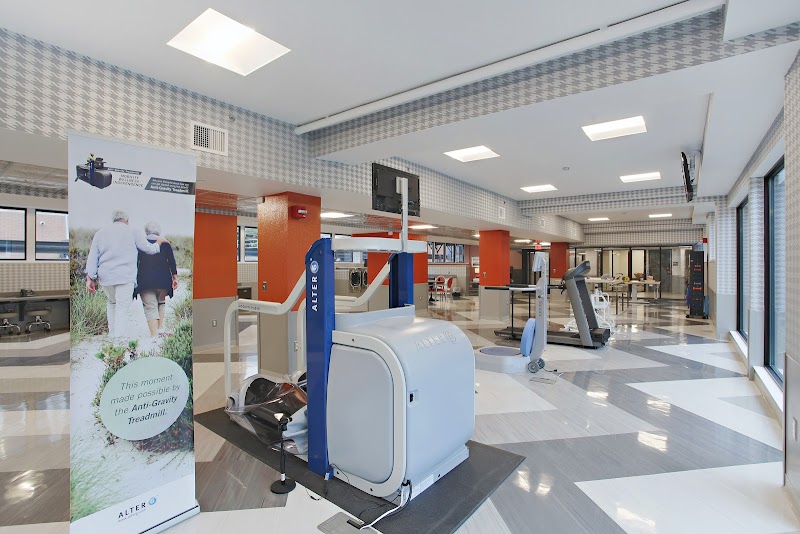
Who Owns and Operates Brighton?

BRIGHTON REHABILITATION AND WELLNESS CENTER is owned by a for-profit company. For-profit facilities operate as businesses with obligations to shareholders or private owners. The facility is operated by EPHRAM LAHASKY, a chain that manages multiple nursing homes. With 589 certified beds and approximately 397 residents (about 67% occupancy), it is a large facility located in BEAVER, Pennsylvania.
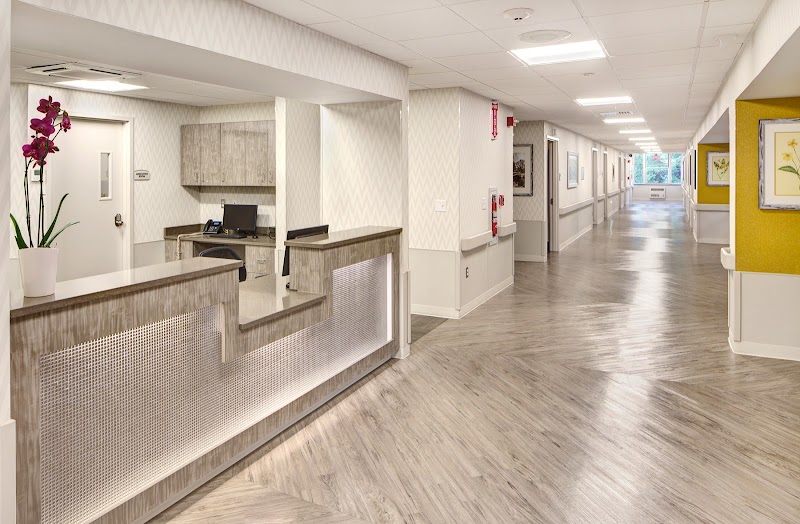
How Does Brighton Compare to Other Pennsylvania Nursing Homes?

Compared to the 100 nursing homes in Pennsylvania, BRIGHTON REHABILITATION AND WELLNESS CENTER's overall rating (1 stars) is below the state average of 3.0, staff turnover (59%) is significantly higher than the state average of 46%, and health inspection rating (1 stars) is much below the national benchmark.

What Should Families Ask When Visiting Brighton?

Based on this facility's data, families visiting should ask: "What changes have been made since the serious inspection findings, and how are you preventing similar issues?" "What safeguards and monitoring systems are in place to protect residents from abuse or neglect?" "How do you ensure continuity of care given staff turnover, and what is your staff retention strategy?" "Can I visit during a mealtime to observe dining assistance and food quality?" These questions are particularly relevant given the facility's Immediate Jeopardy citations, the substantiated abuse finding on record, and the facility's high staff turnover rate.

Is Brighton Safe?

Based on CMS inspection data, BRIGHTON REHABILITATION AND WELLNESS CENTER has documented safety concerns. The facility has 1 substantiated abuse finding (meaning confirmed case of resident harm by staff or other residents). Inspectors have issued 8 Immediate Jeopardy citations (the most serious violation level indicating risk of serious injury or death). The facility is currently on the Special Focus Facility watch list (a federal program monitoring the lowest-performing 1% of nursing homes nationwide). The facility has a 1-star overall rating and ranks #100 of 100 nursing homes in Pennsylvania. Families considering this facility should ask detailed questions about what corrective actions have been taken since these incidents.

Do Nurses at Brighton Stick Around?

Staff turnover at BRIGHTON REHABILITATION AND WELLNESS CENTER is high. At 59%, the facility is 13 percentage points above the Pennsylvania average of 46%. Registered Nurse turnover is particularly concerning at 56%. RNs handle complex medical decisions and coordinate care — frequent RN changes can directly impact care quality. High turnover means new staff may not know residents' individual needs, medications, or preferences. It can also be disorienting for residents, especially those with dementia who rely on familiar faces. Families should ask: What is causing the turnover? What retention programs are in place? How do you ensure care continuity during staff transitions?

Was Brighton Ever Fined?

BRIGHTON REHABILITATION AND WELLNESS CENTER has been fined $241,088 across 5 penalty actions. This is 6.8x the Pennsylvania average of $35,490. Fines at this level are uncommon and typically indicate a pattern of serious deficiencies, repeated violations, or failure to correct problems promptly. CMS reserves penalties of this magnitude for facilities that pose significant, documented risk to resident health or safety. Families should request specific documentation of what issues led to these fines and what systemic changes have been implemented.

Is Brighton on Any Federal Watch List?

BRIGHTON REHABILITATION AND WELLNESS CENTER is currently an SFF Candidate, meaning CMS has identified it as potentially qualifying for the Special Focus Facility watch list. SFF Candidates have a history of serious deficiencies but haven't yet reached the threshold for full SFF designation. The facility is being monitored more closely — if problems continue, it may be added to the official watch list. Families should ask what the facility is doing to address the issues that led to this status.