NAAMANS CREEK COUNTRY MANOR
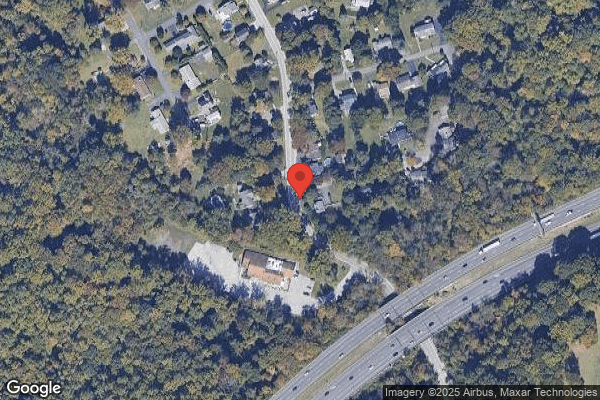

1194 NAAMANS CREEK ROAD, BOOTHWYN, PA 19061 (610) 558-7840
Non profit - Corporation 90 Beds Independent Data: November 2025
Trust Grade
53/100
#322 of 653 in PA
Last Inspection: May 2025

Inspected within the last 6 months. Data reflects current conditions.

Overview

Naamans Creek Country Manor has a Trust Grade of C, meaning it is average and falls in the middle of the pack among nursing homes. It ranks #322 out of 653 facilities in Pennsylvania, placing it in the top half, but only #16 out of 28 in Delaware County, indicating that there are better local options available. The facility's trend is stable, with five issues reported in both 2024 and 2025, suggesting no significant improvement or decline. Staffing is a strength, receiving a 4 out of 5 stars, although a turnover rate of 58% is concerning as it exceeds the state average. However, the facility faced $8,190 in fines, which is average but suggests some compliance issues. In terms of RN coverage, it is at an average level, meaning that while there are enough registered nurses, there might not be as much oversight as in facilities with higher coverage. Specific incidents include a failure to monitor a resident's vital signs according to physician orders, leading to hospitalization, and a failure to store food safely, with expired items found in the kitchen. Overall, while there are strengths in staffing, the facility has notable weaknesses in compliance and safety practices that families should consider.

Trust Score
C
53/100
In Pennsylvania
#322/653
Top 49%
Safety Record
Moderate
Needs review
Inspections
Holding Steady
5 → 5 violations
Staff Stability
⚠ Watch
58% turnover. Above average. Higher turnover means staff may not know residents' routines.
Penalties
⚠ Watch
$8,190 in fines. Higher than 85% of Pennsylvania facilities, suggesting repeated compliance issues.
Skilled Nurses
✓ Good
Each resident gets 50 minutes of Registered Nurse (RN) attention daily — more than average for Pennsylvania. RNs are trained to catch health problems early.
Violations
⚠ Watch
17 deficiencies on record. Higher than average. Multiple issues found across inspections.
★★★☆☆
3.0
Overall Rating
★★★★☆
4.0
Staff Levels
★★★☆☆
3.0
Care Quality
★★★☆☆
3.0
Inspection Score
Stable
2024: 5 issues
2025: 5 issues

The Good

  • 4-Star Staffing Rating · Above-average nurse staffing levels
  • Full Sprinkler Coverage · Fire safety systems throughout facility
  • No fines on record

Facility shows strength in staffing levels, fire safety.

The Bad

3-Star Overall Rating

Near Pennsylvania average (3.0)

Meets federal standards, typical of most facilities

Staff Turnover: 58%

11pts above Pennsylvania avg (46%)

Frequent staff changes - ask about care continuity

Federal Fines: $8,190

Below median ($33,413)

Minor penalties assessed

Staff turnover is elevated (58%)

10 points above Pennsylvania average of 48%

The Ugly 17 deficiencies on record

1 actual harm
May 2025 5 deficiencies
CONCERN (D)

Potential for Harm - no one hurt, but risky conditions existed

Deficiency F0605 (Tag F0605)

Could have caused harm · This affected 1 resident

Based on review of clinical records and staff interview it was determined that the facility failed to ensure that one resident out of 24 sampled was free of chemical restraints (Resident 63). Findings...

Read full inspector narrative →
Based on review of clinical records and staff interview it was determined that the facility failed to ensure that one resident out of 24 sampled was free of chemical restraints (Resident 63). Findings include: A review of Resident 63's clinical record revealed admission to the facility on January 24, 2025, with diagnoses to include cerebral infraction (pathologic process that results in an area of necrotic tissue in the brain), cognitive communication deficit (difficulties in communication that arise from impairments in cognitive processes such as attention, memory, perception, and executive function), major depressive disorder (a mood disorder that causes a persistent feeling of sadness and loss of interest). An admission Minimum Data Set assessment (a federally mandated standardized assessment completed periodically to plan resident care) dated January 24, 2025, indicated that the resident is moderately cognitively impaired with a BIMS (brief interview to assess cognitive status) score of 12 (8-12 represents moderate cognitive impairment). A review of resident 63's clinical record revealed that the resident was prescribed Xanax (antianxiety, used to treat anxiety disorders and anxiety caused by depression) Oral Tablet 0.25 MG (milligrams) PRN (as needed) every 8 hours for 30 days, with a start date of February 14, 2025. Additional review of the resident's clinal record revealed an order to administer Nonpharmacological Intervention(s) used before PRN Pain Medication or before PRN antidepressant, antianxiety, antipsychotic or sedative/hypnotic medication Document by number:1 Reposition for comfort 2 massage 3 involve in activity/alt. activity to divert 4 provide quiet setting with reduced stimuli as needed 5 relaxation technique 6 music 7 remove from area 8 direction/distraction with a start date of January 24, 2025. Review of Resident 63's medication administration record (MAR) for the month of March 2025, revealed the facility administered the Xanax to Resident 63 on March 5th 2025, March 12, 2025 and March 14, 2025. Further review of Resdient 63's MAR for March 2025 revealed the facility did not attempt any Nonpharmacological Interventions prior to administering Xanax to Resident 63. Review of Resident 63's progress notes failed to reveal any documentation of nonpharmacological Intervention being attempted prior to the administration of Xanax. An interview conducted with the Nursing Home Administrator (NHA) on May 2nd, 2025, at 11:25 a.m. confirmed the facility failed to attempt nonpharmacological Intervention prior to administering antianxiety medication to Resident 63. 28 Pa. Code 211.8 (c.1)(1)(e) Use of Restraints. 28 Pa. Code 211.5 (f) Medical records
CONCERN (D)

Potential for Harm - no one hurt, but risky conditions existed

Pharmacy Services (Tag F0755)

Could have caused harm · This affected 1 resident

Based on clinical record review and staff interviews, it was determined that the pharmacy failed to ensure medication for wound care was available for one of the four residents reviewed (Resident 175)...

Read full inspector narrative →
Based on clinical record review and staff interviews, it was determined that the pharmacy failed to ensure medication for wound care was available for one of the four residents reviewed (Resident 175). Findings include: A review of Resident 175's physician order dated April 29, 2025, revealed an order for Santyl (A topical medication used for removing damaged or burned skin to allow for wound healing and growth of healthy skin) ointment, apply nickel thick layer to the sacrum (The triangular bone just below the lumbar vertebrae) wound bed after cleansing with normal saline solution, cover with foam dressing once a day and as needed. May use Medihoney (A dressing that aids and support debridement and a moist wound healing environment in acute and chronic wounds and burns.) until Santyl arrives. An observation of the wound care treatment conducted on May 1, 2025, at 9:45 a.m., revealed that Medihoney treatment was used for the sacral wound instead of the Santyl. An interview with licensed nurse Employee E4 conducted on May 1, 2025, at 9:50 a.m., revealed that the facility was still using Medihoney instead of Santyl because the pharmacy had not delivered the medication yet. An interview conducted with the Assistant Director of Nursing on May 1, 2025, at 1:00 p.m., revealed that the medication order was sent to the pharmacy on April 29, 2025. A medication follow-up was made on April 30, 2025, and was informed that the medication would be delivered. On May 1, 2025, after another follow-up call, pharmacy representative [name of the pharmacist] reported that the medication delay was due to the absence of wound dimension documents. Records revealed order sent had dimension documents but was missed by the pharmacy. The pharmacy failed to ensure Santyl's medication for Resident 175's sacral wound was made available timely. 28 Pa. Code 211.9(h) Pharmacy services. 28 Pa Code 211.12(c)(d)(3) Nursing Services Previously cites 5/17/25
CONCERN (E)

Potential for Harm - no one hurt, but risky conditions existed

Quality of Care (Tag F0684)

Could have caused harm · This affected multiple residents

**NOTE- TERMS IN BRACKETS HAVE BEEN EDITED TO PROTECT CONFIDENTIALITY** Based on a review of the facility's policy, clinical records review, and staff interview, it was determined the facility failed ...

Read full inspector narrative →
**NOTE- TERMS IN BRACKETS HAVE BEEN EDITED TO PROTECT CONFIDENTIALITY** Based on a review of the facility's policy, clinical records review, and staff interview, it was determined the facility failed to ensure physician's orders were followed for three of the 18 residents reviewed (Residents 13, 14, and 66). Findings include: A review of the facility's policy titled Weighing of Residents, undated revealed that residents requiring daily weights due to clinical conditions warranting strict monitoring will be weighed in the same procedures as stated above. Documentation of the daily weight will be recorded in the electronic medical record (EMR). If the resident experiences a weight gain of three (3) pounds in a 24-hour period or a weight gain of greater than five (5) pounds in a week, the licensed nurse will notify the physician. Clinical records review revealed Resident 13 was admitted to the facility on [DATE], with a diagnosis of Congestive Heart Failure (CHF weakened heart condition that causes fluid buildup in the feet, arms, lungs, and other organs). A review of Resident 13's physician's order dated April 2, 2025, revealed an order to weigh the resident one time a day for monitoring. Clinical records review revealed Resident 13's daily weight monitoring was not done on the following dates: April 4, 5, 8, 10, 11, 13, 14, 15, 19, 21, 22, and 28, 2025. An interview was conducted with the Assistant Director of Nursing (ADON) on May 1, 2025, at 10:00 a.m. The ADON confirmed that Resident 13's daily weight monitoring was not done on the dates mentioned above. The ADON was unable to provide an explanation as to why Resident 13's weights were taken as ordered by the physician. An observation conducted on May 2, 2025, at 10:00 a.m., revealed Resident 14 was sitted in a wheelchair. Further observation revealed Resident 14's bilateral lower legs were swollen. Clinical records review revealed Resident 14 was admitted to the facility on [DATE], with a diagnosis of CHF. A review of Resident 14's physician's order dated April 10, 2025, revealed an order to weigh the resident one time for monitoring. Clinical records review revealed Resident 14's daily weight monitoring was not done on the following dates: April 13, 14, 15, 23, and 24, 2025. Further review revealed Resident 14's weight taken on April 22, 2025, was 130.4 pounds, Resdient refused his weight on April 25, 2025 and the weight taken on April 26, 2025, was 136.4, a six-pound weight gain in four days. The record review failed to reveal that the physician was notified of the six-pound weight gain in four days. A review of the physician's note dated April 30, 2025, revealed Resident 14 was seen in bed with an increased lower extremity edema. The physician ordered Lasix (A medication that treats fluid retention and swelling caused by CHF, liver disease, kidney disease, and other medical conditions) 40 mg for one dose. An interview was conducted with the ADON on May 1, 2025, at 10:00 a.m. The ADON confirmed that Resident 14's daily weight order was not done on the dates mentioned above. The ADON also confirmed that the physician was not notified of the six-pound weight gain on the four days between obtained weights identified on April 26, 2025. The facility failed to ensure Resident 13's and 14's daily weight monitoring orders were followed as ordered. Review of resident 66's diagnosis list includes Orthostatic Hypotension (significant drop in blood pressure due to standing up.) Review of Resident 66's physician orders dated April 1, 2025, revealed an order for Midodrine (used to treat low blood pressure) HCL 2.5 milligrams (MG), Give 1 tablet by mouth three times a day for orthostatic hypotension Hold for SBP (Systolic Blood Pressure) above 120mmHG. Review of Resident 66's medication administration record (MAR) for the month of April 2025 revealed that from April 1, 2025, until April 7, 2025, facility administered Midodrine to the resident 20 times without checking blood pressure for parameters. Further review revealed that from April 8, 2025, until April 26, 2025, resident was given Midodrine medication four times outside ordered parameter. An interview with the Interim Director of Nursing conducted on May 2, 2025, at 11:00 a.m., confirmed that parameters for Midodrine medication was not followed. The facility failed to ensure Resident 66's Midodrine medication order was followed 28 Pa Code 211.10(c)Resident Care Policies Previously cited 5/17/24 28 Pa Code 211.12(c)(d)(3) Nursing Services Previously cited 5/17/24
CONCERN (E)

Potential for Harm - no one hurt, but risky conditions existed

Deficiency F0692 (Tag F0692)

Could have caused harm · This affected multiple residents

Based on review of facility's policy, clinical records review and staff interviews, it was determine that the facility failed to appropriately monitor the weights and timely address identified signifi...

Read full inspector narrative →
Based on review of facility's policy, clinical records review and staff interviews, it was determine that the facility failed to appropriately monitor the weights and timely address identified significant weight changes for three of 18 Residents reviewed (Resident 63, 66 and 175). Findings include: A review of the facility's policy titled Weighing of Residents, undated, revealed that the facility must monitor the resident's weight to detect significant weight loss or gain to ensure that the resident maintains acceptable parameters of nutritional status. The same policy revealed that upon admission and readmission, the resident is weighed weekly for one month. An assigned licensed nurse or designee should review resident weights after they are entered or recorded. If the resident exhibits a change of five (5) pounds from the previous month's weight report and three (3) pounds from the previous weight report, the resident shall be reweighed within 24 hours and the re-weight shall be recorded. If the weight change falls into the significant category- 5% in one month or 10% in six months, the dietitian will complete an assessment to investigate the cause of the weight change. The charge nurse will notify the dietitian, the physician, and the family of the significant weight changes. Review of Resident 66's diagnosis includes Type 2 Diabetes (DM- failure of the body to effectively use insulin produced in the body, insulin regulates blood sure to pass from blood stream to cells) and Gastroesophageal reflux disease (Gerd- failure of the body to stop stomach acid from flowing back into the esophagus causing irritation to the lining of the esophagus.) A review of Resident 66's clinical records weight and vitals revealed, on March 29, 2025, Resident 66 weighed 192.4 and on April 16, 2025, the resident weighed 172.4 pounds a 10.40% weight loss in 18 days. Clinical record review revealed a re-weight was not completed until 2 days later revealing residents' weight was 172.4 Pounds. Clinical records review failed to reveal that the physician was notified of the significant weight loss and that an intervention was put in place. The facility failed to ensure physician was notified of Resident 66's significant weight loss and further intervention were put in place to prevent further weight loss An interview with the Interim Director of Nursing conducted on May 2, 2025, at 10:00 a.m., confirmed that the resident's physician was not notified of the significant weight loss and interventions were not put in place to prevent further weight loss. A review of Resident 175's diagnosis list includes Dementia (A term used to describe a group of symptoms affecting memory, thinking, and social abilities severely enough to interfere with daily life), and dysphagia (Difficulty swallowing). A review of Resident 175's Weights and vitals, revealed a weight of 150.2 pounds on April 16, 2025, and 139.4 pounds on April 23, 2025, a 10.8 (7.19%) significant weight loss in seven days. Clinical records review revealed reweight was not done until two days after which revealed a weight of 140.2 on April 25, 2025, a 6.66% weight loss in a week. The clinical records review failed to reveal that the resident was assessed after identifying the significant weight loss. The records also failed to reveal that the physician was notified of the significant weight change and that an intervention was put in place to prevent further weight changes. An interview with the Dietitian, Employee E4 was conducted on May 1, 2025, at 1:00 p.m. Employee E4 reported that she/he was not notified of the resident's weight loss identified on April 23, 2025. An interview with the Interim Director of Nursing conducted on May 2, 2025, at 10:00 a.m., confirmed that the resident was not assessed when significant weight loss was identified and that the physician was not notified of the significant weight change. The facility failed to ensure Resident 175's significant weight loss was assessed and addressed in a timely manner. 28 Pa Code 211.10(c)Resident Care Policies Previously cited 5/17/24 28 Pa Code 211.12(c)(d)(3) Nursing Services Previously cited 5/17/24
CONCERN (F)

Potential for Harm - no one hurt, but risky conditions existed

Food Safety (Tag F0812)

Could have caused harm · This affected most or all residents

Based on observations, review of facility policies, and interviews with staff, it was determined that the facility failed to store food in accordance with professional standards for food service safet...

Read full inspector narrative →
Based on observations, review of facility policies, and interviews with staff, it was determined that the facility failed to store food in accordance with professional standards for food service safety for two of two nursing units (First Floor and Second Floor nursing units). Findings include: Review of the facility policy, Dry Food Storage dated May 30, 2025, revealed, dry food storage is necessary for foods that do not require refrigeration or freezing and requires proper guidelines. All food items must be dated, labeled and sealed. Rotate products to ensure that the oldest inventory is used first. Observation on April 29, 2025, at 9:45 a.m. of the second-floor kitchen dry food storage area revealed expired used by dates for multiple loaves of bread and packages of buns. This included, 1 package of hot dog buns use by dated April 8, 2025, 1 loaf of wheat bread use by dated April 27, 2025, 1 loaf of raisin bread use by dated April 25, 2025, 5 packages of hamburger buns use by dated April 26, 2025, of which 2 packages revealed black and green spots on the buns, and 9 loaves of rye bread with no visible received or use by dates. Interview with Director of Dietary Services, Employee E3, on April 29, 2025, at 9:45 a.m. confirmed that items were not properly labeled or dated, items were expired, and the 2 packages of hamburger buns had visible black and green spots on them. The facility failed to ensure that food was stored properly, labeled and dated according to professional standards. 28 Pa Code 201.18(b)(1) Management
Sept 2024 1 deficiency
CONCERN (D) 📢 Someone Reported This

A family member, employee, or ombudsman was alarmed enough to file a formal complaint

Potential for Harm - no one hurt, but risky conditions existed

Food Safety (Tag F0812)

Could have caused harm · This affected 1 resident

Based on review of policies, as well as observations and staff interviews, it was determined that the facility failed to ensure that food was served under sanitary conditions and failed to prevent cro...

Read full inspector narrative →
Based on review of policies, as well as observations and staff interviews, it was determined that the facility failed to ensure that food was served under sanitary conditions and failed to prevent cross-contamination for one of 12 resident observed during lunch (Resident R7). Findings include: Observations conducted on September 24, 2024 at 12:15 p.m. in the main dining area on the second floor during the lunch meal tray line, revealed Licensed (LPN) Employee E1 removed R7's tray from the tray cart which revealed a soiled cloth towel on the tray touching the plate containing R7's meal. Further observation on September 24, 2024 revealed licensed Employee E1 returned from the kitchen at 12:18 p.m. with a new tray and meal for R7. Interview conducted with the Dietary Manager, on September 24, 2024, at 12:45 p.m. confirmed the soiled towel should not have been on R7's tray and reported that it was an accident. Interview conducted with the Director of Nursing (DON) on September 24, 2024, at 12:55 p.m. confirmed that all resident trays should be free of soiled cloth towels. 28 Pa. Code 211.6(f) Dietary Services.
May 2024 4 deficiencies
CONCERN (D)

Potential for Harm - no one hurt, but risky conditions existed

Deficiency F0557 (Tag F0557)

Could have caused harm · This affected 1 resident

Based upon observation, it was determined the facility failed to ensure residents were treated with dignity and failed to ensure private health information was secure for one of 24 residents observed ...

Read full inspector narrative →
Based upon observation, it was determined the facility failed to ensure residents were treated with dignity and failed to ensure private health information was secure for one of 24 residents observed (Resident 56). Findings include: Observation of Resident 56's room on May 16, 2024, at 11:00 a.m. revealed the presence of two white boards. One board was located on the wall next to Resident 56's bed and the other board was located on the wall directly below Resident 56's television. Further observation of these white boards revealed the following information Dietary restrictions - Mildly thick/nectar thick liquids only. No ice, room temp liquids via teaspoon. Further observation of Resident 56's room revealed a paper sign located above the head of Resident 56's bed. The sign indicated no straws. The above information was conveyed to the Nursing Home Administrator and Director of Nursing on May 17, 2024, at 10:00 a.m. 28 Pa. Code 201.18(b)(2) Management
CONCERN (D)

Potential for Harm - no one hurt, but risky conditions existed

Quality of Care (Tag F0684)

Could have caused harm · This affected 1 resident

Based on clinical records review and staff interview, it was determined that the facility failed to monitor a fluid restriction order for one of the 18 residents reviewed (Resident 235). Findings incl...

Read full inspector narrative →
Based on clinical records review and staff interview, it was determined that the facility failed to monitor a fluid restriction order for one of the 18 residents reviewed (Resident 235). Findings include: Review of Resident 235's diagnosis list includes Congestive Heart Failure (CHF-weakened heart condition that causes fluid buildup in the feet, arms, lungs, and other organs), Kidney Failure, and Dementia (term used to describe a group of symptoms affecting memory, thinking and social abilities severely enough to interfere with daily life). Review of Resident 235's physician's order dated May 9, 2024, revealed an order for 2000 ml (milliliter) fluid restriction, and heart-healthy modification. The clinical records review failed to reveal evidence that Resident 235's fluid intake was monitored to ensure the 2000 ml fluid restriction ordered by the physician was followed. Interview was conducted with the Director of Nursing on May 17, 2024, at 11:00 a.m. The Director of Nursing confirmed that nursing does not have documented evidence that Resident 235 ' s 2000 ml fluid restriction order was monitored and followed. The facility failed to ensure Resident 235's fluid intake was monitored to ensure the 2000 ml fluid restriction ordered by the physician was followed. 28 Pa. Code: 211.5(f) Clinical records 28 Pa. Code: 211.12(d)(1)(5) Nursing services
CONCERN (D)

Potential for Harm - no one hurt, but risky conditions existed

Pressure Ulcer Prevention (Tag F0686)

Could have caused harm · This affected 1 resident

**NOTE- TERMS IN BRACKETS HAVE BEEN EDITED TO PROTECT CONFIDENTIALITY** Based on clinical records review and staff interview, it was determined that the facility failed to ensure skin impairment ident...

Read full inspector narrative →
**NOTE- TERMS IN BRACKETS HAVE BEEN EDITED TO PROTECT CONFIDENTIALITY** Based on clinical records review and staff interview, it was determined that the facility failed to ensure skin impairment identified upon admission was comprehensively assessed for two of the six residents reviewed (Resident 57 and 235). Findings include: Review of the facility's policy titled Pressure Injury Management Program Evaluating Risk, Prevention, Support Planning, Treatment, and Monitoring, last reviewed in October 2021, revealed that residents admitted with pressure ulcers receive the care and services necessary to promote healing. A review of the same policy revealed that an evaluation of the pressure ulcer should be documented. At a minimum, documentation must include the date observed and the following: location, size, exudate if present, pain, wound bed, and description of wound edges and surrounding tissue as appropriate. Review of Resident 57's clinical records revealed Resident 57 was admitted to the facility on [DATE], with a diagnosis of Pneumonia. Review of Resident 57's admission skin assessment completed on January 26, 2024, revealed, the resident was admitted with a pressure ulcer (open wound caused by unrelieved pressure that results in damage to the underlying tissue) to the sacrum (tailbone). A review of the same assessment revealed no information regarding the wound's size, and description. Review of Resident 57's clinical records revealed Resident 57 sacral wound was not comprehensively assessed until evaluated by the wound nurse practitioner (NP) on February 5, 2024, 10 days after a wound was identified on admission. Review of Resident 235's clinical records revealed Resident 235 was admitted to the facility on [DATE], with a diagnosis of Dementia and Urinary Tract Infection. Review of Resident 235's admission skin assessment completed in May 2024, revealed the resident was admitted with a pressure ulcer to the right heel. Further review of the same assessment revealed no information regarding the wound's size and description. Review of Resident 235's clinical records revealed Resident 235's right heel wound was not comprehensively assessed until evaluated by the wound Nurse Practitioner on May 13, 2024. Interview was conducted with licensed nurse Employee E5 on May 17, 2024, at 9:30 a.m. Employee E5 reported that the admitting nurse is responsible for assessing the resident's skin for any impairment. Employee E5 added that although nurses don't initially document the stage of the wound, measurements, description of the wound, and the surrounding area should be assessed and documented. An interview with the Director of Nursing conducted on May 17, 2024, confirmed Resident 57 and Resident 235's pressure ulcers should have been comprehensively assessed on admission. The facility failed to ensure Resident 57 and Resident 235's pressure wounds identified upon admission were comprehensively assessed. 28 Pa Code 211.5 (f) Clinical records Previously cited 7/20/23. 28 Pa code 211.10 (c) Resident care policies Previously cited 7/20/23. 28 Pa. 211.12(c)(d)(1)(3)(5) Nursing services Previously cited 7/20/23.
CONCERN (E)

Potential for Harm - no one hurt, but risky conditions existed

Food Safety (Tag F0812)

Could have caused harm · This affected multiple residents

Based on a review of facility policies, observations, and staff interviews, it was determined that the facility failed to maintain dish machine water temperatures by manufacturer recommendations for f...

Read full inspector narrative →
Based on a review of facility policies, observations, and staff interviews, it was determined that the facility failed to maintain dish machine water temperatures by manufacturer recommendations for food service safety in the main kitchen. Findings include: A review of the facility's policy titled Machine Ware Washing undated, revealed that dining services will properly clean and sanitize all service ware to destroy foodborne pathogens. The same policy revealed that the staff will monitor/document water temperatures routinely in the Mechanical ware washer water temperature log. Monitoring schedule: at least one time every meal (mid-morning - breakfast clean-up, mid-afternoon - lunch clean-up, and evening - supper clean-up). Standard temperature = Wash = > 150 F. Final Rinse = > 180 F. A kitchen tour was conducted on May 14, 2024, at 9:34 a.m., with the presence of the Food Director Employee E4. An observation of the dish machine was conducted and revealed drinking cups and plates were being washed. An observation of the Wash temperature gauge revealed a temperature of 140F. The Rinse temperature gauge was observed not moving and was kept to 0 F. A review of the dishwater temperature log revealed that the water temperature was last checked on the evening of May 13, 2024. The temperature log for the morning of May 14, 2024, was blank. An interview was conducted with Employee E4 on May 14, 2024, at 9:45 a.m., who reported that the dish machine was recently serviced/checked by Ecolab and was functioning well until today. The above was conveyed to the Nursing Home Administrator on May 14, 2024, at 9:50 a.m. The facility failed to ensure dish machine water temperature in the main kitchen was maintained according to the manufacturer's recommendations for food service safety. 42 CFR 483.60(i)(2) Food Procurement, Store/Prepare/Serve-Sanitary 28 Pa. Code 201.14(a) Responsibility of licensee 28 Pa. Code 201.18(b)(1) Management 28 Pa. Code 201.18(b)(3) Management
Dec 2023 1 deficiency
CONCERN (D) 📢 Someone Reported This

A family member, employee, or ombudsman was alarmed enough to file a formal complaint

Potential for Harm - no one hurt, but risky conditions existed

Notification of Changes (Tag F0580)

Could have caused harm · This affected 1 resident

**NOTE- TERMS IN BRACKETS HAVE BEEN EDITED TO PROTECT CONFIDENTIALITY** Based on clinical record review and staff interview, it was determined that the facility failed to notify hospice services and t...

Read full inspector narrative →
**NOTE- TERMS IN BRACKETS HAVE BEEN EDITED TO PROTECT CONFIDENTIALITY** Based on clinical record review and staff interview, it was determined that the facility failed to notify hospice services and the resident's responsible party of a change in condition for one of three residents reviewed (Resident CL1). Findings Include: Review of facility policy titled Change in Resident Condition/Notification with a review date of March 2022 indicated it is the policy of this facility to notify the resident's responsible party/family when there is a significant change in the resident's condition. Additional review of facility policy indicated the licensed nurse or administrator will notify the designated person for notification as soon as possible following a significant change in a resident's condition. Documentation of the time and person notified, or message left, will be noted in the resident's record. Review of Resident CL1's clinical record revealed resident was admitted to the facility on [DATE], with diagnoses including but not limited to following Endocarditis (Inflammation of the inner lining of the heart chambers and valves), Cerebral Infraction (aka Stroke), and Displaced Intertrochanteric Fracture of Left Femur. Review of Resident CL1's October 2023, physician orders revealed an order dated October 29, 2023, indicating [Resident]'s end of life care will be coordinated with the facility and [name] hospice. Review of Resident CL1's clinical record including nursing progress notes revealed note dated November 28, 2023, indicating This nurse called to resident's room by assigned nurse to pronounce resident passing. Resident noted to be absent of pulse and respirations, pronounced at 5:20 am by this nurse. Further review of Resident CL1's clinical record failed to reveal documented evidence of notification to the hospice provider or the resident's responsible party. Interview on December 19, 2023, at 3:20 p.m. with the Nursing Home Administrator confirmed that there is no documented evidence that neither resident's hospice provider or resident's responsible party was notified of Resident CL1's change in condition. 28 Pa. Code 211.12(c)(d)(1)(5) Nursing services
Jul 2023 5 deficiencies
CONCERN (D)

Potential for Harm - no one hurt, but risky conditions existed

Deficiency F0692 (Tag F0692)

Could have caused harm · This affected 1 resident

Based on review of facility policy, clinical record review, and staff interview, it was determined that the facility failed to adequately monitor weight loss for one of three residents reviewed for nu...

Read full inspector narrative →
Based on review of facility policy, clinical record review, and staff interview, it was determined that the facility failed to adequately monitor weight loss for one of three residents reviewed for nutrition (Resident 18). Findings include: Review of facility policy, Weighing of Residents, undated, revealed that if the resident exhibits a weight change of 3 lbs. from the previous weight (weights under 100 lbs.), the resident shall be re-weighed within 24 hours and the re-weight shall be recorded. Review of Resident 18's weights revealed on April 5, 2023, the resident was recorded as weighing 79 lbs. On April 7, 2023, the resident was recorded as weighing 73.4 lbs., which is a 7.09% loss in two days. Further review of Resident 18's weights revealed the resident was not weighed again until April 14, 2023. Further review of Resident 18's weights revealed on May 10, 2023, the resident was recorded as weighing 78.2 lbs. On June 12, 2023, the resident was recorded as weighing 71.6 lbs., which is an 8.06% loss in one month. Further review of Resident 18's weights revealed the resident was not weighed again until July 6, 2023. Interview with the Registered Dietitian, Employee E6, on July 20, 2023, at 10:30 a.m. confirmed that the facility should have obtained reweights on Resident 18 within 24 hours. 28 Pa. Code 211.5(f) Clinical Records 28 Pa. Code 211.12(d)(1)(5) Nursing Services 28 Pa Code: 211.10(c) Resident care policies
CONCERN (E)

Potential for Harm - no one hurt, but risky conditions existed

Deficiency F0574 (Tag F0574)

Could have caused harm · This affected multiple residents

Based on observations, and interviews with residents and staff, the facility failed to post pertinent State regulatory information, including State licensure office contact information and how to file...

Read full inspector narrative →
Based on observations, and interviews with residents and staff, the facility failed to post pertinent State regulatory information, including State licensure office contact information and how to file a complaint with the State Survey Agency as required for two of two nursing units observed (First Floor and Second Floor nursing units). Findings include: During an interview, on July 18, 2023, at 10:30 a.m. a group of five alert and oriented residents (Residents 27, 36, 1, 28, 31) stated that they did not know how to contact or how to file a complaint with the State Survey Agency. Observation, on July 18, 2023, at 11:02 a.m. of the main lobby and first floor nursing unit areas revealed that there was no information posted regarding the State licensure office contact information and how to file a complaint with the State Survey Agency. Continued observation, on July 18, 2023, at 11:10 a.m. of the second floor nursing unit revealed that there was no information posted regarding the State licensure office contact information and how to file a complaint with the State Survey Agency. Further observation on July 18, 2023, at 11:15 a.m. and interview with the Nursing Home Administrator confirmed that there was no information posted regarding the State licensure office contact information and how to file a complaint with the State Survey Agency as required. 28 Pa Code 201.14(a) Responsibility of licensee 28 Pa Code 201.18(b)(2) Management
CONCERN (E)

Potential for Harm - no one hurt, but risky conditions existed

Grievances (Tag F0585)

Could have caused harm · This affected multiple residents

Based on observations, review of facility policies, and interviews with residents and staff, it was determined that the facility failed to provide residents with the opportunity to file grievances ano...

Read full inspector narrative →
Based on observations, review of facility policies, and interviews with residents and staff, it was determined that the facility failed to provide residents with the opportunity to file grievances anonymously for two of two nursing units observed (First Floor and Second Floor nursing units). Findings include: During an interview, on July 18, 2023, at 10:30 a.m. a group of five alert and oriented residents (Residents 27, 36, 1, 28, 31) stated that they did not know who the grievance official was at the facility and they did not know where the grievance process was posted. Observation, on July 18, 2023, at 11:02 a.m. of the main lobby and first floor nursing unit areas revealed that there was no information posted regarding the facility's grievance process, the grievance officer or how to file a grievance. Continued observation, on July 18, 2023, at 11:10 a.m. of the second floor nursing unit revealed that the facility Grievance/Complaint Procedure was posted in the hallway near the elevator. Review of the Grievance/Complaint Procedure undated, revealed, Please fill in this form and submit to the Charge Nurse who will see that it is forwarded to the Social Worker, who will assign a facility representative to investigate. The Grievance/Complaint Procedure listed the social worker's name and contact information as the grievance official. Further observation revealed that there were no grievance forms available and that there was no box to place grievance forms anonymously. Observation on July 18, 2023, at 11:15 a.m. and interview with the Nursing Home Administrator confirmed that no grievance information was posted on the first floor nursing unit, that there were no grievance forms available and that there was no box to place grievance forms anonymously. Interview on July 18, 2023, at 11:24 a.m. Employee E3, Director of Social Worker, stated that grievance forms were located at the nurses station and the residents could ask staff for a grievance form. Employee E3, Director of Social Worker, confirmed that there were no grievance forms available or a box for residents to be able to file grievances anonymously. The facility failed to provide residents the opportunity to file grievances anonymously. 28 Pa Code 201.29 (b) Resident rights
CONCERN (E)

Potential for Harm - no one hurt, but risky conditions existed

Deficiency F0757 (Tag F0757)

Could have caused harm · This affected multiple residents

Based on clinical record review, policy and procedure review, and staff interview it was determined the facility failed to administer as needed pain medications for appropriate pain levels for two of ...

Read full inspector narrative →
Based on clinical record review, policy and procedure review, and staff interview it was determined the facility failed to administer as needed pain medications for appropriate pain levels for two of five residents reviewed. (Residents 2 and 42) Findings include: Review of facility policy and procedure titled Pain Management, revised March 2022, revealed PRN (as needed) pain medication orders should include name of medication, strength, frequency, pain indication or location and pain scale (mild, moderate, severe). If there are multiple prn pain medication orders the orders must contain the necessary, pain scale clearly defining the level of pain for each use. Review of Resident 2's physician orders revealed an order dated April 26, 2023 for Oxycodone (narcotic pain reliever) with Acetaminophen (Tylenol) Tablet 5-325 MG (milligrams); Give 1 tablet by mouth every 6 hours as needed for moderate pain. Review of Resident 2's Medication administration Record for July and June 2023 revealed the resident received the medication for a pain level other than moderate a total of eight times. Review of Resident 42's physician orders revealed an order dated July 14, 2022 for Acetaminophen tablet 325 MG give two tablets by mouth every four hours as needed for mild pain; and an order dated May 20, 2023 for oxycodone HCL tablet 5 MG give one tablet by mouth every 6 hours as needed for pain, this ordered did not specify a pain level for the medication to be administered. Review of Resident 42's MAR for June and July 2023 revealed the Acetaminophen was administered 19 times for a pain rating other than mild. Further review of Resident 42's June and July 2023 MAR revealed the Oxycodone was given for a mild pain level totaling 25 times when the acetaminophen should have been administered. Interview with the Director of Nursing and the Nursing Home Administrator on July 20, 2023 at 9:30 a.m. confirmed prn pain medications were not administered as ordered and the prn pain medications for Resident 42 did not include a pain level per policy. 28 Pa Code 211.5 (f) Clinical records 28 Pa code 211.10 (c) Resident care policies 28 Pa. 211.12(c)(d)(1)(3)(5) Nursing services
CONCERN (E)

Potential for Harm - no one hurt, but risky conditions existed

Food Safety (Tag F0812)

Could have caused harm · This affected multiple residents

Based on observations, review of facility policies, and interviews with staff, it was determined that the facility failed to store food in accordance with professional standards for food service safet...

Read full inspector narrative →
Based on observations, review of facility policies, and interviews with staff, it was determined that the facility failed to store food in accordance with professional standards for food service safety for two of two nursing units (First Floor and Second Floor nursing units). Findings include: Review of the facility policy, Food Safety-Resident Food dated June 7, 2023, revealed, the facility will be responsible for safe storage of food and beverage items. Resident food items will be labeled with the resident's name. The item will also be dated. The item will only be safe for three days. Observation on July 17, 2023, at 9:17 a.m. of the second-floor kitchen dry food storage area revealed a box that was open and left open to air of food thickener. Interview, at the time of the observation, Employee E4, Dietary Manager, confirmed that the box of thickener was left open to air and then proceeded to close the box. Observation on July 18, 2023, at 9:56 a.m. of the second-floor pantry, revealed the following: A container of cream cheese for Resident 42 that expired June 16, 2023; Two bags full of containers of food brought in by family for Resident R42 that were undated; An opened quart sized container of iced tea that expired June 28, 2023, and did not contain a resident name label; An opened quart-sized container of strawberry lemonade that expired June 24, 2023, and did not contain a resident name label; An opened two-liter bottle of soda that was undated and did not contain a resident name label; An opened container of pastries that was undated and did not contain a resident name label; An opened carton of prune juice that was undated; Four pint-sized containers of ice cream that were undated, three of which did not contain a resident name label; An opened bag of potato chips that was undated; An opened bag of cheese crackers that was undated; A loaf of bread that expired on July 8, 2023; Four one-liter bottles of Glucerna 1.5 (nutritional supplement) that expired February 1, 2023; Two one-liter bottles of Glucerna 1.5 that expired March 1, 2023; Twelve eight-ounce bottles of Jevity 1.5 (nutritional supplement) that expired on July 1, 2023; Eight eight-ounce bottles of Glucerna 1.5 that expired on July 1, 2023; and two eight-ounce bottles of Glucerna that expired on May 1, 2022. Observation on July 18, 2023, at 10:21 a.m. of the first-floor pantry, revealed thirty-three eight-ounce bottles of Nepro (nutritional supplement) that expired on January 1, 2023. Interview with Employee E5, Chef, on July 18, 2023, at 10:24 a.m. confirmed that food was not stored properly in the pantries. Further it was confirmed by Employee E5, chef, that items were not properly labeled or dated, and the items were expired. The facility failed to ensure that food was stored properly, labeled and dated according to professional standards. 28 Pa Code 201.18(b)(1) Management
May 2023 1 deficiency 1 Harm
SERIOUS (G) 📢 Someone Reported This

A family member, employee, or ombudsman was alarmed enough to file a formal complaint

Actual Harm - a resident was hurt due to facility failures

Quality of Care (Tag F0684)

A resident was harmed · This affected 1 resident

Based on a review of the facility's policy, clinical records, and staff interviews, it was determined that the facility failed to follow physician's order to monitor the resident's vital signs and to ...

Read full inspector narrative →
Based on a review of the facility's policy, clinical records, and staff interviews, it was determined that the facility failed to follow physician's order to monitor the resident's vital signs and to timely notify the physician of an abnormal blood pressure reading resulting in actual harm of hospitalization for one of three residents reviewed (Resident 1). Findings include: Review of the facility's policy titled Vital Signs, Frequency, May 2022, revealed that upon admission or readmission of a resident to the facility, vital signs will be obtained every shift for 72 hours to establish baseline vital signs. Vital signs will be obtained and documented per physician's orders, as a nursing measure and/or pharmacy recommendations. Review of the facility's policy titled Change in Resident Condition/Notification, dated March 2022, revealed that the facility must evaluate each resident's significant change in condition and notify the attending physician appropriately of the evaluation on time. Review of Resident 1's diagnosis list revealed Chronic Obstructive Pulmonary Disease (COPD-group of lung diseases that blocks airflow and make it difficult to breathe), Acute Respiratory Failure, Pneumonia (infection that inflames the air sacs in one or both lungs), and Dementia (group of symptoms affecting memory, thinking and social abilities severely enough to interfere with daily life). Review of Resident 1's clinical records revealed Admission/Readmission nursing documentation dated April 18, 2023, revealed resident was readmitted to the facility from the hospital on April 18, 2023, at 6:50 p.m., with a diagnosis of Pneumonia (infection of the air sacs in one or both the lungs. Characterized by severe cough with phlegm, fever, chills and difficulty in breathing). Vital signs documented as follows: Blood Pressure (B/P) was 140/73 mm Hg; heart rate (HR) was 81 BPM; respirations 18/min.; and oxygen saturation was 95%. Review of the physician's order dated April 19, 2023, at 7:00 a.m., revealed an order for vital signs every shift x 72 hours then monthly everyday shift for three days; to start on April 19, 2023, at 7:00 a.m. Review of the resident's clinical records revealed that the resident's B/P was not taken on the morning shift (April 19, 2023 7a.m.-7p.m) and night shift (7p.m.-7a.m. on April 19th into April 20, 2023). Heart Rate (HR), respirations, and temperature were not taken on the morning shift. Interview with the licensed nurse Employee E3 conducted on May 4, 2023, at 11:00 a.m., revealed that vitals which include B/P, HR, RR (Respiratory Rate), and temperature should have been checked every shift as ordered and the result should be documented on the resident's clinical records. Employee E3 confirmed that there was no documentation of Resident 1's blood pressure from April 19, 2023, at 7:00 a.m., until April 20, 2023, at 4: 22 p.m. Review of Resident 1's nursing progress notes by licensed Employee E4 dated April 20, 2023, at 4:59 p.m., revealed at 4:00 p.m., the resident's oxygen via nasal cannula was not on while the resident was sleeping, V/S normal, Spo2 100%. The daughter reported that she forgot to put it back on after readjusting her, daughter was educated. Review of the vitals and weights dated April 20, 2023, at 4:22 p.m., documented by Employee E4 revealed a blood pressure of 83/55 mm Hg (normal B/P range from 90/60-120/80 mm Hg), Pulse Rate (PR) -82, Respiration Rate (RR)-18, Temperature (T)-97.4 F, and Oxygen level (Spo2) was 100%) Review of Resident 1's clinical records failed to reveal the resident was comprehensively assessed after noting a blood pressure of 83/55 mm Hg at 4:22 p.m. Further review of the clinical records failed to reveal the physician was notified of the resident's low blood pressure. Review of the nursing progress notes dated April 20, 2023, at 7:21 p.m., revealed the resident's granddaughter requested the resident be transferred to the hospital for evaluation because the resident had decreased responsiveness and was not talking or interacting with the family. The physician was notified. Review of the progress notes dated April 20, 2023, at 8:00 p.m., revealed resident physician ordered the transfer of the resident to the hospital for evaluation due to a change in mental status, and lethargy. Review of the progress notes dated April 21, 2023, at 2:46 a.m., revealed staff spoke to the ER (Emergency Room) nurse and reported that the resident was admitted with hypotension (low blood pressure) and that they were having a difficult time trying to keep the patient's blood pressure up. Review of the hospital records dated April 21, 2023, revealed the resident was transferred to the hospital for hypotension and was, in fact, hypotensive upon arrival and received sepsis (blood infection) fluid challenge with the improvement of blood pressure. The resident was admitted to PCU (Progressive Care Unit) with a diagnosis of Sepsis. Interview with Employee E4 conducted on May 4, 2023, at 1:00 p.m. revealed Employee E4was not able to answer any questions asked by the surveyor. Employee E4 reported that she/he was an agency. Employee E4 stated, I do not know what you are talking about. I don't remember at the top of my head. I'm sorry, I can't speak on it. Interview with licensed nurse Employee E5 conducted on May 4, 2023, at 1:15 p.m. Employee E5 reported that she/he was the nursing supervisor from 3:00 p.m., until 11:00 p.m., on April 20, 2023. Employee E5 reported not getting any concerns/reports regarding the resident's condition until around 7:00 p.m., when staff notified her/him that Resident 1's granddaughter wanted to talk to the nursing supervisor, or she will call 911 herself for the resident to be transferred to the hospital. Employee E5 reported that the resident was noted to be very sleepy, the family requested for the resident to be transferred to the hospital for evaluation, so she/he called the on-call physician and prepared paper work for transfer. Employee E5 reported that Employee E6 handed her Resident 1's vital sign list but she/he did not get to ask when it was taken. Employee E5 reported that the blood pressure noted was in the 80's. Employee E5 reported that the physician called back and gave orders to transfer the resident to the hospital, 911 was called, the resident left, and the family followed. Review of the transfer form completed by Employee E5 on April 20, 2023, at 7:32 p.m., revealed the same vital signs taken on April 20, 2023, at 4: 22 p.m. There was no record that Resident 1's vitals were re-checked after 4:22 p.m. An interview with licensed nurse Employee E6 was conducted on May 4, 2023, at 1:45 p.m. Employee E6 reported that she/he was the nurse on April 20, 2023, from 7:00 p.m., until 7:00 a.m., the next day. Employee E6 reported that her/his shift starts at 7:00 p.m., and during the report, the morning (agency) nurse reported that the family was requesting for the resident to be transferred to the hospital, that vital signs were taken, and it was fine, and the nursing supervisor was already notified. Employee E6 was unable to remember the resident's vital signs reported by the morning nurse and reported that she/he might have written it on her/his report paper, but it was already thrown out. Employee E6 reported checking the resident and noted that the resident was gazing and not talking. Employee E6 reported that she/he did not check the resident's vitals, and the nursing supervisor sent the resident to the hospital. Interview with the Nurse Practitioner was conducted on May 4, 2023, at 2:00 p.m. The Nurse Practitioner (NP) reported that she was present on April 20, 2023, and was on-call until 5:00 p.m. The NP confirmed not getting a call regarding Resident 1's low blood pressure taken at 4:22 p.m., the NP reported that an order would have been made if she/he was notified regarding the resident's low blood pressure. The facility was unable to determine how long the resident had been having low blood pressure since the order to monitor the resident's blood pressure (vitals) ordered on April 19, 2023, at 7:00 a.m., was not followed. The facility was unable to provide an explanation why the physician was not notified of Resident 1's blood pressure of 83/55 mm Hg on April 20, 2023, at 4:22 p.m., and no documentation that the resident was comprehensively assessed. The physician was only notified of the resident's condition upon the family's request to transfer the resident to the hospital. The facility failed to follow the physician's order to monitor blood pressure/vitals and failed to timely notify the physician of the resident's low blood pressure which resulted in harm to Resident 1 of hospitalization. 28 Pa. Code 211.5(f) Clinical records Previously cited 7/22/22, 6/28/21 28 Pa. Code 211.10 (c) Resident care policies Previously cited 7/22/22 28 Pa. Code 211.12(d)(1)(5) Nursing services Previously cited 7/22/22, 6/28/21 28 Pa. Code 201.14(a) Responsibility of licensee Previously cited 6/28/21
Understanding Severity Codes (click to expand)
Life-Threatening (Immediate Jeopardy)
J - Isolated K - Pattern L - Widespread
Actual Harm
G - Isolated H - Pattern I - Widespread
Potential for Harm
D - Isolated E - Pattern F - Widespread
No Harm (Minor)
A - Isolated B - Pattern C - Widespread

Questions to Ask on Your Visit

  • "Why is there high staff turnover? How do you retain staff?"
  • "Can I speak with families of current residents?"
  • "What's your RN coverage like on weekends and overnight?"

Our Honest Assessment

Strengths
  • • Licensed and certified facility. Meets minimum state requirements.
Concerns
  • • 17 deficiencies on record, including 1 serious (caused harm) violation. Ask about corrective actions taken.
  • • Grade C (53/100). Below average facility with significant concerns.
  • • 58% turnover. Above average. Higher turnover means staff may not know residents' routines.
Bottom line: Mixed indicators with Trust Score of 53/100. Visit in person and ask pointed questions.

About This Facility

What is Naamans Creek Country Manor's CMS Rating?

CMS assigns NAAMANS CREEK COUNTRY MANOR an overall rating of 3 out of 5 stars, which is considered average nationally. Within Pennsylvania, this rating places the facility higher than 0% of the state's 100 nursing homes. This mid-range rating indicates the facility meets federal standards but may have areas for improvement.
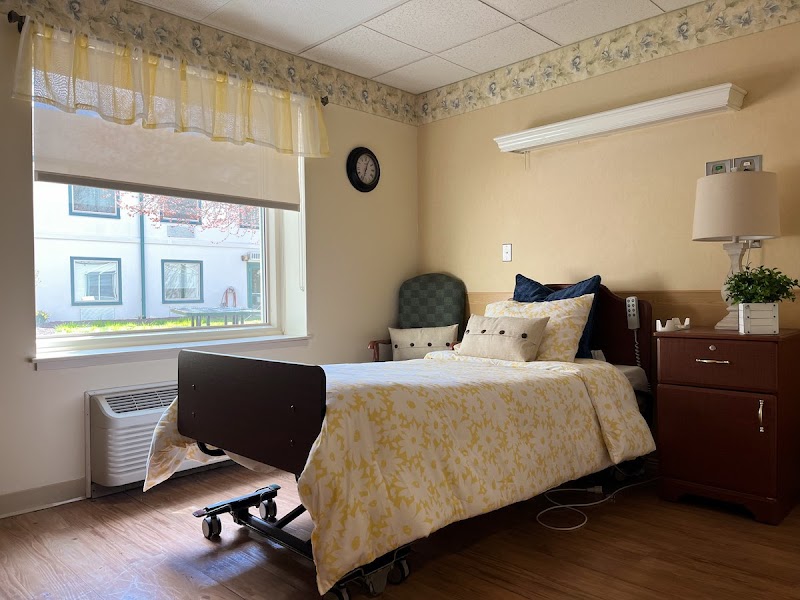
How is Naamans Creek Country Manor Staffed?

CMS rates NAAMANS CREEK COUNTRY MANOR's staffing level at 4 out of 5 stars, which is above average compared to other nursing homes. Staff turnover is 58%, which is 11 percentage points above the Pennsylvania average of 46%. High turnover can affect care consistency as new staff learn residents' individual needs. RN turnover specifically is 59%, which is notably high. RNs provide skilled clinical oversight, so turnover in this role can affect medical care quality.

What Have Inspectors Found at Naamans Creek Country Manor?

State health inspectors documented 17 deficiencies at NAAMANS CREEK COUNTRY MANOR during 2023 to 2025. These included: 1 that caused actual resident harm and 16 with potential for harm. Deficiencies causing actual harm indicate documented cases where residents experienced negative health consequences.
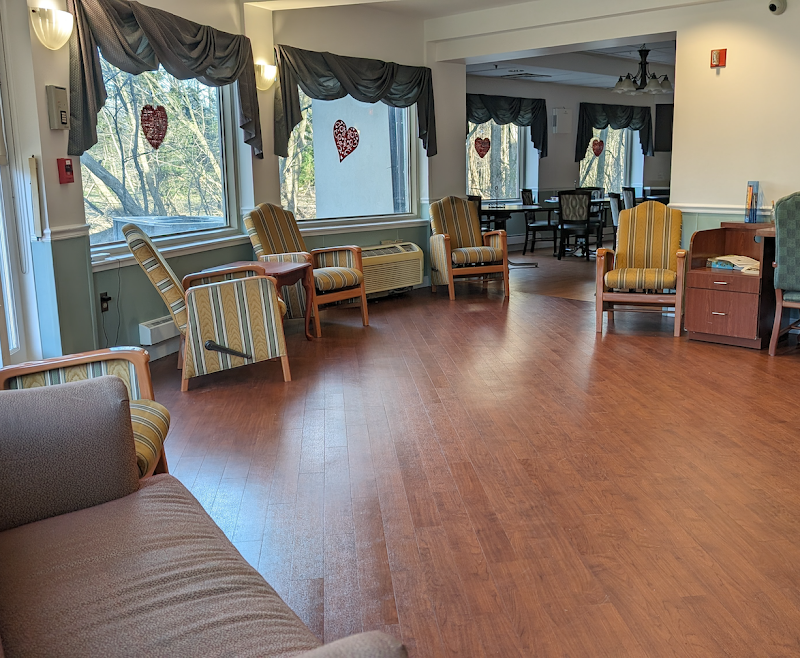
Who Owns and Operates Naamans Creek Country Manor?

NAAMANS CREEK COUNTRY MANOR is owned by a non-profit organization. Non-profit facilities reinvest revenue into operations rather than distributing to shareholders. The facility operates independently rather than as part of a larger chain. With 90 certified beds and approximately 73 residents (about 81% occupancy), it is a smaller facility located in BOOTHWYN, Pennsylvania.
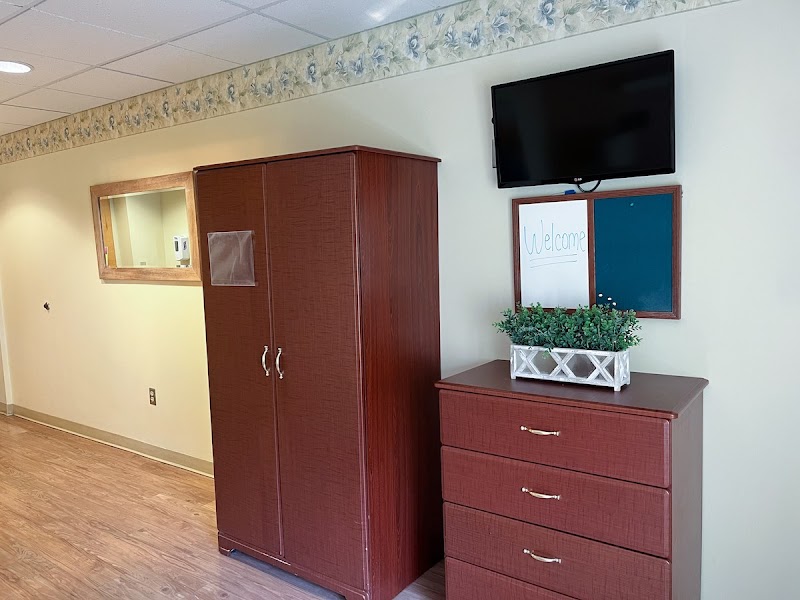
How Does Naamans Creek Country Manor Compare to Other Pennsylvania Nursing Homes?

Compared to the 100 nursing homes in Pennsylvania, NAAMANS CREEK COUNTRY MANOR's overall rating (3 stars) matches the state average, staff turnover (58%) is significantly higher than the state average of 46%, and health inspection rating (3 stars) is at the national benchmark.

What Should Families Ask When Visiting Naamans Creek Country Manor?

Based on this facility's data, families visiting should ask: "How do you ensure continuity of care given staff turnover, and what is your staff retention strategy?" "Can I visit during a mealtime to observe dining assistance and food quality?" "How do you handle medical emergencies, and what is your hospital transfer rate?" "Can I speak with family members of current residents about their experience?" These questions are particularly relevant given the facility's high staff turnover rate.

Is Naamans Creek Country Manor Safe?

Based on CMS inspection data, NAAMANS CREEK COUNTRY MANOR has a clean safety record: no substantiated abuse findings (meaning no confirmed cases of resident harm), no Immediate Jeopardy citations (the most serious violation level indicating risk of serious injury or death), and is not on the Special Focus Facility watch list (a federal program monitoring the lowest-performing 1% of nursing homes). The facility has a 3-star overall rating and ranks #1 of 100 nursing homes in Pennsylvania. While no facility is perfect, families should still ask about staff-to-resident ratios and recent inspection results during their visit.

Do Nurses at Naamans Creek Country Manor Stick Around?

Staff turnover at NAAMANS CREEK COUNTRY MANOR is high. At 58%, the facility is 11 percentage points above the Pennsylvania average of 46%. Registered Nurse turnover is particularly concerning at 59%. RNs handle complex medical decisions and coordinate care — frequent RN changes can directly impact care quality. High turnover means new staff may not know residents' individual needs, medications, or preferences. It can also be disorienting for residents, especially those with dementia who rely on familiar faces. Families should ask: What is causing the turnover? What retention programs are in place? How do you ensure care continuity during staff transitions?

Was Naamans Creek Country Manor Ever Fined?

NAAMANS CREEK COUNTRY MANOR has been fined $8,190 across 1 penalty action. This is below the Pennsylvania average of $33,161. While any fine indicates a compliance issue, fines under $50,000 are relatively common and typically reflect isolated problems that were subsequently corrected. Families should ask what specific issues led to these fines and confirm they've been resolved.

Is Naamans Creek Country Manor on Any Federal Watch List?

NAAMANS CREEK COUNTRY MANOR is not on any federal watch list. The most significant is the Special Focus Facility (SFF) program, which identifies the bottom 1% of nursing homes nationally based on persistent, serious quality problems. Not being on this list means the facility has avoided the pattern of deficiencies that triggers enhanced federal oversight. This is a positive indicator, though families should still review the facility's inspection history directly.