BRYN MAWR EXTENDED CARE CENTER
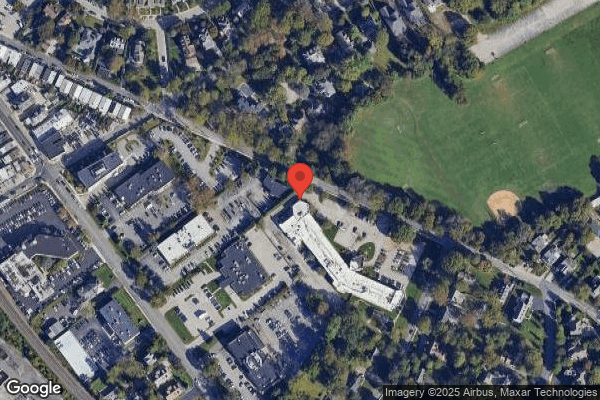
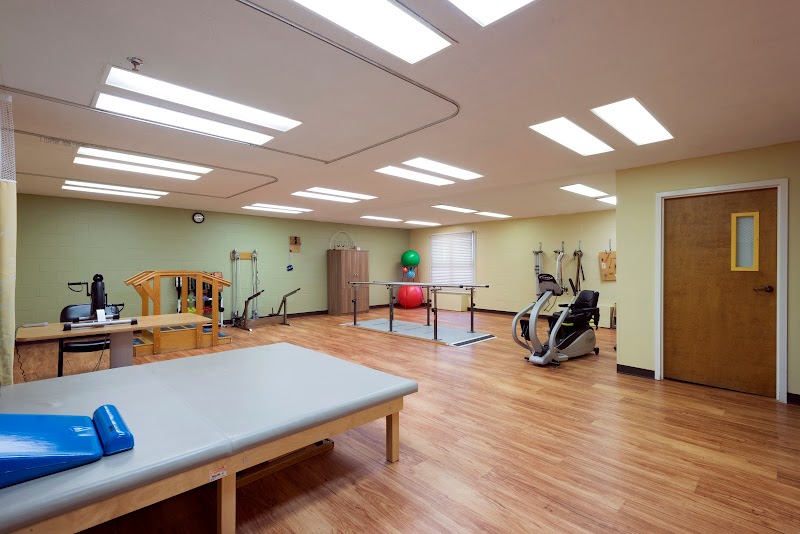
956 RAILROAD AVENUE, BRYN MAWR, PA 19010 (610) 525-8412
For profit - Corporation 160 Beds SABER HEALTHCARE GROUP Data: November 2025 2 Immediate Jeopardy citations
Trust Grade
11/100
#390 of 653 in PA
Last Inspection: April 2025

Within standard 12-15 month inspection cycle. Federal law requires annual inspections.

Overview

Bryn Mawr Extended Care Center has received a Trust Grade of F, which indicates significant concerns about the quality of care provided. It ranks #390 out of 653 facilities in Pennsylvania, placing it in the bottom half, and #20 out of 28 in Delaware County, meaning only a few local options are worse. While the facility is showing improvement, with issues decreasing from 36 in 2024 to 12 in 2025, the staffing situation is a concern, as it has a turnover rate of 51%, which aligns with the state average but is still not ideal. Additionally, the center has incurred $52,477 in fines, higher than 82% of Pennsylvania facilities, indicating ongoing compliance issues. Specific incidents include a failure to provide proper sanitization in the kitchen, a critical lapse in performing CPR for a resident, and inadequate pain management for another resident, highlighting serious deficiencies that families should consider.

Trust Score
F
11/100
In Pennsylvania
#390/653
Bottom 41%
Safety Record
High Risk
Review needed
Inspections
Getting Better
36 → 12 violations
Staff Stability
⚠ Watch
51% turnover. Above average. Higher turnover means staff may not know residents' routines.
Penalties
✓ Good
$52,477 in fines. Lower than most Pennsylvania facilities. Relatively clean record.
Skilled Nurses
⚠ Watch
Each resident gets only 23 minutes of Registered Nurse (RN) attention daily — below average for Pennsylvania. Fewer RN minutes means fewer trained eyes watching for problems.
Violations
⚠ Watch
57 deficiencies on record. Higher than average. Multiple issues found across inspections.
★★☆☆☆
2.0
Overall Rating
★★☆☆☆
2.0
Staff Levels
★★☆☆☆
2.0
Care Quality
★★☆☆☆
2.0
Inspection Score
Stable
2024: 36 issues
2025: 12 issues

The Good

  • Full Sprinkler Coverage · Fire safety systems throughout facility
  • No fines on record

Facility shows strength in fire safety.

The Bad

2-Star Overall Rating

Below Pennsylvania average (3.0)

Below average - review inspection findings carefully

Staff Turnover: 51%

Near Pennsylvania avg (46%)

Higher turnover may affect care consistency

Federal Fines: $52,477

Above median ($33,413)

Moderate penalties - review what triggered them

Chain: SABER HEALTHCARE GROUP

Part of a multi-facility chain

Ask about local staffing decisions and management

The Ugly 57 deficiencies on record

2 life-threatening 1 actual harm
Apr 2025 12 deficiencies
CONCERN (D)

Potential for Harm - no one hurt, but risky conditions existed

Deficiency F0655 (Tag F0655)

Could have caused harm · This affected 1 resident

Based on observations, interviews with resident and staff and review of clinical records and facility policy, it was determined the facility did not ensure a baseline care plan was developed with inte...

Read full inspector narrative →
Based on observations, interviews with resident and staff and review of clinical records and facility policy, it was determined the facility did not ensure a baseline care plan was developed with interventions to prevent pressure injury or trauma for one resident diagnosed with diabetes of 28 residents reviewed. (Resident R86) Findings include: Review of the facility's policy for Comprehensive Care Planning revised March 2025 states, The facility will develop a comprehensive person centered care plan for each resident that includes measurable goals and timetables to meet the resident's medical, nursing, mental, and psychosocial needs identified in the comprehensive assessment. The policy further states that a baseline care plan will be developed within the first 48 hours of admission to ensure the residents needs are met until the comprehensive care plan is completed. Review of Resident R86's admission Minimum Data Set (MDS- is a standardized assessment tool used to evaluate resident functional status, cognitive abilities, and health conditions to develop care plans for the residents' needs) dated February 26, 2025, assessed the resident as cognitively impaired with fluctuating inattention, and disorganized thinking, bilateral lower extremity impairment, used a wheelchair to ambulate, incontinent of bowl and bladder, depended on staff for toileting and maintaining toileting hygiene, needed substantial assistants for hygiene (able to do less than half the effort), and needed partial or moderate assistance with bed mobility. Resident R86's MDS included diagnoses of a progressive neurological condition, high blood pressure, diabetes mellitus, cerebrovascular accident (CVA, stroke) dementia, malnutrition, Parkinson disease, and Psychotic disorder. The resident's MDS revealed a weight loss of 5% or more in the past month (Nutritional assessment on admission dated February 26, 2025 noted a significant weight loss of 8.5% in the past month, related to the resident not receiving any nutrition for four or more days in the hospital due to a bowel obstruction). The resident's MDS using Braden (a formal assessment tool) and clinical assessment indicated Resident R86's was at risk for developing a pressure ulcer noting no unstageable or unhealed pressure ulcer was found during the assessment. The MDS indicated the skin and ulcer treatments were in place, that include a pressure reducing device for chair and bed, noting there was no turning/repositioning program in place nor any application of dressings to feet were implemented at the time of admission. Continue review of the MDS revealed that the resident was assessed at risk for pressure ulcers. The MDS assessment indicated this care need was addressed in Resident R86's care plan. Further review of Resident R86's clinical record did not reveal a care plan for pressure ulcers nor was a care plan developed for the resident's risk of developing an open area to the skin, or heels, by injury, pressure and/or ulcer due to the resident's diagnosis of uncontrolled diabetes, decreased bed mobility, and substantial weight loss. 28 Pa Code 211.10(a) Resident care policies 28 Pa Code 211.10(c) Resident care policies
CONCERN (D)

Potential for Harm - no one hurt, but risky conditions existed

Deficiency F0658 (Tag F0658)

Could have caused harm · This affected 1 resident

Based on review of facility policies and documentation, clinical record review, interview with staff, and observations, it was determined that the facility failed to ensure that a licensed nurse maint...

Read full inspector narrative →
Based on review of facility policies and documentation, clinical record review, interview with staff, and observations, it was determined that the facility failed to ensure that a licensed nurse maintained professional standards of quality of care for one of four residents reviewed. This failure resulted in delay of medical treatment relating to one resident not receiving medications timely. (Resident R 41) Findings include: Review of facility document titled General Dose Preparation and Medication Administration revised April 4, 2024, revealed that prior to medication administration , the facility staff should take all measures required by the facility policy and applicable law, including but not limited to verifying each time a medication is administered and that it is the correct medication, correct dose correct route at the correct rate, at the correct time and for the correct resident. Further review of this policy states that medication must be administered within timeframes specified by the facility policy or manufacturers information. Review of facility policy titled Administering medications revised January 18, 2025, revealed that medications shall be administered in a safe and timely manner and in accordance with the physician order. Review of Resident R41's medication orders revealed orders for the following medication to be administered at 9:00 a.m.: Allopurinol 100 milligrams (mg) once a day, Amlodipine 10 mg, Cholecalciferol, Dorzolamide, Metoprolol 100 mg and Metoprolol 50 mg. Observation of Licensed nurse, Employee E15 on the first-floor nursing unit B on April 9, 2025 at 10:50 am, two hours after scheduled medication administration revealed Employee E15 appeared to be viewing a video playing on the facility computer on the med cart. Interview with Licensed nurse, Employee E15 at time of this observation, confirmed that she was watching the video on the computer, stating just catching up with Relias training (continuing education, compliance training for healthcare professionals). Asked if she was conducting medication pass, Employee E15 stated yes. Employee E15 shut off the playing of the video and then began preparation of medication to administer to Resident R 41. Employee 15 confirmed that the medications that she was preparing were Resident R41's morning medications which were due two hours prior. Employee E 15 stated she still had a few more residents to give medications to. 28 Pa. Code 211.12(d)(1)(3)(5) Nursing Services
CONCERN (D)

Potential for Harm - no one hurt, but risky conditions existed

ADL Care (Tag F0677)

Could have caused harm · This affected 1 resident

**NOTE- TERMS IN BRACKETS HAVE BEEN EDITED TO PROTECT CONFIDENTIALITY** Based on review of clinical records, observations, and staff and resident interviews, it was determined that the facility failed...

Read full inspector narrative →
**NOTE- TERMS IN BRACKETS HAVE BEEN EDITED TO PROTECT CONFIDENTIALITY** Based on review of clinical records, observations, and staff and resident interviews, it was determined that the facility failed to timely provide assistance with incontinence care for one of 35 residents reviewed (Resident R9). Findings Include: Review of Resident R9's clinical record revealed a quarterly Minimum Data Set Assessment (MDS - federally mandated resident assessment and care screening) dated February 28, 2025, that indicated the resident was able to make her needs known, cognitively intact, and had diagnoses of anxiety, depression, and muscle weakness. Further review of Resident R9's MDS dated [DATE], revealed the resident was always urinary/bowel incontinent (loss of bowel and bladder control) and required substantial/maximal assistance (helper does more than half the effort) with toileting hygiene (the ability to maintain perineal hygiene, adjust clothes before and after voiding or having a bowel movement). Interview on April 8, 2025, at 10:33 a.m. with Resident R9 revealed the resident had a bowel movement after breakfast and was waiting to be assisted with incontinence care. Resident R9 reported staff had been informed multiple times. Interview on April 8, 2025, at 10:36 a.m. with Resident R9's assigned nurse, Employee E7, revealed this nurse was aware Resident R9 was waiting to be assisted with incontinence care. Licensed Nurse, Employee E7, indicated Resident R9 informed the employee not that long ago and that Resident R9's nurse aide was informed and would be in when done helping a different resident. Interview on April 8, 2025, at 11:01 a.m. with Licensed Nurse, Employee E7, revealed the nurse just got done providing incontinence care for Resident R9 because the nurse aide was still assisting other residents. Observations on April 10, 2025, at 11:15 a.m. revealed the call light for Resident R9's room was engaged. Subsequent interview on April 10, 2025, at 11:15 a.m. with Resident R9 revealed the resident had a bowel movement and was in need of incontinece care. Observations on April 10, 2025, at 11:23 a.m. revealed Resident R9's call bell was off. Interview on April 10, 2025, at 11:23 a.m. with Resident R9 revealed a nurse aide came in and turned off the call bell and told the resident she would be back after done assisting another resident. Observations on April 10, 2025, at 11:48 a.m. revealed Resident R9's call bell was still turned off. Interview on April 10, 2025, at 11:48 a.m. with Resident R9 revealed the resident was still waiting for incontinence care. Observations on April 10, 2025, revealed the nurse aide did not provide incontinence care to Resident R9 until 11:50 a.m. 28 Pa. Code 211.10 (d) Resident care policies. 28 Pa. Code 211.12 (d)(5) Nursing services.
CONCERN (D)

Potential for Harm - no one hurt, but risky conditions existed

Quality of Care (Tag F0684)

Could have caused harm · This affected 1 resident

Based on observation, interviews with resident and staff, review of clinical records, and facility documentation, it was determined the facility failed to implement interventions to prevent the develo...

Read full inspector narrative →
Based on observation, interviews with resident and staff, review of clinical records, and facility documentation, it was determined the facility failed to implement interventions to prevent the development of diabetic wound. This failure placed Resident R86 at risk for developing a diabetic wound to the right heel, requiring debridement and antibiotic therapy for one of 28 clinical records reviewed (Resident R86). Finding includes: Review of Resident R86's admission Minimum Data Set (MDS- standardized assessment tool used to evaluate resident functional status, cognitive abilities, and health conditions) dated February 26, 2025, revealed the resident was assessed as cognitively impaired with fluctuating inattention, and disorganized thinking. Continued review of the MDS revealed the resident had bilateral lower extremity impairment, and used a wheelchair to ambulate. Resident R86 needed substantial assistant for hygiene (able to do less than half the effort) and needed partial or moderate assistance with bed mobility. Review of Resident R86's MDS assessment included diagnoses of a progressive neurological condition, Diabetes Mellitus (failure of the body to produce insulin), Cerebral Vascular Accident (stroke), Dementia (progressive degenerative disease of the brain), malnutrition, and Parkinson Disease (progressive disease of the central nervous system). Review of Resident R86's nursing note dated March 24, 2025, revealed a discoloration to Resident R86's right heel, was identified and the resident was to use multi-podus boots (device use to float the heels) to bilateral feet to relieve pressure on the heels. Review of the facility's documentation dated March 24, 2025 revealed the discolored area found on the resident's right heel, included witness statements from nursing staff indicating the resident was observed pressing his/her foot against the foot board, also the resident confirmed to the staff he/she had been doing so. Review of Resident R86's March 2025 physician orders revealed a physician's ordered initiated March 25, 2025, to apply multipodus boot to bilateral feet when in bed. Review of Resident R86's current care plan failed to reveal a care plan for the risk of developing diabetic ulcers to the lower extremities due to the resident's diagnosis of diabetes and decreased bed mobility. Review of Resident R86's initial wound note by a wound physician dated March 27, 2025, revealed the right heel etiology was from the resident's diagnosis of diabetes. The measurements of the wound was 5.x 2.5 cm (unable to determine the depth). Further review of same wound note revealed Resident R86 has a chronic wound which may or may not heal and could worsen due to resident's restricted mobility, thinning skin, reoccurring trauma, non-compliance. Continued review of same wound note revealed an overall prognosis determined to be fair and the overall goal for the wound is prevention of wound decline, offloading heels, and to turn the resident per facility protocol. Review of Resident R86's wound physician note dated April 3, 2025, revealed risk factors of diabetes, limited mobility, poor nutritional intake, and dementia and indicated the resident was at risk for developing pressure ulcers due to those risk factors. Interview conducted with Licensed nurse, Employee E5 on April 10, 2025, at 12:00 p.m. revealed the resident developed a pressure injury from his/her feet hitting the footboard and the need for wearing multi-podus boots in bed. Review of Resident R86's surgical note from wound physician dated April 10, 2025, revealed assessment and plans indicated Resident R86 has a wound on the right heel. The wound debrided today was at the right heel wound there was indication of tissue deterioration requiring ongoing administration and may very well need future debridement. No guarantee for wound healing can be made given the patients' risk factors/diagnoses that alter the state of this wound. The patient is also at risk for the development of a pressure injury as a result of the following risk factors of, poor nutritional intake, dementia, diabetes and limited mobility. The same assessment stated the resident has a chronic wound which may not heel and may worsen because of chronic comorbidities, thinning skin, recurring trauma, restricted mobility, noncompliance, maceration of wound edges and peripheral arterial disease resulting in poor tissue perfusion possible further tissue breakdown. Observation conducted on April 10, 2025, at 12:10 p.m. with Licensed Nurse, Employee E4, revealed Resident R86 laying in bed, barefoot with his feet crossed at the ankles. The resident was not wearing multi-podus boots. Resident R86 stated, I don't wear the boots (multi-podus boots). I bang my feet against the footboard because I slide down from the bed and my feet keep hitting the footboard. Nurse, E4 stated, I see (him/her) slide down from the bed and it causes (him/her) to press (his/her) feet against the footboard. It's the reason why (he/she) has the wound. Resident R86 complained it was painful when the nurse removed the dressing. The wound was covered in a medicated dressing that had purulent drainage (thick, opaque, greenish - brown drainage). Interview conducted with the wound doctor on April 10, 2025, at 2:30 p.m. revealed, the wound was debrided today and he placed the resident on antibiotics because the wound is now infected. The physician stated that it may have started as a diabetic wound but now, from the pressure of [his/her] feet without using proper footwear it has become worse. I spoke to the staff I could not stress enough how important proper footwear is and explained bending [his/her] knees propped with a pillow would prevent the resident from sliding and causing the pressure. Review of nursing note dated April 10, 2025 revealed the resident was ordered Keflex 500 milligrams twice a day for 10 days for right heel wound infection. 28 Pa. Code: 201.14(a) Responsibility of licensee 28 Pa. Code: 201.18 (b)(1) Management 28 Pa. Code: 211.10 (c)(d) Resident care policies 28 Pa. Code: 211.12 (d)(1) Nursing services 28 Pa. Code: 211.12 (d)(2) Nursing services 28 Pa. Code: 211.12 (d)(5) Nursing services
CONCERN (D)

Potential for Harm - no one hurt, but risky conditions existed

Accident Prevention (Tag F0689)

Could have caused harm · This affected 1 resident

Based on review of facility policy, review of clinical records, resident and staff interview and observation, it was determined that the facility failed to provide an environment that is free from acc...

Read full inspector narrative →
Based on review of facility policy, review of clinical records, resident and staff interview and observation, it was determined that the facility failed to provide an environment that is free from accident and hazards relating to adequate supervision and smoking safety. Findings include: Review of facility policy titled resident smoking policy last revised December 20, 2022 revealed facility has established residents smoking processes that take into account both smoking and non-smoking residents and that comply with applicable federal, state and local laws and regulations regarding smoking areas and smoking safety. Review of facility policy reveal resident who smoke will be required to sign a safe smoking and agree to abide by the rule regarding safe smoking or they will forfeit the privilege. Residents may only smoke on designate locations. Required supervision will smoke only at designated times independent smokers may smoke at any time but must sign out. Residents who smoke or desire to smoke will be required to sign a safe smoking contract and agree to abide by the rules regarding safe smoking or they will forfeit their smoking privileges residents may only smoke on premise in designated locations. Those requiring supervision will only smoke at designated times. Review of resident safe smoking agreement revealed rules and regulations including residents required supervision may smoke only a designated times and then designate locations when on facility grounds. Review of facility documented resident smoking list revealed resident R131, R14, R132, R51, R15, R88, R139, R19, R6, R66, R81 Review Residents' R131, R14, R51, R15, R88, R19, R66, R81 care plan revealed the following interventions: Educate as to the benefits of quitting and the risks associated with smoking, smoking items to be kept at nurse's station or per specific routine. Provide supervision at times of smoking, and smoking apron to be worn when smoking. Observation on April 8, 2025 at 2:00 p.m. revealed the facility main dining room first floor the designated smoking was viewed. Observation of five resident outside smoking, there was no staff member outside supervising the smoking activity . Interview with Life Enrichment Director, Employee E4 at the time of the observation revealed that some of the employees did not like to go outside so they watch from the window. Interview with Resident R14 at time of the observation revealed that they never have staff outside, they do not need a babysitter. Observation April 10, 2025 at 9:40 a.m. of the facility designated smoking area revealed 7 residents outside smoking and no staff present with these residents who were smoking. 28 Pa. Code 201.18 (b)(1)(e) Management 28 Pa. Code 211.12 (d)( 1)(5) Nursing services
CONCERN (D)

Potential for Harm - no one hurt, but risky conditions existed

Incontinence Care (Tag F0690)

Could have caused harm · This affected 1 resident

**NOTE- TERMS IN BRACKETS HAVE BEEN EDITED TO PROTECT CONFIDENTIALITY** Based on review of clinical records, facility policy and interviews with staff, it was determined that the facility failed to en...

Read full inspector narrative →
**NOTE- TERMS IN BRACKETS HAVE BEEN EDITED TO PROTECT CONFIDENTIALITY** Based on review of clinical records, facility policy and interviews with staff, it was determined that the facility failed to ensure that a follow- up appointment was scheduled with an urologist for a resident with an an indwelling urinary catheter for one of 28 resident records reviewed (Resident R121). Findings include: Review of the facility's policy titled, Continence Management Program revised on June 7, 2023, states the facility will provide services to restore or improve normal bladder function. Resident R121 was admitted to the facility on [DATE], diagnosed with benign prostate hyperplasia with lower urinary tract symptoms (an enlarge prostate gland that can cause various urinary problems). Review of Resident R121's nursing note dated December 14, 2024 stated Resident R121 failed to urinate for eight hours on the 7-3 shift. The nurse assessed the resident's abdomen noting it was distended and painful when palpated. The nurse received orders to straight catherize Resident R121 (to manually insert a tube to the bladder for voiding). No urine was produced and the resident was sent to the hospital diagnosed with urinary retention, a urinary tract infection and a catheter was inserted for voiding. Review of Resident R121 documentation revealed a urinary consults with the urologist dated January 17, 2025 reminding of an upcoming appointment on January 28, 2025 for a cystoscopy (using a small telescope to look at the bladder). Additional visits to the urologist were made until the last appointment, dated February 19, 2025 that indicated to refer to the doctor for discussion of two treatment options. Continue review of Resident R121's clinical record did not reveal this appointment was scheduled. Unit Manager, Employee E5 confirmed the facility failed to follow-up with Resident R121 regarding the resident's treatment options for the indwelling urinary catheter. 28 Pa. Code 201. 18(b)(1) Management. 28 Pa code:211.10(c)(d) Resident care policies.
CONCERN (D)

Potential for Harm - no one hurt, but risky conditions existed

Drug Regimen Review (Tag F0756)

Could have caused harm · This affected 1 resident

Based on review of facility policies, clinical records, and staff interviews, it was determined that the facility failed to ensure the identified pharmacy review irregularities were implemented for on...

Read full inspector narrative →
Based on review of facility policies, clinical records, and staff interviews, it was determined that the facility failed to ensure the identified pharmacy review irregularities were implemented for one of five residents reviewed (Resident R63). Findings Include: Review of facility policy on Medication Regimen Review (MRR) Section Procedure, #9 revealed that the facility should encourage the physician/provider or other responsible parties receiving the MRR (Medical Record) and the Director of Nursing to act upon the recommendations contained within the MRR. #9.1 For those issues that require physician/prescriber intervention, facility should encourage physician/prescriber to either accept and act upon the recommendations contained within the MRR or reject all or some of the recommendations contained in the MMR and provide an explanation as to why the recommendation was rejected. #9.2 The attending physician should document in the resident's health record that the identified irregularity has been reviewed and what if any action is taken to address it. #9.2.2 If the attending physician prescriber decided to make no change in the medication, the attending physician document the rationale in the resident's health record. Review of Pharmacy Consultation Report for Resident R63 with recommendation date of December 17, 2024, revealed that under section comment: Resident R63 has received Eszopiclone 2 milligrams at bedtime for insomnia since 5/2024. Under section Recommendation: Please consider if a gradual dose reduction could be attempted at this time. Further review f the Pharmacy Consultation Report revealed an illegible undated, initial on the report. Further the word decline was written below the undated signature. Further review of the Pharmacy Consultation Report revealed no documented evidence that the pharmacist's recommendation has been reviewed by the physician. Further there was no documented evidence of any, action taken by the physician to address the recommendation including rationale if there is to be no change in the medication. Interview with DON (Director of Nursing) Employee E2 conducted on April 10, 2025, at 11:19AM confirmed that the Pharmacy Consultation Report for Resident R63 with recommendation date of December 17, 2024, had an undated initial, did not have documented evidence that the pharmacist's recommendation has been reviewed by the physician. Further Employee E2 also confirmed that there was no documented evidence of any, action taken by the physician to address the recommendation including rationale if there is to be no change in the medication. Review of Pharmacy Consultation Report for Resident R63 with recommendation date of February 18, 2024, revealed that under section comment: Resident R63 has received Cyclobenzaprine5 mg three times daily since 10/1/2024 and may be at risk for or experiencing adverse effects related to the anticholinergic properties of this medication. Under section Recommendation: Please reevaluate ongoing use of Cyclobenzaprine and consider if dosing reductions could be attempted. Under section physician's response, the section for I decline the recommendation above and do not wish to implement any changes due to the reasons below was checked off however section Rationale was not filled out. There was no rationale documented in the resident's clinical record. Interview with DON Employee E2 conducted on April 10, 2025, at 11:19AM confirmed that the Pharmacy Consultation Report for Resident R63 with recommendation date of February 18, 2025, had a pharmacy recommendation to reevaluate ongoing use of Cyclobenzaprine and consider if dosing reductions could be attempted and there was no documented rationale for the declination of the pharmacy recommendation. 28 Pa. Code 211.9 (a)(1) Pharmacy services. 28 Pa Code 211.12 (d)(5) Nursing Services.
CONCERN (D)

Potential for Harm - no one hurt, but risky conditions existed

Deficiency F0809 (Tag F0809)

Could have caused harm · This affected 1 resident

**NOTE- TERMS IN BRACKETS HAVE BEEN EDITED TO PROTECT CONFIDENTIALITY** Based on observations, review of facility documentation and interviews with residents and staff, it was determined that the faci...

Read full inspector narrative →
**NOTE- TERMS IN BRACKETS HAVE BEEN EDITED TO PROTECT CONFIDENTIALITY** Based on observations, review of facility documentation and interviews with residents and staff, it was determined that the facility failed to ensure that meals were served timely for one of 28 residents reviewed (Residents R47) Findings include: Review of Resident R47's clinical record revealed that resident was admitted to the facility on [DATE], with diagnoses of but not limited to Type 2 Diabetes (failure of the body to produce insulin), and Anemia (low red blood count). Review of Resident R47's quarterly MDS (minimum data set- a federally required assessment completed at a specific interval) dated March 11, 2025, section C0500 BIMS (brief interview for mental status) revealed a score of 15 suggesting that Resident R47 was cognitively intact. Review of physician's order revealed an order dated August 21, 2024, to: Monitor meal consumption during mealtimes. Further review of physician's order revealed an order dated March 21, 2025, for No added salt large portion diet. Review of April 2025 MAR (Medication Administration Record) revealed that under order for Monitor meal consumption during meal times, on May 7, 2025, 9:00 a.m. was left blank, a.m. and p.m. snack was also left blank. Interview with Resident R47 conducted during tour of the second-floor unit on April 7, 2025, at 11:16 a.m. revealed that Resident R47 did not get breakfast. Further, Resident R47 revealed that she informed the nursing supervisor Employee E3 she did not get her breakfast. Further Resident R47 also revealed that dinner tray was just picked up. Interview with nursing supervisor, Employee E3 conducted on April 7, 2025, at 11:53 confirmed that Resident R47 did not get her breakfast. Further Employee E3 revealed that the staff probably got confused with the dinner tray from the night before that was on her table. Further Employee E3 also revealed that someone is now getting Resident R47's tray from the kitchen. Further observation revealed that staff had brought Resident R47 a cold cereal and milk on April 7, 2025, at 12:02 PM which Resident R47 refused. Interview with Resident R47 conducted at the time of the observation revealed that she didn't want cereal for breakfast and that it was very late, and that lunch will be coming up soon. 28 Pa. Code 201.14(a) Responsibility of licensee 28 Pa. Code 201.18(b)(3) Management
CONCERN (D)

Potential for Harm - no one hurt, but risky conditions existed

Deficiency F0840 (Tag F0840)

Could have caused harm · This affected 1 resident

**NOTE- TERMS IN BRACKETS HAVE BEEN EDITED TO PROTECT CONFIDENTIALITY** Based on interviews, and review of clinical records, it was determined the facility failed to provide outside services for one o...

Read full inspector narrative →
**NOTE- TERMS IN BRACKETS HAVE BEEN EDITED TO PROTECT CONFIDENTIALITY** Based on interviews, and review of clinical records, it was determined the facility failed to provide outside services for one of 28 resident records reviewed (Resident R117). Findings include: Resident R117 was admitted [DATE] diagnosed with Polymyalgia rheumatica (PMR a rheumatic inflammatory disorder characterized by muscle pain and stiffness, primarily in the shoulders and hips, often accompanied by fatigue and systemic symptoms, like fever and weight loss.) Review of Resident R117's progress note dated March 26, 2025 indicated the resident's physiatrist recommended a rheumatology consultation. The note further stated the physician was in agreement. Continue review of Resident R117's clinical record revealed no evidence an appointment for a rheumotolgist was scheduled. This was confirmed with the Unit Manager Employee E5 on April 9, 2025, at 3:00 p.m. 28 Pa. Code 201.14 (a) Responsibility of licensee.
CONCERN (D)

Potential for Harm - no one hurt, but risky conditions existed

Medical Records (Tag F0842)

Could have caused harm · This affected 1 resident

**NOTE- TERMS IN BRACKETS HAVE BEEN EDITED TO PROTECT CONFIDENTIALITY** Based on interviews with staff, and review of clinical records, it was determined that the facility failed to ensure that hospic...

Read full inspector narrative →
**NOTE- TERMS IN BRACKETS HAVE BEEN EDITED TO PROTECT CONFIDENTIALITY** Based on interviews with staff, and review of clinical records, it was determined that the facility failed to ensure that hospice documentation was complete for one of 28 residents reviewed. (Resident R54) Findings include: Resident R54 was readmitted to the facility [DATE], with diagnosed with Senile degeneration of brain, not elsewhere classified, Major depressive disorder, generalized anxiety disorder, Unspecified psychosis not due to a substance or known physiological condition, hypertension, Unspecified glaucoma, Vitamin B deficiency, unspecified, Muscle weakness (generalized), and abnormalities of gait and mobility. Review of Resident R54 physician orders revealed the resident was placed on hospice, [DATE]. Review of the most resent hospice plan of care, and recertification period had expired. Continue review of Resident R54's hospice documentation revealed incomplete/missing correspondence from the hospice staff providing care. The Nursing home administrator confirmed on [DATE], at 2:00 p.m. Resident R54's last day of Hospice was on [DATE], and could not supply further documentation for the missing notes. 28 Pa. Code 211.5(f)(ix) Medical records 28 Pa. Code 211.12(d)(1) Nursing services
CONCERN (D)

Potential for Harm - no one hurt, but risky conditions existed

Infection Control (Tag F0880)

Could have caused harm · This affected 1 resident

**NOTE- TERMS IN BRACKETS HAVE BEEN EDITED TO PROTECT CONFIDENTIALITY** Based on observations, review of facility policies, review of facility documentation, review of clinical records, and staff inte...

Read full inspector narrative →
**NOTE- TERMS IN BRACKETS HAVE BEEN EDITED TO PROTECT CONFIDENTIALITY** Based on observations, review of facility policies, review of facility documentation, review of clinical records, and staff interviews, it was determined that the facility failed to establish an effective infection control program related to use of personal protective equipment with enhanced barrier precautions for two of four residents reviewed. (Resident R499 and R10) Findings include: Review of Resident R499's clinical record revealed that this resident has diagnosis' including sepsis, acute kidney failure, dysphasia (difficulty swallowing foods or liquids) peritoneal abscess (collection of pus in the abdominal cavity) delirium (disturbance in mental abilities that result in confused thinking) retention of urine(A blockage that prevents urine from leaving the bladder) and malnutrition . Review of Resident R499's care plan dated April 4, 2025, revealed that resident has a diagnosis of Clostridium Difficile. (C-Diff-highly contagious bacteria that can cause serious infections of the colon). Review of Resident R499's care plan dated April 4, 2025, revealed that resident has a diagnosis of sepsis (the body's extreme immune reaction to an infection, potentially life threatening). Review of resident's physician orders revealed an order dated April 6, 2025, for isolation/ transmission-based precautions/ isolation related to diagnosis of C-diff. Review of Resident 499 clinical record revealed that the resident was admitted [DATE] from the hospital with a diagnosis of sepsis with special needs of isolation for MRSA (methicillin- resistant staphylococcus aureus-infection caused by a type of bacteria that is resistant to many antibiotics) , C-diff (highly contagious bacteria that can cause serious infections of the colon), and ESBL (extended spectrum beta- lactamase, an enzyme that make antibiotic ineffective against bacterial infections) Observation of Resident R 499's room door revealed signage stating STOP enhanced barrier precautions . Everyone must clean hands before and after entering or leaving the room. Providers and staff must wear gloves and gown for high contact resident care activities such as dressing, bathing, transferring, changing linens, providing hygiene, changing briefs, device care (central line, urinary catheter, feeding tube, or tracheostomy and while providing wound care. Observation of Licensed nurse, Employee E17 on April 7, 2025 at 11:37 p.m. responding to resident infusion pump alarm (signaling the end of medication administration), ending for Resident R499 intravinous antibiotic, revealed that Employee E17 shut off the matching and flushed both intravenous lines (delivery of medications directly through a vein) and administering the medication Heparin. Licensed nurse, Employee E17 was observed wearing only gloves. Interview with Licensed nurse, Employee E17 at time of the above observation confirmed that she was aware the resident was on enhanced barrier precaution and she did not wear proper PPE. Interview with Nursing Home Administrator, Employee E 1 and Director of Nursing (DON), Employee E 2 on April 7, 2025 at 12:05 p.m. revealed that neither employee is certain of the residents precautions. DON, Employee E2 confirmed that the care plan and physician orders stated that resident R499 was diagnosed with C-idff but not sure why that was documented. Employee E2 stated that the resident was no longer on isolation precaution, the resident no longer had the infection C-diff and was only on antibiotics as prophylactic . Observation on April 7, 2025 at 1:48 p.m. revealed Pysical Terapist, Employee E12 and Occupational Therapist Employee E11, both werev observed providing physical therapy which involved contact with this resident at bedside. Neither employees were wearing proper PPE. Interview with Occupational Therapist, Employee E11 at time of above observation, revealed that she was only required to wear glove during therapy. Interview with DON, Employee E 2 on April 7, 2025 at 2:14 p.m. revealed that the resident provided hospital documentation that was discharges from hospital being cleared of Cdiff infection and only required the precaution of enhanced barrier. Review of Resident R10's comprehensive MDS (federally mandated resident assessment and care screening) dated February 23, 2025, revealed the resident was cognitively intact and had an indwelling catheter (also known as foley catheter - a flexible tube placed through the urethra into the bladder to help urinate and collect urine into a drainage bag). Interview on April 8, 2025, at 10:26 a.m. with Resident R10 confirmed the resident still had a foley catheter. Observations revealed signage placed on Resident R10's door that indicated that the resident required enhanced barrier precautions. Observations on April 10, 2025, at 11:50 a.m. revealed nurse aide, Employee E8, went in to provide care for Resident R10. Nurse aide, Employee E8, did not have a gown on to provide care. Subsequent interview with Nurse aide, Employee E8, revealed the employee was unaware a gown needed to be worn. 28 Pa. Code 211.10(d) Resident Care Policies 28 Pa. Code 211.12 (c)(d)(1) Nursing services
CONCERN (E)

Potential for Harm - no one hurt, but risky conditions existed

Deficiency F0679 (Tag F0679)

Could have caused harm · This affected multiple residents

**NOTE- TERMS IN BRACKETS HAVE BEEN EDITED TO PROTECT CONFIDENTIALITY** Based on observations, review of facility policies, clinical record reviews, and interviews with residents and staff, it was det...

Read full inspector narrative →
**NOTE- TERMS IN BRACKETS HAVE BEEN EDITED TO PROTECT CONFIDENTIALITY** Based on observations, review of facility policies, clinical record reviews, and interviews with residents and staff, it was determined that the facility failed to provide an ongoing program to support residents in their choice of activities designed to meet the interests and physical, mental and psychosocial well-being on two of two nursing units. (1st and 2nd Floor) Findings include Review of facility policy titled Life Enrichment Programming Policy last revised May 4, 2023 revealed that it is the facilities policy to maintain an ongoing resident centered life enrichment program based on comprehensive assessments and care plans. The program will be designed to meet the interest including hobbies and preferences, and the abilities of each resident including their physical common mental, emotional, social, spiritual, psychosocial and leisure needs. This life enrichment (activities) program will create opportunities for each resident to have a meaningful life by supporting his or her domains of wellness. The life enrichment director will involve residents in all aspects of programming delivery planning preparation implementation cleanup evaluation, incorporating the residents expressed interest and preferences. Programs offered will reflect the spiritual and cultural diversity of all residents' programs will be designed to appeal to both genders as well as all age groups of residents residing in the community programs will be scheduled and offered 7 days a week including evening and weekend programs. Review of facility document life enrichment director job description revealed the primary purpose of this job is to enhance resident wellness and the quality of life through planning, organizing, developing, implementing and directing the overall life enrichment program and operation of the department in accordance with current federal, state and local standards, guidelines and regulations and established policies and procedures. Essential functions of this position are planned, develop, organize, implement, evaluate, supervise, and direct the life enrichment program of the community including providing adaptive life enrichment programs techniques equipment and materials as related to each resident specific needs. Review of facility activities calendar, the scheduled activities for April 8, 2025, include: morning greeting at 09:00a.m. follow by Daily chronicles at 10:00a.m. Brain Games at 11:00 a.m., Room visits at 1:00p.m., Taco Tuesday at 2:00p.m., and Fresh air break at 3:00 p.m. Review of facility calendar scheduled activities for April 9, 2025, morning greeting at 9:00 a.m., daily chronical at 10:00 a.m., [NAME] fitness at 11:00 a.m., room visits at 1:00 p.m., quarter bingo at 2:00 p.m., and fresh air brake at 3:00p.m. Review of facility calendar scheduled activities for April 10, 2025, revealed at morning greeting at 9:00 a.m., daily chronical at 10:00 a.m., room visits at 1:00 p.m., sunshine ministry at 2:00 p.m., and fresh air brake at 3:00 p.m. Further review of the facility April 2025 Activities Calendar revealed that daily chronicles, greeting, room visits and fresh air brake are offered daily with bingo repeated on ten days, activities of dining (taco Tuesday and ice cream social) offered every Tuesday. Review of grievances from December 2024 the resident wanted to be included in activities. The result of this concern was resident was educated on the services and activities of the facility Interview with Resident R9 on April 9, 2025, at 12: 22 p.m. revealed the resident stated there are never any activities, only bingo, I don't like bingo. We have never been out of the facility on an activity, and never are allowed outside. Interview with Resident R84 on April 9 , 2025, at 12:25 p.m., confirmed her roommate allegation that there are never any activities, and stated the calendar is incorrect, the activities listed are never actually happening. Interview with Resident R8 on April 9, at 12:40 p.m. revealed that the facility has not asked what she would like to do and does not have any activities of interest. This resident does not like bingo and the only activity offered is bingo. The activities listed are never actually happening. Resident R8 would really enjoy activities if they were offered and provided. Interview with Resident R502 on April 10, 2025, at 9:20 a.m. revealed there are no activities. There is nothing to do in the facility. No one has ever come in the room to provide any activities or ask of any activities Interview with Resident R132 on April 10, 2025, at 9:20a.m. revealed no one has come to the room except nurses. Interview with Resident R501 on April 10, 2025, at 09:20a.m. revealed no activities that are of interest to this resident, no one has come in to discuss any activities or hobbies or any books or games. Interview with Resident R499 on April 10, 2025 at 9:20 a.m. revealed resident does not leave the room, there has been no one from the activities department to see him and or provide him with any activity or one to one time and conversation. Observation of activity Taco Tuesday on April 8, 2025, at 02:02 p.m. in the facility main dining room, ten resident were all seated side by side facing forward toward the front of the room where an employee was preparing the tacos. Residents were the served by Life Enrichment Assistant, Employee E10. The only activity observed were residents watching Employee E10 plate tacos and residents eating. Which is not providing the interests and physical, mental and psychosocial well-being of the residents. Observation on April 9, 2025, at 11:07 a.m. on the second-floor dining/ activity room where the activity [NAME] fitness was scheduled, four residents were observed seated at a table, one resident coloring in a coloring book, the other three residents observed just sitting at the table along with the Life Enrichment Assistant, Employee E14. The residents were seen not performing any activity specifically not exercising. Interview with Life Enrichment Assistant, Employee E14 at time of the above observation, stated that [NAME] was finished, this activity was held when she arrived at work that morning. Observation of First floor nursing units A and B on April 9, 2025, at 1:00 p.m. through 1:25 p.m. revealed that there was no activity staff observed on the floor. According to the facility activity calendar, the activity room visits were scheduled. Continued observation on April 9, 2025, at 1:25 p.m. of the first-floor nursing units A and B revealed Life Enrichment Assistant, Employee E10 propelling a cart filled with snacks down the corridor. Interview with Life Enrichment Assistant, Employee E10 at time of the above observation revealed that as her life enrichment task, she offers the residents and employees the opportunity to purchases snacks. Employee E 10 confirmed that this is included as room visits for resident activity. Observation on April 10, 2025, at 9:00a.m. through 09:30 a.m. of First floor nursing units A and B revealed no activity staff observed on the floor. According to the facility activity calendar, the activity Morning Greeting was scheduled to take place at this time. Observation on April 10, 2025, at 9:40 a.m. revealed Life Enrichment Assistant Employee E10 supervising residents smoking at designated outside area. Interview with Life Enrichment Assistant, Employee E10 at the time of above observation revealed that Employee E10 was responsible for the first-floor unit A activity of greetings. Employee E10 confirmed that she had not conducted that activity as of this time. Asked what the activity greetings entailed, Employee E10 stated I go to all the resident on the unit and just check in with them, tell them about the day events, sometimes plays cards or does manicures Interview with Director of Life Enrichment, Employee E4 April 9, 2025, at 2:00 p.m. this employee stated that she speaks with the residents and attends resident meeting, the only activity she is aware of the residents request is bingo which has been added for additional days. A lot of the resident don't want to leave their room or participate in activities. This employee stated that the residents go outside and those on the second flood really enjoy the parachute game. Employee is not sure why there was a discrepancy of the timing of observed activities or does not know of any complaints of activities. 28 Pa. Code 201.29(j) Resident rights 28 Pa. Code 211.10 (d) Resident care policies
Nov 2024 10 deficiencies 1 Harm
SERIOUS (G) 📢 Someone Reported This

A family member, employee, or ombudsman was alarmed enough to file a formal complaint

Actual Harm - a resident was hurt due to facility failures

Deficiency F0697 (Tag F0697)

A resident was harmed · This affected 1 resident

**NOTE- TERMS IN BRACKETS HAVE BEEN EDITED TO PROTECT CONFIDENTIALITY** Based on a review of clinical records, review of facility documentation, review of facility policy, review of hospital records a...

Read full inspector narrative →
**NOTE- TERMS IN BRACKETS HAVE BEEN EDITED TO PROTECT CONFIDENTIALITY** Based on a review of clinical records, review of facility documentation, review of facility policy, review of hospital records and interviews with staff, it was determined that the facility failed to assess resident's pain and timely obtain pain medication for adequate pain management for one of 28 residents reviewed. This failure resulted in actual harm to Resident R381 whose pain to the left foot was not properly relieved and managed and continued to experience uncontrolled pain. (Resident R381). Findings include: Review of the facility's policy for Emergency Medication Supplies (Emergency kit) revised December 2023 stated the pharmacy may provide the facility with Emergency Medication. Emergency medications shall be accessed by authorized facility staff when a medication is medically necessary to be administered before the next scheduled pharmacy delivery and for New Admissions. Review of the facility's pain management policy revised August 2024 stated the policy of this community to ensure any resident admitted to the facility is assessed for pain and/or potential for pain. A pain evaluation will occur on admission and with a significant change in condition. The evaluation will include active pain, including the type, intensity, characteristics, and frequencies, what pharmacological interventions used in the past to address the pain and the efficacy of such interventions, including use of opioids and any history of opioid use .Using the numeric pain rating scale (an 11-point scale where 0 indicates no pain and 10 indicates the worst pain imaginable) when evaluating the presence of pain. Further review of the facility's pain policy indicates, when the pharmacological interventions are needed the effect of the medication will be documented, and The physician will be notified of new onset of pain or a significant increase in pain as appropriate. Review of Resident R381's clinical records revealed the resident was admitted to the hospital on [DATE], when emergency services found (him/her) outside screaming in pain, due to a chronic ulcer wound on (his/her) right ankle. Review of the hospital's physical therapy note, dated October 11, 2024, noted the resident complained of pain, with contractures in multiple joints and limited range of motion in (resident) hips and knees with chronic right ankle deformity. Therapy notes stated the resident remained in (his/her) wheelchair 24/7 without transferring for toileting or sleeping and was unable to lay flat on (his/her) back. Review of admission documentation revealed that Resident R381 was admitted to the facility on [DATE]. Resident R381 was admitted to the facility with the diagnoses of an unspecified open wound, left ankle sequela (any complication or condition as a result of a previous disease or injury), chronic leg pain, Peripheral Vascular Disease (poor circulation of the extremities) and Cellulitis (potentially serious bacterial infection that effects the deeper layers of the skin). Review of hospital medication orders revealed that the resident was ordered pain medication Oxycodone IR (immediate release) 5 milligrams by mouth every 6 hours. Review of admission progress note dated October 12, 2024, at 2:17 a.m. Licensed Practical Nurse (LPN) Employee E9 revealed Received resident sitting on the side of the bed complaining of pain. APAP (Acetaminophen) 975 MG (milligrams) was offered to resident and (he/she) refused stating (resident) wants (his/her) oxycodone. This writer then informed resident that its not available this second take tylenol until we're able to obtain it, resident still refused APAP. Review of Resident R381's October 2024 Medication Administration Record (MAR) revealed that the resident was ordered on October 11, 2024, Acetaminophen 325 milligrams two tablets by mouth every 4 hours as needed for headache/pain. The resident was administered the medication on October 11, 2024, at 8:12 a.m. for a pain level of 9 on his/her right knee and left ankle. Continued review of the MAR revealed that this was the only occasion Acetaminophen 325 milligrams was administered to the resident. There was no documented evidence that the resident's pain level was assessed on October 11, 2024, during the evening and night shifts. The next time the resident was medicated for pain was October 12, 2024, that an order was obtained for Oxycodone 5 milligrams one tablet by mouth every 6 hours for severe pain over 7/10 (pain severely scale of 0-10). The resident was administered Oxycodone 5 milligrams on October 12, 2024, at 9:55 a.m. for a pain level of 9. Continued review of nursing notes dated October 12, 2024, at 1:15 p.m. revealed that the resident was requesting as needed Oxycodone. Licensed nurse, Employee E9 explained again that its every 6 hours and it has only been 3 hours. Resident was offered APAP (Acetaminophen) in which he refused. The resident began to demand to see the supervisor and DON saying its every 4 hours. Supervisor explained to resident it's every 6 hours and that it's too soon to administer. Continued review of Resident R381's clinical record revealed, approximately an hour after receiving the first dose of Oxycodone, a note written by physical therapist at 10:59 a.m. stated the resident, Perseverates on LLE (left lower extremity) pain and states (he/her) is in 10/10 pain; nursing is aware and reports patient received pain meds this AM . Pt continues to refuse any further mobility and states, 'The only therapy I want to do is jump out the window and hopefully slit my carotid on the way, when pressed regarding statement pt reports [Resident] is in a lot of pain at this time. Nursing supervisor and charge nurse made aware of patient's statements and behaviors. When the resident expressed to the therapist, (Resident) was in a severe pain there was no evidence the physician was notified. Instead of acknowledging the resident's pain, a late note written by the supervisor, dated October 12, 2024, documented that the therapist reported the resident with suicidal ideation and was immediately placed on a 1:1 supervision, and further stated After that, resident did not report suicidal ideation. Continued review of the clinical record revealed the resident was Placed on 1:1 for suicidal ideation related to pain management. The LPN, Employee E9 witness statement indicated, 'The supervisor and the Director of Nursing asked the resident to stay and 'Wait for pharmacy to deliver (his/her) meds.' During interview with the Director of Nursing (DON) on October 31, 2024, at 2 p.m. the DON was asked why the medication wasn't available. In addition, the delay obtaining an authorization code, and why the emergency medication was not utilized sooner. The DON was also interviewed as to no evidence that the resident's physician was notified regarding the resident's pain. The DON had no response for not calling the physician nor waiting for the authorization number but did reply it was the weekend and staff did not want to bother the physician. The facility failed to ensure that Resident's left foot pain was managed resulting in actual harm to Resident R381 who continued to experience uncontrolled pain. 28 Pa. Code 211.2 (d)(9)(10) Medical director 28 Pa. Code 211.10(c) Resident care policies 28 Pa. Code 211.12 (d)(1)(3)(5) Nursing services
CONCERN (D)

Potential for Harm - no one hurt, but risky conditions existed

Notification of Changes (Tag F0580)

Could have caused harm · This affected 1 resident

Based on review of clinical records, review of facility policies and procedures and interviews with staff, it was determined that the facility failed to promptly notify resident's physician of a fall ...

Read full inspector narrative →
Based on review of clinical records, review of facility policies and procedures and interviews with staff, it was determined that the facility failed to promptly notify resident's physician of a fall with injury resulting in hospitalization during a leave of absence from the facility for one of six residents reviewed (Resident R6). Findings include: Review of facility policy titled Resident Change in Condition Policy dated June 27, 2024, revealed The licensed nurse will recognize and intervene in the event of a change in resident condition. The Physician/Provider and the Family/Responsible Party will be notified as soon as the nurse has identified the change in condition and the resident is stable. A Significant Change of Condition is a decline or improvement in the resident's status that: 1. Will not normally resolve itself without intervention by staff or by implementing standard disease-related clinical intervention[s]; and/or one that 2. Impacts more than one area of the resident's health status; and/or one that 3. Requires interdisciplinary review and/or revision to the care plan. The Physician/Provider and Resident /Family/Responsible Party will be notified when there has been: a. An accident or incident involving the resident; b. A discovery of an injury c. A reaction to medication or treatment; d. A significant change in the resident's physical/emotional/mental condition; e. A need to alter the resident's medical treatment, including a change in provider orders Review of Resident R6's nursing progress note dated August 11, 2024, revealed that resident went to leave of absence with family to church. Review of Resident R6's nursing progress note dated August 11, 2024, revealed that resident returned to the nursing unit at 4:30 p.m., and, accompanied by brother. Resident's family was notified by the resident about hospitalization; and family picked up resident from the hospital by the car and transferred back to the facility. Resident noted with pain and discomfort. An abrasion was noted to right thumb, and pain noted to right side. As needed pain medication given. Review of facility reported incident dated August 14, 2024, revealed that while on leave of absence with church members on August 11, 2024, approximately 1:30 p.m., Resident R6 sustained a witnessed fall at church landing on his right side and was taken to the hospital by a church member. Review of Resident R6's entire clinical record revealed no documented evidence that the physician was notified promptly of Resident R6 fall while on leave of absence from the facility which resulted in injury and hospitalization. Interview with the Regional Nurse, Employee E3 on November 1, 2024 at 12:00 p.m. confirmed that there was no evidence in the clinical record that the physician was notified promptly of Resident R6 fall while on leave of absence from the facility. 28 Pa. Code: 211.12(c)(d)(1)(2)(3)(5) Nursing services.
CONCERN (D)

Potential for Harm - no one hurt, but risky conditions existed

Assessment Accuracy (Tag F0641)

Could have caused harm · This affected 1 resident

Based on clinical record review and interviews with staff, it was determined that the facility failed to accurately complete a resident assessment related to discharge status for one of 27 residents r...

Read full inspector narrative →
Based on clinical record review and interviews with staff, it was determined that the facility failed to accurately complete a resident assessment related to discharge status for one of 27 residents reviewed (Resident R129). Findings include: Review of Resident R129's progress note revealed a nursing note dated July 31, 2024, which stated, resident discharged to home. Review of Resident R129's discharge Minimum Data Set (MDS- assessment of resident care needs) dated July 31, 2024, revealed that the residents discharge status was coded, Short term general hospital (acute hospital). Interview with the Registered Nurse Assessment Coordinator, conducted on November 1, 2024, at 11:30 a.m. confirmed that the MDS discharge status, dated July 31, 2024, for Resident R129 was coded inaccurately. 28 Pa. Code 201.14(a) Responsibility of licensee 2 Pa. Code 211.5(f) Medical records
CONCERN (D) 📢 Someone Reported This

A family member, employee, or ombudsman was alarmed enough to file a formal complaint

Potential for Harm - no one hurt, but risky conditions existed

Respiratory Care (Tag F0695)

Could have caused harm · This affected 1 resident

Based upon review of clinical records and interviews with family and review of facility documentation, it was determined that the facility did not ensure resident requiring continuous oxygen therapy r...

Read full inspector narrative →
Based upon review of clinical records and interviews with family and review of facility documentation, it was determined that the facility did not ensure resident requiring continuous oxygen therapy received such services per the physician orders for one of 28 resident records reviewed (Resident R1). Findings include: Review of Resident R1's clinical record revealed that the resident was initially admitted to the facility in September 2022 for acute respiratory failure with hypoxia. Review of the grievance log revealed Resident R1's family indicated during a visit they observed the resident without the oxygen mask, stating it was the third time this month. Review of the Resident R1's October 2024 physician orders revealed an order for 2 liters of oxygen to be given continuously via nasal canula and to check the concentrator to endure functioning and appropriate setting. Statement received by the nursing assistant indicated on May 14, 2024, she removed the oxygen mask while giving care and forgot to replace the mask. 28 Pa. Code 211.12(d)(1) Nursing services 28 Pa. Code 211.12(d)(5) Nursing services
CONCERN (D)

Potential for Harm - no one hurt, but risky conditions existed

Laboratory Services (Tag F0770)

Could have caused harm · This affected 1 resident

Based on clinical record review and staff interview, it was determined that the facility failed to ensure that laboratory studies were promptly obtained as ordered by the physician for one of 28 clini...

Read full inspector narrative →
Based on clinical record review and staff interview, it was determined that the facility failed to ensure that laboratory studies were promptly obtained as ordered by the physician for one of 28 clinical records reviewed (Resident R107). Findings include: Review of Resident R107's physician progress note dated October 18, 2024, indicated that resident had complained of headache, dizziness, and lightheadedness. Resident's nurse practitioner was notified and ordered for lab work, CBC (complete blood count), CMP (complete metabolic panel), Urine culture and sensitivity, and electrocardiogram (EKG). Further review of Resident R107's clinical records revealed the staff collected the urine sample on October 19, 2024, at night shift however it was not set to the lab in a timely manner. Continued review of Resident R107's clinical records revealed the staff recollected the urine sample on October 21, 2024, and sent to the lab. Review of clinical record for Resident R107 revealed no evidence that the staff obtained the result or inquired about the result of urine test result sent on October 21, 2024. Interview with the Registered Nurse, Employee E5 on October 31, 2024, at 11:28 a.m. stated the urine container leaked on the way to the lab and it was discarded, lab tried to reach the facility but was unable to connect, no follow up was completed and no new urine sample was sent out. 28 Pa. Code 211.5(f) Clinical records 28 Pa. Code 211.10(c) Resident care policies 28 Pa. Code 211.12(d)(1)Nursing services 28 Pa. Code 211.12(d)(3) Nursing services 28 Pa. Code 211.12(d)(5) Nursing services
CONCERN (D)

Potential for Harm - no one hurt, but risky conditions existed

Deficiency F0773 (Tag F0773)

Could have caused harm · This affected 1 resident

Based on the review of facility policies, clinical record review and staff interviews, it was determined that the facility failed to ensure that resident's physician was notified about abnormal labora...

Read full inspector narrative →
Based on the review of facility policies, clinical record review and staff interviews, it was determined that the facility failed to ensure that resident's physician was notified about abnormal laboratory test results for one of 28 residents reviewed (Resident R107). Findings include: Review of Resident R107's physician progress note dated October 18, 2024, indicated that resident had complained of headache, dizziness, and lightheadedness. Resident's nurse practitioner was notified and ordered for lab work, CBC (complete blood count), CMP (complete metabolic panel), Urine culture and sensitivity, and electrocardiogram (EKG). Review of Resident R107's progress note dated October 19, 2024, indicated that the lab work was obtained, and the results were pending. Review of resident's clinical record including paper record and electronic record available at the facility revealed no evidence that the lab results which was ordered on October 18, 2024, were available to review. Interview with the Registered Nurse, Employee E5 on October 31, 2024, at 11:28 a.m. stated the lab work was completed for CBC and CMP, however it was not printed from lab electronic system and there was no evidence that the physician was notified. Further review of Resident R107's laboratory studies which was printed by Employee E5 revealed the results of CBC and CMP completed on October 19, 2024, indicated that some of the results were flagged for out of range. Resident's blood Sodium level was 133 with a normal range of 136-144. 28 Pa. Code 211.5(f) Clinical records 28 Pa. Code 211.10(c) Resident care policies 28 Pa. Code 211.12(d)(1)Nursing services 28 Pa. Code 211.12(d)(3) Nursing services 28 Pa. Code 211.12(d)(5) Nursing services
CONCERN (D)

Potential for Harm - no one hurt, but risky conditions existed

Deficiency F0919 (Tag F0919)

Could have caused harm · This affected 1 resident

Based on observations and staff interviews, it was determined that the facility failed to ensure that resident bathrooms were equipped with the appropriate call bell system for one out of 28 residents...

Read full inspector narrative →
Based on observations and staff interviews, it was determined that the facility failed to ensure that resident bathrooms were equipped with the appropriate call bell system for one out of 28 residents reviewed (Resident R21) Findings include: During an observation in Resident R21's on rooms on October 29, 2024, at 1:44 p.m. revealed that there was no wired call bell in residents' room, the wires were removed from the wall. Further observation revealed that there was a tap bell in the room across from resident's foot of the bed, which was out of reach for the resident who was laying in the bed. Resident R21 stated she uses the bell to call for staff and no one responds. Further observation revealed that resident pressed the tap bell at 1.49 p.m. Resident stated she needed to be changed as she had an incontinence episode. Staff did not respond until 1:58 p.m. and the surveyor observed staff at the nurse's station. Employee E4 who was assigned staff for Resident R21 stated she saw the bell sitting across from the resident when she was in her room before, but she thought the resident have a corded call bell. Observation in Resident R21's on rooms on October 30, 2024, at 11:14 a.m. revealed that the resident pressed the tap bell numerous times. Resident was lying on the bed and stated she wanted to get ready to go lunch. There was no response from staff until 11:27 a.m., it was revealed that the tap bell was not audible at the nurse's station, where there was music playing in the next room. Further observation on October 30, 2024, at 11:28 a.m. revealed that Registered Nurse, Employee E5 was passing medication in the hallway two rooms away from the resident. Employee E5 stated she did not hear the tap bell. During an interview with the Nursing Home Administrator and the Regional Nurse on November 1, 2024, at 12:00 p.m. stated the call system provided for Resident R21 was not adequate. 28 Pa. Code 205.67(j) Electric requirements for existing construction
CONCERN (D)

Potential for Harm - no one hurt, but risky conditions existed

Deficiency F0947 (Tag F0947)

Could have caused harm · This affected 1 resident

Based on review of personnel files and interviews with staff, it was determined that the facility failed to ensure that nurse aides received at least 12 hours of continuing education per year as requi...

Read full inspector narrative →
Based on review of personnel files and interviews with staff, it was determined that the facility failed to ensure that nurse aides received at least 12 hours of continuing education per year as required for three of five nurse aide personnel files reviewed (Employees E6). Findings include: A copy of five nurse aide employee educational record was requested to the facility administrator on November 1, 2024, at 9:30 a.m. Review of personnel files for Employees E6, Certified Nursing Assistant, revealed that there was no evidence that the employees completed at least 12 hours of continuing education per year as required. Interview on November 1, 2024, at 1:00 p.m. the Nursing Home Administrator revealed that there were no 12-hour educational records for Employees E6 at the time of the survey. 28 Pa Code 201.19(7) Personnel policies and procedures 28 Pa Code 201.20(d) Staff development
CONCERN (E)

Potential for Harm - no one hurt, but risky conditions existed

Deficiency F0583 (Tag F0583)

Could have caused harm · This affected multiple residents

Based on observation, review of facility policy and interview with staff, it was determined that the facility did not ensure personal privacy and confidentiality related to signage for enhanced barrie...

Read full inspector narrative →
Based on observation, review of facility policy and interview with staff, it was determined that the facility did not ensure personal privacy and confidentiality related to signage for enhanced barrier precautions for 5 of 8 residents on transmission based precautions (Residents R56, R126, R117, R88 and R61). Finding include: Review of facility policy, title Resident Rights, revised September 3, 2020, revealed, It is the facility's policy to comply with all Resident Rights, and to communicate these rights to residents and their designated representatives in a language they can understand. Review of facility policy, Transmission Based Precautions and Isolation policy, last revised April 14, 2024 revealed: Enhanced Barrier Precautions (EBP). EBP are intended to prevent transmission of multi-drug resistant organisms (MDROs) via contaminated hands and clothing of healthcare workers to highrisk residents. EBP are indicated for high contact care activities for residents with chronic wounds and indwelling devices (such as central lines, urinary catheters and trachs) and for all those colonized or infected with a MDRO currently targeted by the CDC. Further review of the above policy revealed, Signage indicating the appropriate type(s) of precautions and indicating that visitors should stop at Nurse's Station before entering, will be placed on the resident's door. Staff will educate visitors regarding donning appropriate Personal Protection Equipment while adhering to the resident's right for privacy protection. Observation tour on October 31, 2024 at 11:00 a.m. revealed eight residents had transmission based precautions signage posted on their door. Five of eight transmission based precautions signs revealed personal and confidential medical information. Transmission Based Precaution signage for Resident R56 revealed a staff member identified peg tube (feeding tube) and wound. Transmission Based Precaution signage for Resident R126 revealed a staff member identified trach (tracheostomy), peg tube (feeding tube) and wound. Transmission Based Precaution signage for Resident 117 revealed a staff member identified peg tube (feeding tube). Transmission Based Precaution signage for Resident R88 revealed a staff member identified peg tube (feeding tube) and trach (tracheostomy). Transmission Based Precaution signage for Resident R61 revealed a staff member identified foley (catheter) 28 Pa Code 211.12(c)(d)(1) Nursing services
CONCERN (E) 📢 Someone Reported This

A family member, employee, or ombudsman was alarmed enough to file a formal complaint

Potential for Harm - no one hurt, but risky conditions existed

Menu Adequacy (Tag F0803)

Could have caused harm · This affected multiple residents

Based on observations, review of facility documentation, and resident interviews, it was determined that the facility failed to ensure menus were followed for 10 of 28 clinical records reviewed (Resid...

Read full inspector narrative →
Based on observations, review of facility documentation, and resident interviews, it was determined that the facility failed to ensure menus were followed for 10 of 28 clinical records reviewed (Resident R32, R35, R43, R57, R99, R122 and R440R40, R59 and R109). Finding include: During lunchtime on October 29, 2024, at 1:08 p.m. Resident R109 complained that she did not order the chicken she was served and was given cranberry juice that she stated she was unable to drink. Review of Resident R109's lunch ticket indicated the resident requested roast beef, brown gravy, creamed spinach, and egg noodles. Also included on the lunch ticket was a request that indicated no cranberry juice. Interview with Resident R59 on October 29, 2024, at 3:00 p.m. stated he always gets the wrong meal and never gets what he asks for. Review of the grievance log revealed Resident R40 complained the kitchen serves the wrong food. Interview with Resident R40 on October 30, 2024, confirmed this still continues. During resident council on October 30, 2024 at 1:00 p.m. with seven residents ( Resident R32, R35, R43, R57, R99, R122 and R440) voiced concerns that the served food did not match with the food ticket. 28 Pa. Code 201.18(b)(3) Management
Aug 2024 1 deficiency
CONCERN (D) 📢 Someone Reported This

A family member, employee, or ombudsman was alarmed enough to file a formal complaint

Potential for Harm - no one hurt, but risky conditions existed

Safe Environment (Tag F0921)

Could have caused harm · This affected 1 resident

Based on observation, a review of facility documentation and resident and staff interviews, it was determined that the facility failed to ensure that a safe and comfortable environment was maintained ...

Read full inspector narrative →
Based on observation, a review of facility documentation and resident and staff interviews, it was determined that the facility failed to ensure that a safe and comfortable environment was maintained on one of four nursing care units (B wing). Findings include: An interview was conducted with Resident R1 on August 22, 2024, at 11:00 a.m. The resident's assigned room in on the B wing, located on the first floor of the facility. The resident stated that the temperature in the hallway was uncomfortable cold and that she has to keep her room door closed. The resident confirmed that she communicated her concern to the nursing supervisor and also during a resident council meeting. An observation tour was conducted of the B wing nursing care unit on August 22, 2024 in the company of the director of maintenance. The temperature of the hallway was checked and it registered at 69 degrees. The director of maintenance stated that the fire doors at each end of the B wing hallway were closed due to the magnetic door lock system malfunctioning. This created a compartment that prevented airflow and allowed the cold air from the airconditioning system to build up resulting in the temperature drop. The facility failed to ensure that a safe and comfortable air temperature was maintained on the B wing nursing care unit. 28 Pa. Code 207.2 (a) Administrator's responsibility
Feb 2024 2 deficiencies 1 IJ
CRITICAL (J) 📢 Someone Reported This

A family member, employee, or ombudsman was alarmed enough to file a formal complaint

Immediate Jeopardy (IJ) - the most serious Medicare violation

Deficiency F0678 (Tag F0678)

Someone could have died · This affected 1 resident

**NOTE- TERMS IN BRACKETS HAVE BEEN EDITED TO PROTECT CONFIDENTIALITY** Based on a review of established guidelines for cardiopulmonary resuscitation (CPR), review of facility's policies, residents' c...

Read full inspector narrative →
**NOTE- TERMS IN BRACKETS HAVE BEEN EDITED TO PROTECT CONFIDENTIALITY** Based on a review of established guidelines for cardiopulmonary resuscitation (CPR), review of facility's policies, residents' clinical records, and staff interviews, it was determined that the facility failed to ensure that CPR was provided in accordance with established facility policy for one of eleven residents reviewed (Resident 207), creating a situation in which the residents were placed in Immediate Jeopardy related to failure to perform cardiopulmonary resuscitation immediately. (Resident 207) Findings include: Review of guidelines from the American Heart Association (AHA), dated 2020, revealed, the AHA urged all potential rescuers to initiate CPR unless a valid Do Not Resuscitate (DNR) order was in place; if there were obvious clinical signs of irreversible death present, including rigor mortis (stiffness of the limbs and body that develops 2 to 4 hours after death and may take up to 12 hours to fully develop), dependent lividity (reddish-blue discoloration of the skin resulting from the gravitational pooling of blood in the lower lying parts of the body in the position of death), decapitation (separation of the head from the body), transection (division by cutting across the body), or decomposition (decay); or if initiating CPR could cause injury or peril to the rescuer. Review of the facility's policy titled Cardiopulmonary Resuscitation (CPR), revision date [DATE], stated that CPR will be provided to all residents/patients who experience cardiopulmonary arrest unless one or more of the following is present: A valid Advance Directive or POLST/MOLST/POST/MOST requesting withholding of CPR. A properly executed and witnessed Do Not Resuscitate (DNR) order. Documented verbal wishes by the resident/surrogate decision maker indicating the desire to be DNR but physician order is pending. Dependent lividity, rigor mortis, decapitation, or transection. Review of Inservice sheet dated February 28, 2024, revealed Objective if resident is found pulseless or without respirations, do not leave the resident alone, call out for help if necessary, instruct someone to call 911, and start CPR. Use an AED as soon as possible if one is available. If no AED is available, continue compressions and breaths for 2 Minutes then recheck pulse until EMS arrives. Review of Resident R1's clinical record revealed that she was admitted to the facility on [DATE], with diagnoses of type 2 Diabetes Mellitus (a condition results from insufficient production of insulin, causing high blood sugar). Review of Resident R1's clinical record revealed a February 2, 2024, physician's order for Full Code, indicating Resident R1's intention to have FULL treatment which includes attempt resuscitation, CPR. Review of facility documentation submitted to the State Agency on February 17, 2024, revealed that Resident R1 was found unresponsive when Licensed nurse, Employee E6, walked into the resident's room to obtain a blood sugar. Employee E6 went and checked the code status and looked in the computer under the first name and looked at the incorrect resident whose was coded as Do not Resuscitate. Employee informed the Nursing Supervisor (RNS), Employee E30, that the code status of Resident R1 was DNR. The Acting DON (Director of Nursing), Employee E3, was informed by Employee E30. The Acting DON, Employee E3 reported to the PA (Physician Assistant) Employee E7, that Resident R1 was unresponsive and was a DNR. The PA, Employee E7 reported to the Acting DON that resident R1 was a Full Code. At that time the Acting DON called a code, CPR was initiated and 911 (Emergency Medical Services) was called. The paramedics took over CPR and were able to obtain a pulse and transported the resident to the hospital. Interview with Licensed nurse, Employee E6, on February 28, 2024, at 12:05 p.m. confirmed that she was on duty on February 14, 2024, when she found Resident R1 unresponsive. She also confirmed that she had looked up the wrong resident in the computer using a first name because she could not remember Resident R1's last name at the time. Employee E6 also confirmed that she left the resident's room to use the computer and to get the supervisor (RNS), Employee E30, and that she told him that Resident R1 was a DNR. Employee E6 said that the RNS assessed the resident who was still unresponsive, and that it was later that the PA (Employee E7) said that Resident R1 was a full code, and then they started CPR. The Acting DON called 911 and did the paperwork. Employee E6 could not confirm the timing, stating that everything happened so fast, and that if she knew the resident was a Full Code she would have started CPR immediately. Telephone interview with Nurse aide, Employee E31, on February 28, 2024, at 5:50 p.m. confirmed that she was on duty on February 14, 2024, when Licensed nurse, Employee E6, reported to her that Resident R1 was unresponsive. She stated that she was in Resident R1's room giving care to Resident R1's roommate when Licensed nurse, Employee E6 made this report. Nurse aide, Employee E31 also stated that the Licensed nurse, Employee E6, asked her to provide after care to Resident R1. Employee E31 further stated that the Licensed Nurse, Employee E6 removed Resident R1's Foley (indwelling urinary) catheter, and Employee E31 said she cleaned the resident up and changed her gown to make her presentable to the family if they came to view the resident's body. Employee E31 stated that it was about 15 minutes from the time she was told that Resident R1 was unresponsive and when the code was called, and CPR was started. She said she remembered this because after the incident someone had asked this question and appeared upset when she said 15 minutes, she did not recall who this was. She said that she remained in the room to help with the code until the paramedics arrived. Telephone interview with Employee E30, RNS, on February 28, 2024, at 5:40 p.m. confirmed that he was the supervisor on duty on February 14, 2024, when Resident R1 was found unresponsive by Employee E6, and that Employee E6 had reported to him that the resident was a DNR, and that he called the Acting DON before he went to Resident R1's room to assess her. He said it was a short while later that the Acting DON and PA came to the floor to report that Resident R1 was a Full Code, and that the Acting DON had called a code and they began CPR. Interview on February 28, 2024, at 11:05 a.m. with Employee E3, ADON, who was Acting DON on February 14, 2024, confirmed that she was on duty when Employee E30, RNS called her about Resident R1 being unresponsive and that she was a DNR. She stated that she saw the PA, Employee E7, and told her about Resident R1 being unresponsive and a DNR, and that the PA checked and found that the resident was a Full Code. The ADON stated that she and the PA went to the first floor, and that she stopped in the lobby to have the receptionist call a code. She said that once the team started CPR, she called 911 and started the paperwork for transfer to the hospital. The ADON confirmed that it was about 10:50 a.m. the time she put on the report when she was talking to the PA when they realized that Resident R1 was a Full Code. Interview with the PA, Employee E7, confirmed that she was on duty on February 14, 2024, when Employee E3, ADON reported to her that Resident R1, who was a DNR, was found unresponsive. She stated that she looked it up in the computer because she thought the resident was a Full Code, and when she confirmed that Resident R1 was a full code they went down to the first floor to call a code. When asked what time this was, she said it was shortly after she got there for the day, and that she signed in at the front desk that morning. The Nursing Home Administrator, Employee E1 was able to pull the camera for the first floor which showed the Licensed nurse, Employee E6 and RNS, Employee E30 entering Resident R1's room at 10:41 a.m., and the nurse getting the crash cart at 10:55 a.m., leaving 14 minutes from the time the RNS found the resident unresponsive and when the code was called and CPR was started. A review of the Resident R1's clinical record revealed a nursing note by RNS, Employee E30, dated February 14, 2024, indicating call placed to hospital ER Nurse who indicated that Resident R1 had expired at 11:58 a.m. Interview conducted with the NHA, DON and ADON on February 28, 2024, at 11:25 a.m. confirmed that there was a delay in starting CPR due to Licensed nurse, Employee E6 misidentifying Resident R1's code status and proceeding as a DNR when the resident was a Full Code. Based on the above findings, an Immediate Jeopardy was identified to the Nursing Home Administrator on February 28, 2024 at 1:48 p.m. for failure to perform CPR immediately for a resident who had elected to be Full Code. The Immediate Jeopardy template was provided to the Administrator and Director of Nursing on February 28, 2024, at 1:53 p.m., and an immediate action plan was requested. The facility submitted an action plan on February 28, 2024, at 5:55 p.m. that included the following actions: -DON determined that resident was a full code, CPR was inititiated and 911 was called 10:55 a.m. The paramedics arrived at 11:07 a.m. and continued CPR. Resident had a pulse when she left the building. Resident was transported to the hospital. -Social Services completed a house audit of Code status and ensure medical reflects current status. -ADON/designee audited crash carts to ensure all equipment is available per community policy. -Payroll coordinator to conduct an audit of all licensed staff for current CPR certification. -LPN was suspended pending investigation. ADON/designee educated licensed nurses on CPR policy-to include resident identification and following resident code status wishes. -Payroll coordinator by Nursing Home Administrator was educated on ensuring Licensed nurse have a current CPR certification. -DON/designed will completed [NAME] codes over 2 shifts-[DATE]; 7-3 and 3-11. [DATE], 11-7; Ad hoc QAPI (Quality Assurance Program Improvement) completed [DATE] via phone and [DATE] interdisciplinary team ad hoc completed. -DON/designee will monitor code status for all new admissions and for any order changes -ADON/designee will monitor crash cart checks to ensure crash carts are being monitored. -ADON/designee will complete Mock codes three times a week for 4 weeks to determine competency and any need for further education. -The results of the audits will be forwarded to the faciltiy QAPI committee for further review and recommendations. -[DATE] Licensed staff per our policy were re-educated to perform CPR on residents who have elected such services by performed until EMS arrives and assumes responsibility for the resident. Licensed staff were educated on where to find advanced directives and CPR status. -Ad hoc review of CPR policy. The Immediate Jeopardy was lifted on February 29, 2024, at 4:11 p.m. when it was confirmed that the facility provided nursing staff with education regarding providing CPR in accordance with residents' advanced directives, and the facility's policy, and completed [NAME] Code drills to ensure that licensed nurses were prepared to respond to situations that required CPR. Any remaining staff were scheduled to receive the education prior to the start of their next shift. 28 Pa. Code 201.14(a) Responsibility of licensee 28 Pa. Code 201.18(b)(1)(3)(e)(1) Management 28 Pa. Code 201.18(e)(3) Management 28 Pa. Code 211.12(c)(d)(1)(3)(5) Nursing services
CONCERN (D) 📢 Someone Reported This

A family member, employee, or ombudsman was alarmed enough to file a formal complaint

Potential for Harm - no one hurt, but risky conditions existed

Administration (Tag F0835)

Could have caused harm · This affected 1 resident

**NOTE- TERMS IN BRACKETS HAVE BEEN EDITED TO PROTECT CONFIDENTIALITY** Based on a review of clinical records, facility documentation and interviews with staff, it was determined that the Nursing Home...

Read full inspector narrative →
**NOTE- TERMS IN BRACKETS HAVE BEEN EDITED TO PROTECT CONFIDENTIALITY** Based on a review of clinical records, facility documentation and interviews with staff, it was determined that the Nursing Home Administrator and the Director of Nursing failed to effectively manage the facility related to ensuring that Cardio Pulmonary Resuscitation (CPR) was provided in accordance with established facility policy for one of eleven residents reviewed (Resident 207), which resulted in an Immediate Jeopardy situation. Findings include: Review of the job description for the Nursing Home Administrator (NHA) revealed under positron summary that the NHA is to lead and direct the overall operations of the nursing faciltiy in accordance with the community policies and procedures, customer and resident needs, and both State and Federal guidelines. To maintain excellent care for the residents/patients and achieve the faciltiy's business objective. Monitoring each department's activities, ensuring that each department attains and maintains compliance with State and Federal requirements. Review of the job description for the Director of Nursing revealed under position summary that as the Director of Nursing it is your responsibility to organize, develop and direct the overall operations of the Nursing Services Department in accordance with current federal, state and local standards, guidelines and regualtion that govern the facility. The Director of Nursing is to work directly with the Administrator and the Medical Director to ensure the highest degree of quality of care is maintained for each resident at all times. Review of Resident R1's clinical record revealed that she was admitted to the facility on [DATE], with diagnoses of type 2 Diabetes Mellitus (a condition results from insufficient production of insulin, causing high blood sugar). Review of Resident R1's clinical record revealed a February 2, 2024, physician's order for Full Code, indicating Resident R1's intention to have FULL treatment which includes attempt resuscitation, CPR. Review of facility documentation submitted to the State Agency on February 17, 2024, revealed that Resident R1 was found unresponsive when Licensed nurse, Employee E6, walked into the resident's room to obtain a blood sugar. Employee E6 went and checked the code status and looked in the computer under the first name and looked at the incorrect resident whose was coded as Do not Resuscitate. Employee informed the Nursing Supervisor (RNS), Employee E30, that the code status of Resident R1 was DNR. The Acting DON (Director of Nursing), Employee E3, was informed by Employee E30. The Acting DON, Employee E3 reported to the PA (Physician Assistant) Employee E7, that Resident R1 was unresponsive and was a DNR. The PA, Employee E7 reported to the Acting DON that resident R1 was a Full Code. At that time the Acting DON called a code, CPR was initiated and 911 (Emergency Medical Services) was called. The paramedics took over CPR and were able to obtain a pulse and transported the resident to the hospital. Interview with Licensed nurse, Employee E6, on February 28, 2024, at 12:05 p.m. confirmed that she was on duty on February 14, 2024, when she found Resident R1 unresponsive. She also confirmed that she had looked up the wrong resident in the computer using a first name because she could not remember Resident R1's last name at the time. Employee E6 also confirmed that she left the resident's room to use the computer and to get the supervisor (RNS), Employee E30, and that she told him that Resident R1 was a DNR. Employee E6 said that the RNS assessed the resident who was still unresponsive, and that it was later that the PA (Employee E7) said that Resident R1 was a full code, and then they started CPR. The Acting DON called 911 and did the paperwork. Employee E6 could not confirm the timing, stating that everything happened so fast, and that if she knew the resident was a Full Code she would have started CPR immediately. Telephone interview with Nurse aide, Employee E31, on February 28, 2024, at 5:50 p.m. confirmed that she was on duty on February 14, 2024, when Licensed nurse, Employee E6, reported to her that Resident R1 was unresponsive. She stated that she was in Resident R1's room giving care to Resident R1's roommate when Licensed nurse, Employee E6 made this report. Nurse aide, Employee E31 also stated that the Licensed nurse, Employee E6, asked her to provide after care to Resident R1. Employee E31 further stated that the Licensed Nurse, Employee E6 removed Resident R1's Foley (indwelling urinary) catheter, and Employee E31 said she cleaned the resident up and changed her gown to make her presentable to the family if they came to view the resident's body. Employee E31 stated that it was about 15 minutes from the time she was told that Resident R1 was unresponsive and when the code was called, and CPR was started. She said she remembered this because after the incident someone had asked this question and appeared upset when she said 15 minutes, she did not recall who this was. She said that she remained in the room to help with the code until the paramedics arrived. Telephone interview with Employee E30, RNS, on February 28, 2024, at 5:40 p.m. confirmed that he was the supervisor on duty on February 14, 2024, when Resident R1 was found unresponsive by Employee E6, and that Employee E6 had reported to him that the resident was a DNR, and that he called the Acting DON before he went to Resident R1's room to assess her. He said it was a short while later that the Acting DON and PA came to the floor to report that Resident R1 was a Full Code, and that the Acting DON had called a code and they began CPR. Interview on February 28, 2024, at 11:05 a.m. with Employee E3, ADON, who was Acting DON on February 14, 2024, confirmed that she was on duty when Employee E30, RNS called her about Resident R1 being unresponsive and that she was a DNR. She stated that she saw the PA, Employee E7, and told her about Resident R1 being unresponsive and a DNR, and that the PA checked and found that the resident was a Full Code. The ADON stated that she and the PA went to the first floor, and that she stopped in the lobby to have the receptionist call a code. She said that once the team started CPR, she called 911 and started the paperwork for transfer to the hospital. The ADON confirmed that it was about 10:50 a.m. the time she put on the report when she was talking to the PA when they realized that Resident R1 was a Full Code. The Nursing Home Administrator, Employee E1 was able to pull the camera for the first floor which showed the Licensed nurse, Employee E6 and RNS, Employee E30 entering Resident R1's room at 10:41 a.m., and the nurse getting the crash cart at 10:55 a.m., leaving 14 minutes from the time the RNS found the resident unresponsive and when the code was called and CPR was started. Interview conducted with the NHA, DON and ADON on February 28, 2024, at 11:25 a.m. confirmed that there was a delay in starting CPR due to Licensed nurse, Employee E6 misidentifying Resident R1's code status and proceeding as a DNR when the resident was a Full Code. Based on the deficiencies identified in this report, the Nursing Home Administrator and Director of Nursing failed to fulfill essential duties and responsibilities of their position, contributing to the Immediate jeopardy situation. Refer to F678. 28 Pa Code 201.14(a) Responsibility of licensee 28 Pa Code 201.18(b)(1) Management 28 Pa Code 201.18(b)(3) Management 28 Pa Code 201.18(e)(1) Management
Feb 2024 23 deficiencies 1 IJ (1 affecting multiple)
CRITICAL (K) 📢 Someone Reported This

A family member, employee, or ombudsman was alarmed enough to file a formal complaint

Immediate Jeopardy (IJ) - the most serious Medicare violation

Food Safety (Tag F0812)

Someone could have died · This affected multiple residents

**NOTE- TERMS IN BRACKETS HAVE BEEN EDITED TO PROTECT CONFIDENTIALITY** Based on observations of the operations of the Food and Nutrition Department, reviews of policies and procedures, interviews wit...

Read full inspector narrative →
**NOTE- TERMS IN BRACKETS HAVE BEEN EDITED TO PROTECT CONFIDENTIALITY** Based on observations of the operations of the Food and Nutrition Department, reviews of policies and procedures, interviews with staff and reviews of chemical manufacturer's specifications, it was determined that the facility failed to ensure that the dish machine dispensed the proper level of sanitizing solution to sanitizing food service equipment. The facility failed to ensure that there was proper water pressure to maintain water in the three compartment sink, to sanitizing the food service equipment (pots, pans, dishes, utensils, bowls, cups, dome lids, meal trays). This failure resulted in an Immediate Jeopardy situation for one of one kitchens serving 128 residents. (Kitchen) Findings include: A review of the facility policy titled dish machine use and three compartment sink use dated April 1, 2013, for the Food and Nutrition Services Department indicated that dietary employees were responsible for following standards of practice to ensure that all food service equipment, utensils and dishes are washed and sanitized. The policy indicated that prior to use of the dish machine and three compartment sink (manual washing and sanitizing) the employees were to verify the temperature of the water and chemical concentration. The policy said that the employees were to follow the specifics provided by the dish machine manufacturer and chemical supplier specifications for proper use of the chemicals(hypochlorite and quaternary solution). The dietary employees were to monitor the temperature gauge and chemical concentration of the sanitizers frequently and if requirements were not met they were to immediately discontinue use of the dish machine and three step process to manually wash , rinse and sanitize dishware. Observations of the operation of the dish machine with the Director of Dietary Services, Employee E4, on January 29, 2024 at 9:16 a.m. revealed that the chemical that was dispensing into the dish machine was not registering when tested with the litmus test directed by the chemical manufacturer. The Director of Dietary Services, Employee E4 reported that the chemical being used during the operation of the low temperature dish machine was [NAME] Sani Quat (a quaternary ammonia product). Observations of the dish machine manufacturer's operation procedures that were permanently affixed to the dish machine revealed that the proper chemical to use when operation this machine was chlorine or hypochorite at 50 ppm (parts per million). The instructions also indicated that the optimal temperature of the water for wash and final rinse was a minimum of 120 degrees Fahrenheit to 140 degrees Fahrenheit. Observations were confirmed with the Director of Dietary services, Employee E4, and the Nursing Home Administrator, Employee E1 January 29, 2024 at 10:00 a.m. Observations of the three compartment sink revealed that there was no sanitizing system in place to clean and sanitize the dietary equipment (pots, pans, dishes, utensils, bowls, cups, dome lids, meal trays). The Director of Dietary services, Employee E4 reported that the three compartment sink had not been used since January 3, 2024. The piping underneath the sink was leaking water onto the floor and the plumbing and water pressure was not fully operating at the faucet. The Director of Dietary, Employee E4 also reported that with out the proper water pressure and ability to maintain water in the sink, the chemical for sanitizing the food service equipment (pots, pans, dishes, utensils, bowls, cups, dome lids, meal trays) was ineffective. The chemical sanitizer was not dispensing or manually added to the three compartment sinks. The process used to manually wash, rinse and sanitize dishware was standard of practice procedure for ensuring food safety. Observations were confirmed with the Director of Dietary Services, Employee E4 and the administrator, Employee E1, on January 29, 2024, at 10:30 a.m. Interview with the Director of Dietary Service, Employee E4, on January 29, 2024 at 11:00 a.m. revealed that the food and nutrition department was not keeping a log of temperatures or chemical concentration testing during the operation of the dish machine or the manual use of the three compartment sink. Based on these findings, and jeopardy related to the unsafe and unprofessional practices of the dietary staff inside the main kitchen of the Food and Nutrition Services Department. The nursing home administrator was notified of the immediate jeopardy situation on January 29, 2024 at 4:16 p.m., at which time an immediate action plan was requested from the administrator, by the survey team. The immediate jeopardy template was provided to the nursing home administrator on January 29, 2024 at 4:16 p.m. On January 29, 2024 at 7:13 p.m. the facility's immediate action plan was accepted. The facility's action plan included the following: 1. The facility initiated paper products for the lunch meal on Janaury 29, 2024. 2. [Chemical manufacture company] was notified that there were issues with the sanitation for the dish machine and the three compartment sink. State Chemical Solutions technician evaluated for correct sanitation process around 1530 on Janaury 29, 2024. 3. The current director of dietary services was no longer employed with [NAME] Mawr Extended Care Center. 4. The facility immediately cleaned and sanitized the dish ware, pots and pans to prevent food borne illness. 5. [Nurse consultant] completed a seventy two hour progress note to review and identify any signs of food borne illness. One resident was identified with loose stools. The resident was assessed [the nursing supervisor]. The registered nurse indicated that the resident denied any complaints. 6. Certified Dietary Manager completed education with current dietary staff in the building on proper use of the sanitizer for the dish machine and three compartment sink, this includes how to test sanitizer solution. A cleaning and sanitizing competency and education was planned for each dietary employee. 7. On January 30, 2024 Registered Dietitian was responsible for education of the dietary staff on all shifts to ensure that all dietary staff understands about the required sanitation process for the dish machine and three compartment sink. 8. All off duty staff were to receive education about the required sanitation process for the dish machine and three compartment sink upon return to work. 9. Dish machine will be checked for proper sanitation prior to doing the dishes, after each meal and documented on the sanitation log. At some point during washing of the dishes another sanitation check will occur and be documented. If the sanitation check does not fall within parameters, stop washing and notify the supervisor immediately. The supervisor will notify the administrator; who would be responsible to notify State Chemical, the manufacturer. 10. The three compartment sink will be checked for sanitation prior to each use and three times a day after each meal and documented on the sanitation log. At some point during washing of the dishes another sanitation check will occur and be documented. If sanitation check does not fall within parameters, stop washing and notify the supervisor immediately. The supervisor will notify the administrator: who would be responsible to notify State Chemical, the manufacturer. The administrator /assigned designee will observe dish machine sanitation and three compartment sink sanitation three times a day for two weeks and daily thereafter. 11. Results will be presented to QAPI for review and revision as needed. Interviews were conducted with dietary staff on January 30, 2024, from 9:00 a.m. until 3:00 p.m. to verify the implementation of the plan of action. Dietary staff interviewed were able to confirm that they were trained and demonstrate that training was effective related to proper chemical sanitizer, proper chemical sanitizer concentration to use and proper temperature of the water to effectively use the chemicals in the dish machine and manually in the three compartment sink. Observations were done with dietary staff on January 30, 2024, following the breakfast and noon meals to verify the method of chemical sanitizer testing, water temperature and concentration of chemical solution being used to sanitize with in the low temperature dish machine and the three compartment sink. Following verification of the immediate action plan, the Immediate Jeopardy was lifted on January 30, 2024 at 4:09 p.m. 28 Pa. Code 201.18(b)(1)(3)(e)(1)(2.1) Management 28 Pa. Code 204.19 Plumbing, heating ventilation and air conditioning and electrical 28 Pa. Code 211.10(d) Resident care policies
CONCERN (D)

Potential for Harm - no one hurt, but risky conditions existed

Deficiency F0558 (Tag F0558)

Could have caused harm · This affected 1 resident

**NOTE- TERMS IN BRACKETS HAVE BEEN EDITED TO PROTECT CONFIDENTIALITY** Based on observation and interviews with residents and staff, it was determined that the facility failed to ensure a resident re...

Read full inspector narrative →
**NOTE- TERMS IN BRACKETS HAVE BEEN EDITED TO PROTECT CONFIDENTIALITY** Based on observation and interviews with residents and staff, it was determined that the facility failed to ensure a resident received reasonable accommodations for rest and sleep related to the size of his bed size for one of 32 residents reviewed. (Resident 129) Findings included Resident R129 was admitted to the facility on [DATE] with diagnoses of infection and inflammatory reactions due to an internal right hip prosthesis, bacteremia, anemia, and abnormal gait, mobility and weakness. Interview with Resident R129 on January 30, 2024, at 11:41 a.m. stated My bed is too small for me! I am 6'3 and 190 pounds. My neighbor (roommate) is 6'1 and they put an extension on his bed and got a new mattress. It's hard sleeping at night. They tell me they are going to change it, but they never do. My wife has said something too. On January 30, 2023, at 1:00 p.m. the Director of Nursing confirmed the facility failed to accomadate the resident with an appropiate sized bed. 28 Pa. Code 211.12(d)(5) Nursing services
CONCERN (D)

Potential for Harm - no one hurt, but risky conditions existed

Deficiency F0577 (Tag F0577)

Could have caused harm · This affected 1 resident

Based on observations, interview with residents and staff, it was determined that the facility did not ensure that most recent survey results were accessible to residents on two of two nursing floors ...

Read full inspector narrative →
Based on observations, interview with residents and staff, it was determined that the facility did not ensure that most recent survey results were accessible to residents on two of two nursing floors observed. (First and Second Floor) Findings include: Group interview conducted on January 30, 2024, at 10:30 a.m., with alert and oriented Residents R126, R51, R116, R12, R66, R48, R108, R91 and R44 revealed that the residents were not sure where the results for the most recent surveys from the State agency were located. Observations during a tour with the Nursing Home Administrator on January 10, 2024, at 11:45 a.m. revealed that the first floor had a binder of survey results which did not contain any survey results since January 2023. Observations on the second floor revealed a binder of survey results which did not contain any survey results since 2022. Interview with the Nursign Home Administrator during this tour confirmed that the facility had not posted the recent surveys results in the binders for over a year. 28 Pa. Code 201.18(b)(1)(3) Management 28 Pa. Code 201.18(e)(1) Management 28 Pa. Code 201.29(a) Resident Rights
CONCERN (D) 📢 Someone Reported This

A family member, employee, or ombudsman was alarmed enough to file a formal complaint

Potential for Harm - no one hurt, but risky conditions existed

Safe Environment (Tag F0584)

Could have caused harm · This affected 1 resident

**NOTE- TERMS IN BRACKETS HAVE BEEN EDITED TO PROTECT CONFIDENTIALITY** Based on observations and resident and staff interviews, it was determined that the facility failed to maintain the facility in ...

Read full inspector narrative →
**NOTE- TERMS IN BRACKETS HAVE BEEN EDITED TO PROTECT CONFIDENTIALITY** Based on observations and resident and staff interviews, it was determined that the facility failed to maintain the facility in a clean, comfortable, and homelike condition on one of two nursing floors (First Floor) and a feeding pump was maintain in sanitary condition for on one of two tube feedings pumps observed (Resident R47). Findings include: Observations during the initial tour of the facility on January 29, 2024, revealed the following concerns: Observations on January 29, 2024, at 10:25 a.m., in room [ROOM NUMBER] revealed the chair rail behind bed (window bed) was broken revealing sharp, jagged edges, and the raised commode seat over the toilet was soiled in several places with dark brownish substance, especially on the grey chute in the center. Observations on January 29, 2024, at 10:35 a.m., in the hallway in B wing revealed a tan colored hand rail with several spots that had deep groves and scratches on the surface and a dark brown colored paint on these areas in five or more spots along both sides of the hall. Observations on January 29, 2024, at 10:40 a.m., in room [ROOM NUMBER] revealed white patches on the wall which were rough and did not match the color of the surrounding wall. Interview with Resident R12 on January 29, 2024, at 10:40 a.m., revealed that she thought the place could use a good paint job. Above results were acknowledged by the Nursing Home Administrator on February 1, 20204 at 3:15 p.m. Based on observation, review of facility policy and procedure, and interviews with staff, it was determined that the facility failed to maintain an effective infection control program, related with linen transportation in one of two nursing units (1st Floor), and appropriate cleaning techniques for medical equipment, related to Observations on B wing, room [ROOM NUMBER]W revealed Resident R47's feeding pump was covered with a light brown substance that had dripped and dried on the surface of the feeding pump. Interview with, Employee E28, the regular LPN on B wing, on January 31, 2024, at 2:05 p.m. revealed that Resident E28 was under her care, and that the feeding pump should have been cleaned before the feeding was started and as needed during the shift as she would check on feeding pumps to make sure they are running properly. 28 Pa Code 201.18(e)(2.1) Management
CONCERN (D) 📢 Someone Reported This

A family member, employee, or ombudsman was alarmed enough to file a formal complaint

Potential for Harm - no one hurt, but risky conditions existed

Comprehensive Care Plan (Tag F0656)

Could have caused harm · This affected 1 resident

Based on clinical record review, observations of care and services and interviews with staff, it was determined that the facility failed to develop and implement a care plan for one of five residents ...

Read full inspector narrative →
Based on clinical record review, observations of care and services and interviews with staff, it was determined that the facility failed to develop and implement a care plan for one of five residents reviewed for activites of daily living. (Resident R98) Findings include: Clinical record review for Resident R98 revealed that this resident was dependant on staff for activities of daily living (transfer, mobility, dressing, toileting, bathing, grooming, oral care). The occupational therapy department documented on July 26, 2023 that the nursing staff were educated about passive range of motion exercises, chair and bed positioning and how to use orthotic devices for Resident R98. Review of the resident's current care plan revealed that there was no care plan developed for transfers out of bed. Resident R98 was observed spending time in bed during the days of the survey Janaury 29, 2024 through February 1, 2024. Continued review of the resident's care plan revealed that there was no care plan developed for PROM (passive range of motion) stretching for upper and lower extremities as tolerated by Resident R23. Interview with nursing staff, Employee E24, at 12:30 a.m., on January 31, 2024 revealed that Resident R23 could tolerate gentle PROM to the upper and lower extremities daily. The nursing staff member also reported that she requested the therapy department to evaluate the residents for transfers. Interview with the Director of Nursing, Employee E2 at 3:35 p.m., on February 1, 2024 confirmed the lack of development and implementation of a care plan for activities of daily living for Resident R23. 28 Pa. Code 211.12(d)(1)(3)(5) Nursing services
CONCERN (D) 📢 Someone Reported This

A family member, employee, or ombudsman was alarmed enough to file a formal complaint

Potential for Harm - no one hurt, but risky conditions existed

Deficiency F0676 (Tag F0676)

Could have caused harm · This affected 1 resident

**NOTE- TERMS IN BRACKETS HAVE BEEN EDITED TO PROTECT CONFIDENTIALITY** Based on clinical record review, resident and staff interview, it was determined that the facility failed to ensure that a resid...

Read full inspector narrative →
**NOTE- TERMS IN BRACKETS HAVE BEEN EDITED TO PROTECT CONFIDENTIALITY** Based on clinical record review, resident and staff interview, it was determined that the facility failed to ensure that a resident was transferred out of bed as ordered by the physician for one of 32 residents reviewed. (Resident R110) Findings include: Review of clinical record review for Resident R110 revealed that the resident was admitted to the facility on [DATE], with diagnosis of acute hematogenous osteomyelitis (one of the most common forms of bone infection (osteomyelitis) where the bacteria travel in the bloodstream from another infected site and get lodged into the bone.) Further review of Resident R110's physician's orders revealed an order dated July 21, 2023, for the use of a hoyer lift (mechanical device use to transfer a person from one surface to another) for functional transfers. Review of Resident R110's care plan revealed an intervention initiated on January 26, 2023, for Hoyer lift for transfers. Interview with Resident R110 on January 29, 2023, at 10:30 a.m. revealed that she had been waiting for two weeks to get out of bed into her chair, and when she asked she was told that they could not find the Hoyer pad (fabric sling that goes under resident and attaches to the mechanical Hoyer lift). The resident stated that she had asked the nurse aide who said that it was sent to the laundry. The nurse aide told the resident that she called the laundry and that they could not locate it. She called therapy and was told it was the nurse's job to locate the Hoyer pad. Interview with Employee E12, Registered Nurse, on January 29, 2024, at 1:15 p.m. revealed that she did not know where Hoyer pad was, and that she would check with therapy. Interview with the DON on January 30, 2024, at 12:57 p.m. revealed that she did not know where the Hoyer pad was, and that she would look into it. Interview with Licensed nurse, Employee E28, on January 31, 2024, at 2:09 p.m. revealed that the resident was not out of bed yet, but that she had found the Hoyer pad in Resident R110's closet on the floor in the back of the closet, and that she would make sure the resident was out of bed the next morning. 28 Pa. Code 211.12(d)(5) Nursing services
CONCERN (D) 📢 Someone Reported This

A family member, employee, or ombudsman was alarmed enough to file a formal complaint

Potential for Harm - no one hurt, but risky conditions existed

ADL Care (Tag F0677)

Could have caused harm · This affected 1 resident

**NOTE- TERMS IN BRACKETS HAVE BEEN EDITED TO PROTECT CONFIDENTIALITY** Based on clinical record review, observations and staff interview, it was determined that the facility failed to provide service...

Read full inspector narrative →
**NOTE- TERMS IN BRACKETS HAVE BEEN EDITED TO PROTECT CONFIDENTIALITY** Based on clinical record review, observations and staff interview, it was determined that the facility failed to provide services necessary to maintain adequate personal hygiene and grooming of residents dependent on staff for assistance with these activities of daily living for two out of 32 residents reviewed (Resident R26 and R129). Findings include: Review of clinical records of Resident R26 indicated that R26 was admitted to the facility on [DATE], with diagnoses including Paranoid Schizophrenia (positive symptoms of schizophrenia, including delusions and hallucinations; these debilitating symptoms blur the line between what is real and what is not, making it difficult for the person to lead a typical life), and Anxiety Disorder (A mental health disorder characterized by feelings of worry, anxiety, or fear that are strong enough to interfere with one's daily activities). During an interview on January 29, 2024, at 9:59 a.m., Resident R26 stated that the resident did not get a bath on January 29, 2024. Review of physician order indicated that Resident R26 was to receive bathing/shower every Tuesday and Friday 7-3. Review of the task sheet for bathing /shower of Resident R26, revealed no documented evidence on Tuesday, January 9, 2024, to indicate that Resident R26 was provided with bath/shower. On January 31, 2024, at 12:07 p.m., interview with a Licensed Nurse, the Unit Manager, Employee E22, confirmed the findings. Review of Resident R129's clinical record revealed that the resident was admitted to the facility on [DATE] with the diagnoses of infection and inflammatory reactions due to an internal right hip prosthesis, subsequent encounter, bacteremia, anemia, and abnormal gait, mobility and weakness. Interview with Resident R129 on January 30, 2024, at 11:41 a.m. stated I have been asking for a haircut and a shave ever since I got here, over three weeks ago. My wife even tried to call them too. The resident stated he likes to keep it short and buzzes his hair and face when he is at home The resident's hair was approximately three inches past his collar and his beard was approximately the same. The resident stated he was not comfortable with his long hair and beard. Review of Resident R129's care plan revealed an ADL (activity of daily living)/self-care deficit related to decreased mobility impaired balance and weakness dated December 23, 2023, interventions included needs will be met with staff assistance. Interview with the Director of Nursing on January 30, 2023, at 1:00 p.m. could not reveal documented evidence that Resident R129 grooming needs were addressed. 28 Pa. Code 201.29(d) Resident's Rights 28 Pa Code 211.12(c) Nursing services 28 Pa Code 211.12(d)(3) Nursing services
CONCERN (D)

Potential for Harm - no one hurt, but risky conditions existed

Quality of Care (Tag F0684)

Could have caused harm · This affected 1 resident

**NOTE- TERMS IN BRACKETS HAVE BEEN EDITED TO PROTECT CONFIDENTIALITY** Based on observation review of clinical records and interviews with resident and staff, it was determined that the facility fail...

Read full inspector narrative →
**NOTE- TERMS IN BRACKETS HAVE BEEN EDITED TO PROTECT CONFIDENTIALITY** Based on observation review of clinical records and interviews with resident and staff, it was determined that the facility failed to obtain and clarify orders for wound treatment and failed to follow orders for dermatitis for one of 32 residents reviewed (Resident R129). Findings include Review of Resident R129's clinical record revealed that the resident was admitted to the facility on [DATE] with the diagnoses of infection and inflammatory reactions due to an internal right hip prosthesis, bacteremia, anemia, and abnormal gait, mobility and weakness. Review of physician note date December 27, 2023, noted Resident R129 with a past medical history of a right prosthetic hip joint replacement secondary to two prior hip surgeries due to MRSA (Methicillin-resistant Staphylococcus aureus is a bacterial infection that is difficult to treat in humans). A Wound V.A.C. (vacuum assisted closure of a wound using negative pressure wound therapy (NPWT) that optimizes wound healing) was placed to assist in healing and was noted to be managed by the wound care team. Interview with Resident R129 on January 30, 2024, at 11:41 a.m. stated I am ordered triamcinolone cream for my body, but the nurses don't give it to me. My wound vac wasn't working for almost a day. They left the wound dressing on, but the machine wasn't working. They said someone was going to fix it but that didn't happen. Review of Resident R129's physician notes revealed on January 23, 2024, the resident told the physician that in the morning his wound vac fell off in the bathroom. The resident stated he had an appointment with the orthopedic surgeon the next day to check on it. The same note indicated the physician called the surgeons office and was told the dressing needed to be replaced. New orders were received that day, on January 23, 2024, to replace the wound vac dressing on the resident's right lower extremity. Review of Resident R129's physician orders revealed an order dated January 2, 2024, for triamcinolone cream; given topically three times a day for dermatitis, at 9:00 a.m., 1:00 p.m. and 5:00 p.m. Further review revealed the triamcinolone cream was not administered on January 27, and 28, 2024. Review of Resident R129 initial physician orders dated December 26, 2023, instructed to place wound vac on right hip incision one time a day every Tuesday, Thursdays, and Saturdays for the incision to the right hip with sutures. Further review of the physician orders failed to obtain written instructions detailing the appropriate dressing material, negative pressure setting (from -20 to -200 mmHg) therapy setting (continuous intermittent or variable) and instructions in case of the machine malfunction or loss of suction. On January 30, 2023, at 1:00 p.m. the Director of Nursing (DON) confirmed the facility failed to obtain and clarify Resident R129's wound orders using negative pressure wound therapy. The DON also confirmed the triamcinolone cream was ordered but not given on January 27, and 28, 2024. 28 Pa Code 201.29(d) Resident's Rights 28 Pa Code 211.12(c) Nursing services 28 Pa Code 211.12(d)(3) Nursing services
CONCERN (D)

Potential for Harm - no one hurt, but risky conditions existed

Deficiency F0757 (Tag F0757)

Could have caused harm · This affected 1 resident

Based on review of clinical records and staff interviews, it was determined that the facility failed to ensure that residents were free from unnecessary medications for one out of five residents sampl...

Read full inspector narrative →
Based on review of clinical records and staff interviews, it was determined that the facility failed to ensure that residents were free from unnecessary medications for one out of five residents sampled. (Resident R30). Findings include: Resident R30 was admitted to facility on June 29, 2022, with diagnosis of Dementia (a group of conditions characterized by impairment of at least two brain functions, such as memory loss and judgment; Symptoms include forgetfulness, limited social skills, and thinking abilities so impaired that it interferes with daily functioning), and Anxiety Disorder (a mental health disorder characterized by feelings of worry, anxiety, or fear that are strong enough to interfere with one's daily activities). A review of the physician order revealed that Resident 30 had an order dated, June 7, 2023, for Nystatin External Powder 100000 Unit/GM (Nystatin Topical), apply to under right breast topically every day and evening shift for redness. Review of pharmacist's evaluation dated August 3, 2023, indicated that R30 has received topical anti-infective , Nystatin Powder for greater than eight weeks without a documented stop date; Please document a stop date. Rationale for recommendation: Prolonged use may increase the risk of adverse consequences, including the development of drug-resistant organisms. Further review of Pharmacist Consultation Report sheet revealed that the physician did not noted the pharmacist's recommendations until November 16, 2023, and the order for Nystatin External Powder 100000 Unit/GM (Nystatin Topical), apply to under right breast topically every day and evening shift for redness was not discontinued until November 16, 2023. During an interview conducted on February 1, 2024, at 1:27 p.m., the Nursing Supervisor, a Licensed Nurse, Employee E 29, confirmed these findings. 28 Pa Code 211.2(a) Physician services 28 Pa Code 211.5(f)(g)(h) Clinical records 28 Pa Code 211.9(a)(1)(k) Pharmacy services 28 Pa Code 211.12 (c)(d)(1)(3)(5) Nursing Services
CONCERN (D)

Potential for Harm - no one hurt, but risky conditions existed

Medication Errors (Tag F0758)

Could have caused harm · This affected 1 resident

**NOTE- TERMS IN BRACKETS HAVE BEEN EDITED TO PROTECT CONFIDENTIALITY** Based on clinical record and policy and procedure review and staff intierview, it was determined that the facility failed to ens...

Read full inspector narrative →
**NOTE- TERMS IN BRACKETS HAVE BEEN EDITED TO PROTECT CONFIDENTIALITY** Based on clinical record and policy and procedure review and staff intierview, it was determined that the facility failed to ensure that residents did not receive unnecessary medications for two of 32 residents reviewed (Resident R62 and R23). Findings Include: A review of the policy titled psychoactive medications dated May 26, 2021 it was revealed that the diagnosis supporting the use of the psychoactive medication would be documented in the medical record. The policy also said that all residents receiving psychoactive medication will have their behaviors, effectiveness of interventions pharmacological and non-pharmacological monitored and documented. Review of Resident R62's clinical record revealed that resident was admitted on [DATE], with diagnosis of depression (a mood disorder that causes a persistent feeling of sadness and loss of interest). Further review of Resident 62's clinical record revealed a January 4, 2024, recommendation to consider discontinuing Lexapro and starting Fluoxetine 20 milligrams (mg) daily for depression, that Fluoxetine is more stimulating than Lexapro and can help with motivation. Interview with Nursing Home Administrator on February 1, 2024, at 3:45 p.m. confirmed that the facilities had no documentation to review that would indicate the recommendation was acted upon. Review of Resident R23's clinical record revealed that this resident was admitted on Janaury 9, 2024 with diagnoses of metabolic encephalopathy and dementia. Further review of the medication administration records for Janaury, 2024 and the physician's orders for Janaury, 2024 revealed that Resident R23 was ordered Trazodone on January 9, 2024, 50 mg tablet twice a day for yelling out. The medication administration record indicated that the resident was administered this medication as ordered Janaury 9 through Janaury 31, 2024. There was no documentation to indicate that the physician considered the use of non-pharmacological approaches unless contraindicated to minimize the need to the psychotropic medication Trazodone. Interview with the Director of Nursing, Employee E2, at 3:50 p.m., on February 1, 2024 confirmed the lack of medical record documentation to indicate that the use of the medication Trazodone was necessary for the behavior of yelling for Resident R23. Interview with the Director of Nursing, Employee E2, at 3:50 p.m., on February 1, 2024 confirmed the lack of use of non-pharmacological approaches for the care of Resident R23 for treatment and care of the behavior of yelling. 28 Pa Code 201.14(a) Responsibility of licensee 28 Pa Code 201.18(b)(1) Management 28 Pa code 211.12 (d) (1) Nursing Services
CONCERN (D) 📢 Someone Reported This

A family member, employee, or ombudsman was alarmed enough to file a formal complaint

Potential for Harm - no one hurt, but risky conditions existed

Unnecessary Medications (Tag F0759)

Could have caused harm · This affected 1 resident

Based on observations, review of clinical records, and interviews with facility staff, it was determined that the facility failed to ensure that it was free of medication error rate of five percent or...

Read full inspector narrative →
Based on observations, review of clinical records, and interviews with facility staff, it was determined that the facility failed to ensure that it was free of medication error rate of five percent or greater. Findings include: On January 30, 2024, at 10:01 a.m., observed that Employee E12, a Licensed Nurse, administered Mucinex DM 600 mg- 30 mg-extended release 12 hr, to Resident R100. Review of physician order for R100 indicated an order for Mucinex Oral Tablet Extended Release 12 Hour (Guaifenesin), Give 600 mg by mouth two times a day for cough. Further review of Physician order for R100 indicated an order, dated August 14, 2023, to administer Insulin Lispro Injection Solution 100 Unit/ML (Insulin Lispro), Inject as per sliding scale If 60-150+)U, Call MD if <60; 151-200= 2U: 201-250=4U; 251-300=6U; 301-350=8U;351-400=10U; Over 400 call MD; Subcutaneously before meals for DM2 (Diabetes Mellitus). Review of Medication Administration Record on January 30, 2024, at 10:11 a.m., revealed that the insulin was not administered to R100, as ordered on January 30, 2024, at 8 a.m., or at the time of breakfast. At the time of the observation, interviewed with Employee E12, and confirmed the findings. The facility incurred a medication error rate of 7.41 %. Pa Code:211.12(d)(1)(2)(5) Nursing Services.
CONCERN (D)

Potential for Harm - no one hurt, but risky conditions existed

Deficiency F0802 (Tag F0802)

Could have caused harm · This affected 1 resident

Based on reviews of the established meal delivery schedule, observations of the meal service on the nursing units and interviews with staff, it was determined that the facility did not employ sufficie...

Read full inspector narrative →
Based on reviews of the established meal delivery schedule, observations of the meal service on the nursing units and interviews with staff, it was determined that the facility did not employ sufficient support personnel to carry out the functions of the food and nutrition services department. Findings include: A review of the established scheduled times for meals (breakfast, lunch and dinner), revealed that the noon meals were scheduled for delivery from the main kitchen to the C wing nursing unit at 12:15 p.m., and the delivery time for the noon meals from the main kitchen to the B wing nursing unit was 12:45 p.m. daily. Observations of the noon meal service on Janaury 30, 2024 revealed that the food and nutrition department did not deliver the meal cart for the B wing nursing unit until 1:30 p.m., that were scheduled to arrive from the main kitchen at 12:45 p.m. Observations of the noon meal service on January 30, 2024 revealed that the food and nutrition department did not deliver the meal cart for the C wing nursing unit until 12:50 p.m., when the scheduled time for delivery from the main kitchen to the nursing unit was 12:15 p.m., The observations of the late meal tray delivery from the main kitchen were confirmed by the licensed nurse, Employee E12, that was working on the B wing nursing unit on January 30, 2024. Employee E12 stated that she was waiting for the meal cart delivery; because she was supposed to administer insulin timely to residents that were diabetic on the B wing nursing unit so that the insulin would work effectively for the noon meal. The registered dietitian, Employee E 20 confirmed the late delivery of the noon meals from the main kitchen to the residents on the C wing nursing on January 30, 2024. The registered dietitian reported that there were insufficient staff to prepare and serve meals in a timely manner. 28 PA. Code 201.18(b)(1)(3)(e)(1)(6) Management 28 PA. Code 211.10(a)(c)(d) Resident care policies
CONCERN (D) 📢 Someone Reported This

A family member, employee, or ombudsman was alarmed enough to file a formal complaint

Potential for Harm - no one hurt, but risky conditions existed

Medical Records (Tag F0842)

Could have caused harm · This affected 1 resident

**NOTE- TERMS IN BRACKETS HAVE BEEN EDITED TO PROTECT CONFIDENTIALITY** Based on clinical record and policy and procedure reviews and interviews with staff, it was determined that the facility failed ...

Read full inspector narrative →
**NOTE- TERMS IN BRACKETS HAVE BEEN EDITED TO PROTECT CONFIDENTIALITY** Based on clinical record and policy and procedure reviews and interviews with staff, it was determined that the facility failed to ensure that clinical records were accurate for one of 32 residents reviewed. (Resident R121) Findings include: Review of Resident R121's clinical record revealed that the resident was admitted to the facility on [DATE] wit the diagnoses of high blood pressure, heart failure altered mental status, Type Two Diabetes, morbidly obese, unspecified psychosis and chronic pulmonary disease. Review of the psychiatry note dated January 30, 2024, revealed an order for Risperdal solution for bipolar disorder. Review of Resident R121 clinical record revealed no documentation to indicate that the resident had a diagnosis of bipolar disorder. 28 Pa. Code 211.5(f) Clinical records
CONCERN (D)

Potential for Harm - no one hurt, but risky conditions existed

Room Equipment (Tag F0908)

Could have caused harm · This affected 1 resident

Based on observations of the operations within the Food and Nutrition Department, interviews with staff and reviews of policies and procedures, it was determined that the facility failed to ensure tha...

Read full inspector narrative →
Based on observations of the operations within the Food and Nutrition Department, interviews with staff and reviews of policies and procedures, it was determined that the facility failed to ensure that all mechanical and resident care equipment was maintained in safe operating condition. Findings include: A review of the facilitites policies and procedures for the dish machine and three compartment sink use dated April 1, 2013 revealed that the dietary staff were responsible for monitoring the operations of the two essential and mechanical pieces of industrial-sized equipment inside the main kitchen. Dietary staff were also required to report mechanical and operational problems to the dietary director; who was to report functional problems to the administrator and maintenance department. The administrator was responsible for contacting the chemical supply company to adjust chemical consentrations, accordance with manufacturer's specifications. Observations of the main kitchen within the food and nutrition department between 9:16 a.m and 11:00 a.m., January 29, 2024 revealed that the dietary staff were not operating the dish machine properly. The chemical was not dispensing according to manufacturer's directions into the dish machine. The temperature of the final rinse water was 150 to 160 degrees Fahrenheit. Observations of the main kitchen of the food and nutrition department between 9:16 a.m and 11:00 a.m., on January 29, 2024 revealed that the manual cleaning station with the three compartment sink was leaking water onto the floor as dietary staff were attempting to fill the sinks with water. The water pressure was low as the dietary staff tried to add a chemical to the sink. The readings for the chemical sanitizer were above the recommended range to sanitize the dish ware, pots and pans. A high concentration of chemical sanitizer was potentially hazardous for contamination of foods. Interview with the director of dietary services, Employee E4, revealed that the food and nutrition department was not using the three compartment sinks since January 3, 2024 due to that fact that they were not fully functioning. A review of the work order request for the maintenance department, made by the director of dietary services, Employee E4, on January 3, 2024 revealed that the dish machine and three compartment sink were requiring mechanical and plumbing repairs. The request indicated that the sanitizer was not dispensing into the dish machine. The request also indicated that the hot water was not working efficiently with lack of water pressure. The work order also requested that the maintenance staff repair the pipes underneath the pot and pan sink (three compartment sinks) because of water leakage onto the floor and not enough water to chemical concentrations held in the sinks for washing rinsing and sanitizing food service equipment, dish ware, pots and pans. Two temperature test trays were conducted with the registered dietitian, Employee E20, during the noon meal services on the C wing nursing unit and the B wing nursing unit on January 30, 2024. It was confirmed at that time, the failed to operate the food service with a complete thermal (pellet) system. This thermal system was used to transport foods plated on the trayline assembly area to the nursing units throughout the facility. Dietary staff, Employees E23 and E13, that were interviewed at 1:30 p.m., on Janaury 30, 2024 reported that the facility did not have enough essential dietary service equipment for serving meals to the residents every day. The dietary staff said that since they didn't have enough metal pellets and thermal pellet holders for all of the residents, it was decided that they would not using any thermal meal service equipment. The dietary staff also reported that they did not have enough every day china for all of the residents to use during breakfast, lunch and dinner meals. The dietary staff reported that they were using paper products for pureed foods, desserts, cereal, juices and salads due to the fact that the essential everyday resident care equipment for the food service department was not available for use. 28 Pa. Code: 201.18(b)(1)(3)(e)(1)(2)(2.1) Management
CONCERN (E)

Potential for Harm - no one hurt, but risky conditions existed

Resident Rights (Tag F0550)

Could have caused harm · This affected multiple residents

**NOTE- TERMS IN BRACKETS HAVE BEEN EDITED TO PROTECT CONFIDENTIALITY** Based on observation, interview with facility staff and review of facility policy and procedure, it was determined that the faci...

Read full inspector narrative →
**NOTE- TERMS IN BRACKETS HAVE BEEN EDITED TO PROTECT CONFIDENTIALITY** Based on observation, interview with facility staff and review of facility policy and procedure, it was determined that the facility failed to provide care and services to enhance residents' dignity related to serving meals on disposable paperware, not serving all residents at the same time at a table and a catheter dignity bag for 14 of 32 Residents reviewed, (104, R42, R77, R120, R72, R122, R23, R74, R126, R112, R2, R57, R58, and R110). Findings include: A review of the facility policy and procedure, titled, Resident Rights and Facility Responsibilities, revised September 3, 2020, states that it is the facility's policy to comply with all Residents Rights. Clinical record review for Resident R110 revealed that resident was admitted to the facility on [DATE]. Observations during the initial tour of the facility on January 29, 2023, at 10:30 a.m. in Resident R110's room revealed that resident had an indwelling foley catheter (a tube that has been inserted into the bladder to drain urine) in place. The urine collection bag attached to the catheter was not covered with a dignity bag exposing a clear plastic bag with a yellow fluid inside of it. Interview with the Director of Nursing (DON) in Resident R110's room on January 30, 2023, at 9:45 a.m. confirmed that Resident R100's catheter bag, which was hanging on the side of her bed, was visible from the doorway and was not covered. During further interview with the DON she stated that the urine collection bag should be in a dignity bag. Observations of the dining room service on the C wing and D wing during the noon meals on January 30, 2024 and January 31, 2024 revealed that residents in this dining room were seated together at a large table inside the dining room were not served their noon meals at the same time. Residents sat and watched other residents eat for 30 minutes before they receive their foods and beverages. Nursing staff, Employees E25 and E7confirmed the lack provisions for a dignified dining experience for all the residents. Observations on Janaury 30 and January 31, 2024, throughout the facility, during the noon meal service on the A wing, B wing, C wing and D wing nursing units revealed that paper products were being used for bowls and cups for the residents. Interview with the registered dietitian, Employee E20, at 2:30 p.m., confirmed that the facility did not have enough regular dish ware for all of the residents during meals. 28 Pa. Code: 201.18(b)(1) Management 28 Pa. Code: 201.29(a) Resident rights
CONCERN (E)

Potential for Harm - no one hurt, but risky conditions existed

Deficiency F0726 (Tag F0726)

Could have caused harm · This affected multiple residents

Based on observations of care and services, review of personnel files, review of the facility assessment and logs of in-service training and competencies for nursing staff, it was determined that the ...

Read full inspector narrative →
Based on observations of care and services, review of personnel files, review of the facility assessment and logs of in-service training and competencies for nursing staff, it was determined that the facility failed to ensure that all nursing staff possess the competencies and skills sets necessary to providing nursing and related services to meet each resident's needs for four of four personnel files. (Employees E6, E12, E7 and E24) Findings include: A review of the facility assessment revealed that residents at this facility had diagnoses of dementia, mental health disorders, bowel and bladder incontinence, cerebral vascular disease, neuropathy, paraplegia, prostate cancer, obstuctive uropathy, skin and soft tissue infections, respiratory infections, multi-drug resistant organisms, septicemia, clostridium difficile, COVID 19, tracheostomy care and terminal illnesses. Observations of care and services throughout the days of the survey January 29, 30, 31, and February 1, 2024 confirmed the residents at this facility had diagnoses of the following: dementia, mental health disorders, bowel and bladder incontinence, cerebral vascular disease, neuropathy, paraplegia, prostate cancer, obstuctive uropathy, skin and soft tissue infections, respiratory infections, multi-drug resistant organisms, septicemia, clostridium difficile, COVID 19, tracheostomy care and terminal illnesses. A review of the logs for the regular in-service training and competencies for Employee E24, a licensed practical nurse hired on June 1, 2009 revealed that there was no training and competencies for intravenous therapy and care for fluids and antibiotics. A review of the logs for the regular in-service training and competencies for Employee E7, a licensed practical nurse hired on may 11, 2023 revealed that there was no training and competencies for intravenous therapy and care for fluids and antibiotics and tracheostomy care. A review of the logs for the regular in-service training and competencies for Employee E12, a registered nurse hired on December 18, 2023 revealed that there was no training and competencies for intravenous therapy and care for fluids and antibiotics, tracheostomy care and urinary catheter care. A review of the logs for the regular in-service training and competencies for Employee E6, a registered nurse hired on February 18, 2023 revealed that there was no training and competencies for intravenous therapy for fluids and antibiotics and urinary catheter care. Interview with the Director of Nursing, Employee E2, and Nursing Home Administrator, Employee E1 at 3:15 p.m., on February 1, 2024 confirmed the lack of routine and required training and skills set competencies for nursing staff Employees E6, E12, E7 and E24. 28 PA. Code 201.19(1)(2)(3)(5)(6)(7)(10) Personnel policies and procedures 28 PA. Code 201.18(b)(1)(3)(1) Management 28 PA. Code 211.12(c)(d)(4)(5) Nursing services
CONCERN (E) 📢 Someone Reported This

A family member, employee, or ombudsman was alarmed enough to file a formal complaint

Potential for Harm - no one hurt, but risky conditions existed

Menu Adequacy (Tag F0803)

Could have caused harm · This affected multiple residents

Based on reviews of facility menus, meal tray tickets and interviews with residents and staff, it was determined that menus were not prepared in advance to meet the nutritional needs of each resident ...

Read full inspector narrative →
Based on reviews of facility menus, meal tray tickets and interviews with residents and staff, it was determined that menus were not prepared in advance to meet the nutritional needs of each resident and followed for seven of ten residents reviewed with specific food adversions. The facility failed to ensure that food was availble for the facility emergency menu as planned. (Residents R78, R119, R99, R17, R22, R97, R28 and R68) Findings include: A review of the facility's menus for October 2023 through Janaury, 2024 with the registered dietitian, Employee E5, at 1:15 p.m., on January 30, 2024 revealed that the facility had breakfast meats planned periodically for service to the residents. The menus only offered pork sausage and bacon or pork gravy for the planned breakfast meats throughout October, 2023 to January 2024. There were no substitutes of turkey, chicken or beef for the breakfast meats. Interview with the registered dietitian, Employee 5 and the dietary cook Employee E13 at 1:30 on January 30, 2024 revealed that the facility purchases pork products only for breakfast meats for the residents. A review of the meal tray cards for Residents (R78, R119, R99, R17, R22, R97, R28 and R68) revealed that these residents disliked pork and pork products either for religious reasons or disfavor of the taste. Interview with alert and oriented Resident R68, revealed that the resident had been asking for months to have other breakfast meat alternates added to the facility menus. Futher interview with Resident R68 revealed that the resident leaves the facility for hemodialysis treatments three times a week. Resident R68 reported that his family has brought foods for him to take to dialysis to eat for breakfast; since the facility had not planned a menu or breakfast meal for the resident on the days he leaves the facility at 5:30 a.m., on Tuesday, Thursday and Saturday for dialysis care. Interview with the nursing staff, licensed nurse, Employee E24 and licensed nurse, Employee E7 on Janaury 29 at 1:00 p.m., and January 30, 2024 at 9:30 a.m., confirmed that the food and nutrition department failed to menu plan breakfast meals or foods and deliver them to the C wing nursing unit on the days Resident R68 was routinely leaving the facility for dialysis care at 5:30 a.m. on Tuesday, Thursdays and Saturdays. Interview with the resident's family member on January 30, 2024 at 10:45 a.m., confirmed the lack of menu planning and provision of breakfast meals for Resident R68 as he leaves the facility for hemodialysis treatments three times a week. Interview with the registered dietitian, Employee E26, at 9:35 a.m., on February 1, 2024 confirmed that on January 31, 2024 the food and nutrition department failed to prepare and deliver a breakfast meal for Resident R68 and place it in the refrigerator on the C wing nursing unit at 3:00 p.m., on January 31, 2024. The registered dietitian, Employee E26 also confirmed that Resident R68 left the facility for dialysis treatment at 5:30 a.m., on February 1, 2024 without eating foods or fluids prepared by the food and nutrition department prior to departure. Resident R68 failed to receive a packed breakfast on the go foods and fluids to meet his nutritional needs; from the food and nutrition department. Observations of the food and nutrition services department on January 29 and 30, 2024 revealed that the facility had no emergency foods or fluids supplies on hand. Interview with the administrator, Employee E1, at 3:00 p.m., on January 30, 2024 confirmed that the facility had no emergency foods or fluid supplies in the building. A review of the facility's preplannned menus revealed a three day emergency menu plan for all therapeutic diets was devised by the registered dietitian for all the residents. Storage of the three day supply of foods and fluids, in accordance with professional standards for food service safety was the responsibility of the food and nutrition services department at the facility. Interview with the registered dietitian, Employee E20, at 3:10 p.m., on January 30, 2024 confirmed that none of foods or fluids that were planned in case of an emergency ( assorted juices, dry cereals, breakfast bars, nutritional supplements, canned tuna, canned vegetables, shelf stable milk, bread, crackers, canned fruits, puddings, cookies, canned ham, chicken, beef chili, ravioli, peanutbutter, pulled chicken, soups, refried beans and tortilla ) were readily available and on hand, in the dry storage supply area of the facility. 28 Pa. Code: 211.6(a) Dietary services 28 Pa. Code: 201.18(b)(1)(3) Management
CONCERN (E) 📢 Someone Reported This

A family member, employee, or ombudsman was alarmed enough to file a formal complaint

Potential for Harm - no one hurt, but risky conditions existed

Deficiency F0804 (Tag F0804)

Could have caused harm · This affected multiple residents

**NOTE- TERMS IN BRACKETS HAVE BEEN EDITED TO PROTECT CONFIDENTIALITY** Based on observations, reviews of policies and procedures and clinical records, resident and staff interviews, and a review of f...

Read full inspector narrative →
**NOTE- TERMS IN BRACKETS HAVE BEEN EDITED TO PROTECT CONFIDENTIALITY** Based on observations, reviews of policies and procedures and clinical records, resident and staff interviews, and a review of facility documentation, it was determined that the facility failed to provide food and drink that was palatable and served at satisfying temperatures for six of 32 residents reviewed (Residents R125, R63, R5, R68, R17 and R131). Findings include: A review of the policy titled Food and nutrition: food production and food safety dated June 10, 2022 it was indicated that the dietary staff were responsible for serving hot foods to the residents at a temperature range of 130 to 155 degrees Fahrenheit. This policy also indicated that cold foods were to be served to the residents at a temperature of 41 degrees Fahrenheit. The goal of the dietary services were for hot food and beverages and cold foods and fluids to be palatable at point of delivery to the residents. A review of Test Tray Form, revealed that the standard temperature for hot foods, including entrée and starch, on tray line was 135 degrees Fahrenheit and cold food, including milk and juice, was 41 degrees Fahreheit. Interview with Resident R125 on January 29, 2024, at 11:00 a.m. revealed that the food is terrible, it is cold, and they forget things like salad dressing, how can you eat salad without dressing? Interview with Resident R63 on January 29, 2024, at 11:10 a.m. revealed that the food is really bad, it's not hot, and it runs right through me, the water is bad too, so my family has to bring in bottled water for me. Interview with Resident R5 on January 29, 2024, at 11:25 a.m. revealed that the food does not taste good, and it is not always hot. Interview with Resident R17 at 11:30 a.m., on Janaury 30, 2024 revealed that this resident was unhappy with the menu planning at the facility. The resident said that she was not getting foods that she preferred to eat. The resident said she frequently has to send her foods back to the kitchen and ask for substitute foods. She likes vegetables like cabbage, spinach and collard greens but rarely gets them. She said she does not like too much bread because she was diabetic. Clinical record review revealed a comprehensive quarterly assessment (MDS-an assessment of care needs) dated January 29, 2024 indicated that Resident R17 was cognitively intact. This interview with Resident R17 was confirmed with the dietitian, Employee E26 at 9:30 a.m., on February 1, 2024. Interview with Resident R131 at 11:45 a.m., on January 30, 2024 revealed that this resident did not like the foods and fluids planned on the menus. The resident said that the foods were terrible and the foods planned on the menus do not reflect foods and beverages that he was used to eating. The resident said cheese steak hoagies were a favorite. The resident also reported that he had to order double portions; so that he could get enough to eat, because the portion sizes served were small and unsatisfying. Clinical record review revealed a comprehensive quarterly assessment (MDS) dated [DATE] that indicate Resident R131 had modified cognition skills. Interview with the registered dietitian, Employee E26 at 9:45 a.m., on February 1, 2024 confirmed the physician's order for double portions for Resident R131. Interview with Resident R68 at 10:00 a.m., on January 31, 2024 revealed that this resident said the menu planning was not considerate of residents' food preferences. This resident explained that for several months he had been asking the dietary department to add breakfast meats to the menu. The resident specifically told the kitchen staff that he disliked pork products. The clinical record indicated a quarterly comprehensive assessment (MDS-an assessment of care needs) dated December 6, 2023 that indicated resident R68 was cognitively intact. A review of the facility menus for october, 2023 through january 2024 with the dietitian, Employee E26, at 10:a.m., on February 1, 2024 confirmed that the facility menus had not substituted beef or turkey breakfast foods for residents who disliked pork bacon or sausage. During a group meeting with alert and oriented resident who regularly attend resident council meetings, all nine residents R126, R51, R116, R12, R66, R48, R108, R91 and R44 indicated that the food is not very good, is often cold, and that they often run out of things or send the wrong food item and overall this is the biggest problem on a daily basis. A temperature test tray evaluation was done on the C wing nursing unit during the noon meal service. The observations of the regular diet were confirmed with the registered dietitian, Employee E20, on Janaury 30, 2024. The menu called for apple juice, fried chicken, garlic mashed potatoes, spinach, corn bread, margarine, fruit cobbler and hot beverage. The test tray evaluation at point of service for the residents revealed a warm apple juice at 59 degrees Fahrenheit, cool and unfamiliar peach cobbler, as a white cake with canned diced peaches in a small bowl. The tempeature of the peach cobbler was 90 degrees Fahrenheit. The dietary recipe indicated that the peaches were to be baked with brown sugar and butter and placed on top of a warm biscuit. There was no corn bread prepared as planned on the menu. The test tray did not contain corn bread. The regular diet contained four teaspoons of salt packets and six teaspoons of sugar substitute packets. The menu called for one teaspoon of salt and one tespoon of pepper in packets for flavor. A hot beverage was not provided. Creamer for the hot beverage was also not provided as planned. A temperature test tray completed on the B wing nursing unit was done during the noon meal service. The observations of the pureed diet were made with the registered dietitian, Employee E20, on January 30, 2024. The menu called for pureed chicken, pureed garlic mashed potatoes, pureed spinach, pureed corn bread, margarine, pureed fruit cobbler and hot beverage. The pureed meat was cold at 110 degrees Fahrenheit. There was no dessert provided as planned. There was no pureed corn bread as planned. A hot beverage was provided without creamer. Six packets of sugar substitute was on the test tray; no cane was offered. Margarine or butter was not provided as planned. 28 Pa. Code 201.14(a) Responsibility of licensee 28 Pa. Code 201.18(b)(3) Management 28 Pa. Code 211.6(f) Dietary services 28 PA. Code 211.12(d)(3)(5) Nursing services 28 PA. Code 211.10(a)(c)(d) Resident care policies
CONCERN (E)

Potential for Harm - no one hurt, but risky conditions existed

Infection Control (Tag F0880)

Could have caused harm · This affected multiple residents

Based on observation, review of facility policy and procedure, and interviews with staff, it was determined that the facility failed to maintain an effective infection control program, related with li...

Read full inspector narrative →
Based on observation, review of facility policy and procedure, and interviews with staff, it was determined that the facility failed to maintain an effective infection control program, related with linen transportation in one of two nursing units. (2nd Floor) Findings include: Observation at the D wing of the facility, on February 1, 2024, at 10:01 a.m., revealed that the linen cart located very near to the nurses' station of D wing was not covered at the front side of the cart to prevent contamination. At the time of the finding interviewed the Unit Manager, a Licensed nurse, Employee E30 and confirmed that the linen cart should have been covered to prevent contamination and to maintain infection control. Observation at the D wing of the facility, on February 1, 2024, at 10:20 a.m., revealed that a Nurse Aide, Employee E31, was transporting clean linen for the use of residents by holding the linens letting it to touch the Nurse Aide's uniform. At the time of the finding interviewed Employee E31, and confirmed that the linen should have been transported without letting it touch the employee's clothing to prevent contamination and to maintain infection control. Observation at the D wing of the facility, on February 1, 2024, at 10:33 a.m., revealed that a Nurse Aide, Employee E32, was transporting clean linen for the use of residents by holding the linens letting it to touch the Nurse Aide's uniform. At the time of the finding interviewed E32, and confirmed that the linen should have been transported without letting it touch the employee's clothing to prevent contamination and to maintain infection control. 28 Pa Code 211.12 (d)(1)(5) Nursing services 28 Pa Code 201.14(a) Responsibility of licensee
CONCERN (E)

Potential for Harm - no one hurt, but risky conditions existed

Deficiency F0925 (Tag F0925)

Could have caused harm · This affected multiple residents

Based on observations of the nursing units, interviews with staff, inspection of the food and nutrition services department and reviews of the pest control operator's reports, it was determined that t...

Read full inspector narrative →
Based on observations of the nursing units, interviews with staff, inspection of the food and nutrition services department and reviews of the pest control operator's reports, it was determined that the facility was not maintaining an effective pest control program. Findings include: Observations of the facility's layout and design revealed the the food and nutrition services department, lobby, administrator's office and the A wing and B wing nursing units were located on the ground floor of the facility. Observations of the two doors leading directly outside the building and located inside the food and nutrition services department or the hallway leading into the main kitchen revealed that these doors were not sealed properly. The thresholds of both doors, upon closing provided an air gap allowing pests and rodents easy access to the interior of the building. Confirmation of the unsealed doors, allowing access to the builing for pests and rodents was confirmed with the maintenance director, Employee E3 at 2:15 p.m., on Janaury 29, 2024. A review of the pest control operator's service reports from October, 2023 through January, 2024 for the interior and exterior of the building revealed that the services of a pest exterminator were documenting treatments for common household pests (mice and roaches) in the main kitchen, lobby and first floor nursing unit and administrator's office. Interview with the Nursing Home Administrator, Employee E1 and the Maintenance Director, Employee E3 at 2:00 p.m., on January 31, 2024 confirmed that the facility has an on-going problem with common house hold pest (mice and roaches). 28 Pa. Code: 201.14(a) Responsibility of licensee 28 Pa. Code: 201.18(b)(1)(3) Management
CONCERN (E)

Potential for Harm - no one hurt, but risky conditions existed

Deficiency F0947 (Tag F0947)

Could have caused harm · This affected multiple residents

Based on a reviews of one of two personnel files for nursing assistants employed by the facility, reviews of the facility assessment, documentation of annual performance evaluations and logs of regula...

Read full inspector narrative →
Based on a reviews of one of two personnel files for nursing assistants employed by the facility, reviews of the facility assessment, documentation of annual performance evaluations and logs of regular in-service training and competencies for nurse aides, it was determined that the facility failed to ensure regular performance reviews and consistent in-service training and competencies were completed as required for oneof two personnel files. (Employee E9) Findings include: Interview with the Nursing Home Administrator, Employee E1, at 11;15 a.m., on February 1, 2024 confirmed that the facility had no documentation to indicate the date employment began for Employee E9, a nursing assistant providing care to the residents at the facility. Employee E9 was employed by the facility from an agency. Further interview with the Nursing Home Administrator revealed that there was no documentation of any in-service training for Employee E9, based on the documented care needs of the residents identified in the facility assessment. A review of the facility assessment revealed that the residents of this facility had diagnoses of impaired cognition, mental disorders, depression, bipolar disorder, anxiety disorder, congestive heart failure, deep vein thrombosis, parkinson's disease, traumatic brain injury, cerebral palsey, visual loss, fractures, cancer, diabetes, obesity, renal failure, anemia, bowel and bladder incontinence, skin ulcers, infections total knee replacements and terminal diagnoses. Further interview with the Nursing Home Administrator revealed that there was no documentation of a performance evalution for Employee E9, a nursing assistant providing care and service to the residents at the facility. 28 Pa. Code 211.12(c)(d)(4)(5) Nursing services
CONCERN (F) 📢 Someone Reported This

A family member, employee, or ombudsman was alarmed enough to file a formal complaint

Potential for Harm - no one hurt, but risky conditions existed

Administration (Tag F0835)

Could have caused harm · This affected most or all residents

Based on a review of clinical records, facility documentation and interviews with staff, it was determined that the Nursing Home Administrator failed to effectively manage the facility related to ens...

Read full inspector narrative →
Based on a review of clinical records, facility documentation and interviews with staff, it was determined that the Nursing Home Administrator failed to effectively manage the facility related to ensuring that the dish machine dispensed the proper level of sanitizing solution to sanitizing food service equipment. The facility failed to ensure that there was proper water pressure to maintain water in the three compartment sink, to sanitizing the food service equipment which resulted in an Immediate Jeopardy situation for one of one kitchens serving 128 residents. Findings include: Review of the job description for the Nursing Home Administrator revealed that the Nursing Home Administrator is to lead and direct the overall operations of the nursing faciltiy in accordance with the community policies procedures, customer and resident needs and both Sate and Federal guidelines. To maintain excellent care for the residents/ patients and achieve the faciltiy's business objective. As the Administrator, you are delegated to administrative authority, responsibility and accountability necessary for carrying out the assigned duties. You are responsible for carrying out the operational core responsiblities established by the company and facility. You are all responsible for oversight of the resident care policies established by the facility . Monitor each departments's activities, ensuring that each department attains and maintains compliance with State and Federal requirements . Ensure facility grounds are properly maintained and that equipment is clean and well maintained. Observations of the operation of the dish machine with the Director of Dietary Services, Employee E4, on January 29, 2024 at 9:16 a.m. revealed that the chemical that was dispensing into the dish machine was not registering when tested with the litmus test directed by the chemical manufacturer. The Director of Dietary Services, Employee E4 reported that the chemical being used during the operation of the low temperature dish machine was Advance Sani Quat (a quaternary ammonia product). Observations of the three compartment sink revealed that there was no sanitizing system in place to clean and sanitize the dietary equipment (pots, pans, dishes, utensils, bowls, cups, dome lids, meal trays). The Director of Dietary services, Employee E4 reported that the three compartment sink had not been used since January 3, 2024. The piping underneath the sink was leaking water onto the floor and the plumbing and water pressure was not fully operating at the faucet. The Director of Dietary, Employee E4 also reported that with out the proper water pressure and ability to maintain water in the sink, the chemical for sanitizing the food service equipment (pots, pans, dishes, utensils, bowls, cups, dome lids, meal trays) was ineffective. The chemical sanitizer was not dispensing or manually added to the three compartment sinks. The process used to manually wash, rinse and sanitize dishware was standard of practice procedure for ensuring food safety. Observations were confirmed with the Director of Dietary Services, Employee E4 and the administrator, Employee E1, on January 29, 2024, at 10:30 a.m. Interview with the Director of Dietary Service, Employee E4, on January 29, 2024 at 11:00 a.m. revealed that the food and nutrition department was not keeping a log of temperatures or chemical concentration testing during the operation of the dish machine or the manual use of the three compartment sink. Based on the deficiencies identified in this report, the Nursing Home Administrator failed to fulfill essential duties and responsibilities of their position, contributing to the Immediate jeopardy situation. Refer F812 28 Pa. Code 201.18(b)(1)(3)(e)(1)(2.1) Management 28 Pa. Code 204.19 Plumbing, heating ventilation and air conditioning and electrical 28 Pa. Code 211.10(d) Resident care policies
CONCERN (F)

Potential for Harm - no one hurt, but risky conditions existed

Deficiency F0922 (Tag F0922)

Could have caused harm · This affected most or all residents

Based on observations of the facility's emergency water supplies, reviews of policies and procedures and interviews with staff, it was determined that facility failed to follow established procedures ...

Read full inspector narrative →
Based on observations of the facility's emergency water supplies, reviews of policies and procedures and interviews with staff, it was determined that facility failed to follow established procedures to ensure water availability and storage of potable and non-potable water, for emergency purposes with loss of normal water supplies. Findings include: A review of the facility policy titled food and nutrition services: disaster-emergency planning dated October 6, 2020 revealed that it was the policy of the facility to have a three day supply of water on hand for the operation of the food service department. The policy was for potable and non-potable water. The policy indicated that one half gallon of potable water per resident per day was necessary and that one gallon per resident per day of non-potable water was necessary. Observations of the emergency water storage at the facility revealed that the facility had 60 gallons of water on hand. According to the facility emergency water policy the facility required 414 gallons of non-potable and 207 gallons of potable to be on hand for emergency purposes with a census of 138 residents. The lack of emergency water supplies on hand; which would be, inaccordance with the facility's established policies for ensuring an adequate supply of potable and non-potable water for the food service and entire facility was confirmed during and interview with the Nursing Home Administrator at 1:45 p.m., on February 1, 2024. 28 Pa. Code 201.14(a) Responsibility of licensee 28 Pa. Code 201.18(b)(1)(3)(d)(e) Management
Nov 2023 1 deficiency
CONCERN (D) 📢 Someone Reported This

A family member, employee, or ombudsman was alarmed enough to file a formal complaint

Potential for Harm - no one hurt, but risky conditions existed

Deficiency F0624 (Tag F0624)

Could have caused harm · This affected 1 resident

**NOTE- TERMS IN BRACKETS HAVE BEEN EDITED TO PROTECT CONFIDENTIALITY** Based on facility documentation and staff interview, it was determined that the facility failed to provide a safe discharge for ...

Read full inspector narrative →
**NOTE- TERMS IN BRACKETS HAVE BEEN EDITED TO PROTECT CONFIDENTIALITY** Based on facility documentation and staff interview, it was determined that the facility failed to provide a safe discharge for one of three clinical records reviewed (Residents R1). Findings include: Review of the facility policy Short Peripheral Intravenous Catheter (PIVC, is a hollow metal needle positioned inside a catheter, generally inserted in superficial veins) Removal, Revised June 1, 2021, states that a short PIVC must be removed/replaced when clinically indicated, such as at the completion of IV therapy. Review of Resident R1's electronic medical record revealed that the resident was admitted on [DATE], from the hospital where he was being treated for a urinary tract infection and sepsis (an infection of the blood stream resulting in a cluster of symptoms such as drop in a blood pressure, increase in heart rate and fever), and that the treatment included IV (intrvenous) antibiotics. Further review of Resident R1's electronic medical record revealed a November 3, 2023, physician's order to start a midline (a midline catheter takes the place of a standard IV (intravenous) line) for IV fluids, NaCl 0.9% NSS (a solution used to supply water and salt (sodium chloride) to the body by injection into a vein) run at 50 cc/hr for total 2L every shift with an end date of November 8, 2023. A procedure note revealed that Resident R1's midline catheter was placed by an outside vendor on November 4, 2023, at 11:10 a.m. Review of Resident R1's nursing progress notes revealed a November 8, 2023, note stating that the 0.9% NSS infusing @ 50cc/Hr to Midline was completed on the 7 a.m. -3 p.m. shift. And a November 9, 2023, social worker's note stating that the plan remains for Resident R1 to discharge home, with family support, on November 10, 2023. Further review of Resident R1's nursing notes revealed a November 11, 2023, discharge note stating that Resident R1 was discharged from facility with medication, education and discharge paperwork given to the responsible party. Interview on November 14, 2023, at 5:00 p.m. with the Nursing Home Administrator revealed that she had received a phone call on November 13, 2023, at 1:00 p.m. from Resident R1's responsible party stating that the resident was discharged with the IV line still in her arm. The Nursing Home Administrator confirmed that Resident R1 was not safely discharged , and that the nurse who discharged the resident had thought that the midline catheter had been removed by the nurse who completed the last IV treatment on November 8, 2023. The Nursing Home Administrator also confirmed that a resident should never be discharged home with an IV catheter inserted. 28 Pa. Code 201.14(a) Responsibility of licensee 28 Pa. Code 211.12(c)(d)(1) Nursing services 28 Pa. Code 201.18(b)(1) Management
Nov 2023 2 deficiencies
CONCERN (D) 📢 Someone Reported This

A family member, employee, or ombudsman was alarmed enough to file a formal complaint

Potential for Harm - no one hurt, but risky conditions existed

Resident Rights (Tag F0550)

Could have caused harm · This affected 1 resident

**NOTE- TERMS IN BRACKETS HAVE BEEN EDITED TO PROTECT CONFIDENTIALITY** Based on clinical record review and staff interview, it was determined that the facility failed to protect one of seven resident...

Read full inspector narrative →
**NOTE- TERMS IN BRACKETS HAVE BEEN EDITED TO PROTECT CONFIDENTIALITY** Based on clinical record review and staff interview, it was determined that the facility failed to protect one of seven residents reviewed for exploitation of resident's personal funds. (Resident R1) Findings include: Review of clinical records of Resident R1 revealed that the resident was admitted to the facility on [DATE], with the diagnoses of Anxiety Disorder (it involves persistent and excessive worry that interferes with daily activities), Depression (Depression causes feelings of sadness and/or a loss of interest in activities an individual once enjoyed), and Cerebral Palsy (a group of disorders that affect a person's ability to move and maintain balance and posture). Review of Social Service Initial Assessment note, dated October 16, 2023, revealed Resident R1 was alert, awake, and oriented to person, place, and time, able to make needs known, and independent with decision making. On October 24, 2023, R1 complained that one of the nurses had made copies of his Credit Cards and Driver's License. On October 31, 2023, at 1:12 p.m., during interview, the admission Director, Employee E4, stated as follows: Resident R1 was in my office signing his admission agreement. The charge nurse, Employee E18, came to my office and asked [Resident R1] for his driver's license and credit cards. I thought that this must have been a normal process that I was not aware of. The nurse did not explain to the resident nor me the reason. On October 31, 2023, during interview, the Nursing Home Administrator, stated that she had received a complaint from Resident R1, after his discharge to home. Based on the complaint the Nursing Home Administrator checked the Resident R1's clinical record and found copies of the resident's credit card and driver's license among his clinical records. The Nursing Home Administrator shredded the copies of the resident's credit card and driver's license. The Nursing Home Administrator added that she had educated the nurses not to make copies of credit cards or driver' s license of residents. The Nursing Home Administrator further stated that the Criminal Background of Employee E18 was verified at the time of employment and it did not indicate any concerns. On October 31, 2023, at 12:47 p.m. the surveyor attempted to conduct an interview with Licensed Nurse, Employee E18, but Employee E18 was not available for interview. 28 Pa Code 201.18(b)(1) Management
CONCERN (D) 📢 Someone Reported This

A family member, employee, or ombudsman was alarmed enough to file a formal complaint

Potential for Harm - no one hurt, but risky conditions existed

Quality of Care (Tag F0684)

Could have caused harm · This affected 1 resident

**NOTE- TERMS IN BRACKETS HAVE BEEN EDITED TO PROTECT CONFIDENTIALITY** Based on clinical record review and staff interview, it was determined that the facility failed to notify the resident's physic...

Read full inspector narrative →
**NOTE- TERMS IN BRACKETS HAVE BEEN EDITED TO PROTECT CONFIDENTIALITY** Based on clinical record review and staff interview, it was determined that the facility failed to notify the resident's physician of the resident who was on a blood thinner medication of bleeding from a skin tears for one of seven residents reviewed. (Resident R2) Findings include: Review of clinical records of Resident R2 revealed that the resident was admitted to the facility on [DATE], with Anxiety Disorder (it involves persistent and excessive worry that interferes with daily activities), Cerebral Infarction ( it occurs as a result of disrupted blood flow to the brain due to problems with the blood vessels that supply it. A lack of adequate blood supply to brain cells deprives them of oxygen and vital nutrients which can cause parts of the brain to die off), and End Stage Renal Disease (is a medical condition in which a person's kidneys cease functioning on a permanent basis leading to the need for a regular course of long-term dialysis or a kidney transplant to maintain life). Review of the Minimum Data Set assessment (MDS-periodic assessment of needs) of Resident R2, dated October 17, 2023, revealed a BIMS (Brief Interview for Mental Status, a brief screening tool that aids in detecting cognitive impairment) score of 14, indicating the resident resident's cognition was intact. Review of Resident R2's August 2023 Medication Administration Record revealed that the resident was receiving the anticoagulant medication Eliquis Oral Tablet 5 milligrams, one tablet, by mouth, two times a day for deep vein thrombosis (a condition in which the blood clots form in veins located deep inside the body, usually in the thigh or lower legs), as prophylaxis (refers to all the treatment to prevent disease) with a start date of August 26, 2023. Review of R2's nursing note, dated October 21, 2023, indicated as follows: Resident stated that she fell in her room around noon on October 20, 2023. Upon assessment observed saturated dressing on B/L (bilateral) lower extremities. 0.5cm (centimeters) x 0.5 cm skin tear was noted on right knee. 0.5 cm x 0.5 cm skin tear was noted on behind left knee. Body assessment and neuro check was done. Dressings on both legs was changed. No answer at this time for Emergency Contact. Left message on voicemail for mother to call facility for update of status. Primary Care Physician was notified. Further review of nursing note indicated that R2 departed for Dialysis on October 21, 2023, at 6:45 a.m. Late Entry Nursing Note for Resident R2 for October 21, 2023, indicated as follows: Resident was sitting near the nurses' station by 5 p.m., and was given her the 5 pm medication and check her blood sugar which was 141. By 6 pm resident was leaning forward in her wheelchair, and she looked weak and lethargic. Charge nurse wheeled her into her room and with the CNA (nurse aide) helped her to bed. By 7 p.m., the care nurse gave her PM care and while she removed her pants charge nurse noticed blood-stained dressings on both her knees. He cleaned the wounds and applied new dressings. Resident was observed to be more lethargic and less responsive. Her vital signs were checked, and they were 97.5, 92, 18, 163/91 and pulse ox 99. By 8 pm resident was again checked. She did not answer when her name was shouted and she was (had) shaken her even though she was breathing, and her pulse ox was 100. The supervisor was called and told what was going on. She told charge nurse to call 911. She came over, assessed the resident, and helped get her papers ready before 911 came. Resident left with 911 for hospital by 9 pm. Resident's mother was called and inform of her daughter's condition and her being sent to the hospital emergency .911 crews two attendant came and picked resident up via a stretcher to hospital emergency, resident is stable when leaving. No signs and symptoms of respiratory distress. Additional review of nursing note dated October 22, 2023, revealed that Resident R2 was admitted to hospital with a diagnosis of respiratory arrest. Review of nurse aide, Employee E3, dated November 1, 2023, who provided care to Resident R2, on October 20, 2023, during 7 a.m. to 3 p.m. shift, revealed as follows: I went to provide care in the morning, and she was in her wheelchair and offered to give shower and she said no. She ate breakfast and dropped her sandwich, and I picked it up and threw it away and got her another one. She ate breakfast and lunch. I noticed some blood on the side of her knees when I helped her put pajama pants on and I asked her what happened, and she said she was scratching. I noted blood on her fingernails, and I went to get the nurse. Later she wanted to go smoke and I wheeled her to the elevator. She was her normal self. She never said anything to me about a fall. Interview conducted with the Nursing Home Administrator on On October 31, 2023, at 1:34 p.m. stated that after Nurse aide, Employee E3, noted blood on the knees of Resident R2, on October 20, 2023 the employee reported it to the Licensed nurse, Employee E16. Licensed nurse, Employee E16 then went into the room and observed that Resident R2 had scratch marks by her knees from scratching. Employee E16 saw blood on Resident R2's fingernails, and Resident R2 stated to Employee E16, she scratched herself. The Nursing Home Administrator further stated that since Employee E16 noted Resident R2 had been scratching herself, and the scratched area was a very small, Employee E16 placed a band aide on it. The Nursing Home Administrator further stated that Resident R2 was on Eliquis (blood thinner medication), and later during the 7-3 shift, approximately around 4 pm, Nurse aide, Employee E3, notified the Licensed Nurse, Employee E13, that the scratches were bleeding again. Licensed nurse, Employee E13 placed a dressing on the scratches. Review of Resident R2's nursing notes revealed that a skin tears were identified on the resident's right knee, measuring 0.5 cm. x 0.5 cm. and 0.5cm x 0.5cm, behind the left knee. The facility failed to notify Resident R2's physican of the skin tears bleeding on two different instances for a resident who was ordered a blood thinner medication. 28 Pa. Code 211.10(c) Resident care policies 28 Pa. Code 211.12(d)(1)(5) Nursing services
Aug 2023 1 deficiency
CONCERN (E) 📢 Someone Reported This

A family member, employee, or ombudsman was alarmed enough to file a formal complaint

Potential for Harm - no one hurt, but risky conditions existed

Deficiency F0806 (Tag F0806)

Could have caused harm · This affected multiple residents

Based on observation, staff and resident interview, review of clinical documents and review of facility policy, it was determined that the facility failed to provide alternative food options and the f...

Read full inspector narrative →
Based on observation, staff and resident interview, review of clinical documents and review of facility policy, it was determined that the facility failed to provide alternative food options and the facility failed to provide milk substitute that accommodates resident intolerances for for one of thirteen residents observed . (Resident R1) Findings: Review of facility policy on Meal Identification and Food Preferences Policy with revision date of September 21, 2022, revealed that under section Policy A meal identification and food preferences card will be used to properly identify each individual's needs including food and beverage preferences. Meal ID Cart/ticket will be printed timely from a data base and disposed of after meal. Under section Procedure The director of food and nutrition services or designee will visit a newly admitted individual to obtain food and beverage preferences, dislikes and food allergies/intolerances before a permanent meal ID card/ticket is written, a temporary meal ID card/ticket containing individual's name, room number, and diet order may be used until a permanent one is prepared, The permanent Meal ID care/ticket should include the name of the individual, diet order, beverage, preferences, food dislikes and any other applicable diet information. Food allergies should be written in red or printed boldly to call attention to them, meal ID cards/tickets will be used during meal service to assure the correct diet is being served and food preferences are honored. Observation of the first and second floor units (A, B, C and D wings) during the tour of the facility conducted on August 21, 2023, from 8:01 a.m. to 9:10 a.m. revealed that breakfast was being served in resident' room. Further Observation revealed that Resident R1 was upset and complaining loudly in the hallway that he never receives the correct food. Further Resident R1 left his untouched tray on a chair in the hallway. Interview with Resident R1 conducted on August 21, 2023, at 8:50 a.m. revealed that he has been requesting for Lactaid since his admission because he was lactose intolerant and yet he continues to receive regular milk, Further Resident R1 complained that he only gets two waffles while everybody else received meat. Further Resident R1 revealed that although he does not eat pork, he should get an alternate. Resident stated that this problem has been going on since his admission last Thursday. Further Resident R1 revealed that every time he asks the staff why he didn't get the correct food the response from the staff was always I don't know. Review of resident R1's meal ticket revealed that Resident R1 was on regular diet, low concentrate sweets, no salt added, thin liquid diet. Further, section of meal ticket for Standing orders revealed eight fluid ounces of coffee, eight fluid ounces of mild (Lactaid), one cold cereal and four fluid ounces of juice. Under section Dislikes revealed onion, pork, pork chops, pork roast. Observation of resident R1's tray conducted at the time of Resident R1's interview revealed that there were two waffles, a half a pint of whole milk, one can of apple juice and butter. Review of the Second-floor menu conducted during the observation of the Second-floor unit revealed a menu for lunch and dinner was posted on the wall by the elevator but did not have a menu for breakfast posted. that there was no menu for breakfast. Further, always available menu was as follow: grilled cheese, hamburgers, cheeseburger on a bun, Peanut butter and jelly sandwich, egg salad sandwich, and assorted deli meat sandwich. Interview with Food Service Director Employee E2, conducted on August 20, 2023, at 10:00 a.m. revealed that during tray preparation, the kitchen staff looks at the tickets for dislikes and makes sure that those items are not placed in the tray. Further Employee E2 revealed that the facility ran out of Lactaid but residents on Lactaid should not have regular, milk on their tray. Further Food Service Director, Employee E2 confirmed that there was no alternate for the missing pork because there was no chicken sausage in the facility. Review of list of residents on Lactaid revealed that there were three residents on Lactaid (R1, R2, and R3 ) 28 Pa. Code 211.6(a)(c) Dietary Services 28 Pa Code 201.29(i) Resident Rights
Nov 2022 3 deficiencies
CONCERN (D) 📢 Someone Reported This

A family member, employee, or ombudsman was alarmed enough to file a formal complaint

Potential for Harm - no one hurt, but risky conditions existed

Deficiency F0558 (Tag F0558)

Could have caused harm · This affected 1 resident

**NOTE- TERMS IN BRACKETS HAVE BEEN EDITED TO PROTECT CONFIDENTIALITY** Based on observation, clinical record review and interview with staff, resident and family, it was determined that the facility ...

Read full inspector narrative →
**NOTE- TERMS IN BRACKETS HAVE BEEN EDITED TO PROTECT CONFIDENTIALITY** Based on observation, clinical record review and interview with staff, resident and family, it was determined that the facility did not ensure that the needs of a resident were accommodated related to an appropriately sized bed for one of eight residents reviewed (Resident R7). Findings include: Observations conducted on November 23, 2022, at 1:45 p.m. revealed that while Resident R7 was lying in bed with his head at the top of the mattress, his feet were extended several inches beyond the footboard of the bed. The resident's daughter stated that he had been in the facility for about a week, and that she had been told several times that the facility was working on getting the resident a longer bed. Review of clinical documentation revealed that Resident R7 had been admitted to the facility on [DATE], with diagnoses including, but not limited to, Alzheimer's disease, cognitive communication deficit, and muscle weakness. Review of the resident's care plan revealed impaired skin integrity related to L(left) heel wound. Interview with the Director of Nursing on November 23, 2022, at 2:30 p.m. confirmed that the resident required a longer bed frame and mattress, and that the facility had not provided it. 28 Pa. Code 201.29(j) Resident rights 28 Pa. Code 211.12(d)(1)(5) Nursing services
CONCERN (D) 📢 Someone Reported This

A family member, employee, or ombudsman was alarmed enough to file a formal complaint

Potential for Harm - no one hurt, but risky conditions existed

Safe Environment (Tag F0584)

Could have caused harm · This affected 1 resident

Based on observation, clinical record review and interview with staff, it was determined that the facility failed to maintain a clean and homelike environment during meal service for one of eight resi...

Read full inspector narrative →
Based on observation, clinical record review and interview with staff, it was determined that the facility failed to maintain a clean and homelike environment during meal service for one of eight residents reviewed (Resident R8). Findings include: Observations conducted on November 23, 2022, at 1:30 p.m. revealed that R8's lunch tray was sitting on his overbed table. Approximately two inches away from the tray on the table was a partially full urine bottle. Interview with Resident R8 and his roommate R4 at this time revealed that the urine bottle had been sitting on the table prior to lunch service, and that his tray had been placed next to the bottle by staff. During this observation, a nursing aide entered the room and removed the tray without acknowledging the urine bottle. Review of MDS (Minimum Data Set, a periodic assessment of resident status and abilities) Section G, functional status, for R8 revealed that the resident required an assist of one for toileting and was not assessed for ability to walk, as the activity had not occurred. Interview with the Director of Nursing on November 23, 2022, at 2:30 p.m. confirmed that Resident R8 was unable to empty his own urine bottle, and that the lunch tray should not have been placed next to a urine bottle. 28 Pa. Code 201.14(a) Responsibility of licensee 28 Pa. Code 211.12(d)(1) Nursing services
CONCERN (D) 📢 Someone Reported This

A family member, employee, or ombudsman was alarmed enough to file a formal complaint

Potential for Harm - no one hurt, but risky conditions existed

Comprehensive Care Plan (Tag F0656)

Could have caused harm · This affected 1 resident

**NOTE- TERMS IN BRACKETS HAVE BEEN EDITED TO PROTECT CONFIDENTIALITY** Based on observation, facility policy review, clinical record review and interview with staff, it was determined that the facili...

Read full inspector narrative →
**NOTE- TERMS IN BRACKETS HAVE BEEN EDITED TO PROTECT CONFIDENTIALITY** Based on observation, facility policy review, clinical record review and interview with staff, it was determined that the facility failed to developed a plan of care related to fall prevention for one of eight residents reviewed (Residents R1 Findings include: Review of facility policy titled, Fall Prevention and Management Program: One-Page Guide: undated, post-fall, the staff are to update care plan. In addition, the staff holds a Weekly Fall Committee Meeting, during which residents to be reviewed include falls from the week, and after this review staff are again to update care plan. Review of clinical documentation for Resident R1 revealed that he was admitted to the facility on [DATE], with diagnoses of, unspecified dementia and other abnormalities of gait and mobility. Review of Resident R1's Minimun Data Set assessment dated [DATE] revealed a BIMS (Brief Interview for Mental Status, a tool used to assess the cognitive ability of a resident) interview, which the resident could not complete. A Staff Assessment for Mental Status was conducted, which rated Resident R1 as having problems with short- and long-term memory, and severe impairment in the ability to make decisions regarding tasks of daily life. Further review of the clinical documentation revealed that the resident sustained a fall on October 6, 2022, after which the care plan was not updated to reflect a new intervention. The documents also revealed that he sustained two more falls, on October 25 and 26, 2022. On October 25, the care plan was updated to include the intervention, Enforced resident to call staff for any assistance when need. On October 26, the care plan was updated to include the similar intervention, Enforced resident to call or use call bell for any assistance when need, as well as Encouraged resident to participate in activities by choice. Interview with the Director of Nursing, on November 23, 2022, at 2:30 p.m. confirmed that the care plan should have been updated after R1's fall on October 6, 2022, and that the interventions put in place on October 25 and 26, 2022, were not sufficient for a cognitively impaired resident. 28 Pa. Code 211.10(d) Resident care policies 28 Pa. Code 211.12(c) Nursing services 28 Pa. Code 211.12(d)(1)(5) Nursing services
Nov 2022 2 deficiencies
CONCERN (D) 📢 Someone Reported This

A family member, employee, or ombudsman was alarmed enough to file a formal complaint

Potential for Harm - no one hurt, but risky conditions existed

Deficiency F0660 (Tag F0660)

Could have caused harm · This affected 1 resident

**NOTE- TERMS IN BRACKETS HAVE BEEN EDITED TO PROTECT CONFIDENTIALITY** Based on clinical record reviews, interviews with staff and reviews of policies and procedures, it was determined that for one o...

Read full inspector narrative →
**NOTE- TERMS IN BRACKETS HAVE BEEN EDITED TO PROTECT CONFIDENTIALITY** Based on clinical record reviews, interviews with staff and reviews of policies and procedures, it was determined that for one of three residents reviewed, the facility failed to ensure a safe and orderly discharge planning process for each resident. (Resident R1) Findings include: Clinical record review for Resident R1 revealed that this resident was admitted to the facility on [DATE] from an acute care hospital for treatment and rehabilitation after sustaining a fracture of the left radius and humerus and injury to the spinal cord. Review of Social Worker's progress note dated March 21, 2022 indicated that Resident R1's discharge plans were to receive assistance from the facility with placement and return to the community. The resident's care plan dated March 21, 2022 indicated that the social worker was responsible for coordinating a community case manager and home health care for Resident R1 to discharge back into the community. Clinical record documentation for May 31, 2022 indicated that Resident R1 was agreeable to transition from the nursing home to the community. Interview with the Social Worker, Employee E3, on November 9, 2022 at 1:15 p.m. confirmed that a service coordinator for the Nursing Home Transition program had not been established for Resident R1. The discharge plan was not updated to reflect the resident's goals. Review of the resident's clinical record revealed no documented evidence of any referrals to local contact agencies and other entities to assist Resident R1 with an orderly systematic discharge to the community. Interview with the social worker, Employee E3, on November 9, 2022 at 1:00 p.m., confirmed that the interdisciplinary care plan team was responsible for ensuring that each resident, regardless of prognosis was to have a discharge program which provided for periodic evaluation of the resident's needs and which assures placement in an appropriate level of care. The social worker also reported being responsible for identifying and evaluation each resident's functional status and needs on a continuing basis, initiating referrals and providing discharge information at the time of discharge to assure the continuity of care. 28 Pa. Code 201.25 Discharge policy 28 Pa. Code 211.5(f) Clinical records 28 Pa. Code 211.11(c)(d) Resident care plan
CONCERN (D) 📢 Someone Reported This

A family member, employee, or ombudsman was alarmed enough to file a formal complaint

Potential for Harm - no one hurt, but risky conditions existed

Medical Records (Tag F0842)

Could have caused harm · This affected 1 resident

**NOTE- TERMS IN BRACKETS HAVE BEEN EDITED TO PROTECT CONFIDENTIALITY** Based on clinical record reviews, interviews with staff and reviews of policies and procedures, it was determined that the facil...

Read full inspector narrative →
**NOTE- TERMS IN BRACKETS HAVE BEEN EDITED TO PROTECT CONFIDENTIALITY** Based on clinical record reviews, interviews with staff and reviews of policies and procedures, it was determined that the facility failed to complete documentation when granting a leave of absence from the facility for one of three residents reviewed. (Resident R1) Findings include: A review of the policy titled Leave of Absence revealed that the charge nurse was responsible for requesting and documenting the address and phone number of the location of the resident's destination during the leave and the date and time of return from the leave. The policy also indicated that for a leave of absence during scheduled medication times the resident/responsible party would be given medications to take with them. Clinical record review for Resident R1 revealed that this resident was admitted to the facility on [DATE] from an acute care hospital for treatment and rehabilitation after sustaining a fracture of the left radius and humerus and injury to the spinal cord. Review for Resident R1 revealed a quarterly Minimum Data Set assessment (MDS-an assessment of care needs) dated June 21, 2022 indicated that this resident was cognitively intact. The assessment indicated Resident R1 had a functional status of independence with locomotion on the nursing unit using mobility devices (walker and wheel chair). The assessment also indicated that Resident R1 had the functioning ability to stabilize when moving from seated to standing position, walking, turning around, moving on and off toilet and surface to surface transfers with no assistance from staff. This assessment indicated that Resident R1 had no functional limitations in range of motion of the upper and lower extremities, was continent of bowel and bladder, was independent with eating and had no skin conditions. Clinical record documentation on September 19, 2022 indicated that Resident R1 was granted a leave of absence. There was no documentation to indicate that the nursing staff requested and documented the address and phone number of the location of Resident R1's destination during the leave of absence from the facility. There was also no documentation to indicate the date and time that Resident R1 was returning from the leave of absence from the facility. Further, there was no documentation to indicate that Resident R1 was provided prescribed medications during the leave of absence. Interviews with the Nursing Home Administrator, Employee E1 and the Director of Nursing, Employee E2 on November 9, 2022 at 2:00 p.m. confirmed the lack of documentation to indicate proper preparation and planning for a leave of absence from the facility for Resident R1 on September 19, 2022 through October 5, 2022. 28 Pa. Code 211.5(f) Clinical records
Understanding Severity Codes (click to expand)
Life-Threatening (Immediate Jeopardy)
J - Isolated K - Pattern L - Widespread
Actual Harm
G - Isolated H - Pattern I - Widespread
Potential for Harm
D - Isolated E - Pattern F - Widespread
No Harm (Minor)
A - Isolated B - Pattern C - Widespread

Questions to Ask on Your Visit

  • "What changes have you made since the serious inspection findings?"
  • "Can I speak with families of current residents?"
  • "What's your RN coverage like on weekends and overnight?"

Our Honest Assessment

Strengths
  • • Licensed and certified facility. Meets minimum state requirements.
Concerns
  • • Multiple safety concerns identified: 2 life-threatening violation(s), 1 harm violation(s), $52,477 in fines. Review inspection reports carefully.
  • • 57 deficiencies on record, including 2 critical (life-threatening) violations. These warrant careful review before choosing this facility.
  • • $52,477 in fines. Extremely high, among the most fined facilities in Pennsylvania. Major compliance failures.
  • • Grade F (11/100). Below average facility with significant concerns.
Bottom line: Trust Score of 11/100 indicates significant concerns. Thoroughly evaluate alternatives.

About This Facility

What is Bryn Mawr Extended's CMS Rating?

CMS assigns BRYN MAWR EXTENDED CARE CENTER an overall rating of 2 out of 5 stars, which is considered below average nationally. Within Pennsylvania, this rating places the facility higher than 0% of the state's 100 nursing homes. A rating at this level reflects concerns identified through health inspections, staffing assessments, or quality measures that families should carefully consider.
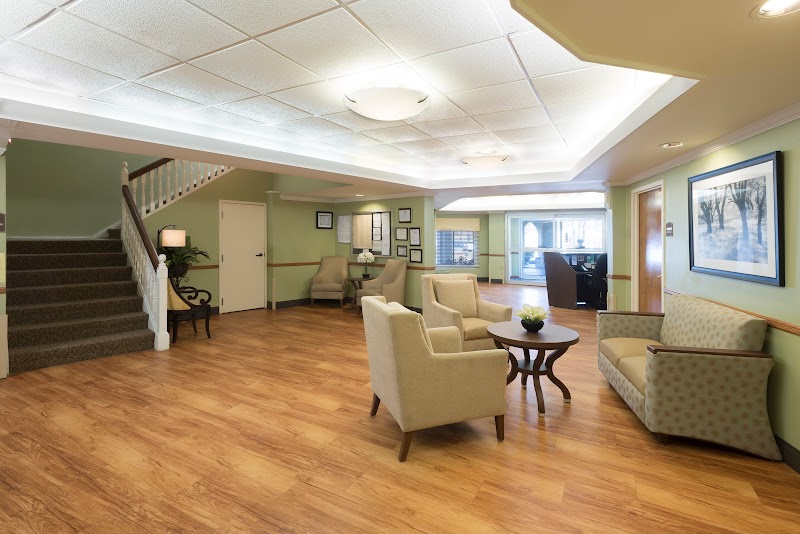
How is Bryn Mawr Extended Staffed?

CMS rates BRYN MAWR EXTENDED CARE CENTER's staffing level at 2 out of 5 stars, which is below average compared to other nursing homes. Staff turnover is 51%, compared to the Pennsylvania average of 46%. RN turnover specifically is 62%, which is notably high. RNs provide skilled clinical oversight, so turnover in this role can affect medical care quality.

What Have Inspectors Found at Bryn Mawr Extended?

State health inspectors documented 57 deficiencies at BRYN MAWR EXTENDED CARE CENTER during 2022 to 2025. These included: 2 Immediate Jeopardy (the most serious level, indicating potential for serious harm or death), 1 that caused actual resident harm, and 54 with potential for harm. Immediate Jeopardy findings are rare and represent the most serious regulatory concerns. They require immediate corrective action.

Who Owns and Operates Bryn Mawr Extended?

BRYN MAWR EXTENDED CARE CENTER is owned by a for-profit company. For-profit facilities operate as businesses with obligations to shareholders or private owners. The facility is operated by SABER HEALTHCARE GROUP, a chain that manages multiple nursing homes. With 160 certified beds and approximately 147 residents (about 92% occupancy), it is a mid-sized facility located in BRYN MAWR, Pennsylvania.
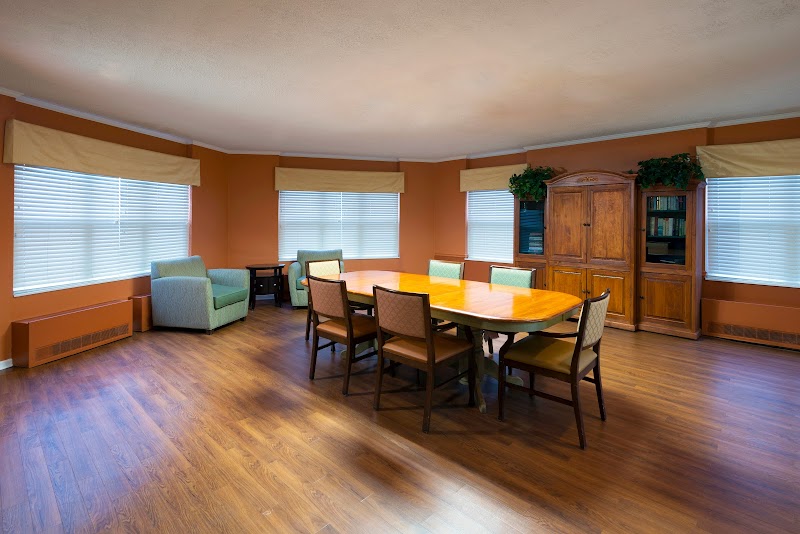
How Does Bryn Mawr Extended Compare to Other Pennsylvania Nursing Homes?

Compared to the 100 nursing homes in Pennsylvania, BRYN MAWR EXTENDED CARE CENTER's overall rating (2 stars) is below the state average of 3.0, staff turnover (51%) is near the state average of 46%, and health inspection rating (2 stars) is below the national benchmark.

What Should Families Ask When Visiting Bryn Mawr Extended?

Based on this facility's data, families visiting should ask: "What changes have been made since the serious inspection findings, and how are you preventing similar issues?" "Can you walk me through typical staffing levels on day, evening, and night shifts?" "Can I visit during a mealtime to observe dining assistance and food quality?" "How do you handle medical emergencies, and what is your hospital transfer rate?" These questions are particularly relevant given the facility's Immediate Jeopardy citations and the below-average staffing rating.

Is Bryn Mawr Extended Safe?

Based on CMS inspection data, BRYN MAWR EXTENDED CARE CENTER has documented safety concerns. Inspectors have issued 2 Immediate Jeopardy citations (the most serious violation level indicating risk of serious injury or death). The facility has a 2-star overall rating and ranks #100 of 100 nursing homes in Pennsylvania. Families considering this facility should ask detailed questions about what corrective actions have been taken since these incidents.

Do Nurses at Bryn Mawr Extended Stick Around?

BRYN MAWR EXTENDED CARE CENTER has a staff turnover rate of 51%, which is 5 percentage points above the Pennsylvania average of 46%. Moderate turnover is common in nursing homes, but families should still ask about staff tenure and how the facility maintains care continuity when employees leave.

Was Bryn Mawr Extended Ever Fined?

BRYN MAWR EXTENDED CARE CENTER has been fined $52,477 across 3 penalty actions. This is above the Pennsylvania average of $33,604. Fines in this range indicate compliance issues significant enough for CMS to impose meaningful financial consequences. Common causes include delayed correction of deficiencies, repeat violations, or care failures affecting resident safety. Families should ask facility leadership what changes have been made since these penalties.

Is Bryn Mawr Extended on Any Federal Watch List?

BRYN MAWR EXTENDED CARE CENTER is not on any federal watch list. The most significant is the Special Focus Facility (SFF) program, which identifies the bottom 1% of nursing homes nationally based on persistent, serious quality problems. Not being on this list means the facility has avoided the pattern of deficiencies that triggers enhanced federal oversight. This is a positive indicator, though families should still review the facility's inspection history directly.