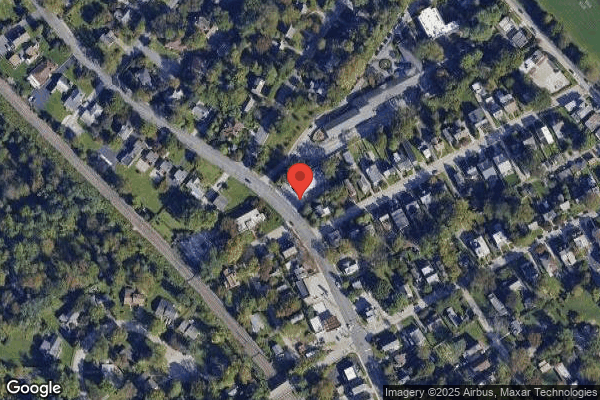




BRYN MAWR VILLAGE

773 EAST HAVERFORD ROAD, BRYN MAWR, PA 19010 (610) 525-8300
Non profit - Corporation 120 Beds Independent Data: November 2025 1 Immediate Jeopardy citation
Trust Grade
26/100
#391 of 653 in PA
Last Inspection: March 2025

Within standard 12-15 month inspection cycle. Federal law requires annual inspections.

Overview

Bryn Mawr Village has a Trust Grade of F, indicating significant concerns about the quality of care provided. With a state rank of #391 out of 653 and county rank of #21 out of 28, it is in the bottom half of facilities in Pennsylvania and Delaware County. The facility is showing some improvement, with a decrease in reported issues from 13 to 11 over the past year. Staffing is a relative strength, rated 4 out of 5 stars, but the turnover rate is very high at 75%, far exceeding the state average, which may affect consistency of care. However, there have been concerning incidents, including a critical finding where a resident lost over 43 pounds due to inadequate nutritional support, and other issues like improper food storage and insufficient training for nursing aides, which highlight the need for better management and oversight.

Trust Score
F
26/100
In Pennsylvania
#391/653
Bottom 41%
Safety Record
High Risk
Review needed
Inspections
Getting Better
13 → 11 violations
Staff Stability
⚠ Watch
75% turnover. Very high, 27 points above average. Constant new faces learning your loved one's needs.
Penalties
✓ Good
$15,902 in fines. Lower than most Pennsylvania facilities. Relatively clean record.
Skilled Nurses
✓ Good
Each resident gets 55 minutes of Registered Nurse (RN) attention daily — more than average for Pennsylvania. RNs are trained to catch health problems early.
Violations
⚠ Watch
35 deficiencies on record. Higher than average. Multiple issues found across inspections.
★★☆☆☆
2.0
Overall Rating
★★★★☆
4.0
Staff Levels
★★★★☆
4.0
Care Quality
★★☆☆☆
2.0
Inspection Score
Stable
2024: 13 issues
2025: 11 issues

The Good

  • 4-Star Staffing Rating · Above-average nurse staffing levels
  • 4-Star Quality Measures · Strong clinical quality outcomes
  • Full Sprinkler Coverage · Fire safety systems throughout facility
  • No fines on record

Facility shows strength in staffing levels, quality measures, fire safety.

The Bad

2-Star Overall Rating

Below Pennsylvania average (3.0)

Below average - review inspection findings carefully

Staff Turnover: 75%

29pts above Pennsylvania avg (46%)

Frequent staff changes - ask about care continuity

Federal Fines: $15,902

Below median ($33,413)

Minor penalties assessed

Staff turnover is very high (75%)

27 points above Pennsylvania average of 48%

The Ugly 35 deficiencies on record

1 life-threatening
Mar 2025 11 deficiencies
CONCERN (D)

Potential for Harm - no one hurt, but risky conditions existed

Deficiency F0578 (Tag F0578)

Could have caused harm · This affected 1 resident

**NOTE- TERMS IN BRACKETS HAVE BEEN EDITED TO PROTECT CONFIDENTIALITY** Based on clinical record reviews and interviews with staff, it was determined that the facility failed to ensure that advanced d...

Read full inspector narrative →
**NOTE- TERMS IN BRACKETS HAVE BEEN EDITED TO PROTECT CONFIDENTIALITY** Based on clinical record reviews and interviews with staff, it was determined that the facility failed to ensure that advanced directives were in place for two of 13 clinical records reviewed (Resident R149 and Resident R26). Findings include: Review of facility Policy on Advance Directives with a most recent revision date of 2016 revealed that under section Policy Statement: Advance directives will be respected in accordance with state law and facility policy. Policy Interpretation and Implementation #1. Upon admission, the resident will be provided with written information concerning the right to refuse or accept medical or surgical treatment and to formulate an advance directive if he or she chooses to do so. #7. Information about whether or not the resident has executed an advance directive shall be displayed prominently in the medical record. #10. The plan of care for each resident will be consistent with his or her documented treatment preferences and/or advance directive. Review of Resident R149's clinical record revealed that Resident R149 was admitted to the facility on [DATE] with diagnoses of COPD (Chronic Obstructive Pulmonary Disease). Further review of Resident RT149's clinical record revealed that there was no Advance Directives indicated on Resident R149's face sheet. Further review of Resident R149's clinical record revealed no documented evidence that advanced directives or his choices related to his Advanced Directive was discussed with Resident R149. Review of Resident R149's physician order revealed that there was no physician's order for Advanced Directives. Interview with Unit Manager Employee E3 conducted on March 4, 2025 at 12:40 p.m. confirmed that there was no Advanced Directives in place for Resident R149 Review of Resident R26's clinical record revealed that Resident R26 was admitted to the facility on [DATE] with diagnoses of Acute Respiratory Failure with Hypoxia (low levels of oxygen in the body tissue), and Multiple Sclerosis (slow progressive disease of the central nervous system). Further review of Resident R26's clinical record revealed that there was no Advance Directives indicated on Resident R26's face sheet. Further review of Resident R26's clinical record revealed no documented evidence that advanced directives or his choices related to his Advanced Directive was discussed with Resident R26. Interview with Unit Manager Employee E3 conducted on March 4, 2025 at 12:40 p.m. confirmed that there was no Advanced Directives in place for Resident R26 Review of Resident R26's physician order revealed that there was no physician's order for Advanced Directives. 28 Pa Code 211.12(d)(3) Nursing services 28 Pa. Code 211.12(d)(5) Nursing services
CONCERN (D)

Potential for Harm - no one hurt, but risky conditions existed

Deficiency F0604 (Tag F0604)

Could have caused harm · This affected 1 resident

**NOTE- TERMS IN BRACKETS HAVE BEEN EDITED TO PROTECT CONFIDENTIALITY** Based on review of facility policies, clinical record review, observations, and staff interviews, it was determined the facility...

Read full inspector narrative →
**NOTE- TERMS IN BRACKETS HAVE BEEN EDITED TO PROTECT CONFIDENTIALITY** Based on review of facility policies, clinical record review, observations, and staff interviews, it was determined the facility failed to identify the placement of beds against the wall as a restraint three one of 13 residents reviewed. (Residents R247, R248, R249). Findings Include: Review of facility policy titled, Use of Restraints, revised 2017, revealed physical restraints are defined as any manual method or physical or mechanical device, material, or equipment attached or adjacent to the resident's body that the individual cannot remove easily, which restrics freedom of movement or restricts normal access to one's body. Further review of policy Use of Restraints revealed the definition of a restraint is based on the functional status of the resident and not the device. If the resident cannot remove a device in the same manner in which the staff applied it given that resident's physical condition, and this restrics his/her typical ability to change postion or place, that device is considered a restraint. Clinical record review revealed Resident R247 was admitted to the facility February 23, 2025 with a diagnoses of Alzheimer's disease (A type of brain disorder that causes problems with memory, thinking and behavior), cognitive communication deficit, and lack of coordination. Observation on March 03, 2025 at 07:05 a.m. revealed Resident R247's asleep in bed and the bed (left side) against the wall. Review of Resident R247's care plan, dated February 24, 2025, revealed Resident 247 was at high risk for falls related to deconditioning, gait, and balance problems. No care plan or assessment was included in Resident R247's clinical record for safety or preference with a bed against the wall. Clinical record review revealed Resident R248 was admitted to the facility February 23, 2025 with a diagnosese of respiratory failure with hypoxia (low level of oxygen in the body tissue), muscle weakness, and repeated falls. Review of Resident R248's MDS, dated [DATE], revealed the resident had a BIMS score of 13 indicating intact cognition. Observation on March 03, 2025 at 7:10 a.m. revealed Resident R248 asleep in bed and the bed (left side) against the wall. Review of Resident R248's care plan, dated February 24, 2025, revealed Resident 248 was at high risk for falls related to deconditioning, gait, and balance problems. No care plan or assessment was included in Resident R248's clinical record for safety or preference with a bed against the wall. Clinical record review revealed Resident R249 was admitted to the facility February 23, 2025 with a diagnoses of hypertensive urgency (dangerously high blood pressure), muscle weakness, and abnormalities of gait and mobility. Review of Resident R249's MDS assessment, dated March 02, 2025, revealed the resident had a BIMS score of 15 indicating intact cognition. Observation on March 03, 2025 at 7:12 a.m. revealed Resident R249 asleep in bed and the bed (right side) against the wall. Interview on March 03, 2025 at 7:52 a.m. with Licensed Practical Nurse, Employee E4, confirmed Residents R247, R248, and R249's beds were against the wall. Observation on March 04, 2025 at 11:38 a.m. revealed Resident R249 sitting on bed and bed (right side) against wall. Interview on March 04, 2025 at 11:40 a.m. with Resident R249 revealed upon admission to the facility the bed was already against the wall. Resident R249 stated it is not Resident R249's preference for the bed to be against the wall. Observation on March 05, 2025 at 09:40 a.m. - 09:45 p.m. revealed Residents R247, R248, and R249's beds against the wall. Interview on March 05, 2025 at 09:50 a.m. with Director of Nursing, Employee E2, confirmed Resident R247, R248, and R249's beds were against the wall. 28 Pa. Code 211.8(e)(f) Use of Restraints. 28 Pa. Code:211.12(d)(1)(5) Nursing services.
CONCERN (D)

Potential for Harm - no one hurt, but risky conditions existed

Deficiency F0655 (Tag F0655)

Could have caused harm · This affected 1 resident

**NOTE- TERMS IN BRACKETS HAVE BEEN EDITED TO PROTECT CONFIDENTIALITY** Based on clinical record review, staff interview, and review of facility policy, it was determined that the faciltiy failed to e...

Read full inspector narrative →
**NOTE- TERMS IN BRACKETS HAVE BEEN EDITED TO PROTECT CONFIDENTIALITY** Based on clinical record review, staff interview, and review of facility policy, it was determined that the faciltiy failed to ensure that a baseline care plan was developed for one of 13 residents reviewed. (Resident R149) Findings include: Review of facility policy on care plan, Comprehensive-Person Centered revealed that. Under Section Policy Statement, a comprehensive person-centered care plan that includes measurable objectives and timetables to meet the residents physical, psychological and functional needs is developed and implemented for each resident. Under section Policy Interpretation and Implementation. Revealed that. #1 The interdisciplinary team, in conjunction with the resident and his or her family or legal representative, develops and implements a comprehensive person-centered care plan for each resident. #7. The comprehensive person-centered care plan: #a. includes measurable objectives and time frames. #b. describes the services that are to be furnished to attain or maintain the resident's highest practicable physical, mental, or psychosocial well-being, #c. includes the resident's stated goals upon admission and desired outcomes. #d. builds on the resident's strengths and #e. reflects current recognized standards of practice for problem areas and conditions. Review of Resident R149's clinical record revealed that Resident R149 was admitted to the facility on [DATE], with diagnoses of COPD (Chronic Obstructive Pulmonary Disease), Centrilobular Emphysema, Generalized Anxiety Disorder, Alcohol Dependence, Depression, Acute Pancreatitis, Anemia (low red blood count). Review of Resident R149's physician order revealed orders for but not limited to Lidocaine External Patch 4 %, apply to left shoulder daily topically one time a day for pain-dated 2/24/25; Eliquis Oral Tablet 5 milligrams (mg) give 1 tablet by mouth two times a day for DVT (Deep Vein Thrombosis- a condition in which a clot develops in the deep vein) prevention-dated 2/23/25, Gabapentin Oral Tablet 600 mg give 1 tablet by mouth three times a day for Neuropathy-dated 2/23/25. Further review of Resident R149's care plans revealed only one care plan in place which addressed ADL (activities of daily living) self-care performance deficit. Further, the ADL care plan was initiated on March 3, 2025. Further, there was no other comprehensive care plans in place for Resident R149. Interview with Unit Manager Employee E3 conducted on March 3, 2025 on at 09:55 AM confirmed that there was no baseline care plan and no comprehensive resident centered care plan developed for Resident R149 until March 3, 2025, eight days after Resident R149 was admitted to the facility.
CONCERN (D)

Potential for Harm - no one hurt, but risky conditions existed

Comprehensive Care Plan (Tag F0656)

Could have caused harm · This affected 1 resident

**NOTE- TERMS IN BRACKETS HAVE BEEN EDITED TO PROTECT CONFIDENTIALITY** Based on review of facility policy, review of clinical record, observations, and staff interviews, it was determined that the fa...

Read full inspector narrative →
**NOTE- TERMS IN BRACKETS HAVE BEEN EDITED TO PROTECT CONFIDENTIALITY** Based on review of facility policy, review of clinical record, observations, and staff interviews, it was determined that the facility failed to develop comprehensive care plan for one of thirteen residents reviewed related to weight changes(Resident R33). Findings Include: Review of facility policy on care plan, Comprehensive-Person Centered revealed that. Under Section Policy Statement, a comprehensive person-centered care plan that includes measurable objectives and timetables to meet the residents physical, psychological and functional needs is developed and implemented for each resident. Under section Policy Interpretation and Implementation. Revealed that. #1 The interdisciplinary team, in conjunction with the resident and his or her family or legal representative, develops and implements a comprehensive person-centered care plan for each resident. #7. The comprehensive person-centered care plan: #a. includes measurable objectives and time frames. #b. describes the services that are to be furnished to attain or maintain the resident's highest practicable physical, mental, or psychosocial well-being, #c. includes the resident's stated goals upon admission and desired outcomes. #d. builds on the resident's strengths and #e. reflects current recognized standards of practice for problem areas and conditions. Review of Resident R33's clinical record revealed that Resident R1 was admitted to the facility on [DATE] with diagnoses that included but not limited to Pleural effusion (build up of fluid in lungs), dysphagia (difficulty swallowing) and cognitive communication deficit. Review of Resident R33's weight record revealed the following weight values: December 6, 2024 -180 lbs (admission weight) January 2, 2025 -147 lbs (-18.3%, -33 lbs) January 15, 2025 -148lbs (-17.8%, -32 lbs) January 27, 2025 -150 lbs (-16.7%, -30 lbs) February 22, 2025 -150.4 lbs (-16.4%, -29.6 lbs) Further review of Resident R33's clinical record revealed no documented evidence that a comprehensive care plan was developed to address the resident's weight. 28 Pa. Code 211.12(d)(5) Nursing services
CONCERN (D)

Potential for Harm - no one hurt, but risky conditions existed

ADL Care (Tag F0677)

Could have caused harm · This affected 1 resident

Based on clinical record review, resident and staff interviews, it was determined that the facility failed to provide services to maintain adequate grooming of residents that required staff assistance...

Read full inspector narrative →
Based on clinical record review, resident and staff interviews, it was determined that the facility failed to provide services to maintain adequate grooming of residents that required staff assistance with activities of daily living for two of 13 residents reviewed (Resident R243, R244). Findings include: Clinical record review revealed Resident R243 was admitted to the facility February 15, 2025 with a diagnosis that included but not limited to chondrocalcinosis (form of arthritis that causes sudden episodes of pain and swelling in joints), lack of coordination, and cognitive communication deficit. Review of Resident R243's Minimum Data Set (MDS) assessment (a mandated assessment of a resident's abilities and care needs), dated February 27, 2025, revealed the resident had a Brief Interview for Mental Status (BIMS) score of 7 indicating severe cognitive impairment. Observation on March 04, 2025 at 12:05 p.m. revealed Resident R243's beard was not adequately groomed. Interview on March 04, 12:07 p.m. with Resident R243 and Resident R243's family member revealed resident has not been adequately groomed by facility since admission. Resident R243's family member revealed resident's family member came to facility with razor to shave resident since no assistance was being provided by facility. On March 04, 2025 at 12:15 p.m. interview with Licensed Nurse, Employee E4, confirmed there was no documentation or evidence that staff provided Resident R243 with grooming assistance. Clinical record review revealed that Resident R244 had a diagnosis that included but not limited to cirrhosis of liver (disease of liver resulting in scarring and liver failure), muscle weakness, and cognitive communication deficit. Review of Resident R244's Minimum Data Set (MDS) assessment (a mandated assessment of a resident's abilities and care needs), dated March 3, 2025, revealed the resident had a Brief Interview for Mental Status (BIMS) score of 13 indicating intact cognition. Observation on March 04, 2025 at 10:45 a.m. revealed Resident R244's beard overgrown and hair growing over resident's upper lip. Interview on March 04, 2025 at 10:47 a.m. revealed Resident R244 has not received adequate grooming since resident's admission to facility. Resident R244 further stated that his beard is hanging over upper lip causing him to not eat properly and comfortably. Interview with Director of Nursing, Employee E2, confirmed Resident R244's beard is overgrown and resident required assistance with grooming. 28 Pa. Code 211.12(d)(1)(5) Nursing services.
CONCERN (D)

Potential for Harm - no one hurt, but risky conditions existed

Pressure Ulcer Prevention (Tag F0686)

Could have caused harm · This affected 1 resident

**NOTE- TERMS IN BRACKETS HAVE BEEN EDITED TO PROTECT CONFIDENTIALITY** Based review of clinical records, facility policies and interviews with staff, it was determined that the facility failed to pro...

Read full inspector narrative →
**NOTE- TERMS IN BRACKETS HAVE BEEN EDITED TO PROTECT CONFIDENTIALITY** Based review of clinical records, facility policies and interviews with staff, it was determined that the facility failed to provide necessary treatment and services, consistent with professional standards of practice and physician orders, to promote healing of pressure ulcers and prevent development of pressure ulcers for one of 13 residents reviewed for pressure ulcer. (Resident R1) Findings include: Review of Resident R1's clinical record revealed that Resident R1 was admitted to the facility on [DATE] with diagnoses that included but not limited to fracture of lower end of left femur (break in the thigh bone), closed fracture with routine healing, and muscle weakness. Review of Resident R1's Minimum Data Set (MDS - federally mandated resident assessment and care screening) dated February 10, 2025, revealed in section GG00130 Resident R1 was dependent for ability to roll from lying on back to left and right side, and return to lying on back on the bed. Further review revealed in section M0150, Resident R1 at risk of developing pressure ulcers/ injuries. Continued review revealed in section M0100, Resident R1 does not have a pressure ulcer/injury, a scar over bony prominence, or a non-removeable dressing/device (as of February 10, 2025). Review of Resident R1's care plan February 8, 2025, revealed the resident was dependent on staff for meeting emotional, intellectual, physical, and social needs related to cognitive deficits. Further review of Resident R1's care plan, initiated February 3, 2025, revealed resident has bowel incontinence and resident at risk for skin breakdown related to immobility. Review of Resident R1's wound note dated February 12, 2025, revealed the resident acquired DTPIs (Deep Tissue Pressure Injury) on sacrum, left heel and right heel while under care of facility. Review of Resident R1's wound note dated February 19, 2025, revealed the resident acquired Stage 1 pressure injury to right great toe- medial while under care of facility. Review of Resident R1's entire clinical record revealed no documented evidence that a turning and positioning program was implemented to prevent the development of pressure ulcers. Interview with Unit Manager Employee E3 conducted on March 5, 2025 at 11:02 am confirmed that there was no documented evidence for turning and positioning to prevent development of pressure ulcer. 28 Pa. Code 211.10(c) Resident care policies 28 Pa. Code 211.12 (c)(d)(1)(3)(5) Nursing Services.
CONCERN (D)

Potential for Harm - no one hurt, but risky conditions existed

Deficiency F0692 (Tag F0692)

Could have caused harm · This affected 1 resident

**NOTE- TERMS IN BRACKETS HAVE BEEN EDITED TO PROTECT CONFIDENTIALITY** Based staff interviews and review of clinical records, it was determined that the facility failed to ensure that weekly weights ...

Read full inspector narrative →
**NOTE- TERMS IN BRACKETS HAVE BEEN EDITED TO PROTECT CONFIDENTIALITY** Based staff interviews and review of clinical records, it was determined that the facility failed to ensure that weekly weights were obtained as ordered by physician for 2 out of 13 residents reviewed (Resident R1, Resident R33). Findings include: Review of Resident R1's clinical record revealed that Resident R1 was admitted to the facility on [DATE] with diagnoses that included but not limited to fracture of lower end of left femur (break in the thigh bone), closed fracture with routine healing, and muscle weakness. Review of Resident R1's clinical record revealed a physician's order dated February 12, 2025 for resident to be weighed weekly x 4 weeks, then monthly. Review of Resident R1's weight record revealed the the resident was weighted at the time admission on [DATE]- 129.0 pounds. Continued review of weight record revealed no documented evidence that the resident was weighted weekly as ordered by the physician. Review of Resident R1's clinical record revealed no documented evidence that Resident R1 had refused to be weighed. Interview with Unit Manager Employee E3 conducted on March 4, 2025 at 2:00 pm confirmed that if weight is not obtained for a resident or resident refuses, it should be noted in the progress note and care plan should be created. Further interview with Employee E3, confirmed Resident R1's clinical record revealed no documented evidence of an attempt to obtain weights or refusal by resident. Review of Resident R33's clinical record revealed that Resident R33 was admitted to the facility on [DATE] with diagnoses that included but not limited to Pleural effusion (build up of fluid in lungs), muscle weakness, dysphagia (difficulty swallowing) and cognitive communication deficit. Review of Resident R33's clinical record revealed a physician's order on December 11, 2024 for resident to be weighed weekly x 4 weeks, then monthly. Continued review of the resident's clinical record revealed that the resident was discharged to the hospital on December 12, 2024. Review of Resident R33's clinical record revealed that Resident R33 was readmitted to the facility on [DATE]. Review of Resident R33's weight record revealed that the resident weighted 180 pounds at admission on [DATE]. The next available weight was on January 2, 2025 -147 lbs. There was no documented evidence that the resident was weighted at the time of readmission on [DATE]. Review of Resident R33's clinical record revealed the resident was weighted on, January 2, 2025 and the next available weight was not until January 15, 2025 which is greater than 7 days. Review of Resident R33's clinical record revealed that the next weight from January 15, 2025 was on January 27, 2025 which is greater than 7 days Review of Resident R33's clinical record revealed no documented evidence that Resident R33 had refused to be weighed. Interview with Unit Manager Employee E3 conducted on March 4, 2025 at 2:00 pm confirmed that if weight is not obtained for a resident or resident refuses, it should be noted in the progress note and care plan should be created. Further interview with Employee E3, confirmed R33's clinical record revealed no documented evidence of an attempt to weight or refusal by resident. 28 Pa. Code 211.5(ix) Clinical findings 28 Pa. Code 211.12(d)(1)(3) Nursing services
CONCERN (D)

Potential for Harm - no one hurt, but risky conditions existed

Tube Feeding (Tag F0693)

Could have caused harm · This affected 1 resident

**NOTE- TERMS IN BRACKETS HAVE BEEN EDITED TO PROTECT CONFIDENTIALITY** Based on clinical record review and staff interviews, it was determined that the facility failed to follow recommendations to ma...

Read full inspector narrative →
**NOTE- TERMS IN BRACKETS HAVE BEEN EDITED TO PROTECT CONFIDENTIALITY** Based on clinical record review and staff interviews, it was determined that the facility failed to follow recommendations to maintain acceptable parameters of nutrition for a resident receiving enteral nutrition for one of two residents reviewed. (Resident R33) Findings include: Review of Resident R33's clinical record revealed that Resident R33 was admitted to the facility on [DATE] with diagnoses that included but not limited to Pleural effusion (build up of fluid in lungs), muscle weakness, dysphagia (difficulty swallowing) and cognitive communication deficit. Review of Resident R33's care plan revealed that resident requires tube feeding related to dysphagia (difficulty swallowing) and intervention initiated for Registered Dietitian to evaluate quarterly and as needed, monitor caloric intake, estimate needs and make recommendations for changes to tube feeding as needed. Review of Resident R33's clinical record revealed a physician order dated December 30, 2024 for one time a day Jevity 1.5 (tube feed) at 20 ml/hour up at 7pm. No total volume listed in physician order. Review of Resident R33's clinical record revealed a physician order dated January 2, 2025 one time a day Jevity 1.5 (tube feed) at 30 ml/hour up at 7pm. No total volume listed in physician order. Review of Resident R33's clinical record revealed a physician order dated January 8, 2025, increase tube feed by 10 ml every 8 hours until goal of 65ml/hour is reached. Review of Resident R33's clinical record revealed a physician order dated January 11, 2025 for two times a day for Nutrition Jevity 1.5 (tube feed) 65ml/ hour for 22 hours TV (total volume) 1430 ml. Review of Resident R33's nutritional assessment review dated January 2, 2025 revealed recommendation from Registered Dietitian for tube feed to run at 65ml/hour over 22 hours for TV (total volume) of 1430ml daily. Further review of Resident R33's clinical record revealed no documented rationale from physician for delay in meeting resident's caloric needs as recommended by the Registered Dietician. 28 Pa. Code 211.10(c) Resident care policies
CONCERN (D)

Potential for Harm - no one hurt, but risky conditions existed

Respiratory Care (Tag F0695)

Could have caused harm · This affected 1 resident

**NOTE- TERMS IN BRACKETS HAVE BEEN EDITED TO PROTECT CONFIDENTIALITY** Based on observations and interviews with staff, it was determined that the facility failed to provide appropriate respiratory c...

Read full inspector narrative →
**NOTE- TERMS IN BRACKETS HAVE BEEN EDITED TO PROTECT CONFIDENTIALITY** Based on observations and interviews with staff, it was determined that the facility failed to provide appropriate respiratory care services related to changing and labelling respiratory equipment's and administering oxygen as ordered by the physician for two of thirteen residents reviewed. (Residents R146 and R149). Findings Include: A review of the facility policy titled Oxygen Administration The purpose of this procedure is to provide guidelines for safe oxygen administration. Verify that there is a physician's order for this procedure. Review the physician's orders or facility protocol for oxygen administration. Review of Resident R146's clinical record revealed that Resident R146 was admitted to the facility February 23, 2025, with diagnoses of but not limited to Acute Respiratory Failure, COPD (Chronic Obstructive Pulmonary Disease), and Anemia (low blood count) Review of Resident R146's physician orders revealed an order for O2 (Oxygen) at 2L (liters)/min via NC (nasal Cannula), continuously every shift for SOB (shortness of breath). Observation conducted on March 3, 2025, at 09:17 a.m. during tour of the facility revealed that Resident R146 was in bed awake on oxygen concentrator via nasal cannula. Further observation revealed that the resident's tubing with a label w 2.20 written on it. Further observation revealed that the oxygen flow meter on the oxygen concentrator was at 5 liters/minute. Interview with the Director of Nursing Employee E3 conducted during a follow up observation together with Employee E2 on March 3, 2025, at 09:31 a.m., confirmed that Resident R146's oxygen flow meter was at 5 liters/minute. Further, Employee E3 confirmed that the physician's order was for O2 (Oxygen) at 2L/min via NC (nasal Cannula) continuously every shift for SOB (shortness of breath). Review of Resident R149's clinical record revealed that Resident R149 was admitted to the facility on [DATE], with diagnoses of but not limited to COPD (Chronic Obstructive Pulmonary Disease), Centrilobular Emphysema, Generalized Anxiety Disorder, and Anemia. Review of Resident R149's physician's orders revealed that there was no order for oxygen therapy. Observation conducted on March 3, 2025, at 09:44a.m. revealed that Resident R149 was in bed, oxygen concentrator via nasal cannula. Further observation revealed that Resident R149's oxygen tubing and the humidification bottle did not have a date affixed to it. Further observation revealed that the oxygen concentrator's flow meter reading was 5 liters/minute. Interview with Resident R149 conducted at the time of the observation revealed that he told the staff about it but they didn't do anything about it. Interview with Director of Nursing, Employee E2 conducted on March 3, 2025, at 09:53 a.m. during a follow up observation Unit Manager, Employee E3 confirmed that Resident R149's oxygen flow meter reading was 5 liters/minute. Interview with Unit Manger Employee E3, conducted on March 3, 2024, at 09:55 a.m. confirmed that there was no physician's order in place for oxygen for Resident R149. 28 Pa. Code 211.12(d)(1) Nursing services 28 Pa. Code 211.12(d)(5) Nursing services
CONCERN (D)

Potential for Harm - no one hurt, but risky conditions existed

Deficiency F0697 (Tag F0697)

Could have caused harm · This affected 1 resident

**NOTE- TERMS IN BRACKETS HAVE BEEN EDITED TO PROTECT CONFIDENTIALITY** Based on review of facility policy, review of clinical record, and staff interview, it was determined that the facility failed t...

Read full inspector narrative →
**NOTE- TERMS IN BRACKETS HAVE BEEN EDITED TO PROTECT CONFIDENTIALITY** Based on review of facility policy, review of clinical record, and staff interview, it was determined that the facility failed to ensure that appropriate pain management was provided to a resident consistent with standards of professional practice for one of thirteen residents reviewed (Resident R148). Findings include: Review of thefacility policy entitled Pain assessment and management revealed that under section Purpose: The purpose of this procedure is to help the staff identify pain in the resident and to develop interventions that are consistent with the resident's goals and needs and that address the underlying causes of pain. Under Section General Guidelines: #1 The pain management program is based on facility wide commitment to appropriate assessment and treatment of pain, based on professional standards of practice, the comprehensive care plan and the resident's choices related to pain management. #2. Pain management is defined as the process of alleviating the residents pain based on his or her critical condition and established treatment goals. #3. pain management is a multidisciplinary care process that includes the following #a. assessing the potential for pain. #b. recognizing the presence of pain. #c. identifying the characteristics of pain. #d. Addressing the underlying causes of pain, developing and implementing approaches to pain management. #f. Identifying and using specific strategies for different levels and sources of pain. #g. Monitoring for the effectiveness of interventions and #h. modifying approaches as necessary. #5. Acute pain or significant worsening of chronic pain should be assessed every 30 to 60 minutes after the onset and reassess as indicated and to relief is obtained. #6. For stable chronic pain, the resident pains and consequences of pain are assessed at least weekly. Under section Implementing Pain Management Strategies: #2. Pharmacological interventions may be prescribed to manage pain; however, they do not usually address the cause of pain and can have adverse effects on the residents. Under section Documentation: #1. Document the residents reported level of pain with adequate detail as necessary and in accordance with the pain management program. #2 Upon completion of the pain assessment, the person conducting the assessment shall record the information obtained from the assessment in the resident's medical record. Review of Resident R148's clinical record revealed that Resident R148 was admitted to the facility on [DATE], with diagnoses of but not limited to: Spinal Stenosis, Low Back Pain, Pain in Leg, Chronic Pain Syndrome, Allergy. Review of Physician's orders revealed the following orders: Oxycodone HCl Oral (opioid) Tablet 5 MG (milligrams) give 1 tablet by mouth every 6 hours as needed for severe pain-date ordered 3/2/25 Tramadol HCl Oral (opioid) Tablet 50 MG give 1 tablet by mouth every 6 hours as needed for severe pain-date ordered 3.1.25 with date discharged order of 3/2/25 Tramadol HCl Oral (opioid) Tablet 50 MG Give 1 tablet by mouth every 8 hours as needed for moderate pain-date ordered 3/2/25 Tylenol tablets 325 mg give 2 tablet by mouth every 4 hours as needed for pain do not exceed 3 gm/ day-date ordered: 2/28/25 Review or Resident R148's MAR (medication administration record) for March 3, 2025, revealed that during the day shift (unspecified time), Resident R148 had a documented pain at level 10. Further, Tylenol 650 mg was given at 04:20PM and at 10:25PM. Further review of Resident R148's MAR for March 3, 2025, revealed that Oxycodone HCl Oral (opioid) Tablet 5 MG give 1 tablet by mouth every 6 hours as needed for severe pain-date ordered 3.2.25 was not administered to Resident R148. Review or Resident R148's MAR (medication Administration Record) for March 4, 2025, revealed that during the day shift (unspecified time), Resident 148 had a documented pain at level 8. Further, Tylenol 650 mg was given at 5:53AM (night shift) but there was no documented evidence that Resident R148 received any pain medication during the day shift of March 4, 2025, when Resident R148 complained of pain at level 8. Further review of Resident R148's MAR for March 4, 2025, revealed that Oxycodone HCl Oral (opioid) Tablet 5 MG give 1 tablet by mouth every 6 hours as needed for severe pain-date ordered 3/2/25 was not administered to Resident R148. Interview with DON (Director of Nursing) Employee E2 conducted on March 5, 2025, at 01:10 Pp.m. revealed that the facility uses the numeric pain scale with 0 (zero)-for no pain, 1-3 for mild pain, 4-6 for moderate pain and 7 to 10 for severe pain. Review of Resident R148's list of allergies revealed that resident R148 was allergic to the following medications: Fentanyl, Hydrocode, Hydromorphone, Morphine, Oxycodone and Codeine. Further review of resident R148's clinical record revealed no documented rationale for not administering the Oxycodone HCl Oral (opioid) Tablet 5 mg give 1 tablet by mouth every 6 hours as needed for severe pain. Further, there was no documented evidence that the physician was made aware that the Oxycodone HCl Oral (opioid) tablet 5 mg 1 tablet as needed for severe pain was not administered for Resident R148's pain at level 10 on March 3, 2025, and level 8 on March 4, 2025, and there was no documented evidence that non-pharmacological technique for pain management was implimented. 28 Pa. Code 211.9 (a)(1) Pharmacy services. 28 Pa. Code 211.12 (d)(5) Nursing services.
CONCERN (D)

Potential for Harm - no one hurt, but risky conditions existed

Pharmacy Services (Tag F0755)

Could have caused harm · This affected 1 resident

**NOTE- TERMS IN BRACKETS HAVE BEEN EDITED TO PROTECT CONFIDENTIALITY** Based on record review and interview with resident and staff it was determined that the facility failed to ensure the safe and e...

Read full inspector narrative →
**NOTE- TERMS IN BRACKETS HAVE BEEN EDITED TO PROTECT CONFIDENTIALITY** Based on record review and interview with resident and staff it was determined that the facility failed to ensure the safe and effective use of medications in a manner that minimizes medication-related adverse consequences or events related to drug allergies for one of thirteen residents reviewed. (Resident R148) Findings include: Review of Resident R148's clinical record revealed that Resident R148 was admitted to the facility on [DATE] with diagnoses of but not limited to: Spinal Stenosis, Low Back Pain, Pain in Leg, Chronic Pain Syndrome, Allergy Review of Resident R148's list of allergies revealed that resident R148 was allergic to and the allergic reaction the following medications: Allergen: Fentanyl (opioid) Reaction Manifestation: Anaphylaxis, Hives, Shortness of breath, Angio-edema Severity: Severe Allergen: Hydrocodone (opioid) Reaction Manifestation: Hives, Itching Severity: Unknown Allergen: Hydromorphone (opioid) Reaction Manifestation: Anaphylaxis, Hives, SOB (shortness of breath), Angio-edema Severity: Severe Allergen: Morphine (opioid) Reaction Manifestation: none documented Severity: none documented Allergen: Oxycodone (opioid) Reaction Manifestation: none documented Severity: none documented Allergen: Codeine Reaction Manifestation: none documented Severity: none documented Review of Physician's orders revealed the following orders: Oxycodone HCl Oral (opioid) Tablet 5 MG Give 1 tablet by mouth every 6 hours as needed for severe pain-date ordered 3.2.25 Tramadol HCl Oral (opioid) Tablet 50 MG Give 1 tablet by mouth every 6 hours as needed for severe pain-date ordered 3.1.25 with date DC: 3.2.25 Tramadol HCl Oral (opioid) Tablet50 MG Give 1 tablet by mouth every 8 hours as needed for moderate pain-date ordered 3.2.25 Tramadol HCl Oral (opioid) Tablet 50 MG Give 1 tablet by mouth every 6 hours as needed for moderate/Severe pain-dated 3.4.25 Interview with Resident R148 conducted on March 4, 2025, at 10:16 AM revealed that Resident R148 was allergic to Opioids. Further resident revealed that she develops hives, rashes and itching with Oxycodone and Morphine. Resident also revealed that she is possibly allergy to tramadol but not as bad as the morphine and Oxycodone. Interview with Physician Employee E5 conducted on March 5, 2025, confirmed that there was documented Opioids allergies on Resident R148's clinical records. Further Employee E5 revealed that he had discontinued the Oxycodone and that Resident R148 was only on Tramadol. Interview with Facility Administrator Employee E1 revealed that they did not have a policy addressing allergies. 28 Pa. Code 211.9 (a)(1) Pharmacy services.
May 2024 12 deficiencies 1 IJ
CRITICAL (J)

Immediate Jeopardy (IJ) - the most serious Medicare violation

Deficiency F0692 (Tag F0692)

Someone could have died · This affected 1 resident

**NOTE- TERMS IN BRACKETS HAVE BEEN EDITED TO PROTECT CONFIDENTIALITY** Based on clinical record review, review of facility policies and staff interviews, it was determined that the facility failed to...

Read full inspector narrative →
**NOTE- TERMS IN BRACKETS HAVE BEEN EDITED TO PROTECT CONFIDENTIALITY** Based on clinical record review, review of facility policies and staff interviews, it was determined that the facility failed to provide nutritional interventions, failed to complete timely nutritional assessments by a qualified nutrition professional, failed to notify physician of weight loss, failed to ensure residents with vegetarian diet received appropriate diet with nutritional value and failed to complete weight assessment to promote acceptable parameters of nutritional status which resulted in Resident R20 experiencing unplanned significant weight loss four times from November 24, 2023 to April 24, 2024, (lost 33.03% (43 pounds) of body weights) and continued to place Resident R20 at risk for further nutritional decline. This failure placed Resident R20 in Immediate Jeopardy situation, for one of three residents reviewed for nutritional risk. (Resident R20) Findings include: Review of facility policy Weight Assessment and Intervention dated September 2008, revealed that Weight Assessment The nursing staff will measure resident weights on admission, the next day, and weekly for two weeks thereafter. If no weight concerns are noted at this point, weights will be measured monthly thereafter. Weights will be recorded in each unit's Weight Record chart or notebook and in the individual's medical record. Any weight changes of 5% or more since the last weight assessment will be retaken the next day for any weight change of 5% or more confirmation. If the weight is verified, nursing will immediately notify the Dietitian in writing. Verbal notification must be confirmed in writing. The Dietitian will review the unit Weight Record by the 15th of the month to follow individual weight trends over time. Negative trends will be evaluated by the treatment team whether or not the criteria for significant weight change has been met. The threshold for significant unplanned and undesired weight loss will be based on the following criteria [where percentage of body weight loss = (usual weight- actual weight) (usual weight) x 100): 1 month -5% weight loss is significant; greater than 5% is severe a. 3 months =7.5% weight loss is significant; greater than 7.5% is severe. 6 months - 10% weight loss is significant; greater than 10% is severe. If the weight change is desirable this will be documented and no change in the care plan will be necessary. Analysis Assessment information shall be analyzed by the multidisciplinary team and conclusions shall be made regarding the: a. Resident's target weight range (including rationale if different from ideal body weight); b. Approximate calorie, protein, and other nutrient needs compared with the resident's current intake; c. The relationship between current medical condition or clinical situation and recent fluctuations in weight; and d. Whether and to what extent weight stabilization or improvement can be anticipated The Physician and the multidisciplinary team will identify conditions and medications that may be causing anorexia, weight loss or increasing the risk of weight loss. For example: a. Cognitive or functional decline; b. Chewing or swallowing abnormalities; c. Pain; d. Medication-related adverse consequences; e. Environmental factors (such as noise or distractions related to dining); f. Increased need for calories and/or protein; g Poor digestion or absorption; h. Fluid and nutrient loss; and/or i. Inadequate availability of food or fluids. 1. Interventions for undesirable weight loss shall be based on careful consideration of the following: a. Resident choice and preferences; b. Nutrition and hydration needs of the resident; c. Functional factors that may inhibit independent eating; d. Environmental factors that may inhibit appetite or desire to participate in meals: e, Chewing and swallowing abnormalities and the need for diet modifications: f. Medications that may interfere with appetite, chewing, swallowing, or digestion; g. The use of supplementation and/or feeding tubes; and h. End of life decisions and advance directives. Review of an undated facility policy Vegetarian Diet revealed that, The Vegetarian Diet accommodates the food preference of the individuals avoiding certain animal food in their diet. Upon admission, the nursing staff will submit a Tray Card Slip to the dietary department denoting the physician's order for vegetarian diet. The patient will be placed on a vegetarian diet. Review of facility documentation revealed that the facility had a vegetarian extension of the cycle menu. Review of clinical record revealed that Resident R20 was admitted to the facility with the diagnoses of hemiplegia (muscle weakness or partial paralysis on one side of the body that can affect the arms, legs, and facial muscles), hemiparesis (weakness on one side of the body, including the arms, legs, hands, and face), cognitive communication deficit and dysphagia (difficulty swallowing). Review of Resident R20's Minimum Data Set (MDS- assessment of resident care needs) dated April 7, 2024, revealed that the resident lost more than 5 % the last month and 10% or more in last 6 months and the resident was not on a prescribed weight loss regimen. Review of an admission nutritional assessment dated [DATE], revealed that the resident was on a vegetarian and on a cardiac diet. Resident weighed 132 pounds with a BMI of 20.7, with an estimated calorie need of 2000-2200 kcal 63-83 grams of protein. Review of weight assessment for Resident R20 dated November 1, 2023, revealed that the resident weighed 132 .6 pounds. Review of weight assessment for Resident R20 dated November 28, 2023, revealed that the resident weighed 119.0 pounds which was 10.25 % weight loss in a month (severe weight loss). Review of a re-weight assessment for Resident R20 dated December 1, 2023, revealed that the resident weighed 115.0 pounds which was 13.27 % weight loss in a month (severe weight loss). Review of weight assessment for Resident R20 dated January 2, 2024, revealed that the resident weighed 107.0 pounds which was 6.95 % weight loss in a month and 18.9 % in three months (severe weight loss). There were no monthly weights available for review for the month of February 2024. Review of weight assessment for Resident R20 dated March 29, 2024, revealed that the resident weighed 91 pounds which was 13.33 % weight loss from the last weight of January 5, 2024 of 105 pounds and 31.5 % in six months (severe weight loss). Review of weight assessment for Resident R20 dated April 24, 2024, revealed that the resident weighed 88.8 pounds which was 2.41 % weight loss from the last weight of March 29, 2024. and 33.03 % in six months (severe weight loss). Review of the Registered Dietician's weight change note dated November 30, 2023 in response to a weight on November 28, 2023, revealed that a reweight was requested. No other nutritional interventions were recommended. Review of Registered Dietician's weight change note dated December 4, 2023 in response to a weight on December 1, 2023, revealed that a re-weight was requested. No other nutritional interventions were recommended. Review of Registered Dietician's weight change note dated December 12, 2023 revealed that the dietician requested another re-weight again. Review of Registered Dietician's weight change note dated December 14, 2023, revealed that the dietician requested a re-weight again due to discrepancy in weight and wound management. Recommended to add vitamin C x 14 days. No other nutritional interventions were initiated or recommended related to the resident's weight loss. Review of Resident R20's December 2023 Medication Administration Record revealed that the nutritional recommendation of Vitamin C was not implemented. Resident did not receive the medication as recommended by the Registered Dietician. Review of the weight assessment for Resident R20 revealed that there was no re-weight obtained after December 1, 2023, as requested by the Registered Dietician. Review of Registered Dietician's weight change note dated January 3, 2024, in response to a weight on January 2, 2024, revealed that a re-weight was requested. Review of the Registered Dietician's weight change note dated January 5, 2024, in response to a weight on January 5, 2024 , revealed that the weight loss was confirmed. Resident on cardiac diet, vegetarian. Dietician recommended to liberalize the diet and discontinue cardiac diet. Recommended to start house shake (protein supplement) once daily, magic cup (protein supplement) once daily and weekly weights for monitoring. It was also revealed that it was recommended to notify the physician of the weight loss. Review of clinical record for the month of January 2024 revealed that the supplements were not initiated and given as recommended. No weekly weights were completed. Physician was not notified. There were no monthly weighs available for the month of February 2024. Review of dietician progress note dated January 29, 2024, revealed that the dietician recommended to add Vitamin C 500 mg twice daily, start multivitamin with minerals and zinc. Review of clinical record revealed that the above recommendations were not initiated or provided to the resident. There was no nutritional assessment from January 29, 2024 to April 1, 2024. Review of clinical record for January 2024 and February 2024 revealed no evidence that the above recommendations were implemented. Review of physician order dated March 2024, revealed that it was not until March 2024 that an order was obtained for the nutritional supplement Mighty shake (products with extra calories and protein in a tasty drink that is rich and creamy like a milkshake). Review of the Registered Dietician's weight change note dated April 1, 2024, revealed that the dietician requested a re-weight again. Review of the Registered Dietician's weight change note dated April 3, 204, revealed that the dietician documented diet not liberalized as recommended. Intake >50 % for most meals, given that he follows vegetarian lifestyle, liberalizing diet would offer more option. Current BMI (body mass index) 14.3- under weight. To also recommend weekly weights to follow. Review of clinical record for Resident R20 for month of April 2024 revealed that there were no weekly weights completed as ordered. Review of the Registered Dietician's weight change note dated April 28, 2024, in response to a weight on April 24, 2024, revealed that resident lost significant weight and weighed 88.8 pounds. Weight loss continued, recommended to add the nutritional supplement Boost breeze, requested to add percentage consumed for the supplements for monitoring. It was also revealed that it was recommended to notify the physician of the weight loss. Review of clinical record for May 2024 revealed that the boost breeze was not started, mighty shake percentage consumed was not documented, weekly weights were not initiated, and the physician was not notified as recommendations by the dietician as of May 3, 2024. Observation of Resident R20's meal intake dated May 7, 2024, at 12:30 p.m. revealed that the resident was observed taking couple bites of a vegetable burger, a nursing assistant asked the resident how the food was. He replied horrible. The nursing assistant walked away from the resident without offering alternatives. Interview with Food Service Director, Employee E13, on May 7, 2024, at 3:11 p.m. stated he was aware that the resident was on a vegetarian diet. He stated kitchen made vegetarian dishes like salads, vegetable burgers as available in the kitchen. He stated she was not aware of a vegetarian menu extension which has been approved by a dietician based on appropriate nutritional needs. Employee E13 stated he was not sure how much calorie intake the resident had or had no documentation of what kind of food the resident received for the past 4 months. Employee E13 confirmed that the facility did not follow the approved vegetarian menu. Interview with Registered Dietician, Employee E6, on May 7, 2024, at 2:46 p.m. stated that Resident R20 had lost significant weight over the last 6 months. She stated she made recommendations in response to weight loss multiple times, but the interventions were not implemented as recommended. She stated she only worked 2 days a week and it was not possible to track weight loss with limited time available. Registered Dietician, Employee E6 also confirmed that the weekly weights were not started, and no interventions were in place after residents last weight of 88.8 which was a significant weight loss. Registered Dietician, Employee E6 stated she did not notify the physician; it was supposed to be the nursing department who notified the physician. Interview with Regional Food Service Staff, Employee E14, on May 8, 2024, at 12:00 p.m. stated facility had approved vegetarian menu extension. Employee E13 did not know how to find it as a result it was not followed. Interview with physician for Resident R20, on May 7, 2024, at 2:00 p.m. stated she was not aware of Resident R20's weight loss. She stated she always approved dietary recommendation unless it created too many medications for residents. Physician stated Resident R20 is severely contracted, so it was possible to identify weight loss from observation and weight was required. Physician confirmed that the resident did not have any diagnosis or disease condition which created an unexplained weight loss. A request for meal intake consumption record for Resident R20 for last 4 months was requested to the facility administrator on May 7, 2024, May 8, 2024, and May 10, 2024. However, facility did not submit meal intake documentation. Review of available meal intake consumption record form April 9, 2024, to May 9, 2024, it was revealed that facility did not document any meal consumption for April 12, May 2, May 4, May 5, 2024. Facility only documented on meal intake on April 9, 10, 16, 20, 24, 26, 27, 2024; May 1, 3, 6, and 7, 2024 missed two meal intake documentation for these dates. Facility documented only two meal intake documentation on April 13, 15, 17, 18, 21, 28, 2024 and missed one meal documentation for these dates. Review of clinical record for Resident R20 on May 7, 2024 revealed that there was no weekly, weights implemented, no dietary recommendation from April 28, 2024 implemented, no physician notification and evaluation completed for Resident R20 in response to weight loss, facility did not follow approved vegetarian diet with appropriate nutritional value and did not monitor meals intake appropriately. An Immediate Jeopardy situation was identified to the Nursing Home Administrator, on May 9, 2024, at 1:30 p.m. for the facility's failure to implement dietary recommendation as ordered by the Registered Dietician and failed to follow the facility approved vegetarian diet for Resident R20, who was assessed as nutritionally at risk and preferred a vegetarian diet. The facility failed to monitor meal intake, to notify the physician and to complete a physician assessment in response to a significant weight loss. This failure resulted in the resident experiencing a significant weight loss on December 1, 2023, had a further significant weight loss on, January 5, 2024, March 29, 2024, and on April 24, 2024. This continued failure placed Resident R20 in harm at risk for further weight loss and further harm without appropriate interventions. An immediate jeopardy template (a document which included information necessary to establish each of the key components of the immediate jeopardy) was provided to the Nursing Home Administrator on May 9, 2024, at 1:30 p.m. The facility submitted a written plan of action on May 9, 2024, at 5:00 p.m. and implemented the plan of action which included: -On 5/8/2024 the facility initiated a comprehensive Quality Assurance/Performance Improvement Plan to ensure that the residents in the facility with concerns regarding weight loss were addressed by the physician/dietician and that recommendations were implemented if applicable; resident food preferences were being honored, to ensure that meal consumption amounts are being properly monitored and documented and to ensure that current policies were reviewed with changes made as indicated. -Resident 20 was reweighed, and the dietician and physician were notified to implement interventions as needed on 5/8/2024. -The resident was reassessed by the physician on 5/9/2024. -The resident was re-interviewed by the dietary manager 5/9/2024 to update preferences related to preferred vegetarian diet. -Current facility residents were re-weighed on 5/8/2024 and 5/9/2024. The physician and dietician were notified of any significant changes with interventions implemented if applicable. -Currently facility residents were interviewed by the Certified Dietary Manager on 5/9/2024 to ensure their diet preferences were up-to-date and to ensure their preferences were being honored. An additional audit of the meal tracker system was completed by the Certified Dietary Manager to ensure that orders accurately reflected residents' current preference. -Dietary recommendations for the last 30 days were reviewed on 5/9/2024 to ensure that any recommendations made were implemented. -Facility Licensed Nurses received education on starting on 5/8/2024 and will be completed on 5/9/2024 from the Director of Nursing regarding the procedures for obtaining resident weights and notifying the physician and dietician of any significant changes, along with implementing dietary recommendations in a timely manner. -Facility clinical staff received education starting on 5/9/2024 and will be completed on 5/9/2024 from Director of Nursing on ensuring that resident meal intake is appropriately monitored and documented. -Facility Dietary Staff will receive education from the CDM starting on 5/9/2024 and will be completed on 5/9/2024 on ensuring that residents are receiving the appropriate diet based on their preferences. -An Ad Hoc QAPI Meeting was held on 5/9/2024 to discuss the events surrounding the resident's weight loss, to identify the root cause, and to initiate improvements to the facility's processes and procedures regarding obtaining weights, communication with the IDT team when significant changes occur, implementing physician/dietician recommendations in a timely manner and ensuring that resident meal preferences are honored. -Any staff member that did not receive education related to the above mentioned was notified by the staffing coordinator verbally via phone indicating they may not return to work until the education is received. -Newly hired staff will receive education in orientation -Education for respective facility staff as stated above, weekly weight meetings with the members of the interdisciplinary team to ensure that weights are being obtained and any significant changes are addressed immediately with the appropriate team members to include the physician, verbally while in the facility and via phone call when not present; the dietician will be present in the weekly weight meetings and will provide a paper copy of recommendations made; an additional copy of recommendations will be provided to the facility in the form of an electronic copy via email to the NHA, DON, and CDM; care plans are active and reflect appropriate interventions related to the residents' current nutrition and weight status. -Audits will be conducted as follows: bi-monthly resident interviews by the CDM to ensure that resident food and diet preferences remain up to date; random audits of 5 residents weekly to ensure that food intake is being appropriately monitored and documented. -Actions to be completed on 5/9/2024 -The Quality Improvement Performance Committee will continue to hold weekly meetings to review and discuss the results of the ongoing quality monitoring. The findings of these quality reviews to be reported to the Quality Assurance/Performance Improvement Committee weekly. Quality Review schedule modified based on findings. On May 10, 2024, the action plan was reviewed, clinical records were reviewed, interviews were conducted with staff to confirm that the in-service education was completed. Facility audits were reviewed. Following the verification of the immediate action plan the Immediate Jeopardy was lifted on May 10, 2024, at 3.58 p.m. 28 Pa. Code 211.10(c) Resident care policies 28 Pa. Code 211.12(d)(1)(3)(5) Nursing services
CONCERN (D)

Potential for Harm - no one hurt, but risky conditions existed

Deficiency F0583 (Tag F0583)

Could have caused harm · This affected 1 resident

Based on observation, interview with staff, and review of facility policy, it was determined that the facility failed to maintain confidentiality of residents' medical records and provide privacy to a...

Read full inspector narrative →
Based on observation, interview with staff, and review of facility policy, it was determined that the facility failed to maintain confidentiality of residents' medical records and provide privacy to a resident during incontinence care for two of 12 residents reviewed (Resident R30 and R41). Findings include: Review of facility policy titled, HIPPA Training Program revised 2007, revealed that the facility staff must ensure the confidentiality if residents protected information. Interview with Resident R22's Power of Attorney (POA), on May 6, 2024, at 1:39 p.m. revealed that she had requested her mother's Resident R22's, medical records on March 27, 2024. On March 28, 2024, she had received her mothers' medical records which contained Resident R30's medical information. Resident R22's POA provided pictures of Resident R30's protected health information to the surveyor, in the conference room. Review of facility documentation titled, Disclosure/release of prohibited health information and interview with the Medical Records Staff, Employee E4, confirmed that Resident R22's medical records were received by Resident R22's POA on March 28, 2024. Further interview revealed that Resident R30's medical records must have accidentally passed on to Resident R22's POA because she did not review the packet to ensure only [Resident R22's] medical information was being released. Observations on the CE nursing unit, conducted on April 3, 2024, at 1:32 p.m. revealed Employee E5 was providing incontinence care to Resident R41 and had the room door fully open, exposing the resident. The Director of Nursing, Employee E2, confirmed this finding immediately. 28 Pa. code: 211.5(b) Clinical records. 28 Pa. Code: 201.29(i) Resident Rights 28 Pa. Code: 211.12(d)(3) Nursing Services
CONCERN (D)

Potential for Harm - no one hurt, but risky conditions existed

Quality of Care (Tag F0684)

Could have caused harm · This affected 1 resident

Based on review of facility policies, clinical record review and interviews with staff, it was determined that the facility failed to follow the physician orders related to weekly weights for one of 1...

Read full inspector narrative →
Based on review of facility policies, clinical record review and interviews with staff, it was determined that the facility failed to follow the physician orders related to weekly weights for one of 13 residents reviewed (Residents R37). Findings include: Review of facility policy titled, Weight Assessment and Intervention, revised September 2008, revealed that the multidisciplinary team will strive to prevent, monitor, and intervene for undesirable weight loss for residents. Nursing will measure resident weights weekly for two weeks on admission. Review of physician orders for Resident R37 revealed an order dated, April 27, 2024, for weekly weights x 4 weeks; in the morning every Friday. Review of Resident R37's clinical records revealed the last registered weight of 170.5 pounds on April 26, 2024. Interview with the Registered Dietitian, Employee E6, on May 7, 2024, at 2:07 p.m. confirmed that there were no further documented weights for Resident R37. Further interview revealed that after immediately reweighing Resident R37 on May 7, 2024, his weight registered 157 pounds. Employee E6 confirmed that the resident experienced a significant weight loss of 8% in eleven days (13.5 pounds). 28 Pa Code 211.12(d)(5) Nursing services
CONCERN (D)

Potential for Harm - no one hurt, but risky conditions existed

Deficiency F0687 (Tag F0687)

Could have caused harm · This affected 1 resident

Based on review of facility policies, review of clinical records, observations and resident, resident representative and staff interviews, it was determined that the facility failed to ensure that foo...

Read full inspector narrative →
Based on review of facility policies, review of clinical records, observations and resident, resident representative and staff interviews, it was determined that the facility failed to ensure that foot care needs were provided timely for one of 13 residents reviewed (Resident R38). Findings include: Review of care plan for Resident R38 dated April 3, 2024, revealed that the resident required assistance for Activities of Daily Living functions. Observation of Resident R38 on May 3, 2024 at 10:33 a.m., revealed that the resident had long and thick toenails on both feet. Resident R38's representative statedat the time of the observation that he asked staff to consult a podiatrist at least five times but no response was received. Interview with Director of Nursing (DON) on May 7, 2024 at 12:00 p.m. confirmed that resident's toe nails were long and a podiatrist should have consulted. He also confirmed that there was no appointment made for Resident R38. DON also stated facility had a podiatry service physician that comes into the building as needed and for emergency. Review of progress note for Resident R38 dated May 7 2024, revealed that Resident observed with grossly long toe nails. Request sent to podiatrist for podiatry services. No injury or skin break down observed. 28 Pa Code 211.10 (c)(d) Resident care policies 28 Pa. Code 211.12(d)(3)(5) Nursing services
CONCERN (D)

Potential for Harm - no one hurt, but risky conditions existed

Deficiency F0710 (Tag F0710)

Could have caused harm · This affected 1 resident

Based on clinical record review, facility policy and interviews with staff, it was determined that the facility did not ensure that a physician assessment was completed related to unplanned weight los...

Read full inspector narrative →
Based on clinical record review, facility policy and interviews with staff, it was determined that the facility did not ensure that a physician assessment was completed related to unplanned weight loss for one of 3 residents with weight loss reviewed (Resident R21). Findings include: Review of facility policy Weight Assessment and Intervention dated September 2008, revealed that Weight Assessment The nursing staff will measure resident weights on admission, the next day, and weekly for two weeks thereafter. The threshold for significant unplanned and undesired weight loss will be based on the following criteria [where percentage of body weight loss = (usual weight- actual weight) (usual weight) x 100): 1 month -5% weight loss is significant; greater than 5% is severe a. 3 months =7.5% weight loss is significant; greater than 7.5% is severe. 6 months - 10% weight loss is significant; greater than 10% is severe. The Physician and the multidisciplinary team will identify conditions and medications that may be causing anorexia, weight loss or increasing the risk of weight loss. Review of weight assessment for Resident R20 dated November 1, 2023, revealed that the resident weighed 132 .6 pounds. Review of weight assessment for Resident R20 dated November 28, 2023, revealed that the resident weighed 119.0 pounds which was 10.25 % weight loss in a month (severe weight loss) Review of a reweight assessment for Resident R20 dated December 1, 2023, revealed that the resident weighed 115.0 pounds which was 13.27 % weight loss in a month (severe weight loss) Review of weight assessment for Resident R20 dated January 2, 2024, revealed that the resident weighed 107.0 pounds which was 6.95 % weight loss in a month and 18.9 % in three months (severe weight loss) There were no monthly weighs available for the month of February 2024. Review of weight assessment for Resident R20 dated March 29, 2024, revealed that the resident weighed 91 pounds which was 13.33 % weight loss from the last weight of January 5, 2024. and 31.5 % in six months (severe weight loss) Review of weight assessment for Resident R20 dated April 24, 2024, revealed that the resident weighed 88.8 pounds which was 2.41 % weight loss from the last weight of March 29, 2024. and 33.03 % in six months (severe weight loss). Review of dietician weight change note dated January53, 2024, in response to a weight on January 5, 2024, revealed that the weight loss was confirmed. Resident on cardiac diet, vegetarian. Dietician recommended to liberalize the diet and discontinue cardiac diet. Recommended to start house shake (protein supplement) once daily, magic cup (protein supplement) once daily and weekly weights for monitoring. It was also revealed that it was recommended to notify the physician of the weight loss. Review of clinical record for the month of January 2023 revealed that the physician was not notified and an assessment was not completed. Review of dietician weight change note dated April 28, 2024, in response to a weight on April 24, 2024, revealed that resident lost significant weight and weighed 88.8 pounds. Weight loss continued, recommended to add boost breeze, requested to add percentage consumed for the supplements for monitoring. It was also revealed that it was recommended to notify the physician of the weight loss. Review of clinical record for May 2024 revealed that the physician was not notified as recommended by the dietician as of May 3, 2024. Interview with Physician for Resident R20, on May 7, 2024, at 2:00 p.m. stated she was not aware of Resident R20's weight loss. She also confirmed that there was no assessment was completed for Resident R21 in response to weight losses. 28 Pa. Code:211.12(d)(5) Nursing services. 28 Pa. Code:211.2(a) Physician services. 28 Pa. Code 211.5(f) Clinical records
CONCERN (D)

Potential for Harm - no one hurt, but risky conditions existed

Deficiency F0761 (Tag F0761)

Could have caused harm · This affected 1 resident

Based on observation, staff interviews, and review of facility policy, it was determined that the facility failed to ensure that all drugs and biologicals used in the facility were stored in accordanc...

Read full inspector narrative →
Based on observation, staff interviews, and review of facility policy, it was determined that the facility failed to ensure that all drugs and biologicals used in the facility were stored in accordance with professional standards for one of one medication storage rooms observed (first floor cart A and second floor medication storage room). Findings include: Observation of the facility east medication storage room on May 6, 2024, at 10:14 a.m., revealed that the storage room was open. The door had a lock, but it was left unlocked. Observation inside the medication storage room revealed that there was a medication refrigerator with medications. The refrigerator had metal hooks for locks, but the lock was missing. Interview with Employee E11, Licensed Practical Nurse, on May 6, 2024, at 10:14 a.m. confirmed that the medication storage room and the refrigerator was unlocked. 28 Pa. Code 201.14(a) Responsibility of licensee 28 Pa. Code. 211.12(c) Nursing services 28 Pa. Code 211.12 (d)(1) Nursing services.
CONCERN (D)

Potential for Harm - no one hurt, but risky conditions existed

Menu Adequacy (Tag F0803)

Could have caused harm · This affected 1 resident

**NOTE- TERMS IN BRACKETS HAVE BEEN EDITED TO PROTECT CONFIDENTIALITY** Based on observations, review of the facility's planned written menus, menu extensions, and facility policy, and staff interview...

Read full inspector narrative →
**NOTE- TERMS IN BRACKETS HAVE BEEN EDITED TO PROTECT CONFIDENTIALITY** Based on observations, review of the facility's planned written menus, menu extensions, and facility policy, and staff interviews, it was determined that the facility failed to follow approved vegetarian diet to ensure nutritional adequacy for one of 13 residents reviewed. (Resident R21) Findings included: Review of an undated facility policy Vegetarian Diet revealed that, The vegetarian Diet accommodates the food preference of the individuals avoiding certain animal food in their diet. Upon admission, the nursing will submit a Tray Card Slip to the dietary department denoting the physician's order for vegetarian diet. The patient will be placed on a vegetarian diet. Review of facility documentation revealed that the facility had a vegetarian extension of the cycle menu. Review of an admission nutritional assessment dated [DATE], revealed that the resident was on a vegetarian and on a cardiac diet. Resident weighed 132 pounds with a BMI of 20.7, with an estimated calorie need of 2000-2200 kcal 63-83 g of protein. Interview with Food Service Director, Employee E13, on May 7, 2024, at 3:11 p.m. stated he was aware that the resident was on a vegetarian diet. He stated kitchen made vegetarian dishes like salads, vegetable burgers as available in the kitchen. He stated she was not aware of a vegetarian menu extension which has been approved by a dietician based on appropriate nutritional needs. Employee E13 stated he was not sure how much calorie intake the resident had or had no documentation of what kind of food the resident received for the past 4 months. Employee E13 confirmed that the facility did not follow the approved vegetarian menu. Interview with Regional Food Service Staff, Employee E14, on May 8, 2024, at 12:00 p.m. stated facility had approved vegetarian menu extension. The Food Service Director, Employee E13 indicated during interview that she did not know how to assess the vegetarian extension electronically and as a result the vegetarian menu extension was not followed. 28 Pa. Code 211.6 (a) Dietary services. 28 Pa. Code 201.18 (e)(2)(3) Management
CONCERN (D)

Potential for Harm - no one hurt, but risky conditions existed

Deficiency F0806 (Tag F0806)

Could have caused harm · This affected 1 resident

**NOTE- TERMS IN BRACKETS HAVE BEEN EDITED TO PROTECT CONFIDENTIALITY** Based on review of facility documentation, observations, and staff interviews, it was determined that the facility failed to pro...

Read full inspector narrative →
**NOTE- TERMS IN BRACKETS HAVE BEEN EDITED TO PROTECT CONFIDENTIALITY** Based on review of facility documentation, observations, and staff interviews, it was determined that the facility failed to provide food that accommodates resident allergies, intolerances, and preferences for one of 13 residents reviewed. (Resident R37) Findings Include: Review of Resident R37's admission nutrition assessment dated [DATE], revealed that the resident had a lactose allergy and intolerance to lactose. Review of physician orders dated April 18, 2024, revealed an order for lactose intolerance, no milk. Further review of resident's nutrition assessment dated [DATE], revealed that Resident R37 had a lactose allergy and intolerance. Further review revealed an order dated May 2, 2024, for fortified foods one time a day for nutritional supplement Super Cereal. Interview with Resident R37 and his wife, on May 3, 2024, at 2:07 p.m. revealed that Resident R37 cannot tolerate a single dairy product. Further interview revealed that the resident had requested a nutritional supplement, Boost Breeze (fruit flavored clear nutritional supplement) to avoid dairy. Interview with the Registered Dietitian, Employee E6, conducted on May 7, 2024, at 2:07 p.m. revealed the fortified cereal contains oatmeal, dry milk, whole milk, butter, brown sugar, water, and salt. Interview with Resident R37 on May 7, 2024, at 2:30 p.m. confirmed that the resident has been receiving and consuming the fortified cereal each morning. 28 Pa. Code: 211.6(a)(c) Dietary service 28 Pa. Code 201.29(j) Resident rights
CONCERN (D)

Potential for Harm - no one hurt, but risky conditions existed

Deficiency F0808 (Tag F0808)

Could have caused harm · This affected 1 resident

Based on review of facility policy, review of clinical record, observations, and staff and resident interviews, it was determined that the facility failed provide food items consistent with the prescr...

Read full inspector narrative →
Based on review of facility policy, review of clinical record, observations, and staff and resident interviews, it was determined that the facility failed provide food items consistent with the prescribed diet order for two of 10 residents observed during dining (Resident R25, R14). Findings Include: Review of facility policy, Therapeutic Diets, undated, revealed that 'therapeutic diets are prepared and served as ordered by the attending physician. Review of physician orders for Resident R25 confirmed an order dated, October 14, 2022, for health shake three times a day and double portions dated August 24, 2024. Observations during dining, on May 6, 2024, at 12:57 p.m. revealed Resident R25's meal ticket indicated that the resident was ordered to receive double portions and a mighty shake supplement. Observations revealed resident was not served a double portion lunch meal which consisted of ham, and a mighty shake supplement. Review of physician orders for Resident 14 confirmed an order dated October 14, 2022, for a Health Shake. Observation of dining, on May 6, 2024, at 12:57 p.m. revealed that Resident R14's meal ticket indicated, magic cup which was not provided on her meal tray. Interview with Licensed Practical Nurse, Employee E11, on May 6, 2024, at 1:15 p.m. confirmed the above-mentioned findings. Follow-up dining observations on May 7, 2024, at approximately 12:30 p.m. revealed that Resident R25 and Resident R14 did not receive a mighty shake according to their meal ticket and physician diet order. Interview with Licensed practical Nurse, Employee E11, and Unit Manager, Employee E12, at 12:45 p.m. confirmed this finding. 28 Pa. Code 211.6 (a) Dietary Services
CONCERN (D)

Potential for Harm - no one hurt, but risky conditions existed

Administration (Tag F0835)

Could have caused harm · This affected 1 resident

**NOTE- TERMS IN BRACKETS HAVE BEEN EDITED TO PROTECT CONFIDENTIALITY** Based on a review of clinical records, facility documentation and interviews with staff, it was determined that the Nursing Home...

Read full inspector narrative →
**NOTE- TERMS IN BRACKETS HAVE BEEN EDITED TO PROTECT CONFIDENTIALITY** Based on a review of clinical records, facility documentation and interviews with staff, it was determined that the Nursing Home Administrator and the Director of Nursing failed to effectively manage the facility related to failing to ensure that one of three residents reviewed (Resident R20) was provided with nutritional interventions, timely nutritional assessments, notification to the resident's physican of the resident's weight loss, and that the resident was provided an appropriate vegetarian diet. This failure resulted in Resident R20 experiencing unplanned significant weight loss of 43 pounds in 5 months and in an Immediate Jeopardy situation. (Resident R20) Findings include: Review of the job description for the Nursing Home Administrator revealed, The The Administrator establish and maintain systems that are effective and efficient to operate the facility in a manner to safely meet residents needs in compliance with federal, state and local requirements; establish and maintain systems that are effective and efficient to operate the facility in a financially sound manner. Operate the facility in accordance with the established policies and procedures of the governing body in compliance with federal, state and local regulations. Establish systems to enforce the facility policies and procedures Establish operating procedures for physician responsibilities. Act as liaison to the governing body for the medical, nursing and other professional staff and all facility departments. Prepare all reports required by the governing body Supervise all department supervisors and administrative staff. Supervise the recruitment, employment, performance, evaluation, promotion and discharge of all staff. Assume responsibility with department supervisors to implement effective policies to assure adequate staffing to meet facility needs Be responsible for all financial transactions Ensure that all necessary supplies are purchased and available Develop relationships with community agencies providing services of benefit to the facility Develop one-to-one relationship ps with residents and families. Arrange with appropriate state and legal agencies for the guardianship of those residents in need Arbitrate complaints and disputes concerning residents, families or personnel. Act as liaison between the facility and regulatory agencies Assume responsibility for implementation of an effective Quality Assurance program Consistently work cooperatively with residents, residents' representatives, facility staff, physicians, consultants and ancillary service providers Follow facility Residents' Rights policies Adhere to Corporate Compliance Program Code of Conduct and policies and procedures Protect the privacy of resident Protected Health Information. Protect the confidentiality and security of all resident and facility information Come to work in clean, neat attire and consistently present a professional appearance Perform other related duties as directed by the governing body Review of the job description for the Director of Nursing revealed that Provide nursing management, set resident care standards for all direct care providers and provide complete supervision and management for the nursing department. Develop and implement policies and procedures for the nursing care of residents Supervise and manage all aspects of the nursing department Cooperate with Administration to assure efficient, cost effective operation of the facility Making daily rounds on unit to supervise, observe, examine, interview residents evaluate staffing needs, monitor regulatory compliance, to achieve the care environment and to evaluate staff interactions and clinical skills competency: Develops and maintains nursing policies and procedures that reflect current standards of nursing practice and facility philosophy of care consistent with state and federal laws and regulations Establishes and implements infection control program designed to provide a safe, sanitary and comfortable environment and to prevent the development of disease and infection. Screen prospective admissions for level of care, anticipated needs and length of stay, presence of mental illness or mental retardation as required by federal regulations Audit clinical records for accuracy and completeness of comprehensive resident assessments, effective documentation reflecting resident responses to interventions and consistent implementation of plans of care by all staff and professionals. on all shifts. Conduct quality assessment and assurance activities, including regulatory compliance rounds, in the nursing department to monitor performance and to continuously improve quality. Assesses culture reports weekly to determine presence of infections, occurrence of nosocomial infections and community acquired infections. Additional duties as assigned by supervisor Review of clinical record revealed that Resident R20 was admitted to the facility with the diagnoses of hemiplegia (muscle weakness or partial paralysis on one side of the body that can affect the arms, legs, and facial muscles), hemiparesis (weakness on one side of the body, including the arms, legs, hands, and face), cognitive communication deficit and dysphagia (difficulty swallowing). Review of Resident R20's Minimum Data Set (MDS- assessment of resident care needs) dated April 7, 2024, revealed that the resident lost more than 5 % the last month and 10% or more in last 6 months and the resident was not on a prescribed weight loss regimen. Review of an admission nutritional assessment dated [DATE], revealed that the resident was on a vegetarian and on a cardiac diet. Resident weighed 132 pounds with a BMI of 20.7, with an estimated calorie need of 2000-2200 kcal, 63-83 grams of protein. Review of weight assessment for Resident R20 dated November 1, 2023, revealed that the resident weighed 132 .6 pounds. Review of weight assessment for Resident R20 dated November 28, 2023, revealed that the resident weighed 119.0 pounds which was 10.25 % weight loss in a month (severe weight loss). Review of a re-weight assessment for Resident R20 dated December 1, 2023, revealed that the resident weighed 115.0 pounds which was 13.27 % weight loss in a month (severe weight loss). Review of weight assessment for Resident R20 dated January 2, 2024, revealed that the resident weighed 107.0 pounds which was 6.95 % weight loss in a month and 18.9 % in three months (severe weight loss). There were no monthly weights available for review for the month of February 2024. Review of weight assessment for Resident R20 dated March 29, 2024, revealed that the resident weighed 91 pounds which was 13.33 % weight loss from the last weight of January 5, 2024 of 105 pounds and 31.5 % in six months (severe weight loss). Review of weight assessment for Resident R20 dated April 24, 2024, revealed that the resident weighed 88.8 pounds which was 2.41 % weight loss from the last weight of March 29, 2024. and 33.03 % in six months (severe weight loss). Review of the Registered Dietician's weight change note dated November 30, 2023 in response to a weight on November 28, 2023, revealed that a reweight was requested. No other nutritional interventions were recommended. Review of Registered Dietician's weight change note dated December 4, 2023 in response to a weight on December 1, 2023, revealed that a re-weight was requested. No other nutritional interventions were recommended. Review of Registered Dietician's weight change note dated December 12, 2023 revealed that the dietician requested another re-weight again. Review of Registered Dietician's weight change note dated December 14, 2023, revealed that the dietician requested a re-weight again due to discrepancy in weight and wound management. Recommended to add vitamin C x 14 days. No other nutritional interventions were initiated or recommended related to the resident's weight loss. Review of Resident R20's December 2023 Medication Administration Record revealed that the nutritional recommendation of Vitamin C was not implemented. Resident did not receive the medication as recommended by the Registered Dietician. Review of the weight assessment for Resident R20 revealed that there was no re-weight obtained after December 1, 2023, as requested by the Registered Dietician. Review of Registered Dietician's weight change note dated January 3, 2024, in response to a weight on January 2, 2024, revealed that a re-weight was requested. Review of the Registered Dietician's weight change note dated January 5, 2024, in response to a weight on January 5, 2024 , revealed that the weight loss was confirmed. Resident on cardiac diet, vegetarian. Dietician recommended to liberalize the diet and discontinue cardiac diet. Recommended to start house shake (protein supplement) once daily, magic cup (protein supplement) once daily and weekly weights for monitoring. It was also revealed that it was recommended to notify the physician of the weight loss. Review of clinical record for the month of January 2024 revealed that the supplements were not initiated and given as recommended. No weekly weights were completed. Physician was not notified. There were no monthly weighs available for the month of February 2024. Review of dietician progress note dated January 29, 2024, revealed that the dietician recommended to add Vitamin C 500 mg twice daily, start multivitamin with minerals and zinc. Review of clinical record revealed that the above recommendations were not initiated or provided to the resident. There was no nutritional assessment from January 29, 2024 to April 1, 2024. Review of clinical record for January 2024 and February 2024 revealed no evidence that the above recommendations were implemented. Review of physician order dated March 2024, revealed that it was not until March 2024 that an order was obtained for the nutritional supplement Mighty shake (products with extra calories and protein in a tasty drink that is rich and creamy like a milkshake). Review of the Registered Dietician's weight change note dated April 1, 2024, revealed that the dietician requested a re-weight again. Review of the Registered Dietician's weight change note dated April 3, 204, revealed that the dietician documented diet not liberalized as recommended. Intake >50 % for most meals, given that he follows vegetarian lifestyle, liberalizing diet would offer more option. Current BMI (body mass index) 14.3- under weight. To also recommend weekly weights to follow. Review of clinical record for Resident R20 for month of April 2024 revealed that there were no weekly weights completed as ordered. Review of the Registered Dietician's weight change note dated April 28, 2024, in response to a weight on April 24, 2024, revealed that resident lost significant weight and weighed 88.8 pounds. Weight loss continued, recommended to add the nutritional supplement Boost breeze, requested to add percentage consumed for the supplements for monitoring. It was also revealed that it was recommended to notify the physician of the weight loss. Review of clinical record for May 2024 revealed that the boost breeze was not started, mighty shake percentage consumed was not documented, weekly weights were not initiated, and the physician was not notified as recommendations by the dietician as of May 3, 2024. A request for meal intake consumption record for Resident R20 for last 4 months was requested to the facility administrator on May 7, 2024, May 8, 2024, and May 10, 2024. However, facility did not submit meal intake documentation. Review of available meal intake consumption record form April 9, 2024, to May 9, 2024, it was revealed that facility did not document any meal consumption for April 12, May 2, May 4, May 5, 2024. Facility only documented on meal intake on April 9, 10, 16, 20, 24, 26, 27, 2024; May 1, 3, 6, and 7, 2024 missed two meal intake documentation for these dates. Facility documented only two meal intake documentation on April 13, 15, 17, 18, 21, 28, 2024 and missed one meal documentation for these dates. Review of clinical record for Resident R20 on May 7, 2024 revealed that there was no weekly, weights implemented, no dietary recommendation from April 28, 2024 implemented, no physician notification and evaluation completed for Resident R20 in response to weight loss, facility did not follow approved vegetarian diet with appropriate nutritional value and did not monitor meals intake appropriately. Based on the deficiencies identified in this report, the Nursing Home Administrator and Director of Nursing failed to fulfill essential duties and responsibilities of their position, contributing to the Immediate jeopardy situation. Refer to F692 28 Pa. Code 201.14(a) Responsibility of licensee 28 Pa Code 201.18(b)(1) Management 28 Pa. Code 201.18(b)(3) Management 28 Pa. Code 201.18(e)(1) Management
CONCERN (E)

Potential for Harm - no one hurt, but risky conditions existed

Deficiency F0730 (Tag F0730)

Could have caused harm · This affected multiple residents

Based on the review of facility documentation, review of personnel files and interview with staff, it was determined that the facility did not ensure that a nurse aide had a minimum of 12-hour annual ...

Read full inspector narrative →
Based on the review of facility documentation, review of personnel files and interview with staff, it was determined that the facility did not ensure that a nurse aide had a minimum of 12-hour annual training to ensure continuing competence as required for five of five employees reviewed. (Employee E15, E16, E17, E18 and E19) Finding include: A request was made to the facility Nursing Home Administrator and Director of Nursing for annual training records for five nursing assistants, Employees E15, E16, E17, E18 and E19 on May 8, 2024, at 10:15 a.m. Facility did not submit training records for Employees E15, E16, E17, E18 and E19. Interview with the facility Administrator on May 8, 2024, at 1:30 p.m. confirmed that the facility did not track, and complete annual in-service as required by the training requirements for nursing assistants. 28 Pa. Code 201.18(b)(1)(3) Management 28 Pa. 211.12(c) Nursing services
CONCERN (F)

Potential for Harm - no one hurt, but risky conditions existed

Food Safety (Tag F0812)

Could have caused harm · This affected most or all residents

Based on observations, interviews with staff, and a review of facility procedures, it was determined that the facility did not ensure that food was stored in accordance with professional standards for...

Read full inspector narrative →
Based on observations, interviews with staff, and a review of facility procedures, it was determined that the facility did not ensure that food was stored in accordance with professional standards for food service safety. Findings include: Review of facility undated dating and labeling procedure guide revealed that all items in the refrigerator must be dated and labeled with a date, use by date, initials, and item name. An initial tour of the main kitchen was conducted on May 3, 2034, at 8:56 a.m. with the facility Administrator, Employee E1, and Kitchen Supervisor, Employee E3. Observations revealed that the main cook was not wearing a hair net while cooking in the main kitchen area. Observations in the main refrigerator revealed all items were dated with one date, March 28, 2024, including defrosted pork loins, cheddar cheese, mozzarella cheese, and yogurt. Interview with the kitchen supervisor, Employee E3 revealed that the day, March 28, 2024, indicated the open date. Further observations revealed that pulled ham was dated May 25, 2024, and the cheese was dated April 1, 2024. Interview with the assistant supervisor revealed that the dated ham and cheese must be used by the indicated date. Interview with the kitchen supervisor, Employee E3, and Administrator at approximately 10:15 a.m. confirmed that the food items stored in the refrigerator were not labeled in accordance with professional standards for food service safety and facility foodservice procedures. 28 PA Code: 201.14(a) Responsibility of licensee. 28 Pa. Code 201.18(b)(3) Management
Feb 2024 1 deficiency
CONCERN (D) 📢 Someone Reported This

A family member, employee, or ombudsman was alarmed enough to file a formal complaint

Potential for Harm - no one hurt, but risky conditions existed

Transfer Requirements (Tag F0622)

Could have caused harm · This affected 1 resident

**NOTE- TERMS IN BRACKETS HAVE BEEN EDITED TO PROTECT CONFIDENTIALITY** Based on review of facility policies, clinical record reviews, and interviews with staff, it was determined that the facility fa...

Read full inspector narrative →
**NOTE- TERMS IN BRACKETS HAVE BEEN EDITED TO PROTECT CONFIDENTIALITY** Based on review of facility policies, clinical record reviews, and interviews with staff, it was determined that the facility failed to maintain sufficient documentation regarding the basis for the discharge for one of five records reviewed (Resident CL1). Findings include: Review of Resident CL1's discharge MDS (Minimum Data Set - a mandatory periodic resident assessment tool) dated January 26, 2024, revealed that the resident was admitted to the facility on [DATE], and had BIMS score of 15, indicating that the resident was cognitively intact. Interview conducted on February 14, 2024, at 11:30 a.m. with the Social Worker, Employee E3, revealed that the resident's daughter had called Employee E3 on Friday, January 26, 2024, and requested for her mother to be discharged that day. Social Worker, Employee E3 told the daughter that she cannot be discharged today because there is no doctor in the building and that the discharge process would have to take place on Monday, January 2, 2024. Social Worker, Employee E3, stated that the Resident CL1 was agreeable to prolong her stay until Monday, January 29, 2024. Review of Resident CL1's progress notes, dated January 26, 2024, indicated that the resident signed out AMA (discharge aginst medical advice). Further review of Resident CL1's clinical record failed to reveal any documented evidence of the resident's verbal or written notice of intent to leave the facility, a discharge care plan, and documented discussions with the resident or her representative, containing details of discharge planning and arrangements for post-discharge care. Interview on February 14, 2024, with the Social Worker, Employee E3, at approximately 11:45 a.m. confirmed that there is no documented evidence in Resident CL1's clinical records, of the discussions held with the Resident CL1 and the resident's representative, regarding details of discharge details for Resident CL1. 28 Pa. Code 201.29(f) Resident rights 28 Pa. Code 210.25 Discharge policy 28 Pa. Code 211.5(f) Clinical records
Jul 2023 8 deficiencies
CONCERN (D)

Potential for Harm - no one hurt, but risky conditions existed

Transfer Notice (Tag F0623)

Could have caused harm · This affected 1 resident

Based on review of facility documentation and interviews with staff, it was determined that the facility failed to notify the Office of the State Long-Term Care Ombudsman of facility-initiated emergen...

Read full inspector narrative →
Based on review of facility documentation and interviews with staff, it was determined that the facility failed to notify the Office of the State Long-Term Care Ombudsman of facility-initiated emergency transfers and discharges as required. Findings include: Documentation of notification to the Office of the State Long-Term Care Ombudsman of facility-initiated emergency transfers and discharges for the past six months was requested on July 5, 2023, at 11:16 a.m. from Employee E4, Social Worker. Interview with Employee E4, Social Qorker, revealed that the employee was unsure who at the facility was responsible for sending the required notifications and stated that she has not been sending them. Continued interview revealed that Employee E4 was unaware of any facility policies regarding required notices to the Office of the State Long-Term Care Ombudsman. Follow-up interview on July 5, 2023, at 2:00 p.m. Employee E4, Social Worker, confirmed that she was unable to locate any documentation of notices sent to the Office of the State Long-Term Care Ombudsman related to facility-initiated emergency transfers and discharges. Interview on July 6, 2023, at 2:29 p.m. the Nursing Home Administrator revealed that he was unsure who at the facility was responsible for sending notification to the Office of the State Long-Term Care Ombudsman related to facility-initiated emergency transfers and discharges. Review of facility documentation received on July 10, 2023, at 12:00 p.m. revealed that notification of 26 resident transfers and discharges for May 2023 was sent to the Office of the State Long-Term Care Ombudsman on July 6, 2023, at 3:10 p.m. There was no documentation of notification for any months prior to May 2023. Interview, at the time of the review of the facility documentation, the Nursing Home Administrator confirmed that notification of resident transfers and discharges for May 2023 was sent to the Office of the State Long-Term Care Ombudsman on July 6, 2023, at 3:10 p.m., after documentation was requested by surveyors. The NHA confirmed that there was no documentation available for review at the time of the survey for any prior months notifications sent to the Office of the State Long-Term Care Ombudsman and was unable to explain who at the facility was responsible for this process. 28 Pa Code 201.14(a) Responsibility of licensee 28 Pa Code 201.18(b)(2) Management
CONCERN (D)

Potential for Harm - no one hurt, but risky conditions existed

Comprehensive Care Plan (Tag F0656)

Could have caused harm · This affected 1 resident

Based on observations, review of facility policies, clinical record reviews and interviews with resident representatives and staff, it was determined that the facility failed to develop a comprehensiv...

Read full inspector narrative →
Based on observations, review of facility policies, clinical record reviews and interviews with resident representatives and staff, it was determined that the facility failed to develop a comprehensive person-centered care plan related to language needs for one of 15 residents reviewed (Resident R12). Findings include: Review of facility policy: Care Plans, Comprehensive Person-Centered revealed the comprehensive care plan will include the services that are to be furnished to attain or maintain the residents highest practicable physical, mental, and psychosocial well-being. Continued review of the policy revealed assessments of the residents are ongoing and care plans are revised as information about the resident and the residents' condition change. Observation of Resident R12 on July 5, 2023, at 10:50 a.m., Resident R12 was observed in community room not responding to conversation. Resident was approached and communication was difficult for both parties due to language barrier. Assitance Recreation Director, Employee E10 stated that Resident R12 only spoke Italian, no English. Further observation on July 6, 2023, at 10:12 a.m. resident was observed in her room watching television tuned to an English channel. Surveyor attempted to speak to Resident R12, communication was very difficult and not comprehensible. Interview with Resident R12's niece on July 10, 2023, at 11:22 a.m. revealed that resident was unable to communicate in English, she was only able to communicate in Italian and had was difficult to understand. Review of Resident R12's clinical record revealed the resident diagnoses of dementia (a chronic or persistent disorder of the mental processes caused by brain disease or injury and marked by memory disorders, personality changes, and impaired reasoning) An effect of dementia, many elderlies may experience a process called language reversion (to forget a second language and revert to native language) Review of Resident R12's care plan last revised May 6, 2023, revealed that there was no care plan developed related to the resident's language needs. Interview with Assitance Recreation Director, Employee E10 on July 5, 2023, at 11:05 a.m., confirmed that the resident did not speak English. Employee E10 stated that she tried to communicate by speaking Spanish, she believed that the languages are close, and Resident R12 can understand. When questioned what kind aids are in place for Resident R12's language needs, Employee E10 states she has the weekly mass printed out in Italian for her. Interview with Licensed nurse, Employee E12 on July 7, 2023, at 10:20 a.m., the number for language line (an over the phone telephone interpretation system that permits the oral transmission of a message from one language to another) was requested and employee was unable to produce the number. Questioned how Employee E12 can communicate with Resident R12, she stated that resident usually pointed at what she wanted and if in any pain she would grimace. Interview with the Medical Director, Employee E11 on July 10, 2023 at 1:50 p.m. revealed that the resident had been in the facility for many years and originally was able to speak English, with her diagnosis of dementia had reverted to speaking Italian. 28 Pa. Code 211.12(d)(1) Nursing services 28 Pa. Code 211.12(d)(3) Nursing services
CONCERN (D)

Potential for Harm - no one hurt, but risky conditions existed

Deficiency F0730 (Tag F0730)

Could have caused harm · This affected 1 resident

Based on a review of facility documentation and interviews with staff, it was determined that the facility failed to complete performance reviews of nurse aides as required. Findings include: Review o...

Read full inspector narrative →
Based on a review of facility documentation and interviews with staff, it was determined that the facility failed to complete performance reviews of nurse aides as required. Findings include: Review of facility documentation on July 7, 2023, at 12:25 p.m., with the Director of Nursing, related to staff education and in-service records, orientation trainings and personnel files, revealed that no documentation was available for review at the time of the survey related to performance reviews for staff. Interview, on July 7, 2023, at 12:48 p.m. the Director of nursing confirmed that she was not able to find any documentation of performance reviews for any staff, including nurse aides. The Director of Nursing revealed that there was no process in place at the facility to conduct performance reviews, that no one has been doing them and none of the staff have had them completed. 28 Pa. Code 201.19(2) Personnel policies and procedures
CONCERN (D)

Potential for Harm - no one hurt, but risky conditions existed

Deficiency F0883 (Tag F0883)

Could have caused harm · This affected 1 resident

**NOTE- TERMS IN BRACKETS HAVE BEEN EDITED TO PROTECT CONFIDENTIALITY** Based on review of facility policies, clinical record review and interviews with staff, it was determined that the facility fail...

Read full inspector narrative →
**NOTE- TERMS IN BRACKETS HAVE BEEN EDITED TO PROTECT CONFIDENTIALITY** Based on review of facility policies, clinical record review and interviews with staff, it was determined that the facility failed to ensure that pneumococcal vaccinations were offered to two of five residents reviewed (Residents R15 and R27). Findings include: Review of facility policy, Pneumococcal Vaccine dated revised October 2019, revealed, Prior to or upon admission, residents will be assessed for eligibility to receive pneumococcal vaccine series, and when indicated, are offered the vaccine series within thirty (30) days of admission to the facility unless medically contraindicated or the resident has already been vaccinated. Continued review revealed, Assessments of pneumococcal vaccination status will be conducted with five (5) working days of the resident's admission. Clinical record review for Resident R15 revealed that the resident was admitted to the facility on [DATE], and that the resident was [AGE] years old. Review of Resident R15's vaccine information revealed no indication that the resident was assessed for or offered the pneumococcal vaccine. Clinical record review for Resident R27 revealed that the resident was admitted to the facility on [DATE], and that the resident was [AGE] years old. Review of Resident R27's vaccine information revealed no indication that the resident was assessed for or offered the pneumococcal vaccine. Interview on July 7, 2023, at 11:30 a.m. Employee E8, Infection Preventionist, and the Director of Nursing, confirmed that there was no documentation available for review at the time of the survey to indicate if Residents R15 and R27 were assessed for or offered pneumococcal vaccines. 28 Pa Code 201.14(a) Responsibility of licensee 28 Pa Code 201.18(b)(1) Management 28 Pa Code 211.12(d)(2) Nursing services 28 Pa Code 211.12(d)(5) Nursing services
CONCERN (D)

Potential for Harm - no one hurt, but risky conditions existed

Deficiency F0887 (Tag F0887)

Could have caused harm · This affected 1 resident

**NOTE- TERMS IN BRACKETS HAVE BEEN EDITED TO PROTECT CONFIDENTIALITY** Based on review of professional literature, review of facility policies, clinical record review and interviews with residents an...

Read full inspector narrative →
**NOTE- TERMS IN BRACKETS HAVE BEEN EDITED TO PROTECT CONFIDENTIALITY** Based on review of professional literature, review of facility policies, clinical record review and interviews with residents and staff, it was determined that the facility failed to ensure that COVID-19 Bivalent vaccinations were offered to four of five residents reviewed (Residents R17, R15, R27 and R5) and failed to maintain required documentation that COVID-19 bivalent vaccinations were offered to staff. Findings include: Review of Pennsylvania Department of Health: Updated Recommendations Regarding the Monovalent and Bivalent mRNA COVID-19 Vaccines (2023-PAHAN-693-04-28-ADV) dated April 28, 2023, revealed, The definition of up to date for COVID-19 vaccination was simplified and now all individuals six years and older who have received a single dose of a bivalent COVID-19 vaccine, regardless of past history of receiving monovalent COVID-19 vaccines, are considered up to date. Review of Pennsylvania Department of Health Update: Interim Infection Prevention and Control Recommendations for COVID-19 in Healthcare Settings (2023-PAHAN-694-5-11-UPD), dated May 11, 2023, revealed, Encourage everyone to remain up to date with all recommended COVID-19 vaccine doses. Continued review revealed that healthcare providers, patients and visitors should be offered resources and be counseled about the importance of receiving the COVID-19 vaccine. Review of the CDC (Centers for Disease Control) COVID-19 vaccine immunization schedule, dated May 31, 2023, revealed that for most people (those who are not moderately to severely immunocompromised) ages six years and older one dose of a bivalent vaccine should be administered. Adults [AGE] years of age and older may receive one additional bivalent vaccine dose at least four months after the first dose of a bivalent vaccine. Review of facility policy, COVID-19 Vaccination dated reviewed May 11, 2023, revealed that the facility will follow all current regulatory recommendations for preventing COVID-19. Continued review revealed that the facility will, Offer the COVID-19 vaccine to all residents and staff within fourteen days of having been hired by or admitted or readmitted to the facility. During a group meeting on July 6, 2023, at 10:31 a.m., Resident R17 and Resident R27 stated that they have been requesting a receive a dose of the COVID-19 bivalent vaccine for months and that they have not received it. Clinical record review for Resident R17 revealed that the resident was admitted to the facility on [DATE], and that the resident was [AGE] years old. Review of Resident R17's vaccine information revealed no indication that the resident received the COVID-19 bivalent vaccine. Clinical record review for Resident R27 revealed that the resident was admitted to the facility on [DATE], and that the resident was [AGE] years old. Review of Resident R27's vaccine information revealed no indication that the resident received the COVID-19 bivalent vaccine. Clinical record review for Resident R5 revealed that the resident was admitted to the facility on [DATE], and that the resident was [AGE] years old. Review of Resident R5's vaccine information revealed no indication that the resident received the COVID-19 bivalent vaccine. Clinical record review for Resident R15 revealed that the resident was admitted to the facility on [DATE], and that the resident was [AGE] years old. Review of Resident R15's vaccine information revealed no indication that the resident received the COVID-19 bivalent vaccine. Review of facility documentation related to staff COVID-19 vaccination status revealed that there was no tracking data available for review at the time of the survey specific to the COVID-19 bivalent vaccine. Continue review of facility documentation revealed that the facility's most recent COVID-19 vaccine clinic was conducted on October 12, 2022. The document revealed that the COVID-19 bivalent vaccine was offered to residents in the facility on that date. There was no documentation to indicate if any staff were offered the COVID-19 bivalent vaccine. Interview on July 7, 2023, at 11:30 a.m. Employee E8, Infection Preventionist, and the Director of Nursing, confirmed that there was no documentation available for review at the time of the survey to indicate if Residents R17, R27, R5 and R15 were offered the COVID-19 bivalent vaccine. Continue interview revealed that no COVID-19 vaccines had been offered to anyone at the facility since October 2022. Further interview confirmed that there was no documentation available for review to indicate if any staff at the facility were offered the COVID-19 bivalent vaccine. 28 Pa Code 201.14(a) Responsibility of licensee 28 Pa Code 201.18(b)(1) Management 28 Pa Code 211.12(d)(2) Nursing services 28 Pa Code 211.12(d)(5) Nursing services
CONCERN (D)

Potential for Harm - no one hurt, but risky conditions existed

Deficiency F0925 (Tag F0925)

Could have caused harm · This affected 1 resident

**NOTE- TERMS IN BRACKETS HAVE BEEN EDITED TO PROTECT CONFIDENTIALITY** Based on review of facility documentation, and interviews with residents and staff, it was determined that the facility failed t...

Read full inspector narrative →
**NOTE- TERMS IN BRACKETS HAVE BEEN EDITED TO PROTECT CONFIDENTIALITY** Based on review of facility documentation, and interviews with residents and staff, it was determined that the facility failed to maintain an effective pest control program for two of two nursing units (East and Central nursing units). Findings include: Interview with Resident R29 on July 5, 2023 at 10:19 a.m., Resident R29 stated that he observed two to three mice in his room within the last week. Interview with Resident R232, residents stated that he observed one mouse in his room in the last week. Resident filed a grievance on June 9,2023 regarding mice in his room. Interview with Resident R16 daughter, she stated that she was sitting in room with her mother Resident R16 and a mouse ran across the floor a couple days ago. Review of pest control service inspection report dated May 9, 2023 stated facility being treated for for mice in housekeeping area and breakroom. Review of pest control inspection reports dated May 12, 2023, pest management was in the facility treating reports of mice in the kitchen, rooms [ROOM NUMBER]. Review of pest control inspection report report dated May 16, 2023, the pest management treated the facility for mice reported in the memory care unit and the kitchen. Review of pest control inspection report dated May 23,2023 the pest management was in the facility to treat for mice reported in the common areas, break room, and laundry room. Review of report of pest control service inspection dated June 20, 2023, the company was treating for mice in the facility reported in rooms 33, 4 ,46, 48, and 50 Review of pest control report dated June 26,2023, pest control staff found numerous exterior openings into the building and recommend that they should be closed up to prevent the mice from entering the building. Review of pest control follow up visit dated June 29,2023, revealed that the recommended holes have not been closed and verified with maintenance director Employee E3 that he understood the need for these whole to be closed and knew exactly where each hole was located . Interview with Maintenance Director, Employee E3 on July 10, 2023 at 11:10 a.m. confirmed that he was aware of the recommendations made by the pest control company on June 26, 2023, Employee E3 confirmed that the holes have not been closed. 28 Pa. code 201.18(b)(1) Management
CONCERN (D)

Potential for Harm - no one hurt, but risky conditions existed

Deficiency F0940 (Tag F0940)

Could have caused harm · This affected 1 resident

Based on review of facility documentation and interviews with staff, it was determined that the facility failed to ensure that an effective training program for all staff was maintained as required. F...

Read full inspector narrative →
Based on review of facility documentation and interviews with staff, it was determined that the facility failed to ensure that an effective training program for all staff was maintained as required. Findings include: Review of facility documentation on July 7, 2023, at 12:25 p.m., with the Director of Nursing, related to staff education and in-service records, orientation trainings and personnel files, revealed that no documentation was available for review at the time of the survey related to annual educational training for staff. Interview, on July 7, 2023, at 12:48 p.m. the Director of nursing confirmed that she was not able to find any documentation of annual in-service training for any staff. The Director of Nursing revealed that there was no process in place at the facility to track or complete annual educational requirements for staff. 28 Pa. Code 201.20(a) Staff development
CONCERN (E)

Potential for Harm - no one hurt, but risky conditions existed

Infection Control (Tag F0880)

Could have caused harm · This affected multiple residents

Based on observations, review of facility polices and documentation, clinical record reviews and interviews with residents and staff, it was determined that the facility failed to maintain an effectiv...

Read full inspector narrative →
Based on observations, review of facility polices and documentation, clinical record reviews and interviews with residents and staff, it was determined that the facility failed to maintain an effective infection control program related to infection surveillance, infection reporting, infection committee meetings and the implementation of control measures for Legionella (bacteria that causes disease found in contaminated water) as required for two of two residents reviewed related to infections (Residents R88 and R89). Findings include: Review of facility policy, Surveillance for Infections dated revised September 2017, revealed, The Infection Preventionist or designated infection control personnel is responsible for gathering and interpreting surveillance data. The Infection Control Committee and/or QAPI Committee may be involved in interpretation of the data. Continued review revealed, The infection Preventionist will determine if the infection is reportable. Further review revealed guidelines for infection surveillance, which include: daily records of detailed resident infections, monthly line listing reports of resident infections, monthly summaries for each nursing unit of infections, and monthly/quarterly data analysis to identify prominent pathogens or trends. Review of facility policy, Infection Prevention and Control Committee undated, revealed that the Committee will implement the written policies and procedures to identify and address infections within the facility. Continued review revealed that duties of the Committee include: Assist in monitoring and assessing facility-wide environmental infection prevention . Assist in monitoring the infection-prevention impact of ventilation and water systems within the facility . Meet at least monthly . Maintain written accounts of meetings conducted and action taken by the committee (minutes of meeting) . Maintain access to current State/Federal regulations, guidelines and recommendations relative to infection control issues. Further review revealed that the Committee will meet monthly, and that meetings will cover directives from state and local health departments, surveillance reports of infections, surveillance reports of antibiotic usage, policy reviews, environmental infection control concerns, regulatory guidance, exposures to infections or potentially infectious agents and in-service training programs. Review of facility policy, Legionella Water Management Program dated revised July 2017, revealed, As part of the infection prevention and control program, the facility has a water management program . The water management team will consist of .the infection preventionist, the administrator, the medical director, the director of maintenance and the director of environmental services. Continued review revealed, the purposes of the water management program are to identify areas in the water system where Legionella bacteria can grow and spread, and to reduce the risk of Legionnaire's Disease. Further review revealed that the water management program should include, Specific measures used to control the introduction and/or spread of Legionella; the control limits or parameters that are acceptable and that are monitored; a diagram of where control measures are applied; a system to monitor control limits and the effectiveness of control measures; a plan for when control limits are not met and/or control measures are not effective; and documentation of the program. Observation on July 5, 2023, at 11:46 a.m. revealed signage posted outside of Resident R89's room indicating that the resident required transmission-based precautions. Continued observation revealed that two staff members were wearing PPE (personal protective equipment) while providing therapy services to the resident in her room. Review of active physician's orders for July 2023 for Resident R89 revealed that the resident required Droplet Precautions for COVID-19 as well as Contact Precautions for MRSA in nares (Methicillin-resistant Staphylococcus aureus - bacteria that are resistant to antibiotics). Continued review of physician orders revealed that Resident R89 was prescribed Cefazolin ophthalmic solution (antibiotic eye drops) every two hours to her right eye for eye ulcer. Interview on July 5, 2023, at 12:26 p.m. Resident R88 stated that she was recently admitted to the facility for IV (intravenous) antibiotic therapy. Review of physician orders for Resident R88 revealed an order, dated June 30, 2023, for Ertapenem solution (antibiotic) one gram intravenously one time a day for sepsis/bacteremia/UTI (bacterial infections of the blood and urinary tract). Review of Resident R88's care plan dated June 29, 2023, revealed that the resident had a urinary tract infection and that the resident had sepsis and bacteremia related to ESBL (Extended Spectrum Beta-Lactamase - bacteria that are resistant to antibiotics). Review of facility documentation related to infection and antibiotic tracking revealed that there was no documentation or tracking logs available for review at the time of the survey for May, June and July 2023. Continued review revealed that there was no infection surveillance or tracking data related to Resident R89's need for transmission-based precautions or antibiotic use and no data related to Resident R88's need for intravenous antibiotic therapy. Further review of facility documentation related to infection surveillance revealed that no information had been collected or reported to the PA-PSRS [Pennsylvania Patient Safety Reporting System] as required since April 2023. Continued review of facility documentation revealed that the most recent Antibiotic Stewardship Meeting was conducted on April 19, 2023, however, no meeting minutes were available for review. Further review revealed that there was no documentation available for review at the time of the survey of any Infection Prevention and Control Committee meeting or minutes. Review of the facility's Water Management Program revealed that water temperatures should be measured daily and recorded in maintenance logs, routine flushing of the water system in resident rooms should be conducted weekly in unoccupied rooms, ice machines should be cleaned and sanitized semi annually and that water quality testing should be conducted. Continued review revealed no logs or documentation of any interventions related to the facility's water management program. Further review revealed that the facility last conducted a test for Legionella on July 9, 2021. Interview on July 7, 2023, at 11:30 a.m. Employee E8, Infection Preventionist, and the Director of Nursing, confirmed that there was no documentation of infection tracking or surveillance for May, June and July 2023. Continued interview revealed that no infection data had been collected or reported to PA-PSRS since April 2023 because no one at the facility had access to the PA-PSRS system. Further interview confirmed that there was no documentation of Infection Control Committee meetings or minutes and that there was no documentation related to the monitoring of the facility's water system for Legionella. Interview on July 7, 2023, at 3:06 p.m. Employee E3, Maintenance Director, confirmed that there were no maintenance logs related to monitoring of the facility's water system for Legionella available for review at the time of the survey. 28 Pa Code 201.14(a) Responsibility of licensee 28 Pa Code 201.18(b)(1) Management 28 Pa Code 211.12(d)(1) Nursing services 28 Pa Code 211.12(d)(3) Nursing services 28 Pa Code 211.12(d)(5) Nursing services
Mar 2023 1 deficiency
CONCERN (D) 📢 Someone Reported This

A family member, employee, or ombudsman was alarmed enough to file a formal complaint

Potential for Harm - no one hurt, but risky conditions existed

Administration (Tag F0835)

Could have caused harm · This affected 1 resident

**NOTE- TERMS IN BRACKETS HAVE BEEN EDITED TO PROTECT CONFIDENTIALITY** Based on review of clinical record and staff interview, it was determined that the facility failed to provide completed document...

Read full inspector narrative →
**NOTE- TERMS IN BRACKETS HAVE BEEN EDITED TO PROTECT CONFIDENTIALITY** Based on review of clinical record and staff interview, it was determined that the facility failed to provide completed documentation for one of three clinical records reviewed. (Resident R1) Findings include: Review of the clinical record for Resident R1 revealed that the resident was admitted to the facility on [DATE], with the diagnoses of pneumonia (an inflammation of the lungs caused by a virus or bacteria), multiple myeloma (a cancer affecting white blood cells), dysphagia (difficulty with speech) and chronic right heart failure ( inadequate functioning of the right side of the heart muscle). The resident had a feeding tube to receive nutritional supplements. The resident was also prescribed medication for pain management. The resident was discharged from the facility on August 27, 2023. A review was conducted of the medication administration record (MAR) for Resident R1. The review revealed that the resident was to be administered 360 milliliters of Nutren 1.5 fiber liquid (nutritional supplement) four times a day via G-tube (gastractive tube- a tube inserted through the belly that brings nutrition directly to the stomach). On August 26, 2022, a chart code of 9 was entered in the administration box for the nutritional supplement indicating that there was a nursing note providing an explaination. Further review of the clinical record did not find a nursing note related to the MAR entry regarding the nutritional supplement. An interview was conducted with the Director of Nursing (DON) on March 16, 2023, at 1:00 p.m. The DON confirmed that there were no nursing notes in the closed clinical record for Resident R1 related to the MAR entry on August 26, 2022. 28 Pa Code: 211.5(f) Clinical records. 28 Pa Code: 211.12(d)(1) Nursing services.
Jan 2023 2 deficiencies
CONCERN (D) 📢 Someone Reported This

A family member, employee, or ombudsman was alarmed enough to file a formal complaint

Potential for Harm - no one hurt, but risky conditions existed

Deficiency F0676 (Tag F0676)

Could have caused harm · This affected 1 resident

Based on review of clinical records, facility documentation and interview with staff, it was determined that the facility did not provide necessary services of activities of daily living as care plann...

Read full inspector narrative →
Based on review of clinical records, facility documentation and interview with staff, it was determined that the facility did not provide necessary services of activities of daily living as care planned for one of one residents reviewed. (Resident R1). Findings include: Review of facility policy title Shower/Tub Bath revised on March 3, 2022 revealed that the following information should be recorded on the resident's activities of daily living record and/or in the resident's medical record: 1. The date and time the shower/tub bath was performed. 3. All assessment data (e.g., any reddened areas, sores, etc., on the resident;s skin) obtained during the shower/tub bath. 4. How the resident tolerated the shower/tub bath. 5. If the resident refused the shower/tub bath. 6. The signature and title of the person recording the data. Additional review of facility policy revealed that nursing staff is to report and notify the supervisor if the resident refuses the shower/tub bath. Physician is to be notified of any skin areas that may need to be treated. Report other information in accordance with facility policy and professional standards of practice. Review of facility documentation revealed that residents' shower days were scheduled for every Monday and Thursday for day shift. According to facility documentation, during residents stay at facility, from December 30, 2022 through January 16, 2023 , scheduled showers/bath was marked as not applicable for following dates: December 30, 2002 through January 6, 2023, January 8, 2023 and January 13th, 2023 through January 16, 2023. Resident refused shower/bath on January 8, 2023 and received bad bath on Janiuary 12, 2023. No further explanation provided as to why the resident did not have a shower, bath or bed bath on scheduled days. 28 Pa. Code 201.14(a)Responsibility of licensee 28 Pa. Code 211.12(a)(1)(3)(5) Nursing services
CONCERN (D) 📢 Someone Reported This

A family member, employee, or ombudsman was alarmed enough to file a formal complaint

Potential for Harm - no one hurt, but risky conditions existed

Quality of Care (Tag F0684)

Could have caused harm · This affected 1 resident

Based on a review of facility documentation and clinical record review, it was determined that the facility failed to follow physician's orders related to timely blood sugar checks and insulin adminis...

Read full inspector narrative →
Based on a review of facility documentation and clinical record review, it was determined that the facility failed to follow physician's orders related to timely blood sugar checks and insulin administration for one out of one resident's reviewed. (Resident R1) Findings include: Review of Resident R1's clinical record revealed diagnosis of polyneuropathy (malfunction of peripheral nerves), type two diabetes mellitus with hyperglycemia and other specified complications, gait and mobility abnormality, lack of coordination, need for assistance with personal care, adjustment disorder with anxiety, muscle weakness, major depressive disorder, insomnia, epilepsy, spondylosis (degenerative arthritis of spine), constipation, obesity, vitamin deficiency, high blood pressure and high cholesterol. Review of progress notes dated from December 30, 2022 , revealed that the resident was admitted to the facility at 6:01 pm. Review of physician's orders revealed an order was placed for insulin Lispro (antidiabetic medication) on December 30, 2022 at 6:47 pm. Additional review of progress notes dated January 5, 2023 revealed instructions to administer Lispro per sliding scale: if blood sugar 151-200 = 2 units 201-250 = 4 units 251-300 = 6 units 301-350 = 8 units 351-400 = 10 units or call medical director for blood sugar <70 or >400, subcutaneously before meals related to type two diabetes mellitus with other specified complications. Blood sugar summary revealed that blood sugar checks were initiated on December 31, 2022 at 11:52 am; no blood sugar checks documented prior to breakfast meal and dinner meal for that date. On January 3rd, 2023, no blood sugar check documented prior to lunch meal. 28 Pa. Code 211.12(d)(5) Nursing services
Understanding Severity Codes (click to expand)
Life-Threatening (Immediate Jeopardy)
J - Isolated K - Pattern L - Widespread
Actual Harm
G - Isolated H - Pattern I - Widespread
Potential for Harm
D - Isolated E - Pattern F - Widespread
No Harm (Minor)
A - Isolated B - Pattern C - Widespread

Questions to Ask on Your Visit

  • "What changes have you made since the serious inspection findings?"
  • "Why is there high staff turnover? How do you retain staff?"
  • "Can I speak with families of current residents?"
  • "What's your RN coverage like on weekends and overnight?"

Our Honest Assessment

Strengths
  • • Licensed and certified facility. Meets minimum state requirements.
Concerns
  • • Multiple safety concerns identified: 1 life-threatening violation(s). Review inspection reports carefully.
  • • 35 deficiencies on record, including 1 critical (life-threatening) violation. These warrant careful review before choosing this facility.
  • • $15,902 in fines. Above average for Pennsylvania. Some compliance problems on record.
  • • Grade F (26/100). Below average facility with significant concerns.
Bottom line: Trust Score of 26/100 indicates significant concerns. Thoroughly evaluate alternatives.

About This Facility

What is Bryn Mawr Village's CMS Rating?

CMS assigns BRYN MAWR VILLAGE an overall rating of 2 out of 5 stars, which is considered below average nationally. Within Pennsylvania, this rating places the facility higher than 0% of the state's 100 nursing homes. A rating at this level reflects concerns identified through health inspections, staffing assessments, or quality measures that families should carefully consider.

How is Bryn Mawr Village Staffed?

CMS rates BRYN MAWR VILLAGE's staffing level at 4 out of 5 stars, which is above average compared to other nursing homes. Staff turnover is 75%, which is 29 percentage points above the Pennsylvania average of 46%. High turnover can affect care consistency as new staff learn residents' individual needs.

What Have Inspectors Found at Bryn Mawr Village?

State health inspectors documented 35 deficiencies at BRYN MAWR VILLAGE during 2023 to 2025. These included: 1 Immediate Jeopardy (the most serious level, indicating potential for serious harm or death) and 34 with potential for harm. Immediate Jeopardy findings are rare and represent the most serious regulatory concerns. They require immediate corrective action.

Who Owns and Operates Bryn Mawr Village?

BRYN MAWR VILLAGE is owned by a non-profit organization. Non-profit facilities reinvest revenue into operations rather than distributing to shareholders. The facility operates independently rather than as part of a larger chain. With 120 certified beds and approximately 28 residents (about 23% occupancy), it is a mid-sized facility located in BRYN MAWR, Pennsylvania.

How Does Bryn Mawr Village Compare to Other Pennsylvania Nursing Homes?

Compared to the 100 nursing homes in Pennsylvania, BRYN MAWR VILLAGE's overall rating (2 stars) is below the state average of 3.0, staff turnover (75%) is significantly higher than the state average of 46%, and health inspection rating (2 stars) is below the national benchmark.

What Should Families Ask When Visiting Bryn Mawr Village?

Based on this facility's data, families visiting should ask: "What changes have been made since the serious inspection findings, and how are you preventing similar issues?" "How do you ensure continuity of care given staff turnover, and what is your staff retention strategy?" "Can I visit during a mealtime to observe dining assistance and food quality?" "How do you handle medical emergencies, and what is your hospital transfer rate?" These questions are particularly relevant given the facility's Immediate Jeopardy citations and the facility's high staff turnover rate.

Is Bryn Mawr Village Safe?

Based on CMS inspection data, BRYN MAWR VILLAGE has documented safety concerns. Inspectors have issued 1 Immediate Jeopardy citation (the most serious violation level indicating risk of serious injury or death). The facility has a 2-star overall rating and ranks #100 of 100 nursing homes in Pennsylvania. Families considering this facility should ask detailed questions about what corrective actions have been taken since these incidents.

Do Nurses at Bryn Mawr Village Stick Around?

Staff turnover at BRYN MAWR VILLAGE is high. At 75%, the facility is 29 percentage points above the Pennsylvania average of 46%. High turnover means new staff may not know residents' individual needs, medications, or preferences. It can also be disorienting for residents, especially those with dementia who rely on familiar faces. Families should ask: What is causing the turnover? What retention programs are in place? How do you ensure care continuity during staff transitions?

Was Bryn Mawr Village Ever Fined?

BRYN MAWR VILLAGE has been fined $15,902 across 1 penalty action. This is below the Pennsylvania average of $33,238. While any fine indicates a compliance issue, fines under $50,000 are relatively common and typically reflect isolated problems that were subsequently corrected. Families should ask what specific issues led to these fines and confirm they've been resolved.

Is Bryn Mawr Village on Any Federal Watch List?

BRYN MAWR VILLAGE is not on any federal watch list. The most significant is the Special Focus Facility (SFF) program, which identifies the bottom 1% of nursing homes nationally based on persistent, serious quality problems. Not being on this list means the facility has avoided the pattern of deficiencies that triggers enhanced federal oversight. This is a positive indicator, though families should still review the facility's inspection history directly.