GREENERY CENTER FOR REHAB AND NURSING
2200 HILL CHURCH-HOUSTON ROAD, CANONSBURG, PA 15317 (724) 745-8000
For profit - Limited Liability company 140 Beds Independent Data: November 2025 1 Immediate Jeopardy citation
Trust Grade
18/100
#565 of 653 in PA
Last Inspection: May 2025

Inspected within the last 6 months. Data reflects current conditions.

Overview

Greenery Center for Rehab and Nursing has received a Trust Grade of F, indicating significant concerns and poor quality of care. It ranks #565 out of 653 facilities in Pennsylvania, placing it in the bottom half, and #11 out of 12 in Washington County, meaning only one local option is better. The facility is worsening, with issues increasing from 16 in 2024 to 19 in 2025. Staffing is a major concern here, with a rating of 1 out of 5 stars and a high turnover rate of 68%, significantly above the state average. Additionally, the facility faces $34,506 in fines, which is higher than 77% of Pennsylvania facilities, suggesting ongoing compliance problems. While the facility does have good quality measures rated at 4 out of 5 stars, serious weaknesses include a critical incident where a resident was able to leave the facility unsupervised, creating a serious safety risk, and repeated failures to maintain sanitary conditions in the kitchen, increasing the risk of foodborne illnesses.

Trust Score
F
18/100
In Pennsylvania
#565/653
Bottom 14%
Safety Record
High Risk
Review needed
Inspections
Getting Worse
16 → 19 violations
Staff Stability
⚠ Watch
68% turnover. Above average. Higher turnover means staff may not know residents' routines.
Penalties
○ Average
$34,506 in fines. Higher than 60% of Pennsylvania facilities. Some compliance issues.
Skilled Nurses
○ Average
Each resident gets 35 minutes of Registered Nurse (RN) attention daily — about average for Pennsylvania. RNs are the most trained staff who monitor for health changes.
Violations
⚠ Watch
40 deficiencies on record. Higher than average. Multiple issues found across inspections.
★☆☆☆☆
1.0
Overall Rating
★☆☆☆☆
1.0
Staff Levels
★★★★☆
4.0
Care Quality
★☆☆☆☆
1.0
Inspection Score
Stable
2024: 16 issues
2025: 19 issues

The Good

  • 4-Star Quality Measures · Strong clinical quality outcomes
  • Full Sprinkler Coverage · Fire safety systems throughout facility
  • No fines on record

Facility shows strength in quality measures, fire safety.

The Bad

1-Star Overall Rating

Below Pennsylvania average (3.0)

Significant quality concerns identified by CMS

Staff Turnover: 68%

22pts above Pennsylvania avg (46%)

Frequent staff changes - ask about care continuity

Federal Fines: $34,506

Above median ($33,413)

Moderate penalties - review what triggered them

Staff turnover is elevated (68%)

20 points above Pennsylvania average of 48%

The Ugly 40 deficiencies on record

1 life-threatening
May 2025 18 deficiencies
CONCERN (D)

Potential for Harm - no one hurt, but risky conditions existed

Deficiency F0558 (Tag F0558)

Could have caused harm · This affected 1 resident

Based on review of facility policy, facility records, resident, and staff interviews, it was determined that the facility failed to make certain call bells were answered timely for five of eight resid...

Read full inspector narrative →
Based on review of facility policy, facility records, resident, and staff interviews, it was determined that the facility failed to make certain call bells were answered timely for five of eight residents as required (Resident R500, R503, R505, R506, and R507). Findings include: The facility policy Call Light Protocol dated 8/9/24, indicated; answer call lights in a reasonable amount of time, determine resident/patient's request, and respond to request, if unable to meet request obtain assistance from caregiver that can meet request. During a resident group interview on 5/06/25, at 10:30 a.m., five of eight residents in attendance stated, they consistently wait one half hour or longer for their call light to be responded to. The residents in attendance expressed frustration regarding the wait time. The residents stated they have reported this at their resident council meeting. During a resident group interview on 5/06/25, at 10:30 a.m., three of eight residents in attendance stated, their roommate consistently wait one half hour or longer for their call light to be responded to, often they will press their light to help get their roommate assistance. Review of the 12/5/24, 1/7/25, 3/3/25, and 4/2/25 resident council meeting minutes, under the topic /concern section, reveals resident complaints regarding the call light response times and/or staff not answering the call lights. During an interview on 5/7/25 at 1:00 p.m. the Nursing Home Administration (NHA) confirmed the facility failed to make certain call bells were answered timely for five of eight residents as required. 28 Pa. Code: 211.10(c)(d) Resident care policies. 28 Pa. Code: 211.12(d)(1)(2)(3)(5) Nursing services. 28 Pa Code: 201.29 (I)(o) Resident rights.
CONCERN (D)

Potential for Harm - no one hurt, but risky conditions existed

Free from Abuse/Neglect (Tag F0600)

Could have caused harm · This affected 1 resident

**NOTE- TERMS IN BRACKETS HAVE BEEN EDITED TO PROTECT CONFIDENTIALITY** Based on review of facility policy, facility documentation and clinical record review, and staff interviews it was determined th...

Read full inspector narrative →
**NOTE- TERMS IN BRACKETS HAVE BEEN EDITED TO PROTECT CONFIDENTIALITY** Based on review of facility policy, facility documentation and clinical record review, and staff interviews it was determined that the facility failed to investigate potential neglect for one of 11 residents (Resident R300). Findings include: Review of facility policy Abuse, Neglect, Misappropriation of Resident Property, Injury of Unknown Origin reviewed 8/9/24, indicated reports of abuse will be promptly and thoroughly investigated. The facility should immediately report all such allegations to the Department of Health. Neglect is defined as failure to provide goods and services necessary to avoid physical harm, mental anguish, or mental illness. Review of facility policy Ostomy Care (Colostomy, Jejunostomy, Ileostomy, Ileo conduit) (ostomy - surgical opening that allows waste to pass out of the body; colostomy - opening between abdomen and the colon, or large intestines; jejunostomy - opening between abdomen and middle small intestines; ileostomy.- opening between abdomen and lower small intestines.) reviewed 8/9/24, indicated the procedure for ostomy care was to maintain cleanliness and skin integrity, to prevent odors, and to prevent infections, and included the following steps: #1 - Verify physician's orders and nursing care plan. #2 - Gather equipment, don appropriate PPE (personal protective equipment) gown, gloves, mask, face shield. #6 - Remove old appliance carefully. Warm water may loosen adhesive or a small amount of adhesive remover, if indicated. #7 - Discard old appliance in the plastic bag. Retain clamp as appropriate. #16 - Measure the stoma. #20 - Remove paper backing and position the appliance over the stoma. #23 - Dispose of used supplies in plastic bag and transport to the soiled utility room. #27 - Notify physician of any changes in stoma color or skin around stoma. #28 - Document: Date/time, color and integrity of stoma and surrounding skin, color and amount of output from stoma, and resident's tolerance to procedure. #29 - Standard precautions will be observed throughout the procedure. The Long-Term Care Facility Resident Assessment Instrument (RAI) User's Manual, which provides instructions and guidelines for completing required Minimum Data Set (MDS) assessments (mandated assessments of a resident's abilities and care needs), dated October 2019, indicated that a BIMS (Brief Interview of Mental Status) is a brief screener that aids in detecting cognitive impairment. Scores from a BIMS assessment suggests the following distributions: 13 - 15: cognitively intact 8 - 12: moderately impaired 0 - 7: severe impairment Review of the clinical record indicated Resident R300 was admitted to the facility on [DATE], with diagnoses that included diverticulitis of large (inflammation of irregular bulging pouches in the wall of the large intestines), colostomy, and muscle weakness. Review of the MDS dated [DATE] Section C Cognitive Status, Question C0500 BIMS Summary Score indicated Resident R300 BIMs was 15. Section H Bladder and Bowel; Question H0100: Appliances indicated Resident R300 had an ostomy. Section I Active Diagnoses indicated the diagnoses remain current. Review of the physician orders revealed the following: - On 4/9/25, change colostomy bag as needed every three days. - On 4/9/25, colostomy care every shift and as needed. - On 4/9/25, empty and clean colostomy bag as needed. Review of the facility provided grievances indicated on 4/11/25 Resident R300 reported that a Licensed Practical Nurse (LPN) Employee E1 on evening shift removed his colostomy bag and threw it in the garbage. When she was unable to get another bag to fit, she removed the soiled bag from the garbage, cleaned it with bleach, and reapplied it. Resident R300 reported that although this action caused him no pain or discomfort, it did make him feel nervous. Resident R300 was unavailable for interview. During an observation on 5/6/25, at 9:20 a.m. with the Nursing Home Administrator, multiple sizes of ostomy supplies were noted to be in stock and available for resident use. During a telephone interview on 5/6/25, at 10:00 a.m. LPN Employee E1 stated Resident R300's call bell was ringing for approximately one hour, and she had to go find the resident's nurse aide to go empty the colostomy bag. She stated the bag was full and almost 'bursting'. LPN Employee E1 went into the residents room to change the colostomy bag but stated she was unable to find one that fit correctly, so she removed the soiled bag from the garbage, rinsed it out with mouthwash, wiped the outside with bleach and reapplied the soiled bag to the stoma. LPN Employee E1 stated she learned to use mouthwash when she was a nurse aide to help with the smell and anti-bacterial properties. She stated that she did not ask for assistance or help when she noticed the clean ostomy bag did not fit. She denied looking for the correct supplies in the supply room. Review of LPN Employee E1 Skills Competency Checklist dated 9/27/24, indicated 3 (Proficient/Expert/Highly skilled) for her nursing skill level for colostomy care and irrigation. During an interview on 5/7/25, at 10:00 a.m. LPN Employee E2 stated she would gather supplies before entering the room to change an ostomy bag. She stated that the nurses are responsible for ostomy care, not the nurse aides. During an interview on 5/7/25, at 10:10 a.m. LPN Employee E3 stated the ostomy supplies are located in the supply room, or in the resident's room. She stated she would gather the supplies needed before entering the resident's room to complete the ostomy bag change. During an interview on 5/7/25, at 10:20 a.m. LPN Employee E4 stated she would gather new supplies before changing the ostomy appliance. She stated that if a size isn't listed for the order, she 'eyeballs' the stoma for sizing. During an interview on 5/6/25, at 11:40 a.m. the Director of Nursing (DON) stated the agency LPN employee was DNR'd (Do Not Return) from the facility. The DON confirmed that the facility failed to make certain a resident was free from neglect for one resident (Resident R300). 28 Pa. Code 201.14(a) Responsibility of Licensee. 28 Pa. Code 211.12(d)(1)(2) Nursing services.
CONCERN (D)

Potential for Harm - no one hurt, but risky conditions existed

Investigate Abuse (Tag F0610)

Could have caused harm · This affected 1 resident

**NOTE- TERMS IN BRACKETS HAVE BEEN EDITED TO PROTECT CONFIDENTIALITY** Based on review of facility policy, resident clinical record, personnel record, and staff interview it was determined that the f...

Read full inspector narrative →
**NOTE- TERMS IN BRACKETS HAVE BEEN EDITED TO PROTECT CONFIDENTIALITY** Based on review of facility policy, resident clinical record, personnel record, and staff interview it was determined that the facility failed fully investigate an allegation of neglect for one out of three resident records (Resident R300). Findings include: Review of facility policy Abuse, Neglect, Misappropriation of Resident Property, Injury of Unknown Origin reviewed 8/9/24, indicated reports of abuse will be promptly and thoroughly investigated. The facility should immediately report all such allegations to the Department of Health. Neglect is defined as failure to provide goods and services necessary to avoid physical harm, mental anguish, or mental illness. The Long-Term Care Facility Resident Assessment Instrument (RAI) User's Manual, which provides instructions and guidelines for completing required Minimum Data Set (MDS) assessments (mandated assessments of a resident's abilities and care needs), dated October 2019, indicated that a BIMS (Brief Interview of Mental Status) is a brief screener that aids in detecting cognitive impairment. Scores from a BIMS assessment suggests the following distributions: 13 - 15: cognitively intact 8 - 12: moderately impaired 0 - 7: severe impairment Review of the clinical record indicated Resident R300 was admitted to the facility on [DATE], with diagnoses that included diverticulitis of large (inflammation of irregular bulging pouches in the wall of the large intestines), colostomy (surgical procedure that changes the way feces exits the body by creating an opening between the large intestines and the abdominal wall), and muscle weakness. Review of the Minimum Data Set (MDS - a mandated assessment of a resident's abilities and care needs) dated 4/15/25 Section C Cognitive Status, Question C0500 BIMS Summary Score indicated Resident R300 BIMs was 15. Section H Bladder and Bowel, Question H0100 Appliances indicated Resident R300 had an ostomy (surgically created opening in the abdomen that allows feces to pass out of the body. Section I Active Diagnoses indicated the diagnoses remain current. Review of the physician orders revealed the following: - On 4/9/25, change colostomy bag as needed every three days. - On 4/9/25, colostomy care every shift and as needed. - On 4/9/25, empty and clean colostomy bag as needed. Review of the facility provided grievances indicated on 4/11/25 Resident R300 reported that a Licensed Practical Nurse (LPN) Employee E1 on evening shift removed his colostomy bag and threw it in the garbage. When she was unable to get another bag to fit, she removed the soiled bag from the garbage, cleaned it with bleach, and reapplied it. Resident R300 reported that although this action caused him no pain or discomfort, it did make him feel nervous. Resident R300 was unavailable for interview. During a telephone interview on 5/6/25, at 10:00 a.m. LPN Employee E1 stated Resident R300's call bell was ringing for approximately one hour, and she had to go find the resident ' s nurse aide to go empty the colostomy bag. She stated the bag was full and almost 'bursting'. LPN Employee E1 went into the residents room to change the colostomy bag but stated she was unable to find one that fit correctly, so she removed the soiled bag from the garbage, rinsed it out with mouthwash, wiped the outside with bleach and reapplied the soiled bag to the stoma. LPN Employee E1 stated she learned to use mouthwash when she was a nurse aide to help with the smell and anti-bacterial properties. She stated that she did not ask for assistance or help when she noticed the clean ostomy bag did not fit. She denied looking for the correct supplies in the supply room. Review of the progress notes did not include an investigation into the neglect concerns. Review of facility submitted reports did not include the allegation of neglect or that an investigation was completed. During an interview on 5/6/25, at 9:00 a.m., the Director of Nursing confirmed Resident R300's incident was not recognized as neglect and therefore not fully investigated,and that witness statements were not obtained from Resident R300, other resident's, or any staff members. 28 Pa Code 201.18 (e)(1) Management 28 Pa Code 211.10 (d) Resident care policies 28 Pa Code: 201.29 (d) Resident rights
CONCERN (D)

Potential for Harm - no one hurt, but risky conditions existed

Deficiency F0655 (Tag F0655)

Could have caused harm · This affected 1 resident

**NOTE- TERMS IN BRACKETS HAVE BEEN EDITED TO PROTECT CONFIDENTIALITY** Based on a review of facility policy, clinical records, and staff interview, it was determined that the facility failed to devel...

Read full inspector narrative →
**NOTE- TERMS IN BRACKETS HAVE BEEN EDITED TO PROTECT CONFIDENTIALITY** Based on a review of facility policy, clinical records, and staff interview, it was determined that the facility failed to develop a baseline care plan for two of four residents (Resident R144 and R193). Findings include: Review of facility policy Care Plan Protocol dated 8/9/24, indicated that upon admission (unless a comprehensive POC (plan of care) is already in place a baseline poc (BPOC) will be reviewed with the resident and/or resident representative within 72 hours. The BPOC will remain in place until a comprehensive POC is completed. Review of the clinical record indicated Resident R144 was admitted to the facility on [DATE],with diagnoses which included a colostomy. Review of the clinical record failed to indicate a baseline care plan was developed for colostomy care. Review of the clinical record indicated Resident R193 was admitted to the facility on [DATE], with diagnoses that included dementia (group of symptoms affecting memory, thinking and social abilities), and high blood pressure. Review of a physician order dated 5/3/25, indicated enteral feed (tube feeding - soft, flexible, plastic tube that delivers liquid nutrition directly into the stomach or small intestines, bypassing the mouth and esophagus) continuous via NG (nasogastric tube - nose to stomach). Review of the clinical record failed to indicate a baseline care plan was developed for tube feeding. During an interview on 5/6/25, at 10;40 a.m., the Nursing Home Administrator confirmed that the facility failed to develop a baseline care plan within 24 hours as required for Resident R144 and R193. 28 Pa. Code: 211.12(d)(1)(5) Nursing services.
CONCERN (D)

Potential for Harm - no one hurt, but risky conditions existed

Comprehensive Care Plan (Tag F0656)

Could have caused harm · This affected 1 resident

**NOTE- TERMS IN BRACKETS HAVE BEEN EDITED TO PROTECT CONFIDENTIALITY** Based on review of facility policy, clinical records, and staff interviews, it was determined that the facility failed to develo...

Read full inspector narrative →
**NOTE- TERMS IN BRACKETS HAVE BEEN EDITED TO PROTECT CONFIDENTIALITY** Based on review of facility policy, clinical records, and staff interviews, it was determined that the facility failed to develop and implement a comprehensive care plan to meet care needs for one of five residents (Residents R142). Findings include: Review of facility policy Comprehensive Care Plans last reviewed on 8/9/25, indicated that facility will develop and implement a comprehensive person-centered care plan for each resident, consistent with individualized needs for residents which are identified within seven days of admission. Review of the clinical record indicated Resident R142 was admitted to the facility on [DATE]. Review of Resident R142's Minimum Data Set (MDS - a periodic assessment of care needs) dated 4/18/25, indicated diagnoses of legal blindness, anemia (low levels of iron in the blood), and spinal stenosis. Review of Resident R142's plan of care dated 5/2/25, did not include development of goals and interventions to reflect the resident's blindness diagnosis. During an interview on 5/6/25, at at 10:40 a.m., the Nursing Home Administrator confirmed Resident R142's care plan did not reflect the diagnosis of legal blindness and the facility failed develop and implement a comprehensive care plan to meet care needs for Resident R142 as required. 28 Pa. Code: 201.14(a) Responsibility of licensee. 28 Pa. Code: 201.18(b)(1)(e)(1) Management. 28 Pa. Code: 211.12(d)(1)(3)(5) Nursing Services.
CONCERN (D)

Potential for Harm - no one hurt, but risky conditions existed

Deficiency F0657 (Tag F0657)

Could have caused harm · This affected 1 resident

**NOTE- TERMS IN BRACKETS HAVE BEEN EDITED TO PROTECT CONFIDENTIALITY** Based on facility policy, clinical record review and interviews with staff, it was determined that the facility failed to revise...

Read full inspector narrative →
**NOTE- TERMS IN BRACKETS HAVE BEEN EDITED TO PROTECT CONFIDENTIALITY** Based on facility policy, clinical record review and interviews with staff, it was determined that the facility failed to revise the comprehensive care plan to reflect resident's current needs for two of eight residents (Residents R17 and R18). Findings include: Review of facility policy Comprehensive Care Plans last reviewed on 8/9/25, indicated that facility will develop and implement a comprehensive person-centered care plan for each resident, consistent with individualized needs for residents which are identified within 7 days of admission. The care plan will be reviewed and updated as appropriate/determined by the IDT(Interdisciplinary Team) to attain or maintain the resident's highest practicable physical, mental, and psychosocial well-being. Review of the admission record indicated Resident R17 was admitted to the facility on [DATE]. Review of Resident R17's Minimum Data Set (MDS - a periodic assessment of care needs) dated 3/19/25, indicated diagnoses of Alzheimer's dementia, Diabetes and weakness. Review of a Physician Order dated 3/7/25, indicated Resident R17 was discharged from Hospice Services due to no longer terminally ill. Review of Resident R17's current plan of care dated 5/6/25, did not reflect the current discharge from Hospice Services status. Review of the admission record indicated Resident R18 was admitted to the facility on [DATE]. Review of Resident R18's MDS dated [DATE], indicated diagnoses which included dementia, bipolar disorder and repeated falls. During an observation of Resident R18's room, the resident had the bed against the wall on the right side. with a cane side rail on the left side. Review of Resident R18's current plan of care dated 5/6/25, did not reflect the bed being against the wall per resident and family request for comfort. During an interview on 5/9/25, at 9:35 a.m., the Nursing Home Administrator confirmed that the facility failed to revise Resident R17 and R18 's plan of care to reflect their current status as required. 28 Pa. Code: 211.12(d)(1)(5) Nursing services.
CONCERN (D)

Potential for Harm - no one hurt, but risky conditions existed

Quality of Care (Tag F0684)

Could have caused harm · This affected 1 resident

**NOTE- TERMS IN BRACKETS HAVE BEEN EDITED TO PROTECT CONFIDENTIALITY** Based on review of facility policy, clinical record review, observations and staff interviews, it was determined that the facili...

Read full inspector narrative →
**NOTE- TERMS IN BRACKETS HAVE BEEN EDITED TO PROTECT CONFIDENTIALITY** Based on review of facility policy, clinical record review, observations and staff interviews, it was determined that the facility failed to make certain that residents were provided appropriate treatment and care for one of three residents receiving enteral feedings (Resident R35). Findings include: Review of the facility policy Physician Orders dated 8/9/24, indicated that the facility will have orders for resident immediate care upon their admission to the facility. Review of the facility policy Enteral Feeding, dated 8/9/24, indicated that staff must verify the physician orders and prepare the feeding according to physician orders. Staff are to contact the physician and Registered Dietician to obtain orders for assure caloric needs are being met. Review of the clinical record indicated Resident R35 was admitted to the facility on [DATE]. Review of Resident R35's Minimum Data Set (MDS - a periodic assessment of care needs) dated 4/18/25, indicated diagnoses of a stoke affecting her dominant side, cognitive communication deficit, dysphagia and gastrostomy for feedings. Review of the current physician order dated May 2025, indicated Resident R35 is NPO (Nothing by mouth). Resident R35 was to receive Osmolite 1.5 at 100cc/hr nocturnal feed x 12 hours daily to go up at 9:00 p.m. and down at 9:00 a.m. with special instructions indicating Jevity 1.5 can be used when Osmolite is not available. During an observation on 5/5/25, at 9:00 a.m., Resident R35 had a feed container indicating Jevity 1.5 was running. During an observation on 5/6/25 at 9:00 a.m. Resident R35 again had Jevity 1.5 running. During an interview on 5/6/25, at 9:20 a.m., the Nursing Home Administrator confirmed that Osmolite was available and that the facility failed to follow the physician order. 28 Pa. Code 201.18 (b)(1) Management. 28 Pa. Code 211.10 (c)(d) Resident Care policies. 28 Pa. Code 211.12 (d)(1)(2)(3)(5) Nursing services.
CONCERN (D)

Potential for Harm - no one hurt, but risky conditions existed

Deficiency F0726 (Tag F0726)

Could have caused harm · This affected 1 resident

**NOTE- TERMS IN BRACKETS HAVE BEEN EDITED TO PROTECT CONFIDENTIALITY** Based on review of facility records, employee personnel records, staff interviews, and clinical records, it was determined that ...

Read full inspector narrative →
**NOTE- TERMS IN BRACKETS HAVE BEEN EDITED TO PROTECT CONFIDENTIALITY** Based on review of facility records, employee personnel records, staff interviews, and clinical records, it was determined that the facility failed to ensure nursing staff possessed the necessary competencies and skills to provide care in accordance with the resident's care plan and individual needs to promote resident safety and comfort during care for one of four residents reviewed (Residents R300). Findings included: Review of facility policy Ostomy Care (Colostomy, Jejunostomy, Ileostomy, Ileo conduit) (ostomy - surgical opening that allows waste to pass out of the body; colostomy - opening between abdomen and the colon, or large intestines; jejunostomy - opening between abdomen and middle small intestines; ileostomy.- opening between abdomen and lower small intestines.) reviewed 8/9/24, indicated the procedure for ostomy care was to maintain cleanliness and skin integrity, to prevent odors, and to prevent infections, and included the following steps: #1 - Verify physician's orders and nursing care plan. #2 - Gather equipment, don appropriate PPE (personal protective equipment) gown, gloves, mask, face shield. #6 - Remove old appliance carefully. Warm water may loosen adhesive or a small amount of adhesive remover, if indicated. #7 - Discard old appliance in the plastic bag. Retain clamp as appropriate. #16 - Measure the stoma. #20 - Remove paper backing and position the appliance over the stoma. #23 - Dispose of used supplies in plastic bag and transport to the soiled utility room. #27 - Notify physician of any changes in stoma color or skin around stoma. #28 - Document: Date/time, color and integrity of stoma and surrounding skin, color and amount of output from stoma, and resident's tolerance to procedure. #29 - Standard precautions will be observed throughout the procedure. Review of the clinical record indicated Resident R300 was admitted to the facility on [DATE], with diagnoses that included colostomy (opening between abdomen and the colon, or large intestines) status, diverticulitis with perforation (small pouches in the walls of the colon become infected and rupture), and chronic pain. Review of the Minimum Data Set (MDS - a mandated assessment of a resident's abilities and care needs) dated 4/15/25, indicated the diagnoses are current. Review of the physician's orders dated 4/9/25, indicated the following: - Change colostomy bag as needed for every three days. - Colostomy care every shift and as needed for maintenance. - Empty and clean colostomy bag as needed. - Empty and clean colostomy bag every shift for maintenance. Review of the care plan initiated 4/11/25, indicated the following interventions in place: - Colostomy care every shift and as needed. - Empty ostomy (surgical opening that allows waste to pass out of the body) bag every shift and as needed. - Encourage adequate fluid intake to promote bowel movements. - Follow up with gastroenterologist (stomach/intestine specialist) as needed/ordered. - Monitor and record BM's (bowel movements), noting consistency and amount. - Observe abdomen for distention, pain, bowel sounds, constipation, or no BM. - Observe for indicators of ostomy malfunction. - Observe for signs and symptoms of irritation, infection, and trauma around stoma, - Ostomy care/management per orders. - Resident has a colostomy and requires help with ostomy care and management. Review of a facility provided grievance dated 4/11/25, indicated Resident R300 reported a concern regarding the care provided by Licensed Practical Nurse (LPN) Employee E1 on 4/10/25, evening shift. He indicated LPN Employee E1 removed his colostomy bag and threw it in the garbage. She was unable to get another bag to fit so she took the soiled colostomy bag out of the garbage, cleaned it with bleach, and reapplied it to his stoma (surgical opening that allows waste to pass out of the body). It caused him no pain or discomfort. The morning nurse on 4/11/25, retrieved the appropriate supplies and changed the colostomy bag. Resident R300 was unavailable for interview. During an observation on 5/6/25, at 9:20 a.m. with the Nursing Home Administrator, multiple sizes of ostomy supplies were noted to be in stock and available for resident use. Review of facility employment records revealed agency Licensed Practical Nurse (LPN) Employee E1 completed facility policy and procedure review on 12/10/24 Review of the staffing agency provided competency checklist dated 9/27/24, indicated LPN Employee E1 indicated a 3 - Proficient/Expert/Highly skilled) in Colostomy Care and irrigation. During a telephone interview on 5/6/25, at 10:00 a.m. LPN Employee E1 stated the Nurse Aide (NA) on shift 4/10/25 with her did not want to empty Resident R300's colostomy bag. Resident R300's call light was ringing for about an hour, I had to go find the NA on duty because she wasn't on the unit. LPN Employee E1 was unable to recall the NA name because she was agency and was not familiar with the facility staff. LPN Employee E1 stated the NA told her that she did not know how to empty a colostomy bag. She stated when she entered Resident R300's room to empty the colostomy bag it was full and almost bursting, so she removed the bag and threw it in the garbage and went to the supplies in the room to get a clean bag. The supplies in the resident's room were sent with him from the hospital, but they were too big to fit the ostomy wafer (plastic rings that stick to the skin and hold the ostomy bag in place). LPN Employee E1 then removed the soiled colostomy bag from the garbage, emptied it, cleansed the outside with a small amount of bleach and used mouthwash to clean the inside of the bag. She stated she learned to use mouthwash and colostomy care as a nurse aid before becoming an LPN. She confirmed a Registered Nurse (RN) Supervisor was on duty but denied asking for assistance. LPN Employee E1 stated when she placed the then clean colostomy bag on, Resident R300 stated it did not hurt, there was no irritation or pain to the area. She stated she just wanted the resident to be clean. During an interview on 5/7/25, at 10:00 a.m. LPN Employee E2 stated she would gather supplies before entering the room to change an ostomy bag. She stated that the nurses are responsible for ostomy care, not the nurse aides. During an interview on 5/7/25, at 10:10 a.m. LPN Employee E3 stated the ostomy supplies are in the supply room, or in the resident's room. She stated she would gather the supplies needed before entering the resident's room to complete the ostomy bag change. During an interview on 5/7/25, at 10:20 a.m. LPN Employee E4 stated she would gather new supplies before changing the ostomy appliance. She stated that if a size isn't listed for the order, she 'eyeballs' the stoma for sizing. During an interview on 5/6/25, at 11:40 a.m. the Director of Nursing confirmed the facility failed to ensure LPN Employee E1 followed the standards of practice for colostomy care for Resident R300. The staffing agency was notified to place LPN Employee E1 on the DNR (Do Not Return) list for the facility. 28 Pa. Code 201.19 Personnel policies and procedures. 28 Pa. Code 201.20 (b) Staff Development. 28 Pa. Code 211.11(d) Resident care plan. 28 Pa. Code 201.29 (c)(j) Resident Rights. 28 Pa. Code 211.12 (a)(c)(d)(4)(5) Nursing Services.
CONCERN (D)

Potential for Harm - no one hurt, but risky conditions existed

Menu Adequacy (Tag F0803)

Could have caused harm · This affected 1 resident

Based on a review of facility policies, documents, clinical documentation, observations and staff interview it was determined that the facility failed to assess a resident receiving enteral feedings i...

Read full inspector narrative →
Based on a review of facility policies, documents, clinical documentation, observations and staff interview it was determined that the facility failed to assess a resident receiving enteral feedings in a timely manner and failed to approve the planned menu for four of four menu cycle weeks. (Menu Cycle Week One, Two, Three and Four). Findings Include: Review of the Registered Dietician job description provided from the facility, with a policy review date of 8/9/25, indicated that the Dietician is to implement, coordinate and evaluate the medical nutrition therapy for the residents, provide resident and family education,provide nutritional assessment and consultation to assist in planning, organizing and directing the food an nutritional services of the facility.The Dietician is to assist in developing preliminary and comprehensive assessments of the dietary needs of each resident including a written dietary plan of care that identifies the dietary problems/needs of the resident and the goals to be accomplished. Review of the facility four week cycle menu Diet Spreadsheets revealed the corporate Registered Dietitian had not approved the menus and signed the menus currently being used in the facility. During an interview on 5/5/25, at 10:14 a.m., the Corporate Registered Dietitian (RD) Employee E8 confirmed that the facility did not follow the approved diet spreadsheets and offer residents an alternate menu selection of similar nutritional value. 28 Pa. Code: 211.6 (a)(b) Dietary services.
CONCERN (D)

Potential for Harm - no one hurt, but risky conditions existed

Medical Records (Tag F0842)

Could have caused harm · This affected 1 resident

**NOTE- TERMS IN BRACKETS HAVE BEEN EDITED TO PROTECT CONFIDENTIALITY** Based on clinical record review and staff interview, it was determined that the facility failed to maintain complete and accurat...

Read full inspector narrative →
**NOTE- TERMS IN BRACKETS HAVE BEEN EDITED TO PROTECT CONFIDENTIALITY** Based on clinical record review and staff interview, it was determined that the facility failed to maintain complete and accurate documentation for one of seven residents (Residents R144). Findings include: Review of the facility policy Episodic and Narrative Documentation dated 8/9/24, indicated that documentation will occur in the nurses progress notes to reflect a change in status, event, or notification of the responsible party or Physician. A single narrative entry will occur for the following episodes including admission, objective facts, response to treatment and resident responses. Review of Resident R144's clinical admission record indicated that resident was admitted to the facility on [DATE]. Review of Resident R144's admission clinical record documentation dated 5/2/25, stated Ileostomy present, Ileostomy stoma WNL(within normal limits). Ileostomy stoma care provided. Review of Resident R144's physician order dated 5/6/25, did not include care for the Ileostomy. Review of plan of care initiated on 5/2/25, did not include Ileostomy care, including specific type and size of appliance to be utilized. During an interview 5/7/25, at 10:26: a.m. Licensed Practical Nurse (LPN) Employee E4 stated she has changed and provided care for Resident R144's colostomy several times since his admission to the facility. Review of Resident R144's clinical progress notes did not include Ileostomy care had been provided on any date or shift from 5/3/25, through 5/6/25. During an interview on 5/6/25, at 10:40 a.m., the Nursing Home Administrator confirmed that the facility failed to chart accurately and appropriately for Resident R144 as required. 28 Pa. Code: 201.14(a) Responsibility of licensee. 28 Pa. Code: 211.5(f) Medical records. 28 Pa. Code: 211.12(d)(1)(2)(3)(5) Nursing services.
CONCERN (E)

Potential for Harm - no one hurt, but risky conditions existed

ADL Care (Tag F0677)

Could have caused harm · This affected multiple residents

**NOTE- TERMS IN BRACKETS HAVE BEEN EDITED TO PROTECT CONFIDENTIALITY** Based on review of facility documents, observations, and resident and staff interviews it was determined that the facility faile...

Read full inspector narrative →
**NOTE- TERMS IN BRACKETS HAVE BEEN EDITED TO PROTECT CONFIDENTIALITY** Based on review of facility documents, observations, and resident and staff interviews it was determined that the facility failed to provide necessary services to maintain grooming and personal hygiene for seven of twelve residents (Residents R500, R503, R504, R505, R507, R16 and R86). Findings include: Review of the facility policy Personal Care Need dated 8/9/24, indicated the facility strives to promote a health environment and prevent infection by meeting the personal care needs of the residents. The facility also provides the needed support when resident performs their activity of daily living (ADLs). Personal care and support include but is not limited to the following: ambulating, assistance with meals, bath/shower, catheter care, denture care, grooming/dressing, mouth care, nail care, peri care, repositioning, restraint releases, shampoo, shave, splints, toileting and transfers. During a resident group interview on 5/6/25, at 10:30 a.m., five of eight residents in attendance stated, they consistently miss getting their shower schedule and have to make multiple requests to attempt to be re-scheduled. The residents in attendance expressed frustration regarding not getting showers as scheduled or with their attempts in getting showers re-scheduled. The residents reported the staff state we are short staff today, there is no hot water, we are busy helping residents who can't help themselves first, or the power is out (this has occurred recently with the storms locally). Residents state you can't get rescheduled. Residents stated they have reported this at their resident council meeting. Review of the 11/4/24 and 4/2/25 resident council meeting minutes, under the topic /concern section, reveals resident complaints regarding not getting showers as scheduled. 1/7/25 and 3/3/25 minutes residents complain about not getting help with care (no council meeting in February due to Covid). Review of the clinical record indicated Resident R16 was admitted to the facility on [DATE]. Review of the Minimum Data Set (MDS - periodic assessment of resident care needs) dated 3/19/25, included diagnoses of gait abnormalities, history of a stroke, aphasia (partial loss of the ability to articulate needs) and hemiplegia (complete paralysis on one side of the body) right side. Review of Section C: Cognitive Patterns revealed Resident R16 to have a BIMS score of 15, which indicated the resident was cognitively intact. Review of Section GG: 0130 Functional Abilities, indicated Resident R16 required substantial/maximal assistance with a shower. Review of the Care plan dated 7/24/24 indicates Resident R16 prefers showers as scheduled and PRN (as needed). Review of Resident R16 shower record for 4/8/25, through 5/6/25, revealed Resident R16 was documented as having received one shower, with no refusals documented. During an interview on 5/7/25, at 11:36 a.m. Resident R16 stated she does not receive enough showers, and further stated that she has rarely refused a shower. Review of the clinical record indicated Resident R86 was admitted to the facility on [DATE]. Review of the MDS dated [DATE], included diagnoses of heart failure and pulmonary edema. Review of Section C revealed Resident R86 to have a BIMS score of 11 which indicated mild cognitive impairment. During an interview on 5/6/25, at 10:30 a.m., Resident R86 stated that if you don't take your shower on the day you are scheduled you are not offered one again until your next shower date and sometimes not at all. Review of Resident R86's documentation of showers from 3/19/25, through 5/6/25, identified eight of 14 opportunities for showers that had not been provided. During an interview on 5/7/25 at 2:00 p.m. the Nursing Home Administration (NHA) confirmed the facility failed to provide necessary services to maintain grooming and personal hygiene . 28 PA. Code:201.18(b)(2) Management. 28 PA. Code:201.29(a) Resident's Rights.
CONCERN (E)

Potential for Harm - no one hurt, but risky conditions existed

Deficiency F0680 (Tag F0680)

Could have caused harm · This affected multiple residents

Based on staff interviews and review of facility provided documentation, it was determined the facility failed to provide a qualified professional to direct the activities program as required from (4/...

Read full inspector narrative →
Based on staff interviews and review of facility provided documentation, it was determined the facility failed to provide a qualified professional to direct the activities program as required from (4/9/24 through 5/9/25). Findings include: §483.24(c)(2) The activities program must be directed by a qualified professional who is a qualified therapeutic recreation specialist or an activities professional. Review of the Activities Director job description indicated, The primary purpose of the job position is to plan, organize, implement, evaluate and direct the activity programs in accordance with current federal, state and local standards governing the facility and as directed by the Administrator, to ensure that the emotional, recreational, and social needs of the residents are met and maintained on an individual basis. Review of the Activity Director's Employee E6 background reveals a Bachelor of Arts, Parks and Recreation Management, no certification, work history, or eligibility, associated to becoming a qualified therapeutic recreation specialist or activities professional. During an interview on 5/9/25, at 9:30 a.m. the Nursing Home Administrator (NHA) confirmed the facility failed to provide a qualified professional to direct the activities program as required from (4/9/24 through 5/9/25). 28 Pa Code 201.18(b)(3) Management 28 Pa Code 201.189(e)(6) Management
CONCERN (E)

Potential for Harm - no one hurt, but risky conditions existed

Deficiency F0691 (Tag F0691)

Could have caused harm · This affected multiple residents

**NOTE- TERMS IN BRACKETS HAVE BEEN EDITED TO PROTECT CONFIDENTIALITY** Based on review of facility policy, clinical records, observations and and staff interviews, it was determined that the facility...

Read full inspector narrative →
**NOTE- TERMS IN BRACKETS HAVE BEEN EDITED TO PROTECT CONFIDENTIALITY** Based on review of facility policy, clinical records, observations and and staff interviews, it was determined that the facility failed to provide ostomy (surgically-made opening that allows waste to pass out of the body) care and services consistent with professional standards of practice for three of four residents (Resident R73, R144, and R300). Findings include: Review of facility policy Ostomy Care (Colostomy, Jejunostomy, Ileostomy, Ileo conduit) (ostomy - surgical opening that allows waste to pass out of the body; colostomy - opening between abdomen and the colon, or large intestines; jejunostomy - opening between abdomen and middle small intestines; ileostomy.- opening between abdomen and lower small intestines.) reviewed 8/9/24, indicated the procedure for ostomy care was to maintain cleanliness and skin integrity, to prevent odors, and to prevent infections, and included the following steps: #1 - Verify physician's orders and nursing care plan. #2 - Gather equipment, don appropriate PPE (personal protective equipment) gown, gloves, mask, face shield. #6 - Remove old appliance carefully. Warm water may loosen adhesive or a small amount of adhesive remover, if indicated. #7 - Discard old appliance in the plastic bag. Retain clamp as appropriate. #16 - Measure the stoma. #20 - Remove paper backing and position the appliance over the stoma. #23 - Dispose of used supplies in plastic bag and transport to the soiled utility room. #27 - Notify physician of any changes in stoma color or skin around stoma. #28 - Document: Date/time, color and integrity of stoma and surrounding skin, color and amount of output from stoma, and resident's tolerance to procedure. #29 - Standard precautions will be observed throughout the procedure. Review of the clinical record indicated Resident R73 was re-admitted to the facility on [DATE], with diagnoses that included bladder cancer, right lower leg fracture, and history of falling. Review of a progress note dated 4/12/25, at 9:55 a.m. indicated Resident R73 had a urostomy (opening created in abdominal wall to allow urine to bypass the bladder and exit the body). Review of the physician's orders failed to indicate urostomy care, the frequency of care needed, or supplies needed. Review of the care plan failed to indicate interventions for urostomy care, including specific type and size of appliance to be utilized During an interview on 5/6/25, at 9:07 a.m. Resident R73 stated that she cared for her own ostomy while she was at home, but now that she's in the facility, her daughter has been caring for it. She stated she brought her own supplies from home because that is what they are familiar with. She stated that staff at the facility provided care once, but the dressing did not stay on as long as when her daughter did it, so she prefers her daughter to provide the ostomy care. Review of the clinical record indicated Resident R144 was admitted to the facility on [DATE]. Review of Resident R144's admission clinical record documentation dated 5/2/25, stated Ileostomy present, Ileostomy stoma WNL (within normal limits). Ileostomy stoma care provided. Review of Resident R144's physician order dated 5/6/25, did not include care for the Ileostomy. Review of plan of care initiated on 5/2/25, did not include Ileostomy care, including specific type and size of appliance to be utilized. Review of the clinical record indicated Resident R300 was admitted to the facility 4/9/25, with diagnoses that included colostomy status, diverticulitis with perforation (small pouches in the walls of the colon become infected and rupture), and chronic pain. Review of the Minimum Data Set (MDS - a mandated assessment of a resident's abilities and care needs) dated 4/15/25, indicated the diagnoses are current. Review of the physician's orders dated 4/9/25, indicated the following: - Change colostomy bag as needed for every three days. - Colostomy care every shift and as needed for maintenance. - Empty and clean colostomy bag as needed. - Empty and clean colostomy bag every shift for maintenance. Review of the care plan initiated 4/11/25, indicated the following interventions in place: - Colostomy care every shift and as needed. - Empty ostomy bag every shift and as needed. - Encourage adequate fluid intake to promote bowel movements. - Follow up with gastroenterologist (stomach/intestine specialist) as needed/ordered. - Monitor and record BM's (bowel movements), noting consistency and amount. - Observe abdomen for distention, pain, bowel sounds, constipation, or no BM. - Observe for indicators of ostomy malfunction. - Observe for signs and symptoms of irritation, infection, and trauma around stoma, - Ostomy care/management per orders. - Resident has a colostomy and requires help with ostomy care and management. Review of the physician orders and care plan fail to indicate the specific type and size of appliance needed for colostomy care and maintenance for Resident R300. During an interview on 5/8/25, at 10:00 a.m. LPN Employee E2 stated the nurses are responsible for resident's ostomy care. She would gather the supplies needed to change the ostomy. She stated the resident's usually have the supplies needed in their rooms. During an interview on 5/8/25, at 10:10 a.m. LPN Employee E3 stated she would gather supplies prior to changing the ostomy appliance. She stated there are supplies in the resident's room and also in central supply. During an interview on 5/8/25, at 10:18 a.m. LPN Employee E4 stated she gathers supplies before entering the resident's room to change an ostomy. She stated that she has changed Resident R144's ostomy several times since he was admitted . During an interview on 5/8/25, at 10:00 a.m., the Nursing Home Administrator confirmed that the facility failed to provide colostomy care and services consistent with professional standards of practice for three of four residents. 28 Pa. Code: 201.18 (b) (1) (e) (1) Management. 28 Pa. Code: 211.10(c)(d) Resident care policies. 28 Pa. Code: 211.12(d)(1)(5) Nursing services.
CONCERN (E)

Potential for Harm - no one hurt, but risky conditions existed

Infection Control (Tag F0880)

Could have caused harm · This affected multiple residents

Based on observations and interview, the facility failed to ensure medical supplies were properly disposed of and not reused for one of four residents with an ostomy (hole made in abdominal wall to al...

Read full inspector narrative →
Based on observations and interview, the facility failed to ensure medical supplies were properly disposed of and not reused for one of four residents with an ostomy (hole made in abdominal wall to allow urine/feces to pass through); failed to ensure the consistent implementation of infection control procedures during medication administration for one of three observations; and failed to store medications in a safe and sanitary manner for two of three medication carts reviewed (North cart #2, and North cart #1) Findings: Review of facility policy Infection Prevention and Control Program reviewed 8/4/24, indicated the infection prevention and control program is a facility-wide effort involving all disciplines and individuals and is an integral part of the quality assurance and performance improvement program. Review of facility policy Infection Control reviewed 8/4/24, indicated all personnel will be trained on our infection control policies and procedures upon hire and periodically thereafter. Review of facility policy Ostomy Care (Colostomy, Jejunostomy, Ileostomy, Ileo conduit) (ostomy - surgical opening that allows waste to pass out of the body; colostomy - opening between abdomen and the colon, or large intestines; jejunostomy - opening between abdomen and middle small intestines; ileostomy.- opening between abdomen and lower small intestines.) reviewed 8/9/24, indicated the procedure for ostomy care was to maintain cleanliness and skin integrity, to prevent odors, and to prevent infections, and included the following steps: #1 - Verify physician's orders and nursing care plan. #2 - Gather equipment, don appropriate PPE (personal protective equipment) gown, gloves, mask, face shield. #6 - Remove old appliance carefully. Warm water may loosen adhesive or a small amount of adhesive remover, if indicated. #7 - Discard old appliance in the plastic bag. Retain clamp as appropriate. #16 - Measure the stoma. #20 - Remove paper backing and position the appliance over the stoma. #23 - Dispose of used supplies in plastic bag and transport to the soiled utility room. #27 - Notify physician of any changes in stoma color or skin around stoma. #28 - Document: Date/time, color and integrity of stoma and surrounding skin, color and amount of output from stoma, and resident's tolerance to procedure. #29 - Standard precautions will be observed throughout the procedure. Review of the facility provided grievances indicated on 4/11/25 Resident R300 reported that a Licensed Practical Nurse (LPN) Employee E1 on evening shift removed his colostomy bag and threw it in the garbage. When she was unable to get another bag to fit, she removed the soiled bag from the garbage, cleaned it with bleach, and reapplied it. Resident R300 reported that although this action caused him no pain or discomfort, it did make him feel nervous. Resident R300 was unavailable for interview. During an observation on 5/6/25, at 9:20 a.m. with the Nursing Home Administrator, multiple sizes of ostomy supplies were noted to be in stock and available for resident use. During a telephone interview on 5/6/25, at 10:00 a.m. LPN Employee E1 stated Resident R300's call bell was ringing for approximately one hour, and she had to go find the resident's nurse aide to go empty the colostomy bag. She stated the bag was full and almost 'bursting'. LPN Employee E1 went into the residents room to change the colostomy bag but stated she was unable to find one that fit correctly, so she removed the soiled bag from the garbage, rinsed it out with mouthwash, wiped the outside with bleach and reapplied the soiled bag to the stoma. LPN Employee E1 stated she learned to use mouthwash when she was a nurse aide to help with the smell and anti-bacterial properties. She stated that she did not ask for assistance or help when she noticed the clean ostomy bag did not fit. She denied looking for the correct supplies in the supply room. During an observation on 5/7/25, at 10:00 a.m. LPN Employee E3 returned to her medication cart with a glucometer for blood sugar monitoring. She placed the glucometer on top of her cart, then proceeded to place the glucometer in the medication cart drawer without cleansing it first. During an interview at that time, LPN Employee E3 stated that she always cleans the glucometer before using it. This was not observed prior to her using the glucometer, and confirmed the insulin pens were unbagged. During an observation on 5/7/25, at 10:10 a.m., North cart #2 contained five of seven unbagged insulin pens in a compartment together, posing a risk for cross-contamination. During an interview on 5/7/25, at 10:10 a.m. Licensed Practical Nurse (LPN) Employee E3 confirmed the insulin pens were unbagged During an observation on 5/7/25, at 10:16 a.m. North cart #1 contained six of nine unbagged insulin pens in a compartment together, posing a risk for cross-contamination. During an interview on 5/7/25, at 10:16 a.m. LPN Employee E2 confirmed the insulin pens were not in bags and stated she was off for three days and came back to the medication cart not being the same as she left it. During an interview on 5/7/25 at 10:50 a.m. the Director of Nursing confirmed the facility failed to prevent the risk of cross-contamination, and failed to ensure proper infection control practices were followed. 28 Pa code 201.14(a)Responsibility of Licensee. 28 Pa code 211.12(d)(1) Nursing services.
CONCERN (F)

Potential for Harm - no one hurt, but risky conditions existed

Food Safety (Tag F0812)

Could have caused harm · This affected most or all residents

Based on review of facility policy, observations, and staff interview, it was determined that the facility failed maintain sanitary conditions to prevent the potential for cross-contamination or foodb...

Read full inspector narrative →
Based on review of facility policy, observations, and staff interview, it was determined that the facility failed maintain sanitary conditions to prevent the potential for cross-contamination or foodborne illness in the main kitchen (Main Kitchen). Findings include: Review of the facility policy Dietary Food Handling, dated 8/9/24, indicated the guidelines for the safe handling, preparation and storage of perishable food and proper environmental cleaning. Thermometers must be placed in hot and cold storage areas and temperatures must be maintained at the the following settings for the items indicated below: Cold food- 45 degrees or below Frozen food- zero degrees or below Hot food- 140 degrees or above All potentially hazardous food must be kept below 45 degrees or above 140 degrees. Food must be stored off the floor Food handlers must be free from communicable diseases, lesions on hands or other exposed body parts. Clean uniforms must be worn daily. Hairnets or caps must be worn in food service areas. Facial hair must be covered. During an observation in the Main Kitchen on 5/5/25, from 8:43 a.m., through 9:23 a.m., the following was observed: - ice build-up was identified on all shelves of the ice cream freezer causing ice build upon ice cream containers. - the deep freezer and refrigerator freezer units had boxes of food touching the ceilings. -condensation and ice build up under the fan and on the pipes of the fan in the refrigerator/freezer causing ice formation on multiple boxes of frozen goods and additionally on top of containers of multiple food items stored underneath. -Human Resources Employee E10 entered the kitchen area with no hair restraint. -temperature logs for the dish machine, freezers, and refrigerators were incomplete for April 2025 and May 2025 and documentation of temperatures of previous months were not included in the information provided. During an interview on 5/5/25, at 9:23 a.m., Dietary Manager Employee E9 confirmed the above findings. During a second observation of trayline on 5/5/25, at 12:40 p.m., Dietary Aide Employee E11 was serving food from the steam table without facial hair covered. During an interview on 5/5/25, at 1:00 p.m., the Nursing Home Administrator confirmed that the facility failed to maintain sanitary conditions to prevent the potential for cross-contamination or foodborne illness in the main kitchen (Main Kitchen). 28 Pa. Code: 201.14(a) Responsibility of licensee. 28 Pa. Code: 201.18(b)(1) Management. 28 Pa. Code: 211.6(c) Dietary services.
MINOR (B)

Minor Issue - procedural, no safety impact

Deficiency F0941 (Tag F0941)

Minor procedural issue · This affected multiple residents

Based on review of facility policy, personnel in-service training records, and staff interview, it was determined that the facility failed to provide training on Effective Communication for two of ten...

Read full inspector narrative →
Based on review of facility policy, personnel in-service training records, and staff interview, it was determined that the facility failed to provide training on Effective Communication for two of ten staff members (Employee E12 and E13). Findings include: Review of facility provided documents and training records revealed the following staff members did not have documented training on the effective communication. Nurse Aide (NA) Employee E12 had a hire date of 6/1/22, failed to have effective communication in-service education between 6/1/22, and 5/6/25. NA Employee E13 had a hire date of 11/11/22, failed to have effective communication in-service education between 11/11/22, and 5/6/25. During an interview on 5/8/25, at approximately 1:00 p.m. the Nursing Home Administrator and the Director of Nursing confirmed that the facility failed to provide training on effective communication for two of ten staff members. 28 Pa Code: 201.14 (a) Responsibility of licensee. 28 Pa Code: 201.18 (b)(1) Management. 28 Pa Code: 201.20 (a)(c) Staff development.
MINOR (B)

Minor Issue - procedural, no safety impact

Deficiency F0944 (Tag F0944)

Minor procedural issue · This affected multiple residents

Based on review of facility policy, personnel in-service training records, and staff interview, it was determined that the facility failed to provide training on Quality Assurance and Performance Impr...

Read full inspector narrative →
Based on review of facility policy, personnel in-service training records, and staff interview, it was determined that the facility failed to provide training on Quality Assurance and Performance Improvement (QAPI) for two of ten staff members (Employee E12 and E13). Findings include: Review of facility provided documents and training records revealed the following staff members did not have documented training on the QAPI program. Nurse Aide (NA) Employee E12 had a hire date of 6/1/22, failed to have QAPI in-service education between 6/1/22, and 5/6/25. NA Employee E13 had a hire date of 11/11/22, failed to have QAPI in-service education between 11/11/22, and 5/6/25. During an interview on 5/8/25, at approximately 1:00 p.m. the Nursing Home Administrator and the Director of Nursing confirmed that the facility failed to provide training on the QAPI program for four of ten staff members. 28 Pa Code: 201.14 (a) Responsibility of licensee. 28 Pa Code: 201.18 (b)(1) Management. 28 Pa Code: 201.20 (a)(c) Staff development.
MINOR (B)

Minor Issue - procedural, no safety impact

Deficiency F0949 (Tag F0949)

Minor procedural issue · This affected multiple residents

Based on review of facility policy, personnel in-service training records, and staff interview, it was determined that the facility failed to provide training on Behavioral Health for two of ten staff...

Read full inspector narrative →
Based on review of facility policy, personnel in-service training records, and staff interview, it was determined that the facility failed to provide training on Behavioral Health for two of ten staff members (Employee E12 and E13). Findings include: Review of facility provided documents and training records revealed the following staff members did not have documented training on Behavioral Health. Nurse Aide (NA) Employee E12 had a hire date of 6/1/22, failed to have Behavioral Health in-service education between 6/1/22, and 5/6/25. Licensed Practical Nurse (LPN) Employee E13 had a hire date of 11/11/22, failed to have Behavioral Health in-service education between 11/11/22, and 5/6/25. During an interview on 5/8/25, at approximately 1:00 p.m. the Nursing Home Administrator and the Director of Nursing confirmed that the facility failed to provide training on Behavioral Health for three of ten staff members. 28 Pa Code: 201.14 (a) Responsibility of licensee. 28 Pa Code: 201.18 (b)(1) Management. 28 Pa Code: 201.20 (a)(c) Staff development.
Jan 2025 1 deficiency 1 IJ
CRITICAL (J) 📢 Someone Reported This

A family member, employee, or ombudsman was alarmed enough to file a formal complaint

Immediate Jeopardy (IJ) - the most serious Medicare violation

Accident Prevention (Tag F0689)

Someone could have died · This affected 1 resident

**NOTE- TERMS IN BRACKETS HAVE BEEN EDITED TO PROTECT CONFIDENTIALITY** Based on review of facility policy and documents, clinical records, and staff interviews, it was determined that the facility fa...

Read full inspector narrative →
**NOTE- TERMS IN BRACKETS HAVE BEEN EDITED TO PROTECT CONFIDENTIALITY** Based on review of facility policy and documents, clinical records, and staff interviews, it was determined that the facility failed to make certain each resident received adequate supervision which resulted in an elopement (resident exits to an unsupervised or unauthorized area without the facility's knowledge) for one resident. This failure created an immediate jeopardy situation for one of 15 residents who were identified as high risk for elopement (Resident R1). The facility also failed to make certain that four of 15 residents had appropriate data including pictures and identification of risk for elopement available to staff for review (Resident R2, R3, R4 and R5). Findings include: Review of the facility Wandering and Elopements policy last reviewed 8/9/24, indicated that the facility will identify residents who are at risk of unsafe wandering and exit seeking behavior and develop individualized prevention and management interventions based on assessment. The facility procedure includes the assessment of potential risk factors such as exit doors and the door alarms and wander control systems are to be maintained in working order. The facility is to maintain a current list of names and photographs of residents identified to be at risk for elopement and monitor the whereabouts of the at risk residents. Residents identified as at risk have a monitoring bracelet and an order identifying where the monitor is placed and that it is to be checked every shift for placement and functioning and documented on the Medication Administration Record/Treatment Administration Record (MAR/TAR). The resident's plan of care is reviewed and revised as needed. Review of the Resident Assessment Instrument 3.0 User's Manual effective October 2024, indicated that a Brief Interview for Mental Status (BIMS), is a screening test that aides in detecting cognitive impairment. The BIMS total score suggests the following distributions: 13-15: cognitively intact 8-12: moderately impaired 0-7: severe impairment Review of Resident R1's admission record indicated she was originally admitted on [DATE], with a re-admission date of 1/7/25. Review of Resident R1's Minimum Data Set assessment (MDS -a periodic assessment of resident care needs) dated 1/13/25, included diagnoses of dementia (a chronic or persistent disorder of the mental processes caused by brain disease or injury and marked by memory disorders, personality changes, and impaired reasoning), anxiety disorder, Stage 3 kidney disease with urinary retention. Review of Section C0500-BIMS screening indicated a score of 2, which indicated Resident R1 was not alert and oriented, and had severe cognitive impairment. Review of the clinical record indicated Resident R1 had a recent hospitalization due to a fall at home requiring admission to the facility. Review of Resident R1's admission Elopement Risk Assessment completed on 1/9/25, indicated that Resident R1 was cognitively impaired with poor decision making skills, exhibited wandering behaviors and wandering is likely to affect herself and others and the elopement score was 4, which indicated she exhibited wandering behaviors and was at risk for elopement. Review of a progress note dated 1/9/25, at 12:10 p.m., Licensed Practical Nurse (LPN) Employee E1 documented Resident R1 wandering in the hallways and into other resident rooms and placed a Wanderguard (electronic monitoring bracelet) on Resident R1's right ankle and notified the family. Review of a progress note dated 1/9/25, at 12:28 p.m. (the same day, not less than a half hour later), LPN Employee E1 documented that Resident R1 was not exhibiting exit seeking behaviors, so the Wanderguard was removed, and staff were to monitor her. Documentation in the clinical record did not include any interventions of the monitoring completed by staff. During an interview on 1/29/25, at 11:17 a.m., the Director of Nursing (DON) stated, I told the LPN to remove the Wanderguard as the resident was not exhibiting exit seeking behaviors. Review of facility submitted documentation dated 1/11/25, indicated on Saturday, 1/11/25, at approximately 7:15 a.m., Resident R1 was observed by staff outside of the building walking on the sidewalk in front of the building near the parking lot of the facility. The weather that day was sunny and cold at 26 degrees Farenheit. A staff member who was coming in found her and immediately walked her back into the building. There were no injuries and when asked Resident R1 did not respond to where she was going. Resident R1 was last seen at approximately 7:10 a.m., inside the facility in the cafeteria waiting for breakfast. Review of LPN Employee E1's witness statement dated 1/11/25, indicated that Resident R1 was standing near the breakroom near the main entrance and LPN Employee E2 walked her into the cafeteria and sat her in a stationary chair. LPN Employee E1 notified cafeteria staff and the other staff in the cafeteria. At approximately 7:15 a.m., LPN Employee E1 was in report and overheard a nurse aide state that Resident R1 was outside and had been brought back into the building. During an interview on 1/28/25, at 3:26 p.m., LPN Employee E1 stated that she remembered her statement during the investigation and that the resident wandered all over the place in all the halls and into other resident rooms. On the date of the elopement, LPN Employee E1 stated that she had to walk Resident R1 from the entrance area to the cafeteria where she had last seen her. Review of Agency LPN Employee E2's statement dated 1/11/25, indicated that when she came in Resident R1 was walking out of the double front doors and LPN Employee E2 met her and asked where she was going. Resident R1 did not respond and LPN Employee E2 walked Resident R1 back inside. LPN Employee E2 got a nurse aide's attention and the nurse aide returned Resident R1 to the nurses station and the Registered Nurse Supervisor was made aware. During a phone interview on 1/28/25, at 3:30 p.m., LPN Employee E2 stated she remembered what happened and stated she was running late getting to the facility and Resident R1 was in a sweatsuit with slippers on. LPN Employee E2 stated there was no staff at the front desk and she is unsure what could have happened had she not come in when she did. Review of Resident R1's clinical record after the elopement on 1/11/25, included a complete full body assessment immediately after the incident. Resident R1 had an elopement bracelet placed and her plan of care was updated. During an observation on 1/28/25, at 8:53 a.m., the Wanderguard alarm was tested which locked when near the front door, however, the Maintenance Director Employee E4 demonstrated that the doors break away to open if pushed. During an interview on 1/28/25, at 8:55 a.m., Restorative Aide / Front Desk staff Employee E3 stated that there are no staff posted at the front desk after hours and on weekends. She stated that the front desk has a Elopement Book with all the resident's identified as an elopement risk listed and their information with a picture to identify them. The book also contains the facility policy and procedures for wandering/elopement risk. During an interview on 1/28/25, at 8:57 a.m., the Nursing Home Administrator confirmed that there is a book left at the front desk and the Director of Nursing has one as well. During an observation on 1/28/25 at 8:59 a.m., Resident R2 approached the doors wearing a Wanderguard, the lock sound was heard but the doors opened which could have allowed Resident R2 to exit. This was attempted three times. Review of clinical record indicated that Resident R2 was admitted to the facility 11/19/21, with diagnoses which included Alzheimer's disease (a type of brain disorder that causes problems with memory, thinking and behavior) and falls. Review of an elopement evaluation dated 1/21/25, indicated a 5, at risk for elopement. Review of the Elopement Book did not include Resident R2's information and her picture. Review of the Elopement Book at the front desk which is to include all residents at risk for elopement on a list, their elopement assessment, a picture and personal data and the policies/procedures for elopement: During an observation on 1/28/25, at 9:04 a.m., Resident R3 approached the front entrance doors with the door lock sounding and alarm sounding. Review of the clinical record indicated Resident R3 was admitted to the facility on [DATE], with diagnoses which included Alzheimer's disease and falls. Review of an elopement evaluation dated 12/25/24, indicated a 3, at risk for elopement. Review of the Elopement Book at the front desk did not include a picture to identify Resident R3. During an observation on 1/28/25, at 9:10 a.m., Resident R4 approached the front entrance doors with the door lock sounding and alarm sounding. Review of the Elopement Book at the front desk did not include a picture, an elopement risk assessment, or personal data to identify Resident R4. During an observation on 1/28/25, at 9:17 a.m., Resident R5 approached the front entrance doors with the door lock sounding and alarm sounding. Review of the clinical record indicated that Resident R5 was admitted to the facility on [DATE], with diagnoses which included dementia and difficulty walking. Review of an elopement evaluation dated 11/16/24, indicated a 3, at risk for elopement. Review of the Elopement Book at the front desk did not include Resident R5 listed as at risk, but did include a picture, assessment and personal data. During an interview on 1/28/25, at 11:50 a.m., the Nursing Home Administrator and the DON confirmed that Resident R1 was identified as a wander risk on 1/9/25, confirmed that the facility relied on the Wanderguard system to provide elopement supervision, although the front doors are not always monitored after hours and on the weekend, and will release if pushed. On 1/28/25, NHA and the DON were notified that Immediate Jeopardy was called due to the elopement of Resident R1 on 1/11/25, and facility staff were provided an Immediate Jeopardy template at 11:53 a.m., and a corrective action plan was requested. On 1/28/25, at 3:53 p.m. an immediate action plan was received and accepted which included the following interventions: 1. Resident R1 had been discharged . 2. Elopement reassessments of all residents currently identified as elopement risk by 1/29/25. 3. Complete whole house education with all staff on elopement policy/procedure, the elopement binder, and appropriate supervision by 1/29/25. 4. The door vendor was onsite 1/28/25, to evaluate doors for repairs. 5. All residents upon admission will be evaluated for elopement risk and interventions. The DON will audit two residents weekly for appropriate interventions for four weeks. On 1/29/25 at 2:44 p.m., all residents' assessments for elopement risk were reviewed and found to be completed, and care plans were reviewed and updated if needed. The elopement policy was updated, and documentation verified all current residents' Wanderguard's functioned correctly. During interviews of staff working on 1/29/25, between 12:15 p.m. and 1:50 p.m. staff (27 out of 52 staff persons) confirmed they were trained on the updated elopement policy, what to do during an elopement, the location and purpose of the elopement book at the nurse's station, and appropriate resident supervision. Staff education was verified with dated sign-in sheets and review of all current staff and agency staff utilized in the facility having signed and/or educated over the phone as indicated. The NHA sent out a broad text to the Agency as well indicating any staff that had not been in the facility will have to be educated prior to their shift start. Verification of the facility's Corrective Action Plan revealed all elements of plan were met with all staff signatures and review of education with 27 of 52 staff currently in the building on the date of review which included agency staff. The Immediate Jeopardy was lifted on 1/29/25, at 2:44 p.m. During an interview on 1/28/25, at 10:55 a.m., the Nursing Home Administrator (NHA) confirmed that the facility failed to provide adequate supervision resulting in Resident R1's elopement. This failure created an immediate jeopardy situation for Resident R1 and potentially put her at risk of harm or injury. 28 Pa. Code 201.14(a) Responsibility of Licensee. 28 Pa. Code 201.18 (e)(1)(3) Management. 28 Pa. Code 207.2(a)Administrators Responsibility. 28 Pa. Code 211.10(c)(d) Resident care policies. 28 Pa. Code 211.12(a)(c)(d)(3)(5) Nursing services.
Nov 2024 4 deficiencies
CONCERN (D) 📢 Someone Reported This

A family member, employee, or ombudsman was alarmed enough to file a formal complaint

Potential for Harm - no one hurt, but risky conditions existed

Deficiency F0583 (Tag F0583)

Could have caused harm · This affected 1 resident

Based on review of facility policy, observations, and staff interview, it was determined that the facility failed to maintain the confidentiality of residents' medical information for one of three med...

Read full inspector narrative →
Based on review of facility policy, observations, and staff interview, it was determined that the facility failed to maintain the confidentiality of residents' medical information for one of three medication carts (North One medication cart). Findings include: Review of the facility policy Confidentiality and Non-Disclosure Agreement dated 8/9/24, indicated for staff Not to leave your computer terminal or workstation unattended without logging off or using your system ' s screensaver function before leaving your work area. During an observation of the North One medication cart 11/1/24, at 2:12 p.m. the medication cart was in the hall, unattended by staff. The computer screen was open to a resident record, visible to persons in the hallway. During an interview on 11/1/24, at 2:17 p.m. Licensed Practical Nurse Employee E1 confirmed that she had stepped away from the computer without locking to screen to maintain privacy. During an interview on 11/7/24, at approximately 2:00 p.m. the Nursing Home Administrator confirmed that the facility failed to maintain the confidentiality of residents' medical information for one of two medication carts. 28 Pa. Code 201.29(j) Resident rights. 28 Pa. Code 211.5(b) Clinical records.
CONCERN (E) 📢 Someone Reported This

A family member, employee, or ombudsman was alarmed enough to file a formal complaint

Potential for Harm - no one hurt, but risky conditions existed

Notification of Changes (Tag F0580)

Could have caused harm · This affected multiple residents

**NOTE- TERMS IN BRACKETS HAVE BEEN EDITED TO PROTECT CONFIDENTIALITY** Based on review of facility policy, clinical records, and staff interview, it was determined that the facility failed to notify ...

Read full inspector narrative →
**NOTE- TERMS IN BRACKETS HAVE BEEN EDITED TO PROTECT CONFIDENTIALITY** Based on review of facility policy, clinical records, and staff interview, it was determined that the facility failed to notify physicians of increased capillary blood glucose (CBG) levels for three of seven residents (Resident R2, R3, and R4). Findings include: Review of the facility policy Physician Communication/Change in Condition dated 8/9/24, indicated to notify a physician for glucose levels if: 1. Follow specific physician orders if present; or 2. Greater than 300 mg/dl (milligrams per deciliter) in a diabetic patient not using sliding-scale insulin; or 3. Greater than 450 mg/dl (or machine registers hi) in a diabetic patient using sliding scale insulin. Review of the clinical record indicated Resident R2 was admitted to the facility on [DATE]. Review of Resident R2's facility diagnoses list included heart failure (a progressive heart disease that affects pumping action of the heart muscles) and diabetes (a metabolic disorder in which the body has high sugar levels for prolonged periods of time). Review of a physician's orders dated 9/18/24, indicated for Resident R2 to receive insulin Degludec (long-acting injectable medication to lower blood sugar), 12 units in the evening. Review of Resident R2's physician's orders did not include an order for sliding scale insulin. Review of Resident R2's plan of care for diagnosis of diabetes mellitus dated 9/19/24, indicated for staff to Administer diabetes medication as ordered by doctor and Monitor labs as ordered and report abnormalities to medical provider. Review of the Resident R2's blood sugar level record for 9/18/24, through 9/21/24, revealed the following blood sugar levels: 9/18/24, at 8:27 p.m. the CBG was 111 mg/dl. 9/19/24, at 8:10 p.m. the CBG was 268 mg/dl. 9/20/24, at 8:54 p.m. the CBG was 390 mg/dl. 9/21/24, at 6:49 p.m. the CBG was 483 mg/dl. Review of Resident R2's progress notes failed to reveal notifications to the physician of Resident R2's blood sugar levels greater than 300 mg/dl in a resident not on sliding scale insulin. Review of a clinical record indicated Resident R3 was admitted to the facility on [DATE]. Review of the MDS dated [DATE], included diagnoses of diabetes and history of a stroke. Review of a physician's order dated 9/18/24, indicated to inject Novolog insulin (fast-acting medication to lower blood sugar levels) per sliding scale. For blood sugar levels 401-999 mg/dl, to give 12 units and call the doctor. Review of Resident R3's plan of care for diagnosis of diabetes mellitus dated 9/18/24, indicated for staff to Administer diabetes medication as ordered by doctor and Monitor labs as ordered and report abnormalities to medical provider. Review of Resident R3's blood sugar record for 10/16/24, through 11/5/24, failed to reveal physician notification of the following blood sugar levels: 10/16/24, at 5:14 a.m. the CBG was 488 mg/dl. 10/28/24, at 6:18 a.m. the CBG was 437 mg/dl. 10/29/24, at 6:05 p.m. the CBG was 401 mg/dl. 10/30/24, at 12:26 p.m. the CBG was 452 mg/dl. Review of a clinical record indicated Resident R4 was admitted to the facility on [DATE]. Review of the MDS dated [DATE], included diagnoses of diabetes and high blood pressure. Review of a physician's order dated 7/27/24, indicated to inject insulin aspart (fast-acting medication to lower blood sugar levels) per sliding scale. For blood sugar levels 401-999 mg/dl, to give 12 units and call the doctor. Review of Resident R4's plan of care for diagnosis of diabetes mellitus dated 7/30/24, indicated for staff to Administer diabetes medication as ordered by doctor and Monitor labs as ordered and report abnormalities to medical provider. Review of Resident R4's blood sugar record for 10/16/24, through 11/5/24, failed to reveal physician notification of the following blood sugar levels: 10/24/24, at 2:26 p.m. the CBG was 479 mg/dl. 10/30/24, at 12:24 p.m. the CBG was 463 mg/dl. 11/05/24, at 12:57 p.m. the CBG was 587 mg/dl. 11/05/24, at 4:59 p.m. the CBG was 466 mg/dl. During an interview on 11/1/24, at 2:12 p.m. Licensed Practical Nurse (LPN) Employee E1 was asked when she would notify a provider for an abnormal blood sugar level. LPN Employee E1 stated that usually the parameters are written in the insulin order. When asked at what blood sugar level she would notify for, for a resident without specific sliding scale insulin orders, LPN Employee E1 stated, 200. During an interview on 11/1/24, at 2:19 p.m. Registered Nurse (RN) Employee E2 was asked at what blood sugar level she would notify a provider for, for a resident without specific sliding scale insulin orders. RN Employee E2 stated, 400. During an interview on 11/1/24, at 2:25 p.m. LPN Employee E3 was asked at what blood sugar level she would notify a provider for, for a resident without specific sliding scale insulin orders. LPN Employee E4 stated, below 70 or over 400. During an interview on 11/7/24, at approximately 2:00 p.m. the Nursing Home Administrator confirmed that the facility failed to notify physicians of increased capillary blood glucose levels for three of seven residents. 28 Pa. Code 201.18 (b)(1) Management. 28 Pa. Code 201.29(d) Resident rights. 28 Pa. Code 211.10 (c)(d) Resident care policies. 28 Pa. Code 211.12 (d)(1)(2)(3)(5) Nursing services.
CONCERN (E) 📢 Someone Reported This

A family member, employee, or ombudsman was alarmed enough to file a formal complaint

Potential for Harm - no one hurt, but risky conditions existed

Deficiency F0761 (Tag F0761)

Could have caused harm · This affected multiple residents

Based on review of facility policy, observations, and staff interview, it was determined that the facility failed to make certain that medications were properly stored and/or disposed of in two of thr...

Read full inspector narrative →
Based on review of facility policy, observations, and staff interview, it was determined that the facility failed to make certain that medications were properly stored and/or disposed of in two of three medication carts (North One and North Three medication carts). Findings include: Review of facility policy Medication Storage in the Facility dated 8/9/24, stated that medications and biologicals are stored safely, securely, and properly, following manufacturer's recommendations or those of the supplier. All medications dispensed by the pharmacy are stored in the container with the pharmacy label. Outdated, contaminated, or deteriorated medications are immediately removed from inventory, disposed of according to procedures for medications disposal, and reordered from the pharmacy if a current order exists. Additionally, the policy stated, the nurse shall place a date opened sticker on the medication and enter the date opened and the new date of expiration, if applicable. Review of the U.S. FDA approved prescribing information for Lantus (a type of long-acting insulin) dated 05/2019, indicated that in-use vials must be used within 28 days. Review of the U.S. FDA approved prescribing information for Novolog (a type of rapid-acting insulin) dated 05/2008, indicated that in-use vials must be used within 28 days. Review of the U.S. FDA approved prescribing information for Latanoprost (a type of eye drop used to treat glaucoma) dated 06/2014, indicated that in-use bottles must be used within six weeks. During an observation of the North One medication cart on 11/1/24, at 2:12 p.m. the following was observed: -Medication cart was unlocked, with one draw visibly open. -One bottle of Pataday (olopatadine) eye drops, opened, partially used, dated as opened on 9/11/24. -One bottle of artificial tears eye drops, opened, partially used, and undated. -One bottle of Lumigan (bimatoprost) ophthalmic solution opened, partially used, and undated. During an observation of the North Three medication cart on 11/1/24, at 2:20 p.m. the following was observed: -One Lantus (long-acting insulin) injection pen, opened, partially used, and undated. -One Novolog insulin aspart (rapid-acting insulin) injection pen, opened, without a label showing a resident name, or open-date. -One Lantus vial, opened, partially used, and undated. -One bottle of Tobradex (tobramycin/dexamethasone) ophthalmic solution opened, partially used, and undated. -One bottle of Latanoprost ophthalmic solution opened, partially used, and undated. During an interview on 11/7/24, at approximately 2:00 p.m. the Nursing Home Administrator the facility failed to make certain that out-of-date medications were disposed of in two of three medication carts. 28 Pa. Code: 201.14 (a) Responsibility of licensee. 28 Pa. Code: 201.18 (b)(1)(e)(1) Management. 28 Pa. Code: 211.9 (a)(1) Pharmacy services. 28 Pa. Code: 211.12 (d)(1)(3)(5) Nursing services.
MINOR (C) 📢 Someone Reported This

A family member, employee, or ombudsman was alarmed enough to file a formal complaint

Minor Issue - procedural, no safety impact

Room Equipment (Tag F0908)

Minor procedural issue · This affected most or all residents

**NOTE- TERMS IN BRACKETS HAVE BEEN EDITED TO PROTECT CONFIDENTIALITY** Based on observations and staff interviews it was determined that the facility failed to make certain that equipment was in safe...

Read full inspector narrative →
**NOTE- TERMS IN BRACKETS HAVE BEEN EDITED TO PROTECT CONFIDENTIALITY** Based on observations and staff interviews it was determined that the facility failed to make certain that equipment was in safe operating condition for one of one crash carts (maintained with equipment used in cardiac emergencies). Findings include: During an observation of the unlocked, clean utility room on [DATE], at 2:32 p.m. revealed the facility emergency cart. No check lists were available at the cart to describe the contents, or documentation that the cart was periodically checked to verify sufficiency of equipment and that the equipment was in good working order and the supplies not expired. During an interview on [DATE], at 2:40 p.m. the Director of Nursing was unable to provide an inventory list, or documentation that the cart was periodically checked to verify sufficiency of equipment and that the equipment was in good working order and the supplies not expired. Review of a facility provided blank Crash Cart Checklist indicated that the crash cart is checked by nursing staff every 12-hour shift. During an interview on [DATE], at 2:00 pm. the Nursing Home Administrator confirmed the facility failed to ensure that equipment was in safe operating condition. 28 Pa Code: 201.14(a) Responsibility of licensee.
Oct 2024 2 deficiencies
CONCERN (D) 📢 Someone Reported This

A family member, employee, or ombudsman was alarmed enough to file a formal complaint

Potential for Harm - no one hurt, but risky conditions existed

Safe Environment (Tag F0584)

Could have caused harm · This affected 1 resident

**NOTE- TERMS IN BRACKETS HAVE BEEN EDITED TO PROTECT CONFIDENTIALITY** Based on review of facility policy, observations and staff interviews it was determined that the facility failed to provide a cl...

Read full inspector narrative →
**NOTE- TERMS IN BRACKETS HAVE BEEN EDITED TO PROTECT CONFIDENTIALITY** Based on review of facility policy, observations and staff interviews it was determined that the facility failed to provide a clean, safe, comfortable, and homelike environment for two of four residents (Resident R1 and R2). Findings include: Review of the facility policy Resident Rights dated 8/9/24, indicated the facility recognizes the resident right to a quality of life that supports privacy, confidentiality, dignity independent expression, choice, and decision making, consistent with State law and Federal regulation. Review of Title 42 Code of Federal Regulations §483.10(i) Safe Environment. The resident has a right to a safe, clean, comfortable, and homelike environment, including but not limited to receiving treatment and supports for daily living safely. §483.10(i)(2) Housekeeping and maintenance services necessary to maintain a sanitary, orderly, and comfortable interior. Review of the admission record indicated Resident R1 was admitted to the facility on [DATE]. Review of Resident R1's Minimum Data Set (MDS - a periodic assessment of care needs) dated 9/4/24, indicated the diagnoses of high blood pressure, diabetes (a long-term condition in which the body has trouble controlling blood sugar and using it for energy), and depression. During an observation on 10/16/24, at 11:55 a.m. Resident R1 was lying in the bed covered up. There were 12 -15 flies noted to be flying about her arms, face, blanket, and bed. Fall mat (a pad on the floor to soften falls) was covered in dry sticky debris, the floor was dirty with the same dry, sticky debris. There were flies around the garbage can. When spoken to and Resident R1 moved in the bed five or six flies flew off the blanket about the bed area. During an interview on 10/16/24, at 11:55 a.m., Licensed Practical Nurse (LPN) Employee E1 confirmed Resident R1's appearance, the flies, and the dirty floor mat, and floor. Review of the admission record indicated Resident R2 was admitted to the facility on [DATE]. Review of Resident R2's MDS dated [DATE], indicated the diagnoses of quadriplegia (a symptom of paralysis that affects all of a person ' s limbs and body from the neck down), anxiety, and depression. During an observation on 10/16/24, at 11:58 a.m. Resident R2 was lying in her bed sideways. Three flies were noted around her head, on her feet, and calves. The floor was sticky with debris. During an interview on 10/16/24, at 11:58 a.m., LPN Employee E1 confirmed Resident R2's appearance, the flies, and the dirty floor. During an interview on 10/16/24, at 12:05 p.m., the Nursing Home Administrator confirmed the appearance of Residents R1 and R2, the uncleanliness of their room, and that the facility failed to provide a clean, safe, comfortable, and homelike environment for two of four residents (Resident R1 and R2). 28 Pa. Code 201.18(b)(3)(e)(2) Management. 28 Pa code 211.12(d)(1) Nursing services.
MINOR (C) 📢 Someone Reported This

A family member, employee, or ombudsman was alarmed enough to file a formal complaint

Minor Issue - procedural, no safety impact

Transfer Notice (Tag F0623)

Minor procedural issue · This affected most or all residents

Based on a review of federal regulation and staff interview, it was determined that the facility failed to provide transfer notices to representatives of the Office of the Long-Term Care Ombudsman Div...

Read full inspector narrative →
Based on a review of federal regulation and staff interview, it was determined that the facility failed to provide transfer notices to representatives of the Office of the Long-Term Care Ombudsman Division for four of 10 months (July, August, September, and October 2024). Findings include: Review of Title 42 Code of Federal Regulations §483.15(c)(3) Notice Before Transfer: Before a facility transfers or discharges a resident, the facility must- (i) Notify the resident and the resident's representative(s) of the transfer or discharge and the reasons for the move in writing and in a language and manner they understand. The facility must send a copy of the notice to a representative of the Office of the State Long-Term Care Ombudsman. Federal Regulations further define emergency transfers as, When a resident is temporarily transferred on an emergency basis to an acute care facility, this type of transfer is considered to be a facility-initiated transfer. During an interview on 10/17/24, at 11:00 a.m., the Nursing Home Administrator confirmed the facility failed to provide transfer notices to representatives of the Office of the Long-Term Care Ombudsman Division since 6/12/24. 28 Pa. Code 201.18(b)(3)(e)(2) Management.
Jul 2024 2 deficiencies
CONCERN (D) 📢 Someone Reported This

A family member, employee, or ombudsman was alarmed enough to file a formal complaint

Potential for Harm - no one hurt, but risky conditions existed

Accident Prevention (Tag F0689)

Could have caused harm · This affected 1 resident

**NOTE- TERMS IN BRACKETS HAVE BEEN EDITED TO PROTECT CONFIDENTIALITY** Based on facility policy review, clinical and facility record review, facility submitted documents, and staff interviews, it was...

Read full inspector narrative →
**NOTE- TERMS IN BRACKETS HAVE BEEN EDITED TO PROTECT CONFIDENTIALITY** Based on facility policy review, clinical and facility record review, facility submitted documents, and staff interviews, it was determined that the facility failed to provide adequate supervision to prevent elopement for one of four residents (Resident R2). This was identified as past non-compliance. Findings include: Review of the facility policy Elopement Preventions and Management; Unsafe Wandering and Exit Seeking Behavior dated 4/22/24, defined elopement as when a cognitively impaired resident leaves the physical structure of the facility unattended and with without staff knowledge or not within residents sight. The policy further stated that the facility will identify residents at risk for unsafe wandering and exit seeking behavior, and develop individualized prevention and management interventions based on assessment. Review of the Resident Assessment Instrument 3.0 User's Manual effective October 2019, indicated that a Brief Interview for Mental Status (BIMS), is a screening test that aides in detecting cognitive impairment). The BIMS total score suggests the following distributions: 13-15: cognitively intact 8-12: moderately impaired 0-7: severe impairment Review of the clinical record revealed Resident R2 was admitted to the facility on [DATE]. Review of the Minimum Data Set (MDS - periodic assessment of resident care needs) dated 5/14/24, included diagnoses of chronic obstructive pulmonary disease (COPD, a group of progressive lung disorders characterized by increasing breathlessness) and Alzheimer's disease (a type of brain disorder that causes problems with memory, thinking, and behavior). Review of Section C: Cognitive Patterns indicated Resident R2 had severe cognitive impairment. Review of an Elopement Observation assessment completed on 7/2/24, indicated Resident R2 was at risk for elopement. Review of Resident R2's plan of care for elopement risk initiated 10/20/23, indicated Resident R2 had a Wanderguard (security bracelet that alerts when an identified resident approaches a monitored door). Review of a physician's order dated 9/30/23, indicated for staff to check function and placement of Resident R2's Wanderguard every shift. Review of Resident R2's Treatment Administration Record for July 2024 indicated Resident R2's Wanderguard was check for function and placement on every shift. Review of facility submitted information dated 7/5/24, indicated that on 7/4/24, at 4:45 p.m. it was noted that a resident family member was bringing Resident R2 back into the building through the main entrance. Resident R1 was seated in her wheelchair. The RN (Registered Nurse) Supervisor was notified. The RN Supervisor assessed the resident and found no change in condition. Resident R2 is alert but not oriented to place or time and has a BIMS score of 3. She has an elopement score of 6which is at risk and was ordered a Wanderguard which she had on, but the battery was not functioning. The Wanderguard was immediately replaced. On 7/4/24, the facility initiated a plan of correction that included: - Resident R2's Wanderguard was immediately replaced. - Family and physician were notified. - Resident census count was completed and there were not other residents that were not accounted for. - Audit completed of all residents with Wanderguards for placement and function. - All residents were reassessed for elopement risk. - Physicians' orders for Wanderguards were verified and placed, as appropriate. - Staff education was completed on elopement prevention and management, identifying residents at risk, and what to do during an elopement. - Audits for Wanderguard functioning will be completed by the Director of Nursing (DON)/Designee weekly. -The results of these audits will be forwarded to the facility QAPI committee for further review and recommendations. During four interviews on 7/5/24, staff confirmed they received education on elopement prevention and procedures if an elopement occurs. During an interview on 7/5/24, at approximately 3:00 p.m. the Assistant Nursing Home Administrator confirmed that the facility failed to provide adequate supervision to prevent elopement for one of four residents. 28 Pa. Code 201.14(a) Responsibility of licensee. 28 Pa. Code 201.18(b)(e)(1) Management. 28 Pa. Code 201.20(b)(1) Staff development. 28 Pa. Code 201.29(a) Resident rights. 28 Pa. Code 211.10(c)(d) Resident care policies. 28 Pa. Code 211.11(d) Resident care plan. 28 Pa Code 211.12(d)(1)(2)(5) Nursing services.
CONCERN (D) 📢 Someone Reported This

A family member, employee, or ombudsman was alarmed enough to file a formal complaint

Potential for Harm - no one hurt, but risky conditions existed

Deficiency F0745 (Tag F0745)

Could have caused harm · This affected 1 resident

**NOTE- TERMS IN BRACKETS HAVE BEEN EDITED TO PROTECT CONFIDENTIALITY** Based on a review of clinical records and staff interviews, it was determined that the facility failed to provide transportation...

Read full inspector narrative →
**NOTE- TERMS IN BRACKETS HAVE BEEN EDITED TO PROTECT CONFIDENTIALITY** Based on a review of clinical records and staff interviews, it was determined that the facility failed to provide transportation for a scheduled appointment for one of three residents (Resident R1). Findings include: Review of the clinical record indicated that Resident R1 was admitted to the facility on [DATE]. Review of the Minimum Data Set (MDS, periodic assessment of resident care needs) dated 4/10/24, included diagnoses of diabetes (a metabolic disorder in which the body has high sugar levels for prolonged periods of time) and heart failure (a progressive heart disease that affects pumping action of the heart muscles). Review of a physician's order dated 4/26/24, indicated that on 5/20/24, Resident R1 had an appointment at an eye doctor. Review of Resident R1's clinical record failed to include documentation that Resident R1 was taken to that appointment. Review of information submitted by Resident R1's family indicated that when she asked the facility if Resident R1 had gone to the appointment, they were unable to provide the answer. The family member stated in the information submitted that when she called the eye doctor, they confirmed with her that Resident R1 did not arrive to the appointment. Review of a progress note dated 5/31/24, at 3:26 p.m. indicated, Called [eye doctor's] office. Patient never went to eye appointment on 5/20/24. During an interview on 7/5/24, at 2:12 p.m. Registered Nurse Supervisor Employee E1 stated she spoke to the RN Supervisor at the time of the appointment and the employee who provides transportation, and she was unable to find a reason why Resident R1 did not go to his appointment. During an interview on 7/5/24, at approximately 2:30 p.m. the Assistance Nursing Home Administrator confirmed the facility failed to provide transportation for a scheduled appointment for one of three residents. 28 Pa. Code: 211.16(a) Social services.
May 2024 5 deficiencies
CONCERN (D)

Potential for Harm - no one hurt, but risky conditions existed

Deficiency F0658 (Tag F0658)

Could have caused harm · This affected 1 resident

**NOTE- TERMS IN BRACKETS HAVE BEEN EDITED TO PROTECT CONFIDENTIALITY** Based on review of clinical records and staff interview it was determined that the facility failed to provide care and services ...

Read full inspector narrative →
**NOTE- TERMS IN BRACKETS HAVE BEEN EDITED TO PROTECT CONFIDENTIALITY** Based on review of clinical records and staff interview it was determined that the facility failed to provide care and services according to accepted standards of clinical practice in the identification of a resident's diagnosis of schizoaffective disorder for one resident of two residents (Resident R34). Findings include: Review of the American Psychiatric Association, Diagnostic and Statistical Manual of Mental Disorders (DSM-5), Fifth Edition, Schizoaffective Disorder, Diagnostic Criteria included, but is not limited to: A. An uninterrupted period of illness during which there is a major mood episode (major depressive or manic) concurrent with Criterion-A of schizophrenia: --Two (or more) of the following, each present for a significant portion of time during a one-month period (or less if successfully treated). At least one of these must be (1), (2), or (3): --1. Delusions. --2. Hallucinations. --3. Disorganized speech (e.g., frequent derailment or incoherence). --4. Grossly disorganized or catatonic behavior. --5. Negative symptoms (i.e., diminished emotional expression or avolition). B. Delusions or hallucinations for 2 or more weeks in the absence of a major mood episode (depressive or manic) during the lifetime duration of the illness. C. Symptoms that meet criteria for a major mood episode are present for the majority of the total duration of the active and residual portions of the illness. D. The disturbance is not attributable to the effects of a substance (e.g., a drug of abuse, a medication) or another medical condition. Review of the Cleveland Clinic's information, Schizoaffective Disorder dated 10/3/23, indicated symptoms usually begin in the late teens or early adulthood. It rarely begins in childhood or in adults over age [AGE]. Review of the Resident R34's clinical record revealed the resident was admitted to the facility on [DATE]. Review of the Minimum Data Set (MDS, periodic assessment of resident care needs) dated 6/9/22, and 8/29/22, 10/28/22, 12/20/22, included diagnoses of chronic kidney disease (gradual loss of kidney function), and dementia (a group of symptoms that affects memory, thinking and interferes with daily life). No diagnoses were documented in the psychiatric/mood disorder section of this MDS. Review of the MDS dated [DATE], included the diagnosis of schizophrenia (which includes schizoaffective disorder). Review of Resident R34's medical diagnosis list included a diagnosis of schizoaffective disorder, dated 12/30/22. Review of psychotherapy reports dated 8/8/23, 11/29/23, 12/26/23, 1/30/24, 2/22/24, and 3/27/24, included only adjustment disorder (group of symptoms such as stress, sadness, or physical symptoms that can occur after a stressful life event, which is not a type of schizophrenia) as a diagnosis. Review of a psychiatric nurse practitioner consultation dated 12/11/23, indicated the chief complaint was mood, impaired memory, and cognition, with a diagnosis of frontal lobe dementia (umbrella term for a group of brain diseases that mainly affect the frontal and temporal lobes of the brain. These areas of the brain are associated with personality, behavior and language). The psychiatric diagnoses listed on this consultation report were adjustment disorder and frontal lobe dementia. Additional psychiatry reports dated 12/20/23, and 3/29/24, included only adjustment disorder and frontal lobe dementia. Review of the progress notes beginning on 10/19/23, failed to reveal any mention of schizoaffective disorder until 3/18/24. During an interview on 5/24/2, at approximately 12:30 p.m. the Assistant Nursing Home Administrator confirmed the facility did not have documented evidence of a practitioner diagnosing the resident with schizoaffective disorder according to professional standards for one of three residents. 28 Pa. Code 211.2 (a) Physician services. 28 Pa. Code 211.5 (f)(g)(h) Clinical records.
CONCERN (D)

Potential for Harm - no one hurt, but risky conditions existed

Deficiency F0698 (Tag F0698)

Could have caused harm · This affected 1 resident

**NOTE- TERMS IN BRACKETS HAVE BEEN EDITED TO PROTECT CONFIDENTIALITY** Based on review of clinical records and staff interviews, it was determined that facility staff failed to maintain ongoing commu...

Read full inspector narrative →
**NOTE- TERMS IN BRACKETS HAVE BEEN EDITED TO PROTECT CONFIDENTIALITY** Based on review of clinical records and staff interviews, it was determined that facility staff failed to maintain ongoing communication with the dialysis (a machine filters wastes, salts and fluid from your blood when your kidneys are no longer healthy enough to do this work adequately) center for one of four residents reviewed (Resident R23). Findings include: A review of the clinical record indicated that Resident R23 was admitted to the facility on [DATE], with diagnoses that included end-stage renal disease (ESRD - the kidneys permanently fail to work), diabetes, and anxiety. A review of the Minimum Data Set (MDS - periodic assessment of care needs) date 3/20/24, indicated the diagnoses remain current. A review of a physician ' s order dated 4/24/24, indicated Resident R23 was to receive dialysis three days a week on Monday, Wednesday, and Fridays. Review of a care plan failed to reveal interventions related to dialysis. During an interview on 5/23/24, at 2:15 p.m. Resident R23 stated she does not take any kind of communication forms to dialysis with her on treatment days. She does bring the facility a copy of her labwork that is completed at the dialysis center monthly. During an interview on 5/23/24, at 2:20 p.m. Licensed Practical Nurse Employee E2 stated dialysis communication occurs between Senior Life and the dialysis center, and no communication occurs between the facility and the dialysis center regarding Resident R23. The facility was unable to provide any dialysis communication sheets for Resident R23. During an interview on 5/23/24, at 2:30 p.m. the Director of Nursing confirmed the facility failed to ensure communication regarding Resident R23 was conducted between the facility and dialysis center. 28 Pa. Code: 211.12(d)(1)(3)(5) Nursing services.
CONCERN (E)

Potential for Harm - no one hurt, but risky conditions existed

Assessment Accuracy (Tag F0641)

Could have caused harm · This affected multiple residents

**NOTE- TERMS IN BRACKETS HAVE BEEN EDITED TO PROTECT CONFIDENTIALITY** Based on review of the Resident Assessment Instrument User's Manual and clinical records, and staff interview, it was determined...

Read full inspector narrative →
**NOTE- TERMS IN BRACKETS HAVE BEEN EDITED TO PROTECT CONFIDENTIALITY** Based on review of the Resident Assessment Instrument User's Manual and clinical records, and staff interview, it was determined that the facility failed to make certain that comprehensive Minimum Data Set assessments were accurate and fully completed for eight of nine residents without a BIMS assessment completed (Resident R26, R28, R57, R67, R74, R75, and R91), and two of eight for inaccurate resident assessments. Findings include: The Long-Term Care Facility Resident Assessment Instrument (RAI) User's Manual, which gives instructions for completing Minimum Data Set Assessments (MDS - periodic assessment of care needs) dated October 2018, and updated October 2023, indicated that Section C: Cognitive Patterns, Question C0100 Should Brief Interview for Mental Status Be Conducted? (BIMS) should be coded as 0 if the resident is rarely/never understood, or it should be coded 1, and the BIMS assessment should be completed if the resident is at least sometimes understood. Section D: Mood, Question D0100 Should Resident Mood Interview Be Conducted? should be coded as 0 if the resident is rarely/never understood, and or it should be coded 1, and the assessment should be completed if the resident is at least sometimes understood. Review of MDS assessments completed on residents admitted between 2/1/23, through 3/31/23 revealed: - Resident R26 had an MDS completed on 4/9/24. Review of Sections C: Cognitive Patterns was documented as Not Assessed. -Resident R28 had an MDS completed on 3/8/24. Review of Section B: Hearing, Speech, and Vision, Question B0700 indicated that Resident R48 is usually understood. Review of Section C: Cognitive Patterns, and Section D: Mood were documented as Not Assessed. -Resident R57 had an MDS completed on 2/13/24. Review of Section B: Hearing, Speech, and Vision, Question B0700 indicated that Resident R14 is sometimes understood. Review of Section C: Cognitive Patterns, Question C0100 indicated that Resident R29 is rarely understood, and the BIMS assessment was not completed. Review of Section D: Mood, Question C0100 indicated that Resident R29 is rarely understood, and the Resident Mood Interview assessment was not completed. -Resident R67 had an MDS completed on 3/19/24. Review of Section B: Hearing, Speech, and Vision, Question B0700 indicated that Resident R14 is sometimes understood. Review of Sections C: Cognitive Patterns, Question C0100 indicated the BIMS assessment should be completed. All further questions were documented as Not Assessed. - Resident R74 had an MDS completed on 4/18/24. Review of Sections C: Cognitive Patterns was documented as Not Assessed. -Resident R75 had an MDS completed on 5/3/24. Review of Section B: Hearing, Speech, and Vision, Question B0700 indicated that Resident R48 is sometimes understood. Review of Section C: Cognitive Patterns, and Section D: Mood were documented as Not Assessed. -Resident R91 had an MDS completed on 5/14/24. Review of Section B: Hearing, Speech, and Vision indicated Resident R91 was not in a persistent vegetative state/no discernible consciousness. The remainder of the questions in this section were documented as Not Assessed. Review of the clinical record indicated that Resident R22 was admitted to the facility on [DATE], with diagnoses that included anxiety, diabetes, and muscle weakness. Review of the admission MDS dated [DATE], indicated the diagnoses remain current. Further review of the MDS Section J: Health Conditions, Question J1300 Current Tobacco Use indicated Resident R22 was not a smoker. Review of the Smoking and Safety assessments dated 12/11/23, 2/26/24, and 5/12/24, indicated Resident R22 was using tobacco products and assessed for smoking safety. Review of the clinical record indicated Resident R30 was admitted to the facility on [DATE], with diagnoses that included cancer, and diabetes. Review of the MDS dated [DATE], indicated the diagnoses remain current. Further review of the MDS Section O: Special Treatments, Procedures, and Programs, Question O0110 K1 Hospice Care indicated Resident R30 was not receiving hospice care at the facility. Review of a physician order dated 11/3/23, indicated admission to hospice services. Review of the care plan dated 11/17/23, indicated resident was receiving hospice services. During an interview on 5/23/24, at 2:31 p.m. the Registered Nurse Assessment Coordinator confirmed that the above MDS assessments were not complete and accurate. During an interview on 5/24/23, at approximately 12:30 p.m. the Assistance Nursing Home Administrator confirmed that the facility failed to make certain that comprehensive Minimum Data Set assessments were accurate and fully completed for seven of eight residents without a BIMS assessment completed. 28 Pa. Code: 211.5(f) Clinical records. 28 Pa. Code: 211.12(d)(1)(5) Nursing services.
CONCERN (E)

Potential for Harm - no one hurt, but risky conditions existed

Infection Control (Tag F0880)

Could have caused harm · This affected multiple residents

Based on observations and interview, the facility failed to store medications in a safe and sanitary manner for one of three medication carts reviewed (Team #2 North). Findings: During an observation ...

Read full inspector narrative →
Based on observations and interview, the facility failed to store medications in a safe and sanitary manner for one of three medication carts reviewed (Team #2 North). Findings: During an observation on 5/23/24, at 8:20 a.m., Team #2 North medication cart contained three of eight insulin pens in compartments unbagged, posing the risk of cross-contamination. During an interview at that time, Licensed Practical Nurse (LPN) Employee E3 confirmed the insulin pens were not placed back in the available bags in the medication drawer. During an interview on 5/23/24 at 8:26 a.m. the Director of Nursing confirmed the facility failed to prevent the risk of cross-contamination by storing insulin pens unbagged in the medication carts for Team #2 North medication carts. 28 Pa code 201.14(a)Responsibility of licensee. 28 Pa code 211.12(d)(1) Nursing services.
MINOR (B)

Minor Issue - procedural, no safety impact

Deficiency F0838 (Tag F0838)

Minor procedural issue · This affected multiple residents

Based on review of facility documents and staff interview it was determined that the facility failed to fully complete the Facility Assessment. Findings include: Review of the Facility Assessment dat...

Read full inspector narrative →
Based on review of facility documents and staff interview it was determined that the facility failed to fully complete the Facility Assessment. Findings include: Review of the Facility Assessment dated 4/22/24, revealed the facility did not provide information on: -Facility Assessment revealed they facility would identify ethnic, cultural, or religious factors related to the residents, with no information provided on what was identified or how services related to these factors would be addressed. -Care required by the resident population: information was included on hypodermoclysis, which is not provided by the facility. -Physical Environment: No contracts, memorandum of understanding, or third-party agreements provided with Facility Assessment for services not directly provided by the facility or in the instance of emergency. -Health Information: No information was provided on electronic record management. -A facility-based and community-based risk assessment was not provided. During an interview on 5/24/24, at approximately 12:30 p.m. the Assistant Nursing Home Administrator confirmed that the facility failed to complete the Facility Assessment document as necessary. 28 Pa. Code 201.18(b)(3)(e)(2) Management.
Feb 2024 3 deficiencies
CONCERN (E) 📢 Someone Reported This

A family member, employee, or ombudsman was alarmed enough to file a formal complaint

Potential for Harm - no one hurt, but risky conditions existed

Notification of Changes (Tag F0580)

Could have caused harm · This affected multiple residents

**NOTE- TERMS IN BRACKETS HAVE BEEN EDITED TO PROTECT CONFIDENTIALITY** Based on review of facility policy, clinical records, and staff interview, it was determined that the facility failed to notify ...

Read full inspector narrative →
**NOTE- TERMS IN BRACKETS HAVE BEEN EDITED TO PROTECT CONFIDENTIALITY** Based on review of facility policy, clinical records, and staff interview, it was determined that the facility failed to notify physicians of increased capillary blood glucose (CBG) levels for three of seven residents (Resident R1, R4, and R18). Findings include: Review of the facility policy Physician Communication/Change in Condition dated 6/1/23, indicated to notify a physician for glucose levels to: 1. Follow specific physician orders if present; or 2. Greater than 300 mg/dl (milligrams per deciliter) in a diabetic patient not using sliding-scale insulin; or 3. Greater than 450 mg/dl (or machine registers hi) in a diabetic patient using sliding scale insulin. Review of the clinical record indicated Resident R1 was admitted to the facility on [DATE]. Review of Resident R1's Minimum Data Set (MDS - a mandated assessment of a resident's abilities and care needs) dated 1/22/24, included diagnoses of end stage renal disease (ESRD, an inability of the kidneys to filter the blood) and diabetes (a metabolic disorder in which the body has high sugar levels for prolonged periods of time). Review of a physician's orders dated 1/17/24, 1/19/24, 1/22/24, 1/23/24, and 2/9/24, all indicated to inject Humalog insulin (fast-acting medication to lower blood sugar levels) per sliding scale; if blood glucose is greater than 400 give 12 units and call the doctor. Review of the clinical record electronic January and February 2024 Medication Administration Record (MAR) failed to reveal physician notification of the following blood sugar levels: 1/17/24, at 6:48 a.m. the CBG was 486 mg/dl. 1/18/24, at 5:14 a.m. the CBG was 401 mg/dl. 1/20/24, at 3:05 p.m. the CBG was 498 mg/dl. 1/22/24, at 6:19 a.m. the CBG was 492 mg/dl. 1/27/24, at 11:59 p.m. the CBG was 581 mg/dl. 1/28/24, at 9:55 p.m. the CBG was 472 mg/dl. 1/29/24, at 5:42 a.m. the CBG was 424 mg/dl. 1/31/24, at 8:20 p.m. the CBG was 409 mg/dl. 2/01/24, at 6:42 a.m. the CBG was 500 mg/dl. 2/02/24, at 12:18 p.m. the CBG was 409 mg/dl. 2/02/24, at 8:13 p.m. the CBG was 413 mg/dl. 2/03/24, at 2:51 p.m. the CBG was 500 mg/dl. 2/03/24, at 6:08 p.m. the CBG was 475 mg/dl. 2/06/24, at 5:50 p.m. the CBG was 478 mg/dl. 2/06/24, at 8:51 p.m. the CBG was 488 mg/dl. 2/11/24, at 4:51 p.m. the CBG was 456 mg/dl. Review of a clinical record indicated Resident R4 was admitted to the facility on [DATE]. Review of the MDS dated [DATE], included diagnoses of dementia (a group of symptoms that affects memory, thinking and interferes with daily life) and diabetes. Review of physician's orders dated 12/5/23, indicated to inject Novolog insulin (fast-acting medication to lower blood sugar levels) per sliding scale with an additional 10 units; if blood glucose is greater than 400 to call the doctor. Review of Resident R4's February 2024 MAR failed to reveal physician notification of the following blood sugar levels: 2/02/24, at 1:41 p.m. the CBG was 485 mg/dl. 2/02/24, at 8:13 p.m. the CBG was 413 mg/dl. 2/23/24, at 12:47 p.m. the CBG was 430 mg/dl. 2/03/24, at 6:08 p.m. the CBG was 475 mg/dl. 2/06/24, at 5:50 p.m. the CBG was 478 mg/dl. Review of a clinical record indicated Resident R18 was admitted to the facility on [DATE]. Review of the facility diagnoses list included diagnoses of metabolic encephalopathy (alteration in consciousness caused by a chemical imbalance affecting the brain) and diabetes. Review of Resident R18's physician's orders no orders for sliding-insulin. A physician order dated 2/21/24, indicated to assess Resident R18's CBG before meals and at bedtime. Review of Resident R18's February 2024 MAR failed to reveal physician notification of the following blood sugar levels: 2/21/24, at 5:41 p.m. the CBG was 354 mg/dl. 2/21/24, at 8:47 p/m. the CBG was 366 mg/dl. 2/22/24, at 6:44 p.m. the CBG was 346 mg/dl. 2/23/24, at 5:18 a.m. the CBG was 424 mg/dl. 2/23/24, at 1:11 p.m. the CBG was 323 mg/dl. 2/23/24, at 6:17 p.m. the CBG was 388 mg/dl. 2/23/24, at 8:48 p.m. the CBG was 307 mg/dl. 2/24/24, at 5:23 a.m. the CBG was 433 mg/dl. 2/24/24, at 11:58 a.m. the CBG was 510 mg/dl. 2/24/24, at 4:36 p.m. the CBG was 529 mg/dl. 2/24/24, at 9:49 p.m. the CBG was 490 mg/dl. During an interview on 2/26/24, at approximately 2:00 p.m. the Director of Nursing confirmed that the facility failed to notify physicians of increased capillary blood glucose levels for three of seven residents. 28 Pa. Code 201.18 (b)(1) Management. 28 Pa. Code 201.29(d) Resident rights. 28 Pa. Code 211.10 (c)(d) Resident care policies. 28 Pa. Code 211.12 (d)(1)(2)(3)(5) Nursing services.
CONCERN (E) 📢 Someone Reported This

A family member, employee, or ombudsman was alarmed enough to file a formal complaint

Potential for Harm - no one hurt, but risky conditions existed

Deficiency F0725 (Tag F0725)

Could have caused harm · This affected multiple residents

Based on resident observations and interviews, and grievance review, it was determined that the facility failed to have sufficient nursing staff to provide nursing and related services to attain or ma...

Read full inspector narrative →
Based on resident observations and interviews, and grievance review, it was determined that the facility failed to have sufficient nursing staff to provide nursing and related services to attain or maintain the highest practicable physical, mental, and psychosocial well-being of 13 of 15 residents (Resident R1, R2, R5, R6, R7, R8, R9, R10, R11, R12, R13, R14, R15, R16, and R17). Findings include: During an observation on 2/23/24, at 4:25 p.m., Resident R2 stated, when asked about facility staffing and care, There's not enough care. They are slow coming. When asked if he had ever soiled himself while waiting for care, Resident R2 stated, Instead of coming, you crap in your diaper, and live with it. During an interview on 2/23/24, at 4:28 p.m., when asked about facility staffing and care, Resident R5 stated, The staff has to bust their balls. During an interview on 2/23/24, at 4:32 p.m., when asked about facility staffing and care, Resident R6 stated, Usually ok, but you have to wait if they are busy. During an interview on 2/23/24, at 4:34 p.m., when asked about facility staffing and care, Resident R7 stated, They could definitely use a few more. During an interview with Residents R8 and R9 on 2/23/24, at 4:34 p.m., when asked about facility staffing and care, Resident R8 confirmed that call light response time can be long. Resident R9 stated, No, there's not enough and confirmed that she has waited over an hour for call light response. When asked if either resident had soiled themselves waiting for staff assistance, both Resident R8 and R9 confirmed that they both have. During an observation on 2/23/24, at 4:40 p.m., Resident R10 was observed with a large amount of facial hair. When asked about facility staffing and care, she stated that she did not want to say anything bad about staff. During an interview on 2/23/24, at 7:30 p.m., when asked if there were enough nursing staff to care for the residents Resident R10 stated (emphatically), No, no-way. They are short of everything, we have to wait and wait because they are so backed up, 17 patients to one aide. The aides are beat to death. Way too short-staffed. I've waited an hour to go to the bathroom. During a group interview of Resident R12, Resident R13, and a family member for Resident R12 on 2/23/24, at 7:37 p.m., when asked if there were enough nursing staff to care for the residents, the family member for Resident R12 stated, There are never enough. The evening shift sucks. My father doesn't get his showers. He's supposed to have assistance to go to the bathroom, but he tells me he gets up on his own because he cannot wait the aides to come and help him. I was here on Sunday, and (Resident R13) wanted to get into bed. He waited from 6:30 p.m. until I left at 8:00 p.m. and still hadn't gotten into bed. His sister told me he didn't get into bed until after 9:00 p.m. The family member for Resident R12 stated she and the family member for R13 each watch out for the other resident because they are so worried about the care their family members receive. Resident R13 stated I'm paralyzed on one side; I can't do anything on my own. They tell me they will be right back, and they never come. During an interview on 2/23/24, at 8:01 p.m., when asked if there were enough nursing staff to care for the residents the family member for Resident R14 stated, Sometimes they are short-handed, that's why I come in and try to fill-in. When asked about call light response, Resident R14 stated it depends on how many are here, they work really hard. When asked if there was a particular time of day where they had more concerns, the family member for Resident R14 confirmed that it is worse on the evening shift. A review of facility provided grievance forms from December 2023, through February 2024, revealed the following: 12/26/23: Resident R15 entered a concern that he wasn't bathed since admission. Review of grievance resolution on 1/3/24, indicated that care was given, referencing the bathing record attached to the investigation. This document provided bathing information for the Previous 14 days from when the record was opened. The final date showing on the record was 1/7/24, revealing that the previous 14 days of the report would be 12/25/23, through 1/7/24. No bathing was revealed from 12/25/23, through 1/1/24, confirmed Resident R17's concern. Bathing was revealed from 1/2/24, through 1/7/24, which was after the grievance was filed. 2/1/24: Family member for Resident R1 stated There was not enough staff and that the nurse left the building at 5:00 a.m. Review of facility documents reveal this concern was substantiated. 2/13/24: Family member for Resident R16 had concerns about Resident R16's showers. Review of grievance resolution revealed Resident R16 had missed a shower. 2/20/24: Resident R17 entered a concern that she does not have a regular aide on the day shift, and that she would like to get up between 7:30 a.m. and 8:00 a.m., but is not able to as staff come in late. Review of grievance resolution provided a plan to attempt to have regular staff, but did not address Resident R17's concern with not being assisted to get up at her desired time. During an interview on 2/26/24, at approximately 2:00 p.m. the Director of Nursing confirmed the facility failed to have sufficient nursing staff to provide nursing and related services to 13 of 15 residents. 28 Pa. Code: 201.14(a) Responsibility of licensee. 28 Pa. Code: 201.18(e)(6) Management. 28 Pa. Code: 201.20(a) Staff development. 28 Pa. Code: 211.12(a) (c)(d)(1)(2)(3)(4)(5) Nursing services.
CONCERN (E) 📢 Someone Reported This

A family member, employee, or ombudsman was alarmed enough to file a formal complaint

Potential for Harm - no one hurt, but risky conditions existed

Pharmacy Services (Tag F0755)

Could have caused harm · This affected multiple residents

**NOTE- TERMS IN BRACKETS HAVE BEEN EDITED TO PROTECT CONFIDENTIALITY** Based on review of clinical records, and staff interview, it was determined that the facility failed to implement procedures to ...

Read full inspector narrative →
**NOTE- TERMS IN BRACKETS HAVE BEEN EDITED TO PROTECT CONFIDENTIALITY** Based on review of clinical records, and staff interview, it was determined that the facility failed to implement procedures to ensure availability of prescribed medications for three of four residents (Residents R1, R2, and R3). Findings include: Review of facility policy Medication Ordering and Prescribing dated 6/21/23, indicated that residents receive newly ordered medications in a timely manner. Review of Resident R1's admission record indicated he was admitted to the facility on [DATE]. Review of the Minimum Data Set (MDS - periodic assessment of care needs) dated 1/24/24, included diagnoses of end stage renal disease (ESRD, an inability of the kidneys to filter the blood), heart failure (a progressive heart disease that affects pumping action of the heart muscles), and diabetes (a metabolic disorder in which the body has high sugar levels for prolonged periods of time). Review of hospital discharge paperwork dated 1/16/24, at 11:41 a.m. indicated that Resident R1 was to be ordered the following scheduled medications: -Aspirin (medication used to prevent blood clots) 81 mg (milligrams), once a day. -Atorvastatin (medication used to high cholesterol) 40 mg, once a day. -Calcium acetate (medication used to control high blood levels of phosphorus in people with kidney disease who are on dialysis) 667 mg, three times per day. -Clopidogrel (medication used to prevent blood clots) 75 mg once a day. -Labetalol (medication used to treat high blood pressure) 1000 mg, once a day. -Lidoderm 5% patch (medicated patch placed on the skin for pain relief). once a day. -Melatonin (supplement to assist in falling asleep) 6 mg, at bedtime. -Protonix (medication used to stomach and esophageal problems) 40 mg, once a day. -Rena Vite (vitamin supplement for people with kidney disease) one tablet, once a day. Review of physician's orders indicated that these medications were ordered on 1/16/24, in the evening. Review of Resident R1's Medication Administration Record (MAR) for January 2024, indicated the following on 1/17/24: -Aspirin documented as received. -Atorvastatin documented as 9 (9 is code for See Nurse's Note). -Calcium acetate documented as 9for all three scheduled administrations. -Clopidogrel documented as 9. -Labetalol documented as 9. -Lidoderm 5% patch documented as 9. -Melatonin documented as received. -Protonix documented as received. -Rena Vite documented as 9. Review of progress notes entered on 1/17/24, indicated that the facility was awaiting delivery from the pharmacy for the medications documented as 9. No progress notes indicated notification of the medical provider of Resident R1's missed medications. Review of Resident R2's admission record indicated he was admitted to the facility on [DATE]. Review of the MDS dated [DATE], included diagnoses of Parkinson's disease (neuromuscular disorder causing tremors and difficulty walking), high blood pressure, history of a stroke, and a seizure disorder. Review of hospital discharge paperwork dated 1/16/24, at 11:53 a.m. indicated that Resident R2 was to be ordered the following scheduled medications: -Carbidopa-levodopa (Combination medication to treat Parkinson's disease) 10-100 mg, twice daily. -Enoxaparin (injected medication used to prevent blood clots) 40 mg, injected daily. -Lacosamide (medication used to treat seizures) 100 mg, twice daily. -Levetiracetam (medicated used to treat seizures). 1500 mg, twice daily. -Melatonin (supplement to assist in falling asleep) 6 mg, at bedtime. -Tamsulosin (medication used to an enlarged prostate gland) 0.8 mg at night. Review of physician's orders indicated that these medications were ordered on 1/16/24, in the evening. Review of Resident R2's Medication Administration Record (MAR) for January 2024, indicated the following on 1/17/24: -Carbidopa-levodopa morning dose documented as given, evening dose documented as 9. -Enoxaparin documented as given. -Lacosamide documented as 9 for both administrations. -Levetiracetam morning dose documented as given, evening dose documented as 9. -Melatonin documented as given. -Tamsulosin documented as 9. Review of progress notes entered on 1/17/24, indicated that the facility was awaiting delivery from the pharmacy for medications documented as 9. Review of a progress note dated 1/17/24, at 12:13 p.m. indicated that a prescription for Lacosamide was sent to the pharmacy (Lacosamide is a controlled medication and requires a signed prescription by a physician with each order). Review of the facility provided inventory for the automated medication dispensing machine included levetiracetam. During an interview on 2/26/24, at approximately 2:00 p.m. the Director of Nursing was unable to provide a reason how the morning dose of Carbidopa-levodopa was provided to Resident R2, when the facility was still awaiting pharmacy delivery of Resident R2's medications in the evening, and Carbidopa-levodopa was not available in the automated medication dispensing machine. Review of Resident R3's admission record indicated he was admitted to the facility on [DATE]. Review of the MDS dated [DATE], included diagnoses of hemiplegia (paralysis on one side of the body), high blood pressure, and history of a stroke. Review of hospital discharge paperwork dated 2/6/24, at 1:48 p.m. indicated that Resident R3 was to be ordered the following scheduled medications: -Amlodipine (medicated used to high blood pressure). 10 mg, once daily. -Aspirin 81 mg, once daily. -Atorvastatin 40 mg, once daily at night. -Baclofen (medication used to treat muscle spasms) 10 mg, three times daily. -Buspirone (medication to treat depression) 7.5 mg, three times per day. -Carvedilol (medication used to treat high blood pressure) 12.5 mg, twice daily. -Dantrolene (medication to treat muscle spasms) 50 mg, three times daily. -Finasteride (medication used to treat an enlarged prostate) 5mg, daily. -Heparin sodium (injected medication to prevent blood clots) 5000 units, injected every eight hours. -Hydralazine (medication used to treat high blood pressure) 10 mg, four times daily. -Melatonin 3 mg, every 24 hours. -Protonix 40 mg, daily. -Senokot (medication to treat/prevent constipation) 17.2 mg, once daily at night. -Tamsulosin 0.4 mg, twice daily. Review of physician's orders indicated that these medications were ordered on 2/7/24, in the early evening, with the exception of the hydralazine. Review of Resident R3's Medication Administration Record (MAR) for February 2024, indicated the following for 2/7/24, and 2/8/24: -Amlodipine documented as given. -Aspirin 81 mg, documented as given. -Atorvastatin documented as 9 on 2/7/24, given on 2/8/24. -Baclofen documented as 9 on 2/7/24, given on 2/8/24. -Buspirone documented as 9 on 2/7/24, given on 2/8/24. -Carvedilol documented as 9 on 2/7/24, given on 2/8/24. -Dantrolene documented as 9 on 2/7/24, given on 2/8/24. -Finasteride documented as given. -Heparin sodium documented as 9 for evening dose on 2/7/24, and morning dose on 2/8/24. -Melatonin documented as 9 on 2/7/24, given on 2/8/24. -Protonix documented as given. -Senokot documented as 9 on 2/7/24, given on 2/8/24. -Tamsulosin documented as 9 on 2/7/24, given on 2/8/24. Review of progress notes entered on 2/7/24, indicated that the facility was awaiting delivery from the pharmacy for medications documented as 9. No progress notes indicated notification of the medical provider of Resident R3's missed medications. Review of the facility provided inventory for the automated medication dispensing machine included carvedilol and heparin sodium. During an interview on 2/26/24, at approximately 2:00 p.m. the Nursing Home Administrator confirmed that the facility failed to implement procedures to ensure availability of prescribed medications for three of four residents. 28 Pa. Code 211.9(a)(1) Pharmacy services. 28 Pa. Code 211.12(d)(1)(3)(5) Nursing services.
Sept 2023 1 deficiency
CONCERN (F) 📢 Someone Reported This

A family member, employee, or ombudsman was alarmed enough to file a formal complaint

Potential for Harm - no one hurt, but risky conditions existed

Food Safety (Tag F0812)

Could have caused harm · This affected most or all residents

Based on review of facility policies, observations and staff interview, it determined the facility failed to maintain sanitary conditions to prevent the potential for cross contamination during lunch ...

Read full inspector narrative →
Based on review of facility policies, observations and staff interview, it determined the facility failed to maintain sanitary conditions to prevent the potential for cross contamination during lunch time tray line. Findings include: Review of facility policy Safe Food Handling reviewed 6/21/23, indicated all facility staff involved in the preparation and service of food adheres to safe food handling techniques, and food is served with clean, sanitized utensils. During an observation on 9/20/23, at 12:43 p.m. the following was observed: -At 12:43 p.m. [NAME] Employee E1, while wearing plastic gloves, used long-handled ladle to serve vegetables, used a scoop to serve mashed potatoes, then proceeded to pick up a piece of country fries steak with her gloved hands and placed on resident's tray. -At 12:44 p.m. [NAME] Employee E1, while wearing the same plastic gloves, proceeded to prepare the next resident tray, touched the long-handled ladle, the scoop, and picked up another piece of country fried steak with her gloved hands. This was observed twice during this time. -At 12:45 p.m. [NAME] Employee E1, while still wearing the same plastic gloves, proceeded to prepare another resident tray, touched the long-handled ladle, the scoop, and picked up a piece of country fried steak with her gloved hands. During an interview on 9/20/23, at 12:46 p.m. [NAME] Employee E1 stated I didn't even realize I didn't bring out tongs for the meat. I'll get them now. During an interview on 9/20/23, at 1:30 p.m. the Director of Nursing confirmed the facility failed to prevent cross contamination on the tray line. 28 Pa. Code: 211.6 (c)(f) Dietary services.
Jul 2023 1 deficiency
CONCERN (E) 📢 Someone Reported This

A family member, employee, or ombudsman was alarmed enough to file a formal complaint

Potential for Harm - no one hurt, but risky conditions existed

Pharmacy Services (Tag F0755)

Could have caused harm · This affected multiple residents

Based on review of facility policy and clinical records and staff interviews it was determined that the facility failed to make certain controlled substances were accounted for accurately for 21 of 28...

Read full inspector narrative →
Based on review of facility policy and clinical records and staff interviews it was determined that the facility failed to make certain controlled substances were accounted for accurately for 21 of 28 residents (Resident R1, R2, R3, R4, R5, R6, R7, R8, R9. R10, R11, R12, R13, R14, R15, R16, R17, R18, R19, R20, and R21). Findings include: The facility policy Medication Dispensing last reviewed 6/21/23, indicated controlled substances are handled by the facility in a manner that promotes proper storage, security, and compliance. Review of Resident R1's MAR (medication administration record) for July 2023, revealed an order for Tramadol 50mg (an opioid pain medication used to treat moderate to severe pain) to be given every four hours as needed for pain. Sixteen administrations were documented from 7/6/23, through 7/14/23. Review of Resident R1's Controlled Drug Record indicated that ten additional doses of Tramadol were signed out without corresponding documentation of administration to the resident on 7/7/23, 7/9/23 x3, 7/10/23, 7/11/23, 7/12/23 x2, 7/13/23, and 7/14/23. Review of Resident R2's MAR for July 2023, revealed an order for morphine 20mg (a narcotic pain medication used to treat moderate to severe pain) to be given every two hours as needed for pain. Zero administrations were documented from 7/12/23, through 7/14/23. Review of Resident R2's Controlled Drug Record indicated that three doses of morphine were signed out without corresponding documentation of administration to the resident on 7/13/23 and 7/14/23 x2. Review of Resident R3's MAR for July 2023, revealed an order for Tramadol 50mg to be given three times per day as needed for pain. Thirteen administrations were documented from 7/10/23 (at noon), through 7/14/23. Review of Resident R3's Controlled Drug Record indicated that four additional doses of Tramadol were signed out without corresponding documentation of administration to the resident on 7/10/23, 7/12/23 x2, and 7/14/23. Review of Resident R4's MAR for July 2023, revealed an order for oxycodone 5mg (a narcotic pain medication used to treat moderate to severe pain) to be given every six hours as needed for pain. Twelve administrations were documented from 7/6/23, through 7/14/23. Review of Resident R4's Controlled Drug Record indicated that five additional doses of oxycodone were signed out without corresponding documentation of administration to the resident on 7/6/23, 7/7/23 x2, 7/9/23, and 7/10/23. Review of Resident R5's MAR for July 2023, revealed an order for oxycodone 5mg to be given every six hours as needed for pain. One administration was documented from 7/1/23, through 7/14/23. Review of Resident R5's Controlled Drug Record indicated that five additional doses of oxycodone were signed out without corresponding documentation of administration to the resident on 7/3/23, 7/5/23, 7/6/23, and 7/7/23 x2. Review of Resident R6's MAR for July 2023, revealed an order for hydrocodone/acetaminophen 7.5/325 mg (a narcotic pain medication used to treat moderate to severe pain) to be given three times per day as needed for pain. Twelve administrations were documented from 7/1/23, through 7/14/23. Review of Resident R6's Controlled Drug Record indicated that eight additional doses of hydrocodone/acetaminophen were signed out without corresponding documentation of administration to the resident on 7/4/23 x2, 7/5/23, 7/7/23 x2, 7/10/23, 7/13/23, and 7/14/23. Review of Resident R7's MAR for July 2023, revealed an order for oxycodone 5mg (a narcotic pain medication used to treat moderate to severe pain) to be given every four hours as needed for pain. Eight administrations were documented from 7/1/23, through 7/14/23. Review of Resident R7's Controlled Drug Record indicated that six additional doses of oxycodone were signed out without corresponding documentation of administration to the resident on 7/3/23, 7/6/23 x2, 7/7/23, 7/12/23, and 7/14/23. Review of Resident R8's MAR for July 2023, revealed an order for oxycodone/apap 5/325 mg (a narcotic pain medication used to treat moderate to severe pain with additional acetaminophen) to be given every six hours as needed for pain. Twenty-three administrations were documented from 7/1/23, through 7/14/23. Review of Resident R8's Controlled Drug Record indicated three additional doses of oxycodone/apap were signed out without corresponding documentation of administration to the resident on 7/10/23, and 7/11/23 x2. Review of Resident R9's MAR for July 2023, revealed an order for oxycodone 2.5 mg to be given every six hours as needed for pain. Three administrations were documented from 7/4/23, through 7/14/23. Review of Resident R9's Controlled Drug Record indicated that three additional doses of oxycodone were signed out without corresponding documentation of administration to the resident on 7/5/23, and 7/11/23 x2. Review of Resident R10's MAR for July 2023, revealed an order for oxycodone 5 mg to be given every six hours as needed for pain. Twelve administrations were documented from 7/1/23, through 7/14/23. Review of Resident R10's Controlled Drug Record indicated that seven additional doses of oxycodone were signed out without corresponding documentation of administration to the resident on 7/3/23 x2, 7/4/23, 7/6/23 x2, and 7/7/23 x2. Review of Resident R11's MAR for July 2023, revealed an order for lorazepam 0.5mg (medication used to treat anxiety and shortness of breath) to be given every four hours as needed for anxiety, restlessness, or shortness of breath. One administration was documented on 7/14/23. Review of Resident R11's Controlled Drug Record indicated that two additional doses of lorazepam were signed out without corresponding documentation of administration to the resident on 7/14/23 x2. Review of Resident R12's MAR for July 2023, revealed an order for hydrocodone/ acetaminophen 5/325 mg to be given every six hours as needed for pain. Eight administrations were documented from 7/1/23, through 7/14/23. Review of Resident R12's Controlled Drug Record indicated that two additional doses of hydrocodone/acetaminophen were signed out without corresponding documentation of administration to the resident on 7/7/23 x2. Review of Resident R13's MAR for July 2023, revealed an order for hydrocodone/ acetaminophen 7.5/325 mg to be given two times a day, as needed for pain. Sixteen administrations were documented from 7/4/23, through 7/14/23. Review of Resident R13's Controlled Drug Record indicated that five additional doses of hydrocodone/acetaminophen were signed out without corresponding documentation of administration to the resident on 7/4/23, 7/6/23, 7/7/23, 7/10/23, and 7/12/23. Review of Resident R14's MAR for July 2023, revealed an order for oxycodone 5mg to be given every four hours as needed for pain. Nineteen administrations were documented from 7/10/23, through 7/14/23. Review of Resident R14's Controlled Drug Record indicated that three additional doses of oxycodone were signed out without corresponding documentation of administration to the resident on 7/12/23 x2, and 7/14/23. Review of Resident R15's MAR for July 2023, revealed an order for oxycodone 10mg to be given every four hours as needed for pain. Twenty-two administrations were documented from 7/9/23, through 7/14/23. Review of Resident R15's Controlled Drug Record indicated that three additional doses of oxycodone were signed out without corresponding documentation of administration to the resident on 7/10/23 and 7/14/23 x2. Review of Resident R16's MAR for July 2023, revealed an order for hydrocodone/ acetaminophen 5/325 mg to be given every six hours as needed for pain. Twenty-five administrations were documented from 7/7/23 (6:00 p.m.), through 7/14/23. Review of Resident R16's Controlled Drug Record indicated that two additional doses of hydrocodone/acetaminophen were signed out without corresponding documentation of administration to the resident on 7/13/23 and 7/14/23. Review of Resident R17's MAR for July 2023, revealed an order for morphine 10 mg to be given every two hours as needed for pain or shortness of breath. Zero administrations were documented from 7/1/23, through 7/14/23. Review of Resident R17's Controlled Drug Record indicated that one dose of morphine was signed out without corresponding documentation of administration to the resident on 7/3/23. Review of Resident R18's MAR for July 2023, revealed an order for Tramadol 50mg to be given every six hours as needed for pain. Six administrations were documented from 7/2/23, through 7/14/23. Review of Resident R18's Controlled Drug Record indicated that three additional doses of Tramadol were signed out without corresponding documentation of administration to the resident on 7/2/23, 7/7/23, and 7/10/23. Review of Resident R19's MAR for July 2023, revealed an order for morphine 10 mg to be given every two hours as needed for pain or shortness of breath. Thirteen administrations were documented from 7/1/23, through 7/14/23. Review of Resident R19's Controlled Drug Record indicated that eight additional doses of morphine were signed out without corresponding documentation of administration to the resident on 7/2/23, 7/3/23, 7/4/23, 7/5/23 x2, 7/6/23 x2, and 7/14/23. Review of Resident R20's MAR for July 2023, revealed an order for morphine 10 mg to be given every six hours as needed for pain or shortness of breath. Eight administrations were documented from 7/12/23, through 7/14/23. Review of Resident R20's Controlled Drug Record indicated that one additional dose of morphine was signed out without corresponding documentation of administration to the resident on 7/14/23. Review of Resident R21's MAR for July 2023, revealed an order for oxycodone 10 mg to be given every four hours as needed for pain. Five administrations were documented from 7/8/23, through 7/14/23. Review of Resident R21's Controlled Drug Record indicated that three additional doses of oxycodone were signed out without corresponding documentation of administration to the resident on 7/8/23, 7/9/23, and 7/11/23. During an interview on 7/15/23, at 12:40 p.m. the Director of Nursing confirmed that the facility failed to make certain controlled substances were accounted for accurately for 21 of 28 residents (Resident R1, R2, R3, R4, R5, R6, R7, R8, R9. R10, R11, R12, R13, R14, R15, R16, R17, R18, R19, R20, and R21). 28 Pa. Code: 211.9(a)(1)(j) Pharmacy services. 28 Pa. Code: 211.12(d)(1)(5) Nursing services.
May 2023 3 deficiencies
CONCERN (D)

Potential for Harm - no one hurt, but risky conditions existed

Quality of Care (Tag F0684)

Could have caused harm · This affected 1 resident

**NOTE- TERMS IN BRACKETS HAVE BEEN EDITED TO PROTECT CONFIDENTIALITY** Based on observation, clinical record review, staff interview, and facility policy it was determined that the facility failed to...

Read full inspector narrative →
**NOTE- TERMS IN BRACKETS HAVE BEEN EDITED TO PROTECT CONFIDENTIALITY** Based on observation, clinical record review, staff interview, and facility policy it was determined that the facility failed to notify a physician of abnormal glucose readings as per physician's order for one out of two sampled residents (Resident R72). Findings include: The facility Physician Order policy, last reviewed on 7/25/22, indicated the qualified licensed nurse will obtain and transcribe orders to Facility Practice Guidelines. Review of Resident R72's admission record indicated he was originally admitted on [DATE], with diagnoses that included diabetes (metabolic disorder impacting organ function related to glucose levels in the human body), hypertension (when the pressure in your blood vessels is too high), and quadriplegia (a symptom of paralysis that affects all a person's limbs and body from the neck down). Review of Resident R72's annual MDS assessment (MDS-Minimum Data Set assessment: periodic assessment of resident care needs) dated 4/26/23 , indicated that the diagnoses were current upon review. Review of Resident R72's care plan indicated to administer medication as per medical provider order and to monitor for signs and symptoms of hypoglycemia and hyperglycemia. Review of Resident R72's physician order's dated 4/19/23, indicated to administer insulin (Novolog FlexPen U-100 Insulin); 100 unit/ml(3 ml) subcutaneously via insulin pen using blood glucose monitoring and the following sliding scale protocol: 150-199=1 units 200-249=2 units 250-299=3 units 300-349=4 units 350-400=5 units If Blood glucose greater than 400, call the physician. Review of Resident R72's blood glucose monitoring documentation from April 2023 to May 2022, indicated the following abnormal glucose levels: 4/4/23-438 4/23/23-434 4/27/23-500 4/29/23-525 5/1/23-405 5/4/23-479 5/15/23-450 Review of Resident R72's clinical nurse notes, physician notes, and Certified Registered Nurse Practitioner (CRNP) documentation did not include a notification to the physician about the abnormal glucose levels on 4/4/23, 4/23/23, 4/27/23, 4/29/23, 5/1/23, 5/4/23 and 5/15/23. During an interview on 5/18/23, at 12:48 p.m. the Director of Nursing (DON) confirmed that the failed to notify a physician of Resident R72's abnormal glucose readings as per physician's order. 28 Pa. Code: 211.10(c)(d) Resident care policies. 28 Pa. Code: 211.12(d)(1)(2)(3)(5) Nursing services.
CONCERN (D)

Potential for Harm - no one hurt, but risky conditions existed

Deficiency F0809 (Tag F0809)

Could have caused harm · This affected 1 resident

Based on review of facility policy and resident and staff interviews, it was determined that the facility failed to routinely offer evening snacks for five of five residents (Resident R53, R54, R59, R...

Read full inspector narrative →
Based on review of facility policy and resident and staff interviews, it was determined that the facility failed to routinely offer evening snacks for five of five residents (Resident R53, R54, R59, R60, and R72). Findings include: The facility Snacks policy dated 7/25/22, indicated that a snack is any food item given to a resident/patient in additional to three planned meals. Policy further indicated that CMS requires that every resident/patient in a facility be offered a bedtime (HS) snack. During a group interview on 5/17/23, at 10:30 a.m., Residents R53, R54, R60, and R72, representatives from the North and South nursing units, reported that they are not consistently being offered an evening snacks. Resident R53 reported that a concern regarding bedtime (HS) snacks had been identified as a concern a few months ago. Review of Grievance log revealed a grievance filed 12/6/22, from Resident Council, regarding residents not receiving snacks on a regular basis. During an interview on 5/17/23, at 1:00 p.m., Unit Nurse Employee E2, revealed that the unit's resident refrigerator and cupboards are stocked daily by the Food service department, and that snacks are always available. During an observation made on 5/17/23, at 1:05 p.m., Unit 200's resident refrigerator revealed numerous items such as sandwiches, fruit cups, and other portioned items, covered, labeled, and dated. During an interview on 5/17/23, at 1:45 p.m., Dietary Manager Employee E3 revealed the daily process for stocking snacks on the units and the par levels for snacks developed for each unit. During an interview on 5/17/23, at 2:00 p.m., the Director of Nursing (DON) revealed that food service delivers bedtime (HS) snacks after dinner meal, around 7:30 p.m., and that the Nurse Aides (NA's) on the evening shift are responsible for offering/providing HS snack. DON further revealed where documentation for bedtime (HS) snacks is located in the medical record, indicating that NA's would document the amount of HS snack consumed, but no documentation would be available to identify if a HS snack was offered. Review of clinical record documentation for Nurse Aide tasks, titled Vitals Report, Intakes, Bedtime snack, failed to reveal that bedtime (HS) snacks were consistently offered or consumed for Resident R53, R54, R59, R60, and R72 from 4/18/23 to 5/18/23. This documentation revealed that Resident R53, R54, R59, and R72 were without record for bedtime snacks and Resident R60 had 2 bedtime snacks occurrences recorded within the past 30 days reviewed. During an interview on 5/18/23, at 11:15 a.m., Director of Nursing confirmed that the facility failed to offer and/or document bedtime (HS) snack consumption for Resident R53, R54, R59, R60, and R72. During an interview on 5/19/23, at 10:55 a.m., Resident R60 revealed that sometimes we get them (bedtime snacks), sometimes we don't. Depends on who is on. During an interview on 5/19/23, at 1:00 p.m., Resident R54 revealed that depends on which staff members are here, as to whether we get a bedtime snack. During an interview of 5/19/23, at 2:15 p.m., Director of Nursing confirmed that the facility failed to routinely offer evening snacks for five of five residents (Resident R53, R54, R59, R60, and R72). 28 Pa. Code: 211.6(b)(c) Dietary services.
CONCERN (F)

Potential for Harm - no one hurt, but risky conditions existed

Food Safety (Tag F0812)

Could have caused harm · This affected most or all residents

Based on a review of policy, observation and staff interview, it was determined that the facility failed to properly maintain kitchen equipment in a sanitary condition creating the potential for unsaf...

Read full inspector narrative →
Based on a review of policy, observation and staff interview, it was determined that the facility failed to properly maintain kitchen equipment in a sanitary condition creating the potential for unsafe conditions and practice proper infection control creating the potential for cross contamination in the main kitchen of the facility. Findings include: A review of facility Sanitation & Food Safety in Food Service policy dated 7/25/22, indicated the Nutrition/Culinary Services Director will assume responsibility for the food safety and sanitation of the Nutrition Culinary Department. A review of facility Warewashing using a Dishwashing Machine policy dated 7/25/22, indicated the Nutrition/Culinary Services Director will assume responsibility for the food safety and sanitation of the Nutrition Culinary Department. During an observation of the dish room in the designated main kitchen on 5/15/23, at 10:30 a.m., Dietary Manager Employee E3 attempted to run a PH strip through the dish machine, not a high temperature strip to verify temperature. The Dietary Manager Employee E3 confirmed on 5/15/23, at 10:45 a.m. that the dish machine is high temperature and requires a 160 degree test strip as required to confirm proper sanitation as required. During an observation of tray line in the designated main dining room made on 5/15/23, at 12:09 p.m., lunch tray line was being served by [NAME] Employee E4 who was not wearing a hair covering. During an interview on 5/15/23, at 2:05 p.m., Nursing Home Administrator and Dietary Manager Employee E3 confirmed the infection control issues with the dish machine in the Main Kitchen and the main dining room creating the potential for cross contamination. 28 Pa. Code: 201.18(b)(1) Management. 28 Pa. Code: 211.6(c) Dietary services. 28 Pa. Code: 201.14(a) Responsibility of licensee.
Understanding Severity Codes (click to expand)
Life-Threatening (Immediate Jeopardy)
J - Isolated K - Pattern L - Widespread
Actual Harm
G - Isolated H - Pattern I - Widespread
Potential for Harm
D - Isolated E - Pattern F - Widespread
No Harm (Minor)
A - Isolated B - Pattern C - Widespread

Questions to Ask on Your Visit

  • "What changes have you made since the serious inspection findings?"
  • "Why is there high staff turnover? How do you retain staff?"
  • "Can I speak with families of current residents?"
  • "What's your RN coverage like on weekends and overnight?"

Our Honest Assessment

Strengths
  • • Licensed and certified facility. Meets minimum state requirements.
Concerns
  • • Multiple safety concerns identified: 1 life-threatening violation(s), $34,506 in fines. Review inspection reports carefully.
  • • 40 deficiencies on record, including 1 critical (life-threatening) violation. These warrant careful review before choosing this facility.
  • • $34,506 in fines. Higher than 94% of Pennsylvania facilities, suggesting repeated compliance issues.
  • • Grade F (18/100). Below average facility with significant concerns.
Bottom line: Trust Score of 18/100 indicates significant concerns. Thoroughly evaluate alternatives.

About This Facility

What is Greenery Center For Rehab And Nursing's CMS Rating?

CMS assigns GREENERY CENTER FOR REHAB AND NURSING an overall rating of 1 out of 5 stars, which is considered much below average nationally. Within Pennsylvania, this rating places the facility higher than 0% of the state's 100 nursing homes. A rating at this level reflects concerns identified through health inspections, staffing assessments, or quality measures that families should carefully consider.
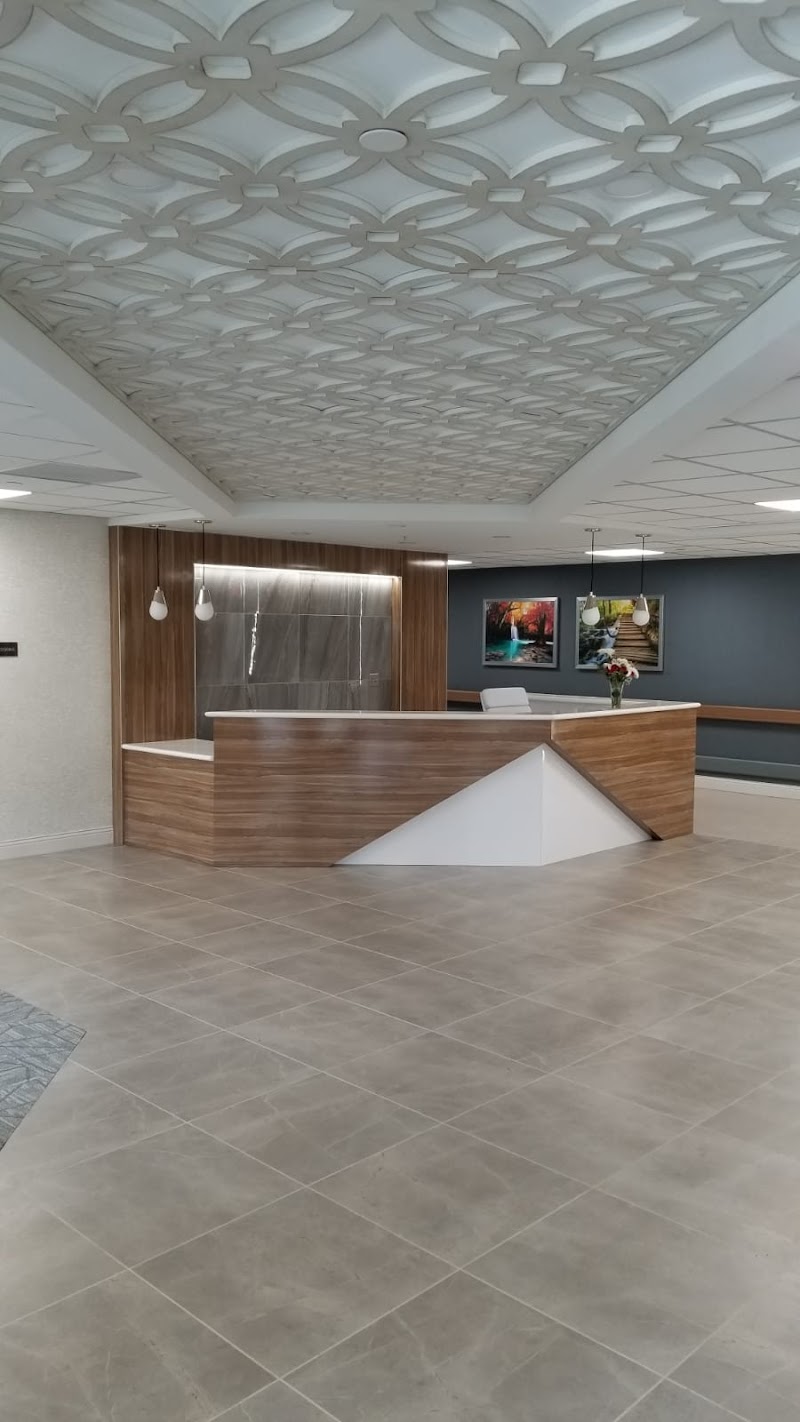
How is Greenery Center For Rehab And Nursing Staffed?

CMS rates GREENERY CENTER FOR REHAB AND NURSING's staffing level at 1 out of 5 stars, which is much below average compared to other nursing homes. Staff turnover is 68%, which is 22 percentage points above the Pennsylvania average of 46%. High turnover can affect care consistency as new staff learn residents' individual needs. RN turnover specifically is 82%, which is notably high. RNs provide skilled clinical oversight, so turnover in this role can affect medical care quality.

What Have Inspectors Found at Greenery Center For Rehab And Nursing?

State health inspectors documented 40 deficiencies at GREENERY CENTER FOR REHAB AND NURSING during 2023 to 2025. These included: 1 Immediate Jeopardy (the most serious level, indicating potential for serious harm or death), 33 with potential for harm, and 6 minor or isolated issues. Immediate Jeopardy findings are rare and represent the most serious regulatory concerns. They require immediate corrective action.
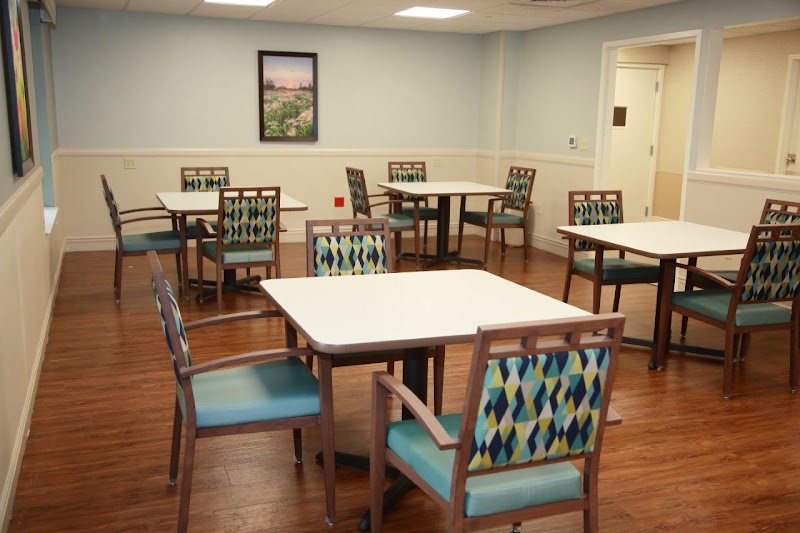
Who Owns and Operates Greenery Center For Rehab And Nursing?

GREENERY CENTER FOR REHAB AND NURSING is owned by a for-profit company. For-profit facilities operate as businesses with obligations to shareholders or private owners. The facility operates independently rather than as part of a larger chain. With 140 certified beds and approximately 91 residents (about 65% occupancy), it is a mid-sized facility located in CANONSBURG, Pennsylvania.
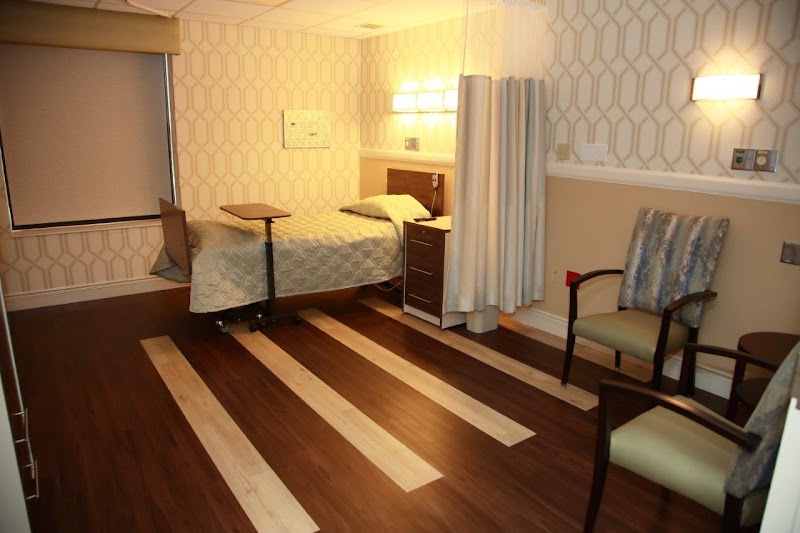
How Does Greenery Center For Rehab And Nursing Compare to Other Pennsylvania Nursing Homes?

Compared to the 100 nursing homes in Pennsylvania, GREENERY CENTER FOR REHAB AND NURSING's overall rating (1 stars) is below the state average of 3.0, staff turnover (68%) is significantly higher than the state average of 46%, and health inspection rating (1 stars) is much below the national benchmark.

What Should Families Ask When Visiting Greenery Center For Rehab And Nursing?

Based on this facility's data, families visiting should ask: "What changes have been made since the serious inspection findings, and how are you preventing similar issues?" "How do you ensure continuity of care given staff turnover, and what is your staff retention strategy?" "Can you walk me through typical staffing levels on day, evening, and night shifts?" "Can I visit during a mealtime to observe dining assistance and food quality?" These questions are particularly relevant given the facility's Immediate Jeopardy citations, the facility's high staff turnover rate, and the below-average staffing rating.

Is Greenery Center For Rehab And Nursing Safe?

Based on CMS inspection data, GREENERY CENTER FOR REHAB AND NURSING has documented safety concerns. Inspectors have issued 1 Immediate Jeopardy citation (the most serious violation level indicating risk of serious injury or death). The facility has a 1-star overall rating and ranks #100 of 100 nursing homes in Pennsylvania. Families considering this facility should ask detailed questions about what corrective actions have been taken since these incidents.

Do Nurses at Greenery Center For Rehab And Nursing Stick Around?

Staff turnover at GREENERY CENTER FOR REHAB AND NURSING is high. At 68%, the facility is 22 percentage points above the Pennsylvania average of 46%. Registered Nurse turnover is particularly concerning at 82%. RNs handle complex medical decisions and coordinate care — frequent RN changes can directly impact care quality. High turnover means new staff may not know residents' individual needs, medications, or preferences. It can also be disorienting for residents, especially those with dementia who rely on familiar faces. Families should ask: What is causing the turnover? What retention programs are in place? How do you ensure care continuity during staff transitions?

Was Greenery Center For Rehab And Nursing Ever Fined?

GREENERY CENTER FOR REHAB AND NURSING has been fined $34,506 across 2 penalty actions. The Pennsylvania average is $33,424. While any fine indicates a compliance issue, fines under $50,000 are relatively common and typically reflect isolated problems that were subsequently corrected. Families should ask what specific issues led to these fines and confirm they've been resolved.

Is Greenery Center For Rehab And Nursing on Any Federal Watch List?

GREENERY CENTER FOR REHAB AND NURSING is not on any federal watch list. The most significant is the Special Focus Facility (SFF) program, which identifies the bottom 1% of nursing homes nationally based on persistent, serious quality problems. Not being on this list means the facility has avoided the pattern of deficiencies that triggers enhanced federal oversight. This is a positive indicator, though families should still review the facility's inspection history directly.