TOWNVIEW HEALTH AND REHABILITATION CENTER
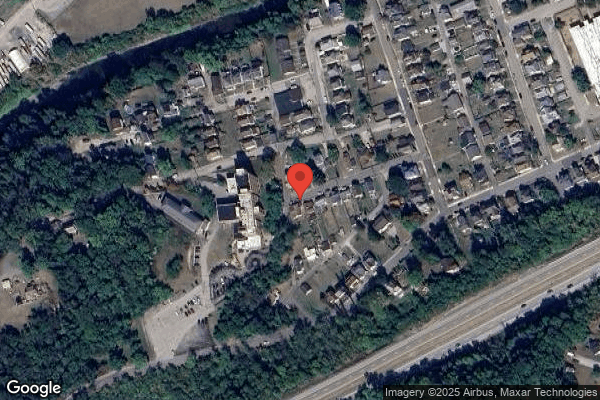
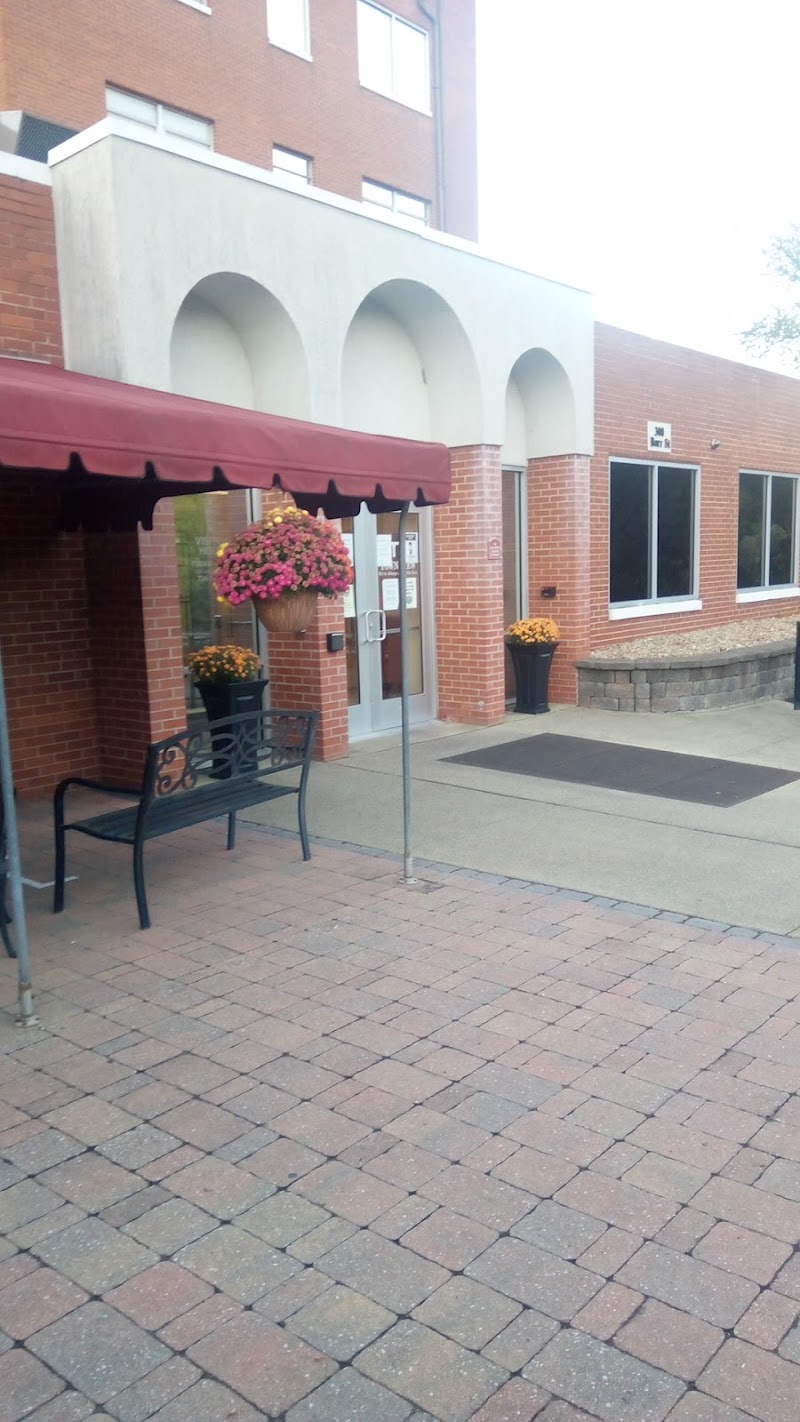
300 BARR STREET, CANONSBURG, PA 15317 (724) 746-5040
For profit - Corporation 118 Beds SHIMON LEFKOWITZ Data: November 2025
Trust Grade
80/100
#240 of 653 in PA
Last Inspection: October 2024

Within standard 12-15 month inspection cycle. Federal law requires annual inspections.

Overview

Townview Health and Rehabilitation Center holds a Trust Grade of B+, indicating it is above average and recommended for families considering care options. In Pennsylvania, it ranks #240 out of 653, placing it in the top half of facilities, and #3 out of 12 in Washington County, meaning only two local options are better. The facility's performance has remained stable, with the same number of issues reported over the past two years. Staffing is a strong point, rated 4 out of 5 stars, with a lower than average turnover rate of 36%, suggesting that staff are experienced and familiar with residents. On the downside, while there have been no fines, several concerns were noted, including a brown substance found in the ice machine, which could risk contamination, and a failure to document pharmacy recommendations for some residents. Additionally, the facility did not provide an opportunity for many residents to create advance directives, which is vital for their medical care planning. Overall, while there are strengths, potential weaknesses should be carefully considered by families.

Trust Score
B+
80/100
In Pennsylvania
#240/653
Top 36%
Safety Record
Low Risk
No red flags
Inspections
Holding Steady
4 → 4 violations
Staff Stability
○ Average
36% turnover. Near Pennsylvania's 48% average. Typical for the industry.
Penalties
✓ Good
No fines on record. Clean compliance history, better than most Pennsylvania facilities.
Skilled Nurses
✓ Good
Each resident gets 64 minutes of Registered Nurse (RN) attention daily — more than 97% of Pennsylvania nursing homes. RNs are the most trained staff who catch health problems before they become serious.
Violations
⚠ Watch
12 deficiencies on record. Higher than average. Multiple issues found across inspections.
★★★★☆
4.0
Overall Rating
★★★★☆
4.0
Staff Levels
★★★☆☆
3.0
Care Quality
★★★★☆
4.0
Inspection Score
Stable
2023: 4 issues
2024: 4 issues

The Good

  • 4-Star Staffing Rating · Above-average nurse staffing levels
  • Full Sprinkler Coverage · Fire safety systems throughout facility
  • No fines on record
  • Staff turnover below average (36%)

    12 points below Pennsylvania average of 48%

Facility shows strength in staffing levels, fire safety.

The Bad

Staff Turnover: 36%

Near Pennsylvania avg (46%)

Typical for the industry

Chain: SHIMON LEFKOWITZ

Part of a multi-facility chain

Ask about local staffing decisions and management

The Ugly 12 deficiencies on record

Oct 2024 4 deficiencies
CONCERN (D)

Potential for Harm - no one hurt, but risky conditions existed

Quality of Care (Tag F0684)

Could have caused harm · This affected 1 resident

**NOTE- TERMS IN BRACKETS HAVE BEEN EDITED TO PROTECT CONFIDENTIALITY** Based on review of facility policy, clinical records, and staff interviews, it was determined that the facility failed to notify...

Read full inspector narrative →
**NOTE- TERMS IN BRACKETS HAVE BEEN EDITED TO PROTECT CONFIDENTIALITY** Based on review of facility policy, clinical records, and staff interviews, it was determined that the facility failed to notify physicians of increased and decreased Capillary Blood Glucose (CBG) levels and failed to assess residents for hyperglycemia (high blood glucose) and hypoglycemia (low blood glucose), for two of nine residents reviewed (Residents R27, and R46). Findings include: The Centers for Disease Control defines diabetes as: Diabetes Mellitus is a chronic (long-lasting) health condition that affects how your body turns food into energy. Most of the food you eat is broken down into sugar (also called glucose) and released into your bloodstream. When your blood sugar goes up, it signals your pancreas to release insulin. Insulin acts like a key to let the blood sugar into your body's cells for use as energy. If you have diabetes, your body either doesn't make enough insulin or can't use the insulin it makes as well as it should. When there isn't enough insulin or cells stop responding to insulin, too much blood sugar stays in your bloodstream. Over time, that can cause serious health problems, such as heart disease, vision loss, and kidney disease. Hypoglycemia is a condition that occurs when blood glucose is lower than normal, usually below 70 milligrams per deciliter (mg/dl). If left untreated, hypoglycemia may lead to weakness, confusion, unconsciousness, arrhythmias and even death. People with Diabetes Mellitus may be prescribed injectable insulin to assist in maintaining acceptable levels of CBG's. Hyperglycemia, or high blood glucose, occurs when there is too much sugar in the blood. This happens when your body has too little insulin. Hyperglycemia is blood glucose greater than 125 mg/dL while fasting (not eating for at least eight hours, or a blood glucose greater than 180 mg/dL one to two hours after eating. If you have hyperglycemia and it ' s untreated for long periods of time, you can damage your nerves, blood vessels, tissues and organs. Damage to blood vessels can increase your risk of heart attack and stroke, and nerve damage may also lead to eye damage, kidney damage and non-healing wounds. Review of the facility policy for diabetes reviewed 9/27/23 and 3/27/24, indicated the facility will recognize, assist, and document the treatment of complication commonly associated with diabetes. Step #1 indicated to obtain physician orders for fingerstick blood sugar testing including parameters for intervention. Documentation should reflect the carefully assessed diabetic resident and include level of consciousness, assessment, results of fingerstick blood monitoring, interventions to stabilize blood glucose levels\, and notification to physician of unstable and/or significant variances from base line per physician order. Review of the facility policy Management of Hypoglycemic Reaction reviewed 9/27/23 and 3/27/24, indicated if resident's blood glucose results are less than 70 mg/dl, regardless of symptoms are present, give eight ounces (oz) of orange juice, one tube of glucose gel, prepackaged cookies or other sweetened snack. Recheck blood glucose after 15 minutes. Notify physician as ordered or indicated. Review of the facility policy for change in resident's condition reviewed 9/27/23 and 3/27/24, indicated licensed professional nurses are responsible to provide timely and complete communication to physicians when there is a change in a residents' condition. Document assessment data, attempted or actual correspondence with physician, and physician's response in the medical record. Review of the facility policy Nursing Documentation reviewed 9/27/23 and 3/27/24, indicated to provide an accurate method for demonstrating that care had been provided which reflects current standards or practice, meets resident needs and reflects compliance with state, federal, and provider requirements. Changes in residents' condition or significant resident care issues must be noted and charted until the resident's condition is stabilized ot the situation is resolved. Review of the clinical record indicated Resident R27 was re-admitted to the facility on [DATE], with diagnoses that included Parkinson's disease (chronic and progressive movement disorder that initially causes tremor in one hand, stiffness or slowing of movement), depression, and high blood pressure. Review of Resident R27' s Minimum Data Set (MDS - a mandated assessment of a resident's abilities and care needs) dated 10/17/24, indicated the diagnoses remain current. Review of a physician's order indicated for fingerstick blood monitoring results less than 70: implement hypoglycemic protocol. Review of the clinical record electronic Medication Administration Record (eMAR) revealed that the resident's CBG's were as follows: On 7/21/24, at 4:41 p.m. the CBG was noted to be 43. Review of the care plan dated 3/21/23, indicated the following interventions: -Observe for hypo/hyperglycemia -Perform Accu-Checks as ordered and document -Administer insulin as ordered -Notify MD (doctor) as needed is signs/symptoms of hyper/hypoglycemia occur Review of Resident's eMAR and clinical progress notes indicated the resident was not assessed for hypoglycemia, the blood glucose was not monitored for effectiveness of treatment, staff failed to follow interventions of the care plan, and the physician was not notified of abnormal results on the above listed dates. Review of a clinical record indicated Resident R46 was admitted to the facility on [DATE], with diagnoses that included diabetes, depression, and anxiety. Review of the MDS dated [DATE], indicated the diagnoses remain current. Review of physician's orders indicated Accuchecks three times a day before meals with Humalog (a fast-acting insulin that starts to work about 15 minutes after injection, peaks in about 1 hour, and keeps working for 2 to 4 hours) sliding scale coverage. If fingerstick blood monitoring results are greater than 400, give 15 units of insulin. Review of Resident R46's eMAR revealed that the resident's CBG's were as follows: On 11/23/23, at 5:17 p.m. the CBG was noted to be 406. On 11/29/23, at 4:01 p.m. the CBG was noted to be 490. On 12/4/23, at 5:40 p.m. the CBG was noted to be 452. On 12/28/23, at 4:38 p.m. the CBG was noted to be 419. On 12/29/23, at 5:14 p.m. the CBG was noted to be 410. On 1/10/24, at 4:33 p.m. the CBG was noted to be 463. On 1/13/24, at 5:36 a.m. the CBG was noted to be 473. On 1/15/24, at 5:00 p.m. the CBG was noted to be 425. On 1/19/24, at 6:00 a.m. the CBG was noted to be 57. On 1/31/24, at 5:05 p.m. the CBG was noted to be 510. On 2/12/24, at 5:18 p.m. the CBG was noted to be 442. On 3/2/24, at 11:46 a.m. the CBG was noted to be 524. On 4/4/24, at 5:20 p.m. the CBG was noted to be 405. On 4/8/24, at 5:49 a.m. the CBG was noted to be 451. On 4/11/24, at 11:54 a.m. the CBG was noted to be 442. On 4/13/24, at 5:42 p.m. the CBG was noted to be 475. On 5/4/24, at 5:57 a.m. the CBG was noted to be 411. On 5/6/24, at 4:53 p.m. the CBG was noted to be 417. On 5/7/24, at 4:49 p.m. the CBG was noted to be 423. On 5/9/24, at 3:58 p.m. the CBG was noted to be 418. On 5/12/24, at 4:39 p.m. the CBG was noted to be 422. On 5/13/24, at 4:03 p.m. the CBG was noted to be 406. On 5/30/24, at 6:44 p.m. the CBG was noted to be 438. On 6/18/24, at 4:12 p.m. the CBG was noted to be 456. On 7/1/24, at 8:01 p.m. the CBG was noted to be 445. On 7/8/24, at 4:53 p.m. the CBG was noted to be 417. On 7/25/24, at 5:24 p.m. the CBG was noted to be 436. A review of Resident R46's care plan dated 11/20/23, indicated the following interventions: -Accuchecks as ordered, and document -Observe for s/s of hypo/hyperglycemia -Administer medications as ordered and monitor for side effects and effectiveness Review of Resident R46's eMAR and clinical progress notes indicated the resident was not assessed for hyper-/hypoglycemia, failed to follow interventions of the care plan, blood sugar was not rechecked, and the physician was not notified of abnormal results. During an interview on 10/24/24, at 10:35 a.m. Registered Nurse (RN) Employee E2 stated for blood glucose results under 70, they would give juice and/or snacks, hold insulin, and recheck the blood glucose in 15 minutes. They would check the ordered parameters to find out when to call the doctor. If blood glucose was greater than 400, they would give the ordered dose of insulin, call the doctor, and recheck the blood glucose according to doctors orders. They would document in the Nurse's Notes. During an interview on 10/24/24, at 10:37 a.m. Licensed Practical Nurse (LPN) Employee E5 stated if the blood glucose was under 70, they would give a snack or juice. If the blood glucose was greater than 400, they would give the ordered insulin, call the doctor, and recheck the blood glucose in 15-30 minutes. They would document in the Nurse's Notes. During an interview on 10/24/24, at 10:42 a.m. LPN Employee E3 stated if the blood glucose was less than 70, they would give juice or snacks. If blood glucose was over 400, they call the doctor and go from there according to any orders received. They would document in Nurse's Notes. During an interview on 10/24/24, at 10:45 a.m. RN Employee E6 stated for blood glucose less than 70, they would start hypoglycemic protocol, call the doctor, follow any orders received, and recheck the blood glucose in 30-60 minutes. For blood glucose greater than 400, they would check the ordered parameter, give the ordered dose of insulin, and call the doctor. They would monitor the resident, and recheck the blood glucose in 15, 30, and 60 minutes. They would document in the Nurse's Notes During an interview on 10/24/24, at 10:50 a.m. LPN Employee E7 stated for blood sugars less than 70, they would follow the facility's hypoglycemic protocol. If the blood glucose was greater than 400, they would call the doctor. During an interview on 10/24/24, at 10:54 a.m. RN Employee E8 stated they would check the resident's ordered parameters first. If the blood glucose was less than 70, they would give juice or snacks. If the blood glucose was greater that 400, they would call the doctor, monitor the resident, and recheck the blood glucose in 15-30 minutes. They would document in the Nurse's Notes. During an interview on 10/25/24, at 9:05 a.m. the Director of Nursing confirmed the facility failed to notify the doctor of a change in condition, and failed to document an assessment or interventions used related to blood glucose for Residents R27, and R46. 28 Pa. Code 201.18 (b)(1) Management. 28 Pa. Code 201.29(d) Resident rights. 28 Pa. Code 211.10 (c)(d) Resident care policies. 28 Pa. Code 211.12 (d)(1)(2)(3)(5) Nursing services.
CONCERN (D)

Potential for Harm - no one hurt, but risky conditions existed

Accident Prevention (Tag F0689)

Could have caused harm · This affected 1 resident

**NOTE- TERMS IN BRACKETS HAVE BEEN EDITED TO PROTECT CONFIDENTIALITY** Based on review of facility policies, clinical records, and staff interview, it was determined that the facility failed to provi...

Read full inspector narrative →
**NOTE- TERMS IN BRACKETS HAVE BEEN EDITED TO PROTECT CONFIDENTIALITY** Based on review of facility policies, clinical records, and staff interview, it was determined that the facility failed to provide adequate supervision to prevent falls for one of four residents (Resident R51). Findings include: Review of the facility policy, ADL (Activities of Daily Living) Documentation dated 3/27/24, indicated the nursing assistant will review the CNA Flowsheet which includes mobility and transfers needs. At the end of the shift the Nursing Assistant will document bed mobility and transfers. ADL documentation includes the level of resident's ability to perform tasks and the amount of staff assistance needed. Before change over, the Unit Manager, or designee will review each resident's ADL information and revise as necessary. Review of the American Congress of Rehabilitation Medicine - Caregiver Guide and Instructions for Safe Bed Mobility published 4/28/17, indicated bed mobility refers to activities such as scooting in bed, rolling, side-lying to sitting, and sitting to lying down. Resident R51 was admitted to the facility on [DATE]. Review of Resident 51's Minimum Data Set (MDS - periodic assessment of resident care needs) dated 9/5/24, included diagnoses of morbid obesity (chronic disease in which a person has a body mass index (BMI) of 40 or higher or a BMI of 35 or higher and is experiencing obesity-related health conditions), neuromyelitis optica (NMO) autoimmune disease of the central nervous system (can cause blindness in one or both eyes, weakness or paralysis in the legs or arms, and painful spasms) and paraplegia (paralysis that occurs in the lower half of the body). Review of Resident R51's MDS dated [DATE] assessments, Section G - Functional Status, Questions G0110A, ADL Assistance for Bed Mobility, indicated that Resident R51 required extensive assistance of two or more staff members. Review of Resident R51's plan of care for Impaired Mobility quarterly review dated 9/11/24, indicated extensive to total assistance for ADL tasks. Review of a physician order dated and 9/26/24, indicated Resident R51 required an assist of two staff members for mobility. Review of the September and the October 2024 Task CNA (nurse aide) Flowsheet for the 3:00 p.m. to 11:00 p.m. shift indicates Resident R51 requires assistance of two for mobility. Review of the CNA Employee E9 3:00 p.m. to 11:00 p.m. Assignment Sheet for 10/1/24 indicated Resident R51 is an assist of two. Review of a progress note dated 10/1/24, at 8:08 p.m. indicated, CNA Employee E9 reported resident had fallen out of bed during care. CNA Employee E9 stated residents' legs slid off the right side of the bed. Per resident baseline she has no control on movement of bilateral lower extremities Resident was lowered to a laying position on the floor by four staff members a Hoyer lift was used with assistance of four staff to return resident to bed. During this time resident had complaints of intermittent pain to her head and left shoulder. MD (doctor of medicine) and resident sister notified. Resident was sent to the hospital at 6:00 pm. Review of emergency room documentation dated 10/1/24, indicated Resident R51 was treated for a fall and closed head injury. Resident R51 imaging did not reveal any major injury related to the fall as reflected in the facility progress notes. Resident R51 returned to the facility at 9:00 p.m. the same date of the fall. Review of facility submitted information dated 10/2/24, indicated, On 10/1/2024 at approximately 5:15 p.m. Resident R51 is non-ambulatory and transfers with a Hoyer lift and assist of 2, she is an assist of 2 for mobility. CNA Employee E9 went in to provide care turning the resident on her side positioning her in the center of the bed. CNA Employee E9 went to the bathroom to get the washcloths and when she was returning Resident R51 grabbed the siderail pulling herself over and her legs went off the side of the bed, pulling her to the floor to a sitting position before CNA Employee E9 could reach her. Resident R51 is alert and oriented x3. Review of an employee statement written by CNA Employee E9 dated 10/1/24, indicated, She [Resident 51 R51] was on her side facing the door turned away from me. I had went to wet more washcloths and she was positioned in the middle of the bed. When I came back from getting the wet washcloths she was holding onto the railing and was pulling herself over more and her bottom half starred rolling over the side of the bed before I could get her legs to stop it from happening. Review of a facility submitted Report Form for Investigation of Alleged Abuse, Neglect, Misappropriation of Property dated 10/2/24, included the information, Staff member did not follow MD orders for two-person bed mobility. The CNA Employee E9 was educated on the importance of following MD orders for bed mobility and abuse and Neglect. Review of the facility Employee Discipline Warning Notice dated 10/2/24, the CNA Employee E9 received a written warning for policy breach and not following professional standards. Additional documentation included The employee failed to follow physician's orders for two person assist for bed mobility. The employee must follow MD orders. Any further infraction of this nature will result in further disciplinary action up to and including termination. This document was signed by the CNA Employee E9 and the Assistant Director of Nursing. During an interview on 10/22/24 at approximately 1:45 p.m., Resident R51 stated CNA Employee E9 rolled her onto her side while providing her care. CNA Employee E9 then left the bedside and went to get more supplies leaving the resident unattended. Resident R51 was holding onto the railing to keep herself on her side and her legs slid out of the bed and she fell. Resident R51 reported that two staff members provide her care and confirmed that only CNA Employee E9 was providing care when she fell. During staff interviews on 10/24/24 Employees CNA Employee E1, RN Employee E2, LPN Employee E3, and CNA employee E4 verbalized the facility policy for ADL care and the location in the record for resident mobility. This included receiving the information at the start of each shift. During an interview on 10/25/24 at approximately 9:55 a.m. the NHA confirmed Resident R51 required assistance of two for bed mobility and the facility failed to provide adequate supervision to prevent falls for one of four residents (Resident R51). 28 Pa. Code: 201.14 (a) Responsibility of licensee. 28 Pa. Code: 201.18 (b)(e)(1) Management. 28 Pa. Code: 201.20(b)(1) Staff development. 28 Pa. Code: 201.29(a) Resident rights. 28 Pa. Code: 211.10(c)(d) Resident care policies. 28 Pa Code: 211.12(d)(1)(2)(5) Nursing services.
CONCERN (E)

Potential for Harm - no one hurt, but risky conditions existed

Deficiency F0578 (Tag F0578)

Could have caused harm · This affected multiple residents

**NOTE- TERMS IN BRACKETS HAVE BEEN EDITED TO PROTECT CONFIDENTIALITY** Based on review of the facility policy and clinical records and staff interviews, it was determined that the facility failed to ...

Read full inspector narrative →
**NOTE- TERMS IN BRACKETS HAVE BEEN EDITED TO PROTECT CONFIDENTIALITY** Based on review of the facility policy and clinical records and staff interviews, it was determined that the facility failed to provide the opportunity to formulate an advance directive (written instructions such as a living will or durable power of attorney for health care for when the individual is incapacitated) for thirteen of the eighteen residents reviewed (Resident R5, R19, R25, R27 R30, R46, R51, R52, R59, R60, R64, R86, R87). Findings include: A review of the facility policy Advanced Directives last reviewed 3/27/24, indicated the facility will comply with the requirements related to maintaining written policies and procedures regarding advance directives, including provisions to inform and provide written information to all adult residents concerning the right to accept or refuse medical or surgical treatment and formulate an advance directive. A review of the medical record indicated Resident R5 was readmitted to the facility on [DATE], with diagnoses that included diabetes, dementia (decline in the ability to perform everyday activities), gastro-esophageal reflux disease (GERD-severe heartburn), transient ischemic attack (brief stroke-like attack that can have weakness on one side, slurred speech, vision problems-resolves in minutes to hours). A review of the clinical record failed to reveal and advance directive or documentation that Resident R5 was given the opportunity to formulate an Advanced Directive. A review of the clinical record indicated Resident R19 was readmitted to the facility on [DATE], with diagnoses that include chronic obstructive pulmonary disease (group of lung diseases that block airflow and make it difficult to breathe), anxiety, obstructive and reflux uropathy (urinary tract conditions that can cause urine to flow abnormally), hypoxemia (low level of oxygen in the blood). A review of the clinical record failed to reveal and advance directive or documentation that Resident R19 was given the opportunity to formulate an Advanced Directive. A review of the clinical record indicated Resident R25 was readmitted to the facility on [DATE], with diagnoses that include cerebral infarction (serious condition that occurs when blood flow to the brain is blocked, resulting in brain tissue death), GERD, depression, schizophrenia (affects a person's ability to think, feel, and behave clearly). A review of the clinical record failed to reveal and advance directive or documentation that Resident R25 was given the opportunity to formulate an Advanced Directive. A review of the clinical record indicated Resident R27 was readmitted to the facility on [DATE], with diagnoses that include Parkinson's (affects muscles making it difficult to walk), depression, high blood pressure, diabetes (high blood sugar). A review of the clinical record failed to reveal and advance directive or documentation that Resident R27 was given the opportunity to formulate an Advanced Directive. A review of the clinical record indicated Resident R30 was admitted to the facility on [DATE], with diagnoses that include chronic kidney disease (disease of kidneys that leads to kidney failure), high blood pressure, cerebrovascular disease (affects blood vessels of the brain and cerebral circulation), cardiomegaly (enlarged heart). A review of the clinical record failed to reveal and advance directive or documentation that Resident R30 was given the opportunity to formulate an Advanced Directive. A review of the clinical record indicated Resident R46 was admitted to the facility on [DATE], with diagnoses that include high blood pressure, diabetes, pulmonary hypertension (affects arteries in lungs and heart), arthritis (swelling and tenderness in one or more joints). A review of the clinical record failed to reveal and advance directive or documentation that Resident R46 was given the opportunity to formulate an Advanced Directive. A review of the clinical record indicated Resident R51 was admitted to the facility on [DATE], with diagnoses that include morbid obesity (severely overweight), high blood pressure, convulsions (uncontrolled jerking, loss of consciousness, blank stares), neuromyelitis optica (autoimmune disease that attacks the optic nerve making it difficult to see) . A review of the clinical record failed to reveal and advance directive or documentation that Resident R51 was given the opportunity to formulate an Advanced Directive. A review of the clinical record indicated Resident R52 was admitted to the facility on [DATE], with diagnoses that include high blood pressure, diabetes, atrial fibrillation (irregular, often rapid heart rate), dementia. A review of the clinical record failed to reveal and advance directive or documentation that Resident R52 was given the opportunity to formulate an Advanced Directive. A review of the clinical record indicated Resident R59 was admitted to the facility on [DATE], with diagnoses that include diabetes, depression, transient ischemic attack, hyperlipidemia (high cholesterol). A review of the clinical record failed to reveal and advance directive or documentation that Resident R59 was given the opportunity to formulate an Advanced Directive. A review of the clinical record indicated Resident R60 was admitted to the facility on [DATE], with diagnoses that include high blood pressure, diabetes, Alzheimer's (progressive disease that destroys memory and other important mental functions), insomnia (problem falling or staying asleep). A review of the clinical record failed to reveal and advance directive or documentation that Resident R60 was given the opportunity to formulate an Advanced Directive. A review of the clinical record indicated Resident R64 was readmitted to the facility on [DATE], with diagnoses that include diabetes, alzheimer's, dysphagia (difficulty swallowing), hypokalemia (low potassium level). A review of the clinical record failed to reveal and advance directive or documentation that Resident R64 was given the opportunity to formulate an Advanced Directive. A review of the clinical record indicated Resident R86 was admitted to the facility on [DATE], with diagnoses that include high blood pressure, atrial fibrillation, heart failure (heart doesn't pump blood as well as it should), pulmonary hypertension. A review of the clinical record failed to reveal and advance directive or documentation that Resident R86 was given the opportunity to formulate an Advanced Directive. A review of the clinical record indicated Resident R87 was admitted to the facility on [DATE], with diagnoses that include vascular dementia (causes memory loss), hypothyroidism (thyroid doesn't produce enough thyroid hormone), depression, hearing loss. A review of the clinical record failed to reveal and advance directive or documentation that Resident R87 was given the opportunity to formulate an Advanced Directive. During an interview on 10/25/24 at 9:05 a.m. the Social Worker and the Assistant Director of Nursing (ADON) confirmed that the clinical record did not include documentation that Resident R5, R19, R25, R27 R30, R46, R51, R52, R59, R60, R64, R86, R87 were not afforded the opportunity to formulate Advance Directives. 28 Pa. Code: 211.15(f) Clinical records. 28 Pa. Code: 211.12(d)(1)(3)(5) Nursing services.
MINOR (C)

Minor Issue - procedural, no safety impact

Transfer Notice (Tag F0623)

Minor procedural issue · This affected most or all residents

Based on a review of facility documents, information from the State Ombudsman Office and staff interviews it was determined that the facility failed to notify the State Ombudsman Office of resident tr...

Read full inspector narrative →
Based on a review of facility documents, information from the State Ombudsman Office and staff interviews it was determined that the facility failed to notify the State Ombudsman Office of resident transfers and discharges for past year, 10/2023 through 10/2024, as required. Findings include: A request to review facility documents on 10/23/24, of the facility's compliance in notifying the State Ombudsman Office revealed that the facility failed to provide documented evidence of notifying the State Ombudsman Office of resident transfers and discharges for the time period of 10/23/23 through 10/23/24. A review of information on 8/1/24, provided by the State Ombudsman Office revealed that the facility failed to notify the State Ombudsman Office of transfers and discharges as required since 10/2021. During an interview on 10/23/24, at 10:21 a.m. the Nursing Home Administrator confirmed that the facility failed to report resident transfers and discharges to the State Ombudsman Office for a year period from 10/23/23 through 10/23/24, as required. PA Code: 201.29(f)(g) Resident rights.
Nov 2023 4 deficiencies
CONCERN (D)

Potential for Harm - no one hurt, but risky conditions existed

Accident Prevention (Tag F0689)

Could have caused harm · This affected 1 resident

**NOTE- TERMS IN BRACKETS HAVE BEEN EDITED TO PROTECT CONFIDENTIALITY** Based on review of facility policy and records, and staff interviews, it was determined that the facility failed to provide adeq...

Read full inspector narrative →
**NOTE- TERMS IN BRACKETS HAVE BEEN EDITED TO PROTECT CONFIDENTIALITY** Based on review of facility policy and records, and staff interviews, it was determined that the facility failed to provide adequate supervision that resulted in an resident elopement resident exits to an unsupervised or unauthorized area without the facility's knowledge) for one of three residents reviewed (Resident R64). This was identified as past non-compliance for one resident (Resident R64). Findings include: A review of the facility policy Elopement, reviewed 9/27/23, indicated the residents are assessed upon admission, quarterly, and change in condition by staff members to determine if they are at risk for elopement. The following may be used for residents identified as high risk for elopement: frequent monitoring of resident ' s whereabouts, individual to maintain interest level, environmental controls such as secure units with appropriate Code Alert device, alarmed doors, and restricted window openings. A review of the facility document Code Alert Procedure for the Secured Unit (Second Floor) reviewed 9/27/23, indicated the elevator on the second floor is equipped with an electronic system that will prevent a resident with a special alert bracelet (code alert) from exiting the unit via elevator. When a resident with the code alert bracelet appears in proximity to the elevator, the elevator will not close the doors unless a special code is entered into the keypad next to the elevator. The Long-Term Care Facility Resident Assessment Instrument (RAI) User's Manual, which provides instructions and guidelines for completing required Minimum Data Set (MDS) assessments (mandated assessments of a resident's abilities and care needs), dated October 2019, indicated that a BIMS (Brief Interview of Mental Status) is a brief screener that aids in detecting cognitive impairment. Scores from a BIMS assessment suggests the following distributions: 13 - 15: cognitively intact 8 - 12: moderately impaired 0 - 7: severe impairment Review of the clinical record indicated Resident R64 was admitted to the facility on [DATE], with diagnoses that included high blood pressure, dementia (loss of cognitive functioning, thinking, remembering, and reasoning, to such an extent that it interferes with a person's daily life and activities), and right hip fracture (partial or complete break in the bone). Review of Resident R64's MDS dated [DATE] indicated the diagnoses remain unchanged. Review of the Section C: Cognitive Patterns indicated that Resident R64's BIMS score was 06, indicating severe impairment. Review of an elopement assessment completed on 10/5/23, at 10:33 a.m. indicated Resident R64 was not at risk for elopement. Review of a progress note dated 10/5/23, at 8:21 p.m. indicated the physician was made aware of resident ' s wandering and exit seeking behavior, family was notified. Review of an elopement assessment completed on 10/6/23, at 10:07 a.m. indicated Resident R64 was deemed at risk for elopement and transferred to the secure second floor at that time. Review of a progress note dated 10/6/23, at 1:23 p.m. indicated Resident R64 was transferred from the fourth floor to the secured second floor due to wandering and exit seeking. Review of facility documents dated 10/8/23, at 5:30 p.m. indicated Resident R64 was discovered missing on the second floor while staff delivered dinner to the residents. Resident R64 was seen in the hallway in his wheelchair between 5:30 p.m. and 6:00 p.m. Review of a progress note dated 10/8/23, at 7:56 p.m. revealed Resident R64 left the facility unobserved while staff delivered dinner trays to residents. A progress note dated 10/8/23, at 8:40 p.m. the resident was returned to the facility via ambulance at 8:20 p.m. Review of facility documents dated 10/8/23, Resident R64 was transferred to the hospital for evaluation following elopement incident. No injuries were noted. During an interview on 11/1/23, at 2:00 p.m. the Nursing Home Administrator stated Resident R64's code alert bracelet was found on the floor of the dining room intact and stretched out. Review of the care plan indicated for staff to record episodes of attempting to leave unit, determine if there is a pattern to attempts to leave unit, attempt to redirect resident as needed, ensure safety at all times, and know where about at all times. On 10/9/23, the facility completed education for all staff including Registered Nurses (RNs), Licensed Practical Nurses (LPNs), and Nurse Aides (NAs), housekeeping, dietary, therapy, and administration to review elopement policy, code alert bracelets, and checks. Review of facility documents indicated an elopement assessment audit was completed for all residents on 10/10/23, to ensure compliance. On 10/12/23, the facility conducted an elopement drill. The facility reviewed resident care plans and modifications made if needed related to interventions. During an observation/demonstration on 11/2/23, at 11:00 a.m. Resident R64's code alert bracelet battery was checked and found to be working properly, when the bracelet was in proximity of the elevator, the alarm sounded and the elevator doors did not close. During an interview on 11/2/23, at 1:45 p.m. the Nursing Home Administrator confirmed that the facility failed to provide adequate supervision resulting in an elopement from the facility for Resident R64. 28 Pa. Code 201.14(a) Responsibility of licensee. 28 Pa. Code 201.18(b)(1)(e)(1) Management. 28 Pa. Code 211.10(c)(d) Resident care policies. 28 Pa. Code 211.11(a) Resident care plan. 28 Pa. Code 211.12(d)(1)(5) Nursing services.
CONCERN (D)

Potential for Harm - no one hurt, but risky conditions existed

Deficiency F0700 (Tag F0700)

Could have caused harm · This affected 1 resident

**NOTE- TERMS IN BRACKETS HAVE BEEN EDITED TO PROTECT CONFIDENTIALITY** Based on observations, review of facility policy, clinical record review, and staff interview, it was determined that the facili...

Read full inspector narrative →
**NOTE- TERMS IN BRACKETS HAVE BEEN EDITED TO PROTECT CONFIDENTIALITY** Based on observations, review of facility policy, clinical record review, and staff interview, it was determined that the facility failed to conduct ongoing accurate assessments to ensure that bed rails were used to meet residents' needs and the risks associated with bed rail usage for three of 12 residents (Resident R26, R52, and R82). Findings include: Review of the facility policy Bed Safety dated 9/27/23, indicated the facility provides services that promote safe use of beds, mattresses, and bed rails. The facility will evaluate beds, mattresses, if indicated side rails upon admission and then quarterly for risk of entrapment. Documentation of the evaluation will be maintained. Review of the clinical record indicated that Resident R26 was admitted to the facility on [DATE]. Review of Resident R26's Minimum Data Set (MDS - a periodic assessment of care needs) dated 8/4/23, indicated diagnoses of Multiple Sclerosis (MS - the immune system eats away at protective covering of nerve cells), chronic pain, and hypothyroidism (thyroid gland doesn't produce enough thyroid hormone). Review of Resident R26's physician order dated 6/16/23, indicated upper half rails on both sides. Review of Resident R26's care plan dated 8/22/23, indicated complete side rail assessment on admission, quarterly and with any change and half side rails up bilaterally for bed mobility. Review of Resident R26's Nurse Aide Flow Sheet dated 11/1/23, indicated upper half rails on both sides of the bed. Review of Resident R26's clinical record revealed the most current Bed Safety Review assessment was completed on 10/8/22. Observation of Resident R26's room on 10/30/23, at 9:25 a.m. indicated upper half bed rails on each side of the bed. Review of the clinical record indicated that Resident R52 was admitted to the facility on [DATE] . Review of Resident R52's MDS dated [DATE], indicated diagnoses of anemia (the blood doesn't have enough healthy red blood cells), high blood pressure, and heart failure (heart doesn't pump blood as well as it should). Review of Resident R52's physician order dated 10/23/23, indicated upper half rails on both sides. Review of Resident R52's care plan dated 8/22/23, indicated perform side rail assessment per protocol, adjust plan of care accordingly, and half side rails up bilaterally for bed mobility. Review of Resident R52's Nurse Aide Flow Sheet dated 11/1/23, indicated upper half rails on both sides of the bed. Review of Resident R52's clinical record revealed the most current Bed Safety Review assessment was completed on 10/8/22. Observation of Resident R52's room on 10/30/23, at 9:30 a.m. indicated upper half bed rails on each side of the bed. Review of the clinical record indicated that Resident R82 was admitted to the facility on [DATE] . Review of Resident R82's MDS dated [DATE], indicated diagnoses of anemia, high blood pressure, and heart failure. Review of Resident R82's physician order dated 10/19/23, indicated upper half rails on both sides. Review of Resident R82's care plan dated 8/18/23, indicated perform side rail assessment per protocol, adjust plan of care accordingly, and half side rails up bilaterally for bed mobility. Review of Resident R82's Nurse Aide Flow Sheet dated 11/1/23, indicated upper half rails. Review of Resident R82's clinical record revealed the most current Bed Safety Review assessment was completed on 5/18/23. Observation of Resident R82's room on 10/30/23, at 9:40 a.m. indicated upper half bed rails on each side of the bed. Interview on 11/1/23, at 1:08 p.m. the Director of Nursing confirmed that the facility failed to conduct ongoing accurate assessments to ensure that bed rails were used to meet residents' needs and the risks associated with bed rail usage for three of 12 residents (Resident R26, R52, and R82). 28 Pa. Code 201.18(b)(1)(3)(e)(1) Management. 28 Pa. Code 201.29(a)(d) Resident Rights. 28 Pa. Code 211.5(f) Clinical Records.
CONCERN (D)

Potential for Harm - no one hurt, but risky conditions existed

Unnecessary Medications (Tag F0759)

Could have caused harm · This affected 1 resident

Based on review of facility policies, observation, clinical records, and staff interviews, it was determined that the facility failed to maintain a medication error rate of less than five percent for ...

Read full inspector narrative →
Based on review of facility policies, observation, clinical records, and staff interviews, it was determined that the facility failed to maintain a medication error rate of less than five percent for one of four residents (Resident R242). Findings include: Review of the facility policy Medication Administration Guidelines dated 9/27/23, indicated Only medications that are crushable can be crushed. (See list Medications That Cannot Be Crushed). Review of the facility provided document Meds That Should Not Be Crushed dated 02/2023 indicated Crushing extended-release meds can result in administration of a large dose all at once. Crushing delayed-release meds can alter the mechanism designed to protect the drug from gastric acids or prevent gastric upset. This list included: -Bupropion SR (sustained release) -Metoprolol succinate ER (extended release) -Potassium chloride The observations listed below revealed three medication errors out of 25 opportunities resulting in a medication error rate of 12.00%. Review of a physician's orders dated 10/24/23, indicated Resident R242 received: -10 mEq (milliequivalents) of potassium chloride, once daily. -200 mg (milligrams) of Bupropion SR, once daily. -12.5 mg of Metoprolol ER, once daily. During a medication administration observation on 10/31/23, at 8:24 a.m. Registered Nurse (RN) Employee E1 placed the above listed three medications in a crushing envelope. Just prior to RN Employee E1 pulling the handle to crush the medications, the surveyor stopped RN Employee E1, and instructed her that potassium chloride cannot be crushed. RN Employee E1 removed the potassium and crushed the remainder of the medications. During a review of Resident R242's physician's orders to verify accuracy of the remaining medications provided, it was noted that the metoprolol and the Bupropion were extended release medications. During an interview on 11/2/23, at 1:30 p.m. the Nursing Home Administrator and the Director of Nursing confirmed the facility failed to maintain a medication error rate of less than five percent for one of four residents. 28 Pa. Code: 211.12(d)(1)(5) Nursing services. 28 Pa. Code: 211.12(d)(5) Nursing services.
CONCERN (E)

Potential for Harm - no one hurt, but risky conditions existed

Drug Regimen Review (Tag F0756)

Could have caused harm · This affected multiple residents

Based on review of the pharmacy recommendations, clinical record, and staff interview, it was determined that the facility failed to provide documentation that pharmacy recommendations were reviewed a...

Read full inspector narrative →
Based on review of the pharmacy recommendations, clinical record, and staff interview, it was determined that the facility failed to provide documentation that pharmacy recommendations were reviewed and acted upon for two of five residents (Resident R25 and R79). Findings include: Review of Resident R25's pharmacy review progress note in the electronic medical record dated 7/27/23, at 6:59 p.m. indicated the MRR (medication regimen review) was complete, see recommendation. Review of Resident R25's pharmacy review progress note in the electronic medical record dated 10/27/23, at 6:26 p.m. indicated the MRR was complete, see recommendation. Review of the remainder of Resident R25's pharmacy review progress notes reviewed indicated no recommendations. Review of Resident R79's pharmacy review progress note in the electronic medical record dated 8/28/23, at 10:08 a.m. indicated the MRR was complete, see recommendation. Review of the remainder of Resident R79's pharmacy review progress notes reviewed indicated no recommendations. During an interview on 11/2/23, at 12:30 p.m. the Assistant Director of Nursing Employee E2 was unable to provide documentation of the pharmacy recommendation, or documentation that the physician responded to a recommendation. During an interview on 11/2/23, at 1:30 p.m. the Nursing Home Administrator and the Director of Nursing confirmed that the facility failed to provide documentation that pharmacy recommendations were reviewed and acted upon for two of five residents. 28 Pa. Code 211.12(d)(1)(3)(5) Nursing services.
Nov 2022 4 deficiencies
CONCERN (D)

Potential for Harm - no one hurt, but risky conditions existed

Free from Abuse/Neglect (Tag F0600)

Could have caused harm · This affected 1 resident

Based on facility policy, review of facility provided documentation, review of clinical records and staff interview it was determined that the facility failed to provide an environment free from negle...

Read full inspector narrative →
Based on facility policy, review of facility provided documentation, review of clinical records and staff interview it was determined that the facility failed to provide an environment free from neglect for one of seven residents (Resident R10). Findings include: Review of the facility policy Abuse Prevention reviewed on 6/29/22, indicated that the facility maintains a comprehensive program dealing with all facets of abuse and neglect through education, which encompasses screening, training, prevention, identification, investigation, protection and reporting. The facility identified neglect as a failure to provide good and services necessary to avoid physical harm mental anguish or mental illness. Review of facility provided documentation dated 10/12/22, indicated that Resident R10 had an incident identified as neglect when Nurse Aide (NA) Employee E1 left Resident R10 in the bathroom with no supervision. Resident R10 attempted to self transfer and fell which required neuro checks and xrays of her right wrist and hand, increased pain and medication. On 10/20/22, additional xrays were required for left shoulder pain. Radiology reports indicated no fractures. Review of the clinical record indicated that Resident R10 had been admitted to he facility on 11/11/21, with diagnoses which included Alzheimer's disease, dementia with behavioral disturbances, diabetes, anxiety disorder, osteoporosis, and a history of falls. An MDS (Minimum Data Set- periodic review of resident care needs) dated 9/20/22, indicated the diagnoses remained current and Section (G0110 I) indicated Resident R10 was an assistance of one for toileting and Section (G0300 D) indicated Resident R10 required assistance for moving on and off toilet and unsteady with balance only stabilized with staff assistance. During an interview on 11/9/22, at 12:45 p.m the Nursing Home Administrator confirmed that the facility failed to provide an environment free from neglect for Resident R10. 28 Pa. Code: 201.18(b)(1)(2) Management. 28 Pa. Code: 201.29(a))c)(d)(j)(m) Resident rights. 28 Pa. Code: 211.12(d)(1)(2)(3)(5) Nursing services.
CONCERN (D)

Potential for Harm - no one hurt, but risky conditions existed

Investigate Abuse (Tag F0610)

Could have caused harm · This affected 1 resident

**NOTE- TERMS IN BRACKETS HAVE BEEN EDITED TO PROTECT CONFIDENTIALITY** Based on facility policy, clinical record reviews, and staff interviews it was determined the facility failed to investigate an ...

Read full inspector narrative →
**NOTE- TERMS IN BRACKETS HAVE BEEN EDITED TO PROTECT CONFIDENTIALITY** Based on facility policy, clinical record reviews, and staff interviews it was determined the facility failed to investigate an injury of unknown origin for two of seven residents reviewed (Residents R42 and R50) and failed to identify, investigate and/or report two allegations of abuse and one allegation of possible neglect for one of seven residents (Resident R45). Findings include: A review of the facility policy Incident Report Documentation and Follow Up dated 6/30/21 and reviewed 6/29/22, indicated all incidents will be reported and investigated in a timely manner. An incident is any unusual occurrence that occurs to the resident and may include injuries of known or unknown origin. A review of the facility policy Abuse Prevention reviewed on 6/29/22, indicated that the facility maintains a comprehensive program dealing with all facets of abuse, neglect and mistreatment through education, which encompasses screening, training, prevention, identification, investigation, protection and reporting. Abuse is defined by the facility as a willful infliction of injury, intimidation, punishment with resulting physical harm, pain or mental anguish; or necessary to attain or maintain physical, mental and psychosocial well -being. The facility has mechanisms in place to identify and recognize abuse with utilizing accident and incident reporting, grievance and complaint procedures, resident council minutes and the Ombudsman program. A review of the clinical record indicated Resident R42 was admitted to the facility 2/7/13, with diagnoses that include dementia. A review of the MDS (Minimum Data Set-resident assessment and care screening) dated 9/5/22, indicated the diagnoses remain current and the resident is severely cognitively impaired. A review of a nurse progress note dated 10/10/22, indicated resident R42 had a skin tear to the right forearm measuring 6.3 cm (centimeters) x 0.5 cm, area cleansed and steri strips (dressing used to close a wound) applied. A review of the facility Incident and Accident logs dated October 2022, indicated Resident R42 sustained a skin tear on 10/10/22. A review of an incident report dated 10/10/22, indicated Resident R42 had a skin tear to the right forearm. There was no investigation into the cause of the skin tear. During an interview on 11/10/22 at 11:00 a.m., the Nursing Home Administrator (NHA) verified the above findings and no investigation into the cause of the skin tear was completed. A review of the clinical record indicated Resident R50 was admitted to the facility 6/5/15 with diagnoses that included dementia. A review of the MDS dated [DATE] and 11/8/22, indicated the diagnoses remain current and the resident is severely cognitively impaired. A review of a nurse progress note dated 1/18/22, indicated Resident R50 had a bruise 2 cm x 1.5 cm to left upper chin close to mouth and Nursing Assistant (NA) suspects it may have happened during dinner while trying to retrieve a foreign object from resident's mouth and she resisted. A review of the facility Incident and Accident logs dated January 2021, indicated Resident R50 sustained a bruise on 1/18/21. A review of an incident report dated 1/18/21, indicated Resident R50 had a bruise to the chin 2 cm x 1.5. cm. There was no investigation into the cause of the bruise. During an interview on 11/9/22, at 11:50 a.m. the NHA verified the above findings and no investigation into the cause of Resident R50's bruise was completed. A review of a complaint received from the Ombudsman office indicated that the facility had removed property of Resident R45's from her room that had been ordered by the physician causing Resident R45 potential for skin breakdown. A review of the clinical record indicated that Resident R45 had been admitted to the facility on [DATE], with diagnoses that included irregular heart rhythm, osteoarthritis, hearing loss and cervical cancer. A review of Resident R45's plan of care dated 5/28/21, indicated Resident R45 was to be out of bed into her wheelchair with a ROHO cushion (cushion used to prevent pressure ulcers). A review of a Physician visit dated 12/22/21, indicated that Resident R45 complained of low back pain while standing for nurse aide and felt a pop in her back with pain. A review of a Physician visit dated 2/2/22, indicated that Resident R45 stated an aide was transferring her on 1/24/22, and hurt her ribs. A review of the facility incident and accident reports dated December 2021 and January 2022, did not include the above incidents during transfer to be investigated as the potential for abuse/neglect. A review of a Physician visit dated 9/21/22, indicated Resident R45 was seen for leg weakness and review of MRI of spine of 9/14/22. Resident R45 had been identified as having compression fractures of multiple areas of her spine requiring her need to be referred to a pain management group. A review of a Physician visit dated 10/19/22, indicated that Resident R45 was upset because the facility had mistakenly taken her ROHO cushion. A review of the facility incident and accident reports and the grievance log dated October 2022, did not include documentation that the facility had identified and or investigated the removal of the ROHO cushion. A review of the current Physician orders dated November 2022, indicated the use of the ROHO cushion for Resident R45's wheelchair. A review of a progress note dated 10/15/22, indicated that the resident's son had called in about the ROHO cushion and that therapy had removed the cushion. The cushion was not available for Resident R45 to use in her wheelchair. During an interview on 11/9/22, at 10:19 a.m., Resident R45 stated that the cushion had been returned to her. During an interview on 11/9/22, at 12:15 p.m., Therapy Manager Employee E2 stated that she had her staff remove the cushion from Resident R45's wheelchair as she no longer required it as it was for pressure ulcers and the facility needed the cushion for another resident however, after the call from the son, the facility returned it to the resident. During an interview on 11/9/22, at 12:25 p.m. the Unit Manager Employee E3 stated that she remembers the occurrence with the Roho cushion and when the statement was made she had begun to look into it and never got around to it. During an interview on 11/9/22, at 12:45 p.m. the Nursing Home Administrator, the Director of Nursing and the Assistant Director of Nursing confirmed that the above allegations were not identified, investigated and reported to rule out abuse/neglect. 28 Pa. Code 201.14(a) Responsibility of Licensee Previously cited 8/8/22. 28 Pa. Code 201.18(b)(1)(3)(e)(1) Management 28 Pa. Code 201.29(a)(d) Resident Rights 28 Pa. Code 211.5(f) Clinical Records
CONCERN (D)

Potential for Harm - no one hurt, but risky conditions existed

Accident Prevention (Tag F0689)

Could have caused harm · This affected 1 resident

Based on facility policy, review of facility provided documentation, clinical records and staff interview, it was determined that the facility failed to make certain each resident receives adequate su...

Read full inspector narrative →
Based on facility policy, review of facility provided documentation, clinical records and staff interview, it was determined that the facility failed to make certain each resident receives adequate supervision and assistance to prevent accidents for one of seven residents (Resident R10). Findings include: Review of the facility policy Incident Report Documentation and Follow Up reviewed on 6/29/22, indicated that an incident is any unusual occurrence that occurs and all incidents reported are investigated timely and plans of care revised. Any employee who provided care that contributed to the incident or who did not follow the plan of care will receive in-servicing addressing the concern. Disciplinary action will also be determined. Review of the facility provided documentation dated 10/12/22, indicated that Resident R10 had an incident identified as neglect when Nurse Aide (NA) Employee E1 left Resident R10 in the bathroom with no supervision or adequate assistance according to Resident R10's plan of care. Resident R10 attempted to self transfer and fall which required neuro checks and xrays of her right wrist and hand and increased pain medication. On 10/20/22, Resident R10 required additional xrays of her left shoulder due to pain. Radiology reports indicated no fractures. Review of the clinical record indicated that Resident R10 had been admitted to he facility on 11/11/21, with diagnoses which included Alzheimer's disease, dementia with behavioral disturbances, diabetes, anxiety disorder, osteoporosis, and a history of falls. An MDS (Minimum Data Set- periodic review of resident care needs) dated 9/20/22, indicated the diagnoses remained current and Section (G 0110 I) indicated resident was an assistance of one for toileting and Section (G 0300 D) indicated Resident R10 required assistance for moving on and off toilet and unsteady with balance only stabilized with staff assistance. During an interview on 11/9/22, at 12:45 p.m the Nursing Home Administrator confirmed that the facility failed to provide adequate supervision and assistance for Resident R10. 28 Pa. Code: 201.14(a) Responsibility of licensee. Previously cited 8/8/22. 28 Pa. Code: 201.18(e)(1) Management. 28 Pa. Code: 207.2(a) Administrator's responsibility. 28 Pa. Code: 211.10(d) Resident care policies. 28 Pa. Code: 211.12(d)(1)(2)(3)(5) Nursing services.
CONCERN (F)

Potential for Harm - no one hurt, but risky conditions existed

Food Safety (Tag F0812)

Could have caused harm · This affected most or all residents

Based on observations and staff interviews it was determined that the facility failed to maintain sanitary conditions in the Main Kitchen which created the potential for cross contamination (Main Kitc...

Read full inspector narrative →
Based on observations and staff interviews it was determined that the facility failed to maintain sanitary conditions in the Main Kitchen which created the potential for cross contamination (Main Kitchen). Findings include: Review of facility policy Cleaning Instructions: Ice Machine and equipment dated 6/29/22, indicated the ice machine and equipment (scoops and receptacles that are used to hold or transport ice) will be cleaned and sanitized on a regular basis. During an observation on 11/7/22, at 9:30 a.m. it was revealed the ice machine in the main kitchen contained a brown substance inside the machine. During an interview on 11/7/22, at 9:50 a.m. the Dietary Manager Employee E4 confirmed the brown substance in the ice machine creating the potential for cross contamination. 28 Pa Code: 201.14(a) Responsibility of licensee Previously cited 8/8/22
Understanding Severity Codes (click to expand)
Life-Threatening (Immediate Jeopardy)
J - Isolated K - Pattern L - Widespread
Actual Harm
G - Isolated H - Pattern I - Widespread
Potential for Harm
D - Isolated E - Pattern F - Widespread
No Harm (Minor)
A - Isolated B - Pattern C - Widespread

Questions to Ask on Your Visit

  • "Can I speak with families of current residents?"
  • "What's your RN coverage like on weekends and overnight?"

Our Honest Assessment

Strengths
  • • Grade B+ (80/100). Above average facility, better than most options in Pennsylvania.
  • • No major safety red flags. No abuse findings, life-threatening violations, or SFF status.
  • • No fines on record. Clean compliance history, better than most Pennsylvania facilities.
  • • 36% turnover. Below Pennsylvania's 48% average. Good staff retention means consistent care.
Concerns
  • • 12 deficiencies on record. Higher than average. Multiple issues found across inspections.
Bottom line: Generally positive indicators. Standard due diligence and a personal visit recommended.

About This Facility

What is Townview Center's CMS Rating?

CMS assigns TOWNVIEW HEALTH AND REHABILITATION CENTER an overall rating of 4 out of 5 stars, which is considered above average nationally. Within Pennsylvania, this rating places the facility higher than 99% of the state's 100 nursing homes. This rating reflects solid performance across the metrics CMS uses to evaluate nursing home quality.

How is Townview Center Staffed?

CMS rates TOWNVIEW HEALTH AND REHABILITATION CENTER's staffing level at 4 out of 5 stars, which is above average compared to other nursing homes. Staff turnover is 36%, compared to the Pennsylvania average of 46%. This relatively stable workforce can support continuity of care.

What Have Inspectors Found at Townview Center?

State health inspectors documented 12 deficiencies at TOWNVIEW HEALTH AND REHABILITATION CENTER during 2022 to 2024. These included: 11 with potential for harm and 1 minor or isolated issues.

Who Owns and Operates Townview Center?

TOWNVIEW HEALTH AND REHABILITATION CENTER is owned by a for-profit company. For-profit facilities operate as businesses with obligations to shareholders or private owners. The facility is operated by SHIMON LEFKOWITZ, a chain that manages multiple nursing homes. With 118 certified beds and approximately 95 residents (about 81% occupancy), it is a mid-sized facility located in CANONSBURG, Pennsylvania.

How Does Townview Center Compare to Other Pennsylvania Nursing Homes?

Compared to the 100 nursing homes in Pennsylvania, TOWNVIEW HEALTH AND REHABILITATION CENTER's overall rating (4 stars) is above the state average of 3.0, staff turnover (36%) is near the state average of 46%, and health inspection rating (4 stars) is above the national benchmark.

What Should Families Ask When Visiting Townview Center?

Based on this facility's data, families visiting should ask: "Can I visit during a mealtime to observe dining assistance and food quality?" "How do you handle medical emergencies, and what is your hospital transfer rate?" "Can I speak with family members of current residents about their experience?"

Is Townview Center Safe?

Based on CMS inspection data, TOWNVIEW HEALTH AND REHABILITATION CENTER has a clean safety record: no substantiated abuse findings (meaning no confirmed cases of resident harm), no Immediate Jeopardy citations (the most serious violation level indicating risk of serious injury or death), and is not on the Special Focus Facility watch list (a federal program monitoring the lowest-performing 1% of nursing homes). The facility has a 4-star overall rating and ranks #1 of 100 nursing homes in Pennsylvania. While no facility is perfect, families should still ask about staff-to-resident ratios and recent inspection results during their visit.

Do Nurses at Townview Center Stick Around?

TOWNVIEW HEALTH AND REHABILITATION CENTER has a staff turnover rate of 36%, which is about average for Pennsylvania nursing homes (state average: 46%). Moderate turnover is common in nursing homes, but families should still ask about staff tenure and how the facility maintains care continuity when employees leave.

Was Townview Center Ever Fined?

TOWNVIEW HEALTH AND REHABILITATION CENTER has no federal fines on record. CMS issues fines when nursing homes fail to meet care standards or don't correct problems found during inspections. The absence of fines suggests the facility has either maintained compliance or corrected any issues before penalties were assessed. This is a positive indicator, though families should still review recent inspection reports for the full picture.

Is Townview Center on Any Federal Watch List?

TOWNVIEW HEALTH AND REHABILITATION CENTER is not on any federal watch list. The most significant is the Special Focus Facility (SFF) program, which identifies the bottom 1% of nursing homes nationally based on persistent, serious quality problems. Not being on this list means the facility has avoided the pattern of deficiencies that triggers enhanced federal oversight. This is a positive indicator, though families should still review the facility's inspection history directly.