PETERS TOWNSHIP POST ACUTE
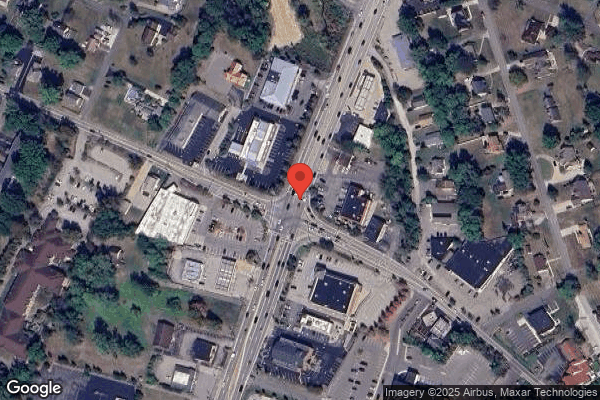
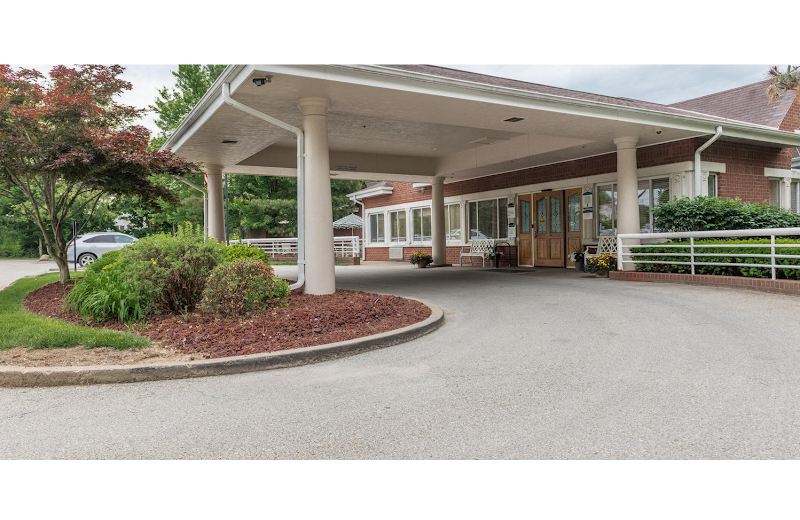
113 WEST MCMURRAY ROAD, MCMURRAY, PA 15317 (724) 941-3080
For profit - Corporation 140 Beds PACS GROUP Data: November 2025
Trust Grade
68/100
#212 of 653 in PA
Last Inspection: November 2024

Within standard 12-15 month inspection cycle. Federal law requires annual inspections.

Overview

Peters Township Post Acute has a Trust Grade of C+, indicating it is decent and slightly above average among nursing homes. It ranks #212 out of 653 facilities in Pennsylvania, placing it in the top half, and is the best option among 12 facilities in Washington County. The facility's trend is stable, with the same number of issues reported in 2024 and 2025. Staffing is a weakness, rated 2 out of 5 stars with a concerning turnover rate of 61%, significantly higher than the state average. However, it boasts good RN coverage, exceeding that of 84% of Pennsylvania facilities, enhancing care quality. Some specific incidents of concern include the failure to provide timely transfer notices to residents and their representatives for eleven months, which could lead to confusion during transitions. Additionally, there were issues with dialysis care, where one resident did not receive proper treatment and communication with the dialysis center was lacking. On another note, the facility also struggled to maintain a homelike environment, with numerous signs of wear and tear observed in the living areas. While there are notable strengths, families should also be aware of these weaknesses when considering this facility.

Trust Score
C+
68/100
In Pennsylvania
#212/653
Top 32%
Safety Record
Low Risk
No red flags
Inspections
Holding Steady
1 → 1 violations
Staff Stability
⚠ Watch
61% turnover. Above average. Higher turnover means staff may not know residents' routines.
Penalties
○ Average
$8,190 in fines. Higher than 69% of Pennsylvania facilities. Some compliance issues.
Skilled Nurses
✓ Good
Each resident gets 53 minutes of Registered Nurse (RN) attention daily — more than average for Pennsylvania. RNs are trained to catch health problems early.
Violations
⚠ Watch
18 deficiencies on record. Higher than average. Multiple issues found across inspections.
★★★★☆
4.0
Overall Rating
★★☆☆☆
2.0
Staff Levels
★★★☆☆
3.0
Care Quality
★★★★☆
4.0
Inspection Score
Stable
2024: 1 issues
2025: 1 issues

The Good

  • Full Sprinkler Coverage · Fire safety systems throughout facility
  • No fines on record

Facility shows strength in fire safety.

The Bad

Staff Turnover: 61%

15pts above Pennsylvania avg (46%)

Frequent staff changes - ask about care continuity

Federal Fines: $8,190

Below median ($33,413)

Minor penalties assessed

Chain: PACS GROUP

Part of a multi-facility chain

Ask about local staffing decisions and management

Staff turnover is elevated (61%)

13 points above Pennsylvania average of 48%

The Ugly 18 deficiencies on record

Jun 2025 1 deficiency
CONCERN (D) 📢 Someone Reported This

A family member, employee, or ombudsman was alarmed enough to file a formal complaint

Potential for Harm - no one hurt, but risky conditions existed

Deficiency F0628 (Tag F0628)

Could have caused harm · This affected 1 resident

**NOTE- TERMS IN BRACKETS HAVE BEEN EDITED TO PROTECT CONFIDENTIALITY** Based on facility policy, clinical record review, resident and staff interviews, it was determined that the facility failed to m...

Read full inspector narrative →
**NOTE- TERMS IN BRACKETS HAVE BEEN EDITED TO PROTECT CONFIDENTIALITY** Based on facility policy, clinical record review, resident and staff interviews, it was determined that the facility failed to make certain discharge planning is part of the resident care plan for one of five residents (Resident R1). Findings include: Review of facility policy Discharge Summary and Plan dated 1/20/25, indicated every resident has an individualized discharge plan, which begins at admission and is part of the comprehensive care plan. Review of the clinical record indicated Resident R1 was admitted to the facility on [DATE]. Review of the Minimum Data Set (MDS - periodic assessment of resident care needs) dated 4/28/25, included diagnoses of hip fracture, hypertension (high blood pressure), and cerebrovascular disease (condition that affects blood flow to the brain). During an interview with Resident R1 on 6/12/25, at 11:00 a.m., the following was stated: I want to go home when my physical therapy is done. My son lives with me, we want to get services at home. Review of Resident R1's clinical record revealed no documented evidence that the facility had a care plan for discharge or discharge planning. During an interview on 6/12/25, at approximately 1:00 p.m. the Director of Nursing and Registered Nurse Assessment Coordinator (RNAC) Employee E1 confirmed the facility failed to make certain discharge planning, is part of the resident care plan for one of five residents (Resident R1). 28 Pa. Code: 201.29 (a)(c)(3)(2) Resident rights.
Nov 2024 1 deficiency
CONCERN (E)

Potential for Harm - no one hurt, but risky conditions existed

Transfer Notice (Tag F0623)

Could have caused harm · This affected multiple residents

Based on a review of facility policy, federal regulation and staff interview, it was determined that the facility failed to provide transfer notices to representatives of the Office of the Long-Term C...

Read full inspector narrative →
Based on a review of facility policy, federal regulation and staff interview, it was determined that the facility failed to provide transfer notices to representatives of the Office of the Long-Term Care Ombudsman Division for eleven of 11 months (December 2023 and January, February, March, April, May, June, July, August, September, and October 2024). Findings include: Review of the facility policy Discharge and Transfer dated 1/6/24, indicated a monthly list will be sent to the Ombudsman of residents who were facility-initiated transfer or discharged . Review of Title 42 Code of Federal Regulations §483.15(c)(3) Notice Before Transfer: indicates, before a facility transfers or discharges a resident, the facility must (i) Notify the resident and the resident's representative(s) of the transfer or discharge and the reasons for the move in writing and in a language and manner they understand. The facility must send a copy of the notice to a representative of the Office of the State Long-Term Care Ombudsman. Federal Regulations further define emergency transfers as, When a resident is temporarily transferred on an emergency basis to an acute care facility, this type of transfer is considered to be a facility-initiated transfer. During an interview on 11/19/24, at 2:29 p.m., the Nursing Home Administrator confirmed the facility failed to provide transfer notices to representatives of the Office of the Long-Term Care Ombudsman Division since 12/31/23. 28 Pa. Code 201.18(b)(3)(e)(2) Management.
Nov 2023 6 deficiencies
CONCERN (D)

Potential for Harm - no one hurt, but risky conditions existed

Safe Environment (Tag F0584)

Could have caused harm · This affected 1 resident

**NOTE- TERMS IN BRACKETS HAVE BEEN EDITED TO PROTECT CONFIDENTIALITY** Based on observation, and staff interview, it was determined the facility failed to maintain a clean homelike environment for fo...

Read full inspector narrative →
**NOTE- TERMS IN BRACKETS HAVE BEEN EDITED TO PROTECT CONFIDENTIALITY** Based on observation, and staff interview, it was determined the facility failed to maintain a clean homelike environment for four of eight resident rooms (Resident room [ROOM NUMBER]B, room [ROOM NUMBER]B, room [ROOM NUMBER]B, and room [ROOM NUMBER]B). Findings Include: Review of the facility policy Accommodation of Needs last reviewed 10/4/23, indicated the residents are provided with a safe, clean, comfortable, and homelike environment. Review of the admission record indicated Resident R45 in room [ROOM NUMBER], was admitted to the facility on [DATE]. Observation of Resident R45's room [ROOM NUMBER] on 11/30/23, at 10:49 a.m. indicated the privacy curtain hanging in between the two resident beds was soiled with a brown substance on the entire lower half of the curtain. Review of the admission record indicated R12 in room [ROOM NUMBER]B was admitted to the facility on [DATE]. Observation of Resident R12's room [ROOM NUMBER]B on 11/30/23, at 9:25 a.m. indicated a privacy curtain soiled with brown speckled debris. Review of the admission record indicated Resident R11 in room [ROOM NUMBER]B admitted to the facility on [DATE]. Observation of Resident R11's room on 11/30/23, at 9:27 a.m. indicated a privacy curtain with brown substance along the base of the curtain and half way up. Review of the admission record indicated Resident R38 in room [ROOM NUMBER]B admitted to the facility on [DATE]. Observation of Resident R38's room on 11/30/23, at 9:30 a.m. indicated a privacy curtain with brown substance along the base of the curtain and scattered other areas of curtain with brown substance. Tour on 11/30/23, at 10:49 a.m. with Registered Nurse (RN) Employee E5 confirmed the privacy curtains in Rooms 118B, 125B, 126B, and 127B were soiled with a brown substance in varying degrees. Interview on 11/30/23, at 2:15 p.m. the Nursing Home Administrator confirmed the facility failed to maintain a clean homelike environment for four of eight resident rooms (Resident room [ROOM NUMBER]B, room [ROOM NUMBER]B, room [ROOM NUMBER]B, and room [ROOM NUMBER]B). 29 Pa. Code 201.29 (j) Resident Rights
CONCERN (D)

Potential for Harm - no one hurt, but risky conditions existed

Deficiency F0760 (Tag F0760)

Could have caused harm · This affected 1 resident

**NOTE- TERMS IN BRACKETS HAVE BEEN EDITED TO PROTECT CONFIDENTIALITY** Based on review of facility policy, manufacturer's recommendations, observation, clinical record and staff interview, it was det...

Read full inspector narrative →
**NOTE- TERMS IN BRACKETS HAVE BEEN EDITED TO PROTECT CONFIDENTIALITY** Based on review of facility policy, manufacturer's recommendations, observation, clinical record and staff interview, it was determined that the facility failed to make certain that residents are free of significant medication errors for one of two residents (Resident R45). Findings include: Review of facility policy, Insulin Pens dated 10/4/23, indicated practice standards included insulin pens (pens that come preloaded with insulin- a medication used to control blood sugar) be primed prior to each use to prevent the collection of air in the insulin reservoir (a place where something is kept). Review of manufacturers guidelines for Insulin Lispro (a short acting, manmade version of human insulin) indicated to prime the Pen before each injection. Priming the Pen means removing the air from the needle and cartridge that may collect during normal use and ensures that the Pen is working correctly. If the Pen is no primed before each injection, the resident may get too much or too little insulin. Review of admission record indicated Resident R45 admitted to the facility on [DATE]. Review of Resident R45's Minimum Data Set (MDS - a periodic assessment of care needs) dated 10/10/23, indicated the diagnoses of anemia (blood doesn't have enough healthy red blood cells), high blood pressure, and diabetes (too much sugar in the blood). During a medication administration observation on 11/27/23, at 12:18 p.m. Licensed Practical Nurse (LPN) Employee E1 indicated Resident R45 required Lispro two units subcutaneously injected, dialed the Novolog pen to two units, then injected Resident R45, failing to prime the needle prior to administration. During an interview on 11/27/23, at 12:20 p.m. LPN Employee E1 indicated she was not aware of the practice to prime the needle prior to administration. During an interview on 11/27/23, at 12:35 p.m. Registered Nurse Manager (RN) Employee E2 confirmed that LPN Employee E1 failed to prime the Lispro pen when administering insulin and confirmed the facility committed a significant medication error for one of two residents reviewed (Residents R45). 28 Pa. Code: 211.12(d)(5) Nursing services.
CONCERN (D)

Potential for Harm - no one hurt, but risky conditions existed

Deficiency F0804 (Tag F0804)

Could have caused harm · This affected 1 resident

**NOTE- TERMS IN BRACKETS HAVE BEEN EDITED TO PROTECT CONFIDENTIALITY** Based on a review of facility policy, resident interviews, staff interviews and observations it was determined the facility fail...

Read full inspector narrative →
**NOTE- TERMS IN BRACKETS HAVE BEEN EDITED TO PROTECT CONFIDENTIALITY** Based on a review of facility policy, resident interviews, staff interviews and observations it was determined the facility failed to provide the residents with food and drink that is palatable and at a safe and appetizing temperatures for two of two lunch meals observed (Lunch Meals on 11/29/23, on [NAME] Unit and Medbridge/TCU units). Findings include: Review of facility titled Food and Nutrition Services Policies and Procedures last reviewed 11/13/23, informed foods are stored, prepared and served in a safe and sanitary manner to prevent bacterial contamination. Hazard Analysis Critical Control Points (HACCP) flow charts are used when handling, preparing, cooling, storing, reheating, and reserving food. Review of the HACCP flow chart informed the hot holding temperature for beef is 145 degrees Fahrenheit of above. Review of the HACCP flow chart in formed the hot holding temperature for vegetables, rice, pasta, legumes is 135 degrees Fahrenheit or above. Review of the HACCP flow chart informed the cold holding temperature for cold ready to eat foods is 40 degrees Fahrenheit or below. During an interview on 11/27/23, at 10:45 a.m. Resident R252 reported the food is served cold. During an interview on 11/27/23, at 1:40 p.m. Resident R11 reported the food is served cold at dinner time. During a group interview conducted on 11/28/23, at 1:30 p.m. Residents R500, R501, R502, R503, R504, R505, R506, R507, R508, R509, R510, R511 and R512 reported the meals are served cold and ice cold. Review of the Resident Council Minutes dated 11/20/23, revealed complaints/comments of residents requesting a microwave on each unit, and menu and requests ideas/suggestions of food carts that plug in to keep food warm. During a [NAME] Unit test tray observation on 11/29/23, at 11:45 a.m. the following temperatures were observed: Meat loaf - 139.5 degrees Fahrenheit Milk - 55.9 degrees Fahrenheit During a Medbridge/TCU Unit test tray observation on 11/29/23, at 12:05 p.m. the following temperatures were observed: Meat loaf - 130.2 degrees Fahrenheit Mashed potatoes - 125.1 degrees Fahrenheit Milk - 56.3. degrees Fahrenheit During an interview on 11/29/23, at 12:08 p.m. the Food Service Director Employee E confirmed the temperatures of the test tray and that the facility failed to provide the residents with food and drink that is palatable and at a safe and appetizing temperatures. 28 PA Code: 211.6(b)(c)(d) Dietary services.
CONCERN (D)

Potential for Harm - no one hurt, but risky conditions existed

Food Safety (Tag F0812)

Could have caused harm · This affected 1 resident

Based on facility policies, observations and staff interviews, it was determined that the facility failed to perform hand washing to prevent the potential for cross contamination in the Main Kitchen a...

Read full inspector narrative →
Based on facility policies, observations and staff interviews, it was determined that the facility failed to perform hand washing to prevent the potential for cross contamination in the Main Kitchen and failed to perform handwashing between tasks in the main dining room during meal service. Findings include: Review of the facility policy Food Handling last reviewed on 8/1/23 and 11/13/23, indicated food is prepared with a minimal of handling. Employees wear disposable gloves when handling food and are considered single-use items and are discarded when damaged, soiled, and after each use. Employees must wash their hands before putting on disposable gloves. Review of the facility policy Hand Washing last reviewed on 8/1/23 and 11/13/23, indicated handwashing is preformed before preparing or handling food, before putting on disposable gloves to begin a task that involves food, during food preparation, as often as necessary to clean soiled hands, and when moving from one task to another. During an observation of tray line service in the main kitchen on 11/27/23, from 10:55 a.m. through 12:00 p.m. the following was observed: Dietary Aide Employee E9 did not wash her hands, donned disposable gloves, removed her cell phone from her pants pocket to check the time, replaced the cell phone in her pocket, and proceeded to start tray line placing silverware on the trays wearing the same gloves and not washing her hands. Dietary [NAME] Employee E7 started tray line with disposable gloves on, removed the lids from the food and began plating foods. Dietary [NAME] Employee E7 walked away from tray line twice to walk across the kitchen to retrieve hanging portion servers, returned and continued tray line without washing her hands and changing gloves. Dietary [NAME] Employee E6 placed bottom portions of plates on heater to warm, one fell on the floor and was picked up with left hand and placed to the side. Dietary [NAME] Employee E6 removed disposable glove from left hand and continued to heat the plates with the gloved right hand. Then, without washing her hands or changing her gloves, she then left the tray line, went to the refrigerator, removed two slices of American cheese and proceeded to cook a grilled cheese. Once the grilled cheese was finished, it was plated and placed for Dietary [NAME] Employee E7 to serve. Dietary [NAME] Employee E6 then returned to tray line to resume heating plates without washing her hands and changing gloves between tasks. Dietary Aide Employee E8 did not wash his hands, donned disposable gloves, and was placing the loaded plates onto trays and loaded the food carts for delivery on the floor. When the food carts were full, he pushed the carts out to the hallway to be delivered to the units touching the food cart, and door, then returned to load more plates onto trays and load more into food carts without washing his hands or changing his disposable gloves between tasks. During an interview on 11/27/23, at 11:20 a.m. the Dietary Manager Employee E3 confirmed the facility failed to prevent the potential for cross-contamination during tray line. 28 Pa. Code: 211.6(c)(d)(f) Dietary services.
CONCERN (D)

Potential for Harm - no one hurt, but risky conditions existed

Infection Control (Tag F0880)

Could have caused harm · This affected 1 resident

Based on review of facility policy, observation, and staff interviews it was determined that the facility failed to follow proper infection control technique during a dressing change (Resident R298). ...

Read full inspector narrative →
Based on review of facility policy, observation, and staff interviews it was determined that the facility failed to follow proper infection control technique during a dressing change (Resident R298). Findings: Review of the facility policy Wound Dressings: Aseptic last reviewed 10/4/23, indicated no touch technique is a method of changing surface dressings without directly touching the wound or any surface that might come in contact with the wound. Clean gloves are used along with sterile solution/supplies/dressings that are maintained as clean. The nurse should clean and disinfect the over-bed table. Perform hand hygiene. If a break in aseptic technique occurs, stop the procedure, remove gloves, perform hand hygiene, and apply clean gloves. Unused supplies are discarded according to infection control procedure or remain dedicated to the patient and stored appropriately. During an observation of a dressing change on 11/29/23, at 10:30 a.m. with Licensed Practical Nurse (LPN) Employee E10 the following was observed: -LPN donned gloves, cleansed the scissors. -removed gloves, gathered supplies at the cart and taken into resident ' s room. -resident ' s door was closed for privacy. -LPN placed a towel on the resident ' s bed and placed supplies on towel. -LPN placed a bag containing Dakin ' s solution (antiseptic solution developed to treat infected wounds), and a bottle of wound packing on the resident ' s nightstand. -LPN washed hands and donned gloves. -old dressing was removed from left buttock wound, saline solution (a mixture of salt and water often used to clean wounds because it is gentle and does not damage the tissue) was removed from the clean towel, wound cleansed. LPN failed to cleanse hands and change gloves when moving from a dirty surface to a clean surface. -Alcohol Based Hand Sanitizer (ABHS) was used and gloves changed. - dressing supplies opened -skin prep applied around wound, treatment cut to size with scissors. -LPN reached into her pocket to get a pen, wrote initials and date on the bordered gauze, returned her pen to her pocket. -treatment was placed on wound and covered with border gauze. LPN failed to cleanse hands and change gloves when moving from a clean surface, to a dirty one, and back to the clean surface. -ABHS used and gloves changed. Towel on resident ' s bed picked up and moved to other side of the bed for next wound. -bag of Dakins solution and packing removed from nightstand to over-bed table. -LPN failed to cleanse the over-bed table prior to placing items. -Dakin ' s solution placed in medicine cup and packing cut to size and placed in Dakin ' s solution using cotton-tipped applicators. -old dressing removed from right buttocks wound. saline and gauze removed from towel, wound cleansed. -LPN failed to cleanse hands and change gloves when moving from dirty surface to clean surface. -ABHS used, gloves changed. -wound dried, skin prep applied around wound edges, packing placed in wound with cotton-tipped applicator. -border gauze opened, LPN reached into her pocket for her pen, initialed and dated the border gauze, then replaced pen back in pocket. -border gauze applied to wound. LPN failed to cleanse hands and change gloves when moving from a clean surface, to a dirty one, and back to the clean surface. -bag with Dakins solution and bottle of packing was taken to cart and placed back into the treatment cart. During an interview on 11/29/23, at 11:00 a.m. LPN Employee E10 confirmed she failed to cleanse hands prior to switching between dirty and clean surfaces. During an interview on 11/29/23, at 12:20 p.m. the Nursing Home Administrator confirmed the facility failed to follow proper infection control technique during a dressing change for Resident R298. 28 Pa. Code: 211.10(d) Resident Care Policies. 28 Pa. Code: 211.12(d)(1)(5) Nursing Services.
CONCERN (E)

Potential for Harm - no one hurt, but risky conditions existed

Deficiency F0698 (Tag F0698)

Could have caused harm · This affected multiple residents

**NOTE- TERMS IN BRACKETS HAVE BEEN EDITED TO PROTECT CONFIDENTIALITY** Based on review of resident clinical records, facility policy and staff interviews it was determined the facility failed to prov...

Read full inspector narrative →
**NOTE- TERMS IN BRACKETS HAVE BEEN EDITED TO PROTECT CONFIDENTIALITY** Based on review of resident clinical records, facility policy and staff interviews it was determined the facility failed to provide care and treatments related to dialysis care for one of two residents (Resident R10), and failed to provide consistent and complete communication with the dialysis center for two of two residents (Resident R10 and R245). Findings include: Review of the facility policy Hemodialysis Catheters - Access and Care of dated 10/4/23, indicated the AV fistula (arteriovenous fistula - a connection made by a surgeon of an artery to a vein for vascular access for dialysis) to prevent infection and clotting, keep the access site clean at all times, do not use the access limb to take blood pressure, do not use the access site limb to take blood samples, administer IV fluid or give injections, check for signs of infection at the access site while providing routine care and at regular intervals, and palpate the site to feel the thrill (a vibration caused by blood flowing through the fistula), or use a stethoscope (an instrument used to hear sounds produced within the body) to hear the whoosh or bruit (a whooshing sound that can be heard in the fistula) of blood flow through the access. Review of the facility policy Care of Central Dialysis Catheters dated 10/4/23, indicated the central catheter site must be kept clean and dry at all times. Bathing and showering are not permitted with this device. Catheter lumens (the tubes that come out of the skin) should be capped and clamped when not in use. The nurse should document every shift the following: location of the catheter, condition of dressing (interventions if needed), any part of report from dialysis nurse post dialysis being given and observations post dialysis. Review of the facility policy Dialysis Hemodialysis (HD) - Communication and Documentation dated 10/4/23, indicated the center staff will communicate with the dialysis facility regarding the ongoing assessment of the patient's condition by monitoring for complications before and after hemodialysis treatments received at the dialysis facility. Review of the clinical record indicated Resident R10 was admitted to the facility on [DATE]. Review of Resident R10's Minimum Data set (MDS - a periodic assessment of care needs) dated 11/15/23, indicated the diagnoses of End Stage Renal Disease (kidneys cease to function on a permanent basis leading to the need for a regular course of long-term dialysis or a kidney transplant to maintain life), high blood pressure, and anemia (the blood doesn ' t have enough healthy red blood cells). Section O-0100 J indicated dialysis while a resident. Review of Resident R10's physician orders on 11/28/23, at 1:00 p.m. failed to indicate orders for the care and monitoring of an access device for hemodialysis. Review of Resident R10's care plan dated 8/28/23, indicated do not draw blood or take blood pressure in arm with graft. Review of Resident R10's Hemodialysis Communication Records indicated 21 of the last 23 hemodialysis communication sheets were incomplete either prior to leaving the facility, entries during care at the dialysis center, and assessments upon return to the facility. Interview on 11/28/23, at 1:10 p.m. Registered Nurse (RN) Manager Employee E2 confirmed the facility failed to provide consistent and complete communication with the dialysis center for Resident R10 on 21 of 23 days. Review of Resident R10's physician orders on 11/28/23, at 1:00 p.m. failed to indicate orders for the care and monitoring of an access device for hemodialysis. Review of Resident R10's care plan dated 8/28/23, indicated do not draw blood or take blood pressure in arm with graft. Review of Resident R10's Hemodialysis Communication Records indicated 21 of the last 23 hemodialysis communication sheets were incomplete either prior to leaving the facility, entries during care at the dialysis center, and assessments upon return to the facility. Interview on 11/28/23, at 1:10 p.m. Registered Nurse (RN) Manager Employee E2 confirmed the facility failed to provide consistent and complete communication with the dialysis center for Resident R10 on 21 of 23 days. Observation of Resident R10's right arm on 11/28/23, at 1:05 p.m. indicated the presence of an AV fistula and a tessio catheter to the chest. Interview with Resident R10 on 11/28/23, at 1:06 p.m. indicated the right arm device no longer works, the catheter in his chest can be used, and the AV fistula is now in his left thigh and it was used for dialysis treatment this past Monday. Interview with the Director of Nursing on 11/28/23, at 1:15 p.m. confirmed the facility did not have physician orders to monitor the failed right arm device, the tessio catheter to the chest, and the AV fistula to the left thigh and failed to provide care and treatments related to dialysis care for one of two residents (Resident R10). Review of Resident R245's clinical record indicated the resident was admitted to the facility on [DATE]. Diagnoses included end stage renal disease and dependence on renal dialysis. Review of Resident R245's current physician orders dated 11/30/23, indicated dialysis treatments on Tuesday, Thursday and Saturday, effective 11/21/23, check dialysis form prior to departure in a.m. to make sure entire form is completed, and check dialysis book upon return from the facility and complete nurse section. Review of Resident R245's care plan initiated 11/18/23, included a care focus of renal failure/insufficiencies with interventions to coordinate dialysis care with dialysis treatment center. Review of Resident R245's progress note dated 11/21/23, indicated the resident's vital signs were taken prior to dialysis. Review of Resident R245's Hemodialysis Communication Records indicated a hemodialysis communication sheet was not completed prior to leaving the facility, entries during care at the dialysis center, and assessments upon return to the facility. During an interview on 11/30/23, at 11:35 a.m. Registered Nurse (RN) Unit Manager Employee E4 confirmed the facility failed to provide consistent and complete communication with the dialysis center for Resident R245 on 11/21/23. Interview on 11/30/23, at 2:15 p.m. the Director of Nursing confirmed the facility failed to provide care and treatments related to dialysis care for one of two residents (Resident R10), and failed to provide consistent and complete communication with the dialysis center for two of two residents (Resident R10 and R245). 28 Pa. Code: 211.12 (d)(1)(2)(5) Nursing services. 28 Pa. Code 211.10 (c) Resident Care policies
May 2023 3 deficiencies
CONCERN (D) 📢 Someone Reported This

A family member, employee, or ombudsman was alarmed enough to file a formal complaint

Potential for Harm - no one hurt, but risky conditions existed

Transfer Requirements (Tag F0622)

Could have caused harm · This affected 1 resident

**NOTE- TERMS IN BRACKETS HAVE BEEN EDITED TO PROTECT CONFIDENTIALITY** Based on review of clinical records and facility documentation, and staff and family interviews it was determined that the facil...

Read full inspector narrative →
**NOTE- TERMS IN BRACKETS HAVE BEEN EDITED TO PROTECT CONFIDENTIALITY** Based on review of clinical records and facility documentation, and staff and family interviews it was determined that the facility failed to re-admit a resident after discharge to the hospital for one of three residents reviewed (Closed Record Resident R2). Findings include: Closed Record Resident R2 was re-admitted to the facility on [DATE], with the following diagnosis of stroke (damage to the brain from interruption of blood supply), hypertension (force of the blood against the artery wall is too high) and depression (persistent sadness). These diagnosis remained consistent as of the MDS (minimum data set - a brief periodic assessment of resident needs) dated 1/6/23. Review of Closed Record Resident R2 progress notes indicated the following: 3/24/23: 22:49 (10:49 p.m.) change of condition: called and notified of transfer to ER. 3/24/23: 22:49 (10:49 p.m.) general progress note: ER called. Resident needs transferred to another hospital for more testing and tx. MD stated primary concern is abscess to back. During an interview on 5/10/23, at 2:35 p.m. Hospital Social Worker indicated the following Closed Record Resident R2 was still at the hospital and was ready for discharge. Hospital contacted the skilled nursing care facility several times for discharge but facility was unwilling to take Closed Record Resident R2 back due to hospital making an Adult Protective Services (APS - an agency to detect, prevent, reduce, and eliminate abuse, neglect, exploitation and abandonment of adults in needs) referral on the skilled nursing facility due to concerns of care for pressure ulcer. During an interview on 5/11/23, at 4:07 p.m. with NHA and DON confirmed that the Closed Record Resident R2 was not re-admitted to the facility, facility did not agree that they failed to re-admit Closed Record Resident R2. 28 Pa. Code 201.25 Discharge policy. 28 Pa. Code 201.29(f)(g) Resident rights.
CONCERN (D) 📢 Someone Reported This

A family member, employee, or ombudsman was alarmed enough to file a formal complaint

Potential for Harm - no one hurt, but risky conditions existed

Comprehensive Care Plan (Tag F0656)

Could have caused harm · This affected 1 resident

**NOTE- TERMS IN BRACKETS HAVE BEEN EDITED TO PROTECT CONFIDENTIALITY** Based on review of facility policy, clinical records, and staff interview it was determined that the facility failed to develop ...

Read full inspector narrative →
**NOTE- TERMS IN BRACKETS HAVE BEEN EDITED TO PROTECT CONFIDENTIALITY** Based on review of facility policy, clinical records, and staff interview it was determined that the facility failed to develop and implement comprehensive care plans to address resident's needs for two of four residents (Resident R1 and Closed Record Resident CR2). Findings include: Review of facility policy Person-Centered Care Plan dated 2/1/23, indicated: Person-centered care means to focus on the patient as the focus of control and support the patient in making their own choices and having control over their daily life. Care plan includes measurable objectives and timetables to meet a patient's medical, nursing, nutrition and mental and psychosocial needs that are identified. Resident R1 was admitted to the facility on [DATE], with diagnosis of COPD (a group of lung diseases that block the airways and make it difficult to breathe), hereditary & idiopathic neuropathy (nerve abnormalities), and major depressive disorder (persistently depressed mood or loss of interest in activities). These diagnosis remained current from the MDS (minimum data set - a brief periodic review of resident needs ) dated 3/1/23. Review of resident orders included the following: change the foley catheter monthly #16/10cc (catheters are thin hollow tubes used to collect urine from the bladder. Urinary catheter size is determined by the external diameter of the tube. The gauge used for determine this number is known as the French Size) every evening shift starting on 13th and ending on the 14th every month, change urinary catheter as needed for obstructive uropathy, irrigate foley catheter with 60cc sterile water as needed for occlusion, and maintain foley catheter #16/10cc every shift for obstructive uropathy. During an interview with Licensed Practical Nurse (LPN) Employee E1 indicated the following: that he/she was working on another nursing unit and came over to help due to the residents nurse being busy. LPN Employee E1 took in a Nurse Aide to help because they knew that Resident R1 did like to get their catheter changed. During an interview with Registered Nurse (RN) Employee E2 indicated the following: RN Employee E2 came into Resident R1 to assist with catheter change due to Resident R1 did not like to have their catheter changed. Review of clinical record failed to include behaviors of Resident R1. CR2 was re-admitted to the facility on [DATE], with the following diagnosis of stroke (damage to the brain from interruption of blood supply), hypertension (force of the blood against the artery wall is too high) and depression (persistent sadness). These diagnosis remained consistent as of the MDS dated [DATE]. Review of Resident R2 clinical record indicated an area on coccyx on 3/9/23. Further review of clinical record failed to include a care plan for the area on CR2 coccyx. During an interview on 5/11//23 at 2:35 p.m Nursing Home Adminstrator (NHA) indicated that CR2 was in need of a bariatric bed. Review of the clinical record failed to include any information on CR2 being care planned for a bariatric bed or being in need of a bariatric bed. During an interview on 5/11/23, at 2:11 p.m. NHA and Director of Nursing confirmed that the facility failed to implement comprehensive care plans for Resident R1 behaviors during catheter change, and for CR2 for an area on coccyx and for needing a bariatric bed. 28. Pa Code 211.12(d)(1)(5) Nursing services.
CONCERN (D) 📢 Someone Reported This

A family member, employee, or ombudsman was alarmed enough to file a formal complaint

Potential for Harm - no one hurt, but risky conditions existed

Pressure Ulcer Prevention (Tag F0686)

Could have caused harm · This affected 1 resident

**NOTE- TERMS IN BRACKETS HAVE BEEN EDITED TO PROTECT CONFIDENTIALITY** Based on review of clinical records, and staff interview, it was determined that the facility failed to complete wound assessmen...

Read full inspector narrative →
**NOTE- TERMS IN BRACKETS HAVE BEEN EDITED TO PROTECT CONFIDENTIALITY** Based on review of clinical records, and staff interview, it was determined that the facility failed to complete wound assessments on a consistent basis for one of three sampled residents with developed areas (Closed Record Resident R2). Findings include: Closed Record Resident R2 was re-admitted to the facility on [DATE], with the following diagnosis of stroke (damage to the brain from interruption of blood supply), hypertension (force of the blood against the artery wall is too high) and depression (persistent sadness). These diagnosis remained consistent as of the MDS (minimum data set - a brief periodic assessment of resident needs) dated 1/6/23. Review of MDS dated [DATE], Section M0210 unhealed pressure ulcers/injuries indicated that Resident R2 had no unhealed pressure ulcers. Review of care plans indicated no care plan for pressure ulcer and a care plan for being at risk for skin integrity. Review of clinical progress notes indicated the following: Additional clinical notes on 3/9/23, indicated Note text: 2 areas if incontinence dermatitis noted to her Intergluteal cleft (groove between the buttocks ). Proximal (situated near the center of the body) area has dark red tissue that measures skin alteration note: .7cmL x.7cmW x .2cmD. Scant amount of blood to wound base. Surrounding skin is normal in appearance. Distal (situated away from the center) area is superficial. Dark pink moist tissue measures .5cmL x .6cmW. Surrounding skin is normal in appearance. CRNP made aware. New order received to treat them with Puracol. Family updated. 3/16/23: nutrition note resident with weight loss significant 30 days, resident weight at 245.8 BMI 37.4 indicating obese weight for height, no pressure areas noted however is followed by nursing for areas on Intergluteal cleft. 3/21/23: skin alteration note (do not use for pressure ulcer) indicated that area turned into one area. Review of clinical record failed to include any documentation for the 3/13/23, with sizing and staging. Review Closed Record Resident R2 hospital record indicated the following: Patient presented with subacute suprapubic abdominal pain, back pain, and encephalopathy; was started on Ciprofloxacin on 3/22 at Resident R2 SNF (Skilled Nursing Facility) for UTI (urinary track infection) but sent to Emergency Department on 3/23 due to ongoing confusion/lethargy. On admission was afebrile and hemodynamically stable, but with leukocytosis,(gram negative - rods most common pathogens associated with UTI's)bacteremia, and MRI spine concerning for phlegm vs diacritics/osteomyelitis. Source is most likely hematogenous spread an indwelling catheter line and a necrotic sacral pressure ulcer. Diagnosis of unstageable sacral decubitus ulcer. Pt has unstageable, necrotic pressure ulcer on sacrum, appears to have some tunneling but unclear exactly how deep it goes. During an interview on 5/11/23, at 2:17 p.m. with NHA (Nursing Home Administrator) and DON (Director of Nursing), identified the area as MASD (moisture associated skin damage). During an interview on 5/11/23, at 4:07 p.m. with NHA and DON confirmed that the facility failed to complete wound assessments on a consistent basis for Closed Record Resident R2. 28 Pa. Code: 201.14(a)Responsibility of licensee. 28 Pa. Code 211.12(d)(1)(5) Nursing services.
Apr 2023 1 deficiency
CONCERN (E) 📢 Someone Reported This

A family member, employee, or ombudsman was alarmed enough to file a formal complaint

Potential for Harm - no one hurt, but risky conditions existed

Safe Environment (Tag F0584)

Could have caused harm · This affected multiple residents

**NOTE- TERMS IN BRACKETS HAVE BEEN EDITED TO PROTECT CONFIDENTIALITY** Based on review of facility policy, observations and staff interviews it was determined that the facility failed to maintain a h...

Read full inspector narrative →
**NOTE- TERMS IN BRACKETS HAVE BEEN EDITED TO PROTECT CONFIDENTIALITY** Based on review of facility policy, observations and staff interviews it was determined that the facility failed to maintain a homelike environment one nursing unit for 23 of 23 residents residing on that unit (R1, R2, R3, R4, R5, R6, R7, R8, R9, R10, R11, R12, R13, R14, R15, R16, R17, R18, R19, R20 , R21, R22 and R23) residents. Findings include: Based on review of facility policy Condition of Participation dated 1/3/23, indicated that .the building housing the organization provides a functional, sanitary and comfortable environment. During observations on 4/4/23, from 10:11 a.m. to 11:00 a.m. the following was observed: Resident R1/R2: Doors to room and bathroom with scratches, base board appeared to be grey at the bottom. Resident R3/R4: Doors to room and bathroom with scratches black marks, wall paper with black marks with scratches, base board appeared to be grey at bottom. Resident R5/R6: Door to room with scratches Resident R7/R8: Base board appeared to be grey at the bottom. Resident R9/R10: Door to room and bathroom had scratches/black marks on them, base board appeared to be grey at the bottom. Resident R11/R12: Doors for room and bathroom had scratches/black marks on them. Resident R13/R14: Doors for room and bathroom had scratches/black marks on them, base board appeared to be grey at the bottom. Resident R15/R16: Door for room with scratches/black marks, wallpaper peeling, base board appeared to be grey at the bottom. Resident R17/R18: Door for room and bathroom had scratches/black marks on them, wallpaper had scratches, base board appeared to be grey at the bottom. Resident R19: Door to room was chipped, wallpaper was torn, Resident R20/R21: Door to room had scratches/black marks, wallpaper had black marks and scrapes, base board appeared to be grey at the bottom. Resident R22/R23: Door to room had marks on it and scrapes at bottom , wall paper was ripped, base board appeared grey at the bottom. During an observation, hallway on [NAME] unit had missing wood flooring. Observations on two rooms that were emptied revealed the following: room [ROOM NUMBER] base board appeared to be grey at the bottom of the wall, wallpaper was ripped and walls had black marks on them and appeared scrapped. room [ROOM NUMBER] door of room had wood that was chipped with wood hanging off door, wallpaper in room was ripped with gas and base board appeared to be grey at the bottom, door to bathroom had marks. During an interview on 4/4/23, at 3:55 p.m. Nursing Home Administrator and Director of Maintenance confirmed that doors need of repair, wallpaper in various resident rooms needed repairs and base boards needed scrapped and cleaned 28 Pa. Code 201.14(a) Responsibility of licensee. 28 Pa. Code 201.18(b)(1)(3) Management.
Jan 2023 5 deficiencies
CONCERN (D)

Potential for Harm - no one hurt, but risky conditions existed

Resident Rights (Tag F0550)

Could have caused harm · This affected 1 resident

**NOTE- TERMS IN BRACKETS HAVE BEEN EDITED TO PROTECT CONFIDENTIALITY** Based on facility policy, observations, and staff interviews, it was determined that the facility failed to promote care for res...

Read full inspector narrative →
**NOTE- TERMS IN BRACKETS HAVE BEEN EDITED TO PROTECT CONFIDENTIALITY** Based on facility policy, observations, and staff interviews, it was determined that the facility failed to promote care for residents that maintains or enhances dignity and respect related to transport throughout the facility for one of four residents reviewed (Resident R59). Findings Include: The facility policy Your Resident Rights dated 1/3/23, states A facility must treat each resident with respect and dignity and care for each resident in a manner and in an environment that promotes maintenance or enhancement of his or her quality of life. A review of the clinical record revealed that Resident R59 was admitted to the facility on [DATE]. The minimum Data Set (a periodic assessment of care needs) dated 10/12/22, indicated diagnoses of cerebrovascular accident (stroke), dementia, and depression. During an observation on 1/18/23, at 11:29 a.m. Nurse Aide (NA) Employee E5 was observed pulling a reclining Geri chair (a large padded reclining chair on wheels used for residents that have difficulty with standard upright positioning) down the hallway backwards, past the nurse's station, and into the dining room with Resident R59 seated in it, awake and looking around the hall. NA Employee E5 then placed Resident R59 at a dining table to await lunch service. During an interview at that time, NA Employee E5 reported that the chair was broken, and she was told that it was to be pulled backwards. During the interview, upon discussing having a resident pulled backwards as a dignity concern, stated I know! During an interview on 1/18/23, at 11:32 a.m. Unit Manager (UM) Employee E1 reported that she was unaware that staff was reporting the Geri chair was broken, and that had she been aware of any issues, the chair would have been changed out. During an observation on 1/18/23, at 11:36 a.m. UM Employee E1 entered the dining room, spoke briefly with Resident R59, and proceeded to wheel Resident R59 in the Geri chair facing forward out of the room, in a circle in the hallway and return her dining room facing forward without difficulty. During an interview on 1/18/23, at 11:37 a.m. UM Employee E1 confirmed that the chair was working properly, and that NA Employee E5 failed to maintain Resident R59's dignity during transport. 28 Pa. Code 201.18(b)(2) Management 29 Pa. Code 201.29 (j) Resident Rights
CONCERN (D)

Potential for Harm - no one hurt, but risky conditions existed

Investigate Abuse (Tag F0610)

Could have caused harm · This affected 1 resident

**NOTE- TERMS IN BRACKETS HAVE BEEN EDITED TO PROTECT CONFIDENTIALITY** Based on review of facility policy, clinical record review, and staff interview, it was determined that the facility failed to f...

Read full inspector narrative →
**NOTE- TERMS IN BRACKETS HAVE BEEN EDITED TO PROTECT CONFIDENTIALITY** Based on review of facility policy, clinical record review, and staff interview, it was determined that the facility failed to fully investigate incidents to rule out neglect and/or abuse for one of three residents (Resident R13). Findings include: The facility policy Patient Protection last reviewed on 7/29/22 , indicated that each resident has the right to be free from abuse, neglect, misappropriation of resident property and exploitation (including injuries of unknown origin.) It also indicated the investigation process the center focuses on determining who, what, where, why and how for any occurrence to determine the root cause and appropriate course of action. A review of the clinical record revealed that Resident R13 was admitted to the facility on [DATE]. The Minimum Data Set (MDS-a periodic assessment of care needs) dated 11/9/22, included diagnoses of Alzheimer ' s disease, anxiety disorder, and depression. Review of section C1000: cognitive skills for daily decision making indicated severe impairment. Section G: functional limitation in Range of Motion indicated Resident R13 was dependent for all activities and had impaired mobility of both lower limbs. Review of the clinical record skin alteration record indicates that on 11/14/22, Resident R13 was discovered to have abrasions on the left lower (anterior) front of the leg measuring 6.0 centimeters (cm) x 1.5 cm x 0.0 cm without drainage, and on the right posterior (back) of the leg measuring 2.0 cm x 1.5 cm x 0.0 cm without drainage. Review of the clinical progress notes dated 11/15/22, states Resident sustained abrasions to lower extremities, Left Lower anterior 7.5 cm x 1cm no depth. Serous thin red drainage noted and Right posterior 2.2 x 1cm serous red thin drainage noted, Cleanse daily apply triple antibiotic ointment and wrap. During an interview on 1/20/23, at 2:26 p.m. the Director of Nursing (DON) confirmed the facility failed to complete an investigation into the origins of the abrasions and rule out potential neglect and/or abuse. 28 Pa. Code:201.14(a) Responsibility of licensee. 28 Pa. Code: 201.18(e)(1) Management. 28 Pa. Code: 201.19 Personnel policies and procedures. 28 Pa. Code: 201.20(a)(b)(c)(d) Staff development. 28 Pa. Code: 201.29(a)(c)(d)(j)(m) Resident rights.
CONCERN (D)

Potential for Harm - no one hurt, but risky conditions existed

Deficiency F0638 (Tag F0638)

Could have caused harm · This affected 1 resident

Based on clinical record reviews and staff interviews, it was determined that the facility failed to ensure that quarterly Minimum Data Set assessments were completed within the required time frame fo...

Read full inspector narrative →
Based on clinical record reviews and staff interviews, it was determined that the facility failed to ensure that quarterly Minimum Data Set assessments were completed within the required time frame for one of 21 residents reviewed (Resident R93). Findings include: The Long-Term Care Facility Resident Assessment Instrument (RAI) User's Manual, which provides instructions and guidelines for completing Minimum Data Set (MDS) assessments (federally-mandated assessments of a resident's abilities and care needs), dated October 2017, indicated that the assessment reference date (ARD - the last day of the assessment's look-back period) of a quarterly MDS assessment must be no more than 92 days after the ARD of the most recent assessment of any type, and was to be completed no later than the ARD plus 14 calendar days. Review of Resident R93's clinical record indicated admission date of 8/10/22, with diagnoses that included heart failure, dementia, and dysphagia (condition with difficulty in swallowing food or liquid). Review of Resident R93's MDS assessment (MDS-Minimum Data Set assessment: periodic assessment of resident care needs) dated 8/17/22, indicated that diagnoses remain current upon review. Review of Resident R93's MDS records revealed that an admission MDS had an ARD of 8/17/22, with the next MDS that was initiated being a Quarterly assessment with an ARD of 1/11/23, or a period of 144 days after the previous assessment and 52 days past due. During an interview on 1/20/23, at 9:41 a.m., Director of Nursing (DON) confirmed that the facility failed to ensure that a quarterly Minimum Data Set assessment for Resident R93 was completed within the required time frame. 28 Pa. Code 211.12 (c)(d)(5) Nursing services 28 Pa. Code 211.11(a) Resident Care Plan
CONCERN (D)

Potential for Harm - no one hurt, but risky conditions existed

Assessment Accuracy (Tag F0641)

Could have caused harm · This affected 1 resident

**NOTE- TERMS IN BRACKETS HAVE BEEN EDITED TO PROTECT CONFIDENTIALITY** Based on review of facility clinical records, observations and staff interview, it was determined that the facility failed to ma...

Read full inspector narrative →
**NOTE- TERMS IN BRACKETS HAVE BEEN EDITED TO PROTECT CONFIDENTIALITY** Based on review of facility clinical records, observations and staff interview, it was determined that the facility failed to make certain that resident assessments were accurate for one of twenty-one residents (Resident R76). Findings include: A review of the Resident Assessment Instrument (RAI) Manual (provides instructions and guidelines for completing a Minimum Data Set Section (MDS-periodic assessment of care needs) dated October 2019, Section O: Special Treatments, Procedures, and Programs; Question O 0100 K: Hospice Care indicates residents identified as being in a hospice (special model of care for patients who are in the late phase of an incurable illness and wish to receive end-of-life care)program for terminally ill persons. Review of clinical records indicated that Resident R76 was admitted [DATE], with diagnoses that include dementia, low blood pressure, and depression. Review of Resident R76's MDS assessment (MDS-Minimum Data Set assessment: periodic assessment of resident care needs) dated 11/2/22, indicated that diagnoses remain current upon review. A review of a physician's order dated 7/28/22, indicated Resident R76 was admitted to hospice services. Further review of the clinical record indicated Resident R76 continues to receive hospice care. A review of admission MDS dated [DATE], failed to indicate Resident R76 was receiving hospice services. During an interview on 1/20/23, at 12:00 p.m., the Director of Nursing (DON) confirmed the facility failed to make certain that resident assessment was accurate for Resident R76. 28 Pa. Code: 211.12 (d)(1)(2)(5) Nursing services.
CONCERN (E)

Potential for Harm - no one hurt, but risky conditions existed

Deficiency F0565 (Tag F0565)

Could have caused harm · This affected multiple residents

**NOTE- TERMS IN BRACKETS HAVE BEEN EDITED TO PROTECT CONFIDENTIALITY** Based on review of facility policy, Resident Group interviews, Resident Council meeting minutes, grievances, and staff interview...

Read full inspector narrative →
**NOTE- TERMS IN BRACKETS HAVE BEEN EDITED TO PROTECT CONFIDENTIALITY** Based on review of facility policy, Resident Group interviews, Resident Council meeting minutes, grievances, and staff interview it was determined the facility failed to consider the views of a resident and/or family and act promptly on grievances and recommendations concerning issues of resident care and life in the facility for eight of twelve months (January, February, May, June, July, August, September and October, 2022). Findings include: Review of facility policy titled Concerns, Grievances, Care Line, last reviewed 1/3/32, indicated concerns/grievances are documented using a Concern Form and are tracked and trended using the Concern Log. During a Resident Group meeting held on 1/18/23, six of thirteen members voiced concerns over food quality and cold food temperatures, and five of thirteen residents voiced concerns over laundry. Resident R910 reported meals are cold. Resident 912 reported clothes are often missing and take weeks to get back and has complained to management for the last 3-4 months with no resolve. Resident R900 feels their Resident Council concerns have not been handled. Review of Resident Council meeting minutes revealed food quality and cold food temperature and laundry concerns as follows 1/19/22 New Business Meat is to heard not able to chew it. Vegetable are nothing but mush. Meals are still being served cold. 2/16/22 New Business Laundry still taking weeks to get returned. Would like to have the missing laundry set up in dining room again. 5/18/22 New Business Coffee is cold. Can the menus be passed to everyone? Residents are missing socks 6/15/22 New Business Residents socks and pants are still missing. Laundry needs more help because they are slow to return clothing. 7/20/22 New Business Ice cream is melted when residents receive it. Resident's would like the bread/bun on the side instead of under of the food because it gets soggy. Laundry needs more help because they are slow to return clothing. 8/17/22 New Business Meals are cold when given to the resident's Can we have the clothes brought down to a dining room to be able to look through the unclaimed clothes? 9/21/22 New Business Food is cold at meals. Don't like soggy vegetable. Pants are missing. 10/19/22 New Business The food is always cold. [NAME] would like to know if there are other meal plans available? Can they get heated lunch carts? [NAME] would like to talk to [NAME] about adding more fruit to her diet. The facility could not provide documentation that the facility investigated and provided a resolution of the Resident Council concerns. During an interview on 1/19/23, at 10:00 a.m. the Nursing Home Administrator confirmed the facility does not have a Concern Log and that the facility failed to consider the views of the resident act promptly on grievances and recommendations concerning issues of resident care and life in the facility. 28 Pa. Code: 201.18(e)(4) Management 28 Pa. Code: 201.29(i) Resident Rights 28 Pa. Code: 211.12(d)(3) Nursing Services
Nov 2022 1 deficiency
CONCERN (E) 📢 Someone Reported This

A family member, employee, or ombudsman was alarmed enough to file a formal complaint

Potential for Harm - no one hurt, but risky conditions existed

Report Alleged Abuse (Tag F0609)

Could have caused harm · This affected multiple residents

**NOTE- TERMS IN BRACKETS HAVE BEEN EDITED TO PROTECT CONFIDENTIALITY** Based on review of facility policy and clinical records and staff interview, it was determined that the facility failed to make ...

Read full inspector narrative →
**NOTE- TERMS IN BRACKETS HAVE BEEN EDITED TO PROTECT CONFIDENTIALITY** Based on review of facility policy and clinical records and staff interview, it was determined that the facility failed to make certain allegations of abuse and neglect, including injury of unknown origin, are thoroughly investigated and reported the results of all investigations to the administrator or his or her designated representative and to other officials in accordance with State law, including to the State Survey Agency, within five working days of the incident, and if the alleged violation is verified appropriate corrective action must be taken for one of two residents. (Resident R1). A review of the facility policy Abuse, Neglect, Mistreatment, and Misappropriation Prevention dated 7/29/22, indicated the facility will ensure all alleged violations involving abuse, neglect, and injuries of unknown origin are reported and thoroughly investigated. The results of the investigation will be reported to the Administrator and other officials including the State Survey Agency within five working days of the incident. A review of the clinical record revealed that Resident R1 was admitted to the facility on [DATE], with diagnoses that included dementia and Parkinson's (progressive disorder of the nervous system). A review of the Minimum Data Set (MDS-Resident Assessment and Care Screening) dated 9/21/22, indicated the diagnoses remain current and the resident has advanced dementia and is cognitively impaired. A review of a nurse progress note dated 11/9/22, indicated resident R1 had a bruise to the right ankle that was swollen and tender to touch. A review of an incident report dated 11/9/22, indicated Resident R1's right ankle had edema (swelling), pain, and bruising and an x-ray was obtained. A review of an x-ray report dated 11/9/22, indicated an acute (new) fracture of the right distal tibia (end of the bone in the leg). A review of the facility incident tracking and trending report dated November 2022, indicated Resident R1 sustained a fracture on 11/9/22. A review of facility reported events for November 2022, did not include Resident R1's fracture of the right leg on 11/9/22. During an interview on 11/28/22 at 2:10 p.m., the Director of Nursing (DON) confirmed the above findings and that the facility failed to report to other officials in accordance with State law, including to the State Survey Agency, within five working days of the incident resulting in a fracture of the right leg for Resident R1. 28 Pa. Code: 201.14 (a ) Responsibility of licensee. 28 Pa. Code: 201.14 (c) (e) Responsibility of licensee. 28 Pa. Code: 201.18 (e) (1) Management. 28 Pa. Code: 201.20 (b) Staff development.
Understanding Severity Codes (click to expand)
Life-Threatening (Immediate Jeopardy)
J - Isolated K - Pattern L - Widespread
Actual Harm
G - Isolated H - Pattern I - Widespread
Potential for Harm
D - Isolated E - Pattern F - Widespread
No Harm (Minor)
A - Isolated B - Pattern C - Widespread

Questions to Ask on Your Visit

  • "Why is there high staff turnover? How do you retain staff?"
  • "Can I speak with families of current residents?"
  • "What's your RN coverage like on weekends and overnight?"

Our Honest Assessment

Strengths
  • • No major safety red flags. No abuse findings, life-threatening violations, or SFF status.
Concerns
  • • 18 deficiencies on record. Higher than average. Multiple issues found across inspections.
  • • 61% turnover. Above average. Higher turnover means staff may not know residents' routines.
Bottom line: Mixed indicators with Trust Score of 68/100. Visit in person and ask pointed questions.

About This Facility

What is Peters Township Post Acute's CMS Rating?

CMS assigns PETERS TOWNSHIP POST ACUTE an overall rating of 4 out of 5 stars, which is considered above average nationally. Within Pennsylvania, this rating places the facility higher than 99% of the state's 100 nursing homes. This rating reflects solid performance across the metrics CMS uses to evaluate nursing home quality.
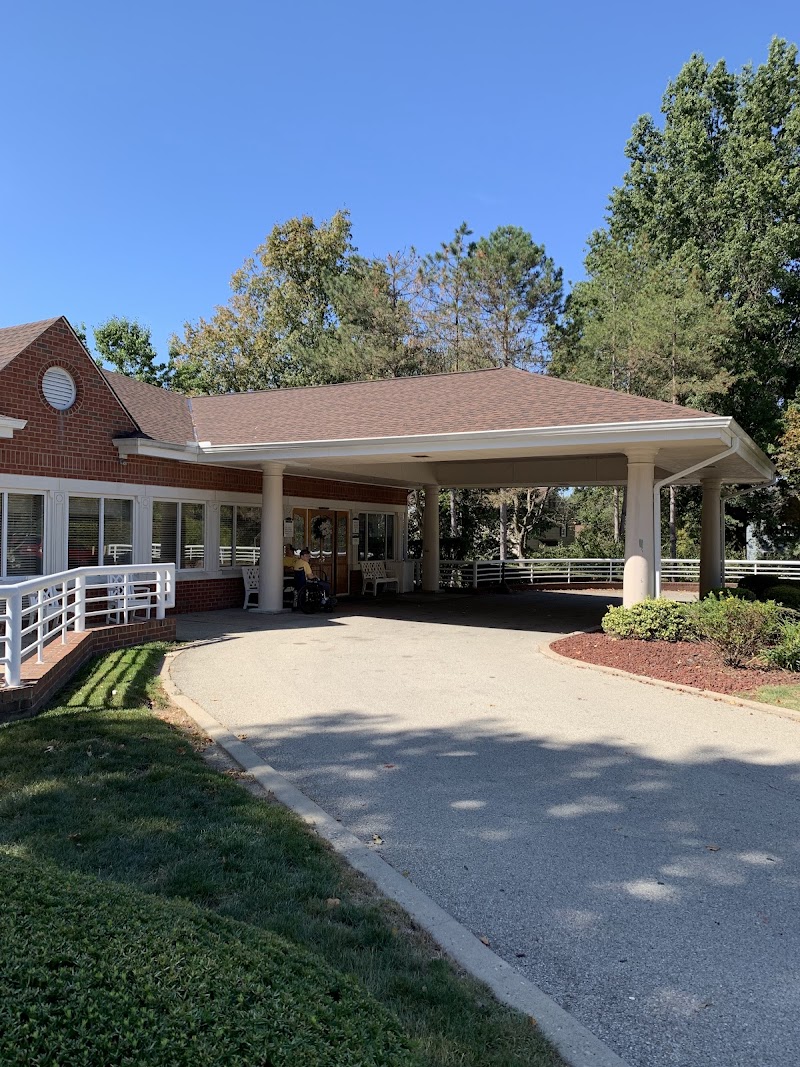
How is Peters Township Post Acute Staffed?

CMS rates PETERS TOWNSHIP POST ACUTE's staffing level at 2 out of 5 stars, which is below average compared to other nursing homes. Staff turnover is 61%, which is 15 percentage points above the Pennsylvania average of 46%. High turnover can affect care consistency as new staff learn residents' individual needs.

What Have Inspectors Found at Peters Township Post Acute?

State health inspectors documented 18 deficiencies at PETERS TOWNSHIP POST ACUTE during 2022 to 2025. These included: 18 with potential for harm.
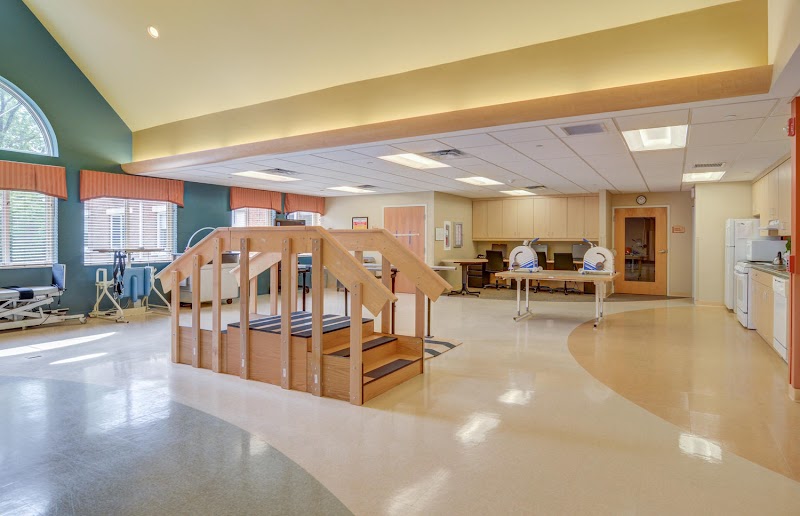
Who Owns and Operates Peters Township Post Acute?

PETERS TOWNSHIP POST ACUTE is owned by a for-profit company. For-profit facilities operate as businesses with obligations to shareholders or private owners. The facility is operated by PACS GROUP, a chain that manages multiple nursing homes. With 140 certified beds and approximately 107 residents (about 76% occupancy), it is a mid-sized facility located in MCMURRAY, Pennsylvania.
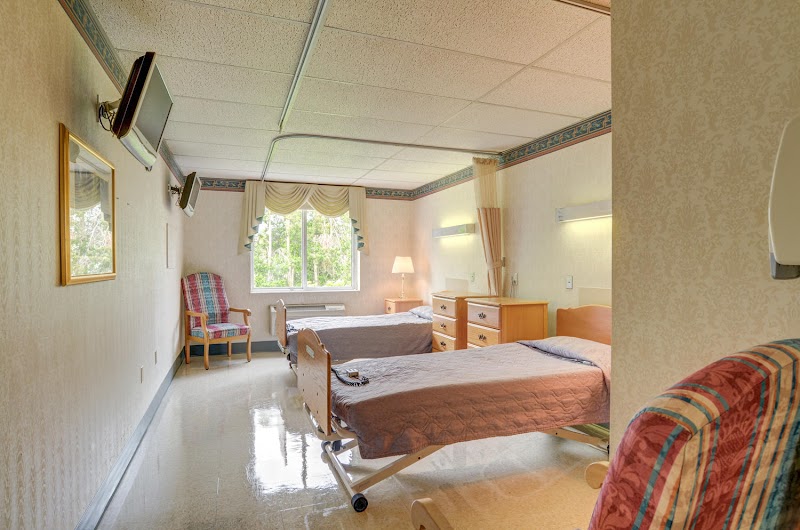
How Does Peters Township Post Acute Compare to Other Pennsylvania Nursing Homes?

Compared to the 100 nursing homes in Pennsylvania, PETERS TOWNSHIP POST ACUTE's overall rating (4 stars) is above the state average of 3.0, staff turnover (61%) is significantly higher than the state average of 46%, and health inspection rating (4 stars) is above the national benchmark.

What Should Families Ask When Visiting Peters Township Post Acute?

Based on this facility's data, families visiting should ask: "How do you ensure continuity of care given staff turnover, and what is your staff retention strategy?" "Can you walk me through typical staffing levels on day, evening, and night shifts?" "Can I visit during a mealtime to observe dining assistance and food quality?" "How do you handle medical emergencies, and what is your hospital transfer rate?" These questions are particularly relevant given the facility's high staff turnover rate and the below-average staffing rating.

Is Peters Township Post Acute Safe?

Based on CMS inspection data, PETERS TOWNSHIP POST ACUTE has a clean safety record: no substantiated abuse findings (meaning no confirmed cases of resident harm), no Immediate Jeopardy citations (the most serious violation level indicating risk of serious injury or death), and is not on the Special Focus Facility watch list (a federal program monitoring the lowest-performing 1% of nursing homes). The facility has a 4-star overall rating and ranks #1 of 100 nursing homes in Pennsylvania. While no facility is perfect, families should still ask about staff-to-resident ratios and recent inspection results during their visit.

Do Nurses at Peters Township Post Acute Stick Around?

Staff turnover at PETERS TOWNSHIP POST ACUTE is high. At 61%, the facility is 15 percentage points above the Pennsylvania average of 46%. High turnover means new staff may not know residents' individual needs, medications, or preferences. It can also be disorienting for residents, especially those with dementia who rely on familiar faces. Families should ask: What is causing the turnover? What retention programs are in place? How do you ensure care continuity during staff transitions?

Was Peters Township Post Acute Ever Fined?

PETERS TOWNSHIP POST ACUTE has been fined $8,190 across 1 penalty action. This is below the Pennsylvania average of $33,161. While any fine indicates a compliance issue, fines under $50,000 are relatively common and typically reflect isolated problems that were subsequently corrected. Families should ask what specific issues led to these fines and confirm they've been resolved.

Is Peters Township Post Acute on Any Federal Watch List?

PETERS TOWNSHIP POST ACUTE is not on any federal watch list. The most significant is the Special Focus Facility (SFF) program, which identifies the bottom 1% of nursing homes nationally based on persistent, serious quality problems. Not being on this list means the facility has avoided the pattern of deficiencies that triggers enhanced federal oversight. This is a positive indicator, though families should still review the facility's inspection history directly.