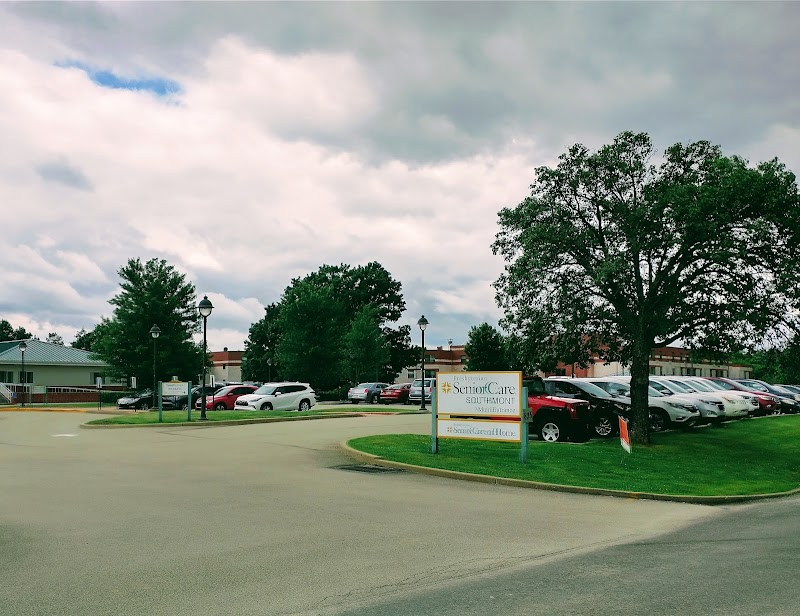
SOUTHMONT OF PRESBYTERIAN SENIORCARE
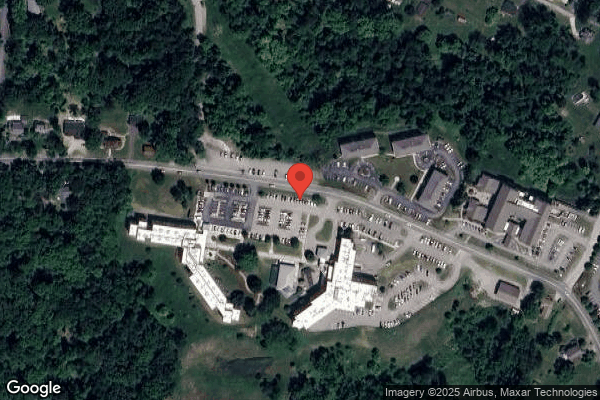
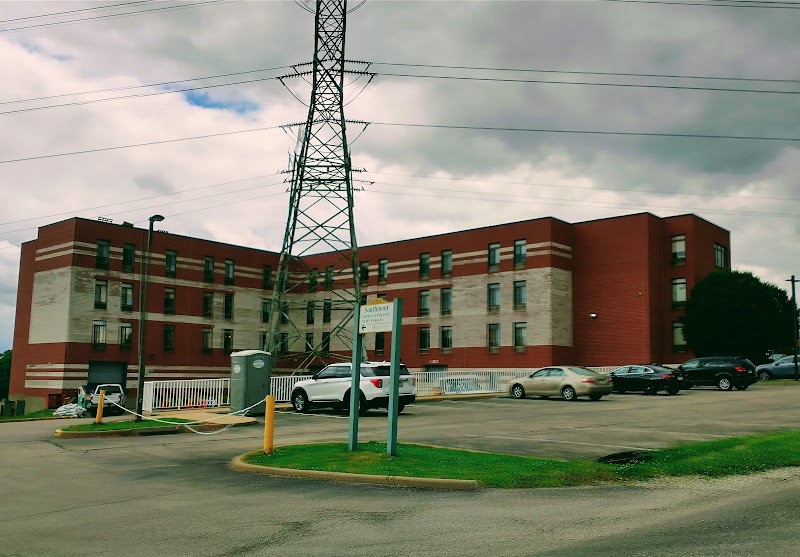
835 SOUTH MAIN STREET, WASHINGTON, PA 15301 (724) 222-4300
Non profit - Corporation 147 Beds Independent Data: November 2025
Trust Grade
68/100
#233 of 653 in PA
Last Inspection: April 2025

Within standard 12-15 month inspection cycle. Federal law requires annual inspections.

Overview

Southmont of Presbyterian Seniorcare has a Trust Grade of C+, indicating a decent reputation that is slightly above average. In Pennsylvania, it ranks #233 out of 653 facilities, placing it in the top half, and #2 out of 12 in Washington County, meaning only one local option is better. The facility's trend is improving, with issues decreasing from 5 in 2024 to 4 in 2025. Staffing is a strength, earning 4 out of 5 stars and a 31% turnover rate, which is well below the state average, suggesting staff familiarity with residents. However, the facility has faced some concerning incidents, such as a resident suffering a second-degree burn from hot liquids and issues with maintaining sanitary kitchen conditions, which could pose health risks. Overall, while there are notable strengths, families should be aware of the areas needing improvement.

Trust Score
C+
68/100
In Pennsylvania
#233/653
Top 35%
Safety Record
Moderate
Needs review
Inspections
Getting Better
5 → 4 violations
Staff Stability
○ Average
31% turnover. Near Pennsylvania's 48% average. Typical for the industry.
Penalties
○ Average
$8,824 in fines. Higher than 57% of Pennsylvania facilities. Some compliance issues.
Skilled Nurses
✓ Good
Each resident gets 52 minutes of Registered Nurse (RN) attention daily — more than average for Pennsylvania. RNs are trained to catch health problems early.
Violations
⚠ Watch
15 deficiencies on record. Higher than average. Multiple issues found across inspections.
★★★★☆
4.0
Overall Rating
★★★★☆
4.0
Staff Levels
★★★★☆
4.0
Care Quality
★★★★☆
4.0
Inspection Score
Stable
2024: 5 issues
2025: 4 issues

The Good

  • 4-Star Staffing Rating · Above-average nurse staffing levels
  • 4-Star Quality Measures · Strong clinical quality outcomes
  • Full Sprinkler Coverage · Fire safety systems throughout facility
  • No fines on record
  • Staff turnover below average (31%)

    17 points below Pennsylvania average of 48%

Facility shows strength in staffing levels, quality measures, fire safety.

The Bad

Staff Turnover: 31%

15pts below Pennsylvania avg (46%)

Typical for the industry

Federal Fines: $8,824

Below median ($33,413)

Minor penalties assessed

The Ugly 15 deficiencies on record

1 actual harm
Apr 2025 3 deficiencies
CONCERN (D)

Potential for Harm - no one hurt, but risky conditions existed

Deficiency F0698 (Tag F0698)

Could have caused harm · This affected 1 resident

**NOTE- TERMS IN BRACKETS HAVE BEEN EDITED TO PROTECT CONFIDENTIALITY** Based on review of clinical records and staff interviews, it was determined that facility staff failed to maintain ongoing commu...

Read full inspector narrative →
**NOTE- TERMS IN BRACKETS HAVE BEEN EDITED TO PROTECT CONFIDENTIALITY** Based on review of clinical records and staff interviews, it was determined that facility staff failed to maintain ongoing communication with the dialysis (a machine filters wastes, salts and fluid from your blood when your kidneys are no longer healthy enough to do this work adequately) center for one of three residents reviewed (Resident R6). Findings include: Review of the facility policy Skilled Nursing - Dialysis Communication reviewed 12/16/24, indicated a dialysis communication binder will be initiated and utilized for all residents receiving dialysis. Section A to be completed by the nurse on duty prior to the transfer to the dialysis center. Section B to be completed by the dialysis center. Section C to be completed by the nurse on duty at the time of residents return to the facility. Review of the clinical record indicated Resident R6 was re-admitted to the facility on [DATE], with diagnoses that included end-stage renal disease (ESRD - the kidneys permanently fail to work),dependence on renal dialysis, and diabetes. Review of the Minimum Data Set (MDS - periodic assessment of care needs) date 3/5/25, indicated the diagnoses remain current. Review of a physician ' s order dated 2/14/25, indicated Resident R6 was to receive dialysis three days a week on Monday, Wednesday, and Friday. Review of a care plan dated 6/7/23 and 7/31/23, indicated the following interventions: - Monitor vital signs before and after dialysis, notify doctor of any abnormalities. - Encourage the resident to go for the scheduled dialysis appointments. - Nursing will assess for pain over access area. - Nursing will assess for presence of adequate blood flow daily. Review of the dialysis communication forms from January 2025 through April 2025, revealed 17 communication forms out of 47 not fully completed either by the dialysis center, or after the residents return to the facility. During an interview on 4/24/25, at 011:30 a.m. the Assistant Director of Nursing (ADON) Employee E confirmed the facility failed to ensure the dialysis communication form was completed pre and post treatment between the facility and dialysis center. 28 Pa. Code: 211.12(d)(1)(3)(5) Nursing services.
CONCERN (E)

Potential for Harm - no one hurt, but risky conditions existed

Grievances (Tag F0585)

Could have caused harm · This affected multiple residents

Based on review of facility policy, observations, and resident and staff interviews, it was determined that the facility failed to make grievance boxes accessible to residents on four of four location...

Read full inspector narrative →
Based on review of facility policy, observations, and resident and staff interviews, it was determined that the facility failed to make grievance boxes accessible to residents on four of four locations, nursing units (three, four and five) and main lobby. Findings include: A review of the facility policy Skilled Nursing-Grievance Policy Form and Log reviewed 11/20/24. Grievances may be submitted orally or in writing. These may be anonymous. The Centers for Medicare & Medicaid Services (CMS) does not specify exact height requirements for grievance boxes in skilled nursing facilities. However, CMS mandates that grievance procedures be accessible to all residents, including those with disabilities, in compliance with the Americans with Disabilities Act (ADA). In Pennsylvania, the Department of Health incorporates by reference the federal requirements outlined in 42 CFR Part 483, Subpart B, which pertain to long-term care facilities. These regulations emphasize the importance of accessibility but do not provide additional specifications regarding grievance box placement. To ensure accessibility, the ADA Standards for Accessible Design recommend that operable parts, such as slots on grievance boxes, be mounted between 15 and 48 inches above the floor. This range accommodates individuals using wheelchairs and ensures usability for a broad range of residents. During rounds on 4/21/25, at approximately 10:30 a.m., Employee E1 social worker and surveyor observed and measured the height of the grievance boxes. Employee E1 social worker confirmed on the third, fourth, fifth floor nursing units, and main lobby, the grievance boxes were not accessible. Three of three nursing units (third, fourth and fifth) grievance boxes were blocked by equipment. The grievance box on the third-floor nursing unit had been mounted at approximately 59 inches and the lobby box at approximately 52 inches above the floor, out of the reach of residents in wheelchairs. During an interview, on 4/21/25, at 12:20 p.m., the Nursing Home Administrator confirmed the facility failed to make grievance boxes accessible to residents on four of four locations, nursing units (three, four and five) and main lobby. 28 PA Code: 201.18(e)(4) Management. 28 PA Code: 201.29(a)(b)(c) Resident rights.
MINOR (C)

Minor Issue - procedural, no safety impact

Deficiency F0575 (Tag F0575)

Minor procedural issue · This affected most or all residents

Based on observations and staff interview, it was determined the facility failed to post contact information for Adult Protective Services (APS) as required, in the building. Findings include: The fa...

Read full inspector narrative →
Based on observations and staff interview, it was determined the facility failed to post contact information for Adult Protective Services (APS) as required, in the building. Findings include: The facility must post, in a form and manner accessible and understandable to residents, resident representatives; a list of names, addresses (mailing and email), and telephone numbers of all pertinent State agencies and advocacy groups, such as the State Survey Agency, the State licensure office, adult protective services where state law provides for jurisdiction in long-term care facilities, the Office of the State Long-Term Care Ombudsman program, the protection and advocacy network, home and community based service programs, and the Medicaid Fraud Control Unit. Observations conducted on 4/21/25, at approximately 10:30 a.m., on the third, fourth, fifth floor nursing units, and main lobby, revealed the facility did not have any elements of the APS contact information (agency name, address, email, and phone number) information posted or accessible to residents or resident representatives. During rounds on 4/21/25, at 10:30 a.m., Employee E1 social worker, confirmed that the APS contact information, was not posted in areas accessible to residents or resident representatives. During an interview, on 4/21/25, at 12:20 p.m., the Nursing Home Administrator, confirmed the facility failed to post contact information for Adult Protective Services (APS) as required, in the building. 28 Pa. Code: 201.14(a)Responsibility of licensee. 28 Pa. Code: 201.18(e) Management.
Jan 2025 1 deficiency
CONCERN (D) 📢 Someone Reported This

A family member, employee, or ombudsman was alarmed enough to file a formal complaint

Potential for Harm - no one hurt, but risky conditions existed

Accident Prevention (Tag F0689)

Could have caused harm · This affected 1 resident

**NOTE- TERMS IN BRACKETS HAVE BEEN EDITED TO PROTECT CONFIDENTIALITY** Based on facility policy review, clinical and facility record review, facility submitted documents, and staff interviews, it was...

Read full inspector narrative →
**NOTE- TERMS IN BRACKETS HAVE BEEN EDITED TO PROTECT CONFIDENTIALITY** Based on facility policy review, clinical and facility record review, facility submitted documents, and staff interviews, it was determined that the facility failed to provide adequate supervision to prevent elopement for one of four residents (Resident R1). This was identified as past non-compliance. Findings include: Review of the facility policy Skilled Nursing - Elopement dated 12/16/24, indicated that those who have been diagnosed with dementia are at increased risk. Review of the clinical record revealed Resident R1 was originally admitted to the facility on [DATE]. Review of the referral received from the hospital, dated 12/9/24, included diagnoses of diabetes (a metabolic disorder in which the body has high sugar levels for prolonged periods of time) and dementia (a group of symptoms that affects memory, thinking and interferes with daily life). Review of an Elopement Observation assessment completed on 12/11/24, at 9:52 p.m. indicated Resident R1 was not at risk for elopement. Review of facility submitted information dated 12/13/24, indicated, On 12/13/24 therapist brought Resident R1 back from therapy to the South Hall nurses' station on the 3rd floor. Shortly after staff heard her chair alarm sounding and began looking for Resident R1. The staff continued searching for about 10 minutes until our supportive housing apartments located on campus, called and said that she had walked over to their building. Resident R1 had her purse, coat and shoes with her. She said she was trying to catch the bus. Resident R1was brought back to [the facility]. Vitals were taken and an assessment was completed all indicating that Resident R1 was ok. A wander guard (electronic monitoring bracelet) was added to Resident R1, and she is being moved to the 5th floor so the doors to the lobby will not be as accessible. Resident R1 had an elopement score on admission of 0 (indicating not an elopement risk). Another elopement risk assessment will be completed. On 12/13/24, the facility initiated a plan of correction that included: -A second elopement risk assessment was completed. -A Wanderguard was placed on Resident R1. -Resident R1 ' s care plan was updated. -Elevator and front door Wanderguard alarms were rechecked for functionality. -Reeducation of staff on the elopement policy and upkeep of the elopement binders. -Monthly audits to be completed for three months to ensure at risk residents have proper Wanderguards, orders, care plans, and information placed in the elopement binder. -Results will be brought to QAPI (Quality Assurance and Performance Improvement committee) for review. Review of Resident R1's clinical record on 1/2/25, revealed the elopement assessment and care plan were updated to include information on her attempted elopement, risk for further elopement, and interventions. During four interviews on 1/2/25, staff confirmed they received education on elopement prevention and procedures if an elopement occurs. During an interview on 1/2/25, at approximately 2:00 p.m. the Nursing Home Administrator confirmed that the facility failed to provide adequate supervision to prevent elopement for one of four residents. 28 Pa. Code 201.14(a) Responsibility of licensee. 28 Pa. Code 201.18(b)(e)(1) Management. 28 Pa. Code 201.20(b)(1) Staff Development. 28 Pa. Code 201.29(a) Resident rights. 28 Pa. Code 211.10(c)(d) Resident care policies. 28 Pa. Code 211.11(d) Resident care plan. 28 Pa Code 211.12(d)(1)(2)(5) Nursing services.
May 2024 5 deficiencies 1 Harm
SERIOUS (G)

Actual Harm - a resident was hurt due to facility failures

Accident Prevention (Tag F0689)

A resident was harmed · This affected 1 resident

**NOTE- TERMS IN BRACKETS HAVE BEEN EDITED TO PROTECT CONFIDENTIALITY** Based on review of facility policy, clinical records, facility provided documents, and staff interview, it was determined that t...

Read full inspector narrative →
**NOTE- TERMS IN BRACKETS HAVE BEEN EDITED TO PROTECT CONFIDENTIALITY** Based on review of facility policy, clinical records, facility provided documents, and staff interview, it was determined that the facility failed to implement effective safety measures by not providing hot liquids in a manner that promotes safety for one of four residents reviewed (Resident R78), which resulted in actual harm of a second degree burn (involving the epidermis and dermis layers of the skin that is red blistered swollen and painful). This was identified as harm for past non-compliance for one resident (Resident R78). Findings include: Review of the facility policy Investigating Adverse Events last reviewed, November 2023, indicated the facility will implement measures for residents at risk for accidents to prevent serious injury when possible. A review of the clinical record revealed that Resident R78 was admitted to the facility on [DATE], with diagnoses that included Parkinson's disease, dementia, and chronic kidney disease. A review of the Minimum Data Set (MDS - periodic assessment of care needs) dated 4/3/24, indicated that Resident R78 had moderately impaired cognitive ability and required extensive assist of one person for eating. A review of a nurse progress note dated 5/11/24, indicated resident R78's right upper thigh was noted to have blistering. The family and physician was notified. A review of an incident report dated 5/13/24, indicated Resident R78 had redness and blistering noted to right upper thigh, noted to be a possible burn. A review of a facility witnesses statements dated 5/12/24 and 5/13/24, indicated the following: Nursing Assistant (NA) Employee E1 indicated resident grabbed the bowl of soup off the dinner table and it ended up on the floor and in [resident] lap. NA Employee E2 indicated heard silverware and plate hit the floor, [resident] had knocked [resident's] food over, didn't see it on her clothes, was on her blanket and floor. A review of a physician order dated 5/12/24, indicated cleanse right thigh blister with saline solution, apply adaptic (non adhering wound dressing) to blister and cover with gauze and wrap with kling (dry dressing) wrap. A review of a wound progress note dated 5/14/24, indicated Resident R78 had a fluid-filled blister on top of right thigh measuring 5.5 centimeters (cm) in length and 5 cm in width. A review of a kitchen temperature log report dated 5/10/24, indicated the soup was served at 184 degrees Fahrenheit. A review of resident's care plan date initiated 6/29/23, indicated Resident R1 is to be offered mugs with lids to prevent burns due to history of Parkinson's disease. During a telephone interview on 5/30/24 at 2:08 p.m., NA Employee E1, revealed the soup was placed in middle of table and was uncovered. During an interview on 5/28/24 at 9:30 a.m., The Nursing Home Administrator (NHA) revealed Resident R1 is dependent on staff for eating. On 5/10/24, Resident R78 was set up at table and hot soup was placed in the middle of table when resident grabbed for soup and pulled soup onto lap and floor. The NHA confirmed that the facility failed to implement effective safety measures by not providing hot beverages in a manner that promotes safety for Resident R78, which resulted in actual harm of a second-degree burn. This deficiency is cited as past non-compliance. The facility provided documentation of in-service training that was provided to the dietary staff, including Registered Nurses, Licensed Practical Nurses, and Nurse Aides, at the facility on 5/20/24, which addressed following the facility policy and procedures for abuse neglect and serving hot beverages. The facility reviewed like residents for non-compliance with hot beverages and meal service on 5/20/24, and audited all residents' meals for accuracy daily times five days, and to continue weekly times three weeks, and monthly time two months thereafter. The facility has adjusted employee workflow's to allow for increased supervision of the dining area while meals are being served. Protective aprons have been ordered for residents in the dementia unit in case of spills of hot liquids. A review of the QA (Quality Assurance) documentation indicated substantial compliance for serving hot beverages has been achieved 5/20/24 and is ongoing. During interviews with staff on 5/30/24, from 2:00 p.m. through 1:35 p.m. revealed NHA, DON, NA Employee E1, and NA Employee E2 confirmed proper procedure for serving hot beverages. During interviews with Nurse Aide staff on duty on 5/30/24 from 2:00 p.m. through 2:35 p.m. confirmed proper procedures for serving hot beverages. During an interview on 5/28/24, at 9:30 a.m. with the NHA, and review of the facility's immediate actions, education, and review of the QA monitoring process to sustain solutions, it was verified that the facility had implemented a plan of correction and achieved compliance on 5/20/24, which ensured residents are provided hot liquids in a manner that promotes safety. 28 Pa Code: 201.14 (a) Responsibility of licensee. 28 Pa Code: 201.18 (e)(1) Management. 28 Pa Code: 211.10 (c)(d) Resident care policies. 28 Pa Code: 211.11 Resident care plan.
CONCERN (D)

Potential for Harm - no one hurt, but risky conditions existed

Deficiency F0761 (Tag F0761)

Could have caused harm · This affected 1 resident

**NOTE- TERMS IN BRACKETS HAVE BEEN EDITED TO PROTECT CONFIDENTIALITY** Based on review of facility policy, observations, and staff interview, it was determined that the facility to make certain that ...

Read full inspector narrative →
**NOTE- TERMS IN BRACKETS HAVE BEEN EDITED TO PROTECT CONFIDENTIALITY** Based on review of facility policy, observations, and staff interview, it was determined that the facility to make certain that medical supplies were properly stored and/or disposed of on one of two nursing units (Third Floor Nursing Unit). Findings include: During an observation on [DATE], at 10:50 a.m., the third floor emergency cart identified the following expired items: 5- [NAME] suction tubing kits, dated [DATE] 3- intravenous catheter start kits, dated 4/24 2- intravenous luer lock kits dated 8/23 1- nasal cannula oxygen tubing kit dated 5/23 2- 100 cc saline bottles for oxygen use dated [DATE] During an interview on [DATE], at 11:30 a.m., Registered Nurse Supervisor Employee E4 confirmed the facility failed to properly dispose of expired emergency cart biologicals. 28 Pa. Code: 201.14 (a) Responsibility of licensee. 28 Pa. Code: 201.18 (b)(1)(e)(1) Management. 28 Pa. Code: 211.9 (a)(1) Pharmacy services. 28 Pa. Code: 211.12 (d)(1)(3)(5) Nursing services.
CONCERN (E)

Potential for Harm - no one hurt, but risky conditions existed

Investigate Abuse (Tag F0610)

Could have caused harm · This affected multiple residents

**NOTE- TERMS IN BRACKETS HAVE BEEN EDITED TO PROTECT CONFIDENTIALITY** Based on review of facility policy, facility documents, clinical records, and staff interview, it was determined that the facili...

Read full inspector narrative →
**NOTE- TERMS IN BRACKETS HAVE BEEN EDITED TO PROTECT CONFIDENTIALITY** Based on review of facility policy, facility documents, clinical records, and staff interview, it was determined that the facility failed to identify and investigate incidents of possible neglect and abuse for two of three residents (Residents R27 and R35). Findings include: Review of the facility policy Abuse Investigation/reporting Procedure, last reviewed 11/20/23, indicated that if the facility suspects alleged violations of abuse, neglect, exploitation or mistreatment(including injuries of unknown origin), the facility immediately conducts an investigation including interviews, observations and notification of necessary persons. The facility protects he resident(s) involved. Review of the clinical record indicated that Resident R27 was admitted to the facility on [DATE], with diagnoses which included heart failure, kidney failure, a stroke with right sided hemiplegia. A MDS ( Minimum Data Set- a periodic review of resident care needs) dated 5/3/24, indicated the diagnoses remained current. Review of an incident report dated 5/12/24, indicated that while staff were transporting the resident from the bathroom, staff bumped Resident R27's elbow on the doorframe causing a 1 cm x 1 cm skin tear. The treatment indicated a tegaderm(a clear, adhesive plastic dressing) was applied. Review of a progress note dated 5/29/24, indicated that the wound worsened to 2.7 c.m. x 1.7 c.m. requiring a Xeroform dressing( A non adherent dressing). Review of the clinical record indicated that Resident R35 was admitted to the facility with diagnoses which included dementia, difficulty walking, restless leg syndrome, anxiety and diabetes. A MDS dated [DATE], indicated the diagnoses remained current. Review of the physicians order summary indicated Resident R35 is a transfer with two assist. Review of an incident report indicated that while Resident R35 was being transferred with assistance of one staff, she obtained a skin tear of her left forearm when it hit into a walker. The incident report indicated a skin flap needed to be placed before a treatment was applied. An additional page attached to the incident report identified as skin tear/bruise check list indicated the area as a bruise measuring 7.5 cm x 2.5 cm. During an interview on 5/29/24, at 1:22 p.m. the Director of Nursing confirmed that the facility failed to identify, investigate and report potential neglect for two of three residents. 28. Pa Code 201.14(a) Responsibility of licensee. 28. Pa Code 201.18(b)(1)(e )(1) Management. 28. Pa. Code 211.12(d)(1)(5) Nursing services.
CONCERN (E)

Potential for Harm - no one hurt, but risky conditions existed

Quality of Care (Tag F0684)

Could have caused harm · This affected multiple residents

**NOTE- TERMS IN BRACKETS HAVE BEEN EDITED TO PROTECT CONFIDENTIALITY** Based on a review of clinical records and staff interviews, it was determined the facility failed to provide person-centered car...

Read full inspector narrative →
**NOTE- TERMS IN BRACKETS HAVE BEEN EDITED TO PROTECT CONFIDENTIALITY** Based on a review of clinical records and staff interviews, it was determined the facility failed to provide person-centered care consistent with professional standards of practice by failing to follow physician orders for proper transfer of one of three residents(Resident R35) causing an injury. Findings included: Review of the clinical record indicated that Resident R35 was admitted to the facility with diagnoses which included dementia, difficulty walking, restless leg syndrome, anxiety and diabetes. A MDS(Minimum Data Set- a periodic review of resident care needs) dated 5/14/24, indicated the diagnoses remained current. Review of the physicians order summary indicated Resident R35 is a transfer with two assist. Review of an incident report indicated that while Resident R35 was being transferred with assistance of one staff, she obtained a skin tear of her left forearm when it hit into a walker. The incident report indicated a skin flap needed to be placed before a treatment was applied. An additional page attached to the incident report identified as skin tear/bruise check list indicated the area as a bruise measuring 7.5 cm x 2.5 cm. During an interview on During an interview on 5/29/24, at 11:45 a.m., Nurse Aide Employee E3 stated that she followed the Southmont 5th Floor Need to Know Care Sheet while transferring Resident R35 as that is how the staff provide care. The nurse aide staff do not have computer access. During an interview on 5/29/24, at 2:50 p.m., the Nursing Home Administrator(NHA) stated that the facility Nurse Aides(NA) do not have access to [NAME] at this time. Stated that when a physician order is changed on the Care Sheet is to be updated by the unit secretary. Resident R35's care sheet transfer status had not been changed as the night nurse who took the order off did not update the sheet. During an interview on 5/29/24, at 1:22 p.m. the Director of Nursing confirmed that the facility failed to fully investigate and review the incident and the information was not accurate on some of the report and the facility did not provide the Nurse Aide with the correct transfer order and the facility failed to provide person-centered care consistent with professional standards of practice by failing to follow physician orders for proper transfer of one of three residents causing an injury. 28 Pa. Code 211.12(d)(1)(3)(5) Nursing services.
CONCERN (F)

Potential for Harm - no one hurt, but risky conditions existed

Food Safety (Tag F0812)

Could have caused harm · This affected most or all residents

Based on a review of policy, observations and staff interviews, it was determined that the facility failed to properly maintain kitchen equipment in a sanitary condition and failed to properly label a...

Read full inspector narrative →
Based on a review of policy, observations and staff interviews, it was determined that the facility failed to properly maintain kitchen equipment in a sanitary condition and failed to properly label and date food products in the walk in coolers creating the potential for unsafe conditions and the potential for cross contamination in the main kitchen and in two of three kitchenettes(4th and 5th floor kitchenettes). Findings include: A review of the facility Dietary- Sanitation, dated 11/20/23, indicated that the food service area will be maintained in a clean and sanitary manner. During an observation on 5/29/24, at 9:29 a.m. the following was observed in the Main Kitchen: In cooler #1 2 staff lunch bags a piece of an aloe plant undated opened mayo, 2 water bottles, a chocolate syrup a beverage dispenser with a red liquid undated. Cooler #2 Fans had white splotches, supposed mold on both fans Cooler #3 bag of chicken tenders and potatoes undated During an interview on 5/29/24 at 9:45 a.m., Director of Dietary Employee E5 confirmed the facility failed to properly label and date food products and maintain kitchen equipment as required. During an observation of the 5th floor kitchenette on 5/29/24, at 11:00 a.m., the following was observed: Gnats flying all cabinets handles sticky lower freezer has ice build up, possible seal not functioning. cabinets have food debris dried bread and buns moldy cabinet with one bottle of ketchup, two mustards, one relish and chocolate syrup undated when opened. During an observation of the 4th floor kitchenette on 5/29/24, at 11:15 a.m., the following was observed: Gnats flying cabinets sticky cabinets soiled with food debris, bowls not stored properly lower freezer has ice build up During an interview on 5/29/24, at 11:39 a.m., the Nursing Home Administrator confirmed that the facility failed to maintain the kitchenettes of the 4th and 5th floors in a sanitary manner allowing for the potential for cross contamination. 28 Pa. Code: 201.18(b)(1) Management. 28 Pa. Code: 211.6(c)Dietary services. 28 Pa. Code: 201.14(a) Responsibility of licensee.
May 2023 6 deficiencies
CONCERN (D)

Potential for Harm - no one hurt, but risky conditions existed

Free from Abuse/Neglect (Tag F0600)

Could have caused harm · This affected 1 resident

**NOTE- TERMS IN BRACKETS HAVE BEEN EDITED TO PROTECT CONFIDENTIALITY** Based on review of facility policies, documents, clinical records, and staff interview it was determined that the facility faile...

Read full inspector narrative →
**NOTE- TERMS IN BRACKETS HAVE BEEN EDITED TO PROTECT CONFIDENTIALITY** Based on review of facility policies, documents, clinical records, and staff interview it was determined that the facility failed to make certain a resident was free from neglect for one of 11 residents (Resident R33). Findings include: The facility's Corporate Compliance-Abuse Neglect policy dated 5/5/17, last reviewed November 2022 indicated that every person in the network will be treated with consideration, respect, and full recognition of his/her dignity and individuality. All personnel are individually and jointly responsible to ensure persons are free from any form of abuse. The admission record indicated that Resident R33 was admitted to the facility on [DATE], with diagnoses that included depression, adjustment disorder with anxiety disorder, and dementia (the loss of cognitive functioning - thinking, remembering, and reasoning.) Review of Resident R33's Minimum Data Set assessment (MDS - periodic assessment of care needs) dated 12/16/22, indicated that these diagnoses are current. Review of the witness statement completed by Nursing Assistant (NA) Employee E29 dated 12/23/23 indicated when she arrived on the unit on the morning of 12/23/22, Employee E21 was sitting on the couch as Resident R33 was in the middle of the living room in her wheelchair with a wet pajama top on and a wet brief on. It was then indicated Employee E21 just laughed and said they've been up all night. It was stated that four residents were up and all worked up. It was indicated all residents were soiled this morning and a complete bed change was necessary. Review of the witness statement completed by NA Employee E23 dated 12/23/23 indicated when she arrived on the unit on the morning of 12/23/22, Employee E21 was sitting on the couch on his phone while Resident R33 was sitting in the middle of the living room with no pants or socks, only a wet brief and wet shirt. It was indicated the resident was sobbing for help and Employee E21 continued to sit on the couch on his phone while he laughed. It stated several patients were up and soiled and very upset, yelling and crying. Review of the witness statement completed by Registered Nurse (RN) Employee E2 dated 12/25/22, indicated NA Employee E20 and NA Employee E21 were in and out of Resident R33's room giggling and laughing. It was indicated Resident R33 stated she was locked in her room for an hour. Review of the witness statement completed by Licensed Practical Nurse (LPN) Employee E22 dated 12/25/22 for Resident R33, indicated Resident R33 stated two aides locked her in her room and no one would come. Review of the witness statement completed by the Director of Nursing dated 12/27/22 for Resident R33 indicated Resident R33 reported the same details almost word for word per the incident that she previously reported to LPN Employee E22. It was indicated even though Resident R33 has a diagnosis of dementia, she was very accurate on all the details she presented and her recollection of the incident never changed. During an interview on 5/23/22, at 1:50 p.m., the Assistant Director of Nursing confirmed the facility failed to protect one of three residents from neglect who was left soiled in brief (Resident R33). 28 Pa. Code 201.14(a) Responsibility of licensee 28 Pa. Code 201.18(a)(b)(1)(3) Management 28 Pa. Code 211.5(f)(g)(h) Clinical records 28 Pa. Code 211.10(c)(d) Resident care policies 28 Pa. Code 211.11(a) Resident care plan 28 Pa. Code 211.28(c)(d)(1)(3)(5) Nursing services
CONCERN (D)

Potential for Harm - no one hurt, but risky conditions existed

Investigate Abuse (Tag F0610)

Could have caused harm · This affected 1 resident

**NOTE- TERMS IN BRACKETS HAVE BEEN EDITED TO PROTECT CONFIDENTIALITY** Based on review of facility policy, clinical record, facility investigative reports and staff interview, it was determined that ...

Read full inspector narrative →
**NOTE- TERMS IN BRACKETS HAVE BEEN EDITED TO PROTECT CONFIDENTIALITY** Based on review of facility policy, clinical record, facility investigative reports and staff interview, it was determined that the facility failed to thoroughly investigate an allegation of mental abuse and/or neglect for one of four residents (Resident R48). Finding include: Review of the facility policy Corporate Compliance - Abuse/Neglect, Section III Response to allegation of abuse indicated that any witnesses will be instructed to describe the incident in full, use exact words and include a graphic description of the scene, positioning of alleged victim, personnel, and time etc. Review of the admission record indicated Resident R48 admitted to the facility on [DATE]. Review of Resident R48's MDS dated [DATE], indicated a BIMS of thirteen (cognitively intact) and the diagnoses of high blood pressure, heart failure, and diabetes (too much sugar in the blood). Review of facility investigation dated 9/23/22, at 10:30 a.m. indicated Resident R48 was not happy that the staff were showering her and said it was against doctors' orders. In Resident R48's bed staff found her personal belongings, old dried stool wrapped in wipes in her bed and old lancets. The mattress was removed due to sanitary reasons. Resident R48 feels she was being abused. Further review of facility investigation indicated that a thorough interview involving all staff members potentially involved was not completed. The facility investigation had a witness statement from one aide, Nursing Assistant (NA) Employee E28, regarding the events on 9/23/23 surrounding the shower. During an interview on 5/26/23, at 1:30 p.m. the Assistant Director of Nursing confirmed the investigation lacked a thorough list of all staff who should have been interviewed during the investigation and that the facility failed to thoroughly investigate Resident R48's allegation of mental abuse and/or neglect for one of four residents (Resident R48). 28 Pa. Code:201.14(a) Responsibility of licensee 28 Pa. Code 201.18 e (1) Management. 28 Pa. Code 211.10 c (d) Resident care policies. 28 Pa. Code 211.12 (d)(1)(5) Nursing services
CONCERN (D)

Potential for Harm - no one hurt, but risky conditions existed

Deficiency F0698 (Tag F0698)

Could have caused harm · This affected 1 resident

**NOTE- TERMS IN BRACKETS HAVE BEEN EDITED TO PROTECT CONFIDENTIALITY** Based on review of facility policy, clinical record and staff interview it was determined that the facility failed to make certa...

Read full inspector narrative →
**NOTE- TERMS IN BRACKETS HAVE BEEN EDITED TO PROTECT CONFIDENTIALITY** Based on review of facility policy, clinical record and staff interview it was determined that the facility failed to make certain consistent dialysis communication was maintained and obtain a physician order for dialysis treatment for one of two dialysis residents. (Resident R29). Findings include: A review of the facility policy Dialysis and dialysis service agreement dated 1/25/23, indicated the dialysis communication binder will be initiated and utilized for all residents receiving dialysis. It is indicated a new communication form for each day of dialysis treatment is to be utilized and Section C is to be completed by the nurse on duty at the time of the resident's return to the facility. It is indicated that completed communication forms will be filed in the medical record in the consult section. A review of the clinical record revealed that Resident R29 was admitted to the facility on [DATE], with diagnoses that included end stage kidney failure and dialysis. Review of Resident R29's Minimum Data Set (MDS - periodic assessment of care needs) dated 3/20/23, indicated that these diagnoses were current upon review. A review of Resident R29's physician orders dated 12/27/22, indicated that Resident R29 received hemodialysis (a process to mechanically clean the blood) on Monday Wednesday and Fridays. A review of Resident R29's Dialysis Communication Form from 5/1/23 through 5/24/23 indicated the facility failed to fully complete Section C: To be completed by nurse on duty at time of return vital signs and assessment for eight out of ten days During an interview on 5/24/23, at 10:06 a.m. the Registered Nurse Unit Manager Employee E11 confirmed that the facility failed to make certain consistent dialysis communication was maintained for Resident R29. 28 Pa. Code: 211.5(f)(g)(h) Clinical records 28 Pa. Code: 201.14(a)(e)(1) Management 28 Pa. Code: 201.14(b)(3) Management 28 Pa. Code: 211.10(c) Resident care policies 28 Pa. Code: 211.12(c)(d)(1)(3)(5) Nursing services
CONCERN (D)

Potential for Harm - no one hurt, but risky conditions existed

Deficiency F0883 (Tag F0883)

Could have caused harm · This affected 1 resident

**NOTE- TERMS IN BRACKETS HAVE BEEN EDITED TO PROTECT CONFIDENTIALITY** Based on review of facility policy, clinical record review and staff interview, it was determined that the facility failed to ma...

Read full inspector narrative →
**NOTE- TERMS IN BRACKETS HAVE BEEN EDITED TO PROTECT CONFIDENTIALITY** Based on review of facility policy, clinical record review and staff interview, it was determined that the facility failed to make certain that a pneumococcal immunization was administered to one of five residents reviewed (Resident R29). Findings include: The facility policy Pneumococcal Vaccine dated 9/28/22, and last reviewed November 2022, indicated all residents will be offered pneumococcal vaccines to aid in preventing pneumonia/pneumococcal infection. Review of the Centers for Disease Control (CDC) document, Pneumococcal Vaccination: Summary of Who and When to Vaccinate last reviewed 1/24/22, indicated that CDC recommends pneumococcal vaccination for all adults 65 years or older, and for adults 19 through [AGE] years old who have certain chronic medical conditions or other risk factors. Included in this list were: alcoholism, chronic liver disease, chronic lung disease, chronic renal failure, cigarette smoking, diabetes, and heart failure. A review of the clinical record revealed that Resident R29 was admitted to the facility on [DATE], with diagnoses that included end stage kidney failure, dialysis, and depression. Review of Resident R29's Minimum Data Set (MDS - periodic assessment of care needs) dated 3/20/23, indicated that these diagnoses were the most recent upon review. A review of Resident R29's Resident Pneumovac Consent or Decline form dated 12/27/22 indicated Resident R29 wanted to receive the pneumovac vaccine and it was scheduled for 1/5/23. A review of Resident R29's physician orders dated 1/5/23 indicated to administer Pneumovax 23 0.5ML VIAL 25MCG/0.5 ML intramuscular one time for prevention. A review of Resident R29's January 2023 Medication Administration Record (MAR) indicated the order to administer the Pneumovax vaccine was left blank and not signed off for completion. During an interview on 5/24/23, at 1:20 p.m. Registered Nurse Employee E11 confirmed that the facility failed to make certain that a pneumococcal immunization was administered to Residents R29. 28 Pa. Code 211.5(f) Clinical records.
CONCERN (E)

Potential for Harm - no one hurt, but risky conditions existed

Deficiency F0554 (Tag F0554)

Could have caused harm · This affected multiple residents

**NOTE- TERMS IN BRACKETS HAVE BEEN EDITED TO PROTECT CONFIDENTIALITY** Based on review of facility policies, observations, resident and staff interviews, it was determined that the facility failed to...

Read full inspector narrative →
**NOTE- TERMS IN BRACKETS HAVE BEEN EDITED TO PROTECT CONFIDENTIALITY** Based on review of facility policies, observations, resident and staff interviews, it was determined that the facility failed to determine the ability to self-administer medications for four out of eleven sampled residents (Residents R16, R17, R39, and R48). Findings include: Review of the facility's policy Self-Administration of Medication last reviewed November 2022, indicated residents in the facility who wish to self-administer medications may do so if the interdisciplinary team has determined that this practice is clinically appropriate. The practitioner will assess each resident's mental and physical abilities, to determine whether a resident is capable of self-administering medications. Review of the admission record indicated Resident R39 was admitted to the facility on [DATE]. Review of Resident R39's Minimum Data Set assessment (MDS- a periodic assessment of care needs) dated 3/23/23, indicated a Brief Interview for Mental Status (BIMS- a screening test that aides in detecting cognitive impairment) of 11 indicating moderate impairment, and the diagnoses of high blood pressure, falls, and hyperlipidemia (too much fat in the blood). Review of Resident R39's physician orders failed to include an order for self-administration of medications. Review of Resident R39's care plan on 5/22/23 failed to include self-administration of medication management. Review of Resident R39's clinical record indicated the absence of a Self-Administration of Medication assessment. Observation of Resident R39's overbed table on 5/22/23, at 10:02 a.m. revealed a container of ocean nasal spray (treats dryness in the nose) and Visine eye drops (moisturizes the eye). Review of the admission record indicated Resident R17 admitted to the facility on [DATE]. Review of Resident R17's MDS dated [DATE], indicated Section C1000 Cognitive skills for daily decision making as severely impaired (never/rarely made decisions) and the diagnoses of high blood pressure, hyperlipidemia and heart failure (heart doesn ' t pump blood as well as it should). Review of Resident R17's physician orders failed to include an order for self-administration of medications. Review of Resident R17's care plan on 5/22/23 failed to include self-administration of medications management. Review of Resident R17's clinical record indicated the absence of a Self-Administration of Medication assessment. Observation of Resident R17's overbed table on 5/22/23, at 11:56 a.m. revealed a container of Systane eye drops (moisturizes the eye). Review of the admission record indicated Resident R16 admitted to the facility on [DATE]. Review of Resident R16's MDS dated [DATE], indicated a BIMS of ten indicating moderate impairment and the diagnoses of high blood pressure, hyperlipidemia, and anemia (the blood doesn ' t have enough health red blood cells). Review of Resident R16's physician orders failed to include an order for self-administration of medications. Observation of Resident R16's overbed table on 5/22/23, at 11:59 a.m. revealed a container of ocean nasal spray. Review of the admission record indicated Resident R48 admitted to the facility on [DATE]. Review of Resident R48's MDS dated [DATE], indicated a BIMS of 13, indicating cognition is intact and the diagnoses of high blood pressure, heart failure, and diabetes (too much sugar in the blood). Review of Resident R48's physician orders failed to include an order for self-administration of medications. Review of Resident R48's care plan on 5/22/23 failed to include self-administration of medication management. Review of Resident R48's clinical record indicated the absence of a Self-Administration of Medication assessment that included use, storage and management of lancets (sharp needle used for finger sticks of diabetic residents). Observation of Resident R48's bed area on 5/22/23, at 12:05 p.m. revealed a container of lancets. During a tour with Assistant Director of Nursing (ADON) Employee E1 on 5/22/23, at 12:17 p.m. confirmed the above medications at bedside and that the facility failed to determine the ability to self-administer medications for four of eleven residents reviewed (Residents R16, R17, R39, and R48). 28 Pa. Code 211.10 c (d) Resident care policies. 28 Pa. Code 211.12 (d)(1)(5) Nursing services.
CONCERN (E)

Potential for Harm - no one hurt, but risky conditions existed

Quality of Care (Tag F0684)

Could have caused harm · This affected multiple residents

**NOTE- TERMS IN BRACKETS HAVE BEEN EDITED TO PROTECT CONFIDENTIALITY** Based on review of facility policy, clinical records, and staff interviews, it was determined that the facility failed to notify...

Read full inspector narrative →
**NOTE- TERMS IN BRACKETS HAVE BEEN EDITED TO PROTECT CONFIDENTIALITY** Based on review of facility policy, clinical records, and staff interviews, it was determined that the facility failed to notify physicians of increased and decreased Capillary Blood Glucose (CBG) levels and failed to assess residents for hyperglycemia (high blood glucose) and hypoglycemia (low blood glucose), for four of 13 Residents (Residents R5, R67, R111, and R123). Findings include: The Centers for Disease Control defines diabetes as: Diabetes Mellitus is a chronic (long-lasting) health condition that affects how your body turns food into energy. Most of the food you eat is broken down into sugar (also called glucose) and released into your bloodstream. When your blood sugar goes up, it signals your pancreas to release insulin. Insulin acts like a key to let the blood sugar into your body's cells for use as energy. If you have diabetes, your body either doesn't make enough insulin or can't use the insulin it makes as well as it should. When there isn't enough insulin or cells stop responding to insulin, too much blood sugar stays in your bloodstream. Over time, that can cause serious health problems, such as heart disease, vision loss, and kidney disease. Hypoglycemia is a condition that occurs when blood glucose is lower than normal, usually below 70 milligrams per deciliter (mg/dl). If left untreated, hypoglycemia may lead to weakness, confusion, unconsciousness, arrhythmias and even death. People with Diabetes Mellitus may be prescribed injectable insulin to assist in maintaining acceptable levels of CBG's. Hyperglycemia, or high blood glucose, occurs when there is too much sugar in the blood. This happens when your body has too little insulin. Hyperglycemia is blood glucose greater than 125 mg/dL while fasting (not eating for at least eight hours, or a blood glucose greater than 180 mg/dL one to two hours after eating. If you have hyperglycemia and it ' s untreated for long periods of time, you can damage your nerves, blood vessels, tissues and organs. Damage to blood vessels can increase your risk of heart attack and stroke, and nerve damage may also lead to eye damage, kidney damage and non-healing wounds. Review of the facility Hypoglycemia policy last reviewed 11/20/22, indicated the facility will recognize, and treated properly, hypoglycemia is defined as blood glucose less than 70 even in the absence of obvious signs and symptoms, the blood glucose will be rechecked in 15-30 minutes, and to document CBGs and treatments. A review of the facility Change in Resident's Condition or Status policy last reviewed 11/20/22, indicated the facility shall promptly notify the resident, his or her attending physician, and representative of changes in the resident ' s medical/mental condition and/or status, if there is a need to alter the resident's medical treatment, and the Nurse Supervisor/Charge Nurse will record in the resident ' s medical record information relative to changes in the resident's medical/mental condition or status. Review of the medical record indicated Resident R5 was admitted to the facility on [DATE], with diagnoses that included diabetes, heart failure (progressive heart disease that affects pumping action of the heart muscles causing fatigue, and shortness of breath), and depression. Review of Resident R5's Minimum Data Set (MDS - a mandated assessment of a resident's abilities and care needs) dated 3/30/23, indicated the diagnoses remain current. Review of a physician order dated 12/15/21, indicated to inject 70 units of Toujeo (a long-acting insulin) every 12 hours for diabetes. A physician order dated 3/2/22, indicated to check CBG as needed per hypoglycemic protocol. A physician order dated 12/12/22, indicated to inject Novolog (fast-acting insulin that starts to work about 15 minutes after injection, peaks in about 1 hour, and keeps working for 2 to 4 hours) per sliding scale. A physician order dated 12/28/22, indicated for glucometer checks at bedtime every night for monitoring, Review of Resident R5's clinical record electronic Medication Administration Record (eMAR) revealed that the resident's CBG's were as follows: On 10/14/22, documented at 9:00 p.m., CBG was noted to be 406. On 10/16/22, documented at 9:00 p.m., CBG was noted to be 476. On 10/21/22, documented at 7:00 a.m., CBG was noted to be 480. On 10/23/22, documented at 9:00 p.m., CBG was noted to be 463. On 10/24/22, documented at 9:00 p.m., CBG was noted to be 519. On 10/25/22, documented at 9:00 p.m., CBG was noted to be 452. On 10/27/22, documented at 9:00 p.m., CBG was noted to be 488. On 10/31/22, documented at 9:00 p.m., CBG was noted to be 423. On 11/8/22, documented at 9:00 p.m., CBG was noted to be 498. On 11/11/22, documented at 7:00 a.m., CBG was noted to be 419. On 11/11/22, documented at 9:00 p.m., CBG was noted to be 470. On 11/13/22, documented at 9:00 p.m., CBG was noted to be 528. On 11/16/23, documented at 9:00 p.m., CBG was noted to be 443. On 11/18/22, documented at 9:00 p.m., CBG was noted to be 400. On 11/19/22, documented at 7:00 a.m., CBG was noted to be 450. On 11/21/22, documented at 9:00 p.m., CBG was noted to be 464. On 11/23/22, documented at 9:00 p.m., CBG was noted to be 473. On 11/24/22, documented at 9:00 p.m., CBG was noted to be 479. On 11/28/22, documented at 9:00 p.m., CBG was noted to be 494. On 11/29/22, documented at 7:00 a.m,. CBG was noted to be 485. On 12/4/22, documented at 9:00 p.m., CBG was noted to be 432. On 12/11/22, documented at 9:00 p.m., CBG was noted to be 446. On 12/21/22, documented at 7:00 a.m., CBG was noted to be 467. On 12/24/22, documented at 7:00 a.m., CBG was noted to be 443. On 1/5/23, documented at 9:00 p.m., CBG was noted to be 437. On 1/7/23, documented at 9:00 p.m., CBG was noted to be 428. On 1/26/23, documented at 9:00 p.m., CBG was noted to be 447. On 1/29/23, documented at 9:00 p.m., CBG was noted to be 463. On 1/31/23, documented at 9:00 p.m., CBG was noted to be 468. On 2/8/23, documented at 9:00 p.m., CBG was noted to be 513. On 2/9/23, documented at 9:00 p.m., CBG was noted to be 402. On 2/10/23, documented at 7:00 a.m., CBG was noted to be 403. On 2/10/23, documented at 5:00 p.m., CBG was noted to be 435. On 2/10/23, documented at 9:00 p.m., CBG was noted to be 411. On 2/11/23, documented at 7:00 a.m., CBG was noted to be 483. On 2/11/23, documented at 12:00 p.m., CBG was noted to be 535. On 2/11/23, documented at 5:00 p.m., CBG was noted to be 415. On 2/11/23, documented at 9:00 p.m., CBG was noted to be 460. On 2/17/23, documented at 9:00 p.m., CBG was noted to be 476. On 2/19/23, documented at 9:00 p.m., CBG was noted to be 482. On 2/26/23, documented at 9:00 p.m. CBG was noted to be 470. On 3/5/23, documented at 9:00 p.m., CBG was noted to be 445. On 3/14/23, documented at 9:00 p.m., CBG was noted to be 416. On 5/6/23, documented at 7:00 a.m., CBG was noted to be 412. On 5/6/23, documented at 11:00 a.m., CBG was noted to be 435. Review of Resident R5's eMAR and clinical progress notes indicated the resident was not assessed for hyper-/hypoglycemia, and the physician was not notified of abnormal results on the above listed dates. Further review of the eMAR for November 2022, revealed on 11/18/22, at 9:57 p.m. the glucometer read ' HI ' indicating that sugar is too high to read. Review of the care plan dated 1/7/23, indicated nursing will assess/record/report to the physician any signs and symptoms of hypo/hyperglycemia, nursing will monitor/record/report results of lab/diagnostic work to the physician, nursing will check blood glucose as ordered and as needed, and to document in the resident ' s record. The facility was unable to access the care plan prior to 1/7/23. Review of a clinical record indicated Resident R67 was admitted to the facility on [DATE], with diagnoses that included diabetes, and depression. Review of Resident R67 ' s MDS dated [DATE], indicated the diagnoses remain current. Review of a physician order dated 10/14/21, indicated to check blood glucose before breakfast, without coverage. Review of Resident R67's eMAR revealed that the resident's CBG's were as follows: On 1/16/23, documented at 7:00 a.m., CBG was noted to be 517. On 4/2/23, documented at 7:00 a.m., CBG was noted to be 422. On 4/3/23, documented at 7:00 a.m., CBG was noted to be 412. On 5/16/23, documented at 7:00 a.m., CBG was noted to be 404 A review of Resident R67's eMAR and clinical progress notes indicated the resident was not assessed for hyperglycemia, interventions were not documented, blood sugar was not rechecked, and the physician was not notified of abnormal results. A review of Resident R67's care plan dated 4/6/20, indicated nursing will assess/record/report to the physician any signs and symptoms of hypo/hyperglycemia, nursing will monitor/record/report results of lab/diagnostic work to the physician, nursing will check blood glucose as ordered and as needed, and to document in the resident ' s record. Review of a clinical record indicated Resident R111 was admitted to the facility on [DATE], with diagnoses that included diabetes, high blood pressure, and depression. Review of Resident R111's MDS dated [DATE], indicated the diagnoses remain current. Review of a physician order dated 8/9/22, indicated to inject Novolog insulin per sliding scale, if over 400 notify MD before meals and at bedtime. Review of Resident R111's eMAR revealed that the resident's CBG's were as follows: On 11/3/22, documented at 12:00 p.m., CBG was noted to be 416. On 11/8/22, documented at 12:00 p.m., CBG was noted to be 533. On 11/9/22, documented at 12:00 p.m., CBG was noted to be 550. On 12/5/22, documented at 12:00 p.m., CBG was noted to be 439. A review of Resident R111's eMAR and clinical progress notes indicated the resident was not assessed for hypoglycemia, interventions were not documented, and the physician was not notified of abnormal results on the above listed date. Review of a clinical record indicated Resident R123 was admitted to the facility on [DATE], with diagnoses that included diabetes, heart failure, and depression. Review of Resident R123's physician order dated 4/18/23, indicated to inject Humalog (a fast-acting insulin that starts to work about 15 minutes after injection, peaks in about 1 hour, and keeps working for 2 to 4 hours) insulin per sliding scale and if over 400 call MD. Review of Resident R123's eMAR revealed that the resident's CBG's were as follows: On 5/17/23, documented at 8:00 a.m., CBG was noted to be 69. A review of Resident R123's eMAR and clinical progress notes indicated the resident was not assessed for hypoglycemia, interventions were not documented, blood sugar was not rechecked, and the physician was not notified of abnormal results on the above listed date. A review of Resident R123's care plan indicated to give diabetes medication as ordered by doctor, and monitor/document for side effects and effectiveness. During an interview on 5/25/23, at 9:50 a.m. Licensed Practical Nurse (LPN) Employee E5 stated for residents with no blood glucose parameters and a CBG under 70 she would implement the hypoglycemic protocol, and over 380, she would call the doctor, document, and recheck the CBG in 15-30 minutes. During an interview on 5/25/23, at 10:00 a.m. LPN Employee E8 stated for residents with no blood glucose parameters she would call the doctor is CBG was under 70 or over 400, she would notify the doctor, recheck the CBG in one hour, assess the resident, and document interventions and symptoms. During an interview on 5/25/23, at 10:06 a.m. Registered Nurse (RN) Employee E11 stated for residents with hyper-/hypoglycemia check the chart for parameters and if no parameters were listed, she would notify the doctor if blood glucose was under 70 or over 400. She would recheck in 15 - 30 minutes, assess the resident and document in the medical record. During an interview on 5/25/23, at 10:25 a.m. LPN Employee E14 stated she would check the doctor ' s orders, if no parameters ordered she would notify the doctor for blood glucose under 60 or over 400. She would assess the resident, give the ordered insulin, and document in the medical record. During an interview on 5/25/23, at 10:30 a.m. LPN Employee E15 stated for residents with no parameters for blood glucose she would notify the doctor if under 70 or over 300, re-check the blood glucose every 15 minutes, and document in the chart. During an interview on 5/10/23, at 9:22 a.m., RN Employee E18 stated for blood glucose under 70 or over 400 and no parameters she would call the doctor and document. During an interview on 5/10/23, at 1:35 p.m. the Assistant Director of Nursing Employee E1 confirmed the facility failed to document hypo/hyperglycemic episodes, failed to follow hypoglycemic protocols, and failed to notify the MD of changes in condition for Residents R5, R67, R111, and R123. 28 Pa. Code 201.18 (b)(1) Management 28 Pa. Code 201.29(d) Resident Rights 28 Pa. Code 211.10 (c)(d) Resident Care policies 28 Pa. Code 211.12 (d)(1)(2)(3)(5) Nursing services
Understanding Severity Codes (click to expand)
Life-Threatening (Immediate Jeopardy)
J - Isolated K - Pattern L - Widespread
Actual Harm
G - Isolated H - Pattern I - Widespread
Potential for Harm
D - Isolated E - Pattern F - Widespread
No Harm (Minor)
A - Isolated B - Pattern C - Widespread

Questions to Ask on Your Visit

  • "Can I speak with families of current residents?"
  • "What's your RN coverage like on weekends and overnight?"

Our Honest Assessment

Strengths
  • • 31% turnover. Below Pennsylvania's 48% average. Good staff retention means consistent care.
Concerns
  • • 15 deficiencies on record, including 1 serious (caused harm) violation. Ask about corrective actions taken.
Bottom line: Mixed indicators with Trust Score of 68/100. Visit in person and ask pointed questions.

About This Facility

What is Southmont Of Presbyterian Seniorcare's CMS Rating?

CMS assigns SOUTHMONT OF PRESBYTERIAN SENIORCARE an overall rating of 4 out of 5 stars, which is considered above average nationally. Within Pennsylvania, this rating places the facility higher than 99% of the state's 100 nursing homes. This rating reflects solid performance across the metrics CMS uses to evaluate nursing home quality.
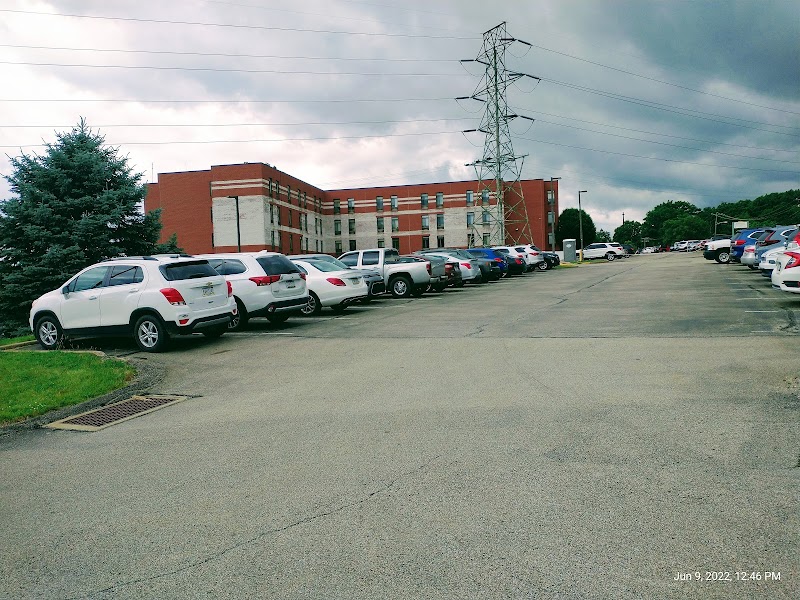
How is Southmont Of Presbyterian Seniorcare Staffed?

CMS rates SOUTHMONT OF PRESBYTERIAN SENIORCARE's staffing level at 4 out of 5 stars, which is above average compared to other nursing homes. Staff turnover is 31%, compared to the Pennsylvania average of 46%. This relatively stable workforce can support continuity of care.

What Have Inspectors Found at Southmont Of Presbyterian Seniorcare?

State health inspectors documented 15 deficiencies at SOUTHMONT OF PRESBYTERIAN SENIORCARE during 2023 to 2025. These included: 1 that caused actual resident harm, 13 with potential for harm, and 1 minor or isolated issues. Deficiencies causing actual harm indicate documented cases where residents experienced negative health consequences.
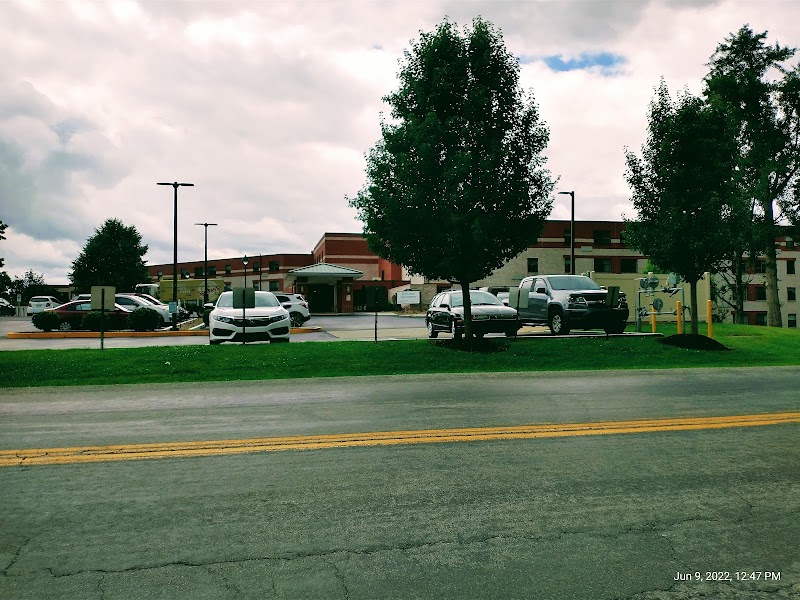
Who Owns and Operates Southmont Of Presbyterian Seniorcare?

SOUTHMONT OF PRESBYTERIAN SENIORCARE is owned by a non-profit organization. Non-profit facilities reinvest revenue into operations rather than distributing to shareholders. The facility operates independently rather than as part of a larger chain. With 147 certified beds and approximately 141 residents (about 96% occupancy), it is a mid-sized facility located in WASHINGTON, Pennsylvania.
How Does Southmont Of Presbyterian Seniorcare Compare to Other Pennsylvania Nursing Homes?

Compared to the 100 nursing homes in Pennsylvania, SOUTHMONT OF PRESBYTERIAN SENIORCARE's overall rating (4 stars) is above the state average of 3.0, staff turnover (31%) is significantly lower than the state average of 46%, and health inspection rating (4 stars) is above the national benchmark.

What Should Families Ask When Visiting Southmont Of Presbyterian Seniorcare?

Based on this facility's data, families visiting should ask: "Can I visit during a mealtime to observe dining assistance and food quality?" "How do you handle medical emergencies, and what is your hospital transfer rate?" "Can I speak with family members of current residents about their experience?"

Is Southmont Of Presbyterian Seniorcare Safe?

Based on CMS inspection data, SOUTHMONT OF PRESBYTERIAN SENIORCARE has a clean safety record: no substantiated abuse findings (meaning no confirmed cases of resident harm), no Immediate Jeopardy citations (the most serious violation level indicating risk of serious injury or death), and is not on the Special Focus Facility watch list (a federal program monitoring the lowest-performing 1% of nursing homes). The facility has a 4-star overall rating and ranks #1 of 100 nursing homes in Pennsylvania. While no facility is perfect, families should still ask about staff-to-resident ratios and recent inspection results during their visit.

Do Nurses at Southmont Of Presbyterian Seniorcare Stick Around?

SOUTHMONT OF PRESBYTERIAN SENIORCARE has a staff turnover rate of 31%, which is about average for Pennsylvania nursing homes (state average: 46%). Moderate turnover is common in nursing homes, but families should still ask about staff tenure and how the facility maintains care continuity when employees leave.

Was Southmont Of Presbyterian Seniorcare Ever Fined?

SOUTHMONT OF PRESBYTERIAN SENIORCARE has been fined $8,824 across 1 penalty action. This is below the Pennsylvania average of $33,167. While any fine indicates a compliance issue, fines under $50,000 are relatively common and typically reflect isolated problems that were subsequently corrected. Families should ask what specific issues led to these fines and confirm they've been resolved.

Is Southmont Of Presbyterian Seniorcare on Any Federal Watch List?

SOUTHMONT OF PRESBYTERIAN SENIORCARE is not on any federal watch list. The most significant is the Special Focus Facility (SFF) program, which identifies the bottom 1% of nursing homes nationally based on persistent, serious quality problems. Not being on this list means the facility has avoided the pattern of deficiencies that triggers enhanced federal oversight. This is a positive indicator, though families should still review the facility's inspection history directly.