KADIMA REHABILITATION & NURSING AT NORTH STRABANE
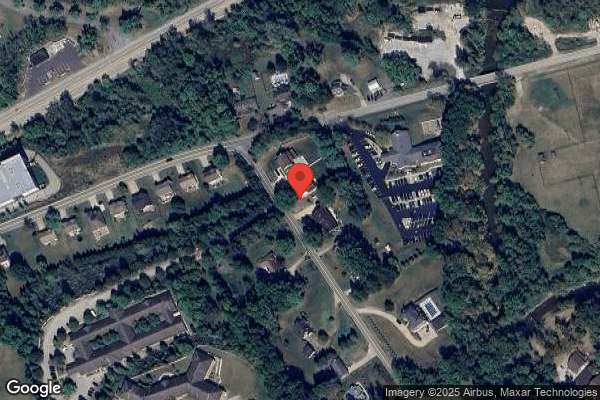
100 TANDEM VILLAGE ROAD, CANONSBURG, PA 15317 (724) 743-9000
For profit - Corporation 62 Beds KADIMA HEALTHCARE GROUP Data: November 2025
Trust Grade
45/100
#301 of 653 in PA
Last Inspection: October 2024

Within standard 12-15 month inspection cycle. Federal law requires annual inspections.

Overview

Kadima Rehabilitation & Nursing at North Strabane has a Trust Grade of D, indicating below average performance with some concerns. They rank #301 out of 653 facilities in Pennsylvania, placing them in the top half, but #4 out of 12 in Washington County suggests they have limited local competition. The facility's trend is worsening, as the number of issues identified increased from 2 in 2023 to 6 in 2024. Staffing is a concern with a turnover rate of 68%, significantly higher than the Pennsylvania average of 46%, and they have incurred $76,821 in fines, which is more than 93% of other facilities in the state. While the facility has average RN coverage, it did fail to provide COVID-19 vaccinations to residents as required, and there were issues with incomplete medical records for several residents, which raises concerns about the quality of care. On the positive side, they do maintain average star ratings in overall, health inspection, and staffing, while quality measures rated 4 out of 5 stars, indicating some strengths in care delivery.

Trust Score
D
45/100
In Pennsylvania
#301/653
Top 46%
Safety Record
Moderate
Needs review
Inspections
Getting Worse
2 → 6 violations
Staff Stability
⚠ Watch
68% turnover. Above average. Higher turnover means staff may not know residents' routines.
Penalties
⚠ Watch
$76,821 in fines. Higher than 91% of Pennsylvania facilities. Major compliance failures.
Skilled Nurses
✓ Good
Each resident gets 43 minutes of Registered Nurse (RN) attention daily — more than average for Pennsylvania. RNs are trained to catch health problems early.
Violations
⚠ Watch
25 deficiencies on record. Higher than average. Multiple issues found across inspections.
★★★☆☆
3.0
Overall Rating
★★★☆☆
3.0
Staff Levels
★★★★☆
4.0
Care Quality
★★★☆☆
3.0
Inspection Score
Stable
2023: 2 issues
2024: 6 issues

The Good

  • 4-Star Quality Measures · Strong clinical quality outcomes
  • Full Sprinkler Coverage · Fire safety systems throughout facility
  • No fines on record

Facility shows strength in quality measures, fire safety.

The Bad

3-Star Overall Rating

Near Pennsylvania average (3.0)

Meets federal standards, typical of most facilities

Staff Turnover: 68%

22pts above Pennsylvania avg (46%)

Frequent staff changes - ask about care continuity

Federal Fines: $76,821

Well above median ($33,413)

Moderate penalties - review what triggered them

Chain: KADIMA HEALTHCARE GROUP

Part of a multi-facility chain

Ask about local staffing decisions and management

Staff turnover is elevated (68%)

20 points above Pennsylvania average of 48%

The Ugly 25 deficiencies on record

Oct 2024 5 deficiencies
CONCERN (D)

Potential for Harm - no one hurt, but risky conditions existed

Deficiency F0558 (Tag F0558)

Could have caused harm · This affected 1 resident

**NOTE- TERMS IN BRACKETS HAVE BEEN EDITED TO PROTECT CONFIDENTIALITY** Based on review of facility policy, clinical records, and staff interviews, it was determined that the facility failed to make c...

Read full inspector narrative →
**NOTE- TERMS IN BRACKETS HAVE BEEN EDITED TO PROTECT CONFIDENTIALITY** Based on review of facility policy, clinical records, and staff interviews, it was determined that the facility failed to make certain call bells were in reach for three of eight residents as required (Resident R30, Resident R35, and Resident R36). Findings include: The facility policy Call Light Response dated 2/22/24, indicated a call bell or alternative device will be placed within the reach of each resident while in their room, toilet, or bathing area. Review of Resident R30's clinical record indicated admission to the facility on 4/25/24. Review of Resident R30's Minimum Data Set (MDS - a periodic assessment of care needs) dated 5/1/24, indicated diagnoses of hypertension (high blood pressure) hyperlipidemia (high fats in the blood) and schizophrenia (a serious mental illness that affects how a person thinks, feels, and behaves). During an interview on 10/8/24, at 10:30 a.m. Resident R30's was laying in his bed, his call light button was on the floor. When Resident R30 was asked what he would do if he needed help, he stated I don't know, I don't know where my call bell is. During an interview on 10/8/24, at 10:45 a.m. Registered Nurse (RN) Employee E1 confirmed the call bell was on the floor and not accessible for Residents R30's use. Review of admission record indicated Resident R35 admitted to the facility on [DATE]. Review of Resident R35's Minimum Data Set (MDS- a periodic assessment of care needs) dated 2/3/24, indicated the diagnoses of hemiplegia of left dominant side (paralysis of left side), following a stroke and depression (mood disorder affecting how one feels, thinks, and handles daily activities). During an interview on 10/8/24, at 10:48 a.m. Resident R35's was laying in her bed, her call light button was on the floor and not accessible. During an interview on 10/8/24, at 11:08 a.m. Graduate Practical Nurse (GPN) Employee E2 confirmed that Resident R35's call bell was not accessible. Review of admission record indicated Resident R36 admitted to the facility on [DATE]. Review of Resident R36's Minimum Data Set (MDS- a periodic assessment of care needs) dated 2/3/24, indicated the diagnoses of hemiparesis following a stroke and hypertension (high blood pressure). During an interview on 10/8/24, at 10:56 a.m. Resident R36's was lying in his bed, his call light button was on the floor and not accessible. During an interview on 10/8/24, at 11:08 a.m. GPN Employee E2 confirmed the call bell was on the floor and not accessible for Residents R36. During an interview on 10/10/24 at 11:20 a.m. Director of Nursing (DON) confirmed the facility failed to make certain call bells were accessible for use for three of eight residents as required. (Resident R30, Resident R35 and Resident R36). 28 Pa. Code: 211.10(c)(d) Resident care policies. 28 Pa. Code: 211.12(d)(1)(2)(3)(5) Nursing services. 28 Pa Code: 201.29 (I)(o) Resident rights.
CONCERN (D) 📢 Someone Reported This

A family member, employee, or ombudsman was alarmed enough to file a formal complaint

Potential for Harm - no one hurt, but risky conditions existed

ADL Care (Tag F0677)

Could have caused harm · This affected 1 resident

Based on review of facility policy, observation, clinical record review and resident and staff interview, it was determined that the facility failed to provide adequate hygienic care for four of seven...

Read full inspector narrative →
Based on review of facility policy, observation, clinical record review and resident and staff interview, it was determined that the facility failed to provide adequate hygienic care for four of seven residents (Resident R15, R25, R38 and R54). Findings include: Review of the facility policy Flow of care dated 2/22/24, indicated that residents are to be provided care as needed on a 24 hour basis to attain and maintain the highest level of functioning. Review of the facility policy Nail Care dated 2/22/24, indicated that resident's fingernails will be cleaned and trimmed as needed or per request. During an observation on 10/9/24, from 8:25 a.m., through 9:18 a.m., the following was observed: Resident R15 was in bed, her fingernails were very long and unclean. She had her feet covered but when asked she showed toenails that were long and had sharp edges and were unclean. Review of Resident R15's shower sheet documentation dated 9/30/24, did not include documentation of whether or not her fingernails needed trimmed. Resident R25 was sleeping with her feet uncovered and her fingernails were long with black substances under them and her toenails were callused, long and soiled. Review of Resident R25's shower sheet documentation dated 9/6/24, identified that Resident R25 fingernails needed trimmed. Resident R38 was in her room, her fingernails were very long and unclean. Resident R38 had no shower sheets found. Resident R54 was observed in his room with long fingernails and he showed his toenails that were long and unclean. Due to his communication disorder, he used yes, no and hand gestures and when asked about nail trimming he said no, no and used his hand as clipper and pointed to toenails. Resident R54 shower sheet documentation dated 9/9/24, indicated that Resident R54 fingernails needed trimmed. During an interview on 10/9/24, at 8:55 a.m., Resident R38 stated that she has not had her fingernails or toenails cut since she has been in the facility. She stated that you cannot get anyone to do that. Resident R54 was observed in his room with long fingernails and he showed his toenails that were long and unclean. Due to his communication disorder, he used yes and no and hand gestures and when asked about nail trimming he said no, no and used his hand as clipper and pointed to toenails and said no, no. During an interview on 10/9/24, at 9:42 a.m., the Director of Nursing (DON) confirmed that the facility failed to make certain that resident finger nails were trimmed and the DON stated that the Social Worker had not had podiatry in since June 2024 and services had not been provided for the four of seven residents identified (Resident R15, R25, R38 and R54) as required. 28 Pa. Code 211.12(d)(5) Nursing services.
CONCERN (D)

Potential for Harm - no one hurt, but risky conditions existed

Deficiency F0883 (Tag F0883)

Could have caused harm · This affected 1 resident

**NOTE- TERMS IN BRACKETS HAVE BEEN EDITED TO PROTECT CONFIDENTIALITY** Based on facility policy, clinical record review, and staff interview, it was determined that the facility failed to make certai...

Read full inspector narrative →
**NOTE- TERMS IN BRACKETS HAVE BEEN EDITED TO PROTECT CONFIDENTIALITY** Based on facility policy, clinical record review, and staff interview, it was determined that the facility failed to make certain that a pneumococcal immunization was offered to two of five residents (Resident R18, R40). Findings include: Review of the facility policy Resident Immunizations dated 1/12/23, indicated the facility will offer Pneumovax and Influenza vaccines as indicated. Review of the Centers for Disease Control (CDC) document, Pneumococcal Vaccination: Summary of Who and When to Vaccinate last reviewed 1/24/22, indicated that CDC recommends pneumococcal vaccination for all adults 65 years or older, and for adults 19 through [AGE] years old who have certain chronic medical conditions or other risk factors. Review of the admission Record indicated that Resident R18 was admitted to the facility on [DATE]. Review of Minimum Data Set (MDS-periodic assessment of care needs) dated 6/27/23, included diagnoses of Multiple Sclerosis, paraplegia, and seizure disorder. Section O0300 Pneumococcal Vaccine indicated Resident R18 was not up to date and was offered and declined. There was no evidence in the clinical record that the resident was offered and declined the Pneumococcal Vaccine. Review of the clinical record failed to include documentation of education provided to Resident R18 and/or their representative of the risks and benefits of the pneumonia vaccination. Review of the admission Record indicated that Resident R40 was admitted to the facility on [DATE]. Review of Minimum Data Set (MDS-periodic assessment of care needs) dated 8/25/22, included diagnoses of Atrial Fibrillation (a heart arrhythmia), paraplegia, and schizophrenia. Section O0300 Pneumococcal Vaccine indicated Resident R18 was not up to date and was offered and declined. There was no evidence in the clinical record that the resident was offered and declined the Pneumococcal Vaccine. Review of the clinical record failed to include documentation of education provided to Resident R40 and/or their representative of the risks and benefits of the pneumonia vaccination. During an interview on 10/11/24, at 10:30 a.m. the Nursing Home Administrator confirmed that the facility failed to make certain that a pneumococcal immunization was offered to Residents R18 and R40. 28 Pa. Code 211.5(f) Clinical records.
CONCERN (E)

Potential for Harm - no one hurt, but risky conditions existed

Medical Records (Tag F0842)

Could have caused harm · This affected multiple residents

**NOTE- TERMS IN BRACKETS HAVE BEEN EDITED TO PROTECT CONFIDENTIALITY** Based on review of facility policies and clinical records and staff interviews, it was determined that the facility failed to ma...

Read full inspector narrative →
**NOTE- TERMS IN BRACKETS HAVE BEEN EDITED TO PROTECT CONFIDENTIALITY** Based on review of facility policies and clinical records and staff interviews, it was determined that the facility failed to make certain that medical records on each resident are complete and accurately documented for four of 10 residents (Resident R14, R22, R48, and R57). Review of facility policy Flow of Care dated 2/22/24, indicated the provision targeted care needs shall be documented on Care Tracker/Point of Care/ADL Flow Records (clinical documents). Residents are to have 2 showers a week unless resident states otherwise. Review of the admission record indicated Resident R14 admitted to the facility on [DATE]. Review of Resident R14's Minimum Data Set (MDS- a periodic assessment of care needs) dated 8/13/24, indicated the diagnoses of Diabetes Mellitus, kidney disease, Schizoaffective disorder, and morbid obesity. Review of Resident R14's Bath/ Shower Task for 30 days Report dated September and October 2024 did not include documentation of showers being provided for seven of seven days( 9/16, 9/17, 9/23, 9/30, 10/1, 10/7, and 10/8). Review of Resident R14's facility provided shower sheets, dated 10/3, indicated shower refusal and 10/7 indicated a bed bath being given, however, had not been documented in Resident R14's clinical record. Review of admission record indicated Resident R22 was admitted to the facility on [DATE], with diagnoses which included irregular heart beat and cancer of the prostate and bladder. Review of Resident R22's Bath/ Shower Task for 30 days Report dated September and October 2024 did not include documentation of showers being provided for seven of seven days( 9/16, 9/17, 9/23, 9/30, 10/1, 10/7, and 10/8). Review of Resident R22's facility provided shower sheets, dated 9/28 indicated shower refusal and 10/2 indicated a shower had been provided. Documentation in the clinical record had not been identified. Review of the clinical record indicated Resident R48 was admitted to the facility on [DATE]. Review of Resident R48's MDS dated [DATE], indicated the diagnoses of high blood pressure, hyperlipidemia (high fats in the blood) and depression. Review of Resident R48's clinical record Documentation Task Report dated September and October 2024 did not include documentation of showers being provided between 9/14/24 through 10/6/24. During an interview on 10/9/24, at 4:00 p.m. the Director of Nursing (DON) provided facility documentation to indicate that Resident R48's showers were documented on paper, CNA Shower Review dated 9/23/24, 9/24/24, and 10/7/24 and confirmed that two of the three showers had not be transferred to the electronic medical. Review of the admission record indicated Resident R57 was admitted to the facility on [DATE]. Review of the MDS dated [DATE], indicated diagnoses of asthma, respiratory failure and heart failure. Review of Resident R57's Bath/Shower Task for September 2024, indicated Resident R57 gets showers on Monday and Thursday. The clinical record did not include documentation of showers being provided on 9/16, 9/19, 9/23, and 9/26/24 as scheduled. During an interview on 10/9/24, at 3:00 p.m. the DON confirmed the above findings and that the facility failed to make certain that medical records on each resident are complete and accurately documented for residents R14, R22, R48, and R57. 28 Pa. Code 211.5(f) Clinical Records. 28 Pa. Code: 211.12 (d)(1)(2)(5) Nursing services.
CONCERN (F)

Potential for Harm - no one hurt, but risky conditions existed

Deficiency F0887 (Tag F0887)

Could have caused harm · This affected most or all residents

**NOTE- TERMS IN BRACKETS HAVE BEEN EDITED TO PROTECT CONFIDENTIALITY** Based on review of facility policy and procedure, clinical record review, and staff interview, it was determined that the facili...

Read full inspector narrative →
**NOTE- TERMS IN BRACKETS HAVE BEEN EDITED TO PROTECT CONFIDENTIALITY** Based on review of facility policy and procedure, clinical record review, and staff interview, it was determined that the facility failed to offer the COVID-19 vaccine as indicated by the Centers for Disease Control (CDC) for five of five residents reviewed (Residents R6, R18, R21, R23, and R40). Findings include: A review of the facility policy, Covid 19 Vaccination Policy, dated 1/12/23, indicated the facility will comply with all applicable laws and is based on guidance from the Centers for Disease Control and Prevention and local health authorities, as applicable. Immunizations will be offered as indicated. A review of the clinical record indicated Resident R6 was admitted to the facility on [DATE]. Review of immunization information revealed that the last COVID-19 immunization was on 11/19/21. There was no evidence that the facility provided vaccine information or offered COVID-19 immunization after 2021. A review of the clinical record indicated Resident R18 was admitted to the facility on [DATE]. Review of immunization information revealed that the last COVID-19 immunization was on 1/20/21. There was no evidence that the facility provided vaccine information or offered COVID-19 immunization after 2021. A review of the clinical record indicated Resident R21 was admitted to the facility on [DATE]. Review of immunization information revealed that the last COVID-19 immunization was on 10/19/21. There was no evidence that the facility provided vaccine information or offered COVID-19 immunization after 2021. A review of the clinical record indicated Resident R23 was admitted to the facility on [DATE]. Review of immunization information revealed that the last COVID-19 immunization was on 10/19/21. There was no evidence that the facility provided vaccine information or offered COVID-19 immunization after 2021. A review of the clinical record indicated Resident R40 was admitted to the facility on [DATE]. Review of immunization information revealed that the last COVID-19 immunization was on 11/9/21. There was no evidence that the facility provided vaccine information or offered COVID-19 immunization after 2021. During an interview on 10/11/24 at 10:30 a.m., the Director of Nursing (DON) confirmed that the facility had no additional information to evidence that Residents R6, R18, R21, R23, and R40 were provided education regarding COVID 19 immunizations, or an immunization to remain up to date with the available COVID-19 vaccines. 28 Pa. Code 211.5(f) Medical records. 28 Pa. Code 211.10(a)(d) Resident care policies. 28 Pa. Code 211.12(d)(1)(5) Nursing services.
Mar 2024 1 deficiency
CONCERN (F) 📢 Someone Reported This

A family member, employee, or ombudsman was alarmed enough to file a formal complaint

Potential for Harm - no one hurt, but risky conditions existed

Deficiency F0836 (Tag F0836)

Could have caused harm · This affected most or all residents

Based on a review of vendor invoices, facility financial documents, and interviews with vendors and staff, it was determined that facility failed to pay bills in a timely manner. Findings include: Rev...

Read full inspector narrative →
Based on a review of vendor invoices, facility financial documents, and interviews with vendors and staff, it was determined that facility failed to pay bills in a timely manner. Findings include: Review of 28 PA Code Commonwealth of Pennsylvania Long Term Care Licensure Regulations, subsection §201.14(g), dated 7/1/23, indicated that a facility owner shall pay in a timely manner bills incurred in the operation of a facility that are not in dispute and that are for services without which the residents' health and safety are jeopardized. Review of vendor submitted communication dated 12/27/23, indicated that the Ambulance Vendor was no longer providing services to the company, and was owed $29,361.90. During an interview on 3/6/24, at approximately 1:46 p.m., the Nursing Home Administrator confirmed that the facility no longer utilizes the services of the Ambulance Vendor, and provided alternative transportation with another vendor and the use of the facility transport van. Review of the facility provided contractor report on 3/6/24, at approximately 1:44 p.m. revealed a balance of $27,649.37. During an interview on 3/6/24, at approximately 1:46 p.m., the Nursing Home Administrator confirmed that the facility failed to pay bills in a timely manner. 28 Pa. Code: 201.14(g) Responsibility of licensee. 28 Pa. Code: 201.18(e)(1)(2) Management.
Oct 2023 1 deficiency
CONCERN (E)

Potential for Harm - no one hurt, but risky conditions existed

Quality of Care (Tag F0684)

Could have caused harm · This affected multiple residents

**NOTE- TERMS IN BRACKETS HAVE BEEN EDITED TO PROTECT CONFIDENTIALITY** Based on review of facility policy, clinical records, and staff interviews, it was determined that the facility failed to notify...

Read full inspector narrative →
**NOTE- TERMS IN BRACKETS HAVE BEEN EDITED TO PROTECT CONFIDENTIALITY** Based on review of facility policy, clinical records, and staff interviews, it was determined that the facility failed to notify physicians of increased and decreased Capillary Blood Glucose (CBG) levels and failed to assess residents for hyperglycemia (high blood glucose) and hypoglycemia (low blood glucose), for four of seven Residents (Residents R5, R12, R15, and R29). Findings include: The Centers for Disease Control defines diabetes as: Diabetes Mellitus is a chronic (long-lasting) health condition that affects how your body turns food into energy. Most of the food you eat is broken down into sugar (also called glucose) and released into your bloodstream. When your blood sugar goes up, it signals your pancreas to release insulin. Insulin acts like a key to let the blood sugar into your body's cells for use as energy. If you have diabetes, your body either doesn't make enough insulin or can't use the insulin it makes as well as it should. When there isn't enough insulin or cells stop responding to insulin, too much blood sugar stays in your bloodstream. Over time, that can cause serious health problems, such as heart disease, vision loss, and kidney disease. Hypoglycemia is a condition that occurs when blood glucose is lower than normal, usually below 70 milligrams per deciliter (mg/dl). If left untreated, hypoglycemia may lead to weakness, confusion, unconsciousness, arrhythmias and even death. People with Diabetes Mellitus may be prescribed injectable insulin to assist in maintaining acceptable levels of CBG's. Hyperglycemia, or high blood glucose, occurs when there is too much sugar in the blood. This happens when your body has too little insulin. Hyperglycemia is blood glucose greater than 125 mg/dL while fasting (not eating for at least eight hours, or a blood glucose greater than 180 mg/dL one to two hours after eating. If you have hyperglycemia and it's untreated for long periods of time, you can damage your nerves, blood vessels, tissues and organs. Damage to blood vessels can increase your risk of heart attack and stroke, and nerve damage may also lead to eye damage, kidney damage and non-healing wounds. Review of the facility policy Nursing Care of the Diabetic Resident reviewed 1/12/23, indicated the facility will recognize, assist, and document the treatment of complications commonly associated with diabetes. Documentation should reflect the carefully assessed diabetic resident; document interventions to stabilize blood glucose levels and response; document notification to physician of unstable and/or variances from baseline per physician order. Review of the facility policy Notification of Condition Change: Physician reviewed 1/12/23, indicated licensed professional nurses are responsible to provide timely and complete communication to physicians when there is a change in a resident's condition. Document assessment data, attempted or actual correspondence with physician, and physician's response in the medical record. Review of the facility Hypoglycemia Protocol Review of the clinical record indicated Resident R5 was admitted to the facility on [DATE], with diagnoses that included diabetes, high blood pressure, and depression. Review of Resident R5's Minimum Data Set (MDS - a mandated assessment of a resident's abilities and care needs) dated 9/13/23, indicated the diagnoses remain current. Review of physician orders dated 7/10/23, indicated to inject Lispro (fast-acting insulin that starts to work about 15 minutes after injection, peaks in about 1 hour, and keeps working for 2 to 4 hours) insulin per sliding scale before meals and to notify the doctor if blood glucose was less than 70. Review of the clinical record electronic Medication Administration Record (eMAR) revealed that the resident's CBG's were as follows: On 9/15/23, at 8:43 a.m. CBG was noted to be 62, confirmed at 8:44 a.m. Review of Resident R5's eMAR and clinical progress notes indicated the resident was not assessed for hypoglycemia, the blood glucose was not monitored for effectiveness of treatment, and the physician was not notified of abnormal results on the above listed dates. Review of the care plan dated 1/30/23, indicated blood glucose monitoring as ordered, administer meds per doctor order, monitor for signs and symptoms of low blood sugar, and sliding scale coverage as ordered. Review of a clinical record indicated Resident R12 was admitted to the facility on [DATE], with diagnoses that included diabetes, depression, and hemiparesis (weakness of one side of the body). Review of a physician order dated 8/9/23, indicated to inject Aspart insulin per sliding scale with meals. If blood glucose is greater than 401, give 12 units and call the doctor. Review of Resident R12's eMAR revealed that the resident's CBG's were as follows: On 8/18/23, at 4:16 p.m. CBG was noted to be 417. A review of Resident R12's eMAR and clinical progress notes indicated the resident was not assessed for hyperglycemia, interventions were not documented, blood sugar was not rechecked, and the physician was not notified of abnormal results. A review of Resident R12's care plan dated 8/10/23, indicated to check blood glucose as ordered, call doctor per order. Observe for sign and symptoms of hyperglycemia. Provide insulin coverage as per resident's individual order. Sliding scale coverage as ordered. Review of the clinical record indicated Resident R15 was admitted to the facility on [DATE], with diagnoses that included diabetes, depression, and high blood pressure. Review of Resident R15's MDS dated [DATE], indicated the diagnoses remain current. Review of physician orders dated 1/16/23, indicated to inject Aspart insulin per sliding scale before meals and at bedtime. Further review of a physician's order dated 1/16/23, indicated to give one applicator of Glucose Gel (dextrose gel, a form of sugar used to raise blood glucose levels in hypoglycemia) if blood glucose is less than 70. Recheck blood sugar in 10-15 minutes, may repeat one time. Review of the clinical record electronic Medication Administration Record (eMAR) revealed that the resident's CBG's were as follows: On 6/27/23, at 10:20 p.m. CBG was noted to be 65. On 6/1/23, at 5:09 p.m. CBG was noted to be 59. On 4/23/23, at 4:39 p.m. CBG was noted to be 61. ON 4/14/23, at 9:21 p.m. CBG was noted to be 62. On 4/14/23, at 5:49 p.m. CBG was noted to be 66. On 4/1/23, at 5:30 a.m. CBG was noted to be 53. Glucose gel administered. Review of Resident R15's eMAR and clinical progress notes indicated the resident was not assessed for hypoglycemia, the blood glucose was not monitored for effectiveness of treatment, and the physician was not notified of abnormal results on the above listed dates. Review of the care plan dated 1/17/23, indicated check blood glucose as ordered, call doctor per order. Administer meds per doctor order. Monitor/observe for signs and symptoms of hypoglycemia. Review of the clinical record indicated Resident R29 was re-admitted to the facility on with diagnoses that included diabetes, high blood pressure, and anxiety. Review of Resident R29's Minimum Data Set, dated [DATE], indicated the diagnoses remain current. Review of physician orders dated 2/16/23, indicated to inject Humalog (Lispro) insulin 7 units before meals, and inject Glargine (long-acting insulin that starts to work several hours after injection and keeps working evenly for 24 hours) 12 units once daily. Review of the clinical record electronic Medication Administration Record (eMAR) revealed that the resident's CBG's were as follows: On 9/19/23, at 5:46 a.m. CBG was noted to be 480. On 9/18/23, at 5:35 a.m. CBG was noted to be 409. On 9/4/23, at 6:25 p.m. CBG was noted to be 417. Confirmed at 6:26 p.m. On 9/1/23, at 8:46 p.m. CBG was noted to be 566. On 8/25/23, at 12:13 p.m. CBG was noted to be 422. On 8/21/23, at 4:27 p.m. CBG was noted to be 449. On 8/21/23, at 3:45 p.m. CBG was noted to be 449. On 8/11/12, at 4:59 p.m. CBG was noted to be 420. Review of Resident R29's eMAR and clinical progress notes indicated the resident was not assessed for hyperglycemia, the blood glucose was not monitored for effectiveness of treatment, and the physician was not notified of abnormal results on the above listed dates. Review of the care plan dated 10/31/17, indicated to check blood glucose as ordered, call doctor for abnormal values. Observe/monitor resident for signs and symptoms of hyperglycemia. Provide insulin coverage as per order. During an interview on 10/4/23, at 2:35 p.m. Licensed Practical Nurse (LPN) Employee E1 stated for residents on insulin less than 70 or greater than 400 unless otherwise ordered they would give the prescribed insulin and notify the doctor. For resident's less than 70, a snack or orange juice is given. Documentation is done in the progress notes. During an interview on 10/4/23, at 2:40 p.m. LPN Employee E2 stated for blood glucose levels under 70, they would give glucose or snack, assess the resident, and notify the doctor. If the resident is greater than 400 they would assess the resident, call the doctor, and document in the progress notes. During an interview on 10/4/23, at 2:45 p.m. Registered Nurse (RN) Employee E3 stated they would notify the doctor for blood glucose less than 50-60, and greater than 400 and document in the progress notes. During an interview on 10/4/23, at 2:50 p.m. LPN Employee E4 stated she would notify the doctor of blood glucose less than 70, or greater than 400. She would document in the medical record under the progress notes. She would recheck the blood glucose in 15-30 minutes and document the recheck in progress notes. During an interview on 10/4/23, at 1:55 p.m. LPN Employee E5 stated she would call the doctor for blood glucose less than 70, or greater than 400, recheck in 15 minutes, and document in the progress notes. During an interview on 10/4/23, at 4:00 p.m. LPN Employee E6 stated they would notify the doctor for blood glucose less than 70 or greater than 400. They would recheck the blood glucose in 15-30 minutes and document in the progress notes. During an interview on 10/4/23, at 4:20 p.m. the Director of Nursing confirmed the facility failed to notify the doctor of a change in condition related to blood glucose for Residents R53, R64, R71, and R76. 28 Pa. Code 201.18 (b)(1) Management 28 Pa. Code 201.29(d) Resident Rights 28 Pa. Code 211.10 (c)(d) Resident Care policies 28 Pa. Code 211.12 (d)(1)(2)(3)(5) Nursing services
Jun 2023 1 deficiency
CONCERN (D) 📢 Someone Reported This

A family member, employee, or ombudsman was alarmed enough to file a formal complaint

Potential for Harm - no one hurt, but risky conditions existed

Deficiency F0569 (Tag F0569)

Could have caused harm · This affected 1 resident

**NOTE- TERMS IN BRACKETS HAVE BEEN EDITED TO PROTECT CONFIDENTIALITY** Based on review of clinical records, financial statements and staff interview it was determined that the facility failed to conv...

Read full inspector narrative →
**NOTE- TERMS IN BRACKETS HAVE BEEN EDITED TO PROTECT CONFIDENTIALITY** Based on review of clinical records, financial statements and staff interview it was determined that the facility failed to convey resident funds upon death in a timely manner for one of five closed resident fund accounts (Closed Resident Record CR1). Findings include: Review of the clinical record indicated that Resident CR1 was admitted to the facility on [DATE], for a five day respite stay with possibility of placement under hospice services. The resident had dementia and had been declining at home and had been on hospice. The data under his admission information indicated that he was on hospice and was a private pay. Resident CR1 ceased to breath at the facility on 9/13/22. Review of the facility Resident Ledger for Resident CR1 indicated that his account was billed for 9,100.00 and the Resident family paid 10,950.00 and had a credit owed of 1850.00. During a phone interview on 6/21/23, at 12:38 p.m., the Regional Business Office Manager Employee E1 stated that Resident CR1 was owed the monies and the facility failed to convey the funds of 1850.00 upon his death to his family, as required. 28 Pa. Code: 201.18(e)(1) Management.
Dec 2022 16 deficiencies
CONCERN (D)

Potential for Harm - no one hurt, but risky conditions existed

Deficiency F0554 (Tag F0554)

Could have caused harm · This affected 1 resident

**NOTE- TERMS IN BRACKETS HAVE BEEN EDITED TO PROTECT CONFIDENTIALITY** Based on a review of facility policy, resident interview, resident observation, and staff interview, it was determined the facil...

Read full inspector narrative →
**NOTE- TERMS IN BRACKETS HAVE BEEN EDITED TO PROTECT CONFIDENTIALITY** Based on a review of facility policy, resident interview, resident observation, and staff interview, it was determined the facility failed to assess the clinical appropriateness of medication self-administration for two of 14 residents (Resident R1 and R259). Findings include: Review of facility policy Medication Administration last reviewed 9/8/22, indicated residents are allowed to self-administer medications when specifically authorized by the attending physician and in accordance with procedures for self-administration for medications. Review of the medical record indicated Resident R1 was admitted to the facility on [DATE], with diagnoses that included diabetes, and high blood pressure. Review of the Minimum Data Set (MDS - a mandated assessment of a resident's abilities and care needs) dated 11/14/22, indicated the diagnoses remain current. Review of Resident R1's physician orders dated 11/28/22, included medications of aspirin (fever/pain reducer), Eliquis (apixaban - a blood thinner/anticoagulant), ferrous sulfate (iron supplement), Lasix (furosemide - a diuretic for fluid retention), Jardiance (empagliflozin - used to lower blood sugar along with diet and exercise), Keppra (levetiracetam - used to treat seizures), and metformin (used to treat diabetes). Review of Resident R1 ' s November 2022, Medication Administration Record (MAR) indicated the medications were still active and marked as given. During an interview and observation on 11/28/22, at 10:25 a.m. Resident R1 was in the bathroom, the medication cup was observed sitting on the bedside table beside the bed with seven pills inside. Resident R1 ' s room mate was in the room sitting on her bed, and stated, Those are my mom ' s pills, I watch out for them when they leave them in the room like this. It happens a lot. Review of the clinical record failed to reveal an assessment done for self-administration of medications. Review of the physician's orders failed to include an order for self-administration. During an interview on 11/28/22, at 10:27 a.m. Licensed Practical Nurse Employee E1 confirmed the medications were left at the bedside. During an interview on 11/28/22, at 10:30 a.m. Registered Nurse Employee E2 stated she left the medications on the bedside table because: She was in the bathroom, and I was waiting for her to come out to take them. Review of the clinical record indicated Resident R259 was admitted to the facility on [DATE], with diagnoses that included high blood pressure, and depression. Review of Resident R259's physician orders dated 11/25/22, included medications of Bupropion (anti-anxiety), docusate sulfate (stool softener), ferrous sulfate (iron supplement), metoprolol (high blood pressure, chest pain, and heart failure), multi-vitamin (supplement), prednisone (an anti-inflammatory and immunosuppressant), probiotic (digestive aid supplement), Venlafaxine (anti-depressant), vitamin C (supplement), and vitamin D3 (supplement), Review of Resident R259 ' s November 2022, MAR indicated the medications were still active and marked as given. Review of the clinical record failed to reveal an assessment done for self-administration of medications. Review of the physician's orders failed to include an order for self-administration. During an observation and interview on 11/28/22, at 10:29 a.m. Resident R259 was sitting in bed with her bedside table in front of her, with a medication cup containing multiple pills inside and an opened container of applesauce. Resident R259 stated I can take them myself, I like to take my time. During an interview on 11/28/22, at 10:35 a.m. Registered Nurse (RN) Employee E2 stated she left Resident R259's medications in her room because she likes to take her medicine with applesauce. During an interview on 11/28/22, at 2:20 p.m. the Director of Nursing confirmed that the facility failed to assess the clinical appropriateness of medication self-administration for Residents R1, and R259. 28 Pa. Code: 211.9(d) Pharmacy Services.
CONCERN (D)

Potential for Harm - no one hurt, but risky conditions existed

Free from Abuse/Neglect (Tag F0600)

Could have caused harm · This affected 1 resident

**NOTE- TERMS IN BRACKETS HAVE BEEN EDITED TO PROTECT CONFIDENTIALITY** Based on review of facility policy, clinical records, incident reports, and staff interview, it was determined that the facility...

Read full inspector narrative →
**NOTE- TERMS IN BRACKETS HAVE BEEN EDITED TO PROTECT CONFIDENTIALITY** Based on review of facility policy, clinical records, incident reports, and staff interview, it was determined that the facility failed to make certain residents were free from neglect by not providing appropriate assistance and assistive devices for two of four residents (Resident R25 and R12). Findings include: The facility's Abuse Protection policy dated 9/8/22, and updated 7/22/21, indicated that neglect is the failure to provide goods and services necessary to avoid physical harm, mental anguish, or mental illness. Neglect refers to failure through inattentiveness, carelessness, or omission to provide timely, consistent, safety adequate, and appropriate services. A review of the clinical record revealed that Resident R12 was admitted to the facility on [DATE]. The Minimum Data Set (MDS - periodic assessment of care needs) dated 8/2/22, and 11/2/22, included diagnoses of dementia (a group of symptoms that affects memory, thinking and interferes with daily life), osteoarthritis (degeneration of the joint causing pain and stiffness), and age-related physical debility. A review of Resident R12's plan of care for potential for falls updated 10/14/22, indicated for staff to ensure that Resident R12 ' s wheelchair has right elevating leg rest on it. A review of the physician order dated 2/3/22, indicated that Resident R25 is required to be transferred with a sit to stand lift with two-person assistance. A review of a progress note dated 9/4/22, at 3:35 p.m. indicated Resident R25 received a skin tear 3 cm (centimeters) x1 cm on the upper top of her right-hand during morning care. Resident R25 complained of a burning pain to the injured area. A review of an incident report dated 9/4/22, at 6:50 a.m. indicated that Resident R25 sustained a skin tear to her right had during a transfer, edges not well approximated. The wound was cleansed, and steri strips (wound closure strips) applied. Staff educated on proper transfer techniques. The incident further documented that the sit to stand was not utilized as ordered. A review of the clinical record revealed that Resident R12 was admitted to the facility on [DATE]. The MDS dated [DATE], included diagnoses of spinal stenosis (a narrowing of the spaces within the spine, which causes pain and weakness), osteoarthritis, and muscle weakness. Review of Section G: Activities of Daily Living (ADL) Assistance indicated Resident R12 required extensive assistance of two or more persons for transfers on both assessments. A review of Resident R12's plan of care for ADL self-care performance deficit, initiated 9/10/18, and revised on 8/12/22, revealed that Resident R12 was required to be transferred with a sit to stand lift with two-person assistance. A review of the physician order dated 9/30/22, indicated that Resident R12 is ordered a manual wheelchair with foam cushion and right elevating leg rest at all times. A review of a progress note dated 10/17/22, at 11:04 p.m. indicated Resident was being pushed by staff member and slid off front of w/c (wheelchair), she indicated that her shoe got stuck, complete assessment provided with negative findings noted, education provided with understanding expressed. A review of an incident report dated 10/17/22, at 8:25 p.m. indicated that Resident R12 was being pushed in wheelchair in the hallway to go outside to smoke by nurse in when she slid off the front of her wheelchair. The incident further indicated that the Resident was educated on the importance of keeping feet/legs in an extended position when being pushed by staff to prevent any further incidences and explained that further injuries could have occurred. During an interview on 11/30/22, at 1:30 p.m. the Interim Director of Nursing, the Nursing Home Administrator, and the Corporate Compliance Nurse Employee E6 confirmed that residents are never to be pushed without leg rests, and education should have been directed to staff to utilize leg rests, not to instruct an aged resident with musculoskeletal deficits to hold her legs up unsupported for an extended time. During an interview on 12/2/22, at 3:00 p.m. the Interim Director of Nursing and the Nursing Home Administrator confirmed that the facility failed to make certain residents were free from neglect by not providing appropriate assistance and assistive devices for two of four residents. 28 Pa. Code 201.14(a) Responsibility of Licensee. 28 Pa. Code 201.18(b)(1) Management. 28 Pa. Code 201.18(b)(3) Management. 28 Pa. Code 201.29(a) Resident Rights 28 Pa. Code 201.29(c)(d) Resident Rights. 28 Pa. Code 201.29(j) Resident Rights. 28 Pa. Code 211.10(c) Resident Care Policies. 28 Pa. Code 211.10(d) Resident Care Policies. 28 Pa. Code 211.12(d)(1)(5) Nursing services. 28 Pa. Code 211.12(d)(3) Nursing services.
CONCERN (D)

Potential for Harm - no one hurt, but risky conditions existed

Deficiency F0604 (Tag F0604)

Could have caused harm · This affected 1 resident

**NOTE- TERMS IN BRACKETS HAVE BEEN EDITED TO PROTECT CONFIDENTIALITY** Based on observation, review of facility policy and clinical records, and resident and staff interviews, it was determined that ...

Read full inspector narrative →
**NOTE- TERMS IN BRACKETS HAVE BEEN EDITED TO PROTECT CONFIDENTIALITY** Based on observation, review of facility policy and clinical records, and resident and staff interviews, it was determined that the facility failed to assess residents for appropriate use of an alarming device for one of three residents (Resident R49). Findings include: The facility's policy entitled Resident Rights dated 9/8/22, previously dated 7/22/21, stated that residents have the right to be free from chemical and physical restraints. Review of the Minimum Data Set (MDS - periodic assessment of care needs) dated 5/10/22, indicated that Resident R49 had diagnoses that included repeated falls, muscle weakness and thyroid disorder and had a Brief Interview of Mental Status (BIMS) score of 14, indicating little to no cognitive impairment. Review of the elopement risk assessment dated [DATE], identified poor decision-making skills, Resident is independently mobile, and Resident has the ability to leave the facility has risk factors prompting Resident R49 as at risk for elopement. Review of the physician orders dated 5/24/22, indicated a wanderguard (personal alert bracelet which alarms if a resident attempts to leave the facility) was ordered. Review of the clinical progress notes indicated that on 5/24/22, a wanderguard was placed to the left lower extremity. Review of the clinical progress note dated 8/8/22, indicated Resident R49 removed the ankle bracelet. Review of the MDS dated [DATE], indicates Resident R49 BIMS remained at 14. Review of the physician orders indicated the wander guard was discontinued on 09/04/22. Review of the clinical progress note dated 9/4/22, states wanderguard discontinued due to resident being of sound mind and not an elopement risk at this time. Review of the clinical progress notes from 5/4/22, to 9/4/22, failed to identify any clinical documentation of Resident R49 attempting to leave, or verbalizing any wishes to leave the facility. During an interview on 12/1/22, at 3:11 p.m. Resident R49 stated that she was unaware why the facility placed the wanderguard on her, they told me it was for my protection, and she removed it several times because the doors would lock when the ambulances would attempt to transfer her to the hospital for treatment. During an interview on 12/2/22, at 3:00 p.m. the Director of Nursing confirmed the facility placed the wanderguard restraint on Resident R49 without a valid rationale for doing so. 28 Pa. Code 211.8(d)(e)(f) Use of restraints. 28 Pa. Code 211.12(d)(5) Nursing services.
CONCERN (D)

Potential for Harm - no one hurt, but risky conditions existed

Deficiency F0655 (Tag F0655)

Could have caused harm · This affected 1 resident

**NOTE- TERMS IN BRACKETS HAVE BEEN EDITED TO PROTECT CONFIDENTIALITY** Based on review of clinical record, facility policy, and staff interview, it was determined that the facility failed to develop ...

Read full inspector narrative →
**NOTE- TERMS IN BRACKETS HAVE BEEN EDITED TO PROTECT CONFIDENTIALITY** Based on review of clinical record, facility policy, and staff interview, it was determined that the facility failed to develop a baseline care plan that includes smoking and interventions needed to provide effective and person-centered care for one of 14 residents (Resident R54). Findings include: The facility policy Care Plans-Baseline dated 9/8/22, indicated the admitting nurse will complete the baseline care plan upon admission and includes any services and treatments to be administered by the facility. A review of the clinical record indicated Resident R54 was admitted to the facility on [DATE], with diagnoses that included depression, anxiety, and high blood pressure. A review of the MDS dated [DATE], indicated the diagnoses remain current and the resident is a current tobacco user. During a review of Resident R54 baseline care plan completed on 11/14/22, did not include a baseline care plan indicating interventions for smoking. During an interview on 11/29/22, at 9:20 a.m. the Director of Nursing confirmed that the baseline care plan for Resident R54 did not include her immediate care needs. 28 Pa. Code: 211.11 (a)(c) Resident care plan. 28 Pa. Code: 211.11 (d) Resident care plan.
CONCERN (D)

Potential for Harm - no one hurt, but risky conditions existed

Quality of Care (Tag F0684)

Could have caused harm · This affected 1 resident

**NOTE- TERMS IN BRACKETS HAVE BEEN EDITED TO PROTECT CONFIDENTIALITY** Based on review of facility policy, clinical record review and staff interview, it was determined that the facility failed to as...

Read full inspector narrative →
**NOTE- TERMS IN BRACKETS HAVE BEEN EDITED TO PROTECT CONFIDENTIALITY** Based on review of facility policy, clinical record review and staff interview, it was determined that the facility failed to assess a resident for signs and symptoms of hypoglycemia and notify a physician of a change in condition for one of six residents with high glucose (blood sugar) levels (Resident R10),. Findings include: Review of the facility Nursing care of the Diabetic Resident policy last reviewed 7/22/21 and 9/8/22, indicated the facility will recognize, assist, and document the treatment of complications commonly associated with diabetes. Additionally, it states to obtain physician orders for testing including parameters for intervention; and documentation should reflect the carefully assessed diabetic resident and include interventions to stabilize blood glucose levels and response to same, and notification to the physician and of significant variances from baseline per physician ' s order. A review of the clinical record revealed that Resident R10 was admitted to the facility on [DATE]. The Minimum Data Set (MDS-a periodic assessment of care needs) dated 8/17/22 included diagnoses of diabetes mellitus (a chronic condition that affects the way the body processes blood sugars), heart failure and hypertension. Review of Resident R10 physician orders dated 11/7/22, indicated that R10 was to receive Humalog Solution (insulin) as per sliding scale (blood sugar levels) three times daily with meals: 150-200=3 units 201-300=5 units 301-400= 7 units 401+=10 units >401 administer 10 units, notify the physician. Review of Resident R10's care plan revised 5/24/22, indicated to monitor blood sugars, notify the physician per orders, administer insulin as ordered and to report signs or symptoms of hyperglycemia. Review of Resident R10 ' s vitals summary for blood sugars found the following: 11/7/22 4:12 p.m.= 403 11/9/22 4:39 p.m.= 597 11/10/22 7:22 a.m.= 574 11/11/22 8:41a.m.= 502 11/11/22 11:12 a.m.= 531 11/11/22 4:25 p.m. = 440 11/12/22 8:06 a.m. = 447 11/13/22 4:36 p.m.= 464 11/13/22 8:19 p.m. = 442 11/15/22 8:46 a.m. = 546 11/15/22 4:36 p.m. = 415 11/16/22 11:28 a.m.= 438 11/17/22 8:14 p.m.= 483 11/18/22 4:16 p.m. = 515 11/19/22 11:21a.m. = 402 11/19/22 5:41p.m.= 415 11/21/22 8:40 a.m.= 417 11/21/22 12:45 p.m.= 547 11/21/22 4:13p.m. = 457 11/21/22 8:22 p.m.= 431 11/22/22 3:55 p.m.= 488 11/24/22 9:38 a.m.= 421 11/24/22 11:49 a.m. = 416 11/24/22 5:34 p.m.= 437 Review of Resident R10' s nurse progress notes from November 7-24, 2022 did not include a notification to the physician pertaining to high blood sugars for the dates/times noted above. During an interview on 12/1/22, at 10:53 a.m. Licensed Practical Nurse (LPN) Employee E5 stated that the physician was aware that Resident R10 ' s blood sugars were running high due to an infection, but she failed to follow the physician orders and contact the physician at those times. During an interview on 12/2/22 at 3:15 p.m. the Director of Nursing confirmed that the physician was aware that Resident R40's blood sugars were running high, but that staff failed to follow the order as written by notifying the physician, and that the facility failed to make certain that residents were provided appropriate treatment and services to maintain bowel function for two of four residents. 28 Pa. Code 201.14(a) Responsibility of Licensee. 28 Pa. Code 201.18(b)(1) 28 Pa. Code 201.29(a) Resident rights. 28 Pa. Code 211.10(c) Resident care policies. 28 Pa. Code 211.10(d) Resident care policies 28 Pa. Code:211.12(d)(1) Nursing services. 28 Pa Code 211.12(d)(5) Nursing services.
CONCERN (D)

Potential for Harm - no one hurt, but risky conditions existed

Respiratory Care (Tag F0695)

Could have caused harm · This affected 1 resident

**NOTE- TERMS IN BRACKETS HAVE BEEN EDITED TO PROTECT CONFIDENTIALITY** Based on observations, interview, clinical record review, and professional standards, the facility failed to ensure respiratory ...

Read full inspector narrative →
**NOTE- TERMS IN BRACKETS HAVE BEEN EDITED TO PROTECT CONFIDENTIALITY** Based on observations, interview, clinical record review, and professional standards, the facility failed to ensure respiratory services were provided according to physician orders and professional standards for one of two residents reviewed (Resident R34). [NAME] Respironics, manufacturer of respiratory devices recommends mechanical ventilator (A mechanical ventilator is a machine that helps a patient breathe when he or she cannot breathe on his or her own for any reason) equipment including tubing, masks and headgear should be cleaned weekly to prevent growth of bacteria and mold in equipment. A review of the clinical record revealed that R34 was admitted to the facility on [DATE]. The Minimum Data Set (MDS-a periodic assessment of care needs) dated 10/8/22 indicates Resident R34 was admitted to the facility on [DATE], with diagnoses that included shortness of breath while lying flat, cerebral infarction (stroke), epilepsy (neurological condition causing seizures), and Chronic Obstructive Pulmonary Disease (chronic lung disease). During an observation on 11/29/22, at 9:34 a.m. of the CPAP tubing and mask, were sitting inside a bag dated 11/14/22. Closer inspection of the mask revealed a film of debris stuck to the inside of the mask, and no dates on the tubing or mask to indicate when it had been last cleaned or changed. During an interview on 11/29/22, at 10:21 a.m. LPN Employee E2 confirmed the above findings. During a review of Resident R34's physician orders on 11/30/22, it was noted there were orders for wipe outside of CPAP with alcohol-based cloth-tubing and reservoir soak in 1 part vinegar and 3 parts hot water let soak for 30 mins and air-dry weekly, scheduled day shift Wednesdays. It was noted the order was documented as completed on 11/30/22. During an observation on 11/30/22, at 1:52 p.m. Resident R34's CPAP tubing was still noted to be sitting inside a bag dated 11/14/22, failed to identify a date indicating the equipment had been cleaned or changed, and a film of debris was still stuck to the inside of the mask. During an interview on 11/30/22, at 1:57 p.m. LPN Employee E5 confirmed the above findings. Upon questioning, LPN Employee E5 admitted she was unaware of the procedure to clean the equipment and had just signed off the order as completed without cleaning the equipment. 28 Pa. Code 201.14(a) Responsibility of Licensee. 28 Pa. Code: 211.10(c) Resident care policies. 28 Pa. Code: 211.10(d) Resident care policies. 28 Pa. Code: 211.12(d)(1) Nursing services. 28 Pa. Code: 211.12(d)(5) Nursing services.
CONCERN (D)

Potential for Harm - no one hurt, but risky conditions existed

Deficiency F0725 (Tag F0725)

Could have caused harm · This affected 1 resident

**NOTE- TERMS IN BRACKETS HAVE BEEN EDITED TO PROTECT CONFIDENTIALITY** Based on facility document review and interviews with residents and staff, it was determined that the facility failed to maintai...

Read full inspector narrative →
**NOTE- TERMS IN BRACKETS HAVE BEEN EDITED TO PROTECT CONFIDENTIALITY** Based on facility document review and interviews with residents and staff, it was determined that the facility failed to maintain sufficient nursing staff levels to provide nursing care and services for one of eleven residents (Resident R45). Findings include: Review of facility assessment dated [DATE], indicated the facility will provide services by sufficient numbers of staff provide nursing care to all residents in accordance with resident care plans. Review of a progress note dated 11/28/22, at 1:32 a.m. indicated Resident R45 was having exit seeking behaviors and did make it outside through an fire exit door and was found squatting in the bushes. Progress notes also stated that once the resident Resident R45 was back in the facility, Resident R45 fell and hit her head needing a transfer to the hospital. During an interview on 11/30/22, at 1:05 p.m. Maintenance Director Employee E13 indicated that the door Resident R45 exited through does have a beeping audible alarm at five seconds, then a solid audible alarm when the door is open at 30 seconds. Maintenance Director Employee E13 demonstrated the function of the door lock and activation alarm types two times. Maintenance Director Employee E13 also demonstrated the force that is needed to break the seal and set the alarm off. During an interview on 11/30/22, at 2:31 p.m., Licensed Practical Nurse (LPN) Employee E14 reported that there was only two nurses on staff for the whole building that evening, giving Resident R45 the opportunity and the time to get to the door and break the seal for 30 seconds and making it outside and develop into an elopement situation. LPN Employee E14 indicated that if there was more staff in the facility at the time of Resident R45 incident, the incident would have possibly not happened. During an interview on 11/30/22, at 2:45 p.m., LPN Employee E15 reported that there was only herself and LPN Employee E14 in the building at the time of Resident R45 elopement situation. LPN Employee E15 stated that when it was happening she was up the hall and was trying to follow the Resident R45 but was to far away and had called for LPN Employee E14 to go to the main door to unlock it because if the Resident R45 and the LPN Employee R15 was outside and the door closes they would be locked outside. LPN Employee E15 also stated that when Resident R45 was outside and was trying to be redirected into the building both LPN Employee E14 and E15 were outside, leaving no staff in the building. Review of the staffing log for the night of 11/27/22 showed only LPN Employee E14 and E15 on duty until 4:00 a.m. Interview on 12/1/22 , at 11:00 a.m. the Nursing Home Administrator and the Director of Nursing confirmed that there was only two employees on duty at the time of the incident, and confirmed the facility failed to maintain sufficient nursing staff levels to provide nursing care and services for one of eleven residents (Resident R45).
CONCERN (E)

Potential for Harm - no one hurt, but risky conditions existed

Resident Rights (Tag F0550)

Could have caused harm · This affected multiple residents

**NOTE- TERMS IN BRACKETS HAVE BEEN EDITED TO PROTECT CONFIDENTIALITY** Based on review of clinical records reviews and staff interview, it was determined that the facility failed to sure residents ma...

Read full inspector narrative →
**NOTE- TERMS IN BRACKETS HAVE BEEN EDITED TO PROTECT CONFIDENTIALITY** Based on review of clinical records reviews and staff interview, it was determined that the facility failed to sure residents maintain basic rights preserved in the Federal and State laws and regulations for five of seven residents (Residents R27, R43, R46, R47, and R49) by having residents sign an Assumption of the Risk and Waiver of Liability Relating to Coronavirus/Covid-19 (Covid-19 waiver). Findings Include: The facility form Assumption of the Risk and Waiver of Liability Relating to Coronavirus/Covid-19 states The novel coronavirus, COVID-19, has been declared a worldwide pandemic by the World Health Organization. COVID-19 is extremely contagious and is believed to spread mainly from person-to-person contact. As a result, federal, state, and local governments and federal and state health agencies recommend social distancing and have, in many locations, prohibited the congregation of groups of people. NORTH STRABANE REHABILITATION AND WELLNESS CENTER (*the Facility*) has put in place preventative measures per state and federal guidelines to reduce or prevent the spread of COVID-19 in the Facility. Due to the nature of COVID-19, however, the Facility cannot guarantee that residents will not become infected with COVID-19. Indeed, admission to the Facility could increase a resident's risk of contracting COVID-19. By signing this agreement, I acknowledge and understand the contagious nature of COVID-19 and voluntarily assume the risk that I or my loved one that I am admitting to the Facility may be exposed to, or infected by, COVID-19. I acknowledge and understand that such exposure or infection may result in personal injury, illness, permanent disability, and death, and I voluntarily assume such risk. I understand that the risk of becoming exposed to or infected by COVID-19 at the Facility may result from the actions, omissions, or negligence of myself and others, including, but not limited to, other residents, Facility employees, contractors, volunteers, or others. I voluntarily agree to assume all of the foregoing risks and hereby accept sole responsibility for any injury to myself or loved one (including, but not limited to, personal injury. disability, and death), illness, damage, loss, claim, liability, or expense, of any kind, that I or my loved one may experience or incur in connection with my or my loved one's admission to the Facility (Claims*). I hereby release, covenant not to sue, discharge, and hold harmless the Facility, its employees, agents, and representatives, of and from the Claims, including all liabilities, claims, actions, damages, costs or expenses of any kind arising out of or relating thereto. I understand and agree that this release includes any Claims based on the actions, omissions, or negligence of the Facility, its employees. agents, and representatives, whether a COVID-19 infection occurs before, during, or after admission to the Facility. During an interview on 11/30/22, at 3:11 p.m. admission Director Employee E2 reported never seeing the form in the two months of his employment with the facility, and that it is not included in the admission packet he had been using during his employment. During an interview on 11/30/22 at 3:29 p.m. the Corporate Compliance Nurse Employee E6 reported that she heard of a form a while back but had never seen one before. Upon inquiry, she confirmed that the form was very broad in limiting residents legal rights, and the form was attempting to absolve the facility of duties and obligations for which they were responsible for. Review of the clinical records revealed Resident R27 was admitted to the facility on [DATE] and signed the Covid-19 waiver, undated by a personal representative. During a telephone interview on 12/1/22, at 2:38 p.m. Resident R27's personal representative reported that he may have signed the waiver, but really don't recall any of the paperwork. Resident R43 was admitted to the facility on [DATE] and signed the Covid-19 waiver form on 6/17/22. During an interview on 12/1/22 at 2:40 p.m. Resident R43 reported that she did not recall signing any waivers, but upon further discussion stated, I hope I didn't sign it. Upon asking if she had known what was involved would she have still signed it, she stated probably not. Review of the clinical records revealed Resident R46 was admitted to the facility on [DATE] and signed the Covid-19 waiver undated. Review of the clinical records revealed Resident R47 was admitted to the facility 5/9/22 and signed the Covid-19 waiver undated. Review of the clinical records revealed Resident R49 was admitted to the facility on [DATE] and signed the Covid-19 waiver dated 5/5/22. During the exit interview by telephone on 12/2/22, the Nursing Home Administrator and Director of Nursing reported that they were unaware the admissions representative was utilizing this form, that they did not feel the form had any legal merit, and agreed that it was an infringement on residents legal rights. 28 Pa Code 201.14(a) Responsibility of Licensee. 28 Pa. Code 201.18 (b)(1) Management. 28 Pa. Code 201.18 (b)(2) Management. 28 Pa. Code 201.18(e)(1) Mangement. 28 Pa. Code 201.24(b) admission policy. 28 Pa. Code 201.24(d) admission policy.
CONCERN (E)

Potential for Harm - no one hurt, but risky conditions existed

Deficiency F0578 (Tag F0578)

Could have caused harm · This affected multiple residents

**NOTE- TERMS IN BRACKETS HAVE BEEN EDITED TO PROTECT CONFIDENTIALITY** Based on review of facility policy and clinical records and staff interview, it was determined that the facility failed to provi...

Read full inspector narrative →
**NOTE- TERMS IN BRACKETS HAVE BEEN EDITED TO PROTECT CONFIDENTIALITY** Based on review of facility policy and clinical records and staff interview, it was determined that the facility failed to provide the opportunity to formulate an advance directive (a written instruction such as a living will or durable power of attorney for health care for when the individual is incapacitated) for six of eight residents reviewed (Resident R1, R26, R47, R52, R54, and R259). Findings include: A review of the facility policy Advanced Directive last reviewed 7/22/21 and 9/8/22, indicated that information will be provided upon admission of the policies and procedures, or at such time as may be appropriate. A review of the medical record indicated Resident R1 was admitted to the facility on [DATE], with diagnoses that included diabetes, and high blood pressure. A review of the Minimum Data Set (MDS - a mandated assessment of a resident's abilities and care needs) dated 11/14/22, indicated the diagnoses remain current. A review of the clinical record failed to reveal an advanced directive or documentation that Resident R1 was given the opportunity to formulate an Advanced Directive. A review of the clinical record indicated Resident R26 was admitted to the facility on [DATE], with diagnoses that included diabetes, and depression. A review of the MDS dated [DATE], indicated the diagnoses remain current. A review of the clinical record failed to reveal an advanced directive or documentation that Resident R26 was given the opportunity to formulate an Advanced Directive. A review of the medical record indicated Resident R47 was admitted to the facility on [DATE], with diagnoses that included Covid-19, and hypertension (high blood pressure). A review of the Minimum Data Set (MDS - a mandated assessment of a resident's abilities and care needs) dated 10/6/22, indicated the diagnoses remain current. A review of the clinical record failed to reveal an advanced directive or documentation that Resident R47 was given the opportunity to formulate an Advanced Directive. A review of the clinical record indicated Resident R52 was admitted to the facility on [DATE], with diagnoses that included depression, and difficulty swallowing and speaking. A review of the MDS dated [DATE], indicated the diagnoses remain current. A review of the clinical record failed to reveal an advanced directive or documentation that Resident R52 was given the opportunity to formulate an Advanced Directive. A review of the clinical record indicated Resident R54 was admitted to the facility on [DATE], with diagnoses that included depression, anxiety, and high blood pressure. A review of the MDS dated [DATE], indicated the diagnoses remain current. A review of the clinical record failed to reveal an advanced directive or documentation that Resident R54 was given the opportunity to formulate an Advanced Directive. A review of the clinical record indicated Resident R259 was admitted to the facility on [DATE], with diagnoses that included high blood pressure, and depression. A review of the clinical record failed to reveal an advanced directive or documentation that Resident R259 was given the opportunity to formulate an Advanced Directive. During an interview on 11/30/22, at 10:00 a.m. Social Services Employee E3 confirmed that the clinical record did not include documentation that Resident R1, R26, R52, R54, and R259 were afforded the opportunity to formulate Advanced Directives. 28 Pa. Code: 201.29(b)(d)(j) Resident rights.
CONCERN (E)

Potential for Harm - no one hurt, but risky conditions existed

Investigate Abuse (Tag F0610)

Could have caused harm · This affected multiple residents

**NOTE- TERMS IN BRACKETS HAVE BEEN EDITED TO PROTECT CONFIDENTIALITY** Based on review of facility policy, clinical records, facility documents, and staff interview, it was determined that the facili...

Read full inspector narrative →
**NOTE- TERMS IN BRACKETS HAVE BEEN EDITED TO PROTECT CONFIDENTIALITY** Based on review of facility policy, clinical records, facility documents, and staff interview, it was determined that the facility failed to fully investigate injuries of unknown origin for three of six residents (Residents R310, R9, R25). Findings include: A review of the facility's policy Abuse Protection dated 9/8/22, previously dated 7/22/21, stated the facility will complete timely and thorough investigations of all reports and allegations of abuse to include injuries of unknown origin. A review of the Resident Assessment Instrument 3.0 User's Manual effective October 2019, indicated that a Brief Interview for Mental Status (BIMS, a screening test that aides in detecting cognitive impairment). The BIMS total score suggests the following distributions: 13-15: cognitively intact 8-12: moderately impaired 0-7: severe impairment Review of the clinical record revealed that Resident R310 was admitted to the facility on [DATE]. Review of the Minimum Data Set (MDS - periodic assessment of care needs) dated 11/14/21, included diagnoses of dementia and history of a stroke. Review of Section C: Cognitive Patterns, Questions C0500 BIMS Summary Score revealed Resident R310's score to be 05, severely impaired. Review of a progress note dated 11/23/21, at 5:23 p.m. indicated NA was doing care on resident and called me into the room to look at her left foot. I noted a bruised area to the top of resident's left foot measuring 5.3 cm x 6.8 cm. Resident was unable to give a description of how it happened. Resident verbally denied pain and no signs or symptoms pain were noted. Review of the facility provided incident report dated 11/23/21, reiterated the progress note. Review of the clinical record revealed that Resident R9 was admitted to the facility on [DATE]. Review of the MDS dated [DATE], and 11/23/22, included diagnoses of dementia (a group of symptoms that affects memory, thinking and interferes with daily life) and Parkinson's disease (neuromuscular disorder causing tremors and difficulty walking). Review of Section C: Cognitive Patterns, Questions C0500 BIMS Summary Score revealed Resident R9's score to be 6, severe impairment for both assessments. Review of a progress note dated 2/1/22, at 4:00 p.m. indicated NA (Nurse Aide) came and got this nurse and stated that resident (R9) had a skin tear on left elbow. Resident unable to give description on how skin tear happened. This nurse assessed resident and cleaned skin tear. Review of the facility provided incident report dated 2/1/22, indicated the skin tear measured 1.5 inches x 1 inch. Review of a progress note dated 7/13/22, at 9:58 a.m. indicated This nurse was called to resident's room (R9) to assess LFA. A large purple bruise with a raised knot like area. Expresses pain when touched. This nurse notified RN to assess. Review of the facility provided incident report dated 7/13/22, indicated the skin tear measured 14 cm (centimeters) x 6 cm, with a small hematoma (pooling of blood) that measured 3 cm x 3 cm. Review of the clinical record revealed that Resident R25 was admitted to the facility on [DATE]. Review of the MDS dated [DATE], included diagnoses of diagnoses of traumatic brain injury (a disruption in the normal function of the brain)and dementia (a group of symptoms that affects memory, thinking and interferes with daily life). Review of Section C: Cognitive Patterns, Questions C0500 BIMS Summary Score revealed Resident R25's score to be 04, severely impaired. Review of a progress note dated 6/1/22, at 11:50 a.m. indicated Resident (R25) acquired new skin tear to left knee. When asked what occurred, resident stated that she was not aware of her having one. Resident is baseline alert to self and sometimes situation. The skin tear was c-shaped measuring 1.7 cm x 0.5 cm. Review of the facility provided incident report dated 6/1/22, indicated a skin tear was identified to Resident R9's left knee and bleeding was present. During an interview on 12/1/22, at 1:15 p.m. the Director of Nursing confirmed that the facility was unable to provide documentation that these of investigations into injuries of unknown origin for three of six residents. 28 Pa. Code: 201.14 (a) Responsibility of licensee. 28 Pa. Code: 201.14 (c)(e) Responsibility of licensee. 28 Pa. Code: 201.18 (e)(1) Management.
CONCERN (E)

Potential for Harm - no one hurt, but risky conditions existed

Accident Prevention (Tag F0689)

Could have caused harm · This affected multiple residents

**NOTE- TERMS IN BRACKETS HAVE BEEN EDITED TO PROTECT CONFIDENTIALITY** Based on review of facility policy and clinical records and staff interview, it was determined that the facility failed to asses...

Read full inspector narrative →
**NOTE- TERMS IN BRACKETS HAVE BEEN EDITED TO PROTECT CONFIDENTIALITY** Based on review of facility policy and clinical records and staff interview, it was determined that the facility failed to assess a resident for smoking safety for one of three residents (Resident R54). Findings include: A review of the facility Smoking Policy last reviewed 9/8/22, indicated that upon admission residents who smoke will be reviewed for safety with independence in smoking A review of the clinical record indicated Resident R54 was admitted to the facility on [DATE], with diagnoses that included depression, anxiety, and high blood pressure. A review of the MDS dated [DATE], indicated the diagnoses remain current and the resident is a current tobacco user. A review of the clinical record indicated an admission assessment was completed on 11/12/22, and indicated Resident R54 was a current smoker. A review of the clinical records failed to reveal a smoking assessment was completed for Resident R54. A review of the progress notes dated 11/20/22, revealed medical staff were aware of resident R54 going outside to smoke cigarettes. A review of the care plan revealed smoking interventions added on 11/17/21, that included to monitor for smoking. During an interview on 11/29/22, at 9:20 a.m. the Director of Nursing confirmed the facility failed to complete smoking safety assessments on admission, annually, and quarterly for Resident R54. 28 Pa. Code 201.14(a) Responsibility of licensee. 28 Pa. Code 201.18(b)(1)(e)(1) Management. 28 Pa. Code 211.11(d) Resident care policies. 28 Pa. Code 211.12(d)(1)(5) Nursing services.
CONCERN (E)

Potential for Harm - no one hurt, but risky conditions existed

Drug Regimen Review (Tag F0756)

Could have caused harm · This affected multiple residents

**NOTE- TERMS IN BRACKETS HAVE BEEN EDITED TO PROTECT CONFIDENTIALITY** Based on review of facility policy, clinical record reviews, and staff interviews, it was determined the facility failed to make...

Read full inspector narrative →
**NOTE- TERMS IN BRACKETS HAVE BEEN EDITED TO PROTECT CONFIDENTIALITY** Based on review of facility policy, clinical record reviews, and staff interviews, it was determined the facility failed to make certain monthly Medication Regimen Reviews (MRR) were conducted for four of nine residents (Residents R8, R36, R40, and R46). Findings include: Review of facility policy titled Medication Regimen Review last reviewed by the facility on 7/22/21 and 9/8/22, indicated the consultant pharmacist will perform a comprehensive review of each resident's medication regimen at least monthly. A review of the clinical record revealed that Resident R8 was admitted to the facility on [DATE]. The Minimum Data Set (MDS- a periodic assessment of care needs) dated 10/26/22 included diagnoses of lymphedema (swelling in the arm or leg due to a blockage in the lymphatic system), major depression disorder (a mental health disorder characterized by depressed mood or loss of interest in activities), osteoarthritis (a condition when flexible tissue at the end of the bones wears down), and anxiety. There was no documented evidence in Resident R8's clinical record that the required monthly medication reviews were completed by the pharmacist in 1/22, 2/22, 3/22, 4/22, 5/22, 6/22, 7/22, 8/22, 9/22, or 10/22. A review of the clinical record revealed that Resident R36 was admitted to the facility on [DATE]. The Minimum Data Set (MDS- a periodic assessment of care needs) dated 9/28/22 included diagnoses of dementia (a chronic or persistent disorder of the mental processes caused by brain disease or injury and marked by memory disorders, personality changes, and impaired reasoning), anxiety, depression, and schizophrenia (a mental disorder in which people interpret reality abnormally). There was no documented evidence in Resident 36's clinical record that the required monthly medication reviews were completed by the pharmacist in 12/21, 2/22, 3/22, 4/22, 5/22, 6/22, 7/22, 9/22, or 11/22. A review of the clinical record revealed that Resident R40 was admitted to the facility on [DATE]. The MDS dated [DATE] included diagnoses of high blood pressure, anxiety, depression, and schizophrenia. There was no documented evident in Resident 40/s clinical record that the required monthly medication reviews were completed by the pharmacist in 12/21, 2/22, 4/22, 5/22, 6/22, 7/22, 8/22, 9/22, 10/22, or 11/22. A review of the clinical record revealed that Resident R46 was admitted to the facility on [DATE]. The MDS dated [DATE] included diagnoses of coronary artery disease (condition where the major blood vessels supplying the heart are narrowed), dementia, depression, and malnutrition. There was no documented evidence in Resident 46's clinical record that the required monthly medication reviews were completed by the pharmacist since admission. During an interview on 11/30/22, at 2:05 p.m. the Nursing Home Administrator confirmed the facility failed to make certain that monthly MRRs were conducted for Residents R36, R40 and R46. 28 Pa. 211.9(k) Pharmacy services. 28 Pa. 211.12(c)(d)(3)(5) Nursing services.
CONCERN (E)

Potential for Harm - no one hurt, but risky conditions existed

Deficiency F0761 (Tag F0761)

Could have caused harm · This affected multiple residents

Based on review of facility policies, observations, and staff interviews, it was determined that the facility failed to date multi-dose over the counter (OTC) medication bottles in one of four medicat...

Read full inspector narrative →
Based on review of facility policies, observations, and staff interviews, it was determined that the facility failed to date multi-dose over the counter (OTC) medication bottles in one of four medication carts (Avalon Hall Med Cart). Findings include: The facility policy Storage of Medication last reviewed 7/22/21 and 9/8/22, indicated medications are stored in a safe, secure, and orderly manner in accordance with federal and state regulations and facility policies. During an observation on 11/29/22, at 8:35 a.m. of the Avalon Hall medication cart revealed the following OTC medications were observed open without a date of opening: One bottle- Vitamin D 10 microgram (mcg) (vitamin supplement) Two bottles - Melatonin 3 milligrams (mg; sleep aid) One bottle - Melatonin 1 mg One bottle - Melatonin 5 mg Two bottles - Antacid tablets (stomach acid relief) Three bottles - Aspirin 81 mg (fever/pain reducer) One bottle - Magnesium oxide 400 mg (supplement) One bottle - Polyethylene Glycol 3350 (laxative) One bottle - Ibuprofen 200 mg (fever/pain reducer) One bottle - Optimum probiotic (supplement) One bottle - Florastor (supplement) One bottle - Aspirin 325 mg One bottle - Famotidine 20 mg (stomach acid reducer) Two bottles - Docusate sodium 200 mg (stool softener) One bottle - Calcium/Vitamin D3 600mg (supplement) One bottle - Diphenhydramine 25 mg (allergy relief) One bottle - Cranberry 425 mg (supplement) One bottle - Folic acid 1 mg (supplement) One bottle - Thiamin/Vitamin B1 100 mg (supplement) One bottle - Ocular vitamin (supplement) One bottle - Guaifenesin 400 mg (cough/mucus relief) One bottle - Mucus relief 600mg One bottle - Omeprazole 10 mg (stomach acid reducer) One bottle - Omeprazole 20 mg Two bottles - Multi-vitamin (supplement) One bottle - Loratadine 10 mg (allergy relief) One bottle - Senna 8.6 mg (stool softener) One bottle - Bisacodyl 5 mg (laxative) One bottle - Vitamin C 250 mg (supplement) One bottle - Vitamin B12 100 mg (supplement) One bottle - Vitamin B12 500 mg One bottle - Iron 325 mg (supplement) During an interview on 11/29/22, at 8:45 a.m. Licensed Practical Nurse Employee E1 confirmed the OTC medication bottles should have been dated when opened as required. During an observation on 11/29/22, at 8:55 a.m. of the 300's Hall medication cart revealed the following OTC medications were observed open without a date of opening: One bottle - Senna 8.6 mg One bottle - Famotidine 20 mg One bottle - Diphenhydramine 50 mg One bottle - Omeprazole 20 mg One bottle - Aspirin 81 mg x3 bottles One bottle - Ibuprofen 200 mg One bottle - Multivitamin Two bottles - Folic acid 1000 mcg x2 Three bottles - Vitamin B12 x3 One bottle - Vitamin C One bottle - Zinc 50 mg One bottle - Vitamin D25 mg One bottle - Calcium D3 600 mg During an interview on 11/29/22, at 9:15 a.m. Licensed Practical Nurse Employee E5 confirmed the OTC medication bottles should have been dated when opened as required. During an interview on 11/30/22, at 10:00 a.m., the Director of Nursing confirmed the OTC medications should have been dated when the bottle was opened. 28 Pa. Code 211.9(a)(1) Pharmacy services. 28 Pa. Code 211.12(d)(1)(5) Nursing services.
CONCERN (E)

Potential for Harm - no one hurt, but risky conditions existed

Antibiotic Stewardship (Tag F0881)

Could have caused harm · This affected multiple residents

Based on a review of the facility's infection control policies and procedures, documents, and staff interview, it was determined the facility failed to implement an antibiotic stewardship program for ...

Read full inspector narrative →
Based on a review of the facility's infection control policies and procedures, documents, and staff interview, it was determined the facility failed to implement an antibiotic stewardship program for eleven of twelve months (January, February, March, April, May, June, July, August, September, October, and November 2022). Findings include: Review of the facility policy entitled Antibiotic Stewardship Program dated 9/8/22, previously reviewed 7/22/21, indicated the facility Antibiotic Stewardship Program will track or delegate the tracking of antibiotic days, number of residents on prescribed antibiotics, prescribing practice as they relate to antibiotic usage, antibiotic usage in residents that did not meet the criteria for active infection, types of antibiotics prescribed, overall infection rages, and antibiotic resistant organisms within the facility. Review of the facility provided Infection Control Monthly Data Analysis documentation forms (form that tracks number of infection, , facility tracking maps, and infection ling-listings from January 2022, through November 2022, revealed the following: January 2022: Form was incomplete, map and line list were blank. February 2022: Form was incomplete, map and line list were blank. March 2022: Form was incomplete, no map, and the line list only contained resident's name and antibiotic name. April 2022: Form was incomplete and the line list only contained resident's name and antibiotic name. May 2022: Form was incomplete, map and line list were blank. June 2022: Form was incomplete, map and line list were blank. July 2022: Form was incomplete. August 2022: Form was incomplete. September 2022: Form was incomplete. October 2022: No information was provided. November 2022: No information was provided. During an interview on 12/1/22, at 1:15 p.m. the Director of Nursing confirmed that the facility failed to implement an Antibiotic Stewardship program for eleven of twelve months. 28 Pa. Code: 201.14(a) Responsibility of licensee. 28 Pa. Code 201.18(b)(1) Management. 28 Pa. Code: 211.10(d) Resident care policies. 28 Pa. Code: 211.12(d)(1)(5) Nursing services.
CONCERN (E)

Potential for Harm - no one hurt, but risky conditions existed

Deficiency F0887 (Tag F0887)

Could have caused harm · This affected multiple residents

Based on review of facility documentation, clinical records, and staff interview it was determined that the facility failed to provide accurate and timely documentation related to the COVID-19 vaccine...

Read full inspector narrative →
Based on review of facility documentation, clinical records, and staff interview it was determined that the facility failed to provide accurate and timely documentation related to the COVID-19 vaccine for 15 of 56 residents (Resident R4, R10, R13, R18, R24, R32, R38, R43, R45, R47, R48, R52, R53, R54, and R259). During an interview on 11/30/22, at 1:00 p.m. the Director of Nursing confirmed that all vaccination information for residents was maintained in the electronic medical record. Review of the electronic medical record for Residents R4, R10, R13, R18, R24, R32, R38, R43, R45, R47, R48, R52, R53, R54, and R259 failed to include documentation if the COVID-19 vaccine was provided, previously received, or refused. During an interview on 12/1/22, at 11:15 a.m. the Interim Director of Nursing confirmed that no further documentation of COVID-19 vaccine status was available for the above residents. During an interview on 12/1/22, at 11:15 a.m. Nursing Home Administrator confirmed that the facility failed to provide accurate and timely documentation related to the COVID-19 vaccine for 15 of 56 residents. 28 Pa. Code 201.14(a) Responsibility of licensee 28 Pa. Code 201.18(b)(1) Management. 28 Pa. Code 201.18(b)(3) Management. 28 Pa. Code 201.18(e)(1) Management. 28 Pa. Code: 211.12(d)(1) Nursing services. 28 Pa. Code: 211.12(d)(3) Nursing services.
CONCERN (E)

Potential for Harm - no one hurt, but risky conditions existed

Deficiency F0888 (Tag F0888)

Could have caused harm · This affected multiple residents

Based on a review of observations, clinical records, facility employee vaccination data, and staff interviews, it was determined that the facility failed to implement policies and procedures to ensure...

Read full inspector narrative →
Based on a review of observations, clinical records, facility employee vaccination data, and staff interviews, it was determined that the facility failed to implement policies and procedures to ensure that all staff were vaccinated for COVID-19 four six of 46 staff members (Therapy Employees E7, E8, E9, E10, E11, and E12). Findings include: The Centers for Medicare and Medicaid Services (CMS) Center for Clinical Standards and Quality/Quality, Safety and Oversight Group memo (QSO-22-07-ALL) dated 12/28/21, revised 04/05/22, indicated the facility must develop and implement policies and procedures to ensure that all staff are fully vaccinated for COVID-19. Regardless of clinical responsibility or resident contact, the policies and procedures must apply to the following facility staff, who provide any care, treatment, or other services for the facility and/or its residents: facility employees, licensed practitioners, students, trainees, and volunteers, and individuals who provide care, treatment, or other services for the facility and/or its residents, under contract or by other arrangement. Review of the facility, COVID 19 Vaccination Policy dated 9/8/22, previously reviewed 7/21/22, indicated this policy will comply with all applicable laws and is based on guidance from the CDC (Centers for Disease Control and Prevention) that all employees are required to receive vaccinations as determined by CMS (the Centers for Medicare and Medicaid Services) unless a reasonable medical or religious accommodation is approved, that the COVID-19 vaccination program applies to all employees, that the facility is responsible for maintaining an accurate record of COVID-19 vaccinations. Review of the facility provided documentation of staff and agency nursing staff COVID-19 vaccination statuses failed to include Therapy Employees E7, E8, E9, E10, E11, and E12. Additionally, medical providers, hospice providers, and other outside vendor staff were not included. During an interview on 12/1/22, at 1:15 p.m. the Interim Director of Nursing confirmed that the facility failed to implement policies and procedures to ensure that all staff were vaccinated for COVID-19. 28 Pa. Code: 201.14(a) Responsibility of licensee. 28 Pa. Code: 201.14(c) Responsibility of licensee. 28 Pa. Code 201.18(b)(1) Management. 28 Pa. Code 201.18(b)(3) Management. 28 Pa. Code 201.18(e)(1) Management. 28 Pa. Code 201.29(a) Resident Rights. 28 Pa. Code: 211.12(d)(1) Nursing services. 28 Pa. Code: 211.12(d)(1) Nursing services. 28 Pa. Code: 211.12(d)(2) Nursing services. 28 Pa. Code: 211.12(d)(5) Nursing services.
Nov 2022 1 deficiency
CONCERN (D) 📢 Someone Reported This

A family member, employee, or ombudsman was alarmed enough to file a formal complaint

Potential for Harm - no one hurt, but risky conditions existed

Deficiency F0699 (Tag F0699)

Could have caused harm · This affected 1 resident

**NOTE- TERMS IN BRACKETS HAVE BEEN EDITED TO PROTECT CONFIDENTIALITY** Based on review of facility policy, clinical records and resident and staff interview it was determined that the facility failed...

Read full inspector narrative →
**NOTE- TERMS IN BRACKETS HAVE BEEN EDITED TO PROTECT CONFIDENTIALITY** Based on review of facility policy, clinical records and resident and staff interview it was determined that the facility failed to ensure that one of three residents received trauma informed care (Resident R2). Findings include: Review of the faiclity policy Trauma Informed Care dated 10/3/22, indicated that the facility will provide individualized and personal care to residents. Understanding and adapting care to those with known trauma. This care will be personalized to each resident based on the situation and past experiences of each resident. During an observation on 11/9/22, at 11:00 a.m., Resident R2 was observed to be crying, and requested to speak with the surveyor. During an interview on 11/9/22, at 12:30 p.m., Resident R2 revealed the following: Resident R2 was a victim of past trauma that he/she continues to receive therapy for with a clinician in the local community. Resident R2 had surgery prior to admission into the facility, at that time the hospital changed medication which caused him/her undue stress and continued to cause him/her to act out of character. Resident R2 experienced additional trauma while in the hospial that he/she has yet to process. Resident R2 has made the facility aware of his/her past trauma and continues to experience on-going issues with trauma that are causing him/her to act out of character ( the crying/sobbing, etc). Resident R2 indicated that the facility has not contacted his/her community provider and that the goal for Resident R2 is to get discharged immediately and go home. Review of Resident R2 clinical record indicated that Resident R2 was admitted to the facility on [DATE], with a diagnosis of PTSD (post traumatic stress disorder). Additional review of the clinical record care plan indicated that on 11/4/22, PTSD was included on the care plan and one of the interventions was to arrange for psych consult, follow up as indicated. Review of the progress notes indicated the following: 11/3/22: Resident was quickly walking down hallway then stopped bent over and was crying. Received a phone call from insurance provider that resident called them and yelled that he/she was in crisis. 11/3/22: Resident did calm down after three hours apologizing for behavior and burst, put on a one on one to ensure safety, resident has recurring nightmares. During an interview on 11/15/22, at 2:10 pm Nursing Home Administrator and Director of Nursing confirmed that the facility was aware of Resident R2's PTSD diagnosis and that the facility did not reach out to Resident R2's community therapist, and did not address Resident R2's on-going feelings of trauma and failed to ensure that Resident R2 received on-going trauma care. 28 Pa. Code 201.14(a) Responsibility of licensee.
Understanding Severity Codes (click to expand)
Life-Threatening (Immediate Jeopardy)
J - Isolated K - Pattern L - Widespread
Actual Harm
G - Isolated H - Pattern I - Widespread
Potential for Harm
D - Isolated E - Pattern F - Widespread
No Harm (Minor)
A - Isolated B - Pattern C - Widespread

Questions to Ask on Your Visit

  • "Why is there high staff turnover? How do you retain staff?"
  • "Can I speak with families of current residents?"
  • "What's your RN coverage like on weekends and overnight?"

Our Honest Assessment

Strengths
  • • Licensed and certified facility. Meets minimum state requirements.
Concerns
  • • 25 deficiencies on record. Higher than average. Multiple issues found across inspections.
  • • $76,821 in fines. Extremely high, among the most fined facilities in Pennsylvania. Major compliance failures.
  • • Grade D (45/100). Below average facility with significant concerns.
  • • 68% turnover. Above average. Higher turnover means staff may not know residents' routines.
Bottom line: Trust Score of 45/100 indicates significant concerns. Thoroughly evaluate alternatives.

About This Facility

What is Kadima Rehabilitation & Nursing At North Strabane's CMS Rating?

CMS assigns KADIMA REHABILITATION & NURSING AT NORTH STRABANE an overall rating of 3 out of 5 stars, which is considered average nationally. Within Pennsylvania, this rating places the facility higher than 0% of the state's 100 nursing homes. This mid-range rating indicates the facility meets federal standards but may have areas for improvement.

How is Kadima Rehabilitation & Nursing At North Strabane Staffed?

CMS rates KADIMA REHABILITATION & NURSING AT NORTH STRABANE's staffing level at 3 out of 5 stars, which is average compared to other nursing homes. Staff turnover is 68%, which is 22 percentage points above the Pennsylvania average of 46%. High turnover can affect care consistency as new staff learn residents' individual needs.

What Have Inspectors Found at Kadima Rehabilitation & Nursing At North Strabane?

State health inspectors documented 25 deficiencies at KADIMA REHABILITATION & NURSING AT NORTH STRABANE during 2022 to 2024. These included: 25 with potential for harm.
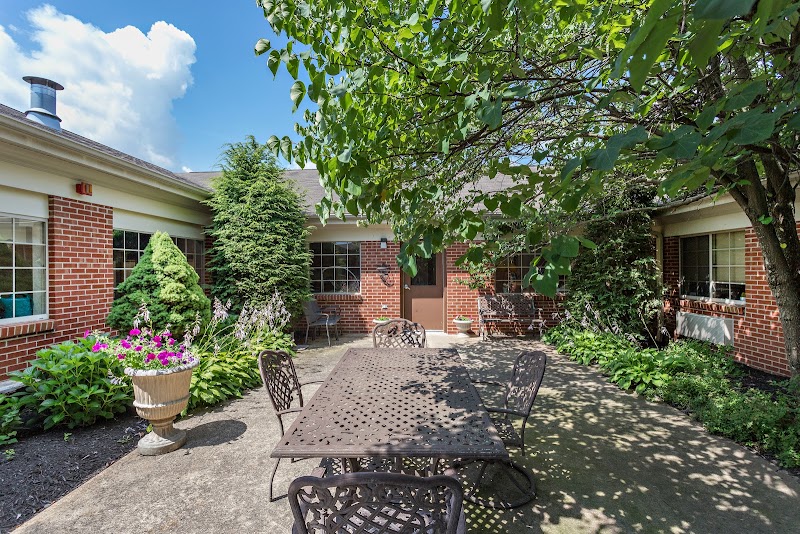
Who Owns and Operates Kadima Rehabilitation & Nursing At North Strabane?

KADIMA REHABILITATION & NURSING AT NORTH STRABANE is owned by a for-profit company. For-profit facilities operate as businesses with obligations to shareholders or private owners. The facility is operated by KADIMA HEALTHCARE GROUP, a chain that manages multiple nursing homes. With 62 certified beds and approximately 58 residents (about 94% occupancy), it is a smaller facility located in CANONSBURG, Pennsylvania.
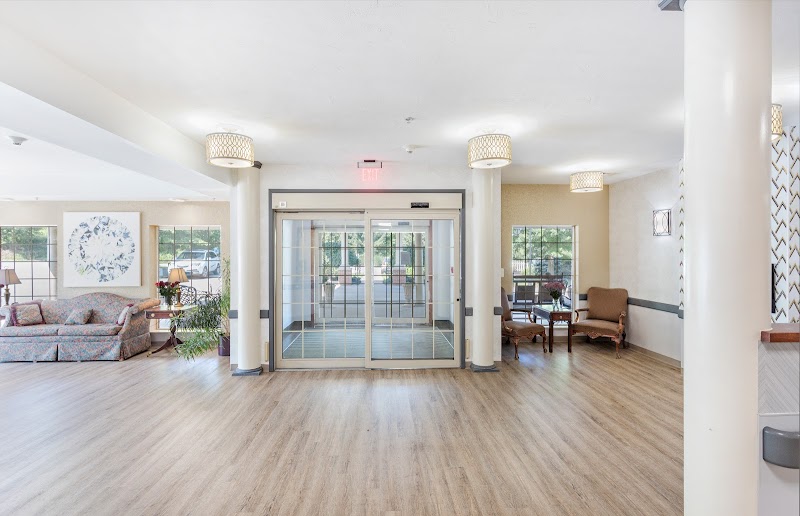
How Does Kadima Rehabilitation & Nursing At North Strabane Compare to Other Pennsylvania Nursing Homes?

Compared to the 100 nursing homes in Pennsylvania, KADIMA REHABILITATION & NURSING AT NORTH STRABANE's overall rating (3 stars) matches the state average, staff turnover (68%) is significantly higher than the state average of 46%, and health inspection rating (3 stars) is at the national benchmark.

What Should Families Ask When Visiting Kadima Rehabilitation & Nursing At North Strabane?

Based on this facility's data, families visiting should ask: "How do you ensure continuity of care given staff turnover, and what is your staff retention strategy?" "Can I visit during a mealtime to observe dining assistance and food quality?" "How do you handle medical emergencies, and what is your hospital transfer rate?" "Can I speak with family members of current residents about their experience?" These questions are particularly relevant given the facility's high staff turnover rate.

Is Kadima Rehabilitation & Nursing At North Strabane Safe?

Based on CMS inspection data, KADIMA REHABILITATION & NURSING AT NORTH STRABANE has a clean safety record: no substantiated abuse findings (meaning no confirmed cases of resident harm), no Immediate Jeopardy citations (the most serious violation level indicating risk of serious injury or death), and is not on the Special Focus Facility watch list (a federal program monitoring the lowest-performing 1% of nursing homes). The facility has a 3-star overall rating and ranks #1 of 100 nursing homes in Pennsylvania. While no facility is perfect, families should still ask about staff-to-resident ratios and recent inspection results during their visit.

Do Nurses at Kadima Rehabilitation & Nursing At North Strabane Stick Around?

Staff turnover at KADIMA REHABILITATION & NURSING AT NORTH STRABANE is high. At 68%, the facility is 22 percentage points above the Pennsylvania average of 46%. High turnover means new staff may not know residents' individual needs, medications, or preferences. It can also be disorienting for residents, especially those with dementia who rely on familiar faces. Families should ask: What is causing the turnover? What retention programs are in place? How do you ensure care continuity during staff transitions?

Was Kadima Rehabilitation & Nursing At North Strabane Ever Fined?

KADIMA REHABILITATION & NURSING AT NORTH STRABANE has been fined $76,821 across 18 penalty actions. This is above the Pennsylvania average of $33,847. Fines in this range indicate compliance issues significant enough for CMS to impose meaningful financial consequences. Common causes include delayed correction of deficiencies, repeat violations, or care failures affecting resident safety. Families should ask facility leadership what changes have been made since these penalties.

Is Kadima Rehabilitation & Nursing At North Strabane on Any Federal Watch List?

KADIMA REHABILITATION & NURSING AT NORTH STRABANE is not on any federal watch list. The most significant is the Special Focus Facility (SFF) program, which identifies the bottom 1% of nursing homes nationally based on persistent, serious quality problems. Not being on this list means the facility has avoided the pattern of deficiencies that triggers enhanced federal oversight. This is a positive indicator, though families should still review the facility's inspection history directly.