MCMURRAY HILLS MANOR
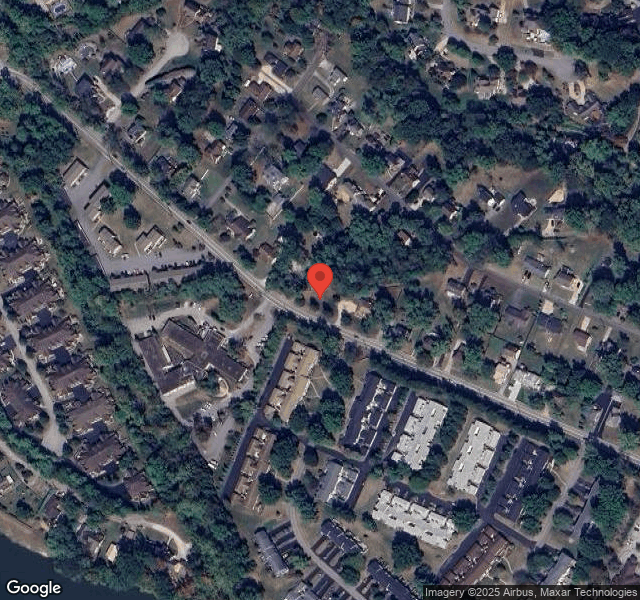

249 WEST MCMURRAY ROAD, MCMURRAY, PA 15317 (724) 941-7150
Non profit - Corporation 115 Beds AMERICAN HEALTH FOUNDATION Data: November 2025
Trust Grade
65/100
#312 of 653 in PA
Last Inspection: December 2024

Within standard 12-15 month inspection cycle. Federal law requires annual inspections.

Overview

McMurray Hills Manor has a Trust Grade of C+, which indicates that the facility is decent and slightly above average compared to others. It ranks #312 out of 653 nursing homes in Pennsylvania, placing it in the top half, and #5 out of 12 in Washington County, meaning only a few local options are better. The facility is improving, as it has reduced the number of issues from 7 in 2023 to 4 in 2024. Staffing is average with a 3/5 rating and a turnover rate of 55%, which is close to the state average. There have been no fines reported, which is a positive sign, and the facility has better RN coverage than 80% of similar facilities, ensuring that more complex health issues are monitored closely. However, there are some concerns. Recent inspections revealed serious issues, including inadequate cleanliness of food storage areas, which could lead to cross-contamination, and a lack of regular inspections of bed rails, posing entrapment risks for residents. Additionally, the facility failed to adequately report injuries and ensure safety measures were in place, highlighting potential neglect. Overall, while there are strengths in staffing and oversight, families should carefully consider these areas of concern when evaluating McMurray Hills Manor for their loved ones.

Trust Score
C+
65/100
In Pennsylvania
#312/653
Top 47%
Safety Record
Low Risk
No red flags
Inspections
Getting Better
7 → 4 violations
Staff Stability
⚠ Watch
55% turnover. Above average. Higher turnover means staff may not know residents' routines.
Penalties
✓ Good
No fines on record. Clean compliance history, better than most Pennsylvania facilities.
Skilled Nurses
✓ Good
Each resident gets 49 minutes of Registered Nurse (RN) attention daily — more than average for Pennsylvania. RNs are trained to catch health problems early.
Violations
⚠ Watch
15 deficiencies on record. Higher than average. Multiple issues found across inspections.
★★★☆☆
3.0
Overall Rating
★★★☆☆
3.0
Staff Levels
★☆☆☆☆
1.0
Care Quality
★★★★☆
4.0
Inspection Score
Stable
2023: 7 issues
2024: 4 issues

The Good

  • Full Sprinkler Coverage · Fire safety systems throughout facility
  • No fines on record

Facility shows strength in fire safety.

The Bad

3-Star Overall Rating

Near Pennsylvania average (3.0)

Meets federal standards, typical of most facilities

Staff Turnover: 55%

Near Pennsylvania avg (46%)

Higher turnover may affect care consistency

Chain: AMERICAN HEALTH FOUNDATION

Part of a multi-facility chain

Ask about local staffing decisions and management

The Ugly 15 deficiencies on record

Dec 2024 2 deficiencies
CONCERN (D)

Potential for Harm - no one hurt, but risky conditions existed

Comprehensive Care Plan (Tag F0656)

Could have caused harm · This affected 1 resident

**NOTE- TERMS IN BRACKETS HAVE BEEN EDITED TO PROTECT CONFIDENTIALITY** Based on review of facility policies, clinical records, and staff interviews, it was determined that the facility failed to deve...

Read full inspector narrative →
**NOTE- TERMS IN BRACKETS HAVE BEEN EDITED TO PROTECT CONFIDENTIALITY** Based on review of facility policies, clinical records, and staff interviews, it was determined that the facility failed to develop a person-centered comprehensive care plan for one of eight residents (Resident R38). Findings include: A review of the facility policy Comprehensive Care Plans reviewed 1/30/23 and 7/19/24, indicated the facility will develop and implement a comprehensive person-centered care plan for each resident\, consistent with resident rights. That include measurable objectives, and timeframes to meet a resident ' s medical, nursing, mental and psychosocial needs that are identified in the resident ' s comprehensive assessment. A review of the clinical record revealed Resident R38 was admitted to the facility on [DATE], with diagnoses that included diabetes, high blood pressure, and depression. A review of the Minimum Data Set (MDS - a mandated assessment of a resident's abilities and care needs) dated 8/29/24, indicated the diagnoses remain current. Further review of the MDS Section N: Medications, Question N0350 indicated Resident R38 received insulin injections seven days a week. A review of the admission Assessment completed 8/7/23, indicated a goal of Resident R38 was to have no complications related to diabetes. A review of a physician order dated 8/7/23, indicated to give glucose gel (to treat low blood sugar) give 15 gram by mouth for glucose 50-69. Review of a physician order dated 12/21/23, indicated to inject Humulin R insulin (short-acting insulin that starts within 30 minutes and peaks in two to three hours, and keeps working for eight hours) per sliding scale. If results are less than 70 follow hypoglycemic protocol. A review of the clinical record failed to reveal a person-centered care plan was developed for Resident R38 to address interventions relating to diabetes care. During an interview on 12/4/24, at 11:35 a.m. Registered Nurse admission Coordinator (RNAC) Employee E1 confirmed Resident R38 ' s care plan did not include person-centered interventions for diabetes. 28 Pa. Code: 211.12 (d) (1) (5) Nursing services.
CONCERN (D)

Potential for Harm - no one hurt, but risky conditions existed

Quality of Care (Tag F0684)

Could have caused harm · This affected 1 resident

**NOTE- TERMS IN BRACKETS HAVE BEEN EDITED TO PROTECT CONFIDENTIALITY** Based on review of facility policy, clinical records, and staff interviews, it was determined that the facility failed to notify...

Read full inspector narrative →
**NOTE- TERMS IN BRACKETS HAVE BEEN EDITED TO PROTECT CONFIDENTIALITY** Based on review of facility policy, clinical records, and staff interviews, it was determined that the facility failed to notify physicians of increased and decreased Capillary Blood Glucose (CBG) levels and failed to assess residents for hyperglycemia (high blood glucose) and hypoglycemia (low blood glucose), for two of five residents reviewed (Residents R7, and R38). Findings include: The Centers for Disease Control defines diabetes as: Diabetes Mellitus is a chronic (long-lasting) health condition that affects how your body turns food into energy. Most of the food you eat is broken down into sugar (also called glucose) and released into your bloodstream. When your blood sugar goes up, it signals your pancreas to release insulin. Insulin acts like a key to let the blood sugar into your body's cells for use as energy. If you have diabetes, your body either doesn't make enough insulin or can't use the insulin it makes as well as it should. When there isn't enough insulin or cells stop responding to insulin, too much blood sugar stays in your bloodstream. Over time, that can cause serious health problems, such as heart disease, vision loss, and kidney disease. Hypoglycemia is a condition that occurs when blood glucose is lower than normal, usually below 70 milligrams per deciliter (mg/dl). If left untreated, hypoglycemia may lead to weakness, confusion, unconsciousness, arrhythmias and even death. People with Diabetes Mellitus may be prescribed injectable insulin to assist in maintaining acceptable levels of CBG's. Hyperglycemia, or high blood glucose, occurs when there is too much sugar in the blood. This happens when your body has too little insulin. Hyperglycemia is blood glucose greater than 125 mg/dL while fasting (not eating for at least eight hours, or a blood glucose greater than 180 mg/dL one to two hours after eating. If you have hyperglycemia and it's untreated for long periods of time, you can damage your nerves, blood vessels, tissues and organs. Damage to blood vessels can increase your risk of heart attack and stroke, and nerve damage may also lead to eye damage, kidney damage and non-healing wounds. Review of the facility policy Notification of Change reviewed 7/19/2024, indicated the facility will ensure to promptly inform the resident, consults the resident's physician, and notifies the resident's representative, if applicable, when there is a change requiring notification. Circumstances requiring notification include accidents, significant change is resident status, and circumstances that require a need to alter treatment. Review of the facility policy Hypoglycemic Management reviewed 7/19/2024, indicated if the blood glucose reading is 70 or below, the nurse will utilize the hypoglycemic protocol as per practitioner's orders, with follow up blood glucose as indicated, and notify the practitioner of the results ordered. The blood sugar(s) and treatment will be documented as per facility protocol. Review of the clinical record indicated Resident R7 was admitted to the facility on [DATE], with diagnoses that included diabetes, depression, and high blood pressure. Review of Resident R7's Minimum Data Set (MDS - a mandated assessment of a resident's abilities and care needs) dated 9/24/2024, indicated the diagnoses remain current. Review of a physician's order dated 8/11/2024 to 8/15/2024, indicated Accuchecks (machine used to check the blood glucose level) three times a day and at bedtime. Call MD (doctor) for blood sugar less than 80 or over 250. A physician's order dated 8/15/2024, indicated to inject Humalog (fast-acting insulin that starts to work about 15 minutes after injection, peaks in about 1 hour, and keeps working for 2 to 4 hours) eight units every morning and bedtime. Hold if blood glucose is less than 100. Use Freestyle Libre to obtain blood sugar. Review of the clinical record electronic Medication Administration Record (eMAR) revealed that the resident's CBG's were as follows: On 8/13/2024, at 8:50 p.m. CBG was noted to be 299. On 8/14/2024, at 4:43 p.m. CBG was noted to be 273. On 8/14/2024, at 8:24 p.m. CBG was noted to be 311. On 8/28/2024, at 6:44 a.m. CBG was noted to be 53. On 12/3/2024, at 4:32 p.m. CBG was noted to be 431. Review of the care plan dated 5/14/2019, indicated the following interventions: blood sugar as needed for symptoms of hypo/hyperglycemia, monitor/document/report signs and symptoms hyper-/hypoglycemia, diabetes medication as ordered by doctor. Review of Resident's eMAR and clinical progress notes indicated the resident was not assessed for hypoglycemia, the blood glucose was not monitored for effectiveness of treatment, staff failed to follow interventions of the care plan, and the physician was not notified of abnormal results on the above listed dates. Review of a clinical record indicated Resident R38 was admitted to the facility on [DATE], with diagnoses that included diabetes, depression, and high blood pressure. Review of the MDS dated [DATE], indicated the diagnoses remain current. Review of physician's orders dated 8/7/2023, Glucose Oral Gel give 15 grams by mouth as needed for glucose 50-69. An order dated 9/19/2023, indicated Glucose Oral Gel give 30 grams by mouth as needed for low blood glucose. Further review of the physician orders dated 4/22/2024, indicated Freestyle Libre 14-day Sensor (continuous glucose system sensor), one unit every 14 days for blood glucose monitoring. An order dated 12/21/2023, indicated to inject Humulin R insulin (short-acting insulin that starts within 30 minutes and peaks in two to three hours, and keeps working for eight hours) per sliding scale on every Monday, Wednesday, Friday, and Sunday, if below 70 follow hypoglycemic protocol, if greater than 400 call MD. Review of Resident 38's eMAR revealed that the resident's CBG's were as follows: On 12/1/2024, at 5:20 a.m. the CBG was noted to be 54. A review of Resident R38's care plan dated 7/30/2024, indicated the following interventions: Monitor/document/report as needed signs and symptoms of hyper-/hypoglycemia. Review of Resident R38's eMAR and clinical progress notes indicated the resident was not assessed for hyper-/hypoglycemia, failed to follow interventions of the care plan, blood sugar was not rechecked, physician orders were not followed, and the physician was not notified of abnormal results. During an interview on 12/4/2024, at 1:50 p.m. Licensed Practical Nurse (LPN) Employee E2 stated for blood glucose results under 70, they would give juice and/or snacks, and recheck the blood glucose in 15 minutes. If blood glucose was greater than 400, they would check the orders for parameters, they would give the ordered dose of insulin, call the doctor, and document in the nurse's notes. During an interview on 12/4/2024, at 1:55 p.m. LPN Employee E5 stated if the blood glucose was under 70, they would give a snack or juice. If the blood glucose was greater than 350 - 400, they would give the ordered insulin, call the doctor, and recheck the blood glucose in 15-30 minutes. They would document in the nurse's notes. During an interview on 12/4/2024, at 2:02 p.m. LPN Employee E3 stated if the blood glucose was less than 70, they would give juice or snacks. If blood glucose was over 400, they call the doctor and follow the orders received. They would document in nurse's notes. During an interview on 12/4/2024, at 2:45 a.m. the Director of Nursing confirmed the facility failed to notify the doctor of a change in condition, failed to document an assessment or interventions used related to blood glucose, and failed to follow physicians orders for Residents R7, and R38. 28 Pa. Code 201.18 (b)(1) Management. 28 Pa. Code 201.29(d) Resident rights. 28 Pa. Code 211.10 (c)(d) Resident care policies. 28 Pa. Code 211.12 (d)(1)(2)(3)(5) Nursing services.
Oct 2024 1 deficiency
CONCERN (D) 📢 Someone Reported This

A family member, employee, or ombudsman was alarmed enough to file a formal complaint

Potential for Harm - no one hurt, but risky conditions existed

Transfer Notice (Tag F0623)

Could have caused harm · This affected 1 resident

Based on facility policy, clinical record review and staff interview, it was determined that the facility failed to provide a transfer notice to a representative of the Office of the Long-Term Care Om...

Read full inspector narrative →
Based on facility policy, clinical record review and staff interview, it was determined that the facility failed to provide a transfer notice to a representative of the Office of the Long-Term Care Ombudsman Division for 24 of 31 residents (Residents R1. R2, R3, R4, R5, R6, R7, R8, R9, R10, R11, R12, R13, R14, R15, R16, R17, R18, R19, R20, R21, R22, R23, and R24). Findings include: Review of the facility policy Transfer and Discharge dated 6/20/24, previously reviewed 1/30/23, indicated for emergency discharges, the Social Services Director, or designee, will provide copies of notices for emergency transfers to the Ombudsman. Review of the facility provided Hospital Tracking Portal report, reviewed for the dates 6/1/24, through 9/30/24, included the following information: Resident R1 was transferred emergently to the hospital on 6/9/24. Resident R2 was transferred emergently to the hospital on 6/11/24. Resident R3 was transferred emergently to the hospital on 6/24/24. Resident R4 was transferred emergently to the hospital on 6/30/24. Resident R5 was transferred emergently to the hospital on 7/3/24. Resident R6 was transferred emergently to the hospital on 7/5/24. Resident R7 was transferred emergently to the hospital on 7/8/24, and 7/12/24. Resident R8 was transferred emergently to the hospital on 7/26/24, and 7/31/24. Resident R9 was transferred emergently to the hospital on 8/1/24, and 8/16/24. Resident R10 was transferred emergently to the hospital on 8/2/24. Resident R11 was transferred emergently to the hospital on 8/8/24. Resident R12 was transferred emergently to the hospital on 8/18/24. Resident R13 was transferred emergently to the hospital on 8/22/24. Resident R14 was transferred emergently to the hospital on 8/26/24. Resident R15 was transferred emergently to the hospital on 8/26/24. Resident R16 was transferred emergently to the hospital on 9/5/24. Resident R17 was transferred emergently to the hospital on 9/10/24. Resident R18 was transferred emergently to the hospital on 9/11/24. Resident R19 was transferred emergently to the hospital on 9/17/24. Resident R20 was transferred emergently to the hospital on 9/17/24, and 9/23/24. Resident R21 was transferred emergently to the hospital on 9/21/24. Resident R22 was transferred emergently to the hospital on 9/21/24. Resident R23 was transferred emergently to the hospital on 9/27/24. Resident R24 was transferred emergently to the hospital on 9/29/24. Review of the facility provided Discharge Log for June, July, August, and September 2024 failed to include the above residents. During an interview on 10/9/24, at approximately 12:30 p.m. the Business Officer Manager confirmed the above resident transfers were not communicated to the Office of the Long-Term Care Ombudsman. During an interview on 10/9/24 at 1:40 p.m. the Director of Nursing (DON) confirmed the facility failed to provide a transfer notice to a representative of the Office of the Long-Term Care Ombudsman Division for 24 of 31 residents. 28 Pa. Code 201.29(a)(c)(3)(2) Resident rights.
Jul 2024 1 deficiency
CONCERN (D) 📢 Someone Reported This

A family member, employee, or ombudsman was alarmed enough to file a formal complaint

Potential for Harm - no one hurt, but risky conditions existed

Medical Records (Tag F0842)

Could have caused harm · This affected 1 resident

**NOTE- TERMS IN BRACKETS HAVE BEEN EDITED TO PROTECT CONFIDENTIALITY** Based on review of facility policies and clinical records, as well as staff interviews, it was determined that the facility fail...

Read full inspector narrative →
**NOTE- TERMS IN BRACKETS HAVE BEEN EDITED TO PROTECT CONFIDENTIALITY** Based on review of facility policies and clinical records, as well as staff interviews, it was determined that the facility failed to ensure that residents' clinical records were complete and accurately documented for one of four residents reviewed (Resident 1). Findings: Review of facility policy Documentation in Medical Record indicated each resident's medical record shall contain an accurate representation of the actual experience of the resident. Documentation shall be factual, objective, and resident centered. Documentation shall be accurate, relevant, and complete. Review of the clinical record indicated Resident R1 was admitted to the facility on [DATE], with diagnoses that included high blood pressure, anxiety, and diabetes. Review of the clinical record Blood Pressure Summary revealed documentation of the following: On 7/1/24, at 6:36 a.m. 126/78 (lying r/arm). Indicating Resident R1's position, and where the blood pressure was taken. On 6/20/24, at 12:55 p.m. 137/55 (sitting r/arm). On 6/12/24, at 10:22 p.m. 128/70 (lying r/arm). On 6/12/24, at 4:20 p.m. 136/72 (lying r/arm). Review of a progress note dated 6/10/24, at 9:55 p.m. indicated on admission resident had a right AV Fistula (a connection that's made between an artery and a vein for dialysis access). A progress note dated 6/24/24, at 12:42 a.m. indicated that at 10:30 p.m. the nurse was notified of Resident R1 having swelling in her right arm, with decreased bruit and thrill (rumbling or swooshing sound of a dialysis fistula bruit is caused by the high-pressure flow of blood through the fistula and felt through the skin). During an interview on 7/30/24, at 12:12 p.m. Registered Nurse (RN) Employee E1 stated if resident's have an access site (PICC, IV, Fistula, graft, etc.) on their body, that body part is not to be used for blood pressures or blood draws. The facility does not hang signs in the residents rooms due to privacy. During an interview on 7/30/24, at 12:20 p.m. RN Employee E2 stated she would not use the PICC/IV/fistula arm for blood pressures or blood draws. She was the nurse that documented the use of the right arm for blood pressures on 6/20/24. She stated she knows for sure that she did not use the right arm for blood pressures. RN Employee E2 stated she also works for at a dialysis center on Monday-Wednesday-Friday's and knows not to do that. She stated Resident R1 was very alert and would make sure to tell staff not to use that arm, she was very adamant about it. RN Employee E2 states it was a documentation error on her part, body parts are listed in a drop-down box when charting vitals, and she must have scrolled to the wrong arm. During an interview on 7/30/24, at 1:00 p.m. the DON stated the right arm swelling started on 6/24/24, and the resident was sent to the hospital for evaluation. During a telephone interview on 7/30/24, at 2:44 p.m. RN Employee E3 stated she remembered Resident R1 and the resident would tell her which arm to use. She was also a staff member who documented using right arm for blood pressures. She stated it was a documentation error. During a telephone interview on 7/30/24, at 2:47 p.m. RN Employee E4, stated she knows for a fact that she did not use Resident R1's right arm because her mother receives dialysis treatments and she knows how important the fistula limb is. She is listed as a staff member that documented using the right arm. She stated it was a documentation error. During a telephone interview on 7/30/24, at 2:49 p.m. Licensed Practical Nurse Employee E5 stated she remembers taking Resident R1 ' s vital signs in the left arm. She is listed as a staff member that documented using the right arm. She stated it was a documentation error. During an interview on 7/30/24, at 3:00 p.m. the Nursing Home Administrator confirmed the facility failed to ensure documentation was accurate and complete for Resident R1. 28 Pa. Code 211.5(f) Clinical records. 28 Pa. Code 211.12(d)(5) Nursing services.
Nov 2023 6 deficiencies
CONCERN (D)

Potential for Harm - no one hurt, but risky conditions existed

Deficiency F0582 (Tag F0582)

Could have caused harm · This affected 1 resident

**NOTE- TERMS IN BRACKETS HAVE BEEN EDITED TO PROTECT CONFIDENTIALITY** Based on a review of facility policy, facility documentation and staff interview, it was determined the facility failed to issue...

Read full inspector narrative →
**NOTE- TERMS IN BRACKETS HAVE BEEN EDITED TO PROTECT CONFIDENTIALITY** Based on a review of facility policy, facility documentation and staff interview, it was determined the facility failed to issue the Skilled Nursing Facility Advanced Beneficiary Notice form (SNF ABN CMS-10055)published by the Centers for Medicare and Medicaid Services which provides information to residents/resident representatives so they can decide if they wish to continue skilled nursing services that may not be paid for by Medicare and assume financial responsibility for one of three residents (Resident R182). Findings include: Review of facility policy titled Advance Beneficiary Notices last reviewed 1/30/23, informed it is the policy of this facility to provide timely notices regarding Medicare eligibility and coverage. The facility shall inform Medicare beneficiaries of his or her potential liability for payment. The current CMS approved version of forms shall be used at the time of issuance to the beneficiary (resident or resident representative). For Part A items and services, the facility shall use the Skilled Nursing Facility Advance Beneficiary Notice (SNFABN), form CMS-1005. A review of Resident R182's clinical record documented the resident was admitted to the facility on [DATE], and discharged [DATE]. A review of the SNF (Skilled Nursing Facility) Beneficiary Protection Notification Review form CMS-20052 (published by the Centers for Medicare and Medicaid Services and used to determine if nursing care facilities are in compliance with notifying residents/resident representatives of a termination/denial/resident discharge from Medicare Part A services) documented Resident R182 had a Medicare Part A termination date of 7/6/23. The facility failed to provide Resident R182 with a Skilled Nursing Facility Advanced Beneficiary Notice form (SNF ABN CMS-10055) which provides information to residents/resident representatives so that they can decide if they wish to continue receiving skilled nursing services that may not be paid for by Medicare and assume financial responsibility. During an interview on 11/8/23, at 12:45 p.m. Social Worker Employee E1 confirmed the facility failed to issue Skilled Nursing Facility Advanced Beneficiary Notice form (SNF ABN CMS-10055) to decide if residents/resident representatives wish to continue skilled nursing services that may not be paid for by Medicare and assume financial responsibility. 28 Pa. Code 201.18(e)(1) Management.
CONCERN (D)

Potential for Harm - no one hurt, but risky conditions existed

Deficiency F0657 (Tag F0657)

Could have caused harm · This affected 1 resident

**NOTE- TERMS IN BRACKETS HAVE BEEN EDITED TO PROTECT CONFIDENTIALITY** Based on facility policy and clinical record reviews and interview with staff, it was determined that the facility failed to rev...

Read full inspector narrative →
**NOTE- TERMS IN BRACKETS HAVE BEEN EDITED TO PROTECT CONFIDENTIALITY** Based on facility policy and clinical record reviews and interview with staff, it was determined that the facility failed to review and revise the comprehensive care plan after a fall for two of six residents. (Resident R12 and R62) Findings include: A review of the facility policy Care Plan Revisions upon Status Change reviewed 12/23/22 and 1/30/23, indicated the comprehensive care plan will be reviewed, and revised as necessary, when a resident experiences a status change. The Long-Term Care Facility Resident Assessment Instrument (RAI) User's Manual, which provides instructions and guidelines for completing required Minimum Data Set (MDS) assessments (mandated assessments of a resident's abilities and care needs), dated October 2019, indicated that a BIMS (Brief Interview of Mental Status) is a brief screener that aids in detecting cognitive impairment. Scores from a BIMS assessment suggests the following distributions: 13 - 15: cognitively intact 8 - 12: moderately impaired 0 - 7: severe impairment A review of the clinical record indicated Resident R12 was admitted to the facility on [DATE], with diagnoses that included dementia (the loss of cognitive functioning, thinking, remembering, and reasoning, to such an extent that it interferes with a person's daily life and activities), major depressive disorder, an artificial hip joint, history of falling, and ataxic gait (poor muscle control and clumsy voluntary movements). A review of the Minimum Data Set (MDS - a mandated assessment of a resident's abilities and care needs) dated 9/2/23, indicated the diagnoses remained current. Further review of the MDS dated [DATE], Section C: Cognitive Patterns indicated the resident had a Brief Inventory for Mental Status (BIMS) score of 03. A review of a physician orders dated 11/9/2023, indicated Resident R12 was ordered a Wander Guard bracelet on 7/6/22, and it was discontinued on 1/5/23. A review of Resident R12's progress notes revealed on 9/21/23, the resident self propelling self in w/c [wheelchair] out front door. He was redirected by CNA [certified nursing assistant]. Wanderguard was applied. A review of the care plan dated 9/7/23, failed to include Resident R12's elopement on 9/21/23. A review of the comprehensive care plan did not include interventions for Resident R35 ' s fall. A review of the clinical record indicated Resident R62 was admitted to the facility on [DATE], with diagnoses that included diabetes, high blood pressure, and anxiety. A review of the MDS dated [DATE], indicated the diagnoses remain current. Further review of the MDS dated [DATE], Section O: Special Treatments, Procedures, and Programs Question O0100; K: Hospice Care, indicated Resident R62 receives hospice care. A review of a physician order dated 9/30/2022, indicated Resident R62 was admitted to hospice services as of 9/7/2022. A review of the care plan failed to include hospice services. During an interview on 11/8/23, at 1:05 p.m. Registered Nurse admission Coordinator (RNAC) Employee E4 confirmed that Resident R12 and R62's comprehensive care plan was not revised to reflect the resident's current status. 28 Pa. Code 211.11(d) Resident Care Plans.
CONCERN (D)

Potential for Harm - no one hurt, but risky conditions existed

Accident Prevention (Tag F0689)

Could have caused harm · This affected 1 resident

**NOTE- TERMS IN BRACKETS HAVE BEEN EDITED TO PROTECT CONFIDENTIALITY** Based on clinical and facility record review, facility policy review, facility submitted documents, and staff interviews, it was...

Read full inspector narrative →
**NOTE- TERMS IN BRACKETS HAVE BEEN EDITED TO PROTECT CONFIDENTIALITY** Based on clinical and facility record review, facility policy review, facility submitted documents, and staff interviews, it was determined that the facility failed to provide adequate supervision for two of six residents (Resident R35 and R12). Findings include: Review of the facility policy Accidents and Supervision reviewed 1/30/23, indicated the resident environment will remain as free of accident hazards as possible. Each resident will receive adequate supervision and assistive devices to prevent accidents. All staff are to be involved observing and identifying potential hazards while taking into consideration the unique characteristics and abilities of each resident. Implementation of interventions includes development of interim safety measures may be necessary if interventions cannot immediately be implemented fully. Review of the facility policy Use of Assistive Devices reviewed 1/30/23, includes wheelchairs and indicated the nurse with responsibility for the resident will monitor for the consistent use of the device and safety in the use of the device. Refusals of use will be documented in the medical record. Modifications to the care plan will be made as needed. The Long-Term Care Facility Resident Assessment Instrument (RAI) User's Manual, which provides instructions and guidelines for completing required Minimum Data Set (MDS) assessments (mandated assessments of a resident's abilities and care needs), dated October 2019, indicated that a BIMS (Brief Interview of Mental Status) is a brief screener that aids in detecting cognitive impairment. Scores from a BIMS assessment suggests the following distributions: 13 - 15: cognitively intact 8 - 12: moderately impaired 0 - 7: severe impairment A review of the clinical record revealed that Resident R35 was admitted to the facility on [DATE], with diagnoses that included dementia (the loss of cognitive functioning, thinking, remembering, and reasoning, to such an extent that it interferes with a person's daily life and activities), high blood pressure, and muscle weakness. Review of Resident R35's Minimum Data Set (MDS - a mandated assessment of a resident's abilities and care needs) dated 8/15/23, indicated the diagnoses remain current. Further review of the MDS dated [DATE], indicated Resident R35's BIM score was 11. Review of a nurse progress note dated 10/6/23, indicated that Resident R35 was self-propelling her wheelchair in the hallway on her way back to her bedroom. Staff asked Resident R35 if she needed assistance as she had two cups of ice in one hand and one of juice in her other hand. Resident R35 stated she did need assistance, but refused to allow the nurse to attach the leg rests. When the nurse reached the resident's room, she placed her feet on the floor and fell face forward onto the floor. A review of a physician order dated 10/7/23, indicated neuro checks every four hours for 48 hours, post-fall 10/6/23, every shift until 10/9/23, at 7:00 p.m., Further review of the physician orders dated 10/7/23, indicated to apply ice pack to head injury for 10-15 minutes every two hours every shift for head injury, and Tylenol Extra Strength 500 milligrams (mg) one 500 mg tablet as needed for head injury. Review of the care plan dated 4/17/23, indicated Resident R35 had Activities of Daily Living (ADL) self-care deficit and wheels herself in wheelchair. Further review of the care plan dated 4/17/23, revealed the resident was at risk for falls and instructed staff to encourage resident to have staff carry her items to her desired location. Monitor/anticipate/intervene for causative factors, and follow facility fall protocol. Care plan dated 4/21/23, indicated resident had impaired cognition related to dementia and to cue, reorient, and supervise as needed. During an interview on 11/7/23, at 1:05 p.m. Rehab Director Employee E7 stated therapy assesses each resident on admission and quarterly for walkers, wheelchairs, and other assistive devices. If residents self-propel in their wheelchairs, leg rests are provided for emergency use, and stored in the resident's room. If a self-propelling resident is alert and oriented and able to hold their legs up, they are sometimes pushed without leg rests. He was unsure how the nurses or nurse aides assist the residents on the units. During a telephone interview on 11/8/23, at 3:00 p.m. Licensed Practical Nurse (LPN) Employee E6 stated Resident R35 was carrying two 8 ounce (oz) cups of ice in one hand and another 8 oz cup of juice in the other. She asked Resident R35 if she would like help and was told yes. LPN Employee E6 stated she offered leg rests, that are stored in the resident's room, and the resident refused. LPN Employee E6 stated she told Resident R35 that she would help and to keep her legs up, Resident R35 put her feet down a few times on the way to her room. When they reached Resident R35's room, she was asked if she needed a break from holding her legs up, she stated she did not. Resident R35 then placed her feet on the floor and fell face forward onto the floor. There was a little bit of blood noted from Resident R35's mouth where a tooth might have hit her lip. LPN Employee E6 noted bruising from a previous fall, and a goose egg above her left eyebrow. When asked how well Resident R35 responds to being educated on leg rests, LPN Employee E6 replied that it depended on the topic of education and Resident R35 had short term memory loss. When asked how LPN Employee E6 evaluated Resident R35 for the ability to hold her legs up, she answered Resident R35 was sore from her previous fall so she couldn't hold them up that long. LPN employee E6 stated that the residents are still pushed in their wheelchairs even if they refuse leg rests. During an interview on 11/8/23, at 10:30 a.m. the Director of Nursing stated if a resident asked for assistance, and they are alert and oriented they can be pushed without leg rests. If the resident had dementia and self-propelled their wheelchair, they should not be pushed without leg rests as they are at a higher risk of putting their feet down. The Director of Nursing confirmed that the facility failed to provide adequate supervision to prevent a fall for Resident R35. A review of the clinical record indicated Resident R12 was admitted to the facility on [DATE], with diagnoses that included dementia, major depressive disorder, an artificial hip joint, history of falling, and ataxic gait (poor muscle control and clumsy voluntary movements). A review of the MDS dated [DATE], indicated the diagnoses remained current. Further review of the MDS dated [DATE], Section C: Cognitive Patterns indicated the resident had a Brief Inventory for Mental Status (BIMS) score of 03. A review of a physician orders dated 11/9/2023, indicated Resident R12 was ordered a Wander Guard bracelet on 7/6/22, and it was discontinued on 1/5/23. A review of Resident R12's progress notes revealed on 9/21/23, the resident self propelling self in w/c [wheelchair] out front door. He was redirected by CNA [certified nursing assistant]. Wanderguard was applied. During an interview on 11/8/23, at 12: 48 p.m., the Director of Nursing confirmed that the facility failed to provide proper supervision to prevent an elopement for Resident R12. 28 Pa. Code 201.14(a) Responsibility of licensee. 28 Pa. Code 201.18(b)(1)(3) Management. 28 Pa. Code 201.18(e)(1) Management. 28 Pa. Code 211.10(d) Resident care policies. 28 Pa. Code 211.12(d)(1)(5) Nursing services.
CONCERN (E)

Potential for Harm - no one hurt, but risky conditions existed

Report Alleged Abuse (Tag F0609)

Could have caused harm · This affected multiple residents

**NOTE- TERMS IN BRACKETS HAVE BEEN EDITED TO PROTECT CONFIDENTIALITY** Based on review of facility policy, resident clinical record, investigation documentations and staff interview, it was determine...

Read full inspector narrative →
**NOTE- TERMS IN BRACKETS HAVE BEEN EDITED TO PROTECT CONFIDENTIALITY** Based on review of facility policy, resident clinical record, investigation documentations and staff interview, it was determined that the facility failed to report an injuries of unknown sources which caused severe bruising requiring xrays for two of four residents (R15 and R20), failed to report neglect when staff failed to making certain alert equipment was properly functioning to prevent a potential injury for one of four residents (Resident R24) and failed to protect a resident from further potential neglect and retaliation for one of four residents (Resident R131). Findings include: Review f the facility policy Abuse Policy and Procedure last reviewed on 1/30/23, indicated that the facility staff are trained to identify abuse, neglect, etc. and understanding that an injury that is unusual can also indication of alleged violations, protecting the victim during the investigation, and reporting allegations to the appropriate agencies. Review of the clinical record indicated that Resident R15 was admitted to the facility on [DATE], with diagnoses which included Dementia with psychotic episodes, history of falls, anxiety and vascular disease. A Minimum Data Set (MDS - a periodic assessment of resident care needs) dated 9/25/23, indicated the diagnoses remained current. Review of Resident R15's plan of care included staff encourage Resident R15 the wear non skid socks and/or shoes prior to attempting to ambulate and to ensure equipment is readily available for Resident R15 and Resident R15 is a transfer with assistance of two staff and a Hoyer lift (total lift). Review of a progress note dated 9/30/23, indicated that Resident R15 had developed a bruise on the top and bottom of her right great toe extending down the foot including other toes. Review of the incident report dated 9/30/23, did not include a full investigation to determine the root cause and also indicated xrays had been ordered, which were indicated as negative for fracture. The document did not include that the State agency or other agencies had been notified of the injury of unknown origin. Review of the clinical record indicated that Resident R20 was admitted to the facility on [DATE], with diagnoses which included history of falls, with a fracture of her right arm, macular degeneration (poor vision), dementia, difficulty with ambulation and refusal of care. A MDS dated [DATE], indicated that diagnoses remained current with the healing of the right arm fracture. Review of Resident R20's plan of care indicated the placement of upper siderails to Resident R20's bed for mobility and weakness. Resident R20 was a transfer with assistance of one staff. Review of a progress note dated 9/17/23, indicated that Resident R20 developed a bruise to her right forearm from the top of the right arm extending to the elbow. Review of an incident report dated 9/17/23, indicated xrays had been ordered and were identified as no fractures. The document did not include that the State office and other agencies had been notified of the injury of unknown origin. Review of the clinical record indicated that Resident R24 had been admitted to the facility on [DATE], with diagnoses which included heart failure, bladder cancer, heart block, dementia and repeated falls. A MDS dated [DATE], indicated the diagnoses remained current. Review of Resident R24's plan of care indicated siderails placed on Resident R24's bed for mobility and weakness. Resident R24 is a transfer of two staff. Resident R24 on a fall protocol which included determination of root causes and try to remove the potential for falls and placement of bed and chair alarms to alert staff of Resident R24's rising. Review of a progress note dated 5/27/23, indicated that the nurse heard Resident R24's alarm sounding and found Resident R24 on the floor when he attempted to place himself in bed. This occurred at 9:45 p.m. Review of a progress note dated 6/20/23, indicated that a Hospice aide had taken Resident R24 to the bathroom and had Resident hold grab bar for her to remove wheelcahir. Resident R24 became dizzy and had to be lowered to the floor. Resident R24 required assistance of three staff to transfer back into wheelchair. Review of an incident report dated 6/20/23, indicated that the resident was educated to use the shower chair instead of standing in the shower. The incident was not fully investigated to include whether one staff had transferred the resident, was he in the bathroom or shower, etc. The incident was not reported to the State agency or other agencies as required. Review of progress note dated 7/4/23, at 3:15 a.m., indicated that Resident R24 had fallen from his wheelchair. The staff identified that Resident R24 bed alarm was not plugged in. Review of an incident report dated 7/4/23, indicated that two nurse aides came down hall and found Resident on floor beside wheelchair with bed alarm not sounding as it was not plugged in. Resident R24 had self transferred. The incident report indicated that Resident R24 stated he had to poop and was trying to get to his wheelchair and he slid . The bed was in high position and he did not have non skid socks on. The report indicated that the bed pad plug would not stay in unless the alarm box was kept upright, the bed alarm was broken. The report did not indicate the State agency and other agencies being notified. Review of the clinical record indicated that Resident R131 had been admitted to the facility on [DATE], with diagnoses which included enlarged prostate with lower urinary tract symptoms, heart flutter, blood cancer, blindness, pressure ulcer of his sacrum and buttocks and clostridium difficile( C-Diff-causing frequent liquid stools related to a intestinal infection). A MDS dated [DATE], indicated the diagnoses remained current. Resident R131 had been admitted with a urinary catheter. Review of the Facility Grievance logs dated from 12/30/22, through October 2023, indicated that Resident R131's daughter had submitted a grievance on 3/15/23, related to Resident R131 being in therapy for 15 minutes and needing to get changed as he had soiled his brief with stool. The grievance indicated that once upstairs, he waited for a total of an hour and a half for someone to change him and then he was not returned to therapy to finish his session. Review of the grievance log indicated that on 5/31/2, Resident R131's daughter submitted a grievance realte to Resident R131 having issues with two Nurse Aides, because he had been incontinent of bowel due to his C-Diff and his being embarrassed about not being able to control it. The one specifically named Nurse Aide had made comments of I don't get paid enough, Why can't you take yourself to the bathroom. Resident R131's daughter stated that the named Nurse Aide gets angry. The daughter went on to state that she was afraid to say anything as she did not her dad to be retaliated against. Review of the staffing sheets on dates of June 2nd, 3rd, 4th etc. revealed the facility schedule did not protect Resident R131 from potential retaliation; employees named in the greivance were not removed from the schedule pending an investigation. During an interview on 11/8/23, at 12: 48 p.m., the Director of Nursing confirmed that the facility failed to report potential abuse/neglect for four of four residents. Failed to protect one of four residents from potential for continued neglect (Resident R131). 28 Pa. Code: 201.4(c)(d)(e) Responsibility of licensee. 28 Pa. Code: 201.18(b)(1)(2) Management. 28 Pa. Code: 201.29(a)(c)(d)(j)(m) Resident rights.
CONCERN (E)

Potential for Harm - no one hurt, but risky conditions existed

Deficiency F0680 (Tag F0680)

Could have caused harm · This affected multiple residents

Based on review of facility policy, personnel records, and staff interview, it was determine that the facility failed to ensure that the Activities Department had a qualified director to oversee the a...

Read full inspector narrative →
Based on review of facility policy, personnel records, and staff interview, it was determine that the facility failed to ensure that the Activities Department had a qualified director to oversee the activities program. Findings include: Review of the Activity Supervisor job description indicated the qualifications were as required by State and Federal Regulations. Review of Activities Director Employee E3's personnel record indicated she was hired on 8/9/23. Review of Activities Director Employee E3's personnel record did not include evidence that Activities Director Employee E3 had proper qualifications as an Activities Director. The personnel record did not include previous history as an Activity Director within the last five years, education in therapeutic services, education as a social worker or occupational therapist, or a background in recreational services. During a interview on 11/8/23, at 12:05 p.m. Activities Director Employee E3 confirmed that she did not have education in therapeutic services, education as a social worker or occupational therapist, or a background in recreational services. During an interview on 11/8/23, at 12:30 p.m. the Nursing Home Administrator confirmed Activities Director Employee E3 was hired on 8/9/23, and the facility failed to ensure that the Activities Department had a qualified director to oversee the activities program. 28 Pa. Code: 201.18(b)(3) Management.
CONCERN (F)

Potential for Harm - no one hurt, but risky conditions existed

Food Safety (Tag F0812)

Could have caused harm · This affected most or all residents

Based on review of facility policies, observations and staff interviews it was determined that the facility failed to maintain food equipment in a clean, sanitary condition, to prevent the potential f...

Read full inspector narrative →
Based on review of facility policies, observations and staff interviews it was determined that the facility failed to maintain food equipment in a clean, sanitary condition, to prevent the potential for cross-contamination. (Main Kitchen) Findings include: A review of the facility Handling Clean Equipment and Utensils reviewed 1/30/23, indicated clean equipment and utensils will be stored in a clean, dry location in a way that protects them from contamination by splashes and dust During an observation of the Main Kitchen on 11/7/23, at 9:40 a.m. pots and pans were observed being stored hanging over the two-compartment sink where soiled pots and pans are washed. During an interview on 11/7/23, at 9:42 a.m. the Dietary Manager Employee E5 confirmed the hanging pots and pans should not be stored over the dirty sink. 28 Pa. Code 211.6(c)(f) Dietary services.
Feb 2023 1 deficiency
CONCERN (D) 📢 Someone Reported This

A family member, employee, or ombudsman was alarmed enough to file a formal complaint

Potential for Harm - no one hurt, but risky conditions existed

Pressure Ulcer Prevention (Tag F0686)

Could have caused harm · This affected 1 resident

**NOTE- TERMS IN BRACKETS HAVE BEEN EDITED TO PROTECT CONFIDENTIALITY** Based on review of clinical record reviews, observation and staff interviews, it was determined that physician-ordered treatment...

Read full inspector narrative →
**NOTE- TERMS IN BRACKETS HAVE BEEN EDITED TO PROTECT CONFIDENTIALITY** Based on review of clinical record reviews, observation and staff interviews, it was determined that physician-ordered treatments for wound care were not completed for two of four residents reviewed (Residents R1, and R2). Findings include: Review of the facility policy Wound Treatment Management dated 1/30/23, indicated wound treatments will be provided in accordance with physician orders, including the cleansing, method, type of dressing, and frequency of dressing change. Review of admission record indicated Resident R1 was admitted to the facility on [DATE]. Review of Resident R1's Minimum Data Set (MDS - a periodic assessment of care needs) dated 12/9/22, indicated the diagnoses of diabetes (sugar problems in the body), anxiety, and high blood pressure. Review of Resident R1's physician order dated 10/29/22, indicated to cleanse left plantar (the sole of the foot) heel with normal sterile saline (a cleanser), pat dry, apply skin prep (a barrier protectant) allow to dry, cover with Opti foam (adhesive foam dressing), and change daily. Review of Resident R1's treatment administration record (TAR) indicated the treatment was completed on 2/11/23 and 2/13/22. Observation on 2/14/23, at 8:51 a.m. indicated a dressing to Resident R1's left heel dated 2/10/23. Interview on 2/14/23, at 10:23 a.m. Licensed Practical Nurse (LPN) Employee E1 confirmed the treatment was dated 2/10/23 and was not changed as indicated on the TAR 2/11/23, or 2/13/23, as ordered. Review of admission record indicated Resident R2 was admitted to the facility on [DATE]. Review of Resident R2's MDS dated [DATE], indicated the diagnoses of anemia (the blood doesn't have enough healthy red blood cells), high blood pressure and heart failure (the heart doesn't pump blood as well as it should). Review of Resident R2's physician orders dated 2/7/23, indicated the wound treatment cleanse left lower extremity with soap, rinse with water, and dry thoroughly. Apply thin coat of Betamethasone (a steroid medication) lotion 0.5% to left lower extremity, then apply adaptic (a non-adherent dressing), every other day and as needed. Observation on 2/14/23, at 1:21 p.m. indicated Resident R2 lying in bed, with Resident R2's permission, Registered Nurse (RN) Employee E2 removed the blanket to reveal no treatment present to left lower extremity as ordered. Interview on 2/14/23, at 1:22 p.m. RN Employee E2 confirmed the physician-ordered treatment for wound care was not completed as ordered for Resident R2. Interview on 2/14/23, at 1:47 p.m. RN Employee E2 confirmed that physician-ordered treatments for wound care were not completed as ordered for two of four residents reviewed (Residents R1, and R2). 28 Pa. Code: 211.10(d) Resident care policies. 28 Pa. Code: 211.12(d)(1)(5) Nursing services.
Dec 2022 4 deficiencies
CONCERN (D)

Potential for Harm - no one hurt, but risky conditions existed

Deficiency F0604 (Tag F0604)

Could have caused harm · This affected 1 resident

**NOTE- TERMS IN BRACKETS HAVE BEEN EDITED TO PROTECT CONFIDENTIALITY** Based on review of facility policy and clinical record review, and resident and staff interview, it was determined the facility ...

Read full inspector narrative →
**NOTE- TERMS IN BRACKETS HAVE BEEN EDITED TO PROTECT CONFIDENTIALITY** Based on review of facility policy and clinical record review, and resident and staff interview, it was determined the facility failed to identify bilateral leg straps as potential restraint or implement interventions and monitor the use of bilateral leg straps for one of one resident reviewed (Resident R30). Findings include: Review of facility policy Restraints dated 3/2/22, indicated physical restraints are any manual, physical or mechanical device, material, or equipment, attached or adjacent to the resident's body that the individual cannot remove easily which restricts freedom of movement or normal access to the body. Examples include but are not limited to, leg restraints. Review of Resident R30's Minimum Data Set (MDS - periodic assessment of care needs) dated 10/28/22, indicated the resident was admitted to the facility on [DATE], Brief Interview for Cognitive Status indicated little to no impairment, and current diagnosis included high blood pressure, diabetes, and arthritis. During an observation and interview on 12/28/22, at 12:57 p.m., revealed Resident R30 was seated in a wheelchair with both feet placed on the wheelchair leg rests. Long velcro straps were wrapped around each of Resident R30's lower legs and attached to the individual leg rests. Resident R30 stated the straps were to prevent feet from falling off the leg rests while seated and I can not remove them. Review of Resident R30's current physician orders reviewed on 12/28/22, did not include orders for bilateral leg straps. During an interview on 12/28/22, at 2:05 p.m. Physical Therapist Employee E2 revealed that Resident R30 had no recommendation for the use of bilateral leg straps, or being evaluated for legs straps, and the leg straps have been in use since prior to 2021 when he started working at the facility. Therapy Employee E2 confirmed that therapy has not evaluated Resident R30 for the use of the leg straps. Review of Resident R30's plan of care revised 12/22/22, did not include interventions for the use of bilateral leg straps while in the wheelchair. Review of Resident R30's clinical record on 12/28/22, did not include documentation of evaluation, or monitoring for the use of bilateral leg straps. During an interview on 12/28/22, at 2:35 p.m., the Director of Nursing confirmed that the facility failed to identify bilateral leg straps as potential restraints or implement interventions and monitor the use of bilateral leg straps for Resident R30. 28 Pa. Code 211.8(e)(f) Use of Restraints. 28 Pa. Code 211.10(d) Resident Care Policies.
CONCERN (D)

Potential for Harm - no one hurt, but risky conditions existed

Deficiency F0761 (Tag F0761)

Could have caused harm · This affected 1 resident

Based on observations and staff interviews, it was determined that the facility failed to properly store biologicals and medications securely on one of four units (C2 Even unit). Findings include: Rev...

Read full inspector narrative →
Based on observations and staff interviews, it was determined that the facility failed to properly store biologicals and medications securely on one of four units (C2 Even unit). Findings include: Review of the facility policy Storage of Medications dated 3/2/22, states that drugs and biologicals used in the facility are stored safely, securely and properly and only accessible to licensed personnel, pharmacy personnel, or staff members lawfully authorized to administer medications. During an observation on 12/27/22, at 12:31 p.m. the C2 Treatment cart was noted to be sitting unlocked and unattended across from the resident pantry area. During an interview at that time, License Practical Nurse Employee E3 confirmed the cart was unlocked and accessible to unauthorized personnel. During an observation on 12/29/22, at 9:44 a.m. the C2 Even medication cart was noted to be unlocked and unattended in the hallway. During an interview on 12/29/22, at 9:45 a.m. Registered Nurse Employee E4 confirmed that the cart was unlocked and accessible to unauthorized personnel. 28 Pa Code: 211.9 (a)(1)(h)(1) Pharmacy Services. 28 Pa. Code: 211.12 (d)(1)(2) Nursing Services.
CONCERN (D)

Potential for Harm - no one hurt, but risky conditions existed

Infection Control (Tag F0880)

Could have caused harm · This affected 1 resident

Based on review of facility policy, observations and staff interview it was determined that the facility failed to maintain infection control procedures and prevent the potential for cross contaminati...

Read full inspector narrative →
Based on review of facility policy, observations and staff interview it was determined that the facility failed to maintain infection control procedures and prevent the potential for cross contamination for one of four nursing units (B-unit) Findings include: The facility Standard precautions infection control policy dated 3/2/22, indicated that the facility has developed a process to be used in the care of residents regardless of their diagnoses. Standard precautions presume blood, body fluids, non-intact skin may contain transmissible infectious agents. During observations of the B-wing nursing unit on 12/27/22, at 12:11 p.m. the nursing station was found with resident refrigerator. On top of the resident refrigerator was observed a specimen refrigerator (refrigerator used to keep human bodily fluids for laboratory testing). To the left of the resident refrigerator was a centrifuge (device used to separate bodily fluids). During an interview on 12/27/22, at 12:20 p.m. the Director of Nursing (DON) stated the specimen refrigerator and centrifuge were still in use and the observed specimen refrigerator was the only one in the facility. During an interview on 12/27/22, at 12:22 p.m. the Director of Nursing (DON) confirmed that the facility failed to maintain infection control procedures and prevent the potential for cross contamination for one of four nursing units (B-unit) 28 Pa. Code: 201.14(a) Responsibility of licensee. 28 Pa. Code: 201.18(b)(1)(e)(1) Management. 28 Pa. Code: 211.10(d) Resident care policies. 28 Pa. Code: 211.12(d)(1)(2)(3)(5) Nursing services
CONCERN (F)

Potential for Harm - no one hurt, but risky conditions existed

Deficiency F0909 (Tag F0909)

Could have caused harm · This affected most or all residents

**NOTE- TERMS IN BRACKETS HAVE BEEN EDITED TO PROTECT CONFIDENTIALITY** Based on policy review, observation, record review and staff interview, it was determined that the facility failed to conduct in...

Read full inspector narrative →
**NOTE- TERMS IN BRACKETS HAVE BEEN EDITED TO PROTECT CONFIDENTIALITY** Based on policy review, observation, record review and staff interview, it was determined that the facility failed to conduct inspections of bed rails to identify areas of possible entrapment for three of three residents reviewed (Residents R29, R58 and R74). Findings include: Review of the facility's restraint policy, revealed that side rails while having potential benefits also create the risk for entrapment or injury. A review the clinical record revealed that Resident R29 was admitted to the facility on [DATE]. The minimum data Set (MDS- a periodic assessment of care needs) dated 10/18/22 included diagnoses of cancer, hypertension, and dementia. Review the MDS Section G0110 indicated that Resident R29 required extensive assistance of one person for bed mobility. During an observation of Resident 29's bed on 12/28/22, at 12:34 p.m. revealed that one quarter side rails were present on both sides of the bed. Review of Resident 29's clinical record revealed no evidence that ongoing evaluations or inspections of bed rails were conducted to identify areas of possible entrapment. A review the clinical record revealed that Resident R58 was admitted to the facility on [DATE]. The MDS dated [DATE] included diagnoses of diabetes, hypertension, and Alzheimer ' s disease. Review the MDS Section G0110 indicated that Resident R58 required extensive assistance of two persons for bed mobility. During an observation of Resident R58's bed on 12/29/22, at 9:55 a.m. revealed that one quarter side rails were present on both sides of the bed. Review of Resident R58's clinical record revealed no evidence that ongoing evaluations or inspections of bed rails were conducted to identify areas of possible entrapment. Review of the clinical record revealed that resident R74 was admitted to the facility on [DATE]. The MDS dated [DATE] included diagnoses of seizures, Cerebrovascular Accident (stroke), Dementia, and Dyskinesia of the Esophagus (swallowing disorder). Review of section G0100 indicated Resident R74 required extensive assistance of one person for bed mobility. During an observation of Resident R74's bed on 12/27/22, at 12:13 p.m. revealed that one quarter side rails were present on both sides of the bed. Review of the Physician orders indicate the use of a low air loss mattress was implemented on 11/29/22. Review of Resident R74's clinical record revealed no evidence that ongoing evaluations or inspections of bed rails were conducted to identify areas of possible entrapment since 8/24/21, and the facility failed to reassess the use of bed rails upon implementation of a new mattress on 11/29/22. During an interview on 12/28/22, at 2:35 p.m. the Director of Nursing confirmed that the facility failed to perform assessments of the bed rails to identify any areas of possible entrapment. 28 Pa code 201.18(b)(1) Management.
Understanding Severity Codes (click to expand)
Life-Threatening (Immediate Jeopardy)
J - Isolated K - Pattern L - Widespread
Actual Harm
G - Isolated H - Pattern I - Widespread
Potential for Harm
D - Isolated E - Pattern F - Widespread
No Harm (Minor)
A - Isolated B - Pattern C - Widespread

Questions to Ask on Your Visit

  • "Can I speak with families of current residents?"
  • "What's your RN coverage like on weekends and overnight?"

Our Honest Assessment

Strengths
  • • No major safety red flags. No abuse findings, life-threatening violations, or SFF status.
  • • No fines on record. Clean compliance history, better than most Pennsylvania facilities.
Concerns
  • • 15 deficiencies on record. Higher than average. Multiple issues found across inspections.
Bottom line: Mixed indicators with Trust Score of 65/100. Visit in person and ask pointed questions.

About This Facility

What is Mcmurray Hills Manor's CMS Rating?

CMS assigns MCMURRAY HILLS MANOR an overall rating of 3 out of 5 stars, which is considered average nationally. Within Pennsylvania, this rating places the facility higher than 0% of the state's 100 nursing homes. This mid-range rating indicates the facility meets federal standards but may have areas for improvement.

How is Mcmurray Hills Manor Staffed?

CMS rates MCMURRAY HILLS MANOR's staffing level at 3 out of 5 stars, which is average compared to other nursing homes. Staff turnover is 55%, compared to the Pennsylvania average of 46%.

What Have Inspectors Found at Mcmurray Hills Manor?

State health inspectors documented 15 deficiencies at MCMURRAY HILLS MANOR during 2022 to 2024. These included: 15 with potential for harm.

Who Owns and Operates Mcmurray Hills Manor?

MCMURRAY HILLS MANOR is owned by a non-profit organization. Non-profit facilities reinvest revenue into operations rather than distributing to shareholders. The facility is operated by AMERICAN HEALTH FOUNDATION, a chain that manages multiple nursing homes. With 115 certified beds and approximately 105 residents (about 91% occupancy), it is a mid-sized facility located in MCMURRAY, Pennsylvania.

How Does Mcmurray Hills Manor Compare to Other Pennsylvania Nursing Homes?

Compared to the 100 nursing homes in Pennsylvania, MCMURRAY HILLS MANOR's overall rating (3 stars) matches the state average, staff turnover (55%) is near the state average of 46%, and health inspection rating (4 stars) is above the national benchmark.

What Should Families Ask When Visiting Mcmurray Hills Manor?

Based on this facility's data, families visiting should ask: "Can I visit during a mealtime to observe dining assistance and food quality?" "How do you handle medical emergencies, and what is your hospital transfer rate?" "Can I speak with family members of current residents about their experience?"

Is Mcmurray Hills Manor Safe?

Based on CMS inspection data, MCMURRAY HILLS MANOR has a clean safety record: no substantiated abuse findings (meaning no confirmed cases of resident harm), no Immediate Jeopardy citations (the most serious violation level indicating risk of serious injury or death), and is not on the Special Focus Facility watch list (a federal program monitoring the lowest-performing 1% of nursing homes). The facility has a 3-star overall rating and ranks #1 of 100 nursing homes in Pennsylvania. While no facility is perfect, families should still ask about staff-to-resident ratios and recent inspection results during their visit.

Do Nurses at Mcmurray Hills Manor Stick Around?

MCMURRAY HILLS MANOR has a staff turnover rate of 55%, which is 9 percentage points above the Pennsylvania average of 46%. Moderate turnover is common in nursing homes, but families should still ask about staff tenure and how the facility maintains care continuity when employees leave.

Was Mcmurray Hills Manor Ever Fined?

MCMURRAY HILLS MANOR has no federal fines on record. CMS issues fines when nursing homes fail to meet care standards or don't correct problems found during inspections. The absence of fines suggests the facility has either maintained compliance or corrected any issues before penalties were assessed. This is a positive indicator, though families should still review recent inspection reports for the full picture.

Is Mcmurray Hills Manor on Any Federal Watch List?

MCMURRAY HILLS MANOR is not on any federal watch list. The most significant is the Special Focus Facility (SFF) program, which identifies the bottom 1% of nursing homes nationally based on persistent, serious quality problems. Not being on this list means the facility has avoided the pattern of deficiencies that triggers enhanced federal oversight. This is a positive indicator, though families should still review the facility's inspection history directly.