BELVEDERE CENTER, GENESIS HEALTHCARE, THE
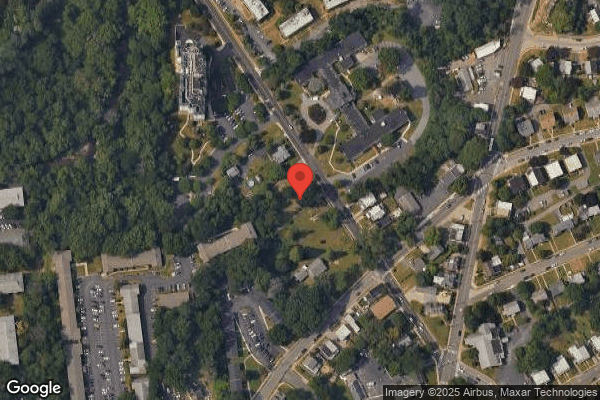

2507 CHESTNUT STREET, CHESTER, PA 19013 (610) 872-5373
For profit - Corporation 150 Beds GENESIS HEALTHCARE Data: November 2025
Trust Grade
43/100
#261 of 653 in PA
Last Inspection: July 2024

Within standard 12-15 month inspection cycle. Federal law requires annual inspections.

Overview

Belvedere Center, Genesis Healthcare in Chester, Pennsylvania, has a Trust Grade of D, indicating below-average quality and some concerning issues. They rank #261 out of 653 facilities in Pennsylvania, placing them in the top half, but #14 out of 28 in Delaware County suggests better local options are available. Unfortunately, the facility is worsening, with issues increasing from 7 in 2023 to 9 in 2024. Staffing is relatively stable with a turnover rate of 27%, which is good compared to the state average of 46%. However, the facility has accumulated $89,766 in fines, which is concerning and indicates compliance problems. There are some strengths, such as average RN coverage, which is essential for monitoring residents effectively. However, there are serious concerns regarding care, including incidents where residents were not properly monitored for skin conditions, leading to advanced wounds, and a failure to report a fall that resulted in a resident's hospitalization and death. Families should weigh these factors carefully when considering Belvedere Center for their loved ones.

Trust Score
D
43/100
In Pennsylvania
#261/653
Top 39%
Safety Record
High Risk
Review needed
Inspections
Getting Worse
7 → 9 violations
Staff Stability
✓ Good
27% annual turnover. Excellent stability, 21 points below Pennsylvania's 48% average. Staff who stay learn residents' needs.
Penalties
✓ Good
$89,766 in fines. Lower than most Pennsylvania facilities. Relatively clean record.
Skilled Nurses
○ Average
Each resident gets 32 minutes of Registered Nurse (RN) attention daily — about average for Pennsylvania. RNs are the most trained staff who monitor for health changes.
Violations
⚠ Watch
19 deficiencies on record. Higher than average. Multiple issues found across inspections.
★★★☆☆
3.0
Overall Rating
★★★☆☆
3.0
Staff Levels
★★☆☆☆
2.0
Care Quality
★★★☆☆
3.0
Inspection Score
Stable
2023: 7 issues
2024: 9 issues

The Good

  • Low Staff Turnover (27%) · Staff stability means consistent care
  • Full Sprinkler Coverage · Fire safety systems throughout facility
  • No fines on record
  • Staff turnover is low (27%)

    21 points below Pennsylvania average of 48%

Facility shows strength in staff retention, fire safety.

The Bad

3-Star Overall Rating

Near Pennsylvania average (3.0)

Meets federal standards, typical of most facilities

Federal Fines: $89,766

Well above median ($33,413)

Moderate penalties - review what triggered them

Chain: GENESIS HEALTHCARE

Part of a multi-facility chain

Ask about local staffing decisions and management

The Ugly 19 deficiencies on record

3 actual harm
Aug 2024 1 deficiency 1 Harm
SERIOUS (G) 📢 Someone Reported This

A family member, employee, or ombudsman was alarmed enough to file a formal complaint

Actual Harm - a resident was hurt due to facility failures

Pressure Ulcer Prevention (Tag F0686)

A resident was harmed · This affected 1 resident

**NOTE- TERMS IN BRACKETS HAVE BEEN EDITED TO PROTECT CONFIDENTIALITY** Based on a review of the facility's policy, facility documentation, clinical records, and staff interview, it was determined tha...

Read full inspector narrative →
**NOTE- TERMS IN BRACKETS HAVE BEEN EDITED TO PROTECT CONFIDENTIALITY** Based on a review of the facility's policy, facility documentation, clinical records, and staff interview, it was determined that the facility failed to monitor resident's skin condition and follow wound physician's treatment orders/recommendations resulting in harm to Resident CL1 of discovering the wound at an advanced Stage 3 (full thickness loss of skin that extends into the subcutaneous tissue but does not cross the fascia beneath), wound deterioration, and unnecessary pain/discomfort for one of two residents reviewed (Resident CL1). Findings include: Review of the facility's policy titled Skin Integrity and Wound Management, reviewed May 1, 2024, revealed that nursing assistants will observe skin daily and report any changes or concerns to the nurse. The licensed nurse will evaluate any reported or suspected skin change or wounds and perform daily monitoring of wounds or dressing for the presence of complications or declines. Implement wound care treatments/techniques as indicated and ordered. Review of Resident CL1's diagnosis list includes Dementia (term used to describe a group of symptoms affecting memory, thinking, and social abilities severely enough to interfere with daily life), Urinary Tract Infection (UTI), and Peripheral Vascular Disease (PVD- circulatory condition that causes blood vessels outside the heart and brain to narrow, block, or spasm). Review of Resident CL1's clinical admission assessment revealed resident was admitted to the facility on [DATE]. Further review of admission assessment under section skin assessment revealed the presence of scabs on both lower extremities. Additional review of the clinical admission assessment failed to reveal any skin wounds to the sacral area (tailbone). Review of Resident CL1's admission Minimum Data Set (MDS- standardized assessment tool that measures health status in long-term care residents) dated February 22, 2024, revealed Resident CL1 had severe cognitive impairment. Further review of the admission MDS assessment revealed Resident CL1 was rating as always being incontinent of both bowel and bladder and was dependent on bed mobility. Additonal review of the MDS revealed resident did not have pressure ulcer upon admission and was at risk for developing a pressure ulcer. Review of Braden Scale Assessment (scale used for predicting pressure sore risk) dated March 1, 2024, revealed a score of 14 indicating Resident CL1 was moderately at risk for developing a pressure ulcer. Review of Resident CL1's skin and incontinent care plans revealed interventions including observing skin for signs of skin breakdown (redness, cracking, blistering, decreased sensation, and skin that does not blanche easily), and monitoring for skin redness/irritation and reporting as indicated. Review of Resident CL1's clinical record revealed that weekly skin assessments were conducted but issues with skin integrity were not noted. Review of Resident CL1's nursing progress notes dated March 7, 2024, at 12:24 p.m., revealed a new open area was discovered on Resident CL1's sacrum. Upon further assessment, a new Stage 3 was noted on the sacrum. The wound was assessed, treatment was applied, all parties were notified, the care plan was updated, and a new treatment order was placed. Review of Resident CL1's skin assessment dated [DATE], revealed Resident CL1's sacrum Stage 3 wound was determined to be in-house acquired, measuring 3.3 x 1.7 x 0.1 cm. with light serosanguinous drainage (type of wound drainage that is a combination of blood and serum). Review of Resident CL1's physician orders dated March 7, 2024, revealed a wound treatment to cleanse the wound with wound cleanser, apply Thera honey (wound dressing saturated with Manuka Honey, used to maintain a moist environment conducive to wound healing while permitting the passage of exudate into a secondary dressing), and cover it with foam dressing. Change every other day and as needed if soiled or dislodged. Review of the facility's documentation, including Incident Report dated March 7, 2024, revealed wound nurse was notified of the new Stage 3 wound discovered on the resident's sacrum. The investigation failed to reveal why the resident's sacral wound was discovered at an advanced Stage 3 level. Review of Resident CL1's wound consult report dated March 18, 2024, revealed Resident CL1's sacral wound was a Stage 3 measuring 2.5 x 3.5 x 0.2 cm. with 60% slough (non-viable yellow, tan, gray, green, or brown tissue; usually moist, can be soft, stringy and mucinous in texture. Slough may be adherent to the base of the wound or present in clumps throughout the wound bed). The wound order was to cleanse the sacral wound with normal saline and apply Medi honey to the wound cover with border dressing change daily and as needed. Review of Resident CL1's March 2024, Treatment Administration Record (TAR) revealed that the March 18, 2024, treatment recommendation/order of the wound doctor was not followed. Resident CL1's Stage 3 sacral wound was treated every other day instead of daily as ordered by the physician. Review of Resident CL1's wound consult report dated March 24, 2024, revealed Resident CL1's sacral wound continued to be categorized as Stage 3 wound with measurements of 3.2 x 3.5 x 0.5 cm. with 60% slough. The wound recommendation/order was to cleanse the sacral wound with normal saline and apply Medi honey to the wound cover with border dressing change daily and as needed. Review of Resident CL1's March 2024, Treatment Administration Record (TAR) revealed the March 24, 2024, treatment recommendation/order of the wound doctor was not followed. Resident CL1's Stage 3 sacral wound was treated every other day instead of daily as ordered by the physician. Interview on August 22, 2024 at 11:00 a.m. with the wound nurse, licensed Employee E3 revealed that Employee E3 does wound rounds with the wound doctor on a weekly basis. Employee E3 indicated the attending physicians automatically approve the recommendations of the wound physician. Employee E3 reported that he/she was responsible for reviewing the wound doctor's consult and placing the order. Employee E3 confirmed that the wound doctor's treatment order/recommendation made on March 18, and 24, 2024, was not followed. Review of the wound consult dated April 3, 2024, revealed Resident CL1's sacral wound is now categorized as Unstageable (obscured full-thickness skin and tissue loss) measuring 2.8 x 3.9 x 0.8 cm with 60% slough. The wound treatment order was to cleanse the sacrum with wound cleanser, pack the wound lightly with ¼ Dakin's moistened gauze, and cover with border dressing daily and as needed. Review of Resident CL1's March and April 2024, TAR revealed from March 18, 2024, until April 4, 2024, Resident CL1's sacral wound was documented as administered/treated on March 20, 21, 22, 26, 28, 30, and April 1, 2024. Review of Resident CL1's wound consult dated April 11, 2024, revealed Resident CL1's sacral wound was categorized as Unstageable with measurements of 4.5 3 x 1 cm. Undermining has been noted at 9:00 and ends at noon with a maximum distance of 1.2 cm. There is a moderate serosanguinous drainage which has a strong odor. 80% eschar (dead or devitalized tissue that is hard or soft in texture; usually black, brown, or tan, and may appear scab-like. Necrotic tissue and eschar are usually firmly adherent to the base of the wound and often the sides/ edges of the wound). The wound is deteriorating. Review of Resident CL1's physician's notes dated April 11, 2024, revealed resident was examined after evaluation by the wound care team. The sacral wound was worsening with malodorous discharge with concern for Osteomyelitis (Bone infection). A transfer to the hospital was ordered by the physician. Review of Resident CL1'S hospital records revealed that in the ER (Emergency Room) patient was found to have a mucopurulent (combination of mucous and pus), malodorous sacral wound. The same note revealed that the patient had a sacral wound for about one month that had become progressively painful. The pain was burning, non-radiating, and worse with the pressure shown. MRI (Magnetic Resonance Imaging - medical imaging that uses strong magnetic fields and radio waves to generate images of the organ of the body) revealed early Coccygeal Osteomyelitis. The wound was debrided and washed out by surgery and was placed on IV antibiotics (Intravenous- medications administered in the vein). The above information was discussed with the Nursing Home Administrator on August 22, 2024, at 12 p.m. The facility failed to ensure Resident CL1's skin was appropriately monitored, and the physician's order was followed resulting in a harm of discovering an advanced Stage 3 sacral wound, further wound deterioration, and pain. 28 Pa. Code 211.11(d) Resident care plan Previously cited 7/18/24 28 Pa. Code 211.12 (c)(d)(1)(5) Nursing services Previously cited 7/18/24 28 Pa. Code 211.10 (d) Resident care policies Previously cited 7/18/24
Jul 2024 6 deficiencies
CONCERN (D) 📢 Someone Reported This

A family member, employee, or ombudsman was alarmed enough to file a formal complaint

Potential for Harm - no one hurt, but risky conditions existed

Resident Rights (Tag F0550)

Could have caused harm · This affected 1 resident

**NOTE- TERMS IN BRACKETS HAVE BEEN EDITED TO PROTECT CONFIDENTIALITY** Based on observation and staff interview, it was determined the facility failed to maintain resident dignity for one of one resi...

Read full inspector narrative →
**NOTE- TERMS IN BRACKETS HAVE BEEN EDITED TO PROTECT CONFIDENTIALITY** Based on observation and staff interview, it was determined the facility failed to maintain resident dignity for one of one residents (Resident 80). Findings include: Review of Resident 80's Minimum Data Set (MDS, Standardized assessment used to collect information about a resident for quality measure) with a date of completion of May 9, 2024, revealed Resident 80 possesses a BIMS (Brief Interview for Mental Status) of 8 (indicating moderate cognitive impairment). Additional review of Resident 80's MDS revealed under section 8 (Hearing, Speech, and Vision) that Resident 80 has difficulty understanding others and difficulty communicating with others. Review of Resident 80's medical diagnosis revealed an active diagnosis of Other Nontraumatic Intracerebral Hemorrhage (brain bleed caused from a stroke that caused memory loss, difficulty speaking and understanding .). Observations conducted on July 15, 2024, at 9:45 a.m. revealed a sign on Resident 80 [NAME] indicating, Resident 80 FALL RISK. Observations conducted on July 16, 2024, at 10:13 a.m. revealed the sign remained on Resident 80's door. Observations conducted on July 17, 2024, at 8:30 a.m. revealed the sign remained on Resident 80's door. Interview conducted with Nursing Home Administrator (NHA) on July 18, 2024, at 12:15 p.m. reported the facility did not have the consent of Resident 80 or Resident 80's POA (Power of Attorney). The NHA confirmed the facility failed to respect Resident 80's dignity. 28 Pa. Code 201.29 (j) Resident Rights
CONCERN (D)

Potential for Harm - no one hurt, but risky conditions existed

Deficiency F0578 (Tag F0578)

Could have caused harm · This affected 1 resident

**NOTE- TERMS IN BRACKETS HAVE BEEN EDITED TO PROTECT CONFIDENTIALITY** Based on clinical record reviews and interviews with staff, it was determined that the facility failed to ensure the advanced di...

Read full inspector narrative →
**NOTE- TERMS IN BRACKETS HAVE BEEN EDITED TO PROTECT CONFIDENTIALITY** Based on clinical record reviews and interviews with staff, it was determined that the facility failed to ensure the advanced directives were accurately reflected in residents' records for one of 30 residents reviewed (Resident 79). Findings include: Review of Resident 79's clinical records revealed that the resident was admitted to the facility on [DATE], and review of clinical record revealed diagnoses including Chronic Kidney Disease, Malignant Neoplasm of Prostate (prostate cancer), Bradycardia (slow heart rate), Cardiac Arrhythmia (irregular heartbeat), Urethral Stricture (narrowing of the urethra), Obstructive and Reflex Uropathy (blockage in urinary tract), Urine Retention, Benign Prostatic Hyperplasia (enlarged prostate), Hypertension (high blood pressure) and Abnormalities of Gait and Mobility (changes in walking pattern). Continued review of Resident 79's clinical record revealed the resident had a BIMS (Brief Interview for Mental Status) scored of five which indicating the resident was severely cognitively impaired. Review of Resident 79's clinical records revealed a care plan dated January 24, 2023, documenting the resident has an established advanced directive of Full Code (life sustaining measures). Further review of Resident 79's clinical records revealed a care plan dated April 12, 2024, documenting the resident was admitted into hospice care due to end stage diagnosis of Senile Degeneration of the Brain, with the goal being the resident will achieve the highest possible level of acceptance and readiness for death by the time of death. Review of Resident 79's active physician orders, revealed an order, dated April 10, 2024, indicated the resident's advanced directive to be Do Not Resuscitate (DNR), Do Not Intubate (DNI), Do Not Hospitalize (DNH). Review of progress notes from April 10, 2024, through July 18, 2024, for Resident 79 revealed no indication as to reason the physician's orders did not match the resident's care plan. Interview conducted on July 18, 2024, at 1:55 p.m. with Director of Nursing confirmed the above information. 28 Pa Code 211.12(d)(3) Nursing services 28 Pa Code 211.12(d)(5) Nursing services
CONCERN (D)

Potential for Harm - no one hurt, but risky conditions existed

Deficiency F0655 (Tag F0655)

Could have caused harm · This affected 1 resident

**NOTE- TERMS IN BRACKETS HAVE BEEN EDITED TO PROTECT CONFIDENTIALITY** Based on review of clinical records and staff interviews, it was determined the facility failed to ensure a baseline care plan w...

Read full inspector narrative →
**NOTE- TERMS IN BRACKETS HAVE BEEN EDITED TO PROTECT CONFIDENTIALITY** Based on review of clinical records and staff interviews, it was determined the facility failed to ensure a baseline care plan was developed for one of the 30 residents reviewed (Resident 110). Findings include: Review of Resident 110's clinical record revealed the resident was readmitted to the facility on [DATE], with a diagnosis of Acute Diastolic (Congestive) Heart Failure, Hypertension (high blood pressure), and Absence of Left Leg Above Knee. Review of Resident 110's clinical records revealed physician orders dated July 3, 2024, documenting the following orders: Pulse Oxygen every shift to keep oxygen sats greater than or equal to 90%. Clean external filter on oxygen concentrator. Oxygen tube change weekly, label each component with date and initials. Oxygen at 2L/min via Nasal Cannula, continuously. Review of Resident 110's clinical records revealed a Minimum Data Set (MDS) assessment dated [DATE], documenting the resident required oxygen therapy on admission and while in the facility. Review of Resident 110's care plan failed to reveal that a baseline care plan was developed for the resident receiving oxygen. The facility failed to ensure Resident 110's baseline care plan for oxygen was developed. Interview conducted with the Director of Nursing on July 18, 2024, at 1:55 p.m. when the above findings were reviewed. 28 Pa. Code 211.5(f) Clinical Records 28 Pa. Code 211.12(d)(1)(5) Nursing Services 28 Pa Code: 211.10(c) Resident care policies
CONCERN (D) 📢 Someone Reported This

A family member, employee, or ombudsman was alarmed enough to file a formal complaint

Potential for Harm - no one hurt, but risky conditions existed

Comprehensive Care Plan (Tag F0656)

Could have caused harm · This affected 1 resident

**NOTE- TERMS IN BRACKETS HAVE BEEN EDITED TO PROTECT CONFIDENTIALITY** Based on clinical record review, it was determined that the facility failed to ensure residents had comprehensive care plans for...

Read full inspector narrative →
**NOTE- TERMS IN BRACKETS HAVE BEEN EDITED TO PROTECT CONFIDENTIALITY** Based on clinical record review, it was determined that the facility failed to ensure residents had comprehensive care plans for one of 26 residents reviewed (Resident 113). Findings include: Review of Resident 113's admission elopement assessment dated [DATE], revealed the resident scored a 6, indicating the resident was an elopement risk. Review of Resident 113's elopement assessment dated [DATE], revealed the resident scored a 1, indicating the resident was an elopement risk. Review of Resident 113's care plan failed to reveal a plan of care addressing the resident's risk for elopement. The above findings were discussed with and confirmed with the Director of Nursing on July 18, 2024, at 10:05 a.m. 28 Pa. Code 211.5(f) Clinical records 28 Pa. Code 211.12(d)(1)(5) Nursing services
CONCERN (D) 📢 Someone Reported This

A family member, employee, or ombudsman was alarmed enough to file a formal complaint

Potential for Harm - no one hurt, but risky conditions existed

Accident Prevention (Tag F0689)

Could have caused harm · This affected 1 resident

**NOTE- TERMS IN BRACKETS HAVE BEEN EDITED TO PROTECT CONFIDENTIALITY** Based on clinical record review and facility documentation, it was determined the facility failed to ensure one of two residents...

Read full inspector narrative →
**NOTE- TERMS IN BRACKETS HAVE BEEN EDITED TO PROTECT CONFIDENTIALITY** Based on clinical record review and facility documentation, it was determined the facility failed to ensure one of two residents reviewed for elopement was provided adequate supervision to prevent elopement (Resident 113). Findings include: Review of Resident 113's clinical record revealed the resident was admitted to the facility on [DATE] with diagnoses including, but not limited to, altered mental status, Schizophrenia (mental disorder characterized by delusions, hallucinations, disorganized thoughts, speech and behavior), and homelessness. Review of Resident 113's admission Minimum Data Set (MDS - periodic assessment of resident care needs) dated April 8, 2024, revealed the resident had a BIMS score of 15, indicating the resident had no cognitive impairment at the time of admission. Review of Resident 113's quarterly MDS dated [DATE], revealed the resident had a BIMS score of 12, indicating mild cognitive impairment. Review of Resident 113's clinical record revealed the resident signed a transportation agreement on April 5, 2024, which stated that the facility does not provide staff escorts for appointments. Review of Resident 113's admission elopement assessment dated [DATE], revealed the resident scored a 6, indicating the resident was an elopement risk. Review of Resident 113's elopement assessment dated [DATE], revealed the resident scored a 1, indicating the resident was an elopement risk. Review of Resident 113's progress notes revealed a nurse's note on June 17, 2024, revealed Resident out to Vascular appointment. Per [physician] appointment needs to be rescheduled with family present to make decisions concerning below knee amputation. Further review of Resident 113's progress notes revealed a care plan meeting note dated June 19, 2024, which stated that the resident's Power of Attorney stated that she could escort Resident to her medical appointments. Interview with the Director of Nursing on July 15, 2024, at approximately 11:00 a.m. revealed Resident 113's appointment was scheduled for 10:30 a.m. on July 9, 2024. Review of information submitted by the facility revealed on July 9, 2024, at 11:00 a.m., the facility received a call from the vascular surgery center that Resident 113 left the building after checking in at 10:15 a.m. The resident's Power of Attorney arrived at the appointment at 10:22 a.m. Review of the witness statement from the transport driver revealed the driver witnessed the resident walking down the street. The above findings were discussed with the Director of Nursing on July 19, 2024, at 10:05 a.m. 28 Pa. Code 211.11(d) Resident care plan 28 Pa. Code 211.12 (c)(d)(1)(5) Nursing services
CONCERN (D)

Potential for Harm - no one hurt, but risky conditions existed

Incontinence Care (Tag F0690)

Could have caused harm · This affected 1 resident

Based on clinical record review and staff interview it was determined the facility failed to provide care and services related to catheter care for one of five residents reviewed. (Resident 90) Findin...

Read full inspector narrative →
Based on clinical record review and staff interview it was determined the facility failed to provide care and services related to catheter care for one of five residents reviewed. (Resident 90) Findings Include: Review of Resident 90's physician orders revealed an order dated January 16, 2024 to perform indwelling catheter care every day and night shift. The physician's order was discontinued on April 17, 2024. Observation of Resident 90 on July 15, 2024 at 9:30 a.m. revealed Resident 90 had an indwelling catheter. Review of resident 90's clinical record revealed there was no documented evidence Resident 90 had been receiving catheter care since April 17, 2024 when the order for care was discontinued. Interview with the Director of Nursing on July 18, 2024 at 11:30 a.m. confirmed Resident 90 had an indwelling catheter and there was no documented evidence they had received care since April 17, 2024. 28 Pa. Code 211.5 (f) Clinical record 28 Pa. Code 211.10 (d) Resident care policies 28 Pa. Code 211.12 (c)(d)(1)(3) Nursing services
Feb 2024 2 deficiencies
CONCERN (D) 📢 Someone Reported This

A family member, employee, or ombudsman was alarmed enough to file a formal complaint

Potential for Harm - no one hurt, but risky conditions existed

Investigate Abuse (Tag F0610)

Could have caused harm · This affected 1 resident

**NOTE- TERMS IN BRACKETS HAVE BEEN EDITED TO PROTECT CONFIDENTIALITY** Based on clinical records review and staff interviews, it was determined that the facility failed to ensure injury of unknown ca...

Read full inspector narrative →
**NOTE- TERMS IN BRACKETS HAVE BEEN EDITED TO PROTECT CONFIDENTIALITY** Based on clinical records review and staff interviews, it was determined that the facility failed to ensure injury of unknown cause was comprehensively investigated for one two residents reviewed (Resident 1) Findings include: Review of clinical records of Resident 1 revealed Resident 1 was admitted to the facility on [DATE], with diagnosis of Dementia (A term used to describe a group of symptoms affecting memory, thinking and social abilities severely enough to interfere with daily life), and fracture of the left femur (thigh bone). Review of Resident 1's Minimum Data Set (MDS- A standardized assessment tool that measures health status in long-term care residents) dated December 21, 2023, revealed resident had severe cognitive impairment and required dependent assistance with transferring. Review of facility documentations and clinical records revealed Resident 1 had an unwitnessed fall on December 22, 2023, at 7:18 p.m., and December 24, 2023, at 5:32 p.m. Resident was assessed with no injury observed on both falls. Review of the nursing progress notes dated December 29, 2023, at 6:46 p.m., revealed that the daughter in law requested for an x-ray of the foot because the resident complained of a pain when foot was massaged. An x-ray of the left ankle and foot was ordered. The x-ray result was Acute/subacute nondisplaced fracture of the distal left fifth metatarsal bone. The resident was medicated with round the clock Tylenol (pain medication). Review of the facility documentation and clinical records failed to reveal that the identified fracture on Resident 1's left foot was investigated. Interview conducted with the Nursing Home Administrator on February 28, 2024, at 1:00 p.m., revealed that left foot fracture identified on December 29, 2023, was not investigated because staff believed the fracture was present from the hospital due to family's report of pain in the hospital and resident saying ouch when left foot was touched. The facility was unable to provide a documentation indicating left foot fracture occurred prior to admission to the facility. The facility failed to investigate Resident 1's left foot fracture of unknown origin. 28 Pa. Code: 211.12(d)(1)(5) Nursing services 28 Pa Code 201.18(b)(1)(3)(e)(1) Management
CONCERN (D) 📢 Someone Reported This

A family member, employee, or ombudsman was alarmed enough to file a formal complaint

Potential for Harm - no one hurt, but risky conditions existed

Quality of Care (Tag F0684)

Could have caused harm · This affected 1 resident

Based on clinical records review and staff interview, it was determined that the facility failed to follow a physician's order regarding vital signs monitoring and failed to notify the physician of an...

Read full inspector narrative →
Based on clinical records review and staff interview, it was determined that the facility failed to follow a physician's order regarding vital signs monitoring and failed to notify the physician of an x-ray result timely for one of the two residents reviewed (Resident1). Findings include: Clinical records review revealed Resident 1's diagnosis list includes Dementia (term used to describe a group of symptoms affecting memory, thinking, and social abilities severely enough to interfere with daily life), fracture of the left femur (thigh bone), and Pneumonia (infection of the air sacs in one or both the lungs. Characterized by severe cough with phlegm, fever, chills and difficulty in breathing). Review of Resident 1's nursing progress notes dated December 29, 2023, at 6:46 p.m., revealed the daughter-in-law requested an x-ray of the foot because the resident complained of pain when the foot was massaged. An x-ray of the left ankle and foot was ordered. The x-ray result was an Acute/subacute nondisplaced fracture of the distal left fifth metatarsal bone. The resident was medicated with round-the-clock Tylenol (pain medication). The resident denied pain, the radiology report was placed on the physician's book for review. Review of Resident 1's physician's note dated January 3, 2024, at 11:28 a.m., revealed that a follow-up was made from the last visit where an x-ray of the left foot was ordered with radiology interpreted as There as residuals of acute/subacute nondisplaced fracture of the distal left fifth metatarsal bone. The physician documented that the physician services were not notified of the radiological findings at the time the results were published. An order for a non-weight bearing and a specialist evaluation was ordered by the physician. Interview was conducted with the Director of Nursing on February 29, 2024, at 1:00 p.m. The DON reported that a fracture from an x-ray result should be reported to the physician by calling them and not by leaving a report in the physician's book. The facility failed to ensure Resident1's physician was timely notified of Resident 1's left foot fracture. Review of Resident 1's physician order dated February 13, 2024, revealed an order to check all vitals two times daily for Pneumonia. Review of Resident 1's clinical record including February 2024 Medication Administration Record and weight and vital records revealed Resident 1's vitals were only checked daily on February 15, 16, 17, 18, 19, 20, and 21, 2024, instead of twice daily as ordered by the physician. Interview with the Assistant Director of Nursing on February 29, 2024, at 2:00 p.m., confirmed that the physician's order to check Resident 1's vitals twice a day was not followed on the above-mentioned dates. 28 Pa. Code: 211.5(f) Clinical records 28 Pa. Code: 211.12(d)(1)(5) Nursing services 28 Pa Code 201.18(b)(1)(3)(e)(1) Management
Oct 2023 6 deficiencies 2 Harm
SERIOUS (G)

Actual Harm - a resident was hurt due to facility failures

Free from Abuse/Neglect (Tag F0600)

A resident was harmed · This affected 1 resident

**NOTE- TERMS IN BRACKETS HAVE BEEN EDITED TO PROTECT CONFIDENTIALITY** Based on review of facility policy, facility investigative documentation, clinical and hospital records, it was determined that ...

Read full inspector narrative →
**NOTE- TERMS IN BRACKETS HAVE BEEN EDITED TO PROTECT CONFIDENTIALITY** Based on review of facility policy, facility investigative documentation, clinical and hospital records, it was determined that the facility failed to ensure one of 24 residents was free from neglect, which resulted in actual harm to Resident 120, through Employee E3's failure to report a fall to registered nurse, the resident experienced a delay in assessment, treatment, and subsequent hospitalization for intracranial hemorrhage (brain bleed) resulting in death. Findings include: Review of facility policy, Abuse Prohibition, last revised [DATE], revealed: Neglect is defined as the failure, indifference, or disregard of the Center, its employees, or service providers to provide care, comfort, safety, goods and services to a patient that are necessary to avoid physical harm, pain, mental anguish, or emotional distress. This includes the failure to implement an effective communication system across all shifts for communicating necessary care and information between Center, patient, practitioners, and patient representatives. Review of Resident 120's clinical record revealed the resident was admitted to the facility on [DATE], with diagnoses including Dementia, Abnormalities of Gait and Mobility, muscle weakness, history of falls, unspecified lack of coordination, and altered mental status. Review of Resident 120's Quarterly Minimum Data Set (MDS - periodic assessment of resident care needs) dated [DATE], revealed the resident had a BIMS score of 09, indicating moderate cognitive impairment. The MDS further indicated the resident required supervised, one person physical assist for all activities of daily living, including transfers, walking in their room, and walking in the corridor on the unit. Review of Resident 120's care plan revealed the resident was identified as at risk for decreased ability to perform activities of daily living, with an intervention added on [DATE], to provide the resident with cuing for safety, and an intervention added on [DATE], to provide the resident with supervision transfers using a stand and pivot transfer. Further review of Resident 120's care plan revealed the resident was identified as a risk for falls on [DATE], with interventions added on the same date to monitor for changes in the resident's condition, keep the resident's environment free of clutter, and encourage the resident to attend activities to maximize their full potential. Review of facility investigation revealed a witness statement from licensed nurse Employee E10 dated [DATE], which stated that Around 8am I went into her room to give her her medication and she was still asleep. I called her name to notified [(sp.)] her I was there to give her medication and she would not respond or wake up. Due to resident not responding to verbal stimuli I touched her knee and she yelled ouch .I asked her if she could sit up to take her pills she stated 'yes' but would not sit up, so I asked if she want me to come back and she shook her head yes. I returned around 8:30 to attempt to give her her pills again. She would not respond to verbal stimuli so I touched her other knee and she yelled ouch again. I then assisted resident to a sitting position to assess why she kept yelling ouch. During assessment I noted bruising to both her knees. Due to bruising I assessed skin and noted abrasions to her left pinky and ring finger. Resident tried to lay down during assessment and her sleeve went up that's when I noted bruising to her right shoulder going down her arm MD was notified and made aware of new findings. I was ordered to put in x-rays which were placed and later canceled due to resident being sent to the hospital. Review of Resident 120's progress notes revealed a physician's note on [DATE], at 1:55 p.m. which stated: I was asked to see patient by nursing staff today. The patient is noted to have lethargy today. She is also noted to have bruising on right shoulder, bilateral knees. She is not responsive to verbal stimuli but responds to physical stimuli. Further review of the physician's note revealed the resident had been on Eliquis (anticoagulant - blood thinning medication) in the past but not at the time of the change in condition. The physician ordered the resident be sent to the hospital as soon as possible. Further review of Resident 120's progress notes revealed a nurse's note on [DATE], at 8:14 a.m., following up with hospital, which stated the resident had been admitted to the hospital with a diagnosis of altered mental status. Review of facility investigation documentation revealed a witness statement from licensed nurse Employee E3 dated [DATE], which indicated the employee became aware of Resident 120's injury on [DATE], at 5:00 p.m. Review of Employee E3's witness narrative indicated, On [DATE] resident was sitting at nurse's station until 10:30 p.m. Resident was eating watermelon and drinking water. At 10:30 p.m. I assisted resident to her room and helped her into bed. I left resident's [wheelchair] beside her bed because that is where she normally keep it. During the night the resident yelled out a few times but when checked on resident was still in bed and did not require any assistance. No bruises were noticed on resident. Further review of facility investigation documents revealed a witness statement from nurse aide Employee E4, dated [DATE], which indicated the employee became aware of Resident 120's injury on [DATE], at 5:00 p.m. Employee E4's witness statement revealed the employee last cared for Resident 120 on [DATE], when the employee assisted the resident with a meal on the 3-11 shift. Review of facility documentation revealed a timeline which indicated the facility was informed on [DATE], at 1:30 p.m. by the hospital that Resident 120 had a brain bleed. Review of facility investigation documentation revealed an interview conducted by the Nursing Home Administrator and Director of Nursing with nurse aide Employee E9 on [DATE], at 4:55 p.m. Employee E9 was asked if any residents fell on the 3-11 shift on [DATE]. Employee E9 stated: No one fell but there was a lady who was laying on the floor. When asked who was laying on the floor, Employee E9 identified Resident 120 and stated this happened around 7:30 p.m. Employee E9 stated: Before I went into the room I called for help and the nurse came down and so did [Nurse Aide, Employee E4.] Employee E9 stated that the nurse did not ask her for a statement and Employee E9 did not know if the nursing supervisor was notified. Review of facility investigation documentation revealed an interview conducted by the Nursing Home Administrator and Director of Nursing with licensed nurse, Employee E11 on [DATE], at 5:40 p.m. Employee E11 was identified as the nursing supervisor for the 3-11 shift on [DATE]. Employee E11 indicated that no one reported any falls, incidents, or behaviors from Resident 120 on [DATE]. Employee E11 was asked if any staff member made Employee E11 aware of anything occurring with Resident 120, and Employee E11 stated: No, the aides did not reach out to me and I saw [Licensed Nurse Employee E3] Monday night when I was down there and she mentioned nothing. Further review of facility investigation documents revealed a follow up witness statement from licensed nurse Employee E10 on [DATE], which stated: [Employee E3] relieved me from the cart on [DATE] at 5 pm. I gave her report on the incident that occurred with [Resident 120.] I asked her if anything happened to her knowledge. She stated, 'No.' Further review of facility investigation revealed a follow up interview conducted with nurse aide Employee E4 by the Nursing Home Administrator and Director of Nursing on [DATE], at 5:00 p.m. Employee E4 admitted to helping pick Resident 120 off the floor on [DATE] at 7:30 p.m. Employee E4 stated that they were not asked to write a statement and they did not know if licensed nurse Employee E3 notified the supervisor. Additional review of facility investigation revealed a follow up interview conducted with licensed nurse Employee E3 by the Nursing Home Administrator and Director of Nursing on [DATE], at 3:00 p.m. Employee E3 admitted that Resident 120 was found on the floor on [DATE], at approximately 7:15 or 7:30 p.m. Employee E3 admitted to not completing an incident report or alerting the supervisor of Resident 120 being found on the floor. Review of Resident 120's hospital records from [DATE], through [DATE], revealed that CT scans showed the resident had multiple brain bleeds. The resident was then transported to a trauma center, started on comfort measures, and died on [DATE]. The hospital discharge summary listed that death was due to intracranial hemorrhaging. Interview with the Nursing Home Administrator on [DATE], at 11:50 a.m. confirmed the facility substantiated neglect allegations against licensed nurse Employee E3 and nurse aide Employee E4 for failing to report Resident 120's fall. 28 Pa Code 201.14(a) Responsibility of Licensee 28 Pa Code 201.18(b)(1)(3)(e)(1) Management 28 Pa Code 201.29 (c) Resident Rights
SERIOUS (G)

Actual Harm - a resident was hurt due to facility failures

Pressure Ulcer Prevention (Tag F0686)

A resident was harmed · This affected 1 resident

**NOTE- TERMS IN BRACKETS HAVE BEEN EDITED TO PROTECT CONFIDENTIALITY** Based on review of the facility's policy, clinical record reviews, and staff interviews, it was determined that the facility fai...

Read full inspector narrative →
**NOTE- TERMS IN BRACKETS HAVE BEEN EDITED TO PROTECT CONFIDENTIALITY** Based on review of the facility's policy, clinical record reviews, and staff interviews, it was determined that the facility failed to monitor and provide wound treatment timely and consistently resulting in harm of a new pressure ulcer discovered at an advanced stage (Stage 3- Full-thickness loss of skin, in which subcutaneous fat may be visible in the ulcer and granulation tissue) for one of nine residents reviewed (Resident 54). Findings include: Review of facility policy titled Skin Integrity and Wound Management, dated February 1, 2023, revealed the purpose is to provide safe and effective care to promote optimal skin health, prevent pressure injuries, and promote healing within the context of what matters most to all patients. Further review of the facility's policy titled Skin Integrity and Wound Management, dated February 1, 2023, revealed residents will be observed by the NA (nurse aide) daily. Changes or concerns will be reported to the licensed nurse, who will evaluate any reported or suspected skin changes or wounds, and document newly identified skin/wound impairments as a change in condition. Review of Resident 54's current diagnosis list revealed injury of the left hip with ORIF, (open reduction and internal fixation), a surgery used to stabilize and heal a broken bone. Additional review of Resident 54's clinical record included an admission Nursing Evaluation which revealed Resident 54 was readmitted to the facility on [DATE], with no other skin impairments other than a left hip surgery wound. Review of the Significant Change/readmission Minimum Data Set (MDS- Standardized assessment tool that measures health status in long-term care residents) dated September 9, 2023, revealed the resident had no pressure ulcers. Review of Resident 54's care plan initiated October 6, 2019, revealed a care plan focus of risk for skin breakdown related to advanced age (greater than 75 years). The skin breakdown care plan interventions were listed as follows: observe skin for signs/symptoms of skin breakdown i.e., redness, cracking, blistering, and skin that does not blanche easily, and provide preventative skin care i.e., lotions, barrier creams as ordered. Further review of Resident 54's clinical record failed to reveal additional interventions were added to the care plan upon readmission on [DATE], after Resident 54's right hip ORIF, (open reduction with internal fixation). Review of Resident 54's clinical record including assessment notes dated September 11, 2023, (4:35 p.m.), revealed a skin check was performed and the following skin injury/wound(s) were previously identified and were evaluated as follows: discoloration(s): description: multiple marks left forearm, right upper arm, right forearm, abrasion(s): description: dime size scratch on right side of face near lower corner of eye. Other wound(s): location(s): sutures left thigh. Review of Resident 54's care plan revealed a revision dated September 12, 2023, documenting the resident being at risk of falls, cognitive loss, lack of safety awareness and previous fall with right hip ORIF, (open reduction with internal fixation), as well as alteration in comfort related to left hip ORIF, (open reduction with internal fixation). Review of the Braden Scale (tool used to predict risk for pressure sore development) dated September 12, 2023, revealed Resident 54 was AT RISK for developing a pressure sore. Further review of Resident 54's care plan revealed a revision dated September 19, 2023, documenting the resident having impaired skin integrity. Resident 54's care plan also revealed a revision dated September 26, 2023, documenting the resident having risk for skin breakdown related to advanced age, with a September 18, 2023, left heel wound. Further review of Resident 54's clinical record including assessment notes dated September 18, 2023, (6:16 p.m.) revealed a skin check was performed and the following new skin injury/wound(s) were identified: pressure area(s): location(s): (left) heel. Further review of skin assessment dated [DATE], failed to reveal measurements or condition of left heel wound. Skin assessment further revealed the area was cleansed, foam dressing applied, wound team consulted, and heel boot obtained to offload heel. Review of Incident Report dated September 18, 2023, revealed that during morning care a nurse aide reported blood on resident's sock and bed. During assessment a stage 3 ulcer to the left heel with a small amount of blood was discovered. Review of Resident 54's progress notes dated September 19, 2023, revealed a nutrition note indicating the resident has a Stage 3 wound and recommended addition of Liquid Protein 30 ml (milliliter) daily. Review of Resident 54's wound care notes dated September 25, 2023, revealed the heel wound measured 1.9 cm (centimeter) x 1.7 cm x 0.1 cm. The pressure ulcer has moderate amount of drainage. The drainage is serosanguineous, (discharge that contains both blood and serum, a clear yellow liquid.) Interview with the Director of Nursing (DON) and E1 Skin Health Team Lead on September 29, 2023, at 10:11 a.m., confirmed Resident 54's left heel wound was not identified until September 18, 2023, and the wound was diagnosed as Stage 3 upon identification. E1 stated that staff did not recognize the wound until Stage 3 and staff failed to properly prop the resident's heels, which caused the wound. The Director of Nursing confirmed investigation was performed and education was provided to staff. 28 Pa Code 201.18 (b)(1) Management 28 Pa Code 211.10 (d) Resident care policies 28 Pa Code 211.12(d)(1)(5) Nursing services
CONCERN (D)

Potential for Harm - no one hurt, but risky conditions existed

Assessment Accuracy (Tag F0641)

Could have caused harm · This affected 1 resident

Based on clinical record review and staff interview, it was determined that the facility failed to ensure accurate assessments for one of 24 residents reviewed (Resident 38). Findings include: Review ...

Read full inspector narrative →
Based on clinical record review and staff interview, it was determined that the facility failed to ensure accurate assessments for one of 24 residents reviewed (Resident 38). Findings include: Review of Resident 38's clinical record revealed the resident was receiving dialysis. Review of Resident 38's 5 Day Minimum Data Set (MDS - periodic assessment of resident care needs) dated August 30, 2023, failed to reveal evidence that the resident was coded as receiving dialysis. Interview with licensed nurse Employee E2 on September 28, 2023, at 12:50 p.m. confirmed Resident 38 was receiving dialysis and the resident's MDS was coded incorrectly. 28 Pa. Code: 211.5(f) Clinical records 28 Pa. Code: 211.12(d)(1)(5) Nursing services
CONCERN (D)

Potential for Harm - no one hurt, but risky conditions existed

Accident Prevention (Tag F0689)

Could have caused harm · This affected 1 resident

Based on clinical record review, facility policy and procedure review, facility documentation review and staff interview it was determined the facility failed to provide sufficient supervision to prev...

Read full inspector narrative →
Based on clinical record review, facility policy and procedure review, facility documentation review and staff interview it was determined the facility failed to provide sufficient supervision to prevent an accident for one of 24 residents reviewed. (Resident 96) Findings Include: Review of facility policy and procedure titled Safe Resident Handling/Transfer Equipment, effective January 1, 2023, revealed Patients will be assessed upon admission and on an ongoing basis to determine the patient's ability to transfer and reposition and the need for safe resident handling equipment. Two trained persons are required to operate a total lift or sit to stand lift regardless if manufacturers instructions state only one person is needed. Review of Resident 96's diagnosis list included a diagnosis of Paraplegia (the loss of muscle function in the lower half of the body, including both legs) and Syncope and Collapse (fainting). Review of Resident 96's Significant Change Minimum Data Set (MDS- periodic assessment of resident needs), dated February 14, 2023 revealed the resident needed extensive assistance of two staff members for bed mobility and transfers. Review of Resident 96's care plan for ADLs (Activities of Daily Living) included the intervention, initiated on September 12, 2022, for Provide resident/patient with total assist of 2 (staff) for transfers using a total lift. Review of facility incident report for Resident 96, dated March 22, 2023 at 12:56 p.m. revealed during a sit to stand transfer resident was observed with his knees touching the floor. Resident was placed back into the bed then transferred with a Hoyer lift into the wheelchair. Review of witness narrative from Nursing Employee E7, dated March 22, 2023 revealed Resident 96 requested for me to use the sit-to-stand lift not Hoyer lift. When I used this, he could not stand and his knees went under the bed with his knees on the floor. Interview with the Director of Nursing on September 29, 2023 at 10:30 a.m. confirmed facility staff attempted to transfer Resident 96 from the bed to the wheelchair using a sit to stand lift with one staff when a Hoyer lift with two staff should have been utilized resulting in Resident 96 falling to the floor. 28 Pa. Code 211.11(d) Resident care plan 28 Pa. Code 211.12 (c)(d)(1)(5) Nursing services
CONCERN (D)

Potential for Harm - no one hurt, but risky conditions existed

Incontinence Care (Tag F0690)

Could have caused harm · This affected 1 resident

**NOTE- TERMS IN BRACKETS HAVE BEEN EDITED TO PROTECT CONFIDENTIALITY** Based on a review of the facility's policy, clinical records review, and staff interview, it was determined that the facility fa...

Read full inspector narrative →
**NOTE- TERMS IN BRACKETS HAVE BEEN EDITED TO PROTECT CONFIDENTIALITY** Based on a review of the facility's policy, clinical records review, and staff interview, it was determined that the facility failed to assess the resident's continence status after identifying a change for one of the 24 residents reviewed (Resident 61). Findings include: Review of facility policy titled Continence Management, with a revision date of June 15, 2022, revealed that a urinary incontinence assessment and/or bowel incontinence assessment will be completed upon admission or re-admission and with a change in condition or change in continence status. Review of Resident 61's diagnosis revealed Cerebral Infarction (A condition when blood flow to the brain is disrupted due to problems with the blood vessels that supply it). Review of Resident 61's Minimum Data Set (MDS- A standardized assessment tool that measures health status in long-term care residents) dated September 28, 2022, revealed Resident 61 was cognitively intact. An additional review of the same MDS revealed resident was occasionally incontinent of urine and always continent of bowel. Review of Resident 61's quarterly MDS dated [DATE], revealed resident is frequently incontinent of bladder and always incontinent of bowel, a change in continence status from the previous MDS assessment. The clinical records review failed to reveal continence assessment was completed after identifying a change in Resident 61's continence status. An interview with the Director of Nursing conducted on September 29, 2023, at 10:00 a.m., confirmed Resident 61's continence status was not assessed after a change was identified. The facility failed to ensure Resident's 61's was assessed after a change in continence status was identified. 28 Pa Code 211.10(c) Resident care policies 28 Pa. Code 211.12 (d)(1)(5) Nursing services
CONCERN (F)

Potential for Harm - no one hurt, but risky conditions existed

Food Safety (Tag F0812)

Could have caused harm · This affected most or all residents

Based on observation, and staff interviews, it was determined that the facility failed to maintain, and prepare food by professional standards and maintain sanitary conditions in the kitchen area. Fi...

Read full inspector narrative →
Based on observation, and staff interviews, it was determined that the facility failed to maintain, and prepare food by professional standards and maintain sanitary conditions in the kitchen area. Findings include: Observations conducted during initial tour of the kitchen on September 26, 2023, at 9:35 a.m., in the presence Dietary manager, Employee 5 revealed the following: The stainless steel grill machine was observed with a build-up black substance inside the oil trap container and to its surroundings. Dark brown dried substance drips were observed on the side of the same machine; A black sticky substance on the floor, approximately one foot in size in between the ice machine and door; A black sticky substance on the floor surrounding the wall panel near food preparation area; A hole on the wall by the cooking area, a size of a softball with a balled towel used to cover the hole; Another hole on the same area, a size of two baseball, partially covered with an orange hardened foam. Observation conducted of the kitchen on September 28, 2023, at 11:55 a.m., revealed the above observation continued to be present. Interview conducted with the Maintenance Director, Employee E6 on September 28, 2023, at 11:58 a.m., revealed that he/she was aware of the holes in the wall. Employee E6 reported that he/she was notified of the issue (notified verbally, unable to say when) but was not able to get to it yet. Interview conducted with Employee E5 on September 28, 2023, at 12:00 p.m. revealed the above findings were discussed with Employee E5. She/he reported that the grease trap container has been broken (unable to say for how long) causing the grease to leak/drip on the edge/side of the machine. Employee E5 reported that the concern was included in her/his report to have it fixed. The facility failed to ensure the main kitchen was maintained in sanitary condition. 28 Pa Code 201.18(b)(3) Management 28 Pa Code 211.6(d) Dietary Services
Feb 2023 1 deficiency
CONCERN (D) 📢 Someone Reported This

A family member, employee, or ombudsman was alarmed enough to file a formal complaint

Potential for Harm - no one hurt, but risky conditions existed

Deficiency F0676 (Tag F0676)

Could have caused harm · This affected 1 resident

Based on clinical records review and staff interviews, it was determined that the facility failed to provide the restorative nursing services necessary to maintain the functional mobility of one of th...

Read full inspector narrative →
Based on clinical records review and staff interviews, it was determined that the facility failed to provide the restorative nursing services necessary to maintain the functional mobility of one of the two residents reviewed (Resident CL1). Findings include: Review of Resident CL1's clinical record including progress notes dated October 22, 2022, revealed Resident CL1 was admitted to the facility with a diagnosis of falls, Diabetes (group of metabolic disorders characterized by a high blood sugar level over a prolonged period), Cerebrovascular Accident-CVA (known as stroke, is a medical condition in which poor blood flow to the brain causes cell death, and Hemiparesis (weakness of one entire side of the body) to the left side. Review of Resident CL1's admission Minimum Data Set (MDS- A standardized assessment tool that measures health status in long-term care residents), dated October 28, 2022, revealed resident was cognitively intact. The same MDS revealed resident required extensive with two people assistance with transferring, ambulation in the room and corridor did not occur. Review of the Physical Therapy notes revealed resident was in skilled rehab from October 24, 2022, until November 9, 2022. Interview with the licensed RNAC (Registered Nurse Assessment Coordinator), Employee E3 on February 9, 2023, at 11:00 a.m., revealed resident's skilled rehab coverage was discontinued by the insurance after clinical records review due to the resident reaching maximum rehab potential. Interview with the Physical Therapy Assistant (PTA) Employee E4 on February 9, 2023, at 11:30 a.m., confirmed resident was in rehab from October 24, 2023, until November 9, 2022. The resident was discharged from rehab due to coverage no longer being provided by the resident's insurance. A restorative nursing referral was made. Review of facility documents including Rehab Services Restorative Nursing/Functional Maintenance Referral dated November 9, 2022, revealed the following: Bilateral upper and lower range of motion in all planes and joints to patient toleration; Left upper extremity hand splint during the day/off at night; Functional transfers with max assist; and Functional ambulation 60 feet with a walker with the minimal assist. The recommendation was signed/acknowledged by a nursing supervisor on November 11, 2022. The facility records review revealed that the ambulation task was entered on the EMR (Electronic Medical record) on November 10, 2022. Review of the resident's clinical records failed to reveal the restorative nursing ambulation of 60 feet with a walker was completed. Interview with the Director of Nursing on February 9, 2023, at noon, revealed that Resident CL1's restorative ambulation of 60 feet with a walker should have been done daily. Interview with the Nursing Home Administrator (NHA) on February 9, 2023, at 12:30 p.m., confirmed, the facility does not have documented evidence that Resident CL1 was provided with restorative ambulation of 60 feet with a walker daily. The facility failed to ensure Resident CL1 was provided with a recommended restorative ambulation of 60 feet with a walker necessary to maintain the resident's functional mobility. 28 Pa. Code 211.12(d)(1)(3)(5) Nursing services. Previously cited 10/21/22
Oct 2022 3 deficiencies
CONCERN (D)

Potential for Harm - no one hurt, but risky conditions existed

Resident Rights (Tag F0550)

Could have caused harm · This affected 1 resident

Based on observation and staff and resident interview it was determined the facility failed to ensure the dignity of residents for one of 27 residents reviewed. (Resident 32) Findings include: Observa...

Read full inspector narrative →
Based on observation and staff and resident interview it was determined the facility failed to ensure the dignity of residents for one of 27 residents reviewed. (Resident 32) Findings include: Observation of Resident 32's room on October 19, 2022 at 12:58 p.m. revealed there was sign handing on the resident door stating When entering the room to see the patient, please bring a witness AT ALL TIMES, NO MATTER THE REASON. Another sign hanging on the door stated Medication sign out binder for [Resident 32] Please provide a: nurse signature, witness signature, resident signature for every med pass Interview with Resident 32 on October 19, 2022 at 1:00 p.m. revealed he did not like the signs on the door and was embarrassed when visitors came into the room. Interview with the Nursing Home Administrator on October 20, 2022 at 11:30 a.m. confirmed that the signs posted instructing staff about entering the room and medication pass procedures did not safeguard the dignity of Resident 32. 28 Pa. Code 201.29(j) Resident Rights 28 Pa. Code 211.12(c)(d)(1)(5) Nursing Services
CONCERN (D)

Potential for Harm - no one hurt, but risky conditions existed

Pressure Ulcer Prevention (Tag F0686)

Could have caused harm · This affected 1 resident

Based on observation, clinical record reviews, and staff interview, it was determined that the facility failed to ensure treatment was provided to a newly identified wound timely for one of five resid...

Read full inspector narrative →
Based on observation, clinical record reviews, and staff interview, it was determined that the facility failed to ensure treatment was provided to a newly identified wound timely for one of five residents reviewed (Resident 50). Findings include: Review of Resident 50's diagnosis list revealed Cerebral infarction (stroke), Hemiplegia (paralysis of half of the body), and Hemiparesis (weakness of one entire side of the body). Review of Resident 50's Minimum Data Set (MDS- standardized assessment tool that measures health status in long-term care residents) dated August 12, 2022, revealed resident was cognitively intact. The same MDS revealed resident was always incontinent of bowel and bladder and required extensive with two people assistance with bed mobility and toileting. Review of Resident 50's clinical records and plan of care revealed resident was resistant to care and refused to turn and position. Further review revealed a skin care plan was developed by the facility with interventions in place. Review of Resident 50's skin and wound evaluation dated October 20, 2022, at 11:57 a.m., revealed an in-house Stage 3 (Full thickness-skin loss) pressure ulcer to the right rear thigh. The wound had a measurement of 0.7 x 0.5 cm (centimeter) with 100% granulation. Clinical records review failed to reveal that treatment was initiated for the newly identified wound. Interview with licensed nurse, Employee E3 on October 21, 2022, at 10:30 a.m., revealed that the wound on the right rear thigh identified on October 20, 2022, was in-house acquired. Employee E3 confirmed that the wound on Resident 50's right rear thigh was Stage 3 because of its depth of 0.2 cm. Employee E3 reported that she/he forgot to document the wound depth on the October 20, 2022, assessment. Employee E3 confirmed that there was no treatment placed on the newly identified wound because she/he was not done with documentation. Employee E3 also confirmed that the physician was not notified of the newly identified wound. Observation of Resident 50's wound was conducted on October 21, 2022, at 11:15 a.m., in the presence of Employee E3. During observation, the wound on the right rear thigh was uncovered. Employee E3 measured the wound and revealed 0.6 x 0.5 x 0.1 cm. Employee E3 informed the surveyor on October 21, 2022, at 1:00 p.m. that based on her/his assessment, the right rear thigh wound assessment will be changed from stage 3 to stage 2 (Partial thickness skin loss with exposed dermis). The above information was conveyed to the Director of Nursing on October 13, 2022, at 1:30 p.m. 28 Pa. Code 211.12(d)(1) Nursing services. Previously cited 9/20/21 28 Pa. Code 211.12(d)(3) Nursing services. Previously cited 9/20/21 28 Pa. Code 211.12(d)(5) Nursing services. Previously cited 9/20/21
CONCERN (D)

Potential for Harm - no one hurt, but risky conditions existed

Deficiency F0760 (Tag F0760)

Could have caused harm · This affected 1 resident

Based on clinical record reviews and staff interviews, it was determined that the facility failed to ensure residents were free from significant medication errors for two of the 27 residents reviewed ...

Read full inspector narrative →
Based on clinical record reviews and staff interviews, it was determined that the facility failed to ensure residents were free from significant medication errors for two of the 27 residents reviewed (Residents 90 and 123). Findings include: Review of Resident 90's diagnosis list revealed Syncope (fainting resulting from sudden drop in blood pressure and heart rate) and collapse, paraplegia (paralysis of the legs and lower body, typically caused by spinal injury or disease), and Orthostatic Hypotension (low blood pressure that happens when standing up from sitting or lying down). Review of the Physician's orders dated September 9, 2022, revealed Midodrine HCl tablet (It can treat a kind of low blood pressure that causes severe dizziness and fainting) 5mg tablet by mouth before meals hold for SBP above 120. Review of Resident 90 weights and vitals dated October 1, 2022 - October 20, 2022, revealed resident's blood pressure ranges from 81/51- 156/89 mm hg (defines normal blood pressure as a systolic blood pressure (SBP) <120 millimeters of Mercury (mm Hg) and a diastolic blood pressure (DBP) <80 mm Hg). Review of Resident 90's October 2022 Medication Administration Record revealed that a medication error was identified on October 6, 2022, when the resident was administered Midodrine outside of ordered parameters three times from October 1, 2022, until October 5, 2022. An incident report was completed, and staff education was completed on October 7, 2022. Review of Resident 90's October 2022, MAR revealed that Resident 90 was administered with Midodrine outside of ordered parameters five times from October 8, 2022, until October 17, 2022. Review of Resident 123's diagnosis list revealed End stage renal disease and Dependence on Hemodialysis (A treatment to filter wastes and water from your blood, as your kidneys did when they were healthy). Review of the clinical record revealed Resident 123 goes to dialysis every Tuesday, Thursday, and Saturday. In an interview with Resident 123, an alert and oriented resident confirmed that his/her dialysis days are Tuesday, Thursday, and Saturday, pick up time at 4:30 a.m. and returns to the facility at around 10:30 a.m. Review of Resident 123's physician order dated July 22, 2022, revealed Lanthanum Carbonate Tablet (Used to treat too much phosphate in the blood in a patient with end-stage kidney disease who is on dialysis) 1000mg given one tablet by mouth with meals. Review of Resident 123's September 2022, MAR revealed that Lanthanum Carbonate medication was missed 11 times. A review of October 2022, MAR revealed that the medication was missed eight times. MAR review revealed that the medication was not administered because the resident was away. Review of Resident 123's blood test results from the dialysis center dated October 13, 2022, revealed Phosphorus level was 7.2 mg/dl. The same note revealed goal for the resident was 3.0 to 5.5 mg/dl. The clinical records review failed to reveal that the physician was notified of the missed Lathanam Carbonate medication. Interview with the Director of Nursing on October 21, 2022, at 1:00 p.m., confirmed that Resident 90 received medications outside of physician's recommended parameters and Resident 123's medication was not administered because the resident was out for dialysis treatment. The facility failed to ensure Resident 90 and 123 was free from a significant medication error. 28 Pa. Code 211.12(d)(1) Nursing services. Previously cited 9/20/21 28 Pa. Code 211.12(d)(3) Nursing services. Previously cited 9/20/21 28 Pa. Code 211.12(d)(5) Nursing services. Previously cited 9/20/21
Understanding Severity Codes (click to expand)
Life-Threatening (Immediate Jeopardy)
J - Isolated K - Pattern L - Widespread
Actual Harm
G - Isolated H - Pattern I - Widespread
Potential for Harm
D - Isolated E - Pattern F - Widespread
No Harm (Minor)
A - Isolated B - Pattern C - Widespread

Questions to Ask on Your Visit

  • "Can I speak with families of current residents?"
  • "What's your RN coverage like on weekends and overnight?"

Our Honest Assessment

Strengths
  • • 27% annual turnover. Excellent stability, 21 points below Pennsylvania's 48% average. Staff who stay learn residents' needs.
Concerns
  • • Multiple safety concerns identified: 3 harm violation(s), $89,766 in fines. Review inspection reports carefully.
  • • 19 deficiencies on record, including 3 serious (caused harm) violations. Ask about corrective actions taken.
  • • $89,766 in fines. Extremely high, among the most fined facilities in Pennsylvania. Major compliance failures.
  • • Grade D (43/100). Below average facility with significant concerns.
Bottom line: Trust Score of 43/100 indicates significant concerns. Thoroughly evaluate alternatives.

About This Facility

What is Belvedere Center, Genesis Healthcare, The's CMS Rating?

CMS assigns BELVEDERE CENTER, GENESIS HEALTHCARE, THE an overall rating of 3 out of 5 stars, which is considered average nationally. Within Pennsylvania, this rating places the facility higher than 0% of the state's 100 nursing homes. This mid-range rating indicates the facility meets federal standards but may have areas for improvement.
How is Belvedere Center, Genesis Healthcare, The Staffed?

CMS rates BELVEDERE CENTER, GENESIS HEALTHCARE, THE's staffing level at 3 out of 5 stars, which is average compared to other nursing homes. Staff turnover is 27%, compared to the Pennsylvania average of 46%. This relatively stable workforce can support continuity of care.

What Have Inspectors Found at Belvedere Center, Genesis Healthcare, The?

State health inspectors documented 19 deficiencies at BELVEDERE CENTER, GENESIS HEALTHCARE, THE during 2022 to 2024. These included: 3 that caused actual resident harm and 16 with potential for harm. Deficiencies causing actual harm indicate documented cases where residents experienced negative health consequences.

Who Owns and Operates Belvedere Center, Genesis Healthcare, The?

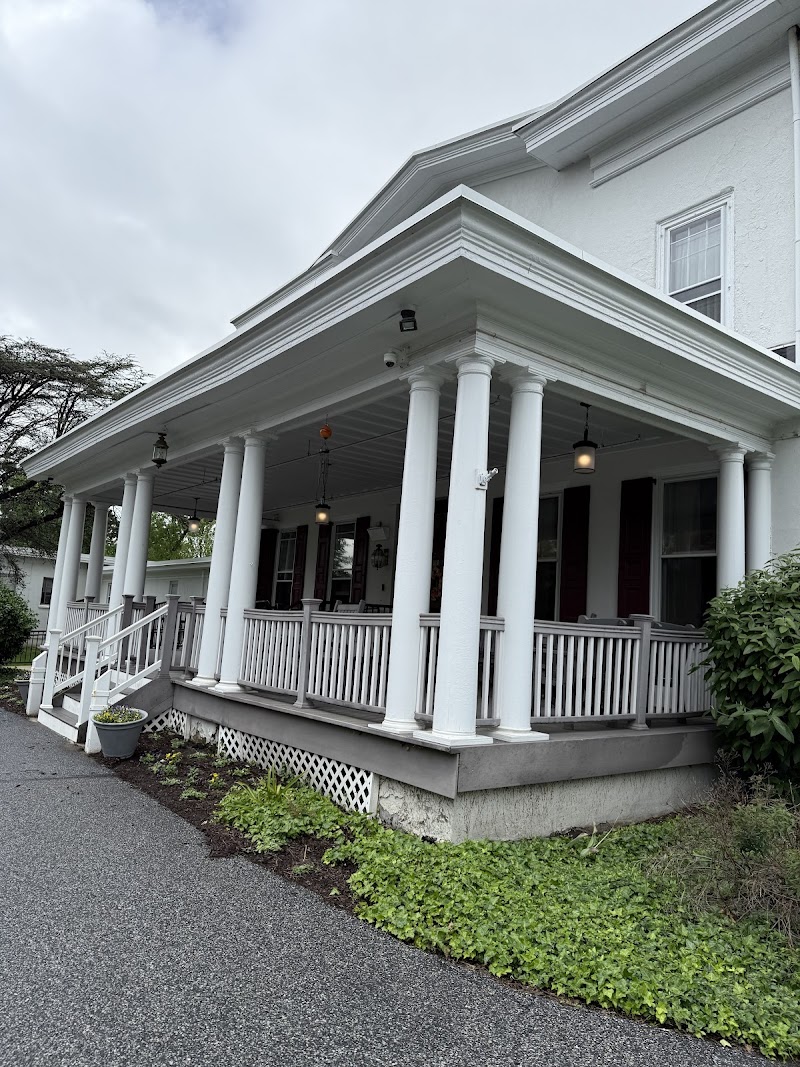
BELVEDERE CENTER, GENESIS HEALTHCARE, THE is owned by a for-profit company. For-profit facilities operate as businesses with obligations to shareholders or private owners. The facility is operated by GENESIS HEALTHCARE, a chain that manages multiple nursing homes. With 150 certified beds and approximately 134 residents (about 89% occupancy), it is a mid-sized facility located in CHESTER, Pennsylvania.

How Does Belvedere Center, Genesis Healthcare, The Compare to Other Pennsylvania Nursing Homes?

Compared to the 100 nursing homes in Pennsylvania, BELVEDERE CENTER, GENESIS HEALTHCARE, THE's overall rating (3 stars) matches the state average, staff turnover (27%) is significantly lower than the state average of 46%, and health inspection rating (3 stars) is at the national benchmark.

What Should Families Ask When Visiting Belvedere Center, Genesis Healthcare, The?

Based on this facility's data, families visiting should ask: "Can I visit during a mealtime to observe dining assistance and food quality?" "How do you handle medical emergencies, and what is your hospital transfer rate?" "Can I speak with family members of current residents about their experience?"

Is Belvedere Center, Genesis Healthcare, The Safe?

Based on CMS inspection data, BELVEDERE CENTER, GENESIS HEALTHCARE, THE has a clean safety record: no substantiated abuse findings (meaning no confirmed cases of resident harm), no Immediate Jeopardy citations (the most serious violation level indicating risk of serious injury or death), and is not on the Special Focus Facility watch list (a federal program monitoring the lowest-performing 1% of nursing homes). The facility has a 3-star overall rating and ranks #1 of 100 nursing homes in Pennsylvania. While no facility is perfect, families should still ask about staff-to-resident ratios and recent inspection results during their visit.

Do Nurses at Belvedere Center, Genesis Healthcare, The Stick Around?

Staff at BELVEDERE CENTER, GENESIS HEALTHCARE, THE tend to stick around. With a turnover rate of 27%, the facility is 19 percentage points below the Pennsylvania average of 46%. Low turnover is a positive sign. It means caregivers have time to learn each resident's needs, medications, and personal preferences. Consistent staff also notice subtle changes in a resident's condition more quickly.

Was Belvedere Center, Genesis Healthcare, The Ever Fined?

BELVEDERE CENTER, GENESIS HEALTHCARE, THE has been fined $89,766 across 2 penalty actions. This is above the Pennsylvania average of $33,977. Fines in this range indicate compliance issues significant enough for CMS to impose meaningful financial consequences. Common causes include delayed correction of deficiencies, repeat violations, or care failures affecting resident safety. Families should ask facility leadership what changes have been made since these penalties.

Is Belvedere Center, Genesis Healthcare, The on Any Federal Watch List?

BELVEDERE CENTER, GENESIS HEALTHCARE, THE is not on any federal watch list. The most significant is the Special Focus Facility (SFF) program, which identifies the bottom 1% of nursing homes nationally based on persistent, serious quality problems. Not being on this list means the facility has avoided the pattern of deficiencies that triggers enhanced federal oversight. This is a positive indicator, though families should still review the facility's inspection history directly.