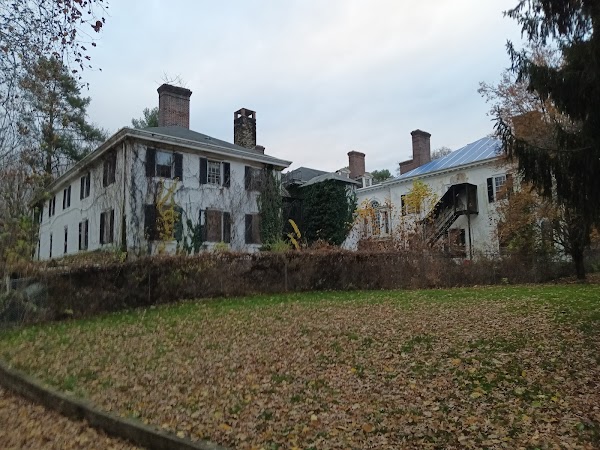
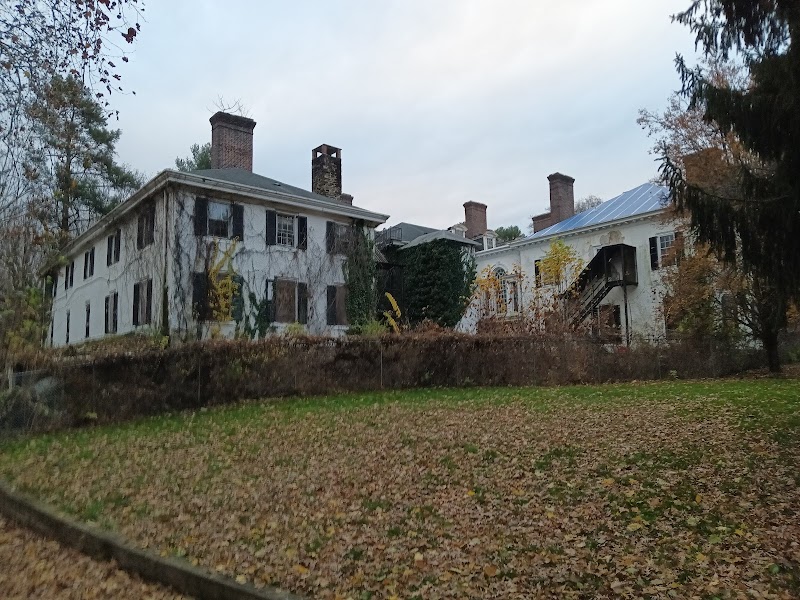
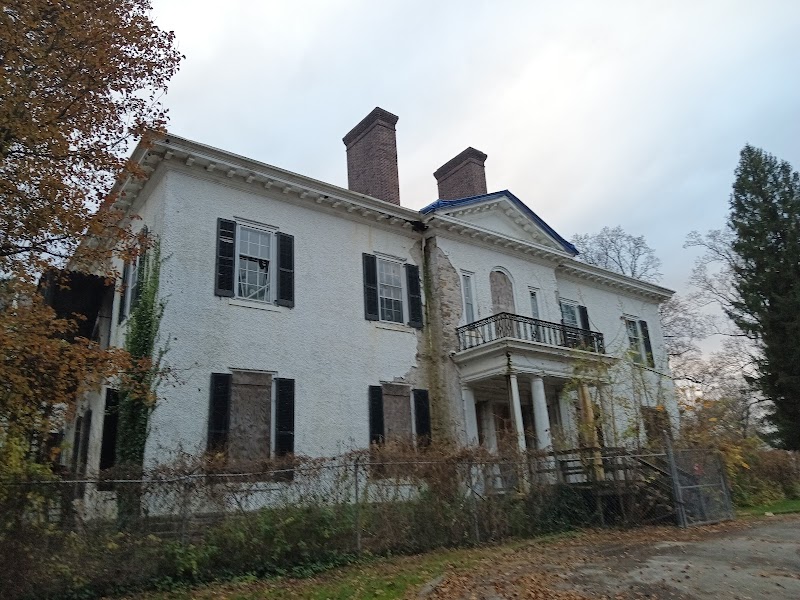
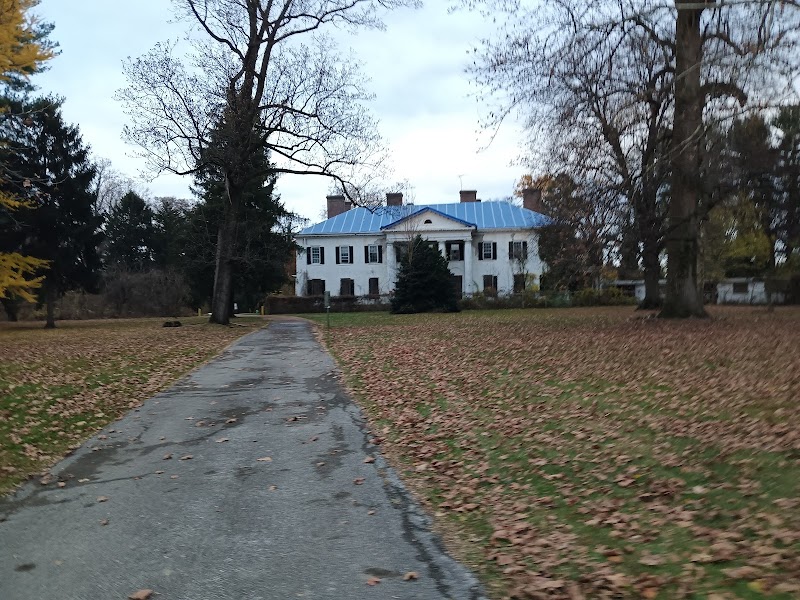
LITTLE FLOWER MANOR

1201 SPRINGFIELD ROAD, DARBY, PA 19023 (610) 534-6000
Non profit - Corporation 127 Beds Independent Data: November 2025
Trust Grade
90/100
#72 of 653 in PA
Last Inspection: January 2025

Within standard 12-15 month inspection cycle. Federal law requires annual inspections.

Overview

Little Flower Manor in Darby, Pennsylvania, has received a Trust Grade of A, indicating it is excellent and highly recommended among nursing homes. It ranks #72 out of 653 facilities in Pennsylvania, placing it in the top half, and #5 out of 28 in Delaware County, meaning there are only four local options that are better. The facility's trend is stable, with 2 reported issues in both 2024 and 2025, indicating that they are not worsening. Staffing is relatively strong, with a 4 out of 5-star rating and a turnover rate of 35%, which is well below the state average of 46%. Notably, the facility has not incurred any fines, which suggests good compliance with regulations. However, there are some concerns to be aware of. Recent inspections revealed issues such as improper food storage practices, where expired items were found, and a lack of secure storage for controlled substances, which could pose risks. Additionally, the facility failed to develop a comprehensive care plan for one resident, which is essential for ensuring tailored care. Overall, while Little Flower Manor has many strengths, families should consider these weaknesses when researching care options.

Trust Score
A
90/100
In Pennsylvania
#72/653
Top 11%
Safety Record
Low Risk
No red flags
Inspections
Holding Steady
2 → 2 violations
Staff Stability
○ Average
35% turnover. Near Pennsylvania's 48% average. Typical for the industry.
Penalties
✓ Good
No fines on record. Clean compliance history, better than most Pennsylvania facilities.
Skilled Nurses
✓ Good
Each resident gets 52 minutes of Registered Nurse (RN) attention daily — more than average for Pennsylvania. RNs are trained to catch health problems early.
Violations
○ Average
8 deficiencies on record. Average for a facility this size. Mostly minor or procedural issues.
★★★★★
5.0
Overall Rating
★★★★☆
4.0
Staff Levels
★★★★★
5.0
Care Quality
★★★★☆
4.0
Inspection Score
Stable
2024: 2 issues
2025: 2 issues

The Good

  • 4-Star Staffing Rating · Above-average nurse staffing levels
  • 5-Star Quality Measures · Strong clinical quality outcomes
  • Full Sprinkler Coverage · Fire safety systems throughout facility
  • No fines on record
  • Staff turnover below average (35%)

    13 points below Pennsylvania average of 48%

Facility shows strength in staffing levels, quality measures, fire safety.

The Bad

Staff Turnover: 35%

10pts below Pennsylvania avg (46%)

Typical for the industry

The Ugly 8 deficiencies on record

Jan 2025 2 deficiencies
CONCERN (D)

Potential for Harm - no one hurt, but risky conditions existed

Comprehensive Care Plan (Tag F0656)

Could have caused harm · This affected 1 resident

**NOTE- TERMS IN BRACKETS HAVE BEEN EDITED TO PROTECT CONFIDENTIALITY** Based on review of clinical records, facility policy, and staff interviews, it was determined that the facility failed to develo...

Read full inspector narrative →
**NOTE- TERMS IN BRACKETS HAVE BEEN EDITED TO PROTECT CONFIDENTIALITY** Based on review of clinical records, facility policy, and staff interviews, it was determined that the facility failed to develop a person-centered comprehensive care plan for one of 18 residents reviewed (Resident R70). Findings include: A review of the facility policy Care Plan, revised May 2023, revealed the facility will develop and implement a comprehensive person-centered care plan for each resident. The care plan will include measurable objectives and time frames to meet a resident's medical, nursing, and psychosocial needs that are identified in the comprehensive assessment. The care plan will describe the services that are to be furnished to attain or maintain the resident's highest practicable physical, mental and psychosocial well-being. Clinical record review revealed Resident R70 was admitted to the facility on [DATE], with diagnoses of Rhabdomyolysis (serious condition where your muscles break down and release toxins into your blood and kidneys), Hypertension (high blood pressure), and Malignant neoplasm of prostate (prostate cancer). Review of Resident R70's nursing notes from October 1, 2024 to January 8, 2024 revealed Resident R70 has been refusing various treatments several times weekly, such as Activities of Daily Living, medication, physical therapy, and occupational therapy. Review of Resident R70's care plan revealed no care plan related to Resident R70's refusal to treatments. Interview conducted on January 09, 2025 at 9:40 a.m. with Licensed nurse, Employee E3, confirmed Resident R70 did not have a care plan in place relating to the resident refusals to treatments. 28 Pa. Code: 211.12 (d) (1) (5) Nursing services. 28 Pa. Code 211.10 (c) Resident care policies.
CONCERN (D)

Potential for Harm - no one hurt, but risky conditions existed

Deficiency F0757 (Tag F0757)

Could have caused harm · This affected 1 resident

**NOTE- TERMS IN BRACKETS HAVE BEEN EDITED TO PROTECT CONFIDENTIALITY** Based on review of clinical records and staff interview, it was determined that the facility failed to ensure that a resident's ...

Read full inspector narrative →
**NOTE- TERMS IN BRACKETS HAVE BEEN EDITED TO PROTECT CONFIDENTIALITY** Based on review of clinical records and staff interview, it was determined that the facility failed to ensure that a resident's drug regimen was free of unnecessary drugs for one of 18 residents reviewed (Resident R30). Findings included: Review of facility policy tilted Medication Regiment Review, revised June 2024, revealed if an irregularity is not time-sensitive but should be addressed before the consultant pharmacists' next monthly MRR, the facility staff and the consultant pharmacist will confer on the timeliness of attending physician/prescriber responses to identified irregularities based on the specific resident's clinical condition. Further review of facility policy revealed the physician/ prescriber should address the consultant pharmacist's recommendation no later than their next scheduled visit to the facility to assess the resident per policy, or applicable state and federal regulations. Clinical record review revealed Resident R30 was admitted to the facility on [DATE] with a diagnosis that included Anxiety, Hypertension (high blood pressure), and acute respiratory failure. Review of Resident R30's monthly pharmacy review dated October 29, 2024 revealed Resident R30 received a nonsedating antihistamine, Loratadine 10 milligrams (mg) daily for seasonal allergic rhinitis. Pharmacist comments revealed administration should be limited to the allergy season to avoid adverse events attributed to daily long-term use. Pharmacist recommended physician to reevaluate the continued need for Loratadine perhaps a trail discontinuation/PRN (as needed) period. Further review of Resident R30's monthly pharmacy review revealed the physician agreed and accepted the recommendation on October 31, 2024. Review of Resident R30's clinical record revealed Resident R30 had a standing order for Loratadine 10 mg started on February 13, 2024. The order continued to be a standing order and did not have a stop date that was recommended by pharmacist on October 29, 2024. Interview conducted on January 08, 2024 with Employee E2, Director of Nursing, confirmed Resident R30 continued to have a standing order for Loratadine 10 mg and should have been discontinued per pharmacy recommendation and physician response. 28 Pa. Code 211.2 (d)(3) Medical Director 28 Pa. Code 211.9 (k) Pharmacy Services
Mar 2024 2 deficiencies
CONCERN (D)

Potential for Harm - no one hurt, but risky conditions existed

Comprehensive Care Plan (Tag F0656)

Could have caused harm · This affected 1 resident

Based on review of facility policy, review of clinical records, observations, and staff interviews, it was determined that the facility did not complete a comprehensive care plan for four of eighteen ...

Read full inspector narrative →
Based on review of facility policy, review of clinical records, observations, and staff interviews, it was determined that the facility did not complete a comprehensive care plan for four of eighteen residents reviewed. (Residents R1, R11, R12, R24) Findings include: Interview held with Nursing Home Administrator Employee E1 on March 11, 2024 at 1:00 p.m. The Nursing Home Administrator, Employee E1 revealed the facility was having an issue with accomdating staffing preferences for several females at the facility requesting male nurses aide. The facility stated that they are trying to accomodate preferences but have been unable to accomdate in some cases. When asked how many residents are preferring males caregivers the Nursing Home Administrator Employee E1 stated alot. Interview with Resident R1 on March 11, 2024 at 10:20 a.m. indicated that she prefers female nurse aide over male nurse aide, stating I don't feel as clean when hygiene care is provided by male nurse aide. Review of Resident R1's MDS Minimum Data Set revealed a BIMS Brief Interview for Mental Status of 14. Observations of R1 during morning medication administration on March 11, 2024 at 10:25 am, revealed R1 voicing her concern regarding male nurse aides to licensed nurse, Employee E3. E3 replied that she will bring resident's concern again to administration. Resident Council meeting was held on March 11, 2024 at 1:00 p.m. with eight awake, alert and oriented residents. During the resident council discussion the topic was brought up regarding male caregivers. Residents R11, R12, and R24 all stated that they prefer to have a female nurse aide give personal care such as bathing or toileting but sometimes are given a male nurses aid. The group discussed how this was brought up to the Nursing Home Administrator Employee E1 during previous Resident Council meetings and and Nursing Home Administrator reiterated that this is what it is and we need to get more comfortable with having males as aides because that is who is applying and qualified. Review of R1, R11, R12 and R24's care plan show no description of the resident's preferring a female caregiver over a male caregiver. Review of Resident Council Meeting Minutes from February 2024 described having males as aides as being a concerned discussed. 28 Pa Code 211.10( c)(d) Resident care policies 28 Pa Code 211.12 (d)(1)(3)(5) Nursing services
CONCERN (F)

Potential for Harm - no one hurt, but risky conditions existed

Food Safety (Tag F0812)

Could have caused harm · This affected most or all residents

Based on review of facility policy, observations, and staff interview it was determined that the facility failed to ensure food was stored, prepared, distributed, and served in accordance with profess...

Read full inspector narrative →
Based on review of facility policy, observations, and staff interview it was determined that the facility failed to ensure food was stored, prepared, distributed, and served in accordance with professional standards for food service safety. Findings Include: Review of facility policy revealed products transferred from the manufacturers ' original packaging or opened must be stored and labelled in accordance with the manufacturers after opening instructions. Perishable foods must have limited shelf life and must be refrigerated. This is normally 72 hours for in-unit produced foods. An initial tour of the Food Service Department was conducted on March 8, 2024, at 9:30 a.m. with Employee E4, Assistant Food Service Director. Observations of the reach in refrigerator revealed the following food items stored in facility containers: pureed red velvet cake dated 2/26, cranberry sauce dated 2/19, and multiple bowls of apple sauce with no dates. Observations in the dish area revealed dietary staff preparing to clean meal trays from breakfast. Interview with Employee E4, Assistant Food Service Director, revealed the dish machine used was a high temperature dish machine (sanitizes dishes using extremely hot water during their rinse cycle to remove pathogens. The water is heated to at least 180 degrees Fahrenheit). Observations of the dish machine revealed the wash temperature was reaching 135 degrees Fahrenheit and the final rinse temperature was reaching 120 degrees Fahrenheit. Interview with Employee E4, Assistant Food Service Director, confirmed these temperatures were not appropriate for proper sanitation of the dishes. 28 PA Code: 201.14(a) Responsibility of licensee. 28 Pa. Code 201.18(b)(3) Management
May 2023 4 deficiencies
CONCERN (D)

Potential for Harm - no one hurt, but risky conditions existed

Grievances (Tag F0585)

Could have caused harm · This affected 1 resident

Based on observation, review of facility policy, interviews with residents and staff and review of facility documentation, it was determined that the facility failed to ensure residents had access to ...

Read full inspector narrative →
Based on observation, review of facility policy, interviews with residents and staff and review of facility documentation, it was determined that the facility failed to ensure residents had access to grievance/concern forms for two of two nursing units observed. (Unit A and Unit B) Findings include: Review of policy title Grievances dated March 16, 2023 states Little Flower Manor will inform residents orally and in writing of their right to make complaints or Grievances and the process to do so during admission. The notice shall include: a. Resident's right to file a grievance orally and in writing. b. Resident's right to file a grievance /concern anonymously. During a resident council meeting held on May 10, 2023 at 11:00 a.m. with Residents: R77, R12, R27, R22, R18, R36, R28, it was stated that all seven residents were unaware of where to find a grievance/concern form. Review of the facility grievance log from January 1, 2023 till May 9, 2023 revealed only one grievance submitted on April 3, 2023. Observations of Unit A and Unit B with the Social Services Director, Employee E4 on May 10, 2023 at 9:45a.m. revealed that none of the nursing units have grievance/concerns forms readily available for residents, family, or visitors to be completed and submitted anonymously if desire. Interview with the Nursing Home Administrator (NHA) on May 10, 2023 at 10:10 a.m. revealed that no grievance forms were available. NHA stated, issues usually come up at care conference meetings and are addressed then. We do not have grievance forms available readily. 28 Pa. Code 201.18(e)(4) Management
CONCERN (D)

Potential for Harm - no one hurt, but risky conditions existed

Pharmacy Services (Tag F0755)

Could have caused harm · This affected 1 resident

Based on a review of facility documents, observations, and interviews with staff, it was determined that the facility did not establish a system of records of receipt and disposition of all controlled...

Read full inspector narrative →
Based on a review of facility documents, observations, and interviews with staff, it was determined that the facility did not establish a system of records of receipt and disposition of all controlled drugs in sufficient detail to enable an accurate reconciliation for one of two nursing units (Unit A). Findings include: Review of the Shift-to-shift Narcotic Accountability record review conducted on May 11, 2023 at 9:08 a.m. with Licensed nurse, Employee E11 on Unit A revealed that the shift to shift narcotic accountability sheets and individual narcotic count sheets were in a binder. Further, review of the shift to shift narcotic accountabilityv revealed that the shift to shift narcotic accountability only accounted for the controlled substances present at the time of the count but did not account for the individual resident-controlled substance record/receipt/log for each controlled substance medication prescribed for a resident dispensed by the pharmacy and stored in the narcotic boxes. Interview with Licensed nurse, Employee 11 conducted at the time of the observation revealed that the in-coming and out-going licensed nurses were signing for the controlled substances present in the narcotic box and their corresponding narcotic count sheets in the narcotic binder at the time of the count. Further, Employee 11 confirmed that if an entire blister pack of controlled substance and its corresponding Narcotic count sheet was missing, there was no system in place to account for that missing set of controlled substance. Interview with Director of Nursing, and Director of Quality, Improvement, Employee E3 conducted on May 11, 2023, at 11:06 a.m. confirmed that the facility did not have a system in place to account for the individual narcotic in the narcotic bins and that there was no tracking system to account for a set of missing controlled substance and its corresponding narcotic count sheet. 28 Pa. Code 211.9(a)(1)(k) Pharmacy services 28 Pa. Code 211.12(c)(d)(1)(3)(5) Nursing services
CONCERN (D)

Potential for Harm - no one hurt, but risky conditions existed

Infection Control (Tag F0880)

Could have caused harm · This affected 1 resident

Based on review of facility policy, observation, and staff interview, it was determined that the facility failed to follow appropriate infection control practices related to medication administration ...

Read full inspector narrative →
Based on review of facility policy, observation, and staff interview, it was determined that the facility failed to follow appropriate infection control practices related to medication administration for one of three residents (Resident R28) and wound care for one of one resident observed (Resident R54) Findings include: Wound care observation on Resident R54 conducted on May 10, 2023, at 10:10 a.m. with Licensed nurses, Employee E10 and Employee E8 revealed that Employee E10 with gloved hands and touch Resident R54's dressing and proceeded to turn off the overhead light by puling at the cord using the gloved hand that touched the resident's dressing. Further observation revealed that Licensed nurse, Employee E10 proceeded to continue with the treatment without changing her gloves or washing or sanitizing her hands. Interview with Licensed nurse, Employee E10 after the treatment confirmed that she touched the cord with the same gloved hand she used to touch Resident R54's dressing; that she did not wash or sanitize hands and that she did not change gloves before resuming the treatment procedure for Resident R54. Medication pass observation in Unit A conducted on May 11, 2023, at 8:14 a.m. with Licensed nurse, Employee E11 revealed that while preparing the medications for Resident R28, Employee E11 dropped an empty blister pack on the floor, picked it up, did not wash hands, continued prepping the medications and gave the medications to resident without washing hands on using the hand sanitizer. Interview with Licensed nurse, Employee E11 conducted at the time of the observation confirmed that she dropped an empty blister pack on the floor, picked it up, did not wash hands, continued prepping the medications and gave the medications to resident without washing hands on using the hand sanitizer. 28 Pa. Code 211.12(d)(1) Nursing services 28 Pa. Code 211.12(d)(5) Nursing services
CONCERN (E)

Potential for Harm - no one hurt, but risky conditions existed

Deficiency F0761 (Tag F0761)

Could have caused harm · This affected multiple residents

Based on observation, interview with staff and review of facility policy, it was determined that the facility did not ensure that controlled substances were stored is a safe and secure compartment for...

Read full inspector narrative →
Based on observation, interview with staff and review of facility policy, it was determined that the facility did not ensure that controlled substances were stored is a safe and secure compartment for two of two medication rooms. (Unit A and Unit B) Findings include: Observation of the Medication Room in Unit B conducted on May 11, 2023, at 10:08 a.m. with unit manager Employee E7 revealed that the refrigerator where the controlled substances were stored did not have a lock. Further observation revealed a hand carry narcotics box with a lock but was not permanently affixed to the refrigerator. Observation of the narcotic box revealed one opened vial of Lorazepam 2mg/ml, a controlled substance designated as schedule IV control substance (schedule IV having the low potential for abuse relative to schedule II which has the highest potential for abuse) was inside the narcotic box. Interview with Licensed nurse,Employee E7 conducted at the time of the observation confirmed that the narcotic box was not permanently affixed to the refrigerator. Observation of the Medication Room in Unit A conducted on May 11, 2023, at 10:14 a.m. with Unit Manager Employee E9 revealed that the refrigerator where the controlled substances were stored did not have a lock. Further observation revealed a hand carry narcotics box with a lock but was not permanently affixed to the refrigerator. Interview with Unit Manager, Employee E9 conducted at the time of the observation confirmed that the narcotic box was not permanently affixed to the refrigerator. Interview with Director of Nursing and Director of Quality Improvement Employee E3 conducted on May 11, 2023, at 10:30 a.m. revealed that he will have engineering affix the box permanently to the refrigerator. 28 Pa. Code 201.18(b)(1) Management 28 Pa. Code 211.12(c)(d)(1)(3)(5) Nursing services
Understanding Severity Codes (click to expand)
Life-Threatening (Immediate Jeopardy)
J - Isolated K - Pattern L - Widespread
Actual Harm
G - Isolated H - Pattern I - Widespread
Potential for Harm
D - Isolated E - Pattern F - Widespread
No Harm (Minor)
A - Isolated B - Pattern C - Widespread

Questions to Ask on Your Visit

  • "Can I speak with families of current residents?"
  • "What's your RN coverage like on weekends and overnight?"

Our Honest Assessment

Strengths
  • • Grade A (90/100). Above average facility, better than most options in Pennsylvania.
  • • No major safety red flags. No abuse findings, life-threatening violations, or SFF status.
  • • No fines on record. Clean compliance history, better than most Pennsylvania facilities.
  • • 35% turnover. Below Pennsylvania's 48% average. Good staff retention means consistent care.
Concerns
  • • No significant concerns identified. This facility shows no red flags across CMS ratings, staff turnover, or federal penalties.
Bottom line: Generally positive indicators. Standard due diligence and a personal visit recommended.

About This Facility

What is Little Flower Manor's CMS Rating?

CMS assigns LITTLE FLOWER MANOR an overall rating of 5 out of 5 stars, which is considered much above average nationally. Within Pennsylvania, this rating places the facility higher than 99% of the state's 100 nursing homes. This rating reflects solid performance across the metrics CMS uses to evaluate nursing home quality.

How is Little Flower Manor Staffed?

CMS rates LITTLE FLOWER MANOR's staffing level at 4 out of 5 stars, which is above average compared to other nursing homes. Staff turnover is 35%, compared to the Pennsylvania average of 46%. This relatively stable workforce can support continuity of care.

What Have Inspectors Found at Little Flower Manor?

State health inspectors documented 8 deficiencies at LITTLE FLOWER MANOR during 2023 to 2025. These included: 8 with potential for harm.

Who Owns and Operates Little Flower Manor?

LITTLE FLOWER MANOR is owned by a non-profit organization. Non-profit facilities reinvest revenue into operations rather than distributing to shareholders. The facility operates independently rather than as part of a larger chain. With 127 certified beds and approximately 89 residents (about 70% occupancy), it is a mid-sized facility located in DARBY, Pennsylvania.

How Does Little Flower Manor Compare to Other Pennsylvania Nursing Homes?

Compared to the 100 nursing homes in Pennsylvania, LITTLE FLOWER MANOR's overall rating (5 stars) is above the state average of 3.0, staff turnover (35%) is significantly lower than the state average of 46%, and health inspection rating (4 stars) is above the national benchmark.

What Should Families Ask When Visiting Little Flower Manor?

Based on this facility's data, families visiting should ask: "Can I visit during a mealtime to observe dining assistance and food quality?" "How do you handle medical emergencies, and what is your hospital transfer rate?" "Can I speak with family members of current residents about their experience?"

Is Little Flower Manor Safe?

Based on CMS inspection data, LITTLE FLOWER MANOR has a clean safety record: no substantiated abuse findings (meaning no confirmed cases of resident harm), no Immediate Jeopardy citations (the most serious violation level indicating risk of serious injury or death), and is not on the Special Focus Facility watch list (a federal program monitoring the lowest-performing 1% of nursing homes). The facility has a 5-star overall rating and ranks #1 of 100 nursing homes in Pennsylvania. While no facility is perfect, families should still ask about staff-to-resident ratios and recent inspection results during their visit.

Do Nurses at Little Flower Manor Stick Around?

LITTLE FLOWER MANOR has a staff turnover rate of 35%, which is about average for Pennsylvania nursing homes (state average: 46%). Moderate turnover is common in nursing homes, but families should still ask about staff tenure and how the facility maintains care continuity when employees leave.

Was Little Flower Manor Ever Fined?

LITTLE FLOWER MANOR has no federal fines on record. CMS issues fines when nursing homes fail to meet care standards or don't correct problems found during inspections. The absence of fines suggests the facility has either maintained compliance or corrected any issues before penalties were assessed. This is a positive indicator, though families should still review recent inspection reports for the full picture.

Is Little Flower Manor on Any Federal Watch List?

LITTLE FLOWER MANOR is not on any federal watch list. The most significant is the Special Focus Facility (SFF) program, which identifies the bottom 1% of nursing homes nationally based on persistent, serious quality problems. Not being on this list means the facility has avoided the pattern of deficiencies that triggers enhanced federal oversight. This is a positive indicator, though families should still review the facility's inspection history directly.