ST FRANCIS CENTER FOR REHABILITATION & HEALTHCARE
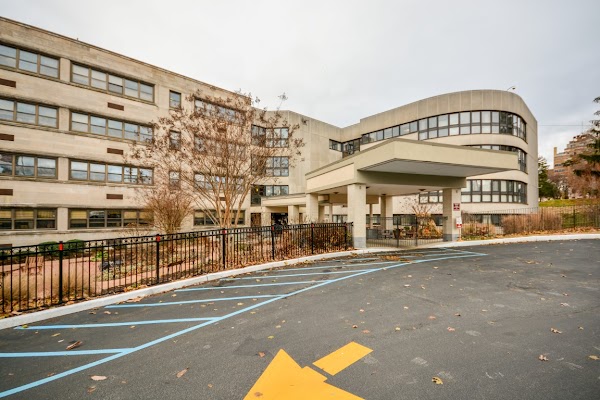
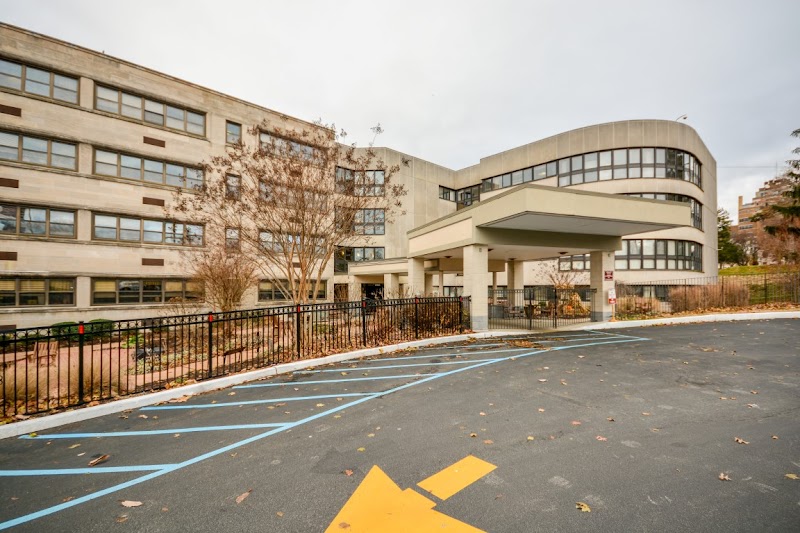
1412 LANSDOWNE AVENUE, DARBY, PA 19023 (610) 461-6510
For profit - Limited Liability company 273 Beds CENTER MANAGEMENT GROUP Data: November 2025
Trust Grade
55/100
#359 of 653 in PA
Last Inspection: July 2025

Inspected within the last 6 months. Data reflects current conditions.

Overview

St. Francis Center for Rehabilitation & Healthcare has a Trust Grade of C, which means it is average, falling in the middle of the pack among nursing homes. It ranks #359 out of 653 facilities in Pennsylvania and #18 out of 28 in Delaware County, placing it in the bottom half of options available. The facility is showing an improving trend, with issues decreasing from 13 in 2024 to 3 in 2025. However, staffing is a concern, receiving a below-average rating of 2 out of 5 stars with a turnover rate of 58%, significantly higher than the state average. Although there have been no fines reported, there have been several specific incidents, including failure to accommodate residents' food preferences and incomplete medical records for multiple residents, which could indicate some operational deficiencies. Overall, while there are strengths such as no fines and an improving trend, families should weigh these against the staffing challenges and specific care issues.

Trust Score
C
55/100
In Pennsylvania
#359/653
Bottom 46%
Safety Record
Low Risk
No red flags
Inspections
Getting Better
13 → 3 violations
Staff Stability
⚠ Watch
58% turnover. Above average. Higher turnover means staff may not know residents' routines.
Penalties
✓ Good
No fines on record. Clean compliance history, better than most Pennsylvania facilities.
Skilled Nurses
⚠ Watch
Each resident gets only 24 minutes of Registered Nurse (RN) attention daily — below average for Pennsylvania. Fewer RN minutes means fewer trained eyes watching for problems.
Violations
⚠ Watch
27 deficiencies on record. Higher than average. Multiple issues found across inspections.
★★★☆☆
3.0
Overall Rating
★★☆☆☆
2.0
Staff Levels
☆☆☆☆☆
0.0
Care Quality
★★★☆☆
3.0
Inspection Score
Stable
2024: 13 issues
2025: 3 issues

The Good

  • Full Sprinkler Coverage · Fire safety systems throughout facility
  • No fines on record

Facility shows strength in fire safety.

The Bad

3-Star Overall Rating

Near Pennsylvania average (3.0)

Meets federal standards, typical of most facilities

Staff Turnover: 58%

12pts above Pennsylvania avg (46%)

Frequent staff changes - ask about care continuity

Chain: CENTER MANAGEMENT GROUP

Part of a multi-facility chain

Ask about local staffing decisions and management

Staff turnover is elevated (58%)

10 points above Pennsylvania average of 48%

The Ugly 27 deficiencies on record

Jul 2025 3 deficiencies
CONCERN (D)

Potential for Harm - no one hurt, but risky conditions existed

Deficiency F0761 (Tag F0761)

Could have caused harm · This affected 1 resident

**NOTE- TERMS IN BRACKETS HAVE BEEN EDITED TO PROTECT CONFIDENTIALITY** Based on observation, staff interview and review of facility policy, it was determined that the facility failed to ensure that m...

Read full inspector narrative →
**NOTE- TERMS IN BRACKETS HAVE BEEN EDITED TO PROTECT CONFIDENTIALITY** Based on observation, staff interview and review of facility policy, it was determined that the facility failed to ensure that medications were stored in a safe manner during medication administration. Findings include: Review of facility policy on Medication Storage date March 2020, section Policy Statement revealed that the facility shall store all drugs and biologicals in a safe, secure, and orderly manner. Under section Policy Interpretation and Implementation #1. The nursing staff shall be responsible for maintaining medication storage AND preparation areas in a clean, safe, and sanitary manner. #2. Drug containers that have missing, incomplete, improper, or incorrect labels shall be returned to the pharmacy for proper labeling before storing. #3. The facility shall not use discontinued, outdated, or deteriorated drugs or biologicals unless permitted by the physician. #7. Drugs shall be stored in an orderly manner in cabinets, drawers, carts, or automatic dispensing systems. Each resident's medications shall be assigned to an individual cubicle, drawer, or other holding area to prevent the possibility of mixing medications of several residents. #9. Only persons authorized to prepare and administer medications shall have access to the medication room, including any keys. Observation conducted on July 15, 2025, at 8:50AM during medication administration reveled that a zip-lock bag containing Spiriva (oral inhalation spray) and Fluticasone Propionate (nasal spray) was on top of the medication cart. Further observation revealed that Spiriva and the Fluticasone were labelled with Resident R65's name. Further observation revealed that licensed nurse Employee E17 went into room [ROOM NUMBER] to administer medications to a resident in room [ROOM NUMBER] and left the Spiriva and fluticasone medications unattended on top of the medication cart. Upon Employee E17's return to the medication cart, she proceeded to put away the Spiriva and Fluticasone. Interview with Employee E17 conducted at the time of the observation confirmed that she left the Spiriva and Fluticasone unattended on top of the medication cart. Further medication administration observation conducted on July 15, 2025, at 9:38AM revealed that a bottle of MiraLAX was on top of the medication cart. Further observation revealed that Employee E17 went to room [ROOM NUMBER] to administer medication to a resident room [ROOM NUMBER] leaving the MiraLAX lax unattended on top of the medication cart. Interview with Employee E17 conducted at the time of the observation confirmed that she left the MiraLAX unattended on top of the medication cart while she went to room [ROOM NUMBER] to administer medication to a resident. 28 Pa. Code 201.18(b)(l) Management28 Pa. Code 211.12(d) Nursing Services28 Pa. Code 211.9 (i) Pharmacy Services
CONCERN (D)

Potential for Harm - no one hurt, but risky conditions existed

Laboratory Services (Tag F0770)

Could have caused harm · This affected 1 resident

Based on interviews with staff, and review of clinical records it was determined the facility failed to obtain laboratory services to meet the needs of one of 38 resident records reviewed (Resident R1...

Read full inspector narrative →
Based on interviews with staff, and review of clinical records it was determined the facility failed to obtain laboratory services to meet the needs of one of 38 resident records reviewed (Resident R105). Findings include:Review of Resident R105 clinical records revealed the resident was diagnosed with hypothyroidism (underactive thyroid). Physician orders dated May 14, 2025, instructed a Thyroid stimulating thyroid test (measures the amount of TSH levels in the blood) in five weeks.On July 16, 2025, during an interview with the Unit Manager, Licensed Practical Nurse, Employee E18 stated the doctor has in the progress notes continue to monitor but failed to show the May 2025 order for TSH levels was completed.PA 28 Code 211.12(d)(3)(5) Nursing services.
CONCERN (E) 📢 Someone Reported This

A family member, employee, or ombudsman was alarmed enough to file a formal complaint

Potential for Harm - no one hurt, but risky conditions existed

Deficiency F0806 (Tag F0806)

Could have caused harm · This affected multiple residents

Facility failed residents with food preferences.Based on interviews with residents, observations of the food service and a test tray evaluation, interviews with dietary staff, reviews of policies and ...

Read full inspector narrative →
Facility failed residents with food preferences.Based on interviews with residents, observations of the food service and a test tray evaluation, interviews with dietary staff, reviews of policies and procedures and reviews of resident council and food committee meeting minutes, it was determined that each resident was not receiving foods and drinks to accommodate their individualized preferences. Appealing food and drink options of similar nutritive value were not being planned and provided on facility menus. (Residents R58, R47, R164, R145, R 207, R208, R220, R77, R117, R196, R64, R194, R144, R219, R86, R50, R234 and R115). Findings include: A review of the facility policy titled resident food committee dated March 2020 revealed that the facility staff were responsible for supporting the food committee established by the residents. The purpose of the residents meeting was to review the menus planned by the Food and Nutrition Department, review special food activities and give the residents a chance to voice concerns about facility food. The policy also said the food service director was responsible for documenting the minutes of the food committee concerns, needs and actions taken to reasonably resolve the food and nutrition issues. The policy indicated that the quality assurance and performance improvement committee would be responsible for overseeing the food committee concerns and accomplishments as part of quality review. A review of the policy titled menu standards dated March 2020 revealed that menus are developed according to standards of menu planning, production and service. The policy indicated that the menu was planned to ensure nutritional adequacy, regulatory compliance, operational efficiencies and to enhance residents' quality of life. The policy indicated that menus are planned to meet national guidelines, to reflect religious, cultural and ethnic needs of the residents based on the advice of the resident council and food committee. A group meeting held with residents at 11:00 a.m., on July 16, 2025 and individual interviews held throughout the days of the survey July 14 to July 18, 2025 revealed that Residents were dissatisfied with the menu planning, foods and fluids being served from the food and nutrition services department. Residents reported that they were not getting foods that they preferred. Residents reported that the menu items planned were not consistently served. The residents reported that the foods lacked variety. There was no variety in the foods provided for a lactose intolerant resident. Residents that were lactose intolerant were asking for a variety of lactose free desserts. The residents were upset that hot dogs and Italian sausage items were taken off the menu. The residents did not like the preparation method and type of meat used for the cheese steak hoagie. The residents reported that the preparation method of the vegetable soup was poor too oily and from a can. The residents were requesting that gravy be served with the chopped steak. The residents were asking that turkey bacon be added to the menu. The residents were reporting that chicken fingers and French fries were being served too often. Residents said that they never get a fried egg and that they were interested. The residents wanted regular coffee. The residents reported that decaffeinated coffee was only offered. Review of the resident council and food committee meeting minutes for the months of April, May and June 2025 revealed that the residents had been complaining about the preparation methods of foods, accuracy of foods and fluids delivered for point of service, entrees selected for the menus not satisfactory and that their individual food preferences were not being honored.Interview with the director of dietary services, Employee E10 at 10:30 a.m., on July 17, 2025, confirmed the on-going (April, May and June, 2025) food and beverage concerns from the residents. The director of dietary also confirmed during this interview that there was a lack of documentation related to the minutes kept for the food committee concerns, needs and actions taken to reasonably resolve the food and nutrition issues.A review of the likes and dislikes listed by the dietitians for Residents R47, R50, R145, R77, R207, R208 were not revised to reflect their food preferences. Resident R47 was allergic to eggs however there was no documentation to indicated that food preferences were updated related to egg substitutes or cottage cheese or cream cheese or yogurt for breakfast instead of eggs. Resident R47 wanted regular coffee. There was no documentation to indicate that this resident preferred decaffeinated coffee. Resident R50 was requesting bacon cheeseburgers be added to her diet routinely. There was no documentation to indicate that this resident's food preferences were updated to reflect her needs. Resident R145 was requesting more variety for the menus the resident asked for hot dogs as a menu item. There was no documentation to indicated that this resident's food preferences were updated to reflect her request. Resident R145 also wanted regular coffee. There was no documentation to indicate that Resident R145 preferred a decaffeinated beverage. Resident R77 wanted fresh fruit not canned fruit for her meals. There was no documentation to indicate that the fresh fruit preference was revised as a like for this resident. Resident R207 was ordered a lactose free diet by the physician. This resident was requesting to have a variety of lactose free desserts added to his diet. There was no documentation to indicate that this resident's food preferences were being updated and honored. Resident R208 was requesting that more fresh fruit be added to her diet. There was no documentation to indicate that the resident's food choice was honored. Canned fruit was listed on the menu as being preferred by this resident. Observations during the noon meal service on July 14, 2025 on the fourth floor nursing unit revealed that nursing and dietary staff were not providing all food items listed on the menu for the residents. Residents' meal trays were observed without eight ounces milk; although the preplanned menus indicated that the milk was supposed to be served with lunch. Interview with the director of dietary services, Employee E10 at 12:30 p.m., on July 14, 2025, revealed that the resident who did not get milk do not like it. The director of dietary said that this dislike was recorded in the nutritional care plan. A review of the nutritional care for the residents on the fourth floor nursing unit, revealed that there was no documentation to indicated that all of the residents on the fourth floor preferred not to have milk served at their noon meal services. The lack of updating the nutritional care plans related to beverage choices (eight ounces of milk) for the fourth floor residents that were eating their noon meals on July 14, 2025 was confirmed during interview with the dietitian, Employee E15, at 11:00 a.m., on July 18, 2025. PA 28 Code 201.14(a) Responsibility of licenseePA 28 Code 201.18(b)(1)(3)(e)(1) ManagementPA 28 Code 211.10(a)(b)(c)(d) Resident care policiesPA 28 Code 211.12(d)(3)(5) Nursing services
Sept 2024 11 deficiencies
CONCERN (D)

Potential for Harm - no one hurt, but risky conditions existed

Resident Rights (Tag F0550)

Could have caused harm · This affected 1 resident

Based on the observations and staff interviews, it was determined that the facility failed to ensure that the residents were treated with dignity and respect for one of four nursing units reviewed (Fo...

Read full inspector narrative →
Based on the observations and staff interviews, it was determined that the facility failed to ensure that the residents were treated with dignity and respect for one of four nursing units reviewed (Fourth Floor Main). Findings include: Observation of fourth floor main dining room on September 25, 2024, from 12:00 p.m. to 12:40 p.m. revealed that there were 14 residents in the dining room. It was revealed that there were two residents on table eating the lunch, five other residents on the same table were not served their meals. Two residents who received lunch tray early were finished by 12:30 p.m. while all other residents on the same table were not served. Further observation revealed that cart with trays for other residents arrived at the unit at 12:32 p.m., and were served by 12:35 p.m.11 trays arrived for the rest of 12 residents in the dining room. One resident did not receive the tray until 12:40 p.m. Interview with Nurse Aide, Employee E8, on September 25,2024, from 12:30 p.m stated two of five residents sitting at the center table received the lunch tray around 11:30 a.m., remaining residents lunch tray arrived an hour later at 12:30 p.m. Interview with Employee E9 Unit Manager, on September 25, 2024, from 12:40 p.m., confirmed that the residents who were eating in fourth floor main nursing were not served at the same time for residents in the same table. 28 Pa. Code: 201.29(j) Resident rights.
CONCERN (D) 📢 Someone Reported This

A family member, employee, or ombudsman was alarmed enough to file a formal complaint

Potential for Harm - no one hurt, but risky conditions existed

Deficiency F0557 (Tag F0557)

Could have caused harm · This affected 1 resident

Based on review of clinical records, interview with staff, and review of facility documentation, it was determined that the facility failed to ensure a resident was treated with dignity and respect wh...

Read full inspector narrative →
Based on review of clinical records, interview with staff, and review of facility documentation, it was determined that the facility failed to ensure a resident was treated with dignity and respect when staff attempted to provide care for one of 35 residents reviewed (Resident R322). Findings include: Review of a facility reported incident dated August 25, 2024 indicated a 11-7 aide mistakenly thought Resident R322 needed her brief changed and took the covers off the resident without asking. The facility documentation revealed in Resident R322's interview the resident said the aide came over to her bed and pulled the sheets off of her. The resident asked, 'What are you doing.' The resident said the aide stopped and apologized and said I am sorry I just thought you needed to be changed. The resident felt he should have asked first and felt, violated when he took her blankets off without asking. Facility documentation stated the resident said 'He didn't touch me-He thought I wore a brief -He should have asked.' 28 Pa Code 201.18(e)(1)(h) Management 28 Pa Code 201.29 (a)(c)(j)(k) Resident rights
CONCERN (D)

Potential for Harm - no one hurt, but risky conditions existed

Deficiency F0655 (Tag F0655)

Could have caused harm · This affected 1 resident

**NOTE- TERMS IN BRACKETS HAVE BEEN EDITED TO PROTECT CONFIDENTIALITY** Based on review of facility policy, review of clinical records, and interviews with staff, it was determined that the facility f...

Read full inspector narrative →
**NOTE- TERMS IN BRACKETS HAVE BEEN EDITED TO PROTECT CONFIDENTIALITY** Based on review of facility policy, review of clinical records, and interviews with staff, it was determined that the facility failed to develop a baseline care plan within 48 hours of a resident's admission relating to oxygen administration for one of thirty-five residents reviewed. (Resident R99) Findings Include: Review of the facility policy titled, Resident Plan of Care with a revision date of June 2024 states, Policy Statement- Our facility's Care Planning/Interdisciplinary Team is responsible for the development of a plan of care for each resident. Policy Interpretation and Implementation states, The care plan is based on the resident's assessment and is developed by a Care Planning/Interdisciplinary Team. The Interdisciplinary Team, resident, the resident's family and/or the resident's legal representative/guardian or surrogate are encouraged to participate in the development and revisions to the resident's care plan. Review of Resident R99's clinical record revealed the resident was admitted to the facility on [DATE] with the following diagnoses: chronic obstructive pulmonary disease, Congestive Heart Failure, and Hypertension. Observation of Resident R99 on September 24, 2024 at 11:01 a.m. revealed the resident was in bed resting with his oxygen administered. Review of resident R99's physician orders revealed an order for oxygen 2 liters via nasal canula continuously dated August 20, 2024. Review of Resident R99's baseline care plan dated August 20, 2024 revealed there was no focus area for oxygen therapy. Interview held on September 25, 2024 at 10:21 a.m. with licensed nurse, Employee E3 who confirmed that there was no current care plan in place for oxygen for Resident R99 although he has been on oxygen since being admitted to the facility. 28 Pa Code 201.18(b)(1) Management 28 Pa Code 211.10(c) Resident care policies 28 Pa Code 211.12(d)(2) Nursing services
CONCERN (D)

Potential for Harm - no one hurt, but risky conditions existed

Deficiency F0657 (Tag F0657)

Could have caused harm · This affected 1 resident

**NOTE- TERMS IN BRACKETS HAVE BEEN EDITED TO PROTECT CONFIDENTIALITY** Review of facility policies, observations, review of clinical records, and interviews with residents and staffed revealed that t...

Read full inspector narrative →
**NOTE- TERMS IN BRACKETS HAVE BEEN EDITED TO PROTECT CONFIDENTIALITY** Review of facility policies, observations, review of clinical records, and interviews with residents and staffed revealed that the facility failed to ensure resident care plan were revised related to bed rails, beds against the wall, oxygen therapy, and diet for five of thirty-five residents reviwed. (Residents R106, R42, R96, R125, and R574). Findings Include: Review of Resident R106's clinical record revealed the diagnoses of paraplegia (paralysis of the legs and lower body), need for assistance with personal care, pressure ulcer of sacral region- stage IV (Full-thickness skin and tissue loss with exposed or directly palpable fascia, muscle, tendon, ligament, cartilage or bone in the ulcer), and osteomyelitis (infection in the bone) of vertebra. Interview with Resident R106 on Monday, September 23, 2024, at 11:46 a.m., revealed that she has been requesting bed side rails since she was transferred on second floor unit - 2 Main on September 12, 2024. Per R106's statement - she is paraplegic and bed side rails are helpful for her to be able to pull herself up in bed. Further review of clinical record revealed admission 'Bed Rail Evaluation,' completed on August 16, 2024, at 2:58 p.m. which indicated that Resident R106 expressed a desire to have bed side rails raised while in bed for safety and comfort, that resident is currently using the bedrail for positioning or support, and bedrails are indicated at this time. Review of R106's care plan revealed no evidence of goals or interventions related to bedrail use. Review of Resident R42's clinical record revealed Resident R42 was admitted to the facility on [DATE] with a diagnosis of orthopedic aftercare following surgical amputation, acute kidney failure, and muscle weakness. Resident R125 was admitted on to hospice services on September 17, 2024 with a diagnosis of atherosclerotic heart disease (damage in the hearts major blood vessels). Observation of Resident R42 on September 23, 2024 at 10:05 a.m. revealed Resident R42 was receiving oxygen 2 liters via nasal cannula. Review of Resident R42's care plan revealed no care plan related to oxygen therapy. Interview with Employee E2, Director of Nursing, on September 25th, 2024 at 1:50 p.m. confirmed Resident R42 did not have a care plan for oxygen therapy. Review of Resident R96's physician order dated May 29, 2024, revealed a diet order for regular diet. Observation of Resident R96's meal ticket on September 25, 2024, at 12:35 p.m. revealed that the resident was receiving regular diet with regular consistency. Review of an active care plan for Resident R96 dated July 20, 2023, revealed that the resident was on renal (a diet that helps people with chronic kidney disease or who are on dialysis maintain balanced levels of minerals, electrolytes, and fluids in their bodies) /no added salt/chopped diet with thin liquids. Interview with Registered Dietician on September 26, 2024 at 11:50 a.m. confirmed that the diet order for Resident R96 did not match the care and the care plan was not revised to reflect the changes. Review of Resident R125's clinical record revealed Resident R42 was admitted to the facility on [DATE] with a diagnosese of acute and chronic respiratory failure, cerebral infarction (disrupted blood flow to the brain due to problems with the blood vessels that supply it), and muscle weakness. Observation of Resident R125 on September 23, 2024 at 10:35 a.m. revealed Resident R125 had the right side of her bed pushed against the wall. Interview on September 23, 2024 at 10:40 a.m. with Employee E5, Registered Nurse, confirmed Resident R125's right side of bed was against the wall. Clinical record review revealed Resident R125 did not have a care plan in place for Resident R125's bed against the wall. Observation of Resident R574 on September 25, 2024 at 11:54 a.m. revealed the resident had her bed positioned with the left side fully against the wall. Interview with licenssed nurse Employee E3 on September 25, 2024 at 11:57 a.m. confirmed Resident R574's right side of the bed was against the wall. Review of Resident R574's clinical record revealed the resident was admitted to the facility on [DATE] with the following diagnoses: Muscle Weakness, Difficulty in Walking, Heart Failure, and Unspecified Fall Subsequent Encounter. Clinical record review revealed Resident R574 did not have a care plan in place for Resident R574's bed against the wall. Interview with the Director of Nursing Employee E2 on September 27, 2024 at 12:25 p.m. revealed the resident's bed was moved against the wall after a fall Resident R574 had on September 21, 2024 based on her request. The Director of Nursing Employee E2 confirmed that this preference was not added to the resident's care plan. 28 Pa Code 211.12(d)(5) Nursing Services
CONCERN (D)

Potential for Harm - no one hurt, but risky conditions existed

Deficiency F0676 (Tag F0676)

Could have caused harm · This affected 1 resident

**NOTE- TERMS IN BRACKETS HAVE BEEN EDITED TO PROTECT CONFIDENTIALITY** Based on a resident's interview, clinical record review and review of the facility policy, it was determined that the facility f...

Read full inspector narrative →
**NOTE- TERMS IN BRACKETS HAVE BEEN EDITED TO PROTECT CONFIDENTIALITY** Based on a resident's interview, clinical record review and review of the facility policy, it was determined that the facility failed to provide the necessary care and services to ensure that a resident's abilities of daily living was maintained and did not diminish for one of 35 resident records reviewed (Resident R141). Finding include: Review of the facility policy titled, Restorative Therapy effective March 2020, states Restorative Nursing Programs (RNP) will be provided and considered for residents admitted to the facility with restorative needs and who will benefit from a restorative program in conjunction with formalized rehabilitation therapy. The rehabilitation staff will assist with the identification of residents who will benefit from Restorative nursing; work with nursing to identify and design appropriate programs; and provide restorative program training to the Certified Nurse Assistant (aka Nursing Assistant). When a restorative nursing program is established by a therapist, the residents' individualized restorative program goals and plans will be written by the rehab staff. Restorative Program documentation will provide a summary of the resident's overall monthly achievements. The Staff Development Coordinator and the Rehab staff will work as a team to provide education to facility staff as required. Review of Resident R141's clinical record revealed that the resident was admitted to the facility on [DATE], with the diagnoses of chronic pain syndrome, muscle wasting and atrophy, not elsewhere classified, in his bilateral upper arms, muscle weakness, osteoarthritis, contracture of muscle, multiple sites, and was morbidly obese. During an interview with Resident R141 on September 24, 2024, at 12:30 p.m. indicated he no longer received restorative therapy. The resident stated, There are ten of us that should be getting restorative therapy, five days a week and I walk with them. When the facility is short staffed, the restorative nurses are taken off their assignments and put on as aides. I don't get the therapy like I was, and I see a difference. I was able to walk and now I can't. Review of Resident R141's physician orders instructed to evaluate and treat the resident to address TherAct, (therapeutic activities), TherEx,(therapeutic exercises) NMR, (neuromuscular re-education) WC Mgmt Training (wheelchair management training), gait training, patient and caregiver education and safe discharge planning that started on January 9, 2024, and ended on February 8, 2024. Review of Resident R141's clinical record revealed a care plan was developed for the resident's Impaired ability to walk related to fall risk that may benefit from a restorative nursing program (RNP), date initiated on February 12, 2024. The goal dated February 12, 2024, revised on July 5, 2024, target date of October 15, 2024, Will maintain or improve distance walked through the next review. The RNP care plan included intervention dated February 12, 2024, for ambulation, to Maintain or increase self-performance in walking and to oversee restorative interventions provided and document progress at least monthly. Review of the resident's clinical record revealed a nursing progress note from the Director of Nursing dated March 31, 2024, stating, Decreased range of motion and flexibility related to muscle weakness that may benefit from a restorative nursing program, the note continued to say that the resident participated in RNP for March 2024 and ambulated a total of 150 feet with FWW (front wheeled walker) and WC (wheelchair) to follow. Program will continue as a maintenance program as it's beneficial to him. Review of Resident R141's Restorative Nursing Task dated February 12, 2024, indicated The resident will walk to the nursing station from their room, 200 feet with a rolling walker to increase independence. Further review of the RNP revealed in the past 30 days from August 28 to September 26, 2024 the resident was documented receiving only six days of restorative therapy on September 7,9,12,18,20, 25, 2024. Interview with the Director of Nursing on September 26, 2024, at 9:00 a.m. confirmed when the facility is understaffed the restorative aides will be reassigned as nursing aides. 28 Pa. Code 211.109d) Resident care policies 28 Pa. Code 211.12(c)(d)(1) Nursign services
CONCERN (D)

Potential for Harm - no one hurt, but risky conditions existed

Quality of Care (Tag F0684)

Could have caused harm · This affected 1 resident

Based on the review of clinical record, interview with resident and staff, it was determined that the facility failed to administer the medication in a timely manner as ordered by the physician and ac...

Read full inspector narrative →
Based on the review of clinical record, interview with resident and staff, it was determined that the facility failed to administer the medication in a timely manner as ordered by the physician and according to the professional standards of practice for two of 35 residents reviewed. (Resident R179 and Resident R147) Findings Include: Review of facility policy Administering Medication dated June 2024, revealed Medications shall be administered in a safe and timely manner, and as prescribed. Medications must be administered one hour before and after the prescribed times. Standard prescribed times will include but not limited to a. Morning Medication b. Afternoon meds c. Early evening meds d. Late evening meds e. Night meds f. Specific prescribed medication times Interview with Resident R147 on September 23, 2024, at 10:24 a.m. stated he received the medication often late; he stated sometimes the medications that needed to be taken with meals and medications that needed to be taken before meals were not given timely. He stated sometimes his morning medication which he usually takes before 9 a.m. are not given until noon. Review of physician order for Resident R147 for the month of September 2024, revealed, orders for: Apixaban Oral Tablet 5 MG, Give 1 tablet by mouth two times a day for chronic atrial fibrillation in the morning and evening. Cymbalta Oral Capsule Delayed Release Particles 30 MG (Duloxetine HCl) Give 1 capsule by mouth one time a day related to homelessness. Farxiga Oral Tablet 10 MG, give 1 tablet by mouth one time a day related to type 2 diabetes mellitus. Furosemide Oral Tablet 40 MG, give 1 tablet by mouth one time a day related to congestive heart failure. Metoprolol Succinate ER Oral Tablet Extended Release 24 Hour 25 MG Give 1 tablet by mouth one time a day related to hypertension. Mometasone Furoate Inhalation Aerosol 100 MCG/ACT 2 puff inhale orally two times a day related to chronic obstructive pulmonary disease. Sacubitril-Valsartan Oral Tablet 24-26 MG Give 1 tablet by mouth two times a day related to hypertension. Review of Medication Administration Audit Report for Resident R147 dated September 22, 2024 revealed the following: On September 22, 2024: Apixaban scheduled for morning and evening, given at 12:08 p.m., and 5:31 p.m. which is only 5.30 hours apart. Cymbalta scheduled for morning, given at 12:07 p.m., Farxiga scheduled for morning, given at 12:07 p.m., Furosemide scheduled for morning, given at 12:08 p.m., Metoprolol Succinate scheduled for morning, given at 12:08 p.m., Mometasone Furoate Inhalation scheduled for morning and evening, given at 12:08 p.m., and 5:31 p.m. Sacubitril-Valsartan scheduled for morning and evening, given at 12:07 p.m., and 5:32 p.m. which is only 5.30 hours apart. Review of physician order for Resident R179 for the month of September 2024, revealed, orders for: Baclofen Oral Tablet 5 MG Give 1 tablet by mouth three times a day muscle spasm. Gabapentin Oral Capsule 400 MG, give 1 capsule by mouth three times a day related to neuralgia and neuritis morning dose scheduled at 9:00 a.m. Review of Medication Administration Audit Report for Resident R179 dated September 22 and September 23, 2024, revealed that Resident R22 received all the above medications as follows: Baclofen scheduled for 9:00 a.m., 2 p.m. given at 11:27 a.m., and 2:19 p.m. less than 3 hours apart. Gabapentin scheduled for 9:00 a.m., 2 p.m. given at 11:27 a.m., and 2:19 p.m. less than 3 hours apart. Drug information report for Sacubitril-Valsartan revealed that take it at the same time each day-for example, when you first wake up and again before you go to bed. Drug information report for Mometasone Furoate Inhalation revealed that take Mometasone Furoate Inhalation every day, with 2 puffs in the morning and 2 puffs in the evening. If you miss a dose of Mometasone Furoate Inhalation, skip your missed dose and take your next dose at your regular time. Do not take Mometasone Furoate Inhalation more often or use more puffs than you have been prescribed. Drug information report revealed that Gabapentin capsules, tablets, and oral solution are usually taken with a full glass of water (8 ounces [240 milliliters]), with or without food, three times a day. These medications should be taken at evenly spaced times throughout the day and night; no more than 12 hours should pass between doses. Interview with the Pharmacist on September 26, 2024, at 2.10 p.m. stated Eliquis should be taken 2 times a day, it had to be separated by at least 8 hours, 5 hours apart was not appropriate. Interview with the Director of Nursing on September 26, 2024, at 2.30 p.m. stated twice daily medication such as Apixaban, blood pressure medication should have scheduled and administered at 9:00 a.m. and 9:00 p.m. and morning medications should not be given at lunch time. 28 Pa. Code 211.10(c) Resident care policies 28 Pa. Code 211.12(d)(1)(5) Nursing services.
CONCERN (D)

Potential for Harm - no one hurt, but risky conditions existed

Respiratory Care (Tag F0695)

Could have caused harm · This affected 1 resident

Based on review of facility policy, review of clinical records, and interviews with staff, it was determined that the facility failed to ensure physician orders were followed in relation to oxygen adm...

Read full inspector narrative →
Based on review of facility policy, review of clinical records, and interviews with staff, it was determined that the facility failed to ensure physician orders were followed in relation to oxygen administration for one of thirty-five residents reviewed. (Resident R98) Findings Include: Review of facility policy titled, Oxygen Administration- Resident with a revision date on December 2022 states, Purpose- The purpose of this procedure is to provide guidelines for safe oxygen administration. Steps in the procedure state, . 4. Turn on the oxygen. Unless otherwise ordered, start the flow of oxygen at the rate ordered. 5. Place appropriate oxygen device on the resident. 6. Adjust the oxygen delivery device so that it is comfortable for the resident. 7. Securely anchor the tubing so that it does not rub or irritate the resident's nose, behind the resident's ears, etc. 8. Check the mask, tank, humidifier, etc., to be sure they are in good working order and are securely fastened. 9. Observe the resident upon setup and periodically thereafter to be sure oxygen is tolerated. Review of Resident R98's record revealed the resident was admitted to the facility with the diagnosis of chronic obstructive pulmonary disease (lung condition cause by damage and inflammation to the lungs). Observation of Resident R98 in her room on September 24, 2024 at 10:01 a.m. revealed the resident was in bed resting wearing oxygen. The oxygen level was checked and was running at 3 liters. Review of resident R98's physician orders revealed an order from August 5, 2024 that read, Oxygen 2L via nasal cannula continuously. Review of Resident R98's oxygen level on September 25, 2025 at 11:33 a.m. revealed the resident's oxygen level was running at 3 liters. The level was confirmed by licensed nurse Employee E3 as being incorrect. 28 Pa. Code 211.10(c) Resident care policies 28 Pa. Code 211.12 (d)(3) Nursing Services 28 Pa. Code 211.12 (d)(5) Nursing Services
CONCERN (D)

Potential for Harm - no one hurt, but risky conditions existed

Pharmacy Services (Tag F0755)

Could have caused harm · This affected 1 resident

Based on clinical record review and facility policy, it was determined that the facility failed to ensure the timely availability of medication for one of 35 residents reviewed (Resident R12). Findin...

Read full inspector narrative →
Based on clinical record review and facility policy, it was determined that the facility failed to ensure the timely availability of medication for one of 35 residents reviewed (Resident R12). Findings include: Review of the facility policy titled Pharmacy Services effective March 2020 states, The facility shall accurately and safely provide or obtain pharmacy services including the provision of routine and emergency medication and biologicals and the services of a licensed Pharmacist. The same policy states, The facility shall contract with a licensed Pharmacist to help obtain and maintain timely and appropriate pharmacy services that support residents' needs, are consistent with current standards of practice, and meet the state and federal requirements. Review of Resident R12's physician orders indicated Ativan gel 0.5mg/ml be applied to the resident three times a related to the resident's diagnosis of anxiety disorder. Review of Resident R12's nursing progress notes and the medication administration record revealed the Ativan gel was not administered due to pharmacy services as follows: Nursing note dated January 29, 2024, noted the medication was Awaiting on pharmacy to deliver. Nursing Note dated, January 30, 2024, noted the medication was Awaiting on pharmacy to deliver. Nursing notes on January 31, 2024, at 9:01 a.m. and 2:08 p.m. noted the medication was still pending due to pharmacy delivery. Nursing note on February 16, 2024, noted the medication was Awaiting pharmacy. Nursing note, on March 17 at 10:52 a.m. indicated the medication was, Unavailable. Nursing notes for June 21, 2024, indicated at 2:01 p.m. the medication was Awaiting delivery and at 6:07 p.m. was Pending from the pharmacy. Nursing notes for June 22, 2024 indicated at 2:10 p.m. nursing spoke with the pharmacy and the pharmacy indicated the Ativan gel would be sent out on the next run. At 6:37 p.m. nursing noted the medication was is still on order. Nursing notes for June 23, 2024, indicated at 9:33 a.m. pharmacy would send out the Ativan gel on the next run, at 12:04 p.m., the mediction was noted Awaiting delivery' and at 2:15 p.m stated the Ativan gel was still Awaiting delivery. 28 Pa. Code 211.10(c) Resident care policies 28 Pa. Code 211.9(d) Pharmacy services
CONCERN (D)

Potential for Harm - no one hurt, but risky conditions existed

Infection Control (Tag F0880)

Could have caused harm · This affected 1 resident

Based on observations and staff interviews, it was determined that the facility failed to implement an infection prevention and control program designed to provide a safe, sanitary and comfortable env...

Read full inspector narrative →
Based on observations and staff interviews, it was determined that the facility failed to implement an infection prevention and control program designed to provide a safe, sanitary and comfortable environment and to help prevent the development and transmission of communicable diseases and infections during dining services for one of four nursing units reviewed (Fourth Floor Main). Findings Include: Observation of fourth floor main dining room on September 25,2024, from 12:32 p.m. revealed that there were 14 residents in the dining room. Five employees were serving lunch to residents in the dining room. It was observed that Employee E8, Nurse Aide, passed tray to a resident sitting at the table, set up the tray, opened the utensils, touched residents clothing protector and table and proceeded to pass and set up the lunch tray for the next residents. There was no hand hygiene observed during the lunch service. Further observation revealed that Employee E8 was sitting next to a resident started helping the resident in front of her with utensils, drinks, and setting up the tray. She then turned to her right side touched other residents tray, utensil and opened the tray without any hand hygiene. Further observation revealed that Employee E12, Nurse Aide, who collected finished trays from two residents delivered and set up the tray for a resident sitting at the center table. There was no hand hygiene observed during the observation. Continued observation revealed that four of 12 residents in the dining room who was waiting for the tray were touching their clothes, the table and their wheelchair. There was no hand hygiene observed prior to serving meal trays for any of the 12 residents who received trays. One resident was observed eating with her hands. Observation also revealed that there was a total of 5 employees who assisted with meal tray for residents in the dining room, none of the five employees performed hand hygiene prior to the tray delivery or set up. Observation of the dining room revealed that there was two wall hand sanitizer unit in the middle of the dining room, which was available for the staff and residents. Interview with Employee E9 Unit Manager, on September 25, 2024, from 12:40 p.m., confirmed that staff did not perform hand hygiene before or during meal services in the fourth floor dining room. Employee stated all the residents were cognitively impaired or had diagnosis of dementia who required assistance from staff for hygiene. 28 Pa. Code 211.10(d) Resident care policies. 28 Pa. Code 211.12(d)(1)(5) Nursing services
CONCERN (D)

Potential for Harm - no one hurt, but risky conditions existed

Antibiotic Stewardship (Tag F0881)

Could have caused harm · This affected 1 resident

Based on a review of facility documentation, facility policies and staff interviews, it was determined that the facility failed to maintain an effective antibiotic stewardship program that includes a ...

Read full inspector narrative →
Based on a review of facility documentation, facility policies and staff interviews, it was determined that the facility failed to maintain an effective antibiotic stewardship program that includes a system that includes antibiotic use protocols and a system to effectively monitor antibiotic usage for four of four months of antibiotic stewardship program data reviewed. (May 2024, June 2024, July 2024 and August 2024). Findings Include: A review of CDC (Centers for Disease Control and Prevention) guidelines, The core element of Antibiotic Stewardship for Nursing Homes, revealed that Improving the use of antibiotics in healthcare to protect patients and reduce the threat of antibiotic resistance is a national priority. 1. Antibiotic stewardship refers to a set of commitments and actions designed to optimize the treatment of infections while reducing the adverse events associated with antibiotic use.2 The Centers for Disease Control and Prevention (CDC) recommends that all acute care hospitals implement an antibiotic stewardship program (ASP) and outlined the seven core elements which are necessary for implementing successful ASPs.2 CDC also recommends that all nursing homes take steps to improve antibiotic prescribing practices and reduce inappropriate use. Nursing homes monitor both antibiotic use practices and outcomes related to antibiotics in order to guide practice changes and track the impact of new interventions. Data on adherence to antibiotic prescribing policies and antibiotic use are shared with clinicians and nurses to maintain awareness about the progress being made in antibiotic stewardship. Clinician response to antibiotic use feedback (e.g., acceptance) may help determine whether feedback is effective in changing prescribing behaviors. Integrate the dispensing and consultant pharmacists into the clinical care team as key partners in supporting antibiotic stewardship in nursing homes. Pharmacists can provide assistance in ensuring antibiotics are ordered appropriately, reviewing culture data, and developing antibiotic monitoring and infection management guidance in collaboration with nursing and clinical leaders. Identify clinical situations which may be driving inappropriate courses of antibiotics such as asymptomatic bacteriuria or urinary tract infection prophylaxis and implement specific interventions to improve use. Perform reviews on resident medical records for new antibiotic starts to determine whether the clinical assessment, prescription documentation and antibiotic selection were in accordance with facility antibiotic use policies and practices. When conducted over time, monitoring process measures can assess whether antibiotic prescribing policies are being followed by staff and clinicians. Track the amount of antibiotic used in your nursing home to review patterns of use and determine the impact of new stewardship interventions. Some antibiotic use measures (e.g., prevalence surveys) provide a snap-shot of information; while others, like nursing home initiated antibiotic starts and days of therapy (DOT) are calculated and tracked on an ongoing basis. Selecting which antibiotic use measure to track should be based on the type of practice intervention being implemented. Interventions designed to shorten the duration of antibiotic courses, or discontinue antibiotics based on post-prescription review (i.e., antibiotic time-out), may not necessarily change the rate of antibiotic starts, but would decrease the antibiotic DOT. Review of facility documentation from the month of May 2024 revealed that the facility had a total of 9 urinary tract infection (UTI) which were treated with antibiotic orders. There was one UTI for a resident with foley which was treated with antibiotic orders There were other infections which was treated with antibiotic orders. It was also revealed that the surveillance tool did not contain a stop date, total days of therapy, outcome and adverse events. There was no antibiotic review completed to determine the appropriateness of the antibiotic usage. Review of facility documentation from the month of June 2024 revealed that the facility had a total of 9 urinary tract infection (UTI) which were treated with antibiotic orders. There was two UTI for residents with foley which was treated with antibiotic orders There were other infections including skin, respiratory and wound which was treated with antibiotic orders. It was also revealed that the surveillance tool did not contain a stop date, total days of therapy, outcome, and adverse events. There was no antibiotic review completed to determine the appropriateness of the antibiotic usage. Review of facility documentation from the month of July 2024 revealed that the facility had a total of 6 urinary tract infection (UTI) which were treated with antibiotic orders. There was one UTI for a resident with foley which was treated with antibiotic orders. There were other infections including skin, intestinal and wound which was treated with antibiotic orders. It was also revealed that the surveillance tool did not contain a stop date, total days of therapy, outcome, and adverse events. There was no antibiotic review completed to determine the appropriateness of the antibiotic usage. Review of facility documentation from the month of August 2024 revealed that the facility had a total of 7 urinary tract infection (UTI) which were treated with antibiotic orders. There were other infections including skin, respiratory and wound which was treated with antibiotic orders. It was also revealed that the surveillance tool did not contain a stop date, total days of therapy, outcome and adverse events. There was no antibiotic review completed to determine the appropriateness of the antibiotic usage. Interview with Employee E11, Infection Preventionist, on September 24, 2024, confirmed that the facility antibiotic stewardship program did not include use protocols for antibiotics, review of facility antibiotic orders to determine the appropriateness of the antibiotics and a system to effectively monitor antibiotic usage. 28 Pa. Code 211.10(d) Resident care policies. 28 Pa. Code 211.12(d)(1)(5) Nursing services
CONCERN (D)

Potential for Harm - no one hurt, but risky conditions existed

Deficiency F0924 (Tag F0924)

Could have caused harm · This affected 1 resident

**NOTE- TERMS IN BRACKETS HAVE BEEN EDITED TO PROTECT CONFIDENTIALITY** Based on observation and interviews with staff, it was determined that the facility failed to equip corridors with safe handrail...

Read full inspector narrative →
**NOTE- TERMS IN BRACKETS HAVE BEEN EDITED TO PROTECT CONFIDENTIALITY** Based on observation and interviews with staff, it was determined that the facility failed to equip corridors with safe handrails on each side, for one of four nursing floors observed (Fourth Floor Main). Findings include: Observation of the corridor handrail revealed that the following corridor handrails were loose/not secured properly, -near resident room [ROOM NUMBER] -near resident room [ROOM NUMBER] -near resident room [ROOM NUMBER] -near resident room [ROOM NUMBER], -near resident room [ROOM NUMBER], -near resident room [ROOM NUMBER] -near resident room [ROOM NUMBER] -near resident room [ROOM NUMBER] -near resident room [ROOM NUMBER] -near resident room [ROOM NUMBER] -near resident room [ROOM NUMBER] -near resident room [ROOM NUMBER] -near resident room [ROOM NUMBER] -near resident room [ROOM NUMBER] Observation of the corridor handrail revealed that the following corridor handrails were detached off the wall. - next to attic access wall next to room [ROOM NUMBER] towards the nurses station. -next to elevator B -near room [ROOM NUMBER] There was missing handrail next to attic access wall next to room [ROOM NUMBER]. Interview on September 25, 2024, at 1:15 p.m. the Maintenance Director confirmed that handrails were broken, detached or missing, and she would have the maintenance correct the issue. 28 Pa Code 201.14(a) Responsibility of licensee
Apr 2024 1 deficiency
CONCERN (E) 📢 Someone Reported This

A family member, employee, or ombudsman was alarmed enough to file a formal complaint

Potential for Harm - no one hurt, but risky conditions existed

Medical Records (Tag F0842)

Could have caused harm · This affected multiple residents

**NOTE- TERMS IN BRACKETS HAVE BEEN EDITED TO PROTECT CONFIDENTIALITY** Based on clinical record review and interview with staff, it was determined that the facility did not maintain complete and accu...

Read full inspector narrative →
**NOTE- TERMS IN BRACKETS HAVE BEEN EDITED TO PROTECT CONFIDENTIALITY** Based on clinical record review and interview with staff, it was determined that the facility did not maintain complete and accurate medical records for eight of 10 records reviewed (Resident R2, R3, R4, R5, R6, R7, R8, R10). Findings include: Review of the April 2024 Treatment Administration Record (TAR) documentation for resident R2 revealed that an order to Check placement of [NAME]-chip (a wearable tracking device designed to prevent cognitively impaired residents from wandering from designated, staff monitored areas) to right ankle .every shift for elopement, ordered on March 21, 2024, had not been signed off as completed on day shift on April 16 and 22, on evening shift on April 1-3, 5-8, 10-12, 15-17, 19, and 20, or on night shift on April 1, 5, 7-10, 12, 15, 17, and 22. Review of the April 2024 TAR documentation for Resident R3 revealed that an order for Silvadene External Cream 1% (a cream prescribed for wound healing) .apply to left gluteal fold topically every day shift, ordered on March 26, 2024, and discontinued on April 10, 2024, had not been signed off as completed on April 8, 2024. Review of the April 2024 TAR documentation for Resident R4 revealed that an order for suprapubic catheter (a tube surgically inserted into the bladder through the abdominal wall care Q (every) shift, ordered on June 26, 2023, had not been signed off as completed on evening shift on April 9, 2024. Review of the April 2024 TAR documentation for Resident R5 revealed that an order for Silvadene External Cream 1% apply to right buttock topically every day shift, had not been signed off as completed on April 8, 2024. Review of the April 2024 TAR documentation for resident R6 revealed that an order for cleanse left heel with NSS (normal saline solution) apply Santyl ointment (an ointment prescribed for wound healing) cover with calcium alginate (an absorbent wound dressing) cover with foam every day shift, ordered on April 2, 2024, had not been signed off as completed on April 14, 2024 and April 19, 2024. An identical order for the right heel had not been signed off as completed on April 14, 2024 and April 19, 2024. Review of the April 2024 TAR documentation for Resident R7 revealed that an order for Mupirocin External Ointment 2% (an ointment prescribed for wound healing) apply to L (left) lower extremity ulcers every day shift and an identical order for the right lower extremity, both ordered on January 10, 2024, had not been signed off as completed on April 3, 2024. Review of the April 2024 TAR documentation for Resident R8 revealed that an order for Ver-chip: check placement and function every night shift, ordered on August 1, 2022, and an order for Supervisor will check very chip function every night shift ordered on March 21, 2024, had not been signed off as completed on on April 1, 5, 7-9, 12, 19, or 20, 2024. Review of the March 2024 TAR documentation for Resident R10 revealed that an order for Skin prep wipes .Apply to right plantar heel topically every day shift .apply skin prep and offload, had not been signed off as completed on March 13, 2024. Interview with Employee E1, the Nursing Home Administrator, and Employee E2, the Director of Nursing on April 24, 2024, at 1:00 p.m. revealed that it is the expectation of the facility that all medications and treatments be signed out at the time they are provided to the resident, and confirmed that these treatments had not been signed as appropriate. 28 Pa Code 211.5(f)(viii)(x) Medical records 28 Pa. Code 211.12(d)(1) Nursing services
Jan 2024 1 deficiency
CONCERN (D) 📢 Someone Reported This

A family member, employee, or ombudsman was alarmed enough to file a formal complaint

Potential for Harm - no one hurt, but risky conditions existed

Food Safety (Tag F0812)

Could have caused harm · This affected 1 resident

Based on observations, review of facility policy and interviews with staff, it was determined that the facility did not ensure that food was distributed, and served in accordance with professional sta...

Read full inspector narrative →
Based on observations, review of facility policy and interviews with staff, it was determined that the facility did not ensure that food was distributed, and served in accordance with professional standards for food service safety. Findings include: A review of facility policy titled, Food Temperature effective date March 2020, indicated that all time/temperature control for safety food must maintain an internal temperature of 41 F (Fahrenheit) or lower or 135 F or higher while being held for service. On January 9, 2023 at 12:09 p.m an interview and tray testing was conducted and confirmed with the Food Service Director (FSD), Employee E4 who confirmed the following food temperatures at the time of serving: BBQ Pork Riblettes- 120.2 degrees Fahrenheit (F) Brussel Sprouts- 125.8 F Boiled New Potatoes- 127 F Juice -49 F . It further revealed during the interview with FSD that serving temperatures should be 135 F or above for hot foods and for cold food 41 F per facility policy. On January 9, 2023, at 12:26 p.m. an interview with Resident R5 revealed food temp sometimes it's warm sometimes it's cold. On January 9, 2023, at 12:35 p.m. an interview with Resident R4 revealed food temp sometimes it's warm sometimes it's cold. On January 9, 2023, at 12:41 p.m. an interview with Resident R3 revealed as she was eating her lunch yes it is cold . Facility's food is absolutely cold. She was observed eating chopped steak, chopped brussels sprouts, and mashed potatoes. 28 Pa. Code 201.14(a) Responsibility of licensee
Dec 2023 7 deficiencies
CONCERN (D)

Potential for Harm - no one hurt, but risky conditions existed

Resident Rights (Tag F0550)

Could have caused harm · This affected 1 resident

**NOTE- TERMS IN BRACKETS HAVE BEEN EDITED TO PROTECT CONFIDENTIALITY** Based on observation and review of clinical records, it was determined that the facility failed to provide care to residents tha...

Read full inspector narrative →
**NOTE- TERMS IN BRACKETS HAVE BEEN EDITED TO PROTECT CONFIDENTIALITY** Based on observation and review of clinical records, it was determined that the facility failed to provide care to residents that promote, maintain, or enhance dignity and respect for one of 35 residents observed (Resident R98 and Resident R9) Findings include: Observation conducted on November 29, 2023, at 9:25 a.m., revealed that Resident R98 was taken out of his room by nurse aide and was wheeled to the main dining room. Further observation revealed that Resident R98 was wearing a hospital gown and was unshaven. Follow-up observation conducted on November 29, 2023, at 12:48 p.m. revealed that Resident R98 was in the dining room in his wheelchair waiting for lunch. Further observation revealed that Resident R98 was still wearing a hospital gown. Review of Resident R98's Quarterly MDS dated (Minimum Data Set- a federally required resident assessent completed at a specific interval) November 9, 2023, section E0800. Rejection of Care - Presence & Frequency revealed that Resident R98 did not exhibit behaviors, Section GG0130 (Self-Care) F (Upper body dressing: The ability to dress and undress above the waist; including fasteners, if applicable) revealed that Resident R98 required Substantial/Maximum Assistance, Section G. Lower body dressing: The ability to dress and undress below the waist, including fasteners; does not include footwear revealed that Resident R98 was dependent. Review of Resident R98's care plan revealed that Resident R98 had ADL (Activities of Daily Living) Self-care deficit related to deconditioning and recent hospitalization Date Initiated: July 21, 2023. Care plan goals was for Resident R98 to receive assistance necessary to meet ADL needs. Care Plan Interventions was but not limited to Assist with dressing. Further review of Resident R98's clinical record revealed no documented evidence that Resident R98 refused care. Observation of Unit Four Main Resident Lounge conducted on November 28, 2023, at 11:07 am revealed that Resident R9 was sitting on a wheelchair, in front of the table, wearing a hospital gown and barefoot. Follow-up observation of Resident R9 conducted on November 28, 2023, at 2:05 p.m. in the Fourth Floor Main Resident Lounge Revealed that Resident R9 was in the lounge together with other residents. Further observation revealed that Resident R9 was in a wheelchair, in front of the table, wearing a hospital gown and barefoot. Follow-up observation of Resident R9 conducted on November 29, 2023, at 9:15 a.m. in Unit Four Main Resident Lounge revealed that Resident R9 was in a wheelchair eating her breakfast. Further observation revealed that Resident R9 was wearing a hospital gown and was barefoot. Follow-up observation on Resident R9 conducted on November 29, 2023, at 10:48 a.m. in Unit Four Main Resident Lounge, revealed that Resident R9 was sitting on a wheelchair, in front of the table, wearing a hospital gown and barefoot. Follow-up observation conducted on November 29, 2023, at 12:38 p.m. revealed that that Resident R9 was the in lounge eating lunch wearing a hospital gown and barefoot. Review of Resident R9's Annual MDS dated [DATE], section E0800 (Rejection of Care - Presence & Frequency) revealed that Resident R9 did not exhibit behaviors. Section G0110 (Activities of Daily Living (ADL) Assistance), G (Dressing - how resident puts on, fastens and takes off all items of clothing, including donning/removing a prosthesis or TED (Thrombo-Embolic Deterrent) hose. Dressing includes putting on and changing pajamas and housedresses), revealed that Resident R9 required extensive assistance with two persons assist. Review of Resident R9's clinical record revealed that resident had a care plan for ADL self-care deficits related to cognitive decline. Review of care plan goals revealed that Resident R9 will receive assistance necessary to meet ADL needs. Care plan interventions were Assist with daily hygiene, grooming, and oral care as needed, assist with dressing. Review of Resident R9's clinical record revealed no documented evidence that resident refused care. 28 Pa. Code 201.29(j) Residents rights 28 Pa. Code 211.10(d) Resident care policies 28 Pa. Code 211.12(c) Nursing services 28 Pa. Code 211.12(d)(5) Nursing services
CONCERN (D)

Potential for Harm - no one hurt, but risky conditions existed

ADL Care (Tag F0677)

Could have caused harm · This affected 1 resident

**NOTE- TERMS IN BRACKETS HAVE BEEN EDITED TO PROTECT CONFIDENTIALITY** Based on clinical record reviews, resident and staff interviews, it was determined that the facility failed to provide appropria...

Read full inspector narrative →
**NOTE- TERMS IN BRACKETS HAVE BEEN EDITED TO PROTECT CONFIDENTIALITY** Based on clinical record reviews, resident and staff interviews, it was determined that the facility failed to provide appropriate ADL (activities of daily living) care such as trimming facial hair, shaving and incontinent care for three of 35 residents reviewed who were unable to carryout Activites of Daily Living independently. (Resident R346, R171, R71 and R77) Findings include: A review of Resident R346's clinical record revealed that he was admitted on [DATE], with a diagnosis of orthopedic aftercare following surgical amputation of right upper limb. Review of the MDS (Minimum Data Set-Assessment of resident care needs) for Resident R346 dated August 31, 2023, revealed that the resident required extensive physical assistance from one staff for personal hygiene and dressing, and was totally dependent on assistance from one staff for bathing. The MDS also revealed that the resident had a BIMS (Brief Interview for Mental status) score of 15 which indicated that the resident's cognitive status for daily decision making was intact. Observations during the initial tour of the two main floor on November 28, 2023, at 11:55 a.m. revealed Resident R346 had a heavy beard and that his mustache hair hung well below his lower lip. He indicated that his mustache was so long that it was difficult to eat, stating that the other day when he tried to put a spoon full of corn into his mouth it fell off onto his shirt. He further indicated that when he asked for help shaving and trimming his facial hair he was told that when a male aide was on they will have him provide this help, but this was days ago and he was still waiting. He further stated that his hair was much longer than he liked and that he wanted a haircut. Interview with the Unit Manager on November 29, 2023, at 1:30 p.m. revealed that Resident R346 should not have to wait for a male aide, that any of his aides could do this for him, and that she would talk to the resident about seeing the barber for a haircut. Observation of Resident R171 conducted on November 29, 2023, at 9:15 a.m. during tour of unit Four Main, revealed that Resident R171 was sitting up in bed eating his breakfast. Review of Resident R171's clinical record revealed that Resident R171 was admitted to the facility on [DATE], with diagnoses of but not limited to Dementia, Anxiety Disorder, and Unilateral Inguinal Hernia. Review of Resident R171's Annual MDS dated [DATE], section H0300. Urinary Continence revealed that resident was occasionally incontinent. G0110. Activities of Daily Living (ADL) Assistance, G Dressing (how resident puts on, fastens and takes off all items of clothing, including donning/removing a prosthesis or TED (Thrombo-Embolic Deterrent) hose. Dressing includes putting on and changing pajamas and housedresses) revealed that Resident R171 required extensive assistance with one person physical assist, I Toilet use (how resident uses the toilet room, commode, bedpan, or urinal; transfers on/off toilet; cleanses self after elimination; changes pad; manages ostomy or catheter; and adjusts clothes. Do not include emptying of bedpan, urinal, bedside commode, catheter bag or ostomy bag) revealed that Resident R171 required supervision with one person assist, J Personal hygiene (how resident maintains personal hygiene, including combing hair, brushing teeth, shaving, applying makeup, washing/drying face and hands (excludes baths and showers) revealed that Resident R171 required extensive assistance with one person physical assist. Review of Resident R171's care plan for ADL self-care deficit revealed that the goal was for Resident R171 to receive assistance necessary to meet ADL needs, interventions were for toileting- Supervision, assist to transfer as needed, assist with daily hygiene, grooming, and oral care as needed, and assist with dressing. Review of Resident R171's clinical record revealed no documented evidence that Resident R171 refused ADL care. Further observation revealed that Resident R171 was wearing an incontinece brief and a hospital gown. Further, Resident R171 was noted to be incontinent, the sheets that he was sitting on was also wet and had brownish stain on it and with asmelled of urine. Further observation revealed that there were flies in Resident R171's room. Follow-up observation of Resident R171 conducted on November 29, 2023, at 11:24 a.m. revealed that Resident R171 was in bed asleep. Further observation revealed that resident was still wet, the bed sheet was still soaked in urine and smelled of urine. Further observation revealed that flies were observed in Resident R171's room Observation of Resident R171's room conducted on November 29, 2023, at 11:44 a.m. revealed that flies were in his room and a strong odor of urine was detected. Follow-up observation on Resident R171 conducted on November 29, 2023, at 12:44 p.m. with unit manager Employee E21 revealed that Resident R171was in bed sleeping, still wearing a hospital gown and incontinence brief that was still wet. Further Resident R 171's sheets were still wet and stained. Further a smell of urine was still noted. Further observation revealed that Resident R171 was unshaven, hair was disheveled. Further, flies were observed flying around the room and around Resident R171. Interview with Licensed nurse, Employee E24 conducted at the time of the observation confirmed that Resident R171 was unshaven, diaper was wet, the sheet he was lying on was wet, stained and smelled of urine. Further, Employee E24 also confirmed that flies were observed flying around the room and around Resident R171. Further interview with Licensed nurse, Employee E24 revealed that she will have housekeeping take care of the flies and that she will have someone clean resident. Observation of Resident R71 conducted on November 28, 2023, at 1:38 pm revealed that Resident R71 was in a geri-chair in front of the nurse's station. Further observation revealed that Resident R71 was unshaven. Follow-up observation on Resident R71 conducted on November 29, 2023, at 11:14 a.m. revealed that Resident R71 was sitting in a geri-chair, Further observation revealed that Resident R71 was still unshaven. Review of Resident R71's clinical records revealed that Resident R71 was admitted to the facility on [DATE]. Further, Resident R71's diagnoses were but not limited to Aphasia (a language disorder that affects a person's abillity to communicalte), Anxiety Disorder, Contracture (a condition of shortening and hardening of musclesm tendons, or other tissues, often leading to deformity and rigidity of joints) of the Right Knee, Dementia, Psychosis, and Blindness to the Left Eye. Review of Resident R71's Quarterly MDS (Minimum Data Set- a federally required resident assessment completed at a specific interval) dated November 13, 2023, section E0800. Rejection of Care - Presence & Frequency revealed that Resident R71 did not exhibit behaviors. Section GG0130. Self-Care, I Personal hygiene: (The ability to maintain personal hygiene, including combing hair, shaving, applying makeup, washing/drying face, and hands. excludes baths, showers, and oral hygiene) revealed that Resident R71 was coded as 01 Dependent - (Helper does all of the effort. Resident does none of the effort to complete the activity, or the assistance of 2 or more helpers is required for the resident to complete the activity. Review of Resident R71's care plan revealed that resident had an ADL self-care deficit related to disease process, left eye blindness, physical limitations contractures. The Care Plan Goal was for Resident R71 to be clean, dressed and well groomed, Interventions were to assist with daily hygiene, grooming, and oral care as needed. Further review of Resident R71's clinical record revealed no documented evidence that that resident refused to be shaved. Review of Resident R77's clinical record revealed the resident was admitted to the facility on [DATE], from the hospital due to a fall from home. Diagnosis on admission included high blood pressure muscle weakness, chronic kidney disease and metabolic encephalopathy (a reversible disease caused by a chemical imbalance in the blood that can effect the brain). Review of Resident R77's care plan revealed she was at risk for falls due to her alteration in her activities of daily living with interventions for the staff to meet and anticipate the residents needs, dated October 9, 2023. Continue review of the care plan revealed the resident showed potential to be discharged from the facility to home. The resident was care planned with working with occupational therapy (OT) to meet those goals. Upon OT recertification, the resident presented with deficits impeding her independence with activities of daily living and functional mobility. The care plan stated the resident's goals were to complete all aspects of toileting task including toilet transfer and perineal hygiene with supervision in order to maximize her independence with functional tasks. initiated on October 10, 2023, with a target date of January 11, 2024. Interventions included the resident receiving therapy five times a week. Review of Resident R77's physician note dated November 27, 2023, indicated the resident was alert, oriented, forgetful at times with her gait improving with therapy. The physician's plan was to continue with physical therapy and occupational therapy. Further review of Resident R77's clinical record and facility incident documentation revealed the resident sustained three falls at the facility, twice on October 11, 2023, attempting to use the bathroom in her room and in the dayroom while being supervised she stood from her wheelchair to ambulate without asking for assistants. The third fall occurred on November 29, 2023, in her room and stated she was trying to go to the bathroom. On November 30, 2023 at 12:00 p.m. an interview was conducted with Resident R77 and her former caretaker/friend both voiced concerns that her falls had to do with her needing to use the bathroom. Resident R77 stated she tries to use the call bell for assistants but stated, They are busy doing other things and take too long and I try to go by myself. The friend stated At home she uses a cane, and she is continent I know because I used to take care of her. Immediately afterwards, the surveyor spoke with the resident's Nursing Assistant (NA) Employee E19. The NA stated, Now I have gotten to know her I take her to the bathroom three times a shift. She always goes to the bathroom, even when she doesn't feel like she does. She stays dry for me. Surveyor then spoke to Unit Manager Employee E20 and asked how the NAs know what residents needed to be assisted to the bathroom on a timely basis. The unit manager explained those residents were care planned to be on a toileting schedule and thought Resident R77 was already on the toileting schedule. The Unit Manager stated she would add Resident R77 to the schedule and update her care plan. 28 Pa. Code 201.18(b)(1) Management 28 Pa. Code 211.12(d)(5) Nursing services
CONCERN (D)

Potential for Harm - no one hurt, but risky conditions existed

Quality of Care (Tag F0684)

Could have caused harm · This affected 1 resident

**NOTE- TERMS IN BRACKETS HAVE BEEN EDITED TO PROTECT CONFIDENTIALITY** Based on observation, review of facility records and interview with staff, it was determined that the facility failed to provide...

Read full inspector narrative →
**NOTE- TERMS IN BRACKETS HAVE BEEN EDITED TO PROTECT CONFIDENTIALITY** Based on observation, review of facility records and interview with staff, it was determined that the facility failed to provide care, services and devices in accordance with professional standard of practice related to positioning and bowel management for two of 35 residents reviewed (Resident R9 and R94 ). Findings included: Observation of Unit Four Main Resident Lounge conducted on November 28, 2023, at 11:07 a.m. revealed that Resident R9 was sitting on a wheelchair, in front of the table, wearing a hospital gown and barefoot. Further observation revealed that Resident R9 was slouched, Resident R9's torso was leaning forward and towards the right with her armpits resting on the right arm rest and right arm hanging. Further, Resident R9's head was at the level of the table. Follow-up observation of Resident R9 conducted on November 28, 2023, at 2:05 p.m. in the Fourth Floor Main Resident Lounge Revealed that Resident R9 was in a wheelchair, in front of the table, wearing a hospital gown and barefoot. Further observation revealed that Resident R9 was still slouched, Resident R9's torso was leaning forward both arms on the table the Resident R9's at the same level as the tabletop. Follow-up observation of Resident R9 conducted on November 29, 2023, at 9:15 a.m. in Unit Four Main Resident Lounge revealed that Resident R9 was in a wheelchair eating her breakfast. Further observation revealed that Resident R9 was wearing a hospital gown and was barefoot. Further, Resident R9's trunk was bent forward with her head slightly above the table. Further observation revealed that Resident R9 was slowly feeding herself. Further, because her body was bent forward, in order for her head not to be right over the plate, Resident R9's wheelchair was positioned further away from the table. Further, Resident R9's plate was a full arm's length resulting in Resident R9's difficulty scooping food out of the plate. Follow-up observation on Resident R9 conducted on November 29, 2023, at 10:48 a.m. in Unit Four Main Resident Lounge, revealed that Resident R9 was sitting on a wheelchair, in front of the table, wearing a hospital gown and barefoot. Further observation revealed that Resident R9 was slouched, Resident R9's torso was leaning forward and towards the right with her armpits resting on the right armrest and right hand resting on the right wheelchair wheel. Further, Resident R9's head bent forward with right side of her face resting on the arm rest rail. Review of Multidisciplinary Therapy Screen dated February 22, 2023, revealed that Resident R9's sitting/positioning/positioning revealed that Resident R9 appears adequate. Review of rehab communication (Rehab referral for treatment)/ rehab notification) from nursing dated March 22, 2023, revealed that a referral was made due to poor positioning in wheelchair. Review of section for comment revealed that Resident is always sliding to edge of chair, has to be repositioned several times during shift to prevent fall. Review of Resident R9' clinical record revealed that Resident R9 was started on OT (Occupational Therapy) on March 24, 2023. Review of OT evaluation and plan of treatment for the certification period of March 24, 2023 to April 22, 2023 revealed that Resident R9's Sitting Balance was poor+(Maintains balance with moderate support and upper extremity support) Initial Assessment, Tone and Posture Asymmetrical, Kyphotic posture, head forward, Assessment Summary, Impression Patient presents with decreased core stability and poor wheelchair positioning Review of OT DC (discharge) note dated April 11, 2023, revealed that resident continue to slide in chair despite all possible modification being made. Further, OT discharge summary revealed that a new chair has been ordered and will continue to assess seating with new wheelchair. Review of discharge status and recommendation was 24-hour care. RNP (Restorative Nursing Program) was not recommended (not indicated). Review of PT (Physical Therapy) Evaluation and Plan of Treatment for certification period of June 14, 2023, to July 13, 2023, revealed that Resident R9's baseline for ability to reposition self in the wheelchair was total dependence for reposition in wheelchair. Initial Assessment, Tone and Posture Head forward, Head down. Review of PT Treatment Encounter note dated June 26, 2023 revealed that Summary of Skills revealed a plan to obtain new costume wheelchair due resident's to current on-optimal seating solution. Review of PT Treatment Encounter Note dated June 28, 202, Summary of Skills revealed that seating evaluation to obtain custom wheelchair to improve sitting posture was requested. Review of PT Discharge summary dated [DATE], revealed that upon discharge from PT services on June 28, 2023, Resident R9's remained totally dependent in her ability to reposition self in wheelchair. Discharge Recommendations were as follow: 24-hour care and there was no recommendation for RNP (not indicated). Further review of Rresident R9's clinical record reveled no documented evidence that Resident R9 was provided with the modified wheelchair to improve her positioning. Interview with Employee 8 conducted on December 1, 2023, at 10:09 a.m. revealed that the facility ordered a modified wheelchair for Resident R9 however, the insurance did not pay for a new wheelchair. Further interview with Rehab Director, Employee E8 conducted on December 1, 2023, at 10:09 a.m. confirmed that resident was improperly positioned on her wheelchair because her wheelchair was too big for her. Interview with OT (Occupational Therapy) Employee E23,conducted on December 1, 2023, at 11:47 a.m. revealed that Resident R9 was on her case load. Further Employee E23 confirmed that Resident R9 leans to her right when she is on her wheel chair. Further, Employee E23 also revealed that Resident R9 had a wheelchair that had a lateral support that positioned resident properly, but it broke. Further interview with Employee E23 revealed that Resident R9's current wheelchair, was not modified to prevent leaning forward or leading to the sides. Review of Resident R94's clinical record revealed the resident was alert and oriented, admitted to the facility on [DATE], with the diagnoses with acute kidney disease, and a history of rectal/anal cancer and gastrointestinal bleed. On November 29, 2023, at 1:00 p.m. Resident R94 stated, I have had loose stools for over a week and have been complaining that I want medication for it. Nursing keeps telling me they need an order from the doctor. When I ask them again, they say they're waiting on the doctor. This has been very uncomfortable, and I am getting sore. Review of Resident R94's care plan revealed as of October 17, 2022, the resident was dependent on staff to assist her with toileting and as of October 21, 2021 was incontinent of bowel and bladder with interventions to report any changes in output, color or consistency of urine/stool. Further review of Resident R94's clinical record revealed the nursing assistants (NA) documented the resident having loose stools every day from November 1 through November 28, 2023 (except for November 8 and 18 was noted with a formed stool and on November 14, 2023 the information was not available review). Continuing review of the clinical record revealed no documented evidence nursing further assessed the resident for having loose stools. On December 1, 2023, at 2:30 p.m. the Director of Nursing indicated nursing was not aware of Resident R94's loose stools. 28 Pa code 211.10(c)(d) Patient care policies 28 Pa. Code 211.12 (d)(3)(5) Nursing services
CONCERN (D)

Potential for Harm - no one hurt, but risky conditions existed

Deficiency F0801 (Tag F0801)

Could have caused harm · This affected 1 resident

Based on staff interviews and a review of employee credentials, it was determined that the facility failed to employ a qualified director of food and nutrition services. Findings include: An intervie...

Read full inspector narrative →
Based on staff interviews and a review of employee credentials, it was determined that the facility failed to employ a qualified director of food and nutrition services. Findings include: An interview on November 28, 2023, at 10:45 a.m. with Employee E 21, Food Service Director (FSD), revealed that his responsibilities included oversight of ordering, receiving, storing, preparation and service of food. Further interview with the FSD confirmed that he was not currently a certified dietary manager (CDM); or a certified food manager (CFM); or had a national certification for food service management and safety from a national certifying body; or had an associate's or higher degree in food service management or hospitality from an accredited institution; and that he had not received frequently scheduled consultations from a qualified dietitian. A review of Employee E21 's credentials revealed that Employee E21 did not meet the statutory qualifications of a director of food and nutrition services. During an interview on November 30, 2023, at 1:30 p.m. with Employee E1, the Nursing Home Administrator, acknowledged that the FSD did not possess the regulatory required qualifications to provide operational oversight of the dietary department. The Administrator confirmed that the FSD had been working at the facility since May 2022, and had not yet started the required course work to obtain certification. The Nursing Home Administrator was unable to provide evidence that the FSD was certified, and therefore unqualified to direct the dietary department. 28 Pa. Code 201.18(e)(6) Management
CONCERN (D)

Potential for Harm - no one hurt, but risky conditions existed

Deficiency F0806 (Tag F0806)

Could have caused harm · This affected 1 resident

Based on observations, and resident and staff interviews, it was determined that the facility failed to honor resident food and drink preferences by providing food that was requested by and acceptable...

Read full inspector narrative →
Based on observations, and resident and staff interviews, it was determined that the facility failed to honor resident food and drink preferences by providing food that was requested by and acceptable to the residents for 10 of 35 residents reviewed (Residents R4, R15, R23, R49, R31, R94, R118, R123, R128 and R168). Findings include: Interview during the tour of 2 Main unit with Resident R23 on November 28, 2023, at 11:35 a.m. revealed that she did not get the right food, not what she chose on the menu and that this happened several times a week. Interview during the tour of 2 Main unit with Resident R49 on November 28, 2023, at 11:40 a.m. revealed that the food was terrible, she was frustrated because she did not get the food that she asked for, they just sent her what they want to send. Interview during the tour of 2 Main unit with Resident R31 on November 28, 2023, at 11:45 a.m. revealed that her and her husband, who lives in the same room, feel the food has no taste, that they fill out their menu each day, but the kitchen sends different food. Interview during the tour of 2 Main unit with Resident R123 on November 28, 2023, at 11:50 a.m. revealed that the food is terrible, they feed us like dogs, they just slap it down, it not what you order, you don't get what you want, just what they send you. Group interview with six alert and oriented residents, Residents R4, R15, R94, R118, R128 and R168 on November 29, 2023 at 11:30 a.m. all agreed during mealtime they do not get the food they ordered, instead the kitchen gives them something different. The same residents also agreed this happens at least two times a week. Interview with the Food Service Director on November 30, 2023, at 12:45 p.m. revealed that there have been problems getting some food items that get substituted on resident trays, like right now we can't get whole or skim milk in the 8 ounce cartons due to a shortage of the cartons. When asked about other food items like why green beans were served at lunch when the vegetable list on the menu was winter blend, he stated that they did not have the winter blend. 28 Pa. Code 201.14(a) Responsibility of licensee 28 Pa. Code 201.18(b)(3) Management 28 Pa. Code 211.6(a) Dietary services
CONCERN (D)

Potential for Harm - no one hurt, but risky conditions existed

Deficiency F0919 (Tag F0919)

Could have caused harm · This affected 1 resident

Based on observation, review of facility policy and staff interviews, it was determined that the facility failed to ensure that residents call systems were maintained in proper working order for five ...

Read full inspector narrative →
Based on observation, review of facility policy and staff interviews, it was determined that the facility failed to ensure that residents call systems were maintained in proper working order for five residents out of 42 residents reviewed on the fourth-floor pavilion nursing unit. (Residents R40, R124, R19, R455 and R179). Findings: Review of facility's call bell policy titled Policies and Procedures subject Call Bell System dated March 2020, states the facility uses a call bell system to allow residents to call for staff assistance. The call bell system will be answered by staff who are in the vicinity of the call bell alarm. Tour of the facility conducted on November 28, 2023, at 9:35 a.m. reveled that Resident R40's call bell was not within reach of Resident R40. The call bell was observed on the floor, under the bed. Interview with Employee E16, Nurse aide, at time of observation confirmed that this call bell was not in reach of Resident R40. Continued tour of the fourth-floor pavilion nursing unit November 28, 2023 at 10:31 a.m. revealed that Resident R124's call bell was not in reach of Resident R124, the call bell was observed in her night table drawer. Interview with Employee E16, Nurse Aide, at time of observation confirmed that Resident R124 did not have a call bell that could be reach. Continued tour of the fourth-floor pavilion nursing unit November 29, 2023, at 10:10 a.m. revealed Resident R19's call bell was not in reach of Resident R19, the call bell was observed on the floor. Interview with Employee E17, Nurse Aide, at time of observation confirmed that the call bell was not in reach of Resident R19 . Continued tour of the fourth floor pavilion nursing unit on November 28, 2023 at 10:40 a.m. revealed Resident R455 did not have a call bell. Interview with Employee E16, Nurse Aide, at time of observation confirmed that Resident R455 did not have a functioning call bell. Continued tour of the fourth floor pavilion nursing unit on November 28, 2023 at 10:00 a.m. revealed resident R179 call bell was not functioning . Interview with Interview with Employee E16, Nurse Aide, at time of observation revealed that Residents R179 did not have a call bell 28 Pa. Code 201.14 Responsibility of Licensee 28. Pa. Code 201.18 (b)(1)Management 28 Pa. Code 211.12 (d)(1) Nursing Services
CONCERN (E) 📢 Someone Reported This

A family member, employee, or ombudsman was alarmed enough to file a formal complaint

Potential for Harm - no one hurt, but risky conditions existed

Deficiency F0925 (Tag F0925)

Could have caused harm · This affected multiple residents

**NOTE- TERMS IN BRACKETS HAVE BEEN EDITED TO PROTECT CONFIDENTIALITY** Based on observations, interviews, and a review of facility documentation, it was determined that the facility was not maintaini...

Read full inspector narrative →
**NOTE- TERMS IN BRACKETS HAVE BEEN EDITED TO PROTECT CONFIDENTIALITY** Based on observations, interviews, and a review of facility documentation, it was determined that the facility was not maintaining an effective pest control program. Findings include: Observations during the initial tour of the 2 Main nursing on November 28, 2023, at 11:35 a.m. in room [ROOM NUMBER], bed A revealed Resident R93 laying in bed with a fly buzzing around his head while attempting to interview him. Observations during the initial tour of the 2 Main nursing on November 28, 2023, at 11:45 a.m. in room [ROOM NUMBER], bed B revealed Resident R23 sitting up in her bed waving her hand at a fly buzzing around her. An interview on November 28, 2023, at 11:45 a.m. in room [ROOM NUMBER], bed B with Resident R23, who stated that the flies are common and this one is really bothering her. Observations on November 28, 2023, at 12:00 p.m. at the 2 Main nurse station revealed a fly buzzing around the desk. An interview on November 28, 2023, at 12:00 p.m. at the 2 Main nurse station with the unit manager, Employee E5, when asked about pest control and [NAME] on the unit, she pointed at a binder on the shelf and stated that all reported pests get logged in the pest binder and when the exterminator comes in they check the binder. She did not elaborate but rather kept walking. Observation of Resident R171 conducted on November 29, 2023, at 9:15 am during tour of unit Four Main, revealed that Resident R171 was sitting up in bed eating his breakfast. Further observation revealed that there were flies flying around the immediate vicinity of Resident R171. Follow-up observation of Resident R171 conducted on November 29, 2023, at 11:24 am revealed that Resident R171 was in bed asleep. Further observation revealed that flies were still observed in Resident R171's room. Follow-up observation of Resident R171's room conducted on November 29, 2023, at 11:44 am revealed that flies were still in his room. Follow-up observation on Resident R171 conducted with unit manager Employee E22 conducted on November 29, 2023, at 12:44 p.m. revealed that Resident R171 in bed sleeping and flies were observed flying around the vicinity of Resident R171. Further observation of Resident R171's room revealed that a fly was also on the over head light of Bed C. Interview with the Unit manager, Employee E24 conducted at the time of the observation confirmed that flies were observed flying around the room and around Resident R171. Further, Employee E24 revealed that she will have housekeeping take care of the flies. 28 Pa. Code 201.18(b)(1)(3) Management
Jun 2023 1 deficiency
CONCERN (D) 📢 Someone Reported This

A family member, employee, or ombudsman was alarmed enough to file a formal complaint

Potential for Harm - no one hurt, but risky conditions existed

Notification of Changes (Tag F0580)

Could have caused harm · This affected 1 resident

Based on review of clinical records and facility documentation, it was determined that the facility failed to contact the designated resident representative in a timely manner of the decision to disco...

Read full inspector narrative →
Based on review of clinical records and facility documentation, it was determined that the facility failed to contact the designated resident representative in a timely manner of the decision to discontinue a medication to treat excess fluid for one of six resident records reviewed. (Resident R2) Findings include: Review of Resident R2's Quarterly Minimum Data Set (a comprehensive assessment of functional capabilities and health problems) dated, March 24, 2023 revealed the resident's BIMS (brief interview of mental status) revealed she was cognitively impaired and was never/rarely able to make life decisions. Resident R2 had diagnoses of congestive heart failure (CHF - a chronic condition in which the heart doesn't pump blood as well as it should), dementia ( an impairment of brain function that can effect memory, judgement and other cognitive functions), pancreatic cancer (cancer of the pancreas) and diabetes (a chronic condition that affects the way the body processes blood sugar). Additional review of the clinical record for Resident R1 revealed an entry in the progress notes dated December 9, 2022, stating that the medication Lasix (a drug used to treat fluid retention caused by CHF) was being discontinued because the side effects outweighed the benefits. There was no documentation in the clinical record that the author of the note had notification the resident representative of the discontinuation of the medication Lasix. A care conference was held on December 19, 2022, that the resident representative participated in. The care conference notes indicated that there was a medication review but did not specify that the decision to discontinue the medication (Lasix) was communicated to the resident representative. 28 Pa. Code 201.18(b)(1) Management 28 Pa. Code 201.18(b)(3) Management
Mar 2023 2 deficiencies
CONCERN (D) 📢 Someone Reported This

A family member, employee, or ombudsman was alarmed enough to file a formal complaint

Potential for Harm - no one hurt, but risky conditions existed

ADL Care (Tag F0677)

Could have caused harm · This affected 1 resident

Based on observations, resident interview, it was determined that facility failed to provide personal and grooming care for a dependent resident for one out of seven residents reviewed. (Resident R4) ...

Read full inspector narrative →
Based on observations, resident interview, it was determined that facility failed to provide personal and grooming care for a dependent resident for one out of seven residents reviewed. (Resident R4) Findings include: Review of Resident R4's clinical record revealed the diagnoses of acute and chronic respiratory failure with hypoxia (below-normal level of oxygen in the blood), chronic obstructive pulmonary disease (disease process that causes decreased ability of the lungs to perform), morbid obesity, cerebral infarction (stroke), muscle weakness and partial traumatic amputation of left foot. Review of Resident R4's significant change Minimum Data Set (MDS assessment of resident care needs) dated February 11, 2023, revealed that the resident required extensive assistance of two staff members with bed mobility, transfers, dressing and personal hygiene. Observations on March 23, 2023 at 11:27 a.m. revealed Resident R4 was lying in bed and calling out for assistance. Nursing staff was observed walking past Resident R4's room while resident was calling out at 11:30 a.m. Another nursing staff member walked past Resident R4's room at 11:35 a.m. without acknowledging resident while she was calling out help me, help me, I need help in here. Review of Unit 2 Main 'CNA (nurse aide) Assignment 7-3 for March 23, 2023 states: Staff: All residents are to be up by 11 a.m. Please clean residents hands before and after meals. Interview with Resident R4 revealed resident was concerned regarding not receiving assistance for mass services which were held daily at 10:30 a.m. Resident stated, I would like to get out of bed and be changed. Additional observations on March 23, 2023, 12:00 p.m. revealed that it was not until 12:00 p.m. that Assistant of Director of Nursing, was observed providing incontinence care to the resident. 28 Pa. Code 211.10(a)(d) Resident care policies 28 Pa. Code 211.12(d)(1)(5) Nursing services
CONCERN (D) 📢 Someone Reported This

A family member, employee, or ombudsman was alarmed enough to file a formal complaint

Potential for Harm - no one hurt, but risky conditions existed

Safe Environment (Tag F0921)

Could have caused harm · This affected 1 resident

Deficiency Text Not Available

Read full inspector narrative →
Deficiency Text Not Available
Dec 2022 1 deficiency
CONCERN (E) 📢 Someone Reported This

A family member, employee, or ombudsman was alarmed enough to file a formal complaint

Potential for Harm - no one hurt, but risky conditions existed

Deficiency F0919 (Tag F0919)

Could have caused harm · This affected multiple residents

**NOTE- TERMS IN BRACKETS HAVE BEEN EDITED TO PROTECT CONFIDENTIALITY** Based on observations of the physical environment and communication system, reviews of policies and procedures, clinical record ...

Read full inspector narrative →
**NOTE- TERMS IN BRACKETS HAVE BEEN EDITED TO PROTECT CONFIDENTIALITY** Based on observations of the physical environment and communication system, reviews of policies and procedures, clinical record reviews, and interviews with staff and residents it was determined that the resident call system was not fully functioning on one of seven nursing units (Two Main Nursing Unit - Residents: R1, R7, R8 and R11) Findings include: A review of the policy titled call bell system revealed that the facility uses a call bell system to call for staff assistance. The policy also said that the call bell system would be answered by staff who were in the vicinity of the call bell alarm and light. Clinical record review for Resident R1 revealed an annual comprehensive assessment (MDS-an assessment of care needs) dated November 16, 2022 that indicated that this resident was cognitively intact. Interview with Resident R1 at 10:00 a.m., on December 7, 2022, revealed that the resident was not happy with the call bell response times. The resident reported that it takes the staff awhile to answer the call system. The resident also reported that the staff often dismantle the call system so that they do not have to hear the audible bell when the call system was activated from inside the resident's room. Interviews with alert residents (Residents R7, R8 and R11) at 11:30 p.m., on December 7, 2022 also revealed that they were dissatisfied with the call system response time by the staff. These residents reported having to wait a long time before the staff would respond to their call for assistance. At 10:15 a.m., on December 7, 2022 the resident's call button was activated inside her room (room [ROOM NUMBER]). The nurses station which is the centralized staff work area where a communication system was set to receive a call directly to a staff member from the activation of the system from inside the residents room; however all portions of the call system were not operating. It was observed and confirmed with the Director of Nursing, Employee E2, and licensed nurse, Employee E7, that the call system was turned off at the nurses' station. In addition, there was no staff at the nurses' station that were aware that a call was activated inside room [ROOM NUMBER] for Resident R1. An interview with the administrator at 1:00 p.m., on December 7, 2022 revealed that the audible and visual system set up at the centralized nurses station was designed to take calls from all of the residents on the Two Main Nursing Unit. The administrator explained that nurses station (centralized staff work area) was designed so that when each resident would activate the call button from inside their rooms the nurses station would immediately be notified through the audible and visual call system. Pa. Code 205.28(a)(b)(c)(1) Nurses' station
Understanding Severity Codes (click to expand)
Life-Threatening (Immediate Jeopardy)
J - Isolated K - Pattern L - Widespread
Actual Harm
G - Isolated H - Pattern I - Widespread
Potential for Harm
D - Isolated E - Pattern F - Widespread
No Harm (Minor)
A - Isolated B - Pattern C - Widespread

Questions to Ask on Your Visit

  • "Why is there high staff turnover? How do you retain staff?"
  • "Can I speak with families of current residents?"
  • "What's your RN coverage like on weekends and overnight?"

Our Honest Assessment

Strengths
  • • No major safety red flags. No abuse findings, life-threatening violations, or SFF status.
  • • No fines on record. Clean compliance history, better than most Pennsylvania facilities.
Concerns
  • • 27 deficiencies on record. Higher than average. Multiple issues found across inspections.
  • • Grade C (55/100). Below average facility with significant concerns.
  • • 58% turnover. Above average. Higher turnover means staff may not know residents' routines.
Bottom line: Mixed indicators with Trust Score of 55/100. Visit in person and ask pointed questions.

About This Facility

What is St Francis Center For Rehabilitation & Healthcare's CMS Rating?

CMS assigns ST FRANCIS CENTER FOR REHABILITATION & HEALTHCARE an overall rating of 3 out of 5 stars, which is considered average nationally. Within Pennsylvania, this rating places the facility higher than 0% of the state's 100 nursing homes. This mid-range rating indicates the facility meets federal standards but may have areas for improvement.
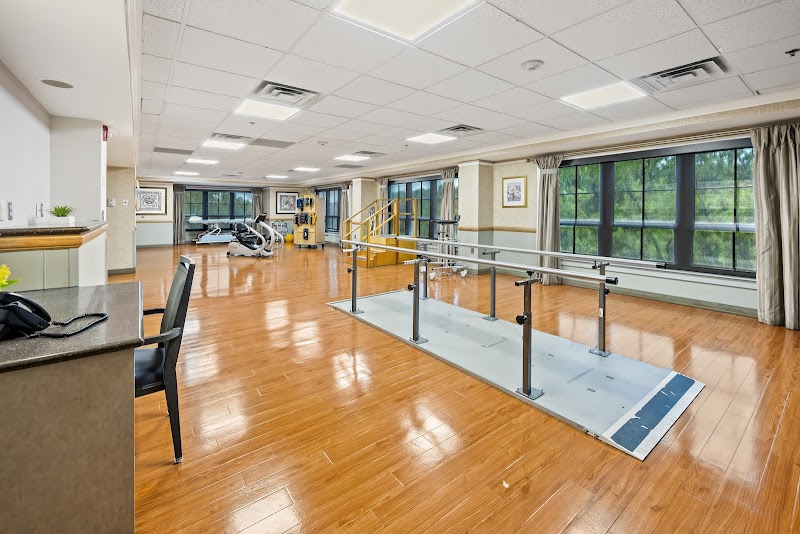
How is St Francis Center For Rehabilitation & Healthcare Staffed?

CMS rates ST FRANCIS CENTER FOR REHABILITATION & HEALTHCARE's staffing level at 2 out of 5 stars, which is below average compared to other nursing homes. Staff turnover is 58%, which is 12 percentage points above the Pennsylvania average of 46%. High turnover can affect care consistency as new staff learn residents' individual needs.

What Have Inspectors Found at St Francis Center For Rehabilitation & Healthcare?

State health inspectors documented 27 deficiencies at ST FRANCIS CENTER FOR REHABILITATION & HEALTHCARE during 2022 to 2025. These included: 27 with potential for harm.

Who Owns and Operates St Francis Center For Rehabilitation & Healthcare?

ST FRANCIS CENTER FOR REHABILITATION & HEALTHCARE is owned by a for-profit company. For-profit facilities operate as businesses with obligations to shareholders or private owners. The facility is operated by CENTER MANAGEMENT GROUP, a chain that manages multiple nursing homes. With 273 certified beds and approximately 227 residents (about 83% occupancy), it is a large facility located in DARBY, Pennsylvania.
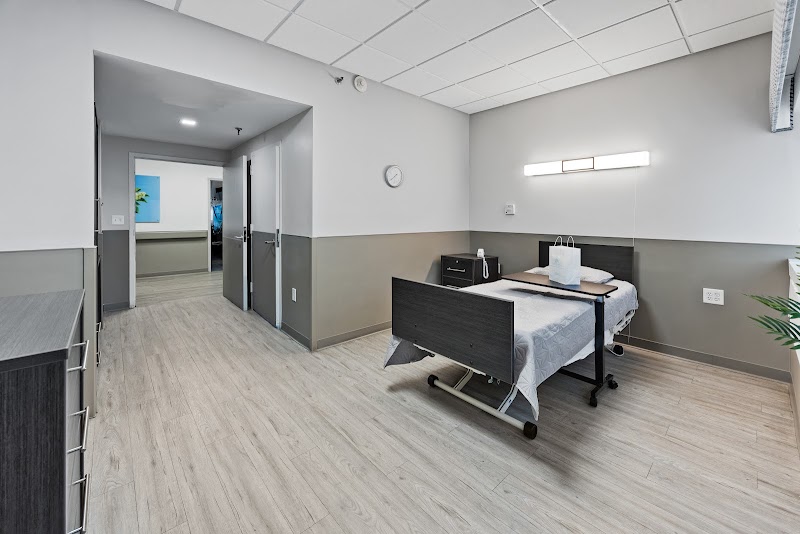
How Does St Francis Center For Rehabilitation & Healthcare Compare to Other Pennsylvania Nursing Homes?

Compared to the 100 nursing homes in Pennsylvania, ST FRANCIS CENTER FOR REHABILITATION & HEALTHCARE's overall rating (3 stars) matches the state average, staff turnover (58%) is significantly higher than the state average of 46%, and health inspection rating (3 stars) is at the national benchmark.

What Should Families Ask When Visiting St Francis Center For Rehabilitation & Healthcare?

Based on this facility's data, families visiting should ask: "How do you ensure continuity of care given staff turnover, and what is your staff retention strategy?" "Can you walk me through typical staffing levels on day, evening, and night shifts?" "Can I visit during a mealtime to observe dining assistance and food quality?" "How do you handle medical emergencies, and what is your hospital transfer rate?" These questions are particularly relevant given the facility's high staff turnover rate and the below-average staffing rating.

Is St Francis Center For Rehabilitation & Healthcare Safe?

Based on CMS inspection data, ST FRANCIS CENTER FOR REHABILITATION & HEALTHCARE has a clean safety record: no substantiated abuse findings (meaning no confirmed cases of resident harm), no Immediate Jeopardy citations (the most serious violation level indicating risk of serious injury or death), and is not on the Special Focus Facility watch list (a federal program monitoring the lowest-performing 1% of nursing homes). The facility has a 3-star overall rating and ranks #1 of 100 nursing homes in Pennsylvania. While no facility is perfect, families should still ask about staff-to-resident ratios and recent inspection results during their visit.

Do Nurses at St Francis Center For Rehabilitation & Healthcare Stick Around?

Staff turnover at ST FRANCIS CENTER FOR REHABILITATION & HEALTHCARE is high. At 58%, the facility is 12 percentage points above the Pennsylvania average of 46%. High turnover means new staff may not know residents' individual needs, medications, or preferences. It can also be disorienting for residents, especially those with dementia who rely on familiar faces. Families should ask: What is causing the turnover? What retention programs are in place? How do you ensure care continuity during staff transitions?

Was St Francis Center For Rehabilitation & Healthcare Ever Fined?

ST FRANCIS CENTER FOR REHABILITATION & HEALTHCARE has no federal fines on record. CMS issues fines when nursing homes fail to meet care standards or don't correct problems found during inspections. The absence of fines suggests the facility has either maintained compliance or corrected any issues before penalties were assessed. This is a positive indicator, though families should still review recent inspection reports for the full picture.

Is St Francis Center For Rehabilitation & Healthcare on Any Federal Watch List?

ST FRANCIS CENTER FOR REHABILITATION & HEALTHCARE is not on any federal watch list. The most significant is the Special Focus Facility (SFF) program, which identifies the bottom 1% of nursing homes nationally based on persistent, serious quality problems. Not being on this list means the facility has avoided the pattern of deficiencies that triggers enhanced federal oversight. This is a positive indicator, though families should still review the facility's inspection history directly.