BRINTON MANOR NURSING AND REHABILITATION CENTER
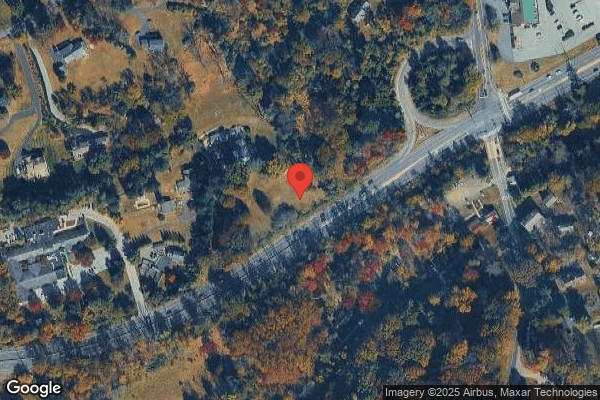

549 BALTIMORE PIKE, GLEN MILLS, PA 19342 (610) 358-6005
For profit - Limited Liability company 92 Beds IMPERIAL HEALTHCARE GROUP Data: November 2025
Trust Grade
60/100
#263 of 653 in PA
Last Inspection: April 2025

Within standard 12-15 month inspection cycle. Federal law requires annual inspections.

Overview

Brinton Manor Nursing and Rehabilitation Center has a Trust Grade of C+, indicating it is slightly above average but still has room for improvement. It ranks #263 out of 653 facilities in Pennsylvania, placing it in the top half of the state, and #15 out of 28 in Delaware County, meaning there are only a few better local options. The facility is on an improving trend, with the number of issues found decreasing from 7 in 2024 to 4 in 2025. Staffing received a below-average rating of 2 out of 5 stars, with a turnover rate of 55%, which is higher than the state average. Fortunately, the center has no recorded fines, which is a positive sign about its compliance. However, there have been some concerning incidents, such as staff failing to follow medication orders for two residents, which could lead to serious health risks. Additionally, there were shortcomings in the care of pressure ulcers for multiple residents, where necessary treatments were not documented or executed properly. Overall, while Brinton Manor has strengths, such as no fines, families should also be aware of the care challenges and staffing issues when considering this facility for their loved ones.

Trust Score
C+
60/100
In Pennsylvania
#263/653
Top 40%
Safety Record
Low Risk
No red flags
Inspections
Getting Better
7 → 4 violations
Staff Stability
⚠ Watch
55% turnover. Above average. Higher turnover means staff may not know residents' routines.
Penalties
✓ Good
No fines on record. Clean compliance history, better than most Pennsylvania facilities.
Skilled Nurses
○ Average
Each resident gets 30 minutes of Registered Nurse (RN) attention daily — about average for Pennsylvania. RNs are the most trained staff who monitor for health changes.
Violations
⚠ Watch
17 deficiencies on record. Higher than average. Multiple issues found across inspections.
★★★☆☆
3.0
Overall Rating
★★☆☆☆
2.0
Staff Levels
★★★☆☆
3.0
Care Quality
★★★☆☆
3.0
Inspection Score
Stable
2024: 7 issues
2025: 4 issues

The Good

  • Full Sprinkler Coverage · Fire safety systems throughout facility
  • No fines on record

Facility shows strength in fire safety.

The Bad

3-Star Overall Rating

Near Pennsylvania average (3.0)

Meets federal standards, typical of most facilities

Staff Turnover: 55%

Near Pennsylvania avg (46%)

Frequent staff changes - ask about care continuity

Chain: IMPERIAL HEALTHCARE GROUP

Part of a multi-facility chain

Ask about local staffing decisions and management

Staff turnover is elevated (55%)

7 points above Pennsylvania average of 48%

The Ugly 17 deficiencies on record

Apr 2025 3 deficiencies
CONCERN (D)

Potential for Harm - no one hurt, but risky conditions existed

Deficiency F0658 (Tag F0658)

Could have caused harm · This affected 1 resident

Based on a review of the Pennsylvania Professional Nursing Practice Act, facility policy and procedure, clinical records review, and staff interview, it was determined the facility failed to ensure th...

Read full inspector narrative →
Based on a review of the Pennsylvania Professional Nursing Practice Act, facility policy and procedure, clinical records review, and staff interview, it was determined the facility failed to ensure that staff met the professional standards upon identifying a skin impairment for one of three residents reviewed (Resident 39). Findings include: The Professional Code, Title 49, Professional and Vocational Standards (Pennsylvania Professional Nursing Practice Act), Chapter 21.145(a) states that the Licensed Nurse is prepared to function as a member of the health-care team by exercising sound nursing judgment based on preparation, knowledge, and experience in nursing competency. The nurse participates in the planning, implementing, and evaluating nursing care, using focused assessment in settings where nursing takes place. A review of the facility's policy titled Pressure Ulcers/Skin Breakdown-Clinical Protocol, undated, revealed that the nursing staff would assess and document an individual's significant risk factors for developing pressure sores. In addition, the nurse shall describe and document/report the following: a full assessment of the pressure sore, including location, stage, length, width, and depths, and the presence of exudates or necrotic (dead) tissue. A review of Resident 39's care plan developed on November 22, 2022, revealed the following interventions: Inspect feet daily for open areas, sores, pressure areas, blisters, edema, or redness; and check the body for breaks in the skin and treat promptly as ordered by the physician. A review of the nursing progress notes dated March 11, 2025, at 12:11 p.m., revealed that nursing was notified by the wound team that a new unstageable wound was observed on the resident's left heel measuring 2.0 x 2.6 x 0.1 cm. The same note revealed that there was a dressing applied to the wound which was not dated or initialed. A review of the facility's investigation titled New Pressure Injury, dated March 11, 2025, at 11:37 a.m., revealed that during wound rounds, an unstageable wound measuring 2.0 x 2.6 x 0.1 cm was found on the resident's left heel. Staff statement of licensed Employee E3, dated March 11, 2025, revealed the following statements I was notified by the wound team that resident has an unstageable wound on [his/her] left heel. I was also informed that [he/she] has a dressing on, but it wasn't dated so we have no idea how long it had been on for. An interview with licensed nurse Employee E4 was conducted on April 18, 2025, at 8:44 a.m. Employee E4 reported that all treatment medications, dressing, and supplies are all kept in the treatment cart or medication room which is always locked with access only to the nurses. An interview with the Director of Nursing (DON) was conducted on April 18, 2025, at 11:00 a.m. The DON reported that a bordered dressing (An absorptive wound dressing) was observed during wound rounds on the resident's left heel on March 11, 2025. An unstageable left heel ulcer was discovered upon removing the bordered dressing to the left heel. The DON reported that the facility investigation was not able to identify the person responsible for applying the wound dressing to the resident's left heel, however, the DON confirmed that the dressing placed on the resident's heel is kept on the treatment cart and medication with access only to the nurses. The above was discussed with the DON on April 18, 2025, at 11:20 a.m. The DON confirmed that upon identifying the skin impairment on Resident 39's already compromised left leg, the person/staff that applied the bordered dressing should have instead assessed, notified the physician, and provided appropriate monitoring and treatment to the resident's left heel. 28 Pa. Code 211.5(f) Clinical Record Previously cited 3/19/25, 5/10/24 28 Pa. Code 211.12(d)(1)(3)(5) Nursing Services Previously cited 3/19/25, 5/10/24
CONCERN (D)

Potential for Harm - no one hurt, but risky conditions existed

Pressure Ulcer Prevention (Tag F0686)

Could have caused harm · This affected 1 resident

**NOTE- TERMS IN BRACKETS HAVE BEEN EDITED TO PROTECT CONFIDENTIALITY** Based on review of facility policy, clinical record, facility documentation, and staff interview, it was determined the facility...

Read full inspector narrative →
**NOTE- TERMS IN BRACKETS HAVE BEEN EDITED TO PROTECT CONFIDENTIALITY** Based on review of facility policy, clinical record, facility documentation, and staff interview, it was determined the facility failed to assess timely, monitor, and provide appropriate treatment to a skin impairment for one of three residents reviewed (Resident 39). Findings include: Review of the facility's policy titled Pressure Ulcers/Skin Breakdown-Clinical Protocol, undated, revealed the nursing staff would assess and document an individual's significant risk factors for developing pressure sores. In addition, the nurse shall describe and document/report the following: a full assessment of the pressure sore, including location, stage, length, width, and depths, and the presence of exudates or necrotic (dead) tissue. Review of Resident 39's diagnosis list included Diabetes (group of metabolic disorders characterized by a high blood sugar level over a prolonged period), and Peripheral Vascular Disease (PVD-circulatory condition that affects blood vessels outside the heart and brain, particularly in the legs and arms). Review of Resident 39's care plan developed on November 22, 2022, revealed the following interventions: Inspect feet daily for open areas, sores, pressure areas, blisters, edema, or redness; and check the body for breaks in the skin and treat promptly as ordered by the physician. Review of Resident 39's clinical record including skin check assessment dated [DATE], revealed that aside from the existing skin impairment to the resident's right hip, it failed to reveal any other skin impairments identified during the skin check. Review of the nursing progress notes dated March 11, 2025, at 12:11 p.m., revealed nursing was notified by the wound team that a new unstageable wound was observed on the resident's left heel measuring 2.0 x 2.6 x 0.1 cm. The same nursing progress note revealed there was a dressing applied to the wound which was not dated or initialed. Review of the facility's investigation titled New Pressure Injury, dated March 11, 2025, at 11:37 a.m., revealed during wound rounds, an unstageable wound measuring 2.0 x 2.6 x 0.1 cm was found on the resident's left heel. Immediate Action Taken: The old dressing was removed, the wound was assessed, and a new wound treatment was ordered. Review of staff statement by licensed nurse Employee E3, dated March 11, 2025, revealed, I was notified by the wound team that resident has an unstageable wound on [his/her] left heel. I was also informed that [he/she] has a dressing on, but it wasn't dated so we have no idea how long it had been on for. Review of the wound nurse practitioner (NP) note titled Skin and Wound Note, dated March 11, 2025, at 3:43 p.m., revealed resident was seen on a follow-up for the wound to the right hip, resident was also noted to have a wound to the left heel with dressing in place at the time of assessment. The wound was identified as a Pressure Ulcer/Injury. Further review of the wound nurse practitioner assessment note revealed the left heel wound measured 2.0 x 2.6 x 0.1 cm (centimeter) with 80% slough (non-viable yellow, tan, gray, green, or brown tissue; usually moist, can be soft, stringy, and mucinous in texture. Slough may be adherent to the base of the wound or present in clumps throughout the wound bed). Further review of the same note revealed that a surgical debridement (medical procedure where dead or infected tissue is removed from a wound using surgical instruments) with an indication for removal of necrotic (dead cells in the body tissue) tissue was done on March 11, 2025. A new wound treatment of Santyl (topical medication used for removing damaged or burned skin to allow for wound healing and growth of healthy skin) daily was ordered. Interview with licensed nurse Employee E4 was conducted on April 18, 2025, at 8:44 a.m. Employee E4 revealed all treatment medications, dressing, and supplies are located in the treatment cart or medication room which is locked with access only to the nurses. Interview with the Director of Nursing (DON) was conducted on April 18, 2025, at 11:00 a.m. The DON indicated a bordered dressing (absorptive wound dressing) was observed during wound rounds on the resident's left heel on March 11, 2025. An unstageable left heel ulcer was discovered upon removing the bordered dressing to the left heel. The Director of Nursing reported, the facility investigation was not able to identify the person responsible for applying the wound dressing to the resident's left heel, however, the Director of Nursing revealed the type of bandage placed on Resident 39's heel is kept on the treatment cart and it must have been a nurse who applied it to Resident 39's wound as nurses are the only ones with access to the cart. The above information was discussed with the Director of Nursing on April 18, 2025, at 11:20 a.m. The DON acknowledged Resident 39's left foot was already compromised because of his/her medical diagnosis and right leg amputation. The DON confirmed that upon identifying skin impairment to the left heel, the wound should have been timely assessed, appropriately treated, and monitored. The facility failed to ensure Resident 39's skin impairment was properly assessed, appropriately treated, and monitored resulting in the harm of an advanced unstageable pressure ulcer to the left heel and undergoing a surgical procedure of wound debridement which could result in unnecessary pain. 28 Pa. Code 211.5(f) Clinical Record Previously cited 3/19/25, 5/10/24 28 Pa. Code 211.12(d)(1)(3)(5) Nursing Services Previously cited 3/19/25, 5/10/24
CONCERN (E)

Potential for Harm - no one hurt, but risky conditions existed

Quality of Care (Tag F0684)

Could have caused harm · This affected multiple residents

Based on clinical records review and staff interviews, it was determined that the facility failed to follow physician orders regarding administration of medications for two of the two residents review...

Read full inspector narrative →
Based on clinical records review and staff interviews, it was determined that the facility failed to follow physician orders regarding administration of medications for two of the two residents reviewed (Resident R3 and R33). Findings include: Review of Resident R3's clinal record revealed the following diagnosis, dialysis-induced hypotension (low blood pressure occurring during dialysis treatment) and congestive heart failure (CHF, a chronic condition in which the heart doesn't pump blood as well as it should). Review of Resident R3's clinical record revealed the following order, Midodrine (used to treat low blood pressure) HCL 5 milligrams (MG), give 2 tablets by mouth two times a day for hypotension hold if blood pressure greater than 120/70. Review of Resident R3's medication administration record (MAR) for the month of December 2025, revealed the facility administer the above medication outside parameters 24 times. Review of Resident R33's clinical record revealed the following diagnosis, hypotension, unspecified (low blood pressure), and acute respiratory failure with hypoxia (the lungs can not provide enough oxygen to the body). Review of R33's clinical recorded revealed the following order, Midodrine HCL 5 MG, give 1 tablet by mouth three times a day for hypotension, Hold for [systolic blood pressure] greater than 120 or diastolic blood pressure greater than 80. Review of Resident R33's medication administration record for the month of March 2025, revealed the facility administered the above medication outside of parameters 13 times. Interview with the Director of Nursing (DON) on March 18, 2025, at 12:17 p.m., confirmed the above medication errors. The facility failed to ensure Resident R3 and R33 midodrine medication order was followed. 28 Pa. Code 211.5(f) Clinical Records 28 Pa. Code 211.12(d)(1)(3)(5) Nursing Services
Mar 2025 1 deficiency
CONCERN (D) 📢 Someone Reported This

A family member, employee, or ombudsman was alarmed enough to file a formal complaint

Potential for Harm - no one hurt, but risky conditions existed

Quality of Care (Tag F0684)

Could have caused harm · This affected 1 resident

Based on clinical records review and staff interviews, it was determined that the facility failed to follow physician orders regarding administration of medications for one of the 9 residents reviewed...

Read full inspector narrative →
Based on clinical records review and staff interviews, it was determined that the facility failed to follow physician orders regarding administration of medications for one of the 9 residents reviewed (Resident 1). Findings include: Review of Resident 1's clinical records revealed medical diagnosis that include Cochlear Implant (electronic device to improve hearing), Hypothyroidism (thyroid gland not making enough thyroid hormone), Hyperlipidemia (high level of lipids (fat, oil cholesterol) in the blood), Diabetes Mellitus type 2 high blood sugar), and Legally Blind. Review of Resident 1's clinical records revealed a progress note dated January 18, 2025, at 11:06 p.m. documenting while administering evening medication writer explained resident's medication to orientee and instructed orientee to give medication to resident. Orientee went into room introduced self and called [Resident 10] (another resident's name) and [Residen 1] answered. Orientee informed [Resident 1] that he/she had [Resident 10's] medication and administered medication. Orientee asked door bed (Resident 10) did he/she want his/her medications, the resident replied yes and orientee informed writer of resident's response. Writer realized orientee misheard and gave medications to the wrong resident. Writer informed supervisor, on call doctor was notified and ordered resident to be monitored for 9 shifts. Family was notified. Further review of Resident 1's clinical records revealed the resident had no change in mental or functional status following the incident. Review of facility records revealed a medical error incident report dated January 18, 2025. Review of the incident report notes the Interdisciplinary Team met on January 23, 2025. Disciplinary action given as well as education on the five rights of medication administration. Interview on March 19, 2025, at 12:55 p.m., with the Nursing Home Administrator (NHA) and Director of Nursing (DON) when the above was presented, the DON confirmed that Resident 1 was mistakenly given his/her roommate's medications which included Gabapentin (used to treat nerve pain and seizures), Baclofen (a muscle relaxer), and Vistaril (used to treat itching, anxiety and nausea). The DON confirmed that Resident 1 exhibited no side effects from taking the wrong medications. 28 Pa. Code 211.5(f) Clinical Records 28 Pa. Code 211.12(d)(1)(3)(5) Nursing Services
Oct 2024 2 deficiencies
CONCERN (D) 📢 Someone Reported This

A family member, employee, or ombudsman was alarmed enough to file a formal complaint

Potential for Harm - no one hurt, but risky conditions existed

Safe Environment (Tag F0584)

Could have caused harm · This affected 1 resident

Based on observations, and staff interview it was determined that the facility failed to provide a safe and sanitary environment on one of five rooms reviewed (Resident 1's room). Findings include: Ob...

Read full inspector narrative →
Based on observations, and staff interview it was determined that the facility failed to provide a safe and sanitary environment on one of five rooms reviewed (Resident 1's room). Findings include: Observation conducted on October 8, 2024, at 9:45 a.m. revealed Resident 1's sink located in the room had a black substance surrounding the faucet fixture. Observation conducted on October 8, 2024, at 11:30 a.m., in the presence of the Nursing Home Administrator revealed that the black substance on Resident 1's sink faucet was still present. The black substance easily comes off when wiped with a paper towel. The above information was discussed with the NHA on October 8, 2024. The facility failed to ensure a safe and sanitary environment for Resident 1. 28 Pa. Code 207.2 (a) Administrator's responsibility
CONCERN (D) 📢 Someone Reported This

A family member, employee, or ombudsman was alarmed enough to file a formal complaint

Potential for Harm - no one hurt, but risky conditions existed

Deficiency F0761 (Tag F0761)

Could have caused harm · This affected 1 resident

Based on observation, review of drug manufacturer's guidelines, and staff interviews, it was determined that the facility failed to ensure medications were properly stored and labeled for two of two m...

Read full inspector narrative →
Based on observation, review of drug manufacturer's guidelines, and staff interviews, it was determined that the facility failed to ensure medications were properly stored and labeled for two of two medication carts and one of two medication rooms observed (Medication Cart A, Medication Cart B, and Medication Room A). Findings include: Review of the manufacturer's storage guidelines for Insulin Aspart (Novolog-fast-acting insulin), revealed that the medication must be stored at room temperature and must be discarded within 28 days after opening. Review of manufacturers' storage guidelines for Lantus Insulin Pen (long-acting insulin) revealed that the medication may be stored at room temperature and must be discarded within 28 days after opening. Review of the manufacturer's storage guidelines for Levemir FlexTouch (long-acting insulin), revealed in-use Levemir insulin must be discarded 42 days after opening. Review of the manufacturer's storage guidelines for Humalog Insulin (fast-acting insulin), revealed that the medication must be stored at room temperature and must be discarded within 28 days after opening. Review of the manufacturer's storage guidelines for Insulin Lispro (Humalog-fast-acting insulin), revealed that the medication must be stored at room temperature and must be discarded within 28 days after opening. Observation of the Medication Cart B side in the presence of licensed nurse Employee E3 was conducted on October 8, 2024, at 10:00 a.m. The observation revealed the following: One vial of Lispro opened and undated; one vial of Lantus opened and undated, with no label; one vial of Aspart, opened and undated; two Lantus pen, both were opened, undated with no label; one Levemir pen, opened, undated with no label, and two Humalog pens, both were opened, undated and no label. Interview with Employee E3 was conducted on October 8, 2024, at 10:05 a.m. Employee E3 confirmed that the above insulins should have been dated once opened. Employee E3 was unsure why the above-mentioned insulins were not labeled with the resident ' s name. Employee E3 reported that the label might have come off. Observation of the Medication Cart A side in the presence of licensed nurse Employee E4 was conducted on October 8, 2024, at 10:35 a.m. The observation revealed the following: Two vials of Aspart, opened and undated; one Lispro vial, opened and undated; two Aspart pens, both were opened and undated; one Lispro pen, opened and undated; two Lantus pens, both were opened and undated. Additional observation on the top drawer revealed a medication cup with 30 green tablets and another medication cup with four big yellow capsules. Interview with Employee E4 conducted on October 8, 2024, revealed that the green tablets were Iron pills and the yellow capsules were Omega 3 (fish oil). Employee E4 reported that the medication bottles (Iron and fish oil) were too big to be placed on the top drawer, so the medications were placed on a medication cup for easy access during the medication administration pass. Observation of the Medication Room A side was conducted in the presence of the Director of Nursing (DON) on October 8, 2024, at 10:40 a.m. The observation revealed the following: The medication refrigerator door does not close; The top tray area was covered in frozen water, the refrigerator thermometer, a bag of 250 cc normal saline and two insulin pens were imbedded in the frozen water. The bottom tray area had 25 unopened insulin vials and seven unopened insulin pens. Unable to read the temperature reading of the refrigerator since the thermometer was embedded in the frozen water. Review of the facility's refrigerator log revealed refrigerator's temperature was last taken on September 25, 2024. The above information was conveyed to the Director of Nursing on October 8, 2024. The facility failed to ensure Medication Carts A and B and Medication Room A's medications were properly stored and labeled. 28 Pa. Code 201.18 (B)(3) Management 28 Pa. Code 211.9(g)(h) Pharmacy services 28 Pa. Code 211.12(c) Nursing services 28 Pa. 211.12(d)(1)(5) Nursing services
May 2024 4 deficiencies
CONCERN (D)

Potential for Harm - no one hurt, but risky conditions existed

Employment Screening (Tag F0606)

Could have caused harm · This affected 1 resident

Based on review of facility policy and personnel records, it was determined that the facility failed to complete a criminal background check upon hire for one of five employee personnel records review...

Read full inspector narrative →
Based on review of facility policy and personnel records, it was determined that the facility failed to complete a criminal background check upon hire for one of five employee personnel records reviewed (Employee E4). Findings include: Review of facility policy, Background Screening Investigations, last revised March 2019, revealed: The director of personnel, or designee, conducts background checks, reference checks and criminal conviction checks (including fingerprinting as may be required by state law) on all potential direct access employees and contractors. Background and criminal checks are initiated within two days of an offer of employment or contract agreement, and completed prior to employment. Review of nurse aide Employee E4's personnel record revealed a hire date of February 23, 2024, with a criminal background check obtained May 8, 2024. Interview with the Nursing Home Administrator on May 9, 2024, at 1:30 p.m. confirmed nurse aide Employee E4 did not have a criminal background check upon hire. 28 Pa. Code 201.14(a) Responsibility of Licensee 28 Pa. Code 201.18(b)(1)(3)(e)(1) Management 28 Pa. Code 201.29(a)(d) Resident Rights
CONCERN (D)

Potential for Harm - no one hurt, but risky conditions existed

Incontinence Care (Tag F0690)

Could have caused harm · This affected 1 resident

**NOTE- TERMS IN BRACKETS HAVE BEEN EDITED TO PROTECT CONFIDENTIALITY** Based on clinical record review, it was determined that the facility failed to provide treatment and services to maintain/restor...

Read full inspector narrative →
**NOTE- TERMS IN BRACKETS HAVE BEEN EDITED TO PROTECT CONFIDENTIALITY** Based on clinical record review, it was determined that the facility failed to provide treatment and services to maintain/restore bladder continence for one of two residents reviewed for bowel and bladder (Resident 31). Findings include: Review of Resident 31's Quarterly MDS (Minimum Data Set - periodic assessment of resident care needs) dated January 9, 2024, revealed under Section H - Bladder and Bowel, that the resident was coded as being always continent of bladder. Review of Resident 31's Quarterly MDS dated [DATE], revealed under Section H - Bladder and Bowel, that the resident was coded as being occasionally incontinent of bladder. Review of Resident 31's Bowel and Bladder Program Screener dated March 25, 2024, revealed the resident voided appropriately without incontinence at least daily, was independently but slowly able to get to the bathroom/toilet/commode/adjust clothing/and wipe self, was forgetful but able to follow commands, and was usually mentally aware of the need to toilet. The evaluation concluded that Resident 31 was a candidate for scheduled toileting/timed voiding. Review of Resident 31's clinical record failed to reveal a plan of care in place addressing the resident's incontinence and failed to reveal evidence that the resident was ever offered scheduled toileting/timed voiding. The abovementioned findings were presented to the Nursing Home Administrator and Director of Nursing on May 9, 2024, at approximately 2:00 p.m. 28 Pa. Code 211.5(f) Clinical records 28 Pa. Code 211.12(d)(1)(3)(5) Nursing services 28 Pa. Code 211.10 (a)(d) Resident care policies
CONCERN (D)

Potential for Harm - no one hurt, but risky conditions existed

Deficiency F0692 (Tag F0692)

Could have caused harm · This affected 1 resident

Based on review of facility policy, clinical record review, and staff interview, it was determined that the facility failed to monitor weight changes in a timely manner for one of seven residents revi...

Read full inspector narrative →
Based on review of facility policy, clinical record review, and staff interview, it was determined that the facility failed to monitor weight changes in a timely manner for one of seven residents reviewed for nutrition (Resident 62). Findings include: Review of facility policy, Weight Assessment and Intervention, last revised March 2022, revealed: Any weight change of 5% or more since the last weight assessment is retaken the next day for confirmation. Review of Resident 62's weights revealed that on November 25, 2023, the resident was recorded as weighing 180 pounds (lbs.) On December 5, 2023, the resident was recorded as weighing 199.3 lbs., a 19.3 lb. gain or 10.72% weight change in 10 days. Review of Resident 62's progress notes revealed a Weight Change note from the dietitian on December 6, 2023, which stated: Reweight requested for 19 [pound] gain x 2 weeks. No noted fluid retention. Reviewed provider notes 12/5, [abdomen] pain noted. Intake trending >75%. Will follow. Review of Resident 62's weights revealed the next weight obtained was on December 18, 2023, 13 days past the initial weight change recording and 12 days following the dietitian's request for a reweight. Interview with the dietitian, Employee E3, on May 9, 2024, at 12:10 p.m. confirmed the facility failed to obtain a reweight for Resident 62 in a timely manner. 28 Pa. Code 211.5(f) Clinical Records 28 Pa. Code 211.12(d)(1)(5) Nursing Services 28 Pa Code: 211.10(c) Resident care policies
CONCERN (D)

Potential for Harm - no one hurt, but risky conditions existed

Deficiency F0697 (Tag F0697)

Could have caused harm · This affected 1 resident

Based on clinical record review, resident and staff interview, it was determined that the facility failed to ensure the highest practicable pain management for one of one resident reviewed (Resident 2...

Read full inspector narrative →
Based on clinical record review, resident and staff interview, it was determined that the facility failed to ensure the highest practicable pain management for one of one resident reviewed (Resident 20). Findings include: Review of Resident 20's Minimum Data Set (MDS, periodic assessment of resident needs) dated April 19, 2024, reviled in Section J (Health Conditions) that Resident 20 receives a scheduled pain medication regimen. Review of Resident's 20 clinical record revealed an active order for Oxycodone (semi-synthetic opioid used medically for treatment of moderate to severe pain) HCL 10 MG (milligrams) with a start date of April 11, 2023, Further review of the order revealed the following, Give 1 tablet by mouth three times a day for severe pain 8-10. Review of Resident 20's electronic medication administration record (eMAR) for the month of April 2024, revealed Resident 20 was administered oxycodone 10 mg a total of 58 times to treat a reported pain of 0 out of 10 (0 being no pain and 10 indicating severe pain). An interview conducted with Registered Nurse (Employee E1) on May 9, 2024, at 12:34 p.m. reported we just write down 0, Resident 20 always has pain, or so she says. An interview conducted with the Nursing Home Administration (NHA) on May 9, 2024, at 1:50 p.m. confirmed Registered Nurse (Employee E1) should have been accurately recording Resident 20's pain severity in the eMAR prior to administering Resident 20's scheduled pain medication. 28 Pa Code 211.10 (c) Resident Care Policy 28 Pa Code 211.12 (d)(1) Nursing Services
Jan 2024 1 deficiency
CONCERN (D) 📢 Someone Reported This

A family member, employee, or ombudsman was alarmed enough to file a formal complaint

Potential for Harm - no one hurt, but risky conditions existed

Quality of Care (Tag F0684)

Could have caused harm · This affected 1 resident

**NOTE- TERMS IN BRACKETS HAVE BEEN EDITED TO PROTECT CONFIDENTIALITY** Based on clinical record review, resident and staff interviews it was determined the facility failed to follow physician orders ...

Read full inspector narrative →
**NOTE- TERMS IN BRACKETS HAVE BEEN EDITED TO PROTECT CONFIDENTIALITY** Based on clinical record review, resident and staff interviews it was determined the facility failed to follow physician orders for medication treatments for one of three residents reviewed. (Resident R1) Findings Include: Review of Resident R1's clinical record revealed diagnoses of the following including but not limited to of Obstructive Sleep Apnea and Acute Respiratory Failure with Hypoxia. Interview conducted with Resident R1 on January 24, 2024, at approximately 2:40 p.m. revealed after resident's admission on [DATE]; Resident R1 went nearly two weeks without his/her CPAP (continuous positive airway pressure machine) which is required for him/her to breathe properly. Review of Resident R1's clinical record revealed the resident was admitted into the facility on December 8, 2023. Further review of the resident's clinical record revealed a progress note dated December 14, 2023, indicating the resident needed a new CPAP machine, due to previous machine malfunctioned. Review of Resident R1's progress notes dated December 15, 2023, thru December 21, 2023, indicated the resident did not receive a CPAP machine. Review of Resident R1's progress note dated December 21, 2023, at 4:23 p.m., indicated the resident was shown how to use new CPAP machine. Review of Resident R1's medications administration record for December 2023, revealed the resident was receiving the CPAP treatments on days when the progress notes documented the equipment was not available. During interview with the Director of Nursing (DON) on January 24, 2024, at 4:25 p.m. inquiry was made concerning the conflicting documentation. The DON failed to explain the conflicting documentation. Interview conducted with Nursing Home Administrator(NHA) and Director of Nursing (DON) on January 24, 2024, at 5:00 p.m., revealed Resident R1 was diagnosed with sleep apnea during a hospital stay. Director of Nursing indicated that Resident R1 never went without a CPAP machine. DON stated the progress notes were referring to the resident receiving a new CPAP machine to take home, although the resident does not have a discharge plan. The NHA and DON failed to explain why the progress notes indicated the resident had not received a new CPAP machine timely. 28 Pa. Code 211.12 (a)(c)(d)(3)(5) Nursing Services
Jul 2023 4 deficiencies
CONCERN (D)

Potential for Harm - no one hurt, but risky conditions existed

Deficiency F0698 (Tag F0698)

Could have caused harm · This affected 1 resident

Based upon clinical record review and interview, it was determined the facility failed to communicate with a dialysis center regarding an incident and fall that occurred at the dialysis facility resul...

Read full inspector narrative →
Based upon clinical record review and interview, it was determined the facility failed to communicate with a dialysis center regarding an incident and fall that occurred at the dialysis facility resulting in dialysis not being completed and failed to investigate the fall at the dialysis center for one of one resident reviewed (Resident 5). Findings include: Review of Resident 5's clinical progress note dated June 5, 2023, revealed Pt [patient] evaluated post fall while at dialysis (he tipped backwards in wheelchair going up a hill into the facility). Pt. denies injury or hitting head. [resident] does state [resident's] shoulders are sore. [resident's] pain is managed with Oxycodone. Pt. has been more compliant with dialysis and pleasant for the most part. However, [resident] did not receive tx [treatment] today bc [because] he was too late. Unit clerk aware. Will follow. Further review of Resident 5's clinical record failed to reveal evidence of investigation into Resident 5's fall at the dialysis center on June 5, 2023. Interview with the Director of Nursing on July 13, 2023, at 11:50 a.m. confirmed that no investigation into Resident 5's fall, which resulted in Resident 5 not receiving dialysis on June 5, 2023, was conducted. No investigation or information was available to determine Resident 5's arrival time at the dialysis center, where resident was dropped off or what time resident arrived at the facility. The facility failed to communicate with the dialysis center and failed to timely investigate a fall that occurred at the dialysis center. 28 Pa. Code 201.18(b)(1) Management 28 Pa. Code 211.12(d)(1) Nursing Services
CONCERN (D)

Potential for Harm - no one hurt, but risky conditions existed

Pharmacy Services (Tag F0755)

Could have caused harm · This affected 1 resident

Based on clinical record review, it was determined that the facility failed to ensure residents' medications were readily available from the pharmacy for one of 18 residents reviewed (Resident 38). Fi...

Read full inspector narrative →
Based on clinical record review, it was determined that the facility failed to ensure residents' medications were readily available from the pharmacy for one of 18 residents reviewed (Resident 38). Findings include: Review of Resident 38's clinical record revealed diagnoses including Schizophrenia (mental disorder characterized by delusions, hallucinations, disorganized thoughts, speech, and behavior), Anxiety (condition with exaggerated tension, worrying, and nervousness about daily life events), Major Depressive Disorder (mood disorder that causes a persistent feeling of sadness and loss of interest), and suicidal ideation. Review of Resident 38's physician orders revealed an order dated March 30, 2023, for Clozapine (antipsychotic medication) 25 milligrams (mg) three tablets twice daily. Review of Resident 38's April 2023 Medication Administration Record (MAR) and corresponding nurse's notes revealed the resident's clozapine was unavailable due to waiting on the pharmacy to deliver the medication from April 9, 2023, through April 13, 2023, for a total of 10 missed doses of the medication. The above findings were confirmed with the Director of Nursing on July 13, 2023, at 12:50 p.m. The facility failed to ensure Resident 38's medications were available from the pharmcy. 28 Pa. Code 201.18(b)(1) Management 28 Pa. Code 211.12(d)(1) Nursing Services
CONCERN (D)

Potential for Harm - no one hurt, but risky conditions existed

Drug Regimen Review (Tag F0756)

Could have caused harm · This affected 1 resident

Based on clinical record review, it was determined that the facility failed to act on recommendations made by the consultant pharmacist for one of five residents reviewed for unnecessary medications (...

Read full inspector narrative →
Based on clinical record review, it was determined that the facility failed to act on recommendations made by the consultant pharmacist for one of five residents reviewed for unnecessary medications (Resident 38). Findings include: Review of Resident 38's April 2023 pharmacy review dated April 3, 2023, revealed the pharmacist recommended: PRN [(as needed)] Zolpidem [(hypnotic medication used to treat insomnia)] suggested to indicate 'x14 days' or length of therapy per .14 day regulation. The recommendation was signed by the prescriber on April 4, 2023, with the response being Agree. Review of Resident 38's April 2023 Medication Administration Record (MAR) revealed the resident's PRN order for zolpidem was not changed, and the resident continued to receive the medication. Review of Resident 38's May 2023 pharmacy review dated May 15, 2023, revealed the pharmacist again recommended adding a stop date of 14 days for the resident's PRN zolpidem. The recommendation was signed by the prescriber on May 16, 2023, with the response being Agree. Review of Resident 38's May 2023 MAR revealed the resident's PRN order for zolpidem was not changed, that the resident continued to receive the medication. Review of Resident 38's June 2023 pharmacy review dated June 11, 2023, revealed the pharmacist again recommended adding a stop date of 14 days for the resident's PRN zolpidem. The recommendation was signed by the prescriber on June 12, 2023, with the response being Agree. Review of Resident 38's June and July 2023 MARs revealed the resident's PRN order for zolpidem was not changed until July 12, 2023, when it was discontinued. Interview with the Director of Nursing on July 13, 2023, at 12:50 p.m. confirmed that the facility failed to act on the pharmacist's recommendations for Resident 38 for three months. The facility failed to act on pharmascist recommendation for Resident 38. 28 Pa. Code 201.18(b)(1)(2) Management
CONCERN (D)

Potential for Harm - no one hurt, but risky conditions existed

Medication Errors (Tag F0758)

Could have caused harm · This affected 1 resident

Based on review of facility policy and clinical record review, it was determined the facility failed to ensure PRN (as needed) orders for psychotropic medications were limited to fourteen days for one...

Read full inspector narrative →
Based on review of facility policy and clinical record review, it was determined the facility failed to ensure PRN (as needed) orders for psychotropic medications were limited to fourteen days for one of five residents reviewed for unnecessary medications (Resident 38). Findings include: Review of facility policy, Psychotropic Medication Use, last revised December 2016, revealed: The need to continue PRN orders for psychotropic medications beyond 14 days requires that the practitioner document the rationale for the extended order. The duration of the PRN order will be indicated in the order. Review of Resident 38's physician orders revealed an order dated March 29, 2023, for zolpidem tartrate (hypnotic medication used for treatment of insomnia) 5 milligrams (mg) take 1 tablet sublingually (under the tongue) as needed. Review of Resident 38's pharmacy reviews for April 2023, May 2023, and June 2023, all revealed the pharmacist recommended that the resident's PRN order for zolpidem be updated to indicate the medication be used for 14 days. The physician signed each month's pharmacist recommendation and agreed to the recommendation. Review of Resident 38's April 2023, May 2023, June 2023, and July 2023 Medication Administration Records (MARs) revealed the resident continued to receive PRN zolpidem tartrate until the medication was discontinued on July 12, 2023. Interview with the Director of Nursing on July 13, 2023, confirmed that Resident 38 continued to receive PRN zolpidem tartrate past 14 days, and the facility did not follow the pharmacist's recommendations for three months to discontinue Resident 38's zolpidem tartrate until July 12, 2023. The facility failed to ensure as needed (PRN) medications were limited to 14 days pertaining to unnecessary medications. 28 Pa. Code 211.2(a) Physician services 28 Pa. Code 211.12(d)(1)(3)(5) Nursing services
Mar 2023 2 deficiencies
CONCERN (D) 📢 Someone Reported This

A family member, employee, or ombudsman was alarmed enough to file a formal complaint

Potential for Harm - no one hurt, but risky conditions existed

Quality of Care (Tag F0684)

Could have caused harm · This affected 1 resident

Based on resident and staff interview and clinical record review it was determined the facility failed to follow physician orders for medications for one of 5 residents reviewed. (Resident 4) Findings...

Read full inspector narrative →
Based on resident and staff interview and clinical record review it was determined the facility failed to follow physician orders for medications for one of 5 residents reviewed. (Resident 4) Findings Include: Interview with Resident 4 on March 8, 2023, at 9:15 a.m. revealed the resident was newly admitted to the facility and felt they were not getting all of the medications they were supposed to. Review of Resident 4's clinical record revealed the resident was admitted from the hospital on March 4, 2023. Review of the Patient Discharge Instructions from the Hospital revealed the resident to receive levothyroxine (thyroid medication) 225 Micrograms (mcg) daily. Review of Resident 4's Medications administration record revealed the resident was receiving 25 mcg a day. Interview with the Director of Nursing n March 8, 2023, at 3:00 p.m. confirmed Resident 4 had not been receiving the correct dose of levothyroxine since admission. 28 Pa. Code 211.12 (a)(c)(d)(3)(5) Nursing Services
CONCERN (E) 📢 Someone Reported This

A family member, employee, or ombudsman was alarmed enough to file a formal complaint

Potential for Harm - no one hurt, but risky conditions existed

Pressure Ulcer Prevention (Tag F0686)

Could have caused harm · This affected multiple residents

**NOTE- TERMS IN BRACKETS HAVE BEEN EDITED TO PROTECT CONFIDENTIALITY** Based on facility policy and procedure review, clinical record review, and staff interview it was determined the facility failed...

Read full inspector narrative →
**NOTE- TERMS IN BRACKETS HAVE BEEN EDITED TO PROTECT CONFIDENTIALITY** Based on facility policy and procedure review, clinical record review, and staff interview it was determined the facility failed to provide care and services related to the care of pressure ulcer for three of 5 residents reviewed. (Residents 1, Resident 2, and Resident 3) Findings Include: Review of facility policy and procedure titled Prevention of Pressure Ulcers, revised April 2020, revealed conduct a comprehensive skin assessment upon (or soon after) admission. Review of Resident 1's Treatment Administration Record (TAR) for February 2023 revealed the resident had an order to cleanse buttock wound with normal saline solution (NSS-sterile salt water), apply calcium alginate (bandage used for healing of wounds) and cover with a dry dressing. Discontinue (D/C) order when it healed dated October 18, 2022. Further review of the TAR revealed the wound care was discontinued on February 2, 2023. Review of Resident 1's clinical record revealed there was no documented evidence the wound had heal on February 2, 2023. Review of a wound specialist consult report, dated March 3, 2023, revealed Resident 1 had a previous stage 4 pressure ulcer (deep wound reaching the muscles, ligaments, or bones) that reopened on February 27, 2023. Review of Resident 1's clinical record revealed there was no assessment when the wound had re-opened, no notification to the physician that the wound had reopened or any documented evidence that wound care was being provided to the wound from February 27, 2023, when the wound specialist says it was opened until March 5, 2023 when the order recommended by the wound specialist was first documented after being seen by the wound specialist on March 3, 2023. Review of Resident 2's clinical record revealed the resident was re-admitted to the facility on [DATE]. Review of Resident 2's hospital documentation brought with the resident when re-admitted revealed during stay in the hospital he/she was receiving zinc oxide/castor oil/[NAME]/white petrolatum ointment (cream for protection of skin) to the left ischium (lower hip), ok to re-use foam. Review of resident 2's clinical record revealed there was no assessment of the wound on the ischium upon admission. Review of a wound specialist consult report, dated February 17, 2023, revealed the Resident 2 was seen for evaluation and management of a wound that was present on re-admission to the facility on February 10, 2023. Review of Resident 3's wound specialist consult report, dated February 24, 2023, revealed the resident had two wounds on a right below the knee (BKA) amputation stump since admission on [DATE]. Both wounds were described as full thickness ulcerations of the BKA site with 10% slough (dead tissue) and 90% granular (healthy tissue). The one wound measured 1 centimeter (cm) x 1cm x 0.2cm. the other measured 0.4cm x 0.2cm x 0.2cm. There was a new order to cleanse with NSS, apply Medihoney (applied to wound to help healing process) and cover with CDD. Review of Resident 3's Treatment Administration Record revealed the wound care was not completed until February 28, 2023. Interview with the Director of Nursing on March 8, 2023, at 3:00 p.m. confirmed that Resident 1, Resident 2, and Resident 3's wound were no assessed and care for to ensure wound healing. 28 Pa Code: 201.14(a) Responsibility of licensee 28 Pa. Code: 201.18(b)(1)(3)(e)(1) Management 28 Pa. Code: 211.29(a) Physician services 28 Pa. Code: 211.5(f) Clinical records
Understanding Severity Codes (click to expand)
Life-Threatening (Immediate Jeopardy)
J - Isolated K - Pattern L - Widespread
Actual Harm
G - Isolated H - Pattern I - Widespread
Potential for Harm
D - Isolated E - Pattern F - Widespread
No Harm (Minor)
A - Isolated B - Pattern C - Widespread

Questions to Ask on Your Visit

  • "Why is there high staff turnover? How do you retain staff?"
  • "Can I speak with families of current residents?"
  • "What's your RN coverage like on weekends and overnight?"

Our Honest Assessment

Strengths
  • • No major safety red flags. No abuse findings, life-threatening violations, or SFF status.
  • • No fines on record. Clean compliance history, better than most Pennsylvania facilities.
Concerns
  • • 17 deficiencies on record. Higher than average. Multiple issues found across inspections.
  • • 55% turnover. Above average. Higher turnover means staff may not know residents' routines.
Bottom line: Mixed indicators with Trust Score of 60/100. Visit in person and ask pointed questions.

About This Facility

What is Brinton Manor's CMS Rating?

CMS assigns BRINTON MANOR NURSING AND REHABILITATION CENTER an overall rating of 3 out of 5 stars, which is considered average nationally. Within Pennsylvania, this rating places the facility higher than 0% of the state's 100 nursing homes. This mid-range rating indicates the facility meets federal standards but may have areas for improvement.
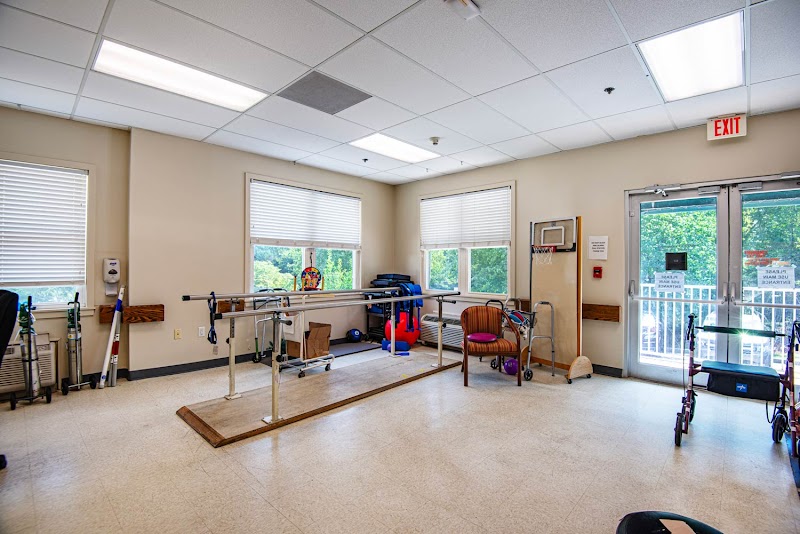
How is Brinton Manor Staffed?

CMS rates BRINTON MANOR NURSING AND REHABILITATION CENTER's staffing level at 2 out of 5 stars, which is below average compared to other nursing homes. Staff turnover is 55%, which is 9 percentage points above the Pennsylvania average of 46%. High turnover can affect care consistency as new staff learn residents' individual needs. RN turnover specifically is 67%, which is notably high. RNs provide skilled clinical oversight, so turnover in this role can affect medical care quality.

What Have Inspectors Found at Brinton Manor?

State health inspectors documented 17 deficiencies at BRINTON MANOR NURSING AND REHABILITATION CENTER during 2023 to 2025. These included: 17 with potential for harm.

Who Owns and Operates Brinton Manor?

BRINTON MANOR NURSING AND REHABILITATION CENTER is owned by a for-profit company. For-profit facilities operate as businesses with obligations to shareholders or private owners. The facility is operated by IMPERIAL HEALTHCARE GROUP, a chain that manages multiple nursing homes. With 92 certified beds and approximately 80 residents (about 87% occupancy), it is a smaller facility located in GLEN MILLS, Pennsylvania.

How Does Brinton Manor Compare to Other Pennsylvania Nursing Homes?

Compared to the 100 nursing homes in Pennsylvania, BRINTON MANOR NURSING AND REHABILITATION CENTER's overall rating (3 stars) matches the state average, staff turnover (55%) is near the state average of 46%, and health inspection rating (3 stars) is at the national benchmark.

What Should Families Ask When Visiting Brinton Manor?

Based on this facility's data, families visiting should ask: "How do you ensure continuity of care given staff turnover, and what is your staff retention strategy?" "Can you walk me through typical staffing levels on day, evening, and night shifts?" "Can I visit during a mealtime to observe dining assistance and food quality?" "How do you handle medical emergencies, and what is your hospital transfer rate?" These questions are particularly relevant given the facility's high staff turnover rate and the below-average staffing rating.

Is Brinton Manor Safe?

Based on CMS inspection data, BRINTON MANOR NURSING AND REHABILITATION CENTER has a clean safety record: no substantiated abuse findings (meaning no confirmed cases of resident harm), no Immediate Jeopardy citations (the most serious violation level indicating risk of serious injury or death), and is not on the Special Focus Facility watch list (a federal program monitoring the lowest-performing 1% of nursing homes). The facility has a 3-star overall rating and ranks #1 of 100 nursing homes in Pennsylvania. While no facility is perfect, families should still ask about staff-to-resident ratios and recent inspection results during their visit.

Do Nurses at Brinton Manor Stick Around?

Staff turnover at BRINTON MANOR NURSING AND REHABILITATION CENTER is high. At 55%, the facility is 9 percentage points above the Pennsylvania average of 46%. Registered Nurse turnover is particularly concerning at 67%. RNs handle complex medical decisions and coordinate care — frequent RN changes can directly impact care quality. High turnover means new staff may not know residents' individual needs, medications, or preferences. It can also be disorienting for residents, especially those with dementia who rely on familiar faces. Families should ask: What is causing the turnover? What retention programs are in place? How do you ensure care continuity during staff transitions?

Was Brinton Manor Ever Fined?

BRINTON MANOR NURSING AND REHABILITATION CENTER has no federal fines on record. CMS issues fines when nursing homes fail to meet care standards or don't correct problems found during inspections. The absence of fines suggests the facility has either maintained compliance or corrected any issues before penalties were assessed. This is a positive indicator, though families should still review recent inspection reports for the full picture.

Is Brinton Manor on Any Federal Watch List?

BRINTON MANOR NURSING AND REHABILITATION CENTER is not on any federal watch list. The most significant is the Special Focus Facility (SFF) program, which identifies the bottom 1% of nursing homes nationally based on persistent, serious quality problems. Not being on this list means the facility has avoided the pattern of deficiencies that triggers enhanced federal oversight. This is a positive indicator, though families should still review the facility's inspection history directly.