CONTINUING CARE AT MARIS GROVE
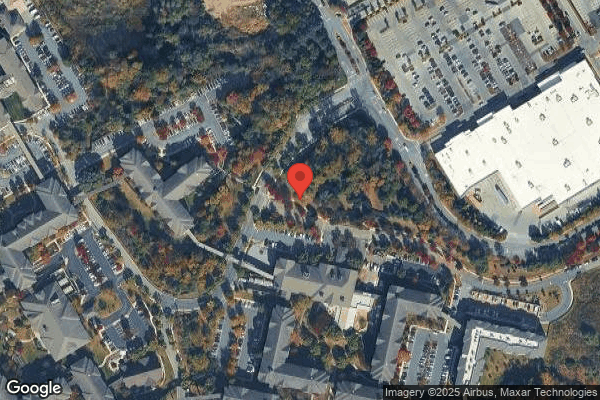
500 MARIS GROVE WAY, GLEN MILLS, PA 19342 (610) 387-4700
Non profit - Corporation 66 Beds ERICKSON SENIOR LIVING Data: November 2025 1 Immediate Jeopardy citation
Trust Grade
53/100
#165 of 653 in PA
Last Inspection: March 2025

Within standard 12-15 month inspection cycle. Federal law requires annual inspections.

Overview

Continuing Care at Maris Grove has a Trust Grade of C, which means it is average and sits in the middle of the pack for nursing homes in Pennsylvania. It ranks #165 out of 653 facilities statewide, placing it in the top half, and #11 out of 28 in Delaware County, indicating it has some local competition. The facility has been stable over the last couple of years, with the number of issues remaining consistent at six from 2024 to 2025. Staffing is a strength, as they have a 4/5 rating, but a turnover rate of 54% is concerning, as it is higher than the state average. However, there is good RN coverage, exceeding 89% of other facilities in Pennsylvania, which is vital for catching potential problems. On the downside, there have been significant concerns. For example, there was a critical incident where a resident did not receive proper CPR, creating an immediate jeopardy situation. Additionally, one resident suffered a fractured clavicle due to inadequate supervision, highlighting potential safety issues. Furthermore, the facility has incurred fines totaling $45,146, which is higher than 89% of other Pennsylvania facilities, suggesting ongoing compliance problems.

Trust Score
C
53/100
In Pennsylvania
#165/653
Top 25%
Safety Record
High Risk
Review needed
Inspections
Holding Steady
6 → 6 violations
Staff Stability
⚠ Watch
54% turnover. Above average. Higher turnover means staff may not know residents' routines.
Penalties
⚠ Watch
$45,146 in fines. Higher than 96% of Pennsylvania facilities. Major compliance failures.
Skilled Nurses
✓ Good
Each resident gets 87 minutes of Registered Nurse (RN) attention daily — more than 97% of Pennsylvania nursing homes. RNs are the most trained staff who catch health problems before they become serious.
Violations
⚠ Watch
14 deficiencies on record. Higher than average. Multiple issues found across inspections.
★★★★☆
4.0
Overall Rating
★★★★☆
4.0
Staff Levels
★★★★★
5.0
Care Quality
★★★☆☆
3.0
Inspection Score
Stable
2024: 6 issues
2025: 6 issues

The Good

  • 4-Star Staffing Rating · Above-average nurse staffing levels
  • 5-Star Quality Measures · Strong clinical quality outcomes
  • Full Sprinkler Coverage · Fire safety systems throughout facility
  • No fines on record

Facility shows strength in staffing levels, quality measures, fire safety.

The Bad

Staff Turnover: 54%

Near Pennsylvania avg (46%)

Higher turnover may affect care consistency

Federal Fines: $45,146

Above median ($33,413)

Moderate penalties - review what triggered them

Chain: ERICKSON SENIOR LIVING

Part of a multi-facility chain

Ask about local staffing decisions and management

The Ugly 14 deficiencies on record

1 life-threatening 1 actual harm
Mar 2025 6 deficiencies 1 Harm
SERIOUS (G)

Actual Harm - a resident was hurt due to facility failures

Accident Prevention (Tag F0689)

A resident was harmed · This affected 1 resident

**NOTE- TERMS IN BRACKETS HAVE BEEN EDITED TO PROTECT CONFIDENTIALITY** Based on review of facility documents, facility policy, clinical records, resident interview, and staff interviews, it was deter...

Read full inspector narrative →
**NOTE- TERMS IN BRACKETS HAVE BEEN EDITED TO PROTECT CONFIDENTIALITY** Based on review of facility documents, facility policy, clinical records, resident interview, and staff interviews, it was determined the facility failed to ensure one of eight residents reviewed was provided with adequate supervision to prevent accidents for one resident (Resident 208) which resulted in actual harm when Resident 208 fell resulting in a fracture clavicle. Findings include: Review of facility policy titled Fall Management, review date of April 2023, revealed a fall is any event resulting in the resident coming to unintentionally on the floor or other lower level but not as a result of an overwhelming external force. Each resident will be assessed using a Holistic Assessment for potential risk for falls on admission, readmission and quarterly for continuing services. Therapy will complete an evaluation/screening on new admission and readmission and as needed for residents identified as fall risks. Care/service plans will be developed using individualized approaches identified during the assessment process. Review of facility policy titled Care/Service Plans, review date of May 2021, indicated each resident will have an individualized care/service plan developed. Care/service plans will include resident preferences, strengths, routines, personal and cultural preferences and choices as well as clinical needs. All interdisciplinary team members will document any updates/changes on care plan copy in the guest/resident suite/apartment/designated accessible location and review update with designated care associate. Review of Resident 208's admission record indicated resident was admitted to the facility on [DATE]. Review of Resident 208's admission record indicated diagnoses including but not limited to fracture of the lower end of left femur (hip fracture), iron deficiency Anemia (lack of iron), abnormalities of gait and mobility (abnormal walking pattern), muscle weakness and osteoarthritis left shoulder (break down of cartilage and joint tissue). Review of Resident 208's admission Minimum Data Set (MDS) assessment (mandated assessment of a resident's abilities and care needs) dated January 18, 2024, indicated diagnoses of hip fracture, renal insufficiency (poor functioning kidneys), Coronary Artery Disease (disease that effects main blood vessels that supply blood to the heart), and Hypertension (high blood pressure). Additional review of Resident 208's MDS assessment revealed the resident is dependent on staff for transfers indicating staff does all the effort, the resident does none of the effort to complete the activity, or the assistance of two or more staff is required for the resident to complete the activity. Further review of same MDS assessment revealed the resident requires substantial/maximum assistance with showers and bathing, staff does more than half the effort. Review of Resident 208's clinical records revealed a progress note dated March 18, 2024, indicating During AM care resident had bruising to (his/her) left shin and reported pain in (his/her) left upper extremity, showing sign of limited range of motion. Upon assessment resident reported (he/she) was transferred with the assist on one staff member on Saturday, not assist of two as detailed in (his/her) plan of care. Resident reported a staff member fell on (his/her) during transfer, resident also reported falling a second time while in the shower room. Resident had left shoulder pain, stat x-ray ordered yielded left clavicle fracture. Review of facility incident report dated March 22, 2024, revealed a written witness statement dated March 18, 2024, from Nurse Assistant, Employee E3 who stated: I was washing (him/her) in the shower chair and (he/she) started to slide down and broke the arm to the shower chair as (he/she) slid. As (he/she) was sliding down, (he/she) was kind of leaning to (his/her) left side as (he/she) fell. I was trying to pull him/her back up, but he/she was heavy weight, so I pulled him/her a bit from behind and I pushed the button to open the door and called for Nursing Assistant Employee E6. Nursing Assistant Employee E6 stated we don't usually give (him/her) a shower, (resident) is a Hoyer (lift) (device designed to assist in safely transferring individuals with limited mobility), we give (him/her) a bed bath. I didn't know that. Review of information dated March 19, 2024, submitted by the facility on March 19, 2024 revealed, electronic version of resident's last assessment was reviewed. This identified the resident as a 2 person assist with use of a Hoyer lift. Upon further review of documentation it was identified the resident's plan of care paper copy detailed the resident's transfer status as assist of one person. Statements from additional employees detailed their routine use of two people assist to transfer resident with a Hoyer lift. Nursing Assistant Employee E3 went on to state that (he/she) did not use a Hoyer lift later in the day when caring for the resident (he/she) basically rolled the resident. Nursing Assistant Employee E3 confirmed telling the resident (he/she) would lift (him/her). Nursing Assistant Employee E3 stated usually I ask if I don t know (resident transfer status) but sometimes over there (on the unit) people don't help. Review of written witness statement dated March 19, 2024, from Nursing Assistant, Employee E4 indicated the following: Nursing Assistant Employee E3 called me to come in shower room. Resident was in a small gray shower chair with four legs. Resident was sliding out of it and Nursing Assistant Employee E3 asked me to help pull (him/her) up. I helped pull (him/her) up and called the nurse to come in the bathroom. The nurse came in and I went back to the dining room. Nursing Assistant Employee E4 further stated when providing care for Resident 208 she uses a Hoyer to transfer. Review of a written witness statement dated March 20, 2024, from Nursing Assistant Employee E5 stated: on Saturday I was in the M2 dining room assisting with breakfast when I saw Nursing Assistant Employee E3. He/she walked into our clean storage closet and got a sling. As Nursing Assistant Employee E3 was walking back Nursing Assistant Employee E3 said (employee) need me stating, 'can you help me? I need you to save my life, I need you badly.' I went to help Nursing Assistant Employee E3. The resident was sitting on the bench. I asked the resident is (he/she) could stand or hold anything, the resident said no. I asked Nursing Assistant Employee E3 how does the resident transfer? Nursing Assistant Employee E3 stated by Hoyer. I helped put the sling around the resident and then used the Hoyer to transfer the resident back to (his/her) room. Review of a written witness statement dated March 18, 2024, from Resident 208, authored by Registered Nurse Employee E6 revealed: I asked Resident 208 to explain how (he/she) got bruise to left lower extremity. Resident 208 replied, on Saturday, a Nursing Assistant came in and said I was going to get a shower, (he/she) went to transfer me manually, I told (him/her) I needed the machine, (employee) replied, I am strong enough to do it myself. (He/she) then picked me up to transfer me and fell onto top of me. (He/she) took me to the shower room and left me there. Interview conducted on March 13, 2025, at 11:56 a.m. with Physical Therapist (PT) Employee E7 revealed, Resident 208 required two person assist with Hoyer for transfers per the evaluation completed on Post Acute Care (PAC)/Care Plan review dated March 13, 2024. Review of Resident 208's clinical records revealed a consult report from a medical service organization dated March 18, 2024, documented findings of Resident 208's clavicle (collarbone) examination as an acute nondisplaced fracture of the middle third of the left clavicle (injury caused by direct impact to the shoulder). During an interview conducted on March 13, 2025, at 12:14 p.m. confirmed Resident 208 was a two person assist with Hoyer lift, contrary to paper copy of Resident 208's care plan, located at the nurse's station for staff review, which indicated care plan was not updated and documented Resident 208 as one person assist. Resident confirmed being transferred prior to shower by one person, falling in the shower, and fracturing (his/her) collarbone. The Director of Nursing confirmed, by not using the Hoyer lift the resident was improperly positioned on the shower chair resulting in him/her sliding off chair and causing the fracture to Resident 208's collarbone. The Director of Nursing further confirmed the facility failed to ensure Resident 208 was provided with adequate supervision to prevent accidents which resulted in actual harm of a fractured collarbone for Resident 208. 28 Pa. Code 201.14(a) Responsibility of licensee 28 Pa. Code 201.18(b)(1)(3)(e)(1) Management 28 Pa. Code 211.12 (c)(d)(1)(5) Nursing services
CONCERN (D)

Potential for Harm - no one hurt, but risky conditions existed

Comprehensive Care Plan (Tag F0656)

Could have caused harm · This affected 1 resident

**NOTE- TERMS IN BRACKETS HAVE BEEN EDITED TO PROTECT CONFIDENTIALITY** Based on clinical record reviews, staff interviews, and facility policy reviews, it was determined that the facility failed to i...

Read full inspector narrative →
**NOTE- TERMS IN BRACKETS HAVE BEEN EDITED TO PROTECT CONFIDENTIALITY** Based on clinical record reviews, staff interviews, and facility policy reviews, it was determined that the facility failed to implement the comprehensive care plan approaches to prevent accidents for one of eight residents reviewed. (Resident 208) Findings include: Review of facility policy Care/Service Plans, review date May 2021, indicated each resident will have an individualized care/service plan developed. Care/service plans will include resident preferences, strengths, routines, personal and cultural preferences and choices as well as clinical needs. All interdisciplinary team members will document any updates/changes on care plan copy in the guest/resident suite/apartment/designated accessible location and review update with designated care associate. Review of Resident 208's admission record indicated he/she was admitted to the facility on [DATE]. Review of Resident 208's admission record indicated diagnoses including but not limited to fracture of the lower end of left femur (hip fracture), iron deficiency anemia (lack of iron), abnormalities of gait and mobility (abnormal walking pattern), muscle weakness and osteoarthritis left shoulder (break down of cartilage and joint tissue). Review of Resident 208's clinical records revealed a care plan dated January 23, 2024, documenting the resident requires one-person physical assist with transfers. Review of a written witness statement dated March 18, 2024, from Nurse Assistant Employee E3 stated: I was washing him/her (Resident 208) in the shower chair and he/she started to slide down and broke the arm to the shower chair as she slid. As he/she was sliding down, he/she was kind of leaning to his/her left side as he/she fell. I was trying to pull him/her back up, but he/she was heavy weight, so I pulled him/her a bit from behind and I pushed the button to open the door and called for Nursing Assistant Employee E4. Nursing Assistant Employee E4 stated we don't usually give him/her a shower, he/she is a Hoyer, we give him/her a bed bath. I didn't know that. Review of documentation provided by the facility dated March 19, 2024, stated the following: Prior to submission of state reportable, electronic version of resident's last assessment was reviewed. This identified the resident as a 2 person assist with use of a Hoyer lift. Upon further review of documentation, and following submission of state reportable for neglect, it was identified the resident's plan of care paper copy detailed the resident's transfer status as assist of one person. Further review of Resident 208's clinical records revealed an updated care plan dated March 19, 2024, documenting the resident requires two-person assistance with Hoyer for transfers. During an interview on March 13, 2025, at 11:56 a.m. Physical Therapist (PT) Employee E7 confirmed that Resident 208 had required a two person assist with Hoyer for transfers since March 13, 2024, when a Post Acute Care/Care Plan review evaluation was completed. During an interview on March 13, 2025, at 12:14 p.m. when the above was presented, the Director of Nursing (DON) confirmed Resident 208 was a two person assist with Hoyer, but the paper copy of Resident 208's care plan, which was located at the nurse's station for staff review, was not updated and documented Resident 208 as one person assist failing to prevent an accident. 28 Pa Code 211.10(d) Resident care policies 28 Pa Code 211.11(d) Resident care plan 28 Pa. Code 211.12(c) Nursing services
CONCERN (D)

Potential for Harm - no one hurt, but risky conditions existed

Deficiency F0661 (Tag F0661)

Could have caused harm · This affected 1 resident

**NOTE- TERMS IN BRACKETS HAVE BEEN EDITED TO PROTECT CONFIDENTIALITY** Based upon clinical record review, it was determined the facility failed to complete discharge summary on the day of planned dis...

Read full inspector narrative →
**NOTE- TERMS IN BRACKETS HAVE BEEN EDITED TO PROTECT CONFIDENTIALITY** Based upon clinical record review, it was determined the facility failed to complete discharge summary on the day of planned discharge for one of three residents reviewed (Resident 45). Findings include: Review of Resident 45's clinical record revealed Resident 45 was admitted to the facility on [DATE], and was discharged to home on March 3, 2025. Review of Resident 45's clinical record failed to reveal a discharge summary completed on March 3, 2024, the day of a planned discharge. The above information was conveyed to the Nursing Home Administrator on March 14, 2025, at 1:38 p.m. 28 Pa. Code 211.5(f) Clinical Records
CONCERN (D)

Potential for Harm - no one hurt, but risky conditions existed

Quality of Care (Tag F0684)

Could have caused harm · This affected 1 resident

Based on clinical records review and staff interview, it was determined that the facility failed to ensure the physician's order regarding medication was followed for one of the 16 residents reviewed ...

Read full inspector narrative →
Based on clinical records review and staff interview, it was determined that the facility failed to ensure the physician's order regarding medication was followed for one of the 16 residents reviewed (Resident 12). Findings include: A review of Resident 12's physician order dated May 29, 2024, revealed an order for Lorazepam (A medication to treat anxiety) 2mg/ml Give 1 mg (0.5ml) every 2 hours as needed for Anxiety sublingually (Medication administered under the tongue). A review of Resident 12's November 2024, Medication Administration records and controlled substance declining sheet revealed that instead of 0.5 ml, Resident 12 was administered 0.25 ml of Lorazepam on the following dates: November 2, 2024, at 2:53 p.m., November 7, 2024, at 2:39 p.m., November 9, 2024, at 3:50 p.m., and November 14, 2024, at 1:00 a.m. An interview with the Director of Nursing conducted on March 14, 2025, at 10:40 a.m., confirmed Resident 12's physician's order for as-needed Lorazepam was not followed on the dates listed above. The facility failed to ensure Resident 12's as-needed Lorazepam order was followed. 28 Pa. Code 211.12(c)(d)(1)(5) Nursing Services
CONCERN (D)

Potential for Harm - no one hurt, but risky conditions existed

Pressure Ulcer Prevention (Tag F0686)

Could have caused harm · This affected 1 resident

**NOTE- TERMS IN BRACKETS HAVE BEEN EDITED TO PROTECT CONFIDENTIALITY** Based on clinical records review and staff interviews, it was determined that the facility failed to follow a wound specialist's...

Read full inspector narrative →
**NOTE- TERMS IN BRACKETS HAVE BEEN EDITED TO PROTECT CONFIDENTIALITY** Based on clinical records review and staff interviews, it was determined that the facility failed to follow a wound specialist's recommendation for wound treatment for one of the two residents reviewed (Resident 25). Findings include: Clinical records review revealed Resident 25 was admitted to the facility on [DATE], for diagnosis of Congestive Heart Failure (CHF-A weakened heart condition that causes fluid buildup in the feet, arms, lungs, and other organs). A review of the skin assessment revealed Resident 25 was admitted to the facility with a Stage 2 Pressure Ulcer (Partial-thickness skin loss with exposed dermis) to the sacrum (The triangular bone just below the lumbar vertebrae). Wound treatment was made and followed. A review of the wound consult dated February 3, 2025, revealed Resident 25's sacral wound progressed into an Unstageable Pressure Ulcer (Obscured full-thickness skin and tissue loss) measuring 1.5 x 0.7 cm with 100% slough (is non-viable yellow, tan, gray, green or brown tissue; usually moist, can be soft, stringy and mucinous in texture. Slough may be adherent to the base of the wound or present in clumps throughout the wound bed). The wound was debrided (A medical procedure that involves removing dead or infected tissue from a wound) by the physician. The recommended treatment was Calcium alginat (Are absorbent, non-adhesive dressings made from seaweed fibers used to mane moderately to heavy exuding wounds) with Honey and dry dressing. An interview with a wound nurse, licensed Employee E4 conducted on March 14, 2025, at 11:00 a.m., revealed that she/he does wound rounds with the wound doctor weekly. Employee E4 reported that the primary physician automatically agrees with the wound physician's recommendations and therefore does not need to be notified of changes in treatment orders. Employee E4 also reported that the nurse who did the wound rounds is responsible for reviewing the wound physician's report and putting in the orders in the EMR and transcribing it. A review of the February 2025, Treatment Administration Record (TAR) revealed that from February 4, 2025, until February 10, 2025, Resident 25's sacral wound was only treated with NSS, and Medihoney (A dressing that aids and support debridement and a moist wound healing environment in acute and chronic wounds and burns), and was covered with Optifoam. Calcium Alginate was not applied to the resident's sacral wound as recommended by the wound physician. A review of the physician's order dated February 3, 2025, revealed an order to cleanse the sacral wound with normal saline solution apply Meihoney, and cover with Optifoam daily and as needed. An interview with the Director of Nursing (DON) conducted on March 14, 2025, at 11:00 a.m., revealed that the wound nurse was not working on the day of the wound rounds. The nurse on duty was the one who placed the order into the EMR and transcribed it. The DON confirmed that the nurse missed the Calcium Alginate order. The facility failed to ensure Resident 25's wound care order was followed. 28 Pa. Code 211.5(f) Clinical records 28 Pa. Code 211.12 (c)(d)(1)(5) Nursing services
CONCERN (D)

Potential for Harm - no one hurt, but risky conditions existed

Deficiency F0692 (Tag F0692)

Could have caused harm · This affected 1 resident

Based on facility policy review, clinical records review, and staff interviews, it was determined that the facility failed to ensure appropriate monitoring of weight and food intake was done and that ...

Read full inspector narrative →
Based on facility policy review, clinical records review, and staff interviews, it was determined that the facility failed to ensure appropriate monitoring of weight and food intake was done and that significant weight change was timely addressed for one of 16 residents reviewed (Resident 20). Findings include: A review of the facility policy titled Weight Management, version June 2021, revealed residents would have their weight obtained on admission, re-admission, and monthly or at a frequency determined by the interdisciplinary team or provided. Residents with a weight variance equal to or greater than five pounds of five percent will be reweighed within 24 hours and weight will be entered into an EMR (Electronic Medical Record). The medical provider and responsible party will be notified of any significant change. Clinical records review revealed Resident 20's diagnosis list includes Prostate Cancer, Parkinson's Disease (A disorder of the central nervous system that affects movement, often including tremors), and Dysphagia (Difficulty swallowing). A review of Resident 20's weights revealed a weight of 144 pounds on September 4, 2024. The same report revealed Resident 20's weight was not taken for October 2024. On November 4, 2024, the resident's monthly weight was 128.8 pounds a 15.2 pounds weight loss in two months (10.56%), a significant weight loss. Clinical records review revealed Resident 20's identified significant weight loss on November 4, 2024, was not rechecked until November 10, 2024, which revealed a weight of 127.5 pounds. The clinical records review failed to reveal that the physician was notified of Resident 20's significant weight loss identified on November 4, 2024. A review of Dietitian Employee E3's note dated November 16, 2024, at 11:56 a.m., revealed resident was seen for a significant change in status. The same note revealed resident's appetite varies, noted to be fair most times, continue with a liberalized diet to keep him/her eating better. The same note revealed resident was offered shakes in the afternoon. Clinical records review failed to reveal an order for a milkshake. There was no documented evidence that Resident 20 had been offered and/or consumed the milkshake mentioned by the Dietitian on her/his assessment notes on November 16, 2024. Clinical records review also failed to reveal that Resident 20's meal intake was regularly monitored. An interview with Employee E3 was conducted on March 14, 2025, at 10:00 a.m. Employee E3 reported that nursing is responsible for taking resident's weights and weighs are done within 24 hours. Employee E3 was unable to provide an answer as to why re-weigh was not done until six days later. When asked how the resident's meal intake was monitored, Employee E3 responded that it was done by talking to the nurses and doing meal observations herself/himself. Employee E3 was unable to provide a clear explanation why the resident was evaluated (by the dietitian) six days after weigh was obtained and significant weight loss was confirmed. Employee E3 reported that no further recommendations were made for the identified significant weight loss because the resident was already on a health shake. Employee E3 further reported that the health shake does not need to be in the order (physician), the kitchen automatically sends it to the unit after a request was made by the dietitian/nursing. The dietitian confirmed that there was no documented evidence that Resident 20 was offered/received a health shake in the afternoon and how much was consumed. The dietitian confirmed that the only documentation she/he had was when the kitchen sent the health shake to the unit and that it was received by nursing. An interview with the Director of Nursing on March 14, 2025, at 11:00 a.m., confirmed that Resident 20's meal intake was not consistently monitored and that there was documentation on the resident's medical records that the physician was notified of Resident 20's significant weight loss. The facility failed to ensure Resident 20's weight and meal intake were appropriately monitored and significant weight loss was timely addressed and the physician was notified. 28 Pa. Code 201.29(j) Resident Rights 28 Pa. Code 211.12(c)(d)(1)(5) Nursing Services
Feb 2024 6 deficiencies 1 IJ
CRITICAL (J)

Immediate Jeopardy (IJ) - the most serious Medicare violation

Deficiency F0678 (Tag F0678)

Someone could have died · This affected 1 resident

**NOTE- TERMS IN BRACKETS HAVE BEEN EDITED TO PROTECT CONFIDENTIALITY** Based on a review of established guidelines for cardiopulmonary resuscitation (CPR), the facility's policies, residents' clinica...

Read full inspector narrative →
**NOTE- TERMS IN BRACKETS HAVE BEEN EDITED TO PROTECT CONFIDENTIALITY** Based on a review of established guidelines for cardiopulmonary resuscitation (CPR), the facility's policies, residents' clinical records, and staff interviews, it was determined that the facility failed to ensure that CPR was provided in accordance with established facility policy and procedure for Resident 207, creating a situation for one of six residents were placed in an Immediate Jeopardy situation related to failure to perform cardiopulmonary resuscitation. Findings include: Review of guidelines from the American Heart Association (AHA), dated 2020, revealed, the AHA urged all potential rescuers to initiate CPR unless a valid Do Not Resuscitate (DNR) order was in place; if there were obvious clinical signs of irreversible death present, including rigor mortis (stiffness of the limbs and body that develops 2 to 4 hours after death and may take up to 12 hours to fully develop), dependent lividity (reddish-blue discoloration of the skin resulting from the gravitational pooling of blood in the lower lying parts of the body in the position of death), decapitation (separation of the head from the body), transection (division by cutting across the body), or decomposition (decay); or if initiating CPR could cause injury or peril to the rescuer. Review of the facility's policy titled Cardiopulmonary Resuscitation (CPR), dated [DATE], stated that in the case of an unwitnessed arrest of a resident who is a FULL CODE, determination of the appropriateness of CPR initiation should be undertaken by the nurse after a resident assessment, validation of Code Status and interventions appropriate to the findings initiated. Further review of the facility policy revealed, the licensed nurse will assess the resident upon discovery of the unresponsiveness. Assessment of death in which CPR would be a futile and inappropriate intervention requires that ALL SEVEN of the following signs be present and that the arrest be unwitnessed: i. Resident is unresponsive. ii. Resident has no respiration. iii. Resident has no pulse. iv. Resident's pupils are fixed and dilated. v. Resident's skin is cold relative to the resident's baseline skin temperature. vi. Resident has generalized cyanosis. vii. There is presence of venous pooling of blood in dependent body parts causing purple discoloration of the skin which does blanch with pressure (liver mortis). Review of Resident 207's clinical record revealed Resident 207 was admitted to the facility on [DATE], with diagnoses including but not limited to Hemiplegia (one-sided paralysis or weakness), Spinal Stenosis (spinal column narrows and compresses the spinal cord) and Parkinson's disease (progressive disorder that affects the nervous system and the parts of the body controlled by the nerves). Review of Resident 207's clinical record revealed, a Pennsylvania Orders for Life-Sustaining Treatment (POLST) dated [DATE], indicating Resident 207's intention to have FULL treatment which includes attempt resuscitation, CPR. The POLST was signed by the physician on [DATE]. Review of Resident 207's clinical record revealed a nursing note by Registered Nurse, Employee E4, dated [DATE], at 6:35 a.m. indicating that upon entering [resident] room, it was clear the resident was expired, [resident] was sitting up in bed 45 degrees with [resident] head turned to the right, there was some brown colored emesis on [resident] right shoulder, [resident] skin was warm but extremely pale. Employee E4 noted employee observed no respiration and there was no pulse. The resident's pupils were fixed and dilated. The nurse was not able to open [resident] mouth because her jaw was rigid, the rest of her body was flaccid. The resident was pronounced at 6:39 a.m. Further review of the nursing note revealed that Employee E4 did not initiate CPR, because she had it in her mind that [resident] was a Code B (on POLST document - DNR - Do Not Resuscitate). Employee E4 indicates that in hindsight she should have confirmed the code status on the chart, initiated CPR and called emergency services per protocol. Review of facility documentation including written statement from non-licensed Employee E5, dated [DATE], at 6:54 a.m. revealed when Employee E5 got too [resident]'s room, [resident], was quiet. Before turning on the light, Employee E5 asked resident if [resident] needed continence care. Resident did not respond. Employee E5 turned on the light and found resident laying with [his/her] head to the side of [his/her] pillow with dark emesis coming out of [his/her] mouth. Employee E5 called out to resident several times but [he/she] did not reply. Employee E5 then ran to get the nurse, Employee E4. Additional review of facility documentation revealed Nurse Aide, Employee E5 documented the last time Employee E5 saw Resident 207 was at approximately 2:50 a.m., when employee provided continence care. Review of facility documentation including written statement by Registered Nurse (RN), Employee E4, dated [DATE], at 5:10 p.m., indicated that he/she was in the hallway starting his/her final rounds when the non-licensed, Employee E5, came running toward him/her in alarm, proclaiming he/she thinks resident is dead. Employee E4 noted he/she followed Employee E5 into the resident's room. Upon entering [resident]'s room, it was clear the resident was expired, [resident] was sitting up in bed 45 degrees with [his/her] head turned to the right, there was some brown colored emesis on [his/her] right shoulder, skin was warm but extremely pale. Employee E4 stated [he/she] observed no respiration and there was no pulse. The resident's pupils were fixed and dilated. The nurse was not able to open resident's mouth because [his/her] jaw was rigid, the rest of the body was flaccid. Additional review of documentation including statement by licensed, Employee E4 documented that he/she did not initiate CPR because she had it in her mind that Resident was a Code B, (on POLST document - DNR - Do Not Resuscitate). Employee E4 further indicated, in hindsight he/she should have confirmed the code status on the chart, initiated CPR and called emergency services per protocol. Employee E4 notes [he/she] notified the physician that resident had expired at 6:35 a.m., and then contacted resident's family. Further review of licensed, Employee E4 witness statement indicated, it wasn't until the Nurse Supervisor Employee 6, came into the room and asked if he/she did CPR, since the resident was a code A, (Cardiopulmonary Resuscitation CPR: person has no pulse and is not breathing), did he/she realize the error. Interview conducted with the Nursing Home Administrator and the Director of Nursing on [DATE], at 10:00 a.m. revealed the administration was aware staff did not perform Cardiopulmonary Resuscitation to Resident 207 in accordance with resident's identified interventions as indicated on POLST, and CPR should have been provided in accordance with the facility's policy. On [DATE], at 3:05 p.m., Immediate Jeopardy was identified and the Nursing Home Administrator and Director of Nursing were informed that the health and safety of residents were in Immediate Jeopardy due to the RN failing to provide CPR in accordance with a resident's POLST and the facility's policy. The facility submitted an action plan on [DATE], at 5:38 p.m. that included the following actions: a full house audit of all resident's charts was performed to ensure accurate code status were in place and in accordance with resident's wishes. Education provided to nursing staff, with successful return demonstration via questionnaire to ensure staff comprehend training and retain information. All staff upon hire will receive advance directive and code status training with successful return demonstration via questionnaire prior to resident contact. Director of Nursing will conduct mock resuscitation drills every shift x1 week for 4 weeks and monthly x3. Trends will be identified and shared with QAPI committee for further review. The Immediate Jeopardy was lifted on [DATE], at 2:32 p.m. when it was confirmed that the facility provided nursing staff with education regarding providing CPR in accordance with residents' advanced directives, and the facility's policy, and completed a Code Blue drill to ensure that licensed nurses were prepared to respond to situations that required CPR. Any remaining staff were scheduled to receive the education prior to the start of their next shift. 28 Pa. Code 201.14(a) Responsibility of licensee 28 Pa. Code 201.18(b)(1)(3)(e)(1) Management 28 Pa. Code 201.18(e)(3) Management 28 Pa. Code 211.12(c)(d)(1)(3)(5) Nursing services
CONCERN (D)

Potential for Harm - no one hurt, but risky conditions existed

Resident Rights (Tag F0550)

Could have caused harm · This affected 1 resident

Based on observations and staff interviews it was determined that the facility failed to ensure the dignity of residents in one of the three units observed (Cardinal 2). Findings include: Observations...

Read full inspector narrative →
Based on observations and staff interviews it was determined that the facility failed to ensure the dignity of residents in one of the three units observed (Cardinal 2). Findings include: Observations conducted during the environmental tour of the rooms on the Cardinal 2 unit was conducted on January 29, 2024. Observation conducted in Resident 39's room on January 29, 2024, at 10:00 a.m., revealed a white paper with a typewritten note After each meal, make sure [resident's name] mouth is clean. Check for any residue on the tongue let her/him take multiple sips of water, and if possible, brush their teeth following breakfast and dinner. Thank you, [staff name] The note was posted on the wall of the room near the door visible from the hallway outside the room. Observation conducted in Resident 11's room on January 29, 2024, at 12:17 p.m., revealed a white paper with a typewritten note Toileting Needs: Dear caregivers [resident's name] frequently has bowel movement after meals, please take [resident's name] to the toilet after each meal to give her/him the opportunity to have bowel movement. From Therapy. Additional observation revealed two other notes one for feeding instructions and the other for ambulation and transfer instruction from rehab staff. All notes were posted on the wall of the room near the door visible from the hallway outside the room. Observation conducted in Resident 24's room on January 29, 2024, at 12:23 p.m., revealed a white paper with a typewritten note Attentions Caregivers: Resident is able to walk to/from the bathroom with wheeled walker with contact guard of caregiver with cueing for safe rolling walker management and left knee extension. She/He does not need the bedpan. The note was from rehab staff and was visible from the hallway outside the room. Observation on February 1, 2024, at 11:30 a.m., in the presence of licensed Employee E3 revealed that the above notes were still present in the rooms of Residents 39, 11, and 24. Employee E3 confirmed that the notes indicating the resident's confidential personal and clinical information should have not been posted in an area visible in public areas. 28 Pa. Code 201.29(j) Resident Rights 28 Pa. Code 211.12(c)(d)(1)(5) Nursing Services
CONCERN (D)

Potential for Harm - no one hurt, but risky conditions existed

Deficiency F0661 (Tag F0661)

Could have caused harm · This affected 1 resident

**NOTE- TERMS IN BRACKETS HAVE BEEN EDITED TO PROTECT CONFIDENTIALITY** Based on clinical record review and staff interview it was determined the facility failed to complete a discharge summary for on...

Read full inspector narrative →
**NOTE- TERMS IN BRACKETS HAVE BEEN EDITED TO PROTECT CONFIDENTIALITY** Based on clinical record review and staff interview it was determined the facility failed to complete a discharge summary for one of three residents reviewed. (Resident 50) Findings Include: Review of resident's records revealed a progress note dated [DATE], at 2:36 am, noting the resident discharged to [NAME] Hospital at approximately 1:30 am. Resident noted to have shortness of breath, pulse ox was 56% on room air. Resident was put on O2 @ 5liters via nasal cannula. Pulse ox was up 82%. Resident was lethargic, sweaty and could not respond much when name was called. Blood sugar was 256, vital signs were unstable. Nursing supervisor called on-call doctor and resident was sent out via EMS. POA was made aware before resident was sent out to hospital. Further review of resident's record revealed a progress note dated [DATE], at 7:03 am, noting resident was being admitted to [NAME] Hospital with a diagnosis of pneumonia. It was further noted that Resident 50 never returned to the facility. Resident 50 expired in the hospital on [DATE]. Review of Resident 50's entire clinical record revealed there was no discharge summary completed for Resident 50. Interview with the Director of Nursing on February 1, 2024, at 2:28 p.m. confirmed there was no documentation of medication disposition or documentation that personal belongings were returned to the family upon the discharge of Resident 50. 28 Pa. Code 201.14(a) Responsibility of licensee 28 Pa. Code 201.18(b)(2)(3) Management 28 Pa. Code 211.12(c)(d)(3) Nursing services
CONCERN (D)

Potential for Harm - no one hurt, but risky conditions existed

Quality of Care (Tag F0684)

Could have caused harm · This affected 1 resident

Based on clinical records review and staff interview, it was determined that the facility failed to ensure the physician's order regarding blood sugar was followed for one of the 17 residents reviewed...

Read full inspector narrative →
Based on clinical records review and staff interview, it was determined that the facility failed to ensure the physician's order regarding blood sugar was followed for one of the 17 residents reviewed (Resident 19). Findings include: A review of Resident 19's diagnosis revealed malignant neoplasm of the connective and soft tissue of the pelvis, and Hypoglycemia (low blood sugar level). A review of the physician order dated December 19, 2023, revealed an order to check Resident 19's blood sugar every four hours when awake. Call a physician if blood sugar is less than 60 or greater than 350. A review of the January 2024, Treatment Record revealed that from January 1, 2024, until January 31. 2024, Resident 19 had a blood sugar below 60 on the following days: January 3, 2024, at 12:00 a.m., 38 mg/dl; January 7, 2024, at 12:00 p.m., 44 mg/dl; January 9, 2024, at 8:00 a.m., 38mg/dl; January 10, 2024, at 4:00 p.m., 44 mg/dl; January 14, 2024, at 8:00 a.m., 38 mg/dl; January 15, 2024, at 8:00 a.m., 55 mg/dl; January 15, 2024, at 12 noon, 48 mg/dl; January 16, 2024, at 8:00 a.m., 36 mg/dl; January 20, 2024, at 8:00 a.m., 36 mg/dl; January 21, 2024, at 12:00 a.m., 44 mg/dl; January 24, 2024, at 8:00 a.m., 56 mg/dl; January 24, 2024, at 4:00 p.m., 35 mg/dl; January 26, 2024, at 4:00 p.m., 36 mg/dl; and January 26, 2024, at 8:00 p.m., 39 mg/dl. The clinical records review failed to reveal that the physician was notified of Resident 19's blood sugar result of below 60 mg/dl on the dates/time mentioned above. An interview with the Director of Nursing on February 2, 2024, at 11:30 a.m., confirmed that the physician was not notified of Resident 19's below 60 mg/dl blood sugar on the dates/time mentioned above. The facility failed to ensure the physician's order to be notified when Resident 19's blood sugar level was below 60 mg/dl ( 14 times) was followed. 28 Pa. Code 211.5(f) Clinical records 28 Pa. Code 211.12(c)(d)(1)(5) Nursing services
CONCERN (D)

Potential for Harm - no one hurt, but risky conditions existed

Pharmacy Services (Tag F0755)

Could have caused harm · This affected 1 resident

Based on clinical record review and staff interview, it was determined that the facility failed to ensure the pharmacy services provided medications timely for one of the 17 residents reviewed. (Resid...

Read full inspector narrative →
Based on clinical record review and staff interview, it was determined that the facility failed to ensure the pharmacy services provided medications timely for one of the 17 residents reviewed. (Resident 19). Findings include: Review of Resident 19's clinical records revealed the resident with a diagnosis of Hypoglycemia (low blood sugar). Review of Resident 19's physician orders dated January 17, 2023, revealed an order for True plus Glucose 4 gram chewable four tablets every four hours for low blood sugar. Review of Resident 19's January 2024, Medication Administration Record (MAR) revealed Resident19's glucose tablet was not administered on the following day/time: January 18, 2024, at 2:00 a.m.; January 20, 2024, at 2:00 p.m.; January 27, 2024, at 6:00 a.m., and January 27, 2024, at 10:00 a.m. REview of Resident 19's clinical records and administration notes revealed that Resident 19's glucose tablet was not administered to the resident on the above-mentioned dates/time due to awaiting pharmacy delivery of the medication. Interview with the Director of Nursing conducted on February 1, 2024, at 11:00 a.m., confirmed that Resident 19's glucose tablet was not administered due to the unavailability of the medication in the facility, awaiting pharmacy delivery. The facility failed to ensure pharmacy services provided the glucose tablet for Resident 19 which was ordered for the resident 'hypoglycemia. 28 Pa. Code 211.5(f) Clinical records 28 Pa. Code 211.12(c)(d)(1)(5) Nursing services
CONCERN (E)

Potential for Harm - no one hurt, but risky conditions existed

Administration (Tag F0835)

Could have caused harm · This affected multiple residents

Based on a review of their job descriptions it was determined that the Continuing Care Administrator (CCA), and the Director of Nursing (DON) did not effectively manage the facility to ensure that Car...

Read full inspector narrative →
Based on a review of their job descriptions it was determined that the Continuing Care Administrator (CCA), and the Director of Nursing (DON) did not effectively manage the facility to ensure that CardioPulmonary Resuscitation was provided in accordance with the facility policy and procedures to residents that are a full code. Findings include: Review of the job description for the Continuing Care Administrator (CCA) revealed the essential function is responsible for ensuring compliance with all federal, state, local and facility regulations, and policies. Oversees and audits nursing services to ensure high quality nursing delivery systems. Review of the job description for the Director of Nursing (DON) revealed the responsibility of the job position is to coordinate and implement the comprehensive delivery of nursing services to all Continuing Care residents (skilled nursing, long term care, assisted living and memory care) according to Erickson's Person-Centered Approach care model and standards, professionally recognized nursing practices and local, state, and federal regulations. The findings in this report identified that the facility failed to ensure that CPR (CardioPulmonary Resuscitation) was provided in accordance with the facility policy and procedures to residents that are a full code (life sustaining interventions). The CCA and DON failed to fulfill their essential job duties that the federal and state guidelines and regulations were followed. Refer to F678 28 Pa. Code 201.14(a) Responsibility of licensee 28 Pa. Code 201.18(b)(1) Management 28 Pa. Code 201.18(b)(3) Management 28 Pa. Code 201.18(e)(1) Management 28 Pa. Code 207.2(a) Administrator's Responsibility 28 Pa. Code 211.12(d)(1)(5) Nursing Services 28 Pa. Code 211.12(d)(2)(3) Nursing Services
Feb 2023 2 deficiencies
CONCERN (D)

Potential for Harm - no one hurt, but risky conditions existed

Deficiency F0655 (Tag F0655)

Could have caused harm · This affected 1 resident

**NOTE- TERMS IN BRACKETS HAVE BEEN EDITED TO PROTECT CONFIDENTIALITY** Based on clinical records review and staff interviews, it was determined that the facility failed to develop a baseline care pla...

Read full inspector narrative →
**NOTE- TERMS IN BRACKETS HAVE BEEN EDITED TO PROTECT CONFIDENTIALITY** Based on clinical records review and staff interviews, it was determined that the facility failed to develop a baseline care plan for a resident with a urinary tract infection for one of the 14 residents reviewed (Resident 17). Findings include: Review of Resident 17's diagnosis list revealed a fracture from a fall, Dementia (term used to describe a group of symptoms affecting memory, thinking, and social abilities severely enough to interfere with daily life. Review of Resident 17's Infection Control Surveillance Assessment revealed resident was admitted to the facility on [DATE], with a Urinary Tract Infection (UTI). The resident was ordered Cephalexin (Antibiotic) 500 mg(miligrams) two times daily for three days. Review of Resident 17's Minimum Data Set (MDS- standardized assessment tool that measures health status in long-term care residents) dated January 19, 2023, revealed resident's cognition was moderately impaired. The same MDS revealed that Resident 17 was frequently incontinent of bladder and required limited with one assistance with toileting. Review of Resident 17's clinical records failed to reveal a care plan for Urinary Tract Infection was developed upon admission. Review of the nursing progress notes dated January 23, 2023, at 6:49 a.m., revealed resident complained of burning pain with urination, urine sample was obtained, and a dip test was obtained and showed positive for Leucocytes (presence of white blood cells which may indicate infection). The urine was sent to the laboratory. Review of the nursing progress notes dated January 26, 2023, at 10:24 p.m., revealed urine test result was positive for E. Coli (type of bacteria). The resident was ordered Bactrim DS (antibiotic) two times daily for three days. Clinical records review failed to reveal that a care plan for UTI was developed after the resident had tested positive for UTI on January 26, 2023. An interview with licensed nurse Employee E3 was conducted on February 1, 2023, at 10:00 a.m., Employee E3 confirmed that a care plan was not developed for UTI upon admission and/or after testing positive for another UTI on January 26, 2023. Employee E3 confirmed that a care plan should have been developed upon admission. The above information was conveyed to the Director of Nursing on February 2, 2023, at 11:00 a.m. The facility failed to develop a UTI care plan for Resident 17 upon admission, an essential tool to help minimize the risk for potential UTI to recur. 28 Pa. Code 211.12(c)(d)(1)(5) Nursing services Previously cited 3/11/22, 10/13/22
CONCERN (D)

Potential for Harm - no one hurt, but risky conditions existed

Deficiency F0692 (Tag F0692)

Could have caused harm · This affected 1 resident

Based on a review of the facility's policy, clinical records review, and staff interview, it was determined that the facility failed to identify and address a significant weight change timely for one ...

Read full inspector narrative →
Based on a review of the facility's policy, clinical records review, and staff interview, it was determined that the facility failed to identify and address a significant weight change timely for one of the four residents reviewed (Resident 25). Findings include: Review of the facility's policy titled Weight Management, with a version date of June 2021, revealed that all residents will be weighed on admission, seven days after admission. The care associate obtains the weight and documents the weight into Touchscreen and or my Unity. Once weights have been entered into the EMR (Electronic Medical Record), the licensed nurse reviews the weight changes: Five pounds from previous weight or a five percent change over a month, 7.5 percent change over three months, or ten percent change over six months. Weight variance equal to or greater than five pounds or five percent will be reweighed within 24 hours. When a significant weight change is identified, the licensed nurse or designee notifies the Dietitian of any resident with a weight change of five pounds from the previous weight. The medical provider and responsible party will be notified of any significant weight change. Review of Resident 25's diagnosis list revealed a right leg fracture, Dementia (term used to describe a group of symptoms affecting memory, thinking, and social abilities severely enough to interfere with daily life), Diabetes (group of metabolic disorders characterized by a high blood sugar level over a prolonged period), and Major Depressive Disorder. Review of the Weights Record revealed a weight of 188.5 on November 17, 2022. Review of the progress notes dated November 23, 2022, at 10:25 p.m., revealed resident's weight was obtained via a lift, which revealed 169 pounds, a 19.5 pounds weight change in six days (10.34%). The note revealed resident will be re-weighed in the morning. Review of the progress notes dated November 24, 2022, at 5:11 p.m., revealed Resident 25 refused to be weighed during the shift. Review of the Nutritional progress goals dated November 29, 2022, revealed no changes in weight, and have been refusing to be weighed. Dietary notes failed to reveal the identified 10.34% weight change documented on November 23, 2022. Review of the weight record dated November 30, 2022, revealed a weight of 178.7 pounds, a 9.8 pounds weight change (5.20%) from the November 17, 2022, weight. Records failed to reveal that a reweight was attempted within 24 hours. Review of Resident 17's clinical record failed to reveal notification to the dietitian and the physician of the significant weight change. Documentation review failed to reveal that the facility addressed the significant weight change timely. Interview conducted with the Director of Nursing on February 2, 2022, at 11:00 a.m., confirmed there was no documented evidence that the dietitian and the physician were notified of Resident 25's significant weight change timely. The facility failed to address Resident 25's significant weight change timely. 28 Pa. Code 211.12(c)(d)(1)(5) Nursing services Previously cited 3/11/22, 10/13/22
Understanding Severity Codes (click to expand)
Life-Threatening (Immediate Jeopardy)
J - Isolated K - Pattern L - Widespread
Actual Harm
G - Isolated H - Pattern I - Widespread
Potential for Harm
D - Isolated E - Pattern F - Widespread
No Harm (Minor)
A - Isolated B - Pattern C - Widespread

Questions to Ask on Your Visit

  • "What changes have you made since the serious inspection findings?"
  • "Can I speak with families of current residents?"
  • "What's your RN coverage like on weekends and overnight?"

Our Honest Assessment

Strengths
  • • Licensed and certified facility. Meets minimum state requirements.
Concerns
  • • Multiple safety concerns identified: 1 life-threatening violation(s), 1 harm violation(s), $45,146 in fines. Review inspection reports carefully.
  • • 14 deficiencies on record, including 1 critical (life-threatening) violation. These warrant careful review before choosing this facility.
  • • $45,146 in fines. Higher than 94% of Pennsylvania facilities, suggesting repeated compliance issues.
  • • Grade C (53/100). Below average facility with significant concerns.
Bottom line: Mixed indicators with Trust Score of 53/100. Visit in person and ask pointed questions.

About This Facility

What is Continuing Care At Maris Grove's CMS Rating?

CMS assigns CONTINUING CARE AT MARIS GROVE an overall rating of 4 out of 5 stars, which is considered above average nationally. Within Pennsylvania, this rating places the facility higher than 99% of the state's 100 nursing homes. This rating reflects solid performance across the metrics CMS uses to evaluate nursing home quality.

How is Continuing Care At Maris Grove Staffed?

CMS rates CONTINUING CARE AT MARIS GROVE's staffing level at 4 out of 5 stars, which is above average compared to other nursing homes. Staff turnover is 54%, compared to the Pennsylvania average of 46%. RN turnover specifically is 59%, which is notably high. RNs provide skilled clinical oversight, so turnover in this role can affect medical care quality.

What Have Inspectors Found at Continuing Care At Maris Grove?

State health inspectors documented 14 deficiencies at CONTINUING CARE AT MARIS GROVE during 2023 to 2025. These included: 1 Immediate Jeopardy (the most serious level, indicating potential for serious harm or death), 1 that caused actual resident harm, and 12 with potential for harm. Immediate Jeopardy findings are rare and represent the most serious regulatory concerns. They require immediate corrective action.

Who Owns and Operates Continuing Care At Maris Grove?

CONTINUING CARE AT MARIS GROVE is owned by a non-profit organization. Non-profit facilities reinvest revenue into operations rather than distributing to shareholders. The facility is operated by ERICKSON SENIOR LIVING, a chain that manages multiple nursing homes. With 66 certified beds and approximately 55 residents (about 83% occupancy), it is a smaller facility located in GLEN MILLS, Pennsylvania.

How Does Continuing Care At Maris Grove Compare to Other Pennsylvania Nursing Homes?

Compared to the 100 nursing homes in Pennsylvania, CONTINUING CARE AT MARIS GROVE's overall rating (4 stars) is above the state average of 3.0, staff turnover (54%) is near the state average of 46%, and health inspection rating (3 stars) is at the national benchmark.

What Should Families Ask When Visiting Continuing Care At Maris Grove?

Based on this facility's data, families visiting should ask: "What changes have been made since the serious inspection findings, and how are you preventing similar issues?" "Can I visit during a mealtime to observe dining assistance and food quality?" "How do you handle medical emergencies, and what is your hospital transfer rate?" "Can I speak with family members of current residents about their experience?" These questions are particularly relevant given the facility's Immediate Jeopardy citations.

Is Continuing Care At Maris Grove Safe?

Based on CMS inspection data, CONTINUING CARE AT MARIS GROVE has documented safety concerns. Inspectors have issued 1 Immediate Jeopardy citation (the most serious violation level indicating risk of serious injury or death). The facility has a 4-star overall rating and ranks #1 of 100 nursing homes in Pennsylvania. Families considering this facility should ask detailed questions about what corrective actions have been taken since these incidents.

Do Nurses at Continuing Care At Maris Grove Stick Around?

CONTINUING CARE AT MARIS GROVE has a staff turnover rate of 54%, which is 8 percentage points above the Pennsylvania average of 46%. Moderate turnover is common in nursing homes, but families should still ask about staff tenure and how the facility maintains care continuity when employees leave.

Was Continuing Care At Maris Grove Ever Fined?

CONTINUING CARE AT MARIS GROVE has been fined $45,146 across 11 penalty actions. The Pennsylvania average is $33,530. While any fine indicates a compliance issue, fines under $50,000 are relatively common and typically reflect isolated problems that were subsequently corrected. Families should ask what specific issues led to these fines and confirm they've been resolved.

Is Continuing Care At Maris Grove on Any Federal Watch List?

CONTINUING CARE AT MARIS GROVE is not on any federal watch list. The most significant is the Special Focus Facility (SFF) program, which identifies the bottom 1% of nursing homes nationally based on persistent, serious quality problems. Not being on this list means the facility has avoided the pattern of deficiencies that triggers enhanced federal oversight. This is a positive indicator, though families should still review the facility's inspection history directly.