


QUADRANGLE

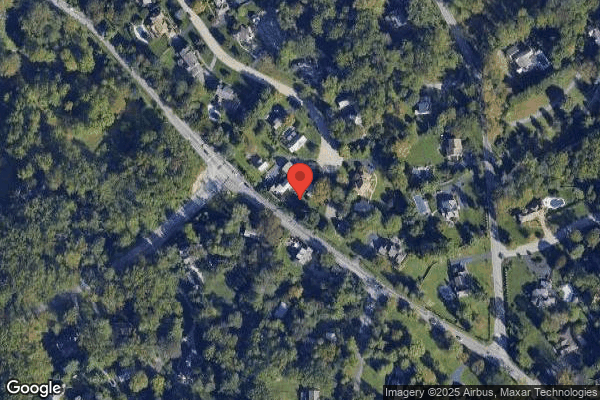
3300 DARBY ROAD, HAVERFORD, PA 19041 (610) 642-3000
For profit - Limited Liability company 63 Beds HEALTHPEAK PROPERTIES, INC. Data: November 2025
Trust Grade
45/100
#477 of 653 in PA
Last Inspection: April 2025

Within standard 12-15 month inspection cycle. Federal law requires annual inspections.

Overview

Quadrangle in Haverford, Pennsylvania has received a Trust Grade of D, indicating below-average performance with some concerning issues. It ranks #477 out of 653 facilities in Pennsylvania, placing it in the bottom half of nursing homes in the state, and #23 out of 28 in Delaware County, meaning only a few local options are worse. The facility has a worsening trend, with issues increasing from 9 in 2024 to 19 in 2025, highlighting growing concerns. Despite this, staffing is rated 4 out of 5 stars, with a remarkably low turnover rate of 0%, suggesting that staff are committed and familiar with the residents. However, there are significant weaknesses, including a serious incident where a resident suffered a burn from hot water due to improper temperature checks, as well as concerns about food safety and garbage disposal practices that could potentially harm residents.

Trust Score
D
45/100
In Pennsylvania
#477/653
Bottom 27%
Safety Record
Moderate
Needs review
Inspections
Getting Worse
9 → 19 violations
Staff Stability
○ Average
Turnover data not reported for this facility.
Penalties
✓ Good
No fines on record. Clean compliance history, better than most Pennsylvania facilities.
Skilled Nurses
✓ Good
Each resident gets 64 minutes of Registered Nurse (RN) attention daily — more than 97% of Pennsylvania nursing homes. RNs are the most trained staff who catch health problems before they become serious.
Violations
⚠ Watch
36 deficiencies on record. Higher than average. Multiple issues found across inspections.
★★☆☆☆
2.0
Overall Rating
★★★★☆
4.0
Staff Levels
★★★☆☆
3.0
Care Quality
★★☆☆☆
2.0
Inspection Score
Stable
2024: 9 issues
2025: 19 issues

The Good

  • 4-Star Staffing Rating · Above-average nurse staffing levels
  • Full Sprinkler Coverage · Fire safety systems throughout facility
  • No fines on record

Facility shows strength in staffing levels, fire safety.

The Bad

2-Star Overall Rating

Below Pennsylvania average (3.0)

Below average - review inspection findings carefully

Chain: HEALTHPEAK PROPERTIES, INC.

Part of a multi-facility chain

Ask about local staffing decisions and management

The Ugly 36 deficiencies on record

1 actual harm
Sept 2025 1 deficiency
CONCERN (D) 📢 Someone Reported This

A family member, employee, or ombudsman was alarmed enough to file a formal complaint

Potential for Harm - no one hurt, but risky conditions existed

Infection Control (Tag F0880)

Could have caused harm · This affected 1 resident

**NOTE- TERMS IN BRACKETS HAVE BEEN EDITED TO PROTECT CONFIDENTIALITY** Based on observations, review of facility policies, review of facility documentation, clinical record review and interviews with...

Read full inspector narrative →
**NOTE- TERMS IN BRACKETS HAVE BEEN EDITED TO PROTECT CONFIDENTIALITY** Based on observations, review of facility policies, review of facility documentation, clinical record review and interviews with staff, it was determined that the facility failed to maintain an effective infection control program related to Transmission Based Precautions for two of two residents reviewed (Residents R1and R2) and an Infection Preventionist.Findings include:Review of facility policy, Infection Prevention and Control Program revised in July 2022, revealed that it is the community's policy to maintain an Infection Prevention and Control Program designed to provide a safe, sanitary, and comfortable environment and to help prevent the development and transmission of disease and infection in accordance with Centers for Disease Control and Prevention (CDC) and the Association of Professionals in Infection Control and Epidemiology (APIC). Further review of policy revealed that The Skilled Nursing Administrator (SNA)/ Director of Nursing Services (DNS) designates a Registered Nurse as the Infection Preventionist (IP). The IP will: A. Be qualified by education, training, experience or certification B. work at least part-time at the facility; and C. have completed specialized training in infection prevention and control, D. be a member of the community's quality assessment and assurance committee and report to the committee on the IPCP on a regular basis. The infection preventionist (IP) evaluates the infection prevention and control program to validate required components with include. A. Fundamental Principles of Infection Control B. Infection Control Program and Infrastructure C. Team member and Resident Safety D. Surveillance and Disease Reporting E. Standard Precautions F. Transmission Based Precautions G. Resident Suite Assignment H. Environmental Cleaning I Safe Injection Practices and Point of Care Testing J. Medication Storage and Handling K. Antibiotic Stewardship program.Interview with Director of Nursing, Employee E1 on September 3, 2025 at 9:05am revealed No infection preventionist in the building, someone is hired however there is not one currently. Interview with Nursing Home Administrator, Employee E2 on September 3, 2025 at 9:45am revealed Facility uses a Regional Registered Nurse, Employee E4, as their Infection Preventionist and she comes to facility a couple times a month. Review of Facility Assessment revealed Frequency relative to Benchmark is High related to infections including, Multidrug-resistant organism, Pneumonia, Septicemia, Urinary Tract Infection, Viral Hepatitis, and Wound Infection. Review of meeting notes for QAPI (Quality Assurance Performance Improvement Plan), no documented evidence of Employee E4, Infection Preventionist in attendance for meetings dated August 27, 2025. Interview with Director of Nursing, Employee E1, on September 3, 2025 at 1:30pm confirmed the Infection Preventionist was not in attendance for the QAPI meetings dated August 27, 2025. Review of facility's documentation revealed the last time the Infection Preventionist, Employee E4 was present at the facility was August 7, 2025. Review of Resident R1's clinical record revealed that resident was admitted on [DATE], with the diagnosis of Obstructive Uropathy (obstruction of urine flow). Review of Resident R1's care plan, date-initiated August 5, 2025, revealed Enhanced Barrier Precautions needed related to Suprapubic Catheter. Review of Resident R2's clinical record revealed that resident was admitted on [DATE], with diagnoses of Urinary Tract infection.Review of Resident R2's physician orders, dated August 22, 2025, revealed Enhanced Barrier Precautions.Review of Resident R2's care plan, date-initiated August 26, 2025, revealed The resident has potential for impairment in skin integrity, intervention initiated Enhanced Barrier Precautions. Observations conducted on September 3, 2025 at 11:00am, revealed signage for Enhanced Barrier Precautions on the room doors of Resident R1 and Resident R2. Further observation revealed that the isolation supply bin in front of room did not contain necessary isolation equipment including isolation gowns or gloves. Interview with Employee E3, Registered Nurse on September 3, 2025 at 11:05am confirmed findings of isolation supply bin in front of room did not contain necessary isolation equipment including isolation gowns or gloves 28 Pa Code 201.14(a) Responsibility of licensee28 Pa Code 201.18(d) Management
Jun 2025 1 deficiency
CONCERN (D) 📢 Someone Reported This

A family member, employee, or ombudsman was alarmed enough to file a formal complaint

Potential for Harm - no one hurt, but risky conditions existed

Grievances (Tag F0585)

Could have caused harm · This affected 1 resident

Based on review of facility policy, observation, and interviews with residents and staff, it was determined that the facility failed to ensure that residents and/or their representatives could file a ...

Read full inspector narrative →
Based on review of facility policy, observation, and interviews with residents and staff, it was determined that the facility failed to ensure that residents and/or their representatives could file a grievance/concern anonymously by failing to ensure that grievance boxes were in place for residents or their representatives to anonymously drop their grievances/complaints for two of two units reviewed. (First floor and Second floor) Findings: Review of facility admission packet provided to residents and/or resident family upon admission revealed Resident Grievance Procedure included in the admission packet. Review of the Resident Grievance Procedure revealed that under section PROCEDURE: #1. Complete a Grievance form. Forms are in the Lobby, Activities room, Bistro, and Family Room. Resident /Family members can anonymously deliver their grievance for in the out-going box outside of the Activities Room on the second floor. The form will be addressed by the Grievance Coordinator. Observation of the first-floor lobby area in front of the elevator, and observation of all the public areas of the first floor conducted on June 12, 2025, at 10:45 AM revealed no grievance boxes. Observation of the second-floor lounge area in front of the elevator, and observation of all the public areas of the second floor conducted on June 12, 2025, at 10:52 AM revealed no grievance boxes. Interview with Facility Administrator Employee E1 conducted on June 12, 2025, at10:58m AM revealed that the grievance box was located outside of the social worker's office. Observation of the social worker's office conducted on June 12, 2025, at 11:04 AM together with facility administrator Employee E1 and Social Worker Employee E3 revealed that an out-going wall basket outside the social worker's office. Further, the out-going wall basket was mounted at chest level of a standing person. Further, the basket was not accessible to a person sitting in the wheelchair. Further, the basket did not have any label. Interview with the social worker Employee E3 conducted at the time of the observation revealed that she usually takes all complaints and grievances and writes the form for the residents. The forms are then addressed accordingly. Further Employee E3 also revealed that if the resident wants to file the grievance on their own, they can fill out the grievance form and drop it in the out-box located outside the social worker's office. Observation of the Activities Room on the second floor conducted on June 12, 2025, at 11:50AM revealed that there was no out-going box anywhere outside of the activities room or within the vicinity of the activities room. Interview with Employee E4 conducted at the time of the observation confirmed that there was no out-going box outside of the activities room. Further, Employee E4 revealed that there is an out-going box outside the social worker's office on the first floor where residents can submit their grievances. Interviews on June 12, 2025, with five randomly selected resident revealed that four of the five residents interviewed (Resident R1, R2, R3, and R4) did not know where the grievance box was located. One resident revealed that the location was in the papers provided to her upon admission. 28 Pa. Code 201.14(a)Responsibility of licensee 28 Pa. Code 201.18(b)(3) Management 28 Pa. Code 201.18(e)(1) Management 28 Pa. Code 201.29(a)Resident rights
Apr 2025 15 deficiencies
CONCERN (D)

Potential for Harm - no one hurt, but risky conditions existed

Deficiency F0582 (Tag F0582)

Could have caused harm · This affected 1 resident

Based on clinical record reviews, review of facility documentation and interviews with staff, it was determined that the facility failed to ensure that a resident was informed of charges for services ...

Read full inspector narrative →
Based on clinical record reviews, review of facility documentation and interviews with staff, it was determined that the facility failed to ensure that a resident was informed of charges for services not covered under Medicare, for one of three residents reviewed (Resident R61). Findings include: Clinical record review for Resident R61 revealed a social services note, dated October 14, 2024, at 3:18 p.m. which indicated that the resident was issued a NOMNC (Notice of Medicare Non-Coverage) with a last cover date of October 17, 2024. The note indicated that either discharge or alternate payor was due after that date. Continued review of social services notes for Resident R61 revealed a note, dated October 18, 2024, at 2:52 p.m. which indicated that the resident would discharge to an assisted living facility on October 21, 2024. Review of Resident R61's census data revealed that on October 17, 2024, the resident's Medicare A coverage ended and that on October 18, 2024, the resident paid out-of-pocket (privately paid) for skilled services until October 21, 2024, when the resident discharged from the facility. Continued review of facility documentation for Resident R61 revealed that the resident/resident's responsible party was not notified of the costs for skilled care after Medicare A coverage ended. Costs of care, as well as the election to receive those services, are required to be provided, in writing, on a Skilled Nursing Facility Advance Beneficiary Notice of Non-coverage (SNF ABN). Interview on April 2, 2025, at 9:28 a.m. with Employee E7, Social Services Coordinator, revealed that Resident R61's responsible party should have been issued a SNF ABN, since the resident stayed at the facility and continued to receive skilled services that were paid for out-of-pocket. Employee E7, Social Services Coordinator, confirmed that Resident R61's responsible party did not receive the notice as required. 28 Pa Code 201.18(b)(2) Management
CONCERN (D) 📢 Someone Reported This

A family member, employee, or ombudsman was alarmed enough to file a formal complaint

Potential for Harm - no one hurt, but risky conditions existed

Free from Abuse/Neglect (Tag F0600)

Could have caused harm · This affected 1 resident

Based on review of facility policies, clinical record reviews, review of facility documentation and interviews with residents and staff, it was determined that the facility failed to ensure that resid...

Read full inspector narrative →
Based on review of facility policies, clinical record reviews, review of facility documentation and interviews with residents and staff, it was determined that the facility failed to ensure that residents were free from abuse and neglect for two of 25 residents reviewed (Residents R16 and R57). Findings include: Review of facility policy, Abuse, Neglect and Exploitation - Prevention, Reporting and Investigation dated revised February 14, 2022, revealed, Each resident has the right to be free from abuse, neglect, misappropriation of resident property and exploitation. Continued review revealed, Abuse means the willful infliction of injury, unreasonable confinement, intimidation, or punishment with resulting physical harm, pain or mental anguish. Further review revealed, Neglect is the failure of the facility, its employees or service providers to provide goods and services to a resident that are necessary to avoid physical harm, pain, mental anguish, or emotional distress. Interview on March 31, 2025, at 12:31 p.m. Resident R16 stated that there was an incident with a nurse a few weeks ago; his pain pill fell, the pill got lost and the nurse refused to replace the pain pill. Review of Resident R16's care plan, dated initiated November 22, 2024, revealed that, The resident is on pain medication therapy related to osteomyelitis (bone infection) with a goal that the resident will be free of pain. Review of facility documentation submitted to the Pennsylvania Department of Health on March 11, 2025, at 9:38 p.m. revealed, Resident and family allege that on March 10, 2025, [Employee E17, licensed nurse] attempted to administer a requested oxycontin pill [opioid pain medication] to resident but it dropped. Staff looked for it without success. Nurse did not provide replacement med. Review of progress notes for Resident R16 revealed a nurses note, written by Employee E17, licensed nurse, on March 10, 2025, at 10:40 p.m. which stated, This nurse received notification that resident was in need of pain medication and when given the medication was dropped. This nurse and nursing supervisor went in to locate the lost pill without success. Continued review of progress notes for Resident R16 revealed a nurses note, written by Employee E18, licensed nurse, on March 10, 2025, at 11:58 p.m. which indicated that Resident R16 complained of not receiving his oxycodone at 10:00 p.m. due to it dropping on the floor during administration . Resident stated that he was not offered a replacement at that time . He complained of pain 8/10 [numeric pain scale, score of 8 indicates severe pain] . This nurse called the nurse who was on duty at the time and it was confirmed that resident did not receive his oxycodone at 10:00 p.m. due to it dropping on the floor and its inability to be located. Review of facility documentation related to the event revealed a statement, written by Employee E17, licensed nurse, dated March 11, 2025, which stated, This nurse was told by staff that [Resident R16] needed pain medication. The resident received the medication but dropped it due to hand tremors. I stopped to look for the medication but was unsuccessful . I left the room and did not return because I was very uncomfortable by then the shift was over and I went home. Review of facility documentation related to the event revealed a statement, written by Employee E19, licensed nurse, dated March 18, 2025, which stated, On March 10th [Employee E17, licensed nurse] came and ask me to help her locate a pill that the resident drop while attempting to take it . After searching for a while we came to the conclusion that the pill was lost - so we wasted the pill. And I suggested to re check the severity of his pain and give him Tylenol to take the edge off until he was due again. Review of Resident R16's Controlled Drug Record for oxycodone 5 m.g (milligram) tablets revealed that on March 10, 2025, at 10:00 p.m. that one tablet was wasted by Employees E17 and E19, licensed nurses. Review of Resident R16's Medication Administration Record (MAR) for March 2025, revealed that on March 10, 2025, that the resident received a dose of oxycodone 5 m.g at 12:56 p.m. for pain 9/10 (severe pain) and that the next dose was administered at 11:45 p.m. for pain of 8/10 (severe pain) by Employee E18, licensed nurse. Continued review revealed that there was no indication on the Medication Administration Record that any doses were administered by Employee E17, licensed nurse, on March 10, 2025. Review of facility documentation, Report Form for Investigation of Alleged Abuse, Neglect, Misappropriation of Property, dated submitted April 3, 2025, revealed that the facility concluded that, Nurse [Employee E17, licensed nurse] failed to provide requested pain medication to resident with 8/10 reported pain. Nurse failed to report resident pain and lack of medication to oncoming shift or physician. Nurse failed to properly document on MAR administration of pain medication at the time the pill was lost. This nurse has been found to be neglectful of appropriately managing the resident's pain. Interview on April 2, 2025, at 11:55 a.m. the Nursing Home Administrator revealed that Employee E17, licensed nurse, was terminated from employment at the facility for withholding Resident R16's pain medication and that the facility determined that the outcome of the investigation was substantiated neglect. Review of Report Form for Investigation of Alleged Abuse, Neglect, Misappropriation of Property revealed that the nature of abuse investigated by the facility was verbal abuse. Review of Description of Incident revealed the following: On January 5, 2025, at 6:45 PM, Resident R57 reported that the previous evening, January 4, 2025, Nurse's Aide, Employee E20 was complaining about having to change Resident R57 again. Resident R57 then pointed his finger at Employee E20 and stated to Employee E20 that He doesn't want to be here but wants to get better and to be able to walk again. Employee E20 then grabbed Resident R57's finger tightly for several seconds. Review of Findings of Facility Investigations revealed that the allegation was substantiated. Employee E20 was no longer employed at the facility and was not available for interview. The Director of Nursing who investigated the incident was no longer employed at the facility and was not available to interview 28 Pa Code 201.18(b)(1) Management 28 Pa Code 201.29(a)(c) Resident rights 28 Pa Code 211.10(c) Resident care policies 28 Pa Code 211.12(c) Nursing services 28 Pa Code 211.12(d)(1)(5) Nursing services
CONCERN (D)

Potential for Harm - no one hurt, but risky conditions existed

Assessment Accuracy (Tag F0641)

Could have caused harm · This affected 1 resident

Based on clinical record reviews and interviews with staff, it was determined that the facility failed to accurately complete an MDS assessment for one of three closed records reviewed (Resident R55)....

Read full inspector narrative →
Based on clinical record reviews and interviews with staff, it was determined that the facility failed to accurately complete an MDS assessment for one of three closed records reviewed (Resident R55). Findings include: Clinical record review for Resident R55 revealed a Discharge Note, dated January 5, 2025, at 2:10 p.m. which indicated that the resident discharged home with family. Review of Resident R55's Discharge MDS (Minimum Data Set - a mandatory periodic resident assessment tool), dated January 5, 2025, revealed that the resident was discharged on January 5, 2025, to a short-term general hospital. Interview on April 3, 2025, at 11:58 a.m. Employee E11, nurse assessment coordinator, confirmed that Resident R55 discharged home and that the discharge MDS assessment was not completed accurately. 28 Pa Code 211.5(i) Medical records
CONCERN (D)

Potential for Harm - no one hurt, but risky conditions existed

Comprehensive Care Plan (Tag F0656)

Could have caused harm · This affected 1 resident

**NOTE- TERMS IN BRACKETS HAVE BEEN EDITED TO PROTECT CONFIDENTIALITY** Based on review of facility policy, facility documents, clinical records, and interview with staff, it was determined the facili...

Read full inspector narrative →
**NOTE- TERMS IN BRACKETS HAVE BEEN EDITED TO PROTECT CONFIDENTIALITY** Based on review of facility policy, facility documents, clinical records, and interview with staff, it was determined the facility failed to develop a comprehensive care plan and interventions related to pain management, foot care and compression stocking for two of 17 resident clinical record reviewed (Resident R42 and Resident R47). Findings include: A review of the undated facility policy titled, Individualized Care Plan, revealed, the IDT develops comprehensive care plan addressing the residents most acute problems. The comprehensive care plan will include services that are to be furnished to attain or maintain the residents highest practicable physical, mental and psychological well-being. Review of Resident R43 revealed that Resident R43 was admitted to the facility on [DATE], with diagnoses of Central Cord Syndrome at C4 level, Spinal stenosis Lumbar Region, displaced fracture of acromial process, left shoulder. Observation of Resident R43 conducted on April 1, 2025, at 9:04 a.m., revealed that Resident R43 was in bed awake with left arm in a sling. Interview with Resident R43 conducted during the observation revealed that he had a left shoulder fracture. Further Resident R43 revealed that he takes pain medications for pain on his shoulder. Review of Resident R43's physician's ordered revealed an order for Tylenol Extra Strength Oral Tablet 500 MG (Acetaminophen), Give 2 tablet by mouth every 12 hours for 1000 milligrams (mg) Max 3G/day-order date of March 14, 2025. Review of Resident R43's current care plan revealed that there was no care plan develop for pain management. Review of the resident's Inpatient Discharge Summary dated 2/6/2025 indicated that the resident was admitted to the hospital on [DATE] after having a fall at home. The resident was transferred to the facility on February 6, 2025 for rehabilitation services. Review of the April 2025 physician orders for Resident R47 included the following diagnosis: diabetes (a condition characterized by elevated levels of blood glucose ,and a condition that makes an individual with the diagnosis at greater risks for developing foot problems ); hypertension (high blood pressure); hyperlipidemia (high cholesterol.) and sleep apnea (a potentially serious sleep disorder in which breathing repeatedly stops and starts), and morbid obesity. Continued review of the physician orders indicated that the resident was also being administered medication for the treatment of edema (swelling caused due to excess fluid accumulation in the body tissues, often the feet, legs and ankles). During an interview with Resident R47 on April 2, 2024 at 11:30 a.m., Resident R47 reported that she had been at the facility since February 2025, had diabetes, had requested on a number of occasions to see the podiatrist, but stated that the facility had not followed up on her request to see the podiatrist. Review of the resident's physician orders included a physician's order dated February 12, 2025 for the resident to have a consultation with the podiatrist for missing toenails on the resident's 2nd and 3rd right toes, Podiatry consult for missing toenails on 2nd and 3rd Rt (right) toes. Review of the April 2025 physician orders also included a physician's order dated February 14, 2025 for the resident to see podiatry for neuropathy (a condition that often causes weakness, numbness and pain in the hands and feet) for bilateral lower extremities, Podiatry consult for neuropathy BLE (bilateral legs). Continued review of the resident's April 2025 physician orders included a third physician's order dated March 20, 2025 for the resident to have a podiatry consult to have her toe nails clipped, Podiatry consult for nail clipping. Continued review of the resident's clinical record did not show evidence that the resident was seen by the podiatrist, as ordered, to ensure that such care is provided to Resident R47 to avoid podiatric complications that Resident R47 ma be prone to due to her diabetes diagnosis . During an observation of the resident's feet on April 3, 2025 at 1:45 p.m. the resident's toe nails were observed as long, hard and yellowish. Review of the resident's person-centered plan of care did not include a plan of care related for the resident's foot care to ensure appropriate care and services are provided to the resident with a diagnosis of diabetes. During an interview with Employee E22 (licensed nurse) on April 3, 2025 at 11:47 a.m.it was confirmed that there was no person-centered plan of care for foot care for Resident R47. Review of the resident's April 2025 physician orders included a physician's order in March 2025 for the resident to wear compression stockings throughout the day (compression stockings- also known as compression socks, are specially made socks that fit tighter than normal so they gently squeeze an individual's legs. Compression stockings help improve an individual's blood flow and reduces pain and swelling in an individual's legs. They can also lower an individual's chances of getting deep vein thrombosis (DVT), a kind of blood clot, and other circulation problems). A physician's order dated March 3, 2025 indicated that the resident was to have compression stockings put on her legs in the morning. Compression stockings on in the am in the morning. Continued review of the April 2025 physician orders included a physician's order dated March 3, 2025 for the resident to take the compression stockings off at night. Compression stockings off at night at bedtime. During an interview with Employee E22 (licensed nurse) on April 3, 2025, at 11:47 a.m. the licensed nurse reported that she was the regularly assigned nurse for the resident and reported that the resident has reported that the compression socks were too tight. When asked if she ever notified that physician regarding the resident's concern that her compression stockings were too tight, the licensed nurse confirmed that she could provide no evidence that she notified that physician to assess the resident's complaint that the compression stockings were too tight for her to wear, as ordered. Review of the March 2025 Treatment Administration Record (TAR) revealed that the compression socks were not applied to that resident from March 3, 2025 through March 30, 2025. On March 3, 2025, the code UT, which means Unable to Tolerate, was coded for that date. March 4, 2025-March 30, 2025, were all blank, indicating that they were not applied. During an interview with Employee E22 (licensed nurse) on April 3, 2025 at 11:47 a.m it was confirmed that there was no person-centered plan of care for compression stockings for Resident R47. 28 Pa. Code 201.18(e)(1) Management 28 Pa Code 211.10(d) Resident care policies 28 Pa. Code 211.12 (c)(d)(1) Nursing Services
CONCERN (D)

Potential for Harm - no one hurt, but risky conditions existed

Quality of Care (Tag F0684)

Could have caused harm · This affected 1 resident

**NOTE- TERMS IN BRACKETS HAVE BEEN EDITED TO PROTECT CONFIDENTIALITY** Based on observations, staff interviews and the review of clinical records, it was determined that the facility failed to follow...

Read full inspector narrative →
**NOTE- TERMS IN BRACKETS HAVE BEEN EDITED TO PROTECT CONFIDENTIALITY** Based on observations, staff interviews and the review of clinical records, it was determined that the facility failed to follow a physician's order related to the application of compression stockings, and failed to clarify/notify the physician of the expected time of the completion of an ultrasound study for 2 out of 17 residents reviewed (Resident R47 and Resident R35). Findings include: Review of the resident's Inpatient Discharge Summary dated 2/6/2025 indicated that the Resident R47 was admitted to the hospital on [DATE] after having a fall at home. The resident was transferred to the facility on February 6, 2025 for rehabilitation services. Review of the April 2025 physician orders for Resident R47 included the following diagnoses diabetes (a condition characterized by elevated levels of blood glucose ,and a condition that makes an individual with the diagnosis at greater risks for developing foot problems); hypertension (high blood pressure); hyperlipidemia (high cholesterol.) and sleep apnea (a potentially serious sleep disorder in which breathing repeatedly stops and starts, and morbid obesity. Continued review of the physician orders indicated that the resident was also being administered medication for the treatment of edema (swelling caused due to excess fluid accumulation in the body tissues, often the feet, legs and ankles). During an interview with Resident R47 on April 2, 2024 at 11:30 a.m., Resident R47 reported that she had been waiting for compression stockings that fit. Resident R47 was observed with no compression stockings on during group. She then stated, The ones (compression stockings) they give me are very small. Do you see how big my ankles and legs are? I need to wear them, but they want me to wear compression stockings for someone who's ankles and legs are her size (pointed to another resident whose ankles and legs were smaller than Resident R47's). Review of the resident's April 2025 physician orders included a physician's order for the resident to wear compression stockings throughout the day (compression stockings- also known as compression socks, are specially made socks that fit tighter than normal so they gently squeeze an individual's legs to help improve an individual's blood flow, educe pain and swelling in an individual's legs and lower an individual's chances of getting DVT, a kind of blood clot, and other circulation problems). A physician's order dated March 3, 2025 indicated the use of compression stockings to be on in the morning. Continued review of the April 2025 physician orders included a physician's order dated March 3, 2025 for the resident to take the compression stockings off at night. Compression stockings off at night at bedtime. During an interview with Employee E22 (licensed nurse) on April 3, 2025, at 11:47 a.m. the licensed nurse reported that she was the regularly assigned nurse for the resident and reported that the resident has reported to her that the compression stockings were too tight and that the resident did not want to wear them. When asked if she ever notified that physician regarding the resident's concern that her compression stockings were too tight, the licensed nurse confirmed that she could provide no evidence that she notified that physician to assess the resident's complaint that the compression stockings were too tight for her to wear, as ordered. Review of the March 2025 Treatment Administration Record (TAR) revealed that the compression stockings were not applied to the resident from March 3, 2025 through March 30, 2025. On March 3, 2025, the code UT, which means Unable to Tolerate, was coded by nursing staff for that date. March 4, 2025-March 30, 2025, were all blank, indicating that they were not applied. Review of March 2025 physician orders for Resident R47 included a physician order dated February 28, 2025 for a venous Doppler (a test used to identify any blockages or clots that may be signs of diseases such as deep vein thrombosis (DVT-a blood clot usually in the leg). Review of physician notes dated February 28, 2025 at 9:28 a.m. documented that Resident R47 reported that she was experiencing left leg pain at the calf . The physician prescribed Tylenol to the resident for her pain. Review of the Doppler Report for Resident R47 revealed that the doppler study was not completed until March 2, 2025 inspite of the resident experiencing pain on the calf area. Continued review of the clinical record did not show evidence that the facility clarified with the physician if the doppler test should be completed sooner for Resident R47 due to calf pain. Review of March 2025 physician orders for Resident R35 include the following diagnoses diabetes; hypertension (high blood pressure) and repeated falls and colon cancer. Continued review of physician orders included a physician's order dated March 14, 2025 for the resident to have a [NAME] Doppler completed to her bilateral lower extremities to rule out the resident having a DVT. Review of a physician's note dated March 14, 2025 at 12:51 p.m. revealed that during the physician's examination the physician assessed the resident's bilateral lower extremities as having edema, increased warmth, with erythema (redness of the skin) . The physician indicated in the notes that a bilateral venous doppler to rule out a DVT would be ordered. Review of a nursing note dated March 17, 2025 at 12:38 p.m. indicated that the resident complained of pain in her bilateral lower extremities, and when assessed by nursing the resident bilateral lower extremities were warm to touch. Review of a physician's note dated March 18, 2025 at 4:38 p.m. indicated that the [NAME] doppler was ordered on March 14, 2025 but will note be done until March 18, 2025. The physician documented in the progress note that during the assessment of the resident, the resident reported some pain down her right leg. Review of the Doppler Report for Resident R35 and dated March 18, 2025 indicated that the test was completed on March 18, 2025. Continued review of the clinical record did not show evidence that the facility clarified with the physician if the doppler test should be completed sooner for Resident R35 due to the health implications associated with a DVT. During an interview with the Regional Nurse, Employee E5 on April 3, 2025 at 12:08 p.m. it was discussed that review of the clinical records for Resident R35 and R47 did not show evidence of other precautions that were to be put in place for possible dvt for both residents and that the physician was contacted related to time frame of the completion of the doppler studies. 28 Pa. Code 211.10(c) Resident care policies 28 Pa. Code 211.12(d)(1)(3)(5) Nursing services
CONCERN (D)

Potential for Harm - no one hurt, but risky conditions existed

Deficiency F0687 (Tag F0687)

Could have caused harm · This affected 1 resident

**NOTE- TERMS IN BRACKETS HAVE BEEN EDITED TO PROTECT CONFIDENTIALITY** Based on observations, interviews and the review of clinical records, it was determined that the facility failed to ensure that ...

Read full inspector narrative →
**NOTE- TERMS IN BRACKETS HAVE BEEN EDITED TO PROTECT CONFIDENTIALITY** Based on observations, interviews and the review of clinical records, it was determined that the facility failed to ensure that podiatrist services were provided for 1 out of 17 residents reviewed (Resident R47). Findings include: Review of the resident's Inpatient Discharge Summary dated 2/6/2025, indicated that the resident was admitted to the hospital on [DATE] after having a fall at home. The resident was transferred to the facility on February 6, 2025 for rehabilitation services. Review of the April 2025 physician orders for Resident R47 included the following diagnoses of diabetes (a condition characterized by elevated levels of blood glucose ,and a condition that makes an individual with the diagnosis at greater risks for developing foot problems ); hypertension (high blood pressure); hyperlipidemia (high cholesterol). During an interview with Resident R47 on April 2, 2024 at 11:30 a.m., Resident R47 reported that she had been at the facility since February 2025, had diabetes, had requested on a number of occasions to see the podiatrist, but stated that the facility had not followed up on her request to see the podiatrist. Review of the resident's physician orders included a physician's order dated February 12, 2025 for the resident to have a consultation with the podiatrist for missing toenails on the residents 2nd and 3rd right toes, Podiatry consult for missing toenails on 2nd and 3rd Rt (right) toes. Review of the April 2025 physician orders also included a physician's order dated February 14, 2025 for the resident to see podiatry for neuropathy (a condition that often causes weakness, numbness and pain in the hands and feet) for bilateral lower extremities, Podiatry consult for neuropathy BLE (bilateral legs). Continued review of the resident's April 2025 physician orders included a third physician's dated March 20, 2025 for the resident to have a podiatry consult to have her toe nails clipped, Podiatry consult for nail clipping. Continued review of the resident's clinical record did not show evidence that the resident was seen by the podiatrist. During an observation of the resident's feet on April 3, 2025 at 1:45 p.m. the resident's toe nails were observed as long, hard and yellowish. During a discussion with Employee E5 (Regional Nurse) on April 3, 2025 at 12:08 p.m. the Regional Nurse, Employee E5 confirmed that the resident had not been seen by the podiatrist, as ordered by the physician. 28 Pa Code 211.12(d)(1)(3)(5) Nursing services
CONCERN (D)

Potential for Harm - no one hurt, but risky conditions existed

Incontinence Care (Tag F0690)

Could have caused harm · This affected 1 resident

**NOTE- TERMS IN BRACKETS HAVE BEEN EDITED TO PROTECT CONFIDENTIALITY** Based on clinical record review and interviews with staff, it was determined that the facility failed to obtain orders for urina...

Read full inspector narrative →
**NOTE- TERMS IN BRACKETS HAVE BEEN EDITED TO PROTECT CONFIDENTIALITY** Based on clinical record review and interviews with staff, it was determined that the facility failed to obtain orders for urinary catheter for one of two clinical records of residents with urinary catheters reviewed (Resident R46). Findings include: Review of Resident R46's clinical record revealed that resident was admitted to the facility on [DATE], with diagnoses of but not limited to Chronic Urinary Tract Infection, Chronic Tubulo-interstitial Nephritis, Benign Prostatic Hypertrophy with Lower Unitary Tract Symptoms, Bladder Neck Obstructions and Uro-genital Implant Further review of Resident R46's clinical record revealed that Resident R46 was discharged to the hospital on March 25, 2025, and was re-admitted to the facility on [DATE]. Review of Resident R46's clinical record (service evaluation and health assessment) dated March 29, 2025, revealed that resident R46 was admitted s/p (status post) pyelonephritis recurrent UTI (urinary track infection), has foley- (indewelling urinary catheter) intact and patent. Further review of Resident R46's physician orders revealed an order for: Chronic indwelling Foley catheter - 18F replaced in hospital 3/5/25-ordered 3.21.25 and was discontinued on 3.25.25- Further Review of Resident R46's clinical record revealed no order for an indwelling foley catheter when the resident was readmitted to the facility on [DATE]. Observation of Resident R46 conducted on March 31, 2025, at 10:24 a.m. during the tour of the first-floor unit revealed that Resident R46 was in bed asleep. Further observation revealed that Resident R46 had a clear tubing connected to a urine bag located under Resident R46's bed. Interview with Senior DNS (Director of Nursing Services) Employee E4 conducted on April 2, 2025, at 1:55 p.m. confirmed that Resident R46 has a foley catheter and that there was no order for catheter for Resident R46 upon his return from the hospital on March 29, 2025. 28 Pa Code 211.12(d)(1) Nursing services 28 Pa Code 211.12(d)(5) Nursing services
CONCERN (D)

Potential for Harm - no one hurt, but risky conditions existed

Deficiency F0694 (Tag F0694)

Could have caused harm · This affected 1 resident

**NOTE- TERMS IN BRACKETS HAVE BEEN EDITED TO PROTECT CONFIDENTIALITY** Based on observations, review of facility policies, clinical record reviews and interviews with residents and staff, it was dete...

Read full inspector narrative →
**NOTE- TERMS IN BRACKETS HAVE BEEN EDITED TO PROTECT CONFIDENTIALITY** Based on observations, review of facility policies, clinical record reviews and interviews with residents and staff, it was determined that the facility failed to ensure that intravenous (IV) devices were maintained in accordance with professional standards of practice for one of one residents reviewed for intravenous therapy (Resident R106). Findings include: Review of facility policy, Vascular Access Devices and Infusion Therapy Procedure, Peripherally Inserted Central Line Catheter (PICC)[ a thin soft tube inserted in a vein in the arm with the tip of the tube positioned in a large vein that carries blood to the heart] dated October 2024, revealed, Measure circumference of upper arm before insertion or on admission as a baseline and when clinically indicated to assess for the presence of edema [excess fluid] and possible deep vein thrombosis [blood clot]. Measure 10 c.m. [centimeters] above the insertion site. Measure external length of PICC catheter at insertion or on admission, with each dressing change, and when clinically indicated if catheter dislodgement is suspected. Review of Resident R106's care plan revealed that the resident was admitted to the facility on [DATE], to receive intravenous antibiotic therapy due to sepsis (infection in the blood). Review of Resident R106's physician orders revealed an order, dated March 25, 2025, to change the IV dressing, caps, measure the external catheter length and arm circumference every week, starting with the day the resident arrived at the facility and continuing every Tuesday. Continued review revealed an order, dated March 25, 2025, to administer cefazolin (antibiotic mediation) intravenously every 12 hours for bloodstream infection. Continued review of Resident R106's clinical record, including March and April 2025 Medication and Treatment records, as well as progress notes, revealed no indication that the dressing on the PICC was changed or that the catheter length or arm circumference were measured at any time since the resident was admitted to the facility. Observation on March 31, 2025, at 12:42 p.m. revealed that Resident R106 had a PICC line in his right upper arm; the dressing on the PICC was dated March 24, 2025. Resident R106 stated that he received antibiotic medication through the PICC line twice per day. Observation on April 2, 2025, at 2:30 p.m. revealed that Resident R106's PICC line dressing was still dated March 24, 2025. Resident R106 stated that the dressing had not been changed at any time since his admission to the facility. Observation and interview on April 2, 2025, at 2:46 p.m. the Director of Nursing confirmed that the dressing on Resident R106's PICC line was dated March 24, 2025, and that it was overdue to be changed. 28 Pa Code 211.12(d)(5) Nursing services
CONCERN (D)

Potential for Harm - no one hurt, but risky conditions existed

Respiratory Care (Tag F0695)

Could have caused harm · This affected 1 resident

**NOTE- TERMS IN BRACKETS HAVE BEEN EDITED TO PROTECT CONFIDENTIALITY** Based on clinical record review and interviews with staff, it was determined that the facility failed to obtain orders for oxyge...

Read full inspector narrative →
**NOTE- TERMS IN BRACKETS HAVE BEEN EDITED TO PROTECT CONFIDENTIALITY** Based on clinical record review and interviews with staff, it was determined that the facility failed to obtain orders for oxygen for one of 17 clinical records reviewed (Resident R21). Findings include: Review of Resident R21's clinical record revealed that Resident R21 was admitted to the facility on [DATE], with diagnoses of Chronic Respiratory failure with Hypoxia (low levels of oxygen). Further review of Resident R21's clinical record revealed a care plan for oxygen therapy related to chronic heart failure date initiated: 03/11/2025. Further review of Resident R21's clinical record revealed that there was no physician's orders for oxygen. Review of Resident R21's Daily Skilled Evaluation dated March 26, 2025 revealed that under section Skilled Services, 7a, #1:Oxygen was coded yes and 7c. Respiratory management: document evaluation and response to above selected services (may include respiratory pattern changes, lung sounds, O2 sat monitoring, endurance levels, shortness of breath upon exertion, shortness of breath lying flat, shortness of breath at rest, oxygen rate/route, tracheostomy care/status, notable change in respiratory status)had the following notation: The resident is on continuous O2-2L via nasal cannula, no s/s (signs/ of respiratory distress. Breo, 1 PUFF BY MOUTH DAILY FOR ASTHMA. Observation on Resident R21 conducted on March 31, 2025, at 10:55 a.m. during the tour of the first-floor unit revealed that Resident R21 was in bed, awake. Further observation revealed that Resident R21 was on an oxygen concentrator via nasal canula at 2 liters/minute. Interview with Resident R21 revealed that the resident used oxygen and stated having been on oxygen for a while. Interview with licensed nurse Employee E21 confirmed that Resident R21 was on oxygen at 2 liters/minute. Further, Employee E21 also revealed that the oxygen tubing is changed every Sunday during the 3-11 shift. Interview with Senior DNS (Director of Nursing Services) Employee E4 conducted on April 2, 2025, at 1:57 p.m. confirmed that there was no order for oxygen for Resident R21. 28 Pa Code 211.12(d)(1) Nursing services 28 Pa Code 211.12(d)(5) Nursing services
CONCERN (D)

Potential for Harm - no one hurt, but risky conditions existed

Deficiency F0726 (Tag F0726)

Could have caused harm · This affected 1 resident

**NOTE- TERMS IN BRACKETS HAVE BEEN EDITED TO PROTECT CONFIDENTIALITY** Based on observations, review of clinical records, facility documentation, and interviews with residents and staff, it was deter...

Read full inspector narrative →
**NOTE- TERMS IN BRACKETS HAVE BEEN EDITED TO PROTECT CONFIDENTIALITY** Based on observations, review of clinical records, facility documentation, and interviews with residents and staff, it was determined that the facility failed to ensure that nursing staff possessed the appropriate competencies and skill sets related to the care of residents with intravenous (IV) devices for two of five employees reviewed for IV skills competencies (Employees E15 and E16). Findings include: Observation on March 31, 2025, at 12:42 p.m. revealed that Resident R106 had a PICC (intravenous) line in his right upper arm. Resident R106 stated that he received antibiotic medication through the PICC line twice per day. Review of Resident R106's care plan revealed that the resident was admitted to the facility on [DATE], to receive intravenous antibiotic therapy due to sepsis (infection in the blood). Review of Resident R106's physician orders revealed an order, dated March 25, 2025, to administer cefazolin (antibiotic mediation) intravenously every 12 hours for bloodstream infection. Continued review revealed an order, dated March 25, 2025, to flush the resident's IV line with 10 m.l. (milliliters) of normal saline every shift for IV patency. Review of Resident R106's Medication Administration Records for March 2025, revealed that Employees E15 and E16, licensed nurses, administered Cefazolin and flushed the resident's PICC line. Review of facility documentation related to IV skills evaluations revealed that there was no documentation available for review at the time of the survey to indicate that Employees E15 and E16, licensed nurses, were evaluated to ensure competency of IV administration. Interview on April 2, 2025, at 12:29 p.m. Employee E4, regional nurse, confirmed that the facility was not able to provide evidence that Employees E15 and E16, licensed nurses, were evaluated to ensure competency of IV administration. 28 Pa Code 201.19(7) Personnel policies and procedures 28 Pa Code 211.12(d)(1) Nursing services 28 Pa Code 211.12(d)(5) Nursing services
CONCERN (D)

Potential for Harm - no one hurt, but risky conditions existed

Pharmacy Services (Tag F0755)

Could have caused harm · This affected 1 resident

Based on observations, review of facility policies and interviews with staff, it was determined that the facility failed to ensure that drug records were in order and that an account of all controlled...

Read full inspector narrative →
Based on observations, review of facility policies and interviews with staff, it was determined that the facility failed to ensure that drug records were in order and that an account of all controlled drugs was maintained and periodically reconciled for two of three medication carts reviewed (Second floor nursing unit A and C medication carts). Findings include: Review of facility policy, Narcotic Reconciliation dated revised July 11, 2022, revealed, Controlled medications are counted at the beginning and end of each shift by two authorized team members at the same time. The incoming authorized team member counts the controlled medication. The outgoing authorized team member visually verifies the actual number of controlled medications regardless of form against the amounts listed on the declining inventory sheets. The number of unit-dose/blister pack medication cards is also verified during the drug count process. This process is done together for each controlled medication to be reconciled. Observation on April 1, 2025, at 9:08 a.m. of the second floor nursing unit A medication cart narcotic log, with Employee E13, licensed nurse, revealed that the number of blister pack medication cards was not documented during the shift-to-shift narcotic medication reconciliation process. Interview, at the time of the observation, Employee E13, licensed nurse, confirmed the above finding and stated that a total count of the medication cards should have been documented. Observation on April 1, 2025, at 9:37 a.m. of the second floor nursing unit C medication cart narcotic log, with Employee E12, licensed nurse, revealed that the number of blister pack medication cards was not documented during the shift-to-shift narcotic medication reconciliation process. Interview, at the time of the observation, Employee E12, licensed nurse, confirmed the above finding. Interview on April 1, 2025, at 10:47 a.m. the Director of Nursing confirmed that card counts were not completed during the shift-to-shift narcotic medication reconciliation process for the second floor nursing unit A and C medication carts and confirmed that this failure increased the risk for diversion of narcotic medications. 28 Pa Code 211.12(d)(1) Nursing services 28 Pa Code 211.12(d)(5) Nursing services
CONCERN (D)

Potential for Harm - no one hurt, but risky conditions existed

Infection Control (Tag F0880)

Could have caused harm · This affected 1 resident

**NOTE- TERMS IN BRACKETS HAVE BEEN EDITED TO PROTECT CONFIDENTIALITY** Based on observation, review of facility policy and procedure, staff interview and review of clinical record, it was determined ...

Read full inspector narrative →
**NOTE- TERMS IN BRACKETS HAVE BEEN EDITED TO PROTECT CONFIDENTIALITY** Based on observation, review of facility policy and procedure, staff interview and review of clinical record, it was determined that the facility failed to maintain an effective infection control program related to contact precaution and maintenance of urinary catheter/urine bag for two of 17 residents observed. (Resident R46 and Resident R159) Findings include: Review of facility policy on Transmission Based Precaution revealed that transmission-based precautions are used for residents with documented or suspected infection or colonization with highly transmissible pathogens. Communicate the type of precautions required though verbal reports, hand-off reports, entering on the alert page in [Eletronic System] and posting signs outside the resident's rooms. Contact Precautions for resident with known or suspected infections that are of an increased risk of being transmitted by direct contact with the resident or the resident's environment. Use the following guidelines to manage the care of residents on contact precautions. PPE (personal protective equipment)-use gloves and gowns when in contact with resident or the resident's environment. Putting on PPE prior to entering the resident's room and removing PPE prior to leaving the resident's room helps contain pathogens. Review of Resident R46's clinical record revealed that resident was admitted to the facility on [DATE], with diagnoses of Chronic Urinary Tract Infection, Chronic Tubulo-interstitial Nephritis, Benign Prostatic Hypertrophy with Lower Unitary Tract Symptoms, Bladder Neck Obstructions and Uro-genital Implant. Further review of Resident R46's clinical record revealed that Resident R46 was discharged to the hospital on March 25, 2025, and was re-admitted to the facility on [DATE]. Review of Resident R46's clinical record (service evaluation and health assessment) dated March 29, 2025, revealed that Resident R46 was admitted s/p (staus post) pyelonephritis (kidney infection) recurrent UTI (urinary track infection), has foley (indewelling catheter). Further review of Resident R46's physician orders revealed an order for: Chronic indwelling Foley catheter - 18F replaced in hospital 3/5/25-ordered 3.21.25 and was discontinued on 3.25.25. Observation of Resident R46 conducted on March 31, 2025, at 10:24 a.m. revealed that Resident R46 had a clear tubing connected to a urine bag located under Resident R46's bed. The urine bag was lying on the floor on the right side of Resident R46's bed. Further, an amber colored liquid was observed in the tubing and in the urine bag. Interview with licensed nurse Employee E21 conducted at the time of the observation confirmed that Resident R46's urine bag was lying flat on the floor. Review of Resident R159's clinical record revealed that Resident R159 was admitted to the facility on [DATE], with diagnoses of but not limited to Malignant Ascites. Further review of Resident R159'd clinical record revealed a physician's order for contact isolation precautions for C. Diff (Clostridium Difficile- a bacterium that causes infection of the colon causing diarrhea and inflammation of the colon) with order date of March 28, 2025. Observation conducted on March 31, 2025, at 10:52 a.m. revealed that Resident R159's bedroom door had a signage with instructions to see nurse prior to entering. Interview with licensed Employee E21conducted at the time of the observation revealed that Resident R159 was on contact precaution. Further observation revealed that Social Worker Employee E7 was observed inside Resident R159's room without PPE (personal protective equipment). Employee E7 then came out of the room. Interview with Employee E7 conducted at the time of the observation and after Employee E7 came out of Resident R159's room revealed that she only had to wear PPE when providing care and that she wasn't providing care at the time. Employee E7 then proceeded to ask Employee E21 the type of precaution Resident R159 was on. Employee E21 proceeded to review Resident R159's clinical record after which Employee E21 confirmed that Resident R21 was on contact precaution due to C. Diff. 28 Pa Code 211.12 (d)(1)(5) Nursing services
CONCERN (E)

Potential for Harm - no one hurt, but risky conditions existed

Transfer Notice (Tag F0623)

Could have caused harm · This affected multiple residents

Based on review of facility documentation, clinical record review and interviews with staff, it was determined that the facility failed to ensure that the Office of the State Long-Term Care Ombudsman ...

Read full inspector narrative →
Based on review of facility documentation, clinical record review and interviews with staff, it was determined that the facility failed to ensure that the Office of the State Long-Term Care Ombudsman was notified of facility-initiated transfers and discharges, and failed to ensure that a 30-day discharge notice included required information, for four of four residents reviewed for discharge notices (Residents R57, R16, R59 and R58). Findings include: Review of facility documentation, Admission/Discharge To/From Report revealed that Resident R16 was transferred to the hospital on January 10, 2025; that Resident R59 was transferred to the hospital on January 17, 2025; and that Resident R58 was transferred to the hospital on January 9, 2025. Clinical record review for Resident R16 revealed a Transfer/Discharge note, dated January 10, 2025, at 10:56 a.m. which indicated that the facility was unable to meet the resident's needs and was transferred to the hospital. The resident was noted to be lethargic with acute change in mental status and the physician ordered for the resident to be transferred to the hospital. Clinical record review for Resident R59 revealed a Transfer/Discharge note, dated January 17, 2025, at 2:21 p.m. which indicated that the facility was unable to meet the resident's needs and was transferred to the hospital. The resident was noted with abnormal labs and the physician ordered for the resident to be transferred to the hospital. Clinical record review for Resident R58 revealed a Transfer/Discharge note, dated January 9, 2025, at 11:19 a.m. which indicated that the facility was unable to meet the resident's needs and was transferred to the hospital. The resident was noted with low blood oxygen levels, flank pain and elevated heart rate; the physician ordered for the resident to be transferred to the hospital. Interview on April 2, 2025, at 9:28 a.m. with Employee E7, Social Services Coordinator, revealed that the list of transfers and hospitalizations for January and February 2025, were not sent to the Office of the State Long-Term Care Ombudsman until March 31, 2025, at 5:07 p.m. after the information was requested by State Agents. Continued interview revealed that no notices were sent to the Office of the State Long-Term Care Ombudsman of facility-initiated transfers or discharges for October, November or December 2024. Employee E7, Social Services Coordinator, confirmed that notices for Residents R16, R59 and R58 were not sent to the Office of the State Long-Term Care Ombudsman in a timely manner as required. Clinical record review for Resident R57 revealed a social services note, dated March 11, 2025, at 1:20 p.m. which indicated that the resident had not made any payments towards his private pay bill. The resident was presented with a 30-day discharge notice with intent to discharge due to non-payment. Review of Resident R57's 30-day discharge notice, dated March 11, 2025, revealed that the resident had an outstanding balance of $15, 600 and that as a result of non-payment, the facility informed the resident that he was required to vacate the premises within 30 days of the date of the Notice. The notice stated that if the resident failed to leave, that the facility's attorneys will file a Complaint with the Magisterial District Judge seeking your eviction. The notice provided the resident with the contact information for the local county ombudsman office. On April 2, 2025, at 9:59 a.m. Resident R57's 30-day discharge notice was reviewed with the Nursing Home Administrator (NHA). The NHA confirmed that the notice did not contain the date of anticipated discharge; the address location of the anticipated discharge; information regarding the resident's right to appeal and well as how to file for an appeal; the contact information for the Office of the State Long-Term Care Ombudsman; and the contact information for the Pennsylvania Protection and Advocacy Agency for developmentally disabled or mentally ill individuals. Continued interview confirmed that the 30-day discharge notice was not sent to the Office of the State Long-Term Care Ombudsman at the time it was issued to the resident, as required. 28 Pa. Code 201.18(b)(2) Management
CONCERN (F)

Potential for Harm - no one hurt, but risky conditions existed

Food Safety (Tag F0812)

Could have caused harm · This affected most or all residents

**NOTE- TERMS IN BRACKETS HAVE BEEN EDITED TO PROTECT CONFIDENTIALITY** Based on observations, review of facility policy and staff interviews, it was determined that the facility failed to ensure that...

Read full inspector narrative →
**NOTE- TERMS IN BRACKETS HAVE BEEN EDITED TO PROTECT CONFIDENTIALITY** Based on observations, review of facility policy and staff interviews, it was determined that the facility failed to ensure that food was stored, prepared, distributed and served food in accordance with professional standards for food service safety. Findings include: Review of the facilities, Food Storage, Preparation and Service policy with a revision date of April 11, 2022 indicated that food storage areas included walk in and reach in refrigerators and freezers, under the counter refrigeration and freezer units, bistro and common area refrigerator and freezer units, and any dry storage area units. The policy also state that all food items are labeled, dated and rotated to maintain a system of First In First Out. Continued review of the policy indicated that all refrigeration, freezer and dry storage areas are outfitted with a properly calibrated thermometer. Observation of the 3rd floor kitchen on April 2, 2025 at 11:00 a.m. with the Director of Culinary Services (Employee 23), the Director of Maintenance (Employee E24) and the Nursing Home Administrator revealed the following: There were two ice cream freezer units with various flavors of ice cream them with no thermometer present in them. The temperature of the ice cream in the units could not be determined. The walk in freezer contained an ice cream container that had a brown paper-like lid that was torn, undated and not properly covering the ice cream resulting the ice cream being partially exposed. The container did not contain a date that it was opened by dietary staff, and did not contain a documented expiration date identified by dietary staff. A coffee flavored ice cream container in the walk in freezer had an opening date of March 18th written in by facility staff, but year documented on it, and no expiration date documented and identified on it by dietary staff. A [NAME] flavored ice cream container in the walk in freezer had an opening date as what appeared to be March 27th or March 29th, but no year documented on it and no expiration documented or identified on it by dietary staff. A butter pecan reduced fat ice cream in the walk in freezer has a brown paper like lid that was saturate with a wet red-like colored substance. The lid was just lying on top of the ice cream container and did not properly fit it, and appeared to be too big to fit the ice cream container. Although the ice had been open and used, there was no date documented by facility staff on the container indicating when it was opened, and no expiration date documented and identified by dietary staff. A box of crab legs were observed in the walk in freezer had been open, but there was no date documented by dietary staff on the container indicating when it was opened, and no expiration date documented ad identified by dietary staff. A box of croissants were observed in the walk in freezer were open, but there was no date documented by dietary staff on the container indicating when it was opened, and no expiration date documented and identified by dietary staff. A box of apple pastries were observed in the walk in freezer were open, but there was no date documented by dietary staff on the container indicating when it was opened, and no expiration date documented and identified by dietary. 28 PA Code: 201.14(a) Responsibility of licensee. 28 Pa. Code 201.18(b)(3) Management
CONCERN (F)

Potential for Harm - no one hurt, but risky conditions existed

Garbage Disposal (Tag F0814)

Could have caused harm · This affected most or all residents

Based on observations, it was determined that the facility failed to properly dispose of garbage and refuse. Findings Include: Observations on April 2, 2026 with the Culinary Director (Employee E23), ...

Read full inspector narrative →
Based on observations, it was determined that the facility failed to properly dispose of garbage and refuse. Findings Include: Observations on April 2, 2026 with the Culinary Director (Employee E23), the Director of Maintenance (Employee E24), and the Nursing Home Administrator on April 2, 2025 at 11:35 a.m. near the trash compactors (areas on the sides of , front of, back of, and underneath of the trash compactors) located near the loading dock receiving area revealed the following: Various trash items such as tops to jars, cans, sugar packets bottles and cardboard boxes were seen in the above referenced areas. The presence of fall leaves and 1 dinner plate was even also among the trash/debris. Various other trash items had been present for so long that they turned black, appeared moist, and the type of trash/debris it once was could not be determined due to its diminished appearance. A Styrofoam food container whose food compartments were filled with dark stagnant water, in addition to other trash/debis. A paper scattered around the trash compactors, in addition to plastic gloves, a white face or bath towel, and a cigarette butt. A clear plastic bag was observed in the back of one of the trash compactors filled with stagnant, black water. A strong stench was also present in the area of the trash compactors, in addition to grime (soot, smut, or dirt adhering to or embedded in a surface) present on the ground areas on the sides of, front of, back of, and underneath of the trash compactors. All of the above-referenced parties were present for the above referenced tour and observations regarding trash and debris in the in front of, on the side of, and in back of the trash compactors. 28 Pa. Code 201.18(b)(3) Management 28 Pa. Code 207.2(a) Administrator's responsibility
Jan 2025 2 deficiencies 1 Harm
SERIOUS (G) 📢 Someone Reported This

A family member, employee, or ombudsman was alarmed enough to file a formal complaint

Actual Harm - a resident was hurt due to facility failures

Accident Prevention (Tag F0689)

A resident was harmed · This affected 1 resident

**NOTE- TERMS IN BRACKETS HAVE BEEN EDITED TO PROTECT CONFIDENTIALITY** Based on review of facility policy, clinical record, facility documentation, and interviews with staff, it was determined the fa...

Read full inspector narrative →
**NOTE- TERMS IN BRACKETS HAVE BEEN EDITED TO PROTECT CONFIDENTIALITY** Based on review of facility policy, clinical record, facility documentation, and interviews with staff, it was determined the facility failed to check the temperature of the hot water provided to Resident R1 which resulted in actual harm to Resident R1, of spillage of hot water on the left upper and outer thigh, and developing a blister on the left thigh for one of six residents. (Resident R1) Findings include: Review of the facility's police title Safe holding and serving temperature for hot beverages last revised May 2, 2017, revealed the temperatures that hot beverages should be served at are governed by palatability and by the risk for a burn. Under Procedure A, it further states Serve the hot beverages between 140 and 155 degrees. Dietary should record hot beverage temperatures for every meal. Review of information dated December 24, 2024 and submitted to the State Survey Office on December 24, 2024, indicated, After having dinner on 12/23/2024 at 6:00 p.m. [Resident R1] was enjoying a cup of hot tea. She/he was putting sugar in the teacup and attempting to stir it in when the tea spilled onto her lap. [Resident R1] is independent with feeding. [Resident R1]spilled the cup of tea on [his/her] lap, the tea hit [his/her] left upper inner thigh area. Continued review of the report revealed Liquids temperatures are logged for each meal, The hot beverage temperature for the tea that was logged on 12/23/24 evening was at 139 degrees. Resident R1 does not require adaptive feeding utensils. Review of Resident R1's clinical record revealed an admission date of December 20, 2024. Review of the Minimum Data Set assessment (MDS - periodic assessment of resident care needs) dated December 21, 2024, revealed a Brief Interview for Mental Status (BIMS) of 15 which indicated the resident was cognitively intact. Review of the Resident R1's occupational therapy assessment dated [DATE], indicated Resident R1 was independent with eating. Review of Resident R1's clinical nursing note documented on December 23, 2024, at approximately 10:12 p.m. after having dinner [Resident R1] was enjoying a cup of hot tea. [Resident R1] spilled a cup of tea on [his/her] lap. Hitting [her/his] left upper inner thigh area. Supervisor on duty went to assist resident and applied a cool compress. About 45 minutes later nurse went into check on resident and notice blisters on the area. Physician was notified and prescribed Silvadene. Review of the clinical nursing note documented by the Assistant Director of Nursing, Employee E12 on December 24, 2024, revealed [Resident R1] seen by this nurse and NP (Nurse Practitioner) seen resident and assessed burns [she/he] sustained last night from spiling hot tea. Left upper and outer thigh noted with redness and open blister to inner left thigh, 14 cm x 10 (centimeter) cm. No drainage noted, deep redness 8x2 cm on outer thigh. NP ordered to continue Silvadene to area. Review of the facility's investigation revealed a written statement from Nurse Aide, Employee E4, which indicated On 12/23/24 I take care of [Resident R1]. Around 5:00 p.m. dietary passed dinner trays and Resident R1 got hot water in the tray but no tea bag and no sugar. Resident R1 ring the bell and I went in room to help [her/him]. Resident R1 ask [her/him] for tea bag and sugar. I ask dietary girl, [Employee E5] to bring it. Employee E5 bring another hot water in red mug and tea bag and sugar. [Resident R1] was mixing sugar when the tea fell on [her/him]. I heard [Resident R1] screaming and ring the call bell. I took [her/his] pants off and gave [her/him] cold wash cloth and let the supervisor know. An observation of the hot water dispenser and an interview was conducted on January 16, 2025, at 10:14 a.m. with the Dietary Manager, Employee E3 and Nursing Home Administrator, Employee E1. During the interview Dietary Manager, Employee E3 measured the hot water dispenser temperature at 140°Fahrenheit (F). Dietary Manager, Employee E3 explained that the facility's protocol for serving hot beverages was for the hot beverage to be poured into a cup approximately 10 minutes before the serving line is prepared, and its holding temperature is measured. While the beverage cools, the serving line is prepped. Once the serving line is ready, the beverage temperature is measured again to ensure it is within the safe range of 140°F or below. Only then is the beverage placed on the resident's tray. Review of the temperature log sheet for the dinner meal on December 23, 2024, indicated the serving temperature of the hot beverage tea dispenser was documented at 135°F. Dietary Manager, Employee E3 further explained that Resident R1 resided on the first floor, while the kitchen, where the food was prepared, was located on the second floor. Resident R1 consistently ate all meals in [her/his] room. Consequently, on December 23, 2024, Resident R1's meal was placed in a food truck and delivered directly to [her/his] room. When Resident R1 requested sugar or a tea bag from Nurse aide, Employee E4, the standard protocol was for the staff to notify the kitchen. The kitchen staff would then deliver the missing items to the resident's room. On January 16, 2025, at 11:35 a.m., a telephone interview was conducted with Dietary aide, Employee E5, who served the hot beverage to Resident R1 on December 23, 2024. During the interview Dietary aide, Employee E5 confirmed that she had received a call from Nurse aide, Employee E4, reporting that [Resident R1] was missing either a hot tea bag or a cup of hot water. During the interview, Dietary manager, Employee E3 entered the room while interview was being conducted with documents for the surveyor. The surveyor requested that Dietary manager, Employee E3 remain for the rest of the phone interview with Dietary aide, Employee E5. Employee E5 was informed that Dietary manager, Employee E3 would be joining the conversation. Dietary aide, Employee E5 disclosed that when asked to assist the resident, she went to the kitchen, took an empty cup, and poured hot water from the hot water dispenser. When the surveyor inquired whether she measured the temperature of the hot water, Dietary aide, Employee E5 admitted , No. She further revealed that, prior to this incident, she had not been measuring the temperatures of hot beverages. However, following the incident, all staff members were educated on proper procedures and now measure the temperatures of hot beverages to ensure safe handling. Dietary manager, Employee E3, confirmed the hot water provided to Resident R1 by Dietary aide, Employee E5 had not been checked to verify if it was at safe serving temperature. On January 16, 2025, at 11:41 a.m., the lunch meal service was observed with Dietary Manager, Employee E3. The temperature of the hot water dispenser was measured prior to serving lunch and recorded at 169.5°F holding temperature. On January 16, 2025, at 11:45 a.m., four dietary aides-Employees E6, E7, E8, and E9 independently were interviewed and reported that they had all been retrained to measure temperatures to ensure hot foods are at 140°F or below before being placed on residents' trays. An interview with the Administrator, Employee E1 on January 16, 2025, at 12:03 p.m. confirmed the Dietary aide Employee E5 did not check the hot water temperature to verify if it was at a safe temperature, which resulted in Resident R1 receiving a burn. The facility failed to check the temperature of the hot water provided to the Resident R1 which resulted in actual harm to Resident R1, spilling a hot water cup on her/his left upper and outer thigh, and developing a blister on the left thigh measuring and deep redness on the outer thigh. 28 Pa. Code 211.10(c)(d) Resident Care Policies 28 Pa. Code 211.12(d)(1)(5) Nursing Services
CONCERN (D) 📢 Someone Reported This

A family member, employee, or ombudsman was alarmed enough to file a formal complaint

Potential for Harm - no one hurt, but risky conditions existed

Unnecessary Medications (Tag F0759)

Could have caused harm · This affected 1 resident

**NOTE- TERMS IN BRACKETS HAVE BEEN EDITED TO PROTECT CONFIDENTIALITY** Based on observation, clinical record review, review of select manufacture's guidelines, and staff interview, it was determined ...

Read full inspector narrative →
**NOTE- TERMS IN BRACKETS HAVE BEEN EDITED TO PROTECT CONFIDENTIALITY** Based on observation, clinical record review, review of select manufacture's guidelines, and staff interview, it was determined that the facility failed to ensure a medication error rate of less than 5 percent for 1 out of 2 residents reviewed. (Resident R3). Findings include: The facility's policy title Medication Administration General Guidelines revised 2027 states Medications are administered as prescribed in accordance with manufactures' specification, good nursing principles and practices and only by persons legally authorized to do so. Personnel authorized to administer medications do so only after they have familiarized themselves with the medication. The facility's New admission Checklist policy unknown creation date, reveals Prior to admission, enter allergies into system, put in ancillary orders see separate sheet/documents; save in queue, pt (patient) in medication order save in queue, add diet order in queue, add code status, verify orders with assigned doctor/NP (nurse practitioner). Review of Resident R3's clinical record revealed that the resident was admitted to the facility on [DATE] with the following diagnoses of COVID-19, Pneumonitis (inflammation of the lungs tissue) due to inhalation of food and vomit, hypothyroidism (is a condition in which the thyroid gland does not produce enough thyroid hormones to meet the body's needs), hypertension (high blood pressure). Review of facility documentation reported to the State Survey Agency on January 16, 2025 stated [Resident R3] was admitted to the facility on [DATE], at 4:25 p.m. Medication were confirmed with[ license nurse, Employee E13]. On the early morning of January 15, 2025, a nursing aid notified [nursing supervisor, Employee E14] that she was unable to obtain pulse ox (oxygen level) for [Resident R3]. [Employee E14] was not able to obtain pulse ox using 3 different devises. Skin turgor was noted as poor, capillary refill was 6 and respiratory rate was 10. Physician was notified and ordered [Resident R3] to be send back to the hospital. 911 was called. EMTs(Emergency Medical Technicians) noted resident with pulse ox of 505 on 6 liter of O2 (oxygen) and transferred [Resident R3] to the hospital at 7:00 a.m. on January 15, 2025. When pharmacist in the hospital reviewed [Resident R3] medications it was noted that the medications list provided by the facility was inaccurate. Upon further investigation at 10:20 a.m. on January 15, 2025 it was noted that Assistant Director of Nursing, ADON [Employee E12] had input medications were given the evening of January 14, 2025 that were prescribed for another new admission [Resident R4] into [Resident R3] profile. The following medication were given the evening of January 14, 2025 that were not prescribed for [Resident R3]: gabapentin 300mg (milligrams), melatonin 3mg. The following medications were not given the evening of January 14, 2025 as prescribed: aspirin 81 mg, Eliquis 2.5 mg, atorvastatin 40mg, metoprolol tartrate 25 mg, mirtazapine 7.5, and senna 8.6mg. Resident R3 has the following allergies: codeine, diphenhydramine, diphtheria Toxoid/Tetanus Toxoid, hydrochlorothiazide, Losartan, Penicillin, Benadryl, tetanus Toxoids, Coffee, Lavender, Peppermint, Rosemary, eucalyptus. [Resident R3] was noted with shortness of breath, respiratory ecidosis, right greater than left pleural effusion with bibasilar airspace opacities during her ER (Emergency Room) visit. [Resident R3] was discharge from the hospital to daughter's care the evening of January 15, 2025. An interview with the Director of Nursing, Employee E2, conducted on January 16, 2025, at 1:32 p.m., confirmed the medication error. The facility suspended the Assistant Director of Nursing (ADON), Employee E12, who provided a statement acknowledging that the error was hers. The resident's family was notified, and they did not believe that Resident R3 experienced an allergic reaction to the gabapentin or melatonin, as Resident R3 had no history of allergies to those medications. Review of the hospital discharge documentation revealed that Resident R3 was in the hospital due to Sepsis due to COVID-19 virus. Required ICU (Intensive Care Unit) for pressors and escalation oxygen. This history provides evidence that Resident R3 had history of respiratory concerns. An interview with Nursing Home Administrator, Employee E1, and Director of Nursing on January 16, 2025, at 2:45 p.m. revealed that the facility failed to provide medications that were specifically ordered for Resident R3. 28 Pa. Code 211.10(a) Resident care policies 28 Pa. Code 211.12(d)(1)(5) Nursing services
May 2024 9 deficiencies
CONCERN (D)

Potential for Harm - no one hurt, but risky conditions existed

Investigate Abuse (Tag F0610)

Could have caused harm · This affected 1 resident

Based on review of clinical records, facility policies and procedures, interviews with staff, it was determined that the facility failed to conduct a complete and thorough investigation of one alleged...

Read full inspector narrative →
Based on review of clinical records, facility policies and procedures, interviews with staff, it was determined that the facility failed to conduct a complete and thorough investigation of one alleged violation of unknown source of injury for one of 16 residents reviewed. (Resident R165). Findings include: Review of the facility policy titled, Abuse, Neglect & Exploitation - Prevention, Reporting and Investigation dated, May 4, 2016, revealed, The SNA/designee manages and directs the investigation of all abuse, neglect and/or exploitation. Review of facility investigation dated August 21, 2023, revealed that while providing care, a nurse aide transferred Resident R165, and her head hit the guard rail. This resulted in a hematoma on the right side of her forehead. Resident was sent to the hospital for further assessment. Further review of the investigation revealed a statement by Employee E13, nurse aide revealed that she provided care to resident including transfer with the help of other staff. She also provided care to resident in bed. Employee E13 indicated that there was no incident happened during her care or the resident did not complain of any pain or incident. Employee E13 indicated that the incident did not happen on her shift. Further review of the investigation revealed a hospital record dated August 21, 2023, which indicated that the resident stated she sustained the injury during a transfer by nurse aide. Continued review of the investigation revealed that facility did not obtain statements or conducted interviews with other staff who provided care to the resident prior to the injury. Interview with the Administrator on May 22, 2024, at 11:30 a.m. stated resident alleged that the injury was sustained during a transfer from previous shift. She stated the injury was reported by the employees of 7am-3pm shift. Administrator confirmed that the facility investigation was focused on Nurse aide, Employee E13 who allegedly transferred the resident. However, it was determined that there was no transfer occurred during the care. Administrator also confirmed that there was no other staff interviewed or obtained statements from staff who provided care to Resident R165. 28 Pa. Code 201.14(a) Responsibility of licensee. 28 Pa. Code 201.18(e)(1) Management. 28 Pa. Code 211.12(d)(1) Nursing services.
CONCERN (D)

Potential for Harm - no one hurt, but risky conditions existed

Transfer Notice (Tag F0623)

Could have caused harm · This affected 1 resident

Based on the review of clinical records and interview with staff, it was determined that the facility failed to notify the resident and the resident's representative(s) of the transfer to the hospital...

Read full inspector narrative →
Based on the review of clinical records and interview with staff, it was determined that the facility failed to notify the resident and the resident's representative(s) of the transfer to the hospital and the reasons for the transfer to the hospital in a timely manner, in writing and in a language and manner they understoodfor one of 16 residents reviewed. (Resident R52) Findings Include: Review of nursing note for Resident R52, dated May 8, 2024, revealed that the resident was febrile (having or showing symptoms of a fever), and was discharged to the hospital. Further review revealed a nursing note for Resident R52, dated April 26, 2024, revealed that the resident was discharged to the hospital for systemic anemia. Another nursing note for Resident R52, dated March 11, 2024, revealed that the resident was admitted to the hospital with acute kidney injury. Review of clinical record revealed no evidence that Resident R52's representative was notified of the transfer to the hospital and the reasons for the transfer in writing, and in a language and manner they understood. Interview with the Nursing Home Administrator, Director of Nursing, and Social Worker, Employee E3, on May 22, 2024, at 11:49 a.m. confirmed that the Resident R52's representative was not notified of the hospital transfers and the reasons for the transfers in writing, and in a language and manner they understood. Further interview confirmed that there was no system in place in regard to notifying the residents representatives, in writing, including the reasons, prior to resident transfer or discharge. 28 Pa. Code 201.14(a) Responsibility of license 28 Pa. Code 201.29(a) Resident rights
CONCERN (D)

Potential for Harm - no one hurt, but risky conditions existed

Deficiency F0625 (Tag F0625)

Could have caused harm · This affected 1 resident

Based on clinical record review and staff interview, it was determined that the facility failed to ensure that the resident and resident representative receive written notice of the facility bed-hold ...

Read full inspector narrative →
Based on clinical record review and staff interview, it was determined that the facility failed to ensure that the resident and resident representative receive written notice of the facility bed-hold policy at the time of a facility-initiated transfer to a hospital for one of 16 residents reviewed. (Resident R52) Findings include: Review of nursing note for Resident R52, dated May 8, 2024, revealed that the resident was febrile (having or showing symptoms of a fever), and was discharged to the hospital. Further review revealed a nursing note for Resident R52, dated April 26, 2024, revealed that the resident was discharged to the hospital for systemic anemia. Another nursing note for Resident R52, dated March 11, 2024, revealed that the resident was admitted to the hospital with acute kidney injury. Further review of Resident R52's clinical record revealed that there was no documented evidence that the resident and his representative were provided with a written notice of the facility bed-hold policy at the time of Resident R52's facility-initiated transfer to the hospital. Interview with the Nursing Home Administrator, Employee E1; Director of Nursing, Employee E2; and Social Worker, Employee E3, on May 22, 2024, at 11:49 a.m. confirmed that the Resident R52 and his representative were not provided with the bed hold policy, that included information explaining the duration of the bed-hold, bed hold reserve payment and permitting return to a bed at the facility. Further interview confirmed that there was no system in place to ensure that the resident and resident representative receive written notice of the facility bed-hold policy at the time of a facility-initiated transfer to a hospital. 28 Pa Code 201.14(a) Responsibility of licensee 28 PA Code 201.29(f) Resident rights
CONCERN (D)

Potential for Harm - no one hurt, but risky conditions existed

Deficiency F0692 (Tag F0692)

Could have caused harm · This affected 1 resident

**NOTE- TERMS IN BRACKETS HAVE BEEN EDITED TO PROTECT CONFIDENTIALITY** Based on review of facility policy, review of clinical records, and staff interview, it was determined that the facility failed ...

Read full inspector narrative →
**NOTE- TERMS IN BRACKETS HAVE BEEN EDITED TO PROTECT CONFIDENTIALITY** Based on review of facility policy, review of clinical records, and staff interview, it was determined that the facility failed to monitor and modify interventions consistent with the resident's needs to maintain acceptable parameters of nutritional status for two of three residents reviewed for nutritional status (Resident R44 and R55). Findings Include: Review of facility policy titled, Nutritional Intervention Pathways for Weight Loss undated, revealed that oral supplements must be obtained from the physician and documented. Review of facility policy titled, Fortified Foods revised June 7, 2016, revealed that fortified foods will meet the increased nutritional needs of residents who are underweight, have significant weight loss, pressure ulcers or poor intake. Once the physician approves the fortified food, a diet order written as Fortified food will appear in the resident's medical records. Recipes, amount to be served and frequency must be kept on file. Further review revealed that acceptance of the Fortified foods should be assessed regularly. Review of Resident R44's comprehensive Minimum Data Set (MDS - federally mandated resident assessment and care screening) dated February 21, 2024, revealed the resident was admitted to the facility on [DATE], with diagnoses including fracture and muscle weakness. Review of Resident R44's weight history revealed resident experienced continual weight loss. Weights were discontinued per resident preference, with the last weight registered 83.6 pounds on March 26, 2024. Review of nutrition notes for Resident R44, dated April 4, 2024, and April 11, 2024, revealed that the resident had mixed intakes. The Dietitian, Employee E4 made a recommendation for Boost Breeze 240cc in the morning. Nursing to provide and record percent intake. Review of Physician order dated, April 11, 2024, revealed an order for Boost Breeze clear 240cc in the morning. Nursing provide and record consumption. Review of Resident R44's clinical record failed to reveal documented supplement intakes for nutrition monitoring. Interview with the Registered Dietitian, Employee E4, on May 22, 2024, at 2:21 p.m. confirmed that there is no documentation of Resident R44's supplement percent intakes for nutrition monitoring. Review of Resident R55's comprehensive Minimum Data Set (MDS - federally mandated resident assessment and care screening) dated April 21, 2024, revealed the resident was most recently admitted to the facility on [DATE], with diagnoses including partial intestinal obstruction, prediabetes, muscle weakness, and obstructive pulmonary disease. Review of nutrition notes for Resident R55 revealed that the resident has a history of Crohn's disease (chronic inflammation of the digestive trat that leads to abdominal pain, weight loss) and malnutrition. Further review revealed that the resident was eating approximately 50% of his meals. Review of physician orders for Resident R55 revealed an order dated, April 18, 2024, fortified food program: fortified pudding at lunch. Further review failed to indicate the amount, per facility policy, Fortified Foods. Review of Resident R55's clinical records failed to reveal documented evidence of the Fortified Pudding consumption for resident. Interview with the Registered Dietitian, Employee E4, on May 22, 2024, at 2:21 p.m. confirmed that there is no documentation of the fortified pudding consumption to evaluate Resident R55's acceptance of the Fortified Food and overall nutrition intervention. 28 Pa. Code 211.10 (c) Resident care policies 28 Pa. Code 211.12 (d)(3) Nursing services
CONCERN (D)

Potential for Harm - no one hurt, but risky conditions existed

Deficiency F0726 (Tag F0726)

Could have caused harm · This affected 1 resident

Based on the review of clinical records, facility documentation, observations, interview with staff, it was determined that the facility failed to ensure that nursing staff possessed the appropriate c...

Read full inspector narrative →
Based on the review of clinical records, facility documentation, observations, interview with staff, it was determined that the facility failed to ensure that nursing staff possessed the appropriate competencies and skill sets related to the care of residents with intravenous line and medication administration for two of two employee records reviewed. (Employee E14 and E15). Findings Include: Review of facility reported incident dated December 14, 2024, revealed that Resident R164 was involved in a medication error. Nurse accidentally administered Sertraline (Antidepressant) 100 milligrams (mg) tablet and Lisinopril (Blood Pressure medication) 10 mg. Resident's family requested evaluation from nurse practitioner in-house. They were not available and therefore resident was sent to the hospital for further evaluation. Review of clinical record revealed that the medication was administered by Licensed nurse, Employee E15. A request for medication administration competency prior to the medication error was requested to the Director of Nursing n May 21, 2024. Facility did not provide evidence that Employee E15 had the competency of medication administration. Review of physician order for Resident R38 on March 1, 2024, revealed a physician order for normal saline 0.9 % 2 liters intravenously for one time a day, first liter at 80 ml/hour and the second bag at 60 ml /hr. Review of facility documentation revealed that on March 3, 2024, revealed that the nurse administered 8 normal saline flushes (one flush of 10 ml) a total of 80 ml within minutes. This medication was administered by Licensed nurse, Employee E14. Interview with Director of Nursing on May 21, 2024, stated nurse should have administered intravenous fluid bag via intravenous set at a rate set by the physician. A request for intravenous medication administration competency for Licensed nurse, Employee E14 was requested to the Director of Nursing on May 21, 2024. Facility did not provide evidence that Licensed nurse, Employee E15 had the competency of intravenous medication administration. 28 Pa Code 211.10 (c) Resident care policies 28 Pa. Code: 211.12 (d)(1) Nursing services 28 Pa. Code: 211.12(d)(5) Nursing services
CONCERN (D)

Potential for Harm - no one hurt, but risky conditions existed

Deficiency F0760 (Tag F0760)

Could have caused harm · This affected 1 resident

Based on review of the clinical records, review of facility policies and interviews with staff, it was determined that the facility failed to ensure that a resident was free of significant medication ...

Read full inspector narrative →
Based on review of the clinical records, review of facility policies and interviews with staff, it was determined that the facility failed to ensure that a resident was free of significant medication error for two of five residents reviewed for medication administration (Resident R164 and Resident R167). Findings include: Review of facility reported incident dated December 14, 2024, revealed that Resident R164 was involved in a medication error. Nurse accidentally administered sertraline (Antidepressant) 100 mg tablet and lisinopril (Blood Pressure medication) 10 milligrams (mg). Resident's family requested evaluation from nurse practitioner in-house. They were not available and therefore resident was sent to the hospital for further evaluation. Review of physician orders for Resident R164 on December 14, 2023, revealed that there was no physician orders for sertraline and lisinopril. Interview with Director of Nursing on May 21, 2024, stated nurse did not follow appropriate practice of medication administration. The nurse who administered medication to Resident R64 was unable to provide a reason for administering wrong medication to Resident R164. Review of physician order for Resident R167 on January 3, 2024, revealed a physician order for Carvedilol 6.25 mg tablet twice daily. Hold for systolic blood pressure less than 95 or heart rate less than 55. Review of facility documentation revealed that on January 3, 2024, Resident R167 was given with blood pressure of 93/57. Further review of the documentation revealed that the medication was administered by Employee E14, Licensed Practical Nurse. Review of physician order for Resident R38 on March 1, 2024, revealed a physician order for normal saline 0.9 % 2 liters intravenously for one time a day, first liter at 80 ml/hour and the second bag at 60 ml /hr. Review of facility documentation revealed that on March 3, 2024, revealed that the nurse administered 8 normal saline flushes (one flush of 10 ml) a total of 80 ml within minutes. This medication was also administered by Employee E14. Interview with Director of Nursing (DON) on May 21, 2024, at 11:00 a.m. DON stated Employee E14 made two significant medication error. DON stated the nurse should have administered intravenous fluid bag via intravenous set at a rate set by the physician. 28 Pa. Code 211.12(d)(1) Nursing services 28 Pa. Code 211.12(d)(3) Nursing services 28 Pa. Code 211.12(d)(5) Nursing services
CONCERN (D)

Potential for Harm - no one hurt, but risky conditions existed

Deficiency F0868 (Tag F0868)

Could have caused harm · This affected 1 resident

Based on review of facility documents and staff interviews, it was determined that the facility failed to ensure that the Medical Director or designee was in attendance at monthly Quality Assurance Pr...

Read full inspector narrative →
Based on review of facility documents and staff interviews, it was determined that the facility failed to ensure that the Medical Director or designee was in attendance at monthly Quality Assurance Process Improvement (QAPI) Committee meetings for three of three months reviewed. (January 2024 through April 2024) Findings include: A review of QAPI Committee meeting sign-in sheets for the period of January 2024 through April 2024, revealed no documented evidence that the Medical Director or other physician was in attendance, virtually or in-person, at the QA meetings held from January 2024 through April 2024. Interview with the administrator on May 22, 2024, at 12:00 PM confirmed that the facility documentation did not show evidence that the medical director was in attendance, virtually or in-person, at the QA meetings held from January 2024 through April 2024. 28 Pa. Code 211.2(d)(5)(6)(7)(8)(10) Medical director 28 Pa. Code 201.18 (e)(2)(3)(4) Management.
CONCERN (E)

Potential for Harm - no one hurt, but risky conditions existed

Food Safety (Tag F0812)

Could have caused harm · This affected multiple residents

Based on observations, interviews with staff, and a review of facility policies and documentation, it was determined that the facility did not ensure that food was stored, prepared, distributed, and s...

Read full inspector narrative →
Based on observations, interviews with staff, and a review of facility policies and documentation, it was determined that the facility did not ensure that food was stored, prepared, distributed, and served in accordance with professional standards for food service safety. Findings include: Review of facility policy titled, Food Storage, Preparation and Service revised April 11, 2022, revealed that cutting boards are color coded and used according to food type. The red cutting board is to be utilized for raw meat and processed (not raw) items are to be handled on a white cutting board. Further review revealed that all food items are labeled, dated and rotated to maintain a system of First In First Out (FIFO). An initial tour of the Food Service Department was conducted on May 20, 2024, at 10:14 a.m. with the Food Service Director (FSD), Employee E5, and the Dietary Manager (DM), Employee E6. Observations revealed the following: Employee E11, the Cook, was observed cutting vegetables on the white cutting board. Further observation revealed Employee E11 proceeded to handle raw ground beef on the same white cutting board, soon after finishing cutting the vegetables. Employee E12, Dietary Aid, was scooping raw crab cakes on the sheet tray without wearing disposable gloves. Observations in the pantry and the main refrigerator revealed that opened food items (including cheeses, cut pineapple, pineapple, and pulled raw meat) contained a single date. Interview with the FSD during the tour confirmed that items in the pantry and refrigerator contained only one date and acknowledged that all items should have a use by date. Further electronic communication with the FSD, on May 22, 2024, at 4:03 p.m. confirmed that all items should receive a date upon delivery . If the product is open, it should be wrapped, labeled, and dated after use and fixed with an open date and an expiration date and placed in proper FIFO rotation . All prepared food should be wrapped, labeled, and dated with an expiration date of 72 hours after preparation. 28 PA Code: 201.14(a) Responsibility of licensee. 28 Pa. Code 201.18(b)(3) Management
CONCERN (E)

Potential for Harm - no one hurt, but risky conditions existed

Garbage Disposal (Tag F0814)

Could have caused harm · This affected multiple residents

Based on observations and interviews with staff, it was determined that the facility failed to ensure that garbage was dispose of properly. Findings include: Observation in the receiving area reveale...

Read full inspector narrative →
Based on observations and interviews with staff, it was determined that the facility failed to ensure that garbage was dispose of properly. Findings include: Observation in the receiving area revealed five dumpsters with the lid open revealing contents; dirty plastics were observed around the dumpsters. The ground all around the loading dock was littered with hundreds of cigarette butts. Interview with Food Service Director at 9:45 a.m. on May 14, 2024, 10:40 a.m. confirmed the above findings.
Aug 2023 8 deficiencies
CONCERN (D)

Potential for Harm - no one hurt, but risky conditions existed

Investigate Abuse (Tag F0610)

Could have caused harm · This affected 1 resident

**NOTE- TERMS IN BRACKETS HAVE BEEN EDITED TO PROTECT CONFIDENTIALITY** Based on interviews, review of clinical records and the review of facility documentation, it was determined that the facility fa...

Read full inspector narrative →
**NOTE- TERMS IN BRACKETS HAVE BEEN EDITED TO PROTECT CONFIDENTIALITY** Based on interviews, review of clinical records and the review of facility documentation, it was determined that the facility failed to ensure that a complete and through investigation was completed to rule out neglect for a bruise of unknown origin for 1 out of 14 residents reviewed (Resident R35). Findings include: Review of the facility's policy, Abuse, Neglect & Exploitation, undated, revealed Each resident has the right to be free from abuse, neglect, misappropriation of resident property, and exploitation. The SNA/designee manages and directs the investigation of all abuse, neglect and/or exploitation. Interview with facility Administrator on August 7, 2023, at approximately 10:17 a.m. failed to provide a policy or investigation procedure regarding injury of unknown origin. Review of Resident R35's Quarterly Minimum Data Set Assessment (MDS-a periodic assessment of a resident's needs) indicated that the resident was admitted to the facility on [DATE], with diagnoses including dementia (the loss of cognitive functions such as thinking, remembering, and reasoning to such an extent that it interferes with a person's daily life and activities) and cognitive impairment. Further review of BIMS score (Brief Interview for Mental Status) revealed resident had severely impaired cognition. Review of the facility's investigation dated June 5, 2023, indicated that family of Resident R35 allege facility of negligence due to a wrist bruise that was found. The facility investigation noted that Resident R35 utilizes a sit-to-stand lift (device designed to help patients who lack strength or muscle control to rise to a standing position from bed, wheelchair, chair, or commode) for transfer. Interview with the facility Director of Nursing, Employee E2, on August 7, 2023, at 10:17 a.m. revealed that Resident R35's son reported Resident R25's bruise on May 29, 2023. Review of facility investigation dated June 5, 2023. Review of facility investigation revealed only two nurse aid statements regarding Resident R35 prone to bruising. A review of nurse aide statement by Employee E13 revealed, Resident is able to stand Sara lift for transfer. Resident also known for scratching himself till he bleeds. Licensed Nurse, Employee E14, stated, previously, many months ago I worked with [Resident R35] 12/10/36 I observed him scratching and bleeding many times due to medication Eliquis. I've cared for him with bleed bruising and swelling months ago. During interview with facility Nursing Home Administrator, Employee E1, on August 7, 2023, at 10:17 a.m. Employee E1 stated, the aids were saying maybe he wasn't holding on tight to his transfer machine and confirmed that the facility failed to conduct interviews or statements regarding a [NAME] of unknown origen. Interview with the Assistant Director of Nursing, Employee E3, on August 7, 2023, at 11:45 a.m. confirmed there were no bruising identified and documented, in Nurse Aid [NAME] documentation tab, for the entire months of May and June 2023, prior and post incident. Further interview with Employee E3 at 11:58 a.m. confirmed that a skin check after the reported incident, dated June 5, 2023, was not documented and that the Resident R35's area of injury was not assessed. 28 Pa. Code 201.14(a)(e) Responsibility of licensee 28 Pa. Code 201.18(b)(1)(3)(e)(1) Management 28 Pa. Code 201.29(c) Resident rights 28 Pa. Code 211.10(d) Resident care policies
CONCERN (D)

Potential for Harm - no one hurt, but risky conditions existed

Comprehensive Care Plan (Tag F0656)

Could have caused harm · This affected 1 resident

**NOTE- TERMS IN BRACKETS HAVE BEEN EDITED TO PROTECT CONFIDENTIALITY** Based on review of policies and clinical records, as well as staff interviews, it was determined that the facility failed to dev...

Read full inspector narrative →
**NOTE- TERMS IN BRACKETS HAVE BEEN EDITED TO PROTECT CONFIDENTIALITY** Based on review of policies and clinical records, as well as staff interviews, it was determined that the facility failed to develop care plans for hearing difficulty and scratching behaviors for two of 21 residents reviewed (Resident R8 and R35). Findings include: A review of the facility policy titled, Individualized Care Plan, revised October 20, 2022, revealed, the IDT develops comprehensive care plan addressing the residents most acute problems. The comprehensive care plan will include services that are to be furnished to attan or maintain the residents highest practicable physical, mental and psychological well-being. During resident screening conducted on August 2, 2023, on the second floor, at approximately 12:28 p.m. revealed Resident R8 sitting in her room at bedside. Surveyor greeted Resident R8 at the door but Resident R8 did not look up. After several greeting attempts, each attempt louder than the previous, resident still had not acknowledged surveyor due to hard of hearing. A review of Resident R8's Minimum Data Set (MDS-periodic assessment of resident care needs) dated March 26, 2023, Brief Interview for Mental Status Score (BIMS), Resident R8 had a score of 15, indicating that the resident's cognition was intact. Further review of MDS dated [DATE], under the section, BO200 Hearing, revealed resident had minimal difficulty with hearing. Further review of Resident R8's admission Packet dated, June 9, 2023, revealed resident is hard of hearing making it more difficult to communicate. Review of admission progress note dated, June 9, 2023, revealed resident is hard of hearing, no hearing aids. Interview with Resident R8 on August 4, 2023, at 12:29 p.m. revealed resident cannot hear in right ear. Resident stated, it feels clogged and I hear noises. Further interview revealed resident's son bought her hearing amplifiers which really help. Interview with Licensed Practical Nurse, Employee E8, revealed that Resident R8 cannot hear and that you need to come really close to her for her to speak. Further observations revealed Employee E8 was very close to the resident's ear when inquiring abut residents hearing amplifiers. Interview with the Director of Nursing on August 4, 2023, at 2:11 p.m. confirmed Resident R8 has headphones to amplify hearing. Further interview revealed that the hearing amplifiers were supplied by the Resident's son. Further interview with Social Services, Employee E7, revealed resident needed to wear hearing amplifiers during the care conference held on July 13, 2023. Review of Resident R8's clinical record revealed no documented evidence a comprehensive care plan was developed for Resident's R8 hearing difficulties and communication. During an exit interview with the Administrator on August 4, 2023, at 3:36 p.m. Employee E1 stated Resident R8 should have been care planned for her hearing. Review of Resident R35's MDS dated [DATE], revealed resident was admitted to the facility on [DATE], with diagnoses including Dementia (condition that affects the brain's ability to think, remember, and function). Review of Resident R35's BIMS revealed a score of six, indicating severely impaired cognition. Review of resident's clinical record revealed resident was experiencing scratching behaviors. Review of facility investigation report for Resident R35 revealed a statement by nurse aide, Employee E9, which confirmed Resident R35 is known for scratching himself till he bleeds. Review of another statement by Employee E10 revealed, I observed him scratching and bleeding many times. Review of weekly skin check documentation notes revealed the following: Skin check dated, January 23, 2023, revealed, scratches noted throughout resident arms, and stomach. Skin check dated, March 13, 2023, revealed, resolving scratches and small scabs to arms and upper legs and chins. Skin check dated, June 26, 2023, revealed, small scratches to sacrum. Skin check dated, July 3, 2023, and July 17, 2023, revealed, back is noted to have some scratches. Review of resident R35's clinical record revealed no documented evidence a comprehensive care plan was developed for Resident's R35's scratching behaviors. Interview with Director of Nursing, Employee E2, and Administrator, Employee E1, on August 7, 2023, at approximately 12:30 p.m. confirmed the above findings. 28 Pa. Code 211.10 (a) Resident Care Policies 28 Pa. Code 211.10 (d) Resident Care Policies 28 Pa. Code 211.12(d)(5) Nursing services
CONCERN (D)

Potential for Harm - no one hurt, but risky conditions existed

Deficiency F0661 (Tag F0661)

Could have caused harm · This affected 1 resident

**NOTE- TERMS IN BRACKETS HAVE BEEN EDITED TO PROTECT CONFIDENTIALITY** Based on a review of the clinical record and staff interview, it was determined that the facility failed to ensure that a comple...

Read full inspector narrative →
**NOTE- TERMS IN BRACKETS HAVE BEEN EDITED TO PROTECT CONFIDENTIALITY** Based on a review of the clinical record and staff interview, it was determined that the facility failed to ensure that a complete discharge summary was completed for two of three closed records reviewed (Resident R154 and R48). Findings Include: Review of Resident R154's clinical record revealed the resident was discharged to the hospital on [DATE], and did not return to the facility after hospitalization. Review of Resident R48's clinical record revealed the resident expired at the facility on [DATE]. Further review of the clinical records revealed no documented evidence that the physician completed a discharge summary with a recapitulation of the resident's stay at the facility. Interview on [DATE], at 1:50 p.m. with Employee E1, Nursing Home Administrator, confirmed discharge summaries were not available for Resident R154 and R48. 28 Pa. Code 211.5 (d) Medical Records 28 Pa. Code 211.5 (f) (xii) Medical Records
CONCERN (D)

Potential for Harm - no one hurt, but risky conditions existed

Quality of Care (Tag F0684)

Could have caused harm · This affected 1 resident

**NOTE- TERMS IN BRACKETS HAVE BEEN EDITED TO PROTECT CONFIDENTIALITY** Based on clinical record review and interviews with staff, it was determined that the facility failed to obtain physician orders...

Read full inspector narrative →
**NOTE- TERMS IN BRACKETS HAVE BEEN EDITED TO PROTECT CONFIDENTIALITY** Based on clinical record review and interviews with staff, it was determined that the facility failed to obtain physician orders for one of 14 records reviewed for monitoring of a medication. (Resident R39). Finding include: Review of Resident R39's admission MDS (Minimum Data Set - a mandatory periodic resident assessment tool), dated April 4, 2023, revealed that the resident was admitted to the facility on [DATE], and had diagnoses including hypertension (high blood pressure) and congestive heart failure (heart is not able to pump blood efficiently so blood and fluids collect in your lungs and legs over time) and atrial fibrillation (irregular heart beat because blood not flowing proper in heart causing an increase in blood clot and increase of stroke). Review of Resident R39's physician orders instructed to obtain daily weights dated April 1, 2023 and Digoxin Oral Tablet 250 mcg, give 0.5 tablet by mouth one time a day related to atrial fibrillation. On April 3, 2023 the order changed to Digoxin oral tablet, 250 mcg give 0.5 tablet by mouth one time a day and to check Apical (heart) pulse; hold if less than 60/min. Review of Resident R39's care plan for congestive heart failure dated April 1, 2023 revealed interventions that included daily weights (one of first symptoms of CHF is when the heart does not pump sufficiently causing weight gain), to observe, report, document any adverse reactions of digoxin therapy, and to obtain Serum digoxin levels as ordered. Nursing progress note dated May 9, 2023, indicated Resident R39 was given IV fluids (intra venous) due to elevated BUN of 99 (blood urea nitrogen normal levels are between about 7 and 20 milligrams per deciliter (mg/dL). and Cr 2.0 (creatine levels normal in men are between 0.7 to 1.3 mg/dL) related to the resident's poor intake of meals. The same day the resident was admitted to the hospital due to critical labs. Review of Resident R39 hospital discharge summary of hospitalization, dated May 15, 2023, revealed Resident R39's Digoxin was discontinued during his hospital stay due to high levels on admission, noting, Concern for toxicity given poor oral intake and abnormal kidney function. On August 7, 2023, at 9:54 a.m. the surveyor requested documentation for review of Resident R39's labs for monitoring digoxin levels and toxicity. The Director of Nursing stated All residents on Digoxin have labs. There was no evidence that the facility obtain or requested labs to ensure monitoring of Resident R39 digoxin levels prior to his hospitalization. 28 Pa. Code 211.12 (c) Nursing services 28. Pa. Code 211.12(d)(1) Nursing services
CONCERN (D)

Potential for Harm - no one hurt, but risky conditions existed

Deficiency F0692 (Tag F0692)

Could have caused harm · This affected 1 resident

**NOTE- TERMS IN BRACKETS HAVE BEEN EDITED TO PROTECT CONFIDENTIALITY** Based on review of facility policy, review of clinical records, resident and staff interviews, it was determined that the facili...

Read full inspector narrative →
**NOTE- TERMS IN BRACKETS HAVE BEEN EDITED TO PROTECT CONFIDENTIALITY** Based on review of facility policy, review of clinical records, resident and staff interviews, it was determined that the facility failed to monitor hydration and nutritional supplement consumption for two of three residents reviewed for nutritional status. (Resident R22, and Resident R39) Findings include: Review of facility policy Nutrition and Weight Management Program in the section titled, Oral supplements, revealed Oral nutritional supplements such as Ensure and Boost are used as an intervention for nutritional supplementation. Staff is to monitor the resident's intake of supplements. Review of Resident R22's Quarterly Minimum Data Set (MDS - federally mandated assessment of a resident's abilities and care needs) dated June 8, 2023, revealed that the resident was admitted to the facility on [DATE], with diagnoses including Alzheimer's Dementia (a disease that destroys memory and other important mental functions). A review of Resident R22's BIMS (Brief Interview of Mental Status) revealed a score of ten, which indicated that the resident had moderately impaired cognition. Review of R22's clinical records revealed Resident R22 had a documented weight of 137.6 pounds on March 7, 2023, and a weight of 130.5 pounds on June 6, 2023; indicating a significant weight loss of 5% weight loss in three months. Further review revealed a documented weight of 158 pounds on December 7, 2022, and a weight of 130.5 pounds on June 6, 2023; indicating a significant weight loss of 17.4% in six months. Review of physician orders revealed an order dated June 15, 2023, for a dietary supplement, Ensure, three times a day for supplement nursing to provide and document percentage consumed. Review of Resident R22's Medication Administration Records for June, July, and August, 2023 revealed documented evidence that the nutritional supplement had been provided to resident but no documented evidence of supplement daily percent intakes by resident. Further review of progress notes revealed no documented evidence regarding an alternative supplement option choice offered to resident when resident had refused the Ensure nutritional supplement. Interview with the Registered Dietitian, Employee E6, on August 4, 2023, at 1:52 p.m. revealed Resident R22 had a history of refusing meals and prefers to eat in her room. Further interview confirmed there was no documented evidence of supplement daily percent intakes by resident to be able to evaluate the effectiveness of this nutrition intervention. Employee E6 stated that the nursing staff was responsible to document percent daily intakes my resident. During an interview with Employee E6, on August 4, 2023, at 3:02 p.m., Employee E6 confirmed failure to monitor nutritional supplement consumption for Resident R22, it should have been documented. Review of Resident R39's admission MDS (Minimum Data Set - a mandatory periodic resident assessment tool), dated April 4, 2023, revealed that the resident was admitted to the facility on [DATE], and had diagnoses including hypertension (high blood pressure) and congestive heart failure (heart is not able to pump blood efficiently so blood and fluids collect in your lungs and legs over time) and atrial fibrillation (irregular heart beat because blood not flowing proper in heart causing an increase in blood clot and increase of stroke). Review of Resident R39's physician order instructed to administer, Furosemide Oral Tablet 40 milligrams (mg) a day (a diuretic used for fluid retention) on April 1, 2023. On April 24, 2023, the resident's Furosemide Oral Tablet 40 mg was changed to two times a day. Further review of Resident R39's physician order instructed on April 1, 2023 give Digoxin Oral Tablet 250 mcg, administer 0.5 tablet by mouth one time a day related to atrial fibrillation. On April 3, 2023 the order changed to Digoxin oral tablet, 250 mcg give 0.5 tablet by mouth one time a day and to check Apical (heart) pulse; hold if less than 60/min. Nursing progress note dated May 9, 2023, indicated Resident R39 was given IV (intra venous) fluids due to elevated BUN of 99 (blood urea nitrogen normal levels are between about 7 and 20 milligrams per deciliter (mg/dL). and Cr 2.0 (creatine levels normal in men are between 0.7 to 1.3 mg/dL) related to the resident's poor intake of meals. The same day the resident was admitted to the hospital due to critical labs. Review of Resident R39's hospital discharge summary of hospitalization, dated May 15, 2023, revealed Resident R39 was diagnosed with chronic kidney disease ( CKD not previously diagnosed during facility admission). Hospitals assessment and plan for Resident R39's renal insufficiency at discharge stated, Progressively worsening renal function over the last month or so in the setting of dehydration most likely he has known chronic renal disease somewhere in the II-III range. Assessment and plan for chronic heart failure was to hold diuretics since the resident was currently hypovolemic (loss of body fluid and blood. Elevated troponin assessment and plan stated to be acute myocardial injury in the setting of progressively worsening renal function, and hypovolemia). Continue review of the hospital discharge instructions revealed Resident R39's Digoxin level was also discontinued during his hospital stay due to high levels on admission, Noted, Concern for toxicity given poor oral intake and abnormal kidney function. Review of Resident R39's care plan revealed interventions dated March 31, 2023, were in place on admission to observe, document or report signs of dehydration due to using a diuretic, to monitor, observe, record and report changes in meal intake, and to observe, report, document any adverse reactions of digoxin therapy, and to obtain Serum digoxin levels as ordered. Progress note dated, April 11, 2023, revealed prior to Resident R39's hospital admission the Dietary/Nutritionist was made aware by nursing and dining services Resident R39 was declining his meals and supplements. Prior to Resident R39's hospitalization, noting his decrease intake in meals his medication administration record revealed the resident continued to receive his diuretic and digoxin. Further review of Resident R39's clinical record revealed no documented evidence the facility was recording his fluid intakes, nor were serum digoxin levels obtained. Interviews with the Director of Nursing on August 4, 2023, at 3:00 p.m. confirmed Resident R39's fluid intake was not recorded and stated We only write down the amount of food they eat, not what they drink On August 7, 2023, at 9:54 a.m. the surveyor requested to review Resident R39's labs for monitoring digoxin toxicity and the Director of Nursing stated All residents on Digoxin have labs. The requested labs were not received nor any documented evidence the facility was monitoring Resident R39 digoxin levels prior to his hospitalization. 28 Pa. Code 211.5 (f) Clinical records 28 Pa. Code 211.6 (d) Dietary services 28 Pa. Code 211.12 (c)(5) Nursing Services
CONCERN (D)

Potential for Harm - no one hurt, but risky conditions existed

Respiratory Care (Tag F0695)

Could have caused harm · This affected 1 resident

**NOTE- TERMS IN BRACKETS HAVE BEEN EDITED TO PROTECT CONFIDENTIALITY** Based on observation, staff interview, review of resident records and facility policy, it was determined that the facility did n...

Read full inspector narrative →
**NOTE- TERMS IN BRACKETS HAVE BEEN EDITED TO PROTECT CONFIDENTIALITY** Based on observation, staff interview, review of resident records and facility policy, it was determined that the facility did not ensure one resident receiving respiratory care was provided care consistent with professional standards of practice for one of two residents reviewed receiving respiratory services (Resident R25). Findings include: Facility policy titled Oxygen Administration not dated stated, Oxygen is administered to residents who need it consistent with professional standards of practice. Review of Resident R25's clinicakl record revealed that the resident was admitted to the facility on [DATE], with the diagnosis of acute respiratory failure and used supplemental oxygen to assist in breathing. Physician orders dated May 2, 2023, instructed to Wean oxygen to keep SATS (oxygen saturation) above 90%. On August 2, 2023, at 11:29 a.m. with Licensed Nurse, Employee E5, Resident R25 was observed on 3 liters (L) of oxygen at bedside. Employee E5 stated she didn't know why it was on 3 L of oxygen, It's been that way. On August 2, 2023, at 1:49 p.m. the Director of Nursing confirmed the number of liters was not specified in Resident R25's orders and should be on 2 liters of oxygen. 28 Pa. Code: 201.14(a) Responsibility of licensee. 28 Pa. Code 211.12(d)(1)(5) Nursing services.
CONCERN (D)

Potential for Harm - no one hurt, but risky conditions existed

Medication Errors (Tag F0758)

Could have caused harm · This affected 1 resident

Based on review of facility documentation, clinical records review, and staff interview, it was determined the facility failed to ensure an as needed psychotropic medication had documented rationale f...

Read full inspector narrative →
Based on review of facility documentation, clinical records review, and staff interview, it was determined the facility failed to ensure an as needed psychotropic medication had documented rationale for continued use past 14 with a duration for the PRN order, failed to appropriately monitor the effects of the medication, and failed to administer the medication in accordance with prescriber recommendations for one of five residents reviewed for medication regimen reviews (Resident R28). Findings Include: Review of Resident R28's Quarterly Minimum Data Set (MDS - federally mandated resident assessment and care screening) dated June 29, 2023, revealed the resident had a diagnosis of anxiety disorder (intense, excessive, and persistent worry and fear) and received antianxiety medications during the last seven days. Review of Resident R28's comprehensive care plan dated December 28, 2022, revealed the resident used anti-anxiety medications related to anxiety disorder. Interventions included to monitor/document/report any adverse reactions to anti-anxiety therapy. Review of Resident R28's psych evaluation dated June 23, 2023, by Psych Certified Registered Nurse Practitioner (CRNP), Employee E12, revealed the prescriber recommended Ativan 0.5 milligrams (mg) at 4:00 p.m. and Ativan 0.5 mg at 8:00 p.m. for anxiety. Review of Resident R28's physician order summary revealed orders dated March 21, 2023, for Ativan 0.5 mg at 5:00 p.m. daily, and Ativan 0.5 mg at 7:00 p.m. daily, subsequently being given only two hours apart as opposed to four hours apart per the prescriber recommendations. Further review of Resident R28's physician orders revealed an order dated December 29, 2022, to monitor anti-anxiety medication for drowsiness, slurred speech, dizziness, nausea, and aggressive/impulsive behavior. Physician orders indicate that staff should Y if monitored and none of the above was observed and to document N if monitored and any of the above was observed, and to further develop a progress note of findings. Review of Resident R28's August 2023 Medication and Treatment Administration record revealed staff documented N for anti-anxiety medication monitoring for 15 out of 19 shifts but failed to document the side effects Resident R28 was experiencing. Interview on August 7, 2023, with the Director of Nursing, Employee E2, confirmed that the physician order for Ativan is ordered to be given two hours apart as opposed to four hours apart as recommended by the prescriber. Further interview confirmed the staff's failure to accurately document any side-effects from use of the anti-anxiety medication. Continued review of Resident R28 s physician orders revealed the resident also had an order dated March 10, 2023, for Lorazepam (also known as Ativan) 0.5 mg every 24 hours as needed (PRN) for anxiety. Review of Resident R28's monthly pharmacy review dated May 23, 2023, by Consultant Pharmacist, Employee E11, revealed the resident had an order for Lorazepam in place for greater than 14 days. If the medication cannot be discontinued at this time, document the indication for use, the intended duration of therapy, and the rationale for the extended time period. Review of Resident R28's clinical record revealed no documented evidence the facility documented the intended duration of therapy, and the rationale for the extended time period. 28 Pa. Code 211.12 (c)(d)(5) Nursing Services
CONCERN (D)

Potential for Harm - no one hurt, but risky conditions existed

Deficiency F0838 (Tag F0838)

Could have caused harm · This affected 1 resident

Based on review of facility documentation and staff interview it was determined that the facility failed to complete an annual review of the facility assessment for any potential resources needed. Fi...

Read full inspector narrative →
Based on review of facility documentation and staff interview it was determined that the facility failed to complete an annual review of the facility assessment for any potential resources needed. Findings Include: On August 2, 2023, at approximately 9:45 a.m. during an entrance conference meeting with Employee E1, Nursing Home Administrator, and Employee E2, Director of Nursing, surveyor requested a copy of the facility assessment within four hours per the entrance conference guidelines. A copy of the facility assessment was requested by surveyor again on August 2, 2023, at approximately 2:00 p.m. and on August 3, 2023, at 10:10 a.m. Review of facility assessment provided by the facility on August 3, 2023, at approximately 2:00 p.m. revealed the facility completed an annual review of the facility assessment on August 3, 2023. Review of facility documentation revealed the last annual review of the facility assessment was completed June 7, 2022. Subsequently, the facility assessment was not reviewed for any potential resources neccesary in the last 14 months. Interview on August 7, 2023, at 1:50 p.m. with Employee E1, Nursing Home Administrator, confirmed the facility assessment was not reviewed annually as required. 28 Pa. Code 201.14 (a) Responsibility of licensee.
Understanding Severity Codes (click to expand)
Life-Threatening (Immediate Jeopardy)
J - Isolated K - Pattern L - Widespread
Actual Harm
G - Isolated H - Pattern I - Widespread
Potential for Harm
D - Isolated E - Pattern F - Widespread
No Harm (Minor)
A - Isolated B - Pattern C - Widespread

Questions to Ask on Your Visit

  • "Can I speak with families of current residents?"
  • "What's your RN coverage like on weekends and overnight?"

Our Honest Assessment

Strengths
  • • No fines on record. Clean compliance history, better than most Pennsylvania facilities.
Concerns
  • • 36 deficiencies on record, including 1 serious (caused harm) violation. Ask about corrective actions taken.
  • • Grade D (45/100). Below average facility with significant concerns.
Bottom line: Trust Score of 45/100 indicates significant concerns. Thoroughly evaluate alternatives.

About This Facility

What is Quadrangle's CMS Rating?

CMS assigns QUADRANGLE an overall rating of 2 out of 5 stars, which is considered below average nationally. Within Pennsylvania, this rating places the facility higher than 0% of the state's 100 nursing homes. A rating at this level reflects concerns identified through health inspections, staffing assessments, or quality measures that families should carefully consider.

How is Quadrangle Staffed?

CMS rates QUADRANGLE's staffing level at 4 out of 5 stars, which is above average compared to other nursing homes.

What Have Inspectors Found at Quadrangle?

State health inspectors documented 36 deficiencies at QUADRANGLE during 2023 to 2025. These included: 1 that caused actual resident harm and 35 with potential for harm. Deficiencies causing actual harm indicate documented cases where residents experienced negative health consequences.

Who Owns and Operates Quadrangle?

QUADRANGLE is owned by a for-profit company. For-profit facilities operate as businesses with obligations to shareholders or private owners. The facility is operated by HEALTHPEAK PROPERTIES, INC., a chain that manages multiple nursing homes. With 63 certified beds and approximately 58 residents (about 92% occupancy), it is a smaller facility located in HAVERFORD, Pennsylvania.

How Does Quadrangle Compare to Other Pennsylvania Nursing Homes?

Compared to the 100 nursing homes in Pennsylvania, QUADRANGLE's overall rating (2 stars) is below the state average of 3.0 and health inspection rating (2 stars) is below the national benchmark.

What Should Families Ask When Visiting Quadrangle?

Based on this facility's data, families visiting should ask: "Can I visit during a mealtime to observe dining assistance and food quality?" "How do you handle medical emergencies, and what is your hospital transfer rate?" "Can I speak with family members of current residents about their experience?"

Is Quadrangle Safe?

Based on CMS inspection data, QUADRANGLE has a clean safety record: no substantiated abuse findings (meaning no confirmed cases of resident harm), no Immediate Jeopardy citations (the most serious violation level indicating risk of serious injury or death), and is not on the Special Focus Facility watch list (a federal program monitoring the lowest-performing 1% of nursing homes). The facility has a 2-star overall rating and ranks #100 of 100 nursing homes in Pennsylvania. While no facility is perfect, families should still ask about staff-to-resident ratios and recent inspection results during their visit.

Do Nurses at Quadrangle Stick Around?

QUADRANGLE has not reported staff turnover data to CMS. Staff turnover matters because consistent caregivers learn residents' individual needs, medications, and preferences. When staff frequently change, this institutional knowledge is lost. Families should ask the facility directly about their staff retention rates and average employee tenure.

Was Quadrangle Ever Fined?

QUADRANGLE has no federal fines on record. CMS issues fines when nursing homes fail to meet care standards or don't correct problems found during inspections. The absence of fines suggests the facility has either maintained compliance or corrected any issues before penalties were assessed. This is a positive indicator, though families should still review recent inspection reports for the full picture.

Is Quadrangle on Any Federal Watch List?

QUADRANGLE is not on any federal watch list. The most significant is the Special Focus Facility (SFF) program, which identifies the bottom 1% of nursing homes nationally based on persistent, serious quality problems. Not being on this list means the facility has avoided the pattern of deficiencies that triggers enhanced federal oversight. This is a positive indicator, though families should still review the facility's inspection history directly.