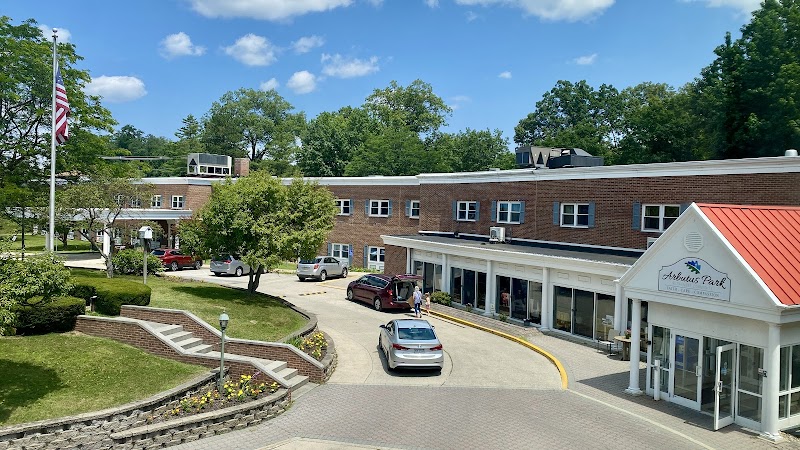
ARBUTUS PARK MANOR

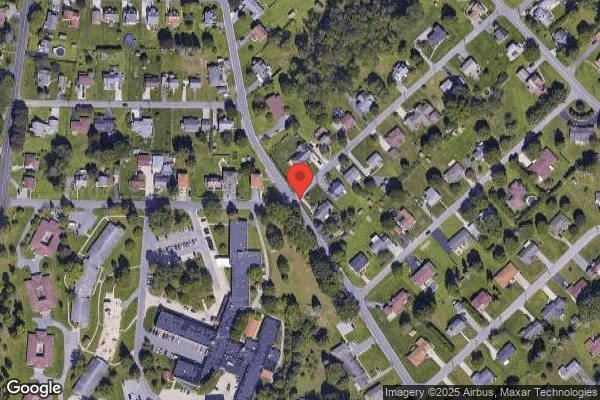
207 OTTAWA STREET, JOHNSTOWN, PA 15904 (814) 266-8621
Non profit - Corporation 141 Beds Independent Data: November 2025
Trust Grade
78/100
#3 of 653 in PA
Last Inspection: August 2025

Inspected within the last 6 months. Data reflects current conditions.

Overview

Arbutus Park Manor in Johnstown, Pennsylvania, has a Trust Grade of B, indicating it is a good option for families seeking care, though not without some concerns. It ranks #3 out of 653 facilities in Pennsylvania, placing it in the top half statewide, and #1 out of 9 in Cambria County, meaning it is the best local choice. The facility is improving, with reported issues decreasing from 13 in 2024 to 6 in 2025. Staffing is a strength, rated 5 out of 5 stars, with a turnover rate of 43%, which is slightly below the state average. However, the facility has faced $16,800 in fines for compliance issues, and recent inspections revealed concerns such as dirty carpets and expired food items in storage, highlighting areas that need attention. Overall, while there are significant strengths in staffing and rankings, families should be aware of the ongoing cleanliness and food safety issues.

Trust Score
B
78/100
In Pennsylvania
#3/653
Top 1%
Safety Record
Low Risk
No red flags
Inspections
Getting Better
13 → 6 violations
Staff Stability
○ Average
43% turnover. Near Pennsylvania's 48% average. Typical for the industry.
Penalties
⚠ Watch
$16,800 in fines. Higher than 90% of Pennsylvania facilities. Major compliance failures.
Skilled Nurses
✓ Good
Each resident gets 43 minutes of Registered Nurse (RN) attention daily — more than average for Pennsylvania. RNs are trained to catch health problems early.
Violations
⚠ Watch
23 deficiencies on record. Higher than average. Multiple issues found across inspections.
★★★★★
5.0
Overall Rating
★★★★★
5.0
Staff Levels
★★★★★
5.0
Care Quality
★★★☆☆
3.0
Inspection Score
Stable
2024: 13 issues
2025: 6 issues

The Good

  • 5-Star Staffing Rating · Excellent nurse staffing levels
  • 5-Star Quality Measures · Strong clinical quality outcomes
  • Full Sprinkler Coverage · Fire safety systems throughout facility
  • No fines on record
  • Staff turnover below average (43%)

    5 points below Pennsylvania average of 48%

Facility shows strength in staffing levels, quality measures, fire safety.

The Bad

Staff Turnover: 43%

Near Pennsylvania avg (46%)

Typical for the industry

Federal Fines: $16,800

Below median ($33,413)

Minor penalties assessed

The Ugly 23 deficiencies on record

Aug 2025 5 deficiencies
CONCERN (D)

Potential for Harm - no one hurt, but risky conditions existed

Abuse Prevention Policies (Tag F0607)

Could have caused harm · This affected 1 resident

Based on review of policies and personnel files, as well as staff interviews, it was determined that the facility failed to complete a Nurse Aide Registry verification for one of two nurse aides revie...

Read full inspector narrative →
Based on review of policies and personnel files, as well as staff interviews, it was determined that the facility failed to complete a Nurse Aide Registry verification for one of two nurse aides reviewed (Nurse Aide 1), failed to conduct a criminal background check on one of two nurse aides reviewed (Nurse Aide 2), and failed to ensure that the status of nursing licenses was checked with the State Board of Nursing for two of two registered nurses reviewed (Registered Nurse 3 and Registered Nurse 4).Findings include:The facility's abuse policy, dated January 16, 2025, indicated that the facility will screen potential employees for a history of abuse, neglect, or mistreating residents. If employment references cannot be obtained, personal references may be obtained. State licensure and certification agencies, and applicable registries will be contacted prior to employment to validate current licensure or certification requirement and to determine if the potential employee is in good standing with the registry and potential employees will have a criminal background check completed at time of selection as required.The personnel file for Nurse Aide 1 revealed a hire date of June 30, 2025. However, there was no documented evidence that her standing on the Pennsylvania State Nurse Aide Registry was verified, and there was no documented evidence that reference checks from previous or current employers were obtained prior to the employees' start date. The personnel file for Nurse Aide 2 revealed a hire date of June 11, 2025. However, there was no documented evidence that her criminal background check was completed prior to the employees' start date. The personnel file for Registered Nurse 3 revealed a hire date of July 22, 2025. However, there was no documented evidence that her license was checked with the Pennsylvania State Board of Nursing, and there was no documented evidence that reference checks from previous employers were obtained prior to the employees' start date.The personnel file for Registered Nurse 4 revealed that a hire date of August 6, 2025. However, there was no documented evidence that her license was checked with the Pennsylvania State Board of Nursing prior to the employees' start date.Interview with the Nursing Home Administrator on August 20, 2025, 3:45 p.m. confirmed that there was no documented evidence to indicate that registry verification with the Pennsylvania State Nurse Aide Registry, licensure verification with the Pennsylvania State Board of Nursing, criminal background checks and reference checks from previous employers were completed prior to dates of hire for the above-mentioned nursing staff and there should have been. 28 Pa. Code 201.14(a) Responsibility of Licensee.28 Pa. Code 201.18(e)(1) Management.
CONCERN (D)

Potential for Harm - no one hurt, but risky conditions existed

Quality of Care (Tag F0684)

Could have caused harm · This affected 1 resident

Based on review of clinical records, as well as staff and resident interviews, it was determined that the facility failed to follow physician's orders for one of 36 residents reviewed (Resident 14). F...

Read full inspector narrative →
Based on review of clinical records, as well as staff and resident interviews, it was determined that the facility failed to follow physician's orders for one of 36 residents reviewed (Resident 14). Findings include:An admission Minimum Data Set (MDS) assessment (a mandated assessment of a resident's abilities and care needs) for Resident 14, dated June 3, 2025, revealed that the resident was cognitively intact, required assistance with care needs, used oxygen, received hospice services and had diagnoses that included chronic obstructive pulmonary disease (COPD) (chronic lung disease making breathing difficult), chronic respiratory failure (blood does not have enough oxygen and causes difficulty breathing), and end stage heart failure (the heart is unable to pump enough blood to meet the body's needs).Physician's orders for Resident 14, dated July 13, 2025, included orders for the resident to receive one puff/inhalation of Trelegy Ellipta inhaler 200-62.5-25 micrograms (mcg) daily in the morning with instructions that the resident may keep the medication at the bedside for unsupervised self-administration.Observations during medication administration for Resident 14 on August 20, 2025, at 8:16 a.m. revealed that the resident did not have his Trelegy inhaler for administration. Licensed Practical Nurse 5 confirmed that the Trelegy inhaler was ordered on August 6, 2025, and the facility was waiting for the inhaler to be delivered.Interview with Resident 14 on August 20, 2025, at 8:40 a.m. revealed that he has not had his Trelegy inhaler for about two weeks. He reported that he had taken the medication for about 10 years and had been more short of breath since it has not been available to self-administer. Review of Resident 14's Medication Administration Record (MAR) for August 2025, revealed that the Trelegy Ellipta inhaler was coded U-SA for unsupervised self-administration. There was no documented evidence that the facility attempted to follow up with the pharmacy or the physician related to medication not being received.Interview with the Director of Nursing on August 20, 2025, at 2:43 p.m. indicated that she was not aware that the resident had not had his Trelegy inhaler. She indicated that she had received a notice from pharmacy, dated August 19, 2025, that indicated they cancelled the Trelegy inhaler due to the facility's account requiring Omnicare to obtain approved authorization prior to dispensing the medication and that the drug exceeded the facility's high dollar limit which required approval. She indicated that hospice should have covered that medication since he was on hospice for COPD and that she was checking with hospice regarding coverage for the future.28 Pa. Code 211.12(d)(1)(5) Nursing services.
CONCERN (D)

Potential for Harm - no one hurt, but risky conditions existed

Incontinence Care (Tag F0690)

Could have caused harm · This affected 1 resident

Based on review of facility policies and clinical records, as well as staff interviews, it was determined that the facility failed to ensure that residents received proper care for indwelling urinary ...

Read full inspector narrative →
Based on review of facility policies and clinical records, as well as staff interviews, it was determined that the facility failed to ensure that residents received proper care for indwelling urinary catheters (a thin, flexible tube inserted into the bladder to drain urine from the bladder) for one of 36 residents reviewed (Resident 1) and failed to ensure that urinary output was monitored for one of 36 residents reviewed (Resident 44) who had an indwelling urinary catheter. Findings include: An admission Minimum Data Set (MDS) assessment (a mandated assessment of a resident's abilities and care needs) for Resident 1, dated June 26, 2025, revealed that the resident was cognitively intact, required extensive assistance with most daily care needs, had a Foley catheter (a thin tube inserted into the bladder to allow urine drainage), and had diagnosis that included a pressure ulcer to the sacral region. Physician's orders dated June 20, 2025, indicated that Resident 1 was to have a 16 French catheter with a 30 ml (milliliter) balloon (an inflatable balloon that helps keep that catheter inside the bladder), routine change every 56 days related to a pressure area to the coccyx/sacrum. Urinary committee notes for Resident 1, dated June 23, 2025, indicated the resident now has a foley catheter in place due to a pressure sore impacted by urinary incontinence. A care plan for Resident 1's indwelling catheter, revised on June 24, 2025, indicated that the catheter was placed for a stage 4 pressure area affected by urinary incontinence, and that the urinary drainage tubing/bag should be changed at least twice a month, on the fifth and nineteenth of every month, or whenever necessary. A review of the resident's clinical record, including progress notes, treatment administration record's and a review of a treatment log notebook kept at the nurses station, did not indicate that the catheter drainage tubing/bag was changed on July 5 and 15, and August 5, 2025. Interview with Registered Nurse Supervisor 6 on August 21, 2025, at 9:35 a.m. revealed that it is standard practice for their facility to change the foley catheter drainage bag on the fifth and fifteenth of every month. She further indicated that there is no documentation in Resident 1's treatment administration record to indicate that the drainage bags were changed. Interview with the Director Of Nursing on August 21, 2025, at 11:58 a.m. confirmed that it is part of the facility's protocol to change the foley drainage bag twice a month and that she feels certain that it was done. However, there was no documented evidence that Resident 1's foley drainage bag was changed on July 5, 19 or August 5, 2025, as care planned, and it should have been. The facility's policy regarding intake and output documentation, dated January 16, 2025, indicated that foley output is to be documented in point of care, under the foley output task button. A quarterly MDS assessment for Resident 44, dated June 4, 2025, revealed that the resident was cognitively impaired, and had an indwelling urinary catheter. A care plan for the resident, dated May 6, 2024, revealed that the resident had a suprapubic catheter (a flexible tube that drains urine from the bladder through the abdomen), and his catheter bag was to be emptied, and the output measured every shift. Review of Resident 44's clinical record for March, April, May, June, July and August, 2025, revealed that there was no documented evidence that the resident's urinary output was measured on the following dates and shifts: May 19 and 25, June 9 and 27, July 8 and August 1 and 18 on the day shift; March 10 and 12, April 6, 12 and 29, May 6, 7, 9, 10, 13, 15 and 25, June 24 and 27, July 1, 21, 22, 27, 30 and 31, and August 2, 3, 4, 8, 15, 16, and 17 on the evening shift; and March 31, April 29 and 30, May 31, June 30 and July 27 and 31 on the night shift. Interview with the Director of Nursing on August 20, 2025, at 11:41 a.m. confirmed that there was no documented evidence that Resident 44's urinary output was measured as per facility policy and per the resident's care plan on the above-mentioned dates and shifts. 28 Pa. Code 211.12(d)(3)(5) Nursing Services.
CONCERN (D)

Potential for Harm - no one hurt, but risky conditions existed

Food Safety (Tag F0812)

Could have caused harm · This affected 1 resident

Based on facility policies, observations, and staff interviews, it was determined that the facility failed to ensure that food stored in the kitchen was dated once opened, discarded after the use by d...

Read full inspector narrative →
Based on facility policies, observations, and staff interviews, it was determined that the facility failed to ensure that food stored in the kitchen was dated once opened, discarded after the use by date and discarded after the manufacturer's expiration date.Findings include: The facility policy regarding food labeling and dating, dated January 16, 2025, revealed that all food items must be labeled and dated to ensure foods are being used in the proper timeframe. Twice daily the dining services manager on duty will check all perishables for proper covering, labeling and dating. Any perishables needing to be discarded will be discarded. Any unopened food or beverage item will be discarded by the manufacturer labeled expiration date. Observations in the kitchen refrigerator on August 18, 2025, at 9:05 a.m. revealed a package of pre-sliced bologna and ham wrapped in plastic wrap and dated August 10, 2025, with a discard date of August 15, 2025. Observations in the kitchen's walk-in refrigerator used for milk on August 18, 2025, at 9:15 a.m. revealed an opened gallon container of vanilla milk shake/ice cream mix dated as packaged on August 1, 2025, and received on August 12, 2025. The gallon container of vanilla milk shake/ice cream mix was not dated when opened and had no manufacturer's expiration date. Observations in the kitchen's walk-in refrigerator used for milk on August 20, 2025, at 11:27 a.m. revealed three unopened iced coffees that were stamped with the use by date of August 18, 2025. Interview with the Dietary Supervisor at the time of the observations confirmed that the pre-sliced bologna and ham should have been discarded, the gallon container of vanilla milk shake/ice cream mix should have been dated when opened and the unopened iced coffees should have been discarded after the use by date. 28 Pa. Code 211.6(f) Dietary Services.
CONCERN (D)

Potential for Harm - no one hurt, but risky conditions existed

Deficiency F0947 (Tag F0947)

Could have caused harm · This affected 1 resident

Based on a review of a list of nurse aides currently employed by the facility, including their hire dates and training hours, as well as staff interviews, it was determined that the facility failed to...

Read full inspector narrative →
Based on a review of a list of nurse aides currently employed by the facility, including their hire dates and training hours, as well as staff interviews, it was determined that the facility failed to ensure that nurse aides had 12 hours of in-service training annually for two of five nurse aides reviewed (Nurse Aides 7 and 8). Findings include:A list of nurse aides provided by the facility revealed that based on their months and days of hire: Nurse Aide 7 should have received at least 12 hours of in-service training between February 23, 2024, and February 23, 2025. However, there was no documented evidence that she received at least 12 hours of in-service training as required. Nurse Aide 8 should have received at least 12 hours of in-service training between April 25, 2024, and April 25, 2025. However, there was no documented evidence that she received at least 12 hours of in-service training as required. Interview with the Nursing Home Administrator on August 20, 2025, at 3:45 p.m. confirmed that there was no documented evidence that the above nurse aides received at least 12 hours of in-service training as required. 28 Pa. Code 201.14(a) Responsibility of licensee. 28 Pa. Code 201.18(b)(1)(3)(e)(1) Management. 28 Pa. Code 201.19(7) Personnel Policies and Procedures.
Jul 2025 1 deficiency
CONCERN (D) 📢 Someone Reported This

A family member, employee, or ombudsman was alarmed enough to file a formal complaint

Potential for Harm - no one hurt, but risky conditions existed

Quality of Care (Tag F0684)

Could have caused harm · This affected 1 resident

Based on review of clinical records, as well as staff interviews, it was determined that the facility failed to ensure that residents received care and treatment in accordance with professional standa...

Read full inspector narrative →
Based on review of clinical records, as well as staff interviews, it was determined that the facility failed to ensure that residents received care and treatment in accordance with professional standards of practice, by failing to ensure that the physician's request to be contacted the following day for a status report after a change in condition for one of five residents reviewed (Resident 1).Findings include: A quarterly Minimum Data Set (MDS) assessment (a mandated assessment of a resident's abilities and care needs) for Resident 1, dated April 16, 2025, revealed that the resident was cognitively impaired and required assistance with daily care needs. A nursing note dated December 25, 2024, at 8:28 p.m. that documented a secure conversation with the physician, revealed that Resident 1 had a coughing fit (a sudden, often violent and uncontrollable, bout of coughing that can be exhausting and painful) after drinking a cup of water with her bedtime medications. It was reported that Resident 1's vital signs were within normal limits and she had no adventitious lung sounds (abnormal sounds heard during auscultation). The physician was asked if he would like a chest x-ray in the coming days. The physician's response on December 25, 2024, at 8:30 p.m. was to monitor and see how she does and decide in the morning if a chest x-ray would be ordered.Review of Resident 1's medical record for December 2024, revealed that there was no documented evidence that the facility contacted the physician the following day for a status report after a change in condition per his request on December 25, 2024.Interview with the Director of Nursing on July 1, 2025, at 12:35 p.m. confirmed that the physician was not contacted the following day for a status report after a change in condition per his request and he should have been. 28 Pa. Code 211.12(d)(1)(5) Nursing Services.
Sept 2024 13 deficiencies
CONCERN (D)

Potential for Harm - no one hurt, but risky conditions existed

Deficiency F0554 (Tag F0554)

Could have caused harm · This affected 1 resident

**NOTE- TERMS IN BRACKETS HAVE BEEN EDITED TO PROTECT CONFIDENTIALITY** Based on review of facility policies and clinical records, as well as observations and staff interviews, it was determined that ...

Read full inspector narrative →
**NOTE- TERMS IN BRACKETS HAVE BEEN EDITED TO PROTECT CONFIDENTIALITY** Based on review of facility policies and clinical records, as well as observations and staff interviews, it was determined that facility failed to determine if a resident was safe to self-administer medications for one of 31 residents reviewed (Resident 99). Findings include: The facility's medication policy, dated January 10, 2024, indicated that self-administration was permitted when specifically authorized by the physician. Control and supervision are the responsibility of the faculty. Review of the clinical record for Resident 99 revealed that she was admitted to the facility on [DATE], and had diagnoses that included diabetes. Physician's orders for Resident 99, dated September 11, 2024, included an order that the resident could use her insulin pump (a wearable medical device that supplies a continuous flow of insulin underneath the skin) as set by her endocrinologist (doctor who specializes in the diagnosis and treatment of hormone-related diseases and conditions, including diabetes) with 100 unit per milliliter of basal Novolog (insulin used to keep your blood glucose levels stable during periods of fasting) at a rate of 0.55 units per hour. Physician's orders for Resident 99, dated September 12, 2024, included an order that the resident could manage her insulin bolus (dose of insulin taken to handle a rise in blood glucose) as set up in her insulin pump by her endocrinologist, before meals and at bedtime, making sure she notifies staff prior to self-administering each bolus. There was no documented evidence in Resident 99's clinical record to indicate that an assessment was completed to determine if she was safe to self-administer her medication. A nurse's note for Resident 99, dated September 13, 2024, at 4:10 a.m. revealed that the resident appeared to be anxious and confused at times and that she continued to manage her diabetes with a continuous glucose machine. Observations of Resident 99 on September 17, 2024, at 2:30 p.m. revealed that the resident had an insulin pump attached to her right abdomen, which she reported at the time of the observation to be functioning properly. Interview with the Director of Nursing on September 18, 2024, at 2:39 p.m. confirmed that an assessment to determine if Resident 99 was safe to self-administer her medications was not completed. 28 Pa. Code 211.12(d)(1)(5) Nursing Services.
CONCERN (D)

Potential for Harm - no one hurt, but risky conditions existed

Grievances (Tag F0585)

Could have caused harm · This affected 1 resident

Based on review of policies, as well as interviews with residents and staff, it was determined that the facility failed to ensure that residents and/or their representatives could file a grievance/con...

Read full inspector narrative →
Based on review of policies, as well as interviews with residents and staff, it was determined that the facility failed to ensure that residents and/or their representatives could file a grievance/concern anonymously by failing to ensure that information on how to file a grievance or complaint was available to residents or their representatives without asking. Findings include: The facility's Grievance Process policy, dated January 10, 2024, indicated that anyone may file a grievance anonymously if they chose to do so. During an interview with a group of residents on September 17, 2024, at 10:34 a.m., the residents indicated that they did not know how to file a grievance anonymously. Interview with the Director of Nursing on September 19, 2024, at 9:48 a.m. revealed that the facility's grievance forms were located behind each nursing station, and confirmed that nurses could give the forms to the residents; however, residents or their representatives could not access or file the grievance forms on their own. 28 Pa. Code 201.18(e)(1) Management. 28 Pa. Code 201.29(i) Resident Rights.
CONCERN (D)

Potential for Harm - no one hurt, but risky conditions existed

Transfer Notice (Tag F0623)

Could have caused harm · This affected 1 resident

Based on clinical record reviews and staff interviews, it was determined that the facility failed to notify the resident and legal guardian in writing regarding the reason for hospitalization for two ...

Read full inspector narrative →
Based on clinical record reviews and staff interviews, it was determined that the facility failed to notify the resident and legal guardian in writing regarding the reason for hospitalization for two of 31 residents reviewed (Residents 54, 83). Findings include: A quarterly Minimum Data Set (MDS) assessment (a mandated assessment of a resident's abilities and care needs) for Resident 54, dated July 25, 2024, revealed that the resident was understood, could understand others, and had a diagnosis that included a cerebral vascular accident (CVA - commonly known as a stroke) with hemiplegia (paralysis on one side of the body). Nursing notes for Resident 54, dated July 11, 2024, revealed that the resident's foley catheter (a thin, flexible tube that drains urine from the bladder into a collection bag) was changed the previous night. A urine was obtained that morning, and the resident has not had any output since. The nurse removed water from the foley catheter balloon to change it thinking that it was blocked, but blood came out from around the resident's penis and the catheter would not come out. When the nurse tried to advance the foley, blood came out. The resident had a temperature the previous night that went down but went back up to 101.2 degrees Fahrenheit (F), and he was having dyspnea (shortness of breath). The resident was started on oxygen and was sent to the emergency room and admitted with a diagnosis of sepsis (a life-threatening condition that occurs when the body's immune system overreacts to an infection, damaging the body's own tissues and organs). There was no documented evidence that a written notice of Resident 54's transfer to the hospital was provided to the resident and/or the resident's responsible party regarding the reason for transfer. Interview with the Business Office Manager on September 18, 2024, at 1:03 p.m. confirmed that there was no documented evidence that a written notice of Resident 54's transfer to the hospital was provided to the resident and/or the resident's responsible party regarding the reason for transfer. A quarterly MDS assessment for Resident 83, dated August 1, 2024, indicated that the resident was cognitively impaired, was dependent on staff for his daily care needs, and had diagnoses that included dementia. A nurse's note for Resident 83, dated June 2, 2024, at 2:04 p.m., revealed that the resident had decreased urine output, his abdomen was distended, and he had abnormal drainage from his penis. The physician was notified, and orders were received to transport the resident to the emergency room for evaluation. A nurse's note at 8:14 p.m. revealed that the resident was admitted to the hospital. A nurse's note for Resident 83, dated July 19, 2024, at 11:33 a.m., revealed that the physician reviewed the results of the resident's x-ray and recommended further testing be done at the hospital. The physician ordered the resident be transferred to the emergency room for evaluation. A nurse's note at 8:45 p.m. revealed that the resident was admitted to the hospital for further testing and treatment. A nurse's note for Resident 83, dated August 8, 2024, at 3:00 a.m., revealed that the resident had a change in condition that included a fever and elevated heart rate and blood pressure. The family was notified and gave permission to transfer the resident to the emergency room for evaluation. A nurse's note at 6:06 a.m. revealed that the resident was admitted to hospital. There was no documented evidence that a written notice of Resident 83's transfers to the hospital was provided to the resident's responsible party regarding the reason for transfer. Interview with the Business Office Manager on August 18, 2024, at 1:05 p.m. confirmed that the facility was not providing written notices to the residents or their responsible parties that indicated the reason for transfer to the hospital when a resident was transferred to the hospital. 28 Pa. Code 201.25 Discharge Policy. 28 Pa. Code 201.29(f)(g) Resident Rights.
CONCERN (D)

Potential for Harm - no one hurt, but risky conditions existed

Deficiency F0625 (Tag F0625)

Could have caused harm · This affected 1 resident

Based on review of clinical records, as well as staff interviews, it was determined that the facility failed to issue a bed-hold notice at the time of an anticipated leave of absence from the facility...

Read full inspector narrative →
Based on review of clinical records, as well as staff interviews, it was determined that the facility failed to issue a bed-hold notice at the time of an anticipated leave of absence from the facility for two of 31 residents reviewed (Resident 54, 83). Findings include: A quarterly Minimum Data Set (MDS) assessment (a mandated assessment of a resident's abilities and care needs) for Resident 54, dated July 25, 2024, revealed that the resident was understood, could understand others, and had a diagnosis that included a cerebral vascular accident (CVA - commonly known as a stroke) with hemiplegia (paralysis on one side of the body). Nursing notes for Resident 54, dated July 11, 2024, revealed that the resident's foley catheter (a thin, flexible tube that drains urine from the bladder into a collection bag) was changed the previous night. A urine was obtained that morning, and the resident has not had any output since. The nurse removed water from the foley catheter balloon to change it thinking that it was blocked, but blood came out from around the resident's penis and the catheter would not come out. When the nurse tried to advance the foley, blood came out. The resident had a temperature the previous night that went down but went back up to 101.2 degrees Fahrenheit (F), and he was having dyspnea (shortness of breath). The resident was started on oxygen and was sent to the emergency room and admitted with a diagnosis of sepsis (a life-threatening condition that occurs when the body's immune system overreacts to an infection, damaging the body's own tissues and organs). There was no documented evidence that a bed-hold notice was issued to Resident 54 or his responsible party at the time of his transfer to the hospital. Interview with the Business Office Manager on September 18, 2024, at 1:03 p.m. confirmed that there was no documented evidence that a bed-hold notice was issued to Resident 54 or his responsible party at the time of his transfer to the hospital. A quarterly MDS assessment for Resident 83, dated August 1, 2024, indicated that the resident was cognitively impaired, was dependent on staff for his daily care needs, and had diagnoses that included dementia. A nurse's note for Resident 83, dated June 2, 2024, at 2:04 p.m., revealed that the resident had decreased urine output, his abdomen was distended, and he had abnormal drainage from his penis. The physician was notified, and orders were received to transport the resident to the emergency room for evaluation. A nurse's note at 8:14 p.m. revealed that the resident was admitted to the hospital. A nurse's note for Resident 83, dated July 19, 2024, at 11:33 a.m., revealed that the physician reviewed the results of the resident's x-ray and recommended further testing be done at the hospital. The physician ordered the resident to be transferred to the emergency room for evaluation. A nurse's note at 8:45 p.m. revealed that the resident was admitted to the hospital for further testing and treatment. A nurse's note for Resident 83, dated August 8, 2024, at 3:00 a.m., revealed that resident had a change in condition that included a fever and elevated heart rate and blood pressure. The family was notified and gave permission to transfer the resident to the emergency room for evaluation. A nurse's note at 6:06 a.m. revealed that the resident was admitted to hospital. There was no documented evidence that a bed-hold notice was issued to Resident 83 or his responsible party at the time of his transfers to the hospital. Interview with the Business Office Manager on August 18, 2024, at 1:05 p.m. confirmed that the facility was not providing written bed-hold notices to the residents or their responsible parties when a resident was transferred to the hospital. 28 Pa. Code 201.14(a) Responsibility of Licensee. 28 Pa. Code 201.18(b)(3) Management.
CONCERN (D)

Potential for Harm - no one hurt, but risky conditions existed

Comprehensive Care Plan (Tag F0656)

Could have caused harm · This affected 1 resident

**NOTE- TERMS IN BRACKETS HAVE BEEN EDITED TO PROTECT CONFIDENTIALITY** Based on review of policies and clinical records, as well as staff interviews, it was determined that the facility failed to dev...

Read full inspector narrative →
**NOTE- TERMS IN BRACKETS HAVE BEEN EDITED TO PROTECT CONFIDENTIALITY** Based on review of policies and clinical records, as well as staff interviews, it was determined that the facility failed to develop care plans to address individualized resident care needs for one of 31 residents reviewed (Resident 99). Findings include: The facility's policy regarding care plans, dated January 10, 2024, indicated that a resident care plan will be established within 24 hours of admission and will be reviewed and revised as indicated on readmission, significant change, and as needed for new or revised interventions. Resident care management is designed to ensure systemic comprehensive approach to assessing, planning, and meeting the resident's needs. Review of the clinical record for Resident 99 revealed that she was admitted to the facility on [DATE], and had diagnoses that included diabetes. Physician's orders for Resident 99, dated September 11, 2024, included an order that the resident may use her insulin pump (a wearable medical device that supplies a continuous flow of insulin underneath the skin) as set by her endocrinologist (doctor who specializes in the diagnosis and treatment of hormone-related diseases and conditions, including diabetes) with 100 unit per milliliter of basal Novolog (insulin used to keep blood glucose levels stable during periods of fasting) at a rate of 0.55 units per hour. Physician's orders for Resident 99, dated September 12, 2024, included an order that the resident may manage her insulin bolus (dose of insulin taken to handle a rise in blood glucose) as set up in her insulin pump by her endocrinologist, before meals and at bedtime, making sure she notifies staff prior to self-administering each bolus. Observations of Resident 99 on September 17, 2024, at 2:30 p.m. revealed that the resident had an insulin pump attached to her right abdomen, which she reported at the time of the observation to be functioning properly. As of August 16, 2024, there was no documented evidence that a care plan was developed to address Resident 99's individualized care needs related to her diabetes and self-administration of insulin using an insulin pump. Interview with the Director of Nursing on September 18, 2024, at 2:39 p.m. confirmed that Resident 99 did not have a care plan in place to address the care and treatment required for her diagnosis of diabetes and self-administering insulin using an insulin pump. 28 Pa. Code 211.10(d) Resident Care Plans.
CONCERN (D)

Potential for Harm - no one hurt, but risky conditions existed

Deficiency F0657 (Tag F0657)

Could have caused harm · This affected 1 resident

Based on review of facility policies and clinical records, as well as staff interviews, it was determined that the facility failed to ensure that a resident's care plan was updated/revised to reflect ...

Read full inspector narrative →
Based on review of facility policies and clinical records, as well as staff interviews, it was determined that the facility failed to ensure that a resident's care plan was updated/revised to reflect the resident's specific care needs for one of 31 residents reviewed (Resident 41). Findings include: The facility's policy regarding care plans, dated January 10, 2024, indicated that a resident care plan will be established within 24 hours of admission and will be reviewed and revised as indicated on readmission, significant change, and as needed for new or revised interventions. Resident care management is designed to ensure systemic comprehensive approach to assessing, planning, and meeting the resident's needs. A quarterly Minimum Data Set (MDS) assessment (a mandated assessment of a resident's abilities and care needs) for Resident 41, dated August 16, 2024, indicated that the resident was understood and could usually understand others, required assistance from staff for daily care needs, and had diagnoses that included dementia and Post Traumatic Stress Disorder (PTSD - a mental and behavioral disorder that develops related to a terrifying event). A psychiatry consult note for Resident 41, dated June 16, 2024, revealed that the resident acknowledged experiencing PTSD symptoms as a result of his military service. A review of Resident 41's plan of care revealed no documented evidence that his care plan was revised to address any triggers (stimulus that causes a painful memory to resurface) related to PTSD that could re-traumatize the resident. Interview with the Director of Nursing on August 19, 2024, at 8:45 a.m. confirmed that the facility did not attempt to identify Resident 41's PTSD triggers and revise his care plan to include care related to possible PTSD triggers. 28 Pa. Code 201.24(e)(4) admission Policy. 28 Pa. Code 211.12(d)(5) Nursing Services.
CONCERN (D)

Potential for Harm - no one hurt, but risky conditions existed

Deficiency F0699 (Tag F0699)

Could have caused harm · This affected 1 resident

Based on clinical record review and staff interview, it was determined that the facility failed to ensure that residents were assessed and received trauma-informed care to eliminate or mitigate trigge...

Read full inspector narrative →
Based on clinical record review and staff interview, it was determined that the facility failed to ensure that residents were assessed and received trauma-informed care to eliminate or mitigate triggers for residents with the diagnosis of Post Traumatic Stress Disorder (PTSD) (a mental and behavioral disorder that develops related to a terrifying event) for one of 31 residents reviewed (Resident 41). Findings include: A quarterly Minimum Data Set (MDS) assessment (a mandated assessment of a resident's abilities and care needs) for Resident 41, dated August 16, 2024, indicated that the resident was understood and could usually understand others, required assistance from staff for daily care needs, and had diagnoses that included dementia and PTSD. Review of the care plan for Resident 41, dated January 22, 2024, indicated that the resident had a diagnosis of dementia and PTSD. There was no documented evidence the facility identified Resident 41's specific triggers that could re-traumatize the resident or implement measures as to how facility staff could prevent or minimize triggers from occurring. Interview with the Director of Nursing on August 19, 2024, at 8:45 a.m. confirmed that the facility did not complete a trauma informed care assessment on Resident 41. 28 Pa Code 201.24(e)(4) admission Policy. 28 Pa Code 211.12(a)(d)(3)(5) Nursing Services. 28 Pa. Code 211.16(a) Social Services.
CONCERN (D)

Potential for Harm - no one hurt, but risky conditions existed

Deficiency F0761 (Tag F0761)

Could have caused harm · This affected 1 resident

Based on review of policies and clinical records, as well as observations and staff interviews, it was determined that the facility failed to ensure that medications were properly labeled for one of 3...

Read full inspector narrative →
Based on review of policies and clinical records, as well as observations and staff interviews, it was determined that the facility failed to ensure that medications were properly labeled for one of 31 residents reviewed (Resident 36). Findings include: The facility's policy regarding medication, dated January 10, 2024, indicated that medications that a resident brings with him/her on admission to the facility from home or another facility will be used if they are properly labeled and ordered by the physician, and the dose is the ordered dose. A quarterly Minimum Data Set (MDS) assessment (a mandated assessment of a resident's abilities and care needs) for Resident 36, dated July 17, 2024, revealed that the resident was understood, could understand others, and had a diagnosis which included multiple sclerosis (MS - a chronic autoimmune disease that affects the central nervous system). Physician's orders for Resident 36, January 27, 2024, included orders for the resident to self-administer approximately sixty-one different over-the-counter biological and herbal supplements. Observations of the [NAME] Hall medication refrigerator on September 19, 2024, at 11:07 a.m. revealed that on the bottom shelf of the door were eight plastic, sandwich-size, zip-lock baggies that were 1/4 full of multiple tablets and capsules. However, there was no labeling on the eight plastic sandwich-size, zip-lock baggies to indicate who they belonged to or what the contents were. Interview with Licensed Practical Nurse 1 at the time of observation revealed that the eight plastic, sandwich-size, zip-lock baggies containing the multiple tablets and capsules belonged to Resident 36 and were her biological and herbal supplements. She indicated that the resident's son prepares the supplements at home and then brings the zip-lock baggies into the facility. She confirmed that there was no name or labeling of what the contents of the zip-lock bags contained. Interview with the Director of Nursing on September 19, 2024, at 11:55 a.m. confirmed that not having Resident 36's name on the zip lock baggies is a problem. She indicated that she maintains a list of the supplements that Resident 36 uses for the nursing staff that work on that unit. 28 Pa. Code 211.9(a)(1) Pharmacy Services. 28 Pa. Code 211.12(d)(3) Nursing Services.
CONCERN (D)

Potential for Harm - no one hurt, but risky conditions existed

Medical Records (Tag F0842)

Could have caused harm · This affected 1 resident

**NOTE- TERMS IN BRACKETS HAVE BEEN EDITED TO PROTECT CONFIDENTIALITY** Based on review of clinical records, as well as resident and staff interviews, it was determined that the facility failed to mai...

Read full inspector narrative →
**NOTE- TERMS IN BRACKETS HAVE BEEN EDITED TO PROTECT CONFIDENTIALITY** Based on review of clinical records, as well as resident and staff interviews, it was determined that the facility failed to maintain clinical records that were complete and accurately documented for one of 31 residents reviewed (Resident 99). Findings include: Review of the clinical record for Resident 99 revealed that she was admitted to the facility on [DATE], and had diagnoses that included diabetes. Physician's orders for Resident 99, dated September 12, 2024, included an order that the resident may manage her insulin bolus (dose of insulin taken to handle a rise in blood glucose) as set up in her insulin pump (a wearable medical device that supplies a continuous flow of insulin underneath the skin) by her endocrinologist (doctor who specializes in the diagnosis and treatment of hormone-related diseases and conditions, including diabetes), before meals and at bedtime, making sure she notifies staff prior to self-administering each bolus. A nurse's note for Resident 99, dated September 15, 2024, at 10:05 a.m., revealed that the resident was nauseous and vomited. The nurse asked the resident if she gave herself a bolus of insulin, and she reported that she gave herself a small dose of less than three units. Review of the Medication Administration Record (MAR) for Resident 99, dated September 2024, revealed no documented evidence of the amount of insulin the resident was self-administering with boluses using her insulin pump. Interview with the Nursing Home Administrator on September 18, 2024, at 2:39 p.m. confirmed that there was no documented evidence of the amount of insulin the resident was self-administering with boluses using her insulin pump. 28 Pa. Code 211.5(f) Clinical Records 28 Pa. Code 211.12(d)(5) Nursing Services.
CONCERN (D)

Potential for Harm - no one hurt, but risky conditions existed

Infection Control (Tag F0880)

Could have caused harm · This affected 1 resident

Based on review of established infection control guidelines, facility policy, and residents' clinical records, as well as observations and staff interviews, it was determined that the facility failed ...

Read full inspector narrative →
Based on review of established infection control guidelines, facility policy, and residents' clinical records, as well as observations and staff interviews, it was determined that the facility failed to follow infection control guidelines from the Centers for Medicare/Medicaid Services (CMS) and the Centers for Disease Control (CDC) to reduce the spread of infections and prevent cross-contamination for two of 31 residents reviewed (Residents 25, 37). Findings include: CDC guidance on isolation precautions and Implementation of Personal Protective Equipment (PPE) use in Nursing Homes to Prevent Spread of Multidrug-Resistant Organisms (MDRO's - bacteria that have become resistant to certain antibiotics, and these antibiotics can no longer be used to control or kill the bacteria), dated July 12, 2022, indicates that MDRO transmission is common in skilled nursing facilities, contributing to substantial resident morbidity and mortality and increased healthcare costs. Enhanced Barrier Precautions (EBP) are an infection control intervention designed to reduce transmission of resistant organisms that employs targeted gown and glove use during high contact resident care activities. CMS updated its infection prevention and control guidance effective April 1, 2024. The recommendations now include the use of EBP during high-contact care activities for residents with chronic wounds or indwelling medical devices, regardless of their MDRO status, in addition to residents who have an infection or colonization with a CDC-targeted or other epidemiologically important MDRO when contact precautions do not apply. The facility's policy regarding EBP, dated January 10, 2024, indicated that the facility will prevent the spread of novel or targeted multidrug-resistant organisms (MDROs). The precautions refer to the use of gown and gloves during high-contact resident care activities that provide opportunities for transfer of MDROs to staff hands. Enhanced barrier precautions apply to all residents with wounds and or indwelling medical devices (e.g. central line, urinary catheter, feeding tube, tracheostomy, or ventilator) regardless of MDRO colonization status. An admission Minimum Data Set (MDS) assessment (a mandated assessment of a resident's abilities and care needs) for Resident 25, dated July 16, 2024, revealed that the resident was cognitively intact, required supervision with personal hygiene, had an indwelling urinary catheter (a flexible tube inserted into the bladder to collect urine into a drainage bag), and had diagnoses that included chronic kidney disease. Physician's orders for Resident 25, dated August 15, 2024, included an order for the resident to have a size 16 French Coude (type of catheter with a curved tip used to empty urine from the bladder) catheter inserted. Observations of Resident 25 on September 16, 2024, at 7:30 p.m. revealed that the resident was sitting in a recliner in his room with a catheter drainage bag in a basin on the floor to the left side of his feet. There was no signage or notification of the resident being on EBP posted at the resident's room, and there was no PPE observed in or around the resident's room. Interview with Registered Nurse 2 on September 16, 2024, at 7:56 p.m. confirmed that Resident 25 did not have EBP in place and that the resident should have. An admission MDS assessment for Resident 37, dated June 13, 2024, revealed that the resident was cognitively impaired, required assistance from staff for daily care needs, and had an indwelling urinary catheter (a soft, flexible plastic tube inserted in the bladder). Physician's orders for Resident 37, dated June 6, 2024, included an order for an indwelling foley catheter, size 14 French with a 10 milliliter balloon. Observations during the facility tour on September 16, 2024, at 7:55 p.m. revealed that Resident 37 was lying in bed with the indwelling catheter attached to the bed frame and visible from the doorway. There was no signage or notification of the resident being on EBP posted at the resident's room, and there was no PPE observed in or around the resident's room. Interview with the Director of Nursing on September 16, 2024, at 8:50 p.m. confirmed that Resident's 25 and 37 did not have EBP precautions in place and they should have. 28 Pa. Code 201.14(a) Responsibility of Licensee. 28 Pa. Code 201.18(e)(1) Management. 28 Pa. Code 211.12(d)(1)(5) Nursing Services.
CONCERN (D)

Potential for Harm - no one hurt, but risky conditions existed

Safe Environment (Tag F0921)

Could have caused harm · This affected 1 resident

Based on observations and staff interviews, it was determined that the facility failed to ensure that the resident environment was maintained in a safe and sanitary environment in one of two shower ro...

Read full inspector narrative →
Based on observations and staff interviews, it was determined that the facility failed to ensure that the resident environment was maintained in a safe and sanitary environment in one of two shower rooms on the secured unit and in one resident's bathroom (Resident 49). Findings include: Observations in the shower room on the secured unit on September 16, 2024, at 8:17 p.m. and again on September 18, 2024, at 8:43 a.m. revealed that the toilet grab bars were loose and that the toilet had rust stains and a black, removable substance around it. Observations in Resident 49's room on September 16, 2024, at 8:17 p.m. and again on September 18, 2024, at 8:43 a.m. revealed that the resident's toilet grab bars were loose and not tightly secured to the wall or floor. Interview with the Director of Maintenance on September 18, 2024, at 8:43 a.m. confirmed that the shower room toilet grab bars should not be loose, there should not be rust or a black, removable substance around the toilet, and that Resident 49's toilet grab bars should not be loose. 28 Pa. Code 207.2(a) Administrator's Responsibility.
CONCERN (E)

Potential for Harm - no one hurt, but risky conditions existed

Safe Environment (Tag F0584)

Could have caused harm · This affected multiple residents

**NOTE- TERMS IN BRACKETS HAVE BEEN EDITED TO PROTECT CONFIDENTIALITY** Based on observations and staff interviews, it was determined that the facility failed to ensure that residents had a clean and ...

Read full inspector narrative →
**NOTE- TERMS IN BRACKETS HAVE BEEN EDITED TO PROTECT CONFIDENTIALITY** Based on observations and staff interviews, it was determined that the facility failed to ensure that residents had a clean and homelike environment on one of three nursing units (secured unit). Findings include: Observations on September 16, 2024, at 8:17 p.m. revealed that the carpet in the hallway on the 400 side of the secured unit was stained and dirty. There was duct tape on the carpet of the threshold between the hallway and room [ROOM NUMBER] and between the hallway and room [ROOM NUMBER]. Interview with the Director of Maintenance on September 18, 2024, revealed that the carpet in the secured unit was to be scrubbed nightly and that it was in need of being replaced. He stated that the duct tape on the floor between the hallway and rooms [ROOM NUMBERS] was there because the strip that was there was a trip hazard. He stated that the duct tape made a smooth transition between the hallway and the resident rooms. Interview with the Director of Nursing on September 18, 2024, at 1:24 p.m. confirmed that the carpeting in the secured unit needed replaced and that duct tape should not have been placed on the threshold between the hallway and the resident rooms. 28 Pa. Code 201.29(j) Resident Rights. 28 Pa. Code 207.2(a) Administrator's Responsibility.
CONCERN (E)

Potential for Harm - no one hurt, but risky conditions existed

Food Safety (Tag F0812)

Could have caused harm · This affected multiple residents

Based on facility policies, observations, and staff interviews, it was determined that the facility failed to store food in accordance with professional standards for food service safety. Findings inc...

Read full inspector narrative →
Based on facility policies, observations, and staff interviews, it was determined that the facility failed to store food in accordance with professional standards for food service safety. Findings include: The facility's policy regarding labeling and dating food, dated January 10, 2024, revealed that food was to be discarded on or immediately after the expiration/use by date. Observations in the kitchen on September 16, 2024, at 6:15 p.m. revealed that there were two gallons of chocolate ice cream mix that expired July 17, 2024, and one gallon of vanilla ice cream mix that expired July 15, 2024, in the cooler. Observations in the freezer at that time revealed two bags of frozen chicken breasts that were open and exposed to air. The freezer also had opened ice cream cup containers and food container debris lying on the floor under the shelves. Observations on September 16, 2024, in the dry storage room revealed food crumbs and debris on the floor and the floor was sticky. Observations in the kitchen on September 18, 2024, at 10:05 a.m. revealed that a fan with a large accumulation of dust blowing on to the food prep area, and there was food, dirt, and debris on the floor in the freezer and on the floor in the dry storage room. Interview with the Food Service Director on September 18, 2024, 10:09 a.m. confirmed that the ice cream mix and frozen chicken breasts should have been discarded, and that the freezer and dry storage rooms should have been clean. 28 Pa. Code 211.6(f) Dietary Services.
Oct 2023 3 deficiencies
CONCERN (D)

Potential for Harm - no one hurt, but risky conditions existed

Accident Prevention (Tag F0689)

Could have caused harm · This affected 1 resident

Based on a review of clinical records, facility investigation reports, and staff interviews, it was determined that the facility failed to provide an environment that was free of accident hazards for ...

Read full inspector narrative →
Based on a review of clinical records, facility investigation reports, and staff interviews, it was determined that the facility failed to provide an environment that was free of accident hazards for residents who were at risk for falls for one of 36 residents reviewed (Resident 16). Findings include: A facility policy for fall prevention, dated December 28, 2022, revealed that the facility will provide a safe environment for all residents through safety standards, including ensuring the residents wear proper shoes, have adequate supervision, and staff use assistive devices to prevent falls. A quarterly Minimum Data Set (MDS) assessment (a mandated assessment of resident's care needs and abilities) for Resident 16, dated July 26, 2023, revealed that the resident was cognitively impaired and required extensive assistance from staff for daily care needs, including transfers. Resident 16's care plan, most recently updated July 26, 2023, revealed that the resident was at risk for falls and that she required two staff and a wheeled walker for transfers. A nursing note for Resident 16, dated August 4, 2023, revealed that the resident fell in the bathroom. A witness statement, dated August 4, 2023, revealed that Nurse Aide 1 attempted to transfer Resident 16 by herself instead of with two staff, without a gait belt, and the resident did not have proper footwear on, resulting in the resident falling. Interview with the Director of Nursing on October 19, 2023, at 1:11 p.m. confirmed that Resident 16 was not transferred properly and that Nurse Aide 1 was educated to follow the resident's care plan, as well as the facility's policy regarding transfers when transferring a resident. 28 Pa. Code 201.14(a) Responsibility of licensee. 28 Pa. Code 201.18(b)(1)(e)(1) Management. 28 Pa. Code 211.10(d) Resident care policies. 28 Pa. Code 211.6(f) Dietary services.
CONCERN (E)

Potential for Harm - no one hurt, but risky conditions existed

Food Safety (Tag F0812)

Could have caused harm · This affected multiple residents

Based on the review of facility policy, observations, and staff interviews, it was determined that facility failed to ensure the proper storage of food. Findings include: The facility policy for food ...

Read full inspector narrative →
Based on the review of facility policy, observations, and staff interviews, it was determined that facility failed to ensure the proper storage of food. Findings include: The facility policy for food storage-perishable, dated December 28, 2022, indicated that food was to be stored under sanitary conditions to prevent injury from foodborne illness. All food stored in the refrigeration units will be in covered containers or otherwise suitably protected. Observation and interview with Food Service [NAME] 2 on October 16, 2023, at 9:44 a.m. revealed that in the three-door refrigerator there was a pan of red jello and a pan of yellow jello, which were partially used and uncovered. The trays were dated October 13-17, 2023. Interview with Food Service [NAME] 2 indicated that the trays should have been covered. Observation and interview with Food Service Aide 3 on October 18, 2023, at 8:36 a.m. revealed that in the refrigerator with three doors, there was a full pan of yellow jello and a full pan of diet green jello, which were uncovered. The trays were dated October 17-20, 2023. Interview with Food Service Aide 3 at that time confirmed that the trays should have been covered. Interview with the Food Service Director on October 18, 2023, at 8:38 a.m. confirmed that when they initially make the jello staff are to let it cool for approximately five minutes then they are to cover it. 28 Pa. Code 211.6(f) Dietary services.
CONCERN (E)

Potential for Harm - no one hurt, but risky conditions existed

Medical Records (Tag F0842)

Could have caused harm · This affected multiple residents

Based on review of clinical records, as well as resident and staff interviews, it was determined that the facility failed to maintain clinical records that were complete and accurately documented for ...

Read full inspector narrative →
Based on review of clinical records, as well as resident and staff interviews, it was determined that the facility failed to maintain clinical records that were complete and accurately documented for two of 36 residents reviewed (Residents 33, 87). Findings include: The facility's policy regarding hospice, dated December 28, 2022, indicated that all hospice medical records will be delivered to the facility in a timely manner. A comprehensive Minimum Data Set (MDS) assessment (a federally-mandated assessment of the resident's abilities and care needs) for Resident 33, dated August 3, 2023, revealed that the resident was cognitively impaired, required extensive assistance from staff for daily care needs, and received hospice care. A physician's order for Resident 33, dated July 19, 2023, revealed that the resident was ordered hospice services to begin on July 21, 2023. The hospice agreement, dated December 11, 2006, and renewed annually, revealed that hospice documentation will be updated on a weekly basis and as needed. As of October 18, 2023, a review of Resident 33's hospice records revealed that the hospice records had not been updated regarding hospice staff visits with the resident at the facility since September 21, 2023. An interview with the Director of Nursing on October 18, 2023, at 2:54 p.m. confirmed that Resident 33's hospice record was not updated in a timely manner. A quarterly MDS assessment for Resident 87, dated September 27, 2023, revealed that the resident was usually understood and could usually understand others, required extensive assistance for personal care needs, had an indwelling catheter (a thin tube inserted into the bladder to drain urine), and had diagnosis that included Alzheimer's disease and urinary retention. Physician's orders for Resident 87 dated, May 5, 2023, included an order for the resident to have the drainage bag of his foley catheter (type of indwelling urinary catheter) that was attached to his leg emptied three times per shift and the amount of urine that was drained was to be recorded every three hours. Review of the Treatment Administration Record (TAR) for Resident 87, dated August and September 2023, revealed that there was no documented evidence that the leg bag was emptied, or the amount of urine drained was noted on August 5 at 6:00 p.m. and 9:00 p.m.; August 11 at 12:00 p.m.; August 20 at 6:00 a.m. and 12:00 p.m.; August 23 at 9:00 p.m.; August 24 at 3:00 a.m. and 6:00 a.m.; August 28 at 6:00 a.m. and 9:00 p.m.; August 30 at 3:00 a.m. and 6:00 a.m.; August 31 at 6:00 a.m.; September 6 at 6:00 a.m. and 3:00 p.m., 6:00 p.m., and 9:00 p.m.; September 7 at 6:00 a.m.; September 10 at 6:00 a.m., 6:00 p.m., and 9:00 p.m.; September 11 at 6:00 a.m. and 3:00 p.m.; September 13 at 6:00 a.m.; September 14 at 6:00 a.m.; September 15 at 3:00 p.m., 6:00 p.m. and 9:00 p.m.; September 16 at 3:00 p.m., 6:00 p.m. and 9:00 p.m.; and September 19 at 3:00 p.m., 6:00 p.m. and 9:00 p.m An interview with the Assistant Director of Nursing on October 19, 2023, at 12:52 p.m. revealed that Resident 87's foley catheter was being emptied and measured every three hours, however, documentation on the TAR was incomplete. Documentation should be present on the above dates and times that the drainage bag was emptied, and the amount of urine drained should have been recorded. 28 Pa. Code 211.5(f) Clinical records. 28 Pa. Code 211.12(d)(5) Nursing services.
Apr 2023 1 deficiency
CONCERN (D) 📢 Someone Reported This

A family member, employee, or ombudsman was alarmed enough to file a formal complaint

Potential for Harm - no one hurt, but risky conditions existed

Accident Prevention (Tag F0689)

Could have caused harm · This affected 1 resident

Based on review of clinical records, facility reports, and staff interviews, it was determined that the facility failed to ensure that safety interventions were in place as care planned for one of fiv...

Read full inspector narrative →
Based on review of clinical records, facility reports, and staff interviews, it was determined that the facility failed to ensure that safety interventions were in place as care planned for one of five residents reviewed (Resident 2). Findings include: The facility's gait belt policy, dated December 28, 2022, revealed that staff were to use a gait belt for any transfer or ambulation tasks. Gait belts are to be used for all assists on residents with weight-bearing support needs. The resident's clothing or person should not be used to provide the support to the resident. A quarterly Minimum Data Set (MDS) assessment (a mandated assessment of a resident's care needs and abilities) for Resident 2, dated March 24, 2023, revealed that the resident was moderately cognitively impaired; usually understood and could usually understand; required limited assistance of staff for transfers, walking in his room and corridor, for locomotion on and off the unit; and used a walker. A care plan for Resident 2, dated September 16, 2022, revealed that he had a walk-to-dine restorative program that included an intervention for him to walk with a front-wheeled walker with one staff assist and a gait belt to the dining room, per the policy. A care plan for Resident 2, dated July 15, 2022, revealed that he was at risk for falls due to his decreased mobility, history of falls, and muscle weakness. Observations on April 6, 2023, at 11:28 a.m. revealed that Nurse Aide 1 ambulated Resident 2 from his room to the dining room without a gait belt. Nurse Aide 1 was holding on to the waistband of Resident 2's pants. Interview with Nurse Aide 1 at that time indicated that she should have used a gait belt but forgot. Interview with Registered Nurse 2 confirmed that a gait belt should have been used during ambulation per Resident 2's care plan and facility policy. 28 Pa. Code 211.12(d)(3)(5) Nursing services.
Understanding Severity Codes (click to expand)
Life-Threatening (Immediate Jeopardy)
J - Isolated K - Pattern L - Widespread
Actual Harm
G - Isolated H - Pattern I - Widespread
Potential for Harm
D - Isolated E - Pattern F - Widespread
No Harm (Minor)
A - Isolated B - Pattern C - Widespread

Questions to Ask on Your Visit

  • "Can I speak with families of current residents?"
  • "What's your RN coverage like on weekends and overnight?"

Our Honest Assessment

Strengths
  • • No major safety red flags. No abuse findings, life-threatening violations, or SFF status.
  • • 43% turnover. Below Pennsylvania's 48% average. Good staff retention means consistent care.
Concerns
  • • 23 deficiencies on record. Higher than average. Multiple issues found across inspections.
  • • $16,800 in fines. Above average for Pennsylvania. Some compliance problems on record.
Bottom line: Generally positive indicators. Standard due diligence and a personal visit recommended.

About This Facility

What is Arbutus Park Manor's CMS Rating?

CMS assigns ARBUTUS PARK MANOR an overall rating of 5 out of 5 stars, which is considered much above average nationally. Within Pennsylvania, this rating places the facility higher than 99% of the state's 100 nursing homes. This rating reflects solid performance across the metrics CMS uses to evaluate nursing home quality.

How is Arbutus Park Manor Staffed?

CMS rates ARBUTUS PARK MANOR's staffing level at 5 out of 5 stars, which is much above average compared to other nursing homes. Staff turnover is 43%, compared to the Pennsylvania average of 46%. This relatively stable workforce can support continuity of care.

What Have Inspectors Found at Arbutus Park Manor?

State health inspectors documented 23 deficiencies at ARBUTUS PARK MANOR during 2023 to 2025. These included: 23 with potential for harm.

Who Owns and Operates Arbutus Park Manor?

ARBUTUS PARK MANOR is owned by a non-profit organization. Non-profit facilities reinvest revenue into operations rather than distributing to shareholders. The facility operates independently rather than as part of a larger chain. With 141 certified beds and approximately 99 residents (about 70% occupancy), it is a mid-sized facility located in JOHNSTOWN, Pennsylvania.

How Does Arbutus Park Manor Compare to Other Pennsylvania Nursing Homes?

Compared to the 100 nursing homes in Pennsylvania, ARBUTUS PARK MANOR's overall rating (5 stars) is above the state average of 3.0, staff turnover (43%) is near the state average of 46%, and health inspection rating (3 stars) is at the national benchmark.

What Should Families Ask When Visiting Arbutus Park Manor?

Based on this facility's data, families visiting should ask: "Can I visit during a mealtime to observe dining assistance and food quality?" "How do you handle medical emergencies, and what is your hospital transfer rate?" "Can I speak with family members of current residents about their experience?"

Is Arbutus Park Manor Safe?

Based on CMS inspection data, ARBUTUS PARK MANOR has a clean safety record: no substantiated abuse findings (meaning no confirmed cases of resident harm), no Immediate Jeopardy citations (the most serious violation level indicating risk of serious injury or death), and is not on the Special Focus Facility watch list (a federal program monitoring the lowest-performing 1% of nursing homes). The facility has a 5-star overall rating and ranks #1 of 100 nursing homes in Pennsylvania. While no facility is perfect, families should still ask about staff-to-resident ratios and recent inspection results during their visit.

Do Nurses at Arbutus Park Manor Stick Around?

ARBUTUS PARK MANOR has a staff turnover rate of 43%, which is about average for Pennsylvania nursing homes (state average: 46%). Moderate turnover is common in nursing homes, but families should still ask about staff tenure and how the facility maintains care continuity when employees leave.

Was Arbutus Park Manor Ever Fined?

ARBUTUS PARK MANOR has been fined $16,800 across 3 penalty actions. This is below the Pennsylvania average of $33,247. While any fine indicates a compliance issue, fines under $50,000 are relatively common and typically reflect isolated problems that were subsequently corrected. Families should ask what specific issues led to these fines and confirm they've been resolved.

Is Arbutus Park Manor on Any Federal Watch List?

ARBUTUS PARK MANOR is not on any federal watch list. The most significant is the Special Focus Facility (SFF) program, which identifies the bottom 1% of nursing homes nationally based on persistent, serious quality problems. Not being on this list means the facility has avoided the pattern of deficiencies that triggers enhanced federal oversight. This is a positive indicator, though families should still review the facility's inspection history directly.