Sterling Health Care and Rehab Center
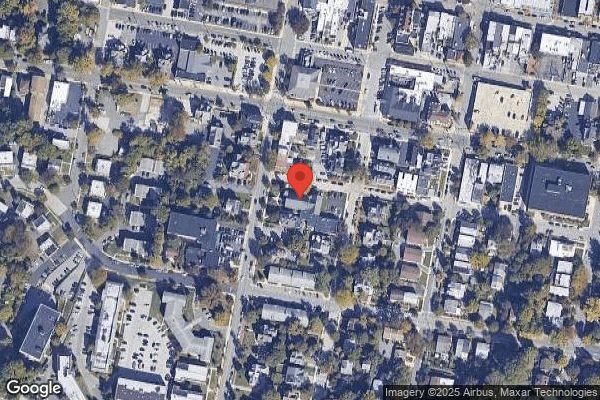
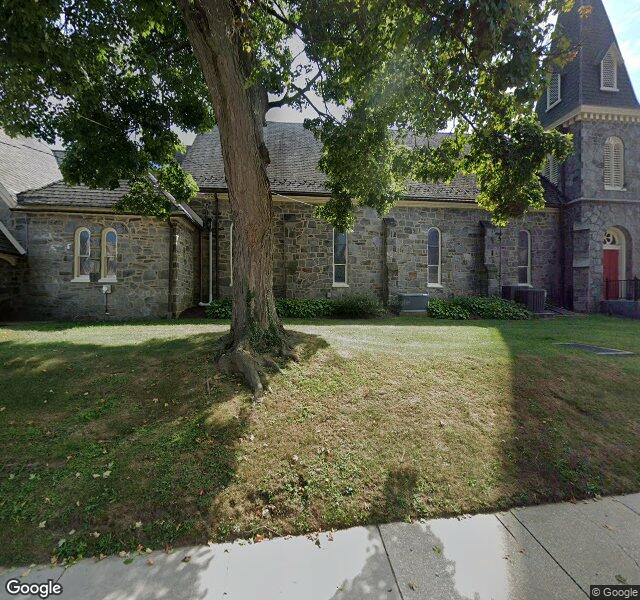
318 SOUTH ORANGE STREET, MEDIA, PA 19063 (610) 566-1400
For profit - Corporation 164 Beds NATIONWIDE HEALTHCARE SERVICES Data: November 2025 1 Immediate Jeopardy citation
Trust Grade
8/100
#501 of 653 in PA
Last Inspection: October 2024

Within standard 12-15 month inspection cycle. Federal law requires annual inspections.

Overview

Sterling Health Care and Rehab Center has received a Trust Grade of F, indicating a poor performance with significant concerns about care quality. It ranks #501 out of 653 facilities in Pennsylvania, placing it in the bottom half of the state, and #24 out of 28 in Delaware County, meaning there are very few local options that are worse. The facility’s situation is worsening, with issues increasing from 7 in 2023 to 12 in 2024. Staffing is rated average, with a turnover rate of 42%, which is better than the state average, but the overall quality measures stand at a low 2 out of 5 stars. In terms of specific incidents, one critical finding involved a failure to protect a resident from physical abuse, which led to hospitalization for facial injuries. Another serious issue was the lack of adequate supervision for a resident, resulting in a severe laceration requiring staples. Additionally, a resident developed an advanced pressure ulcer due to insufficient skin monitoring. While there are strengths in staffing stability, these serious and critical findings raise significant concerns about the overall safety and quality of care provided at this facility.

Trust Score
F
8/100
In Pennsylvania
#501/653
Bottom 24%
Safety Record
High Risk
Review needed
Inspections
Getting Worse
7 → 12 violations
Staff Stability
○ Average
42% turnover. Near Pennsylvania's 48% average. Typical for the industry.
Penalties
⚠ Watch
$34,936 in fines. Higher than 92% of Pennsylvania facilities. Major compliance failures.
Skilled Nurses
○ Average
Each resident gets 40 minutes of Registered Nurse (RN) attention daily — about average for Pennsylvania. RNs are the most trained staff who monitor for health changes.
Violations
⚠ Watch
32 deficiencies on record. Higher than average. Multiple issues found across inspections.
★★☆☆☆
2.0
Overall Rating
★★★☆☆
3.0
Staff Levels
★★☆☆☆
2.0
Care Quality
★★☆☆☆
2.0
Inspection Score
Stable
2023: 7 issues
2024: 12 issues

The Good

  • Full Sprinkler Coverage · Fire safety systems throughout facility
  • No fines on record
  • Staff turnover below average (42%)

    6 points below Pennsylvania average of 48%

Facility shows strength in fire safety.

The Bad

2-Star Overall Rating

Below Pennsylvania average (3.0)

Below average - review inspection findings carefully

Staff Turnover: 42%

Near Pennsylvania avg (46%)

Typical for the industry

Federal Fines: $34,936

Above median ($33,413)

Moderate penalties - review what triggered them

Chain: NATIONWIDE HEALTHCARE SERVICES

Part of a multi-facility chain

Ask about local staffing decisions and management

The Ugly 32 deficiencies on record

1 life-threatening 2 actual harm
Oct 2024 9 deficiencies 1 IJ (1 affecting multiple)
CRITICAL (K)

Immediate Jeopardy (IJ) - the most serious Medicare violation

Free from Abuse/Neglect (Tag F0600)

Someone could have died · This affected multiple residents

Based on review of facility policy, clinical records, hospital records, facility investigative documentation, and staff interviews, it was determined the facility failed to provide an environment free...

Read full inspector narrative →
Based on review of facility policy, clinical records, hospital records, facility investigative documentation, and staff interviews, it was determined the facility failed to provide an environment free from physical abuse and timely abuse reporting for one of 28 residents reviewed (Resident 78). The facility's failure to protect Resident 78 resulted in Resident 78 being sent to the hospital for facial bruising and a hematoma (collection of blood that pools outside of a blood vessel in an organ, tissue, or body space) to the forehead. The facility's failure to timely report the witnessed abuse continued to put Resident 78 and residents from two of four units at risk for further abuse when Employees E3 and E4 continued to provide care. The facility's failure to provide an environment free from abuse and timely notification of witness physical action placed residents at the facility in an Immediate Jeopardy situation. This was identified as a past non-compliance situation. Findings include: Review of the facility's policy titled Abuse, neglect, Exploitation or misappropriation-Reporting and investigating, dated 2001, revealed that if resident abuse, neglect, exploitation, misappropriation of resident property or injury of the unknown source is suspected, the suspicion must be reported immediately to the administrator and to other officials according to state law. Review of Resident 78's diagnosis list revealed the following: Dementia (term used to describe a group of symptoms affecting memory, thinking, and social abilities severely enough to interfere with daily life), Bipolar Disorder (disorder associated with episodes of mood swings ranging from depressive lows to manic highs), and Psychosis (severe mental disorder in which thoughts and emotions are so impaired that contact is lost with external reality). Review of Resident 78's Quarterly Minimum Data Set (MDS- standardized assessment tool that measures health status in long-term care residents) dated February 24, 2024, revealed resident had a severe cognitive impairment. Review of Resident 78's care plan initiated in June 2020, revealed resident was non-compliant with hygiene care and getting out of bed. Interventions listed were as follows: Avoid confrontations, speak in a gentle, firm voice when re-directing; explore possible reasons for my resistance to care and adjust; accordingly, and if rejecting re-approach, me later. Review of Resident 78's physician's note dated February 19, 2024, at 3:07 p.m., revealed Resident 78 was seen at the request of nursing after an incident where allegedly a staff punched the resident in the face. Given the resident's dementia, the resident was unable to remember events and complained of mild pain on the right side of the face. The resident had ecchymosis (bruise) to the right eye and a frontal right forehead hematoma. The same note revealed that due to being on anticoagulation and history of trauma by staff, the resident will be sent to ED (Emergency Department) for evaluation and documentation of injury. Review of Resident 78's hospital records dated February 19, 2024, revealed resident was seen in the ED because she/he was punched in the right eye and forehead. An imaging of the head was obtained since patient was taking blood thinners which confirmed no signs of bleeding into the patient's brain. Diagnosis was trauma to the eye. The resident was sent back to the facility. Review of facility documentation titled, Resident incident investigation skin breakdown, bruise, skin tear revealed on February 19, 2024, at 8:00 a.m., Resident 78 was observed with a bruise to the right eye and a hematoma to the forehead, the investigation was initiated. Review of the facility's documentation including document titled, Incident Report dated February 19, 2024, at 11:19 a.m., revealed a Nursing Assistant (NA) reported to the charge nurse Resident 78 had been hit by another NA after resident became combative while they were attempting to give care. The same report revealed resident's right eye was black and a large hematoma over the right eye was present. Review of non-licensed Employee E3's statement, completed on February 19, 2024, revealed the date of the incident was February 18, 2024. Employee E3 reported another Nursing Assistant (Employee E4) asked for help with Resident 78's care. The resident was being combative swinging at the NA and then NA swung and hit the resident and then left the room. Employee E3 stated, I was scared to say anything at that time. Review of non-licensed Employee E4's statement, completed on February 19, 2024, revealed on February 18, 2024, Employee E4 was (providing incontinence care) to Resident 78 when she/he became combative, so another NA (Employee E3) was asked to help. The statement further revealed, during the care Employee E4 told Employee E3 to pull Resident 78 over so Employee E4 could change the resident and every time Resident 78 would swing, Employee E4 would cross the residents' arms. Review of non -licensed Employee E5's statement, completed on February 19, 2024, revealed on February 18, 2024, at 2:00 p.m., Employee E5 was working on the first floor when she/he witnessed two nursing employees punch the resident in the face. The statement further revealed both employees punched resident in the face more than once and that they were happy about it. Employee E5 further stated, At first I thought they were playing with the resident, but they were hurting her/him. Review of information dated February 18, 2024, submitted on February 19, 2024, by the facility to Department of Health revealed the alleged incident occurred on February 18, 2024, at 2:00 p.m. The submitted information included, Resident was assessed and has a bruise to her right eye and a hematoma above right eye. Bruise also observed to left eye. The abuse allegation investigation was initiated on February 19, 2024, at 10:18 a.m. Investigation finding revealed Employee E3 reported Employee E4 hit Resident 78 when the resident became combative during care. Resident 78 was swinging her/his arms at staff when Employee E4 swung back hitting the resident. Employee E3 was unable to say the exact location where a resident was hit but was certain Employee E4 hit the resident. During the investigation, the facility identified Employee E5 as being outside the room during the incident. Employee E5 reported observing both Employee E3 and E4 hitting the resident in several places on Resident 78's body. Review of facility documentation failed to reveal documentation that Employee E5 reported the witnessed altercation of February 18, 2024, at 2:00 p.m., towards Resident 78 by Employee E3 and E4 until the facility initiated an investigation upon observation of physical signs of trauma to Resident 78's facial area on the morning of February 19, 2024. Review of facility staffing documents revealed both Employees E3 and E4 worked on the first-floor unit with different assigned resident rooms on February 18, 2024, from 7:00 a.m., until 3:00 p.m. Further review of the facility staffing schedules revealed on February 19, 2024, Employee E3 worked on the first-floor unit while Employee E4 worked on the second-floor unit. Both staff worked on February 19, 2024, from 7:00 a.m., until 10:00 a.m., when they were relieved of duty pending outcome of the investigation after abuse allegations were identified by the facility. Review of facility documentation revealed after the witnessed incident by Employee E3 and Employee E4 physically assaulting Resident 78 on February 18, 2024, at 2:00 p.m., Employee E3 continued to monitor and provide as needed care for Resident 78 until the end of the shift at 3:00 p.m. Further review of facility documentation revealed non-licensed Employee E4 continued to provide care for the other residents on her/his assignment, until relieved of duty on February 19, 2024, approximately 10 a.m., putting residents of assignment at risk of abuse. Additional review of facility documentation revealed that both Employee E3 and E4 returned to the facility to provide care for residents on the first and second floor units, the morning of February 19, 2024, placing these residents at risk and in jeopardy of abuse. An Immediate Jeopardy (IJ) situation was identified by survey team on October 22, 2024, approximately 2:36 p.m. and Immediate Jeopardy template presented to the Nursing Home Administrator (NHA) on October 22, 2024, at 4:00 p.m., related to the witnessed physical abuse of Resident 78. The NHA was made aware that Immediate Jeopardy existed for the facility's failure to provide an environment free from physical abuse and timely reporting of physical abuse placing Resident 78 for further potential abuse and residents on two of four units at risk for possible abuse, an immediate action plan was requested. The facility initially identified the jeopardy on February 18, 2024, after initiating an abuse investigation due to observed bruising on Resident 78's face. The facility initiated and completed an plan of correction on February 24 2024. The survey team requested and received an action plan on October 22, 2024, which included: Assessment of Resident 78, notifying the physician, and sent to the hospital for further assessment and possible treatment as the resident was on an anticoagulant. The facility has terminated the employment of non-licensed Employee E3 and E4. Administration informed Department staff that criminal charges have been filed by the police department. Re-education of Employee E5 on abuse and neglect; a comprehensive house review of all residents was conducted to determine any residents who have injuries of unknown origin to investigate and rule out for abuse; Education was provided to staff before the start of the shift; Reviewed facility policy to ensure appropriateness and completion of the abuse policy, identifying, and reporting of suspected abuse. The policy was reviewed and was deemed appropriate; and monitoring the effectiveness of staff training such as auditing for specified (determined by the facility administration) (questionnaire, on-the-spot, teach back, live drills, etc.) with the results of the audits going to QAPI meeting for review and recommendations. The facility's action plan was accepted on October 22, 2024, at 7:30 p.m. On October 23, 2024, upon review of audits, documentation of completed employee education, and interviews with 21 staff members revealed the facility had completed their self-identified interventions developed for their action plan on February 24, 2024. Immediate Jeopardy was lifted on February 24, 2024 then upon review of completion and implementation of facility's action plan which the survey team verified on October 23, 2024, at 11:45 a.m. The Nursing Home Administrator and the Director of Nursing were informed the residents were no longer in immediate jeopardy, past noncompliance. 28 Pa. Code: 201.14(a) Responsibility of licensee Previously cited 8/21/24. 28 Pa. Code: 201.18(b)(1) Management Previously cited 8/21/24, 10/27/23, 12/30/22 28 Pa. Code: 201.29(a) Resident rights 28 Pa. Code: 211.12 (d)(1)(3)(5) Nursing services Previously cited 8/21/24, 10/27/23, 12/30/22
SERIOUS (G)

Actual Harm - a resident was hurt due to facility failures

Accident Prevention (Tag F0689)

A resident was harmed · This affected 1 resident

Based on review of facility policy, clinical record, facility investigation documentation, and staff interviews, it was determined the facility failed to ensure that residents received adequate superv...

Read full inspector narrative →
Based on review of facility policy, clinical record, facility investigation documentation, and staff interviews, it was determined the facility failed to ensure that residents received adequate supervision and assistance to prevent accidents, which resulted in a laceration to the forehead requiring 10 staples to close, for one of seven residents reviewed (Resident 97). Findings Include: Review of Resident 97's clinical record revealed diagnoses including but not limited to; Unspecified Dementia (neurodegenerative disease effecting memory, thinking, and social abilities), lack of coordination, Abnormal posture, muscle weakness, Anxiety disorder, and Intervertebral Disc Degeneration lumbar region (cartilage between the vertebrae begins to deteriorate). Review of Resident 97's risk of falls care plan revealed an intervention, revised March 3, 2023, indicating Resident 97's transfer status is 2 person assists with Hoyer lift into wheelchair. Review of facility policy, titled Mechanical Lift, most recently dated 2016, revealed Guidelines: The portable lift is to be used by two (2) staff (Registered Nurse, Licensed Practical Nurse or nursing assistants) to perform the procedure. Review of information dated August 4, 2024 submitted by the facility on August 5, 2024 revealed on August 4, 2024, at 9:10 a.m. Resident was being transferred by [his/her] cna (certified nurse aide) when [he/she] fell to the floor hitting [his/her] head. Resident has a laceration to [his/her] forehead. Nurse assessed resident and [he/she] has no other injuries observed. CNA stated he transferred the resident alone using a Hoyer lift when he was trying to pull the Hoyer pad and move the Geri chair the resident slid from Hoyer pad falling on to the fall mat. Md (Medical Doctor) and RP (Responsible Party) were notified. Md gave order to send to the ER (Emergency Room) for evaluation. Incident is substantiated. Further review of information submitted by the facility on August 5, 2024 revealed [Resident 97] returned from the ER (Emergency Room) with 10 staples in placed and non-adherent dressing. New order to hold [resident's] Plavix for one dose and remove staples in 10 days . New intervention is staff to ensure 2 persons utilized for Hoyer lift transfers. Resident 97 was unavailable for an interview due to scoring a Brief Interview for Mental Status (BIMS) of a 00 (severe impairment). Review of the facility's investigation revealed on August 4, 2024, non licensed Employee E13 provided a written statement stating I tried to transfer the above by using the Hoyer lift .all by myself because all other (nurse aides) were helping with resident trays . Further review of the facility's investigation revealed a written statement from Licensed Practical Nurse (LPN) Employee E12 dated August 4, 2024, stating A staff member came to me and said that a resident had fallen on the floor; however, by the time I got to the room the resident was on [his/her] bed and bleeding from [his/her] head. An assessment was completed for further physical and neurological evaluations. Review of facility's investigation findings revealed, non licensed Employee E13 admitted to transferring Resident 97 independently instead of using a two-person assist with the lift. Employee E13 was terminated after the investigation was completed on August 9, 2024. During an interview with the Nursing Home Administrator (NHA) on October 23, 2024, at 11:03 AM, the NHA stated all transfers conducted with a Hoyer lift require two (2) staff members to assist and confirmed the above findings. Non licensed Employee E13 failed to provide the appropriate assistance level when transferring Resident 97 using a Hoyer lift, resulting in Resident 97 hitting his/her head on the floor, causing a laceration that required 10 staples in the emergency room. 28 Pa. Code 201.14(a) Responsibility of licensee 28 Pa. Code 201.18(b)(1) Management 28 Pa. Code 211.10(c)(d) Resident care policies 28 Pa. Code 211.12(d)(1)(3)(5) Nursing services
CONCERN (D)

Potential for Harm - no one hurt, but risky conditions existed

Safe Environment (Tag F0584)

Could have caused harm · This affected 1 resident

Based on observations and staff interviews, it was determined that the facility failed to maintain a safe and sanitary environment on the patio and loading dock area. Findings include: Observation on ...

Read full inspector narrative →
Based on observations and staff interviews, it was determined that the facility failed to maintain a safe and sanitary environment on the patio and loading dock area. Findings include: Observation on the loading dock area conducted on October 22, 2024, at 9:35 a.m., in the presence of Employee E8 revealed 11 cigarette butts scattered on the floor. Employee E8 took a broom and removed the cigarette butts observed on the floor. Observation on the side patio conducted on October 24, 2024, at 9:26 a.m., in the presence of licensed nurse Employee E9 revealed 10 cigarette butts scattered on the floor. Employee E9 reported the cigarette butts are from the employees. Observation on the loading dock area conducted on October 24, 2024, at 9:34 a.m., in the presence of the Housekeeping Director, Employee E10 revealed 16 cigarette butts scattered on the floor. Interview with Employee E10 on October 24, 2024, at 9:40 a.m., revealed side patio and loading dock were cleaned daily but did not get a chance to be cleaned that morning. The above information was conveyed to the Nursing Home Administrator on October 25, 2024, at 11:00 a.m. The facility failed to ensure a safe and sanitary condition on the side patio and loading dock area. 28 Pa. Code 201.18(b)(1)(3)(e)(1) Management
CONCERN (D)

Potential for Harm - no one hurt, but risky conditions existed

Investigate Abuse (Tag F0610)

Could have caused harm · This affected 1 resident

Based on a review of the facility's policy, clinical records, and staff interview, it was determined the facility failed to thoroughly investigate missing personal property for one of the 36 residents...

Read full inspector narrative →
Based on a review of the facility's policy, clinical records, and staff interview, it was determined the facility failed to thoroughly investigate missing personal property for one of the 36 residents reviewed (Resident 136). Findings include: Review of the facility's policy titled Personal Property, dated August 2022, revealed the resident's personal belongings and clothing are inventoried and documented upon admission and updated as necessary. The facility promptly investigates any complaints of misappropriation or mistreatment of resident property. Review of the facility's policy titled Lost and Found, dated January 2008, revealed that resident or family complaints of missing items must be reported to the Director of Nursing. Review of Resident 136's diagnosis list revealed Major Depression, Anxiety disorder, and Altered Mental Status. Review of Resident 136's Minimum Data Set (MDS- A standardized assessment tool that measures health status in long-term care residents), dated July 12, 2024, revealed Resident 136 has a BIMS score of 15 indicating no cognitive impairment. Interview with Resident 136 on October 22, 2024, at 9:55 a.m., revealed a week after admission into facility, family brought in ten clothing outfits that were labeled with the resident's name. When the clothes were sent to laundry they were never returned. Resident 136 stated the missing clothes were reported to nursing staff by the resident and the resident's family. According to Resident 136, clothes from the facility's lost and found were provided as substitutes but Resident 136's clothes were never found or expense reimbursed. During Interview on October 24, 2024, at 9:38 a.m., Employee E7 stated the laundry is outsourced. Employee E7 was aware of Resident 136's missing clothes and indicated laundry services were aware of missing items. Staff have been asked to be on the lookout for Resident 136's clothes as they are labeled with the resident's name. E7 stated staff have put several outfits together from the lost and found for so Resident 136 has something to wear. E7 stated that there should be a grievance form concerning Resident 136's missing clothes. Review of facility documents failed to reveal any grievance or concerns forms related to Resident 136's missing clothes. During interview on October 24, 2024, at 11:33 a.m., with Nursing Home Administrator (NHA) and Director of Nursing (DON), it was confirmed that complaints of missing items should be reported to the DON and an inventory sheet should be filled out documenting all personal property bought into the facility. The NHA confirmed laundry is outsourced and there have been issues with clothes being lost previously. The facility purchased new color-coded laundry bags for each floor to help prevent clothes from being misplaced. The NHA stated the facility does reimburse residents for missing items. The NHA and the DON both stated they were not aware of Resident 136's missing clothes. During interview on October 25, 2024, at 9:07 a.m., E7 confirmed that Resident 136's inventory sheet had not been updated to include the additional clothing items bought in after admission. E7 stated he/she spoke with Resident 136's family on October 24, 2024, an obtained a list of all missing clothing items. On October 25, 2024, at 12:49 p.m., the NHA and the DON confirmed that staff did not report Resident 136's missing clothes to the DON per facility policy and no grievance form was completed documenting Resident 136's missing clothes. The facility failed to thoroughly investigate Resident 136's missing personal property. 28 Pa. Code 201.18(b)(1)(3)(c) Management Previously cited 11/1/21, 12/30/22 28 Pa. Code 211.5(f) Clinical records Previously cited 11/1/21, 12/30/22 28 Pa. Code 211.12 (c)(d)(1)(5) Nursing services Previously cited 11/1/21, 12/30/22
CONCERN (D)

Potential for Harm - no one hurt, but risky conditions existed

Quality of Care (Tag F0684)

Could have caused harm · This affected 1 resident

Based on review of clinical records and staff interviews, it was determined the facility failed to ensure that physician's orders for wound treatments were followed for one of seven resident reviewed ...

Read full inspector narrative →
Based on review of clinical records and staff interviews, it was determined the facility failed to ensure that physician's orders for wound treatments were followed for one of seven resident reviewed (Resident 9). Findings include: Review of facility policy titled Wound Care most recent date of 2001, revealed staff must verify that there is a physician's order for this procedure and Review the resident's care plan to assess for any special needs of the resident. Interview conducted with Resident 9 on October 22, 2024, at 10:18 a.m. revealed Resident 9 had a bandage on [his/her] right hip covering a surgical incision. Resident 9 reported that [his/her] bandage had not been changed in a few days. Observations conducted of Resident 9's bandage revealed a date of October 17, 2024, written on the bandage. Review of Resident 9's clinical medical record revealed a active physician order dated October 6, 2024, with the following instructions cleanse with normal saline solution (a sterile solution of water and salt), pat dry, apply border dressing daily on Monday-Wednesday-Friday and PRN (as needed). Review of Resident 9's Treatment Administration Record (TAR) for the month of October revealed Resident 9 did not receive wound treatments on October 18, 2024, or October 21, 2024. Interview conducted with the Nursing Home Administrator (NHA) on October 24, 2024, at 11:15 a.m. confirmed the facility failed to provide Physician ordered wound treatment for Resident 9 on October 18, 2024, and October 21, 2024. 28 Pa. Code 211.12(d)(1)(5) Nursing services
CONCERN (D)

Potential for Harm - no one hurt, but risky conditions existed

Deficiency F0692 (Tag F0692)

Could have caused harm · This affected 1 resident

Based on review of facility policy, clinical record, and staff interview, it was determined the facility failed to adequately monitor significant weight changes for two of four residents reviewed for ...

Read full inspector narrative →
Based on review of facility policy, clinical record, and staff interview, it was determined the facility failed to adequately monitor significant weight changes for two of four residents reviewed for nutrition (Residents 94 and 116). Findings include: Review of facility policy, Weight Assessment and Intervention, last revised March 2022, revealed: Any weight change of 5% or more since the last weight assessment is retaken the next day for confirmation. Review of Resident 94's weights revealed that on September 2, 2024, the resident was recorded as weighing 111.5 pounds (lbs.) On September 17, 2024, the resident was recorded as weighing 123.5 lbs., a 12 lb., or 10.76%, weight gain in 15 days. Review of Resident 94's progress notes revealed a Weight Change note from the dietitian dated September 20, 2024, which questioned the accuracy of the September 17th weight and requested a reweight. Further review of Resident 94's weights revealed the next recorded weight on October 8, 2024, where the resident was recorded as weighing 137 lbs., a 13.5 lb., or 9.85% increase, from the previous weight. Further review of Resident 94's progress notes revealed a Weight Change note from the dietitian on October 9, 2024, which stated that the resident's weight gain was falsely elevated due to the resident wearing excessive clothing on the scale, and the dietitian again requested a reweight the following morning. Further review of Resident 94's weights failed to reveal a reweight following the October 8th weight. Interview with the dietitian, Employee E3, on October 25, 2024, at 11:25 a.m., confirmed the facility did not get reweights following Resident 94's significant weight changes. Review of Resident 116's weights revealed that on June 22, 2024, the resident was recorded as weighing 268 lbs. On July 17, 2024, the resident was recorded as weighing 248.2 lbs., a 20 lb., or 7.39%, weight loss in 25 days. Review of Resident 116's progress notes revealed a Weight Change note from the dietitian on July 19, 2024, which questioned the accuracy of the July17th weight and requested a reweight. Further review of Resident 116's weights revealed the next recorded weight was on August 28, 2024, where the resident was recorded as weighing 260.6 lbs., a 12.4 lb., or 5% increase, from the previous weight. Further review of Resident 116's progress notes revealed no further Weight Change notes from the dietitian. Further review of Resident 116's weights reveal a recorded weight of 260.8 lbs., on September 30, 2024, and 260.8 lbs., on October 1, 2024. Interview with the dietitian, Employee E3, on October 25, 2024, at 11:00 a.m., confirmed the facility did not get reweights following Resident 116's significant weight changes. 28 Pa. Code 211.5(f) Clinical Records 28 Pa. Code 211.12(d)(1)(5) Nursing Services 28 Pa Code: 211.10(c) Resident care policies
CONCERN (D)

Potential for Harm - no one hurt, but risky conditions existed

Administration (Tag F0835)

Could have caused harm · This affected 1 resident

Based on job description reviews, it was determined that the Nursing Home Administrator and Director of Nursing failed to effectively manage the facility by ensuring resident were provided an environm...

Read full inspector narrative →
Based on job description reviews, it was determined that the Nursing Home Administrator and Director of Nursing failed to effectively manage the facility by ensuring resident were provided an environment free from abuse or potential of abuse and staff report abuse situations timely. Findings include: Review of the Nursing Home Administrator's (NHA) job description includes the following responsibilities: Operate the facility by the established policies and procedures of the governing body in compliance with federal, state, and local regulations; Establish systems to enforce the facility policies and procedures; Act as liaison to the governing body for the medical, nursing, and other professional staffs and all facility departments; Supervise all depart supervisors and administrative staff; Observe all facility policy and procedures relating to resident's rights; and Assume responsibility for identification, investigation, and follow up on concerns identified in the facility Quality indicator report. Review of the Director of Nursing's (DON) job description includes the following responsibilities: Assume responsibility for the development of nursing service objectives and performance standards of nursing practice for each category of nursing personnel; Assume accountability for the development, organization, and implementation of approved policies and procedures; Direct implementation of Resident [NAME] of Rights; Assume responsibility for nursing service compliance with federal, state, and local regulations; and Follow residents Rights policies at all times. The Nursing Home Administrator and Director of Nursing failed to fulfill their essential job duties and ensure federal and state guidelines and regulations were followed. 28 Pa. Code 201.14(a) Responsibility of licensee 28 Pa. Code 201.18(b)(1)(3)(e)(1) Management 28 Pa. Code 211.12 (c)(d)(1)(5) Nursing services 28 Pa Code: 211.10(c) Resident care policies
CONCERN (D)

Potential for Harm - no one hurt, but risky conditions existed

Infection Control (Tag F0880)

Could have caused harm · This affected 1 resident

**NOTE- TERMS IN BRACKETS HAVE BEEN EDITED TO PROTECT CONFIDENTIALITY** Based on observations and staff interview, it was determined the facility failed to ensure Enhanced Barrier Precautions (infecti...

Read full inspector narrative →
**NOTE- TERMS IN BRACKETS HAVE BEEN EDITED TO PROTECT CONFIDENTIALITY** Based on observations and staff interview, it was determined the facility failed to ensure Enhanced Barrier Precautions (infection control prevention designed to reduce transmission of multidrug-resistant organisms in nursing homes) were in place for residents requiring enhanced barrier precautions for one of two residents reviewed (Resident 95). Findings include: Review of the facility's current enhanced barrier precautions policy as revised by the facility dated April 23, 2024, revealed for residents for whom EBP are indicated EBP is employed when performing high contact resident care activities. This includes the use of gown and gloves for the use of accessing a feeding tube. Review of Resident 95's clinical record revealed, Resident was admitted on [DATE], with a diagnosis of Progressive Supranuclear Ophthalmoplegia Steele-[NAME]-0lszewski (rare brain disease that affects walking, balance, eye movements and swallowing) and Dysphagia (difficulty swallowing) Unspecified. The resident required enhanced barrier precautions due to utilizing tube feeding. Observation of Resident 95 on October 22, 2024, at 11:01 a.m. revealed the resident has a feeding tube (tube that is inserted through the abdominal wall and into the stomach. It is used to provide nutrition and fluids to those who are unable to eat/drink normally). Observation of Licensed Nurse Employee E12 on October 23, 2024, at 12:02 pm performing a high contact resident activity of giving a bolus in the feeding tube. Observation of Employee E12 performing the activity, surveyor noted Employee E12 failed to wear a gown as an enhanced barrier precaution. Observation of Resident 95 room on all four days of the survey failed to reveal personal protective equipment located outside the room or signage indicating Resident 95 was on Enhanced Barrier Precautions. Interview with the Director of Nursing and Nursing Home Administrator on October 25, 2024, at 11:15 am. confirmed that Resident 95 was not on Enhanced Barrier Precautions at the time of the survey despite meeting the above criteria. 28 Pa. Code 211.12 (d)(1)(3)(5) Nursing services. 28 Pa. Code 211.10(a)(d) Resident care policies
CONCERN (F)

Potential for Harm - no one hurt, but risky conditions existed

Food Safety (Tag F0812)

Could have caused harm · This affected most or all residents

Based on observations and staff interviews, it was determined that the facility failed to maintain safe and sanitary conditions in the kitchen area. Findings include: Observation during a tour of the...

Read full inspector narrative →
Based on observations and staff interviews, it was determined that the facility failed to maintain safe and sanitary conditions in the kitchen area. Findings include: Observation during a tour of the kitchen was conducted on October 22, 2024, at 10:00 a.m., in the presence of the Dining Director Employee E8. Observation during the tour revealed a black colored substance on the ceiling with peeling white paint above the sink by the dishwasher machine area. Further observation also revealed that the vent right above the dishwasher had a moderate amount of black lint covering the edges of the vent. Interview with Employee E8 conducted on October 22, 2024, at 10:15 a.m., revealed maintenance took care of the ceiling a few months ago. Employee E8 was unable to say how long the black-colored substance on the ceiling above the sink had been present. Observation conducted on October 25, 2024, at 9:21 a.m., revealed the black-colored substance on the ceiling above the sink and the moderate amount of lint on the vent above the dishwasher was still present. Interview with the maintenance staff Employee E11 was conducted on October 25, 2024, at 9:30 a.m. Employee E11 was unable to say how long the black-colored substance on the ceiling above the sink had been present. Employee E11 reported that the ceiling was painted back in April 2024. Employee E11 reported that the black substance on the ceiling was marks from the steam of water which was estimated as 20 feet long in size. Employee E1 reported that the vent above the dishwasher machine was cleaned a few times a year but was unable to say the last time it was cleaned/serviced. The above information was conveyed to the Nursing Home Administrator on October 25, 2024, at 11:30 a.m. 28 Pa. Code: 201.18(b)(3) Management 28 Pa. Code 211.6(d) Dietary services
Aug 2024 1 deficiency
CONCERN (D) 📢 Someone Reported This

A family member, employee, or ombudsman was alarmed enough to file a formal complaint

Potential for Harm - no one hurt, but risky conditions existed

Deficiency F0604 (Tag F0604)

Could have caused harm · This affected 1 resident

**NOTE- TERMS IN BRACKETS HAVE BEEN EDITED TO PROTECT CONFIDENTIALITY** Based on review of facility policy, clinical records, facility documents, and staff interviews it was determined that the facili...

Read full inspector narrative →
**NOTE- TERMS IN BRACKETS HAVE BEEN EDITED TO PROTECT CONFIDENTIALITY** Based on review of facility policy, clinical records, facility documents, and staff interviews it was determined that the facility failed to ensure a resident was free from physical restraint (Resident R1). Findings include: Review of facility policy Restraints dated 2024, revealed Physical restraints are defined as any manual or physical or mechanical device, material, or equipment attached or adjacent to the resident's body that the individual cannot remove easily which restricts freedom of movement or normal access to one's body. Review of Resident R1's clinical record indicated Resident R1 was admitted to the facility on [DATE]. Review of Resident R1's Minimum Data Set (MDS - periodic assessment of care needs) dated June 18, 2024, indicated diagnoses of Hypo-Osmolality and Hyponatremia (chronic low sodium levels that effects energy levels and brings on a state of confusion), Major Depressive Disorder (persistent feeling of sadness), Schizophrenia (chronic mental disorder that affects how a person thinks, feels, and behaves), and Dementia (group of symptoms that affects memory, thinking, and interferes with daily life). Review of information dated August 15, 2024 submitted by the facility, indicated, Unit manager reports that [Resident R1] (BIMS of 2 out of 15-Brief Interview of Mental Status) was observed sitting in (his/her) wheelchair with a white sheet tied around (his/her) waist. The sheet was removed and [Resident 1] was assessed for injuries with none observed. CNA [Employee E1] was assigned to [Resident R1] over 11-7 shift and was suspended pending investigation. PB22 to follow. MD (Medical Doctor) and RP (Responsible Party) will be notified. Review of written witness statements obtained on August 15, 2024, including Certified Nursing Assistant (CNA) Employee E1 indicated, I [CNA Employee E1], place a sheet around [Resident R1] in the chair to prevent [resident] from falling on the floor. [Resident] was taking off (his/her) clothes as well as bending over to the floor. [Resident] didn't sleep all night. I had to sit besides [Resident R1] bed to keep (him/her) in bed. When I had to do my morning rounds that is when I put (him/her) in the chair and (he/she) was slumping over. Review of written witness statement obtained on August 15, 2024, from Certified Nursing Assistant (CNA) Employee E2 stated, I [CNA Employee E2] was trying to help a resident he was in a wheel chair and the nurse on duty was doing her meds and stood by the resident that was trying to get up out of the wheel chair the nurse was telling the resident to sit down and the unit manager walked over to him twice after that I went and stood by him so he won't fall he had a sheet and another sheet around him I moved the sheet a little and then I left and went to see if the morning staff was in. I [CNA E2] was not aware of the resident being tied to his wheelchair because he was told to sit down. I didn't see any restraints or witness any as well. Review of Investigation Statement Worksheet for nurse aide Employees E1 and non nurse aide Employee E2 revealed nurse aide Employee E1 and Nurse aide Employee E2 were suspended on August 15, 2024, after being identified as the alleged perpetrators and have not worked in the facility sense the incident. During an interview on 6/18/24, at 4:05 p.m. the Director of Nursing (DON) confirmed that the facility failed to make certain a Resident 1 was free from a physical restraint. 28 Pa. Code: 201.14(a) Responsibility of licensee 28 Pa. Code: 201.18(b)(1) Management 28 Pa. Code: 201.29(a) Resident rights 28 Pa. Code: 211.12 (d)(1)(3)(5) Nursing services
Feb 2024 1 deficiency
CONCERN (E) 📢 Someone Reported This

A family member, employee, or ombudsman was alarmed enough to file a formal complaint

Potential for Harm - no one hurt, but risky conditions existed

Pharmacy Services (Tag F0755)

Could have caused harm · This affected multiple residents

**NOTE- TERMS IN BRACKETS HAVE BEEN EDITED TO PROTECT CONFIDENTIALITY** Based on clinical record review and staff interview it was determined that the facility failed to ensure that the pharmacy provi...

Read full inspector narrative →
**NOTE- TERMS IN BRACKETS HAVE BEEN EDITED TO PROTECT CONFIDENTIALITY** Based on clinical record review and staff interview it was determined that the facility failed to ensure that the pharmacy provided medications timely for two of three residents reviewed (Resident R1 and R2). Findings include: Review of Resident R1's clinical record revealed Resident R1 was admitted [DATE], with diagnoses of but not limited to Hematuria (blood in the urine), acute angle-closure Glaucoma (condition that causes pressure to go up quickly in the eye and block the drainage system), CVA (cerebral vascular accident - stroke), hypertension (high blood pressure), and Depression. Review of Resident R1's physician's admission orders included an order for Dorzolamide HCl Ophthalmic Solution 2%, instill 1 drop in both eyes two times a day related to acute angle-closure glaucoma, bilateral. Review of the February 2024 Medication Administration Record (MAR) revealed that Dorzolamide was not administered January 18-23, 2024 for a total of ten times. Review of progress notes of January 19, January 20, and January 21, 2024, revealed awaiting delivery and delivery is pending for eye drops. Review of progress note of January 22, 2024, revealed pharmacy was called and assured eye drop would be delivered late tonight. Review of progress note of January 23, 2024, revealed med [eye drops] not available at this time. Pharmacy said they will be here tonites run. Review of progress note of January 23, 2024, revealed staff spoke with pharmacy at 3:30 p.m. regarding the eye drops and pharmacy indicated they may need authorization from the Director of Nursing (DON) for new bottle to be delivered. Review of progress note of January 23, 2024, revealed family brought in eye drops which were administered. Review of Resident R2's clinical record revealed that Resident R2 was admitted [DATE], with diagnoses of but not limited to hypothyroidism (underactive thyroid), multiple sclerosis (disease affect the central nervous system), hypertension, type II diabetes(disease that occurs when blood sugar is too high) and respiratory failure (syndrome in which the respiratory system fails). Review of physician admission orders included orders for, but not limited to, Fluticasone-Salmeterol Inhalation Aerosol Powder Breath Activated 250-50 MCG/ACT 1 puff inhale orally two times a day related to respiratory failure, Ascorbic Acid Oral Tablet 500 MG (milligrams) Give 1 tablet by mouth two times a day for vitamin deficiency, Amlodipe Besylate Oral Tablet 2.5 MG Give 1 tablet by mouth one time a day related to essential (primary) hypertension, Aspirin Low Dose Oral Tablet Chewable 81 MG Give 1 tablet by mouth one time a day for prophylaxis, : Brexpiprazole Oral Tablet 2 MG Give 1 tablet by mouth one time a day related to depression, : Benztropine Mesylate Oral Tablet 2 MG Give 1 tablet by mouth three times a day for tremors, Diclofenac Potassium Oral Capsule 25 MG Give 1 capsule by mouth two times a day related to low back pain, DULoxetine HCl Oral Capsule Delayed Release Particles 30 mg Give 1 capsule by mouth one time a day related to depression administer together with Duloxetine 60 mg for total of 90 mg, Famotidine Oral Tablet 20 mg Give 1 tablet by mouth one time a day for GERD (gastroesophageal reflux disease - digestive disorder), levetiracetam Oral Tablet 750 MG Give 1 tablet by mouth two times a day related to metabolic encephalopathy (condition in which brain function is disturbed due to different diseases or toxins in the body), Gabapentin Oral Tablet 800 MG Give 1 tablet by mouth four times a day related to low back pain, Omega-3 Fish Oil Oral Capsule 1000 MG, Omeprazole Oral Capsule Delayed Release 40 MG Give 1 capsule by mouth one time a day for heartburn, Myrbetriq Oral Tablet Extended Release 24 Hour 25 MG Give 1 tablet by mouth one time a day related to chronic obstructive pyelonephritis (inflammation of the kidney, Vitamin E Oral Capsule 180 MG, Torsemide Oral Tablet 20 MG Give 1 tablet by mouth one time a day related to chronic obstructive pyelonephritis,Vitamin D3 Oral Capsule 1.25 MG (50000 UT) Give 2 capsule by mouth one time a day for vitamin D deficiency, Lidocaine HCl External Cream 3 % Apply to affected area topically every day and evening shift for pain, and Insulin Glargine-yfgn 100 UNIT/ML Solution pen-injector Inject 25 unit subcutaneously at bedtime related to type 2 diabetes mellitus. Review of Resident's R2's January 2024 MAR revealed that the above medications were not administered as ordered. Review of progress note of January 23, 2024, revealed medications were not administered and were waiting on delivery from pharmacy. Interview with the Director of Nursing (DON) on February 8, 2024, at 1:20 p.m. confirmed that Resident R1 did not receive the eye drops that were ordered on admission. The facility was unable to determine if they were delivered from the pharmacy and the pharmacy required reauthorization to supply the eye drops. The DON also confirmed that the family brought in eye drops. The DON indicated the Resident R2 was a late admission at approximately 11:30 p.m. and did not meet the pharmacy's cut-off time for delivery of medications. 28 Pa. Code 211.12(d)(1)(3)(5) Nursing services Previously cited 10/27/23 28 Pa. Code: 211.9 (a)(1) Pharmacy services.
Jan 2024 1 deficiency
CONCERN (E) 📢 Someone Reported This

A family member, employee, or ombudsman was alarmed enough to file a formal complaint

Potential for Harm - no one hurt, but risky conditions existed

Safe Environment (Tag F0584)

Could have caused harm · This affected multiple residents

**NOTE- TERMS IN BRACKETS HAVE BEEN EDITED TO PROTECT CONFIDENTIALITY** Based on observation and staff interview, it was determined that the facility failed to provide a clean, comfortable, homelike e...

Read full inspector narrative →
**NOTE- TERMS IN BRACKETS HAVE BEEN EDITED TO PROTECT CONFIDENTIALITY** Based on observation and staff interview, it was determined that the facility failed to provide a clean, comfortable, homelike environment, and maintain resident care equipment, on three of four units of the facility. Findings include: Observations conducted during an environmental tour of the facility on January 23, 2024, at 11:30 a.m., included the following: Room G4 - the toilet, sink, floor, and mirror appeared cloudy and unknown residue. Further observation revelaed a soiled plastic glove on the floor behind the trash can. Obseration of area also revealed the absence of a trashcan liner to contain waste materials. The sink fixture indicated signs of corrosion and there was a broken tile on floor. Room G5 - the toilet, sink, floor, and mirror appeared dirty with residue and the sink fixture showed signs of corrosion. Room G4 - Observation of the floor and walls revealed areas of residue of unknown substances. Room G12 - Observation of the room revealed a prevalent smell of urine throughout the room. The bathroom toilet was observed with stains and resident as well as a broken floor tile noted in the area. The sink fixture indicated signs of corrosion. room [ROOM NUMBER] - Observations conducted of the room's toilet, sink, floor, and mirror revealed an unknown residue. room [ROOM NUMBER] - Observations revealed the toilet, sink, floor, and mirror noted to have unknown residue. Further observation revealed a mousetrap placed under the sink. room [ROOM NUMBER] - Observations of the room failed to reveal a trashcan liner. The toilet, sink, floor, and mirror appeared to have an unknown residue. The sink indicated signs of corrosion. room [ROOM NUMBER] - observation of the room revealed a light bulb was malfunctioning. The toilet was stained and soiled. Additiona observation revealed the room's trashcan did not have a liner. Further observation revealed a mouse trap in the room. Interview conducted with the resident occupant revealed the resident cleans the bathroom most times without assistance from staff. room [ROOM NUMBER] - Observations revelaed the toilet and floor had unknown substance/residue. The sink fixture indicated signs of corrosion. There was a large brown stain on the ceiling tile above resident's bed. room [ROOM NUMBER] - Observations of the room revealed; the floor and toilet had an unknown substance and residue. The bathroom ceiling tiles were noted to have brown stains. Further observation failed to reveal a trashcan liner in the trashcan. The sink indicated signs of corrosion. room [ROOM NUMBER] -Observations of the room revealed a brown stain on a ceiling tile. The bathroom floor, toilet, sink, and mirror were noted to have residue of unknown substance and the trashcan did not have a liner to contain waste materials. room [ROOM NUMBER] - Observations revealed multiple stained areas on ceiling tile in room above resident's head. room [ROOM NUMBER] -Observations revealed the bathroom floor, toilet, sink, and mirror had unknown substances noted on them Observations conducted of the Ground floor shower room revealed a mattress in room. The sink and shower chair were noted to have unknown substances. The toilet was not easily accessible for staff or residents as it was blocked by a shower bed. Additional observation revealed used/soiled towels on the floor Observations of the First floor shower room revealed used/soiled towels on the floor. Additional observations noted a black substance on shower curtain. The toilet, sink, and shower chair appeared soiled with unknown substance. Further observations of the First floor shower room revealed a cup, box of gloves, wheelchair legs, adult incontinence product, shirt, and a wash basin lying on the shower bed. Observations of the Third floor shower room revealed the shower wall, shower seat, toilet and sink were not soiled with an unknown substance. The trashcan did not have a liner to contain waste materials. Additional observation conducted in the Third Floor shower room revealed unknown brown stains on shower curtains. Interview conducted on January 23, 2024, at 2:45 p.m., with the Nursing Home Administrator and the Director of Nursing, when the above information was presented nd all of the environmental observations were discussed. 28 Pa Code 207.2(a) Administrator's Responsibility
Oct 2023 7 deficiencies
CONCERN (D)

Potential for Harm - no one hurt, but risky conditions existed

Deficiency F0578 (Tag F0578)

Could have caused harm · This affected 1 resident

**NOTE- TERMS IN BRACKETS HAVE BEEN EDITED TO PROTECT CONFIDENTIALITY** Based upon clinical record review, it was determined the facility failed to provide an opportunity to formulate an advance direc...

Read full inspector narrative →
**NOTE- TERMS IN BRACKETS HAVE BEEN EDITED TO PROTECT CONFIDENTIALITY** Based upon clinical record review, it was determined the facility failed to provide an opportunity to formulate an advance directive for one of 32 residents reviewed (Resident 131). Findings include: Review of Resident 131's diagnosis list revealed diagnoses including Dementia (irreversible and progressive degenerative disease of the brain, resulting in loss of reality contact and functioning ability) and history of CVA (stroke). Review of Resident 131's clinical record revealed Resident 131 was admitted to the facility on [DATE]. Further review of Resident 131's clinical record failed to reveal evidence of an advance directive. Interview with the Director of Nursing on October 27, 2023 at 1:00 p.m. confirmed that Resident 131 did not have an advance directive. This interview revealed the facility failed to offer an opportunity to Resident 131's representative to formulate an advance directive upon admission. The facility failed to provide or offer an opportunity to formulate an advance directive for Resident 131. 28 Pa. Code 211.5(f) Clinical Records
CONCERN (D)

Potential for Harm - no one hurt, but risky conditions existed

Comprehensive Care Plan (Tag F0656)

Could have caused harm · This affected 1 resident

Based on observation, a review of clinical records and staff interview, it was determined that the facility failed to develop a comprehensive care plan for one of 28 residents reviewed (Resident 23). ...

Read full inspector narrative →
Based on observation, a review of clinical records and staff interview, it was determined that the facility failed to develop a comprehensive care plan for one of 28 residents reviewed (Resident 23). Findings include: Observation on October 26, 2023 at 9:05 a.m. revealed resident lying in bed with oxygen on at 2L(liters)/min via nasal cannula (medical device to provide supplemental oxygen therapy). Review of physician's orders included an order for oxygen at 2L/min via nasal cannula continuous every shift related to pneumonia (an infection of the air sacs in one or both the lungs), titrate (adjust) to maintain saturation (measure of how much oxygen is traveling through the body) at 92% or above. Further review of the clinical record revealed no care plan regarding the use of oxygen. Interview with the Nursing Home Administrator(NHA) on October 27, 2023, at 1:30 p.m. revealed the Pneumonia had resolved and the oxygen was used on an as needed basis. The NHA confirmed that there was no care plan in place to address the use of oxygen. 483.21 Comprehensive Resident Centered Care Plan Previously cited 12/30/22 28 Pa. Code 211.5(f) Clinical records Previously cited 12/30/22 28 Pa. Code 211.11(a) Resident care plan 28 Pa. Code 211.11(d) Resident care plan 28 Pa. Code 211.12(d)(1)(5) Nursing services Previously cited 12/30/22
CONCERN (D)

Potential for Harm - no one hurt, but risky conditions existed

Deficiency F0740 (Tag F0740)

Could have caused harm · This affected 1 resident

Based on clinical records review and staff interviews, it was determined that the facility failed to follow a recommendation from a consulting psychiatry provider for a resident exhibiting a behaviora...

Read full inspector narrative →
Based on clinical records review and staff interviews, it was determined that the facility failed to follow a recommendation from a consulting psychiatry provider for a resident exhibiting a behavioral symptom for one of 28 residents reviewed (Resident 65). Findings include: Review of Resident 65's diagnosis list includes Schizoaffective disorder (mental disorder characterized by abnormal thought processes and an unstable mood), Major Depressive Disorder (mood disorder that causes a persistent feeling of sadness and a loss of interest), Vascular Dementia (decline in thinking skills caused by conditions that block or reduce blood flow to various regions of the brain), and Anxiety Disorder (mental health disorder characterized by feeling of worry, anxiety, or fear that are strong enough to interfere with one's daily activities). Review of Resident 65's current behavioral care plan of care initiated on December 19, 2022, revealed the resident had a history of aggressive and combative behaviors, including throwing a rolling walker at the staff. Interventions were put in place. Review of Resident 65's progress notes dated August 27, 2023, at 10:23 p.m., revealed that at 6:20 p.m., the resident approached the staff and asked to be taken out to smoke. The resident became upset when staff informed him/her to wait until dinner trays were collected and that smoking time is not until 6:30 p.m., this resulted in the resident using profanities, walking through the resident's dining area, and breaking one of the windows in the back entrance with a walker. The physician was notified and ordered to notify the psyche provider. While awaiting a callback, a housekeeping staff came into the dining room to clean the area, the resident picked up the walker and attempted to throw it at the employee, 911 was called, two police officers came out, the physician was notified, and ordered to transfer the resident to the emergency room, but resident refused to be transported when the emergency transport arrived, the physician was notified. The resident was closely monitored. Review of the behavior notes dated August 28, 2023, at 8:00 a.m., revealed that Resident 65 was seen by the psychiatric provider. The resident's anti-psychotic medication dose was adjusted and a recommendation for an outpatient psychiatry transfer. Review of Resident 65's clinical records review revealed the resident's behavior was monitored. Review of the social service note dated August 28, 2023, at 9:04 a.m., revealed resident's information was faxed over to an in-patient psychiatric facility for resident transfer. Review of Resident 65's clinical records failed to reveal follow-up documentation regarding the resident's transfer to an in-patient psychiatric facility which was recommended by the consulting psychiatric provider. Interview conducted with the Social Worker, Employee E3 dated October 27, 2023, at 11:00 a.m., revealed the social worker sent Resident 65's information for transfer to two in-patient psychiatric facilities but was turned down. The clinical records review failed to reveal any documentation regarding coordination that occurred between the facility and the in-patient psyche facility regarding the resident's transfer. The clinical records also failed to reveal that the consulting psyche provider and the attending physician were notified that the recommendation to transfer Resident 65 to an in-house psyche facility was followed. The above information was reviewed with the Director of Nursing on October 27, 2023, at 1:00 p.m. The facility failed to ensure the recommendation of the psychiatric provider to transfer Resident 65 who was showing behavioral symptom to an in-house psychiatric facility was followed. 28 Pa. Code 211.12(d)(1)(3)(5) Nursing services Previously cited 12/30/22
CONCERN (D)

Potential for Harm - no one hurt, but risky conditions existed

Drug Regimen Review (Tag F0756)

Could have caused harm · This affected 1 resident

Based upon clinical record review, it was determined that the facility failed to ensure that medication irregularities were acted upon by a physician for one of three residents reviewed (Resident 58)....

Read full inspector narrative →
Based upon clinical record review, it was determined that the facility failed to ensure that medication irregularities were acted upon by a physician for one of three residents reviewed (Resident 58). Findings include: Review of Resident 58's clinical record revealed that a MRR (Medication Record Review) was completed on January 5, 2023, with a recommendation, the current diagnosis of anxiety for Risperidone (antipsychotic medication) use may not be approved at the time of [Department of Health] survey. The pharmacist informed that a diagnosis of Autism, Bipolar, Mania or Schizophrenia are considered FDA approved diagnoses for the use of Risperidone. Further review of Resident 58's clinical record revealed that a MRR (Medication Record Review) was completed on February 4, 2023, with the same recommendation, the current diagnosis of anxiety for Risperidone (antipsychotic medication) use may not be approved at the time of survey. The pharmacist again informed that a diagnosis of Autism, Bipolar, Mania or Schizophrenia are considered FDA approved diagnoses for the use of Risperidone. Review of Resident 58's physician orders revealed an order dated June 2, 2023, for Risperdal oral tablet 1 mg, give by mouth at bedtime for restlessness, agitation, related to unspecified dementia, unspecified severity, with other behavioral disturbance. Further review of Resident 58's physician orders revealed an order dated June 7, 2023, for Risperdal oral tablet 0.25 mg by mouth one time a day for anxiety. Further review of the clinical record failed to reveal that the pharmacist recommendations were addressed by the attending physician. The above findings were addressed with presented to the Director of Nursing and Nursing Home Administrator during an exit meeting on October 27, 2023, at 2:30 p.m. 483.45 Drug Regimen Review, Report Irregular, Act on Previously cited 11/1/21, 12/30/22, 3/24/23 28 Pa. Code 211.5(f) Clinical records Previously cited 11/1/21, 12/30/22, 3/24/23 28 Pa. Code 211.12(c) Nursing services Previously cited 11/1/21, 12/30/22, 3/24/23 28 Pa. Code 211.12(d)(3) Nursing services Previously cited 11/1/21, 12/30/22, 3/24/23 28 Pa. Code 211.12(d)(1)(5) Nursing services Previously cited 11/1/21, 12/30/22, 3/24/23
CONCERN (E)

Potential for Harm - no one hurt, but risky conditions existed

Deficiency F0730 (Tag F0730)

Could have caused harm · This affected multiple residents

Based upon review of staffing records and performance reviews it was determined the facility failed to ensure performance reviews were completed for five of five staffing records reviewed. Findings in...

Read full inspector narrative →
Based upon review of staffing records and performance reviews it was determined the facility failed to ensure performance reviews were completed for five of five staffing records reviewed. Findings include: Review of staffing records and performance reviews revealed five staff members did not have annual performance reviews performed. Interview with the Nursing Home Administrator on October 27, 2023 at 1:00 p.m. confirmed staff performance reviews were not completed. 28 Pa. Code 201.20(a)(c) Staff Development
CONCERN (E)

Potential for Harm - no one hurt, but risky conditions existed

Infection Control (Tag F0880)

Could have caused harm · This affected multiple residents

Based on observation and interviews with staff it was determined that the facility failed to ensure infection control and prevention was implemented during medication administration for three of the t...

Read full inspector narrative →
Based on observation and interviews with staff it was determined that the facility failed to ensure infection control and prevention was implemented during medication administration for three of the three residents observed (Residents 44, 61, and Resident 7) Findings include: Observation conducted of medication administration for Resident 44 with licensed nurse, Employee E4 on October 25, 2023, at 9:00 a.m. The observation revealed Employee E4 opened the medications Celexa (anti-depressive medication) and Olanzapine (anti-psychotic medication) from a blister card with her/his bare hand and placed it into the medicine cup then administered the medication to Resident 44. Employee E4 then proceeded back to the medication cart to document in the computer. Without performing hand hygiene, Employee E4 proceeded to prepare the medication for Resident 61 at 9:07 a.m. Further observation revealed Employee E4 popped medications Benztropine (medication to treat Parkinson's), Furosemide (water pill), Fluoxetine (anti-depressive medication), and Perphenazine (anti-psychotic medication) from a blister card from her/his bare hands and placed it into the medicine cup then administered the medication to Resident 61. Observation conducted of the medication administration for Resident 7 was conducted with licensed nurse Employee E5 on October 26, 2023, at 8:50 a.m. The observation revealed Employee E5 put on a clean glove, checked the resident ' s blood sugar the proceeded to administer insulin. Without changing gloves and performing hand hygiene, Employee E5 applied an eye drop to the resident ' s eyes. Interview conducted with Employee E5 on October 26, 2023, at 8:55 a.m., confirmed that he/ she should have changed gloves and performed hand hygiene before administering eye drops to Resident 7. The above information was conveyed to the Director of Nursing on October 27, 2023, at 11:00 a.m. The facility failed to ensure infection control and prevention was practiced while administering medications to Residents 44, 61, and Resident 7. 28 Pa. Code 201.18 (b)(1) Management 28 Pa. Code 211.12(d)(1)(3)(5) Nursing services
CONCERN (E)

Potential for Harm - no one hurt, but risky conditions existed

Deficiency F0947 (Tag F0947)

Could have caused harm · This affected multiple residents

Based upon review of staffing records and inservice documentation, it was determined the facility failed to ensure nurse aides received required 12 hour annual re-training for five of five records rev...

Read full inspector narrative →
Based upon review of staffing records and inservice documentation, it was determined the facility failed to ensure nurse aides received required 12 hour annual re-training for five of five records reviewed. Findings Include: Review of five staffing records and inservice documentation revealed one nurse aide received the required 12 hour annual retraining. Further review of the staffing records and inservice documentation revealed four of the five records reviewed failed to reveal evidence of retraining. Interview with the Nursing Home Administrator on October 27, 2023 at 1:00 p.m. confirmed that the nurse aides did not received the required in-service retraining. 28 Pa. Code 201.20(a)(c) Staff Development
Dec 2022 13 deficiencies 1 Harm
SERIOUS (G)

Actual Harm - a resident was hurt due to facility failures

Pressure Ulcer Prevention (Tag F0686)

A resident was harmed · This affected 1 resident

**NOTE- TERMS IN BRACKETS HAVE BEEN EDITED TO PROTECT CONFIDENTIALITY** Based on facility policy, clinical record review, and staff interviews, it was determined the facility failed to monitor the ski...

Read full inspector narrative →
**NOTE- TERMS IN BRACKETS HAVE BEEN EDITED TO PROTECT CONFIDENTIALITY** Based on facility policy, clinical record review, and staff interviews, it was determined the facility failed to monitor the skin of residents at risk for skin impairment causing actual harm by discovering a pressure ulcer at an advanced stage for one of eight residents reviewed (Resident 81). Findings include: Review of the facility's policy and procedure titled Prevention of Pressure Injuries, revised in April 2020, revealed to inspect the skin daily when performing or assisting with personal care or ADLs (Activities of Daily Living). Identify any signs of developing pressure injuries. For darkly pigmented skin, inspect for changes in skin tone, temperature, and consistency. Inspect pressure points (sacrum, heels, buttocks, etc.). Review of Resident 81's diagnosis list revealed Dementia (term used to describe a group of symptoms affecting memory, thinking, and social abilities severely enough to interfere with daily life), muscle weakness, Anxiety, and Bipolar Disorder. Review of Resident 81's clinical records revealed Resident 81 was readmitted to the facility on [DATE], from the hospital after post falls with a left hip fracture requiring a surgical repair. Review of the admission assessment dated [DATE], revealed Resident 81 was admitted to the facility with the following skin condition: surgical wound to the left lower hip, left upper hip, and left outer thigh, a bruise on the left groin and left knee, and a Stage 2 (shallow, crater-like wound or blister containing clear or yellow fluid) to the sacrum (tail bone). Review of Resident 81's Braden Scale (standardized tool used to identify the risk of developing pressure injury) assessment dated [DATE], revealed resident was at risk for developing a pressure ulcer. Review of Resident 81's significant change Minimum Data Set (MDS- standardized assessment tool that measures health status in long-term care residents) dated June 6, 2022, revealed resident required extensive assistance with two people for bed mobility. Review of Resident 81's clinical record revealed a care plan for skin integrity and care with interventions including heel protector boot and daily skin inspection with ADL care. Review of Resident 81's clinical record revealed a physician's order initiated on June 2, 2022 for [NAME] stockings with instructions of Apply [NAME] Stockings in the morning and remove at HS (bedtime) for bilateral lower extremity edema. Review of Resident 81's clinical record including the June 2022 MAR (Medication Administration Record) revealed the [NAME] stockings were documented as being administered on June 2, 3, 4, 6, 7, and June 8, 2022 at 6 a.m. Additional review of the June 2022 MAR revealed the [NAME] stockings were documented as removed on June 2, 3, 4, 5, 6, and June 7, 2022 at 2100 (9 p.m.). Additional review of the [NAME] stocking order revealed the order was discontinued on June 8, 2022. Further Review of the June 2022 MAR and/or TAR (Treatment Administration Record) revealed that heel boot protector was documented as placed on/removed daily. Review of Resident 81's nursing progress notes dated June 8, 2022, (11:27 a.m.), revealed that upon removal of stockings, a purplish discolored area was observed on the resident's left heel, and the physician and family were notified. Review of the wound nurse consult dated June 8, 2022, revealed a full-thickness wound to Resident 81's left heel, measuring 4.0 x 5.6 cm (centimeter), wound base 100% eschar (dead or devitalized tissue that is hard or soft in texture; usually black, brown, or tan, and may appear scab-like), no drainage. The wound was identified as an unstageable wound (full-thickness skin and tissue loss in which the extent of tissue damage within the ulcer cannot be confirmed because the wound bed is obscured by slough or eschar). Review of wound consult dated December 14, 2022 revealed the wound is considered Stage 3 with full thickness of the left heel measuring 0.5 x 0.7 x 0.1 cm. Interview with the Director of Nursing was conducted on December 30, 2022, at 10:00 a.m. The DON was unable to provide an answer as to why Resident 81's left heel wound was discovered already at an Unstageable stage, when opportunities for observation were occurring twice daily. The facility failed to ensure Resident 81's skin was appropriately monitored resulting in harm and discovering a pressure ulcer at an Unstageable stage. 28 Pa. Code 201.18(b)(1)(3)(c) Management Previously cited 11/1/21 28 Pa. Code 211.5(f) Clinical records Previously cited 11/1/21 28 Pa. Code 211.12 (c)(d)(1)(5) Nursing services Previously cited 11/1/21
CONCERN (D)

Potential for Harm - no one hurt, but risky conditions existed

Deficiency F0567 (Tag F0567)

Could have caused harm · This affected 1 resident

Based on resident and staff interviews, it was determined that the facility failed to consistently afford residents the ability to readily withdraw funds from the resident petty cash fund. Findings in...

Read full inspector narrative →
Based on resident and staff interviews, it was determined that the facility failed to consistently afford residents the ability to readily withdraw funds from the resident petty cash fund. Findings include: Interview with a group of residents on December 28, 2022, at 10:00 a.m. revealed that residents could not access cash on weekends in order to purchase food or other items. Additionally, the residents revealed that if money is deposited after 12:00 p.m. on a Friday, the funds are not available to the residents because the corporate office closes at 12:00 p.m. on Fridays. Interview with Employee E4 on December 30, 2022, at 9:15 a.m. revealed that there are banking hours three days a week during which residents can request petty cash. Employee E4 confirmed that if money is deposited into the corporate account after 12:00 p.m. on a Friday, it is not available because the corporate office closes at 12:00 p.m. on Fridays. 28 Pa. Code 201.18(b)(2) Management. 28 Pa. Code 201.18(b)(3) Management. 28 Pa. Code 201.18(e)(1) Management. Previously cited 11/1/21
CONCERN (D)

Potential for Harm - no one hurt, but risky conditions existed

Investigate Abuse (Tag F0610)

Could have caused harm · This affected 1 resident

Based on a review of the facility's policy, clinical records review, and staff interview, it was determined that the facility failed to thoroughly investigate a bruise of unknown origin for one of the...

Read full inspector narrative →
Based on a review of the facility's policy, clinical records review, and staff interview, it was determined that the facility failed to thoroughly investigate a bruise of unknown origin for one of the 28 residents reviewed (Resident 91). Findings include: Review of the facility's policy titled Abuse Reporting and Investigation, undated revealed that the facility will thoroughly investigate all reports of suspected or alleged abuse, neglect, or exploitation. Review of Resident 91's diagnosis list revealed Dementia (term used to describe a group of symptoms affecting memory, thinking, and social abilities severely enough to interfere with daily life), Psychotic Disturbances, Mood Disturbances, and Anxiety disorder. Review of Resident 91's Minimum Data Set (MDS- A standardized assessment tool that measures health status in long-term care residents), dated November 23, 2022, revealed resident had severe cognitive impairment. The same MDS revealed resident required limited with one personal assistance with transferring, ambulation, and locomotion. Review of the nursing progress notes dated December 3, 2022, at 8:23 a.m., revealed that while taking the resident's blood pressure, a bruise was observed on the resident under left eye measuring 2.3cm (centimeter) x 0.5 cm, right eye measuring 1.7 x 0.4 cm, and forehead measuring 2.5 x 3.4 cm. Review of the facility's documentation, Incident Report, dated December 3, 2022, revealed Resident 91 was observed with a bruise to the left and right eye and forehead on December 3, 2022, at 8:23 a.m. The same report revealed resident was on Eliquis (A blood-thinning medication) which placed the resident at risk for increased bruising. The resident also wears glasses and lays on the tables at times. The report also indicated that staff was interviewed, revealed no signs of abuse, and interventions were in place. Interview with the Director of Nursing (DON) and the Assistant Director of Nursing (ADON) was conducted on December 30, 2022, at 10:00 a.m. The DON reported that statements from staff member that worked 72 hours before the discovery of an injury of unknown origin need to be taken as part of the facility's procedure. The DON reported that she/he was aware of the incident, but the Unit Manager had conducted the investigation and revealed that the bruise on the resident's both eyes and forehead was from resting face down on a table. On December 30, 2022, at 11:30 a.m., the DON confirmed that no written staff statement can be provided to the surveyor. The facility failed to thoroughly investigate Resident 91's bruise to both eye and forehead. 483.13 - Resident Behavior and Facility Practices, 10-1-1998 edition 28 Pa. Code 201.18(b)(1)(3)(c) Management Previously cited 11/1/21 28 Pa. Code 211.5(f) Clinical records Previously cited 11/1/21 28 Pa. Code 211.12 (c)(d)(1)(5) Nursing services Previously cited 11/1/21
CONCERN (D)

Potential for Harm - no one hurt, but risky conditions existed

Assessment Accuracy (Tag F0641)

Could have caused harm · This affected 1 resident

Based on clinical record review and staff interview, it was determined that the facility failed to ensure that assessments accurately reflected the resident's status for one of 32 residents reviewed (...

Read full inspector narrative →
Based on clinical record review and staff interview, it was determined that the facility failed to ensure that assessments accurately reflected the resident's status for one of 32 residents reviewed (Resident 8). Findings include: Review of Resident 6's care plan initiated on January 25, 2018, revealed resident had a colostomy (a surgical procedure that brings one end of the large intestine out through an opening (stoma) made in the abdominal wall). Review of Resident 6's annual MDS (Minimum Data Set - periodic assessment of resident needs) of June 1, 2022, Section H 0100 Appliances indicated that the resident did not have an ostomy (surgically created opening in your abdomen that allows waste or urine to leave your body - including colostomy). Interview with licensed staff, Employee E5, on December 30, 2022, at 9:45 a.m. confirmed that the MDS was coded incorrectly and that the resident had a colostomy at the time of the assessment. 28 Pa. Code: 211.5(f) Clinical records Previously cited 11/1/21 28 Pa. Code: 211.12(d)(1)(5) Nursing services Previously cited 11/1/21
CONCERN (D)

Potential for Harm - no one hurt, but risky conditions existed

Comprehensive Care Plan (Tag F0656)

Could have caused harm · This affected 1 resident

**NOTE- TERMS IN BRACKETS HAVE BEEN EDITED TO PROTECT CONFIDENTIALITY** Based on a review of the clinical record and interview with resident and staff, it was determined that the facility failed to de...

Read full inspector narrative →
**NOTE- TERMS IN BRACKETS HAVE BEEN EDITED TO PROTECT CONFIDENTIALITY** Based on a review of the clinical record and interview with resident and staff, it was determined that the facility failed to develop a plan of care with interventions to meet the resident needs identified in the comprehensive assessment for two of 28 residents reviewed (Residents 49 and 58). Findings include: Review of Resident 49's admission MDS (Minimum Data Set - periodic assessment of resident's needs) dated November 29, 2022, included diagnoses of but not limited to diabetes mellitus (disease that occurs when blood glucose, also called blood sugar, is too high) and dementia (impaired ability to remember, think, or make decisions that interferes with doing everyday activities). Review of current physician's orders included an order for risperidone (antipsychotic medication) for unspecified psychosis Review of the Resident 49's current active care plan revealed no care plan or interventions for Diabetes Mellitus, Dementia, or the use of psychotropic medications. Interview with the Assistant Director of Nursing on December 30, 2022, at 9:30 a.m. confirmed that care plans for the above areas were not developed for Resident 49. Interview with Resident 58 on December 28, 2022, at 12:40 p.m. revealed the resident had been on an anticoagulant (blood thinning medication) since being admitted to the facility on [DATE]. Review of Resident 58's physician's orders revealed a current active order dated December 21, 2022, for apixaban (anticoagulant) 5 milligrams (mg) twice daily. Review of Resident 58's current active care plan revealed no care plan or interventions for the use of anticoagulant medication. Interview with the Director of Nursing on December 30, 2022, at 10:10 a.m., confirmed there was no care plan developed for anticoagulant use for Resident 58. 28 Pa. Code 211.5(f) Clinical records Previously cited 11/1/21 28 Pa. Code 211.12(d)(1)(5) Nursing services Previously cited 11/1/21
CONCERN (D)

Potential for Harm - no one hurt, but risky conditions existed

Quality of Care (Tag F0684)

Could have caused harm · This affected 1 resident

Based on clinical record review, interviews with the staff it was determined that the facility failed to assess a resident after a change in condition in a timely manner for one out of 32 residents (R...

Read full inspector narrative →
Based on clinical record review, interviews with the staff it was determined that the facility failed to assess a resident after a change in condition in a timely manner for one out of 32 residents (Resident 85) reviewed causing pain during a delay of service. Findings include: Review of the clinical record revealed Resident 85's diagnosis including unspecified Dementia and cognitive communication deficit (how someone uses language). Further review of Resident 85's clinical record revealed Resident 85's Quarterly Minimal Data Screening (MDS - an assessment based on residents' care needs) showed a cognitive level of five out of fifteen, indicating severe cognitive impairment. Review of the clinical record revealed a nursing note dated October 3, 2022, (the) nurse was called into the resident's room by the certified nursing assistant, for a fall. The resident was laying on the floor next to her bed with complaints of pain to both of her lower extremities. An x-ray of the right hip was ordered and performed with 2 views obtained. The 3rd view was unable to be obtained due to the resident's restless behavior. Further review of the clinical record revealed the x-rays results were negative for fracture. The physician ordered lidocaine patch 5% (pain medicine through a patch) to the right hip at bedtime for pain and remove per schedule. On October 6, 2022, the resident began voicing pain when attempting to turn or repositioned. A new order for complete view right hip x-ray completed. The x-ray was performed on the same day. X ray results were received on October 7, 2022, when it was realized the wrong hip (left hip not the right hip) was x-rayed. A new order for another x-ray was performed on the right hip on the same day, with results being negative. Further review of the clinical record revealed on October 8, 2022, Resident 85 is complaining of pain 10/10 to the right hip and right upper leg. Right hip area is swollen, and Resident 85 is refusing to get out of bed. Lidocaine patch placed to her right hip per orders. Resident 85 screams and hollers every time they get turned and repositioned. (As needed) Tylenol given per orders. MD called and updated. On October 9, 2022, a nursing note states the following, (Resident 85) is complaining of pain 8-10 of 10 to the right hip and right upper leg, right upper leg swollen, warm to the touch and screams and hollers every time she gets turned and repositioned or when care is being provided. Tylenol given. There is no further documentation that this was reported to the physician. October 10, 2022, a nursing note states Resident 85 was seen by the nurse practitioner and staff reported that the resident is still in pain when turned. A new order for a CT scan (a medical imaging technique used to obtain detailed internal images of the body) of the right hip was given. Further of the clinical record reveals on October 11, 2022, nursing writes still calls out in pain when turned and refuses to get out of bed. CT scan of right hip and pelvis is pending. October 12, 2022, the resident complained of right hip pain upon movement during morning care. Right hip swelling observed. There is no further documentation that these instances were reported to the physician. On October 17, 2022, the resident was taken for the CT scan and right hip fracture was confirmed. An interview was conducted with the Director of Nursing on December 30, 2022, at 10:15 a.m. revealed that the CT scan appointment was the first available time, and the physician was not notified on October 11 that the CT scan would be 7 days after the order was given. The facility failed to assess Resident 85 after a change in condition in a timely manner causing pain and discomfort to the resident. 28 Pa. Code 211.5(f) Clinical records 28 Pa. Code 211.10(c) Resident care policies 28 Pa. Code 211.12(c)(d)(1)(3)(5) Nursing services
CONCERN (D)

Potential for Harm - no one hurt, but risky conditions existed

Accident Prevention (Tag F0689)

Could have caused harm · This affected 1 resident

Based on policy, interview, observation, and clinical record review, it was determined that the facility failed to assess a resident for safety during smoking for one of one residents reviewed (Reside...

Read full inspector narrative →
Based on policy, interview, observation, and clinical record review, it was determined that the facility failed to assess a resident for safety during smoking for one of one residents reviewed (Resident 23). Findings include: Review of facility policy, Smoking Policy - Residents, last revised August 2022, revealed: A resident's ability to smoke safely is re-evaluated quarterly, upon a significant change (physical or cognitive) and as determined by staff. Per the policy, the evaluation should include the resident's currently level of tobacco consumption, method of consumption (ie, traditional cigarettes, electronic cigarettes, pipe), the resident's desire to quit smoking, and ability to smoke safely with or without supervision (per a completed Safe Smoking Evaluation). The policy further stated, The staff consults with the attending physician and the director of nursing services (DNS) to determine if safety restrictions need to be placed on a resident's smoking privileges based on the Safe Smoking Evaluation. Interview with Resident 23 on December 28, 2022 at 12:46 p.m., revealed the resident was a current smoker who smoked three times a day at the facility. Observation of Resident 23 on December 29, 2022 at 9:34 a.m., revealed the resident was smoking outside in the designated smoking area with staff supervision. Review of Resident 23's clinical record revealed a quarterly Smoking Screen Evaluation dated July 1, 2022, which stated that the resident did not smoke. Because the question Does the resident smoke? was answered with a no, the rest of the evaluation was grayed out and unable to be completed. The surveyor asked for all quarterly Smoking Screen Evaluations for Resident 23 for the year of 2022 and the only one provided and evident in the resident's clinical record was the one dated July 1, 2022. Interview with the Director of Nursing on December 30, 2022 at 10:08 a.m. confirmed that smoking evaluations were not done quarterly on Resident 23, and the evaluation from July 1, 2022 was inaccurate in assessing the resident's safety when smoking. 28 Pa. Code 201.14(a) Responsibility of licensee 28 Pa. Code 201.18(b)(1)(3) Management 28 Pa. Code 211.10(c)(d) Resident care policies 28 Pa. Code 211.12(d)(1)(3)(5) Nursing services
CONCERN (D)

Potential for Harm - no one hurt, but risky conditions existed

Respiratory Care (Tag F0695)

Could have caused harm · This affected 1 resident

Based on policy, interview, observation, and clinical record review, it was determined that the facility failed to obtain a physician's order for oxygen therapy for one of one resident reviews (Reside...

Read full inspector narrative →
Based on policy, interview, observation, and clinical record review, it was determined that the facility failed to obtain a physician's order for oxygen therapy for one of one resident reviews (Resident 58). Findings include: Review of facility policy, Oxygen Administration, last revised October 2010, revealed that staff should verify that there is a physician's order for oxygen administration prior to administering oxygen. Observation of Resident 58 on December 28, 2022 at 12:41 p.m. revealed the resident was receiving oxygen at 2.5 liters per minute through a nasal cannula (device used to deliver supplemental oxygen or increased airflow to a person in need of respiratory help). Interview with Resident 58 at this time revealed the resident had been on oxygen since arrival at the facility in April 2022. Review of Resident 58's physician's orders failed to reveal a current order for oxygen therapy via nasal cannula. Interview with the Director of Nursing on December 30, 2022 at 10:07 a.m., confirmed that Resident 58 did not have a physician's order for oxygen therapy until December 29, 2022. 28 Pa. Code 201.14(a) Responsibility of licensee 28 Pa. Code 201.18(b)(1) Management 28 Pa. Code 211.5(f) Clinical records 28 Pa. Code 211.12(d)(1)(5) Nursing services.
CONCERN (D)

Potential for Harm - no one hurt, but risky conditions existed

Drug Regimen Review (Tag F0756)

Could have caused harm · This affected 1 resident

Based upon clinical record review and staff interview, it was determined that the facility failed to ensure that any irregularities were acted upon by a physician for one of five residents reviewed (R...

Read full inspector narrative →
Based upon clinical record review and staff interview, it was determined that the facility failed to ensure that any irregularities were acted upon by a physician for one of five residents reviewed (Resident 49). Findings include: Review of Resident 49's clinical record revealed that a MRR (Medication Record Review) was completed on November 24, 2022, with a recommendation to define target behavior(s) for and initiate a behavior/side effect monitoring form for Risperidone (antipsychotic medication). Additional recommendations included to evaluate the diagnosis for Risperidone and provide a diagnosis for Amantadine (medication used to treat movement disorders). Further review of the clinical record failed to reveal that the pharmacist recommendations were addressed by the physician. An interview with the Director of Nursing on December 30, 2022, at 10:15 a.m. confirmed that the recommendations were not addressed by the physician. 483.45 Drug Regimen Review, Report Irregular, Act on Previously cited 11/1/21 28 Pa. Code 211.5(f) Clinical records Previously cited 11/1/21 28 Pa. Code 211.12(c) Nursing services Previously cited 11/1/21 28 Pa. Code 211.12(d)(3) Nursing services Previously cited 11/1/21 28 Pa. Code 211.12(d)(1)(5) Nursing services Previously cited 11/1/21
CONCERN (D)

Potential for Harm - no one hurt, but risky conditions existed

Medication Errors (Tag F0758)

Could have caused harm · This affected 1 resident

Based on review of facility policy and clinical records, it was determined that the facility failed to ensure that the appropriate timeframe, justification, and non-pharmalogical interventions were in...

Read full inspector narrative →
Based on review of facility policy and clinical records, it was determined that the facility failed to ensure that the appropriate timeframe, justification, and non-pharmalogical interventions were in place for as needed (PRN) psychotropic medications for two of 28 residents reviewed (Residents 58 and 107). Findings include: Review of facility policy, Psychotropic Medication Use, last reviewed July 2022, revealed: PRN orders for psychotropic medications are limited to 14 days .If the prescriber or attending physician believes it is appropriate to extend the PRN order beyond 14 days, he or she will document the rationale for extending the use and include the duration for the PRN order. The policy further revealed: Non-pharmalogical approaches are used (unless contraindicated) to minimize the need for medications, permit the lowest possible dose, and allow for discontinuation of medications when possible. Review of Resident 58's physician's orders revealed an order dated August 17, 2022, for lorazepam (antianxiety medication) 0.5 milligrams (mg) 1 tablet by mouth as needed every 12 hours for anxiety. Further review of Resident 58's physician orders revealed the lorazepam was discontinued on September 9, 2022, a duration of 23 days. Further review of Resident 58's physician orders revealed the lorazepam order was rewritten on September 9, 2022 with a discontinue date of September 22, 2022. Further review of Resident 58's physician orders revealed the lorazepam order was rewritten on September 22, 2022 with a discontinue date of September 29, 2022. Review of Resident 58's Consultant Pharmacist Recommendations to the Physician dated September 26, 2022 revealed: PRN psychotropics must have a duration of therapy with use. The first order is limited to a maximum of 14 days, however may be renewed for 90 days with a progress note. Please add a duration for [lorazepam.] Further review of the pharmacy consult revealed the practitioner agreed to add a duration of 90 days for the lorazepam and signed the consult on September 29, 2022. Further review of Resident 58's physician's orders revealed an order dated September 29, 2022, for lorazepam 0.5 mg 1 tablet by mouth every 12 hours as needed with a stop date of December 19, 2022. Review of Resident 58's progress notes failed to reveal documented evidence from the physician or prescriber for the justification of continued use of PRN lorazepam. Review of Resident 58's Medication Administration Records (MARs) from August 2022, September 2022, October 2022, November 2022, and December 2022 failed to reveal documented evidence that non-pharmalogical interventions were attempted or offered to the resident prior to receiving PRN lorazepam. Interview with the Director of Nursing on December 30, 2022, at 10:10 a.m. confirmed Resident 58 was initially prescribed PRN lorazepam for a duration longer than 14 days, there was no physician justification for the continued usage of the medication, and there were no non-pharmalogical interventions documented as offered to or attempted with the resident prior to receiving the PRN medication. Review of Resident 107's diagnosis list revealed Dementia (A term used to describe a group of symptoms affecting memory, thinking, and social abilities severely enough to interfere with daily life) with behavioral disturbance, anxiety disorder, and Major Depressive Disorder. Review of Resident 107's physician order revealed that on December 2, 2022, an order was made for Lorazepam (A medication to treat anxiety) 1mg every eight hours as needed was anxiety. Review of Resident 107's December 2022, Medication Administration Record (MAR) revealed that from December 2, 2022, until December 22, 2022, as needed Lorazepam was administered to the resident eight times. Clinical record reviews revealed no documented evidence that an alternative behavior intervention was attempted before the medication administration. In addition, as needed Lorazepam was administered to the resident six times with no documented indication. Interview with the director of Nursing on December 30, 2022, at 10:00 a.m., confirmed that there was no documented indication and that non-drug intervention was provided before administering the as-needed Lorazepam to Resident 107. 28 Pa. Code 211.2(a) Physician services 28 Pa. Code 211.12(d)(1)(3)(5) Nursing services
CONCERN (D)

Potential for Harm - no one hurt, but risky conditions existed

Deficiency F0761 (Tag F0761)

Could have caused harm · This affected 1 resident

Based on observation, review of the medication manufacturer's guidelines, and staff interview, it was determined that the facility failed to ensure medications were properly labeled and stored for one...

Read full inspector narrative →
Based on observation, review of the medication manufacturer's guidelines, and staff interview, it was determined that the facility failed to ensure medications were properly labeled and stored for one of three medication carts observed (Chateau Medication Cart two). Findings include: Review of the manufacturer's storage guidelines for Insulin Aspart (Novolog-fast-acting insulin), revealed that the medication must be stored at room temperature and must be discarded within 28 days after opening Review of the manufacturer's storage guidelines for Insulin Lispro (Humalog-fast-acting insulin), revealed that the medication must be stored at room temperature and must be discarded within 28 days after opening. Review of the manufacturer's storage guidelines for Humulin R Insulin (fast-acting insulin), revealed that the medication must be stored at room temperature and must be discarded within 28 days after opening. Review of manufacturers' storage guidelines for Insulin Gargline (long-acting insulin) revealed that the medication may be stored at room temperature and must be discarded within 28 days after opening. Review of the manufacturer's guidelines for Latanoprost (used to treat high pressure in the eye), revealed that once a bottle is opened for use it may be stored at room temperature for six weeks. Review of the Lumigan Ophthalmic Solution (A medication to treat high pressure inside the eye) revealed that the medication was to keep the medication only for four weeks once the bottle has been opened. Review of the manufacturer's guidelines revealed Dorzolamide eye drops (medication used in the treatment of glaucoma) should be discarded 28 days after first opening the bottle. Observation of the Chateau unit medication cart two was conducted in the presence of licensed nurse Employee E6 on December 28, 2022, at 10:00 a.m. The observation revealed that the following insulins were opened and undated: One Aspart vial, one Aspart pen, three Lispro vials, one Humulin R vial, one Gargline pen, two Humalog vials, one Novolin R vial, and two Gargline vial. One Gargline vial was observed opened with an open date of November 17, 2022. Further observation of the same medication cart revealed that the following eye drops were opened and undated: Two Latanaprost bottles, two Lumigan bottles, and one Dorzalamide bottle. Interview with Employee E6 was conducted on December 28, 2022, at 10:10 a.m., and confirmed that the above insulin and eye drops should have been dated when opened. The above information was conveyed to the Director of Nursing on December 30, 2022, at 10:00 a.m. The facility failed to ensure medications on the Chateau Unit medication cart two were properly labeled and stored. 28 Pa. Code 211.12 (c)(d)(1)(5) Nursing services Previously cited 11/1/21
CONCERN (E)

Potential for Harm - no one hurt, but risky conditions existed

Deficiency F0804 (Tag F0804)

Could have caused harm · This affected multiple residents

Based on resident interviews, observation, and staff interview, it was determined that the facility failed to provide foods that were served at the proper temperature to ensure resident satisfaction o...

Read full inspector narrative →
Based on resident interviews, observation, and staff interview, it was determined that the facility failed to provide foods that were served at the proper temperature to ensure resident satisfaction on one of four units (1st floor). Findings include: During a group interview with six alert and oriented residents on December 28, 2022, at 10:00 a.m., residents indicated the food is frequently cold and staff will not reheat it. Interview with Resident 8 on December 27, 2022, at 2:30 p.m. revealed that the food is often cold. Interview with Resident 20 on December 28, 2022, at 11:08 a.m. revealed that the food is not always hot. Interview with Resident 26 on December 28, 2022, at 12:56 p.m. revealed that the food is cold. Observation of the lunch meal on December 29, 2022, revealed that the food cart left the kitchen at 12:39 p.m. and arrived on the 1st floor at 12:42 p.m. Staff began passing trays from the cart at 12:42 p.m. The last resident was assisted with their meal at 12:53 p.m., at which time a test tray was evaluated with the Director of Dietary Services, Employee E2. The test tray revealed the following temperatures: Hot dog 121 degrees F, baked beans 149.2 degrees F, and Juice 55 degrees F. Interview with the Director of Dietary Services at that time revealed that these temperatures were not acceptable and should be between 140-145 degrees F at the point of service for hot items and 40-45 degrees F for cold items. 28 Pa. Code: 201.18 (b)(3) Management
CONCERN (E)

Potential for Harm - no one hurt, but risky conditions existed

Deficiency F0887 (Tag F0887)

Could have caused harm · This affected multiple residents

Based on policy and clinical record review and interview, it was determined that the facility failed to provide evidence that education was provided to residents on the risks and benefits of the COVID...

Read full inspector narrative →
Based on policy and clinical record review and interview, it was determined that the facility failed to provide evidence that education was provided to residents on the risks and benefits of the COVID-19 vaccine for five of five residents reviewed that refused the COVID-19 vaccine (Residents 23, 92, 112, 127, and 147). Findings include: Review of facility policy, COVID-19 Vaccination of Residents and Staff, created May 2021, revealed: Prior to any COVID-19 vaccination clinic, unvaccinated residents (or resident's legal representative) and/or unvaccinated staff members will be provided information and education regarding the benefits and potential side effects of the particular COVID vaccine that will be available .Education will cover the benefits and potential side effects of the vaccine including common reactions, such as aches or fever, and rare reactions such as anaphylaxis. Review of Resident 23's clinical record revealed an admission date of April 29, 2005. Review of Resident 92's clinical record revealed an admission date of March 5, 2022. Review of Resident 112's clinical record revealed an admission date of March 4, 2022. Review of Resident 127's clinical record revealed an admission date of August 9, 2022. Review of Resident 147's clinical record revealed an admission date of September 29, 2022. Review of the clinical records for Residents 23, 92, 112, 127, and 147 revealed the residents did not receive the COVID-19 vaccine. Further review of the clinical records for Residents 23, 92, 112, 127, and 147 failed to reveal documented evidence that each of the residents/representatives were educated regarding the risks and benefits of the COVID-19 vaccination. Interview with the Director of Nursing on December 30, 2022, at 10:08 a.m. confirmed that there was no documentation indicating that education regarding the risks and benefits of the vaccine was provided to the residents/representatives. 28 Pa. Code 201.18(b)(1)Management.
Understanding Severity Codes (click to expand)
Life-Threatening (Immediate Jeopardy)
J - Isolated K - Pattern L - Widespread
Actual Harm
G - Isolated H - Pattern I - Widespread
Potential for Harm
D - Isolated E - Pattern F - Widespread
No Harm (Minor)
A - Isolated B - Pattern C - Widespread

Questions to Ask on Your Visit

  • "What changes have you made since the serious inspection findings?"
  • "What safeguards are in place to prevent abuse and neglect?"
  • "Can I speak with families of current residents?"
  • "What's your RN coverage like on weekends and overnight?"

Our Honest Assessment

Strengths
  • • 42% turnover. Below Pennsylvania's 48% average. Good staff retention means consistent care.
Concerns
  • • Multiple safety concerns identified: Federal abuse finding, 1 life-threatening violation(s), 2 harm violation(s), $34,936 in fines. Review inspection reports carefully.
  • • 32 deficiencies on record, including 1 critical (life-threatening) violation. These warrant careful review before choosing this facility.
  • • $34,936 in fines. Higher than 94% of Pennsylvania facilities, suggesting repeated compliance issues.
  • • Grade F (8/100). Below average facility with significant concerns.
Bottom line: This facility has a substantiated abuse finding. Extreme caution advised. Explore alternatives.

About This Facility

What is Sterling Health Care And Rehab Center's CMS Rating?

CMS assigns Sterling Health Care and Rehab Center an overall rating of 2 out of 5 stars, which is considered below average nationally. Within Pennsylvania, this rating places the facility higher than 0% of the state's 100 nursing homes. A rating at this level reflects concerns identified through health inspections, staffing assessments, or quality measures that families should carefully consider.

How is Sterling Health Care And Rehab Center Staffed?

CMS rates Sterling Health Care and Rehab Center's staffing level at 3 out of 5 stars, which is average compared to other nursing homes. Staff turnover is 42%, compared to the Pennsylvania average of 46%. This relatively stable workforce can support continuity of care.

What Have Inspectors Found at Sterling Health Care And Rehab Center?

State health inspectors documented 32 deficiencies at Sterling Health Care and Rehab Center during 2022 to 2024. These included: 1 Immediate Jeopardy (the most serious level, indicating potential for serious harm or death), 2 that caused actual resident harm, and 29 with potential for harm. Immediate Jeopardy findings are rare and represent the most serious regulatory concerns. They require immediate corrective action.

Who Owns and Operates Sterling Health Care And Rehab Center?

Sterling Health Care and Rehab Center is owned by a for-profit company. For-profit facilities operate as businesses with obligations to shareholders or private owners. The facility is operated by NATIONWIDE HEALTHCARE SERVICES, a chain that manages multiple nursing homes. With 164 certified beds and approximately 147 residents (about 90% occupancy), it is a mid-sized facility located in MEDIA, Pennsylvania.

How Does Sterling Health Care And Rehab Center Compare to Other Pennsylvania Nursing Homes?

Compared to the 100 nursing homes in Pennsylvania, Sterling Health Care and Rehab Center's overall rating (2 stars) is below the state average of 3.0, staff turnover (42%) is near the state average of 46%, and health inspection rating (2 stars) is below the national benchmark.

What Should Families Ask When Visiting Sterling Health Care And Rehab Center?

Based on this facility's data, families visiting should ask: "What changes have been made since the serious inspection findings, and how are you preventing similar issues?" "What safeguards and monitoring systems are in place to protect residents from abuse or neglect?" "Can I visit during a mealtime to observe dining assistance and food quality?" "How do you handle medical emergencies, and what is your hospital transfer rate?" These questions are particularly relevant given the facility's Immediate Jeopardy citations and the substantiated abuse finding on record.

Is Sterling Health Care And Rehab Center Safe?

Based on CMS inspection data, Sterling Health Care and Rehab Center has documented safety concerns. The facility has 1 substantiated abuse finding (meaning confirmed case of resident harm by staff or other residents). Inspectors have issued 1 Immediate Jeopardy citation (the most serious violation level indicating risk of serious injury or death). The facility has a 2-star overall rating and ranks #100 of 100 nursing homes in Pennsylvania. Families considering this facility should ask detailed questions about what corrective actions have been taken since these incidents.

Do Nurses at Sterling Health Care And Rehab Center Stick Around?

Sterling Health Care and Rehab Center has a staff turnover rate of 42%, which is about average for Pennsylvania nursing homes (state average: 46%). Moderate turnover is common in nursing homes, but families should still ask about staff tenure and how the facility maintains care continuity when employees leave.

Was Sterling Health Care And Rehab Center Ever Fined?

Sterling Health Care and Rehab Center has been fined $34,936 across 3 penalty actions. The Pennsylvania average is $33,428. While any fine indicates a compliance issue, fines under $50,000 are relatively common and typically reflect isolated problems that were subsequently corrected. Families should ask what specific issues led to these fines and confirm they've been resolved.

Is Sterling Health Care And Rehab Center on Any Federal Watch List?

Sterling Health Care and Rehab Center is not on any federal watch list. The most significant is the Special Focus Facility (SFF) program, which identifies the bottom 1% of nursing homes nationally based on persistent, serious quality problems. Not being on this list means the facility has avoided the pattern of deficiencies that triggers enhanced federal oversight. This is a positive indicator, though families should still review the facility's inspection history directly.