WESLEY ENHANCED LIVING MAIN LINE REHAB AND SKD NSG
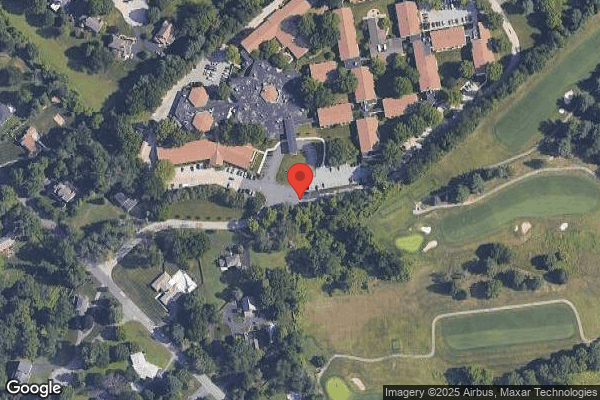
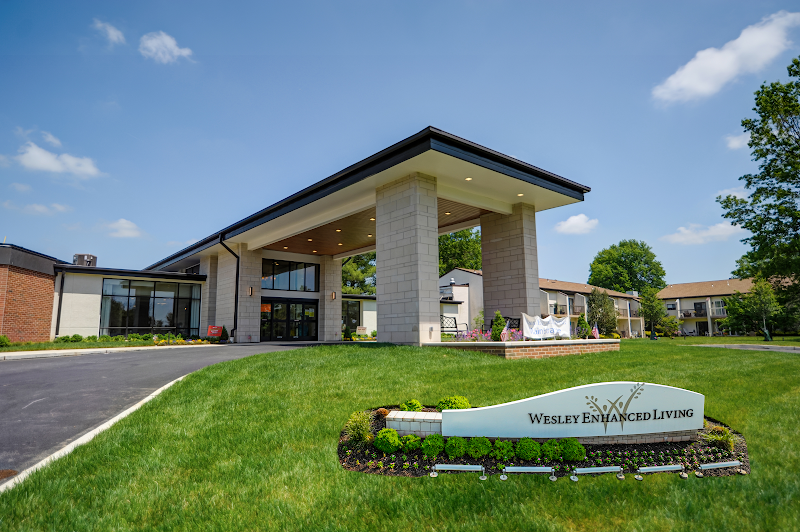
100 HALCYON DRIVE, MEDIA, PA 19063 (610) 353-7660
Non profit - Corporation 60 Beds Independent Data: November 2025 1 Immediate Jeopardy citation
Trust Grade
58/100
#248 of 653 in PA
Last Inspection: January 2024

Within standard 12-15 month inspection cycle. Federal law requires annual inspections.

Overview

Wesley Enhanced Living Main Line Rehab and Skilled Nursing in Media, Pennsylvania has a Trust Grade of C, indicating it is average-neither great nor terrible. It ranks #248 out of 653 facilities in Pennsylvania, placing it in the top half, and #13 out of 28 in Delaware County, meaning only a few local options are better. The facility is improving, having reduced issues from five in 2023 to four in 2024. Staffing is a strong point with a perfect 5-star rating and a low turnover rate of 25%, significantly better than the state average. However, the facility has concerning fines totaling $151,457, higher than 98% of facilities in Pennsylvania, suggesting recurring compliance issues. Additionally, there are incidents of concern, including a critical finding where a resident suffered burns from a hot water machine that failed to maintain safe temperatures, highlighting a serious risk to residents' safety. Another incident revealed extension cords creating potential tripping hazards in the facility due to a power outage, which could pose risks of falls. While there are strengths in staffing and overall ratings, families should weigh these serious safety concerns when considering this nursing home.

Trust Score
C
58/100
In Pennsylvania
#248/653
Top 37%
Safety Record
High Risk
Review needed
Inspections
Getting Better
5 → 4 violations
Staff Stability
✓ Good
25% annual turnover. Excellent stability, 23 points below Pennsylvania's 48% average. Staff who stay learn residents' needs.
Penalties
✓ Good
$151,457 in fines. Lower than most Pennsylvania facilities. Relatively clean record.
Skilled Nurses
✓ Good
Each resident gets 69 minutes of Registered Nurse (RN) attention daily — more than 97% of Pennsylvania nursing homes. RNs are the most trained staff who catch health problems before they become serious.
Violations
○ Average
9 deficiencies on record. Average for a facility this size. Mostly minor or procedural issues.
★★★★☆
4.0
Overall Rating
★★★★★
5.0
Staff Levels
★★★★☆
4.0
Care Quality
★★★☆☆
3.0
Inspection Score
Stable
2023: 5 issues
2024: 4 issues

The Good

  • 5-Star Staffing Rating · Excellent nurse staffing levels
  • 4-Star Quality Measures · Strong clinical quality outcomes
  • Low Staff Turnover (25%) · Staff stability means consistent care
  • Full Sprinkler Coverage · Fire safety systems throughout facility
  • No fines on record
  • Staff turnover is low (25%)

    23 points below Pennsylvania average of 48%

Facility shows strength in staffing levels, quality measures, staff retention, fire safety.

The Bad

Federal Fines: $151,457

Well above median ($33,413)

Significant penalties indicating serious issues

The Ugly 9 deficiencies on record

1 life-threatening
Jul 2024 2 deficiencies 1 IJ (1 facility-wide)
CRITICAL (L) 📢 Someone Reported This

A family member, employee, or ombudsman was alarmed enough to file a formal complaint

Immediate Jeopardy (IJ) - the most serious Medicare violation

Accident Prevention (Tag F0689)

Someone could have died · This affected most or all residents

⚠️ Facility-wide issue

Based on observation, facility documentation, and clinical record review, as well as staff interviews, it was determined the facility failed to ensure the hot water dispensing machine produced water a...

Read full inspector narrative →
Based on observation, facility documentation, and clinical record review, as well as staff interviews, it was determined the facility failed to ensure the hot water dispensing machine produced water at a safe temperature resulting in actual harm to Resident R1 who sustained burns on the left thigh and groin, requiring treatment in an emergency room. This resulted in an Immediate Jeopardy, when it was determined that the facility failed to monitor the temperatures of the hot water dispensing machine and facility policy failed to identify hot beverage temperature parameters which had the potential to cause the residents discomfort or pain, to jeopardize the health and safety for 54 residents. Findings Include: Review of Resident R1's clinical record revealed diagnoses including but not limited to the following: Anxiety (intense, excessive and persistent worry and fear regarding everyday situations), Hydrocephalus (accumulation of cerebrospinal fluid (CSF) occurs within the brain typically causing increased pressure inside the skull. Older people may have headaches, double vision, poor balance, urinary incontinence, personality changes, or mental impairment ), and Hypertension (high blood pressure). Review of Resident R1's clinical record including nursing progress note dated July 13, 2024, at 5:20 p.m. revealed the resident spilled hot tea at dinner on her groin and inner thighs. Resident immediately transferred back to her room, placed in bed. Examined. Redness noted to inner thighs, left greater than right. Resident also complained of labial pain after initial exam. RN called on call, transfer to ED for exam. [Daughter] made aware. 911 called for transfer to ED (Emergency Department). [Local Police] Officer arrived and spoke with Resident. EMS arrived and transferred to [local hospital]. Further review of Resident R1's medical record revealed a wound consult from Doctor of Medicine (MD) dated July 16, 2024, indicating 8 Left, Medial Thigh (front) is an acute Partial Thickness Burn and has received a status of Not Healed. Initial wound encounter measurements are 1.8 centimeter (cm) length x 4.5 cm width x 0 cm depth, with an area of 8.1 sq cm. Additional review of Resident R1's clinical record revealed a progress note dated July 13, 2024, at 10:23 p.m. indicating the patient returned from the hospital with a dressing on [resident's] left thigh. Subsequent review of Resident R1's clinical record revealed a progress note dated July 14, 2024, at 11:24 a.m. indicating investigated incident recently of spillage of hot liquid onto resident lap. Resident and eyewitness report that resident was attempting to place 2 sugar packets in cup, while reaching resident struck spoon that was in vessel and subsequently spilled fluid onto lap. eyewitness (roommate) reports that table height was appropriate as both have identical w/c and require increased height to sit under table appropriately. Review of information dated July 13, 2024 submitted by the facility to Department of Health, on July 13, 2024, revealed The temperature of the hot tea was 150 degrees. The policy is that hot beverages are served no lower than 155 degrees. The machine from which the hot water was dispensed dispenses the water or coffee at 165 degrees. Interview with the Culinary and Nutritional Services Manager (Employee E1) on July 30, 2024, at 10:15 a.m. reported The only time we take temperatures of the [coffee and tea] is when the resident complains. Employee E1 reported they do not take daily temps of hot beverages. Further interview with Employee E1 on July 30, 2024, revealed the facility does not check the temperatures of hot beverages due to the State Operations Manual Appendix PP (Federal regulations for Skilled Nursing Facilities) does not specifically tell you when a drink is too hot. Review of facility policy titled Hot Beverages indicates Hot water and coffee will be dispensed at a temperature no lower than 155 degrees to ensure residents are receiving the highest quality beverages upon delivery. Director of Nursing (DON) on July 30, 2024, at 10:50 a.m. confirmed dietary staff did not take a temperature of the hot tea before giving to Resident R1; and Director of Nursing further indicated the facility had no policy in place for the use of the coffee machine for residents and no temperature logs in place prior to the resident being burned on July 13, 2024. The facility failed to have a policy and procedure in place for determining safe serving temperature of hot beverages from the dispensing machine for residents either at the time of service or periodically. An Immediate Jeopardy situation was identified on July 30, 2024, at 11:31 a.m. and the Immediate Jeopardy template was presented to the Director of Nursing (DON), regarding the facility's failure to ensure the prevention of burns sustained by one resident and placing additional residents at risk of serious burns due to lack of policy and procedure in place for the temping of hot water from the Hot Beverage dispensing machine for residents either at the time of service or periodically to ensure safe hot beverage service. The facility submitted an action plan on July 30, 2024, which included taking the hot beverage dispensing machine out of service until the dispensing machine can be serviced and dispensing temperature lowered. Developing a policy and procedure identifying a max temperature for liquids and taking the temperature of every hot beverage before serving and logging the temperatures. Temperature logs to be reviewed by Dining Manager or designee will audit the temperature logs daily for compliance. All dietary staff will be educated on the new policy and procedures for hot beverages prior to start of shift. The action plan was accepted on July 30, 2024, at 2:06 p.m. On July 31, 2024, a review of audits, documentation of completed employee education, and interviews with two dietary aids revealed the facility completed the interventions developed for the action plan on July 30, 2024. The Immediate Jeopardy was lifted on July 31, 2024, at 11:36 a.m. after confirmation that the action plan was implemented and completed. The Nursing Home Administrator and the Director of Nursing were informed the residents were no longer in immediate jeopardy. 28 Pa. Code 201.14(a) Responsibility of licensee 28 Pa. Code 201.18(b)(1)(3)(e)(1) Management 28 Pa. Code 201.18(e)(3) Management 28 Pa. Code 211.12(c)(d)(1)(3)(5) Nursing services
CONCERN (E) 📢 Someone Reported This

A family member, employee, or ombudsman was alarmed enough to file a formal complaint

Potential for Harm - no one hurt, but risky conditions existed

Administration (Tag F0835)

Could have caused harm · This affected multiple residents

Based on a review of their job descriptions it was determined that the Nursing Home Administrator (NHA) and the Director of Nursing (DON) did not effectively manage the facility to ensure the beverage...

Read full inspector narrative →
Based on a review of their job descriptions it was determined that the Nursing Home Administrator (NHA) and the Director of Nursing (DON) did not effectively manage the facility to ensure the beverage temperature policy included parameters identifying safe beverage temperatures for hot liquids and failed to protect residents from potentially suffering a medical emergency related to hot beverage burns. Findings include: Review of the job description for the NHA revealed the essential function is to ensures compliance with all laws, rules, regulations, policies and procedures within the community for all levels of care. Assure highest quality medical care to residents. Ensure that all medical services implemented are consistent with WEL mission, vision, and values. Assures all Department Heads are in compliance with all government and agency regulatory requirements and licensing as they relate to dining, building and property, resident contracts, and residents rights and employment law. Maintains effective operations. Ensures a safe work environment for all. Ensures regulatory compliance. Review of the job description for the DON revealed the responsibility of the job position is to assumes responsibility for the development of nursing service objectives, performance standards of nursing practice for each category of nursing personnel, and nursing policies and procedures. Assumes accountability for the development, organization and implementation of approved policies and procedures and systematic approaches to providing care and services. Directs, evaluates and supervises all resident care and initiates corrective action as necessary. The findings in this report identified that the facility failed to ensure that residents were served hot beverages at a safe consumption temperature which placed residents in Immediate Jeopardy. The facility staff failed to identify hot beverage temperature parameters. The NHA and DON failed to fulfill their essential job duties that the federal and state guidelines and regulations were followed. Refer to F689 28 Pa. Code 201.14(a) Responsibility of licensee 28 Pa. Code 201.18(b)(1) Management 28 Pa. Code 201.18(b)(3) Management 28 Pa. Code 201.18(e)(1) Management 28 Pa. Code 207.2(a) Administrator's Responsibility
Jan 2024 2 deficiencies
CONCERN (D)

Potential for Harm - no one hurt, but risky conditions existed

Deficiency F0757 (Tag F0757)

Could have caused harm · This affected 1 resident

Based on facility policy review, clinical record review, and staff interviews it was determined that the facility failed to provide adequate indications for use of pain medications for one of 24 resid...

Read full inspector narrative →
Based on facility policy review, clinical record review, and staff interviews it was determined that the facility failed to provide adequate indications for use of pain medications for one of 24 residents reviewed (Resident 34). Findings include: Review of the facility policy revealed a document titled Pain Assessment and Management, dated March 2015, states the staff will document the resident's reported level of pain with adequate detail as necessary and in accordance with the pain management program. Review of Resident 34's clinical record revealed an admission date of December 6, 2023, hip fracture and aftercare of joint replacement therapy. a physician order dated December 7, 2023, for Oxycodone Hcl Oral Capsule 5mg (pain medication) to be given every four hours (as needed) for severe pain (7-10). Review of the Medication Administration Record revealed that the resident received pain medication on December 7, 8, 9, 10, 11,12 (x2),13,15,16,17 (x2),18, 21,22, 24,26, 28, and 30 (x2), without indicating a pain scale and adequate documentation for administration. An interview with the Director of Nursing on January 11, 2024 at 12:00 p.m. revealed there was no further documentation. 28 Pa. Code 211.5(f) Clinical Records 28 Pa. Code 211.12(d)(5) Nursing Services
CONCERN (E)

Potential for Harm - no one hurt, but risky conditions existed

Accident Prevention (Tag F0689)

Could have caused harm · This affected multiple residents

Based on observations and interviews during a facility power outage, it was determined that the facility failed to ensure residents environment remained as free of accident hazards as is possible in t...

Read full inspector narrative →
Based on observations and interviews during a facility power outage, it was determined that the facility failed to ensure residents environment remained as free of accident hazards as is possible in two out of three nursing units (East and South Wings). Findings: Observations on January 10, 2024, at 9:30 a.m. revealed that the facility experienced a power outage during the night. Orange power cords (long extension cords) were in the lying, in the east and south wings of the nursing units, across the hallways into resident rooms. An interview with the Director of Nursing on January 10, 2024, revealed that the building is old and the outlets in the resident rooms were not active due to the power outage. Outlets that are in the hallways are active and for residents that are oxygen and have air mattresses need power. The extension cords provide these items power and function. Further observations at 12:00 p.m. revealed extension cords gathered in the middle of the hall in the east and south hall and staff walking over them and occasionally catching their feet in these cords. An interview with the Nursing Home Administrator on January 11, 2024, at 12:30 p.m., revealed the resident beds are powered by electricity to adjust the bed height and the head and foot of the bed. They could not secure the cords to the floor, with the tape, for this reason. The faciltiy failed to ensure the safety of residents and staff during a power outage by placing electrical cords across the hallways of the east and south halls. 28 Pa. Code 201.18(b)(1)(3) Management
Jan 2023 5 deficiencies
CONCERN (D)

Potential for Harm - no one hurt, but risky conditions existed

Notification of Changes (Tag F0580)

Could have caused harm · This affected 1 resident

Based on clinical record review and staff interview it was determined the facility failed to notify the physician about a resident's status for one of 24 residents reviewed. (Resident 59) Findings Inc...

Read full inspector narrative →
Based on clinical record review and staff interview it was determined the facility failed to notify the physician about a resident's status for one of 24 residents reviewed. (Resident 59) Findings Include: Review of Resident 59's physician orders revealed an order for a PT/INR (study of the amount of time it take for blood to clot and determine the effectiveness of blood thinning medication). Further review of Resident 59's clinical record revealed the resident did not have the blood drawn as ordered. Further review of the clinical record revealed there was no documented evidence the physician was notified of the laboratory study not being completed as ordered. Interview with the Director of Nursing on January 13, 2023 at 11:00 a.m. confirmed the physician was not notified the PT/INR was not completed as ordered. 28 Pa. Code 201.18(b)(1) Management 28 Pa. Code 211.5(f) Clinical records 28 Pa. Code 211.12(c)(d) (1)(3)(5) Nursing services
CONCERN (D)

Potential for Harm - no one hurt, but risky conditions existed

Comprehensive Care Plan (Tag F0656)

Could have caused harm · This affected 1 resident

**NOTE- TERMS IN BRACKETS HAVE BEEN EDITED TO PROTECT CONFIDENTIALITY** Based on review of clinical records and staff interview, it was determined that the facility failed to develop a care plan for a...

Read full inspector narrative →
**NOTE- TERMS IN BRACKETS HAVE BEEN EDITED TO PROTECT CONFIDENTIALITY** Based on review of clinical records and staff interview, it was determined that the facility failed to develop a care plan for anticoagulants for one of two residents reviewed (Resident 16) Findings include: Review of Resident 16's clinical record revealed an active diagnosis of Paroxysmal Atrial Fibrillation (an irregular, often rapid heart rate that commonly causes poor blood flow). Resident 16 has a cardiac Pacemaker (a device implanted in the chest to help control the heartbeat). Review of Resident 16's clinical record revealed an active order for Apixaban, Tablet 5mg, twice daily (used to treat and prevent blood clots and to prevent strokes). Review of Resident 16's admission Minimal Date Set assessment (MDS- an assessment of care needs) dated December 28, 2022, revealed Resident 16 takes anticoagulant medication daily. Review of Resident 16's electronic medication administration record (eMAR) revealed Resident 16 was receiving Apixaban twice daily since his admission on [DATE]. Review of Resident 16's current care plan goals and interventions failed to reveal a care plan developed to address the resident's anticoagulant usage. Interview conducted with the Director of Nursing at approximately 10:56 A.M. confirmed that the resident did not have a care plan developed for anticoagulants. 28 Pa Code 211.10(d) Resident care policies 28 Pa Code 211.11(d) Resident care plan 28 Pa. Code 211.12(c) Nursing services
CONCERN (D)

Potential for Harm - no one hurt, but risky conditions existed

Accident Prevention (Tag F0689)

Could have caused harm · This affected 1 resident

Based on clinical record review, review of facility documentation, and staff interview, it was determined that the facility failed to ensure adequate supervision during a transfer and an elopement for...

Read full inspector narrative →
Based on clinical record review, review of facility documentation, and staff interview, it was determined that the facility failed to ensure adequate supervision during a transfer and an elopement for two of 20 residents reviewed (Residents 4 and 110). Findings include: Review of Resident 4's clinical record revealed a care plan identifying the resident as having an ADL (activities of daily living) deficient due to the resident's diagnosis of dementia. The care plan had an intervention added on April 22, 2018 for the resident indicated a two person assist for transfers using a sit-to-stand lift. Review of Resident 4's progress notes revealed a nursing note dated October 15, 2022, which stated: skin tear to resident's left posterior leg. Nurse called to resident's room by resident's [nurse aide] having been informed that resident had some bleeding to a lower extremity. Nursing assessed resident to find skin tear to left posterior leg. Resident unable to narrate how he sustained the injury. Skin tear noted with moderate bleeding at the time of assessment. Pressure applied to site. Steri strips and absorbent dressing applied, area wrapped with kerlix. Review of facility documentation revealed the investigation concluded that the nurse aide Employee E3 was transferring Resident 4 using the sit-to-stand lift without a second staff person present to assist. Interview with the Director of Nursing on January 13, 2023, at 10:49 a.m. confirmed the nurse aide Employee E3 did not follow Resident 4's plan of care and transferred the resident without the assistance of a second staff person. Review of facility policy and procedure titled Wandering and Elopements, Revised March 2019, revealed if an employee observes a resident leaving the premises he/she should attempt to prevent the resident from leaving in a courteous manner; get help from other staff members in the immediate vicinity, if necessary; and instruct another staff member to inform the Charge Nurse or Director of Nursing Services that a resident is attempting to leave or has left the premises. Review of facility assessments revealed an elopement assessment for resident 11 completed on July 27, 2022 indicating the resident was not a risk for elopement. Review of Resident 110's admission minimum data set (MDS- periodic assessment of resident needs) assessment completed August 3, 2022 revealed the resident had a Brief Interview for Mental Status score of 15 indicating no cognitive impairment. Review of Resident 110's progress notes revealed a nursing entry dated August 3, 2022 stating This morning resident packed some bags and said he was going back home. He took his bags into the dining room and the staff informed him that those doors were locked. He sat there for awhile but then got up and headed toward the exit to the rest of the community. The staff made multiple attempts to redirect him while still in skilled but he argued and would not accept redirection. The CNA (Certified Nurse Aide) followed him to the front door of the community where she was still attempting to redirect him and was joined by some nursing students and security. He could not be coaxed to return to the skilled unit. The CNA continued to follow him out of the building where he continued walking and entered a door near his IL apartment. He had thrown his belongings onto the ground which the CNA picked up. When they got to the apartment he unlocked the door then immediately slammed the door and locked it. The CNA stayed outside for a few minutes but then returned to the unit to inform the nurse what had happened. By the time she returned to the unit on-coming nurse, OT (Occupational Therapy) and the Director of Wellness had started over to the apartment with a key. When they arrived at the apartment he was not longer there. They called his cell phone to determine his location. He had taken his car and was driving. He was instructed to pull over which he did and he was able to tell them where he was. They drove and found him to bring him back to the facility along with his car. He returned stating that he had made a big mistake. Review of Investigation completed by the facility revealed a written statement from the CNA who followed the resident to his apartment revealing she thought he was safe in his apartment and was not aware the resident had a car or had any intention to leave the campus. Further review of the clinical record revealed the resident was discharged back to his Independent Living Apartment on August 30, 2022. Interview with the Director of Nursing and the Nursing Home Administrator revealed the resident was found approximately one mile from the facility. Further interview confirmed the resident was not provided proper supervision when the CNA left the apartment to come back to the facility. 28 Pa. Code 201.29(c) Resident rights 28 Pa. Code 211.10(d) Resident care policies
CONCERN (D)

Potential for Harm - no one hurt, but risky conditions existed

Drug Regimen Review (Tag F0756)

Could have caused harm · This affected 1 resident

Based on clinical record review, it was determined that the facility failed to ensure the physician provided clinical rationales for declining consultant pharmacist recommendations for one of five res...

Read full inspector narrative →
Based on clinical record review, it was determined that the facility failed to ensure the physician provided clinical rationales for declining consultant pharmacist recommendations for one of five residents reviewed for unnecessary medications (Resident 55). Findings include: Review of Resident 55's Physician Recommendation from the consultant pharmacist dated November 18, 2022, revealed the pharmacist recommended: The order for Bupropion SR [(antidepressant)] 150 mg, which is the sustained release 12 hour formulation and the directions read: 'Give 2 tablet by mouth in the morning for depression.' Will you consider reviewing this order, to verify if the 12 hour sustained release formulation should continue or if it should be changed to Bupropion XL 150 mg, which is the Extended release 24 hour formulation; but if no changes are to be made, please document your reason why below. Further review of Resident 55's Physician Recommendation from November 18, 2022, revealed the physician signed the recommendation on November 21, 2022, and wrote disagree under the response. The physician's failure to provide clinical rationale for declining the consultant pharmacist's recommendation for Resident 55 was discussed and confirmed with the Director of Nursing on January 13, 2023, at 10:50 a.m. 28 Pa. Code 201.18(b)(1)(2) Management
CONCERN (D)

Potential for Harm - no one hurt, but risky conditions existed

Laboratory Services (Tag F0770)

Could have caused harm · This affected 1 resident

Based on clinical record review and staff interview it was determined the facility failed to complete laboratory studies as ordered by the physician for two of 24 residents reviewed. (Resident 48 and ...

Read full inspector narrative →
Based on clinical record review and staff interview it was determined the facility failed to complete laboratory studies as ordered by the physician for two of 24 residents reviewed. (Resident 48 and 59) Findings Include: Review of Resident 48's Progress Notes revealed a nursing entry dated January 3, 2023 at 3:55 p.m. stating, resident noted with hematuria (blood in the urine). Resident denies having lower abdominal pain, burning or painful urination, no odor. MD made aware and ordered CBC (Complete Blood Count- counts the number of different cells in the blood) and UA C+S (urine tested for infection). Review of Resident 48's physician orders revealed an order dated January 3, 2023 for a CBC. Review of Resident 48's lab results revealed there were no results for a CBC on January 4, 2023. Further review of Progress notes revealed a physician entry dated January 10, 2023 at 10:50 a.m. stating CBC not done as ordered Interview with the Director of Nursing on January 13, 2023 at 10:48 a.m. confirmed the CBC was not drawn as ordered by the physician. Review of Resident 59's physician orders revealed an order for a PT/INR (study of the amount of time it take for blood to clot and determine the effectiveness of blood thinning medication). Further review of Resident 59's clinical record revealed the resident did not have the blood drawn as ordered. Interview with the Director of Nursing on January 13, 2023 at 11:00 a.m. PT/INR was not completed as ordered. 28 Pa. Code 211.12(c)(d) (1)(3)(5) Nursing services
Understanding Severity Codes (click to expand)
Life-Threatening (Immediate Jeopardy)
J - Isolated K - Pattern L - Widespread
Actual Harm
G - Isolated H - Pattern I - Widespread
Potential for Harm
D - Isolated E - Pattern F - Widespread
No Harm (Minor)
A - Isolated B - Pattern C - Widespread

Questions to Ask on Your Visit

  • "What changes have you made since the serious inspection findings?"
  • "Can I speak with families of current residents?"
  • "What's your RN coverage like on weekends and overnight?"

Our Honest Assessment

Strengths
  • • 25% annual turnover. Excellent stability, 23 points below Pennsylvania's 48% average. Staff who stay learn residents' needs.
Concerns
  • • Multiple safety concerns identified: 1 life-threatening violation(s), $151,457 in fines. Review inspection reports carefully.
  • • 9 deficiencies on record, including 1 critical (life-threatening) violation. These warrant careful review before choosing this facility.
  • • $151,457 in fines. Extremely high, among the most fined facilities in Pennsylvania. Major compliance failures.
  • • Grade C (58/100). Below average facility with significant concerns.
Bottom line: Mixed indicators with Trust Score of 58/100. Visit in person and ask pointed questions.

About This Facility

What is Wesley Enhanced Living Main Line Rehab And Skd Nsg's CMS Rating?

CMS assigns WESLEY ENHANCED LIVING MAIN LINE REHAB AND SKD NSG an overall rating of 4 out of 5 stars, which is considered above average nationally. Within Pennsylvania, this rating places the facility higher than 99% of the state's 100 nursing homes. This rating reflects solid performance across the metrics CMS uses to evaluate nursing home quality.

How is Wesley Enhanced Living Main Line Rehab And Skd Nsg Staffed?

CMS rates WESLEY ENHANCED LIVING MAIN LINE REHAB AND SKD NSG's staffing level at 5 out of 5 stars, which is much above average compared to other nursing homes. Staff turnover is 25%, compared to the Pennsylvania average of 46%. This relatively stable workforce can support continuity of care.

What Have Inspectors Found at Wesley Enhanced Living Main Line Rehab And Skd Nsg?

State health inspectors documented 9 deficiencies at WESLEY ENHANCED LIVING MAIN LINE REHAB AND SKD NSG during 2023 to 2024. These included: 1 Immediate Jeopardy (the most serious level, indicating potential for serious harm or death) and 8 with potential for harm. Immediate Jeopardy findings are rare and represent the most serious regulatory concerns. They require immediate corrective action.
Who Owns and Operates Wesley Enhanced Living Main Line Rehab And Skd Nsg?

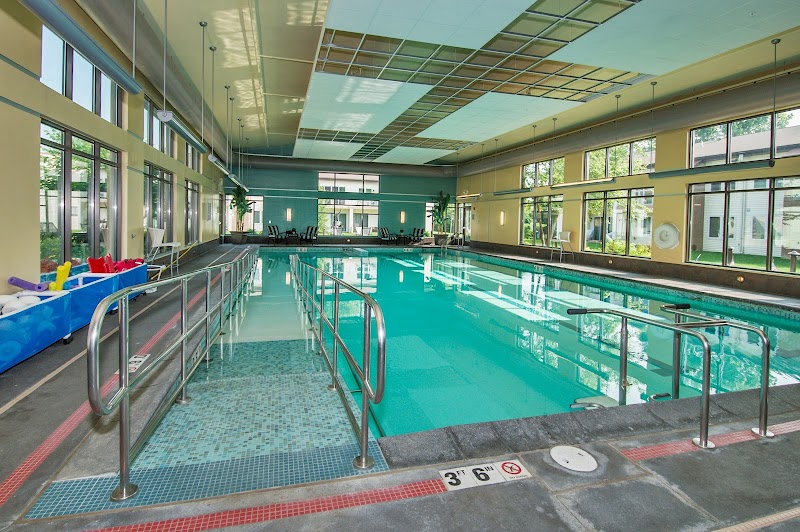
WESLEY ENHANCED LIVING MAIN LINE REHAB AND SKD NSG is owned by a non-profit organization. Non-profit facilities reinvest revenue into operations rather than distributing to shareholders. The facility operates independently rather than as part of a larger chain. With 60 certified beds and approximately 56 residents (about 93% occupancy), it is a smaller facility located in MEDIA, Pennsylvania.
How Does Wesley Enhanced Living Main Line Rehab And Skd Nsg Compare to Other Pennsylvania Nursing Homes?

Compared to the 100 nursing homes in Pennsylvania, WESLEY ENHANCED LIVING MAIN LINE REHAB AND SKD NSG's overall rating (4 stars) is above the state average of 3.0, staff turnover (25%) is significantly lower than the state average of 46%, and health inspection rating (3 stars) is at the national benchmark.

What Should Families Ask When Visiting Wesley Enhanced Living Main Line Rehab And Skd Nsg?

Based on this facility's data, families visiting should ask: "What changes have been made since the serious inspection findings, and how are you preventing similar issues?" "Can I visit during a mealtime to observe dining assistance and food quality?" "How do you handle medical emergencies, and what is your hospital transfer rate?" "Can I speak with family members of current residents about their experience?" These questions are particularly relevant given the facility's Immediate Jeopardy citations.

Is Wesley Enhanced Living Main Line Rehab And Skd Nsg Safe?

Based on CMS inspection data, WESLEY ENHANCED LIVING MAIN LINE REHAB AND SKD NSG has documented safety concerns. Inspectors have issued 1 Immediate Jeopardy citation (the most serious violation level indicating risk of serious injury or death). The facility has a 4-star overall rating and ranks #1 of 100 nursing homes in Pennsylvania. Families considering this facility should ask detailed questions about what corrective actions have been taken since these incidents.

Do Nurses at Wesley Enhanced Living Main Line Rehab And Skd Nsg Stick Around?

Staff at WESLEY ENHANCED LIVING MAIN LINE REHAB AND SKD NSG tend to stick around. With a turnover rate of 25%, the facility is 21 percentage points below the Pennsylvania average of 46%. Low turnover is a positive sign. It means caregivers have time to learn each resident's needs, medications, and personal preferences. Consistent staff also notice subtle changes in a resident's condition more quickly. Registered Nurse turnover is also low at 20%, meaning experienced RNs are available to handle complex medical needs.

Was Wesley Enhanced Living Main Line Rehab And Skd Nsg Ever Fined?

WESLEY ENHANCED LIVING MAIN LINE REHAB AND SKD NSG has been fined $151,457 across 1 penalty action. This is 4.4x the Pennsylvania average of $34,593. Fines at this level are uncommon and typically indicate a pattern of serious deficiencies, repeated violations, or failure to correct problems promptly. CMS reserves penalties of this magnitude for facilities that pose significant, documented risk to resident health or safety. Families should request specific documentation of what issues led to these fines and what systemic changes have been implemented.

Is Wesley Enhanced Living Main Line Rehab And Skd Nsg on Any Federal Watch List?

WESLEY ENHANCED LIVING MAIN LINE REHAB AND SKD NSG is not on any federal watch list. The most significant is the Special Focus Facility (SFF) program, which identifies the bottom 1% of nursing homes nationally based on persistent, serious quality problems. Not being on this list means the facility has avoided the pattern of deficiencies that triggers enhanced federal oversight. This is a positive indicator, though families should still review the facility's inspection history directly.