HAVENCREST REHABILITATION AND HEALTHCARE CENTER
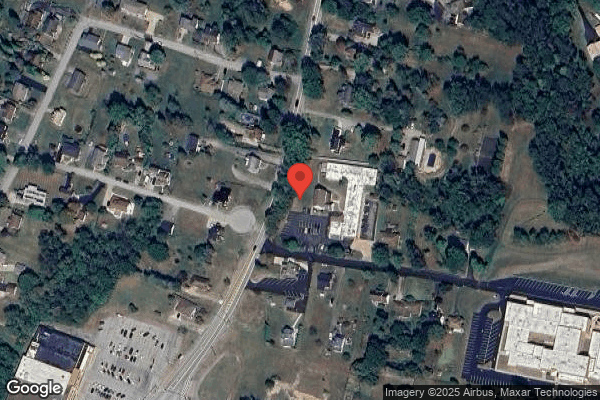
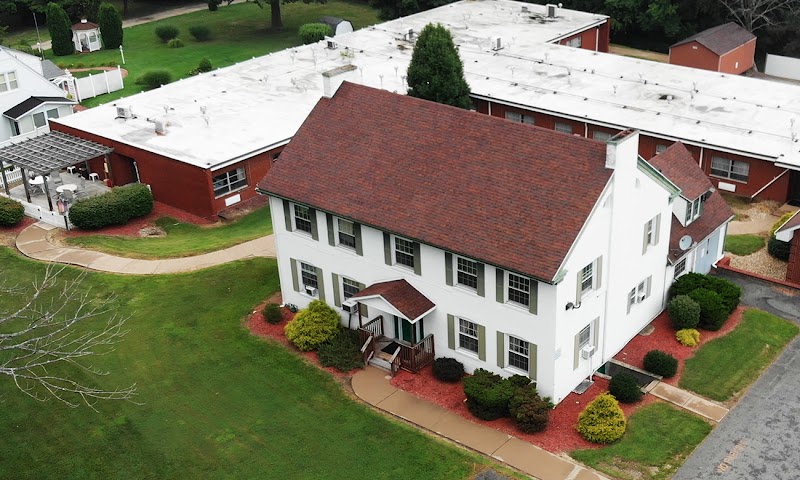
1277 COUNTRY CLUB ROAD, MONONGAHELA, PA 15063 (724) 258-3000
For profit - Corporation 48 Beds Independent Data: November 2025
Trust Grade
55/100
#435 of 653 in PA
Last Inspection: February 2025

Within standard 12-15 month inspection cycle. Federal law requires annual inspections.

Overview

Havencrest Rehabilitation and Healthcare Center has a trust grade of C, which means it is average and sits in the middle of the pack among nursing homes. It ranks #435 out of 653 facilities in Pennsylvania, placing it in the bottom half, and #7 out of 12 in Washington County, indicating that only a few local options are better. Unfortunately, the facility is worsening, with issues increasing from 3 in 2024 to 14 in 2025. Staffing is a strength, rated 4 out of 5 stars, with a 41% turnover rate that is better than the state average, and it has more registered nurse (RN) coverage than 96% of other facilities in Pennsylvania. However, there have been concerning incidents, including improper food storage which risks foodborne illness and failure to maintain a clean kitchen, highlighting some serious areas needing improvement alongside its staffing strengths.

Trust Score
C
55/100
In Pennsylvania
#435/653
Bottom 34%
Safety Record
Low Risk
No red flags
Inspections
Getting Worse
3 → 14 violations
Staff Stability
○ Average
41% turnover. Near Pennsylvania's 48% average. Typical for the industry.
Penalties
✓ Good
No fines on record. Clean compliance history, better than most Pennsylvania facilities.
Skilled Nurses
✓ Good
Each resident gets 75 minutes of Registered Nurse (RN) attention daily — more than 97% of Pennsylvania nursing homes. RNs are the most trained staff who catch health problems before they become serious.
Violations
⚠ Watch
20 deficiencies on record. Higher than average. Multiple issues found across inspections.
★★☆☆☆
2.0
Overall Rating
★★★★☆
4.0
Staff Levels
★★★☆☆
3.0
Care Quality
★★☆☆☆
2.0
Inspection Score
Stable
2024: 3 issues
2025: 14 issues

The Good

  • 4-Star Staffing Rating · Above-average nurse staffing levels
  • Full Sprinkler Coverage · Fire safety systems throughout facility
  • No fines on record
  • Staff turnover below average (41%)

    7 points below Pennsylvania average of 48%

Facility shows strength in staffing levels, fire safety.

The Bad

2-Star Overall Rating

Below Pennsylvania average (3.0)

Below average - review inspection findings carefully

Staff Turnover: 41%

Near Pennsylvania avg (46%)

Typical for the industry

The Ugly 20 deficiencies on record

Sept 2025 2 deficiencies
CONCERN (E) 📢 Someone Reported This

A family member, employee, or ombudsman was alarmed enough to file a formal complaint

Potential for Harm - no one hurt, but risky conditions existed

Deficiency F0727 (Tag F0727)

Could have caused harm · This affected multiple residents

Based on staff interview and Infection Control Preventionist (ICP) credential review, it was determined that in addition to the role of the Director of Nursing (DON), the DON was also the ICP since 09...

Read full inspector narrative →
Based on staff interview and Infection Control Preventionist (ICP) credential review, it was determined that in addition to the role of the Director of Nursing (DON), the DON was also the ICP since 09/08/25.Findings include:Review of the DON job description indicated the DON is responsible for the planning, organization, development, and direction of the overall operation of the Nursing Department. The DON is to maintain compliance with federal, state and local regulations.Review of the Infection Preventionist job description indicated the ICP primary functions are to plan, organize, develop, coordinate, and direct the infection control program and its activities in accordance with current federal, state and local standards, guidelines and regulations that govern such programs and as directed by the Administrator to ensure effective infection prevention and control program is maintained at all times.During an interview on 9/30/25, at 9:08 a.m., the Director of Nursing (DON) stated that the facility just put a Licensed Practical Nurse in place of Infection Control and that she is trained but that she, the Interim DON has been acting as the Infection Control Nurse at this time. The DON confirmed that the facility failed to designate a qualified individual(s) onsite, who are responsible for implementing programs and activities to prevent and control infections.Pa Code 211.12(b)(c) Nursing services.
CONCERN (E) 📢 Someone Reported This

A family member, employee, or ombudsman was alarmed enough to file a formal complaint

Potential for Harm - no one hurt, but risky conditions existed

Deficiency F0882 (Tag F0882)

Could have caused harm · This affected multiple residents

Based on a review of job descriptions and staff interview, it was determined the facility failed to designate a qualified individual(s) onsite, who is responsible for implementing programs and activit...

Read full inspector narrative →
Based on a review of job descriptions and staff interview, it was determined the facility failed to designate a qualified individual(s) onsite, who is responsible for implementing programs and activities to prevent and control infections.Findings include:Review of the Infection Preventionist job description indicated the ICP primary functions are to plan, organize, develop, coordinate, and direct the infection control program and its activities in accordance with current federal, state and local standards, guidelines and regulations that govern such programs and as directed by the Administrator to ensure effective infection prevention and control program is maintained at all times. During an interview on 9/30/25, at 9:08 a.m., the Director of Nursing (DON) stated that the facility just put a Licensed Practical Nurse in place of Infection Control and that she is trained but that she, the Interim DON has been acting as the Infection Control Nurse at this time. The DON confirmed that the facility failed to designate a qualified individual(s) onsite, who is responsible for implementing programs and activities to prevent and control infections. 28 Pa. Code: 201.14(a) Responsibility of licensee.28 Pa. Code: 201.18(b)(1)(e)(1) Management.28 Pa. Code: 201.19(3) Personnel records.28 Pa. Code: 211.12(d)(1)(2)(3)(5) Nursing services.
Feb 2025 12 deficiencies
CONCERN (E)

Potential for Harm - no one hurt, but risky conditions existed

Accident Prevention (Tag F0689)

Could have caused harm · This affected multiple residents

Based on a observation and staff interview, it was determined that the facility failed to provide a safe environment for residents in one of two nursing units (Back Hall Nursing Unit). Findings inclu...

Read full inspector narrative →
Based on a observation and staff interview, it was determined that the facility failed to provide a safe environment for residents in one of two nursing units (Back Hall Nursing Unit). Findings include: During an observation on 2/18/25, at 10:53 a.m. the Utility Room door was noted not to have a locking mechanism. Within the room, a full sharps container without a lid was present on a small table. During an interview on 2/18/25, at 10:58 a.m. Registered Nurse Employee E5 confirmed that the utility room was a Sharps Room, and further confirmed that without a locking mechanism, the full sharps container posed a safety risk to residents. During an interview on 2/20/25, at approximately 1:00 p.m. the Nursing Home Administrator and the Director of Nursing confirmed that the facility failed to provide a safe environment for residents in one of two nursing units. 28 Pa. Code 201.18(e)(1) Management. 28 Pa. Code 201.20(a)(b) Staff development. 28 Pa. Code 201.29(a)(c)(d) Resident rights.
CONCERN (E)

Potential for Harm - no one hurt, but risky conditions existed

Deficiency F0699 (Tag F0699)

Could have caused harm · This affected multiple residents

**NOTE- TERMS IN BRACKETS HAVE BEEN EDITED TO PROTECT CONFIDENTIALITY** Based on review of facility policy, clinical records, and staff interviews, it was determined that the facility failed to provid...

Read full inspector narrative →
**NOTE- TERMS IN BRACKETS HAVE BEEN EDITED TO PROTECT CONFIDENTIALITY** Based on review of facility policy, clinical records, and staff interviews, it was determined that the facility failed to provide culturally competent, trauma care in accordance with professional standards of practice, accounting for the resident's past experiences and preferences in order to eliminate and/or mitigate triggers that may cause re-traumatization of the resident for two of three residents (Resident R13 and R26). Findings include: Review of the facility policy, Behavioral Assessment, Intervention and Monitoring dated 3/4/24, indicated the facility will provide and residents will receive behavioral health services as needed to attain or maintain the highest practicable physical, mental, and psychosocial well-being in accordance with the comprehensive assessment and plan of care. Review of the clinical record revealed that Resident R13 was originally admitted to the facility on [DATE], and readmitted on [DATE]. Review of the Minimum Data Set (MDS - periodic assessment of resident care needs) dated 11/22/24, included diagnoses of anxiety, depression, bipolar disorder (mental illness that causes unusual shifts in a person's mood, energy, activity levels, and concentration), and post-traumatic stress disorder (PTSD - mental health condition triggered by experiencing or witnessing a terrifying event). Review of Resident R20's plan of care developed initiated 5/25/18, and updated 11/22/24, failed to include goals and interventions related to PTSD. Review of Resident R20's evaluations failed to reveal an assessment for trauma-informed care or PTSD. Review of the clinical record revealed that Resident R26 was originally admitted to the facility on [DATE], and readmitted on [DATE]. Review of the MDS dated [DATE], included diagnoses of anxiety, depression, schizophrenia (a mental disorder characterized by delusions, hallucinations, disorganized speech and behavior), and PTSD. Review of Resident R26's plan of care developed initiated 7/10/23, and updated 1/20/25, failed to include goals and interventions related to PTSD. Review of Resident R26's evaluations failed to reveal an assessment for trauma-informed care or PTSD. During an interview on 2/20/25, at approximately 1:00 p.m. the Nursing Home Administrator and the Director of Nursing indicated that the facility failed to provide culturally competent, trauma care in accordance with professional standards of practice, accounting for the resident's past experiences and preferences in order to eliminate and/or mitigate triggers that may cause re-traumatization of the resident for two of three residents. 28 Pa. Code 211.10 (a) Resident care policies. 28 Pa. Code 211.12(d)(3)(5) Nursing services.
CONCERN (E)

Potential for Harm - no one hurt, but risky conditions existed

Deficiency F0761 (Tag F0761)

Could have caused harm · This affected multiple residents

Based on review of facility policy, observations, and staff interviews, it was determined that the facility failed to make certain that medications and biologicals were properly stored and/or disposed...

Read full inspector narrative →
Based on review of facility policy, observations, and staff interviews, it was determined that the facility failed to make certain that medications and biologicals were properly stored and/or disposed of in one of one medication rooms and one of two medication carts (Long Hall medication cart). Findings include: Review of the U.S. FDA approved prescribing information for Aplisol (solution used in tuberculosis screening) dated 11/2013, indicated that in-use vials must be used within 30 days. Review of the U.S. FDA approved prescribing information for Lantus (a type of insulin) dated 05/2019, indicated that in-use vials must be used within 28 days. Review of the U.S. FDA approved prescribing information for Prednisolone Sodium Phosphate (lubricant eye drops) dated 04/2023, indicated that in-use vials must be used within 28 days. Review of the facility policy Medication Storage in the Facility dated 3/4/24, indicated that medication and biological are stored safely, securely, and properly, following manufacturer's recommendations or those of the supplier. Outdated, contaminated, or deteriorated medications and those in containers that are cracked, soiled, or without secure closures are immediately removed from stock. During an observation of the facility's medication room on 2/18/25, at 10:35 a.m. the following was noted: -one opened, undated vial of Aplisol. -four vacutainers with an expiration date of 8/31/24. -four opened sterile dressing kits. -one catheter securement device with an expiration date of 1/28/24. During an interview on 2/18/25, at 10:47 a.m. the above observations were confirmed by Registered Nurse Employee E14. During an observation on 2/18/25, at 11:00 a.m. of the Long Hall medication cart the following was noted: -one Lantus injection pen, partially used and undated. -two bottles of prednisolone 1% suspension eye drops, partially used and undated. -one bottle of Isopto Tears ophthalmic solution 0.5%, partially used and undated. During an interview on 2/18/25, at 11:05 a.m. the above observations were confirmed by Registered Nurse Employee E14. During an observation on 2/19/25, at 8:15 a.m. the Long Hall medication cart was observed to be unlocked, and unattended by staff. During an interview and observation on 2/19/25, at 8:21 a.m. Registered Nurse Employee E10 returned to the medication cart and confirmed that she had left it unlocked while in a resident room. During an interview on 2/20/25, at approximately 1:00 p.m. the Nursing Home Administrator and the Director of Nursing confirmed that the facility failed to make certain that medications and biologicals were properly disposed of in one of one medication rooms and one of two medication carts. 28 Pa. Code: 201.14 (a) Responsibility of licensee. 28 Pa. Code: 201.18 (b)(1)(e)(1) Management. 28 Pa. Code: 211.9 (a)(1) Pharmacy services. 28 Pa. Code: 211.12 (d)(1)(3)(5) Nursing services.
CONCERN (E)

Potential for Harm - no one hurt, but risky conditions existed

Infection Control (Tag F0880)

Could have caused harm · This affected multiple residents

Based on review of facility policy, manufacturers' instructions, observation, and staff interviews it was determined that the facility failed to prevent the potential for cross-contamination during gl...

Read full inspector narrative →
Based on review of facility policy, manufacturers' instructions, observation, and staff interviews it was determined that the facility failed to prevent the potential for cross-contamination during glucometer usage for five of six residents (Residents R90, R92, R95, R11, and R16). Findings Include: Review of the facility policy Blood Sampling - Capillary (Finger Sticks) dated 3/4/24, indicated in the list of equipment and supplies needed was a Disinfected blood glucose meter. The policy further indicated that after usage: Following the manufacturer's instructions, clean and disinfect reusable equipment after each use. Review of the Evencare G3 (glucometer) manufacturer's instructions dated 2016, indicated, The meter should be disinfected after use on each patient. This blood glucose monitoring system may only be used for testing multiple patients when standard precautions and the manufacturer's disinfection procedures are followed. During an observation 2/19/25, at 4:04 p.m., Licensed Practical Nurse (LPN) Employee E2 removed the glucometer from the medication cart drawer, did not disinfect the glucometer, and checked the blood sugar level of Resident R90. During an observation 2/19/25, at 4:06 p.m., LPN Employee E2, without disinfecting the glucometer after using it for Resident R90, checked the blood sugar level of Resident R92 During an observation 2/19/25, at 4:09 p.m., LPN Employee E2, without disinfecting the glucometer after using it for Resident R92, checked the blood sugar level of Resident R95 During an observation 2/19/25, at 4:17 p.m., Registered Nurse (RN) Employee E3 removed the glucometer from the medication cart drawer, did not disinfect the glucometer; and checked the blood sugar level of Resident R11. During an observation 2/19/25, at 4:20 p.m., RN Employee E3 replaced the glucometer in the medication cart drawer, without disinfecting it. During an observation 2/20/25, at 7:59 a.m., LPN Employee E4 removed the glucometer in the medication cart drawer, without disinfecting it. Observation showed that the glucometer was visibly soiled, with brown spots on it. LPN Employee E4 checked Resident R16's blood sugar level with the soiled glucometer. During an observation on 2/20/25, at 8:04 a.m., LPN Employee E4 cleaned the glucometer with a disinfecting wipe. Observation at this time showed the soilage was removed. During an interview on 2/20/25, at 8:05 a.m., LPN Employee E4 confirmed that the soilage was not a discoloration, was removed from the glucometer with the wipe, and stated, It's dirt. During an interview on 2/20/25, at 12:06 p.m., Infection Preventionist Employee E14 confirmed that glucometers are required to be cleaned between each resident. During an interview on 2/20/25, at approximately 1:00 p.m., the Nursing Home Administrator and the Director of Nursing confirmed that the facility failed to prevent the potential for cross-contamination during the use of the glucometer. 28 Pa. Code: §201.14 (a) Responsibility of licensee. 28 Pa. Code: §201.18 (b)(1)(e)(1) Management. 28 Pa. Code: §211.10 (d) Resident care policies. 28 Pa. Code: §211.12 (d)(1)(2)(3)(5) Nursing services.
CONCERN (E)

Potential for Harm - no one hurt, but risky conditions existed

Deficiency F0943 (Tag F0943)

Could have caused harm · This affected multiple residents

Based on review of facility policy, personnel in-service training records, and staff interview, it was determined that the facility failed to provide training on Abuse and Neglect Prevention for two o...

Read full inspector narrative →
Based on review of facility policy, personnel in-service training records, and staff interview, it was determined that the facility failed to provide training on Abuse and Neglect Prevention for two of ten staff members (Employee E8 and E12). Findings include: Review of the facility policy, Staff Development Program most recently reviewed 3/4/24, indicated all personnel must participate in initial orientation and regularly scheduled in-service training classes. Review of facility provided documents and training records revealed the following staff members did not have documented training on Abuse and Neglect Prevention. Nurse Aide (NA) Employee E8 had a hire date of 9/10/88, failed to have Abuse and Neglect Prevention in-service education between 9/10/23, and 9/10/24. Therapy Employee E12 had a hire date of 10/10/16, failed to have Abuse and Neglect Prevention in-service education between 10/10/23, and 10/10/24. During an interview on 2/20/25, at approximately 11:27 a.m. the Assistant Business Office Manager Employee E13 confirmed the above staff were missing documented training on Abuse and Neglect Prevention. During an interview on 2/20/25, at approximately 1:00 p.m. the Nursing Home Administrator and the Director of Nursing confirmed that the facility failed to provide training on Abuse and Neglect Prevention for two of ten staff members. 28 Pa Code: 201.14 (a) Responsibility of licensee. 28 Pa Code: 201.18 (b)(1) Management. 28 Pa Code: 201.20 (a)(c) Staff development.
CONCERN (E)

Potential for Harm - no one hurt, but risky conditions existed

Deficiency F0945 (Tag F0945)

Could have caused harm · This affected multiple residents

Based on review of facility policy, personnel in-service training records, and staff interview, it was determined that the facility failed to provide training on Infection Control for four of ten staf...

Read full inspector narrative →
Based on review of facility policy, personnel in-service training records, and staff interview, it was determined that the facility failed to provide training on Infection Control for four of ten staff members (Employee E6, E9, E11, and E12). Findings include: Review of the facility policy, Staff Development Program most recently reviewed 3/4/24, indicated all personnel must participate in initial orientation and regularly scheduled in-service training classes. Review of facility provided documents and training records revealed the following staff members did not have documented training on the QAPI program. Nurse Aide (NA) Employee E6 had a hire date of 1/19/23, failed to have infection control in-service education between 1/19/24, and 1/19/25. NA Employee E9 had a hire date of 10/30/21, failed to have infection control in-service education between 10/30/23, and 10/30/24. Registered Nurse Employee E11 had a hire date of 12/2/21, failed to have infection control in-service education between 12/2/23, and 12/2/24. Therapy Employee E12 had a hire date of 10/10/16, failed to have infection control in-service education between 10/10/23, and 10/10/24. During an interview on 2/20/25, at approximately 11:27 a.m. the Assistant Business Office Manager Employee E13 confirmed the above staff were missing documented training on the infection control program. During an interview on 2/20/25, at approximately 1:00 p.m. the Nursing Home Administrator and the Director of Nursing confirmed that the facility failed to provide training on the infection control program for five of ten staff members. 28 Pa Code: 201.14 (a) Responsibility of licensee. 28 Pa Code: 201.18 (b)(1) Management. 28 Pa Code: 201.20 (a)(c) Staff development.
CONCERN (E)

Potential for Harm - no one hurt, but risky conditions existed

Deficiency F0947 (Tag F0947)

Could have caused harm · This affected multiple residents

Based on review of facility policy, staff education records, and staff interviews, it was determined that the facility failed to conduct at least 12 hours of in-service education, within 12 months of ...

Read full inspector narrative →
Based on review of facility policy, staff education records, and staff interviews, it was determined that the facility failed to conduct at least 12 hours of in-service education, within 12 months of their hire date anniversary, for nurse aides as required for two of five nurse aides (Employees E8 and E9). Finding include: Review of the facility policy, Staff Development Program most recently reviewed 3/4/24, indicated all personnel must participate in initial orientation and regularly scheduled in-service training classes. Nurse Aide (NA) Employee E8 had a hire date of 9/10/88, received approximately 6.00 hours of in-service education between 9/10/23, and 9/10/24. NA Employee E9 had a hire date of 10/30/21, received approximately 3.75 hours of in-service education between 10/30/23, and 10/30/24. During an interview on 2/20/25, at approximately 11:27 a.m. the Assistant Business Office Manager Employee E13 confirmed the above staff did not have documentation of 12 hours of in-service education. During an interview on 2/20/25, at approximately 1:00 p.m. the Nursing Home Administrator confirmed that the facility failed to provide the required 12 hours annual in-service education within 12 months of their hire date anniversary for two of five nurse aides. 28 Pa. Code: 201.14(a) Responsibility of licensee. 28 Pa. Code: 201.20(c) Staff development.
CONCERN (F)

Potential for Harm - no one hurt, but risky conditions existed

Food Safety (Tag F0812)

Could have caused harm · This affected most or all residents

Based on a review of facility policies, observations and staff interview it was determined that the facility failed to properly store, label and date food products and failed to ensure that chemical s...

Read full inspector narrative →
Based on a review of facility policies, observations and staff interview it was determined that the facility failed to properly store, label and date food products and failed to ensure that chemical sanitation levels were at appropriate levels to sanitize dishware and utensils in the main kitchen which created the potential for food borne illness. Findings Include: Review of the facility policy Food Storage last reviewed 3/4/24, indicated that metal and plastic containers must have a tight fitted lid and be accurately labeled with no scoops inside of any food container. Review of the facility policy Quaternary Ammonium last reviewed on 3/4/24, indicated the use if this solution for sanitation of pots, pans and utensils indicated a standard mixture of 200 PPM for adequate sanitation. During an observation in the Main Kitchen the following was identified: The milk cooler temperature indicated that the temperature in the cooler was 41 degrees, there was no thermometer identified inside the cooler to make certain the milk temperature was accurate. A large plastic clear container indicated as the sugar storage bin had a scoop lying inside the bin. A tray containing 21 bowls of dried cereal was undated. The three compartment sink was full and a check of the sanitizing level at the time in the presence of Dietary Manager (DM) Employee E1 revealed a sanitizer strip that did not indicate sanitizer level adequate to meet the level required of 200 ppm as per the manufacturer's recommendations. During an interview completed on 2/2/18/25, at 9:32 a.m., Dietary Manager Employee E1 confirmed the above observations and that the facility failed to properly store, label, and date food an failed to ensure that chemical sanitation levels at appropriate levels to sanitize dishware and utensils in the main kitchen which created the potential for food borne illness. 28 Pa. Code 201.14(a)Responsibility of licensee. 28 Pa. Code 201.18(b)(1) Management. 28 Pa. Code 211.6(c) Dietary services.
MINOR (B)

Minor Issue - procedural, no safety impact

Deficiency F0941 (Tag F0941)

Minor procedural issue · This affected multiple residents

Based on review of facility policy, personnel in-service training records, and staff interview, it was determined that the facility failed to provide training on Effective Communication for two of ten...

Read full inspector narrative →
Based on review of facility policy, personnel in-service training records, and staff interview, it was determined that the facility failed to provide training on Effective Communication for two of ten staff members (Employee E8 and E9). Findings include: Review of the facility policy, Staff Development Program most recently reviewed 3/4/24, indicated all personnel must participate in initial orientation and regularly scheduled in-service training classes. Review of facility provided documents and training records revealed the following staff members did not have documented training on the effective communication. Nurse Aide (NA) Employee E8 had a hire date of 9/10/88, failed to have effective communication in-service education between 9/10/23, and 9/10/24. NA Employee E9 had a hire date of 10/30/21, failed to have effective communication in-service education between 10/30/23, and 10/30/24. During an interview on 2/20/25, at approximately 11:27 a.m. the Assistant Business Office Manager Employee E13 confirmed the above staff were missing documented training on the effective communication. During an interview on 2/20/25, at approximately 1:00 p.m. the Nursing Home Administrator and the Director of Nursing confirmed that the facility failed to provide training on effective communication for two of ten staff members. 28 Pa Code: 201.14 (a) Responsibility of licensee. 28 Pa Code: 201.18 (b)(1) Management. 28 Pa Code: 201.20 (a)(c) Staff development.
MINOR (B)

Minor Issue - procedural, no safety impact

Deficiency F0944 (Tag F0944)

Minor procedural issue · This affected multiple residents

Based on review of facility policy, personnel in-service training records, and staff interview, it was determined that the facility failed to provide training on Quality Assurance and Performance Impr...

Read full inspector narrative →
Based on review of facility policy, personnel in-service training records, and staff interview, it was determined that the facility failed to provide training on Quality Assurance and Performance Improvement (QAPI) for four of ten staff members (Employee E8, E9, E11, and E12). Findings include: Review of the facility policy, Staff Development Program most recently reviewed 3/4/24, indicated all personnel must participate in initial orientation and regularly scheduled in-service training classes. Review of facility provided documents and training records revealed the following staff members did not have documented training on the QAPI program. Nurse Aide (NA) Employee E8 had a hire date of 9/10/88, failed to have QAPI in-service education between 9/10/23, and 9/10/24. NA Employee E9 had a hire date of 10/30/21, failed to have QAPI in-service education between 10/30/23, and 10/30/24. Registered Nurse Employee E11 had a hire date of 12/2/21, failed to have QAPI in-service education between 12/2/23, and 12/2/24. Therapy Employee E12 had a hire date of 10/10/16, failed to have QAPI in-service education between 10/10/23, and 10/10/24. During an interview on 2/20/25, at approximately 11:27 a.m. the Assistant Business Office Manager Employee E13 confirmed the above staff were missing documented training on the QAPI program. During an interview on 2/20/25, at approximately 1:00 p.m. the Nursing Home Administrator and the Director of Nursing confirmed that the facility failed to provide training on the QAPI program for four of ten staff members. 28 Pa Code: 201.14 (a) Responsibility of licensee. 28 Pa Code: 201.18 (b)(1) Management. 28 Pa Code: 201.20 (a)(c) Staff development.
MINOR (B)

Minor Issue - procedural, no safety impact

Deficiency F0949 (Tag F0949)

Minor procedural issue · This affected multiple residents

Based on review of facility policy, personnel in-service training records, and staff interview, it was determined that the facility failed to provide training on behavioral health for three of ten sta...

Read full inspector narrative →
Based on review of facility policy, personnel in-service training records, and staff interview, it was determined that the facility failed to provide training on behavioral health for three of ten staff members (Employee E8, E9, and E12). Findings include: Review of the facility policy, Staff Development Program most recently reviewed 3/4/24, indicated all personnel must participate in initial orientation and regularly scheduled in-service training classes. Review of facility provided documents and training records revealed the following staff members did not have documented training on behavioral health. Nurse Aide (NA) Employee E8 had a hire date of 9/10/88, failed to have behavioral health in-service education between 9/10/23, and 9/10/24. NA Employee E9 had a hire date of 10/30/21, failed to have behavioral health in-service education between 10/30/23, and 10/30/24. Therapy Employee E12 had a hire date of 10/10/16, failed to have behavioral health in-service education between 10/10/23, and 10/10/24. During an interview on 2/20/25, at approximately 11:27 a.m. the Assistant Business Office Manager Employee E13 confirmed the above staff were missing documented training on behavioral health. During an interview on 2/20/25, at approximately 1:00 p.m. the Nursing Home Administrator and the Director of Nursing confirmed that the facility failed to provide training on behavioral health for three of ten staff members. 28 Pa Code: 201.14 (a) Responsibility of licensee. 28 Pa Code: 201.18 (b)(1) Management. 28 Pa Code: 201.20 (a)(c) Staff development.
MINOR (C)

Minor Issue - procedural, no safety impact

Deficiency F0942 (Tag F0942)

Minor procedural issue · This affected most or all residents

Based on review of facility policy, personnel in-service training records, and staff interview, it was determined that the facility failed to provide training on Resident Rights for four of ten staff ...

Read full inspector narrative →
Based on review of facility policy, personnel in-service training records, and staff interview, it was determined that the facility failed to provide training on Resident Rights for four of ten staff members (Employee E7, E9, E11, and E12). Findings include: Review of the facility policy, Staff Development Program most recently reviewed 3/4/24, indicated all personnel must participate in initial orientation and regularly scheduled in-service training classes. Review of facility provided documents and training records revealed the following staff members did not have documented training on Resident Rights. Nurse Aide (NA) Employee E7 had a hire date of 1/19/23, failed to have Resident Rights in-service education between 1/19/24, and 1/19/25. NA Employee E9 had a hire date of 10/30/21, failed to have Resident Rights in-service education between 10/30/23, and 10/30/24. Registered Nurse Employee E11 had a hire date of 12/2/21, failed to have Resident Rights in-service education between 12/2/23, and 12/2/24. Therapy Employee E12 had a hire date of 10/10/16, failed to have Resident Rights in-service education between 10/10/23, and 10/10/24. During an interview on 2/20/25, at approximately 11:27 a.m. the Assistant Business Office Manager Employee E13 confirmed the above staff were missing documented training on the Resident Rights. During an interview on 2/20/25, at approximately 1:00 p.m. the Nursing Home Administrator and the Director of Nursing confirmed that the facility failed to provide training on Resident Rights for four of ten staff members. 28 Pa Code: 201.14 (a) Responsibility of licensee. 28 Pa Code: 201.18 (b)(1) Management. 28 Pa Code: 201.20 (a)(c) Staff development.
Jan 2024 3 deficiencies
CONCERN (D)

Potential for Harm - no one hurt, but risky conditions existed

Deficiency F0698 (Tag F0698)

Could have caused harm · This affected 1 resident

**NOTE- TERMS IN BRACKETS HAVE BEEN EDITED TO PROTECT CONFIDENTIALITY** Based on review of clinical records and staff interviews, it was determined that facility staff failed to maintain ongoing commu...

Read full inspector narrative →
**NOTE- TERMS IN BRACKETS HAVE BEEN EDITED TO PROTECT CONFIDENTIALITY** Based on review of clinical records and staff interviews, it was determined that facility staff failed to maintain ongoing communication with the dialysis (a machine filters wastes, salts and fluid from your blood when your kidneys are no longer healthy enough to do this work adequately) center for one of 12 residents reviewed (Resident R43). Findings include: Review of the facility policy End-Stage Renal Disease, Care of a Resident with last reviewed on 3/6/23, indicated residents with end-stage renal disease (ESRD) will be cared for according to currently recognized standards of care. Staff caring for residents with ESRD, including residents receiving dialysis care outside of the facility, shall be trained in the care and special needs of these residents. A review of the clinical record indicated that Resident R43 was admitted to the facility on [DATE], with diagnoses that included ESRD (the kidneys permanently fail to work), cancer, and dependence on renal dialysis. A review of the Minimum Data Set (MDS - periodic assessment of care needs) date 11/17/23, indicated the diagnoses remain current. A review of a physician ' s order dated 12/18/23, indicated Resident R43 was to receive dialysis three days a week on Monday, Wednesday, and Fridays. Review of a care plan dated 12/6/23, indicated arrange for transportation to and from dialysis facility on dialysis days. Confer with physician and/or dialysis treatment facility regarding changes in medication administration times/dosage pre-dialysis as needed. Check access site for lack of thrill/bruit, evidence of infection, swelling, or excessive bleeding. Report abnormalities to physician. Coordinate dialysis care with dialysis treatment facility. Review of the dialysis communication sheets from 12/18/23 through 1/22/24, indicated eight of eight communication sheets not completed pre-dialysis treatment, and nine communication sheets were not located. During an interview on 1/26/24, at 10:45 a.m. Registered Nurse Employee E1 confirmed the dialysis communication sheets Communication for Transition of Care between Dialysis and Skilled Nursing Facility sheets are received from the dialysis center. They are not the facility ' s communication sheets. During an interview on 1/26/23, at 10:48 a.m. the Director of Nursing confirmed the facility failed to ensure the dialysis communication forms for Resident R43 were completed following each dialysis treatment day. 28 Pa. Code: 211.12(d)(1)(3)(5) Nursing services.
CONCERN (E)

Potential for Harm - no one hurt, but risky conditions existed

Quality of Care (Tag F0684)

Could have caused harm · This affected multiple residents

**NOTE- TERMS IN BRACKETS HAVE BEEN EDITED TO PROTECT CONFIDENTIALITY** Based on review of facility policy, clinical records, and staff interviews, it was determined that the facility failed to notify...

Read full inspector narrative →
**NOTE- TERMS IN BRACKETS HAVE BEEN EDITED TO PROTECT CONFIDENTIALITY** Based on review of facility policy, clinical records, and staff interviews, it was determined that the facility failed to notify physicians of increased and decreased Capillary Blood Glucose (CBG) levels and failed to assess residents for hyperglycemia (high blood glucose) and hypoglycemia (low blood glucose), for four of seven residents reviewed (Residents R9, R10, R24, and R33). Findings include: The Centers for Disease Control defines diabetes as: Diabetes Mellitus is a chronic (long-lasting) health condition that affects how your body turns food into energy. Most of the food you eat is broken down into sugar (also called glucose) and released into your bloodstream. When your blood sugar goes up, it signals your pancreas to release insulin. Insulin acts like a key to let the blood sugar into your body's cells for use as energy. If you have diabetes, your body either doesn't make enough insulin or can't use the insulin it makes as well as it should. When there isn't enough insulin or cells stop responding to insulin, too much blood sugar stays in your bloodstream. Over time, that can cause serious health problems, such as heart disease, vision loss, and kidney disease. Hypoglycemia is a condition that occurs when blood glucose is lower than normal, usually below 70 milligrams per deciliter (mg/dl). If left untreated, hypoglycemia may lead to weakness, confusion, unconsciousness, arrhythmias and even death. People with Diabetes Mellitus may be prescribed injectable insulin to assist in maintaining acceptable levels of CBG's. Hyperglycemia, or high blood glucose, occurs when there is too much sugar in the blood. This happens when your body has too little insulin. Hyperglycemia is blood glucose greater than 125 mg/dL while fasting (not eating for at least eight hours, or a blood glucose greater than 180 mg/dL one to two hours after eating. If you have hyperglycemia and it ' s untreated for long periods of time, you can damage your nerves, blood vessels, tissues and organs. Damage to blood vessels can increase your risk of heart attack and stroke, and nerve damage may also lead to eye damage, kidney damage and non-healing wounds. Review of the facility policy Diabetes - Clinical Protocol reviewed 3/6/23, indicated the physician will order desired parameters for monitoring and reporting information related to diabetes ot blood sugar management. The staff will identify and report complications. Review of the facility policy Nursing Care of the Resident with Diabetes Mellitus reviewed 3/6/23, indicated documentation should reflect the carefully assessed diabetic resident and include vital signs, level of consciousness, assessment of the skin, blood sugar results. The approximate reference ranges for hypoglycemia are: Mild hypoglycemia - 55-70 Moderate hypoglycemia - 40-55 Severe hypoglycemia - <40 Review of the facility policy Obtaining a Fingerstick Glucose Level reviewed 3/623, indicated to report results promptly to the supervisor and physician and report other information in accordance with facility policy and professional standards of practice. Review of the facility policy Change in Resident ' s Condition or Status reviewed 3/6/23, indicated the facility shall promptly notify the resident, his/her doctor, and representative of changes in the resident ' s medical/mental condition and/or status. The nurse will notify the doctor or the doctor on call when there has been a significant change in the resident ' s physical/emotional/mental condition, and when specific instructions to notify the doctor of changes in the resident ' s condition. The nurse will record in the resident ' s medical record information relative to changes in the resident ' s medical/mental condition or status. Review of the facility policy Charting and Documentation reviewed 3/6/23, indicated all services provided to the resident, progress toward the care plan, or any changes in the resident ' s medical, physical, functional, or psychosocial condition shall be documented in the resident ' s medical record. Documentation of procedures and treatments will include care-specific details, including the date and time procedure/treatment was provided, assessment data and/or any unusual findings, and notification of family, physician, or other staff if indicated. Review of the clinical record indicated Resident R9 was re-admitted to the facility on [DATE], with diagnoses that included diabetes, high blood pressure, and muscle weakness. Review of Resident R9 ' s Minimum Data Set (MDS - a mandated assessment of a resident's abilities and care needs) dated 12/23/23, indicated the diagnoses remain current. Review of a physician ' s order dated 12/28/21, indicated to inject Novolog insulin per sliding scale, if blood glucose less than 70 or greater than 400 call the doctor. Further review of a physician ' s order dated 3/17/23, indicated to call the doctor if blood sugar is less than 70 or greater than 400. Review of the clinical record electronic Medication Administration Record (eMAR) revealed that the resident's CBG's were as follows: On 11/5/23, at 5:37 p.m. CBG was noted to be 447. On 12/21/23, at 12:09 p.m. CBG was noted to be 65 Review of Resident's eMAR and clinical progress notes indicated the resident was not assessed for hyper-/hypoglycemia, the blood glucose was not monitored for effectiveness of treatment, failed to follow interventions of the care plan, failed to follow facility protocol, and the physician was not notified of abnormal results on the above listed dates. Review of the care plan revised 7/8/20, indicated to administer diabetic medications per physician ' s orders. Obtain glucometer readings and report abnormalities as ordered. Report symptoms of hyper-/hypoglycemia. Review of a clinical record indicated Resident R10 was re-admitted to the facility on [DATE], with diagnoses that included diabetes, heart failure (progressive heart disease that affects pumping action of the heart muscles), and high blood pressure. Review of the MDS dated [DATE], indicated the diagnoses remain current. Review of physician ' s orders dated 3/17/23, indicated to call doctor for hypo/hyperglycemic episodes or if blood sugar is less than 70/greater than 400. Further review of a physician order dated 8/17/22 indicated to inject Novolog (a fast-acting insulin that starts to work about 15 minutes after injection, peaks in about 1 hour, and keeps working for 2 to 4 hours.) insulin per sliding scale, If blood sugar is 401 or greater give 10 units, call doctor if blood glucose is less than 70 or greater than 400. Review of Resident R10's eMAR revealed that the resident's CBG's were as follows: On 12/7/23, at 8:42 a.m. CBG was noted to be 63. On 1/14/24, at 8:32 a.m. CBG was noted to be 63. A review of Resident R10's eMAR and clinical progress notes indicated the resident was not assessed for hypoglycemia, failed to follow interventions of the care plan, blood sugar was not rechecked, and the physician was not notified of abnormal results. A review of Resident R10's care plan dated 12/12/18, indicated to administer insulin medications per physician orders. Report symptoms of hypo-/hyperglycemia. Further review of the care plan dated 11/23/23, indicated to obtain glucometer readings and report abnormalities as ordered. Review of the clinical record indicated Resident R24 was re-admitted to the facility on [DATE], with diagnoses that included diabetes, dementia (group of symptoms affecting memory, thinking and social abilities), and anxiety. Review of Resident R24 ' s MDS dated [DATE], indicated the diagnoses remain current. Review of physician orders dated 4/13/23, indicated to call the doctor if blood sugar is less than 70/greater than 400. For symptomatic hypoglycemia and responsive, give rapidly absorbed glucose (juice, soda) recheck in 15 minutes and repeat if indicated. Review of the clinical record electronic Medication Administration Record (eMAR) revealed that the resident's CBG's were as follows: On 12/24/23, at 8:49 a.m. CBG was noted to be 53. Review of Resident R24's eMAR and clinical progress notes indicated the resident was not assessed for hypoglycemia, the blood glucose was not monitored for effectiveness of treatment, failed to follow interventions of the care plan, and the physician was not notified of abnormal results on the above listed dates. Review of the care plan dated 10/15/22, indicated to administer diabetic medications per physician orders. Obtain glucometer readings and report abnormalities as ordered. Report symptoms of hypoglycemia. Review of the clinical record indicated Resident R33 was re-admitted to the facility on [DATE], with diagnoses that included diabetes, depression, and muscle weakness. Review of Resident R33' s MDS dated [DATE], indicated the diagnoses remain current. Review of physician orders dated 1/4/24, indicated to call the doctor if blood sugar is less than 70/greater than 400. Inject Admelog (Lispro) per sliding scale if greater than 400 give 12 units and notify doctor. Review of the clinical record electronic Medication Administration Record (eMAR) revealed that the resident's CBG's were as follows: On 1/5/24, at 12:17 p.m. CBG was noted to be 429. On 1/5/24, at 4:40 p.m. CBG was noted to be 403. On 1/5/24, at 5:14 p.m. CBG was noted to be 403. On 1/22/24, at 9:30 a.m. CBG was noted to be 49. Review of Resident R33's eMAR and clinical progress notes indicated the resident was not assessed for hypo-/hyperglycemia, the blood glucose was not monitored for effectiveness of treatment, and the physician was not notified of abnormal results on the above listed dates and failed to follow the physician ' s order. Review of the care plan dated 1/4/24, indicated to administer medications per physician orders. Obtain glucometer readings and report abnormalities as ordered. Report symptoms of hypo-/hyperglycemia. During an interview on 1/25/24, at 8:13 a.m. Licensed Practical Nurse (LPN) Employee E2 stated for blood sugar under 60-70, they would notify the doctor and provide a snack. If the blood sugar was over 200, they would check the orders for parameters, and call the doctor accordingly. During an interview on 1/25/24, at 8:17 a.m. Registered Nurse (RN) Employee E3 stated for blood sugars over 400, they would check the parameters, give the baseline insulin, complete an assessment, and call the provider. If the blood sugar was less than 70 they would offer a snack, call the doctor, and monitor the resident. During an interview on 1/25/24, at 8:20 a.m. RN Employee E4 stated for blood sugars over 300-400, they would check the orders for parameters, give the ordered insulin, complete an assessment and call the doctor. If the blood sugar was less than 60, follow protocol, offer snack, complete assessment, and recheck in 15 minutes. During an interview on 1/25/24, at 2:08 a.m. LPN Employee E5 stated for blood sugars less than 70 they would give snack, notify the doctor if needed and recheck in 15 minutes. For blood sugars over 400, they would give the ordered insulin, notify the doctor, and recheck in 30 minutes. During an interview on 1/26/24, at 10:30 a.m. the Director of Nursing confirmed the facility failed to notify the doctor of a change in condition related to blood glucose, failed to follow the care plan interventions, and failed to recheck blood sugars for Residents R9, R10, R24, and R33. 28 Pa. Code: 201.18 (b)(1) Management. 28 Pa. Code: 201.29(d) Resident rights. 28 Pa. Code: 211.10 (c)(d) Resident care policies. 28 Pa. Code: 211.12 (d)(1)(2)(3)(5) Nursing services.
CONCERN (F)

Potential for Harm - no one hurt, but risky conditions existed

Infection Control (Tag F0880)

Could have caused harm · This affected most or all residents

Deficiency Text Not Available

Read full inspector narrative →
Deficiency Text Not Available
Mar 2023 3 deficiencies
CONCERN (D)

Potential for Harm - no one hurt, but risky conditions existed

Deficiency F0761 (Tag F0761)

Could have caused harm · This affected 1 resident

Based on review of facility policies, observation and staff interview, it was determined that the facility failed to make certain that medications were stored at the proper temperature in the medicati...

Read full inspector narrative →
Based on review of facility policies, observation and staff interview, it was determined that the facility failed to make certain that medications were stored at the proper temperature in the medication room refrigerator for one of one medications rooms (Main Medication room). Findings include: The facility Storage of Medications policy last updated 1/6/22, indicated that medications requiring refrigeration or temperatures between 36 degrees and 46 degrees fahrenheit are kept in a refrigerator with a thermometer to allow temperature monitoring. During an observation on 3/23/23, at 12:10 p.m. with Registered Nurse (RN) Employee E3, the facility medication room refrigerator thermometer indicated the temperature was 24 degrees Fahrenheit and contained the following medications: One box of Lantus (long acting insulin) injector pens. Five boxes Trulicity (long acting insulin) injector pens. One box of Glargine (long acting insulin) injector pens. Three boxes Novolog (fast acting insulin) injector pens. Three boxes of Admelog (fast acting insulin) multi dose vials. During an interview on 3/23/23, at 12:45 p.m. the Director of Nursing (DON) confirmed the above observation and that the facility failed to ensure medications were stored at proper temperatures. 28 Pa. Code 211.9(a)(1) Pharmacy services. 28 Pa. Code 211.12(d)(1)(5) Nursing services.
CONCERN (D)

Potential for Harm - no one hurt, but risky conditions existed

Deficiency F0801 (Tag F0801)

Could have caused harm · This affected 1 resident

Based on a review of facility documents and staff interviews, it was determined that the facility failed to employ a Dietary Kitchen Manager with the required skills and competencies to carry out the ...

Read full inspector narrative →
Based on a review of facility documents and staff interviews, it was determined that the facility failed to employ a Dietary Kitchen Manager with the required skills and competencies to carry out the daily functions of the Dietary Department for three out of 12 months (January, February, and March). Findings include: Review of Kitchen Manager Employee E1's Personnel File revealed that Kitchen Manager Employee E1 did not possess a Certified Dietary Manager/Certified Food Protection Professional Certificate from the certifying board for dietary managers. During an interview on 3/21/23, at 9:30 a.m. Kitchen Manager Employee E1 stated that she had started the position in December 2022 after having been a Dietary Aide and did not possess a Certified Dietary Manager certificate. During an interview on 3/22/23, at 2:00 p.m. Nursing Home Administrator (NHA) confirmed that Kitchen Manager Employee E1 failed to meet the state agency requirements for a food service manager. 28Pa. Code: 211.6(c)(d) Dietary services.
CONCERN (F)

Potential for Harm - no one hurt, but risky conditions existed

Food Safety (Tag F0812)

Could have caused harm · This affected most or all residents

Based on review of facility policy, main dish-room observations, kitchen observations, and staff interviews it was determined that the facility failed to maintain a clean kitchen and clean equipment (...

Read full inspector narrative →
Based on review of facility policy, main dish-room observations, kitchen observations, and staff interviews it was determined that the facility failed to maintain a clean kitchen and clean equipment (Main Kitchen). Findings include The facility Cleaning Light Covers and Vent Covers policy dated 1/6/22, indicated that all vent covers should be cleaned regularly, wiped down with disinfectant, and maintenance replaces the cover after cleaning. the proper procedures will be followed for proper cleaning, disinfecting, and sanitizing of equipment, floors, utensils, and work areas. During observations of the Main kitchen on 3/21/23, at 9:10 a.m., a vent above the steam table had a grey fuzzy substance along with cobwebs and black spots. The outer edge of the vent had peeling paint and exposed white drywall. During an interview on 3/21/23, at 9:20 a.m., Kitchen Manager Employee E1 confirmed the observations and stated the facility failed to maintain a clean kitchen. During an interview on 3/22/23, at 1:56 p.m., the Maintenance Director Employee E2 stated that he had not cleaned the vent because the facility has a contract to replace the air condition vent in the summer. 28 Pa. Code: 201.14(a) Responsibility of licensee 28 Pa. Code: 201.18(b)(1) Management.
Understanding Severity Codes (click to expand)
Life-Threatening (Immediate Jeopardy)
J - Isolated K - Pattern L - Widespread
Actual Harm
G - Isolated H - Pattern I - Widespread
Potential for Harm
D - Isolated E - Pattern F - Widespread
No Harm (Minor)
A - Isolated B - Pattern C - Widespread

Questions to Ask on Your Visit

  • "Can I speak with families of current residents?"
  • "What's your RN coverage like on weekends and overnight?"

Our Honest Assessment

Strengths
  • • No major safety red flags. No abuse findings, life-threatening violations, or SFF status.
  • • No fines on record. Clean compliance history, better than most Pennsylvania facilities.
  • • 41% turnover. Below Pennsylvania's 48% average. Good staff retention means consistent care.
Concerns
  • • 20 deficiencies on record. Higher than average. Multiple issues found across inspections.
  • • Grade C (55/100). Below average facility with significant concerns.
Bottom line: Mixed indicators with Trust Score of 55/100. Visit in person and ask pointed questions.

About This Facility

What is Havencrest Rehabilitation And Healthcare Center's CMS Rating?

CMS assigns HAVENCREST REHABILITATION AND HEALTHCARE CENTER an overall rating of 2 out of 5 stars, which is considered below average nationally. Within Pennsylvania, this rating places the facility higher than 0% of the state's 100 nursing homes. A rating at this level reflects concerns identified through health inspections, staffing assessments, or quality measures that families should carefully consider.
How is Havencrest Rehabilitation And Healthcare Center Staffed?

CMS rates HAVENCREST REHABILITATION AND HEALTHCARE CENTER's staffing level at 4 out of 5 stars, which is above average compared to other nursing homes. Staff turnover is 41%, compared to the Pennsylvania average of 46%. This relatively stable workforce can support continuity of care.

What Have Inspectors Found at Havencrest Rehabilitation And Healthcare Center?

State health inspectors documented 20 deficiencies at HAVENCREST REHABILITATION AND HEALTHCARE CENTER during 2023 to 2025. These included: 16 with potential for harm and 4 minor or isolated issues.
Who Owns and Operates Havencrest Rehabilitation And Healthcare Center?

HAVENCREST REHABILITATION AND HEALTHCARE CENTER is owned by a for-profit company. For-profit facilities operate as businesses with obligations to shareholders or private owners. The facility operates independently rather than as part of a larger chain. With 48 certified beds and approximately 39 residents (about 81% occupancy), it is a smaller facility located in MONONGAHELA, Pennsylvania.

How Does Havencrest Rehabilitation And Healthcare Center Compare to Other Pennsylvania Nursing Homes?

Compared to the 100 nursing homes in Pennsylvania, HAVENCREST REHABILITATION AND HEALTHCARE CENTER's overall rating (2 stars) is below the state average of 3.0, staff turnover (41%) is near the state average of 46%, and health inspection rating (2 stars) is below the national benchmark.

What Should Families Ask When Visiting Havencrest Rehabilitation And Healthcare Center?

Based on this facility's data, families visiting should ask: "Can I visit during a mealtime to observe dining assistance and food quality?" "How do you handle medical emergencies, and what is your hospital transfer rate?" "Can I speak with family members of current residents about their experience?"

Is Havencrest Rehabilitation And Healthcare Center Safe?

Based on CMS inspection data, HAVENCREST REHABILITATION AND HEALTHCARE CENTER has a clean safety record: no substantiated abuse findings (meaning no confirmed cases of resident harm), no Immediate Jeopardy citations (the most serious violation level indicating risk of serious injury or death), and is not on the Special Focus Facility watch list (a federal program monitoring the lowest-performing 1% of nursing homes). The facility has a 2-star overall rating and ranks #100 of 100 nursing homes in Pennsylvania. While no facility is perfect, families should still ask about staff-to-resident ratios and recent inspection results during their visit.

Do Nurses at Havencrest Rehabilitation And Healthcare Center Stick Around?

HAVENCREST REHABILITATION AND HEALTHCARE CENTER has a staff turnover rate of 41%, which is about average for Pennsylvania nursing homes (state average: 46%). Moderate turnover is common in nursing homes, but families should still ask about staff tenure and how the facility maintains care continuity when employees leave.

Was Havencrest Rehabilitation And Healthcare Center Ever Fined?

HAVENCREST REHABILITATION AND HEALTHCARE CENTER has no federal fines on record. CMS issues fines when nursing homes fail to meet care standards or don't correct problems found during inspections. The absence of fines suggests the facility has either maintained compliance or corrected any issues before penalties were assessed. This is a positive indicator, though families should still review recent inspection reports for the full picture.

Is Havencrest Rehabilitation And Healthcare Center on Any Federal Watch List?

HAVENCREST REHABILITATION AND HEALTHCARE CENTER is not on any federal watch list. The most significant is the Special Focus Facility (SFF) program, which identifies the bottom 1% of nursing homes nationally based on persistent, serious quality problems. Not being on this list means the facility has avoided the pattern of deficiencies that triggers enhanced federal oversight. This is a positive indicator, though families should still review the facility's inspection history directly.