Mon Valley Care Center
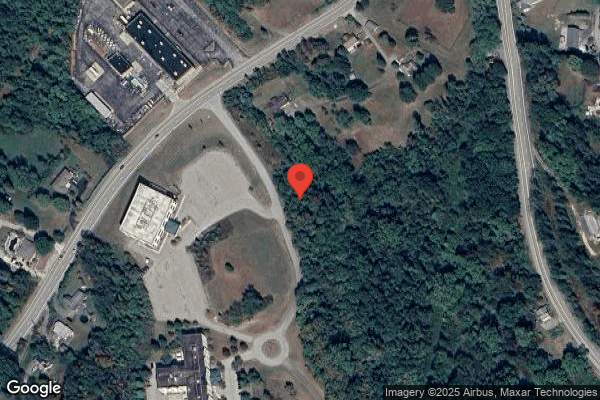
200 STOOPS DRIVE, MONONGAHELA, PA 15063 (724) 310-1111
For profit - Partnership 60 Beds Independent Data: November 2025
Trust Grade
55/100
#465 of 653 in PA
Last Inspection: August 2025

Inspected within the last 6 months. Data reflects current conditions.

Overview

Mon Valley Care Center has a Trust Grade of C, which means it is average and positioned in the middle of the pack among nursing homes. It ranks #465 out of 653 facilities in Pennsylvania, placing it in the bottom half, and #9 out of 12 in Washington County, indicating limited better local options. The facility is improving, with issues decreasing from 11 in 2024 to 3 in 2025. Staffing is a concern, earning only 1 out of 5 stars, indicating challenges, although the turnover rate is impressively low at 0%. Notably, there have been no fines, but the care has faced issues such as improper food storage practices that could lead to contamination and a lack of a Water Management Program to prevent water-borne illnesses, which are significant weaknesses to consider.

Trust Score
C
55/100
In Pennsylvania
#465/653
Bottom 29%
Safety Record
Low Risk
No red flags
Inspections
Getting Better
11 → 3 violations
Staff Stability
○ Average
Turnover data not reported for this facility.
Penalties
✓ Good
No fines on record. Clean compliance history, better than most Pennsylvania facilities.
Skilled Nurses
○ Average
RN staffing data not reported for this facility.
Violations
⚠ Watch
15 deficiencies on record. Higher than average. Multiple issues found across inspections.
★★☆☆☆
2.0
Overall Rating
★☆☆☆☆
1.0
Staff Levels
★★☆☆☆
2.0
Care Quality
★★★☆☆
3.0
Inspection Score
Stable
2024: 11 issues
2025: 3 issues

The Good

  • Full Sprinkler Coverage · Fire safety systems throughout facility
  • No fines on record

Facility shows strength in fire safety.

The Bad

2-Star Overall Rating

Below Pennsylvania average (3.0)

Below average - review inspection findings carefully

The Ugly 15 deficiencies on record

Aug 2025 3 deficiencies
CONCERN (E)

Potential for Harm - no one hurt, but risky conditions existed

Deficiency F0575 (Tag F0575)

Could have caused harm · This affected multiple residents

Based on observations and staff interview, it was determined the facility failed to post contact information for Adult Protective Services (APS) as required. Based on observations and staff interview,...

Read full inspector narrative →
Based on observations and staff interview, it was determined the facility failed to post contact information for Adult Protective Services (APS) as required. Based on observations and staff interview, it was determined the facility failed to post contact information for Adult Protective Services (APS) as required. Findings include: The facility must post, in a form and manner accessible and understandable to residents, resident representatives; a list of names, addresses (mailing and email), and telephone numbers of all pertinent State agencies and advocacy groups, such as the State Survey Agency, the State licensure office, adult protective services where state law provides for jurisdiction in long-term care facilities, the Office of the State Long-Term Care Ombudsman program, the protection and advocacy network, home and community based service programs, and the Medicaid Fraud Control Unit. A statement that the resident may file a complaint with the State Survey Agency concerning any suspected violation of state or federal nursing facility regulation, including but not limited to resident abuse, neglect, exploitation, misappropriation of resident property in the facility, and non-compliance with the advanced directives requirements and requests for information regarding returning to the community. Observations conducted on 8/21/25, at approximately 8:30 a.m., on the first-floor lobby and the second-floor nursing unit, revealed the facility did not have any elements of the APS contact information (agency name, address, email, and phone number) information posted or accessible to residents or resident representatives. During an interview and rounds, on 8/21/25, at 8:30 a.m., the Director of Nursing confirmed the facility failed to post contact information for Adult Protective Services (APS) as required, in the building. 28 Pa. Code: 201.14(a)Responsibility of licensee. 28 Pa. Code: 201.18(e) Management.
CONCERN (E)

Potential for Harm - no one hurt, but risky conditions existed

Deficiency F0579 (Tag F0579)

Could have caused harm · This affected multiple residents

Based on observations and staff interview, it was determined that the facility failed to display (for residents and/or their responsible person) written information on applying for Medicare and Medica...

Read full inspector narrative →
Based on observations and staff interview, it was determined that the facility failed to display (for residents and/or their responsible person) written information on applying for Medicare and Medicaid benefits and receiving refunds for previous payments covered by Medicare and Medicaid as required, in the facility. Based on observations and staff interview, it was determined that the facility failed to display (for residents and/or their responsible person) written information on applying for Medicare and Medicaid benefits and receiving refunds for previous payments covered by Medicare and Medicaid as required, in the facility. Findings include: During observations completed on 821/25, of the first-floor lobby and the second-floor nursing unit posting locations, failed to include information on how to apply for Medicare and Medicaid benefits and receiving refunds for previous payments covered by Medicare and Medicaid. During an interview and rounds, on 8/21/25, at 8:30 a.m., the Director of Nursing confirmed the facility failed to display (for residents and/or their responsible person) written information on applying for Medicare and Medicaid benefits and receiving refunds for previous payments covered by Medicare and Medicaid as required, in the facility. 28 Pa. Code: 201.14(a)Responsibility of licensee. 28 Pa. Code: 201.18(e) Management.
CONCERN (E)

Potential for Harm - no one hurt, but risky conditions existed

Deficiency F0698 (Tag F0698)

Could have caused harm · This affected multiple residents

**NOTE- TERMS IN BRACKETS HAVE BEEN EDITED TO PROTECT CONFIDENTIALITY** Based on review of facility policy, clinical records, and staff interviews it was determined that the facility failed to make ce...

Read full inspector narrative →
**NOTE- TERMS IN BRACKETS HAVE BEEN EDITED TO PROTECT CONFIDENTIALITY** Based on review of facility policy, clinical records, and staff interviews it was determined that the facility failed to make certain consistent dialysis communication was maintained for three of six residents (Residents R27, R41 and R46).Findings include: Review of the facility policy Hemodialysis dated 3/31/25, indicates the ongoing assessment of the resident's condition and monitoring for complications before and after dialysis treatments received at a certified dialysis facility. Ongoing communication and collaboration with the dialysis facility regarding dialysis care and services. The Licensed nurse will communicate to the dialysis facility via telephonic communication or written format, such as a dialysis communication form or other form, that will include, but not limit itself to: medication administration, treatment orders, laboratory values, vital signs, advanced directives, nutrition/fluid management, treatment provided, adverse reactions, changes in condition, injury and transportation concerns. The dialysis communication form has sections for both the skilled nursing facility and dialysis center documentation to be completed. Review of the admission record indicated Resident R27 was admitted to the facility on [DATE].Review of Resident R27's Minimum Data Set (MDS - periodic assessment of resident care needs) dated 6/18/25, indicated diagnoses of end stage renal disease, hypertension, and type 2 diabetes.Review of Resident R27's physician orders dated 8/3/25, indicated dialysis: at [dialysis center] on Monday, Wednesday, and Friday. Pick up time 9:15 am-10:15 am.Review of Resident R27's current care plan indicated dialysis: at [dialysis center] on Monday, Wednesday, and Friday. Pick up time 9:15 am-10:15 am.Review of Resident R27's dialysis communication forms indicated the following:8/6, 8/11, 8/13, and 8/15/25 dialysis communication forms were incomplete Review of the admission record indicated Resident R41 was originally admitted to the facility on [DATE]. Review of Resident R41's MDS dated [DATE], indicated diagnoses of end stage renal disease (condition where kidneys lose the ability to remove waste and balance fluids), diabetes mellitus (impaired ability to produce or respond to insulin), and hypertension (high blood pressure). Review of Resident R41's physician orders dated 5/13/25, indicated dialysis: Monday, Wednesday, and Friday at [dialysis center]. Chair time scheduled at 7:30 a.m., pick up time 6-6:30 a.m., and return time 10:30-11:00 a.m. Review of Resident R41's current care plan indicated dialysis three times a week, treatments as scheduled: Monday, Wednesday, and Friday at [dialysis center]. Chair time scheduled at 7:30 a.m., pick up time 6-6:30 a.m., and return time 10:30-11:00 a.m. Monitor for side effects and notify physician accordingly. Review of Resident R41's dialysis communication forms indicated the following:5/2/25, 5/5/25, 5/7/25, 5/9/25, 5/12/25, 5/19/25, 5/28/25, 5/30/25, 6/2/25, 6/4/25, 6/23/25, 6/25/25, 7/4/25, 7/9/25, and 8/1/25 dialysis communication forms were incomplete. Review of the admission record indicated Resident R46 was re-admitted to the facility on [DATE]. Review of Resident R46's MDS dated [DATE], indicated diagnoses of end stage renal disease, heart disease, and bladder cancer. Review of Resident R46's physician orders dated 6/16/25, indicated dialysis: at [dialysis center]. Chair time scheduled at 5:50 a.m., pick up time 5:00 am-5:30 am a.m. Review of Resident R46's current care plan indicated dialysis: at [dialysis center]. Chair time scheduled at 5:50 a.m., pick up time 5:00 am-5:30 am a.m. Review of Resident R46's dialysis communication forms indicated the following: 6/24, 7/14, 7/19, 7/29, and 7/31/25 dialysis communication forms were incomplete. During an interview on 8/19/25, at 10:00 a.m. the Director of Nursing confirmed the facility failed to make certain consistent dialysis communication was maintained for three of six residents (Residents R27, R41 and R46). 28 Pa. Code: 211.5(f) Clinical records 28 Pa. Code: 211.12(d)(2)(3) Nursing services
Jun 2024 11 deficiencies
CONCERN (D)

Potential for Harm - no one hurt, but risky conditions existed

Quality of Care (Tag F0684)

Could have caused harm · This affected 1 resident

**NOTE- TERMS IN BRACKETS HAVE BEEN EDITED TO PROTECT CONFIDENTIALITY** Based on review of facility policy, clinical record review and staff interviews, it was determined that the facility failed to e...

Read full inspector narrative →
**NOTE- TERMS IN BRACKETS HAVE BEEN EDITED TO PROTECT CONFIDENTIALITY** Based on review of facility policy, clinical record review and staff interviews, it was determined that the facility failed to ensure care and services were provided in accordance with professional standards of practice to meet each resident's physical, mental, and psychosocial needs for one of two residents (Resident R21). Findings Include: Review of the facility policy Change in a Resident's Condition, last reviewed on 3/24, indicated that staff will notify the resident's attending physician with any change in condition with adverse reaction to a medication and a significant change in a resident's mental status being indicators of notification. Review of the clinical record indicated Resident R21 was admitted to the facility on [DATE], with diagnoses which included history of colon cancer, aneurysm of the aorta, cancer of parotid gland, dizziness and giddiness, and unsteadiness on feet. A Minimum Data Set (MDS- periodic assessment of resident care needs) dated 5/28/24, indicated the diagnoses remained current. Review of a progress noted dated 6/7/24, written by Licensed Practical Nurse (LPN) Employee E1 indicated Resident R21 has slurred speech and talking nonsensical. Resident was administered Lorazepam (a benzodiazepine used to treat anxiety); the nurse documented that she would notify oncoming shift to monitor due to Resident R21 taking Lorazepam this morning. Review of the clinical record did not include any further documentation related to Resident R21's change in condition. During an interview on 6/16/24, at 12:00 p.m., the Director of Nursing confirmed that LPN Employee E1 did not identify that she had notified anyone regarding Resident R21's change in condition, including any further assessment or notification of the physician. 28 Pa. Code: 201.14(a) Responsibility of licensee. 28 Pa. Code: 201.18(b)(1)(e)(1)(6) Management. 28 Pa. Code: 211.10(c) Resident care policies. 28 Pa. Code:211.12(d)(1)(5) Nursing services.
CONCERN (D)

Potential for Harm - no one hurt, but risky conditions existed

Medication Errors (Tag F0758)

Could have caused harm · This affected 1 resident

**NOTE- TERMS IN BRACKETS HAVE BEEN EDITED TO PROTECT CONFIDENTIALITY** Based on review of facility policy, clinical record review and staff interview, it was determined that the facility failed to en...

Read full inspector narrative →
**NOTE- TERMS IN BRACKETS HAVE BEEN EDITED TO PROTECT CONFIDENTIALITY** Based on review of facility policy, clinical record review and staff interview, it was determined that the facility failed to ensure a medication regime was free from potentially unnecessary medication for one of five residents (Resident R21). Findings include: Review of the facility policy Psychotropic Medication Use dated 3/24, indicated residents will not receive medications that are not clinically indicated to treat a specific condition. Review of the clinical record indicated Resident R21 was admitted to the facility on [DATE], with diagnoses which included history of colon cancer, aneurysm of the aorta, cancer of parotid gland, dizziness and giddiness, and unsteadiness on feet. A Minimum Data Set (MDS- a periodic assessment of resident care needs) dated 5/28/24, indicated the diagnoses remained current. Review of the clinical record from 6/15/24, through 6/16/24, did not include documentation of diagnoses or documentation of anxiety, hallucinations or nausea. Review of the Hospice binder on 6/15/24, did not include any documentation of Resident R21 having anxiety, nausea or hallucinations. During an interview on 6/15/24, at 1:40 p.m., the Director of Nursing (DON) confirmed that the facility failed to have documentation of Resident R21 having anxiety or nausea. During an interview on 6/16/24, at 10:40 a.m. the DON gave documentation she had obtained from Hospice related to Hospice Registered Nurse Employee E2 from 6/5/24, indicating that Resident R21 had stated that she reported having hallucinations that cause her anxiety. The DON stated that the documentation was not in the facility Hospice binder, that she had to contact the Hospice office to get the notes. Review of Resident R21's Medication Administration Record (MAR) for June 2024 indicated the following: orders dated 6/4/24: Haloperidol 0.25 mg give PO every 4 hours as needed for nausea trough 6/14/24. Lorazepam 0.5mg every 4 hours as needed for anxiety through 6/14/24. This order was renewed on 6/16/24 with additional instructions of anxiety, agitation and air hunger. Review of Resident R21's clinical record failed to reveal documentation of monitoring resident behaviors while using psychotropic medications. During a phone interview on 6/17/24 at 11:09 a.m., the Nurse Practitioner Employee E3 stated that she provided the facility with the continuation as she was covering for the regular Nurse Practitioner due to the facility staff identifying that Resident R21 was having anxiety at night. The June 2024, MAR indicated: Haldol was given on 6/4/24, through 6/10/24, in the morning four times without documentation of nausea. Lorazepam was given from 4/6/24, through 6/16/24, six times in the morning and six times in the evening without documentation of anxiety. During an interview on 6/17/24, at 10:42 a.m., the Director of Nursing confirmed that the facility failed to ensure a medication regime was free from potentially unnecessary medication for one of two of five residents (Resident R21). 28 Pa. Code 211.9(a)(1) Pharmacy services. 28 Pa. Code 211.12(d)(1)(5) Nursing services.
CONCERN (D)

Potential for Harm - no one hurt, but risky conditions existed

Antibiotic Stewardship (Tag F0881)

Could have caused harm · This affected 1 resident

**NOTE- TERMS IN BRACKETS HAVE BEEN EDITED TO PROTECT CONFIDENTIALITY** Based on a review of facility policy, clinical records, staff interview, it was determined that the facility failed to monitor a...

Read full inspector narrative →
**NOTE- TERMS IN BRACKETS HAVE BEEN EDITED TO PROTECT CONFIDENTIALITY** Based on a review of facility policy, clinical records, staff interview, it was determined that the facility failed to monitor antibiotic use for one of four residents (Resident R8). Findings include: Review of the facility policy, Antibiotic Stewardship dated March 2024, indicated the purpose of the antibiotic stewardship program is to monitor the use of antibiotics in the residents. When a culture and sensitivity (C&S, lab test to discern what bacteria is causing the infection, and what antibiotics that bacteria are susceptible to) is ordered, lab results and the current clinical situation will be communicated to the provider as soon as available to determine if antibiotic therapy should be started, continued, modified, or discontinued. Review of the clinical record revealed Resident R8 was admitted to the facility on [DATE]. Review of the Minimum Data Set (MDS - periodic assessment of resident care needs) dated 5/3/24, included diagnoses of hypertensive heart disease (constellation of changes in the left ventricle, left atrium, and coronary arteries as a result of chronic blood pressure elevation) and macular degeneration (vision loss in the center of the field of vision). Review of a progress note dated 1/2/24, at 10:28 a.m. indicated, Granddaughters wanting a urine repeated on resident due to confusion. Call to [provider]resident has ESBL (extended spectrum beta-lactamase, an enzyme found in some strains of bacteria. ESBL-producing bacteria can't be killed by many of the antibiotics used to treat infections) in urine just finished Nitrofurantoin (Macrobid, a type of antibiotic medication) 12-29-23. waiting call back. Review of a physician's order dated 1/2/24, indicated Resident R8 was to receive Nitrofurantoin 50 milligrams, at bedtime, from 1/2/24, through 1/13/24. Review of a urine culture and sensitivity report dated, 1/6/24, with a specimen collection date of 1/4/24, revealed the organism causing the urinary infection was resistant to Nitrofurantoin. Stamped at the bottom of the page was Faxed with the date of 1/6/23 (year error) written in. Review of Resident R8's medication administration record revealed that Resident R8 continued to receive Nitrofurantoin until the original end date of the order, 1/13/24. Review of a physician's order dated 1/13/24, indicated Resident R8 was to receive cephalexin (Keflex, a type of antibiotic medication) 500 milligrams, Give 1 capsule by mouth two times a day for UTI (urinary tract infection) until 01/23/24. During an interview on 6/17/24, at approximately 11:00 a.m. the Director of Nursing confirmed that the provider and facility failed to respond to lab results indicating the bacterial infection was resistant to the ordered antibiotic therapy, and failed to modify the therapy to an antibiotic that was susceptible to the bacteria. During an interview on 6/17/24, at approximately 1:00 p.m. the Nursing Home Administrator confirmed that the facility failed to monitor antibiotic use for one of four residents. 28 Pa. Code 211.10(d) Resident care policies 28 Pa. Code 211.12(d)(1)(3)(5) Nursing services
CONCERN (E)

Potential for Harm - no one hurt, but risky conditions existed

Respiratory Care (Tag F0695)

Could have caused harm · This affected multiple residents

**NOTE- TERMS IN BRACKETS HAVE BEEN EDITED TO PROTECT CONFIDENTIALITY** Based on review of facility policies, observations, clinical record review, and staff interview, it was determined that the faci...

Read full inspector narrative →
**NOTE- TERMS IN BRACKETS HAVE BEEN EDITED TO PROTECT CONFIDENTIALITY** Based on review of facility policies, observations, clinical record review, and staff interview, it was determined that the facility failed to provide appropriate respiratory care for one of three residents (Residents R1). Findings include: Review of the facility policy, Oxygen Administration dated March 2024, indicated the facility will provide safe oxygen administration, and it further directs staff to review the physician's orders and care plan. Review of the clinical record revealed Resident R1 was admitted to the facility on [DATE]. Review of the Minimum Data Set (MDS - periodic assessment of resident care needs) dated 5/3/24, included diagnoses of hypertensive heart disease (constellation of changes in the left ventricle, left atrium, and coronary arteries as a result of chronic blood pressure elevation), heart failure (a progressive heart disease that affects pumping action of the heart muscles), and obstructive pulmonary disease (COPD, a group of progressive lung disorders characterized by increasing breathlessness). Section O: Special Treatments, Procedures, and Programs revealed the use of oxygen therapy. Review of a physician's order dated 10/17.23, indicated Resident R1 was to receive oxygen 3 LPM (liters per minute) via nasal cannula continuously. Review of Resident R1's care plan updated 5/21/24, revealed that oxygen administration was an intervention listed in the cardiovascular care plan. Further review of the care plan failed to reveal a plan of care developed for the use of oxygen therapy, maintenance of humidification cannisters, changing of tubing, possible skin breakdown from tubing use, and signs and symptoms related to oxygen therapy to be reported to the provider. During an observation on 6/16/24, at 11:02 a.m. facility staff assisted Resident R1 from her bed to the wheelchair. During an interview and observation on 6/16/24, at 11:06 a.m. Resident R1's nasal canula was noted to be on the bed. When asked by the surveyor if she wanted it, Resident R1 confirmed that it was removed during her transfer, and not reapplied. After Resident R1 placed the canula on, she stated, I think it's out of water. Observation at this time confirmed that the humidification cannister on the oxygen concentrator was empty. A gallon jug of water was observed on the floor next to the concentrator. During an observation on 6/16/24, at 2:30 p.m. Resident R1's humidification cannister was noted to be empty. During an interview and observation on 6/17/24, at 10:09 a.m. Nurse Aide Employee E12 confirmed that it is part of the nurse aide responsibilities to keep water in the humidification cannister, and confirmed that it was empty at this time. During an interview on 6/17/24, at approximately 11:00 a.m. the Director of Nursing confirmed the facility failed to provide appropriate respiratory care for one of three residents. 28 Pa. Code 211.10(d) Resident care policies 28 Pa. Code 211.12(d)(1)(3)(5) Nursing services
CONCERN (E)

Potential for Harm - no one hurt, but risky conditions existed

Deficiency F0847 (Tag F0847)

Could have caused harm · This affected multiple residents

Based on review of facility documents, resident and staff interviews it was determined that the facility failed to ensure the residents' right to not enter into a binding arbitration agreement as a co...

Read full inspector narrative →
Based on review of facility documents, resident and staff interviews it was determined that the facility failed to ensure the residents' right to not enter into a binding arbitration agreement as a condition of admission and failed to grant the resident or his or her representative the right to rescind the agreement within 30 calendar days of signing it for 20 of 20 admitted residents. Findings include: Review of the facility Arbitration and Litigation Limitation of Liability Agreement failed to include information to inform the resident and/or his or her representative that signing the arbitration agreement was voluntary, and included the following statements: Resident has a three-day revocation period in which to cancel the Agreement. Resident agrees that in the event of cancellation, he or she will make immediate arrangements to move from the facility without prior notification to vacate. Review of 20 current residents in the facility revealed that each resident, or their representative, signed the arbitration agreement. During an interview on 6/15/24, at 1:30 p.m. the Nursing Home Administrator confirmed that the facility failed to ensure the residents' right to not enter into a binding arbitration agreement as a condition of admission and failed to grant the resident or his or her representative the right to rescind the agreement within 30 calendar days of signing it for 20 of 20 admitted residents. 28 Pa. Code 201.14(a)Responsibility of Licensee.
CONCERN (F)

Potential for Harm - no one hurt, but risky conditions existed

Food Safety (Tag F0812)

Could have caused harm · This affected most or all residents

Based on observation and staff interview, it was determined that the facility failed to maintain acceptable practices for the storage of food to prevent the potential for contamination and potential f...

Read full inspector narrative →
Based on observation and staff interview, it was determined that the facility failed to maintain acceptable practices for the storage of food to prevent the potential for contamination and potential for microbial growth in food, which increased the risk of food-borne illness in the main kitchen. Findings include: During an observation on 5/15/24, from 8:46 a.m., through 8:52 a.m., the fans of the walk in cooler had a black fuzzy material throughout the fans and on the ceiling with a cart of several trays of food being stored underneath. The deep freezer had abundant amounts of ice build up on the ceiling, the fan areas and shelving with several boxes of frozen food had blocks of ice build up. During an interview on 6/15/24, at 8:52 a.m., Dietary [NAME] Employee E4 confirmed the facility failed to to maintain acceptable practices for the storage of food to prevent the potential for contamination and potential for microbial growth in food, which increased the risk of food-borne illness in the main kitchen. During an observation an interview ion 6/15/24, at 9:34 a.m., the Director of Nursing and Director of Maintenance Employee E5 confirmed the facility failed to to maintain acceptable practices for the storage of food to prevent the potential for contamination and potential for microbial growth in food, which increased the risk of food-borne illness in the main kitchen. 28 Pa. Code: 211.6(c)(d)(f) Dietary services.
CONCERN (F)

Potential for Harm - no one hurt, but risky conditions existed

Infection Control (Tag F0880)

Could have caused harm · This affected most or all residents

Based on review of facility policy, water testing logs and staff interview, it was determined that the facility failed to implement an effective Water Management Program for the prevention and control...

Read full inspector narrative →
Based on review of facility policy, water testing logs and staff interview, it was determined that the facility failed to implement an effective Water Management Program for the prevention and control of water-borne contaminants, such as Legionella (a bacteria that may cause Legionnaires' Disease, a serious type of pneumonia) and the facility failed to provide proper infection control practices during a dressing change for one of two residents (Resident R2). Findings include: Review of facility provided documents indicated that the facility does not currently have a Water Management Program. Review of the facility policy Wound Care last reviewed on 3/24, indicated that steps indicated cleaning of the resident's overbed table with placing items used for the procedure on a clean field. When the soiled dressing is removed, wash hands thoroughly and don clean gloves, wear gloves when touching the wound. Place the clean dressing per order. During an interview on 6/17/24, at 9:20 a.m., the Director of Maintenance Employee E5 confirmed that the facility did not implement an effective water management program for the prevention and control of water-borne contaminants, such as Legionella since 2023, they currently did not have one in place. During an observation of wound care for Resident R2 on 6/16/24, from 10:00 a.m., through 10:52 a.m., Registered Nurse(RN) Employee E6 placed wound care items on Resident R2's overbed table with Resident R2's water, glasses, and personal items. RN Employee E6 donned gloves and cleansed Resident R2's sacral wound then, without removing soiled gloves placed the clean dressing on Resident R2's coccyx. Once dressing was placed, the dressing became contaminated. RN Employee E6 removed soiled gloves, left the room to obtain a new dressing, and upon return failed to wash hands, donned gloves, removed contaminated dressing and placed clean dressing. During an interview on 6/16/24, at 10:52 a.m., RN Employee E6 confirmed that the facility failed to provide proper infection control practices during a dressing change for one of two residents (Resident R2). 28 Pa. Code: 201.14(a) Responsibility of licensee. 28 Pa. Code:201.18(b)(1)(e)(1) Management. 28 Pa. Code: 201.20(c) Staff development. 28 Pa. Code: 211.10(d) Resident care policies. 28 Pa. Code: 211.12(d)(1)(2)(3)(5) Nursing services.
MINOR (B)

Minor Issue - procedural, no safety impact

Deficiency F0941 (Tag F0941)

Minor procedural issue · This affected multiple residents

Based on review of facility policy and documents, and staff interview, it was determined that the facility failed to provide training on effective communication for two of ten staff members (Employees...

Read full inspector narrative →
Based on review of facility policy and documents, and staff interview, it was determined that the facility failed to provide training on effective communication for two of ten staff members (Employees E7 and E10). Findings include: Review of the policy Inservice Training, All Staff dated March 2024, previously reviewed March 2023, indicated the primary objective of in-service training is to ensure that staff are able to interact in a manner that enhances the residents quality of life and quality of care and can demonstrate competence in the topic areas of training. All staff are required to participate in in-service training. Review of facility provided documents and training record for Employees E7 and E10 revealed the following staff members did not have documented training on effective communication. Nurse Aide (NA) Employee E7 had a hire date of 5/21/19, failed to have effective communication in-service education between 5/21/23, and 5/21/24. Licensed Practical Nurse (LPN) Employee E10 had a hire date of 5/11/8, failed to have effective communication in-service education between 5/11/23, and 5/11/24. During an interview on 6/11/24, at approximately 1:00 p.m. the Nursing Home Administrator confirmed that the facility failed to provide training on effective communication for two of ten staff members. 28 Pa Code: 201.14 (a) Responsibility of licensee. 28 Pa Code: 201.18 (b)(1) Management. 28 Pa Code: 201.20 (a)(c) Staff development.
MINOR (B)

Minor Issue - procedural, no safety impact

Deficiency F0944 (Tag F0944)

Minor procedural issue · This affected multiple residents

Based on review of facility policy and documents, and staff interview, it was determined that the facility failed to provide training on Quality Assurance and Performance Improvement (QAPI) for four o...

Read full inspector narrative →
Based on review of facility policy and documents, and staff interview, it was determined that the facility failed to provide training on Quality Assurance and Performance Improvement (QAPI) for four of ten staff members (Employees E7, E9, E10, and E11). Findings include: Review of the policy Inservice Training, All Staff dated March 2024, previously reviewed March 2023, indicated the primary objective of in-service training is to ensure that staff are able to interact in a manner that enhances the residents quality of life and quality of care and can demonstrate competency in the topic areas of training. All staff are required to participate in in-service training. Review of facility provided documents and training record for E7, E9, E10, and E11 revealed the following staff members did not have documented training on QAPI. Nurse Aide (NA) Employee E7 had a hire date of 5/21/19, failed to have QAPI in-service education between 5/21/23, and 5/21/24. Administrative Employee E9 had a hire date of 11/8/05, failed to have QAPI in-service education between 2/12//23, and 2/12/24. Licensed Practical Nurse (LPN) Employee E10 had a hire date of 5/11/8, failed to have QAPI in-service education between 5/11/23, and 5/11/24. Dietary Employee E11 had a hire date of 3/1/18, failed to have QAPI in-service education between 3/1/23, and 3/1/24. During an interview on 6/17/24, at approximately 1:00 p.m. the Nursing Home Administrator confirmed that the facility failed to provide training on QAPI for three of ten staff members. 28 Pa Code: 201.14 (a) Responsibility of licensee. 28 Pa Code: 201.18 (b)(1) Management. 28 Pa Code: 201.20 (a)(c) Staff development.
MINOR (B)

Minor Issue - procedural, no safety impact

Deficiency F0949 (Tag F0949)

Minor procedural issue · This affected multiple residents

Based on review of facility policy and documents, and staff interview, it was determined that the facility failed to provide training on behavioral health for three of ten staff members (Employees E7,...

Read full inspector narrative →
Based on review of facility policy and documents, and staff interview, it was determined that the facility failed to provide training on behavioral health for three of ten staff members (Employees E7, E8, and E11). Findings include: Review of the policy Inservice Training, All Staff dated March 2024, previously reviewed March 2023, indicated the primary objective of in-service training is to ensure that staff are able to interact in a manner that enhances the residents quality of life and quality of care and can demonstrate competency in the topic areas of training. All staff are required to participate in in-service training. Review of facility provided education documents and training records for E7, E8, and E11 revealed the following staff members did not have documented training on Compliance and Ethics. Nurse Aide (NA) Employee E7 had a hire date of 5/21/19, failed to have behavioral health or dementia in-service education between 5/21/23, and 5/21/24. NA Employee E8 had a hire date of 1/23/08, failed to have behavioral health or dementia in-service education between 1/23/23, and 1/23/24. Dietary Employee E11 had a hire date of 3/1/18, failed to have behavioral health or dementia in-service education between 3/1/23, and 3/1/24. During an interview on 6/17/24, at approximately 1:00 p.m. the Nursing Home Administrator confirmed that the facility failed to provide training on on behavioral health for three of ten staff members. 28 Pa Code: 201.14 (a) Responsibility of licensee. 28 Pa Code: 201.18 (b)(1) Management. 28 Pa Code: 201.20 (a)(c) Staff development.
MINOR (C)

Minor Issue - procedural, no safety impact

Deficiency F0942 (Tag F0942)

Minor procedural issue · This affected most or all residents

Based on review of facility policy and documents, and staff interview, it was determined that the facility failed to provide training on Resident Rights. Findings include: Review of the policy Inservi...

Read full inspector narrative →
Based on review of facility policy and documents, and staff interview, it was determined that the facility failed to provide training on Resident Rights. Findings include: Review of the policy Inservice Training, All Staff dated March 2024, previously reviewed March 2023, indicated the primary objective of in-service training is to ensure that staff are able to interact in a manner that enhances the residents quality of life and quality of care and can demonstrate competency in the topic areas of training. All staff are required to participate in in-service training. Review of facility provided education documents failed to reveal that the facility offered education on Resident Rights. During an interview on 6/17/24, at approximately 1:00 p.m. the Nursing Home Administrator confirmed that the facility failed to provide training on Resident Rights. 28 Pa Code: 201.14 (a) Responsibility of licensee. 28 Pa Code: 201.18 (b)(1) Management. 28 Pa Code: 201.20 (a)(c) Staff development.
Aug 2023 1 deficiency
CONCERN (E)

Potential for Harm - no one hurt, but risky conditions existed

Deficiency F0698 (Tag F0698)

Could have caused harm · This affected multiple residents

**NOTE- TERMS IN BRACKETS HAVE BEEN EDITED TO PROTECT CONFIDENTIALITY** Based on review of clinical records and staff interview, it was determined that facility staff failed to maintain ongoing commun...

Read full inspector narrative →
**NOTE- TERMS IN BRACKETS HAVE BEEN EDITED TO PROTECT CONFIDENTIALITY** Based on review of clinical records and staff interview, it was determined that facility staff failed to maintain ongoing communication with the dialysis (a machine filters wastes, salts and fluid from your blood) center for one of three residents reviewed (Resident R16), and failed to reveal a complete physician order for dialysis for two of three (Residents R16 and R32 ), and failed to reveal a physician order for care of the dialysis access site (allows vascular access in adult patients requiring dialysis) for two of three residents (Residents R16 and R32). Findings include: A review of the facility policy Hemodialysis dated 3/8/23, indicated the facility will ensure the physician orders for dialysis include the type of access for dialysis and location, and the dialysis schedule. Documentation requirements are provided to assure that treatments are provided as ordered by the physician and there is ongoing communication and collaboration between the facility and dialysis staff. Residents with external access sites will be assessed every shift to ensure the site dressing is intact and not soiled. Change the dressing to the site only per the dialysis facility's direction. A review of the clinical record face sheet indicated Resident R16 was admitted to the facility on [DATE], and has a diagnosis of End Stage Renal (kidney) Disease and is dependent on dialysis. A review of the MDS (Minimum Data Set-resident assessment and care screening) dated 6/2/23, indicated Resident R16 receives dialysis and is alert and oriented times three and able to make needs known. A review of Resident R16's care plan revised 3/31/23, indicated the resident receives dialysis and has a left arm fistula (dialysis access site). A review of a physician order dated 1/20/23, indicated a standing order for dialysis, but did not include the type of dialysis access, care of the dialysis access, or the dialysis schedule. A review of a progress note dated 6/9/23 and 6/15/23, indicated the resident receives dialysis. A review of a progress note dated 7/19/23, indicated the resident was at dialysis. During an observation and interview with Resident R16 on 8/1/23 at 11:00 a.m., revealed a dialysis access site to the upper left arm covered with a dry dressing. Resident R16 stated I go to dialysis every Monday, Wednesday and Friday. A review of a the Dialysis Communication Records indicated the resident received dialysis on 7/5, 7/7, 7/10, 7/14, 7/28, and 7/31/23. The forms did not include documentation to assure that treatments are provided as ordered by the physician and there is ongoing communication and collaboration between the facility and dialysis staff. A review of the clinical record face sheet indicated Resident R32 was admitted to the facility on [DATE], and has a diagnosis of End Stage Renal (kidney) Disease and is dependent on dialysis. A review of the MDS (Minimum Data Set-resident assessment and care screening) dated 6/1/23, indicated Resident R32 receives dialysis and is alert and oriented times three and able to make needs known. A review of Resident R32's care plan revised 5/13/22, indicated the resident receives dialysis and has a right arm fistula (dialysis access site). A review of a physician orders on 8/2/23 at 12:00 p.m., failed to show any orders for Resident R32's dialysis and did not include the type of dialysis access, care of the dialysis access, or the dialysis schedule. During an interview on 8/2/23, at 3:00 p.m., the Director of Nursing (DON) confirmed the above findings and the facility failed to maintain ongoing communication with the dialysis center for Resident R16, and failed to reveal a complete physician order for dialysis for Residents R16 and R32, and failed to reveal a physician order for care of the dialysis access site for Residents R16 and R32.
Understanding Severity Codes (click to expand)
Life-Threatening (Immediate Jeopardy)
J - Isolated K - Pattern L - Widespread
Actual Harm
G - Isolated H - Pattern I - Widespread
Potential for Harm
D - Isolated E - Pattern F - Widespread
No Harm (Minor)
A - Isolated B - Pattern C - Widespread

Questions to Ask on Your Visit

  • "Can I speak with families of current residents?"
  • "What's your RN coverage like on weekends and overnight?"

Our Honest Assessment

Strengths
  • • No major safety red flags. No abuse findings, life-threatening violations, or SFF status.
  • • No fines on record. Clean compliance history, better than most Pennsylvania facilities.
Concerns
  • • 15 deficiencies on record. Higher than average. Multiple issues found across inspections.
  • • Grade C (55/100). Below average facility with significant concerns.
Bottom line: Mixed indicators with Trust Score of 55/100. Visit in person and ask pointed questions.

About This Facility

What is Mon Valley Care Center's CMS Rating?

CMS assigns Mon Valley Care Center an overall rating of 2 out of 5 stars, which is considered below average nationally. Within Pennsylvania, this rating places the facility higher than 0% of the state's 100 nursing homes. A rating at this level reflects concerns identified through health inspections, staffing assessments, or quality measures that families should carefully consider.

How is Mon Valley Care Center Staffed?

CMS rates Mon Valley Care Center's staffing level at 1 out of 5 stars, which is much below average compared to other nursing homes.

What Have Inspectors Found at Mon Valley Care Center?

State health inspectors documented 15 deficiencies at Mon Valley Care Center during 2023 to 2025. These included: 11 with potential for harm and 4 minor or isolated issues.

Who Owns and Operates Mon Valley Care Center?

Mon Valley Care Center is owned by a for-profit company. For-profit facilities operate as businesses with obligations to shareholders or private owners. The facility operates independently rather than as part of a larger chain. With 60 certified beds and approximately 47 residents (about 78% occupancy), it is a smaller facility located in MONONGAHELA, Pennsylvania.

How Does Mon Valley Care Center Compare to Other Pennsylvania Nursing Homes?

Compared to the 100 nursing homes in Pennsylvania, Mon Valley Care Center's overall rating (2 stars) is below the state average of 3.0 and health inspection rating (3 stars) is at the national benchmark.

What Should Families Ask When Visiting Mon Valley Care Center?

Based on this facility's data, families visiting should ask: "Can you walk me through typical staffing levels on day, evening, and night shifts?" "Can I visit during a mealtime to observe dining assistance and food quality?" "How do you handle medical emergencies, and what is your hospital transfer rate?" "Can I speak with family members of current residents about their experience?" These questions are particularly relevant given the below-average staffing rating.

Is Mon Valley Care Center Safe?

Based on CMS inspection data, Mon Valley Care Center has a clean safety record: no substantiated abuse findings (meaning no confirmed cases of resident harm), no Immediate Jeopardy citations (the most serious violation level indicating risk of serious injury or death), and is not on the Special Focus Facility watch list (a federal program monitoring the lowest-performing 1% of nursing homes). The facility has a 2-star overall rating and ranks #100 of 100 nursing homes in Pennsylvania. While no facility is perfect, families should still ask about staff-to-resident ratios and recent inspection results during their visit.

Do Nurses at Mon Valley Care Center Stick Around?

Mon Valley Care Center has not reported staff turnover data to CMS. Staff turnover matters because consistent caregivers learn residents' individual needs, medications, and preferences. When staff frequently change, this institutional knowledge is lost. Families should ask the facility directly about their staff retention rates and average employee tenure.

Was Mon Valley Care Center Ever Fined?

Mon Valley Care Center has no federal fines on record. CMS issues fines when nursing homes fail to meet care standards or don't correct problems found during inspections. The absence of fines suggests the facility has either maintained compliance or corrected any issues before penalties were assessed. This is a positive indicator, though families should still review recent inspection reports for the full picture.

Is Mon Valley Care Center on Any Federal Watch List?

Mon Valley Care Center is not on any federal watch list. The most significant is the Special Focus Facility (SFF) program, which identifies the bottom 1% of nursing homes nationally based on persistent, serious quality problems. Not being on this list means the facility has avoided the pattern of deficiencies that triggers enhanced federal oversight. This is a positive indicator, though families should still review the facility's inspection history directly.