AVENTURA AT PROSPECT
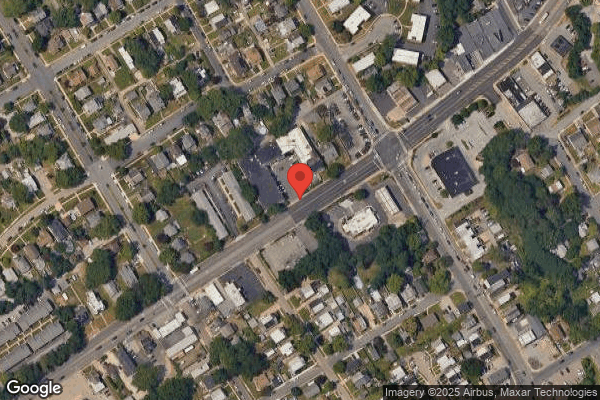
815 CHESTER PIKE, PROSPECT PARK, PA 19076 (610) 586-6262
For profit - Corporation 180 Beds AVENTURA HEALTH GROUP Data: November 2025 3 Immediate Jeopardy citations
Trust Grade
0/100
#530 of 653 in PA
Last Inspection: May 2025

Inspected within the last 6 months. Data reflects current conditions.

Overview

Aventura at Prospect has received a Trust Grade of F, indicating significant concerns about the quality of care provided. Ranking #530 out of 653 facilities in Pennsylvania places it in the bottom half, and #25 out of 28 in Delaware County shows that there are only a few local options that are better. Although the facility is improving, having reduced serious issues from 37 in 2024 to 23 in 2025, it still faces many challenges, with a total of 79 issues found during inspections, including critical incidents where residents were allowed to leave the facility unsupervised and were discharged against medical advice without proper procedures. Staffing has a 0% turnover rate, which is a strength, but the overall staffing rating is poor at 1 out of 5 stars. Additionally, the facility has incurred average fines of $23,624, which is concerning but not among the highest in the state. Overall, while there are some positive elements like low staff turnover, the numerous safety concerns and critical incidents indicate that families should proceed with caution when considering this nursing home.

Trust Score
F
0/100
In Pennsylvania
#530/653
Bottom 19%
Safety Record
High Risk
Review needed
Inspections
Getting Better
37 → 23 violations
Staff Stability
○ Average
Turnover data not reported for this facility.
Penalties
✓ Good
$23,624 in fines. Lower than most Pennsylvania facilities. Relatively clean record.
Skilled Nurses
○ Average
RN staffing data not reported for this facility.
Violations
⚠ Watch
79 deficiencies on record. Higher than average. Multiple issues found across inspections.
★☆☆☆☆
1.0
Overall Rating
★☆☆☆☆
1.0
Staff Levels
★★★☆☆
3.0
Care Quality
★☆☆☆☆
1.0
Inspection Score
Stable
2024: 37 issues
2025: 23 issues

The Good

  • Full Sprinkler Coverage · Fire safety systems throughout facility
  • No fines on record

Facility shows strength in fire safety.

The Bad

1-Star Overall Rating

Below Pennsylvania average (3.0)

Significant quality concerns identified by CMS

Federal Fines: $23,624

Below median ($33,413)

Minor penalties assessed

Chain: AVENTURA HEALTH GROUP

Part of a multi-facility chain

Ask about local staffing decisions and management

The Ugly 79 deficiencies on record

3 life-threatening 1 actual harm
May 2025 23 deficiencies 1 Harm
SERIOUS (G) 📢 Someone Reported This

A family member, employee, or ombudsman was alarmed enough to file a formal complaint

Actual Harm - a resident was hurt due to facility failures

Accident Prevention (Tag F0689)

A resident was harmed · This affected 1 resident

Based on observations, review of facility documentation and clinical records, and staff and resident interviews, it was determined the facility failed to ensure that one of four residents reviewed (Re...

Read full inspector narrative →
Based on observations, review of facility documentation and clinical records, and staff and resident interviews, it was determined the facility failed to ensure that one of four residents reviewed (Resident R51) was adequately secured during transportation in the facility's van. This failure resulted in actual harm to Resident R51 who sustained a fracture of the right knee after sliding out of the wheelchair on the way to an appointment. (Resident R51) Findings Include: Review of Resident R51's quarterly Minimum Data Set (MDS - federally mandated resident assessment and care screening) dated February 5, 2025, revealed the resident had diagnoses of muscle weakness, lack of coordination, Aphasia (communication disorder), Cerebrovascular Accident (CVA - stoke; loss of blood flow to part of the brain), Hemiplegia (paralysis on one side of the body) and Hemiparesis (weakness on one side of the body). Continued review of Resident R51's MDS assessment revealed the resident's BIMS (Brief Interview of Mental status) score of 14, which indicated that the resident was cognitively intact. Further review of the MDS assessment indicated Resident R51 used a wheelchair for mobility. Review of Resident R51's comprehensive care plan dated January 18, 2018, revealed the resident had a potential for falls related to weakness, difficulty with walking, and CVA with hemiparesis. Review of information submitted to the Pennsylvania Department of Health by the facility on March 7, 2025, revealed Resident R51, who was noted to be alert and oriented x 3 (alert and oriented to person, place, and time) sustained a fall with knee injury during transport to oncology appointment on March 6, 2025. During wheelchair transport, the van came to an abrupt stop and Resident R51 hit the right knee. Review of Resident R51's clinical record revealed a nursing note dated March 6, 2025, indicating after the resident returned from the appointment, the right knee was noticeably swollen. The physician subsequently ordered an x-ray for evaluation of the right knee which showed an acute fracture of the kneecap. Further review of Resident R51's clinical record revealed the resident was subsequently transferred to the hospital for evaluation on March 6, 2025, when a fracture of the right knee was confirmed. Review of personnel file for the facility's van driver, Employee E24, revealed the employee was hired by the facility in June 2022 as the driver for resident transportation. Continued review of van driver, Employee E24's personnel file, revealed the employee received training on May 31, 2024, on Driver Safety Responsibilities which included driver and passengers are required to wear seat belts and shoulder harnesses. Further review of van driver, Employee E24's personnel file revealed the employee also received training on May 31, 2024, for driver basic skills evaluation which included the proper use of facility's Securement Checklist. Review of the Securement Checklist revealed before driving off, the van driver should put on the resident's seat belt with the lap belt buckle. Ensure belt fits tight across lap and under wheelchair armrest. Review of statement obtained by the facility van driver, Employee E24, dated March 6, 2025, revealed the employee needed to come to an abrupt stop and Resident R51 fell on (his/her) right knee. When the van driver, Employee E24, turned around Resident R51 was noted to be on (his/her) right knee (he/she) did have seatbelt on and wheelchair lockdown. Interview on May 7, 2025, at 10:00 a.m. with Resident R51, surveyor asked resident if the seat belt was on at the time of the fall on March 6, 2026, resident responded no. Attempts to interview Employee E24 were unsuccessful as Employee E24 is no longer employed by the facility and did not return phone calls. Review of facility documentation revealed the facility transportation van was assessed on March 7, 2025, by Maintenance staff, Employee E25, and E26, verified the seatbelt attachments functioned without issue. Observation of a hands on demonstration and description of securing a resident and wheelchair into the facility van was provided on May 7, 2025, at 2:18 p.m. with Maintenance staff, Employees E25 and E26. Surveyor physically got into a wheelchair in the van. When seatbelt was tightly secured, surveyor was unable to easily slide out of wheelchair without getting trapped under the seat belt and subsequently readjust self back into wheelchair. Maintenance Employee, E26 also reported shoulder harnesses should be used to secure resident in the wheelchair. 4 different floor straps to secure wheelchair, a lap seatbelt and 2 shoulder harnesses. Interview on May 7, 2025, at 12:21 p.m. with Nursing Home Administrator, Employee E1, revealed that she conducted the investigation into the incident. Administrator reviewed the written statement obtained form the van driver, Employee E24 revealed as I began to drive through the arm rail it began to came down then I had to stop abruptly on brake and [Resident] fell on (his/her) right knee. When I turn around the resident was on (his/her) knee (he/she) did have seatbelt on and wheel chair lock down. Further interview with Nursing Home Administrator, Employee E1, revealed the Resident R51 was only strapped in with the lap seat belt. NHA was asked if the shoulder harnesses were in use to which the NHA indicated the shoulder harnesses were not in use at the time of the fall. The facility failed to ensure Resident R51's seatbelt was adequately secured during transportation in facility's van. This failure resulted in actual harm to Resident R51 who sustained a fracture of the right knee after sliding out of the wheelchair on the way to an appointment in the facility's transport van. (Resident R51) 28 Pa. Code 201.14 (a) Responsibility of licensee 28 Pa. Code 211.10 (d) Resident Care Policies 28 Pa. Code 211.12 (d)(5) Nursing Services
CONCERN (D)

Potential for Harm - no one hurt, but risky conditions existed

Resident Rights (Tag F0550)

Could have caused harm · This affected 1 resident

Based on observations, facility policy and interviews with resident and staff, it was determined that the facility failed to protect personal property of Resident's (R68) by removing items from her/hi...

Read full inspector narrative →
Based on observations, facility policy and interviews with resident and staff, it was determined that the facility failed to protect personal property of Resident's (R68) by removing items from her/his room without prior notice. This failure resulted in the facility not providing an environment that maintains and enhances the dignity of one of 30 residents reviewed. (Resident R68) Findings include: A review of the facility policy titled Safeguarding Resident Property Policy and Procedure undated, revealed To ensure that residents' personal possessions are property safeguarded, while not limiting residents from using their personal possessions. On May 6, 2025, at 10:46 a.m., Resident R68 attended a resident council meeting. Following the meeting, Resident R68 entered the conference room in tears and reported that the facility had removed her personal boxes from her room with no prior notice. She also stated that the Social Worker handed her a letter, which was neither dated nor signed. At 12:02 p.m., an observation was conducted, and it was noted that several boxes previously placed by Resident R68's bed were missing. Additionally, two large trash bags filled with discarded items were observed next to her bed. On May 6, 2025, at 12:12 p.m., an interview was conducted with the Social Services Director Employee E10, in the presence of the Director of Nursing Employee E2. During the interview, it was indicated that the facility was in the process of sorting out and investigating how the removal of Resident R68's belongings occurred. It was disclosed that Resident R68 was not included in the decision-making process regarding the timing of the removal, nor did she receive prior notice that her items would be moved. On May 6, 2025, at 12:59 p.m., an interview was conducted with the Unit Manager Employee E17, who reported that he participated in the removal of Resident R68's belongings. He stated that he was unaware the Resident R68 had not received prior notice of the move. Resident R68 was not in her room during the removal, during which approximately 10 to 12 boxes were taken out. Employee E17 also reported that two large black trash bags containing empty boxes which had mouse droppings, and soiled washcloths were discarded. He believed the Social Worker had notified the resident. According to him, as the team was exiting the room, Resident R68 arrived and was handed the letter by the Social Worker at that time. Employee E17 also acknowledged that the resident's rights were violated by not providing her with prior notice before moving her belongings. May 7, 2025, at 10:16 a.m. a follow up interview was conducted with the Social Worker, Employee E10 who reported that Resident R68 exhibits hoarding behaviors and had previously been instructed to sort through and dispose of some of her belongings. However, these notices were not documented in the resident's clinical record. In the specific incident on this date, the resident's belongings were removed from her room without prior notice. Resident R68 was informed only as she entered her room and observed her items being loaded onto a truck dolly for transport to the facility's storage area. On May 8, 2025, at 11:30 a.m., an interview was conducted with the Administrator, who confirmed that the facility was investigating the incident involving the removal of Resident R68's belongings. The Administrator acknowledged that the situation was not handled appropriately and stated, It should not have happened the way it did. 28 Pa. Code 211.12 (d)(1) (5)Nursing Services
CONCERN (D)

Potential for Harm - no one hurt, but risky conditions existed

Safe Environment (Tag F0584)

Could have caused harm · This affected 1 resident

**NOTE- TERMS IN BRACKETS HAVE BEEN EDITED TO PROTECT CONFIDENTIALITY** Based on observations, review of facility policies, and interviews with residents and staff, it was determined that the facility...

Read full inspector narrative →
**NOTE- TERMS IN BRACKETS HAVE BEEN EDITED TO PROTECT CONFIDENTIALITY** Based on observations, review of facility policies, and interviews with residents and staff, it was determined that the facility failed to provide a safe, clean, comfortable and homelike environment for three of three nursing units observed (2 South Nursing Unit, 2 North Nursing Unit and 1 North Nursing Unit). Findings include: Review of facility policy, Quality of Life - Homelike Environment revised May 2017, revealed, Staff shall provide person-centered care that emphasizes the residents' comfort, independence and personal needs and preferences. Continued review revealed, Comfortable and adequate lighting is provided in all areas of the facility to promote a safe, comfortable and homelike environment. On May 5, 2025, at 12:27 p.m., an observation was conducted on the 2 North Nursing Unit in room [ROOM NUMBER]-D, where it was noted that Resident R68 had approximately six different boxes on the floor next to her bed and window. Underneath the bed, the entire floor was covered with various boxes containing open dry food items. Resident R68 explained that these boxes were her emergency food. Later that day, at 2:05 p.m., a follow-up observation was conducted with the Unit Manager, Employee E17, who confirmed the observations. On May 6, 2025, at 12:59 p.m., an interview was conducted with the Unit Manager, Employee E17, who reported participating in the removal of Resident R68's belongings. During the process, approximately 10 to 12 boxes were removed from the resident's room. Employee E17 further stated that two large black trash bags containing empty boxes, mouse droppings, and soiled washcloths were also discarded and were originally stored underneath the bed. On May 6, 2025, at 10:02 a.m., observations in Rooms 212-A and 212-B revealed numerous personal cardboard boxes on the floor, along with random items such as clothing, personal hygiene products, and food placed on top of the boxes. The room exhibited characteristics of a hoarding environment, with a narrow path for staff to access both Resident R127, who was in bed 212-B, and Resident R54. On May 6, 2025, at 10:15 a.m., the Maintenance Director, Employee E25 confirmed the hoarding observations in the room [ROOM NUMBER]. Observation on May 6, 2025, at 10:06 a.m. of the 2 South Nursing Unit, revealed Employee E5, licensed nurse, provide respiratory care to Resident R119. Continued observation revealed that the resident's overbed light was off and that Employee E5, licensed nurse, provided the respiratory treatment in a dark environment. Interview, at the time of the observation, Employee E5, licensed nurse, stated that the pull cord on the resident's overbed light was too short and unable to be reached, so she was unable to turn the light on. Continued observations on the 2 South Nursing Unit on May 6, 2025, at 10:19 a.m. revealed that the pull cords on residents' overbed lights were too short and unable to reached to turn the lights on and off for the following rooms: 259-A, 259-B, 264-B, 264-C and 266-B. Observation on May 6, 2025, at 10:01 a.m. of the 2 South Nurses Station revealed that all three desk chairs were broken; one chair was missing an arm rest, one chair's padding was deteriorated with exposed plastic, and one chair had no seat cushioning as well as the height adjustment would not work which resulted in the chair being stuck in a low position. Interview, at the time of the observation, Employee E8, unit clerk, confirmed the above findings and stated that the staff had to borrow chairs from the resident's dining room to sit on since the desk chairs were broken. Observations on May 5, 2025, at 12:22 p.m. on the 1 North Nursing Unit in room [ROOM NUMBER] revealed the wallpaper behind the foot board of C-bed (Resident R143) was ripped and scratched up. Observations on May 6, 2025, at 9:45 a.m. in room [ROOM NUMBER] revealed the wallpaper behind B-bed (Resident R128) was ripped and scratched up. Observations on May 6, 2025, at 1:23 p.m. revealed a hole in hallway baseboard, located outside room [ROOM NUMBER]. 28 Pa Code 201.14(a) Responsibility of licensee 28 Pa Code 204.15(a) Windows 28 Pa Code 205.67(b)(c) Electric requirements for existing construction
CONCERN (D) 📢 Someone Reported This

A family member, employee, or ombudsman was alarmed enough to file a formal complaint

Potential for Harm - no one hurt, but risky conditions existed

Grievances (Tag F0585)

Could have caused harm · This affected 1 resident

Based on interviews with residents and staff, review grievance, and review of facility policy, it was determined that the facility did not ensure prompt efforts were made to resolve residents' grievan...

Read full inspector narrative →
Based on interviews with residents and staff, review grievance, and review of facility policy, it was determined that the facility did not ensure prompt efforts were made to resolve residents' grievances and/or concerns for 7 of 7 residents interviewed (Residents R79, R52, R63, R61, R46, R68, R98) and related to missing items for one of 30 resident records reviewed (Resident R54). Findings include: Review of facility policy titled, Resident and Family Concerns and Grievances Policy and Procedure not dated, states, To provide for the prompt resolution of medical and non-medical grievances while maintaining confidentiality, in accordance with applicable federal and state statutes and regulations. On May 6, 2025, at 9:52 a.m. an interview was held with Resident R54 who reported that this is the second time when facility has lost her clothing when she gave the housekeeping staff to wash her items. Reported her missing items to the Social Worker a month ago and she has not heard back. On May 6, 2025, at 10:46 a.m. an resident council meeting was held with seven alert and oriented residents (Residents R79, R52, R63, R61, R46, R68, R98) who reported that they do not get a resolution of their grievances when they file grievances. A grievance form for Resident R54 was provided with the following information. It disclosed that a grievance was filed by Resident R54 on April 8, 2025, that she was missing her clothing for three weeks. Resident R54 send her laundry down in a silver bag with her name on it. Resident R54 has been asking housing keeping over and over for her items. Resident R54 received another resident's laundry instead of hers. Resident R54 is missing a twin set with white flowers, all her underwear and few pairs of jeans. The grievance form further revealed the following timeline. April 16, 2025 laundry search, items not found April 25, 2028 Talk to resident, items still not returned May 5, 2025 Asked resident to give a coast of items to look at reimbursing or preplacing May 6, 2025 Received On May 7, 2025, at 9:58 a.m. an interview was conducted with the Administrator, Employee E1 about the timeline of the grievance and when is the facility will be able to be resolved it. Employee E1 reported that resident's items will be ordered today to close her grievance. It was further confirmed the facility did not ensure prompt efforts were made to resolve grievance. 28 Pa. Code 201.29(a) Resident rights
CONCERN (D)

Potential for Harm - no one hurt, but risky conditions existed

Investigate Abuse (Tag F0610)

Could have caused harm · This affected 1 resident

Based on review of facility policy, review of facility documentation, review of clinical records, and staff interviews, it was determined that the facility failed to complete a thorough investigation ...

Read full inspector narrative →
Based on review of facility policy, review of facility documentation, review of clinical records, and staff interviews, it was determined that the facility failed to complete a thorough investigation and maintain documentation that an allegation of neglect was thoroughly investigated for one of two residents reviewed (Resident R51). Findings Include: Review of undated facility policy Residents Right to Freedom from Abuse, Neglect, and Exploitation Policy and Procedure revealed in response to allegations of abuse, neglect, or mistreatment the facility should have evidence that alleged violations are thoroughly investigated and prevent further abuse, neglect, or mistreatment while the investigation is in progress. Further review of facility policy revealed that the results of investigations should be reported to the administrator and State Survey Agency within 5 working days of the incident. Review of Resident R51's quarterly Minimum Data Set (MDS - federally mandated resident assessment and care screening) dated February 5, 2025, revealed the resident had diagnoses of muscle weakness, lack of coordination, Aphasia (communication disorder), Cerebrovascular Accident (CVA - stoke; loss of blood flow to part of the brain), Hemiplegia (paralysis on one side of the body) and Hemiparesis (weakness on one side of the body). Continued review of Resident R51's MDS assessment revealed the resident's BIMS (Brief Interview of Mental status) score of 14, which indicated that the resident was cognitively intact. Further review of the MDS assessment indicated Resident R51 used a wheelchair for mobility. Review of Resident R51's comprehensive care plan dated January 18, 2018, revealed the resident had a potential for falls related to weakness, difficulty with walking, and CVA with hemiparesis. Review of information submitted to the Pennsylvania Department of Health by the facility on March 7, 2025, revealed Resident R51, who was noted to be alert and oriented x 3 (alert and oriented to person, place, and time) sustained a fall with knee injury during transport to oncology appointment on March 6, 2025. During wheelchair transport, the van came to an abrupt stop and Resident R51 hit the right knee. Review of Resident R51's clinical record revealed a nursing note dated March 6, 2025, indicating after the resident returned from the appointment, the right knee was noticeably swollen. Resident R51 was subsequently transferred to the hospital for evaluation on March 6, 2025, when a fracture of the right knee was confirmed. Review of facility investigation documentation on May 7, 2025, at 10:15 a.m. revealed no statement from Resident R51 was available for review regarding the details of the fall from March 6, 2025. Interview on May 7, 2025, at 10:15 a.m. with Director of Nursing, Employee E2, confirmed no statement was available for Resident R51 within the investigation documentation provided. Review of statement obtained by the facility van driver, Employee E24, dated March 6, 2025, revealed the employee needed to come to an abrupt stop and Resident R51 fell on (his/her) right knee. When the van driver, Employee E24, turned around Resident R51 was noted to be on (his/her) right knee (he/she) did have seatbelt on and wheelchair lockdown. Interview on May 7, 2025, at 12:21 p.m. with Nursing Home Administrator (NHA), Employee E1, revealed that the NHA conducted the investigation into the incident. Administrator reviewed the written statement obtained from the van driver, Employee E24 revealed as I began to drive through the arm rail it began to came down then I had to stop abruptly on brake and [Resident] fell on (his/her) right knee. When I turn around the resident was on (his/her) knee (he/she) did have seatbelt on and wheel chair lock down. Further interview with Nursing Home Administrator, Employee E1, revealed Resident R51 was only strapped in with the lap seat belt. NHA was asked if the shoulder harnesses were in use to which the NHA indicated the shoulder harnesses were not in use at the time of the fall. Review of van driver, Employee E24's personnel file, revealed the employee received training on May 31, 2024, on Driver Safety Responsibilities which included driver and passengers are required to wear seat belts and shoulder harnesses. Further review of van driver, Employee E24's personnel file revealed the employee also received training on May 31, 2024, for driver basic skills evaluation which included the proper use of facility's Securement Checklist. Review of the Securement Checklist revealed before driving off, the van driver should put on the resident's seat belt with the lap belt buckle. Ensure belt fits tight across lap and under wheelchair armrest. Continued Interview on May 7, 2025, at 12:21 p.m. with Nursing Home Administrator (NHA), Employee E1, confirmed no other details were collected from the van driver, Employee E24, regarding how the resident was strapped in/if the harnesses or seat belt was used properly (under wheelchair arm rest versus over). Interview on May 7, 2025, at 2:15 p.m. with the Director of Nursing, Employee E2, revealed the employee is unaware of the process and procedure to secure residents in wheelchairs into the facility transport van. Review of facility documentation revealed no documented evidence that the facility conducted hands on return demonstration with the van driver, Employee E24, to determine how Resident R51 was strapped in. Review of facility documentation and staff interview revealed the facility failed to collect sufficient information regarding the incident to identify and rule out neglect. 28 Pa. Code 201.14 (a) Responsibility of licensee. 28 Pa. Code 201.18 (b)(1) Management.
CONCERN (D)

Potential for Harm - no one hurt, but risky conditions existed

Deficiency F0645 (Tag F0645)

Could have caused harm · This affected 1 resident

**NOTE- TERMS IN BRACKETS HAVE BEEN EDITED TO PROTECT CONFIDENTIALITY** Based on clinical record reviews, review of facility policies and staff interviews, it was determined that the PASRR (Preadmissi...

Read full inspector narrative →
**NOTE- TERMS IN BRACKETS HAVE BEEN EDITED TO PROTECT CONFIDENTIALITY** Based on clinical record reviews, review of facility policies and staff interviews, it was determined that the PASRR (Preadmission Screening and Resident Review) was not appropriately completed according to the resident assessment for three of three residents reviewed related to PASRR assessments (Residents R24, R63 and R125). Findings include: The PASRR (Preadmission Screening Resident Review) was created in 1987 through language in the Omnibus Budget Reconciliation Act (OBRA) and it has three goals: to identify individuals with mental illness and/or intellectual disability, to ensure they are placed appropriately, whether in the community or in a nursing facility, and to ensure they receive the services they require for their mental illness or intellectual disability. The PASRR Level 1 must be completed on all persons who are considering admission to a Medicaid certified nursing facility. A Level II PASRR evaluation must be completed if the Level 1 PASRR determined that the person is a targeted person with mental illness or an intellectual disability. The Level II PASRR would determine if placement or continued stay in the requested or current nursing facility is appropriate. Review of facility policy, Resident Assessment Policy and Procedure dated 2025, revealed, The Facility shall coordinate assessments with the preadmission screening and resident review (PASARR) program under Medicaid in subpart C of this part to the maximum extent practicable to avoid duplicative testing and effort. Review of Resident R125's Quarterly MDS (Minimum Data Set - a mandatory periodic resident assessment tool), dated March 9, 2025, revealed that the resident was admitted to the facility on [DATE], and had diagnoses including anxiety disorder (intense, excessive, persistent worry or fear), depression (mood disorder characterized by low mood, a feeling of sadness, and a general loss of interest in things) and bipolar disorder (also known as manic depression, is a mental illness that brings severe high and low moods and changes in sleep, energy, thinking, and behavior). Review of Resident R125's PASRR Level I assessment, dated November 8, 2023, revealed that the resident did not have any serious mental illnesses listed on the assessment. Review of Resident R63's was admitted to the facility on [DATE], and had diagnoses including unspecified dementia, unspecified severity without behavioral disturbance, psychotic disturbance, mood disturbance, bipolar disorder, and anxiety. Review of Resident R63's PASRR Level I assessment, dated May 31, 2023, revealed that the resident did not have any serious mental illnesses listed and neurocognitive disorder (dementia) on the assessment. On May 7, 2025 at 10:28 a.m. Employee E10, social worker, confirmed that Resident R63's mental health diagnoses were not listed on the PASRR assessment and that they should have been included on the assessment. Interview on May 7, 2025, at 12:21 p.m. Employee E10, social worker, confirmed that Resident R125's mental health diagnoses were not listed on the PASRR assessment and that they should have been included on the assessment. Review of Resident R24's clinical record revealed the resident was initially admitted to the facility on [DATE]. Review of Resident R24's quarterly MDS dated [DATE], revealed that the resident had diagnoses of bipolar disorder, psychotic disorder, schizophrenia (mental health condition characterized by symptoms such as hallucinations, delusions, and disorganized thinking) , anxiety, and depression. Review of Resident R24's PASRR Level I assessment, dated August 25, 2020, revealed the resident had diagnoses of bipolar disorder and schizophrenia. Continued review of Resident R24's PASRR Level I assessment, dated August 25, 2020, revealed thee resident had a positive screen for a further PASRR Level II evaluation. Review of Resident R24's entire clinical record revealed no documented evidence a PASRR Level II evaluation was completed as required per the PASRR Level 1 assessment. Interview on May 8, 2025, at 10:22 a.m. with Social Services, Employee E10, confirmed Resident R24 did not have a PASRR Level II evaluation as required. 28 Pa. Code 201.18(b)(1) Management 28 Pa. Code 201.18(e)(1) Management 28 Pa. Code 211.5(f)(v) Medical records 28 Pa. Code 211.10(a) Resident care policies
CONCERN (D)

Potential for Harm - no one hurt, but risky conditions existed

Deficiency F0646 (Tag F0646)

Could have caused harm · This affected 1 resident

**NOTE- TERMS IN BRACKETS HAVE BEEN EDITED TO PROTECT CONFIDENTIALITY** Based on review of facility policy, review of clinical record, and staff interviews, it was determined that the facility failed ...

Read full inspector narrative →
**NOTE- TERMS IN BRACKETS HAVE BEEN EDITED TO PROTECT CONFIDENTIALITY** Based on review of facility policy, review of clinical record, and staff interviews, it was determined that the facility failed to notify the state mental health authority of a significant change in a mental health condition for one of three residents reviewed for Preadmission Screening and Resident Review (PASARR) screening (Resident R24). Findings Include: The PASRR (Preadmission Screening Resident Review) was created in 1987 through language in the Omnibus Budget Reconciliation Act (OBRA) and it has three goals: to identify individuals with mental illness and/or intellectual disability, to ensure they are placed appropriately, whether in the community or in a nursing facility, and to ensure they receive the services they require for their mental illness or intellectual disability. Review of Resident Assessment Policy and Procedure dated 2025 revealed The Facility shall notify the state mental health authority or state intellectual disability authority, as applicable, promptly after a significant change in the mental or physical condition of a resident who has a mental disorder or intellectual disability for resident review. Review of Resident R24's clinical record revealed the resident was initially admitted to the facility on [DATE]. Review of Resident R24's quarterly MDS dated [DATE], revealed that the resident had diagnoses of anxiety disorder (intense, excessive, persistent worry or fear), depression (mood disorder characterized by low mood, a feeling of sadness, and a general loss of interest in things), bipolar disorder (also known as manic depression, is a mental illness that brings severe high and low moods and changes in sleep, energy, thinking, and behavior), and schizophrenia (mental health condition characterized by symptoms such as hallucinations, delusions, and disorganized thinking). Review of Resident R24's PASRR Level I assessment, dated August 25, 2020, revealed the resident had diagnoses of bipolar disorder and schizophrenia. Continued review of Resident R24's PASRR Level 1 assessment, dated August 25, 2020, revealed Section III-B - Recent Treatments/History which included a series of yes or no questions on whether the resident received treatment in an acute psychiatric hospital or partial psychiatric program at least once in the past two years or any admission to a state hospital which were all marked as no. Review of Resident R24's clinical record revealed a nurses note dated August 16, 2024, that the resident presented with extreme paranoia, disorganized thinking, and paranoid delusions with verbalized threats of harm to self and others. Physician ordered to send Resident R24 to the hospital for evaluation and treatment of mental health crisis. Continued review of Resident R24's clinical record revealed a nurses note dated August 17, 2024, that the resident was admitted to geriatric psychiatric unit for evaluation and treatment. Review of Resident R24's clinical record revealed a psychiatric progress note dated September 17, 2024, that indicated the resident was seen for follow-up to recent psychiatric hospitalization for paranoia and escalating mood symptoms, readmitted on [DATE]. Review of Resident R24's entire clinical record revealed no documented evidence that the facility notified that State mental health authority and/or the State intellectual disability authority regarding the resident's change in mental status and her admission into a psychiatric treatment facility. Review of facility documentation revealed the facility failed to update the Level I PASRR to reflect that the resident had an inpatient stay at a psychiatric hospital in September 2024. 28 Pa Code 201.14(a) Responsibility of licensee.
CONCERN (D)

Potential for Harm - no one hurt, but risky conditions existed

Deficiency F0655 (Tag F0655)

Could have caused harm · This affected 1 resident

**NOTE- TERMS IN BRACKETS HAVE BEEN EDITED TO PROTECT CONFIDENTIALITY** Based on review of facility policy and review of clinical records, it was determined that the facility failed to develop and imp...

Read full inspector narrative →
**NOTE- TERMS IN BRACKETS HAVE BEEN EDITED TO PROTECT CONFIDENTIALITY** Based on review of facility policy and review of clinical records, it was determined that the facility failed to develop and implement a baseline careplan for one of two new admissions reviewed (Resident R449). Findings Include: Review of facility policy, Comprehensive Person-Centered Care Planning Policy and Procedure dated 2025, revealed, the facility will develop and implement a baseline care plan, within 48 hours of a resident's admission, that includes the instructions needed to provide effective and person-centered care of the resident that meet professional standards of quality care. Review of Resident 449's clinical record revealed the resident was admitted to the facility on [DATE], and had a diagnosis of opioid dependence with other opioid-induced disorder, and cannabis abuse with other cannabis-induced disorder. Continued review of Resident R449's clinical record revealed a History and Physical dated May 3, 2025, by Physician, Employee E28, that indicated Resident R449 was a new admit to the facility status post a hospitalization on April 13, 2025, for cardiac arrest. Per the family, Resident R449 had been using drugs and eating little over last few weeks. Resident R449's urine drug screen from hospitalization April 13, 2025, was positive for cocaine and cannabis. Review of Resident R449's clinical record revealed no documented evidence a baseline care plan was developed and implemented related to the resident's pertinent and recent history of drug abuse. 28 Pa Code 211.10(c) Resident care policies 28 Pa Code 211.12(d)(5) Nursing services
CONCERN (D)

Potential for Harm - no one hurt, but risky conditions existed

Comprehensive Care Plan (Tag F0656)

Could have caused harm · This affected 1 resident

**NOTE- TERMS IN BRACKETS HAVE BEEN EDITED TO PROTECT CONFIDENTIALITY** Based on review of facility policies, clinical record reviews and interviews with staff, it was determined that the facility fai...

Read full inspector narrative →
**NOTE- TERMS IN BRACKETS HAVE BEEN EDITED TO PROTECT CONFIDENTIALITY** Based on review of facility policies, clinical record reviews and interviews with staff, it was determined that the facility failed to develop comprehensive person-centered care plans related to behavioral health needs for one of 34 residents reviewed (Resident R85). Findings include: Review of facility policy, Comprehensive Person-Centered Care Planning Policy and Procedure dated 2025, revealed, The Facility will develop and implement a comprehensive person-centered care plan for each resident . that includes measurable objectives and timeframes to meet each resident's medical, nursing, and mental and psychosocial needs that are identified in the comprehensive assessment. Review of Resident R85's Quarterly MDS (Minimum Data Set - a mandatory periodic resident assessment tool), dated April 1, 2025, revealed that the resident was admitted to the facility on [DATE], and had diagnoses including Alzheimer's Disease (a progressive disease that destroys memory and other important mental functions), Parkinson's Disease (a progressive disorder of the nervous system that affects movement) and depression (mood disorder characterized by low mood, a feeling of sadness, and a general loss of interest in things). Continued review revealed that the resident received antipsychotic and antidepressant medications. Review of Resident R85's Medication Administration Records for May 2025 revealed that the resident received Clozaril (an antipsychotic medication), sertraline (an antidepressant medication) and clozapine (an antipsychotic medication). Review of Resident R85's care plan, dated last reviewed April 29, 2025, revealed that no care plan had been developed related to the resident's mental health diagnoses or psychotropic medications. Interview on May 7, 2025, at 12:48 p.m. Employee E9, unit manager, confirmed that no care plan had been developed related to Resident R85's mental health diagnoses or psychotropic medications. 28 Pa Code 211.10(c) Resident care policies 28 Pa Code 211.12(d)(5) Nursing services
CONCERN (D)

Potential for Harm - no one hurt, but risky conditions existed

Quality of Care (Tag F0684)

Could have caused harm · This affected 1 resident

Based on review of facility documentation, review of clinical records, and staff interview, it was determined that the facility failed to promptly assess a resident status post a fall for one of two r...

Read full inspector narrative →
Based on review of facility documentation, review of clinical records, and staff interview, it was determined that the facility failed to promptly assess a resident status post a fall for one of two residents reviewed for falls (Resident R51). Findings Include: Review of Resident R51's quarterly Minimum Data Set (MDS - federally mandated resident assessment and care screening) dated February 5, 2025, revealed the resident had diagnoses of muscle weakness, lack of coordination, Aphasia (communication disorder), Cerebrovascular Accident (CVA - stoke; loss of blood flow to part of the brain), Hemiplegia (paralysis on one side of the body) and Hemiparesis (weakness on one side of the body). Continued review of Resident R51's MDS assessment revealed the resident's BIMS (Brief Interview of Mental status) score of 14, which indicated that the resident was cognitively intact. Further review of the MDS assessment indicated Resident R51 used a wheelchair for mobility. Review of Resident R51's comprehensive care plan dated January 18, 2018, revealed the resident had a potential for falls related to weakness, difficulty with walking, and CVA with hemiparesis. Review of information submitted to the Pennsylvania Department of Health by the facility on March 7, 2025, revealed Resident R51, who was noted to be alert and oriented x 3 (alert and oriented to person, place, and time) sustained a fall with knee injury during transport to oncology appointment on March 6, 2025. During wheelchair transport, the van came to an abrupt stop and Resident R51 hit the right knee. Review of Resident R51's clinical record revealed a nursing note dated March 6, 2025, by Registered Nurse, Employee E17, that Resident R51 was on a transport to an oncology appointment when the resident slid out of the wheelchair striking (his/her) right knee. Resident R51 was noted to be able to bear wear following the incident. Upon return from appointment, Resident R51's knee was noticeably swollen, and a stat x-ray was subsequently ordered. Review of statement obtained by the facility van driver, Employee E24, dated March 6, 2025, revealed the employee needed to come to an abrupt stop and Resident R51 fell on (his/her) right knee. When the van driver, Employee E24, turned around Resident R51 was noted to be on (his/her) right knee (he/she) did have seatbelt on and wheelchair lockdown. Review of facility documentation incident report dated March 6, 2025, revealed under investigative statements by Licensed Nurse, Employee E27, this writer was told from van driver that [Resident R51] fell on (his/her) right knee in van, during an abrupt stop and that his knee was swelling Further review of facility documentation revealed no documented evidence that the van driver, Employee E24, notified the physician or nursing staff at the time of Resident R51's fall. Review of facility documentation revealed no evidence that the van driver, Employee E24, obtained instructions from nursing or the physician for how to further proceed after Resident R51's fall in the van. 28 Pa. Code 201.14 (a) Responsibility of licensee. 28 Pa. Code 211.10 (d) Resident Care Policies 28 Pa. Code 211.12 (d)(5) Nursing Services.
CONCERN (D)

Potential for Harm - no one hurt, but risky conditions existed

Deficiency F0688 (Tag F0688)

Could have caused harm · This affected 1 resident

**NOTE- TERMS IN BRACKETS HAVE BEEN EDITED TO PROTECT CONFIDENTIALITY** Based on observations, review of facility policy, review of clinical records, and staff interviews, it was determined that the f...

Read full inspector narrative →
**NOTE- TERMS IN BRACKETS HAVE BEEN EDITED TO PROTECT CONFIDENTIALITY** Based on observations, review of facility policy, review of clinical records, and staff interviews, it was determined that the facility failed to ensure that residents with limited range of motion received treatment and services to maintain or improve range of motion/mobility for two of 34 residents reviewed for limited range of motion (Resident R1 and Resident R36). Findings include: Review of facility policy on Restorative Nursing Services with a most recent revision date of October 31, 2024 revealed that under section POLICY STATEMENT: Residents will receive restorative nursing care and services as needed to help promote optimal safety and independence. PROCEDURE #1. Residents may be started on a restorative nursing program upon admission, during their course of stay or upon discharge from rehabilitative care. #2. A registered nurse will complete an assessment before establishing a restorative nursing program for program additions on admission or during the course of stay. Therapy will provide program recommendations for residents being discharged from rehabilitative care as indicated. An initial restorative assessment is not needed by the registered nurse for residents who are recommended for a restorative program upon discharge from rehabilitative care. Observation conducted on May 5, 2025, at 9:06 a.m. revealed that Resident R1 was in bed. Interview with Resident R1 conducted at the time of the observation revealed that Resident R1 did not have any complaints. Review of Resident R1's clinical record revealed that Resident R1 was admitted to the facility on [DATE]. Further review of Resident R1's clinical record revealed the diagnoses of Polyneuropathy (a condition that damage serve nerves in the body), Traumatic Subarachnoid Hemorrhage (bleeding into the space between the surface of the brain and the arachnoid), Unsteadiness on Feet, Unspecified fracture of Left Wrist and Hand. Review of Physical Therapy discharge note dated March 14, 2025 revealed that Resident R1 was discharged from Physical; Therapy on March 14, 2025, with the following recommendations: RNP (restorative nursing program) to facilitate maintaining current level of performance and in order to prevent decline, development of and instruction in the following RNP's has been completed with the IDT: ROM (range of motion) Active and transfers Review of Resident R1's clinical record revealed no documented evidence that RNP for ROM (range of motion) Active and transfers was provided to Resident R1 Interview with Registered Occupational Therapist Employee and Physical Therapy Assistant Employee E19 conducted on May 8, 2025, at 9:57a.m. confirmed that Resident R1 was on Rehab but was discontinued with recommendations for restorative nursing program for range of motion. Further interview with Employee E18 reveled that the staff were educated on the how to provide proper Range of Motion to Resident R1 Interview with licensed nurse Employee E11 conducted on May 8, 2025, at 11:36 a.m. confirmed that there was no documented evidence that Range of Motion was provided to Resident R1 according to rehab recommendations. Observation of Resident R36 conducted on May 7, 2025, at 9:21 a.m. revealed that resident was sitting on his bed. Interview with resident revealed that resident did not have any complaints and did not engage with surveyor during interview. Review of Resident R36's clinical record revealed that Resident R36 was admitted to the facility on August17, 2020 with diagnoses of Hemiplegia/Hemiparesis ( weakness on one side of the body) following Cerebral infarction affecting left non- dominant side, Anterior spiral artery compression syndrome, Spondylopathy (disorder of the vertiebrates), and Aphasia (language disorder affecting the speech). Review of Resident R36's Physical Therapy discharge note dated March 20, 2025 revealed that Resident R36 was discharged from Physical Therapy on March 20, 2025, with the following recommendations: RNP to facilitate maintaining current level of performance and in order to prevent decline, development of and instruction in the following RNP's has been completed with the IDT: ROM Active and transfers Review of Resident R36's clinical record revealed non documented evidence that RNP for ROM Active and transfers was provided to Resident R36 Interview with Registered Occupational Therapist Employee and Physical Therapy Assistant Employee E19 conducted on May 8, 2025, at 9:57a.m. revealed that Resident R36 was on Rehab but was discontinued with recommendations for restorative nursing program for range of motion. Interview with licensed nurse Employee E11 conducted on May 8, 2025 at 11:36 a.m. confirmed that there was no documented evidence that ROM was provided to Resident R36 according to rehab recommendations 28 Pa Code 211.10(d) Resident care policies 28 Pa. Code 211.12 (d)(1)(3) Nursing services
CONCERN (D)

Potential for Harm - no one hurt, but risky conditions existed

Respiratory Care (Tag F0695)

Could have caused harm · This affected 1 resident

Based on a review of clinical records and facility policies and procedures, observations of care and services, and interviews with staff, it was determined that the facility failed to consistently pro...

Read full inspector narrative →
Based on a review of clinical records and facility policies and procedures, observations of care and services, and interviews with staff, it was determined that the facility failed to consistently provide respiratory care and supplemental oxygen as ordered by the physician for one of 30 residents reviewed. (Resident R95). Findings included: A review of the facility policy titled Oxygen Administration dated April 1, 2022, stated The purpose of this procedure is to provide guidelines for safe oxygen administration. Bulletin # 1 under Preparation paragraph further stated verify that there is a physician's order for this procedure. Review the physician's orders or facility protocol for oxygen administration. A review of the clinical record for Resident R95 revealed an admission date of September 15, 2021, with diagnoses including chronic pulmonary edema, heart failure, and both acute and chronic respiratory failure with hypoxia (low levels of oxygen). Review of Resident R95's physician orders dated January 12, 2024, for supplemental oxygen via nasal cannula every shift for shortness of breath (SOB), with instructions to titrate as needed. On May 5, 2025, at 11:59 a.m., an observation and interview were conducted with Resident R95, who was seated in her wheelchair with her oxygen turned off. A follow-up observation on May 5, 2025, at 2:05 p.m., with the Unit Manager (Employee E17) confirmed that Resident R95 was still in her wheelchair. While portable oxygen was attached to the wheelchair, the tank was empty. The resident was connected to a bedside oxygen concentrator delivering oxygen at a 2-liter flow rate. Resident R95 expressed a desire to move around in her wheelchair, but the bedside concentrator limited her mobility. Employee E17 was unaware of the reason why the original physician order did not specify an exact oxygen flow rate. On May 6, 2025, at 1:54 p.m., the physician order was revised to indicate: Oxygen 2 liters via nasal cannula every shift for SOB. Titrate oxygen to maintain oxygen saturation 92%. 28 Pa. Code 211.10(c) Resident care policies 28 Pa. Code 211.12 (d)(1)(5) Nursing services
CONCERN (D)

Potential for Harm - no one hurt, but risky conditions existed

Deficiency F0726 (Tag F0726)

Could have caused harm · This affected 1 resident

Based on observations, review of facility documentation, review of personnel files and interviews with staff, it was determined that the facility failed to ensure that agency nursing staff demonstrate...

Read full inspector narrative →
Based on observations, review of facility documentation, review of personnel files and interviews with staff, it was determined that the facility failed to ensure that agency nursing staff demonstrated competencies and skill sets necessary to care for residents' needs for three of three agency personnel files reviewed (Employees E3, E15 and E16). Findings include: Review of facility staffing schedules revealed that Employee E3, licensed nurse; Employee E15, licensed nurse; and Employee E16, nurse aide; worked at the facility on May 5, 2025, as agency nursing staff. Observation of morning medication pass on May 5, 2025, at 9:45 a.m. revealed that Employee E3, agency licensed nurse, made a medication error as well as failed to maintain appropriate infection control practices during medication administration. Continued observation of morning medication pass on May 5, 2025, revealed that Employee E15, agency licensed nurse, left the medication cart unlocked and unattended, next to the resident dining area, from 10:36 a.m. through 10:42 a.m. Review of personnel files for Employee E3, agency licensed nurse; Employee E15, agency licensed nurse; and Employee E16, agency nurse aide; revealed that there were no skills evaluations or trainings available for review at the time of the survey. Interview on May 7, 2025, at 2:13 p.m. the Director of Nursing confirmed that the facility did not conduct any in-service training or skills competency evaluations for Employee E3, agency licensed nurse; Employee E15, agency licensed nurse; and Employee E16, agency nurse aide. Interview on May 8, 2025, at 12:33 p.m. Employee E13, human resources, confirmed that the facility did not have an orientation or training program in place for agency staff. Refer to F759, F761 and F880. 28 Pa. Code 201.20(a)(b) Staff development 28 Pa. Code 211.12(d)(1) Nursing services 28 Pa. Code 211.12(d)(5) Nursing services
CONCERN (D)

Potential for Harm - no one hurt, but risky conditions existed

Pharmacy Services (Tag F0755)

Could have caused harm · This affected 1 resident

Based on observations, review of facility policies and interviews with staff, it was determined that the facility failed to ensure that drug records were in order and that an account of all controlled...

Read full inspector narrative →
Based on observations, review of facility policies and interviews with staff, it was determined that the facility failed to ensure that drug records were in order and that an account of all controlled drugs was maintained and periodically reconciled for four of four medication carts reviewed (2 North upper medication, 2 North low medication cart, 2 South back medication cart ) and maintain a system that allows for timely identification of narcotic diversion. Findings include: Review of facility policy, Pharmacy Services Policy and Procedure dated 2025, revealed, The Facility shall have a system to account for controlled medications' receipt and disposition in sufficient detail to enable an accurate reconciliation. Observation on May 5, 2025, at 10:03 a.m. of the 2 North upper medication cart, with Employee E3, agency licensed nurse, revealed that the number of blister pack medication cards was not documented during the shift-to-shift narcotic medication reconciliation process. Interview, at the time of the observation, Employee E3, agency licensed nurse, confirmed the above finding. Observation on May 5, 2025, at 10:11 a.m. of the 2 North low medication cart, with Employee E4, licensed nurse, revealed that the number of blister pack medication cards was not documented during the shift-to-shift narcotic medication reconciliation process. Interview, at the time of the observation, Employee E4, licensed nurse, confirmed the above finding. Observation on May 5, 2025, at 10:24 a.m. of the 2 South back medication cart, with Employee E5, licensed nurse, revealed that the number of blister pack medication cards was not documented during the shift-to-shift narcotic medication reconciliation process. Interview, at the time of the observation, Employee E5, licensed nurse, confirmed the above finding. Review of Narcotic book conducted on May 6, 2025, at 9:26 a.m. with Licensed nurse, Employee E20 during mediction observation on the first floor unit, revealed that individual narcotic accountability sheets were in a loose binder. Further observation revealed that each individual sheet did not have page number or any identifying marking that allows for immediate identification of missing page and there was no system in place to identify missing narcotic accountability sheets. Interview with Licensed nurse, Employee E20 at the time of the observation noted above confirmed that if the narcotic accountability page is removed from the binder, the incoming nurse will not know that it was missing, further if the page narcotic accountability sheet is removed together with the corresponding blister pack of narcotics, the incoming nurse will not know that the narcotic has been removed from the bin. 28 Pa Code 211.12(d)(1) Nursing services 28 Pa Code 211.12(d)(5) Nursing services
CONCERN (D)

Potential for Harm - no one hurt, but risky conditions existed

Unnecessary Medications (Tag F0759)

Could have caused harm · This affected 1 resident

**NOTE- TERMS IN BRACKETS HAVE BEEN EDITED TO PROTECT CONFIDENTIALITY** Based on observations, review of facility policies, clinical record review and interviews with staff, it was determined that the...

Read full inspector narrative →
**NOTE- TERMS IN BRACKETS HAVE BEEN EDITED TO PROTECT CONFIDENTIALITY** Based on observations, review of facility policies, clinical record review and interviews with staff, it was determined that the facility failed to ensure that the medication error rate was less than five percent for two of four residents observed during medication administration (Residents R83 and R88). Findings include: The facility's medication error rate was 5.88% based on observation of 34 medication administration opportunities with two errors observed. Review of facility policy, Medication Administration Policy dated December 4, 2023, revealed, Medications must be administered in accordance with orders, including any required time frame. Review of Medication Administration Records (MARs) for Resident R83 revealed a physician's order, dated March 14, 2025, for aspart (rapid acting) insulin (medication used to lower blood sugar levels), inject 24 units subcutaneously (under the skin) before meals. Continued review revealed another order, dated April 4, 2025, for aspart insulin sliding scale (variable dosage based on blood sugar level), inject subcutaneously before meals. Both orders for aspart insulin were scheduled to be administered at 8:00 a.m. Observation of morning medication pass on May 5, 2025, at 9:45 a.m. revealed that Employee E3, agency licensed nurse, stated that Resident R83's blood sugar level was 323. Employee E3, agency licensed nurse, verified the physician orders for Resident R83; the sliding scale indicated that eight units of insulin should be administered. Employee E3, agency licensed nurse, drew up a total of 32 units of insulin (standing dose of 24 units plus 8 units of the sliding scale dose) and administered them to Resident R83 at 10:00 a.m. Both Resident R83 and Employee E3, agency licensed nurse, confirmed that the resident had already finished eating breakfast. Employee E3, agency licensed nurse, confirmed that Resident R83's insulin should have been administered before the breakfast meal. Review of Resident R88's clinical record revealed that Resident R88 was admitted to the facility on [DATE], with diagnoses of but not limited to Type 2 Diabetes Mellitus. Review of resident R88'd physician orders revealed an order for Novolog Injection Solution 100 UNIT/ML (Insulin Aspart) Inject 8 unit subcutaneously two times a day for DM (diabetes mellitus) Give before Breakfast and Dinner. Hold for BS <150-Start Date-01/17/2025 Medication administration observation on Resident R88 conducted on May 6, 2025, at 9:06AM with Employee E20 revealed that Licensed nurse, Employee E20 administered 8 units of Insulin Aspart to Resident R88. Interview with Licensed nurse, Employee E20 conducted at the time of the observation revealed that Resident R88 had already eaten her breakfast. Further interview with Licensed nurse, Employee E20 confirmed that the order for the Insulin Aspart was to administer the Insulin Aspart before breakfast. 28 Pa. Code 211.9(a)(1) Pharmacy services 28 Pa. Code 211.12 (d)(5) Nursing services
CONCERN (D)

Potential for Harm - no one hurt, but risky conditions existed

Deficiency F0761 (Tag F0761)

Could have caused harm · This affected 1 resident

Based on observations, review of facility policies and interviews with staff, it was determined that the facility failed to ensure that medications were stored and labeled in accordance with professio...

Read full inspector narrative →
Based on observations, review of facility policies and interviews with staff, it was determined that the facility failed to ensure that medications were stored and labeled in accordance with professional practice standards and failed to ensure that compartments for storage of controlled medications were permanently affixed within storage areas, for thee of five medication storage areas reviewed (2 North upper medication, 2 North low medication cart, 1 North low medication cart, first floor medication room.). Findings include: Review of facility policy, Medication Administration Policy dated December 4, 2023, revealed, The individual administering the medication must check the label to verify the right medication, right dosage, right time and right method of administration before giving the medication. Check the expiration date on the medication label. When opening a multi-dose container, place the date on the container. Continued review revealed, During administration of medications, the medication cart is kept closed and locked when out of sight of the medication nurse. It may be kept in the doorway of the resident's room, with open drawers facing inward and all other sides closed. No medications are kept on top of the cart. The cart must be clearly visible to the personnel administering the medications, and all outward sides must be inaccessible to residents or others passing by. Observation on May 5, 2025, at 10:03 a.m. of the 2 North upper medication cart, with Employee E3, agency licensed nurse, revealed an opened Humalog lispro kwikpen (a multi-dose device designed to administer insulin [medication that treats diabetes by lowering blood sugar levels] for single resident use) that had no resident name label on it. Continued review revealed a Lantus insulin pen for Resident R83 that was opened and undated. Employee E3, agency licensed nurse, confirmed the above findings. Observation on May 5, 2025, at 10:11 a.m. of the 2 North low medication cart, with Employee E4, licensed nurse, revealed an opened Novolog insulin pen that had no resident name label on it. Interview, at the time of the observation, Employee E4, licensed nurse, confirmed the above finding. Continued observation of morning medication pass on May 5, 2025, of the 1 North low medication cart, revealed that Employee E15, agency licensed nurse, left the medication cart unlocked and unattended, next to the resident dining area, from 10:36 a.m. through 10:42 a.m. Interview, at the time of the observation, Employee E15, agency licensed nurse, confirmed the above finding. Observation of the first-floor medication room medication refrigerator conducted on May 6, 2025 at 9:52 AM with Unit Manager Employee E21 revealed a transparent plastic box containing an opened vial of Lorazepam Intensol 2mg/ml with 5.5ml left in the vial labelled with Resident R110's name on it. Further, an unopened vial of Lorazepam oral concentrate 2mg/ml, three vials of unopened lorazepam injection 2mg/ml and 10 tablets of Marinol 2.5 mg labelled with Resident R140's name on it was also observed inside the plastic box. Further observation revealed that the plastic box was not permanently affixed to the refrigerator. Interview with Employee E21 conducted at the time of the observation confirmed that the box containing an opened vial of Lorazepam Intensol 2mg/ml with 5.5ml left in the vial labelled with Resident R110's name on it. Further, an unopened vial of Lorazepam oral concentrate 2mg/ml, three vials of unopened lorazepam injection 2mg/ml and 10 tablets of Marinol 2.5 mg labelled with Resident R140's name on it was not permanently affixed to the refrigerator. Review of facility policy, Pharmacy Services Policy and Procedure dated 2025, revealed, The Facility shall provide separately locked, permanently affixed compartments for storage of controlled drugs listed in Schedule II of the Comprehensive Drug Abuse Prevention and Control Act of 1976 and other drugs subject to abuse, except when the Facility uses single unit package drug distribution systems in which the quantity stored is minimal and a missing dose can be readily detected. 28 Pa Code 211.12(d)(1) Nursing services 28 Pa Code 211.12(d)(5) Nursing services
CONCERN (D)

Potential for Harm - no one hurt, but risky conditions existed

Deficiency F0813 (Tag F0813)

Could have caused harm · This affected 1 resident

Based on observations, review of facility policies and interviews with staff, it was determined that the facility failed to ensure that personal foods were stored and labeled in accordance with food s...

Read full inspector narrative →
Based on observations, review of facility policies and interviews with staff, it was determined that the facility failed to ensure that personal foods were stored and labeled in accordance with food safety standards for one of two nursing units reviewed (2 North medication room). Findings include: Review of facility policy, Medication Storage Policy dated December 4, 2023, revealed, Employee or resident food should not be stored in the medication refrigerator. Review of facility policy, Outside Food undated, revealed, Resident and or person bringing in the food will be notified that perishable food will only be kept for 72 hours. Continued review revealed, Staff will monitor resident's room, unit pantry, and refrigeration units for food and beverage disposal. Observation on May 5, 2025, at 9:58 a.m. of the 2 North medication room, with Employee E3, agency licensed nurse, revealed that the refrigerator contained both resident medications as well as foods brought into the facility. Continued observation revealed several opened containers of foods; none of the containers had dates to indicate when the foods were brought in or opened. Further observation revealed that some of the containers had writing to indicate a name or room number, however, the writing was illegible. Interview, at the time of the observations, Employee E3, agency licensed nurse, stated that she did not know if the foods belonged to staff or residents and confirmed that the opened containers of food did not have any legible names or dates on them. 28 Pa Code 205.25(b) Kitchen
CONCERN (D)

Potential for Harm - no one hurt, but risky conditions existed

Infection Control (Tag F0880)

Could have caused harm · This affected 1 resident

Based on observations, review of facility policies, clinical record reviews and interviews with staff, it was determined that the facility failed to maintain an effective infection control program rel...

Read full inspector narrative →
Based on observations, review of facility policies, clinical record reviews and interviews with staff, it was determined that the facility failed to maintain an effective infection control program related to insulin administration and hand hygiene during medication administration for two of three licensed nurses observed (Employee E3 and E20). Findings include: Review of facility policy, Medication Administration Policy dated December 4, 2023, revealed, The individual administering medications must verify the resident's identity before giving the resident his/her medications . The individual administering the medication must check the label to verify the right medication, right dosage, right time and right method of administration before giving the medication. Check the expiration date on the medication label. When opening a multi-dose container, place the date on the container. Continued review revealed, Staff shall follow established facility infection control procedures (e.g., hand washing, antiseptic technique, gloves, isolation precautions, etc.) when these apply to the administration of medications. Review of Medication Administration Records (MARs) for Resident R83 revealed a physician's order, dated March 14, 2025, for aspart (rapid acting) insulin (medication used to lower blood sugar levels), inject 24 units subcutaneously (under the skin) before meals. Continued review revealed another order, dated April 4, 2025, for aspart insulin sliding scale (variable dosage based on blood sugar level), inject subcutaneously before meals. Observation of morning medication pass on May 5, 2025, at 9:45 a.m. revealed Employee E3, agency licensed nurse, prepare aspart insulin for Resident R83. Employee E3, agency licensed nurse, removed a Novolog (aspart insulin) Flexpen from the medication cart. Inspection of the Novolog Flexpen revealed that the pen was opened, however, there was no resident name label or date that the pen was opened. Employee E3, agency licensed nurse, stated that Resident R83's blood sugar level was 323. Employee E3, agency licensed nurse, verified the physician orders for Resident R83; the sliding scale indicated that eight units of insulin should be administered. Employee E3, agency licensed nurse, drew up a total of 32 units of insulin (standing dose of 24 units plus 8 units of the sliding scale dose). Employee E3, agency licensed nurse, then administered the insulin to Resident R83. Review of Novolog prescribing information, available at https://www.novomedlink.com/diabetes/products/treatments/novolog/dosing-and-administration.html revealed, Never Share a NovoLog FlexPen . between patients, even if the needle is changed . Sharing poses a risk for transmission of blood-borne pathogens. Interview, on May 5, 2025, at 10:03 a.m. Employee E3, agency licensed nurse, confirmed that there was no resident name or date on the Novolog Flexpen and that it had previously been opened. Employee E3, agency licensed nurse, stated that it was the only aspart insulin in the cart, that it was the only physician's order she could find on the cart for aspart insulin and assumed that the pen must have belonged to Resident R83. Medication administration observation conducted on May 6, 2025, at 9:42 a.m., with Employee E20 from revealed that a hand sanitizer was on top of the medication cart. Further, during medication administration for Resident R88, Employee E20 did not wash her hands and did not wash her hands or sanitized her hands using the hand sanitizer on top of the cart prior to preparing the medications. Further observation revealed that during medication preparation, Employee E20 handle the inside of the medication cup containing medications for Resident R88 and Employee E20 did not sanitize the Insulin Aspart before inserting the insulin needle into the vial. Observation conducted during the administration of medications to Resident R88 revealed that Employee E20 did not sanitize or wash her hands before and after administering the oral medications to Resident R88. Further, Employee E20 donned gloves and proceeded to inject the insulin into Resident R88. Employee E20 then proceeded to remove the gloves and disposed of it. Employee E20 did not sanitize or wash her hands before donning and after doffing the gloves. Further observation of the medication administration with Employee E20 revealed that, Employee E20 proceeded to prepare Resident R121's medications. Employee E20 did not sanitize or wash her hands before starting to prepare Resident R121's medications. Further Employee R20 handled the inside of the medication cup containing medications for Resident R88. Further, Employee E20 proceeded to administer Resident R121's medication without washing her hands before and after administering the medications to Resident R121. 28 Pa. Code 211.9(a)(1) Pharmacy services 28 Pa. Code 211.12 (d)(5) Nursing services
CONCERN (D)

Potential for Harm - no one hurt, but risky conditions existed

Room Equipment (Tag F0908)

Could have caused harm · This affected 1 resident

Based on observations and staff interviews, it was determined that the facility failed to ensure equipment was maintained in safe and operating conditions related to the main kitchen and fire doors. ...

Read full inspector narrative →
Based on observations and staff interviews, it was determined that the facility failed to ensure equipment was maintained in safe and operating conditions related to the main kitchen and fire doors. Findings Include: An initial tour of the main kitchen was conducted on May 5, 2025, at 9:30 a.m. with Food Service Director, Employee E29. Observations and interview with Food Service Director, Employee E29, revealed the main kitchen is equipped with two steamers, four ovens, and one tilt skillet. Further interview and observation revealed one steamer, three ovens, and the tilt skillet are broken. Further observations during the initial tour of the main kitchen on May 5, 2025, at 9:30 a.m. revealed the stainless steel, industiral preparation table was noted to be on a slant. The table was observed to be holding other kitchen prep equipment such as cutting boards, food processor, and toaster oven. Food Service Director, Employee E29, confirmed the table was broken and needed to be replaced or fixed. Follow-up observations on May 8, 2025, at 12:00 p.m. in the main kitchen with Food Service Director, Employee E29, revealed dietary staff were in the midst of tray line assembling resident lunches. Continued observation and interview with the Food Service Director, Employee E29, confirmed the tilt skillet was still broken and was storing dirty pots and pans that were used to prepare lunch. Observation conducted during the tour of the first-floor unit on May 5, 2025, at 9:47 a.m. revealed that the fire door on the first floor unit was propped open with a wooden wedge. Further observation revealed that the magnets that keeps the doors open when the fire alarm is not activated and releases the doors to close it when the fire alarm is activated did not work and the fire door cannot be kept open without the wooden wedge that kept the fire door from closing. Observation of the second-floor unit revealed that two other fire doors on the second floor unit were also propped open with a wooden wedge. Further the magnets that keeps the two fire doors on the second-floor units open when the fire alarm is not activated and releases the doors to close it when the fire alarm is activated did not work and the two fire doors cannot be kept open without the wooden wedge that kept the fire doors from closing. Interview with Director of Maintenance, Employee E25 conducted on May 5, 2025, at 10:28 a.m. confirmed that three of the magnets of the fire doors did not work. Further, Employee E25 confirmed that the doors were propped open with wooden blocks. Further, Director of Maintenance, Employee E25 revealed that when they were working on their wanderguard (security system) system, the alarm panel broke and needed to be changed, after it was changed the interior doors stopped working. Interview with Licensed nurse, Employee E15 conducted on May 5, 2025, at 11:10 AM revealed that he did not know that's the fire doors were broken and that he did not know what to do with the fire doors when the alarm goes off. Further Employee E15 revealed that it was his first day of work. Interview with Unit Clerk, Employee E30 conducted on May 5, 2024, at 11:10 AM revealed that she was not aware that the fire doors did not work. 28 Pa. Code 201.14 (a) Responsibility of licensee.
CONCERN (E)

Potential for Harm - no one hurt, but risky conditions existed

Deficiency F0568 (Tag F0568)

Could have caused harm · This affected multiple residents

Based on review of facility documentation, interview with staff and residents, it was determined that the facility failed to make financial record available to the resident through quarterly statement...

Read full inspector narrative →
Based on review of facility documentation, interview with staff and residents, it was determined that the facility failed to make financial record available to the resident through quarterly statements and upon request for one out one resident reviewed. (Resident R63). Findings include: On May 6, 2025, at approximately 12:00 p.m., an interview was conducted with Resident R63. The resident stated that they do not have access to their $3,000.00 and expressed a desire to gain access to these funds. On May 7, 2025, at 1:22 p.m., an interview was held with the Business Office Manager (Employee E22) and the Regional Business Office Manager, Employee E23. They reported that the previous Business Office Manager-who is no longer employed at the facility-did not maintain records indicating when or how residents and their representatives received quarterly financial statements. Employee E23 further confirmed that efforts are currently underway to develop and implement policies and procedures to ensure that residents and their representatives receive financial statements on a quarterly basis moving forward. At 1:41 p.m. on the same day, a follow-up interview with Resident R63 confirmed that they had not received quarterly financial statements in the past and, therefore, were unaware of their account balance. Pa. Code 201.18(b)(2) Management Pa. Code 201.29(a) Resident rights
CONCERN (E)

Potential for Harm - no one hurt, but risky conditions existed

Drug Regimen Review (Tag F0756)

Could have caused harm · This affected multiple residents

Based on clinical record reviews, review of facility policies and documentation and interviews with staff, it was determined that the facility failed to ensure that pharmacist recommendations were rev...

Read full inspector narrative →
Based on clinical record reviews, review of facility policies and documentation and interviews with staff, it was determined that the facility failed to ensure that pharmacist recommendations were reviewed by the physician in a timely manner for four of five residents reviewed related to medication regime reviews (Residents R48, R86, R85 and R125). Findings include: Review of facility policy, Pharmacy Services Policy and Procedure dated 2025, revealed, The drug regimen of each resident shall be reviewed at least once a month by a licensed pharmacist . The pharmacist shall report any irregularities to the attending physician and the Facility's medical director and director of nursing, who shall act upon these reports . The attending physician shall document in the resident's medical record that the identified irregularity has been reviewed and what, if any, action has been taken to address it. If there is to be no change in the medication, the attending physician shall document his or her rationale in the resident's medical record. Review of Resident R85's Medication Regimen Review Report, dated January 20, 2025, revealed that the pharmacist made recommendations regarding the resident's medications and that the recommendations were reviewed by the physician. Continued review revealed that there was no date to indicate when the pharmacist's recommendations were reviewed by the physician. Review of Resident R125's Medication Regimen Review Report, dated November 25, 2024, revealed that the pharmacist made recommendations regarding the resident's medications and that the recommendations were reviewed by the physician. Continued review revealed that there was no date to indicate when the pharmacist's recommendations were reviewed by the physician. Review of Resident R125's Medication Regimen Review Report, dated January 21, 2025, revealed that the pharmacist made recommendations regarding the resident's medications and that the recommendations were reviewed by the physician. Continued review revealed that there was no date to indicate when the pharmacist's recommendations were reviewed by the physician. Review of Resident R48's clinical record revealed a physician's orders for: Risperdal Oral Tablet 0.5 MG (Risperidone) Give 0.5 mg by mouth in the morning for psychosis -Start Date 06/19/2024 and (Risperidone) Give 1 mg by mouth at bedtime for psychosis-Start Date 06/18/2024 Review of November 2024 Pharmacy Review dated November 25, 2024, revealed that under Pharmacy a Recommendation: Risperdal 0.5 mg every morning and at bedtime is due to assessment. Under Physician's Rationale to support continued use revealed a notion of History psychosis from PD (psychotic Disorder). Further, there was no date anywhere in the form, indicating when the pharmacy recommendation was reviewed by the physician Review of Resident R86's Medication Regimen Review Report, dated December 26, 2024, revealed that the pharmacist made recommendations regarding the resident's medications and that the recommendations were reviewed by the physician. Continued review revealed that there was no date to indicate when the pharmacist's recommendations were reviewed by the physician. Interview on May 7, 2025, at 10:18 a.m. the Director of Nursing confirmed that the pharmacy recommendations for Residents R48, R86, R85 and R125 were not dated by the physician. 28 Pa Code 211.5(f)(x) Medical records 28 Pa Code 211.9(k) Pharmacy services
CONCERN (E)

Potential for Harm - no one hurt, but risky conditions existed

Deficiency F0925 (Tag F0925)

Could have caused harm · This affected multiple residents

**NOTE- TERMS IN BRACKETS HAVE BEEN EDITED TO PROTECT CONFIDENTIALITY** Based on review of facility policy, observations, and staff and resident interviews, it was determined that the facility failed ...

Read full inspector narrative →
**NOTE- TERMS IN BRACKETS HAVE BEEN EDITED TO PROTECT CONFIDENTIALITY** Based on review of facility policy, observations, and staff and resident interviews, it was determined that the facility failed to maintain an effective pest control program for two of three nursing units and the main kitchen (2nd floor South nursing unit, 1-North Nursing Unit, and main kitchen ). Findings include: Review of facility policy Pest control dated April 1, 2022, revealed Aventura at Prospect shall maintain an effective pest control program. 1. The facility maintains an on-going pest control program to ensure that the building is kept free of insects and rodents.2. Pest control services are provided a contracted vendor. 3. Only approved FDA and EPA insecticides and rodenticides are permitted in the facility and all such supplies are stored in areas away from food storage areas. 4. Garbage and trash are not permitted to accumulate and are removed from the facility daily. 5. Maintenance services assist, when appropriate and necessary, in providing pest control services. Interview during an initial tour of the main kitchen on May 5, 2025, at 9:30 a.m. with Food Service Director, Employee E29, confirmed sightings of pests in the main kitchen. Observations during a tour of the main kitchen on May 5, 2025, at 9:30 a.m. revealed a hole, approximately 2 inches wide and 2 inches in height, in the wall (directly above the baseboard) located behind the door that exits the kitchen. The floors of the kitchen had a significant amount food and debris embedded into the grout and perimeter of the kitchen. The metal rack holding the containers of juice used for the juice machine was sticky to touch. Review of pest control report dated May 1, 2025, revealed the pest control company Inspected and treated 1-North pantry for roach activity. Observed snacks from night before stored in cabinet area that's not put in sealed containers. Observed small, opened container of food substance opened upon floor behind vending machine. The pest control report indicated that the findings were reviewed with Nursing Home Administrator, Employee E1. Observations on May 6, 2025, at 1:24 p.m. in the 1-North pantry revealed an open bag of chips in the cabinet, not in a sealed container. Further observations revealed a leftover breakfast tray on the counter, a trash can with no lid, a small plastic pudding cup, and a plastic lid with food substance on it (similar appearance to pudding) on the floor behind the ice machine. Continued observations on May 6, 2025, at 1:24 p.m. in the 1-North pantry surveyors observed two roaches (1 dead and 1 alive) in the drawers of the cabinet. On May 6, 2025, at 10:02 a.m., an interview was conducted with Resident R127, who stated, Do you hear a mouse making a peep noise? There's a trapped mouse next to my bed by the window that a baby mouse has been caught in that mouse trap. At 10:15 a.m. the same day, the Maintenance Director, Employee E25 confirmed the observation in room [ROOM NUMBER], verifying that a live mouse was caught in a trap next to Resident R127's bedside window. A review of the pest control log for the second-floor south nursing unit revealed no recorded observations of mice after March 23, 2025, when sightings were noted in rooms [ROOM NUMBERS]. The previous entry was dated February 18, 2025. On May 6, 2025, at 10:23 p.m., an interview with Resident R52 revealed that she/he had seen two mice running inside her room [ROOM NUMBER]-D yesterday. Resident R52 reported to a staff. This was not recorded in the pest control logbook. At 10:24 p.m., an interview was conducted with Licensed Nurse, Employee E27, who reported seeing a mouse in the medication room the previous week. However, she acknowledged that she did not document the sighting in the pest control log. 28 Pa. Code 201.14 (a) Responsibility of licensee.
CONCERN (F)

Potential for Harm - no one hurt, but risky conditions existed

Food Safety (Tag F0812)

Could have caused harm · This affected most or all residents

Based on review of facility policy, observations, and interviews with staff and residents, it was determined that the facility did not ensure that food was stored, prepared, and served in accordance w...

Read full inspector narrative →
Based on review of facility policy, observations, and interviews with staff and residents, it was determined that the facility did not ensure that food was stored, prepared, and served in accordance with professional standards for food service safety. Findings Include: Review of facility policy Dishwashing Machine Use revised March 2010 revealed dishwashing machine chemical sanitizer for use of chlorine solution, the minimum concentration should be 50-100 ppm (parts-per-million) for a contact time of 10 seconds. A tour of the main kitchen conducted on May 5, 2025, 9:30 a.m. with Food Service Director, Employee E29, revealed the following: Observations of the walk-in refrigerator revealed an open large sleeve of ground beef, poorly resealed, and not labeled with received or open date. The opened sleeve of ground beef was placed on top of a new, unopened box (delivered earlier in morning of 5/5/2025) of ground beef. The opened sleeve of ground beef was observed with raw meat drippings on the new box. Observations and interview revealed the main kitchen utilizes a low water temperature, chemical (chlorine - minimum concentration should be 50-100 ppm) sanitizer for the cleaning of dishes. When the Food Service Director, Employee E29, tested the concentration of sanitizing solution, the test strip indicated a PPM of < 10. Review of facility documentation revealed a log in the dish room to monitor the chlorine concentration of the dish machine. Per a review of the log, dietary staff were inaccurately documenting the chlorine concentration. Continued observations during a tour of the main kitchen revealed a black metal rack with multiple shelves that holds the boxes of juice used to dispense juice into the juice machine. The metal racks were sticky to touch. Observations revealed two tubes not in use, however were filled with stagnant old juice laying directly on the floor. Observations throughout the main kitchen revealed the floors had a significant amount of food and debris embedded into the grout and perimeter of the kitchen. Observations were confirmed by the Food Service Director, Employee E29, throughout the duration of the tour. Review of facility documentation revealed the contractor came out to assess the dish machine on May 5, 2025, which confirmed it was not dispensing sufficient sanitizing solution due to a hole in the tubing. 28 Pa. Code 201.14 (a) Responsibility of licensee.
Jul 2024 12 deficiencies
CONCERN (D) 📢 Someone Reported This

A family member, employee, or ombudsman was alarmed enough to file a formal complaint

Potential for Harm - no one hurt, but risky conditions existed

Deficiency F0602 (Tag F0602)

Could have caused harm · This affected 1 resident

Based on review of facility policy, clinical record review, and interviews with staff, it was determined that the facility failed to ensure a resident was free from misappropriation of personal proper...

Read full inspector narrative →
Based on review of facility policy, clinical record review, and interviews with staff, it was determined that the facility failed to ensure a resident was free from misappropriation of personal property for one of three residents reviewed. (Resident R143). Findings Include: Review of facility policy titled, Personal Property with a revision date on August 2022 states, Resident are permitted to retain and use personal possessions, including furniture and clothing, as space permits, unless doing so would infringe on the rights or health and safety of other residents. 2. Resident belongings are treated with respect by facility staff, regardless of perceived value. 6. The resident's personal belongings and clothing are inventoried and documented upon admission and updated as necessary. Review of Resident R143's closed record revealed the resident had an inventory sheet completed April 15, 2024 upon admission to the facility. The inventory had items listed on the bottom portion of the form labeled admission Inventory. The following items were listed on the record: one jacket, one shaving kit, one shoes, one slacks, one socks/house, three underwear, yarn, needles, and one cellphone. Further review of Resident R143's clinical record revealed a progress note from May 22, 2024 the resident was pronounced dead at 6:40 p.m. Review of Resident R143's clinical record revealed a late entry progress note from May 23, 2024 stating, Resident did not have personal belongings. All medications destroyed per policy. Interview held with the Director of Nursing, Employee E1 on July 29, 2024 at 12:37 p.m. revealed that nursing is usually the ones in charge of taking inventory of resident's items at the time of discharge. Further interview with Employee E1 revealed activities Employee E11 is usually in charge of completing intake inventories at the time of admission. Interview with activities employee, Employee E11 on July 29, 2024 at 12:47 p.m. revealed she was the one to complete the inventory sheet and sign off on it for Resident R143. Employee E11 stated she completed the admission inventory sheet and when completed had the resident sign off on it that it was accurate. Employee E11 revealed that although there is a space on the inventory sheet for Discharge Inventory this space on the form in never utilized at the time of discharge. 28 Pa Code 201.18(b)(2) Management
CONCERN (D) 📢 Someone Reported This

A family member, employee, or ombudsman was alarmed enough to file a formal complaint

Potential for Harm - no one hurt, but risky conditions existed

Investigate Abuse (Tag F0610)

Could have caused harm · This affected 1 resident

Based on review of facility documentation, facility policy, clinical records, and interview with staff and residents, it was determined that the facility failed to conduct a thorough investigation rel...

Read full inspector narrative →
Based on review of facility documentation, facility policy, clinical records, and interview with staff and residents, it was determined that the facility failed to conduct a thorough investigation related to misappropriation of resident property and did not have evidence that all alleged violations were thoroughly investigated for one of 29 residents reviewed. (Resident R70) Findings include: Review of facility policy 'Internal Investigation of Violations Checklist,' indicates that it is important to investigate internal allegations of misconduct in a thorough and consistent manner. Policy further indicates to consider providing training to the offender and to all employees, and consult outside counsel if necessary. Review of facility provided investigation report, dated April 30, 2024, revealed that Resident R70 with brief interview of mental status score (BIMS) of 14, informed facility of missing funds from personal bank account. Resident R70 was able to identify two employees, housekeeper, Employee E12, and activities aide, Employee E11, as alleged perpetrators. According to Resident R70's statement, both employees accepted resident's debit card to purchase him cigarettes. Further review of investigation report revealed that both employees were terminated but facility unable to substantiate misappropriation of funds. Interview with Resident R70 on July 29, 2024 at 1:00 p.m., revealed that since January 2024 until April 2024 approximately $8,000 dollars were noted to be missing from personal bank account. Interview with the Director of Nursing on July 29, 2024 at 1:45 p.m. confirmed the amount of missing funds. Further review of investigation report revealed Report Form for Investigation of Alleged Abuse, Neglect, Misappropriation of Property, for both employees, with missing information related to another state agency involved in investigation and notification of local police department. Verbal information was provided of incident# and officer's last name involved with investigation, however - no evidence provided of follow up after investigation was initiated. Investigation report included a print out of resident's bank statements without further indicating if facility went through charges with the resident to identify dates and times the card was given to the staff and which charges the resident believed were fraudulent. Pa Code 201.14(a) Responsibility of licensee Pa Code 201.18(b)(1)(3)(d) Management
CONCERN (D) 📢 Someone Reported This

A family member, employee, or ombudsman was alarmed enough to file a formal complaint

Potential for Harm - no one hurt, but risky conditions existed

Deficiency F0868 (Tag F0868)

Could have caused harm · This affected 1 resident

Based on review of facility documents of Quality Assurance meeting attendance and staff interviews, it was determined that the facility failed to ensure that the Infection Preventionist and Medical Di...

Read full inspector narrative →
Based on review of facility documents of Quality Assurance meeting attendance and staff interviews, it was determined that the facility failed to ensure that the Infection Preventionist and Medical Director or their designee attended a quarterly Quality Assurance Process Improvement (QAPI) committee meetings for one of four quarters (February 2024 through June 2024). Findings Include: A review of QAPI committee meeting sign in-sheets revealed no sign in sheets for the month of February 2024, March 2024, April 2024, or June 2024. Further review of the QAPI binder revealed a sign in sheet for month of May 2024 that lacked an Infection Preventionist and Medical Director. Interview with the Director of Nursing, Employee E1 and the interim Nursing Home, Administrator Employee E2 on July 29, 2024 at 12:20 p.m. revealed there has not been an Infection Preventionist employed at the facility since February 2024. Further interview with Employee E1 and E2 revealed the Medical Director has been invited to the QAPI meetings but has not attended or picked a designee to attend since their time of employment in 2024. 28 Pa. Code 201.18 (1)(3) Management.
CONCERN (E) 📢 Someone Reported This

A family member, employee, or ombudsman was alarmed enough to file a formal complaint

Potential for Harm - no one hurt, but risky conditions existed

Accident Prevention (Tag F0689)

Could have caused harm · This affected multiple residents

Based on observations, review of clinical records, review of facility policy and interview with staff, it was determined that the facility did not ensure residents receive adequate supervision to prev...

Read full inspector narrative →
Based on observations, review of clinical records, review of facility policy and interview with staff, it was determined that the facility did not ensure residents receive adequate supervision to prevent accidents for three of 29 residents reviewed (Residents R51, R126, R446). Facility did not ensure to provide environment free of potential hazards related to unlocked housekeeping storage rooms on two units. (Unit One North and Two North ) Findings include: Review of facility policy Hazardous Areas , Devices and Equipment, revised July 2017, indicates A hazard is defined as anything in the environment that has the potential to cause injury or illness such as: Equipment and devices that are left unattended or are malfunctioning, Sharp objects that are accessible to vulnerable residents, Open areas or items that should be locked when not in use, Access to toxic chemicals, Disabled locks, latches or alarms. Review of facility policy Shaving the resident, revised February 2018, indicates to review the resident's care plan to assess for any special needs of the resident, and if using a safety or disposable razor: Dispose of the razor in a designated sharps container. and If there is a sharps container designated For Disposable Razors Only and that container is outside the resident's room, the razor must be transported to this destination in a puncture-resistant, closed, and marked container. Further review of policy reveals that nursing staff is to document in residents' medical record date and time of procedure performed, including name and title of individual performing procedure, If and how the resident participated in the procedure or any changes in the resident's ability to participate in the procedure, Any problems or complaints made by the resident related to the procedure, If the resident refused the treatment, the reason(s) why and the intervention taken, The signature and title of the person recording the data Review of R51's medical record revealed no evidence of such documentation. Review of Resident R51's Minimum Data Set (MDS), completed May 5, 2024, revealed under section C - Cognitive Patterns, that resident was not a candidate for 'Brief Interview for Mental Status' due to rarely/never understood. Further review of MDS revealed Resident R51 was severely impaired - never/rarely made decisions. Review of Resident R51's current care plan revealed that the resident had a care plan for activities of daily living (ADL's) deficit related to communication, sensory-neural hearing loss cognitive deficits, and required supervision with ADL's. Observations of Resident R51's room on Two North unit, on July 23, 2024 and July 25, 2924 revealed five razors in the resident's bathroom. On July 23, 2024 at 12:02 p.m. an interview was held with Resident R446. Observation during the interview revealed the resident had five bottles of eye drops in a biohazard bag on her bedside table. Interview held with Employee E10 confirmed the eye drops were present in the resident's room and revealed the resident had new eye drop bottles on the nurse's cart. On July 23, 2024 at 12:26 p.m. Resident R126 was observed in the hallway watching a video on his phone in a chair. Resident R126 told the surveyor they could check his room. Observation of the resident room at 12:27 p.m. revealed a small plastic cup with several white pills behind the resident's television. The surveyor notifed licensed nurse Employee E10 of the cup with pills found in the resident's room. Licensed nurse Employee E10 took the pills from the resident's room and asked Resident R126 where he obtained the pills. Resident R126 stated that he obtained the medications from the nurses and that they were Tylenol used for pain. Licensed nurse Employee E10 took the pills back to the nurse's station and inventoried them. There were three different types of pills identified. There were five Acetaminophen extra strength pills, three Acetaminophen pills regular strength, and 1 Trazadone pill. All the pills were discarded by licensed nurse Employee E10. On July 23, 2024 at 1:05 p.m. a resident was observed on the first floor unit in wheelchair exiting the central hall bath. When entering the central hall bath, a storage cabinet was observed open in the back of the bathroom that contained large amounts of nails clippers and razors. An interview was held with licensed nurse Employee E10 at 1:50 p.m. regarding the storage cabinet. Licensed nurse Employee E10 stated she was unsure of how the resident was able to get into the central bath as there is a coded lock on the door. Employee E10 stated that the nail clippers and razors should be double locked for resident safety meaning out on the exterior door of the bathroom and one on the storage cabinet. Observation with Employee E10 revealed the storage cabinet had no lock currently and appeared to be fully intact. Interview with licensed nurse, Employee E7, and nurse aide, employee E8 on July 25, 2024 at 12:46 p.m., revealed that razors belonged to R51 and that he receives supervision when using razor. Interview with Resident R51 on July 25, 2024 at 12:47 p.m., revealed that nurse aide, Employee E8 provided him with razors. Observations of One North unit on July 23, 2024 at 12:00 p.m. revealed an unlocked housekeeping storage room with cleaning supplies. Finding were confirmed at the time of the observiation with the unit clerk, Employee E10. Observations of Two North unit on July 25, 2024 at 12:38 p.m., revealed an unlocked housekeeping storage room with cleaning supplies. Finding were confirmed with the housekeeper, Employee, E6 at the time of the observation. Review of facility maintenance log revealed no evidence of work orders related to unlocked storage rooms containing cleaning supplies/toxic chemicals. 28 Pa Code 211.10(d)Resident Care policies 28 Pa Code 211.12(c )(d)(1)(5) Nursing services
CONCERN (E) 📢 Someone Reported This

A family member, employee, or ombudsman was alarmed enough to file a formal complaint

Potential for Harm - no one hurt, but risky conditions existed

Deficiency F0692 (Tag F0692)

Could have caused harm · This affected multiple residents

**NOTE- TERMS IN BRACKETS HAVE BEEN EDITED TO PROTECT CONFIDENTIALITY** Based on observations of care and services, clinical record review, interviews with residents and staff and reviews of policies ...

Read full inspector narrative →
**NOTE- TERMS IN BRACKETS HAVE BEEN EDITED TO PROTECT CONFIDENTIALITY** Based on observations of care and services, clinical record review, interviews with residents and staff and reviews of policies and procedures, it was determined that the facility failed to ensure that two of 29 residents reviewed maintained acceptable parameters of nutritional status for usual body weight, desirable body weight and electrolyte values. (Residents R113, R118) Findings include: Review of the policy titled Nutritional assessment dated [DATE] revealed that it was the dietitian's responsibility to comprehensively assess each resident and their individual nutrition needs. As part of the nutritional assessment the multidisciplinary team was responsible for identifying the following components: usual body weight, usual meal and snack intake, food preferences and dislikes and preferred portion sizes. Clinical record review revealed a comprehensive assessment MDS (an assessment of care needs) for Resident R113 dated February 24, 2024. This assessment indicated that this resident was cognitively intact. The assessment said that this resident had diagnoses of heart failure, end stage renal disease and diabetes mellitus. The assessment also indicated that this resident was not on a physician-prescribed weight-loss regimen. Clinical record review revealed that Resident R113's weights were recorded as follows: July 5, 2024 a weight of 169 pounds, June, 2024 no weight was recorded and available for review, May 23, 2024 a weight of 182 pounds was listed and April 8, 2024 a weight of 184 pounds was recorded. A significant 7.5% weight loss for three months and continuous weight loss of 15 pounds over a four month period of time. Clinical record review revealed that a nutritional supplement had been ordered for Resident R113 on February 20, 2024; however there was no documentation to indicate the actual consumption of this nutritional supplement. Interview with Resident R113 at 9:30 a,m., on July 26, 2024 revealed that the resident may drink the nutritional supplement every so often. The resident reported that she would drink it everyday; if it was chocolate flavored. Clinical record review revealed a nutrition progress note dated July 8, 2024 that indicated that Resident R113 was planned to receive double protein portions, and low phosphate foods at each meal daily. Clinical record review revealed an elevated phosphorus blood level on July 16, 2024 for Resident R113. Observations on July 26, 2024 during the breakfast and noon meals revealed Resident R113 did not receive double protein foods for breakfast or lunch as care planned. Additional observations of the breakfast and noon meals on July 26, 2024 revealed that the meal tray ticket did not indicate low phosphorus foods (seafood, dairy, peas, lentils and poultry). The meal tray ticket indicated that yogurt, cottage cheese, milk, chicken and green beans were foods served to Resident R113 on July 26, 2024. Interview with the dietitian, Employee E13,at 9:30 a.m., on July 29, 2024 confirmed that dietary staff who were preparing and serving foods and beverages for Resident R113 were unaware of the daily nutritional care plan for Resident R113. The dietitian reported that dietary staff were unaware that Resident R113 was supposed to receive double protein portions at each meal daily. The dietary staff were not providing double protein food or beverage portions for Resident R113 daily as care planned. The dietitian also confirmed during this interview that the dietary staff were unaware of what foods were low phosphorus foods. The dietary staff were not providing foods and beverages that were low phosphorus for Resident R113 at meal times daily. A review of the clinical record of Resident R118 revealed that the resident was admitted to the facility on [DATE], with diagnoses that included Gastro-Esophageal Reflux Disease with Esophagitis, (inflammation of the esophagus ), Dysphagia (difficulty swallowing), Gastrotomy Status (surgical opening into the stomach for nutritional support or gastric decompression), and Aphasia (language disorder that affects communication). Review of Resident R118's care plan dated November 18, 2022, indicated that Resident R118 was to maintain adequate nutritional status as evidenced by maintaining weight without significant changes. A review of the Resident R118's weight record revealed the following recorded weights: February 16, 2024: 145.8 Lbs; March 28, 2024: 157.2 Lbs; April 8, 2024:159.5 Lbs; May 17, 2024 :158.7 Lbs. Review of Resident R118's quarterly nutrition assessment note by Registered Dietitian, dated June 18, 2024, indicated that Resident 118 was at risk for malnutrition related to GERD, Gastrostomy, Dysphagia, Aphasia. It also indicated that the weight of R118, for the month of June was pending. Further review of clinical records revealed that no weights were taken or recorded for Resident R118 for the months of June, and July 2024. Interview with the Registered Dietitian, Employee E13, on July 29, 2024, at 9:51 a.m., confirmed the findings. 28 Pa. Code 211.10(a)(c)(d) Resident care policies 28 Pa. Code 201.14(a) Responsibility of licensee 28 Pa. 211.6(a) Dietary services
CONCERN (E) 📢 Someone Reported This

A family member, employee, or ombudsman was alarmed enough to file a formal complaint

Potential for Harm - no one hurt, but risky conditions existed

Deficiency F0698 (Tag F0698)

Could have caused harm · This affected multiple residents

Based on clinical record reviews, interviews with staff and reviews of policies and procedures, it was determined that the facility failed to ensure that one of 29 residents received medications consi...

Read full inspector narrative →
Based on clinical record reviews, interviews with staff and reviews of policies and procedures, it was determined that the facility failed to ensure that one of 29 residents received medications consistent with professional standards of practice through an on going communication and collaboration of care with the dialysis care center. (Resident R113) Findings include: Review of the policy titled administering medications dated August 2022 revealed that it was the responsibility of the licensed nurse to administer medications safely and timely to each resident. the policy also indicated that medications are to be administered in accordance with the physician's orders, including any required time frames. Clinical record review revealed a admission MDS (an assessment of care needs) dated February 24, 2024 for Resident R113. The assessment indicated that this resident had diagnoses of heart failure, end stage renal disease (kidney failure requiring a course of dialysis to filter waste products from the blood) and diabetes mellitus (a metabolic disorder in which the body has high blood glucose levels for prolonged time that was caused by the body's inadequate production of insulin). Clinical record review for Resident R113 for the entire month of July, 2024 revealed that the nursing staff were omitting adminisrtration of medications on days of the week that Resident R113 was scheduled to leave the facility for hemodialysis treatments at the dialysis center. Clinical record review revealed a physician's order for medication (insulin) lispro 100u/ml to be injected at 7 units subcutaneously with meals every day. The physician indicated the times of administration as 8:30 a.m., 12:30 p.m., and 17:30 p.m., in conjection with the resident's meal schedule. Clinical record review revealed that the nursing staff were not administering medications according to physician's orders at 12:30 p.m., on July 2, 4, 6, 9, 11, 13, 16, 18, 20, 23 and 25 2024. There was no documentation to indicate that the nursing staff discussed the omission of medications during the month of July, 2024 with the attending physician. Interview with the Director of Nursing, Employee E1, at 2:00 p.m., on July 26, 2024 confirmed the lack of coordination and collaboration of the facility with the noon meal service and the dialysis center day visits for Resident R113. The Drector of Nursing also confirmed that the nursing staff were not following standards of nursing practices for medication administration for Resident R113, by omitting administration of insulin as ordered by the physician for 12:30 p.m., with meals. 28 Pa. Code 211.10(c) Resident care policies 28 Pa. Code 211.12(d)(1)(5) Nursing services
CONCERN (E) 📢 Someone Reported This

A family member, employee, or ombudsman was alarmed enough to file a formal complaint

Potential for Harm - no one hurt, but risky conditions existed

Unnecessary Medications (Tag F0759)

Could have caused harm · This affected multiple residents

Based on observations, review of clinical records, and interviews with facility staff, it was determined that the facility failed to ensure that it was free of medication error rate of five percent or...

Read full inspector narrative →
Based on observations, review of clinical records, and interviews with facility staff, it was determined that the facility failed to ensure that it was free of medication error rate of five percent or greater, for 11 out of 31 medications reviewed. Findings include: Review of physician order for Resident R545, dated July 22, 2024, revealed an order to administer Gabapentin Oral Capsule 300 mg one time a day. On July 24, 2024, 9:19 a.m., Employee E20, a Licensed Nurse was observed administering to Resident R545, Gabapentin Oral Capsule 600 milligrams (mg) one tablet, by mouth. Interview with licensed nurse, Employee E20 at the time of the observation confirmed that the administration of 600 mg and not 300 mg as ordered by the physician. On July 25, 2024, at 12:19 p.m.,Employee E21, a Licensed Nurse, was observed administering to Resident R39, the following medications by mouth: 1 Vitamin D3 Tablet (Cholecalciferol), give 2000 mg by mouth one time a day for immune support. Employee E21 gave 1000mg two tablets) 2 amLODIPine Besylate Tablet 10 MG, Give 10 mg by mouth one time a day related to ESSENTIAL (PRIMARY) HYPERTENSION (I10) 3 Lexapro Tablet 10 MG (Escitalopram Oxalate), Give 10 mg by mouth one time a day related to MAJOR DEPRESSIVE DISORDER, 4 Finasteride Tablet 1 MG, Give 1 mg by mouth one time a day for BPH. 5 Losartan Potassium Tablet 100 MG, Give 100 mg by mouth one time a day related to ESSENTIAL (PRIMARY) HYPERTENSION 6 Losartan Potassium Tablet 100 MG, Give 100 mg by mouth one time a day related to ESSENTIAL (PRIMARY) HYPERTENSION 7 Metoprolol Tartrate Tablet 25 MG Give 25 mg by mouth one time a day for HTN. 8 Senna-Tabs Tablet (Sennosides), Give 2 tablet by mouth one time a day for stool softener. 9 Aspirin Tablet Chewable 81 MG, Give 81 mg by mouth one time a day. 10 Pregabalin Capsule 75 MG *Controlled Drug*, Give 75 mg by mouth two times a day for Nerve Pain. Further review of Medication Administration Record of R39, revealed that those medications were to be administered at 9 a.m. At the time of the observation, interviewed E21 confirmed the findings. This erroneous medical administration incurred a medication error rate of 35.8%. The facility incurred a medication error rate of 35.8%. 28 Pa Code 211.12(d)(1)(2)(5) Nursing Services
CONCERN (E) 📢 Someone Reported This

A family member, employee, or ombudsman was alarmed enough to file a formal complaint

Potential for Harm - no one hurt, but risky conditions existed

Deficiency F0800 (Tag F0800)

Could have caused harm · This affected multiple residents

**NOTE- TERMS IN BRACKETS HAVE BEEN EDITED TO PROTECT CONFIDENTIALITY** Based on reviews of policies and procedures, interviews with staff, observations of the meals served throughout the facility, in...

Read full inspector narrative →
**NOTE- TERMS IN BRACKETS HAVE BEEN EDITED TO PROTECT CONFIDENTIALITY** Based on reviews of policies and procedures, interviews with staff, observations of the meals served throughout the facility, interviews with residents, reviews of resident council meeting minutes and planned menus, it was determined that the facility failed to take in consideration food preferences of seven of seven resident reviewed. (Residents R113, R54, R106, R132, R110, R77 and R11) Finding include: Review of the policy titled nutritional assessment dated [DATE], revealed that it was the responsibility of the dietitian and the multidisciplinary team to complete a comprehensive assessment of each resident to identify the resident's usual routines, meal and snack patterns, along with food preferences and dislikes. Observations of the noon meal service on July 25 and 26, 2024 revealed several Residents R113, R54, R106, R132, R110, R77 and R11 that were asking for substitiute food items instead of the planned menu entre being served. A group meeting held at 10:30 a.m., on July 25, 2024 revealed that residents were dissatisfied with the meals that were being served to them from the food and nutrition department. The Residents R11, R126, R101, R77, R107, R93 and R61 reported that they have told the facility staff about their dietary and nutritional preferences repeatedly; however the dietary department continues to serve foods and beverages that they do not like or prefer to eat or drink daily during meals. The residents attending the meeting also reported that they are given a monotony of foods and drinks for evening snacks that they do not prefer. Review of the resident council meeting minutes for the months of April, May and June, 2024 revealed that the residents have been expressing concerns about the menus as follows: variety of dried cereals, bananas for breakfast meals, fresh fruits at meals instead of canned fruits, chocolate milk instead of whole milk. Vanilla cookies for dessert, variety of puddings for dessert, raisin bread for breakfast, cheese puffs for snack, oatmeal breakfast cookies, grits for breakfast, water ice, sherbet, almond milk instead of whole milk and a variety of hoagies deli and hot hoagies for lunch and dinner meals. Review of the resident council meeting minutes, interviews with staff and reviews of the facility menus revealed that there was no documented follow through with any of the residents' menus suggestions. Month after month the residents were requesting to have changes to the menu selections: so that the food and beverages would be nutritious, appetizing and satisfying for them. Interview with the director of dietary services, Employee E12 and the registered dietitian, Employee E13 at 11:00 a.m., on July 29, 2024 confirmed the lack of coordination among and between staff to ensure that the food and nutrition services was meeting each resident's daily nutritional and dietary needs and choices for foods and fluids. 28 Pa. Code 211.6(a) Dietary services 28 Pa. Code 211.10(c) Resident care policies
CONCERN (E) 📢 Someone Reported This

A family member, employee, or ombudsman was alarmed enough to file a formal complaint

Potential for Harm - no one hurt, but risky conditions existed

Food Safety (Tag F0812)

Could have caused harm · This affected multiple residents

**NOTE- TERMS IN BRACKETS HAVE BEEN EDITED TO PROTECT CONFIDENTIALITY** Based on review of policies and procedures, observations of the operations within the food and nutrition department and intervie...

Read full inspector narrative →
**NOTE- TERMS IN BRACKETS HAVE BEEN EDITED TO PROTECT CONFIDENTIALITY** Based on review of policies and procedures, observations of the operations within the food and nutrition department and interviews with staff, it was determined that the facility failed to ensure that food was stored, prepared, distributed and served in accordance with professional stadards for food service safety. Findings include: Review of the policy titled food prepartion and service dated October 2017 revealed that food preparation staff were responsible for adhearing to proper hygiene and sanitation practices to prevent the spread of foodborne illness. Review of the undated policy titled food safety requirements revealed that it was the policy of the facility to provide safe and sanitary storage, handling and consumption of foods and fluids. The policy indicated that the facility was responsible for ensuring the food service equipment and dish ware was not contaminated by poor personal hygiene and improper sanitation. Review of the dietary policy titled food receiving and storage dated October 2017 revealed that it was the responsibility of the food service staff to receive and store foods in a safe and sanitary manner. Dry food storage of foods would be labeled and dated with date received and expiration dates. All foods stored under refrigeration or freezer would be labeled and dated with use by date or expiration date of the food and beverages. All beverages must be dated when opened and discarded after use by dates stamped on container. Review of the chemical manufacturer's undated policy for the use of sodium hypochlorite revealed that the facility was required to use 50 ppm chemical sanitizer with a minimum final rinse temperature of 120 degrees Fahrenheit. Observations of the food and nutrition department were made with the director of dietary services, Employee E12, at 10:00 a.m., on July 23, 2024. Observations of the walk-in refrigerator unit revealed many foods that were out dated or beyond use by dates. The foods included container of cottage cheese, packaged mozzarella cheese, packaged parmesan cheese, container of cream cheese. The cream cheese had obvious mold growing on it. Three containers of fresh stawberries had mold and fugi growing on it. A bag of shredded cheddar cheese was not sealed that had been opened. A sheet pan of prepared lasagna was prepared on July 17, 2024 and was supposed to be discarded on July 22, 2024, according to the dietary policies for left over foods. The lasagna remained inside the walk-in refrigerator unit. Bags of spinach and mixed greens were opened unlabeled and undated. Observations of the walk-in freezer unit revealed A bag of french fries that was opened and unlabeled and undated with a use by date. There were two [NAME] jars of sauce that were unlabeled and undated with an expiration date. Plastic sealed bacon had no use by or expiration date on it. Observations of the dry food storage room revealed that it was dark and dim; because the overhead lighting was not fully functioning. Observations of the dry food storage room revealed rodent infestation. There were many areas of pest droppings, rubbings and evidence of nesting and in the dry food stoage room. Packages of opened foods were on the floor underneath the shelves of dry foods in the room. Voids/holes were noted at the cove molding of this room and around the air conditioning unit located in this room. [NAME] pieces/shavings were scattered ontop of boxes of dry food on the shelving in this room. The wood pieces were from the mice harboring and breeding in this room. The entire floor area of the dry food store room was sticky and tacky. The dietary staff members attempting to walk inside the dry food store room were finding that the soles of there footware were sticking on the flooring. Observations of the dry food storage room revealed unlabeled and undated cake mixes, unlabeled and undated boxes of dry cereal, unlabeled and undated large bag of brown rice. Unlabeled and undated boxed biscuit mix, unlabeled and undated boxed white cake mix. Observations of the reach-in refrigerator unit (cook's refrigerator) revealed outdated or food items in use beyond the expiration date: salsa, chocolate syrup, chicken base, unlabeled and undated. Further observations of the reach in refrigerator unit revealed pureed foods (meat, chicken, vegetables eggs,) that were prepared on July 2, 2024. According to the dietary services left over policies, these foods were to be discarded after 3 to 5 days. Additional observations of this reach- in refrigerator unit revealed gallons of lactose milk with used by dates of June 20, 2024. Observations of the three compartment sink revealed that there was no sanitizing chemical registering in the sinks. Interview with the director of food service, Employee E12, at 9:30 a.m., on July 24, 2024 confirmed that the reason the chemical sanitizer (quaternary ammonia) with water was not registering when tested with litmus paper (used to evaluate the concentration of sanitizer to water) because there was no chemical sanitizer available to use. The director of dietary services reported that it was due for delivery to the facility on August 2, 2024. Observations of the mechanical dish machine at 9:45 a.m., on July 24, 2024 that was being used to wash, clean and sanitize dishes, utencils, pans, bowls, cups, meal trays revealed that the dish machine was not functioning properly to effectively clean and sanitize the dish ware. These observations were conformed with the food service director, Employee E12 and the registered dietitian, Employee E13 at 10:00 a.m., on July 24, 2024. The litmus paper that was being used to test the hypochlorite concentration was not registering at the acceptable range for chemical sanitizing with the dish machine. Observations of the garbage and refuse area revealed that it was located outside the food and nutrition services department. The double doors leading directly ouside the building to the garbage dumpster and trash containers were not completely sealed upon closing; allowing easy access for pests and rodents to enter the facility. Upon closing of the doors a two inch gap was noted at the treshold of the doorway entrance. 28 PA. Code 211.6(f) Dietary services 28 PA. Code 201.14(a) Responsibility of licensee 28 PA. Code 201.18(b)(1)(3)(e)(1)(2.1) Management 28 PA. Code 211.10(c) Resident care policies
CONCERN (E) 📢 Someone Reported This

A family member, employee, or ombudsman was alarmed enough to file a formal complaint

Potential for Harm - no one hurt, but risky conditions existed

Infection Control (Tag F0880)

Could have caused harm · This affected multiple residents

Based on observations, review of facility policy as well as review of facility provided documentation, interview with staff, it was determined that facility did not maintain and implement a comprehens...

Read full inspector narrative →
Based on observations, review of facility policy as well as review of facility provided documentation, interview with staff, it was determined that facility did not maintain and implement a comprehensive program to monitor and prevent infections in the facility. Findings include: Review of facility policy 'Legionella Water Management Program,' revised July 2017, indicates that water management program includes identification of areas in the water system that could encourage the growth and spread of Legionella or other waterborne bacteria, including: 1) Storage tanks; 2) Water heaters; 3) Filters; 4) Aerators; 5) Showerheads and hoses; 6) Misters, atomizers, air washers and humidifiers; 7) Hot tubs; 8) Fountains; and Medical devices such as CPAP machines And specific measures used to control the introduction and/or spread of legionella (e.g., temperature, disinfectants); The control limits or parameters that are acceptable and that are monitored; A diagram of where control measures are applied; A system to monitor control limits and the effectiveness of control measures; A plan for when control limits are not met and/or control measures are not effective; and Documentation of the program. Review of facility policy Surveillance for Infections, revised September 2017, includes gathering surveillance data, documentation, calculating infection rates and interpreting surveillance data. Facility unable to provide evidence of process of obtaining pertinent information such as discharge summary, lab results, current diagnosis, treatment, and infection or multi-drug resistant organism colonization status when residents transferred back from acute care hospitals. The facility was not able to provided evidence related establish measures for the prevention of Legionella and other waterborne bacteria and no evidence of ongoing analysis of surveillance data and documentation of follow up activity in response. 28 Pa. Code 211.12(c )(d)(5) Nursing services 28 Pa Code 211.10(a)(d) Resident care policies
CONCERN (E) 📢 Someone Reported This

A family member, employee, or ombudsman was alarmed enough to file a formal complaint

Potential for Harm - no one hurt, but risky conditions existed

Deficiency F0882 (Tag F0882)

Could have caused harm · This affected multiple residents

Based on review of facility provided documentation, review of policy, and interview of staff, it was determined facility did not ensure to designate one or more individual as the infection preventioni...

Read full inspector narrative →
Based on review of facility provided documentation, review of policy, and interview of staff, it was determined facility did not ensure to designate one or more individual as the infection preventionist and therefore did not meet the requirement for professional and specialized training. Findings include: Review of facility policy surveillance for infections, revised September 2017, indicates that The Infection Preventionist will conduct ongoing surveillance for Healthcare-Associated Infections (HAIs) and other epidemiologically significant infections that have substantial impact on potential resident outcome and that may require transmission-based precautions and other preventative interventions. A request for a copy of the approved Infection Preventionist specialized training in infection prevention and control certification was made to the nursing home director of nursing, employee E1 on July 26, 2024 at 1:00 p.m. Director of Nursing did not provide the documentation that the facility employed an Infection Preventionist who completed specialized training in infection prevention and control. 28 Pa Code 201.18 ( e ) (1) Management 28 Pa Code 211.12 (d)(1) Nursing services
CONCERN (F) 📢 Someone Reported This

A family member, employee, or ombudsman was alarmed enough to file a formal complaint

Potential for Harm - no one hurt, but risky conditions existed

Deficiency F0925 (Tag F0925)

Could have caused harm · This affected most or all residents

Based on observations of the physical environment of the dietary department, reviews of the pest control operators reports and interviews with residents and staff, it was determined that the facility ...

Read full inspector narrative →
Based on observations of the physical environment of the dietary department, reviews of the pest control operators reports and interviews with residents and staff, it was determined that the facility failed to ensure an effective pest control program so that the facility was pest free. Findings include: A group meeting held at 10:30 a.m., on July 25, 2024 revealed that residents were dissatisfied with the pest control program at the facility. The residents said that they have repeatedly reported to administration that they have a rodent problem in the building. The Residents R11, R126, R101, R77, R107, R93 and R61 indicated that the mice are entering the building through the air conditioning/heating units inside their bedrooms. Observations of the food and nutrition department on July 23 and 24, 2024 confirmed entry ways and easy access to the building for common household pests (mice, roaches, flies). The wood surrounding the air conditioning unitcontained voids/holes from water damage. Observations revealed obvious chewing and burrowing by rodents. Mice droppings throughout the dry food storage area of the main kitchen were evidence of a vermin infestation of the main kitchen. Observations of the trash and refuse area of the facility revealed that it was located outside the hallway near the main kitchen. The doorway threshold leading directly outdoors to the trash dumpster and containers did not seal completely upon closing. An air gap was noted at the threshold of the doorway; allowing easy access to the building for pests and rodents. Reviews of the pest control operator's reports for July 25, 2024 revealed that the dry food pantry inside the main kitchen was treated for common household pests (rodents). The pest control operator found mice activity in the main kitchen of the food and nutrition department. The pest control operator indicated that voids/holes were obvious inside the main kitchen, providing access to the building. The pest control operator indicated that the two north nursing unit was treated for rodent (mice) activity. The pest control operator indicated that the director of maintenance was advised to address the voids/holes along the heater units inside resident rooms on the second floor nursing unit to prevent mice from entering the building. The pest control operator indicated that the first floor nursing unit and lobby(entrance) area that were both located on the first floor/ground of the facility were treated for common household pests(mice). Reviews of the pest control operator's reports for July 16 and 18, 2024 indicated that the main kitchen, lobby area, utility closets, employee break room were all treated for common household pests (mice). Reviews of the pest control operator's report for July 11, 2024 revealed that the main kitchen and two north nursing unit were treated for roach activity. The main kitchen, lobby, laundry area and employee break rooms were treated for rodent activity. Reviews of the pest control operator's report for July 9, 2024 indicated that the first floor medication room located on the first floor nursing unit was treated for common household pest activity (rodents). Review of the pest control operator's report for July 2, 2024 indicated that the the facility was treated for flies. The director of maintenance was advised to ensure that the fly lights on the one north and two north nursing units were fully operational. Review of the pest control operator's reports for June 30, 2024 indicated that the human resource office that was located on the first floor of the facility was treated for mice activity. Review of the pest control operator's reports for June 18 and 20, 2024 indicated that the one north and two south nursing units were treated for active common household pests (roach) activity. Review of the pest control operator's reports for June 11, 2024 indicated that the two south nusing unit was treated for common household pests active rodent (mice) activity. Reviews of the pest control operator's reports for June 4, 2024 indicated the the two north and two south nursing units were treated for active rodent (mice) activity. Reviews of the pest control operator's reports for May 30, 2024 indicated that the main kitchen of the food and nutrition services department, the lobby located on the first floor/ground entrance to the facility, first floor offices and nurses stations on the first and second floor of the facility were treated for common household pests and rodents (mice). Review of the pest control operator's report for May 14, 2024 indicated that the main kitchen and two south nursing unit were treated for common house hold pests (rodents) activity. Interview with the nursing home administrator, Employee E2, at 11:00 a.m., on July 29, 2024 confirmed the on-going pest and rodent problems for May, June and July, 2024, at the facility. The administrator reported being aware that the holes/voids in the air conditioning/heating units throughout the facility need to be addressed by the maintenance department. The administrator also reported that all doors leading directly outside the building need to be sealed upon closing to prevent easy access to the facility by common house hold pests and rodents. 28 Pa. Code 201.14(a) Responsibility of licensee 28 Pa. Code 201.18(b)(1)(3)(e)(1)(2.1) Management
Jun 2024 1 deficiency
CONCERN (D) 📢 Someone Reported This

A family member, employee, or ombudsman was alarmed enough to file a formal complaint

Potential for Harm - no one hurt, but risky conditions existed

Grievances (Tag F0585)

Could have caused harm · This affected 1 resident

Based on interviews with facility staff and review of facility documentation, it was determined that the facility did not initiate the grievance process for one of three residents reviewed (Resident R...

Read full inspector narrative →
Based on interviews with facility staff and review of facility documentation, it was determined that the facility did not initiate the grievance process for one of three residents reviewed (Resident R2). Findings include: Review of facility documents revealed that resident R2 reported an incident of alleged verbal abuse to administration. The incident occurred on May 9, 2024. The nature of the allegation was that the resident asked to change the TV channel and a nursing aide yelled at the resident. An interview was conducted with Nursing Home Administrator, Employee E1 on June 6, 2024, at 1:00 p.m. Employee E1 confirmed that he and the director of nursing met with the resident regarding her concern. The allegation of verbal abuse was reported to the State Survey Agency and that an investigation was initiated. Employee E1 acknowledged that the resident's complaint was not processed as a grievance. 28 Pa. Code 201.29(a)(d)(k) Resident rights
Apr 2024 3 deficiencies 1 IJ
CRITICAL (J) 📢 Someone Reported This

A family member, employee, or ombudsman was alarmed enough to file a formal complaint

Immediate Jeopardy (IJ) - the most serious Medicare violation

Accident Prevention (Tag F0689)

Someone could have died · This affected 1 resident

**NOTE- TERMS IN BRACKETS HAVE BEEN EDITED TO PROTECT CONFIDENTIALITY** Based on review of clinical records, interview with resident and staff, and review of facility policies, it was determined that ...

Read full inspector narrative →
**NOTE- TERMS IN BRACKETS HAVE BEEN EDITED TO PROTECT CONFIDENTIALITY** Based on review of clinical records, interview with resident and staff, and review of facility policies, it was determined that the facility failed to adequately supervise one of six residents reviewed (Resident R2), who was able to board a bus and train and elope from the facility. This failure placed Resident R2 at high risk for injury and resulted in an Immediate Jeopardy situation. (Resident R2) Findings include: Review of the facility's policy title Elopement/ Missing Resident revealed that it is goal of the facility to provide a safe environment and to identify residents who are at risk for elopement. It strives to prevent harm while maintaining the least restrictive environment for residents. Under the heading Responsibility it stated that it is the responsibility of all staff members to report any residents suspected of not being in the facility, or attempting to leave the building, without checking out, in accordance with established policies immediately. Review of facility's policy titled Resident LOA revealed staff observing a resident leaving the premises, and having doubts about the resident being properly signed out, should notify their supervisor at once. The policy also stated that restrictions noted on the resident's chart concerning who may not sign the resident, must be honored unless otherwise prohibited by facility policy or state/federal law governing such releases. Review of Resident R2's clinical record revealed the resident was admitted to the facility on [DATE], with a diagnoses of personality disorder, type 2 diabetes mellitus (failure of the body to produce insulin to enable sugar to pass from the blood steam to cells), non-[NAME] lymphoma (a type of cancer that begins in your lymphatic system, which is part of the body's germ-fighting immune system) and major depression (loss of interest in pleasurable activities) and morbid (severe) obesity. Review of Resident R2's hospital discharge documentation dated January 12, 2024, revealed admitting diagnosis of suicidal ideation with a plan. Resident R2 was at the hospital for a 302 petition (an emergency involuntary examination and treatment when there is a reasonable belief that a person is severely mentally disabled to the extent that immediate treatment is required). Further review revealed 5 previous psychiatric hospitalizations this year. One of those suicidal attempts resulted in the resident in a coma in the Intensive Care Unit. Review of an elopement assessment completed January 31, 2024, revealed that the resident was assessed as not a risk for elopement. Review of Resident R2's Minimum Data Set (MDS- assessment of resident care needs) completed March 5, 2024, revealed that the resident was assessed with a BIMS (Brief Interview of Mental Status) score of 14, which indicated that the resident was cognitively intact. Review of Resident R2's care plan initiated January 30, 2024, revealed that the resident had a potential for falls related to a decline in functional status/ambulation dysfunction. The interventions included to assist with transfers. Review of Resident R2's clinical record revealed a physician order from March 13, 2024, stating Resident may NOT go out LOA (leave of absence) unaccompanied and on March 21, 2024, stating 'Resident may go out LOA with a responsible adult. Review of physician note dated March 19, 2024, revealed resident reported history of paranoid delusions and hearing voices. Review of the physician note dated March 23, 2024, noted that the resident needs a chaperone if going LOA. Review of Resident R2's electronic clinical record revealed under the census tab on Hospital Leave. Continued review of the resident's clinical record revealed that the last note written in the resident's clinical record was on March 26, 2024, at 11:04 p.m. Resident has eloped on yesterday 3/25. Resident has not returned during this shift. The nursing note was [NAME] out. Interview with the Director of Nursing, Employee E2, on April 1, 2024, at 1:24 p.m. revealed on March 25, 2024, resident left the facility by herself or AMA (against medical advice). She is cognitive enough to sign herself out and no staff members checked to see if a family or friend was here to pick her up. Facility realized resident was gone after the police called the facility to say she was in the Emergency department at a hospital in New Jersey. Police informed the facility that the resident took a bus and train to New Jersey. Facility arranged to pick up resident from the hospital however resident voluntarily committed herself to the hospital. Resident left all belongings including her cell phone at the facility. Interview with Director of Nursing, Employee E2 on April 1, 2024, at 2:15 p.m. stated that the resident often knows the code to the secure doors even when the facility changes them. Director of Nursing and Nursing Home Administrator are unsure how resident was able to leave facility since the front door needs a code. It was revealed during interview that Resident R2 was not officially documented as AMA (against medical advice) and no AMA paperwork was signed. The facility considered resident AMA since she left on her own. Further during interview with the Director of Nursing, Employee E2 revealed that there was no list at the front desk of residents with a physician order to be able to leave the facility for leave of absences (LOA) that the front desk receptionist can refer to. The proper procedure for leave of absence is for the 'responsible adult' of the resident to sign out on a log with the receptionist at the front desk. Review of Leave of Absence Release for Resident R2 revealed on March 25, 2024, at 6:46 p.m. under the heading 'Signature of person accepting responsibility for resident' there was a signature of Resident R2 . Based on the above findings, an Immediate Jeopardy to the safety of the residents was identified to the Nursing Home Administrator (NHA) on March 1, 2024, at 3:27 p.m. and an immediate action plan was requested. The Immediate Jeopardy template was provided to the Nursing Home Administrator. On April 4, 2024, at 8:08 p.m. the facility's immediate action plan was accepted. The facility's action plan included the following: 1. The identified resident is not in the facility at this time. 2. Residents who have an order that they may go on a LOA were educated on facility sign in/ sign out procedures by DON on March 26, 2024. 3. Wandering risk assessments were completed on all current residents on March 26, 2024. 4. Elopement risk care plans were updated for all current residents as appropriate by MDS on March 26, 2024. 5. Resident council meeting held to discuss the sign in/sign out policy by DON on March 26, 2024. 6. Ad-hoc QAPI completed with medical Director and QAPI team on March 27, 2024 on ensuring resides leaving the facility user proper LOA procedures and ensuring residents do not leave the facility unattended without staff or guardian supervision. 7. All door codes in facility changed. 8. NHA and ADON immediately began providing education to clinical staff regarding the facility policy for Elopement/ Missing Resident. The facility will complete 80% prior to the end of day April 4, 2024 with all staff, Staff will receive this education prior to starting their next scheduled shift until 100% of all staff are trained and educated. 9. Receptionists will be re-educated on the process for letting residents out of the building. 10. Facility will identify all others in the population with the potential to be affected by this deficient practice by 100% audit of all residents at risk for elopement and residents who have physician's order for leave of absence. 11. Facility will audit all residents who are identified at risk for elopement to ensure proper supervision is provided. 100% of all resident discharged will be reviewed daily x 7 days, weekly x 4 weeks then monthly x 2. 12. Facility will audit all residents who have physician's order for leave of absence to ensure proper supervision is provided based on order. 100% of all residents with physician's order for leave of absences will be reviewed daily x 7 days, weekly x 4 weeks then monthly x 2. 13. Facility will complete audits on doors to ensure proper functioning of egress alarm daily x 7 days, weekly x 4 weeks then monthly x 2. 14. Any tends identified in these audits will be reported to the facility QAPI committee and this plan of correction will be modified to address those trends as needed. 15. Facility will conduct elopement drill April 2, 2024, then every month x 3 months. 16. The facility Ad Hoc QAPI committee will review facility policies related to Missing Resident/ Elopement and Leave of Absence to ensure they adhere to state and federal requirements for proper supervision by end of day April 2, 2024. Interviews were conducted with facility staff on April 2, 2024, between 2:05 p.m.- 4:40 p.m. to verify the implementation of the action plan. Facility staff was able to verbalize what they would do if they found a resident with exit seeking behaviors, and the proper procedure for alerting management and police. Other facility residents interviewed on they verbalized their understanding of LOA policy. Review was conducted of the education provided to facility staff related to resident elopement. Following the verification of the immediate action plan the Immediate Jeopardy was lifted on April 2, 2024, at 5:45 p.m. 28 Pa. Code 201.14(a) Responsibility of licensee 28 Pa. Coe 201.18(b)(3) Management 28 Pa. Code 211.10(d) Resident care policies 28 Pa. Code 211.12(c) Nursing services 28 Pa. Code 211.12(d)(1) Nursing services
CONCERN (D) 📢 Someone Reported This

A family member, employee, or ombudsman was alarmed enough to file a formal complaint

Potential for Harm - no one hurt, but risky conditions existed

Report Alleged Abuse (Tag F0609)

Could have caused harm · This affected 1 resident

**NOTE- TERMS IN BRACKETS HAVE BEEN EDITED TO PROTECT CONFIDENTIALITY** Based on review of facility policies, review of facility documentation, clinical record review and interviews with residents and...

Read full inspector narrative →
**NOTE- TERMS IN BRACKETS HAVE BEEN EDITED TO PROTECT CONFIDENTIALITY** Based on review of facility policies, review of facility documentation, clinical record review and interviews with residents and staff, it was determined that the facility failed to ensure that an elopement incident and a transfer to the hospital as a result of a possible drug overdose were reported the the State Survey Agency for two of six residents reviewed (Resident R1 and Resident R2). Findings include: Review of facility, Abuse Policy revised April 20, 2023, revealed that Administrator or designee is responsible for operationalizing all policies and procedures that prohibit abuse and neglect. They are also required to report instances of suspected or actual abuse or neglect occurring within the facility. Review of the clinical record for Resident R1 revealed that she was admitted to the facility on [DATE], for care after pelvic fracture from being struck by a motor vehicle. Further review of Resident R1's clinical record revealed a history of substance abuse. Review of nursing note by Licensed nurse, Employee E41, dated March 20, 2024, at 10:30 p.m. which indicated caregivers were in Resident R1's room providing incontinent care. Resident R1 stated that her boyfriend gave her heroin. Employee E41 and the supervisor were alerted. Pulse Ox 87% (A pulse oximeter measures your blood oxygen levels and pulse) a non-rebreather mask (device used to deliver a high concentration of oxygen) and oxygen at 15 liters per minute. Pulse Ox taken again at 96%. Resident R1 appeared more alert, Narcan administered at 4 milligrams. Resident sent out for further evaluation for possible heroin overdose. Resident R1 left facility at 10:40 p.m. by 911 (Emergency Medical Services) stretcher ambulance accompanied by four medical attendants. Further review of Resident R1's clinical record revealed a nursing note Registered nurse, Employee E48, Supervisor, dated March 20, 2024, at 10:45 p.m. which indicated that she was notified by the 3-11 nurse aide and licensed nurse that Resident R1 was alert but lethargic and had a grey pallor with shallow respirations of 10-12. Resident R1 stated in a low whisper that her boyfriend came and gave her a gram of brown heroin in a piece of cardboard which she snorted in her right nostril. Staff confirmed that she had a visitor between 7:00 p.m. and 8 p.m. Oxygen with a non-rebreather mask was in place and Narcan was administered and 911 was called. Call to provider with order to send Resident R1 to the Emergency Room. Verbal report given to ER (Emergency Room) Nurse. Local police and EMT (Emergency Medical Team) arrived, verbal report given, pertinent medical records sent with EMT. Resident R1 was transferred to the Emergency Room. Resident R1's sister was notified by voicemail. Medications secured in medication cart and personal belongings stored in room. No obvious illegal drugs or drug paraphernalia observed in resident's room. Interview with Nursing Home Administrator (NHA) and Director of Nursing (DON) on April 1, 2024, at 10:40 a.m. revealed that no investigation was done for the March 20, 2024, incident, that she was alert and oriented and that a friend brought the drugs into the facility, and that she was sent out to be evaluated. When asked again about the investigation and if it was reported to the State Agency, the DON stated that no formal investigation was done. The NHA added that the incident was not reported the the PA Department of Health. Review of Resident R2's clinical record revealed the resident was admitted to the facility on [DATE], with a diagnoses of personality disorder, type 2 diabetes mellitus (failure of the body to produce insulin to enable sugar to pass from the blood steam to cells), non-[NAME] lymphoma (a type of cancer that begins in your lymphatic system, which is part of the body's germ-fighting immune system) and major depression. Review of Resident R2's Minimum Data Set (MDS- assessment of resident care needs) completed March 5, 2024, revealed that the resident was assessed with a BIMS (Brief Interview of Mental Status) score of 14, which indicated that the resident was cognitively intact. Review of Resident R2's clinical record revealed a physician order from March 13, 2024 stating Resident may NOT go out LOA (leave of absence) unaccompanied and on March 21, 2024 stating 'Resident may go out LOA with a responsible adult. Review of the physician note dated March 23, 2024, noted that the resident needs a chaperone if going LOA. Review of Resident R2's electronic clinical record revealed under the census tab on Hospital Leave. Continue review of the resident's clinical record revealed that the last note written in the resident's clinical record was on March 26, 2024 at 11:04 p.m. Resident has eloped on yesterday 3/25. Resident has not returned during this shift. The nursing note was struck out. Interview with the Director of Nursing, Employee E2, on April 1, 2024 at 1:24 p.m. revealed on March 25, 2024 resident left the facility by herself or AMA (against medical advice). She is cognitive enough to sign herself out and no staff members checked to see if a family or friend was here to pick her up. Facility realized resident was gone after the police called the facility to say she was in the Emergency department at a hospital in New Jersey. Police informed the facility that the resident took a bus and train to New Jersey. Facility arranged to pick up resident from the hospital however resident voluntarily committed herself to the hospital. Resident left all belongings including her cell phone at the facility. Interview with Director of Nursing, Employee E2 on April 1, 2024, at 2:15 p.m. stated that the resident often know the code to the secure doors even when the facility changes them. Director of Nursing and Nursing Home Administrator are unsure how resident was able to leave facility since the front door needs a code. It was revealed during interview that Resident R2 was not officially documented as AMA (against medical advise) and no AMA paperwork was signed. The facility considered resident AMA since she left on her own. Director of Nursing, Employee E2 revealed they did not report the event to the Department of Health. 28 Pa. Code 201.14(a) Responsibility of licensee 28 Pa. Code 201.18(b)(1) Management
CONCERN (D) 📢 Someone Reported This

A family member, employee, or ombudsman was alarmed enough to file a formal complaint

Potential for Harm - no one hurt, but risky conditions existed

Deficiency F0925 (Tag F0925)

Could have caused harm · This affected 1 resident

**NOTE- TERMS IN BRACKETS HAVE BEEN EDITED TO PROTECT CONFIDENTIALITY** Based on observations, staff interviews, and a review of facility documentation, it was determined that the facility was not mai...

Read full inspector narrative →
**NOTE- TERMS IN BRACKETS HAVE BEEN EDITED TO PROTECT CONFIDENTIALITY** Based on observations, staff interviews, and a review of facility documentation, it was determined that the facility was not maintaining an effective pest control program. Findings include: Interview with Resident R8 in room [ROOM NUMBER], on April 1, 2024, at 11:40 a.m. revealed that the resident had often seen mice in the facility. Interview with Resident R9 in room [ROOM NUMBER], on April 1, 2024, at 11:43 a.m. revealed that the resident had often seen mice in the facility, and the exterminator too. Interview with Resident R10 in room [ROOM NUMBER], on April 1, 2024, at 11:45 a.m. revealed that the resident saw mice in the facility in the past. Interview with Resident R11 in room [ROOM NUMBER], on April 1, 2024, at 11:50 a.m. revealed that the resident often had seen mice and roaches in the facility, the mice run from room to room. I stomped my foot and they don't even run away, just look at you. Interview with Resident R12 in room [ROOM NUMBER], on April 1, 2024, at 11:00 a.m. revealed that the resident had seen mice in the facility and roaches in the bathroom. A brief review of the third-floor pest logs at the facility revealed mice sighting as follows: November 23, 2023 - mice in fridge in med room on 1 North December 4, 2023 - roaches in ice machine January 11, 2024 - mice in administrators office January 11, 2024 - mice sighted in room [ROOM NUMBER] February 26, 2024 - resident caught 4 mice in room [ROOM NUMBER] March 2, 2924 - mice in dining room on 2 North March 4, 2024 - mice in room [ROOM NUMBER] and 204 A brief review of the pest management company reports revealed the following: February 6, 2024, treated dietary kitchen are for mice and roach activity. Observed roach activity around stove top area. March 26, 2024, recommend clearing out the patients on 2nd floor room [ROOM NUMBER] to do a proper roach treatment. room [ROOM NUMBER] bed A is cluttered and highly infected with roach activity. Treated kitchen, lobby, lounges, soiled utility and nurses station. Interview with Nursing Home Administrator on April 2, 2024 at 2:05 p.m. confimed the information in the logs and reports. 28 Pa. Code 201.14(a) Responsibility of licensee 28 Pa. Coe 201.18(b)(3) Management
Mar 2024 17 deficiencies
CONCERN (D)

Potential for Harm - no one hurt, but risky conditions existed

Deficiency F0552 (Tag F0552)

Could have caused harm · This affected 1 resident

Based on review of resident records, facility policy, and interviews with resident and facility staff, it was determined that the facility failed to ensure the resident was informed of his medical con...

Read full inspector narrative →
Based on review of resident records, facility policy, and interviews with resident and facility staff, it was determined that the facility failed to ensure the resident was informed of his medical condition for one of 30 resident record reviewed. (Resident R83). Finding includes: Review of the facility's Resident Rights policy revised in August 2022, states all residents will be treated with kindness, and respect, and be informed of his/or her medical condition. Review of Resident R83's Quarterly MDS (Minimum Data Set - a mandatory periodic resident assessment tool), dated February 4, 2024, revealed the resident was cognitively intact diagnosed with Heart failure, high blood pressure, schizophrenia (mental illness associated with loss of reality contact, delusions, and hallucinations) and history of an ileus (a painful obstruction of the ileum or other parts of the intestine with signs of nausea, vomiting, constipation and abdominal cramps). Review of Resident R83's physician progress notes revealed on February 26, 2024, the resident complained of nausea, vomiting and and abdominal discomfort. On March 1, 2024, the resident complained of constipation, nausea and abdominal pain and the physician ordered an abdominal xray to rule out an ileus. During an interview with Resident R83 on March 13, 2024, at 10:30 a.m. indicated no one told him the results of the abdominal exray, done almost two weeks ago. Review of the results dated March 1, 2024, revealed no documented evidence the resident was informed of the results. 28 Pa Code 201.18(b)(2) Management 28 Pa Code 211.12(d)(1) Nursing services
CONCERN (D)

Potential for Harm - no one hurt, but risky conditions existed

Deficiency F0574 (Tag F0574)

Could have caused harm · This affected 1 resident

Based on observations and interviews with staff, it was determined that the facility failed to post how to file a complaint with the State Survey Agency as required for three of three nursing units. (...

Read full inspector narrative →
Based on observations and interviews with staff, it was determined that the facility failed to post how to file a complaint with the State Survey Agency as required for three of three nursing units. (First, Second and Third floor nursing) Findings include: Observation on March 13, 2024, at 1:18 p.m. of the main lobby area as well as the First and Second floor nursing units revealed that the complaint hotline number for the State Survey Agency was not posted. Interview on March 13, 2024, at 1:18 p.m. the Nursing Home Administrator confirmed that the complaint hotline number for the State Survey Agency was not posted. 28 Pa Code 201.14(a) Responsibility of licensee 28 Pa Code 201.18(b)(2) Management
CONCERN (D)

Potential for Harm - no one hurt, but risky conditions existed

Grievances (Tag F0585)

Could have caused harm · This affected 1 resident

Based on review of select facility policy and the minutes from Residents' Council meetings and staff interviews, it was determined that the facility failed to put forth sufficient efforts to promptly ...

Read full inspector narrative →
Based on review of select facility policy and the minutes from Residents' Council meetings and staff interviews, it was determined that the facility failed to put forth sufficient efforts to promptly resolve resident complaints/grievances expressed by a resident for one of 30 residents reviewed. (Resident R66) Findings include: Review of the facility policy Resident Rights, dated August 2022, indicated that. Federal and state laws guarantee certain basic rights to all residents of this facility. These rights include the resident's right to: u. voice grievances to the facility, or other agency that hears grievances, without discrimination or reprisal and without fear of discrimination or reprisal; v. have the facility respond to his or her grievances. A resident group meeting was conducted on March 13, 2024, at 11:30 a.m. Resident R68, R12, R16, 35, 66, 51, 143 and 34 were present during the meeting. During the resident council group interview on March 13, 2024, at 11:30 a.m. 8 of 8 residents voiced a concern with the facility administration not resolving their grievances in a timely manner and residents stated they did not hear back from the staff after grievances were filed. During the resident council group, Resident R66 stated he has raised some concerns to facility staff for few months and the issues were not resolved. Resident was interviewed after the meeting, he stated he voiced his concern to facility staff including nurses and supervisors for months and he did not hear any response from staff, or the issues were not resolved. Resident stated staff did not provide him medications as ordered by the physician and often times the medications were late. Resident stated he did not receive ensure as ordered by the physician. Continued interview with the resident stated he voiced the concern to the social worker on March 8, 2024, and she gave him a concern form to fill out. Interview with the social service director, Employee E7, on March 13, 2024, at 2:02 p.m. stated resident did want to raise concerns to the facility staff on March 8, 2024. Employee E7 stated she gave him a grievance form to fill out, however she did not have the concern form, or she did not know about the concerns. Employee E7 confirmed that she did not follow up with the resident about the grievance or his concerns and no immediate interventions were implemented to prevent any violations. 28 Pa. Code 201.18 (b)(1)(3)(2.1)(4) Management 28 Pa. Code 201.29 (a) Resident Rights
CONCERN (D)

Potential for Harm - no one hurt, but risky conditions existed

Quality of Care (Tag F0684)

Could have caused harm · This affected 1 resident

Based on observation, review of resident records, interviews with staff and review of facility policies, it was determined that the facility failed to provide treatment and care in accordance with pro...

Read full inspector narrative →
Based on observation, review of resident records, interviews with staff and review of facility policies, it was determined that the facility failed to provide treatment and care in accordance with professional standards of practice, for failing to monitor bowel movements and failure to follow physician orders related to a neck collar for two of 30 residents reviewed. (Resident R83 and Resident R146) Findings include: Review of the facility's Bowel Protocol, not dated, states the facility will assist the residents to assure regular bowel elimination to avoid complications associated with constipation or diarrhea. Each residents' bowel elimination is monitored and checked by the unit manager daily. The protocol further list medication and interventions for bowel elimination and to notify the physician for additional instructions if a bowel movement does not occur. The policy further states that the unit manager will be responsible for ensuring appropriate interventions are on the plan of care with input from all applicable disciplines. Review of Resident R83's quarterly MDS (Minimum Data Set - a mandatory periodic resident assessment tool), dated February 4, 2024, revealed the resident was cognitively intact and inlcuded the diagnoses of heart failure, high blood pressure, and history of an ileus (a painful obstruction of the ileum or other parts of the intestine with signs of nausea, vomiting, constipation and abdominal cramps). Review of Resident R83's physician progress notes revealed on February 26, 2024, the resident complained of nausea and abdominal discomfort that started the night before and had one episode of emesis (vomit). On February 29, 2024, physician note indicated the resident approached the physician and complained of constipation, nausea and abdominal pain. His last bowel movement was two days ago and requested medication to help with his constipation. Further review of Resident R83's clinical record revealed no documentation the resident's bowel habits were monitored. The Director of Nursing on March 13, 2024, at 11:58 a.m. confirmed nursing failed to monitor and document Resident R83 daily bowel habits. Review of Resident R146's care plan, dated January 28, 2024, revealed that the resident had an nursing intervention to wear an Aspen Collar at all times related to chronic progressive disease, mobility deficit and spinal fusion. Observation of Resident R146 on March 12, 2024, at 9:35 a.m., revealed resident resting in bed without the Aspen collar in place. Interview with the Employee E26, confirmed that resident did not have the aspen collar in place. It was also stated that the nurse thought that the Aspen Collar was 'on order'. Review of resident's clinical record revealed an order for Aspen Collar at all times following a spinal fusion dated January 27, 2024. The order was scheduled to be documented every shift. Continued review of Resident R146's February 2024 Treatment Administration Record noted under the Aspen Collar a code 16 'See Note' for February 4, 5, 6, 7, 10, 13, 19, 20, 21, 22, and 23, 2024 during the 11 p.m. to 7 a.m. shift Interview on March 13, 2024, at 11:30 a.m., with the Director of Nursing, Employee E2 confirmed that the Aspen Collar was not on order. The Director of Nursing (DON) stated resident had been pulling at the collar and not wearing it. DON stated that it should have been discontinued by hospice. 28 Pa. Code 211.10 (c) Resident care policies 28 Pa. Code 211.12(d)(1)(3) Nursing services
CONCERN (D)

Potential for Harm - no one hurt, but risky conditions existed

Accident Prevention (Tag F0689)

Could have caused harm · This affected 1 resident

**NOTE- TERMS IN BRACKETS HAVE BEEN EDITED TO PROTECT CONFIDENTIALITY** Based on observation, interviews with facility staff and review of clinical records and facility policy and documentation determ...

Read full inspector narrative →
**NOTE- TERMS IN BRACKETS HAVE BEEN EDITED TO PROTECT CONFIDENTIALITY** Based on observation, interviews with facility staff and review of clinical records and facility policy and documentation determined that the facility failed to ensure a cognitively impaired resident (Resident R148) received adequate supervision to prevent reoccurring falls for one of 30 resident records reviewed. Findings include: Review of the facility's policy titled, Managing Falls and Fall Risk revised in August 2022, states that based on previous evaluations, and current data, the staff will identify interventions related to the resident's specific risks and causes to try to prevent the resident from falling and try to minimize complications from falling. If falls reoccur, staff will implement additional or different interventions. Review of Resident R148's Quarterly MDS (Minimum Data Set - a mandatory periodic resident assessment tool), dated February 14, 2024, revealed that the resident was admitted to the facility on [DATE], diagnosed with neurological conditions, fracture, aphasia (non-verbal), hemiplegia (one sided paralysis) , traumatic brain injury incontinent of bowel and bladder and completely dependent on staff for all activities of daily living bed mobility and transfers. Review of Resident R148's clinical records and facility documentation revealed three falls requiring emergency room evaluations. On February 2, 2024, at approximately 8:00 a.m. the resident had an unwitnessed fall , observed on the floor, on the right side of the bed. On February 16, 2024, the resident was transferred to the emergency room when at approximately 12:45 p.m. a nursing assistant (NA) was preparing to feed the resident lunch in his Geri-chair (reclining wheelchair) and turned away. The resident reached for his meal and fell to the floor, hitting the left side of his face and head. On February 17, 2024, the resident was transferred to the emergency room when he was found on the floor in the dinning room having a seizure. Resident R148's returned the same day and his care plan for falls was updated with new interventions that included 1:1 staff supervision while in his Geri-chair. On February 19, 2024, the resident had an unplanned transfer to the hospital when the resident was observed in the hallway lying face down on the floor at 4:25 p.m. During an interview with the Director of Nursing (DON) on March 13, 2024 at 1:30 p.m. confirmed Resident R148 was not properly supervised on February 19, 2024, when he fell from his Geri-chair in the main hallway. The DON stated at the time of the fall he was to have 1:1 supervision and the unit clerk who was watching him was on the computer working at the nurse station. The resident has a habit of flipping and jerking his body. When the unit clerk looked up the resident was already on the floor. The DON also confirmed the facility's 1:1 supervision policy is to assign one staff per shift no other job assignments other than the responsibility to watch/supervise the resident. 28 Pa. Code 201.18(a)(b)(1)(3) Management 28 Pa. Code 211.12(d)(1) Nursing Services
CONCERN (D)

Potential for Harm - no one hurt, but risky conditions existed

Deficiency F0740 (Tag F0740)

Could have caused harm · This affected 1 resident

Based on the review of clinical records and interviews with staff and resident, it was determined that the facility failed to ensure each resident received the necessary behavioral health services in ...

Read full inspector narrative →
Based on the review of clinical records and interviews with staff and resident, it was determined that the facility failed to ensure each resident received the necessary behavioral health services in a timely manner to attain or maintain the highest practicable mental and psychosocial well-being for one of 30 residents reviewed (Resident 66). Findings include: Review of psychiatric consult note for Resident R66 dated January 29, 2024, revealed that the resident was re-evaluated for depression and bipolar disorder. Resident had a history of suicidal attempt in the past, multiple psychiatric hospitalizations were noted. Resident noted with clinical signs of depression, mood swings, verbal aggression. A recommendation was made for psychology consult. Review of care plan for Resident R66 initiated on May 31, 2023, revealed evidence that the facility implemented a behavioral care plan for Resident R66 for suicidal ideation with intervention. Further review of the entire clinical record revealed no evidence that the resident was seen by the psychology as recommended by the psychology on January 29, 2024. Interview with Psychology practitioner, Employee E18 on March 13, 2024, at 2:10 p.m. stated she came to the facility at least weekly and saw residents as requested by the staff. Employee E18 stated she did not see Resident R66 and was not aware of the consult made on January 29, 2024. Interview with the social service director, Employee E7, on March 13, 2024, at 2:02 p.m. stated resident did want to raise concerns to the facility staff on March 8, 2024. Employee E7 stated she gave him a grievance form to fill out, however she did not have the concern form, or she did not know about the concerns. Employee E7 confirmed that she did not follow up with the resident about the grievance or his concerns and no immediate interventions were implemented to prevent any violations. Review of social service progress note dated March 8, 2024, revealed that the social worker met with the resident to address a statement from resident about a statement he made about harming himself. The resident stated that he made statement of harming himself because he was frustrated about some concerns. Further review of the progress note revealed that social service department is in the process of addressing all the residents' concerns and notifying the appropriate departments. However, the note did not address the actual concerns resident had to make statement about harming himself or plans or interventions to address the concern 28 Pa. Code 211.12(d)(1)(3)(5) Nursing services
CONCERN (D)

Potential for Harm - no one hurt, but risky conditions existed

Medication Errors (Tag F0758)

Could have caused harm · This affected 1 resident

Based on clinical record reviews and staff interview, it was determined that the facility failed to ensure resident's medication regime was free from potential unnecessary medications for one of five ...

Read full inspector narrative →
Based on clinical record reviews and staff interview, it was determined that the facility failed to ensure resident's medication regime was free from potential unnecessary medications for one of five residents reviewed (Resident R138). Findings include: Clinical record review for Resident 138 revealed a current physician's order dated February 23, 2024, for Clonazepam 1 milligrams to give 1 tablet by mouth every 8 hours as needed for anxiety for 14 Days only. Further review of the physician orders revealed that the order was renewed on March 10, 2024 Review of psychiatric consult report dated March 1, 2024, revealed that the resident was on a short trial of Clonazepam. Further review of the consult did not reveal any documentation related to the duration expected for the Clonazepam trial. Review of physician progress note dated March 11, 2024, revealed an order to continue Clonazepam twice daily. However, the physician progress did not include a reason for continuing Clonazepam as needed after 14 days and the expected duration of as needed order. 28 Pa. Code 211.12(d)(5) Nursing services.
CONCERN (D)

Potential for Harm - no one hurt, but risky conditions existed

Laboratory Services (Tag F0770)

Could have caused harm · This affected 1 resident

Based on clinical record review and staff interview, it was determined that the facility failed to ensure that laboratory studies were promptly obtained as ordered by the physician for one of one resi...

Read full inspector narrative →
Based on clinical record review and staff interview, it was determined that the facility failed to ensure that laboratory studies were promptly obtained as ordered by the physician for one of one resident reviewed for laboratory services (Resident 66). Findings include: Review of laboratory report for Resident R66 dated October 27, 2023, revealed that a valproic acid (It can treat seizures and bipolar disorder) level was completed. The specimen was collected on October 27, 2023, and result was reported on the same day. The result showed the valproic acid level was below therapeutic range) Further review of the clinical record revealed no evidence that the result was notified to the physician until October 30, 2023. Review of Resident R2's physician progress note dated October 30, 2023, revealed that the resident's valproic acid level was below therapeutic range, and a recommendation was made to recheck valproic acid level in 1 week. Review of clinical record for Resident R66 revealed no evidence that a valproic acid level test was completed after 1 week as ordered by the physician on October 30, 2023. Review of laboratory report for Resident R66 dated March 8, 2024, revealed that a valproic acid level was completed. The specimen was collected on March 8, 2024, and result was reported on the same day. The result showed the valproic acid level was low (below therapeutic range) Further review of the clinical record revealed no evidence that the facility staff obtained the result from laboratory system and notified the physician of the abnormal lab in a timely manner. Interview with the Assistant Director of Nursing on March 15, 2024, at 11:15 a.m., confirmed that Resident R66's labs results were not notified to the physician in a timely manner. 28 Pa. Code 211.12(d)(1) Nursing services 28 Pa. Code 211.12(d)(3) Nursing services 28 Pa. Coded 211.12(d)(5) Nursing services
CONCERN (D)

Potential for Harm - no one hurt, but risky conditions existed

Deficiency F0847 (Tag F0847)

Could have caused harm · This affected 1 resident

**NOTE- TERMS IN BRACKETS HAVE BEEN EDITED TO PROTECT CONFIDENTIALITY** Based on the review of facility documents and resident clinical record and staff interviews, it was determined that the facility...

Read full inspector narrative →
**NOTE- TERMS IN BRACKETS HAVE BEEN EDITED TO PROTECT CONFIDENTIALITY** Based on the review of facility documents and resident clinical record and staff interviews, it was determined that the facility failed to ensure a resident had the capacity to understand the terms of a binding arbitration agreement for one of three residents reviewed (Resident R99). Findings Include: Review of Resident R99's admission Minimum Data Set (MDS - federally mandated resident assessment and care screening) dated October 5, 2023, revealed the resident was admitted to the facility on [DATE], and had a diagnosis of altered mental status and cocaine abuse. Further review of the MDS, Section C - Cognitive Patterns (items in this section are intended to determine the resident's attention, orientation, and ability to register and recall new information - these items are crucial factors in many care-planning decisions), indicated that Resident R49 scored a 9 on the Brief Interview for Mental Status (BIMS), which indicated the resident had moderate cognitive impairment. Review of physician progress note dated September 29, 2023, revealed that the resident was poor historian and forgetful. Resident was alert and oriented x 2 (person and time) which indicated that the resident was not completely oriented to person, time, place, and situation. Review of psych consult dated October 5, 2023, revealed that resident was seen after he was seen by urinating in Styrofoam cup and drinking his urine. Resident was agitated and confused. Review of Resident R99's Binding Arbitration Agreement (a binding agreement by the parties to submit to arbitration all or certain disputes which have arisen or may arise between them in respect of a defined legal relationship, whether contractual or not. The decision is final, can be enforced by a court, and can only be appealed on very narrow grounds) indicated the resident signed the document on September 28, 2023. Further review of the Binding Arbitration Agreement revealed it was also signed by facility employee, admission Director, Employee 19. Interview on March 15, 2024, at 12:00 p.m. with Employee E19, confirmed that he was not aware of the resident's mental status, and he usually ask the staff about residents mental status and he was not sure if there was any response he received of residents mental status. 28 Pa. Code 211.10 (d) Resident care policies
CONCERN (D)

Potential for Harm - no one hurt, but risky conditions existed

Safe Environment (Tag F0921)

Could have caused harm · This affected 1 resident

**NOTE- TERMS IN BRACKETS HAVE BEEN EDITED TO PROTECT CONFIDENTIALITY** Based on the review of facility policy, observations and staff interviews it was determined that the facility failed to ensure a...

Read full inspector narrative →
**NOTE- TERMS IN BRACKETS HAVE BEEN EDITED TO PROTECT CONFIDENTIALITY** Based on the review of facility policy, observations and staff interviews it was determined that the facility failed to ensure a safe environment related to the oxygen storage for one of two nursing unit reviewed. (First floor) Finding Include: Observation of the facility first floor nursing unit n March 11, 204 at 11:00 a.m. revealed that there were around 12 oxygen cylinders stored on the hallway in an open area between resident room [ROOM NUMBER] and 101. There were no signs at the door indicating of the oxygen storage. Interview with Nursing Assistant, Employee E20 on March 13, 2024, at 1:00 p.m. stated staff stored oxygen in the hallway space between room [ROOM NUMBER] and 101. She was not aware of the facility protocol of storing the cylinder in the locked oxygen storage room. Interview with the Nursing Home Administrator on March 13, 2024, at 1:00 p.m. confirmed that the staff stored oxygen cylinders unsafely. Administrator stated he was aware of the problem but did not implement and educate the staff about safe oxygen handling. Administrator also stated staff was expected to store oxygen cylinder in the locked room with signage of oxygen storage outside the room. 28 Pa. Code. 207.2(a) Administrator's responsibility.
CONCERN (D)

Potential for Harm - no one hurt, but risky conditions existed

Deficiency F0947 (Tag F0947)

Could have caused harm · This affected 1 resident

Based on a review of facility documentation and staff interview, it was determined that the facility failed to ensure its nurse aide staff was receiving in-service training to be proficient and compet...

Read full inspector narrative →
Based on a review of facility documentation and staff interview, it was determined that the facility failed to ensure its nurse aide staff was receiving in-service training to be proficient and competent and that the training be no less than 12 hours annually for five of five nurse aide staff training information reviewed (Employees E21. E22, E23, E24 and E25). Findings Include: A request for nurse aides annual in-service training record for nurses' aides Employee E21, E22, E23, E24 and E25 was requested on March 13, 14, and 15, 2024 to ensure compliance with compliance with requirement of no less than 12 hours annual in service. Facility did not provide training record for the requested staff until at the end of survey. An interview with the Nursing Home Administrator on March 15, 2024, at 12:00 p.m. confirmed that the facility did not have the in-service training record for their nurses' aides Employee E21, E22, E23, E24 and E25 and confirmed that the facility documentation did not contain evidence of that the training for E21, E22, E23, E24 and E25 met the twelve hours of annual training requirement. 28 Pa. Code 201.14(a) responsibility of licensee.
CONCERN (E)

Potential for Harm - no one hurt, but risky conditions existed

Deficiency F0565 (Tag F0565)

Could have caused harm · This affected multiple residents

Based on review of facility policy, resident council documents, resident council group interview, resident interview, and staff interview it was determined that the facility failed to respond to conce...

Read full inspector narrative →
Based on review of facility policy, resident council documents, resident council group interview, resident interview, and staff interview it was determined that the facility failed to respond to concerns from resident council and failed to respond to concerns in a timely manner for three out of nine months (November 2023, December 2023, January 2024, and February 2024). Findings include: Review of Resident council minutes dated November 2023, December 2023, January 2023 and February 2024 identified a request from council to address concerns about portions size during meals. The documentation did not indicate follow-up actions or communication from nursing home administration to address the portion size. A resident group meeting was conducted on March 13, 2024, at 11:30 a.m. Residents R68, R12, R16, 35, 66, 51, 143 and 34 were present during the meeting. During the resident council group interview on March 13, 2024, at 11:30 a.m. 8 of 8 residents voiced a concern with the facility administration not resolving their request for large portion during meals, residents stated they did not receive enough food during meals and they have asked for large portion size. During an interview on March 13, 2024, at 1:18 p.m. the Nursing Home Administrator, Employee E1 confirmed that the facility failed to respond to concerns from resident council and failed to respond to concerns/requests in a timely manner for four months. 28 Pa. Code 201.18(b)(1) Management
CONCERN (E)

Potential for Harm - no one hurt, but risky conditions existed

Deficiency F0582 (Tag F0582)

Could have caused harm · This affected multiple residents

Based on a review of clinical records and facility provided documentation, and interview with staff, it was determined that the facility failed to provide the required advanced notice, through a Notic...

Read full inspector narrative →
Based on a review of clinical records and facility provided documentation, and interview with staff, it was determined that the facility failed to provide the required advanced notice, through a Notice of Medicare Non-Coverage (CMS 10123), regarding the termination of Medicare services for three of three residents sampled (Residents R355, R356 and R357) Findings include: The form Notice of Medicare Non-Coverage (NOMNC) CMS-10123, is a notice that informs the recipient when care received from the skilled nursing facility is ending; and how to contact a Quality Improvement Organization to appeal. The Medicare provider must ensure that the notice is delivered at least two calendar days before covered services end. Review of Resident R355's Notice of Medicare Non-Coverage (NOMNC) cms-10123 revealed that the Medicare skilled A services will end on November 18, 2023. Review of Resident R356's Notice of Medicare Non-Coverage (NOMNC) cms-10123 revealed that the Medicare skilled A services will end on January 5, 2024. Review of Resident R357's Notice of Medicare Non-Coverage (NOMNC) cms-10123 revealed that the Medicare skilled A services will end on January 26, 2024. Interview with the Nursing Home Administrator on March 15, 2024, at 12:30 p.m. confirmed the facility did not ensure to that notice was delivered at least two calendar days before Resident R355, R356 and R357's covered services ended. 28 Pa Code 201.29(a) Resident rights
CONCERN (E)

Potential for Harm - no one hurt, but risky conditions existed

Deficiency F0645 (Tag F0645)

Could have caused harm · This affected multiple residents

**NOTE- TERMS IN BRACKETS HAVE BEEN EDITED TO PROTECT CONFIDENTIALITY** Based on clinical record review, review of facility policies and staff interview determined that the PASRR (Preadmission Screeni...

Read full inspector narrative →
**NOTE- TERMS IN BRACKETS HAVE BEEN EDITED TO PROTECT CONFIDENTIALITY** Based on clinical record review, review of facility policies and staff interview determined that the PASRR (Preadmission Screening and Resident Review) was not appropriately completed according to the resident assessment for three of 30 residents reviewed related to PASRR assessments (Resident R83, R148 and R13) Findings include: The PASRR (Preadmission Screening Resident Review) was created in 1987 through language in the Omnibus Budget Reconciliation Act (OBRA) and it has three goals: to identify individuals with mental illness and/or intellectual disability, to ensure they are placed appropriately, whether in the community or in a nursing facility, and to ensure they receive the services they require for their mental illness or intellectual disability. The PASRR Level 1 must be completed on all persons who are considering admission to a Medicaid certified nursing facility. A Level II PASRR evaluation must be completed if the Level 1 PASRR determined that the person is a targeted person with mental illness or an intellectual disability. The Level II PASRR would determine if placement or continued stay in the requested or current nursing facility is appropriate. Review of the facility's admission policy revised August 2022 states the facility admits only resident who's medical and nursing care needs can be met. The same policy states that all new admissions are screened for mental disorders (MD) intellectual disabilities (ID) or related disorders (RD) per the Medicaid Pre-admission Screening and Resident Review (PASARR) process. Review of Resident R83's Quarterly MDS (Minimum Data Set - a mandatory periodic resident assessment tool), dated February 4, 2024, revealed that the resident was admitted to the facility on [DATE], diagnosed with schizophrenia (mental illness associated with loss of reality contact, delusions, and hallucinations). Review of Resident R83's PASRR Level I assessment, dated January 26, 2023, failed to include schizophrenia as the resident's mental disorder and the resident was not listed as having a serious mental illness. Interview on March 12, 2024, at 12:54 p.m. Employee E7, Social Service Director, confirmed that Resident R83 PASRR assessment was not completed accurately and failed to include mental health diagnoses. Review of Resident R148's admission MDS dated [DATE] revealed the resident was admitted to the facility on [DATE] diagnosed with a neurological traumatic brain injury with a subdural hemorrhage and loss of consciousness. Further review of Resident R148's clinical record revealed the resident's diagnosis of his neurological condition effected the resident's memory, attention, language, perception, and social cognition. Review of Resident R148's PASRR dated February 1, 2024, was not accurately complete and failed to include the resident's neurocognitive disorder. Interview on March 12, 2024, at 12:54 p.m. Employee E7, Social Service Director, confirmed that Resident R148's PASRR assessment was not accurately completed . Review of Resident R13's clinical record revealed that the resident was admitted [DATE] with the diagnoses of psychotic disorder with delusions due to known physiological condition; post-traumatic stress disorder; other recurrent depressive disorders; alcohol dependence with alcohol-induced anxiety disorder; delusional disorders; personal history of suicidal behavior and peripheral vascular disease. Review of Resident R13 's clinical health record revealed a PASARR screen with another resident's name. Interview on March 14, 2024 at 1:30 p.m. with the Director of Nursing, Employee E2 confirmed that it was the incorrect form. The facility was not able to provide evidence that a PASRR was completed for Resident R13. 28 Pa. Code 201.8(b)(1) Management 28 Pa. Code 201.8(e)(1) Management
CONCERN (E)

Potential for Harm - no one hurt, but risky conditions existed

Comprehensive Care Plan (Tag F0656)

Could have caused harm · This affected multiple residents

Based on review of clinical records, interviews with facility staff and review of facility policy, it was determined the facility failed to develop a comprehensive care that included measurable object...

Read full inspector narrative →
Based on review of clinical records, interviews with facility staff and review of facility policy, it was determined the facility failed to develop a comprehensive care that included measurable objectives and timeframes to meet a resident's medical, nursing, and mental and psychosocial needs for one of 30 resident records reviewed (Resident R83). Findings include: Review of the facility's policy titled Care Plans, Comprehensive Person-Centered revised on March 16, 2024, states the comprehensive person-centered care plan is developed and implemented to include measurable objectives and timetables to meet the resident's physical, psychosocial, and functional needs. Review of Resident R83's Quarterly MDS (Minimum Data Set - a mandatory periodic resident assessment tool), dated February 4, 2024, revealed the resident was cognitively intact diagnosed with heart failure, high blood pressure, schizophrenia (mental illness associated with loss of reality contact, delusions, and hallucinations) and history of an ileus (a painful obstruction of the ileum or other parts of the intestine with signs of nausea, vomiting, constipation and abdominal cramps). Review of Resident R83's physician progress notes revealed on February 26, 2024, the resident complained of nausea and abdominal discomfort and had one episode of emesis (vomit). On March 1, 2024, the resident approached the physician and complained of constipation, nausea and abdominal pain and requested medication to help with his constipation. The same day the physician ordered a KUB (kidney ureter and bladder x-ray to assess the abdominal area) to rule out an ileus. Review of Resident R83's care plan revealed the facility failed to care plan the resident for his history of an ileus and constipation. Review of Resident R83's psychiatric note dated January 29, 2024, address the need to re-evaluate the resident's diagnosis of schizophrenia and psychotropic drug use since the staff reported episodes of patient eating cardboard and the resident having occasional auditory and visual hallucinations. Further review of Resident R83's care plan did not reveal a plan of care for the resident's diagnosis of schizophrenia. This was confirmed with the Director of Nursing on March 13, 2024, at 11:58 a.m. 28 Pa. Code 211.12(d)(1) Nursing services 28 Pa. Code 211.12(d)(5) Nursing services
CONCERN (E)

Potential for Harm - no one hurt, but risky conditions existed

Deficiency F0726 (Tag F0726)

Could have caused harm · This affected multiple residents

Based on review of personnel files and staff interviews, it was determined that the facility failed to ensure that nurse aides were able to demonstrate competency in skills and techniques necessary to...

Read full inspector narrative →
Based on review of personnel files and staff interviews, it was determined that the facility failed to ensure that nurse aides were able to demonstrate competency in skills and techniques necessary to care for residents for 5 of 5 nursing staff reviewed (Employee E13, E14. E15, E16 and E17) Findings Include: Review of facility documentation revealed that the facility provided care residents received intravenous therapy and tracheostomy care. A request for competencies and skill sets related to the management of residents with tracheostomy, intravenous therapy and medication administration was made to the facility administration on March 12, 2024, for nursing staff Employee E13, E14. E15, E16 and E17 Facility did not submit staff competencies and skill sets related to the management of residents with restraints. Interview with the Nursing Home Administrator, Employee E1, and Regional staff, Employee E2 on March 15, 2024, at 12:00 p.m. confirmed that there was no documentation available to show that licensed nursing staff had been evaluated for competencies. 28 Pa Code 201.20(b) Staff development. 28 Pa Code 201.20(d) Staff development.
CONCERN (E)

Potential for Harm - no one hurt, but risky conditions existed

Pharmacy Services (Tag F0755)

Could have caused harm · This affected multiple residents

Based on the review of facility documentation, clinical records review and staff interviews, it was determined that the facility failed to provide necessary pharmaceutical services for six medication ...

Read full inspector narrative →
Based on the review of facility documentation, clinical records review and staff interviews, it was determined that the facility failed to provide necessary pharmaceutical services for six medication doses ordered for Resident R66 and13 medication doses ordered for Resident R68. (Resident R66 and Resident R68) Findings include: Interview with Resident R66 on March 13, 2024, at 12:30 p.m., stated facility often ran out of his medications. Facility staff did not order it on time and the pharmacy did not deliver enough supply of the medication. Resident R68 stated he was ordered ear drops 3 weeks ago and he did not receive the medication. Review of physician order for Resident R66 dated February 22, 2024, revealed that the resident was ordered for Debrox Otic (safely removes excessive earwax through the power of microfoam cleansing) solution, 5 drops to both ears two times a day for 21 days. Review of Medication Administration Record for Resident R66 for the month of February and March 2024 revealed that the resident did not receive the medication on twice on February 24, once on 25, 29, March 7, 9, at 9:00 p.m. The reason was documented as medication not available. Interview with R68 on March 11, 2024, at 12:06 p.m., stated staff did not order medication appropriately and the facility often ran out of the supplies, and he missed several doses of medications. Review of physician order for Resident R68 dated January 22, 2024, revealed that the resident was ordered for Zaditor ophthalmic solution every 8 hours to both eyes for allergic conjunctivitis. Review of Medication Administration Record for Resident R68 for the month of February and March 2024 revealed that the resident did not receive the medication on February 3, 9, 13, 16, 26, March 1, 8, twice on March 9, 11, 13 28 Pa. Code: 201.14(a)Responsibility of licensee. 28 Pa. Code: 211.9(a)(1)(f)(2)(4)(k) Pharmacy services.
Mar 2024 3 deficiencies 1 IJ
CRITICAL (J) 📢 Someone Reported This

A family member, employee, or ombudsman was alarmed enough to file a formal complaint

Immediate Jeopardy (IJ) - the most serious Medicare violation

Deficiency F0660 (Tag F0660)

Someone could have died · This affected 1 resident

**NOTE- TERMS IN BRACKETS HAVE BEEN EDITED TO PROTECT CONFIDENTIALITY** Based on clinical record reviews, interviews with staff, review of hospital records and review of policy and procedure, it was d...

Read full inspector narrative →
**NOTE- TERMS IN BRACKETS HAVE BEEN EDITED TO PROTECT CONFIDENTIALITY** Based on clinical record reviews, interviews with staff, review of hospital records and review of policy and procedure, it was determined that the facility failed to properly discharge Resident Cl1 who was assessed by the facility as requiring guidance for safety awareness and problems with short term memory for one of three closed records reviewed. (Resident Cl1) This failure resulted in an Immediate Jeopardy situation for Resident Cl1 whose safety device was removed by facility staff allowing the resident to exit the building, discharging the resident against medical advice to an unknown location and without returning resident's identification documents. Further the facility failed to notify the required State authorities and resident's family of the resident's discharge. (Resident Cl1) Findings include: A review of the facility policy titled Discharging a Resident without a Physician's Approval dated August 2022, revealed that the resident's attending physician must be notified of a resident or resident's representative's desire for immediate discharge. This policy also indicated that a signed and dated order for approval of this discharge must be recorded in the clinical record. Continued review of the policy revealed that a resident must sign and date a release form and that two staff members must witness this form by signing and dating the form. A review of the policy titled Discharge Summary and Plan dated August 2022, revealed that each resident was to have an assessment and care plan for an expected discharge. The policy also indicated that a discharge summary and post-discharge plan was to be developed for each resident, to assist the resident to adjust to his/her new living arrangement. The policy indicated that the post discharge plan would be developed by the care plan team, the resident and his or her family that was to include: where the individual plans to reside, arrangements that have been made for follow-up care, a description of the resident's stated discharge goals, the degree of caregiver support and how the resident can prevent a readmission and contact with local community agencies. A review of the policy titled Resident Transfer and Discharge Policy and Procedure dated 2023, revealed that the purpose of this policy was to ensure that all residents being transferred or discharged were subject to a standardized process so that each discharge or transfer was according to regulatory process, ethics and quality of care. This policy also indicated that before the facility transfers or discharges a resident, the facility must notify the resident and the resident's representative of the reason for transfer or discharge in writing and a manner that the resident understands. Send a copy of the notice to a representative of the Office of State Long-Term Care Ombudsman. Record the reason for the transfer or discharge in the resident's clinical record. Inform the resident or the resident representative as to where the resident was being transferred was a Medicare or Medical Assistance provider. The policy said that the written notice shall include: The reason for the transfer or discharge, the effective date for transfer or discharge, the specific location to which the resident was to transfer or discharge (address of the residence), A statement of the resident's appeal rights (emailing or mailing address), the name address and telephone number of the State Long Term Care Ombudsman, for residents with mental disorder, intellectual an developmental disabilities or related disabilities the mailing address of the Protection and Advocacy groups. The policy indicated that the timing of the notice was 30 days before transfer or discharge. According to this policy the facility was responsible to provide orientation to the resident before transferring or discharging them. The facility was responsible for documenting sufficient preparation and orientation to residents to ensure safe and orderly transfer or discharge from the facility. The orientation must be provided in a form and manner that the resident could understand. Review of Resident Cl1's clinical record revealed that the resident was admitted on [DATE], with a history of delirium and confusion due to a diagnosis of hepatic encephalopathy (a loss of brain function as a result of failure in the removal of toxins from the blood due to liver damage). Review of nursing progress note dated February 9, 2024, indicated that Resident Cl1 was showing symptoms of unsteady gait and voiding on the floor; the resident said the reason for the voiding on the floor was because he had a hernia. The nursing note also stated that Resident Cl1 was frustrated because he could not get the proper words to speak. The certified nurse practitioner was contacted and gave orders to send the resident out to the hospital for treatment of hepatic encephalopathy. Continue review of nursing documentation revealed that the resident was readmitted to the facility on [DATE]. Review of Resident Cl1's admission Minimum Data Set (MDS- an assessment of care needs) dated February 15, 2024, indicated that the resident had moderately impaired cognition. The assessment also indicated that Resident Cl1 was exhibiting behaviors of inattention and disorganized thinking. The resident was noted saying that it was very important for family or close friend to be involved in discussion about his care. The assessment indicated impairment or limitations to funtional abilities for Resident Cl 1 of bilateral lower extremity impairments, with a need for a mobility device. Resident Cl1 required supervision, touching and cueing from staff, for safe transfers and to safely position from sitting to standing. The resident was occasionally incontinent of urine and frequently incontinent of bowel. Review of Resident C11's care plan initiated February 14, 2024, revealed that the resident was identified with a history of delirium or an acute confusion episodes related to metabolic/hepatic encephalopathy. The interventions included to monitor the resident's safety every shift. Continued review of the resident's care plan revealed that the resident was care planned for symptoms that increase safety risk which included confusion, delirium, dizziness and for the potential for fall related to a decline in functional statues. On February 28, 2024, a care plan was initiated for the resident having the potential for elopement related to exit seeking behavior. The interventions included to check resident's whereabouts frequently, make receptionist and other staff aware of elopement risk and notify social services for persistent attempts to leave building and not responding to redirection. On February 29, 2024, the intervention of wanderguard (alarming device that locks doors specific doors to prevent the resident for leaving the building) to right ankle was initiated. Review of physician's notes dated February 28, 2024, indicated that Resident Cl1 had increased anxiety and pacing behaviors. The resident had several elopement attempts from the facility, requiring a wanderguard. The resident confirmed the increased anxiety and wanting to punch somebody. The resident was reporting to the physician that he used alcohol three to four times a week. The physician indicated that this resident was oriented to name only with an anxious mood and behavior agitated when approached. The physician wanted psychiatry to exam and treat this resident. Interview with the Director of Nursing, Employee E2, on March 7, 2024, at 10:30 a.m. confirmed that the facility had not consulted the psychiatry or psychologist to assess, evaluate and treat Resident Cl1. Review of the Speech/Language/Swallowing Pathologist's notes dated March 1, 2024, revealed that the therapist was evaluating Resident Cl1 and determined that his cognition level was moderately impaired. The note indicated that the therapist had to provide moderate cues with memory compensatory strategies for the resident to recall dates, times. The therapist indicated that Resident Cl1 was extremely erratic with moments of aggression during therapy. Interview with Employee E21, Speech/Language/Swallowing Pathologist on March 7, 2024, at 1:00 p.m., confirmed that Resident Cl1 was moderately cognitively impaired, had short term memory loss, was forgetful and frustrated with his memory impairment. The therapist explained that this resident needed cues from staff for orientation and safety awareness. Review of Physical Therapist's note dated February 28, 2024, revealed that Resident Cl1 was using hand held assistance and supervision of one staff member for ambulation. Interview with the Physical Therapist, Employee E22, on March 7, 2024, at 1:30 p.m., revealed that Resident Cl1 was trialing a hand held assistive device (wheeled walker) to ambulate safely short distances of ten feet on March 1, 2024. Review of nursing note dated March 4, 2024, revealed that Resident Cl1 left the facility, because he was requesting to leave the facility. The nursing note indicated that the resident was ambulating as he left the facility. Interview with the Director of Nursing, Employee E2 on March 7, 2024, at 2:00 p.m., revealed that the wanderguard was removed from Resident Cl1's right ankle on March 4, 2024; so that Resident Cl1 could ambulate out the front entrance of the facility, without triggering the alarm system. Interview with the Nursing Home Administrator, Employee E1, on March 7, 2024, at 2:30 p.m., confirmed that Resident Cl1 had ambulated out the entrance of the facility. The Nursing Home Administrator, Employee E1 also confirmed that the facility had no idea of Resident Cl1's whereabouts. Interview with the Nursing Home Administrator, Employee E1, Director of Nursing, Employee E2 and Social Worker, Employee E6 at 9:00 a.m., on March 8, 2024, revealed that Resident Cl1 was asked to sign and date a release for discharge against medical advice form on March 4, 2024. Review of this form revealed that a signature; however, no date was completed. Further review of this form revealed that there was only one witness signature by staff on this form. According to the facility's established policy two witness signatures were required. Interview with the Director of Nursing, Employee E2 and the Social Worker, Employee E6, on March 8, 2024, at 9:30 a.m., revealed that prior to discharge of Resident Cl1 on March 4, 2024, there was no contact with the resident's physician's about anticipated discharge planning. Employees E2 and E6 also confirmed that before discharge of Resident Cl1, who was cognitively impaired, there was no contact with the resident's family and responsible party. Employees E2 and E6 confirmed during this interview that the office of the State Long Term Care Ombudsman was not notified before resident Cl1's discharge on [DATE]. Employees E2 and E6 also confirmed during the interview that the agency responsible for the protection and advocacy of mental disorders was not notified about the discharge of Resident Cl1 from the facility on March 4, 2024. Interview with the Licensed nurse, Employee E23, on March 8, 2024 at 10:00 a.m., revealed that this nurse was not aware on March 4, 2024 that Resident Cl1 left the facility alone and without an address or specific location to which he was discharged . The licensed nurse, Employee E23 stated that the resident's belongings (identification cards license and credit cards) were in the nursing medication cart. Licensed nurse, Employee E23 who was familiar with Resident Cl1 was concerned for his welfare being discharge with no walker; since he was at risk for falls, no medications, no safe place to live with food and water, no money and no friend or family contact or means of contacting friends, family or public help. Interview with nursing assistant, Employee E17, on March 8, 2024, at 10:30 a.m., revealed that Resident Cl1 was using the telephone at the nurse's station on March 2 and March 3, 2024, to contact a friend. The resident was telling the nursing assistant, Employee E17 on March 2 and 3, 2024, that he wanted to leave to get some money from his friend. Employee E17 reported that Resident Cl1 was confused and not steady on his feet. The resident did require her help with grooming (shaving) because Resident Cl1 lacked the coordination and dexterity to complete the task safely. Interview with nursing assistant, Employee 18, on March 8, 2024, at 10:45 a.m., revealed that Resident Cl1 was not alert and oriented. During conversations with Resident Cl1 the first three minutes of the conversation was lucid and the rest of the conversation was incoherent. Interview with the Licensed nurse, Employee E19 on March 8, 2024, at 11:00 a.m., revealed that Resident Cl1 presented to this nurse as exit seeking. He would be in the lounge starring out the window waiting for someone to pick him up or visit. The resident would say a person outside the facility owed him money. The nurse said that Resident Cl1 was disoriented and was not able to tell her who the person was or provide contact information for this person Resident Cl1 was trying to remember. Licensed nurse, Employee E19 reported that this resident was unkept unless staff would encourage him to dress, groom and bath regularly. Interview with the Nursing Home Administrator, on March 7, 2024 at 3:10 p.m., revealed that Resident Cl1 was located at the emergency room of a local hospital on March 4, 2024. A review of the hospital record dated March 4, 2024, revealed that Resident Cl1 arrived at the hospital emergency room by ambulance at 11:30 p.m., with a wet incontinent brief and stating he had no where to go. The hospital staff documented that they gave the resident clean pants, a brief, blankets, something to eat and allowed Resident Cl1 to use the phone. The hospital record indicated that Resident Cl1 needed a bed to sleep. The hospital staff documented that weather outside was raining with low air temperatures. The hospital staff conducted blood testing for Resident Cl1 and indicated that blood ammonia levels were elevated at 145UG/DL (Normal levels in the blood were 0 to 60 UG/DL). This deficiency was identified as Immediate Jeopardy for failure to provide and ensure the proper and orderly discharge of Resident Cl1 who was assessed with short term memory problems, requiring guidance for safety awareness and orientation and had a history of exit seeking behavior. An immediate jeopardy template (a document which included information necessary to establish each of the key components of the immediate jeopardy) was provided to the Nursing Home Administrator on March 8, 2024, at 11:46 a.m. The facility's action plan included the following: The facility will ensure that all residents with short term memory problems and/or a history of exit seeking behavior have a proper and orderly discharge. The facility will ensure a safe and proper discharge for all residents requiring guidance for safety awareness, orientation and problems with short term memory and that residents who are no longer appropriate for wander guard intervention are reviewed by the IDT and physician orders are received prior to removing the wander guard. 1. The identified resident was no longer residing in the facility. Facility nursing home administrator immediately notified adult protective services to ensure that they would follow up with the resident, who now resides in the community on March 8, 2024. 2. The facility nursing home administrator immediately began providing education to the clinical and social services staff regarding the facility policy for resident discharge and residents leaving against medical advice for residents requiring guidance for safety awareness, orientation and problems with short term memory loss based on the standard brief interview for mental status, clinical assessments and care plans. 3. The facility immediately began providing education to licensed nursing and social service staff on policies related to discharge and resident leaving against medical advice. The facility will complete approximately 80% education prior to the end of the day March 8, 2024. All licensed nursing and social services staff will receive this education prior to starting their next scheduled shift until 100% of all staff are trained and educated. 4. The facility nursing home administrator provided education to administrative nurses and social services staff on abuse and neglect and notification of adult protective services for residents who discharge to the community against medical advice or with concerns for post discharge safety. 5. The facility nursing home administrator provided education to administrative nurses and social services staff on escalation of issues when they are unable to reach the resident's family or responsible party and to notify the residents physician when multiple attempts to reach the family or responsible party are unsuccessful. 6. The facility nursing home administrator provided education to administrative nurses and social services staff on tracking and returning resident identification documents at discharge for against medical advice or planned discharges. 7. The regional clinical consultant immediately began providing education to licensed nursing staff, social service staff and nursing home administrator on proper removal of wander guard devices. 8. The facility will identify all residents in the population with the potential to be affected by this deficient practice by auditing of all discharges, against medical advice and otherwise within the past 30 days to ensure proper notification of the responsible party, emergency contact, physician and state authorities was completed. 9. The facility will audit all discharges from the facility to ensure a proper and orderly discharge and to ensure that all proper notifications were made as follows: 100% of all resident discharges will be reviewed for the following 90 days. Any trends identified in these audits will be reported to the facility QAPI (Quality Assurance Program Improvement) committee and this plan of correction will be modified to address those trends as needed. 10. The facility Ad [NAME] QAPI committee will review facility policies related to resident discharge and discharge against medical advice to ensure they adhere to state and federal requirements for a safe and orderly discharge by the end of the day March 8, 2024. On March 8, 2024, at 5:45 p.m. the facility's immediate action plan was accepted. Interviews with licensed nursing staff, social services staff and administrative staff confirmed that they were knowledgeable of all facility's safe and orderly discharge policies and procedures that included discharges against medical advice. Interviews with licensed nursing staff, social services staff and administrative staff confirmed that they were knowledgeable about obtaining orders from the physician before the removal a wander guard device, identification of a resident with cognitive impairments through brief interview for mental status, clinical assessment and care plan, notifications of the physician, responsible party and state authority before discharge of a resident. The 30- day audit was reviewed to reveal that proper notifications to responsible party, emergency contacts, physicians and state authorities. On March 9, at 5:05 p.m., the Immediate Jeopardy was lifted. 28 Pa. Code 201.14(a) Responsibility of licensee 28 Pa. Code 201.18(b)(1) Management 28 Pa. Code 211.12(d)(1)(5) Nursing services
CONCERN (D) 📢 Someone Reported This

A family member, employee, or ombudsman was alarmed enough to file a formal complaint

Potential for Harm - no one hurt, but risky conditions existed

Deficiency F0742 (Tag F0742)

Could have caused harm · This affected 1 resident

**NOTE- TERMS IN BRACKETS HAVE BEEN EDITED TO PROTECT CONFIDENTIALITY** Based on clinical record review and staff interview, it was determined that the facility failed to ensure that one of XXX reside...

Read full inspector narrative →
**NOTE- TERMS IN BRACKETS HAVE BEEN EDITED TO PROTECT CONFIDENTIALITY** Based on clinical record review and staff interview, it was determined that the facility failed to ensure that one of XXX residents reviewed received psychiatric consultations as ordered by the physcian.(Resident Cl1) Findings include: Review of Resident Cl1's clinical record revealed that the resident was admitted admitted on [DATE], with a history of delirium and confusion due to a diagnosis of hepatic encephalopathy (a loss of brain function as a result of failure in the removal of toxins from the blood due to liver damage). Review of Resident Cl1's admission Minimum Data Set (MDS- an assessment of care needs) dated February 15, 2024, indicated that the resident had moderately impaired cognition. The assessment also indicated that Resident Cl1 was exhibiting behaviors of inattention and disorganized thinking. Review of Resident Cl1's Cl1's physician notes dated February 28, 2024 indicated that Resident Cl1 had increased anxiety and pacing behaviors. The resident had several elopment attempts from the facility, requiring a wanderguard (alarming device to the right ankle). The resident confirmed the increased anxiety and wanting to punch somebody. The resident was reporting to the physician that he used alcohol three to four times a week. The physician indicated that this resident was oriented to name only with an anxious mood and behavior agitated when approached. The physician wanted psychiatry to exam and treat this resident. Clinical record review revealed that the physician gave orders on February 8, 2024, February 13, 2024, February 27, 2024 and February 29, 2024 for psychiatry and psychology consults for Resident Cl1. Interview with the Director of Nursing, Employee E2, on March 7, 2024 at 10:30 a.m., confirmed that the facility had not consulted the psychiatry or psychology department's staff to assess, evaluate and treat Resident Cl1 as ordered by his attending physican on February 8, 2024, February 13, 2024, February 27, 2024 and February 29, 2024. 28 Pa Code 211.10 (c) Patient care policies 28 Pa. Code 211,12(d)(1)(3) Nursing services
CONCERN (D) 📢 Someone Reported This

A family member, employee, or ombudsman was alarmed enough to file a formal complaint

Potential for Harm - no one hurt, but risky conditions existed

Administration (Tag F0835)

Could have caused harm · This affected 1 resident

**NOTE- TERMS IN BRACKETS HAVE BEEN EDITED TO PROTECT CONFIDENTIALITY** Based on a review of clinical records, facility documentation and interviews with staff, it was determined that the Nursing Home...

Read full inspector narrative →
**NOTE- TERMS IN BRACKETS HAVE BEEN EDITED TO PROTECT CONFIDENTIALITY** Based on a review of clinical records, facility documentation and interviews with staff, it was determined that the Nursing Home Administrator and the Director of Nursing failed to effectively manage the facility related to to the proper discharge on one of three residents reviewed (Resident Cl1) and resulted in an Immediate Jeopardy situation. Findings include: Review of the job description for the Nursing Home Administrator revealed, The Administrator is responsible for directing the day-to-day functions of the facility in accordance with current federal, state and local standards governing long-term care facilities to ensure that the highest degree of quality resident care and services are delivered and maintained. He/she will ensure all personnel are treated fairly and consistent with company policy and applicable laws .Ensures that each resident received the necessary nursing, medical, and psychological services to attain and maintain the highest possible mental and physical functional status .Interprets and ensures compliance with all facility policies and procedures by all employees, residents, families, visitors, government agencies and the general public .Ensures that timely notice is given and strictly followed for resident discharges and room and/or roommate changes. Review of the job description for the Director of Nursing revealed The Director of Nursing is responsible for assisting the Executive Director in the implementation and attainment of Nursing Department goals and objectives. He/she will direct the operations and staff of the Nursing Department, providing leadership, direction and evaluation of the delivery of nursing care and services within program models and ensuring strict compliance with Hospital, Federal, State and local regulatory requirements. Review of Resident Cl1's clinical record revealed that the resident was admitted on [DATE], with a history of delirium and confusion due to a diagnosis of hepatic encephalopathy (a loss of brain function as a result of failure in the removal of toxins from the blood due to liver damage). Review of nursing progress note dated February 9, 2024, indicated that Resident Cl1 was showing symptoms of unsteady gait and voiding on the floor; the resident said the reason for the voiding on the floor was because he had a hernia. The nursing note also stated that Resident Cl1 was frustrated because he could not get the proper words to speak. Review of Resident Cl1's admission Minimum Data Set (MDS- an assessment of care needs) dated February 15, 2024, indicated that the resident had moderately impaired cognition. The assessment also indicated that Resident Cl1 was exhibiting behaviors of inattention and disorganized thinking. The resident was noted saying that it was very important for family or close friend to be involved in discussion about his care. The assessment indicated impairment or limitations to funtional abilities for Resident Cl 1 of bilateral lower extremity impairments, with a need for a mobility device. Resident Cl1 required supervision, touching and cueing from staff, for safe transfers and to safely position from sitting to standing. The resident was occasionally incontinent of urine and frequently incontinent of bowel. Review of Resident C11's care plan initiated February 14, 2024, revealed that the resident was identified with a history of delirium or an acute confusion episodes related to metabolic/hepatic encephalopathy. The interventions included to monitor the resident's safety every shift. Continued review of the resident's care plan revealed that the resident was care planned for symptoms that increase safety risk which included confusion, delirium, dizziness and for the potential for fall related to a decline in functional statues. On February 28, 2024, a care plan was initiated for the resident having the potential for elopement related to exit seeking behavior. The interventions included to check resident's whereabouts frequently, make receptionist and other staff aware of elopement risk and notify social services for persistent attempts to leave building and not responding to redirection. On February 29, 2024, the intervention of wanderguard (alarming device that locks doors specific doors to prevent the resident for leaving the building) to right ankle was initiated. Review of physician's notes dated February 28, 2024, indicated that Resident Cl1 had increased anxiety and pacing behaviors. The resident had several elopement attempts from the facility, requiring a wanderguard. The resident confirmed the increased anxiety and wanting to punch somebody. The resident was reporting to the physician that he used alcohol three to four times a week. The physician indicated that this resident was oriented to name only with an anxious mood and behavior agitated when approached. The physician wanted psychiatry to exam and treat this resident. Review of the Speech/Language/Swallowing Pathologist's notes dated March 1, 2024, revealed that the therapist was evaluating Resident Cl1 and determined that his cognition level was moderately impaired. The note indicated that the therapist had to provide moderate cues with memory compensatory strategies for the resident to recall dates, times. The therapist indicated that Resident Cl1 was extremely erratic with moments of aggression during therapy. Review of Physical Therapist's note dated February 28, 2024, revealed that Resident Cl1 was using hand held assistance and supervision of one staff member for ambulation. Review of nursing note dated March 4, 2024, revealed that Resident Cl1 left the facility, because he was requesting to leave the facility. The nursing note indicated that the resident was ambulating as he left the facility. Interview with the Director of Nursing, Employee E2 on March 7, 2024, at 2:00 p.m., revealed that the wanderguard was removed from Resident Cl1's right ankle on March 4, 2024; so that Resident Cl1 could ambulate out the front entrance of the facility, without triggering the alarm system. Interview with the Nursing Home Administrator, Employee E1, on March 7, 2024, at 2:30 p.m., confirmed that Resident Cl1 had ambulated out the entrance of the facility. The Nursing Home Administrator, Employee E1 also confirmed that the facility had no idea of Resident Cl1's whereabouts. Interview with the Nursing Home Administrator, Employee E1, Director of Nursing, Employee E2 and Social Worker, Employee E6 at 9:00 a.m., on March 8, 2024, revealed that Resident Cl1 was asked to sign and date a release for discharge against medical advice form on March 4, 2024. Review of this form revealed that a signature; however, no date was completed. Interview with the Director of Nursing, Employee E2 and the Social Worker, Employee E6, on March 8, 2024, at 9:30 a.m., revealed that prior to discharge of Resident Cl1 on March 4, 2024, there was no contact with the resident's physician's about anticipated discharge planning. Employees E2 and E6 also confirmed that before discharge of Resident Cl1, who was cognitively impaired, there was no contact with the resident's family and responsible party. Employees E2 and E6 confirmed during this interview that the office of the State Long Term Care Ombudsman was not notified before resident Cl1's discharge on [DATE]. Employees E2 and E6 also confirmed during the interview that the agency responsible for the protection and advocacy of mental disorders was not notified about the discharge of Resident Cl1 from the facility on March 4, 2024. Interview with the Licensed nurse, Employee E23, on March 8, 2024 at 10:00 a.m., revealed that this nurse was not aware on March 4, 2024 that Resident Cl1 left the facility alone and without an address or specific location to which he was discharged . The licensed nurse, Employee E23 stated that the resident's belongings (identification cards license and credit cards) were in the nursing medication cart. Licensed nurse, Employee E23 who was familiar with Resident Cl1 was concerned for his welfare being discharge with no walker; since he was at risk for falls, no medications, no safe place to live with food and water, no money and no friend or family contact or means of contacting friends, family or public help. Based on the deficiencies identified in this report, the Nursing Home Administrator and Director of Nursing failed to fulfill essential duties and responsibilities of their position, contributing to the Immediate jeopardy situation. 28 Pa. Code 201.14(a) Responsibility of licensee 28 Pa Code 201.18(b)(1) Management 28 Pa. Code 201.18(b)(3) Management 28 Pa. Code 201.18(e)(1) Management
Feb 2024 1 deficiency
CONCERN (D) 📢 Someone Reported This

A family member, employee, or ombudsman was alarmed enough to file a formal complaint

Potential for Harm - no one hurt, but risky conditions existed

Pharmacy Services (Tag F0755)

Could have caused harm · This affected 1 resident

**NOTE- TERMS IN BRACKETS HAVE BEEN EDITED TO PROTECT CONFIDENTIALITY** Based on review of facility policy, observation, review of clinical records, interview with staff and residents, it was determin...

Read full inspector narrative →
**NOTE- TERMS IN BRACKETS HAVE BEEN EDITED TO PROTECT CONFIDENTIALITY** Based on review of facility policy, observation, review of clinical records, interview with staff and residents, it was determined the facility failed to ensure that medications were administered in accordance with professional standards for two of five residents reviewed (Resident R1 and Resident R2). Findings include: Review of facility policy on administering medication with last revision date of August 2022 revealed that under policy statement: medications are administered in a safe and timely manner and as prescribed. Under policy interpretation and implementation: The Director of Nursing Services, supervises, and directs all personnel who administer medications and or have related functions. #4. Medications are administered in accordance with prescriber orders. Including any required time frame. #5. Medication administration times are determined by resident need and benefit, not staff convenience. Factors that are considered include: A. enhancing optimal therapeutic effect of the medication. B. preventing potential medication or food interactions and c. honoring residents' choices and preferences consistent with his or her care plan. #7. Medications are administered within one hour of their prescribed time, unless otherwise specified. For example, before and after meal orders. #22. The individual administering the medication initials the residents MAR (medication administration record) on the appropriate line after giving each medication and before administering the next one. #27. Residents may self-administer their own medications only if the attending physician, in conjunction with the interdisciplinary care planning team, has determined that they have the decision-making capacity to do so safely. #29 New personnel authorized to administer medications are not permitted to prepare or administer medications until they have been oriented to the medication administration system used by the facility. Review of Resident R1's clinical record revealed that Resident R1 was admitted to the facility on [DATE], with diagnoses of Chronic Respiratory Failure with Hypoxia, Generalized Anxiety Disorder, Tracheostomy Status, Diabetes and Morbid Obesity. Review of Resident R1's physician's order revealed that there was no order for self-medication. Further review of physician's orders revealed an order for Oxycodone HCl Oral Tablet 5 milligrams (mg) (Oxycodone HCl), Give 7.5 mg by mouth every 6 hours as needed for sever pain 7-10, Budesonide Inhalation Suspension 0.5 MG/2ML (Budesonide (Inhalation)) 1 dose inhale orally two times a day for Bronchodilation and Albuterol Sulfate Inhalation Nebulization Solution 0.63 MG/3ML (Albuterol Sulfate) 1 dose inhale orally four times a day for Respiratory bronchodilation- Observation of Resident R1's room conducted on February 5, 2023, at 11:06 a.m. revealed one unopened packet Budesonide inhalation suspension 0.5 milligrams per two ml. was on top of Resident R1's overhead table. Further observation also revealed that an unopened packet of Albuterol Sulfate inhalation solution 0.083%. 2.5 milligrams per 3ml. was also on top of Resident R1's overhead table. Interview with Resident R1 conduced at the time of the observation revealed that the nurse came in and gave her one packet of Budesonide and Albuterol sulphate and did not explain what she should do with it. Further interview with Resident R1 revealed that she did not know what to do with the medication. Interview with Licensed nurse, Employee E3 conducted at the time of the observation confirmed that one unopened packet Budesonide inhalation suspension 0.5 milligrams per two ml. and one unopened packet of Albuterol Sulfate inhalation solution 0.083%. 2.5 milligrams per 3ml. was on top of Resident R1's overhead table. Further Employee E3 revealed that the Budesonide and the Albuterol should not have been with the resident. Review of Resident R2's physician's order revealed and order for Methylphenidate HCl Oral Tablet 20 MG (Methylphenidate HCl), give 1 tablet by mouth three times a day related to attention deficit hyperactivity disorder with a start date of December 12, 2023. Review of Resident R2's January 2024 Medication Administration Record (MAR) revealed that on January 14, 15 and 16, 2024 the medication Methylphenidate HCl Oral Tablet 20 MG (Methylphenidate HCl) was coded with #16. Review of MAR's chart code revealed that #16 was the code for Hold/See nurses notes. Review of January 14, 2024, time stamped 10:24 p.m. nurse note revealed that: Methylphenidate HCl Oral Tablet 20 MG Give 1 tablet by mouth three times a day related to Atytention-Deficit Hyperactivity Disorder waiting for prescription. Review of nurses note dated January 15, 2024, time stamped at 2:12 p.m. revealed that Note Text: Nurse practitioner was in today will call pharmacy to order Methylphenidate script into pharmacy to be delivered. Review of nurses note dated January 15, 2024, time stamped 2:56 p.m. revealed that Note Text: Methylphenidate HCl Oral Tablet 20 MG Give 1 tablet by mouth three times a day. Waiting on delivery. Review of physician services note dated January 16, 2024, time stamped 1:08 p.m. revealed the following: Medical management, atrial fibrillation, breast mass, COPD, anemia, HTN (Hypertension), hypothyroidism, anxiety, methylphenidate refill. Seen at bedside, upset, hasn't had her methylphenidate in 3-days; discussed a new script was written yesterday but will not be in stock until possibly tomorrow. Review of nurses note dated January 16, 2024, time stamped 10:14 p.m. revealed that Note Text: Methylphenidate HCl Oral Tablet 20 MG Give 1 tablet by mouth three times a day related to Attention-Deficit Hyperactivity Disorder. Waiting for delivery from pharmacy. Physician aware. Review of Physician orders revealed that there was no order to Hold or DC (discontinue) the Methylphenidate HCl Oral Tablet 20 MG Give 1 tablet by mouth three times a day related to Attention-Deficit Hyperactivity Disorder during the time that the medication was not available for Resident R2. Interview with Resident R2 revealed that - missed 3 days of Methylphenidate. Further Resident R2 revealed that the facility didn't order the medication on time when she was starting to ran out of it. Further Resident R2 also revealed that the pharmacy ran out of stock. Interview with Licensed staff, Employee E3 conducted on February 5, 2024, at 1:12 p.m. confirmed that Resident R2 did not receive Methylphenidate HCl Oral Tablet 20 MG, on January 14, 15 and 16, 2024 because they ran out of her medication supply. 28 Pa. Code 211.10 (c) Resident care policies 28 Pa. Code 211.12(d)(1) Nursing services
Oct 2023 3 deficiencies
CONCERN (D) 📢 Someone Reported This

A family member, employee, or ombudsman was alarmed enough to file a formal complaint

Potential for Harm - no one hurt, but risky conditions existed

Safe Environment (Tag F0584)

Could have caused harm · This affected 1 resident

Based on observations and interviews with residents and staff, it was determined that the facility failed to maintain a safe and homelike environment on one of three nursing units observed (1 North un...

Read full inspector narrative →
Based on observations and interviews with residents and staff, it was determined that the facility failed to maintain a safe and homelike environment on one of three nursing units observed (1 North unit). Findings include: Interview on October 10, 2023, at 1:39 p.m. Resident R1 stated that the facility does not keep any foods in the pantry on the 1 North unit and that he would like to have access to snacks due to his diabetes (ability to produce or respond to the hormone insulin is impaired, resulting in abnormal metabolism of carbohydrates and elevated levels of blood sugar levels). Observation on October 10, 2023, at 1:54 p.m. Employee E7, nurse aide, was in the 1 North pantry room preparing cups of ice for residents. Continued observation revealed that there were no foods, snacks or beverages readily available for residents. Further observation revealed that multiple cabinets and shelves were broken and unusable in the pantry room. Employee E7, nurse aide, confirmed that the cabinets and shelves were broken and unusable and that no foods were stored in the room. Observation on October 10, 2023, at 1:56 p.m. in the presence of Employee E8, unit manager, of the 1 North medication room revealed that no snacks were readily available for residents. Employee E8, unit manager, stated that all foods and snacks are brought up from the dietary department and that supervisors have keys to access the kitchen after hours. Interview on October 10, 2023, at 2:19 p.m. Resident R1 stated that the floor tiles were broken in his room, and that the lounge area/library on the 1 North unit was in disrepair. Observation, in the presence of Employee E9, housekeeping, on October 10, 2023, at 2:28 p.m., revealed that four floor tiles in front of the bathroom in Resident R1's room were broken, peeling up and exposing wood flooring underneath. The broken tiles also presented as a tripping hazard as the tiles protruded up and were in direct walking path to the bathroom. Underneath the tiles was a black substance, which Resident R1 described as mold. Observations of the lounge/library area revealed that the baseboard under the window was peeling away. In addition, multiple baseboards in the room were missing, leaving the bottom edges of the drywall exposed. Further, the drywall was peeling away from the ceiling area in front of the window. Employee E9, housekeeping, confirmed the above observations, stated that they were not his job and that they were maintenance issues. Interview, on October 10, 2023, at 3:18 p.m. the Nursing Home Administrator stated that he was not aware of the above environmental issues on the 1 North unit and that they had not been reported to maintenance for repair. Continued interview, Employee E2, Assistant Director of Nursing, stated that foods and snacks are not stored on nursing units because they are not eaten and go to waste or they are eaten inappropriately by staff. 28 Pa Code 102.14(a) Responsibility of licensee
CONCERN (D) 📢 Someone Reported This

A family member, employee, or ombudsman was alarmed enough to file a formal complaint

Potential for Harm - no one hurt, but risky conditions existed

Quality of Care (Tag F0684)

Could have caused harm · This affected 1 resident

Based on clinical record reviews and interviews with residents and staff, it was determined that the facility failed to follow physician orders related to blood sugar monitoring for one of six residen...

Read full inspector narrative →
Based on clinical record reviews and interviews with residents and staff, it was determined that the facility failed to follow physician orders related to blood sugar monitoring for one of six residents reviewed (Resident R1). Findings include: Interview on October 10, 2023, at 8:50 a.m. Resident R1 stated that the facility does not effectively assist him with managing his diabetes (ability to produce or respond to the hormone insulin is impaired, resulting in abnormal metabolism of carbohydrates and elevated levels of blood sugar). Review of Resident R1's care plan, dated initiated July 30, 2020, revealed that the resident is at risk for hyperglycemia (high blood sugar) and hypoglycemic (low blood sugar) episodes related to diabetes. Interventions include to administer medications as ordered by the physician, monitor blood sugar as ordered by the physician and report to the physician any signs of hyperglycemia. Review of physician orders for Resident R1 revealed an order, dated September 1, 2023, for Novolin R insulin (regular insulin - medication used to lower blood sugar levels) sliding scale with meals. The order specified to call the physician for blood sugar levels below 70 or over 400 mg/dL (milligrams per deciliter). Review of blood sugar logs for Resident R1 revealed the following: On September 9, 2023, at 5:40 p.m. the resident's blood sugar level was 439 mg/dL; On September 13, 2023, at 6:28 p.m. the resident's blood sugar level was 410 mg/dL; On September 19, 2023, at 5:26 p.m. the resident's blood sugar level was 444 mg/dL; On September 19, 2023, at 9:53 p.m. the resident's blood sugar level was 558 mg/dL; On September 21, 2023, at 7:02 p.m. the resident's blood sugar level was 431 mg/dL; On October 2, 2023, at 5:38 p.m. the resident's blood sugar level was 440 mg/dL. Review of progress notes for Resident R1 revealed no indication that the physician was notified of the resident's elevated blood sugar levels. Resident R1's physician orders, blood sugar logs and progress notes were reviewed with Employee E8, unit manager. Interview on October 10, 2023, at 1:56 p.m. Employee E8, unit manager, confirmed that Resident 1's physician was not notified of his elevated blood sugars as prescribed. 28 Pa Code 211.12 (d)(5) Nursing services
CONCERN (D) 📢 Someone Reported This

A family member, employee, or ombudsman was alarmed enough to file a formal complaint

Potential for Harm - no one hurt, but risky conditions existed

Medical Records (Tag F0842)

Could have caused harm · This affected 1 resident

**NOTE- TERMS IN BRACKETS HAVE BEEN EDITED TO PROTECT CONFIDENTIALITY** Based on clinical record reviews and interviews with staff, it was determined that the facility failed to ensure complete and ac...

Read full inspector narrative →
**NOTE- TERMS IN BRACKETS HAVE BEEN EDITED TO PROTECT CONFIDENTIALITY** Based on clinical record reviews and interviews with staff, it was determined that the facility failed to ensure complete and accurate documentation of medications and assessments for two of six residents reviewed (Residents R5 and R6). Findings include: Review of Resident R5's admission MDS (Minimum Data Set - a mandatory periodic resident assessment tool), dated September 7, 2023, revealed that the resident was admitted to the facility on [DATE], and had diagnoses including diabetes (ability to produce or respond to the hormone insulin is impaired, resulting in abnormal metabolism of carbohydrates and elevated levels of blood sugar), chronic obstructive pulmonary disease (a group of lung diseases that block airflow and make it difficult to breathe) and surgical amputation of left leg below the knee. Review of Medication Administration Records (MARs) for Resident R5 revealed that on October 9, 2023, during the evening shift, the following medications and assessments were not documented: Assess for pain every shift for monitoring; Check bilateral legs for edema (swelling) for post-op (surgical) monitoring; Gabapentin (pain medication) at 2:00 p.m. and 10:00 p.m.; Lispro insulin (medication used to lower blood sugar levels) at 4:00 p.m.; and Prosource (protein supplement) at 4:00 p.m Review of progress notes for Resident R5 revealed that no notes had been entered since October 6, 2023, and that there were no notes from October 9, 2023, to explain why the above medications and assessments were not administered. Review of Resident R6's Quarterly MDS, dated [DATE], revealed that the resident was admitted to the facility on [DATE], and had diagnoses including high blood pressure, viral hepatitis (infection that causes liver damage), dementia (decline in memory or other thinking skills severe enough to reduce a person's ability to perform everyday activities), hemiplegia (paralysis), seizures (abnormal electrical activity in the brain), chronic obstructive pulmonary disease (COPD - a group of lung diseases that block airflow and make it difficult to breathe), respiratory failure (not enough oxygen passes from your lungs to your blood), encephalopathy (damage or disease that affects the brain) and human immunodeficiency virus (HIV - damage to the body's immune system that interferes with the body's ability to fight infection and disease). Review of Medication Administration Records (MARs) for Resident R6 revealed that on October 9, 2023, during the evening shift, the following medications and assessments were not documented: Bacid (probiotic) for chronic loose stools at 10:00 p.m.; Albuterol nebulizer treatment for COPD at 9:00 p.m.; Eliquis (blood thinner medication) for pulmonary embolism (blood clot in the lungs) at 5:00 p.m.; Levetiracetam for seizures at 10:00 p.m.; Magnesium oxide (medication used to treat low magnesium levels in the blood) at 6:00 p.m.; Mucinex (cough medicine) for COPD at 9:00 p.m.; Nexium for stomach bleed at 6:00 p.m.; Oxycodone (opioid pain medication) at 9:00 p.m.; Rifaximin (medication used to treat liver disease) at 9:00 p.m.; Senna (laxative medication) at 6:00 p.m.; Assess for pain every shift for monitoring; Aspiration precautions for patient safety every shift; Elevate head of bed for patient safety during tube feedings; Enteral tube feeding for nutrition Jevity 1.5 at 75 milliliters per hour; Enteral tube feeding for hydration water flushes every hour; Enteral tube care, check placement and water flushes between medications; Monitoring for signs and symptoms of COVID-19; Sodium Chloride for hyponatremia (low sodium levels in the blood) at 4:00 p.m.; and Sucralfate for stomach bleed at 6:00 p.m Review of progress notes for Resident R6 revealed that there were no notes entered on October 9, 2023, to explain why the above medications and assessments were not adminstered. Interview on October 10, 2023, at 3:01 p.m. Employee E2, Assistant Director of Nursing, confirmed that the above medications and assessments were not documented for Residents R5 and R6. 28 Pa Code 211.23 (d)(5) Nursing services
May 2023 4 deficiencies
CONCERN (D) 📢 Someone Reported This

A family member, employee, or ombudsman was alarmed enough to file a formal complaint

Potential for Harm - no one hurt, but risky conditions existed

Resident Rights (Tag F0550)

Could have caused harm · This affected 1 resident

Based on observations, review of facility policies and interviews with residents and staff, it was determined that the facility failed to ensure residents' dignity related to bed linens and hygiene fo...

Read full inspector narrative →
Based on observations, review of facility policies and interviews with residents and staff, it was determined that the facility failed to ensure residents' dignity related to bed linens and hygiene for three of 32 residents reviewed (Residents R124, R23, R63). Findings include: Review of facility policy, Resident Rights revised on August 8, 2022, revealed that all residents have a right to a dignified existence. Observations on the Second Unit North on May 8, 2023, at 12:00 p.m. revealed multiple resident rooms had beds without linens. Interview with Resident R23 at 12:21 p.m. revealed that his bed sheets were off since the morning and that he would like the linens to be put on and the bed to be made. Follow-up observations on the Second Unit, North and South, on May 10, 2023, at approximately 1:00 p.m. revealed rooms 211D, 216A, 216C, 218A, 218B, 264A and B, 265B, 267C beds had no linens and were not made. Further observations revealed Resident R63 in sleeping on his bed with no linens. Interview with Unit Manager, Employee E22, on May 10, 2023, at 1:16 p.m. revealed the linens are being washed and that there is not enough linens. Observations of the Second Unit South and North Side linen storage room revealed no extra linens. During Second-floor South dining observations, on May 8, 2023, at approximately 1:50 p.m. revealed the following: Resident R124 was observed sleeping with his head down on the dining room table with other residents beside him. Observations revealed resident was salivating on the table and the saliva was leaking on the resident and on the floor. Interview with Employee E23, revealed that the resident always does that. Follow-up observation on May 10, 2023, at 12:56 p.m. revealed resident was salivating on the dining room table, while sleeping at the dining room table. Interview with Unit Manager, Employee E22, and Unit Clerk, Employee E24, revealed that Resident R124 salivates all the time, since admission and confirmed that this concern was not addressed. Interview with Speech Language Pathologist, Employee E25 on May 10, 2023, at 1:27 p.m. revealed resident was evaluated today related to difficulty chewing and swallowing and was doing very well. Further interview revealed that she was not made aware of Resident R144's salivating behavior. Interview with Nurse Practitioner, Employee E26, revealed that she was not made aware and that it is the nurse's responsibility to communicate these findings to her. Title 28 Pa. Code 201.29(j) Resident rights
CONCERN (D) 📢 Someone Reported This

A family member, employee, or ombudsman was alarmed enough to file a formal complaint

Potential for Harm - no one hurt, but risky conditions existed

Deficiency F0660 (Tag F0660)

Could have caused harm · This affected 1 resident

Based on review of clinical records, review of facility's policy and interview with staff, the facility failed to develop and implement an effective discharge planning process that focuses on the resi...

Read full inspector narrative →
Based on review of clinical records, review of facility's policy and interview with staff, the facility failed to develop and implement an effective discharge planning process that focuses on the resident's discharge goals, the preparation of resident to be active partner and effectively transition to post-discharge care, in order to reduce factors leading to preventable readmissions (Resident R147) Findings include: Review of facility's policy 'Transfer or Discharge Notice' revised on August 2022 revealed no evidence of discharge process implementations. According to 483.21(1) Discharge Planning Process regulations, the facility must involve the interdisciplinary team in the ongoing process of developing discharge plan. Facility must ensure needs of resident are identified; involve the resident and resident representative in development of discharge plan and inform resident and resident representative of final plan. Address residents' goals of care and treatment preferences. If resident indicates return to community, facility must document any referrals to local contact agencies or other appropriate entities. Review of R147's clinical records revealed past medical history of liver cirrhosis. Continued review of R147's clinical records revealed a discharge date of March 23, 2023. Review of the discharge summary revealed that the resident had end stage renal disease and on hemodialysis. The resident was to receive physical therapy and occupational therapy. The resident was to be discharged to home with home care services; local contact agency notified. However, no name of agency or start date of services provided in discharge summary. Additional review of Resident R147's clinical records, revealed no specifications regarding home care services - such as name of agency and start date. Documentation did not include specifications regarding transportation set -up to dialysis care. Findings confirmed with facility's Social Worker, Employee E6. Review of 'Multidisciplinary Care Conference' documentation from March 17, 2023 revealed that only the activities therapist, Employee E17, and the physical therapist, Employee E18 were in attendance. Interview with facility's Social Worker, Employee E6, on May 9, 2023 at 11:00 a.m. revealed that he was not part of discharge process for Resident R147 and stated that facility developed a new discharge process during last quality assurance and performance improvement (QAPI) meeting. Title 28 Pa. Code 201.25 Discharge policy
CONCERN (D) 📢 Someone Reported This

A family member, employee, or ombudsman was alarmed enough to file a formal complaint

Potential for Harm - no one hurt, but risky conditions existed

Deficiency F0712 (Tag F0712)

Could have caused harm · This affected 1 resident

Based on staff interviews, review of facility's policy and the review of the clinical records, it was determined that the facility failed to ensure that the attending physician visits occurred in a ti...

Read full inspector narrative →
Based on staff interviews, review of facility's policy and the review of the clinical records, it was determined that the facility failed to ensure that the attending physician visits occurred in a timely manner for 1 out of 32 residents reviewed (Resident R121). Findings include: Review of the facility's policy, Physician Services, with a revision date of November 2022, indicated that each resident remains under the care of a physician and that an alternate physician supervises the care of residents when his or her attend physician is not available. Review of the May 2023 physician orders for Resident R121 include the following diagnosis: hypertension (high blood pressure); diabetes; heart failure; diabetes and partial traumatic amputation of the right foot. Review of the nursing notes indicated that the resident was admitted into the facility on June 14, 2022. Review of Resident R121's physician visits indicated that the resident was seen by a physician on November 4, 2022, and on March 31, 2023, and did not show evidence that Resident R121 was seen by the physician monthly during his first 90 days of admission to the facility. Continued review of the physician visits also did not show evidence once every 60 days after the resident first 90 days of his admission to the facility. During an interview with the Assistant Director of Nursing (ADON) on May 10, 2023, at 1:10 p.m. it was confirmed that the resident's only visit from the physician was November 4, 2022, and March 31, 2023. 28 Pa. Code 211.2(a) Physician services
CONCERN (E) 📢 Someone Reported This

A family member, employee, or ombudsman was alarmed enough to file a formal complaint

Potential for Harm - no one hurt, but risky conditions existed

Safe Environment (Tag F0584)

Could have caused harm · This affected multiple residents

**NOTE- TERMS IN BRACKETS HAVE BEEN EDITED TO PROTECT CONFIDENTIALITY** Based on observations, staff and resident interviews, and facility documentation, it was determined facility did not provide a s...

Read full inspector narrative →
**NOTE- TERMS IN BRACKETS HAVE BEEN EDITED TO PROTECT CONFIDENTIALITY** Based on observations, staff and resident interviews, and facility documentation, it was determined facility did not provide a safe, clean, comfortable and homelike environment for two of three units observed (Unit 1 North, and Unit 2 North) Findings include: Review of facility policy 'Resident Rights' revised on August 8, 2022 indicate that all residents have a right to dignified existence. Observations on May 8, 2023 at 11:45 a.m. on 1North unit, room [ROOM NUMBER], revealed 2wo tiles were partially deatached from the foundatio and two tiles were partially missing creating an uneven surface. Observations on May 8, 2023 at 11:50 a.m. on 1North unit, room [ROOM NUMBER], revealed A bed tilted to the right side and the left side of bed risers not contacting floor. The bed remote control was found not fully functioning. Observations on May 8, 2023 at 11:52 a.m. on 1North unit, room [ROOM NUMBER], revealed window curtains with multiple stains. Observations on May 8, 2023 at 12:31 .pm. on 1North unit, room [ROOM NUMBER], revealed uneven tiles, partially missing tiles, which made the floor uneven. The observation was confirmed with the Nursing Home Administrator. Observations on May 10, 2023, at 12:45 p.m. revealed a broken bed frame with no mattress in room [ROOM NUMBER]D. Interview with Unit Manager, Employee E22, revealed she has no idea why it's here, and how long it has been in the room. Interview with Maintenance Director, Employee E11, at approximately 1:00 p.m. revealed no one communicated to the maintenance team that there was s a broken bed in the room without a mattress and that it should be removed. 28 Pa Code 201.14(a) Responsibility of licensee 28 Pa Code 201.18(b)(3) Management 28 Pa Code 207.2(a) Administrator's responsibility
Jan 2023 2 deficiencies
CONCERN (D) 📢 Someone Reported This

A family member, employee, or ombudsman was alarmed enough to file a formal complaint

Potential for Harm - no one hurt, but risky conditions existed

Comprehensive Care Plan (Tag F0656)

Could have caused harm · This affected 1 resident

**NOTE- TERMS IN BRACKETS HAVE BEEN EDITED TO PROTECT CONFIDENTIALITY** Based on facility policy review, clinical record review, and interview with staff, it was determined that the facility did not d...

Read full inspector narrative →
**NOTE- TERMS IN BRACKETS HAVE BEEN EDITED TO PROTECT CONFIDENTIALITY** Based on facility policy review, clinical record review, and interview with staff, it was determined that the facility did not develop a comprehensive care plan related to cancer treatment for 1 of 9 records reviewed (Resident R9). Findings include: Review of facility policy titled Care Plans, Comprehensive Person-Centered, dated August 2022, revealed that The comprehensive, person-centered care plan is developed within seven (7) days of the completion of the required MDS (Minimum Data Set- an assessment of care needs for the resident) assessment, and that the comprehensive, person-centered care plan .describes the services that are to be furnished to attain or maintain the resident's highest practicable physical, mental, and psychosocial well-being. Review of clinical documentation revealed that Resident R9 was admitted to the facility on [DATE], with a primary admission diagnosis of Malignant Neoplasm of Prostate (prostate cancer). A physician order for Xtandi Oral Tablet 80 milligrams (an anti-androgen medication meant to slow the progress of prostate cancer) was entered on January 13, 2023. Review of Resident R9's care plan revealed that as of January 31, 2023, no care plan had been developed for the resident's admitting diagnosis of cancer, or its treatment. Interview with the Assistant Director of Nursing, Employee E2, on January 31, 2023, at 3:00 p.m. revealed that a care plan was not developed as required for the resident's cancer and treatment. 28 Pa. Code 211.11(d) Resident care plan 28 Pa. Code 211.12(d)(1)(5) Nursing services
CONCERN (D) 📢 Someone Reported This

A family member, employee, or ombudsman was alarmed enough to file a formal complaint

Potential for Harm - no one hurt, but risky conditions existed

Accident Prevention (Tag F0689)

Could have caused harm · This affected 1 resident

Based on observation, facility policy review, and interviews with staff, it was determined that the facility did not ensure that the resident environment remained as free of accident hazards as was po...

Read full inspector narrative →
Based on observation, facility policy review, and interviews with staff, it was determined that the facility did not ensure that the resident environment remained as free of accident hazards as was possible for one unit (Unit 1 North). Findings include: Review of facility policy titled Safety and Supervision of Residents, undated, revealed that Safety risks and environmental hazards are identified on an ongoing basis through a combination of employee training, employee monitoring, and reporting processes, and that employees shall be trained on potential accident hazards and demonstrate competency on how to identify and report accident hazards, and try to prevent avoidable accidents. Observations of unit 1 North conducted on January 31, 2023, at 2:35 p.m. revealed a deflated air mattress laying across the hallway in a resident area. Nursing assistant, employee E4, confirmed that the mattress presented a risk to resident safety, and should not have been left where it was. Continued observations at that time revealed that the soiled utility room was left open, unattended, and unobserved. The surveyor observed the door for five minutes, during which no staff member addressed it. The soiled utility room contained a variety of chemicals, including, but not limited to, RX Destroyer which is a liquid solvent used to destroy medications. Nursing assistant, employee E5, stated that the mechanism meant to automatically close the door was ineffective to close the door, as it gets stuck on an uneven part of the floor. E5 stated that if the door was not pulled closed, it would be left open, which she confirmed presented a risk to resident safety. Interview with Nursing Home Administrator, employee E1, and Assistant Director of Nursing, E2, on January 31, 2023, at 3:30 p.m. confirmed that both the open soiled utility room door and the deflated mattress on the floor present risks to patient safety. 28 Pa. Code 211.10(d) Resident care policies 28 Pa. Code 211.12(c) Nursing services 28 Pa. Code 211.12(d)(1) Nursing services 28 Pa. Code 211.12(d)(5) Nursing services
Dec 2022 2 deficiencies
CONCERN (D) 📢 Someone Reported This

A family member, employee, or ombudsman was alarmed enough to file a formal complaint

Potential for Harm - no one hurt, but risky conditions existed

Comprehensive Care Plan (Tag F0656)

Could have caused harm · This affected 1 resident

**NOTE- TERMS IN BRACKETS HAVE BEEN EDITED TO PROTECT CONFIDENTIALITY** Based on clinical record review and staff interview it was determined that the facility did not develop and implement a comprehe...

Read full inspector narrative →
**NOTE- TERMS IN BRACKETS HAVE BEEN EDITED TO PROTECT CONFIDENTIALITY** Based on clinical record review and staff interview it was determined that the facility did not develop and implement a comprehensive care plan to meet a resident's medical, and nursing needs for one of one residents reviewed (Resident R1). Findings include: Review of Resident R1's clinical record revealed that resident was noted to be non-verbal and admitted to the facility on [DATE], with diagnoses of Pulmonary Embolism, Tracheostomy, Asthma, Pneumonia, Chronic Respiratory Failure with Hypoxia. Further R1's clinical record revealed that resident R1 had a gastrostomy tube (feeding tube through a hole in the stomach) and Foley catheter. Review of the clinical record revealed a note from the Nurse Supervisor dated December 9, 2022, at 12:46 a.m. revealed that on the first rounds at the beginning of the shift, supervisor noted resident with labored breathing resp 36, spo2 89%. Charge nurse and supervisor checked and noted resident with thick dry mucous. Inner cannula was changed, and resident was suctioned. Resident breathing relaxed and resp decreased to 18 and spo2 ^ 100%. No respiratory distress noted. Resident repositioned and mouth care given. Nursing will continue to monitor. Review of Physician order dated November 29, 2022, revealed to check humidification bottle to ensure sterile water in the humidification bottle at all times. Further, an order to check inner cannula patency every shift for respiratory monitoring every shift, Oxygen Saturation every shift and when needed. Further record review revealed that the only care plan in place for the resident was the care plan for socialization and Nutrition/Tube feeding. There were no care plans to address the resident's medical problems. Interview with DON and ADON at 12:12 pm revealed that the facility initiated a baseline care plan however baseline care plan does not carry over to the regular care plan and is good only for 72 hours after which the base line expires. The DON and ADON confirmed that there were no care plans developed for the resident's medical problems. Further DON and ADON also revealed that the care plan should have been developed and implemented at the time of the resident's admission to the facility. 28 Pa Code 211.11(d) Resident Careplan
CONCERN (E) 📢 Someone Reported This

A family member, employee, or ombudsman was alarmed enough to file a formal complaint

Potential for Harm - no one hurt, but risky conditions existed

Safe Environment (Tag F0584)

Could have caused harm · This affected multiple residents

**NOTE- TERMS IN BRACKETS HAVE BEEN EDITED TO PROTECT CONFIDENTIALITY** Based on observation and staff interview it was determined that the facility failed provide residents with a safe, clean, comfor...

Read full inspector narrative →
**NOTE- TERMS IN BRACKETS HAVE BEEN EDITED TO PROTECT CONFIDENTIALITY** Based on observation and staff interview it was determined that the facility failed provide residents with a safe, clean, comfortable, and homelike environment for 12 rooms on three of three Nursing Units observed (One North, Two North, and Two South Nursing Units). Findings include: Observations of the One North Nursing Unit conducted on December 19, 2022, from 8:50 am to 10:45 am and observations of the Two North Nursing Unit and Two South Nurisng Unit conducted on December 20, 2022, from 9:05 am to 9:50 a.m. revealed the following: Rm 100 Bed B- base of overhead table dirty, floor dirty, headboard broken, corner under the sink dirty, bathroom had rectangular hole on wall covered with paper towel Rm 101-floor and heater baseboard under the sink-rusty and dirty, Rm 108- -floor dirty, floor has a hole, tripping hazard Rm 108 D- base of over head table dirty Rm 110 hole on the floor approximately 1x2 inches which was a potential tripping hazard for residents on walker Rm 113 floor tiles ripped up Rm 115- floor between room and hallway was ripped Bed A and B- base of over head table were dirty Rm 118-floor was dirty Bed A- base of overhead table dirty Rm 210- hallway floor approximately quarter of an inch higher than the room floor. No transition piece between room floor and hallway floor which was a potential fall hazard for residents. Rm 201- floor tiles broken in multiple areas Rm 202- Broken tiles between bedroom floor and hallway floor. No transition piece between room floor and hallway floor. Rm 203, transition piece made of concrete to provide an incline between room floor and hallway floor but the edge between transition and hallway floor was not level which was a potential fall hazard for residents. Observation of Unit 1 north conducted on December 19, 2022, from 8:50 am to 10:45 am and observation of Nursing Unit 2 North and 2 South conducted on December 20, 2022, from 9:05 am to 9:50 a.m. revealed that room [ROOM NUMBER]- Bed B - one side of the headboard was falling off. Interview with the Administrator, DON and ADON on December 19, 2022 at 10:45 a.m. revealed that they are aware that the facility has problems with the environment and that they are in the process of fixing up the facility. 28 Pa Code 483.15(h)(2) House keeping and Maintenance 28 Pa Code 207.2 (d) Adminisgtrator's responsibility
Nov 2022 8 deficiencies 1 IJ
CRITICAL (J) 📢 Someone Reported This

A family member, employee, or ombudsman was alarmed enough to file a formal complaint

Immediate Jeopardy (IJ) - the most serious Medicare violation

Accident Prevention (Tag F0689)

Someone could have died · This affected 1 resident

Based on clinical record review, review of facility documentation and interviews with staff, it was determined that the facility failed to ensure that the resident environment remained free of acciden...

Read full inspector narrative →
Based on clinical record review, review of facility documentation and interviews with staff, it was determined that the facility failed to ensure that the resident environment remained free of accident hazards by failing to monitor the temperature of hot water beverages served to residents. This failure resulted in Immediate Jeopardy situation to Resident R1 who spilled a hot water beverage on his leg and developed a second degree thermal burn, for one of six residents reviewed. (Resident R1) Findings include: Review of Resident R1's quarterly MDS (Minimum Data Set - a mandatory periodic resident assessment tool), dated August 4, 2022, revealed that the resident was admitted to the facility February 19, 2021, and had diagnoses including paraplegia and immunodeficiency disease. Continued review revealed that the resident had a BIMS (Brief Interview for Mental Status) score of 13, which indicated that the resident was cognitively intact. Further review revealed that the resident required extensive assistance from two staff persons for bed mobility and was independent with eating. Review of Resident R1's Braden Assessment (used for predicting risk of developing pressure sores) dated August 19, 2022, revealed that the resident had no sensory impairment (the resident had no sensory deficit that would limit his ability to feel or voice pain or discomfort). Review of nursing note for Resident R1 revealed a note, dated October 23, 2022, at 10:31 a.m. which indicated that while the nurse aide was providing care, open skin areas were noted to the resident's left leg. The note continued that Resident R1 stated, I burned my left leg with hot water two days ago and I did not tell staff. Upon assessment, the resident's left leg had open skin with inflammation and had blisters. Resident R1 was subsequently sent to the hospital for evaluation. Review of hospital discharge records, dated October 23, 2022, revealed that Resident R1 was diagnosed with a first degree burn of the lower left extremity. The hospital recommended for Resident R1 to leave the wound dressing on until his scheduled follow-up appointment at the burn clinic as well as antibiotic therapy for three days. Continued review of progress notes revealed a note, dated October 24, 2022, at 1:43 a.m. which indicated that Resident R1 returned from the hospital. The note continued that the resident reported that he was making tea from the hot water that came from the dietary department and that the cup spilled on the bed. Review of consultant notes revealed a Burn Clinic note, dated October 25, 2022, which indicated that Resident R1 was evaluated for his scald burn of the left posterior (back) leg from hot water and was diagnosed with a second degree scald of the left leg. The note indicated that the resident's wound was dressed with mepilex (absorbent foam dressing) and tubigrip (elastic compression bandage) and advised not to remove the dressing until the next follow up appointment in one week. Review of facility documentation submitted to the Department of Health on October 24, 2022, revealed that Resident R1 was found with blisters and open areas on his left thigh and leg. The resident reported that he spilled hot water and burned himself. Continued review of facility documentation revealed that during an interview conducted on October 25, 2022, Resident R1 reported that he spilled hot water on himself on October 21, 2022, when his breakfast tray came up, The tea water spilled on my bed and got me wet, it didn't hurt. Resident R1 denied any staff reheating the water and stated that the hot water came up on his breakfast tray. Review of facility documentation, Nutritional Service Test Meal revealed that Test meals should be done on all three meals, all diets and textures, and on different dining locations and days of the week. The test meal should be sent with regular trays to floor and temps taken after all the trays in the cart are given out. An action plan should be made if any temperature fails to meet the required temperatures. Further review revealed that no other food temperatures were recorded for these meals and no serving temperatures of meals or beverage were available for review prior to October 23, 2022. Review of facility documentation, Temporary Food Temp Log revealed that between October 5, 2022, through October 22, 2022, the facility recorded food temperatures on 13 of 18 days. Continued review revealed that there was no indication on the log of where the food temperature was taken (whether it was kitchen tray line or serving temperatures). Interview on October 31, 2022, at 2:54 p.m. the Nursing Home Administrator (NHA) revealed that the Food Temperature Logs provided indicated food temperatures during tray line assembly in the kitchen. The NHA confirmed that no temperatures related to beverages, including hot beverages, were recorded. The NHA stated that he conducted audits of hot beverage temperatures after Resident R1 sustained a burn from hot water. An Immediate Jeopardy situation was identified to the Nursing Home Administrator on November 8, 2022, at 11:55 a.m. for the facility's failure to ensure that hot beverages were served at safe temperatures, resulting in Resident R1 sustaining a second degree thermal burn from hot water. An Immediate Jeopardy template (a document which included information necessary to establish each of the key components of immediate jeopardy) was provided to the Nursing Home Administrator (NHA) and Director of Nursing (DON) on November 8, 2022, at 12:00 p.m. The facility submitted a written plan of action on November 8, 2022, at approximately 7:22 p.m. and implemented the plan of action which included: 1. On October 23, 2022, a resident was noted to to have a reddened area on his lower extremity. Resident stated I burned my left leg with hot water two days ago and I did not tell staff. Physician was notified and resident was sent out to ER for evaluation and treatment. 2. Investigation was immediately initiated. Resident recalled different dates/times aand how the event occurred. Facility unable to determinehow the burns occurred. Staff interviews determined area was not present the day prior to staff noticing. Interviews conducted with several other residents in the facility revealed no issues with beverages ever being too hot. 3. Department of Health was notified at the time of the incident. 4. Dietary Food Manager/Administrator/Manager on Duty or Designee will continue to monitor temperature of each meal service and any other time hot beverages are served. 5. Current food policy updated 2021 states, Temperatures of Time/Temperature Control for Safety (TCS) foods will be recorded daily at time of service and monitored during meal service. Additional policy updated 2020 titles, Safety of Hot Liquids states Food service staff will monitor and maintain temperatures that comply with food safety requirements but do not exceed recommended temperatures to prevent scalding. Facility to create an additional policy titled, Food Temperature Monitoring to clarify the following: temperature monitoring and recording to assure compliance with food/liquid monitoring at each meal, point of service and during activities. Temperature will be monitored with facility approved thermometer, once at the initial pour and once at the time of service. Hot beverages will not be served above 150 degrees and staff will stop service, notify supervisor on duty of out of range temperatures. 6. Initial education for hot beverages temperature compliance was conducted on October 24, 2022 by the facility administrator. A binder has been placed in the kitchen with policies and instructions on monitoring and recording hot beverage temperatures. All staff will be required to review policies and procedures prior to starting their shift by Administrator/Manager on Duty/Cook Staff or Designee. 7. Administrator/Manager on Duty or Designee will conduct audits of hot beverage temperature daily to ensure compliance. Interviews with thirty-two staff members from all departments were conducted on November 9, 2022. All staff members reported that they received education regarding food temperature monitoring. The education was conducted by the Nursing Home Administrator and included review of new policy Food Temperature Monitoring which indicated food and beverage temperatures will be monitored to minimize potential for injury. Review of food temperature logs revealed that the temperature of hot beverages were been recorded to ensure safety. The Immediate Jeopardy was lifted on November 9, 2022, at 4:38 p.m. 28 Pa. Code 201.14(a) Responsibility of licensee 28 Pa. Code 201.18(b)(1) Management 28 Pa. Code 211.6(c)(d) Dietary Services
CONCERN (D) 📢 Someone Reported This

A family member, employee, or ombudsman was alarmed enough to file a formal complaint

Potential for Harm - no one hurt, but risky conditions existed

Quality of Care (Tag F0684)

Could have caused harm · This affected 1 resident

Based on clinical record review and interviews with staff, it was determined that the facility failed to follow physician orders related to blood sugar monitoring for one of six residents reviewed (Re...

Read full inspector narrative →
Based on clinical record review and interviews with staff, it was determined that the facility failed to follow physician orders related to blood sugar monitoring for one of six residents reviewed (Resident R3). Findings include: Review of Resident R3's Annual MDS (Minimum Data Set - a mandatory periodic resident assessment tool), dated September 1, 2022, revealed that the resident was admitted to the facility July 30, 2020, with the diagnosis of diabetes (ability to produce or respond to the hormone insulin is impaired, resulting in abnormal metabolism of carbohydrates and elevated levels of glucose). Continued review revealed that the resident was cognitively intact and was independent for eating. Further review revealed that the resident required insulin injections (medication used to lower blood sugar levels). Review of Resident R3's Nutritional Risk Assessment, dated September 9, 2022, revealed that the resident was on a Consistent Carbohydrate Diabetic diet. The nutritional plan developed for the resident indicated that blood sugar levels greater than 100 but less than 200 mg/dl (milligram per deciliter) should be maintained. Review of physician orders for Resident R3 revealed an order, dated June 7, 2022, for Novolin R Insulin (regular insulin) inject per sliding scale with meals. Continued review revealed that for blood sugar levels between 351-400, give ten units of insulin and call the physician. Review of Medication Administration Records (MARs) for October 2022 for Resident R3 revealed the following: On October 5, 2022, at 6:30 a.m. Resident R3's blood sugar was 399 and ten units of insulin were administered; On October 6, 2022, at 4:30 p.m. Resident R3's blood sugar was 354 and ten units of insulin were administered; On October 9, 2022, at 4:30 p.m. Resident R3's blood sugar was 426 and ten units of insulin were administered; On October 10, 2022, at 6:30 a.m. Resident R3's blood sugar was 449 and ten units of insulin were administered; On October 17, 2022, at 11:30 a.m. Resident R3's blood sugar was 362 and ten units of insulin were administered; On October 20, 2022, at 11:30 a.m. Resident R3's blood sugar was 400 and ten units of insulin were administered; On October 23, 2022, at 6:30 a.m. Resident R3's blood sugar was 358 and ten units of insulin were administered; On October 26, 2022, at 11:30 a.m. Resident R3's blood sugar was 400 and ten units of insulin were administered; On October 28, 2022, at 6:30 a.m. Resident R3's blood sugar was 371 and ten units of insulin were administered. Review of progress notes for Resident R3 revealed no indication that the physician was notified of the above elevated blood sugar levels. Interview on October 31, 2022, at 2:35 p.m. the Director of Nursing confirmed that there was no indication in the clinical record that the physician was notified of Resident R3's elevated blood sugar readings as prescribed. 28 Pa. Code 211.2(a) Physician services 28 Pa. Code 211.9(a)(1) Pharmacy services 28 Pa. Code 211.12(d)(1) Nursing services 28 Pa. Code 211.12(d)(3) Nursing services 28 Pa. Code 211.12(d)(5) Nursing services
CONCERN (D) 📢 Someone Reported This

A family member, employee, or ombudsman was alarmed enough to file a formal complaint

Potential for Harm - no one hurt, but risky conditions existed

Deficiency F0802 (Tag F0802)

Could have caused harm · This affected 1 resident

Based on observations, review of facility documentation and interviews with residents and staff, it was determined that the facility failed to provide enough dietary support personnel for the timely d...

Read full inspector narrative →
Based on observations, review of facility documentation and interviews with residents and staff, it was determined that the facility failed to provide enough dietary support personnel for the timely delivery of meals on one of three nursing units. (1 North unit) Findings include: Interview on October 31, 2022, at 8:50 a.m. Resident R5 stated that sometimes meals arrive late. Review of grievances revealed that on October 24, 2022, Resident R3 reported that meals were frequently served late. Observation on October 31, 2022, at 11:35 a.m. of the kitchen revealed three dietary staff on duty preparing the luncheon meal, including a cook and two dietary aides. Review of facility documentation related to meal delivery times revealed that for the 1 North nursing unit, lunch was scheduled to be delivered to the unit via three food trucks, with the first truck scheduled to arrive at 12:40 p.m., the second truck scheduled to arrive at 12:45 p.m. and the third truck scheduled to arrive at 12:50 p.m. Observation of the luncheon meal on the 1 North nursing unit in the presence of the Nursing Home Administrator (NHA) revealed that the first food truck did not arrive until 1:12 p.m. During an interview on October 31, 2022, at 1:35 p.m. the NHA stated that the lunch truck arrived late due to not having enough staff in the dietary department. 28 Pa. Code 201.18(b)(3) Management 28 Pa. Code 211.6(c) Dietary services
CONCERN (D) 📢 Someone Reported This

A family member, employee, or ombudsman was alarmed enough to file a formal complaint

Potential for Harm - no one hurt, but risky conditions existed

Deficiency F0804 (Tag F0804)

Could have caused harm · This affected 1 resident

Based on observations, review of facility documentation and interviews with residents and staff, it was determined that the facility failed to serve foods at appetizing temperatures on one of three nu...

Read full inspector narrative →
Based on observations, review of facility documentation and interviews with residents and staff, it was determined that the facility failed to serve foods at appetizing temperatures on one of three nursing units (1 North unit). Findings include: Review of facility documentation, Nutritional Service Test Meal form revealed that cold beverages should be served at less than 40 degrees Fahrenheit. Interview on October 31, 2022, at 8:58 a.m. with Resident R2 stated that the food did not always taste good. Observation on October 31, 2022, at 1:20 p.m. of the luncheon meal on the 1 North nursing unit in the presence of the Nursing Home Administrator (NHA) revealed that the milk and grape drink beverage were served at 50 degrees Fahrenheit. The NHA confirmed at the time of the observation that the cold beverages were too warm and should have been served below 40 degrees Fahrenheit. 28 Pa. Code 201.18(b)(3) Management 28 Pa. Code 211.6(c) Dietary services
CONCERN (D) 📢 Someone Reported This

A family member, employee, or ombudsman was alarmed enough to file a formal complaint

Potential for Harm - no one hurt, but risky conditions existed

Deficiency F0806 (Tag F0806)

Could have caused harm · This affected 1 resident

Based on observations, clinical record review and interviews with residents and staff, it was determined that the facility failed to serve foods in accordance with resident preferences for one of six ...

Read full inspector narrative →
Based on observations, clinical record review and interviews with residents and staff, it was determined that the facility failed to serve foods in accordance with resident preferences for one of six residents reviewed (Resident R2). Findings include: Interview on October 31, 2022, at 8:58 a.m. Resident R2 stated that he was still hungry after meals. Resident R2 continued that he asked the dietician to order him double portions at meals but that he has not seen an increase in food portions since his request. Review of Resident R2's Nutrition Assessment, dated October 17, 2022, revealed that the resident was on a No Added Salt regular texture diet. The resident's BMI (Body Mass Index) was 22, which is considered normal/healthy. Resident R2 was identified by the facility as being at risk for weight loss and the nutrition plan developed for the resident noted that double portions were requested. Observation on October 31, 2022, at 11:35 a.m. of the kitchen revealed Employee E4, dietary aide, preparing meal slips for the luncheon meal. Review of the meal slip prepared for Resident R2 revealed no indication for double portions. Employee E4 confirmed that Resident R2 did not have double portions ordered on his meal slip and stated that she was unaware of the resident's request. 28 Pa. Code 201.18(b)(3) Management 28 Pa. Code 201.29(j) Resident rights 28 Pa. Code 211.6(c) Dietary services
CONCERN (D) 📢 Someone Reported This

A family member, employee, or ombudsman was alarmed enough to file a formal complaint

Potential for Harm - no one hurt, but risky conditions existed

Administration (Tag F0835)

Could have caused harm · This affected 1 resident

Based on review of clinical records, facility documentation and interviews with staff, it was determined that the Nursing Home Administrator and the Director of Nursing failed to effectively manage th...

Read full inspector narrative →
Based on review of clinical records, facility documentation and interviews with staff, it was determined that the Nursing Home Administrator and the Director of Nursing failed to effectively manage the facility related to a thermal burn of one of six clinical records reviewed (Resident R1). Findings include: Review of job description for the Nursing Home Administrator (NHA) revealed that the primary purpose of your job description is to direct the day-to-day functions of the Center in accordance with current federal, state, and local standards, guidelines, and regulations that govern nursing Centers to assure that the highest degree of quality care can be provided to our residents at all times. As Administrator, you are delegated the administrative authority, responsibility, and accountability necessary for carrying out your assigned duties. Review of job description for Director of Nursing (DON) revealed that the primary purpose your job position is to plan, organize, develop and direct the overall operation of our Nursing Service Department in accordance with current, federal, state and local standards, guidelines and regulations that govern our Center, and as may be directed by the Administrator and the Medical Director, to ensure that the highest degree of quality care is maintained at all times. As Director of Nursing Services, you are delegated the administrative authority, responsibility and accountability necessary for carrying out your assigned duties. In the absence of the Medical Director, you are charged with carrying out the resident care policies established by this Center. Review of Resident R1's quarterly MDS (Minimum Data Set - a mandatory periodic resident assessment tool), dated August 4, 2022, revealed that the resident was admitted to the facility February 19, 2021, and had diagnoses including paraplegia and immunodeficiency disease. Continued review revealed that the resident had a BIMS (Brief Interview for Mental Status) score of 13, which indicated that the resident was cognitively intact. Further review revealed that the resident required extensive assistance from two staff persons for bed mobility and was independent with eating. Review of nursing note for Resident R1 revealed a note, dated October 23, 2022, at 10:31 a.m. which indicated that while the nurse aide was providing care, open skin areas were noted to the resident's left leg. The note continued that Resident R1 stated, I burned my left leg with hot water two days ago and I did not tell staff. Upon assessment, the resident's left leg had open skin with inflammation and had blisters. Resident R1 was subsequently sent to the hospital for evaluation. Review of hospital discharge records, dated October 23, 2022, revealed that Resident R1 was diagnosed with a first degree burn of the lower left extremity. The hospital recommended for Resident R1 to leave the wound dressing on until his scheduled follow-up appointment at the burn clinic as well as antibiotic therapy for three days. Continued review of progress notes revealed a note, dated October 24, 2022, at 1:43 a.m. which indicated that Resident R1 returned from the hospital. The note continued that the resident reported that he was making tea from the hot water that came from the dietary department and that the cup spilled on the bed. Review of consultant notes revealed a Burn Clinic note, dated October 25, 2022, which indicated that Resident R1 was evaluated for his scald burn of the left posterior (back) leg from hot water and was diagnosed with a second degree scald of the left leg. Review of facility documentation revealed that during an interview conducted on October 25, 2022, Resident R1 reported that he spilled hot water on himself on October 21, 2022, when his breakfast tray came up, The tea water spilled on my bed and got me wet, it didn't hurt. Resident R1 denied any staff reheating the water and stated that the hot water came up on his breakfast tray. Review of facility documentation, Nutritional Service Test Meal revealed that Test meals should be done on all three meals, all diets and textures, and on different dining locations and days of the week. The test meal should be sent with regular trays to floor and temps taken after all the trays in the cart are given out. An action plan should be made if any temperature fails to meet the required temperatures. Further review revealed that no other food temperatures were recorded for these meals and no serving temperatures of meals or beverage were available for review prior to October 23, 2022. Review of facility documentation, Temporary Food Temp Log revealed that between October 5, 2022, through October 22, 2022, the facility recorded food temperatures on 13 of 18 days. Continued review revealed that there was no indication on the log of where the food temperature was taken (whether it was kitchen tray line or serving temperatures). Interview on October 31, 2022, at 2:54 p.m. the Nursing Home Administrator (NHA) revealed that the Food Temperature Logs provided indicated food temperatures during tray line assembly in the kitchen. The NHA confirmed that no temperatures related to beverages, including hot beverages, were recorded. The NHA stated that he conducted audits of hot beverage temperatures after Resident R1 sustained a burn from hot water. Based on the deficiencies identified in this report the Nursing Home Administrator and the Director of Nursing failed to fulfill essential duties and responsibilities their position, contributing to an Immediate Jeopardy situation. Refer to F689. 28 Pa Code 201.14(a) Responsibility of licensee 28 Pa Code 201.18(a)(b)(1)(3)(d) Management 28 Pa Code 211.12(c)(d)(3)(5) Nursing Services
CONCERN (D) 📢 Someone Reported This

A family member, employee, or ombudsman was alarmed enough to file a formal complaint

Potential for Harm - no one hurt, but risky conditions existed

Medical Records (Tag F0842)

Could have caused harm · This affected 1 resident

**NOTE- TERMS IN BRACKETS HAVE BEEN EDITED TO PROTECT CONFIDENTIALITY** Based on clinical record reviews, review of facility documentation and interviews with residents and staff, it was determined th...

Read full inspector narrative →
**NOTE- TERMS IN BRACKETS HAVE BEEN EDITED TO PROTECT CONFIDENTIALITY** Based on clinical record reviews, review of facility documentation and interviews with residents and staff, it was determined that the facility failed to maintain complete and accurate documentation related to skin prevention measures and meal intakes for two of six residents reviewed (Resident R2 and R3). Findings include: Interview on October 31, 2022, at 8:58 a.m. Resident R2 stated that he was still hungry after meals. Continued interview revealed that Resident R2 required preventative skin care. Review of Resident R2's care plan revealed that the resident was admitted to the facility on [DATE]. Continued review revealed a care plan focus area, dated initiated October 17, 2022, that the resident may be nutritionally at risk with goals including that the resident will consume greater than 50 percent at all meals. Continued review of Resident R2's care plan, dated initiated October 15, 2022, revealed that the resident has the potential for skin integrity impairment with a goal to maintain intact skin and interventions including to monitor skin. Review of Resident R2's nurse aide documentation between October 14 through 30, 2022, a period of 17 days, revealed that only seven meal intakes had been documented. Continued review revealed that skin monitoring and preventative skin care was documented as being provided on only five days. Review of grievances revealed that on October 24, 2022, Resident R3 reported that when he requests alternate meals they are never provided and that sometimes he goes without meals. Review of Resident R3's care plan, dated initiated July 31, 2020, revealed that the resident may be nutritionally at risk related to uncontrolled diabetes, insulin use, need for therapeutic diet and diet non-compliance with goals including that the resident will consume greater than 50 percent at all meals and to monitor for changes in amount of food consumption. Review of Resident R3's nurse aide documentation for the past 30 days revealed that meal intakes were documented on only four days for a total of nine meals. Interview on October 31, 2022, at 12:10 p.m. the Director of Nursing confirmed that nurse aide documentation was incomplete for Residents R2 and R3. 28 Pa. Code 211.5(f) Clinical records 28 Pa. Code 211.5(h) Clinical records 28 Pa. Code 211.12(d)(5) Nursing services
CONCERN (F) 📢 Someone Reported This

A family member, employee, or ombudsman was alarmed enough to file a formal complaint

Potential for Harm - no one hurt, but risky conditions existed

Deficiency F0801 (Tag F0801)

Could have caused harm · This affected most or all residents

Based on observations and interviews with staff, it was determined that the facility failed to employ a qualified director of food and nutrition services, as required. Findings include: Observation on...

Read full inspector narrative →
Based on observations and interviews with staff, it was determined that the facility failed to employ a qualified director of food and nutrition services, as required. Findings include: Observation on October 31, 2022, at 11:35 a.m. of the kitchen revealed three dietary staff on duty preparing the luncheon meal, including a cook and two dietary aides. Interview on October 31, 2022, at 1:35 p.m. the Nursing Home Administrator (NHA) revealed that the facility did not have a qualified Food Service Director or full time Dietician on staff at the facility. The NHA stated that the previous Food Service Director resigned September 19, 2022, and that the facility has been without a Food Service Director since then. The NHA also stated that the previous dietician resigned two weeks ago and the facility has been using temporary consultant dietician coverage until a new dietician is hired. 28 Pa Code 201.14(a) Responsibility of licensee 28 Pa Code 201.18(b)(3) Management 28 Pa Code 211.6(c) Dietary services 28 Pa Code 211.6(d) Dietary services
Understanding Severity Codes (click to expand)
Life-Threatening (Immediate Jeopardy)
J - Isolated K - Pattern L - Widespread
Actual Harm
G - Isolated H - Pattern I - Widespread
Potential for Harm
D - Isolated E - Pattern F - Widespread
No Harm (Minor)
A - Isolated B - Pattern C - Widespread

Questions to Ask on Your Visit

  • "What changes have you made since the serious inspection findings?"
  • "Can I speak with families of current residents?"
  • "What's your RN coverage like on weekends and overnight?"

Our Honest Assessment

Strengths
  • • Licensed and certified facility. Meets minimum state requirements.
Concerns
  • • Multiple safety concerns identified: 3 life-threatening violation(s), 1 harm violation(s). Review inspection reports carefully.
  • • 79 deficiencies on record, including 3 critical (life-threatening) violations. These warrant careful review before choosing this facility.
  • • $23,624 in fines. Higher than 94% of Pennsylvania facilities, suggesting repeated compliance issues.
  • • Grade F (0/100). Below average facility with significant concerns.
Bottom line: This facility has 3 Immediate Jeopardy findings. Serious concerns require careful evaluation.

About This Facility

What is Aventura At Prospect's CMS Rating?

CMS assigns AVENTURA AT PROSPECT an overall rating of 1 out of 5 stars, which is considered much below average nationally. Within Pennsylvania, this rating places the facility higher than 0% of the state's 100 nursing homes. A rating at this level reflects concerns identified through health inspections, staffing assessments, or quality measures that families should carefully consider.
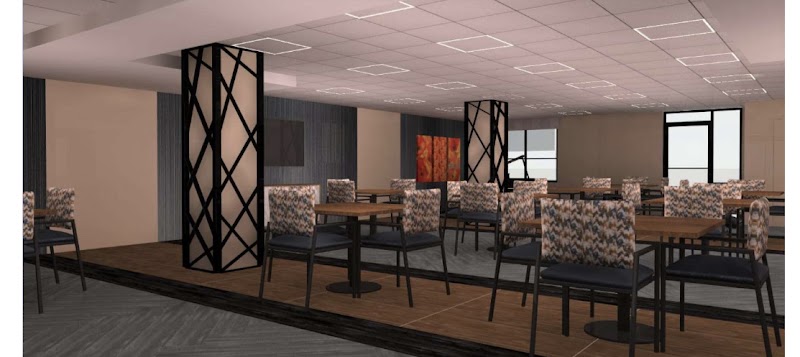
How is Aventura At Prospect Staffed?

CMS rates AVENTURA AT PROSPECT's staffing level at 1 out of 5 stars, which is much below average compared to other nursing homes.

What Have Inspectors Found at Aventura At Prospect?

State health inspectors documented 79 deficiencies at AVENTURA AT PROSPECT during 2022 to 2025. These included: 3 Immediate Jeopardy (the most serious level, indicating potential for serious harm or death), 1 that caused actual resident harm, and 75 with potential for harm. Immediate Jeopardy findings are rare and represent the most serious regulatory concerns. They require immediate corrective action.

Who Owns and Operates Aventura At Prospect?

AVENTURA AT PROSPECT is owned by a for-profit company. For-profit facilities operate as businesses with obligations to shareholders or private owners. The facility is operated by AVENTURA HEALTH GROUP, a chain that manages multiple nursing homes. With 180 certified beds and approximately 147 residents (about 82% occupancy), it is a mid-sized facility located in PROSPECT PARK, Pennsylvania.

How Does Aventura At Prospect Compare to Other Pennsylvania Nursing Homes?

Compared to the 100 nursing homes in Pennsylvania, AVENTURA AT PROSPECT's overall rating (1 stars) is below the state average of 3.0 and health inspection rating (1 stars) is much below the national benchmark.

What Should Families Ask When Visiting Aventura At Prospect?

Based on this facility's data, families visiting should ask: "What changes have been made since the serious inspection findings, and how are you preventing similar issues?" "Can you walk me through typical staffing levels on day, evening, and night shifts?" "Can I visit during a mealtime to observe dining assistance and food quality?" "How do you handle medical emergencies, and what is your hospital transfer rate?" These questions are particularly relevant given the facility's Immediate Jeopardy citations and the below-average staffing rating.

Is Aventura At Prospect Safe?

Based on CMS inspection data, AVENTURA AT PROSPECT has documented safety concerns. Inspectors have issued 3 Immediate Jeopardy citations (the most serious violation level indicating risk of serious injury or death). The facility has a 1-star overall rating and ranks #100 of 100 nursing homes in Pennsylvania. Families considering this facility should ask detailed questions about what corrective actions have been taken since these incidents.

Do Nurses at Aventura At Prospect Stick Around?

AVENTURA AT PROSPECT has not reported staff turnover data to CMS. Staff turnover matters because consistent caregivers learn residents' individual needs, medications, and preferences. When staff frequently change, this institutional knowledge is lost. Families should ask the facility directly about their staff retention rates and average employee tenure.

Was Aventura At Prospect Ever Fined?

AVENTURA AT PROSPECT has been fined $23,624 across 2 penalty actions. This is below the Pennsylvania average of $33,315. While any fine indicates a compliance issue, fines under $50,000 are relatively common and typically reflect isolated problems that were subsequently corrected. Families should ask what specific issues led to these fines and confirm they've been resolved.

Is Aventura At Prospect on Any Federal Watch List?

AVENTURA AT PROSPECT is not on any federal watch list. The most significant is the Special Focus Facility (SFF) program, which identifies the bottom 1% of nursing homes nationally based on persistent, serious quality problems. Not being on this list means the facility has avoided the pattern of deficiencies that triggers enhanced federal oversight. This is a positive indicator, though families should still review the facility's inspection history directly.