ROSEMONT CENTER

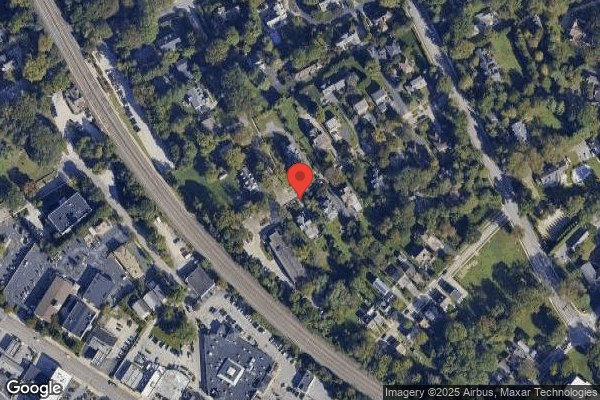
35 ROSEMONT AVENUE, ROSEMONT, PA 19010 (610) 580-0400
For profit - Corporation 76 Beds LME FAMILY HOLDINGS Data: November 2025
Trust Grade
40/100
#349 of 653 in PA
Last Inspection: October 2024

Within standard 12-15 month inspection cycle. Federal law requires annual inspections.

Overview

Rosemont Center has a Trust Grade of D, indicating below-average quality, which raises some concerns for families considering this facility. It ranks #349 out of 653 nursing homes in Pennsylvania, placing it in the bottom half, and #17 of 28 in Delaware County, meaning there are only a few options that are better. The facility is experiencing a worsening trend, with the number of issues increasing from 8 in 2023 to 14 in 2024. Staffing is a notable weakness here, rated at 2 out of 5 stars, with a high turnover rate of 62%, suggesting instability among caregivers. Additionally, the facility has faced substantial fines totaling $106,632, which is higher than 94% of Pennsylvania facilities, indicating potential compliance problems. On the positive side, it has average RN coverage, which is essential for catching issues that may be missed by CNAs. However, there have been specific concerns, such as food being served at unsafe temperatures and failures to develop adequate care plans for residents, highlighting areas that need immediate attention.

Trust Score
D
40/100
In Pennsylvania
#349/653
Bottom 47%
Safety Record
Moderate
Needs review
Inspections
Getting Worse
8 → 14 violations
Staff Stability
⚠ Watch
62% turnover. Above average. Higher turnover means staff may not know residents' routines.
Penalties
✓ Good
$106,632 in fines. Lower than most Pennsylvania facilities. Relatively clean record.
Skilled Nurses
○ Average
Each resident gets 30 minutes of Registered Nurse (RN) attention daily — about average for Pennsylvania. RNs are the most trained staff who monitor for health changes.
Violations
⚠ Watch
22 deficiencies on record. Higher than average. Multiple issues found across inspections.
★★★☆☆
3.0
Overall Rating
★★☆☆☆
2.0
Staff Levels
★★★★☆
4.0
Care Quality
★★★☆☆
3.0
Inspection Score
Stable
2023: 8 issues
2024: 14 issues

The Good

  • 4-Star Quality Measures · Strong clinical quality outcomes
  • Full Sprinkler Coverage · Fire safety systems throughout facility
  • No fines on record

Facility shows strength in quality measures, fire safety.

The Bad

3-Star Overall Rating

Near Pennsylvania average (3.0)

Meets federal standards, typical of most facilities

Staff Turnover: 62%

16pts above Pennsylvania avg (46%)

Frequent staff changes - ask about care continuity

Federal Fines: $106,632

Well above median ($33,413)

Significant penalties indicating serious issues

Chain: LME FAMILY HOLDINGS

Part of a multi-facility chain

Ask about local staffing decisions and management

Staff turnover is elevated (62%)

14 points above Pennsylvania average of 48%

The Ugly 22 deficiencies on record

Oct 2024 7 deficiencies
CONCERN (D) 📢 Someone Reported This

A family member, employee, or ombudsman was alarmed enough to file a formal complaint

Potential for Harm - no one hurt, but risky conditions existed

Deficiency F0583 (Tag F0583)

Could have caused harm · This affected 1 resident

Based on observation, clinical record review, and review of facility documentation and staff interview, it was determined that the facility failed to ensure that the resident's rights to privacy and c...

Read full inspector narrative →
Based on observation, clinical record review, and review of facility documentation and staff interview, it was determined that the facility failed to ensure that the resident's rights to privacy and confidentiality of his/her medical records was maintained for one of 24 residents observed (Resident R28). Findings include: Upon request of facility's HIPAA (Health Insurance Portability and Accountability Act) policies and procedures, the facility provided surveyors with the facility's HIPAA Training Program on confidentiality. Review of facility HIPAA Training Program on confidentiality revealed that policy statement. All facility personnel, including business associates, are required to attend our HIPAA Compliance training program. Under section Policy Interpretation and Implementation. Number one to ensure the confidentiality of our residents protected health information and facility information, HIPAA and Data Security training program will be provided for all employees and business associates who have access to protected health and facility information. The HIPAA training program includes, but is not limited to, an overview of the HIPAA guidelines and regulations relative to the protection of resident and facility information. A review of our facilities HIPAA policies and procedures. Review of the United Stated Department of Health and Human Services Health Insurance Portability and Accountability Act, https://www.hhs.gov/hipaa/for-professionals, revealed The Health Insurance Portability and Accountability Act of 1996 (HIPAA) required the Secretary of the U.S. Department of Health and Human Services (HHS) to develop regulations protecting the privacy and security of certain health information. 1. To fulfill this requirement, HHS published what are commonly known as the HIPAA Privacy Rule and the HIPAA Security Rule. The Privacy Rule, or Standards for Privacy of Individually Identifiable Health Information, establishes national standards for the protection of certain health information. The Security Standards for the Protection of Electronic Protected Health Information (the Security Rule) establish a national set of security standards for protecting certain health information that is held or transferred in electronic form. The Security Rule operationalizes the protections contained in the Privacy Rule by addressing the technical and non-technical safeguards that organizations called covered entities must put in place to secure individuals' electronic protected health information (e-PHI). Within HHS, the Office for Civil Rights (OCR) has responsibility for enforcing the Privacy and Security Rules with voluntary compliance activities and civil money penalties. For internal uses, a covered entity must develop and implement policies and procedures that restrict access and uses of protected health information based on the specific roles of the members of their workforce. These policies and procedures must identify the persons, or classes of persons, in the workforce who need access to protected health information to carry out their duties, the categories of protected health information to which access is needed, and any conditions under which they need the information to do their jobs. Observation of the second-floor unit conducted on October 8, 2024, from 7:23 a.m. to 10:45 a.m. revealed that a medication cart was parked in the hallway across from the nurse's station unattended. Further observation revealed that the laptop computer was open with resident information for Resident R28 was visible to passersby. On October 8, 2024 at 10:00 a.m. during observation of Registered Nurse, Employee E6's medication administration, the surveyor observed a computer mounted on the wall, open, revealing names of residents and clinical documentation without a staff member attending the commuter. Registered Nurse, Employee E6 explained the computers found mounted on the walls in residents' hallways are for the aides to document on their residents. 28 Pa. Code 211.29(j) Resident Rights
CONCERN (D) 📢 Someone Reported This

A family member, employee, or ombudsman was alarmed enough to file a formal complaint

Potential for Harm - no one hurt, but risky conditions existed

Transfer Notice (Tag F0623)

Could have caused harm · This affected 1 resident

Based on review of clinical record review, review of facility documentation and interview with staff, it was determined that the facility failed to ensure that resident/resident representative were no...

Read full inspector narrative →
Based on review of clinical record review, review of facility documentation and interview with staff, it was determined that the facility failed to ensure that resident/resident representative were notified of resident's discharge/transfer for three of three residents reviewed (Resident R11, R41, R42) Findings include: Request for the policy on Resident/Resident Representative and Ombudsman notification of resident's discharge/transfer revealed that the facility was not able to produce a policy. Review of Resident R11's clinical record revealed that Resident R11 was transferred to a local hospital on September 28, 2024, after a seizure episode which resulted in a fall. Further review of Resident R11's clinical record revealed no documented evidence that the facility notified the resident and the resident's representative(s) of the transfer or discharge and the reasons for the move in writing and in a language and manner they understand. Review of Resident R41's clinical record revealed the resident was admitted to the facility diagnosed with epilepsy, depression, anxiety and past suicide attempts prior to admission. Review of Resident R41's progress notes revealed on January 22, 2024, noted the resident with suicidal ideations when the resident stated, She was going to put a plastic bag over her head. Nursing received further instructions to send the resident to the hospital for evaluation. On January 23, 2024, the resident returned to the facility. Review of Resident R42's clinical record revealed that Resident R42 was transferred to a local hospital on August 12, 2024, and was readmitted back to the facility on August 28, 2024. Further review of Resident R42's clinical record revealed no documented evidence that the facility notified the resident and the resident's representative(s) of the transfer or discharge and the reasons for the move in writing and in a language and manner they understand. Interview with Director of Nursing (DON) Employee E2 conducted on October 10, 2024, at 1:19 pm revealed that they do not send discharge notification letter to the resident/family. Further interview with the DON confirmed that the facility did not send a written notification to Resident R11, Resident R41, Resident R42, and Resident R46 and to their representatives of their transfer to the hospital. 28 Pa. Code 201.14(a) Responsibility of licensee 28 Pa. Code 201.18(b)(2) Management
CONCERN (D) 📢 Someone Reported This

A family member, employee, or ombudsman was alarmed enough to file a formal complaint

Potential for Harm - no one hurt, but risky conditions existed

Deficiency F0637 (Tag F0637)

Could have caused harm · This affected 1 resident

**NOTE- TERMS IN BRACKETS HAVE BEEN EDITED TO PROTECT CONFIDENTIALITY** Based on a review of clinical records, review of the Resident Assessment Instrument and staff interviews, it was determined that...

Read full inspector narrative →
**NOTE- TERMS IN BRACKETS HAVE BEEN EDITED TO PROTECT CONFIDENTIALITY** Based on a review of clinical records, review of the Resident Assessment Instrument and staff interviews, it was determined that the facility failed to conduct a significant change Minimum Data Set Assessments (MDS - a federally mandated standardized assessment process conducted at specific intervals to plan resident care) for one of twenty-four residents reviewed who had a below the knee amputation (Resident R59). Findings include: Review of Resident R59's clinical record revealed that Resident R59 was initially admitted to the facility on [DATE], with a most recent readmission of September 15, 2024, from a local hospital status post (S/P or after) Right Below the Knee Amputation. Further review of Resident R59's clinical record revealed that Resident R59 had the following diagnoses Acute Osteomyelitis of the right ankle and foot dated July 20, 2024, Type two Diabetes Miletus dated July 20, 2024, and Acquired Absence of Right Leg Below the Knee dated September 16, 2024. Review of Resident R59's clinical record revealed a progress note dated September 15, 2024, indicating that Resident R59 arrived at facility from local hospital via stretcher accompanied by 2 transporters. readmitted with a diagnosis of RBKA (Right Below the Knee Amputation) related to osteomyelitis to right foot. Further review of Resident R59's physician orders revealed the following orders: Physician's order for NWB to RLE (No Weight wearing to right lower extremity-putting weight on the right foot is not allowed) dated September 15, 2024. Skilled PT (physical Therapy) services 3-5x/week for 30 days for therex, ther act, neuro [NAME], gait training, manual therapy dated September 17, 2024. Skilled OT services 3-5x/week for 30 days for therex, ther act, neuro [NAME], selfcare activities, manual therapy dated September 16, 2024 one time a day. Physician's order dated September 30, 2024, for: Wound Care: Right BKA (below knee amputation) Cleanser: wound cleanse secondary: kerlix, and secure wtih tape, ACE wrap. Frequency: 2x/week (and PRN- as needed) Monitor for signs and symptoms of infection every day shift every Mon, Thu. Further review of the Resident R59's clinical record revealed a quarterly MDS (minimum data set- a federally required resident assessment completed at a specific interval) with an ARD (Assessment Reference Date- the date the assessment period begins with specific look back date for different areas) of September 27, 2024. Interview with Regional RNAC (Registered Nurse Assessment Coordinator), Employee E7 revealed that resident's S/P BKA should have triggered a significant change MDS assessment (A significant change in status assessment is required for a resident in a Medicare or Medicaid certified nursing home when a resident's health status experiences a major decline or improvement that meets the following criteria: a. The change is not expected to resolve on its own or with standard clinical interventions, b. The change affects more than one area of the resident's health, c. The change requires a revision or interdisciplinary review of the resident's care plan. The Significant Change MDS Assessement must be completed within 14 days of the determination that a significant change has occurred. The RN (Registered Nurse) Assessment Coordinator must sign the MDS as complete within this time frame. Further interview with, RNAC, Employee E7 revealed that she scheduled a significant change assessment for Resident R59's Status Post Below the Knee Amputation. 28 Pa. Code 211.12(c)(d)(3)(5) Nursing services
CONCERN (D) 📢 Someone Reported This

A family member, employee, or ombudsman was alarmed enough to file a formal complaint

Potential for Harm - no one hurt, but risky conditions existed

Deficiency F0688 (Tag F0688)

Could have caused harm · This affected 1 resident

**NOTE- TERMS IN BRACKETS HAVE BEEN EDITED TO PROTECT CONFIDENTIALITY** Based on observations, review of facility policy, review of clinical records, and staff and resident interviews, it was determin...

Read full inspector narrative →
**NOTE- TERMS IN BRACKETS HAVE BEEN EDITED TO PROTECT CONFIDENTIALITY** Based on observations, review of facility policy, review of clinical records, and staff and resident interviews, it was determined that the facility failed to ensure a resident with limited range of motion received treatment and services to maintain or improve range of motion/mobility for one of 24 residents reviewed for limited range of motion (Resident R49). Findings include: Review of Resident R49's OT (Occupational Therapy) Discharge summary dated [DATE], revealed a discharge recommendation for splint/brace and AROM (active range of motion) and PROM (passive range of motion), transfers and grooming. Review of Resident R49's physician's order dated March 14, 2024, revealed Splint: RUE (right upper extremity) resting hand splint, on after lunch meal daily and worn per tolerance; patient may remove independently. Review of Resident R49's March 2024- October 2024 Treatment Administration Record no documented evidence that donning and doffing of splint was performed. Further review of resident R49's clinical record revealed that there was no documented evidence that the donning and doffing of splints was performed. Interview with (DON) Director of Nursing Employee E2 conducted on October 10, 2024, at 11:51 am, confirmed that there was no documented evidence for the donning and doffing of splint according to rehab recommendations and according to physician orders. 28 Pa. Code 211.12 (d)(1)(3) Nursing services
CONCERN (D) 📢 Someone Reported This

A family member, employee, or ombudsman was alarmed enough to file a formal complaint

Potential for Harm - no one hurt, but risky conditions existed

Respiratory Care (Tag F0695)

Could have caused harm · This affected 1 resident

**NOTE- TERMS IN BRACKETS HAVE BEEN EDITED TO PROTECT CONFIDENTIALITY** Based on observation, clinical record review, review of facility policy and staff interview, it was determined that the facility...

Read full inspector narrative →
**NOTE- TERMS IN BRACKETS HAVE BEEN EDITED TO PROTECT CONFIDENTIALITY** Based on observation, clinical record review, review of facility policy and staff interview, it was determined that the facility failed to provide appropriate respiratory care and services for two of 18 residents reviewed (Residents R17, R38). Findings include: Review of Resident R17's clinical record revealed the resident was initially admitted to the facility on [DATE], diagnosed with Acute and Chronic Respiratory Failure with Hypoxia (a condition that occurs when the body doesn't have enough oxygen in its tissues); and was ordered, dated August 6, 2024, with oxygen at 2 liters/min, via nasal cannula continuously, every shift, related to acute and chronic respiratory failure with hypoxia (low levels of oxygen). On October 10, 2024, at 1:13 p.m., observed that Resident R17 was administered oxygen at 3 liters/min via nasal canula. and not 2 liters/min, as ordered by the physician, and the same was confirmed with a Licensed Nurse, Employee E5, at the time of the finding. Review of Resident R38's clinical record revealed the resident was initially admitted to the facility on [DATE], diagnosed with Asthma (a chronic lung disease that causes inflammation in the airways, making it difficult to breathe); and was ordered, dated August 22, 2024, with oxygen at 2 Liters/Min, via nasal cannula, as needed, related to asthma (a condition in which the airways narrow and swell and may produce extra mucus). On October 8, 2024, at 8:53 a.m., observed that Resident R38 was administered with oxygen at 5 liters/min via nasal canula., and not 2 liters/min, as ordered by the physician, and the same was confirmed with a Licensed Nurse, E5, at the time of the finding. 28 Pa. Code 211.10 (c) Nursing services 28 Pa. Code 211.12(d)(5) Nursing services
CONCERN (D) 📢 Someone Reported This

A family member, employee, or ombudsman was alarmed enough to file a formal complaint

Potential for Harm - no one hurt, but risky conditions existed

Infection Control (Tag F0880)

Could have caused harm · This affected 1 resident

Based on observation, and interviews with staff, it was determined that the facility failed to maintain an effective infection control program related with wound treatment for one out of one resident ...

Read full inspector narrative →
Based on observation, and interviews with staff, it was determined that the facility failed to maintain an effective infection control program related with wound treatment for one out of one resident observed and disinfecting of medical equipment (R44). Findings include: Review of physician order for Resident R44, dated September 27, 2024, indicated to administer wound care to right hip to right buttock, with cleanser: normal saline, Primary; Santyl, Calcium Alginate; Secondary: bordered gauze dressing, every shift and as needed; apply Santyl to the Slough and Eschar only, every shift to maintain Skin Integrity and every 8 hours, as needed to maintain skin integrity. On October 10, 2024, at 12:22 p.m., observed the wound treatment administered to Resident R44, by a Licensed Practical Nurse (LPN), Employee E4. It was observed that Employee E4, transported the whole treatment cart into R44's room, the room which was marked for Enhanced Barrier Precaution. Employee E4 was observed cleansed the wound of R44 without following the rule to cleanse from center to outer side of the wound. Further observation revealed that Employee E4 walked out of Resident R44's room with the contaminated Personal Protective Equipment (Gown). The above findings were confirmed at the time of the observation with Employee E4. 28 Pa. Code 211.10(d) Resident care policies 28 Pa Code 211.12 (d)(1)(5) Nursing services
CONCERN (E) 📢 Someone Reported This

A family member, employee, or ombudsman was alarmed enough to file a formal complaint

Potential for Harm - no one hurt, but risky conditions existed

Comprehensive Care Plan (Tag F0656)

Could have caused harm · This affected multiple residents

**NOTE- TERMS IN BRACKETS HAVE BEEN EDITED TO PROTECT CONFIDENTIALITY** Based on review of clinical records and interviews with staff, it was determined that the facility failed to develop and impleme...

Read full inspector narrative →
**NOTE- TERMS IN BRACKETS HAVE BEEN EDITED TO PROTECT CONFIDENTIALITY** Based on review of clinical records and interviews with staff, it was determined that the facility failed to develop and implement a comprehensive person-centered care plan for each resident, that includes measurable objectives and timeframes to meet a resident's medical, nursing, and mental and psychosocial needs that are identified in the comprehensive assessment for 6 of 18 resident records reviewed (Residents R17, R41, R44, R48, R49, and R59). Findings include: Review of Resident R17's clinical record revealed the resident was initially admitted to the facility on [DATE], diagnosed with Acute and Chronic Respiratory Failure With Hypoxia (a condition that occurs when the body doesn't have enough oxygen in its tissues); and was ordered, dated August 6, 2024, with oxygen at 2L/Min, via nasal cannula continuously, every shift, related to acute and chronic respiratory failure with hypoxia (low lwvels of oxygen) On October 10, 2024, at 1:13 p.m., Resident R17 was observed that R17 receiving oxygen via nasal canula. which was confirmed with Licensed Nurse, Employee E5. Further review of Resident R17's clinical record revealed no evidence of a plan of care developed for Resident R17's oxygen administration. On October 10, 2024, at 1:15 p.m., interview with Licensed Nurse, Employee E5, confirmed that the facility failed to develop a care plan for Resident R17's oxygen administration in a timely manner. Review of Resident R41's clinical record revealed the resident was initially admitted to the facility on [DATE], diagnosed with epilepsy (a chronic brain disorder that causes seizures, which are episodes of involuntary brain activity that can affect the body) and given 500 mg of Keppra two times a day to prevent seizures. Nursing progress note, dated March 27, 2024, noted Resident R41 with seizure activity. The physician was notified and orders for blood work to verify the Keppra levels were at therapeutic levels. Further review of Resident R41's clinical record revealed no evidence a plan of care was developed for Resident R41's diagnosis of epilepsy. On October 11, 2024 at 10:00 a.m. interview with the Director of Nursing, Employee E2 confirmed the facility failed to develop a care plan for Resident R41's diagnosis of Epilepsy. Review of Resident R44's clinical record revealed the resident was initially admitted to the facility on [DATE], diagnosed with Rhabdomyolysis (the breakdown of muscle tissue that leads to the release of muscle fiber contents into the blood. These substances are harmful to the kidney and often cause kidney damage); and was ordered on September 20, 2024, to change urinary indwelling foley catheter (16 F with 10ml balloon), (Foley catheter is a flexible tube that drains urine from the bladder into a collection bag), change as needed, based on clinical indications such as infection, obstruction, or when the closed system is compromised. On October 10, 2024, at 12:19 p.m. Resident R44 was observed with a urinary catheter in place. Further review of Resident R44's clinical record revealed no evidence of a plan of care was developed for Resident R44's indewelling urinary foley catheter administration, in a timely manner. On October 10, 2024, at 12:22 p.m., interview with Licensed staff, Employee E4, confirmed that the facility failed to develop a care plan for Resident R44's foley catheter. Review of Resident R48's clinical record revealed that Resident R48 was initially admitted to the facility on [DATE], with a most recent readmission of September 28, 2024. Further review of Resident R48's clinical record revealed that Resident R48 had the following diagnoses of Urinary Tract Infection, Hemiplegia/Hemiparesis, Benign Prostatic Hyperplasia with lower Urinary Tract Symptoms, Presence of Urogenital Implant, Retention of Urine. Review of Resident R48's clinical record revealed a physician's order dated September 28, 2024, to: Change Foley Catheter: Size: 16fr- change prn based on clinical indications such as infection, obstruction, or when the closed system is compromised as needed and every day shift starting on the 8th and ending on the 8th every month for catheter change. Further a physician's order dated September 28, 2024, was obtained for Foley Catheter Care every shift. Observation conducted during tour of the facility on October 8, 2024, from 7:23 a.m. to 10:45 a.m. revealed that Resident R48 had a urinary catheter in place connected to a urine bag. Further Review of Resident R48's clinical record revealed that there was comprehensive person-centered care plan for urinary catheter in place for Resident R48. Interview with DON (Director of Nursing) Employee E2 conducted on October 10, 2024, at 9:50 a.m. confirmed that there was no comprehensive patient-centered care plan for catheter use in place for Resident R48. Review of Resident R49's clinical record revealed that Resident R49 was admitted to the facility on [DATE], with diagnoses of Quadriplegia, S/P Fusion of the spine (Cervical Region), Renaud's Syndrome, Muscle Weakness. Review of Resident R49's Occupational Therapy (OT) Discharge summary dated [DATE], revealed a discharge recommendation for splint/brace and AROM (Active Range of Motion) and PROM (Passive Range of Motion) for transfers and grooming Review of Resident R49's physician's order revealed an order SPLINT: RUE (right upper extremity) resting hand splint, on after lunch meal daily and worn per tolerance; patient may remove independently, March 14, 2024 Further review of Resident R49's clinical record revealed that there was no person-centered comprehensive care plan related to splinting and for active range of motion. Interview with DON Employee E2 conducted on October 10, 2024, at 12:28 pm confirmed that there was no person-centered comprehensive care plan for splinting in place for Resident R49. Review of Resident R59's clinical record revealed that Resident R59 was initially admitted to the facility on [DATE], with a most recent readmission of September 15, 2024. Further review of Resident R59's clinical record revealed that Resident R59 had the following diagnoses Acute Osteomyelitis of the right ankle and foot dated July 20, 2024, Type two Diabetes Miletus dated July 20, 2024, and Acquired Absence of Right Leg Below the Knee dated September 16, 2024. Review of Resident R59's clinical record revealed a progress note dated September 15, 2024, indicating that Resident R59 arrived at facility from local hospital via stretcher accompanied by 2 transporters. readmitted with a diagnosis of RBKA (Right Below the Knee Amputation) related to Osteomyelitis to right foot. Further review of Resident R59's clinical record revealed that there was no person-centered comprehensive care plan related to Resident R59's below the knee amputation. Interview with DON Employee E2 conducted on October 10, 2024, at 12:28 pm confirmed that there was no person-centered comprehensive care plan for below the knee amputation for Resident R59. 28 Pa. Code 211.10(c)(d) Resident care policies 28 Pa. Code 211.12(d)(1) Nursing services
Jun 2024 1 deficiency
CONCERN (D) 📢 Someone Reported This

A family member, employee, or ombudsman was alarmed enough to file a formal complaint

Potential for Harm - no one hurt, but risky conditions existed

Safe Environment (Tag F0921)

Could have caused harm · This affected 1 resident

**NOTE- TERMS IN BRACKETS HAVE BEEN EDITED TO PROTECT CONFIDENTIALITY** Based on observations and staff interviews, it was determined that the facility failed to provide a safe, sanitary, and comforta...

Read full inspector narrative →
**NOTE- TERMS IN BRACKETS HAVE BEEN EDITED TO PROTECT CONFIDENTIALITY** Based on observations and staff interviews, it was determined that the facility failed to provide a safe, sanitary, and comfortable environment in one resident room on the 1st floor. (room [ROOM NUMBER]) Findings: On June 25, 2024, at 10:08 a.m. observations were conducted in rooms 105A bed and 105C bed. Bed 105A Resident R1 was lying in a bariatric bed which was located between the A and B section of the room. Room was cluttered with open and closed boxes on the floor against the wall. Room had two drawers full of items on the top. On the top of those boxes there was large number of random items including spices, hygiene, snacks, multiple basins, jewelry, clothing stored. Open grocery paper bags were stored on the floor with random items such as snacks, nuts, sodas, jams, bottles of water. Underneath the bed there were grocery paper bags with random papers, snacks, fruit cups and there was a urinal container. The chair was full of clothing, papers, snacks, sodas, on the top of each other. In addition, a 5-power strip outlet was shoved into the piles of clothing with the nebulizer and Bi-pap respiratory machines on the chair. Resident R1 reported that facility provided her with the 5-power strip outlet. The tray table had breakfast, fan, headphones phone, random hydyne items and a full urinal. Bed 105C, Resident R2 was a bariatric resident whose bed was away from the headboard wall. On the other side by the feet board there was no room to walk thru as there was a chair and bariatric wheelchair blocking the airway to go around the resident and her closet. Resident R2 had Walmart paper bags on the floor with random snacks. There were two plastic boxes on the top of each other and nebulizer was on the top of the box with an electric mixer. The top of the dresser had random hygiene item and no room for nebulizer treatment machine. On the floor there was a 6-power outlet strip and a separate single outlet strip. On the floor the grocery bags had oranges, clothing's, snacks, wheelchair rests. Resident R2 reported that all items belong to her, and she does order things online. The power strips were given to her by the facility. The bathroom also had a bariatric commode and with a folded bariatric wheelchair against the wall. On June 25, 2024, at 10:30 a.m. the maintenance director, Employee E4 came into the room and confirmed the observations and moved the bed so the headboard of the bed would touch the wall and took away the empty chair that was blocking the entrance. On June 26, 2024, at 10:54 a.m. Administrator, Employee E1 confirmed above observations and reported that he was not aware of the power strips and believes residents ordered the power strips. Further observation of the first unit revealed Resident R4 room [ROOM NUMBER] had shopping bags on the floor and nebulizer was also inside the shopping bag on the floor. 28 Pa. Code 201.18(b)(3) Management
May 2024 1 deficiency
CONCERN (D) 📢 Someone Reported This

A family member, employee, or ombudsman was alarmed enough to file a formal complaint

Potential for Harm - no one hurt, but risky conditions existed

Notification of Changes (Tag F0580)

Could have caused harm · This affected 1 resident

Based on staff interviews and the review of the clinical record, it was determined that the facility failed to ensure that the physician was notified of a change in the resident's medical status for o...

Read full inspector narrative →
Based on staff interviews and the review of the clinical record, it was determined that the facility failed to ensure that the physician was notified of a change in the resident's medical status for one out of four residents reviewed (Resident R1). Findings include: Review of the facility policy, Change in a Resident's Condition of Status, with a revision date of May 2021 indicated that the facility will notify the resident, his/or attending physician and the resident's representative of changes in the resident's medical/mental condition and/or status. Continued review of the policy indicated that the nurse will notify the resident's attending physician or the physician on call when incidents including, but not limited to the following has occurred with the resident: accident or incident involving the resident; discovery of injuries of an unknown origin; adverse reaction to medication; significant change in the resident's physical/emotional/mental condition; refusal of treatment for two or more consecutive times, or the need to transfer the resident out of the hospital. Review of the May 2024 physician orders for Resident R1 included the diagnosis of epilepsy (a brain condition that causes reoccurring seizures). Review of the resident's Annual Minimum Data Set Assessment (MDS-a periodic assessment of a resident's needs) dated May 2, 2024, indicated that the resident was severely cognitively impaired. Review of a nursing note dated May 6, 2024 at 5:30 p.m. written by Employee E4 (licensed nurse) who worked 7:00 a.m. through the 3:00 p.m. nursing shift and worked 3:00 p.m. through the 11:00 p.m. nursing shift on May 6, 2024, indicated Received in report this morning resident was witnessed having a seizure by cna (nurse aide) lasting at least one min (minute). Review of the above referenced nursing note indicated that Resident R1 was assessed by Licensed nurse, Employee E4 after she was notified and Employee E4 documented that there were no issues with the resident throughout the duration of the 7:00 a.m. through the 3:00 p.m. shift. Continued review of the above-referenced nursing indicated that during dinner on May 6, 2024, during the 3:00 p.m. through the 11:00 p.m. nursing shift, Employee E5 who was also assigned to Resident R1 on this nursing shift, reported to Employee E4 that the resident did not look well during dinner. Review of the note indicated that the physician was notified, and ordered that Resident R1 be transported out to the hospital via 911. Review of the resident's nursing notes did not show evidence that the physician was notified during the 7:00 a.m. through the 3:00 p.m. shift after Employee E4 was notified by Employee E5 of a change in the resident's medical condition, when Employee E5 reported to Employee E4, that she witnessed the resident having a seizure that lasted lasting at least one minute in duration. Review of a nursing note dated May 10, 2024 at 5:02 p.m. documented that the resident returned from the hospital on the above reference date, and the resident's hospital admitting diagnosis was seizures. Review of resident's hospital documentation revealed, Discharge Summary, indicated that the resident had a breakthrough seizure (when an individual has a seizure after being seizure free for approximately 12 months). You were admitted to [hospital name] with a break through seizure. During an interview with the Director of Nursing (DON) and the Assistant Director of Nursing (ADON) on May 15, 2024 at 3:00 p.m. the ADON confirmed that Employee E4 did not notify the physician or any nursing staff (e.g. Unit manager/Nurse Supervisor on any of the shifts, Director of Nursing, Assistant Director of Nursing) of what Employee E5 reported to her about Resident R1 having a seizure on the 7:00 a.m. through the 3:00 p.m. shift. The DON reported during the above referenced interview that she was not notified of the resident having a seizure on the 7:00 a.m. through the 3:00 p.m. shift until approximately 5:00 p.m. when she received a phone call to notify her about the physician ordering the resident to go out to the hospital. 28 Pa. 211.5(f) Clinical records 28 Pa. Code 211.12(c) Nursing services 28 Pa. Code 211.12(d)(1)(5) Nursing services
Feb 2024 5 deficiencies
CONCERN (D)

Potential for Harm - no one hurt, but risky conditions existed

Comprehensive Care Plan (Tag F0656)

Could have caused harm · This affected 1 resident

**NOTE- TERMS IN BRACKETS HAVE BEEN EDITED TO PROTECT CONFIDENTIALITY** Based on clinical record review and interviews with staff, it was determined that the facility failed to develop a comprehensive...

Read full inspector narrative →
**NOTE- TERMS IN BRACKETS HAVE BEEN EDITED TO PROTECT CONFIDENTIALITY** Based on clinical record review and interviews with staff, it was determined that the facility failed to develop a comprehensive care plan related to psychotropic medications and behavior management for one of 14 residents reviewed (Resident R27). Findings include: Review of Resident R27's admission MDS (Minimum Data Set - a mandatory periodic resident assessment tool), dated December 19, 2023, revealed that the resident was admitted to the facility on [DATE], and had diagnoses including dementia (decline in memory or other thinking skills severe enough to reduce a person's ability to perform everyday activities), anxiety disorder (intense, excessive, persistent worry or fear) and sleep disorder. Review of progress notes for Resident R27 revealed a nurses note, dated December 15, 2023, at 6:49 a.m. which indicated that the resident exhibited several behaviors, including agitation, verbal aggression, inability to be re-directed and disrobing. Continue review of progress notes for Resident R27 revealed a nurses note, dated December 15, 2023, at 9:00 a.m. which indicated that the physician was notified of the resident's behaviors and prescribed Ativan (a benzodiazepine medication used to treat anxiety) to be given at bedtime. Continue review of progress notes for Resident R27 revealed a nurses note, dated December 17, 2023, at 9:27 a.m. which indicated that the resident was noted with increased anxiety behaviors, including constantly looking for his wallet and expressing that he needed to get to the train station. Multiple non-pharmacological interventions were attempted and unsuccessful. The resident's spouse was also unable to console the resident. The physician prescribed to increase the Ativan to every twelve hours daily. Continue review of progress notes for Resident R27 revealed a physician's note, dated January 10, 2024, at 3:11 p.m. which indicated that the resident continued to display behaviors related to increased anxiety and depression. The physician recommended to start Lexapro (medication used to treat depression and anxiety) twice per day. Further review of progress notes for Resident R27 revealed a nurses note, dated January 24, 2024, at 11:13 a.m. which indicated that the resident was currently taking psychotropic medications including Ativan, Lexapro and mirtazapine (an antidepressant medication). The resident continued to display behaviors including anxiety, screaming and wandering and was not easily re-directable. The GDR (Gradual Dose Reduction) committee recommended no changes to the resident's psychotropic medications at that time. Review of Medication Administration Records for December 2023 and January 2024 revealed that Resident R27 was administered Ativan, Lexapro and mirtazapine as prescribed. Review of Resident R27's care plan, dated initiated December 13, 2023, revealed that no care plan had been developed related to the resident's behaviors or use of psychotropic medications. Interview on January 31, 2024, at 11:30 a.m. the Director of Nursing confirmed that no care plan had been developed for Resident R27 related to his behaviors and use of psychotropic medications. 28 Pa Code 211.12(d)(5) Nursing services
CONCERN (D)

Potential for Harm - no one hurt, but risky conditions existed

Deficiency F0694 (Tag F0694)

Could have caused harm · This affected 1 resident

Based on observations, reviews of clinical records, facility policies and procedures, and interviews with staff and resident, it was determined that the facility failed to provide adequate treatment a...

Read full inspector narrative →
Based on observations, reviews of clinical records, facility policies and procedures, and interviews with staff and resident, it was determined that the facility failed to provide adequate treatment and care for a peripherally inserted central catheter (PICC) line in accordance with professional standards of practice for one of 30 residents reviewed (Resident R354). Findings include: According to the standards of nursing practice guidelines in the Journal of the American Nurse's Association, dated November 2013, complications of a PICC line includes, but is not limited to catheter-tip migration (assessed by external length of the catheter-amount of catheter tubing that is visible outside of the vein moves from original insertion and may cause medical complications). Review of this facility policy Peripherally Inserted Central Catheter (PICC's) , dated May 18, 2020, revealed that Must be assessed using sterile technique with the maintenance of positive pressure. PICC's are to be capped when not in use. The extension tubing attached to the PICC at the time of the insertion must not be removed with routine IV tubing changes. Observation of Resident R354 on January 30, 2024, at 12:16 p.m. with Employee E4, Licensed Practical Nurse, revealed that the resident had a right upper extremity PICC line insertion. There was no documentation on the dressing to indicate the date and time the dressing last changed. It was also revealed that the extension tube and the cap for both lumens were missing which exposed the PICC line. Review Resident R354's physician order dated January 16, 2024, revealed an order to change PICC line dressing weekly and measure external catheter length during weekly dressing change. A review of the treatment administration record (TAR) for the month of January 2024 indicated that order was signed off by the staff on January 23, 2024. Continued review of the TAR revealed that the external catheter length measurement was not completed for January 23, 2024, as ordered by the physician. An interview with Director of Nursing, Employee E2, on February 1, 2024, at 11:00 a.m. confirmed that that the PICC line external catheter length should be measured and documented with each dressing change, and PICC line should have caps and connecter when not in use. 28 Pa. Code: 211.10 (c) Resident care policies 28 Pa. Code: 211.10 (d) Resident care policies 28 Pa. Code: 211.12 (d)(1) Nursing services 28 Pa. Code: 211.12(d)(5) Nursing services
CONCERN (D)

Potential for Harm - no one hurt, but risky conditions existed

Deficiency F0726 (Tag F0726)

Could have caused harm · This affected 1 resident

Based on the review of clinical records, facility documentation, observations, interview with staff, it was determined that the facility failed to ensure that nursing staff possessed the appropriate c...

Read full inspector narrative →
Based on the review of clinical records, facility documentation, observations, interview with staff, it was determined that the facility failed to ensure that nursing staff possessed the appropriate competencies and skill sets related to the care of residents with PICC line ( a tube placed in a large vein in the neck, chest, groin, or arm to give fluids, blood, or medications or to do medical tests quickly). Two of two employee records reviewed. (Employee E4 and E5). Findings Include: Observation of a PICC line medication administration for Resident R354 on January 30, 2024, at 12:16 p.m. with the extension tube and the cap for both lumens were missing which exposed the PICC line. Employee E4 was preparing medication to be administered via PICC line. It appeared that the staff was given instruction by Employee E5 during the medication preparation, setting up of IV pump, and medication administration. Employee E4 worn gloves when preparing medication in the hallway, using the same gloves touched medication cart, IV pump pole and the resident. Further observation revealed that the extension tube and the cap for both lumens were missing which exposed the PICC line. Employee E5 tried to connect the IV set to the PICC line catheter without a connector. But was unable to connect The IV set without a connecter and he administration was not completed during the observation. Employee E5 stated it appeared the connecter was missing, and it was unable to connect without a connector. Interview with Employee E4 and E5 on January 30, 2024, at 12:30 p.m. stated they did not receive any training or competency evaluation of the care and management of residents with PICC line. A request for PICC line care and management competency for Employee E4 and E5 was requested to the Director of Nursing. Facility did not submit the PICC line care and management competency for Employee E4 and E5 during the survey. 28 Pa. Code: 211.12 (d)(1) Nursing services 28 Pa. Code: 211.12(d)(5) Nursing services
CONCERN (D)

Potential for Harm - no one hurt, but risky conditions existed

QAPI Program (Tag F0867)

Could have caused harm · This affected 1 resident

Based on the review of Quality Improvement Program (QUAPI) plan, facility documentation, and interview with staff, it was determined that the facility failed to demonstrate and maintain an effective Q...

Read full inspector narrative →
Based on the review of Quality Improvement Program (QUAPI) plan, facility documentation, and interview with staff, it was determined that the facility failed to demonstrate and maintain an effective Quality Improvement Program with systems and reports demonstrating systematic identification, reporting, investigation, analysis, and prevention of adverse events and performance indicators. Findings include: Review of the facility policy QUAPI, revealed, Our organization's written QAA/QAPI plan provides guidance for our overall quality improvement program. Quality assurance performance improvement principles will drive the decision making within our organization. Decisions will be made to promote excellence in quality of care, quality of life resident choice person directed care, and resident transitions. Focus areas will include all systems that affect resident and family satisfaction, quality of care and services provided, and all areas that affect the quality of life for persons living and working in our organization. The facility's QUAPI policy failed to address the following required information. (i) How they will use a systematic approach to determine underlying causes of problems impacting larger systems; (ii) How they will develop corrective actions that will be designed to effect change at the systems level to prevent quality of care, quality of life, or safety problems; and (iii) How the facility will monitor the effectiveness of its performance improvement activities to ensure that improvements are sustained. The administrator will assure that the QAA/QAPI plan is reviewed minimally on an annual basis by the QAA committee. Revisions will be made to the plan ongoing, as the need arises, to reflect current practices within our organization. These revisions will be made by the QAA committee. Revisions to the QAA/QAPI plan will be communicated as they occur to residents, families, and staff through meetings and electronic messaging. Major revisions will also be reflected in the facility assessment as appropriate. A review of facility QUAPI program review was conducted with the administrator and medical director on February 1, 2024, at 11:18 a.m. which revealed that the facility's QUAPI projects dated January 16, 2024, contained topic of the improvement activities facility plan to conduct. Further review of the QUAPI information did not contain evidence of identifying, reporting, tracking, monitoring and evaluation of performance indicators. A request for the previous QUAPI was requested to the administrator on February 1, 2024. However, facility did not submit any previous QUAPI information including evidence of identifying, reporting, tracking, monitoring and evaluation of performance indicators. Interview with Regional Nurse, Employee E11 on February 1, 2024, at 12:00 p.m. confirmed that the facility QUAPI policy provided at the time of the survey did not contain required information according to the regulation. 28 Pa. Code 201.14(a) Responsibility of licensee 28 Pa. Code 201.18(b)(1) Management
CONCERN (D)

Potential for Harm - no one hurt, but risky conditions existed

Deficiency F0947 (Tag F0947)

Could have caused harm · This affected 1 resident

Based on a review of facility documentation and staff interview, it was determined that the facility failed to ensure its nurse aide staff was receiving in-service training to be proficient and compet...

Read full inspector narrative →
Based on a review of facility documentation and staff interview, it was determined that the facility failed to ensure its nurse aide staff was receiving in-service training to be proficient and competent and that the training be no less than 12 hours annually for five of five nurse aide staff training information reviewed (E6. E7, E8, E9 and E10). Findings Include: Review of the nurse aide annual training information provided during the survey revealed that there were no training logs/tracking to review for nurse aides E6. E7, E8, E9 and E10 Review of the nurse aide training/in-service information provided during the survey revealed that nurse aides training logs did not contain evidence that the training met the twelve hours of annual training requirement. An interview with the Director of Nursing on February 1, 2024, at 11:00 a.m. confirmed that the facility did not track the in-service training for their nurses' aides and the facility documentation did not contain evidence of that the training for E6. E7, E8, E9 and E10 met the twelve hours of annual training requirement. 28 Pa. Code 201.14(a) responsibility of licensee.
Nov 2023 1 deficiency
CONCERN (D) 📢 Someone Reported This

A family member, employee, or ombudsman was alarmed enough to file a formal complaint

Potential for Harm - no one hurt, but risky conditions existed

Deficiency F0559 (Tag F0559)

Could have caused harm · This affected 1 resident

**NOTE- TERMS IN BRACKETS HAVE BEEN EDITED TO PROTECT CONFIDENTIALITY** Based on review of facility policies, clinical record review and interviews with residents and staff, it was determined that the...

Read full inspector narrative →
**NOTE- TERMS IN BRACKETS HAVE BEEN EDITED TO PROTECT CONFIDENTIALITY** Based on review of facility policies, clinical record review and interviews with residents and staff, it was determined that the facility failed to provide written notice, including reason for transfer before a resident's room was change for two of four residents reviewed (Residents R1 and R2). Findings Include: A review of facility policy titled, Room Change/Roommate Assignment revised May 2017, indicated that prior to changing a room or roommate assignment all parties involved in the change/assignment, residents and their representatives will be given a notice in advance of such change. Advance notice of room change will include why the change is being made. Review of Resident R1's Quarterly Minimum Data Set (MDS - federally mandated assessment of a resident's abilities and care needs) dated November 4, 2023, revealed Resident R1 was admitted to the facility on [DATE]. Continued review of Resident's MDS revealed a BIMS (Brief Interview for Mental Status) score of 14, indicating that the resident was cognitively intact. Interview with Resident R1 on November 28, 2023, at 1:49 p.m. revealed that Resident R1 had a room change initiated by the facility, they change your room without any notice, and I think it's rude! Resident R1 stated, They told me to get my stuff together and moved me; I don't like it! Review of Resident R1's clinical records revealed that a room change was initiated for Resident R1 on November 10, 2023 for medical management. Further review failed to reveal documented evidence of a written notice provided to the resident, including reason for transfer before Resident R1's room was changed. Review of Resident R2's Quarterly MDS dated [DATE], revealed Resident R2 was admitted to the facility on [DATE], and had a BIMS score of six, indicating cognitive impairment. Review of Resident R2's clinical records revealed that a room change was initiated on October 24, 2023, for the reason of Medical Management and safety. Further review failed to reveal documented evidence of a written notice was provided to the resident's responsible party, including reason for transfer before Resident R2's room was changed. Interview with the facility Administrator and Director of Nursing conducted on November 28, 2023, at 2:00 p.m. confirmed that although a verbal notification of room change was given (according to the room change assessment), the facility failed to provide a written notice, including reason for transfer to Resident R1 and Resident R2's representative. 28 Pa. Code 201.14(a) Responsibility of licensee 29 Pa. Code 201.29(d) Resident rights 29 Pa. Code 201.29(j) Resident rights
Oct 2023 1 deficiency
CONCERN (D) 📢 Someone Reported This

A family member, employee, or ombudsman was alarmed enough to file a formal complaint

Potential for Harm - no one hurt, but risky conditions existed

Quality of Care (Tag F0684)

Could have caused harm · This affected 1 resident

**NOTE- TERMS IN BRACKETS HAVE BEEN EDITED TO PROTECT CONFIDENTIALITY** Based on clinical record review and interview with staff, it was determined that the facility failed to provide wound treatment ...

Read full inspector narrative →
**NOTE- TERMS IN BRACKETS HAVE BEEN EDITED TO PROTECT CONFIDENTIALITY** Based on clinical record review and interview with staff, it was determined that the facility failed to provide wound treatment related to a resident's wound for one of two residents reviewed. (Resident R1) Findings include: Review of Resident R1's clinical record revealed that Resident R1 was admitted to the facility on [DATE] with the diagnoses of Peripheral Vascular Disease (a systemic disorder that involves the narrowing of peripheral blood vessels) and open wound on the lower leg. Review of Resident R1's quarterly MDS (Minimum data set-a federally required resident assessment completed at a specific interval) dated September 15, 2023, revealed that Section C0500 BIMS (brief interview for mental status) scored 13 suggesting that Resident R1 was cognitively intact. Review of MDS section M (skin conditions) revealed that Resident R1 was at risk for pressure ulcer, had venous or arterial ulcers and skin tears. Further review of Resident R1's quarterly MDS dated [DATE], section M1200 (I) Application of dressing to feet (with or without topical medications) was coded NO indicating that resident did not have dressing applied to his feet during the observation period of the MDS assessment. Review of clinical documentation from the wound clinic dated September 1, 2023, revealed a recommendation to change band aid on left foot toe daily with an antibiotic ointment and a bandaid. Review of Resident R1's documentation from the wound clinic dated September 15, 2023, revealed a recommendation to wash toes on both feet daily. Please change the left foot dressing daily with Aquacel Ag and gauze until the drainage decreases. Review of Resident R1's Treatment Administration Record for September 2023 revealed a treatment as follow: Cleanse left foot great & 2nd toes wound w/cleanser, apply calcium alginate and gauze and kling wrap until the drainage decreases every day shift for wound care with discontinue date of Septemebr 20, 2023. Further, there were no licensed nurse initial/signature indicating that the treatment was performed thoughout the duration of the treatment for the month of September 2023. Review of Resident R1's physician's order dated September 20, 2023, revealed an order for: Cleanse left foot great & 2nd toes wound w/cleanser, apply Xeroform and gauze 4x4 and kling wrap until the drainage decreases every day shift for wound care and as needed for wound care soiled/missing dressing. Review of Resident R1's Treatment Administration Record for September 2023 revealed that on September 20, 2023, treatment on resident was started as follow: Cleanse left foot great & 2nd toes wound w/cleanser, apply Xeroform and gauze 4x4 and kling wrap until the drainage decreases every day shift for wound care and as needed for wound care soiled/missing dressing. Further review of the Resident R1's clinical record revealed that there was no documented evidence that Resident R1 received treatment to left foot great toe and second toe until September 20, 2023. Interview with Director of Nursing conducted on October 12, 2023, at 12:43 am confirmed that on September 8, 2023, the physician at the wound care clinic recommended the following treatment for Resident R1 wash toes on both feet daily. Please change the left foot dressing daily with Aquacel Ag and gauze until the drainage decreases and that there were no physician's orders for the recommended treatment. Further Director of Nursing also confirmed that there no were physician's orders for treatment of Resident R1's wounds on his left foot great toe and second toe until September 20, 2023, and that Resident R1 did not receive treatments to his left lower foot great toe and second toe until September 20, 2023. 28 Pa. Code 211.12(d)(1) Nursing services 28 Pa. Code 211.12(d)(5) Nursing services
Sept 2023 4 deficiencies
CONCERN (D) 📢 Someone Reported This

A family member, employee, or ombudsman was alarmed enough to file a formal complaint

Potential for Harm - no one hurt, but risky conditions existed

Comprehensive Care Plan (Tag F0656)

Could have caused harm · This affected 1 resident

**NOTE- TERMS IN BRACKETS HAVE BEEN EDITED TO PROTECT CONFIDENTIALITY** Based on observations, staff interviews, review of facility policy and the review of clinical records, it was determined that th...

Read full inspector narrative →
**NOTE- TERMS IN BRACKETS HAVE BEEN EDITED TO PROTECT CONFIDENTIALITY** Based on observations, staff interviews, review of facility policy and the review of clinical records, it was determined that the facility failed to ensure a care plan was updated with the correct positioning device for 1 resident (Resident R3) and not updated for colostomy care for one resident for 2 out of 15 residents reviewed (Resident R3 and Resident R49). Findings include: Review of the policy, Care Plans Comprehensive Person-Centered, with a revision date of March 2022 indicated that the resident's comprehensive, perso-centered care plan describes the services that are to be furnished to attain or maintained the resident's highest practicable physician, mental and psychosocial well-being, including any specialized services, and describes which professional services are responsible for each element of care; reflects currently recognized standards of practice for problem areas and conditions. The policy also indicated that assessments are ongoing and revised as information about the residents and the resident's conditions change. The policy also indicated that the interdisciplinary team reviews and updates the care plan when there is a significant change in the resident's condition, when the desired outcome is not met and at least quarterly, in conjunction with the required quarterly Minimum Data Set Assessment. Review of the September 2023 physician orders for Resident R3 included the following diagnosis: history of traumatic brain injury; hearing loss; Chronic Obstructive Pulmonary Disease (COPD-a disease characterized by persistent respiratory symptoms like progressive breathlessness and cough), and dysphagia (difficulty swallowing). Review of the resident's Quarterly Minimum Data Set Assessment (MDS-a periodic assessment dated [DATE] indicated that Resident R3 was cognitively impaired. Continued review of the resident's Quarterly MDS indicated that the resident was dependent on staff for transferring in and out of bed, repositioning, and activities of daily living (e.g. dressing, eating, toilet use, and personal hygiene). Review of the resident's person-centered plan of care included a plan of care dated December 20, 2021 with instructions to wash and dry the resident's left hand between his fingers throughout, and to don (put on) the left hand, and that the resident is to wear the palm protector at all times except during hygiene with the goal of preventing contractures and maintaining the resident's left hand range of motion. During an interview with Employee E8 (licensed nurse) on September 27, 2023, at 11:52 a.m. regarding the above observations, Employee E8 reported that the resident does not use the palm protector but utilizes a Carrot (Therapy Hand Contracture Orthosis-a device that positions an individual's severely contracted hands). During an interview with the Director of Rehabilitation on September 27, 2023 on at 12:41p.m. confirmed that Resident R3 is currently using the Carrot device and no longer using the palm protector. The Director of Rehabilitation reported that nursing staff should apply the Carrot after morning care, and that they should remove the Carrot when it is time for Resident R3 to got to bed. During an interview with the Assistant Director of Nursing on September 28, 2023 at 9:45 a.m. it was discussed that resident's person-centered plan of care was not updated regarding the use of the Carrot, or instructions on when it should be applied by staff , and when it should be removed by staff to ensure appropropriate care and services for Resident R3. It was also discussed during the above referenced interview that the resident's person-centered plan of care was not updated to reflect the change, and that there were no instructions in the clinical record as to when the Carrot should be applied to the resident's left hand, and when it should be removed. Review of physician orders for Resident R49 for September 2023, revealed an order to change colostomy (a surgical operation in which a piece of the colon is diverted to an artificial opening in the abdominal wall so as to bypass a damaged part of the colon) appliance weekly and as needed. Further review of physician order revealed an order to provide colostomy care every shift. Review of care plan for Resident R49 initiated on May 9, 2023, revealed no evidence that the facility developed a comprehensive person-centered care plan with goals and interventions for Resident R49 related to the care and management of colostomy. 28 Pa. Code 211.10(c)(d) Resident care policies 28 Pa. Code 211.12(d)(1(5) Nursing services
CONCERN (D) 📢 Someone Reported This

A family member, employee, or ombudsman was alarmed enough to file a formal complaint

Potential for Harm - no one hurt, but risky conditions existed

ADL Care (Tag F0677)

Could have caused harm · This affected 1 resident

**NOTE- TERMS IN BRACKETS HAVE BEEN EDITED TO PROTECT CONFIDENTIALITY** Based on observations, review of facility policy, staff interviews and the review of clinical records, it was determined that th...

Read full inspector narrative →
**NOTE- TERMS IN BRACKETS HAVE BEEN EDITED TO PROTECT CONFIDENTIALITY** Based on observations, review of facility policy, staff interviews and the review of clinical records, it was determined that the facility failed to ensure that resident received appropriate care and services related to activities of daily living for 2 out of 15 records reviewed (Resident R3 and Resident R34). Findings include: Review of the facility policy Activities of Daily (ADL), Supporting with a revision date of March 2018, residents will [sic] provided with care, treatment and services as appropriate to maintain or improve their ability to carry out activities of daily living (ADLs). The policy also indicated that residents who are unable to carry out activities of daily living independently will receive the services necessary to maintain good nutrition, grooming and personal and oral hygiene. Review of the September 2023 physician orders for Resident R3 included the following diagnosis: history of traumatic brain injury; hearing loss; Chronic Obstructive Pulmonary Disease (COPD-a disease characterized by persistent respiratory symptoms like progressive breathlessness and cough), and dysphagia (difficulty swallowing). Review of the resident's Quarterly Minimum Data Set Assessment (MDS-a periodic assessment dated [DATE] indicated that Resident R3 was cognitively impaired. Continued review of the resident's Quarterly MDS indicated that the resident was dependent on staff for transferring in and out of bed, repositioning, and activities of daily living (e.g. dressing, eating, toilet use, and personal hygiene). During observations on September 25, 2023 and September 26, 2023 periodically from 9:30 a.m. through 2:00 p.m. and September 27, 2023 from 9:30 a.m. through 11:50 a.m. resident was observed in his room lying in his bed on all three days and times in a hospital gown. During an interview with Employee E8 (licensed nurse) on September 27, 2023, at 11:52 a.m. regarding the above observations regarding not seeing the resident out of bed and in a hospital gown for the above referenced time period, Employee E8 stated, no we don't get him out of bed. We should. We only have 2 aides on the floor and me. Do you want me to get him dressed? Review of MDS for Resident R34 dated August 24, 2023, revealed that the resident totally dependent on the for personal hygiene with one-person physical assist. MDS also revealed that the resident was totally dependent on the staff for bathing. Review of care plan for Resident R34 dated May 17, 2020, revealed that the resident had self-care deficit and required one person assist for grooming and personal hygiene. Observation of Resident R34 on September 25, 2023, at 1:22 p.m. revealed to that the resident had facial hair on his chin. Resident was also observed with disheveled hair. Observation of Resident R34 on September 26, 2023, at 11:07 a.m. revealed to that the resident had facial hair on his chin. Observation of Resident R34 on September 27, 2023, at 11:30 a.m. revealed to that the resident had facial hair on his chin. Interview with Employee E12, Nursing Assistant, on September 28, 2023, at 12:47 p.m. stated Resident R34 had facial hair that needed to be shaved. Employee E12 stated Resident R34 received shower twice daily and staff provided complete assistance to him and also shaved him on his shower days. Employee E12 stated she had Resident R34 on September 25, 2023, and it was his shower day. Employee E12 also stated she was the only nursing assistant in the morning on the floor for 24 residents on September 25, 2023, and she was busy for the shift, she could not provide shower and shaving for Resident R12, Employee E12 stated resident only received a bed bath on September 25, 2023. Review of nursing assistant shower documentation for Resident R34 revealed no documented evidence that the resident received shower on his scheduled shower day of September 25, 2023. It was documented as he received bed bath. 28 Pa. Code 211.10(d) Resident care policies 28 Pa Code 211.12 (d)(1)(5) Nursing services
CONCERN (D) 📢 Someone Reported This

A family member, employee, or ombudsman was alarmed enough to file a formal complaint

Potential for Harm - no one hurt, but risky conditions existed

Deficiency F0688 (Tag F0688)

Could have caused harm · This affected 1 resident

Based on observations, staff interviews and the review of clinical records, it was determined that the facility failed to ensure that a resident's restorative nursing care program was implemented for ...

Read full inspector narrative →
Based on observations, staff interviews and the review of clinical records, it was determined that the facility failed to ensure that a resident's restorative nursing care program was implemented for 2 out of 15 residents reviewed (Resident R15). Findings include: Interview with Resident R15 on September 25, 2023, at 1:30 p.m., stated he was supposed walk with staff assistance five times a week and he was not receiving it. He stated most of the days there was short staffing and staff did not get time to assist him to walk. Review of care plan for Resident R15 dated December 2, 2021, revealed that the resident had self-care deficit related to impaired ambulation and required one person assist and rolling walker for ambulation. Continued review of the care plan revealed that Resident R15 was care planned to walk up to 120 feet with rolling walker and with stand by assist of one person for 15 minutes, five times a week for the goal to maintain lower extremity strength and walking ability. Review of nursing assistant restorative nursing documentation for Resident R15 revealed that for the week of September 17, 2023 to September 23, 2023, resident only received ambulation once on September 19, 2023. Interview with Restorative Aide, Employee E13, on September 28, 2023, at 10:10 a.m. confirmed that there was no restorative aide to ambulate residents. She stated staff should provide restorative program when restorative staff was not available and she was not sure why that did not happen for the week of September 17, 2023, to September 23, 2023. 28 Pa. Code 211.10(1)(c) Resident care policies 28 Pa Code 211.12 (d)(1)(5) Nursing services
CONCERN (D) 📢 Someone Reported This

A family member, employee, or ombudsman was alarmed enough to file a formal complaint

Potential for Harm - no one hurt, but risky conditions existed

Deficiency F0697 (Tag F0697)

Could have caused harm · This affected 1 resident

Based on the review of facility policies, clinical records, observations and interview with resident and staff, it was determined that the facility failed to provide pain management consistent with pr...

Read full inspector narrative →
Based on the review of facility policies, clinical records, observations and interview with resident and staff, it was determined that the facility failed to provide pain management consistent with professional standards of practice, the comprehensive person-centered care plan, and the residents' goals and preferences for one of 18 residents reviewed. (Resident R49). Findings Include: Review of facility policy Pain Assessment and Management, dated March 2020, revealed that During the comprehensive pain assessment gather the following information as indicated from the resident (or legal representative): a. History of pain and its treatment, including pharmacological and non-pharmacological interventions. b. Characteristics of pain: (1) Location of pain; (2) Intensity of pain (as measured on a standardized pain scale); (3) Characteristics of pain (e.g., aching, burning, crushing, numbness, burning, etc.); (4) Pattern of pain (e.g., constant or intermittent); and (5) Frequency, timing and duration of pain. c. Impact of pain on quality of life; d. Factors that precipitate or exacerbate pain; e. Factors and strategies that reduce pain; and f. Symptoms that accompany pain (e.g., nausea, anxiety). 2. Assess pain using a consistent approach and a standardized pain assessment instrument appropriate to the resident's cognitive level. 3. Discuss with the resident (or legal representative) his or her goals for pain management and satisfaction with the current level of pain control. Defining Goals and Appropriate Interventions: 1. The pain management interventions shall be consistent with the resident's goals for treatment. Such goals will be specifically defined and documented. For example, freedom from pain with minimal medication side effects, less frequent headaches, or improved functioning, mood, and sleep. 2. Pain management interventions shall reflect the sources, type and severity of pain. 3. Pain management interventions shall address the underlying causes of the resident's pain. For example, if there is acute pain associated with an infected wound the intervention shall address treating the infection in addition to pain control. Review of care plan for Resident R49 initiated on May 8, 2023, revealed that the resident was at risk for chronic pain related to diabetic neuropathy (a type of nerve damage that can occur with diabetes) with interventions included, administer analgesia (pain reliever,) as per orders, give half hour before treatments or care. Anticipate resident's need for pain relief and respond immediately to any complaint of pain. Identify and record previous pain history and management of that pain and impact on function. Identify previous response to analgesia including pain relief, side effects and impact on function. A wound care observation of Resident R49 was completed on September 27, 2023, at 11:09 a.m. with Employee E3, Registered Nurse. During the observation resident appeared to be in pain. Resident was also asking Employee E3 to stop moving her leg due to pain. Resident stated during the interview that she had injury to her left lower extremity, and she was in pain 24 hours a day and 365 days a year. Resident stated the pain level ranged from three to ten on a scale of ten. Review of physician orders for Resident R49 dated May 8, 2023, revealed an order for Acetaminophen (it can treat minor aches and pains, and reduces fever) 325 milligrams (mg), give 2 tablet as needed for mild pain. Review of Medication Administration record for Resident R49 for the month of September 2023 revealed no evidence that the resident received Acetaminophen 325 mg on September 27, 2023. Review of clinical record revealed no documented evidence that the staff consistently assessed and documented resident's pain. Interview with Director of Nursing, Employee E2, on September 28, 2023, at 12:00 p.m. confirmed that the facility did not provide pain management for Resident R49 according to the care plan and did not provide consistent pain assessment. 28 Pa. Code 211.10(c) Resident care policies 28 Pa Code 211.12 (c)(d)(1)(3)(5) Nursing services
May 2023 2 deficiencies
CONCERN (D) 📢 Someone Reported This

A family member, employee, or ombudsman was alarmed enough to file a formal complaint

Potential for Harm - no one hurt, but risky conditions existed

ADL Care (Tag F0677)

Could have caused harm · This affected 1 resident

Based on review of clinical records, resident observations, and staff interviews, it was determined that the facility failed to provide appropriate services to maintain personal hygiene related to sho...

Read full inspector narrative →
Based on review of clinical records, resident observations, and staff interviews, it was determined that the facility failed to provide appropriate services to maintain personal hygiene related to showers for one of 20 residents reviewed (Resident R23). Findings include: Review of Resident R23's clincial record revealed the diagnoses of Cognitive Communication Deficit (results in difficulty with thinking and how someone uses language), Muscle Weakness, Abnormalities of Gait and Mobility, Spondylosis ( the degeneration of the vertebral column from any cause), Pain, Depression (a common and serious medical illness that negatively affects how an individual feels, the way the individual thinks and acts), and Anxiety Disorder. Review of Resident R23's physician order dated March 16, 2023, revealed an order to provide shower two days a week on Mondays and Thursdays, during 7-3 shift. Reviewed of Resident R23's current care plan did not reveal any refusal by the resident for bath or shower. Review of Shower/ Bath record of Resident R23, indicated that the resident did get only bed baths in the months of April and May 2023. Interview with the Director of Nursing on May 24, 2023, at 1:03 p.m., confirmed the finding. 28 Pa Code 211.12(d)(5) Nursing services
CONCERN (F) 📢 Someone Reported This

A family member, employee, or ombudsman was alarmed enough to file a formal complaint

Potential for Harm - no one hurt, but risky conditions existed

Deficiency F0804 (Tag F0804)

Could have caused harm · This affected most or all residents

Based on observations of the Food and Nutrition Services, review of dietary manual and interviews with dietary staff, it was determined that foods were not being served to residents at temperatures th...

Read full inspector narrative →
Based on observations of the Food and Nutrition Services, review of dietary manual and interviews with dietary staff, it was determined that foods were not being served to residents at temperatures that were appetizing for one of two nursing units. (2nd Floor) Findings include: The Servsafe Manager Manual, National Restaurant Association; 2019 guidelines for holding hot foods were 135 degrees Fahrenheit or higher to prevent pathogens from growing at unsafe levels. On May 24, 2023, at 12:19 p.m., reviewed the temperature of lunch items served at the last point of service on the 2nd floor revealed the following temperature: Chicken: 107.2 Fahrenheit Spinach: 120.1 Fahrenheit Rice: 123.1 Fahrenheit Milk-59 Fahrenheit; Half and Half: 52 Fahrenheit These temperatures were verified by the Director of Dietary Services, at 12:19 p.m., on May 24, 2023. 28 Pa Code: 201.18(a)(b)(1)(2)(3) Management
Understanding Severity Codes (click to expand)
Life-Threatening (Immediate Jeopardy)
J - Isolated K - Pattern L - Widespread
Actual Harm
G - Isolated H - Pattern I - Widespread
Potential for Harm
D - Isolated E - Pattern F - Widespread
No Harm (Minor)
A - Isolated B - Pattern C - Widespread

Questions to Ask on Your Visit

  • "Why is there high staff turnover? How do you retain staff?"
  • "Can I speak with families of current residents?"
  • "What's your RN coverage like on weekends and overnight?"

Our Honest Assessment

Strengths
  • • Licensed and certified facility. Meets minimum state requirements.
Concerns
  • • 22 deficiencies on record. Higher than average. Multiple issues found across inspections.
  • • $106,632 in fines. Extremely high, among the most fined facilities in Pennsylvania. Major compliance failures.
  • • Grade D (40/100). Below average facility with significant concerns.
  • • 62% turnover. Above average. Higher turnover means staff may not know residents' routines.
Bottom line: Trust Score of 40/100 indicates significant concerns. Thoroughly evaluate alternatives.

About This Facility

What is Rosemont Center's CMS Rating?

CMS assigns ROSEMONT CENTER an overall rating of 3 out of 5 stars, which is considered average nationally. Within Pennsylvania, this rating places the facility higher than 0% of the state's 100 nursing homes. This mid-range rating indicates the facility meets federal standards but may have areas for improvement.

How is Rosemont Center Staffed?

CMS rates ROSEMONT CENTER's staffing level at 2 out of 5 stars, which is below average compared to other nursing homes. Staff turnover is 62%, which is 16 percentage points above the Pennsylvania average of 46%. High turnover can affect care consistency as new staff learn residents' individual needs. RN turnover specifically is 70%, which is notably high. RNs provide skilled clinical oversight, so turnover in this role can affect medical care quality.

What Have Inspectors Found at Rosemont Center?

State health inspectors documented 22 deficiencies at ROSEMONT CENTER during 2023 to 2024. These included: 22 with potential for harm.

Who Owns and Operates Rosemont Center?

ROSEMONT CENTER is owned by a for-profit company. For-profit facilities operate as businesses with obligations to shareholders or private owners. The facility is operated by LME FAMILY HOLDINGS, a chain that manages multiple nursing homes. With 76 certified beds and approximately 66 residents (about 87% occupancy), it is a smaller facility located in ROSEMONT, Pennsylvania.

How Does Rosemont Center Compare to Other Pennsylvania Nursing Homes?

Compared to the 100 nursing homes in Pennsylvania, ROSEMONT CENTER's overall rating (3 stars) matches the state average, staff turnover (62%) is significantly higher than the state average of 46%, and health inspection rating (3 stars) is at the national benchmark.

What Should Families Ask When Visiting Rosemont Center?

Based on this facility's data, families visiting should ask: "How do you ensure continuity of care given staff turnover, and what is your staff retention strategy?" "Can you walk me through typical staffing levels on day, evening, and night shifts?" "Can I visit during a mealtime to observe dining assistance and food quality?" "How do you handle medical emergencies, and what is your hospital transfer rate?" These questions are particularly relevant given the facility's high staff turnover rate and the below-average staffing rating.

Is Rosemont Center Safe?

Based on CMS inspection data, ROSEMONT CENTER has a clean safety record: no substantiated abuse findings (meaning no confirmed cases of resident harm), no Immediate Jeopardy citations (the most serious violation level indicating risk of serious injury or death), and is not on the Special Focus Facility watch list (a federal program monitoring the lowest-performing 1% of nursing homes). The facility has a 3-star overall rating and ranks #1 of 100 nursing homes in Pennsylvania. While no facility is perfect, families should still ask about staff-to-resident ratios and recent inspection results during their visit.

Do Nurses at Rosemont Center Stick Around?

Staff turnover at ROSEMONT CENTER is high. At 62%, the facility is 16 percentage points above the Pennsylvania average of 46%. Registered Nurse turnover is particularly concerning at 70%. RNs handle complex medical decisions and coordinate care — frequent RN changes can directly impact care quality. High turnover means new staff may not know residents' individual needs, medications, or preferences. It can also be disorienting for residents, especially those with dementia who rely on familiar faces. Families should ask: What is causing the turnover? What retention programs are in place? How do you ensure care continuity during staff transitions?

Was Rosemont Center Ever Fined?

ROSEMONT CENTER has been fined $106,632 across 2 penalty actions. This is 3.1x the Pennsylvania average of $34,145. Fines at this level are uncommon and typically indicate a pattern of serious deficiencies, repeated violations, or failure to correct problems promptly. CMS reserves penalties of this magnitude for facilities that pose significant, documented risk to resident health or safety. Families should request specific documentation of what issues led to these fines and what systemic changes have been implemented.

Is Rosemont Center on Any Federal Watch List?

ROSEMONT CENTER is not on any federal watch list. The most significant is the Special Focus Facility (SFF) program, which identifies the bottom 1% of nursing homes nationally based on persistent, serious quality problems. Not being on this list means the facility has avoided the pattern of deficiencies that triggers enhanced federal oversight. This is a positive indicator, though families should still review the facility's inspection history directly.