SPRINGFIELD REHABILITATION AND HEALTHCARE CENTER
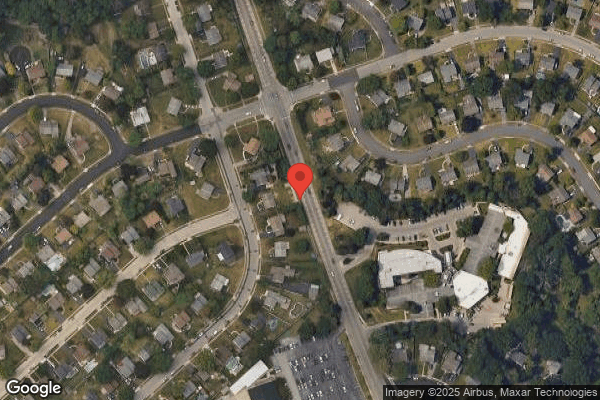

463 WEST SPROUL ROAD, SPRINGFIELD, PA 19064 (610) 544-2200
For profit - Corporation 100 Beds MARQUIS HEALTH SERVICES Data: November 2025 2 Immediate Jeopardy citations
Trust Grade
14/100
#633 of 653 in PA
Last Inspection: March 2025

Within standard 12-15 month inspection cycle. Federal law requires annual inspections.

Overview

Springfield Rehabilitation and Healthcare Center has a Trust Grade of F, indicating significant concerns and a poor reputation. It ranks #633 out of 653 facilities in Pennsylvania, placing it in the bottom half of the state, and #27 out of 28 in Delaware County, meaning there is only one local option that is better. The facility is showing some improvement, with issues decreasing from 23 in 2024 to 15 in 2025. Staffing is rated as average with a 3/5 star rating and a turnover rate of 48%, which is about the state average. However, the facility has concerning fines totaling $20,010, which is higher than 75% of Pennsylvania facilities, indicating potential compliance issues. While the center provides good RN coverage, exceeding 87% of facilities in the state, there have been critical incidents that raise alarms. For example, residents were exposed to dangerously hot water temperatures, creating a serious burn risk, and one resident with a history of wandering managed to leave the facility unsupervised, crossing a busy street. Additionally, there were concerns that five residents did not receive adequate support for personal hygiene and mobility, highlighting potential gaps in care. Overall, while there are some strengths, the significant concerns and critical incidents suggest families should proceed with caution when considering this facility.

Trust Score
F
14/100
In Pennsylvania
#633/653
Bottom 4%
Safety Record
High Risk
Review needed
Inspections
Getting Better
23 → 15 violations
Staff Stability
⚠ Watch
48% turnover. Above average. Higher turnover means staff may not know residents' routines.
Penalties
○ Average
$20,010 in fines. Higher than 60% of Pennsylvania facilities. Some compliance issues.
Skilled Nurses
✓ Good
Each resident gets 60 minutes of Registered Nurse (RN) attention daily — more than 97% of Pennsylvania nursing homes. RNs are the most trained staff who catch health problems before they become serious.
Violations
⚠ Watch
48 deficiencies on record. Higher than average. Multiple issues found across inspections.
★☆☆☆☆
1.0
Overall Rating
★★★☆☆
3.0
Staff Levels
★★☆☆☆
2.0
Care Quality
★☆☆☆☆
1.0
Inspection Score
Stable
2024: 23 issues
2025: 15 issues

The Good

  • Full Sprinkler Coverage · Fire safety systems throughout facility
  • No fines on record

Facility shows strength in fire safety.

The Bad

1-Star Overall Rating

Below Pennsylvania average (3.0)

Significant quality concerns identified by CMS

Staff Turnover: 48%

Near Pennsylvania avg (46%)

Higher turnover may affect care consistency

Federal Fines: $20,010

Below median ($33,413)

Minor penalties assessed

Chain: MARQUIS HEALTH SERVICES

Part of a multi-facility chain

Ask about local staffing decisions and management

The Ugly 48 deficiencies on record

2 life-threatening
Jul 2025 1 deficiency
CONCERN (D) 📢 Someone Reported This

A family member, employee, or ombudsman was alarmed enough to file a formal complaint

Potential for Harm - no one hurt, but risky conditions existed

Deficiency F0687 (Tag F0687)

Could have caused harm · This affected 1 resident

**NOTE- TERMS IN BRACKETS HAVE BEEN EDITED TO PROTECT CONFIDENTIALITY** Based on clinical record reviews, interviews with residents and staff and reviews of policies and procedures, it was determined ...

Read full inspector narrative →
**NOTE- TERMS IN BRACKETS HAVE BEEN EDITED TO PROTECT CONFIDENTIALITY** Based on clinical record reviews, interviews with residents and staff and reviews of policies and procedures, it was determined that the facility failed to provide foot care and treatment for one of eight residents reviewed. (Resident R1)Findings include: A review of the policy and procedures titled medication and treatment orders dated July 2016 revealed that orders for medications and treatments will be consistent with the principles of safe and effective writing. The policy indicated that only authorized licensed practitioners, or individuals authorized to take verbal orders from practitioners shall be allowed to write orders in the clinical record. The policy also said that verbal orders must be recorded immediately in the resident's clinical record. The order must include prescriber's last name, credentials and date and time of the order. A review of the policy and procedure titled consultant physician services dated February 2023 revealed that the consultant physician services must be inwriting and signed by the attending physician. After completion of the consult, the consultant physician was to provide the facility with a consultation report which was to include any orders, recommendations or follow-up actions. The policy indicated that consultation reports were filed in the resident's clinical record. The policy said that the orders from the consultant physician were to be entered into the resident's clinical record by the nursing staff Clinical record review revealed that Resident R1 was admitted to the facility on [DATE]. The resident was admitted to the facility for rehabilitation and nursing care post-surgical TMA traumatic amputation of left foot and left tendon Achilles lengthening. Clinical record review revealed that the consulting podiatrist (a physician that specializes in the diagnosis, treatment and surgical care of the foot, ankle and related structures of the leg) evaluated Resident R1 on July 10, 2025. The podiatrist removed the staples from the surgical site, advised the facility staff to work with Resident R1 and the physical therapy department to work at encouraging weight bearing, as tolerated to the left foot. The podiatrist report also indicated that Resident R1 required a diabetic shoe with filler, as adaptive equipment to meet her foot care needs for eventual ambulation. The podiatrist requested that the nursing staff assist Resident R1 in obtaining a diabetic shoe that would be custom fitted to meet her foot care needs for returning to ambulation status. Clinical record review revealed no documented evidence that an appointment and transportation was made for Resident R1 to be fitted for the adaptive equipment (diabetic shoe with filler) as assessed by the podiatrist on July 10, 2025. The podiatrist again evaluated Resident R1 on July 24, 2025, and requested that the resident be fitted for a diabetic shoe with filler. Observations of Resident R1 at 1:00 p.m., on July 28, 2025, revealed that the resident was not wearing any adaptive equipment for the left foot. Resident R1 was observed seated in a wheelchair and using it to ambulate on July 28, 2025. Clinical record review revealed a physical therapy progress note dated July 15, 2025, indicating Resident R1 was demonstrating hopping on her right foot with a roller walker and staff supervision. During an interview with Resident R1 at 1:30 p.m., on July 28, 2025, the resident reported that the physical therapy department trialed her with a boot that was painful to wear. Clinical record documentation by the occupational therapist on July 18, 2025, indicated that the resident was complaining of aching, throbbing, discomfort of her left foot, while wearing the trialed boot. Interview with Resident R1 at 1:45 p.m., on July 28, 2025, confirmed that she was not afforded the opportunity to use the custom-made diabetic shoe with filler that the podiatrist recommended on July 10, 2025. Interview with the physical therapist assistant, Employee E3, registered nurse, Employee E4 and social worker, Employee E5 at 11:00 a.m., on July 28, 2025 confirmed that Resident R1 was not afforded the opportunity to obtain the adaptive equipment (custom fitted diabetic shoe with filler) as recommended by the consulting podiatrist on July 10, 2025 to meet the foot care needs of this resident, for walking and ambulation. Interview with the social worker, Employee E5 at 10:30 a. m., on July 28, 2025, revealed that Resident R1 was formerly living in an assisted living and that the resident wished to return to living in the community at that home. The assisted living building had stairs/steps that Resident R1 would have to use for safe evacuation in an emergency. Interview with the physical therapist assistant on July 28, 2025 revealed that Resident R1 required the custom fitted diabetic shoe with filler, as requested by the podiatrist to be trialed with ambulation, steps and stairs before discharge into the community assisted home where she had resided. 28 PA. Code 211.10(c)(d) Resident care policies 28 PA. Code 211.12 (d)(1)(3)(5) Nursing services
Apr 2025 1 deficiency
CONCERN (D) 📢 Someone Reported This

A family member, employee, or ombudsman was alarmed enough to file a formal complaint

Potential for Harm - no one hurt, but risky conditions existed

Deficiency F0583 (Tag F0583)

Could have caused harm · This affected 1 resident

**NOTE- TERMS IN BRACKETS HAVE BEEN EDITED TO PROTECT CONFIDENTIALITY** Based on review of clinical records, and family member and staff interviews, it was determined that the facility failed to provi...

Read full inspector narrative →
**NOTE- TERMS IN BRACKETS HAVE BEEN EDITED TO PROTECT CONFIDENTIALITY** Based on review of clinical records, and family member and staff interviews, it was determined that the facility failed to provide confidentiality of residents' personal health information during medication administration for two of three residents reviewed. (Residents R2 and R3). Findings include: Review of facility policy on Confidentiality of information and personal privacy with most recent revision date of October 2017, revealed that under section Policy Statement; our facility will protect and safeguard resident confidentiality and personal privacy. Under section Policy interpretation and implementation #1, the facility will safeguard the personal privacy and confidentiality of all residents and medical records. #4. Access to resident's personal and medical records will be limited to authorized staff and business associates. Interview with complainant revealed that when her husband Resident R1 was discharged home, medical records belonging to 2 other residents were included in her husband's discharge papers. Further complainant revealed that the medical records belonged to Residents R2 and R3. Review of documents provided by complainant via text message during a telephone interview with complainant conducted on April 17, 2025, at 9:02 AM, revealed two documents belonging to 2 residents (Residents R2 and R3). Review of Resident R1's clinical record revealed that Resident R1 was admitted to the facility on [DATE] and discharged to home on March 28, 2025. Review of Resident R2's document revealed a heading admission Record further, the document contained Resident R2's full name admission date, address, telephone number, sex, date of birth , citizenship, nae of contact persons with their contact information and Resident R2's medical diagnoses. Review of Resident R3's document revealed a heading admission Record further, the document contained Resident R3's full name admission date, address, telephone number, sex, date of birth , citizenship, nae of contact persons with their contact information and Resident R2's medical diagnoses. Review of Resident R2's clinical record revealed that Resident R2 was admitted to the facility on [DATE], with diagnoses of but not limited to Non-traumatic Intracerebral Hemorrhage, Essential Hypertension. Review of Resident R3's clinical record revealed that Resident 3 was admitted to the facility on [DATE], with diagnoses of Anoxic Brain Damage, Tracheostomy Status, Chronic Respiratory Failure. Interview with Director of Nursing Employee E1 confirmed that Resident R2 and Resident R3 were residents at the facility. Further Employee E2 also confirmed that the clinical records that were sent together with Resident R1's discharge papers were Resident R2 and Resident R3's face sheet. Further Employee E2 revealed that Resident R2 and Resident R3's medical records should have not been sent with another resident 28 Pa. Code 201.29(j) Resident rights 28 Pa. Code 211.5(b) Clinical Records.
Mar 2025 12 deficiencies
CONCERN (D)

Potential for Harm - no one hurt, but risky conditions existed

Comprehensive Care Plan (Tag F0656)

Could have caused harm · This affected 1 resident

**NOTE- TERMS IN BRACKETS HAVE BEEN EDITED TO PROTECT CONFIDENTIALITY** Based on review of facility policy, review of clinical record, observations, and staff interviews, it was determined that the fa...

Read full inspector narrative →
**NOTE- TERMS IN BRACKETS HAVE BEEN EDITED TO PROTECT CONFIDENTIALITY** Based on review of facility policy, review of clinical record, observations, and staff interviews, it was determined that the facility failed to develop comprehensive care plan for one of eighteen residents reviewed related to weight changes, and one resident related to long-term antibiotic use (Residents R2 and R43). Findings Include: Review of clinical documentation for Resident R2 revealed that she was admitted to the facility on [DATE], and had diagnoses which included, infection and inflammatory reaction due to unspecified internal joint prosthesis. Further review revealed a physician order for an antibiotic which read Bactrim DS Oral Tablet 800-160 MG (Sulfamethoxazole-Trimethoprim) Give 1 tablet by mouth two times a day for joint infection chronic- no stop date. Review of progress notes for Resident R2 revealed a note from Registered Nurse Practitioner, Employee E8, dated March 26, 2025, which stated Left prosthetic joint infection- continue Bactrim DS (chronic). Review of the care plan for Resident R2 revealed no care plan had been developed regarding long-term antibiotic use for a chronic joint infection. Interview with the Director of Nursing, Employee E2, on March 27, 2025, at 2:00 p.m. confirmed that a care plan should have been developed for Resident R2's long-term antibiotic use for her chronic joint infection, but that it had not been. Observation conducted on March 26, 2025, at 8:52 a.m. during tracheostomy care on Resident R43, revealed that Resident R43's teeth were observed with yellowish, greenish substance on resident's upper and lower incisors. Review of Resident R43's clinical record revealed that Resident R43 was admitted to the facility on [DATE], with diagnoses including, but not limited to, Anoxic Brain Damage, Tracheostomy Status, and Gastro Esophageal Reflux Disease. Further review of Resident R43's clinical record revealed that there was no documented evidence that resident was seen by dentist. Review of Resident R43's annual MDS (minimum data set- a federally required resident assessment completed at a specific interval) dated March 18, 2025, Section GG0130, Self-Care, subsection B, Oral hygiene: The ability to use suitable items to clean teeth. Dentures (if applicable): The ability to insert and remove dentures into and from the mouth and manage denture soaking and rinsing with use of equipment, was coded 01 indicating that Resident R43 was Dependent (Helper does ALL of the effort. Resident does none of the effort to complete the activity or the assistance of 2 or more helpers is required for the resident to complete the activity). Further review of Resident R43's clinical record revealed that there was no care plan addressing Resident R43's oral/dental hygiene deficits. Interview with the Director of Nursing, Employee E2 conducted March 27, 2025, at 10:38 a.m., confirmed that Resident R43 did not have an oral/dental care plan in place. Further, Employee E2 revealed that she is now inputting the oral/dental care plan in. 28 Pa. Code 211.12(d)(5) Nursing services
CONCERN (D)

Potential for Harm - no one hurt, but risky conditions existed

Deficiency F0657 (Tag F0657)

Could have caused harm · This affected 1 resident

**NOTE- TERMS IN BRACKETS HAVE BEEN EDITED TO PROTECT CONFIDENTIALITY** Based on clinical record review and interview with staff, it was determined that the facility did not ensure that care plans wer...

Read full inspector narrative →
**NOTE- TERMS IN BRACKETS HAVE BEEN EDITED TO PROTECT CONFIDENTIALITY** Based on clinical record review and interview with staff, it was determined that the facility did not ensure that care plans were revised in a timely manner for one of 18 records reviewed (Resident R81). Findings include: Review of clinical documentation revealed that Resident R81 was admitted to the facility on [DATE], and had diagnoses including, of malignant neoplasm (cancer) of the prostate. Review of the resident's MDS (Minimum Data Set, a periodic assessment of resident care needs) dated February 27, 2025, he died in the facility on February 27, 2025. Review of his physician orders revealed an order for DNR (Do Not Resuscitate), and an order for DNH (Do Not Hospitalize), both dated [DATE]. Review of his POLST (Pennsylvania Order for Life Saving Treatment, a document in which an individual expresses their wishes for end-of-life situations, such as whether or not they wish for CPR to be performed in the event that their heart stops) revealed that they wished for CPR (Cardio Pulmonary Resuscitation) to be withheld and that they wished for comfort measures only rather than life saving or sustaining treatments. Review of the care plan for Resident R81 revealed a care plan focus dated [DATE], which stated The resident has the following advanced directives on record: FULL CODE indicating that the resident wished for life saving and sustaining treatment to be initiated in the event of an emergency. Interview with the Director of Nursing, Employee E2, on [DATE], at 2:00 p.m., confirmed that the resident had wished for life saving and sustaining treatment to be withheld, and that the care plan should have been updated at the time of his change in code status. 28 Pa. Code 211.10 (d) Resident care policies 28 Pa. Code 211.12 (d)(5) Nursing services
CONCERN (D) 📢 Someone Reported This

A family member, employee, or ombudsman was alarmed enough to file a formal complaint

Potential for Harm - no one hurt, but risky conditions existed

Pressure Ulcer Prevention (Tag F0686)

Could have caused harm · This affected 1 resident

Based on clinical record review, and interviews with staff, it was determined that the facility did not ensure that standards of practice for pressure ulcer treatment were followed related to a physic...

Read full inspector narrative →
Based on clinical record review, and interviews with staff, it was determined that the facility did not ensure that standards of practice for pressure ulcer treatment were followed related to a physician not being informed of a missed wound treatment for one of 18 records reviewed (Resident R59). Findings include: Interview with the representative of the County Ombudsman Program, Employee E9, on March 26, 2025, at 2:10 p.m., revealed that Resident R59 had stated to her that his wound care had not been done on March 25, 2025, and that the nurse had told him it was due to not having access to the supplies. Review of the resident's March 2025 Treatment Administration Record (TAR) showed that March 25, 2025, the evening shift treatment to the resident's sacrum was documented as code 22, which the TAR indicated meant treatment not given. Review of the notes revealed that a note written by Employee E5, which indicated that the reason for not administering the treatment was not available. No explanation was provided in the note as to why the treatment was not available. No note was found to indicate that the physician was notified that the treatment had not been performed. In an interview on March 27, 2025, at 10:05 a.m. the Director of Nursing, Employee E2, stated that she was aware that the treatment had not been done, and confirmed that in the event that a treatment cannot be completed for any reason, staff is expected to inform the physician. 28 Pa. Code 211.10(c) Resident care policies 28 Pa. Code 211.12 (c)(d)(1)(3)(5) Nursing Services.
CONCERN (D)

Potential for Harm - no one hurt, but risky conditions existed

Deficiency F0730 (Tag F0730)

Could have caused harm · This affected 1 resident

Based on review of facility provided documentation and interview with staff, it was determined that facility did not ensure annual performance evaluation was completed for one nurse aide out of five n...

Read full inspector narrative →
Based on review of facility provided documentation and interview with staff, it was determined that facility did not ensure annual performance evaluation was completed for one nurse aide out of five nurse aides trainings reviewed (Employee E7) Findings include: Review of facility policy 'Performance Evaluations,' revised on September 2020, indicates that ' a performance evaluation will be completed on each employee at the conclusion of his/her 90-day probation period , and at least annually thereafter. Review of facility provided performance evaluations on Thursday, March 27, 2025 revealed that nurse aide, Employee E7 was hired on May 10, 2023; her last performance evaluation was on November 7, 2023. Finding confirmed with facility's Director of Nursing. 28 Pa Code 201.19(2) Personnel policies and procedures
CONCERN (D) 📢 Someone Reported This

A family member, employee, or ombudsman was alarmed enough to file a formal complaint

Potential for Harm - no one hurt, but risky conditions existed

Deficiency F0760 (Tag F0760)

Could have caused harm · This affected 1 resident

Based on interview with resident and staff, and review of clinical record and facility provided documentation, it was determined facility did not ensure residents were free from significant medication...

Read full inspector narrative →
Based on interview with resident and staff, and review of clinical record and facility provided documentation, it was determined facility did not ensure residents were free from significant medication errors for two out of 18 residents reviewed (Resident R235, R288) Findings include: Interview with Resident R235 on Monday, March 24, 2025 at 1:35 pm, revealed that she did not receive her scheduled antibiotic on March 7, 2025 and March 8, 2025. Review of R235's clinical record revealed a physician order placed on February 26, 2025 for Daptomycin intravenous solution reconstituted 350 milligrams (mg), to use 1200 mg intravenously in the evening for bacterial skin infection for 26 days in 0.9% NSS ( Normal Saline Solution) parental solution 50 ml at rate 50ml/hr. Review of progress notes dated March 6, 2025 and March 7, 2025 indicate that antibiotic was not administered due to clogged port. Review of R235's electronic medication administration record revealed Daptomycin was not administered on March 6, 2025 and was not administered on March 7, 2025. Interview with Assistant Director of Nursing, employee E3, on Wednesday, March 26, 2025 at 2:00p.m., revealed that Resident R235's antibiotic treatment should have been extended for two days due to two missed doses. Review of facility provided incident report completed on March 26, 2025, indicated that [Resident R235] missed 2 doses of IV (intravenous) abt (antibiotic). Her PICC (Peripheral Inserted Central Line) was clogged and when it was unclogged staff did not add the missing 2 days. NP (Nurse Practitioner) aware, her labs are wnl (within normal limits), NP feels she does need the 2 missed doses. Resident and POA (Power of Attorney) aware. Nurse to be educated. Care plan reviewed. 28 Pa Code 211.12(d)(1) Nursing services 28 Pa Code 211.12(d)(3) Nursing services 28 Pa Code 211.12(d)(5) Nursing services
CONCERN (D)

Potential for Harm - no one hurt, but risky conditions existed

Deficiency F0773 (Tag F0773)

Could have caused harm · This affected 1 resident

**NOTE- TERMS IN BRACKETS HAVE BEEN EDITED TO PROTECT CONFIDENTIALITY** Based on clinical record review and interview with staff, it was determined that the facility did not ensure that laboratory stu...

Read full inspector narrative →
**NOTE- TERMS IN BRACKETS HAVE BEEN EDITED TO PROTECT CONFIDENTIALITY** Based on clinical record review and interview with staff, it was determined that the facility did not ensure that laboratory study results were communicated to the physician in a timely manner for one of 18 records reviewed (Resident R2). Findings include: Review of clinical documentation for Resident R2 revealed that she was admitted to the facility on [DATE], and had diagnoses which included, but were not limited to, altered mental status, chronic pain, cognitive communication deficit, and morbid obesity. Review of progress notes revealed a physician note, dated March 11, 2025, at 1:01 p.m., signed by Medical Doctor, Employee E11, which stated that the resident reports dysuria (painful urination), pressure, [and] feeling as though she is not completely emptying. Spoke with team- will straight cath (straight catheterization is a temporary tube placed in the bladder for the purpose of emptying it or collecting a urine specimen) for urine [testing]. Review of laboratory results for Resident R2 revealed a urine sample for urinalysis with culture and sensitivity (an examination to see which, if any, bacteria are present in the urine, and which antibiotics are most effective at treating the infection) was collected on March 11, 2025, with the test performed on March 12, and the results sent to the facility on March 14, 2025. The results stated that it was a possible contaminated specimen and that that test should be repeated if clinically indicated. Further review of progress notes revealed no indication that this result was communicated to the physician, or if further testing was to be performed. Interview with the Director of Nursing, Employee E2, on March 27, 2025, at 2:00 p.m. revealed that it is the expectation of the facility that laboratory results be communicated to the physician when they are reported to the facility, and confirmed that had not happened with Resident R2's urinalysis results. 28 Pa. Code 211.5(f) Clinical records 28 Pa. Code 211.10(c) Resident care policies 28 Pa. Code 211.12(d)(1)Nursing services 28 Pa. Code 211.12(d)(3) Nursing services 28 Pa. Code 211.12(d)(5) Nursing services
CONCERN (D)

Potential for Harm - no one hurt, but risky conditions existed

Deficiency F0790 (Tag F0790)

Could have caused harm · This affected 1 resident

**NOTE- TERMS IN BRACKETS HAVE BEEN EDITED TO PROTECT CONFIDENTIALITY** Based on interviews with residents and staff, and clinical record reviews, it was determined that the facility failed to provide...

Read full inspector narrative →
**NOTE- TERMS IN BRACKETS HAVE BEEN EDITED TO PROTECT CONFIDENTIALITY** Based on interviews with residents and staff, and clinical record reviews, it was determined that the facility failed to provide as needed dental services for one of eighteen residents reviewed. (Resident R43) Findings include: Review of Resident R43's clinical record revealed that Resident R43 was admitted to the facility on [DATE], with diagnoses of but not limited to Anoxic Brain Damage, Tracheostomy Status. Review of Resident R43's annual MDS (minimum data set- a federally required resident assessment completed at a specific interval) dated March 18, 2025, Section GG0130. Self-Care, B. Oral hygiene: The ability to use suitable items to clean teeth. Dentures (if applicable): The ability to insert and remove dentures into and from the mouth and manage denture soaking and rinsing with use of equipment, was coded 01 indicating that Resident R43 was Dependent (Helper does ALL of the effort. Resident does none of the effort to complete the activity or the assistance of 2 or more helpers is required for the resident to complete the activity)., Further, there was no dental/oral hygiene care plan in place. Further review of Resident R43's clinical record revealed that there was no documented evidence that resident was seen by dentist. Observation on Resident R43 conducted on March 27, 2025, at 10:38 revealed resident had yellowish, greenish substance on resident's upper and lower incisors. Interview with DON (director of nursing) Employee E2, conducted 03/27/25 10:38 a.m. confirmed that Resident R43 has not been seen by dentist and that they were scheduling the resident for dental appointment. 28 Pa. Code 211.16(a)(1) Social services 28 Pa. Code 211.12(d)(3)(%) Nursing services 28 Pa. Code 211.10(c) Resident care policies
CONCERN (D)

Potential for Harm - no one hurt, but risky conditions existed

QAPI Program (Tag F0867)

Could have caused harm · This affected 1 resident

Based on review of facility provided documentation and interview with staff, it was determined that facility did not ensure one Performance Improvement Project was completed as required. Findings incl...

Read full inspector narrative →
Based on review of facility provided documentation and interview with staff, it was determined that facility did not ensure one Performance Improvement Project was completed as required. Findings include: According to §483.75(e)(3) - the facility must conduct distinct performance improvement projects, based on the scope and complexity of facility services and available resources, identified as a result of the facility assessment. While the number and frequency of improvement projects may vary, facility must conduct at least one improvement project annually that focuses on high-risk or problem-prone areas, identified by the facility through data collection and analysis. Review of facility's 'Risk Identification and Quality Assurance Performance Improvement,' indicates that the facility reviews data gleaned from risk meetings during the Quality Assurance Performance Improvement (QAPI) meetings. The QAPI committee will review data along with any suggestions and input from residents, staff, family members, and other stakeholders. The QAPI committee will prioritize opportunities for improvement and determine whether a performance improvement project will be initiated based upon the data presented. Further review of facility's 'Risk Identification and Quality Assurance Performance Improvement,' indicates that The QAPI committee will prioritize topics for performance improvement projects based on the current needs of the residents and our facility. Priority will be given to areas we define as high-risk to residents and staff, high-prevalence, or high-volume areas, and areas that are problem-prone. Consideration of staff affected, and anticipated training needs will be reviewed prior to implementation of a performance improvement project. Resources required to support any performance improvement projects will be reviewed prior to implementation. Review of facility provided QAPI meeting minutes revealed no evidence of completed performance improvement project. Interview with facility's administrator and director of nursing on Thursday, March 27, 2025, at 10:00 am, revealed facility did not complete at least one performance improvement project. 28 Pa Code 201.14(a) Responsibility of Licensee 28 Pa Code 201.18(e )(1) Management
CONCERN (E)

Potential for Harm - no one hurt, but risky conditions existed

ADL Care (Tag F0677)

Could have caused harm · This affected multiple residents

**NOTE- TERMS IN BRACKETS HAVE BEEN EDITED TO PROTECT CONFIDENTIALITY** Based on observations, interview with staff and residents and review of facility provided documentation, it was determined that ...

Read full inspector narrative →
**NOTE- TERMS IN BRACKETS HAVE BEEN EDITED TO PROTECT CONFIDENTIALITY** Based on observations, interview with staff and residents and review of facility provided documentation, it was determined that facility did not ensure residents received the necessary services to maintain personal hygiene and mobility for five out of 18 residents reviewed (Resident R35, R40, R65, R233, R13) Findings include: Review of facility's policy 'Activities of Daily Living (ADL), Supporting,' revised March 2018, indicates that appropriate care and services will be provided for residents who are unable to carry out ADL's independently, with the consent of the resident and in accordance with the plan of care, including appropriate support and assistance with: a. Hygiene (bathing, dressing, grooming, and oral care); b. Mobility (transfer and ambulation, including walking) Review of East side 7-3 shower schedule and skin checks revealed that Resident R35, in room [ROOM NUMBER]-A, was scheduled for shower on Tuesday, March 18, 2025 and Friday, March 21, 2025. Interview with nurse aide, Employee E4, on Monday, March 24, 2025, at 12:15 pm, confirmed that Resident R35 did not receive scheduled showers on March 18, 2025 and March 21, 2025; review of documentation of electronic documentation related to showers with Employee E4, confirmed Resident R35 did not receive scheduled showers. Interview with Resident R35 on March 24, 2025 at 10:30 am, revealed concern of not receiving a shower since admission. Further interview with nurse aide, Employee E4 revealed Resident R40, in room [ROOM NUMBER]-A, did not receive scheduled shower on Monday, March 24, 2025 due to facility being short staffed. Interview with Resident R65 on March 24, 2025 at 12:18 pm, revealed concern of not receiving shower since admission. Review of R65's scheduled shower days indicated she is scheduled for showers on Mondays/Thursdays. Review of R65's 'Task:Shower/Bath on Monday 7-3,' documentation revealed she did not receive shower on Monday, March 24, 2025. Further review of electronic documentation related to showers with Employee E4 revealed Resident R233, room [ROOM NUMBER]-A, did not receive scheduled shower on Monday, March 24, 2025. Observations of Resident R13 on March 24, 2025 at 11:30 pm, in room [ROOM NUMBER]-A, revealed Resident R6 in bed complaining about facility being short staffed with no staff available to help her out of bed. 28 Pa Code 211.10(d) Resident care policies 28 Pa Code 211.12 (d)(1)(5) Nursing services
CONCERN (E) 📢 Someone Reported This

A family member, employee, or ombudsman was alarmed enough to file a formal complaint

Potential for Harm - no one hurt, but risky conditions existed

Deficiency F0697 (Tag F0697)

Could have caused harm · This affected multiple residents

**NOTE- TERMS IN BRACKETS HAVE BEEN EDITED TO PROTECT CONFIDENTIALITY** Based on review of facility policy, review of clinical record, and staff interview, it was determined that the facility failed t...

Read full inspector narrative →
**NOTE- TERMS IN BRACKETS HAVE BEEN EDITED TO PROTECT CONFIDENTIALITY** Based on review of facility policy, review of clinical record, and staff interview, it was determined that the facility failed to ensure that appropriate pain management was provided to a resident consistent with standards of professional practice for four of 18 residents reviewed (Residents R79, R290, R292 and R293). Findings include: Review of the facility Policy on Pain management revealed that the purpose of this procedure are to help the staff identify pain in the resident and to develop interventions that are consistent with the resident's goals and needs and that address. The underlying causes of pain under section General Guidelines: #1 The Pain Management program is based on facility wide commitment to appropriate assessment and treatment of pain, based and professional standards of practice, the comprehensive care plan and the residents' choices related to pain. Management. #2 being management is defined as the process of alleviating the residents pain based on his or her clinical condition and established treatment goals. #3 being management is multidisciplinary care process that includes the following: #b. Recognizing the presence of pain #c. Identifying the characteristics of pain. #d. Addressing the underlying causes of pain. #e. Developing and implementing approaches to pain management. #g. Monitoring the effectiveness of interventions. and #h. Modifying approaches as necessary. #5. Acute pain (or significant worsening of chronic pain) should be assessed every 30 to 60 minutes after the onset and reassess as indicated and to relieve his attained. Under a section Implementing Pain Management Strategies: #1. Establish a treatment regimen that is specific to the resident based on consideration of the following. #a. The resident's medical condition. #b. Current medication regimen. #c. History of addiction or opioid use disorder. #d. Nature, severity and cause of pain. #e. Course of illness. #f. Treatment goals. #3. Pharmacological interventions (i.e. analgesics) may be prescribed to manage pain, however they do not usually address the cause of pain and can have adverse effects on the resident (i.e. drowsiness Increased risk of following loss of appetite). #4. When opioids are used for pain management, the resident is monitored for medication effectiveness, adverse effects and potential overdose. #a. Any resident who uses opioid for long term management of chronic pain is at risk for opioid overdose. #b. due to the risk of fatal respiratory depression, opioids and benzodiazepines are not administered together unless a clinical indication for the residents documented and the resident is carefully monitored. #c. Staff are trained in the use of naloxone for opioid overdose. #5. The following are considered when establishing the medication regimen. #c. Combining long-acting medications with PRN for breakthrough pain. #d. Combining non-narcotic analgesics with narcotics, opioids, analgesics. #f. Reducing or preventing anticipated adverse consequences of medications (i.e. bowel regimen to prevent constipation related to opioid analgesics) #6. The medication regimen is implemented as ordered. The results of the interventions are documented and communicated directly to the provider when appropriate. Ongoing communication between the prescriber and the staff is necessary for the optimal and judicious use of pain medications. Interview with DON (Director of Nursing) Employee E2 conducted on March 27, 2025 at 11:00 AM revealed that they use the numeric pain scale in assessing pain as follow: 0-no pain, 1-3- mild pain, 4-6-moderate pain,7-10-severe pain. Review of clinical records for Resident R79 revealed that she was admitted to the facility on [DATE], and had diagnoses of asthma and shortness of breath. According to her discharge Minimun Data Set (MDS- assesment of resident's care needs), dated January 5, 2025, the resident was discharged from the facility on January 5, 2025 to an acute care hospital. Review of the resident admission note dated January 4, 2025, at 9:47 p.m. revealed that the resident had been admitted for SOB (shortness of breath) and leg pain, and that she was AAOx4 (awake, alert and oriented to person, place, time and situation, i.e. able to correctly identify self, current location, what the current time and/or date is, and what is currently happening). At 10:51 p.m., an additional progress note stated pain treated with PRN (as needed) medication w/ positive effect. Awaiting med delivery from pharmacy. Review of the resident's Medication Administration Record (MAR) revealed orders for both Acetaminophen Tablet 325 MG Give 2 tablet by mouth every 8 hours as needed for discomfort/pain, and Tramadol HCl Oral Tablet 50 MG . Give 1 tablet by mouth every 12 hours as needed for pain. Further, the MAR showed that acetaminophen (Tylenol) was signed out as administered by licensed nurse, Employee E10, for a moderate pain level of 4/10 on January 4, 2024 at 10:49 p.m. A progress note entered on January 5, 2025, at 1:45 a.m., stated resident was complaining of pain and was given Tylenol on the previous [shift]. Resident stated she don't want to stay at the facility and call 911 and was transferred to [the] hospital. In an interview with the Director of Nursing, Employee E2, on March 27, 2025, at 2:00 p.m., it was confirmed that the resident had left the facility due to inadequate pain relief and the unavailability of her prescribed Tramadol. Review of Resident R290's clinical record revealed that Resident R290 was admitted to the facility on [DATE], with diagnoses of Effusion of Right Knee, Injury of Right Ankle, Age Related Osteoporosis Review of Resident R290's pain care plan revealed that Resident R290 had acute pain and/or potential for pain r/t (related to) Fracture Date Initiated: 03/20/2025, Goals: will verbalize adequate relief of pain or ability to cope with incompletely relieved pain through the review date. Date Initiated: 03/20/2025 Target Date: 06/13/2025, Intervention: Administer analgesia as per orders. Observe for effectiveness and signs and symptoms of side effects. Report abnormal findings to practitioner. Document findings and interventions., evaluate the effectiveness of pain management interventions, report abnormal findings to practitioner, document findings and interventions, and monitor/record the presence of pain every shift and PRN. Further review of resident R290's clinical record revealed that Resident R290 had orders for: Acetaminophen Tablet 325 MG Give 2 tablet by mouth every 8 hours as needed for Discomfort/pain Total Dose 650mg *DO NOT EXCEED 3 GRAMS per 24 HOURS* -Start Date03/20/2025 with a -D/C (discontinued) Date 03/22/2025, Oxycodone HCl Oral Tablet 5 MG (Oxycodone HCl) Give 1 tablet by mouth every 6 hours as needed for moderate to severe pain -Start Date 03/20/2025 @5:45 p.m., Tramadol HCl Oral Tablet 50 MG (Tramadol HCl) Give 1 tablet by mouth every 6 hours as needed for pain-Start Date 03/21/2025 at 11:45 a.m. Further review of the physician's orders revealed that the order for Acetaminophen Tablet 325 MG Give 2 tablet by mouth every 8 hours as needed for discomfort/pain did not have any parameters on pain intensity and Tramadol HCl Oral Tablet 50 MG (Tramadol HCl) Give 1 tablet by mouth every 6 hours as needed for pain-Start Date 03/21/2025 at 11:45 a.m. did not have parameters on pain intensity. Review of Resident R290's March 2025 MAR (medication administration record) revealed that Acetaminophen Tablet 325 MG Give 2 tablet by mouth every 8 hours as needed for Discomfort/pain total Dose 650 mg was administered on March 20, 2025 at 9:40 p.m.for a pain scale of 7, on March 21, 2025 at 4:46 a.m. for a pain scale of 4, on March 21, 2025 at 6:25 p.m. for a pain scale of 8, on March 22, 2025 at 12:38 a.m. for a pain scale of 7. Further review of Resident R290's MAR revealed that the Oxycodone HCl Oral Tablet 5 MG (Oxycodone HCl) Give 1 tablet by mouth every 6 hours as needed for moderate to severe pain -Start Date 03/20/2025 at 5:45 p.m. was not administered to Resident R290 on March 20, 2025 at 9:40 p.m. when Resident R290 had a pain scale of 7, was not given on March 21, 2025 at 4:46 a.m. when Resident R290 had a pain scale of 4, was not given on March 21, 2025 at 6:25 p.m. when Resident R290 had a pain scale of 8, and was not given on March 22, 2025 at 12:38 a.m. when Resident R290 had a pain scale of 7. Interview with Resident R290 conducted on March 25,2025 at 10:37 a.m. during the tour of the facility revealed that Resident R290 complained that her pain medications were not given in a timely manner because the staff was unable to access her pain medication which was stored in a machine. Staff told her that they did not have the code and that they are waiting for it and that they will give her the medication as soon as they receive the code. Interview with Licensed nurse, Employee E3 conducted on March 25, 2025, at 9:41 a.m. revealed that when residents are admitted with an order for controlled pain medication, they must first obtain a script from the physician or nurse practitioner. If the physician or the Nurse Practitioner is not in the facility such as when resident is admitted after hours or on the weekend, the nurse has to contact them, wait for the script, once the script is in place in the electronic medical record, they then print it, then fax it over to the pharmacy, sometimes they have to call the pharmacy to make sure someone will process it, then they have to wait for the pharmacy to send the verification code, once the verification code is received, the nurse then has to get another licensed nurse to pull the medication from the Pyxis (automatic medication delivery system) because two nurses is required to pull medication from the machine. Further Employee E3 revealed that the process could take some time and that sometimes residents gets upset because they want their pain medications. Interview with DON Employee E2 conducted on March 25, 2025 at 12:48 p.m. confirmed that the physician's orders revealed that the order for Acetaminophen Tablet 325 MG Give 2 tablet by mouth every 8 hours as needed for discomfort/pain did not have any parameters on pain intensity and Tramadol HCl Oral Tablet 50 MG (Tramadol HCl) Give 1 tablet by mouth every 6 hours as needed for pain did not have parameters on pain intensity. Review of Resident R292's clinical record revealed that resident was admitted to the facility on [DATE], with diagnoses of but not limited to Fracture of the neck of the left femur, Osteoarthritis. Further review of Resident R292's clinical record revealed a physician's order for: Acetaminophen Tablet 325 MG Give 2 tablet by mouth every 8 hours as needed for Discomfort/pain Total Dose 650mg *DO NOT EXCEED 3 GRAMS per 24 HOURS*-order date 3/19/25 and Oxycodone HCl Oral Tablet 5 MG (Oxycodone HCl) *Controlled Drug* Give 1 tablet by mouth every 6 hours as needed for pain management-order date 3/19/25. Review of the physician's order for Acetaminophen and Oxycodone for pain revealed that both orders did not specify the level of pain for which the pain medication are to be administered for. Review of Resident R292's March 2025 MAR revealed that on March 20, 2025, Resident R292 had a pain level of 2 and was given Acetaminophen Tablet 325 MG Give 2 tablet by mouth. Interview with DON Employee E2 conducted on March 27, 2025, at 11:00 AM confirmed that there were no parameters indicated for Acetaminophen and Oxycodone. Review of Resident R293's clinical record revealed that resident was admitted to the facility on [DATE], with diagnoses of but not limited to Low Back Pain, Sciatica. Review of Resident R293's clinical record revealed physician's orders for: Acetaminophen Tablet 325 MG Give 2 tablet by mouth every 8 hours as needed for Discomfort/pain Total Dose 650mg *DO NOT EXCEED 3 GRAMS per 24 HOURS*-Start Date 02/02/2025 with a discontinued date of Date 02/07/2025 1015, Ibuprofen Oral Tablet 600 MG (Ibuprofen) Give 1 tablet by mouth every 6 hours as needed for moderate pain for 30 Days-Start Date 02/02/2025 with a discontinued date of 02/28/2025 and Tramadol HCl Oral Tablet 50 MG (Tramadol HCl) Give 1 tablet by mouth every 6 hours as needed for pain-Start Date 02/27/2025 with a discontinued date of 03/03/205. Review of the physician's order for Acetaminophen and Tramadol for pain revealed that both orders did not specify the level of pain for which the pain medication are to be administered for. Review of Resident R293's MAR for February 2025 revealed that Acetaminophen Tablet 325 MG Give 2 tablet by mouth every 8 hours as needed for Discomfort/pain was administered to Resident R293 on February 5, 2025, at 10:28 a.m. for pain scale of 5 and on February 6, 2025, for pain level of 5 (pain level of 4-6 is equivalent to moderate pain). Further Ibuprofen Oral Tablet 600 MG (Ibuprofen) Give 1 tablet by mouth every 6 hours as needed for moderate pain was administered to Resident R293 on February 2, 2025, for pain level of 7 (pain level of 7-10 is equivalent to severe pain) and was administered on February 26, 2025, for pain level of 3 (pain level of 1-3 is equivalent to mild pain). Further, Tramadol HCl Oral Tablet 50 MG (Tramadol HCl) Give 1 tablet by mouth every 6 hours as needed for pain was administered on February 28, 2025, for pain level of 5. Interview with DON Employee E2 conducted on March 27, 2025, at 11:00 a.m. confirmed that the order for Acetaminophen and Tramadol for pain did not have any parameters. 28 Pa. Code 211.9 (a)(1) Pharmacy services. 28 Pa Code 211.10(c) Resident care policies 28 Pa Code 211.12(d)(1) Nursing services
CONCERN (E) 📢 Someone Reported This

A family member, employee, or ombudsman was alarmed enough to file a formal complaint

Potential for Harm - no one hurt, but risky conditions existed

Deficiency F0725 (Tag F0725)

Could have caused harm · This affected multiple residents

Based on review of facility provided documentation and interview with residents and staff, it was determined that facility did not ensure there is sufficient nursing staff available at all times to pr...

Read full inspector narrative →
Based on review of facility provided documentation and interview with residents and staff, it was determined that facility did not ensure there is sufficient nursing staff available at all times to provide nursing and related services to meet the residents' needs based on 43 out of 50 grievances reviewed for months of March 2025, February 2025, January 2025, December 2024, October 2024. Findings include: Review of facility's policy 'Answering the Call Light,' indicates that procedure's purpose is to ensure timely response to residents' requests . staff are to answer the resident call system as soon as possible Interview with nurse aide, employee E4, on Monday, March 24, 2025 revealed that residents do not receive scheduled showers due to facility being short staffed. Interview with Resident R67, on Monday, March 24, 2025 revealed that he had an unwitnessed fall I his room due to waiting for assistance for a long time after pressing the call bell. Review of R67's progress notes, dated March 23, 2025 at 9:15 am, revealed that unwitnessed fall from bed to floor while transferring himself from bed to chair. Interview with Resident R14 on March 24, 2025 at 10:45 am, revealed concern about low weekend staffing and late response when using a call bell system. Interview with Resident R13 on March 24, 2025 revealed concern that there is insufficient nursing staff to assist her out of bed in the morning. Interview with Resident R235, on March 24, 2025 revealed concern of staying in bed soiled for extended period of time due to late response from nursing staff when using call bell system. Review of facility provided documentation revealed four grievances submitted for month of October, 2024 related to late response to call bells. Further review of grievances revealed one grievance was submitted for month of December 2024 related to late response to call bells. Further review of grievances revealed five grievances were submitted for month of January 2025 related to late response to call bells. Further review of grievances revealed 14 grievances submitted for month of February 2025 related to late response to call bells. Further review of grievances revealed 16 grievances submitted for month of March 2025 related to late response of call bells. Review of 'PBJ Staffing Data Report,' for fiscal year quarter 4, 2024 (July 1- September 30) indicates 'excessively low weekend staffing' was identified. Findings confirmed with facility's Administrator and Director of Nursing. 28 Pa Code 211.12(d)(4) Nursing services 28 Pa Code 201.14(a) Responsibility of licensee 28 Pa Code 201.18(a)(3) Management
CONCERN (E)

Potential for Harm - no one hurt, but risky conditions existed

Infection Control (Tag F0880)

Could have caused harm · This affected multiple residents

**NOTE- TERMS IN BRACKETS HAVE BEEN EDITED TO PROTECT CONFIDENTIALITY** Based on observations, review of clinical records, review of facility policy, interview with residents and staff, it was determi...

Read full inspector narrative →
**NOTE- TERMS IN BRACKETS HAVE BEEN EDITED TO PROTECT CONFIDENTIALITY** Based on observations, review of clinical records, review of facility policy, interview with residents and staff, it was determined that facility did not ensure to implement enhanced barrier precautions for four residents (Residents R14, R5, R70, R77), ensure that infection control standards were maintained during wound care for one resident, (Residenr R22), and did not ensure that tuberculosis testing was administered on entry to the facility as required for one resident (Resident R190) out of 18 residents reviewed. Findings include: Review of facility provided policy 'Enhanced Barrier Precautions,' revised March 2024, states Enhanced barrier precautions (EBPs) are used as an infection prevention and control intervention to reduce the transmission of multi-drug resistant organisms to residents, and signs are posted in the door or wall outside the resident room indicating the type of precautions and PPE (personal protective equipment) require; PPE is available outside of the resident rooms. Review of Resident R14's clinical record on May 26, 2025, revealed an active physician's order for enhanced barrier precautions related to wounds. Observations of R14's environment of Monday, March 24, 2025, revealed no evidence of EBPs door post or PPE outside the resident's room. Review of Resident R5's clinical record, on Wednesday, March 26, 2025, revealed an active physician order for EBPs for peg, wounds and foley. Observations of R5's physical environment on Monday, March 24, 2025, revealed no evidence of EBP's door post or PPE outside resident's room. Review of Resident R70's clinical record on March 25, 2025, revealed an active physician order for EBP's for central line. Observations of R70's physical environment on Monday, March 24, 2025, revealed no evidence of EBP's door post or PPE outside resident's room. Review of R77's clinical record on March 25, 2025, revealed an active physician order for EBP's related to wounds. Observations of R77's physical environment, on March 24, 2025, revealed no evidence of EBP's door post or PPE outside resident rooms. Findings confirmed with facility's assistant director of nursing, employee E3, on Monday, March 24, 2025, day shift. Review of clinical documentation for Resident R22 revealed a physician order for Right hip wound- Cleanse with 1/4 strength Dakin's, apply honey fiber, cover with foam [dressing]- daily and as needed every day shift, dated March 4, 2025. Observation of wound care for Resident R22 was conducted on March 26, 2025, at 9:40 a.m. After removal of the resident's soiled dressing, licensed nurse, Employee E6 was observed to remove her gloves and proceed to open a package of sterile gauze and apply Dakin's solution to it without performing hand hygiene and applying new gloves first. Hand hygiene was not performed, and gloves were then applied, and the wound was cleansed. Gloves were then removed, and Employee E6 again opened sterile packaging for a bordered foam dressing and Manukahd (a medical honey saturated alginate used to absorb excess moisture from the wound and inhibit bacterial growth) without performing hand hygiene or applying new gloves. Hand hygiene was not performed, and gloves were then applied before continuing with wound care. Interview with Employee E6 on March 26, 2025, at 9:53 a.m. confirmed that she did not perform hand hygiene and apply gloves prior to opening sterile packaging of wound treatment supplies. Interview with the Director of Nursing, Employee E2, on March 26, 2025, at 12:15 p.m. confirmed that nurses are to wear clean gloves when opening wound care supplies and should perform hand hygiene immediately upon removal of soiled gloves. Review of clinical documentation for Resident R190 revealed that he was admitted to the facility on [DATE]. His recorded diagnoses did not include a history of tuberculosis (TB, a highly transmissible respiratory bacteria which can cause cough, bleeding and death). Review of his Medication Administration Record (MAR) for the month of February revealed a physician order for TB testing which read, Tubersol Solution 5 UNIT/0.1ML (Tuberculin PPD) Inject 0.1 milliliter intradermally one time only for first PPD test . Administer within 24 hours of admission. The order was dated February 21, 2025, and scheduled to be administered on either February 21, or 22, 2025. It was not signed as administered in the record. Review of the immunization record revealed no documentation of the test being administered in February 2025. No additional records were provided by the facility to indicate that the test was performed as required. Interview with the Director of Nursing, Employee E2, on March 26, 2025, at 12:15 p.m. confirmed that it is the expectation of the facility that TB testing be performed on all residents without history of TB within 24 hours of admission. 28 Pa Code 211.12(d)(1) Nursing services 28 Pa Code 211.12(d)(5) Nursing services
Jan 2025 1 deficiency
CONCERN (D) 📢 Someone Reported This

A family member, employee, or ombudsman was alarmed enough to file a formal complaint

Potential for Harm - no one hurt, but risky conditions existed

Deficiency F0772 (Tag F0772)

Could have caused harm · This affected 1 resident

Based on clinical record review and staff interview, it was determined that the facility failed to ensure that laboratory studies were promptly obtained as ordered by the physician for one of three cl...

Read full inspector narrative →
Based on clinical record review and staff interview, it was determined that the facility failed to ensure that laboratory studies were promptly obtained as ordered by the physician for one of three clinical records reviewed (Resident R1). Findings include: Review of Resident R1's physician progress note dated November 22, 2024, indicated that resident was noted with hypotension and dehydration. Intravenous fluids were given and ordered to repeat BMP (basic metabolic panel blood test) tomorrow (November 23, 2024). Review of Resident R1's clinical records revealed the staff did not place an order in the electronic system to draw the lab. Further review of clinical record for Resident R1 revealed no evidence that the facility obtained the lab, and the results were obtained on November 22, 2024. Review of nurse's note for Resident R1 dated November 24, 2024, revealed that the resident was observed with weakness, in and out of consciousness and use of abdominal muscle to breath. Resident was transferred to the hospital per the family request. Interview with the Director of Nursing, Employee E2 on January 25, 2025, at 2:30 p.m., confirmed that the staff did not obtain lab work as ordered by the medical practitioner. 28 Pa. Code 211.5(f) Clinical records 28 Pa. Code 211.10(c) Resident care policies 28 Pa. Code 211.12(d)(1)Nursing services 28 Pa. Code 211.12(d)(3) Nursing services 28 Pa. Code 211.12(d)(5) Nursing services
Dec 2024 1 deficiency
CONCERN (D) 📢 Someone Reported This

A family member, employee, or ombudsman was alarmed enough to file a formal complaint

Potential for Harm - no one hurt, but risky conditions existed

Deficiency F0657 (Tag F0657)

Could have caused harm · This affected 1 resident

**NOTE- TERMS IN BRACKETS HAVE BEEN EDITED TO PROTECT CONFIDENTIALITY** Based on review of facility policy, clinical records, and staff interviews, it was determined that the facility failed to ensure...

Read full inspector narrative →
**NOTE- TERMS IN BRACKETS HAVE BEEN EDITED TO PROTECT CONFIDENTIALITY** Based on review of facility policy, clinical records, and staff interviews, it was determined that the facility failed to ensure that a resident's care plan was updated/revised to reflect the resident's specific care needs for 1 of 4 residents reviewed (Residents R1). Findings include: Review of Resident R1's admission MDS (Minimum Data Set - a mandatory periodic resident assessment tool), revealed that the resident was admitted to the facility on [DATE], and had diagnoses including muscle wasting, cognitive communication deficit, bed confinement status, and need for assistance with personal care. Continued review revealed that the resident had a BIMS (Brief Interview of Mental Status) of 0, which indicates that the resident was not cognitively intact. Review of Resident R1's clinical record, GG- Shower/Bathe Self indicated that resident refused a shower/or bath on 19 out of 30 days. Further review of Resident R1's clinical record revealed that shower/bathe self (3-11/ 11-7) revealed that resident refused a shower/or bath 25 times in 30 days. Further review of clinical records failed to reveal documentation of follow up attempts to encourage Resident R1 to bathe or shower; or reasoning behind Resident R1's refusals. Interview with the Registered Nurse, Employee E5, on December 11, 2024, at 12:00 p.m. revealed that Resident R1 never refuses with me or the nurse assistant. Further interview revealed that Resident R1 needs to be approached twice and she will come around and take the shower or bath and that staff never communicated to me that Resident R1 refuses showers or baths. Review of Resident R1's current care plan date-initiated September 12, 2024, revealed that the resident requires one staff assist with bathing and prefers bed baths. Further review revealed that no care plan and interventions were developed for refusals of showers/baths. Interview with the Facility Administrator and Director of Nursing on December 12, 2024, via electronic communication confirmed that a care plan and interventions for Resident R1's shower/bath refusals were not developed or implemented. 28 Pa. Code 211.12(d)(5) Nursing services.
Sept 2024 2 deficiencies 1 IJ
CRITICAL (J) 📢 Someone Reported This

A family member, employee, or ombudsman was alarmed enough to file a formal complaint

Immediate Jeopardy (IJ) - the most serious Medicare violation

Accident Prevention (Tag F0689)

Someone could have died · This affected 1 resident

Based on review of clinical records, facility documentation and policy, and interviews with staff, it was determined the facility failed to provide adequate supervision to Resident R1 with a history o...

Read full inspector narrative →
Based on review of clinical records, facility documentation and policy, and interviews with staff, it was determined the facility failed to provide adequate supervision to Resident R1 with a history of wandering, and at risk for elopement. This failure resulted in an Immediate Jeopardy situation to Resident R1 who eloped from the facility, crossed a high traffic street and was found by a member of the community in a lot across from the facility entrance, for one of four residents reviewed at risk for elopement (Resident R1). The deficiency was identified as Immediate Jeopardy past non-compliance. Findings include: Review of the facility's policy titled, Wander Management and Elopement Prevention updated March 2022, states, The facility will maintain the safety of residents who wander and/or are at risk for elopement. The staff will identify residents who are at risk for harm because of unsafe wandering (including elopement). The staff will implement a wander management system device as part of the plan of care. Resident care plan will include specific interventions to ensure safe wandering and prevent elopement. The wander management system device will be used in conjunction with other resident specific interventions for the management of unsafe wandering. When implementing a wander management system device, the staff will implement routine checks for placement each shift and functionality daily. Identified issues with wander management system device placement or functionality will be immediately addressed with replacement of the device. Review of Resident R1's clinical record revealed an admission date of July 12, 2024, diagnosed with Unspecified Dementia (progressive degenerative disease of the brain), severe without behavioral disturbances, psychotic disturbance, mood disturbance, anxiety, and abnormal finding on diagnostic imaging of skull and head not elsewhere classified. Review of Resident R1's admission Minimum Data Set (MDS- assessment of residents' needs), dated July 17, 2024, revealed the resident had no impairments to his upper and lower body and had the ability to walk at least 150 feet with supervision or touch assistant (verbal cues) and needed partial/moderate assistance (helper does less than half the effort) for activities of daily living. Review of Resident R1's admission evaluation dated, July 11, 2024, assessed the resident as an elopement risk, indicating that the resident was cognitively impaired with poor decision-making skills, diagnosed with dementia, and ambulating independently without the use of an assistive devise. The same evaluation assessed the resident's behaviors, indicating that the resident showed signs of being easily distracted; had periods of altered perception or awareness of his surroundings; episodes of disorganized speech; periods of restlessness; periods of lethargy; mental function that varied over the course of the day; wandered; abusive and resisted care and ambulated with an unsteady gait. Due to Resident R1's risk of elopement, on August 12, 2024, orders were obtained for the resident to wear a Wander Guard Bracelet (device that is place on ankle or wrist that activates the locking mechanism on doors to the outside of the facility) instructing to check the function and placement of the bracelet every shift. A care plan was also developed that included interventions to engage the resident in activities to decrease wandering, and to evaluate the resident's desire to leave. Review of documentation submitted to the Department of Health indicated that on, August 29, 2024, at approximately 6:30 p.m., two charge nurses from different units discussed the whereabouts of Resident R1; at the same time someone in the community called to inform the facility that Resident R1 was found off the facility's property, across the street. The same report noted that the resident did not have the wander guard in place when he was found. Review of Resident R1's facility incident report revealed on August 29, 2024, on the 11-7-night shift, Licensed Practical Nurse, Employee E4, checked and documented the wander guard for placement and realized Resident R1 was not wearing it. During an interview with Licensed Practical Nurse (LPN), Employee E4 on September 11, 2024, at approximately 2:30 p.m. stated the resident was sleeping and did not want to wake him. Before the end of the shift the nurse checked for placement and did not see the wander guard. She documented in the resident's electronic medication administration record an X for not being able to verify placement and left the facility without telling the supervisor. The nurse continued to say I thought someone would see the note, but I was re-educated. I know now to immediately report to a supervisor if a wander guard is missing from a resident. Continued review of facility documentation and observation and interview with the Director of Nursing (DON) on September 10, 2024, at 2:00 p.m. revealed the facility investigation determined Resident R1 was last seen at 6:10 p.m. and the facility felt the resident left the unit through closed double doors. The facility investigation revealed the armature of the door loosened when the resident used force to pull on the door. The DON explained the doors now have been replaced with a Mag lock (an electromagnetic force to stop doors from opening). The facility surmised the resident then proceeded to pass the reception desk at a time when no one was supervising the area, walked out the front door, through the parking lot, then crossed a high traffic- two lane street and was later found nearby. An Immediate Jeopardy template (a document which included information necessary to establish each of the key components of immediate jeopardy) was provided to the Nursing Home Administrator on September 11, 2024, at 1:59 p.m. The facility failed to ensure adequate supervision was provided to Resident R1 who was diagnosed with dementia and was at risk for elopement. Resident R1 was able to eloped from the facility, and crossed a high traffic street. The facility provided their immediate action plan on September 11, 2024, which they had begun implementing on August 29, 2024 immediately after the incident occurred, to address the failure of providing inadequate supervision for an ambulatory resident who displayed signs of wandering, and elopement. The facility's plan of correction included the following: 1. The resident is not currently at the Center. The resident returned to the Center from the hospital with an abrasion to right knee. All other studies were within normal limits. Completed on August 30, 2024. 2. RN Supervisor on August 29th completed a headcount of all residents and compared it to the midnight census to ensure all residents were accounted for and resting comfortably, Variances identified included discharged residents. Completed on August 29, 2024. 3. Immediate Actions/Education -The Nursing Administrator reviewed all resident EHR (Electronic Health Record) for accurate elopement/wandering evaluations, orders for every shift placement checks, daily function tests and care plans. Elopement books found at reception desk and on every unit were reviewed to ensure that all residents identified as elopement risks were current and resident identifiers were available. Completed on August 29, 2024. -Nursing Staff were educated on if they find an identified resident without an elopement device, supervision is established for the resident, another device is located and applied. If the device cannot be reapplied, 1:1 supervision is maintained. The DON/designee will be notified immediately. Achieved 94% on 8/30/2024. The remainder will be educated PRIOR to the next shift scheduled. Remainder completed on 9/4/2024. -Review of Center elopement drills for completeness and staff participation. Plant Operations provided elopement drills held monthly for the last quarter. Completed 8/30/2024. -RN supervisors were educated on completion of headcount of all residents compared to midnight census and the immediate reporting of any discrepancy to the Director of Nursing/designee. Achieved 100% on 8/30/2024. -Reception/off shift staff were educated on the process of each visor receiving a badge that must be returned prior to door being open and visitor leaving the premises, Achieved 94% on 8/29/2024. The reminder will be educated PRIOR to the next shift scheduled. Remainder completed on 9/4/2024. -Staff educated on elopement/missing person policy and procedures including code yellow announcement to notify staff in Center, search both on the premises and the surrounding areas notification process including local police department. Achieved 94% on 8/30/2024. The remainder will be educated PRIOR to the next shift. Scheduled, Remainder completed on 9/4/2024. -Staff educated on elopement drills including how often and expected response. Achieved 94% on 8/30/2024. The remainder will be educated PRIOR to the next shift scheduled. Remainder completed on 9/4/2024. Reception staff were educated on the need for constant supervision of the front reception area. The RN supervisor/designee is to be notified of relief prior to leaving area. Achieved 100% on 8/30/2024. -The double door leading out of unit will be modified to include a mag lock on both doors. Parts have been ordered and will be added/installed upon receipt. Double doors were monitored via 1:1 until mag locks were installed on 9/6/24. All the training above will be added to our general orientation schedule for all future new employees. Completed 8/30/2024. 4. Ongoing Compliance will be monitored by: -Auditing census compared to headcount every 4 hours for 3 days then every 8 hours for 3 days then every shift for 14 days then daily. -Random audit of five visitors to ensure compliance to pass system two times daily for 14 days then daily. The facility action plan was accepted on September 11, 2024, at 4:48 p.m. and identified as past non-compliance. Review of facility documentation revealed that the corrective plan was immediately developed and initiated on August 29, 2024, revealing 94% was accomplished on the first day, and fully complete on September 6, 2024. On September 11, 2024, interviews with nursing staff and staff from multiple departments revealed they were able to verbally demonstrate their knowledge of the elopement trainings and verbally proved they understood the importance of following the facility's policies and procedures to ensure the safety of the residents. The Immediate Jeopardy was lifted on September 11, 2024 at 4:48 p.m. 28 Pa. Code 211.10(c) Resident Care policies 28 Pa. Code 211.12(d)(1) Nursing services 28 Pa. Code 211.12(d)(5) Nursing services
MINOR (B) 📢 Someone Reported This

A family member, employee, or ombudsman was alarmed enough to file a formal complaint

Minor Issue - procedural, no safety impact

Transfer Notice (Tag F0623)

Minor procedural issue · This affected multiple residents

Based on interviews with staff and review of facility documentation determined the facility failed to notify a representative of the Office of the State Long-Term Care Ombudsman of residents' transfer...

Read full inspector narrative →
Based on interviews with staff and review of facility documentation determined the facility failed to notify a representative of the Office of the State Long-Term Care Ombudsman of residents' transfers and/or discharges in writing for 2 of 2 months reviewed (July and August 2024). Findings include: Review of facility's documentation of the list of residents transferred or discharged from the facility in the month of July 2024 revealed the Office of the State Long-Term Care Ombudsman did not receive a copy of the notice sent to the resident and/or the resident's representative before these transferred or discharges occurred. 28 Pa. Code 201.14(a) Responsibility of licensee 28 Pa. Code 201.18(b)(2) Management
Aug 2024 2 deficiencies
CONCERN (D) 📢 Someone Reported This

A family member, employee, or ombudsman was alarmed enough to file a formal complaint

Potential for Harm - no one hurt, but risky conditions existed

Deficiency F0558 (Tag F0558)

Could have caused harm · This affected 1 resident

**NOTE- TERMS IN BRACKETS HAVE BEEN EDITED TO PROTECT CONFIDENTIALITY** Based on review of clinical records, facility policy, and interviews with resident and staff , it was determined that the facili...

Read full inspector narrative →
**NOTE- TERMS IN BRACKETS HAVE BEEN EDITED TO PROTECT CONFIDENTIALITY** Based on review of clinical records, facility policy, and interviews with resident and staff , it was determined that the facility failed to provide a reasonable accommodation of needs for one of nine sampled residents. (Resident R7) Findings include: Review of the facility policy titled Answering the call light not dated states, Be sue that the call light is plugged in and functioning at all times.: Review of Resident R7 order summary report revealed the resident was admitted on [DATE] diagnosed with a fractured pelvis due to a fall at home and ordered that the resident be toe touch weight-bearing, (meaning the ability to touch the foot or toes to the floor without the affected limb providing support and weight bearing as tolerated in the lower left extremity). Interview with Resident R7 and his family member on August 28, 2024, at approximately 10:30 a.m. revealed on admission the resident was given a small bell to use in place of his call bell. The resident's room was down the hall, one of the last rooms, furthest away from the nursing station. The resident stated It had to do with my roommate needing special equipment that used my call bell outlet. Resident R7's spouse said, Considering my husband was non-weight bearing, and could not do anything for himself, made me uneasy. If something happened, he was too far away to use that little bell. No one would hear it. This was confirmed with the Director of Nursing on August 28, 2024, at 2:00 p.m. that the resident did not have a call bell and was given a small bell to use. 28 Pa. Code 211.12(d)(5) Nursing services.
CONCERN (D) 📢 Someone Reported This

A family member, employee, or ombudsman was alarmed enough to file a formal complaint

Potential for Harm - no one hurt, but risky conditions existed

Deficiency F0760 (Tag F0760)

Could have caused harm · This affected 1 resident

Based on review of facility policies, facility documentation, clinical record reviews and interviews with staff, it was determined that the facility failed to ensure that residents remained free from ...

Read full inspector narrative →
Based on review of facility policies, facility documentation, clinical record reviews and interviews with staff, it was determined that the facility failed to ensure that residents remained free from significant medication errors for one of nine residents reviewed (Resident R9). Findings include: Review of the facility policy titled, Administering Medications not dated states, The individual administering the medication checks the label three times to verify the right resident, right medication, right dosage, right time, and right method of administration before giving the medication. Review of Resident R9's physician admission note dated August 1, 2024 indicated the resident presented to the emergency room on July 30, 2024 with left-sided weakness and balance issues. The resident reported lower extremity weakness to be progressive over the last month and associated with intermittent slurred speech and trouble swallowing. The resident reported earlier hospitalization at another hospital for the same symptoms. Continuing with the same note states to see therapy for left sided weakness, continue the medication Propranolol for high blood pressure -monitor vitals, continue Keppra for seizures and to maintain seizure precautions, continue Gabapentin for neuropathy, continue Zofran for nausea and vomiting, and to continue Trazadone, Sertraline for depression and follow up with psych. Review of the incident report dated August 20, 2024, indicated Resident R9 was noted with increased lethargy. Upon investigation it was noted that the resident's medication list in the discharge paperwork from the hospital was incorrect. The medication list belonging to another patient from the hospital. All of Resident R9's medications were discontinued or were tapered down until discontinued. Interview with the Director of Nursing on August 28, 2024 at 11:30 a.m., confirmed the medication error and stated the hospital sent the wrong medication list for Resident R9. The facility did not notice the name was different on the medication list. 28 Pa Code 211.12(d)(1) Nursing services 28 Pa Code 211.12(d)(5) Nursing services
Aug 2024 1 deficiency
CONCERN (D) 📢 Someone Reported This

A family member, employee, or ombudsman was alarmed enough to file a formal complaint

Potential for Harm - no one hurt, but risky conditions existed

Deficiency F0676 (Tag F0676)

Could have caused harm · This affected 1 resident

**NOTE- TERMS IN BRACKETS HAVE BEEN EDITED TO PROTECT CONFIDENTIALITY** Based on clinical record reviews and interviews with residents and staff, it was determined that the facility failed to ensure t...

Read full inspector narrative →
**NOTE- TERMS IN BRACKETS HAVE BEEN EDITED TO PROTECT CONFIDENTIALITY** Based on clinical record reviews and interviews with residents and staff, it was determined that the facility failed to ensure that residents received assistance with bathing for three of seven residents reviewed (Residents R1, R2 and R4). Findings include: Interview on August 19, 2024, at 9:12 a.m. Resident R1 stated that she did not receive a shower for a week after her admission to the facility. Resident R1 stated that she prefers to have a shower and not a bed bath or bedside basin. Review of Resident R1's care plan, dated initiated August 5, 2024, revealed that the resident was admitted to the facility on [DATE], and had an activities of daily living deficit related to deconditioning. Continued review revealed that there was no indication of level of assistance needed or preferences related to bathing. Review of Resident R1's nurse aide [NAME] (instructions for nurse aide staff for performing resident care) revealed that the resident was scheduled to receive showers on Mondays and Thursdays during the evening shift. Review of nurse aide documentation related to bathing for Resident R1 revealed that on August 5, 2024, the nurse aide documented, No the resident did not receive a shower. On August 8, 2024, the nurse aide documented Not applicable for showering. Further review revealed that Resident R1 was not provided with a shower until August 12, 2024, which was one week after her admission to the facility. Further record review for Resident R1 revealed no indication as to why the resident did not receive a shower on August 5 and 8, 2024. Review of Resident R2's care plan, dated initiated December 13, 2023, revealed that the resident was admitted to the facility on [DATE], and had an activities of daily living deficit related to disease process. The care plan indicated that the resident required assistance from one staff person for bathing. Review of Resident R2's nurse aide [NAME] revealed that the resident was scheduled to receive showers on Tuesdays and Fridays during the evening shift. Review of nurse aide documentation related to bathing for Resident R2 revealed that on July 26 and August 16, 2024, the nurse aide documented, No the resident did not receive a shower. Further record review for Resident R2 revealed no indication as to why the resident did not receive a shower on July 26 and August 16, 2024. Interview on August 19, 2024, at 9:14 a.m. Resident R4 stated that she does not receive proper care from nursing staff and that they don't offer her a bath or shower. Review of Resident R4's care plan, dated initiated July 8, 2024, revealed that the resident was admitted to the facility on [DATE], and had an activities of daily living deficit related to chronic back pain. The care plan indicated that the resident required assistance from one staff person for bathing. Review of Resident R4's nurse aide [NAME] revealed that the resident was scheduled to receive showers on Mondays and Thursdays during the day shift. Review of nurse aide documentation related to bathing for Resident R4 revealed that on July 25, July 29, August 1, August 8, August 15 and August 19, 2024, the nurse aide documented Not applicable for showering. Further record review for Resident R4 revealed no indication as to why the resident did not receive a shower on July 25, July 29, August 1, August 8, August 15 and August 19, 2024. Interview on August 19, 2024, at 1:10 p.m. nurse aide documentation related to bathing for Residents R1, R2 and R4 were reviewed with the Nursing Home Administrator. The Nursing Home Administrator stated that nurse aide staff should be providing showers and bathing assistance to residents. 28 Pa Code 211.12(d)(5) Nursing services
Jul 2024 2 deficiencies 1 IJ (1 affecting multiple)
CRITICAL (K) 📢 Someone Reported This

A family member, employee, or ombudsman was alarmed enough to file a formal complaint

Immediate Jeopardy (IJ) - the most serious Medicare violation

Accident Prevention (Tag F0689)

Someone could have died · This affected multiple residents

**NOTE- TERMS IN BRACKETS HAVE BEEN EDITED TO PROTECT CONFIDENTIALITY** Based on observation, review of facility policies, review of facility documentation and interviews with staff, it was determined...

Read full inspector narrative →
**NOTE- TERMS IN BRACKETS HAVE BEEN EDITED TO PROTECT CONFIDENTIALITY** Based on observation, review of facility policies, review of facility documentation and interviews with staff, it was determined that the facility failed to ensure that water temperatures in resident bathroom hand sinks were maintained at a safe temperature for one of two nursing units. This failure placed residents on the North Side nursing unit exposed to unsafe hot water temperature and at risk of serious injury from a burn. This failure resulted in an Immediate Jeopardy situation. (North side nursing unit) Findings: Review of facility policy on Safety of Water Temperatures, under section Policy Statement revealed that tap water in the facility shall be kept within a temperature range to prevent scalding of residents. Under section Policy Interpretation and Implementation: Water heaters that service resident rooms, bathrooms, common areas, and tub/shower areas shall be set to temperatures of no more than 110°F (Fahrenheit) or the maximum allowable temperature per state regulation. #1. Maintenance staff is responsible for checking thermostats and temperature controls in the facility and recording these checks in a maintenance log. #2. Maintenance will conduct periodic tap water temperature checks. And records the water temperatures in a safety log. #3. If at any time, water temperature feels excessive to the touch (Example hot enough to be painful or cause reddening of the skin after removal of the hand from the water) Staff will report these findings to the immediate supervisor. Observation and water temperature checks on the North Side nursing unit were conducted with the [NAME] President for Plant Operations, Employee E3 on July 1, 2024, from 9:03 a.m. to 10:09 a.m. in Resident rooms 19, 20, 21, 22, 23, 24, 25, 26, 27, 28,129, 30. The hot water temperature at the hand sink were above as follows: hand sink water temperature in Room# 19 was 113 degrees Fahrenheit hand sink water temperature in Room# 20 was 113 degrees Fahrenheit hand sink water temperature in Room# 21 was 124 degrees Fahrenheit hand sink water temperature in Room# 22 was 117 degrees Fahrenheit hand sink water temperature in Room# 23 was 127 degrees Fahrenheit hand sink water temperature in Room# 24 was 127 degrees Fahrenheit hand sink water temperature in Room# 25 was 131 degrees Fahrenheit hand sink water temperature in Room# 26 was 109 degrees Fahrenheit hand sink water temperature in Room# 27 was 129 degrees Fahrenheit hand sink water temperature in Room# 28 was 128 degrees Fahrenheit hand sink water temperature in Room# 29 was 127 degrees Fahrenheit hand sink water temperature in Room# 30 was 129 degrees Fahrenheit Interview with the [NAME] President for Plant Operations, Employee E3 conducted at the time of each observation confirmed all water temperature test results. Observation of the North side boiler room conducted on July 1, 2024, at 11:13 am with the [NAME] President for Plant Operations, Employee E3 and Director of Plant Operations, Employee E4 revealed that the mixing valve thermometer located next to the boiler was set at 118 degrees Fahrenheit. Interview with the [NAME] President for Plant Operations, Employee E3 in the presence of Director of Plant Operations, Employee E4 conducted at the time of the observation revealed that after the water temperature on the North side was identified as above acceptable limits, he immediately went down to check the mixing valve temperature. Further the [NAME] President for Plant Operations, Employee E3 confirmed that when he checked the mixing valve thermometer on the North side mixing valve, the thermometer reading was 130 degrees Fahrenheit. The [NAME] President for Plant Operations, Employee E3 revealed that he then immediately adjusted the mixing valve to temperature to 118 degrees Fahrenheit. Interview with Regional [NAME] President for Plant Operations, Employee E5 also conducted at the time of the observation revealed that, when there is a high volume of water usage, the water temperature in the resident's rooms and other patient area would go down and when there is low volume of water usage, the water temperature in the resident's rooms and other patient areas would go up. Observation of the East side boiler room conducted on July 1, 2024, at 11:31 a.m. revealed that the boiler's knob was set at 130 degrees Fahrenheit. Further observation revealed that there was no thermometer anywhere near the boiler. Interview with the [NAME] President for Plant Operations, Employee E3 conducted at the time of the observation confirmed that the temperature setting was at 130 degrees Fahrenheit. Interview with the [NAME] President for Plant Operations, Employee E3 conducted at the time of the observation revealed that the mixing valve was located on the ceiling of the boiler room approximately 5 feet away from the boiler. Observation revealed that there was no thermometer anywhere in the boiler room ceiling. Continued interview with the [NAME] President for Plant Operations, Employee E3 and Director of Plan Operations, Employee E4 confirmed that there was no thermometer for the east side boiler mixing valve. Further, Employee E3 also revealed that the mixing valve temperatures were checked once a day. Employee E3 also revealed that he would adjust the mixing valve in the east side boiler and that he would go to the east unit and check the water temperature in the resident area. Review of facility water temperature log revealed that water temperature was only checked randomly on Mondays to Fridays. Review of facility water temperature log from April 29, 2024 to June 28, 2024, revealed that the facility checked the water temperatures for eight random resident room per day for the following dates April 29, 2024; May 1, 3, 6, 8, 10, 13, 14, 15, 17, 20, 22, 24, 27, 29 and 31, 2024; June 4, 5, 7, 10, 12, 14, 17, 19, 21, 24, 26 and 28, 2024. Interview with [NAME] President for Plant Operations, Employee E3 revealed that he conducts a random water temperature check Mondays to Fridays. Interview with Director of Nursing, Employee E2 conducted on July 1, 2024, at 12:08 p.m revealed that residents in the following rooms were able to use the hand sink in their rooms: Rm# 19A, Rm#20 A and B, Rm# 21A, Rm# 22A and B, Rm# 23A, Rm# 25B, Rm# 26A, Rm# 27A, Rm#28A, and Rm#29 A and B Interview with nursing staff conducted on July 1, 2024, at approximately 12:20 p.m. revealed 11 out of 12 nursing staff interviewed did not know what the safe water temperature was to use safely for residents. Based on the above findings Immediate Jeopardy related to the safety of the residents was identified for failure to ensure that safe hot water temperatures were maintained at the residents hand sink on the North Side nursing units. The Nursing Home Administrator was provided with the Immediate Jeopardy template on July 1, 2024, at 1:31 p.m. and an immediate action plan was requested. The following action plan was received and accepted on July 1, 2024. 1. Plant operations immediately worked to regulate the temperature at the mixing valve for the north side of the center. The east side of the center was noted to not have a temperature gauge. The plumber immediately called and responded. The temperatures will be monitored. In all the shower rooms and care areas. If the temperature is found to be greater than 110°F, the ship supervisor will be notified, and staff will cease to use the water until the temperature returns to 110°F or lower. 2. Planned operations completed a full house audit of hot water temperatures at the hand sinks in all resident rooms to ensure safe water temperatures. Completed July 1, 2024. 3. Immediate Action/Education. Nursing administration rounded on each resident to ensure that all are comfortable and were not affected by elevated water temperatures. (Completed. July 1, 2024) All shower rooms were inspected to ensure a thermometer was present for staff testing prior to showers, and in resident care areas. (Completed July 1, 2024) Care staff have been educated on the process for taking a water temperature prior to showering. Currently 90.7%. (as of July 2) All others will be educated prior to next shift. Center staff shall have been educated on the process for monitoring for temperatures that are excessive to the touch in residence sinks and non-resident areas. Currently, 90.9% (as of July 2) remaining staff will be educated on their next scheduled shift. Plant operations staff will be educated on the process for daily water temperatures, including recording and notification of administration if outside the acceptable range. (Completed July 2, 2024. Except for one employee on vacation). A temperature gauge will be installed on the mixing valve of the East Unit hot water heater to allow for accurate temperature monitoring of water prior to leaving the boiler room. (Installation was completed on July 2, 2024) 4. Ongoing compliance will be monitored by: monitoring of the water temperatures completed by the Maintenance Department will be completed on a random sampling of eight resident rooms, three times a day on all units for two weeks, then two times a day for two weeks, then daily ongoing. Any variances will be addressed and reported to the Monthly QA Committee. A random questionnaire will be completed with three staff members daily on the process for taking a water temperature, as well as the acceptable temperature range. The questionnaire will be completed daily for two weeks, then three times a week for two weeks. Then weekly for two weeks. All variances will be immediately addressed and reported to the monthly QA. Committee. Review of facility hot water temperatures audits conducted by the facility on July 1, 2024, revealed that hot water temperatures did not exceed 110 degrees Fahrenheit. Follow-up observation of the North side boiler conducted on July 2, 2024, 1:20 p.m. with Director of Plant Operations, Employee E4 revealed that mixing valve temperature reading was 109 degrees Fahrenheit. Follow-up observation of the East side boiler conducted July 2, 2024, at 1:23 p.m. with Director of Plant Operations, Employee E4 revealed that a mixing valve thermometer has been installed. Further, the mixing valve thermometer reading was 102 degrees Fahrenheit. Follow-up observation and hot water temperature checks conducted on July 2, 2024, 1:20 p.m. with Director of Plant Operations, Employee E4 on the North Unit nursing unit. at the resident hand sink for rooms 19, 20, 21,122, 23,124, 25, 26, 27, 28, 29, 30, Tub room#1, Tub room [ROOM NUMBER], East side rooms 101, 102, 114, Central Bath shower#1 and shower #2, revealed that water temperatures did not exceed 110 degrees Fahrenheit. Follow-up interview with 18 clinical staff conducted on July 2, 2024, revealed that all 18 clinical staff were knowledgeable on the facility's policy on Safety on Water Temperatures. Following verification of the implementation of the facility's immediate action plan, the Immediate Jeopardy was lifted on July 2, 2024, at 4:09 p.m. 28 Pa Code 201.14(a) Responsibility of licensee 28 Pa Code 201.18(b)(1) Management 28 Pa Code 201.18(b)(3) Management 28 Pa Code 205.63(c) Plumbing and piping systems required for existing and new construction 28 Pa Code 211.12(d)(5) Nursing services
CONCERN (D) 📢 Someone Reported This

A family member, employee, or ombudsman was alarmed enough to file a formal complaint

Potential for Harm - no one hurt, but risky conditions existed

Administration (Tag F0835)

Could have caused harm · This affected 1 resident

Based on observation, a review of facility documentation and interviews with staff, it was determined that the Nursing Home Administrator failed to effectively manage the facility related to hot water...

Read full inspector narrative →
Based on observation, a review of facility documentation and interviews with staff, it was determined that the Nursing Home Administrator failed to effectively manage the facility related to hot water temperatures in one of two nursing units which resulted in an immediate jeopardy situation. (North Side Nursing Unit) Findings Include: Review of the job description for the Nursing Home Administrator (NHA) revealed the Nursing Home Administrator (NHA) primary purpose of the job position is to direct the day-to-day functions of the Center in accordance with current federal, state and local standards, guidelines, and regulations that govern nursing Centers to assure that the highest degree of quality care can be provided to our residents at all times. Observation and water temperature checks on the North Side nursing unit were conducted with the [NAME] President for Plant Operations, Employee E3 on July 1, 2024, from 9:03 a.m. to 10:09 a.m. in Resident rooms 19, 20, 21, 22, 23, 24, 25, 26, 27, 28,129, 30. The hot water temperature at the hand sink in the room mentioned above range from 113 degrees Fahrenheit to 129 degrees Fahrenheit. Interview with the [NAME] President for Plant Operations, Employee E3 in the presence of Director of Plant Operations, Employee E4 conducted at the time of the observation revealed that after the water temperature on the North side was identified as above acceptable limits, he immediately went down to check the mixing valve temperature. Further the [NAME] President for Plant Operations, Employee E3 confirmed that when he checked the mixing valve thermometer on the North side mixing valve, the thermometer reading was 130 degrees Fahrenheit. The [NAME] President for Plant Operations, Employee E3 revealed that he then immediately adjusted the mixing valve to temperature to 118 degrees Fahrenheit. Observation of the East side boiler room conducted on July 1, 2024, at 11:31 a.m. revealed that the boiler's knob was set at 130 degrees Fahrenheit. Further observation revealed that there was no thermometer anywhere near the boiler. Interview with the [NAME] President for Plant Operations, Employee E3 conducted at the time of the observation confirmed that the temperature setting was at 130 degrees Fahrenheit. Interview with the [NAME] President for Plant Operations, Employee E3 conducted at the time of the observation revealed that the mixing valve was located on the ceiling of the boiler room approximately 5 feet away from the boiler. Observation revealed that there was no thermometer anywhere in the boiler room ceiling. Continued interview with the [NAME] President for Plant Operations, Employee E3 and Director of Plan Operations, Employee E4 confirmed that there was no thermometer for the east side boiler mixing valve. Further, Employee E3 also revealed that the mixing valve temperatures were checked once a day. Employee E3 also revealed that he would adjust the mixing valve in the east side boiler and that he would go to the east unit and check the water temperature in the resident area. Interview with [NAME] President for Plant Operations, Employee E3 revealed that he conducts a random water temperature check Mondays to Fridays. Interview with nursing staff conducted on July 1, 2024, at approximately 12:20 p.m. revealed 11 out of 12 nursing staff interviewed did not know what the safe water temperature was to use safely for residents. This failure placed residents at risk for serious injury from a burn and resulted in an Immediate Jeopardy situation. Based on the deficiencies identified in this report the Nursing Home Administrator failed to fulfill essential duties and responsibilities of the position, contributing to the Immediate Jeopardy situations. Refer F689 28 Pa. Code 201.18(b)(1) Management 28 Pa. Code 201.18(b)(3) Management 28 Pa. Code 201.18(d) Management
Jun 2024 12 deficiencies
CONCERN (D)

Potential for Harm - no one hurt, but risky conditions existed

Resident Rights (Tag F0550)

Could have caused harm · This affected 1 resident

**NOTE- TERMS IN BRACKETS HAVE BEEN EDITED TO PROTECT CONFIDENTIALITY** Based on observations, review of facility policy, and interviews with staff and residents, it was determined that the facility d...

Read full inspector narrative →
**NOTE- TERMS IN BRACKETS HAVE BEEN EDITED TO PROTECT CONFIDENTIALITY** Based on observations, review of facility policy, and interviews with staff and residents, it was determined that the facility did not ensure that residents were treated with dignity and respect for two of two residents reviewed. (Residents R13 and R47) Findings Include: Review of the Resident Rights policy with a revision date of October 2010 states, Purpose-To provide general guidelines for resident rights while caring for the resident. Preparation 1. Prior to having direct-care responsibilities for residents, staff must have appropriate in-service training on resident rights, including: a. Preventing, recognizing and reporting resident abuse; b. Resident dignity and respect; c. Resident notification of rights, services, and health/medical condition; d. Protection of resident funds and personal property; e. Confidentiality of protected health information; f. Resident right of refusal (medications and treatments); g. Use of restraints; h. Resident freedom of choice; i. Resident/Family participation in care planning; j. Resident access to information; and k. Visitation. A facility must treat each resident with respect and dignity and care for each resident in a manner and in an environment that promotes maintenance or enhancement of his or her quality of life, recognizing each resident's individuality. The facility must protect and promote the rights of the resident. On May 16, 2024 Resident R13's clinical record was reviewed and there was an new order for the resident to be weighed weekly for four weeks on Wednesdays's starting May 15, 2024 due to the resident having a significant weight loss over the period of one month. Review of the resident's record showed the resident was not weighed on May 15, 2024 and there was no documentation of any refusal. On May 16, 2024 at 12:10 p.m. licensed nurse Employee E5 was questioned as to why Resident R13's weight was not taken on the day prior May 15, 2024. Licensed nurse Employee E5 stated she was not sure but she would have the nurses aides complete it now. The surveyor went into the room to talk with Resident R13 and Resident R13's sister who was present in the room at the time. Licensed nurse Employee E5 came into the room at 12:15 p.m. and discussed the resident being difficult to care for while in front of the resident and the resident's sister. Review of Resident R47 admissions Minimum Data Set (MDS- an assessment of residents' needs) dated May 4, 2024, indicated he was admitted to the facility on [DATE]. The resident was assessed as alert and oriented, able to make needs known, and with the diagnoses of hemiplegia (one side weakness) following a cerebral infarction (stroke) effecting the left side. Review of facility documentation and the witness statement from the Food Service Director, Employee E3 indicated on May 10, 2024 the Social Worker, Employee E14 went to the facility's kitchen to order Resident R47's request for extra breakfast food. The social worker left the kitchen to deliver the food to Resident R47. Approximately fifteen minutes later Resident R47 went to the kitchen and made a duplicate request for breakfast The Food Service Director told the resident he just sent food to his room but Resident R47 told him he never got it. The witness statement from the Food Director stated, That was a lot of stuff sent to him and we weren't giving him anymore food until lunch. The resident told him again he did not get his food and the Food Service Director told the resident to Leave the kitchen. The resident said he was not going to leave the kitchen until he got what he asked for, but the Director told him he wasn't going to get it. The resident asked who do you think you are? The Director said I am the boss of this food and he refused to give him another thing until lunch. On May 16, 2024 at 2:00 p.m. the Social Worker confirmed the resident was not in his room when she delivered the food. On May 16, 2024 at 2:34 p.m. the Food Service Director confirmed the witness statement was correct but he was not aware the resident was not in his room when the food was delivered. The Food Service Director stated, If I could do it again differently I would. I didn't know he felt he didn't get his meal. It would have been better to just give it to him. 28 Pa Code 201.14(a) Responsibility of licensee
CONCERN (D)

Potential for Harm - no one hurt, but risky conditions existed

Safe Environment (Tag F0584)

Could have caused harm · This affected 1 resident

Based on observation, it was determined that the facility failed to maintain a safe, clean, comfortable and homelike environment for 16 out of 21 residents reviewed. (Residents R42, R44, R28, R4, R63,...

Read full inspector narrative →
Based on observation, it was determined that the facility failed to maintain a safe, clean, comfortable and homelike environment for 16 out of 21 residents reviewed. (Residents R42, R44, R28, R4, R63, R43, R329, R52, R35, R51, R19, R7, R44, R58, R30 and R34). Findings Include: An initial tour was taken on May 14, 2024 at 10:00 a.m. of n the East and North units revealed the following: Observation of Resident R35's room revealed an air conditioning unit that had liquid spilled on top of it. Observation of Resident R51's room at 10:04 a.m. revealed her call bell hanging on the wall and not within reach of her, this was confirmed by licensed nurse, Employee E6 at 10:08 a.m. A tour of Resident R42's room revealed trash on the floor and linens that were dirty. An interview with the resident revealed the facility phone in his room doesn't work. The resident stated the phone has not been working for about two weeks. A tour of Resident R51's room revealed the call bell on the floor out of reach of the resident, this was confirmed at 10:21 a.m. by licensed nurse Employee E6. Further observation of the resident's room revealed an applesauce on the dresser dated May 4, 2024 and a trash can with gloves, medicines cups, and spoons in it with no trash can liner. An interview was held with Resident R44 and the resident stated the facility phone in their room hasn't been working for around two and a half weeks. A tour of Resident R28's room revealed gloves in the trash can with the trash can having no liner. Further observation of the room revealed trash on the floor including gloves and food particles. A tour of Resident R4's room revealed a trash can that was overflowing with trash. An interview with the resident revealed the facility phone in her room hasn't been working for a week at least. A tour of Resident R63's room revealed wet soiled linens on the floor between the bed and the window. Further observation of the room also revealed brown streaks on the floor at the end of the bed. A tour of Resident R43's room revealed trash on the floor in room and an air conditioning unit that with top grates that were bent and not in place. A tour of Resident R329's room revealed a trash can that was full with no liner and a laundry basket that was full with laundry piled on top of the lid leaning against the dresser. A tour of Resident R52's room revealed trash on the floor including a take-out food bag and paper trash. A tour of Resident R19's room revealed that her call bell was on the floor and there was no clip to hold it up. An interview with Resident R7 revealed that her phone had not been working for over two weeks. An interview with Resident R44 revealed that her phone had not been working for over two weeks. A tour of Resident R58's room revealed that her baseboard heater was bent and coming off the wall. A tour of Resident R30's room revealed that his call bell was on the floor. Interview with nurse aide, Employee E8 at 10:15 a.m. confirmed that the resident's call bell was on the floor. A tour of Resident R34's room revealed that his call bell was on the floor. Interview with nurse aide, Employee E8 at 10:15 a.m. confirmed that the resident's call bell was on the floor. The Nursing Home Administrator,, Employee E1 confirmed on May 16, 2024 at 1:12 p.m. that the phones on the East Wing have not been working since April 30, 2024. A calendar was provided to prove what date the phones stopped working. 28 Pa Code 201.14 (a) Responsibility of licensee 28 Pa Code 201.18(b)(1) Management
CONCERN (D)

Potential for Harm - no one hurt, but risky conditions existed

Comprehensive Care Plan (Tag F0656)

Could have caused harm · This affected 1 resident

**NOTE- TERMS IN BRACKETS HAVE BEEN EDITED TO PROTECT CONFIDENTIALITY** Based on review of clinical records, interviews with staff and review of facility policy, it was determined that the facility fa...

Read full inspector narrative →
**NOTE- TERMS IN BRACKETS HAVE BEEN EDITED TO PROTECT CONFIDENTIALITY** Based on review of clinical records, interviews with staff and review of facility policy, it was determined that the facility failed to develop a comprehensive person-centered care plan for three of 21 resident reviewed (Residents R32, R46 and Resident 48). Findings include: Review of facility policy titled Care Plans, Comprehensive Person-Centered revised on March 2022, states that it includes measurable objective and timetables to meet the resident's physical, psychosocial and functional needs and is developed and implemented for each resident. Review of Resident R32's clinical record revealed that the resident was admitted to the facility on [DATE], with the diagnosis of Type Two Diabetes Mellitus (a chronic condition that causes high blood glucose levels (hyperglycemia). Review of Resident R32's progress notes revealed on February 9, 2024 the resident was transferred to the hospital when he was hypoglycemic (low blood glucose levels) and found with fecal impaction (chronic constipation, hard dry stool stuck in the rectum). Further review of Resident R32's clinical record revealed the facility failed to develop a person-centered care plan related to the resident's chronic constipation. Review of Resident R46's clinical record revealed the resident was admitted on [DATE] due to a fall from home needing hospitalization and lymphoma (cancer involving the lymphatic system). Review of Resident R46's physician's progress note dated March 29, 2024 stated in the hospital the resident had suicide ideations and was seen by psychiatry. Further review of Resident R46's clinical record revealed the facility failed to develop a person-centered care plan related to the resident's thoughts of suicide. Review of the admission sheet dated February 7, 2023, of Resident 48, revealed diagnoses including Dementia (Dementia is not a specific disease but is rather a general term for the impaired ability to remember, think, or make decisions that interferes with doing everyday activities; it is a progressive disease that destroys memory and other important mental functions). Review of Minimum Data Set assessment (MDS- an assessment tool to review all care areas specific to the resident such as a resident's physical, mental or psychosocial needs) dated May 7, 2024, revealed that Resident R48 had active diagnoses of Non Alzheimer's Dementia. Review of MDS revealed that Resident R 48 received Antipsychotic (Antipsychotic medications have the effect of changing a person's behavior, mood, and emotions), and Anti-Depressant Medications (Antidepressant medications help relieve symptoms of depression, and anxiety disorders). On May 15, 2024, at 2:14 p.m., review of Resident 48's interdisciplinary plan of care revealed no care plan with measurable goals and interventions to address the care and treatment need related with dementia care of Resident R48. During an interview on May 15, 2024, at 2:243 p.m., the Director of Nursing (DON), confirmed the finding, and the DON stated that the facility tried to make the care plans as specific as possible. No additional information was received. 28 Pa Code 211.12(d)(5) Nursing services 28 Pa. Code 201.14(a) Responsibility of licensee
CONCERN (D)

Potential for Harm - no one hurt, but risky conditions existed

Quality of Care (Tag F0684)

Could have caused harm · This affected 1 resident

Based on observations and interviews with residents and staff it was determined the facility did not ensure physicians order were followed related to medication administration and care to a pleurax ca...

Read full inspector narrative →
Based on observations and interviews with residents and staff it was determined the facility did not ensure physicians order were followed related to medication administration and care to a pleurax catheter for two of 21 residents reviewed. (Residents R326 and R329) Findings Include: During Resident Council held on May 15, 2024 at 2:00 p.m. Resident R326 stated during medication administration this morning, she dropped a pill, told the nurse, the nurse did not come back with a replacement pill, and she still hadn't gotten it for the day. The resident was asked by the surveyor if she knew what pill it was and she stated, No, but I have it still I saved it in my room At the end of Resident Council, the surveyor approached licensed nurse, Employee E5 and stated what Resident R326 had said during Resident Council. The surveyor went into Resident R326's accompany by licensed nurse, Employee E5. Observation of resident's room on May 15, 2024 at 2:40 p.m. with Licensed nurse, Employee E5 revealed a purple and orange pill sitting on the resident bed-side tray table. Licensed nurse, Employee E5 obtained the pill and confirmed at the medication cart on the unit that it was the resident's Acebutolol HCI Oral Capsule 200 milligrams. The physican order for the medication was give 1 capsule by mouth every 12 hours related to essential primary Hypertension. Review of Resident 329's nursing progress note dated May 5, 2024 at 9:58 p.m. stated, 80 y/o male admitted to facility from . hospital by ambulance via stretcher x 2 assist. Resident AOX3 (alert and oriented to person, time and place). Incontinent to B&B (bowel and bladder) . Pleurx catheter present to RUQ (right upper quadrant) abdomen, spouse stated she will come and drain catheter every other day . Nursing progress note from May 9, 2024 at 9:18 a.m. stated, as per resident R/P (responsible/party) she will empty his pleurax catheter which is done every other day, MD (physician) made aware, plan of care updated, nursing will continue to monitor him. Nursing note from May 10, 2024 at 1:59 p.m. stated Resident refused for this nurse to drain Pleurx Cath, stating that his girlfriend does it, no distress noted at this time. Nursing progress note from May 15, 2024 at 11:53 a.m. stated, Pleurax catheter being drained by girlfriend The Director of Nursing, Employee E2, was interviewed on May 17, 2024 at 9:40 a.m. regarding Resident R329's girlfriend providing nursing care to the resident while in the facility, and was questioned if she had any training from the facility. The Director of Nursing, Employee E2 confirmed that the girlfriend did the Pleurax catheter care draining one time and was then educated on not being able to do it while he was at the facility. The Director of Nursing, Employee E2 confirmed there was no documentation regarding this discussion with the girlfriend. 28 Pa Code 211.10(c) Resident care policies 28 PA Code 211.12(d)(1)(3) Nursing services
CONCERN (D) 📢 Someone Reported This

A family member, employee, or ombudsman was alarmed enough to file a formal complaint

Potential for Harm - no one hurt, but risky conditions existed

Deficiency F0692 (Tag F0692)

Could have caused harm · This affected 1 resident

Based on observations, review of facility policy, review of clinical records, and interviews with staff it was determined that the facility failed to monitor a resident's needs to maintain acceptable ...

Read full inspector narrative →
Based on observations, review of facility policy, review of clinical records, and interviews with staff it was determined that the facility failed to monitor a resident's needs to maintain acceptable parameters of nutritional status for one of 21 residents reviewed for nutritional status. (Resident R13). Findings Include: Review of the facilities policy titled, Weight Assessment and Intervention with a revision dated on March 2022 state, Resident weights are monitored for undesirable and unintended weight loss or gain. Review of Resident R13's clinical record revealed the diagnoses of muscle wasting and atrophy, hyperlipidemia, hypothyroidism, diverticulitis of large intestine without perforation or abscess without bleeding, unspecified hearing loss, abnormalities of gait and mobility, dysphagia, and cognitive communication deficit. Review of Resident R13's clinical record revealed that the resident was to receive feeding assistance of 1:1 at all meals. Review of Resident R13's hospital discharge records from April 3, 2024 revealed the resident has a weight recorded on April 4, 2024 of 162 pounds. Review of Resident R13's clinical record revealed that the and the resident had a significant weight loss over a period of a month. On April 10, 2024 Resident R13 had a weight of 162.8 pounds. A week later the resident was weighed and her weight was 142.8 pounds. This weight was labeled as incorrect and the resident was re-weighed on April 18, 2024. On April 18, 2024 the resident's weight was 134.4 pounds. The resident was then weighed on April 27, 2024 and she weighed 134.0 pounds. A weight was then taken on May 2, 2024 and then resident weighed 133.4 pounds. The resident was then weighed on May 13, 2024 and the resident's weight was 136.8 pounds. Observation made on May 15, 2024 at 12:37 p.m. revealed the resident was in her room with her sister. The surveyor asked if her lunch was satisfactory and the resident's sister stated, she took one or two bites, she does better with things like sandwiches. The resident's sister asked for a peanut butter and jelly sandwich. Review of Nutrition note completed on May 1, 2024 states, The husband mentioned in the care conference that the resident has the tendency to pocket foods and prefers to drink liquids with a straw, more finger foods and sandwiches are preferred by the resident. Preferences updated. Observation was made during the lunch meal on May 15, 2024 the resident was not receiving finger foods. The resident was not receiving sandwiches as preferred. No documentation regarding preferences was made in the resident's clinical record. Review of the resident's clinical record revealed a nutrition note from May 14, 2024 stating, Resident is at risk for malnutrition r/t (related to): Poor intake, meeting only 30-40% needs. Intervention: Encourage PO (by mouth) intake and supplements; ensure and magic cup, Proving assistance and supervision during meal times, Weekly weights x 4. Weekly weights were ordered to be completed on Wednesdays starting on May 15, 2024. Review of the resident's record on May 16, 2024 revealed there was no weight taken for the resident on May 15, 2024 and there was no documentation of any attempt of refusal to complete weekly weight as ordered. Interview held with the Registered Dietician, Employee E11 on May 16, 2024 confirmed Resident R13 did have a significant weight loss over the period of a month. Employee E11 stated the kitchen would be educated on Resident R13's preferences and need for finger foods during meals. Observation was made of the lunch time meal on May 17, 2024. The lunch cart arrived at 12:29 p.m. Resident R13's meal was brought to her room at 12:35 p.m. Scheduler, Employee E12 and Human Resources Director, Employee E13 went into the resident's room at 12:47 p.m. The surveyor checked in with licensed nurse Employee E5 and 12:50 p.m. and was questioned who would be providing Resident R13 with feeding assistance for lunch. Licensed nurse Employee E5 stated, anyone can, I was about to go in there now. The surveyor and licensed nurse Employee E5 went into the room at 12:51 p.m. and no staff was present in the room. Observation was made of the Resident's tray revealed no meal ticket and baked fish, brussel sprots, and scalloped potatoes present on the plate. There were still no finger foods served for Resident R13. Interview held at 12:54 p.m. with scheduled Employee E12 and Employee E12 stated, oh no, I fed her. When questioned about Resident R13's feeding and no one being in the room for more than two minutes, Employee E12 stated, oh no I fed her today for breakfast and lunch. Review of unit Nurse Aide Assignment sheet showed Resident R13 was not listed as a feeder on nurse aide Daily Assignment Sheet from 5/17, 5/16, 5/15, 5/14, and 5/13. Review of Resident R13's clinical record revealed the residents percentage of meals eaten over the last thirty days were not recorded for the following dates: April 21, 2024 not recorded for breakfast and lunch. April 22, 2024 not recorded for breakfast and lunch. May 5, 2024 not recorded for dinner. May 12, 2024 not recorded for breakfast or lunch. May 15, 2024 not recorded for dinner. 28 Pa. Code 211.10 (c) Resident care policies 28 Pa. Code 211.12 (d)(3) Nursing Services
CONCERN (D)

Potential for Harm - no one hurt, but risky conditions existed

Deficiency F0809 (Tag F0809)

Could have caused harm · This affected 1 resident

Based on resident council interviews, review of the established meal time schedule, and clinical record review, it was determined that the facility failed to ensure a nourishing snack was provided whe...

Read full inspector narrative →
Based on resident council interviews, review of the established meal time schedule, and clinical record review, it was determined that the facility failed to ensure a nourishing snack was provided when in between meals for five of 21 residents reviewed. (Residents R275, R22, R326, R14, and R13). Findings Include: Resident Council was held on May 15, 2024 at 2:00 p.m. When asked if the resident's receive snacks in the evening four out of five residents stated that they have never received a snack in the evening. Review of Resident R275's evening snack record revealed, no snack was given on May 14, 2024. Review of Resident R22's evening snack record revealed, no snack was given on April 20, April 26. May 1, May 2, May 4, May 5, May 14, 2024. Review of Resident R326's evening snack record revealed, no snack was given on May 11, May 14, and May 16, 2024. Review of Resident R14's evening snack record revealed, no snack was given on May 6, May 9, and May 14, 2024. Review was made of Resident R13's clinical record due to the resident having a significant weight loss over the period of a month. Review of Resident R13's evening snack record revealed, no snack given on April 18, April 21, April 22, April 28, May 1, May 13, May 16, 2024. 28 Pa. Code 201:14 (a) Responsibility of licensee
CONCERN (D)

Potential for Harm - no one hurt, but risky conditions existed

Garbage Disposal (Tag F0814)

Could have caused harm · This affected 1 resident

Based on observations and an interview with staff, it was determined that the facility did not ensure that garbage and refuse was disposed of properly. Finding include: An initial tour of the Food Ser...

Read full inspector narrative →
Based on observations and an interview with staff, it was determined that the facility did not ensure that garbage and refuse was disposed of properly. Finding include: An initial tour of the Food Service Department was conducted on May 14, 2024, at 9:30 a.m. with Employee E3, Food Service Director (FSD), which revealed the following: Observation in the receiving area revealed one of three dumpsters with the lid open revealing the contents including cardboard boxes. Further observations revealed that the employee smoking area was adjacent to the loading dock and that the ground all around the loading dock was littered with hundreds of cigarette butts. Interview with the FSD on May 14, 2024, at 9:35 a.m. confirmed the above findings. 28 Pa. Code 201.18(b)(3) Management 28 Pa. Code 201.14(a) Responsibility of Licensee
CONCERN (D)

Potential for Harm - no one hurt, but risky conditions existed

Safe Environment (Tag F0921)

Could have caused harm · This affected 1 resident

Based on observation and staff interview, it was determined that the facility failed to ensure that the loading dock was in safe conditions. Findings include: Observations during the tour of the kitch...

Read full inspector narrative →
Based on observation and staff interview, it was determined that the facility failed to ensure that the loading dock was in safe conditions. Findings include: Observations during the tour of the kitchen on May 14, at 9:30 a.m. revealed a loading dock door that was open leading to the receiving area where there was a wooden loading dock structure that was five feet off the ground with no railing or chain to restrict access and provide safety for staff, delivery drivers and anyone who may exit the rear door including wandering residents. Interview with Food Service Director, Employee E3, on May 14, at 9:30 a.m. confirmed that the loading dock door was open due to receiving a delivery that morning, and that the loading dock structure does not have any safety railing and that Dietary staff receive deliveries there daily. The FSD indicated that while this is an employee only area, residents have entered the hallway leading to the receiving area to come to the kitchen and that if no one was in the area and the receiving door was open, they could wander out to the loading dock and fall. Interview with the Administrator on May 16, 2024, at 11:00 a.m. confirmed that there is no safety railing around the loading dock. 28 Pa Code: 201.14(b) Responsibility of licensee
CONCERN (E)

Potential for Harm - no one hurt, but risky conditions existed

Accident Prevention (Tag F0689)

Could have caused harm · This affected multiple residents

**NOTE- TERMS IN BRACKETS HAVE BEEN EDITED TO PROTECT CONFIDENTIALITY** Based on on the review of clinical records and facility documentation, observations, interview with residents and staff, it was ...

Read full inspector narrative →
**NOTE- TERMS IN BRACKETS HAVE BEEN EDITED TO PROTECT CONFIDENTIALITY** Based on on the review of clinical records and facility documentation, observations, interview with residents and staff, it was determined that the facility did not ensure an environment was free of potential hazards related to medications left at bedside, a fall incident, and no railing around the loading dock for three of 30 residents' records reviewed (Rooms R326, R328, R329). Findings include: Review of facility policy named, Safety and Supervision of Residents, initially adapted in 2001, stated; Resident safety and supervision and assistance to prevent accidents are facility-wide priorities .Resident supervision is a core component of the systems approach to safety. On [DATE] at 10:24 a.m. observation was made of Resident R326's room. Observation of the room revealed two medications bedside on the night stand. The medications at bed side included lactase enzyme 375 milligrams (mg) capsules and a bottle of Artificial Tears. Further observation of the lactase enzyme pill bottle revealed an expiration date of [DATE]. Interview with Resident R326 revealed the resident takes them as needed before meals. Resident R326's stated the pills were not expired but rather the new bottle of pills were poured into the old bottle. Interview with licensed nurse Employee E5 on [DATE] at 10:30 a.m. revealed the resident did not have an order for either of these medications and there was no knowledge of the resident having these at bedside. Licensed nurse Employee E5 confirmed at 10:32 a.m. the medications were bedside, and she took them from Resident R326's possession. On [DATE] at 12:05 p.m. observation was made of Resident R328's room. Observation of the room revealed two inhalers located bedside on the resident's tray table. The inhalers included a Dulera inhaler and a Spiriva inhaler. Interview with the resident revealed the resident was discharged from the hospital on [DATE] and brought the inhalers with her. The resident stated she has been using the Dulera two times a day and the Sprivia one time day since residing at the facility. Interview with licensed nurse Employee E5 on [DATE] at 12:15 p.m. revealed the resident did not have an order for either of these medications and there was no knowledge of the resident having these bedside. Licensed nurse E5 confirmed at 12:18 p.m. the medications were bedside, and she took them from Resident R328's possession. On [DATE] at 11:41 a.m. observation was made of Resident R329's room. Observation of the room revealed a Probiotic pill pack found bedside on the resident's nightstand. A care aide, hired by the resident's girlfriend to provide care while in the facility was in the resident's room and stated that the girlfriend gives the Probiotic pill to the resident once daily. Interview with licensed nurse, Employee E5 on [DATE] at 11:45 a.m. revealed the resident did not have an order for the pills and there was no knowledge of the resident having these bedside. Licensed nurse Employee E5 confirmed at 11:48 a.m. the medication was bedside, and she took them from Resident R329's possession. 28 Pa. Code 201.18(b)(1) Management 28 Pa Code 211.10(d) Resident care policies 28 Pa Code 211.12(c) Nursing services 28 Pa Code 211.12(d)(1) Nursing services 28 Pa Code 211.12(d)(5) Nursing services
CONCERN (E)

Potential for Harm - no one hurt, but risky conditions existed

Food Safety (Tag F0812)

Could have caused harm · This affected multiple residents

Based on observations, interviews with staff, and a review of facility policies and documentation, it was determined that the facility did not ensure that food was stored, prepared, distributed, and s...

Read full inspector narrative →
Based on observations, interviews with staff, and a review of facility policies and documentation, it was determined that the facility did not ensure that food was stored, prepared, distributed, and served in accordance with professional standards for food service safety. Findings include: The Policy: Food Receiving and Storage, which was revised in November 2022, states, All foods stored in the refrigerator of freezer are covered, dated and labeled. An initial tour of the Food Service Department was conducted on May 14, 2024, at 9:30 a.m. with Employee E3, Food Service Director (FSD), which revealed the following: Observation in the mop room revealed the floor and walls were very dirty, the white mop sink was black with a heavy buildup of dirt and grime, and the floor was littered with debris and equipment. Observation in the kitchen near the pot sink revealed the walls were spattered with food particles and the sanitizer mount on the wall had a thick buildup of dirt and dust. Observation in the walk-in freezer revealed a box of breaded veal patties that was open and the inner plastic liner was open to the air. Observation of the oven under the flat-top griddle revealed a heavy buildup of burned-on food spatters in the bottom and sides of the oven. Interview with FSD at 9:45 a.m. on May 14, 2024, confirmed the above findings. Review of facility policy titled, Foods brought in by Family/Visitors undated revealed, Food brought in to the facility by visitors or family is permitted. Facility staff will strive to balance resident choice and a homelike environment with the nutritional and safety needs of residents. 5. Food brought by family/visitors that is left with the resident to consume later is labeled and stored in a manner that it is clearly distinguishable from facility prepared food. a. Non-perishable food items are stored in re-sealable containers with tight-fitting lids. Intact fresh fruit may be stored without a lid. b. Perishable foods are stored in re-sealable containers with tightly fitting lids in a refrigerator. Containers are labeled with the resident's name, the item and the use by date. 6. Nursing staff will discard perishable foods on or before the use by date. Observation of the north wing unit on May 14, 2024 at 10:44 a.m. revealed licensed nurse, Employee E5 was at the Resident refrigerator throwing away plastic food containers and labeling food items for residents. The Director of Nursing Employee E2 was present during observation and stated there was a new night shift housekeeping supervisor that just started and would be resposible for evening sweeps of the resident refrigerators. Observation of the food in refrigerator revealed several expired, unlabeled, and undated items. A bag of Chinese food take-out labeled April 29, 2024. Two small plastic cups of chocolate pudding undated and unlabeled. Thirteen small milk cartons with an expiration date of May 13, 2024. A take out bag with a cheeseburger and two apple pies undated and unlabeled. Take out food for a resident labeled with a date of May 1, 2024. Observation of the refrigerator also revealed human hair and spills throughout the floor and door of the refrigerator. Observation of the resident freezer revealed a milkshake in freezer unlabeled and undated. A drink with a date of May 7, 2024. Observation revealed human hair and spills in the freezer. Observation of the east wing refrigerator was made on May 14, 2024 at 11:11 a.m. Observation of the food in the refrigerator revealed several expired, unlabeled, and undated items. A large Styrofoam cup with vanilla pudding was labeled May 11, 2024. There was a small plastic chocolate pudding unlabeled and undated. There was a small plastic red Jello cup unlabeled and undated. There was a bottle of ranch dressing with an expiration of April 17, 2024. There was a yellow mustard bottle with an expiration date on March 27, 2024. A yogurt cup with an expiration date of March 25, 2024. The refrigerator had food spills both in the bottom and in the door. Review of the freezer revealed liquid spills on the bottom of the freezer. A cup of half-eaten ice cream for a resident unlabeled and undated. Two blue 'Gatorade' frozen unlabeled and undated. Further observations of the kitchenettes again May 16, 2024 at 10:10 a.m. revealed expired mustard still present in the refrigerator. There was chicken and rice take out unlabeled and undated. There was slice of pizza in between two plates unlabeled and unlabeled. 28 Pa Code: 201.14(a) Responsibility of licensee. 28 Pa. Code 201.18(b)(3) Management
CONCERN (E)

Potential for Harm - no one hurt, but risky conditions existed

Deficiency F0847 (Tag F0847)

Could have caused harm · This affected multiple residents

**NOTE- TERMS IN BRACKETS HAVE BEEN EDITED TO PROTECT CONFIDENTIALITY** Based on a review of facility documents and resident clinical records and interviews with staff and residents, it was determined...

Read full inspector narrative →
**NOTE- TERMS IN BRACKETS HAVE BEEN EDITED TO PROTECT CONFIDENTIALITY** Based on a review of facility documents and resident clinical records and interviews with staff and residents, it was determined that the facility failed to ensure that residents had the capacity to understand the terms of a binding arbitration agreement for three of nine residents reviewed (Resident R226, R227 and Resident R228). Findings include: Review of the Resident Assessment Instrument 3.0 User's Manual effective October 2019, indicated that a Brief Interview for Mental Status (BIMS) is a screening test that aides in detecting cognitive impairment. The BIMS total score suggests the following distributions: 13-15: cognitively intact 8-12: moderately impaired 0-7: severe impairment Review of admission record indicated Resident R226 was admitted to the facility on [DATE]. Review of Resident R226's Minimum Data Set (MDS - a periodic assessment of care needs) dated March 17, 2024, indicated the diagnoses of fracture and orthopedic aftercare and a BIMS score of 3 - severe impairment of cognition. Review of Resident R226's Binding Arbitration Agreement (a binding agreement by the parties to submit to arbitration all or certain disputes which have arisen or may arise between them in respect of a defined legal relationship, whether contractual or not. The decision is final, can be enforced by a court, and can only be appealed on very narrow grounds) indicated that she signed the document on admission on [DATE]. Review of admission record indicated Resident R227 admitted to the facility on [DATE]. Review of R227's MDS dated [DATE], indicated the diagnoses of aphagia (comprehension and communication (reading, speaking, or writing) disorder resulting from damage or injury to the specific area in the brain) and a BIMS score of 3 - severe impairment of cognition. Review of Resident R227's Binding Arbitration Agreement indicated she signed it on admission on [DATE]. Review of admission record indicated Resident R228 admitted to the facility on [DATE]. Review of R228's MDS dated [DATE], indicated the diagnoses of cerebral infarction (or stroke, is a brain lesion in which a cluster of brain cells die when they don't get enough blood) and a BIMS score of 6 - severe impairment of cognition. Review of Resident R228's Binding Arbitration Agreement indicated he signed it on admission on [DATE]. Interview on May 16, 2024, at 2:05 p.m. with the Nursing Home Administrator confirmed that these three residents had a low BIMS score, indicating severe cognitive impairment, and should not have been signing admissions documents including the binding arbitration agreement as they did not have the capacity to understand the terms of a binding arbitration agreement. 28 Pa. Code: 201.14(a)(c)(d)(e) Responsibility of licensee. 28 Pa. Code: 201.18(e)(1) Management
CONCERN (E)

Potential for Harm - no one hurt, but risky conditions existed

Infection Control (Tag F0880)

Could have caused harm · This affected multiple residents

**NOTE- TERMS IN BRACKETS HAVE BEEN EDITED TO PROTECT CONFIDENTIALITY** Based on observation, review of facility policy and procedure, and interviews with staff, it was determined that the facility fa...

Read full inspector narrative →
**NOTE- TERMS IN BRACKETS HAVE BEEN EDITED TO PROTECT CONFIDENTIALITY** Based on observation, review of facility policy and procedure, and interviews with staff, it was determined that the facility failed to maintain an effective infection control program, related with linen transportation, and personal protective equipment disposal for one of one resident observed during trancheotomy care. (Resident R56). Findings include: Observation on May 15, 2024, at 11:33 a.m., revealed that a Nurse Aide, Employee E15, was taking clean linen from the Linen Storeroom, located adjacent to Resident room [ROOM NUMBER], was holding the clean linen letting it to touch the Nurse Aide's uniform of her upper body area, and was carrying the linen the same manner, up to Resident room [ROOM NUMBER], located in the other nursing unit, for the use of residents. At the time of the finding, interviewed with nurse aide, Employee E15, and confirmed that the linen should have been transported without letting it touch the employee's clothing, to prevent contamination and to maintain infection control. Observation on May 16, 2024, at 1:41 p.m., revealed that a Licensed Practical Nurse (LPN) , Employee E16, after administering the tracheostomy care to Resident R56, of room [ROOM NUMBER]-B, who was on Enhanced Barrier Precautions, threw E16's used gown on the floor of Resident 12's door side, where the bed of the roommate (R12-A) was placed; since E16 could not find a trash bin to dispose the gown, used while treating Resident R56, the resident who was on Enhanced Barrier Precautions. At the time of the finding, interviewed E16, and confirmed that the used gown should have been disposed, not on the floor, but in a container, dedicated for the disposal of used Personal Protective Equipment (PPE), in the room itself, of the resident, who was on Enhanced Barrier Precautions, to prevent contamination and to maintain infection control. 28 Pa Code 211.12 (d)(1)(5) Nursing services 28 Pa Code 201.14(a) Responsibility of licensee
Mar 2024 1 deficiency
CONCERN (D) 📢 Someone Reported This

A family member, employee, or ombudsman was alarmed enough to file a formal complaint

Potential for Harm - no one hurt, but risky conditions existed

Infection Control (Tag F0880)

Could have caused harm · This affected 1 resident

Based on observation, review of facility policy and procedure, and interviews with staff, it was determined that the facility failed to handle and transport linens to prevent the spread of infection o...

Read full inspector narrative →
Based on observation, review of facility policy and procedure, and interviews with staff, it was determined that the facility failed to handle and transport linens to prevent the spread of infection on one of two nursing units. (East wing) Findings include: Observation at the East Wing of the facility, on March 201, 2024, at 10:07 a.m., revealed that a Nurse Aide, Employee E6, was transporting clean linen for the use of residents by holding the linens letting it to touch the Nurse aide's uniform. Interviewed conducted with Nurse aide, Employee E6, at the timed of the interview, it was confirmed that the linens should have been transported without letting it touch the employee's clothing to prevent contamination and to maintain infection control practices. 28 Pa Code 201.14(a) Responsibility of licensee 28 Pa Code 211.12 (d)(1)(5) Nursing services
Feb 2024 2 deficiencies
CONCERN (D) 📢 Someone Reported This

A family member, employee, or ombudsman was alarmed enough to file a formal complaint

Potential for Harm - no one hurt, but risky conditions existed

Deficiency F0655 (Tag F0655)

Could have caused harm · This affected 1 resident

**NOTE- TERMS IN BRACKETS HAVE BEEN EDITED TO PROTECT CONFIDENTIALITY** Based on review of clinical records and staff interview, it was determined that the facility failed to developed a baseline care...

Read full inspector narrative →
**NOTE- TERMS IN BRACKETS HAVE BEEN EDITED TO PROTECT CONFIDENTIALITY** Based on review of clinical records and staff interview, it was determined that the facility failed to developed a baseline care plan for one of six residents reviewed related to a community-acquired infectious disease (Resident R1). Findings: Review of the clinical record for Resident R1 revealed that the resident was admitted to the facility on [DATE], for skilled nursing care post discharge from an acute care hospital. At the time of admission the resident had been diagnosed with an infection (clostridium difficile - an inflammation of the colon caused by a bacterial infection) and was on an antibiotic therapy regimen. Review of hospital documentation dated September 15, 2024 at the time of discharged noted You had a c-difficile infection for which we are treating you with oral Vancomycin and holding off other antibiotics. Review of Resident R1's care plan revealed that a care plan for c-difficile infection was not developed until September 18, 2024. 28 Pa. Code 211.12 (d)(1)(5) Nursing services 28 Pa. Code 201.14(a) Responsibility of licensee
CONCERN (D) 📢 Someone Reported This

A family member, employee, or ombudsman was alarmed enough to file a formal complaint

Potential for Harm - no one hurt, but risky conditions existed

Infection Control (Tag F0880)

Could have caused harm · This affected 1 resident

**NOTE- TERMS IN BRACKETS HAVE BEEN EDITED TO PROTECT CONFIDENTIALITY** Based on review of clinical records and staff interview, it was determined that the facility failed to follow acceptable infecti...

Read full inspector narrative →
**NOTE- TERMS IN BRACKETS HAVE BEEN EDITED TO PROTECT CONFIDENTIALITY** Based on review of clinical records and staff interview, it was determined that the facility failed to follow acceptable infection control practices related to the admission to the facility of a resident with a community-acquired infectious disease for one of six residents reviewed (Resident R1). Findings: Review of the clinical record for resident R1 revealed that the resident was admitted to the facility on [DATE], for skilled nursing care post discharge from an acute care hospital. At the time of admission the resident had been diagnosed with an infection (clostridium difficile - an inflammation of the colon caused by a bacterial infection) and was on an antibiotic therapy regimen. An entry in the progress notes dated September 18, 2023, documented that the resident was transferred to a private room and that transmission-based precautions were implemented. An interview was conducted with the facility's infection Preventionist Employee E3 on February 1, 2024, at 11:00 a.m. confirmed that there was no documentation in the clinical record for Resident R1 to verify that appropriate infection control measures were implemented related to Resident R1 diagnosis of c-diff at the time of admission. 28 Pa. Code 211.12 (d)(1)(5) Nursing services 28 Pa. Code 201.14(a) Responsibility of licensee Based on review of clinical records and staff interview, it was determined that the facility failed to one of six residents reviewed related to a community-acquired infectious disease (Resident R1). Findings: Review of the clinical record for Resident R1 revealed that the resident was admitted to the facility on [DATE], for skilled nursing care post discharge from an acute care hospital. At the time of admission the resident had been diagnosed with an infection (clostridium difficile - an inflammation of the colon caused by a bacterial infection) and was on an antibiotic therapy regimen. Review of hospital documentation dated September 15, 2024 at the time of discharged noted You had a c-difficile infection for which we are treating you with oral Vancomycin and holding off other antibiotics. Review of Resident R1's care plan revealed that a care plan for c-difficile infection was not developed until September 18, 2024. 28 Pa. Code 211.12 (d)(1)(5) Nursing services 28 Pa. Code 201.14(a) Responsibility of licensee
Oct 2023 1 deficiency
CONCERN (D) 📢 Someone Reported This

A family member, employee, or ombudsman was alarmed enough to file a formal complaint

Potential for Harm - no one hurt, but risky conditions existed

Report Alleged Abuse (Tag F0609)

Could have caused harm · This affected 1 resident

**NOTE- TERMS IN BRACKETS HAVE BEEN EDITED TO PROTECT CONFIDENTIALITY** Based on a review of clinical records, facility policies and procedures, and interviews with residents and staff, it was determi...

Read full inspector narrative →
**NOTE- TERMS IN BRACKETS HAVE BEEN EDITED TO PROTECT CONFIDENTIALITY** Based on a review of clinical records, facility policies and procedures, and interviews with residents and staff, it was determined that the facility failed to ensure an alleged allegation involving suspected abuse was reported, as required, to the Department of Health for one of eight residents reviewed (Residents R8). Findings include: Review of the facility policy, Abuse, Neglect, Exploitation or Misappropriation - Reporting and Investigating revised September 2022, stated that, If resident abuse, neglect, exploitation, misappropriation of resident property or injury of unknown source is suspected, the suspicion must be reported immediately to the administrator and to other officials according to state law. The policy further states that the administrator or the individual making the allegation immediately reports his or her suspicion to the following persons or agencies: the state licensing agency; ombudsman; resident representative; adult protective services; law enforcement; physician and medical director. Review of the clinical record for Resident R8 revealed that she was admitted on [DATE], for after care following joint replacement surgery. Further review revealed an October 29, 2023, BIMS (Brief Interview for Mental Status, is a tool to screen and identify the cognitive condition of residents in long term care facilities) score of 15, indicating that the resident has no cognitive loss. An interview on October 30, 2023, at 11:55 a.m. with Resident R8 revealed that the resident had concerns about her caregiver, the nurse aide, on the night shift who according to Resident R8 answered the call bell that she had activated for help while in the bathroom on the toilet. Resident R8 alleges that the nurse aide refused to help the resident clean herself and was rude and uncaring asking her why she could not clean herself. Resident R8 said that she was humiliated and asked the aide to leave. She stated that after trying to clean herself up, she made it back to her bed and pushed the call bell for the nurse. She further stated that the staff who initially responded told her before she could ask, that the nurse supervisor was on their way. Resident R8 stated that while speaking to the supervisor about her horrible interaction with the nurse aide in the bathroom, the nurse aide entered the room and began raising her voice and arguing with her, and that she was in disbelief of how this supervisor could continue to let the nurse aide continue to harass her. Resident R8 said that she is uncomfortable with the staff on the night shift and the ability of the management staff to maintain order. During an interview on October 30, 2023, at 12:35 p.m. with the Nursing Home Administrator, the concerns of Resident R8 were discussed and the Nursing Home Administrator indicated that she was not aware of the resident's allegations, and that the incident was not reported to her. A follow-up interview with the Nursing Home Administrator on October 30, 2023, at 2:05 p.m. confirmed that Resident R8's allegations of abuse had not been reported and that she had just begun the investigation. 28 Pa. Code 201.14(a) Responsibility of licensee 28 Pa. Code 201.14(c) Responsibility of licensee 28 Pa. Code 201.18(b)(1) Management 28 Pa. Code 211.10(d) Resident care policies 28 Pa. Code 211.12(d)(5) Nursing services
Aug 2023 6 deficiencies
CONCERN (D)

Potential for Harm - no one hurt, but risky conditions existed

Deficiency F0583 (Tag F0583)

Could have caused harm · This affected 1 resident

**NOTE- TERMS IN BRACKETS HAVE BEEN EDITED TO PROTECT CONFIDENTIALITY** Based on observation, interview with staff and review of facility policy, it was determined that the facility failed to provide ...

Read full inspector narrative →
**NOTE- TERMS IN BRACKETS HAVE BEEN EDITED TO PROTECT CONFIDENTIALITY** Based on observation, interview with staff and review of facility policy, it was determined that the facility failed to provide privacy to residents during wound treatment for one of one resident observed. (Resident R16) Findings include: Review of facility policy on dignity with revision date of February 2021 revealed that under section Policy Statement; each resident shall be care for in a manner that promotes and enhances his or her sense of well-being, level of satisfaction with life, and feelings of self-worth and self-esteem. Under section Policy Interpretation and Implementation #11. Staff promote, maintain, and protect resident privacy resident privacy, including bodily privacy during treatment procedures personal care assistance. Interview with Resident R16 conducted on August 2, 2023, at 10:38 a.m. revealed that she has a wound on her back side and that she was receiving treatments for it. Review of Resident R16's admission MDS (Minimum data Set- assessment of resident's care needs) dated May 16, 2023, section M0300 revealed that Resident R16 had one unhealed Stage III (ulcer involving full thickness of skin loss, exposing tissue) and two unstageable (ulcer involving loss of skin layers, exposing muscle) pressure ulcers. Review of Resident R16's Discharge MDS dated [DATE], Section C0500 (BIMS-brief interview for mental status) revealed that resident R16 scored 15 which indicated that Resident R16 was cognitively intact and section M0300 revealed that Resident R16 had stage four pressure ulcer. Wound care observation for Resident R16 conducted on August 4, 2023, at 11:11 a.m. with licensed nurse Employee E10 revealed that Resident R16's bed was located next to the door of room [ROOM NUMBER]. Further observation revealed that Licensed nurse, Employee E10 had the treatment cart at the foot of Resident R16's bed. Further after setting up the treatment materials, Employee E 10 proceeded to remove resident's sheets and incontinence brief. Resident R16 was turn to her right side with her exposed buttocks facing the side of the room where the door was. Licensed nurse did not close the privacy curtain. Further observation revealed that, a nurse aide who was caring for Resident R16's roommate at the time of Resident R16's wound care, left the room, walking by Resident R16's bed. Resident R16 was visible to the nurse's aide. Further nurse's aide left the door to the room open leaving resident R16's visible from the hallway. Interview with Licensed nurse, Employee E10 conducted after the wound care was completed, confirmed that she forgot to close the curtain during wound care. 28 Pa. Code 201.29(i) Resident rights 28 Pa. Code 211.12(d)(1) Nursing services
CONCERN (D) 📢 Someone Reported This

A family member, employee, or ombudsman was alarmed enough to file a formal complaint

Potential for Harm - no one hurt, but risky conditions existed

Quality of Care (Tag F0684)

Could have caused harm · This affected 1 resident

**NOTE- TERMS IN BRACKETS HAVE BEEN EDITED TO PROTECT CONFIDENTIALITY** Based on observations, review of facility policies and documentation, clinical record reviews and interviews with staff, it was ...

Read full inspector narrative →
**NOTE- TERMS IN BRACKETS HAVE BEEN EDITED TO PROTECT CONFIDENTIALITY** Based on observations, review of facility policies and documentation, clinical record reviews and interviews with staff, it was determined that the facility failed to ensure that medications were administered per physician's orders for three of 27 residents reviewed (Residents R59, R112 and R60). Findings include: Review of facility policy, Unavailable Medication dated June 2021, revealed, the facility will make every effort to ensure that a medication ordered for the resident is available to meet their needs. Continued review revealed that if a medication is unavailable, nursing staff shall notify the physician, notify the pharmacy, attempt to obtain the medication from the facility's automated medication dispensing system and provide alternative medications as recommended. Observation on August 3, 2023, at 8:53 a.m. of morning medication pass on the North nursing unit, revealed Employee E11, licensed nurse, prepare and administer medications for Resident R60. Employee E11, licensed nurse, stated that Resident R60's Metronidazole (antibiotic medication) 500 mg (milligram) tablet was not available, that it had not been delivered by the pharmacy and that she was not able to administer it. Employee E11, licensed nurse, did not check to see of the medication was available in the facility's automated medication dispensing system and stated that the medication would not be in there. Employe E11, licensed nurse, then proceeded to document in the Medication Administration Record (MAR) that the medication was held and noted not in from pharm [pharmacy] yet new resident. Review of facility documentation revealed a list of medications that are available in the facility's automated medication dispensing system. Metronidazole tablets were listed as being readily available. Interview on August 4, 2023, at 12:30 p.m. the Nursing Home Administrator (NHA) confirmed that Metronidazole was available in the facility's automated medication dispensing system and that Resident R60 should not have missed the dose of medication. Review of Resident R59's Medicare MDS (Minimum Data Set - a mandatory periodic resident assessment tool) assessment, dated July 5, 2023, revealed that the resident was admitted to the facility on [DATE], and had diagnoses including chronic obstructive pulmonary disease (a group of lung diseases that block airflow and make it difficult to breathe), high blood pressure, hyperlipidemia (elevated levels of lipids in the blood) and restless legs syndrome (condition that causes an uncontrollable urge to move the legs). Review of grievances revealed that on July 3, 2023, Resident R59's family member reported to the facility concerns that the resident was not receiving his medications. The grievance indicated that the resident's medications were reviewed and that medications were on order. Review of Medication Administration Records (MARs) for July 2023 for Resident R59 revealed a physician's order, dated to start on July 2, 2023, at 9:00 p.m. for Prazosin (medication used to treat high blood pressure). Continued review revealed on that on July 2, 2023, at 9:00 p.m. the dose was signed by the nurse as not administered. Review of eMAR (electronic MAR) notes, revealed a note, dated July 2, 2023, at 9:26 p.m. that indicated awaiting pharmacy delivery. Continued review of MARs for Resident R59 revealed a physician's order, dated to start on July 2, 2023, at 9:00 a.m. for Rosuvastatin (medication used to treat high cholesterol). Further review revealed on that on July 2, 2023, at 9:00 a.m. the dose was signed by the nurse as not administered. Review of eMAR notes, revealed a note, dated July 2, 2023, at 4:24 p.m. that indicated awaiting pharmacy. Continued review of MARs for Resident R59 revealed a physician's order, dated to start on July 1, 2023, at 10:00 p.m. for Ropinirole (medication used to treat restless legs syndrome). Continued review revealed on that on July 1, 2023, at 10:00 p.m. there was no indication on the MAR if the dose was given. Further review revealed that on July 2, 2023, at 6:00 a.m. and 10:00 p.m. the doses were signed by the nurse as not administered. Review of eMAR notes revealed that there were no notes available regarding the July 1, 2023 10:00 p.m. dose. EMAR notes, dated July 2, 2023, at 5:46 a.m. indicated that the medication was unavailable and at 9:26 p.m. that it was not given due to awaiting pharmacy delivery. Continued review of MARs for Resident R59 revealed a physician's order, dated to start on July 1, 2023, at 9:00 p.m. for Wixela inhaler (medication used to treat chronic lung diseases). Further review revealed on that on July 2, 2023, at 9:00 p.m. the dose was signed by the nurse as not administered. Review of eMAR notes, revealed a note, dated July 2, 2023, at 9:26 p.m. that indicated awaiting pharmacy delivery. Continued review of MARs for Resident R59 revealed a physician's order, dated to start on July 1, 2023, at 11:00 p.m. for vital signs (blood pressure, temperature, pulse, respiratory rate and oxygen saturation) every shift for three days. Further review revealed that on July 2, 2023, for the day shift that no vital signs were recorded. Further review of progress notes revealed no indication that the resident, his family or the physician were notified that the above medications were not given or that they were unavailable. There was no indication that the resident was offered any alternative medications. Review of the facility's automated medication dispensing system list revealed that Ropinirole tablets and Wixela inhaler were readily available at the facility. Interview on August 4, 2023, at 11:45 a.m. the Nursing Home Administrator (NHA) confirmed that the above medication doses for Resident R59 were not administered and confirmed that medications available in the facility's automated medication dispensing system should be administered. The NHA stated that nursing staff should call the physician anytime a medication dose is missed. Review of Resident R112's admission MDS, dated [DATE], revealed that the resident was admitted to the facility on [DATE], and had diagnoses including urinary tract infection. Review of Resident R112's MARs revealed a physician's order, dated to start on July 28, 2023, at 9:00 p.m. for Meropenem (antibiotic medication) one gram intravenously every twelve hours for urinary tract infection for five days. Continued review of the MAR revealed that on July 28, 2023, at 9:00 p.m. the dose was signed by the nurse as not administered. An eMAR note, dated July 28, 2023, at 9:54 p.m. indicated awaiting pharmacy delivery. Review of the facility's automated medication dispensing system list revealed that Meropenem for injection was readily available at the facility. Interview on August 7, 2023, at 10:45 a.m. the Director of Nursing (DON) confirmed that the Meropenem was available and that staff should have pulled the medication from the facility's automated medication dispensing system. 28 Pa Code 201.18(b)(1) Management 28 Pa Code 211.9(a) Pharmacy services 28 Pa Code 211.9(f)(4) Pharmacy services 28 Pa Code 211.12(d)(3) Nursing services 28 Pa Code 211.12(d)(5) Nursing services
CONCERN (D) 📢 Someone Reported This

A family member, employee, or ombudsman was alarmed enough to file a formal complaint

Potential for Harm - no one hurt, but risky conditions existed

Respiratory Care (Tag F0695)

Could have caused harm · This affected 1 resident

**NOTE- TERMS IN BRACKETS HAVE BEEN EDITED TO PROTECT CONFIDENTIALITY** Based on clinical record reviews and interviews with staff, it was determined that the facility failed to ensure that respirator...

Read full inspector narrative →
**NOTE- TERMS IN BRACKETS HAVE BEEN EDITED TO PROTECT CONFIDENTIALITY** Based on clinical record reviews and interviews with staff, it was determined that the facility failed to ensure that respiratory therapy treatments and equipment were provided in a timely manner for one of three residents reviewed related to respiratory care (Resident R59). Findings include: Review of Resident R59's MDS (Minimum Data Set - a mandatory periodic resident assessment tool)assessment, dated July 5, 2023, revealed that the resident was admitted to the facility on [DATE], and had diagnoses including coronary artery disease (damage in the heart's major blood vessels), aphasia (loss of ability to understand or express speech, caused by brain damage), chronic obstructive pulmonary disease (a group of lung diseases that block airflow and make it difficult to breathe) and chronic respiratory failure (a condition in which a person's lungs cannot release oxygen into and/or remove carbon dioxide from the blood). Review of Resident R59's hospital discharge records, dated July 1, 2023, revealed respiratory orders for non-invasive mechanical ventilation of CPAP (Continuous Positive Airway Pressure) 12 cmH20 (centimeters of water - measurement of pressure) to be worn at bedtime and/or for naps. Continued review revealed additional respiratory orders for continuous oxygen therapy two (2) liters per minute, titrate to maintain blood oxygen saturation level of 88-92%. Review of grievances revealed that on July 3, 2023, Resident R59's family member reported to the facility concerns that the resident was not receiving his CPAP therapy. The grievance indicated that the facility reviewed the hospital discharge paperwork and did not see any instructions for the CPAP. The facility had a respiratory therapist assess Resident R59 and provided an oxygen concentrator in response to the grievance. Review of progress notes revealed a respiratory therapy note, dated July 3, 2023, at 6:05 p.m. which indicated that the therapist met with the resident and family member to assess Resident R59's respiratory status and requirement for supplemental oxygen. The note indicated that supplemental oxygen was brought to the resident's bedside at that time and that the resident's family member brought in his CPAP machine from home. Continued review of progress notes revealed that Resident R59 was transferred to another facility on July 5, 2023, per his request. Review of Resident R59's physician orders for the duration of his stay at the facility revealed that there were no orders for CPAP therapy. Continued review of physician's orders revealed that Resident R59 was not ordered oxygen therapy until July 3, 2023, two days after the resident was admitted to the facility. Interview on August 4, 2023, at 11:45 a.m. revealed that the Nursing Home Administrator (NHA) was not aware that Resident R59's hospital discharge paperwork contained orders for CPAP and continuous oxygen therapy. Resident R59's hospital paperwork was reviewed with the NHA who confirmed that the orders were missed. 28 Pa Code 201.18(b)(1) Management 28 Pa Code 211.12(d)(5) Nursing services
CONCERN (D)

Potential for Harm - no one hurt, but risky conditions existed

Food Safety (Tag F0812)

Could have caused harm · This affected 1 resident

Based on observations, interviews with staff, and a review of facility policies and documentation, it was determined that the facility did not ensure that food was stored, prepared, distributed, and s...

Read full inspector narrative →
Based on observations, interviews with staff, and a review of facility policies and documentation, it was determined that the facility did not ensure that food was stored, prepared, distributed, and served in accordance with professional standards for food service safely. Findings Include: The Food Storage policy dated September 2021 was reviewed. The policy states The community shall maintain food storage with compliance of applicable state requirements. The policy states under procedure, .4. Food shall be stored in closed, sealed containers.6. The Director of Culinary Services or designee will ensure that food is properly labeled and dated. Outdated food is promptly removed along with dented cans. Further review of Foods Brought by Family/Visitors policy states Food brought to the facility by visitors and family is permitted. Facility staff will strive to balance resident choice and a homelike environment with the nutritional and safety needs of residents. Under Policy Interpretation and Implementation .5. Food brought by family/visitors that is left with the resident to consume later is labeled and stored in a manner that is clearly distinguishable from facility prepared food. a. Non-perishable foods are stored in re-sealable containers with tight-fittings lids in a refrigerator. Containers are labeled with the resident's name, the item and the use by date. An initial tour of the kitchen was conducted on August 2, 2023 at 9:33 a.m with Employee E3, Kitchen Supervisor. A tour of the walk- in freezer revealed the following items were open to air with no open date or use by date label: white turkey patties, pepperoni, pizza crust found open in the freezer, ground beef, Mixed frozen veggies on an open box, open and exposed. Further tour of the walk in freezer revealed Bigan whipped cream found in the walk in freezer. Twelve of them were found to be dated with an expiration of October 2019. A tour of the east wing pantry was conducted and revealed several items for residents brought in from outside sources without being labeled. Observation of the east wing pantry refrigerator on August 2, 2023 at 11:45 a.m. revealed five unlabeled red jello, five unlabeled fruit cups, four unlabeled vanilla pudding. A tour of the north wing pantry was conducted on August 2, 2023 at 11:58 a.m. and revealed several items unlabeled and out of date. Two unlabeled fruit, 2 unlabeled red jello, 4 unlabeled vanilla pudding. Further observation revealed an expired whole milk expired August 1, 2023. 28 Pa. Code: 201.14(a) Responsibility of licensee 28 Pa. Code: 201.18(e)(1) Management 28 Pa. Code 201.18(b)(3) Management
CONCERN (E)

Potential for Harm - no one hurt, but risky conditions existed

Deficiency F0883 (Tag F0883)

Could have caused harm · This affected multiple residents

**NOTE- TERMS IN BRACKETS HAVE BEEN EDITED TO PROTECT CONFIDENTIALITY** Based on review of facility policies, clinical record reviews and interviews with staff, it was determined that the facility fai...

Read full inspector narrative →
**NOTE- TERMS IN BRACKETS HAVE BEEN EDITED TO PROTECT CONFIDENTIALITY** Based on review of facility policies, clinical record reviews and interviews with staff, it was determined that the facility failed to ensure that residents were offered influenza and pneumococcal vaccinations as required for five of five residents reviewed (Residents R40, R160, R29, R6 and R41). Findings include: Review of facility policy, Influenza Vaccine dated revised March 2022, revealed, Between October 1st and March 31st each year, the influenza vaccine shall be offered to residents . residents admitted between October 1st and March 31st may be offered the vaccine upon . the resident's admission to the facility Continued review revealed, For those who receive the vaccine, the date of vaccination, lot number, expiration date, person administering, and the site of vaccination will be documented in the resident's . medical record. Review of facility policy, Pneumococcal Vaccine dated revised March 2022, revealed, Prior to or upon admission, residents are assessed for eligibility to receive the pneumococcal vaccine series, and when indicated are offered the vaccine series unless medically contraindicated or the resident has already been vaccinated. Assessments of pneumococcal vaccination status are conducted within five (5) working days of the resident's admission if not conducted prior to admission. Continued review revealed, For each resident who receives the vaccine, the date of vaccination, lot number, expiration date, person administering, and the site of vaccination are documented in the resident's medical record. Clinical record review for Resident R40 revealed that the resident was initially admitted to the facility on [DATE], and that the resident was [AGE] years old. Review of Resident R40's vaccine information revealed no indication that the resident was assessed for or offered the influenza and pneumococcal vaccines. Clinical record review for Resident R160 revealed that the resident was admitted to the facility on [DATE], and that the resident was [AGE] years old. Review of Resident R160's vaccine information revealed no indication that the resident was assessed for or offered the pneumococcal vaccine. Clinical record review for Resident R29 revealed that the resident was admitted to the facility on [DATE], and that the resident was [AGE] years old. Review of Resident R29's vaccine information revealed no indication that the resident was assessed for or offered the pneumococcal vaccine. Clinical record review for Resident R6 revealed that the resident was initially admitted to the facility on [DATE], and that the resident was [AGE] years old. Review of Resident R6's vaccine information revealed no indication that the resident was assessed for or offered the pneumococcal vaccine. Clinical record review for Resident R41 revealed that the resident was admitted to the facility on [DATE], and that the resident was [AGE] years old. Review of Resident R41's vaccine information revealed no indication that the resident was assessed for or offered the influenza and pneumococcal vaccines. Interview on August 4, 2023, at 11:19 a.m. the Nursing Home Administrator (NHA) confirmed that residents have not been offered influenza or pneumococcal vaccines upon admission. The NHA stated that the facility's infection preventionist has not put a process in place for offering and tracking influenza and pneumococcal vaccines. 28 Pa. Code 201.18(b)(1) Management
CONCERN (E) 📢 Someone Reported This

A family member, employee, or ombudsman was alarmed enough to file a formal complaint

Potential for Harm - no one hurt, but risky conditions existed

Room Equipment (Tag F0908)

Could have caused harm · This affected multiple residents

Based on observations and interviews with staff, it was determined that the facility failed to ensure that essential equipment related to vital signs was readily available for use by nursing staff on ...

Read full inspector narrative →
Based on observations and interviews with staff, it was determined that the facility failed to ensure that essential equipment related to vital signs was readily available for use by nursing staff on two of two nursing units (North and East nursing units). Findings include: Observation on August 3, 2023, from 8:35 a.m. through 9:00 a.m. of morning medication pass on the North nursing unit, revealed Employee E11, licensed nurse, prepare and administer medications to Residents R35 and R60. During medication administration, Employee E11, licensed nurse, was observed obtaining both Resident R35 and R60's blood pressure and heart rate using a wrist blood pressure monitor and their oxygen levels using a fingertip pulse oximeter. Interview, on August 3, 2023, at 8:45 a.m. Employee E11, licensed nurse, stated that she brings her own equipment, including the wrist blood pressure monitor and fingertip pulse oximeter, from home because there was no equipment available at the facility to use to obtain resident vital signs. Continued observation, on August 3, 2023, at 8:47 a.m. Employee E11, licensed nurse, demonstrated that the vital sign machine that was available on the North nursing unit would not turn on and was unable to be used. Further observation revealed that there was no other equipment available in Employee E11's medication cart for her to use to obtain resident vital signs. Observation of East Wing (low side) medication cart conducted on July 3, 2023, at 8:40 a.m. revealed that the licensed nurse Employee E14 was using a wrist blood pressure machine. Interview with Employee E14 revealed that the blood pressure machine she was using was her personal blood pressure machine. Further, Employee E14 revealed that she also uses her own pulse oximeter. Further Employee E14 revealed that the facility blood pressure machine was not working well. Inspection of the facility blood pressure machine taken from the East Wing (low side) medication cart drawer by Employee E 14 revealed that the blood pressure machine did not have battery cover. Further, the blood pressure machine was taped up. Testing of the blood pressure machine revealed that it was not working. Interview with licensed nurse, Employee E8 conducted on August 3, 2023, at 9:02 a.m. during medication pass observation for East Wing (high side) revealed that she uses her personal Blood Pressure Machine and Pulse Oximeter during medication pass because there is no Dynamap (blood pressure monitor machine). Interview with Nursing Supervisor, Employee E5 conducted on July 3, 2023, at 9:42 a.m. confirmed that the Dynamapfor the East Wing Unit was broken. 28 Pa. Code 201.14(a) Responsibility of licensee 28 Pa. Code 211.12(d)(5) Nursing services
Feb 2023 3 deficiencies
CONCERN (D) 📢 Someone Reported This

A family member, employee, or ombudsman was alarmed enough to file a formal complaint

Potential for Harm - no one hurt, but risky conditions existed

Respiratory Care (Tag F0695)

Could have caused harm · This affected 1 resident

Based on observations, review of clinical records, review of facility policy and interviews with staff and residents and resident representative, it was determined the facility failed to ensure that r...

Read full inspector narrative →
Based on observations, review of clinical records, review of facility policy and interviews with staff and residents and resident representative, it was determined the facility failed to ensure that residents who needed respiratory care were provided such care, consistent with professional standards of practice for one of five clinical records reviewed (Resident R2). Findings include: Review of an undated facility's policy titled, Tracheostomy Care revealed, General Guidelines I. Aseptic technique must be used: a. During cleaning and sterilization of reusable tracheostomy tubes; b. During all dressing changes until the tracheostomy wound has granulated (healed); and c. During tracheostomy tube changes, cither reusable or disposable, 2. Gloves must be used on both hands during any or all manipulation of the tracheostomy. Sterile gloves must be used during aseptic procedures. 3. A mask and eyewear must be worn if splashes, spattering. or spraying of blood or body fluids is likely to occur when performing this procedure Tracheostomy tubes should be changed as ordered and as needed (at least monthly). 5. Tracheostomy care should be provided as often as needed, at least once daily for old, established tracheostomies, and at least every eight hours for residents with unhealed tracheostomies. Procedure Guidelines: Preparation and assessment Check Physician orders Interview with Resident R2's sister on February 8, 2023, at 12.01 p.m. stated Resident R2 was readmitted to the facility from the hospital on February 3, 2023, with a tracheostomy which was capped and not in use. She stated Resident R2 has inner cannula to the tracheostomy that needed to be changed at least everyday and required tracheostomy site care every shift. Resident's sister further stated that staff never changed his trach inner canula since his admission and never changed the gauze around the stoma and it had dried green mucus on it. Interview with Resident R2 on February 8, 2023, at 12.10 p.m. stated he did not receive trach care since last Friday (February 3, 2023), the last time it was provided was in the hospital on February 2, 2023. Review of Resident R2's physician orders revealed no documented evidence that the facility obtained a physician order for trach care, inner cannula change prior to February 8, 2023. Review of clinical record for Resident R2 revealed that the resident was readmitted from the hospital on February 3, 2023. Facility did not obtain tracheostomy care and tracheostomy assessment orders. Further there was no documented evidence that the facility provided trach care to Resident R2 from February 3, 2023, to February 8, 2023. Interview with the Director of Nursing, on February 8, 2022, at 4:11 p.m. confirmed that there was also no documented evidence that the facility provided trach care to Resident R2 from February 3, 2023, to February 8, 2023. 28 Pa. Code 211.12(d)(1) Nursing services 28 Pa. Code 211.12(d)(5) Nursing services
CONCERN (D) 📢 Someone Reported This

A family member, employee, or ombudsman was alarmed enough to file a formal complaint

Potential for Harm - no one hurt, but risky conditions existed

Laboratory Services (Tag F0770)

Could have caused harm · This affected 1 resident

**NOTE- TERMS IN BRACKETS HAVE BEEN EDITED TO PROTECT CONFIDENTIALITY** Based on review of clinical records and interview with resident, it was determined that the facility failed to obtain laboratory...

Read full inspector narrative →
**NOTE- TERMS IN BRACKETS HAVE BEEN EDITED TO PROTECT CONFIDENTIALITY** Based on review of clinical records and interview with resident, it was determined that the facility failed to obtain laboratory values as ordered by the physician for one of five residents reviewed (Resident R1). Findings include: Review of Resident R1's clinical record revealed the resident was admitted to the facility on [DATE] and with diagnosis including traumatic subdural hemorrhage (bleeding in the area between the brain and the skull.) and respiratory failure with tracheostomy (a surgically created hole (stoma) in your windpipe (trachea) that provides an alternative airway for breathing.). Review of Resident R1's physician orders revealed an order for sputum culture ordered on May 13, 2022. Review of Resident R1's respiratory progress note dated May 12, 2022, revealed that resident was observed with copious amount of thick white mucus with foul smell. Respiratory therapist informed the nurse practitioner of the odor from sputum and trach. Review of Resident R1's respiratory progress note dated May 12, 2022, revealed that the resident was observed with large amount of thick white mucus that had a very potent foul smell. Respiratory therapist informed the nurse practitioner again and ordered X-ray and sputum culture to be collected on Monday (May 16, 2022). Review of pulmonologist progress note dated May 19, 2022, revealed that it was reported to the pulmonologist that the sputum culture was sent and result pending. Review of Resident R1's entire clinical record revealed no documented evidence sputum culture was collected and completed. 28 Pa. Code 211.5(f) Clinical records 28 Pa. Code 211.10(c) Resident care policies 28 Pa. Code 211.12(d)(1)Nursing services 28 Pa. Code 211.12(d)(3) Nursing services 28 Pa. Code 211.12(d)(5) Nursing services
CONCERN (D) 📢 Someone Reported This

A family member, employee, or ombudsman was alarmed enough to file a formal complaint

Potential for Harm - no one hurt, but risky conditions existed

Infection Control (Tag F0880)

Could have caused harm · This affected 1 resident

Based on the review of facility policies, observations and interview with staff, it was determined that the facility failed to maintain an effective infection control program related to tracheostomy (...

Read full inspector narrative →
Based on the review of facility policies, observations and interview with staff, it was determined that the facility failed to maintain an effective infection control program related to tracheostomy (a surgically created hole (stoma) in your windpipe (trachea) that provides an alternative airway for breathing) care. One of five residents reviewed (Resident R2). Findings include: Review of an undated facility's policy titled, Tracheostomy Care revealed, General Guidelines I. Aseptic technique must be used: a. During cleaning and sterilization of reusable tracheostomy tubes; b. During all dressing changes until the tracheostomy wound has granulated (healed); and c. During tracheostomy tube changes, either reusable or disposable, 2. Gloves must be used on both hands during any or all manipulation of the tracheostomy. Sterile gloves must be used during aseptic procedures. 3. A mask and eyewear must be worn if splashes, spattering. or spraying of blood or body fluids is likely to occur when performing this procedure Tracheostomy tubes should be changed as ordered and as needed (at least monthly). 5. Tracheostomy care should be provided as often as needed, at least once daily for old, established tracheostomies, and at least every eight hours for residents with unhealed tracheostomies. Procedure Guidelines Preparation and Assessment 1. Check physician order. 2. Explain procedure to resident. 3. Wash hands 4. Put exam gloves on both hands 5. Remove supplemental oxygen mask from tracheostomy 6. Inspect skin and stoma site for signs or symptoms of infection, leakage, subcutaneous crepitus, or dislodged tube. 7. Assess resident for respiratory distress. a. Measure resident's oxygen saturation with pulse oximeter, b. Listen to lung sounds with a stethoscope. c. Observe for asymmetrical chest expansion. 8. Remove old dressings. Pull soiled glove over dressing and discard into appropriate receptacle. 9. Wash hands Clean the Removable Inner Cannula 1. Open tracheostomy cleaning kit 2. Set up supplies on sterile field 3. Maintaining sterile field, pour equal parts hydrogen peroxide and normal saline in one compartment of opened kit. Pour normal saline in another compartment 4. Open four gauze pads and saturate with hydrogen peroxide 5. Open two gauze pads and saturate with antiseptic solution 6. Open two gauze pads and saturate with sterile saline 7. Open two gauze pads; keep them dry 8. Put on sterile gloves 9. Secure the outer neck plate with non-dominate gloved hand. 10. Unlock the inner cannula with gloved dominate hand 11. Gently remove the inner cannula, rotating counterclockwise while lifting away from the resident. Observation of tracheostomy care was requested by the surveyor on February 8, 2023, at 12:28 p.m. with Respiratory Therapist, Employee E3. During the observation Employee E3 worn a clean glove and removed the trach care kit from the bed side dresser. Employee E3 opened the kit with the gloves and worn a sterile glove on top of the gloves. Wearing a sterile gloves Employee E3 removed the old dressing and provided care to the stoma site. Using the same glove, she opened a pack of inner canula and a pack of split gauze. Employee E3 inserted the inner canula into resident's stoma with the same gloves. It was observed that Employee E3 did not wash or sanitize hands during the procedure or maintain a sterile technique when inserting inner cannula. Employee E3 contaminated the sterile gloves by touching other non-sterile objects and used the same gloved to insert sterile inner canula. Interview with the Director of Nursing, Employee E2, on February 8, 2022, at 4.11 p.m. confirmed tracheostomy care and changing of inner cannula was a sterile procedure. 28 Pa. Code 201.14(a) Responsibility of licensee 28 Pa. Code 201.18(a) Management. 28 Pa. Code 201.18(b)(1)(3) Management 28 Pa. Code 201.18(e)(1) Management 28 Pa. Code 211.12(c)(d)(3) Nursing services
Understanding Severity Codes (click to expand)
Life-Threatening (Immediate Jeopardy)
J - Isolated K - Pattern L - Widespread
Actual Harm
G - Isolated H - Pattern I - Widespread
Potential for Harm
D - Isolated E - Pattern F - Widespread
No Harm (Minor)
A - Isolated B - Pattern C - Widespread

Questions to Ask on Your Visit

  • "What changes have you made since the serious inspection findings?"
  • "Can I speak with families of current residents?"
  • "What's your RN coverage like on weekends and overnight?"

Our Honest Assessment

Strengths
  • • Licensed and certified facility. Meets minimum state requirements.
Concerns
  • • Multiple safety concerns identified: 2 life-threatening violation(s). Review inspection reports carefully.
  • • 48 deficiencies on record, including 2 critical (life-threatening) violations. These warrant careful review before choosing this facility.
  • • $20,010 in fines. Higher than 94% of Pennsylvania facilities, suggesting repeated compliance issues.
  • • Grade F (14/100). Below average facility with significant concerns.
Bottom line: Trust Score of 14/100 indicates significant concerns. Thoroughly evaluate alternatives.

About This Facility

What is Springfield Rehabilitation And Healthcare Center's CMS Rating?

CMS assigns SPRINGFIELD REHABILITATION AND HEALTHCARE CENTER an overall rating of 1 out of 5 stars, which is considered much below average nationally. Within Pennsylvania, this rating places the facility higher than 0% of the state's 100 nursing homes. A rating at this level reflects concerns identified through health inspections, staffing assessments, or quality measures that families should carefully consider.
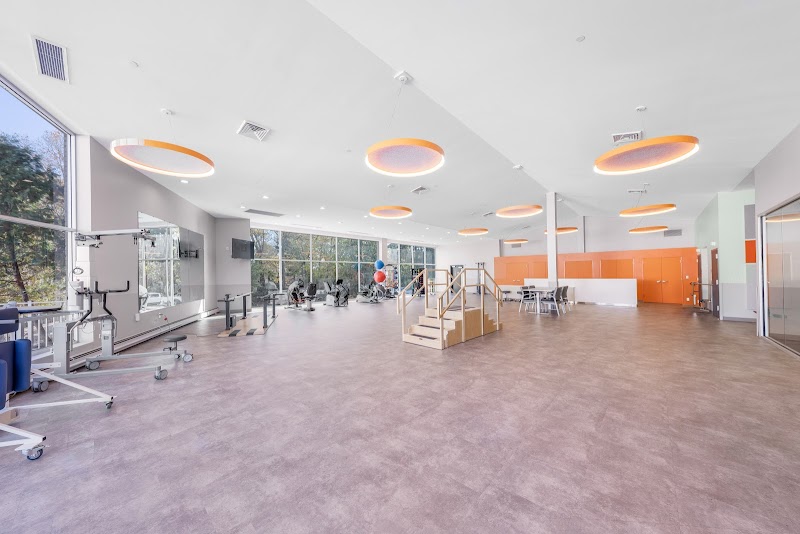
How is Springfield Rehabilitation And Healthcare Center Staffed?

CMS rates SPRINGFIELD REHABILITATION AND HEALTHCARE CENTER's staffing level at 3 out of 5 stars, which is average compared to other nursing homes. Staff turnover is 48%, compared to the Pennsylvania average of 46%.

What Have Inspectors Found at Springfield Rehabilitation And Healthcare Center?

State health inspectors documented 48 deficiencies at SPRINGFIELD REHABILITATION AND HEALTHCARE CENTER during 2023 to 2025. These included: 2 Immediate Jeopardy (the most serious level, indicating potential for serious harm or death), 45 with potential for harm, and 1 minor or isolated issues. Immediate Jeopardy findings are rare and represent the most serious regulatory concerns. They require immediate corrective action.

Who Owns and Operates Springfield Rehabilitation And Healthcare Center?

SPRINGFIELD REHABILITATION AND HEALTHCARE CENTER is owned by a for-profit company. For-profit facilities operate as businesses with obligations to shareholders or private owners. The facility is operated by MARQUIS HEALTH SERVICES, a chain that manages multiple nursing homes. With 100 certified beds and approximately 82 residents (about 82% occupancy), it is a mid-sized facility located in SPRINGFIELD, Pennsylvania.

How Does Springfield Rehabilitation And Healthcare Center Compare to Other Pennsylvania Nursing Homes?

Compared to the 100 nursing homes in Pennsylvania, SPRINGFIELD REHABILITATION AND HEALTHCARE CENTER's overall rating (1 stars) is below the state average of 3.0, staff turnover (48%) is near the state average of 46%, and health inspection rating (1 stars) is much below the national benchmark.

What Should Families Ask When Visiting Springfield Rehabilitation And Healthcare Center?

Based on this facility's data, families visiting should ask: "What changes have been made since the serious inspection findings, and how are you preventing similar issues?" "Can I visit during a mealtime to observe dining assistance and food quality?" "How do you handle medical emergencies, and what is your hospital transfer rate?" "Can I speak with family members of current residents about their experience?" These questions are particularly relevant given the facility's Immediate Jeopardy citations.

Is Springfield Rehabilitation And Healthcare Center Safe?

Based on CMS inspection data, SPRINGFIELD REHABILITATION AND HEALTHCARE CENTER has documented safety concerns. Inspectors have issued 2 Immediate Jeopardy citations (the most serious violation level indicating risk of serious injury or death). The facility has a 1-star overall rating and ranks #100 of 100 nursing homes in Pennsylvania. Families considering this facility should ask detailed questions about what corrective actions have been taken since these incidents.

Do Nurses at Springfield Rehabilitation And Healthcare Center Stick Around?

SPRINGFIELD REHABILITATION AND HEALTHCARE CENTER has a staff turnover rate of 48%, which is about average for Pennsylvania nursing homes (state average: 46%). Moderate turnover is common in nursing homes, but families should still ask about staff tenure and how the facility maintains care continuity when employees leave.

Was Springfield Rehabilitation And Healthcare Center Ever Fined?

SPRINGFIELD REHABILITATION AND HEALTHCARE CENTER has been fined $20,010 across 2 penalty actions. This is below the Pennsylvania average of $33,279. While any fine indicates a compliance issue, fines under $50,000 are relatively common and typically reflect isolated problems that were subsequently corrected. Families should ask what specific issues led to these fines and confirm they've been resolved.

Is Springfield Rehabilitation And Healthcare Center on Any Federal Watch List?

SPRINGFIELD REHABILITATION AND HEALTHCARE CENTER is not on any federal watch list. The most significant is the Special Focus Facility (SFF) program, which identifies the bottom 1% of nursing homes nationally based on persistent, serious quality problems. Not being on this list means the facility has avoided the pattern of deficiencies that triggers enhanced federal oversight. This is a positive indicator, though families should still review the facility's inspection history directly.