KADIMA REHABILITATION & NURSING AT WASHINGTON
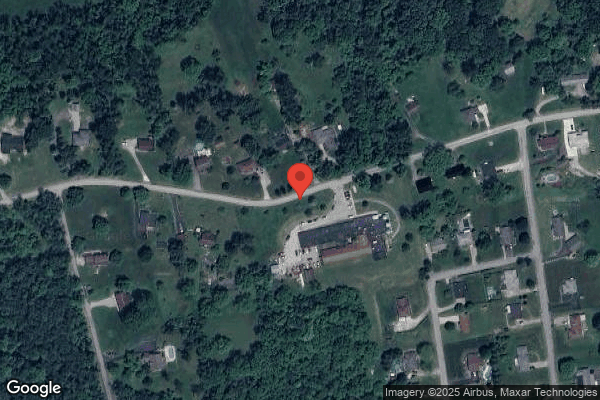
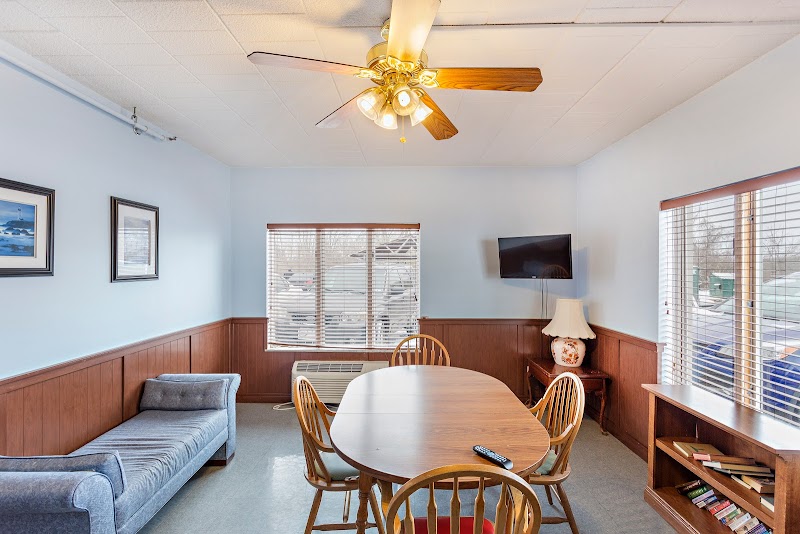
1198 W. WYLIE AVENUE, WASHINGTON, PA 15301 (724) 222-2148
For profit - Individual 74 Beds KADIMA HEALTHCARE GROUP Data: November 2025
Trust Grade
28/100
#445 of 653 in PA
Last Inspection: January 2025

Within standard 12-15 month inspection cycle. Federal law requires annual inspections.

Overview

Kadima Rehabilitation & Nursing at Washington has received a Trust Grade of F, indicating significant concerns about care quality. It ranks #445 out of 653 facilities in Pennsylvania, placing it in the bottom half, and #8 out of 12 in Washington County, meaning there are only a few local options that are better. The facility is worsening, with the number of issues increasing from 4 in 2024 to 11 in 2025. Staffing is average with a 3/5 rating, but the turnover rate is alarming at 79%, well above the state average of 46%, which can impact resident care. Additionally, the facility has incurred fines of $20,914, higher than 79% of Pennsylvania facilities, which raises concerns about compliance. Specific incidents include serious neglect that resulted in actual harm to a resident, leading to facial abrasions and a subarachnoid hemorrhage, indicating a failure to provide necessary supervision and care. Another finding noted the facility's failure to provide required transfer notices for an entire year, which could leave families unaware of important changes. While there are strengths in quality measures rated at 5/5, the overall picture is concerning, highlighting both serious issues and the need for families to carefully consider their options.

Trust Score
F
28/100
In Pennsylvania
#445/653
Bottom 32%
Safety Record
Moderate
Needs review
Inspections
Getting Worse
4 → 11 violations
Staff Stability
⚠ Watch
79% turnover. Very high, 31 points above average. Constant new faces learning your loved one's needs.
Penalties
○ Average
$20,914 in fines. Higher than 58% of Pennsylvania facilities. Some compliance issues.
Skilled Nurses
○ Average
Each resident gets 32 minutes of Registered Nurse (RN) attention daily — about average for Pennsylvania. RNs are the most trained staff who monitor for health changes.
Violations
⚠ Watch
45 deficiencies on record. Higher than average. Multiple issues found across inspections.
★★☆☆☆
2.0
Overall Rating
★★★☆☆
3.0
Staff Levels
★★★★★
5.0
Care Quality
★☆☆☆☆
1.0
Inspection Score
Stable
2024: 4 issues
2025: 11 issues

The Good

  • 5-Star Quality Measures · Strong clinical quality outcomes
  • Full Sprinkler Coverage · Fire safety systems throughout facility
  • No fines on record

Facility shows strength in quality measures, fire safety.

The Bad

2-Star Overall Rating

Below Pennsylvania average (3.0)

Below average - review inspection findings carefully

Staff Turnover: 79%

33pts above Pennsylvania avg (46%)

Frequent staff changes - ask about care continuity

Federal Fines: $20,914

Below median ($33,413)

Minor penalties assessed

Chain: KADIMA HEALTHCARE GROUP

Part of a multi-facility chain

Ask about local staffing decisions and management

Staff turnover is very high (79%)

31 points above Pennsylvania average of 48%

The Ugly 45 deficiencies on record

2 actual harm
Apr 2025 3 deficiencies
CONCERN (E) 📢 Someone Reported This

A family member, employee, or ombudsman was alarmed enough to file a formal complaint

Potential for Harm - no one hurt, but risky conditions existed

Grievances (Tag F0585)

Could have caused harm · This affected multiple residents

Based on review of the grievance policy, facility documents, and staff interviews it was determined that the facility policy does not include all required elements and that the facility failed to docu...

Read full inspector narrative →
Based on review of the grievance policy, facility documents, and staff interviews it was determined that the facility policy does not include all required elements and that the facility failed to document, resolve, and provide response to residents and/or their responsible parties for eleven of thirteen residents (Resident R2, R3, R4, R5, R6, R7, R8, R9, R10, and R11). Findings include: Review of the facility policy Grievances dated 1/31/24, indicated the facility will support each resident's right to voice grievances (e.g., those about treatment, care, management of funds, lost clothing, or violation of rights) and to assure that after receiving a complaint/grievance, the facility actively seeks a resolution and keeps the resident appropriately appraised of its progress toward resolution. Further review of the policy Grievances revealed that the policy failed to contain information related to: -The right to file grievances anonymously. -Identification of a Grievance Official responsible for overseeing the grievance process. -The right to obtain a written decision regarding his or her grievance; - As necessary, taking immediate action to prevent further potential violations of any resident right while the alleged violation is being investigated. -Immediately reporting all alleged violations involving neglect, abuse, including injuries of unknown source, and/or misappropriation of resident property, by anyone furnishing services on behalf of the provider, to the administrator of the provider; and as required by State law. -Ensuring that all written grievance decisions include the date the grievance was received, a summary statement of the resident's grievance, the steps taken to investigate the grievance, a summary of the pertinent findings or conclusions regarding the resident's concerns(s), a statement as to whether the grievance was confirmed or not confirmed, any corrective action taken or to be taken by the facility as a result of the grievance, and the date the written decision was issued; -Taking appropriate corrective action in accordance with State law if the alleged violation of the residents' rights is confirmed by the facility or if an outside entity having jurisdiction. -Maintaining evidence demonstrating the result of all grievances for a period of no less than three years from the issuance of the grievance decision. Review of the facility provided concern form dated 1/9/25, indicated Resident R2 stated she was missing a night gown. The sections titled Immediate Actions, Summary of Findings, and Corrective Actions were blank. The questions of Was the Concern Confirmed, Written Decision Requested, and Was the resident or concerned party notified of the resolution were unanswered. The signature line for the Department Head Related to Concern and for the NHA (Nursing Home Administrator) were unsigned. Review of the facility provided concern form dated 1/9/25, indicated Resident R3 stated she was missing clothing since admission, and that the concern was previously reported and she hasn't heard anything about it. The sections titled Immediate Actions, Summary of Findings, and Corrective Actions were blank. The questions of Was the Concern Confirmed, Written Decision Requested, and Was the resident or concerned party notified of the resolution were unanswered. The signature line for the Department Head Related to Concern and for the NHA were unsigned. Review of the facility provided concern form dated 1/9/25, indicated Resident R4 stated she was missing clothing. The questions of Was the Concern Confirmed, Written Decision Requested, and Was the resident or concerned party notified of the resolution were unanswered. Review of the facility provided concern form dated 1/15/25, indicated Resident R5 stated he was missing his facial shaver since a room move on 12/12/24. The sections titled Summary of Findings and Corrective Actions were blank. The questions of Was the Concern Confirmed, Written Decision Requested, and Was the resident or concerned party notified of the resolution were unanswered. The signature line for the Department Head Related to Concern and for the NHA were unsigned. Review of the facility provided concern form dated 1/15/25, indicated Resident R5 stated he was missing his personal food items from his room. The sections titled Immediate Actions, Summary of Findings, and Corrective Actions were blank. The questions of Was the Concern Confirmed, Written Decision Requested, and Was the resident or concerned party notified of the resolution were unanswered. The signature line for the Department Head Related to Concern and for the NHA were unsigned. Review of the facility provided concern form dated 1/15/25, indicated Resident R6 stated that her room has not been cleaned in two days. Within the Summary of Findings section, it was documented that the Maintenance Director confirmed that Resident R6's bathroom appeared not to have been cleaned. The Corrective Actions section was blank. The questions of Was the Concern Confirmed, Written Decision Requested, and Was the resident or concerned party notified of the resolution were unanswered. The signature line for the Department Head Related to Concern was unsigned. Review of the facility provided concern form dated 1/17/25, indicated Resident R7 had a concern that staff were loud in her room overnight. The questions of Was the Concern Confirmed, Written Decision Requested, and Was the resident or concerned party notified of the resolution were unanswered. Review of the facility provided concern form dated 1/27/25, indicated Resident R7 had a second concern that staff were loud in her room overnight. The section titled Immediate Actions, Summary of Findings was blank. The questions of Was the Concern Confirmed, Written Decision Requested, and Was the resident or concerned party notified of the resolution were unanswered. Review of the facility provided concern form dated 2/7/25, indicated Resident R8 stated he has not received his scheduled shower on 2/6/25. The section titled Summary of Findings indicated, Resident shower next am - back on 3-11 shower. The questions of Was the Concern Confirmed, Written Decision Requested, and Was the resident or concerned party notified of the resolution were unanswered. Review of facility provided shower schedules indicated Resident R8 was scheduled on afternoon shift on Mondays and Thursdays. Review of Resident R8's shower record for January 2025, through March 2025, revealed that Resident R8 had documented showers on 1/23/25, 2/7/25, 3/10/25, and 3/17/25. Review of the facility provided concern form dated 2/7/25, indicated Resident R3 stated she did not receive a shower on Wednesday 3-11. The section titled Summary of Findings indicated, Shower schedule reviewed showers remain on 3-11. The questions of Was the Concern Confirmed, Written Decision Requested, and Was the resident or concerned party notified of the resolution were unanswered. Review of facility provided shower schedules indicated Resident R3 was scheduled on day shift on Wednesdays and Saturdays. Review of Resident R3's shower record for January 2025, through March 2025, revealed that Resident R3 had documented showers on 1/29/25, 2/1/25, 2/12/25, and 3/17/25. During an interview on 4/12/25, at approximately 1:15 p.m. the NHA confirmed that the Summary of Findings Shower schedule reviewed showers remain on 3-11 did not provide a conclusion to the grievance. Review of the facility provided concern form dated 2/7/25, indicated Resident R9 had a concern that the overnight nurse aide did not enter his room until 5:00 a.m. The questions of Written Decision Requested and Was the resident or concerned party notified of the resolution were unanswered. Review of the facility provided concern form dated 2/17/25, indicated Resident R10 stated a nurse aide was rough with her. The questions of Written Decision Requested and Was the resident or concerned party notified of the resolution were unanswered. Review of the facility provided concern form dated 2/28/25, indicated Resident R9 had a concern that the wound nurse practitioner and the wound nurse completed his treatment during his breakfast. The sections titled Immediate Actions and Summary of Findings were blank. The questions of Written Decision Requested and Was the resident or concerned party notified of the resolution were unanswered. Review of the facility provided concern form dated 3/4/25, indicated Resident R11 stated he was missing money. The questions of Written Decision Requested and Was the resident or concerned party notified of the resolution were unanswered. The signature line for the Department Head Related to Concern was unsigned. Review of the facility provided concern form dated 3/5/25, indicated Resident R8 stated he was missing money. The questions of Written Decision Requested and Was the resident or concerned party notified of the resolution were unanswered. The signature line for the Department Head Related to Concern was unsigned. During an interview on 4/16/25, at approximately 11:00 a.m. the Director of Nursing confirmed that the facility policy does not include all required elements and confirmed that the facility failed to document, resolve, and provide response to residents and/or their responsible parties for eleven of thirteen residents. 28 PA. Code:201.18(b)(1)(2) Management. 28 PA. Code:201.29(a) Residents Rights.
CONCERN (E) 📢 Someone Reported This

A family member, employee, or ombudsman was alarmed enough to file a formal complaint

Potential for Harm - no one hurt, but risky conditions existed

Report Alleged Abuse (Tag F0609)

Could have caused harm · This affected multiple residents

**NOTE- TERMS IN BRACKETS HAVE BEEN EDITED TO PROTECT CONFIDENTIALITY** Based on review of federal and state laws, facility policies, clinical records, and staff interviews, it was determined that the...

Read full inspector narrative →
**NOTE- TERMS IN BRACKETS HAVE BEEN EDITED TO PROTECT CONFIDENTIALITY** Based on review of federal and state laws, facility policies, clinical records, and staff interviews, it was determined that the facility failed to implement policies and procedures to report allegations of abuse and neglect for five of twelve residents (Resident R1, R3, R8, R9 and R10). Findings include: Review of the Older Adult Protective Services Act of 11/6/87, amended by Act 1997-13, Chapter 7, Section 701, requires any employee or administrator of a facility who suspects abuse is mandated to report the abuse. All reports of abuse should be reported to the local area agency on aging and licensing agencies. Review of the facility's policy Abuse Reporting and Investigation dated 1/31/24, indicated anyone who witnesses an incident of suspected resident abuse is to intervene immediately and stop the abuse. They are to report it to the charge nurse or supervisor immediately. The policy further stated the Department of Health will be notified of the alleged event by the Administrator or designee per regulation. Additional notification to the Area Agency on Aging (Protective Services) and local authorities will be completed as appropriate based on the allegation. Review of the Resident Assessment Instrument 3.0 User's Manual effective October 2024, indicated that a Brief Interview for Mental Status (BIMS) is a screening test that aides in detecting cognitive impairment. The BIMS total score suggests the following distributions: 13-15: cognitively intact 8-12: moderately impaired 0-7: severe impairment Review of the clinical record indicated Resident R1 was originally admitted to the facility on [DATE]. Review of the Minimum Data Set (MDS, periodic assessment of resident care needs) dated 3/11/25, included diagnoses of diabetes (a metabolic disorder in which the body has high sugar levels for prolonged periods of time), coronary artery disease (damage or disease in the heart's major blood vessels), and fibromyalgia (chronic disorder that causes pain, fatigue, and trouble sleeping). Review of Section C: Cognitive Patterns indicated Resident R1 had a BIMS score of 15. Review of a progress note dated 3/5/25 3:46 p.m. indicated, Resident requested I come into her room. I brought an aide with me to be a witness. Resident calmly told me I hope when you are older or your parents end up in this nursing home so you can be mistreated and in pain. I asked resident what I had done in order for her to feel this way. She responded with you talk to me condescendingly. You are talking down to me I assured resident that that wasn't the case and it was my job to keep her safe. I informed her that we can't have medication at the bedside because we need to have documentation of things that she took. Resident agitated. I asked resident if it was okay for me to leave her room. Resident agreed. Review of a progress note dated 3/5/25, at 4:53 p.m. resident cussing/yelling and kicking legs at nurse who was trying to administer insulin and gabapentin. said she wanted to administer herself and was instructed that couldn't happen with how she was acting and with no order stating so. Also slammed gab (gabapentin) medication down and spilled it then demanded a refill, was instructed that couldn't happen due to not knowing how much she had consumed. resident told me to get out and wanted [other staff members]. resident asked (charge nurse) to give her her meds when due instead of me for rest of shift. Review of a progress note dated 3/6/25, at 10:43 a.m. indicated, Resident demanding to [physician] and male nurse at the same time to discuss behaviors of resident. RN (registered nurse) entered room and informed her that this is not going to happen because what has happened is in the past. RN (and) SS (social services) and recommendation made to provide care with 2 people at all times. NP (nurse practitioner) notified and order obtained. Review of a progress note dated 3/19/25, at 11:58 a.m. indicated, delivered afternoon meds to resident with ADON (Assistant Director of Nursing) and administrator outside of room for witness. resident was pleasant but stated after receiving meds and conversing with me that I wasn't allowed in her room anymore and she'd be in contact with her lawyer. I didn't respond and exited said room. During an interview on 4/12/25, at 11:45 a.m. Resident R1 stated that the Medical Director verbally abused her and yelled at her on the morning of 3/6/25. Resident R1 stated she told multiple staff members about her concerns. Review of the facility provided grievances from March and April 2025 failed to reveal a grievance entered on Resident R1's behalf. During an interview on 4/12/25, at approximately 1:00 p.m. the Nursing Home Administrator confirmed that as the facility had taken the step of Resident R1 not being provided care with only one staff member, the facility was aware of Resident R1's allegations of verbal abuse. Review of reports submitted to the local state field office did not include Resident R1's allegation of verbal abuse. Review of the clinical record indicated Resident R3 was admitted to the facility on [DATE]. Review of the MDS dated [DATE], included diagnoses of pulmonary hypertension (a type of high blood pressure that affects arteries in the lungs and in the heart), chronic obstructive pulmonary disease (COPD, a group of progressive lung disorders characterized by increasing breathlessness), and weakness. Review of Section C: Cognitive Patterns indicated Resident R3 had a BIMS score of 15. Review of the facility provided concern form dated 2/7/25, indicated Resident R3 stated she has not received her shower on 3-11 (3:00 p.m. to 11:00 p.m. shift). Review of Resident R3's shower record for January 2025, through March 2025, revealed that Resident R3 had documented showers on 1/29/25, 2/1/25, 2/12/25, and 3/17/25. Review of reports submitted to the local state agency did not include Resident R3's allegation of neglect. Review of the clinical record indicated Resident R8 was admitted to the facility on [DATE]. Review of the MDS dated [DATE], included diagnoses of diabetes, heart failure (a progressive heart disease that affects pumping action of the heart muscles), and chronic kidney disease (gradual loss of kidney function). Review of Section C: Cognitive Patterns indicated Resident R8 had a BIMS score of 15. Review of the facility provided concern form dated 2/7/25, indicated Resident R8 stated he has not received his scheduled shower on 2/6/25. Review of Resident R8's shower record for January 2025, through March 2025, revealed that Resident R8 had documented showers on 1/23/25, 2/7/25, 3/10/25, and 3/17/25. Review of reports submitted to the local state agency did not include Resident R8's allegation of neglect. Review of the clinical record indicated Resident R9 was admitted to the facility on [DATE]. Review of the MDS dated [DATE], included diagnoses of diabetes, anemia (too little iron in the body causing fatigue), and chronic pain. Review of Section C: Cognitive Patterns indicated Resident R9 had a BIMS score of 15. Review of the facility provided concern form dated 2/7/25, indicated Resident R9 voiced a concern about not being provided assistance from the overnight nurse aide until 5:00 a.m. The conclusion of the grievance confirmed that the nurse aide did not attend to the resident. Review of reports submitted to the local state field office did not include Resident R8's allegation of neglect. Review of the clinical record indicated Resident R10 was admitted to the facility on [DATE]. Review of the MDS dated [DATE], included diagnoses of diabetes, heart failure, and a seizure disorder. Review of Section C: Cognitive Patterns indicated Resident R9 had a BIMS score of 15. Review of the facility provided concern form dated 2/17/25, indicated Resident R10 stated a nurse aide was rough with her. Review of reports submitted to the local state field office did not include Resident R10's allegation of physical abuse. During an interview on 4/16/25, at approximately 11:00 a.m. the Director of Nursing confirmed that facility failed to implement policies and procedures to report allegations of abuse and neglect for five of twelve residents. 28 Pa. Code 201.14(a)(c)(e) Responsibility of licensee. 28 Pa. Code 201.18(b)(1) (e)(1) Management.
CONCERN (E) 📢 Someone Reported This

A family member, employee, or ombudsman was alarmed enough to file a formal complaint

Potential for Harm - no one hurt, but risky conditions existed

ADL Care (Tag F0677)

Could have caused harm · This affected multiple residents

Based on review of facility documents, observations, and resident and staff interviews it was determined that the facility failed to provide Activity of Daily Living (ADL) assistance for eight of 16 r...

Read full inspector narrative →
Based on review of facility documents, observations, and resident and staff interviews it was determined that the facility failed to provide Activity of Daily Living (ADL) assistance for eight of 16 residents (Residents R1, R3, R5, R8, R9, R10, R12, and R13). Findings include: Review of the facility policy Flow of Care/ADL dated 1/31/24, indicated Care will be provided to residents, as needed 24-hour a day to attain and maintain the highest level of functioning. During an interview on 4/12/25, at 11:12 a.m. Resident R10 stated that staff tell her she pulls the call light too much, they don't care for all her needs, and that she hears the staff speak about being short-staffed. During an interview on 4/12/25, at 11:20 a.m. Resident R13 stated that fresh water isn't passed, and many times she has to get it herself. During an interview on 4/12/25, at 11:37 a.m. Resident R8 stated that the aides are short-staffed and the call lights can be long. During an interview on 4/12/25, at 11:40 a.m. Resident R12 stated that call lights seem like they take a long time. During an interview on 4/12/25, at 11:41 a.m. Resident R5 stated call lights are long at times. A lot time they could use more people. Review of facility grievances filed in January 2025, through March 2025, revealed the following: -On 2/7/25, Resident R3 had voiced a concern about not being assisted to shower. Review of facility provided shower schedules indicated Resident R3 was scheduled on day shift on Wednesdays and Saturdays. Review of Resident R3's shower record for January 2025, through March 2025, revealed that Resident R3 had documented showers on 1/29/25, 2/1/25, 2/12/25, and 3/17/25. No documentation was provided for scheduled shower dates of 1/1/25, 1/4/25, 1/8/25, 1/11/25, 1/15/25, 1/18/25, 1/22/25, 1/25/25, 2/5/25, 2/8/25, 2/15/25, 2/19/25, 2/22/25, 2/26/25, 3/1/25, 3/5/25, 3/8/25, 3/12/25, 3/15/25, 3/19/25, 3/22/25, 3/26/25, and 3/29/25. -On 2/7/25, Resident R8 had voiced a concern about not being assisted to shower. Review of facility provided shower schedules indicated Resident R8 was scheduled on afternoon shift on Mondays and Thursdays. Review of Resident R8's shower record for January 2025, through March 2025, revealed that Resident R8 had documented showers on 1/23/25, 2/7/25, 3/10/25, and 3/17/25. No documentation was provided for scheduled shower dates 1/2/25, 1/6/25, 1/9/25, 1/13/25, 1/16/25, 1/20/25, 1/27/25, 1/30/25, 2/3/25, 2/6/25, 2/10/25, 2/13/25, 2/17/25, 2/20/25, 2/24/25, 2/27/25, 3/3/25, 3/6/25, 3/13/25, 3/20/25, 3/24/25, 3/27/25, and 3/31/25. -On 2/7/25, Resident R9 had voiced a concern about not being provided assistance from the overnight nurse aide until 5:00 a.m. The conclusion of the grievance confirmed that the nurse aide did not the resident. Review of facility provided Resident Council minutes from January 2025, through March 2025, revealed the following concerns: January 2025: Snacks not being passed to residents and catheter bag not being emptied. February 2025: Snacks and ice water not being passed to residents. March 2025: Nurse aides not providing care, ice water not being passed, long call light response times, not receiving showers, and staff not completing rounds to check on residents. During an interview on 4/16/25, at approximately 11:00 a.m. the Director of Nursing confirmed the facility failed to provide Activity of Daily Living (ADL) assistance for eight of 16 residents. 28 PA. Code:201.18(b)(2) Management. 28 PA. Code:201.29(a) Resident's Rights.
Jan 2025 8 deficiencies
CONCERN (D)

Potential for Harm - no one hurt, but risky conditions existed

Employment Screening (Tag F0606)

Could have caused harm · This affected 1 resident

Based on facility policy review, personnel file review, and staff interview, it was determined that the facility failed to ensure that residents were protected from potential for abuse by failing to p...

Read full inspector narrative →
Based on facility policy review, personnel file review, and staff interview, it was determined that the facility failed to ensure that residents were protected from potential for abuse by failing to perform criminal history background checks prior to hire for two of five personnel files reviewed (Employee E7 and E12). Findings Include: Review of facility policy Abuse: Protection From Abuse reviewed 1/31/24 and 1/9/25, revealed the resident has the right to be free from verbal, sexual, physical, and mental abuse, corporal punishment, involuntary seclusion, neglect, and misappropriation of property. The facility conducts background checks and will not knowingly employ any individual who has been convicted of abusing, neglecting, or mistreating individuals. Review of facility policy Criminal Background Check reviewed 1/31/24 and 1/9/25, indicated a request for a criminal background check must be submitted to the Pennsylvania State Police prior to the start of active employment. Applicants may not be hired or attend orientation until such time as the criminal background clearance is completed. Review of the personnel file for Dietary Aide Employee E7 failed to reveal evidence that a Pennsylvania State Police background check or an FBI background check (for new hires that have not resided in Pennsylvania for two years) was completed prior to her hire on December 16, 2024. Review of personnel file for Registered Nurse (RN) Employee E12 failed to reveal evidence that a Pennsylvania State Police background check or an FBI background check was completed prior to her hire on November 18, 2024. During an interview on January 17, 2025, at 10:45 a.m., Human Resources Employee E12 confirmed the facility failed to provide background checks prior to employee hire date. She stated she thought the facility had 30 days after the date of hire to conduct the background checks. She stated they get a lot of staff do not report to work after being hired and did not want to waste the money on background checks if they were not going to show up for work. 28 Pa. Code 201.18(b)(1)(e)(1) Management. 28 Pa. Code 201.19(8) Personnel policies and procedures.
CONCERN (D)

Potential for Harm - no one hurt, but risky conditions existed

Deficiency F0760 (Tag F0760)

Could have caused harm · This affected 1 resident

**NOTE- TERMS IN BRACKETS HAVE BEEN EDITED TO PROTECT CONFIDENTIALITY** Based on review of facility policy, observations, manufacturers recommendations, clinical records, and staff interview, it was d...

Read full inspector narrative →
**NOTE- TERMS IN BRACKETS HAVE BEEN EDITED TO PROTECT CONFIDENTIALITY** Based on review of facility policy, observations, manufacturers recommendations, clinical records, and staff interview, it was determined that the facility failed to make certain that residents are free of significant medication errors for one of two residents observed (Resident R3). Findings include: A review of the facility policy Medication Administration dated 1/31/24, indicated medications are administered, as prescribed, in accordance with good nursing principles and practices to ensure the safe, accurate and timely administration of medications. A review of the manufacturer's guideline for glargine insulin (Lantus-long acting type of insulin that works slowly, over about 24 hours) Solostar prefilled pen, November 2000, specified to perform a safety test before each injection. Select a dose of two units, hold the pen with the needle pointing upwards, gently tap the reservoir to remove air bubbles, press the injection button all the way in and check if insulin comes out of the needle tip. A review of a clinical record indicated Resident R3 was admitted to the facility on [DATE], with diagnoses that included diabetes and high blood pressure. A review of a physician order dated 10/24/24, indicated to inject insulin Lantus Solostar 100 u/ml (units per milliliter) Subcutaneous (under the skin) inject 12 units in the morning. During an observation on 1/16/25, at 8:00 a.m. of Resident R3's medication administration Licensed Practical Nurse (LPN) Employee E13 set the Lantus insulin pen to 12 units, failed to prime the insulin pen, and administered the medication. During an interview on 1/16/25, at 8:30 a.m. LPN Employee E13 confirmed she failed to prime the insulin pen prior to administering the medication. During an interview on 1/16/25, at 1:15 p.m. the Director of Nursing confirmed the facility failed to administer the correct dose of insulin by failing to prime the insulin pen needle for Resident R3. 28 Pa. Code 211.12 (c)(1)(3) Nursing services. 28 Pa. Code 201.29 (j) Resident rights. 28 Pa Code: 201.18 (b)(1)(3) Management. 28 Pa Code: 211.10 (d) Resident care policies.
CONCERN (E)

Potential for Harm - no one hurt, but risky conditions existed

Grievances (Tag F0585)

Could have caused harm · This affected multiple residents

Based on review of facility policy, observations, and resident and staff interviews, it was determined that the facility failed to provide concern forms and grievance boxes to residents and visitors o...

Read full inspector narrative →
Based on review of facility policy, observations, and resident and staff interviews, it was determined that the facility failed to provide concern forms and grievance boxes to residents and visitors on the nursing units and failed to provide an opportunity for anonymous grievances (Resident group). Findings include: A review of the facility policy Grievances reviewed 1/31/24 and 1/9/25, indicated it is the policy of the facility to support each resident's right to voice grievances without discrimination, reprisal, or fear of discrimination. A grievance may include a formal, written grievance process or a resident's verbalized complaint to facility staff. During an interview on 1/14/25, at 10:30 a.m. the Resident Group stated, you cannot file an anonymous grievance, the only box and forms are in front of the Nursing Home Administrator's (NHA) office. During an observation on 1/14/25, at 11:45 a.m. revealed the grievance box in the front lobby is in front of the NHA's office and within sight of the receptionist. During an observation on 1/14/25, at 1:45 p.m. revealed no grievance forms or boxes available for residents and visitors on the nursing units. During an interview on 1/15/25, at 10:00 a.m. the Nursing Home Administrator confirmed there was only one grievance box located in front of the NHA's office and the facility failed to provide the opportunity for residents and visitors to file an anonymous grievance. 28 Pa Code: 201.18(e)(4) Management. 28 Pa Code: 201.29(a)(b)(c) Resident rights.
CONCERN (E)

Potential for Harm - no one hurt, but risky conditions existed

Quality of Care (Tag F0684)

Could have caused harm · This affected multiple residents

**NOTE- TERMS IN BRACKETS HAVE BEEN EDITED TO PROTECT CONFIDENTIALITY** Based on review of facility policy, clinical records, and staff interviews, it was determined that the facility failed to assess...

Read full inspector narrative →
**NOTE- TERMS IN BRACKETS HAVE BEEN EDITED TO PROTECT CONFIDENTIALITY** Based on review of facility policy, clinical records, and staff interviews, it was determined that the facility failed to assess, document, and notify physicians of increased and decreased Capillary Blood Glucose (CBG) levels for five of seven residents reviewed (Residents R13, R26, R28, R29, and R46). Findings include: The Centers for Disease Control defines diabetes as: Diabetes Mellitus is a chronic (long-lasting) health condition that affects how your body turns food into energy. Most of the food you eat is broken down into sugar (also called glucose) and released into your bloodstream. When your blood sugar goes up, it signals your pancreas to release insulin. Insulin acts like a key to let the blood sugar into your body's cells for use as energy. If you have diabetes, your body either doesn't make enough insulin or can't use the insulin it makes as well as it should. When there isn't enough insulin or cells stop responding to insulin, too much blood sugar stays in your bloodstream. Over time, that can cause serious health problems, such as heart disease, vision loss, and kidney disease. Hypoglycemia is a condition that occurs when blood glucose is lower than normal, usually below 70 milligrams per deciliter (mg/dl). If left untreated, hypoglycemia may lead to weakness, confusion, unconsciousness, arrhythmias and even death. People with Diabetes Mellitus may be prescribed injectable insulin to assist in maintaining acceptable levels of CBG's. Hyperglycemia, or high blood glucose, occurs when there is too much sugar in the blood. This happens when your body has too little insulin. Hyperglycemia is blood glucose greater than 125 mg/dL while fasting (not eating for at least eight hours, or a blood glucose greater than 180 mg/dL one to two hours after eating. If you have hyperglycemia and it ' s untreated for long periods of time, you can damage your nerves, blood vessels, tissues and organs. Damage to blood vessels can increase your risk of heart attack and stroke, and nerve damage may also lead to eye damage, kidney damage and non-healing wounds. Review of facility policy Nursing Care of the Diabetic Resident reviewed 1/32/24 and 1/9/25, indicated the facility will recognize, assist, and document the treatment of complications commonly associated with diabetes. Documentation should reflect the carefully assessed diabetic resident and include vital signs, level of consciousness, assessment of the skin, emotional/mood changes, and pain/discomfort. Document results of any fingerstick blood glucose monitoring, interventions to stabilize blood glucose levels, and notification to physician. Review of facility policy Notification of Condition Change: Physician reviewed 1/31/24 and 1/9/25, indicated licensed professional nurses are responsible to provide timely and complete communication to physicians when there is a change in a resident ' s condition. Document assessment data, attempted or actual correspondence with physician, and physician ' s response in the medical record. Review of facility policy Documentation reviewed 1/31/24 and 1/9/25, indicated nursing documentation will follow the guidelines of good communication and be concise, clear, pertinent, and accurate. Review of facility hypoglycemic Protocol reviewed 1/31/24 and 1/9/25, indicated if resident ' s blood glucose is less than 70 administer rapidly absorbed simple carbohydrate such as 4 ounces (oz) of juice, 5 or 6 oz of regular soda, or tube of glucose gel. Repeat blood glucose in 10-15 minutes and repeat protocol if still less that 70. If resident is symptomatic, notify physician. Review of the clinical record indicated Resident R13 was re-admitted to the facility on [DATE], with diagnoses that included diabetes, depression, and high blood pressure. Review of Resident R13' s Minimum Data Set (MDS - a mandated assessment of a resident's abilities and care needs) dated 12/18/24, indicated the diagnoses remain current. Review of a physician ' s order dated 5/30/2024 to 8/14/2024, indicated to give Lispro (fast-acting insulin that starts to work about 15 minutes after injection, peaks in about 1 hour, and keeps working for 2 to 4 hours) 13 units one time a day, and 16 units twice a day. A physician order dated 8/14/24 and 9/17/24, indicated to give Lispro 16 units before meals. On 5/30/24 to 11/21/24, a physician ' s order indicated to give Levemir (long-acting type of insulin that works slowly, over about 24 hours) 17 units one time a day. A physician order dated 11/21/24 to 11/29/24, indicated to give Levemir 20 units one time a day. A physician order dated 11/29/24, indicated to give Lantus (long-acting type of insulin that works slowly, over about 24 hours) 20 units one time a day. Review of the clinical record electronic Medication Administration Record (eMAR) revealed that the resident's CBG's were as follows: On 7/10/24, at 4:56 p.m. the CBG was noted to be 549. On 7/11/24, at 1:02 p.m. the CBG was noted to be 432. On 7/11/24, at 7:31 p.m. the CBG was noted to be 459. On 7/13/24, at 12:57 p.m. the CBG was noted to be 485. On 7/14/24, at 9:26 p.m. the CBG was noted to be 428. On 7/27/24, at 6:19 a.m. the CBG was noted to be 405. On 10/22/24, at 5:36 p.m. the CBG was noted to be 402. Review of the care plan dated 3/22/22, indicated the following interventions: Accuchecks as ordered, diet as ordered, medications as ordered, monitor labs as ordered, report signs and symptoms of increased/decreased blood sugars. Review of Resident's eMAR and clinical progress notes indicated the resident was not assessed for hyperglycemia, the blood glucose was not monitored for effectiveness of treatment, staff failed to follow interventions of the care plan, and the physician was not notified of abnormal results on the above listed dates. Review of a clinical record indicated Resident R26 was admitted to the facility on [DATE], with diagnoses that included diabetes, high blood pressure, and muscle weakness. Review of the MDS dated [DATE], indicated the diagnoses remain current. Review of physician ' s orders dated 12/17/24, indicated to give Basaglar (Lantus) 18 units one time a day. Review of Resident 26's eMAR revealed that the resident's CBG's were as follows: On 12/13/24, at 3:39 p.m. the CBG was 405. A review of Resident R26's care plan dated 12/21/21 and 11/15/22, indicated the following interventions: Accuchecks as ordered. Medications as ordered. Report signs and symptoms of increased/decreased blood sugars. Review of Resident R26's eMAR and clinical progress notes indicated the resident was not assessed for hyperglycemia, failed to follow interventions of the care plan, blood sugar was not rechecked, and the physician was not notified of abnormal results. Review of the clinical record indicated Resident R28 was admitted to the facility on [DATE], with diagnoses that included diabetes, overactive bladder, and muscle weakness. Review of the MDS dated [DATE], indicated the diagnoses remain current. Review of the physician orders indicated on 7/12/24, Resident R28 was ordered Glucose Gel 40% (used to treat low blood glucose) give 1 application as needed for hypoglycemia of less or equal to 70 and able to swallow. Re-check blood sugar in 10-15 minutes. A physician order dated 8/6/24, indicated Accuchecks without coverage with meals. Physician orders dated 9/12/24, indicated Determir (Levemir) 26 units one time a day, and Determir 8 units one time a day. Review of Resident 28's eMAR revealed that the resident's CBG's were as follows: On 9/15/24, at 3:51 p.m. the CBG was noted to be 60. A review of Resident R28's care plan dated 12/21/21 and 11/15/22, indicated the following interventions: Accuchecks as ordered. Medications as ordered. Report signs and symptoms of increased/decreased blood sugars. Review of Resident R28's eMAR and clinical progress notes indicated the resident was not assessed for hypoglycemia, failed to follow interventions of the care plan, blood sugar was not rechecked, and the physician was not notified of abnormal results. Review of the clinical record indicated Resident R29 was admitted to the facility on [DATE], with diagnoses that included diabetes, high blood pressure, and constipation. Review of the MDS dated [DATE], indicate the diagnoses remain current. Review of the physician order dated 9/24/24, indicated Accucheck without coverage one time a day. A physician order dated 11/21/24, indicated to give Lantus 17 units at bedtime. Review of Resident 29's eMAR revealed that the resident's CBG's were as follows: On 12/19/24, at 6:02 a.m. the CBG was noted to be 440. A review of Resident R29's care plan dated 10/25/22 and 5/16/24, indicated the following interventions: Accuchecks as ordered. Medications as ordered. Report signs and symptoms of increased/decreased blood sugars. Review of Resident R29's eMAR and clinical progress notes indicated the resident was not assessed for hyperglycemia, failed to follow interventions of the care plan, blood sugar was not rechecked, and the physician was not notified of abnormal results. Review of the clinical record indicated Resident R46 was admitted to the facility on [DATE], with diagnoses that included diabetes, high blood pressure, and dementia (group of symptoms affecting memory, thinking and social abilities). Review of the MDS dated [DATE], indicated the diagnoses remain current. Review of a physician order dated 7/10/24, indicated Accuchecks without coverage. Call MD if less than 70 or greater than 400, one time a day for monitoring. An order dated 7/9/24 through 10/15/24, indicated Humalog (fast-acting insulin that starts to work about 15 minutes after injection, peaks in about 1 hour, and keeps working for 2 to 4 hours) 5 units two times a day. A physician order dated 10/15/24, indicated give Humalog 5 units with meals. A physician order dated 5/7/24 to 7/16/24, indicated give Lantus 20 units one time a day. A physician order dated 7/16/24, indicated Lantus 25 units one time a day. Review of Resident 46's eMAR revealed that the resident's CBG's were as follows: On 7/10/24, at 4:58 p.m. the CBG was noted to be 420. On 7/29/24, at 5:38 p.m. the CBG was noted to be 438. On 8/9/24, at 4:16 p.m. the CBG was noted to be 402. On 8/23/24, at 4:36 p.m. the CBG was noted to be 481. On 9/13/24, at 5:23 p.m. the CBG was noted to be 422. A review of Resident R46's care plan dated between 1/31/23 and 10/15/24, indicated the following interventions: Accuchecks as ordered. Medications as ordered. Report signs and symptoms of increased/decreased blood sugars. Review of Resident R46's eMAR and clinical progress notes indicated the resident was not assessed for hyperglycemia, blood sugar was not rechecked, and the physician was not notified of abnormal results. During an interview on 1/15/25, at 1:15 p.m. Licensed Practical Nurse (LPN) Employee E10 stated for blood glucose results under 70, they would give juice and/or snacks, and check the vital signs. If blood glucose was greater than 400, they would call the doctor, and document in the eMAR. During an interview on 1/15/25, at 1:20 p.m. Registered Nurse (RN) Employee E11 stated if the blood glucose was under 70, they would give a snack or juice. If the blood glucose was greater than 400, they would give the ordered insulin, call the doctor, and recheck the blood glucose in 15-30 minutes. They would document in the progress notes. During an interview on 1/17/25, at 1:25 p.m. LPN Employee E8 stated if the blood glucose was less than 70, they would check the physician orders, give juice or snacks. If blood glucose was over 400, they would check the physician orders, and call the doctor. They would document in progress notes. During an interview on 1/17/25, at 9:00 a.m. the Director of Nursing confirmed the facility failed to notify the doctor of a change in condition, failed to document an assessment or interventions used related to blood glucose, and failed to follow physicians orders for Residents R13, R26, R28, R29, and R46. 28 Pa. Code 201.18 (b)(1) Management 28 Pa. Code 201.29(d) Resident rights 28 Pa. Code 211.10 (c)(d) Resident care policies
CONCERN (E)

Potential for Harm - no one hurt, but risky conditions existed

Accident Prevention (Tag F0689)

Could have caused harm · This affected multiple residents

**NOTE- TERMS IN BRACKETS HAVE BEEN EDITED TO PROTECT CONFIDENTIALITY** Based on review of facility documents, facility policy, clinical records, and staff interviews, it was determined that the facil...

Read full inspector narrative →
**NOTE- TERMS IN BRACKETS HAVE BEEN EDITED TO PROTECT CONFIDENTIALITY** Based on review of facility documents, facility policy, clinical records, and staff interviews, it was determined that the facility failed to assess a resident for safe smoking for three of five residents reviewed (Residents R4, R10, and R54). Findings include: Review of the facility policy Smoking Policy dated 1/31/24, indicated that smokers will be reviewed on admission, at least quarterly, and as necessary depending on individual circumstances and changes in the resident's condition. Review of Resident R4's clinical record indicated an admission date of 9/19/09. Review of resident R4's MDS (Minimum Data Set- a periodic assessment of resident care needs) dated 11/8/24, indicated the diagnoses of atrial fibrillation (arrhythmia of the heart), seizures, and cognitive communication deficit. Review of resident R4's care plan dated 2/6/24 indicated the resident goes outside to smoke, is at risk for side effects and injury form smoking due to limited range of motion, and a smoking safety screen will be reviewed per protocol. During an interview on 1/16/25, at 10:50 a.m. the Director of Nursing (DON) confirmed the last smoking assessment completed for resident R4 was 12/22/23, no further assessments were completed as required. Review of Resident R10's clinical record indicated an admission date of 12/15/21. Review of resident R10's MDS dated [DATE], indicated the diagnoses of diabetes, asthma, and heart failure. Review of resident R10's care plan dated 12/11/24 indicated smoking is a priority for the resident. The resident goes outside to smoke, is at risk for side effects and injury form smoking, and a smoking safety screen will be reviewed per protocol. During an interview on 1/16/25, at 10:50 a.m. the DON confirmed the last smoking assessment completed for resident R10 was 7/2/24, no further assessments were completed as required. Review of Resident R54's clinical record indicated an admission date of 8/20/24. Review of resident R54's MDS dated [DATE], indicated the diagnoses diabetes and high blood pressure. Review of resident R54's care plan dated 8/23/24 indicated the resident enjoys smoking. The resident goes outside to smoke, is at risk for side effects and injury form smoking, and a smoking safety screen will be reviewed per protocol. During an interview on 1/16/25, at 10:50 a.m. the DON confirmed the last smoking assessment completed for resident R54 was 8/20/24, no further assessments were completed as required, and the facility failed to assess residents for safe smoking for Residents R4, R10, and R54. 28 Pa. Code 201.14(a) Responsibility of licensee. 28 Pa. Code 201.18(b)(1)(3) Management. 28 Pa. Code 211.12(d)(1)(3)(5) Nursing services.
CONCERN (F)

Potential for Harm - no one hurt, but risky conditions existed

Transfer Notice (Tag F0623)

Could have caused harm · This affected most or all residents

Based on a review of facility policy, federal regulation, and staff interview, it was determined that the facility failed to provide transfer notices to representatives of the Office of the Long-Term ...

Read full inspector narrative →
Based on a review of facility policy, federal regulation, and staff interview, it was determined that the facility failed to provide transfer notices to representatives of the Office of the Long-Term Care Ombudsman Division for 12 of 12 months (January 2024 through December 2024). Findings include: Review of the facility policy Transfer and Discharge 1/31/24, indicated no resident will be discharged without timely notification of the resident, responsible party, or authorized representative. Review of Title 42 Code of Federal Regulations §483.15(c)(3) Notice Before Transfer: indicates, before a facility transfers or discharges a resident, the facility must (i) Notify the resident and the resident's representative(s) of the transfer or discharge and the reasons for the move in writing and in a language and manner they understand. The facility must send a copy of the notice to a representative of the Office of the State Long-Term Care Ombudsman. Federal Regulations further define emergency transfers as, When a resident is temporarily transferred on an emergency basis to an acute care facility, this type of transfer is considered to be a facility-initiated transfer. During an interview on 1/15/25, at 1:00 p.m., the Nursing Home Administrator confirmed the facility failed to provide transfer notices to representatives of the Office of the Long-Term Care Ombudsman Division since 1/1/24. 28 Pa. Code 201.18(b)(3)(e)(2) Management.
CONCERN (F)

Potential for Harm - no one hurt, but risky conditions existed

Deficiency F0658 (Tag F0658)

Could have caused harm · This affected most or all residents

Based on review of facility policies, job descriptions, clinical records, and staff interviews, it was determined that the facility failed to adhere to acceptable standards of practice related to part...

Read full inspector narrative →
Based on review of facility policies, job descriptions, clinical records, and staff interviews, it was determined that the facility failed to adhere to acceptable standards of practice related to participation in interdisciplinary meetings, monitoring of Food Service operations, resident interviews, and participation in the Quality Assurance and Performance Improvement (QAPI), by the Registered Dietitian. Findings include: The Pennsylvania Code, Title 49, Chapter 21, Professional and Vocational Standards: Responsibilities of the Licensed Dietitian/ Nutritionist Section 21.711 Professional Conduct indicated that the Licensed Dietitian/ Nutritionist shall provide information which will enable patients to make their own informed decisions regarding nutrition and dietetic therapy, including the reasonable expectations of the professional relationship. Review of the Registered Dietitian's Job Description, states that dietitian encourages the resident/family to participate in the development and review of the residents' plan of care, maintains an adequate liaison with families and residents as necessary, meets with Dietary and Nursing staff as needed, attends departmental meetings, participates in QAPI, inspect food storage rooms, utility/janitorial closets, etc. for upkeep and supply control. During an interview on 1/15/25, at approximately 10:30 a.m., Registered Dietitian (RD) Employee E6 stated that she worked eight hours per week remotely. RD Employee E6 stated she has not physically been in the facility for more than a year. RD Employee E6 remotely assesses, reviews, and documents the required elements for each resident, she reviews the notes and documentation in the computer with remote access. RD Employee E6 stated the Dietary Manager (DM) Employee E2 does the in-person communication with the resident, RD Employee E6 and DM Employee E2 email each other with any issues. RD Employee E6 also does email communication with nursing for any clinical dietary issues. RD Employee E6 stated that she is aware of the Registered Dietitian Job Description, and she does not do any of the in-person duties in the job description, she reported she is located out of state. RD Employee E6 stated that she accepted this position temporarily as the facility has been unable to fill the posted position for an onsite Registered Dietitian. RD Employee E6 stated multiple times I been trying to help the facility until they can fill the position. RD Employee E6 stated she plans to resign this position as she cannot meet the in-person requirements. During an interview on 1/16/25, at approximately 10:08 a.m., DM Employee E2 confirmed that they had one Registered Dietitian, RD Employee E6, who worked eight hours per week and worked remotely. DM Employee E2 stated she does the in-person communication with the resident and she and RD Employee E6 email each other with any issues. During an interview on 1/17/25, at 11:10 a.m. Nursing Home Administrator confirmed the facility failed to have a Registered Dietitian on premises that participated in interdisciplinary meetings, monitor Food Service operations, or completed any in-person actions of the Registered Dietitian Job Description. 28 Pa. Code: 201.14(a) Responsibility of Licensee. 28 Pa. Code: 211.12(d)(1) Nursing Services.
CONCERN (F)

Potential for Harm - no one hurt, but risky conditions existed

Infection Control (Tag F0880)

Could have caused harm · This affected most or all residents

Based on policy review, documentation and review of Centers for Disease Control (CDC) guidelines for Legionella (bacteria that causes disease found in contaminated water) control, and staff interviews...

Read full inspector narrative →
Based on policy review, documentation and review of Centers for Disease Control (CDC) guidelines for Legionella (bacteria that causes disease found in contaminated water) control, and staff interviews it was determined that the facility failed to maintain a comprehensive program for water management to monitor the potential development and spread of Legionella and failed to implement control measures for Legionella within the facility for twelve of twelve months (December 2023 through December 2024). Finding include: Review of the facility policy Legionella Policy dated 1/9/25, previously dated 1/31/24, indicated Specific actions should be taken for prevention of Legionella and for investigation should a case occur. Core Elements of the Water Management Plan are: 1. Establish Water Management Plan team. 2. Describe Center's water system using text and flow diagram. 3. Risk assessment with control methods and corrective actions. 4. Monitoring control measures. 5. Corrective actions. 6. Verification and validation. 7. Documentation and communication. Review of Department of Health and Human services, Centers for Medicare and Medicaid services (CMS) memo, Requirement to Reduce Legionella Risk in Healthcare Facility Water Systems to Prevent Cases and Outbreaks of Legionnaires' Disease (LD) dated 7/6/18, revealed, Facilities must develop and adhere to policies and procedures that inhibit microbial growth in building water systems that reduce the risk of growth and spread Legionella and other opportunistic pathogens in water. This policy memorandum applies to Hospitals, Critical Access Hospitals (CAHs) and Long-Term Care (LTC). However, this policy memorandum is also intended to provide general awareness for all healthcare organizations. Facilities must have water management plans and documentation that, at minimum, ensure each facility: -Conducts a facility risk assessment to identify where Legionella and other opportunistic waterborne pathogens (e.g. Pseudomonas, Acinetobacter, Nontuberculous Mycobacteria, Burkholderia, Stenotrophomonas, and fungi) could grow and spread in the facility water system. -Develops and implements a water management program that considers the ASHRAE (American Society of Heating, Refrigerating, and Air Conditioning Engineers) industry standard and the CDC toolkit. -Specifies testing protocols and acceptable ranges for control measures and document the results of testing and corrective actions taken when control limits are not maintained. -Maintains compliance with other applicable Federal, State, and local requirements. Review of the ASHRAE guidance Managing the Risk of Legionellosis Associated with Building Water Systems dated December 2020, indicated the most commonly used supplemental disinfection methods are treatment with chlorine, chlorine-dioxide, copper-silver ions, and monochloramine. The guidance further indicated the recommended levels of residual chlorine are 0.50-3.00 ppm (part per million). Review of the Water Management Program Control Measures did not contain a log for Point of Use Disinfectant (the level of chlorine concentration in the water) indicated to measure and record hot water and cold-water chlorine concentration as point of use, and to note that chlorine concentration below 0.5 ppm and above 4.0 ppm as outside the control limits. Review of the Water Management Program Preventive Maintenance did not contain logs for flushing of all hot water and storage tanks monthly, minimum water temperature testing in all tanks. During an interview on 1/17/25 at approximately 11:00 a.m. the Maintenance Director, Employee E1 confirmed the facility had no documentation of water or temperature testing as per the Legionella Policy. During an interview on 1/17/25, at approximately 11:30 a.m. the Nursing Home Administrator confirmed that they termed the Maintenance Director the week of 12/23/24 and that the facility failed to maintain a comprehensive program for water management to monitor the potential development and spread of Legionella and failed to implement control measures for Legionella within the facility. 28 Pa. Code: 201.14(a) Responsibility of licensee. 28 Pa. Code: 201.18(b)(1)(e)(1) Management.
Jun 2024 4 deficiencies
CONCERN (D) 📢 Someone Reported This

A family member, employee, or ombudsman was alarmed enough to file a formal complaint

Potential for Harm - no one hurt, but risky conditions existed

Free from Abuse/Neglect (Tag F0600)

Could have caused harm · This affected 1 resident

**NOTE- TERMS IN BRACKETS HAVE BEEN EDITED TO PROTECT CONFIDENTIALITY** Based on review of facility policy, facility documentation, and staff interviews, it was determined that the facility failed to ...

Read full inspector narrative →
**NOTE- TERMS IN BRACKETS HAVE BEEN EDITED TO PROTECT CONFIDENTIALITY** Based on review of facility policy, facility documentation, and staff interviews, it was determined that the facility failed to protect residents from neglect for one of two residents (Resident R8), by failing to follow physicians orders during incontinence pad change and linen change. This was identified as past non-compliance. Findings include: Review of the United States Code of Federal Regulations (CFR), 42 CFR §483.12. Freedom from Abuse, Neglect, and Exploitation defined neglect as the failure of the facility, its employees or service providers to provide goods and services to a resident that are necessary to avoid physical harm, pain, mental anguish or emotional distress. Review of the facility policy Abuse Protection dated 1/31/24, with a previous review date of 1/26/23, indicated that all resident have a right to be free from abuse, neglect, etc. and the facility is committed to protecting the residents from abuse by anyone providing services to the residents. Review of the clinical record indicated that Resident R8 was admitted to the facility on [DATE], with diagnoses which included diabetes, history of pulmonary blood clots, bacteremia and wound of her right leg. A Minimum Data Set(MDS- periodic review of resident care needs) dated 3/18/24, indicated the diagnoses remained current and Section G0110 (ADL's) indicated Resident R8 requires assistance of two staff for bed mobility. Resident R8 had an enabler bar on the left side of her bed. Review of a facility provided information in a report dated 5/16/24, indicated that Resident R8 had been receiving incontinence care and linen change when Nurse Aide (NA) Employee E2 rolled Resident R8 onto her right side where there was no enabler bar and onto the floor. Review of the incident report dated 5/16/24, indicated Resident R8's being rolled out of bed with enabler bar on left but not right side and one staff assisting her. Review of a statement dated 5/16/24, indicated NA Employee E2 had rolled Resident R8 to her right side toward the Nurse Aide and enabler bar then she rolled Resident R8 towards the left, Resident R8 rolled off edge of bed onto the floor. The Nurse Aide ran and got assistance from other staff. During an interview on 6/4/24, at 10:25 a.m., Resident R8 stated that she had told NA Employee E2 she did not feel comfortable rolling without a second person since there was not an enabler bar on the right side, but NA Employee E2 stated I got you. During an interview and observation on 6/4/24, at 1:30 p.m. NA Employee E3 was asked how she knows what level of staff assistance for bed mobility is appropriate for a resident. NA Employee E3 stated she looks on the kiosk and demonstrated on the kiosk how the information is found. During an interview on 6/4/24, at 1:32 p.m., Licensed Practical Nurse (LPN-Agency) Employee E4 was asked how she knows what level of staff assistance for bed mobility is appropriate for a resident. LPN Employee E4 stated that she looks at the clinical record as she does not document in the kiosk tasks. During an interview on 6/4/24, at 1:44 p.m. NA Employees E5, E6, E7 and E8 stated that they have access to the kiosk and that the information is found in there and they also share the information between shifts. During an interview on 6/4/24, at 2:30 p.m. the Nursing Home Administrator confirmed that the facility failed to protect a resident from neglect. On 5/16/24, the facility initiated education for all direct care nursing staff including Registered Nurses (RNs), Licensed Practical Nurses (LPNs), and Nurse Aides (NAs) to ensure that ordered transfer guidelines were understood and followed appropriately. This plan included the following: -Immediate re-education of NA Employee E2. -Facility completed a full house audit to ensure correct transfer statuses were documented for each resident. -Education was provided on 5/16/24 and 5/20/24, to all facility staff on abuse and neglect. -Audits and education were reviewed with the Quality Assurance and Performance Improvement Committee for trends and outcomes. The facility has demonstrated compliance with the regulation since 5/31/24. During an interview on 6/4/24, at 2:45 p. m., with the Nursing Home Administrator and Director of Nursing, and review of the facility's immediate actions, education, and review of the QAPI monitoring process to sustain solutions, it was verified that the facility had implemented a plan of correction and achieved compliance ensuring the prevention of resident neglect. 28 Pa. Code 201.14(a) Responsibility of licensee. 28 Pa. Code 201.18(b)(1)(e)(1) Management. 28 Pa. Code 201.20(b)(1) Staff Development. 28 Pa. Code 201.29(a) Resident rights. 28 Pa. Code 211.10(c) Resident care policies 28 Pa. Code 211.11(d) Resident care plan. 28 Pa Code 211.12(d)(1)(2)(5) Nursing services.
CONCERN (D) 📢 Someone Reported This

A family member, employee, or ombudsman was alarmed enough to file a formal complaint

Potential for Harm - no one hurt, but risky conditions existed

Accident Prevention (Tag F0689)

Could have caused harm · This affected 1 resident

**NOTE- TERMS IN BRACKETS HAVE BEEN EDITED TO PROTECT CONFIDENTIALITY** Based on review of facility policy, clinical records, facility documentation, and resident and staff interviews, it was determin...

Read full inspector narrative →
**NOTE- TERMS IN BRACKETS HAVE BEEN EDITED TO PROTECT CONFIDENTIALITY** Based on review of facility policy, clinical records, facility documentation, and resident and staff interviews, it was determined that the facility failed to provide adequate supervision and implement effective bed mobility interventions as per physician order to promote resident safety, for one of two residents (Resident R8). This deficiency is cited as past non-compliance. Findings include: Review of facility policy entitled Accidents and Incidents- Investigating and Recording, dated 1/31/24, indicated that all incidents and accidents occuring on the premises must be investigated and reported to the administrator. Regardless of the incident/accident, staff are to render immediate assistance, conduct an initial assessment and provide emergency interventions and if necessary, call 911. An employee witnessing an accident or incident involving a resident must report such occurrence to his or her supervisor immediately. Do not leave the victim unattended unless necessary to summon assistance. A witness statement is to be obtained and the Supervisor must be informed so that medical attention can be provided. Review of the clinical record indicated that Resident R8 was admitted to the facility on [DATE], with diagnoses which included diabetes, history of pulmonary blood clots, bacteremia and wound of her right leg. A Minimum Data Set(MDS- periodic review of resident care needs) dated 3/18/24, indicated the diagnoses remained current and Section G0110 (ADL's) indicated Resident R8 requires assistance of two staff for bed mobility. Resident R8 had an enabler bar on the left side of her bed. Review of a facility provided information in a report dated 5/16/24, indicated that Resident R8 had been receiving incontinence care and linen change when Nurse Aide (NA) Employee E2 rolled Resident R8 onto her right side where there was no enabler bar and onto the floor. Review of the incident report dated 5/16/24, indicated Resident R8's being rolled out of bed with enabler bar on left but not right side and one staff assisting her. Review of a statement dated 5/16/24, indicated NA Employee E2 had rolled Resident R8 to her right side toward Nurse Aide Employee E2 and enabler bar then she rolled Resident R8 towards the left, Resident R8 rolled off edge of bed onto the floor. During an interview on 6/4/24, at 10:25 a.m., Resident R8 stated that she had told NA Employee E2 she did not feel comfortable rolling without a second person since there was not an enabler bar on the right side, but NA Employee E2 stated I got you. During an interview and observation on 6/4/24, at 1:30 p.m. NA Employee E3 was asked how she knows what level of staff assistance for bed mobility is appropriate for a resident. NA Employee E3 stated she looks on the kiosk and demonstrated on the kiosk how the information is found. During an interview on 6/4/24, at 1:32 p.m., Licensed Practical Nurse (LPN-Agency) Employee E4 was asked how she knows what level of staff assistance for bed mobility is appropriate for a resident. LPN Employee E4 stated that she looks at the clinical record as she does not document in the kiosk tasks. During an interview on 6/4/24, at 1:44 p.m. NA Employee E5, E6, E7 and E8 stated that they have access to the kiosk and that the information is found in there and they also share the information between shifts. During an interview on 6/4/24, at 2:30 p.m. the Nursing Home Administrator confirmed that the facility failed to provide adequate supervision for one of two residents (Resident R8). On 5/16/24, the facility initiated education for all direct care nursing staff including Registered Nurses (RNs), Licensed Practical Nurses (LPNs), and Nurse Aides (NAs) to ensure that ordered transfer guidelines were understood and followed appropriately. This plan included the following: -Immediate re-education of NA Employee E2. -Facility completed a full house audit to ensure correct transfer statuses were documented for each resident. -Education was provided on 5/16/24 and 5/20/24, to all facility staff on abuse and neglect. -education was provided to all nursing staff and will be provided to all new and agency staff on following physician orders for care, detailing providing assistance of two staff if ordered, and when providing care to residents in bed to ensure resident safety. -Audits and education were reviewed and are still being completed with the Quality Assurance and Performance Improvement Committee for trends and outcomes. The facility has demonstrated compliance with the regulation since 5/31/24. During an interview on 6/4/24, at 2:45 p. m., with the Nursing Home Administrator and Director of Nursing, and review of the facility's immediate actions, education, and review of the QAPI monitoring process to sustain solutions, it was verified that the facility had implemented a plan of correction to ensure residents are free from accidents/incidents regarding bed mobility /transfer status of residents and had achieved substantial compliance as of 5/31/24. 28 Pa. Code 201.14(a) Responsibility of licensee 28 Pa. Code 201.18(b)(1)(e)(1) Management 28 Pa. Code 211.12(c)(d)(1)(3)(5) Nursing services
CONCERN (E) 📢 Someone Reported This

A family member, employee, or ombudsman was alarmed enough to file a formal complaint

Potential for Harm - no one hurt, but risky conditions existed

Safe Environment (Tag F0584)

Could have caused harm · This affected multiple residents

**NOTE- TERMS IN BRACKETS HAVE BEEN EDITED TO PROTECT CONFIDENTIALITY** Based on observations, and resident and staff interviews, it was determined that the facility failed to maintain a safe, clean, ...

Read full inspector narrative →
**NOTE- TERMS IN BRACKETS HAVE BEEN EDITED TO PROTECT CONFIDENTIALITY** Based on observations, and resident and staff interviews, it was determined that the facility failed to maintain a safe, clean, homelike environment on one of two nursing units(North Wing), and in the main dining room. Findings include: During observations on 6/4/24, from 8:45 a.m., through 9:45 a.m., the following was identified: Residents R1 and R2 had hole in he floor near baseboard by the bathroom. Residents R3 and R4 had areas of chipped paint under the window surrounding the heater. Residents R5 and R6 had a cracked ceiling above bed 2, Resident R6 stated the ceiling may leak through the hole, but I haven't seen any water. Resident room [ROOM NUMBER] currently empty had a broken wall plug plate in the bathroom. Residents R7 had unfinished drywall with spackling behind beds. The main dining room floor has multiple spots of brown substance and appears soiled with food debris. During an interview on 6/4/24, at 10:00 a.m., the Nursing Home Administrator and the Maintenance Director Employee E1 confirmed that the facility failed to maintain a clean, homelike environment on one of two nursing units (North Wing Nursing Unit) and in the main dining room. 28 Pa. Code: 201.29(j)(k) Resident rights. 28 Pa. Code: 207.2(a) Administrator's responsibility.
CONCERN (F) 📢 Someone Reported This

A family member, employee, or ombudsman was alarmed enough to file a formal complaint

Potential for Harm - no one hurt, but risky conditions existed

Deficiency F0583 (Tag F0583)

Could have caused harm · This affected most or all residents

Based on review of facility policy, observations, and staff interview it was determined that the facility failed to maintain the confidentiality of residents' medical information in one area (storage ...

Read full inspector narrative →
Based on review of facility policy, observations, and staff interview it was determined that the facility failed to maintain the confidentiality of residents' medical information in one area (storage shed). Findings include: Review of the facility policy Confidentiality dated 1/31/24, indicated that residents have the right to personal privacy and confidentiality of his or her personal and clinical records. Review of the facility policy Medical Records Storage dated 1/31/24, indicated that all medical records will be stored in a secure, fire-protected, waterproof area. During an observation of a unsecured storage shed behind the facility on 6/4/24, at 8:15 a.m., approximately 75 boxes of loose paper, with resident information observed throughout the shed. During an interview on 6/4/24, at 8:17 a.m., Maintenance Director Employee E1 confirmed that the paperwork was stored in the storage shed due to lack of space, and the shed is left unsecured all the time. During an interview on 6/4/24, at 9:20 a.m., the Nursing Home Administrator confirmed that the facility failed to maintain the confidentiality of residents' medical information and failed to make certain the information was secured in one area(storage shed). 28 Pa. Code 201.29(j) Resident rights. 28 Pa. Code 211.5(b) Clinical records.
Nov 2023 13 deficiencies
CONCERN (D)

Potential for Harm - no one hurt, but risky conditions existed

Report Alleged Abuse (Tag F0609)

Could have caused harm · This affected 1 resident

**NOTE- TERMS IN BRACKETS HAVE BEEN EDITED TO PROTECT CONFIDENTIALITY** Based on review of state laws, facility policies, clinical records, and staff interviews, it was determined that the facility fa...

Read full inspector narrative →
**NOTE- TERMS IN BRACKETS HAVE BEEN EDITED TO PROTECT CONFIDENTIALITY** Based on review of state laws, facility policies, clinical records, and staff interviews, it was determined that the facility failed to implement policies and procedures for covered individuals to report the suspicion and/or observation of staff to resident abuse or neglect for two of five residents reviewed (Resident R44 and R46). Findings include: Review of the Older Adult Protective Services Act of 11/6/87, amended by Act 1997-13, Chapter 7, Section 701, requires any employee or administrator of a facility who suspects abuse is mandated to report the abuse. All reports of abuse should be reported to the local area agency on aging and licensing agencies. Review of the facility's policy Abuse Protection dated 1/26/23, indicated Regardless of how minor an accident or incident may be, including injuries of unknown source, it must be reported to the department supervisor as soon as such accident/incident is discovered or when information of such accident/incident is learned. An investigation and witness statements are obtained. Review of the clinical record indicated that Resident R44 was admitted to the facility on [DATE], with diagnoses which included schizophrenia with occasional suicidal ideations, bipolar and borderline personality disorder. A MDS (Minimum Data Set- a periodic assessment of resident care needs) dated 8/31/23, indicated the diagnoses remained current. Resident R44's plan of care indicated Resident R44 was and assist of two staff for bed mobility. Review of a progress note dated 7/9/23, indicated that Resident R44 was found to have developed a 4.5 cm x. 2.0 cm blister to her left lateral foot, resident had been ordered suspension boots however, at that time Resident R44 was not wearing her boots as ordered. Resident R44 was ordered skin prep to the areas. Review of a progress notedated 7/19/23, indicated that Resident R44 was seen by the facility Wound Nurse Practitioner, ten days later who continued the existing order adding placement of a pad to cover the areas. The wound measurements had not worsened. During an interview on 11/22/23, at 9:46 a.m., the Director of Nursing confirmed that the facility failed to identify the development of the blister as potential for neglect and failed to report the area of unknown origin to the State and other agencies. Review of the clinical record indicated Resident R46 was admitted to the facility on [DATE], and readmitted on [DATE]. Review of the MDS completed on 9/26/23, included diagnoses of diabetes (a metabolic disorder in which the body has high sugar levels for prolonged periods of time), coronary artery disease (damage or disease in the heart's major blood vessels), and a seizure disorder. Review of a progress note dated 10/3/23, at 12:55 p.m. indicated the nurse practitioner evaluated Resident 46, and requested a neuropathy and wound care consult related open areas on the left lower extremity shin. Resident informed of new orders. Left lower extremity shin noted to have scab lifting. Dry dressing applied after being cleansed with normal saline solution and triple antibiotic ointment applied to area. During an interview on 11/21/23, at 11:18 a.m. the Director of Nursing confirmed there was not a report made to facility administration by staff about this injury of unknown origin. During an interview on 11/22/23, at 11:30 a.m. the Nursing Home Administrator confirmed that the facility failed to implement policies and procedures for covered individuals to report the suspicion and/or observation of staff to resident abuse or neglect for one of three residents reviewed. 28 Pa Code: 201.14 (a)(c)(e) Responsibility of licensee 28 Pa Code: 201.18 (e)(1) Management 28 Pa Code 211.12 (d)(5) Nursing services
CONCERN (D)

Potential for Harm - no one hurt, but risky conditions existed

Assessment Accuracy (Tag F0641)

Could have caused harm · This affected 1 resident

**NOTE- TERMS IN BRACKETS HAVE BEEN EDITED TO PROTECT CONFIDENTIALITY** Based on a review of Resident Assessment Instrument (RAI) User's Manual, clinical records, and staff interviews, it was determin...

Read full inspector narrative →
**NOTE- TERMS IN BRACKETS HAVE BEEN EDITED TO PROTECT CONFIDENTIALITY** Based on a review of Resident Assessment Instrument (RAI) User's Manual, clinical records, and staff interviews, it was determined that the facility failed to ensure that MDS assessments accurately reflected the resident's status for three of twelve residents (Resident R43, R48, and R61). Findings include: The Resident Assessment Instrument (RAI) User's Manual, which gives instructions for completing Minimum Data Set (MDS) assessments (mandated assessments of a resident's abilities and care needs), dated October 2023, indicated the following instructions: -Observation (Look-Back, Assessment) Period is the time period over which the resident's condition or status is captured by the MDS assessment. Most MDS items themselves require an observation period, such as 7 or 14 days, depending on the item. Since a day begins at 12:00 a.m. and ends at 11:59 p.m., the observation period must also cover this time period. A standard 7-day look-back period counts back from and includes the Assessment Reference Date (ARD+6 previous days). -Section C: Resident interview should be conducted because the resident is at least sometimes understood verbally, in writing, or using another method, and if an interpreter is needed, one is available. -Section I: Active Diagnoses, that a diagnosis should be checked if they had had an active diagnosis for a disease or condition in the last seven days. -Section N: Medications: Check if the resident is taking any medication by pharmacological classification, not how it is used. Review of the admission record indicated Resident R43 was admitted to the facility on [DATE]. Review of Resident R43's MDS dated [DATE] included diagnoses of fibromyalgia (chronic disorder that causes pain, fatigue, and trouble sleeping) and diabetes (a metabolic disorder in which the body has high sugar levels for prolonged periods of time). Review of the MDS assessments completed on 10/18/22, 1/9/23, 3/21/23, 6/12/23, and 7/12/23, indicated Resident R43 had a BIMS (Brief Interview for Mental Status) score of 15, indicating Resident R43 was cognitively intact. Review of the MDS assessment completed on 10/10/23, Section B: Hearing, Speech, and Vision, Question B0700 indicated that Resident R43 is understood. Review of Section C: Cognitive Patterns, Question C0100 indicated that Resident R43 is rarely understood, and the BIMS assessment was not completed. Review of the admission record indicated Resident R48 was admitted to the facility on [DATE]. Review of Resident R48's MDS dated [DATE] included diagnoses of high blood pressure and diabetes. Review of the MDS assessments completed on 4/7/23, 6/27/23, and 7/19/23, indicated Resident R48 had a BIMS score of 15, indicating Resident R48 was cognitively intact. Review of the MDS assessment completed on 10/16/23, Section B: Hearing, Speech, and Vision, Question B0700 indicated that Resident R48 is sometimes understood. Review of Section C: Cognitive Patterns, Question C0100 indicated that Resident R48 is rarely understood, and the BIMS assessment was not completed. During an interview on 11/21/23, at 1:04 p.m. Resident R61 answered all questions the surveyor asked appropriately. Review of a physician's order dated 8/22/23, indicated Resident R61 received Lexapro (a medication used to treat depression), 5 mg (milligrams) to be received one time a day for depression. Review of a physician's order dated 9/26/23, indicated Resident R61 received Oxycodone (an opioid medication used to treat pain), 0.5 mg to be received one time a day for pain. Review of a physician's order dated 7/27/23, indicated Resident R61 received Trazodone (a medication used to treat depression), 75 mg to be received one time a day for depression/insomnia. Review of a physician's order dated 7/4/23, through 10/3/23, indicated Resident R61 received Depakote Sprinkles (an anti-seizure medication that may also be prescribed to treat bipolar disorder), 250 mg to be received two times a day for persistent mood disorder. A new order was placed on 10/3/23, through 11/13/23, for 250 mg to be received two times a day for persistent mood disorder. A new order was placed on 11/19/23, for 250 mg to be received three times a day for seizure disorder. Review of a physician's order dated 9/5/23, through 11/13/23, indicated Resident R61 received Risperdal (an anti-psychotic medication), 0.5 mg to be received three times a day for psychosis. A new order was placed on 11/18/23, through 11/22/23, for 0.5 mg to be received three times a day for anxiety. A new order was placed on 11/22/23, for 0.5 mg to be received three times a day for bipolar disorder. Review of the MDS dated [DATE], Section I: Diagnoses failed to include active diagnoses of depression, bipolar disorder, or a seizure disorder. Review of the MDS dated [DATE], Section N: Medications failed to include the use of an opioid medication. Review of the seven-day lookback period (10/1/23 - 10/7/23) revealed that Resident R61 received the oxycodone during the lookback period. During an interview on 11/22/23, at 11:30 a.m. the Director of Nursing confirmed that Residents R43 and R48 are cognitively intact, and should have had BIMS assessments completed. The Director of Nursing further confirmed that Resident R61 does not have a seizure disorder. During an interview on 11/22/23, at 11:30 a.m. the Nursing Home Administrator confirmed that the facility failed to ensure that MDS assessments accurately reflected the resident's status for three of twelve residents. 28 Pa. Code: 211.12(d)(1)(2)(3)(5) Nursing Services.
CONCERN (E)

Potential for Harm - no one hurt, but risky conditions existed

Safe Environment (Tag F0584)

Could have caused harm · This affected multiple residents

Based on observations, and resident and staff interviews, it was determined that the facility failed to maintain a clean, homelike environment on three of three nursing units (South, North, and Middle...

Read full inspector narrative →
Based on observations, and resident and staff interviews, it was determined that the facility failed to maintain a clean, homelike environment on three of three nursing units (South, North, and Middle Nursing Units). Findings include: During observations on 11/21/23, from 8:16 a.m., through 11:50 a.m., the following was identified: Residents R34 and R40 had hole under the window. Residents R58 and R8 had holes behind Resident R58's bed. Residents R29 and R13 had broken wall areas behind the toilet. Residents R22 and R4 had broken tiles by the door and by the bathroom. Residents R1 and R27 toilet had appeared to have leaked and the flooring was stained and the toilet was in disrepair. Resident R1 stated that the toilet leaked and had not been replaced the facility has known about it. Residents R50 and R44 had broken areas of wall by the bathroom entrance. Residents R17 and R3 walls behind both beds had broken walls with holes and missing floor trim. Resident R53 had a empty bed in A bed with a soiled heavily soiled mattress. Residents R64 had a broken wall by the bathroom. Residents R36 and R56 bathroom floor had black substance and areas of stained marks on floor. Resident R36 stated the floor and bathroom smelled moldy and the facility was supposed to take care of it. Resident R35, R2, and R21 room at entrance had broken floor tiles that were lifting and the wall at the entrance was broken. Residents R47 and R60 complained that their mattresses were so thin you could feel the frame. Residents R47, R6, R25, and R60 cabinet had a missing drawer, walls behind Resident R6's bed and Resident R25's bed had broken wall areas and the floor between Resident R25 and R60's bed had missing broken tiles. During an interview on 11/21/23, at 11;58 a.m., the Nursing Home Administrator and the Maintenance Director Employee E1 confirmed that the facility failed to maintain a clean, homelike environment on three of three nursing units ( South, North, and Middle Nursing Units). 28 Pa. Code: 201.29(j)(k) Resident rights. 28 Pa. Code: 207.2(a) Administrator's responsibility.
CONCERN (E)

Potential for Harm - no one hurt, but risky conditions existed

Deficiency F0730 (Tag F0730)

Could have caused harm · This affected multiple residents

Based on review of personnel records and staff interview it was determined that the facility failed to provide nursing staff annual performance evaluations based on the date of hire for four of four n...

Read full inspector narrative →
Based on review of personnel records and staff interview it was determined that the facility failed to provide nursing staff annual performance evaluations based on the date of hire for four of four nurse aides (NA Employee E3, E4, E5, and E6). Findings include: During an interview on 11/21/23, at 10:45 a.m. Human Resource/Scheduler Employee E10 confirmed that the facilty has not completed annual performance reviews for NA Employee E3, E4, E5, and E6. During an interview on 11/22/23, at 11:30 a.m. the Nursing Home Administrator confirmed the facility failed to provide nursing staff annual performance evaluations based on the date of hire for four of four nurse aides. 28 Pa Code: 201.20 (a)(b)(c)(d) Staff development 28 Pa Code: 201.14 (a) Responsibility of licensee
CONCERN (E)

Potential for Harm - no one hurt, but risky conditions existed

Deficiency F0761 (Tag F0761)

Could have caused harm · This affected multiple residents

Based on review of facility policy, observation and staff interview, it was determined that the facility failed to make certain that refrigerated medications are stored at proper temperatures and fail...

Read full inspector narrative →
Based on review of facility policy, observation and staff interview, it was determined that the facility failed to make certain that refrigerated medications are stored at proper temperatures and failed to monitor the medication refrigerator temperatures daily in one of one medication rooms. Findings include: Review of the facility policy Storage of Medications last reviewed on 1/26/23, indicated that medications are stored in the refrigerator at temperatures between 36 and 46 degrees and are monitored daily. During an observation of the Medication Room refrigerator on 11/20/23, at 8:30 a.m., the thermometer indicated the refrigerator was 50 degrees. During an interview on 11/20/23, at 8:30 a.m., Registered Nurse Employee E2 confirmed the refrigerator felt warm and would contact Maintenance to monitor the temperature after turning it down. During a review of the Medication Room Refrigerator temperature logs, the Director of Nursing stated that the facility only had logged temperatures for October 2023, and November of 2023, and there were dates of missed temperature monitoring within both months. 28 Pa. Code: 211.9(g) Pharmacy services.
CONCERN (E)

Potential for Harm - no one hurt, but risky conditions existed

Deficiency F0848 (Tag F0848)

Could have caused harm · This affected multiple residents

Based on review of the facility's admission agreement and staff interviews, it was determined that the facility failed to ensure a neutral and fair arbitration process by ensuring both the resident or...

Read full inspector narrative →
Based on review of the facility's admission agreement and staff interviews, it was determined that the facility failed to ensure a neutral and fair arbitration process by ensuring both the resident or his or her representative, and the facility agree on the selection of a neutral arbitrator. Findings include: Review of facility's admission Agreement packet, which contained the document Voluntary Arbitration Agreement indicated that Accordingly, any dispute arising out of relating to the provision of services by the Facility to the Resident, Resident's admission to the Facility, Resident's contracts with the Facility or the subject matter thereof, any breach of contract, including any dispute regarding the execution, validity or scope of this Arbitration Agreement or any of its clauses, will be resolved through arbitration administered by [name of arbitrator services company which the facility utilizes] and conducted pursuant to the [arbitrator] Rules of Procedure for Arbitration. The facility's arbitration agreement failed to provide for the selection of a neutral arbitrator agreed upon by both parties as one is designated in the facility arbitration agreement, in accordance with §483.70(n)(2)(iii). (Regulatory guidance defined a neutral Arbitrator as an impartial, or unbiased third-party decision maker, contracted with, and agreed to by both parties to resolve their dispute. To ensure a neutral arbitrator is selected, the facility should avoid even the appearance of bias, partiality, or a conflict of interest, and should promptly disclose to the resident or his or her representative the extent of any relationship which exists with an arbitrator or arbitration services company, including how often the facility has contracted with the arbitrator or arbitration service, and when the arbitrator or arbitration service has ruled for or against the facility). During an interview on 11/22/23, at 11:30 a.m. the Nursing Home Administrator confirmed the language of the arbitration agreement may appear not to afford the selection of a neutral arbitrator as it indicated that all arbitration are administered by the facility's contracted arbitration service. 28 Pa. Code 201.14(a) Responsibility of Licensee 28 Pa. Code 201.18(b)(2) Management 28 Pa. Code 201.29(a)(j) Resident Rights
CONCERN (E)

Potential for Harm - no one hurt, but risky conditions existed

Deficiency F0940 (Tag F0940)

Could have caused harm · This affected multiple residents

Based on review of facility documentation and interviews with staff, it was determined that the facility failed to develop, implement, and maintain an effective training program that was sufficient to...

Read full inspector narrative →
Based on review of facility documentation and interviews with staff, it was determined that the facility failed to develop, implement, and maintain an effective training program that was sufficient to meet the requirement for facility-provided annual nurse aide education. Findings include: Review of the Facility Assessment dated November 2023, indicated the facility will maintain an adequately trained and competent staff. The assessment further stated, Mandatory education is delivered and tracked by the Director of Education to ensure compliance with state and federal regulations. Review of the facility policy Staff Development Program dated 1/26/23, indicated all employees receive mandatory in-services annually. Review of the facility education calendar, with a listing of all scheduled in-services, included the following: -Abuse/Neglect/Elder Justice Act -Infection Control/Personal Protective Equipment -Psychosocial Needs -Dementia -Trauma Informed Care -Bloodborne Pathogens -Covid-19 -Customer Service -Resident ' s Rights -Accidents -Fire/Safety/Disasters -Hazard Communication -Active Shooter -Restorative Dietary/Nutrition/Hydration -Compliance and Ethics -Quality Assurance and Performance Improvement During an interview on 11/21/23, at 10:45 a.m. Human Resource/Scheduler Employee E7 confirmed that each of the above classes are provided by staff reading the policy, and signing their understanding, which she estimated to take 10-15 minutes. Review of the above classes, with the allowance of 30 minutes for each class, revealed the greatest possible amount of education time staff were able to receive within a year was 8 hours, which failed to meet the twelve-hour in-service requirement required for nurse aides. During an interview on 11/22/23, at 11:30 a.m. the Nursing Home Administrator confirmed that the facility failed to develop, implement, and maintain an effective training program that was sufficient to meet the requirement for facility-provided annual nurse aide education. 28 Pa. Code 201.19(7) Personnel policies and procedures. 28 Pa. Code 201.20(a) Staff development.
CONCERN (E)

Potential for Harm - no one hurt, but risky conditions existed

Deficiency F0943 (Tag F0943)

Could have caused harm · This affected multiple residents

Based on review of facility documents and staff interview, it was determined that the facility failed to provide training on abuse, neglect, and exploitation for four of ten staff members (Employees E...

Read full inspector narrative →
Based on review of facility documents and staff interview, it was determined that the facility failed to provide training on abuse, neglect, and exploitation for four of ten staff members (Employees E4, E6, E8, and E9). Findings include: Review of the Facility Assessment dated November 2023, indicated the facility will maintain an adequately trained and competent staff. The assessment further stated, Mandatory education is delivered and tracked by the Director of Education to ensure compliance with state and federal regulations. Review of the facility policy Staff Development Program dated 1/26/23, indicated all employees receive mandatory inservices annually. Review of the facility policy Abuse Protection dated 1/26/23, indicated that mandated training/orientation on abuse protection, identification and reporting of abuse, stress management, dealing with violent behavior or catastrophic reaction, etc.; training is provided at time of hire, annually, and as needed. Review of the facility provided staff list indicated Nurse Aide (NA) Employee E4 was hired on 3/12/12. Review of NA Employee E4's training record for 3/12/22, through 3/12/23, did not include training on abuse, neglect, and exploitation. Review of the facility provided staff list indicated NA Employee E6 was hired on 3/23/15. Review of NA Employee E6's training record for 3/23/22, through 3/23/23, did not include training on abuse, neglect, and exploitation. Review of the facility provided staff list indicated Registered Nurse (RN) Employee E8 was hired on 6/2/19. Review of RN Employee E8's training record for 6/2/22, through 6/2/23, did not include training on abuse, neglect, and exploitation. Review of the facility provided staff list indicated NA Employee E9 was hired on 7/10/23. Review of NA Employee E9 personnel record did not include training on abuse, neglect, and exploitation completed upon hire. During an interview on 11/22/23, at 11:30 a.m. the Nursing Home Administrator confirmed that the facility failed to provide training on abuse, neglect, and exploitation for four of ten staff members. 28 Pa Code: 201.14 (a) Responsibility of licensee. 28 Pa Code: 201.18 (b)(1) Management. 28 Pa Code: 201.20 (a)(c) Staff development.
CONCERN (E)

Potential for Harm - no one hurt, but risky conditions existed

Deficiency F0947 (Tag F0947)

Could have caused harm · This affected multiple residents

Based on review of facility documents, staff education records, and staff interviews, it was determined that the facility failed to conduct at least 12 hours of in-service education, within 12 months ...

Read full inspector narrative →
Based on review of facility documents, staff education records, and staff interviews, it was determined that the facility failed to conduct at least 12 hours of in-service education, within 12 months of their hire date anniversary, for nurse aides as required for four of four nurse aides (Employees E3, E4, E5, and E6). Finding include: Review of the Facility Assessment dated November 2023, indicated the facility will maintan an adequately trained and competent staff. The assessment further stated, Mandatory education is delivered and tracked by the Director of Education to ensure compliance with state and federal regulations. Review of the facility policy Staff Development Program dated 1/26/23, indicated nurse aides receive at least 12 hours of inservice per year. Review of Nurse Aide (NA) Employees E3, E4, E5, and E6's education records with hire date greater than 12 months revealed the following: NA Employee E3 had a hire date of 10/22/16, with 6.00 hours in-service education between 10/22/22, and 10/22/23. NA Employee E4 had a hire date of 3/12/12, with 6.00 hours in-service education between 3/12/22 and 3/12/23. NA Employee E5 had a hire date of 10/21/98, with 8.00 hours in-service education between 10/21/22, and 10/22/23. NA Employee E6 had a hire date of 10/21/98, with 8.00 hours in-service education between 10/21/22, and 10/22/23. During an interview on 11/23/23, at 11:30 a.m. the Nursing Home Administrator confirmed that the facility failed to provide the required 12 hours annual in-service education within 12 months of their hire date anniversary for four of five nurse aides. 28 Pa. Code: 201.14(a) Responsibility of Licensee. 28 Pa. Code: 201.20(c) Staff Development.
CONCERN (F)

Potential for Harm - no one hurt, but risky conditions existed

Infection Control (Tag F0880)

Could have caused harm · This affected most or all residents

**NOTE- TERMS IN BRACKETS HAVE BEEN EDITED TO PROTECT CONFIDENTIALITY** Based on review of facility policy, water testing logs and staff interview, it was determined that the facility failed to implem...

Read full inspector narrative →
**NOTE- TERMS IN BRACKETS HAVE BEEN EDITED TO PROTECT CONFIDENTIALITY** Based on review of facility policy, water testing logs and staff interview, it was determined that the facility failed to implement an effective Water Management Program for the prevention and control of water-borne contaminants, such as Legionella (a bacteria that may cause Legionnaires' Disease, a serious type of pneumonia). That the facility failed failed to provide surveillance data and analysis and provide documentation of the I/C program must include, at a minimum, a system for preventing, identifying, reporting, investigating, and controlling infections and communicable diseases for all residents, staff, and visitors for three of eleven months (Mar, April, and May 2023). Findings include: The facility Water Management Program last reviewed on 1/26/23, indicated that the plan is to minimize risk for Legionella associated with the building water systems at Grove of [NAME]. Based on framework outlined in ASHRAE Standards. During an interview on 11/20/23, at 12:55 p.m., Maintenance Director Employee E1 and the Nursing Home Administrator confirmed that the facility did not implement and effective water management program for the prevention and control of water-borne contaminants, such as Legionella since 2021. During an interview 11/21/23, at 9:06 a.m., the Director of Nursing stated that the facility failed to provide documentation of the I/C program must include, at a minimum, a system for preventing, identifying, reporting, investigating, and controlling infections and communicable diseases for all residents, staff, and visitors for three of eleven months (Mar, April, and May 2023). 28 Pa. Code: 201.14(a) Responsibility of licensee. 28 Pa. Code:201.18(b)(1)(e)(1) Management. 28 Pa. Code: 201.20(c) Staff development. 28 Pa. Code: 211.10(d) Resident care policies. 28 Pa. Code: 211.12(d)(1)(2)(3)(5) Nursing services.
CONCERN (F)

Potential for Harm - no one hurt, but risky conditions existed

Deficiency F0882 (Tag F0882)

Could have caused harm · This affected most or all residents

Based on review of facility records and staff interview, it was determined that the facility failed to ensure the designated Infection Preventionist was qualified with specialized training in infectio...

Read full inspector narrative →
Based on review of facility records and staff interview, it was determined that the facility failed to ensure the designated Infection Preventionist was qualified with specialized training in infection prevention and control. Findings include: Review of the individual identified as the facility Infection Control (I/C) Preventionist Registered Nurse (RN)Employee E7's personnel file documentation did not include indication of the specialized training required to be in the position. RN Employee E7 had been indicated as the I/C Preventionist since October. The prior Infection Control Preventionist was the current Director of Nursing (DON) who also had not attended specialized training in infection control. During an interview on 11/21/23, at 9:06 a.m., the DON and the current I/C Preventionist RN Employee E7 stated that neither of them have the credentials to be I/C Preventionist at this time. I/C Preventionist RN Employee E7 is currently working on getting the credentials. 28 Pa. Code 201.18(e)(1) Management 28 Pa. Code 211.10(d) Resident care policies. 28 Pa. Code 211.12(d)(1)(5) Nursing services
MINOR (C)

Minor Issue - procedural, no safety impact

Deficiency F0941 (Tag F0941)

Minor procedural issue · This affected most or all residents

Based on review of facility documents and staff interview, it was determined that the facility failed to provide Communication training to direct care facility staff. Finding include: Review of the Fa...

Read full inspector narrative →
Based on review of facility documents and staff interview, it was determined that the facility failed to provide Communication training to direct care facility staff. Finding include: Review of the Facility Assessment dated November 2023, indicated the facility will maintain an adequately trained and competent staff. The assessment further stated, Mandatory education is delivered and tracked by the Director of Education to ensure compliance with state and federal regulations. Review of the facility policy Staff Development Program dated 1/26/23, indicated all employees receive mandatory inservices annually. Review of facility education documents revealed the facility failed to offer Communication education to its direct care staff members. During an interview on 11/22/23, at 11:30 a.m. the Nursing Home Administrator confirmed that the facility failed to provide Communication training to direct care facility staff. 28 Pa. Code: 201.14(a) Responsibility of Licensee. 28 Pa. Code: 201.20(c) Staff Development.
MINOR (C)

Minor Issue - procedural, no safety impact

Deficiency F0944 (Tag F0944)

Minor procedural issue · This affected most or all residents

Based on review of facility documents and staff interview, it was determined that the facility failed to provide Quality Assurance and Performance Improvement (QAPI) training to facility staff. Findin...

Read full inspector narrative →
Based on review of facility documents and staff interview, it was determined that the facility failed to provide Quality Assurance and Performance Improvement (QAPI) training to facility staff. Finding include: Review of the Facility Assessment dated November 2023, indicated the facility will maintain an adequately trained and competent staff. The assessment further stated, Mandatory education is delivered and tracked by the Director of Education to ensure compliance with state and federal regulations. Review of the facility policy Staff Development Program dated 1/26/23, indicated all employees receive mandatory inservices annually. Review of facility education documents revealed the facility failed to offer QAPI education to its staff members. During an interview on 11/22/23, at 11:30 a.m. the Nursing Home Administrator confirmed that the facility failed to provide QAPI training to facility staff. 28 Pa. Code: 201.14(a) Responsibility of Licensee. 28 Pa. Code: 201.20(c) Staff Development.
Sept 2023 5 deficiencies
CONCERN (E) 📢 Someone Reported This

A family member, employee, or ombudsman was alarmed enough to file a formal complaint

Potential for Harm - no one hurt, but risky conditions existed

Deficiency F0583 (Tag F0583)

Could have caused harm · This affected multiple residents

Based on review of facility policy, observations, and staff interview it was determined that the facility failed to maintain the confidentiality of residents' medical information for two of two areas ...

Read full inspector narrative →
Based on review of facility policy, observations, and staff interview it was determined that the facility failed to maintain the confidentiality of residents' medical information for two of two areas accessible to all staff (nutrition room and basement storage area). Findings include: Review of the facility policy Confidentiality dated 1/26/23, indicated that residents have the right to personal privacy and confidentiality of his or her personal and clinical records. During an observation of the nutrition room on 9/11/23, at 11:17 a.m. three boxes of loose paper, with resident information on them were observed on the floor. During an interview on 9/11/23, at 11:25 a.m. Registered Nurse Employee E3 confirmed that the paperwork was stored in the nutrition room due to lack of space, and the nutrition room door does not have a lock. During an observation of the basement storage area on 9/11/23, at 2:00 p.m. numerous boxes of loose paper, with resident information on them were observed on the floor. During an interview on 9/11/23, at 2:40 p.m. the Nursing Home Administrator confirmed that the facility failed to maintain the confidentiality of residents' medical information for two of two areas accessible to all staff (nutrition room and basement storage area). 28 Pa. Code 201.29(j) Resident rights. 28 Pa. Code 211.5(b) Clinical records.
CONCERN (E) 📢 Someone Reported This

A family member, employee, or ombudsman was alarmed enough to file a formal complaint

Potential for Harm - no one hurt, but risky conditions existed

Safe Environment (Tag F0584)

Could have caused harm · This affected multiple residents

**NOTE- TERMS IN BRACKETS HAVE BEEN EDITED TO PROTECT CONFIDENTIALITY** Based on observations and resident and staff interviews, it was determined that the facility failed to provide a clean, sanitary...

Read full inspector narrative →
**NOTE- TERMS IN BRACKETS HAVE BEEN EDITED TO PROTECT CONFIDENTIALITY** Based on observations and resident and staff interviews, it was determined that the facility failed to provide a clean, sanitary, and homelike environment for two of two nursing units (North Wing and South Wing). Findings include: The facility Resident Environment policy dated 1/26/23, indicated the facility will provide and environment that is safe, clean, comfortable, and homelike. During multiple observations made on 9/11/23, from 9:30 a.m. through 2:30 p.m. indicated the following: 9:40 a.m. - Resident R1's call light cord was extremely soiled, his Flextouch (machine used to assist in preventing swelling) was placed directly on the floor, and the garbage can exterior was soiled. 9:45 a.m. the North Wing shower room near room [ROOM NUMBER] had refuse on the floor, boxes of supplies and sneakers in the tub, missing tiles surrounding the drain the shower area, four soap dispensers on the stacked up, with no usable soap dispenser on the wall. 10:40 a.m. - Resident R3' window screen is not installed correctly, allowing a gap of approximately two inches. 10:42 a.m. - Resident R4's room has missing drawers in the wardrobe and the bathroom floor is soiled. 10:46 a.m. - Resident R5's room is missing one set of window blinds, the second set has broken slats. 10:47 a.m. - Resident R6's wardrobe has broken drawers. 10:47 a.m. - Resident R7's wardrobe has broken drawers. 10:49 a.m. - Resident R8's room's window blinds have broken slats, the wardrobe is broken, and fruit flies present. 11:07 a.m. - Resident R9's window air condition cover held together with gauze tape. 11:18 a.m. - Door to the inner courtyard with a broken/worn away corner, approximately 2x3 inches. 11:19 a.m. - Resident R10's room had a dresser with a broken drawer, with the drawer front missing. 11:21 a.m. - Resident R11's room had personal items being stored on the floor, one shared dresser, and fruit flies present in the room. 11:23 a.m. - Resident R12's privacy blinds in the bathroom were broken and missing slats. His closet floor was extremely soiled. 11:24 a.m. - Resident R13 stated that multiple room residents shared a dresser, with broken drawers. 11:24 a.m. - Resident R14's privacy curtains were hanging off the track. 11:25 a.m. - Resident R15's room had coax cable piled up on the floor in the walkway. 11:26 a.m. - South Wing shower room has resident clothing piled on top of linen hampers, fan with no cover, the cover placed on top of a cabinet with loose incontinence briefs in it, an open hair/beard grooming kit with pointed scissors, and sewer flies present on the ceiling. 11:27 a.m. - Resident R16's room had multiple Styrofoam food containers and cups, with fruit flies above them. 11:29 a.m. - Resident R2's dresser had a broken drawer and broken drawer pull, and soiled floors. 11:31 a.m. - South Wing (left) resident bathroom had an extremely dirty floor, soiling and water damage around the commode. 11:31 a.m. - South Wing (right) resident bathroom call light pull cord was missing ' 11:36 a.m. - Dining room observation: floor is extremely dirty with broken up cookies by the entrance, dried baked beans on the floor (per menu, baked beans served prior evening for dinner), multiple garbage cans stacked up by the dining room wall, fruit flies present in the dining room. During an interview on 9/11/23, at 11:40 a.m. Dietary Manager Employee E1, when asked what department is responsible for sweeping and mopping the dining room floor, confirmed the facility housekeeping department is responsible. During an interview on 9/11/23, at 12:15 a.m. Floor Tech Employee E2, when asked what department is responsible for sweeping and mopping the dining room floor, confirmed the dietary department is responsible. During an interview on 9/11/23, at 2:40 p.m. the Nursing Home Administrator confirmed the facility failed to provide a clean, sanitary, and homelike environment for two of two nursing units. 28 Pa. Code: 207.2(a) Administrator's responsibility.
CONCERN (E) 📢 Someone Reported This

A family member, employee, or ombudsman was alarmed enough to file a formal complaint

Potential for Harm - no one hurt, but risky conditions existed

Incontinence Care (Tag F0690)

Could have caused harm · This affected multiple residents

**NOTE- TERMS IN BRACKETS HAVE BEEN EDITED TO PROTECT CONFIDENTIALITY** Based on review of resident clinical records and staff interviews it was determined that the facility failed to make certain tha...

Read full inspector narrative →
**NOTE- TERMS IN BRACKETS HAVE BEEN EDITED TO PROTECT CONFIDENTIALITY** Based on review of resident clinical records and staff interviews it was determined that the facility failed to make certain that appropriate treatment and services were ordered and/or provided for two of three residents with a urinary catheter (Resident R1 and R2). Findings include: Review of the Centers for Disease Control guidance Guideline for Prevention of Catheter-Associated Urinary Tract Infections updated 6/6/19, indicated to not rest the collecting bag on the floor. Review of admission record indicated that Resident R1 was admitted on [DATE]. Review of Resident R1's Minimum Data Set Assessment (MDS, periodic assessment of resident care needs) dated 8/14/23, indicated diagnoses of chronic kidney disease (gradual loss of kidney function), neurogenic bladder (bladder problems due to disease or injury of the nervous system involved in the control of urination), and muscle weakness. Section H - Bladder and Bowel indicated the utilization of an indwelling catheter. During an observation on 9/11/23, at 9:40 a.m. Resident R1 was in bed, with his urinary drainage bag, laying uncovered on its side on the floor, with no privacy cover. Review of admission record indicated that Resident R2 was admitted on [DATE]. Review of Resident R2's MDS dated [DATE], indicated diagnoses of paraplegia (paralysis of the legs and lower body, typically caused by spinal injury or disease), neurogenic bladder, and a seizure disorder. Section H - Bladder and Bowel indicated the utilization of an indwelling catheter. During an observation on 9/11/23, at 1:03 p.m. Resident R2 was observed in bed, with his urinary drainage bag, laying uncovered on its side on the floor, with no privacy cover. Review of Resident R2's physician's orders failed to include orders for the care of either an indwelling catheter or external/condom catheter. Review of Resident R2's plans of care included a care plan for an Alteration in elimination of bowel and bladder; external (condom) catheter, intermittent catheter, urinary retention, history of urinary tract infection, neuromuscular dysfunction of bladder, initiated 5/3/22, and revised on 8/3/23. Additionally, a care plan for an indwelling catheter was initiated 5/3/22, and revised on 5/11/23. During an interview on 9/18/23, at 9:00 a.m. the Nursing Home Administrator confirmed that the facility failed to make certain that appropriate treatment and services were ordered and/or provided for two of three residents with a urinary catheter. 28 Pa Code: 201.14 (a) Responsibility of licensee. 28 Pa code: 211.10 (c)(d) Resident care policies. 28 Pa. Code 211.12(d)(1)(3)(5) Nursing services.
CONCERN (E) 📢 Someone Reported This

A family member, employee, or ombudsman was alarmed enough to file a formal complaint

Potential for Harm - no one hurt, but risky conditions existed

Deficiency F0761 (Tag F0761)

Could have caused harm · This affected multiple residents

**NOTE- TERMS IN BRACKETS HAVE BEEN EDITED TO PROTECT CONFIDENTIALITY** Based on review of observations and staff interviews, it was determined that the facility failed to properly dispose of expired ...

Read full inspector narrative →
**NOTE- TERMS IN BRACKETS HAVE BEEN EDITED TO PROTECT CONFIDENTIALITY** Based on review of observations and staff interviews, it was determined that the facility failed to properly dispose of expired and/or opened medical supplies in one of one medication rooms and one of one basement storage areas. Findings include: During an observation of the facility medication room on [DATE], at 1:15 p.m. of the facility medication room, the following was observed: -Three suction catheter kits, with expiration dates of [DATE]. -Three nasal canula sets with expiration dates of [DATE], [DATE], and [DATE]. -Two IV start kits with expiration dates of [DATE]. -One [NAME] suction [NAME] with an expiration date of 8/2018. -One package of calcium alginate rope with an expiration date of 4/2022. -One container of topical yeast infection powder, open and undated. During an observation of the basement storage area on [DATE], at 2:00 p.m. the following was observed stored directly on the basement floor: -Boxes of COVID test kits. -Kangaroo e-pump sets (bag and tubing for tube-feeding). -Box of saline intravenous solution bags. -Box of gauze. -Boxes of face masks. -Box of Molnlycke (dressing adhesive) with the individual boxes stuck together. -Boxes of cold packs. -Box of dressing retention tape. -Box of T-drain sponges (used around catheter tubing). -Elastic bandages. -Suction catheter trays with an expiration date of [DATE]. -Boxes of disposable incontinence brief, with water damage to the box. -Boxes of gloves. During an interview on [DATE], at 2:40 p.m. the Nursing Home Administrator confirmed the facility failed to properly dispose of expired and/or opened medical supplies in one of one medication rooms and one of one basement storage areas. 28 Pa. Code: 211.10(c) Resident care policies. 28 Pa. Code: 211.12(d)(1)(2)(5) Nursing services.
CONCERN (F) 📢 Someone Reported This

A family member, employee, or ombudsman was alarmed enough to file a formal complaint

Potential for Harm - no one hurt, but risky conditions existed

Room Equipment (Tag F0908)

Could have caused harm · This affected most or all residents

Based on observations, facility document reviews, and staff interviews it was determined that the facility failed to make certain that equipment was in safe operating condition for one of one crash ca...

Read full inspector narrative →
Based on observations, facility document reviews, and staff interviews it was determined that the facility failed to make certain that equipment was in safe operating condition for one of one crash carts and one of one AEDs (Automatic External Defibrillators). Findings include: Review of facility AED Policy dated 1/26/23, indicated the facility will conduct a daily check for battery status and monthly and annual equipment maintenance. During an observation of the facility crash cart (cart maintained with equipment used in cardiac emergencies) on 9/11/23, at 1:20 p.m. revealed a three-ring binder on the cart containing daily crash cart check list sheets for January through September 2023. Review of the check list sheet documentation revealed the cart was check the following number of days: January 2023: Two of 31 days. February 2023: Zero of 28 days. March 2023: Zero of 31 days. April 2023: Zero of 30 days. May 2023: One of 31 days. June 2023: Three of 30 days. July 2023: Zero of 31 days. August 2023: Two of 31 days. September 2023: Zero of 10 days. During a review of the items stored on the crash cart, compared with the items on the checklist, the following was noted: -Oxygen tank at 200 (list indicated greater than 900) -No sterile normal saline or sterile water -No gloves -No goggles -No four inch by four inch gauze -No Kling (wrapping gauze) During an observation of the automatic external defibrillator (AED, a portable electronic device that can automatically diagnoses and treat the life-threatening heart rhythms) on 9/11/23, at 1:19 p.m. indicated that the AED had been inspected in October of 2021, and was due for inspection in October of 2022. During an interview on 9/11/23, at 1:19 p.m. Registered Nurse Employee E4 confirmed the AED inspection was out of date. During an interview on 9/11/23, at 2:40 pm. the Nursing Home Administrator confirmed the above observations and that the facility failed to ensure that equipment was in safe operating condition. 28 Pa Code: 201.14(a) Responsibility of licensee.
Aug 2023 4 deficiencies 2 Harm
SERIOUS (G) 📢 Someone Reported This

A family member, employee, or ombudsman was alarmed enough to file a formal complaint

Actual Harm - a resident was hurt due to facility failures

Free from Abuse/Neglect (Tag F0600)

A resident was harmed · This affected 1 resident

**NOTE- TERMS IN BRACKETS HAVE BEEN EDITED TO PROTECT CONFIDENTIALITY** Based on review of facility policy, facility documentation, and staff interviews, it was determined that the facility failed to ...

Read full inspector narrative →
**NOTE- TERMS IN BRACKETS HAVE BEEN EDITED TO PROTECT CONFIDENTIALITY** Based on review of facility policy, facility documentation, and staff interviews, it was determined that the facility failed to protect residents from neglect for three of six residents (Resident R1, R2 and R3), that resulted in actual harm for Resident R1 of facial abrasions and a subarachnoid hemorrhage. Findings include: Review of the United States Code of Federal Regulations (CFR), 42 CFR §483.12. Freedom from Abuse, Neglect, and Exploitation defined neglect as the failure of the facility, its employees or service providers to provide goods and services to a resident that are necessary to avoid physical harm, pain, mental anguish or emotional distress. Review of facility policy Abuse Protection dated 1/26/23, indicated that each resident has the right to be free from abuse and neglect. Review of the facility policy Flow of Care dated 1/26/23, indicated care will be provided to residents, as needed 24-hours a day to attain the highest level of functioning. Review of Resident R1's admission record indicated he was admitted to the facility on [DATE]. Review of Resident R1's Minimum Data Set (MDS-periodic assessment of a resident's abilities and care needs) dated 4/21/23, indicated diagnoses of diabetes (a metabolic disorder in which the body has high sugar levels for prolonged periods of time), muscle weakness, and the need for assistance in personal care. Review of Resident R1's MDS assessments, Section G - Functional Status, Questions G0110A, ADL Assistance for Bed Mobility, dated, 5/6/21, 6/11/21, 9/2/21, 10/1/21, 12/29/21, 1/26/22, 2/3/22, 5/3/22, 6/15/22, 9/15/22, 12/12/22, 3/7/23, and 4/21/23, all indicated that Resident R1 required extensive assistance of two or more staff members. Review of Resident R1's plan of care for assistance with dressing, personal hygiene, walking, transferring, toileting, changing position in bed initiated 7/2/20, revealed no documented assistance level for bed mobility for Resident R1 until 7/13/23. Review of Resident R1's plan of care for potential for falls initiated 7/2/20, revealed no documented assistance level for bed mobility for Resident R1 until 7/13/23. Review of Nurse Aide (NA) Point of Care documentation screen on 8/18/23, with an effective date of 7/12/23, indicated when nurse aides document the level of assistance that was provided, it is noted that Resident R1 required assistance of two or more staff members for bed mobility. Review of Resident R1's [NAME] (document that outlines the patients' ADLs, continence levels, and behaviors, as well as physician, advanced directives, diet, and allergies) utilized by nurse aide staff dated with an effective date of 7/12/23, revealed that the assistance level for bed mobility was not provided on the [NAME]. Review of Resident R1's Documentation Survey Report from 6/13/23, through 7/12/23, revealed Resident R1 had bed mobility documented on 53 times for day and evening shifts, 40 of which (approximately 75%) were documented as having utilized two people for assistance. Review of a progress note written by Registered Nurse (RN) Employee E1 dated 7/13/23, at 12:12 p.m. indicated Resident was receiving A.M. care by CNA (NA), rolled off the bed and landed on the floor in prone position. Assessment as follows: AROM (active range of motion) and PROM (passive range of motion) x 4 extremities with no discomfort. Speech clear. Eyes PERRLA. Answering simple one answer question appropriately. VS obtained and are stable. Neuro checks initiated per policy and are at baseline. Skin asses for abrasions, lacerations, bruises, and skin tears. Three superficial abrasions found as follows: one between eye brows measuring 2.5 x 0.3 x 0.2 cm (centimeters), one above right eye brow measuring 2.3 x 0.3 x 0.2 cm, and one below right eye brow measuring 2.2 x 0.2 x 0.2 cm. Hematoma found left frontal scalp measuring 2.8 x 2.8 x 1.0 cm with three pin prick abrasions on top of it. Resident removed from floor with Hoyer lift and three assist. Nurse Practitioner Employee E2 on site and assessed resident. Review of a progress note written by CRNP Employee E2 dated 7/13/23, at 2:12 p.m. indicated Seen acutely, patient rolled out of bed while staff was performing care, sustained hematoma to top of left side of head and superficial abrasions to forehead, no loss of consciousness. Able to perform passive range of motion to bilateral legs without any complaint of pain, no noted deformity. Other extremities are moving at his baseline. This progress note further indicated that the plan for this visit included monitoring neuro checks and vital signs, cleanse abrasions with soap and water daily, and for staff to perform care with two care givers. Review of a progress note written by Registered Nurse (RN) Employee E1 dated 7/13/23, at 3:45 p.m. indicated that Resident R1 had a change in condition, and was ordered to be transferred to the hospital. Review of a progress note dated 7/13/23, at 3:45 p.m. indicated that Resident R1 exited the facility with emergency services personnel for the hospital. Review of hospital paperwork dated 7/14/23, indicated that Resident R1 received a CT scan (a medical imaging technique used to obtain detailed internal images of the body) of the brain showing in the right frontal lobe area hyperdense intra-axial cortical (intra-axial hemorrhages within the brain tissue) and/or subarachnoid (surrounding the brain) hemorrhage. It was noted that these areas of hemorrhage are new compared to a previous CT scan and are most likely posttraumatic. At the left frontal region, 6.9 x 1.1 cm acute hyperdense extracranial (outside of the cranium) scalp hematoma, also new from the previous CT. Review of a progress note dated 7/17/23, 7:50 p.m. indicated that Resident R1 returned to the facility. Review of a progress note written by CRNP Employee E2 dated 7/18/23, at 1:05 p.m. indicated Resident returned to the facility status post hospitalization after a fall with head injury. Review of facility provided fall investigation documents dated 7/13/23, indicated Resident R1's fall was due to non-compliance with care plan. The facility's Point Click Care (PCC) documentation displays the level of assistance each time the nurse aides chart for bed mobility at the top of the screen. Review of an employee statement written by NA Employee E4 dated 7/13/23, stated, I was in the process of changing him (and) getting him dressed. In the event of this he rolled out the bed. NA Employee E4 is no longer employed by the facility and did not answer the phone or return the message left by the State Agency. Review of an employee statement written by Employee E5 dated 7/13/23, stated, Called to room by CNA (NA) Resident was on his back on floor. Small abrasion on R (right) eyebrow and between eyes. RN called in to room. Resident assessed Hoyer lift and pad used to place resident back onto bed x 4 assist. Review of an employee statement written by Employee E6 dated 7/14/23 stated, LPN informed me that resident fell out of bed. Upon entering room resident was laying supine on the right side of his bed on bare floor. The bed was at waist level. His head was at top of bed and legs at foot of bed. During an interview on 8/21/23, at 2:00 p.m. the Director of Nursing confirmed that the required level of assistance was visible to NA Employee E4 in the Point of Care charting system. Review of Resident R2's admission record indicated she was admitted to the facility on [DATE]. Review of Resident R2's MDS assessment dated [DATE], indicated diagnoses of Alzheimer's disease (a type of brain disorder that causes problems with memory, thinking, and behavior), anxiety, depression, and the need for assistance in personal care. Review of Section G - Functional Status, Questions G0110A, ADL Assistance for Bed Mobility indicated that Resident R2 required extensive assistance of two or more staff members. Review of Resident R2's plan of care for assistance with dressing, personal hygiene, walking, transferring, toileting, changing position in bed, and eating initiated 4/11/23, updated 5/11/23, indicated care is to be given with two staff members at all times and to assist more in the evening and night as needed when resident becomes more fatigued. Review of a progress note written by RN Employee E8 dated 8/3/23, at 5:31 a.m. stated (NA) alert nurse of resident fall. 10-15 minutes prior to fall LPN (Licensed Practical Nurse) did ask NA to get resident up so resident did not climb out of bed. NA stated I am not getting her up right now because she will just yell in the hall. Bed was in low position, fall mats in place, bed alarm in place. Resident was sitting on fall mat on the left side of the bed. Review of facility submitted documentation dated 8/3/23, indicated At approximately 5:30 a.m. this morning, (Resident R2) slid out of bed and onto her fall mats resulting in no injury. Approximately 10 minutes prior to the fall, the LPN assigned to her asked the NA assigned to her to get her up out of bed before she attempted to climb out. The NA said I'm not get her up now, because she will just yell in the hall. Review of an employee statement written by NA Employee E9 dated 8/3/23, stated, The LPN asked me to get someone up earlier than usual and I told her that I wasn't getting her up yet because it was too early and I was doing something else. I waited until 5am to get her washed, dressed, and in her chair to the hallway. Review of the facility provided Report Form for Investigation of Alleged Abuse, Neglect, Misappropriation of Property for Resident R2, completed 8/4/23, indicated findings of No mitigating circumstances; neglect substantiated. Review of Resident R3's admission record indicated she was admitted to the facility on [DATE]. Review of Resident R3's MDS assessment dated [DATE], indicated diagnoses of an open wound to the head, visual loss, and age-related physical disability. Review of Section G - Functional Status, Questions G0110A, ADL Assistance for Bed Mobility indicated that Resident R3 required extensive assistance of two or more staff members. Review of Resident R3's plan of care for urinary incontinence initiated 6/1/23, indicated for staff to assist resident to the toilet as needed and provide incontinence care. Review of Resident R3's plan of care for nutritionally at risk initiated 6/13/23, indicated for staff to provide assistance as necessary. Review of facility submitted documentation dated 5/31/23, indicated (Resident R3) stated an aide would not empty his urinal nor give him anything to drink. Review of an employee statement written by RN Employee E10 dated 6/1/23, stated, While I was feeding this resident pudding this morning, he stated that he asked for a drink of water from NA Employee E12. He stated that NA Employee E12 responded, Get it your own damn self. He further stated that NA Employee E12 stated I am too busy to cater to you. I am not gonna be in here every five minutes. Review of an employee statement written by NA Employee E11 dated 6/1/23, stated, I was picking up dinner trays, and Resident R3 rang his call light and I answered it. NA Employee E12 followed me in and when I asked what he needed, he told me that he wanted a drink of water. NA Employee E12 responded with the comment Im not answering your light every time you need a drink. I gave Resident R3 a drink and walked out of the room. Review of the facility provided Report Form for Investigation of Alleged Abuse, Neglect, Misappropriation of Property for Resident R3 completed 8/4/23, indicated findings of Investigation completed - found to be substantiated. During an interview on 8/23/23, at 10:03 a.m. the Nursing Home Administrator confirmed that the facility failed to protect residents from neglect for three of six residents, that resulted in actual harm of facial abrasions and a subarachnoid hemorrhage for one of six residents. 28 Pa. Code 201.14(a) Responsibility of Licensee. 28 Pa. Code 201.18(b)(1)(3) Management. 28 Pa. Code 201.29(a)(c)(d)(j) Resident Rights 28 Pa. Code 211.10(c)(d) Resident Care Policies. 28 Pa. Code 211.12(d)(1)(3) Nursing services.
SERIOUS (G) 📢 Someone Reported This

A family member, employee, or ombudsman was alarmed enough to file a formal complaint

Actual Harm - a resident was hurt due to facility failures

Accident Prevention (Tag F0689)

A resident was harmed · This affected 1 resident

**NOTE- TERMS IN BRACKETS HAVE BEEN EDITED TO PROTECT CONFIDENTIALITY** Based on review of facility policies, clinical records, and staff interview, it was determined that the facility failed to provi...

Read full inspector narrative →
**NOTE- TERMS IN BRACKETS HAVE BEEN EDITED TO PROTECT CONFIDENTIALITY** Based on review of facility policies, clinical records, and staff interview, it was determined that the facility failed to provide adequate supervision for the bed mobility needs for one of six residents (Resident R1), which resulted in actual harm of facial abrasions and a subarachnoid hemorrhage for Resident R1. Findings include: Review of the Resident Assessment Instrument (RAI) 3.0 User's Manual effective October 2019, indicated that bed mobility is defined as how resident moves to and from lying position, turns side or side, and positions body while in bed or alternate sleep furniture. The RAI further indicated that How a resident turns from side to side, in the bed, during incontinence care, is a component of Bed Mobility and should not be considered as part of Toileting. Review of American Congress of Rehabilitation Medicine - Caregiver Guide and Instructions for Safe Bed Mobility published 4/28/17, indicated bed mobility refers to activities such as scooting in bed, rolling, side-lying to sitting, and sitting to lying down. Review of the facility policy Flow of Care dated 1/26/23, indicated care will be provided to residents, as needed 24-hours a day to attain the highest level of functioning. Review of Resident R1's admission record indicated she was admitted to the facility on [DATE]. Review of Resident R1's Minimum Data Set (MDS) assessment (mandated assessment of a resident's abilities and care needs) dated 4/21/23, indicated diagnoses of diabetes (a metabolic disorder in which the body has high sugar levels for prolonged periods of time), muscle weakness, and the need for assistance in personal care. Review of Resident R1's MDS assessments, Section G - Functional Status, Questions G0110A, ADL Assistance for Bed Mobility, dated, 5/6/21, 6/11/21, 9/2/21, 10/1/21, 12/29/21, 1/26/22, 2/3/22, 5/3/22, 6/15/22, 9/15/22, 12/12/22, 3/7/23, and 4/21/23, all indicated that Resident R1 required extensive assistance of two or more staff members. Review of Resident R1's physician's orders since admission did not reveal an order that specified bed mobility assistance until 7/17/23. Review of Resident R1's plan of care for assistance with dressing, personal hygiene, walking, transferring, toileting, changing position in bed initiated 7/2/20, revealed no documented assistance level for bed mobility for Resident R1 until 7/13/23. Review of Resident R1's plan of care for potential for falls initiated 7/2/20, revealed no documented assistance level for bed mobility for Resident R1 until 7/13/23. Review of Nurse Aide (NA) Point of Care documentation screen on 8/18/23, utilizing an effective date of 7/12/23, indicated that when nurse aides document the level of assistance that was provided, it notes that Resident R1 required assistance of two or more staff members for bed mobility. Review of Resident R1's [NAME] (document that outlines the patients' ADLs, continence levels, and behaviors, as well as physician, advanced directives, diet, and allergies) utilized by nurse aide staff dated with an effective date of 7/12/23, revealed that the assistance level for bed mobility was not provided on the [NAME]. Review of Resident R1's Documentation Survey Report from 6/13/23, through 7/12/23, revealed Resident R1 had bed mobility documented on 53 times for day and evening shifts, 40 of which (approximately 75%) were documented as having utilized two people for assistance. Review of a progress note written by Registered Nurse (RN) Employee E1 dated 7/13/23, at 12:12 p.m. indicated Resident was receiving A.M. care by CNA (NA), rolled off the bed and landed on the floor in prone position. Assessment as follows: AROM and PROM x 4 extremities with no discomfort. Speech clear. Eyes PERRLA. Answering simple one answer question appropriately. VS obtained and are stable. Neuro checks initiated per policy and are at baseline. Skin asses for abrasions, lacerations, bruises, and skin tears. Three superficial abrasions found as follows: one between eye brows measuring 2.5 x 0.3 x 0.2 cm (centimeters), one above right eye brow measuring 2.3 x 0.3 x 0.2 cm, and one below right eye brow measuring 2.2 x 0.2 x 0.2 cm. Hematoma found left frontal scalp measuring 2.8 x 2.8 x 1.0 cm with three pin prick abrasions on top of it. Resident removed from floor with Hoyer lift and three assist. Nurse Practitioner Employee E2 on site and assessed resident. Review of a progress note written by CRNP Employee E2 dated 7/13/23, at 2:12 p.m. indicated Seen acutely, patient rolled out of bed while staff was performing care, sustained hematoma to top of left side of head and superficial abrasions to forehead, no loss of consciousness. Able to perform passive range of motion to bilateral legs without any complaint of pain, no noted deformity. Other extremities are moving at his baseline. This progress note further indicated that the plan for this visit included monitoring neuro checks and vital signs, cleanse abrasions with soap and water daily, and for staff to perform care with two care givers. Review of a progress note written by Registered Nurse (RN) Employee E1 dated 7/13/23, at 3:45 p.m. indicated that Resident R1 had a change in condition, and was ordered to be transferred to the hospital. Review of a progress note dated 7/13/23, at 3:45 p.m. indicated that Resident R1 exited the facility with emergency services personnel for the hospital. Review of hospital paperwork dated 7/14/23, indicated that Resident R1 received a CT scan (a medical imaging technique used to obtain detailed internal images of the body) of the brain showing in the right frontal lobe area hyperdense intra-axial cortical (intra-axial hemorrhages within the brain tissue) and/or subarachnoid (surrounding the brain) hemorrhage. It was noted that these areas of hemorrhage are new compared to a previous CT scan and are most likely posttraumatic. At the left frontal region, 6.9 x 1.1 cm acute hyperdense extracranial (outside of the cranium) scalp hematoma, also new from the previous CT. Review of a progress note dated 7/17/23, 7:50 p.m. indicated that Resident R1 returned to the facility. Review of a progress note written by CRNP Employee E2 dated 7/18/23, at 1:05 p.m. indicated Resident returned to the facility status post hospitalization after a fall with head injury. CT brain showed scattered subarachnoid hemorrhage in the front sulci and insula, no significant local mass effect. Was monitored and evaluated by neurosurgery, returned on one week course of keppra (anti-seizure medication). Resident R1 presents today alert and interactive, however appears uncomfortable, forehead tender to touch, a few areas of dried blood noted, hematoma to top of head. This progress note further indicated that the plan for this visit included a follow-up visit to neurosurgery in four weeks, and an increase in oxycodone (a narcotic medication used to treat moderate to severe pain) to 10 mg (milligrams) twice daily, and an additional 10 mg every four hours for breakthrough pain. Review of a progress note dated 8/8/23, at 12:09 p.m. indicated the nurse practitioner increased Resident R1's Butrans patch (a patch applied weekly with buprenorphine, opiate pain medication, for severe ongoing pain) from 15 to 20 micrograms per hour. Review of a progress note written by CRNP Employee E3 dated 7/27/23, signed 7/29/23, at 5:55 a.m. indicated an additional increase in oxycodone for pain (10 mg every eight hours, and an additional 10 mg every four hours for breakthrough pain). Review of facility provided fall investigation documents dated 7/13/23, indicated Resident R1's fall was due to non-compliance with care plan. The facility's Point Click Care (PCC) documentation displays the level of assistance each time the nurse aides chart for bed mobility at the top of the screen. Review of an employee statement written by NA Employee E4 dated 7/13/23, stated, I was in the process of changing him (and) getting him dressed. In the event of this he rolled out the bed. NA Employee E4 is no longer employed by the facility and did not answer the phone or return the message left by the State Agency. Review of an employee statement written by Employee E5 dated 7/13/23, stated, Called to room by CNA (NA) Resident was on his back on floor. Small abrasion on R (right) eyebrow and between eyes. RN called in to room. Resident assessed Hoyer lift and pad used to place resident back onto bed x 4 assist. Review of an employee statement written by Employee E6 dated 7/14/23 stated, LPN informed me that resident fell out of bed. Upon entering room resident was laying supine on the right side of his bed on bare floor. The bed was at waist level. His head was at top of bed and legs at foot of bed. During an interview 8/18/23, at 2:30 p.m. NA Employee E7 was asked how she knows what level of staff assistance for bed mobility is appropriate for a resident. NA Employee E14 stated she would ask the nurse on duty. During an interview and observation on 8/18/23, at 2:36 p.m. NA Employee E8 was asked how she knows what level of staff assistance for bed mobility is appropriate for a resident. NA Employee E8 demonstrated entering the electronic point of care charting portal and reviewing the documentation screen. During a group interview 8/18/23, at 3:00 p.m. NA Employees E9 and E10 were asked how they know what level of staff assistance for bed mobility is appropriate for a resident. NA Employee E9 stated she would ask the nurse. NA Employee E10 stated she would either ask the nurse or look in the computer. During an interview on 8/18/23, at 3:15 p.m. the Nursing Home Administrator and the Director of Nursing confirmed that the facility failed to provide adequate supervision for the bed mobility needs for one of six residents, which resulted in of facial abrasions and a subarachnoid hemorrhage. 28 Pa. Code 201.14(a) Responsibility of licensee. 28 Pa. Code 201.18(b)(1)(e)(1) Management. 28 Pa. Code 201.20(b)(1) Staff Development. 28 Pa. Code 201.29(a) Resident rights. 28 Pa. Code 211.10(c)(d) Resident care policies. 28 Pa. Code 211.11(d) Resident care plan.
CONCERN (D) 📢 Someone Reported This

A family member, employee, or ombudsman was alarmed enough to file a formal complaint

Potential for Harm - no one hurt, but risky conditions existed

Deficiency F0745 (Tag F0745)

Could have caused harm · This affected 1 resident

**NOTE- TERMS IN BRACKETS HAVE BEEN EDITED TO PROTECT CONFIDENTIALITY** Based on review of facility documents, clinical records and staff interviews, it was determined that the facility failed to sche...

Read full inspector narrative →
**NOTE- TERMS IN BRACKETS HAVE BEEN EDITED TO PROTECT CONFIDENTIALITY** Based on review of facility documents, clinical records and staff interviews, it was determined that the facility failed to schedule a neurosurgery follow-up appointment timely, which caused a delay in that .for one of two residents (Resident R1). Findings include: Review of the Resident Assessment Instrument 3.0 User's Manual effective October 2019, indicated that a Brief Interview for Mental Status (BIMS, a screening test that aides in detecting cognitive impairment). The BIMS total score suggests the following distributions: 13-15: cognitively intact 8-12: moderately impaired 0-7: severe impairment Review of Resident R1's admission record indicated she was admitted to the facility on [DATE]. Review of Resident R1's Minimum Data Set (MDS) assessment (mandated assessment of a resident's abilities and care needs) dated 4/21/23, indicated diagnoses of diabetes (a metabolic disorder in which the body has high sugar levels for prolonged periods of time), muscle weakness, and the need for assistance in personal care. Review of Section C: Cognitive Patterns, Questions C0500 BIMS Summary Score revealed Resident R1's score to be 7. Review of facility census documentation, Resident R1 was hospitalized after a fall from 7/13/23, through 7/17/23. Review of a nurse practitioner progress note written by Certified Registered Nurse Practitioner (CRNP) Employee E2 dated 7/18/23, at 1:05 p.m. indicated that Resident R1 had returned to the facility after a fall with a head injury. This progress note further indicated that Resident R1 required a follow up appointment to neurosurgery in about four weeks (approximately 8/15/23). Review of Resident R1's clinical record failed to reveal an attempt to schedule the follow-up neurosurgery appointment until 8/9/23, approximately one week prior than the recommended appointment date. Review of a progress note dated 8/17/23, at 3:39 p.m. indicated that a follow-up CT scan of the head for Resident R1 was not scheduled until this date, with an appointment date of 9/15/23, approximately one month later than the recommended appointment date. Review of a progress note dated 8/18/23, at 8:25 a.m. indicated an attempt to schedule a follow-up appointment after the CT of the head, and a return call was being awaited. During an interview on 8/22/23, at 3:18 p.m. RN Supervisor Employee E13 confirmed the follow-up appointment was not attempted to be scheduled until 8/9/23, 22 days after CRNP Employee E2's progress note. During an interview on 8/23/23, at 10:01 a.m. the Nursing Home Administrator confirmed that the facility failed to schedule a neurosurgery follow-up appointment timely, which caused a delay in that .for one of two residents. 28 Pa. Code: 211.16(a) Social services.
CONCERN (D) 📢 Someone Reported This

A family member, employee, or ombudsman was alarmed enough to file a formal complaint

Potential for Harm - no one hurt, but risky conditions existed

Room Equipment (Tag F0908)

Could have caused harm · This affected 1 resident

Based on observation and interview, it was determined that the facility failed to make certain essential equipment was maintained properly for one of one ice makers and one of two shower rooms (Left-s...

Read full inspector narrative →
Based on observation and interview, it was determined that the facility failed to make certain essential equipment was maintained properly for one of one ice makers and one of two shower rooms (Left-side) Findings include: During an observation of the ice maker room on 8/18/23, at 11:00 a.m. noted: -Numerous fruit flies in the room. -The ice access door not attached, and placed on top of the ice maker. A large black garbage bag was attached to the top of the opening to cover the access to the ice. -Water pitches, paper towels, plastic bags, and other refuse behind the ice maker. -Styrofoam cups, disposable gloves, food waste, and other debris under the ice maker. The ice maker drain was resting directly on a Styrofoam cup, preventing the required air gap. The water from the ice maker drain was prevented by the refuse from entering the drain, wetting the surrounding cabinets and debris. -The cabinet to the left of the ice maker was severely water damaged, with multiple areas broken away, including the cabinet door. Mildew was present on the remaining cabinet and the multiple broken pieces. -Items (large water bottle, boxes, and coffee maker) were stored under the sink. During an observation of the left shower room on 8/18/23, at 11:15 a.m. the following was noted: -A piece of wet denim cloth placed in the opening left by a missing overflow cover. -The light above the shower had rusted areas, and no protective cover. -Numerous sewer/drain flies present in the shower. During an interview and observation on 8/18/23, at 11:36 a.m. the Director of Maintenance confirmed the above observations and confirmed that the facility failed to make certain essential equipment was maintained properly for one of one ice makers and one of two shower rooms.
Jun 2023 1 deficiency
CONCERN (D) 📢 Someone Reported This

A family member, employee, or ombudsman was alarmed enough to file a formal complaint

Potential for Harm - no one hurt, but risky conditions existed

Deficiency F0761 (Tag F0761)

Could have caused harm · This affected 1 resident

**NOTE- TERMS IN BRACKETS HAVE BEEN EDITED TO PROTECT CONFIDENTIALITY** Based on review of facility policy, observations and staff interviews, it was determined that the facility failed to properly se...

Read full inspector narrative →
**NOTE- TERMS IN BRACKETS HAVE BEEN EDITED TO PROTECT CONFIDENTIALITY** Based on review of facility policy, observations and staff interviews, it was determined that the facility failed to properly secure a medication cart in one of four treatment carts (North cart). Findings include: Review of the facility policy Medication Administration dated 1/26/23, indicated medications are administered as prescribed in accordance with good nursing principles, and are administered at the time they are prepared. Review of the facility policy Storage of Medications dated 1/26/23, indicated medications are stored in a safe, secure, and orderly manner. Compartments containing medications are locked when not in use and are not left unattended. During an observation on 6/22/23, at 8:30 a.m. the North medication cart was in outside in between resident rooms [ROOM NUMBERS] in the North hallway, unattended and unsecured with a medicine cup with medications and pudding with a spoon sticking out of the cup, and an insulin pen on top of the cart. Residents were observed in the hallway by the medication cart. During an interview on 6/22/23, at 8:31 a.m. the Director of Nursing confirmed the cart should not have been left unsecured, unattended, and accessible to residents, 28 Pa. Code: 211.9(a)(1)(k) Pharmacy services. 28 Pa. Code: 211.10(c) Resident care policies. 28 Pa. Code: 211.12(d)(1)(2)(5) Nursing services.
Feb 2023 7 deficiencies
CONCERN (D)

Potential for Harm - no one hurt, but risky conditions existed

Notification of Changes (Tag F0580)

Could have caused harm · This affected 1 resident

**NOTE- TERMS IN BRACKETS HAVE BEEN EDITED TO PROTECT CONFIDENTIALITY** Based on a review of facility policy, clinical records, and staff interview, it was determined that the facility failed to notif...

Read full inspector narrative →
**NOTE- TERMS IN BRACKETS HAVE BEEN EDITED TO PROTECT CONFIDENTIALITY** Based on a review of facility policy, clinical records, and staff interview, it was determined that the facility failed to notify the resident representative for a change in condition for one of four residents (Resident R28). Findings included: A review of facility policy Nursing Care of the Diabetic Resident dated 1/11/23, indicated facility staff will document notification to the physcian of unstable and/or significant variances per physcian order. Review of Resident R28's admission record indicated she was admitted to the facility on [DATE]. Review of the Minimum Data Set (MDS - periodic assessment of care needs) dated 11/28/22, included diagnoses of diabetes (a metabolic disorder in which the body has high sugar levels for prolonged periods of time) and high blood pressure. Review of a physician's order dated 12/20/22, indicated Resident R28 was to receive insulin aspart (injectable, short-acting medication used to lower blood sugar) with meals. The order further stated to call MD (doctor of medicine) if the blood sugar level was greater than 450 mg/dL (normal range is 60-100 milligrams of glucose for every deciliter of blood). Review of the clinical record indicated that Residents R28's blood sugar level was above 450 mg/dL, with no notification in the record to indicate notification to the physician and/or nurse practitioner. 1/15/23 5:23 p.m., 478.0 mg/dL 1/21/23 3:59 p.m., 532.0 mg/dL 1/22/23 1:28 p.m., 471.0 mg/dL 1/29/23 4:30 p.m., 467.0 mg/dL 1/31/23 4:30 p.m., 574.0 mg/dL 2/3/23 5:00 p.m., 473.0 mg/dL 2/7/23 4:36 p.m., 483.0 mg/dL 2/8/23 4:55 p.m., 562.0 mg/dL 2/9/23 8:52 p.m., 550.0 mg/dL During an interview on 2/10/23, at 2:13 p.m. the Director of Nursing confirmed that documentation did not include notification of family or other representatives for Residents R1 and R2. 28 Pa. Code 201.14(a) Responsibility of Licensee.
CONCERN (D)

Potential for Harm - no one hurt, but risky conditions existed

Safe Environment (Tag F0584)

Could have caused harm · This affected 1 resident

Based on observations and staff interview it was determined that the facility failed to maintain a homelike environment on one of two nursing units (North Nursing unit) for Residents Findings include...

Read full inspector narrative →
Based on observations and staff interview it was determined that the facility failed to maintain a homelike environment on one of two nursing units (North Nursing unit) for Residents Findings include: During an observation on 2/10/23, at 2:15 p.m. the North Nursing Unit shower room was observed to have a back wall that was missing rows of ceramic tile, and was showing the plaster on the wall. During the following observations on was observed 2/7/23: at 9:30 a.m. nine rooms (Resident rooms 121,122,124, 125, 126,127, 128,129 and 130) with air conditioning unit in the window were covered with garbage bags, pink insulation stuffed into the sides of the air conditioning units and duck-tape holding a garbage bag to the air conditioning units were noted in windows. 2/8/23: at 9:30 a.m. the same nine rooms with air conditioning unit in the window were covered with garbage bags, pink insulation stuffed into the sides of the air conditioning units and duck-tape holding a garbage bag to the air conditioning units were noted in windows. 2/9/23: at 9:30 a.m same nine rooms with air conditioning unit in the window were covered with garbage bags, pink insulation stuffed into the sides of the air conditioning units and duck-tape holding a garbage bag to the air conditioning units were noted in windows. 2/10/23: at 8:30 a.m. nine rooms with air conditioning unit in the window were covered with garbage bags, pink insulation stuffed into the sides of the air conditioning units and duck-tape holding a garbage bag to the air conditioning units were noted in windows. During an interview on 2/10/23, at 2:25 p.m. Nursing Home Administrator confirmed that the facility failed to make a home-like environment by the disrepair of the North Nursing Unit shower room and the air conditioner units coverings and exposed insulation and tape. 28. Pa. Code: 207.2(a) Administrator's responsibility. 28. Pa. Code: 201.29(k) Resident's rights.
CONCERN (D)

Potential for Harm - no one hurt, but risky conditions existed

Deficiency F0692 (Tag F0692)

Could have caused harm · This affected 1 resident

**NOTE- TERMS IN BRACKETS HAVE BEEN EDITED TO PROTECT CONFIDENTIALITY** Based on review of facility policy, job description, clinical records, and staff interviews, it was determined that the facility...

Read full inspector narrative →
**NOTE- TERMS IN BRACKETS HAVE BEEN EDITED TO PROTECT CONFIDENTIALITY** Based on review of facility policy, job description, clinical records, and staff interviews, it was determined that the facility failed to complete a comprehensive nutritional assessment on two of four residents (Resident R28 and R46) identified with compromised nutritional status and unplanned weight loss. Findings include: A review of the Resident Assessment Instrument (RAI) Manual (provides instructions and guidelines for completing a Minimum Data Set Section (MDS-periodic assessment of care needs))dated October 2019, indicated that comprehensive assessments are completed upon admission, annually, and when a significant change in a resident's status has occurred. The facility policy Nutrition Management dated 1/11/23, indicated that based on a resident's comprehensive assessment, the facility will ensure that a resident maintains acceptable parameters of nutritional status. The current job description for the Registered Dietitian (RD) included among the duties are to interpret and evaluate information on a patient's chart and make recommendations for appropriate medical nutrition therapy, and to assist in developing preliminary and comprehensive assessments of the dietary needs of each resident. Review of Resident R28's clinical record indicated admission date of 11/3/22, with diagnoses diabetes mellitus (a metabolic disorder in which the body has high sugar levels for prolonged periods of time), high blood pressure, and depression. Review of Resident R28's Minimum Data Set assessment (MDS-Minimum Data Set assessment: periodic assessment of resident care needs) dated 11/28/22, indicated that diagnoses remain current upon review. The admission Minimum Data Set assessment (MDS- periodic assessment of care needs) dated 11/28/22, identified as the ARD (Assessment Reference Date) for completion of the MDS information and coordinating clinical assessment/documentation with clinical evaluation by a Nutrition professional (RD, DTR, or designee). Review of MDS assessment, Section K, Swallowing/Nutritional Status, Subsection K0510D, Therapeutic diet (a diet intervention ordered by a health care practitioner as part of the treatment for a disease or clinical condition manifesting an altered nutritional status, to eliminate, decrease, or increase certain substances in the diet) identified that Resident R28 was receiving this nutritional approach in the past 7 days while a resident. Review of R28's clinical records failed to indicate that an Initial/admission comprehensive nutritional assessment was completed on Resident R28 since admission to facility 11/3/22. Review of Resident R46's clinical record indicated admission date of 7/1/19, with diagnoses Alzheimer's disease (a type of brain disorder that causes problems with memory, thinking and behavior. This is a gradually progressive condition), high blood pressure, and depression. Review of Resident R46's Minimum Data Set assessment (MDS-Minimum Data Set assessment: periodic assessment of resident care needs) dated 1/10/23, indicated that diagnoses remain current upon review. The Significant Change Minimum Data Set assessment (MDS- periodic assessment of care needs) dated 9/12/22, identified as the ARD (Assessment Reference Date) for completion of the MDS information and coordinating comprehensive assessment/documentation with clinical evaluation by a Nutrition professional (RD, DTR, or designee). Further review of MDS assessment, Section K, Swallowing/Nutritional Status, K0300, Weight Loss, was coded 2, indicating a loss in weight of 5% or more in the last month or loss of 10% or more in the last 6 months, not on a physician-prescribed weight loss regimen. Review of Resident R46's clinical record failed to indicate that a comprehensive nutritional assessment was completed for unplanned weight loss identified by Significant Change Minimum Data Set assessment (MDS- periodic assessment of care needs) dated 9/12/22. During an interview conducted on 2/10/23, at 1:10 p.m., Director of Dietary Service (DDS) Employee E6 revealed that comprehensive nutritional assessments are not completed by herself or the Consultant Dietitian. During an interview conducted on 2/10/23, at 2:15 p.m., Licensed Practical Nurse Assessment Coordinator (LPNAC) Employee E1 confirmed that comprehensive nutritional assessments were not completed for Resident R28's admission MDS dated [DATE], and Resident R46's Significant Change MDS dated [DATE]. During an interview conducted on 2/10/23, at 2:20 p.m., Nursing Home Administrator (NHA) confirmed that the facility failed to complete a comprehensive nutritional assessment on two of four residents (Resident R28 and R46) identified with compromised nutritional status and unplanned weight loss. 28 Pa. Code 201.14(a) Responsibility of licensee. 28 Pa. Code 211.6(d) Dietary services. 28 Pa. Code 211.10(c)(d) Resident care policies
CONCERN (D)

Potential for Harm - no one hurt, but risky conditions existed

Deficiency F0740 (Tag F0740)

Could have caused harm · This affected 1 resident

**NOTE- TERMS IN BRACKETS HAVE BEEN EDITED TO PROTECT CONFIDENTIALITY** Based on review of clinical records, and staff interview it was determined that facility failed to provide comprehensive psychia...

Read full inspector narrative →
**NOTE- TERMS IN BRACKETS HAVE BEEN EDITED TO PROTECT CONFIDENTIALITY** Based on review of clinical records, and staff interview it was determined that facility failed to provide comprehensive psychiatric assistance to residents for three of eight Residents (Resident R34, R49 and R56). Findings include: Federal regulation §483.40 Behavioral health services. States the following: Each resident must receive and the facility must provide the necessary behavioral health care and services to attain or maintain the highest practicable physical, mental, and psychosocial well-being, in accordance with the comprehensive assessment and plan of care. Behavioral health encompasses a resident's whole emotional and mental well-being, which includes, but is not limited to, the prevention and treatment of mental and substance use disorders. Review of Resident R34 clinical record indicated that they were admitted on [DATE], with unspecified persistent Mood (affective ) Disorder (disorder characterized by a persistent mild evaluation of mood, increased energy and activity, and usually marked feelings of wellbeing and both physical and mental efficiency), unspecified psychosis ( abnormalities in one of the five domains delusions, hallucinations, disorganized thinking, grossly disorganized or abnormal motor behavior, and negative symptoms) and psychotic disturbance (people lose contact with reality and experience a range of extreme symptoms that usually includes hallucinations or delusions). Review of the MDS (minimum data set a periodic review of resident needs) dated 12/6/22, indicated the diagnosis remained current. Review of Resident R34 clinical record indicated the following: Behaviors noted on the following days: 10/30/22: clinical progress note resident refused shower 10/19/22: staff attempted to change resident several times became agitated and yelled get out of my room and went back to bed 6/24/22: resident was escorted to the shower room understanding he/she were getting a shower by the Nurse Aide, when the Nurse Aide told he/she, and attempted to take off he/she shirt they started yelling and threatening to hit the Nurse Aide. Resident R34 right arm was raised in a fist, when the Nurse tried to re-direct Resident R34 - again Resident R34 clinched their fist/arm stating I will take you out. Any verbal re-direction Resident R34 started to raise their first again, eventually went back in room and slammed the door. Nurse Aide stated Resident R34 did not make contact - the Nurse Aide ducked underneath Resident R34. 1/3/22: Resident R34 yelling profanities at roommate about the TV 2/8/23: behaviors noted 12/17/22: behaviors noted 3/8/22: psychiatric evaluation (last one noted in paper or electronic record) indicated the following: Resident R34 was moved into a room with three other residents and Resident R34, sometimes doesn't do well with a lot of stimulation, will monitor situation. Continue with same treatment. Review of Resident R49 clinical record indicated was admitted to the facility on [DATE], with the following diagnosis schizoaffective disorder (combination of schizophrenia and bipolar - symptoms may occur at the same time symptoms may include delusions, hallucinations, depression, etc.) , and major depressive disorder (persistently depressed moods), recurrent. Review of the MDS dated [DATE], indicated the diagnosis remained current. Review of the clinical record indicated that Resident R49 psychiatric evaluation nursing home March 2022, indicated that Resident R49 hears voices that tell him to kill himself daily. Additional review of the clinical record (paper and electronic) indicated that the next psychiatric evaluation was October 2022 and indicated that Resident R49 hears voices daily. Review of Resident R56 clinical record indicated admission date of 7/17/20, with the following diagnosis of unspecified psychosis , schizoaffective disorder (combination of schizophrenia and bipolar - symptoms may occur at the same time symptoms may include delusions, hallucinations, depression, etc.) unspecified and persistent mood disorder. Review of Resident R56 MDS dated [DATE], indicated that the diagnosis remained the same. Review of Resident R56 clinical record indicated the following: 11/6/22: progress note attempted to get out of chair multiple times by thrusting pelvis to the side to roll out of chair. Staff attempted to stand Resident R56 up to give incontinent care but Resident R56 began yelling at staff and became resistive and combative. Attempt phone contact with family member Resident R56 continued to swing at staff and pulling on phone cord. 11/10/22: Resident R56 very agitated attempting to kick and hit nurse while sitting at nurses station. Resident R56 continues to be combative with staff and will not stay in broda chair 12/3/22: progress note Resident R56 chair alarm sounding and to find this resident standing Resident R56 was holding onto the counter top, observation of computer monitor and basket (on nurses station) overturned, attempted to redirect back to broda chair, became resistive. 12/4/22: progress note Resident R56 had six episodes of agitation, numerous attempts to get out of broda hair. 1/6/23: progress note Resident R56 with increase restlessness and agitation, Resident striking at staff. 1/15/23: progress note Resident R56 hollering and agitated shouting where is his gun and saying the bullet will get you 2/3/23: progress note Resident R56 continues to be restless agitated at times. 2/4/23: progress note Resident R56 continues with restlessness, agitation, with behaviors striking at staff 2/9/23: progress note Resident R56 became violent, hitting, kicking staff 2/9/23: progress note Resident R56 stated to staff you are just trying to kidnap me Review of resident R56 clinical record indicated that last psychiatric nursing home evaluation was 3/8/22. During an interview on 2/10/23, Nursing Home Administrator confirmed that the facility failed to have follow up from the psychologist, in the clinical records of Resident R34, R49 and R56, and that the clinical records did not indicated that psychiatry was notified of the Residents behavior or that follow up was provided for existing behavior, and that the facility failed to provide comprehensive psychiatric services for Resident R34, R49 and R56. 28 Pa. Code: 211. 10(a) Resident care policies. 28 Pa. Code: 211.16(a) Social services.
CONCERN (D)

Potential for Harm - no one hurt, but risky conditions existed

Deficiency F0761 (Tag F0761)

Could have caused harm · This affected 1 resident

**NOTE- TERMS IN BRACKETS HAVE BEEN EDITED TO PROTECT CONFIDENTIALITY** Based on a review of facility policy, observations, and staff interview, it was determined that the facility failed to make cert...

Read full inspector narrative →
**NOTE- TERMS IN BRACKETS HAVE BEEN EDITED TO PROTECT CONFIDENTIALITY** Based on a review of facility policy, observations, and staff interview, it was determined that the facility failed to make certain that out-of-date medications were discarded for one of one medication rooms. Findings include: Review of the facility policy Storage of Medications dated [DATE], indicated the facility shall store all drugs and biologicals in a safe secure, and orderly manner. The policy further indicated facility shall not use discontinued, outdated, or deteriorated medications will be destroyed. Review of the Centers for Disease Control and Prevention information, Questions about multi-dose vials dated [DATE], indicated If a multi-dose has been opened or accessed (e.g., needle-punctured) the vial should be dated and discarded within 28 days unless the manufacturer specifies a different (shorter or longer) date for that opened vial. During an observation of the nursing unit nourishment room on [DATE], at 10:43 a.m. the following was observed in a drawer labeled Cigarettes.: -Seven Coloplast strip paste, with an expiration date of [DATE]. -Five skin prep packets, with an expiration date of 11/2020. -Two auto guard needles, with an expiration date of [DATE]. -One 5ml heparin flush, with an expiration date of [DATE]. -One vacutainer, with an expiration date of [DATE]. -One vacutainer, with an expiration date of [DATE]. During an interview on [DATE], at 10:55 a.m. Nurse Aide (NA) Employee E3 confirmed that the room was a nourishment room, not a medication room. During an interview on [DATE], at 10:57 a.m. Licensed Practical Nurse (LPN) Employee E1 confirmed that the room was a nourishment room, not a medication room, and confirmed that the medical supplies stored in the nourishment room were expired. During an observation of the nursing unit medication room on [DATE], at 11:03 a.m. the following was observed: -Two multi-dose (10 doses in each vial) influenza vaccine open, partially used, and undated. During an interview on [DATE], at 11:06 a.m. Registered Nurse Employee E4 confirmed that multi-dose vials are required to be dated when accessed, and the influenza vaccine vials in the medication room were undated. During an interview on [DATE], at 2:13 p.m. the Director of Nursing confirmed that the facility failed to make certain that out-of-date medications were discarded for one of one medication rooms. 28 Pa. Code 207.2(a) Administrator's responsibility. 28 Pa. Code: 211.10(c)(d) Resident care policies. 28 Pa. Code: 211.12(d)(1)(5) Nursing services.
CONCERN (D)

Potential for Harm - no one hurt, but risky conditions existed

Infection Control (Tag F0880)

Could have caused harm · This affected 1 resident

Based on observation, review of facility policies, and staff interview, it was determined that the facility failed to prevent the potential for cross contamination during a dressing change for one of ...

Read full inspector narrative →
Based on observation, review of facility policies, and staff interview, it was determined that the facility failed to prevent the potential for cross contamination during a dressing change for one of four residents (Resident R31). Findings include: Review of the facility policy, Hand Hygiene/Handwashing dated 1/11/23, indicated that handwashing be completed after contact with body fluids or excretions, mucous membranes, non-intact skin, and wound dressings. Additionally, handwashing should be completed when moving from a contaminated body site to a clean body site during patient care. Review of Resident R31's clinical record revealed an admission date of 5/2/22. Review of the Minimum Data Set (periodic assessment of resident care needs) dated 12/20/22, included diagnoses of diabetes (a metabolic disorder in which the body has high sugar levels for prolonged periods of time), hemiplegia (paralysis on one side of the body), and history of a stroke. Section M - Skin Conditions indicated the presence of a stage four pressure ulcer (full thickness tissue loss with exposed bone, tendon, or muscle). During an observation on 2/10/23, at 9:40 a.m. Registered Nurse (RN) Employee E2 knocked on Resident R31's room door, and entered wearing gloves. RN Employee E2 then opened all dressing supply packages, removed Resident R1's soiled dressing, cleaned Resident R1's wound, and applied the clean wound dressing to the wound, without removing soiled gloves or performing hand hygiene. During an interview on 2/10/23, at 9:56 a.m. RN Employee E2 confirmed that she failed to perform hand hygiene or remove and apply clean gloves while providing wound care. During an interview on 2/10/23, at 2:13 p.m. the Director of Nursing confirmed that the facility failed to prevent the potential for cross contamination during a dressing change for one of four residents. 28 Pa. Code 211.10(c)(d) Resident Care Policies 28 Pa. Code 211.12 (d)(2) Nursing Services 28 Pa. Code 211.12(d)(1)(5) Nursing Services
CONCERN (D)

Potential for Harm - no one hurt, but risky conditions existed

Deficiency F0883 (Tag F0883)

Could have caused harm · This affected 1 resident

**NOTE- TERMS IN BRACKETS HAVE BEEN EDITED TO PROTECT CONFIDENTIALITY** Based on facility policy, clinical record review and staff interview, it was determined that the facility failed to make certain...

Read full inspector narrative →
**NOTE- TERMS IN BRACKETS HAVE BEEN EDITED TO PROTECT CONFIDENTIALITY** Based on facility policy, clinical record review and staff interview, it was determined that the facility failed to make certain that a pneumococcal immunization was offered to 12 of 20 residents (R14, R17, R22, R23, R29, R31, R36, R53, R55, R61, R63, and R64). Findings include: The facility policy Resident Immunizations dated 1/11/23, previously dated 1/26,22, indicated Pneumovax should be offered to all residents who have never received the vaccine, who have unknown status of vaccination, and those over age [AGE] who were vaccinated five or more years previously and were aged less than 65 at the time of primary vaccination. Review of the Centers for Disease Control (CDC) document, Pneumococcal Vaccination: Summary of Who and When to Vaccinate last reviewed 1/24/22, indicated that CDC recommends pneumococcal vaccination for all adults 65 years or older, and for adults 19 through [AGE] years old who have certain chronic medical conditions or other risk factors. Included in this list were: alcoholism, chronic liver disease, chronic lung disease, chronic renal failure, cigarette smoking, diabetes, and heart failure. During an interview on 2/9/23, at 12:03 p.m. Licensed Practical Nurse Assessment Coordinator Employee E1 stated she completes Pneumococcal Vaccine Section O0300 on the resident assessment with information in the chart, stated I check the chart. Review of the admission Record indicated that Resident R14 was admitted to the facility on [DATE]. At the time of the survey, Resident R14 was less than [AGE] years old. Review of Minimum Data Set (MDS-periodic assessment of care needs) dated 12/22/22, included diagnoses of chronic obstructive pulmonary disease (COPD, a group of progressive lung disorders characterized by increasing breathlessness) and chronic heart disease (condition in which the heart has trouble pumping blood through the body). Section O0300 Pneumococcal Vaccine indicated Resident R10 was offered the pneumonia vaccine, but declined. Review of the clinical record indicated Resident R14 was not eligible to receive the vaccination. Review of the admission Record indicated that Resident R17 was admitted to the facility on [DATE]. At the time of the survey, Resident R17 was less than [AGE] years old. Review of MDS dated [DATE], included diagnoses of coronary artery disease (damage or disease in the heart's major blood vessels), diabetes (a metabolic disorder in which the body has high sugar levels for prolonged periods of time), and history of a smoke. Section O0300 Pneumococcal Vaccine indicated Resident R17 was offered the pneumonia vaccine, but declined. Review of the Resident R17's admission paperwork dated 3/22/22, indicated that Resident R17's responsible party requested that Resident R17 receive the pneumonia vaccination. Review of Resident R17's MARs from 3/22/22, through 2/9/23, failed to reveal an administration of the pneumonia vaccination for Resident R17. Review of the admission Record indicated that Resident R22 was admitted to the facility on [DATE]. At the time of the survey, Resident R22 was less than [AGE] years old. Review of MDS dated [DATE], included diagnoses of diabetes and coronary artery disease (damage or disease in the heart's major blood vessels). Section O0300 Pneumococcal Vaccine indicated Resident R22 was offered the pneumonia vaccine, but declined. Review of Resident R22's electronic and paper chart failed to reveal any documentation related to the pneumonia vaccination. Review of Resident R22's MARs from 9/17/22, through 2/9/23, failed to reveal an administration of the pneumonia vaccination for Resident R22. Review of the admission Record indicated that Resident R23 was admitted to the facility on [DATE]. At the time of the survey, Resident R23 was less than [AGE] years old. Review of the MDS dated [DATE], included diagnoses of heart failure (a progressive heart disease that affects pumping action of the heart muscles) and history of a stroke. Section O0300 Pneumococcal Vaccine indicated Resident R23 was offered the pneumonia vaccine, but declined. Review of the Resident R23's admission paperwork dated 11/11/22, indicated that Resident R23 requested to receive the pneumonia vaccination. Review of Resident R23's paper chart failed to reveal any documentation related to the pneumonia vaccination. Review of Resident R23's MARs from 11/11/22, through 2/9/23, failed to reveal an administration of the pneumonia vaccination for Resident R23. Review of the admission Record indicated that Resident R29 was admitted to the facility on [DATE]. At the time of the survey, Resident R29 was less than [AGE] years old. Review of MDS dated [DATE], included diagnoses of epilepsy (disorder of the brain characterized by repeated seizures) and dementia (a group of symptoms that affects memory, thinking and interferes with daily life). Section O0300 Pneumococcal Vaccine indicated Resident R29 was offered the pneumonia vaccine, but declined. A review of the Resident R29's admission paperwork dated 11/14/14, indicated that Resident R29's responsible party requested that Resident R29 receive the pneumonia vaccination. Review of Resident R29's paper chart failed to reveal any documentation related to the pneumonia vaccination. Review of Resident R29's MARs from 11/14/14, through 2/9/23, failed to reveal an administration of the pneumonia vaccination for Resident R29. Review of the admission Record indicated that Resident R31 was admitted to the facility on [DATE], and readmitted on [DATE]. At the time of the survey, Resident R31 was less than [AGE] years old. Review of the MDS dated [DATE], included diagnoses of diabetes and history of a stroke. Section O0300 Pneumococcal Vaccine indicated Resident R31 was offered the pneumonia vaccine, but declined. Review of the Resident R31's admission paperwork dated 9/5/19, indicated that Resident R31 requested to receive the pneumonia vaccination. Review of Resident R31's paper chart failed to reveal any documentation related to the pneumonia vaccination. Review of Resident R31's MARs from 9/5/19, through 2/9/23, failed to reveal an administration of the pneumonia vaccination for Resident R31. Review of the admission Record indicated that Resident R36 was admitted to the facility on [DATE]. At the time of the survey, Resident R36 was less than [AGE] years old. Review of the MDS dated [DATE], included diagnoses of coronary artery disease and diabetes. Section O0300 Pneumococcal Vaccine indicated Resident R36 was offered the pneumonia vaccine, but declined. Review of the Resident R36's admission paperwork dated 6/7/22, indicated that Resident R36 requested to receive the pneumonia vaccination. Review of Resident R36's paper chart failed to reveal any documentation related to the pneumonia vaccination. Review of Resident R36's MARs from 6/6/22, through 2/9/23, failed to reveal an administration of the pneumonia vaccination for Resident R36. Review of the admission Record indicated that Resident R53 was admitted to the facility on [DATE]. At the time of the survey, Resident R53 was less than [AGE] years old. Review of MDS dated [DATE], included diagnoses of COPD and diabetes. Section O0300 Pneumococcal Vaccine indicated Resident R53 was offered the pneumonia vaccine, but declined. Review of the Resident R53's electronic and paper chart failed to reveal any documentation related to the pneumonia vaccination. Review of Resident R53's MARs from 5/18/22, through 2/9/23, failed to reveal an administration of the pneumonia vaccination for Resident R53. Review of the admission Record indicated that Resident R55 was admitted to the facility on [DATE]. At the time of the survey, Resident R55 was less than [AGE] years old. Review of MDS dated [DATE], included diagnoses of alcoholic cirrhosis of liver with ascites (chronic liver damage from alcohol abuse, with a build-up of fluid in the abdomen) and Wernicke's encephalopathy (a neurological disorder caused by thiamine deficiency, and marked by mental confusion, abnormal eye movements, and unsteady gait). Section O0300 Pneumococcal Vaccine indicated Resident R55 was offered the pneumonia vaccine, but declined. Review of the Resident R55's admission paperwork dated 11/14/22, indicated that Resident R55 requested to receive the pneumonia vaccination. Review of Resident R55's paper chart revealed a signed acceptance of the pneumonia vaccination. Review of Resident R55's MARs from 11/14/22, through 2/9/23, failed to reveal an administration of the pneumonia vaccination for Resident R55. Review of the admission Record indicated that Resident R61 was admitted to the facility on [DATE]. At the time of the survey, Resident R61 was less than [AGE] years old. Review of MDS dated [DATE], included diabetes and history of a stroke. Section O0300 Pneumococcal Vaccine indicated Resident R61 was offered the pneumonia vaccine, but declined. Review of the Resident R61's admission paperwork dated 10/20/22, indicated that Resident R61 requested to receive the pneumonia vaccination. Review of Resident R61's paper chart failed to reveal any documentation related to the pneumonia vaccination. Review of Resident R61's MARs from 10/20/22, through 2/9/23, failed to reveal an administration of the pneumonia vaccination for Resident R61. Review of the admission Record indicated that Resident R63 was admitted to the facility on [DATE]. At the time of the survey, Resident R63 was less than [AGE] years old. Review of MDS dated [DATE], included diagnoses of chronic obstructive pulmonary disease (COPD, a group of progressive lung disorders characterized by increasing breathlessness) and cancer. Section O0300 Pneumococcal Vaccine indicated Resident R63 was offered the pneumonia vaccine, but declined. Review of Resident R63's electronic and paper chart failed to reveal any documentation related to the pneumonia vaccination. Review of Resident R63's MARs from 11/29/22, through 2/9/63, failed to reveal an administration of the pneumonia vaccination for Resident R63. Review of the admission Record indicated that Resident R64 was admitted to the facility on [DATE]. At the time of the survey, Resident R64 was less than [AGE] years old. Review of MDS dated [DATE], included diagnoses of diabetes and high blood pressure. Section O0300 Pneumococcal Vaccine indicated Resident R64 was offered the pneumonia vaccine, but declined. Review of the Resident R64's admission paperwork dated 12/20/22, indicated that Resident R64 requested to receive the pneumonia vaccination. Review of Resident R64's paper chart failed to reveal any documentation related to the pneumonia vaccination. Review of the Resident R64's MARs from 12/20/22, through 2/9/23, failed to reveal an administration of the pneumonia vaccination for Resident R64. During an interview on 2/10/23, at 2:13 p.m. the Director of Nursing and Licensed Practical Nurse Employee E1 confirmed that the facility failed to make certain that a 28 Pa. Code 211.5(f) Clinical records
Understanding Severity Codes (click to expand)
Life-Threatening (Immediate Jeopardy)
J - Isolated K - Pattern L - Widespread
Actual Harm
G - Isolated H - Pattern I - Widespread
Potential for Harm
D - Isolated E - Pattern F - Widespread
No Harm (Minor)
A - Isolated B - Pattern C - Widespread

Questions to Ask on Your Visit

  • "Why is there high staff turnover? How do you retain staff?"
  • "Can I speak with families of current residents?"
  • "What's your RN coverage like on weekends and overnight?"

Our Honest Assessment

Strengths
  • • Licensed and certified facility. Meets minimum state requirements.
Concerns
  • • 45 deficiencies on record, including 2 serious (caused harm) violations. Ask about corrective actions taken.
  • • $20,914 in fines. Higher than 94% of Pennsylvania facilities, suggesting repeated compliance issues.
  • • Grade F (28/100). Below average facility with significant concerns.
  • • 79% turnover. Very high, 31 points above average. Constant new faces learning your loved one's needs.
Bottom line: Trust Score of 28/100 indicates significant concerns. Thoroughly evaluate alternatives.

About This Facility

What is Kadima Rehabilitation & Nursing At Washington's CMS Rating?

CMS assigns KADIMA REHABILITATION & NURSING AT WASHINGTON an overall rating of 2 out of 5 stars, which is considered below average nationally. Within Pennsylvania, this rating places the facility higher than 0% of the state's 100 nursing homes. A rating at this level reflects concerns identified through health inspections, staffing assessments, or quality measures that families should carefully consider.
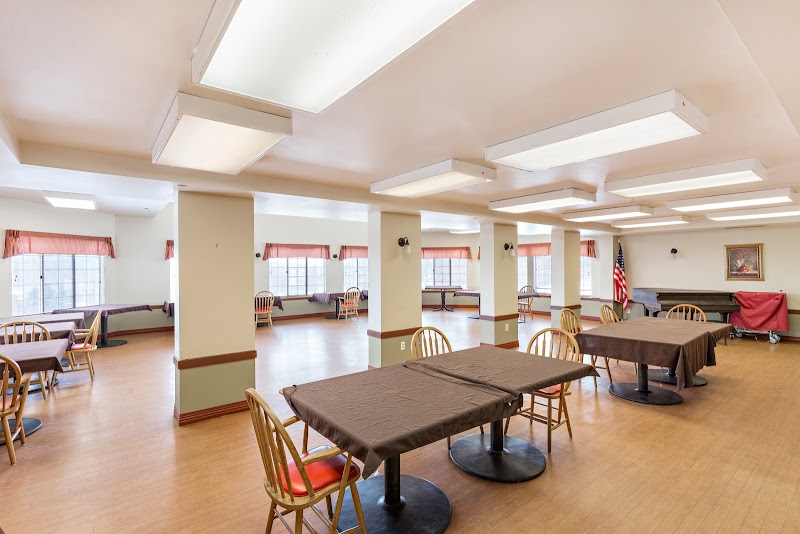
How is Kadima Rehabilitation & Nursing At Washington Staffed?

CMS rates KADIMA REHABILITATION & NURSING AT WASHINGTON's staffing level at 3 out of 5 stars, which is average compared to other nursing homes. Staff turnover is 79%, which is 33 percentage points above the Pennsylvania average of 46%. High turnover can affect care consistency as new staff learn residents' individual needs. RN turnover specifically is 88%, which is notably high. RNs provide skilled clinical oversight, so turnover in this role can affect medical care quality.

What Have Inspectors Found at Kadima Rehabilitation & Nursing At Washington?

State health inspectors documented 45 deficiencies at KADIMA REHABILITATION & NURSING AT WASHINGTON during 2023 to 2025. These included: 2 that caused actual resident harm, 41 with potential for harm, and 2 minor or isolated issues. Deficiencies causing actual harm indicate documented cases where residents experienced negative health consequences.
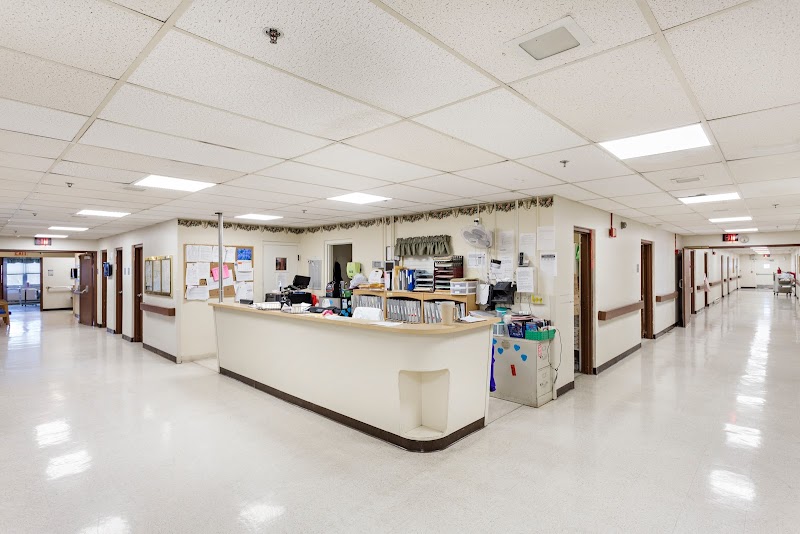
Who Owns and Operates Kadima Rehabilitation & Nursing At Washington?

KADIMA REHABILITATION & NURSING AT WASHINGTON is owned by a for-profit company. For-profit facilities operate as businesses with obligations to shareholders or private owners. The facility is operated by KADIMA HEALTHCARE GROUP, a chain that manages multiple nursing homes. With 74 certified beds and approximately 66 residents (about 89% occupancy), it is a smaller facility located in WASHINGTON, Pennsylvania.
How Does Kadima Rehabilitation & Nursing At Washington Compare to Other Pennsylvania Nursing Homes?

Compared to the 100 nursing homes in Pennsylvania, KADIMA REHABILITATION & NURSING AT WASHINGTON's overall rating (2 stars) is below the state average of 3.0, staff turnover (79%) is significantly higher than the state average of 46%, and health inspection rating (1 stars) is much below the national benchmark.

What Should Families Ask When Visiting Kadima Rehabilitation & Nursing At Washington?

Based on this facility's data, families visiting should ask: "How do you ensure continuity of care given staff turnover, and what is your staff retention strategy?" "Can I visit during a mealtime to observe dining assistance and food quality?" "How do you handle medical emergencies, and what is your hospital transfer rate?" "Can I speak with family members of current residents about their experience?" These questions are particularly relevant given the facility's high staff turnover rate.

Is Kadima Rehabilitation & Nursing At Washington Safe?

Based on CMS inspection data, KADIMA REHABILITATION & NURSING AT WASHINGTON has a clean safety record: no substantiated abuse findings (meaning no confirmed cases of resident harm), no Immediate Jeopardy citations (the most serious violation level indicating risk of serious injury or death), and is not on the Special Focus Facility watch list (a federal program monitoring the lowest-performing 1% of nursing homes). The facility has a 2-star overall rating and ranks #100 of 100 nursing homes in Pennsylvania. While no facility is perfect, families should still ask about staff-to-resident ratios and recent inspection results during their visit.

Do Nurses at Kadima Rehabilitation & Nursing At Washington Stick Around?

Staff turnover at KADIMA REHABILITATION & NURSING AT WASHINGTON is high. At 79%, the facility is 33 percentage points above the Pennsylvania average of 46%. Registered Nurse turnover is particularly concerning at 88%. RNs handle complex medical decisions and coordinate care — frequent RN changes can directly impact care quality. High turnover means new staff may not know residents' individual needs, medications, or preferences. It can also be disorienting for residents, especially those with dementia who rely on familiar faces. Families should ask: What is causing the turnover? What retention programs are in place? How do you ensure care continuity during staff transitions?

Was Kadima Rehabilitation & Nursing At Washington Ever Fined?

KADIMA REHABILITATION & NURSING AT WASHINGTON has been fined $20,914 across 1 penalty action. This is below the Pennsylvania average of $33,288. While any fine indicates a compliance issue, fines under $50,000 are relatively common and typically reflect isolated problems that were subsequently corrected. Families should ask what specific issues led to these fines and confirm they've been resolved.

Is Kadima Rehabilitation & Nursing At Washington on Any Federal Watch List?

KADIMA REHABILITATION & NURSING AT WASHINGTON is not on any federal watch list. The most significant is the Special Focus Facility (SFF) program, which identifies the bottom 1% of nursing homes nationally based on persistent, serious quality problems. Not being on this list means the facility has avoided the pattern of deficiencies that triggers enhanced federal oversight. This is a positive indicator, though families should still review the facility's inspection history directly.