PREMIER WASHINGTON REHABILITATION AND NURSING CTR
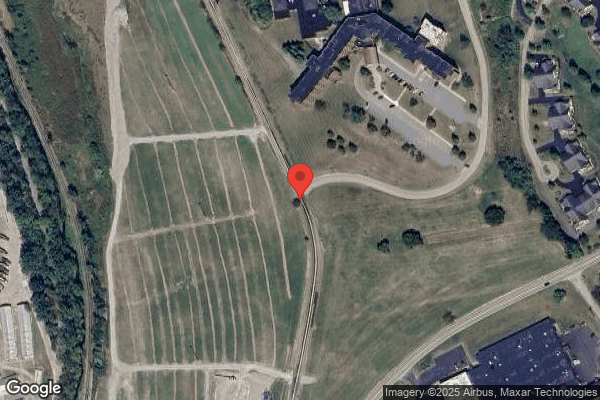
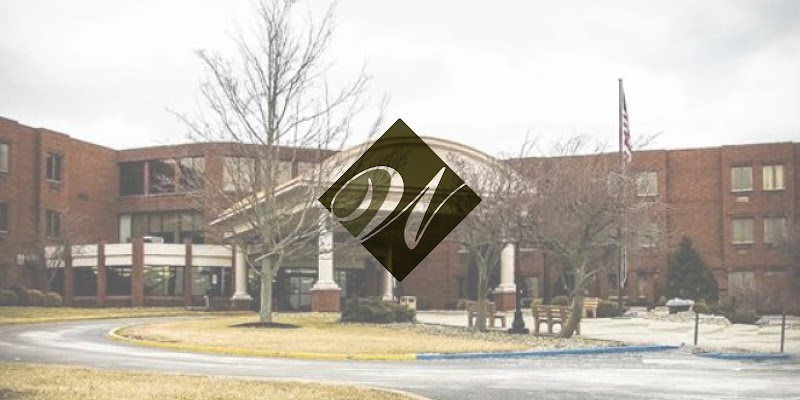
36 OLD HICKORY RIDGE RD, WASHINGTON, PA 15301 (724) 228-5010
For profit - Partnership 288 Beds JONATHAN BLEIER Data: November 2025
Trust Grade
60/100
#337 of 653 in PA
Last Inspection: April 2025

Within standard 12-15 month inspection cycle. Federal law requires annual inspections.

Overview

Premier Washington Rehabilitation and Nursing Center has a Trust Grade of C+, indicating it is slightly above average but not exceptional. It ranks #337 out of 653 facilities in Pennsylvania, placing it in the bottom half, and #6 out of 12 in Washington County, meaning only one other local option is better. The facility is improving, with the number of issues decreasing from 10 in 2024 to 4 in 2025. Staffing is average, rated at 3 out of 5 stars, with a turnover rate of 53%, which is comparable to the state average. Notably, there have been no fines recorded, which is a positive sign. However, there are concerns regarding meal service and kitchen sanitation. For instance, meals are frequently delivered late, with reports of residents receiving dinner as late as 9:00 p.m., which affects their dining experience. Additionally, the kitchen has faced issues with improper food storage, leading to potential risks for foodborne illness. While the facility does have adequate RN coverage, the overall experience for residents could be improved, especially related to meal quality and timeliness.

Trust Score
C+
60/100
In Pennsylvania
#337/653
Bottom 49%
Safety Record
Low Risk
No red flags
Inspections
Getting Better
10 → 4 violations
Staff Stability
⚠ Watch
53% turnover. Above average. Higher turnover means staff may not know residents' routines.
Penalties
✓ Good
No fines on record. Clean compliance history, better than most Pennsylvania facilities.
Skilled Nurses
○ Average
Each resident gets 36 minutes of Registered Nurse (RN) attention daily — about average for Pennsylvania. RNs are the most trained staff who monitor for health changes.
Violations
⚠ Watch
24 deficiencies on record. Higher than average. Multiple issues found across inspections.
★★★☆☆
3.0
Overall Rating
★★★☆☆
3.0
Staff Levels
★★★★☆
4.0
Care Quality
★★★☆☆
3.0
Inspection Score
Stable
2024: 10 issues
2025: 4 issues

The Good

  • 4-Star Quality Measures · Strong clinical quality outcomes
  • Full Sprinkler Coverage · Fire safety systems throughout facility
  • No fines on record

Facility shows strength in quality measures, fire safety.

The Bad

3-Star Overall Rating

Near Pennsylvania average (3.0)

Meets federal standards, typical of most facilities

Staff Turnover: 53%

Near Pennsylvania avg (46%)

Higher turnover may affect care consistency

Chain: JONATHAN BLEIER

Part of a multi-facility chain

Ask about local staffing decisions and management

The Ugly 24 deficiencies on record

Apr 2025 4 deficiencies
CONCERN (D)

Potential for Harm - no one hurt, but risky conditions existed

Deficiency F0761 (Tag F0761)

Could have caused harm · This affected 1 resident

Based on review of facility policy, observations, and staff interview, it was determined that the facility failed to make certain that medications and biologicals were properly disposed of in one of s...

Read full inspector narrative →
Based on review of facility policy, observations, and staff interview, it was determined that the facility failed to make certain that medications and biologicals were properly disposed of in one of six medication rooms (Unit 1 [NAME] medication room). Findings include: Review of the facility policy Storage of Medications dated 3/4/25, indicated the facility shall not use discontinued, outdated, or deteriorated drugs or biologicals. All such drugs shall be returned to the dispensing pharmacy or destroyed. During an observation of the Unit 1 [NAME] medication room on 4/11/25, at approximately 8:10 a.m., five heparin lock flush syringes, 500 usp units/5 mL (used to flush/clean out an intravenous (IV) catheter) were identified with an expiration date of 9/30/24. One opened, partially used bottle of vitamin E supplement with an expiration date of 3/25 was identified. During an interview on 4/11/25, at 8:30 a.m. Unit Nurse Manager Employee E1 confirmed the above observations. During an interview on 4/11/25, at approximately 9:25 a.m. the Director of Nursing confirmed that the facility failed to make certain that medications and biologicals were properly disposed of in one of six medication rooms (Unit 1 [NAME] medication room). 28 Pa. Code: 201.14 (a) Responsibility of licensee. 28 Pa. Code: 201.18 (b)(1)(e)(1) Management. 28 Pa. Code: 211.9 (a)(1) Pharmacy services. 28 Pa. Code: 211.12 (d)(1)(3)(5) Nursing services.
CONCERN (E)

Potential for Harm - no one hurt, but risky conditions existed

Infection Control (Tag F0880)

Could have caused harm · This affected multiple residents

Based on observations and interview, the facility failed to store medications in a safe and sanitary manner for three of four medication carts reviewed (Three South front cart, Three East front cart, ...

Read full inspector narrative →
Based on observations and interview, the facility failed to store medications in a safe and sanitary manner for three of four medication carts reviewed (Three South front cart, Three East front cart, and Two East back cart). Findings: Review of facility policy Infection Prevention Control Program Core Practices reviewed 3/4/25, indicated the facility's infection prevention and control program is designed to provide a safe, sanitary, and comfortable environment to help prevent the development and transmission of communicable diseases and infections. Review of facility policy Medication Storage reviewed 3/4/25, indicated nursing staff shall be responsible for maintaining medication storage (med cart and med room) and preparation areas in a clean, safe, and sanitary manner. During an observation on 4/11/25, at 9:50 a.m., Three South front medication cart contained 11 of 11 insulin pens in compartments unbagged, posing the risk of cross-contamination. During an interview on 4/11/25, at 9:50 a.m. Licensed Practical Nurse (LPN) Employee E2 confirmed the insulin pens were not in bags and stated she was unaware of the reason for storing insulin pens in bags. During an observation on 4/11/25, at 9:55 a.m. Three East front medication cart contained six of eight insulin pens in compartments unbagged, posing the risk of cross-contamination. During an interview on 4/11/25, at 9:55 a.m. LPN Employee E3 confirmed the insulin pens were not in bags and stated she was unaware of the reason for storing insulin pens in bags. During an observation on 4/11/25, at 10:05 a.m. Two East back medication cart contained three of seven insulin pens in compartments unbagged, posing the risk of cross-contamination. During an observation on 4/11/25, at 10:05 a.m. LPN Employee E4 confirmed the insulin pens were not being stored in bags consistently and was unaware of the reason for storing insulin pens in bags. During an interview on 4/11/25 at 10:50 a.m. the Director of Nursing confirmed the facility failed to prevent the risk of cross-contamination by storing insulin pens unbagged in the medication carts. 28 Pa code 201.14(a)Responsibility of Licensee 28 Pa code 211.12(d)(1) Nursing services
CONCERN (F) 📢 Someone Reported This

A family member, employee, or ombudsman was alarmed enough to file a formal complaint

Potential for Harm - no one hurt, but risky conditions existed

Food Safety (Tag F0812)

Could have caused harm · This affected most or all residents

Based on review of facility policy, observations, and staff interview, it was determined that the facility failed maintain sanitary conditions to prevent the potential for cross-contamination or foodb...

Read full inspector narrative →
Based on review of facility policy, observations, and staff interview, it was determined that the facility failed maintain sanitary conditions to prevent the potential for cross-contamination or foodborne illness in the main kitchen (Main Kitchen). Findings include: Review of the facility policy entitled, Food Storage: Cold reviewed, 3/4/25, indicated the Dining Services Director/Cook will ensure that all food items are stored properly in covered containers, labeled, dated, and arranged in a manner to prevent cross contamination. During an observation in the Main Kitchen on 4/10/25 at approximately 11:10 a.m., the following was observed: -condensation and ice build-up on the fan in the freezer causing ice formation on multiple boxes of frozen goods and additionally on top of a tray of cauliflower and a tray of broccoli wrapped in tin foil. -a metal tray containing approximately half of a ten pound tube of ground beef loosely and partially covered with plastic wrap showing signs of oxidation on the exposed end. During an interview on 4/10/25 at 11:35 a.m., Dietary Manager Employee E55 confirmed the above findings. 28 Pa. Code: 201.14(a) Responsibility of licensee. 28 Pa. Code: 201.18(b)(1) Management. 28 Pa. Code: 211.6(c) Dietary services.
MINOR (C)

Minor Issue - procedural, no safety impact

Deficiency F0575 (Tag F0575)

Minor procedural issue · This affected most or all residents

Based on observations and staff interview, it was determined that the facility failed to post contact information for Adult Protective Services (APS) as required, in the building. Findings include: O...

Read full inspector narrative →
Based on observations and staff interview, it was determined that the facility failed to post contact information for Adult Protective Services (APS) as required, in the building. Findings include: Observations conducted on April 10, 2025, at 8:30 a.m., on the first second and third floor nursing units, revealed the facility did not have the APS contact (name, address, email, and phone number) information posted or accessible to residents, family, and visitors. During interview, on April 10, 2025, at 8:51 a.m., the Director of Nursing confirmed that the Adult Protective Services contact information, was not posted in areas available to residents, families, and visitors. 28 Pa. Code: 201.14(a)Responsibility of licensee. 28 Pa. Code: 201.18(e) Management.
Nov 2024 1 deficiency
CONCERN (F) 📢 Someone Reported This

A family member, employee, or ombudsman was alarmed enough to file a formal complaint

Potential for Harm - no one hurt, but risky conditions existed

Deficiency F0809 (Tag F0809)

Could have caused harm · This affected most or all residents

Based on review of facility documents, meal delivery observations, resident interview, and staff interviews it was determined that the facility failed to ensure that meals were served at regularly sch...

Read full inspector narrative →
Based on review of facility documents, meal delivery observations, resident interview, and staff interviews it was determined that the facility failed to ensure that meals were served at regularly scheduled times for one of seven nursing units (1 [NAME] nursing unit) Findings include: Review of facility policy Meal Delivery Policy dated 2/28/24, indicated that meals are served at designated times. Review of the Washington Meal Delivery Log revised 8/24/24, indicated for Lunch the first tray cart arrives at 12:52 p.m., and the second cart arrives at 12:59 p.m. on the 1 [NAME] nursing unit. During an interview on 11/14/24, at 2:00 p.m., Staff Employees E1, E2, E3, E4, and E5's stated that food carts are never on time, and it happens for all three meals. Sometimes they don't get delivered until 2:00 and 3:00 p.m. During an interview on 11/14/24, at 2:15 p.m., Resident R1 stated that the trays are never on time and the food is crap. During an interview on 11/14/24, at 2:30 p.m., the Regional Food Service Director Employee E6 stated that he was aware of the concerns with getting meals out timely and is working on it with staff education and training. During an observation on 11/14/24, at 12:50 p.m., residents were seated at the dining tables for lunch meal service. The first tray cart arrived on the unit at 1:33 p.m., 41 minutes late of the posted arrival time. The second tray cart arrived on the unit at 1:43 p.m., 44 minutes late of the posted arrival time. During an interview on 11/14/24, at 2:30 p.m., the Nursing Home Administrator and Regional Food Service Director Employee E6 confirmed that the facility failed to ensure that meals were served at regularly scheduled times for the 1 [NAME] nursing unit. 28 Pa. Code: 211.6 (c) Dietary services.
Jul 2024 4 deficiencies
CONCERN (E) 📢 Someone Reported This

A family member, employee, or ombudsman was alarmed enough to file a formal complaint

Potential for Harm - no one hurt, but risky conditions existed

Deficiency F0557 (Tag F0557)

Could have caused harm · This affected multiple residents

Based on observation, clinical record review, observation, resident and staff interview, it was determined that the facility failed to respect residents' rights in the handling and protection of their...

Read full inspector narrative →
Based on observation, clinical record review, observation, resident and staff interview, it was determined that the facility failed to respect residents' rights in the handling and protection of their personal property and clothing for eleven of thirteen residents interviewed (Residents R1, R2, R3, R4, R5, R6, R7, R8, R9, R10, and R11). Findings include: During an observation on 7/23/24, at 10:50 a.m., of the facility soiled and clean laundry areas, there were two staff working. There was three heaping piles of soiled personal items on carts in the soiled laundry area and two heaping carts and six covered laundry carts with personal laundry in the clean laundry area. The Nursing Home Reform Act established the following rights for nursing home residents: -The right to freedom from abuse, mistreatment, and neglect; -The right to freedom from physical restraints; -The right to privacy; -The right to accommodation of medical, physical, psychological, and social needs; -The right to participate in resident and family groups; -The right to be treated with dignity; -The right to exercise self-determination; -The right to communicate freely; -The right to participate in the review of one's care plan, and to be fully informed in advance about any changes in care, treatment, or change of status in the facility; and -The right to voice grievances without discrimination or reprisal. During an interview on 7/23/24, at 11:15 a.m., the Laundry Housekeeping Manager Employee E1 stated that the afternoon shift staff person refuses to deliver personal items, she has been written up several times but I can't get rid of her or I will have no one on afternoon shift. During an interview 7/23/24, at 11:30 a.m., the Director of Nursing (DON) was made aware of the laundry not being delivered and the observation and interview completed confirming the fact that the facility staff is not delivering personal clothing. The DON confirmed that the facility failed to respect residents' rights in the handling and protection of their personal property and clothing. 28 Pa Code 201.18(e)(1)(h) Management 28 Pa Code 201.29 (a)(c)(j)(k) Resident rights
CONCERN (E) 📢 Someone Reported This

A family member, employee, or ombudsman was alarmed enough to file a formal complaint

Potential for Harm - no one hurt, but risky conditions existed

Menu Adequacy (Tag F0803)

Could have caused harm · This affected multiple residents

Based on observations, review of facility menu, resident interviews, and staff interviews it was determined that the facility failed to follow the displayed menu for one of three observed meals (lunch...

Read full inspector narrative →
Based on observations, review of facility menu, resident interviews, and staff interviews it was determined that the facility failed to follow the displayed menu for one of three observed meals (lunch meal 7/23/24), and failed to provide residents with their preferred dietary choices for three of three residents identified (Residents R100, R101, R102). Findings include: During an observation on 7/23/24, the posted menu on the 3 East and 3 South Nursing Units was identified as Washington Spring Summer 2024 week 4 menu. During an interview on 7/23/24, at 8:35 a.m., Staff Employee E2 stated that food trucks are never on time; residents never get what they ask for and I have had to call down for correct tray; this last weekend the trays were two and three hours late for dinner, residents got meals at 8:00 at night; the food served today was not what is on that menu. During an interview on 7/23/24, at 9:09 a.m., Resident Resident R7 stated trays are always late, especially this past weekend, actually over the past couple months; there are never condiments, I had to go buy my own sugar and salt; the trays have missing items or they just give you whatever they want. During an interview on 7/23/24, at 9:26 a.m., the Diet Clerk Employee E4, confirmed that the posted menu was not the menu currently being used that the facility was in week 1 and that she would take care of that. During an observation on 7/23/24, from 11:30 a.m., through 11:48 a.m., the following was observed: Food was on hot carts on either side of trayline with temperatures of food being assessed by the Food Service Director at 11:30 a.m. Trays began being plated with 3 South residents. When ticket and food on each tray of the three of three observed were identified, each tray had requested items that had not been placed on each tray. During an interview on 7/23/24, at 11:32 a.m., the Food Service Director Employee E3 confirmed that the trays did not have all of the requested/desired foods on them the facility failed to follow the displayed menu for one of three observed meals (lunch meal 7/23/24), and failed to provide residents with their preferred dietary choices for Resident R100, R101 and R102. Pa Code: 211.6(a) Dietary services.
CONCERN (F) 📢 Someone Reported This

A family member, employee, or ombudsman was alarmed enough to file a formal complaint

Potential for Harm - no one hurt, but risky conditions existed

Deficiency F0802 (Tag F0802)

Could have caused harm · This affected most or all residents

Based on resident and staff observations, and staff interviews, it was determined that the facility failed to have sufficient dietary staff to perform essential kitchen duties in the Main Kitchen. Fin...

Read full inspector narrative →
Based on resident and staff observations, and staff interviews, it was determined that the facility failed to have sufficient dietary staff to perform essential kitchen duties in the Main Kitchen. Findings include: The facility Meal Delivery policy dated 2/28/24, indicated that delivery times for Food Truck delivery have a ten-minute allowance and if later than that, have to have an explanation identified, this was indicated as the Action Plan. During an interview on 7/23/24, at 8:35 a.m., Staff Employee E2 stated that food trucks are never on time, residents never get what they ask for and I have had to call down for correct tray; this last weekend the trays were two and three hours late for dinner, residents got meals at 8:00 at night. During an interview on 7/23/24, at 9:04 a.m., Resident R5 stated that the trays are never on time; food is cold, especially at breakfast; there are no hot plates under plates; the food taste is sometimes not good; and this past weekend we didn't get our dinner til almost 9:00 p.m. During an interview on 7/23/24, at 9:09 a.m., Resident Resident R7 stated trays are always late, especially this past weekend, actually over the past couple months; there are never condiments; I had to go buy my own sugar and salt; the trays have missing items or they just give you whatever they want. During an observation on 7/23/24, at 9:18 a.m., of the trays on the breakfast cart of the 3 East Nursing Unit, did not include hot plates underneath the plates on the cart. During an interview on 7/23/24, at 9:26 a.m., the Food Service Director Employee E3 stated that she was aware of the past weekend trays being late and that she could not work every day, twelve hours a day; it's hard when you don't have any staff to run a kitchen; the hotplate warmers sometimes work and sometimes don't; staff just don't work together; how do you make them, they have to learn. During an observation on 7/23/24, the lunch delivery identified on the Washington Meal Delivery Log indicated the at the lunch cart delivery service on the 2 East Nursing unit cart delivery was to be at 12:08 p.m., and 12:15 p.m., staff stated that they only get one cart. The cart did not arrive until 12:30 p.m., fifteen minutes after the posted arrival time. Review of Dietary Council Meeting Minutes from 5/3/24, through 7/19/24, identified dietary issues of late food, cold food and taste of food issues that have been ongoing. Review of the Grievance logs dated May 2024, through July 2024, identified complaints related to food quality, and not receiving what was ordered. During an interview on 7/23/24, at 9:26 a.m., the Food Service Director confirmed that the facility failed to have sufficient dietary staff. 28 Pa. Code: 211.6 (c) Dietary services.
CONCERN (F) 📢 Someone Reported This

A family member, employee, or ombudsman was alarmed enough to file a formal complaint

Potential for Harm - no one hurt, but risky conditions existed

Deficiency F0809 (Tag F0809)

Could have caused harm · This affected most or all residents

Based on review of facility documents, meal delivery observations, resident interviews, and staff interviews it was determined that the facility failed to ensure that meals were served at regularly sc...

Read full inspector narrative →
Based on review of facility documents, meal delivery observations, resident interviews, and staff interviews it was determined that the facility failed to ensure that meals were served at regularly scheduled times for three of three days identified (7/20/24, 7/21/24 and 7/23/24). Findings include: The facility Meal Delivery policy dated 2/28/24, indicated that delivery times for Food Truck delivery have a ten-minute allowance and if later than that, have to have an explanation identified, this was indicated as the Action Plan. During an interview on 7/23/24, at 8:35 a.m., Staff Employee E2 stated that food trucks are never on time; residents never get what they ask for and I have had to call down for correct tray; this last weekend the trays were two and three hours late for dinner, residents got meals at 8:00 at night. During an interview on 7/23/24, at 9:04 a.m., Resident R5 stated that the trays are never on time; food is cold, especially at breakfast; there are no hot plates under plates; the food taste is sometimes not good; this past weekend we didn't get our dinner til almost 9:00 p.m. During an interview on 7/23/24, at 9:09 a.m., Resident Resident R7 stated trays are always late, especially this past weekend, actually over the past couple months; there are never condiments, I had to go buy my own sugar and salt;the trays have missing items or they just give you whatever they want. During an interview on 7/23/24, at 9:26 a.m., the Food Service Director Employee E3 stated that she was aware of the past weekend trays being late and that she could not work every day, twelve hours a day; it's hard when you don't have any staff to run a kitchen; the hotplate warmers sometimes work and sometimes don't; staff just don't work together; how do you make them, they have to learn. During an observation on 7/23/24, the lunch delivery identified on the Washington Meal Delivery Log indicated the at the lunch cart delivery service on the 2 East Nursing unit cart delivery was to be at 12:08 p.m., and 12:15 p.m., staff stated that they only get one cart. The cart did not arrive until 12:30 p.m., fifteen minutes after the posted arrival time. During an interview on 7/23/24, at 12:30 p.m., the Director of Nursing, Nursing Home Administrator and Lucent Regional Manager Employee E5 confirmed that the the facility failed to ensure that meals were served at regularly scheduled times for three of three days identified (7/20/24, 7/21/24 and 7/23/24). 28 Pa. Code: 211.6 (c) Dietary services.
Jun 2024 1 deficiency
CONCERN (E) 📢 Someone Reported This

A family member, employee, or ombudsman was alarmed enough to file a formal complaint

Potential for Harm - no one hurt, but risky conditions existed

Safe Environment (Tag F0584)

Could have caused harm · This affected multiple residents

Based on observations, resident and resident family interviews and staff interviews, it was determined that the facility failed to maintain a clean, homelike environment on five of six nursing units (...

Read full inspector narrative →
Based on observations, resident and resident family interviews and staff interviews, it was determined that the facility failed to maintain a clean, homelike environment on five of six nursing units (1 South, 1 West, 2 South, 3 South and 3 East nursing units). Failed to provide a clean, comfortable, homelike environment for 33 of 52 residents (R1, R6, R7, R8, R9. R10, R11, R12, R13, R14, R15, R16, R17, R18, R19, R20, R21, R22, R23, R24, R25, R26, R27, R28, R29, R30, R31, R32, R33, R34, R35, R36 and R37). Findings include: During an observation on 6/6/24, from 8:35 a.m., through 9:50 a.m., the following was identified: - The main entrance hallways of the facility leading to 1 [NAME] and 1 South nursing units and to the main dining room was spoiled with splotches of black substances and debris. -The main resident lounge(s) located on 1 South, 1 West, 2 South, 3 South and 3 [NAME] nursing units with wheelchairs, staff equipment of computers, etc and pieces of paper, food debris and sticky substances on all of the floors. Tables in need of cleaning with sticky substances and food debris. - The main hallways of all of the nursing units identified had debris and splotches on them. -The main dining room floor had debris. Nursing Unit 3 East: -Residents R6, R7, R8 and R9's shared bathroom had soiled bathroom floor with brown substance and personal debris on it. - Residents R6 and R7's room floor had debris and sticky substances and soiled linens and a full garbage can under the sink. -Residents R8 and R9's room floor had debris and sticky substances, the sink had broken sharp edges and Resident R9's wheelchair was heavily soiled with white substances on the seat and leg rests. -Residents R10, R11 and R12's room floors was soiled with debris and the sink had broken sharp edges. -Resident R13 had a broken sink with sharp edges. - Residents R14 and R15 has a broken sink with sharp edges. -Residents R16, R17, R18 and R19's shared bathroom floor is soiled with debris and black substance. -Residents R20 and R21's room floor and bathroom floor had areas of a black substance and a basin with a soiled dried wash cloth under the sink and two foot rests in the corner. -Residents R1 and R22's room had a soiled floor with dried food debris, black marks and spider webs in the window corners. Nursing Units 3 South: - Residents R23, R24, R25, R26, R27, R28, R29 and R30 rooms had broken sinks with sharp edges and soiled floors. -Residents R31 and R32's area under the sink was soiled and sticky. -Residents R33, R34, R35 and R36's bathroom toilet was black inside and room floors were soiled with debris. Resident R37's fall mat was stuck underneath the clothes cabinet with heavily soiled debris around the mat and a brown substance dried puddle at the head of the bed area under the dresser and mat. Nursing Units 2 South, 1 South, 1 [NAME] resident rooms all had debris throughout the rooms on the floors. During an interview on 6/6/24, at 11:15 a.m., the Housekeeping/ Laundry Supervisor Employee E1 confirmed that the facility failed to maintain a clean, comfortable, homelike environment on five of six nursing units (1 South, 1 West, 2 South, 3 South and 3 East nursing units). Failed to provide a clean, comfortable, homelike environment for 33 of 52 residents (R1, R6, R7, R8, R9. R10, R11, R12, R13, R14, R15, R16, R17, R18, R19, R20, R21, R22, R23, R24, R25, R26, R27, R28, R29, R30, R31, R32, R33, R34, R35, R36 and R37). 28 Pa. code: 201.14 (a) Responsibility of licensee. 28 Pa Code: 201.18 (e)(1)(2) Management. 28 Pa Code: 201.29 (a)(c)(d) Resident rights.
Apr 2024 4 deficiencies
CONCERN (D)

Potential for Harm - no one hurt, but risky conditions existed

Resident Rights (Tag F0550)

Could have caused harm · This affected 1 resident

**NOTE- TERMS IN BRACKETS HAVE BEEN EDITED TO PROTECT CONFIDENTIALITY** Based on clinical record review, staff interview, and observation, it was determined that the facility failed to provide an envi...

Read full inspector narrative →
**NOTE- TERMS IN BRACKETS HAVE BEEN EDITED TO PROTECT CONFIDENTIALITY** Based on clinical record review, staff interview, and observation, it was determined that the facility failed to provide an environment and care to promote dignity during medication administration for each resident's quality of life for five of nine residents observed (R226, R178, R119, R131, and R214). Findings include: Review of the facility policy Medication Administration/Disposition reviewed 2/28/24, indicated medications will be administered in a safe and timely manner. Facility staff involved in the administration of resident care will be knowledgeable of the policies and procedures regarding pharmacy services including medication administration. For residents not in their room or otherwise unavailable to receive medication on the pass, the Medication Administration Record (MAR) may be flagged. After completing the medication pass, the nurse will return to the missed Resident to administer the medication. Review of the facility policy Resident Rights reviewed 2/28/24, indicated employees shall treat all residents with kindness, respect, and dignity. Federal and state laws guarantee certain basic rights to all residents of the facility and include a dignified existence. Review of the clinical record indicated Resident R226 was admitted to the facility on [DATE], with diagnoses that included dementia (gradual decline in memory, thinking, and social abilities severe enough to interfere with daily functioning), depression, and muscle weakness. Review of the Minimum Data Set (MDS - a mandated assessment of a resident's abilities and care needs) dated 2/3/24, revealed the diagnoses remain current. Review of the physician orders revealed the following active medications to be administered at 9:00 a.m.: Atenolol (high blood pressure) 25 milligrams (mg) one time a day. Clonidine (high blood pressure) 0.1 mg one time a day. Donepezil (dementia)10 mg one time a day. Memantine (dementia) 5 mg one time a day. Oxybutynin (bladder spasms/urgency)10 mg one time a day. Potassium Chloride (supplement) 10 milliequivalents (MEQ) one time a day. Wellbutrin (anti-depressant) 150 mg one time a day. Depakote sprinkles (mood conditions) 125 mg, two capsules two times a day. Hydrochlorothiazide (high blood pressure) 25 mg two times a day. During an observation on 4/9/24, at 8:30 a.m. Licensed Practical Nurse (LPN) Employee E1 was observed administering Resident R226's medications at a table in the middle of 1 [NAME] Nursing Unit with other residents seated at the table, at other tables nearby, and walking around the unit. Review of the clinical record indicated Resident R178 was admitted to the facility on [DATE], with diagnoses that included dementia, anxiety, and depression. Review of the physician orders revealed the following active medications to be administered at 9:00 a.m.: Aspirin 81 mg one time a day. Escitalopram (anti-depressant) 10 mg one time a day. During an observation on 4/9/24, at 8:37 a.m. LPN Employee E1 was observed administering Resident R178's medications at a table in the middle of 1 [NAME] Nursing Unit with other residents seated at the table, at other tables nearby, and walking around the unit. Review of the clinical record indicated Resident R119 was admitted to the facility on [DATE], with diagnoses that included diabetes, high blood pressure, and schizoaffective disorder (a mental health disorder that is marked by a combination of schizophrenia symptoms, such as hallucinations or delusions, and mood disorder symptoms, such as depression or mania). Review of the MDS dated [DATE], indicated the diagnoses remain current. Review of the physician orders revealed the following active medications to be administered at 9:00 a.m.: Lisinopril (high blood pressure) 40 mg one time a day. Meloxicam (treats pain and inflammation caused by arthritis) 15 mg one time a day. Sertraline (anti-depressant) 50mg one time a day. Sodium chloride (regulates amount of water in your body) 1 gram, two tablets one time a day. Amantadine (treats stiffness, tremors, shaking, and uncontrolled movements) 100 mg two times a day. Metformin (diabetes) 500 mg two times a day; Psyllium (bulk-forming laxative) one packet two times a day; Valproic Acid (treats mood disorders) solution 10 milliliter (ml) two times a day. During an observation on 4/9/24, at 8:50 a.m. LPN Employee E1 was observed administering Resident R119's medications at a table in the middle of 1 [NAME] Nursing Unit with other residents seated at the table and at other tables in the area. Review of the clinical record indicated Resident R131 was admitted to the facility on [DATE], with diagnoses that included schizoaffective disorder, diabetes, and anxiety. Review of the MDS dated [DATE], indicated the diagnoses remain current. Review of the physician orders revealed the following active medication orders to be administered at 9:00 a.m.: Carvedilol (treats high blood pressure and heart function problems) 12.5 mg two times a day. Eliquis (lowers risk of stroke and blood clots) 5 mg two times a day. Metformin 1000 mg two times a day. Amantadine (treats uncontrollable movements) 100 mg three time a day. Depakote sprinkles 125 mg three times a day. Gabapentin (treats nerve pain) 300 mg three times a day. Haloperidol (antipsychotic) 10 mg three times a day. Klonopin (treats anxiety) 1 mg three times a day. During an observation on 4/9/24, at 9:00 a.m. LPN Employee E1 was observed administering Resident R131's medications at a table in the middle of 1 [NAME] Nursing Unit with other residents seated at the table and at other tables in the area. Review of the clinical record indicated Resident R214 was admitted to the facility on [DATE], with diagnoses that included diabetes, chronic obstructive pulmonary disease (COPD - restricts airflow from the lungs), and chronic atrial fibrillation (irregular and very fast heart rhythm). Review of the MDS dated [DATE], revealed the diagnoses remain current. Review of the physician orders revealed the following active medication orders to be administered at 9:00 a.m.: Calcium carbonate (supplement) 1250 mg one time a day. Fluoxetine (antidepressant) 40 mg one time a day. Lantus insulin (long-acting type of insulin that works slowly, over about 24 hours) inject 14 units one time a day. Sennosides (laxative) 8.6 mg one time a day. Eliquis 5 mg two times a day. Norco (narcotic pain medication) 5/325 mg two times a day. During an observation on 4/9/24, at 9:05 a.m. LPN Employee E1 was observed administering Resident R214's medications at a table in the middle of 1 [NAME] Nursing Unit with other residents seated at the table and at other tables in the area. She asked Resident R214 if he would like the insulin injected into his abdomen two separate times before Resident R214 responded I'd rather not while holding his shirt down at his waist. LPN Employee E1 then proceeded to administer the insulin in Resident R214's right upper arm. Residents R119, R131, and R214 were seated at a table together. Residents R226 and R178 were seated at separate tables with other residents. During an interview on 4/10/24, at 2:00 p.m. the Director of Nursing confirmed the to provide an environment and care to promote dignity for Resident R226, R178, R119, R131, and R214 during medication administration. 28. Pa Code: 201.29(i) Resident rights.
CONCERN (D)

Potential for Harm - no one hurt, but risky conditions existed

Deficiency F0658 (Tag F0658)

Could have caused harm · This affected 1 resident

**NOTE- TERMS IN BRACKETS HAVE BEEN EDITED TO PROTECT CONFIDENTIALITY** Based on review of clinical records, facility policy, manufacture instruction, observation, and staff interview, it was determin...

Read full inspector narrative →
**NOTE- TERMS IN BRACKETS HAVE BEEN EDITED TO PROTECT CONFIDENTIALITY** Based on review of clinical records, facility policy, manufacture instruction, observation, and staff interview, it was determined that the facility failed to make certain the services provided or arranged by the facility meet professional standards of quality for one of five residents (Resident R214) Findings include: A review of the facility policy Facility Competence Program reviewed 2/28/24, indicated employees and contractors in all departments will participate in an ongoing program to assess and demonstrate knowledge, skills, and judgments required to perform job duties. A review of the manufacture instructions for the use of Lantus Kwik Pen (insulin injection pen) indicated Do not use a syringe to remove Lantus from the disposable prefilled pen. A review of the clinical record revealed that Resident R214 was admitted to the facility on [DATE], with diagnoses that included diabetes, depression, and muscle weakness. A review of a physician order dated 2/9/24, indicated to give Lantus Kwik Pen 14 units under the skin one time a day. A review of the comprehensive care plan initiated 2/19/24, indicated staff to administer insulin as ordered. During an observation of a medication administration on 4/9/24, at 9:05 a.m. Licensed Practical Nurse (LPN) Employee E1 was observed drawing insulin out of a Kwik Pen without using a Kwik Pen compatible needle for Resident R214. During an interview on 4/9/24, at 9:05 a.m. LPN Employee E1 stated that she often uses a syringe to remove insulin from the Kwik Pens to administer to the residents, stating she used this practice at other facilities that she worked at. During an interview on 4/12/24, at 8:57 a.m. Registered Nurse Employee E5 stated she sometimes uses a syringe to remove insulin from a Kwik Pen. During an interview on 4/12/24, at 10:45 a.m. the Director of Nursing confirmed the facility failed to make certain the services provided or arranged by the facility meet professional standards of quality for Resident R214. 28 Pa. Code 201.29(d) Resident rights. 28 Pa. Code 211.12(d)(1)(3)(5) Nursing services.
CONCERN (D)

Potential for Harm - no one hurt, but risky conditions existed

Quality of Care (Tag F0684)

Could have caused harm · This affected 1 resident

**NOTE- TERMS IN BRACKETS HAVE BEEN EDITED TO PROTECT CONFIDENTIALITY** Based on review of facility policy, clinical records, and staff interviews, it was determined that the facility failed to notify...

Read full inspector narrative →
**NOTE- TERMS IN BRACKETS HAVE BEEN EDITED TO PROTECT CONFIDENTIALITY** Based on review of facility policy, clinical records, and staff interviews, it was determined that the facility failed to notify physicians of increased and decreased Capillary Blood Glucose (CBG) levels and failed to assess residents for hyperglycemia (high blood glucose) and hypoglycemia (low blood glucose), for two of five residents reviewed (Residents R14, and R229). Findings include: The Centers for Disease Control defines diabetes as: Diabetes Mellitus is a chronic (long-lasting) health condition that affects how your body turns food into energy. Most of the food you eat is broken down into sugar (also called glucose) and released into your bloodstream. When your blood sugar goes up, it signals your pancreas to release insulin. Insulin acts like a key to let the blood sugar into your body's cells for use as energy. If you have diabetes, your body either doesn't make enough insulin or can't use the insulin it makes as well as it should. When there isn't enough insulin or cells stop responding to insulin, too much blood sugar stays in your bloodstream. Over time, that can cause serious health problems, such as heart disease, vision loss, and kidney disease. Hypoglycemia is a condition that occurs when blood glucose is lower than normal, usually below 70 milligrams per deciliter (mg/dl). If left untreated, hypoglycemia may lead to weakness, confusion, unconsciousness, arrhythmias and even death. People with Diabetes Mellitus may be prescribed injectable insulin to assist in maintaining acceptable levels of CBG's. Hyperglycemia, or high blood glucose, occurs when there is too much sugar in the blood. This happens when your body has too little insulin. Hyperglycemia is blood glucose greater than 125 mg/dL while fasting (not eating for at least eight hours, or a blood glucose greater than 180 mg/dL one to two hours after eating. If you have hyperglycemia and it ' s untreated for long periods of time, you can damage your nerves, blood vessels, tissues and organs. Damage to blood vessels can increase your risk of heart attack and stroke, and nerve damage may also lead to eye damage, kidney damage and non-healing wounds. Review of the facility policy Hyperglycemia Management - Diabetes Management reviewed 4/18/23 and 2/28/24, indicated the facility will manage the resident's diabetes to prevent hyperglycemia based on physician orders and monitoring. The licensed nurse will obtain a blood glucose reading. The charge nurse/unit manager will contact the physician if the blood glucose is above 350, or the physician ordered parameters, or if signs and symptoms noted. A repeat blood glucose reading should be taken one hour after treatment has been given. Document the episode, assessment, and treatment in the nurses progress. Document medications and glucose levels in the electronic Medication Record (eMAR). Review of the facility policy Change of Condition reviewed 4/18/23 and 2/28/24, indicated the clinical nurse will recognize and appropriately intervene in the event of a change in resident condition. The facility will notify the resident, attending physician, and resident representative of changes in the resident's condition and/or status. Review of the clinical record indicated Resident R14 was re-admitted to the facility on [DATE], with diagnoses that included diabetes, high blood pressure, and severe obesity. Review of Resident R14' s Minimum Data Set (MDS - a mandated assessment of a resident's abilities and care needs) dated 3/18/24, indicated the diagnoses remain current. Review of a physician ' s order dated 1/27/24, indicated to inject Lispro (fast-acting insulin that starts to work about 15 minutes after injection, peaks in about 1 hour, and keeps working for 2 to 4 hours) inject 22 units three times a day notify MD (medical doctor) of BS (blood sugar) less than 60 or greater than 450. Review of the clinical record electronic Medication Administration Record (eMAR) revealed that the resident's CBG's were as follows: On 3/7/24, at 9:19 a.m. CBG was noted to be 470. Review of Resident's eMAR and clinical progress notes indicated the resident was not assessed for hyperglycemia, the blood glucose was not monitored for effectiveness of treatment, failed to follow interventions of the care plan, and the physician was not notified of abnormal results on the above listed dates. Review of the care plan dated 6/23/21, indicated to administer diabetes medication as ordered. Monitor for side effects and effectiveness. Administer insulin as ordered. Monitor blood sugars as ordered. Monitor, document, and report signs/symptoms of hyperglycemia. Review of a clinical record indicated Resident R229 was re-admitted to the facility on [DATE], with diagnoses that included diabetes, muscle weakness, and depression. Review of the MDS dated [DATE], indicated the diagnoses remain current. Review of physician ' s orders dated 12/11/23, indicated insulin Aspart (a fast-acting insulin that starts to work about 15 minutes after injection, peaks in about 1 hour, and keeps working for 2 to 4 hours) per sliding scale. For blood glucose greater than 400 give 36 units and notify MD. Review of Resident R14's eMAR revealed that the resident's CBG's were as follows: On 12/26/23, at 4:21 p.m. CBG was noted to be 474. On 1/4/24, at 4:46 p.m. CBG was noted to be 403. On 2/13/24, at 1:03 p.m. CBG was noted to be 401 On 2/23/24, at 12:42 p.m. CBG was noted to be 416. On 3/2/24, at 11:57 a.m. CBG was noted to be 435 On 3/3/24, at 12:21 p.m. CBG was noted to be 495. On 3/15/24, 8:54 p.m. CBG was noted to be 444. A review of Resident R229's eMAR and clinical progress notes indicated the resident was not assessed for hyperglycemia, failed to follow interventions of the care plan, blood sugar was not rechecked, and the physician was not notified of abnormal results. A review of Resident R229's care plan dated 5/31/23, indicated to administer insulin as ordered. Monitor blood sugars as ordered per sliding scale and notify MD of BS less than 60 or greater than 400. Monitor, document. report signs and symptoms of hyperglycemia. During an interview on 4/12/24, at 8:50 a.m. Licensed Practical Nurse (LPN) Employee E7 stated if the blood glucose was outside of the ordered parameters they would call the doctor, and document under progress notes During an interview on 4/12/24, at 8:53 a.m. LPN Employee E8 stated for blood sugars over 400 or over ordered parameters, they would call the doctor for orders, give ordered insulin, and document in the progress notes. During an interview on 4/12/24, at 8:55 a.m. Registered Nurse (RN) Employee E6 stated for blood glucose over the ordered parameters or over 400 without parameters they would call the doctor and document in the progress notes. During an interview on 4/12/24, at 8:59 a.m. RN Employee E5 stated for blood sugars over 450 they would give the ordered insulin, call the doctor, and recheck blood glucose in 10 minutes. They would document in the progress notes, the MAR, and under vitals for blood glucose. During an interview on 4/12/24, at 9:06 a.m. LPN Employee E9 stated for blood glucose over 450 she would call the doctor, give the ordered insulin, and document in the progress notes and vital signs for blood glucose. During an interview on 4/11/24, at 11:00 a.m. the Director of Nursing confirmed the facility failed to notify the doctor of a change in condition related to blood glucose, failed to follow the care plan interventions, and failed to recheck blood sugars for Residents R14, and R229. 28 Pa. Code: 211.10(c)(d) Resident care policies. 28 Pa. Code: 211.12(d)(1)(3)(5) Nursing services.
CONCERN (E)

Potential for Harm - no one hurt, but risky conditions existed

Deficiency F0761 (Tag F0761)

Could have caused harm · This affected multiple residents

**NOTE- TERMS IN BRACKETS HAVE BEEN EDITED TO PROTECT CONFIDENTIALITY** Based on review of facility policies, observations, and staff interviews, it was determined that the facility failed to store me...

Read full inspector narrative →
**NOTE- TERMS IN BRACKETS HAVE BEEN EDITED TO PROTECT CONFIDENTIALITY** Based on review of facility policies, observations, and staff interviews, it was determined that the facility failed to store medications and biologicals properly and securely in three of six medications carts (One [NAME] Front Hall, Three East Back Hall and Three South Front Hall). Findings include: Review of the facility policy Medication Storage-Med Cart last reviewed 2/28/24, indicated the nurse must secure the medication cart during the medication pass to prevent unauthorized entry. Medication carts must be securely locked at all times when out of the nurses's view. During medication pass, the Medication Administration Record (MAR) or Electronic Health Record (EHR) will be closed when not accessed by the nurse so that HIPPA information is not visible or accessible to unauthorized individuals. Review of the facility policy Medication Storage last reviewed 2/28/24, indicated the medication supply is accessible only to nursing personnel, pharmacy personnel, or staff members lawfully authorized to administer medications. Drugs and biologicals shall be stored in the packaging, containers, or other dispensing systems in which they are received. The nursing staff shall be responsible for maintaining medication storage. Review of the facility policy Medication Administration/Disposition reviewed 2/28/24, indicated during administration of medications, the medication cart will be kept closed and locked when out of sight of the medication nurse or aide. No medications are kept on top of the cart. For residents not in their rooms or otherwise unavailable to receive medication on the pass, the MAR may be flagged. After completing the medication pass, the nurse will return to the missed resident to administer the medication. During an observation on 4/9/24, at 8:30 a.m. One [NAME] Front Hall medication cart was observed unlocked, with the EHR visible on the laptop screen, and four medication cups with medication inside labeled with four resident room numbers. During an interview on 4/9/24, at 8:50 a.m. Licensed Practical Nurse (LPN) Employee E1 stated the residents were not in their room when she went to give them their medications, and confirmed she left medications on top of the cart, and the cart left unattended and unlocked with resident medical information accessible to residents, visitors, and staff. During an observation on 04/09/24, at 9:48 a.m. Three East Back Hall medication cart was left unattended and unlocked. During an interview on 04/09/24, at 9:50 a.m. LPN Employee E4 confirmed the Three East Back Hall medication cart was left unattended and unlocked. During an observation on 4/9/24, at 10:06 a.m. it was revealed that the Three South Front Hall medication cart's top drawer contained unlabeled: 1. [NAME] hand cream. 2. Bath and body work hand sanitizer. 3. Carmex lip moisturizer. During an interview on 4/9/24, at 10:14 a.m. LPN Employee E3 stated those are mine and confirmed that the three south front hall medication cart contained improperly stored biologicals. During an observation on 4/12/24, at 8:55 a.m. Three East Front Hall medication cart was left unattended and unlocked in the hall outside of room [ROOM NUMBER] facing outwards making is accessible to residents, staff, and visitors. A nurse was observed in room [ROOM NUMBER] behind the privacy curtain with her back to the door. During an interview on 4/12/24, at 8:58 a.m. Registered Nurse (RN) Employee R6 confirmed she left the medication cart unattended and unlocked in the hall. 28 Pa. Code: 211.9(a)(1)(h)(k)(l)(1) Pharmacy services. 28 Pa. Code:211.12(d)(1)(2)(3)(5) Nursing services.
Oct 2023 1 deficiency
CONCERN (E) 📢 Someone Reported This

A family member, employee, or ombudsman was alarmed enough to file a formal complaint

Potential for Harm - no one hurt, but risky conditions existed

Safe Environment (Tag F0584)

Could have caused harm · This affected multiple residents

**NOTE- TERMS IN BRACKETS HAVE BEEN EDITED TO PROTECT CONFIDENTIALITY** Based on observations and staff interviews, it was determined that the facility failed to provide a clean homelike environment f...

Read full inspector narrative →
**NOTE- TERMS IN BRACKETS HAVE BEEN EDITED TO PROTECT CONFIDENTIALITY** Based on observations and staff interviews, it was determined that the facility failed to provide a clean homelike environment for one of five nursing units (1 [NAME] Nursing Unit) Findings include: During an observation of the 1 [NAME] Nursing unit on 10/5/23, at various times from 9:00 a.m. through 11:30 a.m., the following was revealed: - the wall behind the bed of room [ROOM NUMBER] B contained unfinished plastered areas and a brown substance was splattered on the wall. - in the bathroom of room [ROOM NUMBER] there was a brown substance around the base of the toilet - in the bathroom of room [ROOM NUMBER] there was a brown substance around the base of the toilet and a build up of debris on the floor in the corners - there was unfinished wall repair and missing wall paper on the wall underneath the window in room [ROOM NUMBER]- - the flooring outside of room [ROOM NUMBER] and entire nursing unit hallway flooring contained areas of raised flooring that caused the potential for injury to a resident. - peeling wall paper was observed on the wall under the windows - the wall dividing the hallway and common area at the far end of the nursing unit contained a splattered brown substance. - a wall in room [ROOM NUMBER] was in need of finished repair and wall paper - various hallway walls through the nursing unit contained holes and missing or peeling wall paper. During an interview with Register Nurse Manger Employee E1 on 10/5/2023, at 11:59 am the above areas of improvement were confirmed and that the facility failed to provide a clean home like environment for the residents. 28 Pa. Code: 201.14(a) Responsibility of licensee.
May 2023 9 deficiencies
CONCERN (D)

Potential for Harm - no one hurt, but risky conditions existed

Deficiency F0578 (Tag F0578)

Could have caused harm · This affected 1 resident

**NOTE- TERMS IN BRACKETS HAVE BEEN EDITED TO PROTECT CONFIDENTIALITY** Based on review of facility policy and clinical records and staff interview, it was determined that the facility failed to provi...

Read full inspector narrative →
**NOTE- TERMS IN BRACKETS HAVE BEEN EDITED TO PROTECT CONFIDENTIALITY** Based on review of facility policy and clinical records and staff interview, it was determined that the facility failed to provide the opportunity to formulate an advance directive (a written instruction such as a living will or durable power of attorney for health care for when the individual is incapacitated) for two of six residents reviewed (Resident R8, and R47). Findings include: A review of the facility policy Advanced Directive last reviewed 2/22/22 and 4/18/23, indicated that information will be provided upon admission the resident will be provided with written information to formulate an advance directive if he or she chooses to do so. If the resident indicates that he or she has not established advance directives, the facility staff will offer assistance in establishing advance directives, the resident will be given the option to accept or decline the assistance, and nursing staff will document in the medical record the offer to assist and the resident's decision to accept or decline assistance. A review of the medical record indicated Resident R8 was admitted to the facility on [DATE], with diagnoses that included diabetes, depression, and high blood pressure. A review of the Minimum Data Set (MDS - a mandated assessment of a resident's abilities and care needs) dated 2/12/23, indicated the diagnoses remain current. A review of the clinical record failed to reveal an advanced directive or documentation that Resident R8 was given the opportunity to formulate an Advanced Directive. A review of the clinical record indicated Resident R47 was admitted to the facility on [DATE], with diagnoses that included diabetes, bipolar disorder, and depression. A review of the MDS dated [DATE], indicated the diagnoses remain current. A review of the clinical record failed to reveal an advanced directive or documentation that Resident R47 was given the opportunity to formulate an Advanced Directive. During an interview on 5/10/23, at 1:45 p.m. Licensed Practical Nurse admission Coordinator Employee E16 confirmed that the clinical record did not include documentation that Resident R8, and R47 were afforded the opportunity to formulate Advanced Directives. 28 Pa. Code: 201.29(b)(d)(j) Resident rights.
CONCERN (D)

Potential for Harm - no one hurt, but risky conditions existed

Safe Environment (Tag F0584)

Could have caused harm · This affected 1 resident

**NOTE- TERMS IN BRACKETS HAVE BEEN EDITED TO PROTECT CONFIDENTIALITY** Based on observations, and resident and staff interviews, it was determined that the facility failed to provide a clean and comf...

Read full inspector narrative →
**NOTE- TERMS IN BRACKETS HAVE BEEN EDITED TO PROTECT CONFIDENTIALITY** Based on observations, and resident and staff interviews, it was determined that the facility failed to provide a clean and comfortable environment for three of eight residents (R8, R46, R58). Findings include: Review of the facility policy Resident Room Cleaning last reviewed on 2/22/22 and 4/18/23, indicated resident rooms are to be cleaned daily and included to empty wastebaskets, clean and dust all horizonal surfaces, clean and dust all vertical surfaces, dust mop floor, and damp mop floor. During observations conducted 5/8/23 through 5/10/23, revealed Resident R8's room had a medicine cup, gloves, peas, and paper garbage on the floor under the bed. Review of the clinical record indicated Resident R8 was admitted to the facility on [DATE], with diagnoses that included diabetes, muscle weakness, difficulty walking, and unsteadiness on feet. Review of the Minimum Data Set (MDS - a mandated assessment of a resident's abilities and care needs) dated 2/12/23, indicated the diagnoses remain current. During an interview on 5/8/12, at 2:20 p.m. Resident R8 stated she has not had her room cleaned in a few days. During an interview on 5/10/23, at 12:44 p.m. Housekeeper Employee E15 confirmed the resident's room was not cleaned and garbage was still under Resident R8's bed. During an interview on 5/8/23, at 12:08 p.m. Resident R46 stated the floors are unclean and the staff do not sweep or mop. The floors were observed to be dirty and unclean on 5/8/23 12:08 p.m. Review of the clinical record indicated Resident R46 was admitted to the facility on [DATE], with diagnoses that included muscle weakness, difficulty walking, and unsteadiness on feet. Review of the MDS dated [DATE], indicated the diagnoses remain current. During an interview on 5/8/23, at 12:10 p.m. Resident R58 revealed a stain on her floor and indicated housekeeping does not sweep or mop. The floors were observed to be dirty and unclean on 5/8/23 12:10 p.m. and a stain was noticed on the floor to the resident's left side of the bed. Review of the clinical record indicated Resident R58 was admitted to the facility on [DATE], with diagnoses that included diabetes and dementia ( group of symptoms that affects memory, thinking and interferes with daily life.) Review of the MDS dated [DATE], indicated the diagnoses remain current. During an interview on 5/8/23, at 12:36 p.m., Unit Manager, Employee E25 confirmed Resident R46 and Resident R58's floors were unclean. During an interview on 5/8/23, at 12: 36 p. m., the Director of Housekeeping, Employee E24 confirmed the floors were unclean and the facility failed to provide a clean and comfortable environment for Resident R46 and Resident R58. 28 Pa. Code: 207.2(a) Administrator's responsibility. 28 Pa. Code: 201.29(j) Resident rights.
CONCERN (D)

Potential for Harm - no one hurt, but risky conditions existed

Respiratory Care (Tag F0695)

Could have caused harm · This affected 1 resident

**NOTE- TERMS IN BRACKETS HAVE BEEN EDITED TO PROTECT CONFIDENTIALITY** Based on facility policy review, observations and staff interviews, it was determined that the facility failed to maintain sanit...

Read full inspector narrative →
**NOTE- TERMS IN BRACKETS HAVE BEEN EDITED TO PROTECT CONFIDENTIALITY** Based on facility policy review, observations and staff interviews, it was determined that the facility failed to maintain sanitary conditions of respiratory equipment and follow physician orders for respiratory care for one of two residents reviewed (Resident R83). Findings include: A review of the facility policy Oxygen Administration last revised 3/27/20, and last reviewed 3/23, states it is the facility policy to check the physician order. If it is unclear, clarification must be obtained. A review of the manufacturer guidelines for the Precision Medical Easy Air Compressor Model No. PM15 Series dated 12/19, states that filter should be cleaned weekly and the air inlet filters should be checked for dust buildup. The manufacturer guidelines also cautions that excessive dust buildup on filter will reduce performance of Compressor. If this occurs, clean or replace with a new filter. A review of the clinical record indicated that Resident R83 was admitted to the facility on [DATE], with diagnoses which included cerebral infarction (damage to tissues in the brain due to a loss of oxygen to the area), respiratory failure (inability of the lungs to perform their basic task of gas exchange, the transfer of oxygen from inhaled air into the blood and the transfer of carbon dioxide from the blood into exhaled air.), and muscle weakness. A review of Resident R83's clinical record indicated MDS 11/3/22, indicated the diagnoses remain current. A review of Resident R83's physician orders dated 1/8/23 indicated an order to change trach collar, mask daily and as needed. During an observation on 5/9/23 at 12:19 p.m., Resident R83 was observed lying in bed and his facemask was dated 5/7/23 and his Precision Medical Air oxygen Compressor filter had buildup on it. Located just below the filter there was a sign that stated to Clean filter weekly. During an interview on 5/9/23 at 12:28 p.m., Unit Manager, Employee E26 stated she thinks the filter is cleaned about every month and confirmed the filter needed to be replaced. During an interview on 5/9/23 at 1:06 p.m., the Director of Nursing indicated what was on the filter may have been lint from the wash cloth when it was dried and confirmed Resident R83's oxygen compressor filter needed to be replaced. During an observation and interview on 5/10/23, at 1:32 p.m., Unit Manager, Employee E26 confirmed Resident R83 mask was dated 5/7/23 and Unit Manager, Employee E26 stated we don't change the mask every day. During an interview on 5/10/23, at 1:43 p.m., Unit Manager, Employee E26 confirmed that facility failed to follow physician orders for a tracheostomy for (Resident R83). 28 Pa. Code: 201.14(a) Responsibility of licensee. 28 Pa. Code: 211.12(d)(1)(5) Nursing services. 28 Pa. Code: 211.12(d)(2) Nursing services. 28 Pa. Code: 211.12(d)(3) Nursing services.
CONCERN (E)

Potential for Harm - no one hurt, but risky conditions existed

Quality of Care (Tag F0684)

Could have caused harm · This affected multiple residents

**NOTE- TERMS IN BRACKETS HAVE BEEN EDITED TO PROTECT CONFIDENTIALITY** Based on review of facility policy, clinical records, and staff interviews, it was determined that the facility failed to notify...

Read full inspector narrative →
**NOTE- TERMS IN BRACKETS HAVE BEEN EDITED TO PROTECT CONFIDENTIALITY** Based on review of facility policy, clinical records, and staff interviews, it was determined that the facility failed to notify physicians of increased and decreased Capillary Blood Glucose (CBG) levels and failed to assess residents for hyperglycemia (high blood glucose) and hypoglycemia (low blood glucose), for four of 13 Residents (Residents R47, R69, R124, and R 173) and the facility failed to monitor a wound for one of three Resident (Resident R49). Findings include: The Centers for Disease Control defines diabetes as: Diabetes Mellitus is a chronic (long-lasting) health condition that affects how your body turns food into energy. Most of the food you eat is broken down into sugar (also called glucose) and released into your bloodstream. When your blood sugar goes up, it signals your pancreas to release insulin. Insulin acts like a key to let the blood sugar into your body's cells for use as energy. If you have diabetes, your body either doesn't make enough insulin or can't use the insulin it makes as well as it should. When there isn't enough insulin or cells stop responding to insulin, too much blood sugar stays in your bloodstream. Over time, that can cause serious health problems, such as heart disease, vision loss, and kidney disease. Hypoglycemia is a condition that occurs when blood glucose is lower than normal, usually below 70 milligrams per deciliter (mg/dl). If left untreated, hypoglycemia may lead to weakness, confusion, unconsciousness, arrhythmias and even death. People with Diabetes Mellitus may be prescribed injectable insulin to assist in maintaining acceptable levels of CBG's. Hyperglycemia, or high blood glucose, occurs when there is too much sugar in the blood. This happens when your body has too little insulin. Hyperglycemia is blood glucose greater than 125 mg/dL while fasting (not eating for at least eight hours, or a blood glucose greater than 180 mg/dL one to two hours after eating. If you have hyperglycemia and it's untreated for long periods of time, you can damage your nerves, blood vessels, tissues and organs. Damage to blood vessels can increase your risk of heart attack and stroke, and nerve damage may also lead to eye damage, kidney damage and non-healing wounds. Review of the facility policy Blood Glucose Monitoring last reviewed 2/22/22 and 4/18/23, indicated the facility will recognize, treat, and prevent complications commonly associated with diabetes, document signs and symptoms of hypo/hyperglycemia, and follow facility protocol for notifying the physician. A review of the facility policy Physician Notification last reviewed 2/22/22 and 4/18/23, indicated to call the physician if there are abnormal results related to lab, radiology, or other diagnostic services. A review of the facility policy Change in Condition last reviewed 2/22/22 and 4/18/23, indicated the facility will notify the resident, physician, and resident representative if applicable, of any change in condition. If a change in condition occurred, a physical and/or mental assessment will be completed. Review of the medical record indicated Resident R47 was admitted to the facility on [DATE], with diagnoses that included diabetes, muscle weakness, and depression. Review of Resident R47 ' s Minimum Data Set (MDS - a mandated assessment of a resident's abilities and care needs) dated 4/12/23, indicated the diagnoses remain current. Review of a physician order dated 3/29/23, indicated to inject Glargine insulin (long-acting insulin that starts to work several hours after injection and keeps working evenly for 24 hours) 9 units at bedtime, and Lispro insulin (fast-acting insulin that starts to work about 15 minutes after injection, peaks in about 1 hour, and keeps working for 2 to 4 hours) 3 units with meals. Review of the clinical record electronic Medication Administration Record (eMAR) revealed that the resident's CBG's were as follows: On 4/28/23, at 10:28 p.m., CBG was noted to be 514. On 4/29/23, at 8:56 a.m., CBG was noted to be 403. On 4/29/23, 6:53 p.m., CBG was noted to be 419. On 4/29/23, at 8:34 p.m., CBG was noted to be 465. On 4/30/23, at 8:11 a.m., CBG was noted to be 519. On 4/30/23, at 12:38 p.m., CBG was noted to be 401. On 5/1/23, at 8:15 a.m., CBG was noted to be 439. On 5/1/23, at 8:41 p.m., CBG was noted to be 451. On 5/2/23, at 1:38 p.m., CBG was noted to be 405. On 5/3/23, at 8:15 a.m., CBG was noted to be 404. On 5/4/23, at 1:17 p.m., CBG was noted to be 401. On 5/4/23, at 9:51 p.m., CBG was noted to be 418, confirmed with re-check at 9:52 p.m. On 5/5/23, at 8:28 a.m., CBG was noted to be 400. On 5/5/23, at 11:27 a.m., CBG was noted to be 406. On 5/5/23, at 9:02 p.m., CBG was noted to be 496. On 5/7/23, at 8:44 p.m., CBG was noted to be 436. On 5/7/23, at 10:44 p.m., CBG was noted to be 403. Review of Resident R47's eMAR and clinical progress notes indicated the resident was not assessed for hyperglycemia, and the physician was not notified of abnormal results on the above listed dates. Review of the care plan dated 4/6/23, indicated administer insulin as ordered, monitor blood sugars as ordered, and monitor, document, and report any signs or symptoms of hyper/hypoglycemia. Review of a clinical record indicated Resident R69 was admitted to the facility on [DATE], with diagnoses that included diabetes, muscle weakness, and high blood pressure Review of Resident R69 ' s MDS dated [DATE], indicated the diagnoses remain current. Review of a physician order dated 1/27/23, indicated to check blood glucose before meals, no coverage, notify MD if under 70 or over 450. Review of Resident R69's eMAR revealed that the resident's CBG's were as follows: On 2/9/23, at 7:44 a.m., CBG was noted to be 52. Snack given, MD not notified. On 2/13/23, at 7:17 a.m., CBG was noted to be 64. On 3/27/23, at 6:58 a.m., CBG was noted to be 63. Snack provided, MD not notified. On 4/1/23, at 5:32 a.m., CBG was noted to be 52. A review of Resident R69's eMAR and clinical progress notes indicated the resident was not assessed for hypoglycemia, interventions were not documented, blood sugar was not rechecked, and the physician was not notified of abnormal results. A review of Resident R69 ' s care plan dated 1/23/23, indicated to administer insulin as ordered, monitor blood sugars as ordered, and monitor, document, and report and signs or symptoms of hypo-/hyperglycemia. Review of a clinical record indicated Resident R124 was admitted to the facility on [DATE], with diagnoses that included diabetes, high blood pressure, hemiplegia (paralysis of one side of the body), and seizures (sudden, uncontrolled electrical disturbance in the brain which can cause changes in behavior, movements, feelings, and consciousness). Review of Resident R124 ' s MDS dated [DATE], indicated the diagnoses remain current. Review of a physician order dated 8/17/21, indicated to inject Lispro insulin per sliding scale, if over 401 or greater notify MD before meals and at bedtime. Review of Resident R124's eMAR revealed that the resident's CBG's were as follows: On 2/1/23, at 12:39 p.m., CBG was noted to be 455. A review of Resident R124's eMAR and clinical progress notes indicated the resident was not assessed for hyperglycemia, interventions were not documented, and the physician was not notified of abnormal results on the above listed date. A review of the care plan dated 7/21/18, indicated to give diabetes medication as ordered by doctor, monitor/document for side effects and effectiveness, monitor/document/report as needed any signs or symptoms of hyper-/hypoglycemia. Review of a clinical record indicated Resident R173 was admitted to the facility on [DATE], with diagnoses that included diabetes, dementia (group of symptoms that affects memory, thinking and interferes with daily life), depression, and high blood pressure. Review of Resident R173 ' s MDS dated [DATE], indicated the diagnoses remain current. Review of a physician order dated 9/1/22, indicated to inject Lispro insulin per sliding scale and if over 401 - 450 give 12 units and call MD. Review of Resident R173's eMAR revealed that the resident's CBG's were as follows: On 11/6/22, at 10:27 a.m., CBG was noted to be 422. On 12/2/22, at 5:29 p.m., CBG was noted to be 68. On 12/5/22, at 2:27 p.m., CBG was noted to be 406. On 12/22/22, at 11:04 p.m., CBG was noted to be 406. On 1/6/23, at 9:00 a.m., CBG was noted to be 450. On 1/6/23, at 5:15 p.m., CBG was noted to be 63. On 1/17/23, at 1:59 p.m., CBG was noted to be 401. On 2/1/23, at 4:27 p.m., CBG was noted to be 68. On 3/10/23, at 10:10 p.m., CBG was noted to be 66. On 3/18/23, at 3:24 p.m., CBG was noted to be 420. On 3/24/23, at 9:49 a.m., CBG was noted to be 415. On 4/7/23, at 9:12 p.m., CBG was noted to be 447. On 4/14/23, at 5:39 p.m., CBG was noted to be 450. A review of Resident R173's eMAR and clinical progress notes indicated the resident was not assessed for hyper-/hypoglycemia, interventions were not documented, blood sugar was not rechecked, and the physician was not notified of abnormal results on the above listed dates. A review of Resident R173 ' s care plan dated 4/24/23, indicated to give diabetes medication as ordered by doctor, monitor/document for side effects and effectiveness, monitor blood sugars as ordered, and monitor/document/report as needed any signs or symptoms of hyper-/hypoglycemia. During an interview on 5/10/23, at 8:55 a.m. Licensed Practical Nurse (LPN) Employee E5 stated for residents with no blood glucose parameters and a CBG under 60 or over 300, she would call the doctor, document, and notify family. During an interview on 5/10/23, at 9:00 a.m. LPN Employee E6 stated for residents with no blood glucose parameters she would call the doctor is CBG was under 70 or over 400, document. During an interview on 5/10/23, at 9:02 a.m. Registered Nurse (RN) Employee E7 stated for residents with hyper-/hypoglycemia check the chart for parameters and if no parameters were listed she would notify the doctor if blood glucose was under 60 or over 175. She would notify the unit manager, the nurse practitioner, assess the resident, and document in the chart. During an interview on 5/10/23, at 9:10 a.m. RN Employee E8 stated she would check the doctor ' s orders, if no parameters ordered she would notify the doctor for blood glucose under 60 or over 152. She would call the family and document in the chart. During an interview on 5/10/23, at 9:20 a.m. LPN Employee E9 stated for residents with no parameters for blood glucose she would notify the doctor if under 70 or over 400, re-check the blood glucose every 15 minutes, and document in the chart. During an interview on 5/10/23, at 9:22 a.m., LPN Employee E10 stated for blood glucose under 70 or over 400 and no parameters she would call the doctor and document. During an interview on 5/10/23, at 9:27 a.m. RN Employee E11 stated if no parameters where noted in the chart and the resident ' s blood glucose was under 70 or over 400 she would call the doctor for orders, monitor the resident, contact the family, and document. During an interview on 5/10/23, at 9:30 a.m. RN Employee E12 stated she would check the orders for parameters, if no parameters were ordered she would initiate hypoglycemic protocol if under 70, if over 400 she would call the doctor and document in the chart. During an interview on 5/10/23, at 9:35 a.m. LPN Employee E13 stated if the resident did not have parameters for blood glucose she would notify the doctor if under 80 or over 400, she would notify the supervisor or unit manager, and document in the progress notes. During an interview on 5/10/23, at 9:38 a.m. LPN Employee E14 stated if no parameters were in the computer she would notify the doctor of blood glucose under 70 or over 400, contact the doctor for orders, and document in the chart. During an interview on 5/10/23, at 1:35 p.m. the Director of Nursing confirmed the facility failed to document hypo/hyperglycemic episodes, failed to follow hypoglycemic protocols, and failed to notify the MD of changes in condition for Residents R47, R69, R124, and R173. Review of the facility policy Wound Management Guidelines last reviewed 4/18/23, indicated the facility will provide residents with appropriate treatment for their skin issues as identified in type of skin/wound presentation and the indicated treatment and interventions for the particular issue. It is indicated that the physician order is documented in the treatment Electronic administrative Record (TAR) and a license nurse will complete weekly wound measurements and document findings of wound description in the electronic health record. Review of Resident R49's clinical record indicated Resident R49 was admitted to the facility on [DATE], with diagnoses that included dependence on wheelchair, hemiplegia (paralysis of one side of the body), and seizures (sudden, uncontrolled electrical disturbance in the brain which can cause changes in behavior, movements, feelings, and consciousness). Review of Resident R49' s MDS dated [DATE], indicated the diagnoses remain current. Review of an incident report dated 1/30/23 indicated Resident R49 sustained a 6 cm x 1. 5cm x 0. 1cm abrasion to the top of his left foot with blood that was dripping from his left great toenail after trailing his power wheelchair. It was indicated the area was cleaned with normal saline (commonly used wound irrigation solution), an antibiotic ointment was applied, and the wound was wrapped with gauze. A review of Resident R49's physician orders from 1/30/23 through 5/11/23 failed to include an order for wound care for the resident's wound to the top of his left foot. A review of Resident R49's February Skin Assessments dated 2/2/23, 2/10/23, 2/17/23, and 2/24/23 failed to include documentation of an assessment or measurements of Resident R49's wound to his left foot. During an interview on 5/10/23 at 2:04 p.m. Unit Manager, Employee E25 confirmed the facility failed to complete weekly wound measurements and document findings in the electronic health record and confirmed the facility failed to ensure a physician order was entered for wound care to provide residents with the appropriate care and treatment for wounds for Resident R49. 28 Pa. Code 201.18 (b)(1) Management 28 Pa. Code 201.29(d) Resident Rights 28 Pa. Code 211.10 (c) Resident Care policies 28 Pa. Code 211.10(d) Resident Care Policies 28 Pa. Code 211.12 (d)(1)(2)(3) Nursing services
CONCERN (E)

Potential for Harm - no one hurt, but risky conditions existed

Deficiency F0698 (Tag F0698)

Could have caused harm · This affected multiple residents

**NOTE- TERMS IN BRACKETS HAVE BEEN EDITED TO PROTECT CONFIDENTIALITY** Based on clinical record and facility policy review, and staff interview it was determined that the facility failed to make cert...

Read full inspector narrative →
**NOTE- TERMS IN BRACKETS HAVE BEEN EDITED TO PROTECT CONFIDENTIALITY** Based on clinical record and facility policy review, and staff interview it was determined that the facility failed to make certain consistent dialysis communication was maintained for four of six dialysis residents. (Resident R44, R68, R128, and R191). Findings include: Review of the facility policy Dialysis Management dated 7/16 and last reviewed 5/22, indicated the facility will develop a resident binder/folder to send to dialysis with the resident. Communication form is placed in the binder after completion of the pre-dialysis assessment. Facility to complete pre-dialysis information on the communication form and send with resident to dialysis on treatment days, to ensure communication of resident information and coordinate care between dialysis center and facility. Review of the clinical record revealed that Resident R44 was admitted to the facility on [DATE]. Review of the Minimum Data Set (MDS, periodic assessment of resident care needs) dated 4/19/23, included diagnoses of hemiplegia (paralysis on one side of the body) and end stage renal disease (ESRD, an inability of the kidneys to filter the blood). Review of the physician order dated 4/13/23, indicated that Resident R44 goes to dialysis (a process to mechanically clean the blood) Mondays, Wednesdays, and Fridays. Review Resident R44 ' s dialysis communication forms (form completed by the facility listing recent medications, vital signs, and pre dialysis weights for residents on dialysis days) for 4/14/23, through 5/11/23, failed to reveal facility documentation for all dates, and only dialysis center communication on 4/14/23, 4/17/23, and one undated form. Review of the clinical record indicated that Resident R68 was admitted to the facility on [DATE], with diagnoses which included chronic respiratory failure with hypoxia (occurs when disease of the heart or lungs leads to failure to maintain adequate blood oxygen levels (hypoxia) or increased blood carbon dioxide levels, end stage renal disease, and muscle weakness. A review of Resident R68's MDS dated [DATE] indicated the diagnoses remain current. Section O0100 Special Treatments, Procedures and Programs, indicated the resident receives dialysis while a resident. Review of Resident R68's dialysis communication forms for 5/3/23, through 5/10/23, revealed no completed forms dated for 5/3/23 and 5/5/23 for once the resident returns from dialysis. Forms dated 5/8/23, and 5/10/23, revealed only the dialysis center information was completed. No other forms were available. During an interview on 5/11/23 at 10:36 a.m., Registered Nurse, Employee E12 confirmed the facility failed to document the resident vital signs and assessment on the Dialysis Communication Record on 5/3/23 and 5/5/23 for once the resident returned from dialysis and the facility failed to complete the pre and post vital signs and assessment on 5/8/23 and 5/10/23. Review of the clinical record revealed that Resident R128 was admitted to the facility on [DATE]. Review of the MDS dated [DATE], included diagnoses of heart failure (a progressive heart disease that affects pumping action of the heart muscles) and chronic kidney disease (gradual loss of kidney function). Review of the physician order dated 1/17/23, indicated that Resident R128 goes to dialysis Mondays, Wednesdays, and Fridays. Review Resident R128 ' s dialysis communication forms for 4/14/23, through 5/11/23, revealed only two complete forms dated 4/14/23, and 4/28/23. Forms dated 4/17/23, and 4/26/23, revealed only dialysis center information completed. No other forms were available. Review of the clinical record revealed that Resident R191 was admitted to the facility on [DATE]. Review of the MDS dated [DATE], included diagnoses of diabetes (a metabolic disorder in which the body has high sugar levels for prolonged periods of time) and ESRD. Review of the physician order dated 3/20/23, and reordered 4/20/23, indicated that Resident R191 goes to dialysis Mondays, Wednesdays, and Fridays. Review Resident R191 ' s dialysis communication forms for 4/14/23, through 5/11/23, revealed only one form, dated 4/26/23, with only dialysis center communication. During an interview on 5/11/22, at 12:45 p.m. the Director of Nursing confirmed that the facility failed to make certain consistent dialysis communication was maintained and obtain a physician order for dialysis treatment for four of six residents. 28 Pa. Code: 211.5(f)(g)(h) Clinical records 28 Pa. Code: 201.14(a)(b)(3) Management 28 Pa. Code: 211.10(c) Resident care policies 28 Pa. Code 211.12(d)(1)(3)(5) Nursing services
CONCERN (F)

Potential for Harm - no one hurt, but risky conditions existed

Deficiency F0801 (Tag F0801)

Could have caused harm · This affected most or all residents

Based on a review of facility policy, facility documents, and staff interviews, it was determined that the facility failed to employ staff with the required skills and competencies to carry out the da...

Read full inspector narrative →
Based on a review of facility policy, facility documents, and staff interviews, it was determined that the facility failed to employ staff with the required skills and competencies to carry out the daily functions of the Dietary Department (from 2/4/23 to 3/6/23 and from 3/24/23 to 5/15/23). Findings include: Review of Food Service Director's job description indicated that specialized training in food preperation and/or food service management is required and must be a Certified Dietary Manager. The Food Service Director will train, manage and supervise food service staff, and ensure the highest possible customer satisfaction. During an interview on 5/8/23, at 9:55 a.m., Assistant Food Service Director Employee E2 indicated that he did not have any educational background in food service management, and that there has not been a qualified Food Service Director employed at the facility since March 2023. During an interview on 5/12/23, at 10:50 a.m. the Registered Dietitian Employee E19 confirmed that she does not manage the facility's kitchen. Review of personnel record Employee List indicated that there was no Food Service Director from 2/4/23 until 3/6/23, and then again after 3/24/23. During an interview on 5/12/123, at 11:15 p.m. the Regional Food Service Director Employee E3 confirmed that the facility failed to employ a qualified Food Service Director during two time periods (2/4/23 to 3/6/23, and 3/24/23 to 5/15/23). 28Pa. Code: 211.6(c)(d) Dietary services.
CONCERN (F)

Potential for Harm - no one hurt, but risky conditions existed

Deficiency F0802 (Tag F0802)

Could have caused harm · This affected most or all residents

Based on observations, resident interviews and staff interviews, and review of facility documents, it was determined that the facility failed to have sufficient dietary staff to perform essential kitc...

Read full inspector narrative →
Based on observations, resident interviews and staff interviews, and review of facility documents, it was determined that the facility failed to have sufficient dietary staff to perform essential kitchen duties in the Main Kitchen. Findings include: The facility Meal Delivery policy dated 4/18/23, indicated that delivery times for Food Truck delivery have a ten-minute variable before and after start time. Assigned times for meals must be reviewed and approved by Resident Council before any changes can be made. Review of grievance filed 8/29/22, stated meals have been late Review of grievance filed 8/31/22, stated meals not timely. Review of grievance filed 10/17/22, stated meal delivery late and inconsistent. Review of grievance filed 2/14/23, stated dietary sent food on paper plates. Review of grievance filed 3/20/23, stated meals on Sunday were late. Review of grievance filed 3/27/23, stated food was late on 3/26/23 and receiving paper/plastic (instead of China and silverware) on trays. Review of Resident council Minutes dated 9/26/22, stated that residents were frustrated with missing items on their trays, the timeliness of the rays and the inconsistencies with what is on their meal ticket versus what they were getting. Review of Resident Council Minutes Special Food Committee Meeting dated 10/24/22, indicated that one resident said he didn't get breakfast and stated no one even bothered to answer the phone in the kitchen or bring up breakfast, and cart delivery times were also discussed and the problems it causes for diabetics and receiving their insulin due to inconsistent cart times. Review of Meal Delivery Schedule provided at facility entrance stated that Three South is to have the first breakfast cart delivered at 7:30 am. lunch at 11:30 a.m. and dinner at 4:40 p.m. During an interview on 5/8/23, at 11:07 a.m., Three South Resident R 28 stated, Yesterday (Sunday 5/7/23) we got breakfast at 9:30 a.m., lunch at 3:00 p.m., and dinner at 5:30 p.m. This mostly happens on the weekends. During an interview on 5/8/23, at 11:32 a.m., Three South Resident R63 stated, Meals are late. We got breakfast at 9:30 a.m., lunch at 3:00 p.m. and dinner at 5:30 p.m. yesterday (Sunday 5/7/23). During an interview on 5/8/23, at 11:38 a.m. Three South Resident R 120 stated On weekends it's bad for times. We got lunch at 3:00 p.m. yesterday (Sunday 5/7/23). Review of Meal Delivery Schedule provided at facility entrance stated that Two South is to have the first breakfast cart delivered at 7:37 a.m., lunch at 11:45 a.m., and dinner at 4:47 p.m. During an interview on 5/9/23, at 8:20 a.m. Two South Nurse Aide Employee E20, stated you usually don't get lunch until 1:00 p.m., or 2:00 p.m. Review of Meal Delivery Schedule provided at facility entrance stated that Three East is to have the first breakfast cart delivered at 8:00 a.m., lunch at 11:37 a.m., and dinner at 4:55 pm. During an observation on 5/9/23 at 8:30 a.m., the first breakfast cart arrived on Three East. During an interview on 5/9/23, at 8:30 a.m., it was confirmed by Nurse Aide Employee E 21 that the food arrived 30 minutes late. During an additional interview on 5/9/23, at 9:10 a.m. Nurse Aide employee E21 stated Meal schedule is unpredictable. Sometimes you don't get breakfast until 10:00 a.m. and it is hard trying to get people washed since you are waiting for trays. It affects our care. During an observation on 5/10/23, at 2:25 p.m., kitchen employees had not begun washing the lunch dishes. During an interview on 5/10/23, at 2:25 p.m., Maintenance Director Employee E22 stated that he has filled in as dishwasher in the past. Review of Meal Delivery Schedule provided at facility entrance stated that One South is to have the first dinner cart delivered at 5:09 p.m. and the second dinner cart delivered at 5:15 p.m. During an observation on 5/10/23, at 5:54 p.m., the first dinner cart was delivered to One South, which was 45 minutes late. During an observation on 5/10/23, at 6:02 p.m., the second dinner cart was delivered to One South, which was 47 minutes late. During an interview on 5/11/23, at 11:19 a.m., Resident R 20 stated meals were late because they only had three people working in the kitchen this weekend. During an interview on 5/12/23, at 10:20 a.m., Nurse Aide Employee E 23 stated we go through a lot of snacks when food is late. During an interview on 5/12/23, at 12:03 p. m. Regional Food Service Director Employee E3 confirmed the facility failed to have sufficient dietary staff. 28 Pa. Code: 211.6 (c) Dietary services.
CONCERN (F)

Potential for Harm - no one hurt, but risky conditions existed

Food Safety (Tag F0812)

Could have caused harm · This affected most or all residents

Based on review of facility policies, observations, and staff interviews, it was determined that the facility failed to properly perform hand washing in the Main Kitchen and failed to store products i...

Read full inspector narrative →
Based on review of facility policies, observations, and staff interviews, it was determined that the facility failed to properly perform hand washing in the Main Kitchen and failed to store products in a manner to prevent foodborne illness in one of four Nursing Units (Three South). Findings include: Review of facility policy: Dishwashing, dated 4/18/23, stated The person loading dirty dishes should not handle the clean dishes unless they change into a clean apron and wash hands thoroughly before moving from dirty to clean dishes. Review of facility policy Food from Home- Safety dated 4/18/23, indicated that all foods should be properly labeled and dated and that foods will be used within three days or discarded. During an observation of the dish room on 5/11/23, at 9:45 a.m., Dietary Aide Employee E 4 loaded dishes into the dirty side of the dish machine, then proceeded to go to the clean side of the machine without changing his apron and or changing his gloves or washing his hands. Dietary Aide Employee E4 then proceeded to remove two clean items out of the dish machine and put them away. During an interview on 5/11/2, at 9:45 a.m., Assistant Food Service Director Employee E2 confirmed that the facility failed to properly perform handwashing which created the potential for foodborne illness. During an observation on 5/12/23, at 9:52 a.m. on Three South Nursing Unit refrigerator contained a plastic container with no name or date on it, a Styrofoam container of chicken with no name or date, a Styrofoam container of macaroni salad with no name or date, an opened container of chocolate milk with no name or date, an opened container of French onion dip with no name or date, a plastic container of ham barbecue with no name or date, and an opened container of cream cheese with no name or date. During an interview on 5/12/23, at 9:58 a.m., Licensed Practical Nurse Employee E6 confirmed the above observations and that the facility failed to store and label products in a manner to prevent foodborne illness in the Three South Nursing Unit. 28 Pa Code 211.6 (c)(f) Dietary services 28 Pa Code 201.14 (a) Responsibility of licensee.
CONCERN (F)

Potential for Harm - no one hurt, but risky conditions existed

QAPI Program (Tag F0867)

Could have caused harm · This affected most or all residents

Based on a review of the facility's policies, plans of corrections and the results of the current and former surveys, it was determined that the facility's Quality Assurance Performance Improvement (Q...

Read full inspector narrative →
Based on a review of the facility's policies, plans of corrections and the results of the current and former surveys, it was determined that the facility's Quality Assurance Performance Improvement (QAPI) committee failed to correct quality deficiencies and make certain that plans to improve the delivery of care and services effectively addressed recurring deficiencies. Findings include: Review of the facility policy Quality Assurance Quality Improvement Program, dated 4/18/23, indicated that Quality Assurance Performance Improvement (QAPI) is a proactive systematic approach to improving the quality of care, quality of life and services in the Facility. The Facility will maintain a QAPI program that includes identifying, collecting, tracking, investigating, analyzing, reporting monitoring and evaluating performance improvement activities related to, but not limited to, feedback from staff, residents, resident representatives; data collection of high-risk, high-volume, and/ or problem prone areas and adverse events. The Facility will utilize various methods and documents to obtain, review and analyze data/information collected under the QAPI program and act on available data to make improvements. The Facility will take action based on findings aimed at performance improvements and after implementing those actions, measure its success and track performance to ensure that improvements are sustained. The facility's deficiencies and plans of correction for State Survey and Certification (Department of Health) survey ending 8/11/22, 8/31/22, and 9/13/22, revealed that the facility would maintain compliance with cited nursing home regulations. The facility's deficiencies and plans of correction for State Survey and Certification (Department of Health) survey ending 8/11/22, identified a deficiency related to unlabeled and undated food in nursing unit refrigerators and failure to maintain a clean, homelike environment for resident care areas. The facility's plan of correction for the survey ending 8/11/22, indicated that it would conduct audits to monitor unlabeled, and undated food as well as cleanliness in resident rooms and care areas, and to educate staff regarding these concerns. The facility's deficiencies and plans of correction for State Survey and Certification (Department of Health) survey ending 8/31/22, identified a deficiency related to not informing physician regarding a change in medical condition. The facility's plan of correction for the survey ending 8/31/22, indicated that it would conduct audits to monitor communication to the physician regarding change of condition, and to educate staff regarding this concern. The facility's deficiencies and plans of correction for State Survey and Certification (Department of Health) survey ending 9/13/22, identified a repeat deficiency related to failure to maintain a clean, homelike environment for resident care areas. The facility's plan of correction for the survey ending 9/13/22, indicated that it would conduct audits to monitor cleanliness in resident care areas, and to educate staff regarding this concern. The results of the current survey ending 5/12/23, identified repeated deficiencies related to a failure to ensure that foods are labeled and dated in nursing unit refrigerators, failure to ensure that resident care areas are clean and homelike, and failure to notify physician for a change of condition. During an interview on 5/12/23, at 2:10 p.m. the Nursing Home Administrator confirmed the facility failed to correct quality deficiencies and make certain that plans to improve the delivery of care and services effectively addressed recurring deficiencies 28 Pa. Code: 201.14(a) Responsibility of licensee. 28 Pa. Code 201.18(e)(1) Management.
Understanding Severity Codes (click to expand)
Life-Threatening (Immediate Jeopardy)
J - Isolated K - Pattern L - Widespread
Actual Harm
G - Isolated H - Pattern I - Widespread
Potential for Harm
D - Isolated E - Pattern F - Widespread
No Harm (Minor)
A - Isolated B - Pattern C - Widespread

Questions to Ask on Your Visit

  • "Can I speak with families of current residents?"
  • "What's your RN coverage like on weekends and overnight?"

Our Honest Assessment

Strengths
  • • No major safety red flags. No abuse findings, life-threatening violations, or SFF status.
  • • No fines on record. Clean compliance history, better than most Pennsylvania facilities.
Concerns
  • • 24 deficiencies on record. Higher than average. Multiple issues found across inspections.
Bottom line: Mixed indicators with Trust Score of 60/100. Visit in person and ask pointed questions.

About This Facility

What is Premier Washington Rehabilitation And Nursing Ctr's CMS Rating?

CMS assigns PREMIER WASHINGTON REHABILITATION AND NURSING CTR an overall rating of 3 out of 5 stars, which is considered average nationally. Within Pennsylvania, this rating places the facility higher than 0% of the state's 100 nursing homes. This mid-range rating indicates the facility meets federal standards but may have areas for improvement.
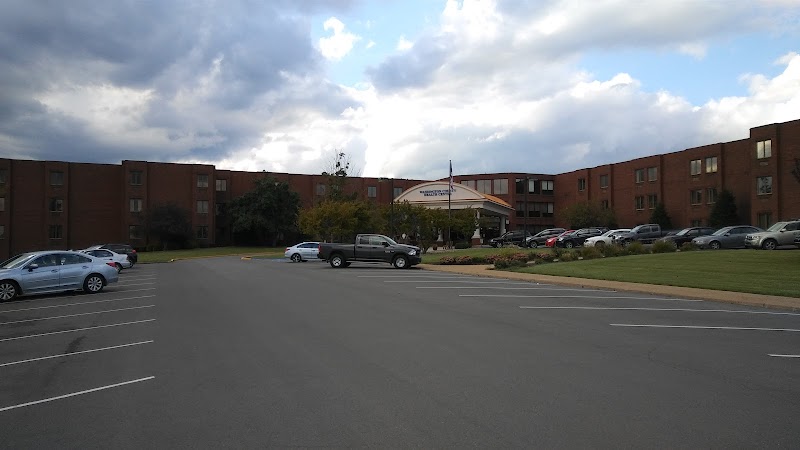
How is Premier Washington Rehabilitation And Nursing Ctr Staffed?

CMS rates PREMIER WASHINGTON REHABILITATION AND NURSING CTR's staffing level at 3 out of 5 stars, which is average compared to other nursing homes. Staff turnover is 53%, compared to the Pennsylvania average of 46%. RN turnover specifically is 56%, which is notably high. RNs provide skilled clinical oversight, so turnover in this role can affect medical care quality.

What Have Inspectors Found at Premier Washington Rehabilitation And Nursing Ctr?

State health inspectors documented 24 deficiencies at PREMIER WASHINGTON REHABILITATION AND NURSING CTR during 2023 to 2025. These included: 23 with potential for harm and 1 minor or isolated issues.
Who Owns and Operates Premier Washington Rehabilitation And Nursing Ctr?

PREMIER WASHINGTON REHABILITATION AND NURSING CTR is owned by a for-profit company. For-profit facilities operate as businesses with obligations to shareholders or private owners. The facility is operated by JONATHAN BLEIER, a chain that manages multiple nursing homes. With 288 certified beds and approximately 254 residents (about 88% occupancy), it is a large facility located in WASHINGTON, Pennsylvania.
How Does Premier Washington Rehabilitation And Nursing Ctr Compare to Other Pennsylvania Nursing Homes?

Compared to the 100 nursing homes in Pennsylvania, PREMIER WASHINGTON REHABILITATION AND NURSING CTR's overall rating (3 stars) matches the state average, staff turnover (53%) is near the state average of 46%, and health inspection rating (3 stars) is at the national benchmark.

What Should Families Ask When Visiting Premier Washington Rehabilitation And Nursing Ctr?

Based on this facility's data, families visiting should ask: "Can I visit during a mealtime to observe dining assistance and food quality?" "How do you handle medical emergencies, and what is your hospital transfer rate?" "Can I speak with family members of current residents about their experience?"

Is Premier Washington Rehabilitation And Nursing Ctr Safe?

Based on CMS inspection data, PREMIER WASHINGTON REHABILITATION AND NURSING CTR has a clean safety record: no substantiated abuse findings (meaning no confirmed cases of resident harm), no Immediate Jeopardy citations (the most serious violation level indicating risk of serious injury or death), and is not on the Special Focus Facility watch list (a federal program monitoring the lowest-performing 1% of nursing homes). The facility has a 3-star overall rating and ranks #1 of 100 nursing homes in Pennsylvania. While no facility is perfect, families should still ask about staff-to-resident ratios and recent inspection results during their visit.

Do Nurses at Premier Washington Rehabilitation And Nursing Ctr Stick Around?

PREMIER WASHINGTON REHABILITATION AND NURSING CTR has a staff turnover rate of 53%, which is 7 percentage points above the Pennsylvania average of 46%. Moderate turnover is common in nursing homes, but families should still ask about staff tenure and how the facility maintains care continuity when employees leave.

Was Premier Washington Rehabilitation And Nursing Ctr Ever Fined?

PREMIER WASHINGTON REHABILITATION AND NURSING CTR has no federal fines on record. CMS issues fines when nursing homes fail to meet care standards or don't correct problems found during inspections. The absence of fines suggests the facility has either maintained compliance or corrected any issues before penalties were assessed. This is a positive indicator, though families should still review recent inspection reports for the full picture.

Is Premier Washington Rehabilitation And Nursing Ctr on Any Federal Watch List?

PREMIER WASHINGTON REHABILITATION AND NURSING CTR is not on any federal watch list. The most significant is the Special Focus Facility (SFF) program, which identifies the bottom 1% of nursing homes nationally based on persistent, serious quality problems. Not being on this list means the facility has avoided the pattern of deficiencies that triggers enhanced federal oversight. This is a positive indicator, though families should still review the facility's inspection history directly.