TRANSITIONS HEALTHCARE WASHINGTON PA
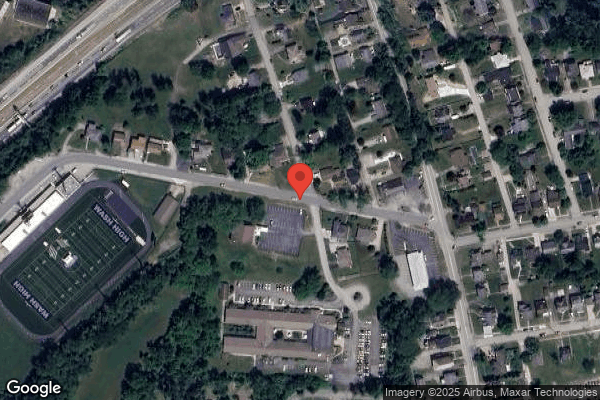

90 HUMBERT LANE, WASHINGTON, PA 15301 (724) 228-4740
For profit - Corporation 120 Beds TRANSITIONS HEALTHCARE Data: November 2025
Trust Grade
50/100
#503 of 653 in PA
Last Inspection: March 2025

Within standard 12-15 month inspection cycle. Federal law requires annual inspections.

Overview

Transitions Healthcare in Washington, Pennsylvania has a Trust Grade of C, indicating that it is average-neither great nor terrible. The facility ranks #503 out of 653 in the state, placing it in the bottom half, and #10 out of 12 in Washington County, meaning there are only two local options that are better. While the facility is improving, having reduced its issues from 6 to 4 in the past year, staffing is a concern with a poor rating of 1 out of 5 stars and a turnover rate of 55%, which is higher than the state average. On the positive side, there have been no fines reported, and the facility has a reasonable level of RN coverage, although it is still less than 91% of similar facilities in Pennsylvania, which may affect the quality of care. However, there are some serious issues to be aware of. One incident involved a resident who sustained a laceration requiring stitches due to insufficient supervision during a transfer, which highlights a potential risk for injury. Additionally, there were concerns about kitchen sanitation, as equipment was not properly maintained, posing a risk for foodborne illnesses. Finally, the facility failed to ensure that residents had the opportunity to create advance directives, affecting their ability to make important health care decisions. Overall, while there are strengths in certain areas, families should consider these weaknesses carefully when evaluating this nursing home.

Trust Score
C
50/100
In Pennsylvania
#503/653
Bottom 23%
Safety Record
Moderate
Needs review
Inspections
Getting Better
6 → 4 violations
Staff Stability
⚠ Watch
55% turnover. Above average. Higher turnover means staff may not know residents' routines.
Penalties
✓ Good
No fines on record. Clean compliance history, better than most Pennsylvania facilities.
Skilled Nurses
⚠ Watch
Each resident gets only 25 minutes of Registered Nurse (RN) attention daily — below average for Pennsylvania. Fewer RN minutes means fewer trained eyes watching for problems.
Violations
⚠ Watch
17 deficiencies on record. Higher than average. Multiple issues found across inspections.
★★☆☆☆
2.0
Overall Rating
★☆☆☆☆
1.0
Staff Levels
★★★☆☆
3.0
Care Quality
★★★☆☆
3.0
Inspection Score
Stable
2024: 6 issues
2025: 4 issues

The Good

  • Full Sprinkler Coverage · Fire safety systems throughout facility
  • No fines on record

Facility shows strength in fire safety.

The Bad

2-Star Overall Rating

Below Pennsylvania average (3.0)

Below average - review inspection findings carefully

Staff Turnover: 55%

Near Pennsylvania avg (46%)

Higher turnover may affect care consistency

Chain: TRANSITIONS HEALTHCARE

Part of a multi-facility chain

Ask about local staffing decisions and management

The Ugly 17 deficiencies on record

1 actual harm
Aug 2025 1 deficiency 1 Harm
SERIOUS (G) 📢 Someone Reported This

A family member, employee, or ombudsman was alarmed enough to file a formal complaint

Actual Harm - a resident was hurt due to facility failures

Accident Prevention (Tag F0689)

A resident was harmed · This affected 1 resident

**NOTE- TERMS IN BRACKETS HAVE BEEN EDITED TO PROTECT CONFIDENTIALITY** Based on review of facility policies and documents, clinical record review, and staff interview, it was determined that the faci...

Read full inspector narrative →
**NOTE- TERMS IN BRACKETS HAVE BEEN EDITED TO PROTECT CONFIDENTIALITY** Based on review of facility policies and documents, clinical record review, and staff interview, it was determined that the facility failed to provide adequate supervision to prevent injury that resulted in the actual harm of a laceration that required sutures for one of three residents (Resident R1). This was identified as past non-compliance. Findings include: Review of the facility policy Transfer/Lift Policy, dated 1/6/25, indicated it is the facility's policy to provide safe care for each resident and staff when having to physically transfer/lift a resident and all resident care will be provided in accordance with the individual resident's care plan. Review of the clinical record indicated Resident R1 was re-admitted to the facility on [DATE]. Review of the Minimum Data Set (MDS - periodic assessment of resident care needs) dated 5/26/25, included diagnoses of anxiety, spinal stenosis(spaces inside the spine get too small), muscle weakness, and syncope (sudden temporary loss of consciousness) with collapse. Review of Section GG: Functional Abilities indicated that Resident R1 required substantial/maximal assistance for chair/bed-to-chair transfers. Review of a physician order dated 10/14/24, indicated Resident R1 transfer with a mechanical lift with the assist of two. This is the current order. Review of Resident R1's plan of care for ADLs (activities of daily living) Functional Status / Rehabilitation Potential, updated 10/14/24, indicated that the resident will transfer with a mechanical lift with the assist of two. Review of a progress note dated 8/9/25, at 12:33 p.m. indicated, Patient was being transferred from the bed to the wheelchair with assist x 1 when she struck her left shin on the wheelchair leg rest attachment causing a 5cm laceration to her anterior shin. Review of a progress note dated 8/9/25, at 2:22 p.m. indicated, Patient returned from hospital with 2 internal sutured and 12 external sutures that will need removed here in 10 days. Review of facility submitted information on 8/10/25, indicated On 8/9/25 at approximately 12:30 pm, resident was being transferred to her wheelchair by 1 CNA [certified nursing assistant] from the bed to the chair. Resident's transfer statues is an assist times two with a hoyer. During this transfer the resident obtained a 5 cm laceration to her left anterior shin. Resident was sent to the emergency department for repair of the laceration and returned to the facility. Review of an employee statement written by nursing assistant (NA), Employee E1, dated 8/10/25, indicated, I was transferring her from the bed to the wheelchair when her left shin hit the bottom of the wheelchair. I noticed it was bleeding and went to get help from the licensed practical nurse (LPN) and registered nurse (RN) Supervisor. I did it by myself because the resident said ‘one person can put her in the chair'. I was not aware that she was a hoyer lift. Review of the facility's plan of correction included:-Wound will be monitored for signs/symptoms of infection.-Nursing care plan updated to include any new orders.-Interventions are put into place to prevent injuries or reduce the risk of injuries for individual resident needs.-PT/OT (physical therapy / occupational therapy) consult ordered for transfers.-All residents are assessed on admission, quarterly and upon incident for appropriate care plan adjustments.-All incidents and accidents are tracked and trended by the quality assurance committee and reviewed for recommendations to prevent injuries.-Education provided to NA, LPN, and RN regarding how to look up resident's transfer status, proper transfer protocol, and what to do if resident refuses assist of 2 with any type of lift. During an interview on 8/28/25, NA employees E2, E3, E4, E5, E6, and E7 were interviewed, and confirmed they were provided education on resident transfer status, proper transfer protocol, and what to do if a resident refuses assist of 2 with any type of lift. Review of education sign-in sheets on 8/28/25, confirmed in-service on transfer/lift protocol was completed on 8/11/25 During an interview on 8/28/25 at approximately 1:32 p.m., the Nursing Home Administrator and the Director of Nursing confirmed the facility failed to provide adequate supervision to prevent injury that resulted in the actual harm of a laceration that required sutures for one of three residents (Resident R1). This was identified as past non-compliance. 28 Pa. Code 201.14(a) Responsibility of licensee.28 Pa. Code 201.18(b)(e)(1) Management.28 Pa. Code 201.29(a) Resident rights.28 Pa. Code 211.10(c)(d) Resident care policies.28 Pa Code 211.12(d)(1)(2)(5) Nursing services.
Mar 2025 2 deficiencies
CONCERN (D)

Potential for Harm - no one hurt, but risky conditions existed

Resident Rights (Tag F0550)

Could have caused harm · This affected 1 resident

**NOTE- TERMS IN BRACKETS HAVE BEEN EDITED TO PROTECT CONFIDENTIALITY** Based on review of facility policy, resident records, observation, and staff interview it was determined that the facility faile...

Read full inspector narrative →
**NOTE- TERMS IN BRACKETS HAVE BEEN EDITED TO PROTECT CONFIDENTIALITY** Based on review of facility policy, resident records, observation, and staff interview it was determined that the facility failed to uphold the privacy and dignity of one of nine residents reviewed that receives medications (Resident R77). In addition, the facility failed to uphold the resident ' s rights to voice grievances without fear of retaliation for three of nine residents reviewed (Resident R301, R302, R303). Findings include: Review of the facility policy Resident Rights last reviewed 1/6/25, indicated residents have the right to a dignified existence, self-determination, and communication with and access to persons and services inside and outside the facility. The resident has the right to be treated with respect and dignity and care for each Resident in a manner and in an environment that promotes maintenance or enhancement of his or her quality of life, recognizing each Resident ' s individuality, thus protecting and promoting the right of the Resident. The Resident has the right to be free of interference, coercion, discrimination, and reprisal from the facility in exercising his or her rights and to be supported by the facility in the exercise of his or her rights. A review of the facility policy Administration Procedure for All Medications:, last reviewed 1/6/25, indicated that privacy is provided for the resident during administration of medications and all 5 Rights should be followed during medication administration (Right Resident, Right Drug, Right Dose, Right Route of Administration and Right Time). Review of the clinical record revealed Resident R77 was admitted on [DATE], with diagnoses that included diabetes (body has troubling controlling blood sugar), high blood pressure, muscle weakness and history of falling. During an observation on 3/26/25, at 10:08 a.m. Resident R77 was administered medications, both pills and liquid, in the dining hall as she was awaiting the Resident Group meeting to start. During an interview on 3/26/25, at approximately 11:00 a.m. Licensed Practical Nurse Employee E2 confirmed that Resident R77 did not have an order or care plan to receive her medications anywhere but in her room in private. During an interview on 3/27/25, at 9:30 a.m. Registered Nurse Employee E3 confirmed that Resident R77 did not have an order or care plan to receive medications anywhere but in her room in private. During an interview on 3/26/25, between 10:00 a.m. and 11:00 a.m. Resident R301 stated they feel discriminated against because of some issues he had in the past and they feel that their needs are not being handled properly and he has fear of not being assisted or given the chance to find alternate transportation for an event he needs to attend. The resident requested to remain anonymous. During an interview on 3/26/25, between 10:00 a.m. and 11:00 a.m. Resident R303 did not want to be interviewed until they confirmed that their name was not going to be mentioned when the state surveyor discussed the issue with the facility. They stated they are afraid to speak up against the facility staff in fear of retaliation. They stated they did not want the staff to come back and not take care of them. Their concern was that their call bell would be ignored, resident care not given, or staff being mean to them. This resident requested to remain anonymous. During an interview on 3/27/25, at 12:30 p.m. the Nursing Home Administrator and Director of Nursing confirmed that the facility failed to uphold the privacy and dignity of one resident receiving medications not in private and failed to ensure resident ' s do not feel retaliated against when voicing complaints or grievances. 28 Pa Code: 201.29 (i) Resident rights.
CONCERN (D)

Potential for Harm - no one hurt, but risky conditions existed

Medication Errors (Tag F0758)

Could have caused harm · This affected 1 resident

**NOTE- TERMS IN BRACKETS HAVE BEEN EDITED TO PROTECT CONFIDENTIALITY** Based on a review of facility policy, clinical record review, and staff interview, it was determined that the facility failed to...

Read full inspector narrative →
**NOTE- TERMS IN BRACKETS HAVE BEEN EDITED TO PROTECT CONFIDENTIALITY** Based on a review of facility policy, clinical record review, and staff interview, it was determined that the facility failed to make certain that each resident's drug regimen was free from unnecessary drugs used without adequate indications for use for one of five residents. (Resident R50). Findings include: Review of the facility policy, Behavior Health Program dated 1/6/25, indicated; The physician will utilize giving psychotropic medications only when necessary to treat a specific diagnosed and documented condition. Review of Resident R50's admission record indicated she was initially admitted to the facility on [DATE] and readmitted on [DATE]. Review of Resident R50's Minimum Data Set (MDS- periodic assessment of care needs) assessment dated [DATE], included diagnoses of quadriplegia (a condition that causes partial or total loss of sensation and movement in the torso and all four limbs), chronic respiratory failure (a condition where oxygen and carbon dioxide are unable to adequately exchange in the lungs), and tracheostomy(a surgical procedure where an incision is made in the trachea to relieve an obstruction to allow breathing and prevent buildup of secretions. Review of Resident R50's MDS, failed to include documentation of depression diagnosis. Review of Section N: Medications revealed Resident R50 received antipsychotic medications in the seven days prior to the assessment. Review of a physician order dated 8/8/23, indicated Resident R50 received Mirtazapine (an anti-depressant medication) 15 mg once per day at bedtime for depression. Review of a physician order dated 1/25/24, indicated Resident R50 received Trazodone (an anti-depressant medication) 100 mg once per day at bedtime for depression. Review of a physician order dated 3/5/25, indicated Resident R50 received Duloxetine (an anti-depressant medication) 60 mg once per day for depression. Review of Resident R50's care plan for the use of anti-depressant medication initiated 8/9/23, indicated Resident R50 received psychotropic medication related to depression. During an interview 3/27/25, at approximately 1:00 p.m. Nursing Home Administrator and the Director of Nursing confirmed the facility failed to make certain that each resident's drug regimen was free from unnecessary drugs used without adequate indications for use for one of five residents. 28 Pa. Code: 201.14(a) Responsibility of licensee. 28 Pa. Code: 211.2(a)(c) Physician services. 28 Pa. Code: 211.9(a)(1)(d)(k) Pharmacy services. 28 Pa. Code: 211.12(c)(d)(5) Nursing services.
Mar 2025 1 deficiency
CONCERN (D) 📢 Someone Reported This

A family member, employee, or ombudsman was alarmed enough to file a formal complaint

Potential for Harm - no one hurt, but risky conditions existed

Deficiency F0761 (Tag F0761)

Could have caused harm · This affected 1 resident

Based on review of facility policy, observations and staff interviews, it was determined that the facility failed to properly secure a medication cart for one of three observed (Medication cart A). Fi...

Read full inspector narrative →
Based on review of facility policy, observations and staff interviews, it was determined that the facility failed to properly secure a medication cart for one of three observed (Medication cart A). Findings include: Review of the facility policy Storage of Medications indicated medications and biologicals are stored safely, securely, and properly. Only licensed nurses, pharmacy personnel, and those lawfully authorized to administer medications are permitted to access medications. Medication rooms, carts, and medication supplies are locked when they are not attended by persons with authorized access. During an observation on 3/3/25, at 8:57 a.m. A medication cart was observed unlocked, unattended, with the computer screen open to the electronic medication administration record for the resident ' s served from A cart. The following items were located on top of the medication cart: One pair of scissors. One bottle of Miralax (laxative) 13 bottles of over-the-counter medications Six bottles of liquid prescription medication One intravenous antibiotic solution bag Four medication blister packs with medication included During an interview on 3/3/25, at 9:02 a.m. Licensed Practical Nurse (LPN) Employee E1 stated but all of those bottles are over-the-counter medications. During an interview on 2/24/25, at 10:35 a.m. the Assistant Director of Nursing Employee E2 confirmed the medication carts should be secured when unattended, medications should be inside the medication cart, and the computer screen should be locked. 28 Pa. Code: 211.9(a)(1)(k) Pharmacy services. 28 Pa. Code: 211.10(c) Resident care policies.
Sept 2024 1 deficiency
CONCERN (D) 📢 Someone Reported This

A family member, employee, or ombudsman was alarmed enough to file a formal complaint

Potential for Harm - no one hurt, but risky conditions existed

Free from Abuse/Neglect (Tag F0600)

Could have caused harm · This affected 1 resident

**NOTE- TERMS IN BRACKETS HAVE BEEN EDITED TO PROTECT CONFIDENTIALITY** Based on review of facility policies, documents and clinical records and staff interviews, it was determined that the facility f...

Read full inspector narrative →
**NOTE- TERMS IN BRACKETS HAVE BEEN EDITED TO PROTECT CONFIDENTIALITY** Based on review of facility policies, documents and clinical records and staff interviews, it was determined that the facility failed to make certain residents were free from neglect for one of ten residents reviewed (Resident R1). Findings include: A review of the facility policy Abuse, Neglect, Mistreatment, Exploitation, and Misappropriation of Resident Property reviewed 1/2/24, defines abuse as the willful infliction of injury, and includes verbal, sexual, physical, and mental abuse. Willful is defined as the individual must have acted deliberately. Physical abuse includes hitting, slapping, pinching, kicking, etc. The Long-Term Care Facility Resident Assessment Instrument (RAI) User's Manual, which provides instructions and guidelines for completing required Minimum Data Set (MDS) assessments (mandated assessments of a resident's abilities and care needs), dated October 2019, indicated that a BIMS (Brief Interview of Mental Status) is a brief screener that aids in detecting cognitive impairment. Scores from a BIMS assessment suggests the following distributions: 13 - 15: cognitively intact 8 - 12: moderately impaired 0 - 7: severe impairment The admission record indicated that Resident R1 was re-admitted to the facility on [DATE], with diagnoses that included dementia (dementia (group of symptoms affecting memory, thinking and social abilities), high blood pressure, and diabetes. A review of the admission Minimum Data Set (MDS - standardized assessment tool for all residents of long-term care facilities) dated 8/6/24 indicated the diagnoses remain current. Further review of the MDS Section C: Cognitive Patterns, Question C0500 BIMS Summary Score indicated Resident R1 scored 04 out of a possible 15 on the BIMS assessment indicating she had severe impairment. Review of facility provided information dated 8/22/24, at approximately 4:20 p.m. Nurse Aide (NA) Employee E2 witnessed NA Employee E1 strike Resident R1 in the face multiple times. NA Employee E1 was also witnessed restraining Resident R1 by holding her arms down. Resident R1 was able to get one of her arms free and attempted to strike NA Employee E1 unsuccessfully. NA Employee E1 then began to slap the resident in her face several times very hard then walked away. During an interview on 9/11/24, at 9:20 a.m. the Director of Nursing stated NA Employee E2 came to the front office upset and shaking, stating she just witnessed Resident R1 being physically abused by NA Employee E1. NA Employee E1 was immediately switched assignments and monitored by the Assistant Director of Nursing until the cops arrived. The police were immediately notified, and NA Employee E1 was arrested at the facility and taken to jail. Review of a progress note dated 8/23/24, at 2:44 p.m. revealed Resident R1 had a visible abrasion to the left nose measuring 1.5 centimeters (cm). An interview was attempted on 9/11/24, at 10:30 a.m. Resident R1 was unable to answer questions appropriately. Review of the care plan dated 1/14/20, indicated to allow Resident R1 to de-escalate when agitated, prior to further care. Further review of the care plan dated 3/2/20 indicated when resident becomes agitated: Intervene before agitation escalates. Guide away from source of distress, staff to walk calmly away and approach later. On 1/9/24, indicated the following interventions should be attempted as non-pharm (no medication) approached when attempting to redirect combative behaviors: Staff leave room when resident gets agitated and attempt care at a later time. Review of the Behavior Symptoms charting dated 8/20/24 through 8/22/24, revealed Resident R1 did not have behavioral symptoms (yelling/screaming, kicking/hitting, pushing, grabbing, pinching/scratching/spitting, siting, threatening behavior, etc.) during that time. A telephone interview was attempted on 9/11/24, at 10:51 a.m. with NA Employee E2. A voicemail was left, no return telephone call was received. A telephone interview was attempted on 9/11/24, at 10:53 a.m. with NA Employee E1. A voicemail was unable to be left, Mailbox is full message received. Facility provided re-education was conducted on 8/23/24, on Abuse and Neglect for all facility staff. Review of NA Employee E1 ' s personal file revealed Abuse training was completed on 7/23/24. During an interview on 9/11/24, at 1:00 p.m. the Nursing Home Administrator confirmed that the facility failed to make certain a resident was free from physical abuse for one resident (Resident R1). 28 Pa. Code 201.14(a) Responsibility of licensee. 28 Pa. Code 201.18(b)(1)(3)(e)(1) Management. 28 Pa. Code 211.10(d) Resident care policies. 28 Pa. Code 211.12(d)(1)(3)(5) Nursing services.
Feb 2024 5 deficiencies
CONCERN (D)

Potential for Harm - no one hurt, but risky conditions existed

Deficiency F0676 (Tag F0676)

Could have caused harm · This affected 1 resident

**NOTE- TERMS IN BRACKETS HAVE BEEN EDITED TO PROTECT CONFIDENTIALITY** Based on clinical record reviews and staff interviews, it was determined that the facility failed to assess for the use of an as...

Read full inspector narrative →
**NOTE- TERMS IN BRACKETS HAVE BEEN EDITED TO PROTECT CONFIDENTIALITY** Based on clinical record reviews and staff interviews, it was determined that the facility failed to assess for the use of an assistive device for one of eight residents (Resident R54). Findings include: Review of Brief Interview for Mental Status (BIMS, a screening test that aides in detecting cognitive impairment). The BIMS total score suggests the following distributions: 13-15: cognitively intact 8-12: moderately impaired 0-7: severe impairment Review of the clinical record indicated Resident R54 was admitted to the facility on [DATE]. Review of the Minimum Data Set (MDS - periodic assessment of care needs) dated 1/3/24 included the diagnoses of Parkinson's disease (neuromuscular disorder causing tremors and difficulty walking) and physical debility. Section GG: Functional Abilities and Goals indicated that Resident R54 utilized a manual wheelchair. Section C: Cognitive Patterns, Question C0500 BIMS Summary Score revealed a score of 12. During an interview on 2/20/24, at 1:18 p.m. Resident R54 stated that he was frustrated that the physical therapy department would not allow him to use his motorized wheelchair. Review of the clinical record on 2/20/24, at 1:40 p.m. failed to reveal an assessment for Resident R54's ability to use a motorized wheelchair. During an interview on 2/23/24, at 12:07 p.m. the Rehabilitation Director Employee E18 confirmed that Resident R54 was not assessed for the use of a power wheelchair. Rehabilitation Director Employee E18 stated that at the time of admission (approximately eight months previous) Resident R54, his family, and medical providers had decided that a motorized wheelchair was not appropriate. Rehabilitation Director Employee E18 confirmed that after admission Resident R54 has requested the use of his motorized wheelchair, but that no further assessment had been completed to reflect the change in Resident R54's wishes and his level of functioning. During an interview on 2/26/24, at approximately 3:00 p.m. the Nursing Home Administrator confirmed that the facility failed to assess for the use of an assistive device for one of eight residents. 28 Pa. Code 211.12(d)(3)(5) Nursing services.
CONCERN (D)

Potential for Harm - no one hurt, but risky conditions existed

Deficiency F0761 (Tag F0761)

Could have caused harm · This affected 1 resident

Based on review of facility policy, observations, and staff interview, it was determined that the facility failed to make certain that medications and medical supplies were properly stored and/or disp...

Read full inspector narrative →
Based on review of facility policy, observations, and staff interview, it was determined that the facility failed to make certain that medications and medical supplies were properly stored and/or disposed of in one of two medication rooms (100-Unit medication room ). Findings include: Review of the facility policy Storage of Medications dated 1/2/24, indicated medications are and biologicals are stored safely, securely, and properly, following manufacturer's recommendations. During an observation of the 100-Unit medication room on 2/21/24, at 12:58 p.m. the following was observed: (2) opened bottles of resident specific Dakins solution. (1) liter bag of NSS, with no overwrap. (9) vials of ceftriaxone, with an expiration date of 05/2023, stored in a drawer with luau party supplies. (1) urethral catheter, with an expiration date of 6/28/23. (4) intravenous fluid administration sets, with an expiration date of 10/13/23. (1) Sterile Foley Cath Insertion Kit, opened, with items removed. (1) Syringe with an expiration date of 10/11/23. (6) External catheters with an expiration date of 5/28/22. (6) External catheters with an expiration date of 9/28/22. During an interview on 2/21/24, at 1:15 p.m. LPN Employee E10 confirmed the above observation. During an interview on 2/23/24, at approximately 2:00 p.m. the Nursing Home Administrator confirmed that the facility failed to make certain that medical supplies were properly stored in one of two medication rooms. 28 Pa. Code: 201.14 (a) Responsibility of licensee. 28 Pa. Code: 201.18 (b)(1)(e)(1) Management. 28 Pa. Code: 211.9 (a)(1) Pharmacy services. 28 Pa. Code: 211.12 (d)(1)(3)(5) Nursing services.
CONCERN (E)

Potential for Harm - no one hurt, but risky conditions existed

Deficiency F0578 (Tag F0578)

Could have caused harm · This affected multiple residents

**NOTE- TERMS IN BRACKETS HAVE BEEN EDITED TO PROTECT CONFIDENTIALITY** Based on review of the facility policy, clinical records, and staff interviews it was determined that the facility failed to pro...

Read full inspector narrative →
**NOTE- TERMS IN BRACKETS HAVE BEEN EDITED TO PROTECT CONFIDENTIALITY** Based on review of the facility policy, clinical records, and staff interviews it was determined that the facility failed to provide the opportunity to formulate an advance directive (written instructions such as a living will or durable power of attorney for health care for when the individual is incapacitated) for eighteen of twenty residents reviewed (Resident R1, R10, R38, R39, R57, R68, R70, R76, R77, R78, R79, R87, R94, R95, R96, R206, R207, R208). Findings include: A review of the facility policy Advanced Directives reviewed 1/13/23 and 1/2/2024, indicated the facility will comply with the requirements related to maintaining written policies and procedures regarding advance directives, including provisions to inform and provide written information to all adult residents concerning the right to accept or refuse medical or surgical treatment and formulate an advance directive. A review of the medical record indicated Resident R1 was admitted to the facility on [DATE], with diagnoses that included cerebral palsy (group of disorders that affect movement, muscle tone, balance, and posture), dysphagia (difficulty swallowing) and tracheostomy (a hole made in throat to place a tube into the person ' s trachea or windpipe). A review of the clinical record failed to reveal an advance directive or documentation that Resident R1 was given the opportunity to formulate an Advanced Directive. A review of the clinical record indicated Resident R10 was re-admitted to the facility on [DATE], with diagnoses that include diabetes, high blood pressure, and chronic obstructive pulmonary disease (COPD - constriction of the airways making it difficult to breath). A review of the clinical record failed to reveal an advance directive or documentation that Resident R10 was given the opportunity to formulate an Advanced Directive. A review of the clinical record indicated Resident R38 was re-admitted to the facility on [DATE], with diagnoses that include paralysis (no movement of lower body or legs), dysphagia, respiratory failure (disease or injury that causes interference with the lungs to deliver oxygen), and tracheostomy. Review of the clinical record failed to reveal an advance directive or documentation that Resident R38 was given the opportunity to formulate an Advanced Directive. A review of the clinical record indicated Resident R39 was admitted to the facility on [DATE], with diagnoses that include tracheostomy, muscular dystrophy (genetic condition that causes progressive weakness and loss of muscle mass), diabetes and high blood pressure. A review of the clinical record failed to reveal an advance directive or documentation that Resident R39 was given the opportunity to formulate an Advanced Directive. A review of the clinical record indicated Resident R57 was admitted to the facility on [DATE], with diagnoses that include high blood pressure, chronic pain, and depression. A review of the clinical record failed to reveal an advance directive or documentation that Resident R57 was given the opportunity to formulate an Advanced Directive. A review of the clinical record indicated Resident R68 was re-admitted to the facility on [DATE], with diagnoses of high blood pressure, respiratory failure, and tracheostomy. A review of the clinical record failed to reveal an advance directive or documentation that Resident R68 was given the opportunity to formulate an Advanced Directive. A review of the clinical record indicated Resident R70 was re-admitted to the facility on [DATE], with diagnoses that include diabetes, high blood pressure, and amputation below left knee. A review of the clinical record failed to reveal an advance directive or documentation that Resident R70 was given the opportunity to formulate an Advanced Directive. A review of the clinical record indicated Resident R76 was admitted to the facility on [DATE], with diagnoses that include high blood pressure, COPD, and muscle weakness. A review of the clinical record failed to reveal an advance directive or documentation that Resident R76 was given the opportunity to formulate an Advanced Directive. A review of the clinical record indicated Resident R77 was admitted to the facility on [DATE], with diagnoses that include a stroke (an interruption of the blood flow within your brain that causes the death of brain cells), with paralysis on right side, high blood pressure, and dysphagia. A review of the clinical record failed to reveal an advance directive or documentation that Resident R77 was given the opportunity to formulate an Advanced Directive. A review of the clinical record indicated Resident R78 was admitted to the facility on [DATE], with diagnoses that include stroke, high blood pressure and end-stage renal disease (ESRD - when the kidneys permanently fail to work). A review of the clinical record failed to reveal an advance directive or documentation that Resident R78 was given the opportunity to formulate an Advanced Directive. A review of the clinical record indicated Resident R79 was readmitted to the facility on [DATE], with diagnoses that include amyotrophic lateral sclerosis (ALS - weakens all muscles and impacts physical function), tracheostomy, and depression. A review of the clinical record failed to reveal an advance directive or documentation that Resident R79 was given the opportunity to formulate an Advanced Directive. A review of the clinical record indicated Resident R87 was admitted to the facility on [DATE], with diagnoses that include high blood pressure, ALS, tracheostomy. A review of the clinical record failed to reveal an advance directive or documentation that Resident R87 was given the opportunity to formulate an Advanced Directive. A review of the clinical record indicated Resident R94 was admitted to the facility on [DATE], with diagnoses that includes respiratory failure, tracheostomy, and high blood pressure. A review of the clinical record failed to reveal an advance directive or documentation that Resident R94 was given the opportunity to formulate an Advanced Directive. A review of the clinical record indicated Resident R95 was re-admitted to the facility on [DATE], with diagnoses that includes ALS, tracheostomy, and depression. A review of the clinical record failed to reveal an advance directive or documentation that Resident R95 was given the opportunity to formulate an Advanced Directive. A review of the clinical record indicated Resident R96 was admitted to the facility on [DATE], with diagnoses that include diabetes, and muscle weakness. \ A review of the clinical record failed to reveal an advance directive or documentation that Resident R96 was given the opportunity to formulate an Advanced Directive. A review of the clinical record indicated Resident R206 was admitted to the facility on [DATE], with diagnoses that include dementia (loss of thinking, remembering, and reasoning to such an extent that it interferes with a person's daily life and activities), diabetes, and high blood pressure. A review of the clinical record failed to reveal an advance directive or documentation that Resident R206 was given the opportunity to formulate an Advanced Directive. A review of the clinical record indicated Resident R207 was admitted to the facility on [DATE], with diagnoses that include Parkinson ' s disease (affects movement of muscles often seen with tremors, shaking), dysphagia, and abdominal hernia (weakening of abdominal muscle causing a bulge). A review of the clinical record failed to reveal an advance directive or documentation that Resident R207 was given the opportunity to formulate an Advanced Directive. A review of the clinical record indicated Resident R208 was admitted to the facility on [DATE], with diagnoses that include diabetes, atrial fibrillation (abnormal heartbeat) and nicotine dependence. A review of the clinical record failed to reveal an advance directive or documentation that Resident R208 was given the opportunity to formulate an Advanced Directive. During an interview on 2/22/2024, at 1:44 p.m. the Social Services Assistant E2 stated she confused the POLST with Advance Directives, confirming Residents (Resident R1, R10, R38, R39, R57, R68, R70, R76, R77, R78, R79, R87, R94, R95, R96, R206, R207, R208), were not afforded the opportunity to formulate Advance Directives upon admissions and periodically during their stay in the facility. During an interview on 2/22/24, at 2:00 p.m. the Nursing Home Administrator confirmed the facility failed to afford the residents the opportunity to formulate Advance Directives upon admissions and periodically during their stay in the facility. 28 Pa. Code: 201.29(b)(d)(j) Resident rights.
CONCERN (E)

Potential for Harm - no one hurt, but risky conditions existed

Quality of Care (Tag F0684)

Could have caused harm · This affected multiple residents

**NOTE- TERMS IN BRACKETS HAVE BEEN EDITED TO PROTECT CONFIDENTIALITY** Based on review of facility policy, clinical records, and staff interviews, it was determined that the facility failed to notify...

Read full inspector narrative →
**NOTE- TERMS IN BRACKETS HAVE BEEN EDITED TO PROTECT CONFIDENTIALITY** Based on review of facility policy, clinical records, and staff interviews, it was determined that the facility failed to notify physicians of increased and decreased Capillary Blood Glucose (CBG) levels and failed to assess residents for hyperglycemia (high blood glucose) and hypoglycemia (low blood glucose), for six of nine residents reviewed (Residents R10, R14, R46, R54, R68, and R70). Findings include: The Centers for Disease Control defines diabetes as: Diabetes Mellitus is a chronic (long-lasting) health condition that affects how your body turns food into energy. Most of the food you eat is broken down into sugar (also called glucose) and released into your bloodstream. When your blood sugar goes up, it signals your pancreas to release insulin. Insulin acts like a key to let the blood sugar into your body's cells for use as energy. If you have diabetes, your body either doesn't make enough insulin or can't use the insulin it makes as well as it should. When there isn't enough insulin or cells stop responding to insulin, too much blood sugar stays in your bloodstream. Over time, that can cause serious health problems, such as heart disease, vision loss, and kidney disease. Hypoglycemia is a condition that occurs when blood glucose is lower than normal, usually below 70 milligrams per deciliter (mg/dl). If left untreated, hypoglycemia may lead to weakness, confusion, unconsciousness, arrhythmias and even death. People with Diabetes Mellitus may be prescribed injectable insulin to assist in maintaining acceptable levels of CBG's. Hyperglycemia, or high blood glucose, occurs when there is too much sugar in the blood. This happens when your body has too little insulin. Hyperglycemia is blood glucose greater than 125 mg/dL while fasting (not eating for at least eight hours, or a blood glucose greater than 180 mg/dL one to two hours after eating. If you have hyperglycemia and it ' s untreated for long periods of time, you can damage your nerves, blood vessels, tissues and organs. Damage to blood vessels can increase your risk of heart attack and stroke, and nerve damage may also lead to eye damage, kidney damage and non-healing wounds. Review of the facility provided education Diabetic Management indicated if the blood sugar falls below 70, call physician for guidance. and if you have a sliding scale order with parameters that state to call the MD (doctor) at certain high or low levels you must call the MD and document their response. Review of the facility policy Hypoglycemia Management reviewed 1/13/23 and 1/2/24, indicated the healthcare provider may designate and individual parameter for hypoglycemia, if so use this number (along with clinical symptoms) to determine whether interventions are necessary. For asymptomatic and responsive residents with blood glucose reading less than 70 (or ordered parameters) give the resident an oral form of rapidly absorbed glucose (juice, soda), recheck blood glucose in 15 minutes. Review of the facility policy Change of Condition reviewed 1/13/23 and 1/2/24, indicated it is the policy of the facility to inform residents, physician/providers. and resident representative of a change in resident's condition. Evaluate any changes noted through direct observation. Obtain a complete set of vital signs. Obtain an other data necessary for a complete evaluation (blood glucose fingerstick, neurochecks, etc.). Follow up by the licensed staff of the change in condition should continue for a minimum of 72 hours following the onset of the change, or as ordered by the physician. Follow up is to include a minimum: full set of vital signs, and an assessment with updates regarding the change in condition and observations. Review of the facility policy Charting and Documentation Policy Statement reviewed 1/13/23 and 1/2/24, indicated all services provided to the resident, or any changes in the resident's medical or mental condition, shall be documented in the resident's medical record. All observations, medications administered, services performed, etc. must be documented in the resident's clinical records. All incidents, accidents, or changes in the resident's condition must be recorded. Review of the clinical record indicated Resident R10 was admitted to the facility on [DATE], with diagnoses that included diabetes, high blood pressure, and depression. Review of Resident R10' s Minimum Data Set (MDS - a mandated assessment of a resident's abilities and care needs) dated 1/9/24, indicated the diagnoses remain current. Review of a physician ' s order dated 6/21/23, glucose monitoring before meals and at bedtimes. Further review of a physician order dated 11/20/23, indicated to inject Determir (long-acting type of insulin that works slowly, over about 24 hours) 7 units one time a day. Review of the clinical record electronic Medication Administration Record (eMAR) revealed that the resident's CBG's were as follows: On 2/17/24, at 10:09 p.m. CBG was noted to be 402. On 2/18/24, at 4:57 p.m. CBG was noted to be 434. On 2/19/24, at 3:54 p.m. CBG was noted to be 447. Review of Resident's eMAR and clinical progress notes indicated the resident was not assessed for hyperglycemia, the blood glucose was not monitored for effectiveness of treatment, failed to follow interventions of the care plan, and the physician was not notified of abnormal results on the above listed dates. Review of the care plan revised 1/9/24, failed to indicate interventions for diabetes, hyperglycemia, or hypoglycemia. Review of a clinical record indicated Resident R14 was re-admitted to the facility on [DATE], with diagnoses that included diabetes, dementia (group of symptoms affecting memory, thinking and social abilities), and obesity. Review of the MDS dated [DATE], indicated the diagnoses remain current. Review of physician ' s orders dated 3/17/23, indicated blood glucose monitor AC (before meals) and HS (at bedtime), notify Dr is BS (blood sugar) is less than 90 in the AM or greater than 400. Further review of physician's order dated 5/10/23 through 11/22/23, indicated to inject Humalog (fast-acting insulin that starts to work about 15 minutes after injection, peaks in about 1 hour, and keeps working for 2 to 4 hours) 4 units two times a day , and 8 units one time a day. Further review of a physician's order dated 11/22/23, indicated to inject Lispro (Humalog) insulin 6 units with meals. An order dated 1/23/24, indicated glargine (long-acting type of insulin that works slowly, over about 24 hours) inject 42 units one time a day. Review of Resident R14's eMAR revealed that the resident's CBG's were as follows: On 9/10/23, at 5:50 a.m. CBG was noted to be 58. On 9/11/23, at 5:34 a.m. CBG was noted to be 51. On 9/24/23, at 11:08 a.m. CBG was noted to be 403. On 12/15/23, at 8:22 a.m. CBG was noted to be 431. On 1/19/24, at 8:40 a.m. CBG was noted to be 471. On 1/22/24, at 5:46 a.m. CBG was noted to be 82. On 2/3/24, at 6:07 a.m. CBG was noted to be 81. On 2/5/24, at 6:08 a.m. CBG was noted to be 73. A review of Resident R14's eMAR and clinical progress notes indicated the resident was not assessed for hypoglycemia, failed to follow interventions of the care plan, blood sugar was not rechecked, and the physician was not notified of abnormal results. Monitor/document/report as needed signs and symptoms of hypo-/hyperglycemia A review of Resident R14's care plan dated 10/12/13,diabetes medication as ordered by doctor. Monitor/document/report for side effects and effectiveness. Review of the clinical record indicated Resident R46 was re-admitted to the facility on [DATE], with diagnoses that included diabetes, dementia, and difficulty swallowing. Review of the MDS dated [DATE], indicated the diagnoses remain current. Review of physician orders dated 10/4/22, glucagon 1mg injection as needed for symptomatic hypoglycemia. Further review of a physician's order dated 1/24/23, indicated Levemir (Determir) inject 25 units one time a day. Review of the clinical record electronic Medication Administration Record (eMAR) revealed that the resident's CBG's were as follows: On 11/8/23, at 3:54 p.m CBG was noted to be 478. On 12/5/23, at 4:39 p.m. CBG was noted to be 66. On 2/9/24, at 5:00 p.m. CBG was noted to be 415. Review of Resident R46's eMAR and clinical progress notes indicated the resident was not assessed for hypo-/ hyperglycemia, the blood glucose was not monitored for effectiveness of treatment, failed to follow interventions of the care plan, and the physician was not notified of abnormal results on the above listed dates. Review of the care plan dated 7/22/20, indicated diabetes medications as ordered by doctor, monitor/document for side effects and effectiveness. Fasting serum blood sugar as ordered by doctor. Monitor/document/report to MD as needed for signs and symptoms of hypo-/hyperglycemia. Review of the clinical record indicated Resident R54 was admitted to the facility on [DATE], with diagnoses that included diabetes, difficulty swallowing, and Parkinson's Disease (a progressive disease of the nervous system marked by tremor, muscular rigidity, and slow, imprecise movement). Review of the physician's orders revealed the following orders: On 8/15/23 through 10/17/23, Humalog insulin per sliding scale 120 or greater inject 12 units one time a day. On 10/17/23 through 11/2/23, Humalog insulin 10 units one time a day. On 11/2/23 through 11/14/23, Humalog insulin 15 units one time a day. On 11/14/23 through 1/31/24, Humalog insulin 20 units before meals. On 1/31/24, Humalog insulin 20 units before meals, hold is blood sugar is less than 120 or not eating. Review of the clinical record electronic Medication Administration Record (eMAR) revealed that the resident's CBG's were as follows: On 10/8/23, at 8:24 p.m. CBG was noted to be 411. On 10/11/23, at 8:11 p.m. CBG was noted to be 414. On 10/27/23, at 3:37 p.m. CBG was noted to be 525. On 10/29/23, at 4:35 p.m. CBG was noted to be 436. On 10/29/23, at 9:31 p.m. CBG was noted to be e 413. On 11/2/23, at 12:06 p.m. CBG was noted to be 401. On 12/7/23, at 9:29 p.m. CBG was noted to be 454. On 1/27/24, at 4:56 p.m. CBG was noted to be 415. On 2/4/24, at 9:14 p.m. CBG was noted to be 402. On 2/7/24, at 6:22 p.m. CBG was noted to be 467. On 2/7/24, at 9:54 p.m. CBG was noted to be 436. On 2/14/24, at 9:05 p.m. CBG was noted to be 436. On 2/18/24, at 4:24 p.m. CBG was noted to be 420. On 2/18/24, at 8:43 p.m. CBG was noted to be 406. Review of Resident 54's eMAR and clinical progress notes indicated the resident was not assessed for hyperglycemia, the blood glucose was not monitored for effectiveness of treatment, and the physician was not notified of abnormal results on the above listed dates. Review of the care plan dated 4/19/23, indicated to diabetes medication as ordered by doctor, monitor/document for side effects and effectiveness. Monitor/document/report to MD as needed for signs and symptoms of hyperglycemia. Review of the clinical record indicated Resident R68 was re-admitted to the facility on [DATE], with diagnoses that included diabetes, and hyperglycemia. Review of Resident R68's MDS dated [DATE], indicated the diagnoses remain current. Review of a physician ' s order dated 11/3/23, indicated to inject Determir insulin 28 units one time a day (long-acting type of insulin that works slowly, over about 24 hours). Review of the clinical record electronic Medication Administration Record (eMAR) revealed that the resident's CBG's were as follows: On 12/5/23, at 5:50 a.m. CBG was noted to be 58. On 12/6/23, at 11:09 p.m. CBG was noted to be 31. Blood glucose was not rechecked until 12/7/23, at 5:07 a.m Review of Resident's eMAR and clinical progress notes indicated the resident was not assessed for hypo-/hyperglycemia, the blood glucose was not monitored for effectiveness of treatment, failed to follow interventions of the care plan, and the physician was not notified of abnormal results on the above listed dates. Review of the care plan dated 7/20/22, indicated to give diabetes medication as ordered by doctor. Monitor/document for side effects and effectiveness. Monitor/document/report to MD as needed signs and symptoms of hypoglycemia. Anticipate and meet the resident's needs. Review of the clinical record indicated Resident R70 was re-admitted to the facility on [DATE], with diagnoses that included diabetes, high blood pressure, and obesity. Review of Resident R70' s MDS dated [DATE], indicated the diagnoses remain current. Review of a physician ' s order dated 1/31/24, indicated Levemir (long-acting type of insulin that works slowly, over about 24 hours) 30 units two times a day. Review of the clinical record electronic Medication Administration Record (eMAR) revealed that the resident's CBG's were as follows: On 2/2/24, at 8:51 a.m. CBG was noted to be 402. On 2/3/24, at 8:01 a.m. CBG was noted to be 433. On 2/3/24, at 8:52 p.m. CBG was noted to be 404. On 2/4/24, at 9:44 p.m. CBG was noted to be 439. Review of Resident's eMAR and clinical progress notes indicated the resident was not assessed for hyperglycemia, the blood glucose was not monitored for effectiveness of treatment, failed to follow interventions of the care plan, and the physician was not notified of abnormal results on the above listed dates. Review of the care plan failed to indicate interventions for diabetes, hyperglycemia, or hypoglycemia prior to 2/8/24. During an interview on 2/23/24, at 9:00 a.m. Licensed Practical Nurse (LPN) Employee E3 stated its a judgement call on when they would notify the doctor. If the blood glucose was low they would give juice or snack, monitor, check on the resident every hour and double check the fingerstick if the resident is symptomatic. If the blood glucose was outside of the ordered parameters they would call the doctor, give the ordered amount of insulin, and if symptomatic they would call the doctor. During an interview on 2/23/24, at 9:05 a.m. LPN Employee E4 stated for blood sugars over 400, they would check the parameters, call the provider for orders, assess the resident, recheck the blood glucose in 15-20 minutes. If the blood sugar was less than 60 they would offer a snack, and call the doctor if snack was not successful. During an interview on 2/23/24, at 9:09 a.m. LPN Employee E5 stated she would check the resident's orders for parameters. If blood glucose was less than 60-70, she would give juice or snack, report the incident to the Registered Nurse (RN) supervisor, and recheck the blood glucose in 30 minutes. For blood sugars over 150, she would report it to the RN supervisor if it was beyond the sliding scale. She would give the ordered dose on insulin, recheck blood glucose in 30 minutes and if ot responding to the medication she would notify the doctor. During an interview on 2/23/24, at 9:15 a.m. LPN Employee 6 stated for blood sugars less than 70 they would give snack or glucose gel. For blood sugars over 400, they would notify the doctor, complete an assessment, document in the vital signs and progress notes During an interview on 2/23/24, at 12:00 p.m. LPN Employee E7 stated for blood glucose less than 60-70, they would give glucose gel, call the doctor, monitor vital signs, and recheck the blood glucose in 15-20 minutes. If blood glucose was over 400 they would call the doctor, administer insulin and monitor vital signs. During an interview on 2/23/24, at 1:30 p.m. the Director of Nursing confirmed the facility failed to notify the doctor of a change in condition related to blood glucose, failed to follow the care plan interventions, and failed to recheck blood sugars for Residents R10, R14, R46, R54, R68, and R70. 28 Pa. Code 201.18 (b)(1) Management. 28 Pa. Code 201.29(d) Resident rights. 28 Pa. Code 211.10 (c)(d) Resident care policies. 28 Pa. Code 211.12 (d)(1)(2)(3)(5) Nursing services.
MINOR (C)

Minor Issue - procedural, no safety impact

Deficiency F0941 (Tag F0941)

Minor procedural issue · This affected most or all residents

Based on review of facility documents and staff interview, it was determined that the facility failed to provide training on effective communication. Findings include: Review of the Facility Assessmen...

Read full inspector narrative →
Based on review of facility documents and staff interview, it was determined that the facility failed to provide training on effective communication. Findings include: Review of the Facility Assessment dated 1/9/24, indicated that staff competencies would include required training based on regulations. Review of facility provided education documents failed to include evidence of training for staff on effective communication. During an interview on 2/23/24, at 11:57 a.m. the Director of Operations Employee E17 confirmed the above missing education. During an interview on 2/26/24, at approximately 3:00 p.m. the Nursing Home Administrator confirmed that the facility failed to provide training on effective communication. 28 Pa Code: 201.14 (a) Responsibility of licensee. 28 Pa Code: 201.18 (b)(1) Management. 28 Pa Code: 201.20 (a)(c) Staff development.
Oct 2023 1 deficiency
CONCERN (E) 📢 Someone Reported This

A family member, employee, or ombudsman was alarmed enough to file a formal complaint

Potential for Harm - no one hurt, but risky conditions existed

Accident Prevention (Tag F0689)

Could have caused harm · This affected multiple residents

**NOTE- TERMS IN BRACKETS HAVE BEEN EDITED TO PROTECT CONFIDENTIALITY** Based on review of facility policy, clinical records, incident reports and staff interviews, it was determined that the facility...

Read full inspector narrative →
**NOTE- TERMS IN BRACKETS HAVE BEEN EDITED TO PROTECT CONFIDENTIALITY** Based on review of facility policy, clinical records, incident reports and staff interviews, it was determined that the facility failed to make certain adequate staff supervision for security of wandering residents with wander guards for one of eleven residents (Resident R1) and failed to monitor residents' condition post falls for one of three residents (Resident R2). Findings include: Review of the facility policy Incident investigation last reviewed on 1/10/23, indicated the goal of an accident or incident investigation is to recognize, gather, and analyze relevant facts that support a positive resolution and follow-up. It is also important in order to eliminate pre-existing hazards that may result in future harm to patients. Charting in the resident's medical record must be done very shift for 24 hours following the occurrence. Review of the admission record indicated Resident R1 was admitted to the facility on [DATE]. Review of Resident R1's Minimum Data Set (MDS- a periodic assessment of care needs) dated 9/19/23, indicated the diagnoses of Alzheimer ' s Disease (a progressive disease that destroys memory and other important mental functions), high blood pressure, and arthritis (joint inflammation). Review of Resident R1's Elopement Risk assessment dated [DATE], indicated resident was not at risk for elopement. Review of Resident R1's physician order dated 9/18/23, indicated Secure care monitor (a type of bracelet that triggers an alarm if resident leaves authorized areas) at all times. Check function and placement every shift. Review of Resident R1's progress notes indicated the following: - 9/17/23, at 8:10 a.m. indicated resident continued to inexplicably scream since beginning of shift, unable to be redirected, attempted to ambulate with resident, resident remained uncooperative, provided music therapy, resident remained disruptive and continued to scream. Resident medicated for pain and anxiety. -9/17/23, at 2:11 p.m. resident very weepy and wandering about the unit. -9/18/23, at 10:47 a.m. the social worker completed a Brief Interview for Mental Status (BIMS a screening test that aides in detecting cognitive impairment). The BIMS total score suggests the following distributions: 0-7: severe impairment. Resident R1's score was one. -9/18/23, at 6:28 p.m. resident appears to be extremely anxious. Resident is constantly attempting to get up out of her wheelchair and walk around unit. Resident is needing constant redirection and supervision. -9/19/23, at 10:51 p.m. resident requires one on one attention from staff due to roaming and rummaging through other resident's belongings. -9/20/23, 10:54 a.m. Social worker spoke with daughter in regards to sending referrals to a locked/dementia unit. -9/20/23, at 6:52 p.m. Resident continues to jump up out of her chair attempting to walk down hallway unsupervised. Resident attempted to exit ambulance entrance door. Resident has to be redirected repeatedly. -9/20/23, at 8:00 p.m. resident is roaming unit actively exit seeking. Resident needs continuous monitoring for safety. -9/21/23, at 6:35 p.m. around 3:00 p.m. this shift resident walking the halls, going into other resident rooms. One to one had no effect. Crisis team called and assessing resident. -9/22/23, at 3:14 p.m. one on one supervision the entire shift, walks facility continuously. -9/23/23, at 4:39 a.m. resident was up walking around and going into other resident rooms. Redirection ineffective. -9/25/23, at 6:07 p.m. wandering throughout the facility -9/25/23, at 6:45 p.m. resident ran down the hallway -9/26/23, at 7:50 p.m. resident wandering in building banging on window with wooden plaque -9/26/23, at 10:37 p.m. resident wandering throughout hallways aimlessly -9/27/23, at 5:14 p.m. resident alert with confusion wandered hallways all day, she tried to get out of building via main entrance. -9/30/23, at 12:13 p.m. roaming the facility -10/2/23, at 7:17 p.m. resident continues exit seeking behaviors, witnessed fall from continuous wandering, unable to redirect. -10/4/23, at 11:47 a.m. continues to be exit seeking, requires one on one attention. Observation on 10/4/23, at 9:32 a.m. indicated ambulance door with magnetized lock and key pad to be unsecured and not locked. Alarm was not on and door was not magnetized. Survey Agency (SA) was able to walk freely through the door without any alarms to a second outer door which was not locked and had signage that this door is not locked, do not prop it open, you are on camera. SA was able to walk freely out the second outer door to the parking lot without any alarm sounding. There was no staff in view at the time of exit. Observation on 10/4/23, at 9:32 a.m. of Resident R1's room indicated it was 12 feet from the ambulance door that was not secure and had no staff in view at that time. During an interview on 10/4/23, at 9:34 a.m. Laundry Employee E1 confirmed the door was not secure and the alarm was not on. During an interview on 10/4/23, at 10:15 a.m. Registered Nurse (RN) Employee E2 confirmed that the facility failed to conduct monitor and device checks for placement and function of secure care monitor every shift as prescribed by the physician and confirmed that the Director of Nursing conducted tests regarding the functioning of the monitor on a weekly basis, although he could not confirm the exact time frame. He further stated that there were no testing devices kept on the nursing unit to complete this task. During an interview on 10/4/23, at 10:35 a.m. RN Employee E2 confirmed that Resident R1, who wore a secure care monitor resided approximately 12 feet from the non- functioning ambulance entrance door. Review of admission record indicated Resident R2 admitted to the facility on [DATE]. Review of Resident R2's MDS dated [DATE], indicated the diagnoses of anemia (the blood doesn ' t have enough healthy red blood cells), high blood pressure, and pneumonia (infection of the lungs). Review of Resident R2's progress notes dated 9/12/23, at 6:33 a.m. indicated resident found on the floor in room [ROOM NUMBER] across the hall. Nursing monitoring post 9/12/23, fall episode for the 24 hours post fall monitoring was not present. Review of Resident R2's progress notes dated 9/15/23, at 1:17 p.m. indicated patient found in the hallway in front of room [ROOM NUMBER] laying on his left side. Resident stated he was handing out papers to all of the hotel guests as he was instructed to do when he lost his balance. Day shift documentation on 9/16/23, for the 24 hours post fall monitoring was not present. Review of Resident R2's progress notes dated 9/18/23, at 2:41 a.m. indicated called to resident's room by nurse. Resident lying in floor between heater and bed with feet upon the bed. It appears that resident possibly hit his head on the heater. Nursing monitoring post 9/18/23, fall episode for the 24 hours post fall monitoring was not present. Review of Resident R2's progress notes dated 9/22/23, at 11:30 p.m. indicated resident found on floor at the doorway to room on his side under the bedside table. Resident assessed for injuries. Nursing monitoring post 9/22/23, fall episode for the 24 hours post fall monitoring was not present. Interview on 10/4/23, at 1:15 p.m. the Nursing Home Administrator confirmed that the facility failed to ensure adequate staff supervision for security of wandering residents with wander guards for one of eleven residents (Resident R1) and failed to monitor residents' condition post falls for one of three residents (Resident R2). 28 Pa. Code 201.14(a) Responsibility of licensee. 28 Pa. Code 201.18(b)(1) Management. 28 Pa. Code 201.18(e)(1) Management. 28 Pa. Code 211.10(c)(d) Resident care policies. 28 Pa. Code 211.12(d)(1)(2)(5) Nursing services. 28 Pa. Code 211.12(d)(3) Nursing services.
Mar 2023 3 deficiencies
CONCERN (D)

Potential for Harm - no one hurt, but risky conditions existed

Unnecessary Medications (Tag F0759)

Could have caused harm · This affected 1 resident

**NOTE- TERMS IN BRACKETS HAVE BEEN EDITED TO PROTECT CONFIDENTIALITY** Based on review of facility policy and clinical record, observation and staff interviews it was determined that the facility fai...

Read full inspector narrative →
**NOTE- TERMS IN BRACKETS HAVE BEEN EDITED TO PROTECT CONFIDENTIALITY** Based on review of facility policy and clinical record, observation and staff interviews it was determined that the facility failed to administer medications with a medication error rate that was less than five percent for one of four residents (Resident R40). Findings include: Four medication errors occurred during 27 observed opportunities, which resulted in a 14% medication error rate. Review of the facility policy Medication Pass last updated 1/13/23, indicated all medications will be administered with the physicians orders and in a safe manner. Review of Resident R40's Minimum Data Set (MDS-periodic review of care needs) dated 2/13/23, indicated the resident was admitted on [DATE], current diagnosis included depression, schizoaffective disorder (combination of mood disorder, depression and delusions), tracheostomy (surgically made opening in the trachea to assist with breathing) with ventilator dependency (machine to replace or assist with breathing) and Gastrostomy tube (G-tube - tube to deliver artificial nutrition or medication directly into the stomach through a surgically made opening through the abdominal wall). Review of Resident R40's physician order dated 7/20/22, instructed the nurse to give Celexa (treats major depression) 20 milligram (mg) daily by G-tube. Review of Resident R40's physician order dated 6/11/22, instructed the nurse to give Quetiapine Fumarate (treats schizoaffective disorder) 100 mg two times a day by G-tube. Review of Resident R40's physician order dated 7/9/21, instructed the nurse to give Sertraline (treats depression) 200 mg one time a day by G-tube. Review of Resident R40's physician order dated 8/10/22, instructed the nurse to give Senna (treats constipation) two 8.6 mg tablets two times a day by G-tube. During an observation of Resident R40's medication administration on 3/14/23, at 8:57 a.m. Licensed Practical Nurse (LPN) Employee E3 dispensed and combined the resident's Celexa, Quetiapine Fumarate, Sertraline and Senna into one small plastic envelope crushed them and poured the combined medication mixture into a cup of water, then administered all four medications together as one through the residents G-tube. During an interview on 3/14/23, at 9:15 a.m. LPN Employee E3 confirmed that she failed to administer Residents R40's medication separately through the G-tube. During an interview on 3/14/23, at 10:49 a.m. Registered Nurse unit Manager Employee E4 confirmed that medication administered through the G-tube should be given separately and not combined. During an interview on 3/14/23, at 9:00 a.m. the Director of Nursing confirmed that the facility failed to follow the standard of practice to give medications separately through a G-tube, and the facility failed to administer medications with less than a 5% error rate. 28 Pa. Code 201.14(a) Responsibility of Licensee. 28 Pa. Code: 211.12(d)(1)(5) Nursing services.
CONCERN (D)

Potential for Harm - no one hurt, but risky conditions existed

Deficiency F0761 (Tag F0761)

Could have caused harm · This affected 1 resident

**NOTE- TERMS IN BRACKETS HAVE BEEN EDITED TO PROTECT CONFIDENTIALITY** Based on review of facility policy, manufacturer recommendations, observations, and staff interviews, it was determined that the...

Read full inspector narrative →
**NOTE- TERMS IN BRACKETS HAVE BEEN EDITED TO PROTECT CONFIDENTIALITY** Based on review of facility policy, manufacturer recommendations, observations, and staff interviews, it was determined that the facility failed to properly store biologicals and medications in one of two medication rooms (Skilled Unit Medication Room), and one of three medication carts (D-wing medication cart.) Findings include: The facility policies Guidelines for Mediation Storage and Biological and Vaccines reviewed [DATE], indicated medications and biologicals are stored safely, securely and following manufacture's recommendations or those of the supplier. The facility further indicates that outdated, contaminated, or deteriorated medications and biologicals are immediately removed from stock, and disposed of. Manufacturer guidelines for Wixela Fluticasone (a respiratory inhaler) indicate to discard Wilexa Fluticasone one month after initiating use or when the counter reads 0 (after all doses have been used), whichever comes first. During an observation on [DATE], at 1:54 p.m. of the skilled unit medication room, 52 red top vacutainers (tubes used for collecting blood specimens) with an expiration date of [DATE] were noted to be in the cabinet. During an interview at that time, Licensed Practical Nurse (LPN) Employee E1 confirmed the vacutainers were expired. During an observation on [DATE], at 1:58 p.m. of the D-wing medication cart, a Wixela Fluticasone inhaler was noted to have an opened date of [DATE] in the drawer. During an interview at that time, LPN Employee E2 confirmed that the inhaler was expired. 28 Pa Code: 211.9 (a)(1)(h)(1) Pharmacy Services. 28 Pa. Code: 211.12 (d)(1)(2) Nursing Services.
CONCERN (F)

Potential for Harm - no one hurt, but risky conditions existed

Food Safety (Tag F0812)

Could have caused harm · This affected most or all residents

Based on a review of policy, observation and staff interview, it was determined that the facility failed to properly maintain kitchen equipment in a sanitary condition creating the potential for cross...

Read full inspector narrative →
Based on a review of policy, observation and staff interview, it was determined that the facility failed to properly maintain kitchen equipment in a sanitary condition creating the potential for cross contamination in the main kitchen of the facility. Findings include: A review of facility Cleaning and Sanitation of Dining and Food Service Areas policy dated 1/10/23, indicated that staff will maintain the cleanliness and sanitation of the dining and food service areas. During an observation made in the designated main kitchen on 3/32/23, at 9:45 a.m., ice machine had pink and black build-up substance inside. During an observation made in the designated main kitchen on 3/13/23, at 10:00 a.m. two fans in the designated main kitchen, one on the floor one on the ceiling in the clean area in the dish room revealed a build-up of dust and grime. During an observation of the dish room in the designated main kitchen on 3/13/23, at 10:05 a.m., revealed peeling paint on the walls of the clean catch side. During an interview on 3/13/23, at 9:30 a.m., Dietary Manager Employee E5 confirmed the above sanitary issues with the fans, ice machine & peeling paint creating the potential for cross contamination in the Main Kitchen. 28 Pa. Code: 201.18(b)(1) Management. 28 Pa. Code: 211.6(c) Dietary services. 28 Pa. Code: 201.14(a) Responsibility of licensee.
Jan 2023 3 deficiencies
CONCERN (D) 📢 Someone Reported This

A family member, employee, or ombudsman was alarmed enough to file a formal complaint

Potential for Harm - no one hurt, but risky conditions existed

Deficiency F0602 (Tag F0602)

Could have caused harm · This affected 1 resident

**NOTE- TERMS IN BRACKETS HAVE BEEN EDITED TO PROTECT CONFIDENTIALITY** Based on review of facility policies, clinical records, grievance documentation, reports to the local State field office, facili...

Read full inspector narrative →
**NOTE- TERMS IN BRACKETS HAVE BEEN EDITED TO PROTECT CONFIDENTIALITY** Based on review of facility policies, clinical records, grievance documentation, reports to the local State field office, facility investigation information, and staff interviews, it was determined that the facility failed to prevent the misappropriation of resident property by allowing unauthorized staff to handle funds for one of two sampled residents (Resident R1). Findings include: The facility Abuse, Neglect, Mistreatment, exploitation and Misappropriation of resident property policy dated 3/25/16, and last reviewed on 1/6/22, indicated that abuse is the willful infliction of injury, unreasonable confinement, intimidation or punishment with resulting physical harm, pain, or mental anguish. Misappropriation of resident property means deliberate misplacement, exploitation or wrongfully temporary or permanent use of resident's belongings or money without resident consent. Exploitation means taking advantage of a resident for personal gain. It is the policy of this facility to immediately report and thoroughly investigate all allegations of mistreatment, neglect, abuse, and misappropriation of resident's property. Written statements from all staff present during/ or involved in the incident will be submitted to the nursing supervisor. These statements will be submitted with the supervisor's written summation. The resident will receive measures to ensure his or her immediate safety during the investigation process. When there is credible evidence supporting an allegation of misappropriation of funds, the Administrator or Director of Nursing will make immediate decisions related to the removal of the individuals. Means to provide protection include suspension of the staff member pending investigation, close supervision of the allege staff member, or moving the resident to another unit/room. It is the Administrators ultimate responsibility to assure that all alleged abuses are investigated, and policy and procedures are followed. Review of Resident R1's admission record indicated he was admitted on [DATE], with diagnoses that included diabetes (metabolic disorder impacting organ function related to glucose levels in the human body), schizophrenia (a mental disorder characterized by delusions, hallucinations, disorganized thoughts and disordered behaviors impacting daily functioning), Parkinson's disease (progressive nervous system disorder that affects movement), muscle weakness and tobacco use. Review of Resident R1's MDS assessment (MDS-Minimum Data Set assessment: periodic assessment of resident care needs), dated 9/13/22, indicated that the diagnoses were current. Resident Assessment Instrument 3.0 User's Manual effective October 2019, indicated that a Brief Interview for Mental Status (BIMS, a screening test that aides in detecting cognitive impairment). The BIMS total score suggests the following distributions: 13-15: cognitively intact 8-12: moderately impaired 0-7: severe impairment Review of Resident R1's BIMS score on the 9/13/22 MDS assessment was a 13-cognitively intact. Review of grievance documentation on 11/17/22, at 11:00 a.m. indicated that Resident R1 was stating his money was missing. The money was located. On 11/17/22, Unit clerk/ transportation personnel Employee E1 provided a statement that Resident R1 called her to his room and she explained to Resident R1 that he had $44.00. Social service note dated 11/17/22, indicated Unit clerk/ transportation personnel Employee E1 showed Resident R1 that his money was in his possession. Review of reports submitted to the local State field office on 12/9/22, indicated that Resident R1, at approximately 3:00 pm, stated that he was Missing $600.00 in cash. Resident R1 stated that the last time he saw it was on 12/7/2022 around 2:30 pm. He also stated that he gave it to a person he could trust but was unable to identify or remember who that person. Review of the facility investigation documents dated 12/9/22, stated that interviews took place with staff working on this date and shift. Police were contacted and Resident R1 refused to cooperate. Resident R1 stated that he provided Unit clerk/ transportation personnel Employee E1 with a check for $600 to assist in buying a new cellphone during an outing. Resident R1 stated he last saw his money at around 2:30 p.m. on 12/7/22. In his statement, Resident R1 identified a perpetrator and stated that he believe he last gave his money to Unit clerk/ transportation personnel Employee E1. Review of Resident R1's social service note dated 12/15/22, indicated that Adult Protective services came to the facility on [DATE], and interviewed Resident R1 Review of Resident R1's bank statements and checks identified the following: On 10/18/22, Unit clerk/ transportation personnel Employee E1 signed Resident R1's check. The check totaled $300.00. On 12/7/22, Unit clerk/ transportation personnel Employee E1 signed Resident R1's check. The check totaled $600.00. During an interview on 1/19/23, at 11:13 a.m. interview with Director of Social Services Employee E2 provided list of staff present during altercation on 12/7/22. She stated that Resident R1 told staff that Unit clerk/ transportation personnel Employee E1 cashed the check for him. Director of Social Services Employee E2 stated that Unit clerk/ transportation personnel Employee E1 was not suspended pending the investigation. During an interview on 1/19/23, at 11:15 a.m. Social service assistant Employee E3 provided copies of Resident R1 bank statements that were not included in the investigation documents. During an interview on 1/19/23, at 11:34 a.m. Assistant Director of Nursing (ADON) stated that she witnessed Unit clerk/ transportation personnel Employee E1 and Resident R1 were going back and forth arguing over $600. Assistant Director of Nursing (ADON) didn't recall when he went. I asked Resident R1 about the $600. He said he cashed a $600. The money was taken to the phone company to pay for a new cellphone. He did not pay for the phone. Resident R1 stated Unit clerk/ transportation personnel Employee E1 took his money. Unit clerk/ transportation personnel Employee E1 called the resident a liar. Resident R1 and Assistant Director of Nursing (ADON) went to the office to call the bank. The Director of Nursing and the Director of Social Services Employee E2 were present. The bank clerk said a check was cashed out to Unit clerk/ transportation personnel Employee E1. The bank clerk could not give a time when the check was cashed. There was no evidence that Unit clerk/ transportation personnel Employee E1 stole Resident R1's $600. Nurse aide Employee E4 overheard Unit clerk/ transportation personnel Employee E1 and Resident R1 discussing the money on 12/7/22. During an interview on 1/19/23, at 11:57 a.m. the Nursing Home Administrator (NHA) stated that the Business office manager handles resident monies. During an interview on 1/19/23, at 12:18 p.m. Nurse aide Employee E1 stated that Resident R1 came back from the cellphone store on 12/7/22, thru the ambulance door. He heard Unit clerk/ transportation personnel Employee E1 state that she was going to take his money to the Director of Social Services. That is all Nurse aide Employee E4 overheard and he did not provide a statement to the Administrator, but spoke to the Assistant Director of Nursing (ADON) During an interview on 1/19/23, at 12:35 p.m. Unit clerk/ transportation personnel Employee E1 stated the following: Resident R1 came to me. He broke his phone. It was the smashed. This was a couple days prior. I would go to [NAME] Virginia to get his cigarettes. Did that twice. I paid for it out of my money and he would reimburse me or he would write me a check. One was in October 2022. Another time was before October 2022. We took him to Phone company on 12/7/22. We went and cashed the check at the bank, I gave him the money. It was around 1:30 p.m. I explained to Resident R1 that I had to be back by 2:30 p.m. we went to the Phone company. Resident R1 had insurance on his phone, she provided a 1800 number she could call and told him how much he had to pay. We left the store, I spoke to Resident R1's brother, and explained what was going on. When we got back, I told Resident R1 he could speak to the Director of Social Services Employee E2. Resident R1 told me to request Director of Social Services Employee E2 to so she could get his money. Director of Social Services Employee E2 said she had to leave. I told Resident R1 to take his money to the front office. The front desks staff was gone and there was no access to put money in the safe. I told Resident R1 to place the money somewhere else and he was upset. On 12/8/22, Resident R1 had an appointment the next day. When he returned, Director of Social Services Employee E2 asked me about Resident R1 money. I told Director of Social Services Employee E2 that he had has money and I told Resident R1 there was no one to give it to on 12/7/22. Resident R1 started screaming. I did not yell back at him. There were other staff present (Nurse aide Employee E5 and Respiratory manager Employee E6) they heard everything that Resident R1 had said. I left and went home. I don't know what happened to his money. Unit clerk/ transportation personnel Employee E1 stated she went shopping for Resident R1 before and for two other residents. Review of Facility investigation documents on 12/9/22, did not include a report to the State field office with an identified perpetrator of the allegation of misappropriation, proof of a suspension of Unit clerk/ transportation personnel Employee E1, the bank statements that were provided by Director of Social Services Employee E2 and Social service assistant Employee E3, interviews with other staff working the shift on 12/7/22 such as Nurse aide Employee E1, Nurse aide Employee E5 and Respiratory manager Employee E6, or interviews with residents to determine if any other persons were impacted. During an interview on 1/19/23, at 12:49 p.m. the Director of Nursing (DON) confirmed that the facility failed to prevent the misappropriation of resident property by allowing unauthorized staff to handle Resident R1 funds. 28 Pa. Code 201.14(a) Responsibility of license. 28 Pa. Code 201.18(b)(1) Management. 28 Pa. Code 211.12(d)(5) Nursing services.
CONCERN (D) 📢 Someone Reported This

A family member, employee, or ombudsman was alarmed enough to file a formal complaint

Potential for Harm - no one hurt, but risky conditions existed

Abuse Prevention Policies (Tag F0607)

Could have caused harm · This affected 1 resident

**NOTE- TERMS IN BRACKETS HAVE BEEN EDITED TO PROTECT CONFIDENTIALITY** Based on review of facility policies, clinical records, grievance documentation, reports to the local State field office, facili...

Read full inspector narrative →
**NOTE- TERMS IN BRACKETS HAVE BEEN EDITED TO PROTECT CONFIDENTIALITY** Based on review of facility policies, clinical records, grievance documentation, reports to the local State field office, facility investigation information, and staff interviews, it was determined that the facility failed to implement the facility abuse policy for one out of two sampled residents (Resident R1). Findings include: The facility Abuse, Neglect, Mistreatment, exploitation and Misappropriation of resident property policy dated 3/25/16, and last reviewed on 1/6/22, indicated that abuse is the willful infliction of injury, unreasonable confinement, intimidation or punishment with resulting physical harm, pain, or mental anguish. Misappropriation of resident property means deliberate misplacement, exploitation or wrongfully temporary or permanent use of resident's belongings or money without resident consent. Exploitation means taking advantage of a resident for personal gain. It is the policy of this facility to immediately report and thoroughly investigate all allegations of mistreatment, neglect, abuse, and misappropriation of resident's property. Written statements from all staff present during/ or involved in the incident will be submitted to the nursing supervisor. These statements will be submitted with the supervisor's written summation. The resident will receive measures to ensure his or her immediate safety during the investigation process. When there is credible evidence supporting an allegation of misappropriation of funds, the Administrator or Director of Nursing will make immediate decisions related to the removal of the individuals. Means to provide protection include suspension of the staff member pending investigation, close supervision of the allege staff member, or moving the resident to another unit/room. It is the Administrators ultimate responsibility to assure that all alleged abuses are investigated, and policy and procedures are followed. Review of Resident R1's admission record indicated he was admitted on [DATE], with diagnoses that included diabetes (metabolic disorder impacting organ function related to glucose levels in the human body), schizophrenia (a mental disorder characterized by delusions, hallucinations, disorganized thoughts and disordered behaviors impacting daily functioning), Parkinson's disease (progressive nervous system disorder that affects movement), muscle weakness and tobacco use. Review of Resident R1's MDS assessment (MDS-Minimum Data Set assessment: periodic assessment of resident care needs), dated 9/13/22, indicated that the diagnoses were current. Resident Assessment Instrument 3.0 User's Manual effective October 2019, indicated that a Brief Interview for Mental Status (BIMS, a screening test that aides in detecting cognitive impairment). The BIMS total score suggests the following distributions: 13-15: cognitively intact 8-12: moderately impaired 0-7: severe impairment Review of Resident R1's BIMS score on the 9/13/22 MDS assessment was a 13-cognitively intact. Review of grievance documentation on 11/17/22, at 11:00 a.m. indicated that Resident R1 was stating his money was missing. The money was located. On 11/17/22, Unit clerk/ transportation personnel Employee E1 provided a statement that Resident R1 called her to his room and she explained to Resident R1 that he had $44.00. Social service note dated 11/17/22, indicated Unit clerk/ transportation personnel Employee E1 showed Resident R1 that his money was in his possession. Review of reports submitted to the local State field office on 12/9/22, indicated that Resident R1, at approximately 3:00 pm, stated that he was Missing $600.00 in cash. Resident R1 stated that the last time he saw it was on 12/7/2022 around 2:30 pm. He also stated that he gave it to a person he could trust but was unable to identify or remember who that person. Review of the facility investigation documents dated 12/9/22, stated that interviews took place with staff working on this date and shift. Police were contacted and Resident R1 refused to cooperate. Resident R1 stated that he provided Unit clerk/ transportation personnel Employee E1 with a check for $600 to assist in buying a new cellphone during an outing. Resident R1 stated he last saw his money at around 2:30 p.m. on 12/7/22. In his statement, Resident R1 identified a perpetrator and stated that he believe he last gave his money to Unit clerk/ transportation personnel Employee E1. Review of Resident R1's social service note dated 12/15/22, indicated that Adult Protective services came to the facility on [DATE], and interviewed Resident R1 Review of Resident R1's bank statements and checks identified the following: On 10/18/22, Unit clerk/ transportation personnel Employee E1 signed Resident R1's check. The check totaled $300.00. On 12/7/22, Unit clerk/ transportation personnel Employee E1 signed Resident R1's check. The check totaled $600.00. During an interview on 1/19/23, at 11:13 a.m. interview with Director of Social Services Employee E2 provided list of staff present during altercation on 12/7/22. She stated that Resident R1 told staff that Unit clerk/ transportation personnel Employee E1 cashed the check for him. Director of Social Services Employee E2 stated that Unit clerk/ transportation personnel Employee E1 was not suspended pending the investigation. During an interview on 1/19/23, at 11:15 a.m. Social service assistant Employee E3 provided copies of Resident R1 bank statements that were not included in the investigation documents. During an interview on 1/19/23, at 11:34 a.m. Assistant Director of Nursing (ADON) stated that she witnessed Unit clerk/ transportation personnel Employee E1 and Resident R1 were going back and forth arguing over $600. Assistant Director of Nursing (ADON) didn't recall when he went. I asked Resident R1 about the $600. He said he cashed a $600. The money was taken to the phone company to pay for a new cellphone. He did not pay for the phone. Resident R1 stated Unit clerk/ transportation personnel Employee E1 took his money. Unit clerk/ transportation personnel Employee E1 called the resident a liar. Resident R1 and Assistant Director of Nursing (ADON) went to the office to call the bank. The Director of Nursing and the Director of Social Services Employee E2 were present. The bank clerk said a check was cashed out to Unit clerk/ transportation personnel Employee E1. The bank clerk could not give a time when the check was cashed. There was no evidence that Unit clerk/ transportation personnel Employee E1 stole Resident R1's $600. Nurse aide Employee E4 overheard Unit clerk/ transportation personnel Employee E1 and Resident R1 discussing the money on 12/7/22. During an interview on 1/19/23, at 11:57 a.m. the Nursing Home Administrator (NHA) stated that the Business office manager handles resident monies. NHA stated that Unit clerk/ transportation personnel Employee E1 was not suspended pending the investigation. During an interview on 1/19/23, at 12:18 p.m. Nurse aide Employee E1 stated that Resident R1 came back from the cellphone store on 12/7/22, thru the ambulance door. He heard Unit clerk/ transportation personnel Employee E1 state that she was going to take his money to the Director of Social Services. That is all Nurse aide Employee E4 overheard and he did not provide a statement to the Administrator, but spoke to the Assistant Director of Nursing (ADON) During an interview on 1/19/23, at 12:35 p.m. Unit clerk/ transportation personnel Employee E1 stated the following: Resident R1 came to me. He broke his phone. It was the smashed. This was a couple days prior. I would go to [NAME] Virginia to get his cigarettes. Did that twice. I paid for it out of my money and he would reimburse me or he would write me a check. One was in October 2022. Another time was before October 2022. We took him to Phone company on 12/7/22. We went and cashed the check at the bank, I gave him the money. It was around 1:30 p.m. I explained to Resident R1 that I had to be back by 2:30 p.m. we went to the Phone company. Resident R1 had insurance on his phone, she provided a 1800 number she could call and told him how much he had to pay. We left the store, I spoke to Resident R1's brother, and explained what was going on. When we got back, I told Resident R1 he could speak to the Director of Social Services Employee E2. Resident R1 told me to request Director of Social Services Employee E2 to so she could get his money. Director of Social Services Employee E2 said she had to leave. I told Resident R1 to take his money to the front office. The front desks staff was gone and there was no access to put money in the safe. I told Resident R1 to place the money somewhere else and he was upset. On 12/8/22, Resident R1 had an appointment the next day. When he returned, Director of Social Services Employee E2 asked me about Resident R1 money. I told Director of Social Services Employee E2 that he had has money and I told Resident R1 there was no one to give it to on 12/7/22. Resident R1 started screaming. I did not yell back at him. There were other staff present (Nurse aide Employee E5 and Respiratory manager Employee E6) they heard everything that Resident R1 had said. I left and went home. I don't know what happened to his money. Unit clerk/ transportation personnel Employee E1 stated she went shopping for Resident R1 before and for two other residents. Review of Facility investigation documents on 12/9/22, did not include a report to the State field office with an identified perpetrator of the allegation of misappropriation, proof of a suspension of Unit clerk/ transportation personnel Employee E1, the bank statements that were provided by Director of Social Services Employee E2 and Social service assistant Employee E3, interviews with other staff working the shift on 12/7/22 such as Nurse aide Employee E1, Nurse Aide Employee E5 and Respiratory Manager Employee E6, or interviews with residents to determine if any other persons were impacted. During an interview on 1/19/22, the Nursing Home Administrator (NHA) confirmed that that the facility failed to implement the facility abuse policy for misappropriation of resident property for Resident R1 as required. 28 Pa Code: 201.18 (e)(1)(2) Management 28 Pa Code: 201.29 (a )(c)(d) Resident Rights 28 Pa Code: 211.12 (a)(c)(d)(1)(3)(5) Nursing services
CONCERN (D) 📢 Someone Reported This

A family member, employee, or ombudsman was alarmed enough to file a formal complaint

Potential for Harm - no one hurt, but risky conditions existed

Investigate Abuse (Tag F0610)

Could have caused harm · This affected 1 resident

**NOTE- TERMS IN BRACKETS HAVE BEEN EDITED TO PROTECT CONFIDENTIALITY** Based on review of facility policies, clinical records, grievance documentation, reports to the local State field office, facili...

Read full inspector narrative →
**NOTE- TERMS IN BRACKETS HAVE BEEN EDITED TO PROTECT CONFIDENTIALITY** Based on review of facility policies, clinical records, grievance documentation, reports to the local State field office, facility investigation information, and staff interviews, it was determined that the facility failed to fully investigate an allegation of misappropriation of resident property for one out of two sampled residents (Resident R1). Findings include: The facility Abuse, Neglect, Mistreatment, exploitation and Misappropriation of resident property policy dated 3/25/16, and last reviewed on 1/6/22, indicated that abuse is the willful infliction of injury, unreasonable confinement, intimidation or punishment with resulting physical harm, pain, or mental anguish. Misappropriation of resident property means deliberate misplacement, exploitation or wrongfully temporary or permanent use of resident's belongings or money without resident consent. Exploitation means taking advantage of a resident for personal gain. It is the policy of this facility to immediately report and thoroughly investigate all allegations of mistreatment, neglect, abuse, and misappropriation of resident's property. Written statements from all staff present during/ or involved in the incident will be submitted to the nursing supervisor. These statements will be submitted with the supervisor's written summation. The resident will receive measures to ensure his or her immediate safety during the investigation process. When there is credible evidence supporting an allegation of misappropriation of funds, the Administrator or Director of Nursing will make immediate decisions related to the removal of the individuals. Means to provide protection include suspension of the staff member pending investigation, close supervision of the allege staff member, or moving the resident to another unit/room. It is the Administrators ultimate responsibility to assure that all alleged abuses are investigated, and policy and procedures are followed. Review of Resident R1's admission record indicated he was admitted on [DATE], with diagnoses that included diabetes (metabolic disorder impacting organ function related to glucose levels in the human body), schizophrenia (a mental disorder characterized by delusions, hallucinations, disorganized thoughts and disordered behaviors impacting daily functioning), Parkinson's disease (progressive nervous system disorder that affects movement), muscle weakness and tobacco use. Review of Resident R1's MDS assessment (MDS-Minimum Data Set assessment: periodic assessment of resident care needs), dated 9/13/22, indicated that the diagnoses were current. Resident Assessment Instrument 3.0 User's Manual effective October 2019, indicated that a Brief Interview for Mental Status (BIMS, a screening test that aides in detecting cognitive impairment). The BIMS total score suggests the following distributions: 13-15: cognitively intact 8-12: moderately impaired 0-7: severe impairment Review of Resident R1's BIMS score on the 9/13/22 MDS assessment was a 13-cognitively intact. Review of grievance documentation on 11/17/22, at 11:00 a.m. indicated that Resident R1 was stating his money was missing. The money was located. On 11/17/22, Unit clerk/ transportation personnel Employee E1 provided a statement that Resident R1 called her to his room and she explained to Resident R1 that he had $44.00. Social service note dated 11/17/22, indicated Unit clerk/ transportation personnel Employee E1 showed Resident R1 that his money was in his possession. Review of reports submitted to the local State field office on 12/9/22, indicated that Resident R1, at approximately 3:00 pm, stated that he was Missing $600.00 in cash. Resident R1 stated that the last time he saw it was on 12/7/2022 around 2:30 pm. He also stated that he gave it to a person he could trust but was unable to identify or remember who that person. Review of the facility investigation documents dated 12/9/22, stated that interviews took place with staff working on this date and shift. Police were contacted and Resident R1 refused to cooperate. Resident R1 stated that he provided Unit clerk/ transportation personnel Employee E1 with a check for $600 to assist in buying a new cellphone during an outing. Resident R1 stated he last saw his money at around 2:30 p.m. on 12/7/22. In his statement, Resident R1 identified a perpetrator and stated that he believe he last gave his money to Unit clerk/ transportation personnel Employee E1. Review of Resident R1's social service note dated 12/15/22, indicated that Adult Protective services came to the facility on [DATE], and interviewed Resident R1 Review of Resident R1's bank statements and checks identified the following: On 10/18/22, Unit clerk/ transportation personnel Employee E1 signed Resident R1's check. The check totaled $300.00. On 12/7/22, Unit clerk/ transportation personnel Employee E1 signed Resident R1's check. The check totaled $600.00. During an interview on 1/19/23, at 11:13 a.m. interview with Director of Social Services Employee E2 provided list of staff present during altercation on 12/7/22. She stated that Resident R1 told staff that Unit clerk/ transportation personnel Employee E1 cashed the check for him. Director of Social Services Employee E2 stated that Unit clerk/ transportation personnel Employee E1 was not suspended pending the investigation. During an interview on 1/19/23, at 11:15 a.m. Social service assistant Employee E3 provided copies of Resident R1 bank statements that were not included in the investigation documents. During an interview on 1/19/23, at 11:34 a.m. Assistant Director of Nursing (ADON) stated that she witnessed Unit clerk/ transportation personnel Employee E1 and Resident R1 were going back and forth arguing over $600. Assistant Director of Nursing (ADON) didn't recall when he went. I asked Resident R1 about the $600. He said he cashed a $600. The money was taken to the phone company to pay for a new cellphone. He did not pay for the phone. Resident R1 stated Unit clerk/ transportation personnel Employee E1 took his money. Unit clerk/ transportation personnel Employee E1 called the resident a liar. Resident R1 and Assistant Director of Nursing (ADON) went to the office to call the bank. The Director of Nursing and the Director of Social Services Employee E2 were present. The bank clerk said a check was cashed out to Unit clerk/ transportation personnel Employee E1. The bank clerk could not give a time when the check was cashed. There was no evidence that Unit clerk/ transportation personnel Employee E1 stole Resident R1's $600. Nurse aide Employee E4 overheard Unit clerk/ transportation personnel Employee E1 and Resident R1 discussing the money on 12/7/22. During an interview on 1/19/23, at 11:57 a.m. the Nursing Home Administrator (NHA) stated that the Business office manager handles resident monies. During an interview on 1/19/23, at 12:18 p.m. Nurse aide Employee E1 stated that Resident R1 came back from the cellphone store on 12/7/22, thru the ambulance door. He heard Unit clerk/ transportation personnel Employee E1 state that she was going to take his money to the Director of Social Services. That is all Nurse aide Employee E4 overheard and he did not provide a statement to the Administrator, but spoke to the Assistant Director of Nursing (ADON) During an interview on 1/19/23, at 12:35 p.m. Unit clerk/ transportation personnel Employee E1 stated the following: Resident R1 came to me. He broke his phone. It was the smashed. This was a couple days prior. I would go to [NAME] Virginia to get his cigarettes. Did that twice. I paid for it out of my money and he would reimburse me or he would write me a check. One was in October 2022. Another time was before October 2022. We took him to Phone company on 12/7/22. We went and cashed the check at the bank, I gave him the money. It was around 1:30 p.m. I explained to Resident R1 that I had to be back by 2:30 p.m. we went to the Phone company. Resident R1 had insurance on his phone, she provided a 1800 number she could call and told him how much he had to pay. We left the store, I spoke to Resident R1's brother, and explained what was going on. When we got back, I told Resident R1 he could speak to the Director of Social Services Employee E2. Resident R1 told me to request Director of Social Services Employee E2 to so she could get his money. Director of Social Services Employee E2 said she had to leave. I told Resident R1 to take his money to the front office. The front desks staff was gone and there was no access to put money in the safe. I told Resident R1 to place the money somewhere else and he was upset. On 12/8/22, Resident R1 had an appointment the next day. When he returned, Director of Social Services Employee E2 asked me about Resident R1 money. I told Director of Social Services Employee E2 that he had has money and I told Resident R1 there was no one to give it to on 12/7/22. Resident R1 started screaming. I did not yell back at him. There were other staff present (Nurse aide Employee E5 and Respiratory manager Employee E6) they heard everything that Resident R1 had said. I left and went home. I don't know what happened to his money. Unit clerk/ transportation personnel Employee E1 stated she went shopping for Resident R1 before and for two other residents. Review of Facility investigation documents on 12/9/22, did not include a report to the State field office with an identified perpetrator of the allegation of misappropriation, proof of a suspension of Unit clerk/ transportation personnel Employee E1, the bank statements that were provided by Director of Social Services Employee E2 and Social service assistant Employee E3, interviews with other staff working the shift on 12/7/22 such as Nurse aide Employee E1, Nurse aide Employee E5 and Respiratory manager Employee E6, or interviews with residents to determine if any other persons were impacted. During an interview on 1/19/22, the Nursing Home Administrator (NHA) confirmed that that the facility failed to fully investigate an allegation of misappropriation of resident property for Resident R1 as required. 28 Pa Code: 201.18 (e)(1)(2) Management 28 Pa Code: 201.29 (a )(c)(d) Resident Rights 28 Pa Code: 211.12 (a)(c)(d)(1)(3)(5) Nursing services
Understanding Severity Codes (click to expand)
Life-Threatening (Immediate Jeopardy)
J - Isolated K - Pattern L - Widespread
Actual Harm
G - Isolated H - Pattern I - Widespread
Potential for Harm
D - Isolated E - Pattern F - Widespread
No Harm (Minor)
A - Isolated B - Pattern C - Widespread

Questions to Ask on Your Visit

  • "Can I speak with families of current residents?"
  • "What's your RN coverage like on weekends and overnight?"

Our Honest Assessment

Strengths
  • • No fines on record. Clean compliance history, better than most Pennsylvania facilities.
Concerns
  • • 17 deficiencies on record, including 1 serious (caused harm) violation. Ask about corrective actions taken.
  • • Grade C (50/100). Below average facility with significant concerns.
Bottom line: Mixed indicators with Trust Score of 50/100. Visit in person and ask pointed questions.

About This Facility

What is Transitions Healthcare Washington Pa's CMS Rating?

CMS assigns TRANSITIONS HEALTHCARE WASHINGTON PA an overall rating of 2 out of 5 stars, which is considered below average nationally. Within Pennsylvania, this rating places the facility higher than 0% of the state's 100 nursing homes. A rating at this level reflects concerns identified through health inspections, staffing assessments, or quality measures that families should carefully consider.
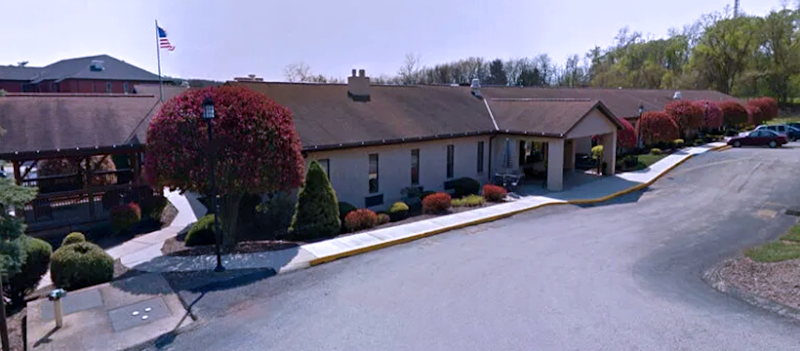
How is Transitions Healthcare Washington Pa Staffed?

CMS rates TRANSITIONS HEALTHCARE WASHINGTON PA's staffing level at 1 out of 5 stars, which is much below average compared to other nursing homes. Staff turnover is 55%, compared to the Pennsylvania average of 46%.

What Have Inspectors Found at Transitions Healthcare Washington Pa?

State health inspectors documented 17 deficiencies at TRANSITIONS HEALTHCARE WASHINGTON PA during 2023 to 2025. These included: 1 that caused actual resident harm, 15 with potential for harm, and 1 minor or isolated issues. Deficiencies causing actual harm indicate documented cases where residents experienced negative health consequences.

Who Owns and Operates Transitions Healthcare Washington Pa?

TRANSITIONS HEALTHCARE WASHINGTON PA is owned by a for-profit company. For-profit facilities operate as businesses with obligations to shareholders or private owners. The facility is operated by TRANSITIONS HEALTHCARE, a chain that manages multiple nursing homes. With 120 certified beds and approximately 110 residents (about 92% occupancy), it is a mid-sized facility located in WASHINGTON, Pennsylvania.
How Does Transitions Healthcare Washington Pa Compare to Other Pennsylvania Nursing Homes?

Compared to the 100 nursing homes in Pennsylvania, TRANSITIONS HEALTHCARE WASHINGTON PA's overall rating (2 stars) is below the state average of 3.0, staff turnover (55%) is near the state average of 46%, and health inspection rating (3 stars) is at the national benchmark.

What Should Families Ask When Visiting Transitions Healthcare Washington Pa?

Based on this facility's data, families visiting should ask: "Can you walk me through typical staffing levels on day, evening, and night shifts?" "Can I visit during a mealtime to observe dining assistance and food quality?" "How do you handle medical emergencies, and what is your hospital transfer rate?" "Can I speak with family members of current residents about their experience?" These questions are particularly relevant given the below-average staffing rating.

Is Transitions Healthcare Washington Pa Safe?

Based on CMS inspection data, TRANSITIONS HEALTHCARE WASHINGTON PA has a clean safety record: no substantiated abuse findings (meaning no confirmed cases of resident harm), no Immediate Jeopardy citations (the most serious violation level indicating risk of serious injury or death), and is not on the Special Focus Facility watch list (a federal program monitoring the lowest-performing 1% of nursing homes). The facility has a 2-star overall rating and ranks #100 of 100 nursing homes in Pennsylvania. While no facility is perfect, families should still ask about staff-to-resident ratios and recent inspection results during their visit.

Do Nurses at Transitions Healthcare Washington Pa Stick Around?

TRANSITIONS HEALTHCARE WASHINGTON PA has a staff turnover rate of 55%, which is 9 percentage points above the Pennsylvania average of 46%. Moderate turnover is common in nursing homes, but families should still ask about staff tenure and how the facility maintains care continuity when employees leave.

Was Transitions Healthcare Washington Pa Ever Fined?

TRANSITIONS HEALTHCARE WASHINGTON PA has no federal fines on record. CMS issues fines when nursing homes fail to meet care standards or don't correct problems found during inspections. The absence of fines suggests the facility has either maintained compliance or corrected any issues before penalties were assessed. This is a positive indicator, though families should still review recent inspection reports for the full picture.

Is Transitions Healthcare Washington Pa on Any Federal Watch List?

TRANSITIONS HEALTHCARE WASHINGTON PA is not on any federal watch list. The most significant is the Special Focus Facility (SFF) program, which identifies the bottom 1% of nursing homes nationally based on persistent, serious quality problems. Not being on this list means the facility has avoided the pattern of deficiencies that triggers enhanced federal oversight. This is a positive indicator, though families should still review the facility's inspection history directly.