PROVIDENCE REHAB AND HLTHCARE CTRATMERCYFITZGERALD
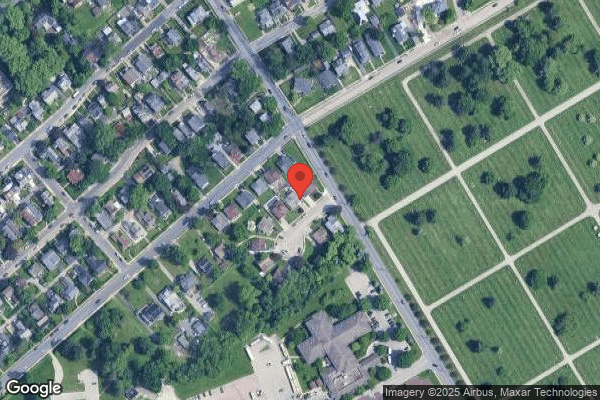

600 SOUTH WYCOMBE AVE, YEADON, PA 19050 (610) 626-8065
For profit - Partnership 129 Beds MARQUIS HEALTH SERVICES Data: November 2025
Trust Grade
70/100
#214 of 653 in PA
Last Inspection: January 2025

Within standard 12-15 month inspection cycle. Federal law requires annual inspections.

Overview

Providence Rehab and Healthcare Center in Yeadon, Pennsylvania, has a Trust Grade of B, which indicates that it is a good choice for families, though not without its concerns. It ranks #214 out of 653 facilities in Pennsylvania, placing it in the top half of the state, and #12 out of 28 in Delaware County, meaning it has reasonable local standing. Unfortunately, the facility's trend is worsening, with issues increasing from 8 in 2024 to 15 in 2025. Staffing is a mixed bag; while the turnover rate is at 47%, which is slightly below the state average, the facility received only 2 out of 5 stars for staffing, indicating challenges in retaining staff. There have been no fines reported, which is a positive sign, and the RN coverage is average, suggesting that residents receive a fair level of nursing care. However, there are significant concerns regarding food safety, as inspections revealed improper food storage temperatures, which could pose health risks. Additionally, issues with hand hygiene during medication administration were noted, indicating lapses in infection control practices. While the facility has strong quality measures, families should weigh these strengths against the identified weaknesses when considering care options.

Trust Score
B
70/100
In Pennsylvania
#214/653
Top 32%
Safety Record
Low Risk
No red flags
Inspections
Getting Worse
8 → 15 violations
Staff Stability
⚠ Watch
47% turnover. Above average. Higher turnover means staff may not know residents' routines.
Penalties
✓ Good
No fines on record. Clean compliance history, better than most Pennsylvania facilities.
Skilled Nurses
○ Average
Each resident gets 36 minutes of Registered Nurse (RN) attention daily — about average for Pennsylvania. RNs are the most trained staff who monitor for health changes.
Violations
⚠ Watch
40 deficiencies on record. Higher than average. Multiple issues found across inspections.
★★★★☆
4.0
Overall Rating
★★☆☆☆
2.0
Staff Levels
★★★★★
5.0
Care Quality
★★★☆☆
3.0
Inspection Score
Stable
2024: 8 issues
2025: 15 issues

The Good

  • 5-Star Quality Measures · Strong clinical quality outcomes
  • Full Sprinkler Coverage · Fire safety systems throughout facility
  • No fines on record

Facility shows strength in quality measures, fire safety.

The Bad

Staff Turnover: 47%

Near Pennsylvania avg (46%)

Higher turnover may affect care consistency

Chain: MARQUIS HEALTH SERVICES

Part of a multi-facility chain

Ask about local staffing decisions and management

The Ugly 40 deficiencies on record

May 2025 1 deficiency
CONCERN (D) 📢 Someone Reported This

A family member, employee, or ombudsman was alarmed enough to file a formal complaint

Potential for Harm - no one hurt, but risky conditions existed

Accident Prevention (Tag F0689)

Could have caused harm · This affected 1 resident

**NOTE- TERMS IN BRACKETS HAVE BEEN EDITED TO PROTECT CONFIDENTIALITY** Based on review of clinical records, interviews with staff, facility documentation and policy, it was determined that the facili...

Read full inspector narrative →
**NOTE- TERMS IN BRACKETS HAVE BEEN EDITED TO PROTECT CONFIDENTIALITY** Based on review of clinical records, interviews with staff, facility documentation and policy, it was determined that the facility failed to implement fall interventions for one of two residents reviewed for falls. (Resident CL1) Findings include: Review of Resident CL1's clinical record revealed that the resident was admitted to the facility on [DATE], with diagnoses including cerebral palsy (group of neurological disorders that affect movement), muscle weakness, need for assistance with personal care, and abnormalities of gait and mobility. Resident CL1 had a Brief Interview for Mental Status score of 15, indicating intact cognitive function. Review of Resident CL1's quarterly Minimum Data Set (MDS - federally mandated resident assessment and care screening), dated April 13, 2025, indicated that the resident had an upper extremity impairment on one side, and lower extremity impairment on both sides. The resident utilized wheelchair for mobility and required substantial/maximal assistance with showers; and extensive assistance with bed mobility (how resident moves to and from lying position, turns side to side, and positions body while in bed.) Review of Resident CL1's current care plan revealed a care plan for falls related to deconditioning, date-initiated January 5, 2025. Interventions included low bed in lowest position at all times, except during care. Continued review of Resident CL1's clinical records revealed a nursing note dated April 28, 2025, which indicated, resident fell at 10:15 p.m. and complained of pain on the head. The resident hit her face on the nightstand. Review of facility fall investigation dated April 28, 2025, revealed that the resident fell at 10:15 p.m. and hit her head on the nightstand. Review of resident statement revealed, I slid off the bed while on my side. Interview with the Director of Nursing, conducted on May 5, 2025, at 10:52 a.m. revealed, the aid was bathing the resident on the air mattress. The resident was on her side, on the bed and lying on the middle of the bed. The Nurse Assistant, Employee E5, noted redness on her bottom and went to the door to ask for some cream and the resident had fallen. Interview with the Nurse Assistant, Employee E5, conducted on May 5, 2025, at 12:10 p.m. revealed that the resident was positioned in the middle of the bed, on her right side facing the door; and the bed was in the average position at the hips when I went up to the door to ask for cream. Further interview confirmed that Employee E5 had not placed the bed in the lowest position and on the back side, prior to leaving the resident unattended. Follow-up interview with the Director of Nursing, conducted on May 5, 2025, at approximately 1:30 p.m. confirmed that the resident's bed should have been lowered before the Nurse aide, Employee E5 walked away from the resident to request the cream because she was no longer providing direct care. 28 Pa. Code 211.10(d) Resident care policies 28 Pa. Code 211.12 (d)(5) Nursing services
Apr 2025 3 deficiencies
CONCERN (D) 📢 Someone Reported This

A family member, employee, or ombudsman was alarmed enough to file a formal complaint

Potential for Harm - no one hurt, but risky conditions existed

Investigate Abuse (Tag F0610)

Could have caused harm · This affected 1 resident

**NOTE- TERMS IN BRACKETS HAVE BEEN EDITED TO PROTECT CONFIDENTIALITY** Based on review of facility policies, review of facility documents, clinical record reviews, and interviews with residents and s...

Read full inspector narrative →
**NOTE- TERMS IN BRACKETS HAVE BEEN EDITED TO PROTECT CONFIDENTIALITY** Based on review of facility policies, review of facility documents, clinical record reviews, and interviews with residents and staff, it was determined that the facility failed to conduct a thorough investigation related to allegations of neglect for one of six residents reviewed (Resident R1). Findings include: Review of facility policy, Abuse, Neglect, Exploitation or Misappropriation - Reporting and Investigating dated revised September 2022, revealed, All allegations are thoroughly investigated. Continued review revealed, The individual conducting the investigation as a minimum . interviews staff members (on all shifts) who have had contact with the resident during the period of the alleged incident. Review of Resident R1's care plan, dated initiated April 5, 2025, revealed that the resident was admitted to the facility on [DATE], and had diagnoses including orthopedic aftercare following surgical amputation, muscle weakness and need for assistance with personal care. Continued review revealed that the resident had an ADL (Activities of Daily Living) self care performance deficit. Interventions included that the resident required staff assistance with grooming/personal hygiene and that the resident required one person staff assistance with toileting using bedside commode. Review of facility documentation submitted to the Pennsylvania Department of Health on April 9, 2025, at 12:33 p.m. revealed that Resident R1's representative alleged neglect after an incident that occurred on April 8, 2025, during the evening shift, when a nurse aide refused to assist the resident with hygiene after the resident used the toilet. Review of facility documentation, Grievance/Concern Form written by Resident R1, revealed, I needed help getting cleaned up from using the bathroom. The aide said to me you can't help yourself. I said if I could I would. The aide said I'm not cleaning you, you have to help yourself. There is nothing wrong with your upper body or arms. Then I explained my legs are swollen and can't clean myself correctly. The resident then told the aide to leave the room. Review of facility documentation related to the event revealed a written statement by Employee E12, nurse aide, dated April 8, 2025, which stated, I went to the patient's room to provide her care. She asked me to wipe her feces, I simply told her why, then I told her 'Okay could you get up so I can do it.' She said 'no' she doesn't need me anymore and that I leave the room. I went to report the incident to the charge nurse. Interview on April 23, 2025, at 10:04 a.m. Resident R4 confirmed that she was Resident R1's roommate and present in the room at the time of the incident. Resident R4 stated that Resident R1 asked the nurse aide to clean her because she could not reach; the nurse aide asked Resident R1 if there was anything wrong with her arms or hands, Resident R1 replied no, the nurse aide told Resident R1 that she could wash herself, then Resident R1 replied that she was not able to. The nurse aide then left the room and a new nurse aide was assigned who provided care to Resident R1. Interview on April 23, 2025, at 12:22 p.m. with Employee E13, Social Services Director, revealed that she was informed that Resident R1 had reported a care concern and that she spoke with the resident to follow-up on her concerns. Employee E13, Social Services Director, stated that the resident reported that she had an uncomfortable incident with a nurse aide; the resident requested assistance with toileting hygiene and the nurse aide kept telling her to do it herself. The resident reported that she did not feel that she received the care that she needed and that she felt neglected. Interview on April 23, 2025, at 12:38 p.m. with Employee E11, Social Services Assistant, revealed that on the day of the incident, he was informed that Resident R1 had reported a care concern and he went to follow-up with the resident. Employee E11, Social Services Assistant, stated that he went into Resident R1's room, that he tried to figure out what happened, and then he reported the concern to the nursing supervisor for follow-up. Employee E11, Social Services Assistant, stated that he was not requested to provide a written statement of his interview with Resident R1 and confirmed that he did not write a statement. Interview on April 23, 2025, at 1:46 p.m. with Employee E6, licensed nurse, revealed that on the day of the incident she entered Resident R1's room and noticed that the resident was upset. She asked the resident if she was ok, the resident explained that the nurse aide did not want to wipe her bottom. Employee E6, licensed nurse, stated that she reported this to the supervisor who changed the staff assignment for the resident. Interview on April 23, 2025, at 2:47 p.m. Employee E14, licensed nurse supervisor, confirmed that he was the nursing supervisor on duty at the time of the incident. Employee E14, licensed nurse supervisor, stated that Employee E12, nurse aide, informed him that Resident R1 was angry with her and told her to leave the room. Employee E14, licensed nurse supervisor, spoke with the resident, who reported to him that she did not like Employee E12's interaction and approach. Employee E14, licensed nurse supervisor, stated that he assigned Employee E10, nurse aide, to provide care to Resident R1 for the remainder of the shift and that care was provided immediately. Continued interview with Employee E14, licensed nurse supervisor, revealed that he reported the incident to the Director of Nursing and requested written statements from staff at that time. Employee E14, licensed nurse supervisor, stated that he obtained statements from Employee E12, nurse aide; Resident R4 (roommate of Resident R1) and that Resident R1 declined to give a statement at that time. Employee E14, licensed nurse supervisor, stated that he assumed Employee E11, Social Services Assistant, would write a statement because he spoke with the resident at the time of the incident. Employee E14, licensed nurse supervisor, stated that he did not obtain a written statement from Employee E6, licensed nurse, because he did not think that the employee was aware of or involved in the incident. Employee E14, licensed nurse supervisor, also stated that he did not obtain a written statement from Employee E10, nurse aide, because she provided care after the incident occurred. An interview with Employee E10, nurse aide, was attempted during the survey, however, the employee was not available and did not respond to the request for interview. Interview on April 23, 2025, at 3:31 p.m. the Director of Nursing revealed that Resident R1 contacted him with her concerns at the time the incident occurred on April 8, 2025, and that the resident was angry because the nurse aide would not help her with toileting hygiene. The Director of Nursing stated that the next day, on April 9, 2025, at 12:00 p.m. that the resident's representative reported an allegation of neglect to the facility. The Director of Nursing stated that an investigation was initiated immediately when the allegation was received. Continued interview with the Director of Nursing revealed that the facility's investigation process includes obtaining witness statements from residents, staff, visitors and anyone who may have witnessed the event. The Director of Nursing was not able to recall if statements were obtained from Employee E6, licensed nurse, or Employee E10, nurse aide. Interview on April 23, 2025, at 3:57 p.m. the Nursing Home Administrator stated that an investigation to rule out neglect for Resident R1 was immediately initiated as soon as the allegation was received by the facility. The Nursing Home Administrator stated that the facility's investigation process includes obtaining witness statements from the nursing supervisor, nurse aides, licensed nurses, residents, roommates, family and anyone who could have been witness to the event. The Nursing Home Administrator confirmed that statements were not obtained from Employee E11, Social Services Assistant; Employee E6, licensed nurse; or Employee E10, nurse aide, as part of the facility's investigation. The Nursing Home Administrator stated that the above employees should have provided written statements as part of the facility's investigation since they were involved in the resident's care at time of the incident. 28 Pa Code 201.14(a) Responsibility of licensee 28 Pa Code 201.18(b)(1) Management 28 Pa Code 211.10(d) Resident care policies 28 Pa Code 211.12(c) Nursing services
CONCERN (D) 📢 Someone Reported This

A family member, employee, or ombudsman was alarmed enough to file a formal complaint

Potential for Harm - no one hurt, but risky conditions existed

Deficiency F0694 (Tag F0694)

Could have caused harm · This affected 1 resident

**NOTE- TERMS IN BRACKETS HAVE BEEN EDITED TO PROTECT CONFIDENTIALITY** Based on observations, review of facility policies, clinical record reviews and interviews with residents and staff, it was dete...

Read full inspector narrative →
**NOTE- TERMS IN BRACKETS HAVE BEEN EDITED TO PROTECT CONFIDENTIALITY** Based on observations, review of facility policies, clinical record reviews and interviews with residents and staff, it was determined that the facility failed to ensure that intravenous (IV) devices were maintained in accordance with professional standards of practice for one of six residents reviewed (Resident R2). Findings include: Review of facility policy, Central Venous Catheter Care and Dressing Changes dated revised March 2022, revealed, The purpose of this procedure is to prevent complications associated with intravenous therapy, including catheter-related infections that are associated with contaminated, loosened, soiled, or wet dressings. Continued review revealed, Perform site care and dressing change at established intervals or immediately if the integrity of the dressing is compromised. Further review revealed that central venous access devices should be assessed for signs of complications, including inspection of the site, measurement of the length of the external catheter and measurement of the arm circumference. Review of Resident R2's admission Assessment, dated April 21, 2025, revealed that the resident was admitted to the facility on [DATE], at 6:30 p.m. and that the resident had a PICC line (Peripherally Inserted Central Line Catheter - a thin soft tube inserted in a vein in the arm with the tip of the tube positioned in a large vein that carries blood to the heart) in her right upper arm at the time of her admission. Continued review revealed that no measurements, such as the total catheter length, external catheter length or arm circumference, were recorded on the assessment. Interview on April 23, 2025, at 9:45 a.m. Resident R2 stated that she receives antibiotic medication through her PICC line and that the PICC line was inserted at the hospital prior to her admission to the facility. Resident R2 stated that the pump that administers the medication through her PICC line often alarmed and that she was concerned that it was not working properly. Observation, at the time of the interview, revealed that Resident R2's PICC line dressing was dated April 17, 2025, and that the dressing was peeling away from the resident's skin. Review of physician's orders for Resident R2 revealed an order, dated April 21, 2025, to change the transparent dressing of the PICC line on admission and then every seven days. Continued review revealed additional physician orders, dated April 21, 2025, related to Resident R2's PICC line care, including to document the baseline external length of the catheter and check the external length with each dressing change; to document the baseline total length of the catheter; and to document the baseline mid-upper arm circumference and check arm circumference every seven days. Review of Resident R2's Medication Administration Records revealed that there was no documentation of the PICC line external catheter length, no documentation of the resident's upper arm circumference, and no documentation of the baseline total catheter length. Further review of Resident R2's clinical record, including progress notes, evaluations and care plan, revealed that there was no documentation available for review at the time of the survey that the PICC line catheter length or arm circumference were measured at any time since the resident was admitted to the facility. Observation with the Director of Nursing on April 23, 2025, at 6:23 p.m. confirmed that Resident R2's PICC line dressing was dated April 17, 2025, and that the dressing was not changed at any time since the resident was admitted to the facility. 28 Pa Code 201.18(b)(1) Management 28 Pa Code 211.10(c)(d) Resident care policies 28 Pa Code 211.12(d)(5) Nursing services
CONCERN (D) 📢 Someone Reported This

A family member, employee, or ombudsman was alarmed enough to file a formal complaint

Potential for Harm - no one hurt, but risky conditions existed

Infection Control (Tag F0880)

Could have caused harm · This affected 1 resident

Based on observations, review of facility policies, clinical record reviews and interviews with staff, it was determined that the facility failed to maintain an effective infection control program rel...

Read full inspector narrative →
Based on observations, review of facility policies, clinical record reviews and interviews with staff, it was determined that the facility failed to maintain an effective infection control program related to transmission-based precautions and air mattresses, for two of six residents reviewed (Residents R3 and R5). Findings include: Review of facility policy, Enhanced Barrier Precautions dated revised March 2024, revealed, Enhanced barrier precautions (EBPs) are utilized to reduce the transmission of multi-drug resistant organisms (MDROs) to residents. Continued review revealed, EBPs employ targeted gown and glove use in addition to standard precautions during high contact resident care activities . Examples of high-contact resident care activities requiring the use of gown and gloves for EBPs include: . transferring. Review of facility policy, Isolation - Categories of Transmission-Based Precautions dated revised September 2022, revealed, Contact precautions are implemented for residents known or suspected to be infected with microorganisms that can be transmitted by direct contact with the resident or indirect contact with environmental surfaces or resident-care items in the resident's environment. Continued review revealed, Staff and visitors wear gloves when entering the room . Staff and visitors wear a disposable gown upon entering the room and remove before leaving the room and avoid touching potentially contaminated surfaces with clothing after gown is removed. Review of Resident R3's care plan, dated initiated February 20, 2025, revealed that the resident was colonized with the multi-drug resistant organism CRE (Carbapenem-resistant Enterobacterales - a bacterial infection that is difficult to treat) and to use isolation precautions per policy. Review of Resident R3's active physician orders revealed an order dated January 22, 2025, for Enhanced Barrier Precautions. Continued review revealed another physician's order, dated January 23, 2025, for Contact Precautions. Observation on April 23, 2025, at 10:02 a.m. revealed signage posted outside of Resident R3's room indicating that the resident required Enhanced Barrier and Special Contact Precautions. The signage specified that surgical masks, eye protection, gowns and gloves were required while providing care. Interview, at the time of the observation, Employee E5, licensed nurse, stated that PPE (Personal Protective Equipment - such as masks, gowns, gloves and eye protection) were needed when providing care for Resident R3 and were located in the resident's room. Continued observation on April 23, 2025, between 10:05 a.m. and 10:15 a.m. revealed Employee E6, licensed nurse, and Employee E8, nurse aide, entered Resident R3's room and transferred the resident using a hoyer lift from the bed to the wheelchair. The staff stated that they were getting the resident ready to go to dialysis. Both employees were observed only wearing gloves while providing care to Resident R3. Interview on April 23, 2025, at 10:22 a.m. Employee E8, nurse aide, stated that Resident R3 was on isolation precautions due to a surgical incision, that staff were supposed to wear gowns while providing care to the resident and confirmed that only gloves were worn. Review of Resident R5's care plan, dated initiated April 17, 2025, revealed that the resident had impaired skin integrity with interventions including pressure reducing mattress to bed. Review of Resident R5's wound evaluations, dated April 23, 2025, revealed that the resident had pressure wounds on his right gluteus (buttock), sacrum, right dorsum (back of foot), right heel and left heel with recommendations to utilize a mattress with a pump (air mattress). Observation on April 23, 2025, at 10:37 a.m. revealed that an air mattress was laying directly on the floor in front of Resident R5's bed. There were no protective coverings on the mattress to keep it clean or free from dirt and debris. Interview, at the time of the observation, Employee E7, licensed nurse, confirmed that the air mattress was laying directly on the floor and stated that the mattress was being inflated so that it could be switched out with the resident's current mattress. 28 Pa Code 211.10(d) Resident care policies 28 Pa Code 211.12(d)(5) Nursing services
Apr 2025 1 deficiency
CONCERN (D) 📢 Someone Reported This

A family member, employee, or ombudsman was alarmed enough to file a formal complaint

Potential for Harm - no one hurt, but risky conditions existed

Safe Environment (Tag F0584)

Could have caused harm · This affected 1 resident

**NOTE- TERMS IN BRACKETS HAVE BEEN EDITED TO PROTECT CONFIDENTIALITY** Based on facility policy, review of facility documentation, observations, interviews with resident, it was determined that the f...

Read full inspector narrative →
**NOTE- TERMS IN BRACKETS HAVE BEEN EDITED TO PROTECT CONFIDENTIALITY** Based on facility policy, review of facility documentation, observations, interviews with resident, it was determined that the facility failed to provide a safe, clean, comfortable, homelike environment for two of 12 resident reviewed. (Resident R1 and Resident R2) Findings include: Review of facility policy titled Homelike Environment revised 2021, revealed it is the policy of the facility that residents are provided with a safe, clean, comfortable and homelike environment. The facility staff and management will maximizes, to the extent possible, the characteristics of the facility that reflect a personalized, homelike setting which include: a clean, sanitary and orderly environment. Review of Resident R1's quarterly Minimum Data Set (MDS-a federal mandated assessment for all residents) dated February 17, 2025 revealed that Resident R1 was admitted to the facility January 9, 2025. This resident required assistance for activities of daility living, total assistance for transfers, support of enteral feeding (tube feeding). The resident also used a urinary catheter. Observation of Resident R1's room on April 1, 2025 at 10:30 a.m. revealed a foul oder, two large bags of laundry at the door. The resident's roommate- Resident R2 observed lying on a bed with no sheets, the floor was soiled with food/crumbs, papers, a wallet, upside down radio, a visible soiled cloth and shoes scattered around. Interview with Resident R1 revealed that he is not happy about being old and having to live here. He stated that the staff was good and requested juice. Interview with Nursing aide, Employee E3 at time of the above observation revealed that Resident R2 constantly keeps his room dirty. The staff continually are cleaning up after him. This employee sorted and organized the resident's clothes out his closet today to make the room neater. Resident R2 refused care and often does not allow staff to touch his belongings. This employee and the staff constantly try to clean his room, but as soon as its id clean, he trashes it again. Review of Residents R2's quarterly Minimum Data Set ( MDS- federal mandated assesment for all residents) dated March 6, 2025 revealed that Resident R2 was admitted [DATE] with a diagnosis of diabetes (failure of the body to produce insulin). The resident was assessed with a BIMS (brief interview of mental status) score of 15, indicating the resident cognition was intact. Further review of Residents R2, clinical record revealed that the resident has occupied the room since June 8, 2024. Review of Resident R2's nursing notes revealed ongoing behavior concerns related to cleanness and unsanitary conditions as follows: December 11, 2024 Resident offered care with shower and shave He is AAOx3 and able to make his needs known. His environment is cluttered with clothes, trash and feces smear toilet tissue and linen. He was offered shower and shave but refused, he stated he already washed. Currently he is in his bed with his private areas exposed, he is given privacy but continues to pull the curtains back. January 8, 2025 Resident found on rounds with brown formed stool on the entire bed. January 15, 2025 Resident found on rounds wiping his rectum of feces with the linen. January 16, 2025 He has poor safety awareness and is at risk for falls r/t cluttered environment. He also continues to keep his pants and underwear down as he masturbates, privacy given, however he prefers to leave privacy curtain open rather than closed. Nursing will continue to educate the resident on unacceptable aspects of his behavior January 18, 2025 Resident's environment very cluttered and smells awful. Resident use his linen to clean himself after defecating. January 19, 2025 propelling himself down the hall with his pants and underwear down by his knees. He has a sheet slightly covering him and dragging behind him with feces smeared on it. Interview with licensed nurse, Employee E4 on April 1, 2025 at 11:55 a.m. revealed that Resident R2 has displayed these behaviors since she began on the second floor since October 2024. Employee E4 stated that this residents is very non complaint with his medications , insulin, and toileting. The staff try to clean his room multiple times a day , sometimes he refuses. Interview with Nursing Home Administrator, Employee E1 and Director of Nursing, Employee E2 on April 1, 2025 at 1:25 p.m. confirmed that Resident R1 does not get out of bed and is a high risk for infection. 28 Pa. Code 201.18(b)(1) Management 28 Pa Code 211.10(d) Resident care policies
Jan 2025 10 deficiencies
CONCERN (D)

Potential for Harm - no one hurt, but risky conditions existed

Safe Environment (Tag F0584)

Could have caused harm · This affected 1 resident

Based on observations, clinical record reviews and interviews with staff, it was determined that the facility failed to ensure that resident rooms were free from offensive odors for one of 34 resident...

Read full inspector narrative →
Based on observations, clinical record reviews and interviews with staff, it was determined that the facility failed to ensure that resident rooms were free from offensive odors for one of 34 residents reviewed (Resident R79). Findings include: Review of Resident R79's Quarterly MDS (Minimum Data Set - a mandatory periodic resident assessment tool), dated December 20, 2024, revealed that the resident was admitted to the facility September 7, 2023, and had diagnoses including anoxic brain damage (brain damage caused by lack of oxygen to the brain), pressure ulcer (wound), heart failure (a chronic condition in which the heart doesn't pump blood as well as it should) and respiratory failure (not enough oxygen passes from your lungs to your blood). Continued review revealed that the resident was severely cognitively impaired, required a feeding tube to meet his nutritional needs and was dependent for all activities of daily living, including bathing, toileting hygiene, and personal hygiene. Observation on January 12, 2025, at 9:41 a.m. revealed a strong odor of urine and bowel movement in the hallway. Continued observation revealed that the odor was coming from Resident R79's room. Upon entering the room, there was also a foul sour odor next to Resident R79's bed. Further observation revealed that there was a large puddle of tube feeding formula on the floor as well as dried spillage on the resident's tube feeding pole and oxygen concentrator (machine that produces concentrated oxygen from the air). Interview on January 12, 2025, at 10:42 a.m. the Director of Nursing confirmed the foul odors and tube feeding spillage in Resident R79's room. The Director of Nursing stated that he would have housekeeping staff clean the room. Continued observation on January 12, 2025, at 12:51 p.m. revealed that the puddle of tube feeding formula had been cleaned from the floor, however, the dried spillage on the feeding pole and oxygen concentrator were still present. Additionally, the room still had a foul sour odor. Further observation and interview on January 12, 2025, at 1:22 p.m. Employee E13, Regional Director of Environmental Services, confirmed that Resident R79's room still had a foul sour odor and soiled medical equipment. Observation on January 13, 2025, at 8:49 a.m. revealed a strong odor of urine and bowel movement in the hallway. Continued observation revealed that the odor was coming from Resident R79's room. Further observation on January 13, 2025, at 12:01 p.m. revealed that there was still a strong odor of bowel movement in Resident R79's room. Observation on January 15, 2025, at 10:26 a.m. revealed a strong odor of urine in Resident R79's room. Employee E8, licensed nurse, confirmed the odor. 28 Pa Code 201.18(d.2)(2.1) Management
CONCERN (D)

Potential for Harm - no one hurt, but risky conditions existed

Deficiency F0602 (Tag F0602)

Could have caused harm · This affected 1 resident

**NOTE- TERMS IN BRACKETS HAVE BEEN EDITED TO PROTECT CONFIDENTIALITY** Based on review of facility policy, review of clinical records and staff interview, it was determined that the facility did not ...

Read full inspector narrative →
**NOTE- TERMS IN BRACKETS HAVE BEEN EDITED TO PROTECT CONFIDENTIALITY** Based on review of facility policy, review of clinical records and staff interview, it was determined that the facility did not ensure that residents were free of misappropriation of resident property related to diversion of a narcotic medication for two of seven residents prescribed narcotic medications reviewed. This deficiency was cited as past non compliance. (Resident R20, Resident R21) Findings include: Review of facility policy on Controlled Substances dated November 2022, revealed that under section Policy Statement: The facility complies with laws, regulations, and other requirements related to handling, storage, disposal, and documentation of controlled medications. Under Section Policy Interpretation and Implementation Handling Controlled substances #1, only authorized licensed nursing and or pharmacy personnel have access to Schedule 2 controlled substances maintained on premises. #2. The Director of Nursing Services identifies staff members who are authorized to handle controlled substances. #3 Controlled substances are counted upon delivery. The nurse receiving the medication along with the person delivering the medication must count on the controlled substances together. Both individual sign the designated controlled substance record. #4. If the count is correct, an individual resident control substance record is made for each resident who will be receiving controlled substance. Do not enter more than one prescription per page. This record contains: a. name of the resident, b. name and strength of the medication, c. quantity received, d. number on hand, e. name of the prescriber, f. prescription number, g. name of issuing pharmacy, h. date and time received, i. time of administration, j. method of administration, k. signature of person receiving medication and l. signature of nurse administering medication. Under section Storing Control Substances #1. Control substances are separately locked in permanently affixed compartments except when using single unit packaged drug distribution system in which the quantity stored is minimal and missing. Those can be readily detected. #2. All keys to control substance containers are on a single key ring that is different from any other keys. #3. The charge nurse on duty maintains the keys to controlled substance containers. The Director of Nursing Services maintains a set of backup keys for all medication storage areas, including keys to controlled substance containers. Under a section Dispensing and Reconciling Controlled Substances: #1. Controlled substance inventory is monitored and reconciled to identify loss or potential diversion in a manner that minimizes the time between laws diversion and detection follow up. #2. The system of reconciling the receipt, dispensing, and disposition of controlled substances includes the following. a. records of personal access and usage, b. medication administration records, c. declining inventory records and d. destruction and waste and returned to pharmacy records. #3 Nursing staff count controlled medications inventory at the end of each shift, using these records to reconcile the inventory count. #4 the nurse coming on duty and the nurse going off duty makes the count together and document and report any discrepancies to the Director of Nursing. Review of Resident R320's clinical record revealed that Resident R320 was admitted to the facility on [DATE], with diagnoses of Malignant neoplasm of Sigmoid Colon, Status post surgery on the Digestive System. Further review of Resident R320's clinical record revealed a physician's order for Oxycodone HCl Oral Tablet 5 MG (Oxycodone HCl) *Controlled Drug* Give 1 tablet by mouth every 6 hours as needed for moderate to severe c/o pain for 10 Days-dated 10/7/2024. Review of Resident R321's clinical record revealed that Resident R321 was admitted to the facility on [DATE], with diagnoses of Burn of Unspecified Degree on Left Foot, Chronic Ulcer of Left Foot with Necrosis of Bone, Diabetic Peripheral Angiopathy with Gangrene. Further review of Resident R321's clinical record revealed a physician's order for oxycodone HCl Oral Tablet 5 MG (Oxycodone HCl) Give 1 tablet by mouth every 12 hours as needed for Moderate to Severe Pain- dated 10.10.24 Review of facility investigation record revealed that on October 9, 2024, 8 tablets Oxycodone 5mg tablets was delivered and was received and signed off by Employee E19 unit manager and Licensed nurse, Employee E19. The eight tablets of Oxycodone were placed in the narcotic box and logged into the Narcotic book. On October 10, 2024, licensed nurse, Employee E20 signed out 1 tablet of Oxycodone leaving 7 tablets of Oxycodone in the narcotic box. Narcotic count on October 10, 2024, during change of shift between night shift outgoing licensed nurse Employee E20 and day shift incoming licensed nurse Employee E21 revealed the correct count for Resident R321's Oxycodone 5 mg tabs (7 tablets) Narcotic count on October 10, 2024, during change of shift between day shift outgoing nurse Employee E21 and evening shift incoming nurse Employee E22, revealed the correct count for Resident R321's Oxycodone 5 mg tabs (7 tablets) During the evening shift resident tested positive for covid and was moved to another room during the 3-11 shift. licensed nurse Employee E23 collected med cart keys from Employee E22 and removed the routine meds from the cart and moved to the cart for the wing where Resident R321 was moved to. Further Employee E23 revealed that that she did not remove the Oxycodone from the narcotic box. Narcotic count on October 11, 2024, during change of shift between evening shift shift outgoing licensed nurse Employee E22 and night shift incoming licensed nurse Employee E24, revealed the correct count for Resident R321's Oxycodone 5 mg tabs (7 tablets) On October 11, 2024, during the 11 to 7 shift. Resident R321 requested for an oxycodone pill from licensed nurse Employee E18 . Employee E18 was not able to locate the oxycodone in the medication cart she was assigned to. Employee E18 asked Employee E24 who counted with Employee E22 and confirmed that the count was correct (7), which was when it was discovered that the narcotics and the narcotoc page was missing. Further investigation revealed that the page from the narcotic book containing the accountability record for Resident R321's oxycodone has been ripped off the narcotic book. On October 10, 2024, at 1:01 a.m., 30 oxycodone tablets were delivered for Resident R320. On October 11, 2024, at 2:30pm unit manager Employee E25 and licensed nurse Employee E21 indexed a new narcotic book to replace the narcotic book that was full. Employee E25 and Employee E21 counted Resident R320's Oxycodone 5 mg tablets, and confirmed that there were 30 5 mg tablet of Oxycodone belonging to Resident R320 in the medication cart and transferred all information from the old narcotic book to the new narcotic book On October 11, 2024 at 1600pm (4pm), licensed nurse Employee E21 and licensed nurse Employee E26 counted 30 5 mg Oxycodone tabs. Count was correct. On October 12, 2024, Saturday, at 7:30 am during count in coming licensed nurse Employee E27 and outgoing nurse Employee E18 revealed that the 30 tabs of 5mg Oxycodone tabs were missing. Interview with Director of Nursing (DON) Employee E2 conducted on January 13, 2025 at 1:15pm revealed that the staff did not follow the facility's policy on counting controlled substances. DON revealed that the nurses were only counting the narcotics in the narcotic box and did not reference the narcotic index in the front of the narcotic book where list of narcotics stored in the narcotic box was listed, resulting in not identifying missing narcotics during the shift-to-shift count. Further, DON revealed that he was not able to identify who the perpetrator was because the previous shifts also did not reference the narcotic index before counting the narcotics Review of facility abatement plan revealed that the facility initiated their investigation on the missing narcotic the day it was identified with narcotic audit initiated on October 11, 2024, the day when the missing narcotic was identified. Interview with Assistant Director of Nursing Employee E12 revealed that the facility started educating their licensed staff on October 14, 2024, with 27.3% of staff in-serviced and completed in servicing 92.7% of licensed staff on October 15, 2024. The facility alleged compliance date of October 15, 2024. This deficiency was identified as past non compliance. 28 Pa. Code 201.14(a)(b) Responsibility of licensee 28 Pa. Code 201.18(b)(1)(2)(3) Management 28 Pa. Code 201.29(a) Resident rights
CONCERN (D)

Potential for Harm - no one hurt, but risky conditions existed

Comprehensive Care Plan (Tag F0656)

Could have caused harm · This affected 1 resident

Based on review of facility policies, clinical record reviews and interviews with staff, it was determined that the facility failed to develop a comprehensive care plan related to diabetes management ...

Read full inspector narrative →
Based on review of facility policies, clinical record reviews and interviews with staff, it was determined that the facility failed to develop a comprehensive care plan related to diabetes management for one of 34 residents reviewed (Resident R80). Findings include: Review of facility policy, Comprehensive Person-Centered Care Plans dated March 2022, revealed, A comprehensive, person-centered care plan that includes measurable objectives and timetables to meet the resident's physical, psychosocial and functional needs is developed and implemented for each resident. Continued review revealed, The comprehensive, person-centered care plan . reflects currently recognized standards of practice for problem areas and conditions. Review of Resident R80's Quarterly MDS (Minimum Data Set - a mandatory periodic resident assessment tool), dated October 11, 2024, revealed that the resident was admitted to the facility February 17, 2024, and had a diagnosis of diabetes (ability to produce or respond to the hormone insulin is impaired, resulting in abnormal metabolism of carbohydrates and elevated levels of sugar in the blood). Continued review revealed that the resident required insulin injections (medication used to lower blood sugar levels). Review of active physician orders for Resident R80, revealed an order dated April 2, 2024, to check the resident's blood sugar levels before meals and bedtime. Continued review revealed an order dated October 3, 2024, to inject 35 units of Basaglar (long acting) insulin at bedtime. Further review revealed an order, dated April 2, 2024, for Humalog (rapid acting) insulin, inject per sliding scale (variable dosing based on blood sugar level) before meals. Review of Resident R80's care plan, dated April 1, 2024, revealed that no care plan was developed related to diabetes management or dependence on insulin medications. Interview on January 15, 2025, Employee E12, licensed nurse, confirmed that no care plan was developed for Resident R80 related to diabetes and insulin. 28 Pa Code 211.10(c) Resident care policies
CONCERN (D)

Potential for Harm - no one hurt, but risky conditions existed

Accident Prevention (Tag F0689)

Could have caused harm · This affected 1 resident

**NOTE- TERMS IN BRACKETS HAVE BEEN EDITED TO PROTECT CONFIDENTIALITY** Based on observations, interviews with residents and staff and a review of facility documentation and review of clinical records...

Read full inspector narrative →
**NOTE- TERMS IN BRACKETS HAVE BEEN EDITED TO PROTECT CONFIDENTIALITY** Based on observations, interviews with residents and staff and a review of facility documentation and review of clinical records, it was determined that the facility failed to ensure that a safe environment was maintained related to medication being left on a residents over bed table on two occasions for one of 34 residents reviewed (Resident R213). Findings include: Observation during the initial tour of the facility in room [ROOM NUMBER], Bed A on January 12, 2025, at 10:15 a.m. revealed a pill in a 1-ounce dose cup sitting on Resident R213's over-bed table. When asked about the pill Resident 213 indicated that she refused to take it because she believed it would cause her to urinate more and she did not want that. Observation in room [ROOM NUMBER], Bed A on January 13, 2025, at 9:45 a.m. revealed a pill in a 1-ounce dose cup sitting on Resident R213's over-bed table. When Licensed nurse, Employee E7, entered the room she took the pill in the cup and asked Resident R213 why the pill was on the table. The resident said that she does not want to take this pill because she does not need to urinate more that she is now. The nurse quickly left the room and threw the pill in the garbage bag on the side of the med cart. The nurse went and spoke to the unit manager, stating that the resident must have spit the pill out after she left the room because she saw her put all the pills in her mouth. When asked what pill was in the cup, Employee E7 said that it was her potassium chloride, and that she gets this with her diuretic so her potassium level does not get to low and affect her heart. Review of the clinical record for Resident R213 revealed the resident was admitted to the facility on [DATE], with diagnoses of non-ST-elevation myocardial infarction (a type of heart attack that happens when a part of your heart is not getting enough oxygen). Further review revealed that she was getting a 10 meq potassium chloride tablet, Bumex 0.5 mg tablet (a diuretic, used to get rid of extra fluid) and 5 other pills at 9 a.m. each day. An interview was conducted with the Administrator and Director of Nursing on, January 13, 2025, at 2:40 p.m. confirmed that pill should not have been left on Resident 213's over-bed table as it could have been taken by another resident and that this did not provide a safe environment for nursing home residents. 28 Pa. Code 201.14(a) Responsibility of licensee 28 Pa. Code 201.18(b)(1) Management 28 Pa. Code 211.12(c) Nursing services 28 Pa. Code 211.12(d)(1)(5) Nursing services
CONCERN (D)

Potential for Harm - no one hurt, but risky conditions existed

Pharmacy Services (Tag F0755)

Could have caused harm · This affected 1 resident

**NOTE- TERMS IN BRACKETS HAVE BEEN EDITED TO PROTECT CONFIDENTIALITY** Based on observations, review of facility policies, review of clinical records and interview with staff, it was determined that ...

Read full inspector narrative →
**NOTE- TERMS IN BRACKETS HAVE BEEN EDITED TO PROTECT CONFIDENTIALITY** Based on observations, review of facility policies, review of clinical records and interview with staff, it was determined that the facility failed to ensure that medications were properly and accurately labeled in accordance with currently accepted professional principles for one of twenty-six medications. (Resident R42) Findings include: Review facility Policy on Medication administration revealed that under section Policy Statement: Medications are administered in a safe and timely manner, and as prescribed. Under section Policy Interpretation and Implementation #2. The director of nursing services supervises and directs all personnel who administer medications and/or have related functions. #9. The individual administering medications verifies the resident ' s identity before giving the resident his/her medications. Methods of identifying the resident include: a. checking identification band; b. checking photograph attached to medical record; and c. if necessary, verifying resident identification with other facility personnel. #10. The individual administering the medication checks the label THREE (3) times to verify the right resident, right medication, right dosage, right time and right method (route) of administration before giving the medication. Review of R42's clinical record revealed that Resident R42 was admitted to the facility on July2, 2024 with diagnoses of Acute Sinusitis. Review of Resident R42's physician's orders revealed an order for Fluticasone Propionate Nasal Suspension 50 MCG/ACT (Fluticasone Propionate (Nasal) 1 spray in each nostril one time a day for allergy relief Gently shake, before use prime pump. After use, clean tip and replace the cap -dated 7/2/24. Review of Resident R78's clinical record revealed that Resident R78 was admitted to the facility on [DATE], with diagnoses of Gastroesophageal Reflux Disease, Centrilobular Emphysema. Review of Resident R78's physician's orders revealed an order for Fluticasone Propionate Nasal Suspension 50 MCG/ACT (Fluticasone Propionate (Nasal) 1 spray in both nostrils every 24 hours as needed for Allergies-ordered 12/9/24 and discontinued 1/6/25 Further review of Resident R78's clinical record revealed that Resident R78 was discharged from the facility on January 6, 2025. Medication administration observation with licensed nurse Employee E7 for Resident R42 conducted on January 13, 2024, at 10:37am revealed that Employee E7 picked up a box labelled Fluticasone 50 mcg with Resident R42's name and room number handwritten on it. Further, Employee E7 proceeded to go to Resident R42's room and administered the nasal spray to Resident R42. Inspection of the Fluticasone nasal spray bottle revealed that a typewritten paper label with Resident R78's name was affixed to the bottle. Interview with the nurse conducted at the time of the observation confirmed that the bottle of fluticasone that she administered to Resident R42 was labelled with Resident R78's name on it. 28 Pa. Code 201.18(b)(1) Management 28 Pa. Code 211.12(1)(2)(5) Nursing services.
CONCERN (D)

Potential for Harm - no one hurt, but risky conditions existed

Deficiency F0761 (Tag F0761)

Could have caused harm · This affected 1 resident

**NOTE- TERMS IN BRACKETS HAVE BEEN EDITED TO PROTECT CONFIDENTIALITY** Based on observations, review of facility policies, review of clinical records and interview with staff, it was determined that ...

Read full inspector narrative →
**NOTE- TERMS IN BRACKETS HAVE BEEN EDITED TO PROTECT CONFIDENTIALITY** Based on observations, review of facility policies, review of clinical records and interview with staff, it was determined that the facility failed to ensure that medications were properly and accurately labeled in accordance with currently accepted professional principles for one of twenty-six medications. Findings include: Review facility Policy on Medication administration revealed that under section Policy Statement: Medications are administered in a safe and timely manner, and as prescribed. Under section Policy Interpretation and Implementation #2. The director of nursing services supervises and directs all personnel who administer medications and/or have related functions. #9. The individual administering medications verifies the resident ' s identity before giving the resident his/her medications. Methods of identifying the resident include: a. checking identification band; b. checking photograph attached to medical record; and c. if necessary, verifying resident identification with other facility personnel. #10. The individual administering the medication checks the label THREE (3) times to verify the right resident, right medication, right dosage, right time and right method (route) of administration before giving the medication. Review of R42's clinical record revealed that Resident R42 was admitted to the facility on July2, 2024 with diagnoses of but not limited to: Acute Sinusitis. Review of Resident R42s physician's orders revealed an order for Fluticasone Propionate Nasal Suspension 50 MCG/ACT (Fluticasone Propionate (Nasal) 1 spray in each nostril one time a day for allergy relief Gently shake, before use prime pump. After use, clean tip and replace the cap -dated 7/2/24. Review of Resident R78's clinical record revealed that Resident R78 was admitted to the facility on [DATE], with diagnoses of \Gastroesophageal Reflux Disease, and Centrilobular Emphysema. Review of Resident R78's physician's orders revealed an order for Fluticasone Propionate Nasal Suspension 50 MCG/ACT (Fluticasone Propionate (Nasal) 1 spray in both nostrils every 24 hours as needed for Allergies-ordered 12/9/24 and discontinued 1/6/25 Further review of Resident R78's clinical record revealed that Resident R78 was discharged from the facility on January 6, 2025. Medication administration observation with licensed nurse Employee E7 for Resident R42 conducted on January 13, 2024, at 10:37am revealed that Employee E7 picked up a box labelled Fluticasone 50 mcg with Resident R42's name and room number handwritten on it. Further, Employee E7 proceeded to go to Resident R42's room and administered the nasal spray to Resident R42. Inspection of the Fluticasone nasal spray bottle revealed that a typewritten paper label with Resident R78's name was affixed to the bottle. Interview with the nurse conducted at the time of the observation confirmed that the bottle of fluticasone that she administered to Resident R42 was labelled with Resident R78's name on it. 28 Pa. Code 201.18(b)(1) Management 28 Pa. Code 211.12(1)(2)(5) Nursing services.
CONCERN (D)

Potential for Harm - no one hurt, but risky conditions existed

Food Safety (Tag F0812)

Could have caused harm · This affected 1 resident

Based on observations and interviews with staff, it was determined that the facility did not ensure that food was stored, prepared, distributed, and served in accordance with professional standards fo...

Read full inspector narrative →
Based on observations and interviews with staff, it was determined that the facility did not ensure that food was stored, prepared, distributed, and served in accordance with professional standards for food service safety. Findings include: An initial tour of the Food Service Department was conducted on January 12, 2025, at 9:05 a.m. with Employee E3, Food Service Director (FSD), which revealed the following: Observation in the walk-in freezer revealed two cardboard boxes of bread sitting directly on the floor. Observation in the dish room area revealed standing water on the floor and a clogged floor drain in the middle of the room, and the dietary staff using a shop vacuum to collect the water off the floor which was wet throughout the dish room. Observation of the under-table shelves in the prep area and cooks area revealed visible dirt and, dust and crumbs on the shelves and floor underneath, and the tray slides in the area under the coffee urn were stained with dark brown splashed liquid. Observation of the inside of the convection oven revealed dark black burned on food substances on all surfaces. Observation of the plate heater revealed dirt and crumbs on the inside surfaces where the clean plates are stacked. Interview with the FSD 10:00 a.m. on January 12, 2025, at 9:20 a.m. confirmed the above findings. 28 Pa. Code: 201.14(a) Responsibility of licensee. 28 Pa. Code 201.18(b)(3) Management
CONCERN (D)

Potential for Harm - no one hurt, but risky conditions existed

Medical Records (Tag F0842)

Could have caused harm · This affected 1 resident

Based on observations, review of facility policies, clinical record reviews and interviews with staff, it was determined that the facility failed to ensure that tube feedings were properly labeled for...

Read full inspector narrative →
Based on observations, review of facility policies, clinical record reviews and interviews with staff, it was determined that the facility failed to ensure that tube feedings were properly labeled for one of three residents reviewed for tube feedings (Resident R79). Findings include: Review of facility policy, Enteral Nutrition [a form of nutrition that is delivered into the digestive system as a liquid] dated November 2018, revealed Adequate nutritional support through enteral nutrition is provided to residents as ordered. Review of Resident R79's Quarterly MDS (Minimum Data Set - a mandatory periodic resident assessment tool), dated December 20, 2024, revealed that the resident was admitted to the facility September 7, 2023, and had diagnoses including anoxic brain damage (brain damage caused by lack of oxygen to the brain), and dysphagia (difficulty swallowing). Continued review revealed that the resident was severely cognitively impaired and required a feeding tube to meet his nutritional needs. Review of physician orders for Resident R79 revealed an order dated October 21, 2024, for enteral feedings of Peptamen AF (nutritional formula), 375 mL (milliliter) boluses four times per day via feeding tube. Continued review revealed an order, dated September 17, 2024, to change the resident's feeding bag and administration set daily; the order specified to label the bag with the resident's name, date, time and initials. Observation on January 12, 2025, at 9:35 a.m. revealed a bag of tube feeding formula was infusing for Resident R79. The bag was labeled with a date of January 12, 2025. There was no further information on the bag of formula. Interview, at the time of the observation, Employee E8, licensed nurse, stated that the formula was a bolus feeding for Resident R79 and that the formula was Peptamen. Employee E8, licensed nurse, confirmed that the formula bag was not labeled with the resident's name, formula, infusion rate or the time and initials of the person who prepared the feeding. 28 Pa Code 211.12(d)(5) Nursing services
CONCERN (D)

Potential for Harm - no one hurt, but risky conditions existed

Deficiency F0847 (Tag F0847)

Could have caused harm · This affected 1 resident

**NOTE- TERMS IN BRACKETS HAVE BEEN EDITED TO PROTECT CONFIDENTIALITY** Based on review of facility policies, clinical record reviews and interviews with staff, it was determined that the facility fai...

Read full inspector narrative →
**NOTE- TERMS IN BRACKETS HAVE BEEN EDITED TO PROTECT CONFIDENTIALITY** Based on review of facility policies, clinical record reviews and interviews with staff, it was determined that the facility failed to ensure that residents had the capacity to understand the terms of a binding arbitration agreement for three of five residents reviewed (Residents R44, R41 and R72). Findings include: A Binding Arbitration Agreement is a legal process where parties in a dispute agree to have a neutral third party decide their case instead of a judge or jury. The arbitrator's decision is final and the parties usually cannot appeal it. Review of facility policy, Binding Arbitration Agreements dated November 2023, revealed, Residents (or representatives) are informed of the nature and implications of any proposed binding arbitration agreements so as to make informed decisions on whether to enter into such agreements. Continued review revealed, The terms and conditions of a binding arbitration agreement are explained to the resident (or representative) in a way that ensures his or her understanding of the agreement. Further review revealed, After the terms and conditions of the agreement are explained, the resident or representative must acknowledge that he or she understands the agreement before being asked to sign the document. A signature alone is not sufficient acknowledgement of understanding. Review of Resident R44's Quarterly MDS (Minimum Data Set - a mandatory periodic resident assessment tool), dated February 10, 2024, revealed that the resident was admitted to the facility June 1, 2017, and had diagnoses including dementia (decline in memory or other thinking skills severe enough to reduce a person's ability to perform everyday activities) and symbolic dysfunction (cognitive language impairment). Continued review revealed that the resident had a BIMS (Brief Interview for Mental Status) score of 00, which indicated that the resident was severely cognitively impaired. Review of progress notes for Resident R44 revealed a physician evaluation, dated February 22, 2024, at 5:40 a.m. which indicated that the resident was oriented to person only and that the resident was incapable of making decisions. Review of Resident R44's Binding Arbitration Agreement, dated February 22, 2024, revealed that in the space designated for the signature of the resident, it was noted that Resident R44 verbally signed the agreement. In the space designated for the signature of the facility's authorized agent, the agreement was signed by Employee E11, Concierge. Review of Resident R41's Annual MDS, dated [DATE], revealed that the resident was admitted to the facility on [DATE], and had diagnoses including dementia and psychotic disorder (loss of contact with reality). Continued review revealed that the resident had a BIMS score of 06, which indicated that the resident was severely cognitively impaired. Review of progress notes for Resident R41 revealed a psychiatry (mental health) evaluation, dated November 28, 2023, which indicated that the resident was oriented to person only with poor thought content, insight and judgement. Review of Resident R41's Binding Arbitration Agreement, dated December 7, 2023, revealed that in the space designated for the signature of the resident, it was noted that Resident R41 verbally signed the agreement. In the space designated for the signature of the facility's authorized agent, the agreement was signed by Employee E11, Concierge. Review of Resident R72's admission MDS, dated [DATE], revealed that the resident was admitted to the facility on [DATE], and had diagnoses including Alzheimer's Disease (a progressive disease that destroys memory and other important mental functions) and cognitive communication deficit (problems with communication due to difficulties with thinking processes). Continued review revealed that the resident had a BIMS score of 00, which indicated that the resident was severely cognitively impaired. Review of progress notes for Resident R72 revealed a nurses note, dated August 9, 2023, at 10:30 p.m. which indicated that the resident was admitted to the facility, that the resident was confused and that he was unable to answer questions logically. Review of Resident R72's Binding Arbitration Agreement, dated August 10, 2023, revealed that in the space designated for the signature of the resident, it was noted that Resident R72 verbally signed the agreement. In the space designated for the signature of the facility's authorized agent, the agreement was signed by Employee E11, Concierge. Interview on January 14, 2025, at 12:48 p.m. Employee E11, Concierge, stated that she asks residents several times if they are able to sign the arbitration agreement and that based on this she uses her personal judgement to determine if residents are capable of signing the agreement. Continued interview revealed that Employee E11, Concierge, does not review residents' clinical records to determine their cognitive status. Employee E11, Concierge, was unaware that Residents R44, R41 and R72 were severely cognitively impaired and was unable to explain the process of determining if severely cognitively impaired residents would have the capacity to understand and sign the arbitration agreement. 28 Pa. Code 201.18(b)(3) Management 28 Pa Code 201.29(a) Resident rights
CONCERN (D)

Potential for Harm - no one hurt, but risky conditions existed

Infection Control (Tag F0880)

Could have caused harm · This affected 1 resident

Based on observations, review of facility policies, clinical record reviews and interviews with staff, it was determined that the facility failed to maintain effective infection control practices rela...

Read full inspector narrative →
Based on observations, review of facility policies, clinical record reviews and interviews with staff, it was determined that the facility failed to maintain effective infection control practices related to enhanced barrier precautions for one of two residents reviewed for pressure ulcers (Resident R79). Findings include: Review of facility policy, Enhanced Barrier Precautions dated March 2024, revealed that, Enhanced barrier precautions (EBPs) are used as an infection prevention and control intervention to reduce the transmission of multi-drug resistant organisms (MDROs) to residents. Continued review revealed, Examples of high-contact resident care activities requiring the use of gown and gloves for EBPs include . wound care (any skin opening requiring a dressing). Review of Resident R79's Quarterly MDS (Minimum Data Set - a mandatory periodic resident assessment tool), dated December 20, 2024, revealed that the resident was admitted to the facility September 7, 2023, and had a diagnosis of stage four pressure ulcer of the sacral region (the most severe stage of a pressure sore, with damage to all layers of the skin, exposing muscle, tendon and bone and has a high risk of infection). Review of Resident R79's care plan, dated April 29, 2024, revealed that the resident required enhanced barrier precautions, with interventions including the use of gloves and gowns during high-contact care activities, including wound care. Review of physician orders for Resident R79 revealed an order, dated October 3, 2024, to cleanse the sacral wound with 1/4 Dakin's solution (topical antiseptic used to clean wounds), pat dry, apply calcium alginate (soft absorbent wound dressing) to the wound bed and secure with a clean dry dressing. Observation on January 12, 2025, at 12:51 p.m. revealed Employee E8, licensed nurse, and Employee E9, nurse aide, provide wound care to Resident R79's stage four sacral wound. Both employees wore only gloves while providing the wound care. Interview on January 12, 2025, at 1:09 p.m. Employee E8, licensed nurse, confirmed that gowns were not worn while she and the other staff person provided wound care and confirmed that Resident R79 required enhance barrier precautions due to his wound. 28 Pa Code 211.10(d) Resident care policies 28 Pa Code 211.12(d)(5) Nursing services
Sept 2024 1 deficiency
MINOR (B) 📢 Someone Reported This

A family member, employee, or ombudsman was alarmed enough to file a formal complaint

Minor Issue - procedural, no safety impact

Transfer Notice (Tag F0623)

Minor procedural issue · This affected multiple residents

Based on clinical record reviews and interviews with staff, it was determined that the facility failed to notify the Office of the State Long-Term Care Ombudsman of facility-initiated emergency transf...

Read full inspector narrative →
Based on clinical record reviews and interviews with staff, it was determined that the facility failed to notify the Office of the State Long-Term Care Ombudsman of facility-initiated emergency transfers and discharges for four of six residents reviewed (Residents R2, R3, R4 and R6). Findings include: Clinical record review for Resident R2 revealed a cardiologist note, dated April 16, 2024, at 10:59 p.m. which indicated that the resident was having a change in mental status. The cardiologist consulted with the resident's attending physician and ordered for the resident to be transferred to a local hospital for evaluation. The resident did not return and was ultimately discharged from the facility. Clinical record review for Resident R3 revealed a nurse's note, dated May 1, 2024, at 10:03 a.m. which indicated that the resident had elevated blood pressure, was not opening her eyes or responding to staff. The resident was subsequently transferred to a local hospital for evaluation. Clinical record review for Resident R4 revealed a nurse's note, dated June 2, 2024, at 9:26 a.m. which indicated that the resident had low blood sugar as well as swelling to his face, lip and tongue and was unable to swallow. The physician was notified and ordered for the resident to be transferred to a local hospital for evaluation. Clinical record review for Resident R6 revealed a nurse's note, dated June 3, 3034, at 5:16 p.m. which indicated that the resident was having difficulty breathing, using her accessory muscles and had low oxygen levels. The resident was subsequently transferred to a local hospital for evaluation. The resident did not return and was ultimately discharged from the facility. Further record reviews for Residents R2, R3, R4 and R6 revealed that no documentation was available for review at the time of the survey to indicate that the Office of the State Long-Term Care Ombudsman was notified of the facility-initiated emergency transfers and discharges. Interview on September 23, 2024, at 12:50 p.m. the Director of Nursing confirmed that no documentation was available for review to indicate that the Office of the State Long-Term Care Ombudsman was notified of the facility-initiated emergency transfers and discharges for Residents R2, R3, R4 and R6. 28 Pa. Code 201.14(a) Responsibility of licensee 28 Pa. Code 201.18(b)(2) Management
May 2024 1 deficiency
CONCERN (D) 📢 Someone Reported This

A family member, employee, or ombudsman was alarmed enough to file a formal complaint

Potential for Harm - no one hurt, but risky conditions existed

Deficiency F0919 (Tag F0919)

Could have caused harm · This affected 1 resident

**NOTE- TERMS IN BRACKETS HAVE BEEN EDITED TO PROTECT CONFIDENTIALITY** Based on observation, review of facility policy, interview with resident and staff, it was determined that the facility failed t...

Read full inspector narrative →
**NOTE- TERMS IN BRACKETS HAVE BEEN EDITED TO PROTECT CONFIDENTIALITY** Based on observation, review of facility policy, interview with resident and staff, it was determined that the facility failed to ensure that resident's call bells were within reach for four of 25 residents observed (Resident R1, R2, R3, and R4). Findings include: Review of facility policy on answering call light revealed the following: Under section. Purpose. The purpose of this procedure is to ensure timely responses to the resident's requests and needs. Under section General Guidelines. #4. Be sure the call light is plugged in and functioning at all times. Observation of the First and Second floor unit conducted on May 29, 2024, from 8:15 a.m. to 9:54 a.m. revealed that Resident R4's call bell was hanging over her bedside table and out of reach of the resident. Interview with Unit manager, Employee E3, conducted at the time of the observation confirmed that the call bell was hanging over resident's bedside table. Observation of Resident R1' room (Rm 119-A) revealed that Resident R1's was not in her room. Further observation revealed that a call bell was clipped to Resident R1's bed. Further observation revealed that the call bell clipped to Resident R1's bed was plugged into Resident R2's call bell socket. Further observation revealed that the call bell's call red button was missing and did not work. Further observation revealed that call bell plugged into Resident R1's call bell socket was hanging over Resident R1's bed side table and was not within reach from Resident R1's and Resident R2's bed Interview with Resident R2 conducted at the time of the observation, revealed that she had not been able to use her call bell because its broken and that it has been broken for a week now. Further interview with Resident R1 revealed that her broken call bell was the one that was clipped to her roommates' bed. Interview with first floor unit manager Employee E4 conducted at the time of the observation confirmed that Resident R1 and Resident R2's call bells were switched. Further Employee E4 also confirmed that resident R1's call bell was hanging over her bedside table and was not within reach from both Resident R1's bed and R2's bed. Further Employee E4 also confirmed that the Resident R2's call bell button was missing the red button and that it was broken and cannot be used. Further Employee E4 also revealed that sometimes the call bell button breaks. Further observation revealed that room [ROOM NUMBER] Resident R3's call bell was hanging over her bed side table and was not within her reach. Interview with Employee E4 conducted at the time of the observation confirmed that Resident R3's call bell was hanging over her bedside table and was not within her reach. 28 Pa. Code 211.12(c) Nursing services 28 Pa. Code 211.12(d)(12)(3) Nursing services
Mar 2024 1 deficiency
CONCERN (D) 📢 Someone Reported This

A family member, employee, or ombudsman was alarmed enough to file a formal complaint

Potential for Harm - no one hurt, but risky conditions existed

Medical Records (Tag F0842)

Could have caused harm · This affected 1 resident

**NOTE- TERMS IN BRACKETS HAVE BEEN EDITED TO PROTECT CONFIDENTIALITY** Based on review of facility policy, review of clinical records, interview with staff and residents, it was determined the facili...

Read full inspector narrative →
**NOTE- TERMS IN BRACKETS HAVE BEEN EDITED TO PROTECT CONFIDENTIALITY** Based on review of facility policy, review of clinical records, interview with staff and residents, it was determined the facility failed to ensure that Resident records were complete and accurately documented regarding wound care treatments for one resident reviewed (Resident R1). Findings include: Review facility policy on Wound Care reveals that under section Purpose: The purpose of this procedure is to provide guidelines for the care of wounds to promote healing. Under section Documentation: The following information should be recorded in the residence medical record #1. the type of wound care given #2. date and time that wouldn't care was given #3. Position in which the resident was placed #4. The name and title of the individual performing the wound care #5. Any changes in residence condition #6. All assessment data (example wound bed collar size, drainage, etc.) obtained with inspecting the wound. #7. How the resident tolerated the procedure #8. and the problems are complaints made by the resident related to the procedure #9. If the resident refused the treatment and the reason why #10. Signature and title of the person recording the data. Review of Resident's clinical r cord revealed that resident was admitted to the facility on [DATE], with diagnoses of but not limited to Adult Failure to Thrive, Chronic Kidney Disease stage IV, Essential hypertension, muscle wasting and muscle weakness. Review of physician's orders revealed an order for the following: -Sacrum: cleanse sight with NSS (normal saline solution), pat dry, apply Desitin and foam dressing 2x daily every day and evening shift for wound care AND as needed for soiled/falling off. ordered December 15, 2023, and discontinued on December 27, 2023. -Dakins (1/4 strength) External Solution 0.125 % (Sodium Hypochlorite) Apply to sacrum topically every day and evening shift for wound care Cleanse area with NSS, Pack with 1/4 strength Dakins soaked gauze, Cover with CDD (clean dry dressing) AND Apply to sacrum topically as needed for soiling or falling off Cleanse area with NSS, Pack with Dakins soaked gauze,-ordered December 28, 2023 and was discontinued on January 1, 2024. Review of Resident R1's TAR (treatment administration record) for Sacrum: cleanse sight with NSS, pat dry, apply Desitin and foam dressing 2x daily every day and evening shift for wound care and as needed for soiled/falling off revealed that there was no nurse's initial entered on the TAR box for December 15, 2023, evening shift and December 22, 2023 evening shift revealed that there was no nurse's initial entered on the TAR box for December 15, 2023 evening shift and December 22, 2023 evening shift indicating that the treatment was not completed. Review of Resident R1's TAR (treatment administration record) for Dakins (1/4 strength) External Solution 0.125 % (Sodium Hypochlorite) Apply to sacrum topically every day and evening shift for wound care Cleanse area with NSS, Pack with 1/4 strength Dakins soaked gauze, Cover with CDD AND Apply to sacrum topically as needed for soiling or falling off Cleanse area with NSS, Pack with Dakins soaked gauze revealed that there was no nurse's initial entered on the TAR box for December 28, 2023 evening shift indicating that the treatment was not completed. 28 Pa. Code 211.12(d)(1) Nursing services
Feb 2024 1 deficiency
CONCERN (D) 📢 Someone Reported This

A family member, employee, or ombudsman was alarmed enough to file a formal complaint

Potential for Harm - no one hurt, but risky conditions existed

Quality of Care (Tag F0684)

Could have caused harm · This affected 1 resident

Based on clinical record reviews, interviews with staff and policy and procedure reviews, it was determined that the facility failed to ensure that cardiac medication was administered as ordered by th...

Read full inspector narrative →
Based on clinical record reviews, interviews with staff and policy and procedure reviews, it was determined that the facility failed to ensure that cardiac medication was administered as ordered by the physician for one of three residents reviewed. (Resident CL1) Findings include: A review of the policy titled Administering Medications dated April, 2019 revealed that it was the licensed nursing staff who were responsible to ensure that medications were administered in a safe and timely manner as prescribed by the physician. The policy also indicated that medication administration was to enhance optimal therapeutic effect of the medication for each resident. The nurse administering the medication was responsible for verifying the resident, the right medication, right dosage, right time and right route of administration before giving the medication. The nurse administering the medication was also responsible for verifying vital signs as requested for each resident prior to administration of medication. A review of the policy titled Charting and Documentation dated July, 2017 indicated that all services provided to the resident, progress toward the care plan goals or any changes in the resident's clinical, physical, functional or psychosocial condition shall be documented in the resident's clinical record. The clinical record was to be used to document the communication between the interdisciplinary team regarding the resident's condition and response to care. Review of Resident CL1 clinical record revealed an admission Minimum Data Set assessment (MDS-an assessment of care needs) dated September 27, 2023, indicated that had diagnoses of coronary artery disease, deep vein thrombosis and hypertension (high blood pressure). Clinical record review for Resident CL1 revealed that this resident had diagnoses of angina pectoris (chest pain or pressure caused by insufficient blood flow to the heart), hypertension (high blood pressure) and chronic embolism (blockage of the arterial or venous blood flow in the body). Systolic blood pressure was the pressure within the arteries while the heartbeats. Review of Resident CL1's November 2023 physician orders revealed an order for Metoprolol 25 milligrams (cardiac medication) hold the medication if the resident's heart rate was below 60 and if the resident's systolic blood pressure was below 100mmHg. Review of Resident CL1's November 2023 Medication Administration Record revealed that a Licensed nurse, Employee E2, administered Metoprolol 25 milligrams on November 18, 2023 with a documented blood pressure of 95 systolic. Clinical record review revealed that a licensed nurse, Employee E2, administered Metoprolol on November 20, 2023 at 9:00 a.m. to Resident CL1, on November 20, 2023 with a documented blood pressure of 85 systolic/55 diastolic. Interview with the Nursing Home Administrator, Employee E1, at 10:00 a.m., on February 15, 2024 confirmed that the Licensed nurse, Employee E2 failed to follow physican's orders and to clairfy the order with the physician related to the administration of Metoprolol. 28 Pa. Code 211.12(d)(1) Nursing services 28 Pa. Code 211.10(c) Resident care policies
Feb 2024 4 deficiencies
CONCERN (D)

Potential for Harm - no one hurt, but risky conditions existed

Comprehensive Care Plan (Tag F0656)

Could have caused harm · This affected 1 resident

Based on clinical record review and staff interview, it was determined that the facility failed to developed a care pan related to anticoagulant medication for one of five resident reviewed (Resident ...

Read full inspector narrative →
Based on clinical record review and staff interview, it was determined that the facility failed to developed a care pan related to anticoagulant medication for one of five resident reviewed (Resident R37). Findings include: Review of Resident R37's physician orders dated September 27, 2023, revealed a physician's order for Apixaban 5 milligrams (mg), give 1 tablet by mouth every 12 hours. Observation of Resident R37 on February 4, 2024, at 11:45 a.m. revealed that the resident had nosebleed. Resident used a napkin to clean the blood and used a wet washcloth to compress the nose. Further review of Resident R37's clinical record revealed no evidence that the facility consistently monitored for side effects and/or adverse consequences for the use of Apixaban. Review of active care plan for Resident R37 for the month of February 2024 revealed no evidence that the facility developed a care plan for the use of anticoagulant medication, monitoring of the side effects/adverse consequences and interventions during adverse consequences. Refer to F757 28 Pa. Code 211.12(d)(1)(3) (5) Nursing services
CONCERN (D)

Potential for Harm - no one hurt, but risky conditions existed

Pharmacy Services (Tag F0755)

Could have caused harm · This affected 1 resident

Based on the review of facility policy, observations and interviews with staff, it was determined that the facility failed to ensure that the medications were dispensed and administered according to p...

Read full inspector narrative →
Based on the review of facility policy, observations and interviews with staff, it was determined that the facility failed to ensure that the medications were dispensed and administered according to professional standards of practice. One of four residents reviewed. (Resident R54) Findings Include: Review of facility policy Administering Medications, dated April 2019, revealed that Medication Administration times are determined by resident need and benefit, not staff convenience. Factors that are considered include: a. Enhancing optimal therapeutic effect of the medication. b. Preventing potential medication or food interactions and c. Honoring resident choices and preferences, consistent with his or her care plan. Observation of Resident R54's room on February 4, 2024, at 10:34 a.m. revealed that there was a medication cup sitting on the bedside table with a tablet inside. Interview with Resident R54 on February 4, 2024, at 10:34 a.m. stated the nurse left the medication on his bedside table for him to take at lunch which was around 12:00 p.m. Resident stated this medication should be taken before meals and staff often left the medication on his bed side table for convenience so that they did not have to come back and administer at lunch time. Interview with the Licensed Practical Nurse, Employee E3, on February 4, 2024, at 11:50 a.m. confirmed that she left the medication on Resident R34's bedside table. Review of physician orders for Resident R54 dated revealed an order to administer Sevelamer 800 mg tablet before meals at 8 a.m., 11 a.m. and 4 p.m. Interview with Director of Nursing, Employee E2, on February 7, 2024, at 11:00 a.m. confirmed that the staff should ensure that resident take the medication during medication administration. Medication should not be left at resident bedside. 28 Pa. Code: 211.9(a)(1) Pharmacy services 28 Pa. Code 211.12(d)(1) Nursing services
CONCERN (D)

Potential for Harm - no one hurt, but risky conditions existed

Deficiency F0757 (Tag F0757)

Could have caused harm · This affected 1 resident

Based on clinical record review and staff interview, it was determined that the facility failed to ensure that anticoagulant medication was administered with adequate monitoring for adverse consequenc...

Read full inspector narrative →
Based on clinical record review and staff interview, it was determined that the facility failed to ensure that anticoagulant medication was administered with adequate monitoring for adverse consequences for one of five resident reviewed (Resident R37). Findings include: Review of FDA drug information fact sheet for Eliquis (Apixaban, sold under the brand name Eliquis, is an anticoagulant medication used to treat and prevent blood clot) revealed that ELIQUIS increases the risk of bleeding and can cause serious, potentially fatal, bleeding. Concomitant use of drugs affecting hemostasis increases the risk of bleeding. These include aspirin and other antiplatelet agents, other anticoagulants, heparin, thrombolytic agents, selective serotonin reuptake inhibitors, serotonin norepinephrine reuptake inhibitors, and nonsteroidal anti-inflammatory drugs (NSAIDs). Advise patients of signs and symptoms of blood loss and to report them immediately or go to an emergency room. Review of Resident R37's physician orders dated September 27, 2023, revealed a physician's order for Apixaban 5 milligrams (mg), give 1 tablet by mouth every 12 hours. Observation of Resident R37 on February 4, 2024, at 11:45 a.m. revealed that the resident had nosebleed. Resident used a napkin to clean the blood and used a wet washcloth to compress the nose. Further review of Resident R37's clinical record revealed no evidence that the facility consistently monitored for side effects and/or adverse consequences for the use of Apixaban. Review of active care plan for Resident R37 for the month of February 2024 revealed no evidence that the facility developed a care plan for the use of anticoagulant medication, monitoring of the side effects/adverse consequences and interventions during adverse consequences. Interview with Director of Nursing, Employee E2, on February 7, 2024, at 11:00 a.m. confirmed that Resident R37's clinical record did not contain evidence that the facility monitored for side effects and/or adverse consequences for the use of Apixaban 28 Pa. Code 211.12(d)(1)(3) (5) Nursing services
CONCERN (E)

Potential for Harm - no one hurt, but risky conditions existed

Infection Control (Tag F0880)

Could have caused harm · This affected multiple residents

Based on review of facility policy, observations, and staff interviews, it was determined that the facility failed to follow acceptable infection control practices related to hand washing during medic...

Read full inspector narrative →
Based on review of facility policy, observations, and staff interviews, it was determined that the facility failed to follow acceptable infection control practices related to hand washing during medication administration and cleaning and disinfection of resident care equipment for one 2 of 2 staff observations. (Employee E4 and Employee E5) Findings include: Review of facility policy on Administering Medication dated April 2019 revealed that Staff follows established infection control procedures (eg., hand washing, antiseptic technique, gloves, isolation precautions, etc) for the administration of medications, as applicable. Review of facility policy on Cleaning and Disinfection of Resident-Care Items and Equipment dated August 2021, revealed that Non-critical care items are those that come in contact with intact ski but not mucous membranes. 1. Non critical care items include bed pans, blood pressure cuff, crutches, and computers 2. Most non-critical reusable items can be decontaminated where they are used (as opposed to being transported to a central processing location. Durable medical equipment must be cleaned and disinfected before reuse by another resident. Reusable resident care equipment will be decontaminated and/or sterilized between residents according to manufacturer's instructions. Observation of medication administration by Employee E4, Licensed Practical Nurse on February 5, 2024, at 9:27 a.m , revealed that Employee E4 had administered a medication to Resident R36 resident prior to administering medication for Resident R360. Employee E4 did not wash her hands or sanitize her hand prior to preparing and administering medication for Resident R360. Further observation of the medication administration revealed that during the medication administration for Resident R360, Employee E4 touched a pill with hand without gloves or hand hygiene. Continued observation of the medication administration revealed that Employee E4 cheeked blood pressure of Resident R361 using a mobile vital sign monitor with reusable blood pressure (BP) cuff. After using the machine and cuff, employee placed it in the hallway. Employee E4 then used the same machine and cuff on another resident without cleaning it. Interview with Employee E4 on February 5, 2024, at 9:46 a.m., confirmed that she did not sanitize the vital signs machine and blood pressure cuff between resident use. Employee stated BP cuffs should be disinfected with appropriate product after each resident use. Observation of medication administration by Employee E5, Licensed Practical Nurse on February 5, 2024, at 9:27 a.m , revealed that Employee E5 was taking blood pressure for Resident R68, employee used gloves before washing her hands, employee removed gloves to get another blood pressure cuff but no hand washing or used hand sanitizer. It was observed that employee changed her gloves three times without hand hygiene. Continued observation of the medication administration revealed that Employee E5 placed the blood pressure cuff and vital signs machine in the hallway. No cleaning or disinfecting completed. Interview with Director of Nursing, Employee E2, on February 7, 2024, at 11:00 a.m. confirmed that the staff should disinfect non-disposable resident car equipment after use and should wash hands before wearing gloves and after removing gloves. 28 Pa. Code 211.12 (d)(1)(3)(5) Nursing services
May 2023 2 deficiencies
CONCERN (E) 📢 Someone Reported This

A family member, employee, or ombudsman was alarmed enough to file a formal complaint

Potential for Harm - no one hurt, but risky conditions existed

Deficiency F0804 (Tag F0804)

Could have caused harm · This affected multiple residents

Based on review of facility documentation, observations, and resident and staff interviews, it was determined that the facility failed to provide food and drink that was palatable and served at the pr...

Read full inspector narrative →
Based on review of facility documentation, observations, and resident and staff interviews, it was determined that the facility failed to provide food and drink that was palatable and served at the proper temperature for three of eight residents interviewed (Residents R2, R4 and R6). Findings include: A review of Test Tray form revealed that the standard temperature range for Entrée, Starch and Vegetable was greater than or equal to 135° Fahrenheit (F) , and milk and cold beverage were less than or equal to 41° F. Interview on the First floor with Resident R2 on May 22, 2023, at 10:45 a.m. revealed that the food was terrible, and not always warm enough. Interview on the Second floor with Resident R4 on May 22, 2023, at 10:55 a.m revealed that for the past few weeks the food is going down hill, it is sometimes cold and that the vegetables, like peas and carrots were not cooked enough and were too hard to chew. Interview on the Second floor with Resident R6 on May 22, 2023, at 11:05 a.m. revealed that she does not like the food, that at least three times she has received spoiled milk. Observations during a test tray conducted with Employee E3, Food Service Director (FSD), on May 22, 2023, at 12:30 p.m. revealed the following food temperatures: the pork was 125 degrees Fahrenheit, the mashed potatoes were 124 degrees Fahrenheit, the spinach was 122 degrees Fahrenheit, the milk was 57 degrees Fahrenheit, and the apple juice was 61 degrees Fahrenheit. Tasting the hot food was too cool and the cold drinks were too warm. An interview with the FSD, on February 23, 2023, at 12:30 p.m. confirmed that the hot foods were too cool and that the milk and juice were too warm to be palatable. 28 Pa. Code 201.14(a) Responsibility of licensee 28 Pa. Code 201.18(b)(3) Management 28 Pa. Code 211.6(f) Dietary services
CONCERN (F) 📢 Someone Reported This

A family member, employee, or ombudsman was alarmed enough to file a formal complaint

Potential for Harm - no one hurt, but risky conditions existed

Food Safety (Tag F0812)

Could have caused harm · This affected most or all residents

Based on observations, interviews with staff, and a review of facility policies and documentation, it was determined that the facility did not ensure that food was stored, prepared, distributed and se...

Read full inspector narrative →
Based on observations, interviews with staff, and a review of facility policies and documentation, it was determined that the facility did not ensure that food was stored, prepared, distributed and served in accordance with professional standards for food service safety. Findings include: Review of the facility policy titled, Food Storage, dated September 2021, revealed, All food requiring refrigeration will be stored at or below 40 degrees F, food requiring freezing will be kept at or below 0 degrees F so that it is frozen solid. A tour of the Food Service Department was conducted on May 22, 2023, at 9:45 a.m. with Employee E3, Food Service Director (FSD), revealed the following concerns: Observation of the receiving area revealed several wooden pallets and several wheelchairs in the receiving area. Observation of the walk-in refrigerator revealed dirt and debris on the floor and ice forming around the condenser unit and a thermometer that read 49 degrees Fahrenheit. Observation of the walk-in freezer revealed a round three-gallon tub of ice cream which was soft to the touch. Interview with the FSD on May 22, 2023, at 10:00 a.m. confirmed that the refrigerator felt warm, and that the freezer was not cold enough to keep the ice cream solidly frozen. Further observation of the walk-in refrigerator on May 22, 2023, at 1:00 p.m. revealed a thermometer that indicated the temperature of the walk-in refrigerator was 51 degrees Fahrenheit, and ice chunks and water were on the floor. The temperature of a half pint of skim milk, taken from a crate in the walk-in cooler, was 51 degrees Fahrenheit. Interview with the FSD on May 22, 2023, at 1:05 p.m. confirmed the above findings. 28 Pa. Code 201.14(a) Responsibility of licensee
Mar 2023 13 deficiencies
CONCERN (D)

Potential for Harm - no one hurt, but risky conditions existed

Resident Rights (Tag F0550)

Could have caused harm · This affected 1 resident

**NOTE- TERMS IN BRACKETS HAVE BEEN EDITED TO PROTECT CONFIDENTIALITY** Based on review of clinical records, review of facility policy and interviews with resident and staff, it was determined the fac...

Read full inspector narrative →
**NOTE- TERMS IN BRACKETS HAVE BEEN EDITED TO PROTECT CONFIDENTIALITY** Based on review of clinical records, review of facility policy and interviews with resident and staff, it was determined the facility failed to ensure that a resident's right to be assessed for personal preferences related to nutrition and medication were honored for one of 25 residents reviewed (Resident R36). Findings include: Review of the facility's policy title Resident Rights, not dated, stated, These rights include the resident's right to be notified of his or her medical condition and of any changes in his or her condition and be informed of, and participate in, his or her care planning and treatment. Review of Resident R36's clinical record revealed that the resident was admitted to the faciltiy on February 4, 2023 diagnosed with muscle wasting and atrophy, moderate protein-calorie malnutrition, medical management of an ileus (bowel obstruction), and dysphagia (swallowing difficulties). Reviewof Resident R36's admission Minimum Data Set (MDS- assessment of resident's care needs) dated Feburary 11, 2023 indicated the resident was cognitively intact, independent in making decisions regarding tasks of daily life. Review of Resident R36's weight record revealed that the resident weighted 165. pounds on admission and on March 21, 2023, the resident weighed 148.2 pounds. During an interview with Resident R36 on March 23, 2023 at, 12:03 p.m. stated, No one told me I lost weight and No one asked me what kind of foods I like. I don't like food with a lot of sauce, like Italian, and they are always serving that here. Review of Resident R36's care plan for nutritional problem included food preferences would be recorded and updated as needed, dated February 7, 2023. Review of Resident R36's Admission's Nutritional Risk assessment dated [DATE] revealed Resident R36's grandson was contacted, not the resident. In the Evaluate and Summary portion of the assessment indicated, Called (grandchild) via phone. And No food preferences at this time. Answered all nutrition-related questions/concerns at this time. During an interview on March 24, 2023 at 12:45 p.m., the Registered Dietitian stated, I am not sure who would tell the resident (Resident R36) about his weight loss. On March 24, 2023 at 2:23 p.m. the Director of Nursing and the Nursing Home Administrator both agreed and confirmed, The dietitian is responsible informing residents about weight loss. 28 Pa. Code 211.18(b)(1) Management
CONCERN (D)

Potential for Harm - no one hurt, but risky conditions existed

Safe Environment (Tag F0584)

Could have caused harm · This affected 1 resident

Based on observations and resident interviews, it was determined that the facility failed to maintain the facility in a clean, and comfortable environment for two of 31 residents reviewed. (Resident R...

Read full inspector narrative →
Based on observations and resident interviews, it was determined that the facility failed to maintain the facility in a clean, and comfortable environment for two of 31 residents reviewed. (Resident R29, Resident R17) Findings include: An observation was conducted on March 23, 2023, at 11:12 a.m. of Resident R29's wheelchair revealed that the wheelchair had old yellow, brown spills on both sides. The wheels and the propelling handles had old yellow, white and brown spots. On March 24, 2023 12:31 a wheelchair observations were confirmed by the Employee E3, Registered Nurse, who reported that wheelchairs were normally cleaned up by housekeeping staff. An interview was conducted on March 22, 2023, at 11:23 a.m. with Resident R17 who reported that his bed remote did not work to raise his feet. The resident stated that he notified the facility about two weeks ago. During interview surveyor tested the remote control and confirmed that the bed did not function properly. When asked if Resident R17 got out of bed during the day, Resident R17 reported that he didn't a walker or wheelchair to get out of bed. Observations of the resident's room revealed that there was no wheelchair present in the room. Interview with Licensed nurse, Employee E3, confirmed the observation and notified maintenance director. An interview with Employee 12, Rehabilitation Director on March 24, 2023, at 12:31 p.m., reveled that Resident R17 was appropriate for wheelchair and his wheelchair was in therapy. Employee E17 reported that Resident R17 refuses therapy; therefore, they keep his wheelchair in therapy room not to clutter his room. 28 Pa. Code 201.18(3) Management 28 Pa. Code 207.2(a) Administrator's responsibility
CONCERN (D)

Potential for Harm - no one hurt, but risky conditions existed

Deficiency F0602 (Tag F0602)

Could have caused harm · This affected 1 resident

Based on review of policies, clinical records, and facility investigation and staff interviews, it was determined that the facility failed to prevent the misappropriation of medication for one of 25 r...

Read full inspector narrative →
Based on review of policies, clinical records, and facility investigation and staff interviews, it was determined that the facility failed to prevent the misappropriation of medication for one of 25 residents reviewed (Residents R107). Findings include: The facility's policy regarding abuse, not dated, indicated that resident's have the right to be free from misappropriation of resident property and exploitation. It protects the resident by anyone including facility staff, staff from other agencies . any other individual. Review of Resident R107's physician orders dated February 6, 2023 revealed an order for Percocet Oral Tablets 5-325 milligrams (Oxycodone with Acetaminophen a controlled opioid pain medication) to be given every six hours as needed for moderate to severe pain. Information submitted by the facility, dated February 28, 2023, revealed a narcotic diversion of Resident R107 Percocet. The perpetrator, Registered Nurse (RN) Employee E26 documented she received an order to discontinue Resident R107's Percocet on February 23, 2023, at approximately 10:00 p.m. After the alleged order was received the nurse proceeded to destroy the medication; however Resident R107's physician indicated that the Percocet order was never discontinued. The perpetrator provided a statement admitting to diverting the narcotics and was consequently terminated. Interview with the Director of Nursing (DON) on March 27, 2023 at approximately 11:30 a.m. revealed questioning the discontinuation of the medication Percocet and proceeded to confirm it with the resident's physician, who stated that no orders were given to discontinue the medication. The DON stated that the RN, Employee E26 admitted to stealing the Percocet. 28 Pa. Code 201.14(a) Responsibility of license. 28 Pa. Code 201.18(b)(1) Management. 28 Pa. Code 211.12(d)(5) Nursing services.
CONCERN (D)

Potential for Harm - no one hurt, but risky conditions existed

Assessment Accuracy (Tag F0641)

Could have caused harm · This affected 1 resident

**NOTE- TERMS IN BRACKETS HAVE BEEN EDITED TO PROTECT CONFIDENTIALITY** Based on review of clinical records, and interview with staff, it was determined the facility failed to ensure that resident's a...

Read full inspector narrative →
**NOTE- TERMS IN BRACKETS HAVE BEEN EDITED TO PROTECT CONFIDENTIALITY** Based on review of clinical records, and interview with staff, it was determined the facility failed to ensure that resident's assessments accurately reflected the resident's status for two of 31 residents reviewed (Resident R57 and R106 ) Findings include: Review of Resident R106's discharge Minimum Data Set (MDS - federally mandated resident assessment and care screening) dated February 21, 2023 revealed the resident was discharge to acute care hospital A progress note dated, February 20, 2023, from the social services indicated resident will be discharge home via ambulance. Also, a discharge summary completed on February 21, 2023, by the physician indicated transitioned home with family with outpatient follow up. An interview was conducted with the Registered Nurse Assessment Coordinator, Employee E15, confirmed that MDS was coded incorrectly. Review of Resident R57's quarterly MDS dated [DATE], revealed the resident had a diagnosis of dysphagia (swallowing difficulty). Review of Section K, Swallowing/Nutritional Status, revealed none of the above was marked for swallowing disorder, which included coughing or choking during meals or when swallowing medications. Review of Resident R57's clinical record revealed the resident was seen by the Nurse Practitioner, Employee 18, on March 15 2023, due to the resident coughing significantly after drinking liquids that were not the appropriate consistency. Review of facility incident report revealed on March 15, 2023, Licensed Nurse, Employee E19 provided Resident R57 with the incorrect beverage consistency during lunch and the resident subsequently began coughing. Further review of Resident R57's clinical record revealed a progress note dated March 15, 2023, that the resident continued to cough a little when given evening medications. Interview on March 27, 2023, at 02:18 PM with Registered Dietitian, Employee E17, confirmed the quarterly MDS dated [DATE], was coded incorrectly for swallowing disorder and should have been marked that the resident had coughing or choking during meals. 28 Pa. Code 211.5(f) Clinical records 28 Pa. Code 211.5 (h) Clinical records
CONCERN (D)

Potential for Harm - no one hurt, but risky conditions existed

Comprehensive Care Plan (Tag F0656)

Could have caused harm · This affected 1 resident

**NOTE- TERMS IN BRACKETS HAVE BEEN EDITED TO PROTECT CONFIDENTIALITY** Based on observations, review of facility polices, clinical record reviews and interviews with residents and staff, it was deter...

Read full inspector narrative →
**NOTE- TERMS IN BRACKETS HAVE BEEN EDITED TO PROTECT CONFIDENTIALITY** Based on observations, review of facility polices, clinical record reviews and interviews with residents and staff, it was determined that the facility failed to develop and implement comprehensive person-centered care plans related to activities and nail care for two of 31 residents reviewed (Residents R9 and Resident R44). Findings include: Review of facility policy, Care Plans, Comprehensive Person-Centered dated October 2022, revealed that, The comprehensive, person-centered care plan is developed within seven days of the completion of the required MDS assessment, and no more than 21 days after admission. Continued review revealed that, The care plan interventions are derived from a thorough analysis of the information gathered as part of the comprehensive assessment. Interview on March 22, 2023, at 11:31 a.m. Resident R9 stated that she finds it difficult to leave her room at attend group activities and that she prefers to do activities in her room. Resident R9 stated that she enjoys doing puzzle books and games but that the facility has not provided any activities for her to do. Review of Resident R9's admission MDS, dated [DATE], revealed that the resident was admitted to the facility on [DATE], and had diagnoses including heart failure (a chronic condition in which the heart doesn't pump blood as well as it should), atrial fibrillation (an irregular, often rapid heart rate that commonly causes poor blood flow), renal failure (a condition in which the kidneys lose the ability to remove waste and balance fluids), chronic lung disease (a group of lung diseases that block airflow and make it difficult to breathe), muscle wasting, muscle weakness and ascites (excess fluid in the abdomen often related to liver disease). Continued review revealed that the resident had a BIMS of 15, which indicated that the resident was cognitively intact. Further review revealed that it was very important to the resident to do activities such as listen to music, be around animals, keep up with the news, go outside to get fresh air and participate in religious services. Continued clinical record review for Resident R9 related to assessments revealed that there were no activities assessments completed by the facility. Review of an Activities Assessment template revealed that the facility typically completes an initial review of resident activity preferences upon admission to design an activities program that meets the residents needs and preferences and that the data would be included in the care plan upon completion of the assessment. Review of Resident R9's care plan revealed that a care plan was not initiated related to activities until March 24, 2023. Interventions included encouraging the resident's family to bring in items from home, provide the resident with an event calendar and provide the resident with independent leisure materials. Continued review revealed that there was no indication in Resident R9's care plan that she preferred to do in-room activities, that she enjoyed puzzle books and games or that it was important for her to listen to music, be around animals, keep up with the news, go outside to get fresh air and participate in religious services. Interview on March 24, 2023, at 12:57 p.m. the Nursing Home Administrator (NHA) confirmed that the facility's standard Activities Assessment was not completed for Resident R9. The NHA confirmed that Resident R9's care plan was not developed in a timely manner and that it did not contain information related to the resident's preferred activities. During an interview on March 23, 2023, at 12:25 p.m., Resident 44 was observed with long nails. The resident stated that she preferred to have short nails but staff are too busy to cut her nails. Clinical record review revealed that Resident 44 had diagnoses that included Hypertension (high pressure in the arteries), osteroarthritis in left hip and left knee (condition that affects the joins causing stiffness and reduce movements), hemiplegia (condition caused by brain damage or spinal cord injury that leads , and hemiparesis (condition that causes weakness or paralysis), contusion of left thigh (leg thigh muscle pain), abnormalities of gain and mobility, muscle wasting and atrophy. The Minimum Data Set (MDS) assessment, dated February 8, 2023, indicated that the resident required one person staff assistance with personal hygiene, including nails. Her The Brief Interview for Mental Status (BIMS) score is 15, which means cognition intact. The comprehensive care plan dated August 1, 2022 indicated I need my nails kept short to reduce risk of scratching or injury from picking at skin. On March 24, 2023, at 12:03 p.m. observations were confirmed.by Employee E3, Registered Nurse, Unit Manager that R44 had a care plan to maintain her nails short and that her nails were long. R44 also validated her preference that she prefer and wants her nails cut. 28 Pa Code 201.29(j) Resident rights 28 Pa Code 211.11(a) Resident care plan
CONCERN (D)

Potential for Harm - no one hurt, but risky conditions existed

ADL Care (Tag F0677)

Could have caused harm · This affected 1 resident

Based on clinical record review, observation, resident interview, and staff interview, it was determined that the facility failed to provide necessary services to maintain grooming for one of 31 sampl...

Read full inspector narrative →
Based on clinical record review, observation, resident interview, and staff interview, it was determined that the facility failed to provide necessary services to maintain grooming for one of 31 sampled residents. (Resident R44) Findings include: Clinical record review revealed that Resident R44 had diagnoses that included hemiplegia (condition caused by brain damage or spinal cord injury that leads, and hemiparesis (condition that causes weakness or paralysis, muscle wasting and atrophy. Review of Resident R44's Minimum Data Set (MDS- assessment of resident care needs) dated February 8, 2023, revealed a BIMS (Brief Interview for Mental Status) score of 15, which indicated that the resident was cognitively intact. Further review of the MDS indicated that the resident required one person staff assistance with personal hygiene, including nail care. Review of the resident's comprehensive care plan, dated August 1, 2022, indicated I need my nails kept short to reduce risk of scratching or injury from picking at skin. During an interview on March 23, 2023, at 12:25 p.m. with Resident 44, the resident was observed with long nails. The resident stated that she preferred to have short nails but staff are too busy to cut her nails. Observations on March 24, 2023, at 12:03 p.m. with Employee E3, Registered Nurse confirmed that R44 had a care plan to maintain her nails short and that her nails were long. Resident R44 also validated her preference that she preferred and wanted her nails cut. 28 Pa. Code 201.29(j) Resident rights. 28 Pa. Code 211.12(d)(1)(5) Nursing services
CONCERN (D)

Potential for Harm - no one hurt, but risky conditions existed

Deficiency F0679 (Tag F0679)

Could have caused harm · This affected 1 resident

**NOTE- TERMS IN BRACKETS HAVE BEEN EDITED TO PROTECT CONFIDENTIALITY** Based on review of facility policies, clinical record reviews and interviews with residents and staff, it was determined that th...

Read full inspector narrative →
**NOTE- TERMS IN BRACKETS HAVE BEEN EDITED TO PROTECT CONFIDENTIALITY** Based on review of facility policies, clinical record reviews and interviews with residents and staff, it was determined that the facility failed to provide an ongoing program to support residents in their choice of activities for three of 31 residents reviewed (Residents R74, R44, R9) Findings include: Review of facility policy, Activity Programs undated, revealed that, Activities offered are based on the comprehensive resident-centered assessment and the preferences of each resident. Continued review revealed that, All activities are documented in the resident's record. Interview on March 22, 2023, at 11:02 a.m. Resident R74 stated that she does not get out of bed and that she prefers to do in-room activities. Resident R74 stated that she enjoys doing puzzle books and reading but that the facility has not provided any activities for her to do. Review of Resident R74's admission MDS (Minimum Data Set - a mandatory periodic resident assessment tool), dated December 16, 2022, revealed that the resident was admitted to the facility on [DATE], and had diagnoses including surgical aftercare following surgery on the digestive system, muscle wasting, asthma (a condition in which a person's airways become inflamed, narrow and swell, and produce extra mucus, which makes it difficult to breathe), anxiety disorder (intense, excessive, persistent worry or fear) and depression (mood disorder characterized by low mood, a feeling of sadness, and a general loss of interest in things). Continued review revealed that the resident had a BIMS (Brief Interview for Mental Status) of 14, which indicated that the resident was cognitively intact. Further review revealed that it was very important to the resident to do her favorite activities, listen to music, keep up with the news, go outside for fresh air, participate in religious services and that it was somewhat important to the resident to have books, newspaper and magazines to read. Review of Resident R74's Activities Assessment, dated December 14, 2022, revealed that the resident enjoys word searches, watching tv and listening to country music. Continued review revealed that the resident desires to be visited by clergy while she is at the facility. Further review revealed that the resident desires to have one-to-one activities with staff as well as independent activities, such as reading, puzzles, etc. Review of Resident R74's care plan, dated initiated December 20, 2022, revealed that the resident was dependent on staff for activities, cognitive stimulations and social interaction related to physical limitations. Interventions included providing one-to-one beside/in-room visits and activities and that her preferred activities are word searches, listening to music, watching tv and religious services/chaplain visits. Continued record review for Resident R74 revealed that there was no documentation available for review at the time of the survey related to any activities that were provided or offered to the resident. Interview on March 22, 2023, at 11:31 a.m. Resident R9 stated that she finds it difficult to leave her room at attend group activities and that she prefers to do activities in her room. Resident R9 stated that she enjoys doing puzzle books and games but that the facility has not provided any activities for her to do. Review of Resident R9's admission MDS, dated [DATE], revealed that the resident was admitted to the facility on [DATE], and had diagnoses including heart failure (a chronic condition in which the heart doesn't pump blood as well as it should), atrial fibrillation (an irregular, often rapid heart rate that commonly causes poor blood flow), renal failure (a condition in which the kidneys lose the ability to remove waste and balance fluids), chronic lung disease (a group of lung diseases that block airflow and make it difficult to breathe), muscle wasting, muscle weakness and ascites (excess fluid in the abdomen often related to liver disease). Continued review revealed that the resident had a BIMS of 15, which indicated that the resident was cognitively intact. Further review revealed that it was very important to the resident to do activities such as listen to music, be around animals, keep up with the news, go outside to get fresh air and participate in religious services. Review of Resident R9's care plan, dated initiated March 24, 2023, revealed that the resident was independent in fulfilling her leisure time with interventions including to provide the resident with independent leisure materials. Continued record review for Resident R9 revealed that there was no documentation available for review at the time of the survey related to any activities that were provided or offered to the resident. Interview on March 24, 2023, at 12:57 p.m. the Nursing Home Administrator (NHA) revealed that the facility's Activities Director resigned and that the facility was in the process of hiring replacement staff. The NHA confirmed that there was no documentation available for review for Residents R9 and R74 related to any activities that had been provided or offered to those residents. During an interview on March 23, 2023, at 12:25 p.m., Resident 44 reported that she prefers to stay in her room and does not like group activities. Clinical record review revealed that Resident 44 had diagnoses that included Hypertension (high pressure in the arteries), osteroarthritis in left hip and left knee (condition that affects the joins causing stiffness and reduce movements), hemiplegia (condition caused by brain damage or spinal cord injury that leads , and hemiparesis (condition that causes weakness or paralysis), contusion of left thigh (leg thigh muscle pain), abnormalities of gain and mobility, muscle wasting and atrophy. The Minimum Data Set (MDS) assessment, dated February 8, 2023, indicated that the resident required one person staff assistance with personal hygiene, including nails. Her The Brief Interview for Mental Status (BIMS) score is 15, which means cognition intact. The comprehensive care plan dated August 1, 2022 indicated I prefer not to participate in facility groups. I spend my time with my family. Encourage my family to bring in familiar items from home to engage me in leisure activities. On March 24, 2023, at 12:57 p.m. Employee E4, Activity Aid reported that the way 1:1 contact would be documented is using via Life Loop iPad app. Surveyor asked to view the Life Loop iPad for specific residents. E4 reported I go into the residents' rooms who require 1:1 activity, but I did not make any documentations. Asked if there was any documentation for R44? Employee E4 said no, but R44 likes crossword puzzles, reading, and is a spiritual person. On March 24, 2023, at 2:10 p.m. with Employee E1, Administrator who reported last Friday I gave her the iPad but did not train her how to document the 1:1 contact. 28 Pa. Code 201.29(a) Resident rights 28 Pa. Code 201.29(j) Resident rights 28 Pa. Code 211.5(f) Clinical records 28 Pa. Code 211.5(h) Clinical records
CONCERN (D)

Potential for Harm - no one hurt, but risky conditions existed

Pressure Ulcer Prevention (Tag F0686)

Could have caused harm · This affected 1 resident

**NOTE- TERMS IN BRACKETS HAVE BEEN EDITED TO PROTECT CONFIDENTIALITY** Based on observations. interviews with a resident and staff, review of clinical records and review of facility policy, it was de...

Read full inspector narrative →
**NOTE- TERMS IN BRACKETS HAVE BEEN EDITED TO PROTECT CONFIDENTIALITY** Based on observations. interviews with a resident and staff, review of clinical records and review of facility policy, it was determined that the facility failed to ensure that pressure ulcer interventions were in place for one 24 resident records reviewed (Resident R216). Findings include: Review of the facility's Prevention of Pressure Injuries policy not dated stated, Identify the risk factors as well as interventions and provide support devices and assistance as needed. Review of Resident R216's clinical record revealed that the resident was admitted to the facility on [DATE], with the diagnoses of Type Two Diabetes (body cannot produce insulin), osteomyelitis (bone infection) of the left ankle and foot, and peripheral vascular disease (reduce blood flow to organs and limbs). Further review of the resident's clinical record revealed the resident was dependent on renal dialysis (the kidneys no longer can remove waste and excess fluid from the body) and required aftercare related to a hip fracture after a fall. Continued review of the clinical record revealed the resident was admitted with a deep tissue (obscured full-thickness skin and tissue loss) to her left heel and left lateral ankle. Physician order's dated March 23, 2023, revealed an order for Prevalon boots (used to relieve pressure) be worn while in bed. Interventions instructed to Float heels (alleviate pressure) every shift while in bed dated, March 21, 2023. Review of Resident R216's care plan for activities of daily living self-care performance deficit dated, March 21, 2023, revealed the resident required assistance for bathing, bed mobility, dressing, personal hygiene, toileting, and transfers. During an interview with Resident R216 on March 27, 2023, at 8:55 a.m. in the presence of Licensed Nurse, Employee E24, the resident indicated she had an infection on her left foot, second toe and complained treatment were not being done. The resident's feet were bare, and her bilateral heels were resting directly on the bed. The resident lifted her feet and said My heels are also very sore. The resident's heels appeared dark and blackened. Licensed Nurse, Employee E24, explained to the resident her heels needed to be Off-loaded. On March 27, 2023, at 10:11 a.m. Licensed nurse, Employee E24 confirmed Resident R216's heels were not elevated and there was no Prevalon boots in place as ordered by the physician. Employee E24 stated, I do not see the Prevalon boots in her room, 28 Pa Code 211.10 (d) Resident care policies 28 Pa Code 211.12(d)(1)(5) Nursing services 28 Pa. Code: 211.5(f) Clinical records
CONCERN (D)

Potential for Harm - no one hurt, but risky conditions existed

Accident Prevention (Tag F0689)

Could have caused harm · This affected 1 resident

**NOTE- TERMS IN BRACKETS HAVE BEEN EDITED TO PROTECT CONFIDENTIALITY** Based on observations, review of facility policy, review of clinical record, and staff interview, it was determined that the fac...

Read full inspector narrative →
**NOTE- TERMS IN BRACKETS HAVE BEEN EDITED TO PROTECT CONFIDENTIALITY** Based on observations, review of facility policy, review of clinical record, and staff interview, it was determined that the facility failed to ensure assistance devices were properly in place to prevent accidents for one of two residents reviewed for falls (Resident R73). Findings include: Review of facility policy Falls and Fall Risk, Managing revealed the interdisciplinary team will implement a resident-centered fall prevention plan to reduce the specific risk factors of falls for each resident at risk or with a history of falls. Review of Resident R73's Minimum Data Set (MDS - federally mandated resident assessment and care screening) dated February 13, 2023, revealed the resident was admitted to the facility on [DATE], and had diagnoses of muscle wasting and atrophy, visual disturbances, repeated falls, abnormalities of gait and mobility, and lack of coordination. Review of Resident R73's care plan dated February 7, 2023, revealed the resident was at risk for falls related to history of falls and deconditioning. Interventions dated March 15, 2023, included a perimeter defined mattress cover (foam sections line the side perimeters of teh mattress helping prevent falls from bed) applied to the air mattress. Review of Resident R73's clinical record revealed a nursing progress note dated March 16, 2023, by Registered Nurse (Unit Manager), Employee E3, that the resident was observed on the floor by the oncoming nurse. Review of facility incident report revealed Resident R73 had an unwitnessed fall out of bed on March 16, 2023. The perimeter mattress cover to the air mattress was observed not fully connected to the air mattress. Care plan was updated to ensure perimeter mattress cover is securely connected to the air mattress. Interview on March 27, 2023, at 10:18 a.m. with Registered Nurse (Unit Manager), Employee E3, revealed the perimeter mattress cover was provided by the resident's hospice company. Observations revealed the perimeter mattress cover is applied to the top of the air mattress liked a fitted sheet and clips to the bed frame on each corner. Continued interview with Registered Nurse, Employee E3, confirmed that the perimeter mattress cover was not securely clipped to the bed frame, subsequently causing the foamed sections that line the perimeter of the bed not to be securely in place at the time of the fall. 28 Pa. Code 211.5(f) Clinical records 28 Pa. Code 211.10(d) Resident care policies 28 Pa. Code 211.12(d)(1) Nursing services 28 Pa. Code 211.12(d)(5) Nursing services
CONCERN (D)

Potential for Harm - no one hurt, but risky conditions existed

Deficiency F0807 (Tag F0807)

Could have caused harm · This affected 1 resident

**NOTE- TERMS IN BRACKETS HAVE BEEN EDITED TO PROTECT CONFIDENTIALITY** Based on review of clinical record, and staff and resident interviews, it was determined that the facility failed to ensure the ...

Read full inspector narrative →
**NOTE- TERMS IN BRACKETS HAVE BEEN EDITED TO PROTECT CONFIDENTIALITY** Based on review of clinical record, and staff and resident interviews, it was determined that the facility failed to ensure the proper fluids were served consistent with residents needs for one of 31 residents reviewed (Resident R57). Findings include: Review of Resident R57's quarterly Minimum Data Set (MDS - federally mandated resident assessment and care screening) dated March 19, 2023, revealed the resident had diagnosis of dysphagia (swallowing difficulty). Review of Resident R57's care plan dated November 27, 2018, revealed the resident had potential alteration in nutrition/hydration status related to dysphagia, and mechanically altered diet with thickened liquids. Continued review of Resident R57's care plan dated August 23, 2022, revealed the resident had a swallowing problem related to complaints of difficulty or pain with swallowing, coughing or choking during meals or swallowing medications. Review of Resident R57's physician orders revealed a diet order dated January 17, 2023, for Pureed Textures and Honey Thick Liquid consistency. Review of Resident R57's speech therapy evaluation and plan of treatment, certification period start date January 16, 2023, revealed the resident presented with suspected continued dysphagia complicated by coughing on nectar thick liquids (of thinner consisteny than honey thick liquids) across lunch meal and during trails at bedside evaluation. Reason for skilled services included diet tolerance monitoring and patient and staff education in aspiration precautions. Review of speech therapy treatment note by Speech Therapist, Employee E20, dated January 17, 2023, revealed Resident R57 demonstrated frequent coughing in response to nectar thick liquids. Signs and symptoms of aspiration (inhalation of liquid into the lungs) on nectar thick liquids despite feeding assistance provided or not. Resident R57 was subsequently downgraded to honey thick liquids. Review of Resident R57's clinical record revealed documentation dated March 15, 2023 that the Nurse Practitioner, Employee E18, was alerted that Resident R57 was coughing significantly after drinking liquids of the wrong consistency. Review of facility incident report revealed on March 15, 2023, Resident R57 was provided with nectar thick liquids at lunch, by Licensed Nurse, Employee E19. Review of statement by licensed nurse, Employee E19, revealed Resident R57 was having lunch and asked for more to drink. Employee E19 reported there was a 4oz thickened beverage in the fridge, which the employee thought was a honey-thick liquid. When Employee E19 provided Resident R57 with the beverage the resident began to cough after ingesting the beverage. Employee E19 checked the beverage label again and realized it was nectar thick. Reviw of Resident R57's clinical record revealed an assessment dated [DATE], by the Speech Therapist, Employee E20, that the nursing staff was educated regarding appropriate textures and importance of adhering to diet texture recommendations for safety purposes. Review of Resident R57's clinical record revealed the nurse practitioner, Employee E18, subsequently ordered a chest x-ray on March 15, 2023, due to risk of aspiration pneumonia (infection of the lungs caused by inhaling saliva, food, or liquid). Follow-up documentation dated March 16, 2023, revealed chest x-ray findings were compatible with pneumonia, and in comparison to prior exam, findings were mildly worsened. Employee E18 subsequently started Resident R57 on an antibiotic for aspiration pneumonia. 28 Pa. Code 201.29(j) Resident rights
CONCERN (E)

Potential for Harm - no one hurt, but risky conditions existed

Deficiency F0804 (Tag F0804)

Could have caused harm · This affected multiple residents

Based on observations and interviews with residents and staff, it was determined that the facility failed to provide food and drink that was palatable, attractive, and served at appetizing temperature...

Read full inspector narrative →
Based on observations and interviews with residents and staff, it was determined that the facility failed to provide food and drink that was palatable, attractive, and served at appetizing temperatures on one of two nursing units (First Floor Nursing Unit). Findings include: Interivew on March 22, 2023, at 11:38 a.m. with Resident 17 revealed the food was not appetizing. Interview on March 22, 2023, at 11:41 a.m. with Resident R27 revealed the food was not good. Interview on March 22, 2023, at 12:46 p.m. Resident R76 stated that the food was not good and that she does not received foods that she likes. Interview on March 22, 2023, at 2:34 p.m. Resident R211 stated that the food was served cold and tasted bad. Interview on March 22, 2023, at 2:41 p.m. Resident R45 stated that the food tasted bad and that the portions were too small. Interview on March 23, 2023, at 10:11 a.m. Resident R97 stated that the food was served cold and did not taste good. A test tray was completed on the first floor nursing unit during the lunch time meal service on March 24, 2023, with the Regional Director of Dining Services, Employee E16. Observations on March 24, 2023, at 11:50 a.m. revealed dietary staff utilized a tray line system in the main kitchen where resident meal trays were preapred and put onto an insulated food truck. Once the food truck was filled, it left the kitchen on the first floor at 11:53 a.m. After nursing staff finished passing all the resident meal trays, a test tray was conducted with the Regional Director of Dining Services, Employee E16 at 12:17 p.m. Findings of the test tray revealed the following: juice 60 degrees Fahrenheit (F), canned peaches dessert 62 degrees F, corn 122 degrees F, fried chicken 131 degrees F, and the green beans were served at 108 degrees F. Observations revealed no condiments or sauces were served with the chicken. Tasting of the food confirmed the foods were not served at palatable temperatures and the chicken was dry. Review of the facility test tray form revealed standards for temperatures of foods at point of service. For the highest standards, hot foods should be served at at least 135 degrees F, and dessert/fruit and cold beverages should be served at temperatures less than 41 degrees F. Review of test trays completed by the facility on 3/17/23, 2/22/23, 2/17/23, 2/15/23, and 2/3/23 revealed comments that the juices could be colder and need to be held on ice longer. Review of test tray completed by the facility on 2/20/23 revealed dessert needed to chill longer. 28 Pa Code 201.14(a) Responsibility of licensee 28 Pa Code 201.18 (b)(3) Management 28 Pa Code 211.6 (c) Dietary Services
CONCERN (E)

Potential for Harm - no one hurt, but risky conditions existed

Deficiency F0806 (Tag F0806)

Could have caused harm · This affected multiple residents

Based on observations, clinical record reviews and interviews with residents and staff, it was determined that the facility failed to ensure residents were able to make choices regarding their meals f...

Read full inspector narrative →
Based on observations, clinical record reviews and interviews with residents and staff, it was determined that the facility failed to ensure residents were able to make choices regarding their meals for four of 31 residents reviewed (Residents R9, R76, R93, R216). Findings include: Interview on March 22, 2023, at 11:33 a.m. Resident R9 stated that has difficulty moving around and prefers to mostly stay in her room. Resident R9 stated that she does not receive a menu and never knows what is going to be served. Resident R9 revealed that she was not aware that the facility has alternate menu items available and that she does not know how to tell the facility that she prefers particular food items, such as 2% milk and regular sugar. Resident R9 stated that she will not eat unwanted food items, such a whole milk and sugar-substitutes. Resident R9 further stated that there was not enough variety in the menu and that she would like to have the choice to order different foods. Observation, at the time of the interview, revealed that there was no menu posted or available in Resident R9's room. Review of Resident R9's care plan, dated initiated March 3, 2023, revealed that the resident had a nutritional problem related to her medical conditions and impaired ability to feed herself. Interventions included to encourage adequate fluid and meal intake and to provide nutritional supplementation. Continued observation on March 22, 2023, at 12:44 p.m. during the luncheon meal, Resident R9 was observed sitting in her room, picking at her food. The meal was mostly uneaten and Resident R9 stated that she was tired of always receiving chicken, that she did not like the items served and did not want to eat the meal. Further observation on March 22, 2023, at 12:46 p.m. of the luncheon meal revealed Resident R76 staring at her food and not eating it. Resident R76 stated that she does like the items served, that she never receives food items that she likes or prefers to eat and that she was not going to eat the meal that was served for lunch. Observed on March 27, 202 at 8:47 a.m. Resident R93 did not eat her scrambled eggs. Review of her meal ticket stated, No Eggs. The resident complained, They do not read the meal tickets. On March 27, 2023 at 8:55 a.m. Resident R216 complained she never has a choice of what she eats. The resisdent indicated she eats fish but no meat.and stated she only gets served fish to eat and I'm sick of it. There's so many things I can eat but no one asks what you want to eat. Observations on the first and second floor nursing units revealed the menu for the day was posted, but alternative, always available options were not listed for the residents. Interview on March 24, 2023 at 1:55 p.m. with the Food Service Director, Employee E21, confirmed the always available menu was not posted. Interview on March 27, 2023 at 10:47 a.m. with Nursing aide, Employee E23, revealed the residents get whatever the main entree is for meals and then if they don't like it or want that that once it's served, they ask for the alternative option. Further interview revealed the nurse aide then needs to call down to the kitchen in the midst of feeding residents and passing trays. Continued interview with Nurse aide, Employee E23 revealed the resident's are unaware of what the altnerative is ahead of time and are not given the choice of options before meals. 28 Pa Code 201.29(j) Resident rights 28 Pa Code 211.6 (c) Dietary services
CONCERN (F)

Potential for Harm - no one hurt, but risky conditions existed

Food Safety (Tag F0812)

Could have caused harm · This affected most or all residents

Based on review of facility policy, observations, and interviews with staff, it was determined that the facility did not ensure that food was stored, prepared, and served in accordance with profession...

Read full inspector narrative →
Based on review of facility policy, observations, and interviews with staff, it was determined that the facility did not ensure that food was stored, prepared, and served in accordance with professional standards for food service safety. Findings Include: Review of facility policy Food Preparation and Service, revised November 2022, revealed the food and nutrition department should prepare and serve food in a manner that complies with safe food handling practices. The Danger Zone is described as foods held at temperatures above 41 degrees Fahrenheit (F) and below 135 degrees F. This temperature range promotes the rapid growth of pathogenic microorganisms that cause foodborne illness. Potentially hazardous foods (PHF) held in the danger zone for more than 4 hours may cause a foodborne illness outbreak if consumed (PHF foods include meats, poultry, seafood). Review of facility policy Food Receiving and Storage, revised November 2022, revealed uncooked and raw animal products are stored separately in drip-proof containers and below fruits, vegetables, and other ready-to-eat foods to prevent meat juices from dripping onto these foods. An initial tour of the Food Service Department was conducted on March 22, 2023, at 9:30 a.m. with Food Service Director, Employee E21, which revealed the following: Observations of the walk-in refrigeration unit revealed an uncooked, raw pork stored on a sheet pan on the top shelf of a tiered utility cart. On the second shelf below the uncooked raw pork was a tray of ready-to-eat fruit crumble. Further observations revealed when Employee E21 removed the tray of uncooked pork, raw juices from the meat were pooled on the bottom of the tray. Observations in dry storage revealed a plastic bin storing bags of stuffing mix. Observations revealed a significant buildup of crumbs at the bottom bin and the bin did not have a secure lid for covering. Further observations in dry storage revealed an open bag of breadcrumbs, not securely secured, stored within a bin without a secure lid. Continued observations in dry storage revealed two open bags of pasta, and a box of long grain rice open to air and not securely closed. One bag of pasta and the box of long grain rice did not have open dates. Observations in the main kitchen, revealed a black metal rack that stored boxes of juice that were being used to dispense juice from the juice machine. Observations revealed two juice hoses not in use, laying on the floor, with a significant build-up of dried, old juice within the hoses. The black metal rack juice box rack, the juice machine, the counter the juice machine stood on, and the surrounding floors were sticky to touch. Continued observations in the main kitchen revealed debris and dirt on the outside of the ice machine where iced dispensed. Observations underneath and surrounding the ice machine revealed a significant buildup of a wet, black debris. Further observations revealed a significant pool of water pooling along the left side of the ice machine, under the table where the coffee machine was stored on. Observations in the prep area of the main kitchen revealed a 3-compartment sink with a floor drain underneath. Observations of the floor drain revealed a significant amount of food build-up on top of the floor drain grate. A follow-up interview with the Regional Director of Dining Services, Employee E16, on March 22, 2023, at 2:50 p.m. revealed the coffee machine was leaking in the main kitchen, causing the pooling of water build-up around the ice machine. Observations during the lunch time meal service on March 24, 2023, at 12:30 p.m. revealed dietary staff utilized a tray line meal system and plated resident meal trays from the steam table in the main kitchen before delivering meals to the residents in their rooms. The Food Service Director, Employee E21, took temperatures of the food held on the steam table during the lunch meal service at 12:30 p.m. which revealed the following: fried breaded chicken 130 degrees F, baked chicken 120 degrees F, pureed chicken 120 degrees F. Interview with Employee E21 confirmed foods were not being held at safe temperatures in accordance with food safety standards. 28 PA Code: 201.14(a) Responsibility of licensee. 28 PA Code: 201.18(e)(1) Management. 28 Pa. Code 201.18(b)(3) Management 28 Pa. Code 207.2 (a) Administrator's responsibility
Dec 2022 1 deficiency
CONCERN (D) 📢 Someone Reported This

A family member, employee, or ombudsman was alarmed enough to file a formal complaint

Potential for Harm - no one hurt, but risky conditions existed

Incontinence Care (Tag F0690)

Could have caused harm · This affected 1 resident

**NOTE- TERMS IN BRACKETS HAVE BEEN EDITED TO PROTECT CONFIDENTIALITY** Based on observations, review of facility policies, clinical record review and interviews with residents and staff, it was deter...

Read full inspector narrative →
**NOTE- TERMS IN BRACKETS HAVE BEEN EDITED TO PROTECT CONFIDENTIALITY** Based on observations, review of facility policies, clinical record review and interviews with residents and staff, it was determined that the facility failed to provide proper continence care for one of three residents observed for continence care (Resident R1). Findings include: Review of facility policy, Routine Resident Checks undated, revealed that, Residents with care needs such as those needing toileting assistance, shall receive routine checks every 2-3 hours, or more frequently if specified in the resident's plan of care. Review of Resident R1's Quarterly MDS (Minimum Data Set - a mandatory periodic resident assessment tool), dated November 15, 2022, revealed that the resident was admitted to the facility on [DATE], and had diagnoses including cauda equina syndrome (compression of nerve roots in the spinal cord that can affect bowel and bladder control), lumbar radiculopathy (pinched nerve in the lower back), lumbago with sciatica (lower back pain that radiates down the legs and feet), muscle weakness and need for assistance with personal care. Continued review revealed that the resident had a BIMS (Brief Interview for Mental Status) score of 14, which indicated that the resident was cognitively intact. Further review revealed that the resident was always incontinent of bowel and bladder and required extensive assistance from staff for toileting. Review of Resident R1's care plan, dated May 29, 2022, revealed that the resident has bladder incontinence related to limited mobility with interventions to use a large size brief, to check her frequently for incontinence and to provide care after incontinence episodes. Interview on December 29, 2022, at 9:45 a.m. Resident R1 stated that staff do not change her often enough and that she is left to sit in soiled briefs, sometimes for up to six hours. Observation, at the time of the interview, Resident R1 pulled back her sheets and opened her brief to reveal that she was wearing two briefs together - a blue colored brief inside of a green colored brief. The resident was observed sitting on a draw sheet that was stained with a yellow ring of urine around her. Resident R1 reported that she felt uncomfortable sitting in two briefs, that she was wet and that she needed to be changed. The resident stated that the overnight nurse aide last changed her at 5:00 a.m. and placed the double brief on her but did not change her soiled linens. Continued observation at 9:50 a.m. revealed that Employee E3, nurse aide, entered the room to provide morning care to Resident R1. Employee E3 confirmed that she had not yet provided any continence care to Resident R1 since her shift began at 7:00 a.m. and that she was coming in to do that now. Employee E3 confirmed that Resident R1 was wearing two briefs, a blue colored brief inside of a green colored brief. Employee E3 stated that it was against facility policy to double brief a resident and that it was not appropriate. Employee E3 also confirmed that Resident R1's linens were stained with yellow rings of urine surrounding the resident. Interview on December 29, 2022, at 10:00 a.m. the Director of Nursing (DON) stated that the facility's standard of care had not been provided to Resident R1 and that it was inappropriate for staff to double brief residents during continence care. 28 Pa. Code 211.10(d) Resident care policies 28 Pa Code 211.11(d) Resident care plan 28 Pa. Code 211.12(d)(1) Nursing services 28 Pa. Code 211.12(d)(5) Nursing services
Nov 2022 1 deficiency
CONCERN (D) 📢 Someone Reported This

A family member, employee, or ombudsman was alarmed enough to file a formal complaint

Potential for Harm - no one hurt, but risky conditions existed

Quality of Care (Tag F0684)

Could have caused harm · This affected 1 resident

Based on a review of clinical records and staff interviews, it was determined that the facility failed to follow physician ordered related to bowel protocol for one of five sampled residents (Resident...

Read full inspector narrative →
Based on a review of clinical records and staff interviews, it was determined that the facility failed to follow physician ordered related to bowel protocol for one of five sampled residents (Resident 1) to promote normal bowel regimen and/or prevent constipation. Findings include: A review of physician orders for Resident R1 dated October 7, 2022, revealed an order to administer Dulcolax Suppository (a dosage form used to deliver medications by insertion into a body orifice where it dissolves or melts to exert local or systemic effects.) 10 milligrams (mg) (Bisacodyl) Insert 1 suppository rectally as needed for constipation every 3 days if no bowel movement and milk of magnesia ineffective. Review of physician orders for Resident R1 dated October 7, 2022, revealed an order to administer Fleet Enema 7-19 mg/118milliliters (ml) (Sodium Phosphates) Insert 1 application rectally as needed for constipation daily. Further review of physician orders for Resident R1 dated October 11, 2022, revealed an order to administer Glycerin Adult Suppository (Glycerin (Laxative)) Insert 1 suppository rectally every 12 hours as needed for constipation. Continued review of physician orders for Resident R1 dated October 7, 2022, revealed an order to administer Milk of Magnesia Suspension 400 mg/5ml (Magnesium Hydroxide) Give 30 ml by mouth as needed for constipation daily. Review of physician progress note, palliative medicine initial consult, dated, October 11, 2022, revealed that the resident was on opioids which necessitates daily bowel regimen and the resident reported constipation. The goal was to have bowel movement every 2 to 3 days regardless of oral intake. Review of physician progress note dated October 13, 2022, revealed that the chief complaint was constipation, and the resident did not move her bowels for a week. Review of nursing progress note dated October 13, 2022, revealed resident reported of constipation for few days, even at the hospital. and that Bisacodyl suppository was given. Review of nursing progress note dated October 13, 2022, revealed resident was seen related to no bowel movements. Resident reported of having a small bowel movement last night and resident reported milk of magnesia given at night. Review of physician progress note dated October 20, 2022, revealed that the resident reported constipation in spite of multiple bowel preparation. Review of physician telehealth progress note dated October 20, 2022, revealed that the resident complained of severe stomach cramping. The resident said she did not have a bowel movement for 11 days and she insisted to go to the hospital. Facility capabilities of milk of magnesia, suppository and ultrasound were reviewed but resident preferred ultrasound. A review of electronic documentation indicated that Resident R1 had a small bowel movement on October 11, 2022. There was no documented evidence in the bowel records that the resident had bowel movements from October 12, 2022, through October 20, 2022, a period of 8 days. A review of a October 2022 medication administration record (MAR) indicated that no documented evidence that the staff administered any as needed laxative medications that was ordered for the resident for constipation other than her routine medications. Review of clinical record revealed that the staff did not consistently document or monitor Resident R1's bowel activity and did not administer PRN (as needed) bowel medications ordered by the physician when resident did not have bowel movement for more than three days. Interview with Director of Nursing on November 9, 2022, at 3.25 p.m. confirmed that the bowel documentation was not completed and the medication administration record revealed no evidence that the staff administered bowel medications as ordered by the physician. 28 Pa. Code 211.10(a)(c) Resident care policies 28 Pa. Code 21.12 (d)(1)(3)(5) Nursing Services
Understanding Severity Codes (click to expand)
Life-Threatening (Immediate Jeopardy)
J - Isolated K - Pattern L - Widespread
Actual Harm
G - Isolated H - Pattern I - Widespread
Potential for Harm
D - Isolated E - Pattern F - Widespread
No Harm (Minor)
A - Isolated B - Pattern C - Widespread

Questions to Ask on Your Visit

  • "Can I speak with families of current residents?"
  • "What's your RN coverage like on weekends and overnight?"

Our Honest Assessment

Strengths
  • • No major safety red flags. No abuse findings, life-threatening violations, or SFF status.
  • • No fines on record. Clean compliance history, better than most Pennsylvania facilities.
Concerns
  • • 40 deficiencies on record. Higher than average. Multiple issues found across inspections.
Bottom line: Mixed indicators with Trust Score of 70/100. Visit in person and ask pointed questions.

About This Facility

What is Providence Rehab And Hlthcare Ctratmercyfitzgerald's CMS Rating?

CMS assigns PROVIDENCE REHAB AND HLTHCARE CTRATMERCYFITZGERALD an overall rating of 4 out of 5 stars, which is considered above average nationally. Within Pennsylvania, this rating places the facility higher than 99% of the state's 100 nursing homes. This rating reflects solid performance across the metrics CMS uses to evaluate nursing home quality.
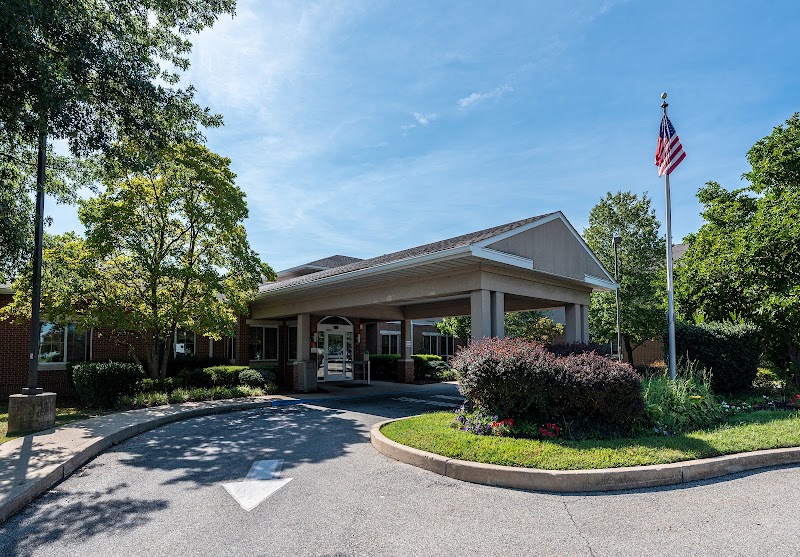
How is Providence Rehab And Hlthcare Ctratmercyfitzgerald Staffed?

CMS rates PROVIDENCE REHAB AND HLTHCARE CTRATMERCYFITZGERALD's staffing level at 2 out of 5 stars, which is below average compared to other nursing homes. Staff turnover is 47%, compared to the Pennsylvania average of 46%.

What Have Inspectors Found at Providence Rehab And Hlthcare Ctratmercyfitzgerald?

State health inspectors documented 40 deficiencies at PROVIDENCE REHAB AND HLTHCARE CTRATMERCYFITZGERALD during 2022 to 2025. These included: 39 with potential for harm and 1 minor or isolated issues.

Who Owns and Operates Providence Rehab And Hlthcare Ctratmercyfitzgerald?

PROVIDENCE REHAB AND HLTHCARE CTRATMERCYFITZGERALD is owned by a for-profit company. For-profit facilities operate as businesses with obligations to shareholders or private owners. The facility is operated by MARQUIS HEALTH SERVICES, a chain that manages multiple nursing homes. With 129 certified beds and approximately 118 residents (about 91% occupancy), it is a mid-sized facility located in YEADON, Pennsylvania.

How Does Providence Rehab And Hlthcare Ctratmercyfitzgerald Compare to Other Pennsylvania Nursing Homes?

Compared to the 100 nursing homes in Pennsylvania, PROVIDENCE REHAB AND HLTHCARE CTRATMERCYFITZGERALD's overall rating (4 stars) is above the state average of 3.0, staff turnover (47%) is near the state average of 46%, and health inspection rating (3 stars) is at the national benchmark.

What Should Families Ask When Visiting Providence Rehab And Hlthcare Ctratmercyfitzgerald?

Based on this facility's data, families visiting should ask: "Can you walk me through typical staffing levels on day, evening, and night shifts?" "Can I visit during a mealtime to observe dining assistance and food quality?" "How do you handle medical emergencies, and what is your hospital transfer rate?" "Can I speak with family members of current residents about their experience?" These questions are particularly relevant given the below-average staffing rating.

Is Providence Rehab And Hlthcare Ctratmercyfitzgerald Safe?

Based on CMS inspection data, PROVIDENCE REHAB AND HLTHCARE CTRATMERCYFITZGERALD has a clean safety record: no substantiated abuse findings (meaning no confirmed cases of resident harm), no Immediate Jeopardy citations (the most serious violation level indicating risk of serious injury or death), and is not on the Special Focus Facility watch list (a federal program monitoring the lowest-performing 1% of nursing homes). The facility has a 4-star overall rating and ranks #1 of 100 nursing homes in Pennsylvania. While no facility is perfect, families should still ask about staff-to-resident ratios and recent inspection results during their visit.

Do Nurses at Providence Rehab And Hlthcare Ctratmercyfitzgerald Stick Around?

PROVIDENCE REHAB AND HLTHCARE CTRATMERCYFITZGERALD has a staff turnover rate of 47%, which is about average for Pennsylvania nursing homes (state average: 46%). Moderate turnover is common in nursing homes, but families should still ask about staff tenure and how the facility maintains care continuity when employees leave.

Was Providence Rehab And Hlthcare Ctratmercyfitzgerald Ever Fined?

PROVIDENCE REHAB AND HLTHCARE CTRATMERCYFITZGERALD has no federal fines on record. CMS issues fines when nursing homes fail to meet care standards or don't correct problems found during inspections. The absence of fines suggests the facility has either maintained compliance or corrected any issues before penalties were assessed. This is a positive indicator, though families should still review recent inspection reports for the full picture.

Is Providence Rehab And Hlthcare Ctratmercyfitzgerald on Any Federal Watch List?

PROVIDENCE REHAB AND HLTHCARE CTRATMERCYFITZGERALD is not on any federal watch list. The most significant is the Special Focus Facility (SFF) program, which identifies the bottom 1% of nursing homes nationally based on persistent, serious quality problems. Not being on this list means the facility has avoided the pattern of deficiencies that triggers enhanced federal oversight. This is a positive indicator, though families should still review the facility's inspection history directly.