PLEASANT ACRES REHABILITATION AND NURSING CENTER
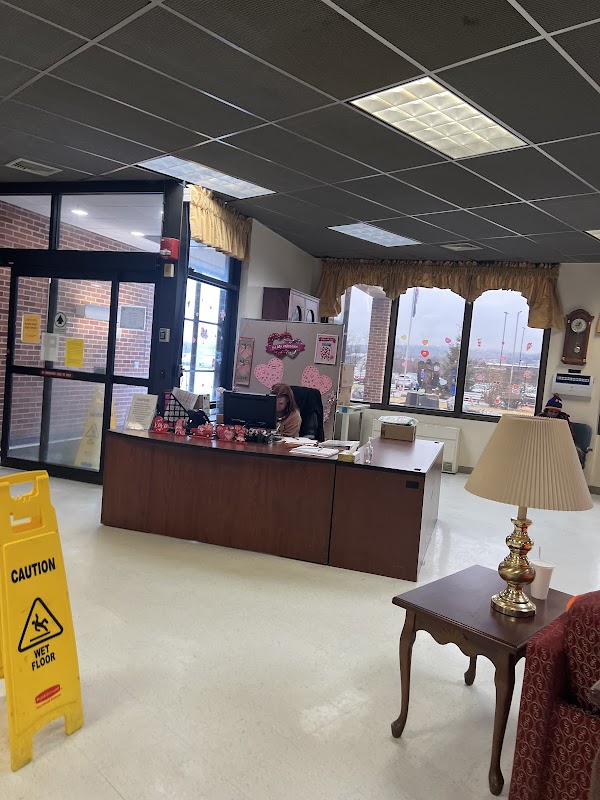
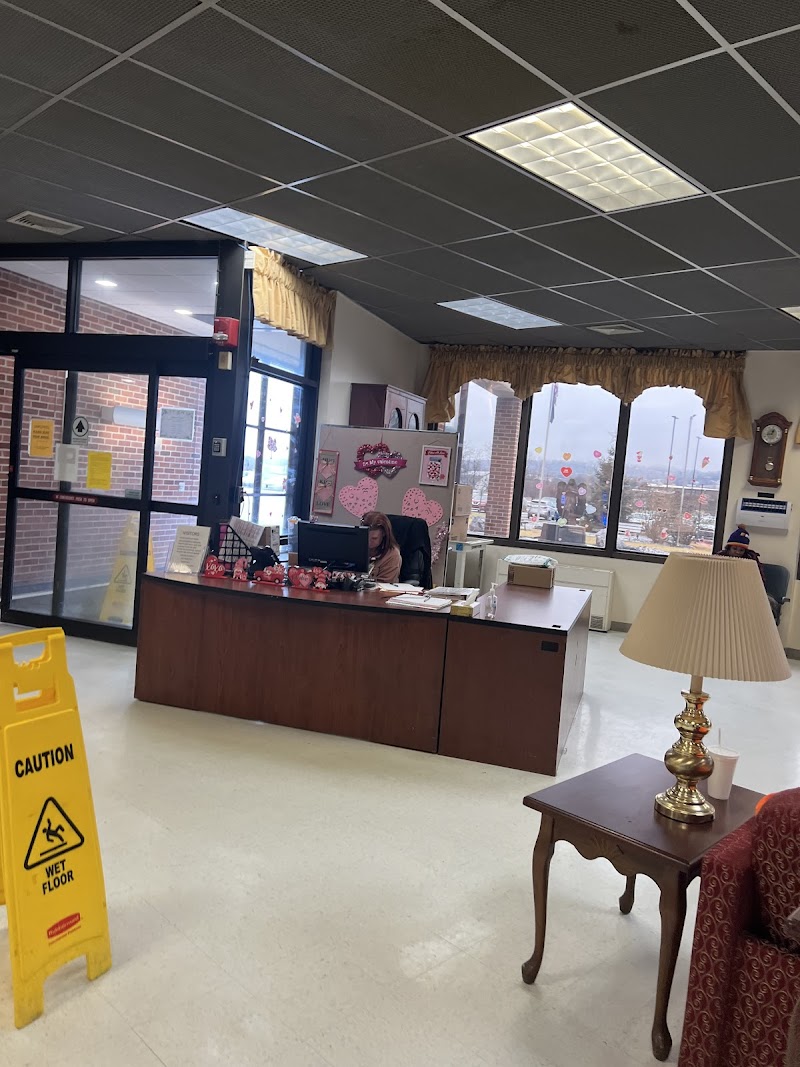
118 PLEASANT ACRES RD,RD7, YORK, PA 17402 (717) 840-7100
For profit - Corporation 375 Beds JONATHAN BLEIER Data: November 2025 2 Immediate Jeopardy citations
Trust Grade
1/100
#621 of 653 in PA
Last Inspection: March 2025

Within standard 12-15 month inspection cycle. Federal law requires annual inspections.

Overview

Pleasant Acres Rehabilitation and Nursing Center has received a Trust Grade of F, indicating significant concerns about the quality of care provided. With a state rank of #621 out of 653, they fall in the bottom half of Pennsylvania facilities, and they rank #13 out of 14 in York County, meaning only one other local option is worse. The facility is showing some improvement, as the number of issues decreased from 17 in 2024 to 12 in 2025. Staffing is a relative strength with a 4 out of 5-star rating, but the turnover rate is average at 51%. However, there are serious concerns as the facility has been fined $198,550, which is more than 85% of other facilities in the state, and they have less RN coverage than 90% of Pennsylvania facilities. Specific incidents include a failure to prevent elopement of a resident, putting many others at risk, and a lack of timely measures to protect residents from sexual abuse, which resulted in a serious incident for one resident. While the staffing and trends show some positive aspects, the facility's overall poor ratings and serious findings highlight significant weaknesses that families should carefully consider.

Trust Score
F
1/100
In Pennsylvania
#621/653
Bottom 5%
Safety Record
High Risk
Review needed
Inspections
Getting Better
17 → 12 violations
Staff Stability
⚠ Watch
51% turnover. Above average. Higher turnover means staff may not know residents' routines.
Penalties
✓ Good
$198,550 in fines. Lower than most Pennsylvania facilities. Relatively clean record.
Skilled Nurses
⚠ Watch
Each resident gets only 23 minutes of Registered Nurse (RN) attention daily — below average for Pennsylvania. Fewer RN minutes means fewer trained eyes watching for problems.
Violations
⚠ Watch
48 deficiencies on record. Higher than average. Multiple issues found across inspections.
★☆☆☆☆
1.0
Overall Rating
★★★★☆
4.0
Staff Levels
★★☆☆☆
2.0
Care Quality
★☆☆☆☆
1.0
Inspection Score
Stable
2024: 17 issues
2025: 12 issues

The Good

  • 4-Star Staffing Rating · Above-average nurse staffing levels
  • Full Sprinkler Coverage · Fire safety systems throughout facility
  • No fines on record

Facility shows strength in staffing levels, fire safety.

The Bad

1-Star Overall Rating

Below Pennsylvania average (3.0)

Significant quality concerns identified by CMS

Staff Turnover: 51%

Near Pennsylvania avg (46%)

Higher turnover may affect care consistency

Federal Fines: $198,550

Well above median ($33,413)

Significant penalties indicating serious issues

Chain: JONATHAN BLEIER

Part of a multi-facility chain

Ask about local staffing decisions and management

The Ugly 48 deficiencies on record

2 life-threatening
Mar 2025 12 deficiencies
CONCERN (D)

Potential for Harm - no one hurt, but risky conditions existed

Assessment Accuracy (Tag F0641)

Could have caused harm · This affected 1 resident

**NOTE- TERMS IN BRACKETS HAVE BEEN EDITED TO PROTECT CONFIDENTIALITY** Based on clinical record review and staff interviews, it was determined that the facility failed to ensure that the resident ass...

Read full inspector narrative →
**NOTE- TERMS IN BRACKETS HAVE BEEN EDITED TO PROTECT CONFIDENTIALITY** Based on clinical record review and staff interviews, it was determined that the facility failed to ensure that the resident assessment accurately reflected the resident's status for three of 41 residents reviewed (Residents 21, 259, and 351). Findings Include: Review of Resident 21's clinical record revealed diagnoses that include anoxic brain damage (occurs when the brain is completely deprived of oxygen, leading to brain cell death and potential long-term impairments) and gastro-esophageal reflux disease (a chronic condition where stomach contents flow back up into the esophagus, causing irritation and various symptoms). Review of Resident 21's Significant change MDS (Minimum Data Set is part of federally mandated process for clinical assessment of all Medicare and Medicaid certified nursing homes) dated December 19, 2024, revealed in Section O0110. Special Treatments, Procedures, and Programs, that Resident 21 has not been treated for in the previous 14 days while a resident. Review of Resident 21's physician's orders revealed an order from December 11, 2024, to admit Resident 21 to hospice services. Review of Resident 21's care plan revealed a care plan with a date initiated of December 12, 2024, with a focus area of, I have been admitted to hospice related to end stage disease process. Interview with the Nursing Home Administrator (NHA) on March 20, 2025, at 8:58 AM, revealed that Resident 21's MDS completed on December 19, 2024, was marked in error and that Resident 21 had been receiving hospice services at that time. Review of Resident 259's clinical record revealed diagnoses that included dementia with behavioral disturbance (loss of memory, language, problem-solving, and other thinking abilities that are severe enough to interfere with daily life) and major depressive disorder (mental disorder characterized by at least two weeks of low mood that is present across most situations). Further review of Resident 259's clinical record revealed that, in response to a pharmacy recommendation, the physician documented on September 25, 2024, that a gradual dose reduction of her Seroquel (antipsychotic) medication was contraindicated because the benefits outweighed the risks. Review of Resident 259's December 5, 2024, quarterly MDS revealed that it was coded to indicate that the physician had not documented that a gradual dose reduction of her antipsychotic medication was contraindicated. During an interview with Employee 15 (Registered Nurse Assessment Coordinator) on March 20, 2025, at 9:36 AM, she confirmed that Resident 259's assessment should have captured the date that the physician documented that a gradual dose reduction of the antipsychotic was contraindicated. During an interview with the Assistant NHA on March 20, 2025, at 10:11 AM, she confirmed that she was aware that Resident 259's MDS was coded in error. Review of Resident 351's clinical record revealed diagnoses that included dementia and cirrhosis of liver (a chronic liver disease characterized by the replacement of healthy liver tissue with scar tissue, which can lead to liver failure and other complications). Review of Resident 351's clinical record revealed a progress note dated December 20, 2024, at 3:16 PM, indicating Resident 351 left AMA (against medical advice) with her daughter and returned to her home in the community. Review of Resident 351's discharge MDS dated [DATE], revealed that Section A2105. Discharge Status was marked that Resident 351 was discharged to a short-term general hospital (acute hospital). During an interview with the NHA on March 20, 2025, confirmed that Resident 351 did leave the facility AMA and returned home, and revealed the discharge MDS dated [DATE], was marked inaccurately and should have reflected that Resident 351 was discharged to home instead, and that a modification has been made. 28 Pa Code 211.12 (d)(3)(5) Nursing Services
CONCERN (D)

Potential for Harm - no one hurt, but risky conditions existed

Deficiency F0657 (Tag F0657)

Could have caused harm · This affected 1 resident

Based on observations, clinical record review, and staff interviews, it was determined that the facility failed to review and revise the resident's care plan to reflect the resident's current status f...

Read full inspector narrative →
Based on observations, clinical record review, and staff interviews, it was determined that the facility failed to review and revise the resident's care plan to reflect the resident's current status for two of 41 residents reviewed (Residents 161 and 327). Findings include: Review of Resident 161's clinical record revealed diagnoses that included cerebral vascular accident and peripheral vascular disease (a circulatory condition in which narrowed blood vessels reduce blood flow to the limbs). Review of Resident 161's POLST (Pennsylvania orders for Life-Sustaining Treatment) and advance directive (a form to make health care decisions for the individual if the individual loses the capacity to make health care decision) on March 19, 2025, revealed the Resident desired his code status be do not resuscitate (DNR). Review of Resident 161's March 2025 physician orders revealed the Resident desired his code status DNR. A review of Resident 161's care plan dated March 2025 stated, wants to be full code. With a created date of September 30, 2024. A review of the progress notes revealed that code status was clarified to be DNR status on October 3, 2024, but the care plan was never corrected. Interview with the DON on March 19, 2025, at 10:30 AM, revealed the care plan should have matched Resident 161's physician orders, POLST and advance directive code status. Review of Resident 327's clinical record revealed diagnoses that included presence of a cardiac implant and atrial septal defect (abnormal hole in the wall between the two upper chambers of the heart). Review of Resident 327's physicians orders revealed an order to ensure each shift that the loop recorder monitor (small device implanted under the skin of the chest to continuously monitor and record the heart's electrical activity) was attached to the nightstand and was plugged in starting February 21, 2025. Review also revealed an order for quarterly remote loop recorder monitoring, starting February 21, 2025. Observation on March 18, 2025, at 12:40 PM, revealed that the loop recorder monitor was present on Resident 327's nightstand. Review of Resident 327's current care plan failed to reveal any information regarding the presence or care of his loop recorder implant. During an interview with the DON on March 20, 2025, at 10:22 AM, she revealed the expectation that this information should have been included on Resident 327's care plan. 28 Pa. Code 211.12(d)(1)(5) Nursing services
CONCERN (D)

Potential for Harm - no one hurt, but risky conditions existed

Deficiency F0658 (Tag F0658)

Could have caused harm · This affected 1 resident

Based on staff interviews, record review, and the facility's licensed staff scope of practice, it was determined that the facility failed to follow professional standards of practice when transcribing...

Read full inspector narrative →
Based on staff interviews, record review, and the facility's licensed staff scope of practice, it was determined that the facility failed to follow professional standards of practice when transcribing orders and administering medications to one of 41 residents reviewed (Resident 144). Findings include: Review of the Pennsylvania Nursing Practice Act for Licensed Practical Nurses (LPN), Chapter 21.145. revealed Functions of the LPN. (a) The LPN is prepared to function as a member of the health-care team by exercising sound nursing judgement based on preparation, knowledge, experience in nursing and competency. The LPN participates in the planning, implementation and evaluation of nursing care using focused assessment in settings where nursing takes place. (1) An LPN shall communicate with a licensed professional nurse and patient's healthcare team members to seek guidance when the patient's care needs exceed the licensed practical nursing scope of practice. Review of the clinical record for Resident 144 revealed diagnoses that included dysphagia following nontraumatic subarachnoid hemorrhage (bleeding into the subarachnoid space of the brain) and gastrostomy tube status (a surgically created opening in the stomach through which a tube can be inserted for feeding and administering medications). Review of Resident 144's physician orders dated March 2025 NPO (Nothing by Mouth) diet, NPO texture, NPO consistency, effective September 26, 2024. On October 18, 2024, a physician order was written to allow patient to have ~6 ice cubes x3 daily w/ staff/family supervision for pleasure every 24 hours as needed. During an interview on March 19, 2025, with Employee 18 (Speech-Language-Therapist), Employee 18 revealed that Resident 144 was evaluated and approved for ice chips to decrease atrophy of his swallowing mechanism and confirmed that all nutrition and medications are administered via his gastrostomy tube. Review of Resident 144's physician orders revealed several medications had a route ordered to administer PO (per os) indicating to administer by mouth, that included; Acetaminophen Tablet 325 MG Give 2 tablet by mouth every 6 hours as needed for Elevated Temperature Give 2 tablets (650 mg) by mouth every 6 hours as needed for elevated temperature >100.5 *Do not exceed 3 gms acetaminophen in 24 hours* Pharmacy Active 12/18/2024 03:31 Quetiapine Fumarate Oral Tablet 50 MG (Quetiapine Fumarate) Give 1 tablet by mouth two times a day related to MAJOR DEPRESSIVE DISORDER, RECURRENT, MODERATE 3/20/25 10:42 AM Lorazepam 0.5 mg 1 tablet PO two times a day effective 10/27/2024 Further review of the MAR (medication administration record) revealed that the orders were transcribed PO and staff were signing off as administered PO. During an interview on March 19, 2025, with Employee 19 (Licensed practical Nurse), Employee 19 informed the surveyor she was fully aware that Resident 144 had a gastrostomy tube, and that all medications are administered via the gastrostomy tube. During an interview with the Director of Nursing (DON) on March 20, 2025, at 10:30 AM, the DON informed the surveyor that all medication nurses provided statements that they are aware of the gastrostomy status for Resident 144 and administer all medications via the gastrostomy tube. The DON confirmed that the orders should have stipulated the gastrostomy route for administrations, and that staff should have contacted the physician to correct the ordered route of administration on the orders. 28 Pa. Code 211.12(d)(1)(5) Nursing services
CONCERN (D)

Potential for Harm - no one hurt, but risky conditions existed

ADL Care (Tag F0677)

Could have caused harm · This affected 1 resident

Based on observation, clinical record review, and staff interviews, it was determined that the facility failed to maintain adequate personal hygiene and grooming of residents dependent on staff for as...

Read full inspector narrative →
Based on observation, clinical record review, and staff interviews, it was determined that the facility failed to maintain adequate personal hygiene and grooming of residents dependent on staff for assistance with these activities of daily living for one of 41 residents reviewed (Resident 120). Findings include: Review of Resident 120's clinical record revealed diagnoses that included dementia (loss of memory, language, problem-solving and other thinking abilities that are severe enough to interfere with daily life) and muscle weakness. Review of Resident 120's care plan revealed that she was a self care deficit and required assistance with most activities of daily living. Further review revealed that she removes her footwear and walks barefoot. Observation of Resident 120 on March 18, 2025, at 9:42 AM, revealed her asleep in bed. Her feet were exposed, and she was barefoot. A significant accumulation of dark black soiling was present on the soles of her feet. Observation of the floor in Resident 120's room revealed it felt dusty/gritty and had a dark buildup around the edges of the walls and furniture. During an immediate interview with Employee 16 (Nurse Aide) she confirmed that Resident 120 liked to go barefoot and, therefore, should have her feet washed daily. During an interview with the Director of Nursing on March 20, 2025, at 10:23 AM, she confirmed that Resident 120 does like to disrobe, independently ambulates, and staff wash her feet as needed. 28 Pa. Code 211.12(d)(1)(3)(5) Nursing services
CONCERN (D)

Potential for Harm - no one hurt, but risky conditions existed

Quality of Care (Tag F0684)

Could have caused harm · This affected 1 resident

Based on facility policy, review of the clinical records, and staff interviews, it was determined that the facility failed to ensure care and services are provided in accordance with physician orders ...

Read full inspector narrative →
Based on facility policy, review of the clinical records, and staff interviews, it was determined that the facility failed to ensure care and services are provided in accordance with physician orders for three of 41 residents reviewed (Residents 121, 221, and 338). Findings include: Review of facility policy, Medication Administration/Disposition, last revised September 6, 2023, read, in part, medications shall be administered in a safe and timely manner, and as prescribed by the physician. Medications must be administered within one hour of their prescribed time. The individual administering the medication must check the label three times to verify the right resident, right medication, right dosage, right time and right method or rout of administration before giving the medication. If a drug is withheld, refused, or given at a time other than the scheduled time, the individual administering the medication shall initial and use the corresponding code on the Medication Administration Record (MAR - an electronic record of medication administration) to indicate the medication was not given and the reason for not administering. The individual administering the medication must initial the resident's MAR on the appropriate line after giving each medication and before administering the next ones. Review of Resident 121's clinical record documented diagnoses that included bipolar (a mental health condition alternating periods of elation and depression), schizoaffective disorder (mental disorder involving a breakdown in the relation between thought, emotion, and behavior leading to faulty perception, inappropriate actions and feelings, affects a person's ability to think, feel, and behave clearly), cognitive communication deficit (difficulties in communication stemming from impairments in cognitive process), diabetes mellitus (the body's ability to produce or respond to the hormone insulin is impaired, resulting in abnormal metabolism of carbohydrates and elevated levels of glucose in the blood and urine), and hypothyroidism (the thyroid gland doesn't produce enough thyroid hormone). Review of Resident 121's January 2025 MAR revealed there was no documentation (the MAR was blank) for the following medications: Lantus (insulin glargine - log acting insulin used to treat elevated blood sugar) inject 15 units subcutaneously (under the skin), with a start date of November 15, 2024, at 6:30 AM; Lantus inject 46 units, with a start date of January 11, 2024, at 8:30 PM; Levothyroxine Sodium (medication use to treat hypothyroidism) 75 micrograms, with a start date of January 11, 2023, at 6:30 AM; Melatonin 3 milligrams for sleeplessness, with a start date November 27, 2023, at 8:30 PM; Acetaminophen Oral Tablet 325 milligrams give 2 tablets three times a day for pain, with a start date of July 19, 2023, at 8:30 PM; and Blood Sugar monitoring before meals and at bedtime, with a start date of January 10, 2023, not documented as completed at 6:30 AM and 8:30 PM. Review of Resident 121's progress note failed to document weather or not the aforementioned medications and blood sugar monitoring were administered/completed or rational for not following physician orders. A review of the facility's policy, titled Catheter-Foley, recently revised May 2024, read, in part, This policy provides the procedure to ensure the safe, sterile placement and removal of the Foley catheter. It also provides guidelines for catheter care and specimen collection from the catheter. A Foley Catheter is a device that drains urine from the urinary bladder into a collection bag outside of the body when you can't void the urine on your own. A review of Resident 221's physician orders revealed diagnoses that included hypertension (elevated blood pressure) and neuromuscular dysfunction of the bladder (the nerves that carry messages back and forth between the bladder and the spinal cord and brain don't work the way they should. Common symptoms include dribbling urine, loss of feeling that the bladder is full, and being unable to control urine [urinary incontinence]). A review of Resident 221's Treatment Administration Record (TAR) dated January 2025, revealed the following physician's order Empty Foley drainage bag every shift and record output, every shift. A review of the TAR revealed the staff had not documented care to the Foley on the evening shift of January 5, 2025; the day and night shifts on January 9, 2025; the day shift on January 14, 2025; and the evening shift on January 31, 2025. A review of Resident 221's February 2025 TAR revealed the staff had not documented the Foley catheter care during the evening shift on February 1, 2025; the day shift on February 5, 2025; and the evening shifts on February 14, 15 and 16, 2025. Continued review of Resident 221's February 2025 TAR revealed the following physician's order Irrigate Foley catheter with 60 mls [milliliters] of Sterile Normal Saline solution every shift for patency (the condition of being open, expanded, or unobstructed). A review of the TAR revealed staff had not documented the irrigation of the Foley during the evening shift on February 1, 2025; the day shift of February 5, 2025; and the evening shifts on February 14 and 15, 2025. An interview with the Director of Nursing (DON), on March 20, 2025, at 10:05 AM, revealed an agreement that staff should be documenting the care to Resident 221's catheter per physician orders. Review of Resident 338's clinical record documented diagnoses that included diabetes mellitus, spinal stenosis (narrowing of the spinal column that causes pressure on the spinal cord), and hemiplegia left non-dominant side (paralysis or weakness on one side of the body). Review of Resident 338's January 2025 MAR failed to document the following medication were administered on the following dates: Atorvastatin Calcium (medication used to treat elevated cholesterol levels) 40 milligrams, with a start date of November 5, 2024, at 8:30 PM; Melatonin Oral Tablet 3 milligrams give 3 tablets for insomnia, with a start date of November 5, 2024, at 8:30 PM; Ativan 0.5 milligrams every 12 hours for anxiety, with a start date of November 20, 2024, at 8:30 PM; Baclofen Oral Tablet 10 milligram every 8 hours for spasms, with a start date of November 8, 2024, at 6:00 AM and 10:00 PM; and Insulin Lispro (fast acting insulin used to treat elevated blood sugar) Subcutaneous Solution Pen injector Inject as per sliding scale: if 0 - 150 milliliter/deciliter (ml/dl- unit of measure) = 0 units; 151 - 200 ml/dl = 2 units; 201 - 250 ml/dl = 4 units; 251 - 300 ml/dl = 6 units; 301 - 350 ml/dl = 8 units; 351 - 400 ml/dl = 10 units, before meals and at bedtime, with a start date of November 5, 2024, at 8:30 PM on January 19th and 24th. Review of Resident 338's progress note failed to document weather or not the aforementioned medications were administered or rational for not following physician orders. During an interview with the DON on March 20, 2025, at 10:09 AM, it was revealed that the MAR should be completed at time of administration or at time of resident refusal. 28 Pa. Code 201.18(b)(1) Management 28 Pa. Code 211.10(a)(c) Resident care policies 28 Pa. Code 211.12 (d) (5) Nursing services
CONCERN (D)

Potential for Harm - no one hurt, but risky conditions existed

Deficiency F0698 (Tag F0698)

Could have caused harm · This affected 1 resident

Based on review of facility policy, clinical record review, and staff interviews, it was determined that the facility failed to maintain complete and accurate records related to dialysis communication...

Read full inspector narrative →
Based on review of facility policy, clinical record review, and staff interviews, it was determined that the facility failed to maintain complete and accurate records related to dialysis communication for one of two residents reviewed who received dialysis services (Resident 96). Findings Include: Review of facility policy, Dialysis Management, last revised March 28, 2024, read, in part, interchange of information necessary for the care of the resident, communication form is placed in the binder after completion of the pre dialysis assessment and sent to dialysis with the resident; dialysis center personnel to complete Dialysis communication form and return to facility; upon return the facility is to review information provided on the communication form and address as priorate; facility is to complete post-dialysis information/data and place in resident's medical record; and obtain resident's dry weigh from dialysis center, post treatment documentation. Review of Resident 96's clinical record documented diagnoses that included congestive heart failure (the heart doesn't pump blood as it should), diabetes mellitus (the body's ability to produce or respond to the hormone insulin is impaired, resulting in abnormal metabolism of carbohydrates and elevated levels of glucose in the blood and urine), chronic kidney disease stage 5 (kidneys are severely damaged and unable to filter waste and fluid from the blood), bipolar disorder (a mental health condition alternating periods of elation and depression). Review of Resident 96 March 2025, physician orders included: Dialysis Monday, Wednesday, and Friday, chair time at 10:30 AM, with a start date of September 12, 2024; record post-dialysis dry weight (weight after resident dialyzed - without excess fluid) on weight tab upon return from dialysis- use dialysis scale weekly every evening shift every Monday, with a start date of November 4, 2024. Review of Resident 96's weight history and January 2025 Medication Administration Record (documentation of medication or services per physician orders) failed to document dry weight per physician orders, Monday evening shift on January 6th, 20th, and 27th, 2025. Review of Resident 96's dialysis communication sheets revealed none were not completed for following dates in January 2025: 1st, 3rd, 8th, 10th, 13th, 15th, 17th, 20th, 22nd, 24th, 27th, 29th, and 31st. Review of Resident 96's dialysis communication sheets revealed none were not completed for following dates in March 2025: 12th and 14th. During an interview with the Director of Nursing (DON) on March 20, 2025, at 10:09 AM, it was revealed that the dialysis communication sheets should be completed, that the dialysis center has a history of not completing the post dialysis vital sign section, and that the facility had contacted the center to discuss the importance of completing the communication forms. During an interview with the DON on March 20, 2025, at 11:51 AM, it was revealed the dry weight should've been obtain and documented per physician orders, and that the facility could utilize the dry weight documented on the dialysis communication form from dialysis that day. 28 Pa Code 211.5(f) Clinical records 28 Pa. Code 211.12 (d)(1)(3)(5) Nursing services
CONCERN (D)

Potential for Harm - no one hurt, but risky conditions existed

Drug Regimen Review (Tag F0756)

Could have caused harm · This affected 1 resident

Based on clinical record review, facility policy review, and staff interviews, it was determined that the facility failed to ensure Medication Regimen Reviews were completed by a consultant pharmacist...

Read full inspector narrative →
Based on clinical record review, facility policy review, and staff interviews, it was determined that the facility failed to ensure Medication Regimen Reviews were completed by a consultant pharmacist and responded to in a timely manner by the attending physician or prescriber for two of 41 residents reviewed (Residents 90 and 144). Findings include: Review of facility policy, titled Medication Regimen Reviews, reviewed May 2024, revealed, 4. If the Attending Physician declines or otherwise rejects the Consultant Pharmacist's non-urgent Recommendation, an explanation as to the rationale for the rejection shall be documented in the Resident's medical record. Review of Resident 90's clinical record revealed diagnoses that included schizoaffective disorder (a chronic mental health condition characterized primarily by symptoms such as hallucinations or delusions, and symptoms of a mood disorder, such as mania and depression) and anxiety disorder (group of mental health conditions characterized by excessive and persistent fear or worry, significantly impacting daily life and functioning). Review of Resident 90's electronic medical record on revealed a review of psychoactive medications, dated December 23, 2024, in which the pharmacist recommended a GDR (gradual dose reduction) for Resident 90's psychoactive medications. The physician responded to this request by the pharmacist by disagreeing. The physician failed to include a rationale for not attempting the GDR. Interview with the Director of Nursing (DON) on March 20, 2025, at 10:30 AM, revealed that they do not have any documents to show that a rationale was provided by the physician for disagreeing with the GDR attempt recommendation made for Resident 90 on December 23, 2025. Review of Resident 144's clinical record revealed diagnoses that included depressive disorder (a mental health condition characterized by persistent low mood, loss of interest, and other symptoms that can significantly impact daily life) and anxiety disorder. Review of Resident 144's electronic medical record revealed a review of psychoactive medications, dated August 25, 2024, in which the pharmacist recommended a GDR for Resident 144's psychoactive medications. The physician responded to this request by the pharmacist by disagreeing. The physician failed to include a rationale for not attempting the GDR and failed to date the response. Interview with the DON on March 20, 2025, at 10:40 AM, revealed that they do not have any documents to show that a rationale was provided by the physician for disagreeing with the GDR attempt recommendation made for Resident 144 on August 25, 2024. 28 Pa. Code 211.10(c) Resident care policies
CONCERN (E)

Potential for Harm - no one hurt, but risky conditions existed

Resident Rights (Tag F0550)

Could have caused harm · This affected multiple residents

Based on review of facility policy, clinical record review, observations, and interviews with staff and residents, it was determined that the facility failed to ensure that care and services were prov...

Read full inspector narrative →
Based on review of facility policy, clinical record review, observations, and interviews with staff and residents, it was determined that the facility failed to ensure that care and services were provided in a manner that enhanced resident dignity for five of 41 residents reviewed (Residents 75, 150, 180, 195, and 310). Findings include: Review of the facility policy, titled Dignity and Respect with a last reviewed and revised date of April 2024, revealed, Residents shall be treated with dignity and respect at all times .Staff shall promote, maintain and protect resident privacy, including bodily privacy during assistance with personal care and during treatment procedures. Review of Resident 75's clinical record revealed diagnoses that included Alzheimer's disease with early onset and secondary parkinsonism (different conditions that can cause movement symptoms similar to those associated with Parkinson's disease including tremor, slowed movements, and stiffness). Observation of Resident 75 on March 18, 2025, at 1:01 PM, revealed her independently ambulating around the nursing unit. Resident 75 was observed wearing a shirt made of thin fabric with no bra, which exposed her breasts underneath. During an immediate interview with Employee 14 (Nurse Aide) she revealed that Resident 75 does wear bras, and took Resident 75 back to her room to put one on. A follow-up observation of Resident 75, at 1:34 PM, revealed she was wearing the same shirt, with a bra, making her breasts no longer visible through her shirt. Review of Resident 75's upper body dressing task documentation for that morning revealed that it was documented at 10:00 AM that she was fully dependent on staff for that activity. Review of Resident 75's care plan failed to reveal a preference for not wearing undergarments. During an interview with the Director of Nursing (DON) on March 20, 2025, at 10:13 AM, she stated that another staff member had just noticed the concern with Resident 75 and was planning to address it when Employee 14 took Resident 75 to her room to redress her. Observation of Resident 150 on March 17, 2025, at 10:01 AM, revealed Resident 150 lying in bed. Employee 10 (Housekeeper) entered the room to sweep the floor while talking on her cell phone, via an in-ear device. Resident 150 attempted to ask Employee 10 if she was going to sweep the bathroom also, to which Employee 10 motioned for Resident 150 to stop talking and then told Resident 150, I'm on the phone with my grandma. An interview with Resident 195 on March 17, 2025, at 10:34 AM, revealed that staff members often answer his call bell while talking on the phone via an in-ear device and he finds it very disrespectful. An interview with Nursing Home Administrator on March 18, 2025, at 1:15 PM, revealed that he would expect staff members to treat residents with dignity and respect. Review of Resident 180's clinical record revealed diagnoses that included dementia with behavioral disturbance (loss of memory, language, problem-solving, and other thinking abilities that are severe enough to interfere with daily life) and unspecified psychosis (abnormal condition of the mind that involves a loss of contact with reality). Review of Resident 310's clinical record revealed diagnoses that included Alzheimer's disease (gradually progressive brain disorder that causes problems with memory, thinking and behavior) and anxiety disorder (mental disorder characterized by feelings of worry about future events and/or fear in reaction to current events). Observation on March 17, 2025, at approximately 12:10 PM, revealed Residents 180 and 310 sitting in the dementia care unit dining room during meal service; other residents were present and eating their meals. Employee 13 (Physician) approached Residents 180 and 310, placed his stethoscope on their chests, and asked them questions about their health status. Employee 13 was not observed asking Resident 180 or 310 for permission to examine them in a common area with other residents present. During an interview with the DON on March 20, 2025, at 10:13 AM, she revealed the expectation that residents would be provided privacy during examinations. 28 Pa. Code 201.18(b)(2)(e)(1) Management 28 Pa. Code 211.12(d)(1)(5) Nursing services
CONCERN (E)

Potential for Harm - no one hurt, but risky conditions existed

Safe Environment (Tag F0584)

Could have caused harm · This affected multiple residents

Based on observations and staff interviews, it was determined that the facility failed to maintain a safe, clean, comfortable, and home-like interior on two of five nursing units (Main 1 and fifth flo...

Read full inspector narrative →
Based on observations and staff interviews, it was determined that the facility failed to maintain a safe, clean, comfortable, and home-like interior on two of five nursing units (Main 1 and fifth floor nursing units). Findings include: Observation in Resident 338's room on March 17, 2025, at 10:47 AM, revealed the black plastic fan on nightstand contained a dark grey fuzzy substance. Observation on March 20, 2025, at 10:31 AM, revealed the dark grey substance remained on the black plastic fan on the nightstand. During an interview with Employee 11 (Nurse Aide) on March 20, 2025, at 10:50 AM, it was revealed that she was aware of the dirty fan in Resident 338's room. It was also revealed that she told Employee 12 (Housekeeper) about it two days ago and requested that it be cleaned. Employee 12 was on the unit and Employee 11 asked her to clean Resident 338's. Employee 12 responded that she wasn't allowed to clean the fan. At 11:05 AM, Employee 12 was observed with Resident 338's fan entering the housekeeping closet. During an interview with Employee 1 (Assistant Nursing Home Administrator) it was revealed that housekeeping should've cleaned the fan when it was observed to be dirty. Observation on March 17, 2025, at 9:39 AM, in the Main 1 (locked dementia care unit) TV lounge revealed multiple chairs with dried liquid spills and other debris on the cushions and/or frames. Additionally, approximately three chairs were observed to have cracked or ripped cushions. Observations on March 17, 2025, at 9:53 AM; on March 18, 2025, at 9:41 AM; and on March 19, 2025, at 12:45 PM, in Resident 178's room revealed a medical pump and pole. The feet of the pole were covered in a dried liquid substance. Review of Resident 178's Medication Administration Record (MAR - form used to document physician orders as well as when and how medications are administered to a resident) revealed orders for intravenous hydration, which ended on March 14, 2025. Observations on March 17, 2025, at 10:00 AM, and on March 19, 2025, at 9:47 AM, in the Main 1 dining room revealed several chairs with dried liquid spills and other debris on the cushions and/or frames. Observation on March 17, 2025, at 12:14 PM, and on March 19, 2025, at 12:46 PM, revealed Resident 178's wheelchair had an accumulation of dried food and debris on the seat and arm rests. Observation on March 17, 2025, at 12:14 PM, and on March 19, 2025, at 12:52 PM, revealed 47's wheelchair had an accumulation of dried food and debris on the seat and frame. Observation of Resident 120's bedroom floor on March 18, 2025, at 9:46 AM, revealed it felt dusty/gritty and had a dark buildup around the edges of the walls and furniture. Observation on March 18, 2025, at 12:50 PM, in Resident 327's room revealed that each drawer of a dresser next to his bed was labeled with a resident's name. The names on the labels did not match any resident residing in that room. During an interview with the ANHA on March 20, 2025, at 10:16 AM, she revealed the expectation that Resident 47 and 178's wheelchair should have been clean, and that she was looking into the last time this had been done. During an interview with the Director of Nursing on March 20, 2025, at 10:17 AM, she acknowledged the concern with the pump and pole in Resident 178's room and confirmed that the pole had been removed and cleaned. During an interview with the Nursing Home Administrator on March 20, 2025, at 10:22 AM, he revealed the expectation that the chairs on Main 1 should be clean and in good condition. He also confirmed that the labels should not have been present on Resident 327's dresser, and that Resident 120's floor needed to be cleaned. 28 Pa. Code 201.18(e)(1)(2.1) Management
CONCERN (E)

Potential for Harm - no one hurt, but risky conditions existed

Comprehensive Care Plan (Tag F0656)

Could have caused harm · This affected multiple residents

Based on clinical record review, observation, and resident and staff interviews, it was determined that the facility failed to develop a comprehensive person-centered care plan for four of 41 records ...

Read full inspector narrative →
Based on clinical record review, observation, and resident and staff interviews, it was determined that the facility failed to develop a comprehensive person-centered care plan for four of 41 records reviewed (Residents 144, 161, 221, and 265). Findings include: A review of Resident 144's clinical record revealed diagnoses that included dementia (a group of conditions characterized by impairment of at least two brain functions, such as memory loss and judgment) and anxiety disorder (a group of mental health conditions characterized by excessive and persistent fear or worry, significantly impacting daily life and functioning). A review of Resident 144's care plan dated March 2025 failed to reveal a care plan for the diagnosis of dementia. During an interview with the Director of Nursing (DON) on March 19, 2025, the DON thought that his care plan for traumatic brain injury and cerebrovascular accident was adequate. A dementia care plan for Resident 144 was developed on March 19, 2025, and presented to the surveyor. Review of Resident 161's clinical record revealed diagnoses that included cerebral vascular accident (aka stroke- damage to the brain from interruption of its blood supply) and peripheral vascular disease (a circulatory condition in which narrowed blood vessels reduce blood flow to the limbs). Observation of Resident 161 on March 18, 2025, revealed the presence of bilateral enabler bars attached to his bed. Review of Resident 161's current physicians orders and care plan failed to reveal the Resident had enabler bars. Further review revealed the physician orders and care plan were not updated to include the enabler bars after the Resident returned from the hospital on October 26, 2024. The Director of Nursing (DON) was able to show that maintenance has been documenting safety checks on the enabler bars. During an interview with the DON on March 19, 2025, at 9:30 AM, the DON was able to reveal that Resident 161 was assessed and ordered enabler bars prior to his hospitalization on October 25, 2024, and agreed that the current care plan and physician orders should reflect enabler bars are being utilized by Resident 161. A review of Resident 221's clinical record revealed diagnoses that included heart failure (sometimes called congestive heart failure, which means the heart can't pump enough blood to meet the body's needs, often due to a weakened or stiff heart muscle) and a history of falls. An observation in Resident 221's room on March 17, 2025, at 11:01 AM, revealed enabler bars attached to both sides of the bed. Review of Resident 221's interdisciplinary plan of care revealed none developed regarding the use of the bilateral enabler bars. An interview with the DON on March 19, 2025, at 12:54 PM, revealed an enabler bars care plan has now been developed and added to Resident 221's interdisciplinary plan of care. A review of Resident 265's clinical record revealed diagnoses that included impaired visual function. An observation and interview with Resident 265 on March 17, 2025, at 11:55 AM, revealed her eyes to appear bloody and red. The interview revealed she received eye injections for macular edema (a condition where fluid accumulates in the macula, the central part of the retina responsible for sharp, central vision). Review of Resident 265's interdisciplinary plan of care revealed none developed to address any visual function, diagnoses, or treatment by the ophthalmologist. An interview with the Assistant Nursing Home Administrator on March 19, 2025, at 10:32 AM, confirmed a vision care plan has now been developed and added to Resident 265's interdisciplinary plan of care. 28 Pa. Code 211.10(c) Resident care policies
CONCERN (E)

Potential for Harm - no one hurt, but risky conditions existed

Medication Errors (Tag F0758)

Could have caused harm · This affected multiple residents

Based on policy review, clinical record review, and staff interview, it was determined that the facility failed to provide a rationale and duration for expending a PRN (as needed) psychotropic dedicat...

Read full inspector narrative →
Based on policy review, clinical record review, and staff interview, it was determined that the facility failed to provide a rationale and duration for expending a PRN (as needed) psychotropic dedication beyond 14 days for one of 41 residents reviewed (Resident 92). Findings include: Review of facility policy, titled Psychotropic medication use, including use in dementia residents, reviewed November 1, 2024, revealed, PRN orders for psychotropic drugs, other than antipsychotics, may not exceed 14 days. Rationale for use extending beyond the 14 days must be documented in the medical record and indicate duration of the PRN order. Review of Resident 92's clinical record revealed diagnoses that included anxiety disorder (group of mental health conditions characterized by excessive and persistent fear or worry, significantly impacting daily life and functioning) and depression (major loss of interest in pleasurable activities, characterized by change in sleep patterns, appetite, and or daily routine). Review of Resident 92's physician's orders revealed an order for Lorazepam (anxiety medication) gel every 2 hours as needed for agitation/anxiety, with a start date of January 28, 2025, and no end date. Review of Resident 92's electronic medical record on revealed a review of psychoactive medications, dated February 18, 2025, in which the pharmacist recommends that the physician attempt a gradual dose reduction of psychoactive medications. The physician declined the gradual dose reduction but failed to provide a rationale for extending the PRN psychotropic medication beyond 14 days and neglected to add a stop date to the order. Interview with the Nursing Home Administrator on March 20, 2025, at 10:30 AM, revealed that the expectation is that the physician would provide a rationale and duration for PRN psychotropic medications extended beyond 14 days. 28 Pa. Code 211.12(d)(5) Nursing services
CONCERN (E)

Potential for Harm - no one hurt, but risky conditions existed

Food Safety (Tag F0812)

Could have caused harm · This affected multiple residents

Based on review of facility policy, observations, and staff interviews, it was determined that the facility failed to store and serve food/beverages in accordance with professional standards regarding...

Read full inspector narrative →
Based on review of facility policy, observations, and staff interviews, it was determined that the facility failed to store and serve food/beverages in accordance with professional standards regarding the operation of the dish machine in the kitchen. Findings include: Review of facility policy, Dish Machine Temperatures, revised April 5, 2024, read, in part, dish machine final rinse temperatures should be maintained at temperature not less than those established by the Food and Drug Administration, high temperature dish machine will be no less than 180 degrees Fahrenheit (F). Observation of the dish machine on March 17, 2025, at 9:32 AM, the final rinse temperature registered 176 degrees F. Observation of the dish machine temperature log for March 1st through 17th, 2025, breakfast read, in part, the final rinse temperature was documented below 180 degrees F for all meals. During an interview with the Employee 8 (Food Service Director) on March 17, 2025, at 9:34 AM, it was revealed the final rinse temperature should be 180 degrees F . It was also revealed that the documented final rinse temperatures on the log were below the standard of 180 degrees F. During an interview with the Employee 1 (Assistant Nursing Home Administrator) on March 18, 2025, at 1:30 PM, it was revealed that the facility Maintenance Department repairs the dish machine, and a request was submitted to Maintenance to assess the final rinse temperature. It was also revealed that the facility utilized the incorrect temperature log and, therefore, the Dietary Department failed to submit a maintenance request to evaluate the final rinse temperature. It was confirmed that the final rinse temperature should be 180 degrees F, and that Maintenance did recalibrate the temperature for final rinse cycle. 28 Pa code 211.6(f) - Dietary Services
Aug 2024 1 deficiency
CONCERN (E) 📢 Someone Reported This

A family member, employee, or ombudsman was alarmed enough to file a formal complaint

Potential for Harm - no one hurt, but risky conditions existed

Safe Environment (Tag F0584)

Could have caused harm · This affected multiple residents

Based on observations and staff interview, it was determined that the facility failed to maintain a clean, comfortable, homelike interior on one of five units observed (5th floor). Findings include: O...

Read full inspector narrative →
Based on observations and staff interview, it was determined that the facility failed to maintain a clean, comfortable, homelike interior on one of five units observed (5th floor). Findings include: Observations on August 27, 2024, at the noted times revealed the following: 11:28 AM and 1:30 PM - debris and soiled areas on the floor were noted under and around the head of Resident 1's bed. 11:33 AM and 1:30 PM - a dried liquid spill was present on the door of Resident 3's room. A vitals monitor located in the hallway outside of Resident 3's room was observed to have spots of debris on the machine, and the base of the stand had multiple spots of debris and dried soiled areas. Additionally, a dried liquid spill was present on the wall and baseboard in the hallway outside of Resident 3's room. 11:37 AM and 1:30 PM - multiple ants were gathered around a dropped piece of food next to Resident 4's bed, dried spills were present on the legs of Resident 4's bed, and multiple spots/smears of debris were present on the fall mat next to Resident 4's bed. Debris was present around and under Resident 2's bed. 11:50 AM and 1:30 PM - soiled and/or rusty areas were present on the leg of Resident 5's overbed table. 11:53 AM - cobwebs were present in window at the end of the west hallway. During a tour with the Nursing Home Administrator and Director of Nursing on August 27, 2024, at approximately 1:30 PM, they acknowledged the aforementioned concerns, and stated they would be addressed. 28 Pa. Code 201.14(a) Responsibility of licensee 28 Pa. Code 201.18(b)(3)(e)(2.1) Management
Apr 2024 10 deficiencies
CONCERN (D)

Potential for Harm - no one hurt, but risky conditions existed

Resident Rights (Tag F0550)

Could have caused harm · This affected 1 resident

Based on policy review, observation, and staff interviews, it was determined that the facility failed to ensure that care and services were provided in a manner that enhanced or maintained resident di...

Read full inspector narrative →
Based on policy review, observation, and staff interviews, it was determined that the facility failed to ensure that care and services were provided in a manner that enhanced or maintained resident dignity for one of 35 residents observed (Resident 146). Findings include: Review of facility policy, titled Dignity and Respect, revised May 2023, revealed, Each resident shall be cared for in a manner that promotes and enhances quality of life, dignity, respect .Residents shall be treated with dignity and respect at all times. 'Treated with dignity' means the resident shall be assisted in maintaining and enhancing his or her self-esteem and self-worth. Review of Resident 146's clinical record revealed diagnoses that included Alzheimer's disease (gradually progressive brain disorder that causes problems with memory, thinking, and behavior) and major depressive disorder (mental disorder characterized by at least two weeks of low mood that is present across most situations). Observation on April 22, 2024, at 1:45 PM, revealed Resident 146 ambulating in the hallway. Resident 146 was wearing a white knit shirt that was tucked tightly into her pants, pulling the shirt collar down, and causing the shirt to fit closely to her body. It was observed that Resident 146 was not wearing a bra, and her breasts were visible through the shirt. During an interview with Employee 6 (Nurse Aide) on April 22, 2024, at 1:59 PM, she revealed that when she dressed Resident 146 that day, Resident 146's bra had the prongs sticking out so she did not put it on, and the white knit shirt was the only one Employee 6 could find. Employee 6 stated that, in her experience, Resident 146 does not refuse to wear a bra. Employee 6 then requested that Employee 10 (Nurse Aide Trainee) go to Resident 146's room and attempt to find an additional article of clothing to cover Resident 146. During an interview with the Director of Nursing on April 25, 2024, at 10:02 AM, she agreed that Resident 146 should have been dressed in a way that prevented her from being exposed. 28 Pa. Code 201.14(a) Responsibility of licensee 28 Pa. Code 201.18(b)(2)(3) Management 28 Pa. Code 211.12(d)(1) Nursing services
CONCERN (D)

Potential for Harm - no one hurt, but risky conditions existed

Deficiency F0558 (Tag F0558)

Could have caused harm · This affected 1 resident

Based on clinical record review, observations, and staff interview, it was determined that the facility failed to ensure that resident needs were accommodated regarding call bell accessibility for two...

Read full inspector narrative →
Based on clinical record review, observations, and staff interview, it was determined that the facility failed to ensure that resident needs were accommodated regarding call bell accessibility for two of 35 residents reviewed (Residents 39 and 271). Findings include: Review of Resident 39's clinical record revealed diagnoses that included morbid obesity (a complex disease involving having too much body fat, which increases the risk of many other health problems), difficulty in walking, and muscle weakness. Observation in Resident 39's room on April 22, 2024, at 12:46 PM, revealed she was in bed during lunchtime and her call bell was on the floor. Observation in Resident 39's room on April 22, 2024, at 1:49 PM, revealed she was finished with lunch, her lunch tray was gone, and her call bell remained in the same place on the floor. Review of Resident 39's care plan on April 22, 2024, revealed a focus area of: [Resident 39] is at risk for falls related to new and unfamiliar environment, deconditioning (changes in the body that occur during a period of inactivity), and weakness, last revised February 20, 2024, with an intervention for be sure that the call bell and personal items are in reach before leaving the room, initiated June 1, 2022. Review of Resident 271's clinical record revealed diagnoses that included muscle weakness and difficulty in walking. Observation of Resident 271 in his room on April 22, 2024, at 12:46 PM, revealed he was up in his wheelchair yelling out I need to go to the bathroom urgently, and his call bell was lying across his bedside table behind him, out of reach. Observation of Resident 271 in his room on April 24, 2024, at 9:59 AM, revealed he was up in his wheelchair and said, I need to go to the bathroom. Further observation in Resident 271's room on April 24, 2024, at 9:59 AM, revealed his call bell was clipped to his bed behind his wheelchair out of reach. Review of Resident 271's care plan revealed a focus area of: [Resident 271] is at risk for falls related to new and unfamiliar environment, deconditioning, and weakness, last revised May 2, 2022, with an intervention for be sure that the call bell and personal items are in reach before leaving the room, last revised November 20, 2022. Interview with the Nursing Home Administrator on April 24, 2024, at 2:09 PM, revealed he would expect residents to have access to their call bells. 28 Pa code 201.29(a) - Resident Rights 28 Pa Code 211.12(d)(1) Nursing Services
CONCERN (D)

Potential for Harm - no one hurt, but risky conditions existed

Deficiency F0583 (Tag F0583)

Could have caused harm · This affected 1 resident

Based on observation, facility policy review, clinical record review, and staff interview, it was determined that the facility failed to provide the resident personal privacy during medical treatment ...

Read full inspector narrative →
Based on observation, facility policy review, clinical record review, and staff interview, it was determined that the facility failed to provide the resident personal privacy during medical treatment for one of 38 residents reviewed (Resident 93). Findings Include: Review of facility policy, titled Dignity and Respect, last reviewed May 2023, revealed, Staff shall maintain an environment in which confidential clinical information is protected. Review of Resident 93's clinical record revealed diagnoses that included peripheral artery disease (a vascular disorder that causes arteries to narrow abnormally, reducing blood flow to the limbs) and cerebrovascular disease (a group of conditions that affect blood flow and the blood vessels in the brain). Observation of Resident 93 on April 22, 2024, at 1:34 PM, revealed Resident 93 sitting in her wheelchair in the middle of the hallway with five other residents in the hallway. Employee 5 approached Resident 93 in the hallway and notified her that, as a result of a recent consultation, they were recommending that Resident 93 have an above the knee amputation of her right leg. The Resident started to cry, and then wheeled herself back to her room. When approached, Resident 93 stated that she just wanted to be left alone and asked the surveyor to leave. Review of Resident 93's care plan on April 23, 2024, revealed a care plan with a focus area of: Resident 93 may display signs of sadness/depression related to vascular disease and possible need for amputation, initiated on April 23, 2024. Staff interview with the Director of Nursing on April 23, 2024, at 9:35 AM, revealed that she would expect the Resident's medical information be kept confidential, and that her care plan was revised to identify her sadness/depression with regards to her condition. 28 Pa Code 211.5(b) Medical Records
CONCERN (D)

Potential for Harm - no one hurt, but risky conditions existed

Safe Environment (Tag F0584)

Could have caused harm · This affected 1 resident

Based on observations and resident and staff interviews, it was determined that the facility failed to maintain a safe, clean, comfortable, and home-like environment for two of 35 residents observed (...

Read full inspector narrative →
Based on observations and resident and staff interviews, it was determined that the facility failed to maintain a safe, clean, comfortable, and home-like environment for two of 35 residents observed (Residents 220 and 258). Findings include: Observation on April 22, 2024, at 12:11 PM, revealed that Resident 220's bilateral wheelchair armrests had vinyl covering that was cracked and torn away on the sides. Further observation revealed the foam stuffing was protruding from both armrests. An immediate interview with Resident 220 revealed that she utilizes the wheelchair every day for mobility, and that the wheelchair belonged to the facility. During an interview with the Nursing Home Administrator (NHA) on April 25, 2024, at 10:53 AM, the NHA stated that maintenance and therapy personnel are assessing the wheelchair at that time to determine replacement and repair. During an interview with the NHA on April 25, 2024, at 11:51 AM, the NHA stated that the facility performs periodic inspections, but this wheelchair was not observed, and acknowledged the wheelchair armrests will be replaced or repaired. Observations on April 22, 2024, at 10:31 AM, and on April 24, 2024, at 10:25 AM, revealed that Resident 258's overbed table was missing a piece of trim around the edge, the veneer was damaged, and the inner wood was exposed along one end of the table. During an interview with the NHA on April 25, 2024, at 10:00 AM, he revealed that maintenance replaced Resident 258's overbed table. During a later interview at 11:33 AM, the NHA revealed that he looked at the table that had been removed and acknowledged that it should have been replaced. 28 Pa. Code 201.14(a) Responsibility of licensee 28 Pa. Code 201.18(b)(3) Management
CONCERN (D)

Potential for Harm - no one hurt, but risky conditions existed

Drug Regimen Review (Tag F0756)

Could have caused harm · This affected 1 resident

Based on clinical record review, facility document review, and staff interview, it was determined that facility failed to provide an appropriate rationale to a pharmacy recommendation, resulting in th...

Read full inspector narrative →
Based on clinical record review, facility document review, and staff interview, it was determined that facility failed to provide an appropriate rationale to a pharmacy recommendation, resulting in the continuance of an antipsychotic medication for indications that were not present, for one of five residents reviewed for unnecessary medications (Resident 224). Findings include: Review of Resident 224's clinical record, revealed diagnoses that included unspecified dementia (irreversible, progressive degenerative disease of the brain that results in decreased reality awareness and decreased ability to perform activities of daily living) unspecified severity without behavioral disturbance, psychotic disturbance, mood disturbance, and anxiety, and major depressive disorder (condition of persistently low mood, that may include symptoms of decrease interest in pleasurable activities, lack of energy, and/or sleep disturbance). Review of Resident 224's clinical record revealed that on November 14, 2023, Hospice services ordered the addition of Seroquel (antipsychotic medication used to treat symptoms of psychosis associated with, but not limited to, schizophrenia or bipolar disorder - delusions, hallucinations, false beliefs) 25 milligrams (mg - metric unit of measure) to be taken at bedtime for anxiety and restlessness. Review of Resident 224's clinical record revealed that the Hospice order for Seroquel 25 mg at bedtime was accepted by the facility's physician and started on November 15, 2023, with an indication for use of anxiety/restlessness. Review of a pharmacy medication review recommendation dated December 12, 2023, revealed the consultant pharmacist made the recommendation of, Please include an appropriate diagnosis for the Seroquel order. This medication is typically used in the treatment of bipolar disorder and schizophrenia. If appropriate, please update the indication to this more specific, [Food and Drug Administration] approved indication . Review of the response to the recommendation revealed that on December 19, 2023, the facility provider declined the recommendation and responded for the Resident to continue to have the medication due to behaviors and diagnosis of dementia with behaviors and psychosis. Review of Resident 224's behavior monitoring contained with the Medication Administration Record and the interdisciplinary notes revealed that staff had not documented any occurrence of behaviors or psychosis during the months of November 2023 and December 2023. Review of Resident 224's clinical revealed that the pharmacy provider did not further question the appropriateness of the Seroquel medication for indications that were not documented in Resident 224's clinical record. Further review of Resident 224's physician orders revealed that on April 23, 2024, the Seroquel order was reordered at the same dose and time, but with an indication of psychosis, agitation, and anxiety. Further review of Resident 224's clinical record revealed no indication that Resident 224 was experiencing any symptoms of psychosis prior to the change in indication for the medication. During a staff interview on April 25, 2024, at approximately 12:00 PM, Director of Nursing revealed that the facility was actively reviewing the facility's application of psychotropic medications; however, had no further information to provide regarding Resident 224's medication regimen review. 28 Pa code 211.2(d)(9) Medical director 28 Pa code 211.9(k) Pharmacy services
CONCERN (D)

Potential for Harm - no one hurt, but risky conditions existed

Infection Control (Tag F0880)

Could have caused harm · This affected 1 resident

Based on observations, policy review, and staff interview, it was determined that the facility failed to follow infection control standards for two of five residents observed for medication administra...

Read full inspector narrative →
Based on observations, policy review, and staff interview, it was determined that the facility failed to follow infection control standards for two of five residents observed for medication administration (Residents 93 and 281). Findings include: Review of facility policy, titled Medication Administration/Disposition, last reviewed June, 2023, revealed that subsection 21 of Procedures, stated, Staff shall follow established facility infection control procedures (e.g., hand hygiene, gloves, [i]solation precautions, etc) for the administration of medications prior to and after medication [a]dministration. During medication administration observations on April 25, 2024, at approximately 8:52 AM, Employee 7 was observed preparing medications for administration to Resident 281. During preparation of the medications, Employee 7 was observed dispensing one tablet of vitamin D 25 micrograms (mcg - metric unit of measure) from a multidose container into her bare hand. Employee 7 then placed the tablet from her hand into a medicine cup. Employee 7 then completed preparation of medications and administered the vitamin D tablet to Resident 281. During medication administration observations on April 25, 2024, at approximately 9:00 AM, Employee 7 was observed preparing medications for administration to Resident 93. During the preparation of medications, Employee 7 was observed dispensing two tablets of vitamin B12 500 mcg, two tablets of Senna S 8.6/50 milligrams (mg - metric unit of measure), and one multivitamin tablet from a multidose container into her bare hand, and then into a medicine cup. Employee 7 then completed preparation of medication and administered the aforementioned medications to Resident 93. During a staff interview on April 25, 2024, at approximately 10:00 AM, the Director of Nursing revealed that staff should not handle medications with their bare hands. 28 Pa code 211.12(d)(1)(3)(5) Nursing services
CONCERN (E)

Potential for Harm - no one hurt, but risky conditions existed

Comprehensive Care Plan (Tag F0656)

Could have caused harm · This affected multiple residents

Based on policy review, clinical record review, and resident and staff interviews, it was determined that the facility failed to develop and implement a comprehensive person-centered plan of care for ...

Read full inspector narrative →
Based on policy review, clinical record review, and resident and staff interviews, it was determined that the facility failed to develop and implement a comprehensive person-centered plan of care for three of 35 residents reviewed (Residents 220, 291, and 317). Findings Include: Review of the facility's policy, titled Care Planning Process and Care Conference, revised July 2023, read, in part, the facility will develop a comprehensive, resident centered care plan for each resident/patient. Care plan development, renewal and revision will be based upon the results of the resident assessment. The care plan is a working tool that provides a profile of the needs of the individual resident/patient; the resident/patient care plan will be available for use by staff caring for the resident. Review of Resident 220's clinical record revealed diagnoses that included muscle weakness and portal vein thrombosis (a narrowing or blockage of the portal vein by a blood clot). Review of Resident 220's physcian's orders revealed the medication Eliquis prescribed two times per day for thrombosis, dated October 18, 2023. Eliquis is a prescription medicine used to reduce the risk of stroke and blood clots. Review of Resident 220's interdisciplinary plan of care revealed none developed to address Resident 220's use of the medication. An interview with the Director of Nursing (DON) on April 25, 2024, at 10:06 AM, revealed an acknowledgement of the lack of the care plan and provided an updated care plan addressing Resident 220's use of the medication. Review of Resident 291's clinical record documented diagnoses that included hemiplegia left non-dominant side following cerebral infarction (partial paralysis after a stroke). During an interview with Resident 291 on April 22, 2024 it was confirmed that he chooses to smoke, there are scheduled smoking times, and that he has no concerns regarding his preference to smoke. Review of Resident 291's care plan on April 22, 2024, failed to document that the Resident had a preference to smoke. Further review of Resident 291 care plan on April 24, 2024, documented a focus area for Resident is a smoker, who wishes to continue smoking related to not wishing to quit smoking, date initiated April 23, 2024. During an interview with the DON on April 24, 2024, at 1:50 PM, it was revealed that Resident 291 should've had a smoking care plan. Review of Resident 317's clinical record documented diagnoses that included congestive heart failure (CHF - the heart doesn't pump blood the way it should), shortness of breath, and chronic kidney disease (CKD - the kidney doesn't function as it should). Interview with Resident 317 on April 22, 2024, at 11:07 AM, revealed that his left hearing aid wasn't working, and his right hearing aid was working at forty percent. Resident 317 explained that someone looked at them several months ago, but had not heard anything since that time. It was further revealed that his hearing had gotten significantly worse over the past year. Review of Resident 317's care plan on April 23, 2024, failed to document that Resident 317 was hard of hearing or utilized hearing aids. Further review of Resident 317's care plan on April 24, 2024, revealed a focus area for at risk of having a communication problem related to minimal hearing deficit, bilateral hearing aids, date Initiated April 24, 2024. During an interview with the DON on April 24, 2024, at 1:50 PM, it was revealed that resident 317 should've had a care plan for hearing loss and use of hearing aids. 28 Pa. Code 211.12(d) Nursing Services
CONCERN (E)

Potential for Harm - no one hurt, but risky conditions existed

Medication Errors (Tag F0758)

Could have caused harm · This affected multiple residents

Based on facility policy review, clinical record review, facility document review, and staff interviews, it was determined that the facility failed to ensure resident medication regimens were free fro...

Read full inspector narrative →
Based on facility policy review, clinical record review, facility document review, and staff interviews, it was determined that the facility failed to ensure resident medication regimens were free from unnecessary psychotropic medication for one of five residents reviewed for unnecessary medications (Resident 224). Findings include: Review of facility policy, titled Psychotropic Medication Use, Including Use in Dementia Residents, last reviewed March, 2024, revealed the policy stated, Based on a comprehensive assessment of a resident the Facility will ensure that residents who have not used psychotropic drugs are not given these drugs unless the medication is necessary to treat a specific condition as diagnosed and documented in the medical record .Psychotropic medications will be prescribed at the lowest possible dosage for the shortest duration of time to effectively treat the target mood/behavior; they are subject to gradual dose reduction, unless clinically contraindicated, and re-reviewed .Antipsychotic medications may be prescribed for residents with dementia but only after medical, physical, functional, psychological, emotional psychiatric, social and environmental causes of behavioral symptoms have been identified and addressed. The policy's Procedure section stated, 1. Residents will only receive psychotropic medications when necessary to treat specific conditions for which they are indicated and effective. 2. The Attending Physician and other staff will gather and document information to clarify a resident's behavior, mood, function, medical condition, specific symptoms, and risks to the resident and others. An informed consent/risks and benefits will be reviewed with the resident representative and resident (if appropriate). 3. The Attending Physician in conjunction with the Psychiatrist if applicable, will identify, accurately Assess/diagnose and document, with input from other disciplines and consultants as needed, Symptoms that warrant the use of psychotropic medications .Accurate Assessment/diagnosis of schizophrenia is necessary to avoid inaccurate use of unnecessarily Prescribing of antipsychotic medications . 7. Diagnoses alone do not warrant the use of antipsychotic medication .antipsychotic medications will generally only be considered if the following conditions are also met; a. The behavior symptoms present a danger to the resident or others; AND: b. The symptoms are identified as being due to mania or psychosis (such as auditory, Visual, or other hallucinations; delusions, paranoia or grandiosity); or aggressive Behavior (hitting, kicking or biting) and: c. Behavioral interventions have been attempted and included in the plan of care, except In an emergency . 8. Antipsychotic medications will not be used to treat the following behaviors unless behaviors Present as a danger to self or others: .b. Poor self-care, c. Being restless- when it's hard for a person to sit still .e. Mild anxiety; f. Insomnia .l. Uncooperativeness 11. The staff will observe, document, and report to the Attending Physician information regarding The effectiveness/ineffectiveness of any interventions. 13. Nursing staff shall monitor and report [sic] side effects and Adverse Consequences of psychotropic medications to the Attending Physician . Review of Resident 224's clinical record revealed diagnoses that included unspecified dementia (irreversible, progressive degenerative disease of the brain that results in decreased reality awareness and decreased ability to perform activities of daily living), unspecified severity, without behavioral disturbance, psychotic disturbance, mood disturbance, and anxiety, and major depressive disorder (condition of persistently low mood, that may include symptoms of decrease interest in pleasurable activities, lack of energy, and/or sleep disturbance). Review of Resident 224's clinical record revealed that on November 14, 2023, Hospice services ordered the addition of Seroquel (antipsychotic medication used to treat symptoms of psychosis associated with, but not limited to, schizophrenia or bipolar disorder - delusions, hallucinations, false beliefs) 25 milligrams (mg - metric unit of measure) to be taken at bedtime for anxiety and restlessness. Review of Resident 224's clinical record revealed that the Hospice order for Seroquel 25 mg at bedtime was accepted by the facility's physician and started on November 15, 2023, with an indication for use of anxiety/restlessness. Review of Resident 224's clinical record revealed that, at the time of the addition of Seroquel, Resident 224 was already ordered one medication, Buspar (antianxiety medication) routinely twice a day for anxiety, and one medication, Ativan (antianxiety medication) on an as-needed basis for agitation. Review of Resident 224's Medication Administration Record (MAR - Documentation tool utilized to record when a medication has been administered) revealed that staff administered the Ativan twice in October, 2023, and the administration was found to be effective towards agitation symptoms. During the month of November 2023, leading up to November 15, 2023, Resident 224 did not receive the as needed Ativan. Review of the MAR for the months of October 2023, November 2023, and December 2023, revealed no documented incidents of anxious behaviors. Review of Resident 224's interdisciplinary notes for the months of October 2023, November 2023, and December 2023, revealed that at no time did staff document any negative behaviors or psychotic symptoms demonstrated by Resident 224. Prior to the order for the antipsychotic medication, Seroquel, on November 15, 2023, Resident 224 displayed no behavioral and psychological symptoms that justified the use of the antipsychotic medication. Further review of the clinical record revealed that no symptoms or justification were provided by the hospice or attending physician for the use of an antipsychotic medication. Review of a progress note entered on December 19, 2023, revealed it stated, Pharmacy recommend to change [diagnosis for Seroquel]. [Diagnosis] changed to Dementia with behavioral disturbance and psychosis. Review of clinical records for Resident 224 for October 2023, November 2023, and December 2023, revealed Resident 224 had no documented signs or symptoms of psychosis, such as false beliefs, delusions, and/or hallucinations. Review of Resident 224's clinical record revealed no screening or assessment for side effects of an antipsychotic medications were in place during the duration of the Seroquel use from November 15, 2023, to April 23, 2024, for side effects specific to antipsychotic medications. Review of Resident 224's comprehensive plan of care revealed no care plan for the use of an antipsychotic medication, monitoring of target behaviors, and/or antipsychotic medication side effect monitoring. Review of clinical document, titled Informed Consent for Psychotropic Administration Form, revealed that the documented discussion of risks versus benefits of the medications was not conducted until March 8, 2024, almost five months after the start of the antipsychotic medication. During a staff interview on April 25, 2024, Director of Nursing revealed the facility had no further information or documentation to provide regarding the use of an antipsychotic medication for Resident 224. 28 Pa code 201.18(b)(1) Management 28 Pa code 211.2(d)(3) Medical director 28 Pa code 211.12(d)(1)(3)(5) Nursing services
CONCERN (E)

Potential for Harm - no one hurt, but risky conditions existed

Menu Adequacy (Tag F0803)

Could have caused harm · This affected multiple residents

Based on select facility document review, clinical record review, observations, and staff interviews, it was determined the facility failed to ensure the menu was followed at one of one meal observed,...

Read full inspector narrative →
Based on select facility document review, clinical record review, observations, and staff interviews, it was determined the facility failed to ensure the menu was followed at one of one meal observed, and failed to ensure residents on therapeutic diets needs were met for two of 52 residents observed (Residents 121 and 338). Findings include: Review of the menu extension sheet for the lunch meal on April 24, 2024, revealed residents that ordered the main meal on the regular diet should be served Italian sausage with peppers and onions as their entrée. Observation in the main kitchen during tray line meal service on April 24, 2024, between 11:59 AM and 1:15 PM, failed to reveal onions and peppers being served with the Italian sausage for the main meal. Interview with Employee 2 (Dietary Manager) on April 24, 2024, at 1:25 PM, revealed she was working in the back of the kitchen during meal service, and she will follow-up about the onions and peppers not being served. During an interview with the Nursing Home Administrator (NHA) on April 24, 2024, at 2:18 PM, the surveyor revealed the concern with the peppers and onions not being served at lunch service. Follow-up interview with Employee 1 (Assistant NHA) on April 25, 2024, at 11:00 AM, revealed she verified that the peppers and onions were on the dietary production sheets for the lunch meal the day prior, and the production sheets should have been followed. Review of Resident 121's clinical record revealed diagnoses that included cerebral infarction (occurs when the blood supply to part of the brain is blocked or reduced), dysphagia (difficulty swallowing), and iron deficiency anemia (a condition where the blood lacks adequate healthy blood cells due to insufficient iron). Review of Resident 121's physician orders revealed an order for Regular diet Pureed texture, Honey Thick Liquids consistency, Double portions, with a start date of May 1, 2023. Review of Resident 121's care plan revealed a nutrition care plan focus area that notated he has a history of gradual weight loss and is ordered a therapeutic diet. Observation during tray line meal service on April 24, 2024, at 12:15 PM, revealed Resident 121's meal ticket noted he should be served double portions, however, double portions were not served. Review of Resident 338's clinical record revealed diagnoses that included Gastroesophageal reflux disease (occurs when stomach acid repeatedly flows back into the tube connecting your mouth and stomach) and Chronic obstructive pulmonary disease (COPD - a group of lung disease that block airflow and make it difficult to breathe) Review of Resident 338's physician orders revealed an order for Regular diet Mechanical Soft - Chopped texture, Regular/ Thin Liquids consistency, Double portions, with a start date of April 17, 2024. Review of Resident 338's care plan revealed a nutrition care plan focus area that notated he has a history of weight loss and was ordered a therapeutic diet. Observation during tray line meal service on April 24, 2024, at 1:10 PM, revealed Resident 338's meal ticket noted he should be served double portions, however, double portions were not served. During an interview with the NHA on April 24, 2024, at 2:18 PM, the surveyor revealed the concern with the therapeutic diets for the two aforementioned residents not being provided at lunch service. No further information was provided. 201.14. Responsibility of licensee (a)
CONCERN (E)

Potential for Harm - no one hurt, but risky conditions existed

Deficiency F0805 (Tag F0805)

Could have caused harm · This affected multiple residents

Based on menu extension sheet review, observations, and staff interviews, it was determined the facility failed to ensure residents were served food prepared in a form designed to meet their individua...

Read full inspector narrative →
Based on menu extension sheet review, observations, and staff interviews, it was determined the facility failed to ensure residents were served food prepared in a form designed to meet their individual needs for 13 of 52 residents observed at one of one meals observed (Residents 17, 43, 81, 90, 97, 111, 165, 170, 188, 193, 220, 311, and 338). Findings include: Review of the menu extension sheet for the lunch meal on April 24, 2024, revealed residents who are on the chopped texture diet should be served four ounces of pastina pasta instead of bowtie pasta. Observation in the main kitchen during tray line meal service on April 24, 2024, between 11:59 AM and 1:15 PM, revealed the tray tickets for Residents 17, 43, 81, 90, 97, 111, 165, 170, 188, 193, 195, 220, 311, and 338 notated they were ordered a chopped diet texture and should be served the pastina pasta instead of bowtie pasta. Further observation in the main kitchen during tray line meal service on April 24, 2024, between 11:59 AM and 1:15 PM, revealed Residents 17, 43, 81, 90, 97, 111, 165, 170, 188, 193, 195, 220, 311, and 338 were served regular bowtie pasta instead of the pastina pasta. During an interview with Employee 2 (Dietary Manager) on April 24, 2024, at 1:25 PM, the surveyor revealed the concern of the 13 residents on the chopped diet were not served the pastina. Employee 2 revealed the aforementioned residents should have been served the pastina pasta instead of bowtie pasta. During an interview with the Nursing Home Administrator on April 24, 2024, at 2:18 PM, the surveyor revealed the concern with bowtie pasta served to the aforementioned residents instead of the pastina pasta at the lunch meal service. No further information was provided. 201.14. Responsibility of licensee. (a)
Mar 2024 3 deficiencies
CONCERN (D) 📢 Someone Reported This

A family member, employee, or ombudsman was alarmed enough to file a formal complaint

Potential for Harm - no one hurt, but risky conditions existed

Deficiency F0658 (Tag F0658)

Could have caused harm · This affected 1 resident

**NOTE- TERMS IN BRACKETS HAVE BEEN EDITED TO PROTECT CONFIDENTIALITY** Based on facility policy review, clinical record review, and staff interviews, it was determined that the facility failed to ens...

Read full inspector narrative →
**NOTE- TERMS IN BRACKETS HAVE BEEN EDITED TO PROTECT CONFIDENTIALITY** Based on facility policy review, clinical record review, and staff interviews, it was determined that the facility failed to ensure care and services were provided in accordance with professional standards for one of four residents reviewed (Resident 4). Findings Include: Review of facility policy, titled Change in Condition, with a last revised date of June 28, 2023, revealed the following, in part: The Clinical Nurse will recognize and appropriately intervene in the event of a change in resident condition. The Facility will notify the resident, attending physician and resident representative of changes in the resident's condition and/or status; 1. If the CNA [Certified Nurse Assistant] identifies a change in resident's condition he/she will immediately notify the nurse of the situation; 2. The nurse will communicate to the nurse manager/supervisor any change in resident condition as it occurs. This will also be communicated in the 24 hour/and or shift report as well; and 4. If a significant change in condition occurs, a physical and or mental assessment will be completed by the Registered Nurse and documented in the medical record. Review of Resident 4's clinical record revealed diagnoses that included dementia (a chronic disorder of the mental processes caused by brain disease, and marked by memory disorders, personality changes, and impaired reasoning) and depression. Review of Resident 4's progress notes revealed a note by Employee 1 (LPN - Licensed Practical Nurse) dated February 20, 2024, at 6:08 AM, which indicated that Resident 4's bilateral feet were purple and cold to touch, that the resident had movement to both feet and all toes, that positive sensation was noted when pressure was applied to the nail beds, and that Employee 1 was unable to check pulses in Resident 4's feet because they were restless. The note further indicated that Resident 4 was refusing to wear socks or keep feet covered for warmth to any extent, and that this information was placed on report and the doctors' board. Documentation failed to reveal that Resident 4's condition was reported to a Registered Nurse (RN) or that an RN assessed Resident 4. Review of Resident 4's progress notes revealed a note by Employee 2 (LPN) dated February 20, 2024, at 2:45 PM, which indicated that Resident 4's bilateral feet were purple and cold to the touch, the resident had a low oxygen saturation rate, that oxygen was applied but Resident 4 kept removing it, their oxygen saturation improved without the oxygen, and that the unit manager (Employee 4 [RN]) was notified. Documentation failed to reveal that Resident 4 was assessed by an RN or that any follow-up with Resident 4's physician regarding their ongoing change in condition was completed. Review of Resident 4's progress notes revealed that the next note entered was by Employee 3 (RN) dated February 21, 2024, at 5:24 AM, which indicated Resident 4 was restless and weak all through the night, that the resident appeared to be awake most of the time during the shift, and that their vital signs were taken with no identified concerns. Documentation failed to reveal that any follow-up with Resident 4's physician regarding their ongoing change in condition was completed. Review of Resident 4's progress revealed another note by Employee 4 dated February 21, 2024, at 12:07 PM, which indicated Resident 4 was assessed that morning and that their bilateral feet were ice cold, pedal pulses (pulses located in the top of the foot) were negative, and skin color blue. Review of Resident 4's progress notes revealed a note by Employee 4 dated February 21, 2024, at 12:54 PM, which indicated that Resident 4's physician was in to assess resident and gave an order to transfer them to the hospital. An email communication was sent to the Nursing Home Administrator (NHA) and Director of Nursing (DON) on February 28, 2024, at 9:11 AM, which shared the aforementioned concerns and request was made for any additional information that they had to provide. Email communication received from the the DON on February 28, 2024, at 2:04 PM, indicated that she had spoken to Employee 4, who assessed Resident 4 on February 20, 2024, and she stated that she notified the physician that day as they were in the facility. She further indicated that there was no note placed in the electronic health record, but that she had a statement to this affect. Review of Employee 4's statement, provided by the DON on February 28, 2024, at 3:43 PM, revealed that on February 20, 2024, Employee 4 was notified at end of shift that res[ident] had a drop in 02 [oxygen] level and was placed on 2L [liters of oxygen] per nursing judgment. Res[ident] showed no s/s [signs and symptoms] of distress/SOB [shortness of breath] at the time. LPN [Employee 2] later came back and said res[ident] was not keeping the oxygen on and stated she would recheck 02 [oxygen] in a little before she left. She then came back and stated that the recheck was 96-97% RA [room air] and res[ident] was resting comfortably in bed at that time. Writer was told that provider was aware of res[ident] and awaiting orders. The statement further indicated that on February 21, 2024, Employee 4 came up to unit, looked at Dr's (doctor's) boards, and started looking at 24 hour report to see what needed f/u [follow-up]. Writer saw there wasn't any f/u [follow-up] noted on res[ident], went to assess and called the provider to come to unit to assess. Provider stated he would be up shortly to assess. He later came to unit and notified writer that he spoken to res[ident]daughter and wanted to send res[ident] out for eval [evaluation] and tx [treatment]. Writer placed all orders and started to get all paperwork together to send res out to hospital. Email communication was sent to NHA and DON on February 29, 2024, at 8:12 AM, requesting additional follow-up information as this statement did not confirm that Resident 4's condition was assessed by Employee 4 on February 20, 2024, when Employee 2 reported the continued change in Resident 4's condition. In addition, information was requested again in regards to no follow-up with Resident 4's physician regarding their ongoing change in condition. Email communication received from the DON on February 29, 2024, at 9:38 AM, indicated that Employee 4 confirmed with Employee 2 that Resident 4's physician was made aware, and he stated he would follow-up and assess the resident. The DON confirmed that when Employee 4 came in on dayshift on February 21, 2024, she noted she did not see any follow-up from Resident 4's physician, that she then called Resident 4's physician again, and that he stated he would be up to assess the Resident. Email communication was sent to the NHA and DON on February 29, 2024, at 10:27 AM, requesting additional information regarding why RN assessments were not completed when LPN's were noting changes in Resident 4's condition, and why was there no follow-up with the physician prior to February 21, 2024, at 11:46 AM, when he had not responded to assess Resident 4 after he was notified on the morning of February 20, 2024, around 6:00 AM. Email communication received from the DON on February 29, 2024, at 2:29 PM, indicated the following: the LPN put it on the physician board for them to review during rounds as the MD was in the facility when the change was first identified; that the LPN notified the RN at 1445 of the change in oxygen saturation, however at that time the resident had stabilized and they were under the impression from the MD that he was going to assess the resident himself; and that the MD was notified and made aware of the change in condition on the 20th and resident did not have a further change prior to the MD assessing resident on the 21st. Review of Resident 4's meal intake task documentation revealed the following information: February 17, 2024, for breakfast and lunch the resident consumed 26-50% and consumed 51-75% with supper; February 18, 2024, there was no documentation provided for breakfast or lunch; the resident consumed 51-75% of supper; February 19, 2024, for breakfast and lunch the resident consumed 0-25% and at supper consumed 26-50%; February 20, 2024, the resident consumed 0-25% of all 3 meals; and February 21, 2024, for breakfast and lunch the resident consumed 0-25%. Review of Resident 4's fluid intake with meals task documentation revealed the following: February 17, 2024: there was documentation of refusal at breakfast, consumed 240 cc (cubic centimeters) at lunch, and consumed 380 cc with supper; February 18, 2024: there was only documentation of 160 cc consumed with supper; February 19, 2024: 120 cc consumed with breakfast, 0 cc consumed with lunch, and 240 cc consumed with supper; February 20, 2024: 120 cc consumed with breakfast, 0 cc consumed at lunch, and 100 cc consumed with supper; and February 21, 2024: 0 cc consumed with breakfast and lunch. Further review of Resident 4's clinical record failed to reveal any documentation that nurse aides had reported Resident 4's decline in meal and fluid intakes between February 17-21, 2024, that an RN assessed this decline in meal and fluid intakes, or that the physician was notified of the decline in meal and fluid intakes prior to February 21, 2024. Review of Resident 4's physician progress note dated February 21, 2024, revealed that Resident 4 had poor oral intake; was having a mental status change; that they were barely responsive; had extremely poor skin turgor; that they had dehydration, progression of dementia; possible recurrent urinary tract infection; possible sepsis; was being sent to the hospital emergency room; and that Resident 4's responsible party was notified. Review of Resident 4's hospital emergency room history and physical dated February 21, 2024, at 1:47 PM, revealed that the Resident had arrived at the hospital unresponsive, was in acute distress, was evaluated by the emergency room and noted to be septic with an elevated white blood cell count, elevated lactic acid (a chemical the body produces when your cells break down carbohydrates for energy), elevated heart rate, and low blood pressure. The note further indicated that the physician wanted to admit Resident 4 to the intensive care unit, but their family requested that only comfort care be provided. Further review of Resident 4's hospital record revealed that they ceased to breathe on February 21, 2024, at 11:15 PM. Follow-up email communication received from the NHA on March 1, 2024, at 2:28 PM, indicated that the facility had no additional information to share in regards to the aforementioned concerns with Resident 4's change in condition, RN assessments, or physician notification of noted changes in condition. During a final interview with the NHA, Assistant NHA, and DON on March 1, 2024, at 3:15 PM, the NHA confirmed that changes in a resident's status should be reported to a Registered Nurse, who would assess this change and complete necessary follow-up with the resident's physician. The DON indicated that Resident 4's change in condition was placed on the physician's board and that the physician indicated that he would go look at them. The facility did not provide any documentation to support this or that facility staff were continuing to follow-up with Resident 4's physician secondary to their ongoing change in condition prior to February 21, 2024, at 11:46 AM. 28 Pa. Code 201.18(b)(1) Management 28 Pa. Code 211.12(d)(1)(2)(3)(5) Nursing services
CONCERN (E) 📢 Someone Reported This

A family member, employee, or ombudsman was alarmed enough to file a formal complaint

Potential for Harm - no one hurt, but risky conditions existed

Notification of Changes (Tag F0580)

Could have caused harm · This affected multiple residents

**NOTE- TERMS IN BRACKETS HAVE BEEN EDITED TO PROTECT CONFIDENTIALITY** Based on facility policy review, clinical record reviews, and staff interviews, it was determined that the facility failed to ti...

Read full inspector narrative →
**NOTE- TERMS IN BRACKETS HAVE BEEN EDITED TO PROTECT CONFIDENTIALITY** Based on facility policy review, clinical record reviews, and staff interviews, it was determined that the facility failed to timely notify a resident's physician of a change in condition for two of four residents reviewed (Residents 1 and 4); and failed to notify a resident's responsible party of a change in condition and/or treatment changes for four of four residents reviewed (Residents 1, 2, 3, and 4). Findings include: Review of facility policy, titled Change in Condition, with a last revised date of June 28, 2023, revealed the following: The Clinical Nurse will recognize and appropriately intervene in the event of a change in resident condition. The Facility will notify the resident, attending physician and resident representative of changes in the resident' s condition and/or status; 1. If the CNA [Certified Nurse Assistant] identifies a change in resident's condition he/she will immediately notify the nurse of the situation. 2. The nurse will communicate to the nurse manager/supervisor any change in resident condition as it occurs. This will also be communicated in the 24 hour/and or shift report as well; 3. The resident, attending physician and resident representative, if applicable, will be notified promptly of a significant change in condition, accident/incident, change in treatment, and/or transfer/discharge; and 4. If a significant change in condition occurs, a physical and or mental assessment will be completed by the Registered Nurse and documented in the medical record. Review of facility policy, titled Physician Notification, with a last review date of March 2023, revealed, in part: Policy: To foster the Philosophy of the facility, in compliance with Federal and State Regulations, to ensure physician response to phone calls made by the facility in regard to status changes of the residents is done in a timely manner; 1) The following circumstances require physician notification but the list is not all inclusive: a. There is a change in the mental, physical or functional status of the resident; 2) Timeframe for notification a. Notify the physician by phone or in person with onset of any significant change in a timely manner; and 4) In the event that the physician and/or back-up physician does not return a call, the Unit Manager/Supervisor will be notified and he/she will make another attempt to contact the physician. The DON [Director of Nursing]/designee will be notified of the situation; and 6) The Medical Director is ultimately responsible for all residents, and will be notified in the event that another attending physician does not respond. The Medical Director will provide any orders pertinent to the delivery of care of the residents. Review of Resident 1's clinical record revealed diagnoses that included dementia with agitation (a chronic disorder of the mental processes caused by brain disease, and marked by memory disorders, personality changes, and impaired reasoning) and type II diabetes mellitus (disease that occurs when your blood glucose, also called blood sugar, is too high, but does not require the use of insulin). Review of Resident 1's clinical progress notes revealed a nutrition dietary note dated December 1, 2023, at 4:10 PM, which indicated that Resident 1 had experienced 5% weight loss in one month and a 10% weight loss in six months, which was not planned. The note further indicated that the dietician made recommendations to add ice cream to dinner tray, add whole milk to breakfast and lunch tray, and to add super cereal to breakfast tray. Progress notes failed to reveal that Resident 1's physician or responsible party were made aware of the weight loss and the new recommendations from December 1, 2023. Further review of Resident 1's progress notes for December 1, 2023, revealed that they were seen by their physician at 10:20 AM, but the progress note failed to include any notation or assessment of Resident 1's weight loss. Review of Resident 1's clinical progress notes revealed a nutrition dietary note dated January 8, 2024, at 4:02 PM, that indicated they had a significant weight loss noted for two months, and that the weight loss was undesired and unplanned. The note further indicated that the dietician made a recommendation to provide a magic cup daily. Further review of Resident 1's progress notes failed to reveal any documentation that their responsible party was made aware of the ongoing weight loss or the new dietary recommendation from January 8, 2024. Review of Resident 1's physician visit progress note dated January 29, 2024, at 3:05 PM, revealed that Resident 1's blood sugars were elevated during the day and up to 300 by evening, and that the physician was increasing their Lantus (an injectable medication used to treat diabetes) dose. Further review of Resident 1's progress notes failed to reveal any documentation that their responsible party was made aware of the ongoing elevated blood sugars or the medication change order from January 29, 2024. Review of Resident 1's progress notes revealed a note dated February 16, 2024, at 5:22 PM, which indicated that their physician was made aware of an exposure to Influenza A, and that a new order was obtained to administer Tamiflu (an antiviral oral medication used to treat the flu). Further review of Resident 1's progress notes failed to reveal any documentation that their responsible party was made aware of Resident 1's exposure to the flu or their new medication order from February 16, 2024. Review of Resident 2's clinical record revealed diagnoses that included dementia and depression. Review of Resident 2's progress notes revealed a note dated February 16, 2024, at 5:44 PM, which indicated that their physician was made aware of an exposure to Influenza A, and that a new order was obtained to administer Tamiflu (an antiviral oral medication used to treat the flu). Further review of Resident 2's progress notes failed to reveal any documentation that their responsible party was made aware of Resident 2's exposure to the flu or their new medication order from February 16, 2024. Review of Resident 3's clinical record revealed diagnoses that included dementia and unspecified intellectual disabilities. Review of Resident 3's progress notes revealed a nurse's note dated November 28, 2023, at 2:15 PM, which indicated that they had a moist, non-productive cough, and wheezing. The note indicated that the physician was present on the unit, assessed Resident 3, and that new orders were placed. Further review of Resident 3's progress notes failed to reveal any documentation that their responsible party was made aware of Resident 3's change in condition and new treatment orders from November 28, 2023. Review of Resident 3's progress notes revealed a nurse's note dated December 19, 2023, at 2:43 PM, that indicated Resident 3's right lower leg was noted to be red, warm to the touch, with swelling noted. The note further indicated that Resident 3 was started on an antibiotic by the physician. Further review of Resident 3's progress notes failed to reveal any documentation that their responsible party was made aware of Resident 3's change in condition and new treatment orders from December 19, 2023. Review of Resident 3's progress notes revealed a nurse's note dated December 21, 2023, at 5:53 PM, which indicated that an ordered x-ray could not be completed secondary to Resident 3's inability to comply with instructions, that their physician was notified, and that an order was given to discontinue the x-ray order. Further review of Resident 3's progress notes failed to reveal any documentation that their responsible party was made aware of Resident 3's discontinued order from December 21, 2023. Review of Resident 3's progress notes revealed a note dated January 23, 2024, at 10:26 AM, which indicated that Resident 3 was noted to be coughing frequently, that their physician assessed them, and that several new medications were ordered. Further review of Resident 3's progress notes failed to reveal any documentation that their responsible party was made aware of Resident 3's change in condition and new treatment orders from January 23, 2024. Review of Resident 3's progress notes revealed a note dated February 16, 2024, at 4:58 PM, which indicated that their physician was made aware of an exposure to Influenza A, and that a new order was obtained to administer Tamiflu (an antiviral oral medication used to treat the flu). Further review of Resident 3's progress notes failed to reveal any documentation that their responsible party was made aware of Resident 3's exposure to the flu or their new medication order from February 16, 2024. Review of Resident 3's progress notes revealed a note dated February 20, 2024, at 10:23 PM, which indicated that Resident 3 was struggling to swallow their food, was struggling to swallow thin liquids with coughing noted, that their physician was made aware, and that a consult was sent to speech therapy for an evaluation. Further review of Resident 3's progress notes failed to reveal any documentation that their responsible party was made aware of Resident 3's change in condition and new order from February 20, 2024. Review of Resident 4's clinical record revealed diagnoses that included dementia and depression. Review of Resident 4's progress notes revealed a note by Employee 1 (LPN - Licensed Practical Nurse) dated February 20, 2024, at 6:08 AM, which indicated that Resident 4's bilateral feet were purple and cold to touch, that they had movement to both feet and all toes, that positive sensation was noted when pressure was applied to the nail beds, and that Employee 1 was unable to check pulses in Resident 4's feet because they were restless. The note further indicated that Resident 4 was refusing to wear socks or keep feet covered for warmth to any extent, and that this information was placed on report and the doctors' board. Documentation failed to reveal that Resident 4's condition was reported to a Registered Nurse (RN), that a RN assessed Resident 4, or that Resident 4's responsible party was notified of their change in condition. Review of Resident 4's progress notes revealed a note by Employee 2 (LPN) dated February 20, 2024, at 2:45 PM, which indicated that Resident 4's bilateral feet were purple and cold to the touch, they had a low oxygen saturation rate, that oxygen was applied but Resident 4 kept removing it, their oxygen saturation improved without the oxygen, and that the unit manager was notified. Documentation failed to reveal that Resident 4 was assessed by a RN, that their physician had responded to the information, that any follow-up with Resident 4's physician regarding their ongoing change in condition was completed, or that their responsible party was notified of their change in condition on February 20, 2024. Review of Resident 4's progress notes revealed that the next note entered was by Employee 3 (RN) dated February 21, 2024, at 5:24 AM,which indicated Resident 4 was restless and weak all through the night, that they appeared to be awake most of the time during the shift, and that their vital signs were taken with no identified concerns. Documentation failed to reveal that Resident 4's had been seen by their physician, that any follow-up with Resident 4's physician regarding their ongoing change in condition was completed, or that their responsible party was notified of their change in condition. Review of Resident 4's progress notes revealed that the next note entered was by Employee 4 (RN) dated February 21, 2024, at 11:46 AM, which indicated that Resident 4's doctor was notified and will be up to assess. Documentation failed to reveal that Resident 4's responsible party was notified of their ongoing change in condition. Review of Resident 4's progress revealed that the next note entered was another note by Employee 4 (RN) dated February 21, 2024, at 12:07 PM, which indicated Resident 4 was assessed that morning and that their bilateral feet were ice cold, pedal pulses (pulses located in the top of the foot) were negative, and skin color blue. Review of Resident 4's progress notes revealed a note by Employee 4 dated February 21, 2024, at 12:54 PM, which indicated that Resident 4's physician was in to assess Resident, gave an order to transfer them to the hospital, and that their responsible party was notified. Email communication received from the Director of Nursing (DON) on February 27, 2023, at 4:21 PM, revealed that most responsible party notifications are noted in the progress notes for new orders and change in conditions, and that sometimes a physician will contact the family and complete the notification then document it in their note. A follow-up email communication was sent to the Nursing Home Administrator (NHA) and DON on February 28, 2024, at 9:11 AM, which shared all the aforementioned notification concerns and request was made for any additional information that they had to provide. Email communication received from the DON on February 28, 2024, at 2:04 PM, indicated that she had spoken to Employee 4 who assessed Resident 4 on February 20, 2024, and she stated that she notified the physician that day as they were in the facility. She further indicated that there was no note placed in the electronic health record, but that she had a statement to this affect. Review of the staff statement provided by the DON on February 28, 2024, at 3:43 PM, revealed that on February 20, 2024, Employee 4 was notified at end of shift that res[ident] had a drop in 02 [oxygen] level and was placed on 2L [liters of oxygen] per nursing judgment. Res[ident] showed no s/s [signs and symptoms] of distress/SOB [shortness of breath] at the time. LPN [Employee 2] later came back and said res[ident] was not keeping the oxygen on and stated she would recheck 02 [oxygen] in a little before she left. She then came back and stated that the recheck was 96-97% RA [room air] and res[ident] was resting comfortably in bed at that time. Writer was told that provider was aware of res[ident] and awaiting orders. The statement further indicated that on February 21, 2024, Employee 4 came up to unit, looked at Dr's (doctor's) boards, and started looking at 24 report to see what needed f/u [follow-up]. Writer saw there wasn't any f/u [follow-up] noted on res[ident], went to assess and called the provider to come to unit to assess. Provider stated he would be up shortly to assess. He later came to unit and notified writer that he spoken to res[ident]daughter and wanted to send res[ident] out for eval [evaluation] and tx [treatment]. Email communication was sent to the NHA and DON on February 29, 2024, at 8:12 AM, requesting additional follow-up information as this statement did not confirm that Resident 4's condition was assessed by Employee 4 on February 20, 2024, when Employee 2 reported the continued change in Resident 4's condition. In addition, information was requested again in regards to no follow-up with Resident 4's physician or responsible party notification. Email communication received from the DON on February 29, 2024, at 9:38 AM, indicated that Employee 4 confirmed with Employee 2 that Resident 4's physician was made aware and stated he would follow-up and assess the resident. The DON confirmed that when Employee 4 came in on dayshift on February 21, 2024, she noted she did not see any follow-up from Resident 4's physician, and that she then called Resident 4's physician again and he stated he would be up to assess the Resident. Email communication was sent to the NHA and DON on February 29, 2024, at 10:27 AM, requesting additional information regarding why RN assessments were not completed when LPN's were noting changes in Resident 4's condition, and why was there no follow-up with the physician prior to February 21, 2024, at 11:46 AM, when he had not responded to assess Resident 4 after he was notified on the morning of February 20, 2024, around 6:00 AM. Email communication received from DON on February 29, 2024, at 2:29 PM, indicated the following: the LPN put it on the physician board for them to review during rounds as the MD was in the facility when the change was first identified; that the LPN notified the RN at 1445 of the change in oxygen saturation however at that time the resident had stabilized and they were under the impression from the MD that he was going to assess the resident himself; and that the MD was notified and made aware of the change in condition on the 20th and resident did not have a further change prior to the MD assessing resident on the 21st. Review of Resident 4's meal intake task documentation revealed the following information: February 17, 2024, for breakfast and lunch the Resident consumed 26-50% and consumed 51-75% with supper; February 18, 2024, there was no documentation provided for breakfast or lunch; the resident consumed 51-75% of supper; February 19, 2024, for breakfast and lunch the resident consumed 0-25% and at supper consumed 26-50%; February 20, 2024, the resident consumed 0-25% of all 3 meals; and February 21, 2024, for breakfast and lunch the resident consumed 0-25%. Review of Resident 4's fluid intake with meals task documentation revealed the following: February 17, 2024: there was documentation of refusal at breakfast, consumed 240 cc (cubic centimeters) at lunch, and consumed 380 cc with supper; February 18, 2024: 160 cc consumed with supper; February 19, 2024: 120 cc consumed with breakfast, 0 cc consumed with lunch, and 240 cc consumed with supper; February 20, 2024: 120 cc consumed with breakfast, 0 cc consumed at lunch, and 100cc consumed with supper; and February 21, 2024: 0 cc consumed with breakfast and lunch. Further review of Resident 4's clinical record failed to reveal any documentation that nurse aides had reported Resident 4's decline in meal and fluid intakes between February 17-21, 2024, that a RN assessed this decline in meal and fluid intakes, that the physician was notified of the decline in meal and fluid intakes, or that Resident 4's responsible party was made aware of the decline in meal and fluid intakes prior to February 21, 2024. Review of Resident 4's physician progress note dated February 21, 2024, revealed that Resident 4 had poor oral intake; was having a mental status change; that the resident was barely responsive and had extremely poor skin turgor (elasticity of the skin); that they had dehydration, progression of dementia; possible recurrent urinary tract infection; possible sepsis (potentially life-threatening condition that arises when the body's response to infection causes injury to it's own tissues and organs); was being sent to the hospital emergency room; and that Resident 4's responsible party was notified. Review of Resident 4's hospital emergency room history and physical dated February 21, 2024, at 1:47 PM, revealed that the Resident had arrived at the hospital unresponsive, was in acute distress, was evaluated by the emergency room and noted to be septic with an elevated white blood cell count, elevated lactic acid (a chemical the body produces when your cells break down carbohydrates for energy), elevated heart rate, and low blood pressure. The note further indicated that the physician wanted to admit Resident 4 to the intensive care unit, but their family requested that only comfort care be provided. Further review of Resident 4's hospital record revealed that they ceased to breathe on February 21, 2024, at 11:15 PM. Follow-up email communication received from the NHA on March 1, 2024, at 2:28 PM, indicated that the facility had no additional information to share in regards to the aforementioned concerns with Resident 4's change in condition, physician notification, or responsible party notification. During a final interview with the NHA, Assistant NHA, and DON on March 1, 2024, at 3:15 PM, the NHA confirmed that resident's physicians should have been notified of all changes in condition, that an RN should assess residents when they have a noted change in condition, and that residents and/or their responsible parties should be notified when a resident experiences a change in condition. The DON indicated that Resident 4's change in condition was placed on the physician's board and that the physician indicated that he would go look at them. The facility did not provide any documentation to support this or that the facility was continuing to follow-up with Resident 4's physician secondary to their ongoing change in condition prior to February 21, 2024, at 11:46 AM. 28 Pa. Code 201.18(b)(1) Management 28 Pa. Code 211.12(d)(1)(2)(3)(5) Nursing services
CONCERN (E) 📢 Someone Reported This

A family member, employee, or ombudsman was alarmed enough to file a formal complaint

Potential for Harm - no one hurt, but risky conditions existed

Accident Prevention (Tag F0689)

Could have caused harm · This affected multiple residents

Based on facility policy review, clinical record review, facility incident report review, and staff interviews, it was determined that the facility failed to ensure that residents received adequate as...

Read full inspector narrative →
Based on facility policy review, clinical record review, facility incident report review, and staff interviews, it was determined that the facility failed to ensure that residents received adequate assistance to prevent accidents for one of three residents reviewed (Resident 3); and failed to ensure that a thorough investigation was conducted following falls for two of three residents reviewed (Residents 3 and 4). Findings include: Review of facility policy, titled Incident Reporting and Investigation of Accident Hazards, Supervision, Assistive Devices, with a last revised date of January 17, 2023, revealed the following, in part: The Facility will thoroughly investigate any adverse occurrence which is not consistent with the routine operation of the Facility or care of a resident(s); 3. Complete the incident report: a. Collect information that is related to the facts and circumstances of the incident being investigated; e. Interview all potential witnesses; obtain information about what was actually observed; Data Analysis: a. Summarize analysis of facts gathered that: Establish reasonable cause for the incident; or Establish need for further investigation, before a reasonable cause of the incident can be established; d. Conclude why the incident occurred, if possible; e. Document the following results/analysis on the accident/incident 'note section in PCC' or final Disposition/investigation report. How the incident occurred; Why the incident occurred; and Root cause analysis, if able to determine. Review of Resident 3's clinical record revealed diagnoses that included dementia (a chronic disorder of the mental processes caused by brain disease, and marked by memory disorders, personality changes, and impaired reasoning), muscle weakness, lack of coordination, and unspecified intellectual disabilities. Review of Resident 3 clinical record revealed a progress note dated December 20, 2023, at 7:45 PM, which stated that the resident was witnessed falling out of a chair in the TV room while sleeping and hitting their face on the floor. The note also indicated that Resident 3 had a bloody nose with bruising and deformity. Review of facility incident report dated December 20, 2023, at 7:45 PM, confirmed that Resident 3 was noted to have been sleeping in a chair. The following sections of the investigation portion of the Resident 3's facility incident report were noted to be blank: mental status; predisposing environmental factors, predisposing physiological factors; and predisposing situation factors. Email communication received from the Director of Nursing (DON) on February 29, 2024, at 2:51 PM, indicated for Resident 3's fall if none of the predisposing factors were applicable then it would show up blank. Review of witness statement from Employee 5 (nurse aide) indicated that she was sitting and monitoring the TV room and continuously saw [Resident 3] leaning over in her chair sleeping. I woke her up twice and had her sit up, but kept falling asleep. I was tending to another resident and looked over to check on [Resident 3] when I saw her leaning further forward and by the time I was rushing to her she was already falling onto the floor. Her face hit directly onto the floor and her nose started bleeding and immediately bruised. During an interview with the DON on February 26, 2024, at 1:45 PM, she indicated that they have an assigned staff member to monitor the TV room for safety purposes. She indicated that the aide may have been waiting for someone to come and assist the resident to bed since she could not leave the area. She confirmed that there were no other statements obtained to determine when care was last provided for Resident 3, or if the nurse aide had sought any help to assist Resident 3 back to bed prior to the fall when they were noted to be sleeping in the chair. She indicated that the interdisciplinary team had reviewed the fall and ruled out abuse and neglect. She further indicated that the new care plan intervention for Resident 3 post-fall was to offer the resident to lay down when sleeping in resident areas. Review of available documentation failed to reveal any evidence that Employee 5 asked for assistance with Resident 3, or took any additional steps to ensure Resident 3's safety. Review of Resident 4's clinical record revealed diagnoses that included dementia, muscle weakness, lack of coordination, and depression. Review of Resident 4's clinical record revealed a progress note dated February 28, 2024, at 12:45 PM, that indicated that Resident 4 was found on the floor to the left of their bed, with their feet facing the head of the bed and their head facing the foot of the bed. Resident 4 was noted to be confused per their baseline and could not state what had occurred. The progress note further indicated that Resident 4 had no injuries when assessed. Review of facility incident report dated February 18, 2024, at 12:45 PM, included the information as noted in the above progress notes, but also stated that Resident 4 was noted to be incontinent at the time of the fall. There were two staff witness statements included with the incident report, and both indicated that neither one had witnessed the fall. The investigation and witness statements failed to identify when Resident 4 had last been observed by staff or the last time care had been provided. During an interview with DON on February 26, 2024, at 1:48 PM, she confirmed that the fall had occurred from the bed. She indicated that incontinence care was provided immediately after the fall. She also indicated that the interdisciplinary team had reviewed the fall and had ruled out abuse and neglect. She said that staff document by exception, so it was determined that Resident 4's care plan was being followed at the time of the fall since no other documentation indicated that it was not being followed. She confirmed that the staff witness statements and the investigation did not include when Resident 4 was last observed or incontinence care was provided. She also added that Resident 4 was care planned to remove their socks and/or footwear. Review of Resident 4's care plan revealed that they were care planned at risk for falls, but there was no documentation on the care plan that Resident 4 removes their socks and/or footwear. Further review of Resident 4's care plan revealed that they were care planned for being incontinent of bowel and bladder, with a revision date of October 21, 2023; and interventions included, but were not limited to, prompt void every two hours, with an initiation date of December 1, 2022. Email communication was sent to DON on February 28, 2024, at 9:51 AM and 11:05 AM, requesting additional information related to Resident 4's fall. Additional information received via email from the DON on February 28, 2024, at 3:57 PM, revealed that she had obtained a statement from the nurse assigned to Resident 4 on February 18, 2024, for day shift. The DON shared that this nurse indicated that she had previously written a statement on the day the fall occurred, but that she (DON) was not able to locate it. Review of this statement indicated that the nurse assigned to Resident 4 on February 18, 2024, had last been in Resident 4's room at 10:25 AM when she administered a nutritional beverage . The nurse further indicated that Resident 4 was in bed with no complaints or needs at that time. The DON also provided a medication administration report that confirmed this nutritional beverage was documented as administered at 10:25 AM. The DON also indicated that the interdisciplinary team verbally discusses each fall in their meeting as they are still collecting the written documentation, such as statements. DON added that when Resident 4's fall was reviewed, the team noted that Resident 4's care plan was being followed since Resident 4's care plan intervention was to encourage proper footwear, not that she should wear them at all times, and that per nursing notes she does have a history of removing non-skid socks. This statement did not include any information regarding when Resident 4 was last toileted or when incontinence care was provided. Email communication was sent to the DON on February 29, 2024, at 1:58 PM, and to the DON and NHA on March 1, 2024 at 2:18 PM, again requesting additional information for Residents 3 and 4 and their fall investigations. Per email communication received from the NHA on March 1, 2024, at 2:28 PM, the NHA indicated that the facility had no other supporting documentation to provide. During an interview with the NHA, Assistant NHA, and DON on March 1, 2024, at 3:14 PM, the NHA confirmed that he would expect thorough investigations to be completed after an incident. 28 Pa. Code 211.12(d)(1)(3)(5) Nursing services
Feb 2024 3 deficiencies
CONCERN (D) 📢 Someone Reported This

A family member, employee, or ombudsman was alarmed enough to file a formal complaint

Potential for Harm - no one hurt, but risky conditions existed

Quality of Care (Tag F0684)

Could have caused harm · This affected 1 resident

Based on clinical record review and staff interview, it was determined that the facility failed to ensure care and services were provided in accordance with professional standards of practice to meet ...

Read full inspector narrative →
Based on clinical record review and staff interview, it was determined that the facility failed to ensure care and services were provided in accordance with professional standards of practice to meet each resident's physical, mental, and psychosocial needs for one of 13 residents reviewed (Resident 9). Findings Include: Review of Resident 9's clinical record revealed diagnoses that included dementia with agitation (loss of memory, language, problem-solving, and other thinking abilities that are severe enough to interfere with daily life) and major depressive disorder (mental disorder characterized by at least two weeks of low mood that is present across most situations). Review of Resident 9's December 2023 and January 2024 MARs (Medication Administration Records - form used to document physician orders as well as when and how medications are administered to a resident) revealed that the following medications were not documented as being administered per physician orders on the noted dates: Lexapro (antidepressant) on December 16 and 22, 2023, and on January 6 and 24, 2024; Lisinopril (used to treat high blood pressure) on December 16 and 22, 2023, and on January 6 and 21, 2024; Memantine (used to treat moderate to severe dementia) on December 16 and 22, 2023, and on January 6 and 21, 2024; Depakote sprinkles (used to treat mental/mood conditions) on December 16 and 22, 2023, and on January 6, 21, and 28, 2024; and Trazadone (antidepressant) on January 28, 2024. During an interview with the Assistant Nursing Home Administrator on February 7, 2024, at 2:30 PM, she revealed that she did not have any additional information regarding the missing medication administration documentation. 28 Pa. Code 211.12(d)(1)(3)(5) Nursing services
CONCERN (D) 📢 Someone Reported This

A family member, employee, or ombudsman was alarmed enough to file a formal complaint

Potential for Harm - no one hurt, but risky conditions existed

Respiratory Care (Tag F0695)

Could have caused harm · This affected 1 resident

Based on clinical record review, policy review, observations, and staff interviews, it was determined that the facility failed to provide respiratory care consistent with professional standards of pra...

Read full inspector narrative →
Based on clinical record review, policy review, observations, and staff interviews, it was determined that the facility failed to provide respiratory care consistent with professional standards of practice for one of six residents reviewed for respiratory care (Resident 5). Findings include: Review of facility policy, titled Hand Held Nebulizer/ Small Volume Nebulizer, revised March 2020, revealed Drain any excess medication form nebulizer at end of treatment, rinse if needed. Store nebulizer equipment in a storage bag. Review of Resident 5's clinical record revealed diagnoses that included Parkinson's Disease (long-term movement disorder where the brain cells that control movement start to die and cause changes in how one moves, feels, and acts) and heart disease (refers to problems affecting the heart). Review of Resident 5's orders revealed an order for Albuterol Sulfate Inhalation Nebulization Solution (relaxes muscles in airways of the lungs for easier breathing) via nebulizer (turns liquid medicine into a fine mist that can be inhaled through a face mask or mouthpiece) four times a day for shortness of breath, cough/wheeze, effective January 31, 2024. Observation on February 7, 2024, at 10:00 AM and again at approximately 1:55 PM, revealed Resident 5's nebulizer mask uncovered and laying directly on her nightstand. During the observation at 1:55 PM, the Director of Nursing acknowledged it should have been bagged and confirmed that a replacement mask and tubing would be obtained for Resident 5. 28 Pa. Code 211.12(d)(1)(3)(5) Nursing services
CONCERN (E) 📢 Someone Reported This

A family member, employee, or ombudsman was alarmed enough to file a formal complaint

Potential for Harm - no one hurt, but risky conditions existed

Safe Environment (Tag F0584)

Could have caused harm · This affected multiple residents

Based on observation and resident and staff interview, it was determined that the facility failed to maintain a safe, clean, home-like interior on three of five nursing units observed (100, 200, and 3...

Read full inspector narrative →
Based on observation and resident and staff interview, it was determined that the facility failed to maintain a safe, clean, home-like interior on three of five nursing units observed (100, 200, and 300 units). Findings include: Observations on February 7, 2024, revealed the following: - 9:40 AM and at 1:48 PM in the 100 unit visiting lounge: an accumulation of dust and debris on the side frame and rungs of the double seat chair. Additionally, a wheelchair leg and bunched up blanket were present on top of the cabinet. - 9:42 AM and at 1:48 PM in the 100 unit hallway bathroom: the curtain in the 100 unit hallway bathroom had multiple holes present in the top mesh portion of the curtain. - 9:44 AM and 1:48 PM in the 100 unit main dining room: a pile of soiled linens including a hospital gown, blankets, towels, and sheet, as well as a clean incontinence brief were present on the countertop near the sink. The sink was noted to be discolored, and dried streaks of liquid were present on the wall behind the sink and on the cabinet below the sink. The grout to the left side of the sink was cracked and discolored. Multiple chairs in the dining area were noted to have dried drips on the sides as well as soiled rungs. At 11:49 AM, residents were observed eating lunch in the dining room. - 10:00 AM and 1:55 PM: Resident 5's (a Resident on the 200 unit) overbed table had multiple rings and dried blobs/drops of liquid. Additionally, in Resident 5's bathroom, a brown substance was present in the shower chair commode bucket and on the shower chair seat. - 10:23 AM in the 300 unit dining room: the floors were dirty with crumbs and spills and the tabletops were dirty. At 12:45 PM, the floors remained dirty with crumbs and spills, the tabletops remained dirty, and Residents 1, 2, 3, and 4 were observed to be eating in the dining room at that time. - At 10:34 AM and at 2:00 PM in Resident 6's bathroom (on the 200 unit): an accumulation of hair in the shower drain, and multiple areas of a black substance were present on the rubber bathmat in the shower stall. An immediate interview with Resident 6 at 10:34 AM, revealed that she had a concern with the hair in the drain. She also confirmed that she uses the bath mat when she showers. Following a tour and observation of the aforementioned concerns, starting at 1:48 PM, the Assistant Nursing Home Administrator, Director of Nursing, and Employee 3 (Environmental Services Regional Manager) acknowledged the concerns and confirmed that they would be addressed. 28 Pa. Code 201.14(a) Responsibility of licensee 28 Pa. Code 201.18(b)(1)(3) Management
Aug 2023 1 deficiency 1 IJ (1 affecting multiple)
CRITICAL (K) 📢 Someone Reported This

A family member, employee, or ombudsman was alarmed enough to file a formal complaint

Immediate Jeopardy (IJ) - the most serious Medicare violation

Accident Prevention (Tag F0689)

Someone could have died · This affected multiple residents

**NOTE- TERMS IN BRACKETS HAVE BEEN EDITED TO PROTECT CONFIDENTIALITY** Based on clinical record review, observations, facility document review, staff interviews, and facility policy review, it was de...

Read full inspector narrative →
**NOTE- TERMS IN BRACKETS HAVE BEEN EDITED TO PROTECT CONFIDENTIALITY** Based on clinical record review, observations, facility document review, staff interviews, and facility policy review, it was determined that the facility failed to implement interventions, supervision, and effective safety measures to prevent elopement of a resident with a history of elopement (Resident 1). This failure placed 65 additional residents at the facility in an Immediate Jeopardy situation who were identified as having orders to be able to independently go outside of the facility to the main entrance area (Residents 3, 4, 5, 6, 7, 8, 9, 10, 11, 12, 13, 14, 15, 16, 17, 18, 19, 20, 21, 22, 23, 24, 25, 26, 27, 28, 29, 30, 31, 32, 33, 34, 35, 36, 37, 38, 39, 40, 41, 42, 43, 44, 45, 46, 47, 48, 49, 50, 51, 52, 53, 54, 55, 56, 57, 58, 59, 60, 61, 62, 63, 64, 65, 66, and 67). Findings include: Review of facility policy, titled Elopement Prevention and Management revised September 8, 2022, revealed, The facility strives to prevent resident/patient elopement .The facility will define mechanisms and procedures for assessing or identifying, monitoring and managing residents at risk for elopement to minimize the risk of the resident leaving a safe area area without the staff awareness and/or supervision. Review of facility policy, titled Resident LOA [Leave of Absence] off the unit undated, revealed, Steps: 1. Resident on the unit must sign out at the nurses' station in the designated binder and obtain a 'Hall Pass' filled out by the nursing staff on the unit. 2. Once a 'Hall Pass' is obtained, staff must accompany the resident to the elevator and select the floor where the resident would like to go. Resident then will take the 'Hall Pass' to the front desk where they will sign the resident out and will unlock the front door for the resident. 3. The resident will then be checked every 15 minutes by the front desk staff to ensure the resident is not showing signs of weather related illnesses, safe activities are occuring and lastly that all of our residents are accounted for. 4. Once our resident is ready to come in they will be buzzed back from the outside to our lobby where they will sign back in with our receptionist and receive their 'Hall Pass' to return to their unit. 5. The receptionist or assigned staff member will then scan their badge to give access for the resident to return to their unit. 6. Once the resident arrives back on the unit they will sign back into the book as well as return their 'Hall Pass' to the nursing staff on the unit. Review of Resident 1's clinical record revealed diagnoses that included paranoid schizophrenia (condition characterized by delusions of persecution, grandiosity or jealousy, and hallucinations) and pedal cyclist injured in unspecified traffic accident, sequela (a pathological condition resulting from an injury). Further review revealed that Resident 1 was admitted to the facility on [DATE], following surgery to repair a fractured right tibia (larger of the two bones of the lower leg) obtained by getting hit by a car while riding his bicycle. Review of facility reported incident investigation revealed that on July 25, 2023, Resident 1 signed off of his unit at 12:31 PM. Further review revealed that Resident 1 returned to the facility at 2:00 PM with a new bike. Resident 1 stated that he rode the bus to Walmart, purchased a bike, and rode the bike back to the facility. Review of Employee 3's (Licensed Practical Nurse) witness statement dated July 31, 2023, revealed, On Tuesday 7/25/23 at approximately 2:20pm I was on my way into work when I was driving on Market Street about to turn left onto Pleasant Acres Road when I looked to my left and saw [Resident 1] riding a bicycle. I looked again to ensure that it was [Resident 1]. I was unable to safely stop my car with traffic. As I was turning onto Pleasant Acres Road I looked and saw [Resident 1] riding his bike on Pleasant Acres Road making his way back to the facility. I immediately contacted the fourth floor and and spoke to [Employee 4 - Licensed Practical Nurse] and informed her that [Resident 1] had left the property but was making his way back via bicycle. [Employee 4] informed me she would take care of the situation. Upon getting my belongings and entering the building, [Resident 1] was back inside the building with [Employee 4] and his new bicycle. Review of Employee 4's (Licensed Practical Nurse) witness statement dated July 25, 2023, revealed, writer received phone call on unit phone from oncoming nurse [Employee 3] . [Employee 3] stated that she was on Market St coming to PA [facility] and observed [Resident 1] riding a bicycle on Market St also heading to [facility]. Writer immediately notified [Employee 2 - Registered Nurse], and then left the unit to locate resident. Writer located resident immediately upon walking out front doors. Writer took resident and bike items to nursing supervisor office. Resident explained that he had gotten on the bus, gotten off @ Walmart, and bought a bike and lock for the bike. He then rode the bike back to [facility] because he stated he was unable to take the bike on to the bus. When writer and resident returned to the floor, [Employee 2] assessed resident. No complaints/concerns per resident. No injuries observed or reported. Further review of the investigation report revealed that, following the incident, Resident 1 was educated to not leave the property unaccompanied and to be sure to inform staff of his whereabouts. Additionally, his independent off-unit privileges were revoked. Review of Resident 1's clinical record revealed that, at the time of the elopement on July 25, 2023, Resident 1 had orders for LOA [Leave of Absence]/ Allowed to go outside to main entrance area. This order was effective May 25, 2023. Further review revealed that, while Resident 1 had orders allowing him to go outside independently, he did have a history of elopement/ attempted elopement as follows: December 5, 2019 - left campus and went to store; February 8, 2020 - resident took bus and ate lunch at a local restaurant; and on April 21, 2023 - resident was intercepted while boarding the public bus. Review of Resident 1's care plan revealed that at the time of his elopement he had the following active care plan, Resident is at risk of elopement related to Cognitive Impairment with the intervention of, Notify other departments of resident's risk for elopement and wandering behavior. This care plan was initiated on April 22, 2023, and resolved following his elopement on July 26, 2023. At the time, Resident 1 also had a second active care plan related to elopement, Resident is at risk for elopement related to poor decision making with an intervention of, Notify other departments of risk of elopement and/or wandering behavior. This care plan was initiated on February 10, 2020, and was revised following his elopement on July 26, 2023. Observation on July 31, 2023, at approximately 3:50 PM, revealed a public transit bus picking up passengers near the end of the facility's parking lot driveway entrance. Review of the public transit bus schedule revealed that the bus stops at this location 19 times per day. Further review revealed that on July 25, 2023, one of the times the bus was scheduled to stop at this location was at 12:48 PM. Review of physician orders on July 31, 2023, at approximately 11:30 AM, for Residents 3-67 revealed that each Resident had active orders for LOA/Allowed to go outside to main entrance area or to leave floor unsupervised and go outside to the front patio. Observations on July 31, 2023, at 9:30 AM, 10:15 AM, 12:20 PM, 12:30 PM, 1:30 PM, 3:20 PM, and 3:50 PM revealed varying numbers of residents (between three and approximately 15) sitting outside of the front of the facility, both to the left and right side of the main entrance. During an interview with the Nursing Home Administrator (NHA) on July 31, 2023, at 11:35 AM, he revealed that for a resident to be permitted to sit out front without supervision, they must have an order for LOA for out front. The expectation is that residents sitting outside would be checked approximately every 15 minutes by the receptionist and that these checks would be documented. Review of the 15 minute check log for residents who are outside revealed that on the day of Resident 1's elopement (July 25, 2023), it was noted that Resident 1 signed out of the building at 9:07 AM, and again at 12:34 PM. It was noted that he was signed back in at 2:05 PM. No 15 minute safety checks were documented for Resident 1 or any other resident noted on the log during day shift. Review of resident check logs since that date failed to reveal an accurate accounting of resident sign in/out times or timely 15 minute safety checks. During an interview with Employee 5 (Receptionist) on July 31, 2023, at 10:15 AM, she revealed that she does her best to check on residents sitting outside every 15 minutes, but cannot always do this in a timely manner due to other assigned duties such as processing the mail, petty cash, visitor sign-in, answering the phones, and monitoring the door. During a later interview with Employee 5 at 1:30 PM, she revealed that she is not able to accurately account for all residents coming in and out due to a number of factors: other duties reception is assigned, visual barrier to the elevator bank due to the location of the reception station, and residents' non-compliance with dropping off or turning in Hall Pass slips. Employee 5 then presented a pile of Hall Passes for residents who were not outside at her last check. When asked how she was able to confirm that those residents were in the building, she stated she knew which residents she had to worry about (Residents 1 and 67). Review of Resident 67's clinical record revealed diagnoses that included schizoaffective disorder (condition in which a person experiences a combination of schizophrenia symptoms - such as hallucinations or delusions - and mood disorder symptoms, such as mania or depression) and intellectual disability (disability characterized by significant limitations in both intellectual functioning and in adaptive behavior). Further review revealed that Resident 67 had a previous elopement on May 22, 2023. During an interview with Employee 6 on July 31, 2023, at 3:20 PM, Employee 6 revealed that it is too much to account for all residents who are outside due to the following factors: residents are non-compliant with handing in paper passes, and some refuse to do so; other duties assigned are time consuming (answering the telephone, badging people into the adjoining residence building, signing in visitors, and petty cash duties); reception does not have a full view of the patio area outside of the building to the left; and residents do not always stay within the parameters of the front entrance patio and sidewalk. During an interview with the NHA on July 31, 2023, at 11:35 AM, he revealed that Employee 5 was educated in May regarding the LOA policy, including the need to do 15 minute safety checks for residents who are outside, and was again educated following Resident 1's July 25, 2023, elopement. He also acknowledged that the 15 minute check documentation for July 25, 2023, and dates after were incomplete and inaccurate. During a final interview with Employee 5 (Receptionist) on August 1, 2023, at 8:07 AM, when asked about her recollection of Resident 1's elopement on July 25, 2023, she revealed that Resident 1 had a slip to go outside, but she had no idea that Resident 1 left the campus. Employee 5 stated she found out about it after the fact. She revealed that she was able to do 15 minute checks on that day, but it was sporadic and she did not realize Resident 1 was gone. The failure of the facility to consistently monitor resident whereabouts and safety when outside of the building, as well as the inability to maintain an accurate accounting of residents who are outside of the building, placed the residents with outside privileges in an Immediate Jeopardy situation. The NHA was provided the immediate jeopardy template on July 31, 2023, at 1:53 PM, and an immediate action plan was requested. On July 31, 2023, at 7:32 PM, the facility's immediate action plan was accepted, which included: Resident 1 will remain supervised out front of the building, but can be unsupervised in the locked courtyard off of Main 1. A head count of the whole facility is being conducted. Those residents that are outside are being accounted for. Going forward, the outside area will be supervised while residents are outside. Resident council will be held to update residents on the new policy on the morning of August 1, 2023. Responsible parties of residents with current out-front LOA order will be contacted by social services to let them know of the updated LOA policy. Full house education is being conducted to all facility staff in-person or by telephone on the updated LOA policy by end of day on August 1, 2023. On August 1, 2023, at 3:59 PM, the Immediate Jeopardy was lifted during an onsite survey after ensuring that the immediate action plan had been implemented. 28 Pa. Code 211.12(d)(1)(3)(5) Nursing services 28 Pa. Code 201.14(a) Responsibility of licensee 28 Pa. Code 201.18(a)(b)(1)(3) Management 28 Pa. Code 201.18(e)(1) Management
Jul 2023 2 deficiencies 1 IJ
CRITICAL (J) 📢 Someone Reported This

A family member, employee, or ombudsman was alarmed enough to file a formal complaint

Immediate Jeopardy (IJ) - the most serious Medicare violation

Free from Abuse/Neglect (Tag F0600)

Someone could have died · This affected 1 resident

Based on staff interviews, clinical record review, facility policy, and documentation review, it was determined that the facility failed to promptly take measures necessary to protect residents from f...

Read full inspector narrative →
Based on staff interviews, clinical record review, facility policy, and documentation review, it was determined that the facility failed to promptly take measures necessary to protect residents from further sexual abuse after sexual abuse was identified with two of five residents reviewed (Residents 1 and 5). This failure resulted in sexual assault for one resident (Resident 1) and placed residents in an immediate jeopardy due to the potential for further sexual abuse to occur. Findings Include: Review of the facility's policy, titled Abuse Policy-Prevention and Management last revised September 8, 2022, read, The Facility prohibits the mistreatment, neglect, and abuse of residents/patients and misappropriation/exploitation of resident/patient property by anyone including staff, family, friends, visitors, etc. The Facility has designed and implemented processes, which strive to ensure the prevention and reporting of suspected or alleged resident/patient abuse, neglect, mistreatment, and/or misappropriation/exploitation of property. The facility must provide a safe resident environment and protect residents from abuse. This includes but is not limited to freedom from corporal punishment and involuntary seclusion. The policy defines sexual abuse as Non-consensual sexual contact of any type; includes, but is not limited to, humiliation, harassment, coercion, or assault. The policy continues, Generally, sexual contact is nonconsensual if the resident either: o Appears to want the contact to occur, but lacks the cognitive ability to consent; or o Does not want the contact to occur. Other examples of nonconsensual sexual contact may include, but are not limited to, situations where a resident is sedated, is temporarily unconscious, or is in a coma. Any investigation of an allegation of resident sexual abuse must start with a determination of whether the sexual activity was consensual on the part of the resident. A resident's apparent consent to engage in sexual activity is not valid if it is obtained from a resident lacking the capacity to consent, or consent is obtained through intimidation, coercion or fear, whether it is expressed by the resident or suspected by staff. Any forced, coerced or extorted sexual activity with a resident, regardless of the existence of a preexisting or current sexual relationship, is sexual abuse. A facility is required to conduct an investigation and protect a resident from non-consensual sexual relations anytime the facility has reason to suspect that the resident does not wish to engage in sexual activity or may not have the capacity to consent. If an allegation of sexual abuse has been reported, Response to Alleged Violations of Sexual Abuse include the facility must immediately protect the alleged victim(s) involved, report the alleged violations to the Administrator and appropriate State and local authorities, and begin an investigation of the allegation. Review of Resident 1's clinical record revealed diagnoses that included Alzheimer's Disease (A progressive disease that destroys memory and other important mental functions) and bipolar disorder (A disorder associated with episodes of mood swings ranging from depressive lows to manic highs). Review of Resident 2's clinical record revealed diagnoses that included dementia (a condition characterized by progressive or persistent loss of intellectual functioning, especially with impairment of memory and abstract thinking, and often with personality change resulting from organic disease of the brain) and anxiety (a feeling of worry, nervousness, or unease). Continued review of Resident 2's clinical record revealed an admission date to the facility on April 20, 2023. Review of Resident 5's clinical record revealed diagnoses that included Alzheimer's Disease and major depressive disorder (a mood disorder that causes a persistent feeling of sadness and loss of interest). According to facility documentation, Residents 1, 2, and 5 all resided on the facility's Main 1 floor. Main 1 is the designated locked area focused on the care and treatment of residents diagnosed with cognitive impairments and varying degenerative brain diseases. Review of facility provided documentation, dated June 17, 2023, revealed Resident 2 was found in bed with a female [Resident 5]. Resident 5 was on her back in [Resident 2's] bed with her brief removed and naked from the waist down while [Resident 2] was on top of [Resident 5] naked from the waist down. Review of Resident 2's interdisciplinary progress notes, revealed a note dated June 17, 2023, also describing the incident discovered [Resident 2] laying on top of [Resident 5] who was in his [Resident 2's] bed, with his [Resident 2] pants below his waist, and [Resident 5] having no brief or underwear on. Resident 2, stood with an erect penis and fecal matter noted. Resident 2 pulled his pants up, and exited room. As a result of the incident, both Resident 2 and Resident 5 were placed on 15 minute checks by staff. Continued review of Resident 2's interdisciplinary progress notes revealed documentation on June 21, 2023, that included Increased sexual behavior. Also, Resident 2 was seen several times around female resident [Resident 1], holding her hand attempting to kiss her. The progress note continued, Writer walked into [Resident 2's] room and found [Resident 1] sitting on the edge of his [Resident 2's] bed. Resident 2 was standing in front of [Resident 1] with his [pants] unzipped and attempted to put [Resident 1's] face in his groin area. According to the documentation, staff immediately separated the Residents. Continued review of the progress notes for Residents 1 and 2 revealed no documentation of reporting or other interventions regarding the increase in sexual behaviors displayed by Resident 2 and any interventions to assist Resident 1 with the encounter in Resident 2's room. An interview with the Director of Nursing (DON) on July 24, 2023, at 2:23 PM, revealed the facility had no documentation of an investigation or incident reporting to address the incident between Resident 1 and Resident 2 on June 21, 2023. An interview with Employee 3 (Registered Nurse/Unit Manager) on July 24, 2023, also at 2:23 PM, who completed the documentation in the interdisciplinary progress notes on June 21, 2023, revealed she did not initiate any investigation or document the incident for further review by administration, as she didn't think anything happened. An additional interview with the DON at that time, revealed an expectation that this incident would have been reported to Administration and investigated by staff in order to institute possible interventions to address the sexual encounter between Resident 1 and Resident 2. Based on clinical record review, document review, and staff interview, Resident 2 had sexual encounters with Resident 5 on June 17, 2023, and Resident 1 on June 21, 2023, that was not investigated by the facility while Resident 2 remained on 15 minutes checks. Resident 2, again on July 16, 2023, had a sexual encounter with Resident 1, resulting in a transfer to the hospital with a sexual assault response and evaluation by the hospital emergency department. According to documentation in the interdisciplinary progress notes on June 23, 2023, Resident 2 was observed walking naked in the halls. On June 25, 2023, Resident 2 was redirected from entering female resident rooms. On July 2, 2023, Resident 2 made multiple attempts to touch women. On July 4, 2023, staff documented Resident 2 hit his roommate. Also on July 4, 2023, Resident 2 was found standing in front of a female in the bathroom while she used the toilet. On July 7, 2023, Resident 2 exhibited exit seeking behaviors via the emergency exit door and hitting the exit door with a fire extinguisher he removed from the wall. Resident 2 was transferred to the hospital due to increasing sexual and physically aggressive behaviors on July 7, 2023, and returned shortly after midnight on July 8, 2023, and readmitted to the facility. Review of facility provided documentation revealed Resident 2 was placed on 15 minute checks June 18, 2023, through June 28, 2023. Resident 2 was then downgraded to 30 minute checks on June 28, 2023, despite continued behaviors. Review of a facility submitted report dated July 16, 2023, revealed on that date Resident 1 and Resident 2 were found together once again in Resident 2's room. Staff observed [Resident 1] sitting on [Resident 2's] bed with his [Resident 2] penis in her mouth. The documentation continues, revealing Resident 1 was transported to the hospital for evaluation. The documentation also revealed Resident 2 was moved to another floor within the facility and 1:1 supervision was initiated. According to hospital documentation, Resident 1 was treated with the impression of Sexual Assault of adult. After the sexual abuse on June 17, 2023, a care plan was initiated for Resident 2 that stated, I have a behavior problem (Discovered with pants below waist lying on female resident on 6/17/23). Interventions included: Provide a program of activities that is of interest and accommodates residents status. Further review of the activities care plan revealed no updates to the care plan for activities. The additional interventions included: If reasonable, discuss I's behavior. Explain/reinforce why behavior is inappropriate and/or unacceptable to I and to Intervene as necessary to protect the rights and safety of others. Approach/Speaking a calm manner. Divert attention. Remove from situation and take to alternate location as needed. There was no evidence that the aforementioned interventions were ever implemented despite continued episodes of sexual behaviors. There were also no updates to the care plan, despite continued sexual behaviors, until the sexual abuse that occurred on July 16, 2023. Further review of Resident 2's clinical record revealed no evidence that the Resident was seen in-patient by any psych services while in the facility for behavior management. The facility failed to protect Resident 1 from ongoing non-consensual encounters and other residents from non-consensual sexual encounters by Resident 2. A final interview with the Nursing Home Administrator (NHA) on July 25, 2023, at 10:54 AM, confirmed the incident on June 21, 2023, should have been reported to administration by Employee 3 for investigation and intervention to possibly protect Resident 1 from an additional encounter with Resident 2 on July 16, 2023. Based on the above-mentioned findings, an Immediate Jeopardy to the situation was identified to the NHA on July 24, 2023, at 3:08 PM, for failure to ensure that residents were free from sexual abuse from Resident 2, and that other residents were protected from sexual abuse. The Immediate Jeopardy template was provided to the NHA and an Immediate action plan was requested. On July 24, 2023, the facility provided the following action plan at 6:19 PM: 1. Female residents on Main 1 and Main 3 will be interviewed to determine if they have had any type of inappropriate sexual advances. For residents unable to be interviewed due to a specific diagnosis, a skin check will be conducted. Progress notes for the past 30 days will be reviewed for any notes regarding perceived or actual sexual activity. 2. Resident 2 is on a continuous 1:1 (a 1:1 is within the eyesight of the resident) and will remain on 1:1 until he no longer resides in the facility. A wanderguard will also be placed on him to keep him from leaving the unit if he becomes physically aggressive. A referral has been made to transfer the Resident to an all-male facility. Social Services will continue refer to all male facilities and psychiatric facilities to find a more appropriate placement for the Resident. 3. Staff education has been initiated by staff development nurse in regard to the facility's Abuse Policy and sexual abuse. In-house staff are being educated and department heads will make phone calls until all staff have been educated. The staff educated via phone call will sign the education on their next day at work. Staff are also being educated on notifying their immediate supervisor on perceived or actual sexual behavior. Educations will be given to staff in person or via by telephone by end of day July 25, 2023. 4. If residents have displayed any type of sexual aggression, they will be placed on immediate 1:1 supervision and psych services will be consulted. 5. Audits will be conducted five times per week for 12 weeks to review progress notes on all shifts to ensure any sexual-like actions have been investigated and proper investigations have been initiated. The implementation of the action plan was verified on July 25, 2023, which included: interviews conducted with facility staff on July 25, 2023, observations of staff signing identifying abuse and reporting abuse education forms at entrance to the facility while reporting to work, and 1:1 supervision of Resident 2. The Immediate Jeopardy was lifted on July 25, 2023, at 12:17 PM. 28 Pa. Code 201.14 (a) Responsibility of licensee 28 Pa. Code 201.18 (b) (1) Management 28 Pa. Code 211.10 (d) Resident care policies 28 Pa. Code 211.12 (d) (1) (2) (5) Nursing services
CONCERN (D) 📢 Someone Reported This

A family member, employee, or ombudsman was alarmed enough to file a formal complaint

Potential for Harm - no one hurt, but risky conditions existed

Abuse Prevention Policies (Tag F0607)

Could have caused harm · This affected 1 resident

Based on staff interviews, clinical record review, facility policy, and documentation review, it was determined that the facility failed implement policies and procedures for investigating and reporti...

Read full inspector narrative →
Based on staff interviews, clinical record review, facility policy, and documentation review, it was determined that the facility failed implement policies and procedures for investigating and reporting abuse for one of five residents reviewed (Resident 1). Findings Include: Review of the facility's policy, titled Abuse Policy-Prevention and Management last revised September 8, 2022, read, The Facility prohibits the mistreatment, neglect, and abuse of residents/patients and misappropriation/exploitation of resident/patient property by anyone including staff, family, friends, visitors, etc. The Facility has designed and implemented processes, which strive to ensure the prevention and reporting of suspected or alleged resident/patient abuse, neglect, mistreatment, and/or misappropriation/exploitation of property. The facility must provide a safe resident environment and protect residents from abuse. This includes but is not limited to freedom from corporal punishment and involuntary seclusion. The policy defines sexual abuse as Non-consensual sexual contact of any type; includes, but is not limited to, humiliation, harassment, coercion, or assault. The policy continues, Generally, sexual contact is nonconsensual if the resident either: o Appears to want the contact to occur, but lacks the cognitive ability to consent; or o Does not want the contact to occur. Other examples of nonconsensual sexual contact may include, but are not limited to, situations where a resident is sedated, is temporarily unconscious, or is in a coma. Any investigation of an allegation of resident sexual abuse must start with a determination of whether the sexual activity was consensual on the part of the resident. A resident's apparent consent to engage in sexual activity is not valid if it is obtained from a resident lacking the capacity to consent, or consent is obtained through intimidation, coercion or fear, whether it is expressed by the resident or suspected by staff. Any forced, coerced or extorted sexual activity with a resident, regardless of the existence of a preexisting or current sexual relationship, is sexual abuse. A facility is required to conduct an investigation and protect a resident from non-consensual sexual relations anytime the facility has reason to suspect that the resident does not wish to engage in sexual activity or may not have the capacity to consent. In Response to Alleged Violations of Sexual Abuse, if an allegation of sexual abuse has been reported, the facility must immediately protect the alleged victim(s) involved, report the alleged violations to the Administrator and appropriate State and local authorities, and begin an investigation of the allegation. Review of Resident 1's clinical record revealed diagnoses that included Alzheimer's Disease (A progressive disease that destroys memory and other important mental functions) and bipolar disorder (A disorder associated with episodes of mood swings ranging from depressive lows to manic highs). Review of Resident 2's clinical record revealed diagnoses that included dementia (a condition characterized by progressive or persistent loss of intellectual functioning, especially with impairment of memory and abstract thinking, and often with personality change, resulting from organic disease of the brain) and anxiety (a feeling of worry, nervousness, or unease). Review of Resident 2's interdisciplinary progress notes revealed documentation on June 21, 2023, that included Increased sexual behavior. Also, Resident 2 was seen several times around female resident [Resident 1], holding her hand attempting to kiss her. The progress note continued, Writer walked into [Resident 2's] room and found [Resident 1] sitting on the edge of his [Resident 2's] bed. Resident 2 was standing in front of [Resident 1] with his [pants] unzipped and attempted to put [Resident 1's] face in his groin area. According to the documentation, staff immediately separated the Residents. Continued review of the progress notes for Residents 1 and 2 revealed no documentation of reporting or other interventions regarding the increase in sexual behaviors displayed by Resident 2 and any interventions to assist Resident 1 with the encounter in Resident 2's room. An interview with the Director of Nursing (DON) on July 24, 2023, at 2:23 PM, revealed the facility had no documentation of an investigation or incident reporting to address the incident between Resident 1 and Resident 2 on June 21, 2023. An interview with Employee 3 (Registered Nurse/Unit Manager) on July 24, 2023, at 2:23 PM, who completed the documentation in the interdisciplinary progress notes on June 21, 2023, revealed she did not initiate any investigation or document the incident for further review by administration, as she didn't think anything happened. An additional interview with the DON at that time, revealed an expectation that this incident would have been reported to administration and investigated by staff in order to institute possible interventions to address the sexual encounter between Resident 1 and Resident 2. A final interview with the Nursing Home Administrator on July 25, 2023, at 10:54 AM, confirmed the incident on June 21, 2023, should have been reported to administration by Employee 3 for investigation, and intervention to possibly protect Resident 1 from an additional encounter with Resident 2 on July 16, 2023. 28 Pa. Code 201.14 (a) Responsibility of licensee 28 Pa. Code 201.8 (b) (1) Management 28 Pa. Code 211.10 (d) Resident care policies 28 Pa. Code 211.12 (d) (1) (2) (5) Nursing services
May 2023 16 deficiencies
CONCERN (D)

Potential for Harm - no one hurt, but risky conditions existed

Resident Rights (Tag F0550)

Could have caused harm · This affected 1 resident

Based on observation, policy review, and staff interview, it was determined that the facility failed to ensure each resident is treated with dignity and respect, as well as provided care in a manner a...

Read full inspector narrative →
Based on observation, policy review, and staff interview, it was determined that the facility failed to ensure each resident is treated with dignity and respect, as well as provided care in a manner and environment that promotes maintenance or enhancement of his or her quality of life for one of 45 residents reviewed (Resident 255). Findings Include: Review of the facility's policy, titled Resident Rights reviewed April 2023, read, in part, Federal and State laws guarantee certain basic rights to all residents of this facility. These rights include the resident's right to a dignified existence. Review of Resident 255's May 2023 physcian orders revealed diagnoses that included chronic pain and morbid obesity. An observation near Resident 255's room, on May 1, 2023, at 9:56 AM, revealed Employee 12 (Nurse Aid) responding to Resident 255 in the following manner: [Resident 255] stop. I told you I will. An immediate interview with Employee 13 (Licensed Practical Nurse) revealed [Resident 255] screams all day long. The observation was reported to the Director of Nursing and Assistance Nursing Home Administrator, on May 1, 2023, at approximately 10:21 AM, for further investigation. An interview with the Nursing Home Administrator on May 3, 2023, at 1:15 PM, revealed the facility expects all residents to be treated with dignity and respect, and staff are routinely trained on customer service. The interview also revealed that Resident 255 was interviewed by the facility and that Employee 12's response was not appropriate while interacting with Resident 255. 28 Pa. Code 201.29 (j) Resident rights 28 Pa. Code 211.12 (d) (1) (5) Nursing services
CONCERN (D)

Potential for Harm - no one hurt, but risky conditions existed

Deficiency F0557 (Tag F0557)

Could have caused harm · This affected 1 resident

Based on document review, observation, policy review, and resident and staff interview, it was determined that the facility failed to ensure each resident the right to be treated with respect and dign...

Read full inspector narrative →
Based on document review, observation, policy review, and resident and staff interview, it was determined that the facility failed to ensure each resident the right to be treated with respect and dignity, including the right to retain and use personal possessions and clothing, for one of 45 residents reviewed (Resident 81). Findings Include: Review of the facility's policy, titled Resident Rights reviewed April 2023, reads, in part, Federal and State laws guarantee certain basic rights to all residents of this facility. These rights include the resident's right to a dignified existence. An interview with Resident 81, on May 1, 2023, at 12:52 PM, revealed she has no clothing. The interview also revealed Resident 81's concerns of having to wear gowns when leaving the facility for appointments due to the facility losing her clothing. The interview also revealed the facility has been made aware of Resident 81's lack of clothing. An observation in Resident 81's closet revealed minimal clothing, as stated by the Resident. Review of the facility's document, titled Grievance/Concern Form dated December 12, 2022, revealed Resident 81's Responsible Party reported the Resident is missing dresses. Continued review of the form revealed staff replaced Resident 81's dresses and the items were delivered January 3, 2023. An interview with the Employee 8 (Social Worker), on May 3, 2023, at approximately 10:00 AM, revealed Resident 81's replaced clothing has been lost by the facility. The interview also revealed Resident 81's preferences for new clothing and not the clothing provided by the facility's lost and found, as well as an acknowledgment that Resident 81 has concerns about attending outside appointments without proper clothing to wear. An interview with the Nursing Home Administrator, on May 4, 2023, at 12:04 PM, revealed an acknowledgement of Resident 81's missing clothing and the facility's intention to replace and/or reimburse the Resident or Responsible Party for the missing clothing. The interview also revealed the facility's laundry department was recently short staffed but has more staff now. 28 Pa. Code 201.29 (j) (k) Resident rights
CONCERN (D)

Potential for Harm - no one hurt, but risky conditions existed

Deficiency F0657 (Tag F0657)

Could have caused harm · This affected 1 resident

Based on observation, clinical record review, and staff interview, it was determined that the facility failed to ensure that the resident care plan was reviewed and revised to reflect the resident's c...

Read full inspector narrative →
Based on observation, clinical record review, and staff interview, it was determined that the facility failed to ensure that the resident care plan was reviewed and revised to reflect the resident's current status for one of 45 residents reviewed (Resident 264). Findings include: Review of Resident 264's clinical record revealed diagnoses that included Parkinson's Disease (long-term movement disorder where the brain cells that control movement start to die and cause changes in how one moves, feels, and acts) and dementia with behavioral disturbance (loss of memory, language, problem-solving, and other thinking abilities that are severe enough to interfere with daily life). Observation on May 2, 2023, at 11:25 AM, revealed Resident 264 was wearing a soft helmet. Review of Resident 264's physician orders revealed an order dated March 3, 2023, for a therapy consult for recent falls to evaluate for a helmet to reduce injuries. Review of Physical Therapy Treatment Encounter Note dated March 3, 2023, revealed Resident was fitted and issued a helmet for use when out of bed for minimizing injury with falls. Further review of Resident 264's physician orders revealed an order for helmet use at all times except with care, effective April 5, 2023. Review of Resident 264's care plan on May 2, 2023, at 10:15 AM, failed to reveal that resident's current use of a helmet was notated on her plan of care. During an interview with the Director of Nursing on May 4, 2023, at 1:45 PM, she confirmed that Resident 264's care plan should have been updated with this information. 28 Pa. Code 211.5(f) Clinical records 28 Pa. Code 211.11(d) Resident care plan 28 Pa. Code 211.12(d)(1)(3)(5) Nursing services
CONCERN (D)

Potential for Harm - no one hurt, but risky conditions existed

ADL Care (Tag F0677)

Could have caused harm · This affected 1 resident

**NOTE- TERMS IN BRACKETS HAVE BEEN EDITED TO PROTECT CONFIDENTIALITY** Based on policy review, clinical record review, observations, and staff and resident interviews, it was determined that the faci...

Read full inspector narrative →
**NOTE- TERMS IN BRACKETS HAVE BEEN EDITED TO PROTECT CONFIDENTIALITY** Based on policy review, clinical record review, observations, and staff and resident interviews, it was determined that the facility failed to maintain adequate personal hygiene and grooming of residents dependent on staff for assistance with these activities of daily living for three of forty-five residents reviewed (Residents 77, 102, and 323). Findings include: Review of Facility provided policy, titled ADL (Activities of Daily Living) Personal Care/Grooming - Shaving the resident, with a review date of February 3, 2023, revealed a policy purpose of promoting care for residents that maintain or enhance their dignity and respect. Further review of the policy revealed that staff should, notify the supervisor if the resident refuses the procedure. Review of Resident 77's clinical record revealed diagnoses that included muscle weakness (weakness in the muscles not due to underlying disease) and major depressive disorder (a mental health disorder characterized by persistently depressed mood or loss of interest in activities, causing significant impairment in daily life). Observation of Resident 77 on May 2, 2023, at 10:10 AM, had noticeable facial hair present on her upper lip and chin. Interview with Resident 77 at that time revealed that she prefers to have her face shaved and that the facility staff sometimes helps her accomplish that, but not always. Resident 77 revealed that she would prefer if her face was shaved now and hairless. Review of Resident 77's care plan on May 2, 2023, revealed a care plan with a focus area of: Resident has a self-care deficit related to deconditioning secondary to recent hospitalization illness, fatigue/activity intolerance, shortness of breath, and anxiety, with a date initiated of February 4, 2021, and a date revised of March 35, 2022. The goal of this care plan is: will perform her self-care activities to her highest level of functional ability, with staff assistance for completion when needed, through the review date, with a revision date of March 2, 2022, and a target date of May 16, 2023. This care plan failed to include the Resident's need to have staff assist her in shaving her face. Review of Resident 77's Electronic Medical Record (EMR), on May 4, 2023, failed to reveal any instances of Resident 77 refusing ADL care or shaving. Interview with the Nursing Home Administrator (NHA) on May 4, 2023, at 12:15 PM, revealed that he would expect the facility staff to assist dependent residents with ADL care including shaving. Review of Resident 102's clinical record documented diagnoses that included: osteoarthritis (degeneration of joint cartilage and underlying bone causing stiffness especially in the hip, knees, and thumb joints), congestive heart failure (a chronic condition in which the heart doesn't pump blood as well as it should), lack of coordination, and diabetes mellitus (the body's ability to produce or respond to the hormone insulin is impaired, resulting in abnormal metabolism of carbohydrates and elevated levels of glucose in the blood and urine). During an interview with Resident 102 on May 1, 2023, at 12:25 PM, revealed she hasn't had a shower since she was admitted on [DATE], she has received a bed bath but not a full bath. Resident state that her preference would be to receive a shower. It was also revealed that she has a fungus in her hair near her ears and is ordered Selsun Blue Shampoo; which the beautician has been used on her one time. [NAME] patches of skin were noted at the hair line near Resident's ears. Review of Resident 102's physician order included Selsun Blue Dry Scalp External Shampoo 1 % apply to scalp topically one time a day every Friday for seborrheic dermatitis (scalp eczema), with a start date of March 31, 2023. Review of Resident 102's admission MDS (Minimum Data Set - an assessment tool to review all care areas specific to the resident such as a resident's physical, mental or psychosocial needs) dated March 17, 2023, documented Resident 102 was total dependence for showering with assistance of two staff members. Review of task documentation for showers revealed Resident 102 is scheduled for showers on Friday day shift, instructions included to use medicated shampoo for shower and/or bed bath as ordered. On May 4th, 2023, review of shower documentation for the past 30 days revealed Resident 102 received a shower on April 7th, 2023, and no showers were provided on April 14th and 28th, 2023. Review of behavior symptom tracking for April 2023, Friday day shift, there was no documentation for rejection of care. Review of bathing self-performance task documentation revealed Resident 102 was total dependent with assistance of one or two staff members for baths or showers. Review of progress note dated April 7, 2023 at 12:37 PM, read, in part, Selsun Blue dry scalp external shampoo apply to scalp topically one time a day every Friday for seborrheic dermatitis use during showers/hair care; awaiting pharmacy. Further review of progress notes failed to reveal documentation for refusals of showers from April 7th, 2023, through May 1st, 2023. During an interview with Nursing Home Administrator (NHA) and Director of Nursing (DON) on May 3, 2023, at 2:30 PM, they were informed of the concern that Resident 102 has not had a shower since April 7th, 2023,and only being provided the Selsun Blue shampoo on one occasion by the beautician. It was noted that the Resident may have provided bed baths, and hair care is provided during a bed bath. Information was provided that documented Resident 102 was seen by the beautician on April 14, 2023. During an interview with NHA and DON on May 4, 2023, at 1:26 PM, revealed that, if a resident has a preference to receive a shower, they should receive a shower vice a bed bath. Review of Resident 323 clinical record included diagnoses that included: tremors, stroke (disrupted blood flow to the brain), muscle weakness, lack of coordination, need for assistance with personal care, and dementia (a chronic disorder of the mental processes caused by brain disease, marked by memory disorders, personality changes, and impaired reasoning). Interview with Resident 323's family member on May 3, 2023, at 4:00 PM, revealed a concern that her father isn't receiving weekly showers, and that she would prefer he receive a shower [NAME] a bed bath. Clinical record review revealed Resident 323 was hospitalized [DATE]th, 2023, and returned to the facility April 12th, 2023. Review of task documentation for showers revealed Resident 323 was scheduled for showers Monday on evening shift. Further review of shower documentation revealed: a shower was provided April 7th and 17th, 2023; not available on April 24th, 2023; and no on May 1st, 2023. Review of bathing self-performance task documentation revealed Resident 323 requires physical help to total dependent with physical assistance of one staff member for bathing or showers. During an interview with NHA and DON on May 4, 2023, at 1:26 PM, reveled that, if a resident has a preference to receive a shower, they should receive a shower vice a bed bath. 28 Pa. Code 211.12(d)(1)(3)(5) Nursing services
CONCERN (D)

Potential for Harm - no one hurt, but risky conditions existed

Accident Prevention (Tag F0689)

Could have caused harm · This affected 1 resident

Based on observation, document review, facility policy review, and resident and staff interview, it was determined that the facility failed to ensure a resident environment free of accident hazards fo...

Read full inspector narrative →
Based on observation, document review, facility policy review, and resident and staff interview, it was determined that the facility failed to ensure a resident environment free of accident hazards for one of 45 residents reviewed (Resident 272). Findings Include: Review of the facility's policy, titled Medication Administration recently reviewed February 2023, reads, in part, Resident may self-administer their own medications if the Attending Physician, in Conjunction with the Interdisciplinary Care Planning Team, has determined that they have the Decision-making capacity to do so safely. Review of Resident 272's May 2023 physician orders revealed diagnoses that included weakness and a history of falling. Review of the facility's document, titled Medication Self-Administration Screener dated December 13, 2022, revealed Resident 272 may NOT self- administer medications after assessment. An observation of Resident 272, in her room, on May 2, 2023, at 9:09 AM, revealed the Resident to be holding a medication cup with multiple medications. An observation in the hall revealed the Employee 6 (Licensed Practical Nurse) to be performing duties away from Resident 272's room. An interview with Resident 272 revealed she takes a while to take her medications and prefers to have them left with her by the nurse. An interview with the Assistant Nursing Home Administrator, on May 3, 2023, at 9:11 AM, revealed Employee 6 was immediately educated on leaving medications at Resident 272's bedside, and confirmed Resident 272 was not assessed to self-administer her own medications by the Interdisciplinary Team. 28 Pa. Code 211.12 (d) (1) (2) (5) Nursing services
CONCERN (D)

Potential for Harm - no one hurt, but risky conditions existed

Incontinence Care (Tag F0690)

Could have caused harm · This affected 1 resident

Based on clinical record review, policy review, observation, and staff interview, it was determined that the facility failed to ensure care and management of a urinary catheter (a tube placed and held...

Read full inspector narrative →
Based on clinical record review, policy review, observation, and staff interview, it was determined that the facility failed to ensure care and management of a urinary catheter (a tube placed and held in the bladder to drain urine) for one of 45 residents reviewed (Resident 58). Findings include: Review of facility policy, titled Catheter Care, revised April 25, 2022, read, in part, do not allow catheter bag or tubing on the floor, if resident is in a low bed place catheter bag and tubing in a dignity bag and/or in a wash basin to avoid laying on the floor. Review or Resident 58's clinical record documented diagnoses that included weakness, abnormal gait (a person's manner of walking) and mobility, and bipolar (a mental health condition alternating periods of elation and depression). Review of Resident 58's physician orders included: foley catheter (a flexible tube that is inserted into the bladder to drain urine) 16 French (size of catheter tubing), 10 milliliter (unit of measure) balloon due to a pressure ulcer, with a start date of February 15, 2023; and empty foley drainage bag every shift and record output, with a start date of February 15, 2023. Observation on May 1, 2023, at 12:13 PM, in Resident 58's room, Resident 58 was sleeping in bed. The bed was in a low position (close to the floor), and her catheter bag was off the bed, laying on floor mat to left of the bed, and was half full of urine. Observation with Employee 3 on May 1, 2023, at 12:32 PM, in Resident 58's room, Resident 58 was sleeping in bed, and her catheter bag was laying on floor mat to left of the bed. During an interview with Employee 3 on May 1, 2023, at 12:32 PM, it was revealed that Resident 58's catheter bag shouldn't be on floor. During an interview with Assistant Nursing Home Administrator on May 3, 2023, at 9:16 AM, revealed that Resident 58's catheter bag shouldn't be on the floor. 28 Pa code 201.18 (b)(1) Management 28 Pa code 211.12 (d)(1) Nursing Services
CONCERN (D)

Potential for Harm - no one hurt, but risky conditions existed

Tube Feeding (Tag F0693)

Could have caused harm · This affected 1 resident

Based on observation, facility policy review, and staff interview, it was determined that the facility failed to provide appropriate care and services to residents receiving tube feedings for one of 4...

Read full inspector narrative →
Based on observation, facility policy review, and staff interview, it was determined that the facility failed to provide appropriate care and services to residents receiving tube feedings for one of 45 residents reviewed (Resident 135). Findings include: Review of facility policy, titled Enteral Feeding Via Pump, Gravity, Bolus, with a revision date of July 5, 2022, revealed that when a tube feeding is provided to a resident the amount and type of feeding, as well as the fluid intake per day, should be documented. Review of Resident 135's clinical record revealed diagnosis of adult failure to thrive ( a syndrome of weight loss, decreased appetite, poor nutrition, and inactivity) and muscle weakness (weakness in the muscles not due to underlying disease). Observation of Resident 135 on May 1, 2023, at 10:50 AM, revealed that the Resident was lying in bed. Beside the Resident's bed was a pole with tube feeding hanging, not attached to the Resident's feeding tube, and not infusing the tube feeding solution into the Resident. Review of current physician orders for Resident 135 on May 2, 2023, revealed a current order for Resident 135 to receive Isosource 1.5 (a type of enteral nutrition or tube feeding solution) at 50 milliliters per hour via PEG (percutaneous endoscopic gastrostomy, a procedure in which a flexible feeding tube is placed through the abdominal wall and into the stomach) for 22 hours daily for a total volume of 1100 milliliters, and a water flush of 35 milliliters per hour for 22 hours daily for a total volume of 770 milliliters. Review of Resident 135's medical record failed to reveal at what time the tube feeding was hung to taken down daily, or how much tube feeding solution or water was given to Resident 135 daily. Interview with Nursing Home Administrator (NHA) on May 3, 2023, at 1:35 PM, NHA revealed that, because of the way the physician's order was written, it was not known what time the tube feeding was to be started or stopped each day; and that the amount of tube feeding solution and water that the Resident was receiving every day was not being recorded. It was further revealed that the physician's order would be clarified and updated so that the amount of tube feeding solution and water that the Resident receives would be tracked and documented. 28 Pa. Code 211.12(d)(1)(3)(5) Nursing services
CONCERN (D)

Potential for Harm - no one hurt, but risky conditions existed

Drug Regimen Review (Tag F0756)

Could have caused harm · This affected 1 resident

Based on facility policy review, clinical record review, and staff interview, it was determined that the facility failed to ensure that the licensed pharmacist's report of a medication irregularity wa...

Read full inspector narrative →
Based on facility policy review, clinical record review, and staff interview, it was determined that the facility failed to ensure that the licensed pharmacist's report of a medication irregularity was reviewed and acted upon for one of five residents reviewed for unnecessary medications (Resident 58). Findings include: Review of facility policy, titled Medication Management, revised July 14, 2022; read, in part, as a part of the overall review of a medication, the physician and staff will evaluate the rationale for existing medications used on an as needed basis. The physician will provide and/or document a rationale when the indication, dose, duration, or frequency of a prescribed medication is greater than commonly accepted practice. The consultant pharmacist should use the monthly drug regimen review to help identify potentially problematic medications, including medication regimens that are not supported based on clinical signs or symptoms. Review or Resident 58's clinical record documented diagnoses that included: insomnia (difficulty falling asleep), bipolar (a mental health condition alternating periods of elation and depression), anxiety (a feeling of worry, nervousness, or unease), and depression (feelings of severe despondency and dejection). Review of Resident 58's clinical record documented physician orders that included: Lorazepam (short acting medication used to treat anxiety and sleeping problems) 1 mg as needed every six hours for anxiety, with a start date of March 22, 23. Further review of Resident 58's physician orders revealed she had active orders for as needed Lorazepam, since January 16, 2023; mirtazapine (medication used to treat depression) 45 mg at bed time for insomnia, since February 15, 2023; and Olanzapine (used to treat mania symptoms of bipolar disorder) 10 mg at bedtime for anxiety, since January 13, 2023. Review of Resident 58's February 2023 medication administration record (documentation of medication administration) documented the Resident received Lorazepam: four times a day for two days, three times a day for four days, twice a day for seven days, and once a day for three days. Review of Resident 58's March 2023 medication administration record documented the Resident received Lorazepam: four times a day for 10 days, three times a day for 15 days, and two times a day for five days. Review of Resident 58's April 2023 medication administration record documented the Resident received Lorazepam: four times a day for nine days, three times a day for 14 days, twice a day for four days, and once a day for two days. Pharmacy medication regimen reviews were completed monthly, and recommendations were made on February 19, 2023, and March 16, 2023. Review of the February 19th, 2023, recommendation revealed documention for the physician to evaluate the use of as needed Lorazepam and limit the order to 14 days, or to consider discontinuing the as needed order. The physician failed to review or acknowledge the recommendation as evidence by a lack of signature on the recommendation, or lack of other documentation in the medical record to include rational for extending an as needed psychotropic medication longer than 14 days; reviewing the use of the medication every 14 days to evaluate efficacy (did it produce the desired intended result). Surveyor asked for and wasn't provided the pharmacy recommendation dated March 16, 2023. The Nursing Home Administrator and Director of Nursing were notified of the concerns with the lack of physician response for the pharmacy recommendation made on February 19th, 2023, and lack of rationale for continuing an as needed psychotropic medication greater than 14 days. No further information was provided. 28 Pa. Code 211.2(a) Physician services 28 Pa. Code 211.10(a)(c) Resident care policies 28 Pa. Code 211.12(d)(1)(3)(5) Nursing services
CONCERN (D)

Potential for Harm - no one hurt, but risky conditions existed

Deficiency F0757 (Tag F0757)

Could have caused harm · This affected 1 resident

Based on a review of clinical records and staff interview, it was determined that the facility failed to ensure residents did not receive unnecessary medications for two of 17 residents reviewed (Resi...

Read full inspector narrative →
Based on a review of clinical records and staff interview, it was determined that the facility failed to ensure residents did not receive unnecessary medications for two of 17 residents reviewed (Resident 86 and 148). Findings Include: Review of Resident 86's clinical record revealed clinical diagnoses that included history of recurrent urinary tract infections (UTI) and type 2 diabetes mellitus (affects the way the body processes blood sugar because the body doesn't produce enough insulin). Review of nursing progress notes dated March 28, 2023, at 12:49 PM, state, urine collected for urinalysis and culture and sensitivity. Urine cloudy and light yellow. No foul odor noted. No urinary complaints offered. A review of Resident 86's clinical record dated March 28, 2023, at 10:29 PM, states the physician was notified of Resident's urinalysis result and Cefdinir Oral Capsule 300 MG (Cefdinir) was ordered to be given one capsule by mouth two times daily for UTI for two Days. Medication should be administered till urine culture result is available. Resident 86's Medication Administration Record dated March 2023, revealed only one dose of Cefdinar (antibiotic) was administered on March 28, 2023, and then the medication was discontinued. During an interview with Employee 5 (Infection Control Preventionist) on May 3, 2023, at 2:00 PM, she was unaware of the reason for one dose of the antibiotic Cefdinar instead of the four doses that were ordered, and was unable to find that a culture and sensitivity was performed. A review of the clinical record for Resident 148 reveals clinical diagnoses that includes urinary tract infection and benign prostatic hyperplasia (prostate gland enlargement). A review of Resident 148's clinical record on May 3, 2023, revealed Resident received the antibiotic, Bactrim, April 29, 2023, to May 3, 2023. A urine sample was collected on April 29, 2023. The culture and sensitivity results were received May 1, 2023, that recommended Macrobid as the antibiotic of choice effective against the pathogen. Resident 148 was not switched to Macrobid until May 3, 2023, and Macrobid was ordered to continue until May 10, 2023. During an interview with the Director of Nursing on May 4, 2023, at 11:00 AM, it was confirmed that the antibiotic stewardship program should be followed by the facility. 28 Pa Code 201.14(a) Responsibility of licensee 28 Pa Code 201.18(b)(1) Management
CONCERN (D)

Potential for Harm - no one hurt, but risky conditions existed

Deficiency F0806 (Tag F0806)

Could have caused harm · This affected 1 resident

Based on observations, policy review, record reviews, and resident and employee interviews, it was determined that the facility failed to provided residents food that accommodates resident allergies, ...

Read full inspector narrative →
Based on observations, policy review, record reviews, and resident and employee interviews, it was determined that the facility failed to provided residents food that accommodates resident allergies, intolerances, and preferences for one of 45 residents observed (Resident 601). Findings include: Review of facility policy, titled Allergies, revised March 2022, read, in part, to advise Dietary of stated allergies. Review of Resident 601's clinical record contained diagnoses that included muscle weakness, protein calorie malnutrition (muscle wasting, loss of subcutaneous fat with poor nutritional intake), anxiety (a feeling of worry, nervousness, or unease), psychosis (a severe mental disorder in which thought and emotions are so impaired that contact is lost with external reality), depression (feelings of severe despondency and dejection), and gastroesophageal reflux disease (retrograde flow of stomach contents back into the esophagus). During an interview with Resident 601 on May 2, 2023, at 10:22 AM, it was revealed that she has had weight loss and that she doesn't have an appetite. Surveyor observed a chocolate nutritional health shake on the Resident's over-the-bed table. Surveyor questioned Resident 601 about the nutritional health shake, and the Resident stated that she doesn't care for them, especially the chocolate flavor, but does try to drink them. When asked what flavor she would prefer, she stated vanilla. Resident 601 went on to state that she always receives chocolate, and has asked for vanilla and is told that all they have is chocolate. She also noted that she likes the frozen house shakes and will drink those as well. Review of Resident 601's physician orders include allergy for strawberry; and boost plus (a nutritional health shake) two times a day for nutrition, Resident only likes vanilla; if refuses boost, offer health shake, with a start date of April 14, 2023. Observation of Resident 601's meal ticket dated April 4, 2023, failed to document strawberry allergy and Resident's preference for vanilla nutritional health shake. During an interview with Employee 4 (Food Service Director) on May 3, 2023, at 1:30 PM, it was revealed that the preference for the vanilla shake and the strawberry allergy should be documented on Resident 601's meal ticket. Surveyor informed the Nursing Home Administrator (NHA) on May 4, 2023, at 10:40 AM, of the concern regarding the preference for vanilla nutritional health shake and the strawberry allergy not documented on Resident 601's meal ticket. The NHA ensured the aforementioned items were added to the Resident's meal ticket. 28 Pa code 211.6(c) - Dietary Services
CONCERN (D)

Potential for Harm - no one hurt, but risky conditions existed

Antibiotic Stewardship (Tag F0881)

Could have caused harm · This affected 1 resident

Based on a review of clinical records, facility policy review, and staff interview, it was determined the facility failed to follow the antibiotic stewardship program related to antibiotic usage as ev...

Read full inspector narrative →
Based on a review of clinical records, facility policy review, and staff interview, it was determined the facility failed to follow the antibiotic stewardship program related to antibiotic usage as evidenced by two residents out of 17 residents reviewed (Residents 86 and 148). Findings include: Review of the facility policy, titled Antibiotic Stewardship, last reviewed by the facility on March 9, 2023, states, antibiotics will be prescribed and administered to residents under the guidance of the Antibiotic Stewardship Program. When a culture and sensitivity is ordered results will be treated as high priority; lab results will be communicated to the prescriber as soon as possible to determine if antibiotic therapy should be started, continued, modified, or discontinued. Review of Resident 86's clinical record revealed clinical diagnoses that included history of recurrent urinary tract infections (UTI) and type 2 diabetes mellitus (affects the way the body processes blood sugar because body doesn't produce enough insulin). Review of nursing progress notes dated March 28, 2023, at 12:49 PM, state, urine collected for urinalysis and culture and sensitivity. Urine cloudy and light yellow. No foul odor noted. No urinary complaints offered. A review of Resident 86's clinical record dated March 28, 2023, at 10:29 PM, states physician notified of Resident's urinalysis result and Cefdinir Oral Capsule 300 MG (Cefdinir) was ordered to be given one capsule by mouth two times daily for UTI for two Days. Medication should be administered till urine culture result is available. Resident 86's Medication Administration Record dated March 2023, revealed only one dose of Cefdinar (antibiotic) was administered on March 28, 2023, and then the medication was discontinued. During an interview with Employee 5 (ICP-Infection Control Preventionist) on March 3, 2023, the culture and sensitivity result was requested for Resident 86. Employee 5 stated that there was no result, it was never completed, and Employee 5 was unable to find the reason for not obtaining the culture and sensitivity. On May 3, 2023, documentation was obtained by the physician that was dated May 3, 2023, and stated Premarin vaginal cream for atrophic vaginitis, urinary tract infection unlikely as she has no fever or chills, she is a difficult patient to obtain labs, urine cultures, she has no elevated white count, no fever or abdominal symptoms and she was prophylactically treated x 2 days of oral antibiotic. We will monitor that patient renal function has improved; she is followed up by nephrology for CKD (chronic kidney disease). Resident 86's clinical record failed to reflect documented evidence of symptoms associated with a UTI to meet the facility's algorithm (McGreer's Criteria) or to justify the use of an antibiotic. A review of the clinical record for Resident 148 reveals clinical diagnoses that include urinary tract infection and benign prostatic hyperplasia (prostate gland enlargement). A review of Resident 148's clinical record on May 3, 2023, revealed Resident received the antibiotic, Bactrim, April 29, 2023, to May 3, 2023. A urine sample was collected on April 29, 2023. The culture and sensitivity results were received May 1, 2023, and recommended Macrobid as the antibiotic of choice effective against the pathogen. Resident 148 was not switched to Macrobid until May 3, 2023, and Macrobid is ordered to continue until May 10, 2023. An interview with Employee 5 conducted on May 3, 2023, at 1:30 PM, revealed Resident 86 received an unnecessary dose of the antibiotic drug, Cefdinir. Resident 148 received Bactrim instead Macrobid, the recommended antibiotic that was not changed timely. Additionally, Employee 5 confirmed the facility was unable to provide evidence of a fully functioning antibiotic stewardship program at the time of the survey because antibiotics are being prescribed prior to meeting McGreer's criteria for Infection Surveillance, prior to receiving culture and sensitivity results, and failure to timely change antibiotics to the appropriate antibiotic when culture and sensitivity is received. During interviews with the Director of Nursing and Nursing Home Administrator on May 3, 2023, at approximately 3:00 PM, they were made aware of the concerns with antibiotic usage on Resident's 86 and 148 and will review the concerns. 28 Pa. Code 211.12 (c) Nursing services 28 Pa. Code 211.10 (a)(c)(d) Resident care policies
CONCERN (E)

Potential for Harm - no one hurt, but risky conditions existed

Deficiency F0577 (Tag F0577)

Could have caused harm · This affected multiple residents

Based on observations and staff interview, it was determined that the facility failed to ensure each resident the right to examine the results of the most recent survey conducted by Federal or State s...

Read full inspector narrative →
Based on observations and staff interview, it was determined that the facility failed to ensure each resident the right to examine the results of the most recent survey conducted by Federal or State surveyors and any plan of correction are posted in a place readily accessible to residents and family members for three of six resident areas reviewed (facility lobby area, third and fourth floors). Findings Include: Review of the facility's survey history revealed the most recent survey to be completed on April 17, 2023. An observation in the facility's lobby area, on May 1, 2023, at 1:12 PM, revealed the survey results book with information from the survey completed January 30, 2023. An observation on the facility's fourth floor, on May 1, 2023, at 1:51 PM, revealed the survey results book with information from the survey completed January 30, 2023, and stored behind the nurse's station. A final observation on the facility's third floor, on May 1, 2023, at 1:53 PM, revealed the survey results book with information from the survey completed January 30, 2023, and stored behind the nurse's station. An interview with the Nursing Home Administrator (NHA), on May 2, 2023, at 10:04 AM, revealed the facility's Medical Records staff is responsible for updating the survey results, and acknowledged that the survey books should be accessible. An additional interview with the NHA, on May 2, 2023, at 1:51 PM, revealed the survey books have been updated and moved to areas within the facility accessible to residents and family members. 28 Pa. Code 201.14 (a) Responsibility of licensee
CONCERN (E)

Potential for Harm - no one hurt, but risky conditions existed

Deficiency F0578 (Tag F0578)

Could have caused harm · This affected multiple residents

Based on clinical record review, facility policy review, and staff interview, it was determined that the facility failed to ensure each resident the right to formulate an advance directive for two of ...

Read full inspector narrative →
Based on clinical record review, facility policy review, and staff interview, it was determined that the facility failed to ensure each resident the right to formulate an advance directive for two of 14 residents reviewed for advanced directives (Residents 272 and 308); failed to document correct code status to match physician orders for two of 14 residents reviewed for advanced directives (Residents 1 and 182). Findings Include: Review of the facility's policy, titled Advance Directives last reviewed March 9, 2023, states Advance directives will be respected in accordance with state law and facility policy. Upon admission, the resident will be provided with written information concerning the right to refuse or accept medical or surgical treatment and to formulate an advance directive if he or she chooses to do so. The policy continues, If the resident indicates that he or she has not established advance directives, the facility staff will offer assistance in establishing advance directives. Review of Resident 1's clinical record revealed diagnoses that included cerebrovascular accident (stroke) and fractured right femur (fracture of bone in thigh area). Review of Resident 1's physician orders stated Resident is a DNR (do not resuscitate), and care plan stated Resident 1 is a Full Code (resuscitate). Review of Resident 182's clinical record revealed diagnoses that included dementia and hypertension (elevated blood pressure). Review of Resident 182's physician orders stated Resident is a DNR (do not resuscitate), and care plan stated Resident 1 is a Full Code (resuscitate). Review of Resident 272's May 2023 physician orders revealed diagnoses that included muscle weakness and hypertension. Review of Resident 272's clinical record revealed, upon admission, the Resident had not formulated an advance directive. Continued review of Resident 272's clinical record revealed no documentation of staff offering to assist the Resident in formulating an advance directive or following-up with the Resident regarding her wishes to establish an advance directive. Review of Resident 308's May 2023 physician orders revealed diagnoses that included chronic pain and muscle weakness. Review of Resident 308's clinical record revealed, upon admission, the Resident had not formulated an advance directives. Continued review of Resident 308's clinical record revealed no documentation of staff offering to assist the Resident in formulating an advance directive or following-up with the Resident regarding her wishes to establish an advance directive. During interviews on May 2, 2023, at 2:00 PM, with Employees 9, 10, and 11 (Licensed Practical Nurses), all agreed they would follow the do not resuscitate based on the actual POLST (Pennsylvania Orders for Life-Sustaining Treatment); and would have the physician correct the orders to state Do Not Resuscitate. An interview with the Director of Nursing and Nursing Home Administrator, on May 4, 2023, at 2:30 PM, confirmed that the facility had not followed-up with the Residents and/or Resident Representatives regarding the right to formulate an advance directive based on the lack of documentation in the clinical records; failed to make sure code status matched if documented in more than one place; and failed to clarify physician orders for code status. 28 Pa. Code 201.14 (a) Responsibility of licensee 28 Pa. Code 211.5 (f) Clinical records
CONCERN (E)

Potential for Harm - no one hurt, but risky conditions existed

Safe Environment (Tag F0584)

Could have caused harm · This affected multiple residents

Based on observations and staff interview, it was determined that the facility failed to ensure a clean, comfortable, homelike environment on one of five units toured (first floor Memory Care Unit). F...

Read full inspector narrative →
Based on observations and staff interview, it was determined that the facility failed to ensure a clean, comfortable, homelike environment on one of five units toured (first floor Memory Care Unit). Findings include: Observation of the first floor Memory Care Unit activity room on May 1, 2023, at 11:38 AM, revealed the following: multiple areas of dried splashed liquid on the walls around the room; an accumulation of dried food, dust, and dried liquid spots on the framework of several chair; areas of white dried liquid and food debris under the table in the right corner of the room; an accumulation of dried food around the edge of the table in the right corner of the room; dried liquid rings, dust, and paperlike trash present in the sensory activity boxes mounted to the center post in the room; areas of chipped/missing paint on the walls around the room; as well as dark dried liquid streaks on the center post in the room. Observation on May 1, 2023, at 12:01 PM, revealed Resident 302 eating lunch at the soiled table located in the right corner of the room. Additional observations on May 2, 2023, at 9:44 AM, and on May 3, 2023, at 2:55 PM, revealed the same concerns as noted above. During an interview with the Nursing Home Administrator on May 3, 2023, at 2:55 PM, while touring the activity room, he acknowledged that the activity room needed to be cleaned. 28 Pa. Code 201.14(a) Responsibility of licensee 28 Pa. Code 201.18(b)(3) Management 28 Pa. Code 207.2(a) Administrator's responsibility
CONCERN (E)

Potential for Harm - no one hurt, but risky conditions existed

Comprehensive Care Plan (Tag F0656)

Could have caused harm · This affected multiple residents

**NOTE- TERMS IN BRACKETS HAVE BEEN EDITED TO PROTECT CONFIDENTIALITY** Based on review of facility policy, observations, clinical record review, and staff and resident interviews, the facility failed...

Read full inspector narrative →
**NOTE- TERMS IN BRACKETS HAVE BEEN EDITED TO PROTECT CONFIDENTIALITY** Based on review of facility policy, observations, clinical record review, and staff and resident interviews, the facility failed to develop and implement a comprehensive person-centered care plan for three of 45 records reviewed (Residents 255, 308, and 602). Findings include: Review of the facility's policy, titled Care Planning recently revised May 2022, reads, in part, the facility will develop a comprehensive, resident centered care plan for each resident. Review of Resident 255's May 2023 physician orders revealed diagnoses that included chronic pain and morbid obesity. Review of Resident 255's clinical record revealed a pain assessment dated [DATE], with the Resident assessed at a level 3 (severe pain). Review of Resident 255's interdisciplinary plan of care revealed that there was not a care plan to address the Resident's pain or interventions to assist the Resident with pain management. An interview with the Nursing Home Administrator (NHA) on May 4, 2023, at 1:36 PM, confirmed the lack of the pain care plan, and stated staff developed the care plan for pain that is now in place. Review of Resident 308's May 2023 physician orders revealed diagnoses that included chronic pain and muscle weakness. Review of Resident 308's clinical record revealed her to be assessed to be an independent smoker. Review of Resident 308's interdisciplinary plan of care revealed that there was not a care plan developed with interventions to address the Resident as a smoker. An interview with the NHA on May 3, 2023, at 2:24 PM, revealed Resident 308's care plan with interventions was developed and is now in place. Review of facility policy, titled Smoking/Nicotine Devices, revised October 2020, read, in part, facility will be responsible for supervision of smokers, if necessary, smoking times and smoking supervisors have been established, per facility, for those residents requiring supervision. Review of Resident 602's clinical record revealed he was admitted to the facility March 15, 2023. Review of Resident 602's care plan included a focus area for Resident has Emphysema (a lung condition that causes shortness of breath)/COPD (chronic obstructive pulmonary disease (a group of lung disease that block airflow and make it difficult to breathe) related to former smoke, initiated March 29, 2023· Interventions included to identify and eliminate sources of respiratory irritation, such as cigarette smoke, pollen, perfumes, initiated March 29, 2023. Further review of the care plan revealed that Resident 602 is independently capable of pursuing their own activities without facility intervention, initiated March 24, 2023. During an interview with Resident 602 on May 1, 2023, at 10:20 AM, revealed he requires assistance to go to the smoking area, and has been only able to smoke when his family is visiting. It was further revealed that he used to smoking several times a day,but would be happy if he could smoke at least once a day. Further review of Resident 602's care plan included a focus area for Resident is a smoker, who wishes to continue smoking and doesn't wishing to quit smoking, initiated March 15, 2023, revised on May 3, 2023. Interventions included: Resident requires supervision with smoking, initiated March 15, 2023, and revised on May 3, 2023. During an interview with the NHA on May 3, 2023 at 2:30 PM, it was revealed that activities personnel will accompany Residents who require supervision to smoke, as well as staff on the unit; and that smoking times are posted for 10 AM, 2 PM and 7:30 PM. During interview with Employee 3 (LPN - Licensed Practical Nurse) on May 4, 2023, at 11:00 AM, revealed that the smoking times on day shift are 10:00 AM and 2:00 PM, an activity staff member supervises Residents outside, and wasn't aware if the smoking times were posted. During interview with NHA on May 4, 2023, at 11:20 AM, the surveyor was provided a sign noting the smoking times. Surveyor communicated that the sign isn't posted in the lobby or on the second floor, noting that renovations were in process on the second floor and signage was off the walls at that time. NHA revealed that activities would assist residents to go to the smoking area and provide supervision while smoking. Surveyor informed the NHA that Resident 602 was not aware of the process to smoke. Surveyor informed the NHA on May 4, 2023, at 1:26 PM, of the concern that Resident 602's smoking care plan had not been implemented. No further information was provided. 28 Pa. Code 211.5 (f) Clinical records 28 Pa. Code 211.11(d) Resident Care Plans
CONCERN (E)

Potential for Harm - no one hurt, but risky conditions existed

Quality of Care (Tag F0684)

Could have caused harm · This affected multiple residents

Based on observation, clinical record review, as well as and staff and resident interviews, it was determined that the facility failed to ensure care and services were provided in accordance with prof...

Read full inspector narrative →
Based on observation, clinical record review, as well as and staff and resident interviews, it was determined that the facility failed to ensure care and services were provided in accordance with professional standards of practice that met each resident's physical, mental, and psychosocial needs for three of 45 residents reviewed (Residents 226, 264 and 336). Findings include: Review of Resident 226's clinical record revealed diagnosis of lymphedema (swelling due to a build-up of lymph fluid in the body) and cellulitis (a common, potentially serious bacterial skin infection that can be painful and cause swelling). Review of Resident 226's current physician orders on May 2, 2023, revealed a current physician order for [NAME] stockings (a kind of compressing stockings) to be put on in the morning and taken off at bedtime every day, with start date of March 21, 2023. Review of Resident 226's care plan on May 2, 2023, revealed a focus area of: Resident has a self-care deficit related to deconditioning, morbid obesity, osteoarthritis, with a revision date of May 19, 2022. This care plan has an intervention of: [NAME] stockings on in the AM (morning) and off at HS (bedtime), with a date initiated of January 14, 2022. Observation of Resident 226 on May 2, 2023, at 11:45 AM, revealed that the Resident was not wearing compressing stockings (compressing stockings worn to improve blood flow in the veins of the legs). Interview with Resident 226 at that time revealed that the facility has never provided her with compression stockings, but, if she requests and reminds the nurse, she will wrap her legs with an elastic bandage instead. Interview with the Nursing Home Administrator (NHA) on May 2, 2023, at 12:45 PM, NHA revealed that Resident 226 has not been given compression stockings because they do not have the correct size in the facility. During an interview with the NHA on May 4, 2023, at 12:30 PM, it was revealed that the compression stockings were ordered on May 3, 2023, at 11:19 AM, and would arrive on May 5, 2023, (two days later). The NHA revealed an expectation that the Resident would have had the compression stocking in a timely manner. The NHA also revealed that the facility did not have a policy regarding compression stockings. Review of Resident 264's clinical record revealed diagnoses that included Parkinson's Disease (long-term movement disorder where the brain cells that control movement start to die and cause changes in how one moves, feels, and acts) and dementia with behavioral disturbance (loss of memory, language, problem-solving, and other thinking abilities that are severe enough to interfere with daily life). Observation on May 2, 2023, at 11:25 AM, revealed Resident 264 was wearing a soft helmet. Review of Resident 264's physician orders revealed an order dated March 3, 2023, for a therapy consult for recent falls to evaluate for a helmet to reduce injuries. Review of Physical Therapy Treatment Encounter Note dated March 3, 2023, revealed Resident 264 was fitted and issued a helmet for use when out of bed for minimizing injury with falls. Further review of Resident 264's physician orders revealed an order for helmet use at all times except with care, effective April 5, 2023. Review of facility incident report and investigation revealed that Resident 264 experienced a fall on March 2, 2023, where she obtained a laceration above her eye which required one stitch. Further review of the documents revealed that the new intervention put into place post-fall was for Resident 264 to be evaluated for and to wear a helmet. Review of facility incident report and investigation revealed that Resident 264 experienced another fall on April 5, 2023, where she obtained a small laceration to her scalp. It was noted that Resident 264 was not wearing her helmet at the time of the fall. During an interview with the Director of Nursing on May 4, 2023, at 1:42 PM, she revealed that she did not have any additional information about where the helmet may have been or why Resident 264 was not wearing it at the time of her fall on April 5, 2023. A review of the clinical record for Resident 336 revealed clinical diagnoses that included cerebral infarction (stroke) and dysphasia oropharyngeal phase (failure of the the larynx/voice box to close tightly and stop breathing to prevent food or liquid from entering the airway and lungs). Review of the clinical record for Resident 336 revealed physician orders and and care planned to apply an abdominal binder at all times, release every four hours for skin checks and only remove during care to the area. Observation of Resident 336 on May 1, 2023, and May 2, 2023, failed to reveal the abdominal binder applied to Resident 336. During an interview with Employee 7 (Licensed Practical Nurse) on May 2, at 11:00 AM, Employee 7 stated abdominal binders not returned from laundry. A review of progress notes indicated there was no binder available since April 16, 2023. April 16, 2023; April 18, 2023; April 20, 2023; April 23, 2023; May 1, 2023; and May 2, 2023, progress note state, No abd binder on resident. both of them are in the wash. During an interview with the Director of Nursing on May 3, 2023, at 3:00 PM, she confirmed that the abdominal binder should be applied to the Resident as ordered by the physician. 28 Pa. Code 201.14(a) Responsibility of licensee 28 Pa. Code 201.18(b)(1)(3)(e)(1) Management 28 Pa. Code 211.12(d)(1)(5) Nursing services
Understanding Severity Codes (click to expand)
Life-Threatening (Immediate Jeopardy)
J - Isolated K - Pattern L - Widespread
Actual Harm
G - Isolated H - Pattern I - Widespread
Potential for Harm
D - Isolated E - Pattern F - Widespread
No Harm (Minor)
A - Isolated B - Pattern C - Widespread

Questions to Ask on Your Visit

  • "What changes have you made since the serious inspection findings?"
  • "Can I speak with families of current residents?"
  • "What's your RN coverage like on weekends and overnight?"

Our Honest Assessment

Strengths
  • • Licensed and certified facility. Meets minimum state requirements.
Concerns
  • • Multiple safety concerns identified: 2 life-threatening violation(s), $198,550 in fines. Review inspection reports carefully.
  • • 48 deficiencies on record, including 2 critical (life-threatening) violations. These warrant careful review before choosing this facility.
  • • $198,550 in fines. Extremely high, among the most fined facilities in Pennsylvania. Major compliance failures.
  • • Grade F (1/100). Below average facility with significant concerns.
Bottom line: Trust Score of 1/100 indicates significant concerns. Thoroughly evaluate alternatives.

About This Facility

What is Pleasant Acres Rehabilitation And Nursing Center's CMS Rating?

CMS assigns PLEASANT ACRES REHABILITATION AND NURSING CENTER an overall rating of 1 out of 5 stars, which is considered much below average nationally. Within Pennsylvania, this rating places the facility higher than 0% of the state's 100 nursing homes. A rating at this level reflects concerns identified through health inspections, staffing assessments, or quality measures that families should carefully consider.
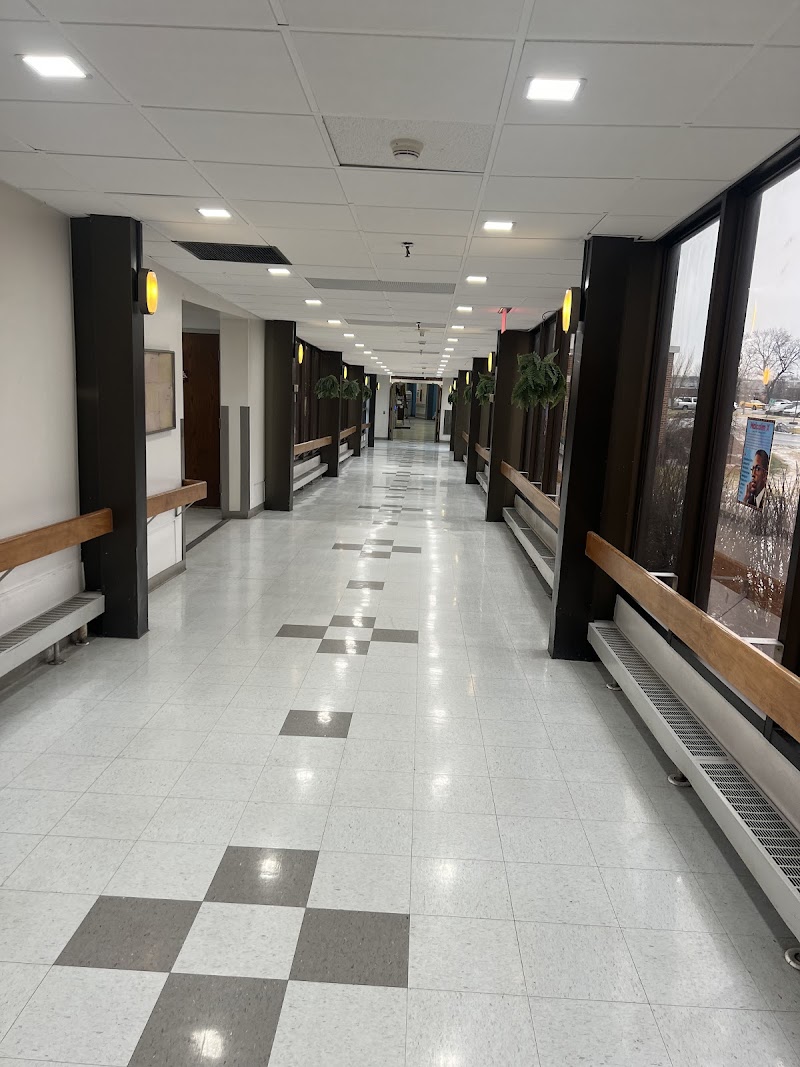
How is Pleasant Acres Rehabilitation And Nursing Center Staffed?

CMS rates PLEASANT ACRES REHABILITATION AND NURSING CENTER's staffing level at 4 out of 5 stars, which is above average compared to other nursing homes. Staff turnover is 51%, compared to the Pennsylvania average of 46%.

What Have Inspectors Found at Pleasant Acres Rehabilitation And Nursing Center?

State health inspectors documented 48 deficiencies at PLEASANT ACRES REHABILITATION AND NURSING CENTER during 2023 to 2025. These included: 2 Immediate Jeopardy (the most serious level, indicating potential for serious harm or death) and 46 with potential for harm. Immediate Jeopardy findings are rare and represent the most serious regulatory concerns. They require immediate corrective action.
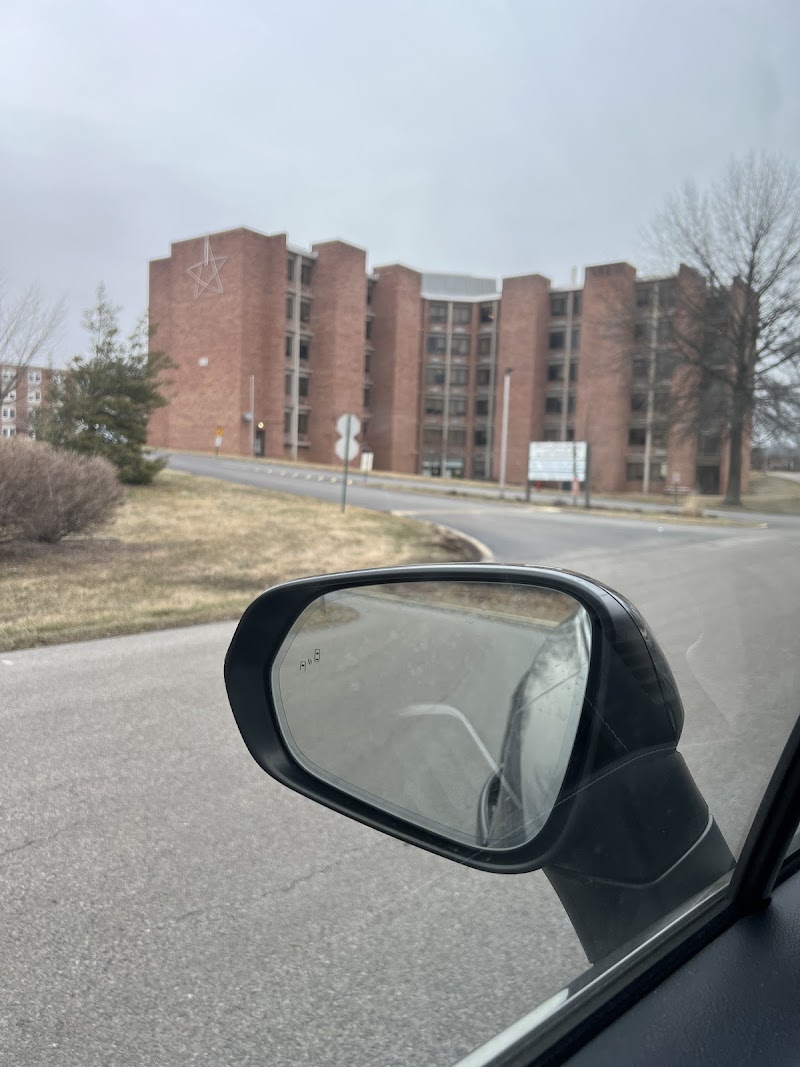
Who Owns and Operates Pleasant Acres Rehabilitation And Nursing Center?

PLEASANT ACRES REHABILITATION AND NURSING CENTER is owned by a for-profit company. For-profit facilities operate as businesses with obligations to shareholders or private owners. The facility is operated by JONATHAN BLEIER, a chain that manages multiple nursing homes. With 375 certified beds and approximately 356 residents (about 95% occupancy), it is a large facility located in YORK, Pennsylvania.

How Does Pleasant Acres Rehabilitation And Nursing Center Compare to Other Pennsylvania Nursing Homes?

Compared to the 100 nursing homes in Pennsylvania, PLEASANT ACRES REHABILITATION AND NURSING CENTER's overall rating (1 stars) is below the state average of 3.0, staff turnover (51%) is near the state average of 46%, and health inspection rating (1 stars) is much below the national benchmark.

What Should Families Ask When Visiting Pleasant Acres Rehabilitation And Nursing Center?

Based on this facility's data, families visiting should ask: "What changes have been made since the serious inspection findings, and how are you preventing similar issues?" "Can I visit during a mealtime to observe dining assistance and food quality?" "How do you handle medical emergencies, and what is your hospital transfer rate?" "Can I speak with family members of current residents about their experience?" These questions are particularly relevant given the facility's Immediate Jeopardy citations.

Is Pleasant Acres Rehabilitation And Nursing Center Safe?

Based on CMS inspection data, PLEASANT ACRES REHABILITATION AND NURSING CENTER has documented safety concerns. Inspectors have issued 2 Immediate Jeopardy citations (the most serious violation level indicating risk of serious injury or death). The facility has a 1-star overall rating and ranks #100 of 100 nursing homes in Pennsylvania. Families considering this facility should ask detailed questions about what corrective actions have been taken since these incidents.

Do Nurses at Pleasant Acres Rehabilitation And Nursing Center Stick Around?

PLEASANT ACRES REHABILITATION AND NURSING CENTER has a staff turnover rate of 51%, which is 5 percentage points above the Pennsylvania average of 46%. Moderate turnover is common in nursing homes, but families should still ask about staff tenure and how the facility maintains care continuity when employees leave.

Was Pleasant Acres Rehabilitation And Nursing Center Ever Fined?

PLEASANT ACRES REHABILITATION AND NURSING CENTER has been fined $198,550 across 2 penalty actions. This is 5.7x the Pennsylvania average of $35,064. Fines at this level are uncommon and typically indicate a pattern of serious deficiencies, repeated violations, or failure to correct problems promptly. CMS reserves penalties of this magnitude for facilities that pose significant, documented risk to resident health or safety. Families should request specific documentation of what issues led to these fines and what systemic changes have been implemented.

Is Pleasant Acres Rehabilitation And Nursing Center on Any Federal Watch List?

PLEASANT ACRES REHABILITATION AND NURSING CENTER is not on any federal watch list. The most significant is the Special Focus Facility (SFF) program, which identifies the bottom 1% of nursing homes nationally based on persistent, serious quality problems. Not being on this list means the facility has avoided the pattern of deficiencies that triggers enhanced federal oversight. This is a positive indicator, though families should still review the facility's inspection history directly.