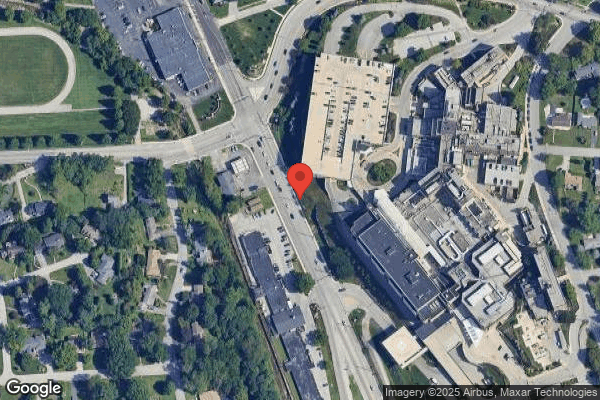

REST HAVEN-YORK

1050 SOUTH GEORGE STREET, YORK, PA 17403 (717) 843-9866
For profit - Corporation 159 Beds Independent Data: November 2025
Trust Grade
53/100
#345 of 653 in PA
Last Inspection: January 2025

Within standard 12-15 month inspection cycle. Federal law requires annual inspections.

Overview

Rest Haven-York has received a Trust Grade of C, which means it is average and falls in the middle of the pack among nursing homes. It ranks #345 out of 653 facilities in Pennsylvania, placing it in the bottom half, and #6 out of 14 in York County, meaning only five local options are rated better. Unfortunately, the facility is worsening, with issues increasing from 5 in 2024 to 9 in 2025. Staffing is a concern, with a below-average 2 out of 5 stars and less RN coverage than 99% of Pennsylvania facilities, which can impact the quality of care. Specific incidents of concern include a medication error that led to a resident being hospitalized and failures to protect residents' privacy and ensure safe food service practices. While there are strengths, such as a low staff turnover rate of 30%, families should weigh these alongside the weaknesses before making a decision.

Trust Score
C
53/100
In Pennsylvania
#345/653
Bottom 48%
Safety Record
Moderate
Needs review
Inspections
Getting Worse
5 → 9 violations
Staff Stability
○ Average
30% turnover. Near Pennsylvania's 48% average. Typical for the industry.
Penalties
✓ Good
$9,311 in fines. Lower than most Pennsylvania facilities. Relatively clean record.
Skilled Nurses
⚠ Watch
Each resident gets only 13 minutes of Registered Nurse (RN) attention daily — below average for Pennsylvania. Fewer RN minutes means fewer trained eyes watching for problems.
Violations
⚠ Watch
23 deficiencies on record. Higher than average. Multiple issues found across inspections.
★★★☆☆
3.0
Overall Rating
★★☆☆☆
2.0
Staff Levels
★★★★☆
4.0
Care Quality
★★★☆☆
3.0
Inspection Score
Stable
2024: 5 issues
2025: 9 issues

The Good

  • 4-Star Quality Measures · Strong clinical quality outcomes
  • Full Sprinkler Coverage · Fire safety systems throughout facility
  • No fines on record
  • Staff turnover below average (30%)

    18 points below Pennsylvania average of 48%

Facility shows strength in quality measures, fire safety.

The Bad

3-Star Overall Rating

Near Pennsylvania average (3.0)

Meets federal standards, typical of most facilities

Staff Turnover: 30%

15pts below Pennsylvania avg (46%)

Typical for the industry

Federal Fines: $9,311

Below median ($33,413)

Minor penalties assessed

The Ugly 23 deficiencies on record

1 actual harm
Jan 2025 9 deficiencies
CONCERN (D)

Potential for Harm - no one hurt, but risky conditions existed

Safe Environment (Tag F0584)

Could have caused harm · This affected 1 resident

Based on facility policy review, observations, and staff interviews, it was determined that the facility failed to maintain a safe, clean, comfortable, and home-like environment for one of 30 resident...

Read full inspector narrative →
Based on facility policy review, observations, and staff interviews, it was determined that the facility failed to maintain a safe, clean, comfortable, and home-like environment for one of 30 resident's reviewed (Resident 106). Findings include: Review of facility policy, titled Resident Rights, not dated, read, in part, The Resident has the right to a safe, clean, comfortable, and homelike environment, including but not limited to receiving treatment and supports for daily living safely. Observation in Resident 106's room on January 27, 2025, at 10:01 AM, revealed her tray table was dirty, and the mat overtop was stained with a red substance. Observation in Resident 106's room on January 28, 2025, at 10:48 AM, revealed her tray table was dirty, and the mat overtop was stained with a red substance, same as the day prior. Observation in Resident 106's room on January 29, 2025, at 10:51 AM, revealed her tray table was dirty, and the mat overtop was stained with a red substance, same as the days prior. During an interview with the Nursing Home Administrator (NHA) on January 29, 2025, at 11:12 AM, the surveyor revealed the concern with the observations of Resident 106's tray table. Follow-up interview with the NHA on January 30, 2025, at 10:11 AM, she revealed house keeping staff does weekly rounds to clean rooms, and it is the responsibility of nursing staff to wipe down tray tables daily and clean them as needed. 28 Pa. Code 201.18(b)(1) Management 28 Pa. Code 201.29(a) Resident rights 28 Pa. Code 211.12(d)(3) Nursing services
CONCERN (D)

Potential for Harm - no one hurt, but risky conditions existed

Deficiency F0637 (Tag F0637)

Could have caused harm · This affected 1 resident

**NOTE- TERMS IN BRACKETS HAVE BEEN EDITED TO PROTECT CONFIDENTIALITY** Based on clinical record review and staff interview, it was determined that the facility failed to conduct a Significant Change ...

Read full inspector narrative →
**NOTE- TERMS IN BRACKETS HAVE BEEN EDITED TO PROTECT CONFIDENTIALITY** Based on clinical record review and staff interview, it was determined that the facility failed to conduct a Significant Change Minimum Data Set (MDS - standardized assessment tool utilized to identify a resident's physical, mental, and psychosocial needs) for one of four residents reviewed for hospice status (Resident 70). Findings include: Review of Centers for Medicare and Medicaid Services' Resident Assessment Instrument Version 3.0 Manual provides instructions for completing the resident Minimum Data Set assessment. The manual revealed instructions that a Significant Change Minimum Data Set is required to be performed when a terminally ill resident enrolls into a hospice program (end of life program). Review of Resident 70's clinical record revealed diagnoses that included vascular dementia (brain damage caused by multiple strokes that causes memory loss in older adults) and hypertension (elevated blood pressure caused by the force of blood against the artery walls being too high). Review of Resident 70's MDS assessments revealed Resident 70 had an annual MDS completed with an assessment reference date of April 4, 2024. Review of Resident 70's clinical record revealed that Resident 70 was admitted to Hospice services on March 29, 2024. Review of Resident 70's MDS assessments revealed the facility did not conduct a Significant Change MDS after Resident 70 was admitted to Hospice. Instead, the facility conducted an Annual MDS assessment that had an assessment reference date of April 4, 2024. During a staff interview on January 29, 2025, at approximately 11:00 AM, the Nursing Home Administrator revealed that the facility should have conducted a Significant Change MDS because of Resident 70 entering Hospice services. A copy of the modified MDS dated [DATE], changed to a significant change in status assessment was provided on January 29, 2025. 28 Pa Code 211.12(d)(1)(5) Nursing services
CONCERN (D)

Potential for Harm - no one hurt, but risky conditions existed

ADL Care (Tag F0677)

Could have caused harm · This affected 1 resident

Based on facility policy review, observations, clinical record review, and resident and staff interviews, it was determined that the facility failed to ensure a resident who is unable to carry out act...

Read full inspector narrative →
Based on facility policy review, observations, clinical record review, and resident and staff interviews, it was determined that the facility failed to ensure a resident who is unable to carry out activities of daily living receives the necessary services to maintain grooming for one of 30 residents reviewed (Resident 7). Findings include: Review of facility policy, titled Shaving Residents- Preparation, Completion, last revised May 23, 2017, read, in part, Policy: It is the policy of this facility to prepare for and shave residents as needed. Purpose: To provide a uniform process, through which staff prepare for and shave residents. Document in electronic health record. Review of Resident 7's clinical record revealed diagnoses that included hypertension (high blood pressure), anxiety disorder (a persistent a feeling of worry, nervousness, or unease), and neuromuscular dysfunction of bladder (occurs when the nerves that control the bladder are damaged or not functioning properly). Observation of Resident 7 on January 27, 2025, at 11:57 AM, revealed a quarter inch of facial hair over her upper lip and on her chin. Interview with Resident 7 on January 27, 2025, at 11:57 AM, revealed she had a shower that morning and she prefers assistance with shaving on shower days. Observation of Resident 7 on January 28, 2025, at 10:53 AM, revealed a quarter inch of facial hair over her upper lip and on her chin. Observation of Resident 7 on January 29, 2025, at 10:47 AM, revealed a quarter inch of facial hair over her upper lip and on her chin. Review of Resident 7's care plan revealed a focus area of ADLs (Activities of Daily Living) Functional Status, last edited December 23, 2024, with an intervention for I need staff to follow my care profile for specific ADL information, last edited January 29, 2024. Review of Resident 7's clinical record revealed documentation on January 27, 2025, at 7:14 AM, that she received a shower and required Physical help in part of bathing with 1 person physical assist, and documentation that stated How did the resident maintain personal hygiene, including combing hair, shaving, applying makeup, washing/drying face and hands, and was documented that Resident 7 required Partial/Moderate Assistance. Email correspondence with the Nursing Home Administrator (NHA) on January 29, 2025, at 2:29 PM, revealed she did not have any information to provide regarding Resident 7's facial hair. During a follow-up interview with the NHA on January 30, 2025, at 10:13 AM, she revealed her expectation that staff should offer shaving with showers and as desired. 28 Pa. Code 211.10(d) Resident care policies 28 Pa. Code 211.12(d)(1)(2)(5) Nursing services
CONCERN (D)

Potential for Harm - no one hurt, but risky conditions existed

Quality of Care (Tag F0684)

Could have caused harm · This affected 1 resident

Based on clinical record review, hospital record review, and staff interviews, it was determined that the facility failed to provide care and services that met professional standards for one of 30 res...

Read full inspector narrative →
Based on clinical record review, hospital record review, and staff interviews, it was determined that the facility failed to provide care and services that met professional standards for one of 30 residents reviewed (Resident 240). Findings include: Review of Resident 240's clinical record on January 29, 2025, revealed diagnoses that included stage three chronic kidney disease (moderate impairment of the kidneys to filter toxins from the blood) and anxiety disorder (mental health disorder characterized by excessive worry and fear). Review of Resident 240's clinical record revealed that Resident 240 was admitted to the facility from the hospital on January 27, 2025, at 1:40 PM. Review of hospital discharge records for Resident 240 revealed that the discharge information did not include any wounds identified on Resident 240. Review of Resident 240's electronic health record revealed that on January 27, 2025, Employee 15 (Licensed Practical Nurse) completed the admission document titled, Other Ulcers, Wounds and Skin Problems, provided the descriptive categories for staff to check that included Infection of the foot (e.g., cellulitis, purulent drainage); Diabetic foot ulcer(s); Other open lesion(s) on the foot; Open lesions(s) other than ulcers, rashes, cuts (e.g., cancer lesion); Surgical wound(s); Burn(s) (second or third degree); Skin tear(s); Moisture Associated Skin Damage (MASD) (i.e. incontinence (IAD), perspiration, drainage); None of the above were present. Review of the aforementioned subsection revealed it was marked as, None of the above were present, by Employee 15. Review of the subsection, titled Referrals revealed it provided areas to identify needed referrals to Wound Team [sic], and Wound Clinic and it was marked No Referrals Necessary. Review of paper document, titled Skin Wound Documentation Form, revealed that on January 27, 2025, Employee 15 documented multiple areas, including: wound 1 - wound at the tip of the left great toe that measured 1 centimeters (cm - metric unit of measure) by 0.5 cm; wound 2 - a wound at the top of the right great toe that measured 0.7 cm by 0.7 cm; wound 3 - a wound to the side of the right fifth digit (toe) that measured 0.5 cm by 0.5 cm; and wound 9 - an area at the right chest that measured 0.1 cm by 0.1 cm with the description of open area. Review of the document revealed that each line had a space for staff to document a Skin Code for each wound identified. Review of the Skin/Wound Codes section revealed that the codes indicated the type of wound identified, with an option of O = Other specify. Review of the wounds identified, wound 1, 2, 3, and 9, revealed Employee 15 documented O. Review of available clinical record revealed no further information on wound characteristics or type of wound was documented by Employee 15. Review of clinical records for Resident 240 revealed no assessment by a registered nurse of the wounds identified. Review Resident 240's progress notes revealed no documentation to the physician that Resident 240 was admitted with wounds that were not previously identified prior to admission. Review of the physician admission History and Physical Visit, dated January 28, 2025, completed by Physician 2, revealed the Physical exam subsection Skin, stated, no lesions noted of exposed skin. Review of the physician assessment failed to reveal that the physician was made aware or identified the area identified as wounds by Employee 15 upon Resident 240's admission. The facility wound nurse (Employee 18) did not assess the Resident's foot for wounds until January 29, 2025, and did not a progress note regarding assessing the areas until January 30, 2025, at 8:47 AM. During a staff interview with Employee 18 on January 30, 2025, Employee 18 revealed that the Resident had scabs (hard dark brown tissue composed of dried blood, platelets, and fibrin) on her feet but no wounds. However, subsequent observations of Resident 240's right great toe revealed an area at the right great toe consistent with a wound that was covered with eschar (dark, hard area similar to a scab but is composed of dead tissue, debris and dried blood). Review of the consultant wound progress note dated January 30, 2025, revealed Resident 240 was diagnosed with a full thickness arterial wound of the right great toe which was covered with eschar. As of January 30, 2025, at 1:00 PM, the facility had no further information to provide regarding why an assessment of a previously unidentified wound(s) for Resident 240 was not performed by a Registered Nurse upon admission. 28 Pa code 211.12(d)(1)(3)(5) Nursing services
CONCERN (D)

Potential for Harm - no one hurt, but risky conditions existed

Pressure Ulcer Prevention (Tag F0686)

Could have caused harm · This affected 1 resident

Based on clinical record review, observation, and staff interviews, it was determined that the facility failed to ensure residents receive treatment and services consistent with professional standards...

Read full inspector narrative →
Based on clinical record review, observation, and staff interviews, it was determined that the facility failed to ensure residents receive treatment and services consistent with professional standards to promote healing and prevent infection for one of two residents reviewed for pressure ulcers (Resident 37). Findings include: Review of Resident 37's clinical record on January 27, 2025, revealed diagnoses that included stage three pressure ulcer of the sacrum (wound that extends below the tissue of the skin caused by pressure over a bony prominence) and congestive heart failure (decreased ability of the heart to pump blood throughout the body). During wound dressing observations on January 29, 2025, at approximately 10:25 AM, Employee 15 (Licensed Practical Nurse) was observed preparing Resident 37 for the wound dressing change on Resident 37's sacral area. After repositioning Resident 37, Employee 15 observed Resident 37 had a bowel movement. Employee 15 cleaned Resident 37's bowel movement prior to starting the dressing change. During the observation, it was observed that Employee 15's gloves were visibly soiled with feces. After cleaning Resident 37's bowel movement and starting the wound dressing change, Employee 15 did not perform hand hygiene with soap and water. Instead, Employee 15 utilized an alcohol-based hand rub during glove changes between cleaning Resident 37's bowel movement and accessing Resident 37's wound. During the observation, it was observed that the dressing that was present on Resident 37 was not dated. After removing the old dressing and cleansing the wound, Employee 15 was observed retrieving a marker from her pocket with her bare hands. At which time, Employee 15 was observed holding two foam dressings one hand and using the marker to write on the new dressing. Employee 15 was observed returning the marker to her pocket. During a staff interview on January 29, 2025, at approximately 11:00 AM, Employee 15 confirmed that her pocket is not considered a clean area. During a staff interview on January 30, 2025, at approximately 10:15 AM, Nursing Home Administrator along with Employee 5 (Registered Nurse/Quality Assurance) confirmed that Employee 15 should have performed hand hygiene with soap and water between cleaning the bowel movement and starting the dressing change, that Employee 15's pocket was not considered a clean surface, and that facility should be labeling wound dressings when they are applied with date and time, and initials. 28 Pa code 211.12(d)(1)(3)(5) Nursing services
CONCERN (D)

Potential for Harm - no one hurt, but risky conditions existed

Accident Prevention (Tag F0689)

Could have caused harm · This affected 1 resident

**NOTE- TERMS IN BRACKETS HAVE BEEN EDITED TO PROTECT CONFIDENTIALITY** Based on facility policy review, clinical records review, observations, and resident and staff interviews, it was determined tha...

Read full inspector narrative →
**NOTE- TERMS IN BRACKETS HAVE BEEN EDITED TO PROTECT CONFIDENTIALITY** Based on facility policy review, clinical records review, observations, and resident and staff interviews, it was determined that the facility failed to ensure that the resident environment was free of accident hazards for one of 30 Residents reviewed (Resident 26). Findings include: Review of facility policy, Tobacco/smoking- communication, interventions, guidelines, last revised March 2, 2017, revealed that Rest Haven-[NAME] is a smoke and tobacco-free facility/campus. Review of Resident 26's clinical record revealed diagnoses that included chronic obstructive pulmonary disease (a group of lung diseases that cause ongoing inflammation and narrowing of the airways, leading to difficulty breathing) and normal pressure hydrocephalus (a condition where excess cerebrospinal fluid [CSF] accumulates in the brain's ventricles [fluid-filled spaces] without an increase in intracranial pressure). Observation of Resident 26 on January 28, 2025, at 10:04 AM, revealed Resident 26 sitting in her wheelchair in the facility parking lot, next to Employee 9, smoking a cigarette. Interview with Resident 26 on January 29, 2025, at 9:34 AM, revealed that Resident 26 keeps her cigarettes and lighter in her room and that she has nowhere to lock them up, where they cannot be accessed by other residents. Review of Resident 26's medical record on January 28, 2025, failed to reveal any smoking evaluation for Resident safety. Review of Resident 26's care plan failed to reveal a care plan with a focus area related to safety while smoking. Review facility provided email from Resident 26's Representative dated December 11, 2024, at 12:33 PM, revealed that Resident 26 had a desire to smoke cigarettes, and she would leave the facility to do so. Interview of the Nursing Home Administrator on January 28, 2025, at 1:30 PM, revealed that the facility was aware that the Resident was smoking and that they required her to leave the facility grounds to smoke. She also revealed that facility employees are not permitted to take the Resident out to smoke while clocked in to work. 28 Pa. Code 211.12(d)(1)(3)(5) Nursing services.
CONCERN (E)

Potential for Harm - no one hurt, but risky conditions existed

Deficiency F0583 (Tag F0583)

Could have caused harm · This affected multiple residents

**NOTE- TERMS IN BRACKETS HAVE BEEN EDITED TO PROTECT CONFIDENTIALITY** Based on policy review, observations, clinical record reviews, facility document review, and staff interviews, it was determined...

Read full inspector narrative →
**NOTE- TERMS IN BRACKETS HAVE BEEN EDITED TO PROTECT CONFIDENTIALITY** Based on policy review, observations, clinical record reviews, facility document review, and staff interviews, it was determined that the facility failed to protect the residents' right to privacy for three of three residents reviewed for the use of video/audio monitoring (Residents 16, 27, and 65). Findings include: Review of facility policy, titled Resident Rights, not dated, revealed it stated: 1. The Resident has the right to be informed of their rights and of all rules and regulations governing resident conduct and responsibilities both orally and in writing prior to or upon their admission or as appropriate during their stay. 2. The Resident has the right to a dignified existence, self-determination, and communication with and access to persons and services inside and outside the facility. 3. The Resident has the right to exercise their rights as a Resident of Rest Haven - [NAME] and as a citizen of the United States. 4. If the Resident is not capable of exercising their rights, a court-appointed person or Power of Attorney may exercise their rights. A Resident who has not been adjudged incompetent has the right to designate a representative and the representative may exercise the Resident's rights to the extent provided by the law . 11. The Resident has the right to choose a personal attending physician and to be [NAME] informed by the physician or other professional in advance about the risks and benefits of proposed care and treatment, alternatives to proposed care and treatment, and to participate in planning care and treatment . 24. The Resident has the right to privacy and confidentiality with their written, electronic, and telephone communication and personal visits . 31. The Resident has the right to an environment that promotes maintenance or enhancement of quality of life including respect, dignity, and privacy during personal care . Review of Resident 27's clinical record on January 29, 2025, revealed diagnoses that included chronic kidney disease stage three (moderately decreased ability of the kidneys to filter toxins from the blood) and history of cerebral infarction (stroke - sudden loss of blood, or bleeding in the brain that causes damage to the brain cells, which can result in physical and mental deficits and/or death). During observations on January 29, 2025, at approximately 9:30 AM, it was observed that a device resembling a camera was observed on the bedside dresser of Resident 27. During a staff interview at approximately 9:36 AM, Employee 9 stated that it was a monitor for Resident 27 to monitor Resident 27 at night due to Resident 27 having a history of attempting to get out of bed and falling. At the time of the observation Resident 27 was not in bed, nor in the room. Observation of the nurses' station adjacent to the unit Resident 27 resided, revealed two small monitor screens. Both screens were in direct line of sight from the hallway. During the observation, no staff were sitting at the nurses' station. It was observed that both monitors were on at that time. Review of Resident 27's physician's orders revealed an order dated January 13, 2025, for, Safety measures: encourage grip socks in bed, offer [out of bed] to nurses station in restless, camera monitor at bedside, low BED. Review of Resident 27's comprehensive plan of care revealed that it did not include the use of a video/audio monitoring system. Observation of the second monitor revealed it displayed Resident 16 who was laying in bed, facing the camera. It was also observed that audio from Resident 16's room was audible from the monitor, which also included light indicators of the audio transmission. Review of Resident 16's clinical record, revealed diagnoses that included peripheral vascular disease (disease of the cardiovascular system that results in decreased blood flow to the extremities) and type II diabetes mellitus (decreased ability of the body to utilize insulin for the transport of glucose from the blood stream into the cells for nourishment). Review of Resident 16's physician orders revealed they did not include an order for the video/audio monitoring device. Review of Resident 16's comprehensive plan of care revealed that the use of a video/audio monitor was not included in the comprehensive plan of care. Review of Resident 65's clinical record on January 30, 2025, revealed diagnoses that included epilepsy (neurological condition characterized by seizures caused by abnormal brain activity) and dementia (irreversible, progressive degenerative brain disease that results in decreased ability to perform activities of daily living and decreased contact with reality). Review of Resident 65's physician orders revealed an order dated November 27, 2024, for Safety measures: redirect/reorient/reassure [as-needed] if resident is seeking to get up to go home, camera monitor, [bilateral] crash mat. Review of Resident 65's comprehensive plan of care revealed it did not include the use of a video/audio monitor. During a staff interview on January 30, 2025, Nursing Home Administrator (NHA) provided a list that revealed seven total residents had video/audio monitoring. Review of the resident list revealed the start date of the monitors were as follows: Resident 16's monitoring device was started on October 1, 2024. Resident 27's monitoring device was started on January 13, 2025. Resident 65's monitoring device was started on November 27, 2024. During a staff interview on January 30, 2025, at approximately 10:15 AM, NHA characterized the video/audio devices as baby monitors. The NHA stated that the use of the monitors is decided during a residents' care plan meeting and that the monitors should be included in the care plan. The NHA further revealed that the facility did not have a policy or procedure for to the protection of Resident(s) privacy with the use of a video/audio monitor. When asked if the facility obtained consent from the resident/resident representative, or the consent of the resident/resident representative of the roommate, the NHA stated that there was no consent obtained. During the staff interview, the NHA revealed that she was not aware that Resident 16's video/audio monitor was transmitting both video and audio. 28 Pa code 201.18(b)(1)(2)(3)(d) Management 28 Pa code 201.29(a) Resident rights 28 Pa code 211.12(d)(1)(3)(5) Nursing services
CONCERN (E)

Potential for Harm - no one hurt, but risky conditions existed

Food Safety (Tag F0812)

Could have caused harm · This affected multiple residents

Based on facility policy review, observation, review of select facility documentation, and staff interviews, it was determined that the facility failed to utilize kitchen equipment in accordance with ...

Read full inspector narrative →
Based on facility policy review, observation, review of select facility documentation, and staff interviews, it was determined that the facility failed to utilize kitchen equipment in accordance with professional standards for food service safety in the main kitchen. Findings include: Review of facility policy, titled Machine Warewashing, last revised December 1, 2007, read, in part, Purpose: To ensure that the dishwashing machine is operating in accordance with facility guidelines, department policy, manufacturers specifications and regulatory guidelines. Policy: The dish washing machine is serviced on a regular basis. Wash and rinse temperatures of the dish machine are monitored during each major use (3 times daily). Acceptable temperature ranges are: wash- minimum 150 degrees. If the machine operating temperatures are lower than the specified minimum temperature staff members will suspend the machine washing and notify the Dietary Supervisor, and/or the Food Service Director, and/or the Assistant Food Service Director and maintenance personnel. The following process will be used to assess machine operation: The holding tank temperature will be confirmed with a pocket thermometer. The booster heater will be checked to confirm that it is switched on. The holding tank may be emptied and reloaded with fresh water. Temperatures will be rechecked. If the temperature of the dish machine falls below 150 degrees, the bleaching system should be hooked up and booster heater turned off to utilize the low heat option. Observation of the January 2025 dish machine temperature log in the main kitchen on January 27, 2025, at 9:43 AM, revealed the wash temperature was below the minimum safe temperature of 150 degrees on January 9-12 during breakfast; January 9-14 during lunch; and January 8, 16, 21 and 22 during dinner. No corrective action was noted. Interview with Employee 2 (Food Service Director) on January 27, 2025, at 9:44 AM, revealed staff had not made her aware of the low temperatures in January 2025. Review of the dish machine temperature logs from May 2024 through January 2025, revealed If minimum temperature is not met- Please contact maintenance. Review of the May 2024 dish machine temperature log revealed the wash temperature was below the minimum safe temperature of 150 degrees on May 7-9, 11, 12, 14-17, 20, 23, 25-28, and 30 at breakfast; May 8, 9, 11, 12, 14-17, 20, 23, 25-28, and 30 at lunch; and May 10, 14, 16, 17, 20-24 at dinner. Further review failed to reveal notation of corrective action taken. Review of the June 2024 dish machine temperature log revealed the wash temperature was below the minimum safe temperature of 150 degrees on June 5-11, 13, 25, 27, 28, and 30 at breakfast; June 2, 3, 5-11, 13, 14, 17, 18, 22-24, 27, 28, and 30 at lunch; and June 4, 5, 12, 13, 19, and 25 at dinner. Further review failed to reveal notation of corrective action taken. Review of the July 2024 dish machine temperature log revealed the wash temperature was below the minimum safe temperature of 150 degrees on July 3-11, 15-21, 23, 25, and 29-31 at breakfast; July 2-11, 16-23, 26, 30 and 31 at lunch; and July 3 and 26 at dinner. Further review failed to reveal notation of corrective action taken. Review of the August 2024 dish machine temperature log revealed the wash temperature was below the minimum safe temperature of 150 degrees on August 1, 3-5, 7, 8, 12-15, 17, 18, 22-24, 26-29, and 31 at breakfast; August 1, 3-5, 7, 8, 10, 12, 13, 15, 17, 18, 20, 22-24, 26-29 and 31 at lunch; and August 1, 3, 15, and 30 at dinner. Further review failed to reveal notation of corrective action taken. Review of the September 2024 dish machine temperature log revealed the wash temperature was below the minimum safe temperature of 150 degrees on September 1, 4, 5, 7, 10-12, 14, 15, 19, 22, 23, 25, 28, and 29 at breakfast; September 1, 4-7, 10-15, 19-23, 25, 28 and 29 at lunch; and September 2, 12, and 21 at dinner. Further review failed to reveal notation of corrective action taken. Review of the October 2024 dish machine temperature log revealed the wash temperature was below the minimum safe temperature of 150 degrees on October 1, 8, 11-13, 17, 19-23, 26, 27, and 29-31 at breakfast; and October 8, 10-13, 17, 19-23, 26, 27, 30 and 31 at lunch. Further review failed to reveal notation of corrective action taken. Review of the November 2024 dish machine temperature log revealed the wash temperature was below the minimum safe temperature of 150 degrees on November 5-11, 15-24 and 26-30 at breakfast; and November 1, 5-12, 18-24, and 27-30 at lunch. Further review failed to reveal notation of corrective action taken. Review of the December 2024 dish machine temperature log revealed the wash temperature was below the minimum safe temperature of 150 degrees on December 1-13 and 20-25 at breakfast; December 1-9, 11-17, and 21-25 at lunch; and December 1 and 3 at dinner. Further review failed to reveal notation of corrective action taken. Interview with the Nursing Home Administrator on January 29, 2025, at 11:13 AM, revealed she was unable to provide information if the facility process was followed when the dish machine was running below the minimum acceptable wash temperature, and it is the facility's expectation that kitchen equipment is utilized in accordance with professional standards. 28 Pa. Code 201.18(b)(1) Management
CONCERN (E)

Potential for Harm - no one hurt, but risky conditions existed

Infection Control (Tag F0880)

Could have caused harm · This affected multiple residents

**NOTE- TERMS IN BRACKETS HAVE BEEN EDITED TO PROTECT CONFIDENTIALITY** Based on observations, facility policy review, and staff interviews, it was determined that the facility failed to ensure staff ...

Read full inspector narrative →
**NOTE- TERMS IN BRACKETS HAVE BEEN EDITED TO PROTECT CONFIDENTIALITY** Based on observations, facility policy review, and staff interviews, it was determined that the facility failed to ensure staff implemented infection control policies to prevent the spread of infection by doffing PPE (personal protective equipment) prior to exiting the resident room in two of seven resident care areas observed (100 and 700 hall), and failed to properly disinfect resident areas after one of two dressing changes observed (Resident 12). Findings Include: Review of facility policy with the subject of, PRECAUTIONS, CONTACT - Notification, Initiation, Communication, Prevention, Discontinuation, last revised March 30, 2021, revealed the policy's purpose stated, To provide a uniform process through which facility is notified of potentially harmful microorganisms, contact precautions are initiated, risk is communicated, spread of microorganisms is prevented and contact precautions are discontinued. Review of the aforementioned policy's Procedure section revealed it included, 5. Obtain a container for dirty linens and place inside the resident's room .10. The following personal protective equipment will be used when caring for residents with a potentially harmful microorganism: a. Gloves - required when entering a resident's room, when anticipating direct contact with a resident, [the residents] environment or [the residents] equipment that could result in contamination of the hands; remove gloves and wash hands immediately before leaving the room . Review of Resident 24's clinical record revealed diagnoses that included diabetes (a chronic disease that occurs when the body doesn't produce enough insulin or can't use insulin properly) and peripheral vascular disease (a condition that affects the blood vessels outside the heart and brain). Review of Resident 24's current physician orders revealed an order for enhanced barrier precautions related to a wound, with a start date of November 24, 2024, and no end date. Observation of Employees 7 and 8 on January 27, 2025, at 10:11 AM, revealed them wearing protective gowns while providing care to Resident 24, who is on enhanced barrier precautions. After Employees 7 and 8 completed providing the care, they exited Resident 24's room and entered the hallway, still wearing the protective gowns. Employees 7 and 8 then removed their gowns and disposed of them in the garbage can located in the hallway. Interview with the Nursing Home Administrator (NHA) on January 28, 2025, at 1:15 PM, revealed that the garbage cans are located in the hallway because of a lack of space in the resident rooms, and that her expectation is that the employees would have removed their gowns and gloves before exiting the Resident room and put them in a garbage bag; which they could then place into the garbage can that was located in the hallway. Review of facility policy, Precautions, Enhanced Barrier, last revised November 11, 2024, failed to reveal a location that PPE should be removed and disposed of. Review of Resident 12's clinical record revealed diagnoses that included pressure ulcer (a localized area of skin damage that develops when prolonged pressure is applied to a specific area of the body) and heart failure (a condition where the heart muscle is weakened and cannot pump blood effectively). Observation of a dressing change completed by Employee 6 on January 29, 2025, at 9:31 AM, revealed Employee 6 completed a dressing change on Resident 12's ankle. After completing the dressing change, Employee 6 gathered up the garbage from the supplies used, including the bandage that was removed from Resident 12's ankle and the gauze that was used to clean the pressure ulcer on her ankle, and placed them into a biohazard garbage bag. Employee 6 then sat that garbage bag on Resident 12's bedside table. Employee 6 finished gathering her supplies and exited Resident 12's room and disposed of the garbage in the appropriate receptacle. At no time did Employee 6 cleanse Resident 12's bedside table after sitting the garbage bag filled with biohazard garbage on it. Interview with the NHA on January 29, 2025, at 1:15 PM, revealed that her expectation would be that the Employee would have cleansed the bedside table after it was contaminated. Review of Resident 37's clinical record on January 27, 2025, revealed diagnoses that included stage three pressure ulcer of the sacrum (wound that extends below the tissue of the skin caused by pressure over a bony prominence) and congestive heart failure (decreased ability of the heart to pump blood throughout the body). Further review of Resident 37's clinical record revealed that Resident 37 was on contact precautions due to an infection with a multi-drug resistant organism (MDRO). During wound dressing observations on January 29, 2025, at approximately 10:25 AM, Employee 15 (Licensed Practical Nurse) was observed preparing Resident 37 for the wound dressing change on Resident 37's sacral area. Employee 15 was assisted with repositioning the Resident, including handling Resident 37's foley catheter bag. During the dressing change observation, Employee 15 was observed placing Resident 37's foley catheter bag on the Resident's bed during repositioning. After Resident 37 was repositioned, Employee 19 handled Resident 37's foley catheter bag and hung it on the bed frame. Employee 15 then placed a red biohazard bag onto the Resident's bed in the approximate same location that the foley bag was placed earlier. After the dressing change, Employee 15 and Employee 19 exited the room while wearing gown and gloves (personal protective equipment utilized while providing care to Resident 37). Employee 15 was observed holding the red biohazard bag with her gloved hand. Both Employee 15 and 19 removed the gloves and gowns while in the hallway. Employee 15 was then observed handling the red biohazard bag with her bare hand. Employee 15 was then observed walking through the hall of the [NAME] unit to the nurses' station while holding the red bag. Employee 15 then retrieved a key attached to a piece of metal from the wall at the nurses' station. Employee 15 was then observed opening a utility closet, unlocking a freezer, and placing the red biohazard bag into the freezer, after which Employee 15 exited the room and returned the key to it's hanging apparatus on the wall at the nurses' station. Finally, Employee 15 washed her hands with soap and water at the nurses' station. During a staff interview directly after the observation, Employee 15 was asked if she knew when the key she had utilized was last cleaned. Employee 15 responded that she did not know. When asked if the key is ever cleaned, Employee 15 responded that she did not know. Interview with the NHA on January 29, 2025, at approximately 1:00 PM, the NHA again confirmed that staff should be removing gown and gloves while in the room, placing them in a bag and then exiting the room to dispose of the gown and gloves in the disposal bin outside of the resident room. During a staff interview on January 30, 2025, at approximately 10:15 AM, the NHA agreed that the observation of Employee 15 transporting the red biohazard bag with her bare hand and touching other surfaces during that time was an infection control concern. 28 Pa. Code 211.12(d)(1)(3)(5) Nursing services
May 2024 1 deficiency
CONCERN (D) 📢 Someone Reported This

A family member, employee, or ombudsman was alarmed enough to file a formal complaint

Potential for Harm - no one hurt, but risky conditions existed

Quality of Care (Tag F0684)

Could have caused harm · This affected 1 resident

Based on review of facility investigation, clinical record review, and staff interviews it was determined that the facility displayed past noncompliance, in that they had failed to ensure residents re...

Read full inspector narrative →
Based on review of facility investigation, clinical record review, and staff interviews it was determined that the facility displayed past noncompliance, in that they had failed to ensure residents receive treatment and care in accordance with professional standards of practice and physician orders for one of seven residents reviewed (Resident 6 ). Findings Include: Review of Resident 6's clinical record revealed diagnoses that inlcuded Diabetes Mellitus Type II (a problem in the way the body regulates and uses sugar as a fuel) and vascular dementia (Brain damage caused by multiple strokes) Review of Resident 6's physician orders revealed an order that read Ozempic (semaglutide) pen injector; 0.25 mg or 0.5 mg .subcutaneous once a day on Friday. Review of Resident 6's Medication Administration Record (MAR), during the month of March 2024, revealed staff did not administer the medication on March 12, 2024, March 22, 2024 and March 29, 2024. The MAR revealed documentation of the reason the medication was not adminstered as Drug/Item unavailable. Review of Resident 6's MAR, during the month of April 2024, revealed staff did not administer the medication on April 5, 2024, with the reason documented as Drug/Item unavailable. An interview with the Nursing Home Administrator, on May 6, 2024, revealed the facility administrator had not been immediately informed of the medication being unavailable, however, once notified, management initiated an investigation, and a plan to address the missing medication. After the administrator was made aware of the missing medication, the medication was re-ordered and the resident was administered the medication. Review of the April and May MAR revealed that Resident 6 was administered the medication per physcian order. After the identification of the missing medication, the facility initiated a plan of correction. Review of the facility's corrective action information revealed all weight loss, injectable medication pens, will be kept in the Supervisor's office. The Supervisor will be notified and the Supervisor and Licensed Practical Nurse (LPN) will administer the medication together. The Supervisor will keep a log of dates the medication was adminstered and the Supervisor will initial the medication was administered and document the LPN administered the medication. The facility educated staff and performed audits to ensure compliance. Prior to the abbreviated survey the facility failed to ensure Resident 6's medication was administered on four occasions, and inform facility administration and/or management of the medication not being available in order to administer to the resident. The facility immediately began an investigation when made aware, investigated the incident thoroughly, and initiated interventions in an effort to prevent a future incident. During the abbreviated survey audits, staff education, and initiated procedures regarding the process of administering injectable medications were observed and reviewed. Staff interviews revealed that staff were educated, and knowledgeable regarding the implemented procedures. 28 Pa. Code 211.12 (d) (1) (2) (5) Nursing services
Mar 2024 4 deficiencies
CONCERN (D)

Potential for Harm - no one hurt, but risky conditions existed

Assessment Accuracy (Tag F0641)

Could have caused harm · This affected 1 resident

**NOTE- TERMS IN BRACKETS HAVE BEEN EDITED TO PROTECT CONFIDENTIALITY** Based on clinical record review and staff interviews, it was determined that the facility failed to ensure the resident assessme...

Read full inspector narrative →
**NOTE- TERMS IN BRACKETS HAVE BEEN EDITED TO PROTECT CONFIDENTIALITY** Based on clinical record review and staff interviews, it was determined that the facility failed to ensure the resident assessment accurately reflected the resident's status for two of 28 residents reviewed (Residents 7 and 8). Findings Include: Review of Resident 7's clinical record revealed diagnoses that included vitamin D deficiency, osteoporosis (a condition that weakens bones and increases the risk of fractures), and chronic pain. Review of Resident 7's quarterly Minimum Data Set (MDS - assessment tool utilized to identify residents' physical, mental and psychosocial needs), with an assessment reference date (ARD - last day of the assessment period) of February 6, 2024, revealed Resident 7 was coded as having had a weight loss of 5% or more in the last month or 10% or more in the last six months. Review of Resident 7's weights since her admission date of August 28, 2023, failed to reveal a significant weight loss that should have been coded on the quarterly MDS Assessment with ARD of February 6, 2024. During an interview with the Director of Nursing (DON) on February 28, 2024, at approximately 10:15 AM, the surveyor inquired about Resident 7 being coded for weight loss on her quarterly MDS Assessment. A follow-up interview with the DON on February 29, 2024, at 11:27 AM, revealed Resident 7 did not have a significant weight loss to be captured on the assessment, and she would have expected resident MDS assessments to be coded accurately. Review of Resident 8's clinical record revealed diagnoses that included sepsis (a life-threatening complication from infection, causing the body to have a severe inflammatory response to bacteria) and urinary tract infection (UTI - an infection in any part of your urinary system: kidneys, bladder, ureters, and urethra). Review of Resident 8's clinical record revealed a hospital Discharge summary dated [DATE]. Further review of the aforementioned document revealed Resident 8 had been hospitalized [DATE] through 29, 2024, and was diagnosed with sepsis related to a UTI. Review of Resident 8's quarterly Minimum Data Set, dated [DATE], section I2300 urinary tract infections (UTI) (last 30 days) revealed the facility failed to indicate Resident 8 had a UTI in the last 30 days. During an interview with the DON on February 29, 2024, at 11:35 AM, in the presence of the Nursing Home Administrator, the DON stated Resident 8's UTI should have been indicated on the MDS and it is the expectation of the facility for MDS assessments to be accurate. 28 Pa. Code 211.12(d)(3)(5) Nursing services
CONCERN (D)

Potential for Harm - no one hurt, but risky conditions existed

Deficiency F0657 (Tag F0657)

Could have caused harm · This affected 1 resident

Based on facility policy review, clinical record review, and staff interviews, it was determined that the facility failed to review and revise the resident plan of care for two of 28 residents reviewe...

Read full inspector narrative →
Based on facility policy review, clinical record review, and staff interviews, it was determined that the facility failed to review and revise the resident plan of care for two of 28 residents reviewed (Residents 118 and 128). Findings include: Review of facility policy, titled Interdisciplinary plan of care- development. Review, and update, last revised October 13, 2017, revealed It is the policy of this facility to develop an individualized plan of care for each resident, and review and update the care plan as needed .Care plans will be updated with the quarterly OBRA (Omnibus Budget Reconciliation Act) schedule, as significant changes occur and by the interdisciplinary team as changes arise. Review of Resident 118's clinical record revealed diagnoses that included post-traumatic stress disorder (PTSD - a psychiatric disorder that may occur in people who have experienced or witnessed a traumatic event) and generalized anxiety disorder (condition that causes you to feel anxious about a wide range of situations and issues). Review of Resident 118's care plan on February 27, 2024, at 11:17 AM, revealed a care plan focus created March 17, 2023, for I have post-traumatic stress disorder (PTSD) due to, with an intervention of, I need staff to be aware of my triggers to trauma. My triggers include. During a staff interview February 28, 2024, at 10:24 AM, with the Director of Nursing (DON) and Nursing Home Administrator (NHA), the surveyor requested additional information regarding Resident 118's PTSD diagnosis indicators and triggers not being identified on the care plan. During an additional staff interview February 29, 2024, at 12:15 PM, with the NHA, she indicated the facility was unable to determine Resident 118's PTSD triggers due to Resident 118's inability to communicate his triggers and not having any relatives familiar with his diagnosis. The NHA stated that Resident 118's care plan had been updated now, and it was the facility's expectation that the care plan would have been updated timely. Review of Resident 128's clinical record revealed diagnoses that included congestive heart failure (CHF - excessive body/lung fluid caused by a weakened heart muscle), emphysema (a lung disease which results in shortness of breath due to destruction and dilatation of the alveoli), and acute pulmonary edema (a condition where fluid accumulates in lung tissues causing shortness of breath, wheezing, and coughing up blood). Review of Resident 128's physician orders on February 26, 2024, revealed an order for, Diet (Regular) Diet Consistency (regular) Liquid Consistency (Thin) 1200 ml (milliliter- unit of measure) fluid restriction, with a start date of January 9, 2024. Review of Resident 128's clinical record revealed a fax from Resident 128's cardiology appointment on January 29, 2024, with the following recommendations: 2300 mg (milligram- unit of measure) sodium restriction, 1800 ml fluid restriction. Review of Resident 128's clinical record revealed an evaluation note on January 30, 2024, that stated, Fluid restriction updated to 1800, weight changed to three times weekly and fax to HF (heart failure) clinic on Fridays. Review of Resident 128's care plan on February 28, 2024, at 10:00 AM, failed to reveal that Resident 128 is to follow an 1800 ml fluid restriction and sodium restricted diet. During an interview with the DON on February 28, 2024, at 1:22 PM, the surveyor requested information on whether Resident 128's fluid restriction should be 1200 ml or 1800 ml, and whether she was on a sodium restricted diet or not. Email correspondence with the DON on February 29, 2024, at 10:40 AM, revealed that Resident 128 should have had the 1800 ml fluid restriction starting January 30, 2024, and she explained the facility process of following a low sodium diet. During an interview with the DON on February 29, 2024, at 11:29 AM, she revealed Resident 128's care plan should have been updated to reflect the 1800 ml fluid restriction and sodium restriction. 28 Pa. Code 211.12(d)(5)Nursing services
CONCERN (D)

Potential for Harm - no one hurt, but risky conditions existed

Deficiency F0692 (Tag F0692)

Could have caused harm · This affected 1 resident

Based on clinical record review, observations, and staff interviews, it was determined that the facility failed to precisely and effectively monitor hydration status and implement a therapeutic diet f...

Read full inspector narrative →
Based on clinical record review, observations, and staff interviews, it was determined that the facility failed to precisely and effectively monitor hydration status and implement a therapeutic diet for one of 28 residents reviewed (Residents 128). Findings include: Review of Resident 128's clinical record revealed diagnoses that included congestive heart failure (CHF - excessive body/lung fluid caused by a weakened heart muscle), emphysema (a lung disease which results in shortness of breath due to destruction and dilatation of the alveoli), and acute pulmonary edema (a condition where fluid accumulates in lung tissues, causing shortness of breath, wheezing, and coughing up blood). Review of Resident 128's physician orders on February 26, 2024, revealed an order for, Diet (Regular) Diet Consistency (regular) Liquid Consistency (Thin) 1200 ml (milliliter- unit of measure) fluid restriction, with a start date of January 9, 2024. Review of Resident 128's clinical record revealed a fax from Resident 128's heart failure clinic appointment on January 29, 2024, with the following recommendations: 2300 mg (milligram- unit of measure) sodium restriction, 1800 ml fluid restriction. Review of Resident 128's clinical record revealed an evaluation note on January 30, 2024, that stated, Fluid restriction updated to 1800, weight changed to three times weekly and fax to HF (heart failure) clinic on Fridays. Observation of Resident 128 in her room, eating her lunch, on February 27, 2024, at 12:36 PM, revealed she had a 240 ml can of soda on her lunch tray and mug of water on her tray table. Observation of Resident 128 in her room, eating her breakfast, on February 28, 2024, at 9:12 AM, revealed she had a 240 ml cup of coffee on her lunch tray and mug of water on her tray table. Observation of Resident 128 in her room, eating her lunch, on February 28, 2024, at 12:31 PM, revealed she had a 240 ml can of soda on her lunch tray, a 360 ml Styrofoam cup of water, and mug of water on her tray table. Review of copies of Resident 128's meal tickets from lunch on February 27, 2024; breakfast on February 28, 2024; and lunch on February 28, 2024, revealed she was on a 1200 ml fluid restriction, and should only have been provided 180 ml of fluids per meal from dietary. The meal tickets failed to reveal indication that Resident 128 was on a sodium restricted diet. During an interview with the Director of Nursing (DON) on February 28, 2024, at 1:22 PM, the surveyor requested information on how Resident 128's fluid restriction was monitored, whether it should have been 1200 ml or 1800 ml, and whether she was on a sodium restricted diet or not. Email correspondence with the DON on February 29, 2024, at 10:40 AM, revealed they do not break down fluid restrictions by shift, and that nurse aides and licensed practical nurses document how many milliliters of fluid the resident consumes throughout the day. The DON also revealed that Resident 128 should have been following an 1800 ml fluid restriction, starting January 30, 2024, and she explained the facility process for following a sodium restricted diet. During a follow-up interview with the DON on February 29, 2024, at 11:29 AM, the surveyor revealed the concern with Resident 128's diet order not being updated to reflect the cardiology recommendations from January 29, 2024, observations of extra fluids provided by dietary at meals, and inadequate monitoring and implementation of the fluid restriction. The surveyor inquired how the nursing staff would know how many fluids to provide the resident each shift, and the DON replied, they wouldn't. She further revealed that Resident 128's diet order and meal tickets should have been updated to reflect the 1800 ml fluid restriction and sodium restriction. 28 Pa. Code 211.12(d)(1)(3)(5)Nursing services
CONCERN (D)

Potential for Harm - no one hurt, but risky conditions existed

Respiratory Care (Tag F0695)

Could have caused harm · This affected 1 resident

Based on review of facility policy, observations, record review, and resident and staff interviews, it was determined that the facility failed to provide respiratory care consistent with professional ...

Read full inspector narrative →
Based on review of facility policy, observations, record review, and resident and staff interviews, it was determined that the facility failed to provide respiratory care consistent with professional standards of practice for one of 28 residents reviewed (Resident 65). Findings include: Review of facility policy, titled Aerosol Therapy- Ordering, Administering, Documenting, last revised August 14, 2014, revealed, It is the policy of this facility to order, administer, and document aerosol therapy per physician's order .Clean mask/mouthpiece after each use with soap and water and wrap in a dry paper towel. Place on bedside table with nebulizer machine. Review of Resident 65's clinical record revealed diagnoses that included chronic kidney disease (CKD - a condition characterized by a gradual loss of kidney function), type 2 diabetes mellitus (a metabolic disorder in which the body has high sugar levels for prolonged periods of time), and osteoporosis (a condition that weakens bones and increases the risk of fractures). Observation of Resident 65 on February 26, 2024, at 10:51 AM, revealed she was up in her chair and her nebulizer mask was lying out on her bedside table. During an interview with Resident 65 on February 26, 2024, at 10:52 AM, she revealed That is for my breathing treatments. I have a cold. Observation of Resident 65 on February 26, 2024, at 12:14 PM, revealed she was up in her chair and her nebulizer mask was lying out on her bedside table. Review of Resident 65's clinical record revealed a physician order for ipratropium-albuterol solution for nebulization; 0.5 mg-3 mg(2.5 mg base)/3 mL (units of measure); Amount to Administer: 1 vial; inhalation Every 4 Hours PRN (as needed) .After each use mask is to be cleaned with soap and water, wrapped in a paper towel, and stored in a colander. Review of Resident 65's MAR (Medication Administration Record - documentation for treatments/medication administered or monitored), revealed Employee 6 (General Practice Nurse) administered the ipratropium-albuterol solution via nebulizer mask to Resident 65 on February 26, 2024, at 7:51 AM. During an interview with the Director of Nursing on February 29, 2024, at 11:26 AM, she confirmed she would expect Resident 65's nebulizer mask to be stored per physician's order and facility policy. 28 Pa code 211.12(c)(d)(1)(2)(5) Nursing Services
Mar 2023 9 deficiencies 1 Harm
SERIOUS (G) 📢 Someone Reported This

A family member, employee, or ombudsman was alarmed enough to file a formal complaint

Actual Harm - a resident was hurt due to facility failures

Deficiency F0760 (Tag F0760)

A resident was harmed · This affected 1 resident

Based on facility policy review, clinical record review, hospital record review, facility incident report, and staff interviews, it was determined that the facility failed to ensure the prevention of ...

Read full inspector narrative →
Based on facility policy review, clinical record review, hospital record review, facility incident report, and staff interviews, it was determined that the facility failed to ensure the prevention of a significant medication error, which caused actual harm by compromising the resident's clinical condition and resulted in the resident's transfer to the hospital for medication overdose following the medication error for one of 28 residents reviewed (Resident 359). Findings Include: Review of facility policy, titled Medication Administration- Preparation, Review, Safety, Administration last reviewed in May of 2022, revealed the following: Policy: It is the policy of this facility to prepare, review and safely administer medications. Measures identified in the policy included: 2. Read EMAR and medication label 3 times before administering medication. Review of Resident 359's clinical record revealed diagnoses that included Alzheimer's Disease, anxiety disorder, and dementia with behavioral disturbances. Review of Resident 359's physician's orders revealed an order for lorazepam gel (a topical medication that is applied to the skin to reduce anxiety) 5 milligrams/milliliter give 0.5 milligrams topical every six hours as needed (prn), for combativeness, restlessness, and inability to relax, dated February 18, 2023. Review of Resident 359's Medication Administration Records revealed that a prn (given as needed) dose of lorazepam (ativan) gel was administered on February 24, 2023, at 6:34 PM, for restlessness and anxiety. It further indicated that the medication was effective. Review of Resident 359's clinical record progress notes revealed a nurse's note dated February 24, 2023, at 12:57 PM, that indicated that Resident 359 was pleasant and cooperative with care; took medications crushed without difficulty; vital signs were stable; complained of abdominal pain/discomfort; and had normal bowel sounds. The note further indicated that the Registered Nurse was aware, and that nursing would continue to monitor. Further review of the progress notes revealed that there was no nurse's note corresponding to the ativan administration on February 24, 2023, at 6:34 PM. The next entry in the nurse's notes was dated for February 24, 2023, at 8:49 PM, which indicated, Writer found resident in unresponsive state at 20:05 [8:05 PM]. Resident was sitting at nursing station in wheelchair. Writer noticed resident had head hyperextended and pupils were not reactive to light. Resident did not respond to staff for about 15-20 minutes. Resident was trying to cough, but was unable to clear throat. Abdominal thrust attempted, unsuccessful, gag reflex was absent. Vital Signs: Temperature 98 degrees F, Pulse/ Heart Rate 54, Respirations 18, Blood Pressure 170/71, and Oxygen Saturation was 97% on Room Air. Initial Blood Pressure was 188/88 then came down to 170/71. Resident had no strength or grip to LUE [Left Upper Extremity] or RLE [Right Lower Extremity]. The note further indicated that Resident 359's Power of Attorney was contacted and updated on Resident's status and that the Power of Attorney wanted the Resident sent to the hospital to be evaluated. The physician was then notified of Resident's status and an order was obtained to send Resident 359 to the hospital due to unresponsive episode, loss of consciousness, high blood pressure, and possible aspiration (accidental breathing in of fluid or food into the lungs). A nurse's note dated February 24, 2023, at 11:42 PM, indicated that the emergency department at the hospital was called and was given information on the medications administered earlier in the evening. Review of Resident 359's Hospital History and Physical dated February 25, 2023, at 7:01 AM, indicated the following: 1. Principal problem: altered mental status, unspecified altered mental status type; 2. Active problems: small bowel obstruction; incarcerated hernia; accidental overdose; dementia; and somnolence; 3. At some point was given topical ativan. Apparently, [Resident 359] were given a very large dose by mistake; 4. Was given 5mg on skin instead of half a milligram. This was for some agitation and quite possibly the agitation was probably from abdominal pain; 5. The patient [Resident 359] is protecting their airway, but is very sedated and obviously cannot be discharged at this time; 6. Consideration was given to administering a medication to reverse the sedation, but the physician determined for the sake of bringing [patient] out of this slowly, it is probably reasonable to let it fade off; 7. At this point, we think [patient's] mental status is most likely due to ativan induced somnolence. Patient still able to protect [their] airway; and 8. Suspect [their] mental status is most likely due to the ativan overdose. Plan for hospitalization for monitoring of his mental status. Review of the facility's event/incident report indicated that Resident 359 was given prn (as needed) ativan at 6:34 PM for agitation. The agency (supplemental nursing staff provided by a contracted company) nurse, [Employee 2] gave 1 milliliter of ativan which equaled 5 milligrams rather than the ordered dose of 0.1 milliliter which equaled 0.5 milligrams. Resident was found unresponsive at 8:05 PM, assessed by Registered Nurse immediately, physician notified, and Resident was sent to the ER for evaluation. Medication error was not found until the change of shift when the administering agency nurse was counting controlled medications with the next shift. The report also indicated that the agency that provided the nurse was notified and that this nurse would not return to the facility. During an interview with NHA and Director of Nursing (DON) on March 9, 2023, at approximately 10:36 AM, the DON indicated that she would have expected the agency nurse to properly administer the medication as ordered. 28 Pa. Code 211.12(d)(1)(5) Nursing services 28 Pa. Code 211.9(a)(1) Pharmacy Services
CONCERN (D)

Potential for Harm - no one hurt, but risky conditions existed

Deficiency F0583 (Tag F0583)

Could have caused harm · This affected 1 resident

Based on observation, staff interview, and facility policy review, it was determined that the facility failed to ensure each resident the right to personal privacy and confidentiality of his or her pe...

Read full inspector narrative →
Based on observation, staff interview, and facility policy review, it was determined that the facility failed to ensure each resident the right to personal privacy and confidentiality of his or her personal medical records for one of seven resident halls observed (300 Hall). Findings Include: Review of the facility's Resident Handbook section regarding resident record confidentiality, reads We are required by law to maintain privacy of your protected health information. Also, We respect the privacy of your personal health information and are committed to maintaining our Resident's confidentiality. The handbook continues, This applies to all information and records related to your care that our facility has received or created. Observations on March 7, 2023, at 8:19 AM and 8:51 AM, revealed the medication cart on the 300 Hall to be unattended. Continued observation of the medication cart revealed the laptop screen to be open with resident information displayed including name, diagnosis, treatment, and other identifying information. The medication cart was accessible and visible to staff, visitors, and other residents. The observations revealed Employee 1 (Licensed Practical Nurse) down the hall inside other resident rooms. An interview with the Director of Nursing, on March 8, 2023, at 10:09 AM, revealed Employee 1 had been educated regarding the facility's policy on resident confidentiality of personal helath information. 28 Pa. Code 211.5 (b) Clinical records
CONCERN (D)

Potential for Harm - no one hurt, but risky conditions existed

ADL Care (Tag F0677)

Could have caused harm · This affected 1 resident

Based on clinical record review, observations, and resident and staff interviews, it was determined that the facility failed to maintain adequate personal hygiene and grooming of residents dependent o...

Read full inspector narrative →
Based on clinical record review, observations, and resident and staff interviews, it was determined that the facility failed to maintain adequate personal hygiene and grooming of residents dependent on staff for assistance with activities of daily living for one of 28 residents reviewed (Resident 96). Findings include: Review of Resident 96's clinical record revealed diagnoses that included: arthritis (inflammation of one or more joints, causing pain and stiffness that can worsen with age), anxiety (a feeling of worry, nervousness, or unease), and macular degeneration (a degenerative condition affecting the central part of the retina, resulting in distortion or loss of central vision). Observations on March 6, 2023, at 12:15 PM and March 7, 2023, at 9:15 AM, revealed Resident 96's finger nails were long and had a brown substance underneath them. Interview with Resident 96 on March 6, 2023, at 12:15AM, revealed she receives a bed bath once a week. Review of Resident 96's care plan included a problem for decreased activity of daily living function secondary to polyneuropathy, hypertensive chronic kidney disease, congestive heart failure (CHF), and gout, with a start date of December 30, 2022. Approaches included: Resident will wash face, hands, and perform upper body washing and dressing with set-up of items, verbal cues, and supervision from staff, with a start date of December 30, 2022; and Resident requires staff to provide verbal and tactile cues as needed, with a start date of December 30, 2022. Review of Resident 96's admission MDS (Minimum Data Set - an assessment tool to review all care areas specific to the resident such as a resident's physical, mental or psychosocial needs) dated December 15, 2022, Resident 96 was documented as requiring extensive assistance of one for personal hygiene, and physical help with assistance of one with bathing. Review of Point of care documentation for showers revealed Resident 96 was provided a shower weekly and was provided physical assistance. Interview with Nursing Home Administrator on March 8, 2023, at 10:46 AM, revealed the Resident 96's nails need to be cleaned. Interview with the Director of Nursing on March 9, 2023, at 10:30 AM, it was revealed that Resident 96 usually doesn't refuse care and would expect her nails to be clean. 28 Pa code 211.12.(a)(c)(1)(3)(4)(5) Nursing services
CONCERN (D)

Potential for Harm - no one hurt, but risky conditions existed

Pressure Ulcer Prevention (Tag F0686)

Could have caused harm · This affected 1 resident

Based on observation, interview, facility policy review, and record review, it was determined that the facility failed to ensure that a resident with a pressure ulcer received care consistent with pro...

Read full inspector narrative →
Based on observation, interview, facility policy review, and record review, it was determined that the facility failed to ensure that a resident with a pressure ulcer received care consistent with professional standards of practice for one of two Residents observed for wound care (Resident 102). Findings include: A review of the facility policy, titled Treatment Application-Preparation, Application, Documentation, last reviewed June 3, 2022, states, after removing the soiled dressing, discard, then remove gloves and wash hands or use alcohol sanitizer. A review of the clinical record for Resident 102 on March 9, 2023, revealed clinical diagnoses that included hypertension (high/elevated blood pressure) and stage IV pressure ulcer (ulcer involving loss of skin layers, exposing muscle and bone) of the right gluteus/buttock region. A review of Resident 102's physician orders dated March 2023, included an order for wound care to the right gluteus (buttock) to be completed daily and as needed. The wound care order specifies to cleanse area on right gluteus with normal saline solution, pack with silver alginate, and cover with a border foam dressing. Observation of wound care on Resident 102 on March 9, 2023, beginning at 9:15 AM, revealed Employee 4 (Licensed Practical Nurse) failed to perform hand hygiene between glove changes that included: after bowel continence care; after removing the soiled dressing; before application of treatment; and before application of the clean dressing. During an interview with the Director of Nursing (DON) and Nursing Home Administrator (NHA) on March 9, 2023, at 11:36 AM, the DON and NHA stated they would expect hand hygiene between glove changes per policy. 28 Pa. Code 211.12(d)(1)(3)(5) Nursing services
CONCERN (D)

Potential for Harm - no one hurt, but risky conditions existed

Deficiency F0761 (Tag F0761)

Could have caused harm · This affected 1 resident

Based on observation, facility policy review, and staff interview, it was determined that the facility failed to store medication in locked compartments under proper temperature controls for one of th...

Read full inspector narrative →
Based on observation, facility policy review, and staff interview, it was determined that the facility failed to store medication in locked compartments under proper temperature controls for one of three areas observed (Lily medication storage refrigerator). Findings Include: Review of facility provided policy, titled Medications- Controlled Drugs- Receiving, Tracking, Secure Storage, Destruction, Documentations, revised September 17, 2013, revealed, the medication is locked in the narcotic box in the medication cart. The facility failed to provide any further instruction for medications that require refrigeration. Observation of the Lily medication storage refrigerator on March 6, 2023, at 10:00 AM, revealed a pad lock hanging on a latch on the outside of the refrigerator, unsecured. Upon opening the refrigerator, revealed two syringes containing 1 ml of 5 mg/ml Lorazepam (schedule IV controlled substance) and 13 syringes containing 0.5 ml of 2 mg/ml Lorazepam. Interview with Director of Nursing on March 6, 2023, at 1:35 PM, revealed she would expect facility employees to keep the Lorazepam locked in the medication refrigerator. 28 Pa. Code 201.18(b)(1) Management 28 Pa. Code 211.9(a)(1)(i) Pharmacy services 28 Pa. Code 211.12(d)(1)(2)(5) Nursing services
CONCERN (D)

Potential for Harm - no one hurt, but risky conditions existed

Food Safety (Tag F0812)

Could have caused harm · This affected 1 resident

**NOTE- TERMS IN BRACKETS HAVE BEEN EDITED TO PROTECT CONFIDENTIALITY** Based on observation, review of manufacture product packaging, review of facility policy, and interview, it was determined that ...

Read full inspector narrative →
**NOTE- TERMS IN BRACKETS HAVE BEEN EDITED TO PROTECT CONFIDENTIALITY** Based on observation, review of manufacture product packaging, review of facility policy, and interview, it was determined that the facility failed to store and serve food/beverages in accordance with professional standards for food safety for one of three food pantries observed (Glow food pantry). Findings include: Review of facility policy, titled Food from Outside Sources, reviewed August 23, 2018, revealed, 5. Food will be labeled and dated with the following: name of item, date received, and resident name. 6. Refrigerated items are kept no longer than 3 days from the date they are received. 7. Unopened items that have a manufacturer's expiration date i.e. yogurt, pudding or soda, etc. may be kept in pantry refrigerators until the specified manufacturer's expiration date. These items must also be labeled with resident name and date received. Review of [NAME] Readycare thickened lemon-flavored water product packaging on March 6, 2023, at 10:11 AM, revealed that this product should be disposed of seven days after opening. Observation of the refrigerator in the Glow food pantry on March 6, 2023, at 10:11 AM, revealed one container of [NAME] Readycare, thickened lemon-flavored water, mildly thick, without open date. Further observation revealed the following: one open container of whipped cream cheese spread, with no resident name or open date, and one sealed container of whipped cream cheese spread, with no resident name; a cob salad, not labeled with the date received or resident name; one half gallon container of chocolate milk, with no open date and a sell by date of March 5, 2023; one 16-ounce container of coffee creamer, without a resident name or date received or opened; one Devour brand buffalo chicken with mac and cheese frozen meal, with no resident name or date removed from freezer; and one chicken pot pie frozen meal, without resident name or date received or removed from refrigeration. During an interview with the Employee 6 (Food Service Director) on March 6, 2023, at 10:11 AM, revealed that she would expect the food in the refrigerator to be labeled in accordance with facility policy and disposed of after the time specified. Interview with the Nursing Home Administrator on March 9, 2021, at 12:00 PM, revealed the expectation is that the facility policy will be followed. 28 Pa code 211.6(b)(d) - Dietary Services
CONCERN (E)

Potential for Harm - no one hurt, but risky conditions existed

Tube Feeding (Tag F0693)

Could have caused harm · This affected multiple residents

Based on clinical record review and staff interview, it was determined that the facility failed to provide appropriate care and services to residents receiving tube feedings for one of two resident re...

Read full inspector narrative →
Based on clinical record review and staff interview, it was determined that the facility failed to provide appropriate care and services to residents receiving tube feedings for one of two resident records reviewed (Resident 12). Findings include: Review of Resident 12's clinical record revealed diagnoses that included: unspecified protein-calorie malnutrition (malnutrition caused when not enough proteins and calories are consumed) and chronic kidney disease (longstanding disease of the kidneys leading to kidney failure). Review of Resident 12's physician orders revealed the following orders: 1) Diet: Regular Diet Consistency (regular with tough, roasted meats ground and puree shelled vegetables) Liquid Consistency Thin, dated October 27, 2022; and 2) Isosource 1.5 (a nutritionally complete, high calorie tube feeding formula designed for individuals with increased calorie needs) give 360 milliliters via peg (percutaneous endoscopic gastrostomy-a flexible feeding tube placed through the abdominal wall and into the stomach which allows nutrition to be placed directly into the stomach) following lunch and dinner if po (by mouth/ oral) intake is <51%, dated December 28, 2022. Review of Resident 12's Medication Administration Records from December 28, 2022, through March 6, 2023, for the administration of the ordered Isosource revealed the following documentation: December 2022: 30th: 50% of lunch meal consumed and fluid intake indicated 240 milliliters. January 2023: 9th: 6:00 PM 25% of supper meal consumed and fluid intake indicated 240 milliliters; 10th: 6:00 PM 25% of supper meal consumed and fluid intake indicated 240 milliliters; 12th: 1:00 PM 10% of lunch meal consumed and fluid intake indicated 120 milliliters; 13th: 1:00 PM 20% of lunch meal consumed and fluid intake indicated 240 milliliters; 17th: 1:00 PM 50% of lunch meal consumed and fluid intake indicated 240 milliliters; 19th: 6:00 PM 25% of supper meal consumed and fluid intake indicated 120 milliliters; 20th: 1:00 PM 50% of lunch meal consumed and fluid intake indicated 240 milliliters; and 6:00 PM 50% of supper meal consumed and fluid intake indicated 240 milliliters; 22nd: 6:00 PM 0% of supper meal consumed and fluid intake indicated 240 milliliters; 23rd: 1:00 PM 0% of lunch meal consumed and fluid intake indicated 180 milliliters; 24th: 1:00 PM 50% of lunch meal consumed and fluid intake indicated 240 milliliters; 25th: 1:00 PM 50% of lunch meal consumed and fluid intake indicated 240 milliliters; and the 26th: 1:00 PM 50% of lunch meal consumed and fluid intake indicated 240 milliliters. February 2023: 1st: 6:00 PM 50% of supper meal consumed and fluid intake indicated 0 milliliters; 3rd: 1:00 PM 10% of lunch meal consumed and fluid intake indicated 120 milliliters and 6:00 PM 50% of supper meal consumed and fluid intake indicated 0 milliliters; 9th: 6:00 PM 50% of supper meal consumed and fluid intake indicated 0 milliliters; 13th: 6:00 PM 50% of supper meal consumed and fluid intake indicated 0 milliliters; 16th: 6:00 PM 50% of supper meal consumed and fluid intake indicated 0 milliliters; 20th: 6:00 PM 50% of supper meal consumed and fluid intake indicated 0 milliliters; and 22nd: 6:00 PM 50% of supper meal consumed and fluid intake indicated 0 milliliters. March 2023: 1st: 6:00 PM 50% of supper meal consumed and fluid intake indicated 0 milliliters; and 2nd: 6:00 PM 50% of supper meal consumed and fluid intake indicated 0 milliliters. Review of clinical record progress notes revealed the following dietician notes: 1) A note dated January 18, 2023, at 11:31 AM, indicated that Resident continued to have soreness from a dental procedure on January 11, 2023. The note also indicated that Resident 12 was agreeable to some applesauce and some jello at this time as well as a butter pecan ensure. Noted meal intakes have been more down since dental work. She is getting bolus of tube feeding after lunch and supper if she does not eat at least 50%. Resident did note to writer that she has been getting them more often at this time. Resident refused weight on January 13, 2023. Last weight was obtained on January 6, 2023, and was 171.87 pounds- stable. 2) A note dated February 21, 2023, at 10:57 AM, indicate that Resident 12's current body weight was 163.4 pounds, down 5 pounds (3%) in 30 days and 6 pounds (3.6%) in four months. The note further indicated that Resident 12 had remained on regular diet with tough, roasted meats ground and puree shell vegetables; has peg tube and receives bolus of Isosource 1.5 360 milliliters if leaves more than 50% of lunch and or dinner; had remained on oral supplements, which Resident takes fairly well; had remained on weekly weights and will follow-up at the end of the month to determine if they should continue. The note further revealed that the Resident 12 did receive the bolus feedings nine times this month. 3) A note dated March 2, 2023, at 5:15 AM, indicated that Resident 12's weight on March 1, 2023, was stable at 167.2 pounds and that their oral intake overall remained improved from admission. Resident 12 to continue with tube feeding bolus after lunch and dinner if po intake is not 50% or more. Dietician noted that a recommendation would be made to discontinue weekly weights and change to monthly weights. Email communication received from the Director of Nursing (DON) on March 8, 2023, at 1:14 PM, indicated that there were occasions when the nurse should have given enteral feeding and did not for intake of 50%. The DON further indicated that these instances all involved the same nurse which she described as very thorough. The DON indicated that the nurse probably thought it was <50% and that 51% was a weird percentage. The DON stated, so yes, technically she messed up by 1%. As far as the fluids, staff were marking the amount of fluids Resident 12 had with the meal on some occasions instead of marking the amount of Isosource administered. During an interview on March 9, 2023, at 10:16 AM, with the Nursing Home Administrator and the DON, the DON indicated that she would expect nurses to follow the physician's orders and that the order should not have been entered the way it was because it was confusing. 28 Pa. Code 211.12(d)(1)(3)(5) Nursing services
CONCERN (E)

Potential for Harm - no one hurt, but risky conditions existed

Deficiency F0757 (Tag F0757)

Could have caused harm · This affected multiple residents

Based on clinical record review and staff interview, it was determined that the facility failed to ensure one of 28 residents reviewed were free of unnecessary medications (Resident 51). Findings incl...

Read full inspector narrative →
Based on clinical record review and staff interview, it was determined that the facility failed to ensure one of 28 residents reviewed were free of unnecessary medications (Resident 51). Findings include: Review of Resident 51's clinical record documented diagnoses that included: vascular dementia (a chronic disorder of the mental processes caused by brain disease, marked by memory disorders, personality changes, and impaired reasoning), diabetes mellitus (the body's ability to produce or respond to the hormone insulin is impaired, resulting in abnormal metabolism of carbohydrates and elevated levels of glucose in the blood and urine), and psychotic disorder with delusions (a thought or mood disorder; a belief or altered reality that is persistently held despite evidence or agreement to the contrary). Review of Resident 51's March 2023 physician orders included: Humalog (medication used to treat diabetes mellitus, fast acting insulin) 10 units before meals (7:30AM, 11:30AM, 4:00PM), hold blood sugar (BS - the level of glucose in the blood) less than 150 milligrams/deciliter (mg/dl - unit of measure), with a start date of November 7, 2022; Levemir (medication used to treat diabetes mellitus, long acting insulin) 46 units once a day (between 7:00 AM and 9:00 AM), hold BS less than 90 mg/dl, with a start date of October 3, 2022; Levemir 46 units once a day (between 6:00 PM and 10:00 PM), hold BS less than 110 mg/dl, with a start date of October 3, 2022; and Trulicity 0.5 ml (medication used to treat diabetes mellitus) once a day, once a week on Friday, with a start date of March 10, 2023. Review of Resident 51's February 2023 and March 2023 MAR documented that Humalog was administered when blood sugars were below 150 mg/dl: February 25, 2023, at 4:00 PM with BS 144; February 26, 2023, at 4:00 PM with BS 146; March 3, 2023, at 4:00 PM with BS 147; March 4, 2023, at 7:30 AM with BS 132 and at 11:30 AM with BS 101; and March 5, 2023, at 7:30 AM with BS 114 and at 11:30 AM with BS 149. The facility failed to follow physician orders regarding holding Humalog when BS were below 150 mg/dl, and administered the medication without adequate indications for its use. Interview with Director of Nursing on March 9, 2023, at 10:30 AM, reveled that the aforementioned medication was administered outside of parameters and physician orders weren't followed. It was also revealed the expectation is that physician orders would be followed. 28 Pa Code 211.12(d)(1)(3)(5) Nursing services
CONCERN (E)

Potential for Harm - no one hurt, but risky conditions existed

Safe Environment (Tag F0921)

Could have caused harm · This affected multiple residents

**NOTE- TERMS IN BRACKETS HAVE BEEN EDITED TO PROTECT CONFIDENTIALITY** Based on observations, review of facility records, and resident and staff interviews, it was determined that the facility failed...

Read full inspector narrative →
**NOTE- TERMS IN BRACKETS HAVE BEEN EDITED TO PROTECT CONFIDENTIALITY** Based on observations, review of facility records, and resident and staff interviews, it was determined that the facility failed to provide a safe, sanitary, and comfortable environment for residents and staff for six out of 85 resident rooms observed (Residents 23, 24, 25, 35, 51, and 84). Findings include: Observation of Resident 23's room revealed the following on March 6, 2023, at 12:08 PM: the bed control soiled with food debris. Observation of Resident 23's room on March 7, 2023, at 10:17 AM, revealed the bed control soiled with the same food debris as March 6, 2023. Observation of Resident 23's room on March 8, 2023, at 11:26 AM, revealed the bed control soiled with the same food debris. Observation of the soiled bed control was shown to Employee 3 (Licensed Practical Nurse) on March 8, 2023, at 11:26 AM, and Employee 3 agreed that the bed control had food debris and should be cleaned when soiled. During an interview with Resident 23 on March 9, 2023, at 11:00 AM, the Director of Nursing (DON) and Nursing Home Administrator (NHA) agreed Resident 23's bed control should have been cleaned daily as needed. Observations of Resident 24's room revealed the following: on March 6, 2023, at 10:36 AM, the floor at the foot of the bed and under the bed was noted to have dust and debris, and the fall mat located on the right side of the Resident's bed was noted to have dust and dried tan colored substance spilled on top; on March 7, 2023, at 10:19 AM, the floor and fall mats remained soiled as observed on March 6, 2023, at 10:23 AM; and on March 8, 2023, at 12:49 PM, the same observations were noted. Observations for Resident 24 were shown to the NHA and DON on March 8, 2023, at 12:49 PM. The NHA indicated that they have been short staffed in housekeeping, they have just hired four staff, and that the observed concerns would be addressed. Observation during initial tour on March 6, 2023, at 9:30 AM, revealed Resident 25 with a soiled wheelchair. The armrests, cushion, and chrome sections were soiled with food debris. The Resident was asked if her wheelchair is cleaned regularly and Resident 25 responded No. During an interview with the DON on March 7, 2023, she was asked if the facility has a wheelchair cleaning policy, and she stated that wheelchairs are cleaned on night shift when the staff have time. Observation in Resident 35's room on March 6, 2023, at 12:25 PM, revealed the black plastic fan on the bed-side table contained a grey fuzzy substance on the front and back of the fan, and the front panel on the baseboard heater was bent back, exposing the grates inside. Observation in Resident 35's room with the DON on March 6, 2023, at 2:30 PM, showing DON the front panel on the baseboard heater was bent back exposing the grates inside. The DON stated she would follow-up with maintenance. Observation in Resident 35's room on March 8, 2023, at 9:30 AM, the black plastic fan on the bed-side table contained a grey fuzzy substance on the front and back of the fan, and front panel on the baseboard heater was bent back exposing the grates inside. Review of the work order for Resident 35's baseboard heater documented the date submitted was March 6, 2023. Interview with the DON on March 9, 2023, at 10:30 AM, revealed that a work order regarding Resident 35's baseboard heater should've been submitted prior to March 6th, 2023. It was also revealed that the facility has ordered a [NAME] to complete the repair and is awaiting delivery of the needed part. Email communication with the NHA on March 9, 2023, at 2:30 PM, revealed that a work order could be submitted by any department, and that the work order for Resident 35's radiator should've been submitted prior to March 6, 2023. Observation in Resident 51's room on March 6, 2023, at 12:38 PM, the privacy curtain in the room was drawn between the two beds, and it had dried light brown liquid at the end of the curtain in the area staff would need to open and close the curtain. Observation in Resident 51's room on March 7, 2023, at 9:40 AM, the privacy curtain in the room was drawn between the two beds, and it had dried light brown liquid at the end of the curtain in the area staff would need to open and close the curtain. Interview on March 8, 2023, at 10:30 AM, the NHA was informed of the concern regarding the privacy curtain in Resident 51's room. The NHA stated that she would look into the concern. Interview with the NHA on March 8, 2023, at 10:50 AM revealed that the privacy curtain did need to be changed. Observation in Resident 84's room on March 6, 2023, at 11:29 AM, the privacy curtain in the room was drawn between the two beds and it had dried, light brown liquid and dried red spots at the end of the curtain in the area staff would need to open and close the curtain. Observation in Resident 84's room on March 7, 2023, at 9:30 AM, the privacy curtain in the room was drawn between the two beds and it had dried, light brown liquid and dried red spots at the end of the curtain in the area staff would need to open and close the curtain. Interview on March 8, 2023, at 10:30 AM the NHA was informed of the concern regarding the privacy curtain in Resident 84's room. The NHA stated that she would look into the concern. Interview with the NHA on March 8, 2023, at 10:50 AM, revealed that the privacy curtain did need to be changed. Pa code 205.61(b) Heating requirements for existing construction Pa code 207.2 (a) Administrator's Responsibility
Understanding Severity Codes (click to expand)
Life-Threatening (Immediate Jeopardy)
J - Isolated K - Pattern L - Widespread
Actual Harm
G - Isolated H - Pattern I - Widespread
Potential for Harm
D - Isolated E - Pattern F - Widespread
No Harm (Minor)
A - Isolated B - Pattern C - Widespread

Questions to Ask on Your Visit

  • "Can I speak with families of current residents?"
  • "What's your RN coverage like on weekends and overnight?"

Our Honest Assessment

Strengths
  • • 30% turnover. Below Pennsylvania's 48% average. Good staff retention means consistent care.
Concerns
  • • 23 deficiencies on record, including 1 serious (caused harm) violation. Ask about corrective actions taken.
  • • Grade C (53/100). Below average facility with significant concerns.
Bottom line: Mixed indicators with Trust Score of 53/100. Visit in person and ask pointed questions.

About This Facility

What is Rest Haven-York's CMS Rating?

CMS assigns REST HAVEN-YORK an overall rating of 3 out of 5 stars, which is considered average nationally. Within Pennsylvania, this rating places the facility higher than 0% of the state's 100 nursing homes. This mid-range rating indicates the facility meets federal standards but may have areas for improvement.

How is Rest Haven-York Staffed?

CMS rates REST HAVEN-YORK's staffing level at 2 out of 5 stars, which is below average compared to other nursing homes. Staff turnover is 30%, compared to the Pennsylvania average of 46%. This relatively stable workforce can support continuity of care.

What Have Inspectors Found at Rest Haven-York?

State health inspectors documented 23 deficiencies at REST HAVEN-YORK during 2023 to 2025. These included: 1 that caused actual resident harm and 22 with potential for harm. Deficiencies causing actual harm indicate documented cases where residents experienced negative health consequences.

Who Owns and Operates Rest Haven-York?

REST HAVEN-YORK is owned by a for-profit company. For-profit facilities operate as businesses with obligations to shareholders or private owners. The facility operates independently rather than as part of a larger chain. With 159 certified beds and approximately 131 residents (about 82% occupancy), it is a mid-sized facility located in YORK, Pennsylvania.

How Does Rest Haven-York Compare to Other Pennsylvania Nursing Homes?

Compared to the 100 nursing homes in Pennsylvania, REST HAVEN-YORK's overall rating (3 stars) matches the state average, staff turnover (30%) is significantly lower than the state average of 46%, and health inspection rating (3 stars) is at the national benchmark.

What Should Families Ask When Visiting Rest Haven-York?

Based on this facility's data, families visiting should ask: "Can you walk me through typical staffing levels on day, evening, and night shifts?" "Can I visit during a mealtime to observe dining assistance and food quality?" "How do you handle medical emergencies, and what is your hospital transfer rate?" "Can I speak with family members of current residents about their experience?" These questions are particularly relevant given the below-average staffing rating.

Is Rest Haven-York Safe?

Based on CMS inspection data, REST HAVEN-YORK has a clean safety record: no substantiated abuse findings (meaning no confirmed cases of resident harm), no Immediate Jeopardy citations (the most serious violation level indicating risk of serious injury or death), and is not on the Special Focus Facility watch list (a federal program monitoring the lowest-performing 1% of nursing homes). The facility has a 3-star overall rating and ranks #1 of 100 nursing homes in Pennsylvania. While no facility is perfect, families should still ask about staff-to-resident ratios and recent inspection results during their visit.

Do Nurses at Rest Haven-York Stick Around?

REST HAVEN-YORK has a staff turnover rate of 30%, which is about average for Pennsylvania nursing homes (state average: 46%). Moderate turnover is common in nursing homes, but families should still ask about staff tenure and how the facility maintains care continuity when employees leave.

Was Rest Haven-York Ever Fined?

REST HAVEN-YORK has been fined $9,311 across 1 penalty action. This is below the Pennsylvania average of $33,172. While any fine indicates a compliance issue, fines under $50,000 are relatively common and typically reflect isolated problems that were subsequently corrected. Families should ask what specific issues led to these fines and confirm they've been resolved.

Is Rest Haven-York on Any Federal Watch List?

REST HAVEN-YORK is not on any federal watch list. The most significant is the Special Focus Facility (SFF) program, which identifies the bottom 1% of nursing homes nationally based on persistent, serious quality problems. Not being on this list means the facility has avoided the pattern of deficiencies that triggers enhanced federal oversight. This is a positive indicator, though families should still review the facility's inspection history directly.