YORK SOUTH SKILLED NURSING AND REHABILITATION CTR

200 PAULINE DRIVE, YORK, PA 17402 (717) 741-0824
For profit - Limited Liability company 142 Beds GENESIS HEALTHCARE Data: November 2025
Trust Grade
35/100
#519 of 653 in PA
Last Inspection: May 2025

Inspected within the last 6 months. Data reflects current conditions.

Overview

York South Skilled Nursing and Rehabilitation Center has received a Trust Grade of F, indicating significant concerns and poor overall quality of care. It ranks #519 out of 653 facilities in Pennsylvania, placing it in the bottom half of nursing homes in the state, and #10 out of 14 in York County, meaning only four local options are worse. While the facility shows a positive trend of improvement, decreasing from 18 issues in 2024 to 14 in 2025, it still has a concerning level of fines at $31,186, which is higher than 76% of Pennsylvania facilities. Staffing is rated at 2 out of 5 stars, with a 44% turnover rate that is slightly better than the state average, but the facility has less RN coverage than 84% of other facilities, which can impact the quality of care. Specific incidents of concern include failing to properly assess and treat pressure ulcers for residents, leading to deterioration in their health status, and not providing care consistent with established care plans, which could result in serious consequences for residents. Overall, families should weigh these significant weaknesses against any potential strengths when considering this facility for their loved ones.

Trust Score
F
35/100
In Pennsylvania
#519/653
Bottom 21%
Safety Record
Moderate
Needs review
Inspections
Getting Better
18 → 14 violations
Staff Stability
○ Average
44% turnover. Near Pennsylvania's 48% average. Typical for the industry.
Penalties
✓ Good
$31,186 in fines. Lower than most Pennsylvania facilities. Relatively clean record.
Skilled Nurses
⚠ Watch
Each resident gets only 27 minutes of Registered Nurse (RN) attention daily — below average for Pennsylvania. Fewer RN minutes means fewer trained eyes watching for problems.
Violations
⚠ Watch
58 deficiencies on record. Higher than average. Multiple issues found across inspections.
★★☆☆☆
2.0
Overall Rating
★★☆☆☆
2.0
Staff Levels
★★☆☆☆
2.0
Care Quality
★★☆☆☆
2.0
Inspection Score
Stable
2024: 18 issues
2025: 14 issues

The Good

  • Full Sprinkler Coverage · Fire safety systems throughout facility
  • No fines on record
  • Staff turnover below average (44%)

    4 points below Pennsylvania average of 48%

Facility shows strength in fire safety.

The Bad

2-Star Overall Rating

Below Pennsylvania average (3.0)

Below average - review inspection findings carefully

Staff Turnover: 44%

Near Pennsylvania avg (46%)

Typical for the industry

Federal Fines: $31,186

Below median ($33,413)

Moderate penalties - review what triggered them

Chain: GENESIS HEALTHCARE

Part of a multi-facility chain

Ask about local staffing decisions and management

The Ugly 58 deficiencies on record

2 actual harm
Jun 2025 1 deficiency 1 Harm
SERIOUS (G) 📢 Someone Reported This

A family member, employee, or ombudsman was alarmed enough to file a formal complaint

Actual Harm - a resident was hurt due to facility failures

Quality of Care (Tag F0684)

A resident was harmed · This affected 1 resident

**NOTE- TERMS IN BRACKETS HAVE BEEN EDITED TO PROTECT CONFIDENTIALITY** Based on clinical record review, facility document review, and staff interview, it was determined that the facility failed to pr...

Read full inspector narrative →
**NOTE- TERMS IN BRACKETS HAVE BEEN EDITED TO PROTECT CONFIDENTIALITY** Based on clinical record review, facility document review, and staff interview, it was determined that the facility failed to provide care and services consistent with the resident comprehensive plan of care, which resulted in harm as evidenced by a decline in health status for one of three residents reviewed (Resident 1). Findings include: Review of Resident 1's clinical record revealed diagnoses that included diabetes mellitus type II (decreased ability of the body to utilize insulin) and atrial fibrillation (irregular heart rate). Review of Resident 1's Pennsylvania Orders for Life-Sustaining Treatment (POLST - document identifying a resident's basic wishes if they become critically ill and/or enter cardiopulmonary arrest), revealed that section B: Medical interventions for a resident who has a pulse and/or is breathing, was marked as, Limited Additional Interventions, which the document defined as, .Use medical treatment, IV fluids and cardiac monitoring as indicated. Do not use intubation, advanced airway interventions, or mechanical ventilation. Transfer to hospital if indicated. Avoid intensive care if possible. Further, section C, Antibiotics, of Resident 1's POLST was marked as, Use antibiotics if life can be prolonged. Review of the POLST revealed it was signed and dated by Resident 1's Representative on [DATE]. Review of Resident 1's clinical interdisciplinary progress notes revealed that on [DATE], at 12:46 PM, staff documented that Resident 1 had experienced a temperature of 101.5 f (Fahrenheit [F]). Resident was provided acetaminophen, which decreased Resident 1's temperature to 98.7 F. Review of a change in condition note dated [DATE], at 8:31 AM, entered by Employee 1 (Registered Nurse) revealed that nursing staff noted Resident 1 had been experiencing a low-grade fever for 24 hours, and that nursing staff had reported foul smelling urine. Symptoms that could indicate possible urinary tract infection (UTI). Review of facility documentation revealed that a contracted on-call provider, CRNP 1 (Certified Registered Nurse Practitioner), was contacted and updated with Resident 1's status as identified in Employee 1's progress note. Review of the progress note dated [DATE], at 8:26 AM, by CRNP 1 stated, CC Patient is currently under comfort care measures only. No escalation of care per plan. HPI Initial temperature recorded at 101.7 F. Tylenol administered per protocol. Temperatures rechecked post-medication and noted to be 98.9f. Patient appears more comfortable following intervention. Assessment: Febrile episode managed effectively with antipyretic. Patient remains under comfort-focused care with no signs of acute distress at this time. Plan: Continue Tylenol administrations as needed to maintain patient comfort. Monitor temperature and overall comfort level. Continue with comfort care measures; no escalation of medical interventions per care directive. A request was made to the facility to obtain a statement from CRNP 1 as to the circumstances of documenting that Resident 1 was comfort measures; however, as of [DATE], at 12:00 PM, the facility was unable to procure a statement from CRNP 1. Review of Resident 1's physician orders and comprehensive plan of care revealed no indication that Resident 1 was comfort care measures as of [DATE]. Review of Resident 1's progress note revealed that the next day [DATE], at 12:23 PM, Employee 1 documented that Resident 1 continued with foul smelling urine and lethargy. Employee 1 documented that an on-call provider (CRNP 2) was contacted and at that time, orders for a urinary analysis (laboratory study of the urine to determine if a urinary tract infection is present), and a culture and sensitivity test (microbiological study of the urine to determine the type of bacteria present and effectiveness of antibiotics towards the bacteria) were provided. Review of CRNP 2's progress note from [DATE], stated, Chief complaint: foul smelling urine[.] Assessment: Patient is incontinent, family/nurse noticed foul smelling urine when changing patient today. He is on comfort care . However, review of Resident 1's clinical record revealed no indication that Resident 1 was on comfort care measures as of [DATE]. Review of a progress note from 2:39 PM on [DATE], stated, Resident continues to decline. Resident total feed this shift and coughing with thin liquids. Resident downgraded to [nectar thick liquids] per nursing judgement, which resident did well. Dietician [sic] made aware, requested [speech therapy] to [evaluate] . On the morning of [DATE], at 3:45 AM, facility staff documented that the results of Resident 1's urinary analysis confirmed the presence of a urinary tract infection. The progress note also stated, .Obtained lab orders from provider. complete a CBC [complete blood count] and CMP [comprehensive metabolic panel] on Tuesday [[DATE]]. Awaiting sensitivity and culture results before any antibiotic treatment is initiated. On Tuesday, [DATE], at 12:51 PM, Speech Therapist 1 documented a note which stated, Worse overall status compared to yesterday. Shallow respiratory cycles noted. Mouth breathing. Does not respond to tactile, auditory, or visual stimulation - eyes partially opened but does not appear to [be] receiving visual information. Still has occasional reflexive responses to pain with guttural utterances. Not deemed safe for [by mouth consumption] at this present time except for occasional 1/3 [teaspoon] of water. At 2:03 PM, on [DATE], Employee 6 (Nurse Manager) documented the following progress note, [Intramuscular] Cefazolin administered in bilateral upper extremities for UTI. [Unit manager] started IV and IV fluids started at this time at 100 [milliliters per hour] for 1 Liter then to have 75 [milliliters per hour] x2 liters . Review of a progress note entered on [DATE], at 5:25 PM, CRNP 3 documented, Patient seen at the request of staff for reports of lethargy and abnormal lab work today. On-call service was notified over the weekend with reports of fever and lethargy, on-call service ordered UA C&S on 5/25 a CBC and CMP for today. Over the last 2 days nursing documentation shows [Resident 1] has been lethargic with poor [by-mouth] intake. Patient was seen by speech therapy today speech therapy reports patient with mouth hanging open and fluids draining out of the side. Family at bedside reports they ran on Saturday patient was sitting up in a wheelchair talking and playing cards. Patient seen today lying in his bed nonresponsive. [No fever] today with a temp at 97.7. No [nausea or vomiting] or [difficulty breathing] .[Blood work] shows patient in [acute kidney injury] . Review of the interventions/plan section of the note revealed that CRNP 3 documented that Resident 1 was to have Cefazolin (an antibiotic) 2 grams intramuscular injection, then 500 milligrams via IV every 12 hours for two days, then review, as well as, If little to no improvement plan to discuss comfort measures with family. Resident 1 did not improve and on [DATE], Resident 1 expired at 11:25 AM. Based on Resident 1's clinical record review, the facility's contracted on-call provider incorrectly identified Resident 1's plan of care as comfort measures, which was identified as the basis not to provide further intervention after Resident 1 had experienced fever and foul smelling, mucousy presentation of urine. During a staff interview on [DATE], at approximately 12:00 PM, Director of Nursing (DON) confirmed that there was no indication that Resident 1 was on comfort care measures on [DATE]. During the interview, the DON confirmed that it is the facility's expectation that care and interventions are implemented that are consistent with the residents' advanced directives, or stated wishes as outlined by the POLST. 28 Pa code 201.18(b)(1) Management 28 Pa code 211.2(d)(7) Medical director 28 Pa code 211.12(d)(1)(3)(5) Nursing services
May 2025 12 deficiencies
CONCERN (D)

Potential for Harm - no one hurt, but risky conditions existed

Deficiency F0558 (Tag F0558)

Could have caused harm · This affected 1 resident

Based on observations, record review, policy review, and staff interview, it was determined that the facility failed to ensure the environment meets the individual needs of each resident by ensuring t...

Read full inspector narrative →
Based on observations, record review, policy review, and staff interview, it was determined that the facility failed to ensure the environment meets the individual needs of each resident by ensuring the call bell was in reach for three of 31 residents reviewed (Residents 31, 59, and 67). Findings include: Review of facility policy, Call lights, with a revision date of June 1, 2021, revealed, All Genesis HealthCare patients will have a call light or alternative communication device within their reach at all times. Review of Resident 31's clinical record revealed diagnoses that included diabetes (a disease characterized by high blood glucose) and muscle weakness (when your full effort doesn't produce a normal muscle contraction or movement). Review of Resident 31's current care plan revealead a focus area of, at risk for falls due to history of cardiovascular accident, and an intervention of, Reinforce need to call for assistance. Observation of Resident 31 on May 5, 2025, at 9:42 AM, revealed Resident 31 lying in bed and his call bell was lying on the floor under the center of the Resident's bed. Observation of Resident 31 on May 6, 2025, at 9:40 AM, revealed Resident 31 lying in bed and his call bell was still lying on the floor under the center of the Resident's bed. Review of Resident 59's clinical record revealed diagnoses that included protein calorie malnutrition (a nutritional status in which reduced availability of nutrients leads to changes in body composition and function) and peripheral vascular disease (a progressive circulation disorder). Observation of Resident 59 on May 6, 2025, at 8:51 AM, revealed Resident 59 lying in bed and her call bell was lying on the floor under the center of the Resident's bed. Review of Resident 67's clinical record revealed diagnoses of sepsis (a serious condition in which the body responds improperly to an infection) and urinary tract infection (an infection of any part of the urinary system). Observation of Resident 67 on May 5, 2025, at 9:54 AM, revealed Resident 67 lying in bed and his call bell was in the top drawer of his bedside stand, behind the head of his bed, where Resident 67 could not access it. Interview with the Director of Nursing on May 8, 2025, at 10:30 AM, revealed that all residents should have their call bells within their reach, and they have reeducated their staff. Pa. Code 211.12(d)(1) Nursing Services
CONCERN (D)

Potential for Harm - no one hurt, but risky conditions existed

Deficiency F0628 (Tag F0628)

Could have caused harm · This affected 1 resident

**NOTE- TERMS IN BRACKETS HAVE BEEN EDITED TO PROTECT CONFIDENTIALITY** Based on facility policy review, clinical record review, and staff interview, it was determined that the facility failed to ensu...

Read full inspector narrative →
**NOTE- TERMS IN BRACKETS HAVE BEEN EDITED TO PROTECT CONFIDENTIALITY** Based on facility policy review, clinical record review, and staff interview, it was determined that the facility failed to ensure that the resident and/or their representative received written notice of the facility bed-hold policy at the time of transfer for one of six residents reviewed for hospitalization (Resident 86). Findings Include: Review of facility policy, titled Bed Holds last revised January 16, 2023, read, in part, Bed hold notification is required per Federal Regulation. The resident/resident representative may choose to pay to hold the bed privately if the bed hold is not covered by Medicaid, Medicare, insurance, etc. If the resident representative is not present to receive the written notice upon transfer, the notice is delivered via e-mail, fax, or hard copy via mail. Purpose: To properly secure a private payer source, if applicable, to ensure a bed is reserved and available upon the resident's return. Review of Resident 86's clinical record revealed diagnoses that included protein calorie malnutrition (an imbalance between the nutrients the body needs to function and the nutrients it gets) and muscle weakness. Review of Resident 86's clinical record revealed that he was transferred and admitted to the hospital on [DATE], and March 6, 2025. Further review of Resident 86's clinical record failed to reveal notation that the written notice of bed hold notification was provided to the Resident or Resident Representative upon transfer. During an interview with the Director of Nursing on May 8, 2025, at 10:54 AM, she revealed she would expect that Resident 86 and/or his Representative were provided with a written notice of the facility's bed hold notice at the time of either hospitalization. 28 Pa. Code 201.14(a) Responsibility of licensee
CONCERN (D)

Potential for Harm - no one hurt, but risky conditions existed

Deficiency F0655 (Tag F0655)

Could have caused harm · This affected 1 resident

Based on clinical record review and staff interview, it was determined that the facility failed to develop and implement a baseline care plan within 48 hours for one of six residents reviewed that wer...

Read full inspector narrative →
Based on clinical record review and staff interview, it was determined that the facility failed to develop and implement a baseline care plan within 48 hours for one of six residents reviewed that were admitted during the prior 30 days (Resident 238). Findings include: Review of Resident 238's clinical record revealed diagnoses that included pressure ulcers to the left and right heel (wound that can extend into the deep tissue and bone that is caused by pressure over a bony prominence) and atrial fibrillation (irregular heartbeat). Review of Resident 238's clinical record revealed that Resident 238 was discharged from the hospital to the facility on May 1, 2025. Review of Resident 238's clinical record revealed that at the time of admission to the facility Resident 238 had pressure ulcers to the left and right heel and an unhealed surgical wound as a result of a partial amputation of the right toe. Review of Resident 238's baseline care plan revealed that Resident 238 did not have a care plan that addressed Resident 238's wound/skin concerns. Further review of Resident 238's clinical record revealed that Resident 238 had experienced ongoing lower extremity pain. Upon admission to the facility, Resident 238 was ordered multiple medication for pain. These medications included: Acetaminophen 650 milligrams (mg - metric unit of measure) every four hours as-needed for mild pain (discontinued on May 2, 2025); acetaminophen 1,000 mg every four hours as-needed for pain; gabapentin 100 mg three times a day for pain control; and tramadol 25 mg every four hours as-need for pain that was not relieved by acetaminophen. Review of Resident 238's medication administration record revealed that Resident 238 was experiencing pain after admission and was administered the as-needed acetaminophen (1,000 mg) on three occasions and the as-needed tramadol on five separate occasions. Review of Resident 238's baseline care plan revealed Resident 238 had no care plan that addressed Resident 238's pain. Review of Resident 238's clinical record revealed that upon admission, Resident 238 had been ordered an anticoagulant medication (medication used to decrease the ability of the blood to clot) which requires the monitoring of possible serious side effects, such as unintended bleeding. Review of Resident 238's baseline care plan revealed that Resident 238's care plan did not include a care plan for the use of an anticoagulant medication. During a staff interview on May 8, 2025, at approximately 11:25 AM, Resident 238's facility admission assessment was reviewed. During the interview, the Director of Nursing (DON) revealed that the baseline care plan is generated from the admission assessment; however, the DON revealed that it appeared that the assessment was not completed correctly, which resulted in the baseline care plan not including areas of concern as identified above. During the interview, the DON revealed that Resident 238's skin conditions, pain, and use of an anticoagulant should have been included on Resident 238's baseline care plan. 28 Pa. Code 211.5(f) Clinical records 28 Pa code 211.12(d)(1)(3)(5) Nursing services
CONCERN (D)

Potential for Harm - no one hurt, but risky conditions existed

Deficiency F0688 (Tag F0688)

Could have caused harm · This affected 1 resident

Based on policy review, clinical record review, and staff interviews, it was determined that the facility failed to ensure that each resident with limited range of motion receives appropriate treatmen...

Read full inspector narrative →
Based on policy review, clinical record review, and staff interviews, it was determined that the facility failed to ensure that each resident with limited range of motion receives appropriate treatment and services to increase range of motion and/or prevent further decrease in range of motion for one of 31 residents reviewed (Resident 95). Findings Include: Review of the facility's policy, titled Restorative Nursing, recently revised August 7, 2023, defined its purpose To promote the patient's ability to adapt and adjust to living as independently and safely as possible. Also, To help the patient attain and maintain optimal physical, mental, and psychosocial functioning. Restorative programs are coordinated by nursing or in collaboration with rehabilitation and are patient-specific based on individual patient needs. Review of Resident 95's physician's orders revealed diagnoses that included muscle weakness (a decrease in muscle strength, where the muscles may not contract or move as easily as usual) and reduced mobility (a partial or total loss of the ability to move around freely, whether due to physical limitations, age, or other factors). Review of Resident 95's interdisciplinary plan of care, revised on October 12, 2023, revealed an identified problem area that read At risk for loss of range of motion r/t [related to] physical limitations, Will exhibit no decline in ROM [range of motion] within confines of disease processes. The interventions included Restorative Active ROM: upper extremities during ADLs [ activities of daily living - a term used in healthcare to refer to an individual's daily self-care activities], 15 minutes, 10 reps each (shoulders, elbows, wrists, fingers). Review of the facility's documentation for Resident 95's restorative nursing program revealed that staff documented not applicable for 21 of the 30 days reviewed. An interview with the Staff Educator (Employee 1) on May 8, 2025, at 9:46 AM, revealed that staff were documenting not applicable when Resident 95 refused the program and were educated on documenting resident refused instead. The interview also revealed that Resident 95 refuses when she has pain, and staff are educated to inform Employee 1 to determine the appropriateness of the restorative nursing program for any resident. An interview with the Director of Nursing on May 7, 2025, at 10:06 AM, also revealed that staff should document resident refused instead of not applicable. 28 Pa. Code 211.12 (d) (5) Nursing services
CONCERN (D)

Potential for Harm - no one hurt, but risky conditions existed

Deficiency F0692 (Tag F0692)

Could have caused harm · This affected 1 resident

Based on facility policy reviews, clinical record review, observations, and staff interviews, it was determined that the facility failed to precisely and effectively monitor hydration for one of one r...

Read full inspector narrative →
Based on facility policy reviews, clinical record review, observations, and staff interviews, it was determined that the facility failed to precisely and effectively monitor hydration for one of one resident reviewed for hydration status (Resident 78), and failed to ensure proper monitoring to maintain acceptable parameters of nutritional status, such as usual body weight or desirable body weight range, for one of four residents reviewed for nutritional status (Resident 131). Findings include: Review of the facility's policy, titled Weights and Heights, recently revised June 15, 2022, read Patients are weighed upon admission and/or readmission, then weekly for four weeks and monthly thereafter. Review of facility policy, titled Hydration Plan with an effective date of May 1, 2023, read, in part, A hydration plan is developed for residents who are at risk of dehydration and for those requiring fluid restrictions. Nursing and Food and Nutrition Services work together to calculate the amount of fluid provided with meals and the amount of fluid provided by nursing in conjunction with the resident. Review of Resident 78's clinical record revealed diagnoses that included chronic obstructive pulmonary disease (COPD- a group of lung diseases that block airflow and make it difficult to breathe), localized edema (swelling caused by too much fluid trapped in the body's tissues), and muscle weakness. Review of Resident 78's physician orders revealed an order for Fluid Restriction - Total: 1,500 mLs (milliliters- unit of measure)/24 hours, Document amount in supplemental documentation every shift, Dietary Total: 826 ml daily, 236 ml on breakfast tray, 236 ml lunch tray, and 354 ml on dinner tray; Nursing total: 225mLs on day shift, 225 ml on evening shift, and 225 mLs on night shift, no additional bedside water, with a start date of February 12, 2025. Further review of Resident 78's physician orders revealed an order for ace wrap bilateral lower extremities (BLE) from toes to knees daily one time a day for edema, with a start date of February 26, 2025. Review of Resident 78's comprehensive care plan revealed a focus area At risk for weight fluctuations related to history of edema and diuretics (diuretic- a medication that increases urine production and excretion of water), last revised February 20, 2025, with interventions for 1500 mL fluid restriction: see orders and document intake, and no additional bedside water, with a start dates of February 17, 2025. Observation in Resident 78's room on May 5, 2025, at 1:47 PM, revealed she had a 480 mL Styrofoam cup of water at bedside that was over half full of water, which was over the allowed fluids from nursing that shift of 225 mL. Observation in Resident 78's room on May 6, 2025, at 12:11 PM, revealed she had a 480 mL Styrofoam cup of water that was completely full on her bedside table, over the allowed fluids from nursing that shift of 225 mL. Observation in Resident 78's room on May 7, 2025, at 9:32 AM, revealed she had a 480 mL Styrofoam cup of water at bedside that was over half full of water, as well as a 210 mL cup that contained 120 mL of water, over the allowed fluids from nursing that shift of 225 mL. Observation of Resident 78's room on May 5, 2025, at 1:47 PM; May 6, 2025, at 12:11 PM; and May 7, 2025, at 9:32 AM; revealed she had edema in both of her feet, and they were wrapped with ace wraps to reduce swelling. Review of Resident 78's February 2025 MAR (Medication Administration Record- documentation for treatments/medication administered or monitored) revealed it was documented she received and consumed over her amount of fluid allowed from nursing on February 13, 14, 17, 19, and 20 on day shift; February 12-14, 16, 17, and 20 on evening shift, and February 12-16, and 23 on night shift. Review of Resident 78's March 2025 MAR revealed it was documented she received and consumed over her amount of fluid allowed from nursing on March 3, 10, and 17 on day shift; and March 2, 3, and 6, on evening shift. Review of Resident 78's April 2025 MAR revealed it was documented she received and consumed over her amount of fluid allowed from nursing on April 2 on day shift; and April 21 and 22 on evening shift. Review of Resident 78's May 2025 MAR revealed it was documented she received and consumed over her amount of fluid allowed from nursing on May 5 and 6 on evening shift. During an interview with Employee 6 (Licensed Practical Nurse) on May 7, 2025, at 9:43 AM, revealed she only documents the fluid consumed by Resident 78 from nursing on the MAR, and that Resident 78 had milk and orange juice that morning on her breakfast tray. Review of a copy of Resident 78's tray tickets for her meals on May 5, 2025, revealed she had 540 mL of fluids on her ticket for breakfast, but a note to only provide 236 mL of milk. Review of a Provider Progress Note from March 27, 2025, revealed she was seen by a nurse practitioner that day for a routine visit, and under Assessment/Plan it read, 1. Edema: Continue Bumex (diuretic). Continue ace wrap to BLE on in am off in pm and 1500 mL fluid restriction. During an interview with the Director of Nursing (DON) on May 7, 2025, at 10:56 AM, the surveyor revealed the concern with documented fluids on the MAR that were over the allowances from nursing, as well as the observations of extra fluids provided from nursing staff, the extra fluids noted on Resident 78's breakfast tray ticket, and the interview of extra fluids provided from dietary on May 7, 2025, at breakfast. Follow-up interview with the DON on May 8, 2025, at 10:59 AM, she revealed she spoke with Employee 4 (Registered Dietitian) about the concerns with Resident 78's fluid restriction management, and she would expect fluid restrictions to be managed and implemented per physician order. Review of Resident 131's physician's orders revealed diagnoses that included dementia (a condition characterized by progressive or persistent loss of intellectual functioning, especially with impairment of memory and abstract thinking, and often with personality change, resulting from organic disease of the brain) and protein calorie malnutrition (a condition where an individual's nutritional intake is insufficient to meet their metabolic needs for protein and energy, leading to changes in body composition and function). Review of Resident 131's clinical record revealed an admission date of March 8, 2025. Review of Resident 131's weight documentation revealed an initial admission weight on March 8, 2025. Continued review of the weights revealed the next documented weight dated April 3, 2025. An interview with the DON on May 8, 2025, at 9:57 AM, confirmed Resident 131 was not weighed weekly after admission and the order was removed from the clinical record for an unknown reason by nursing staff. 28 Pa. Code 201.18(b)(1) Management 28 Pa. Code 211.12(c)(d)(1)(3)(5) Nursing services
CONCERN (D)

Potential for Harm - no one hurt, but risky conditions existed

Deficiency F0804 (Tag F0804)

Could have caused harm · This affected 1 resident

Based on staff and resident interviews, observation, and completion of one meal test tray, it was determined that the facility failed to provide foods that are palatable, attractive, and at appetizing...

Read full inspector narrative →
Based on staff and resident interviews, observation, and completion of one meal test tray, it was determined that the facility failed to provide foods that are palatable, attractive, and at appetizing temperatures at one of one meal observed (May 6, 2025, lunch meal). Findings include: During an interview with Resident 23 on May 5, 2025, at 12:11 PM, revealed meals are often served cold. Review of Resident Council Minutes for February 17th, 2025; March 17th, 2025; and April 21st, 2025, concerns were expressed regarding hot food being served cold. Review of facility form, Test Tray Evaluation, dated May 1, 2023, read, in part, test tray standard for hot entree and vegetable is greater than 140 degrees Fahrenheit (F). Test tray is also evaluated for taste, portion, and appearance of the food. A test tray completed on May 6, 2025, at 12:35 PM, revealed inadequate portions of coffee. The peas and coffee weren't palatable for temperature. The roast pork and mashed potatoes did not meet the standard. The test tray was placed on a meal cart to be delivered with room trays; 22 minutes had elapsed between the time the test tray was prepared from the service line and presented for evaluation. Employee 9 (Food Service Director) took temperatures of the food items at the time the test tray was served for evaluation. The following were the recorded highest temperatures: Roast Pork - 131 degrees F Mashed Potato- 133 degrees F Peas- 122 degrees F Ice Cream - 22 degrees F Apple Juice- 53 degrees F Coffee- 104 degrees F; and insufficient portion (the cup was less than half full) During an interview with Employee 9 at the time the test tray was completed it was revealed that the peas and coffee should've been warmer, and the portion of coffee should've been larger. During an interview with the Nursing Home Administrator on May 7, 2025, at 10:14 AM, it was revealed that foods should be served at adequate temperatures and portion size. 28 Pa. Code 201.14. Responsibility of licensee 28 Pa code 211.6 - Dietary Services
CONCERN (D)

Potential for Harm - no one hurt, but risky conditions existed

Infection Control (Tag F0880)

Could have caused harm · This affected 1 resident

Based on observations, facility policy review, clinical record review, and staff interviews, it was determined that the facility failed to ensure staff implemented infection control policies to preven...

Read full inspector narrative →
Based on observations, facility policy review, clinical record review, and staff interviews, it was determined that the facility failed to ensure staff implemented infection control policies to prevent the spread of infection for two of 31 residents on transmission-based precautions reviewed (Residents 67 and 238) Findings Include: Review of facility policy, Transmission Based Precautions, revised May 1, 2025, revealed in a section: Initiating Transmission Based Precautions, Signage that includes instructions for use of specific PPE will be placed in a conspicuous location outside the patient's room. Additionally, either the CDC category of Transmission Based Precautions (e.g., Contact, Droplet, or Airborne) or instructions to see the nurse before entering the room will be included in the signage. Review of Resident 67's clinical record revealed diagnoses of sepsis (a serious condition in which the body responds improperly to an infection) and urinary tract infection (an infection of any part of the urinary system). Review of Resident 67's clinical record revealed a urine culture dated September 17, 2024, showing that Resident 67 had MRSA (methicillin-resistant staphylococcus aureus) in their urine. Review of Resident 67's current physician orders revealed an order for Resident 67 to be on contact precautions due to MRSA in their urine, the order was dated September 24, 2024. Review of Resident 67's care plan revealed a current care plan for, patient has an actual infection(i) MRSA and is at risk for sepsis, initiated September 24, 2024, with an intervention of Contact Precautions, dated September 20, 2024. Observation of Resident 67 on May 5, 2025, at 9:43 AM, revealed Resident 67 lying in bed. Hanging on the door of their room was a sign annotating that Resident 67 was on Enhanced barrier precautions. There was no sign or annotation that Resident 67 was on Contact precautions or what personal protective equipment (PPE) would be required. Interview of the Director of Nursing (DON) on May 7, 2025, at 12;15 PM, revealed that Resident 67 no longer required contact precautions and that the order and care plan should have been removed previously. Review of facility policy, titled NSG241 Treatments, last revised June 1, 2021, revealed the policy's purpose was, To provide a safe and effective administration of treatments. Subsection titled, Practice Standards, included: 8. Unused supplies are discarded according to infection control procedures or remain dedicated to the patient and stored appropriately. 8.1 Opened specialty supplies (i.e., wound dressings) are discarded per manufacturer's instructions . Review of facility policy, titled IC307 Standard Precautions, last revised May 1, 2024, revealed subsection definitions included, 'Standard Precautions' refer to the infection prevention practices that apply to all patients, regardless of suspected or confirmed diagnosis or presumed infection status. This includes hand hygiene, selection and use of personal protective equipment (PPE) (e.g., gloves, gowns, facemasks, respirators, eye protection), respiratory hygiene/cough etiquette, safe infection practices, environmental cleaning and disinfection, and reprocessing of reusable patient medical equipment. Within the Process section of the aforementioned policy it stated to, 1. Perform hand hygiene per Hand Hygiene policy .3. Change Gloves: 3.1 Between tasks and procedures on the same individual and after contact with material that may contain a high concentration of microorganisms; 3.2 After contact with patient and/or surrounding environment (including medical equipment) .7. Prevent transmission of microorganisms from used equipment. 7.3 Discard single use items promptly. Review of facility policy, titled IC203 Hand Hygiene, last revised May 1, 2025, revealed the policy statement included, Adherence to hand hygiene practices is maintained by all Center personnel. This includes hand washing with soap and water when hands are visibly soiled .and the use of alcohol-based hand rubs (ABHR) for routine decontamination in clinical situations .The use of gloves does not replace hand hygiene. If a task requires gloves, perform hand hygiene before donning gloves and immediately after removing gloves . Further, subsection, Process, stated, 2. Hand hygiene techniques: 2.1 To wash hands with soap and water: Wet hands with warm (not hot) water, apply soap to hands, and rub hands vigorously outside the stream of water for 20 seconds covering all surfaces of the hands and fingers. Rinse hands with warm water and dry thoroughly with a disposable towel. Use clean, disposable towel to turn off faucet. Review of facility policy, titled IC308 Enhanced Barrier Precautions, last revised December 16, 2024, defined enhanced barrier precautions (EBP) as, .infection control intervention designed to reduce the transmission of novel or multi-drug resistant organisms. It employs targeted personal protective equipment (PPE) use during high contact patient/resident [sic] activities. Review of subsection 4, Implement Contact Precautions versus EBP per following table revealed that enhanced barrier precautions should be put in place when a resident, Has a wound or indwelling medical device without secretions or excretions that are unable to be covered or contained and not known to be infected or colonized with any [Multi-Drug Resistant Organism]. Review of facility procedure titled, Enhanced Barrier Precautions, last revised May 1, 2025, revealed enhanced barrier precautions included staff wearing gloves and gown (PPE) during high contact care activities, which included wound care. Review of Resident 238's clinical record revealed diagnoses that included pressure ulcers to the left and right heel (wound that can extend into the deep tissue and bone that is caused by pressure over a bony prominence), atrial fibrillation (irregular heartbeat), and history of gangrene infection (infection that results in the death of tissue) of the right second toe, which resulted in the partial amputation of the second right toe. Review of Resident 238's clinical record revealed that Resident 238 had pressure ulcers to the left and right heel, along with a surgical wound that was not healed at the right, second toe. Review of Resident 238's physician orders, including discontinued orders, from the time of admission revealed no physician order for enhanced barrier precautions. Observation of Resident 238's room revealed that no signage was posted indicating that Resident 238 was on enhanced barrier precautions. It was observed that no personal protective equipment (PPE - gowns, gloves, facemasks, etc.,) were available at Resident 238's room. Observations of wound dressing treatment changes for Resident 238 were started on May 8, 2025, at approximately 11:25 AM. Prior to wound dressing observations, Resident 238 was observed consuming his lunch meal, which was on his bedside table. Prior to the wound dressing observation, Employee 7 (Registered Nurse), with the help of a nurse aide, were observed transferring Resident 238 from the chair to the bed. At which time the meal tray was removed from the bedside table and removed from the room. The bed side table was not cleansed with a disinfectant agent and Resident 238's cup of water remained on the table. Employee 7 was then observed retrieving treatment supplies from the treatment cart and placing them on the uncleaned bedside table. The items placed directly on Resident 238's bedside table included: One tube of medical grade honey, one packet of 4x4 gauze approximately half full, one box of foam adhesive dressing (containing multiple individually wrapped dressings), one packet of xeroform petroleum dressing, three single-use normal saline vials, two alcohol swap packets, and two packets of skin prep. Employee 7 then washed her hands with soap and water. Employee 7 then left the room, accessed the treatment cart and returned with a disposable drape, then entered the resident bathroom and retrieved a box of disposable gloves. The disposable drape was placed on the bedside table. Employee 7 then moved the aforementioned treatment supplies onto the drape. The box of disposable gloves was placed partially on the side of the drape. Employee 7 then left the room again, accessed the treatment cart, retrieved a pair of scissors and placed the scissors on the drape without cleansing them with an antimicrobial agent. Employee 7 then donned gloves, without performing hand hygiene, and proceeded to remove Resident 238's left sock. Employee 7 was observed palpating the skin around the pressure ulcer of Resident 238's left heel. The left heel skin was observed to be non-intact at that time with a wound base that appeared to be dry tissue. After that, Employee 7 removed Resident 238's right sock and touched the area around the pressure ulcer of Resident 238's right heel, which was observed to be approximately 2 to 3 cm in diameter, covered in dark brown eschar (dead tissue). It was also observed that Resident 238 also had an area of dark brown eschar between the first and third toe of the right foot; the site of surgical amputation of the second toe which was part of the treatment for a gangrene infection. Employee 7 was observed handling the foot near the area of the amputated toe to observe the area. Employee 7 then checked the physician orders and replaced the sock on Resident 238's right foot. Employee 7 did not perform glove changes nor hand hygiene between Resident wounds. Without changing gloves or performing hand hygiene, Employee 7 proceeded to cleanse the left heel pressure ulcer with normal saline and 4x4 gauze. After cleansing, Employee 7 changed gloves with no hand hygiene performed, then applied skin prep to the area around the left heel pressure ulcer. Employee 7 then changed gloves again, with no hand hygiene, then retrieved a foam adhesive bandage from the box, applied medihoney to the foam area of the bandage, and proceeded to apply the bandage to the left heel. Then with her gloved hand, Employee 7 reached into the pocket of her clothing, retrieved a pen and used the pen to initial and date the foam adhesive bandage. Employee 7 then removed Resident 238's right sock, removed her gloves, washed her hands in the bathroom sink for less than 20 seconds, and proceeded to used her bare hand, not a clean paper towel, to turn the sink faucet off. Employee 7 was then observed leaving the room, accessing the treatment cart and retrieving a bottle of betadine solution. Employee 7 placed the bottle of betadine solution onto the bedside table and not on the drape. Observation of the bottle of the betadine solution revealed a partial pharmacy label that had been torn off. The only visible information that was left of the pharmacy label was part of the pharmacy company name. Employee 7 then donned gloves, cleaned the right second toe amputation site with normal saline then changed gloves without performing hand hygiene. Employee 7 then used the betadine solution and 4x4 gauze retrieved from the pack to apply the betadine to the area of the surgical wound. Employee 7 then took off gloves, did not perform hand hygiene, and used her bare hand to close the bottle of betadine solution. Employee 7 then reviewed her computer, left the room to access the treatment cart and returned with a role of cling wrap, which she placed on the drape. Employee 7 then washed her hands in the bathroom sink for no more than five seconds before turning to the room. Prior to accessing a skin tear on Resident 238's left arm, Employee 7 donned gloves. However, after observing the skin tear, Employee 7 moved the bedside table to the left side of the bed, and then proceeded to grab the resident room trashcan with her gloved hands and moved that to the left side of Resident 238's bed. Employee 7 then changed gloves without performing hand hygiene and proceeded to clean the skin tear with normal saline. After placing the xeroform petroleum dressing to the skin tear and wrapping the area with cling wrap, Employee 7 retrieved a pen from her pocket to initial and date tape used to secure the cling wrap. Employee 7 then replaced Resident 238's right sock, and removed her gloves. Employee 7 did not perform hand hygiene after removing her gloves. At that time, Employee 7 stated she had completed the treatments for Resident 238. Employee 7 was then observed moving the treatment items off the drape, onto the surface of the bedside table. At that time, the box of foam adhesive bandages fell off the table onto the floor. Employee 7 picked up the box and placed it back on top of the bedside table. Employee 7 then took the drape into the bathroom, discarded the drape and washed her hands with soap and water. After exiting the bathroom, Employee 7 collected the treatment supplies in her hands, against her body, and exited the room. As Employee 7 was returning items to the treatment cart, Employee 7 dropped the bottle of betadine solution onto the floor of the resident hallway. Employee 7 picked up the betadine solution and placed it in the treatment cart drawer. Employee 7 was also observed placing the box of foam adhesive bandages into the treatment cart drawer after they had made contact with the resident room floor. Employee 7 also returned the opened single-use xeroform petroleum dressing to the treatment drawer. Finally, during the entirety of the wound dressing change observation, Employee 7 did not wear the appropriate PPE (gown, facemask) as required by the facility's enhanced barrier precautions policy. During a staff interview on May 8, 2025, at approximately 1:20 PM, the observations above were discussed with the Director of Nursing (DON). During the staff interview, the DON confirmed that hand hygiene should be performed between glove changes and per the facility's policy, that single-use, sterile dressings should be discarded after opening, that treatment items should be handled in a manner that is consistent with the facility's infection control and prevention policies, and that gloves and hand hygiene should be performed between accessing separate wounds on a resident. During the staff meeting, the DON confirmed that Employee 7 should have had the appropriate PPE on while performing the wound treatment changes, per the facility's enhanced barrier precautions policy. 28 Pa. Code 211.12(d)(1)(3)(5) Nursing services
CONCERN (E)

Potential for Harm - no one hurt, but risky conditions existed

Assessment Accuracy (Tag F0641)

Could have caused harm · This affected multiple residents

Based on clinical record review and staff interviews, it was determined that the facility failed to ensure that the resident assessment accurately reflected the resident's status for three of 31 resid...

Read full inspector narrative →
Based on clinical record review and staff interviews, it was determined that the facility failed to ensure that the resident assessment accurately reflected the resident's status for three of 31 residents reviewed (Residents 48, 86, and 101). Findings include: Review of the clinical record for Resident 48 on May 5, 2025, revealed diagnoses that include bilateral trochanter (hip bone) decubitus ulcers (pressure wounds over bony prominences) and End Stage Renal Disease (kidney function is severely impaired requiring dialysis or transplant). A review of Resident 48's care plan dated May 2025 revealed a focus for Documented Pressure Ulcer: bilateral hips. Date Initiated: 04/23/2025 Created on: 04/23/2025. A review of Resident 48's physician orders on May 6, 2025, revealed the following orders: Cleanse wounds on bilateral hips with Vashe (wound cleanser); soak 2-5 minutes; scrub 30 seconds; apply skin prep to peri wound; apply Medihoney (aids in removal of necrotic tissue and wound healing); cover with border foam. Every day shift every other day for decubitus ulcers. A review of Resident 48's admission MDS (Minimum Data Set - an assessment tool to review all care areas specific to the resident such as a resident's physical, mental or psychosocial needs) dated April 29, 2025, failed to reflect the bilateral trochanter decubitus ulcers on admission to the facility in Section M: Skin Conditions. During an interview with the Director of Nursing (DON) on May 8, 2025, at 11:04 AM, the DON confirmed that the MDS should be marked based on the data in the clinical record and that the trochanter wounds were marked as other wounds on the MDS. Review of Resident 86's clinical record revealed diagnoses that included protein calorie malnutrition (an imbalance between the nutrients the body needs to function and the nutrients it gets) and muscle weakness. Review of Resident 86's clinical record revealed he had a 5.1% weight loss from January 1 to 17, 2025, and that his diagnosis of protein calorie malnutrition was added on February 14, 2025. Review of Resident 86's Quarterly MDS, State MDS, and Modification of Quarterly MDS, all with ARD of January 23, 2025, under Section K: Swallowing / Nutritional Status, subsection K0300. Weight Loss: Loss of 5% or more in the last month or loss of 10% or more in last 6 months, revealed Resident 86 was marked no or unknown. Review of Resident 86's Significant Change MDS with ARD of February 14, 2025, under Section I: Active Diagnoses, subsection I5600, revealed Resident 86 was marked no for risk of malnutrition or having an active diagnosis of malnutrition. During an interview with the DON on May 8, 2025, at 10:56 AM, she revealed the aforementioned MDS assessments had been modified for accuracy, and she would expect MDS assessments to be coded accurately. Review of Resident 101's clinical record revealed diagnoses that included Alzheimer's Disease (irreversible, progressive degenerative brain disease that results in decreased ability to perform activities of daily living and decreased contact with reality) and hypertension (elevated/high blood pressure). Review of Resident 101's clinical record revealed that Resident 101 was admitted to hospice services on December 13, 2024. Review of Resident 101's Quarterly MDS revealed that Section O0100, Special Treatments, Procedures, and Programs, subsection K1, Hospice, was coded to reflect that Resident 101 was not receiving hospice services at the time of the assessment. During a staff interview on May 7, 2025, at approximately 10:30 AM, the DON confirmed that Resident 101 was receiving hospice services at the time of the Quarterly MDS assessment and that the Quarterly MDS assessment should have been coded to reflect Resident 101's hospice status. 28 Pa. Code 211.5(f) Medical records 28 Pa. Code 211.12(c)(d)(3)(5) Nursing services
CONCERN (E)

Potential for Harm - no one hurt, but risky conditions existed

Deficiency F0657 (Tag F0657)

Could have caused harm · This affected multiple residents

Based on facility policy review, clinical record review, observation, and staff interviews, it was determined that the facility failed to ensure that the comprehensive care plan was reviewed and revis...

Read full inspector narrative →
Based on facility policy review, clinical record review, observation, and staff interviews, it was determined that the facility failed to ensure that the comprehensive care plan was reviewed and revised for three of 31 reviewed (Residents 39, 51, and 55). Findings include: Review of facility policy, titled Person-Centered Care Plan last revised October 24, 2022, read, in part, The care plan will be prepared by the interdisciplinary team. The care plan must be customized to each individual patient's preferences and needs. Care plans will be reviewed and revised by the interdisciplinary team after each assessment, including both the comprehensive and quarterly review assessments, and as needed to reflect the response to care and changing needs and goals. Review of Resident 39's clinical record revealed diagnoses that included diabetes (a disease characterized by high blood glucose) and muscle weakness (when your full effort doesn't produce a normal muscle contraction or movement). Review of Resident 39's care plan revealed a care plan with a focus are of: Pressure Ulcer, Left great toe, with a date initiated of August 11, 2024. Review of Resident 39's physician's orders revealed a physician order for a dressing change to Resident 39's left great toe, discontinued April 17, 2025, with discontinue reason of, resolved. Interview with the Director of Nursing (DON) on May 8, 2025, at 10:40 AM, Resident 39's pressure ulcer was resolved on April 17, 2024, and the care plan should have been resolved also. A review of Resident 51's clinical record on May 6, 2025, at 11:00 AM, revealed diagnoses that included atrial fibrillation (irregular and rapid heart rate) and convulsions (seizures). A review of Resident 51's physician orders on May 2025, reveals an order for Eliquis (anticoagulant medication that prevents clot formation) 5 milligrams by mouth twice a day for atrial fibrillation. A review of Resident 51's care plan on May 6, 2025, revealed the facility never revised the care plan to reveal Resident 51 was receiving an anticoagulant medication. During an interview with the DON on May 7, 2025, the DON confirmed the care plan should have been revised to include the usage of an anticoagulant with appropriate interventions. Review of Resident 55's clinical record revealed diagnoses that included repeated falls, diabetes, and muscle weakness. Review of Resident 55's comprehensive care plan on May 6, 2025, revealed a focus area that he is at nutritional risk last revised on October 29, 2024, with an intervention for 1-1 Feeding assistance required to promote adequate oral intake, last revised on October 29, 2024. Observation on May 5, 2025, at 12:06 PM, revealed he was sitting up in bed feeding himself lunch. Review of Resident 55's nurse aid tasks for eating ability revealed he was documented as being independent with feeding after set-up help for the 14 days of look back documentation April 26, 2025-May 8, 2025. During an interview with Employee 12 (Director of Rehabilitation) on May 8, 2025, at 1:22 PM, revealed the intervention for feeding assistance was implemented when Resident 55 was first admitted to the facility last fall, and was related to a nutritional intervention to remain alert during meals, rather than a functional recommendation from therapy, she further revealed this intervention should have been revised at least since therapy has been working with him since April 2025, as he is noted to be independent with eating after set-up help. Review of Resident 55's fall report from February 27, 2025, revealed he had sustained a fall that morning, and under Immediate Action Taken it was noted Intervention of perimeter mattress to be added. Review of Resident 55's care plan on May 6, 2025, revealed a comprehensive fall care plan but failed to reveal an intervention for a perimeter mattress. Review of Resident 55's care plan on May 8, 2025, at 9:40 AM, revealed an intervention for a perimeter mattress had been added to his care plan on May 7, 2025. Interview with the DON on May 8, 2025, at 1:40 PM, revealed she would expect care plans to be reviewed and revised as needed to reflect the response to care and changing needs. 28 Pa. Code 211.12(d)(1)Nursing services
CONCERN (E)

Potential for Harm - no one hurt, but risky conditions existed

Pressure Ulcer Prevention (Tag F0686)

Could have caused harm · This affected multiple residents

Based on facility policy review, clinical record review, and staff interviews, it was determined that the facility failed to ensure that residents receive necessary treatment and services, consistent ...

Read full inspector narrative →
Based on facility policy review, clinical record review, and staff interviews, it was determined that the facility failed to ensure that residents receive necessary treatment and services, consistent with professional standards of practice, to promote healing of a pressure ulcer for three of seven residents reviewed for pressure ulcers (Resident 4, 122, and 238). Findings include: Review of facility policy, titled Skin Integrity and Wound Management last revised May 1, 2025, read, in part, A comprehensive initial and ongoing nursing assessment of intrinsic and extrinsic factors that influence skin health, skin/wound impairment, and the ability of a wound to heal will be performed. Staff will continually observe and monitor patients for changes and implement revisions to the plan of care as needed. To provide safe and effective care to promote optimal skin health, prevent pressure injuries, and promote healing within the context of what matters most to all patients. The licensed nurse will: Complete wound evaluation upon admission/readmission, new in-house acquired, weekly, with unanticipated decline in wounds, and at planned discharge. Further, subsection 6.6 of the aforementioned policy stated that the licensed nurse shall, Perform daily monitoring of wounds or dressings for presence of complications or declines .Document daily monitoring of ulcer/wound site with or without dressing. Monitor: Status of dressing (e.g., intact and clean); status of tissue surrounding the dressing (e.g., free of new redness or swelling); Adequate control of wound associated pain; Signs of decline in wound status .). Review of Resident 4's clinical record revealed a pressure ulcer left posterior heel from January 21st, 2025, and resolved April 8, 2025; pressure ulcer right great toe as of April 1, 2025; and pressure ulcer on sacrum as of April 30, 2025. Review of Resident 4's Physician orders included: left heel: cleanse with vashe (saline -based solution used to cleanse, irrigate, moisturize and debride wounds), apply skin prep to peri wound, honey gel and oil immersion to wound bed, cover with foam dressing every evening shift for wound healing and as needed, start date April 2, 2025; right great toe: cleanse with vashe, skin prep to peri wound, apply honey gel to wound bed, apply oil immersion dressing, secure with bordered foam every evening shift for wound healing and as needed, start date April 2, 2025; Phytoplex Z-Guard Paste (barrier medication used to treat and prevent minor skin irritation) 57-17 % (Petrolatum-Zinc Oxide) apply to open area on buttock topically every day and evening shift for wound healing cleanse with normal saline solution, apply zinc, cover with foam boarder, start date May 1, 2025. Review of Resident 4's May 2025 Treatment Administration Record (TAR - documentation of treatments that were completed) failed to document treatment to left posterior heel per physician orders on May 4th. Review of select facility documentation provided failed to reveal wound measurements were taken on Resident 4's right great toe on April 29, 2025. Review of progress notes revealed on April 30th, 2025, documented measurement of sacrum, and on May 6th, 2025, documented measurements of sacrum and right great toe; however, the notes lacked the visual description of the wounds. During an interview with the Director of Nursing (DON) on May 8, 2025, at 12:56 PM, it was revealed that open areas should be monitor weekly to include documentation wound measurement, observed characteristics of the wound, and evaluation of treatment orders. The DON further stated that she would expect wound treatment and services to be consistent with professional standards of practice. Review of Resident 122's clinical record revealed diagnoses that included pressure ulcer of sacral region (wound that occurs when the skin and tissue are damaged by prolonged pressure) and muscle weakness. During an email correspondence with the DON on May 6, 2025, at 10:07 AM, she revealed Resident 122 had a stage II pressure ulcer on his right buttock, and a stage III pressure ulcer on his left buttock. Review of Resident 122's clinical record failed to reveal weekly wound assessments for his aforementioned wounds on April 22 and 29, 2025. Review of select facility documentation provided failed to reveal wound measurements were taken on Resident 122's wounds on April 22, 2025, and failed to reveal a wound measurement on Resident 122's stage II wound on April 29, 2025. Interview with the DON on May 7, 2025, at 10:56 AM, revealed they are currently in the process of hiring a new wound nurse for the facility, and that Employee 7 (Registered Nurse) and Employee 8 (Licensed Practical Nurse) have been designated to assist with wound rounds since the previous wound nurse since April 22, 2025. Follow-up interview with the DON on May 8, 2025, at 10:54 AM, she revealed she has no additional information to provide about Resident 122's missing wound measurements and wound assessments, and that she would expect wound treatment and services to be consistent with professional standards of practice. Review of Resident 238's clinical record revealed diagnoses that included pressure ulcers to the left and right heel (wound that can extend into the deep tissue and bone that is caused by pressure over a bony prominence), atrial fibrillation (irregular heartbeat), and history of gangrene infection (infection that results in the death of tissue) of the right second toe, which resulted in the partial amputation of the second right toe. Review of Resident 238's pre-admission hospital referral documentation revealed that upon discharge from the hospital and admission to the facility, Resident 238 was documented as having a pressure ulcer to the left heel, a pressure ulcer to the right heel, and a surgical wound post partial amputation of the right second toe. Review of Resident 238's admission assessment conducted at the facility, dated May 1, 2025, revealed that section, Skin, did not have Resident 238 marked for the following concerns: Open lesion(s) other than ulcers, rashes, cuts (e.g., cancer lesion); Other open lesions of the foot,; nor, Surgical wound(s). However, staff did include a Skin Note in the assessment section that stated, Left heel DTI [deep tissue injury] Scabbed Left outer leg Right bunion scab Right scabbed area in between 1st and 2nd toes on Right foot. The admission assessment did not include the pressure ulcer to Resident 238's right heel, nor did it identify that Resident 238 had surgical wound after partial amputation to the right second toe. Review of Resident 238's clinical record revealed no orders for treatment to Resident 238's left heel pressure ulcer until May 7, 2025 (six days after admission), and no orders for treatment for Resident 238's right heel pressure ulcer until May 6, 2025 (five days after admission). Review of available information revealed no assessment of the pressure injuries to Resident 238's left or right heels until May 6, 2025 (five days after admission). Review of the progress note revealed it stated, Resident seen during wound rounds this am. Area on left heel measures 0.1 x 0.1 [centimeters] with eschar present. Area on right heel measures 2.0 x 1.5 [centimeters] and is dry .New treatments recommended. During a staff interview on May 8, 2025, at approximately 1:30 PM, the DON confirmed there was not further information at that time to provide. 28 Pa. Code 211.12(d)(1)(3)(5) Nursing services
CONCERN (E)

Potential for Harm - no one hurt, but risky conditions existed

Respiratory Care (Tag F0695)

Could have caused harm · This affected multiple residents

**NOTE- TERMS IN BRACKETS HAVE BEEN EDITED TO PROTECT CONFIDENTIALITY** Based on facility policy review, observations, clinical record review, and staff interviews, it was determined that the facility...

Read full inspector narrative →
**NOTE- TERMS IN BRACKETS HAVE BEEN EDITED TO PROTECT CONFIDENTIALITY** Based on facility policy review, observations, clinical record review, and staff interviews, it was determined that the facility failed to ensure that a resident who needs respiratory care is provided such care, consistent with professional standards of practice, for three of four residents reviewed for respiratory care (Residents 17, 23, and 78). Findings include: Review of facility policy, titled Procedure: Nebulizer: Small Volume last revised November 1, 2023, read, in part, Upon completion of the treatment, check patient's heart rate, respiratory rate, pulse oximetry, and breath sounds. Rinse small volume nebulizer mouthpiece and 'T' piece with sterile water and dry. Place in treatment bag labeled with patient's name and date. Replace and date the set up daily, if used. Check compressor for air filters that require replacement and cleaning every 30 days. Follow manufacturer's instructions. Review of Resident 17's clinical record revealed diagnoses that included muscle weakness, need for assistance with personal care, and dysphagia (difficulty swallowing). Review of Resident 17's physician orders revealed an order for Ipratropium-Albuterol Inhalation Solution 0.5-2.5 (3) MG/3ML, 1 vial inhale orally every 6 hours as needed for shortness of breath, wheezing, with a start date of April 8, 2025. Observations in Resident 17's room on May 5, 2025, at 10:58 AM; May 6, 2025, at 12:13 PM; and May 7, 2025, at 9:33 AM; revealed a nebulizer machine with tubing and a mask, the mask was laying out directly on her bedside table and the tubing was dated April 7, 2025. Review of Resident 17's April 2025 MAR (Medication Administration Record- documentation for treatments/medication administered or monitored) revealed she received her albuterol treatment via nebulizer April 8-13, 2025. During an interview with the Director of Nursing (DON) on May 7, 2025, at 10:56 AM, the surveyor revealed the concern with the observations throughout the week of Resident 17's nebulizer mask laying out at bedside and tubing dated prior to noted albuterol administrations in April 2025. Follow up interview with the DON on May 8, 2025, at 10:16 AM, revealed she would expect respiratory care and treatment to be administered and stored consistent with professional standards. Review of Resident 23's clinical record revealed she was admitted to the facility on [DATE], with diagnoses that included hypertension (high blood pressure), fibromyalgia (a chronic condition that causes pain in muscles and soft tissues all over the body), and generalized anxiety disorder (a persistent feeling of worry, nervousness, or unease). Observations of Resident 23 in her room on May 5, 2025, at 12:11 PM; May 6, 2025, at 12:15 PM; and May 7, 2025, at 9:43 AM, revealed she was wearing oxygen via a nasal cannula (a device that delivers oxygen through a tube and into your nose) that was connected to an oxygen concentrator (medical device that contains oxygen). Review of Resident 23's clinical record failed to reveal a physician order for oxygen or a comprehensive care plan for oxygen use. Interview with the DON on May 8, 2025, at 10:16 AM, revealed she would expect Resident 23 to have physician order for oxygen and comprehensive care plan for oxygen use. Review of Resident 78's clinical record revealed diagnoses that included chronic obstructive pulmonary disease (COPD- a group of lung diseases that block airflow and make it difficult to breathe), localized edema (swelling caused by too much fluid trapped in the body's tissues), and muscle weakness. Review of Resident 78's physician orders revealed an order for Ipratropium-Albuterol Solution 0.5-2.5 (3) MG/3ML 1 vial inhale orally every 4 hours as needed for COPD, with a start date of March 25, 2023. Observations in Resident 78's room on May 5, 2025, at 1:49 PM; May 6, 2025, at 9:36 AM; May 7, 2025, at 9:39 AM; revealed a nebulizer machine with tubing and a mask, the mask was laying out directly on her bedside table, and the tubing was not dated. Review of Resident 78's February 2025 MAR revealed she last received her albuterol treatment via nebulizer on February 15, 2025. During an interview with the DON on May 7, 2025, at 10:56 AM, the surveyor revealed the concern with the observations throughout the week of Resident 78's nebulizer mask laying out at bedside and tubing not dated. Follow up interview with the DON on May 8, 2025, at 10:16 AM, revealed she would expect respiratory care and treatment to be administered and stored consistent with professional standards. 28 Pa. Code 211.12(c)(d)(1)(3)(5) Nursing services
CONCERN (E)

Potential for Harm - no one hurt, but risky conditions existed

Food Safety (Tag F0812)

Could have caused harm · This affected multiple residents

Based on observations, review of facility policy, and staff interviews, it was determined that the facility failed to store and serve food/beverages in accordance with professional standards for food ...

Read full inspector narrative →
Based on observations, review of facility policy, and staff interviews, it was determined that the facility failed to store and serve food/beverages in accordance with professional standards for food safety in the kitchen and for one of three nourishment pantries. Findings include: Review of facility policy, Food Handling, last revised January 26, 2024, read, in part, Hazard Analysis Critical Control Points (HACCP- a food safety management system that identifies, evaluates, and controls hazards that could contaminate food) flow charts are used when handling, preparing, cooling, storing, reheating, and reserving food. Foods are cooked to the internal temperature specified in the recipe directions. Foods that are prepared and not placed into service are considered unused portions. And are to be handled according to the HACCP Food Flow Chart. Roasted meats are cooled according to HACCP flow charts. Employees are to wear disposable gloves when handling food. Disposable gloves are considered a single-use item and are discarded when damaged, soiled, and after each use. Appropriate utensils are used to serve food and vary according to the type of food served. Foods in dry storage are in closed, labeled, and dated containers; and opened not fully used items contain a use by date. Review of facility policy, HACCP Flow Chart for pork roast, revised June 15, 2018, read, in part, cook according to recipe direction [NAME] to a minimum internal temperature 145 degrees F, and record on the correct form. Cut large pieces into smaller pieces, cool to 135 degrees F then from 135 to 70 degrees F in two hours. Review of facility policy, Refrigerated/Frozen Storage, effective date May 1, 2023, read, in part, all storage racks and platforms are at least six inches off the floor; all foods are labeled with the name of the product, date received and use by date once opened. Review of facility policy, Use By Dating Guidelines, dated July 10, 2023, read, in part, bulk items such as flour and sugar use by 60 days once open and transferred to a storage bin; thickened liquids once opened use within 72 hours. Review of facility policy, Cleaning Schedule, effective date May 1, 2023, read, in part, employees clean the assigned equipment as scheduled on the Master Cleaning Schedule. Per the Master Cleaning Schedule, the exhaust hood and filters are to be cleaned weekly. Review of facility Chill Log, not dated, read, in part, hot foods need to be cooled within two hours from 135 to 70 degrees F, then within six hours from 135 to 41 degrees F. Documentation included the date, food description, temperature at the start, in 2 hours, and in 4 hour. Review of facility Cooling Chart log dated May 1, 2023, read, in part, tips for rapid cooling included to reduce size of the food. Review of the recipe Pork Roast with gravy, not date marked, read, in part, cooking temperature 325 degrees F, cook for 21/2 to 3 hours, roast until done (no final cooking temperature noted), let pork stand for 20 minutes before slicing. Observation in the kitchen on May 5, 2025, at 9:36 AM, a sheet pan containing cooked pork roasts was uncovered on top of the oven. During an interview with Employee 9 (Food Service Director) on May 5, 2025, at 9:36 AM, it was revealed that the pork was cooked that morning, and she was about to slice it. Additional observation in the kitchen on May 5, 2025, at 10:30 AM, revealed the pork remained on top of the oven, unsliced. During an interview with Employee 9 on May 5, 2025, at 10:30 AM, it was revealed that the pork was for lunch on May 6th, 2025. It was further revealed that the pork was cooked that morning, and it was taken out of the oven at 8:30 AM, and, when removed from the oven, the temperature of the pork was 175 degrees Fahrenheit (F). At 10:30 AM Employee 9 took the temperature of the pork, which was 120 degrees F. Employee 9 stated the final cooking temperature of the pork this morning was not recorded as there isn't a place to document final cooking temperature of food. Review of Food Temperature Log and Checklist (documentation of food temperatures on tray line at point of service) from March 24th, 2025, to May 5th, 2025, revealed nine meals that the food and beverage temperatures were not recorded. During an interview with the Nursing Home Administrator (NHA) on May 7, 2025, at 10:14 AM, the surveyor informed of the concern regarding the cooling process of the pork roasts on May 5th, 2025, and the monitoring of food temperatures at point of service. No further information was provided. Observation in the walk-in refrigerator in the kitchen on May 5, 2025, at 9:30 AM, revealed: two thawed nondairy whipped topping (the product shelf life once thawed 14 days), not date marked with a thaw date; and one crate of whole milk and one crate of 1% milk stored directly on the floor. During an interview with Employee 9 on May 5, 2025, at 9:35 AM, it was revealed that the topping should be date marked when pulled from the freezer and the milk should be off the floor. Observation in the main kitchen area on May 5, 2025, at 9:38 AM, revealed: one bag of white cake mix and one bag of brown sugar open and not date marked; the bulk sugar and flour bins not labeled, or date marked, and the flour bin contained a plastic cup inside; and floor drain cover missing at the beginning of the steam table. During an interview with Employee 9 on May 5, 2025, at 9:40 AM, it was revealed that the cake mix and brown sugar should be date marked, the plastic cup should not be in the flour, and she wasn't aware the drain cover was missing, and she would notify maintenance. Observation in the reach-in refrigerator on May 5, 2025, at 9:48 AM, revealed: one 46-ounce container of mild thick apple juice and one 32-ounce container of mild thick milk were opened with contents partially removed and not date marked; and a half case thawed individual servings of apple juice (product is to be used within 10 days of thawing) not date marked. During an interview with Employee 9 on May 5, 2025, at 9:50 AM, it was revealed the thickened beverages should be date marked when opened and the apple juice was pulled from the freezer yesterday and should've been marked with a date when removed from the freezer. Lunch meal observation on May 6, 2025, at 11:44 AM, in the kitchen, Employee 10 (Cook) was serving the roast pork with a gloved hand, then touched the lid on the plate warmer, and then touched a personal cellular phone and a personal beverage bottle and returned to serving the pork with the same gloved hand, without completing hand hygiene. During an interview with Employee 9 on May 6, 2025, at 12:35 PM, it was revealed that Employee 10 should've utilized tongs or a serving utensil to serve the pork; and changed gloves and completed hand hygiene after touching the cell phone and beverage bottle. Observation in the 400-unit nourishment pantry on May 8, 2025, at 11:08 AM, revealed: one container of mild thick lemon water opens with contents partially removed and not date marked; and one bowl Raisin Bran cereal, one bowl of [NAME] Krispie cereal and two bowls of Frosted Flakes not date marked. During an interview with Employee 11 (Licensed Practical Nurse) it was revealed that the mild thick water should be date marked when opened and the cereal usually isn't stored on the unit, but it should be date marked. During an interview with the NHA on May 7, 2025, at 10:14 AM, and May 8th, 2025, at 11:21 AM, it was revealed that items should be date marked once opened or pulled from the freezer, a new drain cover has been ordered, and hand hygiene should've been completed on the tray line. 28 Pa code 211.6(f) - Dietary Services
Mar 2025 1 deficiency
CONCERN (D) 📢 Someone Reported This

A family member, employee, or ombudsman was alarmed enough to file a formal complaint

Potential for Harm - no one hurt, but risky conditions existed

Incontinence Care (Tag F0690)

Could have caused harm · This affected 1 resident

Based on facility policy review, clinical record review, and staff interview, it was determined that the facility failed to ensure a resident who is incontinent of bladder receives appropriate treatme...

Read full inspector narrative →
Based on facility policy review, clinical record review, and staff interview, it was determined that the facility failed to ensure a resident who is incontinent of bladder receives appropriate treatment and services to prevent urinary tract infections consistent with physician orders and the resident's person-centered care plan for one of three residents reviewed (Resident 1). Findings include: Review of facility policy, titled Catheter: Indwelling Urinary last revised February 1, 2023, read, in part, Provide catheter care twice a day and as needed. Explain the procedure and provide privacy. Inspect the periurethral area for signs of inflammation and infection. Document: Catheter care provided; amount of urine output if ordered; and abnormal findings to the physician, if indicated. Review of Resident 1's clinical record revealed diagnoses that included obstructive uropathy (when urine can't flow normally through your urinary tract due to a blockage), congestive heart failure (a chronic condition in which the heart doesn't pump blood as well as it should), and dementia (a chronic disorder of the mental processes caused by brain disease, marked by memory disorders, personality changes, and impaired reasoning). Review of Resident 1's clinical record revealed a foley catheter (a thin, flexible tube inserted into the urethra to drain urine from the bladder) was placed on February 18, 2025, due to issues with urinary retention. Review of Resident 1's care plan revealed a focus area of, Resident requires indwelling foley catheter due to: other: urinary retention, with an intervention for, Provide skin care after each incontinent episode and apply a moisture barrier, initiated on February 19, 2025. Review of Resident 1's physician orders revealed orders for a foley catheter, replacing the drainage system, emptying the catheter bag, and irrigating the catheter, all initiated on February 18, 2025. Further review of Resident 1's physician orders and clinical record failed to reveal a physician order or nurse aid task for catheter care. Review of Resident 1's clinical record revealed she was treated with an antibiotic medication for a urinary tract infection from February 20, 2025, through February 25, 2025. Interview with the Director of Nursing on March 17, 2025, at 12:05 PM, revealed she was unable to locate documentation to indicate Resident 1 was receiving catheter care, and she would expect catheter care to be completed and documented per facility policy. 28 Pa. Code 201.18(b)(1) Management 28 Pa. Code 211.12(d)(1)(3)(5) Nursing services
Oct 2024 2 deficiencies
CONCERN (D) 📢 Someone Reported This

A family member, employee, or ombudsman was alarmed enough to file a formal complaint

Potential for Harm - no one hurt, but risky conditions existed

Quality of Care (Tag F0684)

Could have caused harm · This affected 1 resident

Based on policy review, clinical record review, document review, and staff interview, it was determined that the facility failed to ensure its residents receive treatment and care in accordance with p...

Read full inspector narrative →
Based on policy review, clinical record review, document review, and staff interview, it was determined that the facility failed to ensure its residents receive treatment and care in accordance with professional standards of practice and the comprehensive person-centered plan of care for two of eight residents reviewed (Residents 1 and 3). Findings Include: A review of Resident 1's clinical record revealed diagnoses that included Alzheimer's disease (a brain disorder that gradually destroys memory and thinking skills, and eventually the ability to perform daily tasks) and acute pancreatitis (a sudden inflammation of the pancreas). A review of Resident 1's physician's orders revealed an order dated September 28, 2024, that read Daily Weight: Notify cardiology or PCP [primary care physician] if increased by 3 lbs.[pounds] in one day or greater than 5 lbs. in one week. A review of Resident 1's weight information revealed no documented weights on September 30, 2024, and October 1, 2024. A review of Resident 3's clinical record revealed diagnoses that included end-stage renal disease (also known as kidney failure, which is a terminal illness that occurs when the kidneys can no longer function properly) and a history of falling. A review of Resident 3's physician's orders revealed an order dated October 3, 2024, that read Weigh every day shift Mon, Wed and Fri before departure for Dialysis. Dialysis is a medical procedure that removes fluid from the blood when the kidneys are unable to function properly. A review of Resident 3's weight information revealed no documented weights on October 4, 2024, or October 7, 2024. A continued review of Resident 3's clinical record revealed dialysis treatment to begin on Wednesday, September 25, 2024. A review of the facility's Incident Report, dated September 26, 2024, read, Was for Dialysis on Wed AM, transport issues, missed appt [appointment]. A review of the facility's Transportation and Escort: Patient policy, dated February 1, 2023, read, Centers will arrange for ambulance and other appropriate transportation services to provide transportation of patients/residents for scheduled appointments as well as emergencies. Also, Center staff will assist in scheduling transportation for patients who need transportation outside of the Center. An interview with the Director of Nursing on October 7, 2024, at 1:40 PM, confirmed no information for the physician ordered daily weights on Residents 1 and 3 and that Resident 3 missed the scheduled dialysis treatment appointment due to no confirmed transportation arrangements. The interview also revealed that there was no documentation of Resident 3's physician being notified of the missed dialysis treatment appointment. 28 Pa. Code 211.12 (d) (1) (5) Nursing services
CONCERN (D) 📢 Someone Reported This

A family member, employee, or ombudsman was alarmed enough to file a formal complaint

Potential for Harm - no one hurt, but risky conditions existed

Pharmacy Services (Tag F0755)

Could have caused harm · This affected 1 resident

Based on policy review, clinical record review, and staff interview, it was determined that the facility failed to provide routine drugs for its residents and provide pharmaceutical services, includin...

Read full inspector narrative →
Based on policy review, clinical record review, and staff interview, it was determined that the facility failed to provide routine drugs for its residents and provide pharmaceutical services, including procedures that assure the accurate acquiring and administration of drugs to meet the needs of each resident, for one of eight residents reviewed (Resident 2). Findings Include: A review of the facility's policy, titled Provider Pharmacy Requirements, dated 2007, read, Regular and reliable pharmaceutical service is available to provide residents with prescription and non-prescription medications . The policy continued, The provider pharmacy agrees to perform the following pharmaceutical services, including but not limited to accurately dispensing prescriptions based on authorized prescriber orders. Also, Providing routine and timely pharmacy service per contractual agreement and emergency pharmacy service 24 hours per day, seven days per week. A review of Resident 2's clinical record revealed diagnoses that included diabetes mellitus Type II (a common condition that occurs when the body doesn't respond properly to insulin, causing high blood sugar levels), hypertension (elevated blood pressure), and insomnia (a sleep disorder that makes it difficult to fall asleep, stay asleep, or get quality sleep). A review of Resident 2's Medication Administration Record (MAR) during the month of August 2024, revealed that on August 14, 2024, Resident 2 missed the following evening medications: Midodrine 2000 (8:00 PM), long-acting insulin 2100 (9:00 PM), and Trazadone, also at 2100. The documentation reviewed revealed that the medication was not yet available from the pharmacy. An interview with the Director of Nursing on October 7, 2024, at 1:39 PM, confirmed Resident 2 had not received those evening medications as they were not yet available from the facility's contracted pharmacy and the medications were not available in the facility's emergency medication supply. 28 Pa. Code 211.9 (a) (1) Pharmacy services 28 Pa. Code 211.12 (d) (1) (5) Nursing services
Jul 2024 2 deficiencies
CONCERN (D) 📢 Someone Reported This

A family member, employee, or ombudsman was alarmed enough to file a formal complaint

Potential for Harm - no one hurt, but risky conditions existed

Deficiency F0659 (Tag F0659)

Could have caused harm · This affected 1 resident

**NOTE- TERMS IN BRACKETS HAVE BEEN EDITED TO PROTECT CONFIDENTIALITY** Based on review of facility investigation documentation and job descriptions, review of online nurse aide registry information, ...

Read full inspector narrative →
**NOTE- TERMS IN BRACKETS HAVE BEEN EDITED TO PROTECT CONFIDENTIALITY** Based on review of facility investigation documentation and job descriptions, review of online nurse aide registry information, as well as staff interview, it was determined that the facility failed to ensure that services provided to residents were provided by staff with the appropriate skills, experience, and qualifications to provide such services for two of two residents reviewed (Residents 20 and 21). Findings include: Review of facility Certified Nursing Assistant job description, revised November 23, 2020, revealed, He/she will function within the standards of practice as accorded by his/her Certification. Review of online Nurse Aide Registry information revealed that Employee 3 (Nurse Aide [NA]) was currently actively registered as a certified NA in Pennsylvania, with an effective date of January 31, 2023, and an expiration date of February 7, 2025. Review of facility electronic event report submission and related investigation documentation revealed that on July 10, 2024, nursing administration was made aware that Employee 3 had assisted Employee 4 (Licensed Practical Nurse) by passing medications, obtaining blood sugar readings using a glucometer (medical device used to measure the amount of sugar in the blood), and turning off alarming IV pumps (medical device which is used to deliver fluids, medications, or nutrient solutions into a patient ' s body). Review of Employee 3's witness statement, dated July 11, 2024, revealed, This past weekend 3-11 [Employee 4] asks me to help her. We travel together with the med cart. She pops the meds and then hands them to me. We go in together. I've done finger sticks for her. I turn off IV pumps when it beeps. I don't flush or connect them. I've never given narcotics. I've never gone into the medication cart. Review of Employee 5's (NA) witness statement dated July 10, 2024, revealed that on Sunday July 7, 2024,[Employee 7] brought to his attention that Employee 3 was helping to pass medications, flush IVs, and hang IV medications. Employee 4 told Employee 5 that Employee 3 was helping give medications and flush IVs. Further review of the witness statement revealed, I then said you better be careful someone may over hear you talking about it. She said [with] a smile & shrugged shoulders said whatever. Review of Employee 6's (NA) witness statement dated July 11, 2024, revealed, in part, On Sunday July 7 2024 I walked over to rehab to talk to [Employee 4] about something .when I went to talk to her about something I saw [Employee 4] hand [Employee 3] a cup of crushed meds in a cup to give to the resident in [room #]. He continued to take the cup of meds and walked into the [resident room] to give it to them. Review of Employee 7's (NA) witness statement dated July 10, 2024, revealed, On multiple occasions I did see a CNA [Certified Nurse Aide] [Employee 3] doing out of scope practice things and pass medications to residents. The LPN [Licensed Practical Nurse] in question [Employee 4] verbally said that she loves when he works and requests him because she can get done the med pass a lot faster because he helps so much with medication, IVs, and blood sugars. I have not personally witnessed all of that but I have seen him pass medication. Review of Employee 8's (NA) witness statement dated July 10, 2024, revealed, I was told by the LPN [Employee 4] that she likes when [Employee 3] works with her cause he helps her get her medpass done early which consists of passing pills to residents after she pops them out and puts them in a cup, he would do her blood sugars, and flush IV sites. I never saw with my own eyes that this happened but she [Employee 4] told me from her own mouth that this happened. Review of Resident 20's witness statement dated July 11, 2024, revealed, Yes, he's [Employee 3] given me medications. Probably just this past Sunday. He checked my sugar 2 or 3 different days. He's handed me medications in a cup. Nobody else was in the room. [Employee 4] was the nurse. Review of Resident 21's witness statement dated July 11, 2024, revealed, On the weekends, [Employee 3] gives me my medications because the girl nurse tells him to. He checks my blood sugar and tells the nurse what it is. Review of Resident 22's witness statement dated July 11, 2024, revealed, I have seen that CNA give my roommate her medications. He stands at the medication cart. I think he's trying to help her do her job. Further review of facility electronic event report submission revealed that no adverse outcome was identified as a result of Employee 3 acting outside of the scope of his practice, that Employee 3 was terminated from the facility, and that Employee 4 (agency staff) was not permitted to return to the facility. During an interview with the Nursing Home Administrator and Director of Nursing on July 31, 2024, at 4:35 PM, they revealed the expectation that Employee 3 should not have acted outside of his scope of practice. 28 Pa. Code 201.3 Definitions 28 Pa. Code 201.14(a) Responsibility of licensee 28 Pa. Code 201.18(b)(1)(3)(e)(1) Management
CONCERN (E) 📢 Someone Reported This

A family member, employee, or ombudsman was alarmed enough to file a formal complaint

Potential for Harm - no one hurt, but risky conditions existed

Quality of Care (Tag F0684)

Could have caused harm · This affected multiple residents

Based on clinical record review and staff interview, it was determined that the facility failed to ensure care and services were provided in accordance with professional standards of practice to meet ...

Read full inspector narrative →
Based on clinical record review and staff interview, it was determined that the facility failed to ensure care and services were provided in accordance with professional standards of practice to meet each resident's physical, mental, and psychosocial needs for four of five residents reviewed with wound care orders (Residents 15, 17, 18, and 19). Findings Include: Review of Resident 15's clinical record revealed diagnoses that included severe protein-calorie malnutrition (insufficient protein intake or protein deficiency) and congestive heart failure (CHF-weakness of the heart that leads to buildup of fluid in the lungs and surrounding body tissues). Review of Resident 15's July 2024 TAR (Treatment Administration Record - form used to document physician orders as well as when and how treatments are administered to a resident) revealed the following orders: Cleanse open area on buttocks with wound cleanser. Apply therahoney (promotes wound closure) and cover with 4x4 foam border (type of dressing) for protection every day shift, starting July 6, 2024, and ending July 19, 2024; Cleanse medial (middle) buttocks with mild soap and water, gently removing all old paste. Apply a thin layer of zinc paste (treats or prevents skin irritation) and leave open to air every shift, starting July 19, 2024; Cleanse wound on right forearm with wound cleanser. Apply hydrocortisone cream (topical steroid that works by decreasing inflammation in your skin) to wound bed. Cover with 3x3 foam border every day shift for wound care, starting July 6, 2024, and ending July 19, 2024; Cleanse right forearm wound with NSS (normal saline solution). Apply therahoney and calcium alginate with silver (type of wound dressing) to wound. Cover with foam border every day shift, starting July 20, 2024; Cleanse skin tear on left shin with wound cleanser. Apply therahoney and cover with foam border every day shift for wound care, starting July 6, 2024, and ending July 19, 2024; Cleanse scabbed area on residents right shin with NSS. Apply therahoney and calcium alginate with silver over wound and secure with 4x4 foam border every day shift for wound care, starting July 20, 2024; Cleanse wound on left ankle with wound cleanser. Apply therahoney and cover with foam border every day shift for wound care, starting July 6, 2024, and ending July 19, 2024; Cleanse wound on left ankle with NSS. Apply therahoney and calcium alginate with silver to wound and secure with 3x3 foam border every day shift for wound care, starting July 20, 2024, and ending July 25, 2024; Cleanse wound on left upper leg with NSS. Apply therahoney gel and calcium alginate with silver to wound and secure with 4x4 foam border every day shift for wound care, starting July 20, 2024, and ending July 25, 2024; Cleanse wounds on medial back with NSS. Apply therahoney and calcium alginate with silver to wound and cover with foam border every day shift for wound care, starting July 20, 2024, and ending July 25, 2024; Paint wound on right heel with betadine. Leave open to air each day shift for wound care, starting July 3, 2024, and ending July 19, 2024; Paint right heel with betadine (topical antiseptic and germicide) every day shift for wound care, starting July 20, 2024, and ending July 25, 2024; Paint skin tear on right shin with betadine. Leave open to air each day shift for wound care, starting July 3, 2024, and ending July 19, 2024. Further review of Resident 15's July 2024 TAR revealed that there was no evidence that the treatments were completed on the following dates: July 15, 17, 18, 19, 20, 22, and 24, 2024. Review of Resident 17's clinical record revealed diagnoses that included peripheral vascular disease (circulation disorder that affects blood vessels outside of the heart and brain, often those that supply the arms and legs) and CHF. Review of Resident 17's July 2024 TAR revealed the following orders: Cleanse buttocks with soap and water. Apply triad paste (helps to maintain wound healing environment) to surround wound, buttocks and scrotum. Leave open to air each shift for wound care, starting July 26, 2024, and ending July 31, 2024; Cleanse open area on right posterior (back of) thigh with wound cleanser, gently remove any old paste. Apply a thin layer of zinc paste over entire area. Leave open to air every day and evening shift for wound care. Keep buttocks clean and dry at all times. Change draw sheet when soiled, starting June 29, 2024, and ending July 16, 2024; Cleanse wound on left buttocks with Vashe (wound cleanser that helps to fight bacteria and prevent infection). Loosely fill wound with Vashe soaked 1/4 inch packing. Cover with foam border every evening for wound care, starting July 26, 2024, and ending July 31, 2024; Cleanse wound on left buttocks with NSS. Gently pack salt sheet (stimulates wound cleansing by absorbing fluid, bacteria, and dead material) into wound. Cover with foam border every day shift for wound care, starting June 29, 2024, and ending July 16, 2024. Further review of Resident 17's July 2024 TAR revealed that there was no evidence that treatment to his buttocks wound was completed on July 27 or 28, 2024, night shift. Review of Resident 17's nursing progress notes dated July 9, 2024, revealed that treatments to Resident 17's posterior thigh and left buttocks were unable to be completed during the daylight shift (7 AM to 3 PM). Review of nursing progress note dated July 28, 2024, revealed that Resident 17's left buttocks wound treatment was not completed on evening shift because time did not allot. Review of Resident 18's clinical record revealed diagnoses that includes malignant neoplasm of colon (colon cancer) and sarcopenia (progressive and generalized skeletal muscle disorder involving the accelerated loss of muscle mass and function that is associated with increased adverse outcomes including falls, functional decline, frailty, and mortality). Review of Resident 18's July 2024 TAR revealed the following order: apply Calazime skin protectant (used to prevent skin irritation) every shift to posterior scrotum for skin abrasion, starting April 21, 2024. Further review of Resident 18's TAR revealed that there was no evidence that the treatment was completed on July 10 and 19, 2024 evening shifts. Review of Resident 19's clinical record revealed diagnoses that included peripheral vascular disease and diabetes mellitus (impairment in the way the body regulates and uses sugar [glucose] as a fuel resulting in too much sugar circulating in the bloodstream). Review of Resident 19's July 2024 TAR revealed the following orders: Mupirocin ointment (antibiotic ointment) to left fifth toe wound every day shift, starting June 22, 2024, and ending July 11, 2024; Cleanse wound on left foot with NSS. Apply therahoney and calcium alginate to wound. Cover with foam dressing every day shift for wound care, starting July 1, 2024, and ending July 30, 2024. Further review of Resident 19's July 2024 TAR revealed that there was no evidence that Resident 19's left toe treatment was completed on July 1, 2024, or that his left foot treatment was completed on July 17, 2024. During an interview with the Director of Nursing on July 31, 2024, at 4:55 PM, she revealed that she had no additional information regarding the aforementioned missing documentation of wound treatments/care. 28 Pa. Code 211.12(d)(1)(3)(5) Nursing services
Jun 2024 13 deficiencies
CONCERN (D)

Potential for Harm - no one hurt, but risky conditions existed

Deficiency F0582 (Tag F0582)

Could have caused harm · This affected 1 resident

Based on document review and staff interview, it was determined that the facility failed to ensure each resident is periodically informed of charges for services not covered under Medicare or Medicaid...

Read full inspector narrative →
Based on document review and staff interview, it was determined that the facility failed to ensure each resident is periodically informed of charges for services not covered under Medicare or Medicaid for one of three residents reviewed at the termination of Medicare A services (Resident 239). Findings Include: A review of Resident 239's clinical record revealed an admission date of November 29, 2023, with diagnoses that included hypertension (elevated blood pressure) and heart failure (A lifelong condition in which the heart muscle can't pump enough blood to meet the body's needs for blood and oxygen). According to the clinical record, Resident 239 was admitted for short-term rehabilitation with a planned discharge to return to the community. A review of Resident 239's Notice of Medicare Non-Coverage (NOMNC) form revealed the last covered day of Medicare A services ending on January 30, 2024. As of January 31, 2024, Resident 239 would be responsible for privately paying, or out of pocket, for the facility's daily rate for the non-covered services provided at the facility. Continued review of Resident 239's clinical record revealed the facility had not provided Resident 239 with the Skilled Nursing Facility Advance Beneficiary Notice of Non-Coverage (SNF-ABN) form detailing the estimated cost of the facility's inpatient skilled nursing services beginning January 31, 2024, until Resident 239's eventual discharge from the facility on February 14, 2024. An interview with the Nursing Home Administrator on June 25, 2024, at 9:45 AM, revealed the facility had knowledge of the lack of issuance of the SNF-ABN form to residents and began to initiate steps for compliance in February 2024. 28 Pa. Code 202.14 (a) Responsibility of licensee
CONCERN (D)

Potential for Harm - no one hurt, but risky conditions existed

Deficiency F0657 (Tag F0657)

Could have caused harm · This affected 1 resident

Based on observations, clinical record review, and resident and staff interviews, it was determined that the facility failed to ensure the care plan was reviewed and revised for three of 31 residents ...

Read full inspector narrative →
Based on observations, clinical record review, and resident and staff interviews, it was determined that the facility failed to ensure the care plan was reviewed and revised for three of 31 residents reviewed (residents 32, 62, and 70). Findings include: Review of Resident 32's clinical record revealed diagnoses that included hemi-paresis (partial paralysis) right dominate side, stroke (damage to the brain from interruption of blood supply), and aphagia (language disorder that affects a person's ability to communicate). Review of Resident 32's care plan documented a focus area for neurological deficiencies and dysfunction of activities of daily living related to stroke, initiated August 13, 2014, revised September 18, 2023. Interventions included for Resident to wear a palm protector as ordered, initiated September 28, 2022, revised on May 16, 2024. Further review of the care plan included a focus area for activities of daily living self-care deficit secondary to stroke, initiated August 13, 2014, revised September 18, 2023. Interventions included cam boot to right lower extremity, initiated October 12, 2022, and revised May 16, 2024. Review of Resident 32's physician orders failed to document an order for use of palm protector or cam boot (medical device worn during treatment and recovery of a variety of foot injuries). Observation on June 24, 2024, at 11:44 AM, and June 25, 2024, at 2:15 PM, revealed Resident 32 was in bed, and not wearing a palm protector or cam boot. During an interview with the Director of Nursing (DON) on June 26, 2024, at 1:30 PM, it was revealed that the right palm protector and the cam boot have been discontinued and should've been removed from the care plan. Email communication with Nursing Home Administrator (NHA) on June 27, 2024, at 1:20 PM, revealed the cam boot was discontinued on December 12, 2023. It was also revealed the facility doesn't obtain a physician orders for a palm protector. Occupational therapy was evaluating Resident 32 for continued need of the palm protector, as the Resident refuses to wear it, and her refusal to wear it was care planned. Review of Resident 62's clinical record revealed diagnoses that included amyotrophic lateral sclerosis (ALS - a nervous system disease that affect nerve cells in the brain and spinal cord, causes loss of muscle control), abnormal posture, chronic obstructive pulmonary disease (COPD - lung disease that causes breathing problems and air-flow blockage), muscle weakness, and diabetes mellitus (the body's ability to produce or respond to the hormone insulin is impaired, resulting in abnormal metabolism of carbohydrates and elevated levels of glucose in the blood and urine). Review of Resident 62's care plan included a focus area for risk for alteration in skin integrity, initiated June 20, 2023, revised July 13, 2023. Interventions included apply geri-sleeve to prevent skin tears, initiated March 29, 2024, revised May 21, 2024. Focus area for actual skin breakdown, skin tear left forearm, frail fragile skin, initiated June 17, 2024. Focus areas included to provide treatment to skin tear per physician order and observe for signs of infection until healed and report changes, initiated June 17, 2024. Review of Resident 62's physician orders included: aspirin for history of pleural effusion (buildup of fluid between the tissues that line the lungs and the chest) 81 milligrams one time a day, start date June 15, 2023; cleanse left elbow skin tear with normal saline solution, keep steri-strips in place until they fall off naturally, apply Vaseline gauze, cover with foam boarder dressing dayshift Tuesday until wound care on July 1, 2024, start June 25, 2024; cleanse left forearm skin tear with normal saline solution apply Vaseline gauze, cover with foam dressing dayshift Tuesday until wound care July 5, 2024, start June 25, 2024; cleanse right arm skin tear with normal saline solution apply Vaseline gauze, cover with foam dressing dayshift Tuesday until wound care July 5, 2024, start June 21, 2024. Further review of physician orders failed to document orders for use of geri-sleeves (skin protector sleeves for sensitive thin skin from tears brise and sun). Interview with DON on June 26, 2024, at 1:30 PM, revealed that the Resident's geri-sleeves were discontinued and should've been removed from the care plan. Review of Resident 70's clinical record revealed diagnoses of fracture of the first lumbar vertebra (a compression fracture that can occur when too much pressure is put on the vertebral body) and other abnormalities of gait and mobility (Gait abnormalities can be caused by a number of conditions, including injuries, neurological conditions, and muscle weakness). Review of Resident 70's care plan on June 25, 2024, revealed a care plan with a focus area of, Resident is at Risk for decreased ability to perform activities of daily living in bathing, grooming, personal hygiene, dressing, eating, bed mobility, transfer, locomotion, toileting related to: recent hospitalization resulting in fatigue, activity intolerance, and confusion, created June 17, 2024. Interventions for the focus area were inititiated but the resident specific information was not filled it. The interventions stated: Further review of the above-mentioned care plan revealed an intervention to, provide resident with ___ (specify: set-up, supervision, limited, extensive, total) assist of ___ (specify #) for bed mobility, created June 17, 2024. Further review of the above-mentioned care plan revealed an intervention to, provide resident with ___ (specify: set-up, supervision, limited, extensive, total) assist of ___ (specify #) for toileting, created June 17, 2024. Further review of the above mentioned care plan revealed an intervention to, provide resident with ___ (specify: set-up, supervision, limited, extensive, total) assist of ___ (specify #) for ambulation using a ___ (specify: walker, rolling walker, quad cane, straight cane, no device, ect.) ___ times per day, created June 17, 2024. Interview with the DON on June 27, 2024, at 11:20 PM, revealed that Resident 70's care plan was entered as a template and should have been revised and updated with Resident care information specific to Resident 70. 28 Pa. Code 211.12(d)(5) Nursing services
CONCERN (D)

Potential for Harm - no one hurt, but risky conditions existed

Deficiency F0676 (Tag F0676)

Could have caused harm · This affected 1 resident

Based on clinical record review, facility policy review, observations, and resident and staff interviews, it was determined that the facility failed to provide care and services regarding shaving faci...

Read full inspector narrative →
Based on clinical record review, facility policy review, observations, and resident and staff interviews, it was determined that the facility failed to provide care and services regarding shaving facial hair for one of 31 residents reviewed (Resident 72). Findings include: Review of facility policy, titled Activities of Daily Living (ADLs), revised May 1, 2023, revealed, A patient who is unable to carry out ADLs will receive the necessary level of ADL assistance to maintain good nutrition, grooming, and personal and oral hygiene. Review of Resident 72's clinical record revealed diagnoses that included Alzheimer's disease (loss of cognitive functioning) and pleural effusion (a condition that occurs when fluid builds up in the pleural space, the thin cavity between the layers of tissue that line the lungs and chest cavity). Observation of Resident 72 on June 25, 2024, at 8:45 AM, revealed the Resident lying in bed. At that time, Resident 47 was observed to have significant facial hair above her upper lip and on her chin. An interview with Resident 72 revealed that she would like to have the hair removed, but that she is unable to do it herself. Observation of Resident 72 on June 26, 2024, at 9:45 AM, revealed the Resident lying in bed. At that time, Resident 47 was observed to have significant facial hair above her upper lip and on her chin. Review of Resident 72's current care plan dated June 25, 2024, revealed a focus area of, ADL Self-care deficit as evidenced by weakness related pleural effusion, created April 24, 2024, with an intervention of, Assist with daily hygiene, grooming, dressing, oral care and eating as needed, created on April 24, 2024. Interview with the Director of Nursing on June 26, 2024, at 8:30 AM, revealed that Resident 72 had been shaved and that her care plan would be updated to specify that shaving would be offered during ADL care. 28 Pa code 211.12(d)(1)(5) Nursing services
CONCERN (D)

Potential for Harm - no one hurt, but risky conditions existed

Pressure Ulcer Prevention (Tag F0686)

Could have caused harm · This affected 1 resident

Based on observation, clinical record review, and staff interview, it was determined that the facility failed to ensure treatment and services were provided to promote healing and prevent infection fo...

Read full inspector narrative →
Based on observation, clinical record review, and staff interview, it was determined that the facility failed to ensure treatment and services were provided to promote healing and prevent infection for one of four resident's reviewed for pressure injury (Resident 78). Findings include: Review of Resident 78's clinical record revealed diagnoses that included congestive heart failure (CHF - decreased ability of the heart to pump blood throughout the body) and peripheral vascular disease (decreased blood circulation to extremities due to a narrowing of the arteries). Review of Resident 78's clinical record revealed Resident 78 had a stage 4 pressure ulcer (wound of the skin over a bony prominence that extends to the bone or other connective tissue) to the sacrum, stage 4 pressure ulcer to the right heel, and non-pressure full thickness ulcer (wound of the skin that extends below the layers of the skin to the muscle, bone, or other connective tissue) of the lower right leg. During wound treatment change observation conducted on June 26, 2024, at approximately 10:00 AM, Employee 1 was observed utilizing a paper measuring tape to measure the pressure ulcer of the right heel, non-pressure ulcer of the lower right leg, and sacral pressure ulcer. Employee 1 used the same paper measuring tape for each wound in the order of right heel wound, lower right leg wound, then the sacral wound. During the observation, Employee 1 was observed making contact with the tape measure and each wound. During the wound treatment observation, Employee 1 was observed not changing gloves or performing hand hygiene between applying a dressing to the right lower leg wound, removal of the sacral dressing, cleansing of the sacral wound, and applying a new dressing to sacral wound. During a staff interview on June 27, 2024, at approximately 11:15 AM, Director of Nursing (DON) revealed that disposable items (gauze and paper measuring tape) should not be used on multiple wounds. DON also revealed that Employee 1 should have changed gloves and performed hand hygiene between wounds and between removing a soiled dressing, cleansing, and applying a new dressing to a wound. 28 Pa code 211.12(d)(1)(5) Nursing services
CONCERN (D)

Potential for Harm - no one hurt, but risky conditions existed

Incontinence Care (Tag F0690)

Could have caused harm · This affected 1 resident

Based on record review and staff interview, it was determined the facility failed to ensure that a resident who is incontinent of bladder receives appropriate treatment and services to prevent urinary...

Read full inspector narrative →
Based on record review and staff interview, it was determined the facility failed to ensure that a resident who is incontinent of bladder receives appropriate treatment and services to prevent urinary tract infections and to restore continence to the extent possible for one of 31 residents reviewed (Resident 56). Findings include: Review of Resident 56's clinical record revealed diagnoses that included peripheral vascular disease (a slow and progressive disorder of the blood vessels) and hypertension (high blood pressure). Review of Resident 56's clinical record revealed a diagnosis of a urinary tract infection (UTI), with an active date of April 30, 2024. Review of Resident 56's May 2024 Medication Administration Record revealed the Resident was prescribed Keflex Oral Capsule 500 milligrams, one capsule by mouth three times a day for UTI for seven days. The last day Resident 56 received a dose of Keflex was on May 8, 2024, at 2:00 PM. Review of Resident 56's clinical record revealed a progress note on May 8, 2024, at 2:58 PM, with the following text: Continues Keflex/UTI, no adverse reactions noted. Afebrile. Continues with burning when urinating. Review of Resident 56's clinical record revealed a Urine culture was ordered on June 6, 2024. Further review of Resident 56's clinical record revealed there was no follow-up relating to their UTI prior to then. Review of Resident 56's interdisciplinary plan of care revealed a focus area of Urinary incontinence related to physical limitations, and an intervention to report signs and symptoms of UTI such as flank pain, complaints of burning, pain, fever, hematuria, change in mental status, etc., with an initiation date of February 17, 2022. During an interview with the Director of Nursing on June 27, 2024, at 11:10 AM, she confirmed that there was nothing done to follow-up on the progress note from May 8, 2024, indicating Resident 56 reported to have burning when urinating, and that she would have expected additional follow -up to have been completed prior to June 6, 2024. 28 Pa Code 201.14(a) Responsibility of Licensee 28 Pa Code 201.18(b)(1) Management 28 Pa Code 211.12(d)(1)(5) Nursing Services
CONCERN (D)

Potential for Harm - no one hurt, but risky conditions existed

Respiratory Care (Tag F0695)

Could have caused harm · This affected 1 resident

Based on observations, facility policy review, clinical record review, and resident and staff interviews, it was determined that the facility failed to provide respiratory care/oxygen services consist...

Read full inspector narrative →
Based on observations, facility policy review, clinical record review, and resident and staff interviews, it was determined that the facility failed to provide respiratory care/oxygen services consistent with professional standards of practice for one of three residents reviewed for respiratory care (Resident 62). Findings Include: Review of facility policy, titled Bi-level Positive Airway Pressure (Bi-PAP- non-invasive ventilation is the use of breathing support administered through a face mask) /Continuous Positive Airway Pressure (CPAP- a machine that uses mild air pressure to keep breathing airways open while you sleep) including Trilogy (an all-in-one ventilation device capable of delivering both invasive and non-invasive ventilation modes) , revised April 1, 2022, failed to include information pertaining to cleaning and storage of equipment. Review of Resident 62's clinical record revealed diagnoses that included amyotrophic lateral sclerosis (ALS - a nervous system disease that affect nerve cells in the brain and spinal cord, causes loss of muscle control), abnormal posture, chronic obstructive pulmonary disease (COPD-lung disease that causes breathing problems and air-flow blockage), muscle weakness, and diabetes mellitus (the body's ability to produce or respond to the hormone insulin is impaired, resulting in abnormal metabolism of carbohydrates and elevated levels of glucose in the blood and urine). Review of Resident 62's physician orders included: trilogy-Avads-AE Rate 12, TV 400mls, ps 5-35, peep 4-20cms, max pressure 40 on at bedtime (rate and pressure of oxygen), off in the morning for ALS, and COPD, start date June 14, 2023. Observation on June 24, 2024, at 12:13 PM, revealed a trilogy mask was on the floor behind nightstand. During an interview with Resident 62 on June 24, 2024, at 12:15 PM, it was revealed he requires assistance to don and store the trilogy mask. Observations June 25, 2024, at 2:30 PM and at 2:33 PM, with Employee 5, revealed the trilogy mask was on top of nightstand, and the mask had a light tan substance in the fold of the lower portion of the mask. Interview with Employee 5 on June 25, 2024, at 2:33 PM, revealed that the mask should be stored in a plastic bag that was in the drawer. It was also revealed that the mask should be replaced once a month and cleaned weekly and as needed. Interview with the Nursing Home Administrator on June 26, 2024, at 1:30 PM, it was revealed that the mask should be stored in the plastic bag and should be changed weekly and cleaned as needed. 28 Pa code 211.12(d)(1)(2)-Nursing Services
CONCERN (D)

Potential for Harm - no one hurt, but risky conditions existed

Deficiency F0730 (Tag F0730)

Could have caused harm · This affected 1 resident

Based on facility policy review, facility document review, and staff interview, it was determined that the facility failed to complete a performance review for one of five nurse aides reviewed at leas...

Read full inspector narrative →
Based on facility policy review, facility document review, and staff interview, it was determined that the facility failed to complete a performance review for one of five nurse aides reviewed at least once every 12 months (Employee 2). Findings include: Review of facility policy, titled HR616 Performance Appraisal, last reviewed June 20, 2024, revealed the facility policy stated, Managers will meet with their regular full-time, regular part-time and regular casual employees at least annually to conduct a performance appraisal or have a performance based conversation. In-service education will be provided based on the outcome of these reviews. Review of facility documentation revealed Employee 2's hire date was December 10, 2022. On June 26, 2024, a request was made for Employee 2's yearly performance evaluation. During a staff interview on June 27, 2024, at approximately 11:15 AM, Nursing Home Administrator (NHA) revealed that Employee 2 did not have a performance evaluation conducted. During the interview, the NHA revealed employees should have performance reviews conducted yearly (ever 12 months). 28 Pa code 201.18(b)(3) Management 28 Pa code 201.19(2) Personnel policies and procedures
CONCERN (D)

Potential for Harm - no one hurt, but risky conditions existed

Deficiency F0883 (Tag F0883)

Could have caused harm · This affected 1 resident

**NOTE- TERMS IN BRACKETS HAVE BEEN EDITED TO PROTECT CONFIDENTIALITY** Based on clinical record review and staff interview, it was determined that the facility failed to ensure residents were educate...

Read full inspector narrative →
**NOTE- TERMS IN BRACKETS HAVE BEEN EDITED TO PROTECT CONFIDENTIALITY** Based on clinical record review and staff interview, it was determined that the facility failed to ensure residents were educated on influenza vaccination for one of five residents reviewed (Resident 82). Findings include: Review of Resident 82's clinical record revealed diagnoses that included type 2 diabetes mellitus (decreased ability of the body to utilize insulin for the transport of glucose from the blood stream into the cells for nourishment) and hypertension (elevated/high blood pressure). Review of Resident 82's clinical record revealed that Resident 82 was admitted to the facility on [DATE]. Further review the clinical record revealed that staff documented that Resident 82 refused the influenza vaccination for the 2023-2024 influenza season (period of time between October to May). During a staff interview on June 27, 2024, Director of Nursing revealed the facility did not have documentation of Resident 82's declination of the 2023-2024 influenza vaccination nor evidence that Resident 82 was provided education along with a vaccine information statement regarding the influenza vaccination. 28 Pa code 211.12(d)(1)(5) Nursing services
CONCERN (E) 📢 Someone Reported This

A family member, employee, or ombudsman was alarmed enough to file a formal complaint

Potential for Harm - no one hurt, but risky conditions existed

Safe Environment (Tag F0584)

Could have caused harm · This affected multiple residents

Based on observations and staff interviews, it was determined that the facility failed to maintain a safe, clean, comfortable, and home-like interior in three of four resident shower rooms (first and ...

Read full inspector narrative →
Based on observations and staff interviews, it was determined that the facility failed to maintain a safe, clean, comfortable, and home-like interior in three of four resident shower rooms (first and second floor nursing units). Findings include: Observations in the second floor men's shower room on June 26, 2024, at 12:48 PM and at 1:50 PM, with Employee 3 (Director of Housekeeping), revealed in two of the three showers there was a black substance on the floor at the base of the wall. Observations in the second floor women's shower room on June 26, 2024, at 12:49 PM and at 1:55 PM, with Employee 3, revealed there was a pink and black substance on the floor at the base of the wall on all 3 sides of the shower, the blue mat on the shower gurney was cracked in seven areas with the foam exposed, and the ceiling vent in front of shower on the right wasn't functioning. Observations in the first floor shower room on June 26, 2024, at 12:54 PM and at 2:00 PM, with Employee 3, revealed there was a black substance on the floor at the base of the wall on two sides, the sink was separated from the wall and was loose, and the ceiling vent on the right wasn't functioning. During an interview with Employee 3 on June 26, 2024, at 2:00 PM, it was revealed that shower rooms are cleaned every other day and as needed. It was also revealed that a request was submitted to Maintenance to replace the silicone in the women's shower room on the second floor about one week ago. During an interview with Nursing Home Administrator (NHA) on June 26, 2024, at 2:05 PM, the surveyor discussed the aforementioned concerns regarding resident shower rooms. It was revealed that work orders for maintenance would be submitted and housekeeping contacted. During an interview with NHA on June 26, 2024, at 3:30 PM, revealed housekeeping cleaned the aforementioned areas, and maintenance is in the process of replacing the silicone, will fixing the sink that evening, and will investigate the ventilation. The shower bed mat would be ordered the following day and be replaced. 28 Pa. Code 201.18 (e)(1)(2.1)Management
CONCERN (E)

Potential for Harm - no one hurt, but risky conditions existed

Report Alleged Abuse (Tag F0609)

Could have caused harm · This affected multiple residents

Based on policy review, document review, clinical record review, and resident and staff interviews, it was determined that the facility failed to ensure that all allegations of abuse, neglect, or mist...

Read full inspector narrative →
Based on policy review, document review, clinical record review, and resident and staff interviews, it was determined that the facility failed to ensure that all allegations of abuse, neglect, or mistreatment are reported no later than 24 hours to other officials, including Adult Protective Services, for two of three resident abuse investigations reviewed (Residents 40 and 61). Findings Include: A review of the facility's policy, titled Abuse Prohibition, revised October 24, 2022, defined abuse as the willful infliction of injury, unreasonable confinement, intimidation, or punishment with resulting physical harm, injury or mental anguish. Verbal abuse is defined as any use of oral, written, or gestured language that willfully includes disparaging and derogatory terms to patients . A continued review of the policy revealed, regarding reporting allegations of abuse, read The Administrator and/or DON [Director of Nursing] will verify that the state reporting occurs within required time frames and via appropriate method of reporting. The policy continued under the section titled When to Report, which read, Immediately but no later than 24 hours after forming the suspicion. Section To Whom to Report, read Adult Protective Services where state law provides jurisdiction in long-term care facilities. A review of Resident 40's clinical record revealed diagnoses that included dementia (a term used to describe a group of symptoms affecting memory, thinking, and social abilities) and anxiety (Intense, excessive, and persistent worry and fear about everyday situations). A review of facility-provided documentation revealed on December 4, 2023, the physical therapist (Employee 6) reported to staff that she overheard Employee 7 (Nurse Aide) tell Resident 40 to go change your pants your ass stinks. According to the documentation, Employee 7 was immediately sent home and the facility began an investigation. The investigation was eventually substantiated as verbal abuse of Resident 40 by Employee 7. According to the final report, the facility did not report the incident to the Area Agency on Agency (AAA) until December 28, 2023. A review of Resident 61's clinical record revealed diagnoses that included morbid obesity (A disorder that involves having too much body fat, which increases the risk of health problems) and muscle weakness (A decrease in muscle strength). A review of facility provided documentation revealed on June 12, 2024, Resident 61 reported to the Director of Nursing (DON) that the respiratory therapist (Employee 8) on June 10, 2024, entered his room and asked if his BIPAP (Bilevel positive airway pressure - a machine that helps you breathe) equipment was working. Resident 61 stated that his response to Employee 8's question was Shouldn't you have checked it? The only thing that's not working is the mask that I asked you for 3 weeks ago. Resident 61 then stated that Employee 8 responded, The mask is fine, you just don't know how to wear it properly. Resident 61 expressed that he felt the situation was escalating and responded to Employee 8 You're useless. Why don't you get out of here before things blow up. According to the document, Resident 61 stated Employee 8 then leaned in towards him and said, You just lay there and do nothing. At least I can walk out of here. A review of the facility's investigation revealed at the time of the incident, revealed the licensed practical nurse (Employee 9) reported that she saw Employee 8 leaning very close to Resident 61's bed whispering That is something you will never do. Employee 9 stated she remained in the room with Resident 61 and waited for the Resident to calm down. According to Employee 9's statement, Resident 61 reported Employee 8 stated At least I can get up and move around and walk, that is something you will never be able to do. After the investigation, the facility determined Employee 8 verbally abused Resident 61 and, as a contracted employee, Employee 8's regional manager was contacted and informed Employee 8 was no longer able to return to provide services at the facility. According to the facility-provided final report, the incident was not reported to the local AAA until June 18, 2024. An interview with the Nursing Home Administrator on June 27, 2024, at 12:47 PM, revealed the reporting of the abuse allegations were not within the regulatory timeframes or according to facility policy. 28 Pa. Code 201.14 (a) Responsibility of licensee
CONCERN (E)

Potential for Harm - no one hurt, but risky conditions existed

Comprehensive Care Plan (Tag F0656)

Could have caused harm · This affected multiple residents

Based on observation, clinical record review, and staff interviews, it was determined that the facility failed to ensure that a comprehensive, person-centered care plan was developed for four of 31 re...

Read full inspector narrative →
Based on observation, clinical record review, and staff interviews, it was determined that the facility failed to ensure that a comprehensive, person-centered care plan was developed for four of 31 residents reviewed (Residents 38, 67, 68, and 82). Findings include: Review of a facility policy, titled Person-Centered Care Plan, with a review date of May 28, 2024, revealed that: Care plans will be reviewed and revised by the interdisciplinary team after each assessment, including both the comprehensive and quarterly review assessments, and as needed to reflect the response to care and changing needs and goals. Review of Resident 38's clinical record revealed diagnoses that included dementia (A group of thinking and social symptoms that interferes with daily functioning) and hypertension (elevated blood pressure). Review of Resident 38's clinical record revealed an admission to hospice care and services on June 17, 2024. Review of Resident 38's interdisciplinary plan of care revealed none developed to address Resident 38's need for hospice care and services. Continued review of Resident 38's clinical record revealed the placement of an external urinary catheter (A tube placed in the body to drain and collect urine from the bladder), dated June 1, 2024. Review of Resident 38's interdisciplinary plan of care revealed none developed to address Resident 38's use of the catheter. An interview with the Director of Nursing (DON) on June 27, 2024, at 11:09 AM, confirmed Resident 38 had no hospice or catheter care plans in place. Review of Resident 67's clinical record revealed diagnoses that included peripheral vascular disease (a slow and progressive disorder of the blood vessels) and gastro-esophageal reflux disease (a condition in which stomach acid repeatedly flows back up into the tube connecting the mouth and stomach). Review of Resident 67's clinical record revealed an admission to hospice care and services on February 21, 2024. Review of Resident 67's interdisciplinary plan of care revealed none developed to address Resident 67's need for hospice care and services. During an interview with the DON on June 27, 2024, at 11:12 AM, confirmed Resident 67 did not have a care plan for Hospice, and would have expected one to have been created. Review of Resident 68's clinical record revealed diagnoses of chronic obstructive pulmonary disease (COPD - a lung disease that causes obstructed airflow from the lungs) and neuromuscular dysfunction of the bladder (a condition that occurs when the nerves that control bladder function are damaged). Observation on Resident 68 on June 25, 2024, at 8:21 AM, revealed Resident 68 sitting in a bed. The Resident was using supplemental oxygen via nasal canula and had a urinary catheter. Review of Resident 68's care plan, on June 26, 2024, failed to reveal any guidance regarding Resident 68's use of supplemental oxygen or urinary catheter. Interview with the DON on June 27, 2024, at 9:45 AM, revealed that Resident 68's care plan should have been updated and it would be updated to include Resident 68's use of supplemental oxygen or urinary catheter. Review of Resident 82's clinical record revealed diagnoses that included Alzheimer's disease (a brain disorder that slowly destroys memory and thinking skills) and peripheral vascular disease (a slow and progressive disorder of the blood vessels). Review of Resident 82's MDS (Minimum Data Set is part of the federally mandated process for clinical assessment of all Medicare and Medicaid certified nursing homes) dated May 30, 2024, revealed that Section H0100 Appliances A. Indwelling Catheter (including suprapubic catheter and nephrostomy tube) was marked Yes. Review of Resident 82's active physician orders revealed an order to change drain sponges around the Foley site every evening shift, with an active date of May 11, 2024. Review of Resident 82's interdisciplinary plan of care revealed none developed to address Resident 82's use of the catheter. During an interview with the DON on June 27, 2024, at 11:12 AM, confirmed Resident 82 did not have a catheter care plan and she would have expected one to have been created. 28 Pa. Code 211.12(d)(3) Nursing services 28 Pa. Code 211.12(d)(5) Nursing services
CONCERN (E)

Potential for Harm - no one hurt, but risky conditions existed

Food Safety (Tag F0812)

Could have caused harm · This affected multiple residents

Based on review of facility policy, observations, and staff interviews, it was determined that the facility failed to appropriately monitor the pH of the sanitizer sink for manual ware-washing, and fa...

Read full inspector narrative →
Based on review of facility policy, observations, and staff interviews, it was determined that the facility failed to appropriately monitor the pH of the sanitizer sink for manual ware-washing, and failed to store and serve food/beverages in accordance with professional standards for food safety in the kitchen area and two of three nourishment pantries (second floor and Arcadia units). Findings include: Review of Facility policy, titled Manual Ware-washing and Sanitizing, effective May 1, 2023, read, in part, sanitizing is accomplished in the third sink by use of chemical sanitizer. Measure the concentration of the sanitizer utilizing a quaternary test strip; the strip should darken to the range of 200-400 parts per million. If the test strip doesn't turn the appropriate darkness, corrections are made before the sanitizing process can take place. The result of the test is recorded on the Manual Ware-washing Sanitation Long at each wash period. Review of facility policy, titled Pantry/Nourishment Room Sanitation, effective date May 1, 2023, read, in part, food and beverages are to be covered, labeled, and dated with use by dates. Review of facility policy, titled Food Brought in For Residents, revised January 26, 2024, read, in part, items that require refrigeration must be labeled with the resident's name and date the food was brought in; and will be discarded after three days. Observation on June 24, 2024, at 9:23 AM, with Employee 4 (Food Service Director), in the reach-in beverage refrigerator revealed one-half case of thawed chocolate nutritional supplement wasn't date marked with a pull date from the freezer. The aforementioned product is good for 14 days once thawed. During an interview with Employee 4 on June 4, 2024, at 9:23 AM, it was revealed that the box of nutritional supplements should've been date marked when pulled from the freezer. Observation of the Manual Ware-washing Sanitization logs on June 24, 2024, at 9:28 AM, it was revealed that there was no documentation for the months of May 2024 and June 2024. The facility didn't have possession of pH test trips (a strip of litmus paper with which you can measure the pH value of a liquid). During an interview with Employee 4 on June 24, 2024, at 9:28 AM, it was revealed that the contracted chemical supply company was to order more pH strips, and they haven't been delivered. It was also revealed that the facility should document the pH of the solution in the sanitize sink three times a day. During an interview with Employee 4 on June 26, 2024, at 12:25 PM, it was revealed that pH strips were obtained on June 24, 2024. Observation in the second floor nourishment pantry on June 24, 2024, at 9:49 AM, with Employee 4, the following items in the freezer weren't marked with a resident identifier: one 8-ounce (oz) vanilla ice cream sundae, one 14 oz container mint chocolate chip ice cream, one 14 oz container mint chocolate cookie ice cream, one 64 oz container strawberry ice cream, and one-gallon vanilla ice cream. In the refrigerator, there were two pre-packaged hot dogs in a bun with a label that read, in part, keep under refrigeration good for 14 days. The hot dogs were not marked with a date. During an interview with Employee 4 on June 24, 2024, at 9:50 AM, it was revealed that the items in the freezer should've been marked with a resident name, and the hot dogs should've been date marked when stored in the refrigerator. Observation in the Arcadia unit nourishment pantry refrigerator on June 24, 2024, at 9:58 AM, with Employee 4, revealed: one 32 oz container nectar thick cranberry juice open with continents partially removed and not date marked and one thawed chocolate nutritional shake and one thawed strawberry nutritional shake not date marked with a pull/thawed date. During an interview with Employee 4 on June 24, 2024, at 9:58 AM, it was revealed that the thickened juice should've been date marked when opened, and the shakes should've been marked with a snack label. During an interview with the Nursing Home Administrator on June 26, 2024, at 1:30 PM, it was revealed that the pH of the sanitizer sink should be monitored and documented with each use. Further, food items are to be dated when removed from the freezer and when opened, and resident food should be marked with a resident identifier and date marked. 28 Pa code 211.6 - Dietary Services
CONCERN (E)

Potential for Harm - no one hurt, but risky conditions existed

Infection Control (Tag F0880)

Could have caused harm · This affected multiple residents

Based on clinical record review, policy review, observations, and staff interviews, it was determined that the facility failed to maintain infection control practices to prevent the spread of infectio...

Read full inspector narrative →
Based on clinical record review, policy review, observations, and staff interviews, it was determined that the facility failed to maintain infection control practices to prevent the spread of infection for two of 31 residents reviewed (Resident 78 and 82). Findings include: Review of facility policy, titled Procedure: Enhanced Barrier Precautions, last revised May 1, 2024, revealed enhanced barrier precautions should be used when a resident has, Chronic wounds .regardless of [multi-drug resistant organism] colonization status. Further review of the document revealed that implementation of enhanced barrier precautions included posting a sign on the resident's door, indicating the resident is on enhanced barrier precautions and the use of a gown and gloves during wound care. Review of Resident 78's clinical record revealed diagnoses that included congestive heart failure (CHF - decreased ability of the heart to pump blood throughout the body) and peripheral vascular disease (decreased blood circulation to extremities due to a narrowing of the arteries). Further review of Resident 78's clinical record revealed Resident 78 had a stage 4 pressure ulcer (wound of the skin over a bony prominence that extends to the bone or other connective tissue) to the sacrum, stage 4 pressure ulcer to the right heel, and non-pressure full thickness ulcer (wound of the skin that extends below the layers of the skin to the muscle, bone, or other connective tissue) of the lower right leg. Observation of Resident 78's room on June 24, 25, and 26, 2024, revealed no enhanced barrier precaution sign was posted on Resident 78's door. During wound treatment change observation conducted on June 26, 2024, at approximately 10:00 AM, Employee 1 was observed performing wound dressing change on Resident 78's three wounds without donning a gown per the facility's enhanced barrier precaution policy. During a staff interview on June 27, 2024, at approximately 10:00 AM, Director of Nursing (DON) confirmed that Resident 78's door should have had a sign indicating that Resident 78 is on enhanced barrier precautions and that Employee 1 should have worn a gown during the wound treatment change. Review of Resident 82's clinical record revealed diagnoses that included Alzheimer's disease (a brain disorder that slowly destroys memory and thinking skills) and peripheral vascular disease (a slow and progressive disorder of the blood vessels). Review of Resident 82's MDS (Minimum Data Set is part of the federally mandated process for clinical assessment of all Medicare and Medicaid certified nursing homes) dated May 30, 2024, revealed that Section H0100 Appliances A. Indwelling Catheter (including suprapubic catheter and nephrostomy tube) was marked Yes. Review of Resident 82's active physician orders revealed an order to change drain sponges around Foley site every evening shift, with an active date of May 11, 2024. Observation of Resident 82's room on June 24, 2024, at 10:15 AM, revealed no enhanced barrier precaution sign was posted on Resident 82's door. Observation of Resident 82's room on June 24, 2024, at 11:52 AM, revealed a staff member putting an enhanced barrier precaution sign on Resident 82's door, as well as a personal protective equipment cart outside of their room. During an interview with the Director of Nursing (DON) on June 27, 2024, at 11:09 AM, she confirmed that Resident 82 was placed on enhanced barrier precautions ever since their catheter was place, and that Resident 82 should have had signage posted on their door prior to June 24, 2024. 28 Pa code 201.18(b)(1)(3) Management 28 Pa code 211.12(d)(1)(5) Nursing services
Feb 2024 1 deficiency
CONCERN (E) 📢 Someone Reported This

A family member, employee, or ombudsman was alarmed enough to file a formal complaint

Potential for Harm - no one hurt, but risky conditions existed

Quality of Care (Tag F0684)

Could have caused harm · This affected multiple residents

Based on clinical record review and staff interview, it was determined that the facility failed to ensure care and services were provided in accordance with professional standards of practice to meet ...

Read full inspector narrative →
Based on clinical record review and staff interview, it was determined that the facility failed to ensure care and services were provided in accordance with professional standards of practice to meet each resident's physical, mental, and psychosocial needs for five of seven newly admitted residents reviewed (Residents 1, 4, 5, 7, 8). Findings Include: Review of Resident 1's clinical record revealed diagnoses that included cellulitis of left lower limb (bacterial infection involving the inner layers of the skin) and diabetes mellitus (impairment in the way the body regulates and uses sugar [glucose] as a fuel resulting in too much sugar circulating in the bloodstream). Review of Resident 1's January and February 2024 MARs (Medication Administration Records - forms used to document physician orders as well as when and how medications are administered to a resident) revealed orders for insulin glargine twice daily for diabetes mellitus, and hydralazine three times a day for hypertension (high blood pressure) and metoprolol every 12 hours for hypertension. Further review of the MAR revealed that the evening dose of insulin was not administered to Resident 1 on January 19, 2024; the evening dose of hydralazine was not administered to Resident 1 on February 3, 2024; and the evening dose of metoprolol was not administered on February 6, 2024. Review of nursing progress notes revealed the following: on January 19, 2024 - Resident 1's insulin was not administered due to awaiting from pharmacy; on February 3, 2024, hydralazine was not administered because Medication unavailable, out of stock; and on February 6, 2024, metoprolol was not administered because unavailable. Further review of available clinical documentation failed to reveal that the physician was notified of the aforementioned missed doses of medications. Review of Resident 4's clinical record revealed diagnoses that included atrial fibrillation (irregular heart beat) and chronic pain. Review of Resident 4's February 2024 MAR revealed orders for Gabapentin (used to relieve nerve pain) at nighttime for neuropathy (nerve damage or dysfunction that can result from various conditions) and Eliquis (anticoagulant) twice daily for atrial fibrillation. Further review of the MAR revealed that Resident 4 did not receive Gabapentin and the evening dose of Eliquis on February 2, 2024. Review of Resident 4's nursing progress notes for February 2, 2024, revealed that Gabapentin and Eliquis were not administered since the medications had not yet arrived from the pharmacy. Further review of available clinical documentation failed to reveal any evidence that the physician was notified that Gabapentin and Eliquis were not administered as noted above. Review of Resident 5's clinical record revealed diagnoses that included acute bronchitis (inflammation of the bronchial tubes) and acute respiratory failure (inadequate gas exchange by the respiratory system). Review of Resident 5's February 2024 MAR revealed an order for Cefpodoxime Proxetil twice daily for pneumonia (lung infection that can result in coughing, fever and difficulty breathing). Further review of the MAR revealed that the evening dose of this medication was not administered to Resident 5 on February 6, 2024. Review of Resident 5's nursing progress notes for the aforementioned date revealed that Cefpodoxime Proxetil was not administered due to new admit awaiting pharmacy delivery. Further review of available clinical documentation failed to reveal any evidence that the physician was notified that Cefpodoxime Proxetil was not administered to Resident 5 as noted above. Review of Resident 7's clinical record revealed diagnoses that included Parkinson's (long-term movement disorder where the brain cells that control movement start to die and cause changes in how one moves, feels, and acts) and hypertension. Review of Resident 7's January and February 2024 MARs revealed orders for: Azilect (increases the levels of certain chemicals in the brain) daily for Parkinson's; Sinemet (used to treat symptoms of Parkinson's) three times a day for Parkinson's; metoprolol twice daily for coronary artery disease (happens when the arteries that supply blood to heart muscle become hardened and narrowed); Clopidogrel Bisulfate (used to prevent blood clots) daily for aortic stenosis (narrowing of the exit of the left ventricle of the heart); and Coenzyme Q10 (antioxidant) daily for supplement. Further review of the MARs revealed that Azilect was not administered on January 28, 2024; Sinemet was not administered on January 28 and 29, 2024; metoprolol was not administered on January 28, 2024; Coenzyme Q10 was not administered on January 28-31, 2024, and February 3, 4, and 6, 2024; and clopidogrel was not administered on January 29, 2024. Review of Resident 7's nursing progress notes for the aforementioned dates revealed that Azilect, Sinemet, metoprolol, clopidogrel, and Coenzyme Q10 were not administered due to being unavailable from the pharmacy. Further review of available clinical documentation failed to reveal any evidence that the physician was notified that these medications were not administered to Resident 7 as noted above. Review of Resident 8's clinical record revealed diagnoses that included tubulo interstitial nephritis (inflammation of the kidneys) and congestive heart failure (CHF - weakness of the heart that leads to buildup of fluid in the lungs and surrounding body tissues). Review of Resident 8's February 2024 MAR revealed orders for: pantoprazole sodium (used to treat certain stomach and esophagus problems) at bedtime for GERD (gastroesophageal reflux disease - digestive disease where the muscle rings between the stomach and esophagus become weak or relax inappropriately allowing the stomach's contents to flow up into the esophagus); gabapentin at bedtime for neuropathy; Spironolactone daily for acute renal failure (sudden episode of kidney failure or damage); Rosuvastatin Calcium (slows production of cholesterol by the body) daily for hyperlipidemia (abnormally elevated levels of fats, oils, and waxes in the blood); Fenofibrate (lowers high cholesterol) daily for hyperlipidemia; Duloxetine (antidepressant) twice daily for depression; Bupropion (antidepressant) twice daily for depression; amlodipine Besylate daily for hypertension; and Levaquin daily for five days for urinary tract infection. Further review of the MAR revealed that pantoprazole and gabapentin were not administered on February 6, 2024, and that spironolactone, Rosuvastatin, Fenofibrate, Duloxetine, Bupropion, amlodipine, and Levaquin were not administered on February 7, 2024. Review of Resident 8's nursing progress notes for the aforementioned dates revealed that pantoprazole, gabapentin, spironolactone, Rosuvastatin, Fenofibrate, Duloxetine, Bupropion, amlodipine, and Levaquin were not administered due to being unavailable from the pharmacy. Further review of clinical documentation failed to reveal any evidence that the physician was notified that these medications were not administered to Resident 8 as noted above. During an interview with the Director of Nursing on February 8, 2024, at 1:25 PM , she revealed that she was not able to provide evidence that the physician was notified of the aforementioned missed medication doses. 28 Pa. Code 211.12(d)(1)(3)(5) Nursing services
Aug 2023 23 deficiencies 1 Harm
SERIOUS (G) 📢 Someone Reported This

A family member, employee, or ombudsman was alarmed enough to file a formal complaint

Actual Harm - a resident was hurt due to facility failures

Pressure Ulcer Prevention (Tag F0686)

A resident was harmed · This affected 1 resident

Based on observation, facility policy review, clinical record review, wound assesment review, and staff interviews, it was determined that the facility failed to ensure that residents receive necessar...

Read full inspector narrative →
Based on observation, facility policy review, clinical record review, wound assesment review, and staff interviews, it was determined that the facility failed to ensure that residents receive necessary treatment and services, consistent with professional standards of practice, to identify pressure ulcers and to promote healing of a pressure ulcer for two of two residents reviewed for pressure ulcers (Residents 24 and 71); resulting in the deterioration of a pressure ulcer for one of two residents reviewed (Resident 24). Findings include: Review of facility policy, titled NSG 236 Skin Integrity and Wound Management with a revision date of February 1, 2023, and a last review date of May 24, 2023, revealed under the section titled Policy that A comprehensive initial and ongoing nursing assessment of intrinsic and extrinsic factors that influence skin health, skin/wound impairment, and the ability of a wound to heal will be performed. The plan of care for the patient will be reflective of assessment findings from the comprehensive patient assessment and wound evaluation. Review of the aforementioned policy, under section titled Practice Standards the following was noted: Identify patient's skin integrity status and need for prevention or treatment interventions through review of all appropriate assessment information. The nursing assistant will observe skin daily and report any changes or concerns to the nurse. Further review states that the licensed nurse will document newly identified skin/wound impairments as a change in condition. Complete wound evaluation upon admission/readmission, new in-house acquired, weekly, and with unanticipated decline in wounds. Perform daily monitoring of ulcer/wound site with or without dressing. The policy also states that staff should monitor the status of tissue surrounding the wound; adequate control of wound associated pain; and signs of decline in wound status. If unanticipated decline in wound, surrounding tissue, or new or increased wound associated pain, complete a wound re-evaluation, change in condition; and implement wound care treatments/techniques as indicated and ordered. Review of Resident 24's clinical record revealed diagnoses that included dementia and chronic pain. Review of Resident 24's progress notes revealed a note dated November 18, 2022, at 3:24 PM, by Wound Care Certified Registered Nurse Practitioner (CRNP) that indicated they had seen Resident 24 for moisture associated skin damage (MASD - an injury to the skin characterized by the inflammation and erosion of the outer layer of the skin from prolonged exposure to various sources of moisture) with skin breakdown to the sacrum that was found the same week and treatment recommendations given. The Wound Care CRNP continued to see Resident 24 every one to two weeks from November 18, 2022, through February 24, 2023. Review of progress note dated February 20, 2023, at 11:25 AM, by a Registered Nurse (RN), indicated that Resident 24 had an open area on their sacrum measuring 1 centimeters (cm) long x 0.8 cm wide x 0.2 cm deep; the area was noted to be on a bony prominence with 50% slough (necrotic or dead tissue) and 50 % red granulation tissue; that the peri-wound was intact; and that the CRNP was notified. Resident 24's weekly wound round assessments for the pressure ulcer were initiated on March 3, 2023. Review of facility documentation form, titled Wound Rounds revealed a list of residents with wounds noting the location, measurement, description, and treatment. Further review of the form revealed that the weekly assessments were not performed for Resident 24 on the week of April 14 and 28, 2023, and May 26, 2023. The wound was assessed on June 2, 2023, and was noted to be 1.4 cm by 1.0 cm by 0.5 cm, red granulation 100%, peri-wound intact. There was no weekly skin assessment since June 2, 2023, until requested by the surveyor on August 3, 2023. At that time of request, the pressure ulcer increased in size and now measured 2.6 cm by 1.0 cm by 0.8 cm and was classified as a Stage III. Review of Resident 24's physician services progress notes revealed that she was seen by a CRNP on February 22, 2023; April 11, 2023; and June 15, 2023, with no mention of the pressure ulcer in the notes. During an interview with the Nursing Home Administrator (NHA) and Director of Nursing (DON) on August 2, 2023, at 11:36 AM, the DON indicated that the area started as a MASD (Moisture Associated Skin Damage), and then was noted to be a pressure area in February 2023. When asked about the Wound Rounds document and lack of documentation in the Resident's clinical record of measurements and assessment of the wound from June 2, 2023, through present; she confirmed that there was no documentation and further indicated that their Wound Practitioner had left around March 2023, which resulted in the lack of assessment/documentation. She stated that the Unit Managers on each unit were responsible for the weekly assessment of the wound in the absence of the Wound Practitioner. During an interview with the DON on August 3, 2023, at 10:55 AM, the DON confirmed that she could not provide any wound measurements or assessments for Resident 24's pressure ulcer for the month of July 2023. Review of Resident 24's current physician orders revealed the following order: Sacrum: Cleanse with normal saline solution, pat dry, apply slightly moist silver collagen (advanced, topically applied wound dressings that transform into cool, soothing gel upon contact with drainage), and cover with bordered foam dressing (an adhesive padded dressing). Change daily and PRN (as needed) for soiling for a pressure area. During a wound care observation on August 2, 2023, at 1:29 PM, with Employee 14 (RN) and Employee 15 (Licensed Practical Nurse), it was observed that there was no dressing present on the wound. Employee 14 confirmed that no dressing was present on sacral wound, and Employee 15 indicated they had performed the wound care and applied a dressing yesterday. During an interview during this observation, Employee 14 indicated that the wound started as a MASD and then presented with slough, was noted to be on a bony prominence, and, therefore, the area was reclassified an unstageable pressure ulcer. Employee 14 further indicated that when the slough was no longer present, the pressure injury was reclassified as a Stage III. During an interview with the NHA and DON on August 2, 2023, at 2:05 PM, the surveyor shared the observation of no dressing being present on wound at time of wound care observation. The DON indicated that she would expect nurse aides to report to the nurse if a dressing becomes dislodged during care so wound care could be provided at that time. On August 3, 2023, at approximately 10:30 AM, the DON provided a statement from Employee 16 (Nurse Aide) that indicated they had provided incontinence care just before lunch and had removed the dressing because it was soiled and coming off. The statement further indicated that she planned to tell the nurse when they saw them. Review of Resident 24's March 2023 Treatment Administration Record for their sacral pressure ulcer treatment revealed that the dressing change was not performed, per order, on March 6, 10, 12, 16, 18, 20, 22, 28, and 30, 2023. Review of Resident 24's April 2023 Treatment Administration Record for their sacral pressure ulcer treatment revealed that the dressing change was not performed, per order, on April 1, 7, 9, 13, 17, 19, 23, and 27, 2023. Review of Resident 24's May 2023 Treatment Administration Record for their sacral pressure ulcer treatment revealed that the dressing change was not performed, per order, on May 1, 3, and 5, 2023. Review of Resident 24's June 2023 Treatment Administration Record for their sacral pressure ulcer treatment revealed that the dressing change was not performed, per order, on June 17, 2023. Review of Resident 24's July 2023 Treatment Administration Record for their sacral pressure ulcer treatment revealed that the dressing change was not performed, per order, on July 10, 16, and 29, 2023. During a follow-up wound care observation completed on August 3, 2023, at 10:06 AM, Employee 14 (RN) revealed that Resident 24's pressure ulcer increased in size and now measured 2.6 cm by 1.0 cm by 0.8 cm and was classified as a Stage III. During a follow-up interview with the NHA and DON on August 3, 2023, at 11:50 AM, the surveyor again reviewed all concerns with the pressure ulcer: treatments not being documented as provided, as ordered; the absence of a dressing on the wound upon first observation; no wound certified nurse/physician follow-up; lack of routine assessment/evaluation of the wound from June 2, 2023, through August 3, 2023; and the wound had increased in size (length and depth). The DON confirmed that she would expect their policy to have been followed, that the wound would have been assessed/monitored per policy and documented, and that ordered treatments be provided. Per policy, the licensed nurse will document newly identified skin/wound impairments as a change in condition, complete weekly assessments, and will perform daily monitoring of ulcer/wound site with or without dressing. The policy also states that staff should monitor the status of tissue surrounding the wound; adequate control of wound associated pain; and signs of decline in wound status. If unanticipated decline in wound, surrounding tissue, or new or increased wound associated pain, complete a wound re-evaluation, change in condition; and implement wound care treatments/techniques as indicated and ordered. The facility did not follow their policy to complete thorough assessments and documentation of Resident 24's pressure ulcer. Treatments and assessments were missed and there was no evidence that the physician was aware of the pressure ulcer or monitoring it. There was no assessment with measurements of the pressure ulcer since June 2, 2023, and, upon request of an assessment with measurement on August 3, 2023, the pressure ulcer was noted to increase in size. Review of Resident 71's clinical record on July 31, 2023, at approximately 10:45 AM, revealed diagnoses that included congestive heart failure (CHF - disease process of the heart that results in decreased ability of the heart to pump blood through the body) and peripheral vascular disease (disease of the vascular system that results in decreased blood flow to the extremities). Review of Resident 71's physician orders on August 3, 2023, at approximately 9:30 AM, revealed an active order dated April 29, 2023, electronically signed by the physician on May 1, 2023, for, Cleanse coccyx with [normal saline solution], apply skin prep, apply comfort foam. Review of Resident 71's Treatment Administration Record (TAR - clinical document utilized to record when treatments are provided) revealed that licensed nursing staff continued to, Cleanse coccyx with [normal saline solution], apply skin prep, apply comfort foam, every three days for wound care in May, June and July, 2023. Review of Resident 71's August 2023 TAR revealed the last treatment provided was documented on August 1, 2023. Review of Resident 71's progress notes revealed that on May 3, 2023, at 2:12 PM, Employee 2 documented, .open [stage III pressure ulcer] area on coccyx 0.4 x 0.5 pink granulation tissue, [treatment] of comfort foam remains appropriate . Further review of Resident 71's clinical record revealed no further assessments, including assessments of size, condition of wound bed, condition of surrounding skin, of the stage III pressure ulcer to Resident 71's coccyx between May 3, 2023, and August 2, 2023. During a staff interview on August 3, 2023 at approximately 11:30 AM, DON revealed that an interview with Employee 2 confirmed that there was a stage III pressure ulcer on Resident 71's coccyx on May 3, 2023. DON further revealed that it was the facility's expectation that Resident 71's pressure ulcer be assessed per the facility's policy on wound management. During a staff interview on August 2, 2023, at approximately 1:30 PM, it was requested by the surveyor that facility assess Resident 71's coccyx to determine if the Resident continued to have a wound to the coccyx. During a staff interview on August 3, 2023, at approximately 11:30 AM, the DON revealed that an interview with Employee 2 confirmed that there was a stage III pressure ulcer on Resident 71's coccyx on May 3, 2023. During the staff interview, the DON revealed that an assessment conducted on August 2, 2023, revealed that Resident 71's coccyx pressure ulcer had healed. The DON further revealed that it was the facility's expectation that Resident 71's pressure ulcer be assessed per the facility's policy on wound management. The facility was unable to determine when the pressure ulcer resolved. 28 Pa. Code 211.12(d)(1)(3)(5) Nursing services
CONCERN (D)

Potential for Harm - no one hurt, but risky conditions existed

Deficiency F0577 (Tag F0577)

Could have caused harm · This affected 1 resident

**NOTE- TERMS IN BRACKETS HAVE BEEN EDITED TO PROTECT CONFIDENTIALITY** Based on observation and resident and staff interviews, it was determined the facility failed to post the results of the most re...

Read full inspector narrative →
**NOTE- TERMS IN BRACKETS HAVE BEEN EDITED TO PROTECT CONFIDENTIALITY** Based on observation and resident and staff interviews, it was determined the facility failed to post the results of the most recent surveys in a place readily accessible to residents for three of five resident areas reviewed (400 Unit Dining Room, 500 Unit Lounge, and 700 Unit Lounge). Findings Include: During the Resident Council group meeting on August 2, 2023, several residents participating in the meeting explained they are unaware of the location of the survey results books stationed throughout the facility. An observation on August 1, 2023, at 1:08 PM, revealed that the survey results book on the 400 Unit Dining Room was not in the 400 Unit Dining Room. An observation on August 3, 2023, at 9:38 AM, revealed the 500 Unit Lounge survey results book and the 700 Unit Lounge survey results book did not include the most recent survey results. The most recent survey results in the 500 Unit Lounge and the 700 Unit Lounge books were from June 23, 2022. An observation on August 3, 2023, at 9:24 AM, outside of the elevator on the first floor, revealed a posting that included where the notice of availability of survey results can be located. The notice of availability of survey results indicated that the survey results can be found in the following locations: in the [NAME] Unit Lounge, Arcadia Unit Director Office, 400 Unit Dining Room, 500 Unit Lounge, 600 Unit Lounge, 700 Unit Lounge, 800 Unit Lounge, and 800 Unit Dining Room. An interview with the Director of Nursing on August 3, 2023, at 10:19 AM, revealed the survey results books should be at the each of the nurses' stations, in an accessible location, and that the sign by the elevator will be updated to reflect that. 28 Pa. Code 201.14 Responsibility of licensee
CONCERN (D)

Potential for Harm - no one hurt, but risky conditions existed

Deficiency F0578 (Tag F0578)

Could have caused harm · This affected 1 resident

Based on policy review, clinical record review, and staff interview, it was determined that the facility failed to ensure the resident the right to formulate an advance directive for one of 27 residen...

Read full inspector narrative →
Based on policy review, clinical record review, and staff interview, it was determined that the facility failed to ensure the resident the right to formulate an advance directive for one of 27 residents reviewed (Resident 81). Findings Include: Review of the facility's policy, titled Health Care Decision Making revised March 2022, describes an Advance Directive as Written instruction, such as a living will or durable power of attorney, for health care, recognized under state law relating to the provision of health care when the patient is incapacitated. The purpose of the policy is described, To provide [the] patient the opportunity and knowledge necessary to make his/her health care decisions known. The policy continues, Throughout the stay, advance care planning conversations will be conducted as part of the care plan process .and determine whether the patient wishes to change or continue these instructions. Review of Resident 81's physician orders revealed diagnoses that included hypertension (elevated blood pressure) and a history of falling. Review of Resident 81's clinical record revealed and admission date of July 22, 2022. Continued review of the clinical record revealed no Advance Directive in place, as well as no documentation of staff review of Resident 81's advanced care planning wishes regarding her health care. An interview with the Nursing Home Administrator on August 3, 2023, at 10:06 AM, confirmed the facility had not offered Resident 81 the right to formulate an advance directive throughout the Resident's stay. 28 Pa. Code 211.11 (d) Resident care plan 28 Pa. Code 211.12 (d) ( 5) Nursing services
CONCERN (D)

Potential for Harm - no one hurt, but risky conditions existed

Deficiency F0582 (Tag F0582)

Could have caused harm · This affected 1 resident

Based on record review and staff interview, it was determined that the facility failed to inform the resident periodically during the resident's stay of services available in the facility and of charg...

Read full inspector narrative →
Based on record review and staff interview, it was determined that the facility failed to inform the resident periodically during the resident's stay of services available in the facility and of charges from those services not covered under Medicare for one of three residents reviewed (Resident 232). Findings Include: Review of facility provided documentation revealed Resident 232's last covered day of Medicare covered services was on April 3, 2023. Review of the Beneficiary Protection Notification Review Form revealed the facility had not provided the Resident and/or Resident Representative the required Skilled Nursing Facility Advance Beneficiary Notice of Non-coverage (SNF-ABN) form that details the cost of care and services no longer covered under Medicare beginning April 4, 2023. An interview with the Nursing Home Administrator, on August 2, 2023, at 11:51 AM, confirmed Resident 232 had not been provided the required SNF-ABN form at the end of the Medicare covered services, and acknowledged the form should have been provided to the Resident and/or Resident Representative. 28 Pa. Code 201.14 (a) Responsibility of licensee
CONCERN (D)

Potential for Harm - no one hurt, but risky conditions existed

Grievances (Tag F0585)

Could have caused harm · This affected 1 resident

Based on review of facility grievance policy, review of facility documentation, and resident and staff interviews, it was determined that the facility failed to resolve a grievance in a timely manner ...

Read full inspector narrative →
Based on review of facility grievance policy, review of facility documentation, and resident and staff interviews, it was determined that the facility failed to resolve a grievance in a timely manner for one of 27 residents reviewed (Resident 11). Findings include: Review of facility policy, titled OPS204 Grievance/Concern last revised July 19, 2023, revealed The administrator will serve as the Grievance Officer who is responsible for overseeing the grievance process .receiving and tracking grievances through to their conclusion, leading any necessary investigations by the facility .immediate action will be taken to prevent further potential violations of any patient right while the alleged violation is being investigated .The department manager will contact the person filing the grievance to acknowledge receipt; investigate the grievance; take corrective actions, if needed; and notify the person filing the grievance of resolution in a timely manner. Review of Resident 11's clinical record revealed diagnoses that included paraplegia (paralysis of all or part of a persons trunk, legs, and pelvic organs), urinary tract infection (UTI- common and painful infections of the urinary system), and hypertension (high blood pressure). Review of the clinical record revealed a nursing progress note on July 19, 2023, at 12:09 AM, that stated [Resident 11] expressed her concern regarding another resident that was verbalizing profanity towards her. A Resident concern form was completed, due to the nature of the concern and the level of profanity used by the resident towards another resident. Form was placed within the 24-hour binder to be followed-up by administration and social workers. Interview with Resident 11 on August 2, 2023, at 12:31 PM, revealed no one had followed-up with her regarding the incident that occurred related to the nursing note written on July 19, 2023, at 12:09 AM. Interview with Employee 18 (Social Worker) stated the Nursing Home Administrator (NHA) would have any record of concern forms, and that she did not specifically follow-up with Resident 11 regarding the incident that was documented in the medical record on July 19, 2023. Interview with NHA on August 3, 2023, at 11:49 AM, revealed she is unable to provide any information that the concern that occurred on July 19, 2023, was addressed or resolved, and that she would expect the facility to make prompt efforts to resolve grievances. 28 Pa Code 201.18(b)(2)(3)Management 28 Pa Code 201.29(i) Resident Rights
CONCERN (D)

Potential for Harm - no one hurt, but risky conditions existed

Assessment Accuracy (Tag F0641)

Could have caused harm · This affected 1 resident

**NOTE- TERMS IN BRACKETS HAVE BEEN EDITED TO PROTECT CONFIDENTIALITY** Based on clinical record review and staff interviews, it was determined that the facility failed to ensure the resident assessme...

Read full inspector narrative →
**NOTE- TERMS IN BRACKETS HAVE BEEN EDITED TO PROTECT CONFIDENTIALITY** Based on clinical record review and staff interviews, it was determined that the facility failed to ensure the resident assessment accurately reflected the resident status for three of 27 residents reviewed (Residents 37, 71, and 126). Findings include: Review of Resident 37's clinical record revealed diagnoses that included difficulty in walking, major depressive disorder (a mood disorder that causes a persistent feeling of sadness and loss of interest in things), and type 2 diabetes mellitus (decreased ability of the body to utilize insulin for the transport of glucose from the blood stream into the cells). Review of Resident 37's care plan revealed a focus area: ADL self-care deficit related to physical limitations, with interventions for: one person assist with rolling walker with wheelchair follow 80 -120, with an initiated date of June, 22, 2022; and Resident is independent after set-up for eating. Review of Resident 37's Annual Minimum Data Set (MDS - Assessment tool utilized to identify a resident's physical, mental, and psychosocial needs), with an assessment reference date of June 29, 2023, revealed that in Section G - Functional Status under subsection B. Transfer - how resident moves between surfaces including to or from: bed, chair, wheelchair, standing position (excludes to/from bath/toilet), Resident 37 was marked: Independent with no physical help from staff. Further review of Resident 37's Annual MDS with ARD June 29, 2023, revealed that in Section G - Functional Status under subsection H. Eating- how resident eats and drinks, regardless of skill. Do not include eating/drinking during medication pass; includes intake of nourishment by other means (e.g., tube feeding, total parenteral nutrition, IV fluids administered for nutrition or hydration). Resident 37 was marked independent with one person physical assist. During a staff interview on August 3, 2023, at approximately 10:15 AM, the Nursing Home Administrator revealed Resident 37 was coded incorrectly for her transfer status and eating ability. Review of Resident 71's clinical record July 31, 2023, at approximately 10:45 AM, revealed diagnoses that included congestive heart failure (CHF - disease process of the heart that results in decreased ability of the heart to pump blood through the body) and peripheral vascular disease (disease of the vascular system that results in decreased blood flow to the extremities). Review of Resident 71's admission assessment dated [DATE], revealed that, upon admission, Resident 71 was assessed as having vascular wounds (wounds of the skin caused to decreased blood blow) to the lower right and lower left legs. Review of Resident 71's progress notes revealed that, after admission, on May 3, 2023, Employee 2 documented Resident 71 developing a stage III pressure ulcer (wound of the skin caused by pressure over a bony prominence that extends to the subcutaneous tissue) to the coccyx. Review of Resident 71's admission MDS with an assessment reference date of May 4, 2023, section M - Skin Conditions, revealed the assessment was coded to reflect that Resident 71 had a stage III pressure ulcer that was acquired at the facility. Review of Resident 71's clinical record revealed no further pressure ulcers were identified after May 3, 2023. Review of Resident 71's Significant Change MDS with an assessment reference date of June 10, 2023, revealed section M - Skin Conditions was coded to reflect that Resident 71's stage III pressure ulcer was developed outside of the facility. Review of Resident 71's clinical record revealed no evidence that Resident 71 developed a pressure ulcer outside of the facility. During a staff interview on August 3, 2023, at approximately 2:00 PM, Director of Nursing (DON) revealed the facility had no further information to provide regarding the accuracy of Resident 71's Significant Change MDS. Review of Resident 126's clinical record on July 31, 2023, at approximately 1:30 PM, revealed diagnoses of hypertension (elevated/high blood pressure) and CHF. Review of Resident 126's admission MDS assessment reference date of June 19, 2023, revealed that section M - Medications, was coded to reflect that Resident 126 had received an anticoagulant medication for seven of seven days prior to the assessment reference date. Review of Resident 126's medication orders, including discontinued mediations while at the facility and medications received at the hospital prior to admission to the facility, revealed that Resident 126 had not received an anticoagulant medication prior to the June 19, 2023 admission MDS. During a staff interview on August 2, 2023, at approximately 2:00 PM, DON confirmed that Resident 126 had not received an anticoagulant medication prior to the June 19, 2023, admission MDS. 28 Pa. Code 211.5(f) Clinical records
CONCERN (D)

Potential for Harm - no one hurt, but risky conditions existed

Comprehensive Care Plan (Tag F0656)

Could have caused harm · This affected 1 resident

**NOTE- TERMS IN BRACKETS HAVE BEEN EDITED TO PROTECT CONFIDENTIALITY** Based on clinical record review, policy review, and staff interviews, it was determined that the facility failed to ensure the r...

Read full inspector narrative →
**NOTE- TERMS IN BRACKETS HAVE BEEN EDITED TO PROTECT CONFIDENTIALITY** Based on clinical record review, policy review, and staff interviews, it was determined that the facility failed to ensure the resident comprehensive plan of care was developed and implemented for two of 27 residents reviewed (Residents 61 and 71). Findings include: Review of the facility's Person-Centered Care Plan Policy, last reviewed on October 24, 2022, indicated that care plans will be reviewed and revised by the interdisciplinary team after each assessment, including both comprehensive and quarterly review assessments, and as needed to reflect the response to care and changing needs and goals. Review of Resident 61's clinical record revealed diagnoses that included Hypertension (elevated blood pressure) and Dementia (a chronic or persistent disorder of the mental processes caused by brain disease or injury and marked by memory disorders, personality changes, and impaired reasoning). Review of Resident 61's Quarterly Minimum Data Set (MDS) completed on May 30, 2023, under Section I - Active Diagnosis, specifically under Infections (I2300), Resident 61 is marked Yes for having a Urinary Tract infection (UTI). Review of Resident 61's interdisciplinary plan of care on August 1, 2023, related to her urinary incontinence, failed to include any information relating to her frequent UTIs. Review of Resident 61's April 2023, May 2023, June 2023, and July 2023 Medication Administration Record (MAR) revealed that she was treated for a UTI during all of those months. An interview with the Nursing Home Administrator on August 3, 2023, at 10:23 AM, revealed that Resident 61 should have been care planned for UTIs, and that it has now been added to the Resident's care plan. Review of Resident 71's clinical record July 31, 2023, at approximately 10:45 AM, revealed diagnoses that included congestive heart failure (CHF - disease process of the heart that results in decreased ability of the heart to pump blood through the body) and peripheral vascular disease (disease of the vascular system that results in decreased blood flow to the extremities). Review of Resident 71's progress notes revealed that, after admission on [DATE], Employee 2 documented Resident 71 developing a stage III pressure ulcer (wound of the skin caused by pressure over a bony prominence that extends to the subcutaneous tissue) to the coccyx. Review of Resident 71's comprehensive plan of care, including resolved care plans, revealed no individualized care plan was developed as a result of the development of a stage III pressure ulcer. During a staff interview on August 3, 2023, at approximately 11:30 AM, Director of Nursing (DON) confirmed that there was no care plan developed for Resident 71's pressure ulcer. During the staff interview, the DON revealed that Resident 71's pressure ulcer had healed at some point, but would have expected a care plan to have been developed upon identification of the pressure ulcer. 28 Pa. Code 211.11 (d) Resident care plan
CONCERN (D)

Potential for Harm - no one hurt, but risky conditions existed

Deficiency F0657 (Tag F0657)

Could have caused harm · This affected 1 resident

Based on facility policy review, observations, clinical record review, and staff interviews, it was determined that the facility failed to review and revise the resident plan of care for three of 30 r...

Read full inspector narrative →
Based on facility policy review, observations, clinical record review, and staff interviews, it was determined that the facility failed to review and revise the resident plan of care for three of 30 residents reviewed (Residents 24, 49, and 50). Findings include: Review of facility policy, titled OPS416 Person-Centered Care Plan dated November 28, 2016, with a revision date of October 24, 2022, and a last review date of May 24, 2023, revealed, 7. Care plans will be: 7.2 Reviewed and revised by the interdisciplinary team after each assessment, including both the comprehensive and quarterly review assessments, and as needed to reflect the response to care and changing needs and goals. Review of Resident 24's clinical record revealed diagnoses that included a Stage 3 Pressure Ulcer. Review of Resident 24's current physician orders revealed the following order: Sacrum: Cleanse with normal saline solution, pat dry, apply slightly moist silver collagen (advanced, topically applied wound dressings that transform into cool, soothing gel upon contact with drainage), and cover with bordered foam dressing (an adhesive padded dressing). Change daily and PRN (as needed) for soiling for a pressure area, dated May 5, 2023. Review of Resident 24's physician order history revealed the following orders: Sacrum: Cleanse with normal saline solution, pat dry, apply therahoney (a gel made of honey that is used to treat wounds) and silver alginate (dressing that contains silver to absorb drainage and reduce the microbe in the wound) to wound bed, and cover with bordered foam. Change every other day and PRN for soilage for seven days for Stage 3 pressure ulcer, dated February 20, 2023, which was discontinued on February 24, 2023; and Sacrum: Cleanse with NSS, pat dry, apply therahoney and silver alginate to wound bed, and cover with bordered foam. Change every other day and PRN for soilage for Stage 3 pressure ulcer, dated February 24, 2023. Review of Resident 24's care plan revealed a care plan focus for an unstageable area at sacrum, with a initiated date of February 28, 2023, and a MASD (moisture associated skin damage) at top of the gluteal slit related to moisture and heat, with a initiated date of August 8, 2022. During a wound care observation on August 2, 2023, at 1:29 PM, interview with Employee 14 (Registered Nurse) revealed that the wound started as a MASD and then presented with slough, was noted to be on a bony prominence, and, therefore, the area was reclassified an unstageable pressure ulcer. Employee 14 further indicated that when the slough was no longer present, the pressure injury was reclassified as a Stage 3. During an interview with the Nursing Home Administrator (NHA) and Director of Nursing (DON) on August 2, 2023, at 2:41 PM, the concern regarding Resident 24's care plan not reflecting the current wound status was shared. The DON confirmed that she would expect the care plan to have been updated when staff determined the area was a pressure ulcer instead of a MASD, and that the proper staging of the wound would have been indicated on care plan. Review of Resident 49's clinical record revealed diagnoses that included asthma and chronic diastolic congestive heart failure (heart failure that occurs when the heart does not relax properly between beats, causing the heart to be unable to pump an adequate amount of blood to the body). Review of Resident 49's physician orders revealed the following orders: Ipratropium-Albuterol Inhalation Solution 0.5-2.5 3 milligrams (mg)/3 milliliters (ml) 3 ml inhale orally every six hours, Duo-Nebs every six hours for cough and congestion, dated May 4, 2023; Advair Diskus Inhalation Aerosol Powder Breath Activated 100-50 micrograms (mcg)/act (activated) one puff inhale orally two times a day for asthma, dated May 10, 2023; Albuterol Sulfate Inhalation Aerosol Solution 108 (90 Base) mcg/act two puff inhale orally every two hours as needed for cough, wheeze, or shortness of breath, dated May 14, 2023; Combivent Respimat Inhalation Aerosol Solution 20-100 MCG/ACT one puff inhale orally every 24 hours and as needed for wheezing or shortness of breath, dated April 18, 2023; Mucinex Oral Tablet Extended Release 12 Hour 600 mg (Guaifenesin) Give one tablet by mouth two times a day for cough, dated May 3, 2023; and Robitussin Peak Cold DM Oral Syrup 100-10 mg/5 ml (Dextromethorphan-Guaifenesin) Give 20 ml by mouth every six hours as needed for cough, dated May 2, 2023. Review of Resident 49's care plan revealed that there was no care plan focus noted for their respiratory concerns. During an interview with the DON on August 3, 2023, at 12:42 PM, the DON confirmed that Resident 49's care plan should have been revised to include their respiratory concerns. Review of Resident 50's clinical record revealed diagnoses that included dementia, muscle weakness and wasting, and history of falling. Observation of Resident 50 on July 31, 2023, at 12:34 PM, revealed that there was a foam adhesive bordered dressing to the shin area of their right lower leg. Observation of Resident 50 on August 2, 2023, at 1:25 PM, revealed the presence of a dressing on their right lower extremity, dated August 2, 2023. Review of Resident 50's current physician orders revealed no orders for wound care. Review of Resident 50's progress notes revealed a note dated June 26, 2023, at 2:39 PM, which indicated that they had a skin tear to their right lower extremity. Review of Resident 50's physician order history revealed an order for skin tear to right lower extremity - clean with NSS, pat gently dry, apply Versatel (a silicone coated dressing that allows wound drainage to absorb into the secondary dressing) and non-stick Telfa (a brand of non-adherent gauze), and cover with a bordered foam dressing daily and PRN every day shift for skin tear without flap for 14 days, dated July 6, 2023, which ended on July 19, 2023). There were no orders noted for the date that the skin tear was discovered. Review of Resident 50's care plan revealed that they had a care plan focus for a skin tear to their right lower extremity, with an initiated date of October 30, 2022, with a revision date of June 19, 2023. There was no noted revision made to the care plan after a new skin tear was identified on June 26, 2023. During an interview with the NHA and DON on August 2, 2023, at 12:45 PM, the care plan concern was shared as well as the observation of the presence of a dressing to Resident 50's right lower extremity. The DON indicated that she would look into the concerns. A follow-up review of Resident 50's progress notes revealed a note dated August 2, 2023, at 3:34 PM, written by the DON that indicated, This writer spoke with day shift LPN [Licensed Practical Nurse] via phone who states that resident had a previous skin tear that had closed and the treatment order had discontinued. Resident had a shower this morning and following the shower, LPN states the area was moist. LPN states it was not open and not draining. Foam dressing was placed for protection. During an interview with the DON on August 3, 2023, at 8:46 AM, the DON confirmed that she would have expected the care plan to have been updated accordingly. She also confirmed the dressings the past couple of days were a nursing measure to protect newly healed skin. 42 CFR 483.21(b) Comprehensive Care Plans 28 Pa. Code 211.11(d)(e) Resident care plan 28 Pa. Code 211.12(d)(5) Nursing services
CONCERN (D)

Potential for Harm - no one hurt, but risky conditions existed

Deficiency F0676 (Tag F0676)

Could have caused harm · This affected 1 resident

Based on observations, clinical record review, facility policy review, and staff interview, it was determined that the facility failed to provide care and services regarding hygiene and bathing for on...

Read full inspector narrative →
Based on observations, clinical record review, facility policy review, and staff interview, it was determined that the facility failed to provide care and services regarding hygiene and bathing for one of 29 residents reviewed (Resident 56). Findings Include: Review of facility policy, titled NSG200 Activities of Daily Living (ADLs) with a revision date of May 1, 2023, revealed, Documentation of ADL care is recorded in the medical record and is reflective of the care provided by nursing staff. ADL care will be documented in real time, as close to the time that care was provided, and information obtained as possible. ADL care is documented every shift by the nursing assistant. Review of Resident 56's clinical record revealed diagnoses that included clostridium difficile colitis (Inflammation of the colon caused by the bacteria Clostridium difficile) and irritable bowel syndrome (a group of symptoms that occur together, including repeated pain in your abdomen and changes in your bowel movements, which may be diarrhea, constipation, or both). Observation of Resident 56 on July 31, 2023, at 10:45 AM, revealed the Resident lying in bed. At that time, Resident 56 was observed to have significant facial hair above her upper lip. Observation of Resident 56 on August 1, 2023, at 12:30 PM, revealed the Resident lying in bed. At that time, Resident 56 was observed to have significant facial hair above her upper lip. Review of Resident 56's current physician orders on August 1, 2023, at 11:00 AM, revealed a physician's order for Contact precautions for chronic c-diff (clostridium difficile), with an order date of December 21, 2022. Review of Resident 56's current care plan dated August 1, 2023, revealed a focus area of: ADL Self-care deficit related to disease process, with a date initiated of March 14, 2022. Further review of this focus area revealed an intervention of, Assist with daily hygiene, grooming, dressing, oral care and eating as needed, with a date initiated of March 14, 2022. Further review failed to reveal any interventions related to Resident 56 refusing ADL care. Review of Resident 56's electronic medical record on August 1, 2023, at 12:30 PM, failed to reveal any instances of Resident 56 refusing any type of ADL care. Interview with the Director of Nursing on August 2, 2023, at 1:30 PM, revealed that, when staff offered to shave Resident 56's face on the evening of August 1, 2023, Resident 56 refused to be shaved. She also revealed that ADL care refusal would be added to Resident 56's care plan. 28 Pa code 211.12(d)(1)(5) Nursing services
CONCERN (D)

Potential for Harm - no one hurt, but risky conditions existed

Quality of Care (Tag F0684)

Could have caused harm · This affected 1 resident

Based on review of the clinical record, observation, and staff interviews, it was determined that the facility failed to ensure care and services are provided in accordance with professional standards...

Read full inspector narrative →
Based on review of the clinical record, observation, and staff interviews, it was determined that the facility failed to ensure care and services are provided in accordance with professional standards of practice that will meet each resident's physical, mental, and psychosocial needs for three of 27 residents reviewed (Residents 11, 18, and 50). Findings include: Review of Resident 11's clinical record revealed diagnoses that included paraplegia (paralysis of all or part of a persons trunk, legs, and pelvic organs), urinary tract infection (UTI - common and painful infections of the urinary system), and hypertension (high blood pressure). Review of Resident 11's physician orders revealed an order for temperature checks every day shift for chronic UTI's, with a start date of July 4, 2023, at 7:00 AM. Review of Resident 11's TAR (Treatment Administration Record- documentation for treatments/medication administered or monitored) revealed no documentation to indicate temperature checks were obtained on July 4, 6, 11, 16, and 29, 2023. Interview with the Director of Nursing (DON) on August 3, 2023, at 10:10 AM, revealed she would expect temperature checks to be completed per physician order. Review of Resident 18's clinical record revealed diagnoses that included dry eye syndrome, chronic kidney disease (CKD - a condition characterized by a gradual loss of kidney function), and hypertension. Review of resident 18's physician orders revealed an order for Ciprofloxacin HCl Ophthalmic Solution 0.3 % (Ciprofloxacin HCl [Ophth]) Instill two drops in right eye, four times a day for eye infection for five Days, starting on July 4, 2023, and completed July 9, 2023. Review of Resident 18's July MAR (Medication Administration Record- documentation for medication/treatment administered or monitored), revealed Ciprofloxacin was not administered for four of four doses on July 4, 2023. Review of Resident 18's clinical record revealed four nursing progress notes on July 4, 2023, at 11:01 AM, 2:25 PM, 3:36 PM, and 9:08 PM, that the medication Ciprofloxacin was not given due to being unavailable. Further review of Resident 18's clinical record revealed a nursing progress note on July 3, 2023, at 9:13 PM, Resident's Right eye is bloodshot red and painful states the resident .Provided visine for resident. Review of Resident 18's physician orders did not reveal an order for visine eye drops on July 4, 2023. Interview with the DON on August 2, 2023, at 11:26 AM, revealed she would expect the physician to be notified if two or more consecutive doses of a medication were missed; and she would expect there to be a physician order for visine eye drops if they are administered to a resident. Review of Resident 50's clinical record revealed diagnoses that included dementia and peripheral vascular disease (circulatory condition in which narrowed blood vessels reduce blood flow to the limbs). Observation of Resident 50 on July 31, 2023, at 12:34 PM, revealed the presence of an adhesive dressing on their right lower leg. Review of Resident 50's current physician orders revealed no orders for any wound care. Review of Resident 50's physician order history revealed an order for skin tear to right lower extremity - clean with NSS, pat gently dry, apply Versatel (a silicone coated dressing that allows wound drainage to absorb into the secondary dressing), non-stick Telfa (a brand of non-adherent gauze), and cover with a bordered foam dressing, daily and PRN (as needed) on day shift for skin tear without flap for 14 days, dated July 6, 2023. There were no orders noted for the date that the skin tear was discovered. Review of Resident 50's progress notes revealed a note dated June 26, 2023, at 2:39 PM, that indicated they presented with a skin tear to their right lower extremity, and that the nurse cleansed the area with normal saline solution and covered it with a silicone foam bandage. The note further indicated that Resident 50's Responsible Party was notified, but there was no documentation that Resident 50's physician was notified. Review of facility provided incident report for Resident 50 dated June 26, 2023, at 2:46 PM, indicated that the Resident presented with a skin tear to their right lower extremity and that the nurse cleansed the area with normal saline solution and covered it with a silicone foam bandage. The note further indicated that Resident 50's Responsible Party was notified, but there was no documentation that Resident 50's physician was notified. During an interview with the Nursing Home Administrator (NHA) and DON on August 2, 2023, at 12:45 PM, the concern regarding no physician notification of the skin tear and the lack of an order for treatment of the skin tear from June 26, 2023, through July 6, 2023, was shared. The DON indicated that she would look into it. A follow-up observation of Resident 50 on August 2, 2023, at 1:25 PM, again revealed the presence of an adhesive dressing to their right lower leg. During an interview with the NHA and DON on August 2, 2023, at 2:00 PM, the above observation was shared and the DON indicated that she would look into it A follow-up review of Resident 50's progress notes revealed a note written by the DON dated August 2, 2023, at 3:34 PM, that indicated she had spoken with the day shift Licensed Practical Nurse (LPN) via phone, who stated that the Resident had a previous skin tear that had closed and the treatment order had been discontinued. The note further indicated that Resident 50 received a shower that morning and, following the shower, the LPN stated the area was moist, but was not open or draining, and that they placed a foam dressing for protection. During an interview with the NHA and DON on August 3, 2023, at 8:46 AM, the DON confirmed that there was no treatment order obtained when the skin tear was identified on June 26, 2023, and that she would expect a treatment to have been ordered at the time the skin tear was found. She confirmed the dressings the past couple of days was a nursing measure to protect newly healed skin. 28 Pa. Code 201.18(b)(1) Management 28 Pa. Code 211.10(a)(c) Resident care policies 28 Pa. Code 211.12(d)(1)(5) Nursing services
CONCERN (D)

Potential for Harm - no one hurt, but risky conditions existed

Accident Prevention (Tag F0689)

Could have caused harm · This affected 1 resident

Based on observations, clinical record review, and staff interview, it was determined that the facility failed to ensure the resident environment is free from accident hazards for one of 27 residents ...

Read full inspector narrative →
Based on observations, clinical record review, and staff interview, it was determined that the facility failed to ensure the resident environment is free from accident hazards for one of 27 residents reviewed (Resident 50). Findings Include: Review of Resident 50's clinical record revealed diagnoses that included dementia, muscle weakness and wasting, and history of falling. Review of Resident 50's care plan revealed a problem for self-care deficit related to physical limitations due to a history of left hip fracture, dated September 6, 2016, with a revision date of June 12, 2017. Interventions included a standard wheelchair with pressure reducing cushion and elevating leg rests, with an initiated date of June 24, 2023. Observation of Resident 50 on August 2, 2023, at 10:25 AM, revealed that they were being transported in the hallway from the shower room to their room by Employee 17 (Nurse Aide) with no leg rests present on the chair. Observation of Resident 50's room as Employee 18 returned the Resident to the room, revealed that their wheelchair leg rests were laying on the top of their dresser. Employee 18 positioned Resident's wheelchair beside the bed, placed the over-bed table in front of the her, and left the room. During an interview with the Nursing Home Administrator and Director of Nursing (DON) on August 3, 2023, at 11:40 AM, above observations were shared. The DON confirmed that she would expect the Resident to have the leg rests on the wheelchair during transport in the hall. 28 Pa. Code 211.12(d)(1)(3)(5) Nursing services
CONCERN (D)

Potential for Harm - no one hurt, but risky conditions existed

Respiratory Care (Tag F0695)

Could have caused harm · This affected 1 resident

Based on review of facility policy review, clinical record review, observations, and staff interview, it was determined that the facility failed to provide respiratory care/oxygen services consistent ...

Read full inspector narrative →
Based on review of facility policy review, clinical record review, observations, and staff interview, it was determined that the facility failed to provide respiratory care/oxygen services consistent with professional standards of practice for one of four residents reviewed (Resident 99). Findings include: Review of facility policy, titled Oxygen: Nasal Cannula dated January 1, 2004, with a revision date of June 15, 2022, and a last review date of May 24, 2023, revealed, 22. replace disposable set-up every seven days. Date and store cannula in treatment bag when not in use. Review of Resident 99's clinical record revealed diagnoses that included obstructive sleep apnea and muscle wasting and atrophy (partial or complete wasting away of a part of the body), multiple sites. Review of Resident 99's physician orders revealed orders for CPAP (Continuous Positive Airway Pressure - a machine that uses mild air pressure to keep breathing airways open while one sleeps): Full face mask with oxygen at 2 Liters per minute, Pressure Settings: Auto CPAP 8 to 20 centimeters of water at bedtime for Sleep Apnea, dated April 28, 2023; and Oxygen to maintain an oximetry of greater than or equal to 92%, dated May 9, 2023. Observation of Resident 99 on July 31, 2023, at 12:57 PM, revealed that their oxygen tubing for the CPAP was dated July 25, 2023, and the end of the tubing that would connect onto the concentrator from the CPAP port was on the floor. Observation of Resident 99 on August 1, 2023, at 12:11 PM, revealed that their oxygen tubing for the CPAP dated July 25, 2023, and the end of the tubing that would connect onto the concentrator from the CPAP port was laying on top of the CPAP machine. During an interview with the Nursing Home Administrator and Director of Nursing (DON) on August 2, 2023, at 11:49 AM, the above observations were shared. The DON indicated that the Resident, on occasion, will remove his own CPAP mask in the morning. She also confirmed that she would expect that the tubing would not have been on the floor. It was discussed during this interview that, given Resident 99's physical limitations, they would not have been able to disconnect the CPAP oxygen tubing from the concentrator and attach their oxygen tubing for their nasal cannula. 28 Pa code 211.12(d)(1)(2)-Nursing Services
CONCERN (D)

Potential for Harm - no one hurt, but risky conditions existed

Pharmacy Services (Tag F0755)

Could have caused harm · This affected 1 resident

Based on review of clinical records and staff interview, it was determined that the facility failed to implement procedures to ensure availability of prescribed medications for one of 27 Resident revi...

Read full inspector narrative →
Based on review of clinical records and staff interview, it was determined that the facility failed to implement procedures to ensure availability of prescribed medications for one of 27 Resident reviewed (Resident 61). Findings include: Review of Resident 61's clinical record revealed diagnoses that included Hypertension (elevated blood pressure) and Dementia (a chronic or persistent disorder of the mental processes caused by brain disease or injury and marked by memory disorders, personality changes, and impaired reasoning). Review of physician orders for Resident 61 from May 1, 2023, to May 31, 2023, revealed an order for Cefdinir Oral Capsule 300 milligrams (mg), give 300 mg by mouth every 12 hours for urinary tract infection (UTI) for three days, with an order start date of May 27, 2023. Review of Resident 61's Medication Administration Record (MAR) from May 2023, revealed Resident 61 was not administered Cefdinir as prescribed on May 27, 2023; May 28, 2023; and May 29, 2023. The MAR was documented as '9', which is code for 'Other/See Nurse Notes'. Review of progress notes for Resident 61 on May 27, 2023, revealed Resident 61 was not administered the prescribed Cefdinir due to not having it in house. Review of progress note on May 28, 2023, revealed Resident 61 was not administered the prescribed Cefdinir due to awaiting medication delivery from pharmacy. Review of progress note on May 29, 2023, revealed Resident 61 was not administered the prescribed Cefdinir due to it being on order from pharmacy. During an interview with the Nursing Home Administrator on August 3, 2023, at 10:20 AM, revealed that her expectation would be for the Resident to receive the medication in a timely manner as it was ordered. 28 Pa. Code 211.12(d)(1)(3)(5) Nursing services
CONCERN (D)

Potential for Harm - no one hurt, but risky conditions existed

Deficiency F0868 (Tag F0868)

Could have caused harm · This affected 1 resident

Based on document review and staff interview, it was determined that the facility failed to maintain a quality assessment and assurance committee consisting of the required Medical Director or his/her...

Read full inspector narrative →
Based on document review and staff interview, it was determined that the facility failed to maintain a quality assessment and assurance committee consisting of the required Medical Director or his/her designee for two attendance records reviewed (October 2022 and May 2022.) Findings Include: Review of the facility's Quality Assurance and Performance Improvement Committee Meeting Attendance Record forms, dated October 31, 2022, and May 30, 2023, revealed no signature to confirm the facility's Medical Director or Designee to be in attendance. An interview with the Nursing Home Administrator on August 2, 2023, at 9:14 AM, confirmed the attendance forms were not signed by the Medical Director. The interview also revealed the facility had not met the regulation regarding the Medical Director's attendance at the meetings. 28 Pa. Code 201.14 (a) Responsibility of licensee
CONCERN (E)

Potential for Harm - no one hurt, but risky conditions existed

Deficiency F0688 (Tag F0688)

Could have caused harm · This affected multiple residents

Based on clinical record review and staff interview, it was determined that the facility failed to ensure residents with limited mobility received appropriate services, equipment, and assistance to ma...

Read full inspector narrative →
Based on clinical record review and staff interview, it was determined that the facility failed to ensure residents with limited mobility received appropriate services, equipment, and assistance to maintain or improve mobility for two of 27 residents reviewed (Residents 37 and 48). Findings include: Review of Resident 37's clinical record revealed diagnoses that included difficulty in walking, major depressive disorder (a mood disorder that causes a persistent feeling of sadness and loss of interest in things), and type 2 diabetes mellitus (decreased ability of the body to utilize insulin for the transport of glucose from the blood stream into the cells). Review of Resident 37's care plan revealed a focus area: At risk for loss of range of motion related to impaired mobility, last revised June 22, 2022, with an intervention for: Restorative Active ROM (Range of Motion): Bilateral hips, ankles, knees and toes of upper extremities twice daily with ADL (Activities of Daily Living) care X 10 reps each for 15 minutes, initiated June 22, 2022. Review of Resident 37's clinical record on August 2, 2023, at 10:37 AM, revealed no documentation that the Resident's restorative program was being implemented. A written statement from the Director of Nursing (DON) reviewed by the surveyor on August 3, 2023, at approximately 9:00 AM, revealed there is no documentation to indicate Resident 37's restorative nursing program was being implemented. Interview on August 3, 2023, at approximately 10:20 AM, the DON revealed the expectation is for the restorative nursing program to be completed and documented. Review of Resident 48's physician orders revealed diagnoses that included Parkinson's disease (a progressive disease of the nervous system marked by tremor, muscular rigidity, and slow, imprecise movement; chiefly affecting middle-aged and elderly people) and muscle weakness. Review of Resident 48's interdisciplinary plan of care revealed a problem area, initiated October 25, 2016, that read At loss for ROM [range of motion] r/t [related to] physical limitations. The plan of care continued, Restorative active assisted ROM: bilateral shoulders, elbows, wrists and fingers of upper extremities 10 x per side BID [two times per day] with ADL's for 15 minutes. Also, Restorative passive ROM: passive ROM of bilateral hips, knees, ankles and toes of lower extremities BID during ADL care. 10 reps each extremity X 15 minutes. Review of Resident 48's clinical record revealed no documentation of staff providing the ROM activities to the Resident's upper and lower extremities. An interview with the DON on August 3, 2023, at 10:07 AM, confirmed the lack of documentation regarding the ROM and stated the programming was not shared with the nurse aide staff in order to perform. 28 Pa. Code 211.11 (a) Resident care plan 28 Pa. Code 211.12(a)(d)(1)(3)(5) Nursing services
CONCERN (E)

Potential for Harm - no one hurt, but risky conditions existed

Deficiency F0698 (Tag F0698)

Could have caused harm · This affected multiple residents

Based on clinical record review, policy review, and staff interview, it was determined that the facility failed to ensure residents who require dialysis receive such services consistent with professio...

Read full inspector narrative →
Based on clinical record review, policy review, and staff interview, it was determined that the facility failed to ensure residents who require dialysis receive such services consistent with professional standards of practice for one of 27 residents reviewed (Resident 81). Findings Include: Review of the facility's policy, titled Dialysis Guidelines with an original date of November 2017, reads, in part, Before, during, and after receiving .dialysis, based on medical practitioner's orders and professional standards of practice, obtain vital signs and weights; assess the patient's level of consciousness, and comfort or distress; monitor for post-dialysis complications and symptoms such as but not limited to dizziness, nausea, fatigue . Dialysis is defined as, the process of removing excess water, solutes, and toxins from the blood in people whose kidneys can no longer perform these functions naturally. Continued review of the policy revealed a Hemodialysis Communication Form with instruction to be completed by facility staff, send with patient to the dialysis center, and return with patient post-dialysis. Review of Resident 81's clinical record revealed diagnoses that included hypertension (elevated blood pressure) and end stage renal disease (a medical condition in which a person's kidneys cease functioning on a permanent basis, leading to the need for a regular course of long-term dialysis or a kidney transplant to maintain life). Review of Resident 81's physician orders revealed the Resident required dialysis treatment three times per week, on Tuesday, Thursday, and Saturday. Additional review of Resident 81's clinical record revealed no documentation of the facility's Hemodialysis Communication Form that would have been completed/reviewed by facility staff pre- and post- Resident 81's dialysis treatments in order to monitor the Resident's condition. An interview with the Director of Nursing on August 3, 2023, at 9:30 AM, confirmed Resident 81's clinical record did not contain the required Hemodialysis Communication Forms. 28 Pa. Code 201.18 (b) (1) Management 28 Pa. Code 211.12 (d) (5) Nursing services
CONCERN (E)

Potential for Harm - no one hurt, but risky conditions existed

Deficiency F0730 (Tag F0730)

Could have caused harm · This affected multiple residents

Based on document review, policy review, and staff interview, it was determined that the facility failed to complete a performance evaluation review on its nurse aide staff once every 12 months for fo...

Read full inspector narrative →
Based on document review, policy review, and staff interview, it was determined that the facility failed to complete a performance evaluation review on its nurse aide staff once every 12 months for four and five nurse aide performance evaluations reviewed (Nurse Aides 6, 7, 8, and 9). Findings Include: Review of the facility's policy, titled Managing and Improving Performance read, in part, Most employees receive a 30-day and 90-day evaluation in their introductory period with the Company, and all employees should be receiving an annual appraisal. Review of the facility provided performance review for Nurse Aide 6 revealed the most recent evaluation completed was August 2021. Review of the facility provided performance review for Nurse Aide 7 revealed the most recent evaluation completed was April 2022. Review of the facility provided performance review for Nurse Aide 8 revealed the most recent evaluation completed was May 2022. Review of the facility provided performance review for Nurse Aide 9 revealed the most recent evaluation completed was May 2022. An interview with the Nursing Home Administrator on August 2, 2023, at 11:40 AM, revealed an expectation the nurse aide performance evaluations be completed annually. 28 Pa. Code 201.19 Personnel policies and procedures
CONCERN (E)

Potential for Harm - no one hurt, but risky conditions existed

Drug Regimen Review (Tag F0756)

Could have caused harm · This affected multiple residents

Based on clinical record review, facility policy review, and staff interviews, it was determined that the facility failed to ensure Medication Regimen Reviews were completed by a consultant pharmacist...

Read full inspector narrative →
Based on clinical record review, facility policy review, and staff interviews, it was determined that the facility failed to ensure Medication Regimen Reviews were completed by a consultant pharmacist and responded to in a timely manner by the attending physician or prescriber for three of 27 residents reviewed (Residents 61, 98, and 115). Findings include: Review of the facility's Medication Regimen Review Policy, last reviewed in January 2022, indicated in section 7.2.1, if the attending physician has decided to make no change in the medication, the attending physician should document the rationale in the resident's health record. Review of facility policy, titled 9.1 Medication Regimen Review revised March 2020, revealed, The attending physician should document in the residents' health record that the identified irregularity has been reviewed and what, if any, action has been taken to address it. If the attending physician has decided to make no change in the medication, the attending physician should document the rationale in the residents' health record. Review of Resident 61's clinical record revealed diagnoses including Hypertension (elevated blood pressure) and Dementia (a chronic or persistent disorder of the mental processes caused by brain disease or injury and marked by memory disorders, personality changes, and impaired reasoning). Review of a monthly drug regimen review completed by the consultant pharmacist on April 22, 2023, revealed a recommendation of, Please discontinue quetiapine 12.5mg by mouth (po) at hour of sleep (HS). Further review of the clinical record failed to reveal evidence that the physician was aware of or responded to this pharmacy recommendation. Review of monthly drug regimen review completed by the consultant pharmacist on July 10, 2023, revealed the following recommendations: 1. Dronabinol 2.5mg po two times a day (BID): periodically reevaluate continued need. 2. Ferrous sulfate: trial reduction from BID to once a day (QD) dosing. 3. Omeprazole 20mg QD: evaluate for trial reduction to every other day (QOD) dosing. 4. Hydralazine: periodically reevaluate continued need for hold parameters (one dose held to date of review in July). 5. Tylenol 650mg every 8 hours (q8) (scheduled dose); periodically evaluate for frequency reduction or consider conversion to extended release (ER) formulation or pain control patch (depending on pain, location, ect). 6. Change the following meds to 5pm, or similar: folic acid, Lexapro, MiraLAX, Senna-S, Vitamin D3. Further review of the clinical record failed to include a rationale from the physician as to why they do not wish to implement any changes from the recommendations provided. An interview with the Nursing Home Administrator (NHA) on August 3, 2023, at 10:50 AM, revealed the expectation that the physician should have responded to the pharmacy recommendations and provided a rationale. Review of Resident 98's clinical record revealed diagnoses that included protein-calorie malnutrition (a condition caused by not getting enough calories or the right amount of key nutrients), major depressive disorder (a mood disorder that causes a persistent feeling of sadness and loss of interest in things), and anxiety. Review of Resident 98's physician orders revealed an order for Remeron Tablet 30 MG (Milligrams) Give 30 mg by mouth at bedtime for major depressive disorder, with a start date of April 22, 2022. Review of Resident 98's clinical record revealed a recommendation from the pharmacist on March 27, 2023, that states Please attempt a gradual dose reduction of mirtazapine (Remeron). Interview with the Director of Nursing (DON) on August 3, 2023, at approximately 11:00 AM, revealed there was no evidence to support that the physician responded to the Medication Regimen Review for Resident 98 on March 27, 2023. DON further revealed she would expect a physician to respond to medication regimen reviews in a timely manner. Review of Resident 115's clinical record revealed diagnoses that included schizophrenia (a disorder that affects a person's ability to think, feel, and behave clearly) and anxiety (intense, excessive, and persistent worry and fear about everyday situations). Review of Medication Regiment Review form for Resident 115, dated December 21, 2022, revealed that a review was completed by the consultant pharmacist and recommendations were made to change the diagnoses for Resident 115's medication from anxiety to schizophrenia because it would be more appropriate. Further review revealed that no physician or prescriber responded to the report. Review of Medication Regiment Review form for Resident 115, dated March 27, 2023, revealed that a review was completed by the consultant pharmacist and recommendations were made to change the diagnoses for Resident 115's medication from anxiety to schizophrenia because it would be more appropriate. Further review revealed that no physician or prescriber responded to the report. Interview with the DON on August 2, 2023, at 1:30 PM, revealed that the physician did not respond to Resident 115's medication regiment reviews in a timely manner and finally responded to the recommendation on June 7, 2023; after the pharmacist made the same recommendation for the third time on May 27, 2023. 28 Pa. Code 211.2(a) Physician services 28 Pa. Code 211.5(f) Clinical records 28 Pa. Code 211.10(c) Resident care policies
CONCERN (E) 📢 Someone Reported This

A family member, employee, or ombudsman was alarmed enough to file a formal complaint

Potential for Harm - no one hurt, but risky conditions existed

Deficiency F0804 (Tag F0804)

Could have caused harm · This affected multiple residents

Based on observation, test trays, review of select facility forms, and resident and staff interview, it was determined that the facility failed to provide foods and beverage that were at an appetizing...

Read full inspector narrative →
Based on observation, test trays, review of select facility forms, and resident and staff interview, it was determined that the facility failed to provide foods and beverage that were at an appetizing temperature for two of two test trays. Findings Include: Review of facility document, titled Food and Nutrition Services Test Tray Evaluation last revised May 01, 2023, revealed that hot foods and hot beverages should be served above 140 degrees Fahrenheit (a unit of measure). Based on multiple Resident interviews on July 31, 2023; August 1, 2023; and August 2, 2023, revealed Residents voiced concerns with the temperature of the food during meal service. During an interview with Resident 29 on August 1, 2023, at approximately 9:30 AM, it was revealed that Resident 29 considered the food cold most of the time and not palatable. During an interview with Resident 49 on July 31, 2023, at 10:02 AM, Resident 49 indicated that their hot food was often cold, their cold food was often warm, and their food was either without taste or tasted awful. During an interview with Resident 99 on July 31, 2023, at 12:50 PM, Resident 99 indicated that their food tastes bad and needs improved. During an interview with Resident 122 on August 2, 2023, at 11:00 AM, it was revealed that Resident 122 was sometimes served cold food that is supposed to be hot. Test Trays were completed on August 1, 2023, at 1:04 PM, utilizing lunch tray served from tray line in the main facility kitchen. A test tray was served and placed in closed food cart for approximately two minutes prior to being delivered to Acadia dining room area (other trays for room service being delivered here also at this time). Test Tray included: ravioli, broccoli, chocolate pudding, hot tea, and chocolate milk. Temperatures taken by Employee 11 revealed the broccoli was 134.5 degrees Fahrenheit, and hot tea was 133.8 degrees Fahrenheit. Observation of meal service for the lunch meal on August 2, 2023, at 12:45 PM, revealed a tray being served after all trays served on facility units that included: chicken pot pie, green beans, cookie, hot tea, and cranberry juice. Temperatures taken by Employee 11 revealed the chicken pot pie was 136 degrees Fahrenheit, and green beans were 121.8 degrees Fahrenheit. Interview with the Nursing Home Administrator on August 2, 2023, at 2:16 PM, revealed the foods and beverages should have been served at a temperature greater than 140 degrees Fahrenheit, as stated in the facility test tray documentation. 28 Pa. Code 211.6 (d) Dietary services
CONCERN (E) 📢 Someone Reported This

A family member, employee, or ombudsman was alarmed enough to file a formal complaint

Potential for Harm - no one hurt, but risky conditions existed

Deficiency F0806 (Tag F0806)

Could have caused harm · This affected multiple residents

Based on facility policy review, observations, clinical record review, and staff interview, it was determined that the facility failed to provide food that accommodates resident preferences or appeali...

Read full inspector narrative →
Based on facility policy review, observations, clinical record review, and staff interview, it was determined that the facility failed to provide food that accommodates resident preferences or appealing options of similar nutritive value to residents who request a different meal choice for five of five residents reviewed (Resident 12, 54, 63, 79, and 105). Findings Include: Review of facility policy, titled EBC Implementation Guidelines last reviewed May 2023, revealed, The EBC planned menu items will be prepared daily by the Food and Nutrition department. The menu will consist of one fortified food item at each meal and 8 oz (oz-ounce- unit of measure) of whole milk. Review of Resident 12's clinical record revealed diagnoses that included dysphagia (difficulty swallowing), chronic kidney disease (a condition characterized by a gradual loss of kidney function), and sepsis (an infection of the blood stream). Review of Resident 12's meal tickets revealed Resident 12 prefers to have four pepper packets served with his meals and dislikes salad. Observation of the tray line service on August 2, 2023, at 12:06 PM, revealed Resident 12 was not provided pepper packets and was served a tossed salad. Observation of Resident 12 during lunch meal on August 2, 2023, at 12:31 PM, revealed Resident 12 was served the lunch meal without pepper packets and with a tossed salad. Review of Resident 54's clinical record revealed diagnoses that included dysphagia, dementia (a chronic disorder of the mental processes caused by brain disease, marked by memory disorders, personality changes, and impaired reasoning), and chronic kidney disease. Review of Resident meal tickets revealed Resident 54 is to be provided an enhanced diet, prefers extra gravy, and dislikes tomato sauce. Observation of the tray line service on August 2, 2023, at 12:06 PM, revealed Resident 54 was served one piece of chicken without gravy, one slice of garlic bread, juice, milk, and coffee. Observation of Resident 54 on August 2, 2023, at 12:49 PM, revealed resident 54 completed her meal without being provided a fortified food item per her enhanced diet guidelines and was not served a vegetable side or dessert as per the menu. Review of Resident 63's clinical record revealed diagnoses that included diabetes mellitus (the body's ability to produce or respond to the hormone insulin is impaired, resulting in abnormal metabolism of carbohydrates and elevated levels of glucose in the blood and urine) and dysphagia. Review of Resident 63's meal tickets revealed Resident 63 prefers to have a soup spoon with every meal and dislikes tossed salad. Observation of the tray line service on August 2, 2023, at 12:07 PM, revealed Resident 63 was not provided a soup spoon and was served a tossed salad. Observation of Resident 63 during the lunch meal on August 2, 2023, at 12:37 PM, revealed Resident 63 was served the lunch meal without a soup spoon and with a tossed salad. Review of Resident 79's clinical record revealed diagnoses that included dysphagia and dementia. Review of Resident 79's meal tickets revealed Resident 79 prefers to have a sandwich and fruit cup for lunch. Observation of the tray line service on August 2, 2023, at 12:12 PM, revealed Resident 79 was not provided a sandwich or fruit cup for lunch. Observation of Resident 79 upon completion of the lunch meal on August 2, 2023, at 1:04 PM, revealed Resident 79 was not served a sandwich or fruit cup. Review of Resident 105's clinical record revealed diagnoses that included dysphagia and dementia. Review of Resident 105's meal tickets revealed no indication that Resident 105 does not prefer to have dessert. Observation of the tray line service on August 2, 2023, at 12:08 PM, revealed Resident 105 was not provided a dessert. Observation of Resident 105 on August 2, 2023, at 12:36 PM, revealed Resident 105 had completed the lunch meal and no dessert was provided as per the menu. Interview with the Nursing Home Administrator (NHA) on August 2, 2023, at 2:16 PM, when the surveyor revealed the concern with Residents 12, 54, 63, 79, and 105 not receiving food that accommodates their preferences or appealing options of similar nutritive value, the NHA revealed it was the facility's expectation that Residents receive food that accommodates their preferences or appealing options of similar nutritive value. 28 Pa code 211.6(a)(b) - Dietary Services
CONCERN (E)

Potential for Harm - no one hurt, but risky conditions existed

Food Safety (Tag F0812)

Could have caused harm · This affected multiple residents

Based on facility policy review, observations, and staff interviews, it was determined that the facility failed to store food, beverages, and equipment in accordance with professional standards for fo...

Read full inspector narrative →
Based on facility policy review, observations, and staff interviews, it was determined that the facility failed to store food, beverages, and equipment in accordance with professional standards for food service safety in the main kitchen and two of two nourishment areas. Findings include: Review of facility policy, titled FNS407 Food Handling with an effective date of May 1, 2023, revealed, Foods in storage are in closed, labeled, and dated containers; no open boxes or bags .Room temperature food can be covered, labeled, dated with 'use by' dates, and served by 'use by' date Employees must wash hands before putting on disposable gloves. Review of facility policy, titled FNS413 Food Brought in for Patients/Residents with an effective date of May 1, 2023, revealed, Food items that require refrigeration must be labeled with the resident's name and date the food was brought in. Observation in the main kitchen on July, 31, 2023, at 9:24 AM, revealed: one container of snacks with three oatmeal cookies, two bags of pretzels, three fig cookies, and two packs of crackers without a date; one container of decaf coffee packets without a date; and two containers of jelly and one container of syrup dated April, 30, 2023. Further observation in the main kitchen revealed: a personal drink on the shelf under the three-compartment sink; one container of brown sugar open without a date; and one container of instant potatoes open without a date. Observation in the walk-in refrigerator on July 31, 2023, at 9:26 AM, revealed one container of pickles without a label or date. Observation in the walk-in freezer on July 31, 2023, at 9:28 AM, revealed: two individual pizzas on a shelf without a date, and half an opened bag of spinach without a date. Observation in the reach in refrigerator on July 31, 2023, at 9:28 AM, revealed: a piece of cake without a label or date; a container of butter dated April 30, 2023; and a tray of 11 orange juices and seven cranberry juices not dated. Observation in the dry storage area on July 31, 2023, at 9:44 AM, revealed: three packs of dinner napkins, three packs of paper bowls, two packs of vinyl gloves, three containers of foam cups, and one bag of Styrofoam trays stored on the floor. Further observation of the dry storage area revealed seven boxes of juice stored higher than 18 inches from the ceiling. Observation during initial tour of the first floor nourishment area on July 31, 2023, at 10:11 AM, revealed: eight bags of cheese cracker snacks not dated; two fig cookies not dated; 23 packs of graham crackers without a date; two chocolate chip cookies without a date; eight fudge cookies without a date; and one container of thickened lemon water with a use by date of July 12, 2023. Review of the July 2023 freezer temperature log revealed freezer temperatures were out of compliance on July 9, 18, 19, 21, 22, 23, 24, 25, 26, and 30, 2023. Observation during initial tour of the second floor pantry area on July 31, 2023, at 9:57 AM, revealed: nine bags of cheese cracker snacks not dated; five packs of graham crackers without a date; one opened container of thickened water without a date; one opened container of cranberry juice without a date; one opened container of orange juice without a date; one cupcake without a date; and one frozen popsicle without a label or date. Further observation of the pantry area revealed no air gap between the piping from the ice machine and the drain. Interview with the Employee 13 (Food Service Director) on July, 31, 2023, at approximately 10:30 AM, revealed that items should be labeled and dated per policy, and discarded once expired. Employee 13 also revealed the butter, syrup, and jelly containers have been filled since April and should be labeled per policy; and items in dry storage should not be stored on the floor and should be stored 18 inches from the ceiling. Interview with Employee 12 (Maintenance Director) on August 2, 2023, at 9:33 AM, revealed there should be an air gap between the pipe from the ice machine and the drain. Interview with the Nursing Home Administrator on August 2, 2023, at 2:16 PM, revealed it was the facility's expectation that expired items are discarded, foods items are labeled and dated per facility policy, and food items and kitchen equipment are stored in accordance with professional standards. 28 Pa. Code 211.6(f) Dietary services
CONCERN (E)

Potential for Harm - no one hurt, but risky conditions existed

Infection Control (Tag F0880)

Could have caused harm · This affected multiple residents

Based on facility policy review, observations, record review, facility records review, and staff interview, it was determined that the facility failed to maintain an infection prevention and control p...

Read full inspector narrative →
Based on facility policy review, observations, record review, facility records review, and staff interview, it was determined that the facility failed to maintain an infection prevention and control program designed to provide a safe, sanitary, and comfortable environment and to help prevent the development and transmission of communicable diseases and infections; and that the facility failed to ensure staff implemented infection control policies to prevent the spread of infection by posting signs and making personal protective equipment (PPE) available on one of eight areas observed (500 hallway). Findings include: Review of facility policy, titled IC405 COVID-19 with a last revised/review date of June 30, 2023, revealed the following: Entrance Screening: 1. Screening of all persons entering the Center (such as HCP [Healthcare Provider], visitors, medically necessary personnel, contracted staff/vendors, and volunteers) will be done upon entry into the Center; and 1.2 Any HCP who reports symptoms that meet criteria will be tested prior to entry. Review of facility policy, titled IC102 Infection Control Outcome and Process Surveillance and Reporting with a last revised date of November 28, 2017, and a last review date of February 1, 2023, under section titled Policy, revealed the following: The Infection Preventionist will conduct regular: outcome surveillance which consists of collecting/documenting data on individual cases and comparing the collective data to standard, written definitions of infection. The Monthly Infection Control Report will be used; process surveillance to review practices directly related to patient care. Examples of this type of surveillance include monitoring of compliance with transmission based precautions, proper hand hygiene, the use and disposal of gloves, and observation of the environment. The Infection Control Process Surveillance Monitoring Tool will be used. Further, under section titled Purpose, revealed: .to detect possible communicable diseases or infections, plan control activities before communicable diseases or infections can spread to others, and identify and manage potential outbreaks of disease. The procedure portion of the policy indicated 4. When an infection is identified, designated staff will document infection on the Infection Control Monthly Line Listing; 4.1 include all new infections each month; 4.4 Analyze listing to identify communicable diseases or infections before they can spread to others and for potential outbreaks. On July 31, 2023, at 1:30 PM, the Director of Nursing (DON) informed the survey team that they had an employee (Employee 19) test positive for COVID-19, and that this Employee had been sent home. The DON further indicated that the team member started experiencing symptoms over the weekend, came to work today, and was later tested; at which time they were noted to have positive test result. During a follow-up interview with the DON on August 3, 2023, at 11:30 AM, the DON provided Employee 19's time punch report that indicated that they had worked from 7:27 AM until 1:16 PM. In addition, the DON provided a statement that she had taken from Employee 19 regarding screening at the start of their shift, and Employee 19 indicated that they forgot to screen in. The DON confirmed that Employee 19 should have completed the facility screening upon their arrival to work. During an interview with the DON on August 3, 2023, at 8:49 AM, the DON provided a copy of the facility's Infection Control surveillance tracking from December 2022, through February, 2023. She confirmed that no infection surveillance tracking was completed after February 2023, but confirmed that it should have been completed. The last documented infection on this report was dated February 22, 2023. She further indicated that there was a change in the facility's Infection Preventionist around February 2023 or March 2023 timeframe. During an interview with the Nursing Home Administrator (NHA), DON, and Infection Preventionist (IP) on August 3, 2023, at 9:36 AM, the NHA indicated that they used to review Infection Control in their QAPI meetings. The facility could provide no Infection Control Committee Meeting sign-in sheets for the past 12 months. The NHA did provide a Quality Assurance Performance Improvement Committee Meeting agenda and sign-in sheet dated November 28, 2022, which revealed that Infection Control was on the Agenda and only indicated that the facility's COVID status was discussed. Review of the sign-in sheet failed to reveal that the Medical Director, Patient Safety Officer, physical plant personnel, a community member, laboratory personnel, pharmacy staff, and infection control team members were in attendance. During a follow-up interview with the NHA and DON on August 3, 2023, at 11:45 AM, all identified infection control concerns were again shared. The NHA and DON confirmed that they were aware of all concerns identified and no additional information was provided. Review of facility provided policy, titled IC309 Modified Enhanced Barrier Precautions revised November 15, 2022, revealed, Post the appropriate Enhanced Barrier Precautions or Contact Precautions sign on the patient's room door. Review of Resident 56's clinical record revealed diagnoses that included clostridium difficile colitis (Inflammation of the colon caused by the bacteria Clostridium difficile) and irritable bowel syndrome ( a group of symptoms that occur together, including repeated pain in your abdomen and changes in your bowel movements, which may be diarrhea, constipation, or both). Observation of Resident 56 on July 31, 2023, at 10:45 AM, revealed the Resident lying in bed. At that time, there was no sign on Resident 56's door stating that the Resident was on contact precautions or that personal protective equipment (PPE) was needed when caring for the Resident. Observation of Resident 56 on August 1, 2023, at 12:30 PM, revealed the Resident lying in bed. At that time, there was a sign on Resident 56's door stating that the Resident is on contact precautions, and that a gown and gloves need to be donned prior to entering the room and doffed prior to exit. There was also a container of required PPE at the room door. Review of Resident 56's current physician orders on August 1, 2023, at 11:00 AM, revealed a physician's order for Contact precautions for chronic c-diff (clostridium difficile), with an order date of December 21, 2022. Review of Resident 56's current care plan, dated August 1, 2023, revealed a focus area of: Infection of the GI (gastrointestinal) tract, with a date initiated of April 8, 2022. Further review of this focus area revealed an intervention of: Infection Precautions: CONTACT, with a date initiated of December 12, 2022. Interview with the DON on August 2, 2023, at 11:30 AM, revealed that the sign posted on August 1, 2023, outside of Resident 56's room, was correct and that she has never known of a time since contact precautions were implemented on Resident 56 that there was not a sign posted or PPE available outside of the Resident's room. Further, she was unaware of where the items may have been. 28 Pa. Code 211.12(d)(1)(3)(5) Nursing services
CONCERN (E)

Potential for Harm - no one hurt, but risky conditions existed

Deficiency F0947 (Tag F0947)

Could have caused harm · This affected multiple residents

Based on document review and staff interview, it was determined that the facility failed to ensure its nurse aide staff receiving in-service training to be proficient and competent and the training be...

Read full inspector narrative →
Based on document review and staff interview, it was determined that the facility failed to ensure its nurse aide staff receiving in-service training to be proficient and competent and the training be no less that 12 hours annually for three of five nurse aide staff training information reviewed (Nurse Aides 6, 7, and 9). Findings Include: Review of the nurse aide annual training information revealed the hours for Nurse Aides 6, 7, and 9 did not meet the minimum required 12 hours. An interview with Employee 1 (Human Resources Director) on August 3, 2023, at 9:00 AM, revealed no additional information is available regarding the annual training hours for Nurse Aides 6, 7, or 9. An interview with the Nursing Home Administrator on August 2, 2023, at 11:40 AM, confirmed the aforementioned nurse aides did not meet the minimum required hours of training. 28 Pa. Code 201.29 Personnel polices and procedures
Jun 2023 1 deficiency
CONCERN (D) 📢 Someone Reported This

A family member, employee, or ombudsman was alarmed enough to file a formal complaint

Potential for Harm - no one hurt, but risky conditions existed

Accident Prevention (Tag F0689)

Could have caused harm · This affected 1 resident

Based on observations, clinical record review, and staff interview, it was determined that the facility failed to ensure the resident environment is free of accident hazards and residents receive assi...

Read full inspector narrative →
Based on observations, clinical record review, and staff interview, it was determined that the facility failed to ensure the resident environment is free of accident hazards and residents receive assistance devices to prevent accidents for one of three residents reviewed (Resident 2). Findings Include: Review of Resident 2's clinical record revealed diagnoses that included legal blindness (A person is considered legally blind if he/she has central visual acuity of 20/200 or worse in the better-seeing eye with best correction [using glasses or contact lenses] at a distance, or if he/she has visual field restriction where the widest diameter is 20 degrees or less in the better-seeing eye) and peripheral vascular disease (A circulatory condition in which narrowed blood vessels reduce blood flow to the limbs). Review of Resident 2's interdisciplinary plan of care revealed the Resident requires the use of the wheelchair while out of bed and during transports throughout the facility by staff. The plan of care also reads leg rests on when in wheelchair. An observation of Resident 2, on June 5, 2023, at 11:45 AM, revealed her to be sitting in the dining room, in the wheelchair without the leg rests attached. The observation also revealed Resident 2's feet to be flat on the floor while sitting at the dining room table. An observation in Resident 2's room, on June 5, 2023, at 11:47 AM, revealed the leg rests to be sitting on the floor. An interview with Employee 1, on June 5, 2023, at 11:49 AM, revealed she had not placed the leg rests on Resident 2's wheelchair during the transport to the dining room. The interview also revealed Resident 2 is not able to self propel while using the wheelchair. An interview with the Nursing Home Administrator on June 5, 2023, at 2:45 PM, revealed staff should follow the Resident's plan of care and attach leg rests on Resident wheelchairs. 28 Pa. Code 201.18 (b) (1) Management 28 Pa. Code 211.11 (d) Resident care plan
Mar 2023 2 deficiencies
CONCERN (D) 📢 Someone Reported This

A family member, employee, or ombudsman was alarmed enough to file a formal complaint

Potential for Harm - no one hurt, but risky conditions existed

Resident Rights (Tag F0550)

Could have caused harm · This affected 1 resident

Based on policy review, staff interview, and other document review, it was determined that the facility failed to ensure each resident is treated with respect and dignity in a manner and environment t...

Read full inspector narrative →
Based on policy review, staff interview, and other document review, it was determined that the facility failed to ensure each resident is treated with respect and dignity in a manner and environment that promotes maintenance or enhancement of his or her quality of life for one of four residents reviewed (Resident 3). Findings Include: Review of the facility's policy, titled Privacy Rights: Patients reviewed December 15, 2019, reads in part, The patient has the right to personal privacy . Personal Privacy includes accommodations, medical treatment .personal care. Review of the HR Manager (HR-Human Resources) job description, revised September 2, 2021, summarizes the position to include Works collaboratively with the center leadership to develop a work environment that .endeavors to create a work culture committed to the Mission, Vision and Core Values of the organization. Also, Success is measured in terms of employee satisfaction, development, retention . The position requirements specify, a Bachelor's degree in Human Resources . An interview with Employee 2 (Human Resources Manager) on March 20, 2023, at 12:23 PM, revealed she believes an all hands on deck approach to resident care is most appropriate. Therefore, Employee 2 has participated in assisting nursing staff with preparing residents for showers/baths by taking soap and other shower products to the shower/bathing areas for residents. An additional interview, on March 20, 2023, at 12:38 PM, revealed Employee 2 has been present in the shower room, while Resident 3 has received assistance from the nursing staff for bathing but did not provide direct care. An interview with the Nursing Home Administrator, on March 20, 2023, at 1:11 PM, revealed no awareness of Employee 2's presence during Resident 3's bathing/shower care. The interview also revealed Employee 2 should not be present while residents receive personal care to be delivered by the nursing staff only, and confirmed Employee 2 has no nursing credentialing or education. 28 Pa. Code 201.29 (j) Resident rights 28 Pa. Code 211.12 (c) Nursing services
CONCERN (D) 📢 Someone Reported This

A family member, employee, or ombudsman was alarmed enough to file a formal complaint

Potential for Harm - no one hurt, but risky conditions existed

Infection Control (Tag F0880)

Could have caused harm · This affected 1 resident

Based on observation, policy review, and staff interview, it was determined that the facility failed to maintain an infection prevention and control program to help prevent the development and transmi...

Read full inspector narrative →
Based on observation, policy review, and staff interview, it was determined that the facility failed to maintain an infection prevention and control program to help prevent the development and transmission of communicable diseases and infections for two of seven resident areas reviewed (700 Hall and Bridge Hall). Findings Include: Review of the facility's policy, titled Linen Handling, reviewed November 15, 2022, reads, in part, All linen will be handled, stored, transported and processed to contain and minimize exposure to waste products. The purpose of the policy reads To provide effective containment and reduce potential for cross-contamination from soiled linen. An observation of the soiled linen closet on the Bridge Hall on March 20, 2023, at 10:41 AM, revealed two bags of soiled linens placed on the floor in front of the closet door. An immediate interview with Employee 4 revealed the bags should not be placed on the floor and proceeded to place the bags in the soiled linen closet. An additional observation, at 10:48 AM, on the 700 Hall, revealed an isolation cart with multiple clean washcloths placed on the top of the cart. The isolation cart is used to store clean personal protective equipment (PPE) while providing care and/or services in an area where infection or disease could be transmitted. An additional interview with Employee 4 revealed the washcloths should not be stored on top of the isolation cart but stored in the clean linen closet. An interview with the Nursing Home Administrator on March 20, 2023, at 1:04 PM, revealed the soiled items should not be placed on the floor and the clean wash cloths should not be stored on the isolation cart. 28 Pa. Code 201.14 (a) Responsibility of licensee 28 Pa. Code 201.18 (b) (1) Management 28 Pa. Code 211.12 (d) (1) Nursing services
Understanding Severity Codes (click to expand)
Life-Threatening (Immediate Jeopardy)
J - Isolated K - Pattern L - Widespread
Actual Harm
G - Isolated H - Pattern I - Widespread
Potential for Harm
D - Isolated E - Pattern F - Widespread
No Harm (Minor)
A - Isolated B - Pattern C - Widespread

Questions to Ask on Your Visit

  • "Can I speak with families of current residents?"
  • "What's your RN coverage like on weekends and overnight?"

Our Honest Assessment

Strengths
  • • 44% turnover. Below Pennsylvania's 48% average. Good staff retention means consistent care.
Concerns
  • • 58 deficiencies on record, including 2 serious (caused harm) violations. Ask about corrective actions taken.
  • • $31,186 in fines. Higher than 94% of Pennsylvania facilities, suggesting repeated compliance issues.
  • • Grade F (35/100). Below average facility with significant concerns.
Bottom line: Trust Score of 35/100 indicates significant concerns. Thoroughly evaluate alternatives.

About This Facility

What is York South Skilled Nursing And Rehabilitation Ctr's CMS Rating?

CMS assigns YORK SOUTH SKILLED NURSING AND REHABILITATION CTR an overall rating of 2 out of 5 stars, which is considered below average nationally. Within Pennsylvania, this rating places the facility higher than 0% of the state's 100 nursing homes. A rating at this level reflects concerns identified through health inspections, staffing assessments, or quality measures that families should carefully consider.

How is York South Skilled Nursing And Rehabilitation Ctr Staffed?

CMS rates YORK SOUTH SKILLED NURSING AND REHABILITATION CTR's staffing level at 2 out of 5 stars, which is below average compared to other nursing homes. Staff turnover is 44%, compared to the Pennsylvania average of 46%. This relatively stable workforce can support continuity of care.

What Have Inspectors Found at York South Skilled Nursing And Rehabilitation Ctr?

State health inspectors documented 58 deficiencies at YORK SOUTH SKILLED NURSING AND REHABILITATION CTR during 2023 to 2025. These included: 2 that caused actual resident harm and 56 with potential for harm. Deficiencies causing actual harm indicate documented cases where residents experienced negative health consequences.

Who Owns and Operates York South Skilled Nursing And Rehabilitation Ctr?

YORK SOUTH SKILLED NURSING AND REHABILITATION CTR is owned by a for-profit company. For-profit facilities operate as businesses with obligations to shareholders or private owners. The facility is operated by GENESIS HEALTHCARE, a chain that manages multiple nursing homes. With 142 certified beds and approximately 137 residents (about 96% occupancy), it is a mid-sized facility located in YORK, Pennsylvania.
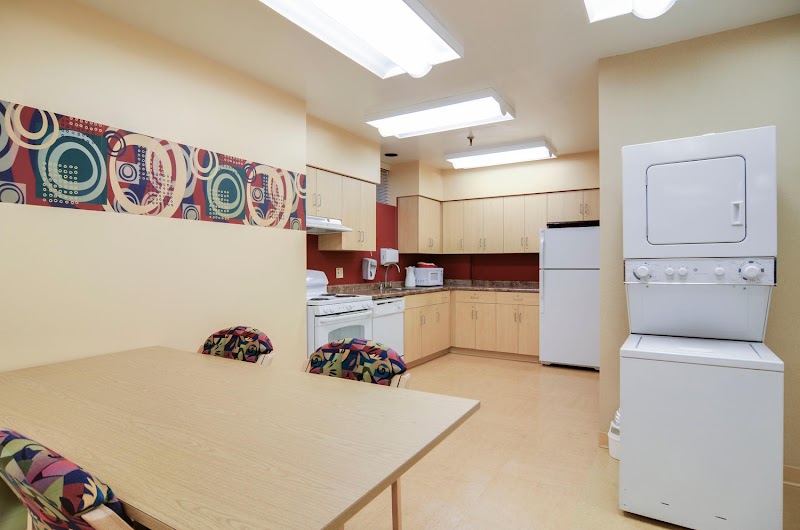
How Does York South Skilled Nursing And Rehabilitation Ctr Compare to Other Pennsylvania Nursing Homes?

Compared to the 100 nursing homes in Pennsylvania, YORK SOUTH SKILLED NURSING AND REHABILITATION CTR's overall rating (2 stars) is below the state average of 3.0, staff turnover (44%) is near the state average of 46%, and health inspection rating (2 stars) is below the national benchmark.

What Should Families Ask When Visiting York South Skilled Nursing And Rehabilitation Ctr?

Based on this facility's data, families visiting should ask: "Can you walk me through typical staffing levels on day, evening, and night shifts?" "Can I visit during a mealtime to observe dining assistance and food quality?" "How do you handle medical emergencies, and what is your hospital transfer rate?" "Can I speak with family members of current residents about their experience?" These questions are particularly relevant given the below-average staffing rating.

Is York South Skilled Nursing And Rehabilitation Ctr Safe?

Based on CMS inspection data, YORK SOUTH SKILLED NURSING AND REHABILITATION CTR has a clean safety record: no substantiated abuse findings (meaning no confirmed cases of resident harm), no Immediate Jeopardy citations (the most serious violation level indicating risk of serious injury or death), and is not on the Special Focus Facility watch list (a federal program monitoring the lowest-performing 1% of nursing homes). The facility has a 2-star overall rating and ranks #100 of 100 nursing homes in Pennsylvania. While no facility is perfect, families should still ask about staff-to-resident ratios and recent inspection results during their visit.

Do Nurses at York South Skilled Nursing And Rehabilitation Ctr Stick Around?

YORK SOUTH SKILLED NURSING AND REHABILITATION CTR has a staff turnover rate of 44%, which is about average for Pennsylvania nursing homes (state average: 46%). Moderate turnover is common in nursing homes, but families should still ask about staff tenure and how the facility maintains care continuity when employees leave.

Was York South Skilled Nursing And Rehabilitation Ctr Ever Fined?

YORK SOUTH SKILLED NURSING AND REHABILITATION CTR has been fined $31,186 across 3 penalty actions. This is below the Pennsylvania average of $33,391. While any fine indicates a compliance issue, fines under $50,000 are relatively common and typically reflect isolated problems that were subsequently corrected. Families should ask what specific issues led to these fines and confirm they've been resolved.

Is York South Skilled Nursing And Rehabilitation Ctr on Any Federal Watch List?

YORK SOUTH SKILLED NURSING AND REHABILITATION CTR is not on any federal watch list. The most significant is the Special Focus Facility (SFF) program, which identifies the bottom 1% of nursing homes nationally based on persistent, serious quality problems. Not being on this list means the facility has avoided the pattern of deficiencies that triggers enhanced federal oversight. This is a positive indicator, though families should still review the facility's inspection history directly.