NHC Healthcare - Greenwood
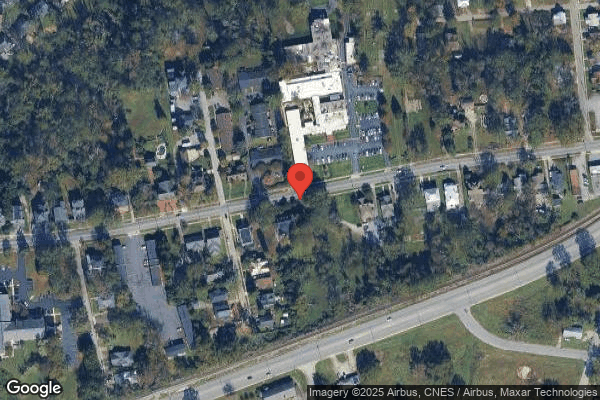

437 East Cambridge Street, Greewood, SC 29646 (864) 223-1950
For profit - Corporation 152 Beds NATIONAL HEALTHCARE CORPORATION Data: November 2025 2 Immediate Jeopardy citations
Trust Grade
29/100
#125 of 186 in SC
Last Inspection: May 2025

Inspected within the last 6 months. Data reflects current conditions.

Overview

NHC Healthcare - Greenwood has received a Trust Grade of F, indicating significant concerns about its operations and care quality. It ranks #125 out of 186 facilities in South Carolina, placing it in the bottom half, and #3 out of 4 in Greenwood County, meaning only one local option is rated higher. While the facility's trend is improving, with the number of issues decreasing from 10 in 2024 to 4 in 2025, there are still serious concerns. Staffing is a relative strength, rated at 4 out of 5 stars with a turnover rate of 41%, lower than the state average, and the facility has good RN coverage, exceeding 83% of state facilities, which is beneficial for resident care. However, there are troubling incidents, such as a resident receiving another resident's medication and unauthorized physical restraints being used, which highlight serious quality of care issues that families should consider.

Trust Score
F
29/100
In South Carolina
#125/186
Bottom 33%
Safety Record
High Risk
Review needed
Inspections
Getting Better
10 → 4 violations
Staff Stability
○ Average
41% turnover. Near South Carolina's 48% average. Typical for the industry.
Penalties
✓ Good
$21,879 in fines. Lower than most South Carolina facilities. Relatively clean record.
Skilled Nurses
○ Average
Each resident gets 39 minutes of Registered Nurse (RN) attention daily — about average for South Carolina. RNs are the most trained staff who monitor for health changes.
Violations
⚠ Watch
16 deficiencies on record. Higher than average. Multiple issues found across inspections.
★★☆☆☆
2.0
Overall Rating
★★★★☆
4.0
Staff Levels
★★★☆☆
3.0
Care Quality
★★☆☆☆
2.0
Inspection Score
Stable
2024: 10 issues
2025: 4 issues

The Good

  • 4-Star Staffing Rating · Above-average nurse staffing levels
  • Full Sprinkler Coverage · Fire safety systems throughout facility
  • No fines on record
  • Staff turnover below average (41%)

    7 points below South Carolina average of 48%

Facility shows strength in staffing levels, fire safety.

The Bad

2-Star Overall Rating

Below South Carolina average (2.8)

Below average - review inspection findings carefully

Staff Turnover: 41%

Near South Carolina avg (46%)

Typical for the industry

Federal Fines: $21,879

Below median ($33,413)

Minor penalties assessed

Chain: NATIONAL HEALTHCARE CORPORATION

Part of a multi-facility chain

Ask about local staffing decisions and management

The Ugly 16 deficiencies on record

2 life-threatening
May 2025 4 deficiencies
CONCERN (D)

Potential for Harm - no one hurt, but risky conditions existed

Deficiency F0552 (Tag F0552)

Could have caused harm · This affected 1 resident

**NOTE- TERMS IN BRACKETS HAVE BEEN EDITED TO PROTECT CONFIDENTIALITY** Based on interview, record review, and review of facility policy, the facility failed to ensure informed consent was obtained fr...

Read full inspector narrative →
**NOTE- TERMS IN BRACKETS HAVE BEEN EDITED TO PROTECT CONFIDENTIALITY** Based on interview, record review, and review of facility policy, the facility failed to ensure informed consent was obtained from the resident prior to the use of a psychotropic medication for one of five residents (Resident (R) 42) reviewed for unnecessary medications out of 20 sampled residents. This placed the resident at risk of not being informed of the possible side effects of the medication. Findings included: Review of a March 2024 facility policy titled, Patient Care Policies revealed, .Patients have the right to make provisions for guiding decisions on their behalf . Review of R42's Face Sheet located in the resident's electronic medical record (EMR) under the Face Sheet tab revealed R42 was admitted to the facility on [DATE] with diagnoses that included depression with anxiety disorder. Review of R42's quarterly Minimum Data Set (MDS) located in the RAI-Resident Assessment Instrument tab of the EMR with an Assessment Reference Date (ARD) of 03/23/25 revealed R42 had a Brief Interview of Mental Status (BIMS) score of 15 out of 15 which indicated R42 was cognitively intact. The MDS also indicated R42 was administered antianxiety and antidepressant medications daily during the seven-day observation period. Review of R42's Physician Order, dated 04/02/25 and located in the Orders tab of the EMR revealed, Klonopin [a long-acting benzodiazepine used to anxiety disorders] 0.5 mgs [milligrams] every 12 hours. Review of R42's Nursing Progress Note, dated 04/21/25 located in the resident's EMR under the Progress Notes tab and completed by Registered Nurse (RN) revealed, Psychotropic Medication Informed Consent: Name of psychotropic medication: .Klonopin .Initiation .Informed in advance of the benefits, risks, and alternative for the medication including any black box warning for antipsychotic medications. Black Box Warning: Elderly patients with dementia-related psychosis and treated with antipsychotics have an increased risk of death: Yes Prior to initiating or increasing the above listed medication/s, informed consent was provided by: Patient Representative [name withheld]. During an interview on 04/30/25 at 2:00 PM, RN2 was asked why the representative gave verbal consent for the psychotropic medication instead of R42. RN2 stated, I know her representative who knows her medications, so I called him. RN2 was asked since the facility had assessed her to be intact cognitively, why was R42 not consulted. RN2 stated, We just always call the representative. During an interview on 04/30/25 at 2:48 PM, the Assistant Director of Nursing (ADON) was asked why RN2 did not consult and obtain consent from R42 since she was assessed to be intact cognitively. The ADON stated, She should have obtained consent from the resident.
CONCERN (D)

Potential for Harm - no one hurt, but risky conditions existed

Deficiency F0553 (Tag F0553)

Could have caused harm · This affected 1 resident

**NOTE- TERMS IN BRACKETS HAVE BEEN EDITED TO PROTECT CONFIDENTIALITY** Based on interviews, record reviews, and review of the facility's policy, the facility failed to ensure two of two residents (Re...

Read full inspector narrative →
**NOTE- TERMS IN BRACKETS HAVE BEEN EDITED TO PROTECT CONFIDENTIALITY** Based on interviews, record reviews, and review of the facility's policy, the facility failed to ensure two of two residents (Residents (R) 40 and R289) were afforded the right to participate in their care planning process. This failure placed the residents at risk of not being aware of the goals and outcomes of their care and for their care plan not to be person centered. Findings include: Review of the facility's policy titled, Patient Care Plans, dated November 2023 revealed, .The center will ensure an interdisciplinary and comprehensive approach to the development of the patient's care plan of care. Patient's goals for care and preferences will be determined and used to develop their plan of care. The services outlined in the comprehensive care plan meet professional standards of quality .Patient/patient representative participation will continue to be documented via the care conference section of the EHR [electronic health record] . 1. Review of R40's Face Sheet located in the Face Sheet tab of the electronic medical record (EMR) revealed R40 was admitted to the facility on [DATE] with diagnoses that included a stroke with left-sided paralysis and diabetes. Review of R40's quarterly Minimum Data Set (MDS) located in the MDS tab of the EMR with an Assessment Reference Date (ARD) of 04/03/25 revealed that R40 had a Brief Interview of Mental Status (BIMS) score of 11 out of 15 which indicated she was moderately cognitively impaired. During an interview on 04/29/25 at 11:46 AM, R40 was asked if she attended her care conferences at least quarterly. R40 stated, I don't know if there are care plan conferences. Review of R40's 02/25/25 quarterly Care Conference located in the Care Plan tab of the EMR revealed that R40's representative attended the meeting; however, there was no documentation on the Care Conference note to show that R40 was invited or had declined to attend. Review of R40's Social Service notes, located in the Progress Notes' tab of the EMR did not show any documentation that R40 had been invited or had declined to attend the Care Conference on 02/25/25. During an interview on 05/01/25 at 1:49 PM, the Patient and Family Services Coordinator (PFSC) stated, When she was admitted to the facility, the patient and the family are invited to attend the Care Conference however, over time, some patients are more confused than others and if they can be involved in the plan of care, they would come to participate in the Care Conference. The PFSC was asked if there should be documentation to show that the resident was invited or had declined to attend. The PFSC stated, Yes. 2. Review of R289's Face Sheet located in the Face Sheet tab of the EMR revealed R289 was admitted to the facility on [DATE] with diagnoses that included diabetes. Review of R289's admission MDS located in the MDS tab of the EMR with an ARD of 04/16/25 revealed, R289 had a BIMS score of 15 out of 15 which indicated R289 was cognitively intact. Review of the 04/10/25 admission Care Conference located in the Care Plan tab of the EMR revealed no documentation that R289 or his representative had attended the Care Conference. The 04/04/25 Baseline Care Plan provided by the Director of Nursing (DON) showed that it had been mailed to the resident representative. There was no documentation in the Progress Notes to show an invitation was mailed and accepted by the resident representative or if the resident had been invited and had declined to attend. During an interview on 05/01/25 at 9:30 AM, the DON stated, My expectation is that the residents are to be invited to their Care Conferences even if they have an inability to consent to healthcare decision. It doesn't matter if they participate, answer questions, or just listen.
CONCERN (D)

Potential for Harm - no one hurt, but risky conditions existed

Report Alleged Abuse (Tag F0609)

Could have caused harm · This affected 1 resident

**NOTE- TERMS IN BRACKETS HAVE BEEN EDITED TO PROTECT CONFIDENTIALITY** Based on interview, record review, and policy review, the facility failed to report an allegation of physical abuse to the State...

Read full inspector narrative →
**NOTE- TERMS IN BRACKETS HAVE BEEN EDITED TO PROTECT CONFIDENTIALITY** Based on interview, record review, and policy review, the facility failed to report an allegation of physical abuse to the State Survey Agency (SSA) within two hours for an incident between residents (Resident (R)115 and R5). Findings include: Review of the facility's policy titled Patient Protection and Response Policy for Allegations/Incidents of Abuse, Neglect, Misappropriation of Property and Exploitation dated 09/14/17 indicated .Any partner having either direct or indirect knowledge of any event that might constitute abuse.must report the event immediately, but not later than 2 hours after forming the suspicion.It is the policy of this facility that 'abuse' allegations.are reported per Federal and State law. Review of a document provided by the facility titled Section 100_Definitions and References. 101. Definitions indicated . Physical Abuse. The act of intentionally inflicting or allowing to be inflicted physical injury on a resident by an act or failure to act. Physical abuse does not include altercations or acts of assault between residents. Review of R115's Face Sheet found in R115's electronic medical record (EMR) under the Resident tab indicated the resident was admitted to the facility on [DATE]. Review of R115's nursing Progress Note, dated 01/19/25 and located under the Resident tab of the EMR revealed Registered Nurse (RN)1 documented that several Certified Nursing Assistants (CNAs) reported R115 walked out of her room, approached R5, and hit R5 in the head. RN1 documented she reported the resident-to-resident incident to RN3. Review of R5's Face Sheet found in R5's EMR under the Resident tab indicated the resident was admitted to the facility on [DATE]. Review of R5's nursing Progress Notes, dated 01/19/25 and located in the resident's EMR under the Resident tab indicated RN1 documented several CNAs reported R5 was sitting by the fish tank when R115 walked out of her room, approached R5, and hit R5 in the head. During an interview on 04/30/25 at 11:36 AM, RN1 stated after it was reported to her that R115 hit R5 in the head, she reported this to RN3. During an interview on 04/30/25 at 12:10 PM, RN3 stated confirmed RN1 reported the resident-to-resident incident which involved R115 and R5 to her. During an interview on 04/30/25 at 12:19 PM, RN3 stated she reported the resident-to-resident incident which involved R115 and R5 to the Administrator, who was the abuse coordinator. During an interview on 04/30/25 at 3:06 PM, the Administrator confirmed he did not report the resident-to-resident incident to the SSA.
CONCERN (D)

Potential for Harm - no one hurt, but risky conditions existed

Accident Prevention (Tag F0689)

Could have caused harm · This affected 1 resident

**NOTE- TERMS IN BRACKETS HAVE BEEN EDITED TO PROTECT CONFIDENTIALITY** Based on interviews and record review, the facility failed to ensure supervision while toileting for one of four residents (Resi...

Read full inspector narrative →
**NOTE- TERMS IN BRACKETS HAVE BEEN EDITED TO PROTECT CONFIDENTIALITY** Based on interviews and record review, the facility failed to ensure supervision while toileting for one of four residents (Residents (R) 112) reviewed for falls out of 30 sampled residents. This failure caused harm to R112 when he sustained a right hip fracture from a fall off the toilet. This failure placed residents at risk of further injury and a diminished quality of life. Findings include: Review of R112's Face Sheet located in the Face Sheet tab of the electronic medical record (EMR) revealed R112 was admitted to the facility on [DATE] with diagnoses that included Alzheimer's disease, a history of falling, and osteoporosis of the right knee. Review of R112's quarterly Minimum Data Set (MDS), with an assessment reference date (ARD) of 01/29/25 and located in the MDS tab of the EMR revealed R112 had a Brief Interview for Mental Status (BIMS) score of five out of 15 which indicated R112 was severely cognitively impaired. The MDS also indicated the resident required substantial assistance for toileting, and was able to self-propel his wheelchair. Review of R112's Fall Care Plan edited on 04/29/25 and located in the Care Plan tab of the EMR revealed, Fall Risk r/t [related to] History of Falling/Chronic Gait Instability/Alzheimer's/ Dementia with Agitation. RECENT FALL WITH RIGHT FEMUR [HIP BONE] FRACTURE. Interventions include but are not limited to: a. Encourage Res [resident] to call for assistance with ADLs [activities of daily living] and transfers. Dated 01/08/25. b. Staff to monitor for Restlessness, Dated 04/01/25. Review of R112's Nursing Progress Note, dated 02/12/25 and located in the Progress Notes tab of the EMR, completed by Licensed Practical Nurse (LPN) 2 revealed, .CNA [Certified Nurse Assistant] found resident in the bathroom floor. Resident complained of pain on his right leg. Residednt (sic) was unable to move right leg. Neuro checks and ROM [range of motion] completed, and no changes noted besides resistance in right leg. Nurse notified NP [nurse practitioner] on call and was instructed to send resident to [hospital name withheld] for evaluation . Review of R112's Nursing Progress Note, dated 02/17/25 and located in the Progress Notes tab of the EMR by Registered Nurse (RN) 2 revealed, .readmitted from [hospital name withheld] has touchdown weight bearing status on RLE [right lower leg] large amount of serous [a watery fluid] noted on 3 dressings on s/p [status post] surgical sites on RLE. Has 4 staples intact on s/p surgical sites above right knee on lateral side of RLE, 20 staples noted in s/p surgical site on right thigh, and 11 staples on s/p surgical site on right hip . Review of the facility's 02/17/25 5-day Investigation Report to the State Agency [SA] revealed, .Certified Nursing Assistant communicated to the Resident that she was assisting another resident and would assist him to the restroom immediately after. Resident has poor safety awareness and refused to wait. When the CNA checked on the resident he was noted in the restroom and was seen with poor body posture on the commode (leaning forward). The CNA gave verbal cues to the resident to sit straighter for safety though the resident refused to comply. The nurse was called to assist. She gave the same verbal cues, and the resident would not comply. The CNA took his dinner tray out of the room and when she returned, she saw the resident coming off the commode due to his poor posture. The CNA stated she tried to intervene to lessen the fall but was unable to act fast enough. Resident voiced he thought his leg was broken. Resident was assessed for injuries. NP and family made aware. Orders were received to send Resident to the ED [emergency department] for evaluation . An attempted interview with LPN2 was made on 04/30/25 at 11:44 AM. A voice mail was left for a return call regarding R112's fall. No return call was received by the end of the survey. During an interview on 04/30/25 at 1:11 PM, the Director of Rehabilitation stated, R112 was on our caseload at the time of the fall. He was a high-risk for falls prior to the fracture and was unaware of his limitation. He was able to self-propel in his room and in the hallway and could stand and transfer, but it was ugly and not very good. The Director of Rehabilitation was asked if R112 was told to stay right there and not move till I get back would he remember the command. The Director of Rehabilitation stated, No, he wouldn't. During an interview on 04/30/25 at 3:08 PM, CNA2 stated, It was supper time, he had eaten [his meal] and I was picking up his tray, but he was already in the bathroom. I told him to use the call light and to let us know, but I had his tray in my hand. I told him to sit back as he was leaning forward. The nurse heard me tell him to sit back and she walked in and told him to sit back also. He did sit back but, as I had the meal tray in my hand, I left the room and went to put the tray back into the cart. CNA2 was asked if both herself and the nurse left the room with the resident on the toilet. CNA2 stated, Yes, we left together. CNA2 further stated, When I came back, he was already on the floor. CNA2 was asked about R112's ADL [activities of daily living] status prior to the fall. CNA2 stated, He could move around in the wheelchair. I would tell him to use the call light when he needed to go to the bathroom anytime, and we would come to help him. He was able to transfer but we still liked to help him. CNA2 was asked since R112 had been assessed by the facility to be severely impaired in cognition, so do you think he would remember to use the call light. CNA2 stated, I would say yes. He could ring the call light and ask to go to the bathroom or to pass him the urinal, but it was not consistent. CNA2 was asked if she had asked R112 why he fell. CNA2 stated, He did not give me an explanation as to why he fell. During an interview on 05/01/25 at 10:35 AM, LPN1 was asked if R112 had the ability to consistently know when and how to use the call light. LPN1 stated, No ma'am, not consistently. Before the fall he would occasionally push the call light, but it was not consistent. LPN1 was asked if R112 required staff supervision when using the toilet. LPN1 stated, Yes, he does, at least on my shift. During an interview on 05/01/25 at 11:00 AM, the Director of Nursing (DON) was asked about why the staff left him unattended before he fell. The DON stated, Yes, I questioned that also. A lot of times, his condition would fluctuate, and he was able to transfer himself before the fall. We have trained staff that if a resident is unsafe, they are not to leave them unattended. The DON further stated, I don't think he was left on purpose, I think he was okay at that time versus needing one on one supervision. A policy was requested but was not received prior to the exit.
Sept 2024 1 deficiency 1 IJ
CRITICAL (J) 📢 Someone Reported This

A family member, employee, or ombudsman was alarmed enough to file a formal complaint

Immediate Jeopardy (IJ) - the most serious Medicare violation

Deficiency F0760 (Tag F0760)

Someone could have died · This affected 1 resident

**NOTE- TERMS IN BRACKETS HAVE BEEN EDITED TO PROTECT CONFIDENTIALITY** Based on review of facility policy, record review, and interview, the facility failed to ensure Resident (R)1 was free of signif...

Read full inspector narrative →
**NOTE- TERMS IN BRACKETS HAVE BEEN EDITED TO PROTECT CONFIDENTIALITY** Based on review of facility policy, record review, and interview, the facility failed to ensure Resident (R)1 was free of significant medication error, when R1 received another resident's medications, for 1 of 3 residents reviewed for significant medication error. On 09/11/24 at 5:20 PM, the survey team provided the Administrator with a copy of the CMS Immediate Jeopardy (IJ) Template, informing the facility IJ existed as of 04/29/24. The IJ was related to 42 CFR 483.45 - Pharmacy Services. On 09/12/24 the facility provided an acceptable IJ Removal Plan. On 09/12/24 the survey team, validated the facility's corrective actions and determined the facility put forth due diligence in addressing the noncompliance. The IJ is considered at Past Non-Compliance as of 04/30/24. An extended survey was conducted in conjunction with the Complaint Survey for non-compliance at F760, constituting substandard quality of care. Findings include: Review of the facility policy dated 01/01/19, titled, Medication Administration-General Guidelines states, 4) Before administering a medication, the nurse should assure he/she is administering to the correct patient . Review of R1's Face Sheet revealed R1 was admitted to the facility on [DATE], with diagnoses including but not limited to: chronic respiratory failure, unspecified whether with hypoxia or hypercapnia, unspecified dementia, unspecified severity, without behavioral disturbance, psychotic disturbance, mood disturbance, and anxiety, unspecified asthma, uncomplicated, Parkinson's disease with dyskinesia, with fluctuations, cerebral ischemia, depression, anxiety, unspecified fracture of lower end of right tibia, subsequent encounter for closed fracture with routine healing, heart failure, CKD, and macular degeneration. Review of R1's Nurse Practitioner's Observation-Acute and Subsequent Visit Form Medication Error-Acute Episode dated 04/29/24 at 9:50 AM, documented, Pt seen today for np acute visit per nurse request related to medication error that was noted this morning on 1 st shift. Primary nurse reports pt was given another pt 9am medication by another nurse which included lantus 20 units, humalog 8 units, cetirizine, cymbalta, depakote, gabapentin, losartan, and metformin. Primary nurse states that pt vitals, 02 sat and blood sugar, is stable, she remains at baseline and she is not allergic to any of the medications that she was given. Primary nurse also stated that she has reported incident to management. Noted pt out of bed sitting up in chair in room , a&0x1 able to voice wants and need, she remains at baseline and she is not in distress. She remains on 02. Her respirations are even and unlabored, and lung sounds are clear. No signs or symptoms of hyper/hypoglycemia noted. She remains at baseline. She denies weakness, fever, chills, shortness of breath, chest pain or discomfort. She does not have any concerns at this time. This np was in the process of calling to speak with pt daughter about medication error, interventions put into place, and pt status however daughter called another np that was in this office and she informed the np that the nurse had called her and informed her of medication error along with intervention. The above observation of R1 further documented, [R1] was given another residents 9AM medication by another nurse which included Lantus 20 units, Humalog 8 units, Cetirizine, Cymbalta, Depakote, Gabapentin, Losartan, and Metformin. Review of R1's progress notes dated 04/29/24 at 1:10 PM, documented, Observed resident sitting at lunch table holding head back and bobbing her head. This writer assessed pt and vs were obtained. Upon assessment pt c/o dizziness and overall not feeling well. Bp 136/100, p 113, r 20, t 97.3, 02 95% 2l/m. Np was contacted and came to unit to assess pt. Upon her assessment and change in pulse, increased fatigue, and c/o dizziness r/t to medication administration error by another nurse during shift - verbal order obtained to send pt to ER for further evaluation. Emergency contact notified and aware of transfer, in agreeance with plan of care. Ems called; unsuccessful 3 attempts to give report to ecc charge nurse. Awaiting ems arrival. Review of R1's Physician Orders included but was not limited to the following: Aspirin 81 milligram (mg) tablet, Citalopram 10 mg tablet, Breo Ellipta 1 puff daily, Colace 100 mg tablet, Cranberry Extract 250 mg tablet, Levothyroxine 100 mcg tablet, Montelukast 10 mg tablet, Namenda 10 mg tablet and Polythylene Glycol 17 Grams mixed in 6-8 ounces of liquid. Review of R1's Medication Administration Record (MAR) revealed R1 received her scheduled AM medications on 04/29/24. Review of R1's emergency room Visit dated 04/29/24 at 4:59 PM, revealed, Chief Complaint, medication error, given several medications of another resident in error by nurse earlier today. Pulmonary: Slight work of breathing with prolonged expiration and some accessory muscle use. Diminished breath sounds in the bases. No definite wheezing. Patient was noted to become significantly tachycardic upon sitting up. She was given a 300 milliliter bolus of normal saline for possible dehydration. On repeat exam, she does have worsening coarseness of breath sounds on the right base. A chest x-ray (CXR) was completed and revealed pneumonia. Review of a written statement by Licensed Practical Nurse (LPN)1 dated 04/29/2024 revealed, I observed [R1] at the table leaning her head back and another resident calling me to the floor. I obtained another set of VS and BP reading 136/22 manual. I asked pt how she was feeling and she stated, I feel dizzy, I do not feel right. FSBS obtained and was 151, and pulse was 113. I then called the NP to update her on status. NP came and assessed pt and pt was sent out via EMS. During an interview on 09/11/24 at 12:47 PM, Registered Nurse (RN)1 stated, I was in training at the time, a new nurse. I remember giving [R1] the wrong medicine and looking at the picture on the screen, realizing that wasn't the resident I just gave the medication to. I alerted the nurse I was training with, [LPN1]. She called the Nurse Practitioner (NP) and I went to stay with the patient and the NP came just after. We checked her allergies. I checked her vital signs (VS), I was in the room for quite a while. I'm not aware of any adverse outcomes. I did not return later that day, I was off the next day and returned the day after. I was given training on the 5 rights with my Director of Nurses (DON) and Assistant Director of Nurses (ADON) and was able to train more that day. I was very concerned and was checking her blood sugars very often and we were giving her juice to keep her sugar up. She never bottomed out to below normal blood sugars when I was monitoring her. During an interview on 09/11/24 at 10:54 AM, the ADON stated, [R1] was given the incorrect medication from our nurse. We spoke to the NP, followed orders for monitoring. The only thing I noted was some lethargy, where her head was bobbing. She had an elevated pulse rate. She stated she didn't feel good. She was sent to the hospital, but they found after a CXR she had pneumonia. During an interview on 09/11/24 at 11:58 AM, the NP stated, I would monitor vital signs (VS), blood sugar, change in mental status. Her pulse rate was a little bit elevated. I spoke to her daughter just to keep her updated on the status. She requested for her to be sent out. Any medication can have adverse reactions, that is why we were monitoring her. During an interview on 09/11/24 at 1:45 PM, LPN 1 stated, I remember that day, the morning of the med error in April. We were on the cart that morning. Another resident was calling my attention across the breezeway wanting me to check her blood pressure (B/P), I told the nurse to hold on, not to start the med pass. When I returned, she was returning from the room of [R1]. She held 2 insulin pens in her hand. She said she gave these meds to the wrong patient. She was starting to panic. I told her to calm down, we got to monitor the patient. I called the NP. She said to monitor the patient. I also called her daughter and told her. I told her daughter that we have to monitor the blood sugars because of the insulin, that we had to give supplements to keep her sugar up. She may have monitored the resident for the first 3-4 sets of vital signs. She left to lunch, but she didn't come back that day. The NP came over pretty quick. [R1's] blood sugars and VS were stable. I know the Gabapentin could cause dizziness and she did have some drowsiness. The supplements we gave, orange juice, Med Pass Nutritional Supplement, and apple juice because of all the insulin she was given. The daughter requested her to go to the emergency room (ER) because of her drowsiness. On 09/12/24 the facility provided an acceptable IJ Removal Plan which included the following: At the time of the medication administration error, RN1 reported to DON and was released for the day. RN1 returned on 5/1/24 and prior to return was reeducated on medication administration to include the 5 rights of medication administration. After the completion of reeducation, RN1 continued training under supervision. RN1 completed a competency check on 4/20/2024 and 4/21/2024 prior to the event and demonstrated competency. On 5/30/2024, RN1 completed another competency check and demonstrated competency. LPN1, the supervising nurse of RN1 was under supervision at all other times. LPN1 was educated on supervision of employees training. Medication administration in-service was conducted on 9/11 and 9/12/24 for all nurses. Any nurse that has not been educated will be educated before clocking in for their shift. All new nurses will be educated on this guideline before working a medication cart. The medication administration policy was reviewed by the Administrator, DON and Regional Nurse and no changes were needed at this time. A QAPI meeting was held with Administrator, DON, Assistant DON, Nurse Managers, and social services on 9/12/2024 to review event and ensure the safety of all residents. A conference with the Medical Director on 9/11/2024 was held for further discussion on the alleged events and to assure the utmost in patient care and safety. A review of the medication administration guideline was conducted. No changes were recommended. An audit of resident records was conducted from date of incident thru 9/11/2024. No other events were noted for medication administration errors. DON or their designee will continue weekly audits or records for 4 weeks and monthly audits for 2 months. Completion by December 12, 2024. Monitoring will be conducted by the DON or their designee with med pass observations occurring at random weekly for 4 weeks. Pharmacy will continue med pass observations monthly thereafter. Overall compliance will be monitored by the Administrator and Director of Nursing and reported to the QAPI meeting monthly and as needed. Compliance Date: 4/29/2024
Jun 2024 1 deficiency
CONCERN (D) 📢 Someone Reported This

A family member, employee, or ombudsman was alarmed enough to file a formal complaint

Potential for Harm - no one hurt, but risky conditions existed

Comprehensive Care Plan (Tag F0656)

Could have caused harm · This affected 1 resident

Based on record review, interview, and facility policy review, the facility failed to develop and implement a comprehensive person-centered care plan for a resident with a history of falls with a frac...

Read full inspector narrative →
Based on record review, interview, and facility policy review, the facility failed to develop and implement a comprehensive person-centered care plan for a resident with a history of falls with a fracture prior to admission and who was assessed as being at high risk for falls. The deficiency affected 1 (Resident (R)3) of 3 residents reviewed for accidents. Findings included: A facility policy titled, Patient Care Plans, dated 11/2023, indicated, The center will ensure an interdisciplinary and comprehensive approach to the development of the patient's care plan of care. Patient's goals for care and preferences will be determined and used to develop their plan of care. The services outlined in the comprehensive care plan meet professional standards of quality. The policy also specified, All clinical assessments will be completed before the meeting is convened and will be used to inform the care plan development. An undated facility policy titled, Falls Management Process Resource indicated, [Facility name] is committed to preventing serious injury related to patient falls [sic] creating a Falls Management Process (FMP) utilizing an interdisciplinary approach to the prevent [sic] management of falls. The policy also specified, The FMP includes two primary approaches to the management of falls and injuries. The first is t [sic] designed to assist centers in providing individualized, person-centered care, and improving thei [sic] an immediate response to patients who fall. When a fall occurs, careful evaluation and investiga [sic] along with immediate intervention during the first 24 hours, can help identify risk, contributing f [sic] and prevent future incidents. The second approach is long-term management. Here, screening a [sic] admission, quarterly, annually and change of condition are key in identifying patients at high risk [sic] fall. In both approaches, assessment should be used to develop individualized care plan interven [sic]. A Face Sheet revealed the facility admitted R3 on 10/19/2023 and readmitted the resident on 06/17/2024. According to the Face Sheet, the resident had a medical history that included diagnoses of displaced transverse fracture of the left femur, a history of falling, end stage renal disease with dependence on renal dialysis, vitamin D deficiency, and anemia. R3's Morse Fall Scale, dated 10/23/2023, indicated R3 resident was at high risk for falls. An admission Minimum Data Set (MDS), with an Assessment Reference Date (ARD) of 10/26/2023, revealed R3 had a Brief Interview for Mental Status (BIMS) score of 15, which indicated the resident had intact cognition. The MDS revealed the resident used a wheelchair and a walker, required partial/moderate assistance from staff with rolling to the left and right, and was dependent on staff for chair/bed-to-chair transfers. The MDS indicated the resident had a fall in the month prior to admission and had a fracture related to a fall in the six months prior to admission. The Care Area Assessment (CAA) Summary section of the MDS revealed the care area falls triggered for further assessment and was addressed in the care plan. A CAA Detail Report, dated 11/01/2023, revealed the care area of falls triggered for R3 because the resident had experienced a fall in the month prior to admission, had experienced falls in the two to six months prior to admission, and was receiving an antidepressant medication. The Analysis of Findings revealed R3 had two recent falls prior to admission and that both resulted in fractures. The report indicated staff were to monitor for any unsafe transfers and intervene. The report revealed falls were to be included on the resident's care plan. Quarterly MDS assessments with ARDs of 01/11/2024 and 04/04/2024 indicated the resident had experienced no falls since admission or the prior assessment. R3's Care Plan, dated 06/18/2024, revealed the resident's risk for falls was not addressed. During an interview on 06/24/2024 at 2:58 PM, Nurse Manager #4 stated she completed all baseline care plans following admissions and re-admissions. She stated R3's care plan, currently viewed in the electronic chart, was the resident's entire care plan since admission. She stated she did not complete a baseline care plan for falls in October 2023, but upon the resident's readmission in June 2024, therapy added the use of a mechanical lift to the care plan for activities of daily living (ADLs). During an interview on 06/24/2024 at 4:05 PM, Nurse Manager #2, who was also the Falls Coordinator, stated a care plan would not always be completed for a resident at high risk for falls. She stated the therapy department was responsible for transfer assessments, and that information would be placed on a certified nursing assistant (CNA) worksheet. She stated the CNAs were given the worksheet when they arrived for their shift. She stated that when there was a therapy-initiated change, it would be verbally communicated to the nurse at the station and then the information would be placed on the CNA worksheet. During an interview on 06/25/2024 at 9:40 AM, the Director of Nursing (DON) stated R3's care plan should have addressed the resident's risk for falls. She stated the resident was at high risk for falls and had a history of falls with injuries prior to admission. The DON stated care plans were completed based on the Resident Assessment Instrument (RAI) assessment, and if it was determined that the area should be care planned. The DON stated the staff had worksheets that listed care information for each resident and that were given to staff at the beginning of each shift. On 06/25/2024 at 2:35 PM, the Administrator stated he expected the facility staff to have interventions in place to minimize the risk for falls and reduce fall-related injuries. During an interview on 06/25/2024 at 2:38 PM, the Administrator stated care plans needed to match the care needs of the residents.
Mar 2024 8 deficiencies
CONCERN (D)

Potential for Harm - no one hurt, but risky conditions existed

Deficiency F0554 (Tag F0554)

Could have caused harm · This affected 1 resident

**NOTE- TERMS IN BRACKETS HAVE BEEN EDITED TO PROTECT CONFIDENTIALITY** Based on observation, interview, record review, and facility policy review, the facility failed to assess 1 of 8 residents revie...

Read full inspector narrative →
**NOTE- TERMS IN BRACKETS HAVE BEEN EDITED TO PROTECT CONFIDENTIALITY** Based on observation, interview, record review, and facility policy review, the facility failed to assess 1 of 8 residents reviewed during medication pass (Resident (R)122) for self-administration of medications. This failure led to medications being left at the bedside where they could be accessed by other residents or the resident not taking the medications. Findings include: Review of the facility's policy titled, Self-Administration of Medications, revised on 01/01/19, revealed In order to maintain the residents' high level of independence, residents who desire to self-administer medications are permitted to do so if the facility's interdisciplinary team has determined that the practice would be safe for the resident and other residents of the facility and there is a prescriber's order to self-administer . If the resident desires to self-administer medications, an assessment is conducted by a member of the interdisciplinary team of the resident's cognitive (including orientation to time), physical, and visual ability to carry out this responsibility .When a member of the interdisciplinary team determines that bedside or in-room storage of medications would be a safety risk to other residents, the medications of residents permitted to self-administer are stored in the central medication cart or medication room. The resident requests each dose from the medication nurse, who provides the medication to the resident in the unopened package for the resident to self-administer. The nurse then records such self-administration on the MAR [Medication Administration Record] by indicating administration on the medication administration record . Review of R122's Face Sheet located in the electronic medical record (EMR) under the Resident tab revealed R122 was admitted to the facility on [DATE] with a primary diagnosis of type two diabetes mellitus with diabetic peripheral angiopathy without gangrene. Review of R122's annual Minimum Data Set (MDS) located in the EMR under the Resident Assessment Instrument (RAI) tab with an Assessment Reference Date (ARD) of 02/22/24, revealed R122 had a Brief Interview for Mental Status (BIMS)score of 15 out of 15 which indicated R122 was cognitively intact. Review of R122's Care Plan located in the EMR under the RAI tab, did not include a care plan related to self-administration of medications. Review of R122's Evaluations located in the EMR under the Evaluations tab did not include an assessment/evaluation for self-administration of medications. Review of R122's Orders located under the Orders tab of the EMR revealed R122 did not have an order for self-administration of medications. Additionally, R122 had orders for beneflex AR (advanced relief) (digestion supplement) 650 mg (milligram) capsule to be given by mouth twice daily (06/16/23), neurovascular support vitamin 50 mg capsule to be given by mouth twice daily (06/16/23), preservision (vision supplement) ARED (age-related eye disease)-2 250-90-40-1 mg capsule to be given by mouth twice daily (03/27/23), and vision essentials gold (vision supplement) 40 mg capsule to be given by mouth twice daily (04/04/23). During an observation on 03/14/24 at 5:49 PM, R122 was sitting in her wheelchair in her bedroom. Licensed Practical Nurse (LPN)1 administered medications to R122 in a cup and left them sitting on her bedside table per the resident's request. During an interview on 03/14/24 at 5:49 PM, LPN1 confirmed she went into R122's room to administer medications, the resident requested the medications be left on her bedside table until she finished her meal. LPN1 stated she normally did not leave the medications at bedside but because the resident asked, she did so and stated she was planning on going back to confirm the resident took her medications. When LPN1 was asked how she would know if the resident actually took her medications without visualizing, she stated she would take the resident's word for it. LPN1 was not familiar with self-administration of medications assessment and was not sure if R122 had one. During an interview on 03/15/24 at 2:53 PM, the Director of Nursing (DON) stated her expectation regarding medication administration was to follow the facility policy that included observing the resident taking their medications, and not leaving them at the bedside. If residents wished to self-administer medications, they would need self-administration of medication assessment and a lock box in the resident's room. The DON confirmed that R122 did not have a self-administration of medication assessment and that no residents in the facility currently self-administered medications.
CONCERN (D)

Potential for Harm - no one hurt, but risky conditions existed

Comprehensive Care Plan (Tag F0656)

Could have caused harm · This affected 1 resident

**NOTE- TERMS IN BRACKETS HAVE BEEN EDITED TO PROTECT CONFIDENTIALITY** Based on observation, interview, record review, and facility policy review, the facility failed to develop comprehensive care pl...

Read full inspector narrative →
**NOTE- TERMS IN BRACKETS HAVE BEEN EDITED TO PROTECT CONFIDENTIALITY** Based on observation, interview, record review, and facility policy review, the facility failed to develop comprehensive care plans related to indwelling urinary catheters and/or the use of Tubigrip stockings (compression stockings used to help manage edema) for 2 of 28 sampled residents (Resident (R)63 and R1). Findings include: Review of the facility's policy titled, Patient Care Plans, dated 11/23, revealed . New problems are handled as they arise and are to be added to the current care plan even if the change in condition is not considered significant enough for a complete revision . 1. Review of R63's Face Sheet, located under the Resident tab of the electronic medical record (EMR), revealed R63 was admitted to the facility on [DATE] with diagnoses which included but was not limited to: iron deficiency anemia, chronic diastolic (congestive) heart failure, and unspecified atrial fibrillation. Review of R63's Orders, dated 08/24/23 and located under the Resident tab of the EMR, revealed a physician's order for an indwelling urinary catheter due to a neurogenic bladder. Review of R63's quarterly Minimum Data Set (MDS) with an Assessment Reference Date (ARD) of 01/16/24 and located under the RAI (Resident Assessment Instrument) tab of the EMR, revealed R63 had a Brief Interview for Mental Status (BIMS) score of 15 out of 15, which indicated the resident was cognitively intact. The assessment recorded R63 as having an indwelling urinary catheter. During an observation and interview on 03/13/24 at 11:14 AM, R63 was observed to have an indwelling urinary catheter. R63 stated he had received the catheter during August 2023. Review of R63's comprehensive Care Plan located under the RAI tab of the EMR, revealed no focus, goal, or interventions related to R63's use of an indwelling urinary catheter. During an interview on 03/14/24 at 4:04 PM, the Director of Nursing (DON) confirmed R63 received the indwelling urinary catheter on 08/24/23. The DON confirmed that an indwelling urinary catheter was pertinent information that should have been included on the care plan. During an interview on 03/15/24 at 11:11 AM, MDS Coordinator (MDSC)1 confirmed she was the MDSC for R63. MDSC1 stated information for a resident's care plan was obtained from the residents, family members, the chart, history, hospital admissions, and other sources. MDSC1 confirmed R63's care plan did not address his use of an indwelling urinary catheter. MDSC1 stated, I don't have an answer. MDSC1 confirmed the indwelling urinary catheter should have been included in the care plan. 2. Review of R1's Face Sheet located in the EMR under the Resident tab, revealed he was admitted to the facility on [DATE] with a primary diagnosis of atrial fibrillation and co-morbidities including venous insufficiency. Review of R1's admission MDS located in the EMR under the RAI with an ARD of 02/07/24, revealed R1 had a BIMS of 15 out of 15 which indicated R1 was cognitively intact. Additionally, R1 was on diuretic medications. Review of R1's Orders located in the EMR under the Orders tab of the EMR revealed an order dated 02/20/24 for Tubigrips (compression garment worn to reduce swelling) to bilateral lower extremities to be applied upon getting out of bed in the morning, to be worn during the day, and removed at bedtime. Review of R1's Care Plan located in the EMR under the RAI tab, reviewed on 02/22/24, did not include use of Tubigrips for swelling. During an interview on 03/14/24 at 3:36 PM, the DON stated that the purpose of Tubigrips was for lower extremity edema, clot prevention, and usually ordered for residents that were immobile. The DON confirmed that R1's care plan did not include Tubigrips but should have been.
CONCERN (D)

Potential for Harm - no one hurt, but risky conditions existed

Deficiency F0657 (Tag F0657)

Could have caused harm · This affected 1 resident

**NOTE- TERMS IN BRACKETS HAVE BEEN EDITED TO PROTECT CONFIDENTIALITY** Based on observation, record review, interviews, and facility policy review, the facility failed to ensure the resident care pla...

Read full inspector narrative →
**NOTE- TERMS IN BRACKETS HAVE BEEN EDITED TO PROTECT CONFIDENTIALITY** Based on observation, record review, interviews, and facility policy review, the facility failed to ensure the resident care plan was revised to accurately reflect 1 of 28 sampled residents (Resident (R)72) current plan of care. In addition, the facility failed to ensure 1 of 28 sampled residents (R125) was invited to her quarterly care conference. Findings include: Review of the facility's policy titled, Updating and Revisiting Care Plans, dated 11/23, indicated .Routine Reviews and Updates: Care plans are to be updated as needed but are reviewed completely by the interdisciplinary team . 1. Review of R72's Resident Face Sheet, located under the Resident tab of the electronic medical record (EMR), indicated the resident was admitted to the facility on [DATE] with a diagnosis including but not limited to, unspecified dementia. Review of R72's Care Plan located in the EMR under the RAI tab, dated 03/04/22, indicated the resident was considered a fall risk and directed the staff to place a fall mat at her bedside. Review of R72's significant change Minimum Data Set (MDS) with an Assessment Reference Date (ARD) of 12/20/23 located under the Resident Assessment Instrument (RAI) tab, indicated the resident had a Brief Interview for Mental Status (BIMS) score of 4 out of 15 which revealed the resident was severely cognitively impaired. The Care Area Assessment (CAA) indicated the resident was a fall risk and directed the staff to develop a care plan. During an observation on 03/13/24 at 9:53 AM, R72 was in bed and had no floor mats on either side of her bed. At 10:32 AM, R72 was in bed and had no floor mats on either side of her bed. At 3:26 PM, R72 was in bed and had no floor mats on either side of her bed. During an interview on 03/13/24 at 3:50 PM, Certified Nurse Aide (CNA) 2 stated R72 did not use floor mats. During an observation on 03/14/24 at 7:50 AM, R72 was in bed and had no floor mats on either side of her bed. During an interview on 03/14/24 at 7:51 AM, CNA3 stated R72 did not use fall mats. During an interview on 03/14/24 at 3:32 PM, the Director of Nursing (DON) and the Assistant Director of Nursing (ADON) stated the goal of the care plan was to paint a picture of the status and care needs of a resident. The DON stated this was done in collaboration with the Interdisciplinary Team. The DON stated the care plan could be updated at any time. The DON stated the care plan should accurately reflect the current status of a resident. 2. Review of R125's undated Resident Face Sheet located in the EMR under the Resident tab, indicated R125 was admitted to the facility 09/21/23 with a primary diagnosis of hemiplegia and hemiparesis following cerebral infarction affecting right dominant side. Review of R125's significant change MDS located in the EMR under the RAI tab included a BIMS with a score of 99 indicating the resident was unable to complete the interview. Review of R125's Care Conference Report located in the EMR under the Care Conference tab, indicated the resident had not had a care conference since 11/20/23. During an interview on 03/15/24 at 12:57 PM, the MDS Coordinator (MDSC)1 indicated the facility expectation for care conferences was that all residents should have had care conferences upon admission, quarterly, and with any significant change. MDSC1 confirmed that R125's last care conference was 11/20/23 and that the facility should have had one in February 2024, but did not. MDSC1 did not give a reason as to why a care conference was not held.
CONCERN (D)

Potential for Harm - no one hurt, but risky conditions existed

Quality of Care (Tag F0684)

Could have caused harm · This affected 1 resident

**NOTE- TERMS IN BRACKETS HAVE BEEN EDITED TO PROTECT CONFIDENTIALITY** Based on observation, interview, and record review, the facility failed to apply Tubigrip stockings (compression stockings used ...

Read full inspector narrative →
**NOTE- TERMS IN BRACKETS HAVE BEEN EDITED TO PROTECT CONFIDENTIALITY** Based on observation, interview, and record review, the facility failed to apply Tubigrip stockings (compression stockings used to help manage edema) per physician orders for 1 of 28 sampled residents (Resident (R)7). Findings include: Review of R7's Face Sheet located under the Resident tab of the electronic medical record (EMR), revealed R7 was admitted to the facility on [DATE] with diagnoses including but not limited to: hypertensive chronic kidney disease, stage three; orthostatic hypotension; and nonrheumatic aortic valve stenosis. Review of R7's significant change Minimum Data Set (MDS) with an Assessment Reference Date (ARD) of 12/12/23 and located under the RAI [Resident Assessment Instrument] tab of the EMR, revealed R7 was severely impaired in cognitive skills for daily decision making and was dependent on staff for lower body dressing. Review of R7's Observation Detail List Report, dated 02/14/24 and located under the Resident tab of the EMR, revealed . noted BLE [bilateral lower extremity] +2 edema . Plan .Localized edema BLE (new) - order provided for tubigrip to BLE as tolerated and elevated BLE as tolerated . Review of R7's Orders, located under the Resident tab of the EMR, revealed a physician's order, dated 02/14/24, for R7 to have Tubigrip socks to the lower legs and for the lower extremities to be elevated at all times as tolerated. The order recorded for the Tubigrip socks to be applied in the morning and taken off in the evening. Review of R7's comprehensive Care Plan located under the RAI tab of the EMR, revealed no documentation related to the use of Tubigrip socks. During an observation on 03/13/24 at 2:06 PM, R7 was observed lying across her bed, her eyes were closed, and her feet were touching the floor. R7's feet were observed to be edematous, appeared puffy, and her skin appeared taunt (pulled tight). R7 did not have any Tubigrip socks on. Two unidentified Certified Nurse Aides (CNAs) entered the room and transferred R7 to her reclining chair. The CNAs did not attempt to place the Tubigrip socks on R7's lower extremities. Review of R7's Medication Administration Record (MAR), dated 03/13/24, revealed documentation that R7's Tubigrip socks were applied on the day shift and refused on the evening shift. Review of R7's Progress Notes, located under the Resident tab of the EMR, revealed no documentation on 03/13/24 that R7 had refused or not tolerated her Tubigrip socks. During an observation on 03/14/24 at 9:50 AM, Registered Nurse (RN)1 removed the bed linens from R7's bed, revealing her lower extremities. R7 did not have Tubigrip socks on, and her feet were not elevated. R7 had yellow non-slip socks on. RN1 confirmed R7's feet were edematous, with 2 to 3+ edema. RN1 confirmed R7's feet were not elevated. RN1 stated she believed that R7 had orders for Tubigrip socks but stated, I haven't got to her yet. RN1 stated the CNAs could have applied the Tubigrip socks but the nurses were ultimately responsible for ensuring they were put on. RN1 stated she had started her shift at 7:00 AM. RN1 looked at R7's bedside table and confirmed there was a pair of Tubigrip socks located in the upper drawer. RN1 confirmed the purpose of the Tubigrip socks was to help control edema and stated she would make sure the socks were applied. During an interview on 03/14/24 at 3:36 PM, the Director of Nursing (DON) stated the purpose of Tubigrip socks was to help control edema, for blood clot prevention, and as medically necessary. The DON confirmed the CNAs could have applied the Tubigrip socks but stated she preferred for the nurses to do it. The DON stated her expectation was for staff to execute physician orders and apply Tubigrip socks when they were ordered. The DON stated pertinent information should have been included on a resident's plan of care and that it would be a good practice for the use of Tubigrip socks to be care planned. The DON confirmed the Tubigrip socks had not been included in R7's plan of care. The DON confirmed documentation in the clinical record should have been an accurate reflection of the resident's care and stated she would have to investigate as to why it was documented R7 had her Tubigrip socks on 03/13/24.
CONCERN (D)

Potential for Harm - no one hurt, but risky conditions existed

Incontinence Care (Tag F0690)

Could have caused harm · This affected 1 resident

**NOTE- TERMS IN BRACKETS HAVE BEEN EDITED TO PROTECT CONFIDENTIALITY** Based on observation, interview, and record review, the facility failed to ensure 1 of 28 sampled residents (Resident (R)14) was...

Read full inspector narrative →
**NOTE- TERMS IN BRACKETS HAVE BEEN EDITED TO PROTECT CONFIDENTIALITY** Based on observation, interview, and record review, the facility failed to ensure 1 of 28 sampled residents (Resident (R)14) was competent to perform suprapubic catheter care independently. The facility failed to conduct and document assessments and/or evaluations of R14's capabilities and obtain physician orders prior to allowing R14 to complete his own suprapubic catheter care. Findings include: Review of R14's Face Sheet, located under the Resident tab of the electronic medical record (EMR), revealed R14 was admitted to the facility on [DATE] with diagnoses including but not limited to: morbid obesity, atherosclerotic heart disease, hypertensive chronic kidney disease, stage two, neuromuscular dysfunction of the bladder, and osteoarthritis. It was documented R14 was admitted with a suprapubic catheter. Review of R14's Care Plan, dated 10/18/23 and located under the RAI [Resident Assessment Instrument] tab of the EMR, revealed a problem related to R14's suprapubic catheter. Interventions included changing the catheter monthly. There was no documentation related to R14 performing catheter care independently. Review of R14's Orders, dated 11/07/23 and located under the Resident tab of the EMR, revealed a physician's order for suprapubic catheter site care to be performed twice daily. There were no orders for R14 to complete the catheter care independently. Review of R14's quarterly Minimum Data Set (MDS) with an Assessment Reference Date (ARD) of 12/14/23 and located under the RAI tab of the EMR, revealed R14 scored a 15 out of 15 on the Brief Interview for Mental Status (BIMS), which indicated R14 was cognitively intact. The assessment recorded R14 had an indwelling urinary catheter. Review of R14's Resident and RAI tabs of the EMR revealed no documentation R14 had been assessed as competent in performing suprapubic catheter care independently. During an observation on 03/13/24 at 9:54 AM, R14 was observed lying in bed, with a catheter drainage bag hanging from the side of his bed. During an observation and interview on 03/14/24 at 9:45 AM, Registered Nurse (RN)1 was noted to be in R14's room. The surveyor requested to see RN1 perform suprapubic catheter care for R14. R14 stated that was fine, but he had already completed the task. RN1 stated R14 completed his own suprapubic catheter care. RN1 stated R14 was alert and oriented, she had observed him performing the care, and she had found him to be competent in completing the care. RN1 stated she had not completed a written assessment or evaluation related to R14's capabilities. RN1 was asked if the information should have been included in R14's care plan. RN1 stated she would think so. During an interview on 03/14/24 at 3:52 PM, the Director of Nursing (DON) was asked what the facility's policy was on allowing residents to complete their own care, such as suprapubic catheter care. The DON stated that the nursing staff typically completed that type of care. The DON stated, We don't have residents who do their own skilled care. The DON confirmed that suprapubic catheter site care would be considered skilled care. The DON stated suprapubic catheter care would typically be something the nurses did and that it was not typical for the nurses to allow R14 to complete his own care. The DON confirmed that RN1 had informed her that R14 was completing his own suprapubic catheter site care and stated that the nurses were typically in the room with R14 when he did the care. The DON stated the facility did not have a policy or formal type assessment to complete related to residents performing their own care, but if that were going to occur, they would review the policy with the resident, require a demonstration to verify competency, and have a system in place to monitor. The DON confirmed that it would be good practice to include any resident self-care on the resident's care plan. During an interview on 03/15/24 at 9:15 AM, R14 confirmed that he completed his catheter care without nursing staff present at times.
CONCERN (E)

Potential for Harm - no one hurt, but risky conditions existed

MDS Data Transmission (Tag F0640)

Could have caused harm · This affected multiple residents

**NOTE- TERMS IN BRACKETS HAVE BEEN EDITED TO PROTECT CONFIDENTIALITY** Based on record review, interview, and Resident Assessment Instrument (RAI) manual review, the facility failed to follow the RAI...

Read full inspector narrative →
**NOTE- TERMS IN BRACKETS HAVE BEEN EDITED TO PROTECT CONFIDENTIALITY** Based on record review, interview, and Resident Assessment Instrument (RAI) manual review, the facility failed to follow the RAI's transmittal requirements, which indicated that within 14 days after a facility completed a resident's assessment, a facility must electronically transmit encoded, accurate, and complete Minimum Data Set (MDS) data to the Center for Medicare & Medicaid Services (CMS) System for 4 of 4 residents (Resident (R)22, R34, R67, and R35) of 28 sampled residents. Specifically, it has been over 120 days since the facility transmitted the 4 residents MDS to the CMS System. Findings include: Review of the RAI 3.0 manual section 5.2, dated 10/19, revealed Timeliness Criteria indicated .Transmitting Data: Submission files are transmitted to the Quality Improvement and Enhancement System (QIES) Assessment Submission And Processing (ASAP) system using the CMS wide area network. Providers must transmit all sections of the MDS 3.0 .Transmission requirements apply to all MDS 3.0 records used to meet both federal . requirements . Assessment Transmission .All other MDS assessments must be submitted within 14 days of the MDS Completion Date . 1. Review of R22's Resident Face Sheet of the electronic medical record (EMR) located under the Resident tab, indicated the resident was admitted to the facility on [DATE] and was discharged on 11/05/23. Review of R22's discharge MDS of the EMR located under the RAI tab, dated 11/05/23, indicated the resident was discharged . The facility failed to ensure a Registered Nurse (RN) signed and then transmitted the assessment to the CMS system. 2. Review of R34's Resident Face Sheet of the EMR located under the Resident tab, indicated the resident was admitted to the facility on [DATE]. Review of R34's annual MDS of the EMR located under the RAI tab, dated 12/21/23, indicated the facility failed to ensure an RN signed and then transmitted the assessment to the CMS system. 3. Review of R67's Resident Face Sheet of the EMR located under the Resident tab, indicated the resident was admitted to the facility on [DATE]. Review of R67's annual MDS of the EMR located under the RAI tab, dated 01/08/24, indicated Nurse Manager/MDS Coordinator (NM3/MDSC2) signed the MDS assessment on 03/08/24 and the assessment was transmitted on 03/08/24, therefore the transmission was late to the CMS system. 4. Review of R35's Resident Face Sheet of the EMR located under the Resident tab, indicated the resident was admitted to the facility on [DATE]. Review of R35's quarterly MDS of the EMR located under the RAI tab, dated 12/27/23, revealed it had not been transmitted by the facility. During an interview on 03/15/24 at 11:12 AM, the Nurse Manager/MDS Coordinator (NM4/MDSC1) confirmed R22, R34, R67, and R35 were not transmitted timely to the CMS System. NM4/MDSC1 stated she batched and submitted MDS data daily and these assessments were missed.
CONCERN (E)

Potential for Harm - no one hurt, but risky conditions existed

Deficiency F0804 (Tag F0804)

Could have caused harm · This affected multiple residents

**NOTE- TERMS IN BRACKETS HAVE BEEN EDITED TO PROTECT CONFIDENTIALITY** Based on observation, record review, interviews, and test tray evaluation, the facility failed to serve food that was palatable ...

Read full inspector narrative →
**NOTE- TERMS IN BRACKETS HAVE BEEN EDITED TO PROTECT CONFIDENTIALITY** Based on observation, record review, interviews, and test tray evaluation, the facility failed to serve food that was palatable and at a safe and appetizing temperature for 7 of 7 residents (Resident (R)3, R71, R73, R97, R56, R14, and R63) reviewed for food palatability. This failure had the potential to affect 131 residents who consumed food prepared from the facility's kitchen. Findings include: 1. Review of R3's Face Sheet, provided by the facility, indicated that R3 was admitted to the facility on [DATE] with diagnoses including but not limited to: coronary artery disease (CAD) and anemia. Review of R3's quarterly Minimum Data Set (MDS) assessment with Assessment Reference Date (ARD) of 12/20/23, indicated that R3 had a Brief Interview for Mental Status (BIMS) score of 15 out of 15 which indicated that R3 was cognitively intact. During an interview on 03/13/24 at 12:21 PM, R3 indicated that the food was cold when it should have been hot. 2. Review of R71's Face Sheet, provided by the facility, indicated that R71 was admitted to the facility on [DATE] with diagnoses including but not limited to: cancer, CAD, end stage renal disease (ESRD), and hypertension. Review of R71's annual MDS with an ARD of 12/19/23, indicated that R71 had a BIMS of 14 out of 15 which indicated R71 was cognitively intact. During an interview on 03/13/24 at 11:19 AM, R71 indicated that there were times that the food was served cold, and that he did not like cold grits or cold coffee. 3. Review of R73's Face Sheet, located in the electronic medical record (EMR) under the Resident tab, indicated R73 was re-admitted to the facility on [DATE] with a primary diagnosis of Alzheimer's disease with late onset. Review of R73's quarterly MDS assessment with an ARD of 01/04/24, located in the EMR under the Resident Assessment Instrument (RAI) tab, revealed a BIMS score of 13 out of 15 which indicated the resident was cognitively intact. During an interview on 03/13/24 at 9:45 AM, R73 stated the food was frequently overcooked, indicating that the meat was too hard to cut. R73 also indicated that the biscuits were hard. 4. Review of R97's Face Sheet, provided by the facility, indicated that R97 was admitted to the facility on [DATE] with diagnoses including but not limited to: ESRD, hypertension, and hyperlipidemia. Review of R97's quarterly MDS assessment with an ARD of 12/27/23, revealed that R97 had a BIMS score of 15 out of 15 which indicated R97 was cognitively intact. During an interview on 03/13/24 at 9:19 AM, R97 indicated that lunch and dinner were not hot, and the taste was not good. R97 stated that she had complained to the facility, and they indicated that they would fix it; however, there had been no improvements. 5. Review of R56's Face Sheet, located in the EMR under the Resident tab, revealed R56 was admitted to the facility on [DATE] with diagnoses including but not limited to: end stage renal disease, dysphagia, and type two diabetes mellitus. Review of R56's quarterly MDS with an ARD of 12/28/23 and located under the RAI tab of the EMR, revealed R56 had a BIMS score of 14 out of 15, which indicated R56 was cognitively intact. During an interview on 03/13/24 at 11:37 AM, R56 stated the food tasted bad, was not always hot, and there was not always a protein source with each meal. 6. Review of R14's Face Sheet, located under the Resident tab of the EMR, revealed R14 was admitted to the facility on [DATE] with diagnoses including but not limited to: morbid obesity, atherosclerotic heart disease, hypertensive chronic kidney disease, stage two, iron deficiency anemia, and osteoarthritis. Review of R14's quarterly MDS with an ARD of 12/14/23 and located under the RAI tab of the EMR, revealed R14 scored 15 out of 15 on the BIMS, which indicated R14 was cognitively intact. Review of a facility Service Recovery Form, dated 02/23/24 and provided by the facility's Director of Patient & Family Services (DPFS), revealed [R14] .reported that sometimes he receives meat [and] vegetables that are burnt, will receive a hot dog with bun only - no chili or any condiments . The form recorded the issues that had been discussed with staff and was signed by Nurse Manager (NM)3. During an interview on 03/13/24 at 9:56 AM, R14 stated he had concerns with the food served at the facility. R14 showed the surveyor pictures on his phone of meals at the facility. One picture, dated 02/17/24, showed a plate holding a bowl of beans and several cherry tomatoes. R14 stated this was what he was served for the evening meal that day. R14 showed the surveyor another picture, dated 03/03/24, which showed a plate containing noodles and a piece of bread. The noodles appeared to have no sauce on them. R14 stated the meal was supposed to be fettuccine alfredo, but the noodles had been served without any sauce for the evening meal on 03/03/24. R14 stated the food was often cold and did not appear appetizing. During an interview on 03/14/24 at 2:51 PM, R14 stated he had talked with staff about his food concerns, but the issues persisted. R14 showed the surveyor additional pictures on his phone. One picture, dated 01/17/24, showed a plate of what appeared to be noodles and pieces of ground meat in a yellow-colored liquid. R14 stated the noodles and meat were swimming in grease. R14 showed the surveyor another picture, dated 03/14/24, of what appeared to be a dark brown piece of chicken. R14 stated the piece of chicken was burnt and inedible. During an interview on 03/15/24 at 11:24 AM, the Director of Dietary (DM) stated she had talked with R14 about his food concerns; however, it was her understanding that his concerns pertained to a lack of options and special requests. The DM stated she had purchased specific things for R14, and those items were available at his bedside and in the unit pantry. The DM stated she was aware of food concerns at the facility. She stated she attended resident council meetings when asked. The DM was asked what she was doing to address the residents' food complaints. She stated when complaints were made, she talked with the residents and tried to accommodate their wishes. 7. Review of R63's Face Sheet, located under the Resident tab of the EMR, revealed R63 was admitted to the facility on [DATE] with diagnoses including but not limited to: iron deficiency anemia, chronic diastolic (congestive) heart failure, and unspecified atrial fibrillation. Review of R63's quarterly MDS with an ARD of 01/16/24 and located under the RAI tab of the EMR, revealed R63 had a BIMS score of 15 out of 15, which indicated the resident was cognitively intact. During an observation and interview on 03/13/24 at 11:02 AM, R63 stated, Food is my biggest complaint. R63's breakfast tray was still in his room. Potatoes were noted on the plate. R63 stated he did not like potatoes and that it was documented on his meal tickets to not serve potatoes, but staff continued to serve the potatoes. R63 stated that often times, the potatoes were not cooked and were hard. R63 showed the surveyor his breakfast meal tray ticket for 03/13/24. The top of the ticket revealed, No Eggs/Tomatoes/Cheese/Potatoes/Banana. R63 stated he did like eggs; he just did not like scrambled eggs. R63 stated he liked over-light eggs but had been told by the facility that he could not have over-light eggs. R63 stated in the past he had been served a chicken patty that was not cooked on one side. R63 stated the food was often cold when served. During an interview on 03/15/24 at 11:22 AM, R63 was asked who he talked with regarding his food concerns and the fact that he wanted over-light eggs. R63 stated that he had talked with the admitting lady [Admissions Coordinator (AC)], the DPFS, and the Administrator about the way his eggs were prepared, and all had told him he could not have over-light eggs. R63 stated he had verbalized his other food concerns to them as well. During an interview on 03/15/24 at 11:24 AM, the DM stated she had not received any requests for over-light eggs. The DM confirmed the facility had pasteurized eggs that could be used to fix over-light eggs. The DM stated when she received food complaints, she would go and talk with the resident and tried to resolve any concern. During an interview on 03/15/24 at 11:39 AM, the AC confirmed R63 had talked with her about his food concerns in the past, and when he did, she would take him to the kitchen and have dietary staff speak with him. The AC stated she did not remember R63 speaking to her about how his eggs were prepared. During an interview on 03/15/24 at 11:43 AM, the DPFS confirmed R63 had brought food concerns to her. The DPFS stated R63 had verbalized food concerns such as not getting condiments, the food not being hot when he received it, or requesting one item but receiving another. The DPFS stated she did not remember any concern related to how R63's eggs were prepared. The DPFS stated when R63 came to her with concerns, she had the DM speak with him. The DPFS stated R63 knew to speak with the DM and the dietician if he had food concerns. During an interview on 03/15/24 at 1:00 PM, the Administrator stated he had no knowledge of R63 requesting his eggs to be prepared over-light. The Administrator confirmed R63 could have his eggs prepared in the manner of his choice. 8. During a test tray evaluation for Station One lunch meal on 03/13/24, the meal trays (which included a test tray) were placed in a closed tray cart with no heating element at 1:15 PM and left the kitchen at 1:16 PM. The tray cart arrived at Station One at 1:17 PM, and the last resident tray was passed at 1:34 PM. At this time, the food temperature on the regular test tray was taken. The temperature for the cowboy chili mac was 108 degrees. Next, the food temperature on the alternate test tray was taken. The temperature for the breaded chicken was 115 degrees and French fries were at 105.3 degrees. The regular and alternate trays were sampled in the presence of the facility's DM and Certified Nursing Assistant (CNA)5. The test tray evaluation revealed the following: a. The cowboy chili mac served on the regular test tray was at room temperature when tasted but was seasoned well. CNA2 also tasted the cowboy chili mac and confirmed it was seasoned well, but it was at room temperature. b. The breaded chicken served on the alternate test tray was at room temperature when tasted; however, seasoned well, and tender. CNA2 also tasted the breaded chicken and confirmed it was seasoned well, and tender, but was at room temperature. c. The French fries served on the alternate test tray was cold and hard to eat/swallow. CNA2 also tasted the French fries and confirmed that they were cold and hard to eat/swallow. Review of the Tray Line Food Temperatures, dated 03/13/24, revealed no evidence that the temperature of the French fries was taken. During an interview on 03/15/24 at 2:58 PM, the DM indicated that when the food came out to the facility's hallways, it should have remained at 120 degrees.
CONCERN (F)

Potential for Harm - no one hurt, but risky conditions existed

Food Safety (Tag F0812)

Could have caused harm · This affected most or all residents

Based on observations, interviews, and facility policy review, the facility failed to ensure that kitchen staff wore hair nets that covered all their hair, failed to ensure that kitchen staff wore bea...

Read full inspector narrative →
Based on observations, interviews, and facility policy review, the facility failed to ensure that kitchen staff wore hair nets that covered all their hair, failed to ensure that kitchen staff wore beard guards, and failed to ensure that kitchen staff did not touch food items with their bare hands and/or preformed hand hygiene after coming in contact with non-food items. In addition, the facility failed to ensure that 1 of 3 nutritional refrigerators had food items labeled and/or dated. This has the potential to affect 131 residents who received an oral diet from the kitchen. Findings include: Review of the facility policy titled, Hygienic and Safety Practices, revised 11/17, revealed Effective personal hygienic and safety practices are essential in preventing food contamination .Guidelines . 3. Hair restraints for partners (Food Code 2-402.11), a. partners shall wear hair restraints such as hats, hair coverings, or net, beard restraints, and clothing that covers body hair, that are designed and worn to effectively keep their hair from contacting exposed food; clean equipment, utensils and linens; and unwrapped single-service and single-use articles. Review of facility policy titled, Food Brought into Center from Outside Sources, dated 11/17, revealed Patients, families, and/or visitors will be educated on safe food handling practices regarding food being brought in from outside sources. Food and/or beverages brought into the healthcare center from the outside will be monitored by center partners for contamination, spoilage, and overall food safety. Guidelines: 1. Food and/or beverage items brought into the center should be securely packaged and labeled with the patient's name and the date the item (s) were brought into the center. The center should have large zip-type storage bags and markers, or other appropriate supplies, available for packaging, labeling, and identifying food brought in from an outside source. During the initial tour of the kitchen on 03/13/24 between 8:36 AM - 9:07 AM, revealed Cook1 was not wearing a beard guard. During an observation on 03/13/24 between 1:03 PM - 1:15 PM, while a test tray for station one was being fixed for the second cart, Dietary Aide (DA)1 fixed the sixth plate, when she picked up a piece of garlic bread with her bare right hand and placed it on the plate. Then the plate was placed into the cart. While fixing the ninth plate, DA1, touched a gray square of pureed bread with her bare left hand, after using tongs to place it on the plate. During an observation on 03/14/24 between 8:02 AM - 8:40 AM, DA2, who was working the tray line warming up plates and placing them on the trays, had the back of her hair hanging out of her hair net. Her hair net reached round her face and a quarter of the way down in the back. During further observation on 03/14/24 at 5:25 PM, after entering the kitchen, DA3 was observed not wearing his beard guard. The beard guard was pulled below his chin. In addition, DA3 had his hair net half of the way on his head, exposing some hair. Continuing to watch the evening meal being prepared, DA4, who was the staff on the tray line heating up plates, was observed rubbing under her nose with her left hand and touching the top of her hair net with her left hand. DA4 did not complete hand hygiene afterwards while continuing to heat up trays. In addition, DA5 who was working the tray line and placing the food onto the plates, did not have her hair covered in the back, lower left side. Further observation revealed DA6 was observed on the tray line, without a hair net, but had on a burgundy hat that did not cover all her hair on the sides or back. DA6 was placing trays on the hall carts. During observation of station three refrigerator and freezer on 03/15/24 at 12:15 PM, revealed the following concerns: -Four Oikos-Pro yogurts in the door of the refrigerator were unlabeled and not dated. -One package of strawberries on the bottom shelf of the refrigerator, labeled with a resident's name but not dated. -One package of mixed apple slices on top of strawberries in the refrigerator, labeled with a resident's name but not dated. -One small bowl of what appeared to be a tart, labeled with a resident's name but not dated. -One, 30.4-ounce (oz) core water bottle laying in freezer, frozen. It was not labeled and not dated. -One Walmart bag tied and when untied, inside was a 48-ounce tub of Great Value butter pecan ice cream, and one box of Helados Mexico ice cream bars that were not labeled or dated. During an interview on 03/15/24 at 12:25 PM, Certified Nursing Assistant (CNA)6 confirmed all the items in the refrigerator and/or freezer were not labeled, and/or dated. She stated that this refrigerator was for residents only, and that all items should have been labeled and dated. During an interview on 03/15/24 at 12:30 PM, the Assistant Director of Nursing (ADON) stated that the dietary department was responsible for cleaning the unit refrigerator and freezers; however, everyone was responsible for labeling and dating. During an observation of the kitchen on 03/15/24 at 12:44 PM, DA6 was wearing a burgundy hat, without a hair net, which did not cover all her hair in the back, and Cook1 was not wearing a beard guard. During an interview on 03/15/24 at 12:45 PM, the Director of Dietary (DM) stated that she expected staff to cover all their hair and could wear hats if all their hair was covered up. She stated that male staff were to wear a beard guard only when they had visible hair. She stated that she expected staff, if they touched their hair net, or other non-food items; they were to wash their hands. The DM stated she also expected that staff did not touch cooked food with their bare hands and said that staff should always used tongs. She stated the refrigerator and freezers were the kitchen's responsibility for cleaning, but it was the staff that worked at that location to make sure things were labeled and dated. She stated dietary tried to do spot checks which were at least when dietary took food items to the station.
Feb 2023 1 deficiency 1 IJ
CRITICAL (J) 📢 Someone Reported This

A family member, employee, or ombudsman was alarmed enough to file a formal complaint

Immediate Jeopardy (IJ) - the most serious Medicare violation

Deficiency F0604 (Tag F0604)

Someone could have died · This affected 1 resident

**NOTE- TERMS IN BRACKETS HAVE BEEN EDITED TO PROTECT CONFIDENTIALITY** Based on record review, interviews and the review of the facility's policy titled, Patient Care Policies on Restraints, the faci...

Read full inspector narrative →
**NOTE- TERMS IN BRACKETS HAVE BEEN EDITED TO PROTECT CONFIDENTIALITY** Based on record review, interviews and the review of the facility's policy titled, Patient Care Policies on Restraints, the facility failed to protect 1 of 1 resident (R)1 from the unauthorized use of physical restraints. R1 was restrained in his wheelchair with a linen sheet by Certified Nursing Assistant (CNA)1 for about 30 minutes, without a Physician's order, to prevent him falling. On 2/16/23, at 4:34 PM, the surveyor provided an Immediate Jeopardy (IJ) template to the facility's Administrator, notifying him that an IJ existed at F604 with an effective date on 2/02/23. On 2/17/23 at 1:09 PM, the facility provided an acceptable IJ Removal Plan. The immediacy of the IJ was removed as of 2/17/23. The IJ was lowered to a scope and severity of D for no actual harm with potential for more than minimal harm that is not immediate jeopardy. An extended survey was conducted on 2/17/23 due to the failure constituting substandard quality of care. The facility's removal plan implemented 100% of all staff training on restraints that was completed on 2/16/23. Findings include: Review of the facility's policy titled, Patient Care Policies on Restraints with a revision date of 2/2022 revealed, Restraints are only used when no satisfactory alternative is available, after a thorough assessment, with the informed consent of the patient or legal representative. Restraints may be used to treat medical symptoms when the cause of a symptom can't be removed. When a restraint is used, there must be a physician's order for the type of restraint and circumstances for its use. The choice of the restraint to be used should be the least restrictive restraint to meet the patient's need. Review of R1's medical record revealed that he was admitted to the facility on [DATE] with diagnoses including but not limited to; alzheimer's disease, dementia and dysphasia. Review of R1's Minimum Data Set (MDS) assessment with an Assessment Reference Date (ARD) of 11/15/22 revealed R1 had a Brief Interview of Mental Status (BIMS) score of 0 out of 15, indicating R1 was severely, cognitively impaired. Review of R1's Physician orders since admission revealed no order for the use of physical restraints. A review of nursing and progress notes for November '22 to current also did not reveal concerns about R1's behaviors or the need for restraints. Review of R1's Medication Administration Record (MAR) revealed R1 had an order to administer Lorazepam 0.5 mg every 8 hours, as needed for Anxiety. There were orders noted to document non-pharmacological measures, redirection, offer food/snacks, aromatherapy and decrease stimulation. There was no documentation of Lorazepam being given on 02/02/23, the night of allegation. A review of the MAR for Behavior Monitoring revealed there was no documentation of behaviors noted on the evening or night of the incident on 2/2/23. Per 5-day report submitted to the State Agency on 2/10/23 stating that CNA1 reports she draped a linen sheet around R1 waist to provide a que [sic] not to stand and to prevent from falling and reports that R1 was not restrained maliciously and without mental anguish. Several attempts were made to interview Registered Nurse (RN)1 for a statement via telephone, with no success. During an interview with the Director of Nursing (DON), on 2/16/23 at 12:10 PM, she revealed Nursing Assistant (NA)2 reported on 02/06/23 to her that CNA1 placed the sheet over the resident and tied it gently, so that he could get out if he wanted to. The DON stated RN1 worked during the incident stated she was completing medication pass when the incident occurred. RN1 stated to the DON that R1 was sitting behind the desk without restraints and when she returned 30 minutes later, R1 had a sheet tied around him and she asked CNA1 to remove it and place R1 in his bed. The DON also confirmed there was no documentation of behaviors or medication given in the medical record. During an interview with CNA1 on 2/16/23 at 1:33 PM, she revealed on 02/02/23, she tied a sheet around R1's waist like a seat belt until his medication kicked in, to keep him from falling due to his increased agitation. CNA1 stated she was in the process of answering call lights and R1 kept trying to get out of his wheelchair and she did not want him to fall. CNA1 stated R1 was still able to roll around and could get out if he needed to do so. CNA1 stated that 30 minutes later, she pulled the sheet over R1's head and laid him down because he had calmed down. During an interview with NA2 on 2/16/23 at 2:03 PM, she revealed she was not working the night of the allegation, but was sent a picture from NA3 of R1 tied to the chair by his wrists and was sitting in wheelchair. NA2 stated she sent the picture to her supervisor (the DON) on 02/06/23. NA2 stated the picture has since been deleted. Interview via telephone were attempted with NA3 with no success. During a followup interview with the Administrator on 2/16/23 at 2:15 PM, he was asked if he had seen the picture and he stated, Yes. When asked to produce the picture for review, the Administrator did not provide the picture during the survey. Implementation of the removal plan included; At the time of notification, R1 was no longer a resident of NHC [NAME]. R1 had previously met his rehab potential and discharged as planned to ALF Memory Care on 2/2/23. Education on abuse was immediately initiated on 2/7/2023. 100% of staff have been educated as of 2/16/2023. Center staff was also educated on restraints that was initiated on 2/7/23. 100% of staff have been educated as of 2/16/23. An audit was conducted on 2/7/23 to ensure no restraints utilized without Physician's order on 2/7/23, 100% compliance noted. Once the center was notified of the IJ on 2/16/23, center staff conducted another audit to ensure no patients were restrained without Physician's order, 100% compliance noted. On 2/7/23, the center's policy on abuse was reviewed by the Administrator with no changes needed at this time. Conference with the Medical Director on 2/7/23 was held to inform him of the alleged events and discussed the appropriate response to assure the utmost in patient care and safety. QAPI meeting completed 2/16/23 to discuss the allegation of abuse. Medical Director involvement noted, abuse policy was reviewed, and no changes were made.
Jan 2022 1 deficiency
CONCERN (D)

Potential for Harm - no one hurt, but risky conditions existed

Medication Errors (Tag F0758)

Could have caused harm · This affected 1 resident

**NOTE- TERMS IN BRACKETS HAVE BEEN EDITED TO PROTECT CONFIDENTIALITY** Based on observation, record review, staff interview, and review of manufacturers' guidelines for medication use, the facility f...

Read full inspector narrative →
**NOTE- TERMS IN BRACKETS HAVE BEEN EDITED TO PROTECT CONFIDENTIALITY** Based on observation, record review, staff interview, and review of manufacturers' guidelines for medication use, the facility failed to ensure an appropriate diagnosis to warrant the use of an antipsychotic medication (Seroquel) for one (Resident (R)105) of five reviewed for unnecessary medications in a total sample of 27 residents. Findings include: Review of the manufacturer's guidelines for the use of the medication Seroquel last updated 10/20 revealed, .Approved Uses Seroquel is a once-daily tablet approved in adults for major depressive disorder (MDD) who did not have an adequate response to antidepressant therapy; bipolar disorder; acute manic or mixed episodes in bipolar disorder alone or with lithium or divalproex; long-term treatment of bipolar disorder with lithium or divalproex; and schizophrenia .Elderly patients with dementia-related psychosis (having lost touch with reality due to confusion and memory loss) treated with this type of medicine are at an increased risk of death, compared to placebo (sugar pill). Seroquel is not approved for treating these patients . Review of R105's undated Face Sheet in the Electronic Medical Record (EMR) revealed the resident was admitted to the facility on [DATE] with diagnoses including Alzheimer's disease with behavioral disturbance, and vascular dementia. Review of R105's quarterly Minimum Data Set (MDS) with an Assessment Reference Date (ARD) of 12/14/21 revealed R105 was severely cognitively impaired with a Brief Interview for Mental Status (BIMS) score of three (out of a possible 15 points). The assessment documented R105 had no episodes of delusions or hallucinations and received an anti-psychotic medication daily during the assessment period. The MDS identified diagnoses of dementia, anxiety, and depression; psychosis was not included as a current diagnosis for R105. Observation on 01/12/22 at 3:10 PM revealed R105 was up in her wheelchair in her room. R105 was pleasantly confused and held her baby-doll. She could not be reliably interviewed about her care due to her cognitive status. Observation of R105 on 01/13/22 at 10:30 AM revealed the resident in her room watching television. She was again confused and oriented to her name only. Licensed Practical Nurse (LPN) 1 was in the room assisting R105 with her morning care, was kind and patient with R105 as she insisted on doing things her way. LPN1 was asked about behaviors for R105, and she stated, she [R105] has good days and bad days .and some really bad days when she cries all day. LPN1 said, she sometimes looks for people that aren't there [R105's daughter] and is always confused, sometimes pleasantly, sometimes not so pleasantly. Review of R105's current Physician's Orders for January 2022, found in the Orders section of the EMR revealed an order for Seroquel 25 mg (milligrams) by mouth each morning and 50 mg at bedtime. Review of the NHC [Physician's] Progress Note dated 02/17/21 and written by the Medical Director (MD) (R105's attending physician), located in the EMR Progress Note tab, revealed, Physical Exam: Thin short elderly white female a bit confused with significant short-term memory loss in a wheelchair, pedaling around her room. No major distress noted. Limited understanding of her situation .Psychiatric: She has a normal mood and affect. Her behavior is normal. Her thought process and judgement are normal. The diagnoses of Late onset Alzheimer's with behavioral Disturbance was the only psychiatric and/or mood disorder diagnosis noted for R105. Review of a consulting Psychiatrist Progress Note dated 12/01/21, located in the EMR Consult tab, revealed, Meds: Depakote Sprinkles 125mg, two capsules [250mg] three time a day for sever agitation, combativeness and refusing care .Seroquel 25mg tablet in the a.m. [morning] and 50mg tablet in the p.m. [evening/night] for dementia. Further review of the progress note documented, Staff reports that over the past 2-3 months she has been crying out, yelling, and playing with her feces more. She is now back on Depakote and Seroquel. The dose has been increased .Her behavior is not any better .I was asked to see her to potentially taper and dc [discontinue] Seroquel. She has dementia. She has not had behavioral disturbances in the facility. Staff report she is eating and sleeping well .There is no report of prior psychiatric issues. She is diagnosed with dementia .1.) It is unclear why she is worse now .3.) unclear why she is on Depakote I would consider stopping unless she has a seizure disorder - not helping her behaviorally. [sic] The Psychiatrist did not prescribe any medication changes or recommendations for either the Seroquel or the Depakote used to treat R105's behaviors. Review of the 12/06/21 Nurse Practitioner (NP) Visit Note, located in the Progress Note tab of the EMR, revealed, she has had increased yelling out and restlessness. Was seen by psychiatry and Zoloft restarted on 12/2 [2021]. He does not think Depakote effective and should be stopped . The NP reduced the Depakote dose to 125 mg three time daily. The Psychoactive Behavior Monitoring sheets, located in the Medication Administration Record (MAR) section of the EMR, for R105 were reviewed for frequency of behaviors in the past three months. The monitoring flow sheets did not include documented interventions (nonpharmacological and/or pharmacological) nor did the sheets provide a narrative of the behaviors exhibited. The review revealed the following: a. November 2021 documented intermittent episodes of crying on the day shift (7:00 AM - 3:00 PM) on 11/10/21, 11/13/21, 11/19/21, and 11/29/21. Crying episodes on the evening shift (3:00 PM - 11:00 PM) were noted daily in November and on 11/14/21, 11/26/21, and 11/27/21. It was also noted that R105 had delusions. b. December 2021 documented a single episode of crying on 12/02/21 during day shift. On the evening shift there were episodes of crying on 12/1/21, 12/2/21, 12/05/21, 12/09/21, 12/28/21 and 12/30/21. Paranoia was documented as a behavior twice on 12/11/21 evening shift and once on 12/20/21 on the late shift (11:00 PM - 7:00 AM). c. January 2022 documented zero behaviors from 01/01/22 through 01/13/22, the survey investigation date. During an interview on 01/14/22 at 7:50 AM the Medical Director (MD) reported many residents came to the facility for rehabilitation, and if they were on psychotropic medications upon admission, he tried not to disrupt the medications the resident's primary care physicians had them on too much. When asked specifically about R105 and her admission in 2019 the MD stated, well that's long term, not rehab, and I will take a look at that. In an interview with the Director of Nurses (DON) and the Consultant Pharmacist on 01/14/22 at 10:30 AM, the DON was asked for facility policies for psychotropic medication management. The DON and pharmacist stated they followed standards of practice and the regulations but did not have a policy that spoke specifically to psychotropic medications. The pharmacist stated that antipsychotic medications could be difficult to manage, and the facility made every effort to use the lowest effective dosing for those medications. The DON stated that R105 had hallucinations which she had witnessed. She stated she was very familiar with the resident's daughter and that neither of them (DON and R105's daughter) could stand to see R105 frightened or confused. She stated they felt justified in using the antipsychotic medication (Seroquel).
Understanding Severity Codes (click to expand)
Life-Threatening (Immediate Jeopardy)
J - Isolated K - Pattern L - Widespread
Actual Harm
G - Isolated H - Pattern I - Widespread
Potential for Harm
D - Isolated E - Pattern F - Widespread
No Harm (Minor)
A - Isolated B - Pattern C - Widespread

Questions to Ask on Your Visit

  • "What changes have you made since the serious inspection findings?"
  • "Can I speak with families of current residents?"
  • "What's your RN coverage like on weekends and overnight?"

Our Honest Assessment

Strengths
  • • 41% turnover. Below South Carolina's 48% average. Good staff retention means consistent care.
Concerns
  • • Multiple safety concerns identified: 2 life-threatening violation(s). Review inspection reports carefully.
  • • 16 deficiencies on record, including 2 critical (life-threatening) violations. These warrant careful review before choosing this facility.
  • • $21,879 in fines. Higher than 94% of South Carolina facilities, suggesting repeated compliance issues.
  • • Grade F (29/100). Below average facility with significant concerns.
Bottom line: Trust Score of 29/100 indicates significant concerns. Thoroughly evaluate alternatives.

About This Facility

What is Nhc Healthcare - Greenwood's CMS Rating?

CMS assigns NHC Healthcare - Greenwood an overall rating of 2 out of 5 stars, which is considered below average nationally. Within South Carolina, this rating places the facility higher than 0% of the state's 100 nursing homes. A rating at this level reflects concerns identified through health inspections, staffing assessments, or quality measures that families should carefully consider.

How is Nhc Healthcare - Greenwood Staffed?

CMS rates NHC Healthcare - Greenwood's staffing level at 4 out of 5 stars, which is above average compared to other nursing homes. Staff turnover is 41%, compared to the South Carolina average of 46%. This relatively stable workforce can support continuity of care.

What Have Inspectors Found at Nhc Healthcare - Greenwood?

State health inspectors documented 16 deficiencies at NHC Healthcare - Greenwood during 2022 to 2025. These included: 2 Immediate Jeopardy (the most serious level, indicating potential for serious harm or death) and 14 with potential for harm. Immediate Jeopardy findings are rare and represent the most serious regulatory concerns. They require immediate corrective action.

Who Owns and Operates Nhc Healthcare - Greenwood?

NHC Healthcare - Greenwood is owned by a for-profit company. For-profit facilities operate as businesses with obligations to shareholders or private owners. The facility is operated by NATIONAL HEALTHCARE CORPORATION, a chain that manages multiple nursing homes. With 152 certified beds and approximately 134 residents (about 88% occupancy), it is a mid-sized facility located in Greewood, South Carolina.

How Does Nhc Healthcare - Greenwood Compare to Other South Carolina Nursing Homes?

Compared to the 100 nursing homes in South Carolina, NHC Healthcare - Greenwood's overall rating (2 stars) is below the state average of 2.8, staff turnover (41%) is near the state average of 46%, and health inspection rating (2 stars) is below the national benchmark.

What Should Families Ask When Visiting Nhc Healthcare - Greenwood?

Based on this facility's data, families visiting should ask: "What changes have been made since the serious inspection findings, and how are you preventing similar issues?" "Can I visit during a mealtime to observe dining assistance and food quality?" "How do you handle medical emergencies, and what is your hospital transfer rate?" "Can I speak with family members of current residents about their experience?" These questions are particularly relevant given the facility's Immediate Jeopardy citations.

Is Nhc Healthcare - Greenwood Safe?

Based on CMS inspection data, NHC Healthcare - Greenwood has documented safety concerns. Inspectors have issued 2 Immediate Jeopardy citations (the most serious violation level indicating risk of serious injury or death). The facility has a 2-star overall rating and ranks #100 of 100 nursing homes in South Carolina. Families considering this facility should ask detailed questions about what corrective actions have been taken since these incidents.

Do Nurses at Nhc Healthcare - Greenwood Stick Around?

NHC Healthcare - Greenwood has a staff turnover rate of 41%, which is about average for South Carolina nursing homes (state average: 46%). Moderate turnover is common in nursing homes, but families should still ask about staff tenure and how the facility maintains care continuity when employees leave.

Was Nhc Healthcare - Greenwood Ever Fined?

NHC Healthcare - Greenwood has been fined $21,879 across 2 penalty actions. This is below the South Carolina average of $33,298. While any fine indicates a compliance issue, fines under $50,000 are relatively common and typically reflect isolated problems that were subsequently corrected. Families should ask what specific issues led to these fines and confirm they've been resolved.

Is Nhc Healthcare - Greenwood on Any Federal Watch List?

NHC Healthcare - Greenwood is not on any federal watch list. The most significant is the Special Focus Facility (SFF) program, which identifies the bottom 1% of nursing homes nationally based on persistent, serious quality problems. Not being on this list means the facility has avoided the pattern of deficiencies that triggers enhanced federal oversight. This is a positive indicator, though families should still review the facility's inspection history directly.