PRAIRIE HEIGHTS HEALTHCARE
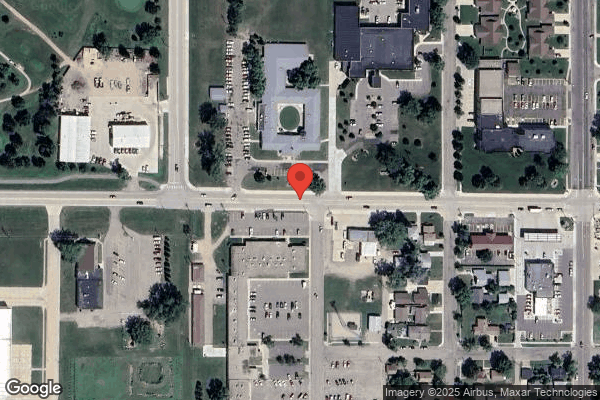
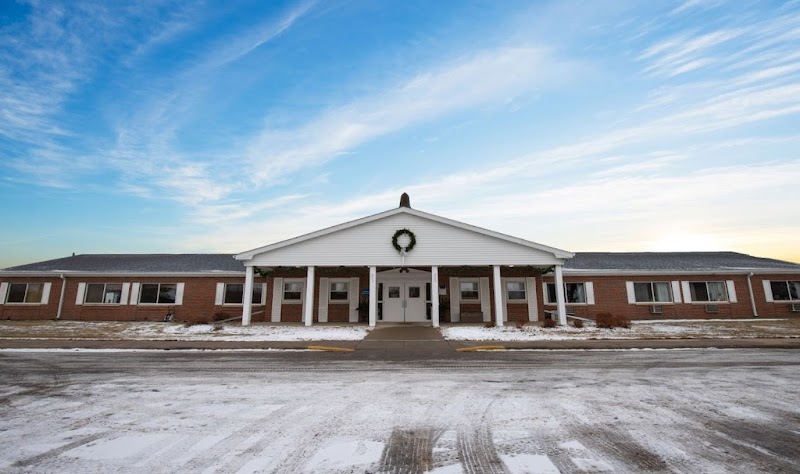
400 8TH AVENUE NW, ABERDEEN, SD 57401 (605) 225-2550
For profit - Limited Liability company 99 Beds EDURO HEALTHCARE Data: November 2025
Trust Grade
90/100
#12 of 95 in SD
Last Inspection: July 2025

Inspected within the last 6 months. Data reflects current conditions.

Overview

Prairie Heights Healthcare in Aberdeen, South Dakota, has received an excellent Trust Grade of A, indicating they are highly recommended and perform well compared to other facilities. They rank #12 out of 95 statewide, placing them in the top half of South Dakota nursing homes, and are the top option out of five in Brown County. The facility is improving, with issues decreasing from four in 2024 to just one in 2025. However, staffing is a concern, with a below-average rating of 2 out of 5 and RN coverage lower than 84% of state facilities, which may impact care. Specific incidents noted include failures in maintaining sanitary conditions in the kitchen and medication administration errors, highlighting areas where improvements are needed despite the overall positive ratings and no fines on record.

Trust Score
A
90/100
In South Dakota
#12/95
Top 12%
Safety Record
Low Risk
No red flags
Inspections
Getting Better
4 → 1 violations
Staff Stability
○ Average
Turnover data not reported for this facility.
Penalties
✓ Good
No fines on record. Clean compliance history, better than most South Dakota facilities.
Skilled Nurses
○ Average
Each resident gets 35 minutes of Registered Nurse (RN) attention daily — about average for South Dakota. RNs are the most trained staff who monitor for health changes.
Violations
✓ Good
Only 5 deficiencies on record. Cleaner than most facilities. Minor issues only.
★★★★★
5.0
Overall Rating
★★☆☆☆
2.0
Staff Levels
★★★★★
5.0
Care Quality
★★★★☆
4.0
Inspection Score
Stable
2024: 4 issues
2025: 1 issues

The Good

  • 5-Star Quality Measures · Strong clinical quality outcomes
  • Full Sprinkler Coverage · Fire safety systems throughout facility
  • No fines on record

Facility shows strength in quality measures, fire safety.

The Bad

Chain: EDURO HEALTHCARE

Part of a multi-facility chain

Ask about local staffing decisions and management

The Ugly 5 deficiencies on record

Jul 2025 1 deficiency
CONCERN (F)

Potential for Harm - no one hurt, but risky conditions existed

Staffing Data (Tag F0851)

Could have caused harm · This affected most or all residents

Based on Payroll Based Journal (PBJ) CASPER (Certification and Survey Provider Enhanced Reporting) reports, interview, and record review, the provider failed to ensure the PBJ data was submitted accur...

Read full inspector narrative →
Based on Payroll Based Journal (PBJ) CASPER (Certification and Survey Provider Enhanced Reporting) reports, interview, and record review, the provider failed to ensure the PBJ data was submitted accurately to the Centers for Medicaid and Medicare Services (CMS) for Federal Fiscal Quarter 2 (January, February, and March 2025). Findings include:1. Interview on 7/29/25 at 4:20 p.m. with administrator A regarding Fiscal Year 2025 Second Quarter (Q2) PBJ data revealed that the data was submitted to the contracted submission company, and there had been an error, but she did not recall what the error was. Follow-up interview on 7/29/25 at 4:59 p.m. with administrator A regarding Fiscal Year 2025 Q2 PBJ data submission confirmed the data submission had not been accepted by CMS due to an error. She indicated that accounting clerk B would be able to provide additional information. Interview on 7/31/25 at 10:28 a.m. with accounting clerk M regarding PBJ data submission revealed she was not aware that the Q2 data for the Federal Fiscal Year 2025 submission to CMS had not been accepted by CMS. Review of the provider's undated PBJ Preparation and Submission Schedule instructions revealed:*PBJ submission due 11:59pm [p.m.] EST [Eastern Standard Time] on the 45th calendar day following the end of the reporting quarter to be considered timely.*The Q2, submission due date was May 15, and was to be submitted in the first week of May to CMS. *Validation Reports were to be provided to the provider by the contracted submission company and were to be reviewed during the second business week of the submission month (at a minimum of 72 hours) before the CMS deadline.
Oct 2024 2 deficiencies
CONCERN (D) 📢 Someone Reported This

A family member, employee, or ombudsman was alarmed enough to file a formal complaint

Potential for Harm - no one hurt, but risky conditions existed

Deficiency F0760 (Tag F0760)

Could have caused harm · This affected 1 resident

**NOTE- TERMS IN BRACKETS HAVE BEEN EDITED TO PROTECT CONFIDENTIALITY** Based on South Dakota Department of Health (SD DOH) complaint online report, interviews, record review, and policy review, the p...

Read full inspector narrative →
**NOTE- TERMS IN BRACKETS HAVE BEEN EDITED TO PROTECT CONFIDENTIALITY** Based on South Dakota Department of Health (SD DOH) complaint online report, interviews, record review, and policy review, the provider failed to keep one of one resident (1) free from a significant medication error when administered an incorrect dose of insulon by director of nursing (B). Findings include: 1. Review of SD DOH 10/4/24 complaint report revealed: *DON B had a major medication error where she gave the incorrect insulin (large dose) to a resident but it was never reported or counted as a medication error. *The complainant identified the resident in this incident as resident 1. 2. Interview on 10/22/24 at 2:40 p.m. with resident 1 revealed: *He had a Brief Interview for Mental Status (BIMS) score 8, which indicated he had moderate cognitive impairment. *He reported that the staff did a good job providing care for him. *He confirmed he was diabetic and required insulin injections. *He was unable to recall ever having any problems getting his insulin. 3. Interview on 10/23/24 at 9:55 a.m. with certified medication aide (CMA) C revealed CMAs did not obtain blood glucose (level of sugar in blood) readings or administer insulin. 4. Interview on 10/23/24 at 3:30 p.m. with director of nursing (DON) B revealed: *She confirmed she made the medication error regardingn resident 1's insulin on 7/6/24 at 9:00 p.m. *She confirmed resident 1 should have been administered 62 units of Lantus (long-acting insulin) insulin, he instead received 55 units of Humalog (fast-acting) insulin. 5. Review of the provider's medication error report dated 7/6/24 at 9:00 p.m. revealed: *The report confirmed that resident 1 received 55 units of Humalog insulin instead of the ordered 62 units of Lantus insulin. *The report indicated a contributing factor to the error was Both Lantus and Humalog pens were stored in the same baggie in the cart with one label. *The report indicated when DON B got a new Lantus insulin pen to prepare to administer the remaining 7 units of resident 1's Lantus insulin, she realized that the insulin pens were two different colors, and identified the medication error had occurred. *The report indicated the on-call provider was called, the Lantus insulin dose was held, and the resident was given a snack. *The report indicated that the resident was not taken to the hospital. 6. Review of resident 1's electronic medical record (EMR) revealed: *Progress note on 7/6/24 at 9:00 p.m., Dr. [name], on call, updated on insulin use and that current blood sugar is 215 with the following orders: Check blood sugars every hour for the next 4 hours, 10 pm, 11 pm, 12 am, and 1 am. Do not give Lantus tonight. Call on call provider again in the am with the 7am blood sugar results to see if added Lantus should be given. Pt [patient] aware, Daughter [name] updated on orders. *On 7/6/24 at 10 p.m., resident 1's blood glucose was 143 milligrams per deciliter (mg/dl). *On 7/6/24 at 11 p.m., resident 1's blood glucose was 115 mg/dl. *On 7/7/24 at 12 a.m., resident 1's blood glucose was 123 mg/dl. *On 7/7/24 at 1 a.m., resident 1's blood glucose was 118 mg/dl. *Resident 1 was given snack as order by on-call physician. -He did not show any signs of hypoglycemia. 7. Review of the providers's September 2014 Insulin administration policy revealed: *Preparation section, number three, The type of insulin, dosage requirements, strength, and method of administration must be verified before administration, to assure that it corresponds with the order on the medication sheet and the physician's order.
CONCERN (E) 📢 Someone Reported This

A family member, employee, or ombudsman was alarmed enough to file a formal complaint

Potential for Harm - no one hurt, but risky conditions existed

Deficiency F0658 (Tag F0658)

Could have caused harm · This affected multiple residents

**NOTE- TERMS IN BRACKETS HAVE BEEN EDITED TO PROTECT CONFIDENTIALITY** Based on the South Dakota Department of Health (SD DOH) complaint report, interview, record review, the provider failed to ensur...

Read full inspector narrative →
**NOTE- TERMS IN BRACKETS HAVE BEEN EDITED TO PROTECT CONFIDENTIALITY** Based on the South Dakota Department of Health (SD DOH) complaint report, interview, record review, the provider failed to ensure services provided for four of four sampled residents (1,2,3,4,) did not meet professional standards by: *Director of nursing (DON) (B) who did not follow the rights of medication administration nor the facility policy for insulin administration when administering insulin to resident 1. *DON B who did not document a wound assessment at the time of completion or identify it as a late entry when it was documented in resident 4's medical record. *Two certified medication aides (CMA) (C and D) who did not remain within their unlicensed but certified skill set. Findings include: Surveyor 50915 1. 4. Interview on 10/23/24 at 3:30 p.m. with director of nursing (DON) B revealed: *She confirmed she made the medication error regarding resident 1's insulin on 7/6/24 at 9:00 p.m. *She confirmed resident 1 should have been administered 62 units of Lantus (long-acting insulin) insulin, he instead received 55 units of Humalog (fast-acting) insulin. 2. Review of the provider's medication error report dated 7/6/24 at 9:00 p.m. revealed: *The report confirmed that resident 1 received 55 units of Humalog insulin instead of the ordered 62 units of Lantus insulin. *The report indicated a contributing factor to the error was Both Lantus and Humalog pens were stored in the same baggie in the cart with one label. *The report indicated when DON B got a new Lantus insulin pen to prepare to administer the remaining 7 units of resident 1's Lantus insulin, she realized that the insulin pens were two different colors, and identified the medication error had occurred. *The report indicated the on-call provider was called, the Lantus insulin dose was held, and the resident was given a snack. *The report indicated that the resident was not taken to the hospital. 3. Review of resident 1's electronic medical record (EMR) revealed: *Progress note on 7/6/24 at 9:00 p.m., Dr. [name], on call, updated on insulin use and that current blood sugar is 215 with the following orders: Check blood sugars every hour for the next 4 hours, 10 p.m., 11 p.m., 12 a.m., and 1 a.m. Do not give Lantus tonight. Call on call provider again in the am with the a.m. blood sugar results to see if added Lantus should be given. Pt [patient] aware, Daughter [name] updated on orders. *On 7/6/24 at 10 p.m., resident 1's blood glucose was 143 milligrams per deciliter (mg/dl). *On 7/6/24 at 11 p.m., resident 1's blood glucose was 115 mg/dl. *On 7/7/24 at 12 a.m., resident 1's blood glucose was 123 mg/dl. *On 7/7/24 at 1 a.m., resident 1's blood glucose was 118 mg/dl. *Resident 1 was given snack as order by on-call physician. -He did not show any signs of hypoglycemia. Review of the SD DOH complaint report dated 10/4/24 revealed: *The complainant wished to remain anonymous. -Director of nursing (DON) B was at a conference but had charted that she completed a wound assessment on resident 4 when she returned from the hospital 9/24/24. -DON B was not in the building at the time that resident returned from the hospital and could not have performed that assessment she documented on. -Certified medication aides completed duties outside their scope of practice. Surveyor 49238 4. Interview on 10/23/24 at 11:19 a.m. with director of nursing (DON) B revealed: *She had gone to a conference but had come back on the 10/24/24 to see resident 2 who had returned from the hospital. -She stated she did not feel she could depend on the nurse who had been working and wanted to see the resident herself. *She had to complete a wound assessment for resident 2 who came back from the hospital with a deep tissue injury on her heel. *She agreed she completed the documentation for that wound assessment the next day remotely. *She agreed she should have charted the wound assessment as a late entry, but she did not. *She stated she would work Monday through Friday from 8:00 a.m. to 4:30 p.m. and sometimes stay until 5:30 p.m. and would chart remotely from home. 5. Review of medication administration records (MARs) revealed: *Certified medication aide (CMA) D had documented antipsychotic medication side effects on 8/8/24 and 8/20/24 for resident 3. *She had documented a pain assessment for resident 4 on 9/6/24. 6. Interview on 10/24/24 at 9:48 a.m. with CMA C revealed: *She stated she had not been trained on how to assess for psychotropic [brain altering medication that treat psychotic conditions such as delusions and hallucinations] medication side effects at this facility but had documented behavior information for the residents she was familiar with. -She charted yes or no answers for residents behaviors. *She stated she assessed residents for their pain level by resident's verbal answers or by the resident's facial expression and then documented their pain level. -She would report pain levels to the nurse that were five out of ten or higher. 7. Interview on 10/24/24 at 11:40 a.m. with DON B regarding CMAs completing pain and psychotropic medication assessments revealed: *DON B admitted that two CMAs (C and D) had documented pain and psychotropic medication assessments, and she had just heard about that from CMA C after her interview with the surveyors. -She said CMA C asked her today if she should have been charting those things and DON B told no. *DON B stated she was not aware they had been doing that and it was not in their scope of practice, but she had instructed them to stop. 8. Review of the providers's September 2014 Insulin administration policy revealed: *Preparation section, number three, The type of insulin, dosage requirements, strength, and method of administration must be verified before administration, to assure that it corresponds with the order on the medication sheet and the physician's order. 9. Review of the provider's medication aide job description dated Qtr 2,2020 revealed: *Administering Medications-Specific to Unlicensed Medication Aides. -20. Medications administration tasks that may not be delegated to unlicensed assistive personnel (Unlicensed Medication Aides) are the following; -6. Exercising of nursing judgement, assessments which would require nursing intervention.
Mar 2024 2 deficiencies
CONCERN (E)

Potential for Harm - no one hurt, but risky conditions existed

Deficiency F0657 (Tag F0657)

Could have caused harm · This affected multiple residents

Based on record review, interview, and policy review, the provider failed to remove outdated code status information (emergent treatment a resident would or would not receive if the heart or breathing...

Read full inspector narrative →
Based on record review, interview, and policy review, the provider failed to remove outdated code status information (emergent treatment a resident would or would not receive if the heart or breathing were to stop) for 9 of 62 resident care plans (1, 5, 6, 18, 21, 32, 35, 41, and 56). Findings include: 1. Review of resident care plans, electronic medical records (EMRs) and resident paper charts for residents 1, 5, 6, 18, 21, 35, 41, and 56 revealed: *Each resident had an active Do Not Resuscitate (DNR) code status in the EMR and paper charts, but the care plans included both Full Code and DNR code statuses. *It appeared as though the above resident's code status was Full Code upon admission to the facility and had since changed to DNR. *The resident's code status changed to DNR on the following dates: -Resident 1 on 5/19/23. -Resident 5 on 1/15/24. -Resident 6 on 3/1/24. -Resident 18 on 7/6/23. -Resident 21 on 11/8/23. -Resident 35 on 11/9/23. -Resident 41 on 6/16/23. -Resident 56 on 2/6/24. *Rather than removing the outdated code status information from the resident's care plans, the provider added the current information at the end of the associated focus area, potentially creating confusion since both code statuses were listed. 2. Review of resident 32's care plan, EMR, and paper chart revealed: *She had an active Full Code status, but her care plan listed both DNR and Full Code. *There was a focus area on her care plan that read, She does not have an advance directive, but her choice is to be a DNR . 2/2/24 [Resident 32] is now a full code. Date initiated: 9/10/23. Revised on 2/8/24. -The associated intervention read, [Resident 32] is a full code. Date initiated and revised on 2/8/24. 3. Interview on 3/6/24 at 9:13 a.m. with registered nurse (RN) F revealed: *Social services handled the beginning of the resident's advanced directives process. *A resident's code status was marked on the outside of their paper charts with a sticker. -A red sticker indicated the resident was DNR, while a blue sticker indicated Full Code. *The first page in a resident's paper chart included their code status paperwork and the physician's orders. *If a resident's code status changed, the care plan should have been updated immediately. Interview on 3/6/24 at 9:22 a.m. with social services designee (SSD) C revealed: *When a resident was admitted , she asked the resident or their representative if they already had advanced directives or a code status in place. *The code status information was included in the social services section of the resident's care plan. *She updated the social service section of the resident's care plan as needed or at least quarterly. -The care plan changes as the resident changes. *If a resident's code status changed, she added the new information to the resident's care plan and included the date which it was changed. *She confirmed she did not remove the outdated code status information from the resident's care plan. *She understood how it might have been confusing to the staff when there were two different code statuses listed. Interview on 3/6/24 at 9:39 a.m. with Minimum Data Set (MDS) coordinator E revealed: *Social services was responsible for including the resident's code status on the care plans. *The resident's care plan was updated at least quarterly. *If a resident's code status changed, the care plan should have been updated immediately. *Her expectation was to remove the old and outdated information from the resident's care plan. *She was not aware the above listed residents had both DNR and Full Code statuses listed on their respective care plans. Interview on 3/6/24 at 9:55 a.m. with director of nursing B revealed: *The resident's care plans were updated at least quarterly. Some resident's care plans were updated daily at the management team's morning meetings. *If a resident's code status changed, the charge nurses were responsible for updating the resident's EMR and paper chart. -Social services was responsible for updating the resident's care plan. *It was her expectation to resolve a care plan focus area rather than continually adding new information to the resident's care plan without removing the old information. -The resolve action would remove the item from the resident's care plan. -If needed, the staff would have been able to see the resolved items in the care plan history review. Interview on 3/7/24 at 9:34 a.m. with administrator A revealed: *She was not aware the above-mentioned resident's care plans had both DNR and Full Code status information. *She stated that having both the outdated and current code status information on the resident's care plan was completely not approved. 4. Review of the provider's undated Advance Directive Policy revealed: *There was no description on expectations for documenting a resident's advance directives or code status choice in their care plan. Review of the provider's March 2022 Care Plans, Comprehensive Person-Centered policy revealed: *Under the section titled Policy Interpretation and Implementation: -10. Assessments of residents are ongoing and care plans are revised as information about the residents and the residents' conditions change. -11. The interdisciplinary team reviews and updates the care plan: a. when there has been a significant change in the resident's condition; b. when the desired outcome is not met; c. when the resident has been readmitted to the facility from a hospital stay; and d. at least quarterly, in conjunction with the required quarterly MDS assessment. *There was no details in the policy for keeping or removing resident's information that was no longer relevant or accurate.
CONCERN (F)

Potential for Harm - no one hurt, but risky conditions existed

Food Safety (Tag F0812)

Could have caused harm · This affected most or all residents

Based on observation, interview, and record review, the provider failed to: *Maintain clean and sanitary conditions of appliances and utensils in one of one kitchen: -Convection oven. -Flattop griddle...

Read full inspector narrative →
Based on observation, interview, and record review, the provider failed to: *Maintain clean and sanitary conditions of appliances and utensils in one of one kitchen: -Convection oven. -Flattop griddle grease trap drawer. -Stovetop backsplash. -Oven doors. -Dishwasher. -Walk-in refrigerator. -Reach-in refrigerator. -Scoop storage in the bulk oats and brown sugar containers. *Maintain the cleanliness of the microwave and sanitary storage under the sink in one of one rehabilitation (rehab) kitchenette. Findings include: 1. Initial kitchen observation on 3/5/24 from 7:45 a.m. to 8:15 a.m. revealed: a. In the convection oven: *Baked-on grease was found inside the doors and along the inner surfaces. *Burnt food particles lined the bottom of the appliance. b. On the Vulcan brand combination gas range/flattop griddle/oven: *Thick, stuck-on grease was found lining the opening to the grease trap drawer on the flattop griddle. -Copious amounts of food particles lined the opening. *There was burnt-on black grease on the backsplash of the gas range. *There was spilled stuck-on grease and grime inside the oven door and on the bottom surface. *There was grease residue and dust buildup on the back of the oven, and on the wires and piping in between the convection oven and the Vulcan oven. c. In the dishwasher: *There was a thick layer of light brown sludge found on the inside of the doors. d. In the walk-in refrigerator: *An unknown sticky substance and food particles were found throughout the refrigerator on the shelves. e. In the reach-in refrigerator: *There was an unknown sticky red substance on the bottom surface. f. In the bulk brown sugar and oats containers: *The serving scoops were stored inside the containers. *Slices of bread were stored in the brown sugar container to prevent moisture and clumping. -There was no sign as to when those slices of bread were placed in the brown sugar container. 2. Observation on 3/5/24 at 8:19 a.m. in the rehab kitchenette revealed: a. In the microwave: *There was food splatter lining the inside of the door and inside surfaces of the appliance. b. In the cupboard beneath the sink: *Unknown particles of either food crumbs or particle board deterioration were found on the bottom surface. *A cutting board was stored in the cupboard. 3. Observation and interview on 3/5/24 at 2:39 p.m. with food services manager (FSM) D revealed: *The rehabilitation and housekeeping departments were responsible for maintaining the cleanliness of the rehab kitchenette. *She provided a cleaning log that showed how often deep cleaning in the kitchen was completed. -The log specified different appliances and areas of the kitchen. -Staff initialed the log once the deep cleaning was completed. *She was unsure how often the storage shelves were cleaned in the walk-in refrigerator. *Degreaser should have been used on grease-prone areas according to the policy. *She was unaware that the dishwasher trapped debris and sludge behind its doors. *She was unaware staff were storing slices of bread in the brown sugar container and immediately removed them. *She confirmed there was an infection prevention risk in storing serving scoops inside the brown sugar and oats containers. 4. Interview on 3/7/24 at 9:17 a.m. with cook G revealed: *Deep cleaning for the stove and ovens was completed once per week. -Spills were cleaned daily. *The griddle was cleaned after each use. *Grease traps were emptied and cleaned daily. -Deep cleaning of the grease traps was completed every other week. *All refrigerators and freezers were deep cleaned weekly. *All preparation surfaces were wiped down daily and after each use. 5. Interview on 3/7/24 at 9:25 a.m. with dietary aide (DA) I revealed: *His cleaning tasks were completed daily. -He had the same tasks each day. *He followed the cleaning log and initialed it when his tasks were completed. 6. Interview on 3/7/24 at 9:33 a.m. with DA H revealed: *Cleaning tasks were completed daily. *Deep cleaning of all hard surfaces was done weekly and as needed. *She followed the cleaning log and initialed it when her tasks were completed. 7. Review of the provider's February 2024 cleaning logs revealed all tasks were signed off as being completed. Review of the provider's 2023 Food Storage policy revealed: *Scoops should be kept covered in a protected area near the containers rather than in the containers. Scoops should be washed and sanitized on a regular basis. *All refrigerators should be kept clean and in good working condition at all times. Review of the provider's 2023 Food Safety - Director of Food and Nutrition Services' Responsibilities policy revealed: *The director of food and nutrition services will be responsible for providing safe foods to all individuals. *Regulatory requirements for food safety and sanitation will be met. *Sanitary conditions will be maintained in the food storage, preparation, and serving areas. Review of the provider's 2023 Cleaning and Sanitation of Dining and Food Service Areas policy revealed: *The food and nutrition services staff will maintain the cleanliness and sanitation of the dining and food service areas through compliance with a written, comprehensive cleaning schedule. *The methods and guidelines to be used and agents used for cleaning shall be developed for each task or piece of equipment to be cleaned. Review of the provider's 2023 Cleaning Instructions: Ovens policy revealed Ovens will be cleaned as needed and according to the cleaning schedule (at least once every two weeks). Spills and food particles will be removed after each use. Review of the provider's 2023 Cleaning Instructions: Microwave policy revealed The microwave oven will be kept clean, sanitized, and odor-free. The microwave oven interior should be cleaned after each use as needed, and at minimum, after each meal service. Review of the provider's 2023 Cleaning Instructions: Refrigerators policy revealed The refrigerators will be cleaned thoroughly inside and outside with a detergent followed by a sanitizer at least once every month or as needed. Spills and leaks will be cleaned as they occur. Review of the provider's 2023 Cleaning Instructions: Ranges/Griddles policy revealed The range/griddle will be cleaned after each use. Spills and food particles will be wiped up as they occur.
Understanding Severity Codes (click to expand)
Life-Threatening (Immediate Jeopardy)
J - Isolated K - Pattern L - Widespread
Actual Harm
G - Isolated H - Pattern I - Widespread
Potential for Harm
D - Isolated E - Pattern F - Widespread
No Harm (Minor)
A - Isolated B - Pattern C - Widespread

Questions to Ask on Your Visit

  • "Can I speak with families of current residents?"
  • "What's your RN coverage like on weekends and overnight?"

Our Honest Assessment

Strengths
  • • Grade A (90/100). Above average facility, better than most options in South Dakota.
  • • No major safety red flags. No abuse findings, life-threatening violations, or SFF status.
  • • No fines on record. Clean compliance history, better than most South Dakota facilities.
  • • Only 5 deficiencies on record. Cleaner than most facilities. Minor issues only.
Concerns
  • • No significant concerns identified. This facility shows no red flags across CMS ratings, staff turnover, or federal penalties.
Bottom line: Generally positive indicators. Standard due diligence and a personal visit recommended.

About This Facility

What is Prairie Heights Healthcare's CMS Rating?

CMS assigns PRAIRIE HEIGHTS HEALTHCARE an overall rating of 5 out of 5 stars, which is considered much above average nationally. Within South Dakota, this rating places the facility higher than 99% of the state's 100 nursing homes. This rating reflects solid performance across the metrics CMS uses to evaluate nursing home quality.
How is Prairie Heights Healthcare Staffed?

CMS rates PRAIRIE HEIGHTS HEALTHCARE's staffing level at 2 out of 5 stars, which is below average compared to other nursing homes.

What Have Inspectors Found at Prairie Heights Healthcare?

State health inspectors documented 5 deficiencies at PRAIRIE HEIGHTS HEALTHCARE during 2024 to 2025. These included: 5 with potential for harm.
Who Owns and Operates Prairie Heights Healthcare?

PRAIRIE HEIGHTS HEALTHCARE is owned by a for-profit company. For-profit facilities operate as businesses with obligations to shareholders or private owners. The facility is operated by EDURO HEALTHCARE, a chain that manages multiple nursing homes. With 99 certified beds and approximately 61 residents (about 62% occupancy), it is a smaller facility located in ABERDEEN, South Dakota.

How Does Prairie Heights Healthcare Compare to Other South Dakota Nursing Homes?

Compared to the 100 nursing homes in South Dakota, PRAIRIE HEIGHTS HEALTHCARE's overall rating (5 stars) is above the state average of 2.7 and health inspection rating (4 stars) is above the national benchmark.

What Should Families Ask When Visiting Prairie Heights Healthcare?

Based on this facility's data, families visiting should ask: "Can you walk me through typical staffing levels on day, evening, and night shifts?" "Can I visit during a mealtime to observe dining assistance and food quality?" "How do you handle medical emergencies, and what is your hospital transfer rate?" "Can I speak with family members of current residents about their experience?" These questions are particularly relevant given the below-average staffing rating.

Is Prairie Heights Healthcare Safe?

Based on CMS inspection data, PRAIRIE HEIGHTS HEALTHCARE has a clean safety record: no substantiated abuse findings (meaning no confirmed cases of resident harm), no Immediate Jeopardy citations (the most serious violation level indicating risk of serious injury or death), and is not on the Special Focus Facility watch list (a federal program monitoring the lowest-performing 1% of nursing homes). The facility has a 5-star overall rating and ranks #1 of 100 nursing homes in South Dakota. While no facility is perfect, families should still ask about staff-to-resident ratios and recent inspection results during their visit.

Do Nurses at Prairie Heights Healthcare Stick Around?

PRAIRIE HEIGHTS HEALTHCARE has not reported staff turnover data to CMS. Staff turnover matters because consistent caregivers learn residents' individual needs, medications, and preferences. When staff frequently change, this institutional knowledge is lost. Families should ask the facility directly about their staff retention rates and average employee tenure.

Was Prairie Heights Healthcare Ever Fined?

PRAIRIE HEIGHTS HEALTHCARE has no federal fines on record. CMS issues fines when nursing homes fail to meet care standards or don't correct problems found during inspections. The absence of fines suggests the facility has either maintained compliance or corrected any issues before penalties were assessed. This is a positive indicator, though families should still review recent inspection reports for the full picture.

Is Prairie Heights Healthcare on Any Federal Watch List?

PRAIRIE HEIGHTS HEALTHCARE is not on any federal watch list. The most significant is the Special Focus Facility (SFF) program, which identifies the bottom 1% of nursing homes nationally based on persistent, serious quality problems. Not being on this list means the facility has avoided the pattern of deficiencies that triggers enhanced federal oversight. This is a positive indicator, though families should still review the facility's inspection history directly.