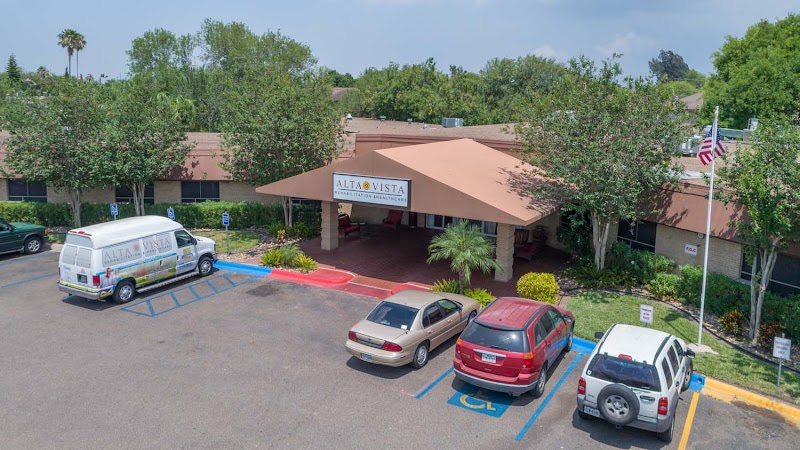
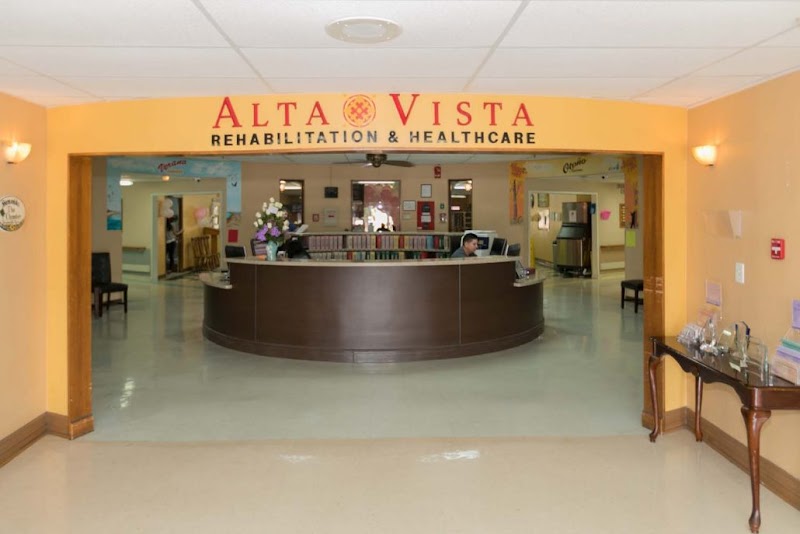
ALTA VISTA REHABILITATION AND HEALTHCARE

510 PAREDES LINE RD, BROWNSVILLE, TX 78521 (956) 546-5358
For profit - Corporation 100 Beds THE ENSIGN GROUP Data: November 2025 4 Immediate Jeopardy citations
Trust Grade
15/100
#390 of 1168 in TX
Last Inspection: August 2024

Within standard 12-15 month inspection cycle. Federal law requires annual inspections.

Overview

Families considering Alta Vista Rehabilitation and Healthcare should be aware that the facility has received a Trust Grade of F, indicating significant concerns regarding care quality. Ranked #390 out of 1,168 facilities in Texas, they are in the top half, but this does not reflect well due to the poor trust grade. The facility shows an improving trend, with issues decreasing from 6 in 2024 to just 1 in 2025, but they still have critical incidents that raise alarms. Staffing has a rating of 2 out of 5, which is below average, but the turnover rate of 35% is better than the state average, suggesting some staff stability. However, they have received concerning fines totaling $23,735 and have less RN coverage than 83% of Texas facilities, which could impact the quality of care. Specific incidents include severe medication errors that were not handled correctly, as well as failures to notify physicians about significant changes in residents' conditions, which could lead to serious health risks. While the facility has strengths in some areas, these critical incidents and overall trust grade indicate families should proceed with caution.

Trust Score
F
15/100
In Texas
#390/1168
Top 33%
Safety Record
High Risk
Review needed
Inspections
Getting Better
6 → 1 violations
Staff Stability
○ Average
35% turnover. Near Texas's 48% average. Typical for the industry.
Penalties
✓ Good
$23,735 in fines. Lower than most Texas facilities. Relatively clean record.
Skilled Nurses
⚠ Watch
Each resident gets only 14 minutes of Registered Nurse (RN) attention daily — below average for Texas. Fewer RN minutes means fewer trained eyes watching for problems.
Violations
⚠ Watch
16 deficiencies on record. Higher than average. Multiple issues found across inspections.
★★★☆☆
3.0
Overall Rating
★★☆☆☆
2.0
Staff Levels
★★★★★
5.0
Care Quality
★★☆☆☆
2.0
Inspection Score
Stable
2024: 6 issues
2025: 1 issues

The Good

  • 5-Star Quality Measures · Strong clinical quality outcomes
  • Full Sprinkler Coverage · Fire safety systems throughout facility
  • No fines on record
  • Staff turnover below average (35%)

    13 points below Texas average of 48%

Facility shows strength in quality measures, fire safety.

The Bad

3-Star Overall Rating

Near Texas average (2.8)

Meets federal standards, typical of most facilities

Staff Turnover: 35%

10pts below Texas avg (46%)

Typical for the industry

Federal Fines: $23,735

Below median ($33,413)

Minor penalties assessed

Chain: THE ENSIGN GROUP

Part of a multi-facility chain

Ask about local staffing decisions and management

The Ugly 16 deficiencies on record

4 life-threatening
Aug 2025 1 deficiency
CONCERN (D) 📢 Someone Reported This

A family member, employee, or ombudsman was alarmed enough to file a formal complaint

Potential for Harm - no one hurt, but risky conditions existed

Assessment Accuracy (Tag F0641)

Could have caused harm · This affected 1 resident

**NOTE- TERMS IN BRACKETS HAVE BEEN EDITED TO PROTECT CONFIDENTIALITY** Based on observation, interviews, and record review, the facility failed to ensure the assessment accurately reflected the resid...

Read full inspector narrative →
**NOTE- TERMS IN BRACKETS HAVE BEEN EDITED TO PROTECT CONFIDENTIALITY** Based on observation, interviews, and record review, the facility failed to ensure the assessment accurately reflected the resident's status for 2 (Resident #1 and Resident #2) of 11 residents reviewed for accuracy of assessments. The facility failed to ensure Resident #1's fall on [DATE] was accurately coded in the MDS assessment.The facility failed to ensure Resident #2's fall on [DATE] was accurately coded in the MDS assessment.This failure could place residents at risk of improper or incorrect care and services necessary for their physical, mental, and psychosocial well-being. The findings included:1. Record review of Resident #1's face sheet dated [DATE] reflected the resident was an [AGE] year-old male who was admitted to the facility on [DATE] with diagnoses that included: cerebral infarction (stroke), muscle weakness, Alzheimer's disease (decline in memory, thinking, and behavior), heart disease, contractures of right knee/left knee, and other lack of coordination. Record review of Resident #1's MDS assessment dated [DATE] reflected Resident #1 did not have a BIMS conducted as he was rarely/never understood. Resident #1's fall (with no injury) on [DATE] was not reflected or coded in section J: health conditions - falls. No falls since previous quarterly MDS assessment noted.Record review of Resident #1's care plan dated [DATE] reflected [Resident #1] was at risk for falls due to poor safety awareness and impaired cognition related to dementia. [Resident #1] had bilateral lower extremities contractures which increased his risk due to poor posture, poor trunk control, and had a tendency to lean forward while up in the wheelchair. Date initiated: [DATE]. Record review of Resident #1's progress note dated [DATE] at 11:30 AM reflected informed [Resident #1] had fallen at dining room. Immediately walked to back of dining room where I noted locked wheelchair facing back window. Noted [Resident #1] face on floor with active bleeding to front forehead. Neck stabilized. [Resident #1] turned on his back, has contractures to bilateral lower extremities. Noted laceration approximately 3.5 centimeters long applied pressure, site covered with dry dressing. [Resident #1] conscious at all times, eyes opened. Neuro check done. [Resident #1] non-verbal, usual for him, no deviation from his norm. Neck stabilized during transfers and placed back to bed. At 11:39 AM, MD called with new order transfer [Resident #1] to the hospital for evaluation and treatment. At 11:40 AM, ambulance was called for emergency transfer. At 11:55 AM, hospital was called and gave report. Ambulance arrived to facility and transported [Resident #1] to the hospital. At 12:10 PM, RP called and informed of change of condition. Thanked for calling and verbalized understanding. Documented by LVN A. 2. Record review of Resident #2's face sheet dated [DATE] reflected the resident was a [AGE] year-old male who was admitted to the facility on [DATE] with diagnoses that included: Parkinson's disease (brain disorder that affects movement and causes tremors, stiffness, and slowness), Alzheimer's disease (decline in memory, thinking, and behavior), epilepsy (seizures), cerebral infarction (stroke), depression, muscle weakness, and other lack of coordination. Resident #2 expired on [DATE].Record review of Resident #2's MDS assessment dated [DATE] reflected Resident #2 had a BIMS score of 4, indicating severe cognitive impairment. Resident #2's fall (with a major injury) on [DATE] was not reflected or coded in section J: health conditions - falls. No falls since previous quarterly MDS assessment noted.Record review of Resident #2's care plan dated [DATE] reflected [Resident #2] was at risk for falls related to Parkinson's disease, unsteady gait, history of falls, poor balance, and behavior of not calling for assistance by using the call light. Date initiated: [DATE]. [Resident #2] had a fracture to right wrist related to a fall and was at risk for pain, discomfort, and limited range of motion to right upper extremity. Date initiated: [DATE].Record review of Resident #2's progress note dated [DATE] at 12:36 AM reflected CNA responding to call light. Noted [Resident #2] on the floor in sitting position next to bed. CNA called this nurse to room. Upon entering room, noted [Resident #2] sitting next to bed on floor and urine on floor under resident. [Resident #2] stated he was attempting to go to the bathroom but lost his balance and slid off bed to floor. No hematomas or skin tears noted. [Resident #2] was able to move extremities X 4, however, stated right wrist hurts a little. Pain medication given at this time. [Resident #2] did not use call light to call for assistance. Roommate put on call light. Educated [Resident #2] on calling for help but [Resident #2] used poor judgement and was forgetful. Assisted back to bed and incontinent care was rendered. Documented by LVN B. On [DATE] at 10:40 AM, an attempted interview and observation with Resident #1, revealed he was not interviewable. Resident #1 did not answer baseline questions or questions related to the incident. Resident #1 laid in bed with the call light within reach. There were no safety concerns and the bed was at its lowest position. Resident #1 appeared with good personal hygiene, no injury, and not in distress.On [DATE] at 11:20 AM, an attempted telephone interview with LVN A, revealed he did not answer. A message was left requesting a callback. No callback was received. On [DATE] at 3:10 PM, in an interview with LVN B, she said she recalled the CNAs were rounding and called LVN B because Resident #2 was sitting on the right side of his bed and the wheelchair was on his left side. LVN B said, that day (did not recall date or time), Resident #2 stated he was going to the restroom, but did not get there in time and urinated. LVN B said Resident #2 said he slipped and he was sitting on the urine. LVN B said Resident #2 said his hand hurt so they got him back to bed and instructed him not to move his hand. LVN B said she propped and iced Resident #2's hand, called the MD, and the MD ordered x-rays. LVN B said Resident #2 had a history of falls as he did not like to ask for help and would say he could do things on his own. LVN B said Resident #2 had Parkinson's so he had tremors and they constantly re-educated him on using his call light, but he was also very forgetful and tried to get up without asking for help. LVN B said the bed was always in its lowest position before the fall, and LVN B said she did not recall what interventions were added afterwards. LVN B said when there was a fall, the DON updated the care plan. On [DATE] at 3:50 PM, in an interview MDS F, she said she reviewed the MDS assessments for Resident #1 and Resident #2 and the falls were not coded correctly for the residents' MDS assessments. MDS F said the fall on [DATE] for Resident #1 should have been coded yes on the following MDS assessment on [DATE] as section J1800 of the MDS assessment asked if the resident had any falls since the prior assessment. MDS F added Resident #2' s fall on [DATE] should have been coded yes on MDS assessment dated [DATE] as section J1800 asked if resident had any falls since prior assessment. MDS F said there was no negative outcome to the residents, and they would not be at risk of harm or injury as the falls were care planned and interventions were implemented after each incident for every fall. MDS F said it was still important for the MDS to be accurate. On [DATE] at 5:30 PM, in an interview with the DON, she said Resident #1 had a fall on [DATE] and he had no injury. The DON said Resident #2 had a fall on [DATE] which resulted in a fracture to his right wrist (serious injury). The DON said when a fall happened, she reviewed, and she was usually the one who wrote and updated the care plans. The DON said if MDS assessments did not capture the fall, it did not affect the care because herself or the team would have updated the care plan and implemented interventions. The DON said not capturing the falls on the MDS assessments, did not affect the payment, but rather it would just not be coded correctly. Record review of the facility's Resident Assessment and Associated Processes policy dated 01/2022 reflected - Policy: It is the policy of this facility that resident's will be assessed and the findings documented in their clinical health record. The comprehensive assessment includes the completion of the MDS as well as the Care Area Assessment process. An accurate comprehensive assessment will include special treatments and procedures. Record review of CMS's RAI Version 3.0 Manual dated 10/2024 reflected section J:J1700: Fall History on Admission/Entry or ReentryPlanning for Care: Determine the potential need for further assessment and intervention, including evaluation of the resident's need for rehabilitation or assistive devices. Evaluate the physical environment as well as staffing needs for residents who are at risk for falls. J1800: Any Falls Since Admission/Entry or Reentry or Prior Assessment - Has the resident had any falls since admission/entry/reentry or the prior assessment, whichever is more recent.
Aug 2024 5 deficiencies
CONCERN (D)

Potential for Harm - no one hurt, but risky conditions existed

Comprehensive Care Plan (Tag F0656)

Could have caused harm · This affected 1 resident

**NOTE- TERMS IN BRACKETS HAVE BEEN EDITED TO PROTECT CONFIDENTIALITY** Based on observation, interview, and record review the facility failed develop and implement a comprehensive person-centered car...

Read full inspector narrative →
**NOTE- TERMS IN BRACKETS HAVE BEEN EDITED TO PROTECT CONFIDENTIALITY** Based on observation, interview, and record review the facility failed develop and implement a comprehensive person-centered care plan for each resident, consistent with resident needs, that includes measurable objectives and time frames to meet residents' physical needs for 2 (Resident #48 and #225) of 24 residents reviewed for comprehensive person-centered care plans. The facility failed to ensure: 1. Resident #225's care plan developed on 8/2/2024 reflected oxygen use. 2. to develop a comprehensive person-centered care plan for Resident #48 addressing the oxygen therapy. This deficient practice could place residents in the facility at risk of not being provided with the necessary care or services and not having personalized plans developed to address their specific needs. The Findings included: 1. Record review of the Face Sheet dated 8/19/24 for Resident # 225 revealed the resident was a [AGE] year old male admitted to the facility on [DATE] with the following diagnoses: respiratory failure, sleep apnea, aortic valve stenosis (a heart valve disease in which the valve between the lower left heart chamber and the body's main artery is narrowed and doesn't open fully which reduces or blocks blood flow from the heart to the aorta and to the rest of the body), cerebrovascular disease (a condition that affects the blood vessels of the brain and cerebral circulation), type 2 diabetes mellitus, hypertension, and morbid obesity. Record review of the Doctor's Order Summary dated 8/19/24 revealed Resident # 225 was prescribed O2 at 4LPM via Nasal Cannula as needed for shortness of breath, respiratory distress, cyanosis (bluish or purplish discoloration of the skin), labored breathing related to severe aortic stenosis. Record review of the MAR dated 8/19/24 revealed an order for Resident #225 to receive O2 at 4L/MIN via nasal cannula as needed for shortness of breath, respiratory distress, cyanosis (bluish or purplish discoloration of the skin), labored breathing r/t severe aortic stenosis. Record review of the Care Plan dated 8/2/24 for Resident #225 revealed oxygen was not care planned. Observation on 8/19/24 at 2:36 PM, revealed Resident #225 in the dining area with O2 via nasal cannula set between 2.5 and 3 LPM. Resident noted with a slight cough lasting a couple of seconds. Interview on 8/20/24 at 2:30 PM, the ADON said the MDS nurses complete the care planning for oxygenation use. She said the MDS nurses that updates care planning. She said that if it dealt with antibiotics, weights, falls or other incidents/accidents she or the DON may complete the care plans, but the bulk of it were completed by MDS. Interview on 8/20/24 at 3:25 PM, the MDS/RN verified the oxygen order for Resident #225 on PCC. She stated O2 at 4 liters per minute via nasal cannula as needed for shortness of breath, respiratory distress, cyanosis, labored breathing r/t severe aortic stenosis for Resident #225. She stated that the order was an as needed order. She stated that she was responsible for updating Resident #225's care plan. She stated that she got a list from the DON yesterday to update the oxygen care plans. She stated that the negative effect for not having the oxygen care planned was that the residents can go into hypoxia, respiratory distress, and altered mental status. Interview on 8/20/24 at 3:40 PM, the DON confirmed that Resident #225 did not have the oxygen care planed. She stated that the MDS nurses are responsible for updating the care plans. If MDS were out, then she is responsible to update the MDS. 2. Record review of Resident #48's electronic facility face sheet dated 8/22/24, revealed she was an [AGE] year-old female admitted to the facility on [DATE], original admission date of 01/20/2023 with diagnoses of Cerebral Infarction (stoke), Dementia (group of thinking and social symptoms that interferes with daily functioning) and Hypertension (high blood pressure). Record review of Resident #48's quarterly MDS assessment dated [DATE] revealed: BIMS score of 0 indicated Resident #48 cognition was severely impaired. Received Oxigen therapy while a resident. Record review of Resident #48's comprehensive person-centered care plan dated 5/30/24 revealed it did not have focus, goals, or intervention in place to address oxygen therapy. Record review of Resident #48's physician orders dated 08/16/24 for Oxygen treatment revealed Oxygen at 4L/min continuous via nasal cannula every shift for dry cough/hypoxemia. Observation on 08/19/24 at 02:36 PM Resident #48, who was non interviewable in her room was lying down, with oxygen via nasal cannula. During an interview on 08/20/24 at 03:24 PM with MDS/RN, stated she takes care of overseeing Medicaid residents, and her coworker was assigned to Medicare patients. She stated that she was the one responsible for updating Resident's #48's care plan. She stated she got a list from DON yesterday to update the oxygen care plans. MDS/RN stated the negative effect for not having the oxygen care planned were that the residents can go into hypoxia, respiratory distress, and altered mental status. During an interview on 08/20/24 at 03:40 PM with the DON confirmed that Resident #48 did not have the oxygen therapy care plan. She stated that MDS are responsible for updating the care plans. If MDS were out, then she will update them-. She stated they have four residents who are on oxygen. The doctor recently put her on oxygen due to cough and congestion and was told to monitor, then discontinue. Record review of the Comprehensive Person-Centered Policy dated December 2023 read in part .A comprehensive, person-centered care plan for each resident that includes measurable objectives and timeframe to meet a resident medical, nursing, mental, and psychosocial needs that are identified in the comprehensive assessment. The IDT team will also develop and implement a baseline care plan for each resident, within 48 hours of admissions, that includes minimum healthcare information necessary to properly care for each resident and instructions needed to provide effective and person-centered care that meet professional standards of quality care.
CONCERN (D)

Potential for Harm - no one hurt, but risky conditions existed

Deficiency F0657 (Tag F0657)

Could have caused harm · This affected 1 resident

**NOTE- TERMS IN BRACKETS HAVE BEEN EDITED TO PROTECT CONFIDENTIALITY** Based on observation, interview and record review, the facility failed to ensure the comprehensive care plan was reviewed and re...

Read full inspector narrative →
**NOTE- TERMS IN BRACKETS HAVE BEEN EDITED TO PROTECT CONFIDENTIALITY** Based on observation, interview and record review, the facility failed to ensure the comprehensive care plan was reviewed and revised by the interdisciplinary team after each assessment including both the comprehensive and quarterly review assessments, person-centered care plan to reflect the current condition for 1 of 4 residents (Resident #18) reviewed for care plan revisions. The facility failed to ensure Resident #18's care plan was updated to reflect the Oxygen order effective 07/30/2024. This failure could place residents at risk of not receiving appropriate interventions to meet their current needs. The findings included: Record review of Resident #18's face sheet dated 08/19/2024 revealed resident was an [AGE] year-old female with an admission date of 08/03/2024 and an initial admission date of 01/07/2024. Resident #18's relevant diagnoses included: respiratory failure (difficulty to breath), vascular dementia (brain damage caused by multiple strokes), congestive heart failure (a disorder caused by a decrease in the heart's ability to pump blood), and end stage renal disease (a condition in which the kidneys lose the ability to remove waste and balance fluids.) Record review of Resident #18's quarterly MDS assessment dated [DATE] reflected a BIMS score of 08, indicating her cognition was moderately impaired. Record review of Resident #18's physician order dated 07/30/2024 indicated O2 at 2L/Min continuous. Record review of Resident #18's quarterly comprehensive care plan dated 08/15/2024 reflected: Focus: [Resident #18] has oxygen therapy r/t ineffective gas exchange, SOB. Date initiated 05/22/2024 and revised on 05/23/2024. Intervention: oxygen settings: O2 via nasal prongs @ 4 L continuously, date initiated: 05/22/2024, date created on 03/22/2024. An observation on 08/19/2024 at 11:15 a.m., Resident #18 was sitting in her wheelchair, she was receiving oxygen therapy via nasal cannula. This surveyor observed Resident #18's oxygenator set at 3 LPM. An interview on 08/19/2024 at 11:16 a.m., Resident #18 said she required continuous oxygen therapy to help with her shortness of breath . An interview and observation on 08/19/2024 at 11:31 a.m., LVN C was observed checking Resident #18's oxygen setting and stated it was set at 3 LPM. He then was observed checking Resident #18's electronic medical record and said she had an oxygen order for 2 LPM via nasal cannula. LVN C said he did not think Resident #18 sustained any negative effects of not receiving the prescribed oxygen setting. LVN C said nursing staff should monitor oxygen settings one time per shift. He said his shift started at 6 a.m. and he had not yet checked Resident #18's oxygen settings. LVN C said the DON and/or ADON provided an in-service on oxygen administration at least once a year or as needed to nursing staff. An interview and observation on 08/20/2024 at 3:25 p.m. the MDS/RN was observed checking Resident #18's electronic medical record and said her care plan reflected an intervention of oxygen therapy at 2 LPM with a revision date of 08/19/2024. The MDS/RN said the DON had given her a list of residents that needed their care plan updated on 08/19/2024 afternoon and Resident #18 was one of them. The MDS/RN said she was not able to say if Resident #18 sustained any negative effects for not receiving the correct order of oxygen rate via nasal cannula because at one point she had an order for 4 LPM. The MDS/RN said it was her responsibility to update residents care plans and MDS. An interview on 08/20/2024 at 3:35 p.m., the DON said she was told by LVN C that Resident #18's oxygen setting was correct and that her care plan did not reflect the correct O2 rate. The DON said she immediately did a head-to-toe assessment on Resident #18 and concluded she was not in any type of distress. The DON said she also called Resident #18's NP to inform him Resident #18 was receiving the incorrect O2 therapy and her findings of her head-to-assessment. She said the NP did not give any new orders. The DON said she had given MDS/RN a list of residents that needed to have their care plans updated in the afternoon of 08/19/2024 and Resident #18 was one of them. The DON said negative effects of not receiving the correct O2 rate could be too much oxygen in her brain. The DON said Resident #18's care plan should be updated on the day she received the new O2 order to avoid any confusion. Record review of facility's Comprehensive Care Plans, Updating revised on 02/2022 reflected: Policy: It is the policy of this facility to notify update the comprehensive care plan when: . Notifications: b. The facility will update the comprehensive care plan after each change in condition or when there is a change with the resident's care.
CONCERN (D)

Potential for Harm - no one hurt, but risky conditions existed

Deficiency F0726 (Tag F0726)

Could have caused harm · This affected 1 resident

**NOTE- TERMS IN BRACKETS HAVE BEEN EDITED TO PROTECT CONFIDENTIALITY** Based on observations, interviews, and record reviews the facility failed to ensure that nurses were able to demonstrate compete...

Read full inspector narrative →
**NOTE- TERMS IN BRACKETS HAVE BEEN EDITED TO PROTECT CONFIDENTIALITY** Based on observations, interviews, and record reviews the facility failed to ensure that nurses were able to demonstrate competency in skills and techniques to provide nursing and related services for 1 of 2 residents (Resident #48) by 1 of 2 nurses (LVN A) reviewed for competent staff, in that: LVN A failed to check G-tube residual prior to administering medication for Resident #48. This failure could place residents at risk for not receiving nursing services by adequately trained and licensed nurses and could result in a decline in health. The findings included: Record review of Resident #48's electronic face sheet dated 8/21/2024 reflected she was admitted to the facility on [DATE] with the following diagnoses: moderate protein-calorie malnutrition, dysphagia (swallowing difficulties), and gastrostomy status (an opening into the stomach from the abdominal wall and a tube is inserted to allow air and fluid to leave the stomach and can be used to give drugs and liquids, including liquid food to the patient) and other lack of coordination. Record review of Resident #48's quarterly MDS assessment dated [DATE] reflected her cognitive skills for daily decision making were severely impaired and that she is rarely/never understood. She was dependent on staff with all her with ADL's. She had a swallowing disorder and a feeding tube for nutritional approaches. Record review of Resident #48's comprehensive person-centered care plan dated 05/30/2024 reflected Resident #48 required tube feeding r/t resisting eating, weight loss, NPO (nothing by mouth) diet. Interventions included: Check for tube placement and gastric contents/residual volume per facility protocol and record. Hold feed if greater than 150ML re-instill and notify MD for additional orders. Date Initiated: 08/20/2024. Record review of Resident #48's order summary dated 8/21/24 reflected the following order: Donepezil HCl Oral Tablet 5 MG (Donepezil Hydrochloride) Give 1 tablet via G-Tube one time a day for Alzheimer's. Record review of Resident #48's MAR dated 8/21/24 reflected the following order: Donepezil HCl Oral Tablet 5 MG (Donepezil Hydrochloride) Give 1 tablet via G-Tube one time a day for Alzheimer's. Order Date: 05/11/2023 2334. On 8/20/24 at 3:31 PM observation of Med Pass of LVN A revealed she did not check for residual prior to administering medication. On 8/20/24 at 3:40 PM interviewed LVN A and she said that she had not check for residual for resident #48 prior to administering the medication, she checked for placement using her stethoscope and syringe with air. She said that the orders do not say to check for residual prior to medication administration. She said that the orders only showed to check for residual prior to feeding. On 8/21/24 at 8:40 am interviewed RN (PRN). She said that prior to administering medications via g-tube for a resident, she always checked for residual by aspirating gastric contents using a syringe. She said that if residual was more than 150 mL, she must hold medication and notify MD for further orders. She said that if they did not checked residuals, a resident may have too much residual and may vomit up the medications and make them ineffective. On 8/21/24 at 8:50 am interviewed DON. She said that nurses must check for residual prior to administering medications via g-tube. If less than 150 mL, residual is returned. If greater than 150 mL, hold medication and notify MD for further orders. The DON said that nurses were trained and checked off on that skill upon hire and annually. She said that they recently had an in-service in June 2024. Record review of Skills competency checklist - Enteral Med Pass dated 6/14/24 revealed LVN A was evaluated and checked off on the skills needed to complete enteral med pass to include: 21. Checks tube placement by auscultation and aspiration and 23. Checks gastric residual and notifies physician appropriately if any abnormalities. Record review of the facility's Medication Administration via Feeding Tube policy revised 12/2023 revealed: Policy It is the policy of this facility to ensure that medications administered via feeding tube are administered safely and accurately. A physician's order is required for the administration of any medication via feeding tube. Guidelines 12. Check for correct placement of feeding tube prior to administration of medication. Procedure 12. Check for proper placement of the feeding tube.
CONCERN (D)

Potential for Harm - no one hurt, but risky conditions existed

Food Safety (Tag F0812)

Could have caused harm · This affected 1 resident

**NOTE- TERMS IN BRACKETS HAVE BEEN EDITED TO PROTECT CONFIDENTIALITY** Based on observation, interview, and record review, the facility failed to store, prepare, distribute, and serve food in accorda...

Read full inspector narrative →
**NOTE- TERMS IN BRACKETS HAVE BEEN EDITED TO PROTECT CONFIDENTIALITY** Based on observation, interview, and record review, the facility failed to store, prepare, distribute, and serve food in accordance with professional standards or food service safety for 1 of 3 mini refrigerators reviewed for sanitation in that: The facility failed to ensure the food items in Resident # 39's mini refrigerator were labeled and dated. This failure could place residents at risk of foodborne illnesses. The findings included: Record review of Resident #39's face sheet dated August 20, 2024, reflected resident was an [AGE] year-old male with an admission date of 11/10/2024 and an initial date of 04/11/2018. Resident #39's relevant diagnoses included chronic obstructive pulmonary disease (a group of lung diseases that block airflow and make it difficult to breath), dementia (a loss of brain function that worsens over time and affects memory, thinking, behavior, and language), and end stage renal disease (a condition in which the kidneys lose the ability to remove waste and balance fluids.) Record review of Resident #39's quarterly MDS assessment dated [DATE] reflected he had a BIMS score of 05, which indicated his cognition was severely impaired. An observation on 08/20/2024 at 9:00 a.m., Resident #39 had a mini refrigerator on his side of the room. With his permission, this surveyor opened the mini refrigerator and observed one squared plastic container with a red lid that contained a brown substance. The clear container was not labeled or dated. Also in the mini refrigerator were 12 mini round containers with a green and red substance in them that were not labeled or dated. In an interview on 08/20/2024 at 9:10 a.m., Resident #39 said he was a dialysis patient and one of the things he liked to eat after dialysis were beans. He identified the brown substance in the squared clear container with a red lid as beans and salsa in the mini round containers. He said his daughter brought them on August 19, 2024 (evening). Resident #39 said nursing staff would often check inside his mini refrigerator. In an interview on 08/21/2024 at 1:50 p.m., the Dietary Manager said there were 3 residents in the facility who had mini refrigerators in their rooms. The Dietary Manager said he was pretty sure when a family member brought outside food, it would first be given to the resident's charge nurse to determine if it was something the resident could eat. He said if the food was approved then it would be taken to the resident to consume. The Dietary Manager said the resident's charge nurse was supposed to label and date all outside food. The Dietary Manager said all food should be labeled and dated to prevent any illnesses. An interview on 08/21/2024 at 1:59 p.m., the front Receptionist said if a family member brought in outside food, she would take the food to the resident's charge nurse. She said once she took the food items to the resident's charge nurse they would take over. The front Receptionist said the facility did not keep a log of outside food brought in by family members. An interview and observation on 08/21/2024 at 2:05 p.m., LVN C, said if a family member brought in any outside food, the front Receptionist would take it to the resident's charge nurse. He said the Charge Nurse responsibility were to check if the outside food was within the resident's diet plan. If approved, LVN C said the Charge Nurse would label and date the food and take it to the resident. He said the resident was allowed 8 hours to eat any outside food or it would be disposed. LVN C said the purpose of labeling the food was for the facility to have control in preventing stomach infections. An interview on 08/21/2024 at 2:13 p.m., the DON said when a family member brought in outside food, the front Receptionist would take the food and hand it over to the resident's charge nurse. She said the Charge Nurse would check what it was and would make sure it was within the resident's diet plan. She said if it's something the resident can eat, then the food was taken to the resident. She said it as at that time that the outside food should be labeled and dated by the Charge Nurse. The DON said the facility also has angel rounds. She said each hall was assigned a person to make daily rounds to the residents in that hall and one of the things they were supposed to check for were to make sure any outside food (in the room or mini refrigerator) were labeled and dated. The DON said during the angel rounds, any food that was found in the resident's room/mini refrigerator that was not labeled or dated should be discarded to avoid any illnesses. The DON said Resident #39's angel was the Business Office Coordinator. An interview on 08/21/24 at 2:49 p.m., the Business office Coordinator said she was in charge of Resident #39's hall and would conduct angel rounds every day before 11:00 a.m. She said one of her responsibilities during an angel rounds would be to check their rooms for any outside food. She said if any outside food were found in the room or in their mini refrigerator, she would make sure it was labeled and dated and if it wasn't she would dispose it. She said on Monday, August 19, 2024, she said she checked Resident #39's mini refrigerator and did not see any outside food. She said on Tuesday, August 20, 2024, she saw one clear container with a red lid that was not labeled or dated. She said she intended to put a label and date it but got occupied. She said she saw it again on Wednesday, August 21, 2024, and thought to myself I needed to throw out the beans but forgot about it. She said on Tuesday August 20, 2024, she called Resident #39's daughter and asked her if she had brought in any outside food (beans), and she said yes that she had brought them in the evening of Monday, August 19, 2024. The Business Office Coordinator said the purpose of labeling and dating all outside food was to prevent the food from going bad and causing upset stomach. An interview on 08/21/2024 at 3:05 p.m., the Administrator said when a family member bought in any outside food they would check in with the Front Receptionist and the front receptionist would take the food the resident's charge nurse. She said the Charge Nurse would check the resident's diet to see if it were something the resident could eat. She said if the Charge Nurse approved it, the outside food would be taken to the resident. The Administrator said if the resident did not finish the food, the CNAs would ask the Charge Nurse to label and date it. The Administrator said during the angel rounds they should check inside the refrigerator to make all food was labeled and dated. She said if any food was found not labeled or dated it should be discarded. She said, normally the food in the refrigerator was kept for 72 hours or sooner. The Administrator said the negative effects of food not labeled and dated would be that the facility would not know how long the food had been sitting there. Record review of the facility's Food Brought by Family or Visitor revised on 10/2007 reflected: Policy: It is the policy of this facility that food(s) brought to a resident by family/visitor must be inspected before being provided to the resident . 5. Non-perishable foods permitted to be retained in the resident's room must be stored in plastic containers with tight-fitting lids, except fresh fruit. Perishable foods must be destroyed daily.
CONCERN (E)

Potential for Harm - no one hurt, but risky conditions existed

Respiratory Care (Tag F0695)

Could have caused harm · This affected multiple residents

**NOTE- TERMS IN BRACKETS HAVE BEEN EDITED TO PROTECT CONFIDENTIALITY** Based on observation, interview, and record review, the facility failed to ensure that a resident who needed respiratory care re...

Read full inspector narrative →
**NOTE- TERMS IN BRACKETS HAVE BEEN EDITED TO PROTECT CONFIDENTIALITY** Based on observation, interview, and record review, the facility failed to ensure that a resident who needed respiratory care received such care consistent with professional standards of practice for 3 of 4 residents (Resident #225, Resident #18, and Resident 48) reviewed for respiratory care. The facility failed to ensure: 1. Resident #225 received oxygen at the prescribed rate. Resident #225 received oxygen at a rate less than prescribed. 2. Resident #18's oxygen was administered at 3 Lpm instead of 2 Lpm via nasal cannula as ordered by physician. 3. Resident #48 's oxygen was administered at 3.5 Liters Per Minute instead of 4 Liters Per Minute via nasal cannula as ordered by the physician. This failure could place residents who receive respiratory care at risk of developing respiratory complications and a decreased qualify of care. The findings included: 1. Record review of the Face Sheet dated 8/19/24 for Resident # 225 revealed the resident was a [AGE] year old male admitted to the facility on [DATE] with the following diagnoses: respiratory failure, sleep Apnea, aortic valve stenosis (a heart valve disease in which the valve between the lower left heart chamber and the body's main artery is narrowed and doesn't open fully which reduces or blocks blood flow from the heart to the aorta and to the rest of the body), cerebrovascular disease (a condition that affects the blood vessels of the brain and cerebral circulation), type 2 diabetes mellitus, and hypertension. Record review of the Care Plan dated 8/2/24 for Resident #225 revealed oxygen was not care planned. Record review of the Doctor's Order Summary dated 8/19/24 revealed Resident # 225 was prescribed O2 at 4LPM via Nasal Cannula as needed shortness of breath, respiratory distress, cyanosis, labored breathing related to severe aortic stenosis. Record review of the MAR dated 8/19/24 revealed an order for Resident #225 to receive O2 at 4L/MIN via nasal cannula as needed for shortness of breath, respiratory distress, cyanosis (bluish or purplish discoloration of the skin), labored breathing r/t severe aortic stenosis. Observation and interview on 8/19/24 at 2:36 PM, Resident #225 was in the dining area with O2 via nasal cannula set between 2.5 and 3 LPM. Resident was noted with a slight cough lasting a couple of seconds. Resident did not have other symptoms. Resident #225 was asked if he felt ok by this surveyor, and he nodded yes. He nodded no when this surveyor asked if he had shortness of breath or difficulty breathing. Interview on 8/19/24 at 2:55 PM, LVN B confirmed Resident #225's order reflected O2 at 4 LPM via nasal cannula as needed. She said that all nurses were responsible for ensuring O2 rates were set correctly. LVN B assessed Resident #225's flow rate and she said it was at 3 LPM. LVN B said that if a resident is receiving less oxygen than prescribed by the MD, the resident could desaturate (have a low blood oxygen saturation). LVN B stated that it was her responsibility to check oxygen rates when she comes on shift. LVN B said that she did not check Resident #225's oxygen rate this morning. Interview on 8/20/24 at 2:30 PM, the ADON said that training for oxygen administration was shared between herself, the DON, and respiratory. The ADON said during training, they instruct nurses how to check the level of the oxygen by ensuring that the ball was in the center of the line. The ADON said a resident could have respiratory distress if receiving less than ordered by the MD, but that they could also experience nothing adverse. Interview on 8/20/24 at 3:40 PM, the DON stated that the charge nurse was responsible for checking the O2 setting every shift and as needed. The DON said that they have four residents who are on oxygen. The DON said that she, the ADON, and the MDS/RN check the oxygen residents early in the morning before 5:30 am. The DON said that they check the setting and if the equipment has been changed. She said that their respiratory therapist came about a month ago to train staff and that she comes every 6 months to give us a training. The DON said that they also train and in service clinical staff quarterly. She said that staff was trained on how to do a respiratory assessment and O 2 saturations. She said that they also take a course, and that they train the licensed staff. She stated the negative outcome of oxygen setting not being correct was the resident can have altered mental status. The DON completed an assessment on Resident #225 and said that he was not supposed to be wearing the oxygen and that the doctor mentioned he needed to start using his lungs. 2. Record review of Resident #18's face sheet dated 08/19/2024 revealed resident was an [AGE] year-old female with an admission date of 08/03/2024 and an initial admission date of 01/07/2024. Resident #18's relevant diagnoses included: respiratory failure (difficulty to breath), vascular dementia (brain damage caused by multiple strokes), congestive heart failure (An older term for heart failure, a disorder caused by a decrease in the heart's ability to pump blood. Congestive heart failure referred specifically to the type of heart failure associated with the accumulation of excess fluid in the lungs or extremities). Record review of Resident #18's quarterly MD'S assessment dated [DATE] reflected a BIMS score of 08, indicating her cognition was moderately impaired. Record review of Resident #18's physician order dated 07/30/2024 O 2 at 2/Min continuous. Record review of Resident #18's quarterly comprehensive care plan dated 08/15/2024 reflected: Focus: [Resident #18] has oxygen therapy R/T ineffective gas exchange, SOB. Date initiated 05/22/2024 and revised on 05/23/2024. Intervention: oxygen settings: O 2 via nasal prongs @ 4 AL continuously, date initiated: 05/22/2024, date created on 03/22/2024. An observation on 08/19/2024 at 11:15 a.m., Resident #18 was sitting in her wheelchair, she was receiving oxygen therapy via nasal annular. This surveyor observed Resident #18's oxygenate set at 3 LP. An interview on 08/19/2024 at 11:16 a.m., Resident #18 said she required continuous oxygen therapy to help with her shortness of breath. An interview and observation on 08/19/2024 at 11:31 a.m., [NAME] AC was observed checking Resident #18's oxygen setting and stated it was set at 3 LP. He then was observed checking Resident #18's electronic medical record and said she had an oxygen order for 2 LP via nasal annular. [NAME] AC said he didn't think Resident #18 sustained any negative effects of not receiving the prescribed oxygen setting. [NAME] AC said nursing staff should monitor oxygen settings one time per shift. He said his shift started at 6 a.m. and he had not yet checked Resident #18's oxygen setting. [NAME] AC said the DON and/or ADN provide in-service on oxygen administration at least once a year or as needed to nursing staff. An interview and observation on 08/20/2024 at 3:25 p.m. the MD'S/RN was observed checking Resident #18's electronic medical record and said her care plan reflected an intervention of oxygen therapy at 2 LP with a revision date of 08/19/2024. MD'S/RN said the DON had given her a list of residents that needed their care plan updated on 08/19/2024 afternoon and Resident #18 was one of them. MD'S/RN was not able to say if Resident #18 sustained any negative effects for not receiving the correct order of oxygen rate via nasal cannula. MDS/RN said it was her responsibility to update residents care plans and MDS. An interview on 08/20/2024 at 3:35 p.m. the DON said she was told by LVN C that Resident #18's oxygen setting was receiving the correct O2 and that her care plan did not reflect the correct O2 rate. The DON said she immediately did a head-to-toe assessment on Resident #18 and concluded she was not in any type of distress. The DON said she also called Resident #18's NP to inform him Resident #18 was receiving the incorrect O2 therapy and her findings of her head-to-assessment. She said the NP did not give any new orders. The DON said she had given MDS/RN a list of residents that needed to have their care plans updated in the afternoon of 08/19/2024 and Resident #18 was one of them. The DON said negative effects of not receiving the correct O2 rate could be too much oxygen in her brain. The DON said nursing staff are supposed to check a resident's oxygen setting one time every shift and they can do it anytime during their shift. The DON said she and the ADON conduct in-service on oxygen administration one a year or as needed. 3. Record review of Resident #48's electronic facility face sheet dated 8/22/24, revealed she was an [AGE] year-old female admitted to the facility on [DATE], original admission date of 01/20/2023 with diagnoses of Cerebral Infarction, Dysphagia Gastrostomy status, Muscle weakness, Dementia (group of thinking and social symptoms that interferes with daily functioning), Parkinson's Disease, and Hypertension (high blood pressure). Record review of Resident #48's quarterly MDS assessment dated [DATE] revealed she scored a 0 on her BIMS score indicating her cognition was severely impaired. Record review of Resident #48's comprehensive person-centered care plan dated 5/30/24 revealed it did not have focus, goals, or intervention in place to address oxygen therapy. Record review of Resident #48's physician orders for Oxygen treatment revealed Oxygen at 4L/min continuous via nasal cannula every shift for dry cough/hypoxemia. Observation on 08/19/24 at 02:36 PM Resident #48, revealed the oxygen setting on the oxygen concentration machine to be at 3.5L/min. During an interview and observation on 08/19/24 at 02:53 PM with LVN B, stated she was the nurse for Resident #48. She walked with the surveyor to Resident #48's room and verified oxygen setting at 3.5 Liters. She stated she was responsible for checking the oxygen setting. She stated she switched out the humidifier this morning and it must have moved. She stated she checks oxygen setting every time she goes in the room. She confirmed that Resident #48 oxygen setting physician order was written for 4 liters. LVN B stated the ADON or DON check the oxygen settings as well. She stated that they had already done rounds when she got here this morning at around 6:40 am. She stated the negative effect was that Resident #48 can desaturate. She stated in-services for oxygen and nebulizers are done every quarterly. During an interview on 08/20/24 at 03:40 PM with DON, stated the charge nurse was responsible for checking the oxygen setting every shift and as needed. She stated that she, along with the ADON, and MDS/RN check the resident's oxygen early in the morning before 5:30 am. They are checking the oxygen setting and if the equipment has been changed. They check them daily. The doctor recently put her on oxygen due to cough and congestion and was told to monitor, then discontinue. She did an assessment on Resident #48. The respiratory therapist came about a month ago to train staff. The respiratory therapist comes every six months to give them training. They also train and in service clinical staff quarterly. They were trained on how to do a respiratory assessment and oxygen saturation. She stated they have four residents who are on oxygen. She stated the negative outcome of the oxygen setting not being correct was the resident can have altered mental status. Record review of the Oxygen Administration policy date revised 7/2019 revealed: Policy It is the policy of this facility that oxygen therapy is administered, as ordered by the physician or as an emergency measure until the order can be obtained. Purpose The purpose of the oxygen therapy is to provide sufficient oxygen to the blood stream and tissues. Procedure 10. Turn the unit on to the desired flow rate, and assess equipment for proper functioning: . 13. Reassess oxygen flowmeter for correct liter flow.
Jul 2024 1 deficiency
CONCERN (D) 📢 Someone Reported This

A family member, employee, or ombudsman was alarmed enough to file a formal complaint

Potential for Harm - no one hurt, but risky conditions existed

Report Alleged Abuse (Tag F0609)

Could have caused harm · This affected 1 resident

**NOTE- TERMS IN BRACKETS HAVE BEEN EDITED TO PROTECT CONFIDENTIALITY** Based on interview and record review, the facility failed to ensure that all alleged violations involving neglect, were reported...

Read full inspector narrative →
**NOTE- TERMS IN BRACKETS HAVE BEEN EDITED TO PROTECT CONFIDENTIALITY** Based on interview and record review, the facility failed to ensure that all alleged violations involving neglect, were reported immediately to the State Survey Agency, not later than 24 hours if the events that cause the allegation do not involve abuse and do not result in serious bodily injury, for 1 of 4 residents (Resident #1) reviewed for abuse/neglect. The facility failed to report allegations made by one CNA about another CNA of verbal and physical resident abuse. This failure could place all residents at increased risk for potential abuse to unreported allegations of abuse and neglect. The findings included: Record review of Resident #1's admission Record dated 07/31/24, revealed a [AGE] year-old male, admitted to facility on 12/22/23, and discharged on 01/10/24 to home. Resident #1's diagnoses included: Sepsis (a life-threatening emergency that happens when the body's immune system has an extreme response to an infection causing organ dysfunction. The body's reaction causes damage to its own tissues and organs, and it can lead to shock, multiple organ failure and sometimes death, especially if not recognized early and treated promptly), need for assistance with personal care, and mild cognitive impairment of uncertain or unknown origin. Record review of Resident #1's admission MDS dated [DATE] revealed a BIMS score of 08, indicating moderate impaired cognition. Record review of Resident Interviews for Abuse on 01/04/24 revealed Resident #1 denied any abuse from CNA A or CNA B during the provider investigation. No other resident or staff member alleged abuse by CNA B. Record review of Provider Investigation Report, page 7, dated 01/09/24, revealed the incident took place on 01/02/24 at 07:30 a.m. The intake was dated 01/04/24, for when the incident took place and was reported by DON D. In an interview on 07/31/24 at 12:15 pm the Administrator stated that she was on vacation when CNA A stated CNA B abused Resident #1 on 01/02/24. The administrator said DON D, who was here at the time, did not report the allegation of abuse to State, but she (administrator) did as soon as she came back. The administrator stated DON D resigned shortly after that. The administrator stated she knew it was a reportable, but she did not know about it until she came back from vacation, and she reported it then. In a telephone interview on 07/31/24 at 02:45 pm CNA B stated, that day (01/02/24), Resident #1 was very anxious and in and out of bed. CNA B stated she and another CNA, CNA A, got the Hoyer (mechanical lift), and put him back to bed. CNA B stated CNA A seemed really tired and said she (CNA A) wanted to just leave the resident on the floor and not put him back in the bed because he was just going to get back out of bed, but CNA B said they could not do that and they put him back to bed. They changed him and gave report (reporting to the oncoming shift of each resident and how they were and any changes with residents). It was the end of their (CNA A and CNA B) shift. DON D called her (CNA B) later and asked CNA B what had happened. CNA B stated she was suspended for four days. CNA B stated they investigated and interviewed co-workers and residents about abuse from her or anyone else. CNA B said after four days, they called her and told her everything was good and she could come back to work. CNA B stated when she came back, CNA A was not there anymore. CNA B stated she did not know why CNA A made that report (allegations of verbal and physical abuse with Resident #1) on her because she (CNA B) would not hurt or abuse anyone. CNA B stated if she notices any changes on a resident, she reports to the nurse immediately and documents in the computer. CNA B stated if she finds a resident on the floor, she reports to the nurse and puts it in the computer. CNA B stated she reported Resident #1 being on the floor to LVN C, but she also is no longer working at the facility. Review of facility's Reporting Alleged Violations of Abuse, Neglect, Exploitation or Mistreatment dated 11/17 Reviewed/Revision 12/2023, revealed: Policy: It is the policy of this facility that each resident has the right to be free from abuse, neglect, misappropriation of resident property, exploitation, and mistreatment. This includes but is not limited to freedom from corporal punishment, involuntary seclusion and any physical or chemical restraint not required to treat the resident's medical symptoms. Residents must not be subjected to abuse by anyone, including, but not limited to, Facility staff, other residents, consultants or volunteers, staff of other agencies serving the resident, resident representatives, families, friends, or other individuals. If there is an allegation or suspicion of abuse, the facility will make a report to the appropriate agencies as designated by State and Federal laws. Procedure: 1.In response to allegations of abuse, neglect, exploitation, or mistreatment, the Facility will: a. Ensure that all alleged violations involving abuse, neglect, exploitation, or mistreatment, including injuries of unknown source and misappropriation of resident property, are reported immediately but: - Not later than two (2) hours after the allegation is made if the events that cause the allegation involves abuse or results in serious bodily injury - Not later than twenty-four (24) hours if the events that cause the allegation does not involve abuse and does not result in serious bodily injury 2. Ensure that all alleged violations involving abuse, neglect, exploitation or mistreatment, including injuries of unknown source and misappropriation of resident property, are reported to: a. The Administrator of the Facility b. The State Survey Agency c. Adult Protective Services (as appropriate)
Sept 2023 4 deficiencies 3 IJ
CRITICAL (J) 📢 Someone Reported This

A family member, employee, or ombudsman was alarmed enough to file a formal complaint

Immediate Jeopardy (IJ) - the most serious Medicare violation

Notification of Changes (Tag F0580)

Someone could have died · This affected 1 resident

**NOTE- TERMS IN BRACKETS HAVE BEEN EDITED TO PROTECT CONFIDENTIALITY** Based on observation, interview, and record review the facility failed to immediately inform the resident, consult with the resi...

Read full inspector narrative →
**NOTE- TERMS IN BRACKETS HAVE BEEN EDITED TO PROTECT CONFIDENTIALITY** Based on observation, interview, and record review the facility failed to immediately inform the resident, consult with the resident physician, and notify the resident's representative when there was a significant change in the resident's physical mental or psychological status for 1 of 5 residents (Resident #1) reviewed for notification of change of condition. The facility failed to notify the resident's physician when R#1's abnormal skin condition was identified on 09/09/23. R#1 was transferred to the hospital with acute ischemia for impending loss of limb or possible placement in hospice. This failure could affect residents with acute ischemia by placing them at risk of delay medical treatment, hospitalization, decline in condition, and death. This failure resulted in an identification of an Immediate Jeopardy (IJ) on 09/19/23 at 6:10 pm. The facility remained out of compliance at a severity level of actual harm that is not immediate jeopardy and a scope of isolated. The findings included; Record review of the admission record for Resident #1 dated 09/15/23 reflected Resident #1 was a [AGE] year-old female that was admitted to facility on 03/17/21 with the diagnosis of diabetes mellitus (sustained blood sugar levels), cognitive communication deficit (memory loss), need for assistance for personal care and hypertensive heart disease (complication of high blood pressure) without heart failure. Record review of the quarterly MDS dated [DATE] reflected Resident #1's cognitive status was severely impaired, required extensive assistance by two persons for bed mobility, transfers, dressing and toilet use. Record review of the care plans dated 12/03/21 for Resident #1 reflected those resident needs included assistance with activities of daily living, transfer, toileting, and bed mobility. Interventions included required skin inspection, observe for redness, open areas, scratches, cuts, bruises, and report to the nurse. Interview on 09/19/23 at 1:15 pm with CNA G revealed she had worked on Resident#1's hall on 09/08/23 from 10:00 pm to Saturday 09/09/23 at 6:00 am. CNA G said while changing Resident #1's brief she noticed Resident #1 had about a two-inch dark discoloration on resident's left inner thigh. CNA G said she reported the discoloration to RN A right away at approximately 6:00 am at the end of her shift on 09/09/23. RN A came to assess Resident #1 right away. CNA G said she knew it was her responsibility to report any abnormal skin conditions to the charge nurse immediately. Interview on 09/15/23 at 4:46 pm with RN A revealed that CNA G had informed her on 09/09/23 at about 6:00 am at the end of both of their shifts, from 10:00 pm to 6:00 am that while changing the resident CNA G noticed Resident #1 had a medium size purple discoloration to the resident's left inner thigh. RN A said she was at the end of her shift and did not complete a change of condition as needed or called her Director of Nurses as per protocol. RN A said she did not complete the 24-hour report (computerized form) and print the general notes (24-hour report) as she should have done to communicate to incoming shift in the Resident #1's hall binder because she forgot. RN A said she thought she had verbally communicated to LVN B when LVN B came into his shift on 09/09/23 regarding of the discoloration to Resident #1. RN A said LVN B was coming into his shift on 09/09/23 and she did not remember what time he came to his shift on 09/09/23. RN A said she had made a documentation on her progress notes on 09/09/23 at 6:11 a.m. RN A said she thought she had called Resident #1's physician to ask for orders that addressed the disocloration on Resident #1. Review of R#1's progress notes dated 09/09/10 at 6:11 am reflected RN A had been notified by CNA G that Resident #1 had medium dark discoloration to her inner thigh. Record review on 09/15/23 of Resident#1's clinical records revealed no change of condition had been completed or evidence in the 24-hour report. Interview on 09/15/23 at 5:22 pm with LVN B revealed he worked on Saturday 09/09/23 from 10:30 am to 7:00 pm on Resident #1's hall. LVN B said he did not recall RN A telling him that Resident #1 had a discoloration to her left inner thigh. LVN B said he did not see any change of condition or general notes (24-hour report) completed for this discoloration on Resident #1. LVN B said he had not looked at the progress notes completed by RN A for Resident #1 on 09/09/23 because he would not open the progress notes for all his residents but would look for a change of condition or general notes on the binder for Resident #1. LVN B said he did not go to monitor or assess Resident #1's discoloration because he did not know this information. LVN B said none of the CNAs working in this hall had reported anything to him. Interview on 09/15/23 at 2:00 pm with CNA J revealed she provided care to Resident #1 on Saturday 09/09/23 from 6:00 am to 2:00 pm. CNA J said she did not see any discoloration on Resident #1's left inner thigh or on her feet. CNA J said she had not provided care to Resident #1 again until 09/11/23 when she was told by CNA K that Resident #1 had left foot discolorations found on 09/10/23. CNA J said she was told that LVN B already knew about the discoloration on 09/11/23. Interview on 09/15/23 at 5:12 pm with CNA L said she provided care to Resident #1 on 09/09/23 from 6:00 am to 2:00 pm. CNA L said Resident #1 up did want to get up from bed during her shift. During incontinent care, she did not see if Resident #1 had a pink discoloration on her left inner thigh. CNA L said she thought that charge nurse LVN B knew about the discoloration and did not report it to LVN B. CNA L said she was off from work on 09/10/23. Interview on 09/18/23 at 3:05 pm with LVN C revealed she worked on Resident #1's hall from 7:00 pm to 10:00 pm on 09/09/23. When she came into her shift, LVN B did not mention that Resident #1 had discoloration. LVN C said she did not see a change of condition or general notes for Resident #1, so she did not monitor or assess Resident #1's discoloration on her left inner thigh. Interview on 09/15/23 at 5:52 pm with LVN F revealed she worked on Saturday 09/09/23 from 10:30 pm to 6:30 am Sunday morning. LVN F said she did not see any change of condition report or general notes (24-hour report) on Resident #1's discoloration. LVN F said she did not monitor or assess Resident #1's discoloration during her shift on 09/09/23. Interview on 09/18/23 at 2:20 pm with LVN B revealed he worked on Sunday 09/10/23 from 6:30 am to 3:00 pm and LVN C took over his shift from 3:00 pm to 10:00 pm. LVN B said he did not go monitor or assess Resident #1's left leg discoloration during this shift because he had not seen a change of condition. Interview on 09/19/23 at 1:59 pm with CNA H revealed she said she reported to LVN C at about 9:00 pm on 09/10/23 that Resident #1 had medium dark purplish discoloration to the top of the left foot and close to the toes. The rest of the left extremity did not have any discoloration. CNA H said she had not noticed any discoloration on Resident #1's inner left inner thigh. Interview on 09/18/23 at 3:05 pm with LVN C revealed she worked from 3:00 pm to 10:00 pm on Sunday 09/10/23. LVN C said at about 9:00 pm CNA H came to report that Resident #1 had dark discoloration from her left toes up to below her knee. LVN C said she went to assess, completed a change of condition, and called Resident #1's Nurse Practitioner and got orders for an x-ray and doppler test. LVN C said she also called Resident #1's family members and was able to contact them. Record review of the x-rays for left foot report for Resident #1 dated 09/11/23 reflected no acute fracture or discoloration of the left foot, left knee, or left toes. Record review of the radiology report dated 09/11/23 for Resident #1 reflected the procedure completed was for extremity veins US-Unilateral Lower. This report reflected DVT in the left lower extremity. Interview on 09/15/23 at 11:23 am with RN D revealed Resident #1 was sent to her physician's office for evaluation of left lower extremity on 09/11/23. RN D said Resident #1 came back to facility with orders from physician. Record review of Clinical Referral (doctor's orders) for Resident #1, dated and signed by Resident #1's physician on 09/11/23 reflected resident was sent for checkup due to purple /maroon discoloration to left foot calf and inner aspect of knee-cold to touch. Unknown days with acute ischemia lower leg, unknown if femoral or popliteal, impending loss of limb. Diagnosis: acute ischemia (restriction in blood supply to any tissue, muscle group, or organ of the body causing a shortage of oxygen that is needed) with orders that included need immediate communication with family for decision on hospitalization versus hospice. Record review of Progress Note dated 09/11/23 by RN D reflected Resident # 1 came back from doctor's office with order for Eliquis (anti-coagulant used to treat and prevent blood clots and to prevent stroke) 5 mg twice of day. Interview on 09/15/23 at 11:34 am with Social Worker revealed she attempted to call Resident #1's family members on 09/12/23 and was able to reach Resident #1's family member. The Social Worker informed the family member about the physician's recommendation so they could make a decision as soon as possible. Interview on 09/18/23 at 1:44 pm with RN A revealed she had not completed the change of condition form for Resident #1 on 09/09/23. She was going to clock out of her shift, and she forgot to complete the change of condition for Resident #1. RN A said after she was notified by the CNA G on 09/09/23 she went to assess the discoloration on Resident #1 and did not document any information on the assessment becsue she forgot. RN A said she thought she had called Resident #1's Nurse Practitioner but did not get a response from the Nurse Practitioner. RN A said she did not document she had called the resident's Nurse Practitioner on any notes. RN A said she had documented on progress notes on 09/09/23 at 6:11 am that a CNA had informed her that Resident #1 had a discoloration on her left inner thigh. RN A said she had not called Resident #1's FM M. Interview on 09/14/23 at 2:29 pm with Resident #1's FM M revealed the facility had not contacted them on 09/09/23 when Resident #1 was noted with discoloration on her inner thigh. FM M said she was not contacted until 09/10/23 in the evening when it the nurse called her to inform her that Resident #1 now had dark purplish color on her left toes. Interview on 09/19/2 9:39 am with Resident #1's nurse practitioner revealed she had not received any calls relating to Resident #1's change of condition on 09/09/23 or any other call during that weekend. Nurse Practitioner said the facility should have called her to report the discoloration so she could address immediately what seemed to be circulation issues on resident's left leg and provide interventions such as doppler tests or pain medications depending on the information she would have received. Interview on 09/19/23 at 2:34 pm with Resident #1's physician revealed if the staff at the facility had reported the discoloration when it was identified on 09/09/23 the progression of the occlusion of oxygen would have been addressed as soon it was identified. Resident #1's physician said after he was notified on 09/10/23 at about 9:00 pm, his office gave orders for doppler test and x-rays to address the discoloration. The tests were not able to be completed until Monday 09/11/23 and then he was able to have the resident sent to his office for evaluation. The physician said he reviewed the x-rays with negative findings of fracture and the doppler tests that indicated resident had DVT to left lower extremity. The physician said he ordered Eliquis to help prevent blood clots and waiting for Resident #1's family to be notified by facility staff whether they would decide on sending Resident #1 who was [AGE] years old for amputation or to place resident in hospice while at the facility. The family member was not contacted until Tuesday 09/12/23 and the resident was sent to the hospital. The physician said there was not reversible procedure that could have been done for the resident's diagnosis of acute ischemia. Interview on 09/18/23 at 2:20 pm with LVN B revealed when an abnormal condition was identified on any resident, nurses were required to assess the concern, complete a change of condition form, call the physician, notify family members, the DON and complete progress notes and link to the 24-hour report to communicate to all staff the change of condition. Interview on 09/18/23 at 2:42 pm with the DON revealed RN A did not complete the COC form, document on the general notes (24-hour report), notify the resident's physician, notify the family members and the DON as required. The DON said when RN A identified the dark discoloration on Resident #1 on 09/09/23 at about 6:00 am, RN A should have completed the Change of Condition form, documented on the general notes (24-hour report) and called the resident's physician and also informed the DON about the discoloration on Resident #1's inner thigh. The DON said this failure placed Resident #1 of not receiving immediate care to the diagnosis of acute ischemia as per Resident #1's physician. Record review of the hospital records for Resident #1 reflected Resident #1 was admitted to the hospital on [DATE]. Resident presented to the emergency room for evaluation of left ischemic limb x 3 days and has gotten worse. Patient was started with Eliquis at the nursing home yesterday with improvement. Patient left leg is red and purplish, very poor circulation in the left limb. Patient was clear with significant perioperative morbidity and mortality during surgery and eventually surgery recommended amputation below the knee on the left side. Family members and patient decided on their free will to pursue conservative management and palliative care. Patient will be discharged back to nursing home. Record review of the facility policy in section Quality of Care, titled Significant Change in Condition, Response dated 12/2022 reflected It is the policy of this facility to ensure each resident receives quality of care and services to attain and maintain the highest practicable physical and mental and psychosocial well-being in accordance with the interdisciplinary comprehensive assessment and plan of care. If at any time, it is recognized by any one of the team members that the condition or care needs of the resident have changed, the Licensed Nurse or Nurse Supervisor should be made aware. The nurse will perform and document an assessment of the resident and identify need for additional interventions, considering implementation of existing orders or nursing interventions or through communication with the resident's provider using SBAR or similar process to obtain new orders or interventions. The nurse will communicate the change to other departments as appropriate and updated communications will be available during morning reports. An Immediate Jeopardy was identified on 09/19/23. The Immediate Jeopardy template was provided to the facility Administrator on 09/19/23 at 6:10 pm. While the Immediate Jeopardy was removed on 09/22/23 at 11:57 a.m., the facility remained out of compliance pending approval of Plan of Correction. F580 Notification of Change Plan of Removal September 19,2023 This plan of removal is written and submitted on behalf of in response to the citation and findings related to F580 for failure to ensure each resident receives quality of care and services to attain and maintain the highest practicable physical, mental, and psychological well-being in accordance with the interdisciplinary comprehensive assessment and plan of care. This deficient practice was identified during a complaint visit survey conducted on 9/15/2023. 9-19-2023 Per IJ template, facility failed to notify the residents physician when R#1 abnormal skin condition was identified on 09/09/23. Immediate Action 1. Medical Director on 9-19-23. 2. Residents #1, is no longer in the facility. 3. IDT consisting of DON, MDS, Infection Preventionist, Director of Rehab, RN clinical resource to Audit all residents with skin condition, current care plan, Braden scores to identify high risk residents that may develop skin issues and verify notification to MD this will be completed on 9-19-2023. 4.In-service/Education begun for Nurses and CNAs by DON on reporting all identified skin issues to the Director of Nursing immediately. In-service will be completed 9/20/23. Inservice/Education initiated with all staff on change of condition recognition, reporting and monitoring. 09/20/2023 Any employee not in facility will receive in service via phone, any employee who has not received in service will not be allowed to work until in service has been received. In-service will be general and resident specific. 5.All staff will complete competency on change of condition initiated 09/19/2023.This training and competencies will be completed in-person with all staff prior to the start of their next shift. A member of management will be at the facility at each change of shift to ensure all staff complete training prior to going to work on the floor. Staff will not be allowed to work unless they have completed the training and competency checks. This training will also be included in the new hire orientation and will be included for any PRN staff prior to starting work on the floor. These staff will not be allowed to work unless they have received their training and knowledge check. 8.All residents will have a head-to-toe assessment completed on 9/19/23, any resident identified with skin issue will have MD notified immediately and orders put in place 9. QA meeting regarding items in the IJ template completed 09/19/2023. Attendees included the Medical Director, Clinical Resource, Administrator, DON, ADON, Clinical Resources, Market Leader, and Clinical Market Leader, and included the plan of removal items and interventions. 10.The DON, ADON, QA Nurse, or Clinical Resource will verify staff competency by various change in condition scenarios with knowledge checks with a random 5 nurses per week x 2 weeks then, a random 5 nurses every 2 weeks x 2 months then a random 5 nurses per month on going. 11.Summary of IJ and corrective action to be reviewed by QAPI Committee weekly x 4 weeks or until substantial compliance established and continue monthly for 90 days to ensure ongoing compliance. Monitoring of the POR included the following; Observations with the Wound Treatment Nurse/LVN on 09/16/23 revealed 6 residents identified with COC on the Skin. No further concerns were noted on these residents upon observation. Staff on interviewed from the shift of 6:00 am to 2:00 pm included six CNAs, two LVNs, one RN, one speech therapist, one ADON, and two med aides. Staff interviewed from the shift of 2:00 pm to 10:00 pm included eight CNAs, and two LVNS. Staff interviewed from the shift of 10:00 pm to 6:00 am included four CNA and three of three LVNS. All staff interviewed revealed they had been in-serviced on COC, Resident Rights, Quality of Care/Treatment, Nursing Services. Reporting, documenting, notifying and verifying the COC made. Staff interviews were conducted on 09/21/23 from 8:33 am to 3:39 pm. Reviewed In-service records dated 09/15/23, 09/16/23, 09/17/23, 09/18/23, 09/19/23 and 09/20/23 on topics: Nursing Services, Changes of Condition, Quality of Care, Resident Rights, with Validation of Topics reviewed for each staff in-serviced. The in-services reflected that all staff was trained, including housekeeping, maintenance, dietary, pending staff out on leave and new staff that would start this weekend. Reviewed Head to Toe 100% skin audits were conducted on 09/16/23 and 09/27/32. Eleven residents were identified with a Change of Condition in the areas of thick, yellow toenails, 2 of them with fungus on their toenails. A COC was completed for those 11 residents. Doctors and RP were notified, progress notes, COC forms which included SBAR (s), physician orders for treatment (also podiatrist referrals),care plans were updated, and 24-hour reports were completed. Record review of 100 % of residents Skin Audit completed on 09/19/23 after the IJ was called and no residents were found to have a new COC. Reviewed Progress Notes Summary and entered in the 24-hour report available to staff. In-services received by staff from interviews: In-services included COC, Resident Rights, Nursing Services, Quality of Care/Treatment. COC topic included, reporting incidents to charge nurses, documenting in POC for CNAs and verifying by doing follow-ups on reported incidents. LVNs/RNs training included completing COC, notify MD,RP, DON, completing Progress Notes, linking report to the 24-hour report and carrying out orders from MD if needed. The Administrator was informed the Immediate Jeopardy was removed on 09/22/23 at 11:57 a.m. The facility remained out of compliance at a severity level of actual harm that is not immediate and a scope of isolated due to the facility's need to evaluate the effectiveness of the corrective systems that were put into place.
CRITICAL (J) 📢 Someone Reported This

A family member, employee, or ombudsman was alarmed enough to file a formal complaint

Immediate Jeopardy (IJ) - the most serious Medicare violation

Quality of Care (Tag F0684)

Someone could have died · This affected 1 resident

**NOTE- TERMS IN BRACKETS HAVE BEEN EDITED TO PROTECT CONFIDENTIALITY** Based on interview, and record review, the facility staff failed to ensure residents received treatment and care in accordance w...

Read full inspector narrative →
**NOTE- TERMS IN BRACKETS HAVE BEEN EDITED TO PROTECT CONFIDENTIALITY** Based on interview, and record review, the facility staff failed to ensure residents received treatment and care in accordance with professional standards of practice, the comprehensive care plan, and the residents' choices for 1 of 5 (Resident #1) reviewed for quality of care. The facility failed to document, monitor, and assess Resident #1's abnormal skin discoloration for approximately 39 hours. Resident #1 was transferred to the hospital with acute ischemia for impending loss of limb or possible placement in hospice. This failure could affect residents with acute ischemia by placing them at risk of delay medical treatment, hospitalization, decline in condition, and death. This failure resulted in an identification of Immediate Jeopardy (IJ) on 09/19/23 at 6:10 pm. The facility remained out of compliance at a severity level of actual harm that is not immediate jeopardy and a scope of isolated. The findings included; Record review of the admission record for Resident #1 dated 09/15/23 reflected Resident #1 was a [AGE] year-old female that was admitted to facility on 03/17/21 with the diagnosis of diabetes mellitus (sustained blood sugar levels), cognitive communication deficit (memory loss), need for assistance for personal care and hypertensive heart disease (complication of high blood pressure) without heart failure. Record review of the quarterly MDS dated [DATE] reflected Resident #1's cognitive status was severely impaired, required extensive assistance by two persons for bed mobility, transfers, dressing and toilet use. Record review of the care plans dated 12/03/21 for Resident #1 reflected those resident needs included assistance with activities of daily living, transfer, toileting, and bed mobility. Interventions included required skin inspection, observe for redness, open areas, scratches, cuts, bruises, and report to the nurse. Interview on 09/19/23 at 1:15 pm with CNA G revealed she had worked on Resident#1's hall on 09/08/23 from 10:00 pm to Saturday 09/09/23 at 6:00 am. CNA G said while changing Resident #1's brief she noticed Resident #1 had about a two-inch dark discoloration on resident's left inner thigh. CNA G said she reported the discoloration to RN A right away at approximately 6:00 am at the end of her shift on 09/09/23. RN A came to assess Resident #1 right away. CNA G said she knew it was her responsibility to report any abnormal skin conditions to the charge nurse immediately. Interview on 09/15/23 at 4:46 pm with RN A revealed that CNA G had informed her on 09/09/23 at about 6:00 am at the end of both of their shifts, from 10:00 pm to 6:00 am that while changing the resident CNA G noticed Resident #1 had a medium size purple discoloration to the resident's left inner thigh. RN A said she was at the end of her shift and did not complete a change of condition as needed or called her Director of Nurses as needed. RN A said she did not complete the 24-hour report (computerized form) and print the general notes (24-hour report) as she should have done to communicate to incoming shift in the Resident #1's hall binder. RN A said she thought she had verbally communicated to LVN B when LVN B came into his shift on 09/09/23 regarding of the discoloration to Resident #1. RN A said LVN B was coming into his shift on 09/09/23 and she did not remember what time he came to his shift on 09/09/23. RN A said she had made a documentation on her progress notes on 09/09/23 at 6:11 a.m. RN A said she thought she had called Resident #1's physician to ask for orders that addressed the discoloration on Resident #1. Review of R#1's progress notes dated 09/09/10 at 6:11 am reflected RN A had been notified by CNA G that Resident #1 had medium dark discoloration to her inner thigh. Record review on 09/15/23 of Resident#1's clinical records revealed no change of condition had been completed or evidence in the 24-hour report. Interview on 09/15/23 at 5:22 pm with LVN B revealed he worked on Saturday 09/09/23 from 10:30 am to 7:00 pm on Resident #1's hall. LVN B said he did not recall RN A telling him that Resident #1 had a discoloration to her left inner thigh. LVN B said he did not see any change of condition or general notes (24-hour report) completed for this discoloration on Resident #1. LVN B said he had not looked at the progress notes completed by RN A for Resident #1 on 09/09/23 because he would not open the progress notes for all his residents but would look for a change of condition or general notes on the binder for Resident #1. LVN B said he did not go to monitor or assess Resident #1's discoloration because he did not know this information. LVN B said none of the CNAs working in this hall had reported anything to him. Interview on 09/15/23 at 2:00 pm with CNA J revealed she provided care to Resident #1 on Saturday 09/09/23 from 6:00 am to 2:00 pm. CNA J said she did not see any discoloration on Resident #1's left inner thigh or on her feet. CNA J said she had not provided care to Resident #1 again until 09/11/23 when she was told by CNA K that Resident #1 had left foot discolorations found on 09/10/23. CNA J said she was told that LVN B already knew about the discoloration on 09/11/23. Interview on 09/15/23 at 5:12 pm with CNA L said she provided care to Resident #1 on 09/09/23 from 6:00 am to 2:00 pm. CNA L said Resident #1 up did want to get up from bed during her shift. During incontinent care, she did not see if Resident #1 had a pink discoloration on her left inner thigh. CNA L said she thought that charge nurse LVN B knew about the discoloration and did not report it to LVN B. CNA L said she was off from work on 09/10/23. Interview on 09/18/23 at 3:05 pm with LVN C revealed she worked on Resident #1's hall from 7:00 pm to 10:00 pm on 09/09/23. When she came into her shift, LVN B did not mention that Resident #1 had discoloration. LVN C said she did not see a change of condition or general notes for Resident #1, so she did not monitor or assess Resident #1's discoloration on her left inner thigh. Interview on 09/15/23 at 5:52 pm with LVN F revealed she worked on Saturday 09/09/23 from 10:30 pm to 6:30 am Sunday morning. LVN F said she did not see any change of condition report or general notes (24-hour report) on Resident #1's discoloration. LVN F said she did not monitor or assess Resident #1's discoloration during her shift on 09/09/23. Interview on 09/18/23 at 2:20 pm with LVN B revealed he worked on Sunday 09/10/23 from 6:30 am to 3:00 pm and LVN C took over his shift from 3:00 pm to 10:00 pm. LVN B said he did not go monitor or assess Resident #1's left leg discoloration during this shift because he had not seen a change of condition. Interview on 09/19/23 at 1:59 pm with CNA H revealed she said she reported to LVN C at about 9:00 pm on 09/10/23 that Resident #1 had medium dark purplish discoloration to the top of the left foot and close to the toes. The rest of the left extremity did not have any discoloration. CNA H said she had not noticed any discoloration on Resident #1's inner left inner thigh. Interview on 09/18/23 at 3:05 pm with LVN C revealed she worked from 3:00 pm to 10:00 pm on Sunday 09/10/23. LVN C said at about 9:00 pm CNA H came to report that Resident #1 had dark discoloration from her left toes up to below her knee. LVN C said she went to assess, completed a change of condition, and called Resident #1's Nurse Practitioner and got orders for an x-ray and doppler test. LVN C said she also called Resident #1's family members and was able to contact them. Record review of the x-rays for left foot report for Resident #1 dated 09/11/23 reflected no acute fracture or discoloration of the left foot, left knee, or left toes. Record review of the radiology report dated 09/11/23 for Resident #1 reflected the procedure completed was for extremity veins US-Unilateral Lower. This report reflected DVT in the left lower extremity. Interview on 09/15/23 at 11:23 am with RN D revealed Resident #1 was sent to her physician's office for evaluation of left lower extremity on 09/11/23. RN D said Resident #1 came back to facility with orders from physician. Record review of Clinical Referral (doctor's orders) for Resident #1, dated and signed by Resident #1's physician on 09/11/23 reflected resident was sent for checkup due to purple /maroon discoloration to left foot calf and inner aspect of knee-cold to touch. Unknown days with acute ischemia lower leg, unknown if femoral or popliteal, impending loss of limb. Diagnosis: acute ischemia (restriction in blood supply to any tissue, muscle group, or organ of the body causing a shortage of oxygen that is needed) with orders that included need immediate communication with family for decision on hospitalization versus hospice. Record review of Progress Note dated 09/11/23 by RN D reflected Resident # 1 came back from doctor's office with order for Eliquis (anti-coagulant used to treat and prevent blood clots and to prevent stroke) 5 mg twice of day. Interview on 09/15/23 at 11:34 am with Social Worker revealed she attempted to call Resident #1's family members on 09/12/23 and was able to reach Resident #1's family member. The Social Worker informed the family member about the physician's recommendation so they could make a decision as soon as possible. Interview on 09/18/23 at 1:44 pm with RN A revealed she had not completed the change of condition form for Resident #1 on 09/09/23. She was going to clock out of her shift, and she forgot to complete the change of condition for Resident #1. RN A said after she was notified by the CAN G on 09/09/23 she went to assess the discoloration on Resident #1 and did not document any information on the assessment. RN A said she thought she had called Resident #1's Nurse Practitioner but did not get a response from the Nurse Practitioner. RN A said she did not document she had called the resident's Nurse Practitioner on any notes. RN A said she had documented on progress notes on 09/09/23 at 6:11 am that a CNA had informed her that Resident #1 had a discoloration on her left inner thigh. RN A said she had not called Resident #1's FM M. Interview on 09/19/2 9:39 am with Resident #1's nurse practitioner revealed she had not received any calls relating to Resident #1's change of condition on 09/09/23 or any other call during that weekend. Nurse Practitioner said the facility should have called her to report the discoloration so she could address immediately what seemed to be circulation issues on resident's left leg and provide interventions such as doppler tests or pain medications depending on the information she would have received. Interview on 09/19/23 at 2:34 pm with Resident #1's physician revealed if the staff at the facility had reported the discoloration when it was identified on 09/09/23 the progression of the occlusion of oxygen would have been addressed as soon it was identified. Resident #1's physician said after he was notified on 09/10/23 at about 9:00 pm, his office gave orders for doppler test and x-rays to address the discoloration. The tests were not able to be completed until Monday 09/11/23 and then he was able to have the resident sent to his office for evaluation. The physician said he reviewed the x-rays with negative findings of fracture and the doppler tests that indicated resident had DVT to left lower extremity. The physician said he ordered Eliquis to help prevent blood clots and waiting for Resident #1's family to be notified whether they would decide on sending Resident #1 who was [AGE] years old for amputation or to place resident in hospice while at the facility. The family member was not contacted until Tuesday 09/12/23 and the resident was sent to the hospital. The physician said there was not reversible procedure that could have been done for the resident's diagnosis of acute ischemia. Interview on 09/18/23 at 2:20 pm with LVN B revealed when an abnormal condition was identified on any resident, nurses were required to assess the concern, complete a change of condition form, call the physician, notify family members, the DON and complete progress notes and link to the 24-hour report to communicate to all staff the change of condition. Interview on 09/18/23 at 2:42 pm with the DON revealed RN A did not complete the COC form, document on the general notes (24-hour report), notify the resident's physician, notify the family members and the DON as required. The DON said when RN A identified the dark discoloration on Resident #1 on 09/09/23 at about 6:00 am, RN A should have completed the Change of Condition form, documented on the general notes (24-hour report) and called the resident's physician and also informed the DON about the discoloration on Resident #1's inner thigh. The DON said this failure placed Resident #1 of not receiving immediate care to the diagnosis of acute ischemia as per Resident #1's physician. Record review of the hospital records for Resident #1 reflected Resident #1 was admitted to the hospital on [DATE]. Resident presented to the emergency room for evaluation of left ischemic limb x 3 days and has gotten worse. Patient was started with Eliquis at the nursing home yesterday with improvement. Patient left leg is red and purplish, very poor circulation in the left limb. Patient was clear with significant perioperative morbidity and mortality during surgery and eventually surgery recommended amputation below the knee on the left side. Family members and patient decided on their free will to pursue conservative management and palliative care. Patient will be discharged back to nursing home. Record review of the facility policy in section Quality of Care, titled Significant Change in Condition, Response dated 12/2022 reflected It is the policy of this facility to ensure each resident receives quality of care and services to attain and maintain the highest practicable physical and mental and psychosocial well-being in accordance with the interdisciplinary comprehensive assessment and plan of care. If at any time, it is recognized by any one of the team members that the condition or care needs of the resident have changed, the Licensed Nurse or Nurse Supervisor should be made aware. The nurse will perform and document an assessment of the resident and identify need for additional interventions, considering implementation of existing orders or nursing interventions or through communication with the resident's provider using SBAR or similar process to obtain new orders or interventions. The nurse will communicate the change to other departments as appropriate and updated communications will be available during morning reports. An Immediate Jeopardy was identified on 09/19/23. The Immediate Jeopardy template was provided to the facility Administrator on 09/19/23 at 6:10 pm. While the Immediate Jeopardy was removed on 09/22/23 at 11:57 a.m., the facility remained out of compliance pending approval of Plan of Correction. The following plan of removal submitted by the facility was accepted on 09/22/23 at 11:57 am: F684 Quality of Care Plan of Removal September 19,2023 This plan of removal is written and submitted on behalf of in response to the citation and findings related to F684 483.25 for failure to ensure each resident receives quality of care and services to attain and maintain the highest practicable physical, mental, and psychological well-being in accordance with the interdisciplinary comprehensive assessment and plan of care. This deficient practice was identified during a complaint visit survey conducted on 9/15/2023. F684 - Quality of Care Immediate actions 1. RN DON initiated in-services with nurses 09/19/23 at 6:15pm. Education for ALL facility staff consisted of timely identification and reporting Changes in Condition, Nursing Services, Resident Rights and Quality of Care. Ongoing education will be focused on the following areas: Identification and reporting of changes in condition to Primary Care Physician, Director of Nursing, Resident Representative/Designee and/or Medical Director Training to be provided addressing written communication to oncoming shift in the 24-hour written report. 2. Medical Director, notified of Immediate Jeopardy on 09/19/2023 at 6:37pm. Procedure implemented to prevent for a similar situation from reoccurring. The DON an ADON have immediately (9/19/2023) began to monitor all changes in condition daily on weekdays and weekends via review of electronic 24-hour report on PCC for all units, progress notes, new orders, new medication orders, change in condition assessments, hospital transfers and nursing documentation. The daily monitoring by the Director of Nursing and the Assistant Director of Nursing began 9/19/2023 and will be ongoing. Changes in condition will be reviewed daily and the Medical Director will be consulted for any recommendations or suggestions. The Administrator, DON, ADON, MDS and/or designee to attend weekly clinical meetings to include review of residents with skin conditions, changes in conditions, hospital transfers and update of care plan interventions, notifications of Resident Responsible Parties as necessary. All residents will have a head-to-toe assessment completed on 9/19/2023, any resident identified with skin issue will have MD notified. Procedure for new staff Inservice Current staff will be in serviced by Administrative Nursing staff and sister facility DON's by 09/20/2023. New staff will be in serviced by DON or designee upon hire during orientation and prior to working the floor. This training will also be included in the new hire orientation and will be included for any PRN staff prior to starting work on the floor. These staff will not be allowed to work unless they have received their training and knowledge check. Training for the staff Director of Nursing/Assistant Director of Nursing/Designee will conduct training for the clinical staff. Any employee not in facility will receive Inservice via phone. Any employee who has not received the Inservice will not be allowed to work until in-service has been received. In-service will be general and resident specific. Monitoring Quality Assurance meeting regarding items in the IJ template completed 9/19/2023. Attendees included the Medical Director, Clinical Resource, Administrator, DON, ADON, Market Leader, and Clinical Market Leader, and included the plan of removal items and interventions. The Don, ADON, QA Nurse or Clinical Resource will verify staff competency by reviewing changes in condition and interventions, with knowledge checks with a random 5 nurses per week x 2 weeks then, a random 5 nurses every 2weeks x 2 months then a random 5 nurses every 2 weeks per month ongoing. Summary of IJ and corrective Action to be reviewed by QAPI Committee x 4 weeks or until substantial compliance established and continue monthly 90 days to ensure ongoing compliance. Monitoring of the POR included the following; Observations with the Wound Treatment Nurse/LVN on 09/16/23 revealed 6 residents identified with COC on the Skin. No further concerns were noted on these residents upon observation. Staff interviewed from the shift of 6:00 am to 2:00 pm included six CNAs, two LVNs, one RN, one speech therapist, one ADON, and two med aides. Staff interviewed from the shift of 2:00 pm to 10:00 pm included eight CNAs, and two LVNS. Staff interviewed from the shift of 10:00 pm to 6:00 am included four CNA and three of three LVNS. All staff interviewed revealed they had been in-serviced on COC, Resident Rights, Quality of Care/Treatment, Nursing Services. Reporting, documenting, notifying, and verifying the COC made. Staff interviews were conducted onn 09/21/23 from 8:33 am to 3:39 pm. Reviewed In-service records dated 09/15/23, 09/16/23, 09/17/23, 09/18/23, 09/19/23 and 09/20/23 on topics: Nursing Services, Changes of Condition, Quality of Care, Resident Rights, with Validation of Topics reviewed for each staff in-serviced. The in-services reflected that all staff was trained, including housekeeping, maintenance, dietary, pending staff out on leave and new staff that would start this weekend. Reviewed Head to Toe 100% skin audits were conducted on 09/16/23 and 09/27/32. Eleven residents were identified with a Change of Condition in the areas of thick, yellow toenails, 2 of them with fungus on their toenails. A COC was completed for those 11 residents. Doctors and RP were notified, progress notes, COC forms which included SBAR (s), physician orders for treatment (also podiatrist referrals),care plans were updated, and 24-hour reports were completed. Record review of 100 % of residents Skin Audit completed on 09/19/23 after the IJ was called and no residents were found to have a new COC. Reviewed Progress Notes Summary and entered in the 24-hour report available to staff. In-services received by staff from interviews: In-services included COC, Resident Rights, Nursing Services, Quality of Care/Treatment. COC topic included, reporting incidents to charge nurses, documenting in POC for CNAs and verifying by doing follow-ups on reported incidents. LVNs/RNs training included completing COC, notify MD,RP, DON, completing Progress Notes, linking report to the 24-hour report, and carrying out orders from MD if needed. The Administrator was informed the Immediate Jeopardy was removed on 09/22/23 at 11:57 a.m. The facility remained out of compliance at a severity level of actual harm that is not immediate and a scope of isolated due to the facility's need to evaluate the effectiveness of the corrective systems that were put into place.
CRITICAL (J) 📢 Someone Reported This

A family member, employee, or ombudsman was alarmed enough to file a formal complaint

Immediate Jeopardy (IJ) - the most serious Medicare violation

Deficiency F0726 (Tag F0726)

Someone could have died · This affected 1 resident

**NOTE- TERMS IN BRACKETS HAVE BEEN EDITED TO PROTECT CONFIDENTIALITY** Based on observations, record reviews and interviews, the facility failed to have sufficient nursing staff with the appropriate ...

Read full inspector narrative →
**NOTE- TERMS IN BRACKETS HAVE BEEN EDITED TO PROTECT CONFIDENTIALITY** Based on observations, record reviews and interviews, the facility failed to have sufficient nursing staff with the appropriate competencies and skills sets to provide nursing and related services to assure resident safety and attain or maintain the highest practicable physical, mental, and psychosocial well-being of each resident, as determined by resident assessments and individual plans of care and considering the number, acuity and diagnoses of the facility's resident population in accordance with the facility assessments for one resident (Resident #1) of 5 residents reviewed for care. RN A's failure to document, monitor, and assess R#1's abnormal skin discoloration for approximately 39 hours resulted in R#1's transfer to the hospital with acute ischemia for impending loss of limb or possible placement in hospice. This failure could affect residents with acute ischemia by placing them at risk of delay medical treatment, hospitalization, decline in condition, and death. This failure resulted in an identification of an Immediate Jeopardy (IJ) on 09/19/23 at 6:10 pm. The facility remained out of compliance at a severity level of actual harm that is not immediate jeopardy and a scope of isolated. The findings included: Record review of the admission record for Resident #1 dated 09/15/23 reflected Resident #1 was a [AGE] year-old female that was admitted to facility on 03/17/21 with the diagnosis of diabetes mellitus (sustained blood sugar levels), cognitive communication deficit (memory loss), need for assistance for personal care and hypertensive heart disease (complication of high blood pressure) without heart failure. Record review of the quarterly MDS dated [DATE] reflected Resident #1's cognitive status was severely impaired, required extensive assistance by two persons for bed mobility, transfers, dressing and toilet use. Record review of the care plans dated 12/03/21 for Resident #1 reflected those resident needs included assistance with activities of daily living, transfer, toileting, and bed mobility. Interventions included required skin inspection, observe for redness, open areas, scratches, cuts, bruises, and report to the nurse. Interview on 09/19/23 at 1:15 pm with CNA G revealed she had worked on Resident#1's hall on 09/08/23 from 10:00 pm to Saturday 09/09/23 at 6:00 am. CNA G said while changing Resident #1's brief she noticed Resident #1 had about a two-inch dark discoloration on resident's left inner thigh. CNA G said she reported the discoloration to RN A right away at approximately 6:00 am at the end of her shift on 09/09/23. RN A came to assess Resident #1 right away. CNA G said she knew it was her responsibility to report any abnormal skin conditions to the charge nurse immediately. Interview on 09/15/23 at 4:46 pm with RN A revealed that CNA G had informed her on 09/09/23 at about 6:00 am at the end of both of their shifts, from 10:00 pm to 6:00 am that while changing the resident CNA G noticed Resident #1 had a medium size purple discoloration to the resident's left inner thigh. RN A said she was at the end of her shift and did not complete a change of condition as needed or called her Director of Nurses as needed. RN A said she did not complete the 24-hour report (computerized form) and print the general notes (24-hour report) as she should have done to communicate to incoming shift in the Resident #1's hall binder. RN A said she thought she had verbally communicated to LVN B when LVN B came into his shift on 09/09/23 regarding of the discoloration to Resident #1. RN A said LVN B was coming into his shift on 09/09/23 and she did not remember what time he came to his shift on 09/09/23. RN A said she had made a documentation on her progress notes on 09/09/23 at 6:11 a.m. Review of R#1's progress notes dated 09/09/10 at 6:11 am reflected RN A had been notified by CNA G that Resident #1 had medium dark discoloration to her inner thigh. Record review on 09/15/23 of Resident#1's clinical records revealed no change of condition had been completed or evidence in the 24-hour report. Interview on 09/15/23 at 5:22 pm with LVN B revealed he worked on Saturday 09/09/23 from 10:30 am to 7:00 pm on Resident #1's hall. LVN B said he did not recall RN A telling him that Resident #1 had a discoloration to her left inner thigh. LVN B said he did not see any change of condition or general notes (24-hour report) completed for this discoloration on Resident #1. LVN B said he had not looked at the progress notes completed by RN A for Resident #1 on 09/09/23 because he would not open the progress notes for all his residents but would look for a change of condition or general notes on the binder for Resident #1. LVN B said he did not go to monitor or assess Resident #1's discoloration because he did not know this information. LVN B said none of the CNAs working in this hall had reported anything to him. Interview on 09/15/23 at 2:00 pm with CNA J revealed she provided care to Resident #1 on Saturday 09/09/23 from 6:00 am to 2:00 pm. CNA J said she did not see any discoloration on Resident #1's left inner thigh or on her feet. CNA J said she had not provided care to Resident #1 again until 09/11/23 when she was told by CNA K that Resident #1 had left foot discolorations found on 09/10/23. Interview on 09/15/23 at 5:12 pm with CNA L said she provided care to Resident #1 on 09/09/23 from 6:00 am to 2:00 pm. CNA L said Resident #1 up did want to get up from bed during her shift. During incontinent care, she did not see if Resident #1 had a pink discoloration on her left inner thigh. CNA L said she thought that charge nurse LVN B knew about the discoloration and did not report it to LVN B. CNA L said she was off from work on 09/10/23. Interview on 09/18/23 at 3:05 pm with LVN C revealed she worked on Resident #1's hall from 7:00 pm to 10:00 pm on 09/09/23. When she came into her shift, LVN B did not mention that Resident #1 had discoloration. LVN C said she did not see a change of condition or general notes for Resident #1, so she did not monitor or assess Resident #1's discoloration on her left inner thigh. Interview on 09/15/23 at 5:52 pm with LVN F revealed she worked on Saturday 09/09/23 from 10:30 pm to 6:30 am Sunday morning. LVN F said she did not see any change of condition report or general notes (24-hour report) on Resident #1's discoloration. LVN F said she did not monitor or assess Resident #1's discoloration during her shift on 09/09/23. Interview on 09/18/23 at 2:20 pm with LVN B revealed he worked on Sunday 09/10/23 from 6:30 am to 3:00 pm and LVN C took over his shift from 3:00 pm to 10:00 pm. LVN B said he did not go monitor or assess Resident #1's left leg discoloration during this shift because he had not seen a change of condition or in the 24-hour report. Interview on 09/19/23 at 1:59 pm with CNA H revealed she said she reported to LVN C at about 9:00 pm on 09/10/23 that Resident #1 had medium dark purplish discoloration to the top of the left foot and close to the toes. The rest of the left extremity did not have any discoloration. CNA H said she had not noticed any discoloration on Resident #1's inner left inner thigh. Interview on 09/18/23 at 3:05 pm with LVN C revealed she worked from 3:00 pm to 10:00 pm on Sunday 09/10/23. LVN C said at about 9:00 pm CNA H came to report that Resident #1 had dark discoloration from her left toes up to below her knee. LVN C said she went to assess, completed a change of condition, and called Resident #1's Nurse Practitioner and got orders for an x-ray and doppler test. LVN C said she also called Resident #1's family members and was able to contact them. Record review of the x-rays for left foot report for Resident #1 dated 09/11/23 reflected no acute fracture or discoloration of the left foot, left knee, or left toes. Record review of the radiology report dated 09/11/23 for Resident #1 reflected the procedure completed was for extremity veins US-Unilateral Lower. This report reflected DVT in the left lower extremity. Interview on 09/15/23 at 11:23 am with RN D revealed Resident #1 was sent to her physician's office for evaluation of left lower extremity on 09/11/23. RN D said Resident #1 came back to facility with orders from physician. Record review of Clinical Referral (doctor's orders) for Resident #1, dated and signed by Resident #1's physician on 09/11/23 reflected resident was sent for checkup due to purple /maroon discoloration to left foot calf and inner aspect of knee-cold to touch. Unknown days with acute ischemia lower leg, unknown if femoral or popliteal, impending loss of limb. Diagnosis: acute ischemia (restriction in blood supply to any tissue, muscle group, or organ of the body causing a shortage of oxygen that is needed) with orders that included need immediate communication with family for decision on hospitalization versus hospice. Record review of Progress Note dated 09/11/23 by RN D reflected Resident # 1 came back from doctor's office with order for Eliquis (anti-coagulant used to treat and prevent blood clots and to prevent stroke) 5 mg twice of day. Interview on 09/15/23 at 11:34 am with Social Worker revealed she attempted to call Resident #1's family members on 09/12/23 and was able to reach Resident #1's family member. The Social Worker informed the family member about the physician's recommendation. Interview on 09/18/23 at 1:44 pm with RN A revealed she had not completed the change of condition form for Resident #1 on 09/09/23. She was going to clock out of her shift, and she forgot to complete the change of condition for Resident #1. RN A said after she was notified by the CAN G on 09/09/23 she went to assess the discoloration on Resident #1 and did not document any information on the assessment. RN A said she thought she had called Resident #1's Nurse Practitioner but did not get a response from the Nurse Practitioner. RN A said she did not document she had called the resident's Nurse Practitioner on any notes. RN A said she had documented on progress notes on 09/09/23 at 6:11 am that a CNA had informed her that Resident #1 had a discoloration on her left inner thigh. Interview on 09/19/2 9:39 am with Resident #1's nurse practitioner revealed she had not received any calls relating to Resident #1's change of condition on 09/09/23 or any other call during that weekend. Nurse Practitioner said the facility should have called her to report the discoloration so she could address immediately what seemed to be circulation issues on resident's left leg and provide interventions such as doppler tests or pain medications depending on the information she would have received. Interview on 09/19/23 at 2:34 pm with Resident #1's physician revealed if the staff at the facility had reported the discoloration when it was identified on 09/09/23 the progression of the occlusion of oxygen would have been addressed as soon it was identified. Resident #1's physician said after he was notified on 09/10/23 at about 9:00 pm, his office gave orders for doppler test and x-rays to address the discoloration. The tests were not able to be completed until Monday 09/11/23 and then he was able to have the resident sent to his office for evaluation. The physician said he reviewed the x-rays with negative findings of fracture and the doppler tests that indicated resident had DVT to left lower extremity. The physician said he ordered Eliquis to help prevent blood clots and waiting for Resident #1's family to be notified whether they would decide on sending Resident #1 who was [AGE] years old for amputation or to place resident in hospice while at the facility. The family member was not contacted until Tuesday 09/12/23 and the resident was sent to the hospital. The physician said there was not reversible procedure that could have been done for the resident's diagnosis of acute ischemia. Interview on 09/18/23 at 2:20 pm with LVN B revealed when an abnormal condition was identified on any resident, nurses were required to assess the concern, complete a change of condition form, call the physician, notify family members, the DON and complete progress notes and link to the 24-hour report to communicate to all staff the change of condition. Interview on 09/18/23 at 2:42 pm with the DON revealed RN A did not complete the COC form, document on the general notes (24-hour report), notify the resident's physician, notify the family members and the DON as required. The DON said when RN A identified the dark discoloration on Resident #1 on 09/09/23 at about 6:00 am, RN A should have completed the Change of Condition form, documented on the general notes (24-hour report) and called the resident's physician and also informed the DON about the discoloration on Resident #1's inner thigh. The DON said this failure placed Resident #1 of not receiving immediate care to the diagnosis of acute ischemia as per Resident #1's physician. Interview on 09/19/23 at 5:32 pm with the Administrator revealed that RN A had been terminated. Record review of the hospital records for Resident #1 reflected Resident #1 was admitted to the hospital on [DATE]. Resident presented to the emergency room for evaluation of left ischemic limb x 3 days and has gotten worse. Patient was started with Eliquis at the nursing home yesterday with improvement. Patient left leg is red and purplish, very poor circulation in the left limb. Patient was clear with significant perioperative morbidity and mortality during surgery and eventually surgery recommended amputation below the knee on the left side. Family members and patient decided on their free will to pursue conservative management and palliative care. Patient will be discharged back to nursing home. An Immediate Jeopardy was identified on 09/19/23. The Immediate Jeopardy template was provided to the facility Administrator on 09/19/23 at 6:10 pm. While the Immediate Jeopardy was removed on 09/22/23 at 11:57 a.m., the facility remained out of compliance pending approval of Plan of Correction. F726 Nursing Services Plan of Removal September 19, 2023 This plan of removal is written and submitted on behalf of in response to the citation and findings related to F726 for failure to ensure a nursing staff have the appropriate competencies and skill sets to provide nursing and related services to assure resident safety and attain or maintain the highest practicable physical, mental, and psychosocial wellbeing of each resident as determined by resident assessments and individual plans of care. This deficient practice was identified during complaint visit survey conducted on 09/15/2023. F726 - Nursing Services Immediate Action 1. Medical Director notified of IJ on 9-19-23. 2. Residents #1, is no longer in the facility. 3. IDT consisting of DON, MDS, Infection Preventionist, Director of Rehab, RN clinical resource to Audit all residents with skin condition, current care plan, Braden scores to identify high risk residents that may develop skin issues and verify notification to MD this will be completed on 9-19-2023. An audit of all current skin assessments will be completed to ensure issues identified have been communicated to MD and orders are in place. 4. In-service/Education begun for Licensed Nurses by DON on reporting all identified changes in condition to the Director of Nursing immediately. In-service will be completed 9/20/23. Inservice/ Education initiated with all staff on assessment and immediate intervention upon identification of any changes of condition. This will be completed on 9-19-23. Any employee not in facility will receive inservice via phone, any employee who has not received the inservice will not be allowed to work until in service has been received. In-service will be general and resident specific. 5. All clinical staff will complete competency on proper and timely assessment initiated 09/20/2023.This training and competencies will be completed in-person with all staff prior to the start of their next shift. A member of management will be at the facility at each change of shift to ensure all staff complete training prior to going to work on the floor. Staff will not be allowed to work unless they have completed the training and competency checks. This training will also be included in the new hire orientation and will be included for any PRN staff prior to starting work on the floor. These staff will not be allowed to work unless they have received their training and knowledge check. 6. All residents will have a head-to-toe assessment completed on 9/19/23, any resident identified with change of condition will have MD notified immediately and orders put in place 7. QA meeting regarding items in the IJ template completed 09/19/2023. Attendees included the Medical Director, Clinical Resource, Administrator, DON, ADON, Clinical Resources, Market Leader, and Clinical Market Leader, and included the plan of removal items and interventions. 8. The DON, ADON, QA Nurse, or Clinical Resource will verify staff competency by reviewing skin assessments and interventions, with knowledge checks with a random 5 nurses per week x 2 weeks then, a random 5 nurses every 2 weeks x 2 months then a random 5 nurses per month on going. 9. Summary of IJ and corrective action to be reviewed by QAPI Committee weekly x 4 weeks or until substantial compliance established and continue monthly for 90 days to ensure ongoing compliance. Monitoring of the POR included the following. Observations with the Wound Treatment Nurse/LVN on 09/16/23 revealed 6 residents identified with COC on the Skin. No further concerns were noted on these residents upon observation. Staff on interviewed from the shift of 6:00 am to 2:00 pm included six CNAs, two LVNs, one RN, one speech therapist, one ADON, and two med aides. Staff interviewed from the shift of 2:00 pm to 10:00 pm included eight CNAs, and two LVNS. Staff interviewed from the shift of 10:00 pm to 6:00 am included four CNA and three of three LVNS. All staff interviewed revealed they had been in-serviced on COC, Resident Rights, Quality of Care/Treatment, Nursing Services. Reporting, documenting, notifying and verifying the COC made. Staff interviews were conducted on 09/21/23 from 8:33 am to 3:39 pm. Reviewed In-service records dated 09/15/23, 09/16/23, 09/17/23, 09/18/23, 09/19/23 and 09/20/23 on topics: Nursing Services, Changes of Condition, Quality of Care, Resident Rights, with Validation of Topics reviewed for each staff in-serviced. The in-services reflected that all staff was trained, including housekeeping, maintenance, dietary, pending staff out on leave and new staff that would start this weekend. Reviewed Head to Toe 100% skin audits were conducted on 09/16/23 and 09/27/32. Eleven residents were identified with a Change of Condition in the areas of thick, yellow toenails, 2 of them with fungus on their toenails. A COC was completed for those 11 residents. Doctors and RP were notified, progress notes, COC forms which included SBAR (s), physician orders for treatment (also podiatrist referrals),care plans were updated, and 24-hour reports were completed. Record review of 100 % of residents Skin Audit completed on 09/19/23 after the IJ was called and no residents were found to have a new COC. Reviewed Progress Notes Summary and entered in the 24-hour report available to staff. In-services received by staff from interviews: In-services included COC, Resident Rights, Nursing Services, Quality of Care/Treatment. COC topic included, reporting incidents to charge nurses, documenting in POC for CNAs and verifying by doing follow-ups on reported incidents. LVNs/RNs training included completing COC, notify MD,RP, DON, completing Progress Notes, linking report to the 24-hour report and carrying out orders from MD if needed. The Administrator was informed the Immediate Jeopardy was removed on 09/22/23 at 11:57 a.m. The facility remained out of compliance at a severity level of actual harm that is not immediate and a scope of isolated due to the facility's need to evaluate the effectiveness of the corrective systems that were put into place.
CONCERN (D) 📢 Someone Reported This

A family member, employee, or ombudsman was alarmed enough to file a formal complaint

Potential for Harm - no one hurt, but risky conditions existed

Medical Records (Tag F0842)

Could have caused harm · This affected 1 resident

**NOTE- TERMS IN BRACKETS HAVE BEEN EDITED TO PROTECT CONFIDENTIALITY** Based on interviews and record review the facility failed to ensure, in accordance with accepted professional standards and prac...

Read full inspector narrative →
**NOTE- TERMS IN BRACKETS HAVE BEEN EDITED TO PROTECT CONFIDENTIALITY** Based on interviews and record review the facility failed to ensure, in accordance with accepted professional standards and practices, medical records were maintained on each resident that were complete, accurately documented, readily accessible, and systematically organized for 1 of 5 residents (Resident #1) reviewed for medical records . The facility failed to ensure RN A documented in the clinical records that Resident #1 had a change in condition of discoloration to the resident's inner thigh. This failure could place residents at risk for incorrect treatment decisions, evaluation, and treatment plans compromising patient safety due to insufficient information and could cause confusion about the resident's care and place residents at risk for harm due to inaccurate records. The findings include: Record review of the admission record for Resident #1 dated 09/15/23 reflected Resident #1 was a [AGE] year-old female that was admitted to facility on 03/17/21 with the diagnosis of diabetes mellitus (sustained blood sugar levels), cognitive communication deficit (memory loss), need for assistance for personal care and hypertensive heart disease (complication of high blood pressure) without heart failure. Record review of the quarterly MDS dated [DATE] reflected Resident #1's cognitive status was severely impaired, required extensive assistance by two persons for bed mobility, transfers, dressing and toilet use. Record review of the care plans dated 12/03/21 for Resident #1 reflected those resident needs included assistance with activities of daily living, transfer, toileting, and bed mobility. Interventions included required skin inspection, observe for redness, open areas, scratches, cuts, bruises, and report to the nurse. Interview on 09/19/23 at 1:15 pm with CNA G revealed she had worked on Resident#1's hall on 09/08/23 from 10:00 pm to Saturday 09/09/23 at 6:00 am. CNA G said while changing Resident #1's brief she noticed Resident #1 had about a two-inch dark discoloration on resident's left inner thigh. CNA G said she reported the discoloration to RN A right away at approximately 6:00 am at the end of her shift on 09/09/23. RN A came to assess Resident #1 right away. CNA G said she knew it was her responsibility to report any abnormal skin conditions to the charge nurse immediately. Interview on 09/15/23 at 4:46 pm with RN A revealed that CNA G had informed her on 09/09/23 at about 6:00 am at the end of both of their shifts, from 10:00 pm to 6:00 am that while changing the resident CNA G noticed Resident #1 had a medium size purple discoloration to the resident's left inner thigh. RN A said she was at the end of her shift and did not complete a change of condition as needed or called her Director of Nurses as per protocol. RN A said she had not completed the 24-hour report (computerized form) and print the general notes (24-hour report) as she should have done to communicate to incoming shift in the Resident #1's hall binder because she forgot. RN A said she thought she had verbally communicated to LVN B when LVN B came into his shift on 09/09/23 regarding of the discoloration to Resident #1. RN A said LVN B was coming into his shift on 09/09/23 and she did not remember what time he came to his shift on 09/09/23. RN A said she had made a documentation on her progress notes on 09/09/23 at 6:11 a.m. RN A said she thought she had called Resident #1's physician to ask for orders that addressed the discoloration on Resident #1. Review of R#1's progress notes dated 09/09/10 at 6:11 am reflected RN A had been notified by CNA G that Resident #1 had medium dark discoloration to her inner thigh. Record review on 09/15/23 of Resident#1's clinical records revealed no change of condition had been completed or evidence in the 24-hour report. Interview on 09/15/23 at 5:22 pm with LVN B revealed he worked on Saturday 09/09/23 from 10:30 am to 7:00 pm on Resident #1's hall. LVN B said he did not recall RN A telling him that Resident #1 had a discoloration to her left inner thigh. LVN B said he did not see any change of condition or general notes (24-hour report) completed for this discoloration on Resident #1. LVN B said he had not looked at the progress notes completed by RN A for Resident #1 on 09/09/23 because he would not open the progress notes for all his residents but would look for a change of condition or general notes on the binder for Resident #1. LVN B said he did not go to monitor or assess Resident #1's discoloration because he did not know this information. LVN B said none of the CNAs working in this hall had reported anything to him. Interview on 09/15/23 at 2:00 pm with CNA J revealed she provided care to Resident #1 on Saturday 09/09/23 from 6:00 am to 2:00 pm. CNA J said she did not see any discoloration on Resident #1's left inner thigh or on her feet. CNA J said she had not provided care to Resident #1 again until 09/11/23 when she was told by CNA K that Resident #1 had left foot discolorations found on 09/10/23. CNA J said she was told that LVN B already knew about the discoloration on 09/11/23. Interview on 09/15/23 at 5:12 pm with CNA L said she provided care to Resident #1 on 09/09/23 from 6:00 am to 2:00 pm. CNA L said Resident #1 up did want to get up from bed during her shift. During incontinent care, she did not see if Resident #1 had a pink discoloration on her left inner thigh. CNA L said she thought that charge nurse LVN B knew about the discoloration and did not report it to LVN B. CNA L said she was off from work on 09/10/23. Interview on 09/18/23 at 3:05 pm with LVN C revealed she worked on Resident #1's hall from 7:00 pm to 10:00 pm on 09/09/23. When she came into her shift, LVN B did not mention that Resident #1 had discoloration. LVN C said she did not see a change of condition or general notes for Resident #1, so she did not monitor or assess Resident #1's discoloration on her left inner thigh. Interview on 09/15/23 at 5:52 pm with LVN F revealed she worked on Saturday 09/09/23 from 10:30 pm to 6:30 am Sunday morning. LVN F said she did not see any change of condition report or general notes (24-hour report) on Resident #1's discoloration. LVN F said she did not monitor or assess Resident #1's discoloration during her shift on 09/09/23. Interview on 09/18/23 at 2:20 pm with LVN B revealed he worked on Sunday 09/10/23 from 6:30 am to 3:00 pm and LVN C took over his shift from 3:00 pm to 10:00 pm. LVN B said he did not go monitor or assess Resident #1's left leg discoloration during this shift because he had not seen a change of condition. Interview on 09/19/23 at 1:59 pm with CNA H revealed she said she reported to LVN C at about 9:00 pm on 09/10/23 that Resident #1 had medium dark purplish discoloration to the top of the left foot and close to the toes. The rest of the left extremity did not have any discoloration. CNA H said she had not noticed any discoloration on Resident #1's inner left inner thigh. Interview on 09/18/23 at 3:05 pm with LVN C revealed she worked from 3:00 pm to 10:00 pm on Sunday 09/10/23. LVN C said at about 9:00 pm CNA H came to report that Resident #1 had dark discoloration from her left toes up to below her knee. LVN C said she went to assess, completed a change of condition, and called Resident #1's Nurse Practitioner and got orders for an x-ray and doppler test. LVN C said she also called Resident #1's family members and was able to contact them. Record review of the x-rays for left foot report for Resident #1 dated 09/11/23 reflected no acute fracture or discoloration of the left foot, left knee, or left toes. Record review of the radiology report dated 09/11/23 for Resident #1 reflected the procedure completed was for extremity veins US-Unilateral Lower. This report reflected DVT in the left lower extremity. Interview on 09/15/23 at 11:23 am with RN D revealed Resident #1 was sent to her physician's office for evaluation of left lower extremity on 09/11/23. RN D said Resident #1 came back to facility with orders from physician. Record review of Clinical Referral (doctor's orders) for Resident #1, dated and signed by Resident #1's physician on 09/11/23 reflected resident was sent for checkup due to purple /maroon discoloration to left foot calf and inner aspect of knee-cold to touch. Unknown days with acute ischemia lower leg, unknown if femoral or popliteal, impending loss of limb. Diagnosis: acute ischemia (restriction in blood supply to any tissue, muscle group, or organ of the body causing a shortage of oxygen that is needed) with orders that included need immediate communication with family for decision on hospitalization versus hospice. Record review of Progress Note dated 09/11/23 by RN D reflected Resident # 1 came back from doctor's office with order for Eliquis (anti-coagulant used to treat and prevent blood clots and to prevent stroke) 5 mg twice of day. Interview on 09/15/23 at 11:34 am with Social Worker revealed she attempted to call Resident #1's family members on 09/12/23 and was able to reach Resident #1's family member. The Social Worker informed the family member about the physician's recommendation so they could make a decision as soon as possible. Interview on 09/18/23 at 1:44 pm with RN A revealed she had not completed the change of condition form for Resident #1 on 09/09/23. She was going to clock out of her shift, and she forgot to complete the change of condition for Resident #1. RN A said after she was notified by the CAN G on 09/09/23 she went to assess the discoloration on Resident #1 and did not document any information on the assessment because she forgot. RN A said she thought she had called Resident #1's Nurse Practitioner but did not get a response from the Nurse Practitioner. RN A said she did not document she had called the resident's Nurse Practitioner on any notes. RN A said she had documented on progress notes on 09/09/23 at 6:11 am that a CNA had informed her that Resident #1 had a discoloration on her left inner thigh. RN A said she had not called Resident #1's FM M. Interview on 09/14/23 at 2:29 pm with Resident #1's FM M revealed the facility had not contacted them on 09/09/23 when Resident #1 was noted with discoloration on her inner thigh. FM M said she was not contacted until 09/10/23 in the evening when it the nurse called her to inform her that Resident #1 now had dark purplish color on her left toes. Interview on 09/19/2 9:39 am with Resident #1's nurse practitioner revealed she had not received any calls relating to Resident #1's change of condition on 09/09/23 or any other call during that weekend. Nurse Practitioner said the facility should have called her to report the discoloration so she could address immediately what seemed to be circulation issues on resident's left leg and provide interventions such as doppler tests or pain medications depending on the information she would have received. Interview on 09/19/23 at 2:34 pm with Resident #1's physician revealed if the staff at the facility had reported the discoloration when it was identified on 09/09/23 the progression of the occlusion of oxygen would have been addressed as soon it was identified. Resident #1's physician said after he was notified on 09/10/23 at about 9:00 pm, his office gave orders for doppler test and x-rays to address the discoloration. The tests were not able to be completed until Monday 09/11/23 and then he was able to have the resident sent to his office for evaluation. The physician said he reviewed the x-rays with negative findings of fracture and the doppler tests that indicated resident had DVT to left lower extremity. The physician said he ordered Eliquis to help prevent blood clots and waiting for Resident #1's family to be notified by facility staff whether they would decide on sending Resident #1 who was [AGE] years old for amputation or to place resident in hospice while at the facility. The family member was not contacted until Tuesday 09/12/23 and the resident was sent to the hospital. The physician said there was not reversible procedure that could have been done for the resident's diagnosis of acute ischemia. Interview on 09/18/23 at 2:20 pm with LVN B revealed when an abnormal condition was identified on any resident, nurses were required to assess the concern, complete a change of condition form, call the physician, notify family members, the DON and complete progress notes and link to the 24-hour report to communicate to all staff the change of condition. Interview on 09/18/23 at 2:42 pm with the DON revealed RN A did not complete the COC form, document on the general notes (24-hour report), notify the resident's physician, notify the family members and the DON as required. The DON said when RN A identified the dark discoloration on Resident #1 on 09/09/23 at about 6:00 am, RN A should have completed the Change of Condition form, documented on the general notes (24-hour report) and called the resident's physician and also informed the DON about the discoloration on Resident #1's inner thigh. The DON said this failure placed Resident #1 of not receiving immediate care to the diagnosis of acute ischemia as per Resident #1's physician. Record review of the hospital records for Resident #1 reflected Resident #1 was admitted to the hospital on [DATE]. Resident presented to the emergency room for evaluation of left ischemic limb x 3 days and has gotten worse. Patient was started with Eliquis at the nursing home yesterday with improvement. Patient left leg is red and purplish, very poor circulation in the left limb. Patient was clear with significant perioperative morbidity and mortality during surgery and eventually surgery recommended amputation below the knee on the left side. Family members and patient decided on their free will to pursue conservative management and palliative care. Patient will be discharged back to nursing home.
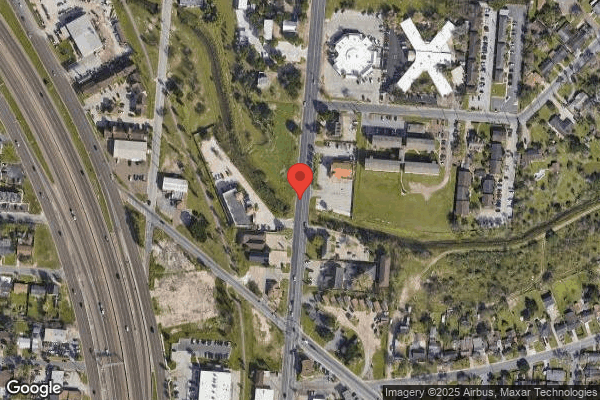
May 2023 4 deficiencies 1 IJ (1 affecting multiple)
CRITICAL (K)

Immediate Jeopardy (IJ) - the most serious Medicare violation

Deficiency F0760 (Tag F0760)

Someone could have died · This affected multiple residents

**NOTE- TERMS IN BRACKETS HAVE BEEN EDITED TO PROTECT CONFIDENTIALITY** Based on observation, interview, and record review, the facility failed to ensure residents are free of any significant medicati...

Read full inspector narrative →
**NOTE- TERMS IN BRACKETS HAVE BEEN EDITED TO PROTECT CONFIDENTIALITY** Based on observation, interview, and record review, the facility failed to ensure residents are free of any significant medication errors for 1 (Resident #70) out of 7 residents reviewed for significant medication errors in that: 1. LVN H administered Potassium Chloride liquid 20 meq (milliequivalents)/15 mL (milliliters) via g-tube (gastric tube) without diluting with 4-6 ounces of water prior to administration 26 times from 03/01/23-04/25/23 2. LVN H failed to administer 5mL (milliliters) of Chlorhexidine Gluconate 0.12% solution via g-tube as ordered by physician for Resident #70 and without confirming the order with the physician prior to administering the medication 55 times from 03/03/23-04/25/23. 3. Chlorhexidine Gluconate route was administered via G-tube from 11/09/22 until 04/26/23, by facility nursing staff including the DON and the ADON without verifying the route and obtaining a physician consultation. An Immediate Jeopardy (IJ) situation was identified on 05/11/23. The IJ template was provided to the facility on [DATE] at 05:25 p.m. While the IJ was removed on 05/15/23, the facility remained out of compliance at a scope identified as isolated and a severity level of potential for minimal harm that was not immediate jeopardy due to the facility's need to complete in-service training on all staff and evaluate the effectiveness of the corrective systems. These deficient practices placed residents who receive medications administered by the facility at risk for serious injuries up to and including cardiac arrest, increased drug reactions, and decreased quality of life. The findings included: Record review of Resident #70's admission record dated 04/26/23 documented a [AGE] year-old female with an admission date of 06/17/21. Diagnoses include dysphagia (difficulty in swallowing food or liquid), cerebral infarction (a brain lesion in which a cluster of brain cells die when they do not get enough blood), hemiplegia and hemiparesis following cerebral infarction affecting left non-dominant side (paralysis of one side of the body following a stroke and affecting the left non-dominant side), dysarthria (difficulty in speech due to weakness of speech muscles), speech and language deficits, gastrostomy status (having a creation of an artificial external opening into the stomach for nutritional support or gastric decompression), apraxia (motor disorder caused by damage to the brain which causes difficulty with motor planning to perform tasks or movements), weakness, cognitive communication deficit (difficulties with communication), dementia (group of symptoms that affect memory, thinking, and may interfere with activities of daily life). Record review of Resident #70's Quarterly Minimum Data Set (MDS) dated [DATE] revealed the facility was unable to obtain a brief mental interview for status (BIMS) score for the resident. It also revealed Resident #70 required extensive assistance with one-person physical assistance for bed mobility, transfer, dressing, toileting, and personal hygiene. The MDS also revealed Resident #70 had a feeding tube, received 26-50% of total calories through parenteral or tube feeding and 501 cubic centimeter (cc)/day or more of fluid intake per day by tube IV or tube feeding. Record review of Resident #70's Lab Results Report dated 03/20/23 revealed a potassium level of 4.4 mmol (millimoles)/L (liter). Reference range 3.6-5.0. Record review of Resident #70's order summary report dated 05/10/23 revealed 20 Fr (French) G-tube inserted on 11/08/22 with a discontinued date of 11/09/22. 1. Record review of Resident #70's active physician orders dated 04/26/23 documented an order for Potassium Chloride Liquid 20 meq/15 mL (10 %) with a start date of 02/03/23. Orders were as follows: Give 30 mL via g-tube one time a day for hypokalemia (low potassium). Give 30 mL to equal 40 meq; dilute with four (4) to six (6) ounces (oz.) of water. Record review of Resident #70's March and April 2023 medication administration record (MAR), revealed Potassium Chloride liquid 20 milliequivalents (meq)/15 milliliters (mL) (10%) 30 mL =40 meq was scheduled to be given at 09:00 a.m. Further record review of Resident #70's MAR revealed LVN H administered Potassium Chloride 36 times between 02/01/23 through 04/25/23. Record review of Resident # 70's MAR between February through April 2023 revealed Potassium Chloride was scheduled at 0900 a.m. Record review of Resident #70's Potassium Chloride medication bottle revealed a label with medication name and dose as follows: Potassium Chloride Oral Solution, USP 10% 20 meq (milliequivalent)/15 mL (milliliters) Dilute prior to administration. Medication bottle also contained medication label with orders as follows: Give 30 ml (milliliters) per tube 1 time daily. Label had yellow alert sticker with following alert: Do not use a salt substitute without checking with your doctor or pharmacist, (in bold) take with food and must dilute before using. During an observation of the medication pass on 04/26/23 at 08:20 a.m., LVN H administered Potassium Chloride liquid 20 meq/15 mL to Resident #70 via g-tub without diluting it in 4-6 ounces of water prior to administration. An observation of Resident #70 on 04/26/23 at 08:25 a.m. revealed resident in bed with bed in lowest position, bed rails down, call light within resident reach. Resident #70 awake, alert, and unable to answer surveyor questions or make needs known. Resident in no distress at that time. An interview on 04/26/23 at 09:50 a.m. with LVN H revealed she had not checked the orders prior to administration of the Potassium Chloride. LVN H stated she would have to inform the DON and the physician of this error. LVN H stated Potassium Chloride should not have been given without being diluted. LVN H stated she would have to verify Potassium Chloride was not pre-diluted with the DON. LVN H stated the bottle containing medication Potassium Chloride did have a yellow label that stated, must dilute before using and a manufacturer's label that stated, dilute prior to administration. Later that morning, at 10:50 a.m., LVN H revealed she had informed both the DON and the resident's physician of the medication errors. She stated both the DON and Resident #70's physician verified to her that Potassium Chloride had to be diluted. She stated Potassium Chloride's potential negative effect on the resident could include gastrointestinal irritation and a laxative effect. LVN H stated she did not initiate a change in condition, document in the computer or monitor for 72 hours but she did assess Resident #70 to make sure she was ok. An interview on 04/26/23 at 09:55 a.m. with RN I revealed LVN H should not have given Potassium Chloride to Resident #70 without diluting the medication first. She stated she did not know the negative effects or consequences. She stated she would have to look up the side effects of this medication. An interview on 04/26/23 at 10:00 a.m. with DON revealed LVN H should not have given Potassium Chloride to Resident #70 without diluting the medication first. He stated, I am not going to lie, going on to state he would have to look up the negative effects or consequences because he did not know what the side effects were to Potassium Chloride. Later that morning at 11:30 a.m. the DON stated he had spoken to their own pharmacist who had confirmed to him that the nurse should have diluted Potassium Chloride prior to administering the medication to the resident. The DON provided a document from his research stating that he had found side effects of Potassium Chloride and most of the negative outcomes were GI symptoms including stomach irritation and laxative effects. Review of documentation provided by DON (no source or date) quoted in part, Potassium Chloride liquid can cause electrolyte disturbances and congested states including central and peripheral edema . Increased dilution of the solution and taking with meals may reduce gastrointestinal irritation. The most common adverse reactions to oral potassium salts are nausea, vomiting, flatulence, abdominal pain/discomfort, and diarrhea. Potassium Chloride Liquid must be completely dissolved in at least one-half glass of cold water or juice to reduce its possible stomach-irritating or laxative effect. An interview on 05/10/23 at 10:40 a.m. with LVN H revealed she had worked at the facility since 2022 and was assigned to work in Hall 1 since November 2022. LVN H stated she had cared for Resident #70 since November 2022 when Resident #70 had her G-tube placed. Prior to medication observation on 04/26/23, LVN H stated she never diluted Potassium Chloride when administering it to Resident #70. LVN H stated she did look at the orders and did look at the labels on the bottle, which included labels that indicated Potassium Chloride must be diluted. LVN H stated she corrected her medication administration after 04/26/23 and diluted it with 30 mL (milliliters) or four to five mL of water. LVN H stated she informed Resident #70's physician and DON of the medication error but failed to document in the resident's progress notes. LVN H stated the physician's response to her was that Potassium Chloride had to be diluted and that adverse effects to look for would include loose stools. 2. Record review of Resident #70's active physician orders dated 04/26/23 documented an order for Chlorhexidine Gluconate 0.12% solution with a start date of 11/09/22. Orders were as follows: Give 5 mL via g-tube after meals for gingivitis (gum disease that can cause irritation, redness and swelling of the gums/base of your teeth); rinse gums with toothbrush. Record review of Resident #70 medication administration record (MAR) revealed Chlorhexidine Gluconate 0.12% was scheduled for 09:00 a.m., 01:00 p.m., and 06:00 p.m. or after meals. Further record review of Resident #70's MAR revealed LVN H administered Chlorhexidine Gluconate 82 times between 02/01/23 through 04/25/23. Record review of Resident #70 MAR revealed Chlorhexidine Gluconate 0.12% was administered by 9 different nurses between 02/01/23 through 04/25/23 including LVN M LVN N, LVN O, LVN P, WCN W, RN Q, the ADON and the DON. Record review of Resident #70 Chlorhexidine Gluconate medication bottle revealed label as follows: Chlorhex Glu Sol 0.12 % Rinse with 5ml (milliliters) po (by mouth) after meals. Yellow alert label read as follows: keep out of reach of children, swish in mouth. Then spit. Do Not swallow. During an observation of the medication pass on 04/26/23 at 08:20 a.m., LVN H administered 5 mL of Chlorhexidine Gluconate 0.12% solution to Resident #70 via g-tube without verifying the order with the physician prior to administering the medication. An interview on 04/26/23 at 09:50 a.m. with LVN H revealed she had not checked or verified the orders prior to administration of the Chlorhexidine Gluconate 0.12%. LVN H stated she would have to inform the DON and the physician of this error. LVN H stated she would call the physician to verify the order for Chlorhexidine Gluconate because it read via g-tube, and it also read rinse mouth and gums. LVN H stated she would also clarify this order with the resident's physician because this medication was to be given oral and the consistency would have to be altered due to the resident's inability to swallow. LVN H stated Chlorhexidine Gluconate's potential negative effect on the resident could include gastric ulcers. An interview on 04/26/23 at 09:55 a.m. with RN I revealed LVN H should not have given Chlorhexidine Gluconate 0.12% to Resident #70 without diluting the medication first. She stated she did not know the negative effects or consequences. She stated she would have to look up the side effects of this medication. An interview on 04/26/23 at 09:55 a.m. with the DON, stated LVN, G should not have given Chlorhexidine Gluconate without verifying the order with the physician prior to administering the medication. The DON also stated he did not know what the negative outcomes of this medication was. He stated he would have to look up the negative effects or consequences because he did not know what the side effects to Chlorhexidine Gluconate were. An interview on 05/10/23 at 10:40 with LVN H revealed she did look at the orders prior to administering Chlorhexidine Gluconate on 04/26/23 and continued to administer it via g-tube without notifying or questioning the physician or pharmacist because it was not a new order. LVN H stated the order said, rinse gums in all caps and was using that part of the order to administer the medication. LVN H stated Chlorhexidine Gluconate was administered oral with a toothbrush and the resident was to spit it out. LVN H stated that prior to the medication observation she had administered it correctly via the oral route, however on the day of medication observation the surveyor made her nervous. LVN H stated on 04/26/23 she did notify physician and DON of the medication error with Chlorhexidine Gluconate after she had administered the medication but did not document the error in the resident's progress notes. LVN H stated she did not know what the purpose of the Chlorhexidine Gluconate was for and was not familiar with the side effects. LVN H stated she had not brought up the discrepancy in the medication administration record to the DON, the pharmacist, or the physician prior to the medication error on 04/26/23 and that she had cared for Resident #70 since November when her g-tube was placed. An interview on 05/10/23 at 11:10 a.m. with LVN M revealed he had been a nurse for 27 years, working at the facility since 2009 and assigned to Hall 1for about 4 years. LVN M stated he was familiar with Resident #70 and had administered both Potassium Chloride and Chlorhexidine Gluconate to her. LVN M stated Potassium Chloride was diluted in 4-6 ounces of water. LVN M stated the bottle for Potassium Chloride had yellow labels marked on the bottle that stated, must dilute. He stated Potassium Chloride was a supplement used for hypokalemia with potential side effects such as irritation of the stomach, nausea, and vomiting. LVN M stated Chlorhexidine Gluconate was administered orally with a toothbrush. He stated Chlorhexidine Gluconate was used for gingivitis and potential side effects were irritation of the stomach, nausea, and vomiting. LVN M stated he had not questioned the order for Chlorhexidine Gluconate to the DON, the physician, or the pharmacist because the order stated, rinse gums in all capitalized letters. LVN M stated he would report medication errors to the DON, the physician, the resident's family, initiate a change of condition, document in the resident's progress notes and monitor the resident for 72 hours. An interview on 05/10/23 at 11:30 a.m. with the DON revealed he was not aware Potassium Chloride was being administered undiluted to Resident #70 by LVN H. The DON stated LVN H was in-serviced on 04/26/23 and that a medication error report was completed on Potassium Chloride on the same day. The DON stated he also had no idea there was a discrepancy on the Chlorhexidine Gluconate order and could not say why it was not caught by other nurses administering it. The DON stated he could not say whether the nurses were looking at the order. The DON stated he was able to view the date and by whom the order for Chlorhexidine Gluconate was entered and discovered it was an order entry error. The DON stated Resident #70's orders changed from oral to g-tube, a route change, on 11/09/23 by the ADON who made an order entry error when changing the order. The DON stated the facility ensures staff are adequately trained to identify when medications are changed by performing the following: yearly check offs, trainings, and reviews performed by the pharmacy with recommended deficient practices. The DON stated the facility's record keeping system (point click care) flags changes in medications if it was an allergy, enteric coated, or if the medication was not allowed to be crushed; however, he stated Chlorhexidine is an anomaly, meaning that is a route not normally seen on that medication and that would not likely be flagged by the system. The DON stated he, the MDS nurse, and the ADON run a report in the morning on new orders, to make sure all orders are being put in correctly and discuss those new orders during morning meetings. The DON stated the report is not printed, it is only viewed on a big screen television in the conference room where everyone can view it and discuss those new orders, prior to executing them and initiating new care plans. The DON stated that when Chlorhexidine Gluconate was changed in the system, the person who changed the order should have, but did not verify the orders with the physician prior to the change. The DON also stated the nurses who administered this medication should have verified it prior to administration including the route. He stated that nurses communicate the orders during 24-hour report, therefore if there was a change to the order, the nurses would have been updated of that order during that time. The DON stated the facility distinguishes new orders from changed orders on their system because a new start date will reflect for each medication. He also stated charge nurses round every shift to ensure the new routes are observed by the staff, but that the facility does not keep a log for their rounds. In an interview on 05/10/23 at 12:00 p.m. with MD R revealed he was unaware of the medication error by LVN H of Potassium Chloride being administered to Resident #70 undiluted. MD R stated he assessed Resident #70 on 05/02/23 and at that time her potassium levels were 3.7. MD R stated he did not think this would affect the resident in the long run. MD R said he was informed of the medication error by LVN H of Chlorhexidine Gluconate being administered via g-tube on 04/26/23. MD R stated, the medication had been discontinued and although rare, may cause gastrointestinal irritation. MD R stated he had a scheduled follow up with Resident #70 in two (2) weeks. In an interview on 05/10/23 at 12:25 p.m. with LVN N revealed she had been a nurse for approximately five (5) years and employed at the facility since 07/23/18. LVN N stated she held a PRN position at the facility and worked in Hall 1 as needed. LVN N stated she worked nights and evenings and worked there the previous Sunday taking care of Resident #70. LVN N stated she had administered medications to Resident #70, including Chlorhexidine Gluconate. LVN N stated she administered Chlorhexidine Gluconate by mouth and was used to treat gingivitis. LVN N stated Resident #70 used to be able to take medications by mouth prior to being transitioned to g-tube, but she never administered this medication via g-tube. LVN N stated she did not know the side effects of Chlorhexidine Gluconate if ingested. She stated side effects including dry mouth and tongue staining. LVN N stated if a medication error occurred she would initiate a change in condition, monitor resident, check vital signs and mental status. In an interview on 05/10/23 at 12:35 p.m. with LVN O revealed he had been a nurse for approximately twelve (12) years and employed at the facility since 05/18/21. LVN O stated he had worked in Hall 1 for about 2 years and cared for Resident #70. LVN O stated he had administered medications to Resident #70 including Chlorhexidine Gluconate. LVN O stated he had administered Chlorhexidine Gluconate by mouth as an oral rinse and had resident spit out. He stated, it was never given via g-tube, although, the order entailed giving via g-tube, it specified oral. LVN O further stated, knowing it was mouth wash, I stuck to oral route and explained it was for gingivitis. LVN O stated he did not know the side effects of Chlorhexidine Gluconate if ingested but listed browning of teeth as a side effect. LVN O stated medication errors are documented and reported to the DON. He stated nurses are to follow the instruction of the DON, file an incident report, inform the physician and the resident representative, monitor the resident for side effects after ingestion of the medication. LVN O further went on to state he was unaware of the exact process to follow for medication error. In an interview on 05/11/23 at 10: 50 a.m. with RPH S revealed he reviewed all medications for residents at the facility monthly. RPH S stated he did recommendations to the facility or the physician via the facility staff through a written letter to clarify any discrepancy on any order(s). RPH S was unable to provide any other information on Resident #70 or the orders at the time of the call. No other attempts to return surveyor's calls were made. In an interview on 05/11/23 at 02:00 p.m. with MD R revealed he was not aware there was a discrepancy for the order Chlorhexidine Gluconate for Resident # 70 beginning 11/08/22. MD R stated he was notified of the medication error in April 2023. MD R stated, it would be a good idea to have a plan or project for the nurses at the facility to be more aware. MD R stated there should be a plan, to avoid these problems in the future. MD R stated, brainstorming a plan to prevent this from happening again because he, was concerned. MD R stated that any medication that could be given through the mouth could be given through the PEG (percutaneous endoscopic gastrostomy) tube and was not sure what medications could cause that type of negative consequences. MD R stated there were concerns and the facility needed to have a corrected plan of some sort in place to avoid for this to happen again. In an interview on 05/11/23 at 02:30 p.m. with LVN P revealed she had been a nurse for approximately four (4) years and employed with the facility since 12/15/20. LVN P stated she helped cover the floor on occasion and had administered medications including Potassium Chloride and Chlorhexidine Gluconate to Resident #70. LVN P stated nurses are always in a hurry and they use their common sense and we think everyone is going to be like that and apparently it is not like that. LVN P stated if she sees a discrepancy in a medication, she investigated the correct route and what the medication is for. LVN P stated she looked at progress notes and asked the DON or the ADON for clarification of the information. LVN P stated medication errors are caught on admission or when physicians send new orders. LVN P stated nurses should notify the DON or ADON or medication errors and documented right away. She stated that nurses are supposed to follow the protocol. Interview on 05/11/23 at 02:45 p.m. with RN Q revealed she had been a nurse for approximately 30 years and been employed at the facility since 04/17/02. RN Q stated she helped cover Hall 1 and administered medications to Resident #70. RN Q stated she administered Chlorhexidine Gluconate with a toothbrush orally. RN Q stated she did not question the order for Chlorhexidine Gluconate because she was just covering and it slipped her mind. RNQ stated she knows it is a mouth administered medication. She stated she did not remember informing the ADON or the DON of the discrepancy. RN Q stated she is supposed to inform the ADON or the DON and the physician is supposed to be informed too. RN Q stated she is supposed to call the pharmacist and clarify the discrepancy with the physician. RN Q stated Chlorhexidine Gluconate is used to cleanse the mouth for oral candidiasis and if she does not know what the medication is for, she googles, calls the pharmacy or the doctor. RN Q stated, nurses have to read the EMAR (electronic medication administration record) and use their nursing judgment. RN Q stated negative consequences depend on the dosage; however, the resident must be observed and the error must be reported to the doctor at once. RN Q further stated nurses should, tell the DON of the error, monitor the resident, inform the resident representative. RN Q stated medication errors can be a negative consequence, every resident can have a different reaction to medications. Interview on 05/11/23 at 03:00 p.m. with ADON revealed she changed all the orders from oral to g-tube in November 2023. The ADON stated she informed the Nurse Practitioner who was rounding for MD R when Resident #70 had the G-tube inserted and needed her medications to be changed from oral to G-tube that Resident #70 needed her medications orders changed. ADON received a verbal ok from the Nurse Practitioner to change the orders from oral to G-tube. The ADON stated she proceeded to do a batch update conversion on their computer system that changed all medication orders from oral route to g-tube route. The ADON stated the physician was notified and he signed off on all orders after all updates are made. The ADON stated none of the nurses who administered Chlorhexidine Gluconate notified her there was a discrepancy in the order. The ADON stated staff do look at the orders but not one by one individually. The ADON stated nurses who questioned the ordered could have changed it without having to notify the physician. The ADON stated nurses did not have to call the physician and notify him because he would have replied, why are you calling me, just change it, common sense. The ADON stated she did not realize the discrepancy when administering the medication to Resident #70. The ADON stated she, cannot compare, judge or say and depends on the situation if it would have been a different medication with more serious consequences. The ADON stated, if nurses do not know what a medication is they have a PDR (physician's desk reference), can call the pharmacy or google the medication in question. In an interview on 05/11/23 at 03:15 p.m. with the DON revealed Chlorhexidine Gluconate was changed from oral to g-tube since November 2022. The DON stated there were approximately nine to eleven nurses including himself and the ADON who administered this medication to Resident #70 with an incorrect order between February 2023 through April 2023 when the medication error was observed. The DON stated nurses should have notified the physician. The DON stated the medication error should have been documented in a progress note. The DON also stated a progress note was needed to document the correction of route clarified by the nurse. The DON stated that none of the nurses who administered this medication questioned the order or notified him of the discrepancy. The DON stated he is unsure why the nurses did not question the order or notify him of this discrepancy. The DON stated he did not notice the order when he did his own medication pass for Resident #70. The DON stated when he saw the order he saw mouth wash and I know what I need to do. The DON stated he should have changed the order immediately upon identifying the discrepancy. He stated he should have questioned the staff to verify the route they had been giving the medication. The DON could not state how often the medication got restocked/refilled. He stated, this was an oversight, we all missed it. The DON further went on to state I see the clerical mistake, except nurses were giving it the right route. The DON stated, it would be speculation on his part if he stated it could have been a more serious medication and he would not be able to tell if there would be any negative consequences from that. In an interview on 05/11/23 at 03:25 p.m. with the Administrator revealed this discrepancy could have affected Resident #70 as well as other residents at the facility. The Administrator stated nurses must review the medications. The Administrator stated negative consequences depend on the medication that is being given. Record review of document provided by the DON, signed, and dated by LVN H on 06/21/22, titled, Skills competency checklist-Enteral Med Pass, quoted in part, Nurse verifies medication & strength with order as prescribed .medication errors are reported to supervisor. Record review of facility policy and procedures titled Medication Administration (no date), revealed Medication Administration-Oral: It is the policy of this facility to accurately prepare. Administer and document oral medications: Procedures: Preparing Liquid Medications: 3. Read medication card. 4. Read the label on the bottle as it is removed from the shelf and check label with medication card. 5. Read the label again prior to pouring the drug. 7. Read label before returning bottle to the shelf. 8. Verify with medication card as drug is placed on medication tray. Essential points: 8. If there is any question regarding dosage, the person in doubt should not give the drug until she has obtained information which clarifies drug dosage. Review of a facility policy titled Medication Administration via Feeding Tube dated 1/ 2022, quoted in part: A physician's order is required for the administration for the administration of any medication via feeding tube. Liquid dosage forms should be ordered if available . To ensure that medications administered via feeding tube are administered safely and accurately .Guidelines: 2 .The order must specify the medication, dose route (tube), frequency, and volume of water to be administered with the medication. The amount of water used to flush, mix, and administer the medication must be considered when calculating the total free water prescribed by the physician .Procedure: 1 .Confirm physician's order. Review of facility policy titled Pharmacy Services dated 08/2007 with a revision date 12/2019; 01/2022, quoted in part, It is the policy of this facility that medication errors and adverse drug reactions must be reported to the resident's attending physician .1. Adverse drug reactions and medication errors with adverse clinical consequences must be reported to the resident's attending physician immediately. Review of facility policy titled Nursing Services, Physician Orders, dated 05/2021 with a reviewed date 08/2021; 08/2022, quoted in part, It is the policy of this facility that verbal/written/electronic orders for changes in medications including routes will be written upon receipt from Physician/Designee .orders for medications must include .right route of administration if other than oral. Record review of [NAME] Advisor, https://advisor.lww.com/lna/document.do?bid=6&did=1232821&searchTerm=potassium%20chloride&hits=potassium,chloride, quoted in part, Potassium supplements .Administration .Give with meals and a full glass of water or other liquid to minimize GI (gastrointestinal irritation) . Adverse reactions .GI: nausea, vomiting, abdominal pain, diarrhea, flatulence .Nursing considerations . Patients at increased risk for GI lesions when taking oral potassium include those with scleroderma, diabetes, mitral valve replacement, cardiomegaly, or esophageal strictures, and older adults or patients who are immobile. Record review of https://www.drugs.com/mtm/chlorhexidine-gluconate-oral-rinse.html, Chlorhexidine Gluconate quoted in part, may cause serious allergic reaction that may be life-threatening . do not swallow the mouthwash .an overdose of chlorhexidine would occur only if the medicine were swallowed .overdose symptoms may include nausea, stomach pain, or the appearance of being drunk .can cause a rare but serious allergic reaction that may be life-threatening. Get emergency medical help if you have any of these signs of an allergic reaction: hives, severe skin rash, wheezing, difficulty breathing, cold sweats, feeling l[TRUNCATED]
CONCERN (D)

Potential for Harm - no one hurt, but risky conditions existed

Unnecessary Medications (Tag F0759)

Could have caused harm · This affected 1 resident

**NOTE- TERMS IN BRACKETS HAVE BEEN EDITED TO PROTECT CONFIDENTIALITY** Based on observation, interview, and record review, the facility failed to ensure it was free of medication error rates of five ...

Read full inspector narrative →
**NOTE- TERMS IN BRACKETS HAVE BEEN EDITED TO PROTECT CONFIDENTIALITY** Based on observation, interview, and record review, the facility failed to ensure it was free of medication error rates of five percent. There were 2 errors in 25 opportunities which resulted in an 8% error rate involving 1 of 4 residents (Resident #70) observed. 1. LVN H administered Potassium Chloride liquid 20 meq (milliequivalents)/15 mL (milliliters) via g-tube (gastric tube) without diluting with 4-6 ounces of water prior to administration. 2. LVN H failed to administer 5mL (milliliters) of Chlorhexidine Gluconate 0.12% solution via g-tube as ordered by physician for Resident #70 and without confirming the order with the physician prior to administering the medication. This deficient practice placed residents on hall 1 who received potassium chloride and chlorhexidine gluconate via g-tube at risk for not receiving the intended therapeutic benefit of their medication, increased risk for drug reaction and a decreased quality of life. Findings Include: 1. During an observation of the medication pass on 04/26/23 at 08:20 a.m., LVN H administered Potassium Chloride liquid 20 meq/15 mL to Resident #11 via g-tub without diluting it in 4-6 ounces of water prior to administration. Record review of Resident #11's active physician orders dated 04/26/23 documented an order for Potassium Chloride Liquid 20 meq/15 mL (10 %) with a start date of 02/03/23. Orders were as follows: Give 30 mL via g-tube one time a day for hypokalemia (low potassium). Give 30 mL to equal 40 meq; dilute with four (4) to six (6) ounces (oz.) of water. Record review of Resident #11 medication administration record (MAR) revealed Potassium Chloride was scheduled for 09:00 a.m. Further review of Resident #11 MAR revealed LVN H and 2 other nurses signed off daily administration of Potassium Chloride 20meq/15mL. An interview on 04/26/23 at 09:50 a.m. with LVN H revealed she had not checked the orders prior to administration of Potassium Chloride. LVN H stated she would have to inform the DON and the physician of this error. LVN H stated Potassium Chloride should not have been given without being diluted. LVN H stated she would have to verify Potassium Chloride was not pre-diluted with the DON. LVN H stated the bottle containing medication Potassium Chloride did have a yellow label that stated, must dilute before using and a manufacturer's label that stated, dilute prior to administration. Later that morning, at 10:50 a.m., LVN H revealed she had informed both the DON and the resident's physician of the medication errors. She stated both the DON and Resident #11's physician verified to her that Potassium Chloride had to be diluted. She stated Potassium Chloride's potential negative effect on the resident could include gastrointestinal irritation and a laxative effect. An interview on 04/26/23 at 09:55 a.m. with RN I revealed LVN H should not have given Potassium Chloride to Resident #11 without diluting the medication first. She stated she did not know the negative effects or consequences. She stated she would have to look up the side effects of this medication. An interview on 04/26/23 at 09:55 a.m. with DON revealed LVN H should not have given Potassium Chloride to Resident #11 without diluting the medication first. He stated, I am not going to lie, going on to state he would have to look up the negative effects or consequences because he did not know what the side effects were to Potassium Chloride. Later that morning at 11:30 a.m. the DON stated he had spoken to their own pharmacist who had confirmed to him that the nurse should have diluted Potassium Chloride prior to administering the medication to the resident. The DON provided a document from his research stating that he had found side effects of Potassium Chloride and most of the negative outcomes were GI symptoms including stomach irritation and laxative effects. 2. During an observation of the medication pass on 04/26/23 at 08:20 a.m., LVN G administered 5 mL of Chlorhexidine Gluconate 0.12% solution to Resident #11 via g-tube without verifying the order with the physician prior to administering the medication. Record review of Resident #11's active physician orders dated 04/26/23 documented an order for Chlorhexidine Gluconate 0.12% solution. Give 5 mL via g-tube after meals for gingivitis (gum disease that can cause irritation, redness and swelling of the gums/base of your teeth); rinse gums with toothbrush. Record review of Resident#11 medication administration record (MAR) revealed Chlorhexidine Gluconate 0.12% was scheduled for 09:00 a.m., 01:00 p.m., and 06:00 p.m. Further record review of Resident #11's MAR revealed LVN H administered Chlorhexidine Gluconate 55 times between 03/01/23 through 04/25/23. An interview on 04/26/23 at 09:50 a.m. with LVN H revealed she had not checked or verified the orders prior to administration of the Chlorhexidine Gluconate 0.12%. LVN H stated she would have to inform the DON and the physician of this error. LVN H stated she would call the physician to verify the order for Chlorhexidine Gluconate because it read via g-tube and it also read rinse mouth and gums. LVN H stated she would also clarify this order with the resident's physician because this medication was to be given oral and the consistency would have to be altered due to the resident's inability to swallow. LVN H stated Chlorhexidine Gluconate's potential negative effect on the resident could include gastric ulcers. An interview on 04/26/23 at 09:55 a.m. with RN I revealed LVN H should not have given Chlorhexidine Gluconate 0.12% to Resident #11 without diluting the medication first. She stated she did not know the negative effects or consequences. She stated she would have to look up the side effects of this medication. An interview on 04/26/23 at 09:55 a.m. with the DON, stated LVN, G should not have given Chlorhexidine Gluconate without verifying the order with the physician prior to administering the medication. The DON also stated he did not know what the negative outcomes of this medication was. He stated he would have to look up the negative effects or consequences because he did not know what the side effects to Chlorhexidine Gluconate were. Record review of facility policy and procedures titled Medication Administration (no date), revealed Medication Administration-Oral: It is the policy of this facility to accurately prepare. Administer and document oral medications: Procedures: Preparing Liquid Medications: 3. Read medication card. 4. Read the label on the bottle as it is removed from the shelf and check label with medication card. 5. Read the label again prior to pouring the drug. 7. Read label before returning bottle to the shelf. 8. Verify with medication card as drug is placed on medication tray. Essential points: 8. If there is any question in regard to dosage, the person in doubt should not give the drug until she has obtained information which clarifies drug dosage. Review of a facility policy titled Medication Administration via Feeding Tube dated 1/ 2022 revealed the quoted in part: A physician's order is required for the administration for the administration of any medication via feeding tube. Liquid dosage forms should be ordered if available . To ensure that medications administered via feeding tube are administered safely and accurately .Guidelines: 2 .The order must specify the medication, dose route (tube), frequency, and volume of water to be administered with the medication. The amount of water used to flush, mix, and administer the medication must be considered when calculating the total free water prescribed by the physician .Procedure: 1 .Confirm physician's order. Review of documentation provided by DON (no source or date) quoted in part, Potassium Chloride liquid can cause electrolyte disturbances and congested states including central and peripheral edema . Increased dilution of the solution and taking with meals may reduce gastrointestinal irritation. The most common adverse reactions to oral potassium salts are nausea, vomiting, flatulence, abdominal pain/discomfort, and diarrhea. Potassium Chloride Liquid must be completely dissolved in at least one-half glass of cold water or juice to reduce its possible stomach-irritating or laxative effect. Record review of [NAME] Advisor, Potassium Chloride, https://advisor.lww.com/lna/document.do?bid=6&did=1232821&searchTerm=potassium%20chloride&hits=potassium,chloride, quoted in part, Potassium supplements .Administration .Give with meals and a full glass of water or other liquid to minimize GI (gastrointestinal irritation) . Adverse reactions .GI: nausea, vomiting, abdominal pain, diarrhea, flatulence .Nursing considerations . Patients at increase risk for GI lesions when taking oral potassium include those with scleroderma, diabetes, mitral valve replacement, cardiomegaly, or esophageal strictures, and older adults or patients who are immobile. Record review of https://www.drugs.com/mtm/chlorhexidine-gluconate-oral-rinse.html, Chlorhexidine Gluconate quoted in part, may cause serious allergic reaction that may be life-threatening . do not swallow the mouthwash .an overdose of chlorhexidine would occur only if the medicine were swallowed .overdose symptoms may include nausea, stomach pain, or the appearance of being drunk .can cause a rare but serious allergic reaction that may be life-threatening. Get emergency medical help if you have any of these signs of an allergic reaction: hives, severe skin rash, wheezing, difficulty breathing, cold sweats, feeling light-headed, swelling of your face, lips, tongue, or throat .this is not a complete list of side effect and others may occur. Four (4) residents were observed during medication pass. Based on information gathered from the Facility's Resident Matrix, dated 04/25/23, confirmed a census of 85. Hall 1 had 26 residents, two (2) who had g-tubes.
CONCERN (D)

Potential for Harm - no one hurt, but risky conditions existed

Infection Control (Tag F0880)

Could have caused harm · This affected 1 resident

**NOTE- TERMS IN BRACKETS HAVE BEEN EDITED TO PROTECT CONFIDENTIALITY** Based on observation, interview and record review the facility failed to establish and maintain an infection prevention and cont...

Read full inspector narrative →
**NOTE- TERMS IN BRACKETS HAVE BEEN EDITED TO PROTECT CONFIDENTIALITY** Based on observation, interview and record review the facility failed to establish and maintain an infection prevention and control program, designed to provide a safe, sanitary, and comfortable environment and to help prevent the development and transmission of communicable diseases and infections, for one resident (Resident #191) observed for incontinent care, in that: CNA B did not perform handwashing for 20 seconds or more after before and after providing incontinent care for Resident #191. CNA A did not perform handwashing for 20 seconds or more after providing incontinent care for Resident #191. This failure could place residents at risk for infections and cross contamination. The findings included: Record review of Resident #191's Face Sheet dated 04/27/23, documented a [AGE] year old female admitted to the facility on [DATE], with diagnoses that included heart failure, hypertension (high blood pressure), and cerebral infarction (stroke), and a Stage 2 pressure ulcer (partial thickness loss of dermis presenting as a shallow open ulcer with a red or pink wound bed, without slough or bruising) on left buttock. Record review of Resident #191's admission MDS dated [DATE] revealed MDS was not completed due to recent admission of Resident #191. During observation on 04/27/23 at 01:38 p.m., of incontinent care on Resident #191, with CNA A and CNA B performing the incontinent care. CNA A washed her hands for 25 seconds and put on gloves. CNA B washed hands for 10 seconds and put on gloves. CNA A pulled down covers and removed pillow from resident's knees and pillow from left side. CNA B removed pillow from right side. CNA B raised bed and lowered head of bed. CNA A removed tab from left side of adult brief. CNA B removed tab from right side of brief. CNA A removed gloves, used hand sanitizer, and put on clean gloves. Bruising to right side of abdomen, below belly button, toward hip. Greenish bruising. CNA B stated she did not know how the bruising occurred, but the nurse knew about the bruising. (Bruising noted on admission [DATE]) CNA A wiped from front to back with one wipe times six times. CNA A removed gloves, used hand sanitizer, and put on clean gloves. CNA B removed gloves, used hand sanitizer, and put on clean gloves. CNA B rolled resident to right side. CNA A wiped buttock using one wipe per swipe times 7 wipes. Small bowel movement. CNA A removed gloves, used hand sanitizer, and put on new gloves. CNA A placed new brief under resident's right side and assisted resident to roll to back. CNA A attached tab to left. CNA A rolled resident to left, CNA B attached tab on right. CNA A removed gloves, used hand sanitizer, and put on new gloves. CNA B removed gloves, used hand sanitizer, and put on new gloves. CNA A and CNA B repositioned resident up to head of bed. CNA A rolled resident to left side. CNA B placed clean mattress pad under resident. CNA B rolled resident to right side. CNA A pulled clean mattress pad to left. CNA A placed soiled linen in a bag and CNA B tied the bag closed. CNA B gathered trash in another bag. CNA A removed gloves, used hand sanitizer, and put on clean gloves. CNA B removed gloves, used hand sanitizer, and put on new gloves. CNA B rolled resident to right side and CNA A placed a pillow under left side. CNA A placed pillow between resident's knees. CNA rolled resident to left side and CNA B placed pillow under right side. CNA A covered resident. CNA B gathered trash and dirty linen. CNA B removed gloves, used hand sanitizer, and put on clean gloves. CNA A removed gloves, used hand sanitizer, and put on clean gloves. CNA A placed all bags into a bigger bag. CNA B removed gloves, used hand sanitizer. CNA A removed gloves, used hand sanitizer, and put on new gloves. CNA B left room disposing of soiled linen and trash. CNA B washed hands for 17 seconds. CNA A put new trash bag in trash can. CNA A removed gloves and washed hands for 16 seconds. In an interview on 04/27/23 at 02:05 p.m., CNA A handwashing time is 30 seconds. CNA A stated she had washed her hands for less than 30 seconds. She stated she was sorry. CNA A stated infection could occur from not washing her hands for long enough. CNA A stated they are in-serviced on hand washing every two weeks. [NAME] the ADON does the in-services. In an interview on 04/27/23 at 02:09 p.m., CNA B stated 30 seconds was the time you had to wash your hands. CNA B stated she washed her hands for 30 seconds. CNA B stated if hands are not washed properly, you can cause an infection. In-services occur every month and a half or less. CNA B stated ADON D is the one who does the in-services. In an interview on 04/27/23 at 02:15 p.m., WCN C stated handwashing time is 30 seconds. WCN C stated, If you do not wash your hands for at least 30 seconds, you are not removing the majority of the bacteria and could cause and infection. WCN C said in-services for handwashing occur every six months by ADON D. In an interview on 04/27/23 at 02:38 p.m., DON stated CDC says handwashing should occur for 20 seconds, but at the facility, they say 30 seconds. DON stated infection could be passed to resident. DON stated in-services occur with spot checks throughout the month. DON stated ADON D is who does in-services. In an interview on 04/27/23 at 02:40 p.m., ADON D stated the CDC says 15-20 seconds is long enough to wash hands, but they tell them 30 seconds to make extra clean. ADON D stated germs are there even when hands are washed and they there's cross-contamination. ADON D stated she tries to in-service on handwashing monthly. ADON D stated January was the last time check off on handwashing. Review of Policy/Procedure - Nursing Clinical Subject: Handwashing (not dated) revealed: Policy: It is the policy of this facility to cleanse hands to prevent transmission of possible infectious material and to provide clean, healthy environment for residents and staff. Purpose: Hand washing is generally considered the most important single procedure for preventing nosocomial infections. Procedures: Handwashing 2. Rub hands in circular motion and rub between fingers for not less than twenty (20) seconds.
CONCERN (E)

Potential for Harm - no one hurt, but risky conditions existed

Comprehensive Care Plan (Tag F0656)

Could have caused harm · This affected multiple residents

**NOTE- TERMS IN BRACKETS HAVE BEEN EDITED TO PROTECT CONFIDENTIALITY** Based on interview and record review the facility failed to develop and implement a comprehensive, person-centered care plan for...

Read full inspector narrative →
**NOTE- TERMS IN BRACKETS HAVE BEEN EDITED TO PROTECT CONFIDENTIALITY** Based on interview and record review the facility failed to develop and implement a comprehensive, person-centered care plan for each resident that included measurable objectives and time frames to meet, attain, and/or maintain the resident's highest practicable physical, mental, and psychosocial well-being for 3 of 12 residents (Residents #81, Resident #23, Resident #11) reviewed for care plans in that: 1.Resident #81 did not have a care plan in place for wound vac use. 2. Resident #23 did not have a care plan in place for wound vac use. 3.The facility failed to develop and implement a comprehensive person-centered care plan for Resident #11 to address skin scratches to bilateral lower extremities. These failures could affect residents by placing them at risk of not receiving individualized care and services to meet their needs. The findings included the following 1. Resident # 81's admission Record dated 04/26/23 indicated Resident #81 was a [AGE] year-old female and was admitted to the facility on [DATE]. Resident #81's diagnosis included acquired absence of other right toe (amputation), diabetes (blood sugars too high) acute cough, and anemia (iron deficiency.) Record review of Resident #81's physician orders dated as of 04/26/23 indicated orders for a negative pressure therapy machine (wound vac), monitor and document if device is on @ 120 mmHG every shift for wound care, start date 04/20/23. Record review of Resident #81's admission MDS dated [DATE] indicated Resident #81 -cognitive skills for daily decision making were independent (decisions consistent/reasonable). -required extensive assistance by two persons for bed mobility and toilet use. -required extensive assistance by one person for dressing, transfers, and bathing. -had impairment on one side of lower extremity (hip, knee, ankle, foot.) -was at risk of developing pressure ulcers. Record review of Resident #81's MARs and TARs dated 04/01/23 to 04/30/23 indicated order negative pressure therapy machine, monitor and document if device is on @ 120 mmHG every shift for wound care. The TARs indicated the order was completed from dates 04/20/23 to 04/26/23. Record review of Resident #81's care plans last revised on 04/25/23 revealed it did not include a care plan to address Resident #81's order for use of a wound vac. 2. Record review of Resident #23's admission record dated 04/27/23 indicated Resident #23 was an [AGE] year-old female, was admitted to the facility on [DATE] and re-admitted to the facility on [DATE]. Resident #23's diagnosis included sepsis (blood poisoning), disruption of internal operation (surgical wound), diabetes (high blood sugars), dementia (decline in cognitive function), cognitive communication deficit and acute posthemorrhagic anemia (quick loss of blood.) Record review of Resident #23's physician orders dated as of 04/27/23 indicated orders for a negative pressure therapy machine (wound vac), monitor and document if device is on @ 120 mmHG every shift for wound care, start date 04/20/23. Record review of Resident #23's quarterly MDS dated [DATE] indicated Resident #23 -cognitive skills for daily decision making were severely impaired (never, rarely made decisions). -was total dependent on two persons for bed mobility and toilet use. -required extensive assistance by one person for dressing, transfers, and bathing. -had impairment on both sides of lower extremity (hip, knee, ankle, foot.) -was at risk of developing pressure ulcers. Record review of Resident #23's MARs and TARs dated 04/01/23 to 04/30/23 indicated order negative pressure therapy machine, monitor and document if device is on @ 120 mmHG every shift for wound care. The TARs indicated the order was completed from dates 04/20/23 to 04/27/23. Record review of Resident #23's care plans last revised on 04/25/23 revealed it did not include a care plan to address Resident #23's order for use of a wound vac. Observation and interview on 04/25/23 at 11:06 am revealed Resident #81 in her room in bed. Resident #81 was alert and stated she had been admitted to the facility and was receiving an antibiotic and getting wound treatment with a wound vac for her amputation of her toe. Resident #81 was observed with a wound vac connected to her right ankle. Observation and interview at 04/25/23 at 10:23 am revealed Resident #23 lying in bed with head of bed inclined, placed with a wound vac. Resident #23 stated staff took very good care of her. Observation and interview on 04/27/23 at 9:25 am revealed Resident #23 lying in bed, placed with a wound vac. Resident #23 said she was getting medicine and treatment for her hip surgery and had a wound vac for the surgery wound. Interview on 04/26/23 at 3:01 pm with LVN E revealed Resident #81 did have an order for a wound vac that was in place as ordered. LVN E said the WCN C was responsible to treat the wound and apply the wound vac. LVN E said a care plan to address the process for the wound vac for residents should be developed with interventions to look for redness, tenderness, swelling around the wound edge and the specific orders pertaining to the wound vac. LVN E said he did not know if there was a care planned developed for residents with wound vacs or if one was developed for Resident #81. Interview on 04/26/23 at 3:18 pm with the MDS Coordinator F said nurses were responsible to develop or create a care plan in their areas of care. The WCN C was responsible to develop a care plan to address Resident #81 and Resident #23's use of wound vac as ordered. Interview on 04/27/23 at 8:41 am with WCN C revealed the specific orders of a wound vac for Resident #81 and Resident #23 should have been care planned. The WCN C said she met with the DON and with an IDT on morning meetings and discussed the care plans needed for each resident. A care plan should have been developed to address the process of applying, monitoring for patency of the wound vac, if suctioning properly, since the wound can get overflowed with fluids. The WCN C said she and the IDT overlooked the developing of a care plan to address the use of a wound vac on both residents. Interview on 04/27/23 at 9:41 am with the DON revealed both Resident #81 and Resident #23 had orders for wound vacs that should have been care planned. The WCN C and himself were mainly responsible to develop these care plans and with discussions with the IDT teams in morning minutes. The DON said they had missed the opportunity to develop the care plans for the order of wound vacs for both residents. The DON said he did not think there was a negative outcome in not care planning the use of the wound vacs, but the care plan would serve as a communication process within all the staff. 3.Record review of Resident #11's admission record dated 04/26/23 documented a [AGE] year-old female with an admission date of 12/14/18. Resident #11's diagnoses include: schizoaffective disorder (mental health disorder characterized by abnormal thought process including hallucinations, delusions, unstable mood, etc.), type 2 diabetes mellitus with hyperglycemia (chronic condition that affects the way the body processes blood sugar with elevated blood sugar levels), gastrostomy status (an artificial opening into the stomach for nutritional support or gastric decompression), essential hypertension (condition in which the blood pressure is persistently elevated with no secondary cause identified). 1. Record review of Resident #11's active physician orders dated 04/26/23 documented an order for left leg scratches: cleanse with NS (normal saline), pat dry, apply TAO (triple antibiotic ointment), leave open to air until resolved, every day, shift for red scabs. Order for left leg scratches dated 03/10/23 with a start date 03/11/23. 2. Further record review of Resident #11's active physician orders dated 04/26/23 documented an order for right leg scratches: cleanse with NS (normal saline), pat dry, apply TAO (triple antibiotic ointment), leave open to air until resolved, every day, shift for red scabs. Order for right leg scratches dated 03/10/23 with a start date 03/11/23. Record review of Resident #11's quarterly minimum data set (MDS) dated [DATE] documented a BIMS score of 07 which indicated the resident had severe cognitive impairment. The MDS also revealed Resident #11 required extensive assistance in various areas of activities of daily living such as bed mobility, dressing, toilet use, and personal hygiene. Record review of Resident #11's care plan with an initiated date 12/24/18 and a revised date of 12/28/18 failed to reveal a care plan including problems, goals, and interventions for skin scratches to bilateral lower extremities. In an observation of Resident #11 and interview on 04/26/23 at 03:45 p.m. with CNA J stated Resident #11 did have scratches to bilateral lower extremities. She stated she had a new scratch that was self-inflicted to her left lower extremity. CNA J stated she had reported it to the nurse. Stated she documented her findings in the care plan under a tab named Alert. She stated that in documenting it there the nurse would see her findings and would be able to address. In an interview on 04/26/23 at 03:50 p.m. with RN L revealed the process of initiating a care plan started when a documented assessment triggered a change of condition on their computer system, such as skin scratches for Resident #11. RN L stated the computer would alert the nurse to notify the physician of that change of condition. RN L stated the nurse responsible for the resident's care would then notify the physician, obtain orders, notify the family, and initiate the care plan. RN L stated that every change of condition gets discussed and reviewed during the interdisciplinary team's morning meetings. RN L stated the change of condition gets passed down with information on the change of report so that the oncoming nurse can have this information and therefore, the change of condition will be placed in the 24-hour report. RN L stated for skin issues, the wound care nurse would be the responsible person to update the care plan. In an interview on 04/26/23 at 04:10 p.m. with MDS Cord K revealed RN/MDS coordinator opens the initial care plan upon admission and every department entered their own pertinent department including skin/wound, dietary, physical therapy, etc. MDS Cord K stated that if there was a change of condition, the ADON would then be responsible for entering the new section pertaining to new focus area, example antibiotics, falls, physical therapy, etc. MDS Cord K stated for Resident #11, both the wound care nurse and the ADON would be responsible, but she was not sure who saw the change of condition first. MDS Cord K stated that every treatment should be care planned. MDS Cord K stated wound care nurse is responsible for updated the care plan for wounds because she is the one responsible for skin assessments. MDS Cord K stated the DON audits the wound care nurse assessments and care plans. MDS Cord K stated that physician's orders are being carried out even without a care plan in place, but there is no nursing interventions to assess and will not let the nurses know if a goal is not working. MDS Cord K stated care plan is a source of communication, if something is not working, it lets the physician know to change the plan, interdisciplinary team, and to notify the family. MDS Cord K stated an initial care plan should be initiated between 24-48 hours and 48-72 hours for a change of condition. She stated it is essential to have a care plan in place. In an interview on 04/27/23 at 11:30 a.m. with WCN C revealed she was not sure how the care plan for Resident #11 was not initiated because the change of condition was triggered before her assignment to the position. WCN C stated after a change of condition, nurse who is assigned will obtain orders from the physician and initiate the care plan. WCN C stated that she must give weekly reports to the interdisciplinary team at the morning minimum data set (MDS) meetings. In an interview on 04/27/23 at 11:50 a.m. with ADON D revealed there was not a specific person who audited the resident's charts for care plans. ADON D stated the IDT team reviewed care plans in the weekly or morning meetings to go over change of conditions and orders. ADON D stated treatments are implemented immediately, and a resident gets care right away; therefore, no negative outcome to Resident #11 is expected since she is getting treatment. ADON D stated that not having a care plan for skin scratches was human oversight. ADON D stated facility has up to 48 hours to implement an initial care plan and could not specify a time frame to initiate a care plan for a change of condition. ADON D stated initiate the care plan for a change of condition as soon as possible. ADON D stated there should always be a care plan because it describes the care that is being provided to the resident. ADON D stated initiating a care plan for a change of condition lies on the person who is in the position for example the wound care nurse; however, it is ultimately a team effort. In an interview on 04/27/23 at 02:25 p.m. with the DON revealed care plans were initiated depending on the focus area. The DON stated Resident #11 was discharged and when she was Medicare reactivated, he was not sure if the MDS staff focused on reactivating the skin scratches to the care plan. The DON stated the nurses would initiate the care plan based on whether the resident was scratching at the time the care plan was to be initiated again or not. The DON stated responsible people who audit charts to make sure care plans are initiated are the DON, who helps with falls and changes of conditions. He further went on to state that other personnel responsible were the ADON and the MDS nurses. The DON stated he was not sure if Resident #11 was treated for the skin scratches and could not state whether not having a care plan for skin scratches would negatively affect the resident because he was not sure she was being taken care of for that focus area. Record review of the facility's policy on Comprehensive Person-Centered Care planning with a revision date of 01/22, quoted in part, it is the policy of this facility that the interdisciplinary team (IDT) shall develop a comprehensive person-centered care plan for each resident that includes measurable objectives and timeframes to meet a resident's medical, nursing, mental, and psychosocial needs that are identified in the comprehensive assessment .6. The resident's comprehensive plan of care will be reviewed and/or revised by the IDT after each assessment, including both the comprehensive and quarterly review assessments . 7. The facility IDT includes, but is not limited to the following professionals .
Feb 2022 1 deficiency
CONCERN (D)

Potential for Harm - no one hurt, but risky conditions existed

Comprehensive Care Plan (Tag F0656)

Could have caused harm · This affected 1 resident

**NOTE- TERMS IN BRACKETS HAVE BEEN EDITED TO PROTECT CONFIDENTIALITY** Based on observation, interview, and record review, the facility failed to develop and implement a comprehensive person-centered...

Read full inspector narrative →
**NOTE- TERMS IN BRACKETS HAVE BEEN EDITED TO PROTECT CONFIDENTIALITY** Based on observation, interview, and record review, the facility failed to develop and implement a comprehensive person-centered care plan that includes measurable objectives and timeframes to meet a resident's medical and nursing needs for 1 (Resident # 28) out of 8 residents reviewed for person-centered care plans in that: Record review of Resident #28's care plan revealed it did not contain measurable goals and objectives for removing undergarments outside Resident #28 private room area. This failure could affect residents in the facility by placing in them at risk for not being provided necessary care and services, and not having plans developed to address their needs. The findings included: Record review of Resident #28's Physician Order Summary report dated 02/03/2022 revealed Resident #28 was a [AGE] year-old male who was admitted to facility on 02/20/2019 with diagnoses that included: Mild Cognitive Impairment, Dementia in Other diseases with behavioral disturbances and Alzheimer's Disease. Record review of Resident #28's Quarterly MDS, dated [DATE], revealed the resident was moderately cognitively impaired with a BIMS (Brief Interview for Mental Status) score of 9 out of 15. Required extensive assistance x two staff for assist for Activities of Daily Living on bed mobility, transfer, and toilet use. Resident #28 was always incontinent for bladder and frequently incontinent for bowel. Record review of Resident #28's comprehensive care plan date initiated 10/30/20 revealed Resident #28 has bowel/bladder incontinence due to Alzheimer's, impaired mobility, neurogenic disorder. Interventions; Activities: notify nursing if incontinent during activities. Brief Use: use disposable brief. Change every two hours and prn. Encourage fluids during the day to promote prompted voiding responses. Ensure there is an unobstructed path to the bathroom. Incontinent: check as required for incontinence. Wash, rinse dry perineum. Change clothing PRN after incontinence episodes. Monitor/document for signs and symptoms UTI (urinary tract infection): pain, burning, blood-tinged urine, cloudiness, no output, deepening of urine color, increased pulse, increased temp, urinary frequency, foul smelling urine, fever, chills, altered mental status, change in behavior, change in eating patterns. Record review of Resident #28's progress notes dated 12/09/21 revealed: As per CNAs reported to me inappropriate behavior toward CNA's as per CNA resident was exposing his genitals, patient was eating half naked and wanted to talk to social worker. Reported inappropriate behavior to physician and per physician to follow up with patient's psychiatrist as soon as possible. CNA came up to me two times during evening shift to report to me patient was half naked and was asking for assistance exposing himself. Signed LVN B Record review of Resident #28's progress notes dated 01/31/22 revealed: at approximately 9:20 a.m., Resident #28 was self-propelling via wheelchair in 100 hall with meal tray in hand taking it to the kitchen wearing only a t-shirt and no pants, no underwear, or incontinent brief. Redirected Resident #28 back to his room and noticed feces smeared on his buttocks. Once back to his room, an incontinent brief full of feces was on the floor as well as feces smeared all over the floor. CNA was present and assisted Resident #28 to the shower room. Resident #28 acknowledge that he had a bowel movement but offered no explanation why he had taken his incontinent brief off had not asked for assistance. Signed RN A Record review of Resident #28's Comprehensive Care Plan, date initiated 02/26/2019 revealed at risk for impaired cognitive function/dementia or impaired thought processes due to Alzheimer's disease. Record review of Resident #28's Comprehensive care plan did not address his behavior of removing his undergarments, and standing without his undergarments outside his room, or self-propel via his wheelchair on hallways without undergarments. In an interview on 02/03/22 at 09:29 a.m., Resident # 28 did not respond to why he was removing his undergarments and leaving his room without them. He said was happy at facility. In an interview on 02/03/22 at 09:11 a.m., LVN C said she had seen Resident #28 outside his room only wearing a shirt and no undergarments. LVN C said Resident #28 would stand outside his room not wearing undergarments because Resident #28 thought it will get the attention of the staff and would get assisted faster. LVN C said had talked to DON about Resident #28's behavior and DON said that he would look into it. In an interview on 02/03/22 10:09 at a.m., Social Service said she had talked to Resident #28 about his behavior of removing his undergarments and exposing himself to staff. Social Service said Resident #28 said that he would not do it again, however it had happened again since she talked to Resident #28 about it. Social Service said she talked to Resident #28 on 01/25/2022 about his aggression toward staff. In an interview on 02/03/22 at 02:01 p.m., MDS RN D said the social worker was in charge of care planning behaviors. She said that she was not able to identify in Resident #28's care plan his behavior of exposing his genitals outside his room, private area. She said Resident #28's behavior should be care planned so staff would know how to respond with interventions. MDS RN D said social service was responsible for care planning resident's behaviors. In an interview on 02/03/22 at 02:04 p.m. social service said did not remember staff told her that Resident #28 was exposing his private parts. Social Service said she knew that Resident #28 was lowering his pants and underwear. In an interview on 02/03/22 at 03:42 p.m., ADON B said LVN E called her on 12/09/21 to inform her that Resident #28 had exposed his genitals. She said to LVN E that she would take care of the situation the next morning. She said at the time of the incident social services was at the building and to her understanding she went to talk to Resident #28. She said she mentioned to LVN E to re-direct him. ADON B said there should be interventions in place to prevent or act if Resident #28 exhibits the behavior of exposing his genitals outside his room. In an interview on 02/03/22 at 04:15 p.m., RN A said she worked on 01/31/22 at the facility. RN A said she saw Resident #28 propelling his wheelchair with a meal tray and no underwear. RN A said Resident #28 offered no explanation of why he did not have any underwear or pants. RN A said she mentioned the situation to DON, who said Resident was going to be monitored. In an interview on 02/03/22 at 4:40 p.m., LVN F said Resident #28 had exposed his genitals outside his room on more than one occasion. LVN F said Resident #28 would sometimes agree to go back to his room and put some clothes on, and on other occasions he would get upset and would not move from the door. LVN F said she had mentioned Resident #28's behavior to DON who said she was going to look into it. In an interview on 02/04/22 at 09:31 a.m., DON said Resident #28 had neurological deficiency and him exposing his genitals was part of his urine and bowel incontinences. Facility policy for comprehensive care plans dated 08/2017 revealed: It is the policy of this facility that the interdisciplinary team shall develop a comprehensive person-centered care plan for each resident that includes measurable objectives and timeframes to meet a resident's medical, nursing, mental and psychosocial needs that are identified in the comprehensive assessment.
Understanding Severity Codes (click to expand)
Life-Threatening (Immediate Jeopardy)
J - Isolated K - Pattern L - Widespread
Actual Harm
G - Isolated H - Pattern I - Widespread
Potential for Harm
D - Isolated E - Pattern F - Widespread
No Harm (Minor)
A - Isolated B - Pattern C - Widespread

Questions to Ask on Your Visit

  • "What changes have you made since the serious inspection findings?"
  • "Can I speak with families of current residents?"
  • "What's your RN coverage like on weekends and overnight?"

Our Honest Assessment

Strengths
  • • 35% turnover. Below Texas's 48% average. Good staff retention means consistent care.
Concerns
  • • Multiple safety concerns identified: 4 life-threatening violation(s). Review inspection reports carefully.
  • • 16 deficiencies on record, including 4 critical (life-threatening) violations. These warrant careful review before choosing this facility.
  • • $23,735 in fines. Higher than 94% of Texas facilities, suggesting repeated compliance issues.
  • • Grade F (15/100). Below average facility with significant concerns.
Bottom line: This facility has 4 Immediate Jeopardy findings. Serious concerns require careful evaluation.

About This Facility

What is Alta Vista Rehabilitation And Healthcare's CMS Rating?

CMS assigns ALTA VISTA REHABILITATION AND HEALTHCARE an overall rating of 3 out of 5 stars, which is considered average nationally. Within Texas, this rating places the facility higher than 99% of the state's 100 nursing homes. This mid-range rating indicates the facility meets federal standards but may have areas for improvement.

How is Alta Vista Rehabilitation And Healthcare Staffed?

CMS rates ALTA VISTA REHABILITATION AND HEALTHCARE's staffing level at 2 out of 5 stars, which is below average compared to other nursing homes. Staff turnover is 35%, compared to the Texas average of 46%. This relatively stable workforce can support continuity of care.

What Have Inspectors Found at Alta Vista Rehabilitation And Healthcare?

State health inspectors documented 16 deficiencies at ALTA VISTA REHABILITATION AND HEALTHCARE during 2022 to 2025. These included: 4 Immediate Jeopardy (the most serious level, indicating potential for serious harm or death) and 12 with potential for harm. Immediate Jeopardy findings are rare and represent the most serious regulatory concerns. They require immediate corrective action.

Who Owns and Operates Alta Vista Rehabilitation And Healthcare?

ALTA VISTA REHABILITATION AND HEALTHCARE is owned by a for-profit company. For-profit facilities operate as businesses with obligations to shareholders or private owners. The facility is operated by THE ENSIGN GROUP, a chain that manages multiple nursing homes. With 100 certified beds and approximately 79 residents (about 79% occupancy), it is a mid-sized facility located in BROWNSVILLE, Texas.

How Does Alta Vista Rehabilitation And Healthcare Compare to Other Texas Nursing Homes?

Compared to the 100 nursing homes in Texas, ALTA VISTA REHABILITATION AND HEALTHCARE's overall rating (3 stars) is above the state average of 2.8, staff turnover (35%) is significantly lower than the state average of 46%, and health inspection rating (2 stars) is below the national benchmark.

What Should Families Ask When Visiting Alta Vista Rehabilitation And Healthcare?

Based on this facility's data, families visiting should ask: "What changes have been made since the serious inspection findings, and how are you preventing similar issues?" "Can you walk me through typical staffing levels on day, evening, and night shifts?" "Can I visit during a mealtime to observe dining assistance and food quality?" "How do you handle medical emergencies, and what is your hospital transfer rate?" These questions are particularly relevant given the facility's Immediate Jeopardy citations and the below-average staffing rating.

Is Alta Vista Rehabilitation And Healthcare Safe?

Based on CMS inspection data, ALTA VISTA REHABILITATION AND HEALTHCARE has documented safety concerns. Inspectors have issued 4 Immediate Jeopardy citations (the most serious violation level indicating risk of serious injury or death). The facility has a 3-star overall rating and ranks #1 of 100 nursing homes in Texas. Families considering this facility should ask detailed questions about what corrective actions have been taken since these incidents.

Do Nurses at Alta Vista Rehabilitation And Healthcare Stick Around?

ALTA VISTA REHABILITATION AND HEALTHCARE has a staff turnover rate of 35%, which is about average for Texas nursing homes (state average: 46%). Moderate turnover is common in nursing homes, but families should still ask about staff tenure and how the facility maintains care continuity when employees leave.

Was Alta Vista Rehabilitation And Healthcare Ever Fined?

ALTA VISTA REHABILITATION AND HEALTHCARE has been fined $23,735 across 2 penalty actions. This is below the Texas average of $33,316. While any fine indicates a compliance issue, fines under $50,000 are relatively common and typically reflect isolated problems that were subsequently corrected. Families should ask what specific issues led to these fines and confirm they've been resolved.

Is Alta Vista Rehabilitation And Healthcare on Any Federal Watch List?

ALTA VISTA REHABILITATION AND HEALTHCARE is not on any federal watch list. The most significant is the Special Focus Facility (SFF) program, which identifies the bottom 1% of nursing homes nationally based on persistent, serious quality problems. Not being on this list means the facility has avoided the pattern of deficiencies that triggers enhanced federal oversight. This is a positive indicator, though families should still review the facility's inspection history directly.