WINDSOR NURSING AND REHABILITATION CENTER OF HARLI
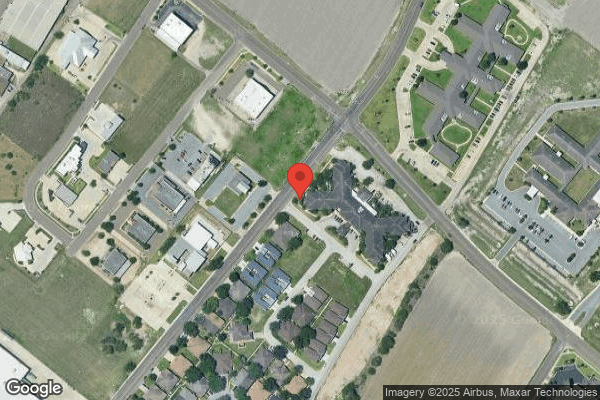
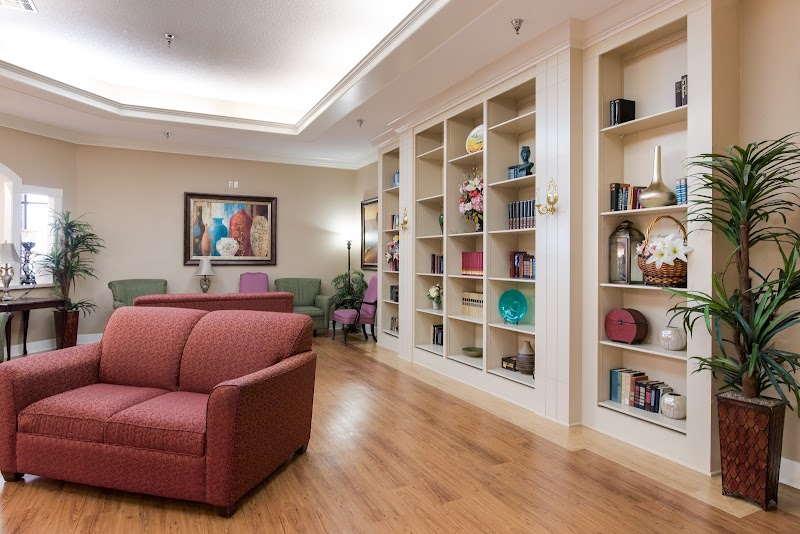
820 CAMELOT DR, HARLINGEN, TX 78550 (956) 423-2663
Non profit - Corporation 154 Beds WELLSENTIAL HEALTH Data: November 2025
Trust Grade
88/100
#175 of 1168 in TX
Last Inspection: June 2025

Inspected within the last 6 months. Data reflects current conditions.

Overview

Windsor Nursing and Rehabilitation Center of Harlingen has a Trust Grade of B+, which means it is recommended and performs above average compared to other facilities. It ranks #175 out of 1168 in Texas, placing it in the top half of nursing homes statewide, and #4 out of 14 in Cameron County, indicating only three local options are better. The facility's condition is stable, with 12 issues noted in recent inspections, the same amount reported in the previous year. While staffing is a weakness, with a rating of 2 out of 5 stars and a 34% turnover rate that is still better than the state average, they have received average fines of $3,145, which suggests some compliance issues but not excessive ones. Recent inspections found concerning incidents, such as failing to develop a timely baseline care plan for a resident, not administering oxygen at the correct settings for two residents, and improperly labeling medications, which could risk residents' health and safety. Overall, while there are notable strengths, families should weigh these concerns carefully.

Trust Score
B+
88/100
In Texas
#175/1168
Top 14%
Safety Record
Low Risk
No red flags
Inspections
Holding Steady
5 → 5 violations
Staff Stability
○ Average
34% turnover. Near Texas's 48% average. Typical for the industry.
Penalties
✓ Good
$3,145 in fines. Lower than most Texas facilities. Relatively clean record.
Skilled Nurses
⚠ Watch
Each resident gets only 24 minutes of Registered Nurse (RN) attention daily — below average for Texas. Fewer RN minutes means fewer trained eyes watching for problems.
Violations
⚠ Watch
12 deficiencies on record. Higher than average. Multiple issues found across inspections.
★★★★★
5.0
Overall Rating
★★☆☆☆
2.0
Staff Levels
★★★★★
5.0
Care Quality
★★★★★
5.0
Inspection Score
Stable
2024: 5 issues
2025: 5 issues

The Good

  • 5-Star Quality Measures · Strong clinical quality outcomes
  • Full Sprinkler Coverage · Fire safety systems throughout facility
  • No fines on record
  • Staff turnover below average (34%)

    14 points below Texas average of 48%

Facility shows strength in quality measures, fire safety.

The Bad

Staff Turnover: 34%

11pts below Texas avg (46%)

Typical for the industry

Federal Fines: $3,145

Below median ($33,413)

Minor penalties assessed

Chain: WELLSENTIAL HEALTH

Part of a multi-facility chain

Ask about local staffing decisions and management

The Ugly 12 deficiencies on record

Jun 2025 5 deficiencies
CONCERN (D)

Potential for Harm - no one hurt, but risky conditions existed

Deficiency F0655 (Tag F0655)

Could have caused harm · This affected 1 resident

**NOTE- TERMS IN BRACKETS HAVE BEEN EDITED TO PROTECT CONFIDENTIALITY** Based on interviews and record review, the facility failed to develop a baseline care plan within 48 hours of a resident's admis...

Read full inspector narrative →
**NOTE- TERMS IN BRACKETS HAVE BEEN EDITED TO PROTECT CONFIDENTIALITY** Based on interviews and record review, the facility failed to develop a baseline care plan within 48 hours of a resident's admission that included the instructions needed to provide effective and person-centered care of 1 (Resident #123) of 6 residents reviewed for baseline care plan completion. The facility failed to complete the advance directive section in the baseline care plan dated [DATE] for Resident #123 within the required 48-hour timeframe when the physician order was dated [DATE]. This deficient practice could place the residents at risk of not having their end of life wishes honored, such as receiving unwanted resuscitative measures. Findings included: Record review of Resident #123's OOH-DNR dated [DATE] was not completed with the physician's signature. Record review of Resident #123's baseline care plan dated [DATE], revealed: FOCUS: o Resident is a full code Date Initiated: [DATE] GOALS: o Facility will comply with resident/family wishes Date Initiated: [DATE] Revision on: [DATE] Target Date: [DATE] INTERVENTIONS/TASKS: o If resident has a cardiac arrest, initiate CPR ad call 911. Notify MD/RP and follow MD orders after notification. Date Initiated: [DATE] LN o Keep emergency cart well supplied and ready for use at all times Date Initiated: [DATE] LN. Record review of Resident #123's physician order dated [DATE], revealed an order for DNR (Do Not Resuscitate). Record review of Resident #123's electronic admission Record dated [DATE] reflected he was a [AGE] year-old male admitted to the facility on [DATE]. His diagnoses included Type 2 Diabetes Mellitus (a long-term condition in which the body has trouble controlling blood sugar and using it for energy), and dementia (a group of thinking and social symptoms that interferes with daily functioning). Record review of Resident #123's Quarterly MDS dated [DATE] revealed he had a BIMS score of 05, indicating Resident #123's cognition was severely impaired. Record review of Progress Notes dated [DATE] revealed Resident #123 Resident #123 was discharged to the hospital on [DATE] related to a fall with right side head trauma. In an interview on [DATE] at 03:06 PM LVN A stated the ADONs update the Care Plans. LVN A stated code status would be in the report before the resident arrived for admission so it could be input code status in the computer during admission. In an interview on [DATE] at 03:46 PM LVN B stated when a resident was admitted the code status was immediately put in the computer. She said code status was reported before resident arrived. She said the code status was given by the hospital. LVN B stated the care plan was put in by the nurses. In an interview on [DATE] at 04:09 PM ADON C stated the admitting nurse would be the one who added the code status on admission. In an interview on [DATE] at 04:25 PM the DON stated the admitting nurse was responsible for putting a resident's code status in the computer. The DON stated the admitting nurse or Social Services would put the code status in PCC (electronic resident chart) Care Plan whether the code status was full code or DNR. Record Review of the facility policy subject titled, Baseline Care Plan date implemented [DATE], revealed policy statement The facility will develop and implement a baseline care plan for each resident that includes the instructions needed to provide effective and person-centered care of the resident that meet professional standards of quality care. Policy Explanation and Compliance Guidelines: a. The baseline care plan will: a. Be developed within 48 hours of a resident admission. b. Include the minimal healthcare information necessary to properly care for a resident including, but not limited to: ii. Physician's orders
CONCERN (D)

Potential for Harm - no one hurt, but risky conditions existed

Respiratory Care (Tag F0695)

Could have caused harm · This affected 1 resident

**NOTE- TERMS IN BRACKETS HAVE BEEN EDITED TO PROTECT CONFIDENTIALITY** Based on observation, interview and record review, the facility failed to ensure that residents who needed respiratory care were...

Read full inspector narrative →
**NOTE- TERMS IN BRACKETS HAVE BEEN EDITED TO PROTECT CONFIDENTIALITY** Based on observation, interview and record review, the facility failed to ensure that residents who needed respiratory care were provided such care consistent with professional standards of practice, the comprehensive person-centered care plan, and the resident's goals and preferences for 2 of 3 (Resident #63, Resident #345) residents reviewed for respiratory care. 1. The facility failed to ensure Resident #63's oxygen was administered at the correct setting of 3 liters per minute on 06/10/2025 as ordered by the physician. 2. The facility failed to ensure Resident #345's oxygen was administered at the correct setting of 2 liters per minute on 06/10/2025 as ordered by the physician. These deficient practices could place residents who receive respiratory care at an increased risk of developing respiratory complications and a decreased quality of care. The findings included: 1.Record review of Resident #63's admission record dated 06/10/2025 reflected a [AGE] year-old male with an admission date of 05/27/2025 and with an initial admit date of 04/18/2025. Pertinent diagnoses included Shortness of Breath, Acute Kidney Failure, Muscle Wasting and Atrophy (loss of muscle tissue), Type 2 Diabetes Mellitus, and Hypertension (high blood pressure). Record review of Resident #63's person-centered care plan, initiated date 4/21/2025 reflected Resident #63 used oxygen therapy related to hypoxia. Intervention included oxygen settings: Oxygen via nasal cannula at 3 liters per minute continuous. Record review of Resident #63's physician order dated 06/10/2025, reflected oxygen at 3 LPM via nasal cannula for Shortness of breath every shift. Record review of Resident #63's Quarterly MDS assessment, dated 06/23/2025 reflected it was in progress. During an observation of Resident #63 on 06/10/2025 at 11:15 a.m. revealed the oxygen level on the oxygen concentration machine was at 2.5Liters Per Minute via nasal cannula. Observation of Resident #63 revealed the resident was in bed with head of the bed slightly elevated. No signs of respiratory distress noted. 2. Record review of Resident #345's admission record dated 06/10/2025 reflected he was a [AGE] year-old male admitted on [DATE]. His relevant diagnoses included end stage renal disease (a condition in which the kidneys lose the ability to remove waste and balance fluids), dependence on renal dialysis (relying on a process to filter waste and excess fluid from the blood, as the kidneys were no longer functioning properly), and Hypertension (high blood pressure). Record review of Resident #345's care plan dated 06/10/25 reflected in progress. Record review on 06/10/25 of Resident #345's order summary dated 06/10/25 reflected an active order of Oxygen at 2 liters via nasal cannula every shift for hypoxia. During an observation on 06/10/25 2:35 p.m. revealed Resident #345 was observed laying on bed in his room. Resident #345 was sleeping. Resident #345's oxygen concentrator revealed it was set at 1.5 Liters Per Minute. In an interview on 06/10/2025 at 11:25 a.m. LVN D stated she was the nurse for Resident #63. LVN D agreed that the O2 setting was set at 2.5 Liters Per Minute. She stated the oxygen setting was supposed to be at 3 Liters Per Minute per physician orders. She stated that she checked the settings at the beginning of her shift. She was not sure who might have moved it. LVN D stated that she checked Resident #63's oxygen tubing and saturation in the mornings. She stated that she usually checked the oxygen once a day. LVN D stated that the negative outcome of keeping Resident# 63's oxygen setting at 2.5 Liters Per Minute was that the resident could go to respiratory distress. In an interview on 06/11/25 at 4:56 p.m. with the ADON C who stated that the nurse was responsible for checking the oxygen settings. She stated the nurse was supposed to check it every shift, whenever the patient comes back from doctors' appointments, and as needed. She stated the negative outcome of keeping it at a low setting would be that the patient would have hypoxia (low levels of oxygen), or respiratory distress. In an interview on 06/12/2025 at 4:00 p.m. with the DON, stated that the nurses assigned to that hall were responsible for checking the Oxygen settings. She stated that the nurses were to check the setting once per shift. The DON stated they were to follow oxygen settings on physician orders. The DON stated that the negative outcome could be that the resident could have a respiratory distress and hypoxia (low oxygen levels). In an interview on 6/12/2025 at 4:45 p.m. with the DON who stated that the facility did not have a policy on oxygen.
CONCERN (D)

Potential for Harm - no one hurt, but risky conditions existed

Deficiency F0761 (Tag F0761)

Could have caused harm · This affected 1 resident

**NOTE- TERMS IN BRACKETS HAVE BEEN EDITED TO PROTECT CONFIDENTIALITY** Based on observations, interviews, and record reviews the facility failed to ensure drugs and biologicals used in the facility w...

Read full inspector narrative →
**NOTE- TERMS IN BRACKETS HAVE BEEN EDITED TO PROTECT CONFIDENTIALITY** Based on observations, interviews, and record reviews the facility failed to ensure drugs and biologicals used in the facility were labeled in accordance with currently accepted professional principles, and included the appropriate accessory and cautionary instructions, including the opened date on over the counter (OTC) medications in 1 of 23 medication carts (700 hallway Medication Cart) and one of two residents Resident#106. reviewed for medication storage in that: 1. The OTCs in the 700 hallway Medication Cart did not have an opened date written on the bottle. 2.On 06-12-2025 LVN G failed to administer Resident #106's medications and left a cup containing Resident #106's medication on her bedside table. These deficient practices could place residents at risk for adverse effects and not receiving the therapeutic effects of the medication or treatment. The findings included: 1. Observation on 06/10/25 at 4:39 p.m., of the Medication Cart 700 hallway with LVN B, revealed one over the counter (OTC) medications which did not have an opened date written on the bottle (Folic Acid 1000 micrograms). In an interview on 06/10/25 at 4:45 p.m., LVN B stated the OTCs should have an open date written on them. She said they were still within the expiration date but should have had an open date written on them. She said it was important to write the open date to know for how long the bottle had been opened. In an interview on 06/12/25 at 4:18 p.m., LVN E stated OTC medication should always have an opened date written on it that way everyone knows what date it was opened and possible contaminated to air or losing effectiveness or strength. In an interview on 6/12/25 at 5:00 p.m., ADON C stated that it was important to write the open date on the medication bottle to know for how long had been opened. ADON C said that nurses and medication aids were responsible to check the medication bottles, and to write an open date on a new medication bottle. In an interview on 06/12/25 at 5:47 p.m., DON stated that she knew the medication bottle was still within the expiration date. DON stated that she would make sure the bottles found (without an open date written on them) were disposed of because they did not know when the bottles were opened and she did not want residents to get medication that they did not know when it was opened. 2. Review of Resident #106's face sheet, dated 6/12/25, revealed a [AGE] year-old, female, with the diagnosis of Gastrostomy Status (the presence of a surgically created opening, called a gastrostomy, in the stomach, which is accessed via the abdominal wall.), Post gastric Surgery Syndromes (complications that can arise after stomach removal (gastrectomy) or surgery on the stomach). Record review of Resident #106's care plan dated 4/2/25, revealed The resident requires enteral feedings via Gastrostomy tube related to history of post gastric surgery with (dumpling) syndrome and surgical complications. History of benign neoplasm of the colon with partial resection of colon; she was unable to tolerate PO feedings without adverse outcome (nausea, vomiting). Interventions: Flush feeding tube with 10mL of water before and after medication administration as ordered. Review of Resident #106's MDS assessment, dated 4/4/25, revealed a BIMS of 15, a cognitive score indicating no impairment. Feeding tube while not a resident and while a resident. Observation of Resident #106's medication administration on 6/12/25 at 7:03 a.m. revealed a medication cup was left on the bedside table. The cup contained Tramadol (ordered for treatment of pain), while LVN G went into the restroom to wash her hands. An interview with LVN G on 6/12/25 at 8:20 a.m. who stated she did not normally leave medications at a resident's bedside, but she went to wash her hands and left the medication with Resident #106. She added that medication was to be administered to the resident and the nurse should stay with the resident while the medication was administered because if medication left unattended could get lost, thrown away or another resident could grab it. An interview on 6/12/25 at 5:06 p.m. with ADON C who confirmed medications to be administered should not be left at the bedside. When asked if the practice of leaving medication at bedside was common, he replied, 'No, we never do that. She said the nurse should have taken the medication with her while washing her hands because another resident could get the medication. An interview on 6/12/25 at 6:00 p.m. with DON who stated that medications should not be left unattended because another resident could grab it accidentally and could have an adverse reaction. Review of the facility policy and procedure titled House Stock Medications dated 10/01/2019 revealed: The Facility maintains a supply of commonly used over-the-counter (OTC) medications considered as house stock or floor stock medications (not resident-specific), as permitted by state regulations, to be administered only upon receipts of an order form an authorized prescriber
CONCERN (D)

Potential for Harm - no one hurt, but risky conditions existed

Medical Records (Tag F0842)

Could have caused harm · This affected 1 resident

**NOTE- TERMS IN BRACKETS HAVE BEEN EDITED TO PROTECT CONFIDENTIALITY** Based on interviews and record review, the facility failed to maintain clinical records on each resident that were complete and ...

Read full inspector narrative →
**NOTE- TERMS IN BRACKETS HAVE BEEN EDITED TO PROTECT CONFIDENTIALITY** Based on interviews and record review, the facility failed to maintain clinical records on each resident that were complete and accurately documented in accordance with accepted professional standards and practices for 1 (Resident #123) of 6 residents reviewed for accuracy and completeness of clinical records. The facility failed to obtain the physician's signature on the OOH-DNR form for Resident #123 dated [DATE]. This deficient practice could affect residents who require care and monitoring and place them at risk of receiving or not receiving advanced directives to meet their needs. Findings included: Record review of Resident #123's electronic admission Record dated [DATE] reflected he was a [AGE] year-old male admitted to the facility on [DATE]. His diagnoses included Type 2 Diabetes Mellitus (a long-term condition in which the body has trouble controlling blood sugar and using it for energy), and dementia (a group of thinking and social symptoms that interferes with daily functioning). Record review of Resident #123's OOH-DNR form dated [DATE] was not completed with the physician's signature. Record review of Resident #123's baseline care plan dated [DATE], reflected the following: FOCUS: o Resident is a full code Date Initiated: [DATE] GOALS: o Facility will comply with resident/family wishes Date Initiated: [DATE] Revision on: [DATE] Target Date: [DATE] INTERVENTIONS/TASKS: o If resident has a cardiac arrest, initiate CPR ad call 911. Notify MD/RP and follow MD orders after notification. Date Initiated: [DATE] LN o Keep emergency cart well supplied and ready for use at all times Date Initiated: [DATE] LN. Record review of Resident #123's physician order dated [DATE], reflected an order for DNR (Do Not Resuscitate). Record review of Resident #123's Quarterly MDS dated [DATE] reflected he had a BIMS score of 05, indicating Resident #123's cognition was severely impaired. Record review of Progress Notes dated [DATE] revealed Resident #123 was discharged to the hospital on [DATE] related to a fall with right side head trauma. In an interview on [DATE] at 03:06 PM LVN A stated for an OOH-DNR form, she would make sure there was a provider's signature. In an interview on [DATE] at 03:46 PM LVN B stated the admitting nurse was responsible for contacting the physician for the signature if one was not on the OOH-DNR form. She said the code status was given by the hospital. In an interview on [DATE] at 04:09 PM ADON C stated if any resident or RP said they wanted a DNR code status, she would notify the doctor. In an interview on [DATE] at 04:25 PM the DON stated an OOH-DNR form for any resident would be honored with a doctor's verbal order. Record review of the facility's Documentation in Medical Record policy date implemented [DATE] reflected the following: Policy: Each resident's medical record shall contain an accurate representation of the actual experiences of the resident and include enough information to provide a picture of the resident's progress through complete, accurate, and timely documentation. Record review of the facility's Residents Rights Regarding Treatment and Advanced Directives policy date implemented [DATE] revealed: 1.On admission, the facility will determine if the resident has executed an advanced directive, and if not, determine whether the resident would like to formulate an advanced directive. 3.On admission, should the resident have an advanced directive, copies will be made and placed on the chart as well as communicated to the staff.
CONCERN (D)

Potential for Harm - no one hurt, but risky conditions existed

Infection Control (Tag F0880)

Could have caused harm · This affected 1 resident

**NOTE- TERMS IN BRACKETS HAVE BEEN EDITED TO PROTECT CONFIDENTIALITY** Based on observation, interview and record review, the facility failed to maintain an infection control program designed to prev...

Read full inspector narrative →
**NOTE- TERMS IN BRACKETS HAVE BEEN EDITED TO PROTECT CONFIDENTIALITY** Based on observation, interview and record review, the facility failed to maintain an infection control program designed to prevent the development and transmission of disease and infection for 1 (Resident #346) of 3 residents reviewed who were in isolation. CNA F did not don PPE before entering Resident #346's. Resident #346 was under contact isolations physician orders. This failure could place residents who resided in the facility, as well as employees and visitors, at risk of communicable diseases. The findings included: Record review of Resident #346's face sheet dated 06/11/25 revealed a [AGE] year old female admitted to the facility on [DATE], with the diagnosis of hypertension (high blood pressure), chronic kidney disease (a condition where the kidneys are damaged and can't filter blood as well as they should), and heart failure (a condition where the heart does not pump enough blood to meet the body's needs). Review of Resident #346 Physician Orders dated 6/6/2025 revealed Contact Precautions Dx: ESBL (bacteria that make them resistant to a broad range of antibiotics, including penicillin's and cephalosporins.) to the urine every shift until 6/13/2025. Review of Resident #346's care plan dated 6/7/2025 revealed the resident has infection of the urinary tract related to ESBL. Interventions: Contact isolation precautions as indicated by the physician. Review of Resident #346's MDS dated [DATE] revealed BIMS score of 12 which means moderate cognitive impairment. Observation on 06/11/25 4:50 p.m. revealed Resident #346 was on contact isolation precautions. Outside Resident #346's room was an isolation sign, personal protective equipment on the door that had masks, gloves and gowns available. Certified Nurse Aide (CNA) CNA F entered Resident #346 (contact isolation precautions) room up to the foot of the bed without any personal protective equipment. In an interview on 06/11/2025 at 4:52 p.m., CNA F stated when there were isolation precautions in place for Resident #346, the staff needed to put gloves, and gown before entering room. CNA F stated she went into the room really quick because the call light was on. CNA F stated it was important to wear personal protective equipment before entering the room to prevent the spread of germs to other residents. In an interview on 06/11/2025 at 5:05 p.m., Licensed Vocational Nurse (LVN) LVN B stated the isolation cart should contain gown, gloves, and mask outside of room and available to staff and family that enter the rooms when a resident was diagnosed with contact isolation precautions for ESBL to the urine. LVN D stated that all staff and visitors should have worn personal protective precautions before entering rooms to prevent the spread of infection to other residents. In an interview on 6/12/25 at 5:03 p.m., ADON C stated all staff and visitors should wear personal protective equipment before entering the isolation rooms because this prevents the spread of infection to other residents. In an interview on 06/12/25 at 5:15 PM, DON stated contact Isolation precautions should be followed by all staff because of the potential for spreading infections to other residents. DON stated that in-services (training) on infection control were the key to prevent this to happen again. Review of facility's policy titled Infection Prevention and Control Program dated 5/13/2023 revealed; Isolation Protocol (Transmission-Based Precautions): a. A resident with an infection or communicable disease shall be placed on transmission-based precautions as recommended by current CDC guidelines. Review of CDC guidelines revealed: https://www.cdc.gov/infection-control/hcp/basics/transmission-based-precautions.html: Use personal protective equipment (PPE) appropriately, including gloves and gown. Wear a gown and gloves for all interactions that may involve contact with the patient or the patient's environment. Donning Personal protective equipment upon room entry and properly discarding before exiting the patient room is done to contain pathogens.
Apr 2024 4 deficiencies
CONCERN (D)

Potential for Harm - no one hurt, but risky conditions existed

Respiratory Care (Tag F0695)

Could have caused harm · This affected 1 resident

**NOTE- TERMS IN BRACKETS HAVE BEEN EDITED TO PROTECT CONFIDENTIALITY** Based on observation, interview, and record review, the facility failed to ensure that residents who needed respiratory care rec...

Read full inspector narrative →
**NOTE- TERMS IN BRACKETS HAVE BEEN EDITED TO PROTECT CONFIDENTIALITY** Based on observation, interview, and record review, the facility failed to ensure that residents who needed respiratory care received such care consistent with professional standards of practice and the comprehensive person-centered care plan for 2 of 6 residents (Residents #84 and Resident #90) reviewed for respiratory care. The facility failed to ensure Resident #84 received oxygen at the prescribed rate. He received oxygen at a rate less than prescribed. The facility failed to ensure Resident #90 received oxygen at the prescribed rate. He received oxygen at a rate higher than prescribed. This failure could place residents receiving oxygen at risk for respiratory distress. The findings included: Record review of Resident #84's Quarterly MDS assessment dated [DATE] revealed resident with a BIMS score of 9 which suggests a moderate cognitive impairment and received oxygen therapy under special treatments/respiratory treatments. Record review of the Face Sheet dated 4/17/24 for Resident # 84 revealed the following diagnosis: Acute on chronic combined systolic (congestive) and diastolic (congestive) heart failure, chronic obstructive pulmonary disease, chronic respiratory failure with hypoxia (an absence of enough oxygen in the tissues to sustain bodily functions) and vascular dementia (brain damage caused by multiples strokes which causes memory loss in older adults). Record review of the Care Plan for Resident #84 revealed resident has oxygen therapy r/t short of breath, hypoxia. Date initiated 8/15/22. Record review of the Doctor's Order Summary revealed Resident # 84 was prescribed O2 at 2LPM via Nasal Cannula Continuous DX: Hypoxia every shift related to COPD Active 03/29/2024. On 04/16/24 at 10:58 AM observed Resident #84 with O2 via nasal cannula at 1.5LPM. On 04/16/24 at 11:05 AM interviewed LVN B and she confirmed that Resident #84's order is for O2 at 2 LPM via nasal cannula continuous. She said that all nurses are responsible for ensuring O2 rates are set correctly. LVN B stated she usually checks the rates when she comes on shift. On 04/17/24 at 03:05 PM interviewed LVN H and she stated that all nurses are responsible for ensuring the rates for O2 are correct. LVN H said the O2 setting should be checked every shift. She said that the lack of oxygen could cause a resident to struggle to breathe and not get enough oxygenated blood to the body. LVN H said that she has not seen Resident #84 displaying any adverse symptoms today. On 4/17/24 at 3:35 pm interviewed ADON M and she said that the respiratory therapist has a training for facility staff every year. She said that if O2 is not given as ordered, the resident can have respiratory distress, dizziness, or SOB. On 04/17/24 at 05:37 PM interviewed ADON C and she stated that the nurses are responsible for ensuring the oxygen rates are correct. ADON C said that the nurses should check every shift and every time they enter a resident's room as best practice. ADON C said if a resident receives less oxygen than prescribed, their O2 saturation can go low, and they can experience SOB. ADON C said that she is unaware of Resident # 84 displaying any adverse effects. She said that they have a respiratory therapist that comes to the facility and gives training and certification in O2 therapy every year. On 04/17/24 at 05:45 PM interviewed DON and she said that licensed nurses are responsible to ensure O2 rates are accurate every shift. As best practice, nurses should check every shift, and every time they go into a resident's room. She said that if a resident is receiving O2 that is less than prescribed, the resident's oxygen saturation will go low, or they can have SOB or experience respiratory distress. On 4/19/2024 at 3:00 pm interviewed RT via telephone, and she stated that she completed the Respiratory Training/Certification for the nurses at the facility on 11/29/2023. The RT provided documentation via email. Record review of Resident #90's MDS comprehensive assessment dated [DATE] revealed resident with a BIMS score of 15 which suggests a cognitively intact mental status. Record review of the Face Sheet dated 4/17/24 for Resident # 90 revealed the following diagnosis: Chronic systolic (congestive) heart failure, Obstructive sleep apnea, Chronic Obstructive pulmonary disease, morbid obesity, and muscle weakness. Record review of the Care Plan for Resident #90 revealed resident has congestive heart failure that requires an intervention of the following oxygen settings: O2 via (nasal prongs) @ 2 LPM every shift, as needed for SOB and Hypoxia date initiated 2/28/24, and the resident has oxygen therapy r/t COPD with interventions of the oxygen settings: O2 via nasal cannula at 2 LPM for hypoxia initiated 3/31/24. Record review of the Doctor's Order Summary revealed Resident # 90 was prescribed O2 at 2 LPM via nasal cannula PRN DX: SOB every shift r/t hypoxia started on 04/15/2024. On 04/16/24 at 03:30 PM observed Resident # 90 with O2 at 3LPM via Nasal Cannula. On 4/17/24 at 03:32 PM interviewed RN L and she read Resident #90's orders at 2 LPM via nasal cannula PRN and states the current O2 rate reads 3 LPM and resident's O2 saturations are 93-94%. When asked by RN L, resident denied any symptoms. RN asked resident #90 if he moved the rate and the resident denied. RN L corrected the O2 rate by lowering it to 2 LPM. RN L said that the nurses are responsible for ensuring the O2 rates are correct. RN L states that she usually checked resident oxygen rates at the beginning of her shift, during completing her rounds. RN L said that if a resident with COPD receives too much O2, they may not be able to get rid of CO2 (carbon dioxide) and could have respiratory issues. RN L said resident #90 is not her patient for this hallway. On 4/17/24 at 03:40 PM interviewed LVN G, she said that she is Resident #90's current floor nurse. LVN G said that it is the nurse's responsibility to ensure O2 rates are accurate. She said that she usually checks the O2 rate during her morning rounds. LVN G said that if a resident with COPD receives O2 higher than prescribed, the resident could get over oxygenated, the COPD can worsen, or they can have respiratory distress. LVN G said that to her knowledge, resident #90 has not exhibited any symptoms. On 04/17/24 at 03:44 PM interviewed LVN K and she said that nurses are responsible for ensuring O2 rates are accurate, but that Resident #90 at times is non-compliant and changes the flow rate. LVN K said that if the oxygen flow rate is above 2 LPM, the resident can desaturate (low blood oxygen saturation). LVN K said he checks everyone's O2 rates when he enters his shift. On 04/17/24 at 03:50 PM interviewed RN F and he said that nurses are responsible to ensure O2 flow rates are accurate every shift when they come in. RN F said that if a resident receives more oxygen than prescribed, they could retain CO2 and experience SOB or other complications. RN F said they have annual in-services done by the Respiratory Therapist. RN F said he remembered the last in-service early this year or late last year. On 04/17/24 at 05:37 PM interviewed ADON C and she stated if a resident receives more O2 than prescribed, they can have too much oxygen in the body and the negative effect is they can experience elevated pulse and respiration rates and experience respiratory distress. ADON C said that she is unaware of Resident # 90 displaying and adverse effects. On 04/17/24 at 05:45 PM interviewed DON and she said if a resident received more O2 than prescribed to it could cause SOB and can cause the resident to receive in excess the oxygenation needed. Record review of In-service for Respiratory Education Training revealed the training is completed annually. The staff trained are checked of on assessment, oxygen administration, basic treatments, suctioning, pulse oximeter, respiratory assist devices and delivery systems skills. A certification test is administered, and the staff receive a certificate for Successful completion of Respiratory Therapy. The last annual training is dated 11/29/24 - 11/30/24 . Record review of the Oxygen Administration policy date revised 7/2015 revealed: The purpose of this procedure is to provide guidelines for safe oxygen administration. Steps in the Procedure 6. Turn on the oxygen. Start the flow of oxygen at the prescribed rate. 8. Adjust the oxygen delivery device so that it is comfortable for the resident and the proper flow of oxygen is being administered. 11. Observe the resident upon setup and periodically thereafter to be sure oxygen is being tolerated.
CONCERN (D)

Potential for Harm - no one hurt, but risky conditions existed

Deficiency F0757 (Tag F0757)

Could have caused harm · This affected 1 resident

**NOTE- TERMS IN BRACKETS HAVE BEEN EDITED TO PROTECT CONFIDENTIALITY** Based on interview and record review, the facility failed to ensure each resident's drug regimen must be free of unnecessary dru...

Read full inspector narrative →
**NOTE- TERMS IN BRACKETS HAVE BEEN EDITED TO PROTECT CONFIDENTIALITY** Based on interview and record review, the facility failed to ensure each resident's drug regimen must be free of unnecessary drugs for one (Resident #74) of six resident reviewed for medications. The facility failed to have an adequate indication for the use of the medication Rexulti (brexpiprazole- atypical antipsychotic) for Resident #74. This failure could put residents at risk of harm from adverse reactions or harmful side effects. The findings were: Record review of Resident #74's admission Record dated 04/17/24 indicated Resident #74 was a [AGE] year-old female admitted to the facility on [DATE] with the diagnoses of end stage renal disease (condition in which the kidneys can't filter waste from the blood), hypertensive heart disease with heart failure (is a long-term condition that develops over many years in people with high blood pressure), white matter disease (damage to the white matter in the brain that can lead to problems with thinking, problem solving and balance), dependence on renal dialysis and encounter for screening examination for other mental health and behavioral disorders. The admission Record did not include a diagnosis of dementia. Record review of Resident #74's quarterly MDS assessment dated [DATE] indicated Resident #74 was able to understand others, was understood by others and had moderate cognitive impairment. Resident #74 had verbal behavioral symptoms directed toward others and had other behavioral symptoms not directed toward others. Resident #74 did receive antipsychotics. Record review of Resident #74's Physician's Orders for April of 2024 revealed an order dated 04/16/24 for Rexulti Oral Tablet 0.5 mg (Brexpiprazole), give one tablet by mouth in the evening for dementia with agitation and psychosis for 30 days with start date of 04/17/24 and end date of 05/17/24, side effect monitoring for Rexulti every shift with start date of 04/17/24 and behavior monitoring-antipsychotic for Rexulti every shift with start date of 04/17/24. Record review of Resident #74's e-MAR dated April of 2024 revealed the medication Rexulti oral tablet 0.5 mg was administered to Resident #74 on 04/17/24 and 04/18/24. Record review of Resident #74's care plan dated 04/16/24 revealed that Resident #74 used anti-anxiety medications r/t anxiety disorder and has attention seeking behavior and will start yelling when staff passed by her room. The interventions were to administer the anti-anxiety medications as ordered by physician, monitor for side effects and effectiveness every shift and monitor/document/report PRN any adverse reactions to anti-anxiety therapy. Record review of the care plan did not reveal any care plan for dementia with agitation and psychosis. In an interview on 04/17/24 at 4:50 PM, Resident #74 said she had anxiety and took medication for the anxiety. Resident said if she did not have the anxiety medication, she would feel restless, nervous and her heart would beat faster. Resident said she would take antianxiety medications when she was at home. Resident said her doctor prescribed the medications. Resident #74 said the staff provided her the medications as scheduled. Resident said she did recall having any episodes of yelling. Record review of Resident #74's electronic medical record did not reveal a diagnosis of Dementia, or a progress note from the physician or the NP providing an explanation for the prescription and the administration of the drug Rexulti to Resident #74. In an interview on 04/18/24 at 10:53 AM, CNA D said Resident #74 has been more tired than usual. CNA D said Resident #74 is usually alert and oriented times three (alert and oriented to time, place and person) but at times she will yell out for her family member or call the CNAs family member. CNA D said Resident #74 does refuse care at times when she is unusually tired, and she will yell when she is anxious. Resident will ask to be transferred to the chair and then she will say she is tired and for them to place her in bed. Resident #74 will do this multiple times. In an interview on 04/18/24 at 1:43 PM, LVN E said there was a change in Resident #74's behavior lately. Resident #74 had become very anxious, asking to be put to bed then getting up to her chair every few minutes. LVN E said Resident #74 has exhibited yelling and anxiousness the last few weeks. In an interview on 04/18/24 2:00 PM LVN E said it was the in-house Psychiatric NP who ordered the Rexulti for Resident #74. In an interview on 04/18/24 at 2:25 PM, ADON F said Resident #74 had episodes of yelling and at times it was non-stop. The NP came to see Resident #74. The NP left an order for the Rexulti. The ADON said there should be a progress note written by the nurse indicating the nurse did not administer the medication. In an interview on 04/18/24 at 2:50 PM, the DON said that Resident #74 had been having episodes of yelling due to anxiety. The NP gave the order for the Rexulti because she believes that Resident #74 had dementia with agitation and psychosis. The DON said they decided to order it because they had tried other medications and they did not work. The DON said she spoke to Resident #74 and asked her if they obtained the medication if she would take it and the resident agreed to take the medication. The DON said she made a late entry progress note and it should be in PCC today. Record review of Resident #74's electronic medical record revealed a progress note written by the DON with an effective date of 04/16/24 at 05:18:00 PM and a created date of 04/17/24 at 12:19:45 AM revealed that the NP was called, and the NP gave order for Rexulti for 30 days to manage current behavioral issues of episodes of severe agitation/panic attacks. NP stated that Resident #74 did not have a psychiatric or mental illness such as bipolar, that it (Rexulti) was for dementia with behavioral issues of severe agitation. In an interview on 04/19/24 at 10:01 AM, LVN G said he administered the Rexulti because he had an order and the consent form. LVN G said if he does not have an order and a consent form, he would not administer a psychotropic medication. LVN G said the past few months Resident #74 had deteriorated mentally with behaviors. LVN G said Resident #74 would start yelling without stopping. LVN G said they have tried music, aroma therapy, and food without success. LVN G said he did not notice that the dementia diagnosis was not in PCC. The consent for the Rexulti was on PCC and he usually did not look at the diagnosis. In an interview on 04/19/24 at 10:30 AM, the NP said she prescribed the Rexulti because Resident #74 was in distress. Resident #74 had been having episodes of yelling off and on and lately had hallucinated. Resident #74 had been anxious and very forgetful, and her recall had declined. The NP said when she asked Resident #74 questions, she was unable to recall the words given to her at the beginning of the interview and unable to recall the month or date. The NP said she would never prescribe a medication if the patient did not need it. The NP said she only prescribed the Rexulti for a brief period of time and at the end of that period she would re-evaluate the patient and make sure her diagnosis was correct. If Resident #74 regains her recall and emotional stability, then the medication would be discontinued, and the diagnosis of dementia with agitation and psychosis would be removed. The NP said sometimes when a patient was under emotional distress and depressed their cognition was affected but once they were on the correct medication, they felt better, and their cognition improved. In an interview on 04/19/24 at 1:45 PM, the DON said as soon as she had the paperwork from the physician, she would upload the diagnosis onto PCC. The DON said she did all the psychotropic medications. The DON said she should have uploaded the progress note right away and input the diagnosis on PCC, but she had been terribly busy lately and she just got behind. The family did not want Resident #74 to be on many antipsychotics. The DON said she had noticed the resident having different behavior. She had episodes of yelling and screaming. The DON said they tried a one dose of Zyprexa, but it did not help Resident #74 with her anxiety and yelling. The DON said she did not see any negative outcome for Resident #74 because the medication has helped her. Record review of progress note provided by DON on 04/19/24 and signed by NP on 04/18/24 revealed the NP assessed Resident #74 on 04/08/24 for frequent panic attacks, bouts of anxiety and occasional hallucinations. Patient is difficult to console and requiring at times 1:1 person intervention. Patient requires frequent redirection. When patient was asked for the reason for anxiety, she is unable to explain the reason why. Hallucinations onset was a few weeks ago. Her BIMS was a 12 last 03/09/24 but patient had moments of confusion and agitation, worst in the evening. ASSESSMENT & PLAN: Vascular dementia, unspecified severity, with psychotic disturbance. (new) Plan: start with Rexulti 0.5 mg PO QHS. Other mode of modalities and medications have failed. Signed by NP on 3:20 PM April 18, 2024 Record review of Facility's undated policy revealed: Upon noting an order for psychoactive medication on admission or initiation of therapy: 1. Complete the Psychoactive Medication Evaluation at the initiation of psychoactive medication therapy. 2. Complete the Consent for Use of Psychoactive Medication therapy with the resident and/or the resident representative at the initiation of psychoactive medication or off label use of a medication (i.e., Klonopin) educate on the benefits, potential negative outcomes, alternatives, and outcomes of psychoactive medication use. 3. Implement the behavior monitoring/side effects monitoring in PCC on the MAR for psychoactive medications with the targeted behavior for why the resident is receiving the medication as ordered. Initial appropriate observed behaviors or no behaviors observed. 4. Complete baseline Abnormal Involuntary Movement Scale (AIMS) at the initiation of psychoactive medication therapy. 5. Care plan the targeted behavior for why the resident is receiving the medication.
CONCERN (D)

Potential for Harm - no one hurt, but risky conditions existed

Medical Records (Tag F0842)

Could have caused harm · This affected 1 resident

**NOTE- TERMS IN BRACKETS HAVE BEEN EDITED TO PROTECT CONFIDENTIALITY** Based on observation, interview, and record review, the facility failed to maintain medical records in accordance with accepted ...

Read full inspector narrative →
**NOTE- TERMS IN BRACKETS HAVE BEEN EDITED TO PROTECT CONFIDENTIALITY** Based on observation, interview, and record review, the facility failed to maintain medical records in accordance with accepted professional standards and practices that were complete, accurately documented, readily accessible, and systematically organized for 1 (Resident #83) of 8 residents reviewed for accurate medical records. The facility failed to correctly transcribe the physician orders for Resident #83 related to oxygen setting. This deficient practice could place residents at risk of having incomplete or inaccurate records and residents receiving inadequate treatment or care. The findings include: Record review of Resident #83's admission record dated 04/17/24, revealed Resident #83 was a [AGE] year-old-male admitted to the facility on [DATE] and was re-admitted on [DATE], with diagnoses which included, Chronic Obstructive Pulmonary Disease (a chronic lung disease that causes air flow limitation), Chronic Respiratory Failure, Osteomyelitis (inflammation in the bone), Type 2 Diabetes Mellitus, Dysphagia (difficulty swallowing), Peripheral Vascular Disease (reduced circulation of blood to a body part other than the brain or heart), Anemia, Hypothyroidism (underactive thyroid gland). Record review of Resident #83's quarterly MDS assessment dated , 04/08/24 revealed a BIMS score of 13, indicating Resident #83 was cognitively intact. Record review of Resident #83's physician order summary of all orders dated 04/16//24 revealed no order for oxygen setting. Record review of Resident #83's comprehensive person-centered care plan, date initiated 4/06/23 revealed Focus The resident has oxygen therapy r/t obstructive lung disease. Intervention Oxygen settings: O2 via (nasal canula) @ (2-5)L (per min). Observation of Resident #83 on 04/16/24 at 3:00pm revealed Resident #83 asleep, lying in bed. Resident #83 had O2 via nasal cannula. Observed O2 setting on the oxygen concentration machine to be at 3 L/min. Resident#83 was not in distress. Call light was within reach. Interview on 4/16/24 at 3:02pm with LVN G, stated he was the nurse for Resident #83. LVN G, verified Resident's #83's oxygen setting was at 3 L/min. He then checked Resident #83 clinical record in PCC, the facility's electronic health records system, for the physician's order to confirm the oxygen setting. He stated he could not find the order. LVN G stated the person responsible for entering the oxygen setting physician order was either himself or the admitting nurse. He stated that he checks oxygen settings, only when he has a physician's order, every shift. LVN G stated that he had not checked the oxygen setting today for Resident #83 because he did not have a physician's order to follow. He stated that someone forgot to transcribe the physicians order or forgot to discontinue it. LVN G stated that the negative effect of not having an order to follow would be that he would contact MD to get order. Interview on 4/16/24 at 3:09pm with ADON F, who was the assigned ADON for Resident#83. He checked Resident #83's clinical record in PCC, the facility's electronic health records system, for the physician's order for the oxygen setting and did not find one. He stated that the charge nurses are responsible for checking the O2 settings. The ADONs are responsible for checking the O2 physician orders. He stated he checks them daily but had not checked the 700 hall. ADON F stated that he will notify the physician now. ADON F stated that the negative outcome of not having a physician order in place was that he would in-service staff, make sure they have O2 orders, and follow up on it. Interview on 4/16/24 at 3:20pm with the DON, stated that the nurses are responsible for checking the residents O2 settings. The ADONs are responsible for checking the physician orders. The DON stated that there should be an order for the O2 setting so the nurses know what setting the residents should be on. She stated the negative outcome is that it keeps Resident #83 comfortable, but it would not harm him clinically. The DON said oxygen is still considered a medication, therefore an order is needed. She stated Resident#83 was recently readmitted . Interview on 4/17/24 at 8:36am with the DON, stated admission paperwork was scanned under miscellaneous. The DON stated that the nurse was responsible for transcribing the order into PCC, the facility's electronic health records system. Interview on 4/17/24 at 10:28am with LVN I, stated the physician orders for the O2 settings would be in the resident's clinical record, under orders. LVN I, stated this would be the only place that she would look for the order. LVN I stated if she does not have an order then she would notify MD. Record review of the facility policy titled Receiving/Recording Physician Orders dated July 2015 revealed The purpose of this procedure is to establish uniform guidelines in the receiving and recording of physician orders. 2. A current list of orders should be maintained in the clinical record of each resident. Record review of the facility policy titled Oxygen Administration dated July 2015 revealed, The purpose of this procedure is to provide guidelines for safe oxygen administration. 1. Verify that there is a physician's order for this procedure. Review the physician's orders .
CONCERN (D)

Potential for Harm - no one hurt, but risky conditions existed

Infection Control (Tag F0880)

Could have caused harm · This affected 1 resident

**NOTE- TERMS IN BRACKETS HAVE BEEN EDITED TO PROTECT CONFIDENTIALITY** Based on observation, interview, and record review, the facility failed to maintain an Infection prevention and control program ...

Read full inspector narrative →
**NOTE- TERMS IN BRACKETS HAVE BEEN EDITED TO PROTECT CONFIDENTIALITY** Based on observation, interview, and record review, the facility failed to maintain an Infection prevention and control program designed to provide a safe, sanitary, and comfortable environment and to help prevent the development and transmission of communicable disease and infection for 1 of 3 residents (Resident #49) reviewed for infection control, in that: The facility did not provide Resident#49's contact precaution room with a clinical waste covered cart to properly dispose of PPE. This deficient practice could place residents, staff, and visitors at risk and contribute to the spread of infection due to improper disposal of contaminated PPE. Findings included: Record review of Resident #49's electronic face sheet dated 04/17/2024 revealed the resident was a [AGE] year-old female admitted to the facility on [DATE]. Her diagnosis included ESBL (bacteria that is resistant to antibiotics to wound, Alzheimers Disease, Vascular Dementia, Parkinsons Disease, Major Depressive disorder, Chronic Kidney Disease, Essential Hypertension (high blood pressure). Record review of Resident #49's quarterly MDS assessment, dated 02/08/2024 revealed a BIMS score of 01, indicating Resident #49 was severely cognitively impaired. She required extensive assistance with her ADL's. Record review of Resident #49's physician order dated 4/3/24, revealed contact isolation DX: ESBL to wound. Observation of Resident #49 on 04/17/24 at 10:00am revealed Resident #49 had door closed and a Contact Precautions sign posted on the outside of the door. Contact Precautions sign read 1. Perform hand hygiene. 2. Wear gown to enter the room, Discard gowns in the room. Do not reuse. 3. Wear gloves when entering room. Change after contact with infective material. 4. Discard linen in container in the room until it can be taken to soiled utility room, laundry or other designated area. 5. Discard gloves and other trash in the room until it can be taken to soiled utility room or other designated area. 6. Perform hand hygiene. Gloves, gowns, and red bags were hung on the outside of Resident #49's door. Resident #49 had no clinical waste covered cart to dispose of dirty gowns. Interview on 04/17/24 at 10:04am with CNA A, stated there has not been a trash container with lid in Resident #49s room. She stated that she was told by the nurses to dispose of gowns and gloves in the small trash cans in the room when done with care. She was then to seal the bag and take the bag with her. She stated she had in service on infection control about a week ago and the topic was on transmission-based precautions. Interview on 04/17/24 at 10:40am with LVN B, stated she has been working at this facility for 19years. She stated she was the nurse for Resident #49. LVN B stated she had voiced to ADON C, that she needed the the clinical waste covered cart and linen cart in Resident #49's room. She stated that these items needed to be accessible. LVN B, stated that she had spoken to ADON C just now. She had not disposed of dirty gowns in Resident #49's room because she had not gone into her room yet. LVN B stated in-service for infection control was done last week and the topics were on hand washing, disposing of linen and donning of gowns/gloves. Interview on 04/17/24 at 10:50am with ADON C, stated that she had no reason why there was no clinical waste covered cart in Resident #49s room. ADON C stated the negative outcome was that it can spread infection. She stated there are no designated staff who are responsible for placing the bins with lids in the isolation rooms and PPE on the doors. ADON C stated that any staff can place the needed supplies in the contact precaution rooms. She stated that she reviews the physician's order for a resident to be placed on contact precautions and she notifies the nurse to put the PPE out. Interview on 04/17/24 at 5:10pm with DON, stated that she, the nurses, and the ADONs are all responsible for placing the clinical waste covered cart in the resident's rooms and PPE on the doors as part of the transmission-based precaution. She stated the negative outcome is the potential of infecting other residents and the challenge of having nowhere to put dirty PPE. Record review of the facility's Infection Prevention and Control Program Policy and procedure dated 05/23/23 revealed Policy: This facility has established and maintains an infection prevention and control program designated to provide a safe, sanitary, and comfortable environment and to help prevent the development and transmission of communicable diseases and infections as per accepted national standard and guidelines. 5. Isolation Protocol (Transmission-Based Precautions) a. A resident with an infection or communicable disease shall be placed on transmission-based precautions as recommended by current CDC guidelines. CDC guidelines- contact precautions: Donning PPE upon room entry and properly discarding before exiting the resident's room is done to contain pathogens. Remove and dispose of contaminated PPE and perform .
Apr 2024 1 deficiency
CONCERN (D) 📢 Someone Reported This

A family member, employee, or ombudsman was alarmed enough to file a formal complaint

Potential for Harm - no one hurt, but risky conditions existed

Medical Records (Tag F0842)

Could have caused harm · This affected 1 resident

**NOTE- TERMS IN BRACKETS HAVE BEEN EDITED TO PROTECT CONFIDENTIALITY** Based on observation, interview and record review, the facility failed to maintain medical records in accordance with accepted p...

Read full inspector narrative →
**NOTE- TERMS IN BRACKETS HAVE BEEN EDITED TO PROTECT CONFIDENTIALITY** Based on observation, interview and record review, the facility failed to maintain medical records in accordance with accepted professional standards and practices that were complete and accurately documented for 1 of 4 residents (Resident #1) reviewed for accuracy of records. 1)The facility failed to accurately document in Resident #1's clinical records the dark discolorations on bilateral upper and lower extremities. 2) The facility failed to document in Resident #1's clinical records her diagnosis of bullous pemphigoid (a rare skin condition that causes, large, fluid filled blisters.) 3) The facility failed to properly assess Resident #1's skin conditions. These failures could place residents at risk of not receiving appropriate care resulting in deterioration in condition and exacerbation of disease process due to inaccuracy of the residents' records. The findings included: Review of Resident #1's admission record dated 04/04/24 reflected Resident #1 was an [AGE] year-old female, initially admitted on [DATE] and readmitted on [DATE], with the diagnoses that included rhabdomyolysis (syndrome of muscle necrosis that releases harmful products into the bloodstream), functional quadriplegia (term for patients who are completely immobile due to severe disability or frailty), and history of falling. Record review of the care plans for Resident #1 dated 12/07/23 reflected Resident #1 had a potential for impairment to skin integrity r/t incontinent of bowel and bladder, history of stage 2 pressure ulcer (sacrum) and itching. Interventions included to encourage good nutrition and hydration to promote healthier skin and weekly treatment documentation to include measurement of each area of skin breakdown's width, length, depth, type of tissue and exudate and any other notable changes or observations. Record review of the clinical records for Resident #1 from December 2023 to 04/04/24 reflected no documentation to reflect Resident #1's dark skin discolorations on bilateral upper extremities or dark gray discolorations on both lower legs . Record review of Resident #1's quarterly MDS dated [DATE] reflected resident had severe cognitive impairment, was independent for eating, and was dependent for toileting hygiene, shower/bathe self, lower body dressing and putting on/taking off footwear. Record review of Resident 1's last two weekly skin evaluations dated 03/25/24 and 04/01/24 reflected resident did not have any abnormal skin areas, i.e., bruises, skin tears, pressure ulcers, non-pressure wound, and no skin breakdown. The weekly skin evaluations were signed by LVN F. Record review of the physician orders for Resident #1 dated 04/04/24 reflected no documentation for the diagnosis bullous pemphigoid. Record review of the MAR for Resident #1 dated 04/05/24 reflected Prednisone oral tablet 10mg start date 01/02/24 give 1 tablet by mouth one time a day for rash until 01/08/24, was administered. Prednisone oral tablet 10mg start date 01/10/24 give 1 tablet by mouth one time a day for dermal inflammation for 7 days, was administered. Prednisone oral tablet 10mg start date 01/17/24 give 0.5 tablet by mouth one time a day for dermal inflammation for 7 days until, was administered. Clobetasol Propionate Cream 0.05% apply to right leg topically every day and evening shift for rash for 30 days, start 01/10/24, was administered. Observation of Resident #1 on 04/04/24 at 2:15 pm revealed resident lying in bed, upright, alert, and oriented. Resident #1's both forearms were completely covered with dark purple discolorations. Resident #1's both legs from knees to foot were a dark gray color. Interview with Resident #1 on 04/04/24 at 2:15 pm revealed she had both her arms covered with dark discolorations for a long time. Resident #1 said her legs were dark gray and she did not know the reason. Interview on 04/04/24 at 2:25 pm with ADON A revealed the dark purple discolorations on both of Resident #1's arms and her legs had been like that for a long time . ADON A said she did not remember assessing the resident or documenting the dark discolorations or dark gray color on her legs in Resident's clinical records . Attempts to contact LVN F via telephone were unsuccessful on 04/04/24 and 04/05/24, voicemail left both times. Interview on 04/04/24 at 3:25 pm with LVN D revealed she was the charge nurse for Resident #1 for several days training with another charge nurse. LVN D said she had only been working by herself for two days at the facility and was assigned Resident #1. LVN D said she had not noticed Resident #1's skin discolorations and had not asked or documented in the resident's clinical chart the skin discolorations. Interview on 04/05/24 at 9:07 am with LVN C revealed she had documented in Resident #1's progress notes dated 03/26/24 she had contacted Resident #1's physician about an order to discontinue an antibiotic. LVN C said at the time she had provided care to this resident she had not noticed the dark purple skin discolorations on resident's bilateral upper extremities or bilateral lower extremities. LVN C she did not assess or document the skin conditions for Resident #1. Interview on 04/05/24 at 10:30 am with ADON C revealed she had documented on progress notes for Resident #1 on 03/29/24 she had removed the resident's midline catheter line from Resident #1's right upper arm. ADON C said she did not remember seeing the discolorations on Resident #1's arms or on her legs. ADON C said she did not document because she did not remember seeing that Resident #1's arms and leg had dark skin discolorations. Interview on 04/05/24 at 10:32 am with the DON revealed Resident #1 had dark purple skin discolorations for a long time , and when they started had not been documented. Resident #1 was sent to a dermatologist on 01/03/24 for assessment of blisters in her bilateral upper and lower extremities. A biopsy was completed, and the diagnosis of bullous pemphigoid was determined. The dermatologist sent in orders for oral steroid and creams to be administered and these orders were added to Resident #1's physician orders and were discontinued after the treatments were completed. The DON said the diagnosis had not been entered into Resident #1's clinical records. The DON said MDS/RN was responsible to enter the diagnosis of bullous pemphigoid into Resident #1's physician orders. The DON said she had been unable to contact LVN F via telephone regarding the weekly skin evaluations. The LVN F did not properly assess Resident #1's skin condition of her bilateral arms and legs on her skin evaluations. The DON said it was her responsibility to ensure that nurses recorded proper documentation on resident's clinical record regarding Resident #1's skin discolorations . The DON said failure to transcribe the diagnosis for Resident #1 of bullous pemphigoid had no adverse effect because treatment had been provided when the diagnosis was received, and the dermatologist prescribed medication on 01/03/24. The DON said failure to properly assess and document the skin conditions for Resident #1 had the potential to miss any deterioration in her skin conditions. Interview on 04/05/24 at 11:30 am with MDS/RN revealed when Resident #1 returned from her dermatologist appointment on 01/03/24, the nurse who received this report should have communicated to her. MDS/RN said after receiving communication from the nurses, she would add the diagnosis to the physician orders when MDS completed another annual, significant change or quarterly assessment. MDS/RN said she had completed a quarterly assessment for Resident #1 on 01/17/24 and she missed the opportunity to enter the diagnosis of bullous pemphigoid into Resident #1's physician orders. Record review of the facility policy titled Documentation in Medical Record dated 10/24/22 reflected Each resident's medical record shall contain an accurate representation of the actual experiences of the resident and include enough information to provide a picture of the resident's progress through complete, accurate, and timely documentation. Licensed staff and interdisciplinary team members shall document all assessments, observations, and services provided in the resident's medical records in accordance with state law and facility policy. Record review of the facility policy titled Skin Assessment dated 12/07/22 reflected It is our policy to perform a full body skin assessment as part of our systematic approach to pressure injury prevention and management. This policy includes the following procedural guidelines in performing the full body skin assessment. A full body, or head to toe, skin assessment will be conducted by a licensed or registered nurse upon admission, readmission, weekly for three weeks and weekly thereafter.
Feb 2023 2 deficiencies
CONCERN (D)

Potential for Harm - no one hurt, but risky conditions existed

Comprehensive Care Plan (Tag F0656)

Could have caused harm · This affected 1 resident

**NOTE- TERMS IN BRACKETS HAVE BEEN EDITED TO PROTECT CONFIDENTIALITY** Based on observation, interview, and record review, the facility failed develop and implement a comprehensive person-centered ca...

Read full inspector narrative →
**NOTE- TERMS IN BRACKETS HAVE BEEN EDITED TO PROTECT CONFIDENTIALITY** Based on observation, interview, and record review, the facility failed develop and implement a comprehensive person-centered care plan for each resident, consistent with resident rights, that included measurable objectives and time frames to meet residents' mental and psychosocial needs, for two Residents (R#10 and R#317) of 22 residents reviewed for care plans. 1) The facility did not develop and implement a comprehensive person-centered care plan for Resident #10 to address the use of the drug Ambien. 2) The facility failed to implement a comprehensive person-centered care plan for Resident #317's antibiotic treatment. These failures could place all residents at risk for not getting their medical, physical, and psychosocial needs being met and not being provided with the necessary care or services and having personalized plans developed to address their specific needs. The findings were: 1.Record review of Resident #10's Physician's Orders for February 2023 indicated Resident #10 was admitted to facility on 12/04/20 and readmitted on [DATE] with diagnoses of heart failure, Bradycardia (slow heart rate), Hypothyroidism (underactive thyroid), Hypertension (high blood pressure), Type 2 DM, Major Depressive Disorder, recurrent. Record review of Resident#10's Physician's Orders for February 2023 revealed Resident #10 had orders for Ambien Tablet 5 MG (Zolpidem Tartrate) Give 1 tablet by mouth at bedtime for Insomnia (persistent problems falling and staying asleep) consent given. The medication was ordered on 01/18/2023 and date to begin administration was on 1/19/2023 at 20:00. Record review of Resident#10's of quarterly MDS assessment dated [DATE] indicated Resident #10: -was understood, -was able to understand, -was cognitively independent, -extensive assist for bed mobility, transfers, personal hygiene, -trouble falling or staying asleep or sleeping to much nearly every day. Record review of Resident #10's care plan dated 02/01/23 did not reveal a care plan for the hypnotic Ambien 5 mg to give 1 tablet by mouth at bedtime. On 02/14/23 at 9:18 AM Resident #10 was observed sitting at the edge of the bed, wearing a pink house dress, hair was nicely combed and was wearing red lipstick. Resident had had her nails done. In an interview on 02/16/23 at 11:50 AM LVN/MDS F said she reviewed Resident #10's care plan for the Ambien medication. LVN/MDS F said she could not find the care plan for the Ambien. LVN/MDS said the Ambien should have been care planned because Resident #10 started on the medication on 01/19/23. LVN/MDS said the nursing department, the nurses, ADONs and MDS are responsible for developing the care plan and they have 7 days to complete it. LVN/MDS F said any changes or new orders are reviewed during the morning meeting with the nursing department, Medical Records clerk, Social Worker, and the therapy department. LVN/MDS F said she did not know why the care plan was not developed but it should have been done. LVN/MDS said the negative outcome for Resident #10 would be a risk for falls due to the hypnotic. In an interview on 02/16/23 at 1:22 PM CNA G said Resident #10 was alert and oriented. Resident #10 required extensive assistance for her ADLs and was totally dependent on staff for dressing. Once Resident #10 was in her wheelchair she could go on her own. CNA G said Resident #10 would complain that she was unable to sleep, and CNA would ask if Resident #10 had received her medication and Resident #10 would say that she had. CNA G said they would review the care plan to check what type of care a new resident requires or if there are any changes for a resident that was already there. In an interview on 02/16/23 at 1:30 PM Resident #10 said she still took medication to help her sleep. Resident #10 said she was given the medication every night, but it took a while for her to fall asleep. Resident #10 said she was unable to sleep without the medication because every little noise would wake her. Resident #10 said some of the male residents would sit at the end of the hall in the sitting area to talk. Resident #10 said she felt as if they were in the room with her and would be unable to sleep. Resident #10 said with the medication she was able to sleep all night. In an interview on 02/16/23 at 1:38 PM LVN H said the MDS nurses would come daily and ask the nurses if there were any changes in resident condition and the MDS nurses would also assess the residents that had changes to their orders to develop/revise their care plan. LVN H said the charge nurse would then review the care plans in the system. LVN H said anything new will be on report and the nurses need to review it every shift. The nurse should also document on the computer any changes in orders for residents. LVN H said they must document everything so the staff on other shifts could know what type of care to provide and the MDS team to know they should update the care plan. In an interview on 02/16/23 at 01:58 PM The DON said once they get an order from the physician and the assessment of the resident is completed, the MDS Case Manager should develop the care plan. The DON said it should be between 48-72 hours because of obtaining the consent from the responsible party. The licensed nurses and the social worker would initiate the process for the care plan. The MDS nurses are responsible for developing the care plans. DON said she does not know how the medication was overlooked by the team. The MDS team is the last in the process. DON said the negative outcome for Resident #10 would be minimal because the team reviews the side effects and staff know to observe for side effects because it would be in the orders. 2. Record review of Resident # 317's admission record dated 02/02/23 documented a [AGE] year-old male with an admission date of 02/02/23. Resident #317's diagnoses include: malignant neoplasm (cancer) of bladder, liver transplant status, obstructive and reflux uropathy (blockage in your urinary tract), major depressive disorder (mood disorder that causes a persistent feeling of sadness and loss of interest), primary generalized osteoarthritis (degenerative joint disease). Record review of resident # 317's active physician orders dated 02/14/23 documented an order for an antibiotic named Levaquin (Levofloxacin) Oral Tablet 500 milligram, give 1 tablet by mouth one time a day every other day for diagnosis urinary tract infection. Order for antibiotic entered 02/08/23 with a start date 02/09/23 and end date 02/19/23. Record review of resident # 317 MDS dated [DATE] documented a BIMS score of 14 which indicated the resident was cognitively intact. Record review of Resident # 317s care plan with an admission date 02/02/23 and an initiated date 02/03/23 failed to mention antibiotic care plan, goals, or interventions. An interview with the MDS Case Management Specialist/RN on 02/16/23 at 08:50 a.m. revealed Resident # 317's care plan for the antibiotic Levaquin should have been initiated on 02/09/23 by the nurse entering the order. MDS Case Management Specialist/RN reviewed Resident 317's record and acknowledged care plan had not been initiated. She mentioned that if the nurse entering the order failed to enter the care plan, the MDS Case Management Specialist or the DON would initiate the care plan. She further mentioned that care plans must be initiated within 48-72 hours, then the care plans are locked. She also mentioned that MDS Case Management Specialist has 7 days to complete resident's care plans. MDS Case Management Specialist stated that resident care plans are reviewed for accuracy daily during morning meetings and if there are changes of condition. An interview with CNA A on 02/16/ 23 at 01:25 p.m. revealed she had been caring for Resident # 317 less than 1 month. She stated she used care plans to care for Resident #317 as a way of communication between nurse's and CNA's. She stated care plans explain how to take care of residents, for example it describes how to assist a resident to use the restroom or with the resident's food. She stated she accesses care plans through a computer or asks the nurse for help in accessing the care plan. An interview with LVN A 02/16/23 at 01:30 p.m. stated though she mainly uses verbal communication between CNA's and nurses to care for resident's, nurse's do use the interventions and goals in care plans. She stated she accessed care plans through the computer via social worker progress notes or MDS notes. An interview with LVN/ADON 02/16/23 at 01:25 p.m. revealed nurses used shift report for communicating resident's care between nurses. She stated nurse's do check care plans once a day and follow through with goals and interventions detailed in care plans. LVN/ADON mentioned nurses and bed side nurses were responsible for initiating care plans upon admission and followed up by the DON/MDS Case Management Specialist who will review the baseline care plan. An interview with the DON 02/16/23 at 02:00 p.m. revealed care plans were developed after a nurse obtains an order. She stated licensed nurses or MDS nurses are responsible for initiating care plans and the MDS does the last check for the care plan. DON stated the nurse will initiate the corresponding care plan with the target problem after the nurse has done an assessment. DON stated the nurse has 48-72 hours to initiate a care plan so that the rest of the team member can have access to the care plan. The DON stated care plans are reviewed daily during team meetings and on a weekly basis. She further mentioned that for Resident # 317, the care plan should have been initiated already. She was not sure why the care plan had not been initiated or why how it had been missed. The DON mentioned the MDS had done the last comprehensive review on the care plan, but that it was a team effort to make sure the care plans were initiated. She stated, myself included, I am just as responsible. The DON stated regarding the negative outcome to the resident if the care plan is not developed, initiated or implemented, the risk assessment is minimal, side effects and potential for side effects is put in the order. An interview with LVN B on 02/17/23 at 09:30 a.m. revealed care plans are important for resident care. He stated they state goals and objectives. He also mentioned the RN initiated care plans and if care plans are not initiated in a timely manner, improvement may not be observed in residents. Record review of facility's Policy on Care Plan Revisions Upon Status Change dated 10/24/22 quoted in part: The purpose of this procedure is to provide a consistent process for reviewing and revising the care plan for those residents experiencing a status change. Policy Explanation and Compliance Guidelines: .the comprehensive care plan will be reviewed, and revised as necessary . procedure for reviewing and revising the care plan when a resident experiences a status change: the MDS Coordinator and the Interdisciplinary Team will discuss the Resident Condition and collaborate on intervention options .the care plan will be updated with the new or modified interventions .staff involved in the care of the resident will report resident response to new or modified interventions .care plans will be modified as needed by the MDS Coordinator or other designated staff member . the unit manager or other designated staff member will communicate care plan interventions to all staff involved in the resident's care . the unit manager or other designated staff member will conduct an audit on all residents experiencing a change in status, at the time the change in status is identified, to ensure care plans have been updated to reflect current resident need.
CONCERN (D)

Potential for Harm - no one hurt, but risky conditions existed

Infection Control (Tag F0880)

Could have caused harm · This affected 1 resident

**NOTE- TERMS IN BRACKETS HAVE BEEN EDITED TO PROTECT CONFIDENTIALITY** FACILITY Infection Control Based on observation, interview, and record review, the facility failed to maintain an Infection prev...

Read full inspector narrative →
**NOTE- TERMS IN BRACKETS HAVE BEEN EDITED TO PROTECT CONFIDENTIALITY** FACILITY Infection Control Based on observation, interview, and record review, the facility failed to maintain an Infection prevention and control program designed to provide a safe, sanitary, and comfortable environment and to help prevent the development and transmission of communicable disease and infection for 1 of 4 residents (Resident # 87) reviewed for infection control, in that: 1. The facility failed to ensure LVN H followed proper hand hygiene before and after wound care of Resident # 87. LVN H failed to wash her hands for at least 20 seconds per facility policy. These deficient practices could place this and other residents at risk for infection. The findings include: Record review of Resident # 87's admission record dated 02/15/23 documented a [AGE] year-old female with an admission date of 12/23/22. Primary diagnosis include pressure ulcer of sacral region, stage 4, Muscle wasting and atrophy (shrinkage and weaking of the muscles), cognitive communication deficit (difficulty in communicating), low back pain, atherosclerotic heart disease of native coronary artery with unspecified angina pectoris (hardening of the heart's arteries with chest pain), essential (primary) hypertension (high blood pressure), hyperlipidemia (high lipid levels in the bloodstream). Record review of resident # 87's active physician orders dated 02/15/23 documented an order for: wound vac change to sacrum M (Monday), W (Wednesday), F (Friday) every day (sic) shift for wound healing. Cleanse with NS (normal saline), pat dry, apply foam to wound bed, apply suction pad and wound vac at 125 mm (millimeters of mercury)/Hg (high) every day shift every Mon (Monday), Wed (Wednesday), Fri (Friday) for stage 4 sacrum. Record review of Resident # 87's most recent MDS, dated [DATE] revealed the resident had a BIMS score of 13, indicating her cognitive status was intact. The MDS also revealed Resident # 87 either required substantial or maximal assistance for all the functional abilities and goals or the task was not attempted due to medical condition or safety concerns. Record review of Resident # 87 care plan initiated 12/26/22 documented: o The resident [# 87] had SKIN INTEGRITY: The resident is at risk for impaired skin integrity r/t (related to) fungal rash to abdominal folds with interventions: administer medications as ordered to address medical diagnosis/ conditions; monitor for effectiveness and adverse side effects, CNAs to monitor skin daily during care and report any signs of skin breakdown to licensed nurse and conduct skin inspections/examinations weekly as needed. Document findings. o The resident [# 87] had Stage IV pressure ulcer to sacral area or potential for pressure ulcer development r/t (related to) poor nutritional intake with interventions: Administer treatments as ordered and monitor for effectiveness . Assess/record/monitor wound healing weekly. Measure length, width, and depth where possible. Assess and document status of wound perimeter, wound bed, and healing process. Report improvements and declines to the MD .Monitor dressing Q (each) shift to ensure it is intact and adhering .report lose dressing to treatment nurse. o The resident [# 87] had actual impairment to skin integrity of the sacrum r/t (related to) Stage IV decubitus ulcer with interventions: Monitor/document location, size, and treatment of skin injury. Report abnormalities, failure to heal, s/sx (signs and symptoms) of infection, maceration etc. to MD (Medical Doctor). Observation on 02/15/23 at 11: 15 a.m. of Resident # 87's wound care procedure, LVN H briefly set up for the procedure, gathered supplies and explained the procedure to the resident. Prior to beginning the procedure, Surveyor B timed LVN H while she washed her hands, only measuring 5 seconds on the clock. After the wound care procedure was over LVN H removed her soiled gloves and Surveyor B timed LVN H a second time while she washed her hands. LVN H washed her hands only 13 seconds on the clock before exiting the room the second time she was measured on the clock. In an interview with LVN H on 02/15/23 at 11:35 a.m., LVN H responded 20 seconds was the recommended time for hand washing prior to and after any patient care or procedure. She responded she was unsure if she had washed her hands for the recommended time, as she was not counting. LVN H responded that the greatest consequence of not performing proper hand hygiene on a resident would be infection to the resident. LVN H said that she had done this wound care many times and did not feel nervous or rushed by being observed and would not have forgotten to have counted for the recommended 20 seconds. She stated she must have counted too fast. LVN H responded she is aware she must wash hands before doing a procedure and before leaving the room. In an interview on 02/15/23 at 11:35 a.m., LVN/ADON responded 20 seconds was the recommended time for hand washing prior to and after any patient care or procedures. LVN/ADON mentioned the greatest consequence of improper hand hygiene to the resident would be infection. LVN/ADON mentioned she was not counting or watching LVN H as she washed her hands. LVN/ADON stated nurses get trained upon hire and spot checked for hand hygiene skills if needed. In an interview on 02/15/23 at 01:10 p.m., DON responded it was recommended to perform hand hygiene prior to and after any procedures or patient care. The DON mentioned it was recommended to use alcohol-based hand rub or to wash hands for 20 seconds if hands were visibly soiled. She responded it was best practice to wash hands for 20 seconds as recommended by their policy before and after wound care to prevent infection. After informing the administrator of the findings on 02/17/23 at 04:00 p.m., the administrator stated, we are just going to have to learn to how to sing the happy birthday song longer to meet the hand hygiene recommended time. Record review of facility policy and practices titled Hand Hygiene with an implemented date 10/24/22, quoted in part, All staff will perform proper hand hygiene procedures to prevent the spread of infection to other personnel, residents, and visitors. This applies to all staff working in all locations within the facility . Hand hygiene technique when using soap and water: rub hands together vigorously for at least 20 seconds, covering all surfaces of the hands and fingers. Record review of Lippincott procedures, 2022, Hand Hygiene (Lippincott procedures - Hand hygiene (lww.com) quoted in part, Work up a generous lather by vigorously rubbing your hands together . for at least 20 seconds.
Understanding Severity Codes (click to expand)
Life-Threatening (Immediate Jeopardy)
J - Isolated K - Pattern L - Widespread
Actual Harm
G - Isolated H - Pattern I - Widespread
Potential for Harm
D - Isolated E - Pattern F - Widespread
No Harm (Minor)
A - Isolated B - Pattern C - Widespread

Questions to Ask on Your Visit

  • "Can I speak with families of current residents?"
  • "What's your RN coverage like on weekends and overnight?"

Our Honest Assessment

Strengths
  • • Grade B+ (88/100). Above average facility, better than most options in Texas.
  • • No major safety red flags. No abuse findings, life-threatening violations, or SFF status.
  • • $3,145 in fines. Lower than most Texas facilities. Relatively clean record.
  • • 34% turnover. Below Texas's 48% average. Good staff retention means consistent care.
Concerns
  • • 12 deficiencies on record. Higher than average. Multiple issues found across inspections.
Bottom line: Generally positive indicators. Standard due diligence and a personal visit recommended.

About This Facility

What is Windsor Of Harli's CMS Rating?

CMS assigns WINDSOR NURSING AND REHABILITATION CENTER OF HARLI an overall rating of 5 out of 5 stars, which is considered much above average nationally. Within Texas, this rating places the facility higher than 99% of the state's 100 nursing homes. This rating reflects solid performance across the metrics CMS uses to evaluate nursing home quality.
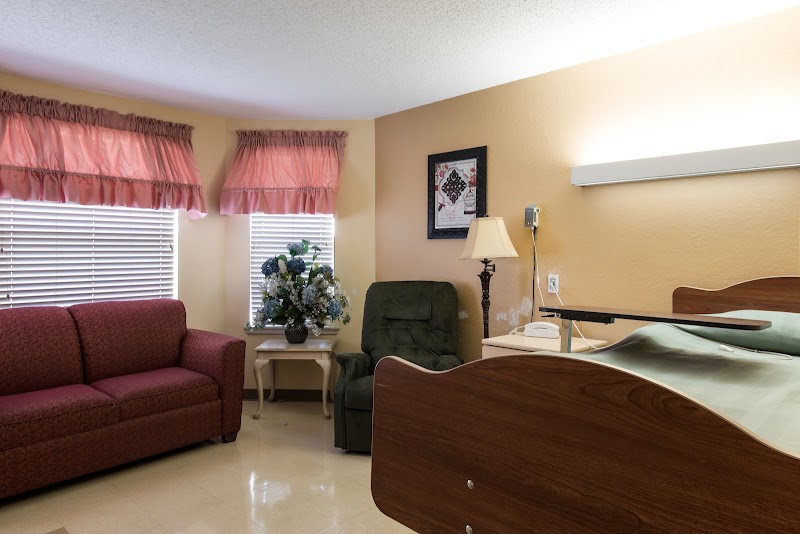
How is Windsor Of Harli Staffed?

CMS rates WINDSOR NURSING AND REHABILITATION CENTER OF HARLI's staffing level at 2 out of 5 stars, which is below average compared to other nursing homes. Staff turnover is 34%, compared to the Texas average of 46%. This relatively stable workforce can support continuity of care.

What Have Inspectors Found at Windsor Of Harli?

State health inspectors documented 12 deficiencies at WINDSOR NURSING AND REHABILITATION CENTER OF HARLI during 2023 to 2025. These included: 12 with potential for harm.
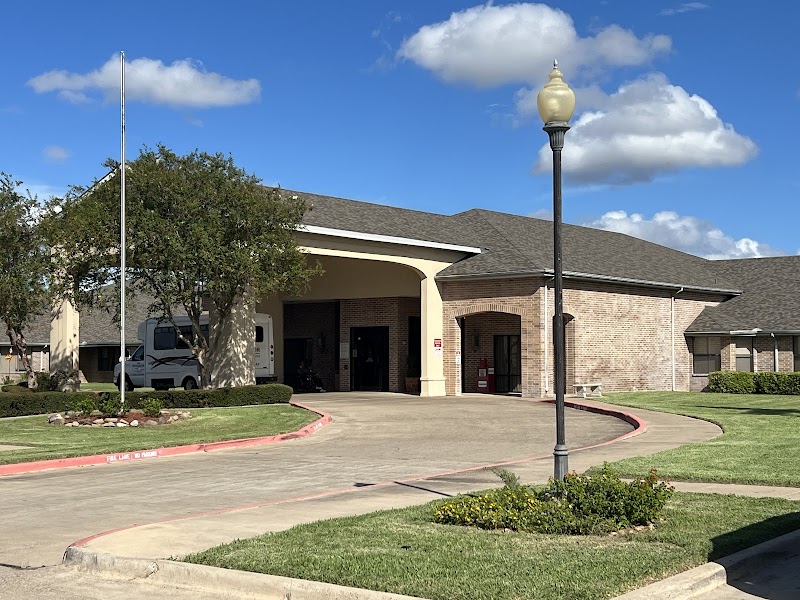
Who Owns and Operates Windsor Of Harli?

WINDSOR NURSING AND REHABILITATION CENTER OF HARLI is owned by a non-profit organization. Non-profit facilities reinvest revenue into operations rather than distributing to shareholders. The facility is operated by WELLSENTIAL HEALTH, a chain that manages multiple nursing homes. With 154 certified beds and approximately 123 residents (about 80% occupancy), it is a mid-sized facility located in HARLINGEN, Texas.
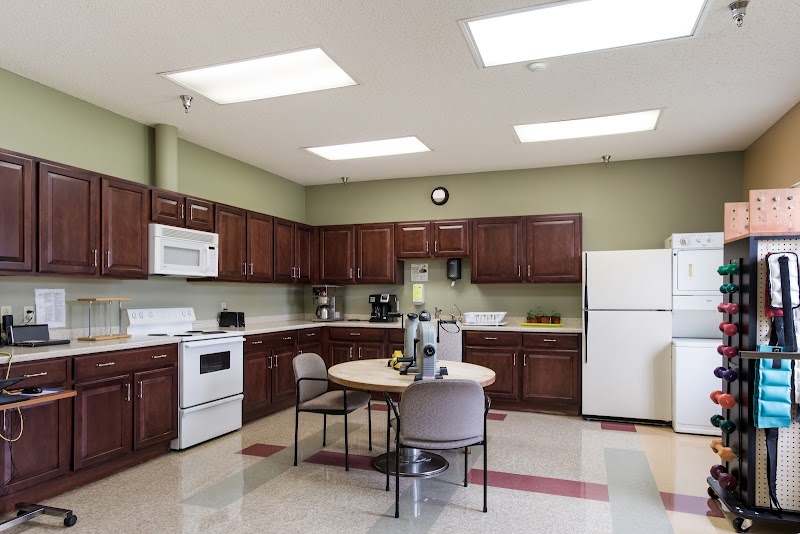
How Does Windsor Of Harli Compare to Other Texas Nursing Homes?

Compared to the 100 nursing homes in Texas, WINDSOR NURSING AND REHABILITATION CENTER OF HARLI's overall rating (5 stars) is above the state average of 2.8, staff turnover (34%) is significantly lower than the state average of 46%, and health inspection rating (5 stars) is much above the national benchmark.

What Should Families Ask When Visiting Windsor Of Harli?

Based on this facility's data, families visiting should ask: "Can you walk me through typical staffing levels on day, evening, and night shifts?" "Can I visit during a mealtime to observe dining assistance and food quality?" "How do you handle medical emergencies, and what is your hospital transfer rate?" "Can I speak with family members of current residents about their experience?" These questions are particularly relevant given the below-average staffing rating.

Is Windsor Of Harli Safe?

Based on CMS inspection data, WINDSOR NURSING AND REHABILITATION CENTER OF HARLI has a clean safety record: no substantiated abuse findings (meaning no confirmed cases of resident harm), no Immediate Jeopardy citations (the most serious violation level indicating risk of serious injury or death), and is not on the Special Focus Facility watch list (a federal program monitoring the lowest-performing 1% of nursing homes). The facility has a 5-star overall rating and ranks #1 of 100 nursing homes in Texas. While no facility is perfect, families should still ask about staff-to-resident ratios and recent inspection results during their visit.

Do Nurses at Windsor Of Harli Stick Around?

WINDSOR NURSING AND REHABILITATION CENTER OF HARLI has a staff turnover rate of 34%, which is about average for Texas nursing homes (state average: 46%). Moderate turnover is common in nursing homes, but families should still ask about staff tenure and how the facility maintains care continuity when employees leave.

Was Windsor Of Harli Ever Fined?

WINDSOR NURSING AND REHABILITATION CENTER OF HARLI has been fined $3,145 across 1 penalty action. This is below the Texas average of $33,110. While any fine indicates a compliance issue, fines under $50,000 are relatively common and typically reflect isolated problems that were subsequently corrected. Families should ask what specific issues led to these fines and confirm they've been resolved.

Is Windsor Of Harli on Any Federal Watch List?

WINDSOR NURSING AND REHABILITATION CENTER OF HARLI is not on any federal watch list. The most significant is the Special Focus Facility (SFF) program, which identifies the bottom 1% of nursing homes nationally based on persistent, serious quality problems. Not being on this list means the facility has avoided the pattern of deficiencies that triggers enhanced federal oversight. This is a positive indicator, though families should still review the facility's inspection history directly.